2025 Tabelog Bronze by Tabelog (2025)
    Restaurant2025

    2025 Tabelog Bronze Restaurants: The Complete 454-Venue List

    An essential destination that anyone who considers themselves a fine cuisine enthusiast should know and visit.

    How many of these have you visited?

    Discover on Pearl
    442 locationsTabelog

    Venues on this list

    L'Atelier de NOTO, Ishikawa, Japan

    L'Atelier de NOTO

    Ishikawa, Japan

    Restaurant

    A French restaurant in Wajima, Ishikawa, L'Atelier de NOTO holds a Tabelog Bronze Award 2025 with a score of 4.05, placing it among the prefecture's recognized dining addresses. The kitchen works within a French framework while drawing from Noto Peninsula ingredients, operating tight lunch and dinner sittings daily. Its Wajima address makes it a counterpoint to Kanazawa's denser restaurant concentration.

    Isshinzushi Koyo, Miyazaki, Japan

    Isshinzushi Koyo

    Miyazaki, Japan

    Restaurant

    Miyazaki sushi sits closer to the source than the big-city counters, Isshinzushi Koyo uses that advantage with unusual seriousness. Its reputation rests on fish-led sushi, a 12-seat counter within a larger 40-seat house restaurant, a long run of Tabelog recognition, including a 2026 Bronze Award and selection for Tabelog Sushi WEST 100 in 2025.

    Araki, Nara, Japan

    Araki

    Nara, Japan

    Restaurant

    Araki in Nara's Gakuenkita district holds a Michelin Plate and an Opinionated About Dining Top 25 Asia ranking (2023), placing it among the prefecture's most closely watched sushi counters. The format is omakase, the seating intimate, the service window narrow, evenings only, Tuesday through Saturday, with two seatings per night.

    Kappou Muroi, Tokyo, Japan

    Kappou Muroi

    Tokyo, Japan

    Restaurant

    Kappo Kappou Muroi occupies an eight-seat counter in Nishiazabu, where a deliberately sashimi-free course alternates cold and hot preparations with temperature and aroma as the organising principles. Tabelog Bronze Award winner in both 2025 and 2026, with a score of 4.22 and a 2024 Michelin star, it sits in the tier of small-counter Japanese restaurants where the precision of the whole service team matters as much as the cooking.

    Asago, Fukuoka, Japan

    Asago

    Fukuoka, Japan

    Restaurant

    Akama Chaya Asago in Fukuoka's Shirogane district has held a place on the Tabelog Soba 100 continuously since 2018, earning Tabelog Bronze in both 2025 and 2026. The eight-seat counter operates a dual format: daytime à la carte and an omakase course from 17:00. Cash only, closed Tuesdays, the omakase books ahead by phone.

    Usukifugu Yamadaya, Tokyo, Japan

    Usukifugu Yamadaya

    Tokyo, Japan

    Restaurant

    Usukifugu Yamadaya in Nishiazabu, Tokyo presents kaiseki-style fugu (pufferfish) cuisine focused on naturally caught tiger fugu from the Bungo Channel. Must-try dishes include Fugusashi (paper-thin fugu sashimi), Fugu Karaage (crisply fried pufferfish), and the grilled white roe. The restaurant pairs courses with hirezake and regional sakes under Chef Yoshio Kusakabe’s direction. A Tabelog Bronze Award 2025 recipient with a 4.18 score and Travelers’ Choice recognition, Usukifugu Yamadaya delivers carefully prepared textures, clean ocean umami, intimate chef counter service that makes each meal both instructive and unforgettable.

    Kitchen Ribbon, Nagoya, Japan

    Kitchen Ribbon

    Nagoya, Japan

    Restaurant

    Nagoya’s serious beef culture is not only about teppanyaki theatre; it also rewards restaurants that treat provenance as the point. Kitchen Ribbon belongs in that conversation through a steak-focused format, Kuroge Wagyu and Matsusaka beef emphasis, Tabelog Award Bronze recognition from 2019 through 2026, selection for Tabelog’s Steak / Teppanyaki EAST 100 in 2025.

    Ñ, Osaka, Japan

    Ñ

    Osaka, Japan

    Restaurant

    A Michelin-starred Spanish restaurant in Minamisenba, Ñ translates the modern prix fixe format through a chef who trained in Madrid and San Sebastián during the post-elBulli decade. Refined tapas, arroz with regional Spanish character, plancha-grilled items sit alongside, an unusual alignment of critical recognition and popular approval in Osaka's competitive dining scene.

    Konishiya, Hyogo, Japan

    Konishiya

    Hyogo, Japan

    Restaurant

    Konishiya places Sanda in Hyogo’s serious Japanese-cuisine conversation rather than treating it as a side trip from Kobe. The draw is a fish-focused, sake-aware format with counter seating, private rooms, sustained Tabelog recognition, including Bronze awards from 2019 through 2026 and Japanese Cuisine WEST 100 selections in 2021, 2023, 2025.

    Edition Koji Shimomura, Tokyo, Japan

    Edition Koji Shimomura

    Tokyo, Japan

    Restaurant

    Tokyo French dining has a serious lighter register, Edition Koji Shimomura belongs to that conversation rather than the butter-heavy brasserie line. Koji Shimomura’s Roppongi dining room is backed by Tabelog Bronze recognition, La Liste scoring and OAD Japan placement, with a cuisine built around French technique, Japanese produce and a tasting progression that prizes clarity over excess.

    Shofukuro Honten, Higashiomi, Japan

    Shofukuro Honten

    Higashiomi, Japan

    Restaurant

    Shofukuro Honten brings kaiseki to a quieter register in Higashiomi, Shiga Prefecture, ranked #228 on Opinionated About Dining's Top Restaurants in Japan list for 2025 and holding a Tabelog Bronze Award with a score of 3.88. Chef Hidetaro Nakamura's kitchen operates within the multi-course seasonal tradition that defines Japan's most serious dining, placing this address in a comparable set that extends well beyond its provincial setting.

    Narikura, Tokyo, Japan

    Narikura

    Tokyo, Japan

    Restaurant

    Opened in July 2019 in the residential Suginami ward, Narikura has earned consecutive Tabelog Bronze Awards from 2021 through 2026 and three selections to the Tabelog Tonkatsu 100, alongside a Michelin Bib Gourmand and the top ranking in Opinionated About Dining's Casual Japan list for 2023 and 2025. Fourteen seats, reservation-only, priced at around ¥6,000–¥8,000 per head.

    Edomae Shinsaku, Tokyo, Japan

    Edomae Shinsaku

    Tokyo, Japan

    Restaurant

    A Michelin-starred tempura counter in Ningyocho, Chuo Ward, where the frying technique is engineered through the science of desiccation and the Maillard reaction rather than convention. Tabelog Bronze Award winner in both 2025 and 2026, with a score of 4.11 and a dinner price of JPY 20,000 to 29,999. Reservations open on the first of each month for the following three months, via the OMAKASE platform.

    Nikaku, Kitakyushu, Japan

    Nikaku

    Kitakyushu, Japan

    Restaurant

    Nikaku puts Kitakyushu into the serious Edomae sushi conversation through a seven-seat counter, a fish-led format, recognition from Tabelog, including a 2025 Bronze Award and selection for Sushi WEST 100. The point is not theatrical luxury; it is a compact counter where sourcing, rice, timing, restraint carry the meal.

    Hitotsu, Miyazaki, Japan

    Hitotsu

    Miyazaki, Japan

    Restaurant

    Hitotsu is a 10-seat counter sushi restaurant in Miyazaki City, operating since January 2022 and holding Tabelog Bronze Awards consecutively from 2023 through 2026, alongside selection in the Tabelog Sushi WEST Top 100. Dinner runs JPY 15,000 to 19,999 per person, with two seatings nightly and a particular focus on Kyushu-sourced fish. Reservations are accepted online and by phone.

    Le Musee IDEA, Sapporo, Japan

    Le Musee IDEA

    Sapporo, Japan

    Restaurant

    Tucked into Sapporo's Miyanomori residential quarter, Le Musee IDEA operates from a 12-seat second-floor dining room where French technique meets Hokkaido produce with unusual intensity. Chef Makoto Ishii has earned consecutive Tabelog Bronze Awards from 2024 through 2026 and two selections for the Tabelog French EAST Top 100. Reservation-only, with dinner priced in the JPY 40,000 to 49,999 range and a 10% service charge.

    Yamanomi, Nagano, Japan

    Yamanomi

    Nagano, Japan

    Restaurant

    Yamanomi (Ishiusuhiki Soba Kobo Yama no Mi) is a seasonal soba specialist in Yamanouchi, Nagano Prefecture, operating from late April to mid-November with lunch service only. It has held Tabelog Bronze status in 2022, 2025, 2026, carries a score of 4.13, has appeared in the Tabelog Soba East Top 100 every year from 2017 through 2025. Lunch runs JPY 2,000 to 2,999.

    STEAK HOUSE Baron, Kumamoto, Japan

    STEAK HOUSE Baron

    Kumamoto, Japan

    Restaurant

    Kumamoto’s premium beef dining tier is small, STEAK HOUSE Baron sits at its serious end: 13 seats, counter-led service, Tabelog Award Bronze recognition in 2026, 2025, 2023 and 2022, plus repeated Tabelog 100 selections for steak and teppanyaki. The point is sourcing discipline rather than spectacle, with wine service and a reservation-only format shaping the meal around beef provenance and timing.

    Yamasei, Nagano, Japan

    Yamasei

    Nagano, Japan

    Restaurant

    Yamasei is Matsumoto's most decorated unagi specialist, holding Tabelog Bronze Awards in both 2025 and 2026 and a place on the Tabelog Unagi 100 list. The 13-seat room in the Ote district pairs traditional eel cookery with a wine program given unusual attention for the category. Dinner runs by reservation only through Table Check.

    Roan Matsuda Sasayama, Hyogo, Japan

    Roan Matsuda Sasayama

    Hyogo, Japan

    Restaurant

    A Tabelog Bronze Award winner in the rural Tamba-Sasayama district of Hyogo, Roan Matsuda Sasayama has held a place on Tabelog's Soba 100 list every year since 2017. Set in a converted house with tatami rooms, it serves soba and seasonal Japanese courses at lunch from JPY 6,000 and dinner from JPY 10,000. Reservations are required and must be made at least one day in advance.

    ca’enne, Nagano, Japan

    ca’enne

    Nagano, Japan

    Restaurant

    ca’enne puts mountain-region Italian cooking into a low-capacity Chino format, with wood fire, wine and local sourcing doing more of the work than ceremony. Its Tabelog Award Bronze recognition from 2023 through 2026 and Tabelog Italian EAST 100 selections in 2023 and 2025 place it in the serious destination-dining tier for Nagano rather than the casual resort-table bracket.

    Kawamura, Tokyo, Japan

    Kawamura

    Tokyo, Japan

    Restaurant

    A seven-seat counter in Ginza's Chuo City, Kawamura has held a place on the Tabelog Award honour roll every year since 2017, rising to Silver in 2026 with a score of 4.38. Dinner runs from JPY 100,000 per person, access is by referral only, the format is counter-only steak, making it one of the most deliberately restricted dining experiences in the city.

    Wagyu lab K, Hiroshima, Japan

    Wagyu lab K

    Hiroshima, Japan

    Restaurant

    Hiroshima’s beef dining scene is often read through casual grills and okonomiyaki-adjacent comfort, but Wagyu lab K belongs to a narrower counter-led category. The draw is provenance and control: a reservation-only yakiniku, steak and beef-dish format built around Hiroshima’s Sakakiyama Beef, with Tabelog Bronze recognition in 2025 and 2026 anchoring its credibility.

    Nijikichi, Imabari, Japan

    Nijikichi

    Imabari, Japan

    Restaurant

    Nijikichi puts Setouchi seafood into a six-seat counter format on Hakata Island, part of Imabari’s Shimanami Kaido corridor. Its Tabelog Award 2026 Silver recognition, 2025 Bronze recognition, reservation-only format, JPY 30,000–39,999 spend range place it in a narrow category: destination dining built around fish, access, timing rather than urban convenience.

    Higashiyama Tsukasa, Kyoto, Japan

    Higashiyama Tsukasa

    Kyoto, Japan

    Restaurant

    Kyoto kaiseki often rewards restraint, but Higashiyama Tsukasa works in a more free-form register: counter seating, a seasonal Japanese base, ideas that move beyond strict classical boundaries. Recognition from Tabelog Bronze and Opinionated About Dining places it in the city’s serious Japanese dining tier, with a format better suited to diners who want precision without predictability.

    La Clairière, Tokyo, Japan

    La Clairière

    Tokyo, Japan

    Restaurant

    La Clairiere is a historical Tokyo profile; Google Places lists the former Shirokane restaurant as permanently closed.

    Kizaki, Tokyo, Japan

    Kizaki

    Tokyo, Japan

    Restaurant

    An eight-seat omakase counter in Akasaka, Kizaki has earned consecutive Tabelog Bronze Awards (2025, 2026) and repeated selection for the Tabelog Sushi Tokyo 100, placing it firmly in the city's mid-to-upper sushi tier. Dinner runs JPY 30,000 to 39,999; lunch offers meaningful access at JPY 15,000 to 19,999. Reservation-only, with strict punctuality requirements and a no-fragrance policy.

    Hatsunezushi, Tokyo, Japan

    Hatsunezushi

    Tokyo, Japan

    Restaurant

    An eight-seat omakase counter in Nishikamata, Ota City, Hatsunezushi holds a Tabelog score of 4.26 and consecutive Silver and Bronze Tabelog Awards dating to 2017, alongside three selections for the Sushi Tokyo Tabelog 100. Chef Katsu Nakaji runs the fifth-generation course at dinner prices of roughly JPY 8,000 to 14,999, placing it in the mid-upper tier of Tokyo sushi, serious recognition at a fraction of the city-centre premium.

    Toraya Kochuan, Tokushima, Japan

    Toraya Kochuan

    Tokushima, Japan

    Restaurant

    Toraya Kochuan gives Tokushima’s Japanese cuisine scene a rural, ingredient-led counterpoint to the city’s more casual ramen, izakaya, steak rooms. Its Tabelog Award history, OAD recommendation, fish focus, sake program, tatami setting, private-room format place it in the prefecture’s serious regional dining tier rather than the everyday restaurant circuit.

    Jingumae Higuchi, Tokyo, Japan

    Jingumae Higuchi

    Tokyo, Japan

    Restaurant

    A two-Michelin-star kaiseki counter in Jingumae, Shibuya, Higuchi has held Tabelog Bronze recognition every year since 2017 and appeared in Opinionated About Dining's Top Restaurants in Japan list three consecutive times. The 14-seat room, with a six-seat counter and horigotatsu private dining, runs dinner-only across five evenings a week. Dinner averages JPY 40,000 to 49,999, with a particular focus on fish and curated sake and shochu pairings.

    Kitcho Arashiyama - 京都 吉兆 嵐山本店, Kyoto, Japan

    Kitcho Arashiyama - 京都 吉兆 嵐山本店

    Kyoto, Japan

    Restaurant

    Kitcho Arashiyama holds a position at the uppermost tier of Kyoto kaiseki, with a Tabelog score of 3.89, consecutive Bronze Awards from 2020 through 2026, 98 points on La Liste 2026. Spread across seven private tatami rooms in the Arashiyama district, the restaurant operates on reservations only, with per-person spend running from JPY 60,000 to JPY 79,999 before a 20% service charge.

    Sushi Murakami Jiro, Osaka, Japan

    Sushi Murakami Jiro

    Osaka, Japan

    Restaurant

    A Michelin-starred sushi counter in Osaka's Sonezaki Shinchi district, Sushi Murakami Jiro operates at the ¥¥¥¥ tier where technical precision and seasonal Japanese ingredients set the standard. Holding a 2024 Michelin star, it draws a clientele that expects serious craft at counter level.

    MAISON LAFITE, Fukuoka, Japan

    MAISON LAFITE

    Fukuoka, Japan

    Restaurant

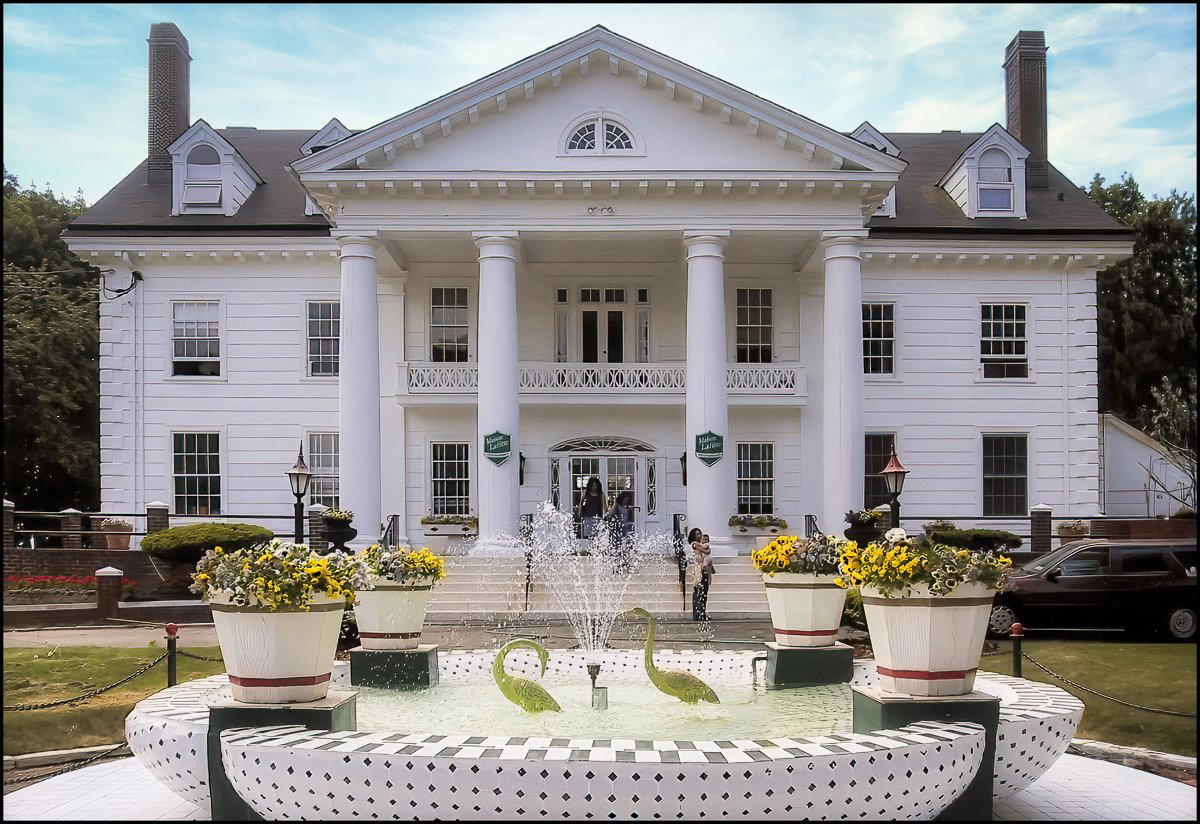
    MAISON LAFITE brings French technique into the rural edge of Fukuoka, where satoyama setting and local sourcing shape the argument as much as the cooking. Its six-seat scale, Tabelog Award Bronze run from 2020 through 2026, OAD 2026 Recommended status place it in the small, serious tier of destination dining outside Japan’s larger restaurant capitals.

    Pome, Osaka, Japan

    Pome

    Osaka, Japan

    Restaurant

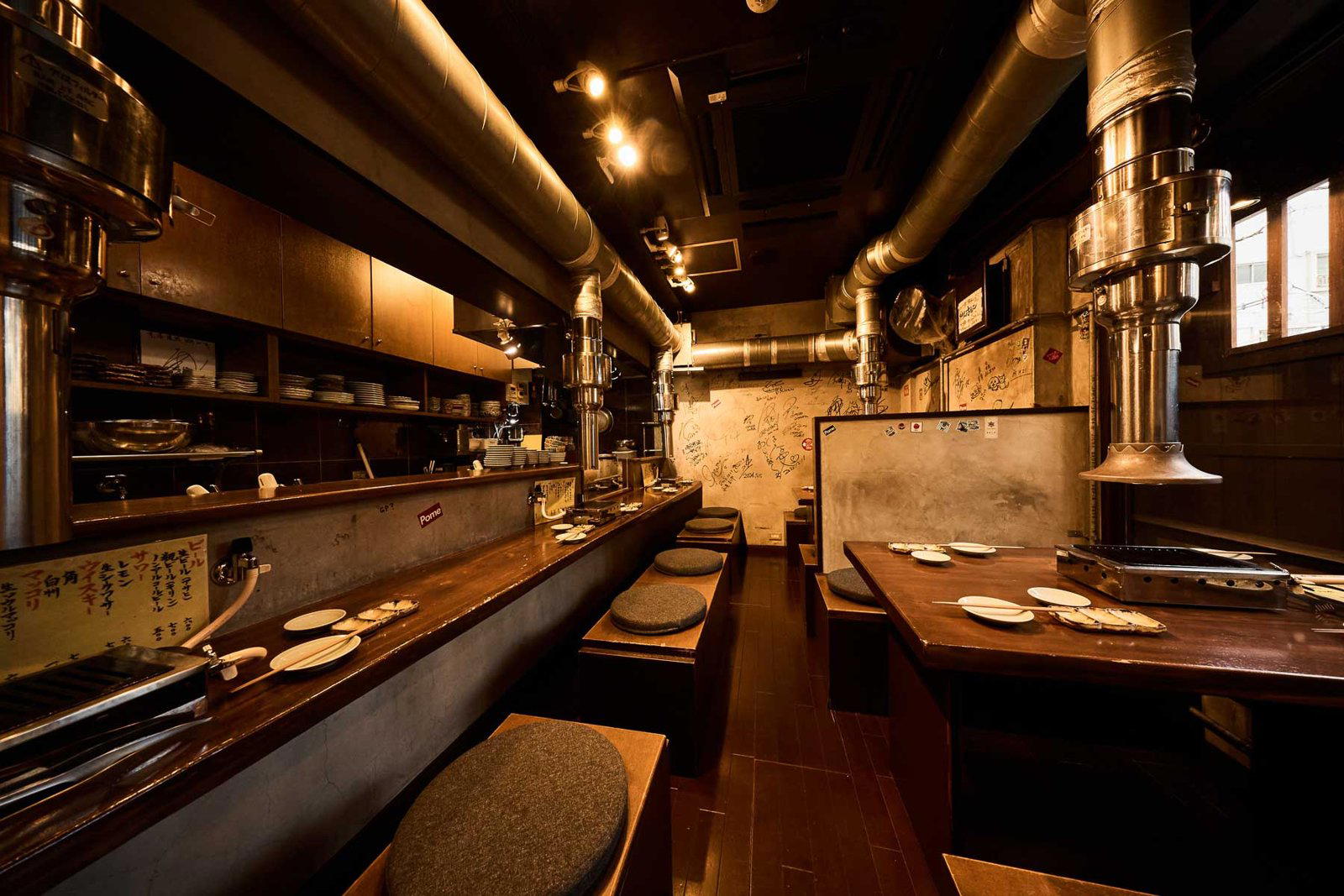
    Keiraku Yakiniku Pome is a 14-seat yakiniku counter in Higashishinsaibashi, Osaka, that has earned consecutive Tabelog Bronze Awards in 2025 and 2026 alongside four straight years on the Tabelog Yakiniku WEST 100 list. Operating on an almost exclusively course-meal format, dinner runs JPY 15,000 to 19,999 per person. Cash only, no private rooms, reservations are close to essential.

    fuxing, Kobe, Japan

    fuxing

    Kobe, Japan

    Restaurant

    fuxing puts Kobe’s Chinese dining in a serious, small-room register rather than a hotel-banquet frame. The draw is the way Japanese urban sourcing culture and Chinese technique meet at counter scale, supported by Tabelog Chinese WEST 100 selections in 2023, 2024 and 2026, plus a Tabelog Award 2025 Bronze signal.

    Yuji, Tokyo, Japan

    Yuji

    Tokyo, Japan

    Restaurant

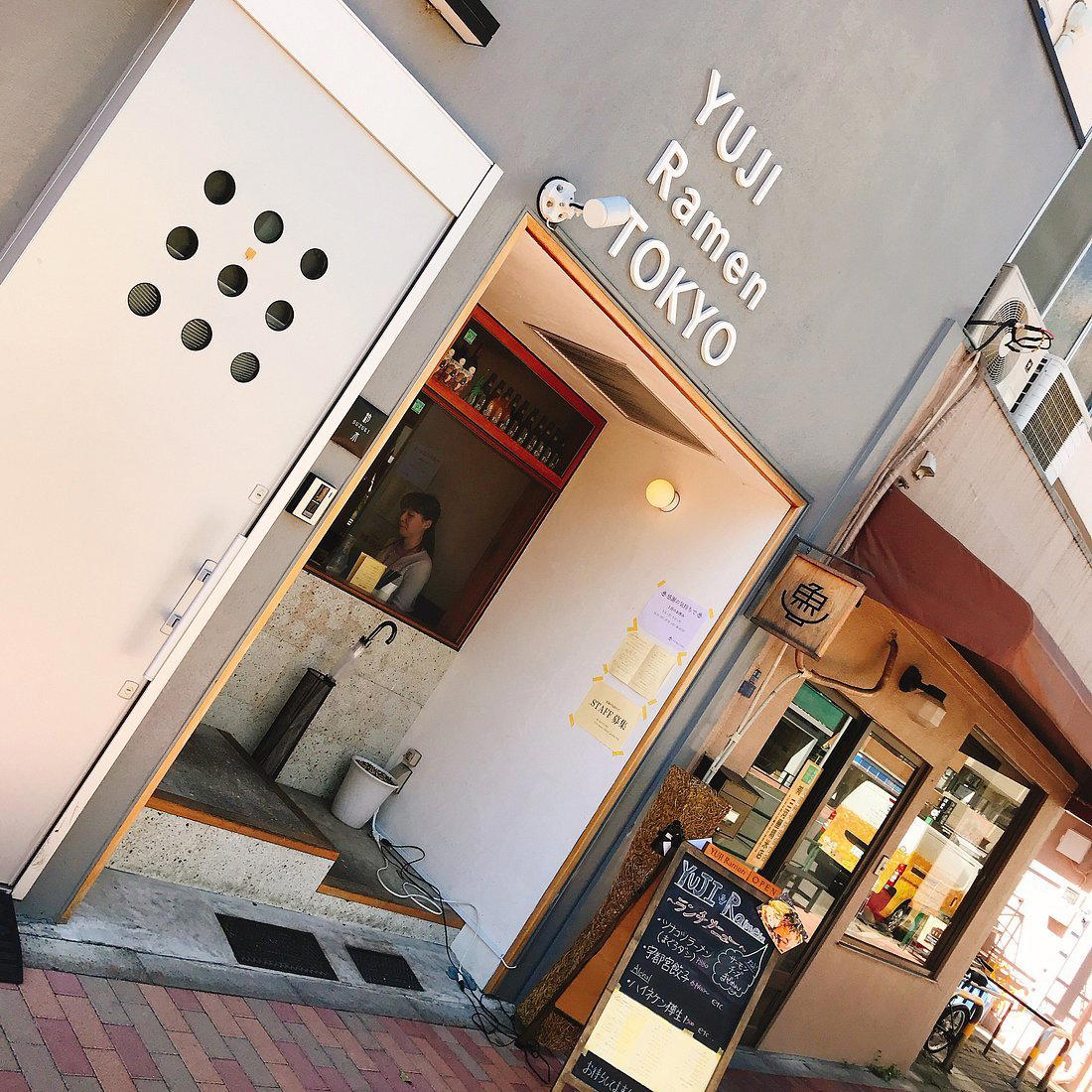
    Shibuya’s serious yakiniku culture is easy to miss amid the district’s louder dining signals. Yuji belongs to the charcoal-grill, offal-aware side of the city: a counter-and-table room in Udagawacho with Tabelog Award history, OAD Recommended status for 2026, a price band that keeps it closer to repeat-local dining than luxury beef theater.

    Restaurant l'equateur, Tokyo, Japan

    Restaurant l'equateur

    Tokyo, Japan

    Restaurant

    A 12-seat French-innovative counter in Motoazabu that has held Tabelog Gold or Silver recognition every year from 2017 to 2022, with Bronze maintained through 2026. Priced at JPY 40,000 to 49,999 per head before wine, with review averages tracking higher, it occupies the serious upper tier of Tokyo's non-Japanese fine dining scene. Open Tuesday through Saturday from 18:00, with a second seating at 20:45.

    Hashimotoya, Osaka, Japan

    Hashimotoya

    Osaka, Japan

    Restaurant

    Hashimotoya puts Osaka’s low-cost curry culture into a tighter, award-noted frame: soup curry, a 16-seat room, a weekday lunch rhythm in Minamisenba. Its Tabelog Bronze recognition and 4.07 score place it above the city’s usual quick curry stop, while the JPY 1,000–1,999 lunch bracket keeps the experience grounded in Osaka’s everyday dining economy.

    Onarimon Haru, Tokyo, Japan

    Onarimon Haru

    Tokyo, Japan

    Restaurant

    Onarimon Haru has held a place in Tabelog's Japanese Cuisine Tokyo Top 100 every selection cycle since 2021, earning Bronze awards in 2022, 2025, 2026. The 17-seat room in Shibadaimon, split between a seven-seat counter, a table private room, a sunken kotatsu space, operates at a dinner price point of JPY 40,000 to 49,999. Reservations are required for all sittings, with a minimum party size of two.

    Jambo Shinozaki Honten, Tokyo, Japan

    Jambo Shinozaki Honten

    Tokyo, Japan

    Restaurant

    A Tabelog Bronze Award holder in Edogawa's Shinozaki neighbourhood, Jambo Shinozaki Honten is a yakiniku specialist that draws a loyal local following to Tokyo's eastern fringe. With weekday dinner service running until 22:30 last orders, it represents the kind of neighbourhood meat restaurant that quietly accumulates a serious reputation far from the central dining circuit.

    Rantei Vivian, Fukushima, Japan

    Rantei Vivian

    Fukushima, Japan

    Restaurant

    Rantei Vivian puts Koriyama’s Japanese dining in a serious regional frame: seasonal omakase, Fukushima produce, fish-led cooking, a room built for small parties rather than spectacle. Its repeated Tabelog Bronze recognition and Tabelog 100 Japanese Cuisine EAST selections place it in a tighter bracket than casual local addresses, while the experience remains rooted in the private-room and counter traditions of Japanese hospitality.

    Gion Owatari, Kyoto, Japan

    Gion Owatari

    Kyoto, Japan

    Restaurant

    Gion Owatari sits in Kyoto’s high-priced kaiseki tier, where counter intimacy, ingredient control and dashi work matter more than spectacle. Mahito Owatari’s eight-seat Gion room carries Michelin one-star recognition, a 2026 Tabelog Bronze Award and placement on OAD’s 2026 Japan ranking, making it a serious address for diners comparing Kyoto’s ingredient-led Japanese cuisine at the upper end.

    Marushin, Fukushima, Japan

    Marushin

    Fukushima, Japan

    Restaurant

    A Tabelog Bronze Award winner for 2022, 2024, 2025, 2026, Marushin in Koriyama sits inside Japan's Tabelog 100 for Japanese cuisine EAST and holds a score of 3.98 on over 400 reviews. Dinner runs JPY 10,000 to 14,999; lunch is dramatically more accessible at JPY 1,000 to 1,999. The kitchen's stated commitment is ingredient provenance: 'The Star is the Producer.'

    entre nous, Hyogo, Japan

    entre nous

    Hyogo, Japan

    Restaurant

    Opened in October 2022 on the second floor of a Sannomiya building, entre nous has earned consecutive Tabelog Bronze Awards (2025 and 2026) and a 4.28 score from Japan's most-used restaurant platform, placing it among Kobe's most closely watched French tables. Chef Hideki Takayama frames the menu around Japanese terroir expressed through French technique, across a 22-seat room split between a 16-seat counter and private dining.

    MOTOÏ, Kyoto, Japan

    MOTOÏ

    Kyoto, Japan

    Restaurant

    MOTOÏ places French technique inside Kyoto’s machiya dining culture rather than treating the city as decoration. The Nakagyo room, set in a century-old wooden townhouse, suits a polished but not theatrical meal, with chef Motoi Maeda’s modern French cooking supported by a Michelin star, Tabelog Bronze recognition, OAD’s 2026 Japan recommendation.

    Tanryu, Hyogo, Japan

    Tanryu

    Hyogo, Japan

    Restaurant

    Tabelog Bronze Award winner for 2025 and 2026, Tanryu is a 12-seat Japanese cuisine restaurant in Himeji, Hyogo, with a documented focus on local produce, seasonal fish, a sake programme serious enough to warrant an on-site sommelier. Dinner and lunch both price at JPY 30,000 to 39,999, with a 10% service charge applied across all sittings. Reservations should be made by phone the day before at the latest.

    Umi, Tokyo, Japan

    Umi

    Tokyo, Japan

    Restaurant

    Umi occupies a discreet ground-floor counter in Minami-Aoyama, earning consecutive Opinionated About Dining top-250 rankings in both 2024 and 2025 alongside a Tabelog Bronze Award. Chef Koichi Taira runs a tightly scheduled service across two sittings per evening, placing Umi firmly within Tokyo's mid-to-upper omakase tier where sourcing discipline and seasonal restraint carry the argument.

    Ryoriya Maekawa, Kyoto, Japan

    Ryoriya Maekawa

    Kyoto, Japan

    Restaurant

    A Michelin-starred yakitori counter in Shimogyo Ward, Kyoto, Ryoriya Maekawa runs on eight seats, two sittings, a reservation-only policy that reflects the seriousness of its format. Awarded Tabelog Bronze in both 2025 and 2026, with a score of 4.29 and consecutive selection to the Tabelog Yakitori 100, it sits in the upper tier of Kansai's counter dining scene, playful in spirit, precise in technique.

    Minami Aoyama Nanachome, Tokyo, Japan

    Minami Aoyama Nanachome

    Tokyo, Japan

    Restaurant

    Minami Aoyama Nana Chome places Tokyo yakitori in its polished counter-dining register: small-format, grill-led, built for drink-led pacing rather than spectacle. Recognition from Tabelog Bronze and Opinionated About Dining puts it in the city’s serious yakitori conversation, while the 10-seat counter format keeps the experience close to the fire.

    Tsushima, Tokyo, Japan

    Tsushima

    Tokyo, Japan

    Restaurant

    Tsushima is a seven-seat counter in Motoazabu working in Tokyo’s high-price Chinese and creative-dining tier. Its signals are unusually clear: Tabelog Award Bronze in 2025 and 2026, Tabelog Chinese TOKYO 100 selections across multiple years, a reservation-only format that makes planning part of the experience.

    Yamasaryokan, Usa, Japan

    Yamasaryokan

    Usa, Japan

    Restaurant

    Yamasaryokan puts Usa’s inland Oita food culture into a formal ryotei-ryokan frame, with suppon, Japanese cuisine, private rooms, tatami seating, a long-running awards record on Tabelog. The appeal is not urban spectacle; it is ingredient-led regional dining with a format built for groups, business meals, travelers who want a more traditional room than a counter or casual izakaya.

    aru, Aichi, Japan

    aru

    Aichi, Japan

    Restaurant

    A six-seat French counter in Toyohashi, Aichi, aru has earned consecutive Tabelog Bronze Awards (2025, 2026) and two selections for Tabelog French EAST 100, with a Tabelog score of 4.17. Dinner runs JPY 20,000 to 29,999, lunch JPY 15,000 to 19,999. The kitchen centres on seasonal produce from the Higashi-Mikawa region, paired with a wine list that leans toward Japanese labels.

    Sushisho Saito, Tokyo, Japan

    Sushisho Saito

    Tokyo, Japan

    Restaurant

    Akasaka’s sushi counters sit in a demanding part of Tokyo’s dining culture, where fish selection, rice temperature, pacing, restraint are judged with little patience for theatrics. Sushisho Saito belongs to that serious tier, with an 11-seat counter, Tabelog Bronze recognition in 2026, a dinner budget listed at JPY 60,000–79,999.

    TAKAYAMA, Kyoto, Japan

    TAKAYAMA

    Kyoto, Japan

    Restaurant

    Kyoto’s Italian dining has moved beyond regional imitation into a quieter, ingredient-led form shaped by the city’s own pace. TAKAYAMA belongs to that serious creative tier, with Michelin recognition, Tabelog Bronze status, a small counter-driven format that reads closer to Kyoto kaiseki discipline than trattoria comfort.

    Setsugekka Tanaka Satoru, Aichi, Japan

    Setsugekka Tanaka Satoru

    Aichi, Japan

    Restaurant

    Setsugekka Tanaka Satoru places Nagoya yakiniku in a premium, ingredient-led register: wagyu, beef dishes, private rooms, a drinks list that gives wine equal billing with sake and shochu. Its Tabelog Bronze recognition for 2024, 2025, 2026, plus repeated Tabelog 100 selections for yakiniku, make it a serious marker for how Aichi’s beef culture has moved beyond casual grill houses.

    Enoteca La Ricolma, Hakodate, Japan

    Enoteca La Ricolma

    Hakodate, Japan

    Restaurant

    A four-seat Italian enoteca operating out of a residential house in Hakodate's Tomiokacho district, Enoteca La Ricolma has held the Tabelog Bronze Award consecutively from 2024 through 2026 and appears in the Tabelog Italian EAST 100 list for both 2023 and 2025. Dinner runs on an omakase-only format, with an evening spend that reviewers place closer to JPY 20,000 to 29,999. Reservations are required and accepted by appointment only.

    iwanaga, Miyazaki, Japan

    iwanaga

    Miyazaki, Japan

    Restaurant

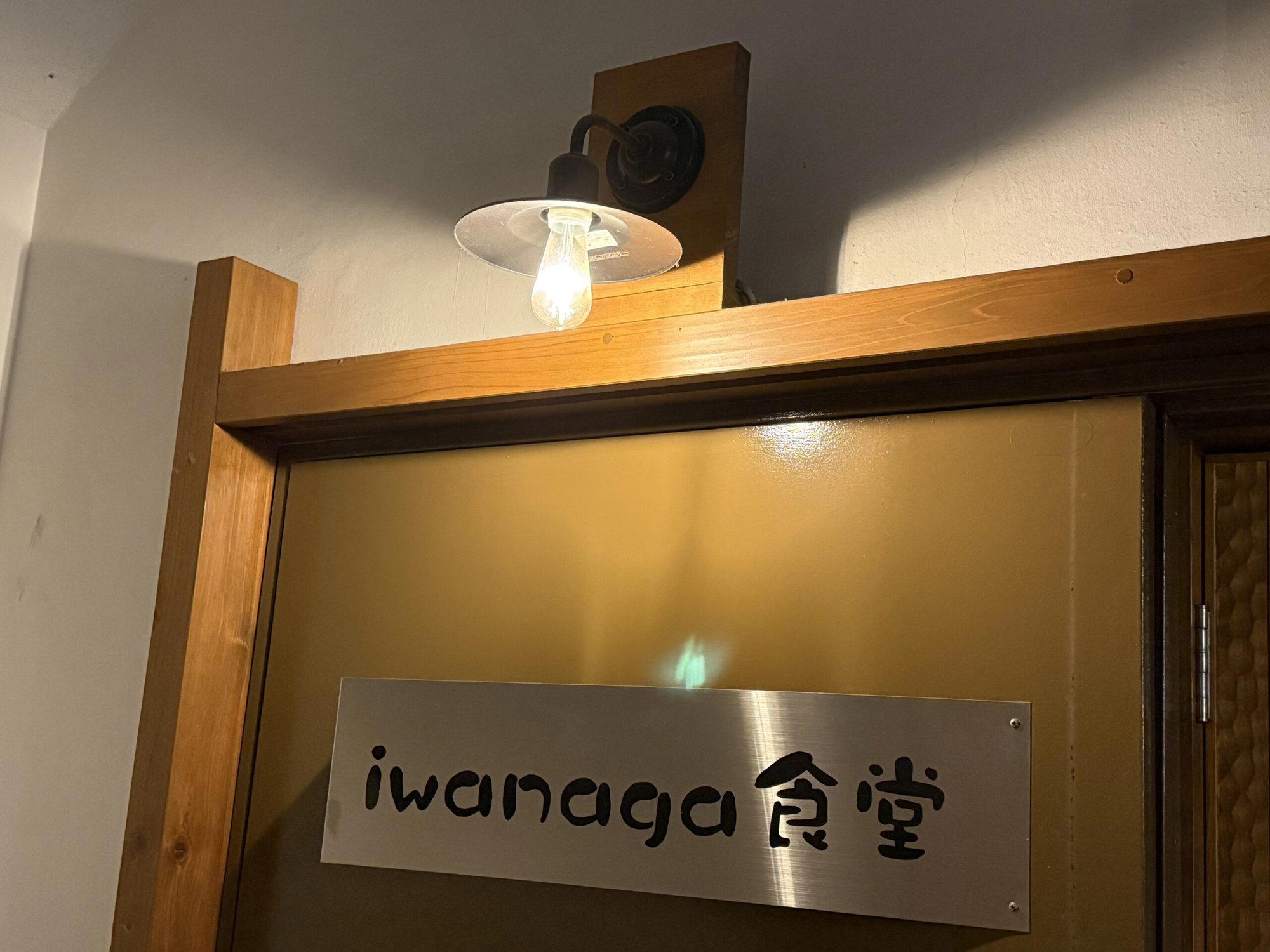
    iwanaga gives Miyazaki’s yoshoku tradition a small-room, reservation-only expression, with steak and beef dishes framed by the Japanese habit of adapting Western forms to local appetite. Tabelog recognition, including Bronze in 2025 and selection for the 2025 Yoshoku WEST 100, places it in a serious regional bracket rather than the casual comfort-food tier.

    Amaki, Aichi, Japan

    Amaki

    Aichi, Japan

    Restaurant

    Amaki occupies the 18th floor of the Nagoya Kanko Hotel in Naka Ward, operating as an 11-seat counter sushi restaurant with a Tabelog score of 4.20 and consecutive Bronze Awards in 2025 and 2026. Dinner runs JPY 30,000 to 39,999 and the kitchen's emphasis on locally sourced fish places it firmly within Nagoya's emerging premium sushi tier. Reservations are required.

    Casa del cibo, Aomori, Japan

    Casa del cibo

    Aomori, Japan

    Restaurant

    Casa del cibo gives Hachinohe’s Italian dining a serious local-produce argument rather than a borrowed urban template. The draw is not scale but focus: a 12-seat, reservation-only format, repeated Tabelog Award Bronze recognition, cooking framed around Aomori and Hachinohe ingredients, especially fish.

    Ino, Matsuyama, Japan

    Ino

    Matsuyama, Japan

    Restaurant

    Sushi Ino holds consecutive Tabelog Bronze awards (2025 and 2026) and repeated selection to the Tabelog Sushi WEST 100 list, making it the most decorated sushi counter in Matsuyama. The ten-seat counter on the third floor of a Nibancho building serves Edo-style nigiri built on Ehime's local fish. Dinner runs JPY 20,000 to 29,999; lunch, reservation-only, comes in at JPY 10,000 to 14,999.

    Kanjo, Tokyo, Japan

    Kanjo

    Tokyo, Japan

    Restaurant

    Kanjo belongs to Tokyo’s small-format Japanese dining tier, where duck, soba and counter discipline carry more weight than spectacle. Its reputation is backed by Tabelog Award Bronze recognition in 2025 and 2026, selection for Tabelog 100 Japanese cuisine Tokyo in 2023 and 2025, an OAD Top Restaurants in Japan Recommended listing for 2026.

    Eizan, Hiroshima, Japan

    Eizan

    Hiroshima, Japan

    Restaurant

    Eizan is a small Hiroshima Japanese-cuisine counter built around ritual, restraint, a narrow service rhythm rather than spectacle. Recognition includes The Tabelog Award 2026 Bronze and selection for Tabelog Japanese cuisine WEST 100 in 2025, placing it in the serious regional conversation for formal Japanese dining.

    Bekk, Fukuoka, Japan

    Bekk

    Fukuoka, Japan

    Restaurant

    Bekk sits in Kitakyushu's Tanga district, a 12-seat Italian counter that has earned Tabelog Bronze Awards in both 2025 and 2026 alongside selection in the Tabelog Italian WEST 100. The kitchen works with a seasonal Kyushu ingredient framework expressed through Italian technique, with dinner averaging JPY 20,000 to 29,999. Reservation-only format and a strict cancellation policy signal the seriousness of its kitchen commitments.

    Yoshii, Aichi, Japan

    Yoshii

    Aichi, Japan

    Restaurant

    Yoshii belongs to Aichi’s small-counter Japanese cuisine tier, where sourcing, restraint, repeat recognition matter more than spectacle. The seven-seat counter has Tabelog Award history from 2017 through 2026, including Bronze in 2026 and Silver in 2021 and 2022, with dinner pricing in the JPY 15,000 to JPY 19,999 band.

    Sessonan, Hitachiomiya, Japan

    Sessonan

    Hitachiomiya, Japan

    Restaurant

    Sessonan is a historical Hitachiomiya profile; the former restaurant has been replaced by chef Yoshiki Fuji's YOSHIKI FUJI project.
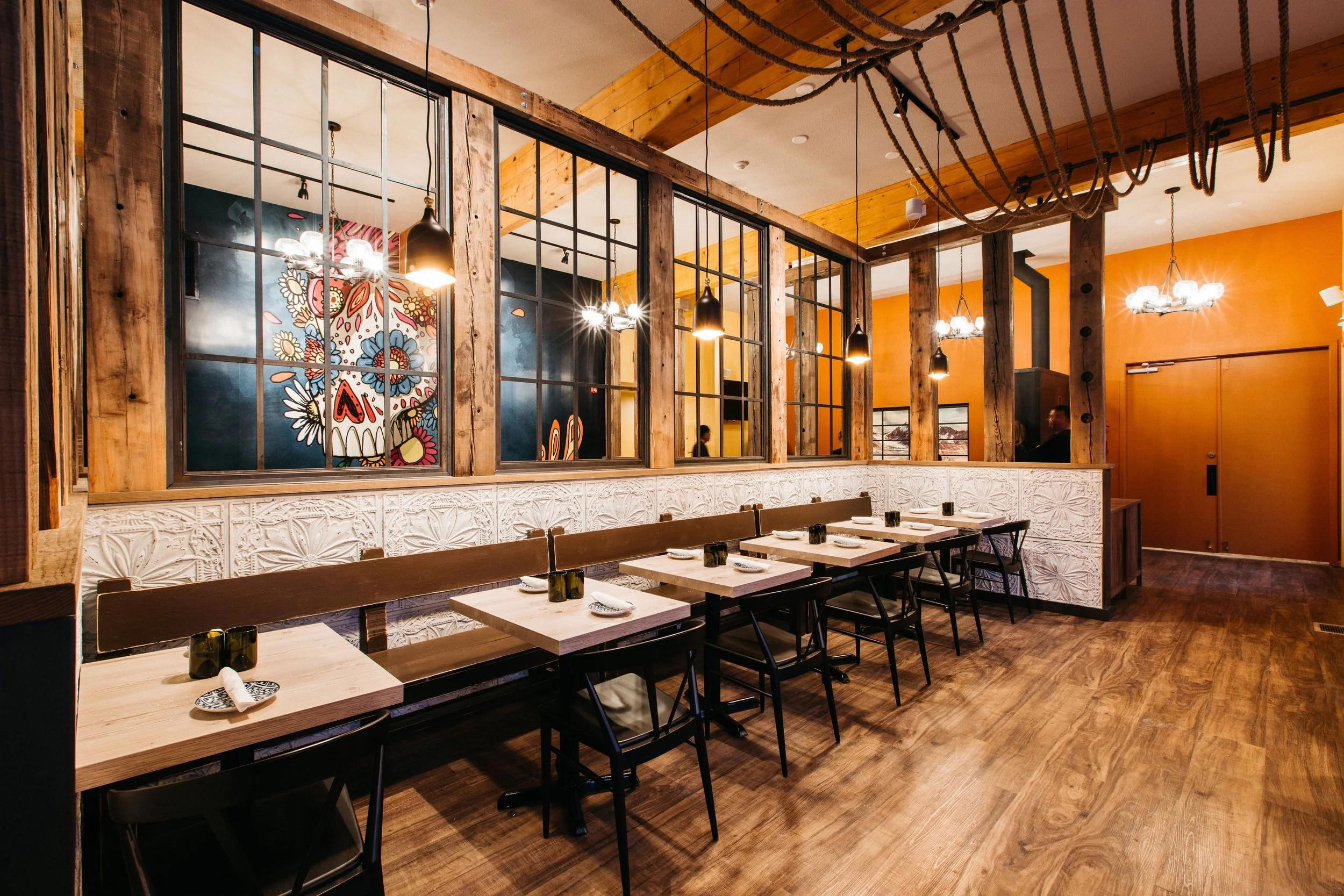
    Ristorante SHIKAZAWA, Iwate, Japan

    Ristorante SHIKAZAWA

    Iwate, Japan

    Restaurant

    A six-seat house restaurant in Morioka's Saien district, Ristorante SHIKAZAWA operates at the intersection of Italian technique and Sanriku coastal produce. Tabelog Bronze Award winner in both 2025 and 2026, with a 4.14 score and placement in the Tabelog Italian EAST Top 100, it runs entirely on advance reservations and accepts a maximum of two groups per day, making access as deliberate as the cooking itself.

    Ryobo, Kagawa, Japan

    Ryobo

    Kagawa, Japan

    Restaurant

    Ryobo puts Takamatsu’s Italian dining into a small, ingredient-led register rather than the city’s more familiar udon-and-chicken shorthand. Its Tabelog Award Bronze recognition in 2025 and 2026, plus repeated Tabelog Italian WEST 100 selections, place it in a serious regional tier, with a six-seat format and wine-aware service shaping the experience.

    LATURE, Tokyo, Japan

    LATURE

    Tokyo, Japan

    Restaurant

    Tokyo French has split into several lanes: grand dégustation rooms, bistro-polished addresses, smaller auteur kitchens that read Japan through French technique. LATURE belongs to the last group, with Takuto Murota’s game-focused cooking, Tabelog Bronze recognition in 2026, an OAD Japan ranking, a 20-seat scale that keeps the experience closer to a controlled atelier than a conventional luxury dining room.

    Kalpasi, Tokyo, Japan

    Kalpasi

    Tokyo, Japan

    Restaurant

    Kalpasi brings Tokyo’s spice-curry conversation into a compact Setagaya room, working across Indian curry, Nepalese and Sri Lankan registers rather than the city’s ramen-and-sushi default. Its weekly one-course format, 11-seat scale and repeated Tabelog recognition place it in the small-format curry tier where structure matters as much as seasoning.

    SEN, Kyoto, Japan

    SEN

    Kyoto, Japan

    Restaurant

    SEN distills Kyoto’s grace into a quietly dazzling, season-led experience where culinary intuition meets refined hospitality. In an intimate room that nods to Gion’s rituals, including a charming Naginata Boko float replica during festival season, the chef composes deceptively simple plates that imprint themselves on the memory. With an instinctive ability to “read the room,” he tailors ingredients and techniques to your conversation and mood, then closes the evening with nostalgic comforts, silken chazuke, gleaming mackerel sushi, or a soulful ramen, elevated to a serene finale. This is Kyoto dining at its most nuanced: elegant, personal, effortlessly unforgettable.

    Maruyasu, Hyogo, Japan

    Maruyasu

    Hyogo, Japan

    Restaurant

    Maruyasu belongs to Hyogo’s serious fugu tradition rather than the casual seafood lane, with Tabelog Award recognition from 2021 through 2026 and a specialist format built around fish. The appeal is less spectacle than control: private-room dining, tatami-room formality, sake and shochu, the kind of ingredient-led cooking that rewards diners who understand why pufferfish commands its own category in Japan.

    Gion Matayoshi, Kyoto, Japan

    Gion Matayoshi

    Kyoto, Japan

    Restaurant

    Gion Matayoshi places Kyoto kaiseki inside Gion’s quieter social register: counter discipline, private-room formality, sake-led pacing, a tea-kaiseki sensibility rather than spectacle. Recognition includes Michelin two stars in 2024 and 2025, plus repeated Tabelog Bronze status, which puts it in the city’s serious Japanese dining bracket without turning the room into a trophy case.

    Hassun, Kyoto, Japan

    Hassun

    Kyoto, Japan

    Restaurant

    Hassun sits in Kyoto’s kappo-kaiseki tradition, where seasonality is not decoration but structure. The 18-seat Gion room, led by Kanji Kubota, carries serious local credibility: Tabelog Award Bronze in 2026, repeated Tabelog Award recognition since 2019, inclusion in the 2026 Opinionated About Dining Top Restaurants in Japan Recommended list.

    Sincère, Tokyo, Japan

    Sincère

    Tokyo, Japan

    Restaurant

    Open since April 2016, Sincère occupies a basement space in Sendagaya and has held Tabelog Bronze recognition every year from 2018 through 2026, plus a Michelin star in 2024 and an Opinionated About Dining ranking of #215 in Japan. Chef Shinsuke Ishii shapes the menu around underutilised fish species and producer relationships, with dinner running ¥20,000–¥29,999 across 18 seats.

    Obana, Tokyo, Japan

    Obana

    Tokyo, Japan

    Restaurant

    Obana belongs to Tokyo’s old-school unagi tradition rather than the city’s counter-driven luxury dining circuit. Its Minamisenju setting, Tabelog Unagi 100 selection in 2024, OAD Highly Recommended recognition place it among the capital’s serious eel addresses, with a format built around patience, smoke, rice, a narrow specialty rather than chef-led theatre.

    Hide, Osaka, Japan

    Hide

    Osaka, Japan

    Restaurant

    Wayoshusai Hide holds a Tabelog Bronze Award (2026) and has appeared on the Tabelog Izakaya WEST 100 list every year since 2021, placing it among Osaka's most consistently recognised izakaya. Operating reservation-only from Shinsaibashi, it focuses on fish-driven cooking paired with a carefully selected sake list. Dinner averages JPY 10,000 to 14,999, making it a credible middle tier between neighbourhood taverns and the city's kaiseki circuit.

    Amegen, Saga, Japan

    Amegen

    Saga, Japan

    Restaurant

    A Tabelog Bronze Award winner every year from 2020 through 2026, Amegen sits in Karatsu, Saga Prefecture, drawing on Edo-period techniques to prepare tsugani, river fish, wild vegetables served on local Karatsu ware. Ranked among the top 350 restaurants in Japan by Opinionated About Dining, it occupies a quiet but firmly established place in Kyushu's serious dining circuit.

    Mitsuyasu, Kyoto, Japan

    Mitsuyasu

    Kyoto, Japan

    Restaurant

    Oryori Mitsuyasu operates on a single-booking-per-day format in Kyoto's Kamigyo Ward, a structure that places it among the city's most deliberately intimate kaiseki-adjacent tables. A Michelin star (2024) and consecutive Tabelog Bronze Awards from 2017 through 2026 confirm its standing in the serious tier of Kyoto Japanese cuisine, with dinner running JPY 30,000 to 39,999. Only cash is accepted, reservations are required.

    OHKUSA, Tokyo, Japan

    OHKUSA

    Tokyo, Japan

    Restaurant

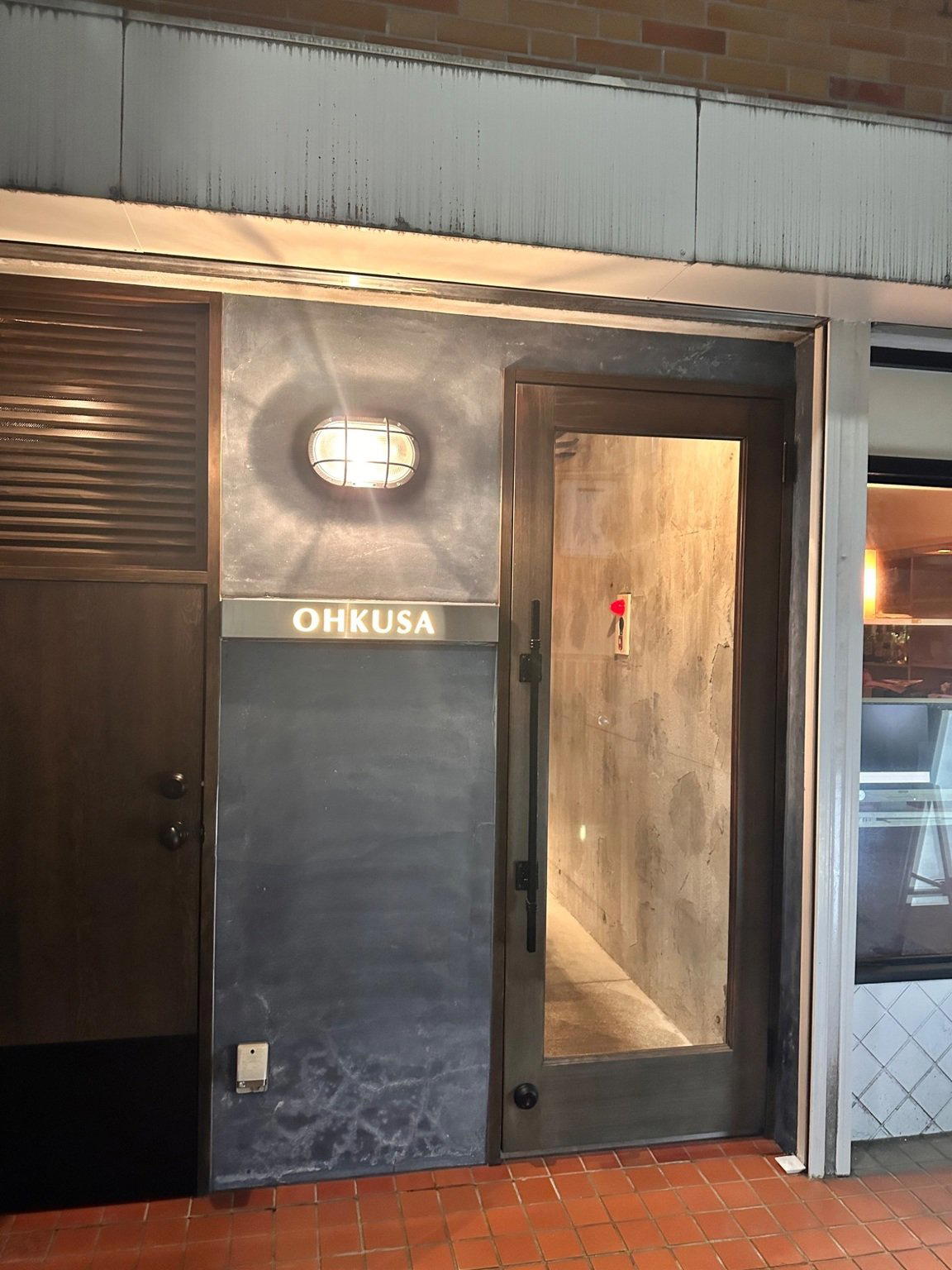
    An eight-seat yakitori counter in Shinjuku's Arakicho district, OHKUSA has held Tabelog Silver recognition in four of the past six years and earned consecutive Yakitori 100 listings since 2021. Dinner runs JPY 15,000 to 19,999, reservations open exactly one week ahead by phone, the counter accepts a maximum of two guests per booking. Cash only; no photography permitted inside.
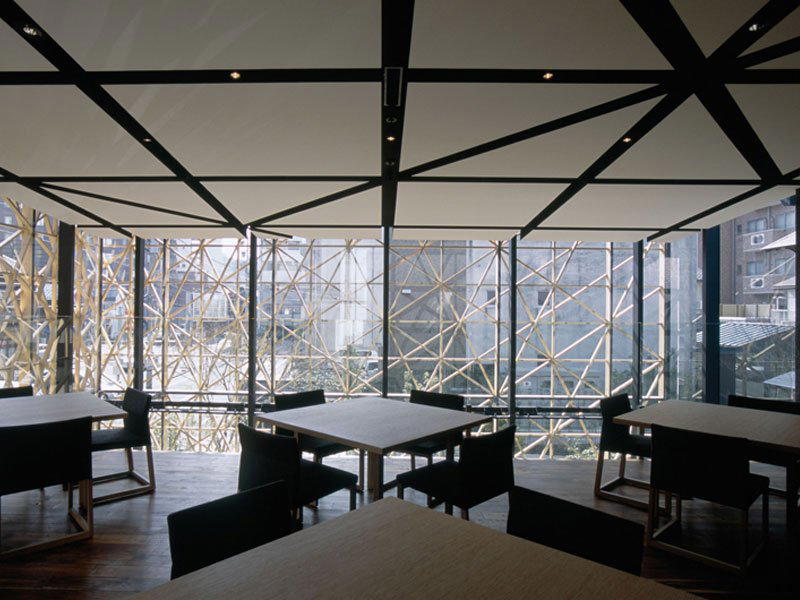
    Kaikatei, Fukui, Japan

    Kaikatei

    Fukui, Japan

    Restaurant

    Kaikatei has held a Tabelog Bronze Award every year since 2017 and earned selection in the Tabelog Chinese EAST Top 100 in 2021, 2023, 2024, placing it among the most consistently recognised Chinese restaurants in central Japan. With 24 seats in Gifu City and a dinner price point of JPY 10,000 to 14,999, it operates at a tier where wok technique and kitchen precision carry the full weight of the experience.

    Mumyo, Nagano, Japan

    Mumyo

    Nagano, Japan

    Restaurant

    Mumyo belongs to Nagano’s small, serious tier of destination Japanese restaurants, where mountain produce, seasonality, restraint matter more than spectacle. Its six-seat format, Tabelog Award Bronze recognition from 2023 through 2026, OAD Recommended listing place it well above casual Chino dining, with pricing in the JPY 20,000–29,999 bracket for both lunch and dinner.

    Tamura, Fukuoka, Japan

    Tamura

    Fukuoka, Japan

    Restaurant

    A Tabelog Bronze Award holder in Fukuoka's Haruyoshi district, Tamura operates nightly from 17:00 to midnight across a cuisine classified as Asian, ethnic, curry-influenced.

    Muromachi Wakuden, Kyoto, Japan

    Muromachi Wakuden

    Kyoto, Japan

    Restaurant

    Established in 1870, Muromachi Wakuden occupies a Kyoto machiya townhouse in Nakagyo Ward, holding a Michelin star and consecutive Tabelog Bronze Awards from 2017 through 2026. The 50-seat room splits between a 15-seat counter and four private rooms, with kaiseki menus anchored to earthen charcoal braziers and seasonal produce from Kyotango. Lunch offers the more accessible entry point; dinner pushes toward the full ceremonial register.

    Mokkosu, Takasaki, Japan

    Mokkosu

    Takasaki, Japan

    Restaurant

    Mokkosu places Takasaki in Japan’s serious tempura conversation rather than treating the city as a stop between Tokyo and hot-spring country. The draw is a compact, reservation-only tempura format with seven counter seats, Tabelog Award Silver recognition in 2026, a sourcing-led idiom built around fish, sesame oil, sake, shochu and wine.

    La Blanche, Tokyo, Japan

    La Blanche

    Tokyo, Japan

    Restaurant

    La Blanche sits in Tokyo’s French conversation as a long-running Minami Aoyama address with Tabelog Bronze recognition and repeated inclusion in Tabelog French Tokyo 100. The appeal is not novelty; it is the durability of a classic French register in a city often rewarded for reinvention, precision, high-pressure tasting formats.

    Tagetsu, Tokyo, Japan

    Tagetsu

    Tokyo, Japan

    Restaurant

    A tea kaiseki counter in Kita-Aoyama's basement tier, Tagetsu has earned consecutive Tabelog Bronze recognition every year from 2019 through 2026, plus three selections to the Tabelog Japanese Cuisine Tokyo 100. Chef Hideo Mochizuki's approach is rooted in cha-kaiseki discipline, with dinner running JPY 40,000 to 49,999 and a notably accessible lunch at JPY 10,000 to 14,999. Nineteen seats and a reservation-only policy keep the room controlled and quiet.

    Tomisuke, Hiroshima, Japan

    Tomisuke

    Hiroshima, Japan

    Restaurant

    Tomisuke belongs to Hiroshima’s serious seafood-led Japanese dining tier, where small counters, sake, precise sourcing matter more than spectacle. Its Tabelog Bronze recognition in 2025 and 2026, plus selection for Tabelog Japanese cuisine WEST 100 in 2025, place it above the city’s casual izakaya field and closer to a destination dinner for travelers tracking regional fish culture.

    Yanagiya, Gifu, Japan

    Yanagiya

    Gifu, Japan

    Restaurant

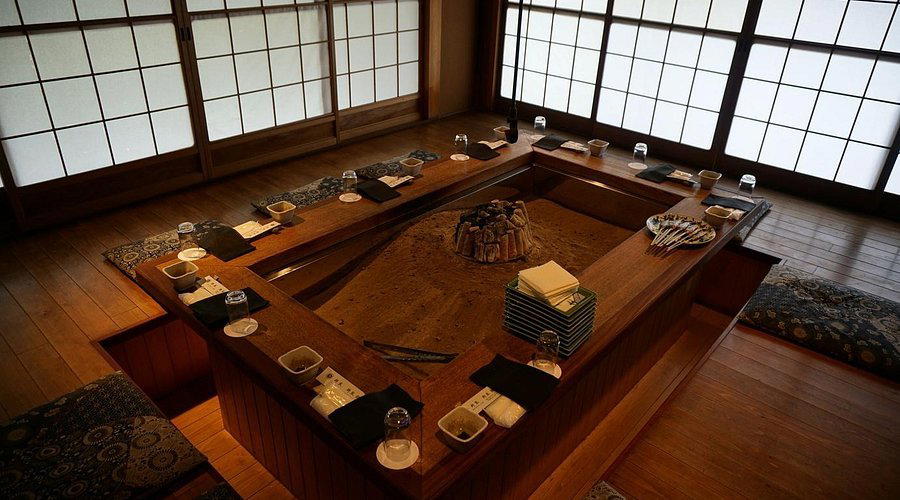
    Yanagiya in Mizunami, Gifu prefecture, is one of Japan's most consistently decorated regional restaurants, holding Tabelog Silver and ranking as high as #19 on Opinionated About Dining's Japan list. Built around an irori hearth and the seasonal rhythms of central Japan, it serves wild game in autumn and river fish in summer to guests willing to make the journey out of the city.

    ristorante NAKAMOTO, Kyoto, Japan

    ristorante NAKAMOTO

    Kyoto, Japan

    Restaurant

    Kizugawa gives Kyoto’s Italian dining a quieter frame than the city-center circuit. ristorante NAKAMOTO belongs to the small-format, reservation-only tier, with Tabelog Bronze recognition in 2026 and a 10-seat dining room that places it closer to a destination meal than a casual neighborhood stop.

    Ushigoro, Tokyo, Japan

    Ushigoro

    Tokyo, Japan

    Restaurant

    USHIGORO S. GINZA sits on the sixth floor of the GINZA777 ADC Building, operating as the premium tier of the Ushigoro group's yakiniku portfolio. A Tabelog Bronze Award winner every year from 2019 through 2026, ranked inside Japan's top 220 restaurants by Opinionated About Dining, it occupies a price bracket (JPY 20,000 to 29,999 per head) that places it firmly among Ginza's serious dining addresses. All 11 private rooms accommodate groups of four to twelve.

    BAMBOU, Chiba, Japan

    BAMBOU

    Chiba, Japan

    Restaurant

    BAMBOU in Ichikawa, Chiba, specializes in refined tonkatsu and fried classics served with seasonal sides. Notable dishes include the Rosu Katsu Set with house-panko, Katsu Sando with soft milk bread, Seasonal Vegetable Katsu featuring crisp, tempura-style batter. The kitchen emphasizes precise frying, daily-made panko, balanced sauces that highlight meat texture and natural sweetness. A Tabelog Bronze Award 2025 recipient with a 3.94 score, BAMBOU pairs straightforward service with clean plating and rice-steamed accompaniments. Expect the satisfying crunch of perfectly fried cutlets, warm miso aroma, shredded cabbage dressed in citrusy vinaigrette, an approachable yet elevated tonkatsu experience for lunches and early dinners.

    Tamawarai, Tokyo, Japan

    Tamawarai

    Tokyo, Japan

    Restaurant

    Tamawarai has held a Tabelog Bronze Award every year since 2017 and appears consistently in the Tabelog Soba 100 list, making it one of the most decorated soba counters in Tokyo's Jingumae neighbourhood. The 14-seat house restaurant operates four days a week, with dinner available by reservation only and a prix fixe format that extends well beyond the noodle itself. Lunch prices run JPY 2,000 to 2,999; dinner reaches JPY 10,000 to 14,999.

    Tsunechan, Osaka, Japan

    Tsunechan

    Osaka, Japan

    Restaurant

    Tsunechan places Sakai’s yakiniku culture in a tighter, counter-led register: meat, tripe, smoke and drink pairings rather than downtown spectacle. Its Tabelog Award Bronze recognition in 2025 and 2026, plus repeated Tabelog 100 Yakiniku WEST selections, put it in a serious Kansai barbecue bracket without removing it from its local, Goryomae-side setting.

    Guchokuni, Tokyo, Japan

    Guchokuni

    Tokyo, Japan

    Restaurant

    A Tabelog Bronze Award winner tucked into the fourth floor of a Kagurazaka building, Guchokuni operates a 12-seat Japanese cuisine counter under Chef Masato Otsuka. The name translates as 'in simple honesty', and the kitchen holds to that principle across seasonally driven soups, crab preparations, dashi-forward cooking. Review scores averaging JPY 40,000 to 49,000 per head place it firmly in Tokyo's upper-tier kaiseki bracket.

    Tsunokamizaka Koshiba, Tokyo, Japan

    Tsunokamizaka Koshiba

    Tokyo, Japan

    Restaurant

    A Tabelog Award fixture since 2020 and consistently named among Tokyo's top 100 Japanese restaurants, Tsunokamizaka Koshiba operates from a 12-seat second-floor room in Shinjuku's Arakicho quarter. The menu follows a Kansai-rooted architecture, kombu-enriched dashi, pressed sushi, grilled courses, rice dishes, with a pronounced focus on fish and nihonshu pairings. Dinner runs JPY 30,000 to 39,999 per person, by reservation only.

    KAHALA, Osaka, Japan

    KAHALA

    Osaka, Japan

    Restaurant

    Open since August 1971, KAHALA in Osaka's Kitashinchi district holds two Michelin stars and consecutive Tabelog Awards across nearly a decade, with chef Yoshifumi Mori building an innovative Japanese creative menu around rigorously sourced domestic ingredients and a declared focus on fish. The eight-seat counter operates dinner-only in two seatings, with reservations opening three months ahead and average per-person spend in the JPY 50,000 to 59,999 range.

    Kawaguchi, Kyoto, Japan

    Kawaguchi

    Kyoto, Japan

    Restaurant

    Kawaguchi belongs to Kyoto’s small-counter Japanese dining tier, where reputation is built less through spectacle than through consistency, access, peer recognition. With Koji Kawaguchi named as chef, six counter seats, a Tabelog Award 2026 Silver, OAD Japan recognition, it sits in the city’s serious kappo-adjacent conversation rather than the casual Gion dinner circuit.

    Mizai, Kyoto, Japan

    Mizai

    Kyoto, Japan

    Restaurant

    Mizai sits in Kyoto’s high-form kaiseki tier, where seasonality, dashi, vessels, service rhythm matter as much as luxury signals. Chef Hitoshi Ishihara’s restaurant carries Michelin three-star recognition in 2025, La Liste 92 points in 2026, Tabelog Award 2026 Bronze status, placement on Opinionated About Dining’s 2026 Japan ranking, making it a serious reference point for Kyoto kaiseki rather than a casual temple-district dinner.

    Hakkoku, Tokyo, Japan

    Hakkoku

    Tokyo, Japan

    Restaurant

    Hakkoku is a Ginza omakase counter from chef Hiroyuki Sato, ranked as high as #87 in Opinionated About Dining's Japan list and holding a Tabelog Bronze Award and Pearl recognition as of 2025. The counter operates across lunch and dinner sessions from Tuesday through Saturday, placing it within Ginza's competitive tier of destination sushi addresses where training lineage and critical standing carry significant weight.

    Oga, Sakai, Japan

    Oga

    Sakai, Japan

    Restaurant

    Sushi Oga operates from an eight-seat counter in Sakai, Osaka, earning Tabelog Silver recognition from 2019 through 2022 before transitioning to Bronze, alongside repeated selection for the Tabelog Sushi WEST Top 100. Dinner runs JPY 50,000 to 59,999, with two evening sittings and reservation-only access. The counter draws serious sushi diners from across the Kansai region.

    Chiba Takaoka, Tokyo, Japan

    Chiba Takaoka

    Tokyo, Japan

    Restaurant

    A six-seat counter in Tokyo Midtown Yaesu, Chiba Takaoka has earned Tabelog Bronze recognition three consecutive years (2024 to 2026) and a place on the Tabelog Sushi Tokyo 100 list for 2025. Under chef Masakazu Hiraki, the evening-only format sits in the JPY 30,000 to 39,999 tier, squarely within Tokyo's upper-bracket sushi counter tier, where access depends as much on timing as intent.

    Mochizuki, Aichi, Japan

    Mochizuki

    Aichi, Japan

    Restaurant

    Check out Mochizuki (Taiko Dori/Japanese Cuisine) on Tabelog! [Private rooms available / No Smoking] Discover Japanese restaurants featuring detailed information such as menus and maps, along with user-posted reviews, ratings, photos!

    Installation Table ENSO L'asymetrie du calme, Ishikawa, Japan

    Installation Table ENSO L'asymetrie du calme

    Ishikawa, Japan

    Restaurant

    Kanazawa’s French-influenced dining has become a serious counterpoint to the city’s kaiseki and sushi traditions, Installation Table ENSO L'asymetrie du calme sits in that conversation through a chef’s-choice format rooted in Hokuriku produce. Tabelog Bronze recognition from 2023 through 2026 and repeated French WEST selections place it in Ishikawa’s higher-recognition tier without turning it into a generic luxury dining room.

    Setsugekka Ginza, Tokyo, Japan

    Setsugekka Ginza

    Tokyo, Japan

    Restaurant

    Setsugekka Ginza places premium yakiniku inside Ginza’s polished dining tier, with Tabelog Bronze Award 2025 recognition and a 3.9 score anchoring its reputation. The appeal is less about novelty than execution: beef-focused cooking, a high-rent Ginza setting, a category where sourcing, grilling discipline, pacing separate serious counters from casual grill rooms.

    Kawada, Tokyo, Japan

    Kawada

    Tokyo, Japan

    Restaurant

    A seven-seat counter in Nihonbashi Ningyocho, Kawada carries the lineage of the respected Isetsu tradition and has earned Tabelog Bronze recognition every year from 2021 through 2026, alongside three consecutive selections for the Tabelog Japanese Cuisine Tokyo 100. Dinner runs approximately three hours at JPY 40,000 to 49,999 per person. Reservation only, with strict personal attendance required.

    Souan Nabeshima, Saga, Japan

    Souan Nabeshima

    Saga, Japan

    Restaurant

    Attached to the Fukuchiyo Sake Brewery in Kashima, Souan Nabeshima is a six-seat counter restaurant that earned consecutive Tabelog Bronze Awards from 2023 through 2026 and two selections for Tabelog Japanese Cuisine WEST 100. Dinner runs JPY 30,000 to 39,999 and operates Wednesday through Sunday evenings only, making advance reservations a practical necessity for anyone travelling to Saga's Ariake coast.

    Ohata, Osaka, Japan

    Ohata

    Osaka, Japan

    Restaurant

    Osaka’s sushi counters often read differently from Tokyo’s: more openly tied to local appetite, less dependent on Ginza-style ceremony, alert to the character of Kansai seafood. Ohata belongs to that small counter-led tier, with Tabelog Award Bronze recognition in 2026 and selection for Tabelog 100 Sushi WEST 2025 anchoring its reputation.

    Gamou, Kagawa, Japan

    Gamou

    Kagawa, Japan

    Restaurant

    Open four mornings a week until 2pm, it draws the kind of repeat local traffic that defines serious Sanuki udon culture. For those tracing the prefecture's noodle traditions beyond the tourist circuit, it belongs on the itinerary.

    Komatsu, Kanazawa, Japan

    Komatsu

    Kanazawa, Japan

    Restaurant

    Ryori Komatsu holds a Tabelog Bronze Award (2025 and 2026) and repeated selection in the Tabelog Japanese Cuisine WEST Top 100, placing it among Kanazawa's most consistently recognised Japanese cuisine counters. Operating as a reservation-only house restaurant near Nomachi, it serves dinner exclusively at a counter, with a dinner budget of JPY 15,000 to 19,999 per the listed price and JPY 30,000 to 39,999 based on actual reviewer spending.

    Mizuki, Gifu, Japan

    Mizuki

    Gifu, Japan

    Restaurant

    Yakitori Mizuki occupies the second floor of a building in Gifu's Kandamachi district, where Shiga Omi chicken grilled over Kishu binchotan charcoal has earned consecutive Tabelog Bronze Awards from 2022 through 2026 and seven successive selections to the Tabelog Yakitori Top 100. An à la carte format lets guests order at their own pace, with counter seating, tatami, private rooms for parties up to twenty.

    Ito, Iwaki, Japan

    Ito

    Iwaki, Japan

    Restaurant

    Ito places Iwaki in a serious sushi conversation rather than a regional footnote. The seven-seat counter, Tabelog Award Bronze recognition from 2022 through 2026, repeated Sushi EAST 100 selections point to a compact, fish-led format where sourcing and timing matter more than spectacle.

    La Kanro, Osaka, Japan

    La Kanro

    Osaka, Japan

    Restaurant

    A Tabelog Bronze Award winner in Osaka's Kita Ward, La Kanro runs an omakase format under chef Junichi Nakamine, blending French technique with a fish-forward sourcing philosophy and a deliberate restraint on oil and salt. Sixteen seats across a six-seat counter and two private rooms, with dinner averaging JPY 20,000 to 29,999. Awarded a Michelin Plate in 2025 and ranked #277 in Opinionated About Dining's Japan list in 2024.

    GapricE, Aichi, Japan

    GapricE

    Aichi, Japan

    Restaurant

    GapricE places Italian cooking inside Nagoya’s ingredient-driven dining culture rather than treating it as imported theatre. The Ikeshita restaurant’s Tabelog Award Bronze recognition in 2025 and 2026, 10-seat format, Japanese-seasonal sourcing put it in a tighter, reservation-led bracket than casual pasta rooms across Aichi.

    Ginza kitafuku, Tokyo, Japan

    Ginza kitafuku

    Tokyo, Japan

    Restaurant

    Ginza kitafuku treats crab as a full kaiseki subject rather than a seasonal garnish, placing live-crab preparation inside Ginza’s high-spend private-room dining culture. The restaurant carries Tabelog Bronze recognition for 2026, a 3.88 Tabelog score, OAD Recommended status in its 2026 Japan restaurant list, making it a serious address for travelers tracking Tokyo seafood beyond sushi counters.

    Zai, Tokyo, Japan

    Zai

    Tokyo, Japan

    Restaurant

    Sushi Zai occupies the fifth floor of a quiet Hiroo building and operates within a tier of Tokyo sushi counters that treat comprehensiveness as a design principle rather than an afterthought. Ranked #412 in Opinionated About Dining's 2025 Japan list and holding a Tabelog Bronze Award with a score of 3.92, it draws a returning clientele drawn by the format's ambition and the neighbourhood's relative remove from the Ginza circuit.

    Shota, Sapporo, Japan

    Shota

    Sapporo, Japan

    Restaurant

    Shota places Sapporo sushi in the serious counter-dining tier: Edomae technique, kaiseki framing, eight counter seats, Tabelog Bronze recognition for 2025 and 2026. The appeal is not spectacle but scale, with a compact format that makes Hokkaido seafood culture feel disciplined rather than touristic.

    Koshikiryori Koki, Tokyo, Japan

    Koshikiryori Koki

    Tokyo, Japan

    Restaurant

    Tokyo’s premium Chinese dining tier has moved toward smaller rooms, fixed-course pacing, wine-aware service rather than banquet-hall scale. Koshikiryori Koki fits that shift through a Hong Kong inflected shared-table format, Tabelog Award Bronze recognition in 2025 and 2026, a compact Nishishinbashi setting near Toranomon Hills.

    Terasawa, Kitakyushu, Japan

    Terasawa

    Kitakyushu, Japan

    Restaurant

    Oryori Terasawa has held Tabelog Bronze recognition every year from 2019 through 2026 and appears three times on the Tabelog Japanese Cuisine EAST 100 list. The eight-seat house restaurant in Kitakami, Iwate, operates on a reservation-only basis, with dinner courses priced between JPY 20,000 and JPY 29,999. Private rooms accommodate groups of two to eight, the kitchen draws on Iwate's regional produce for kaiseki-style Japanese cuisine.

    Senpachi, Fukuoka, Japan

    Senpachi

    Fukuoka, Japan

    Restaurant

    Senpachi puts Fukuoka sushi in a tighter, source-led frame: small counter, synchronized seatings, a fish-first identity backed by Tabelog Award 2025 Bronze recognition and selection for Tabelog Sushi WEST 100 in 2025. The appeal is not theatrical luxury; it is disciplined pacing, a serious drinks program across sake, shochu and wine, a price tier that places it among the city’s more committed sushi reservations.

    La Stalla, Ibaraki, Japan

    La Stalla

    Ibaraki, Japan

    Restaurant

    La Stalla places Tsukuba’s Italian dining in a compact, reservation-led format where ingredient sourcing carries the argument. With six seats, a fixed evening course, Tabelog Award Bronze recognition from 2024 through 2026, selection for Tabelog Italian EAST 100 in 2025, it sits in Ibaraki’s serious destination-dining tier rather than the casual trattoria lane.

    Ninomae, Hyogo, Japan

    Ninomae

    Hyogo, Japan

    Restaurant

    A six-seat kaiseki counter in Ashiya, Hyogo, Ninomae earned Tabelog Bronze recognition in both 2025 and 2026 and holds a 4.12 score on Japan's most-used dining review platform. Dinner runs JPY 30,000 to 39,999; weekend lunch offers a lower entry point at JPY 15,000 to 19,999. Reservations are handled exclusively through the omakase booking platform, no phone bookings accepted.

    Kyo Seika, Kyoto, Japan

    Kyo Seika

    Kyoto, Japan

    Restaurant

    A Michelin-starred Chinese restaurant in Kyoto's Higashiyama district, Kyo Seika has held Tabelog Bronze recognition every year since 2017 and ranks among Japan's top 350 restaurants on Opinionated About Dining. Chef Shizuo Miyamoto draws on classical Chinese literature for recipe inspiration, working within a 16-seat room where counter positions face directly into the kitchen. Dinner runs ¥20,000–¥29,999 with a 10% service charge; open Wednesday through Sunday from 18:00.

    SHÓKUDŌ YArn, Komatsu, Japan

    SHÓKUDŌ YArn

    Komatsu, Japan

    Restaurant

    Komatsu’s serious dining scene is small enough that an ambitious counter can define the conversation around the city. SHÓKUDŌ YArn brings an innovative format to Ishikawa with chef Yuji Yoneda attached, Tabelog Award recognition across multiple years, a compact 14-seat scale that puts it in Japan’s destination-restaurant bracket rather than the casual local category.

    cépages, Maebashi, Japan

    cépages

    Maebashi, Japan

    Restaurant

    A Tabelog Bronze Award winner for 2025 and 2026, cépages brings serious French technique to central Maebashi inside a 16-seat room that splits between a six-seat counter and private table configurations. The kitchen takes a particular interest in fish sourcing, while the sommelier program signals a wine list treated as carefully as the food. Dinner runs JPY 30,000 to 39,999 per person; lunch is available at roughly half that figure.

    Sumibiyakiniku Nakahara, Tokyo, Japan

    Sumibiyakiniku Nakahara

    Tokyo, Japan

    Restaurant

    Tokyo yakiniku at this level is less about abundance than control: sourcing, cutting, charcoal timing, how much responsibility the kitchen takes before beef reaches the grill. Sumibiyakiniku Nakahara sits in that serious tier, with Kentaro Nakahara’s name attached, Tabelog Bronze recognition, OAD Japan ranking, a price band that places it well above casual grill-it-yourself barbecue.

    6, Okinawa, Japan

    6

    Okinawa, Japan

    Restaurant

    6 sits in Okinawa’s small high-price creative dining tier, where island geography matters as much as technique. The restaurant’s Innovative and French classification, 16-seat scale, OMAKASE reservation format, Tabelog Award Bronze recognition in 2025 and 2026 place it far from casual resort dining and closer to Japan’s destination-counter model.

    Kawaki, Sakai, Japan

    Kawaki

    Sakai, Japan

    Restaurant

    Kawaki has held a Tabelog Bronze Award every year from 2020 through 2026, with a Silver in 2019, ranks among the top 200 restaurants in Japan on Opinionated About Dining. Set in Mikuni-cho, Fukui's fishing town on the Sea of Japan, it operates as a reservation-only crab and seafood house with lunch and dinner services priced between JPY 60,000 and JPY 79,999 per person.

    KAI, Kagoshima, Japan

    KAI

    Kagoshima, Japan

    Restaurant

    KAI makes a serious case for destination Italian dining in Kagoshima, not through city-center glamour but through a six-seat counter format tied to local produce and wood-fired cooking. Its Tabelog Award Bronze run from 2024 to 2026, 4.21 score, Italian WEST Tabelog 100 selection place it in a small national conversation around regional restaurants with precise sourcing agendas.

    Alarde, Osaka, Japan

    Alarde

    Osaka, Japan

    Restaurant

    Alarde has held Tabelog Bronze recognition in 2021, 2025, 2026, appears in the Tabelog Spanish Cuisine Top 100 for 2024, positioning it as one of Osaka's most consistently rated Spanish restaurants. The 14-seat room in Nishi Ward focuses on Spanish Basque cooking, with wagyu cooked over charcoal, firewood, grapevines as the centrepiece. Dinner runs JPY 20,000 to 29,999 and the kitchen operates on reservations only.

    ZURRIOLA, Tokyo, Japan

    ZURRIOLA

    Tokyo, Japan

    Restaurant

    Ginza’s Spanish dining tier is small, expensive, increasingly shaped by wine service rather than tapas nostalgia. ZURRIOLA belongs to that serious end of the category, with Seiichi Honda’s Basque-Spanish frame, a fish-forward modern menu, sommelier service, Tabelog Bronze recognition, repeated placement in Japan-focused restaurant lists.

    Ifuki, Kyoto, Japan

    Ifuki

    Kyoto, Japan

    Restaurant

    Sumibi kappo Ifuki occupies a discreet address in Gion's Minamigawa, where Chef Norio Yamamoto has spent over a decade building a case for charcoal-grilled kappo as a serious alternative to classic kaiseki. Carrying two Michelin stars since at least 2024, a Tabelog score of 3.98, consistent placement in the Opinionated About Dining Japan top 100, the 20-seat restaurant frames fire not as technique but as the structural logic of the meal.

    Isoda, Tokyo, Japan

    Isoda

    Tokyo, Japan

    Restaurant

    Isoda belongs to Tokyo’s serious Japanese-cuisine tier rather than the casual Ningyocho dining circuit around it. Recognition from The Tabelog Award 2026 Silver, Tabelog Japanese cuisine TOKYO 100 in 2025, OAD’s 2026 Japan Recommended list puts it in a narrow bracket where sourcing, seasonality, reservation discipline matter more than decoration.

    Tada, Osaka, Japan

    Tada

    Osaka, Japan

    Restaurant

    Tada is an eight-seat Kitashinchi sushi counter led by Jun Takeuchi, with a 2026 Tabelog Bronze award, repeated Tabelog Award recognition, selection for Tabelog Sushi WEST 100 in 2025. The appeal is ingredient-led rather than theatrical: a small-room Osaka sushi format where fish sourcing, sake, wine, counter discipline define the meal.

    Daimon, Toyama, Japan

    Daimon

    Toyama, Japan

    Restaurant

    Sushi Daimon sits in Uozu, a small port city on Toyama Bay whose waters supply some of Japan's most prized seafood. A Tabelog Bronze winner every year from 2017 through 2026, selected for the Tabelog Sushi WEST Top 100 in 2021, 2022, 2025, it applies Edo-style sushi technique to ingredients the rest of Japan has to ship in: white shrimp, nodoguro, amadai drawn from the bay it overlooks.

    ShinoiS, Tokyo, Japan

    ShinoiS

    Tokyo, Japan

    Restaurant

    Opened in November 2019 in Shirokanedai, ShinoiS applies Japanese ingredient discipline to a Chinese prix fixe format, earning a Michelin star, consecutive Tabelog Bronze Awards through 2026, a position in Tabelog's Chinese Tokyo Top 100. Chef Hiroyuki Shinohara's 11-seat counter runs a regional Chinese repertoire refined through time in Hong Kong and Shanghai, with dinner averaging JPY 60,000 to 79,999 per person.

    Hotel de Yoshino, Wakayama, Japan

    Hotel de Yoshino

    Wakayama, Japan

    Restaurant

    Hotel de Yoshino gives Wakayama a rare kind of French dining gravity: regional produce and classical technique handled with enough recognition to matter beyond the prefecture. Its Tabelog Award history, OAD Japan placement, sommelier service, 35-seat format put it in a serious destination-dining bracket without making the room feel like a Tokyo transplant.

    Ryoriya Stephan Pantel, Kyoto, Japan

    Ryoriya Stephan Pantel

    Kyoto, Japan

    Restaurant

    A 15-seat French restaurant in Kyoto's Nakagyo ward, Ryoriya Stephan Pantel has held Tabelog Bronze recognition every year since 2017 and earned Tabelog French WEST 100 selection in 2021, 2023, 2025. The format is dinner-only, with a single nightly seating at 18:00 and a wine program given notable attention. It operates at the intersection of classical French discipline and Kyoto's seasonal ingredient culture.

    Tsubasa, Kitakyushu, Japan

    Tsubasa

    Kitakyushu, Japan

    Restaurant

    An eight-seat omakase counter in Kitakyushu's Kokura district, Tsubasa holds a Tabelog score of 4.06, four Tabelog Bronze Awards (2019, 2020, 2025, 2026), and three consecutive Tabelog Sushi WEST 100 selections. Priced at JPY 20,000 to 29,999 for both lunch and dinner, it operates on a reservation-only basis through Pocket Concierge and sits among Kyushu's most consistently recognised nigiri counters.

    Sharikimon Onozawa 車力門おの澤, Tokyo, Japan

    Sharikimon Onozawa 車力門おの澤

    Tokyo, Japan

    Restaurant

    Sharikimon Onozawa 車力門おの澤 belongs to Tokyo’s small-counter kaiseki culture, where Kyoto formality is filtered through metropolitan pace and appetite. Recognition from Tabelog Bronze 2026, Tabelog Japanese cuisine TOKYO 100 selections, Michelin 1 Star 2024, Opinionated About Dining places it among serious Japanese dining rooms without making it feel like a temple to orthodoxy.

    Doyama, Nagasaki, Japan

    Doyama

    Nagasaki, Japan

    Restaurant

    Doyama sits in Nagasaki’s serious Japanese dining tier, where local recognition matters more than spectacle. Its Tabelog Bronze Award 2025 and 3.75 score place it in a selective bracket for the city, useful for travelers reading Nagasaki through craft, restraint, regional food culture rather than through tourist shorthand.

    Kyu, Akita, Japan

    Kyu

    Akita, Japan

    Restaurant

    Sumibi Yakiniku Kyu has held Tabelog Bronze recognition every year from 2022 through 2026 and has appeared in Tabelog's Yakiniku EAST Top 100 every year since 2020, placing it consistently among eastern Japan's most recognised charcoal-grill restaurants. Opened in August 2019 in Akita's central Nakadori district, a five-minute walk from Akita Station, it operates 32 seats across table and counter positions with a drink list that leans into local sake.

    Grill Ukai, Tokyo, Japan

    Grill Ukai

    Tokyo, Japan

    Restaurant

    Grill Ukai occupies a refined position in the Marunouchi dining corridor, bringing serious yakitori technique to a setting that rewards patience and precision. Chef Takashi Imai leads a counter experience that sits within the premium tier of Tokyo's grilled-chicken tradition. Recognized by Tabelog and Opinionated About Dining, the kitchen draws visitors who treat the meal as a structured ritual rather than a casual stop.

    Miyasaka, Tokyo, Japan

    Miyasaka

    Tokyo, Japan

    Restaurant

    Opened in November 2021 in Minamiaoyama, Miyasaka holds a Michelin star and a Tabelog Silver Award for 2026, a trajectory from Bronze through three consecutive years to Silver that reflects steady critical recognition. Chef Nobuhisa Miyasaka structures the kaiseki sequence around chakaiseki tradition, with the 14-seat dining room and private rooms keeping the format deliberately intimate. Dinner runs JPY 40,000 to 49,999, with review-based averages suggesting JPY 60,000 to 79,999 all-in.

    NONOKA RESTAURANT, Fukuoka, Japan

    NONOKA RESTAURANT

    Fukuoka, Japan

    Restaurant

    NONOKA RESTAURANT places Fukuoka’s innovative cooking conversation outside the usual city-centre orbit, in Yame, a district better known for agriculture and tea than luxury dining circuits. Its Tabelog Award Bronze recognition in 2025 and 2026, plus selection for Tabelog 100 Innovative / Creative Cuisine 2025, make it a serious regional reference for produce-led French-inflected cooking.

    Makino, Tokyo, Japan

    Makino

    Tokyo, Japan

    Restaurant

    Makino in Tokyo's Taito Ward holds a Tabelog Bronze Award (2025, score 3.84) and an OAD Highly Recommended listing, placing it among the credible mid-tier tempura counters operating in the Kanto tradition. Running evenings only from 5 to 10 pm under chef Toshiyuki Suzuki, it draws a local following in Matsugaya, a neighbourhood removed from the central-Tokyo tempura circuit but worth the detour for that reason.

    Sangencha, Kyoto, Japan

    Sangencha

    Kyoto, Japan

    Restaurant

    Open since February 2008 in Gion's Kitagawa district, Sangencha carries tea ceremony traditions rooted in a long-established Shiga restaurant into a 26-seat house setting on the Kamo River side of Higashiyama. A Tabelog Bronze Award winner every year from 2017 through 2026, selected for the Tabelog Japanese Cuisine WEST 100 in 2021, 2023, 2025, it sits in the mid-to-upper tier of Kyoto's non-kaiseki Japanese dining scene, with dinner averaging JPY 20,000 to 29,999.

    Miyamoto, Osaka, Japan

    Miyamoto

    Osaka, Japan

    Restaurant

    Miyamoto sits in Osaka’s small-format Japanese dining tier, where kappo discipline, seasonal tableware and sake-led pacing carry more weight than spectacle. Its repeated Tabelog Award recognition and Tabelog Japanese cuisine WEST 100 selections place it among the city’s serious washoku rooms, with a social rhythm closer to refined drinking culture than silent temple dining.

    Masuda, Osaka, Japan

    Masuda

    Osaka, Japan

    Restaurant

    A Shinsaibashi kaiseki counter where the physical space is as deliberate as the cooking. Chef Yoshichika Masuda, holder of a Michelin star and ranked in Opinionated About Dining's top 200 restaurants in Japan, works an intimate room in Osaka's Chuo Ward. The hassun course, with its balance of land and sea ingredients, draws particular attention from regulars and critics alike.

    AUBE, Osaka, Japan

    AUBE

    Osaka, Japan

    Restaurant

    A six-seat counter in Nishitenma, AUBE holds Tabelog Bronze recognition for 2025 and 2026 alongside consecutive selection in the Tabelog Chinese WEST Top 100, operating a reservation-only dinner format priced at JPY 40,000 to 49,999 per person. Its stated approach, sourcing directly from producers each season to apply Chinese technique to premium Japanese ingredients, places it at the more precise end of Osaka's high-end Chinese dining tier.

    Arima, Sapporo, Japan

    Arima

    Sapporo, Japan

    Restaurant

    Sushi Dokoro Arima is a seven-seat counter in Sapporo's Chuo Ward, earning consecutive Tabelog Bronze Awards from 2017 through 2026 and selection for the Tabelog Sushi EAST 100 in 2021, 2022, 2025. Under chef Chiharu Takaoka, the focus is squarely on Hokkaido's cold-water seafood. Dinner runs JPY 15,000 to 19,999, with evenings only, Tuesday through Saturday.

    Torisawa, Tokyo, Japan

    Torisawa

    Tokyo, Japan

    Restaurant

    Torisawa is a yakitori counter in Kameido, Koto City, where Chef Akira Nakazawa has built a following serious enough to earn consecutive Opinionated About Dining rankings, #236 in 2024, #255 in 2025, alongside a Tabelog Bronze Award. The format is classic izakaya-adjacent: skewers, smoke, a rhythm that rewards slow evenings rather than quick meals.

    CERCA TROVA, Nobeoka, Japan

    CERCA TROVA

    Nobeoka, Japan

    Restaurant

    CERCA TROVA puts Italian cooking into a Nobeoka frame, less as imported ceremony than as a small-room argument for regional produce and disciplined sourcing. Its Tabelog Award 2026 Silver recognition, repeated Bronze awards from 2021 to 2025, Tabelog Italian WEST 100 selections place it in a rare category for Miyazaki dining.

    Ankyu, Kyoto, Japan

    Ankyu

    Kyoto, Japan

    Restaurant

    A kaiseki counter in Kyoto's Higashiyama ward, Ankyu has climbed steadily through Opinionated About Dining's Japan rankings, #186 in 2024, #171 in 2025, while holding a Tabelog Bronze Award with a score of 3.9. Chef Hiromi Ueda operates within Kyoto's most concentrated tier of traditional Japanese dining, where the beverage programme and seasonal rhythm are as consequential as the food itself.

    Kobanzushi, Gifu, Japan

    Kobanzushi

    Gifu, Japan

    Restaurant

    Koban Zushi Tanagura has held the Tabelog Bronze Award every year from 2017 through 2026, placing it among the most consistently recognised sushi counters in Fukushima Prefecture. Fifteen seats, private tatami rooms, a programme centred on Edo-style technique and locally sourced fish make it the anchor dining address in Tanagura. Dinner runs JPY 15,000 to 19,999; lunch from JPY 8,000.

    Kodaiji Wakuden, Kyoto, Japan

    Kodaiji Wakuden

    Kyoto, Japan

    Restaurant

    Kodaiji Wakuden sits in Kyoto’s formal kaiseki tier, where private rooms, season-led courses, the etiquette of the ryotei define the meal more than spectacle. Its Tabelog Award Bronze recognition and placement on Opinionated About Dining’s 2026 Japan ranking put it in a serious competitive set for travelers weighing Kyoto’s ceremonial Japanese restaurants.

    Restaurant Sola, Fukuoka, Japan

    Restaurant Sola

    Fukuoka, Japan

    Restaurant

    A Michelin-pedigreed French restaurant at Fukuoka's Bayside Place, Restaurant Sola has earned the Tabelog Bronze Award every year from 2022 through 2026 and a Tabelog score of 4.14. The kitchen works with Kyushu produce and shows a particular focus on fish, with dinner running JPY 15,000 to 19,999. Reservation-only, 30 seats, open most evenings from 18:00.

    Matsuishi, Miyagi, Japan

    Matsuishi

    Miyagi, Japan

    Restaurant

    Matsuishi gives Sendai’s Chinese dining scene a tightly edited counter format built around local produce from Miyagi and Yamagata. Its Tabelog Award Bronze recognition in 2025 and 2026, plus selection for Tabelog Chinese EAST 100 in 2023, 2024, 2026, place it in a serious regional tier rather than a casual neighborhood category.

    Oniku Karyu, Tokyo, Japan

    Oniku Karyu

    Tokyo, Japan

    Restaurant

    Ginza’s beef kappo tier treats wagyu less as steakhouse luxury than as a Japanese-course grammar: dashi, charcoal, sushi, hot pot, ceramic, service rhythm. Oniku Karyu sits in that small-format bracket with 20 seats, a counter-private room split, Tabelog Bronze recognition for 2025 and 2026, a Michelin one-star listing in 2024, course pricing in the JPY 33,000 to JPY 38,000 range before service charge.

    Takumi, Tokyo, Japan

    Takumi

    Tokyo, Japan

    Restaurant

    A Tabelog Award Bronze winner for eight consecutive years and a fixture in Tabelog's French Tokyo 100, Takumi in Nishiazabu operates a 12-seat French-meets-innovative room that has appeared in the Michelin Guide for eight consecutive years. Dinner runs JPY 20,000 to 29,999, lunch from JPY 10,000 to 14,999. A sommelier is on hand, private rooms seat up to four, the restaurant can be reserved for private use by groups up to 20.

    Aoki, Osaka, Japan

    Aoki

    Osaka, Japan

    Restaurant

    Aoki in Osaka delivers kaiseki fine dining from an eight-seat counter in Kita-ku. Must-try dishes include the sashimi platter of Wakayama rockfish, Kagoshima tiger prawn and swordtip squid with homemade ponzu, the charcoal-grilled black throat perch served with Okinawan spinach and tiny tomatoes. The kitchen offers a seasonal simmered course built on aged Rishiri kelp dashi and Makurazaki katsuobushi. Operated by a husband-and-wife team, Aoki pairs rigorous technique with simple, local ingredients, earning two Michelin stars and the Tabelog Bronze Award 2025 (score 4.06). Expect carefully paced service, seasonal serving vessels, a close, sensory omakase experience priced around JPY 15,000 per person.

    Caravan, Karatsu, Japan

    Caravan

    Karatsu, Japan

    Restaurant

    Karatsu’s dining conversation usually starts with seafood, but Caravan argues for the city’s meat counter culture: steak, teppanyaki and hamburger steak treated with the seriousness more often reserved for sushi. Its Tabelog Award Bronze recognition in 2026 and repeat Tabelog 100 Steak / Teppanyaki WEST selections place it in a narrow regional tier, with sourcing and grill judgment doing the heavy lifting.

    cenci, Kyoto, Japan

    cenci

    Kyoto, Japan

    Restaurant

    A Michelin-starred Italian restaurant in Kyoto's Sakyo Ward, cenci sits at the intersection of Italian technique and Japanese fermentation traditions, drawing on domestic produce, sake lees, kombu-based stocks to build a menu that earned Tabelog Bronze recognition from 2020 through 2026 and a place in Asia's 50 Best Restaurants in 2025. Dinner runs ¥20,000–¥29,999 per person; reservations open two months out.

    SATO Briand Nigo, Tokyo, Japan

    SATO Briand Nigo

    Tokyo, Japan

    Restaurant

    SATO Briand Nigo belongs to Tokyo’s serious yakiniku tier: a Suginami address with Tabelog Award Bronze recognition in 2026 and a place on the 2025 Tabelog 100 Yakiniku Tokyo list. The appeal is cultural as much as culinary, showing how Japanese barbecue moved from casual charcoal tables to course-led beef dining with private-room structure and wine in the mix.

    Remède nikaho, Nikaho, Japan

    Remède nikaho

    Nikaho, Japan

    Restaurant

    Remède nikaho gives Akita’s coastal produce a French framework, placing Nikaho inside Japan’s serious regional dining conversation rather than treating it as a detour from Tokyo or Kyoto. Its Tabelog Award Bronze recognition in 2025 and 2026, plus selection for Tabelog French EAST 100 in 2025, makes the case with evidence rather than noise.

    Sushisai Wakichi, Sapporo, Japan

    Sushisai Wakichi

    Sapporo, Japan

    Restaurant

    An eight-seat Edomae counter in Sapporo's Maruyama district, Sushisai Wakichi has held Tabelog recognition continuously since 2017 and earned selection to the Sushi EAST Tabelog 100 in 2021, 2022, 2025. Chef Mitsuaki Tamura runs a reservation-only omakase at 36,000 yen all-in, with a Tabelog score of 4.28 placing it among Hokkaido's most consistently decorated sushi counters. Bookings open three months ahead via the restaurant's own website.

    Suzutashiki, Tokyo, Japan

    Suzutashiki

    Tokyo, Japan

    Restaurant

    Suzutashiki belongs to Tokyo’s newer generation of high-price Japanese counters, where kaiseki ritual is compressed into a small, disciplined room rather than spread across a grand dining salon. Its eight-seat counter format, Hideto Tashiro’s kitchen, Tabelog Bronze recognition in 2025 and 2026, OAD Japan Highly Recommended status in 2026 place it in a serious Nishiazabu dining tier.

    Matsuka, Matsumoto, Japan

    Matsuka

    Matsumoto, Japan

    Restaurant

    Matsuka puts Matsumoto’s unagi culture in a serious national frame: Tabelog Award Bronze in 2026 and 2025, plus repeated selection for Tabelog Unagi 100. The appeal is not luxury theatre but ingredient-led specialization, with eel treated as the point of the meal rather than one item among many.

    Seiryūen, Tokyo, Japan

    Seiryūen

    Tokyo, Japan

    Restaurant

    Tokyo’s serious yakiniku culture is not confined to central Ginza counters or hotel dining rooms; it also lives in tightly booked neighbourhood rooms where the grill is the theatre. Seiryūen in Kiyosumi Shirakawa sits in that specialist tier, backed by Tabelog Bronze recognition from 2021 through 2026 and inclusion in the 2025 Tabelog 100 for Tokyo yakiniku.

    Villa del nido, Nagasaki, Japan

    Villa del nido

    Nagasaki, Japan

    Restaurant

    Villa del nido puts rural Nagasaki into an Italian frame rather than treating the cuisine as imported theater. The appeal is scale and sourcing: a small house-restaurant format in Unzen, chef Takafumi Yoshida’s Italy-informed cooking, Tabelog Bronze recognition from 2022 through 2026, a price tier that places it in Japan’s serious destination-dining category.

    RESTAURANT TAKATSU, Yamaguchi, Japan

    RESTAURANT TAKATSU

    Yamaguchi, Japan

    Restaurant

    A reservation-only French counter in Shimonoseki with eight seats, a Tabelog score of 4.13, consecutive Bronze Award wins in 2025 and 2026. Priced at JPY 20,000 to 29,999 per person, it sits inside the Tabelog French WEST Top 100 and operates as one of western Japan's most recognised French tables outside the major metropolitan centres.

    Mizukami, Tokyo, Japan

    Mizukami

    Tokyo, Japan

    Restaurant

    Opened in March 2018 in Chiyoda's Ichibancho district, Sushi Mizukami holds a Tabelog score of 4.27 and has earned consecutive Tabelog Bronze Awards from 2023 through 2026, placing it among Tokyo's most consistently recognised omakase counters. The eight-seat counter runs two evening seatings and a weekend lunch service, with dinner averaging JPY 40,000 to 49,999. Reservations are accepted but competitive at this tier.

    Mimuro, Kumamoto, Japan

    Mimuro

    Kumamoto, Japan

    Restaurant

    An eight-seat counter in Hitoyoshi that holds Tabelog Bronze recognition for 2025 and 2026 alongside selection for the Tabelog Sushi WEST Top 100. Operating since July 2021, Sushi Mimuro sits at the serious end of Kumamoto prefecture's sushi scene, with dinner averaging JPY 10,000 to 14,999 and a reservation-only policy that reflects the counter's limited capacity and consistent demand.

    giueme, Akita, Japan

    giueme

    Akita, Japan

    Restaurant

    giueme places Akita Italian dining in a rural, ingredient-led frame rather than a metropolitan tasting-room template. The draw is the combination of a house-restaurant setting, course-only format, 20-seat scale, repeated Tabelog recognition, including Bronze awards from 2021 through 2026 and Italian EAST 100 selections in 2021, 2023, 2025.

    Onza, Otsu, Japan

    Onza

    Otsu, Japan

    Restaurant

    Jidoriya Onza in Otsu's Mano district has held the Tabelog Award Bronze every year since 2017 and earned a place on Tabelog's national Toriryori 100 list in 2025. The focus is singular: jidori chicken, treated from breeding to table as a single continuous philosophy. Reservations open by phone on the first Friday of each month for the following month only, making forward planning essential.

    Yakitori Omino, Tokyo, Japan

    Yakitori Omino

    Tokyo, Japan

    Restaurant

    A 14-seat counter in Oshiage, Sumida, Yakitori Omino has held Tabelog Bronze consecutively since 2019 and earned a Michelin star in 2024. Chef Masayoshi Komino trained for six years at Torishiki, Tokyo's most decorated yakitori house, the beverage programme runs to curated sake and wine with a sommelier on hand. Reservations open two months out and fill quickly.

    Ohtani, Nagoya, Japan

    Ohtani

    Nagoya, Japan

    Restaurant

    Ohtani belongs to Nagoya’s serious Japanese cuisine tier: small-format, ingredient-led, validated by Tabelog Bronze recognition in 2025 and 2026. Its reputation rests on seasonal cooking, fish-focused sourcing, sake, a room that balances counter intimacy with horigotatsu seating rather than hotel-dining polish.

    Tokyo Kotobuki Tokyo Station Store, Tokyo, Japan

    Tokyo Kotobuki Tokyo Station Store

    Tokyo, Japan

    Restaurant

    Tokyo’s chicken-dining culture has a serious old-school register, Tokyo Kotobuki Tokyo Station Store belongs to that more formal side of the category. Its repeated Tabelog Award history and 2025 selection for Tabelog 100 Chicken Cuisine place it in a narrow band of poultry-focused restaurants where format, access and house rules matter as much as the cooking.

    Kutan, Tokyo, Japan

    Kutan

    Tokyo, Japan

    Restaurant

    Kutan Tokyo belongs to the small-counter end of the city’s modern kaiseki scene, where live preparation matters as much as formal sequence. Chef Kotaro Nakajima’s Shintomi dining room has 13 seats, Tabelog Bronze recognition in 2025 and 2026, Michelin two-star recognition in 2024 and 2025, a price tier that places it among Tokyo’s serious Japanese counters.

    Kashiwaya Osaka Senriyama, Osaka, Japan

    Kashiwaya Osaka Senriyama

    Osaka, Japan

    Restaurant

    Kashiwaya Osaka Senriyama places Osaka’s formal Japanese dining tradition outside the city-centre circuit, in a house-style setting in Suita rather than a hotel tower or nightlife district. Its repeated Tabelog Bronze recognition and selection for Tabelog Japanese cuisine WEST “Tabelog 100” put it in the serious Kansai washoku conversation, with a format built around reservation-only preparation, private rooms and seasonal Japanese cuisine.

    Imoto, Fukuoka, Japan

    Imoto

    Fukuoka, Japan

    Restaurant

    A ten-seat kaiseki counter in Fukuoka's Yakuin district, Imoto has held the Tabelog Bronze Award every year from 2019 through 2026 and earned selection to the Tabelog Japanese Cuisine WEST 100 in 2021, 2023, 2025. The fixed course runs JPY 40,000 per person at both lunch and dinner, with English menus, vegetarian alternatives, reservations through Pocket Concierge or OMAKASE.

    IL NODO, Kamakura, Japan

    IL NODO

    Kamakura, Japan

    Restaurant

    IL NODO is an Italian restaurant on the second floor of a building along Komachi in Kamakura, open Wednesday through Sunday from 18:00. It holds a Tabelog Bronze Award for 2025 with a score of 3.8, placing it among recognised dining addresses in Kanagawa Prefecture. The format is dinner-only, suited to those seeking an evening table away from the coastal tourist circuit.

    Nawaya, Kyoto, Japan

    Nawaya

    Kyoto, Japan

    Restaurant

    A Tabelog Bronze Award winner every year since 2017 and a repeat entry in the Tabelog Japanese Cuisine WEST 100, Nawaya operates from a converted house in Kyotango, roughly 2.5 hours north of Kyoto city, where Chef Yukinori Yoshioka runs an eight-seat L-shaped counter focused on fish cookery and daily-changing menus shaped by the Tango coast and surrounding farmland.

    Nakamura, Kyoto, Japan

    Nakamura

    Kyoto, Japan

    Restaurant

    Nakamura sits in Kyoto’s formal dining conversation where kaiseki discipline meets the immediacy of teppanyaki. Chef Motokazu Nakamura gives the room a clear authorial line, while La Liste’s 91-point score for 2026 places it in an internationally visible tier without changing the essential appeal: a tightly framed Japanese meal built around season, sequence, restraint.

    Ren Mishina, Tokyo, Japan

    Ren Mishina

    Tokyo, Japan

    Restaurant

    Opened in June 2018 in Ginza's B1F restaurant corridor, Ren Mishina has held the Tabelog Bronze Award consecutively since 2022 and carries a Michelin star, placing it firmly among Tokyo's most recognised kaiseki counters. Chef Jun Mishina's ingredient-forward approach, seasonal fish, charcoal technique, a deliberately spare aesthetic, runs through a 16-seat room split between counter and private dining. Dinner runs to around ¥50,000–¥59,999 per head.

    Gatagataya, Kawasaki, Japan

    Gatagataya

    Kawasaki, Japan

    Restaurant

    Gatagataya puts Kawasaki’s small-counter dining culture into a sharper frame: six seats, creative cooking, teppanyaki technique, a drinks program built around nihonshu, shochu, wine. Its Tabelog Award Bronze run and 2025 Tabelog 100 selection place it in a serious Kanagawa bracket, with fish and sake alignment doing much of the editorial work.

    Ribatei, Yokohama, Japan

    Ribatei

    Yokohama, Japan

    Restaurant

    A Tabelog Bronze Award winner every year from 2017 through 2026, Ribatei sits in a back alley of Yokohama's Fukutomicho district and serves a fixed course of 12 to 13 yakitori dishes for around JPY 10,000 to JPY 14,999 per person. With 24 seats, phone-only reservations, a Tabelog score of 4.04, it occupies a clearly defined position at the serious end of Yokohama's grilled chicken tradition.

    Eigetsu, Tokyo, Japan

    Eigetsu

    Tokyo, Japan

    Restaurant

    Akasaka Eigetsu is a ten-seat kaiseki counter in Tokyo's Akasaka district, holding a Tabelog score of 4.08 and consecutive Bronze Awards from 2019 through 2026, plus three selections for the Tabelog Japanese Cuisine Tokyo 100. Under chef Hidenori Iwasaki, dinner runs JPY 20,000 to 29,999, with a noted emphasis on sake pairing and a room that Tabelog users classify as a hideout.

    Fukunaga, Moriyama, Japan

    Fukunaga

    Moriyama, Japan

    Restaurant

    Moriyama is not usually the first Shiga city outsiders associate with destination dining, which makes Fukunaga’s meat-focused reputation more pointed. The draw is Omi beef handled in a reservation-only format, backed by repeated Tabelog Bronze recognition and a compact 14-seat room that keeps the experience closer to a specialist counter than a casual steak stop.

    Tokyo Nikushabuya Subin, Tokyo, Japan

    Tokyo Nikushabuya Subin

    Tokyo, Japan

    Restaurant

    Tokyo Nikushabuya Subin belongs to Ginza’s high-price hot pot tier, where shabu-shabu and sukiyaki function less as comfort food than as a controlled beef service. Recognition includes The Tabelog Award 2026 Bronze and selection for Tabelog Hot Pot 100 in 2024, placing it in a serious domestic conversation around Japanese meat cookery.

    Hato, Tokyo, Japan

    Hato

    Tokyo, Japan

    Restaurant

    Hato belongs to Tokyo’s high-stakes sushi counter tier, where the meal is judged by pacing as much as product. Its eight-seat counter format, Tabelog Award 2026 Silver recognition, repeated selection for Tabelog Sushi Tokyo 100 place it in the city’s serious Edomae conversation rather than the casual omakase bracket.

    Torisho Ishii, Osaka, Japan

    Torisho Ishii

    Osaka, Japan

    Restaurant

    A ten-seat yakitori counter in Osaka's Nishitenma district, Torisho Ishii holds a Michelin star and consecutive Tabelog Silver Awards from 2022 through 2026, with a 4.48 score placing it among the highest-rated yakitori in western Japan. The omakase course runs ¥16,500, built around Takasaka chicken and shaped by a kaiseki sensibility that separates it from the city's more casual grill tradition.

    Ono, Osaka, Japan

    Ono

    Osaka, Japan

    Restaurant

    Ono sits in Osaka’s high-end Japanese dining tier, with Tabelog Bronze recognition from 2021 through 2026 and selection for Tabelog Japanese cuisine WEST 100 in 2021, 2023, 2025. The appeal is less about spectacle than concentration: a small counter-led format, fish-focused cooking, sake and wine, the after-dark rhythm that makes Kitashinchi one of Osaka’s serious dining zones.

    Tout La Joie, Nagoya, Japan

    Tout La Joie

    Nagoya, Japan

    Restaurant

    Tout La Joie occupies a quiet address in Nagoya's Naka Ward, where chef Isshin Sumoto works a French-inflected innovative menu that has earned Tabelog Bronze recognition every year from 2023 through 2026 and a place on the Tabelog Innovative 100 list for 2025. With per-person spend in the JPY 30,000 to 39,999 range and a reservation-only format, it sits firmly in Nagoya's premium creative dining tier.

    Gion Endo, Kyoto, Japan

    Gion Endo

    Kyoto, Japan

    Restaurant

    Gion Endo belongs to Kyoto’s serious Japanese-cuisine tier: small-room, fish-led cooking in Gion, backed by Tabelog Bronze recognition and selection for Tabelog Japanese cuisine WEST 100 in 2025. The appeal is less spectacle than sourcing discipline, counter proximity, a late-evening rhythm that suits diners who want Kyoto cuisine after the city’s formal dining hour has passed.

    La Cime, Osaka, Japan

    La Cime

    Osaka, Japan

    Restaurant

    La Cime places Osaka’s French dining at the point where classical technique meets western Japanese produce, with chef Yusuke Takada’s cooking framed by precision rather than spectacle. Its recognition across Michelin, Tabelog, La Liste, Opinionated About Dining and the 50 Best ecosystem puts it in the city’s serious dining tier, but the more interesting story is how French form absorbs Kansai ingredients without turning them into ornament.

    Ishimaru, Saitama, Japan

    Ishimaru

    Saitama, Japan

    Restaurant

    A counter-only sushi restaurant on the second floor of a quiet Omiya building, Ishimaru has earned Tabelog Bronze recognition in consecutive years (2024, 2025, 2026) and a place on the Tabelog Sushi EAST 100 list. The eight-seat format, evening-focused hours, a considered sake programme make it one of the more serious sushi addresses in the greater Saitama area, priced between JPY 20,000 and JPY 29,999 at dinner.

    Manzan, Chiba, Japan

    Manzan

    Chiba, Japan

    Restaurant

    A Tabelog Bronze Award winner since 2022 and a consistent entry in the Tabelog Chinese EAST Top 100, Manzan brings serious Sichuan cooking to the Makuhari Hongo district of Chiba. The ten-seat dining room operates on a reservation-only basis, with dinner averaging JPY 10,000 to 14,999 per person. It opens Thursday through Monday from 17:00, closed Tuesday and Wednesday.

    Osamuchan, Sakai, Japan

    Osamuchan

    Sakai, Japan

    Restaurant

    Osamuchan puts Sakai’s yakiniku culture into a small counter format, with horumon and grilled beef treated as a serious ingredient conversation rather than a casual add-on. Its Tabelog Award Bronze recognition from 2019 through 2026 and repeated Yakiniku WEST 100 selections place it in a narrow Kansai bracket where sourcing, trimming, pacing matter as much as the grill.

    Aji Arai, Oita, Japan

    Aji Arai

    Oita, Japan

    Restaurant

    A Tabelog Bronze Award winner every year since 2019 and a three-time selection for Tabelog Japanese Cuisine WEST 100, Aji Arai brings Kyushu kappo cooking to Nakatsu, Oita, with a declared emphasis on fish sourcing and a format that runs from a late-afternoon counter sitting to a tatami room service after 19:00. Dinner runs JPY 15,000 to 19,999 by listed price, with review-based averages placing actual spend closer to JPY 20,000 to 29,999.

    Kuruma, Tatebayashi, Japan

    Kuruma

    Tatebayashi, Japan

    Restaurant

    Kuruma puts Tatebayashi into Japan’s serious tempura conversation: a 12-seat, reservation-only counter and private-room format with Tabelog Award Bronze recognition in 2025 and 2026. The draw is not urban spectacle but ingredient-led tempura in Gunma, with budgets that place it closer to destination dining than casual local eating.

    Uotora, Fukuoka, Japan

    Uotora

    Fukuoka, Japan

    Restaurant

    A Tabelog Bronze Award winner operating in Kitakyushu's Kurosaki district since 2006, Uotora sits within the serious end of Fukuoka's seafood izakaya tier. With a 4.04 Tabelog score, consecutive Tabelog 100 izakaya selections from 2021 through 2025, dinner averaging JPY 8,000 to 9,999, it occupies a price point where the quality-to-cost ratio draws both locals and informed visitors.

    Kohane, Hamamatsu, Japan

    Kohane

    Hamamatsu, Japan

    Restaurant

    Yakitori Kohane holds Tabelog Bronze recognition for 2025 and 2026 and has appeared on the Tabelog Yakitori EAST 100 list three consecutive years, placing it among Japan's most recognised yakitori counters outside the major cities. The 10-seat omakase format centres on Amagi Shamo chicken, a heritage breed from Shizuoka's Amagi highlands. Dinner runs JPY 15,000 to 19,999 and requires advance booking through the OMAKASE platform.

    agnel d'or, Osaka, Japan

    agnel d'or

    Osaka, Japan

    Restaurant

    A 12-seat French counter in Osaka's Nishi Ward, agnel d'or has held the Tabelog Bronze Award every year from 2017 through 2026 and earned a place on the Tabelog French WEST 100 list in 2021, 2023, 2025. Dinner runs JPY 20,000 to 29,999 (with actual spend averaging higher), and the kitchen applies French technique to Japanese seasonal produce, with house-made fermented preparations central to the menu's structure. Reopened with a refreshed interior in March 2024.

    Torisaki, Kyoto, Japan

    Torisaki

    Kyoto, Japan

    Restaurant

    Kyoto's only Michelin one-star yakitori restaurant, Torisaki holds a Tabelog score of 4.25 and consecutive Tabelog Bronze Awards from 2024 through 2026. The 19-seat counter in Nakagyo Ward operates reservation-only from 18:00, with dinner running JPY 15,000 to 19,999 plus a 12% service charge. A sake and shochu list pairs directly with the smoke-driven skewer progression.

    Omino Kamiyacho, Yokohama, Japan

    Omino Kamiyacho

    Yokohama, Japan

    Restaurant

    Omino Kamiyacho belongs to Tokyo’s serious yakitori tier rather than the casual skewer-shop category, with a 14-seat counter format, Kiyotaka Nakajo in the kitchen, recognition from Tabelog including a 2025 Bronze Award and repeated Tabelog 100 Yakitori selections. The draw is disciplined poultry cookery shaped by shokunin apprenticeship logic: narrow focus, controlled pacing, a room built around the grill.

    Villa della Pace, Nanao, Japan

    Villa della Pace

    Nanao, Japan

    Restaurant

    A six-seat Italian auberge on the Noto Peninsula, Villa della Pace holds a Tabelog Bronze Award (4.10, 2026) and consecutive Tabelog Italian WEST Top 100 selections. The kitchen works from a vegetable-first premise, drawing on Noto's coastline and the surrounding Ishikawa farmland, with fish and meat available as secondary elements. Dinner runs Tuesday evenings, by reservation only, at JPY 30,000 to 39,999 per person.

    Bleston Court Yukawatan, Nagano, Japan

    Bleston Court Yukawatan

    Nagano, Japan

    Restaurant

    Bleston Court Yukawatan in Karuizawa offers contemporary French cuisine infused with Shinshu ingredients. Must-try dishes include the horse meat tart, a savory, finely textured tart; firefly squid appetizer with delicate jelly and seaweed notes; and a wild venison main, expertly seared and paired with local fungi. Located on the grounds of Hoshino Hotel Bleston Court, the restaurant highlights seasonal, foraged produce and organic local meats. Recognized with the Tabelog Bronze Award 2025 and a 4.13 score, the dining room delivers warm, candlelit outdoor tables and precise table service. Expect a refined tasting menu or à la carte choices, sommelier wine pairings, an intimate atmosphere ideal for special evenings in Karuizawa.

    Kinryuzan, Tokyo, Japan

    Kinryuzan

    Tokyo, Japan

    Restaurant

    Kinryuzan is a Shirokane yakiniku address with unusually strong local validation: Tabelog Award Bronze in 2026, repeated Tabelog 100 selections, OAD Japan Recommended recognition. The draw is not chef theatre but a compact, reservation-only grill format where beef sourcing, cut selection, table rhythm matter more than menu storytelling.

    YAKITORI Moe es, Tokyo, Japan

    YAKITORI Moe es

    Tokyo, Japan

    Restaurant

    Operating from a 16-seat counter in Roppongi since June 2021, YAKITORI Moe es applies French culinary technique to Japanese yakitori, producing an omakase format that has earned Tabelog Bronze Awards in both 2025 and 2026, consecutive Tabelog 100 selections from 2022 through 2025, a Michelin Plate in both 2024 and 2025. Dinner runs JPY 10,000 to 14,999 before the 10% service charge, with two seatings nightly from Monday through Saturday.

    Sushiei, Chiba, Japan

    Sushiei

    Chiba, Japan

    Restaurant

    Sushiei has operated in Chiba's Kasuga district since 1967, earning a Tabelog Silver Award in 2026 and consecutive placement on the Tabelog Sushi EAST 100 list. The 16-seat counter format, ten seats facing the chef, with private rooms alongside, prices dinners at JPY 30,000 to 39,999, positioning it among Chiba's serious omakase addresses rather than Tokyo's tourist circuit.

    Chiso Nakamura, Fukuoka, Japan

    Chiso Nakamura

    Fukuoka, Japan

    Restaurant

    Chiso Nakamura sits in Fukuoka’s serious Japanese dining tier, with a Tabelog Bronze Award 2025 and a 4.01 score marking it as a restaurant followed by local evaluators rather than casual traffic. The appeal is cultural as much as culinary: Hakata’s port-city appetite, Kyushu produce, formal Japanese technique meet in a room that rewards diners seeking a quieter counterpoint to the city’s yatai energy.

    Maeda 前田, Kyoto, Japan

    Maeda 前田

    Kyoto, Japan

    Restaurant

    A ten-seat kaiseki counter in Gion operating since 2012, Maeda 前田 holds a Tabelog score of 3.89 and has appeared in Opinionated About Dining's Japan rankings every year from 2023 to 2025, reaching as high as #50. Dinner runs JPY 40,000 to 49,999, with a programme that places particular emphasis on fish cookery and a carefully curated nihonshu selection. Photography is not permitted.

    Akakichi, Imabari, Japan

    Akakichi

    Imabari, Japan

    Restaurant

    Akakichi puts Imabari’s island sushi culture into a six-seat counter format, with Setouchi fish and sake carrying the argument. Its Tabelog Award Bronze run from 2024 to 2026 and Sushi WEST 100 selection in 2025 place it in a serious regional bracket, but the point here is scale: a small Hakata Island room built around fish, timing, restraint.

    BOTANI:CURRY, Osaka, Japan

    BOTANI:CURRY

    Osaka, Japan

    Restaurant

    BOTANI:CURRY is a pop-up-style curry specialist in Osaka's Chuo Ward, operating one to two days a week from its Nishi-Honmachi address until sold out. The numbered ticket system and social-media-only scheduling have generated a following that consistently pushes its Tabelog score to 3.98, backed by a 2025 Bronze Award. It belongs to a distinct strand of Osaka dining where operational scarcity is itself the editorial statement.

    Mitsuki, Tottori, Japan

    Mitsuki

    Tottori, Japan

    Restaurant

    Mitsuki gives Tottori’s Japanese-cuisine scene a serious regional anchor: seafood and mountain produce framed through a reservation-only format rather than casual izakaya rhythm. Its Tabelog Award Bronze recognition in 2024, 2025 and 2026, plus selection for Tabelog 100 Japanese cuisine WEST in 2023 and 2025, places it in a tighter competitive band than most dining rooms in the city.

    Ishigaki Yoshida, Tokyo, Japan

    Ishigaki Yoshida

    Tokyo, Japan

    Restaurant

    Ishigaki Yoshida operates from the third floor of a building in Azabu-Juban, Tokyo, bringing a teppanyaki format to one of the city's most considered dining neighbourhoods. Chef Junichi Yoshida leads a counter-focused experience priced in the JPY 20,000 to 29,999 range, with Opinionated About Dining ranking the kitchen among Japan's top 300 restaurants in 2024 and 2025.

    Yakitori Kurosaki, Tokyo, Japan

    Yakitori Kurosaki

    Tokyo, Japan

    Restaurant

    Tokyo’s yakitori scene has split between old-school smoke counters and reservation-led rooms that treat chicken with the pacing and discipline of sushi omakase. Yakitori Kurosaki belongs to that tighter, reputation-driven tier, with chef Yu Kurosaki attached and Opinionated About Dining recognition in 2026 giving it a useful marker for travellers comparing serious counters in the city.

    Wadakin, Mie, Japan

    Wadakin

    Mie, Japan

    Restaurant

    Established in Meiji 11 (1878), Wadakin is Matsusaka's most enduring sukiyaki institution, drawing a decade-plus run of Tabelog Bronze Awards and consistent recognition from Opinionated About Dining's Japan rankings. Set in a traditional house restaurant with private rooms across multiple configurations, it serves Matsusaka beef, Japan's most tightly controlled wagyu designation, at lunch and dinner, with per-person spend typically landing between JPY 15,000 and JPY 29,999.

    Shunji, Tokyo, Japan

    Shunji

    Tokyo, Japan

    Restaurant

    A ten-seat counter in Motoazabu operating at the upper tier of Tokyo's Edomae sushi scene. Sushi Shunji holds a Tabelog Silver Award for 2026 and a score of 4.42, with dinner averaging JPY 50,000 to 59,999. Reservations run through a lottery system on the OMAKASE platform, placing access on par with the city's most competitive counters.

    Komatsu Yasuke, Ishikawa, Japan

    Komatsu Yasuke

    Ishikawa, Japan

    Restaurant

    Komatsu Yasuke is a reservation-only sushi counter in central Kanazawa, earning consecutive Tabelog Silver and Bronze awards from 2018 through 2026 and repeated selection to the Tabelog Sushi WEST Top 100. With 18 seats, seatings timed by reservation slot, a lunch-only format, it operates within the tight seasonal rhythms of Hokuriku seafood, arguably the most argument-worthy fish region in Japan.

    Ajiyuki, Tokyo, Japan

    Ajiyuki

    Tokyo, Japan

    Restaurant

    A seven-seat counter in Chuo's Shintomicho district, Ajiyuki holds Tabelog Bronze recognition for 2025 and 2026 alongside selection in the Tabelog Japanese Cuisine Tokyo 100 for 2025. Dinner averages JPY 40,000 to 49,999 per head based on diner reviews, the room operates on a referral-only reservation system. Fish sourcing is a declared priority, sake and shochu form the drink program.

    Shinchaya, Iwate, Japan

    Shinchaya

    Iwate, Japan

    Restaurant

    A Tabelog Bronze Award winner for four consecutive years (2023 to 2026) and twice selected for the Tabelog Japanese Cuisine EAST Top 100, Shinchaya in Oshu, Iwate serves kaiseki-rooted Japanese cuisine with a noted focus on eel and premium fish. Operating on a reservation-only basis, with full private room configurations and a price point of JPY 20,000 to 29,999 per person, it represents the serious end of regional Japanese dining well outside Japan's major urban corridors.

    No Name, Matsuyama, Japan

    No Name

    Matsuyama, Japan

    Restaurant

    A five-consecutive-year Tabelog Bronze winner in Matsuyama's Chifunemachi district, Namae no Nai Italia Ryori Ten sits at the sharper end of western Ehime's Italian dining scene. With a Tabelog score of 4.09 and selection for Tabelog Italian WEST Top 100 in 2021, 2023, 2025, it represents the kind of sustained peer recognition that rarely accumulates in prefectural cities outside Japan's major dining corridors.

    HOMMAGE, Tokyo, Japan

    HOMMAGE

    Tokyo, Japan

    Restaurant

    HOMMAGE frames Tokyo French dining through Asakusa rather than the hotel-dining circuit: classical technique, restrained seasoning, a local sense of ceremony. Noboru Arai’s kitchen has Michelin two-star recognition for 2025, Tabelog Bronze recognition across multiple years, a place on Asia’s 50 Best Restaurants 2025 extended ranking at No. 78.

    Sushimichi Sakurada, Nagoya, Japan

    Sushimichi Sakurada

    Nagoya, Japan

    Restaurant

    Sushimichi Sakurada belongs to Nagoya’s small counter-sushi tier, where sourcing discipline matters more than theatre. The signal is unusually clear for a young restaurant: a 2024 opening followed by Tabelog 100 Sushi EAST 2025 selection and a Tabelog Bronze Award 2025 score of 4.16.

    Sushikin, Sapporo, Japan

    Sushikin

    Sapporo, Japan

    Restaurant

    Sapporo sushi becomes more persuasive when read through Hokkaido’s waters rather than Tokyo’s hierarchy. Sushikin belongs to the city’s small counter tradition: compact, reservation-led, award-recognised, built for diners who want local seafood handled with discipline rather than theatre. Its Tabelog Bronze recognition and OAD recommendation place it in the serious tier of Susukino dining.

    kamoshiya Kusumoto, Osaka, Japan

    kamoshiya Kusumoto

    Osaka, Japan

    Restaurant

    A 12-seat Osaka counter in Fukushima where creative Japanese cooking is filtered through fermentation and brewed drinks rather than luxury signaling. Recognition includes The Tabelog Award 2026 Bronze and selection for Tabelog 100 Innovative / Creative Cuisine 2025, placing it in the city’s serious small-format dining tier.

    Sushi Karashima, Fukuoka, Japan

    Sushi Karashima

    Fukuoka, Japan

    Restaurant

    An eight-seat omakase counter in Fukuoka's Akasaka district, Sushi Karashima has held Tabelog Bronze recognition consecutively from 2024 through 2026 and appeared in the Tabelog Sushi WEST 100 every eligible year since 2021. Dinner runs in two seatings with spend tracking between JPY 60,000 and JPY 79,999. Reservations open by phone one month in advance on the same calendar date.

    Fenêtre, Nakashibetsu, Japan

    Fenêtre

    Nakashibetsu, Japan

    Restaurant

    Fenêtre puts serious French cooking in an unlikely part of eastern Hokkaido, where dairy country, cold seas, agricultural supply give the category a different center of gravity from Tokyo dining rooms. Its Tabelog Award Bronze recognition in 2025 and 2026, plus selection for Tabelog French EAST 100 in 2023 and 2025, place it among Japan’s more closely watched regional French addresses.

    HIRO NAGOYA, Aichi, Japan

    HIRO NAGOYA

    Aichi, Japan

    Restaurant

    An eight-seat yakiniku counter in Nagoya's Nishi Ward, HIRO NAGOYA operates on reservation-only terms with a dinner spend of JPY 80,000 to 99,999 per person. Tabelog Bronze Award winner every eligible year from 2021 through 2026 and continuously listed in the Tabelog Yakiniku 100 since 2018, it sits among the most recognised yakiniku addresses in eastern Japan. Private-room availability and a considered wine programme complete a format built for serious, unhurried eating.

    Arata, Osaka, Japan

    Arata

    Osaka, Japan

    Restaurant

    Arata in Osaka presents focused modern Japanese yakiniku with a terroir-led approach. Must-try items include the seasonal Bear meat dish (winter), the multi-course 10-chapter omakase that traces local flavors, vibrant Seasonal vegetable dishes sourced from Nose-region farms. The experience pairs precise grilling and Kyoto-influenced technique with sustainably sourced ingredients, earning Arata a Tabelog Bronze Award 2025 and a 4.04 score. Expect warm, attentive service, charcoal-scented plates, a dinner-only rhythm that turns each visit into a deliberate culinary escape in the city.

    Tempura Kusunoki, Aichi, Japan

    Tempura Kusunoki

    Aichi, Japan

    Restaurant

    Tempura Kusunoki places Nagoya’s tempura conversation in a sharper frame: ingredient timing, oil management, counter discipline rather than spectacle. Its 2025 Tabelog 100 - Tempura selection and Tabelog Bronze Award 2025 score of 3.86 put it in a serious Aichi bracket, especially for diners comparing regional Japanese craft beyond sushi and kaiseki.

    Sizen Mukuan, Wakayama, Japan

    Sizen Mukuan

    Wakayama, Japan

    Restaurant

    Sizen Mukuan belongs to Wakayama’s quieter high-end Japanese dining tier, where ingredient sourcing carries more weight than spectacle. Its Tabelog Bronze recognition and repeated selection for Japanese cuisine WEST place it beyond a local curiosity, while the compact counter-and-tatami format keeps the experience closer to regional craft than metropolitan ceremony.

    Ito, Oita, Japan

    Ito

    Oita, Japan

    Restaurant

    Ito puts Oita yakiniku in a Kyushu frame rather than a Tokyo luxury one: regional appetite, grill-table pacing, a meat-and-offal category with serious national recognition. The draw is less ceremony than sourcing discipline, backed by repeated Tabelog Bronze recognition and selection for Tabelog’s Yakiniku WEST 100.

    IL GARAGE, Kyoto, Japan

    IL GARAGE

    Kyoto, Japan

    Restaurant

    IL GARAGE is an eight-seat Italian restaurant on the second floor of a Nakagyo Ward building in Kyoto, serving seasonal menus to a maximum of two groups per sitting. A Tabelog Bronze Award winner in both 2025 and 2026, with a score of 3.98, it operates by advance reservation only and prices dinner between JPY 20,000 and JPY 29,999. Lunch runs weekends only.

    Sushinokura, Sapporo, Japan

    Sushinokura

    Sapporo, Japan

    Restaurant

    A four-seat basement counter in Sapporo's Chuo Ward, Sushinokura has held the Tabelog Bronze Award consecutively from 2023 through 2026 and appeared in the Tabelog Sushi EAST Top 100 in 2021, 2022, 2025. Operating solely for dinner, reservation-only, with a Tabelog score of 4.16, it sits in the upper tier of Hokkaido's sushi scene at JPY 20,000 to 29,999 per head.

    le-sorcier, Yamaguchi, Japan

    le-sorcier

    Yamaguchi, Japan

    Restaurant

    le-sorcier belongs to Yamaguchi’s small, serious dining tier: French technique filtered through local ingredients and tableware rather than metropolitan spectacle. Its Tabelog Award Bronze run from 2023 to 2026, plus Tabelog French WEST 100 selections in 2023 and 2025, places it among the region’s more closely watched destination tables.

    restaurant Ryu, Mie, Japan

    restaurant Ryu

    Mie, Japan

    Restaurant

    French technique in rural Mie reads differently from its urban counterpart: ingredients carry more of the argument, the room’s small scale sharpens the focus. restaurant Ryu belongs to that category, a reservation-only house restaurant in Meiwa with Tabelog Award Bronze recognition and a French WEST 100 selection, priced in the JPY 8,000–9,999 bracket for lunch and dinner before service charge.

    Eragon, Hyogo, Japan

    Eragon

    Hyogo, Japan

    Restaurant

    A counter-format yakitori specialist in Ashiya, Hyogo, Eragon has earned consecutive Tabelog Bronze Awards (2025, 2026) and three straight inclusions in the Tabelog Yakitori WEST Top 100. The focus is Oshioka Jidori chicken, prepared across 15 seats divided between an intimate counter and a private room, open Tuesday through Saturday from 17:30.

    L'AFFINAGE, Tokyo, Japan

    L'AFFINAGE

    Tokyo, Japan

    Restaurant

    L'AFFINAGE sits in Ginza’s polished French tier, where classical sauce work, roasting and pan-frying meet Japanese ingredient sourcing. The room’s 20-seat scale, counter-and-table format, sommelier service and Tabelog Bronze recognition place it in the serious-dining bracket without turning the experience into grand-hotel theatre.

    torila, Fukuoka, Japan

    torila

    Fukuoka, Japan

    Restaurant

    A six-seat counter in Fukuoka's Hirao district, torila operates on full referral, accepting around ten guests per night for an omakase built around aged local chicken. Tabelog has listed it among Japan's top yakitori for six consecutive years, including a Silver Award in 2022 and Bronze recognition through 2026. Access requires an introduction; payment is cash only.

    Harutaka, Tokyo, Japan

    Harutaka

    Tokyo, Japan

    Restaurant

    Harutaka belongs to Tokyo’s high-stakes Edomae sushi tier, where the counter is less a seat than a viewing position. The appeal is the measured progression of sushi, the Ginza setting, a recognition record that includes Michelin three stars in 2024 and 2025, a 2026 Tabelog Silver Award, La Liste scoring, OAD Japan ranking.

    Tour D'argent Tokyo, Tokyo, Japan

    Tour D'argent Tokyo

    Tokyo, Japan

    Restaurant

    One of only a handful of Western dining institutions to hold continuous Tabelog Bronze recognition since 2017, Tour D'Argent Tokyo sits within Hotel New Otani's lobby-floor dining room as Tokyo's ambassador for Parisian grande cuisine. With a lineage traceable to the 1582 Paris original and dinner prices running JPY 30,000 to 39,999, it occupies a formal, heritage-anchored tier in Tokyo's French restaurant hierarchy.

    Sushi Sugaya, Tokyo, Japan

    Sushi Sugaya

    Tokyo, Japan

    Restaurant

    An eight-seat omakase counter in Higashi-Azabu, Sushi Sugaya has held the Tabelog Bronze Award every year from 2021 through 2026 and appears in the Tabelog Sushi Tokyo 100 list for three consecutive cycles. Ranked as high as #214 in Japan by Opinionated About Dining, the counter operates on strict reservation-only terms at a base price of ¥53,800 and up, placing it firmly in Tokyo's upper-tier omakase bracket.

    maison FUJIYA Hakodate, Hakodate, Japan

    maison FUJIYA Hakodate

    Hakodate, Japan

    Restaurant

    Hakodate’s serious French conversation is inseparable from Hokkaido produce, maison FUJIYA Hakodate places that idea in a polished Motomachi setting rather than a metropolitan dining room. Tabelog Bronze recognition in 2024, 2025, 2026, plus selection for Tabelog 100 French EAST in 2023 and 2025, puts it in a rare regional bracket for French cooking in northern Japan.

    Kobayashi, Tokyo, Japan

    Kobayashi

    Tokyo, Japan

    Restaurant

    Kobayashi opened in Roppongi in June 2024, earning a Tabelog Bronze Award within its first year and a score of 3.83, a rapid credentialing for a new counter. Chef Takeshi Kobayashi runs an eight-seat format with the 'Ultra K' tasting menu, placing the restaurant inside Tokyo's increasingly competitive small-counter Japanese dining tier. Dinner service runs six evenings a week from 18:30.

    Mutsuki, Aichi, Japan

    Mutsuki

    Aichi, Japan

    Restaurant

    Mutsuki places Aichi sushi in a quieter, ingredient-led register: an eight-seat counter in Taketoyo with Tabelog Award Bronze recognition in 2025 and 2026, plus repeated selection for Tabelog Sushi EAST 100. The appeal is not city-center spectacle but a focused fish program, cash-only discipline, a small-room format that rewards diners who plan around the counter rather than around convenience.

    shimoyamitenaeizuru, Sapporo, Japan

    shimoyamitenaeizuru

    Sapporo, Japan

    Restaurant

    Shimoyamitenaeizuru belongs to Sapporo’s small, serious tier of French-leaning innovative dining, where Hokkaido seafood and cellar work carry more weight than spectacle. Its Tabelog Award history, including 2026 Bronze and a 2025 Tabelog 100 Innovative / Creative Cuisine selection, places it in a national conversation rather than a local novelty.

    Le Mange-Tout, Tokyo, Japan

    Le Mange-Tout

    Tokyo, Japan

    Restaurant

    A Tabelog Bronze Award winner every year since 2017 and a fixture on the Tabelog French TOKYO 100 list, Le Mange-Tout operates from a 14-seat house restaurant in Kagurazaka, serving dinner Tuesday through Saturday from 18:30. Chef Noboru Tani's French menu sits in the JPY 30,000 to 39,999 range, with a sommelier-led wine program and a Tabelog score of 3.89 placing it consistently among Tokyo's most recognised French tables.

    Makinonci, Kanazawa, Japan

    Makinonci

    Kanazawa, Japan

    Restaurant

    Kanazawa’s French dining scene is strongest when it treats Ishikawa produce as the main argument rather than decoration. Makinonci belongs in that conversation: a compact house-restaurant format led by Kouji Makino, with Tabelog Bronze recognition from 2023 through 2026 and a place on Tabelog French WEST 100 in 2025.

    Shizuku, Osaka, Japan

    Shizuku

    Osaka, Japan

    Restaurant

    Shizuku belongs to Osaka’s small-counter sushi tier, where fish handling, pacing, allocation signals matter more than dining-room theatre. The restaurant’s Tabelog Award 2026 Bronze recognition, repeated Sushi WEST Tabelog 100 selections, 10-seat format place it in a serious reservation category for travelers who want Osaka sushi with a sourcing-led point of view.

    Sushi Tsubomi, Tokyo, Japan

    Sushi Tsubomi

    Tokyo, Japan

    Restaurant

    Sushi Tsubomi operates from a compact room in Meguro's Higashiyama district, serving dinner-only omakase under chef Keiya Kawaguchi. Ranked #342 on Opinionated About Dining's Japan list in 2024 and holding a Tabelog Bronze Award with a score of 3.93, it sits in Tokyo's mid-tier omakase bracket where craft outpaces ceremony. Bookings are competitive; the counter draws a loyal local following rather than a tourist circuit.

    Kuishinbo Yamanaka, Kyoto, Japan

    Kuishinbo Yamanaka

    Kyoto, Japan

    Restaurant

    Kyoto’s beef culture is often read through sukiyaki, wagyu kaiseki and teppanyaki theatre; Kuishinbo Yamanaka takes the quieter steak-and-yoshoku route in Katsura. Its Omi beef focus, Tabelog Award history and OAD Japan ranking place it in a serious meat-dining bracket without the central-Kyoto gloss.

    Hida Kisetsuryori Sakana, Gifu, Japan

    Hida Kisetsuryori Sakana

    Gifu, Japan

    Restaurant

    Hida Kisetsuryori Sakana belongs to the sourcing-led side of Gifu dining: regional Japanese cooking shaped by Hida produce, fish, sake and the mountain-town appetite for beef. Its Tabelog Bronze recognition from 2024 through 2026 and 3.93 score put it in a narrower bracket than casual soba or sweets stops, with a format better suited to planned meals than spontaneous grazing.

    La casa TOM Curiosa, Osaka, Japan

    La casa TOM Curiosa

    Osaka, Japan

    Restaurant

    La casa TOM Curiosa places Italian dining inside Osaka’s compact, counter-led fine-dining culture rather than the looser trattoria model. Its Tabelog Award 2026 Silver recognition, Tabelog 100 Italian WEST 2025 selection, 15-seat format, sommelier service, Kitashinchi setting make it a serious choice for diners who read simplicity as discipline, not minimalism.

    Imai, Ashiya, Japan

    Imai

    Ashiya, Japan

    Restaurant

    Imai places Ashiya’s Italian dining in the high-spend, reservation-only tier, with Tabelog Bronze recognition in 2024, 2025, 2026, plus selection for Tabelog Italian WEST 100 in 2023 and 2025. The appeal is not big-city spectacle; it is the Kansai habit of treating Italian technique as a framework for local seasonality, careful sourcing, controlled pacing.

    Tomato, Tokyo, Japan

    Tomato

    Tokyo, Japan

    Restaurant

    Tokyo curry has a serious specialist tier, Tomato belongs to the small-room, spice-led end of it rather than the quick-lunch circuit. In Ogikubo, Kyoji Omino’s 15-seat European curry shop carries Tabelog Award Bronze recognition for 2026, a 4.25 Tabelog score, a 2026 Opinionated About Dining Casual in Japan ranking, making it a compact but heavily validated address for curry-focused travelers.

    Minato, Asahikawa, Japan

    Minato

    Asahikawa, Japan

    Restaurant

    Asahikawa’s serious sushi conversation starts with Hokkaido seafood rather than Tokyo theatre. Minato sits in that regional lane: a 40-seat sushi house with counter and private-room formats, Tabelog Award Bronze recognition from 2018 through 2026, a dinner budget listed at JPY 20,000 to JPY 29,999.

    Nishizaki, Tokyo, Japan

    Nishizaki

    Tokyo, Japan

    Restaurant

    Nishizaki brings Tokyo sushi into a quieter Setagaya register: small counter, reservation-only service, recognition from Tabelog rather than international trophy-chasing. Its appeal is less about spectacle than concentration, with a 12-seat format, a private four-seat counter, a price band that places it in the serious sushi tier without the Ginza address premium.

    OIMATSU Tempura Suzuki, Osaka, Japan

    OIMATSU Tempura Suzuki

    Osaka, Japan

    Restaurant

    In Nishitenma, Osaka's counter-dining quarter, OIMATSU Tempura Suzuki holds a Michelin Plate (2024 and 2025) and a Tabelog Bronze Award with a score of 4.31. The kitchen works with safflower oil and thin batter to keep each ingredient's flavour intact, adjusting its menu to the precise start and end of each ingredient's season. It sits in the ¥¥¥ tier alongside Osaka's broader kaiseki and Japanese counter dining scene.

    Sushi Ueda, Kobe, Japan

    Sushi Ueda

    Kobe, Japan

    Restaurant

    Kobe’s serious sushi tier is smaller and quieter than Tokyo’s, which makes Sushi Ueda a useful marker for how far Kansai counter culture extends beyond Osaka and Kyoto. The eight-seat format, Masamichi Ueda’s named chef presence, repeated Tabelog Bronze recognition place it in a disciplined, reservation-only category rather than a casual Motomachi stop.

    Katatsumuri, Gifu, Japan

    Katatsumuri

    Gifu, Japan

    Restaurant

    Katatsumuri belongs to the small, serious tier of rural Japanese restaurants where ingredient sourcing is not a slogan but the organising principle. In Yamagata, Gifu, its regional, vegetable-led cooking, 10-seat scale, reservation-only format, repeated Tabelog Award recognition place it outside the casual countryside-lunch category and closer to a destination meal built around place.

    Takarazushibunten, Akita, Japan

    Takarazushibunten

    Akita, Japan

    Restaurant

    A seven-seat counter sushi restaurant in a residential Akita neighbourhood, Takarazushibunten holds Tabelog Bronze Awards for 2023, 2025, 2026, alongside consecutive selection for Tabelog Sushi EAST's 100-restaurant list. Operating evenings only, reservation-only, cash-only, it runs almost entirely on returning local customers, a structure that tells you most of what you need to know before you arrive.

    Shintaku, Niigata, Japan

    Shintaku

    Niigata, Japan

    Restaurant

    Shintaku puts Murakami’s kaiseki tradition into a compact, serious format, with fish, sake and seasonal sequencing doing the heavy lifting rather than spectacle. Its Tabelog Award 2026 Silver status and OAD Japan recommendation place it in the higher tier of regional Japanese cuisine, where a trip to Niigata becomes a dining decision, not a side note.

    Terroir Aitoibukuro, Kitakyushu, Japan

    Terroir Aitoibukuro

    Kitakyushu, Japan

    Restaurant

    Terroir Aitoibukuro belongs to Japan’s small auberge-influenced dining tier, where ingredient sourcing carries as much weight as technique. Its Tabelog Award Bronze recognition from 2023 through 2026, 16-seat scale, innovative/French categorisation place it in a serious destination-dining bracket rather than a casual local meal slot.

    Masachan, Osaka, Japan

    Masachan

    Osaka, Japan

    Restaurant

    A ten-seat yakiniku counter in Osaka's Nishinari Ward, Masachan operates on a closed-membership basis: reservations require prior approval from the host, walk-ins are not accepted. The restaurant has held a Tabelog Bronze Award consecutively from 2022 through 2026 and has appeared on the Tabelog Yakiniku WEST 100 list every year since 2019, placing it consistently among the most recognised yakiniku addresses in western Japan.

    SENTI.U, Kagoshima, Japan

    SENTI.U

    Kagoshima, Japan

    Restaurant

    SENTI.U gives Kagoshima’s Osumi Peninsula a serious Italian frame rather than treating regional produce as garnish. The draw is the sourcing logic: fish, wine, a small-room format that place Kanoya in conversation with Japan’s destination dining circuits, backed by Tabelog Award Bronze recognition from 2023 through 2026 and Italian WEST Tabelog 100 selections.

    RESTAURANT Ohtsu, Mito, Japan

    RESTAURANT Ohtsu

    Mito, Japan

    Restaurant

    Open since December 1991, Ohtsu has held the Tabelog Bronze Award every year from 2020 through 2026 and carries a Tabelog score of 4.39, an unusual consistency for a 14-seat French restaurant operating outside Tokyo. Located in Mito's Shiraume district, it runs on a reservation-only model across lunch and dinner sittings, with per-person spend typically landing between JPY 30,000 and JPY 49,999.

    Kikunoi - Tokyo, Tokyo, Japan

    Kikunoi - Tokyo

    Tokyo, Japan

    Restaurant

    Kyoto kaiseki in Akasaka is not a contradiction here; it is the point. Kikunoi - Tokyo brings the ryotei and kappo registers into one Tokyo room, with Michelin two-star recognition in 2026, Tabelog Bronze status, counter and tatami seating, a seasonal grammar that rewards diners who understand how much discipline sits behind apparent simplicity.

    Ginza Fujiyama, Tokyo, Japan

    Ginza Fujiyama

    Tokyo, Japan

    Restaurant

    A seven-year fixture in Ginza's kaiseki tier, Ginza Fujiyama holds a Tabelog score of 3.84 and consecutive Bronze Awards from 2020 through 2026, alongside three selections for the Tabelog 100 Tokyo Japanese cuisine list. The 16-seat room on the seventh floor of the Morita Building operates dinner-only, with pricing in the JPY 50,000 to 59,999 range placing it squarely among the neighbourhood's upper-bracket Japanese restaurants.

    La Floraison de TAKEUCHI, Aichi, Japan

    La Floraison de TAKEUCHI

    Aichi, Japan

    Restaurant

    La Floraison de TAKEUCHI is a French restaurant in Nagoya's Sakae district, recognised with a Tabelog Bronze Award 2025 and a score of 3.94. Lunch and dinner service run Tuesday through Sunday, with last food orders at 12:30 and 18:30 respectively. It occupies the ground floor of the Arc Sakae Shirakawa Park Building, placing it within easy reach of central Nagoya.

    Akasaka Kitafuku, Tokyo, Japan

    Akasaka Kitafuku

    Tokyo, Japan

    Restaurant

    Akasaka Kitafuku at the Akasaka address is permanently closed after relocating to Azabu Juban Kitafuku.

    Zeshin, Osaka, Japan

    Zeshin

    Osaka, Japan

    Restaurant

    A Michelin-starred kaiseki counter in Nishitenma, Osaka, Zeshin has held the Tabelog Bronze Award every year since 2018 and earned a place in the Tabelog 100 for Japanese cuisine in the West three times. Dinner runs JPY 20,000 to 29,999, lunch JPY 10,000 to 14,999. Reservations accepted by phone; cash only on the day.

    Maison DIA Mizuguchi, Aichi, Japan

    Maison DIA Mizuguchi

    Aichi, Japan

    Restaurant

    Maison DIA Mizuguchi in Nagoya delivers Modern French cuisine with bold local touches from Hokkaido and Nagoya. Must-try plates include Amuse-bouche tarts (caviar & foie gras), Domestic beef fillet Rossini, the signature Fondant au chocolat. The 9-course tasting (approx. ¥40,800) unfolds at an 18-seat open kitchen counter where technique meets live service. Recognized with the Tabelog Bronze Award 2025 and a 4.07 score, the restaurant pairs sommelier-led wines with seasonal seafood, truffles, domestic beef. Expect buttery sauces, concentrated umami, warm, attentive service in an intimate, theatre-like setting that makes every meal feel like an occasion.

    Maison Kei, Gotemba, Japan

    Maison Kei

    Gotemba, Japan

    Restaurant

    Opened in January 2021 in Gotemba's Higashiyama district, Maison Kei carries the credibility of Chef Kei Kobayashi, the first Asian chef to earn three Michelin stars in France, into a 54-seat house restaurant with views of Mount Fuji. Tabelog Bronze winner every year from 2022 through 2026, selected for Tabelog French EAST Top 100 in both 2023 and 2025, it sits at the serious end of regional French dining in Shizuoka Prefecture.

    Yu, Tokyo, Japan

    Yu

    Tokyo, Japan

    Restaurant

    Yu is a Tabelog Bronze Award-winning sushi counter in Roppongi, operating Thursday and Monday evenings only, a scheduling discipline that signals serious intent in a city where omakase scarcity is half the proposition.

    Ichitaka, Fukuoka, Japan

    Ichitaka

    Fukuoka, Japan

    Restaurant

    Ichitaka belongs to Fukuoka’s serious sushi tier, where Kyushu fish, counter format, sake-led pacing matter more than spectacle. Recognition from the Tabelog Award 2025 Bronze and selection for Tabelog Sushi WEST 100 in 2025 place it among the region’s more closely watched sushi rooms, with pricing and format aligned to occasion dining rather than casual Hakata eating.

    Les champs d'or, Kyoto, Japan

    Les champs d'or

    Kyoto, Japan

    Restaurant

    A French-Kyoto table in Nakagyo Ward with a Tabelog Bronze Award and a score of 3.83, Les champs d'or operates Tuesday through Saturday across lunch and dinner services. The kitchen works a French foundation with Kyoto sensibility, placing it in a small but growing category of Western fine dining that earns sustained local recognition in a city dominated by kaiseki.

    LA VAGABONDE, Aichi, Japan

    LA VAGABONDE

    Aichi, Japan

    Restaurant

    LA VAGABONDE gives Nagoya’s French dining scene a small-room, ingredient-led counterpoint to the city’s better-known Japanese formats. Its Tabelog Award Bronze run and Tabelog French EAST 100 selection place it in a serious regional tier, with a 16-seat scale that keeps the experience closer to a focused dining room than a grand-occasion salon.

    Sushi Osamu, Fukuoka, Japan

    Sushi Osamu

    Fukuoka, Japan

    Restaurant

    Fukuoka’s sushi culture rewards small counters that read as craft workshops rather than spectacle rooms. Sushi Osamu belongs in that bracket: an eight-seat counter led by Osamu Muto, with Tabelog Bronze recognition in 2026 and selection in Tabelog Sushi WEST 100 in 2025, placing it among the city’s serious Edomae-leaning reservations.

    Nikuya Setsugekka Nagoya, Nagoya, Japan

    Nikuya Setsugekka Nagoya

    Nagoya, Japan

    Restaurant

    Nikuya Setsugekka Nagoya occupies a basement counter in the Meieki district, where a 14-seat format and consecutive Tabelog Award recognition since 2019 place it among the most consistent yakiniku addresses in Aichi. Dinner runs JPY 20,000 to 29,999 per head, with a programme built around top-grade wagyu, curated sake, sommelier-led wine pairings. Reservations open three months ahead and fill quickly.

    Tsukumo, Nara, Japan

    Tsukumo

    Nara, Japan

    Restaurant

    Tsukumo holds two Michelin stars and consecutive Tabelog Bronze Awards from 2023 through 2026, placing it among the most decorated Japanese restaurants in the Kansai region outside Kyoto. Operating from a house-restaurant format in Nara's Kideracho district, the counter-and-private-room setup serves a reservation-only format at JPY 20,000 to 29,999 per person. Sake and wine programs receive equal attention alongside the fish-focused kitchen.

    Hirosaku, Tokyo, Japan

    Hirosaku

    Tokyo, Japan

    Restaurant

    A Tabelog Bronze Award winner every year from 2017 through 2026, Hirosaku operates as an 18-seat kaiseki counter and tatami room in Shimbashi, holding a Michelin star since 2019 and placing on the Tabelog Tokyo 100 list in 2021, 2023, 2025. Dinner runs between ¥50,000 and ¥59,999 per head; lunch offers a quieter, more accessible entry point. Chef Satoshi Watanabe runs the room with a stripped-back team of three.

    Auberge eaufeu, Komatsu, Japan

    Auberge eaufeu

    Komatsu, Japan

    Restaurant

    Set inside a converted rural elementary school in Komatsu's Satoyama countryside, Auberge eaufeu holds Tabelog Bronze Awards for 2024, 2025, 2026, with a score of 4.19 and a place on the Tabelog Innovative/Creative Cuisine 100 list. Chef Shota Itoi's French-rooted cooking draws directly from Hokuriku's coastal and agricultural produce, at prices running JPY 20,000 to 29,999 per person.

    Sakagawa, Kyoto, Japan

    Sakagawa

    Kyoto, Japan

    Restaurant

    Sakagawa sits in Kyoto’s Gion kaiseki circuit, where Kansai seasonality, counter intimacy and formal restraint carry more weight than theatrical luxury. Recognition from Tabelog and Opinionated About Dining places it among the city’s serious Japanese-cuisine addresses, with a compact counter format and private rooms suited to focused dinners rather than casual drop-ins.

    f, Akita, Japan

    f

    Akita, Japan

    Restaurant

    A nine-seat Italian counter in Akita City holding consecutive Tabelog Bronze Awards from 2022 through 2026 and two selections for the Tabelog Italian EAST Top 100. Dinner runs from JPY 15,000 to JPY 19,999, service begins at 18:00, the room is counter-only. Reservations are accepted online or by phone before 16:00.

    Sushishunbi Nishikawa, Nagoya, Japan

    Sushishunbi Nishikawa

    Nagoya, Japan

    Restaurant

    A Tabelog Bronze Award winner every year from 2022 through 2026, Sushishunbi Nishikawa holds an eight-seat counter in Nagoya's Meieki district and a score of 4.33 from Japan's most widely consulted restaurant database. The course format centres on locally sourced fish, positioning this as one of the city's clearest arguments for Nagoya-style sushi over the Tokyo-dominant omakase template.

    Villa Aida, Iwade, Japan

    Villa Aida

    Iwade, Japan

    Restaurant

    An auberge-format Italian restaurant set among its own working fields in Wakayama's Iwade, Villa Aida holds a Tabelog score of 4.26 and consecutive annual awards from 2020 through 2026. Chef Kanji Kobayashi grows more than 100 vegetable varieties on the surrounding land and sources seafood from within 12 kilometres, positioning the restaurant among Japan's most seriously produce-rooted Italian tables.

    Hachisen, Nagoya, Japan

    Hachisen

    Nagoya, Japan

    Restaurant

    A Kyoto cuisine counter in Nagoya's Chikusa Ward, Hachisen has held Tabelog Bronze recognition every year from 2017 through 2026, earning Silver in 2020 and three consecutive selections for the Tabelog Japanese Cuisine East 100. Chef Masayoshi Amano runs a 12-seat room with a strict focus on fish, kaiseki structure, the seasonal discipline that defines the Kyoto culinary tradition transplanted into one of Japan's most industrially minded cities.

    Funachef, Osaka, Japan

    Funachef

    Osaka, Japan

    Restaurant

    A Tabelog Bronze Award winner every year from 2022 to 2026, Funachef operates an 11-seat counter in Osaka's Kita Ward, where modern French courses draw on European, Asian, Southern Hemisphere influences. Lunch runs from JPY 10,000 and dinner from JPY 18,000 plus tax and service, with a wine program the restaurant takes particular care over. Five consecutive years of peer recognition place it firmly among western Japan's most consistent French addresses.

    400℃ PIZZA TOKYO, Tokyo, Japan

    400℃ PIZZA TOKYO

    Tokyo, Japan

    Restaurant

    Tokyo’s pizza scene has moved well beyond casual Neapolitan imitation, 400℃ PIZZA TOKYO belongs to the small counter-led tier where dough, heat, ingredient sourcing carry the argument. Its Tabelog Pizza 100 selection in 2025 and compact Kagurazaka format place it among the city’s serious pizzerias rather than its everyday slice shops.

    Tsubaki, Gifu, Japan

    Tsubaki

    Gifu, Japan

    Restaurant

    Tsubaki gives Gifu’s yoshoku tradition a serious, ingredient-led reading rather than a nostalgic one. Its Tabelog Award Bronze run from 2022 through 2026, Tabelog score of 4.18, inclusion in Tabelog 100 Yoshoku EAST 2025 place it in a narrow national conversation around Japanese-style Western cooking, steak, hamburger steak, fish, wine-minded service.

    Restaurant SNOW, Fukuoka, Japan

    Restaurant SNOW

    Fukuoka, Japan

    Restaurant

    Tabelog Bronze Award winner for 2025 and 2026, Restaurant SNOW operates from a 14-seat room in Fukuoka's Yakuin neighbourhood, applying French technique to Kyushu produce through a Nordic-influenced lens. Dinner runs JPY 14,850 fixed; lunch from JPY 5,500. The restaurant opens five days a week and accepts reservations online.

    Otomezushi, Ishikawa, Japan

    Otomezushi

    Ishikawa, Japan

    Restaurant

    Kanazawa sushi has a different center of gravity from Tokyo: access to Hokuriku seafood, a compact counter culture, a shokunin rhythm shaped by repetition rather than theatre. Otomezushi sits in that serious local tier, backed by Tabelog Award recognition and a 17-seat format that keeps the experience closer to a craft counter than a destination dining room.

    ad hoc, Osaka, Japan

    ad hoc

    Osaka, Japan

    Restaurant

    Seasonal French cooking in Osaka’s Fukushima ward takes a quieter, more disciplined form at ad hoc, a 14-seat house restaurant with Tabelog Award Bronze recognition for 2024, 2025, 2026. The appeal is not spectacle but concentration: fish-led cooking, wine service, a room scaled for a long lunch or dinner rather than a high-volume night out.

    NARA NIKON, Nara, Japan

    NARA NIKON

    Nara, Japan

    Restaurant

    A two-Michelin-star kaiseki counter in central Nara, NARA NIKON has earned consecutive Tabelog Bronze Awards every year from 2020 through 2026 and a score of 4.30, placing it among western Japan's most consistent fine-dining addresses. Nineteen seats across counter, table, tatami formats serve a fish-focused menu, with an evening spend in the JPY 20,000 to 29,999 range. Phone-only reservations make advance planning essential.

    Fujisawa, Aichi, Japan

    Fujisawa

    Aichi, Japan

    Restaurant

    An eight-seat counter in Nagoya's Tempaku Ward, Fujisawa operates by reservation only from 18:00, with dinner averaging JPY 40,000 to 49,999. Consecutive Tabelog Bronze Awards in 2025 and 2026, plus back-to-back inclusion in the Tabelog Sushi EAST 100 list, place it among the most consistently recognised sushi counters in the Chubu region.

    Noguchi Taro, Osaka, Japan

    Noguchi Taro

    Osaka, Japan

    Restaurant

    A ten-seat counter in Kitashinchi, Osaka, Noguchi Taro holds a Tabelog score of 4.10 and has earned consecutive Tabelog Bronze Awards from 2017 through 2026, alongside three selections to the Tabelog Japanese Cuisine WEST 100. Operating dinner-only from 18:00 six evenings a week, it draws a following shaped by a precise focus on fish and a drinks program built around sake and shochu.

    Tashiro, Aichi, Japan

    Tashiro

    Aichi, Japan

    Restaurant

    A members-only unagi specialist in Seto, Aichi, Tashiro has earned Tabelog Bronze recognition every year from 2017 through 2026 and has appeared on the Tabelog Unagi 100 list four times. With just 14 seats, lunch-only hours, a reservation policy restricted to members, access requires planning well in advance. The current Tabelog score sits at 4.27, placing it among the most consistently recognised eel restaurants in the Chubu region.

    L'ALGORITHME, Tokyo, Japan

    L'ALGORITHME

    Tokyo, Japan

    Restaurant

    An eight-seat French counter in Shirokane, L'Algorithme has earned Tabelog Bronze recognition every year from 2019 through 2026 and holds a place on the Tabelog French Tokyo 100 list for 2021, 2023, 2025. The omakase format runs six to ten courses at prices that sit well below comparable counters in Ginza, making it one of the more accessible entry points into Tokyo's serious French dining tier.

    Nabeno-Ism, Tokyo, Japan

    Nabeno-Ism

    Tokyo, Japan

    Restaurant

    Nabeno-Ism elevates Tokyo fine dining through Chef Yuichiro Watanabe's Michelin-starred fusion of French haute cuisine and Edo-period traditions. This 30-seat Asakusa sanctuary showcases signature sobagaki with caviar and seasonal French-Japanese pairings, reflecting the former Robuchon executive chef's distinctive "Watanabe-ism" philosophy.

    sio, Tokyo, Japan

    sio

    Tokyo, Japan

    Restaurant

    sio places French technique inside Tokyo’s contemporary dining ritual, with Shusaku Toba’s kitchen working in the city’s smaller-format, reservation-led tier rather than the hotel-dining circuit. Recognition includes Michelin Plate 2025, Tabelog Bronze 2025, Tabelog 100 for Innovative / Creative cuisine 2025, Opinionated About Dining Japan listings, making it a useful marker for how Tokyo now reads modern French through local pacing and etiquette.

    TOMONO, Osaka, Japan

    TOMONO

    Osaka, Japan

    Restaurant

    TOMONO in Osaka presents Michelin-starred, innovative Chinese cuisine focused on seafood. Must-try experiences include the Seasonal Seafood Tasting Course, a Sichuan-inspired seafood course, a Cantonese-style steamed seasonal fish. Chef Ryo Tomono crafts an intimate nine-seat tasting counter on the 9th floor of KITASHINCHI PLACE, blending Sichuan, Cantonese, Japanese, Western techniques. Expect precisely balanced spice, delicate umami from premium seafood, artful plating that rewards slow tasting. Recognized with a Tabelog Bronze Award 2025, TOMONO pairs technical skill with a calm, white minimalist interior. Reservations are essential; notice of seafood preferences is required five days ahead. A 10% service charge and a 5,000 yen corkage fee apply.

    Itto, Tokyo, Japan

    Itto

    Tokyo, Japan

    Restaurant

    Itto places Tokyo ramen in the social register of late meals, shared snacks, drink-led pacing rather than the quick-bowl stereotype alone. The Chofu address gives it a west-side rhythm, while recognition from Opinionated About Dining’s Casual in Japan rankings places it inside a serious ramen conversation that extends well beyond station-counter convenience.

    Takeru, Tokyo, Japan

    Takeru

    Tokyo, Japan

    Restaurant

    A Tabelog Bronze Award holder with a 3.95 score, Takeru operates from the second floor of a Ginza building and runs through the full day from noon to 11pm, a schedule rare among Ginza sushi counters. Against the neighbourhood's appointment-only omakase tier, it occupies a more accessible position while still drawing the kind of repeat clientele that Ginza sushi earns through consistency rather than novelty.

    Hirovanna, Aichi, Japan

    Hirovanna

    Aichi, Japan

    Restaurant

    Hirovanna places Italian cooking inside Aichi’s ingredient culture rather than treating Nagoya as a neutral backdrop. Its Tabelog Award Bronze recognition in 2025 and 2026, plus selection for Tabelog Italian EAST 100 in 2023 and 2025, put it in the serious regional conversation, with a small-room format and a farm-to-table set-course approach built around local fish, fields, sake, wine.

    Cucina Italiana Gallura, Nagoya, Japan

    Cucina Italiana Gallura

    Nagoya, Japan

    Restaurant

    Cucina Italiana Gallura gives Nagoya’s serious dining scene an Italian counterpoint to the city’s sushi and kaiseki gravity. Its reputation is anchored by repeated Tabelog Award recognition, Tabelog Italian EAST 100 selection, Opinionated About Dining listings, placing it in a small Nagoya tier where critical reception matters as much as format.

    Korakuan, Otsu, Japan

    Korakuan

    Otsu, Japan

    Restaurant

    Korakuan (Kouraku An) is a Tabelog Bronze Award winner in Otsu's Kayanoura district, recognised every year from 2018 through 2026 and selected three times for the Tabelog Japanese Cuisine WEST Top 100. With 27 seats, a tatami room, a fish-forward kaiseki format, dinner runs JPY 15,000 to 19,999 against a backdrop of Lake Biwa views. Cash only; reservations required for two or more.

    Torishige, Tokyo, Japan

    Torishige

    Tokyo, Japan

    Restaurant

    Torishige belongs to Tokyo’s older pork-skewer tradition, where postwar street-stall habits, offal grilling, counter culture carry as much weight as polish. Its value lies less in luxury cues than in continuity: a lineage tied to motsuyaki, rare cuts, a format that has earned Michelin Bib Gourmand recognition and repeat attention from Opinionated About Dining.

    Yoshicho, Ibaraki, Japan

    Yoshicho

    Ibaraki, Japan

    Restaurant

    Yoshicho gives Ibaraki’s produce-led Japanese cooking a serious Tsuchiura address, with Tabelog Award Bronze recognition in 2025 and 2026 and selection for Tabelog 100 Japanese cuisine EAST in 2023 and 2025. The draw is not metropolitan flash, but a regional table built around fish, suppon, monkfish, sake, shochu, the restaurant’s stated Ibaraki terroir course format.

    Restaurant HONJIN, Ichinomiya, Japan

    Restaurant HONJIN

    Ichinomiya, Japan

    Restaurant

    Restaurant HONJIN brings French technique and teppanyaki into Ichinomiya’s small but serious dining circuit, with Tabelog Bronze recognition in 2025 and 2026 and selection for Tabelog French EAST 100 in 2025. Its reputation sits less on spectacle than on sourcing discipline: fish, sake, wine, counter service and producer-led cooking in a city better known for compact specialist restaurants than grand dining rooms.

    Kaniyoshi, Tottori, Japan

    Kaniyoshi

    Tottori, Japan

    Restaurant

    A Michelin two-star restaurant in Tottori city, Kaniyoshi has held Tabelog Silver recognition and earned a Tabelog score of 4.24, placing it among Japan's most closely watched regional seafood destinations. The focus is Matsuba crab, the prized winter variety pulled from the Sea of Japan, served through a reservation-only course format. Private rooms seat up to eight, the counter adds a more immediate perspective on the kitchen's work.

    Kikunoi Honten, Kyoto, Japan

    Kikunoi Honten

    Kyoto, Japan

    Restaurant

    Founded in the first year of the Taisho era, Kikunoi Honten sits at the formal centre of Kyoto's kaiseki tradition, holding three Michelin stars and consistent Tabelog Bronze recognition since 2018. Under chef Yoshihiro Murata, the Higashiyama ryotei operates across 120 seats and ten tatami rooms, with dinner averaging JPY 30,000 to 39,999. La Liste placed it at 95 points in 2026, positioning it among Japan's most documented kaiseki addresses.

    RyuGin, Tokyo, Japan

    RyuGin

    Tokyo, Japan

    Restaurant

    Open since December 2003 and now holding three Michelin stars, RyuGin operates at the upper end of Tokyo's kaiseki tier, with dinner averaging JPY 80,000 to 99,999 per head. Chef Seiji Yamamoto structures the menu around Japan's four seasons, with a marked focus on scientific precision and ingredient provenance. The restaurant sits on the seventh floor of Tokyo Midtown Hibiya, steps from the Imperial Palace.

    Otagi, Kyoto, Japan

    Otagi

    Kyoto, Japan

    Restaurant

    Otagi brings Kyoto Japanese cooking into Takagamine, where the city thins toward hills and temple country. The draw is not izakaya looseness in the casual sense, but the shared rhythm that underpins Kyoto dining: small courses, conversation, drinking, a room built for a slower evening, backed by Michelin two-star recognition and repeated Tabelog Bronze awards.

    Sous-sus, Akita, Japan

    Sous-sus

    Akita, Japan

    Restaurant

    Sous-sus gives Akita a serious French counterpoint to the prefecture’s more familiar wagyu, rice, sake, Hinai-jidori narratives. The cooking is framed by Tohoku ingredients, fish-led sourcing, a wine-minded dining format, with Tabelog Bronze recognition from 2022 through 2026 placing it in a small regional tier for French dining outside Japan’s larger restaurant capitals.

    OSTERIA ENOTECA DA SASINO, Aomori, Japan

    OSTERIA ENOTECA DA SASINO

    Aomori, Japan

    Restaurant

    A Tabelog Bronze Award winner for four consecutive years (2023 to 2026) and a repeated selection for Tabelog Italian EAST Top 100, Da Sasino operates a 20-seat dinner-only room in Hirosaki's central Honcho district. The kitchen works Italian formats through Aomori's agricultural and coastal produce, the wine program is taken seriously enough to merit its own billing in the restaurant's name. Dinner runs JPY 20,000 to 29,999.

    Hidetaka, Sapporo, Japan

    Hidetaka

    Sapporo, Japan

    Restaurant

    Hidetaka puts Sapporo sushi in its serious small-counter register: Hokkaido fish, Edomae technique, sake-minded pacing, an eight-seat format that rewards diners who care about sourcing as much as ceremony. Tabelog recognition, including a 2026 Bronze Award and Sushi EAST 100 selection, places it among the city’s more closely watched sushi counters rather than its casual seafood circuit.

    affetto akita, Akita, Japan

    affetto akita

    Akita, Japan

    Restaurant

    Akita’s Italian dining scene is strongest when it treats the prefecture as a larder rather than a backdrop. affetto akita works in that register, linking Yurihonjo ingredients, fish-led cooking, wine and a compact course format with Tabelog Award Bronze recognition in 2025 and 2026, plus selection for Tabelog Italian EAST 100 in 2023 and 2025.

    SUGALABO V, Osaka, Japan

    SUGALABO V

    Osaka, Japan

    Restaurant

    The only Louis Vuitton collaboration restaurant in Japan, SUGALABO V occupies the seventh floor of the Louis Vuitton Maison on Shinsaibashi-suji, serving French cuisine to a 24-seat dining room that has held Tabelog Bronze recognition every year from 2021 through 2026. Dinner runs JPY 50,000 to 59,999 per person before service charge, with actual spend tracking closer to JPY 60,000 to 79,999 based on review data. Reservations are by arrangement only, with select seats allocated exclusively to Tabelog members.

    Tsugumi, Fukuoka, Japan

    Tsugumi

    Fukuoka, Japan

    Restaurant

    Tsugumi operates an eight-seat counter in Fukuoka's Chuo Ward, anchoring its kaiseki-style menu to a rotating cast of Kyushu's most distinctive seasonal ingredients: natural tiger puffer fish in winter, wild Ariake Sea eel in summer, the prized local grouper kue through autumn. Tabelog Bronze recognition in each year from 2022 through 2026, selection for the Tabelog Japanese Cuisine WEST 100 in 2021, 2023, 2025, place it firmly within western Japan's most closely watched regional-cuisine counters.

    en, Kyoto, Japan

    en

    Kyoto, Japan

    Restaurant

    A Michelin Plate-recognised counter in Kyoto's Minami Ward, en carries Tabelog Bronze recognition every year from 2021 through 2026 and a score of 4.12 on Japan's most-read restaurant database. The eight-seat omakase operates on a single evening turn, with dinner running from JPY 30,000 to JPY 39,999. The chef's story spans continents and culinary traditions, the name, evoking the swallow's migratory return, anchors the cooking firmly in Kyoto.

    Goichi Higobashi, Osaka, Japan

    Goichi Higobashi

    Osaka, Japan

    Restaurant

    Goichi Higobashi belongs to Osaka’s serious yakitori tier: a 16-seat counter in Edobori with Tabelog Award Bronze recognition for 2025 and 2026, plus repeated Tabelog 100 Yakitori selections from 2021 through 2025. The appeal is not breadth but concentration: charcoal-grilled chicken, sake, shochu and wine in a compact, non-smoking room near Higobashi.

    Higebozu, Sapporo, Japan

    Higebozu

    Sapporo, Japan

    Restaurant

    Higebozu is Sapporo's most decorated yakitori counter, holding Tabelog Bronze Awards in both 2025 and 2026 and consecutive selection to the Tabelog Yakitori EAST Top 100 since 2023. Ten seats arranged around a U-shaped grill define the format: a fixed-time course, reservation-only access for groups, Takasaka chicken sourced exclusively through this counter in Hokkaido.

    Koho, Tokyo, Japan

    Koho

    Tokyo, Japan

    Restaurant

    A 12-seat counter in Roppongi's PAL Building, Koho serves Chinese cuisine through a lens shaped by Japanese precision and product sensibility. Holding Tabelog Bronze Awards for six consecutive years (2021 to 2026), with Silver recognition from 2017 to 2020, it sits among Tokyo's most recognised Chinese restaurants and prices its dinner course at JPY 30,000 to 39,999 per head.

    Kyodaizushi, Niigata, Japan

    Kyodaizushi

    Niigata, Japan

    Restaurant

    Kyodaizushi places Niigata sushi in the serious counter-dining conversation rather than treating the city as a detour from Tokyo. The eight-seat format, Tabelog Award 2026 Silver recognition, JPY 20,000–29,999 dinner bracket make it a tightly focused expression of local fish culture, shaped by shokunin discipline rather than spectacle.

    TTOAHISU, Fukuoka, Japan

    TTOAHISU

    Fukuoka, Japan

    Restaurant

    A ten-seat French-innovative counter in Fukuoka's Ohori Park district, TTOAHISU has held the Tabelog Bronze Award every year since 2019 and earned selection in the Tabelog Innovative 100 for 2025. Chef Taishi Yamashita shapes a structured multi-course format around a pronounced focus on fish, with dinner spend averaging JPY 20,000 to 29,999 per head and lunch offering a more accessible entry point.

    レ セゾン - Les Saisons - Hotel Imperial, Tokyo, Japan

    レ セゾン - Les Saisons - Hotel Imperial

    Tokyo, Japan

    Restaurant

    Hotel French in Tokyo often divides between grand-room ceremony and smaller chef-led counters. レ セゾン - Les Saisons - Hotel Imperial belongs to the former camp, with Thierry Voison’s classical-modern Franco-Japanese cooking backed by Tabelog Award 2026 Silver recognition, La Liste’s 2026 score of 81 points, an OAD Japan Recommended listing.

    Akita Tempura Mikawa, Tokyo, Japan

    Akita Tempura Mikawa

    Tokyo, Japan

    Restaurant

    Akita Tempura Mikawa has held the Tabelog Bronze Award every year from 2019 through 2026, placing it among the most consistently recognised tempura counters outside Japan's major cities. Operating from a 12-seat room in Akita's Omachi district, the kitchen under chef Hisao Ogawa applies classical frying technique to the fish and produce of Akita Prefecture, scoring a 4.27 on Tabelog with dinner running JPY 15,000 to 19,999.

    Ginza L’écrin, Tokyo, Japan

    Ginza L’écrin

    Tokyo, Japan

    Restaurant

    Operating from a basement room in the Mikimoto Building since 1974, Ginza L'écrin is one of Tokyo's longest-standing French tables, holding a Michelin star and consecutive Tabelog Bronze Awards from 2018 through 2026. The kitchen applies orthodox French technique to Japanese-sourced fish and seasonal produce, with a wine program overseen by an in-house sommelier. Dinner runs from JPY 20,000 to JPY 29,999; reviewed spending averages suggest considerably higher.

    Fukamachi, Tokyo, Japan

    Fukamachi

    Tokyo, Japan

    Restaurant

    A Kyobashi counter where Edomae tempura tradition meets decades of craft. Fukamachi holds a Michelin star and consecutive Tabelog Awards from 2017 through 2026, with a 14-seat room split between counter and table. Dinner runs JPY 20,000 to 29,999; lunch offers a more accessible entry at JPY 10,000 to 14,999. Reservations by phone or Auto Reserve are essential.

    Tomura, Tokyo, Japan

    Tomura

    Tokyo, Japan

    Restaurant

    Tomura belongs to Tokyo’s small, serious kaiseki tier, where the meal is less about spectacle than sequence, season, restraint. Its Tabelog Award history, OAD recognition, compact counter-and-private-room format, Shogo Tamura’s Kyoto-cuisine focus place it in the city’s high-price Japanese dining bracket rather than the casual washoku lane.

    Daiichi, Kyoto, Japan

    Daiichi

    Kyoto, Japan

    Restaurant

    A small Kamigyo house restaurant devoted to suppon, Daiichi puts Kyoto’s old specialist-dining culture in sharp relief: narrow focus, private rooms, a single course, a pace closer to ceremony than trend. Its Tabelog Bronze run from 2021 through 2026 and OAD Japan Recommended placement make it a serious address for diners who want Kyoto beyond kaiseki shorthand.

    Ajiman, Tokyo, Japan

    Ajiman

    Tokyo, Japan

    Restaurant

    Ajiman is Roppongi's referral-only fugu counter, holding a Tabelog Silver Award in 2026 with a score of 4.27 and ranked among Japan's top 200 restaurants by Opinionated About Dining across three consecutive years. Twelve seats, cash only, closed through the summer months, accessible only through an introducer, this is fugu dining at its most deliberately restricted.

    PRISMA, Tokyo, Japan

    PRISMA

    Tokyo, Japan

    Restaurant

    PRISMA sits in Tokyo’s serious Italian tier, where regional grammar matters as much as luxury signals. Chef Tomofumi Saito’s Minamiaoyama room is small, dinner-only, backed by Michelin two-star recognition in 2024 and 2025, a 2026 Tabelog Silver Award, OAD Japan recognition, placing it among Japan’s closely watched Italian restaurants.

    Sushisho, Akita, Japan

    Sushisho

    Akita, Japan

    Restaurant

    An eight-seat Edo-style sushi counter in Akita's Omachi district, Sushisho has held Tabelog Bronze recognition in 2022, 2025, 2026 and appears in the Tabelog Sushi EAST 100 list for three consecutive cycles. Dinner runs JPY 30,000 to 39,999 per person, service is dinner-only Tuesday through Saturday, reservations are handled through Pocket Concierge. The format is counter omakase, solo-dining friendly, grounded in a lineage tracing back to Sushi Takumi.

    Izumo, Aichi, Japan

    Izumo

    Aichi, Japan

    Restaurant

    Izumo has held Tabelog Bronze recognition every year from 2021 through 2026 and earned back-to-back selection in the Tabelog Japanese Cuisine EAST Top 100 for 2023 and 2025, placing it among the most consistently recognised kaiseki addresses in Nagoya. Dinner runs JPY 40,000 to 49,999 per person, reservations are mandatory, the restaurant accepts cash only.

    Mikawa Zezankyo, Tokyo, Japan

    Mikawa Zezankyo

    Tokyo, Japan

    Restaurant

    Tokyo tempura is a discipline of sequence, heat and restraint, closer in spirit to kaiseki than to casual frying. Mikawa Zezankyo belongs to the serious end of that tradition, with Tetsuya Saotome’s name attached, Tabelog Bronze recognition in 2026, placement on Opinionated About Dining’s Japan list.

    Yoroniku, Tokyo, Japan

    Yoroniku

    Tokyo, Japan

    Restaurant

    Yoroniku in Minami-Aoyama has operated since 2007 under a format it calls 'meat kaiseki', yakiniku structured with the sequencing and restraint of a kaiseki progression rather than the à la carte ordering typical of the category. The original location holds a Tabelog Bronze award and a score of 4.22, while the Ebisu branch carries Silver status, the group has appeared in Opinionated About Dining's Japan rankings every year from 2023 through 2025.

    Sato, Kokura, Japan

    Sato

    Kokura, Japan

    Restaurant

    Oryori Sato has held a Tabelog Bronze Award every year from 2017 through 2026 and has been selected for the Tabelog Japanese Cuisine WEST Top 100 three times, making it the most consistently recognised kaiseki counter in Kokura. Fourteen seats, a fish-forward seasonal menu, a location two minutes from Kokura Station place it firmly in the Kyushu fine-dining tier, priced at JPY 20,000 to 29,999 per head.

    Morifuji, Tokyo, Japan

    Morifuji

    Tokyo, Japan

    Restaurant

    Morifuji occupies a ground-floor space in Shinjuku's Nandomachi district, operating on a referral system with just 11 seats split between a five-seat counter and a private room for six. A Tabelog Bronze Award winner in both 2025 and 2026, with a score of 4.12 and selection for the Tabelog Japanese Cuisine Tokyo 100 in 2023 and 2025, it sits in Tokyo's tier of serious, low-volume Japanese cuisine houses where access is earned rather than booked.

    Restaurant Molière, Tokyo, Japan

    Restaurant Molière

    Tokyo, Japan

    Restaurant

    A Tabelog Bronze Award winner every year since 2017 and a three-Michelin-star restaurant, Restaurant Molière operates from Sapporo's Chuo Ward, working closely with Hokkaido's agricultural and marine producers. Chef Hiroshi Nakamichi's French kitchen has earned consecutive recognition in Opinionated About Dining's Japan rankings, placing it among a small tier of destination French restaurants operating outside Tokyo.

    Rin, Shizuoka, Japan

    Rin

    Shizuoka, Japan

    Restaurant

    Rin belongs to Hamamatsu’s serious unagi conversation, a city where eel is not a novelty but a civic food language. The draw is its ingredient-led focus, small daily output, recognition from The Tabelog Award Bronze tier and OAD’s 2026 Recommended list, placing it above routine eel-house dining without turning the experience into ceremony for ceremony’s sake.

    Nishi, Kyoto, Japan

    Nishi

    Kyoto, Japan

    Restaurant

    Gion Nishi has held a Tabelog Bronze Award every year from 2018 through 2026 and earned selection to the Tabelog Japanese Cuisine WEST 100 in 2021, 2023, 2025. The 20-seat kaiseki room on Tsukimicho sits eight minutes from Gion-Shijo Station and serves seasonal Japanese cuisine with a sommelier on hand and a drink program that takes both sake and wine seriously. Dinner runs JPY 20,000 to 29,999 with a 10% service charge; Tuesday evenings are dinner-only.

    Nikutoieba Matsuda, Nara, Japan

    Nikutoieba Matsuda

    Nara, Japan

    Restaurant

    Nara’s beef dining culture is not only about marbling; at this level, sourcing control and butchery knowledge shape the meal as much as grilling technique. Nikutoieba Matsuda works in that tighter specialist lane, with an owner-chef butcher, an 18-seat format, Tabelog Bronze recognition in 2024, 2025, 2026, a Michelin Plate noted for 2024 and 2025.

    Ranmaru, Tokyo, Japan

    Ranmaru

    Tokyo, Japan

    Restaurant

    Ranmaru belongs to Tokyo’s compact counter-sushi tier outside Ginza, where ingredient handling and sourcing discipline matter more than theatre. In Shimomeguro near Fudo Mae, Kouki Tanabe’s nine-seat sushi counter has Tabelog Bronze recognition for 2026 and repeated Sushi TOKYO 100 selections, placing it in a serious local competitive set rather than a tourist-facing luxury circuit.

    IMAISHIHANTEN SUZUKA, Fukuoka, Japan

    IMAISHIHANTEN SUZUKA

    Fukuoka, Japan

    Restaurant

    A 12-seat counter in Fukuoka's Minami Ward where Chinese cuisine is filtered through Japanese technique and sensibility. Tabelog Bronze Award winner in both 2025 and 2026, with a score of 3.95 and selection in the Tabelog Chinese WEST Top 100 for 2023 and 2024, Imaishihanten Suzuka operates on a reservation-only course format at dinner prices of JPY 20,000 to 29,999.

    NAKADO, Hiroshima, Japan

    NAKADO

    Hiroshima, Japan

    Restaurant

    NAKADO gives Hiroshima’s serious French dining a compact, ingredient-led address rather than a grand dining-room statement. Its Tabelog Bronze run from 2023 to 2026 and Tabelog French WEST 100 selections place it in the city’s higher tier, with a small counter-and-private-room format built around fish, wine, sake, course-menu discipline.

    LURRA°, Kyoto, Japan

    LURRA°

    Kyoto, Japan

    Restaurant

    Kyoto’s innovative dining tier has moved beyond imitation kaiseki, with fire, vegetables, fish, wine, cocktail pairings forming a more international grammar. LURRA° belongs in that conversation through chef Jacob Kear’s nature-led cooking, Tabelog Bronze 2025 recognition, Tabelog 100 Innovative / Creative Cuisine 2025 selection, OAD Recommended status for Japan in 2026.

    Sanroku, Kumamoto, Japan

    Sanroku

    Kumamoto, Japan

    Restaurant

    Sanroku puts Kumamoto’s poultry culture in a rural, ingredient-led frame rather than a city tasting-menu one. The draw is chicken and meat cookery with Tabelog Award recognition, a 13-seat tatami setting, cash-only payment, a lunch rhythm that rewards planning rather than improvisation.

    Ichikawa, Tokyo, Japan

    Ichikawa

    Tokyo, Japan

    Restaurant

    Minamiazabu’s sushi counters tend to reward restraint over spectacle, Ichikawa belongs to that quieter Tokyo register: counter seating, fish-led omakase discipline, recognition from Tabelog and Opinionated About Dining. Its relevance is not novelty but menu architecture, the way a compact sushi format can make sourcing, pacing, rice-to-fish balance carry the evening.

    Shutei Tanaka, Tokyo, Japan

    Shutei Tanaka

    Tokyo, Japan

    Restaurant

    Shutei Tanaka gives Tokyo yakitori a disciplined, counter-led reading in Sumida, closer to a sake-focused shutei than a showy grill room. The draw is the ritual: salted chicken skewers, neatly cut drinking snacks, two brothers alternating service, recognition from Tabelog that places it firmly inside the city’s serious yakitori conversation.

    Point, Osaka, Japan

    Point

    Osaka, Japan

    Restaurant

    A seven-seat counter in Toyonaka that earned the Tabelog Bronze Award in every year from 2022 to 2026 and a Michelin star in 2024, Point sits in Osaka's smaller, more concentrated tier of French dining. The counter-only format, wine-focused service with a sommelier on hand, a dinner spend that Tabelog reviewers place at JPY 30,000 to 39,999 position it among the region's most closely watched French tables.

    Hijikata (土方), Nagoya, Japan

    Hijikata (土方)

    Nagoya, Japan

    Restaurant

    Hijikata (土方) sits in Nagoya’s serious counter-dining tier, where sushi technique, seasonal pacing, a small-room format matter more than spectacle. Recognition from the Tabelog Award Bronze and Opinionated About Dining places sushi hijikata inside a competitive Japanese restaurant conversation that extends beyond Aichi, while the experience remains tightly tied to the city’s quieter, reservation-led dining culture.

    Gion Nishikawa, Kyoto, Japan

    Gion Nishikawa

    Kyoto, Japan

    Restaurant

    Gion Nishikawa sits in Kyoto’s Higashiyama kaiseki circuit, where Kansai seasonality, private-room formality, counter precision carry more weight than theatrical reinvention. Chef Masayoshi Nishikawa’s restaurant has Michelin two-star recognition in 2024 and 2025, a 2026 Tabelog Bronze Award, inclusion in OAD’s Japan recommendations, placing it among Kyoto’s serious Japanese cuisine addresses rather than its tourist-facing dining tier.

    Shimmonzen Yonemura, Kyoto, Japan

    Shimmonzen Yonemura

    Kyoto, Japan

    Restaurant

    Kyoto’s innovative dining tier is crowded with temples of technique, but Shimmonzen Yonemura is better read through sourcing and format: fish-led creative cooking, French vocabulary, a chef’s-choice course in Higashiyama. Tabelog Bronze recognition in 2025 and 2026, plus selection for Tabelog 100 Innovative / Creative Cuisine 2025, place it among the city’s serious contemporary tables rather than casual fusion rooms.

    Uozuya, Kyoto, Japan

    Uozuya

    Kyoto, Japan

    Restaurant

    Uozuya operates from a house restaurant in Nakagyo Ward, earning Michelin one-star recognition and consecutive Tabelog Bronze Awards in 2025 and 2026, with a score of 3.89. The ten-seat counter runs reservation-only dinner service from Monday through Saturday, with seasonal Japanese cuisine priced at JPY 30,000 to 39,999 per head. The calligraphy on its sign, by essayist Masako Shirasu, signals the literary and artistic circles that have long frequented it.

    Shinoda, Imabari, Japan

    Shinoda

    Imabari, Japan

    Restaurant

    Shinoda represents Imabari’s serious small-room Japanese cooking: a four-seat, reservation-only counter where local sourcing carries more weight than spectacle. Its Tabelog Award 2026 Bronze recognition and Japanese Cuisine WEST 100 selection place it in a rarefied regional tier, with a format aimed at diners who care about provenance, pacing, precision.

    Rokkan, Tokyo, Japan

    Rokkan

    Tokyo, Japan

    Restaurant

    A lunch-only Japanese counter in Tsukiji's Chuo City, Rokkan holds a Tabelog Bronze Award (2025, score 3.77) and ranks among Japan's top restaurants on Opinionated About Dining, climbing from #461 in 2025 to #411 in 2024. Operating under chef Ren Ishino, it draws from one of Tokyo's most ingredient-dense neighbourhoods, offering a tightly focused midday service that rewards early planning.

    Soshi, Hiroshima, Japan

    Soshi

    Hiroshima, Japan

    Restaurant

    Tabelog Bronze Award winner for 2025 and 2026, Soshi is a 14-seat counter sushi restaurant in Hiroshima's Naka Ward focused on Setouchi fish interpreted through an Edomae framework. Dinner runs JPY 20,000 to 29,999 with two fixed seatings nightly. Reservations are booked several months ahead and accepted exclusively through the OMAKASE online platform.

    mikami limited50, Osaka, Japan

    mikami limited50

    Osaka, Japan

    Restaurant

    Osaka’s high-end sushi counter culture rewards small rooms, disciplined sourcing, serious regulars. mikami limited50 sits in that rarefied bracket with eight counter seats, Tabelog Award Bronze recognition in 2025 and 2026, selection for Tabelog Sushi WEST 100 in 2025. The draw is not spectacle; it is a tightly controlled sushi format built around fish, sake, shochu, wine.

    Ayanokoji Karatsu, Kyoto, Japan

    Ayanokoji Karatsu

    Kyoto, Japan

    Restaurant

    A Michelin-starred kappo house in Shimogyo Ward, Ayanokoji Karatsu operates from just 12 seats across a counter and private room, with Tabelog Bronze recognition every year from 2021 through 2026. The kitchen's emphasis on personally sourced seasonal ingredients, from wild plants in Miyama to sweetfish from Shiga, places it firmly in Kyoto's ingredient-led dining tradition. Dinner runs JPY 20,000 to 29,999; lunch, when available, considerably less.

    Azur et Masa Ueki, Tokyo, Japan

    Azur et Masa Ueki

    Tokyo, Japan

    Restaurant

    Azur et Masa Ueki sits in Tokyo’s polished French-Japanese dining tier, where provenance, technique, restraint matter more than theatrical luxury. In Nishiazabu, Chef Masahito Ueki’s kitchen is backed by Tabelog Bronze recognition and OAD Japan recommendation, placing it among serious French addresses rather than casual special-occasion dining.

    Amandier, Tokyo, Japan

    Amandier

    Tokyo, Japan

    Restaurant
    Manger, Osaka, Japan

    Manger

    Osaka, Japan

    Restaurant

    A Tabelog Award winner every year since 2017 and a consistent entry in the Tabelog Tonkatsu 100, Manger operates from a 12-seat counter in Yao, on the southeastern edge of Osaka's metropolitan sprawl. Chef Kunio Sakamoto has held this format since 1996, running lunch and dinner on a walk-in, same-day-reservation basis at a price point that sits well below most award-level tonkatsu in Japan.

    Otowa Restaurant, Utsunomiya, Japan

    Otowa Restaurant

    Utsunomiya, Japan

    Restaurant

    Otowa Restaurant places French technique in direct conversation with Tochigi agriculture, using local harvests such as yuba and kanpyo as part of a regional argument rather than decorative Japaneseness. In Utsunomiya, it occupies a serious dining tier: Tabelog Award 2026 Silver, Tabelog French EAST 100 selection in 2025, OAD Japan recognition give it credibility beyond the city’s gyoza shorthand.

    La Mer, Mie, Japan

    La Mer

    Mie, Japan

    Restaurant

    On the fifth floor of Shima Kanko Hotel The Bay Suites, La Mer has earned Tabelog Bronze recognition every year from 2017 through 2026, placing it among western Japan's most consistently rated French tables. The kitchen focuses on the seafood abundance of Ago Bay, translating Mie's coastal produce into a French framework with a dedicated wine program and sommelier service. Dinner runs JPY 20,000 to 29,999 per person, with ocean views and smart casual dress required.

    Unis, Tokyo, Japan

    Unis

    Tokyo, Japan

    Restaurant

    An eight-seat counter in Toranomon running French-meets-Japanese cuisine under chef Riku Yakushijin, Unis has earned Tabelog Bronze Awards in both 2025 and 2026, a Tabelog French TOKYO 100 selection, a place in Opinionated About Dining's top 300 restaurants in Japan. Dinner runs JPY 50,000 to 59,999 per person; reservations are accepted online only.

    Hinotori, Osaka, Japan

    Hinotori

    Osaka, Japan

    Restaurant

    A 14-seat reservation-only Chinese restaurant in Osaka's Kitahama district, Hinotori has held Tabelog Bronze or Silver recognition every year since 2017 and carries a 4.31 score. The counter seats eight and a private room accommodates six, with dinner averaging JPY 20,000 to 29,999. Ranked #352 among Japan's top restaurants by Opinionated About Dining in 2025, it occupies a narrow, serious tier within Osaka's premium Chinese dining scene.

    Shimbashi Sasada, Tokyo, Japan

    Shimbashi Sasada

    Tokyo, Japan

    Restaurant

    A Michelin-starred kaiseki counter in Nishi-Shimbashi, Shimbashi Sasada draws on Kyoto culinary tradition to present seasonally driven dishes at a ¥¥¥ price point accessible below Tokyo's top-tier omakase bracket. The kitchen's emphasis on aemono appetisers and sake pairings gives evening service a distinct character, with a Tabelog score of 3.91 and a Bronze Award (2025) confirming its standing among serious Japanese dining rooms in Minato.

    JOTAKI, Tokyo, Japan

    JOTAKI

    Tokyo, Japan

    Restaurant

    A ten-seat Sichuan counter in Ginza's AG1 Building, JOTAKI has held Tabelog Bronze recognition consecutively from 2024 through 2026 and appears in Tabelog's Chinese TOKYO 100 list for both 2023 and 2024. Operating on reservation only at dinner prices of JPY 50,000 to 59,999, it represents the serious upper tier of Chinese fine dining in Tokyo, where Japanese culinary sensibility shapes the Sichuan framework.

    Myoken Ishiharaso Shokusai Ishikura, Kagoshima, Japan

    Myoken Ishiharaso Shokusai Ishikura

    Kagoshima, Japan

    Restaurant

    Set within the ryokan grounds of Myoken Ishiharaso in Kirishima, Kagoshima, Shokusai Ishikura has held Tabelog Bronze recognition every year from 2020 through 2026 and earned a place on the Tabelog Japanese Cuisine WEST 100 list in 2021, 2023, 2025. Dinner runs JPY 60,000 to JPY 79,999 per person, placing it firmly in the premium tier of Kyushu kaiseki. Private rooms are available, the kitchen is noted for its focus on fish.

    Kioicho Mitani, Tokyo, Japan

    Kioicho Mitani

    Tokyo, Japan

    Restaurant

    Operating from the third floor of Kioi Terrace in Chiyoda since 2016, Kioicho Mitani has earned Tabelog Bronze recognition every year from 2018 through 2026 and holds a score of 3.95 on Japan's most authoritative restaurant database. The 19-seat counter, overseen by Chef Hiroyuki Takano, sits in the upper tier of Tokyo sushi at dinner prices of JPY 50,000 to 59,999, with repeated selection for the Tabelog Sushi Tokyo 100 confirming its standing among the city's most consistently regarded rooms.

    Ryuzu, Tokyo, Japan

    Ryuzu

    Tokyo, Japan

    Restaurant

    Tokyo’s French dining scene has long rewarded precision over theatricality, Ryuzu sits in that disciplined Roppongi tier where the prix fixe format carries the argument. Ryuta Iizuka’s kitchen is supported by Michelin two-star recognition in 2024 and 2025, La Liste scores, Star Wine List inclusion, repeated Tabelog Bronze awards, making it a serious choice for diners comparing modern French rooms in the city.

    Kashu, Aomori, Japan

    Kashu

    Aomori, Japan

    Restaurant

    Kashu places Aomori produce inside a compact French-creative format, with a six-seat counter that makes the meal feel closer to a focused tasting room than a city restaurant. Tabelog Bronze recognition in 2025 and 2026, plus selection for Tabelog French EAST 100 in 2025, puts it in a small regional bracket where sourcing, restraint, format matter more than spectacle.

    LA CASA DI Tetsuo Ota, Nagano, Japan

    LA CASA DI Tetsuo Ota

    Nagano, Japan

    Restaurant

    Karuizawa’s mountain-resort dining scene has a small, serious lane for ingredient-led creative cooking, LA CASA DI Tetsuo Ota sits firmly inside it. The six-seat house-restaurant format, Tabelog Award recognition, Innovative category placement point to a meal built for diners who treat Nagano produce as the main reason to travel, not as scenery around the plate.

    Suyama, Sapporo, Japan

    Suyama

    Sapporo, Japan

    Restaurant

    A Tabelog Bronze Award winner every year from 2021 through 2026, Suyama pursues tea kaiseki through the specific lens of Hokkaido's ingredient seasons, operating at 14 seats in Odori West, Sapporo. Dinner runs JPY 30,000 to 39,999 with a drinks program that takes sake and wine selection seriously, alongside a BYO policy that few kaiseki rooms in the city extend.

    Takeuchi, Fukuoka, Japan

    Takeuchi

    Fukuoka, Japan

    Restaurant

    Takeuchi places Fukuoka tempura in a quieter register than the city’s ramen-and-yatai shorthand suggests. The draw is a small, counter-led format in Nakagawa, backed by Tabelog Award Silver 2026 recognition, repeated Tabelog Award Bronze wins, selection for Tabelog 100 Tempura 2025.

    aki nagao, Sapporo, Japan

    aki nagao

    Sapporo, Japan

    Restaurant

    Sapporo’s high-end dining scene is not only seafood counters and lamb grills; French technique has its own serious tier, especially when it works with Hokkaido produce rather than against it. aki nagao belongs in that category, with Tabelog Award Silver recognition for 2026, repeated Bronze awards from 2020 to 2025, selection for Tabelog French EAST 100 in 2021, 2023, 2025.

    Mas de Lavande, Aichi, Japan

    Mas de Lavande

    Aichi, Japan

    Restaurant

    A twelve-seat French restaurant in Nagoya's Sakae district, Mas de Lavande has held Tabelog Bronze continuously since 2017 and earned selection to the Tabelog French EAST Top 100 in 2021, 2023, 2025. Operating on reservation only from a basement beneath Hotel MyStays Nagoya Sakae, it occupies a specific position in Nagoya's premium French scene: classically grounded, fish-focused, wine-serious, with dinner averaging JPY 15,000 to 20,000 per person.

    RADICE, Kyoto, Japan

    RADICE

    Kyoto, Japan

    Restaurant

    RADICE belongs to Kyoto’s small, serious tier of Italian restaurants where sourcing carries as much weight as technique. Its Tabelog Award Bronze recognition in 2019, 2025, 2026, plus selection for Tabelog Italian WEST “Tabelog 100” in 2021, 2023, 2025, place it beyond casual trattoria territory and into a reservation-led dining bracket shaped by fish, wine, counter intimacy.

    Ishibashi, Tokyo, Japan

    Ishibashi

    Tokyo, Japan

    Restaurant

    A traditional detached house in Sotokanda where unaju and sushi share equal billing, Ishibashi holds a Michelin Plate recognition and a Tabelog score of 4.04, placing it among Japan's recognised specialists in freshwater eel. Dinner runs to ¥20,000–¥29,999; lunch, where the unaju format comes into its own, sits at ¥10,000–¥14,999. Weekday evenings only, reservation required.

    Sushi Matsuura, Tokyo, Japan

    Sushi Matsuura

    Tokyo, Japan

    Restaurant

    Opened in Shirokane in September 2019, Sushi Matsuura holds a Michelin star (2024) and Tabelog Bronze Awards for both 2025 and 2026, with a score of 4.35. The eight-seat counter runs reservation-only omakase priced at JPY 30,000 per person from September 2025. Dinner operates across two seatings; Saturday adds a lunch service running the same course format.

    Gahoujin 我逢人, Fukuoka, Japan

    Gahoujin 我逢人

    Fukuoka, Japan

    Restaurant

    Fukuoka’s serious sushi circuit is compact, counter-led, shaped by apprenticeship rather than spectacle. Gahoujin 我逢人 belongs to that small Nishinakasu tier: a six-seat counter with Tabelog Bronze recognition from 2023 through 2026, Tabelog Sushi WEST 100 selection, OAD Japan recommendation, aimed at diners who read sushi through discipline, pacing, fish work rather than theatrics.

    Sense, Tokyo, Japan

    Sense

    Tokyo, Japan

    Restaurant

    Sense places Cantonese dining inside Tokyo’s hotel-restaurant tier, with dim sum and banquet craft treated as serious luxury rather than side programming. Its credentials are concrete: Tabelog Award Bronze recognition in 2026, selection for Tabelog Chinese TOKYO 100 in 2026, Opinionated About Dining Recommended status for Japan in 2026.

    Saeki, Kyoto, Japan

    Saeki

    Kyoto, Japan

    Restaurant

    Sushi Saeki operates from the second floor of a Ginza building, serving Edomae-style omakase at dinner prices between JPY 50,000 and JPY 59,999. Tabelog Bronze recognition in 2021, 2022, 2025, 2026, alongside consecutive inclusion in the Tabelog Sushi Tokyo 100, places it firmly inside Ginza's acknowledged upper tier. Reservations are available; the counter is closed on Sundays and public holidays.

    hiro, Gifu, Japan

    hiro

    Gifu, Japan

    Restaurant

    hiro gives Gifu a serious Chinese dining address rather than a token category entry. The draw is not spectacle but format: a compact room, counter and table seating, private rooms, Tabelog Bronze recognition in 2025 and 2026, a Chinese-plus-dim-sum register that fits Japan’s ingredient-led fine-dining habits.

    Hakuun, Tokyo, Japan

    Hakuun

    Tokyo, Japan

    Restaurant

    An eight-seat kaiseki counter in Minami-Aoyama, Hakuun holds a Michelin star and consecutive Tabelog Bronze Awards for 2025 and 2026, with a 4.22 score placing it among Tokyo's top-ranked Japanese cuisine tables. Dinner runs JPY 50,000 to 59,999 per head, across two evening sessions. Chef Shingo Sakamoto's approach centres on fragrance, temperature, live dashi preparation at the counter.

    Hasegawa Minoru, Tokyo, Japan

    Hasegawa Minoru

    Tokyo, Japan

    Restaurant

    Tokyo’s innovative dining tier has moved toward smaller rooms, controlled pacing, producer-led cooking rather than theatrical fusion. Hasegawa Minoru belongs to that narrow category: a four-seat Minamiazabu counter with Minoru Hasegawa’s name on the door, a 2026 Tabelog Silver award, OAD Japan recognition, a price band that places it among the city’s serious destination restaurants.

    麻布 幸村 - Yukimura, Tokyo, Japan

    麻布 幸村 - Yukimura

    Tokyo, Japan

    Restaurant

    Azabu Yukimura sits in Tokyo’s high-end kaiseki conversation with a Kyoto-inflected grammar, led by Jun Yukimura and backed by Tabelog Bronze recognition in 2026. The appeal is not novelty for its own sake, but the tension between metropolitan pace and classical Japanese cuisine: a small counter-led room, fish-focused cooking, sake and wine, a reputation that places it among serious Tokyo Japanese dining rooms.

    MAZ, Tokyo, Japan

    MAZ

    Tokyo, Japan

    Restaurant

    Tokyo's innovative dining tier has become more international without loosening its ritual discipline. MAZ brings Peru's altitude-led way of reading biodiversity into a Japanese fine-dining room, backed by Michelin two-star recognition in 2024 and 2025, Star Wine List appearances, La Liste scores, Tabelog Bronze awards. The appeal is not fusion shorthand, but a tightly paced meal built around origin, elevation, restraint.

    Miyamaso, Kyoto, Japan

    Miyamaso

    Kyoto, Japan

    Restaurant

    Miyamaso sits in Kyoto’s mountain-dining tradition rather than the city’s counter-dining circuit: a Japanese cuisine inn associated with wild herbs, river fish, game and seasonal plants from Hanase. The serious signals are clear, with Tabelog Award recognition through 2026, Tabelog Japanese cuisine WEST 100 selection and La Liste scoring, but the draw is the slower rhythm of rural Kyoto eating.

    LA TABLE de Joël Robuchon, Tokyo, Japan

    LA TABLE de Joël Robuchon

    Tokyo, Japan

    Restaurant

    Occupying a quieter register than its sibling Château Restaurant Joël Robuchon in the same Yebisu Garden Place complex, LA TABLE de Joël Robuchon is the Robuchon group's more accessible French address in Tokyo, a Michelin-starred room with a Tabelog Silver Award, scored at 4.43, that has held its position among Tokyo's most recognised French tables since at least 2017.

    Nakashima, Hiroshima, Japan

    Nakashima

    Hiroshima, Japan

    Restaurant

    Nakashima places Hiroshima kaiseki in a small-room register rather than the city’s louder oyster-and-okonomiyaki shorthand. Tetsuo Nakashima’s restaurant is recognised by Tabelog with a 2026 Bronze Award and by Opinionated About Dining in its 2026 Japan Recommended list, making it a serious address for diners comparing regional Japanese cuisine beyond Kyoto and Tokyo.

    Suzaki Shokuryohinten, Kagawa, Japan

    Suzaki Shokuryohinten

    Kagawa, Japan

    Restaurant

    A Tabelog Bronze Award winner every year from 2020 through 2026, Suzaki Shokuryohinten operates from a house restaurant in Mitoyo, Kagawa, serving udon through a morning-only window that closes when the bowls run out. With a Tabelog score of 4.25 and lunch averaging under 999 yen, it sits at the disciplined, no-frills end of Kagawa's celebrated sanuki udon tradition, consistently selected for the Tabelog Udon 100 list since 2017.

    Vesta, Tokyo, Japan

    Vesta

    Tokyo, Japan

    Restaurant

    Vesta is a high-priced Tokyo steak address built around charcoal-grilled beef rather than the broader teppanyaki theatre familiar to visitors. The draw is its small 16-seat scale, repeated Tabelog Award recognition, OAD Japan placement, private-room flexibility, a planning profile that rewards early decisions rather than casual same-day dining.

    Kiyota, Tokyo, Japan

    Kiyota

    Tokyo, Japan

    Restaurant

    Kiyota occupies a nine-seat counter in Ginza 6-chome, operating within one of Tokyo's most competitive sushi corridors. A Tabelog Silver Award winner in 2018 and 2019, consistently recognised in the Tabelog Sushi Tokyo 100 through 2025, the counter also runs a separate satellite space, Kiyota Hanare, where dinner pricing reaches JPY 100,000 and above. Both venues operate on a reservation-only basis under Chef Norihiko Yoshizawa.

    Saeki Hanten, Tokyo, Japan

    Saeki Hanten

    Tokyo, Japan

    Restaurant

    At Saeki Hanten, classical Cantonese technique meets Kyoto’s refined sensibility, creating a dining experience that whispers of craftsmanship and quiet luxury. Seasonal Japanese produce, Biwako crustaceans, Kyoto bamboo shoots, pristine mountain greens, are deftly woven into time-honored recipes: lacquered duck carved tableside, double-boiled consommés gleaming with clarity, wok-fired dishes perfumed with breath-of-wok intensity. In a hushed, beautifully lit room where linen, lacquer, porcelain set a restrained stage, service unfolds with intuitive grace. For the discerning traveler, Saeki Hanten offers more than dinner: it is a serene, exquisitely paced journey through Cantonese flavors filtered through Kyoto elegance.

    Restaurant La FinS, Tokyo, Japan

    Restaurant La FinS

    Tokyo, Japan

    Restaurant

    Restaurant La FinS belongs to Tokyo’s small-format French tier, where counter intimacy, high prices, long-running local recognition matter more than spectacle. In Shinbashi, the restaurant’s six-seat format, French category, Tabelog Award Bronze history, fish-focused kitchen place it in a serious dining bracket rather than the casual after-work rhythm around the station.

    Sushi Kibatani, Kanazawa, Japan

    Sushi Kibatani

    Kanazawa, Japan

    Restaurant

    An eight-seat counter in Kanazawa's Hikosomachi district, Sushi Kibatani works Sea of Japan fish through Edo-style technique with a regional inflection shaped by Noto coastline sourcing. Tabelog Bronze recognition every year from 2020 through 2026, plus consecutive selection to the Tabelog Sushi WEST 100, confirms its position in western Japan's tightest omakase tier. Dinner runs JPY 30,000 to 39,999; reservations require advance booking through the venue website.

    Oniya, Niigata, Japan

    Oniya

    Niigata, Japan

    Restaurant
    gucite, Osaka, Japan

    gucite

    Osaka, Japan

    Restaurant

    Osaka’s Italian dining has a serious counter culture, gucite sits in the wine-led, reservation-only tier rather than the casual trattoria lane. The room is small, the ritual is adult, the Tabelog Award 2026 Silver plus repeated Italian WEST 100 selections place it among the city’s closely watched Italian addresses.

    malca, Tokyo, Japan

    malca

    Tokyo, Japan

    Restaurant

    Opened in October 2022 in Minami-Aoyama's basement-level dining circuit, malca has earned consecutive Tabelog Bronze Awards (2025, 2026) and a Michelin Plate across two years, with a Tabelog score of 4.30 against a comparable set of Tokyo's serious Italian tables. The 18-seat room offers both à la carte and omakase formats at JPY 20,000 to 29,999 for dinner, with a daily-changing menu anchored by fish sourced directly from named producers.

    4000 Chinese Restaurant, Tokyo, Japan

    4000 Chinese Restaurant

    Tokyo, Japan

    Restaurant

    A Minami-Aoyama Sichuan counter and dining room in Tokyo’s high-priced Chinese tier, 4000 Chinese Restaurant is backed by repeated Tabelog Bronze recognition and selection for Tabelog Chinese TOKYO 100 in 2026. The appeal is not Cantonese banquet gloss, but a sharper conversation around heat, wine, counter service, the Japanese reading of Chinese technique.

    Daichan, Kyoto, Japan

    Daichan

    Kyoto, Japan

    Restaurant

    Shinya Yakiniku Daichan holds consecutive Tabelog Bronze Awards (2025, 2026) and a score of 4.28 at its 16-seat counter in Kyoto's Nakagyo ward. Operating on reservations only, with per-person spend running JPY 20,000 to 29,999, it occupies a narrow tier where premium yakiniku meets the city's exacting standards for ingredient sourcing and quiet precision.

    Tempura Kondo, Tokyo, Japan

    Tempura Kondo

    Tokyo, Japan

    Restaurant

    Among Ginza's tempura counters, Tempura Kondo occupies a tier defined by two Michelin stars, consistent Tabelog Bronze recognition since 2018, a La Liste score of 85 points in 2026. Chef Fumio Kondo's 50 years at the fryer have reframed tempura around vegetable primacy, treating batter as a vessel for steam rather than a coating. Twenty seats, lunch and dinner service Monday through Saturday, with dinner averaging ¥20,000–¥29,999.

    Zenryomaru, Nobeoka, Japan

    Zenryomaru

    Nobeoka, Japan

    Restaurant

    Zenryomaru places Nobeoka’s coastal Japanese cooking in the serious-dinner bracket, with fish at the center and sake, shochu, wine treated as part of the meal rather than an afterthought. Tabelog recognition, including Bronze awards and Japanese cuisine WEST 100 selection, puts it in a narrower regional tier than the city’s casual counters and everyday lunch rooms.

    kitchen Toshiki, Nagoya, Japan

    kitchen Toshiki

    Nagoya, Japan

    Restaurant

    Yoshoku in Nagoya is not nostalgia alone; it is a serious dining category with its own codes, from omurice to croquette and fish-led Western-Japanese plates. kitchen Toshiki sits in that conversation with Tabelog Award Bronze recognition for 2023 through 2026, Tabelog Yoshoku 100 selections, a compact 24-seat room, prices that keep it below the city’s high-end sushi tier.

    ことわりをはかるみせばんどう, Nagoya, Japan

    ことわりをはかるみせばんどう

    Nagoya, Japan

    Restaurant

    Nagoya’s serious Japanese dining tier is defined less by spectacle than by control: counter pacing, seasonal restraint, a room built around attention. ことわりをはかるみせばんどう sits in that exact lane, with Tabelog Award Bronze recognition in 2025 and 2026, an eight-seat counter format, a dinner spend commonly placed at JPY 30,000 to JPY 39,999.

    Sudo Haruyoshi, Fukuoka, Japan

    Sudo Haruyoshi

    Fukuoka, Japan

    Restaurant

    Yakiniku Sudo Haruyoshi has held a place in Tabelog's Yakiniku West 100 every year since 2018, earning consecutive Bronze Awards from 2022 through 2026 and a Tabelog score of 3.97. The 30-seat, reservation-only room in Fukuoka's Haruyoshi district operates on a full-attendance model with semi-private seating, a wine-focused drinks list, dinner spend that typically lands between ¥15,000 and ¥19,999 per person.

    Iyuki, Tokyo, Japan

    Iyuki

    Tokyo, Japan

    Restaurant

    Iyuki belongs to Tokyo’s high-precision kaiseki tier, where ingredient quality and sequencing matter more than spectacle. In a city crowded with counter formats and tasting menus, its 2026 Tabelog Silver Award, 4.33 score, OAD Japan ranking place it among serious Japanese-cuisine addresses rather than casual Ginza dining.

    Hanaichi, Nagoya, Japan

    Hanaichi

    Nagoya, Japan

    Restaurant

    Hanaichi belongs to Nagoya’s small-room Japanese cuisine tier, where sourcing discipline matters more than theatre. The restaurant’s Tabelog Award run, including Bronze in 2026 and Silver in 2021, places it among Aichi’s serious kappo and kaiseki addresses, with a fish-led kitchen and a room built around counter and tatami seating.

    Taniguchi, Amagasaki, Japan

    Taniguchi

    Amagasaki, Japan

    Restaurant

    Yakitori Taniguchi is an eight-seat counter in Amagasaki's Minamimukonoso district, earning Tabelog Bronze Awards in 2022, 2024, 2025, 2026 alongside consecutive selection to the Tabelog Yakitori West 100 list. Dinner runs JPY 15,000 to 19,999 per person, with two seatings from 16:30. Reservations are online only; cash is not accepted.

    Shunsaiten Tsuchiya, Osaka, Japan

    Shunsaiten Tsuchiya

    Osaka, Japan

    Restaurant

    A compact tempura-kaiseki counter in Suita, Shunsaiten Tsuchiya sits in Osaka’s serious tempura tier rather than the city’s casual frying culture. The draw is the controlled intersection of seasonal Japanese cooking, seafood-led tempura, sake and wine, with Tabelog Bronze recognition and Michelin two-star status anchoring its reputation.

    Shimizu, Nagoya, Japan

    Shimizu

    Nagoya, Japan

    Restaurant

    Shumoku-cho Shimizu holds consecutive Tabelog Gold Awards (2025 and 2026) and a 4.59 score, placing it among Nagoya's most recognised kaiseki counters. The 12-seat room in Higashi Ward serves dinner-only kaiseki rooted in Gifu seasonal produce, with an average spend of JPY 40,000 to 59,000. Reservations are accepted online only, the room operates Monday through Saturday from 18:00.

    Hashiguchi, Tokyo, Japan

    Hashiguchi

    Tokyo, Japan

    Restaurant

    An eight-seat counter in Motoakasaka that has earned Tabelog Silver and Bronze recognition continuously since 2017 and appeared in Opinionated About Dining's Japan rankings through 2025. Dinner runs JPY 50,000 to 59,999 and operates six evenings a week, Sunday closed. The format is counter-only omakase with no private rooms, phone prohibited at the table, sake as the primary drink pairing.

    Guu, Kyoto, Japan

    Guu

    Kyoto, Japan

    Restaurant

    A six-seat counter in Nakagyo Ward, Guu has earned Tabelog Silver in 2026 and a score of 4.39, placing it among the most recognised Chinese restaurants in western Japan. Bookings open via Instagram DM on the first of each month, with dinner priced between JPY 20,000 and JPY 29,999. It is one of the few Chinese fine-dining addresses in Kyoto operating at this tier of critical recognition.

    Tsukioka, Kyoto, Japan

    Tsukioka

    Kyoto, Japan

    Restaurant

    Opened in April 2021 in Higashiyama's Awadaguchi district, Tsukioka operates under the concept of 'A Museum of Food,' framing wabi-sabi aesthetics and seasonal Japanese cuisine within a 20-seat house restaurant setting. Tabelog Award Bronze winner in both 2025 and 2026, with a score of 4.17, it holds a place among Tabelog's Japanese cuisine West 100 for 2025. Dinner runs JPY 30,000 to 39,999; lunch JPY 15,000 to 19,999.

    Haramasa, Tokyo, Japan

    Haramasa

    Tokyo, Japan

    Restaurant

    Haramasa belongs to Tokyo’s serious kaiseki tier: intimate, seasonal, judged on cadence as much as luxury. Chef Shotaro Hara’s Yotsuya dining room carries repeated Tabelog Bronze recognition and a place in the 2025 Tabelog 100 for Japanese cuisine in Tokyo, putting it in conversation with the city’s disciplined modern kappo and kaiseki counters rather than casual Japanese dining.

    Mikasa, Kanagawa, Japan

    Mikasa

    Kanagawa, Japan

    Restaurant

    A Tabelog Silver-turned-Bronze award holder across eight consecutive years, Mikasa in Kawasaki's Miyamae Ward runs an eight-seat counter serving chef's selection tempura courses around JPY 20,000 at dinner. Ranked in the top 340 restaurants in Japan by Opinionated About Dining in 2025, the counter-only format, cash-only payment policy, proximity to Miyazakidai Station make advance planning essential.

    Sobiki, Hiroshima, Japan

    Sobiki

    Hiroshima, Japan

    Restaurant

    Sobiki places Saijo’s water, fish culture, sake-town identity inside a disciplined Japanese cuisine format rather than a city-centre spectacle. Its Tabelog Award Bronze recognition and Tabelog Japanese Cuisine WEST 100 selection put it in the serious regional tier for Hiroshima dining, with a small counter-and-private-room setup that rewards diners who care about provenance and pacing.

    Azabu Kadowaki, Tokyo, Japan

    Azabu Kadowaki

    Tokyo, Japan

    Restaurant

    Azabu Kadowaki holds three Michelin stars and scores 92 points on La Liste 2026, operating from a six-seat counter in Azabu-Juban that draws direct comparisons with the tea-ceremony tradition. Chef Toshiya Kadowaki builds seasonal Japanese menus around transient ingredient pairings, with truffle rice among the dishes cited most often by guests and critics. Evenings run Tuesday through Saturday from 17:30.

    Jiyu San, Tokyo, Japan

    Jiyu San

    Tokyo, Japan

    Restaurant

    Open since November 2005, Teuchi Soba Jiyu San occupies a quiet stretch of Nakano that most visitors to Tokyo never reach. A Tabelog Bronze winner every year from 2017 through 2026 and a consistent entry in the Tabelog Soba EAST Top 100, it serves hand-milled buckwheat noodles in a 15-seat room where the sake list receives as much attention as the bowl.

    Tomidokoro, Tokyo, Japan

    Tomidokoro

    Tokyo, Japan

    Restaurant

    An eight-seat counter in Shinbashi that has earned Tabelog Bronze Awards in both 2025 and 2026, alongside three consecutive Tabelog Sushi Tokyo 100 selections. Chef Koji Sato serves generous cuts of fish over Hokkaido rice cooked in a traditional hagama pot, with dinner averaging JPY 30,000 to 39,999. Reservation-only and solo-dining friendly.

    Toyonaga, Osaka, Japan

    Toyonaga

    Osaka, Japan

    Restaurant

    Toyonaga belongs to Osaka’s serious sushi-counter tier: small, reservation-only, shaped around the ritual of omakase rather than à la carte choice. Its Tabelog Award 2026 Bronze recognition and Sushi WEST 100 selections place it in the city’s higher-confidence sushi conversation, especially for diners weighing Osaka’s intimate counters against broader Japanese dining options.

    YAMATO, Tokyo, Japan

    YAMATO

    Tokyo, Japan

    Restaurant

    Sushi Dokoro Yamato occupies a nine-seat counter in Tsukiji, earning Tabelog Bronze Awards consecutively from 2024 through 2026 and selection to the Tabelog Sushi Tokyo 100 in both 2022 and 2025. The format is reservation-only, phone-booked on the first business day of each month for the following month, with a per-person spend of JPY 30,000 to 39,999. The proprietress tends the charcoal brazier herself, grilling large clams, ichiyaboshi, seasonal produce beside the sushi counter.

    Sushi Yoshitake, Tokyo, Japan

    Sushi Yoshitake

    Tokyo, Japan

    Restaurant

    Ginza sushi at this level is less about theatrical luxury than compression: a small counter, a narrow range of choices, years of repetition made visible in the pacing. Sushi Yoshitake belongs in Tokyo’s high-ticket Edomae conversation through Masahiro Yoshitake’s counter, repeated Tabelog Bronze recognition, La Liste scoring, OAD Japan rankings.

    Teruzushi, Kitakyushu, Japan

    Teruzushi

    Kitakyushu, Japan

    Restaurant

    Teruzushi places Kitakyushu sushi in a national conversation usually dominated by Tokyo, Osaka and Fukuoka city counters. A 10-seat counter, Takayoshi Watanabe’s high-visibility style, Tabelog Bronze recognition from 2019 through 2026, inclusion in Opinionated About Dining’s Japan list make it a serious destination for travelers tracking Kyushu’s sushi calendar.

    KUROMORI, Sendai, Japan

    KUROMORI

    Sendai, Japan

    Restaurant

    A ten-seat counter restaurant in Sendai's Taihaku Ward, KUROMORI has earned Tabelog Bronze Awards in 2024, 2025, 2026, alongside three consecutive selections for the Tabelog Chinese EAST Top 100. The kitchen works a course format rooted in Chinese cuisine with Miyagi ingredients, operating Tuesday through Saturday with dinner courses starting at 18:45 and Friday and Saturday lunch from 12:00.

    Hinode, Mie, Japan

    Hinode

    Mie, Japan

    Restaurant

    Hinode places Kuwana’s seafood tradition in a polished regional-kappo setting, with clam hot pot as the anchor rather than a garnish. The case for going is strongest for travellers using Mie as a food destination, not a side trip: Tabelog Bronze recognition, OAD Japan placement, a fish-led menu make it a serious address in a city shaped by river, bay, port cooking.

    Yassan, Kyoto, Japan

    Yassan

    Kyoto, Japan

    Restaurant

    A Gion institution for meat kappo, Yassan has earned consecutive Tabelog Bronze Awards (2025, 2026) and a Michelin Plate for its counter-led approach to simmered and grilled beef dishes. Set on Gionmachi Kitagawa in Higashiyama Ward, it operates Monday through Saturday evenings and draws a loyal local crowd that fills the 22-seat counter most nights. Tatami rooms upstairs accommodate groups of three or more by reservation.

    Matsumoto, Nishinomiya, Japan

    Matsumoto

    Nishinomiya, Japan

    Restaurant

    Sushi Matsumoto occupies a quiet corner of Nishinomiya's Kurakuen district with just ten counter seats and a Tabelog score of 3.86, placing it among the Kansai region's most consistently recognised sushi houses. A three-time Tabelog Bronze Award winner and multiple Tabelog Sushi WEST 100 selection, it operates on reservation only with dinner priced between JPY 20,000 and JPY 29,999. Cash only, no service charge.

    Ebisu Endo, Tokyo, Japan

    Ebisu Endo

    Tokyo, Japan

    Restaurant

    A sushi counter in Ebisu's residential backstreets, Ebisu Endo has climbed steadily through Opinionated About Dining's Japan rankings, from Recommended in 2023 to #316 in 2024 and #362 in 2025, signalling a venue that the specialist critic community takes seriously. Chef Norihito Endo operates across a full midday-to-midnight window, an unusually extended schedule for a counter at this recognition level.

    Nakajo, Yokohama, Japan

    Nakajo

    Yokohama, Japan

    Restaurant

    Nakajo is an Edomae sushi counter in Yokohama's Kannai district, holding consecutive Tabelog Bronze Awards from 2019 through 2026 and a Tabelog Score of 4.08. The 15-seat room, nine at the counter, six in a private room, runs dinner service only, with an average spend of JPY 40,000 to 49,999. Reservations are accepted and the kitchen sources fish through Tsukiji.

    Gokomachi Tagawa, Kyoto, Japan

    Gokomachi Tagawa

    Kyoto, Japan

    Restaurant

    A ten-seat counter in Nakagyo Ward, Gokomachi Tagawa has held the Tabelog Bronze Award every year from 2018 through 2026 and earned a Michelin star in 2024. Dinner runs JPY 30,000 to 39,999, with the kitchen's focus on seasonal ingredients treated without distraction, charcoal-grilled wagyu and eel, a closing course of clay-pot rice prepared three ways.

    Kurogi, Tokyo, Japan

    Kurogi

    Tokyo, Japan

    Restaurant

    A ten-seat kappo counter in Minato that has held Tabelog Bronze consecutively since 2019 and earned placement in Tabelog's Tokyo 100 for Japanese cuisine three times. Kurogi operates on a reservation-only basis with courses priced from ¥50,000 per person, positioning it firmly within Tokyo's highest tier of traditional Japanese dining. The format is rooted in Edo-style kappo, with an emphasis on ingredient expression over technical spectacle.

    Miyazaki, Fukui, Japan

    Miyazaki

    Fukui, Japan

    Restaurant

    Miyazaki places Fukui’s kaiseki conversation in a small counter format, with Hokuriku ingredients and fish given the serious treatment usually associated with larger culinary capitals. The restaurant has Tabelog Award Bronze recognition for 2025 and 2026, plus selection for Tabelog Japanese Cuisine WEST 100 in 2025, making it a meaningful stop for travelers reading Fukui through food rather than sightseeing alone.

    CUCCAGNA, Fukuoka, Japan

    CUCCAGNA

    Fukuoka, Japan

    Restaurant

    A ten-seat counter in Fukuoka's Haruyoshi district, CUCCAGNA has held Tabelog Bronze recognition in both 2025 and 2026, with a score of 4.03 and consistent inclusion in the Tabelog Italian WEST Top 100. Dinner runs JPY 20,000 to 29,999. The restaurant operates by member reservation only, positioning it firmly in Fukuoka's most selective dining tier.

    Eiki, Tokyo, Japan

    Eiki

    Tokyo, Japan

    Restaurant

    Eiki places Tokyo yakitori in its contemporary counter-dining phase: small scale, charcoal discipline, a tighter relationship between sourcing, portioning, waste than the old beer-hall model suggests. The Ebisu address has Tabelog Award Bronze recognition and repeated Tabelog Yakitori 100 selections, with a 15-seat counter format that puts the craft in close view.

    Hasunomi, Okayama, Japan

    Hasunomi

    Okayama, Japan

    Restaurant

    Hasunomi gives Okayama a serious Chinese counterpoint to the city’s better-known sushi, wagyu and Italian rooms. Its 2026 Tabelog Award Bronze recognition and selection for Tabelog 100 Chinese WEST place it in a narrow regional tier, while the cooking’s stated focus on Setouchi and Okayama ingredients makes it a useful lens on how local produce travels beyond Japanese formats.

    Kyogokuzushi, Nagahama, Japan

    Kyogokuzushi

    Nagahama, Japan

    Restaurant

    Kyogokuzushi holds Tabelog Bronze Awards for 2025 and 2026 and a Tabelog score of 4.14, placing it among the top 100 sushi restaurants in western Japan. Located five minutes from JR Nagahama Station in Shiga Prefecture, it runs distinct counter and table menus under the same roof, with Edo-mae omakase nigiri available exclusively at the six- to seven-seat counter by reservation.

    ASAHINA Gastronome, Tokyo, Japan

    ASAHINA Gastronome

    Tokyo, Japan

    Restaurant

    A two-Michelin-star French restaurant in Tokyo's Nihonbashi Kabutocho district, ASAHINA Gastronome has held Tabelog Bronze recognition every year since 2021 and earned 80 points from La Liste 2026. Chef Satoru Asahina works within the classical French canon, reconstructing historical techniques alongside modern presentation. Dinner runs ¥40,000–¥49,999; the weekend lunch service offers a lower entry point at ¥20,000–¥29,999.

    Overview

    The 2025 Tabelog Bronze edition features 454 restaurants spanning 80 cities across Japan. This year's list underwent complete turnover, with all 454 venues appearing as new entrants while the previous edition's 13 restaurants dropped out. The top positions include OSTERIA ENOTECA DA SASINO in Aomori, Gion Nishikawa and Gion Matayoshi in Kyoto, and multiple Tokyo establishments including Kikunoi, Jingumae Higuchi, and sio.

    This edition represents a significant restructuring from the previous year, with zero venues retained from the prior list. The 454 restaurants are distributed across Japan's entire geographic range, from Hokkaido (represented by Sapporo's Higebozu) to cities across the main islands. Tokyo claims multiple top-ten positions, while Kyoto secures two spots with Gion Nishikawa and Gion Matayoshi. The list's expansion from 13 to 454 venues suggests a major format change in Tabelog's Bronze tier classification. Previous top venue L'évo did not appear in this edition, alongside former entrants Honkogetsu and Tenzushi Kyomachi. The geographic spread across 80 cities indicates broader representation beyond Japan's primary metropolitan areas, with entries ranging from regional capitals to smaller dining destinations.

    The 2025 Tabelog Bronze list completely resets the roster with 454 new restaurants replacing the previous edition's 13 venues. Not a single restaurant carried over, marking a fundamental change in how this tier operates. The geographic scope expanded dramatically to 80 cities, with OSTERIA ENOTECA DA SASINO in Aomori taking the top position previously held by L'évo. Tokyo dominates the top ten with five entries, Kyoto claims two, and cities like Nagoya and Sapporo round out the leading positions. This edition's scale and complete turnover make direct year-over-year comparisons less meaningful than understanding the new selection framework.

    Quick Facts

    Total Restaurants
    454
    Cities Represented
    80 across Japan
    New Entrants
    454 (100% turnover)
    Venues Retained
    0 from previous edition
    Top City
    Tokyo (5 in top 10)
    Geographic Range
    Hokkaido to Kyushu
    Dropped Venues
    13 (including L'évo, Honkogetsu)

    About This Edition

    This edition's complete turnover—454 new entrants, zero retained venues—signals either a categorical restructuring or significantly expanded criteria for Bronze classification. The jump from 13 to 454 restaurants suggests Tabelog broadened its Bronze tier substantially, potentially repositioning it as a wider recognition platform rather than a highly selective designation.

    The top ten reflects geographic diversity: OSTERIA ENOTECA DA SASINO brings Italian dining in Aomori to the lead position, while traditional Japanese cuisine appears through Kyoto's Gion Nishikawa and Tokyo's Kikunoi. Nagoya's Shimizu and Sapporo's Higebozu demonstrate that the list reaches beyond the Tokyo-Kyoto axis that often dominates Japanese dining rankings.

    Tokyo's five top-ten placements (Kikunoi, Jingumae Higuchi, Sato Burian, sio, and Yuji) span different dining styles and neighborhoods, from the formal kaiseki approach to contemporary concepts. The 80-city distribution means this list covers regional dining scenes typically underrepresented in international coverage. Whether this expansion maintains the Bronze designation's prestige or repositions it as a broader discovery tool will become clearer as booking patterns and diner response develop throughout 2025.

    Frequently Asked Questions

    How many restaurants are on the 2025 Tabelog Bronze list?
    The 2025 edition includes 454 restaurants across 80 cities in Japan, a significant expansion from the previous edition's 13 venues.
    Which restaurant tops the 2025 Tabelog Bronze list?
    OSTERIA ENOTECA DA SASINO in Aomori holds the top position, replacing L'évo from the previous edition.
    How many restaurants were retained from the previous Tabelog Bronze edition?
    Zero restaurants carried over from the previous edition. All 454 venues are new entrants, while 13 restaurants from the prior list dropped out.
    Which cities have the most restaurants in the top 10?
    Tokyo leads with five restaurants in the top ten (Kikunoi, Jingumae Higuchi, Sato Burian, sio, and Yuji), followed by Kyoto with two (Gion Nishikawa and Gion Matayoshi).
    What happened to L'évo from the previous edition?
    L'évo, which topped the previous Tabelog Bronze edition, did not appear on the 2025 list alongside 12 other venues that dropped out.
    Track this list

    How many of these have you visited?

    Find out on Pearl and keep score across every place in 2025 Tabelog Bronze.