

Koho
Chinese · Minato, Tokyo
Restaurant in Tokyo, Japan
 Book with Pearl
The Read
Chinese Technique, Counter Precision
Price
$500+per person
Chef
Masashi Yamamoto
Dress
Smart Casual
Why go
Koho is a 12-seat Chinese counter in Roppongi with a decade of sustained Tabelog recognition, currently sitting at a score of 4.23 and Bronze status since 2021. Budget JPY 30,000–39,999 per head for dinner. Book two to three weeks out via the OMAKASE portal, which handles English reservations. No private rooms, no outside drinks, and a strict cancellation policy.
About Koho
Should You Book Koho?
Getting a seat at Koho is genuinely achievable for international visitors, but you need to plan ahead. The restaurant operates on a reservation-only basis with just 12 counter seats, and the English-friendly booking portal OMAKASE (omakaseje.com/restaurants/pj729564) makes the process direct for non-Japanese speakers. Solo diners and pairs can book directly by phone (between 11:00 AM and 3:00 PM) or online; groups of three or more must go through TableCheck. The short answer on whether it is worth the effort: yes, if you are serious about Chinese cuisine at a formal counter level and are prepared to spend JPY 30,000–39,999 per person at dinner.
What Koho Does
Koho is a counter-only Chinese restaurant in Roppongi, led by chef Masashi Yamamoto, that has held Tabelog recognition every year since at least 2017. The award trajectory tells you something useful: Tabelog Silver in 2017, 2018, 2019, and 2020, then a shift to Bronze from 2021 onward alongside consistent selection for the Tabelog Chinese TOKYO "Tabelog 100" list in 2021, 2023, and 2024. That pattern suggests a kitchen operating at a sustained, high level rather than a one-season flash. Those numbers put it in a competitive bracket with the leading specialist Chinese kitchens in Tokyo.
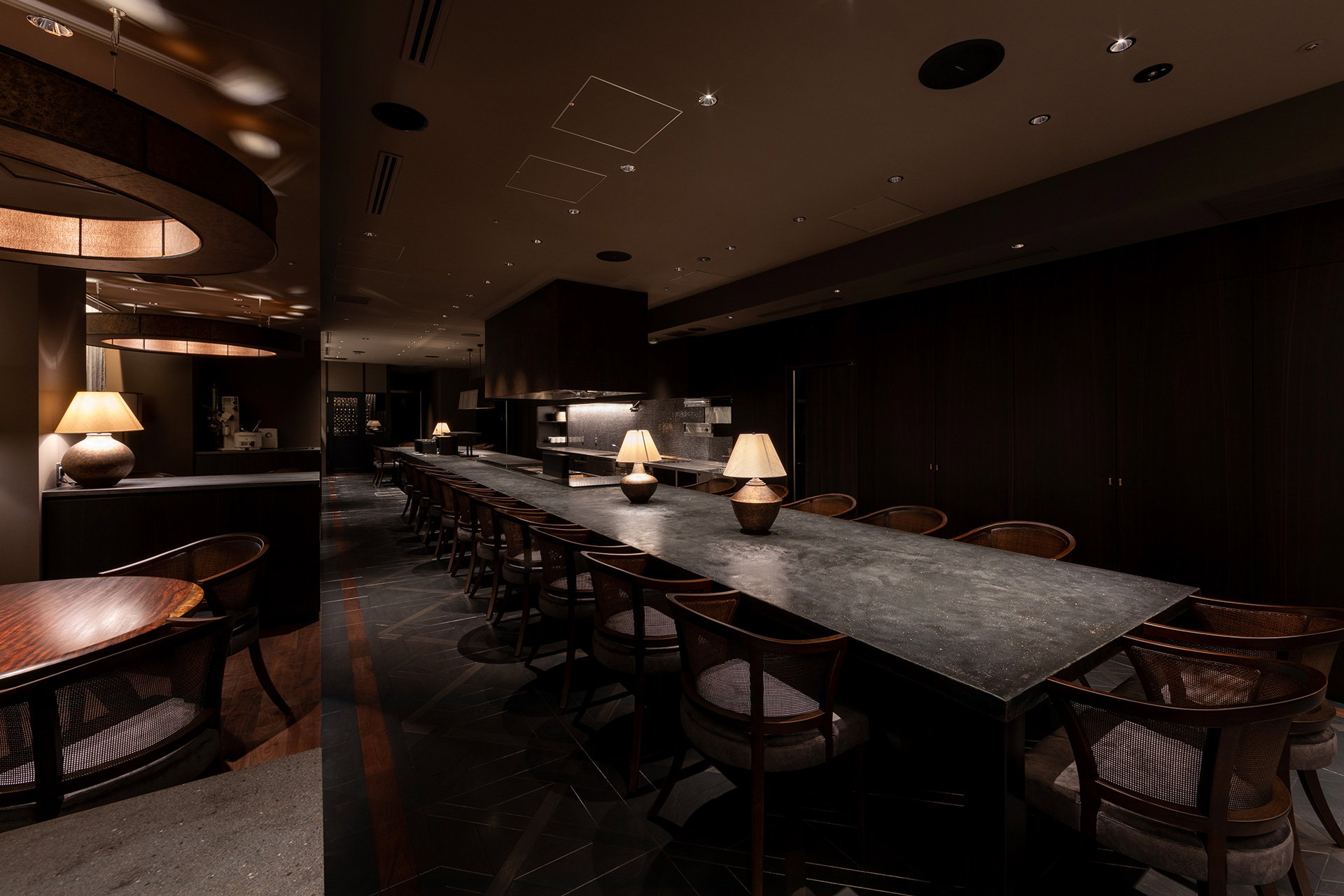
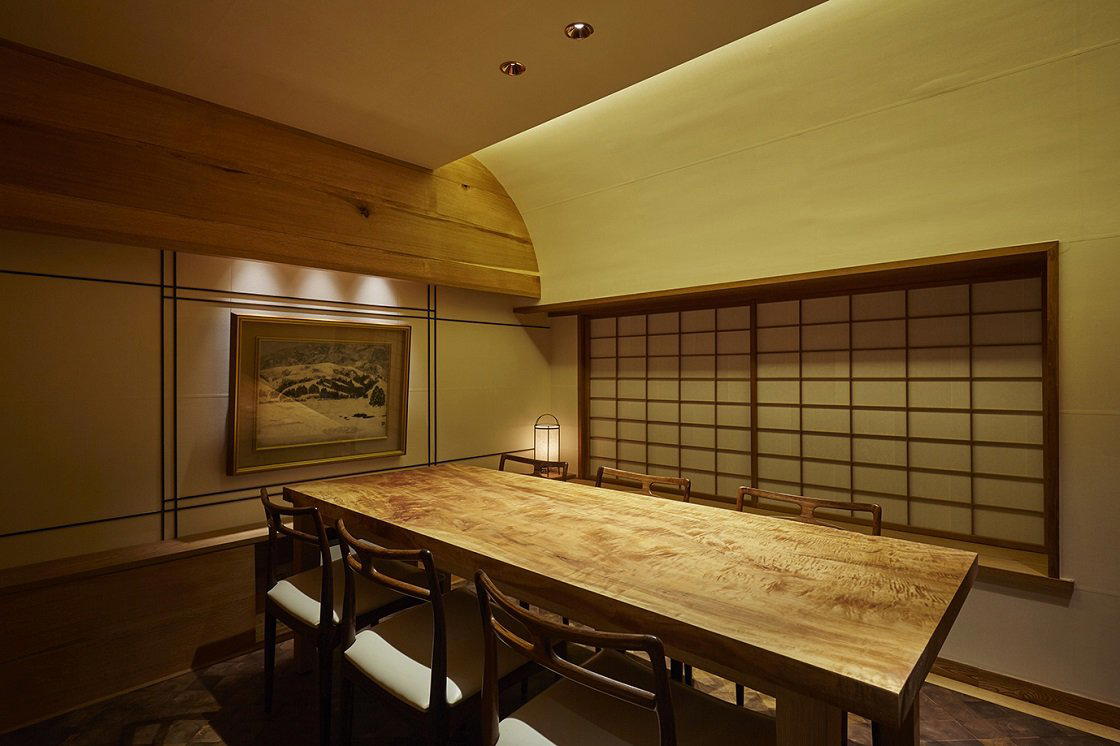
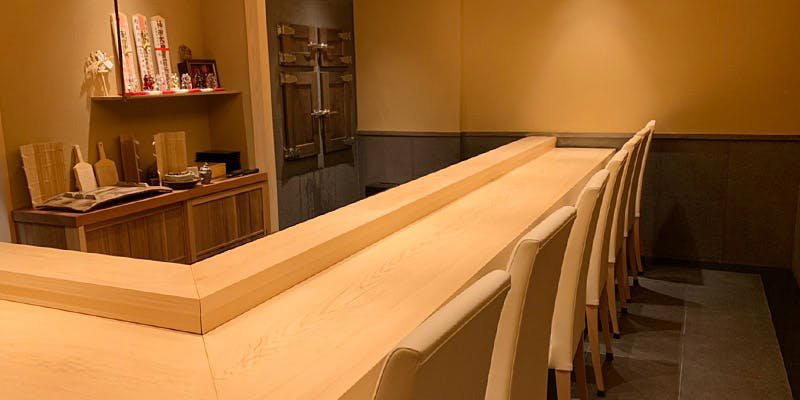
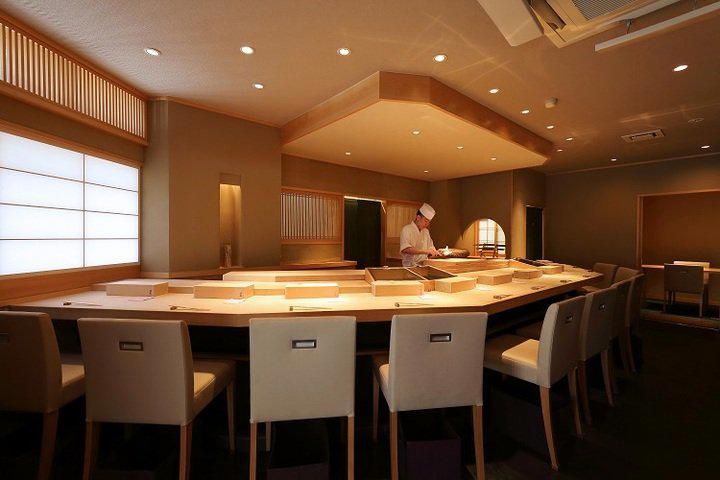
The format is counter-only, 12 seats, no private rooms, and no outside beverages permitted. The drink program has a sommelier on hand and a clear focus on sake, shochu, and wine, with the listing noting particular attention to all three. A 10% service charge applies. The kitchen lists a strong emphasis on fish and a health-and-wellness menu orientation, which is consistent with the lighter, technique-forward direction that characterises Tokyo's most acclaimed Chinese counters. Expect food last orders at 20:00 Monday to Thursday, with two seatings on Friday and Saturday (5:30–7:45 PM and 8:30–10:30 PM), which makes Friday and Saturday dinner the better choice if you want a longer evening window or prefer the energy of a second seating.
Timing and Booking
Koho opened on 1 April 2016, so it has had nearly a decade to build its reservation base, but the 12-seat counter means availability is consistently tight. Book two to three weeks out as a baseline; for weekend seatings, go further. The Friday and Saturday split-seating structure means the second seating (8:30 PM) is a useful option if early evenings are difficult during a Tokyo trip. Sunday is closed. Phone inquiries are accepted only between 11:00 AM and 3:00 PM Japan time. The cancellation policy carries weight: 50% from two days prior and 100% on the day, so treat any reservation as firm once made.
For special occasions, Koho accommodates birthday plates and offers sommelier service, which makes it a credible choice for a celebration dinner. Children under high school age are not admitted. Dress expectations are light: the only stated code is to avoid strong perfumes. No parking is available, but the restaurant is a three-minute walk from Exit 5 of Roppongi Station on the Toei Oedo Line, and four minutes from Exit 3 on the Tokyo Metro Hibiya Line.
The Case for Koho Over Its Peers
Tokyo has a handful of high-end Chinese counters that operate at this price point, and the relevant comparison is not to casual Chinese dining but to the city's broader ¥¥¥¥ counter-dining category. Comparable options include Chugoku Hanten Fureika and Chugoku Hanten Kohakukyu (Amber Palace), which represent the larger-format end of Tokyo's Chinese fine dining. Ippei Hanten and Koshikiryori Koki offer different registers of the city's Chinese and cross-cultural cuisine offer. itsuka operates at a similarly intimate scale. What Koho offers specifically is a decade of sustained Tabelog recognition, a 12-seat counter format that keeps service ratios high, and a fish-focused menu approach that sits closer to the Japanese culinary tradition than most Chinese restaurants at this level. That combination is the argument for booking here rather than a larger room.
If you are travelling across Japan and want to benchmark Koho against the wider fine-dining circuit, consider HAJIME in Osaka, Gion Sasaki in Kyoto, akordu in Nara, Goh in Fukuoka, 1000 in Yokohama, and 6 in Okinawa. For a global reference point on what high-end Chinese cuisine looks like outside Japan, Restaurant Tim Raue in Berlin and Mister Jiu's in San Francisco represent strong comparators in their own markets.
See our full guides to Tokyo restaurants, Tokyo hotels, Tokyo bars, Tokyo wineries, and Tokyo experiences.
Practical Details
- Address: 3-8-7 Roppongi, PAL Building 1F, Minato City, Tokyo
- Access: 3 min walk from Roppongi Station Exit 5 (Toei Oedo Line); 4 min from Exit 3 (Tokyo Metro Hibiya Line)
- Hours: Mon–Thu 6:00–8:30 PM; Fri–Sat 5:30–7:45 PM and 8:30–10:30 PM; Sunday closed
- Price: JPY 30,000–39,999 per person at dinner (plus 10% service charge)
- Seats: 12 counter seats only; no private rooms
- Booking: Reservation only; individuals and pairs via phone (11:00 AM–3:00 PM) or online; groups of 3+ via TableCheck; international guests via OMAKASE portal
- Cancellation: 50% from 2 days prior; 100% on the day
- Payment: Major credit cards, IC cards, QR payments (PayPay, Alipay, WeChat Pay, and others)
- No outside beverages; no large luggage; children high school age and above only
- Website: koho-roppongi.com
Planning details
- Hours
- Monday: 6–8:30 pm · Tuesday: 6–8:30 pm
- Location
- 3 Chome-8-7 Roppongi, Minato City, Tokyo 106-0032, Japan
- Reservations
- Book on TableCheck
- Website
- shop.gyro.holdings/detail/sub070
- Phone
- +81 3-3478-7441
The take
The Take
The Vibe
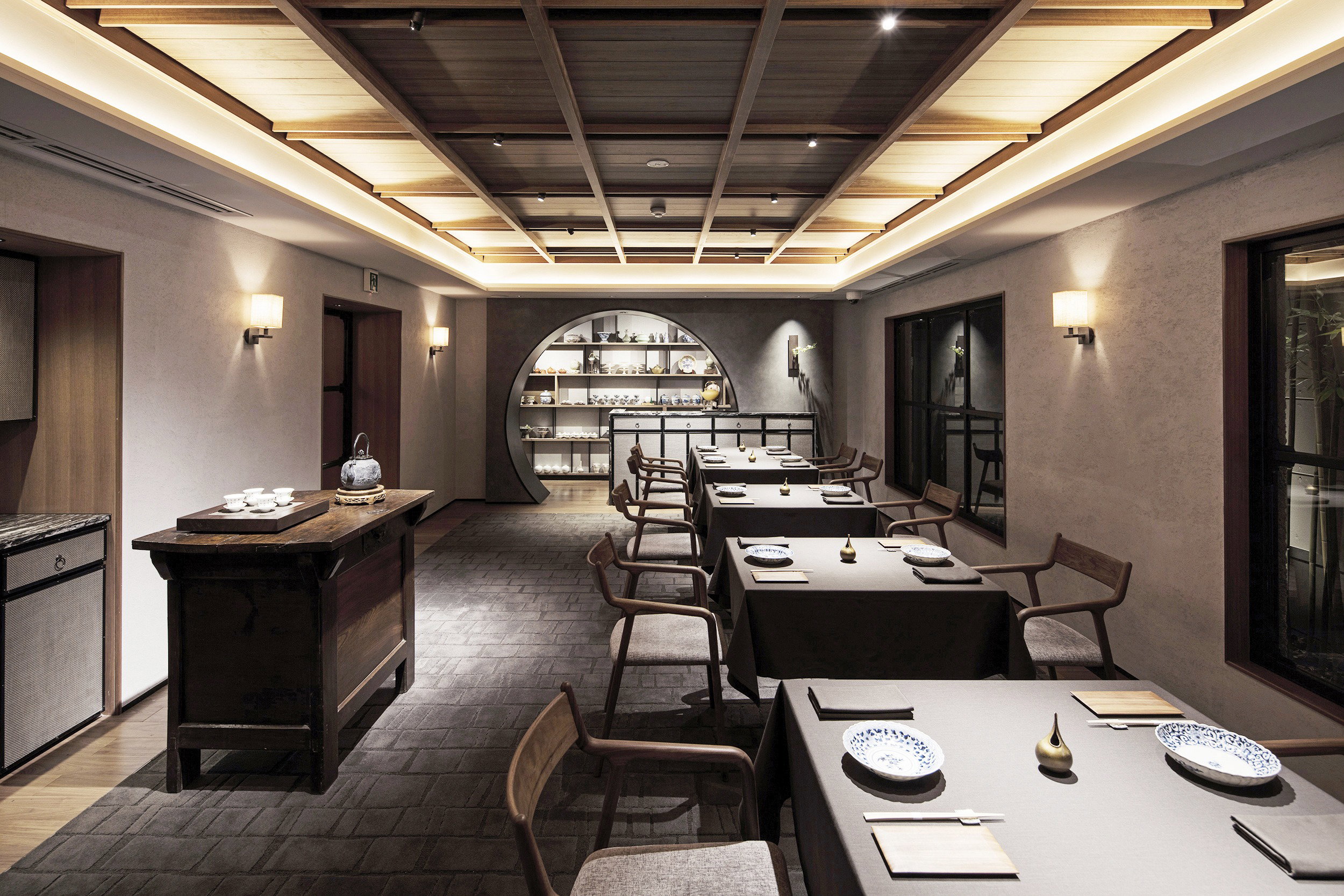
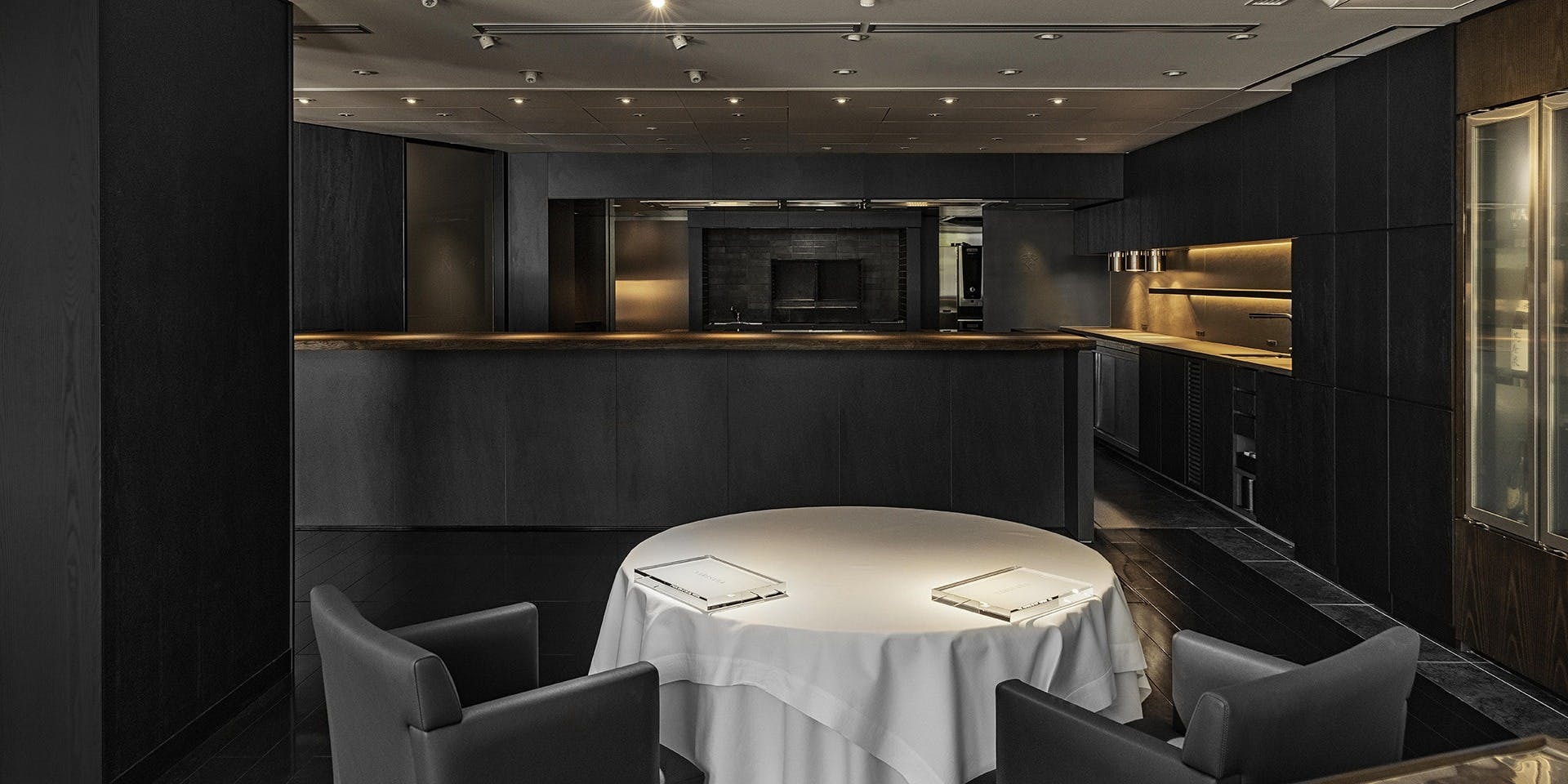
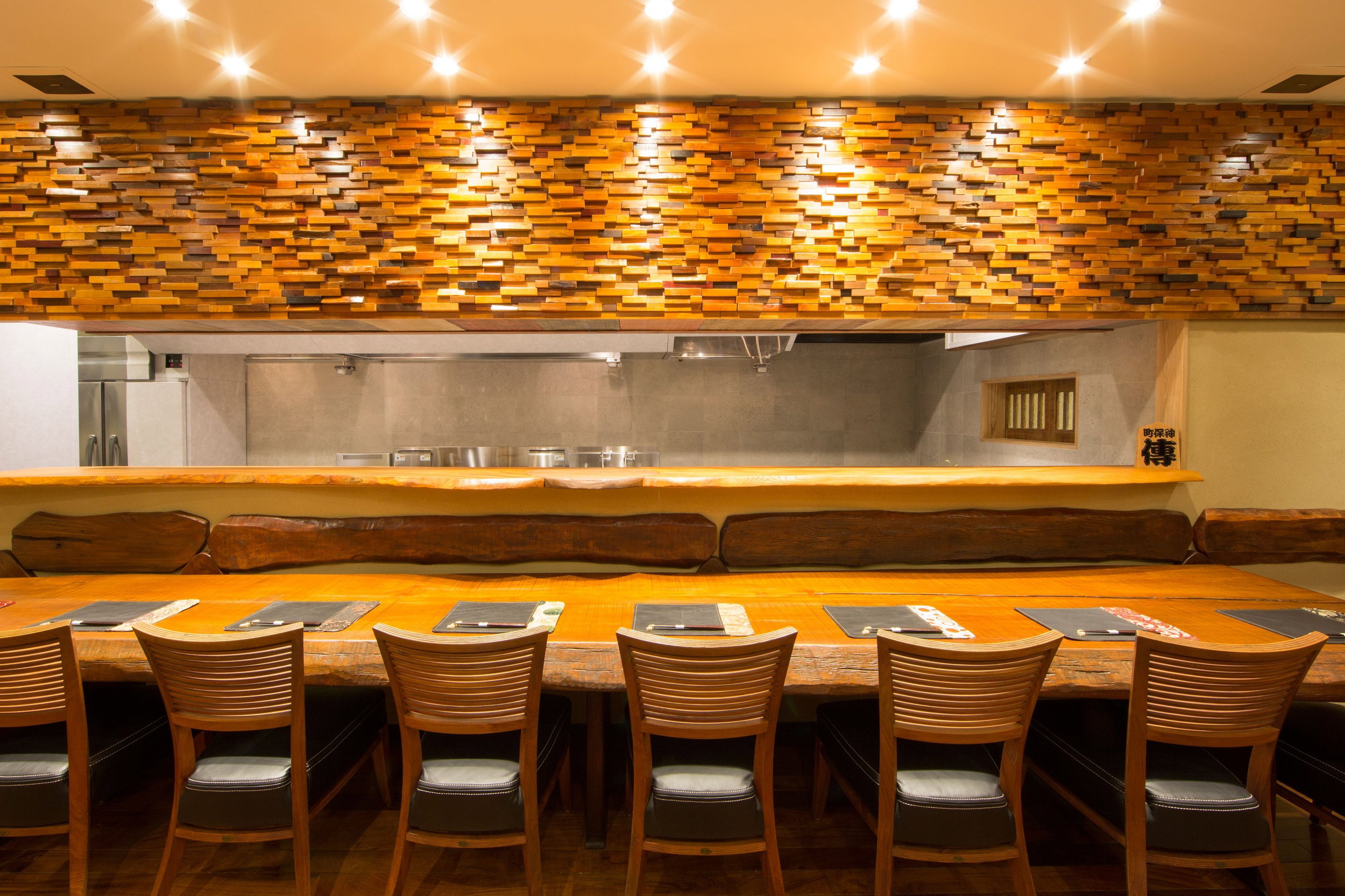
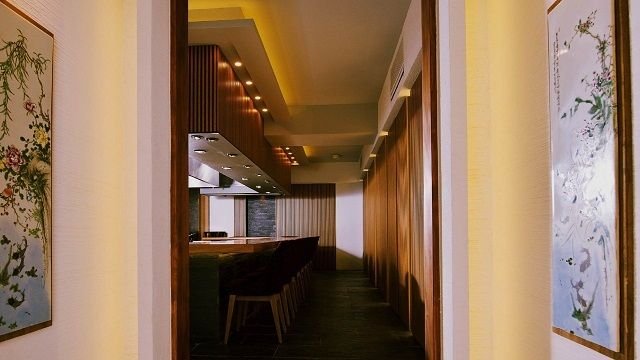
Koho presents a concentrated, counter-driven experience that borrows Japanese sushi and kappo logic and applies it to high-end Chinese cuisine. The single 12-seat counter and absence of overflow tables create an intimate, pared-back environment that keeps the focus on the chef’s work and the plated sequence. The room’s structure — reservation only, fixed-course format and premium pricing — reinforces a serious, disciplined atmosphere: this is a destination for diners who value a direct relationship with the kitchen and a quietly exacting approach to Chinese cooking in Tokyo.
Best For
Koho is best encountered at dinner, where its fixed-course format and counter seating are designed to deliver a full tasting rhythm. The restaurant’s positioning — reservation-only and priced in the JPY 30,000–39,999 range with a 10% service charge — makes it suited to date nights, special occasions and business dinners that seek a focused, high-end Chinese counter experience rather than a larger, hotel-style banquet. With sustained peer recognition on Tabelog and inclusion in local Chinese dining rankings, it serves diners after a considered, reservation-based plan.
Ordering Tips
Reservations are essential: Koho operates a 12-seat, counter-only room with a reservation-only policy and explicitly notes no overflow tables and no second seatings on weeknights. Expect a fixed-course tasting priced in the JPY 30,000–39,999 range plus a 10% service charge. The format centers on the chef’s direct interaction with guests, so plan for a single, contiguous dinner service rather than à la carte options or private-room dining; there are no private rooms available.
Venue details
Ambiance
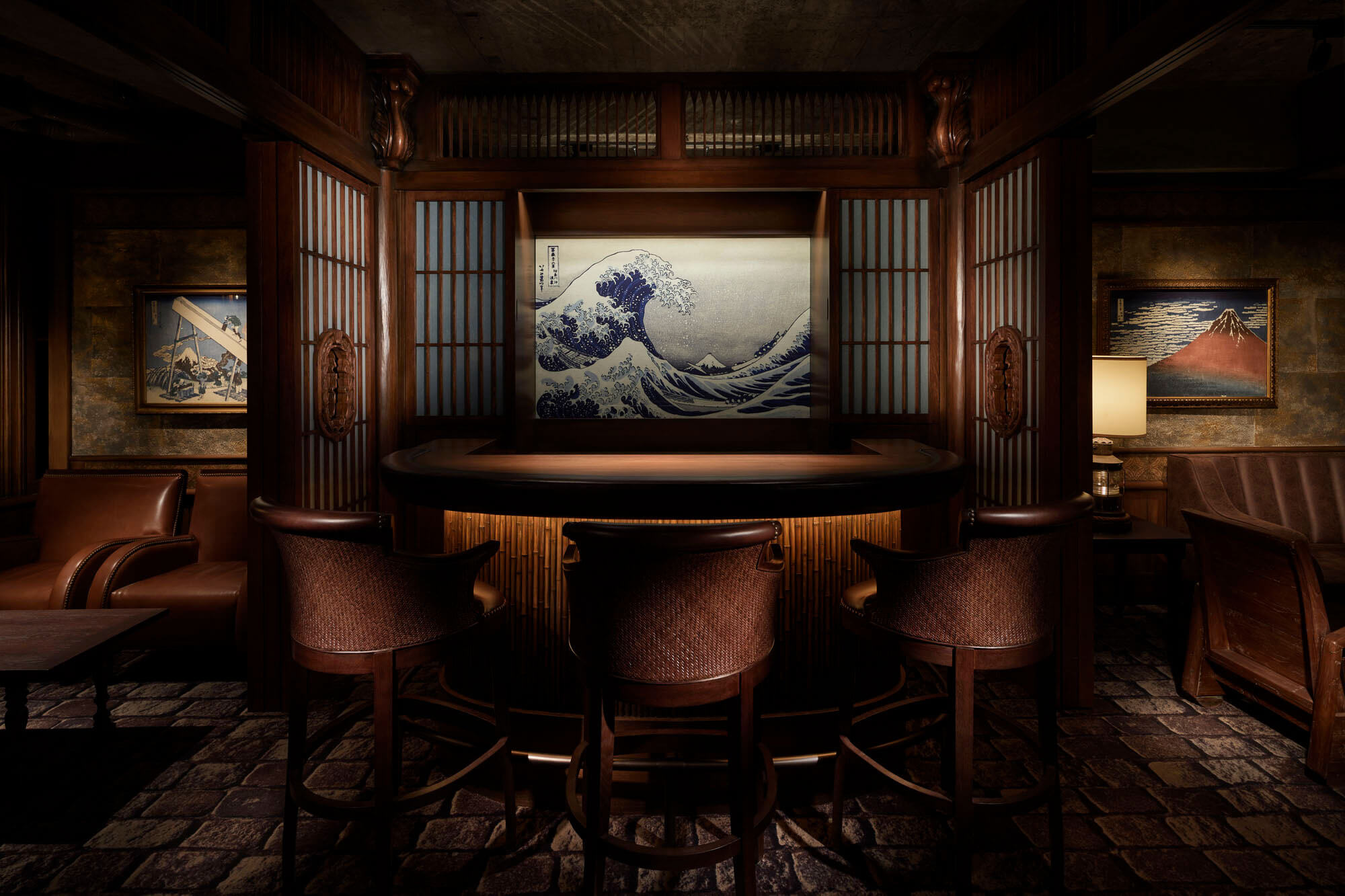
Stylish, relaxing open kitchen counter with live cooking performance in a hidden Roppongi location.
Tags
Vibe
Best For
Experience
Sourcing
At the Table
- Dress Code
- Smart Casual
- Noise Level
- Quiet
- Service Style
- Upscale Casual
- Meal Pacing
- Leisurely
- Capacity
- Intimate
- Kitchen
- Modern
- Menu Format
- Omakase, Small plates
- Wine Program
- Curated
- Drinks Focus
- Wine, Sake
Signature Dishes
- shark fin sashimi
- shanghai crab
- beijing duck
Know before you go
Know Before You Go
- Getting there
- 3 Chome-8-7 Roppongi, Minato City, Tokyo 106-0032, Japan
Planning details
Hours
- Monday
- 6–8:30 pm
- Tuesday
- 6–8:30 pm
- Wednesday
- 6–8:30 pm
- Thursday
- 6–8:30 pm
- Friday
- 5:30–7:45 pm, 8:30–10:30 pm
- Saturday
- 5:30–7:45 pm, 8:30–10:30 pm
- Sunday
- Closed
Location
3 Chome-8-7 Roppongi, Minato City, Tokyo 106-0032, Japan · Directions
Recognition and awards

Also consider
Also Consider
- Harutaka, Sushi, ¥¥¥¥
- L'Effervescence, French, ¥¥¥¥
- RyuGin, Kaiseki, Japanese, ¥¥¥¥
- HOMMAGE, Innovtive French, French, ¥¥¥¥
- Crony, Innovative, French, ¥¥¥¥
Restaurant context
At JPY 30,000–39,999 per head, Koho sits in the same spend bracket as Tokyo's top-tier sushi, kaiseki, and French counters. Against Harutaka (sushi) and RyuGin (kaiseki), Koho holds its own on award credentials but offers a distinct format: Chinese cuisine interpreted through the lens of a high-precision, fish-focused counter. If your priority is Japanese culinary tradition, RyuGin is the stronger choice. If you want a counter meal that departs from Tokyo's sushi-and-kaiseki defaults without dropping in quality, Koho is the more interesting booking.
Against the French competition, L'Effervescence, HOMMAGE, and Crony all deliver strong cooking at comparable prices, but they serve a European tradition. Koho is the better call if you want to stay within Asia's culinary reference points. Among Tokyo's dedicated Chinese fine-dining options, Koho's 12-seat counter keeps service ratios high and the experience more focused than larger-format competitors like Chugoku Hanten Fureika or Chugoku Hanten Kohakukyu (Amber Palace), which suit groups better but lose some of the intimacy.
The booking difficulty at Koho is lower than at RyuGin or Harutaka for international visitors, particularly given the English-language OMAKASE portal. If ease of access matters as much as the meal itself, that is a practical point in Koho's favour. For a first visit to Tokyo's fine-dining circuit, pairing Koho with a sushi counter like Harutaka across two nights gives you a clear comparison of how the city's counter-dining culture operates across different cuisines at the same price level.
Explore Tokyo
Around this place
Discover more on Pearl
Unlock the full Koho guide in Pearl, including awards, comparisons, FAQs, planning details, and nearby places.
FAQ
Frequently Asked Questions
What are alternatives to Koho in Tokyo?
For high-end Chinese counter dining in Tokyo at a comparable price point, Koho sits in a small group with few direct rivals. RyuGin offers Japanese kaiseki rather than Chinese cuisine but matches the counter format and Tabelog pedigree. If you want to stay in the Roppongi area with a French tasting-menu alternative, L'Effervescence operates at a similar spend. Koho's specific draw is its Chinese cuisine framing in an otherwise Japanese-dominated fine-dining scene.
Is Koho good for solo dining?
Yes, and arguably it is the format Koho suits best. The 12-seat counter is the entire restaurant, so solo diners are entirely at home here rather than conspicuous. Reservations for one or two people can be made directly; groups of three or more must book through TableCheck, which means solo reservations have a simpler path to a seat.
How far ahead should I book Koho?
Book as early as possible, and plan for at least several weeks lead time. The 12-seat counter fills quickly given consistent Tabelog recognition since 2017 and a Tabelog score of 4.23. International visitors should use the OMAKASE reservation platform (omakaseje.com/restaurants/pj729564), which supports English, Chinese, and Korean. Note the cancellation policy: 50% fee from two days prior, 100% on the day.
Is lunch or dinner better at Koho?
Koho is dinner only. The Tabelog budget listing shows no lunch service, and all listed hours are evening sittings. On Fridays and Saturdays there are two seatings (5:30pm and 8:30pm); Monday through Thursday runs a single seating from 6pm. The 8:30pm Friday and Saturday sitting gives more scheduling flexibility if you have daytime plans.
Is Koho good for a special occasion?
It works for a special occasion for two, with birthday plates available if requested at the time of reservation. However, no private rooms exist and the restaurant cannot be booked for exclusive private use, so it is not suitable for group celebrations. The no-strong-perfume dress code and non-smoking environment keep the counter experience focused. At JPY 30,000–39,999 per person before the 10% service charge, the spend signals the occasion clearly enough.
Can I eat at the bar at Koho?
The entire restaurant is a counter, so every seat is effectively a counter seat. There are 12 seats and no tables, no private rooms, and no bar area separate from the main dining counter. If you prefer a table setup, Koho is not the right choice.