OAD's 2025 Japan Restaurant Rankings: The Complete List
Prestigious ranked list by Opinionated About Dining, featuring Japan’s most distinguished restaurants celebrated for culinary mastery.
How many of these have you visited?
Discover on PearlVenues on this list

Kataori
Kanazawa, Japan
An eight-seat kaiseki counter in Kanazawa's Namikimachi district, Kataori has held Tabelog Gold every year from 2021 through 2026, scored 4.72, ranked first in Japan on Opinionated About Dining in 2025. The counter format, a particular focus on fish, a deep commitment to Ishikawa's seasonal calendar place it among the most closely watched kaiseki addresses outside Kyoto and Tokyo.

Saito
Tokyo, Japan
Sushi Saitou occupies the upper tier of Tokyo's omakase scene, holding a Tabelog score of 4.62 and consecutive Gold Awards since 2017. Located in Roppongi's Ark Hills South Tower, the nine-seat counter operates on reservations only at JPY 50,000 to 59,999 per head. It ranks #2 in Japan and #33 in Asia on Opinionated About Dining's 2025 lists, placing it among the most peer-validated sushi counters in the country.

Tenzushi Kyomachi
Fukuoka, Japan
Tenzushi Kyomachi operates from a six-seat counter in Kitakyushu's Kokura district, serving Kyushu-mae sushi that draws on kaiseki-influenced technique and hyper-regional fish sourcing. Established in 1939 and holding Tabelog Gold consecutively from 2017 through 2025, it ranks among the most decorated sushi counters in western Japan, with Opinionated About Dining placing it first among all Japanese restaurants in 2023.

Hirasansou
Otsu, Japan
Hirasansou treats kaiseki as mountain cuisine rather than urban ceremony: seasonal fish, game traditions and tatami-room pacing place it in a different register from Kyoto counter dining. Recognition from Tabelog, La Liste and Opinionated About Dining confirms its serious national standing, while its Otsu setting keeps the experience tied to Shiga’s rivers, hills and old travel routes.

Tempura Naruse
Shizuoka, Japan
Tempura Naruse holds a Tabelog score of 4.65 and consecutive Gold awards from 2023 through 2026, placing it among Japan's most decorated tempura counters outside Tokyo. The eight-seat room in Shizuoka's Aoi Ward operates by reservation only, with dinner running into the JPY 40,000 to 49,999 range. Chef Takeo Shimura's counter draws serious diners who make the journey specifically for it, not as an afterthought to the city.

Mekumi - すし処 めくみ
Nonoichi, Japan
An eight-seat omakase counter in Nonoichi, Ishikawa, Sushi Dokoro Mekumi has held Tabelog Gold status continuously from 2017 through 2022 and been selected for the Tabelog Sushi WEST 100 three times. With a Tabelog score of 4.51 and 96 points from La Liste in both 2025 and 2026, it ranks among Japan's most decorated sushi counters outside the major metropolitan centres, with per-person spend typically in the JPY 40,000 to 50,000 range.

Hoshino
Tokyo, Japan
Shimbashi Hoshino holds Tabelog Gold recognition every year from 2017 through 2026 and ranks 7th on Opinionated About Dining's Japan list for 2025, placing it among the most consistently decorated kaiseki tables in Tokyo. Dinner runs JPY 60,000 to 79,999 and operates Tuesday through Saturday from 18:00. Access is by referral only, making early planning essential.

Tempura Nitome
Tokyo, Japan
Ranked in the Opinionated About Dining Top Restaurants in Japan for three consecutive years, peaking at #5 in 2023, Tempura Nitome in Toranomon represents the serious upper tier of Tokyo's specialist tempura counter scene. Chef Shuji Niitome works within a tradition that prizes ingredient selection and frying technique in equal measure, placing the restaurant in a comparable set defined by precision rather than spectacle.

Sawada
Osaka, Japan
Sawada belongs to Osaka’s small-counter kaiseki tier, where seasonality, dashi, fish handling and pacing matter more than theatre. The Fukushima-ku restaurant is a 2026 Tabelog Silver winner and 2025 Japanese cuisine WEST selection, with a six-seat counter format that makes it better suited to diners who understand the cadence of a long Japanese meal than to casual drop-ins.

Sugita
Tokyo, Japan
Tokyo sushi at this level is less about spectacle than sequence, temperature, the discipline of Edo-mae pacing. Sugita sits in the city’s rarefied reservation-only counter tier, with Takaaki Sugita’s name attached to Tabelog Gold recognition, a 4.68 score, placement in the 2026 OAD Top Restaurants in Japan Ranked list.

Matsukawa
Dublin, Ireland
An eight-seat kaiseki counter in Smithfield, Matsukawa holds a Michelin Plate and has ranked among the top ten restaurants in Japan on Opinionated About Dining for three consecutive years. Chef Tadayoshi Matsukawa builds the omakase around Irish seafood, with nigiri forming the structural core of the meal. Seats are scarce, service runs efficiently, sake completes the format.

Tori-Shiki
Tokyo, Japan
Tokyo yakitori has moved far beyond casual skewers, Tori-Shiki sits in the counter-led tier where sourcing, fire control and pacing matter as much as luxury signifiers. The Meguro restaurant runs a 12-seat counter under chef Yoshiteru Ikegawa, with Tabelog Award Silver recognition in 2026, a 4.42 Tabelog score, La Liste 92 points and a 2026 OAD Japan ranking at number 14.

Sushi Ikkou
Sapporo, Japan
Sushi Ikkou Sapporo achieves two-Michelin-starred perfection through Chef Junya Kudo's obsessive Edomae craftsmanship, where just seven cypress counter seats witness the artful transformation of Hokkaido's finest seafood into transcendent omakase experiences.

Takiya
Tokyo, Japan
Takiya places Tokyo tempura in a counter-dining register closer to serious kappo than casual fry house culture. Chef Tatsuaki Kasamoto’s Azabu-Juban address carries heavy recognition: The Tabelog Award 2026 Gold, a 4.55 Tabelog score, La Liste 2026 at 97 points, a high placement on Opinionated About Dining’s 2026 Japan restaurant ranking.

Ogata
Kyoto, Japan
Ogata is a Kyoto kaiseki room for diners who want the form at its most disciplined: seasonal Japanese cuisine, a counter-led format, a reputation supported by Michelin, Tabelog, La Liste, Opinionated About Dining recognition. The cooking belongs to Kyoto’s high-end kaiseki tradition, but the appeal is not ceremony for ceremony’s sake; it is precision, restraint, a clear point of view inside a competitive local field.

Kusunoki Nagoya
Tokyo, Japan
Kusunoki Nagoya belongs to Japan’s severe tempura counter tradition, where pacing, batter control, the silence around the fryer matter as much as luxury ingredients. The restaurant’s six-seat counter, Tabelog Silver recognition, OAD Japan rankings place it in the narrow band of tempura rooms built for diners who value ritual over variety.

L'évo
Nanto, Japan
Set deep in the mountains of Toyama's Nanto district, L'évo pairs Gallic precision with foraged and farmed regional produce under chef Eiji Taniguchi. The restaurant holds a Tabelog score of 4.56, consecutive Gold Awards from 2023 to 2025, a La Liste rating of 97 points, placing it among Japan's most closely watched destination dining addresses. Getting there is part of the proposition.

Sushi Sakai
Fukuoka, Japan
Sushi Sakai holds a Tabelog Silver Award for 2026 and a Tabelog score of 4.56, placing it among western Japan's most recognised omakase counters. Ranked #18 in Japan by Opinionated About Dining in 2025, the 12-seat counter in Nishinakasu operates on reservation-only two-hour sessions with multilingual reservations available. The drink program is sommelier-led, with a noted focus on sake and wine.

Doujin
Kyoto, Japan
A kaiseki counter in Kyoto's Sakyo Ward that has climbed from rank 60 to rank 19 on Opinionated About Dining's Japan list in two years, while scoring 83 points on La Liste 2026. Doujin operates evenings only, seven days a week, placing it in the tier of serious destination dining without the institutional weight of the city's older houses.

Myojaku
Tokyo, Japan
Myojaku sits in Tokyo's high-price Japanese dining tier with a 14-course French-leaning omakase shaped by Hidetoshi Nakamura. Its interest is regional as much as technical: Kanto restraint, Kansai-style sensitivity to water and aroma, a minimalist approach that has drawn Tabelog Silver recognition and a 2026 OAD ranking.

Makitori Shinkobe
Tokyo, Japan
Opened in November 2023 in Akasaka, Makitori Shinkobe has moved quickly through the recognition tier, Tabelog Silver in both 2025 and 2026, a score of 4.44, consecutive selection for the Yakitori EAST Top 100. The 12-seat counter operates on strict omakase reservation terms, with dinner averaging JPY 20,000 to 29,999. Chef Toyoki Hikida's charcoal-grilling approach places this among the most closely watched yakitori openings in recent Tokyo memory.

Chikamatsu
Fukuoka, Japan
A nine-seat counter in Yakuin places Fukuoka sushi in the national conversation without copying Tokyo’s old Edomae script. Chikamatsu, led by Nobuhiro Sakanishi, carries Tabelog Gold recognition for 2026, a 4.60 score, La Liste’s 89-point rating, a ranked position on Opinionated About Dining’s Japan list, making it a serious reference point for Kyushu sushi.

Miyoshi
Kyoto, Japan
Miyoshi Kyoto sits in the narrow, high-spend category where wagyu is treated through kaiseki logic rather than steakhouse abundance. The eight-seat counter format, Tsutomu Ito’s beef-focused cooking, Tabelog Silver recognition in 2026, an OAD Japan ranking place it among Kyoto’s serious meat addresses rather than casual yakiniku rooms.

Unagi Shun
Shizuoka, Japan
Shizuoka’s eel tradition gets a serious, reservation-only expression at Unagi Shun, a 12-seat counter-and-table restaurant from chef Kenichi Okada. The case for going is not breadth but focus: unagi, donburi, small-room pacing, a run of recognition that includes The Tabelog Award 2026 Gold and Opinionated About Dining’s 2026 Japan ranking.

Den
Tokyo, Japan
Den belongs to Tokyo's creative kaiseki tier, where seasonal structure is kept but the room loosens the formality. Chef Zaiyu Hasegawa's restaurant carries two Michelin stars, a 2026 Tabelog Silver Award, a place on major international lists, yet its point is not ceremony for its own sake; it is kaiseki made warmer, more playful, less rigid.

食堂aca
Kyoto, Japan
A 12-seat Spanish kaiseki counter in Nihonbashi that has held Tabelog Gold every year since 2022, scoring 4.67 in 2026 and ranking among Japan's top 26 restaurants on Opinionated About Dining. The format fuses Spanish culinary technique with Japanese seasonal discipline in a reservation-only room that prices dinner between JPY 60,000 and JPY 79,999.

MAZ
Tokyo, Japan
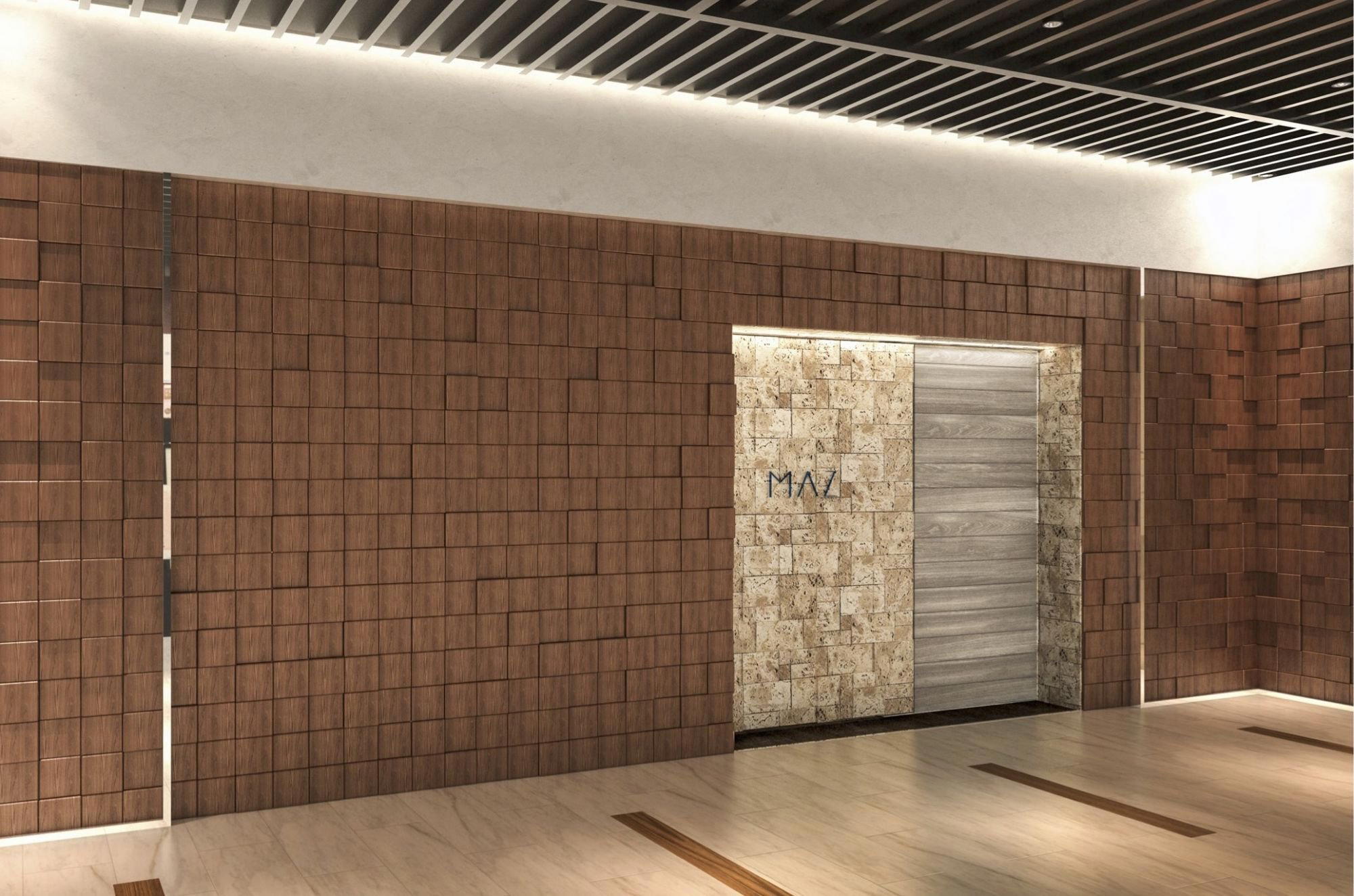
Tokyo's innovative dining tier has become more international without loosening its ritual discipline. MAZ brings Peru's altitude-led way of reading biodiversity into a Japanese fine-dining room, backed by Michelin two-star recognition in 2024 and 2025, Star Wine List appearances, La Liste scores, Tabelog Bronze awards. The appeal is not fusion shorthand, but a tightly paced meal built around origin, elevation, restraint.

Mitani
Tokyo, Japan
Tokyo sushi at this tier is defined less by spectacle than by sourcing discipline, counter scale, the ability to make provenance feel inevitable rather than announced. Mitani belongs to the city’s rarefied Yotsuya sushi bracket, with six counter seats, Yasuhiko Mitani at the center of the format, recognition from Tabelog, La Liste, Black Pearl, Opinionated About Dining anchoring its reputation.

東麻布 天本 - Amamoto
Tokyo, Japan
Higashiazabu Amamoto belongs to Tokyo’s rarefied counter-sushi tier, where Edomae discipline meets the pacing and seasonality of a multi-course Japanese meal. The draw is not spectacle but control: an eight-seat format, Masamichi Amamoto at the center of the room, recognition from Tabelog, La Liste, Opinionated About Dining that places it firmly in the city’s serious sushi conversation.

Sumibiyakiniku Nakahara
Tokyo, Japan
Tokyo yakiniku at this level is less about abundance than control: sourcing, cutting, charcoal timing, how much responsibility the kitchen takes before beef reaches the grill. Sumibiyakiniku Nakahara sits in that serious tier, with Kentaro Nakahara’s name attached, Tabelog Bronze recognition, OAD Japan ranking, a price band that places it well above casual grill-it-yourself barbecue.

Sushi Namba
Tokyo, Japan
Sushi Namba puts Hibiya’s polished, central Tokyo dining culture into a 12-seat sushi format, with an eight-seat counter and a four-person private room inside Tokyo Midtown Hibiya. Its credibility is unusually well signposted: Tabelog Award Silver in 2026, earlier Gold recognition from 2020 to 2024, a 4.54 Tabelog score, La Liste 87 points in 2026, a ranked place on OAD’s 2026 Japan list.

Miyamaso
Kyoto, Japan
Miyamaso sits in Kyoto’s mountain-dining tradition rather than the city’s counter-dining circuit: a Japanese cuisine inn associated with wild herbs, river fish, game and seasonal plants from Hanase. The serious signals are clear, with Tabelog Award recognition through 2026, Tabelog Japanese cuisine WEST 100 selection and La Liste scoring, but the draw is the slower rhythm of rural Kyoto eating.

Sézanne
Tokyo, Japan
Sézanne remains a Tokyo French fine-dining address at Four Seasons Hotel Tokyo at Marunouchi, now led by executive chef Stephen Lancaster after Daniel Calvert's March 2026 departure. Its current Michelin listing is under reevaluation rather than carrying active stars; current list credentials include The World's 50 Best Restaurants #7 in 2025 and Asia's 50 Best Restaurants #16 in 2026.

Yoroniku
Tokyo, Japan
Yoroniku in Minami-Aoyama has operated since 2007 under a format it calls 'meat kaiseki', yakiniku structured with the sequencing and restraint of a kaiseki progression rather than the à la carte ordering typical of the category. The original location holds a Tabelog Bronze award and a score of 4.22, while the Ebisu branch carries Silver status, the group has appeared in Opinionated About Dining's Japan rankings every year from 2023 through 2025.

Ginza Shinohara
Tokyo, Japan
Tokyo kaiseki has a formal Ginza register, Ginza Shinohara sits in the serious counter tier rather than the decorative luxury tier. The draw is a Shiga-informed reading of Japanese cuisine, backed by Tabelog Gold recognition in 2026, a 4.61 Tabelog score, La Liste 93 points, a 13-seat counter format that keeps the meal tightly focused.

Villa Aida
Iwade, Japan
An auberge-format Italian restaurant set among its own working fields in Wakayama's Iwade, Villa Aida holds a Tabelog score of 4.26 and consecutive annual awards from 2020 through 2026. Chef Kanji Kobayashi grows more than 100 vegetable varieties on the surrounding land and sources seafood from within 12 kilometres, positioning the restaurant among Japan's most seriously produce-rooted Italian tables.

Iida
Kyoto, Japan
Kyoto Iida belongs to the city’s high-discipline kaiseki tier, where seasonality, dashi, tableware, pacing matter as much as luxury signals. Recognition from Tabelog, La Liste, Opinionated About Dining places it in a narrow competitive bracket for diners comparing Kyoto kaiseki at serious expense.

Sazenka
Tokyo, Japan
Sazenka sits in Tokyo’s rarefied Chinese dining tier, where high-heat technique is filtered through Japanese seasonality and formal restraint. Chef Tomoya Kawada’s room carries major recognition, including The Tabelog Award 2026 Gold, La Liste 2026 at 99 points, placement on major Japan and Asia restaurant lists, making it a serious choice for diners tracking Chinese cuisine at Tokyo’s luxury end.

Kagurazaka Ishikawa
Tokyo, Japan
Kagurazaka Ishikawa holds three Michelin stars and consecutive Tabelog Silver Awards from 2017 through 2026, placing it among Tokyo's most consistently recognised kaiseki counters. Chef Hideki Ishikawa's approach draws on a principle of restraint, ingredients lead, technique recedes, the 25-seat room in Kagurazaka's cobbled backstreets reflects that same economy. Dinner runs JPY 50,000 to 59,999 with a 10% service charge.

Arai
Tokyo, Japan
Sushi Arai has held Tabelog Gold every year from 2020 through 2026, placing it among a small tier of Ginza counters recognised by both Japan's largest review platform and La Liste's international ranking. Chef Yuichi Arai opened the basement-level room in Ginza 8-chome in 2015, the nigiri-focused format has drawn sustained critical attention across domestic and international circuits.

Chakaiseki Onjaku 茶懐石 温石
Yaizu, Japan
Chakaiseki Onjaku holds Tabelog Gold consecutively from 2023 through 2026 and a score of 4.58, placing it among Japan's top-ranked Japanese cuisine restaurants despite operating from a quiet residential address in Yaizu, Shizuoka. The format is tea kaiseki only, served across 12 seats, with a menu built around the port city's exceptional fish supply. Reservations are required and made in advance through the venue website.

Noguchi
Kyoto, Japan
Noguchi places Kyoto kaiseki in a compact, referral-only format led by chef Daisuke Noguchi, with eight counter seats and one private table room. Its standing is supported by The Tabelog Award 2026 Silver, a 4.39 Tabelog score, a place on Opinionated About Dining’s 2026 Japan ranking, making it a serious address for diners who value restraint over theatre.

Il Ristorante Luca Fantin
Tokyo, Japan
Il Ristorante Luca Fantin Tokyo transforms Italian cuisine through Michelin-starred Chef Luca Fantin's masterful use of Japanese ingredients, creating an intimate 24-seat sanctuary within Bulgari Ginza Tower where signature risottos and the famous "4 Compositions of Milk" dessert define Tokyo fine dining excellence.

Yanagiya
Gifu, Japan
Yanagiya in Mizunami, Gifu prefecture, is one of Japan's most consistently decorated regional restaurants, holding Tabelog Silver and ranking as high as #19 on Opinionated About Dining's Japan list. Built around an irori hearth and the seasonal rhythms of central Japan, it serves wild game in autumn and river fish in summer to guests willing to make the journey out of the city.

柚木元 - Yukimoto
Iida, Japan
Yukimoto places Iida inside Japan’s serious kaiseki conversation rather than treating Nagano as a side trip from Tokyo or Kyoto. The draw is a formal Japanese cuisine format under chef Takayuki Hagiwara, backed by Tabelog Gold recognition in 2024, 2025, 2026, plus La Liste and Opinionated About Dining placements.

Sushi Kimura
Tokyo, Japan
Operating since July 2005 from a nine-seat counter in Setagaya's Futako Tamagawa district, Sushi Kimura holds a Michelin star, consecutive Tabelog Silver awards through 2026, placement in the Opinionated About Dining Top 50 in Japan for 2024 and 2025. Chef Toomo Kimura runs one of Tokyo's most consistently decorated omakase counters outside the central wards, with review-based spending averaging JPY 50,000 to 59,999 per head.

Kiyama
Kyoto, Japan
Kiyama belongs to Kyoto’s serious kaiseki conversation: seasonal, formal, judged by the discipline of sequence rather than spectacle. Recognition from The Tabelog Award, Opinionated About Dining, Michelin places it in the city’s competitive Japanese cuisine tier, while the room’s counter seating, private rooms, well-water reference point toward a classical Kyoto dining grammar.

Shunji
Tokyo, Japan
A ten-seat counter in Motoazabu operating at the upper tier of Tokyo's Edomae sushi scene. Sushi Shunji holds a Tabelog Silver Award for 2026 and a score of 4.42, with dinner averaging JPY 50,000 to 59,999. Reservations run through a lottery system on the OMAKASE platform, placing access on par with the city's most competitive counters.

Maeda 前田
Kyoto, Japan
A ten-seat kaiseki counter in Gion operating since 2012, Maeda 前田 holds a Tabelog score of 3.89 and has appeared in Opinionated About Dining's Japan rankings every year from 2023 to 2025, reaching as high as #50. Dinner runs JPY 40,000 to 49,999, with a programme that places particular emphasis on fish cookery and a carefully curated nihonshu selection. Photography is not permitted.

Jumbo Hanare
Tokyo, Japan
Tokyo’s serious yakiniku tier is less about theatre than control: cut selection, pacing over the grill, how much responsibility the diner keeps at the table. Jumbo Hanare belongs in that conversation through its Hongo setting, Norimitsu Nanbara connection, 25-seat format, Tabelog 2026 Bronze status, recurring placement in OAD’s Japan restaurant rankings.

Nikuya Tanaka
Tokyo, Japan
Nikuya Tanaka has held Tabelog Silver consecutively since 2021, placing it among the most consistently recognised beef kaiseki counters in Ginza. Nine seats, a binchotan charcoal grill, a dinner spend of JPY 60,000 to 79,999 position it in the same price tier as Tokyo's top omakase rooms. Reservations open three months ahead and are taken by phone or online.

Suetomi
Tokyo, Japan
Suetomi is a historical Mita profile; the former Tokyo restaurant at this address is listed by Google Places as permanently closed.

RyuGin
Tokyo, Japan
Open since December 2003 and now holding three Michelin stars, RyuGin operates at the upper end of Tokyo's kaiseki tier, with dinner averaging JPY 80,000 to 99,999 per head. Chef Seiji Yamamoto structures the menu around Japan's four seasons, with a marked focus on scientific precision and ingredient provenance. The restaurant sits on the seventh floor of Tokyo Midtown Hibiya, steps from the Imperial Palace.

Pellegrino
Tokyo, Japan
Open since March 2009, Pellegrino is a six-seat Italian counter in Ebisu that has held Tabelog Gold for eight of the past ten years and carries a 4.51 score in 2026. Reservations run exclusively through the omakase platform, dinner pricing sits at JPY 100,000 or above, the kitchen places particular emphasis on fish. La Liste rates it 85.5 points, Opinionated About Dining ranked it 40th in Japan in 2023.

Honkogetsu
Osaka, Japan
Honkogetsu Osaka elevates kaiseki cuisine to spiritual artistry in a historic Hozenji Yokocho tea house, where Chef Hideo Anami's five-decade mastery creates seasonal tasting menus around a legendary 600-year-old hinoki counter. This intimate three-story sanctuary represents the pinnacle of traditional Japanese fine dining.

AO
Tokyo, Japan
AO Tokyo elevates ingredient-driven fine dining through Chef Koji Minemura's French-Japanese fusion, where daily-changing omakase menus showcase personally-sourced seasonal ingredients from across Japan. This intimate Nishiazabu destination combines rooftop garden freshness with zero-waste philosophy, creating Tokyo's most authentic producer-to-plate experience since 2020.

Sushi Miyakawa
Sapporo, Japan
A seven-seat counter in Sapporo's Maruyama district, Sushi Miyakawa has earned consecutive Tabelog Silver Awards from 2024 through 2026 and a place in the Tabelog Sushi EAST Top 100 for 2025. The course, priced at 32,000 yen inclusive of tax and service, runs across two tightly managed evening sessions. Reservations open by phone at 11 AM on the first business day of each month.

Nihon Ryori Takamura
Akita, Japan
Akita's most decorated kaiseki counter holds a Tabelog Silver Award through 2026 and has ranked inside Opinionated About Dining's top 60 restaurants in Japan for three consecutive years. Thirteen seats, membership-only access, an evening-only format signal exactly the kind of deliberate, unhurried dining that defines Tohoku's most serious Japanese cuisine room. Dinner runs JPY 20,000 to 29,999.

Kitcho Arashiyama - 京都 吉兆 嵐山本店
Kyoto, Japan
Kitcho Arashiyama holds a position at the uppermost tier of Kyoto kaiseki, with a Tabelog score of 3.89, consecutive Bronze Awards from 2020 through 2026, 98 points on La Liste 2026. Spread across seven private tatami rooms in the Arashiyama district, the restaurant operates on reservations only, with per-person spend running from JPY 60,000 to JPY 79,999 before a 20% service charge.

Yakitori Kasahara
Tokyo, Japan
Yakitori Kasahara operates from a 10-seat counter in Kagurazaka, holding Tabelog Gold awards consecutively from 2024 through 2026 and a 4.57 score that positions it among Japan's most decorated yakitori counters. Opened in December 2021, it runs two sittings nightly, Monday through Saturday, at a dinner spend of JPY 30,000 to 39,999. Reservations are essential and cancellation terms are strict.

Morikawa
Tokyo, Japan
Morikawa sits in the Hongo district of Bunkyo, a kaiseki counter that has climbed the Opinionated About Dining Japan rankings three consecutive years, #27 in 2023, #30 in 2024, #64 in 2025. Under Chef Kenji Mori, the kitchen follows traditional multi-course sequencing with the kind of precision that places it well above the mid-tier kaiseki field in Tokyo.

Pesceco
Nagasaki, Japan
A six-seat counter in Shimabara, Nagasaki Prefecture, Pesceco holds consecutive Tabelog Silver Awards from 2021 through 2026 and a Tabelog score of 4.53. Chef Kouji Inoue's coastal tasting format draws exclusively on the seafood of Ariake Sea and Tachibana Bay, operating Tuesday to Saturday at lunch only. Reservations open two months ahead and fill accordingly.

Sushi Fukuzuka
Tokyo, Japan
Ranked #68 in Opinionated About Dining's 2025 list of Japan's top restaurants, Sushi Fukuzuka operates from a second-floor address in Shinjuku's Tsukudocho district under chef Hiranobou Fukazuka. The counter sits within Tokyo's broader omakase tradition, where shokunin training and lineage carry as much weight as the fish on the board. signals consistent execution rather than occasional brilliance.

Tokuyamazushi
Nagahama, Japan
Tokuyamazushi puts Nagahama’s lake-country food culture into a kaiseki frame, with fermentation, freshwater fish and auberge-style pacing doing the heavy lifting. Its 2026 Tabelog Bronze recognition, 4.36 score and OAD Japan ranking place it among serious destination restaurants rather than casual regional dining.

Kiyota
Tokyo, Japan
Kiyota occupies a nine-seat counter in Ginza 6-chome, operating within one of Tokyo's most competitive sushi corridors. A Tabelog Silver Award winner in 2018 and 2019, consistently recognised in the Tabelog Sushi Tokyo 100 through 2025, the counter also runs a separate satellite space, Kiyota Hanare, where dinner pricing reaches JPY 100,000 and above. Both venues operate on a reservation-only basis under Chef Norihiko Yoshizawa.

Shokudou Ogawa
Kyoto, Japan
Kyoto’s kaiseki conversation often splits between formal temple-seasonality and smaller counter rooms where the structure relaxes without losing discipline. Shokudou Ogawa belongs to the latter camp: a 12-seat counter associated with Yosuke Ogawa, repeated Tabelog Award recognition, a fish-led Japanese cuisine format that reads as serious rather than ceremonial.

Sushi Obana
Tatebayashi, Japan
Sushi Obana in Tatebayashi, Gunma has climbed from Opinionated About Dining Highly Recommended (2023) to a national ranking of #72 in Japan by 2025, making it one of the most notable sushi counters operating outside Japan's major metropolitan centres. Chef Terukuni Obana runs dinner service Tuesday through Saturday from 5:30 pm, with Sunday lunches rounding out the week.

Oryori Fujii
Toyama, Japan
Toyama’s kaiseki scene is inseparable from the Japan Sea, mountain water, a regional craft culture that rewards restraint over display. Oryori Fujii sits in that serious local register: reservation-only, fish-led Japanese cuisine with Tabelog Silver recognition in 2026 and a place on Opinionated About Dining’s 2026 Japan ranking.

Sutamina-en
Tokyo, Japan
Sutamina-en puts Tokyo yakiniku in its old-school, queue-driven register rather than the polished Ginza beef-room mode. The Adachi address, no-reservations policy, 52-seat format, Tabelog Silver recognition, OAD Japan ranking make it a serious study in grilled beef culture without the choreography of a tasting counter.

Chiune
Tokyo, Japan
Chiune Tokyo sits in the high-price, high-scrutiny tier of the city’s innovative dining scene, with Satoshi Furuta’s French-leaning cooking measured against Japan’s more experimental counters rather than conventional fine dining. Its 2026 Tabelog Silver status, 4.52 score, OAD Japan ranking give it strong external validation for travelers comparing Tokyo’s contemporary restaurants.

LATURE
Tokyo, Japan
Tokyo French has split into several lanes: grand dégustation rooms, bistro-polished addresses, smaller auteur kitchens that read Japan through French technique. LATURE belongs to the last group, with Takuto Murota’s game-focused cooking, Tabelog Bronze recognition in 2026, an OAD Japan ranking, a 20-seat scale that keeps the experience closer to a controlled atelier than a conventional luxury dining room.

Tempura Motoyoshi
Tokyo, Japan
Tempura Motoyoshi holds two Michelin stars and a steady position in the Opinionated About Dining Top 100 for Japan, operating from a third-floor address in Ebisu, Shibuya. Chef Kazuhito Motoyoshi applies a batter technique that incorporates two types of water and liquid nitrogen, extending the formal vocabulary of tempura well beyond its classical foundations. Open Tuesday through Saturday from 5:30 pm; closed Sundays.

L'OSIER
Tokyo, Japan
L'OSIER Tokyo places French grand maison dining in Ginza’s polished restaurant culture, with Michelin three-star status in 2024 and 2025, La Liste 98 points in 2025 and 2026, a Tabelog score of 4.47 for 2026. Expect a formal reservation-only room, jacket guidance for men, a 34-seat capacity, dinner budgets listed at JPY 50,000 to JPY 59,999 before service charge.

Nihonryori Fujii
Kyoto, Japan
Nihonryori Fujii operates from Kyoto's Sakyo Ward, bringing Japanese cuisine rooted in seasonal ingredient sourcing to a neighbourhood far from the tourist-dense centre. Ranked #74 in Japan by Opinionated About Dining in 2024 and climbing to #80 in 2025, it holds a consistent position among Japan's most closely watched restaurants. Chef Hironori Fujii leads the kitchen, open six days a week from 11:30am.

Kohaku
Tokyo, Japan
Kohaku sits in Kagurazaka's back-alley quiet, a three-Michelin-star kaiseki counter where Chef Koji Koizumi folds Western ingredients, truffle, caviar, into a dashi-anchored seasonal framework. Tabelog Bronze 2026, La Liste 86 points, near-impossible walk-in availability place it firmly in Tokyo's premium kaiseki tier, operating Tuesday through Saturday from a reservation-only format.

Sushi Sho
New York City, United States
Sushi Sho brings Edomae-style omakase to Midtown Manhattan with a rigor that few counters in North America match. Chef Keiji Nakazawa's fermentation-led approach treats sushi as living history rather than spectacle, earning the restaurant a #6 ranking on Opinionated About Dining's 2025 North America list and two Michelin stars. The Hinoki counter on East 41st Street is among the city's most demanding reservations.

Sugalabo
Tokyo, Japan
Sugalabo Inc is part of Tokyo’s small, high-stakes French-influenced creative dining tier, where Japanese provenance matters as much as technique. With Yosuke Suga in the kitchen, Tabelog Award Silver recognition in 2026, La Liste 95 points in 2026, placement on Opinionated About Dining’s Japan ranking, Sugalabo carries clear external validation without needing spectacle.

Kabuto Unagi
Tokyo, Japan
Tokyo’s unagi culture is built on specialization, patience, small rooms where the eel counter matters as much as the grill. Kabuto Unagi belongs to the city’s serious eel circuit, with chef Kimimasa Fujimori, a 15-seat format, Tabelog Award Silver recognition in 2026, a place on Opinionated About Dining’s 2026 Japan restaurant ranking.

Sushi Takamitsu
Tokyo, Japan
Sushi Takamitsu belongs to Tokyo’s small-counter sushi tier where recognition, price, seat count define the experience before a piece of nigiri is served. The Nakameguro address carries a Tabelog Award 2026 Silver, a 4.49 Tabelog score, a place on the 2026 OAD Japan ranking, with chef Takamitsu Yasuda attached to a 10-seat room built around fish-led omakase expectations.

Sushi Yoshitake
Tokyo, Japan
Ginza sushi at this level is less about theatrical luxury than compression: a small counter, a narrow range of choices, years of repetition made visible in the pacing. Sushi Yoshitake belongs in Tokyo’s high-ticket Edomae conversation through Masahiro Yoshitake’s counter, repeated Tabelog Bronze recognition, La Liste scoring, OAD Japan rankings.

HAJIME
Osaka, Japan
HAJIME places Osaka’s innovative French dining in a rarefied, nature-driven register: 14 seats, Michelin three-star recognition in 2024 and 2025, La Liste scores above 94 points, a dinner budget listed by Tabelog at JPY 80,000 to JPY 99,999. Its appeal is not casual luxury but a tightly composed conversation between produce, technique, wine, the idea of Earth as subject.

Respiracion
Kanazawa, Japan
Respiracion brings Ishikawa's ingredient culture into a Spanish framework at a 14-seat counter in Kanazawa's Bakuromachi district. Chef Tatsuro Ume holds consecutive Tabelog Silver Awards from 2022 through 2026 and an 88-point La Liste score, with review-based spend landing between JPY 30,000 and JPY 39,999. The restaurant operates on group-start seatings, reservation-only, with a sommelier on hand and a wine program selected with particular care.

Kurogi
Tokyo, Japan
A ten-seat kappo counter in Minato that has held Tabelog Bronze consecutively since 2019 and earned placement in Tabelog's Tokyo 100 for Japanese cuisine three times. Kurogi operates on a reservation-only basis with courses priced from ¥50,000 per person, positioning it firmly within Tokyo's highest tier of traditional Japanese dining. The format is rooted in Edo-style kappo, with an emphasis on ingredient expression over technical spectacle.

abysse
Tokyo, Japan
Among Tokyo's Michelin-starred French restaurants, abysse takes a distinctly Japanese approach to the French tradition, pairing seafood and mountain vegetables under a 'sea and mountain' framework shaped by Chef Kotaro Meguro's time in Marseilles. Ranked in the Opinionated About Dining Top 100 for Japan three consecutive years, the Ebisu address operates on dinner-only hours most nights, with Saturday and Sunday lunch sittings for those who plan ahead.

L'Effervescence
Tokyo, Japan
Tokyo’s French dining scene has a serious Japanese inflection, L’Effervescence sits in the high-formal end of that conversation. Chef Shinobu Namae’s kitchen is framed by sustainable sourcing, prix fixe structure, a tea-ceremony cadence, with recognition from Tabelog, Opinionated About Dining, La Liste, Asia’s 50 Best Restaurants reinforcing its place among the city’s destination rooms.

Yamazaki
Tokyo, Japan
A ten-seat kaiseki counter in Nishiazabu that has held Tabelog Silver every year since 2020 and earned a score of 4.46 in 2026. Chef Shiro Yamazaki runs two seatings nightly, Tuesday through Saturday, with a programme centred on exceptional fish and a drinks list that takes sake and wine with equal seriousness. Dinner runs JPY 60,000 to 79,999.

Florilège
Tokyo, Japan
Florilège sits at the intersection of French technique and Japanese seasonal thinking, operating from a single long communal table inside Azabudai Hills since late 2023. Chef Hiroyasu Kawate holds two Michelin stars and ranked 17th at Asia's 50 Best Restaurants in 2025. Dinner runs from ¥22,000 before service charge, with a plant-forward tasting menu and dedicated sommelier program.

Seizan
Tokyo, Japan
Open since June 2011, Seizan holds two Michelin stars and a Tabelog score of 4.42, placing Chef Haruhiko Yamamoto's kaiseki counter among Tokyo's most consistently decorated Japanese restaurants. Tabelog Gold Award winner in 2023, 2024, 2025, ranked in the Opinionated About Dining top 100 in Japan across three consecutive years, the 26-seat Mita basement operates on a reservation-only basis at JPY 40,000 to 49,999 per head.

Fogliolina della Porta Fortuna
Nagano, Japan
A single-group-per-day Italian house restaurant in the Karuizawa highlands, Fogliolina della Porta Fortuna has held the Tabelog Silver Award every year from 2018 through 2026 and carries a 4.44 score. Chef Kobayashi Koji works in a six-seat setting where the pace is set by the seasons, the forest light, a wine list built for food pairing rather than display.
Narisawa
Tokyo, Japan
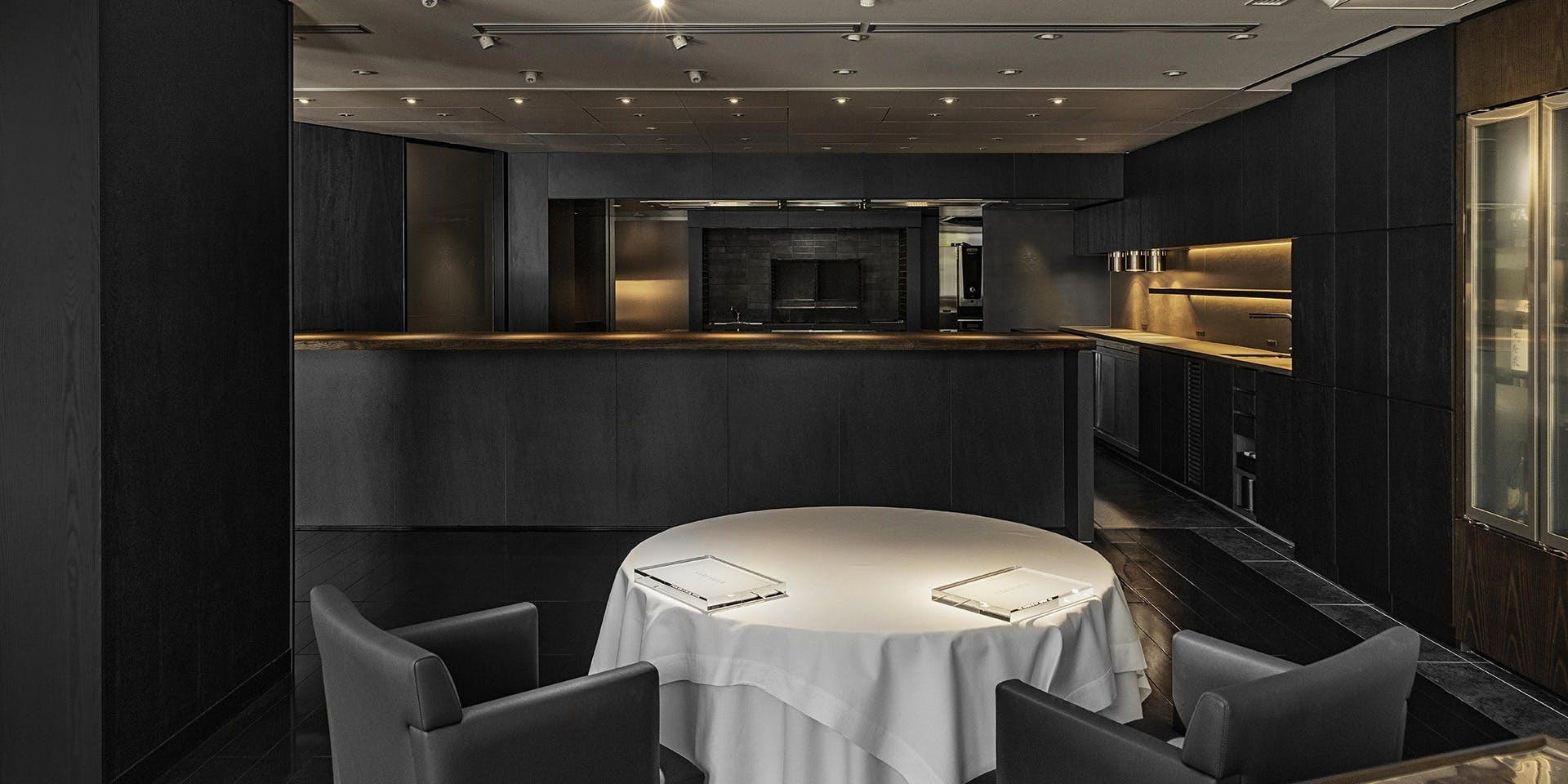
Narisawa is Tokyo's long-running argument for Japanese terroir through a French-informed lens: satoyama thinking, disciplined technique, a room built for serious dining rather than spectacle. The 15-seat restaurant carries Michelin two-star recognition, Tabelog Silver status for 2026, La Liste scoring, a history on the World's 50 Best Restaurants rankings, with pricing in the JPY 80,000–99,999 bracket for lunch and dinner.

Hatou
Tokyo, Japan
A Kagurazaka sushi counter with a steady upward trajectory in serious dining circles, Hatou ranked #93 on Opinionated About Dining's Japan list in 2024 and climbed to #98 in 2025 alongside consistent top-tier recognition. Chef Daichi Kumagiri operates within the demanding shokunin tradition, five evenings a week plus Saturday, in one of Tokyo's most characterful old-city neighbourhoods.

Mizai
Kyoto, Japan
Mizai sits in Kyoto’s high-form kaiseki tier, where seasonality, dashi, vessels, service rhythm matter as much as luxury signals. Chef Hitoshi Ishihara’s restaurant carries Michelin three-star recognition in 2025, La Liste 92 points in 2026, Tabelog Award 2026 Bronze status, placement on Opinionated About Dining’s 2026 Japan ranking, making it a serious reference point for Kyoto kaiseki rather than a casual temple-district dinner.

Ifuki
Kyoto, Japan
Sumibi kappo Ifuki occupies a discreet address in Gion's Minamigawa, where Chef Norio Yamamoto has spent over a decade building a case for charcoal-grilled kappo as a serious alternative to classic kaiseki. Carrying two Michelin stars since at least 2024, a Tabelog score of 3.98, consistent placement in the Opinionated About Dining Japan top 100, the 20-seat restaurant frames fire not as technique but as the structural logic of the meal.

Sushisai Wakichi
Sapporo, Japan
An eight-seat Edomae counter in Sapporo's Maruyama district, Sushisai Wakichi has held Tabelog recognition continuously since 2017 and earned selection to the Sushi EAST Tabelog 100 in 2021, 2022, 2025. Chef Mitsuaki Tamura runs a reservation-only omakase at 36,000 yen all-in, with a Tabelog score of 4.28 placing it among Hokkaido's most consistently decorated sushi counters. Bookings open three months ahead via the restaurant's own website.

Sushi Hashimoto
Tokyo, Japan
A Michelin-starred counter in Chuo City where Edomae tradition and deliberate innovation occupy the same omakase. Chef Hiroyuki Hashimoto's wide-cut fish, restrained nikiri, straw-smoked Spanish mackerel have earned consistent placement in the Opinionated About Dining Top 100 Japan rankings. The counter runs two evening seatings Tuesday through Sunday, with Monday lunch service also available.

l' Equator
Tokyo, Japan
Historical profile: l' Equator at Address:Japan, 〒106-0046 Tokyo, Minato City, Motoazabu, 3 Chome−6−34 カーム元麻布 2F, Tokyo, Kantō, Japan is listed as permanently closed after a June 21, 2026 audit. Active booking, hours, contact details have been removed.

Tempura Matsu
Kyoto, Japan
Tempura Matsu operates a specialist tempura counter in Ukyo Ward, a residential quarter well west of Kyoto's tourist corridor. Under Chef Kiyoshi Chikano, the kitchen holds La Liste recognition at 92 points (2025 and 2026), Opinionated About Dining ranking among Japan's top restaurants, a 2024 Michelin Plate. Two tight daily sessions at ¥¥¥ pricing serve an intentional, researched guest base.

Ichikawa
Milan, Italy
One of the figures who helped introduce Japanese cuisine to Italy, Chef Haruo Ichikawa has turned decades of experience into a personal restaurant on Via Lazzaro Papi. The menu moves from sushi and sashimi into lesser-known family dishes and Japanese street food. A Michelin Plate holder in both 2024 and 2025, Ichikawa ranks among the Opinionated About Dining top restaurants and.

Sushi Takumi Shingo
Tokyo, Japan
Ranked #64 on Opinionated About Dining's Top Restaurants in Japan in 2024, Sushi Takumi Shingo operates from Minami-Aoyama, one of Tokyo's more considered addresses for counter dining. Chef Shingo Takahashi leads an intimate evening service running Thursday through Sunday, placing this counter inside the mid-tier of Tokyo's serious omakase circuit, recognisable by sustained peer recognition across three consecutive OAD cycles.

Yamasaki
Tokyo, Japan
A kaiseki counter in Nishiazabu that has climbed from Highly Recommended to a top-110 ranking on Opinionated About Dining's Japan list between 2023 and 2025. Yamasaki operates every evening of the week in a narrow window, making advance booking the first practical concern. The format is rooted in traditional kaiseki discipline, delivered in a setting that reflects the restrained residential character of Minato-ku.

Sushi Karashima
Fukuoka, Japan
An eight-seat omakase counter in Fukuoka's Akasaka district, Sushi Karashima has held Tabelog Bronze recognition consecutively from 2024 through 2026 and appeared in the Tabelog Sushi WEST 100 every eligible year since 2021. Dinner runs in two seatings with spend tracking between JPY 60,000 and JPY 79,999. Reservations open by phone one month in advance on the same calendar date.

Sukiyabashi Jiro
Tokyo, Japan
Few addresses in Tokyo's omakase circuit carry the same weight of documentation as Sukiyabashi Jiro in Ginza's Chuo City. Ranked as high as #16 on the World's 50 Best list in 2003 and still tracking on La Liste's global table in 2026, the counter operates on an edomae tradition that has shaped how the rest of the world understands high-end sushi. The regulars return not for novelty, but because the format does not change.

Kiraku-Tei
Tokyo, Japan
Kiraku-Tei has appeared on Opinionated About Dining's Top Restaurants in Japan list three consecutive years, rising from #134 in 2023 to #110 in 2025, making it one of the more consistently tracked yakiniku addresses in Kyoto's Nakagyo Ward. Operating from a ground-floor space in Okuracho, Tuesday closed, it serves dinner nightly from 5 pm to 11:30 pm.

Château Restaurant Joël Robuchon
Tokyo, Japan
Housed inside Ebisu Garden Place, Château Restaurant Joël Robuchon carries three Michelin stars and a 95-point La Liste ranking into one of Tokyo's most formally dressed dining rooms. Chef Kenichiro Sekiya, a Meilleurs Ouvriers de France recipient, channels the Robuchon canon through Japanese ingredients, while the tableside trolley service, bread, cheese, mignardises, remains the most theatrically considered element of the meal.

Bia
Tokyo, Japan
Bia occupies a 15-seat counter on the second floor of a Roppongi side-street building, where chef Hiroyuki Kusaba merges Japanese and Thai culinary frameworks into a reservation-only course format. Tabelog Silver Award winner in 2024, 2025, 2026, with a score of 4.42, it sits in the upper tier of Tokyo's innovative cuisine category alongside properties that carry Michelin recognition.

Tacubo
Tokyo, Japan
Tacubo sits in Tokyo’s serious Italian tier, where the meal is built less around à la carte choice than around a controlled sequence of shared antipasti, pasta and wood-grilled meat. Its Daikanyama-Ebisu setting, 20-seat scale, wine focus and repeated Tabelog Award Silver recognition place it among the city’s high-commitment Italian reservations rather than casual trattoria dining.

KAHALA
Osaka, Japan
Open since August 1971, KAHALA in Osaka's Kitashinchi district holds two Michelin stars and consecutive Tabelog Awards across nearly a decade, with chef Yoshifumi Mori building an innovative Japanese creative menu around rigorously sourced domestic ingredients and a declared focus on fish. The eight-seat counter operates dinner-only in two seatings, with reservations opening three months ahead and average per-person spend in the JPY 50,000 to 59,999 range.

Kuishinbo Yamanaka
Kyoto, Japan
Kyoto’s beef culture is often read through sukiyaki, wagyu kaiseki and teppanyaki theatre; Kuishinbo Yamanaka takes the quieter steak-and-yoshoku route in Katsura. Its Omi beef focus, Tabelog Award history and OAD Japan ranking place it in a serious meat-dining bracket without the central-Kyoto gloss.

Tempura Araki
Sapporo, Japan
Tempura Araki in Sapporo's Chuo Ward has climbed from a Highly Recommended listing in 2023 to rank 116th on Opinionated About Dining's Japan list by 2025, marking one of the more consistent upward trajectories in Hokkaido's specialist dining scene. Chef Yoshiyuki Araki runs an evening-only counter focused on classical tempura technique. reinforces its standing among locals and visiting diners alike.

Harutaka
Tokyo, Japan
Harutaka belongs to Tokyo’s high-stakes Edomae sushi tier, where the counter is less a seat than a viewing position. The appeal is the measured progression of sushi, the Ginza setting, a recognition record that includes Michelin three stars in 2024 and 2025, a 2026 Tabelog Silver Award, La Liste scoring, OAD Japan ranking.

Mita
Washington DC, United States
Mita brings a tasting-menu format to plant-based Latin American cooking in Washington D.C.'s Shaw neighborhood, earning a Michelin star in 2024 and a ranking of #118 on Opinionated About Dining's 2025 global list. Chefs Miguel Guerra and Tatiana Mora work across Brazilian, Bolivian, Colombian reference points, with fermentation, umami layering, bold acid at the center of their approach. The wine list runs 300 bottles deep, with particular strength in France and Champagne.

Treis - τρεῖς
Tokyo, Japan
Tokyo’s innovative dining tier is built for diners who want a milestone meal without defaulting to sushi, tempura, or French formality. Treis - τρεῖς sits in that smaller contemporary bracket, led by Hideaki Kawashima and ranked No. 90 on Opinionated About Dining’s 2026 Top Restaurants in Japan list after earlier OAD recognition in 2023, 2024, 2025.

Restaurant Naz
Karuizawa, Japan
Opened in June 2025 in the Oiwake district of Karuizawa, Restaurant Naz earned a Tabelog Gold Award within its first year of operation and holds a 4.46 score on Japan's most rigorous review platform. Chef Natsuki Suzuki leads an innovative tasting format priced at JPY 60,000 to 79,999 per dinner, positioning the restaurant firmly among Japan's serious destination tables outside the major cities.

Shimizu
Nagoya, Japan
Shumoku-cho Shimizu holds consecutive Tabelog Gold Awards (2025 and 2026) and a 4.59 score, placing it among Nagoya's most recognised kaiseki counters. The 12-seat room in Higashi Ward serves dinner-only kaiseki rooted in Gifu seasonal produce, with an average spend of JPY 40,000 to 59,000. Reservations are accepted online only, the room operates Monday through Saturday from 18:00.

Komatsu Yasuke
Ishikawa, Japan
Komatsu Yasuke is a reservation-only sushi counter in central Kanazawa, earning consecutive Tabelog Silver and Bronze awards from 2018 through 2026 and repeated selection to the Tabelog Sushi WEST Top 100. With 18 seats, seatings timed by reservation slot, a lunch-only format, it operates within the tight seasonal rhythms of Hokuriku seafood, arguably the most argument-worthy fish region in Japan.

La Cime
Osaka, Japan
La Cime places Osaka’s French dining at the point where classical technique meets western Japanese produce, with chef Yusuke Takada’s cooking framed by precision rather than spectacle. Its recognition across Michelin, Tabelog, La Liste, Opinionated About Dining and the 50 Best ecosystem puts it in the city’s serious dining tier, but the more interesting story is how French form absorbs Kansai ingredients without turning them into ornament.

Saika
Kyoto, Japan
An eight-seat counter in Kyoto's Higashiyama district, Saika has held Tabelog Silver consecutively since 2017 and a Tabelog score of 4.36, placing it among the most decorated Chinese restaurants in western Japan. Chef Hiroto Saito's omakase format runs dinner only, with a wine programme overseen by an on-site sommelier. Dinner averages JPY 40,000 to 49,999.

Kodaiji Wakuden
Kyoto, Japan
Kodaiji Wakuden sits in Kyoto’s formal kaiseki tier, where private rooms, season-led courses, the etiquette of the ryotei define the meal more than spectacle. Its Tabelog Award Bronze recognition and placement on Opinionated About Dining’s 2026 Japan ranking put it in a serious competitive set for travelers weighing Kyoto’s ceremonial Japanese restaurants.

Suzue
Kyoto, Japan
Suzue occupies a quiet stretch of Okazaki in Sakyo Ward, where the canal-lined streets and proximity to Heian Shrine set a particular register for what follows inside. Chef Yoshihito Suzue's kaiseki counter has held a place in Opinionated About Dining's Japan rankings for three consecutive years, reaching #97 in 2024. Evenings only, seven nights a week.

bb9
Hyogo, Japan
bb9 places Kobe’s Spanish dining conversation in the language of the asador: fire, timing, wine and a compact room where the format matters as much as the label. The eight-seat, reservation-only restaurant has Tabelog Award history through 2026 and sits in the city’s higher-spend dining tier, with fish and wine emphasized in its public positioning.

Ushigoro S NishiAzabu
Tokyo, Japan
Among Nishi-Azabu's premium dining options, Ushigoro S occupies the upper tier of Tokyo yakiniku, ranked #128 in Japan by Opinionated About Dining in 2025 and holding. The basement-level counter format signals a deliberate, course-driven approach to Japanese beef that sets it apart from conventional grill-table operations. Open daily from 4pm, it suits an evening-only schedule built around serious eating.

ESqUISSE
Tokyo, Japan
ESqUISSE brings Tokyo French dining into a Ginza register: formal, seasonal, more reflective than bistro-derived comfort cooking. Chef Lionel Beccat’s kitchen is backed by Michelin two-star recognition, La Liste 93 points for 2026, long-running Tabelog Award history, placing it in the city’s serious French conversation rather than the casual Parisian mold.

DEN KUSHI FLORI
Tokyo, Japan
Born from the friendship between two of Tokyo's most decorated kitchens, Den Kushi Flori sits in Aoyama's basement-level dining circuit where Japanese-French fusion runs on genuine creative conviction rather than novelty. The menu shifts constantly, pairing tempura with sherry or sweetfish with baked custard, holds a Michelin Plate (2025) alongside a sustained climb up the Opinionated About Dining Japan rankings, reaching #117 in 2024 and #130 in 2025.

Kikuzushi
Nagano, Japan
Kikuzushi places Nagano sushi in a rural, craft-led register rather than the metropolitan omakase race. Its 2025 selection for Tabelog 100 Sushi EAST and 2026 OAD Highly Recommended status make it a serious counter for travelers tracking regional sushi beyond Tokyo, with chef Yusuke Seguchi’s name attached to a format rooted in repetition, restraint, close attention to fish.

Reminiscence
Nagoya, Japan
Reminiscence is a Tabelog Silver Award–winning French restaurant in Nagoya's Higashi Ward, earning a 4.43 score and placement in the Tabelog French EAST 100 for 2025. Operating as a house restaurant with 32 seats and private rooms, it draws regulars with course menus priced from JPY 20,000 at lunch, a strong wine program overseen by an in-house sommelier, a deliberate policy of varying course content between visits.

Tokyo Kotobuki Tokyo Station Store
Tokyo, Japan
Tokyo’s chicken-dining culture has a serious old-school register, Tokyo Kotobuki Tokyo Station Store belongs to that more formal side of the category. Its repeated Tabelog Award history and 2025 selection for Tabelog 100 Chicken Cuisine place it in a narrow band of poultry-focused restaurants where format, access and house rules matter as much as the cooking.

Raimon
Tokyo, Japan
Raimon sits in Tokyo’s serious yakiniku tier: counter seating, reservation-only service, a record of Tabelog recognition that puts it in conversation with the city’s specialist beef rooms. The Akasaka address matters less as nightlife geography than as a signal of Tokyo’s compact, high-demand grilling culture, where a small room can carry national weight.

Kawaki
Sakai, Japan
Kawaki has held a Tabelog Bronze Award every year from 2020 through 2026, with a Silver in 2019, ranks among the top 200 restaurants in Japan on Opinionated About Dining. Set in Mikuni-cho, Fukui's fishing town on the Sea of Japan, it operates as a reservation-only crab and seafood house with lunch and dinner services priced between JPY 60,000 and JPY 79,999 per person.

Sangubashi Asaya
Tokyo, Japan
Tokyo’s unagi culture has moved beyond the binary of old-line kabayaki houses and casual eel-over-rice shops. Sangubashi Asaya represents the newer counter-led tier: chef Akira Ogiwara’s eel-focused cooking is framed as a full-course meal, backed by a Tabelog Award 2026 Silver distinction, Tabelog Unagi 100 selection, a 2026 OAD Japan ranking.

Gyuho
Osaka, Japan
Gyuho brings a kaiseki framework to premium Japanese beef, occupying the fourth floor of a Sonezakishinchi building in Osaka's Kita Ward. Ranked #132 on Opinionated About Dining's Top Restaurants in Japan in 2024 and climbing to #138 in 2025, the restaurant operates evenings only under chef Matsutaro Naka, drawing a considered crowd looking for something more structured than a yakiniku session.

Mikawa Zezankyo
Tokyo, Japan
Tokyo tempura is a discipline of sequence, heat and restraint, closer in spirit to kaiseki than to casual frying. Mikawa Zezankyo belongs to the serious end of that tradition, with Tetsuya Saotome’s name attached, Tabelog Bronze recognition in 2026, placement on Opinionated About Dining’s Japan list.

Sonoji
Tokyo, Japan
Opened in Nihonbashi Ningyocho in October 2016, Sonoji operates a nine-seat counter serving Edomae tempura with Shizuoka ingredients, closing each meal with hand-made soba topped with sakura shrimp kakiage. Tabelog Silver from 2023 through 2026, a Michelin star in 2024, a La Liste ranking of 83 points in 2026 position it among Tokyo's most consistently recognised tempura counters. Dinner runs JPY 30,000–39,999 before drinks and service charge.

Hashiguchi
Tokyo, Japan
An eight-seat counter in Motoakasaka that has earned Tabelog Silver and Bronze recognition continuously since 2017 and appeared in Opinionated About Dining's Japan rankings through 2025. Dinner runs JPY 50,000 to 59,999 and operates six evenings a week, Sunday closed. The format is counter-only omakase with no private rooms, phone prohibited at the table, sake as the primary drink pairing.

Azabu Kadowaki
Tokyo, Japan
Azabu Kadowaki holds three Michelin stars and scores 92 points on La Liste 2026, operating from a six-seat counter in Azabu-Juban that draws direct comparisons with the tea-ceremony tradition. Chef Toshiya Kadowaki builds seasonal Japanese menus around transient ingredient pairings, with truffle rice among the dishes cited most often by guests and critics. Evenings run Tuesday through Saturday from 17:30.

Miyasaka
Tokyo, Japan
Opened in November 2021 in Minamiaoyama, Miyasaka holds a Michelin star and a Tabelog Silver Award for 2026, a trajectory from Bronze through three consecutive years to Silver that reflects steady critical recognition. Chef Nobuhisa Miyasaka structures the kaiseki sequence around chakaiseki tradition, with the 14-seat dining room and private rooms keeping the format deliberately intimate. Dinner runs JPY 40,000 to 49,999, with review-based averages suggesting JPY 60,000 to 79,999 all-in.

Ca Sento
Kobe, Japan
Ca Sento places Spanish cooking inside Kobe’s small, high-precision fine-dining tier, with Chef Shinya Fukumoto working in an Innovative-Spanish register rather than a tapas-bar idiom. Its 2026 Tabelog Bronze Award, 2025 Tabelog 100 selection for Innovative / Creative cuisine, OAD Japan recognition put it in the city’s serious reservation conversation.

Yamaguchi
Kyoto, Japan
A referral-only Italian counter in the heart of Gion, Yamaguchi holds a Tabelog Silver Award for 2026 and a score of 4.48, placing it among Japan's top 150 restaurants by peer review. Chef Tadashi Yamaguchi runs just six counter seats and two private rooms, operating Tuesday through Saturday evenings. Courses begin at ¥35,000 per person, with average spend tracking between ¥50,000 and ¥59,999.

Sushidokoro Yamato
Tokyo, Japan
Sushidokoro Yamato occupies a quietly serious position in Tsukiji's post-market dining scene, delivering nigiri-focused omakase with the discipline of a traditional Edomae shop. A Michelin Plate holder in both 2024 and 2025, ranked 147th among all restaurants in Japan by Opinionated About Dining in 2025, it draws a local-leaning crowd that values craft over ceremony.

Akasaka Ogino
Tokyo, Japan
A seven-seat kaiseki counter in Akasaka, Akasaka Ogino has earned Tabelog Silver Awards consecutively from 2024 through 2026 and a score of 4.53, placing it among Tokyo's most closely watched Japanese cuisine addresses. Dinner runs JPY 40,000 to 49,999 per person across two seatings, six evenings a week. Reservations are required and the counter fills well in advance.

Matsuyama
Fukuoka, Japan
Matsuyama belongs to Kyushu’s small-counter dining culture rather than Fukuoka’s louder ramen-and-yatai image. The six-seat counter in Kitakyushu is built around Japanese cuisine with a creative edge, fish-led sourcing, sake, shochu and wine, with Teruzo Matsuyama attached to a room recognized by Tabelog Silver in 2026 and OAD’s 2026 Japan Recommended list.

L'Atelier de Joël Robuchon Tokyo
Tokyo, Japan
The Robuchon atelier format arrived in Tokyo carrying a specific tension: French classicism against the discipline of Japanese ingredient culture. Holding one Michelin star and scored at 86.5 points on La Liste 2025, the Roppongi Hills counter operates double sittings across lunch and dinner, two services that diverge considerably in pacing, price, atmosphere. Chef Kenichiro Sekiya leads the kitchen.

Hyotei
Kyoto, Japan
Hyotei belongs to Kyoto’s formal kaiseki lineage, where seasonality, spacing and restraint carry more weight than spectacle. Michelin 3 Stars in 2025, La Liste 93 points in 2026 and OAD Highly Recommended recognition place it in the city’s serious dining tier, with Yoshihiro Takahashi attached to a tradition that rewards patience and close attention.

Restaurant Molière
Tokyo, Japan
A Tabelog Bronze Award winner every year since 2017 and a three-Michelin-star restaurant, Restaurant Molière operates from Sapporo's Chuo Ward, working closely with Hokkaido's agricultural and marine producers. Chef Hiroshi Nakamichi's French kitchen has earned consecutive recognition in Opinionated About Dining's Japan rankings, placing it among a small tier of destination French restaurants operating outside Tokyo.

Kikunoi Honten
Kyoto, Japan
Founded in the first year of the Taisho era, Kikunoi Honten sits at the formal centre of Kyoto's kaiseki tradition, holding three Michelin stars and consistent Tabelog Bronze recognition since 2018. Under chef Yoshihiro Murata, the Higashiyama ryotei operates across 120 seats and ten tatami rooms, with dinner averaging JPY 30,000 to 39,999. La Liste placed it at 95 points in 2026, positioning it among Japan's most documented kaiseki addresses.

ALTER EGO
Tokyo, Japan
In Tokyo's Jimbocho book district, Alter Ego occupies a former sake merchant's premises, its cedar ball still hanging from the eaves. The kitchen operates under a framework established by Milan-based chef Yoji Tokuyoshi: Italian technique applied to Japanese seasonal ingredients, served à la carte rather than omakase. A Michelin Plate holder since 2024 and ranked 144th in Opinionated About Dining's Japan list that same year.

Kashiwaya Osaka Senriyama
Osaka, Japan
Kashiwaya Osaka Senriyama places Osaka’s formal Japanese dining tradition outside the city-centre circuit, in a house-style setting in Suita rather than a hotel tower or nightlife district. Its repeated Tabelog Bronze recognition and selection for Tabelog Japanese cuisine WEST “Tabelog 100” put it in the serious Kansai washoku conversation, with a format built around reservation-only preparation, private rooms and seasonal Japanese cuisine.

Yama
Tokyo, Japan
Tokyo's dessert-focused fine dining scene has a rare specialist in Yama, the Michelin-starred counter in Shirokane where Chef Koichi Katsumata structures each course around seasonally sourced fruit gathered from farms across Japan. Ranked #156 in Japan by Opinionated About Dining in 2025, the restaurant treats sweetness as a serious creative discipline, with citrus, mango, peach, fig, chestnut appearing as temperature, texture, fragrance shift across the menu.

Pierre Gagnaire
Paris, France
Pierre Gagnaire at 6 Rue Balzac has held three Michelin stars for decades and scored 98 points on La Liste 2026, placing it among the most critically recognised creative French restaurants in Paris. The kitchen builds menus around ingredient-driven composition rather than classical structure, with recent programming signalling a serious engagement with vegetable-focused cooking. Booking windows are narrow and demand consistent.

Sushi Sanshin
Osaka, Japan
Osaka sushi has a quieter register than Tokyo’s trophy-counter circuit, Sushi Sanshin belongs to that smaller, disciplined school: eight counter seats, a reservation-only format, Yoshitaka Ishibuchi’s shokunin-led sushi. Recognition from Tabelog Gold, La Liste, Michelin, OAD places it in the city’s serious sushi conversation rather than the casual nigiri lane.

ete
Tokyo, Japan
Operating from Yoyogi Uehara since 2015, ete is one of Tokyo's most closely watched French-innovative addresses, holding Tabelog Silver Awards from 2022 through 2026 and a 4.32 score on Japan's most demanding peer-review platform. Chef Natsuko Shoji runs a reservation-only format priced at JPY 100,000 per head for dinner, positioning ete in the upper tier of Tokyo's Western fine dining scene alongside Michelin-recognised peers.

Iyuki
Tokyo, Japan
Iyuki belongs to Tokyo’s high-precision kaiseki tier, where ingredient quality and sequencing matter more than spectacle. In a city crowded with counter formats and tasting menus, its 2026 Tabelog Silver Award, 4.33 score, OAD Japan ranking place it among serious Japanese-cuisine addresses rather than casual Ginza dining.

Sojiki Nakahigashi
Kyoto, Japan
Among Kyoto's kaiseki houses, Sojiki Nakahigashi occupies a distinct position: a two-Michelin-star counter in Sakyo Ward where the menu is built around wild plants foraged daily from the surrounding hills. Tabelog Silver-rated with a 4.31 score, it holds consistent placement on Opinionated About Dining's Japan rankings and La Liste's global list. Dinner runs ¥30,000–¥39,999; lunch offers the same kitchen at ¥10,000–¥14,999.

Beppu Hirokado
Oita, Japan
Tabelog Silver Award winner for 2025 and 2026, Beppu Hirokado is an eight-seat counter restaurant in Oita's Horita district, placing Kyushu's regional produce at the centre of a kaiseki-influenced omakase format. Dinner and lunch courses run JPY 30,000 to 39,999. Bookings open up to three months ahead via TableCheck or OMAKASE, the counter fills well in advance.

Torishige
Tokyo, Japan
Torishige belongs to Tokyo’s older pork-skewer tradition, where postwar street-stall habits, offal grilling, counter culture carry as much weight as polish. Its value lies less in luxury cues than in continuity: a lineage tied to motsuyaki, rare cuts, a format that has earned Michelin Bib Gourmand recognition and repeat attention from Opinionated About Dining.

Obana
Tokyo, Japan
Obana belongs to Tokyo’s old-school unagi tradition rather than the city’s counter-driven luxury dining circuit. Its Minamisenju setting, Tabelog Unagi 100 selection in 2024, OAD Highly Recommended recognition place it among the capital’s serious eel addresses, with a format built around patience, smoke, rice, a narrow specialty rather than chef-led theatre.

Hatsunezushi
Tokyo, Japan
An eight-seat omakase counter in Nishikamata, Ota City, Hatsunezushi holds a Tabelog score of 4.26 and consecutive Silver and Bronze Tabelog Awards dating to 2017, alongside three selections for the Sushi Tokyo Tabelog 100. Chef Katsu Nakaji runs the fifth-generation course at dinner prices of roughly JPY 8,000 to 14,999, placing it in the mid-upper tier of Tokyo sushi, serious recognition at a fraction of the city-centre premium.

Koryu
Osaka, Japan
A two-Michelin-star kaiseki counter in Osaka's Chuo Ward, Koryu anchors its menu firmly in Naniwa culinary tradition, using the city's waterway heritage as both context and aesthetic. Chef Shintaro Matsuo leads an evening-focused service that has earned recognition from La Liste and Opinionated About Dining alongside consecutive Michelin stars. The riverside setting and Osaka-rooted ingredients make it a reference point for the city's kaiseki scene.

Ode
Tokyo, Japan
A French tasting menu counter in Hiroo that has climbed steadily through Opinionated About Dining's Japan rankings since 2023, Ode is where chef Yusuke Namai applies a precise, personal reading of French technique to Japanese produce. Open six evenings a week, it operates in the quieter, residential register that defines Hiroo's dining character rather than the high-visibility Ginza circuit.

cenci
Kyoto, Japan
A Michelin-starred Italian restaurant in Kyoto's Sakyo Ward, cenci sits at the intersection of Italian technique and Japanese fermentation traditions, drawing on domestic produce, sake lees, kombu-based stocks to build a menu that earned Tabelog Bronze recognition from 2020 through 2026 and a place in Asia's 50 Best Restaurants in 2025. Dinner runs ¥20,000–¥29,999 per person; reservations open two months out.

Torisho Ishii
Osaka, Japan
A ten-seat yakitori counter in Osaka's Nishitenma district, Torisho Ishii holds a Michelin star and consecutive Tabelog Silver Awards from 2022 through 2026, with a 4.48 score placing it among the highest-rated yakitori in western Japan. The omakase course runs ¥16,500, built around Takasaka chicken and shaped by a kaiseki sensibility that separates it from the city's more casual grill tradition.

Vesta
Tokyo, Japan
Vesta is a high-priced Tokyo steak address built around charcoal-grilled beef rather than the broader teppanyaki theatre familiar to visitors. The draw is its small 16-seat scale, repeated Tabelog Award recognition, OAD Japan placement, private-room flexibility, a planning profile that rewards early decisions rather than casual same-day dining.

Ankyu
Kyoto, Japan
A kaiseki counter in Kyoto's Higashiyama ward, Ankyu has climbed steadily through Opinionated About Dining's Japan rankings, #186 in 2024, #171 in 2025, while holding a Tabelog Bronze Award with a score of 3.9. Chef Hiromi Ueda operates within Kyoto's most concentrated tier of traditional Japanese dining, where the beverage programme and seasonal rhythm are as consequential as the food itself.

Sushisho Masa
Tokyo, Japan
Sushisho Masa operates from a basement counter in Nishiazabu, where chef Masakatsu Oka runs one of Tokyo's more closely watched omakase programs. Ranked #105 on Opinionated About Dining's Japan list in 2023 before sliding to #172 by 2025, the restaurant sits in the mid-to-upper tier of a category that grows more competitive each year. Open Tuesday through Sunday from 6pm, it draws a small, committed following.

Sushisho Saito
Tokyo, Japan
Akasaka’s sushi counters sit in a demanding part of Tokyo’s dining culture, where fish selection, rice temperature, pacing, restraint are judged with little patience for theatrics. Sushisho Saito belongs to that serious tier, with an 11-seat counter, Tabelog Bronze recognition in 2026, a dinner budget listed at JPY 60,000–79,999.

Hiyama
Tokyo, Japan
A Tabelog Silver Award holder (2025, 2026) with a score of 4.48, Hiyama sits in Saitama's Higashi-Kawaguchi but competes against Tokyo's premier sukiyaki and Japanese cuisine houses on both price and recognition. The restaurant holds 20 seats across private tatami rooms, prices dinner at JPY 50,000 to 59,999 per person, has appeared on the Tabelog Japanese Cuisine EAST 100 list in 2021, 2023, 2025.

HOMMAGE
Tokyo, Japan
HOMMAGE frames Tokyo French dining through Asakusa rather than the hotel-dining circuit: classical technique, restrained seasoning, a local sense of ceremony. Noboru Arai’s kitchen has Michelin two-star recognition for 2025, Tabelog Bronze recognition across multiple years, a place on Asia’s 50 Best Restaurants 2025 extended ranking at No. 78.

Jingumae Higuchi
Tokyo, Japan
A two-Michelin-star kaiseki counter in Jingumae, Shibuya, Higuchi has held Tabelog Bronze recognition every year since 2017 and appeared in Opinionated About Dining's Top Restaurants in Japan list three consecutive times. The 14-seat room, with a six-seat counter and horigotatsu private dining, runs dinner-only across five evenings a week. Dinner averages JPY 40,000 to 49,999, with a particular focus on fish and curated sake and shochu pairings.

Sushi Ryujiro
Tokyo, Japan
Tokyo sushi at this level is defined by ritual: counter pacing, tuna judgment, rice temperature, the quiet authority of repetition. Sushi Ryujiro belongs in that conversation through Ryujiro Nakamura’s omakase format, Tabelog Silver recognition, OAD Japan inclusion, a compact counter-led room that keeps the meal close to the craft rather than the spectacle.

Kanda
Tokyo, Japan
Kanda places Tokyo kaiseki in a controlled counter setting, with Hiroyuki Kanda’s Tokushima roots visible through regional references and a restrained approach to Japanese cuisine. The dining room belongs to Tokyo’s serious kappo-kaiseki tier: compact, expensive, award-marked, built around the tension between seasonal formality and counter-side immediacy.

ENEKO Tokyo
Tokyo, Japan
ENEKO Tokyo brings the San Sebastián school of cooking to Nishiazabu, where Spanish technique meets Japanese precision under chef Hitoshi Isojima. Ranked among Japan's top restaurants by Opinionated About Dining in both 2024 and 2025, the kitchen operates Wednesday through Sunday, positioning itself as one of Tokyo's most considered addresses for contemporary Basque cuisine.

Restaurant UOZEN
Niigata, Japan
Restaurant UOZEN brings French technique into Niigata’s agricultural frame, making Sanjo feel central rather than peripheral to Japan’s serious dining conversation. Recognition from Tabelog and Opinionated About Dining puts it in a national peer group, but the point here is regional provenance: the meal reads through land, season, local supply rather than imported luxury signals.

Hirosaku
Tokyo, Japan
A Tabelog Bronze Award winner every year from 2017 through 2026, Hirosaku operates as an 18-seat kaiseki counter and tatami room in Shimbashi, holding a Michelin star since 2019 and placing on the Tabelog Tokyo 100 list in 2021, 2023, 2025. Dinner runs between ¥50,000 and ¥59,999 per head; lunch offers a quieter, more accessible entry point. Chef Satoshi Watanabe runs the room with a stripped-back team of three.

Gion Nishikawa
Kyoto, Japan
Gion Nishikawa sits in Kyoto’s Higashiyama kaiseki circuit, where Kansai seasonality, private-room formality, counter precision carry more weight than theatrical reinvention. Chef Masayoshi Nishikawa’s restaurant has Michelin two-star recognition in 2024 and 2025, a 2026 Tabelog Bronze Award, inclusion in OAD’s Japan recommendations, placing it among Kyoto’s serious Japanese cuisine addresses rather than its tourist-facing dining tier.

Hasegawa Minoru
Tokyo, Japan
Tokyo’s innovative dining tier has moved toward smaller rooms, controlled pacing, producer-led cooking rather than theatrical fusion. Hasegawa Minoru belongs to that narrow category: a four-seat Minamiazabu counter with Minoru Hasegawa’s name on the door, a 2026 Tabelog Silver award, OAD Japan recognition, a price band that places it among the city’s serious destination restaurants.

Ajiman
Tokyo, Japan
Ajiman is Roppongi's referral-only fugu counter, holding a Tabelog Silver Award in 2026 with a score of 4.27 and ranked among Japan's top 200 restaurants by Opinionated About Dining across three consecutive years. Twelve seats, cash only, closed through the summer months, accessible only through an introducer, this is fugu dining at its most deliberately restricted.

Sato Burian
Tokyo, Japan
Sato Burian places Tokyo yakiniku in a serious critical bracket rather than a casual grill-house category. The Asagaya restaurant, led by Akihiro Sato and recognised by Tabelog and Opinionated About Dining, reflects a strain of beef cookery where cut selection, pacing and grill discipline matter as much as luxury sourcing.

Kyokaiseki Kichisen
Kyoto, Japan
Kyokaiseki Kichisen belongs to Kyoto’s formal kaiseki tier, where seasonality, dashi, tableware and room protocol matter as much as luxury signals. Its recognition includes Michelin two-star status in 2024 and 2025, La Liste 81.5 points in 2025, a 2026 Tabelog Award Bronze, placing it among the city’s serious Japanese dining rooms rather than casual temple-district stops.

Ryuzu
Tokyo, Japan
Tokyo’s French dining scene has long rewarded precision over theatricality, Ryuzu sits in that disciplined Roppongi tier where the prix fixe format carries the argument. Ryuta Iizuka’s kitchen is supported by Michelin two-star recognition in 2024 and 2025, La Liste scores, Star Wine List inclusion, repeated Tabelog Bronze awards, making it a serious choice for diners comparing modern French rooms in the city.

Yoroniku Azabudai Hills
Tokyo, Japan
Tokyo yakiniku has moved well beyond smoke-heavy grill rooms into a polished meat-kaiseki register, where pacing, cut sequence, service control matter as much as charcoal. Yoroniku Azabudai Hills sits in that formal tier, with Vanne Kuwahara attached, a 48-seat format, Tabelog Award 2026 Silver recognition, a 2026 Opinionated About Dining Japan ranking.

Chiso Nishikenichi
Yaizu, Japan
Chiso Nishikenichi is a small counter-format French restaurant in Yaizu, shaped by Shizuoka’s coastal pantry rather than metropolitan grand dining conventions. Its recognition includes The Tabelog Award 2026 Gold, a 4.56 Tabelog score, placement in the 2026 Opinionated About Dining Top Restaurants in Japan list, making it a serious regional address for French cooking built around Suruga Bay fish and local produce.

Kutan
Tokyo, Japan
Kutan Tokyo belongs to the small-counter end of the city’s modern kaiseki scene, where live preparation matters as much as formal sequence. Chef Kotaro Nakajima’s Shintomi dining room has 13 seats, Tabelog Bronze recognition in 2025 and 2026, Michelin two-star recognition in 2024 and 2025, a price tier that places it among Tokyo’s serious Japanese counters.

Tentempura Uchitsu
Tokyo, Japan
A Michelin-starred tempura counter in Hiroo, Shibuya, Tentempura Uchitsu holds a 2024 Michelin star and consecutive Opinionated About Dining rankings, reaching #123 in Japan in 2023. Chef Takashi Uchitsu runs an evening-only format, Tuesday through Sunday, at the top price tier. The address places it in one of Tokyo's quieter residential-commercial pockets, well away from the tourist-facing tempura circuit.

Masuda
Osaka, Japan
A Shinsaibashi kaiseki counter where the physical space is as deliberate as the cooking. Chef Yoshichika Masuda, holder of a Michelin star and ranked in Opinionated About Dining's top 200 restaurants in Japan, works an intimate room in Osaka's Chuo Ward. The hassun course, with its balance of land and sea ingredients, draws particular attention from regulars and critics alike.

Mibu
Tokyo, Japan
A Ginza kaiseki counter under chef Hiroshi Ishida, Mibu has held a consistent place in Opinionated About Dining's annual Japan rankings since at least 2023, moving between positions 141 and 195. Located in Chuo City's Ginza district, it sits within a tier of intimate, reservation-driven kaiseki rooms that prioritise seasonal precision over spectacle.

Sukiyabashi Jiro Roppongiten
Tokyo, Japan
Sukiyabashi Jiro Roppongiten places the Jiro lineage inside Roppongi’s international dining circuit rather than Ginza’s old-money sushi theatre. The draw is a disciplined eight-seat counter led by Takashi Ono, with Michelin two-star recognition in 2024 and 2025, La Liste scores, OAD Japan placement, repeated Tabelog sushi selections anchoring its credibility.

Tsubo Tsubo (formerly Tsubo Tsubo (formerly Hanakoji Sawada))
Sapporo, Japan
Tsubo Tsubo (formerly Hanakoji Sawada) brings kaiseki to Sapporo's Chuo Ward with a format rooted in seasonal discipline and Hokkaido's exceptional larder. Ranked #193 in Japan by Opinionated About Dining in 2024 and climbing to #198 in 2025, it holds a firm position within Japan's serious dining tier. Chef Tomoya Kago leads a dinner-only program running Tuesday through Sunday from 5:30 pm.

Cignale Enoteca
Tokyo, Japan
A quietly serious Italian enoteca in Meguro's Komaba neighbourhood, Cignale Enoteca has climbed from a regional recommendation to a La Liste 92-point entry in 2026, placing it among Tokyo's most closely watched Italian addresses. Chef Toshiji Tomori runs an evening-only counter open six nights a week, drawing the kind of repeat clientele that books ahead and lingers long.

SHÓKUDŌ YArn
Komatsu, Japan
Komatsu’s serious dining scene is small enough that an ambitious counter can define the conversation around the city. SHÓKUDŌ YArn brings an innovative format to Ishikawa with chef Yuji Yoneda attached, Tabelog Award recognition across multiple years, a compact 14-seat scale that puts it in Japan’s destination-restaurant bracket rather than the casual local category.

Shima
Tokyo, Japan
Shima occupies a basement counter in Nihonbashi, where Chef Manabu Ohshima has built a steak program that earns consecutive Opinionated About Dining recognition, ranked #176 in Japan for 2024, rising from Highly Recommended in 2023. The format is dinner-only, six evenings a week, pointing to a focused, small-scale operation where the quality of the beef and the discipline of the cook matter more than spectacle.

Tempura Asanuma
Tokyo, Japan
Opened in September 2022 on the sixth floor of a Nihonbashi office building, Tempura Asanuma holds Tabelog Silver Awards for 2025 and 2026, a Tabelog score of 4.46, consecutive selection for the Tabelog Tempura 100. The eight-seat counter runs lunch and dinner six days a week, with dinner averaging JPY 20,000 to 29,999 per person. Reservations are handled exclusively via Instagram message or voicemail.

Goryukubu
Tokyo, Japan
A kaiseki counter in Nishiazabu that has tracked steadily through Opinionated About Dining's Japan rankings since 2023, Highly Recommended to #164 in 2024, then #203 in 2025. Chef Takeshi Kubo operates evening-only sittings six nights a week from a third-floor address on a quiet residential lane, placing Goryukubu firmly in Tokyo's mid-to-upper tier of serious kaiseki without the institutional weight of the city's Michelin-decorated flagships.

Taian
Osaka, Japan
A three-Michelin-star kaiseki counter in Shimanouchi, Osaka, Taian operates on a philosophy that mirrors the tea ceremony: confined space, boundless depth. Chef Hitoshi Takahata's cooking earned 92 points from La Liste in 2025 and has held three stars since at least 2024. It sits in the same Japanese-tradition tier as Kashiwaya Osaka Senriyama, but at a lower price point than Koryu.

Wa Yamamura
Nara, Japan
Wa Yamamura holds a Michelin star and a ranked position in Opinionated About Dining's Top Restaurants in Japan, making it one of the more credentialed kaiseki addresses in Nara. Chef Nobuharu Yamamura works within the Kansai tradition, where seasonal restraint and ingredient provenance carry more weight than technique display. Lunch and dinner service run most days of the week, with Monday reserved for closure.

Sushi Akira
Tokyo, Japan
An eight-seat Edomae counter in Ebisu that has earned Tabelog Silver Awards in 2024, 2025, 2026, alongside consecutive selection for Tabelog Sushi Tokyo Top 100. Positioned in the JPY 40,000 to 50,000 per-person bracket, Sushi Akira operates as a creative-leaning omakase counter that keeps pace with Tokyo's most recognised sushi addresses. Reservations are essential and the counter books well in advance.

Asaba
Shizuoka, Japan
A ten-generation family-run ryokan along the Katsura River in Shuzenji, Asaba occupies a former Buddhist temple and serves kaiseki in a setting where Noh theater performances still take place on the property. Ranked #163 on Opinionated About Dining's Top Restaurants in Japan in 2024, it operates at the intersection of heritage hospitality and seasonal Japanese cuisine at a level few rural properties can match.

Zeniya
Kanazawa, Japan
Zeniya is a two-Michelin-star kaiseki counter in Kanazawa's Katamachi district, where second-generation chef Shinichiro Takagi cooks directly at the counter using market-fresh Ishikawa produce. Holding a Green Star alongside its culinary honours, the restaurant ranks among Japan's most-recognised provincial kaiseki addresses and operates as a Relais & Châteaux member property.

Fukamachi
Tokyo, Japan
A Kyobashi counter where Edomae tempura tradition meets decades of craft. Fukamachi holds a Michelin star and consecutive Tabelog Awards from 2017 through 2026, with a 14-seat room split between counter and table. Dinner runs JPY 20,000 to 29,999; lunch offers a more accessible entry at JPY 10,000 to 14,999. Reservations by phone or Auto Reserve are essential.

Sato
Kokura, Japan
Oryori Sato has held a Tabelog Bronze Award every year from 2017 through 2026 and has been selected for the Tabelog Japanese Cuisine WEST Top 100 three times, making it the most consistently recognised kaiseki counter in Kokura. Fourteen seats, a fish-forward seasonal menu, a location two minutes from Kokura Station place it firmly in the Kyushu fine-dining tier, priced at JPY 20,000 to 29,999 per head.

Ushigoro
Tokyo, Japan
USHIGORO S. GINZA sits on the sixth floor of the GINZA777 ADC Building, operating as the premium tier of the Ushigoro group's yakiniku portfolio. A Tabelog Bronze Award winner every year from 2019 through 2026, ranked inside Japan's top 220 restaurants by Opinionated About Dining, it occupies a price bracket (JPY 20,000 to 29,999 per head) that places it firmly among Ginza's serious dining addresses. All 11 private rooms accommodate groups of four to twelve.

Kyodaizushi
Niigata, Japan
Kyodaizushi places Niigata sushi in the serious counter-dining conversation rather than treating the city as a detour from Tokyo. The eight-seat format, Tabelog Award 2026 Silver recognition, JPY 20,000–29,999 dinner bracket make it a tightly focused expression of local fish culture, shaped by shokunin discipline rather than spectacle.

Ukai-tei Ginza
Tokyo, Japan
Tokyo teppanyaki often gets misread as luxury steak theatre, but the Ginza version is closer to multi-course Japanese formality with a hot plate at the center. Ukai-tei Ginza sits in that polished register: Tabelog 100 Steak / Teppanyaki EAST 2025 selection, OAD Japan recognition, 94 seats, counter and semi-private formats, pricing that places dinner in the JPY 30,000–39,999 bracket before service charge.

Sushi Sugaya
Tokyo, Japan
An eight-seat omakase counter in Higashi-Azabu, Sushi Sugaya has held the Tabelog Bronze Award every year from 2021 through 2026 and appears in the Tabelog Sushi Tokyo 100 list for three consecutive cycles. Ranked as high as #214 in Japan by Opinionated About Dining, the counter operates on strict reservation-only terms at a base price of ¥53,800 and up, placing it firmly in Tokyo's upper-tier omakase bracket.

Kabi
Tokyo, Japan
Kabi sits in Tokyo’s innovative dining bracket with a fermentation-led vocabulary shaped by Japanese preservation traditions and Northern European technique. Chef Shohei Yasuda’s Denmark experience matters here, not as biography for its own sake, but because it explains the restaurant’s cross-cultural treatment of mold, pickling, miso and rice as serious culinary structure rather than trend signaling.

Otomezushi
Ishikawa, Japan
Kanazawa sushi has a different center of gravity from Tokyo: access to Hokuriku seafood, a compact counter culture, a shokunin rhythm shaped by repetition rather than theatre. Otomezushi sits in that serious local tier, backed by Tabelog Award recognition and a 17-seat format that keeps the experience closer to a craft counter than a destination dining room.

Sushi Kanesaka
Tokyo, Japan
An eight-seat Ginza counter with two Michelin stars in 2025 and Tabelog Award Bronze recognition in 2026, Sushi Kanesaka sits in Tokyo’s disciplined Edomae lane rather than the theatrical end of modern omakase. The draw is not novelty for its own sake, but the controlled tension between inherited sushi craft, polished counter service, a price tier that places it among the city’s serious sushi rooms.

Fugu Fukuji
Tokyo, Japan
A dedicated fugu specialist in Ginza's 5-chome, Fugu Fukuji has earned consecutive Opinionated About Dining recognition since 2023, reaching #212 in Japan for 2024. Chef Takeshi Yasuge leads a focused operation open six evenings a week, positioning the restaurant firmly within Tokyo's small tier of serious pufferfish houses rated by specialist critics.

麻布 幸村 - Yukimura
Tokyo, Japan
Azabu Yukimura sits in Tokyo’s high-end kaiseki conversation with a Kyoto-inflected grammar, led by Jun Yukimura and backed by Tabelog Bronze recognition in 2026. The appeal is not novelty for its own sake, but the tension between metropolitan pace and classical Japanese cuisine: a small counter-led room, fish-focused cooking, sake and wine, a reputation that places it among serious Tokyo Japanese dining rooms.

Sincère
Tokyo, Japan
Open since April 2016, Sincère occupies a basement space in Sendagaya and has held Tabelog Bronze recognition every year from 2018 through 2026, plus a Michelin star in 2024 and an Opinionated About Dining ranking of #215 in Japan. Chef Shinsuke Ishii shapes the menu around underutilised fish species and producer relationships, with dinner running ¥20,000–¥29,999 across 18 seats.

Ginza Fujiyama
Tokyo, Japan
A seven-year fixture in Ginza's kaiseki tier, Ginza Fujiyama holds a Tabelog score of 3.84 and consecutive Bronze Awards from 2020 through 2026, alongside three selections for the Tabelog 100 Tokyo Japanese cuisine list. The 16-seat room on the seventh floor of the Morita Building operates dinner-only, with pricing in the JPY 50,000 to 59,999 range placing it squarely among the neighbourhood's upper-bracket Japanese restaurants.

Megriva
Tokyo, Japan
A ten-seat Italian counter in Kamimeguro operating on a referral-only reservation system, Megriva holds a Tabelog Award 2026 Silver and a 4.31 score, with review-based spending averaging JPY 20,000 to 29,999 per head at dinner. Chef Katsuaki Yoshida has earned consecutive placement on the Tabelog Italian Tokyo Top 100 in both 2023 and 2025, the Opinionated About Dining ranking places it among Japan's top 250 restaurants.

Sushi Oga
Osaka, Japan
Located in Sakai, south of central Osaka, Sushi Oga ranked #174 in Opinionated About Dining's Japan list in 2024 before shifting to #223 in 2025, a counter worth tracking as the Osaka sushi scene continues to attract serious attention beyond the city's downtown cluster. Chef Shinichiro Ouga runs evening-only service six nights a week, placing the restaurant firmly in the dedicated omakase tier.

Hamagurizaka Maekawa
Kanazawa, Japan
A yakitori specialist in Kanazawa's Nomachi district, Hamagurizaka Maekawa holds consecutive Opinionated About Dining rankings for 2024 and 2025, placing it among Japan's most closely watched grilled-chicken counters outside Tokyo. The format is communal and unhurried, built around skewers and smoke rather than kaiseki ceremony. Chef Yoshiteru Maekawa runs a tight, focused operation that rewards advance planning.

Le Musee IDEA
Sapporo, Japan
Tucked into Sapporo's Miyanomori residential quarter, Le Musee IDEA operates from a 12-seat second-floor dining room where French technique meets Hokkaido produce with unusual intensity. Chef Makoto Ishii has earned consecutive Tabelog Bronze Awards from 2024 through 2026 and two selections for the Tabelog French EAST Top 100. Reservation-only, with dinner priced in the JPY 40,000 to 49,999 range and a 10% service charge.

Hakkoku
Tokyo, Japan
Hakkoku is a Ginza omakase counter from chef Hiroyuki Sato, ranked as high as #87 in Opinionated About Dining's Japan list and holding a Tabelog Bronze Award and Pearl recognition as of 2025. The counter operates across lunch and dinner sessions from Tuesday through Saturday, placing it within Ginza's competitive tier of destination sushi addresses where training lineage and critical standing carry significant weight.

Crony
Tokyo, Japan
A two-Michelin-starred restaurant in Higashi-Azabu, Crony occupies a glass-walled detached house across from a park, where Chef Michihiro Haruta serves prix fixe menus rooted in French technique and a sustainability ethos that extends from suppliers to staff. Ranked 30th on Asia's 50 Best in 2025, it sits among Tokyo's most closely watched fine-dining addresses.

Shofukuro Honten
Higashiomi, Japan
Shofukuro Honten brings kaiseki to a quieter register in Higashiomi, Shiga Prefecture, ranked #228 on Opinionated About Dining's Top Restaurants in Japan list for 2025 and holding a Tabelog Bronze Award with a score of 3.88. Chef Hidetaro Nakamura's kitchen operates within the multi-course seasonal tradition that defines Japan's most serious dining, placing this address in a comparable set that extends well beyond its provincial setting.

Ginza Kojyu
Tokyo, Japan
Holding two Michelin stars and 94 points on La Liste 2026, Ginza Kojyu is among the most formally ambitious kaiseki counters in central Tokyo. Chef Toru Okuda anchors the menu in Shizuoka provenance, fish from Suruga Bay, local wasabi and tea, served in a fourth-floor room on a cypress counter that is seven centuries old. Closed Sundays; lunch seatings run a single hour.

Sushi Hatano Yoshiki
Tokyo, Japan
A Tabelog Award Bronze winner and consecutive Sushi Tokyo 100 selection, Sushi Hatano Yoshiki operates from a basement counter in Azabu Juban, where an 8-seat omakase format and a stated kitchen theme of fat and acid place it among Tokyo's mid-to-upper sushi tier. Reservations open two months ahead via OMAKASE or phone, with dinner priced at 39,600 yen inclusive of tax.

Sushi Imamura
Tokyo, Japan
Sushi Imamura operates from Shirokane in Minato, a neighbourhood that positions it outside Tokyo's most-trafficked omakase corridors. Chef Kentarou Imamura has earned consecutive Opinionated About Dining recognition since 2023, rising from Highly Recommended to a ranked position in Japan's top 250. The dinner-only format, running Wednesday through Saturday, suits a deliberate approach to evening sushi that rewards advance planning.

Umi
Tokyo, Japan
Umi occupies a discreet ground-floor counter in Minami-Aoyama, earning consecutive Opinionated About Dining top-250 rankings in both 2024 and 2025 alongside a Tabelog Bronze Award. Chef Koichi Taira runs a tightly scheduled service across two sittings per evening, placing Umi firmly within Tokyo's mid-to-upper omakase tier where sourcing discipline and seasonal restraint carry the argument.

Tha Sakai
Kyoto, Japan
Tha Sakai brings French technique to Kyoto's Sakyo Ward, where chef Hiroyuki Sakai works within a city more accustomed to kaiseki than Gallic cuisine. Ranked #233 on Opinionated About Dining's 2025 Top Restaurants in Japan list, the restaurant across early reviews. For French dining in Kyoto, it occupies a particular niche that rewards the curious diner.

Tagetsu
Tokyo, Japan
A tea kaiseki counter in Kita-Aoyama's basement tier, Tagetsu has earned consecutive Tabelog Bronze recognition every year from 2019 through 2026, plus three selections to the Tabelog Japanese Cuisine Tokyo 100. Chef Hideo Mochizuki's approach is rooted in cha-kaiseki discipline, with dinner running JPY 40,000 to 49,999 and a notably accessible lunch at JPY 10,000 to 14,999. Nineteen seats and a reservation-only policy keep the room controlled and quiet.

Yakitori Omino
Tokyo, Japan
A 14-seat counter in Oshiage, Sumida, Yakitori Omino has held Tabelog Bronze consecutively since 2019 and earned a Michelin star in 2024. Chef Masayoshi Komino trained for six years at Torishiki, Tokyo's most decorated yakitori house, the beverage programme runs to curated sake and wine with a sommelier on hand. Reservations open two months out and fill quickly.

Nanachome Kyoboshi
Tokyo, Japan
Nanachome Kyoboshi is a Ginza tempura counter under Chef Shigeya Sakakibara, ranked #127 in Japan by Opinionated About Dining in 2023 before settling at #236 by 2025. Operating from a compact evening format six nights a week, it sits within the quieter, specialist end of Ginza's premium tempura tier, where the cooking tradition carries as much weight as the address.

Chez Inno
Tokyo, Japan
A Kyobashi institution for classic French cuisine, Chez Inno holds a Tabelog 4.43 score and has earned consecutive Tabelog Awards since 2017, peaking with Gold in 2025. Across 68 seats in a stained-glass dining room, the kitchen under chef Noboru Inoue pursues sauce-driven French technique with a noted focus on fish and quality sourcing. Dinner runs JPY 30,000 to 39,999; lunch offers comparable cooking from JPY 15,000.

Seiju
Tokyo, Japan
Tokyo tempura at this level is less about spectacle than control: batter, oil temperature, seafood handling and pacing. Seiju belongs to that disciplined counter tradition, with Yoshiaki Shimizu’s Rakutei training, a 13-seat counter format and recognition from Michelin, Tabelog and Opinionated About Dining anchoring its place in the city’s serious tempura conversation.

Tsukuta
Saga, Japan
Tsukuta in Karatsu, Saga presents Karatsu-mae style sushi at an intimate seven-seat hinoki counter. Must-try dishes include poisonous stonefish sashimi, sea urchin roll and grilled eel, each showcasing local Karatsu seafood and gently seasoned Karatsu rice. The father-son team led by chef Yuji Matsuo blends Edomae technique with regional ingredients, offering a seasonal omakase and a lunch nigiri course. Twice recognized with Michelin stars, Tsukuta focuses on purity of flavor, careful rice seasoning with sake lees vinegar, direct dialogue with chefs. Expect warm service, clear explanations in English, a compact tasting that emphasizes local fisheries, texture, clean, focused umami in every bite.

Chihana
Kyoto, Japan
A Gion kaiseki counter operating at a measured, traditional register, Chihana has held a position in Opinionated About Dining's Japan rankings continuously since 2023, reaching #221 in 2024. Chef Katsuyoshi Nagata leads a kitchen rooted in the classical Kyoto sequence, open five days a week for both lunch and dinner service in the Higashiyama district.

Daigo
Tokyo, Japan
Daigo has held a Michelin star since 2024 and a La Liste score of 84 points, serving shojin ryori, the Buddhist temple vegetable cuisine, from its Atago address in Minato. Fourth-generation owner Daisuke Nomura operates within the kaiseki tradition, using dried bonito broth as a structural base, which places the kitchen in an informed middle ground between strict vegetarianism and classical Japanese technique.

Makimura
Tokyo, Japan
Makimura places Tokyo kaiseki in a quieter Shinagawa register, away from Ginza theatre and hotel dining rooms. The draw is its compact 14-seat format, long-running Tabelog recognition, La Liste 97-point score, a Kanto reading of Japanese cuisine where fish, sake, seasonal structure matter more than spectacle.

Kioicho Mitani
Tokyo, Japan
Operating from the third floor of Kioi Terrace in Chiyoda since 2016, Kioicho Mitani has earned Tabelog Bronze recognition every year from 2018 through 2026 and holds a score of 3.95 on Japan's most authoritative restaurant database. The 19-seat counter, overseen by Chef Hiroyuki Takano, sits in the upper tier of Tokyo sushi at dinner prices of JPY 50,000 to 59,999, with repeated selection for the Tabelog Sushi Tokyo 100 confirming its standing among the city's most consistently regarded rooms.

torila
Fukuoka, Japan
A six-seat counter in Fukuoka's Hirao district, torila operates on full referral, accepting around ten guests per night for an omakase built around aged local chicken. Tabelog has listed it among Japan's top yakitori for six consecutive years, including a Silver Award in 2022 and Bronze recognition through 2026. Access requires an introduction; payment is cash only.

Jumbo Yakiniku Shirokane
Tokyo, Japan
A Pearl Recommended and Opinionated About Dining-ranked yakiniku counter in Shirokane, Jumbo Yakiniku has built a quiet but consistent critical record across three consecutive OAD cycles. The format follows the classic yakiniku progression, graded cuts, tableside grilling, measured pacing, in one of Tokyo's more residential, lower-key dining districts. Open weekday evenings and with weekend lunch service added to the schedule.

Gion Sasaki
Kyoto, Japan
Gion Sasaki holds three Michelin stars and a Tabelog score of 4.34, placing it among Kyoto's most decorated kaiseki counters. Operating from a 20-seat room on Yasaka Street in Higashiyama, the kitchen runs on a philosophy of subtraction, drawing out seasonal ingredients at their natural peak rather than supplementing them. Dinner runs from ¥40,000–¥49,999; reservations open by phone at the start of each month for up to two months ahead.

Ukai-tei Omotesando
Tokyo, Japan
A longstanding name in Tokyo's teppanyaki circuit, Ukai-tei Omotesando occupies the fifth floor of Omotesando Hills' Gyre building, drawing a steady crowd across lunch and dinner service.

Mitaka
Tokyo, Japan
Mitaka belongs to Tokyo’s serious Japanese-cuisine tier, where kaiseki discipline is filtered through the city’s compact counter culture rather than Kyoto ceremony. Chef Takatoshi Inoue’s Nishishinbashi restaurant carries Tabelog Award Silver recognition for 2026 and a place on Opinionated About Dining’s 2026 Japan Highly Recommended list, placing it firmly inside the capital’s competitive washoku conversation.

Le K
Montenach, France
Le K holds a Michelin star and a place on the Opinionated About Dining ranking, operating from the village of Montenach in the Moselle department of northeastern France. Chef Benoit Potdevin runs a modern cuisine format at €€€€ pricing, drawing a cross-border clientele from the French-German-Luxembourg tri-border region. reflects sustained performance in a location that demands deliberate travel.

Minami Aoyama Nanachome
Tokyo, Japan
Minami Aoyama Nana Chome places Tokyo yakitori in its polished counter-dining register: small-format, grill-led, built for drink-led pacing rather than spectacle. Recognition from Tabelog Bronze and Opinionated About Dining puts it in the city’s serious yakitori conversation, while the 10-seat counter format keeps the experience close to the fire.

Toriki
Tokyo, Japan
In Shinagawa's Koyama neighbourhood, Toriki has built a sustained record in Tokyo's serious yakitori tier, earning consecutive Opinionated About Dining recognition from 2023 through 2025 under chef Kunio Aihara. The format follows yakitori's counter-led tradition, skewers over binchōtan, ordered at the chef's pace, while the location places it outside the tourist circuits that dominate central Tokyo's dining conversation.

Furuta
Tokyo, Japan
An eight-seat counter in Ginza's Chuo-ku, Furuta has held Tabelog Silver every year since 2017 and earned a place on the Tabelog Chinese Tokyo 100 list in 2021, 2023, 2024. Chef Hitoshi Furuta's creative Chinese cuisine runs at JPY 100,000 or above per head at dinner, placing it squarely in Ginza's top-tier counter dining set alongside the city's most decorated omakase rooms.

Imahan
Tokyo, Japan
One of Tokyo's most established sukiyaki houses, Imahan has operated from its Nihonbashi address across more than a century of Japanese dining history. Ranked #205 in Opinionated About Dining's Top Restaurants in Japan for 2024 and climbing to #254 in 2025, it holds a consistent position among the country's most-tracked beef restaurants, drawing.

Torisawa
Tokyo, Japan
Torisawa is a yakitori counter in Kameido, Koto City, where Chef Akira Nakazawa has built a following serious enough to earn consecutive Opinionated About Dining rankings, #236 in 2024, #255 in 2025, alongside a Tabelog Bronze Award. The format is classic izakaya-adjacent: skewers, smoke, a rhythm that rewards slow evenings rather than quick meals.

Kate cuore
Imari, Japan
A five-seat chef's counter in rural Saga prefecture, Kate cuore has earned consecutive Tabelog Silver Awards from 2022 through 2026 and a place on the Tabelog Italian WEST 100 list, scoring 4.54 against peers in Japan's most competitive western-region Italian ranking. The kitchen works around self-raised beef and course-format cooking that runs approximately four hours per sitting, at JPY 30,000 to 39,999 per head.

Tomura
Tokyo, Japan
Tomura belongs to Tokyo’s small, serious kaiseki tier, where the meal is less about spectacle than sequence, season, restraint. Its Tabelog Award history, OAD recognition, compact counter-and-private-room format, Shogo Tamura’s Kyoto-cuisine focus place it in the city’s high-price Japanese dining bracket rather than the casual washoku lane.

Sushi Ryusuke
Tokyo, Japan
Sushi Ryusuke is a basement omakase counter in Ginza's 7-chome, ranked by Opinionated About Dining among the top restaurants in Japan in 2023, 2024, 2025, Pearl Recommended for 2025. Chef Ryusuke Yamane runs a tight six-day programme with lunch and two evening sittings, making it one of the more accessible serious Edomae counters in the district for daytime bookings.

Cainoya
Kyoto, Japan
In Ukyo Ward, away from Kyoto's tourist circuits, Cainoya applies Italian technique to Japanese ingredients under chef Takayoshi Shiozawa. The restaurant has appeared on Opinionated About Dining's Japan rankings in three consecutive years, moving from Highly Recommended in 2023 to #233 in 2024 and #259 in 2025. It occupies a niche that few Kyoto restaurants attempt: European structure, local produce, no kaiseki safety net.

Auberge eaufeu
Komatsu, Japan
Set inside a converted rural elementary school in Komatsu's Satoyama countryside, Auberge eaufeu holds Tabelog Bronze Awards for 2024, 2025, 2026, with a score of 4.19 and a place on the Tabelog Innovative/Creative Cuisine 100 list. Chef Shota Itoi's French-rooted cooking draws directly from Hokuriku's coastal and agricultural produce, at prices running JPY 20,000 to 29,999 per person.

Kikunoi - Tokyo
Tokyo, Japan
Kyoto kaiseki in Akasaka is not a contradiction here; it is the point. Kikunoi - Tokyo brings the ryotei and kappo registers into one Tokyo room, with Michelin two-star recognition in 2026, Tabelog Bronze status, counter and tatami seating, a seasonal grammar that rewards diners who understand how much discipline sits behind apparent simplicity.

御料理太いち (Oryori Taiichi)
Tokyo, Japan
A kaiseki counter in Minami-Aoyama that has risen steadily through Opinionated About Dining's Japan rankings, from Highly Recommended in 2023 to #262 in 2025, 御料理太いち (Oryori Taiichi) runs two seatings nightly through the week, closed Sundays. Chef Taichi Sato's kitchen operates in a format where seasonal ingredients carry the editorial weight of each meal, positioning the restaurant within Tokyo's mid-to-upper tier of contemporary kaiseki.

Nawaya
Kyoto, Japan
A Tabelog Bronze Award winner every year since 2017 and a repeat entry in the Tabelog Japanese Cuisine WEST 100, Nawaya operates from a converted house in Kyotango, roughly 2.5 hours north of Kyoto city, where Chef Yukinori Yoshioka runs an eight-seat L-shaped counter focused on fish cookery and daily-changing menus shaped by the Tango coast and surrounding farmland.

Edition Koji Shimomura
Tokyo, Japan
Tokyo French dining has a serious lighter register, Edition Koji Shimomura belongs to that conversation rather than the butter-heavy brasserie line. Koji Shimomura’s Roppongi dining room is backed by Tabelog Bronze recognition, La Liste scoring and OAD Japan placement, with a cuisine built around French technique, Japanese produce and a tasting progression that prizes clarity over excess.

Apicius
València, Spain
Apicius in the El Pla del Real district places Valencian seasonal produce at the centre of its modern cuisine, with a format that spans set menus and ingredient-led themed days. Ranked #174 among classical European restaurants by Opinionated About Dining in 2025 and holding a Michelin Plate, it occupies the mid-premium tier in a city whose serious dining scene has been gaining wider attention. A dedicated plant menu, EM Green, is available on request.

Muromachi Wakuden
Kyoto, Japan
Established in 1870, Muromachi Wakuden occupies a Kyoto machiya townhouse in Nakagyo Ward, holding a Michelin star and consecutive Tabelog Bronze Awards from 2017 through 2026. The 50-seat room splits between a 15-seat counter and four private rooms, with kaiseki menus anchored to earthen charcoal braziers and seasonal produce from Kyotango. Lunch offers the more accessible entry point; dinner pushes toward the full ceremonial register.

Suzutashiki
Tokyo, Japan
Suzutashiki belongs to Tokyo’s newer generation of high-price Japanese counters, where kaiseki ritual is compressed into a small, disciplined room rather than spread across a grand dining salon. Its eight-seat counter format, Hideto Tashiro’s kitchen, Tabelog Bronze recognition in 2025 and 2026, OAD Japan Highly Recommended status in 2026 place it in a serious Nishiazabu dining tier.

Ginza kitafuku
Tokyo, Japan
Ginza kitafuku treats crab as a full kaiseki subject rather than a seasonal garnish, placing live-crab preparation inside Ginza’s high-spend private-room dining culture. The restaurant carries Tabelog Bronze recognition for 2026, a 3.88 Tabelog score, OAD Recommended status in its 2026 Japan restaurant list, making it a serious address for travelers tracking Tokyo seafood beyond sushi counters.

Kizaki
Tokyo, Japan
An eight-seat omakase counter in Akasaka, Kizaki has earned consecutive Tabelog Bronze Awards (2025, 2026) and repeated selection for the Tabelog Sushi Tokyo 100, placing it firmly in the city's mid-to-upper sushi tier. Dinner runs JPY 30,000 to 39,999; lunch offers meaningful access at JPY 15,000 to 19,999. Reservation-only, with strict punctuality requirements and a no-fragrance policy.

ShinoiS
Tokyo, Japan
Opened in November 2019 in Shirokanedai, ShinoiS applies Japanese ingredient discipline to a Chinese prix fixe format, earning a Michelin star, consecutive Tabelog Bronze Awards through 2026, a position in Tabelog's Chinese Tokyo Top 100. Chef Hiroyuki Shinohara's 11-seat counter runs a regional Chinese repertoire refined through time in Hong Kong and Shanghai, with dinner averaging JPY 60,000 to 79,999 per person.

Kyoboshi
Kyoto, Japan
An eight-seat counter in Gion's Hanamikoji district, Kyoboshi has held Tabelog Bronze recognition every year from 2017 through 2026 and appears in the Tabelog Tempura 100 for 2022, 2023, 2025. Dinner runs JPY 15,000 to 19,999, reservations are mandatory, the format is counter-only, six evenings a week under chef Toshinori Sakakibara.

Sushi Meino
Tokyo, Japan
Sushi Meino belongs to Tokyo’s small-counter omakase tier, where trust, pacing, seat discipline matter as much as sourcing. The Azabu-Juban sushi room is led by Mei Kogo and carries clear recognition signals: Tabelog Award 2026 Silver, Tabelog Sushi TOKYO 100 selection in 2025, a 2026 OAD Top Restaurants in Japan ranking.

Yukifuran Sato
Kyoto, Japan
A kaiseki address in Gion's Hanamikoji corridor, Yukifuran Sato under Chef Koichi Sato holds an Opinionated About Dining ranking among Japan's top restaurants. The kitchen works within the seasonal logic that defines Kyoto kaiseki, each course calibrated to what the land and sea yield at a precise moment in the calendar. For travellers serious about the form, it belongs on the same shortlist as Gion's most focused counters.

Gucci Osteria da Massimo Bottura Tokyo
Tokyo, Japan
Gucci Osteria da Massimo Bottura Tokyo brings the Florentine fashion house's globally recognised restaurant format to Ginza, with a Michelin star confirming its place among the neighbourhood's serious Italian tables. Chef Antonio Iacoviello leads a kitchen where contemporary Italian technique meets a distinctly global sensibility, at a price point that sits a tier below Tokyo's ¥¥¥¥ omakase counters while delivering comparable critical recognition.

taku
Cologne, Germany
Taku brings precise Asian cooking to the shadow of Cologne's Cathedral, holding a Michelin star and ranked among Europe's and Japan's notable restaurant lists by Opinionated About Dining. Chef Mirko Gaul leads a menu that draws on Asian technique while incorporating regional German ingredients, placing it in a small tier of fine-dining restaurants in Cologne that operate outside the French-modern mainstream.

Kyoto Saeki
Osaka, Japan
Kyoto Saeki operates from Nakagyo Ward, Kyoto, as a sushi counter earning recognition on the 2025 Opinionated About Dining ranking of Japan's top restaurants. Chef Hiroshi Saeki works within a tradition that places Kyoto's restrained aesthetic in dialogue with the precision demands of serious omakase. suggests consistent delivery rather than occasional brilliance.

CYCLE by Mauro Colagreco
Tokyo, Japan
CYCLE by Mauro Colagreco brings the circular gastronomy philosophy of Mirazur, the Michelin-starred restaurant on the French Riviera, to the Otemachi business district of Tokyo. Prix fixe menus are organised around four natural themes: roots, leaves, flowers, fruits. Japanese chef Yuhei Miyamoto, who trained at Mirazur, leads the kitchen, the wine program has ranked among Japan's top lists on Star Wine List for two consecutive years.

Hoshinoya Restaurant
Tokyo, Japan
A French dining address in Ōtemachi that sits inside Tokyo's competitive haute cuisine tier, Hoshinoya Restaurant brings classical European technique to one of the city's most formal business districts. Chef Ryosuke Oka's kitchen holds an Opinionated About Dining ranking among Japan's top restaurants for 2025. The address suits travellers who want French cooking positioned against serious peers like L'Effervescence and Sézanne.

Otowa Restaurant
Utsunomiya, Japan
Otowa Restaurant places French technique in direct conversation with Tochigi agriculture, using local harvests such as yuba and kanpyo as part of a regional argument rather than decorative Japaneseness. In Utsunomiya, it occupies a serious dining tier: Tabelog Award 2026 Silver, Tabelog French EAST 100 selection in 2025, OAD Japan recognition give it credibility beyond the city’s gyoza shorthand.

Wasa
Tokyo, Japan
Wasa puts Tokyo Chinese dining in its small-counter, high-heat tier: compact, reservation-led, priced for serious diners rather than casual Ebisu grazing. Masataka Yamashita’s kitchen sits within a citywide movement where Chinese technique is being tightened through Japanese seasonality, sommelier service, tasting-menu discipline, backed by Tabelog Award Silver recognition and OAD Japan listings.

Goh
Fukuoka, Japan
Goh places Fukuoka’s French dining conversation in a less formal, more exchange-driven register: a borderless omakase built around a single 10-seat communal table. Chef Takeshi “Goh” Fukuyama’s restaurant carries serious recognition, including The Tabelog Award 2026 Bronze, Tabelog 100 for Innovative / Creative cuisine 2025, Asia’s Best Restaurants #36 in 2025.

Koan
Copenhagen, Denmark
Koan holds two Michelin stars and a place in the World's 50 Best at number 91 (2025), making it one of Copenhagen's most credentialed new arrivals. Chef Kristian Baumann works at the intersection of New Nordic and kaiseki traditions, producing a format that sits outside the city's established fine-dining categories. At Langeliniekaj, the harbour address signals its own kind of intent.

Imafuku
Tokyo, Japan
A Shirokane sukiyaki house with a track record on Opinionated About Dining's Japan rankings, placed at #265 in 2024 and #286 in 2025, Imafuku operates in the quieter residential register of Minato City rather than the high-visibility corridors of Ginza or Shinjuku. The kitchen works within one of Japan's most discipline-intensive beef traditions, where ingredient provenance and heat control define the outcome as much as any technique.

Gessen
Osaka, Japan
Osaka’s Chinese dining tier has grown more technical and more Japanese in its precision, Gessen belongs in that conversation rather than the casual chuka category. The Nishitenma restaurant, led by Mitsushiro Okada, carries Tabelog Award Silver recognition in 2026, a 4.40 Tabelog score, an 18-seat format that makes high-heat Chinese cooking feel disciplined rather than theatrical.

Toricho
Tokyo, Japan
A Roppongi yakitori counter with three consecutive years on the Opinionated About Dining Japan list, rising from Highly Recommended in 2023 to a top-300 ranking by 2024. Open six evenings a week from a second-floor address in Minato City, Toricho represents the more serious, specialist end of Tokyo's skewer tradition, the kind of place where the format does the talking.

Ăn Đi
Tokyo, Japan
A Jingumae address where French technique meets Vietnamese tradition, Ăn Ði threads seasonal Japanese produce through bánh xèo, raw spring rolls, phở to map Vietnam's regional register across Japan's four seasons. Chef Chihiro Naito holds a Michelin Plate and consecutive Opinionated About Dining recognition, while a sommelier-led programme pairs each course with wine, sake, or shochu.

Sakagawa
Kyoto, Japan
Sakagawa sits in Kyoto’s Gion kaiseki circuit, where Kansai seasonality, counter intimacy and formal restraint carry more weight than theatrical luxury. Recognition from Tabelog and Opinionated About Dining places it among the city’s serious Japanese-cuisine addresses, with a compact counter format and private rooms suited to focused dinners rather than casual drop-ins.

Tsuroku
Kyoto, Japan
A Nakagyo Ward counter where the à la carte format signals a deliberate departure from Kyoto's fixed-course orthodoxy. Chef Kento Ueda's kitchen holds a Michelin Plate and an OAD ranking, with particular depth in wanmono, the small-bowl dishes that define classical Kyoto technique. Guji grilled pinecone-style and white miso soup anchor a menu rooted in the city's culinary identity.

Tatsumi
Tokyo, Japan
An Italian restaurant in Meguro that has climbed steadily through Opinionated About Dining's Japan rankings, from Highly Recommended in 2023 to #231 in 2024, Tatsumi sits in the tier of serious European-cuisine destinations that Tokyo has quietly assembled outside its central wards. Chef Tatsumi Watanabe runs service seven days a week across two sittings, with pointing to consistent execution rather than occasional brilliance.

JG Tokyo
Tokyo, Japan
JG Tokyo brings Jean-Georges Vongerichten's French framework to Roppongi's Keyakizaka strip, where Chef Ryoichi Mochizuki runs a structured prix fixe program across lunch and dinner. Opinionated About Dining has tracked the restaurant from Highly Recommended in 2023 to a ranked position in its Japan list for two consecutive years, placing it inside a competitive mid-to-upper tier of Tokyo's French dining circuit.

Higashiyama Tsukasa
Kyoto, Japan
Kyoto kaiseki often rewards restraint, but Higashiyama Tsukasa works in a more free-form register: counter seating, a seasonal Japanese base, ideas that move beyond strict classical boundaries. Recognition from Tabelog Bronze and Opinionated About Dining places it in the city’s serious Japanese dining tier, with a format better suited to diners who want precision without predictability.

Kyubey
Tokyo, Japan
One of Ginza's most enduring sushi addresses, Kyubey has anchored Tokyo's edomae tradition since the mid-twentieth century, accumulating consistent recognition from La Liste and Opinionated About Dining across multiple years. Under Chef Yosuke Imada, the counter operates Tuesday through Saturday across lunch and dinner services, placing it in Ginza's mid-to-upper sushi tier where ritual, precision, institutional knowledge carry as much weight as ingredient sourcing.

Kinryuzan
Tokyo, Japan
Kinryuzan is a Shirokane yakiniku address with unusually strong local validation: Tabelog Award Bronze in 2026, repeated Tabelog 100 selections, OAD Japan Recommended recognition. The draw is not chef theatre but a compact, reservation-only grill format where beef sourcing, cut selection, table rhythm matter more than menu storytelling.

PARCO FIERA
Sapporo, Japan
A seven-seat counter in Sapporo's Teine Ward that has earned Tabelog Silver recognition three consecutive years (2024, 2025, 2026) and a score of 4.45, placing it among Japan's most closely watched Italian addresses outside Tokyo. The format is reservation-only, course-only, anchored in Hokkaido's fish and produce, with house-made prosciutto and homemade condiments threading the progression together.

SOWER
Nagahama, Japan
SOWER in Nagahama's Nishiazai district brings innovative cooking to one of Shiga Prefecture's quieter corners, with Chef Coleman Griffin earning consecutive Opinionated About Dining rankings in Japan's top 300 for 2024 and 2025. signals strong consistency for a restaurant this far outside Japan's main dining corridors. For context on the broader Nagahama scene, see our full restaurant guide.

ZURRIOLA
Tokyo, Japan
Ginza’s Spanish dining tier is small, expensive, increasingly shaped by wine service rather than tapas nostalgia. ZURRIOLA belongs to that serious end of the category, with Seiichi Honda’s Basque-Spanish frame, a fish-forward modern menu, sommelier service, Tabelog Bronze recognition, repeated placement in Japan-focused restaurant lists.

Usukifugu Yamadaya
Tokyo, Japan
Usukifugu Yamadaya in Nishiazabu, Tokyo presents kaiseki-style fugu (pufferfish) cuisine focused on naturally caught tiger fugu from the Bungo Channel. Must-try dishes include Fugusashi (paper-thin fugu sashimi), Fugu Karaage (crisply fried pufferfish), and the grilled white roe. The restaurant pairs courses with hirezake and regional sakes under Chef Yoshio Kusakabe’s direction. A Tabelog Bronze Award 2025 recipient with a 4.18 score and Travelers’ Choice recognition, Usukifugu Yamadaya delivers carefully prepared textures, clean ocean umami, intimate chef counter service that makes each meal both instructive and unforgettable.

Côte D'or
Tokyo, Japan
Cote D'or in Mita, Tokyo is permanently closed. This profile is retained as a historical record; there is no current reservation or opening-hours information to publish.

Mizukami
Tokyo, Japan
Opened in March 2018 in Chiyoda's Ichibancho district, Sushi Mizukami holds a Tabelog score of 4.27 and has earned consecutive Tabelog Bronze Awards from 2023 through 2026, placing it among Tokyo's most consistently recognised omakase counters. The eight-seat counter runs two evening seatings and a weekend lunch service, with dinner averaging JPY 40,000 to 49,999. Reservations are accepted but competitive at this tier.

Hijikata (土方)
Nagoya, Japan
Hijikata (土方) sits in Nagoya’s serious counter-dining tier, where sushi technique, seasonal pacing, a small-room format matter more than spectacle. Recognition from the Tabelog Award Bronze and Opinionated About Dining places sushi hijikata inside a competitive Japanese restaurant conversation that extends beyond Aichi, while the experience remains tightly tied to the city’s quieter, reservation-led dining culture.

il AOYAMA
Nagoya, Japan
Nagoya’s Italian dining scene has a serious counter-culture streak, il AOYAMA sits in that disciplined lane: small-format, chef-led, wine-aware, more concerned with precision than spectacle. Hiroaki Aoyama’s restaurant carries Tabelog Silver recognition for 2025 and 2026, plus selection in Tabelog Italian EAST 100 for 2025, placing it among Japan’s more scrutinized Italian rooms.

GINZA OKUDA
Tokyo, Japan
A Michelin-starred kaiseki counter in Ginza's basement tier, Ginza Okuda holds steady recognition from both Michelin (one star, 2024) and Opinionated About Dining's Japan rankings. Chef Shun Miyahara leads a format rooted in the seasonal rhythms and ritualized pacing of classical kaiseki, placing the restaurant within Ginza's mid-to-upper tier of Japanese fine dining rather than its three-star ceiling.

GOURMANDISE
Tokyo, Japan
A 10-seat Nishiazabu French bistro with serious local recognition, GOURMANDISE belongs to Tokyo’s small-format, wine-led dining tier rather than the hotel-restaurant circuit. Tabelog Award Silver in 2026, a Tabelog score of 4.50, inclusion in OAD’s 2026 Japan recommendations place it among the city’s high-commitment French addresses.

Hirayama
Tokyo, Japan
Hirayama occupies a counter seat in Nishiasakusa where kappo tradition meets soba craftsmanship. Chef Keisuke Hirayama's buckwheat noodles, milled from unpolished grain on site, have earned consecutive Opinionated About Dining recognition, rising from Highly Recommended in 2023 to a Top 308 ranking in 2025. The price point sits at ¥¥, making it one of the more accessible entries in Tokyo's serious soba conversation.

Tempura Ginya
Tokyo, Japan
A two-Michelin-star tempura counter in Shirokanedai where chef Katsuji Ginya has spent decades perfecting high-heat frying and seasonal ingredient selection. Among Tokyo's most decorated specialists in the form, Ginya holds a consistent position in the Opinionated About Dining Japan rankings alongside peers such as Tempura Kondo and Tempura Motoyoshi. Open Tuesday through Saturday for evening service only.

Sushi Ogawa
Tokyo, Japan
A Ginza omakase counter with a documented trajectory through Opinionated About Dining's Japan rankings, Sushi Ogawa operates under chef Minoru Ogawa in the Chuo district. The kitchen follows the Edomae tradition, where sourcing precision and fish handling define the work as much as cutting technique. Lunch and dinner service run Tuesday through Friday, with Saturday evenings only.

Ishibashi
Tokyo, Japan
A traditional detached house in Sotokanda where unaju and sushi share equal billing, Ishibashi holds a Michelin Plate recognition and a Tabelog score of 4.04, placing it among Japan's recognised specialists in freshwater eel. Dinner runs to ¥20,000–¥29,999; lunch, where the unaju format comes into its own, sits at ¥10,000–¥14,999. Weekday evenings only, reservation required.

Sushi Ueda
Kobe, Japan
Kobe’s serious sushi tier is smaller and quieter than Tokyo’s, which makes Sushi Ueda a useful marker for how far Kansai counter culture extends beyond Osaka and Kyoto. The eight-seat format, Masamichi Ueda’s named chef presence, repeated Tabelog Bronze recognition place it in a disciplined, reservation-only category rather than a casual Motomachi stop.

Hotel de Yoshino
Wakayama, Japan
Hotel de Yoshino gives Wakayama a rare kind of French dining gravity: regional produce and classical technique handled with enough recognition to matter beyond the prefecture. Its Tabelog Award history, OAD Japan placement, sommelier service, 35-seat format put it in a serious destination-dining bracket without making the room feel like a Tokyo transplant.

Sushi Gyoten
Fukuoka, Japan
A ten-seat counter in Fukuoka's Hirao neighbourhood, Sushi Gyoten has earned Tabelog Silver and Bronze awards continuously since 2017 and holds a La Liste score of 78 points for 2026. Chef Kenji Gyoten runs a reservation-only omakase format priced around JPY 50,000 to 60,000 per person. Bookings are accepted exclusively through Shokuoku, the counter seats are frequently committed weeks or months in advance.

PRISMA
Tokyo, Japan
PRISMA sits in Tokyo’s serious Italian tier, where regional grammar matters as much as luxury signals. Chef Tomofumi Saito’s Minamiaoyama room is small, dinner-only, backed by Michelin two-star recognition in 2024 and 2025, a 2026 Tabelog Silver Award, OAD Japan recognition, placing it among Japan’s closely watched Italian restaurants.

Sharikimon Onozawa 車力門おの澤
Tokyo, Japan
Sharikimon Onozawa 車力門おの澤 belongs to Tokyo’s small-counter kaiseki culture, where Kyoto formality is filtered through metropolitan pace and appetite. Recognition from Tabelog Bronze 2026, Tabelog Japanese cuisine TOKYO 100 selections, Michelin 1 Star 2024, Opinionated About Dining places it among serious Japanese dining rooms without making it feel like a temple to orthodoxy.

Oniku Karyu
Tokyo, Japan
Ginza’s beef kappo tier treats wagyu less as steakhouse luxury than as a Japanese-course grammar: dashi, charcoal, sushi, hot pot, ceramic, service rhythm. Oniku Karyu sits in that small-format bracket with 20 seats, a counter-private room split, Tabelog Bronze recognition for 2025 and 2026, a Michelin one-star listing in 2024, course pricing in the JPY 33,000 to JPY 38,000 range before service charge.

La Kanro
Osaka, Japan
A Tabelog Bronze Award winner in Osaka's Kita Ward, La Kanro runs an omakase format under chef Junichi Nakamine, blending French technique with a fish-forward sourcing philosophy and a deliberate restraint on oil and salt. Sixteen seats across a six-seat counter and two private rooms, with dinner averaging JPY 20,000 to 29,999. Awarded a Michelin Plate in 2025 and ranked #277 in Opinionated About Dining's Japan list in 2024.

Unis
Tokyo, Japan
An eight-seat counter in Toranomon running French-meets-Japanese cuisine under chef Riku Yakushijin, Unis has earned Tabelog Bronze Awards in both 2025 and 2026, a Tabelog French TOKYO 100 selection, a place in Opinionated About Dining's top 300 restaurants in Japan. Dinner runs JPY 50,000 to 59,999 per person; reservations are accepted online only.

AKAI
Kyoto, Japan
AKAI sits in Kyoto’s creative Japanese register, where counter dining borrows some of the intimacy of izakaya culture without adopting its looseness. Chef Akai Kenji’s name is attached to a compact, reservation-only format, the Tabelog Silver recognition places the restaurant in a serious national conversation rather than a casual neighbourhood stop.

Aroma Fresca
Tokyo, Japan
A Michelin-starred Italian restaurant on the 12th floor of GINZA TRECIOUS, Aroma Fresca is where Chef Shinji Harada applies a rigorous theory of proximity, high-set tables bring the diner's face closer to the plate, concentrating the aromatic experience. Ranked in the Opinionated About Dining Top Restaurants in Japan for three consecutive years, it occupies a serious position in Ginza's foreign-cuisine tier.

Ishigaki Yoshida
Tokyo, Japan
Ishigaki Yoshida operates from the third floor of a building in Azabu-Juban, Tokyo, bringing a teppanyaki format to one of the city's most considered dining neighbourhoods. Chef Junichi Yoshida leads a counter-focused experience priced in the JPY 20,000 to 29,999 range, with Opinionated About Dining ranking the kitchen among Japan's top 300 restaurants in 2024 and 2025.

Teruzushi
Kitakyushu, Japan
Teruzushi places Kitakyushu sushi in a national conversation usually dominated by Tokyo, Osaka and Fukuoka city counters. A 10-seat counter, Takayoshi Watanabe’s high-visibility style, Tabelog Bronze recognition from 2019 through 2026, inclusion in Opinionated About Dining’s Japan list make it a serious destination for travelers tracking Kyushu’s sushi calendar.

Chugoku Hanten Fureika
Tokyo, Japan
A Michelin-starred fixture in Higashiazabu since the early 2000s, Chugoku Hanten Fureika holds Tabelog Silver annually since 2018 and a Tabelog score of 4.28, placing it among Tokyo's most consistently decorated Chinese restaurants. The menu spans over 100 à la carte items rooted in Shanghai and Cantonese tradition, from Jinhua pork fillet to whole steamed grouper, with private rooms accommodating groups of four to fifty.

Oishi
Tokyo, Japan
Oishi places Ginza French dining in a tighter, counter-led register: 12 seats, a fish-forward kitchen, a wine program built for close-range cooking rather than grand-room ceremony. Its Tabelog Award Silver run from 2021 through 2026 and selection for Tabelog French Tokyo 100 in 2021, 2023, 2025 put it firmly in Tokyo’s serious French conversation.

Kyo Seika
Kyoto, Japan
A Michelin-starred Chinese restaurant in Kyoto's Higashiyama district, Kyo Seika has held Tabelog Bronze recognition every year since 2017 and ranks among Japan's top 350 restaurants on Opinionated About Dining. Chef Shizuo Miyamoto draws on classical Chinese literature for recipe inspiration, working within a 16-seat room where counter positions face directly into the kitchen. Dinner runs ¥20,000–¥29,999 with a 10% service charge; open Wednesday through Sunday from 18:00.

Sushi Keita
Tokyo, Japan
A Michelin-starred sushi counter in Tsukiji, Sushi Keita operates at the ¥¥¥ price tier while holding credentials that place it firmly in Tokyo's serious omakase conversation. Chef Keita Aoyama's approach runs counter to the tuna-provenance signalling that has become common among premium counters, the nigiri themselves are formed generously, with thick-cut toppings sized to the character of each fish.

Saisons
Écully, France
Saisons sits within the Institut Paul Bocuse campus in Écully, operating as a teaching restaurant where culinary training and Michelin-recognised cooking share the same kitchen. Holding one Michelin star since at least 2024, it represents an unusual point in the Lyon-area dining scene: serious creative cuisine produced inside an educational framework, across 17 acres of grounds on the city's western edge.

Tout La Joie
Nagoya, Japan
Tout La Joie occupies a quiet address in Nagoya's Naka Ward, where chef Isshin Sumoto works a French-inflected innovative menu that has earned Tabelog Bronze recognition every year from 2023 through 2026 and a place on the Tabelog Innovative 100 list for 2025. With per-person spend in the JPY 30,000 to 39,999 range and a reservation-only format, it sits firmly in Nagoya's premium creative dining tier.

Shimazu
Tokyo, Japan
Shimazu belongs to Tokyo’s small-counter sushi tier, where reputation is built through repeat critical recognition rather than spectacle. Its 2026 Tabelog Gold award, 4.58 score, OAD Japan ranking, eight counter seats, Shirokane address place it in a serious, reservation-only bracket for diners tracking Tokyo sushi beyond Ginza’s usual circuit.

Amegen
Saga, Japan
A Tabelog Bronze Award winner every year from 2020 through 2026, Amegen sits in Karatsu, Saga Prefecture, drawing on Edo-period techniques to prepare tsugani, river fish, wild vegetables served on local Karatsu ware. Ranked among the top 350 restaurants in Japan by Opinionated About Dining, it occupies a quiet but firmly established place in Kyushu's serious dining circuit.

Wadakin
Mie, Japan
Established in Meiji 11 (1878), Wadakin is Matsusaka's most enduring sukiyaki institution, drawing a decade-plus run of Tabelog Bronze Awards and consistent recognition from Opinionated About Dining's Japan rankings. Set in a traditional house restaurant with private rooms across multiple configurations, it serves Matsusaka beef, Japan's most tightly controlled wagyu designation, at lunch and dinner, with per-person spend typically landing between JPY 15,000 and JPY 29,999.

Seisoka
Tokyo, Japan
Located within the grounds of Zen-sect Tengenji Temple in Minamiazabu, Seisoka holds a Michelin star and a La Liste score of 90 points. Chef Nozomu Yamai presents kaiseki that draws directly on shojin ryori, the vegetarian discipline developed by Buddhist monks, with a daily-changing menu built around what seasonal produce offers at its most immediate. The result is one of Tokyo's more philosophically coherent kaiseki addresses.

ASAHINA Gastronome
Tokyo, Japan
A two-Michelin-star French restaurant in Tokyo's Nihonbashi Kabutocho district, ASAHINA Gastronome has held Tabelog Bronze recognition every year since 2021 and earned 80 points from La Liste 2026. Chef Satoru Asahina works within the classical French canon, reconstructing historical techniques alongside modern presentation. Dinner runs ¥40,000–¥49,999; the weekend lunch service offers a lower entry point at ¥20,000–¥29,999.

Mikasa
Kanagawa, Japan
A Tabelog Silver-turned-Bronze award holder across eight consecutive years, Mikasa in Kawasaki's Miyamae Ward runs an eight-seat counter serving chef's selection tempura courses around JPY 20,000 at dinner. Ranked in the top 340 restaurants in Japan by Opinionated About Dining in 2025, the counter-only format, cash-only payment policy, proximity to Miyazakidai Station make advance planning essential.

Nishibuchi Hanten
Kyoto, Japan
Nishibuchi Hanten sits in Kyoto’s small, serious Chinese dining tier, where counter format and Kyoto restraint matter as much as regional Chinese technique. Kentaro Nishibuchi’s kitchen has Tabelog Silver recognition for 2026 and a place on Tabelog Chinese WEST 100, making it a useful reference point for how the city absorbs Chinese cuisine without turning it into spectacle.

Tokuha Motonari
Kyoto, Japan
A Tabelog Gold Award winner operating from a traditional sukiya-style house in Kyoto's Kamigyo Ward, Tokuha Motonari holds a Michelin star and a Tabelog score of 4.52. Chef Shinya Matsumoto draws on experience as a fisherman and broker in the Hokuriku region to source fish unavailable through standard supply chains, with chargrilling techniques that set the kitchen apart from the city's kaiseki mainstream.

Hinode
Mie, Japan
Hinode places Kuwana’s seafood tradition in a polished regional-kappo setting, with clam hot pot as the anchor rather than a garnish. The case for going is strongest for travellers using Mie as a food destination, not a side trip: Tabelog Bronze recognition, OAD Japan placement, a fish-led menu make it a serious address in a city shaped by river, bay, port cooking.

Kitanozaka Kinoshita
Kobe, Japan
A second-floor Italian restaurant in Kobe's Nakayamatedori district, Kitanozaka Kinoshita earns recognition on both La Liste's 2026 Top Restaurants list (86 points) and Opinionated About Dining's 2025 Japan rankings. Chef Noriyuki Kinoshita works within a tradition where Japanese precision meets Italian pasta technique, placing the restaurant in a small comparable set of serious European kitchens operating at high levels outside Tokyo and Osaka.

Yakitori Shinohara
Tokyo, Japan
A Nishiazabu yakitori counter ranked #341 on Opinionated About Dining's Japan list for two consecutive years, Yakitori Shinohara operates in one of Tokyo's most expensive dining districts without abandoning the discipline of the skewer tradition. Chef Andore Shinohara runs evening sittings Wednesday through Monday, making it a focused, reservation-driven proposition in a neighbourhood better known for French and kaiseki addresses.

Makinonci
Kanazawa, Japan
Kanazawa’s French dining scene is strongest when it treats Ishikawa produce as the main argument rather than decoration. Makinonci belongs in that conversation: a compact house-restaurant format led by Kouji Makino, with Tabelog Bronze recognition from 2023 through 2026 and a place on Tabelog French WEST 100 in 2025.

Kiu
Kyoto, Japan
A five-seat sushi counter in Shimogyo Ward operating on a near-total referral model, Kiu has held Tabelog Silver for four of the past five years and earned a score of 4.40 in 2026. Chef Kazuo Hisada applies creative technique to fish-focused omakase at a price point of JPY 50,000 to 59,999, with two private sessions nightly. Booking opens only intermittently on Tabelog, making timing everything.

Ajihiro
Tokyo, Japan
A seven-seat kaiseki counter in Chuo Ward, Ajihiro holds a Tabelog 4.24 score, a 2026 Bronze Award, placement in the Tabelog Japanese Cuisine Tokyo Top 100 for 2025. Dinner runs JPY 40,000 to 49,999 by listed price, with review-based spending pointing higher. Reservation-only and counter-seating only, the room operates at a scale where ingredient sourcing and sequence control the entire experience.

Gahoujin 我逢人
Fukuoka, Japan
Fukuoka’s serious sushi circuit is compact, counter-led, shaped by apprenticeship rather than spectacle. Gahoujin 我逢人 belongs to that small Nishinakasu tier: a six-seat counter with Tabelog Bronze recognition from 2023 through 2026, Tabelog Sushi WEST 100 selection, OAD Japan recommendation, aimed at diners who read sushi through discipline, pacing, fish work rather than theatrics.

Wagyu Mafia
Hong Kong, Hong Kong
Wagyu Mafia has tracked upward through Opinionated About Dining's Asia rankings since 2023, placing it among a small cohort of Japanese steakhouses that compete at the top of the premium protein tier. Chef Yohei Yamamoto leads a kitchen focused on Japanese wagyu presented through a format that owes as much to kaiseki's sequenced restraint as it does to the steakhouse tradition. Booking well ahead is advised.

Gion Suetomo
Kyoto, Japan
A kaiseki counter in Higashiyama's Gion district, Gion Suetomo has climbed consistently through Opinionated About Dining's Japan rankings, reaching #332 in 2024 and #347 in 2025, with a Highly Recommended citation in 2023. Under Chef Hisashi Suetomo, the kitchen operates within a rigorous seasonal framework that places it in the mid-tier of Kyoto's demanding kaiseki hierarchy, serious without the ceremony of the city's most expensive rooms.

Mirei
Kyoto, Japan
A Michelin-starred Japanese restaurant in Kyoto's Nakagyo Ward, Mirei draws on the cross-cultural perspective of chef-owner Yuzo Nakao, whose formative years in the port city of Nagasaki shaped an à la carte philosophy that diverges from Kyoto's kaiseki mainstream. The restaurant is ranked 348th in Japan by Opinionated About Dining (2025) and.

Yuji
San Francisco, United States
A nine-seat kappo counter in San Francisco's Japantown, Yuji delivers a 12-course seasonal menu under chef Yuji Iwakura. Recognised by Michelin (Plate, 2025) and ranked #349 on Opinionated About Dining's Top Restaurants in Japan list, it occupies the same price tier as Benu and Atelier Crenn while operating on a far more intimate and ritually precise scale. Open Tuesday through Saturday from 4 pm.

Kawaguchi
Kyoto, Japan
Kawaguchi belongs to Kyoto’s small-counter Japanese dining tier, where reputation is built less through spectacle than through consistency, access, peer recognition. With Koji Kawaguchi named as chef, six counter seats, a Tabelog Award 2026 Silver, OAD Japan recognition, it sits in the city’s serious kappo-adjacent conversation rather than the casual Gion dinner circuit.

Chataro
Tokyo, Japan
A Tabelog Silver Award winner with a score of 4.43, Chataro sits at the serious end of Tokyo's yakitori tier, an 11-seat counter in Shibuya's Uguisudanicho that has appeared in the Tabelog Yakitori 100 every year since 2021. Dinner runs JPY 20,000 to 29,999, the format is reservation-only, the drink program gives unusual weight to sake, shochu, BYO wine.

Hinotori
Osaka, Japan
A 14-seat reservation-only Chinese restaurant in Osaka's Kitahama district, Hinotori has held Tabelog Bronze or Silver recognition every year since 2017 and carries a 4.31 score. The counter seats eight and a private room accommodates six, with dinner averaging JPY 20,000 to 29,999. Ranked #352 among Japan's top restaurants by Opinionated About Dining in 2025, it occupies a narrow, serious tier within Osaka's premium Chinese dining scene.

Restaurant Ararat
Tokyo, Japan
Restaurant Ararat has built a consistent presence in Opinionated About Dining's Japan rankings since 2023, rising from Highly Recommended to a #315 position in 2024 and #353 in 2025. Chef Genta Matsumoto operates a French kitchen in Toranomon, Minato City, a business district that has quietly become a reliable address for serious lunch and dinner. The format and price point make it a compelling reference point for Tokyo's mid-to-upper French tier.

Ajiro
Kyoto, Japan
Adjacent to Myoshinji temple in Kyoto's Ukyo Ward, Ajiro serves shojin-ryori, the vegetarian cuisine of Zen Buddhism, in a format rooted in monastic tradition rather than modern plant-based trends. Signature soy-flour udon and fresh soybean curds arrive on vermilion lacquerware, earning a Michelin Plate and consistent recognition from Opinionated About Dining. For those exploring how a kitchen achieves satiety and depth without meat, this is a serious reference point.

Yutaka
Kyoto, Japan
A steak specialist in Kyoto's Higashiyama district, Yutaka has climbed the Opinionated About Dining rankings steadily since 2023, reaching #338 in 2024 and #356 in 2025. Under chef Mamoru Takada, the kitchen applies the precision typical of Kyoto's broader dining culture to the sourcing and preparation of Japanese beef, operating lunch and dinner service six days a week with Sunday evenings only.

Yoichi Sagra
Yoichi, Japan
Opened in 2017 in Yoichi's wine country, this Italian auberge has held Tabelog Silver consecutively from 2022 through 2026, scoring 4.40 and ranking among Japan's top 400 restaurants. Dinner runs JPY 30,000 to 39,999 against a wine program that draws heavily from the surrounding Hokkaido vineyards. The format is house restaurant, weekend lunches included, with a strong emphasis on local fish.

Sushi Nakamura
Tokyo, Japan
Sushi Nakamura in Roppongi has tracked a clear upward trajectory on Opinionated About Dining's Japan rankings, moving from Highly Recommended in 2023 to #294 in 2024 and holding a ranked position in 2025. Chef Masanori Nakamura runs an evening-only counter in Minato City, six nights a week, within a neighbourhood better known for its nightlife than its serious sushi credentials.

KOKE
Kyoto, Japan
A Michelin-starred restaurant in Kyoto's Nakagyo Ward, KOKE sits at the intersection of Okinawan culinary tradition and European technique. Chef Yusaku Nakamura arranges dishes from the Ryukyu royal court on Yachimun pottery and Ryukyu lacquer trays, grilling over wood and charcoal in a stone oven. The result is a menu architecture that reads as biography rendered in food, priced at ¥¥¥.

Nishiazabutaku
Tokyo, Japan
Nishiazabutaku has operated in Nishi-Azabu since before the neighbourhood became a serious sushi address, building a counter that now ranks #361 on Opinionated About Dining's 2025 Japan list. Chef Kenji Ishizaka runs an omakase format of 30-plus courses that alternates nigiri with drinking snacks, was among the first Tokyo sushi chefs to integrate a full sommelier into the counter experience.

Ebisu Endo
Tokyo, Japan
A sushi counter in Ebisu's residential backstreets, Ebisu Endo has climbed steadily through Opinionated About Dining's Japan rankings, from Recommended in 2023 to #316 in 2024 and #362 in 2025, signalling a venue that the specialist critic community takes seriously. Chef Norihito Endo operates across a full midday-to-midnight window, an unusually extended schedule for a counter at this recognition level.

Sushi Take
Tokyo, Japan
Sushi Take occupies a fourth-floor counter in Ginza's 7-chome, where chef Fumi Takeuchi runs a tight lunch-and-dinner service that has climbed steadily through Opinionated About Dining's Japan rankings, from Highly Recommended in 2023 to #310 in 2024 and #363 in 2025. signals consistent execution rather than viral novelty. Advance planning is advisable for both sittings.

Sushi Shin
San Francisco, United States
Sushi Shin in Redwood City occupies a precise position in the Bay Area's omakase tier: recognized by both Michelin and Opinionated About Dining across multiple consecutive years, with OAD placing it among the top restaurants in Japan and Asia. Chef Jason Zhan's counter draws serious sushi travelers willing to leave San Francisco proper for a dining room that earns its place on regional and international ranking lists.

Sushi Shinsuke
Tokyo, Japan
An Azabu-Juban counter that has climbed the Opinionated About Dining Japan rankings three consecutive years, from Highly Recommended in 2023 to #333 in 2024 and #365 in 2025, Sushi Shinsuke operates in the quieter, neighbourhood-rooted tier of Tokyo omakase. Chef Shinsuke Mizutani runs an evening-only program, Tuesday through Sunday, in Minato's residential sushi corridor.

Oryori Hayashi
Kyoto, Japan
In Kyoto's Kamigyo Ward, Oryori Hayashi represents the quieter register of kaiseki, a tradition-rooted counter anchored by chef Wataru Hayashi and tracked by both La Liste and Opinionated About Dining since 2023.

Mutsukari
Tokyo, Japan
A Michelin-starred kaiseki counter in Ginza's 5-chome block, Mutsukari draws on Chef Yoshihisa Akiyama's shojin-ryori background to place vegetables at the centre of a wide-ranging Japanese menu. Ranked among Opinionated About Dining's top Japanese restaurants in both 2024 and 2025, it operates evenings only, six nights a week, from an open kitchen that makes the cooking itself part of the experience.

Onarimon Haru
Tokyo, Japan
Onarimon Haru has held a place in Tabelog's Japanese Cuisine Tokyo Top 100 every selection cycle since 2021, earning Bronze awards in 2022, 2025, 2026. The 17-seat room in Shibadaimon, split between a seven-seat counter, a table private room, a sunken kotatsu space, operates at a dinner price point of JPY 40,000 to 49,999. Reservations are required for all sittings, with a minimum party size of two.

Shintaku
Niigata, Japan
Shintaku puts Murakami’s kaiseki tradition into a compact, serious format, with fish, sake and seasonal sequencing doing the heavy lifting rather than spectacle. Its Tabelog Award 2026 Silver status and OAD Japan recommendation place it in the higher tier of regional Japanese cuisine, where a trip to Niigata becomes a dining decision, not a side note.

Jukuseizushi Yorozu
Tokyo, Japan
A Michelin-starred omakase counter in Shibuya's Higashi district, Jukuseizushi Yorozu pairs the Edomae tradition of aged and matured fish with the quieter, more considered pace that defines Tokyo's mid-tier sushi scene.

Sushi Tsubomi
Tokyo, Japan
Sushi Tsubomi operates from a compact room in Meguro's Higashiyama district, serving dinner-only omakase under chef Keiya Kawaguchi. Ranked #342 on Opinionated About Dining's Japan list in 2024 and holding a Tabelog Bronze Award with a score of 3.93, it sits in Tokyo's mid-tier omakase bracket where craft outpaces ceremony. Bookings are competitive; the counter draws a loyal local following rather than a tourist circuit.

Simplicité
Tokyo, Japan
A Michelin-starred French restaurant in Daikanyama, Simplicité applies classical French technique to the full range of Japanese fish, treating each species as a distinct problem in texture, fat, aroma. Chef Kaoru Aihara's 'Charcuterie of the Sea' positions the restaurant within a growing niche of Tokyo French that draws as much from the surrounding ocean as from European tradition. Ranked 372nd in Japan by Opinionated About Dining in 2025.

Azabujuban Fukuda
Tokyo, Japan
A Michelin-starred kaiseki counter in Azabujuban where dashi is drawn and katsuo-bushi shredded at the counter in front of guests. Chef Kazuhito Fukuda sources ingredients from across Japan, building a seasonal menu that closes with clay-pot rice. Ranked in the Opinionated About Dining Top Restaurants in Japan three consecutive years, with dinner service running six evenings a week from 6 pm.

Sushi Matsumoto
Tokyo, Japan
A Michelin Plate-recognised counter in Shinjuku's Tsukudocho district, Sushi Matsumoto holds a sustained presence on the Opinionated About Dining rankings for Japan, peaking at #76 in 2023. The format pairs sake service with a sequenced progression of snacks and nigiri, with toro served first to let the warm vinegared rice work on the fat. Jazz in the background and Nambu ironware teapots complete a setting that trades ceremony for considered informality.

Aoyama Jin
Tokyo, Japan
A kaiseki counter in Minami-Aoyama's quiet residential backstreets, Aoyama Jin has climbed the Opinionated About Dining Japan rankings consecutively since 2023, reaching #375 in 2025. Chef Takahiro Tomii works within a neighbourhood that prizes precision and restraint, the room reflects those same values. Open six days a week for lunch and dinner, with Sunday the sole dark day.

Sushi Jubei
Fukui, Japan
Sushi Jubei in Fukui's Bunkyo district represents counter-style sushi at a remove from the Tokyo circuit, ranked #376 among Japan's top restaurants by Opinionated About Dining in 2025. Under Taisho Tsukada, the counter format places guests in close proximity to the preparation sequence in a city where Echizen's seafood tradition runs deep. points to sustained local and visiting approval.

Tempura Nakamura
Shizuoka, Japan
A neighbourhood tempura counter in Yaizu, Shizuoka, Tempura Nakamura ranks #378 on the 2025 Opinionated About Dining Top Restaurants in Japan list. Chef Tomonori Nakamura runs a focused operation where the discipline of frying, oil temperature, batter weight, timing, takes precedence over spectacle.

Xie Wang Fu
Tokyo, Japan
A crab-specialist in Nihonbashi's Mitsui No. 2 Building, Xie Wang Fu holds a 2025 ranking on Opinionated About Dining's Japan list and. The address places it inside one of central Tokyo's most historically grounded commercial districts, making it a workable lunch stop for business diners and a deliberate evening destination for those tracking Japan's specialist seafood scene.

Signature at the Mandarin Oriental
Tokyo, Japan
At the Mandarin Oriental Tokyo in Nihonbashi, Signature brings a French kitchen rooted in classical technique and historical recipes to one of the city's most recognisable luxury hotel addresses. Chef Nicolas Boujéma works through a repertoire anchored in French sauces, with herbs and vinegar moderating the weight. The room is dressed entirely in blue, with city views and a Michelin Plate recognition in 2025.

La Brianza
Tokyo, Japan
Open since the early years of Tokyo's Italian dining scene, La Brianza in Roppongi applies the Lombard principle of restraint to a kitchen that works with Japanese seasonal ingredients. Kelp-cured fish carpaccio and yuzu pepper focaccia sit alongside risotto made with Japanese rice. The restaurant holds a Michelin Plate (2025) and has been ranked among Opinionated About Dining's top restaurants in Japan for three consecutive years.

Uni Murakami
Hakodate, Japan
Hakodate's most focused uni counter operates from a modest Otemachi address, serving Hokkaido sea urchin across a tight morning-to-afternoon window. Ranked #340 in Japan by Opinionated About Dining in 2024 and #385 in 2025, Uni Murakami sits within a specialist tier of ingredient-driven restaurants that let a single product carry the entire menu. The format rewards early arrival and a clear understanding of what the kitchen does, does only.

Takuzushi
Sapporo, Japan
Takuzushi occupies the sixth floor of 2GDINING Sapporo in Chuo Ward, where chef Masaya Miyashita runs an evening-only omakase counter drawing consistent recognition from Opinionated About Dining, ranked among Japan's top 350 sushi counters in 2024 and 2025. For occasion dining in Sapporo, it sits in a comparable set that includes some of Hokkaido's most serious sushi addresses, operating nightly from 5:30 pm.

Shizen
San Francisco, United States
Shizen brings the discipline of Japanese shojin cookery to San Francisco's Mission District, translating plant-based tradition into a format that reads as fine dining without the price ceiling of the city's tasting-menu circuit. A Michelin Plate holder in both 2024 and 2025,, it occupies a niche between neighbourhood accessibility and genuine technical ambition, rare ground in any major American city.

Uemura
Kobe, Japan
Kobe’s kaiseki scene sits between port-city cosmopolitanism and Kansai restraint, Uemura belongs to its small counter-led tier. The draw is not spectacle but discipline: an 11-seat counter, seasonal Japanese cuisine, Tabelog Award recognition, La Liste scoring, a format that rewards diners who understand kaiseki as sequence, timing, proportion rather than luxury theatre.

Gorio
Tokyo, Japan
A Ginza steak specialist ranked among Japan's top restaurants by Opinionated About Dining in both 2024 and 2025, Gorio occupies a first-floor address on Chuo-dori's quieter southern stretch. Under Chef Tetsuhisa Matsumoto, the kitchen takes a focused approach to beef that sits between the kaiseki precision of Ginza's grand dining rooms and the directness of Western-style steakhouses. Open daily from noon to 11 pm.

Kenya
Kyoto, Japan
An eight-seat counter in Kyoto's Okazaki quarter, Kenya earned a Michelin star in 2024 and holds a Tabelog Silver Award (2025, score 4.28), placing it firmly among the city's most recognised modern Japanese tables. Dinner runs JPY 20,000 to 29,999 per head, with a format built around traditional technique filtered through a contemporary sensibility, a devotion to rice and sake sourced from Aomori.

Nikuya Setsugekka Nagoya
Nagoya, Japan
Nikuya Setsugekka Nagoya occupies a basement counter in the Meieki district, where a 14-seat format and consecutive Tabelog Award recognition since 2019 place it among the most consistent yakiniku addresses in Aichi. Dinner runs JPY 20,000 to 29,999 per head, with a programme built around top-grade wagyu, curated sake, sommelier-led wine pairings. Reservations open three months ahead and fill quickly.

Sushi Takahashi
Tokyo, Japan
Sushi Takahashi in Ginza has tracked a clear upward trajectory on Opinionated About Dining's Japan rankings, moving from Highly Recommended in 2023 to #336 in 2024 and #392 in 2025, placing it firmly within the tier of counters serious diners seek out. Chef Jun Takahashi operates an evening-only service in Chuo City's Ginza district, closed Wednesdays.

Miyako Zushi
Tokyo, Japan
A lunchtime-only sushi counter in Nihonbashi, Miyako Zushi has earned consecutive recognition on Opinionated About Dining's Top Restaurants in Japan list, climbing from Highly Recommended in 2023 to a ranked position in both 2024 and 2025. Open just five days a week, its midday-only hours make it one of Tokyo's more disciplined operations, one of the more quietly serious sushi addresses in the old mercantile heart of Chuo City.

le sputnik
Tokyo, Japan
A Michelin-starred French table in Roppongi where Paris-trained technique meets the precision of Tokyo's dining culture. Chef Yujiro Takahashi works across ageing, fermentation, extraction, threading patisserie fluency through savoury courses. Ranked among Japan's top restaurants by Opinionated About Dining in 2024 and 2025, le sputnik operates at a price point that sits below the ¥¥¥¥ tier dominating Roppongi's high-end French scene.

Yakiniku Shimizu
Tokyo, Japan
Yakiniku Shimizu operates from a second-floor address in Nishigotanda, Shinagawa, has climbed the Opinionated About Dining Japan rankings from a 2023 Highly Recommended to #317 in 2024 and #395 in 2025. Within Tokyo's yakiniku scene, it draws a repeat-visit clientele rather than a tourist circuit crowd, with evening-only hours and a consistent track record placing it in the upper tier of neighbourhood-anchored grilling restaurants.

Idea Ginza
Tokyo, Japan
Idea Ginza is a steak specialist on the seventh floor of a Chuo City building in Ginza, recognised by Opinionated About Dining in each of 2023, 2024, 2025. Chef Masaya Fujimoto oversees lunch and dinner service Tuesday through Saturday, with Monday dinner-only. points to consistent execution rather than occasional brilliance.

Nakashima
Hiroshima, Japan
Nakashima places Hiroshima kaiseki in a small-room register rather than the city’s louder oyster-and-okonomiyaki shorthand. Tetsuo Nakashima’s restaurant is recognised by Tabelog with a 2026 Bronze Award and by Opinionated About Dining in its 2026 Japan Recommended list, making it a serious address for diners comparing regional Japanese cuisine beyond Kyoto and Tokyo.

Chugoku Hanten Roppongi
Tokyo, Japan
The Nishiazabu address places it at the quieter edge of the Roppongi dining corridor, where serious Chinese cooking occupies a well-defined niche within one of Tokyo's most internationally minded restaurant districts.

Nijo Yamagishi
Kyoto, Japan

Nakajo
Yokohama, Japan
Nakajo is an Edomae sushi counter in Yokohama's Kannai district, holding consecutive Tabelog Bronze Awards from 2019 through 2026 and a Tabelog Score of 4.08. The 15-seat room, nine at the counter, six in a private room, runs dinner service only, with an average spend of JPY 40,000 to 49,999. Reservations are accepted and the kitchen sources fish through Tsukiji.

3110
Tokyo, Japan
A Meguro sushi counter that has climbed Opinionated About Dining's Japan rankings from Highly Recommended in 2023 to #283 in 2024, 3110 operates out of a residential block in Aobadai with a schedule built around tight, two-hour sittings. Chef Ikuya Kobayashi runs a format where the calendar shapes every decision, what arrives at the counter in spring differs sharply from what lands in autumn.

Chiba Takaoka
Tokyo, Japan
A six-seat counter in Tokyo Midtown Yaesu, Chiba Takaoka has earned Tabelog Bronze recognition three consecutive years (2024 to 2026) and a place on the Tabelog Sushi Tokyo 100 list for 2025. Under chef Masakazu Hiraki, the evening-only format sits in the JPY 30,000 to 39,999 tier, squarely within Tokyo's upper-bracket sushi counter tier, where access depends as much on timing as intent.

Salone 2007
Kanagawa, Japan
Salone 2007 brings Italian cuisine to Yokohama's Yamashitacho district, operating under chef Kentaro Hosoda from a basement address inside the Barneys New York building. Ranked #312 in Japan by Opinionated About Dining in 2024, it represents one of the stronger Italian programs operating outside Tokyo, with a schedule that covers both lunch and dinner across the full week.

Irin
Bratislava, Slovakia
Irin brings the Japanese tradition of unagi to Bratislava's old town, under chef Daiki Tsukamoto. Recognised by La Liste in both 2025 (75.5pts) and 2026 (83pts) and ranked among Japan's top restaurants by Opinionated About Dining, it occupies a rare position: a specialist Japanese eel counter operating far outside its natural geography.

Gion Maruyama
Kyoto, Japan
A two-Michelin-star ryotei in the heart of Gion, Gion Maruyama holds a 2025 La Liste score of 87 points and an Opinionated About Dining ranking of #406 in Japan. The kitchen operates under a strict 'flavour, not seasoning' philosophy, running lunch and dinner seatings from Thursday to Tuesday in a space that combines traditional tatami rooms with a modern counter.

Akasaka Kitafuku
Tokyo, Japan
Akasaka Kitafuku at the Akasaka address is permanently closed after relocating to Azabu Juban Kitafuku.

Hassun
Kyoto, Japan
Hassun sits in Kyoto’s kappo-kaiseki tradition, where seasonality is not decoration but structure. The 18-seat Gion room, led by Kanji Kubota, carries serious local credibility: Tabelog Award Bronze in 2026, repeated Tabelog Award recognition since 2019, inclusion in the 2026 Opinionated About Dining Top Restaurants in Japan Recommended list.

Sushi Iwa
Tokyo, Japan
Sushi Iwa sits in Tsukiji, operating from the neighbourhood that once fed Tokyo's fish trade for a century. Under chef Hisayoshi Iwa, the counter draws consistent recognition from Opinionated About Dining, ranking in Japan's top 400 for three consecutive years. Lunch service runs Tuesday through Saturday, making it one of the more accessible daytime omakase options in central Tokyo at this tier of recognition.

Sushiei
Chiba, Japan
Sushiei has operated in Chiba's Kasuga district since 1967, earning a Tabelog Silver Award in 2026 and consecutive placement on the Tabelog Sushi EAST 100 list. The 16-seat counter format, ten seats facing the chef, with private rooms alongside, prices dinners at JPY 30,000 to 39,999, positioning it among Chiba's serious omakase addresses rather than Tokyo's tourist circuit.

Kajo
Tampere, Finland
Kajo brings a Japanese culinary sensibility to the heart of Tampere, where chef Hitoshi Toyota works within Finland's Nordic ingredient tradition. Holding a Michelin Plate (2025) and ranked among Opinionated About Dining's top restaurants, it occupies a small but distinct position in Finland's fine dining tier, a creative restaurant that earns its price point through technique and cross-cultural precision.

Zai
Tokyo, Japan
Sushi Zai occupies the fifth floor of a quiet Hiroo building and operates within a tier of Tokyo sushi counters that treat comprehensiveness as a design principle rather than an afterthought. Ranked #412 in Opinionated About Dining's 2025 Japan list and holding a Tabelog Bronze Award with a score of 3.92, it draws a returning clientele drawn by the format's ambition and the neighbourhood's relative remove from the Ginza circuit.

Kota
Porthleven, United Kingdom
On the harbour head in Porthleven, Kota occupies a former granary where Chef-Owner Jude Kereama applies Maori, Chinese, Malaysian heritage to Cornish seafood and seasonal produce. The result is a Michelin Plate-recognised menu of snacks and sharing plates that sits at a different register from most coastal Cornwall dining. Overnight rooms extend the visit for those willing to stay.

Tour d'Argent
Paris, France
One of Paris's oldest continuously operating restaurants, Tour d'Argent has occupied the same quayside address on the Left Bank since the sixteenth century. Holding a Michelin star under Chef Yannick Franques and ranked among the Opinionated About Dining classical European leaders, it pairs one of the world's largest wine inventories, 300,000 bottles across 14,000 selections, with a formal French kitchen rooted in centuries of tradition.

MOTOÏ
Kyoto, Japan
MOTOÏ places French technique inside Kyoto’s machiya dining culture rather than treating the city as decoration. The Nakagyo room, set in a century-old wooden townhouse, suits a polished but not theatrical meal, with chef Motoi Maeda’s modern French cooking supported by a Michelin star, Tabelog Bronze recognition, OAD’s 2026 Japan recommendation.

Tempura Kondo
Tokyo, Japan
Among Ginza's tempura counters, Tempura Kondo occupies a tier defined by two Michelin stars, consistent Tabelog Bronze recognition since 2018, a La Liste score of 85 points in 2026. Chef Fumio Kondo's 50 years at the fryer have reframed tempura around vegetable primacy, treating batter as a vessel for steam rather than a coating. Twenty seats, lunch and dinner service Monday through Saturday, with dinner averaging ¥20,000–¥29,999.

Don Bravo
Tokyo, Japan
Don Bravo puts Tokyo Italian dining in a suburban frame rather than the usual central-city theatre: a 15-seat Chofu room, Italian and pizza categories, wine service, a reputation marked by Tabelog Award Bronze recognition in 2026 and inclusion in Tabelog Italian Tokyo 100 in 2025. It suits milestone meals where the occasion calls for precision without Ginza formality.

Tadenoha
Tokyo, Japan
A kaiseki counter in Minamiaoyama that has climbed steadily through Opinionated About Dining's Japan rankings, from Recommended in 2023 to #418 by 2025, Tadenoha operates Tuesday through Saturday from 6 pm, positioning itself firmly in Tokyo's evening-only kaiseki tier. Chef Kiyofumi Kozuru leads the kitchen at this Riviera Minamiaoyama address, where the format and timing signal a focused, counter-led experience rather than a large-format dining room.

Ahbon
Kyoto, Japan
A kushiage counter in Kyoto's Minami Ward, Ahbon has placed consecutively on Opinionated About Dining's Top Restaurants in Japan list, ranked 370th in 2024 and 419th in 2025. Chef Tsutomu Hasegawa runs a focused program around deep-fried skewers, drawing serious diners to an address well outside Kyoto's tourist circuit.

Ozaki
Tokyo, Japan
A dinner-only omakase counter in Azabu-Juban, Ozaki has earned back-to-back recognition on the Opinionated About Dining Japan rankings in 2024 and 2025. Chef Ichiro Ozaki operates in a residential pocket of Minato City, positioning this address in the mid-tier of Tokyo's increasingly stratified sushi scene, demanding serious attention without the months-long wait typical of the city's most decorated counters.

Yakumo Saryo
Tokyo, Japan
Yakumo Saryo sits in Meguro's residential fringe, where kaiseki is delivered through a design-led framework that draws as much from craft and space as from the kitchen. Opinionated About Dining has tracked the restaurant's upward climb since its 2023 recommendation, reaching #352 in Japan by 2024 and #421 in 2025. Open Tuesday through Saturday, it operates as a full-day destination rather than a dinner-only counter.

Sushi Saeki Ginza
Tokyo, Japan
Sushi Saeki Ginza operates from the second floor of a Ginza 6-chome address, running an evening-only omakase format under chef Hiroshi Saeki. Ranked among Japan's top restaurants by Opinionated About Dining in both 2024 and 2025, it sits in the mid-tier of Ginza's competitive sushi corridor, credentialed enough to draw serious attention, intimate enough to remain relatively accessible by the neighbourhood's standards.

BEIGE Alain Ducasse
Tokyo, Japan
BEIGE Alain Ducasse occupies the tenth floor of the Chanel Ginza Building, holding one Michelin star and an 83-point La Liste score for 2026. Chef Kei Kojima frames classic French technique around seasonal vegetables sourced from Kamakura's farmers market, producing a lighter register than most Ginza fine-dining rooms. Tuesday through Sunday, with lunch and dinner seatings.

Yoshino
New York City, United States
On the Bowery in Lower Manhattan, Yoshino holds the #1 ranking on Opinionated About Dining's North America list for 2025 and a Michelin star, placing it at the top tier of New York's omakase scene. Chef Tadashi "Edowan" Yoshida brings a precision-driven approach to sushi and yakiniku, anchored by a hinoki counter sourced from a 300-year-old tree and service that turns each course into a deliberate, theatrical moment.

Aramaki
Tokyo, Japan
A Michelin Plate-recognised yakitori counter in Higashi-Azabu, Minato, Aramaki delivers prix fixe menus built around seasonal Japanese produce and carefully sourced chicken from multiple regional suppliers. Chef Keisuke Aramaki structures each sitting as a formal progression, salt-seasoned skewers giving way to tare-glazed cuts, with wanmono and takikomi-gohan punctuating the meal. Ranked 425th on Opinionated About Dining's Japan list in 2025, it occupies a thoughtful middle tier between casual yakitori bars and the city's most reservation-intensive fine-dining counters.

Sublime
Dijon, France
Sublime on Rue Bannelier brings an unusual axis to Dijon's modern cuisine scene: a Japanese chef working in the Burgundy capital, recognised with a Michelin Plate in both 2024 and 2025 and climbing the Opinionated About Dining rankings for three consecutive years. At the €€ price tier, it occupies a different bracket from most of the city's award-recognised contemporary tables, making it one of the more accessible entry points into Dijon's evolving restaurant circuit.

No Code
Tokyo, Japan
No Code occupies a quiet Nishiazabu address and operates in the tier of Tokyo creative restaurants that trade on precision and restraint over spectacle. Chef Fumio Yonezawa's kitchen earned a ranking of #427 on Opinionated About Dining's 2025 Japan list, placing it within a recognised cohort of independent creative addresses worth tracking. The room is small, the format focused, the cooking sits firmly in the creative cuisine category.

Sushi Shinosuke
Ishikawa, Japan
Ranked #379 in Japan by Opinionated About Dining in 2024 and climbing to #429 in 2025, Sushi Shinosuke operates from Kanazawa's Irie district under chef Kenji Maeda. The counter sits within a sushi scene shaped by Kanazawa's proximity to the Sea of Japan, where regional fish, not Tokyo's Tsukiji supply lines, define what appears on the rice. A serious option for anyone tracing Hokuriku sushi beyond the capital.

Il Teatrino da Salone
Tokyo, Japan
A basement Italian restaurant in Minami-Aoyama that has climbed steadily through Opinionated About Dining's Japan rankings, from Highly Recommended in 2023 to #374 in 2024 and #430 in 2025, Il Teatrino da Salone sits within Tokyo's compact but serious Italian scene under chef Takayuki Taira. Open daily from noon, it occupies a price tier and neighbourhood that rewards advance planning.

Kikuchi
Tokyo, Japan
A kaiseki counter in Ueno's Taito ward, Kikuchi has earned consecutive recognition on Opinionated About Dining's Top Restaurants in Japan list through 2024 and 2025. The dinner-only format, running six evenings a week from 6pm, places it firmly in Tokyo's quieter, neighbourhood-rooted kaiseki tier, removed from the Michelin spotlight but tracked closely by serious diners who follow OAD rankings.

Hakuun
Tokyo, Japan
An eight-seat kaiseki counter in Minami-Aoyama, Hakuun holds a Michelin star and consecutive Tabelog Bronze Awards for 2025 and 2026, with a 4.22 score placing it among Tokyo's top-ranked Japanese cuisine tables. Dinner runs JPY 50,000 to 59,999 per head, across two evening sessions. Chef Shingo Sakamoto's approach centres on fragrance, temperature, live dashi preparation at the counter.

Ichirin Hanare
Kamakura, Japan
A Tabelog Silver Award winner every year from 2018 through 2026, Ichirin Hanare brings Sichuan-inflected Chinese cooking to a converted house in Kamakura's Ogigayatsu district. Chef Hirofumi Saito's reservation-only format, a Tabelog score of 4.40, dinner pricing in the JPY 20,000 to 29,999 range position it among the most serious Chinese tables in the Kanto region outside Tokyo.

Shunsaiten Tsuchiya
Osaka, Japan
A compact tempura-kaiseki counter in Suita, Shunsaiten Tsuchiya sits in Osaka’s serious tempura tier rather than the city’s casual frying culture. The draw is the controlled intersection of seasonal Japanese cooking, seafood-led tempura, sake and wine, with Tabelog Bronze recognition and Michelin two-star status anchoring its reputation.

Jubei
Tokyo, Japan
Jubei belongs to the small-counter sushi tier where the room is part of the format: close sightlines, counter seating, a service rhythm built around chef-to-guest proximity. Recognition from Tabelog and La Liste places it in a serious national conversation, but the appeal is less about ceremony than concentration: eight seats, fish-led sushi, sake, a compact room that makes every movement visible.

Sushi Taichi
Tokyo, Japan
Sushi Taichi occupies a second-floor counter in Ginza 6-chome, where Chef Taichi Ishikawa runs an old-school edomae operation that earns Michelin Plate recognition and consecutive Opinionated About Dining rankings. The format here resists the dual-seating omakase template that has become standard across Ginza, favouring a more flexible, personal rhythm that the restaurant's growing list of regulars clearly prefer.

Shohei Shimano
Tokyo, Japan
A Hiroo address on Tokyo's French dining circuit, Shohei Shimano has tracked steadily upward on Opinionated About Dining's Japan rankings, from Highly Recommended in 2023 to #355 in 2024 and #437 in 2025. Chef Shohei Shimono runs a French kitchen in a residential pocket of Shibuya, operating at a remove from the Marunouchi and Ginza concentration of the city's top Western tables.

Eigetsu
Tokyo, Japan
Akasaka Eigetsu is a ten-seat kaiseki counter in Tokyo's Akasaka district, holding a Tabelog score of 4.08 and consecutive Bronze Awards from 2019 through 2026, plus three selections for the Tabelog Japanese Cuisine Tokyo 100. Under chef Hidenori Iwasaki, dinner runs JPY 20,000 to 29,999, with a noted emphasis on sake pairing and a room that Tabelog users classify as a hideout.

Ushimatsu
Tokyo, Japan
A Nishiazabu yakiniku counter rated among Japan's top restaurants by Opinionated About Dining in 2025, Ushimatsu operates from a basement address in one of Tokyo's most quietly serious dining neighbourhoods. Under chef Tatsuro Hirakubo, the kitchen applies the precision of a high-end Japanese dining room to the live-fire format. For anyone working through the Tokyo yakiniku tier, this is a reference point worth knowing.

Jiki Miyazawa
Kyoto, Japan
A Michelin-starred kappo restaurant in Nakagyo Ward, Jiki Miyazawa holds one of the more considered positions in Kyoto's mid-tier kaiseki scene, recognised by Opinionated About Dining among Japan's top 500 restaurants in both 2024 and 2025. Chef Masato Miyazawa's menu draws on a distinctive background, layering seasonal Japanese technique with influences from time spent at the Polish ambassador's residence.

Godan Miyazawa
Kyoto, Japan
A Michelin-starred kaiseki counter in Kyoto's Shimogyo Ward, Godan Miyazawa operates at the measured pace that defines the city's dining tradition. Chef Masato Miyazawa earned consecutive Opinionated About Dining rankings alongside Michelin recognition for work that anchors seasonal vegetables, peas, corn, ginkgo, turnip, inside classical technique while leaving room for considered invention.

Rodeo
Tokyo, Japan
A Nakameguro Italian with consecutive years on the Opinionated About Dining Japan rankings, Rodeo is chef Satoshi Asai's exercise in applying Japanese precision to Italian culinary tradition. The address puts it in one of Tokyo's most food-literate neighbourhoods, where the competition is serious and the clientele expects detail. Open for dinner through the week, with weekend lunch added to the schedule.

Ranmaru
Tokyo, Japan
Ranmaru belongs to Tokyo’s compact counter-sushi tier outside Ginza, where ingredient handling and sourcing discipline matter more than theatre. In Shimomeguro near Fudo Mae, Kouki Tanabe’s nine-seat sushi counter has Tabelog Bronze recognition for 2026 and repeated Sushi TOKYO 100 selections, placing it in a serious local competitive set rather than a tourist-facing luxury circuit.

Sushi Ochi
Tokyo, Japan
Sushi Ochi belongs to Tokyo’s exacting Edomae sushi tier, where recognition and restraint matter more than theatrical luxury. Led by Tadashi Ouchi and included in Opinionated About Dining’s 2026 Top Restaurants in Japan Recommended list, it reads as a serious counter for diners comparing Tokyo sushi by craft lineage, not spectacle.

QUINTOCANTO
Osaka, Japan
Part of Osaka's Salone Group, QUINTOCANTO brings cucina creativa to Nakanoshima's business district, pairing Italian regional tradition with a contemporary sensibility. Chef Kazunari Natsukawa holds a Michelin Plate (2025) and has ranked on the Opinionated About Dining Japan list in three consecutive years. The kitchen maintains a menu of perennial signatures alongside rotating creative dishes, framed by the group's signature salon-style service.

FARO
Tokyo, Japan
Occupying the tenth floor of the Shiseido Ginza Building, FARO brings Italian structure to Japanese agricultural produce, with a vegetable-forward program that includes a dedicated gourmet vegan menu. Chef Kotaro Noda sources directly from provincial farms across Japan, translating seasonal harvests into a format that sits at the intersection of European technique and Japanese terroir. Opinionated About Dining has ranked it among Japan's top restaurants consistently since 2023.

Yakiniku Ten
Tokyo, Japan
Yakiniku Ten occupies a basement room in Nishiazabu, Minato City, where chef Ryo Kawasaki runs a yakiniku program that has earned consecutive Opinionated About Dining recognition since 2023, reaching #429 in Japan by 2024. The format sits within Tokyo's serious yakiniku tier, where sourcing discipline and grill precision separate the ranked from the rest.

est
Tokyo, Japan
est Tokyo elevates contemporary French cuisine to new heights on the 39th floor of Four Seasons Hotel Otemachi, where Michelin-starred Chef Guillaume Bracaval transforms 95% locally-sourced Japanese ingredients into sophisticated tasting menus that honor both French technique and seasonal terroir.

Guchokuni
Tokyo, Japan
A Tabelog Bronze Award winner tucked into the fourth floor of a Kagurazaka building, Guchokuni operates a 12-seat Japanese cuisine counter under Chef Masato Otsuka. The name translates as 'in simple honesty', and the kitchen holds to that principle across seasonally driven soups, crab preparations, dashi-forward cooking. Review scores averaging JPY 40,000 to 49,000 per head place it firmly in Tokyo's upper-tier kaiseki bracket.

Serata
Tokyo, Japan
Serata is a yakitori counter in Azabu-Juban, Minato City, led by chef Kentaro Sera. Ranked #377 on Opinionated About Dining's Japan list in 2024 and climbing to #451 in 2025, it occupies a credible mid-tier position among Tokyo's serious yakitori addresses. Open six evenings a week on the fifth floor of a Azabu-Juban building, it draws a loyal, repeat-booking crowd.

Hiramatsu
Tokyo, Japan
In Minami-Azabu, one of Tokyo's quieter diplomatic quarters, Hiramatsu has operated as a reference point for French haute cuisine in Japan since before the city's current wave of Franco-Japanese restaurants arrived. Open for lunch and dinner Tuesday through Sunday, it ranks among Opinionated About Dining's tracked restaurants in Japan. The address and format position it firmly in the classical tier of Tokyo's French dining scene.

Waketokuyama
Tokyo, Japan
Waketokuyama in Minami-Azabu holds a Michelin star and a place in Japan's most competitive kaiseki tier, where the menu rotates every ten days against the 72 micro-seasons of the traditional Japanese calendar. Chef Hiromitsu Nozaki's kitchen operates six evenings a week, producing a sequence of dishes built around what the season demands rather than what a fixed menu allows.

Tempura Taku
Tokyo, Japan
In Kagurazaka, Tempura Taku holds a Michelin Plate and consecutive Opinionated About Dining rankings for a reason: Chef Takumi Masuda works a menu that alternates seafood and vegetables to keep flavours in motion, frying in cold-pressed sesame oil and aerating the batter for a coating that stays light and defined. The price tier sits at ¥¥¥, and the kitchen's treatment of sea urchin wrapped in nori and asparagus fried at variable temperatures signals the level of technical care involved.

Sushi Ichi
Singapore, Singapore
Sushi Ichi brings its Tokyo flagship's Edomae discipline to Orchard Road, operating behind a 300-year-old cypress counter with seasonal seafood and rice vinegar sourced directly from Japan. The Singapore outpost holds a Michelin star and ranks among Opinionated About Dining's top restaurants in Japan, placing it in the upper tier of the city-state's omakase circuit. Chef Kawakami Takeshi leads the counter on an omakase format, Tuesday through Sunday.

Sushi Ginza Onodera
Los Angeles, United States
Sushi Ginza Onodera Los Angeles is permanently closed. This profile is retained as a historical record of the former West Hollywood location.

Ristorante HONDA
Tokyo, Japan
Ristorante HONDA in Kita-Aoyama positions itself inside Tokyo's quietly competitive Italian scene by running seasonal Japanese ingredients through a classical Italian structure. Chef Tetsuya Honda holds a Michelin Plate (2025) and consecutive Opinionated About Dining recognition. The restaurant operates Tuesday through Sunday with both lunch and dinner service.

Isshin
Tokyo, Japan
A neighbourhood sushi counter in Asakusa's old-Tokyo grid, Isshin has climbed steadily through Opinionated About Dining's Japan rankings, from #404 in 2024 to #458 in 2025 across a broader field. Operating a split lunch and dinner service seven days a week, it sits in a mid-tier recognition bracket that rewards regulars and curious visitors equally, without the booking friction of Tokyo's Ginza heavy-hitters.

Tempura Shimomura
Tokyo, Japan
In Taito City's working-class Asakusa district, Tempura Shimomura holds a Michelin Plate and consecutive Opinionated About Dining recognition for a menu rooted in Edo tradition. The kitchen fries fish and vegetables in strict alternation, with shrimp, sillago, conger eel as the consistent anchors. At lunch, tendon of vegetable tempura and kakiage remain on offer at a time when most tempura houses have moved away from the format.

Sushi Masuda
Vancouver, Canada
A five-seat omakase counter tucked inside a West End print shop, Sushi Masuda holds a Michelin star and an Opinionated About Dining ranking, positioning it among Vancouver's most serious Japanese dining addresses. Chef Yoji Masuda's Tokyo-trained precision shapes every course, from monkfish liver preparations to the nigiri sequence. The room is spare; the cooking is not.

Rokkan
Tokyo, Japan
A lunch-only Japanese counter in Tsukiji's Chuo City, Rokkan holds a Tabelog Bronze Award (2025, score 3.77) and ranks among Japan's top restaurants on Opinionated About Dining, climbing from #461 in 2025 to #411 in 2024. Operating under chef Ren Ishino, it draws from one of Tokyo's most ingredient-dense neighbourhoods, offering a tightly focused midday service that rewards early planning.

Ginza Kitagawa 銀座 きた川
Tokyo, Japan
A Michelin-starred counter kappo in Ginza's third-floor dining circuit, Ginza Kitagawa holds a one-star rating and an Opinionated About Dining top-500 Japan ranking, climbing from #393 in 2024 to #462 in 2025. The kitchen's defining technique is aburadoshi, par-cooking tsukuri in oil, alongside tempura prepared at the counter and a closing kakiage clay-pot rice that anchors the menu's structure.

Akita Tempura Mikawa
Tokyo, Japan
Akita Tempura Mikawa has held the Tabelog Bronze Award every year from 2019 through 2026, placing it among the most consistently recognised tempura counters outside Japan's major cities. Operating from a 12-seat room in Akita's Omachi district, the kitchen under chef Hisao Ogawa applies classical frying technique to the fish and produce of Akita Prefecture, scoring a 4.27 on Tabelog with dinner running JPY 15,000 to 19,999.

Incanto
Tokyo, Japan
A Minamiazabu Italian that has climbed steadily through Opinionated About Dining's Japan rankings, from Recommended in 2023 to #417 in 2024 and #464 in 2025, Incanto represents the quieter, neighbourhood-rooted tier of Tokyo's Italian scene. Chef Noriyuki Koike runs an evening-only operation in one of Tokyo's most residential and diplomatically-tinged districts, Tuesday through Saturday, closing by midnight.

Gôra Kadan
Ashigarashimo, Japan
Set within a former imperial villa in Hakone's mountain resort town of Gôra, this kaiseki ryokan restaurant operates at the intersection of classical Japanese multi-course tradition and the natural rhythms of Kanagawa's highland seasons. Ranked #465 on Opinionated About Dining's 2025 Japan list and carrying, it sits in a tier of serious regional kaiseki houses that reward the journey from Tokyo.

La Paix
Anderlecht, Belgium
A two-Michelin-star address in Anderlecht that reads as one of Belgium's more quietly placed fine dining destinations, La Paix sits beside the former slaughterhouse district and draws directly from a 4,000-square-metre rooftop aquaponics farm and Cureghem cellar mushroom growers. Chef David Martin's French-Japanese kitchen holds 88.5 points on La Liste 2025 and recognition from Les Grandes Tables du Monde.

Yakitori Imai
Tokyo, Japan
Yakitori Imai, in Shibuya's Jingumae neighbourhood, has climbed steadily through Opinionated About Dining's Japan rankings, Recommended in 2023, #368 in 2024, #467 in 2025 against a wider field. Chef Takashi Imai runs an evening-only counter focused on yakitori with the kind of technical seriousness the format rarely receives outside specialist circles. Open Monday through Friday, with weekends reserved.

Goni
Tokyo, Japan
Goni elevates authentic Taiwanese Chinese cuisine within Tokyo's intimate izakaya-inspired setting, where traditional dumplings, Peking duck, Sichuan specialties earn recognition among the city's top 100 restaurants through masterful technique and warm Japanese hospitality.

Yakitori Kurosaki
Tokyo, Japan
Tokyo’s yakitori scene has split between old-school smoke counters and reservation-led rooms that treat chicken with the pacing and discipline of sushi omakase. Yakitori Kurosaki belongs to that tighter, reputation-driven tier, with chef Yu Kurosaki attached and Opinionated About Dining recognition in 2026 giving it a useful marker for travellers comparing serious counters in the city.

Wajo
Tokyo, Japan
A basement Italian counter in Daikanyama, Wajo operates where Japanese precision and Italian restraint converge. Chef Taiichi Endo's kitchen holds an Opinionated About Dining ranking among Japan's top restaurants in 2025, placing it inside a compact peer group of Tokyo venues treating Italian cuisine as a discipline rather than a genre. with across a tight review base, the room stays well below the radar for most visitors.

Le Mange-Tout
Tokyo, Japan
A Tabelog Bronze Award winner every year since 2017 and a fixture on the Tabelog French TOKYO 100 list, Le Mange-Tout operates from a 14-seat house restaurant in Kagurazaka, serving dinner Tuesday through Saturday from 18:30. Chef Noboru Tani's French menu sits in the JPY 30,000 to 39,999 range, with a sommelier-led wine program and a Tabelog score of 3.89 placing it consistently among Tokyo's most recognised French tables.

Momen
Osaka, Japan
A nine-seat kaiseki counter in Shinsaibashi holding a Tabelog score of 4.27 and consecutive Bronze Awards from 2018 through 2026, plus three Tabelog 100 selections for Japanese cuisine in the West. Momen operates reservation-only, accepts no new walk-in bookings, prices dinner in the JPY 20,000 to 29,999 range. The beverage programme focuses deliberately on sake and shochu, with no credit card payments accepted on site.

Sushiya Ichiyanagi
Tokyo, Japan
Sushiya Ichiyanagi operates from a ground-floor counter in Ginza's Chuo district, holding a steady position on Opinionated About Dining's Top Restaurants in Japan list, ranked #450 in 2024 and #473 in 2025, after a recommended entry in 2023. Chef Kazuya Ichiyanagi works within the Edomae tradition, keeping hours that run from midday through the evening on all seven days of the week.

Courage
Tokyo, Japan
A Michelin Plate holder in Azabujuban's quiet residential pocket, Courage is one of Tokyo's more considered addresses for light French cooking. Chef Seira Furuya's kitchen works with delicate sauces and edible-flower plating drawn from a background in flower arrangement. The room's red-accented interior signals an independent, owner-run sensibility that sits apart from Tokyo's larger French dining establishments.

Primo Passo
Tokyo, Japan
Opened in May 2023 in Tsukiji's Shintomicho neighbourhood, Primo Passo holds a 2026 Michelin One Star and a Tabelog score of 4.10, placing it among Tokyo's most recognised Italian addresses. Chef Tomoyuki Fujioka treats pasta as a primary medium, drawing on his background at Quattro Passi in Naples while weaving Japanese ingredients and dashi into an Italian framework across a 14-seat counter-and-private-room format.

Tachiguisushi Akira
Tokyo, Japan
A standing sushi counter in Shinbashi's B1 circuit, Tachiguisushi Akira earned a place on the Opinionated About Dining Top Restaurants in Japan list (ranked #476, 2025), notable recognition for a format that deliberately strips out the ceremony of seated omakase., it draws a loyal local crowd alongside destination diners who know where to find technically serious nigiri at the counter.

Ginza Toyoda
Tokyo, Japan
A Michelin-starred counter in Ginza's 7-chome where Chinese and Japanese techniques converge under chef Shogo Omiya. The kitchen prizes ingredient-forward restraint: seasonal wanmono broths built on Rishiri kombu, rotating proteins that track the Japanese calendar, takikomi-gohan finished in a broad-brimmed pot. Ranked #477 on Opinionated About Dining's 2025 Japan list, it operates on a tight weekly schedule that rewards advance planning.

Hachisen
Nagoya, Japan
A Kyoto cuisine counter in Nagoya's Chikusa Ward, Hachisen has held Tabelog Bronze recognition every year from 2017 through 2026, earning Silver in 2020 and three consecutive selections for the Tabelog Japanese Cuisine East 100. Chef Masayoshi Amano runs a 12-seat room with a strict focus on fish, kaiseki structure, the seasonal discipline that defines the Kyoto culinary tradition transplanted into one of Japan's most industrially minded cities.

sio
Tokyo, Japan
sio places French technique inside Tokyo’s contemporary dining ritual, with Shusaku Toba’s kitchen working in the city’s smaller-format, reservation-led tier rather than the hotel-dining circuit. Recognition includes Michelin Plate 2025, Tabelog Bronze 2025, Tabelog 100 for Innovative / Creative cuisine 2025, Opinionated About Dining Japan listings, making it a useful marker for how Tokyo now reads modern French through local pacing and etiquette.

Textúra
Budapest, Hungary
Textúra occupies a design-forward space on Sas utca in Budapest's fifth district, where a living moss wall and central wooden installation set the tone for seasonally driven modern cooking. Sister to Borkonyha Winekitchen, it earns a Michelin Plate and consistent Opinionated About Dining recognition, with a wine list that draws genuine depth from Hungarian producers. Open Tuesday through Sunday, 11am to 10pm.

Kaikatei
Fukui, Japan
Kaikatei has held a Tabelog Bronze Award every year since 2017 and earned selection in the Tabelog Chinese EAST Top 100 in 2021, 2023, 2024, placing it among the most consistently recognised Chinese restaurants in central Japan. With 24 seats in Gifu City and a dinner price point of JPY 10,000 to 14,999, it operates at a tier where wok technique and kitchen precision carry the full weight of the experience.

Ristorante Aso
Tokyo, Japan
Ristorante Aso in Shibuya's Daikanyama pocket has tracked steadily up Opinionated About Dining's Japan rankings since its first listing in 2023, reaching #358 by mid-2024. Chef Taku Takashina's Italian kitchen runs a tight service window, lunch and dinner, six days a week, draws. It occupies a specific niche in Tokyo's Italian scene: serious, neighbourhood-rooted, consistently noticed by the lists that pay attention to that tier.

Sakamoto
Kyoto, Japan
Sakamoto sits in Kyoto's Higashiyama Ward, offering Kyoto cuisine under chef Ryuta Sakamoto across tight lunch and dinner sittings. Ranked among Japan's top restaurants by Opinionated About Dining in both 2024 and 2025, it operates with the controlled pacing and seasonal discipline that defines the city's dining tradition. signals consistent delivery rather than occasion-driven spikes.

Kitajima-tei
Tokyo, Japan
Kitajima-tei is a compact Yotsuya French address associated with Chef Kitajima Motoyoki and a long run of Tabelog Bronze recognition, plus inclusion in the 2026 OAD Top Restaurants in Japan Recommended list. The appeal sits in Tokyo’s older school of French cooking: classical technique, ingredient weight, wine seriousness, a room scaled for diners who prefer concentration over theatre.

Seiryūen
Tokyo, Japan
Tokyo’s serious yakiniku culture is not confined to central Ginza counters or hotel dining rooms; it also lives in tightly booked neighbourhood rooms where the grill is the theatre. Seiryūen in Kiyosumi Shirakawa sits in that specialist tier, backed by Tabelog Bronze recognition from 2021 through 2026 and inclusion in the 2025 Tabelog 100 for Tokyo yakiniku.

Sushi Tsu
Tokyo, Japan
Sushi Tsu in Nishiazabu sits in the mid-to-upper tier of Tokyo's omakase scene, earning consecutive Opinionated About Dining recognition from 2023 through 2025. Under chef Nobutoshi Takahashi, the counter operates with the focused discipline characteristic of Tokyo's serious edomae houses, making it a considered choice for occasion dining away from the city's most publicised addresses.

Ginza L’écrin
Tokyo, Japan
Operating from a basement room in the Mikimoto Building since 1974, Ginza L'écrin is one of Tokyo's longest-standing French tables, holding a Michelin star and consecutive Tabelog Bronze Awards from 2018 through 2026. The kitchen applies orthodox French technique to Japanese-sourced fish and seasonal produce, with a wine program overseen by an in-house sommelier. Dinner runs from JPY 20,000 to JPY 29,999; reviewed spending averages suggest considerably higher.

Nakamura
Kyoto, Japan
Nakamura sits in Kyoto’s formal dining conversation where kaiseki discipline meets the immediacy of teppanyaki. Chef Motokazu Nakamura gives the room a clear authorial line, while La Liste’s 91-point score for 2026 places it in an internationally visible tier without changing the essential appeal: a tightly framed Japanese meal built around season, sequence, restraint.

Mille Caresses
Osaka, Japan
Mille Caresses occupies a specific and telling position in Osaka's Kitashinchi district: a French wine bar trusted by the Michelin-starred chefs who work within walking distance. Ranked #442 on Opinionated About Dining's Japan list in 2024 and climbing to #490 in 2025, it draws a professional dining crowd after service ends, making it one of the few bars in the city that functions as both a serious wine destination and a late-night refuge for the trade.

Cossott’e
Tokyo, Japan
A Roppongi-area yakiniku counter that has tracked steadily up the Opinionated About Dining Japan rankings, from a 2023 recommendation to #425 in 2024 and #491 in 2025, Cossott'e operates evenings only from its second-floor address in Azabu-Juban. The suggests consistent execution at a format where the grill is the kitchen.

Chez Matsuo
Tokyo, Japan
Historical profile: Chez Matsuo at 1 Chome-23-15 Shoto, Shibuya City, Tokyo 150-0046, Japan, Tokyo, Kanto, Japan is listed by Google Places as permanently closed as of a June 21, 2026 audit. Active booking, hours, contact details have been removed.

La Bombance
Tokyo, Japan
La Bombance in Nishiazabu represents one of Tokyo's more considered approaches to the kaiseki-French intersection, placing seasonal Japanese ingredients inside a structure that draws from both culinary traditions. Chef Masaru Seki has built a following documented by consecutive Opinionated About Dining recognition from 2023 through 2025. The restaurant operates Tuesday through Sunday with both lunch and dinner service.

Il Pregio
Tokyo, Japan
A second-floor Italian restaurant in Uehara, Shibuya, Il Pregio represents the quieter, neighbourhood-scaled end of Tokyo's Italian dining scene. Chef Yutaka Iwatsubo's kitchen has earned consecutive Opinionated About Dining rankings in 2024 and 2025, placing it among Japan's tracked Italian addresses. Lunch and dinner service runs across five days, with Wednesday closures and a format suited to unhurried, ingredient-led eating.

Sushi Tanabe
Sapporo, Japan
Sushi Tanabe in Sapporo serves Modern Japanese omakase that blends Edomae technique with Hokkaido’s freshest seafood. Must-try dishes include snow crab chawanmushi, grilled kinki fish and the seasonal sashimi plate. The intimate counter and private room deliver direct chef interaction with meticulous pacing and precise seasoning. As a Three-Michelin-star restaurant, Sushi Tanabe pairs regional harvests with aging, curing and subtle heat to lift umami. Expect warm rice, silky custard, smoky-sweet grilled fish and clear ocean brine in every bite. Reservations are essential; the experience is ideal for special occasions and diners who want a focused, chef-led tasting of Sapporo’s best seafood traditions.

Sushi Aoki: Ginza
Tokyo, Japan
Sushi Aoki has held a position in Ginza's mid-to-upper omakase tier for years, with consecutive Opinionated About Dining recognition through 2023 to 2025 and a Black Pearl 1 Diamond award confirming its standing among serious sushi counters. Chef Toshikatsu Aoki runs both lunch and dinner service Tuesday through Saturday on the fourth floor of a Ginza 6-chome address, offering one of the district's more accessible entry points into traditional Edomae technique.

Sushi Dai
Tokyo, Japan
Sushi Dai Tokyo transforms the legendary Tsukiji market tradition into intimate counter theater, where Chef Urushibara Satoshi's 27 years of mastery creates transcendent Edomae omakase experiences. Just twelve coveted seats witness daily 3 AM market selections become extraordinary nigiri artistry.

Tempura Yamanoure
Tokyo, Japan
On the 13th floor of a Ginza high-rise, Tempura Yamanoure holds a focused position in Tokyo's specialist tempura tier, with consecutive Opinionated About Dining rankings in 2024 and 2025 signalling steady critical regard. The kitchen runs a classic split-session format, opening for both lunch and dinner daily, delivers the fried-at-the-counter discipline that separates serious tempura houses from casual fry operations.

LE BOURGUIGNON
Tokyo, Japan
A Michelin Plate-recognised French restaurant in Nishiazabu, Le Bourguignon brings Burgundian training and technique to one of Tokyo's quieter residential pockets. Chef Masumi Kikuchi's menu leans into offal, wild game, produce-driven French cooking, anchored by a wine list weighted toward Burgundy. Opinionated About Dining has ranked it among Japan's top restaurants in each of the past three consecutive years.

élan vital
Tokyo, Japan
A Yoyogi-based sushi counter operating under Chef Kazunori Maeiwa, élan vital has climbed from OAD-recommended status in 2023 to a ranked position in the 2025 Opinionated About Dining Top Restaurants in Japan list. The counter runs a full-day service window, an unusual operational choice in a city where most serious sushi addresses keep abbreviated hours.

4000 Chinese Restaurant
Tokyo, Japan
A Minami-Aoyama Sichuan counter and dining room in Tokyo’s high-priced Chinese tier, 4000 Chinese Restaurant is backed by repeated Tabelog Bronze recognition and selection for Tabelog Chinese TOKYO 100 in 2026. The appeal is not Cantonese banquet gloss, but a sharper conversation around heat, wine, counter service, the Japanese reading of Chinese technique.

Edomae Shinsaku
Tokyo, Japan
A Michelin-starred tempura counter in Ningyocho, Chuo Ward, where the frying technique is engineered through the science of desiccation and the Maillard reaction rather than convention. Tabelog Bronze Award winner in both 2025 and 2026, with a score of 4.11 and a dinner price of JPY 20,000 to 29,999. Reservations open on the first of each month for the following three months, via the OMAKASE platform.

Sushi Masashi
Tokyo, Japan
Sushi Masashi in Minato's Kita-Aoyama earns its Michelin star through a structured omakase that moves between inventive appetisers, tuna sukiyaki among them, orthodox nigiri built around a tuna trilogy of lean, medium, fatty cuts. Chef Masashi Yamaguchi's approach places creativity at the start and precision at the counter, with vinegared rice calibrated to each fish's fat content. Ranked 503rd among Japan's top restaurants in 2025.

Ensui
Tokyo, Japan
Ensui places Tokyo’s high-end Japanese cooking in a compact, social register: counter seats, private-room intimacy, charcoal, dashi, sake, shochu and wine rather than ceremony for its own sake. Recognition from The Tabelog Award 2026 Bronze, Tabelog 100 Japanese cuisine TOKYO 2025 and Opinionated About Dining confirms its position in the city’s serious kappo-adjacent conversation.

Margotto e Baciare
Tokyo, Japan
A French-Japanese counter in Nishiazabu where whole truffles are the organizing principle rather than the occasion. Chef Kenta Kayama applies Japanese culinary logic to a French base, pairing truffles with kombu dashi consommé and rice dishes alongside more classical preparations. Recognized by the Michelin Guide (Plate, 2025) and ranked in the Opinionated About Dining top restaurants in Japan, it operates Tuesday through Sunday, evenings only.

Tomidokoro
Tokyo, Japan
An eight-seat counter in Shinbashi that has earned Tabelog Bronze Awards in both 2025 and 2026, alongside three consecutive Tabelog Sushi Tokyo 100 selections. Chef Koji Sato serves generous cuts of fish over Hokkaido rice cooked in a traditional hagama pot, with dinner averaging JPY 30,000 to 39,999. Reservation-only and solo-dining friendly.

TTOAHISU
Fukuoka, Japan
A ten-seat French-innovative counter in Fukuoka's Ohori Park district, TTOAHISU has held the Tabelog Bronze Award every year since 2019 and earned selection in the Tabelog Innovative 100 for 2025. Chef Taishi Yamashita shapes a structured multi-course format around a pronounced focus on fish, with dinner spend averaging JPY 20,000 to 29,999 per head and lunch offering a more accessible entry point.

The Burn
Tokyo, Japan
American cooking in Tokyo occupies a small, serious tier, The Burn in Minato's Kita-Aoyama sits near the top of it. Chef Fumio Yonezawa brings a cross-cultural perspective to a cuisine rarely treated with this level of intent in Japan. Ranked #400 in Opinionated About Dining's Top Restaurants in Japan for 2024, it draws a knowing crowd to its basement room beneath Aoyama Building, Tuesday through Saturday.

Shimbashi Tsuruhachi
Tokyo, Japan
Shimbashi Tsuruhachi is a sushi counter in Minato City's New Shimbashi Building, led by chef Hirokazu Igarashi and open evenings only, Tuesday through Saturday. Ranked #457 on the Opinionated About Dining Top Restaurants in Japan list in 2024 and climbing to #509 in 2025, it represents the working-neighbourhood counter tradition that keeps Tokyo's sushi culture honest outside the Ginza premium tier.

Kitashinchi Fukutatei
Osaka, Japan
In Osaka's Kitashinchi district, Fukutatei takes a deliberately spare approach to Japanese Black wagyu: heifer-only beef, binchotan charcoal grilling, seasoning limited to salt and pepper. The result is a Michelin Plate-recognised counter where the sourcing does the talking. Ranked #510 in Opinionated About Dining's 2025 Japan list, it occupies a considered niche between the city's teppanyaki mainstream and its starred kaiseki tier.

Sense
Waasmunster, Belgium
A Michelin-starred Modern French address on a quiet Waasmunster street, Sense sits at the serious end of East Flemish fine dining. The kitchen works the tension between classical French structure and contemporary restraint, placing it in the same conversation as Belgium's most demanding €€€€-tier restaurants. Booking ahead is strongly advised.

Romantico
Tokyo, Japan
A quietly placed Italian restaurant in Shirokanedai, Romantico has earned consecutive recognition on the Opinionated About Dining Top Restaurants in Japan list, climbing from a recommendation in 2023 to a ranked position by 2024 and 2025. Chef Kentaro Nakayama leads a kitchen that draws serious attention from diners tracking where Italian cooking in Tokyo has evolved beyond its European source material.

Sushi TAKAYA
Tokyo, Japan
Sushi TAKAYA occupies a quietly significant address in Ginza 7-chome, a block where omakase counters compete at the upper tier of Tokyo's sushi market. The venue sits within a district that sets the reference point for counter dining across Japan, placing it in direct conversation with the neighbourhood's most recognised houses. Booking ahead is advisable for any serious visit to this part of Ginza.

Kaiseki Komuro
Tokyo, Japan
A Michelin-starred kaiseki counter in Shinjuku's Wakamiyacho district, Kaiseki Komuro operates tight service windows, two seatings across lunch and dinner, has held La Liste recognition at 81.5 points in 2025 alongside consecutive Opinionated About Dining placements. Chef Mitsuhiro Komuro's kitchen produces classical Japanese multi-course cooking in a format that rewards forward planning and rewards repeat visits.

Ristorante Hamasaki
Tokyo, Japan
A Jingumae Italian restaurant occupying a second-floor space inside the historic Togo Memorial Hall complex, Ristorante Hamasaki has moved steadily up the Opinionated About Dining Japan rankings since its 2023 recommended listing, reaching #445 in 2024 and #515 in 2025. Chef Ryuichi Hamasaki runs a tightly controlled service calendar with lunch and dinner seatings that rarely exceed a handful of turns per week.

Seika Kobayashi
Tokyo, Japan
A kaiseki counter in Shinjuku's Arakicho district, Seika Kobayashi has climbed steadily through Opinionated About Dining's Japan rankings, from a recommendation in 2023 to #416 in 2024 and #516 in 2025, signalling a kitchen working at serious depth. Chef Yuji Kobayashi operates within the formal seasonal tradition, in a neighbourhood better known for its intimate bars and izakayas than for destination dining.

Omino Kamiyacho
Yokohama, Japan
Omino Kamiyacho belongs to Tokyo’s serious yakitori tier rather than the casual skewer-shop category, with a 14-seat counter format, Kiyotaka Nakajo in the kitchen, recognition from Tabelog including a 2025 Bronze Award and repeated Tabelog 100 Yakitori selections. The draw is disciplined poultry cookery shaped by shokunin apprenticeship logic: narrow focus, controlled pacing, a room built around the grill.

akordu
Nara, Japan
Two Michelin stars and seven consecutive Tabelog Awards in a converted house near Nara Park, akordu brings modern Spanish technique to ancient Japan's most storied city. Chef Hiroshi Kawashima's menu is rooted in Nara's ingredients and history, with a wine program weighted toward the Iberian peninsula. Dinner runs JPY 20,000 to 29,999; lunch is a more accessible entry point at JPY 10,000 to 14,999.

Sushiyuu
Tokyo, Japan
Sushiyuu occupies a basement counter in Roppongi's M's Building, where chef Daisuke Shimazaki has built steady critical recognition since appearing on Opinionated About Dining's Japan rankings, moving from Recommended in 2023 to #452 in 2024 and #520 in 2025. Open six evenings a week, it sits in the mid-tier of Tokyo's serious sushi scene: less theatrical than Ginza's trophy counters, more focused than the neighbourhood's casual offer.

Udatsu Sushi
Hong Kong, Hong Kong
Udatsu Sushi brings the omakase counter tradition from Tokyo to Tsim Sha Tsui, operating from The Stable at House 1881 on Canton Road. Chef Hisashi Udatsu holds a Michelin Plate in both 2024 and 2025, with the Hong Kong counter earning recognition alongside the original Japan listing on Opinionated About Dining's 2025 rankings. Price range sits at the upper tier of Hong Kong's sushi market.

Sushi Kibatani
Kanazawa, Japan
An eight-seat counter in Kanazawa's Hikosomachi district, Sushi Kibatani works Sea of Japan fish through Edo-style technique with a regional inflection shaped by Noto coastline sourcing. Tabelog Bronze recognition every year from 2020 through 2026, plus consecutive selection to the Tabelog Sushi WEST 100, confirms its position in western Japan's tightest omakase tier. Dinner runs JPY 30,000 to 39,999; reservations require advance booking through the venue website.

Ten-Yu
Kyoto, Japan
A ryokan-managed kaiseki and tempura counter in Nakagyo Ward, Ten-Yu structures its prix fixe menu around a strict alternation of seafood and vegetables, with tempura fried in cottonseed oil for notable lightness. The ground floor offers private rooms in a modern Japanese style; upstairs, a chef-facing counter adds a more direct register. A Michelin Plate holder ranked #523 on the 2025 Opinionated About Dining Japan list.

Aji Fukushima
Kyoto, Japan
A kappo counter in the heart of Gion-Minami, Aji Fukushima operates within one of Kyoto's most historically charged neighbourhoods, serving the kelp-forward dashi and seasonal compositions that define Kyo-ryori. Recognized by the Michelin Guide with a Plate and ranked in Opinionated About Dining's Japan list since 2023, it represents the quieter, tradition-bound end of Gion dining.

Iwaki
Osaka, Japan
Iwaki holds a Michelin star in Osaka's Sonezakishinchi district, where Chef Yoshiro Iwai applies kappo technique without a fixed menu, each service moves forward, never repeating past dishes. Hamo deboned to silken plumpness and eel salt-grilled rather than lacquered in tare signal the kitchen's commitment to rethinking received wisdom. At the ¥¥¥ price tier, it represents serious cooking without the ceiling-tier tariff of Osaka's three-star houses.

Kozasa-zushi
Tokyo, Japan
A Shibuya-ward sushi counter that has climbed steadily through Opinionated About Dining's Japan rankings, from Recommended in 2023 to #438 in 2024 and #526 in 2025, Kozasa-zushi operates a focused lunch-and-dinner format Tuesday through Saturday in Shinsencho., it occupies the mid-tier of Tokyo's serious sushi conversation: credentialled enough to reward planning, approachable enough to remain off the loudest waiting lists.

Tokusen
Nagoya, Japan
Tokusen occupies a Sakae address in Nagoya's Naka Ward, operating Tuesday through Sunday evenings as a Japanese restaurant with a consistent presence on the Opinionated About Dining rankings for Japan, placed at #483 in 2024 and rising to a verified listing by 2025., it draws a crowd that treats the room as a destination for measured, occasion-grade dining.

Saeki Hanten
Tokyo, Japan
At Saeki Hanten, classical Cantonese technique meets Kyoto’s refined sensibility, creating a dining experience that whispers of craftsmanship and quiet luxury. Seasonal Japanese produce, Biwako crustaceans, Kyoto bamboo shoots, pristine mountain greens, are deftly woven into time-honored recipes: lacquered duck carved tableside, double-boiled consommés gleaming with clarity, wok-fired dishes perfumed with breath-of-wok intensity. In a hushed, beautifully lit room where linen, lacquer, porcelain set a restrained stage, service unfolds with intuitive grace. For the discerning traveler, Saeki Hanten offers more than dinner: it is a serene, exquisitely paced journey through Cantonese flavors filtered through Kyoto elegance.

Sushi Nakano
Tokyo, Japan
Ranked #529 on Opinionated About Dining's 2025 Japan list and holding, Sushi Nakano sits within Tokyo's mid-to-upper omakase tier under chef Leo Nakano. The counter operates inside a tradition that prizes restraint and technical precision over novelty, positioning it as a serious address for those who follow the shokunin lineage closely.

Setsugekka
Kobe, Japan
Setsugekka in Kobe delivers focused teppanyaki centered on Tajima-gyu Kobe beef. Must-try dishes include Kobe Beef Sirloin with garlic chips, a truffle-topped seasonal steak, sea urchin with house dashi. Chef Takayoshi Kobayashi selects whole cattle at auction to serve BMS11+ cuts, presented tableside on a large iron teppan. Recognized by the Michelin Guide Kansai for five consecutive years, the restaurant pairs theatrical cooking with a room-sized wine cellar, warm service, precise seasoning that highlights beef fat, smoke, umami. Expect lively counter cooking, layered textures, a refined, late-night dining option in central Kobe.

Sushi Osamu
Fukuoka, Japan
Fukuoka’s sushi culture rewards small counters that read as craft workshops rather than spectacle rooms. Sushi Osamu belongs in that bracket: an eight-seat counter led by Osamu Muto, with Tabelog Bronze recognition in 2026 and selection in Tabelog Sushi WEST 100 in 2025, placing it among the city’s serious Edomae-leaning reservations.

Sola Factory
Fukuoka, Japan
Sola Factory brings French technique to Fukuoka's Bayside district, where Chef Hiroki Yoshitake applies classical European methods to the produce of Kyushu's exceptionally well-stocked larder. Operating on a tight dinner-only schedule from Bayside Place Hakata, the restaurant has climbed steadily through Opinionated About Dining's Japan rankings, reaching #480 in 2024 and #532 in 2025.

Suyama
Sapporo, Japan
A Tabelog Bronze Award winner every year from 2021 through 2026, Suyama pursues tea kaiseki through the specific lens of Hokkaido's ingredient seasons, operating at 14 seats in Odori West, Sapporo. Dinner runs JPY 30,000 to 39,999 with a drinks program that takes sake and wine selection seriously, alongside a BYO policy that few kaiseki rooms in the city extend.

Towa
New York City, United States
Towa on West 26th Street holds a 2025 Michelin Plate and consecutive Opinionated About Dining rankings, placing it among New York's more serious Japanese tables at the $$$ price point. Chef Masaya Shirai runs the kitchen in the Flatiron District, where the meal follows a measured, course-driven format shaped by Japanese dining conventions.

Morita
Fukuoka, Japan
At Morita, culinary rigor and quiet theater converge in a luminescent sanctuary devoted to Japanese craft. The evening unfolds as an intimate dialogue between chef and guest, delicate sashimi kissed with yuzu, wagyu shimmering with charcoal aroma, vegetables lacquered with rare soy and smoked miso. Every detail, hand-thrown ceramics, whisper-soft service, a sake list tuned to nuance, heightens the cadence of the meal. Morita invites the discerning traveler to surrender to a refined omakase journey, where precision is sensual, simplicity is luxurious, each course arrives like a well-kept secret.

PONTE VECCHIO (Ponte Vecchio Kitahama Honten)
Osaka, Japan
Ponte Vecchio sits on the tenth floor of LUCUA osaka in Umeda, bringing a Michelin Plate-recognised Italian kitchen to one of Osaka's busiest transit hubs. Chef Daisuke Yamane works a restrained Italian register, using function over decoration and balancing contrasting ingredients with deliberate economy. Opinionated About Dining has ranked it among Japan's top Italian tables three years running.

Maison Kei
Gotemba, Japan
Opened in January 2021 in Gotemba's Higashiyama district, Maison Kei carries the credibility of Chef Kei Kobayashi, the first Asian chef to earn three Michelin stars in France, into a 54-seat house restaurant with views of Mount Fuji. Tabelog Bronze winner every year from 2022 through 2026, selected for Tabelog French EAST Top 100 in both 2023 and 2025, it sits at the serious end of regional French dining in Shizuoka Prefecture.

Tsushimi
Tokyo, Japan
Tsushimi sits in Tokyo’s premium Chinese dining conversation, where seafood handling, private-room formality and tasting-led service often define the upper tier. Its Nishiazabu address places it near a district accustomed to late, expensive dining, while recognition from Opinionated About Dining in 2026 gives the listing a concrete external signal rather than mere neighbourhood reputation.

Äta
Tokyo, Japan
A Michelin Plate bistro in Shibuya's Daikanyama-adjacent Sarugakucho, Äta runs a French-inflected seafood program where the produce does the talking. The bouillabaisse is the anchor dish, built on layered seafood stock and served with enough leftover broth to finish as a makeshift risotto with rice. Opinionated About Dining has ranked it among Japan's top restaurants for three consecutive years, placing it in consistent company well above its price tier.

Steak Dining Vitis
Tokyo, Japan
Steak Dining Vitis occupies a basement address in Kamimeguro under chef Sohei Yuki, operating within a small but serious tier of Tokyo steakhouses that have drawn sustained recognition from Opinionated About Dining, ranked #399 in Japan in 2024. Open daily for both lunch and dinner, it represents the kind of precision-oriented, format-disciplined beef dining that has become a distinct subgenre in the city's restaurant scene.

Hamadaya
Tokyo, Japan
A Nihonbashi soba specialist operating through lunch and dinner most days of the week, Hamadaya represents the kind of mid-tier soba house that Tokyo's older commercial districts have sustained for generations. Ranked #541 on Opinionated About Dining's 2025 Japan list, it, placing it in credible neighbourhood-institution territory rather than destination-dining orbit.

Izuju
Kyoto, Japan
A Gion institution operating since before modern Kyoto's tourist infrastructure existed, Izuju has earned consecutive recognition on Opinionated About Dining's Japan list, ranking 542nd nationally in 2025. The kitchen focuses on Chinese cuisine in a neighbourhood better known for kaiseki, which positions it as a deliberate counterpoint to the district's dominant culinary tradition. Open four days a week with hours ending at 7pm, it rewards visitors who plan around its schedule.

Nogizaka Shin
Tokyo, Japan
A Michelin-starred counter in Nogizaka where kaiseki discipline meets Italian-inflected sensibility, guided by a sommelier ranked among Japan's foremost. The kitchen draws ingredients from Tokushima Prefecture, monthly pairing events, wine alongside Awa bancha fermented tea, position Nogizaka Shin at the intersection of kappo tradition and contemporary beverage culture.

Biodinamico
Tokyo, Japan
Biodinamico is a Shibuya Italian restaurant in Tokyo's Jinnan neighbourhood, earning consecutive Opinionated About Dining recognition from 2023 through 2025. Operating under chefs Ryo Takeshita and Yoshio Kuriyama, it sits within Tokyo's tightly contested mid-to-upper Italian dining tier, a city where Italian cuisine has developed a distinctive local character quite apart from its European origins.

Koho
Tokyo, Japan
A 12-seat counter in Roppongi's PAL Building, Koho serves Chinese cuisine through a lens shaped by Japanese precision and product sensibility. Holding Tabelog Bronze Awards for six consecutive years (2021 to 2026), with Silver recognition from 2017 to 2020, it sits among Tokyo's most recognised Chinese restaurants and prices its dinner course at JPY 30,000 to 39,999 per head.

Grill French
Kyoto, Japan
A French restaurant operating out of Kyoto's Nakagyo Ward, Grill French has earned consecutive recognition on Opinionated About Dining's Japan rankings, moving from a recommendation in 2023 to a top-500 position by 2025. Chef Nagatsuku Fujii runs evening-only service six nights a week in a city where Western kitchens remain a deliberate counterpoint to the kaiseki mainstream. A focused, serious address for those already tracking Kyoto's quieter dining registers.

CRAFTALE
Tokyo, Japan
A Michelin-starred French restaurant in Meguro, CRAFTALE operates on a prix fixe format that treats producer relationships as part of the dining proposition. Chef Shinya Otsuchihashi carries each dish from kitchen to table himself, narrating the sourcing behind every course. Ranked among Japan's top French tables by Opinionated About Dining across three consecutive years, it occupies a credible mid-tier position in Tokyo's competitive French dining field.

Sushi Ichijo
Tokyo, Japan
A Michelin-starred counter in Higashinihonbashi, Sushi Ichijo holds a single star (2024) and a place in Opinionated About Dining's top 550 restaurants in Japan. Chef Satoshi Ichijo works within the Edomae tradition, using red-vinegar-seasoned rice and techniques drawn from years at the craft, while small innovations, simmered conger eel served two ways, halfbeak accented with ginger, keep the menu from becoming purely reverential.

Toriyoshi
Tokyo, Japan
Toriyoshi in Toranomon brings the discipline of high-end yakitori to a neighbourhood better known for corporate towers than charcoal smoke. Ranked 427th in Japan by Opinionated About Dining in 2024 and climbing to 549th in 2025, a ranking that reflects a broader field, not a dip in form, the counter under Chef Yoshito Inomata represents the quieter, more deliberate end of Tokyo's skewer tradition. Open daily from 4 pm.

Alchimiste
Tokyo, Japan
A Michelin-starred French restaurant in Shirokanedai, Alchimiste operates on a precise culinary logic: ingredients multiply rather than add. The kitchen's sea urchin and Jerusalem artichoke espuma anchors a menu that shifts with the seasons, supported by vegetables from the chef's own garden. OAD ranked it among Japan's top 490 to 550 restaurants across consecutive years, placing it firmly in Tokyo's serious French tier.

Ginza Sushi Ko Honten
Tokyo, Japan
Ginza Sushi Ko Honten sits in Tokyo's most demanding sushi district, where Chef Mamoru Sugiyama runs a counter earning recognition from Opinionated About Dining's 2025 Japan rankings. The format follows the classical Edomae tradition: seasonal fish, disciplined rice work, a spare counter that keeps attention on the plate. In a neighbourhood defined by competitive pressure, Ko Honten holds its own among Ginza's serious omakase houses.

Tsujitome
Tokyo, Japan
A kaiseki counter in Motoakasaka's quieter business district, Tsujitome has accumulated consistent recognition on Opinionated About Dining's Japan rankings and La Liste's global list, placing it firmly within Tokyo's mid-to-upper tier of traditional Japanese dining. Under chef Tatsumi Fujimoto, it serves lunch and dinner six days a week in a basement setting that sits apart from the high-footfall kaiseki corridors of Ginza and Akasaka proper.

Tousenkaku
Tokyo, Japan
A basement-level Chinese restaurant in Roppongi's 4-chome, Tousenkaku sits within Tokyo's compact but serious Chinese dining circuit. The roasting traditions of southern China find a considered home here, several floors below street level.

Nikuryori Kanae
Kyoto, Japan
Nikuryori Kanae sits within Nakagyo Ward's quieter residential fabric, where the kaiseki format has been redirected entirely around beef. Ranked #554 on the Opinionated About Dining 2025 list of top restaurants in Japan, it occupies a specific niche: the beef kaiseki counter, where wagyu is treated with the same seasonal discipline and sequential logic that governs traditional Kyoto kaiseki. An address worth knowing for those tracking Japan's more specialised omakase formats.

Mitsuyasu
Kyoto, Japan
Oryori Mitsuyasu operates on a single-booking-per-day format in Kyoto's Kamigyo Ward, a structure that places it among the city's most deliberately intimate kaiseki-adjacent tables. A Michelin star (2024) and consecutive Tabelog Bronze Awards from 2017 through 2026 confirm its standing in the serious tier of Kyoto Japanese cuisine, with dinner running JPY 30,000 to 39,999. Only cash is accepted, reservations are required.

Ninshurou
Kyoto, Japan
Ninshurou places Kyoto’s Chinese dining conversation in a small-counter, reservation-only register rather than a banquet-room one. Chef Makoto Ueoka’s eight-seat format, Tabelog Gold recognition, La Liste scoring, OAD inclusion put it in a serious national frame, with Cantonese technique read through Kyoto’s preference for restraint, seasonality, close-range service.

Shimbashi Sasada
Tokyo, Japan
A Michelin-starred kaiseki counter in Nishi-Shimbashi, Shimbashi Sasada draws on Kyoto culinary tradition to present seasonally driven dishes at a ¥¥¥ price point accessible below Tokyo's top-tier omakase bracket. The kitchen's emphasis on aemono appetisers and sake pairings gives evening service a distinct character, with a Tabelog score of 3.91 and a Bronze Award (2025) confirming its standing among serious Japanese dining rooms in Minato.

Tempura Yaguchi
Tokyo, Japan
A Michelin-starred tempura counter in Nihonbashiningyocho, Chuo City, Tempura Yaguchi operates at Tokyo's ¥¥¥¥ tier under Chef Kazuki Yaguchi. The kitchen sequences shrimp and squid across multiple preparations fried at calibrated temperatures, with a calligraphy inscription from Yaguchi's mentor marking the room's commitment to the transmission of mastered technique. Ranked 558th in Japan by OAD 2025.

Piatto Suzuki
Tokyo, Japan
A fourth-floor Italian restaurant in Azabujuban, Piatto Suzuki sits at a particular intersection Tokyo has quietly cultivated for decades: Japanese precision applied to Italian cooking. Ranked #559 on the 2025 Opinionated About Dining list for Japan, it, a signal of consistent execution in one of the city's most competitive dining neighbourhoods.

Daiichi
Kyoto, Japan
A small Kamigyo house restaurant devoted to suppon, Daiichi puts Kyoto’s old specialist-dining culture in sharp relief: narrow focus, private rooms, a single course, a pace closer to ceremony than trend. Its Tabelog Bronze run from 2021 through 2026 and OAD Japan Recommended placement make it a serious address for diners who want Kyoto beyond kaiseki shorthand.

HANA-Kitcho
Kyoto, Japan
HANA-Kitcho brings Michelin-starred kaiseki mastery to Kyoto's geiko quarter, where Chef Kunio Tokuoka's seasonal artistry unfolds through meticulously crafted courses in a setting inspired by traditional Rinpa painting, offering the only counter seating experience among prestigious Kitcho establishments.

Gaigai
Tokyo, Japan
A yakitori specialist in Azabu-Juban, Gaigai earned a spot on the Opinionated About Dining 2025 ranking of Japan's top restaurants, placing it within a comparable set that takes the grill counter seriously. The address in Minato City puts it close to some of Tokyo's most considered neighbourhood dining, where smoke, skewer craft, seasonal chicken sourcing define the measure of quality.

Kawada
Tokyo, Japan
A seven-seat counter in Nihonbashi Ningyocho, Kawada carries the lineage of the respected Isetsu tradition and has earned Tabelog Bronze recognition every year from 2021 through 2026, alongside three consecutive selections for the Tabelog Japanese Cuisine Tokyo 100. Dinner runs approximately three hours at JPY 40,000 to 49,999 per person. Reservation only, with strict personal attendance required.

LA BONNE TABLE
Tokyo, Japan
A Michelin Plate-recognised French restaurant in Nihonbashi's Coredo Mitsui complex, La Bonne Table positions itself in the accessible mid-tier of Tokyo's Franco-Japanese dining scene. Chef Kazunari Nakamura's farm-to-table sourcing philosophy, with direct relationships with producers across Japan, informs a menu where vegetables and seafood arrive with clear provenance. Lunch draws neighbourhood professionals; dinner shifts toward a more composed, multi-course format.

Azur et Masa Ueki
Tokyo, Japan
Azur et Masa Ueki sits in Tokyo’s polished French-Japanese dining tier, where provenance, technique, restraint matter more than theatrical luxury. In Nishiazabu, Chef Masahito Ueki’s kitchen is backed by Tabelog Bronze recognition and OAD Japan recommendation, placing it among serious French addresses rather than casual special-occasion dining.

Tenichi
Tokyo, Japan
A Ginza institution with consistent Opinionated About Dining recognition across three consecutive years, Tenichi brings focused tempura execution under Chef Junichi Yabuki to one of Tokyo's most demanding dining addresses. Open daily from 11:30 am, it operates across lunch and dinner, positioning itself in the mid-to-upper tier of Ginza's specialist tempura houses. reflects a broad and largely satisfied cross-section of guests.

BIRD LAND
Tokyo, Japan
A Ginza basement counter where yakitori steps well outside its casual register. Chef Toshihiro Wada holds a 2025 Michelin Plate and consistent Opinionated About Dining recognition for set menus that move from liver paté skewers to oyakodon, treating rare cuts with the same seriousness applied to premium chicken across the capital's grill circuit.

Sushi Takeuchi
Tokyo, Japan
Sushi Takeuchi operates from a quiet address in Daikanyama, Shibuya, earning a place on the Opinionated About Dining ranking of Japan's top restaurants in both 2023 and 2025. The counter runs lunch and dinner four days a week, with Wednesday and Thursday closures that underscore a deliberate, unhurried pace. For Tokyo sushi at this recognition tier, the format rewards those who plan ahead.

Ichirin
Tokyo, Japan
Ichirin holds a Michelin star (2024) and an Opinionated About Dining ranking of #570 in Japan, operating from the third floor of a low-profile building in Kagurazaka, one of Tokyo's most architecturally layered neighbourhoods. Chef Mikizo Hashimoto leads a Japanese kitchen at the ¥¥¥ price tier, placing the restaurant in a comparable set that values restraint and precision over spectacle.

Yung
Tokyo, Japan
A French restaurant in Shirokane, Minato, Yung operates under chef Shintaro Miyazaki and has earned consecutive recognition from Opinionated About Dining, ranking 571st among Japan's top restaurants in 2025. Open Tuesday through Sunday for dinner only, it occupies a quieter residential pocket of Tokyo where French cooking has found an increasingly confident foothold away from the city's more celebrated dining corridors.

Daikanyama Ogawaken
Tokyo, Japan
A Daikanyama sushi counter operating outside the Ginza omakase circuit, Daikanyama Ogawaken under Chef Tarou Kohira has earned consecutive recognition from Opinionated About Dining, ranking 572nd among Japan's top restaurants in 2025. The Shibuya address and split lunch-dinner format place it firmly in the neighbourhood specialist tier, drawing regulars who prefer proximity over prestige address.

Haramasa
Tokyo, Japan
Haramasa belongs to Tokyo’s serious kaiseki tier: intimate, seasonal, judged on cadence as much as luxury. Chef Shotaro Hara’s Yotsuya dining room carries repeated Tabelog Bronze recognition and a place in the 2025 Tabelog 100 for Japanese cuisine in Tokyo, putting it in conversation with the city’s disciplined modern kappo and kaiseki counters rather than casual Japanese dining.

Sushi Yuki
Tokyo, Japan
Opened in Hiroo in March 2024, Sushi Yuki holds a Tabelog Award 2026 Bronze, a 4.30 Tabelog score, consecutive selection in the Tabelog Sushi Tokyo 100 for 2025. The nine-seat hinoki counter operates by reservation only, with dinner averaging JPY 30,000 to 39,999. Chef Yuki Hayashinouchi carries lineage from the long-established Tokiwa Sushi in Kannai.

Grill Ukai
Tokyo, Japan
Grill Ukai occupies a refined position in the Marunouchi dining corridor, bringing serious yakitori technique to a setting that rewards patience and precision. Chef Takashi Imai leads a counter experience that sits within the premium tier of Tokyo's grilled-chicken tradition. Recognized by Tabelog and Opinionated About Dining, the kitchen draws visitors who treat the meal as a structured ritual rather than a casual stop.

Shin Sushi
Los Angeles, United States
A Michelin-starred omakase counter on Ventura Boulevard, Shin Sushi holds a rare position in the San Fernando Valley's dining scene: earning back-to-back Michelin recognition in 2024 and 2025 while ranking among Opinionated About Dining's top 300 restaurants in North America. Chef Taketoshi Azumi's evening-only format sets a deliberate pace against the Valley's more casual sushi tradition.

Sushizen
Kyoto, Japan
Sushizen occupies a different tier from Kyoto's high-spend kaiseki circuit, holding a Michelin Bib Gourmand for two consecutive years and an Opinionated About Dining ranking among Japan's top restaurants. The kitchen runs as a two-generation family operation in Nakagyo Ward, with chirashizushi, oshizushi of pike conger and conger eel, futomaki representing a style of Kyoto sushi that prioritises technique and local seafood tradition over theatre.

Meizan Kimiya
Kagoshima, Japan
A ten-seat counter in Kagoshima's Meizancho district, Meizan Kimiya holds a Tabelog Bronze Award (2026) and a score of 4.24, placing it among the Tabelog Sushi WEST Top 100 for 2025. Dinner runs JPY 30,000 to 39,999 and the room is reservation-only, with a 100% cancellation fee applying from the day before. Opened in April 2015, this is Kagoshima's most credentialed sushi counter.

Icaro
Tokyo, Japan
A French restaurant in Kamimeguro, Icaro sits on the fourth floor of a quiet residential building and has built a consistent presence on Opinionated About Dining's Japan rankings since 2023. Chef Satoshi Kakegawa runs an evening-only kitchen that reflects how Tokyo's French dining scene has shifted toward smaller, neighbourhood-anchored formats operating well outside the central luxury corridor.

Sushi Kado
Hong Kong, Hong Kong
At Sushi Kado, the omakase unfolds as a quiet revelation, each course a measured crescendo of flavor, texture, temperature that honors the day’s finest catch. Seated at a polished hinoki counter before a master itamae, guests are guided through a considered progression of expertly seasoned nigiri, pristine sashimi, delicate warm preparations. The ambiance is hushed and elegant, with minimalist design and subtle lighting that frame the theatrics of precision knife work and immaculate rice. For the discerning traveler, Sushi Kado offers a rare intimacy: time slows, ingredients speak, craftsmanship takes center stage.

AIRA
Stockholm, Sweden
AIRA holds two Michelin stars and ranks 114th in Europe on the Opinionated About Dining 2025 list, placing it firmly inside Stockholm's upper tier of modern Nordic dining. Set beside Royal Djurgården with a waterside terrace and an open kitchen as its focal point, the restaurant builds its menu around high-quality Nordic ingredients prepared with precision and finished tableside. Service runs Tuesday through Saturday from the afternoon.

Mok
Ubon Ratchathani, Thailand
A Michelin Bib Gourmand recipient for two consecutive years, Mok occupies a two-storey house on Phrommarat Road where Isan and central Thai recipes, filtered through contemporary technique, form the menu's backbone. Herb-forward dishes rooted in fermented and aromatic traditions make it the most decorated restaurant in Ubon Ratchathani's dining scene. Book ahead: the terrace fills early on weekends.

Iki
Seville, Spain
Seville's serious Japanese address sits in the Nervión district, where Chef Kohei Onoda has earned consecutive Michelin Plates (2024 and 2025) alongside an Opinionated About Dining ranking. Iki operates at the €€€ price point, uncommon territory for Japanese cooking in Andalusia, brings a precision-focused approach that reads differently against the city's deep tradition of tapas and Moorish-inflected cuisine.

La Locanda
Kyoto, Japan
An Italian restaurant beside the Kamo River at Nijō Bridge, La Locanda operates within the Sekisui House hospitality group and holds a place on Opinionated About Dining's 2025 ranking of Japan's top restaurants. With a 1,500-bottle cellar weighted toward Burgundy and Italy, a corkage policy that rewards guests who plan ahead, it occupies a specific niche among Kyoto's foreign-cuisine addresses.

Cucina Italiana Gallura
Nagoya, Japan
Cucina Italiana Gallura gives Nagoya’s serious dining scene an Italian counterpoint to the city’s sushi and kaiseki gravity. Its reputation is anchored by repeated Tabelog Award recognition, Tabelog Italian EAST 100 selection, Opinionated About Dining listings, placing it in a small Nagoya tier where critical reception matters as much as format.

Appia
Tokyo, Japan
Tucked into a Minamiazabu basement on a quiet residential stretch, Appia has built a steady critical reputation among Tokyo's Italian dining set. Opinionated About Dining has tracked its rise from Highly Recommended in 2023 to a ranked position in both 2024 and 2025, signalling consistent peer recognition rather than a single-season surge. Open nightly from 5 pm, it draws a neighbourhood-loyal crowd alongside visitors who track the OAD lists.

Aragawa
London, United Kingdom
Aragawa brings its Tokyo-rooted Wagyu tradition to Mayfair, operating on a discipline of singular sourcing and binchotan charcoal cooking that most London steak restaurants don't attempt. All cuts are Tajima Wagyu, seasoned with salt alone, served in a room that reads more like a private dining club than a restaurant. Recognised with a Michelin Plate in both 2024 and 2025, a 2024 entry in the World's 101 Best Steak Restaurants.

Aragawa
Tokyo, Japan
One of Japan's most closely watched steakhouses, Aragawa in Kobe has held a place in Opinionated About Dining's top-ranked restaurants in Japan for three consecutive years. Rooted in the Kobe beef tradition, the restaurant operates with the quiet discipline of a room where the beef, the service, the cellar are each treated as equal parts of a single, considered whole.

Spice Lab Tokyo
Tokyo, Japan
Indian fine dining occupies a narrow but growing niche in Tokyo, Spice Lab Tokyo, on the tenth floor of Gicros Ginza Gems, addresses that space with serious intent. Chef Tejas Sovani's kitchen applies technical rigour to subcontinental sourcing and spice logic, earning a 2025 ranking on Opinionated About Dining's top restaurants in Japan list. The result is one of Ginza's more considered non-Japanese addresses.

Nabeno-Ism
Tokyo, Japan
Nabeno-Ism elevates Tokyo fine dining through Chef Yuichiro Watanabe's Michelin-starred fusion of French haute cuisine and Edo-period traditions. This 30-seat Asakusa sanctuary showcases signature sobagaki with caviar and seasonal French-Japanese pairings, reflecting the former Robuchon executive chef's distinctive "Watanabe-ism" philosophy.

Kodama
Tokyo, Japan
A French restaurant on the second floor of a Nishiazabu address, Kodama operates within Tokyo's serious fine dining tier, with Opinionated About Dining recognition in both 2023 and 2025. Chef Shusaku Toba leads a focused operation with a single nightly service window across all seven days, placing it firmly among the city's reservation-led, commitment-format rooms.

L'AS
Tokyo, Japan
A Michelin Bib Gourmand holder in Minami-Aoyama, L'AS makes a case that French technique belongs at the neighbourhood dinner table, not just the special-occasion counter. Chef Daisuke Kaneko rotates the menu monthly, keeping the kitchen seasonal and repeat visits genuinely rewarding. At ¥¥ pricing, it occupies a distinct tier among Tokyo's French addresses, accessible without apology.

Acid Brianza
Tokyo, Japan

Tempura Miyashiro
Tokyo, Japan
Tempura Miyashiro in Kamimeguro operates at the intersection of classical tempura and kaiseki tradition, where chef Naoki Miyashiro applies cross-disciplinary Japanese technique to a daily-changing set menu. Wagyu tempura, abalone shabu-shabu, the signature 'Tenbara' rice dish signal a kitchen that treats the deep-fry medium as a starting point rather than a boundary. Ranked #594 in Japan by Opinionated About Dining (2025).

Yamanobe
Tokyo, Japan
A Chinese restaurant on the ninth floor of a Ginza office building, Yamanobe sits in a tier of Tokyo dining where Chinese cuisine operates at the same register of seriousness as the city's celebrated Japanese tables. Ranked #595 in Opinionated About Dining's 2025 Japan list, it draws a loyal local following that returns for precision over spectacle.

Lyla
Tokyo, Japan
Lyla occupies a deliberate position in Akasaka's French-influenced dining scene, blending izakaya rhythm with prix fixe structure and ingredient roots in Kyushu's Oita Prefecture. The menu moves from playful cocktail theatre to fish and meat courses grounded in classical sauces, earning a Michelin Plate in both 2024 and 2025. Open for lunch and dinner Tuesday through Saturday, it operates at the ¥¥¥ price point within a neighbourhood more commonly associated with higher-bracket omakase.

Benoit
New York City, United States
Alain Ducasse's New York bistro occupies the storied La Côte Basque space on West 55th Street, pairing oak-panelled walls and red velvet banquettes with an unabashedly classical French menu. Cassoulet, pâté en croûte, rum baba anchor a list that reads like a Parisian brasserie's greatest hits. The wine program, recognised by Star Wine List as #1 in 2024, runs to nearly 1,700 selections with particular depth in Burgundy, Bordeaux, the Rhône.

Nakahan
Fukuoka, Japan
Nakahan occupies a second-floor address in Fukuoka's Nishinakasu district, where Chef Toshiyuki Nakagawa works within the disciplined grammar of traditional Japanese cuisine. Ranked #598 on the Opinionated About Dining list of Japan's top restaurants in 2025, it sits in the serious mid-tier of Fukuoka's washoku scene, a category where menu architecture often reveals more about a chef's judgment than any single signature dish.

Masa's Kitchen 47
Tokyo, Japan
Located in Ebisu's basement-level dining corridor, Masa's Kitchen 47 places Chinese cooking inside a Tokyo idiom where precision and restraint do the heavy lifting. Chef Masahito Namazue earned an Opinionated About Dining ranking in 2025, positioning the restaurant within a comparable set of serious Chinese tables in the city. Service runs Tuesday through Sunday across lunch and dinner sittings.

Celaravird
Tokyo, Japan
A grill-focused dinner address in Uehara, Shibuya, Celaravird has earned consecutive recognition on the Opinionated About Dining Japan list, reaching rank 600 among the country's most-discussed restaurants in 2025. The format runs Tuesday through Saturday evenings, with a Sunday lunch window that draws a notably different crowd. For Tokyo's quieter residential dining circuit, it occupies a consistent position.

Auberge de l'Ill
Illhaeusern, France
On the banks of the Ill river in Alsace, Auberge de l'Ill has held two Michelin stars for decades and earned a 96-point La Liste score in both 2025 and 2026. Chef Marc Haeberlin leads a kitchen rooted in the region's Franco-German larder, where Alsatian terroir shapes every course. Few addresses in provincial France carry this depth of continuous critical recognition.

YAUMAY
Tokyo, Japan
YAUMAY occupies the second floor of Marunouchi's Nijubashi Square, bringing a Hong Kong-rooted dim sum format to central Tokyo at a mid-range price point. Holding a Michelin Plate in both 2024 and 2025, ranked among Opinionated About Dining's top restaurants in Japan, it runs lunch and dinner service daily with a menu built around steamed dumplings, rice-noodle rolls, Chinese tea.

Gion Kida
Kyoto, Japan
Gion Kida in Kyoto presents modern kappo/kaiseki focused on seasonal omakase. Must-try dishes include fugu shirako, Hokkaido crab nigiri and awabi (abalone). The intimate eight-seat counter and private tatami rooms deliver an interactive chef-led experience, while a Michelin star (2023 to 2025) and generous portions underline the restaurant’s high standards. Expect carefully prepared flavors, precise textures, warm sake service and a calm, refined atmosphere in Gion’s historic Higashiyama quarter. Reservations are required and menus change daily to highlight matsutake, winter fugu and the region’s best seafood.

Seirin
Shizuoka, Japan
Seirin places Hamamatsu inside Japan’s serious kaiseki conversation rather than treating Shizuoka as a stop between Tokyo and Kyoto. The appeal is its counter-scale reading of seasonal Japanese cuisine, backed by Tabelog Award Silver recognition in 2026, previous Gold recognition, La Liste scoring, OAD inclusion.

Ippei Hanten
Tokyo, Japan
A Michelin-starred address in Motoazabu where Japanese culinary discipline meets Cantonese tradition. Ippei Hanten's prix fixe format moves through congee, dim sum, hot pot with an emphasis on fresh, fragrant, precisely portioned courses. Ranked 605th in Opinionated About Dining's 2025 Japan list, it occupies a serious position among Tokyo's small cohort of high-end Chinese restaurants.

Maison Paul Bocuse
Tokyo, Japan
Maison Paul Bocuse in Daikanyama carries the weight of one of France's most documented culinary lineages into a Tokyo basement dining room. Led by chefs Franck Ferigutti, Eric Pansu, Olivier Bourra, the restaurant holds an Opinionated About Dining ranking among Japan's top restaurants and draws a loyalist crowd to its Shibuya-ward address. It occupies a specific tier in Tokyo's French dining scene: classically grounded, provenance-conscious, resistant to trend.

FINDS
Hong Kong, Hong Kong
Hong Kong's Nordic dining scene is a compact niche, FINDS at The Luxe Manor in Tsim Sha Tsui occupies it with unusual confidence. Under chef Jaakko Sorsa, the kitchen translates Scandinavian technique and seasonal logic into a city better known for Cantonese precision and French formality. an Opinionated About Dining ranking signal a loyal, returning audience.

Nakaji
New York City, United States
Nakaji sits at 48 Bowery in Manhattan's Chinatown, where chef Kunihide Nakajima runs an omakase counter that has ranked among North America's top 50 restaurants on Opinionated About Dining for three consecutive years. The format is tightly controlled, the sourcing is serious, the address places it in a neighbourhood that has quietly become one of the city's most interesting corridors for precision dining.

Coyacoya
Tokyo, Japan
A Hiroo neighbourhood Chinese restaurant ranked #610 on the 2025 Opinionated About Dining list for Japan, Coyacoya, a signal of consistent local following rather than occasional destination dining. Positioned in Shibuya's quieter Hiroo district, it operates in a segment of Tokyo where Chinese cooking is taken seriously as a category in its own right.

Casa Vinitalia
Tokyo, Japan
A Minamiazabu Italian that earns its place on the Opinionated About Dining radar without the fanfare of Tokyo's more decorated European tables. Casa Vinitalia runs dinner through the week and extends to weekend lunch, offering a different rhythm across the two services. Chef Takuya Hagiwara leads the kitchen in a neighbourhood that quietly sustains some of the city's most serious foreign-cuisine dining.

YAKITORI Moe es
Tokyo, Japan
Operating from a 16-seat counter in Roppongi since June 2021, YAKITORI Moe es applies French culinary technique to Japanese yakitori, producing an omakase format that has earned Tabelog Bronze Awards in both 2025 and 2026, consecutive Tabelog 100 selections from 2022 through 2025, a Michelin Plate in both 2024 and 2025. Dinner runs JPY 10,000 to 14,999 before the 10% service charge, with two seatings nightly from Monday through Saturday.

Convivio
Tokyo, Japan
A French restaurant in Sendagaya operating on compressed service windows and a format built for repeat visitors, Convivio has earned consecutive recognition from Opinionated About Dining, ranked #613 in Japan in 2025 and recommended in 2023. Chef Daisuke Tsuji runs a kitchen oriented around precision and restraint, drawing a loyal clientele who return for the consistency rather than novelty.

81
Tokyo, Japan
Located in Taito City's Ueno district, 81 is a progressive restaurant under chef Takeshi Nagashima, ranked #614 on the 2025 Opinionated About Dining Top Restaurants in Japan list. Open seven days a week, it occupies a ground-floor address in one of Tokyo's most historically layered neighbourhoods, where tradition and experimentation have long coexisted.

Alternative
Tokyo, Japan
A converted neighbourhood workshop in Shirokane, Alternative applies classical French technique as a foundation rather than a destination, folding in Japanese and Chinese culinary logic to produce cooking that sits outside easy categorisation. Chef Takayuki Saito holds a Michelin Plate and an Opinionated About Dining ranking, making this one of the more considered mid-tier French addresses in Tokyo's densely competitive field.

Azabu Ichigo
Tokyo, Japan
A basement-level tempura counter in Azabu-Juban, Azabu Ichigo operates under Chef Keita Sato and holds a 2025 Opinionated About Dining ranking among Japan's top restaurants. The format follows the precision-driven omakase tradition that defines Tokyo's serious tempura houses, where batter temperature and frying timing matter more than theatre. Situated in Minato's quietly confident dining corridor, it represents the category's technical middle ground.

Tempura Koizumi
Kanazawa, Japan
Tempura Koizumi puts Kanazawa’s seasonal discipline into a nine-seat counter format, treating tempura less as a fried-food category than as a paced, multi-course progression. Its Tabelog Award 2026 Bronze recognition, Tabelog Tempura 100 selections, OAD Japan Recommended listing place it in a serious national conversation rather than a local-only dining bracket.

La Baie
Osaka, Japan
La Baie sits on the fifth floor of the Ritz-Carlton Osaka in Umeda, delivering Japanese-French cuisine under chef Christophe Gibert, a Brittany native whose classical sauce work and affinity for seaweed have earned the restaurant consecutive Tabelog Bronze awards since 2017, a Michelin star, repeated selection in the Tabelog French West 100. Dinner runs ¥30,000–¥39,999; lunch offers the same kitchen at roughly half the price.

Kintan
Tokyo, Japan
Kintan is a Roppongi beef restaurant ranked among Japan's top dining establishments by Opinionated About Dining in 2025. Positioned on the second floor of Roppongi Green Building, the kitchen operates under chef Yusuke Shimodaira and draws a loyal following for its focused approach to Japanese beef cookery. The suggests consistent execution rather than occasional brilliance.

Amour
Los Angeles, United States
Amour Los Angeles elevates French brasserie dining in West Hollywood, where Chef Alexandre Seince's refined cuisine meets Thomas Fuks' romantic vision across intimate spaces featuring 18th-century Parisian floors, blue velvet banquettes, a charming library entrance.
Overview
The 2025 OAD Top Restaurants in Japan list ranks 603 venues across 76 cities, with representation from 19 countries. Kanazawa's Kataori leads the rankings, followed by Tokyo's Saito and Tenzushi Kyomachi in Fukuoka. This edition represents a complete refresh from the previous year, with all 603 restaurants appearing as new entrants after 40 venues from the prior list dropped out.
This year's OAD Japan rankings feature a dramatically reshaped list. Kataori in Kanazawa replaces César as the top venue, marking a shift in the list's composition. The 2025 edition includes 603 restaurants spanning 76 cities across Japan and 18 other countries. Tokyo dominates the top 10 with five entries, including Saito at #2, Hoshino at #7, Tempura Nitome at #8, Sushi Sawada at #9, and Sugita at #10. Beyond the capital, Kanazawa, Fukuoka, Otsu, Shizuoka, and Nonoichi each claim spots in the upper ranks. The complete turnover—zero venues retained from the previous edition—suggests either a methodology change or a significant reassessment of Japan's dining landscape.
Kanazawa's Kataori leads the 2025 OAD Top Restaurants in Japan, heading a list of 603 venues that spans 76 cities. This year's edition marks a complete reset, with all entries appearing as new additions after the previous top venue, César, and 39 others dropped from the rankings. Tokyo claims half the top 10 positions, but regional cities like Fukuoka, Otsu, and Shizuoka make strong showings. The list includes restaurants from 19 countries, though Japan dominates. If you're planning around these rankings, focus on the top 50—reservation difficulty and travel logistics vary considerably beyond that threshold.
Quick Facts
- Total Restaurants
- 603
- Cities Represented
- 76
- Countries Included
- 19
- Top-Ranked Restaurant
- Kataori (Kanazawa)
- Tokyo Venues in Top 10
- 5
- New Entrants
- 603
- Venues Retained
- 0
- Previous #1
- César
About This Edition
The 2025 OAD Japan list represents a wholesale reconfiguration from prior years. With 603 total entries and zero carryover from the previous edition, this ranking appears to reflect either new evaluation criteria or a significantly expanded survey base. Kataori's top placement puts Kanazawa on the map, challenging Tokyo's traditional dominance—though the capital still secures five of the top 10 spots through Saito, Hoshino, Tempura Nitome, Sushi Sawada, and Sugita.
The geographic distribution extends across 76 cities, suggesting OAD's coverage now reaches well beyond the typical Tokyo-Kyoto-Osaka circuit. Tenzushi Kyomachi brings Fukuoka to #3, while Hirasansou in Otsu and Tempura Naruse in Shizuoka demonstrate that strong dining options exist outside the major metros. Nonoichi's Mekumi rounds out the top 10.
The 40 venues that dropped out—including the previous leader César—indicate shifting tastes or methodology rather than restaurant closures alone. For travelers, this list offers 603 data points, but booking difficulty, language barriers, and access vary dramatically. The top 50 will be substantially harder to reserve than venues ranked 400-603.
Frequently Asked Questions
What restaurant ranks #1 on the 2025 OAD Japan list?
How many restaurants are on the 2025 OAD Japan list?
Which cities appear in the top 10?
How many venues from the previous OAD Japan list returned in 2025?
Does the list include restaurants outside Japan?
How many of these have you visited?
Find out on Pearl and keep score across every place in 2025 OAD Top Restaurants in Japan Ranked.