

.png?width=1200&quality=80)
AKAI
Creative Cuisine, Japanese · Higashiyama, Kyoto
Restaurant in Kyoto, Japan
 Book with Pearl
The Read
Sacred Kaiseki
Price
¥¥¥
Dress
Smart Casual
Why go
AKAI is an eight-seat counter restaurant in Higashiyama, Kyoto, running creative cuisine built around sourcing-led fish and vegetable menus. Five consecutive Tabelog Silver awards (2022–2026) and a score of 4.42 back the price: expect JPY 20,000–29,999 per head in practice. Book two to three weeks out for weekend slots; private use available for groups of six to eight.
About AKAI
AKAI, Higashiyama, Kyoto: Pearl Verdict
If you have already eaten at AKAI once and are wondering whether a return visit justifies the price, the answer is yes, but for a different reason than the first time. On a second visit, the Tabelog Silver Award (held consecutively from 2022 through 2026) and the Tabelog Score of 4.42 feel less like a promise and more like a confirmed baseline. What changes is your read of the sourcing: the kitchen's stated focus on vegetables and fish means the menu shifts with what is actually available, so the dishes you encounter on visit two are unlikely to mirror visit one. That is the whole point at an eight-seat counter restaurant in Higashiyama.
What AKAI Is
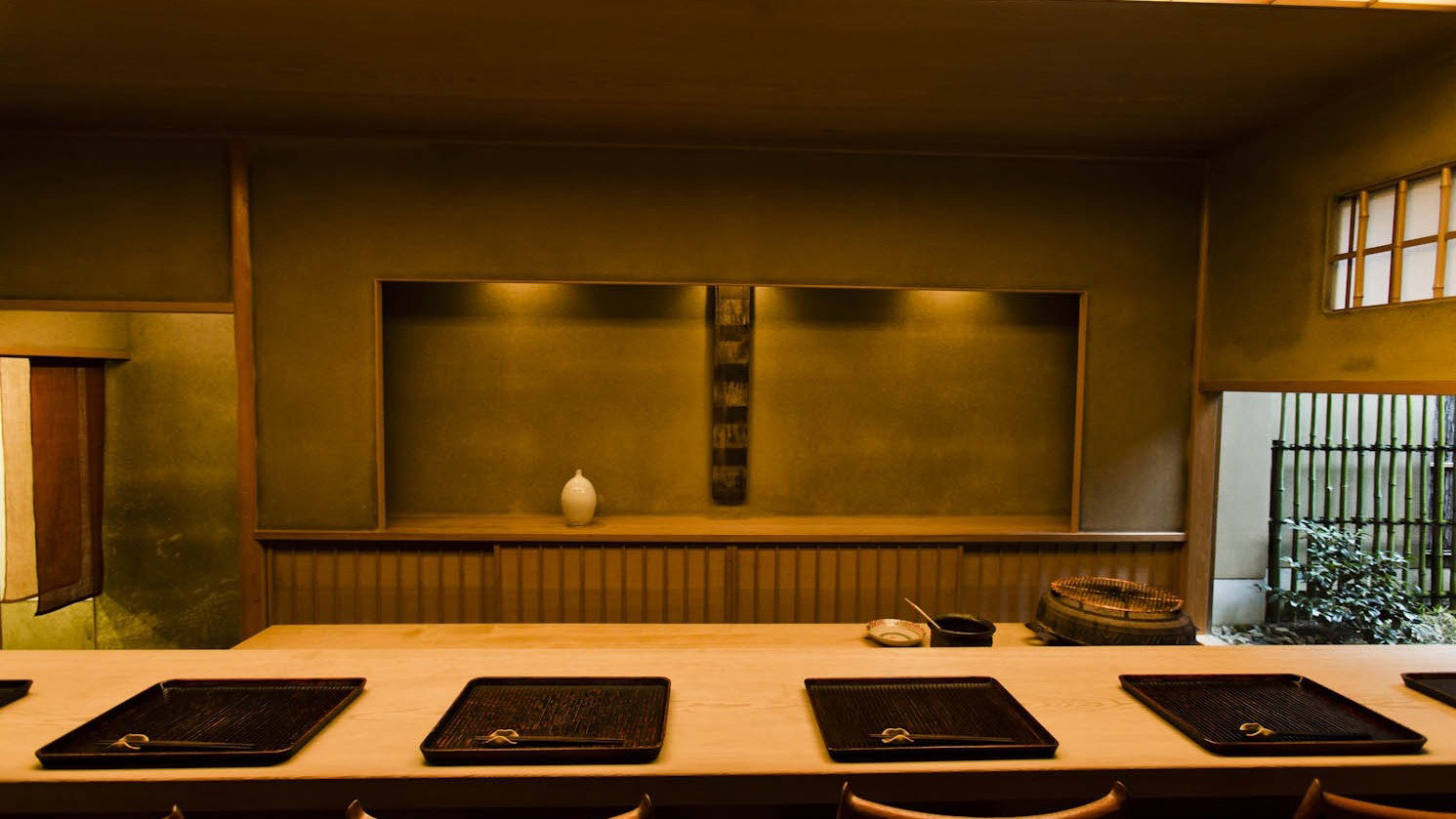
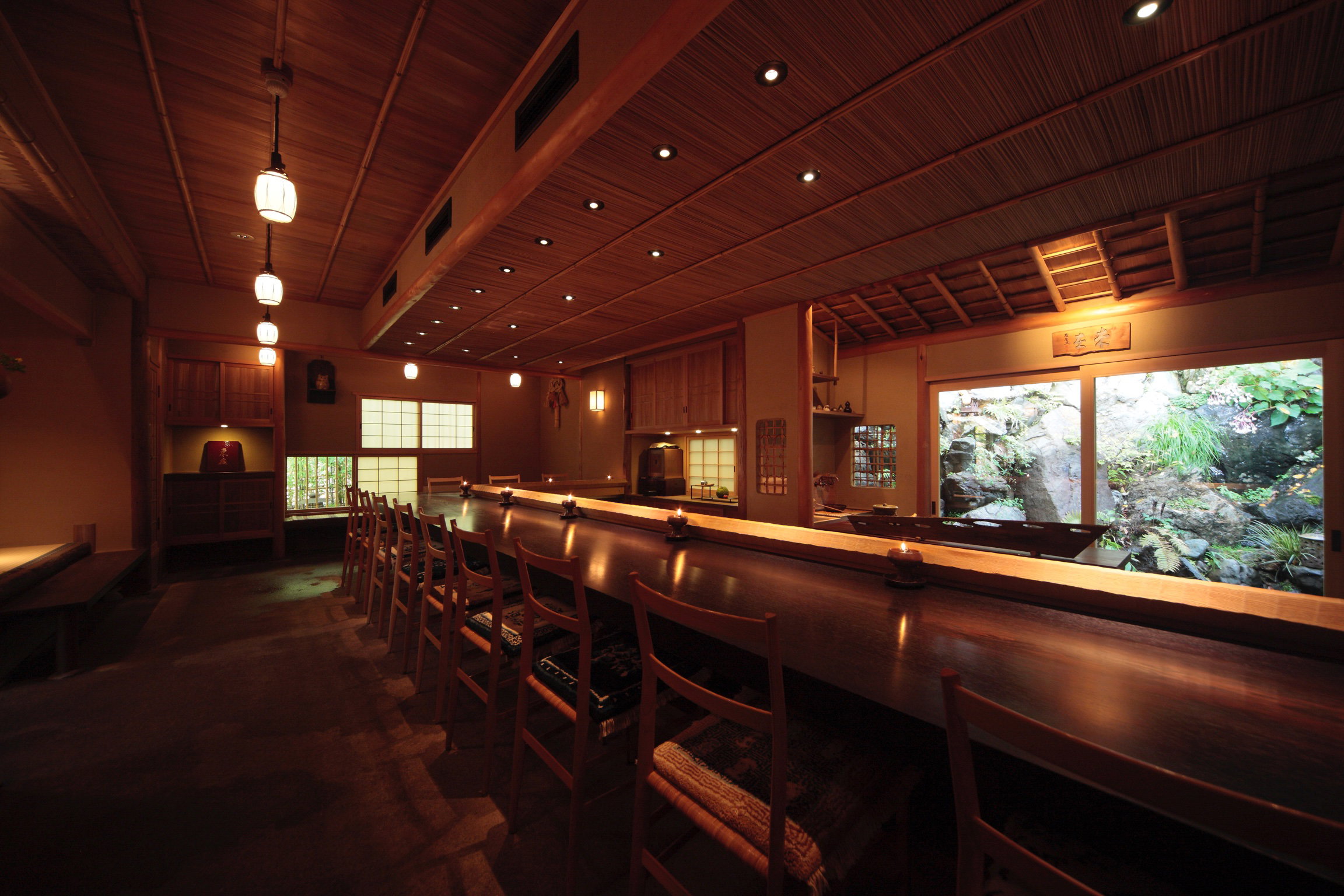
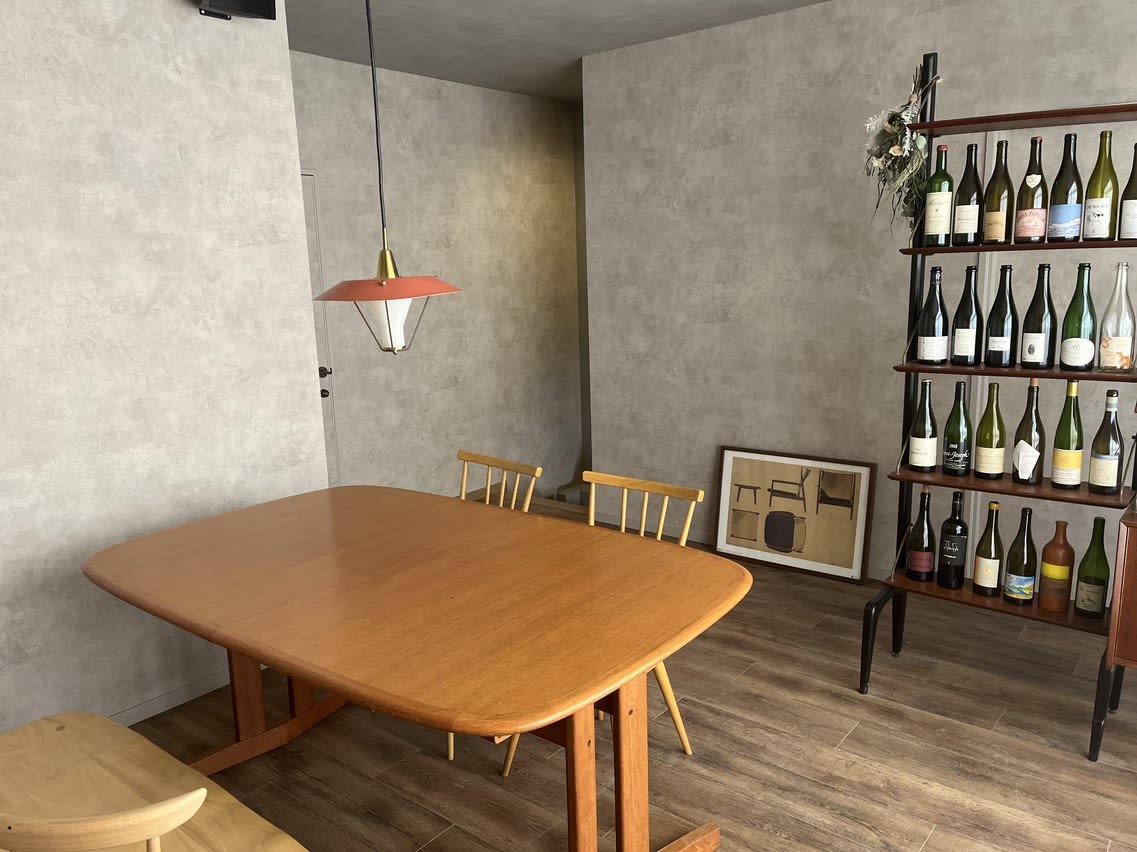
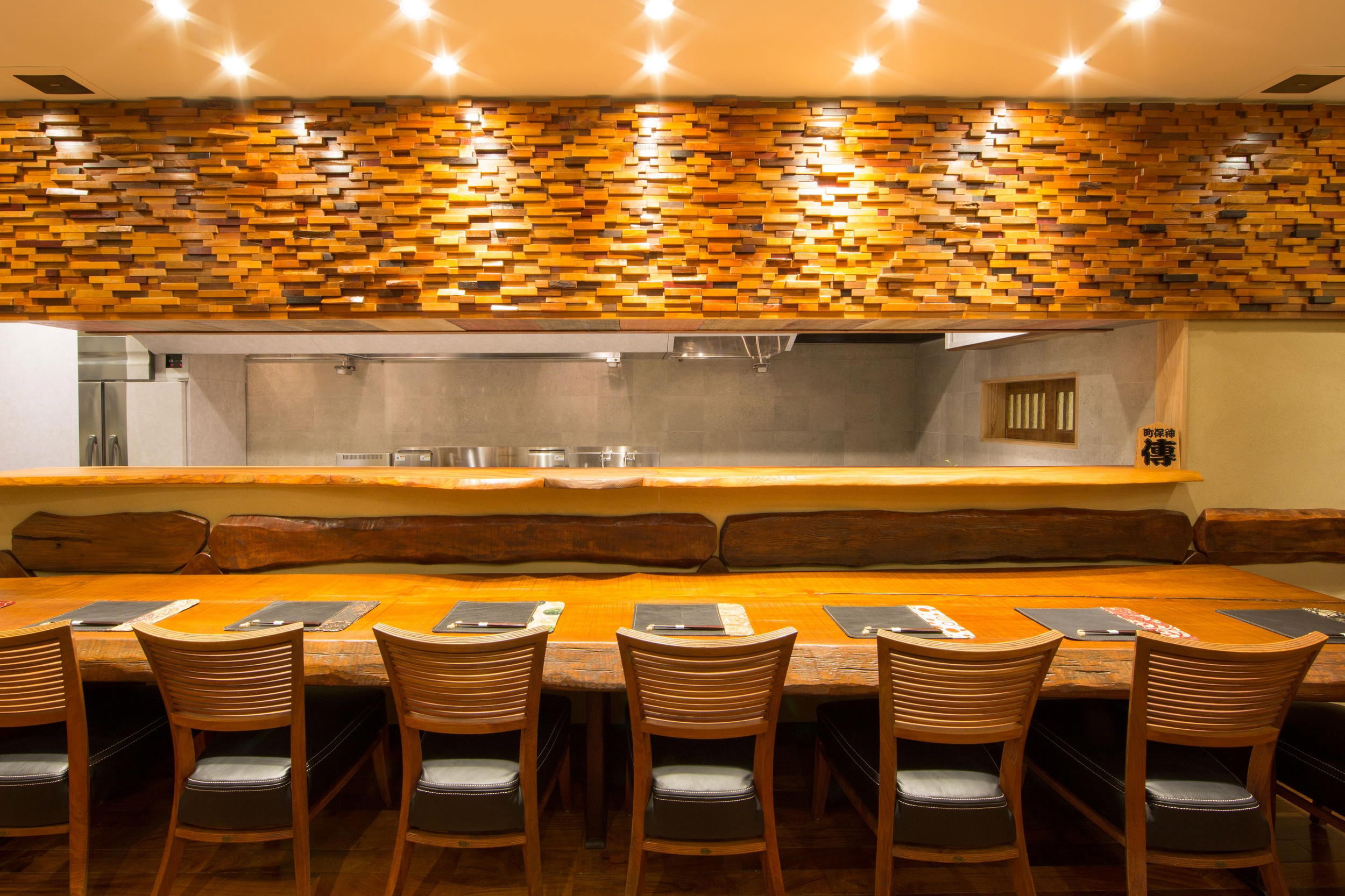
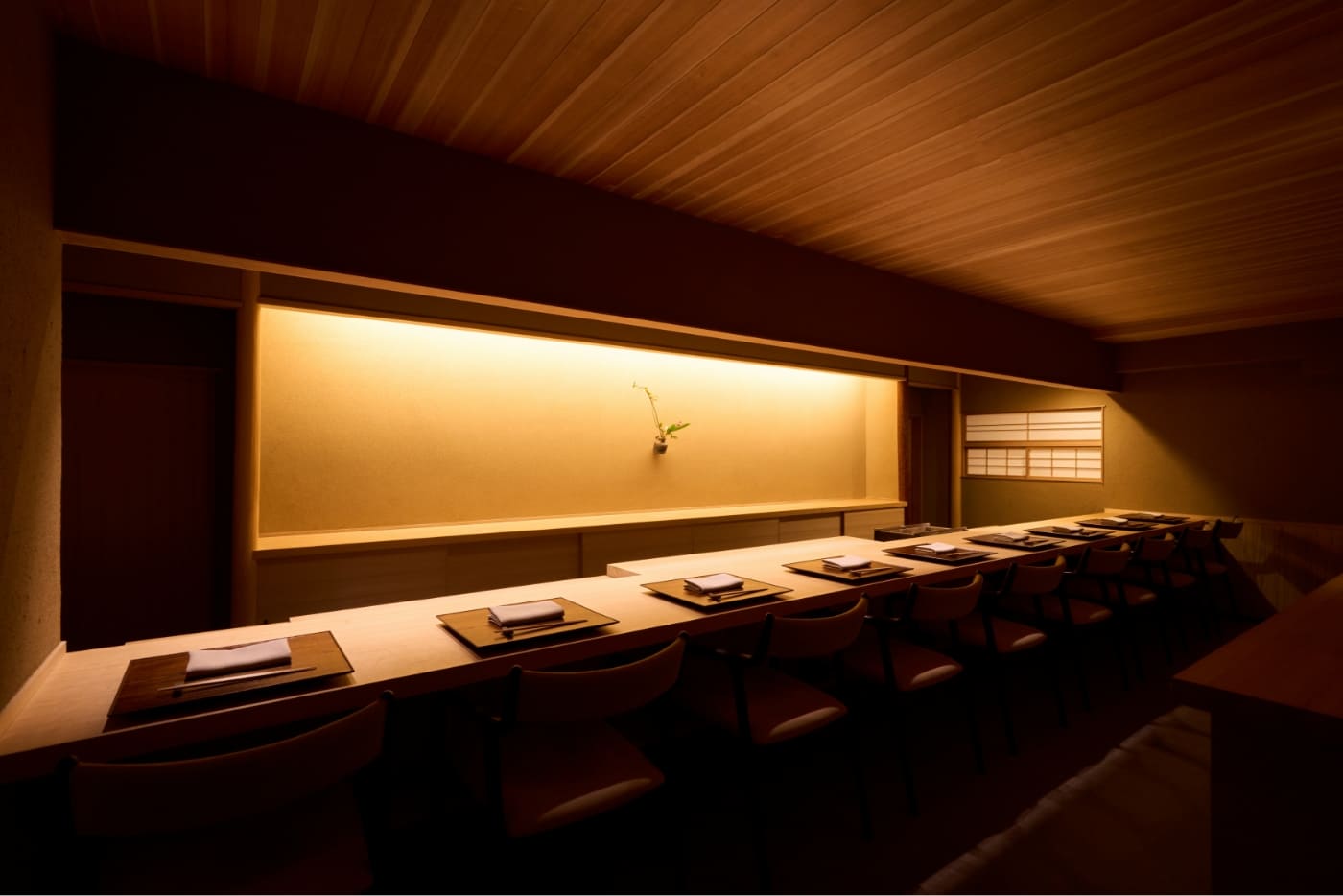
AKAI is a house restaurant operating eight counter seats in Higashiyama Ward, Kyoto. Chef Akai Kenji runs a creative cuisine format, listed on Tabelog under the Innovative category, with a philosophy centred on ingredient sourcing rather than fixed technique. The kitchen signals a particular focus on fish and vegetables, with vegetarian options available, the wine program is taken seriously enough to be described as deliberate in its curation. Private use of the full space is available for groups of six to eight on inquiry, making this a credible option for a small celebration or business dinner that requires discretion.
The price range sits at JPY 15,000 to JPY 19,999 per person at the listed rate, though review-based spending data from Tabelog puts actual spend closer to JPY 20,000 to JPY 29,999 per person for both lunch and dinner. At that level, AKAI is priced comparably to serious creative cuisine restaurants across Japan's major cities, the five consecutive Tabelog Silver awards suggest the kitchen is earning it. For a Kyoto reference point: this is roughly the same price tier as a mid-to-upper kaiseki lunch at Kikunoi Honten or Hyotei, but the format is not kaiseki. The experience is closer to the chef-counter creative dining you find at HAJIME in Osaka or, at a different scale, Lazy Bear in San Francisco.
Sourcing as the Menu's Spine
At AKAI, sourcing is not a marketing footnote. The kitchen's documented emphasis on fish and vegetables, combined with the absence of a fixed published menu, means that what you eat is directly shaped by what the chef has access to on a given week. This is the correct framing for evaluating price: you are not paying for a fixed tasting menu that can be compared dish-by-dish against other restaurants. You are paying for a chef's current read on the leading available ingredients, expressed through a creative cuisine lens. Guests who want to know exactly what they will eat before they arrive should consider Isshisoden Nakamura or Mizai instead, both of which operate within the more codified kaiseki structure.
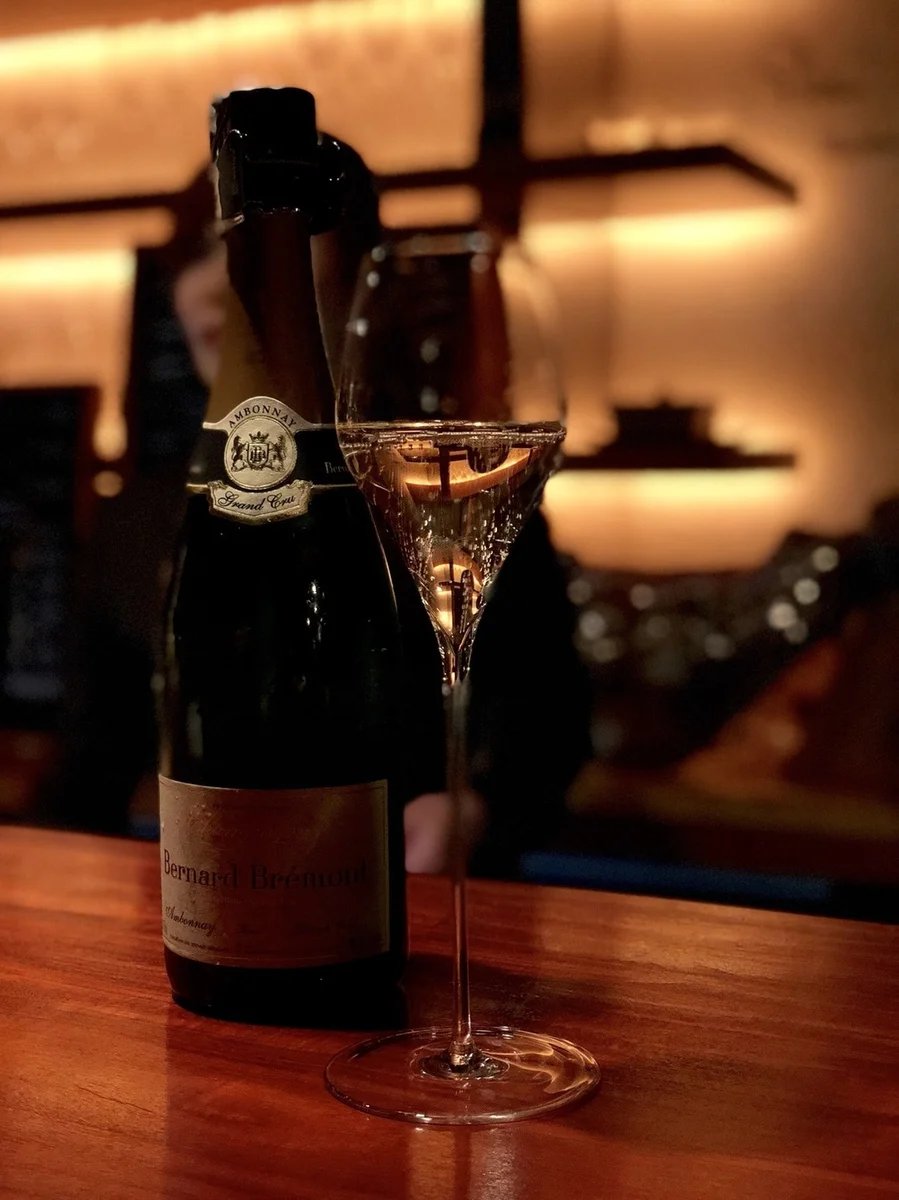
The wine program adds meaningful dimension to the meal. The listing describes the approach as particular about wine, which at an eight-seat counter at this price point typically means a curated selection chosen to work with the menu rather than a deep cellar. Guests who treat wine pairing as part of the value calculation will find this format more rewarding than a comparable-priced kaiseki room where sake pairing is the default.
Timing and Booking
AKAI is open for lunch (from 12:00) and dinner (from 19:00) Monday through Wednesday and Saturday through Sunday. It is closed Thursday and Friday. Booking is reservation-only, with no walk-in option. For a special occasion or celebration dinner, the Saturday dinner slot is the most practical: it avoids mid-week schedule pressure and the kitchen has confirmed it can accommodate celebrations with advance notice.
Booking difficulty is rated Easy by Pearl, which is notable for a restaurant with five consecutive Tabelog Silver awards and a score of 4.42. That likely reflects the Higashiyama location being less central than Gion or Kawaramachi, the fact that AKAI does not yet carry Michelin star recognition beyond a Michelin Plate (2024). Book two to three weeks out for a weekend dinner to be safe, particularly if your group requires private use of the full room. The restaurant accepts major credit cards (Visa, Mastercard, JCB, Amex, Diners) but does not accept electronic money or QR code payments.
Who Should Book
AKAI is the right call if you want a creative cuisine counter experience in Kyoto at a price point below the city's leading kaiseki rooms, backed by a consistent five-year awards record. It is particularly well suited to couples or small groups (up to five for standard seating, six to eight by private arrangement) marking a special occasion where the intimacy of eight seats and a chef-led format matters more than the ceremonial structure of kaiseki. If you are traveling with a larger group, considering the kaiseki format specifically, or need a restaurant with a more central Kyoto address, look at Gion Sasaki or Kikunoi Honten first.
For context on how AKAI fits into Japan's broader creative dining tier, see comparable profiles at akordu in Nara and Goh in Fukuoka. For Kyoto's full restaurant range, our full Kyoto restaurants guide covers the category in detail. You may also want to pair a dinner booking with a review of our Kyoto hotels guide if you are planning a multi-day visit to Higashiyama.
Practical Details
| Detail | AKAI | Gion Sasaki | cenci |
|---|---|---|---|
| Price per head | JPY 15,000–29,999 | ¥¥¥¥ | ¥¥¥ |
| Seats | 8 | Not listed | Not listed |
| Format | Counter, creative | Kaiseki | Italian tasting |
| Booking difficulty | Easy | Hard | Moderate |
| Closed days | Thu & Fri | Varies | Varies |
| Private use | Yes (6–8, on inquiry) | Not confirmed | Not confirmed |
| Awards | Tabelog Silver 2022–2026 | Tabelog Gold | Not listed |
For more on eating and drinking in Kyoto, see our Kyoto bars guide, our Kyoto wineries guide, and our Kyoto experiences guide. For international creative cuisine comparisons, see Harutaka in Tokyo, 1000 in Yokohama, and Le Bernardin in New York City.
Planning details
- Hours
- Monday: 12–3 pm, 7–10 pm · Tuesday: 12–3 pm, 7–10 pm
- Location
- 430-2 Kamibentencho, Higashiyama Ward, Kyoto, 605-0822, Japan
- Website
- kbjg200.gorp.jp
- Phone
- +81 50-5486-3140
The take
The Take
The Vibe
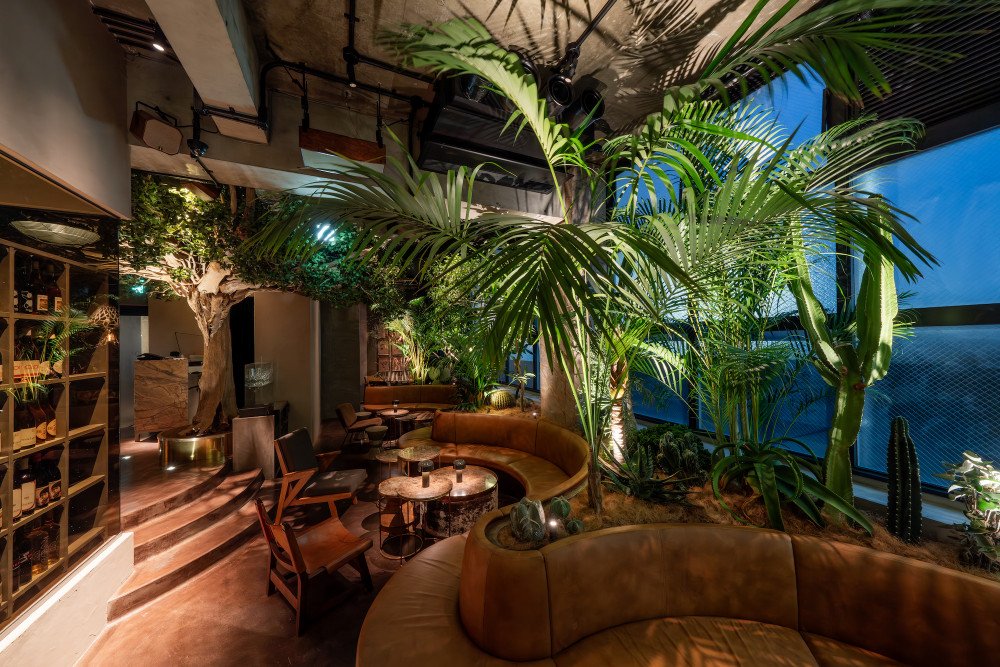
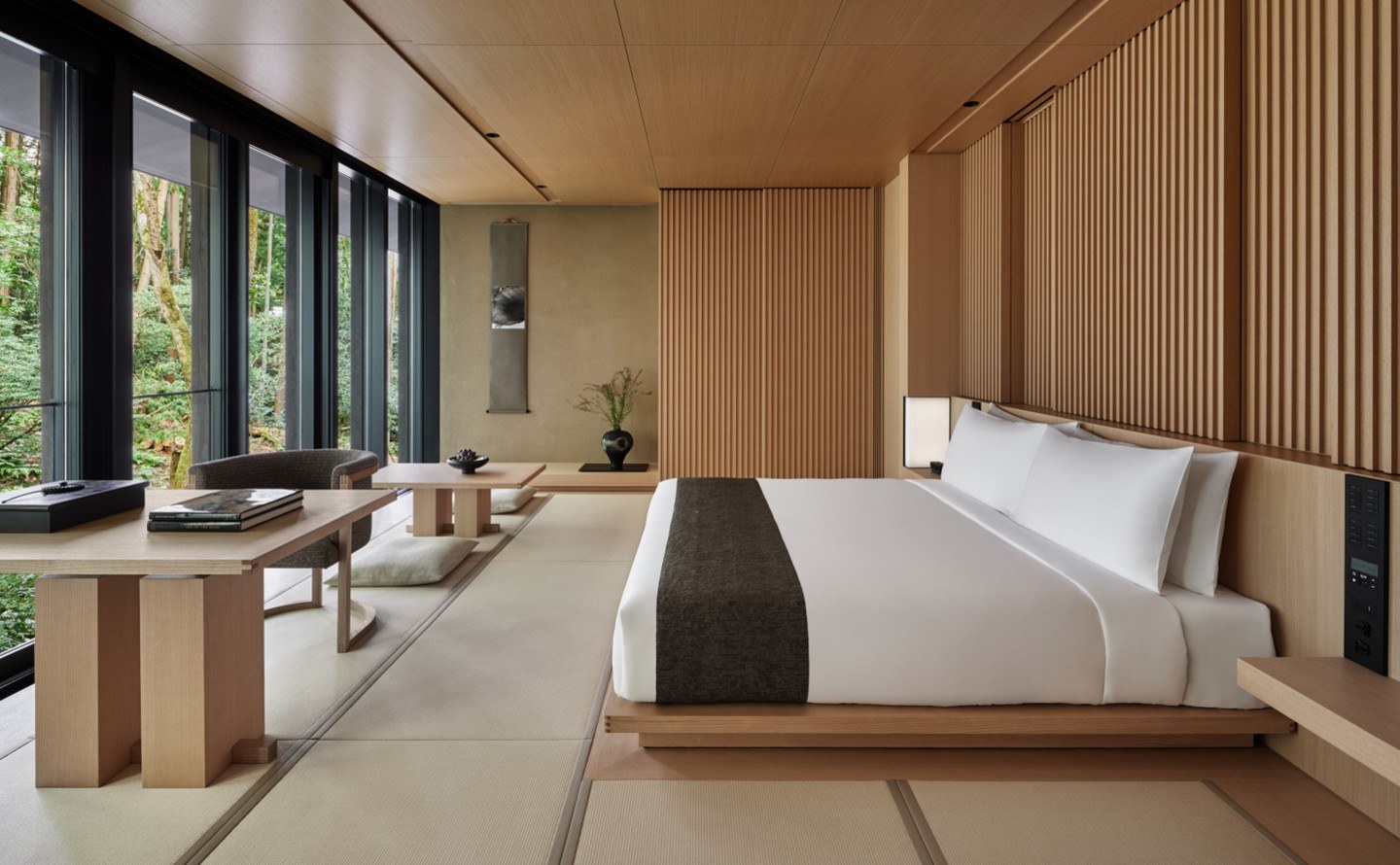
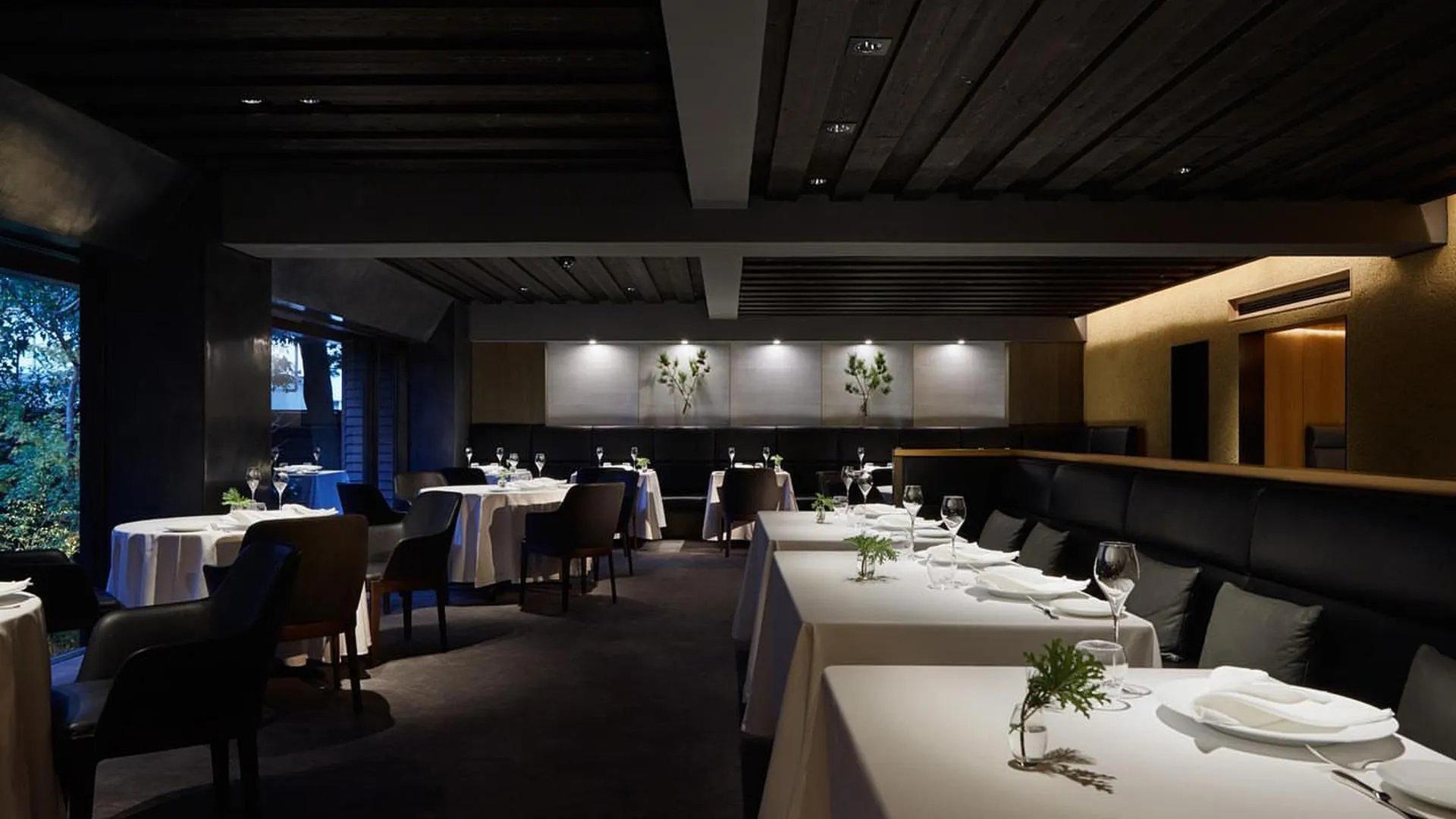
AKAI presents a quietly modern take on time-honored kaiseki within a secluded Kyoto residence. Traditional touches — a red noren curtain, Japanese-style room and ritualized course progression — sit alongside subtle contemporary details such as a striking modern chandelier. The restaurant frames dining as a meditative ritual, rooted in sacred water and Buddhist traditions, so the overall mood feels reverent and calm. Service and presentation emphasize ceremony and precision, creating an atmosphere that leans toward contemplative luxury rather than boisterous dining.
Best For
This is a destination for diners seeking a ceremonial, Michelin-starred kaiseki experience—ideal for intimate special occasions or those who appreciate precise, seasonal Japanese cuisine. The secluded residence setting and intimate room suit couples and small parties who want a focused, contemplative meal rather than a social or casual night out. Guests who care about provenance, ritual and a quietly elevated atmosphere will find AKAI particularly rewarding; the menu’s seasonal sequencing and spiritual underpinnings appeal to gastronomes and culturally minded travelers alike.
Ordering Tips
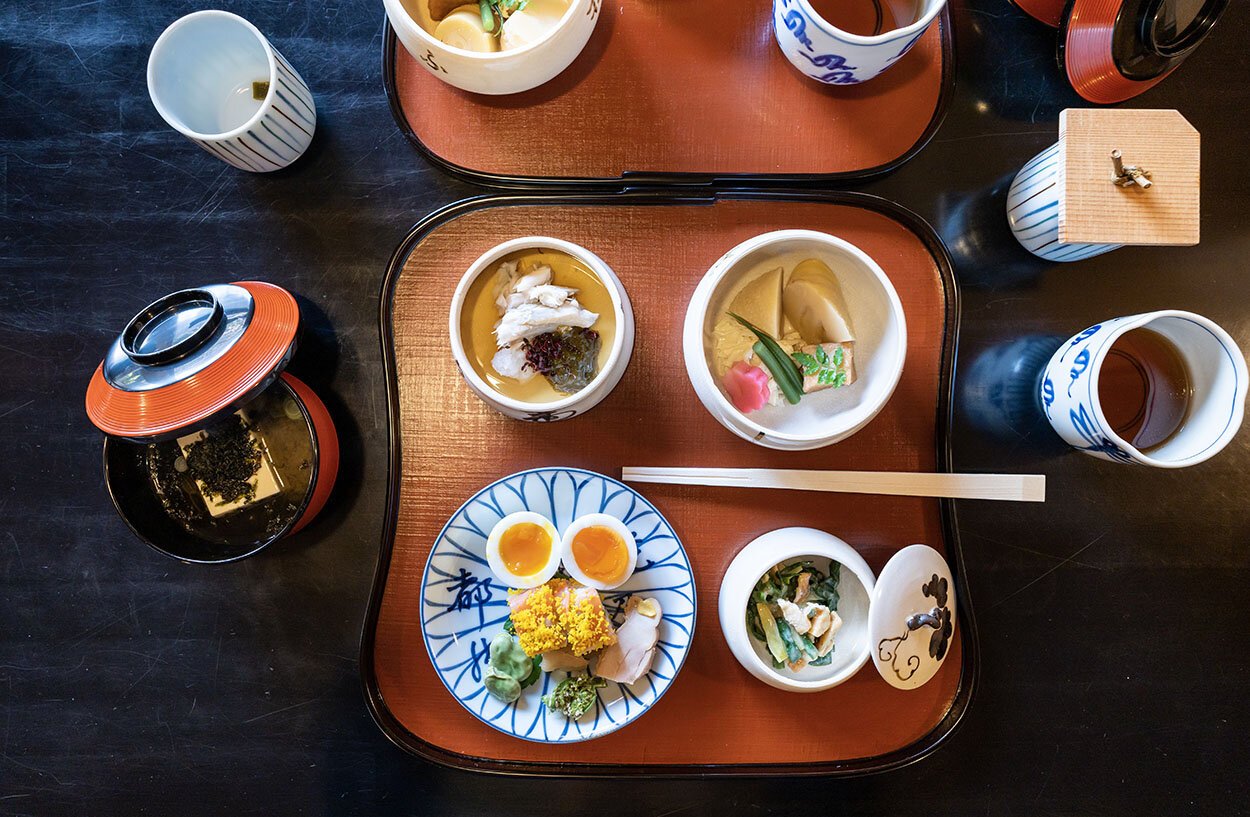
Embrace the full kaiseki progression and allow the chef’s tasting to guide the meal: the menu centers on seasonal ingredients and a reverence for pure water that informs everything from dashi to tea. Expect courses that balance traditional preparations with subtle international influences, so lean into the sequence rather than assembling à la carte. Pay attention to the tea service and the way water is used across preparations—these elements are integral to the kitchen’s philosophy and the overall tasting narrative.
Venue details
Ambiance
Refined and fresh interior with seasonal tableware, creating a cozy and elegant atmosphere that balances traditional and modern Japanese elements.
Tags
Vibe
Best For
Sourcing
At the Table
- Dress Code
- Smart Casual
- Noise Level
- Quiet
- Service Style
- Formal
- Meal Pacing
- Leisurely
- Capacity
- Intimate
Planning details
Hours
- Monday
- 12–3 pm, 7–10 pm
- Tuesday
- 12–3 pm, 7–10 pm
- Wednesday
- 12–3 pm, 7–10 pm
- Thursday
- Closed
- Friday
- Closed
- Saturday
- 12–3 pm, 7–10 pm
- Sunday
- 12–3 pm, 7–10 pm
Location
430-2 Kamibentencho, Higashiyama Ward, Kyoto, 605-0822, Japan · Directions

Also consider
Also Consider
- Gion Sasaki; Kaiseki, Japanese, ¥¥¥¥
- cenci; Italian, ¥¥¥
- Ifuki; Kaiseki, ¥¥¥¥
- Kyokaiseki Kichisen; Japanese, ¥¥¥¥
- SEN; French, Japanese, ¥¥¥¥
Restaurant context
Among Kyoto's serious dining options, AKAI occupies a specific and useful position: it is the most accessible high-credential reservation in the city's creative cuisine tier. Compared to Gion Sasaki and Kyokaiseki Kichisen, both priced at ¥¥¥¥ and operating within the kaiseki format, AKAI costs less, books more easily, delivers a different kind of meal: chef-led, ingredient-reactive, less ceremonially structured. If kaiseki's seasonal formalism is what you are after, those two rooms will serve that need better. If you want a creative counter meal with a strong track record and a wine program that is treated seriously, AKAI wins on both counts.
cenci is the closest comparison on format (Italian tasting menu, ¥¥¥, smaller room) and is the better call if you specifically want a European culinary reference point in Kyoto. For pure value, cenci's ¥¥¥ pricing undercuts AKAI, though AKAI's five-year Tabelog Silver run gives it the stronger credentials. Ifuki and SEN, both at ¥¥¥¥, represent the top of the Kyoto market for their respective formats (kaiseki and French-Japanese). If budget is not a constraint and you want the most ambitious version of Kyoto dining, those two are worth the additional spend. For most travelers visiting Kyoto once and wanting a high-quality creative meal without booking a room months in advance, AKAI is the practical choice.
Explore Kyoto
Around this place
Discover more on Pearl
Unlock the full AKAI guide in Pearl, including awards, comparisons, FAQs, planning details, and nearby places.
Compare AKAI
| Venue | Price | Booking Difficulty | Awards |
|---|---|---|---|
| AKAI | ¥¥¥ | Easy | 2026 Tabelog Silver · #4Tabelog 100 - Innovative / Creative cuisine - 2025 · #122025 OAD Top Restaurants in Japan Ranked · #3202025 Tabelog Silver2024 OAD Top Restaurants in Japan Ranked · #3472024 Michelin Plate |
| Gion Sasaki | ¥¥¥¥ | Unknown | 2026 Tabelog Bronze · #3862026 OAD Top Restaurants in Japan RecommendedMichelin Guide Kyoto Osaka 20262026 La Liste Top RestaurantsTabelog 100 - Japanese cuisine - WEST - 2025 · #132025 OAD Top Restaurants in Japan Ranked · #2462025 Tabelog Silver2025 Michelin 3 Stars2025 La Liste Top Restaurants |
| cenci | ¥¥¥ | Unknown | 2026 Tabelog Bronze · #442026 Asia's 50 Best Restaurants · #762026 OAD Top Restaurants in Japan Highly RecommendedMichelin Guide Kyoto Osaka 2026Tabelog 100 - Italian - WEST - 2025 · #632025 Asia's 50 Best Restaurants · #632025 OAD Top Restaurants in Japan Ranked · #1682025 Tabelog Bronze2024 OAD Top Restaurants in Japan Ranked · #135 |
| Ifuki | ¥¥¥¥ | Unknown | 2026 OAD Top Restaurants in Japan Ranked · #1222026 Tabelog Bronze · #128Michelin Guide Kyoto Osaka 20262026 La Liste Top RestaurantsTabelog 100 - Japanese cuisine - WEST - 2025 · #622025 OAD Top Restaurants in Japan Ranked · #1002025 La Liste Top Restaurants2025 Tabelog Bronze2025 Michelin 2 Stars |
| Kyokaiseki Kichisen | ¥¥¥¥ | Unknown | 2026 Tabelog Bronze · #1752026 OAD Top Restaurants in Japan Highly RecommendedMichelin Guide Kyoto Osaka 20262025 OAD Top Restaurants in Japan Ranked · #1862025 Michelin 2 Stars2025 La Liste Top Restaurants2024 OAD Top Restaurants in Japan Ranked · #1422024 Michelin 2 Stars2023 OAD Top Restaurants in Japan Ranked · #136 |
| SEN | ¥¥¥¥ | Unknown | 2026 Tabelog Bronze · #3952026 OAD Top Restaurants in Japan RecommendedMichelin Guide Kyoto Osaka 20262026 Michelin PlateTabelog 100 - Japanese cuisine - WEST - 2025 · #652025 Michelin Plate2025 Tabelog Bronze2024 OAD Top Restaurants in Japan Ranked · #3622024 Michelin Plate |





Key differences to consider before you reserve.
FAQ
Frequently Asked Questions
Is lunch or dinner better at AKAI?
Both services run the same price range (¥15,000–¥20,000 per person), so the choice comes down to scheduling rather than value. Dinner at a counter format like this tends to feel more focused with fewer daylight distractions, but lunch suits visitors building an itinerary around Higashiyama Ward's other stops. Either way, entry is fixed at 12:00 for lunch and 19:00 for dinner; you cannot arrive late.
Can I eat at the bar at AKAI?
Yes; the entire restaurant is counter seating, all eight seats. There is no separate bar or table section. That format means every guest at AKAI is at the counter, so if you prefer a table for conversation, this is not the right venue. For groups of six to eight, the whole space can be reserved privately.
Is the tasting menu worth it at AKAI?
At ¥15,000–¥20,000 per head (reviews suggest spend often reaches ¥20,000–¥29,999), AKAI sits below Kyoto's top kaiseki rooms in price while carrying Tabelog Silver recognition every year from 2022 through 2026 and a score of 4.42. That sustained track record across five consecutive years is a stronger signal of consistency than a single award. If creative cuisine at a counter is your format, the price-to-recognition ratio here is solid.
What should I wear to AKAI?
No dress code is listed for AKAI. Given that it is a small, eight-seat house restaurant with counter seating in Higashiyama, smart casual clothing is a sensible baseline; nothing too casual, but there is no indication that formal attire is expected.
Is AKAI worth the price?
For a Tabelog Silver winner with a 4.42 score and a creative cuisine format in Kyoto, ¥15,000–¥20,000 per head is competitive. Comparable kaiseki experiences in Kyoto regularly run ¥30,000 or more. AKAI earns its price through consistent recognition; five straight Tabelog Silver awards and inclusion in the Tabelog Innovative Top 100 for 2025; not just ambience or prestige. If eight counter seats and a chef-led creative format suit your style, the value case is clear.