

2025 Tabelog Silver Award Winners: Complete List
A restaurant where you can encounter a mastery of the culinary arts that must be experienced to be believed.

Venues on this list
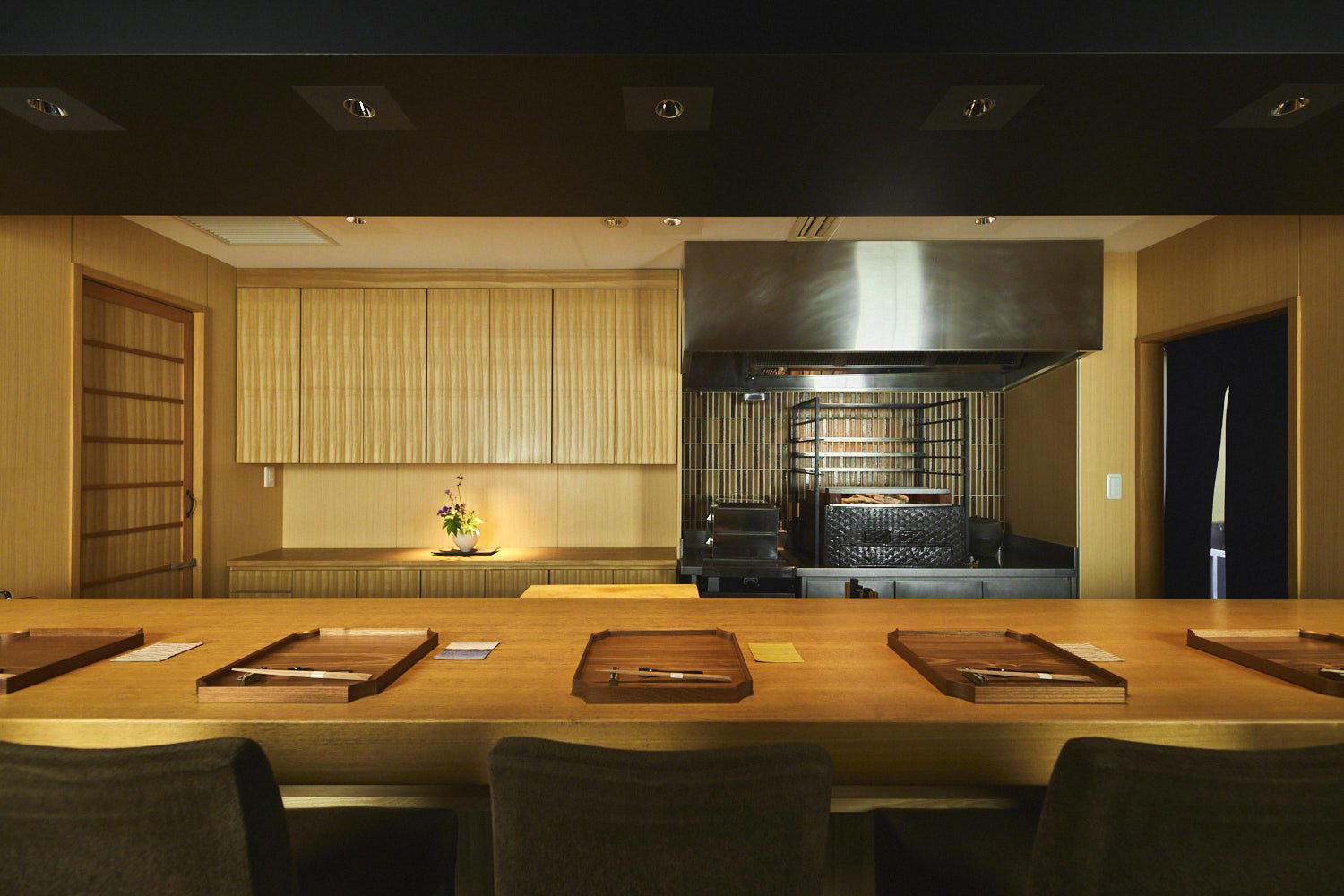
FUJI
Shizuoka, Japan
A seven-seat counter in Shizuoka's Aoi Ward with a 4.54 Tabelog score and Silver Award recognition in 2024, 2025, and 2026. FUJI focuses on Shizuoka fish with sake-led pairings, runs JPY 30,000–39,999 in practice, and is reservation-only. One of the most accessible top-tier Japanese cuisine counters in eastern Japan; book it before you arrive, not the day before.
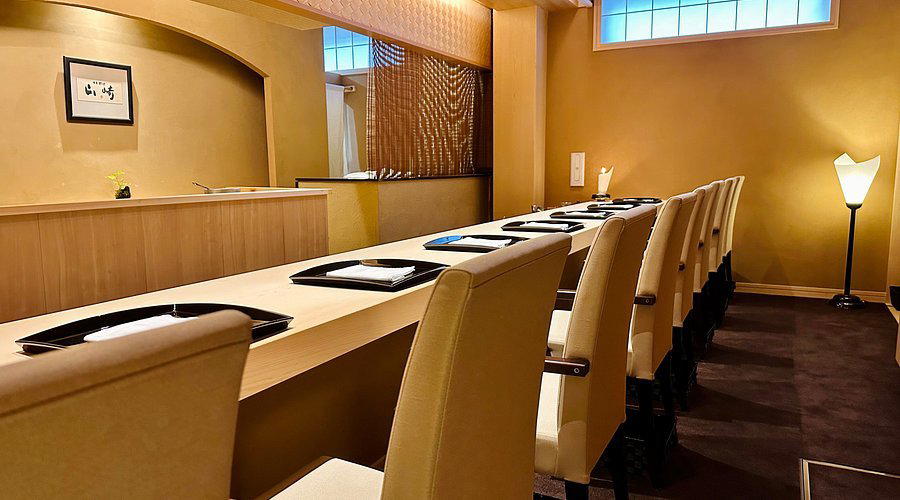
Yamazaki
Tokyo, Japan
Yamazaki is a 10-seat kaiseki counter in Nishiazabu with a Tabelog score of 4.46 and Tabelog Silver Awards every year from 2020 to 2026. Dinner runs JPY 60,000–79,999 per head across two seatings Tuesday through Saturday. Book via Instagram and read the cancellation policy carefully; this is a serious commitment at every level.
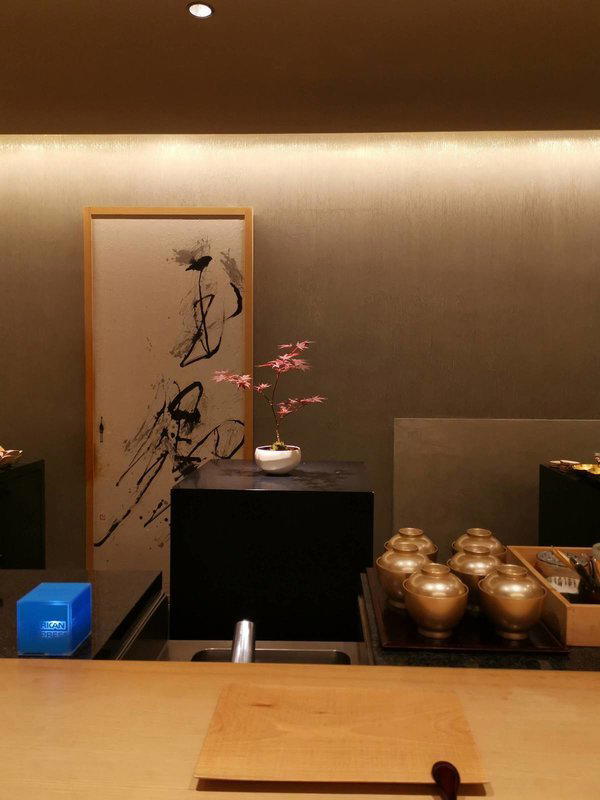
Kitajima-tei
Tokyo, Japan
Kitajima-tei has won the Tabelog Bronze Award every year since 2017 and holds a 4.25 score, making it one of Tokyo's most consistently recognised French counters at JPY 20,000–29,999. Twelve seats, a serious wine focus, and a direct, ingredient-led kitchen make this a strong booking for pairs and solo diners. Booking is easier than its track record suggests; two to three weeks out is usually sufficient.
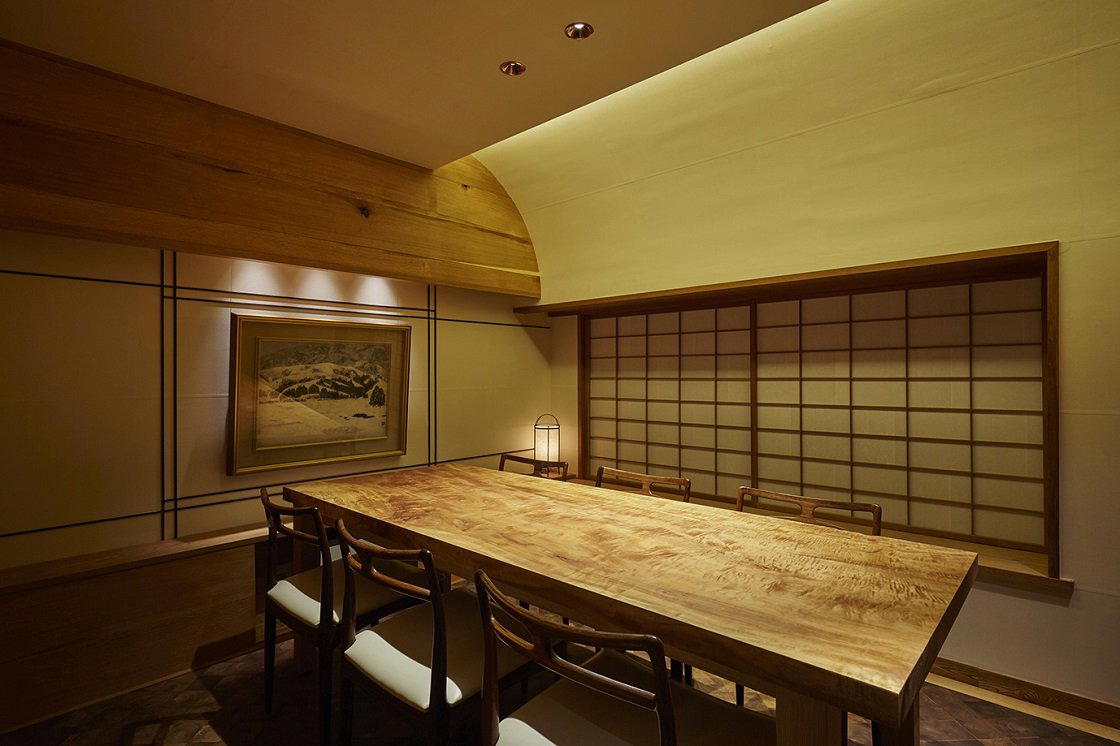
Oryori Kotan
Nara, Japan
A Michelin Plate Japanese restaurant in Nara with a Tabelog score of 3.58 and consecutive award recognition, Oryori Kotan operates at an intimate scale that suits a celebratory dinner over a casual meal. Budget JPY 20,000–39,999 per person, book ahead by phone, and arrive on time; the course format is unforgiving of late starts. One of Nara's stronger cases for a serious sit-down meal.
Suzue
Kyoto, Japan
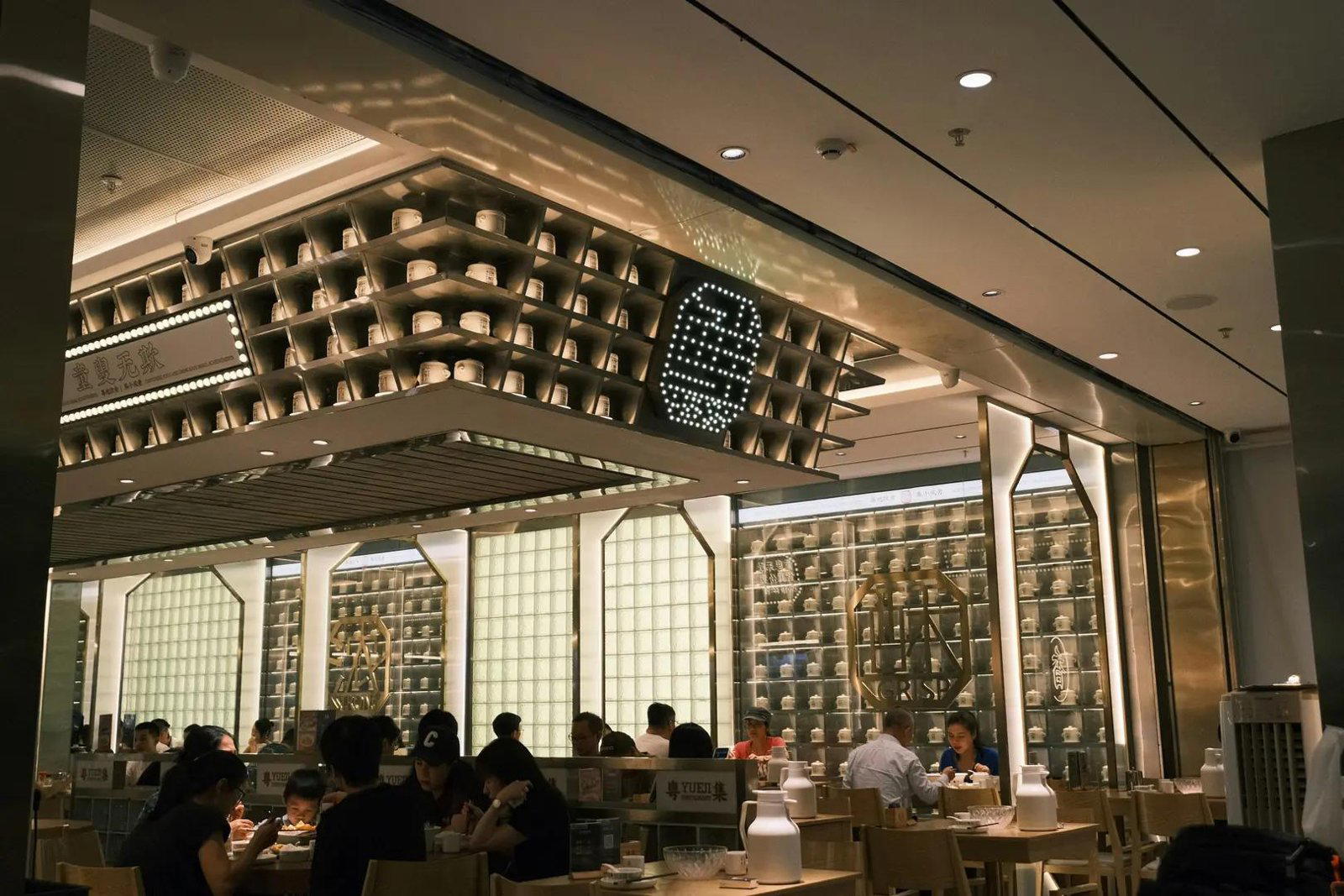
Ranked in Opinionated About Dining's Top Restaurants in Japan, Suzue is a chef-driven kaiseki counter in Kyoto's quieter Okazaki district. Open every evening, it offers more scheduling flexibility than most comparable counters. Best suited to returning kaiseki visitors or special occasions where a structured, high-quality progression matters more than theatrics.
Chugoku Hanten Fureika
Tokyo, Japan
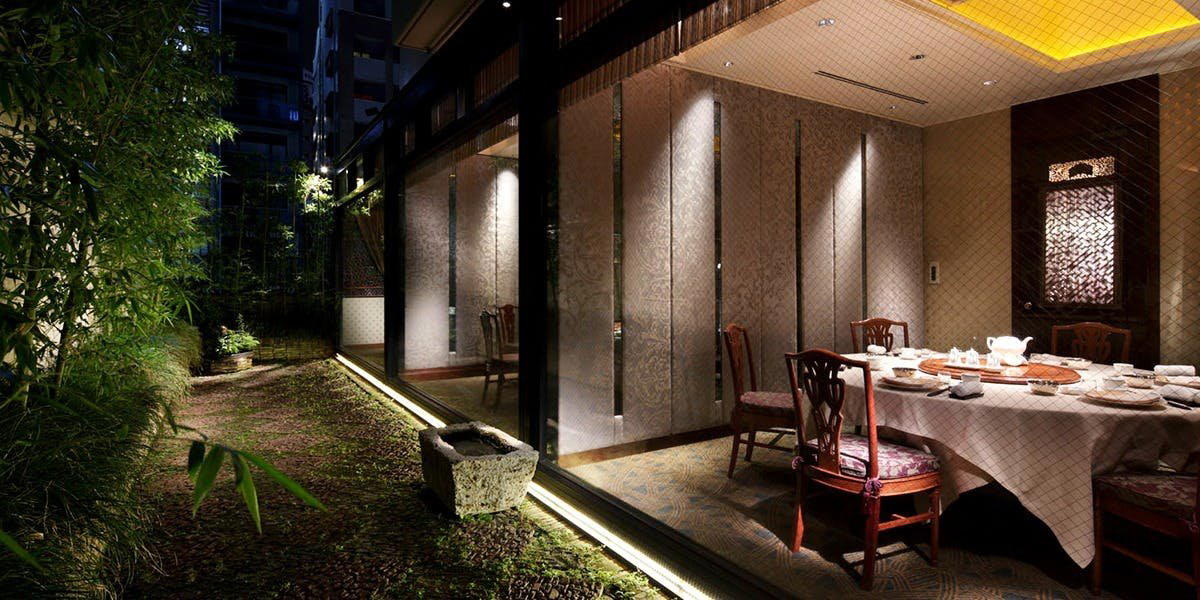
Fureika is the most consistently awarded Chinese restaurant in central Tokyo, formerly awarded a Michelin star and consecutive Tabelog Silver recognition since 2018. The à la carte format spans over 100 Shanghai and Cantonese dishes, with dinner averaging JPY 20,000–29,999 per person. Private rooms, group capacity, and a relaxed dress code make it a reliable choice for both business and social occasions.
Yanagiya
Gifu, Japan
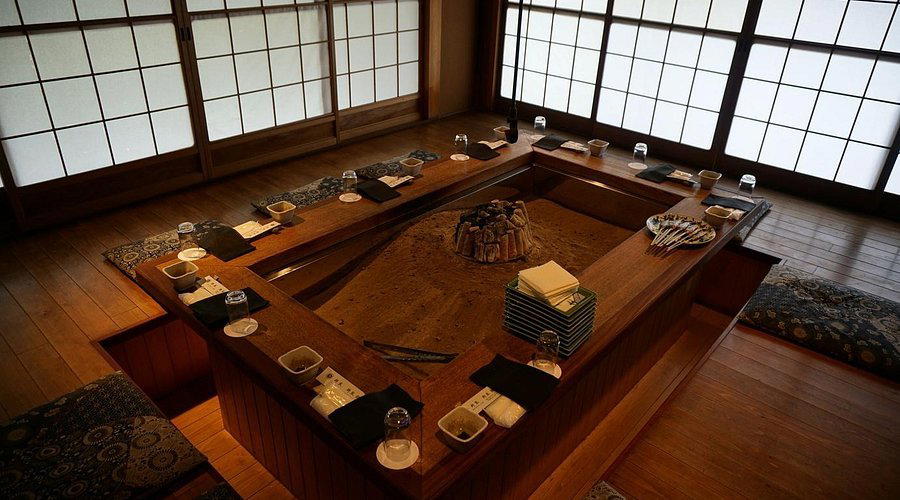
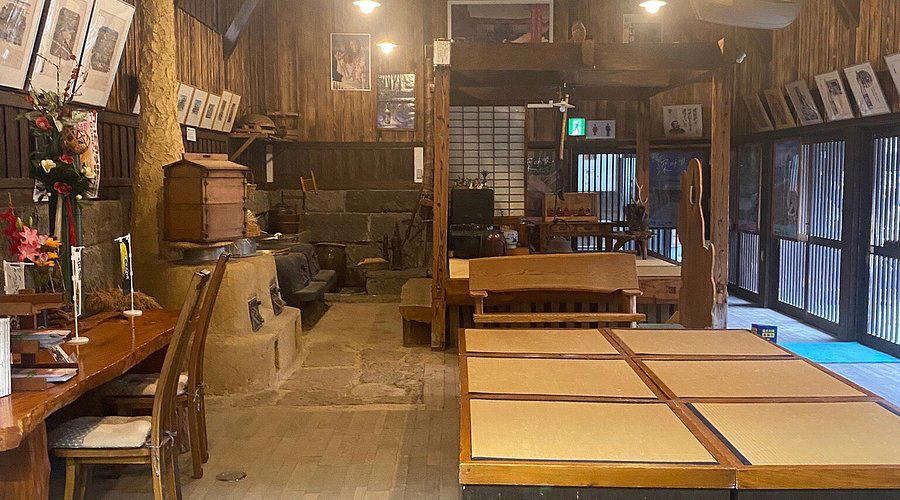
Yanagiya in Mizunami, Gifu is a Tabelog Silver-awarded irori grill house (4.35 score, La Liste 97pts 2026) that delivers serious seasonal cooking; fish-focused now, game meat in autumn; in a relaxed tatami setting. At JPY 15,000 to JPY 20,000 per head, it is the strongest case for a destination meal in Gifu, but requires a minimum party of four and advance booking by phone.
Ajidocoro
Yubari District, Japan
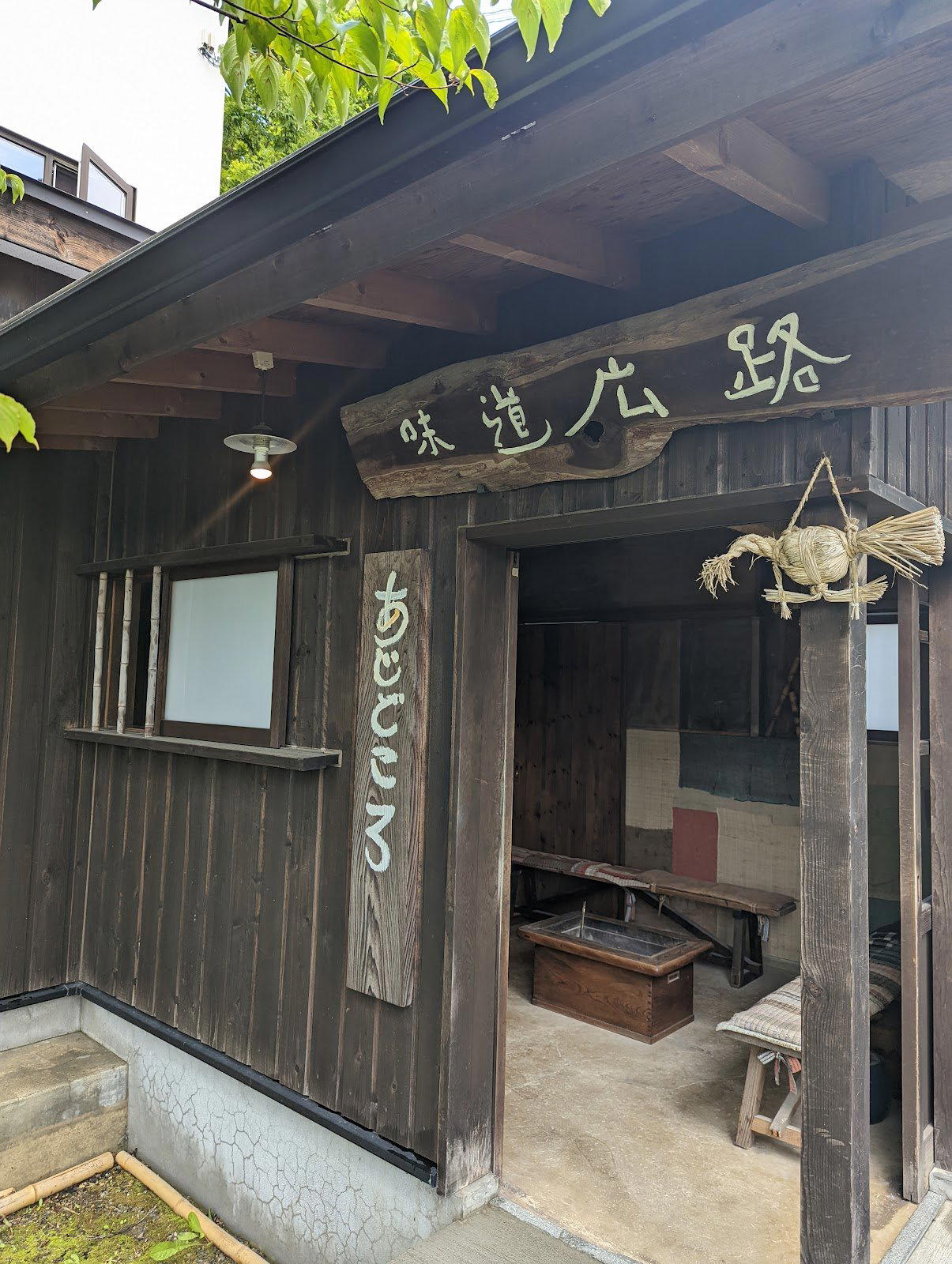
Ajidocoro is a 20-seat house restaurant in rural Kuriyama earning Tabelog Silver Awards and a 4.47 score for refined kaiseki at JPY 10,000–JPY 14,999. Reservations open monthly via phone and fill fast; expect seasonal Hokkaido produce, strong sake selection, and a quieter alternative to Sapporo's crowded scene.
Sushi Josuke
Hyogo, Japan
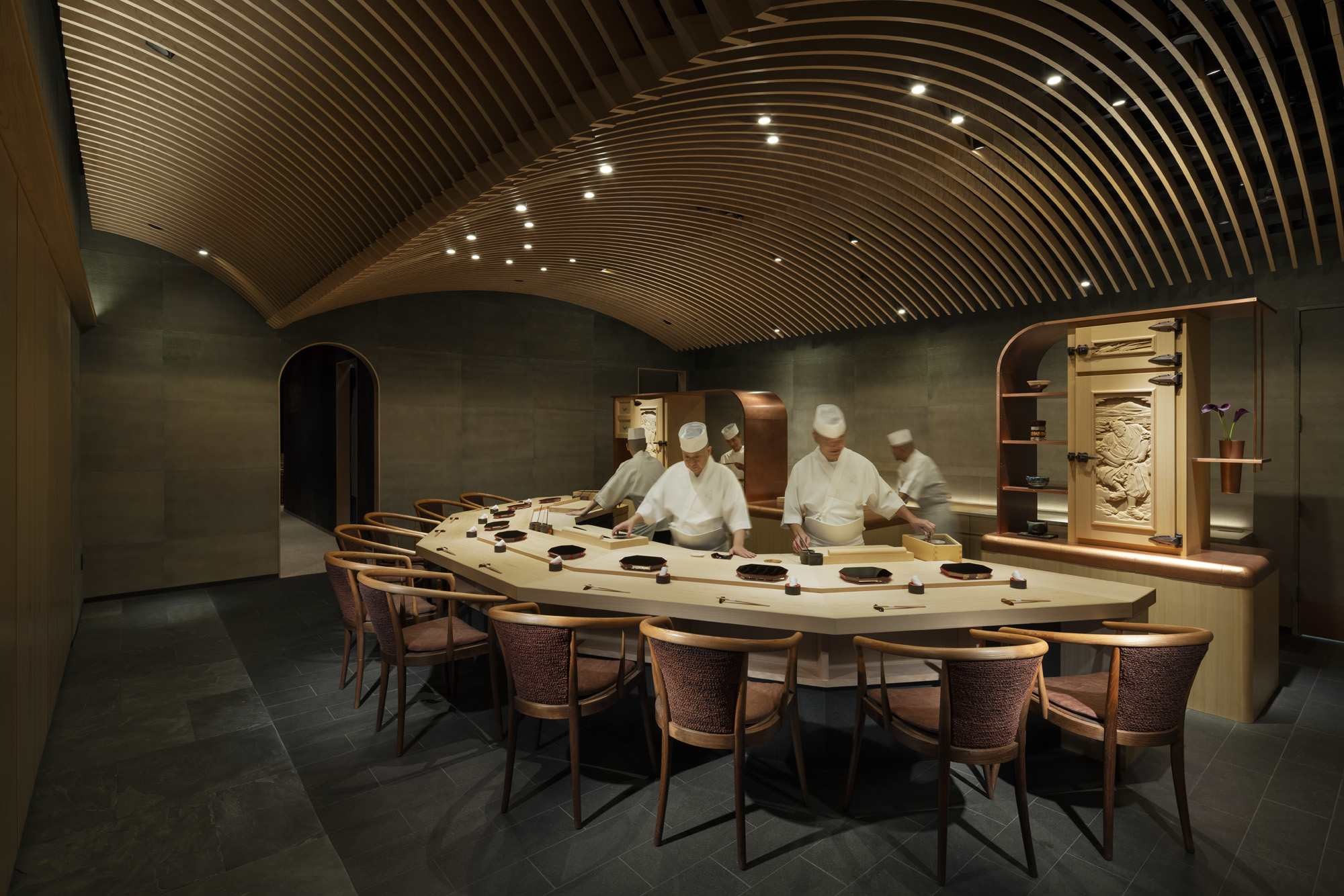
Tabelog Award 2026 Bronze winner with an eight-seat counter serving fish-focused omakase at JPY 20,000–29,999. Consecutive awards since 2020 signal consistent technique, but cash-only payment and Japanese-language booking requirements narrow the audience. Better value than comparable Tokyo counters if you clear the logistical hurdles.
Pesceco
Nagasaki, Japan
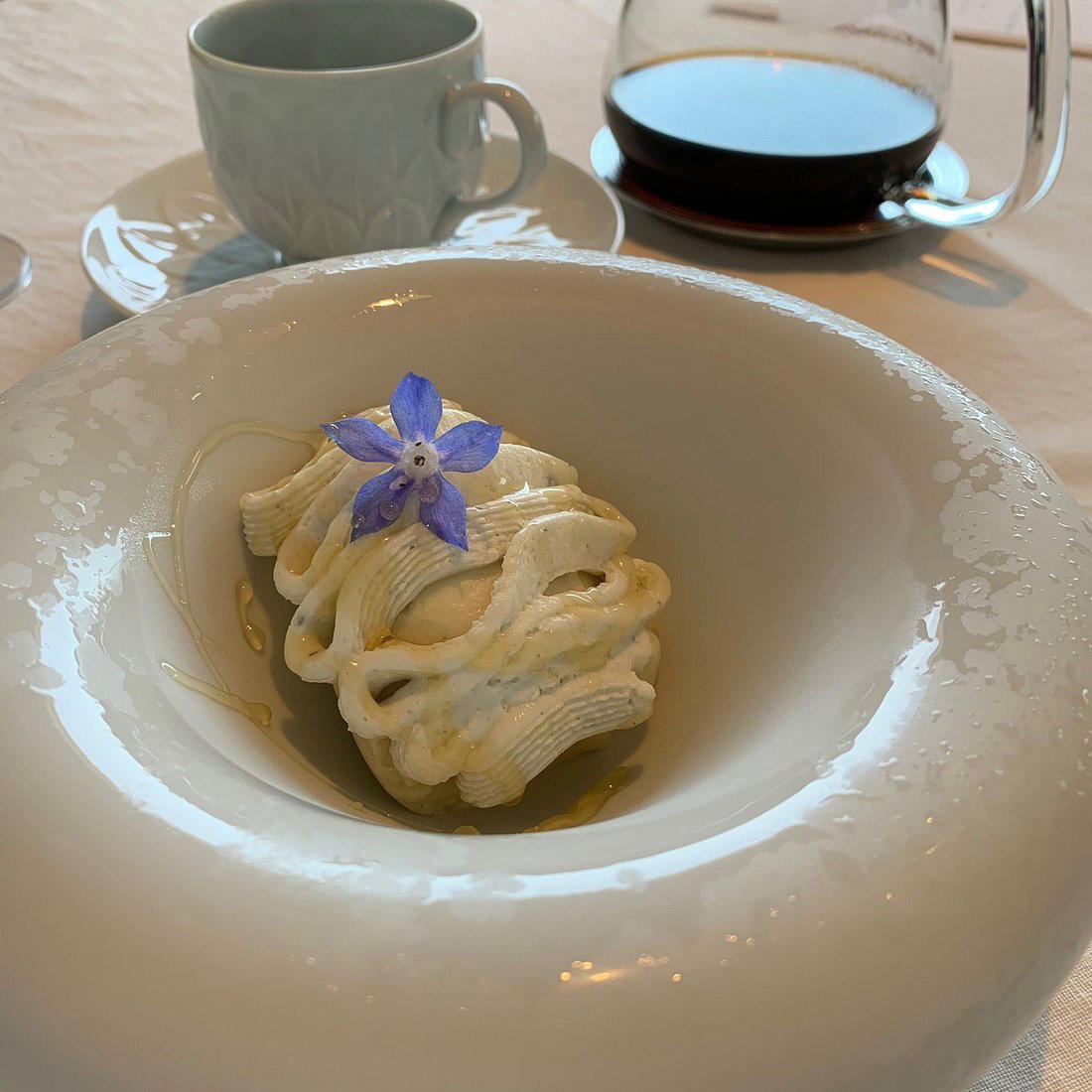
Pesceco is a six-seat counter restaurant in Shimabara, Nagasaki, earning Tabelog Silver every year from 2021 to 2026 and ranked 65th in Japan for 2025. Chef Kouji Inoue runs a coastal-focused innovative set menu at lunch only, with prices running JPY 40,000–49,999 per person all-in. Book two months out online; parties of two to four only.

Sushi Tokiwa (鮨 登喜和)
Niigata, Japan
Sushi Tokiwa (鮨 登喜和) is the Niigata sushi booking to prioritize if the meal is the occasion and the party is small. Its Opinionated About Dining Top Restaurants in Japan #68 ranking for 2026 gives it national credibility, but missing public planning details mean it is better for focused diners than flexible group meals.
Noguchi
Kyoto, Japan
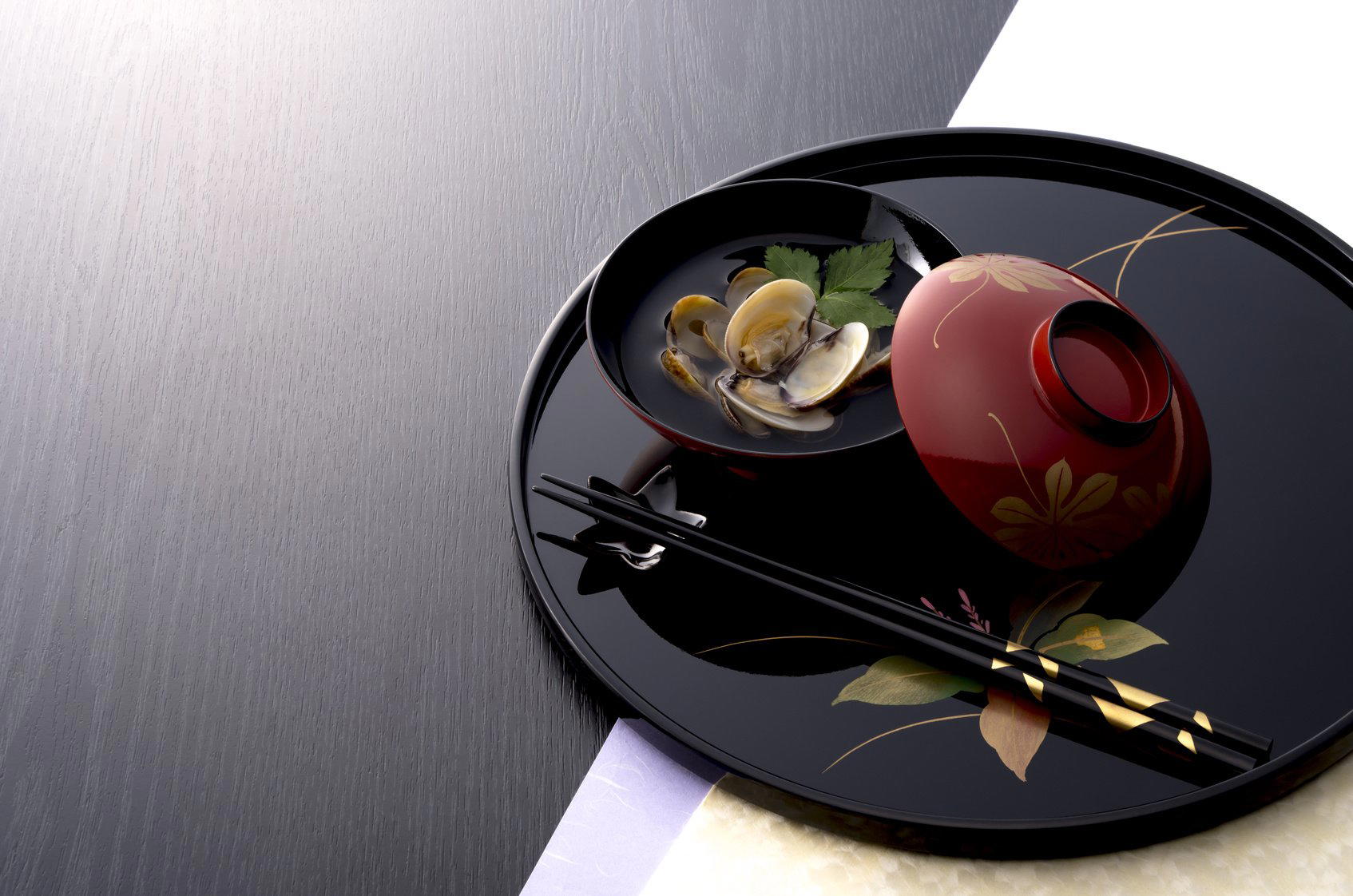
Chef Daisuke Noguchi's eight-seat counter delivers tightly executed kaiseki in a quiet Kamigyo Ward setting. Tabelog Gold winner in 2020 and a consistent Silver honoree, the restaurant operates reservation-only with a referral preference. Expect ¥20,000–¥59,999 at dinner, intimate chef interaction, and a format that rewards pairs over groups.
ç¾å ç»å®
Kanoashi District, Japan
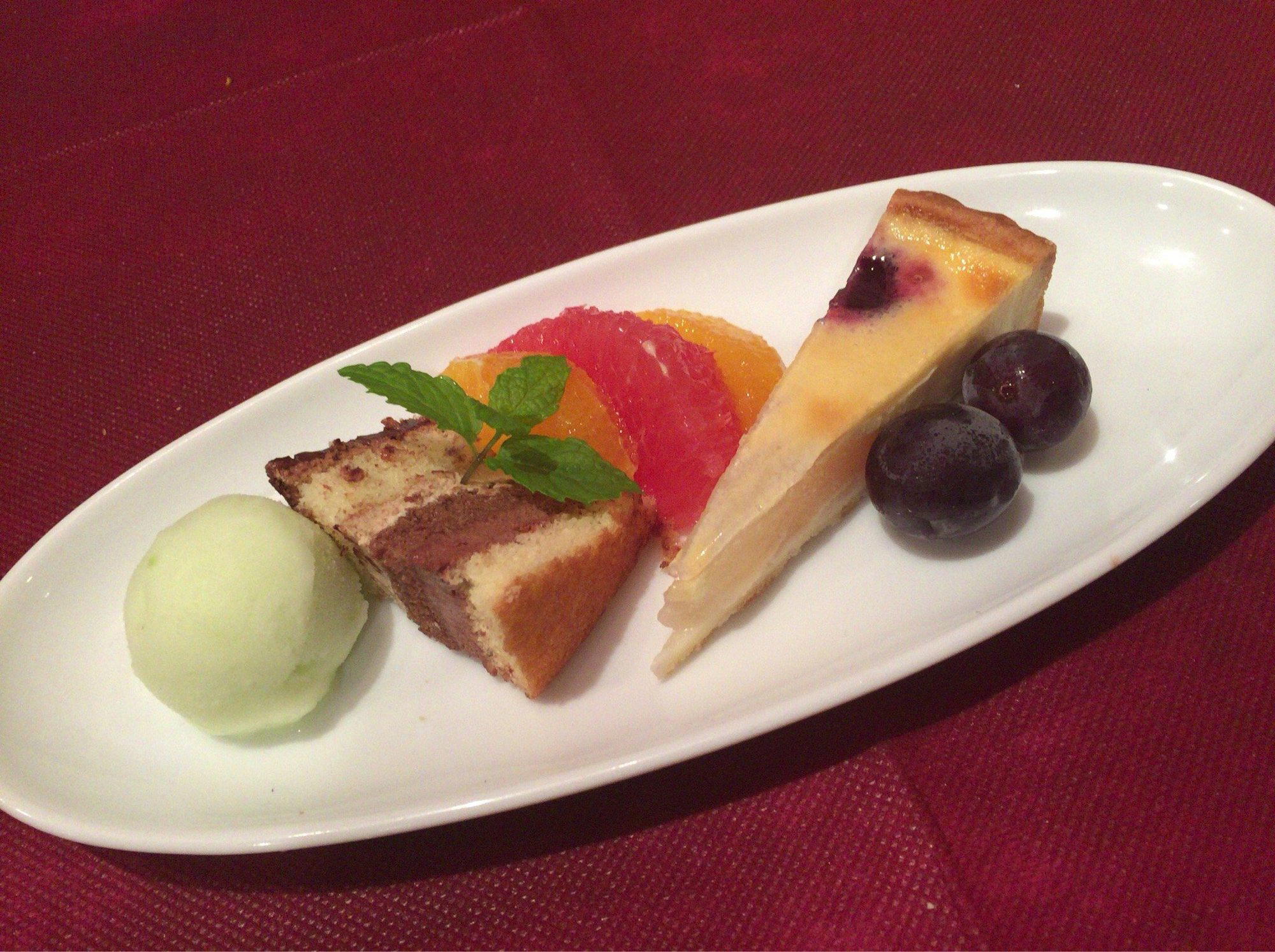
A cautious yes for diners already planning around Nichihara or Tsuwano, especially for a quiet small-group meal. The case is weaker if you need a clearly defined cuisine, price band, or award-backed destination; compare it with Tagosaku or Okoja first if budget certainty matters.
Wasa
Tokyo, Japan
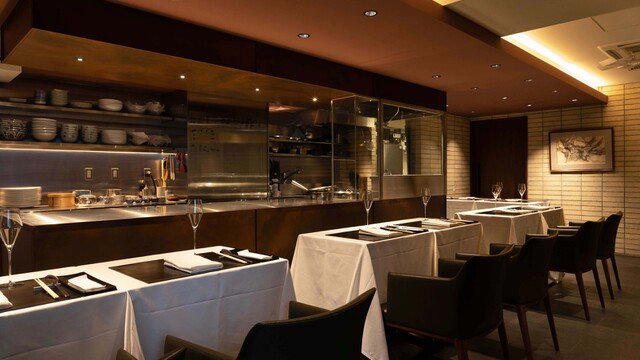
Wasa is an eight-seat omakase restaurant in Ebisu that has earned consecutive Tabelog Silver Awards since 2024, with a score of 4.36. Dinner runs JPY 60,000–79,999 plus 10% service. Book via the OMAKASE platform four to six weeks out; the format is fixed omakase only, with no à la carte or walk-in option. Worth it if ingredient-focused modern Chinese at this commitment level is genuinely your target.
Takiya
Tokyo, Japan
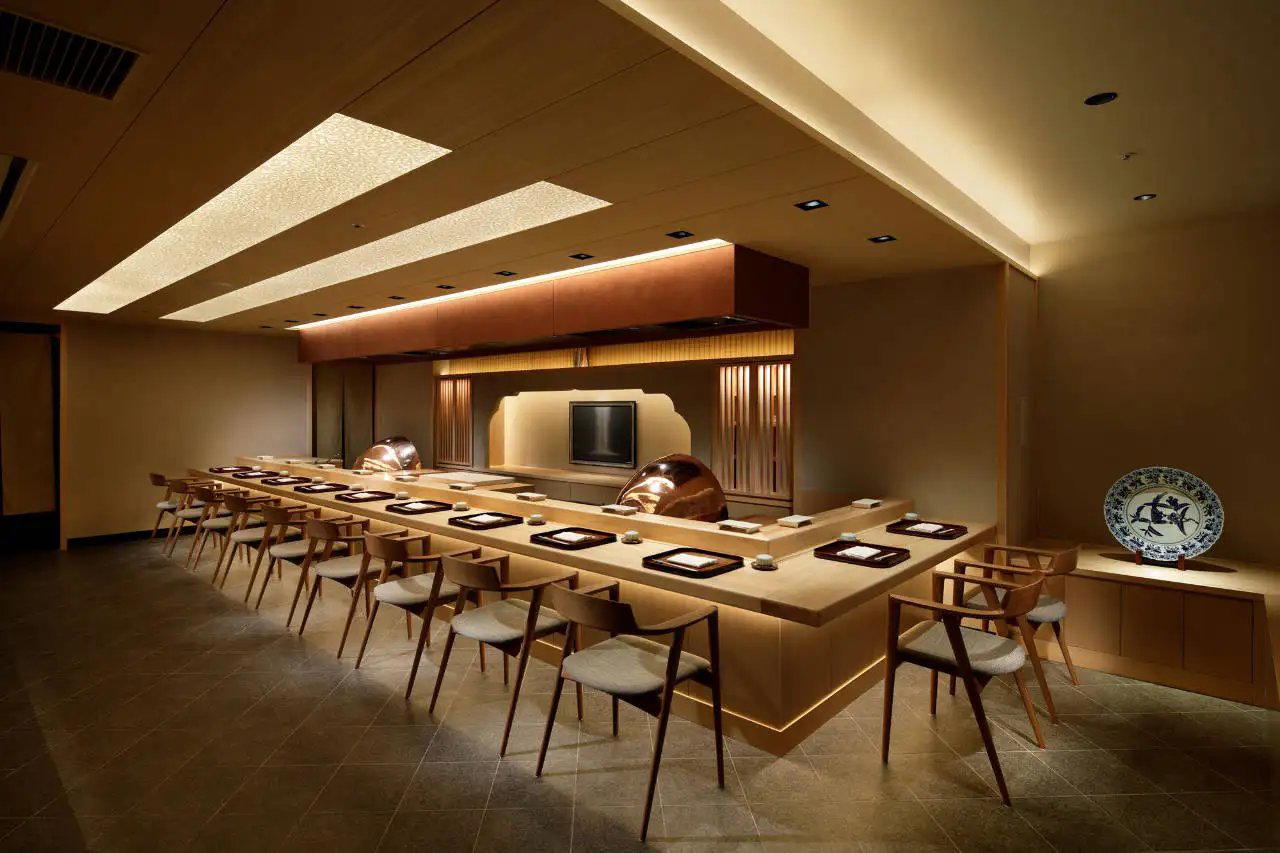
Tatsuaki Kasamoto's 10-seat Azabujuban counter earned Tabelog Gold (2026) and OAD Japan #18 for classical Edomae tempura at JPY 40,000–49,999. Two nightly seatings (5:30 PM and 8:30 PM) offer marginally easier booking than higher-profile peers, with technical precision rivaling temples that demand three-month lead times. Reservation-only omakase format suits special occasions and solo diners alike.
Sojiki Nakahigashi
Kyoto, Japan
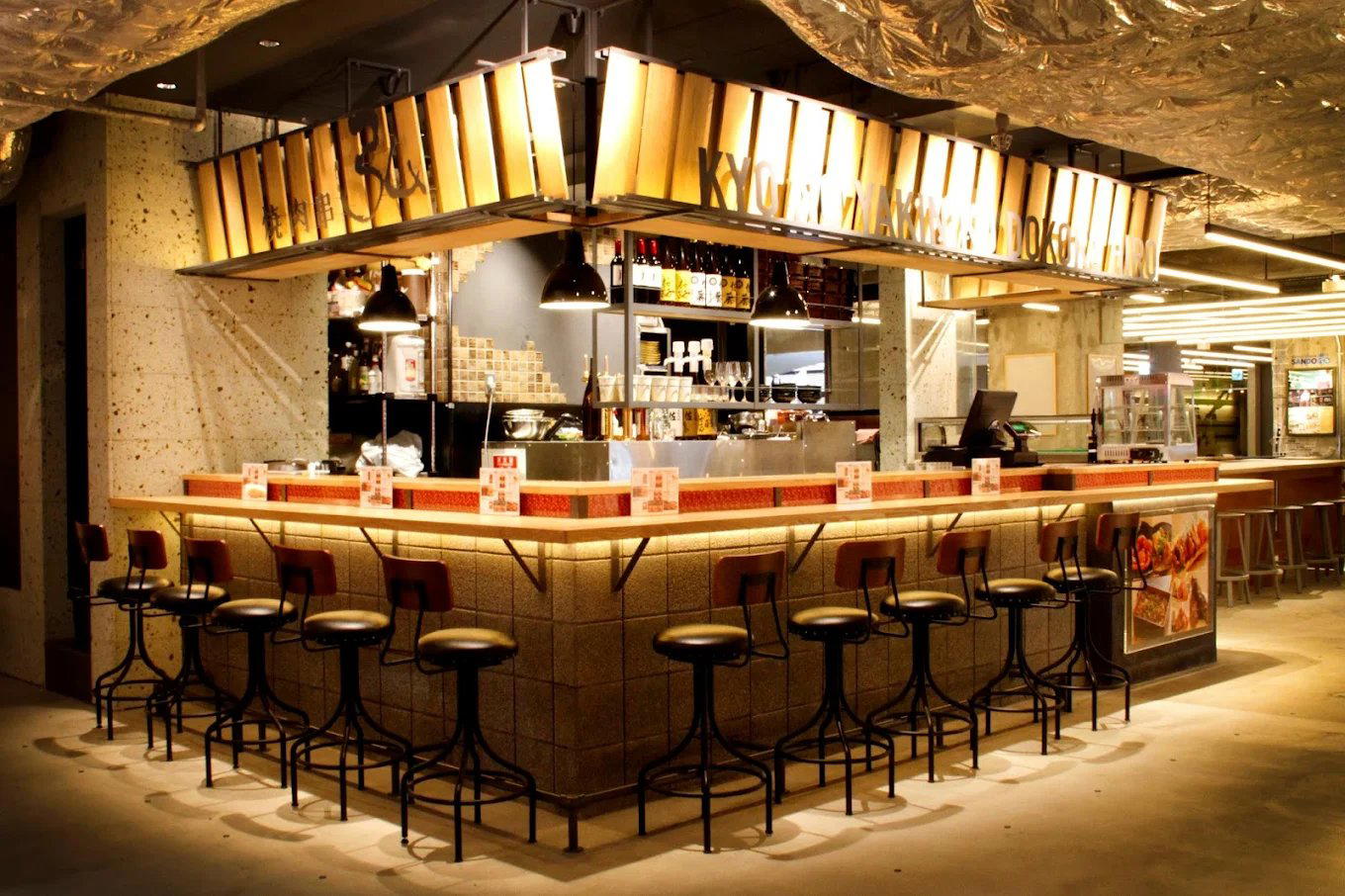
Sojiki Nakahigashi is a restaurant in Kyoto's Sakyo Ward.
Tsushimi
Tokyo, Japan
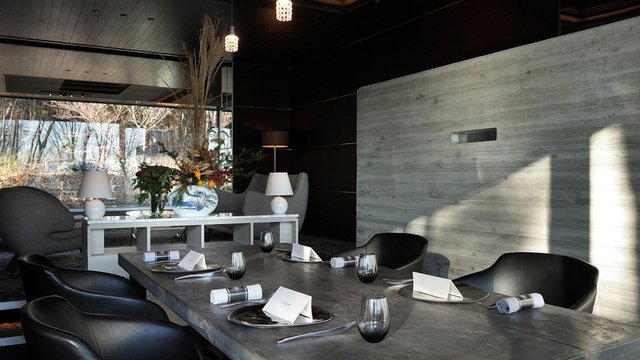
Tsushimi is a reservation-only, four-seat house restaurant in Nishiazabu serving Chinese-French hybrid cuisine. Chef Kiyohiko Inoue dedicates each service to one party, with pricing at JPY 60,000–79,999 per head and three consecutive Tabelog Silver awards. The private format suits diners prioritizing intimacy and undivided service over counter energy; less practical if you value walk-in flexibility or want to compare multiple venues in one trip.
Uemura
Kobe, Japan
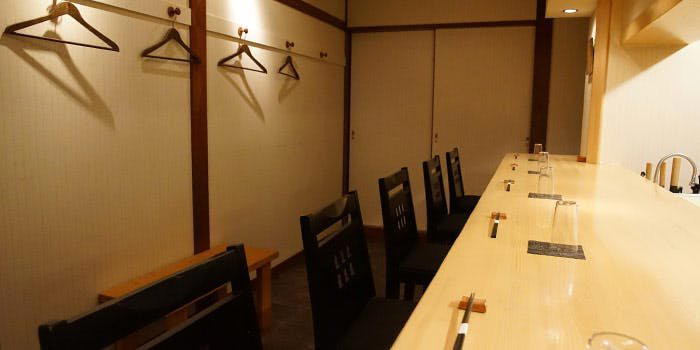
Counter-only kaiseki in Kobe with Tabelog Silver Award recognition and a seafood-forward menu from chef Ryosuke Uemura. At JPY 30,000–39,999 per head, it delivers consistent technical execution without Tokyo's booking pressure, though the sake program outshines the wine list. Best for solo diners and couples; groups of 10+ can book weekday lunch.
Myojaku
Tokyo, Japan
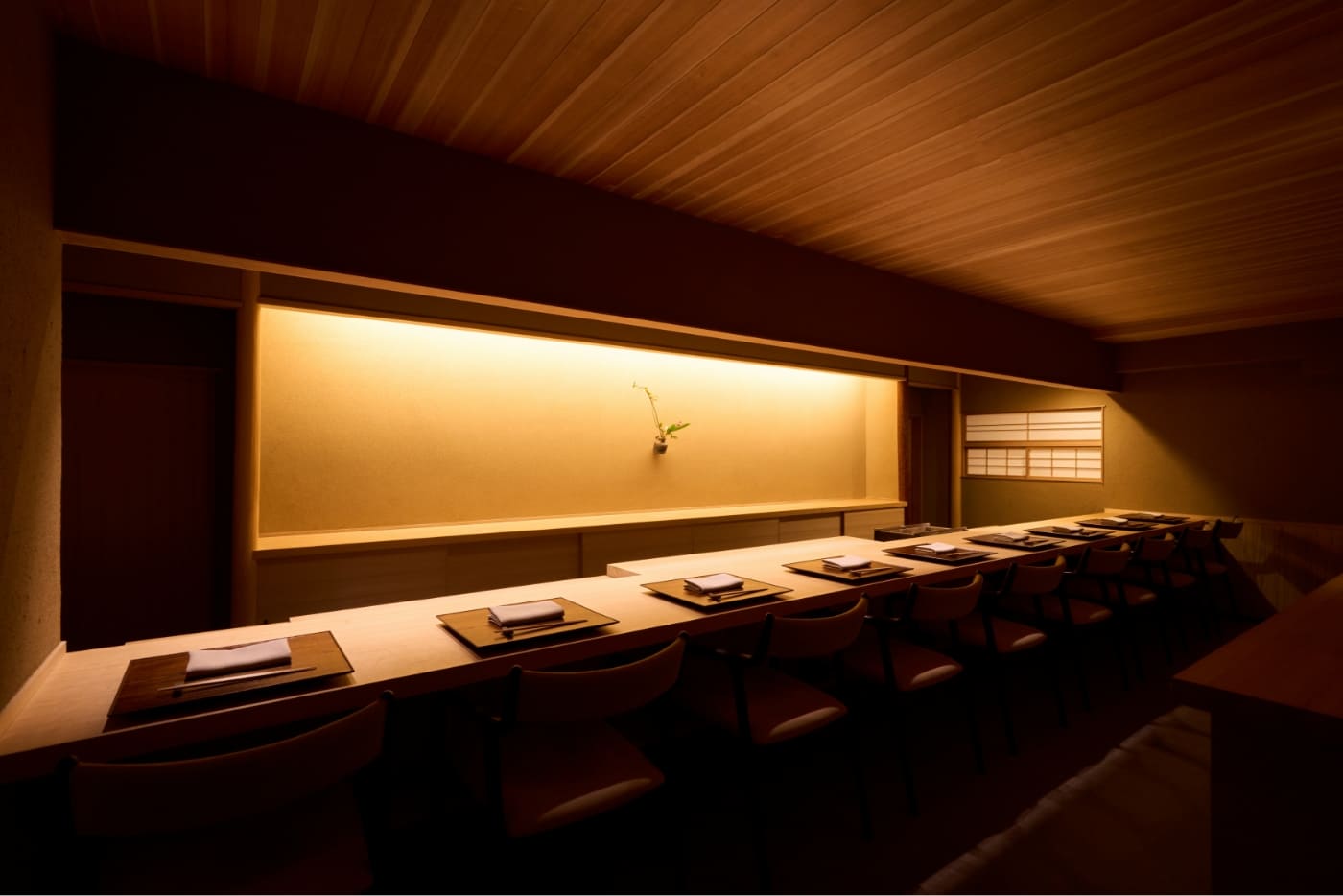
Myojaku is a restaurant in Nishiazabu, Tokyo, working with ingredients from across Japan.
Shunsuke
Tokyo, Japan
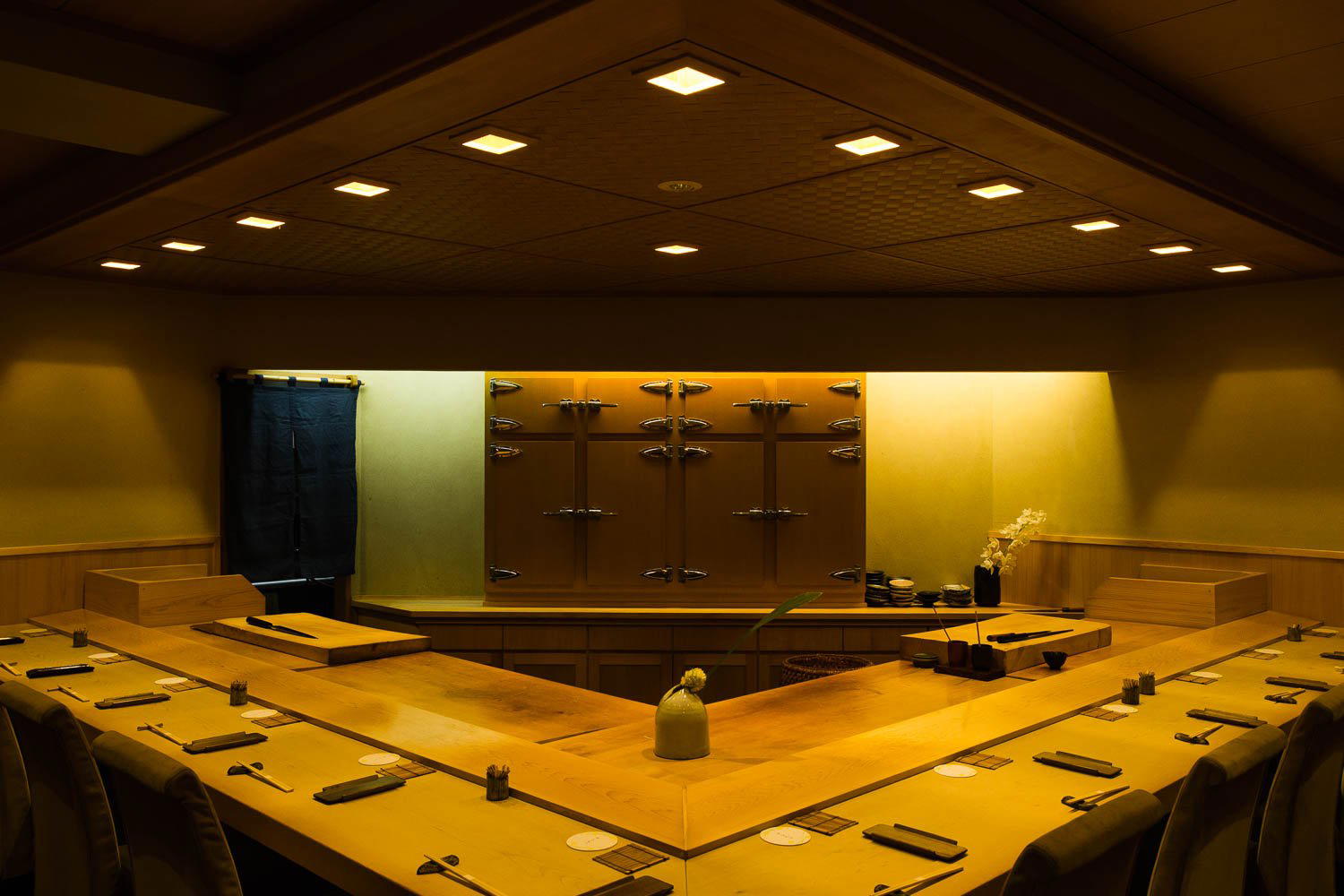
Shunsuke is a Tabelog Silver sushi counter in Asagaya that has held its award for three consecutive years through 2026, with a Tabelog score of 4.33. At JPY 20,000–29,999 for dinner, it delivers counter-format sushi with a strong fish-sourcing focus and is meaningfully easier to book than comparable Silver-level counters in central Tokyo. Twelve seats, no lunch, and a strict cancellation policy; plan accordingly.
Quintessence
Tokyo, Japan
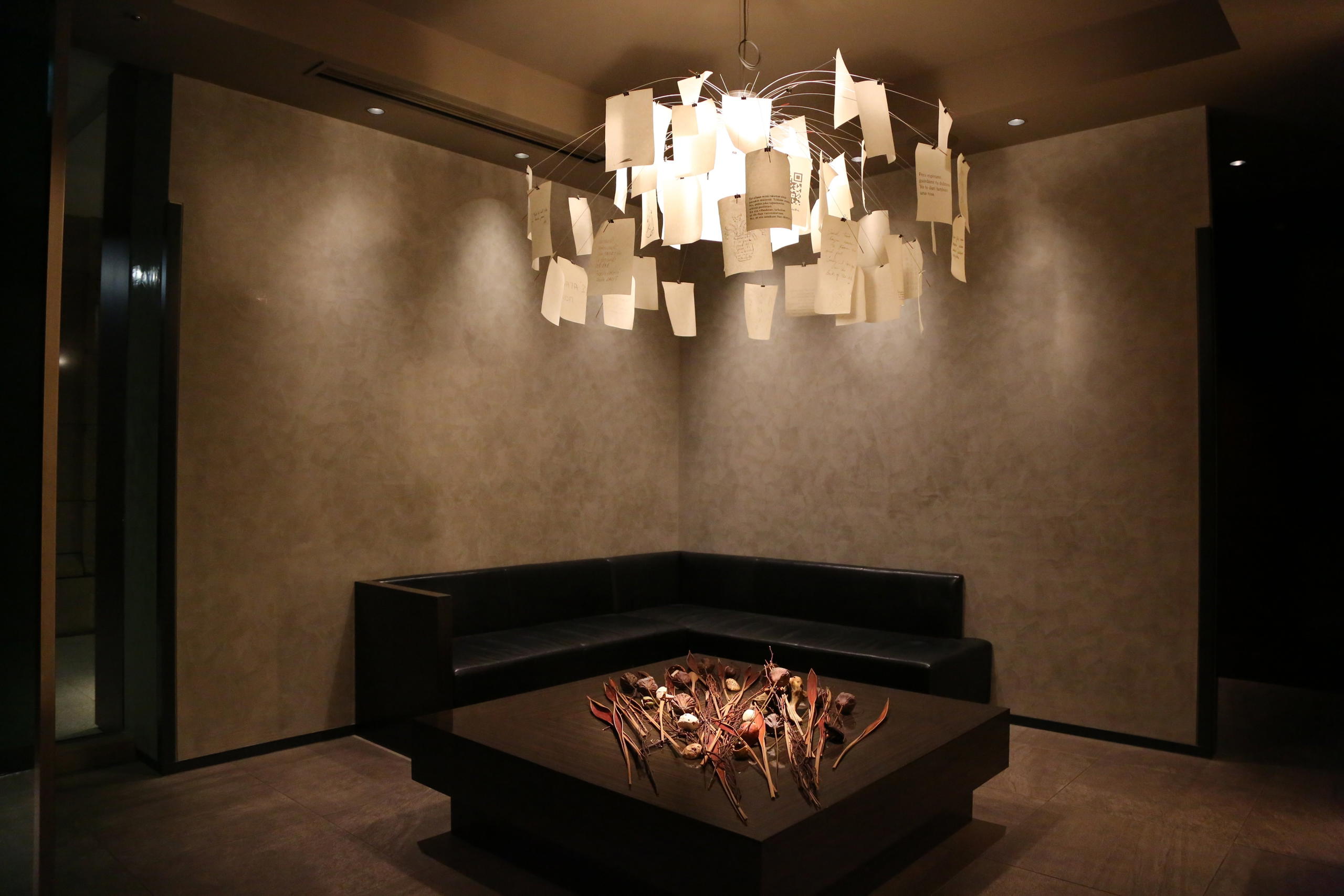
Quintessence is a French restaurant in Gotenyama, Tokyo.
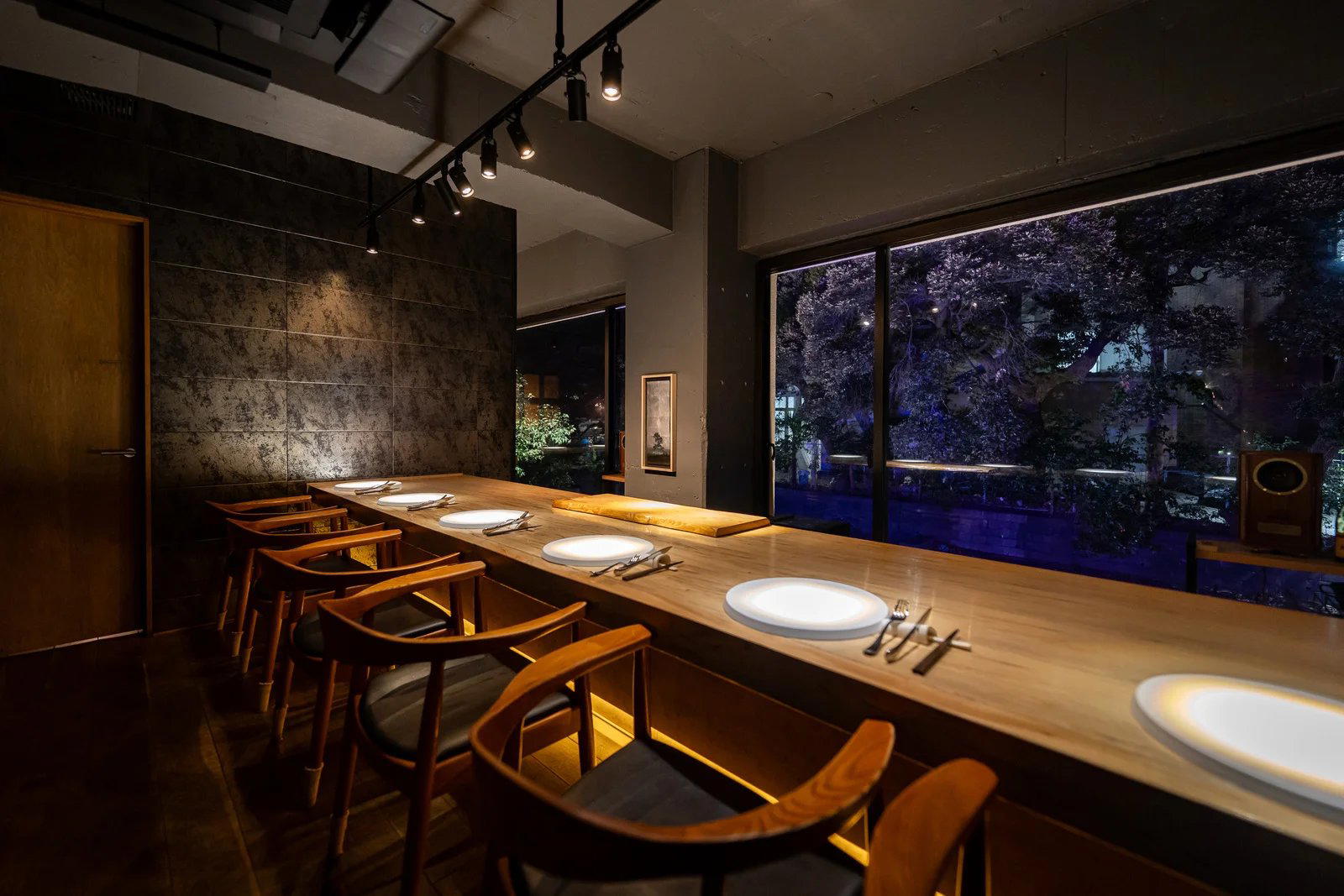
τρεῖς
Tokyo, Japan
Members-only innovative French course in Minato Ward with a strict no-perfume policy to preserve ingredient aromas. Six-seat counter offers front-row technique theatre at JPY 40,000-49,999 per head; Tabelog Silver Award holder five years running. Book if counter proximity and scent-focused courses justify the steep tariff.
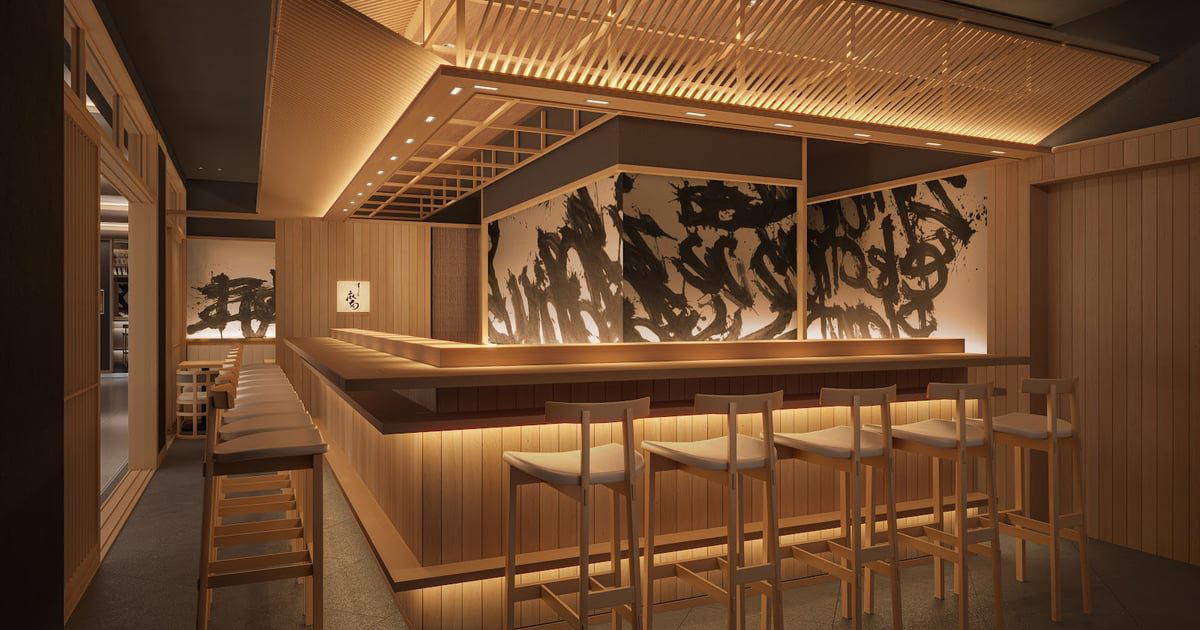
Sushi Meino
Tokyo, Japan
Chef Mei Kogo's eight-seat counter in Azabu-Juban earned back-to-back Tabelog Silver Awards for Edomae-style omakase paired with curated wine selections. At JPY 50,000–59,999 per person, the experience is quieter and more focused than most Tokyo sushi counters, with a booking window that's manageable for organized diners. Worth it if wine pairing appeals more than sake, but peer venues like Tachigui Sushi Tonari offer stronger value at lower price points.
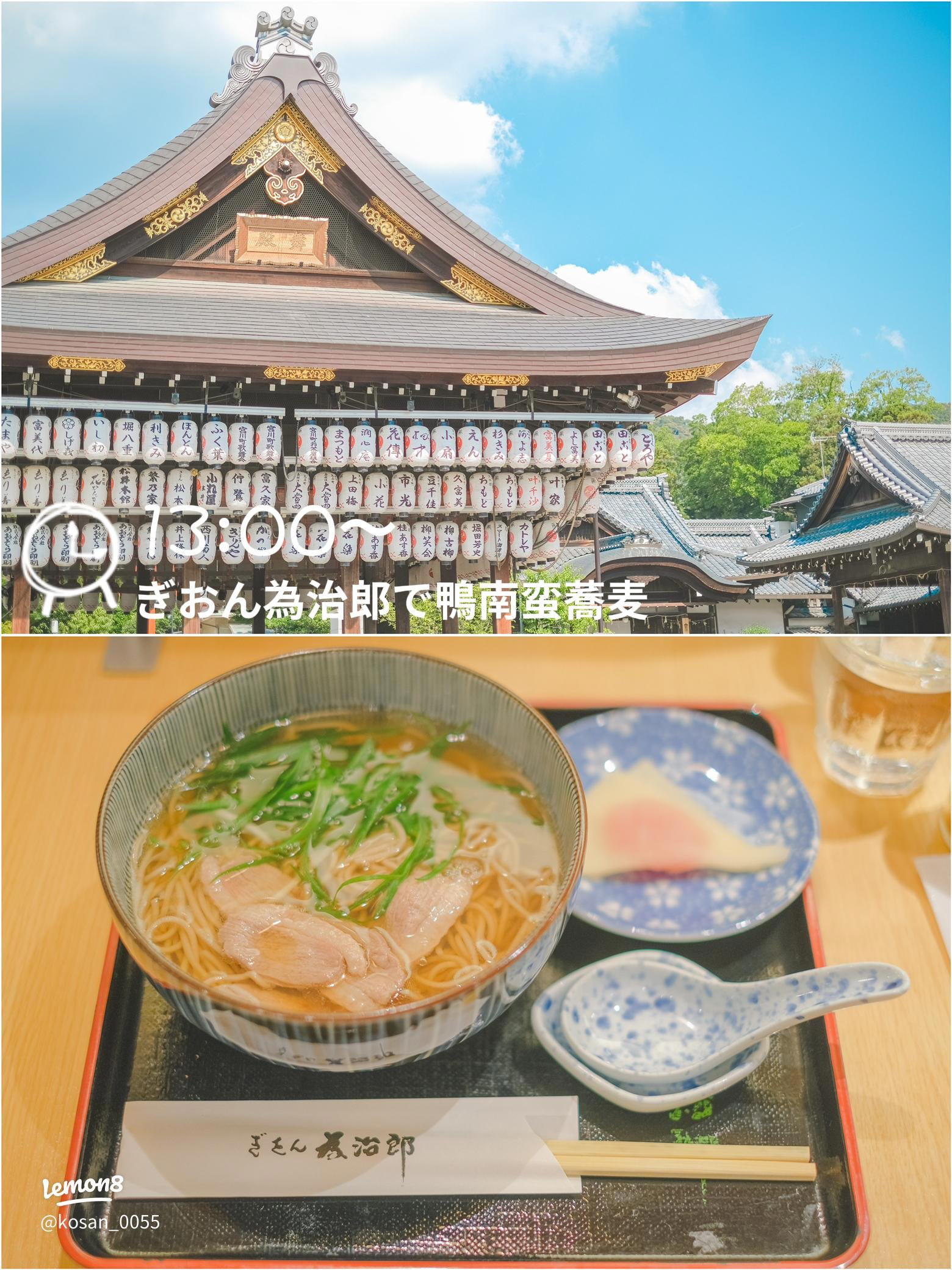
Nishibuchi Hanten
Kyoto, Japan
Chef Kentaro Nishibuchi's ten-seat Chinese counter in Higashiyama pairs Cantonese and Sichuan techniques with Kyoto-sourced ingredients, delivering tasting menus that justify 30,000–39,999 JPY and multi-week booking windows. Nine consecutive Tabelog Silver Awards and inclusion in OAD's Japan rankings confirm consistent execution. Counter-only seating and dinner-only service mean this suits couples and solo diners more than large groups.
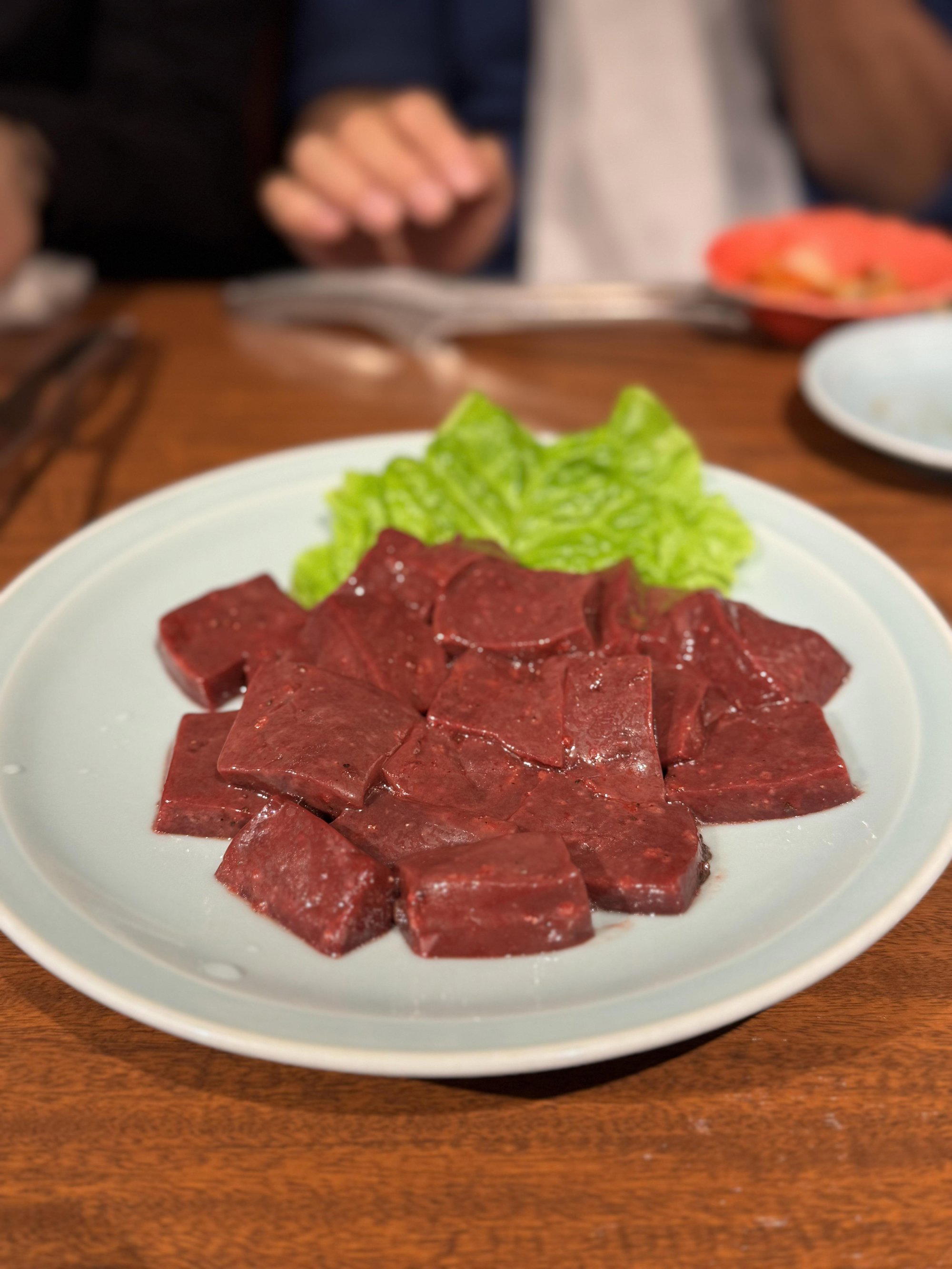
Raimon
Tokyo, Japan
Chef Akihiro Takahashi's 13-seat yakiniku counter in Akasaka prioritizes precision over polish; Tabelog Gold 2026, OAD Japan #70, and ¥15,000–¥19,999 dinner pricing. Quiet, counter-only format suits serious regulars; cash-only, reservation-mandatory, limited lunch service. Better for technical merit than flexibility or ambiance.
Hashimoto
Tokyo, Japan
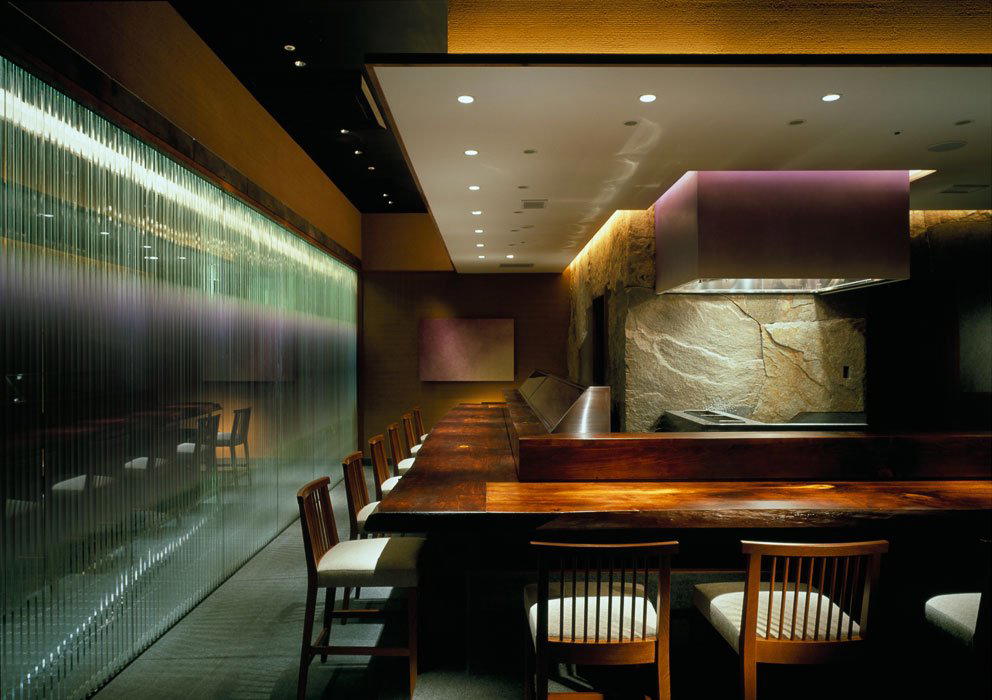
Eight-seat omakase sushi counter in Shintomicho with chef Hiroyuki Hashimoto at the helm. Tabelog Silver Award winner since 2021, focused on seasonal Edo-mae nigiri sourced from Toyosu Market. Runs ¥30,000–¥39,999 per person before drinks and service; reservation-only through OMAKASE platform. The format is traditional, the space intimate, and the pacing deliberate; book if you trust the chef's sourcing instinct and prefer a mid-tier omakase without the booking difficulty of Tokyo's three-star counters.
Kusunoki Nagoya
Nagoya, Japan
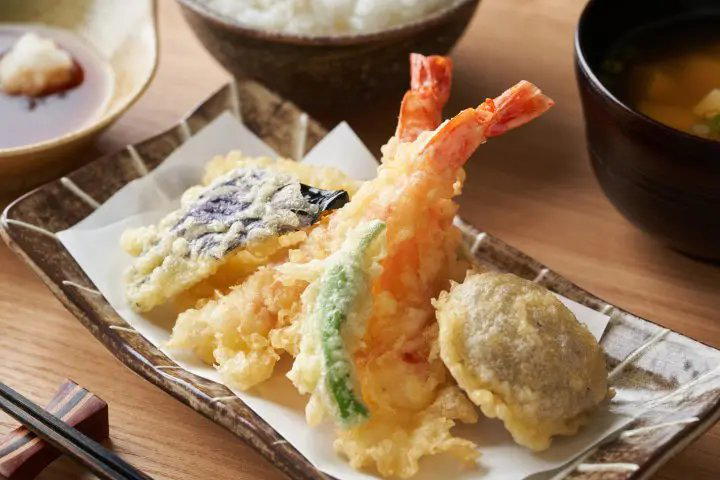
Chef Tadashi Kusunoki's six-seat counter delivers Tabelog Silver Award tempura at JPY 100,000 for dinner, JPY 40,000–49,999 for lunch. Reservation-only membership model in Yotsuya (Shinjuku Ward) prioritizes technical precision over accessibility. Lunch offers sufficient quality for first-timers; dinner justifies cost only for seasoned tempura enthusiasts seeking marginal ingredient upgrades.
Sézanne
Tokyo, Japan
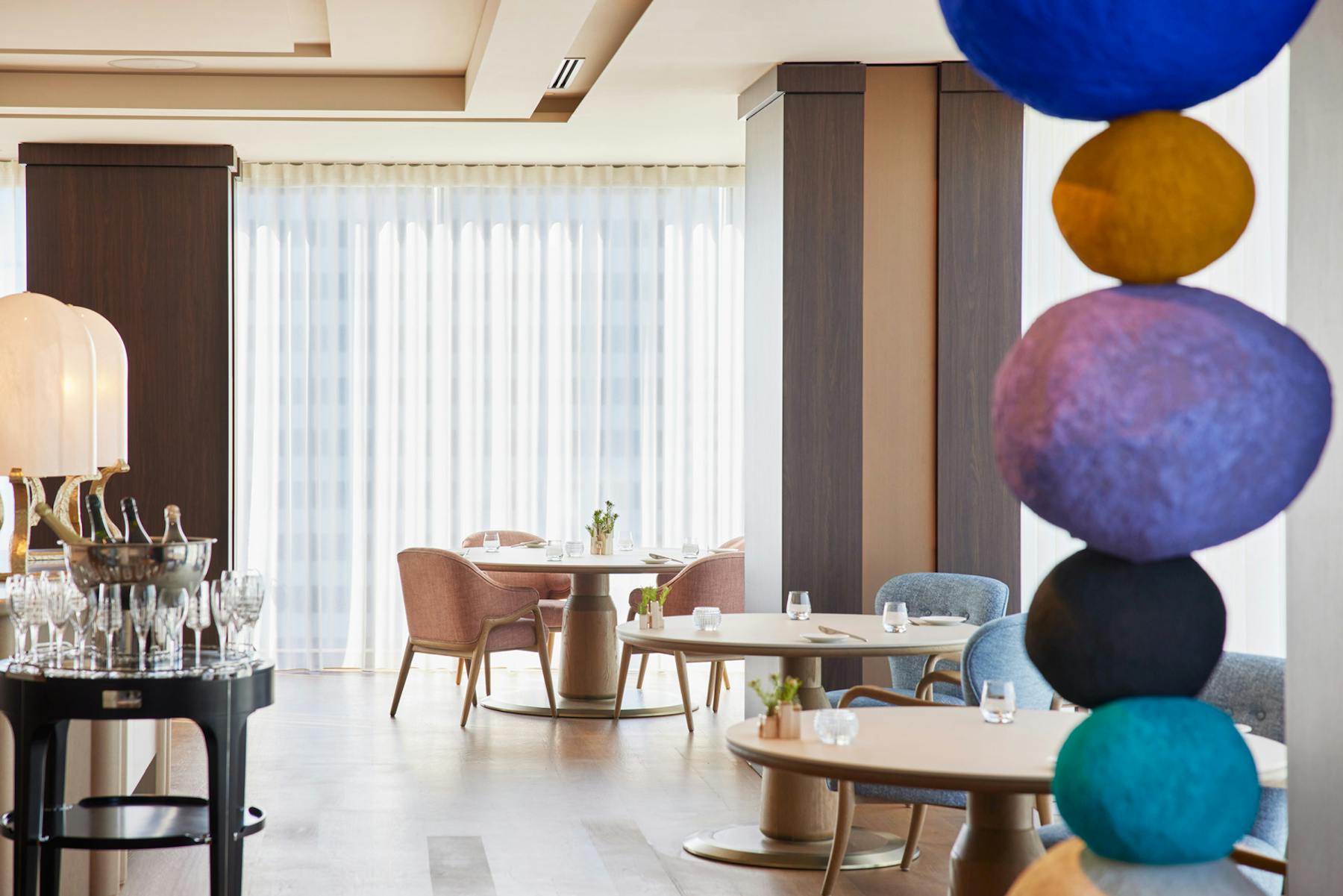
Sézanne serves French cuisine at Four Seasons Hotel Tokyo at Marunouchi.
Unagi Tomoei
Kanagawa, Japan
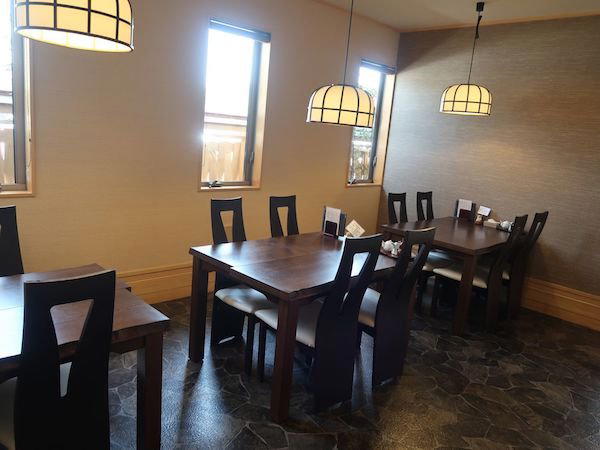
Unagi Tomoei in Odawara holds a Tabelog Silver Award (2023–2026) and a 4.39 score, placing it among Japan's top unagi specialists. It operates lunch-only (10:00–16:00), Wednesday–Monday, at JPY 8,000–9,999 per person. Book by phone up to two months ahead to secure your eel; the kitchen closes when stock runs out. Worth the trip if you are combining it with Hakone.
Kuko
Nara, Japan
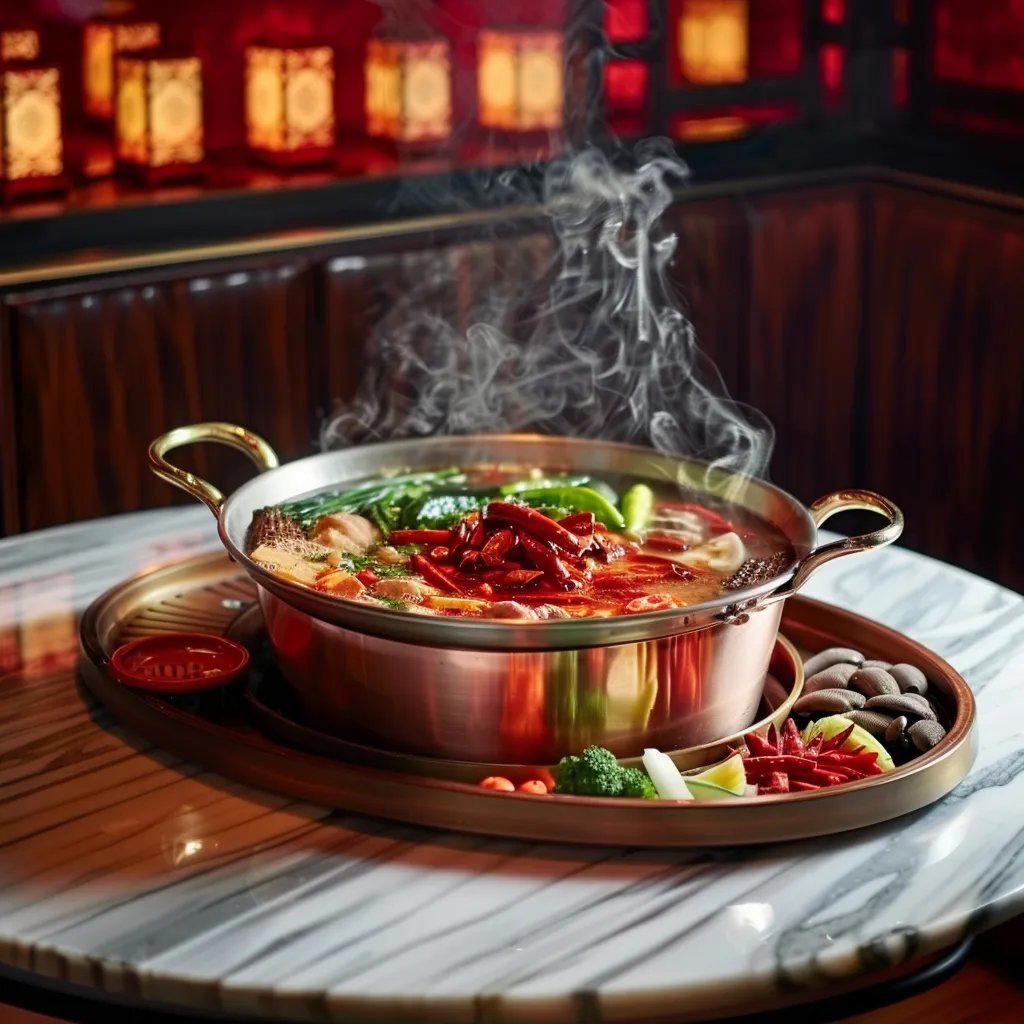
A Tabelog 2025 Silver Award (2026 Bronze) Sichuan-forward house restaurant in Nara, seating ten across a counter and tatami table. Dinner courses run JPY 15,000–19,999 with assertive heat and fermented-bean depth; lunch offers a lower-cost entry at JPY 5,000–5,999. No children under eight, no à la carte, and PayPay-only payment. Book via the website for weekday slots or plan three weeks ahead for weekend evenings.
TOBIUME
Kitakyushu, Japan
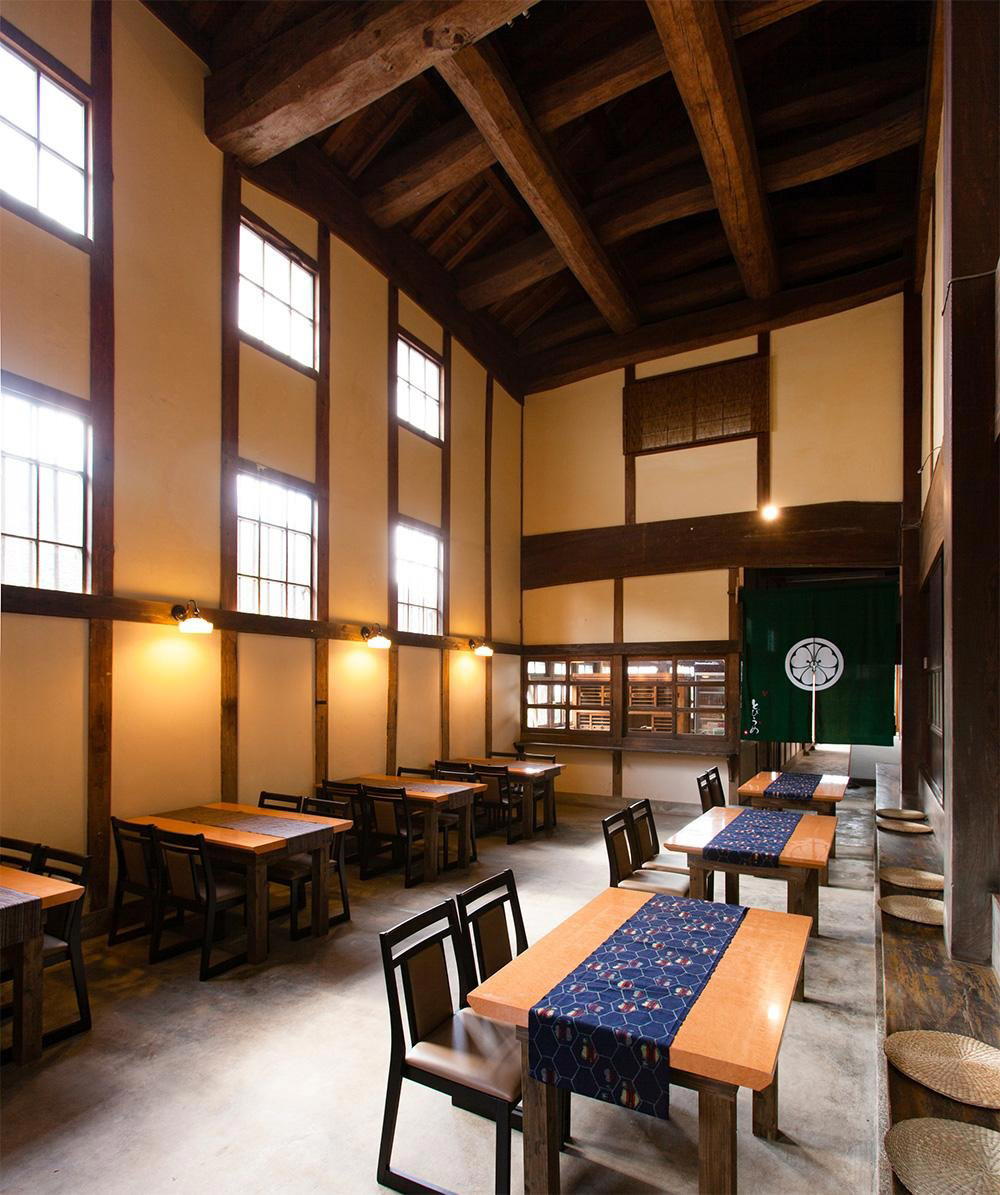
A four-seat house restaurant in Kitakyushu's Yahatanishi Ward, TOBIUME has earned Tabelog Silver recognition every year from 2024 through 2026 and holds a 4.41 score on the platform. The kitchen places particular emphasis on local fish and sake, operating on a reservation-only basis that currently excludes new customers without an existing relationship to the restaurant.
Sonoji
Tokyo, Japan
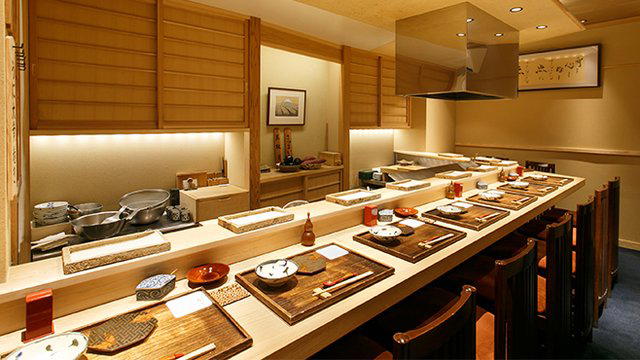
Sonoji is a restaurant in Nihonbashi Ningyocho, Tokyo.
Miyoshi
Kyoto, Japan
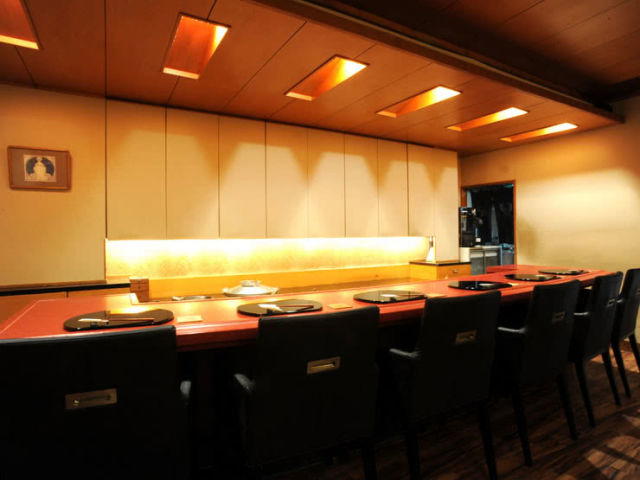
An eight-seat Hinoki counter in Gion serving Chef Tsutomu Ito's wagyu-focused kaiseki, built around minimalist technique and seasonal cuts. The wine and sake program is curated to match the beef's marbling, and the reservation-only format ensures a quiet, deliberate pace. Book for special occasions when you want beef kaiseki with sommelier pairings rather than yakiniku-style grilling.
ESqUISSE
Tokyo, Japan
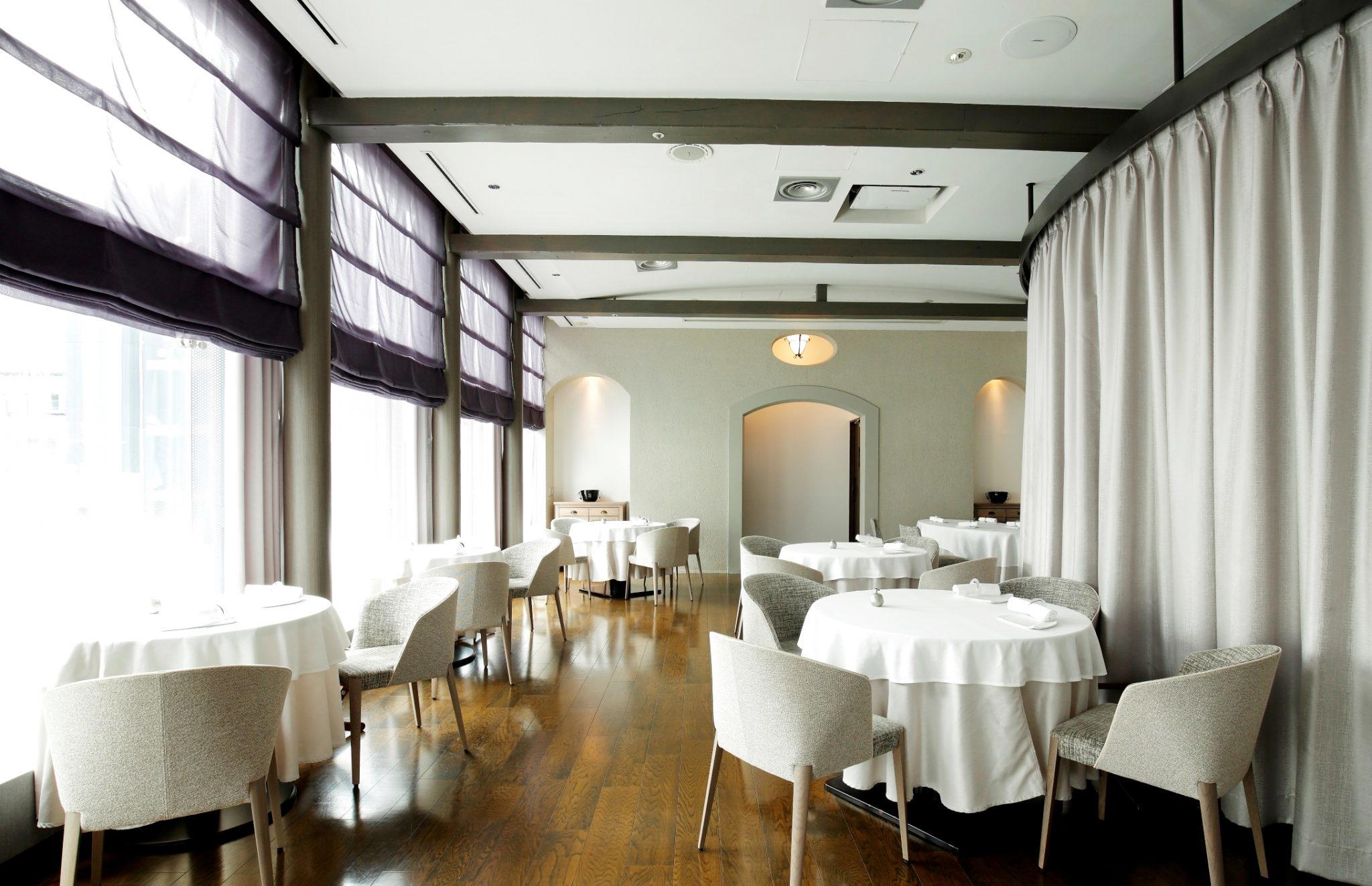
ESqUISSE is a French restaurant in Ginza, Tokyo.
Mitaka
Tokyo, Japan
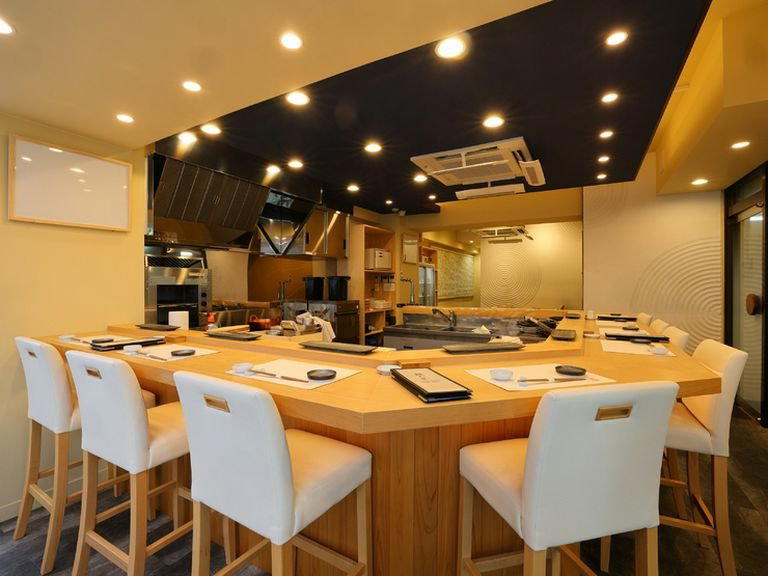
Chef Takatoshi Inoue's kaiseki counter in Nishishinbashi delivers seasonal precision at JPY 40,000–50,000 per person. Tabelog Award 2026 Silver winner and 2025 Tabelog 100 selection confirm the kitchen's consistency. Dinner-only, reservation-required, and closed Sundays; a reliable choice for first-timers learning the format or repeat visitors tracking seasonal shifts.
Seirin
Shizuoka, Japan
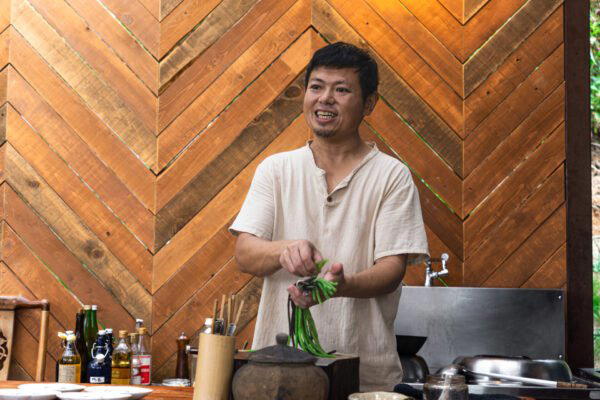
Chef Atsushi Hasegawa's 8-seat counter delivers Tabelog Silver kaiseki (4.49 score, La Liste 84pts) built around Shizuoka produce, running two dinner sittings nightly at JPY 30,000–50,000. Book through OMAKASE 2–3 weeks ahead; the regional-sourcing focus and compact format suit couples and solo diners more than groups or first-time kaiseki guests.
Nozawa Bar
Los Angeles, United States
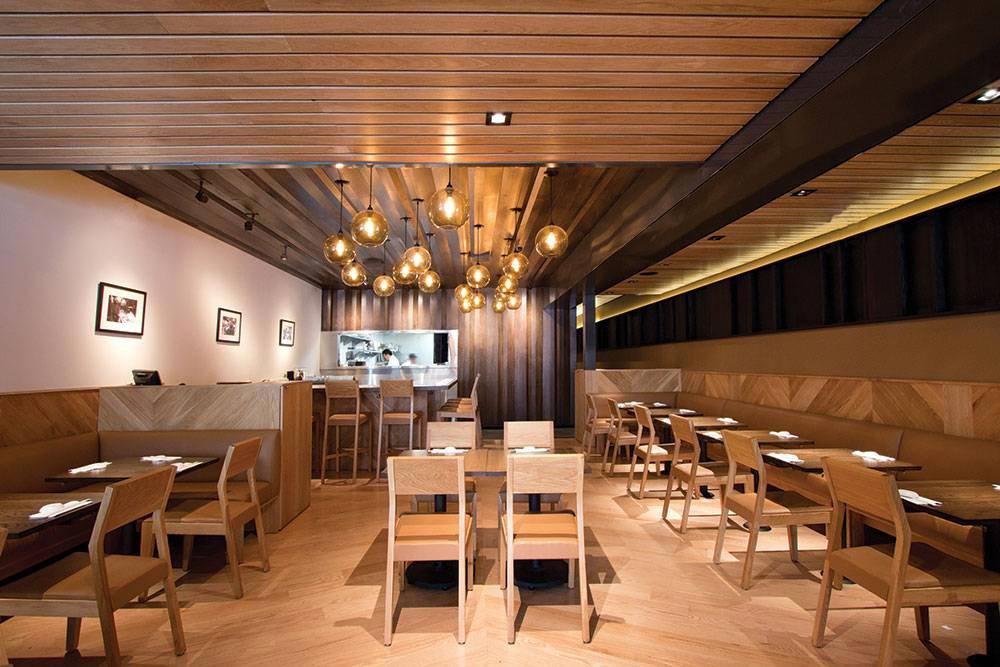
Nozawa Bar is a Michelin-starred omakase counter in Beverly Hills, ranked #121 in North America by Opinionated About Dining in 2025. It's the right call for returning omakase diners who want a focused, chef-led progression at the top of the LA sushi tier. Hard to book, $$$$ pricing, and best suited to parties of two or three.
Shokudou Ogawa
Kyoto, Japan
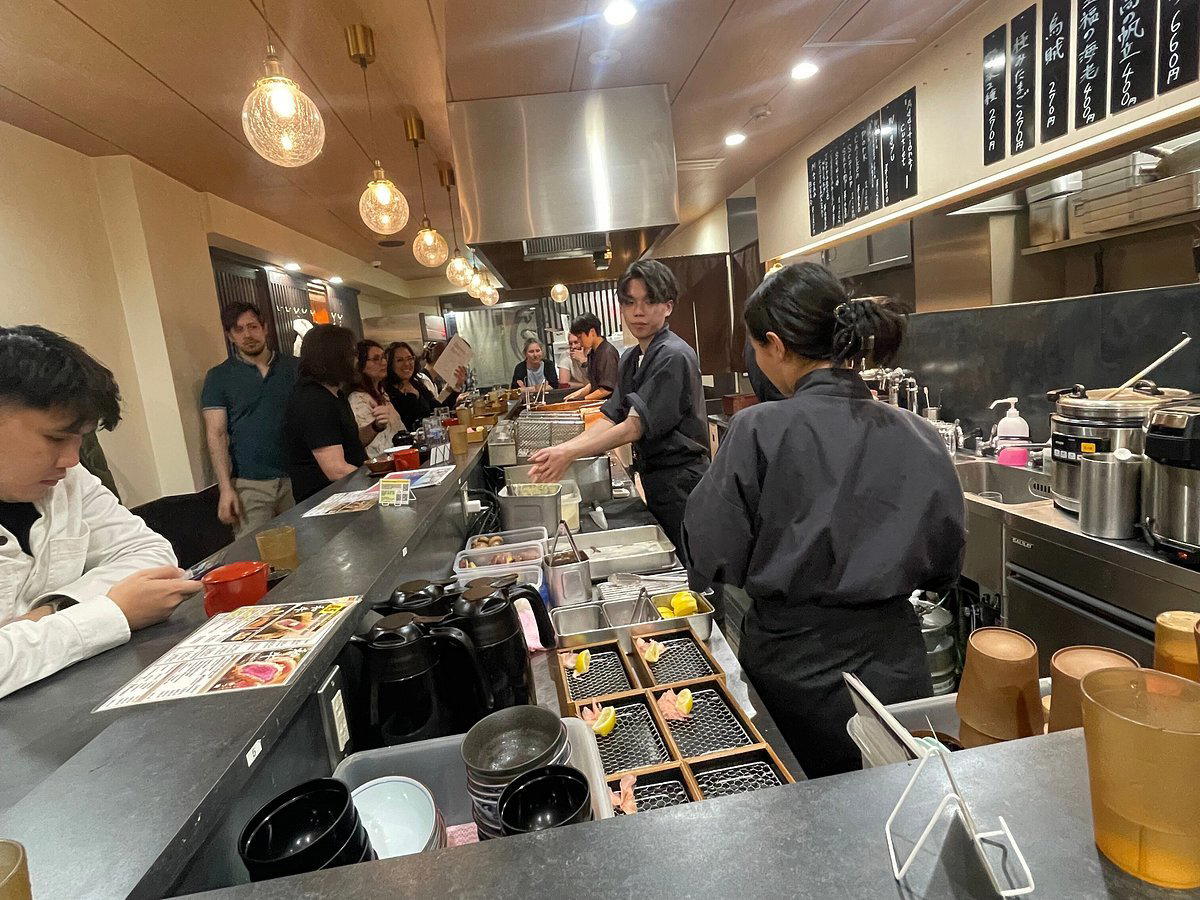
Shokudou Ogawa delivers counter-seat kaiseki at JPY 10,000–14,999 per head; roughly a third of what Kyoto's top-tier kaiseki houses charge; with a Tabelog Silver award and Top 100 recognition backing the quality claim. The 12-seat counter is almost always fully booked, and reservations currently require an in-person visit. Cash only, no phone bookings, closed Mondays.
Oishi
Tokyo, Japan
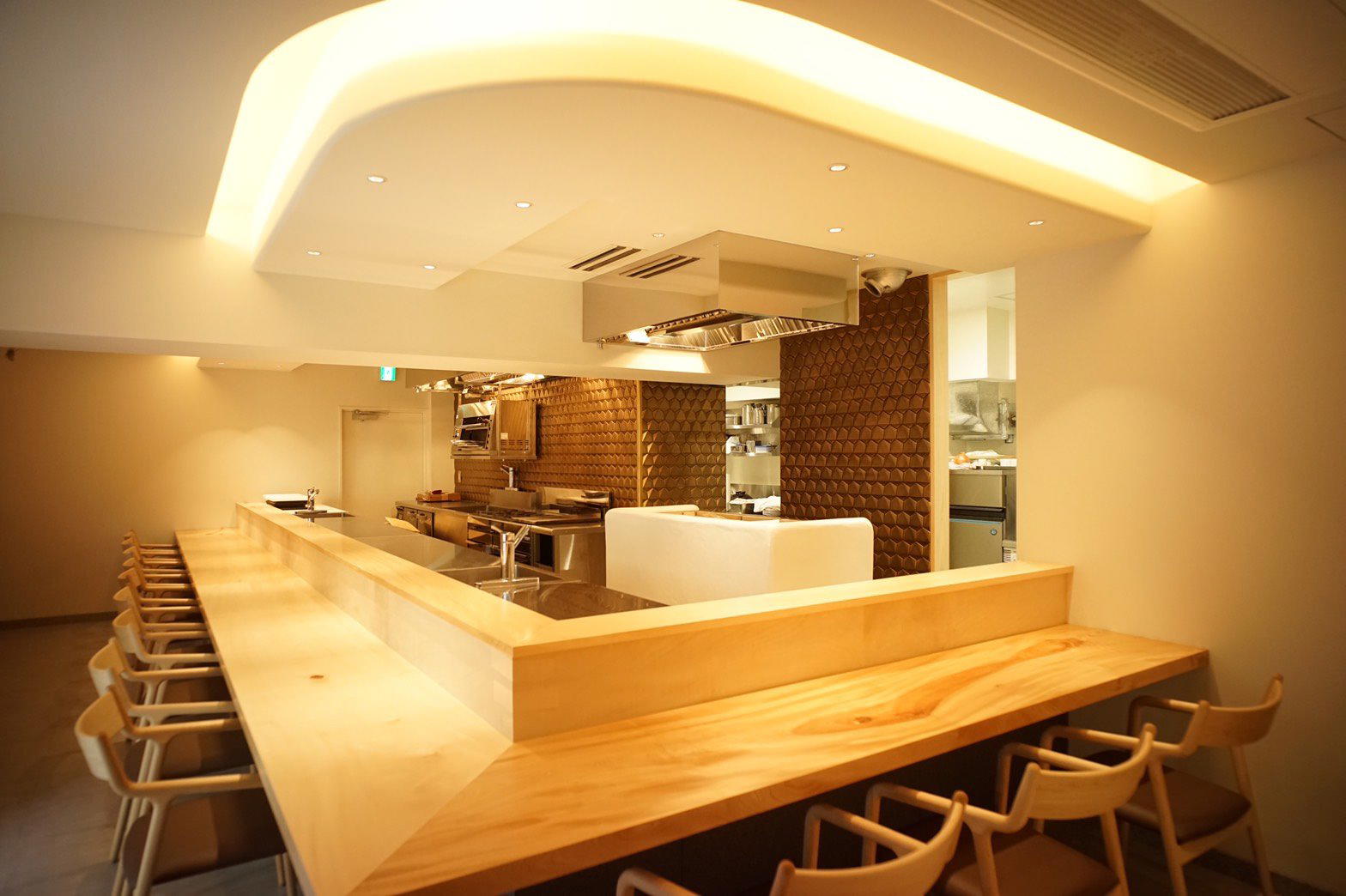
Yoshikazu Oishi's 12-seat French counter in Ginza delivers fish-forward technique at JPY 40,000–49,999 per person, earning six consecutive Tabelog Silver awards since 2020. The reservation-only format runs two evening seatings plus Saturday lunch, with wine pairings built to frame seafood without overpowering it. Book two weeks ahead and choose the first seating for a quieter room.
Kate cuore
Imari, Japan
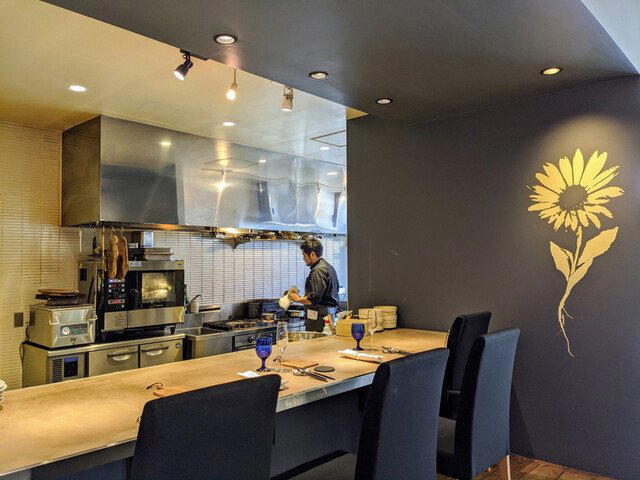
Kate cuore holds a Tabelog Silver Award every year from 2022 to 2026 (score: 4.51) and ranks among Japan's top 100 Italian restaurants in the west. Chef Junya Minato's five-seat counter in Imari delivers a four-hour Italian course built around self-raised beef, priced at JPY 30,000–59,000 per head including wine. Plan transport carefully; Imari's timetable is limited and the cancellation policy is strict.
Kimoto
Tokyo, Japan
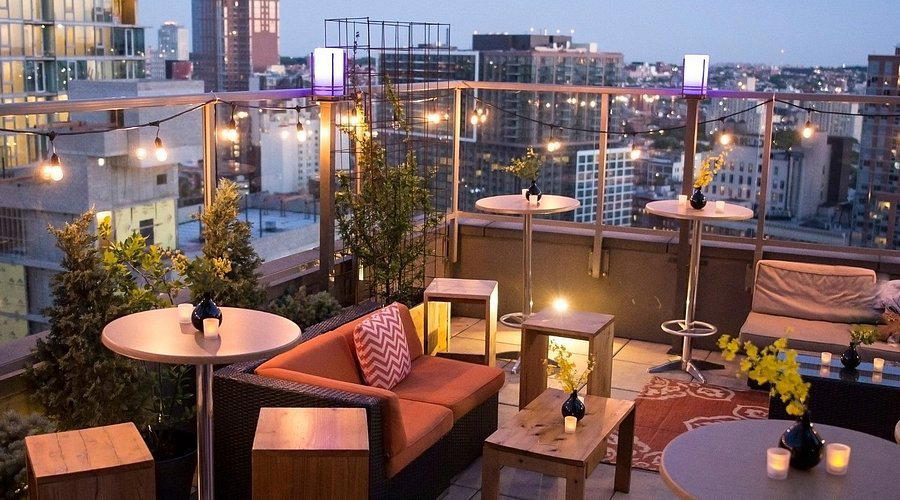
Kimoto is an eight-seat kaiseki counter in Kagurazaka holding Tabelog Silver every year from 2020 to 2026, a 4.38 score, and three Tabelog Top 100 Tokyo selections. Dinner runs JPY 80,000–99,999 per person. Weekend lunch service runs Saturday and Sunday from 1 pm; the format to target on a return visit. Reservation-only; book two to four weeks ahead.
Beppu Hirokado
Oita, Japan
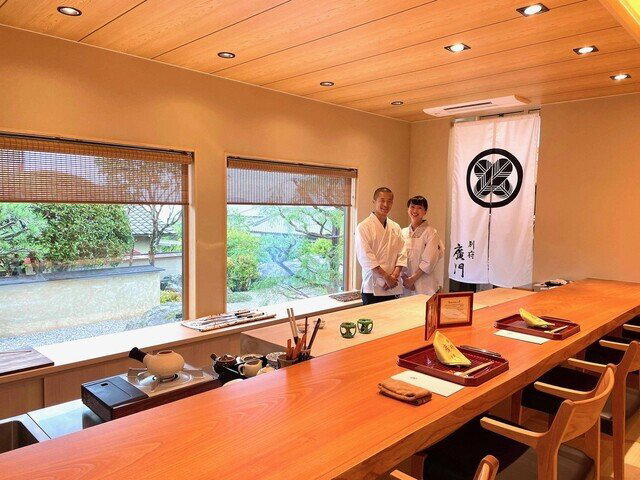
Beppu Hirokado is Oita's strongest case for serious Japanese cuisine outside of Kyoto or Tokyo. An eight-seat counter with consecutive Tabelog Silver Awards (2025, 2026) and a score of 4.43, it runs JPY 30,000 to JPY 39,999 per person and books online only up to three months ahead. The takeout Wagyu rice bowl is a practical alternative when reservations are unavailable.
Tokuyamazushi
Nagahama, Japan
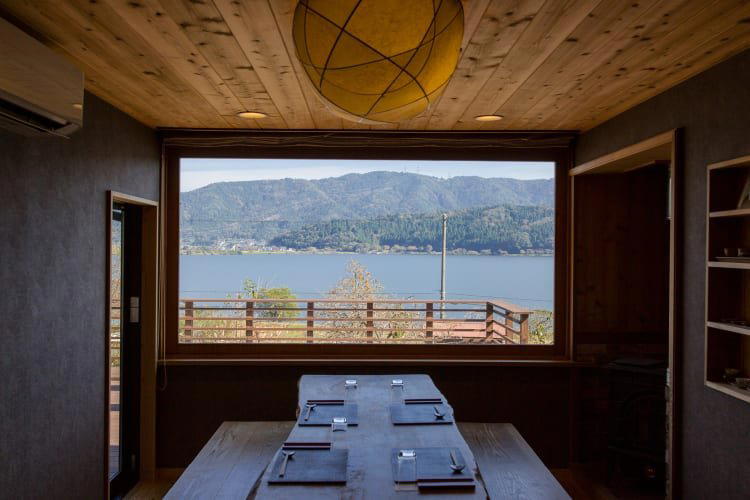
Tokuyamazushi is the strongest case for leaving Kyoto or Osaka for a meal in Shiga: an auberge and regional cuisine venue beside Lake Yogo, with seven consecutive Tabelog Silver awards and a ranking in Japan's top 70 on Opinionated About Dining. Dinner runs JPY 40,000–49,999 per person; lunch is a more accessible JPY 20,000–29,999. Book by phone, minimum two guests, and confirm before visiting as closing days are not fixed.
Kiu
Kyoto, Japan
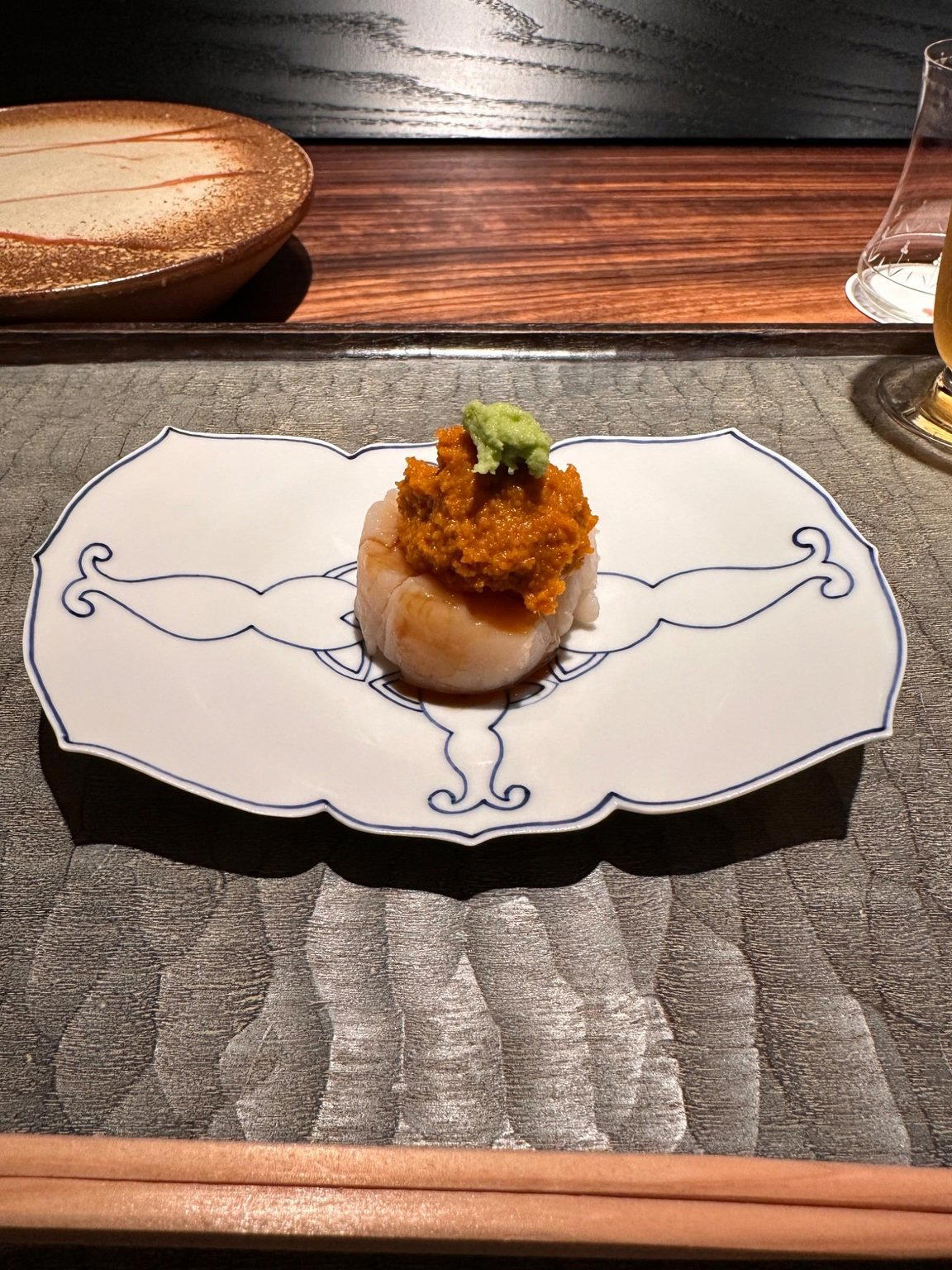
Kiu is a five-seat creative sushi counter in Kyoto's Shimogyo Ward, operating almost entirely by referral and holding a Tabelog Silver Award in four of the past five years. Dinner runs JPY 40,000–59,999 per head across two evening sessions. It is the right booking if you want serious, fish-focused omakase in Kyoto; but you will need a group of five to six to get through the door.
Sugalabo
Tokyo, Japan
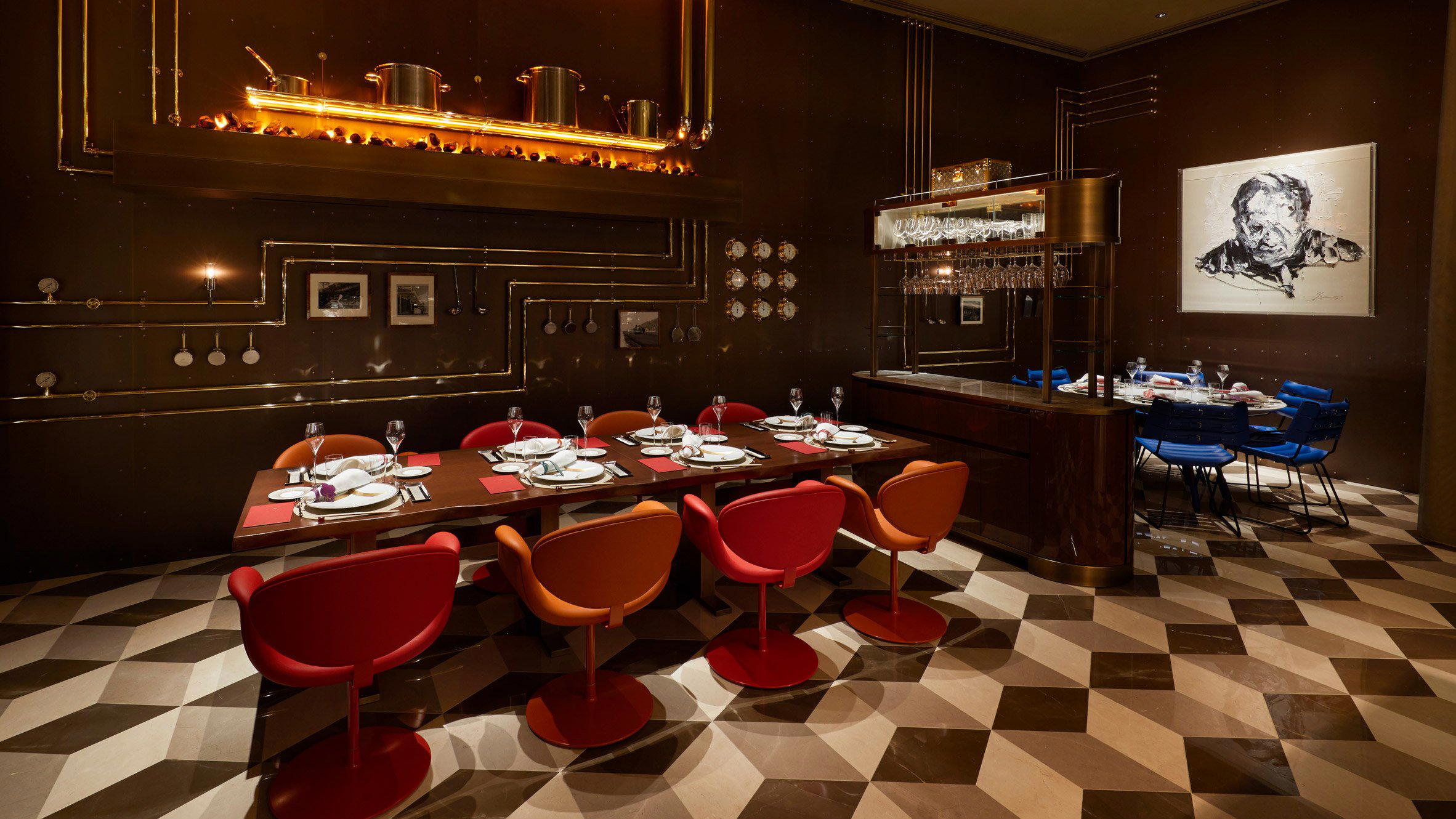
Chef Yosuke Suga's 20-seat French venue in Azabudai rotates its tasting menu every few weeks to track seasonal ingredients. Dinner runs around ¥100,000 per person at the counter or in the private room, with wine and sake pairings that shift with the menu. Book three to four weeks out for weekdays, longer for weekends.
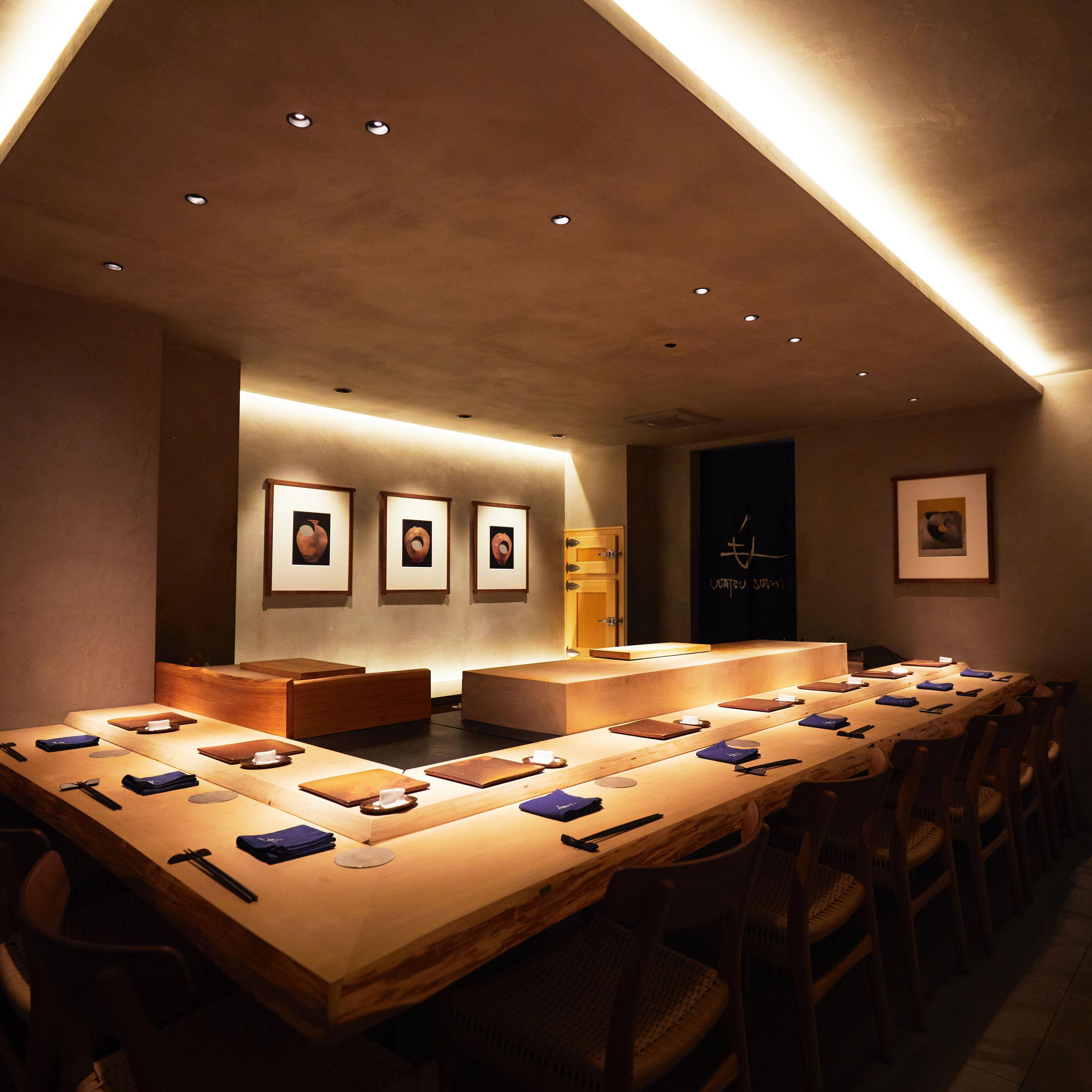
Nikuya Tanaka
Tokyo, Japan
Nikuya Tanaka is Tokyo's most decorated beef kaiseki counter, holding six consecutive Tabelog Silver Awards (2021–2026) with a score of 4.44 and an Opinionated About Dining ranking of #52 in Japan. At JPY 60,000–80,000 per head, the nine-seat Ginza counter delivers a focused wagyu kaiseki progression. Book if singular beef expertise matters more than menu variety.
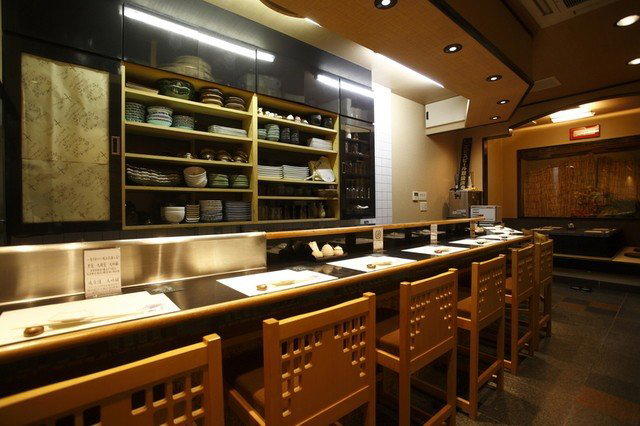
Jubei
Tokyo, Japan
Jubei (Sushi Jube) is an eight-seat reservation-only counter in Fukui City, not Tokyo, with a Tabelog score of 3.08 and a Tabelog Silver Award every year since 2018. Dinner runs JPY 20,000–29,999 per head. For travellers routing through Hokuriku, it is the most decorated sushi option in the region and considerably easier to book than Tokyo counterparts at a similar quality tier.
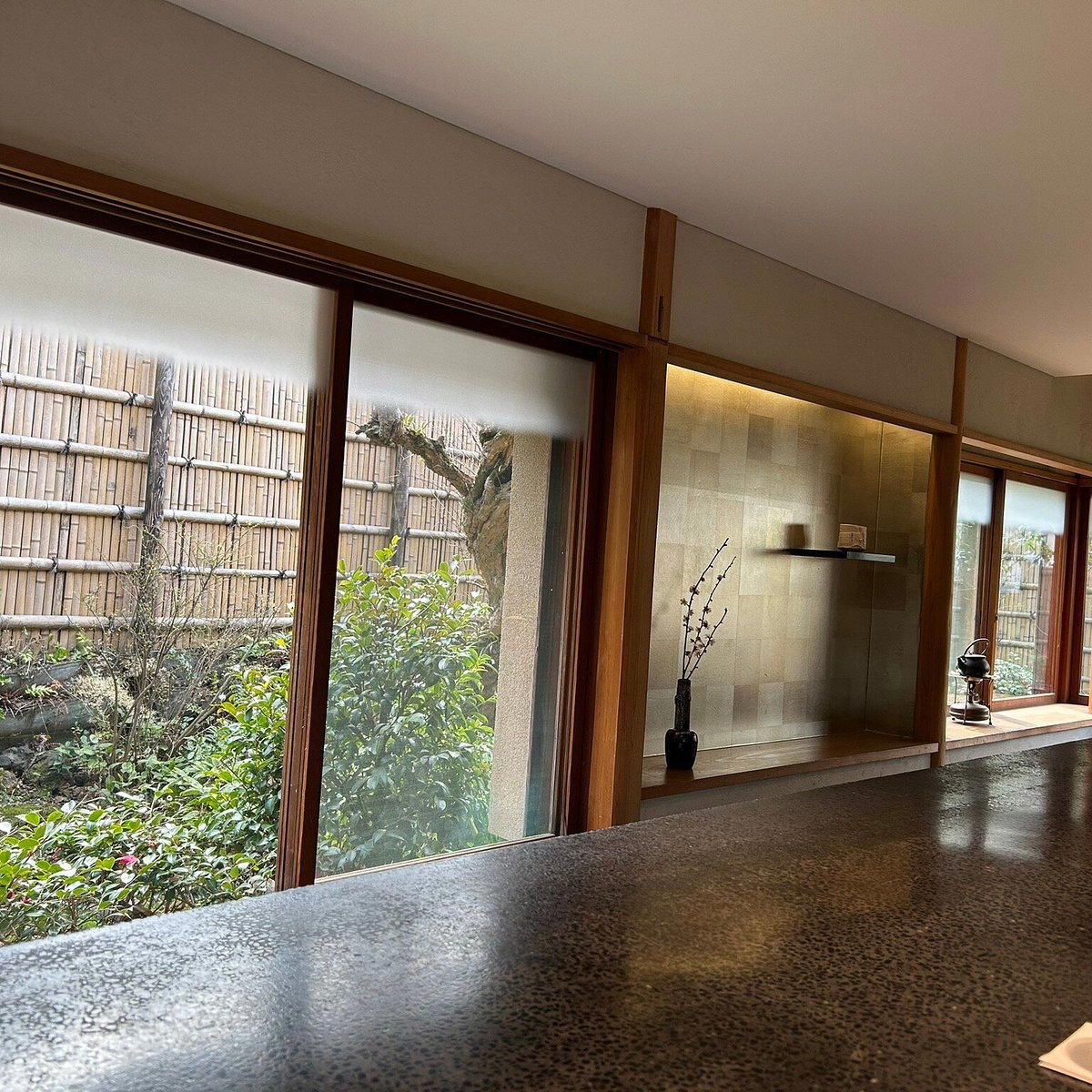
Ichirin Hanare
Kamakura, Japan
Ichirin Hanare is Kamakura's most decorated Chinese restaurant, holding a Tabelog Silver Award every year since 2018 and a 4.40 score. Set in a house restaurant a 15-minute walk from Kamakura Station, it serves Sichuan-influenced Chinese cooking with a fish focus at JPY 10,000–14,999 for lunch and JPY 20,000–29,999 for dinner. Book ahead; cancellation penalties are strict.
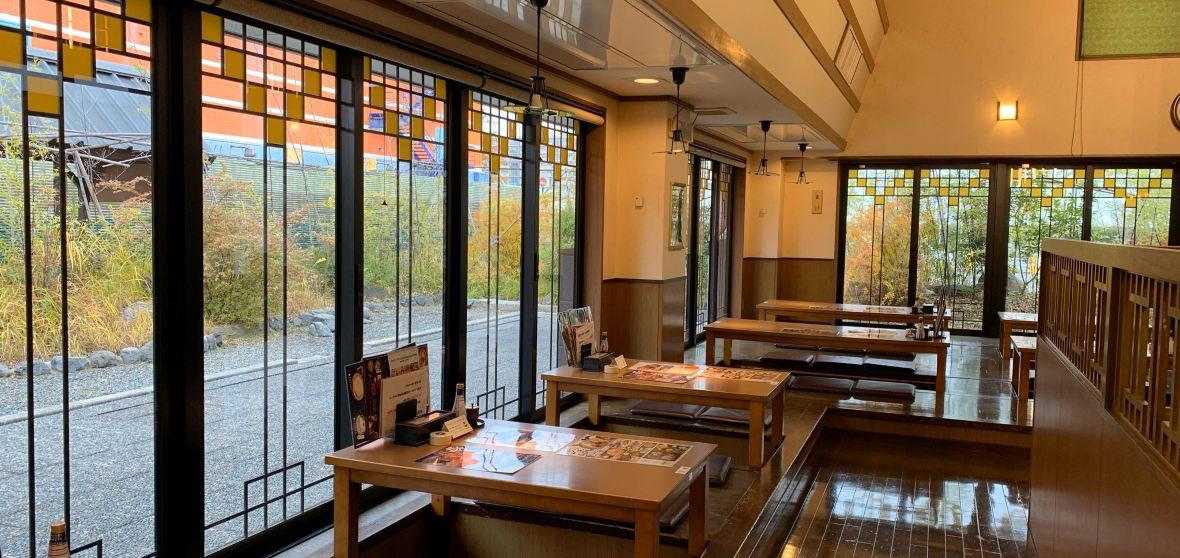
Honkogetsu
Osaka, Japan
Honkogetsu is a restaurant in Osaka.
Tokuha Motonari
Kyoto, Japan
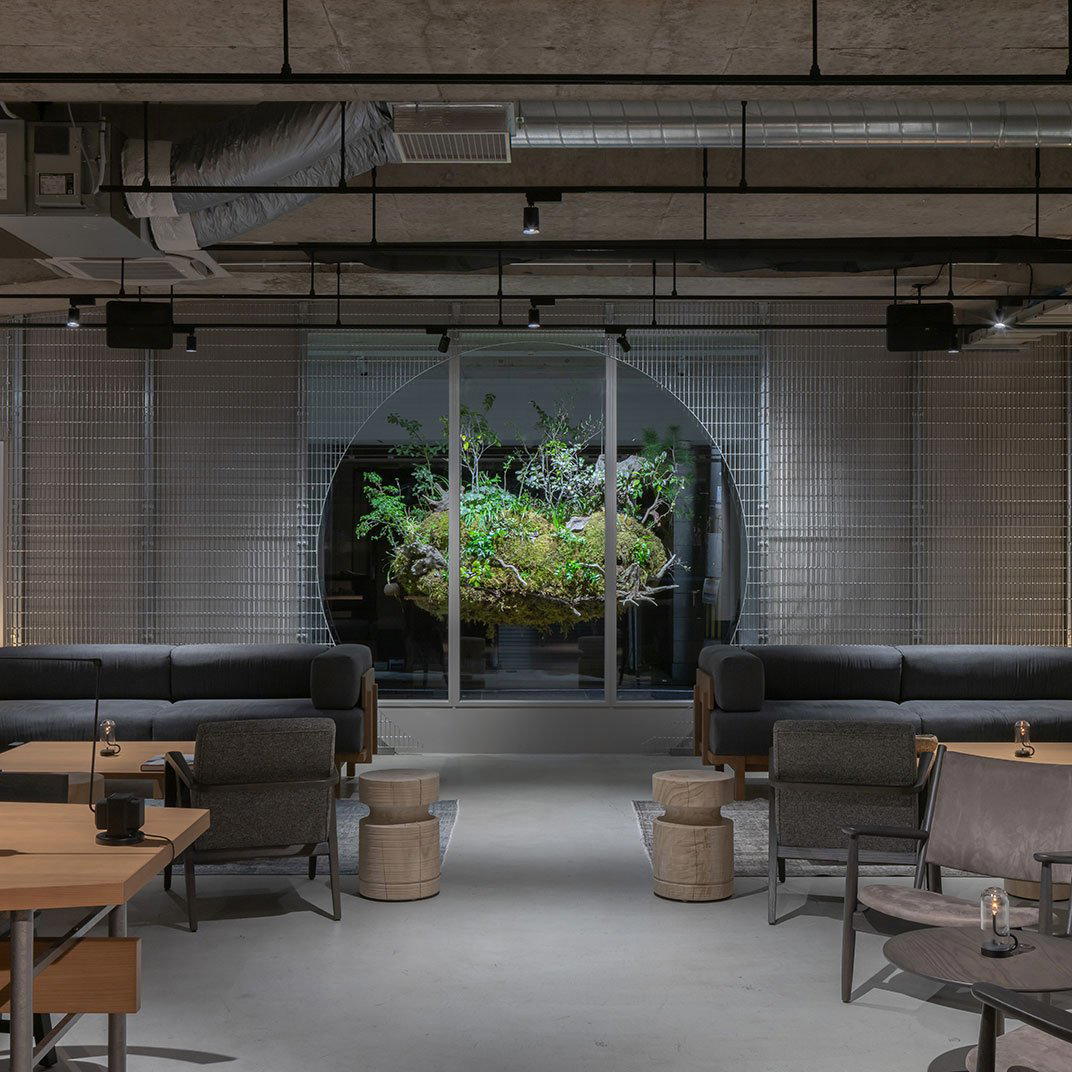
Tokuha Motonari is a restaurant in Kyoto's Kamigyo Ward.
Sutamina-en
Tokyo, Japan
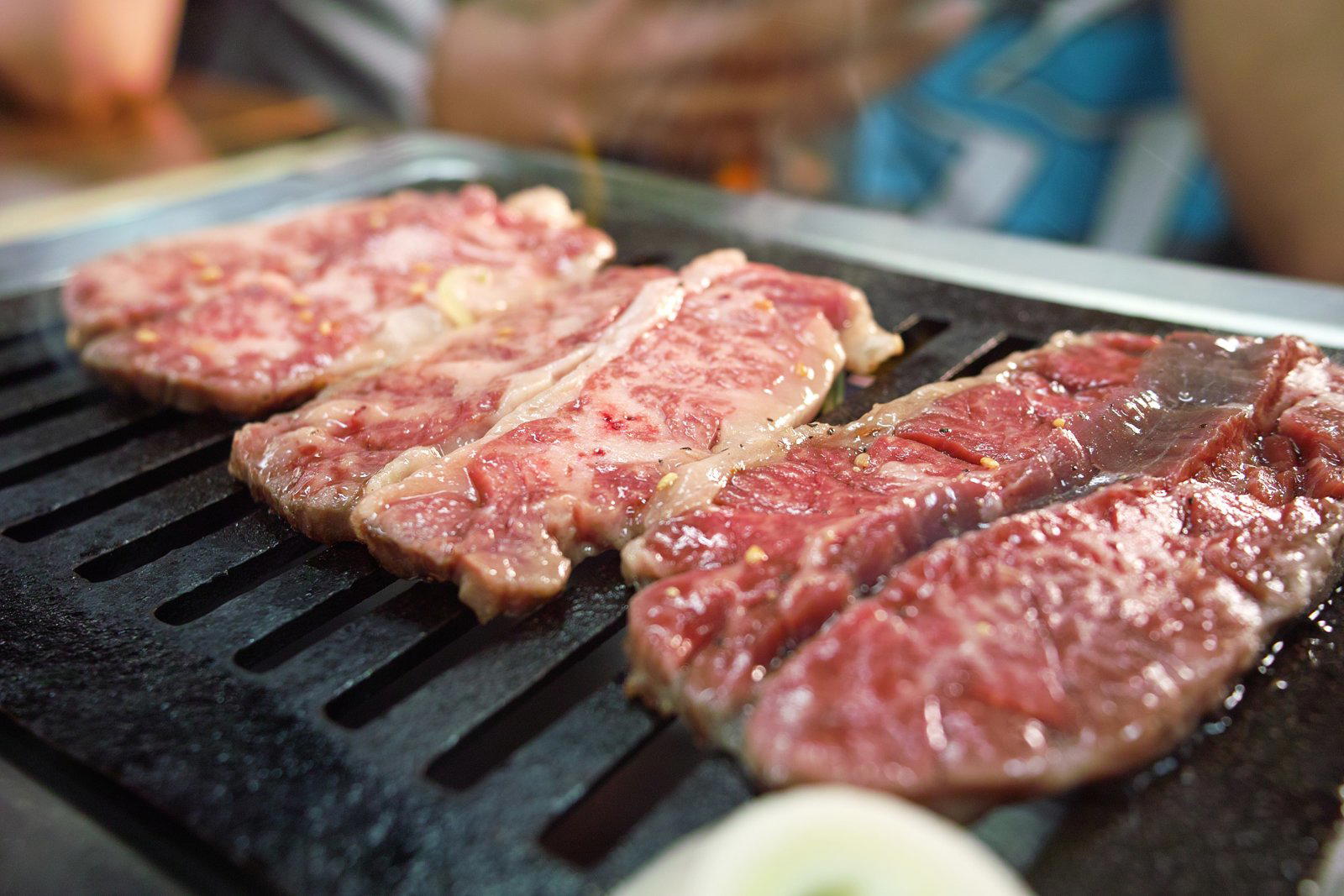
Sutamina-en in Tokyo's Adachi district offers Tabelog Silver-level yakiniku at JPY 6,000–7,999 per person, with premium cuts and tripe-focused menus served in a no-reservations, cash-only format. The tatami-room setting and walk-in-only policy keep it grounded as a neighborhood spot, but the nine-year Tabelog Award streak and #50 OAD Japan ranking confirm that Masanobu Toyoshima's execution competes with central-Tokyo peers at half the price.
Mitani
Tokyo, Japan
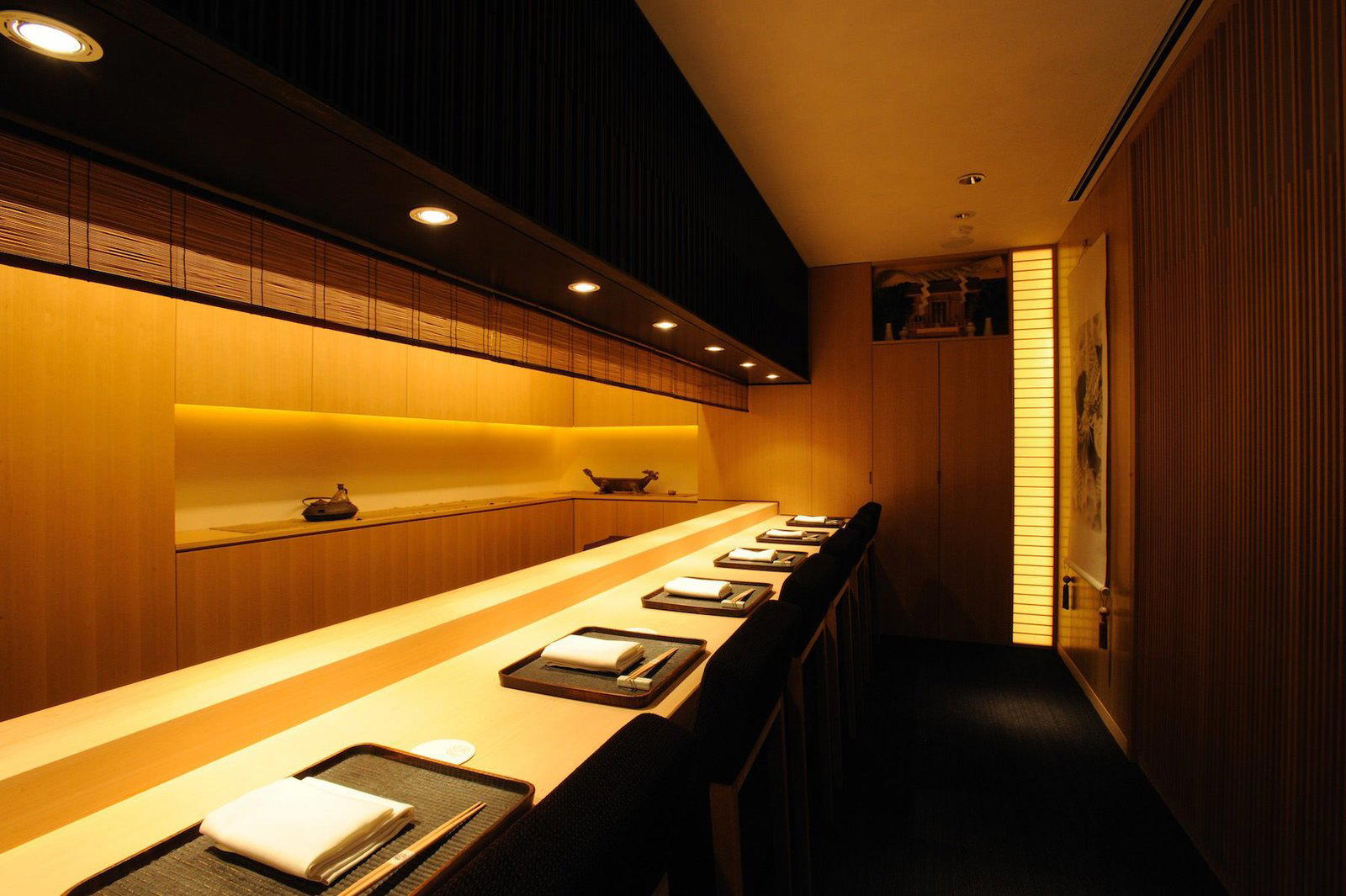
A six-seat sushi counter in Yotsuya delivering nine consecutive years of Tabelog Gold awards at JPY 50,000–59,000 per omakase. Chef Yasuhiko Mitani runs a disciplined programme with no à la carte options and a closed reservation system favouring regulars. Worth the effort if you can secure access through a concierge, but solo diners and small groups will find easier entry elsewhere in Tokyo's competitive sushi tier.
Bon.nu
Tokyo, Japan
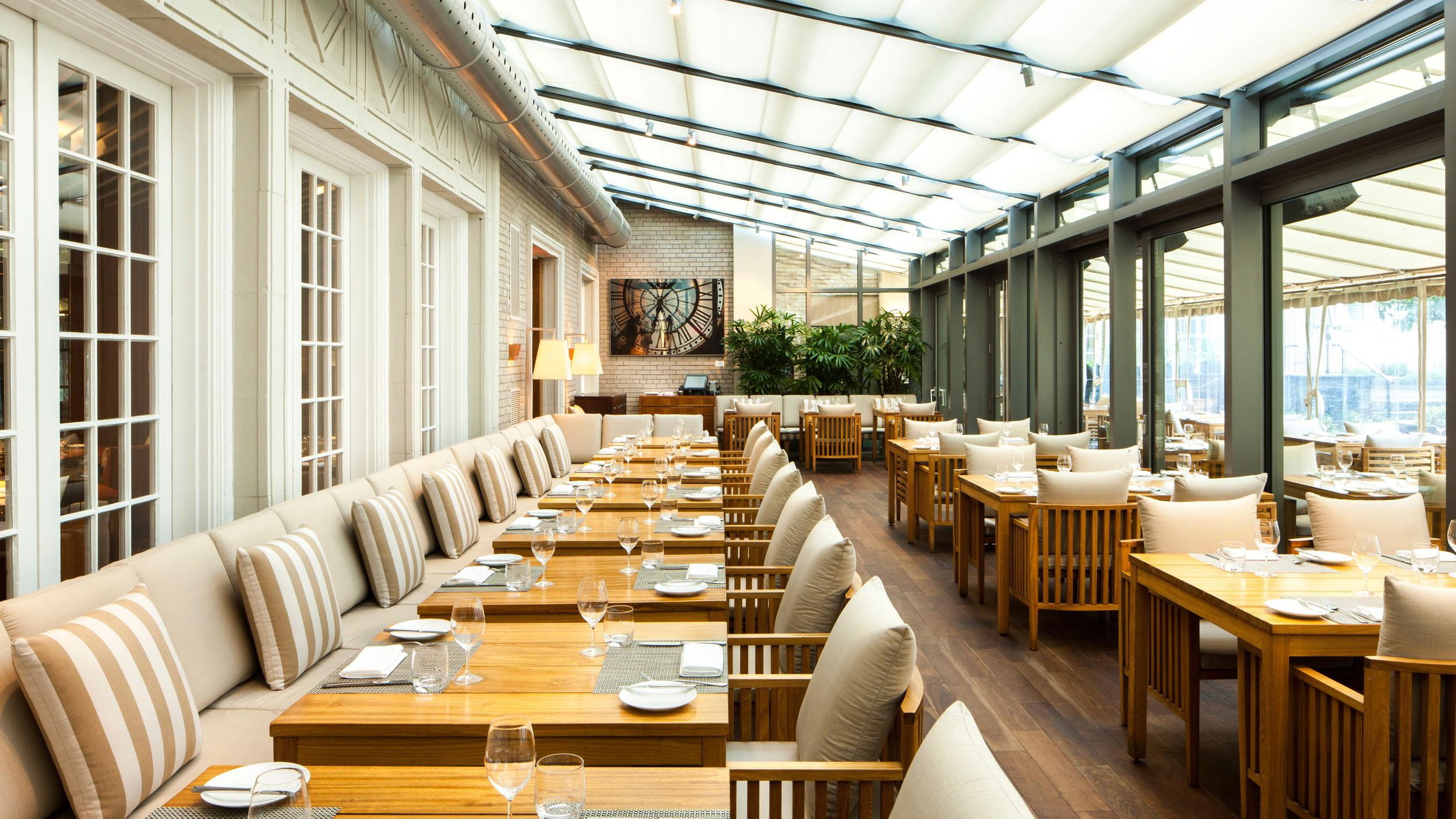
Bon.nu is a 12-seat French restaurant in Yoyogi, Tokyo, with a Tabelog score of 4.25 and nine consecutive Silver Awards through 2026. Budget ¥50,000–¥59,999 per head; reservation-only with a strict 100% cancellation fee from one week out. Best for special occasion dinners; lunch is groups of six or more only.
Hirosawa
Kyoto, Japan
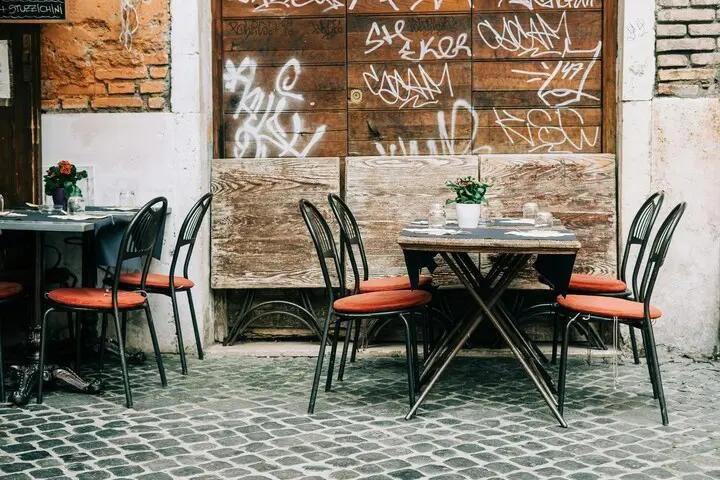
Hirosawa brings kaiseki-level Chinese technique to a ten-seat Kyoto townhouse counter, earning two Tabelog Silver Awards since opening in 2023. At ¥30,000–¥39,999, the reservation-only format delivers fish-focused modern Chinese with serious wine pairings, competing with Kyoto's kaiseki dominance. Book if you want intimate counter service and are willing to pay fine-dining prices for the category.
Furuta
Tokyo, Japan
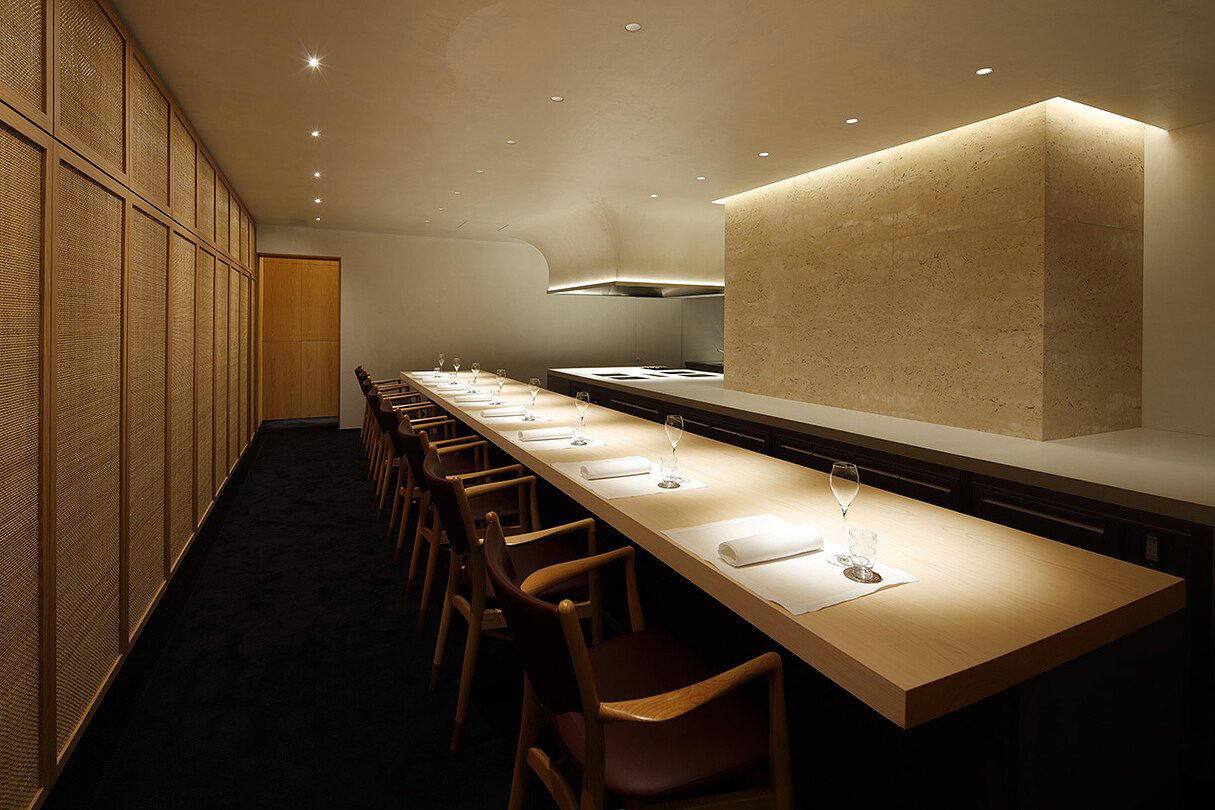
Furuta is an eight-seat counter in Ginza serving creative Chinese cuisine at JPY 100,000 and above per head, dinner only, Tuesday through Saturday. A Tabelog Silver Award winner every year from 2017 to 2026 and a consistent Opinionated About Dining Top 100 Japan entry, it is the right booking if you want chef-led Chinese precision in a spare, focused setting; and the wrong one if you need lunch, large groups, or flexibility.
Ogata
Kyoto, Japan
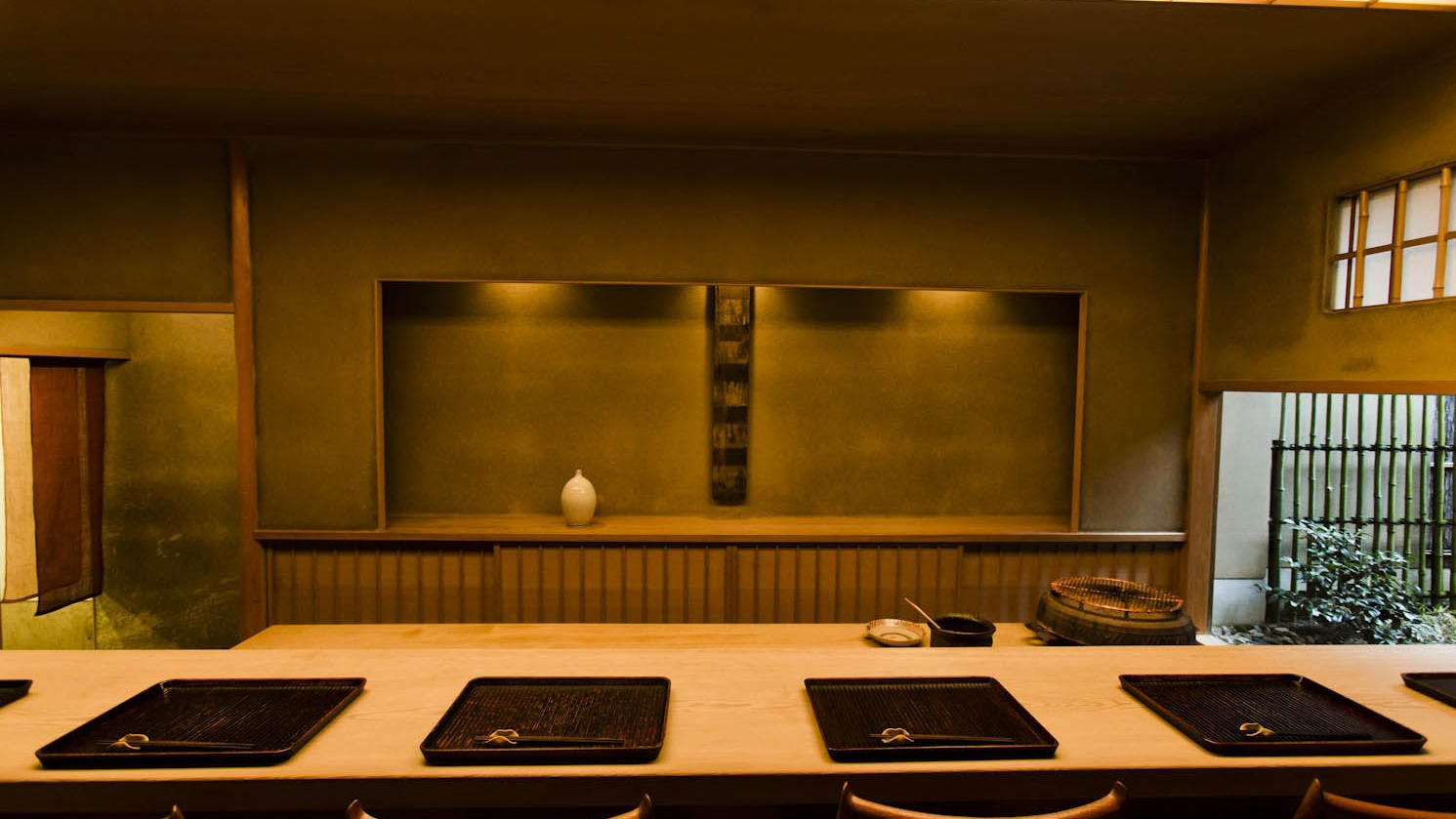
Ogata is a restaurant in Kyoto's Shimogyo Ward.
Mita
Kyoto, Japan
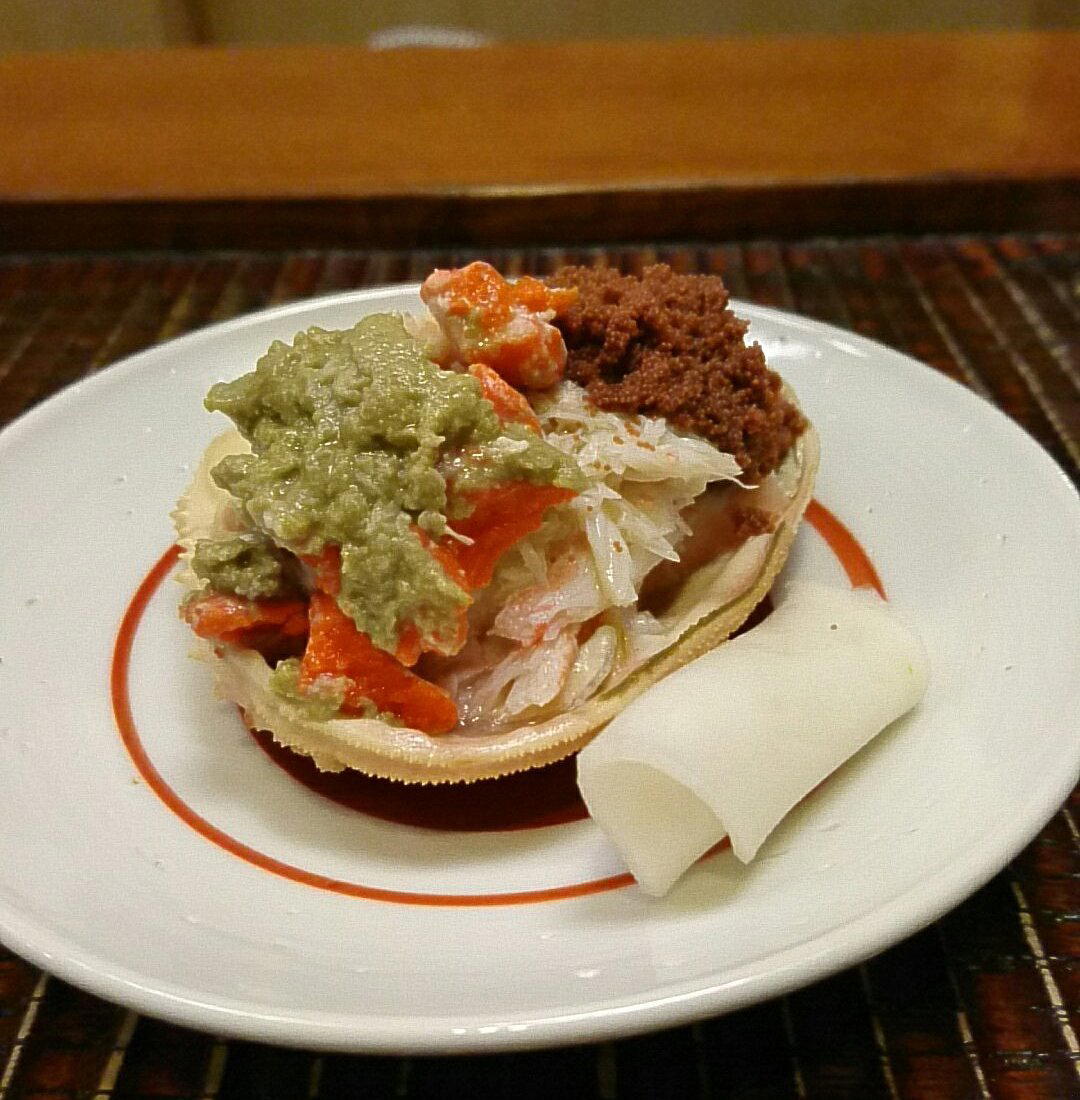
Six-seat counter serving omakase-only Japanese cuisine at JPY 60,000–79,999 per person. Nine consecutive Tabelog Silver Awards (2017–2026) signal consistent technical execution. Reservation-only via phone, with BYO drinks permitted. The counter format prioritizes chef proximity and ingredient focus over social dining space.
Uomasa
Tokyo, Japan
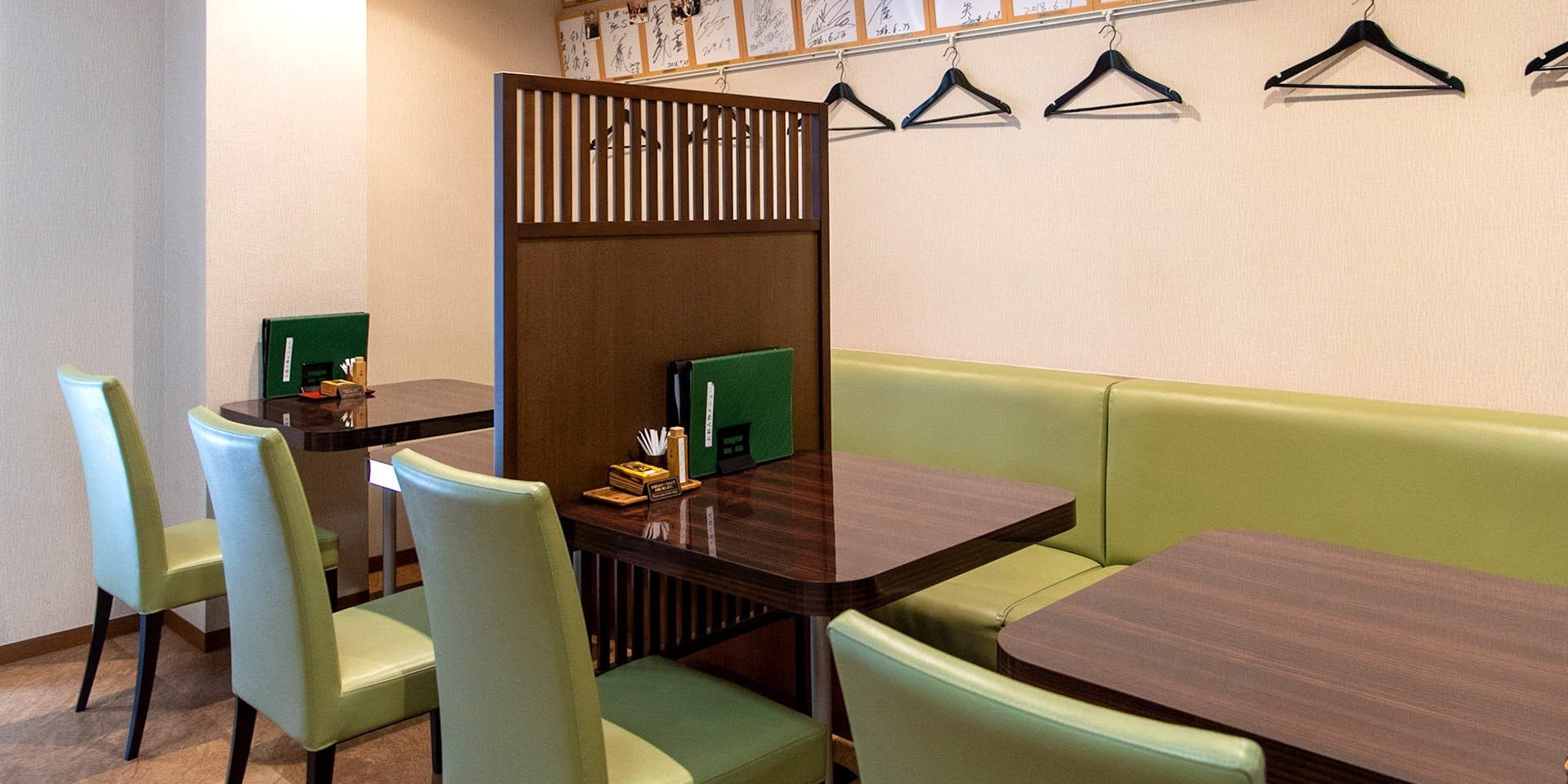
Uomasa holds a Tabelog score of 4.28 and Silver Awards in 2025 and 2026, making it one of Tokyo's most consistently recognised unagi specialists. Eel is grilled over Kishu Binchotan charcoal in a 32-seat room in Katsushika; dinner runs JPY 10,000–14,999. Reservations are required and fill quickly; book via the official site for lunch and individual-item orders.
Sushi Ryujiro
Tokyo, Japan
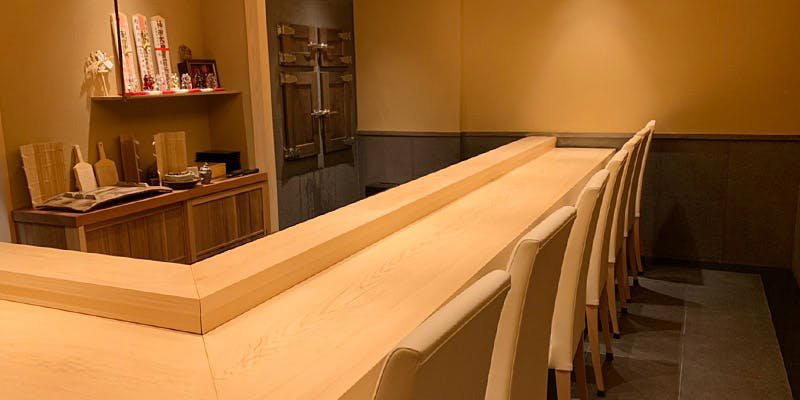
Ryujiro Nakamura's 15-seat sushi-ya opens each omakase with a single piece of medium-fatty tuna; a litmus test for the fish sourcing and wholesaler relationships that define the rest of the meal. Tabelog Silver Award holder (2021–2026) with a 4.41 score, it's a mid-to-upper-tier Tokyo counter experience: ingredient-driven Edomae execution without theatrical service, priced at ¥20,000–¥39,999 per head. Book 3–4 weeks out via OMAKASE; weekday lunches are marginally easier to secure.
Narisawa
Tokyo, Japan
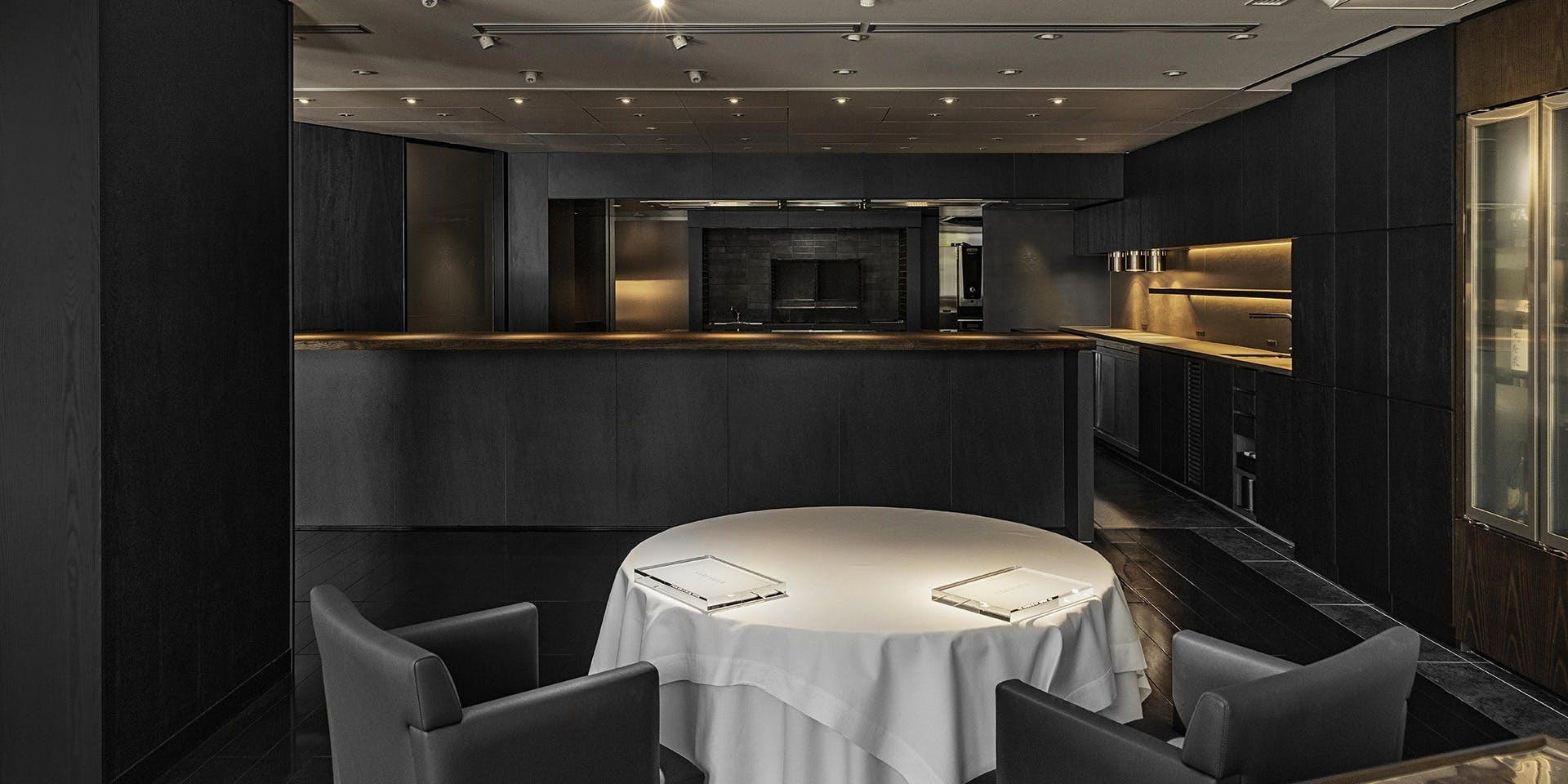
Narisawa is a restaurant in Minamiaoyama, Tokyo.
比良山荘
Otsu, Japan
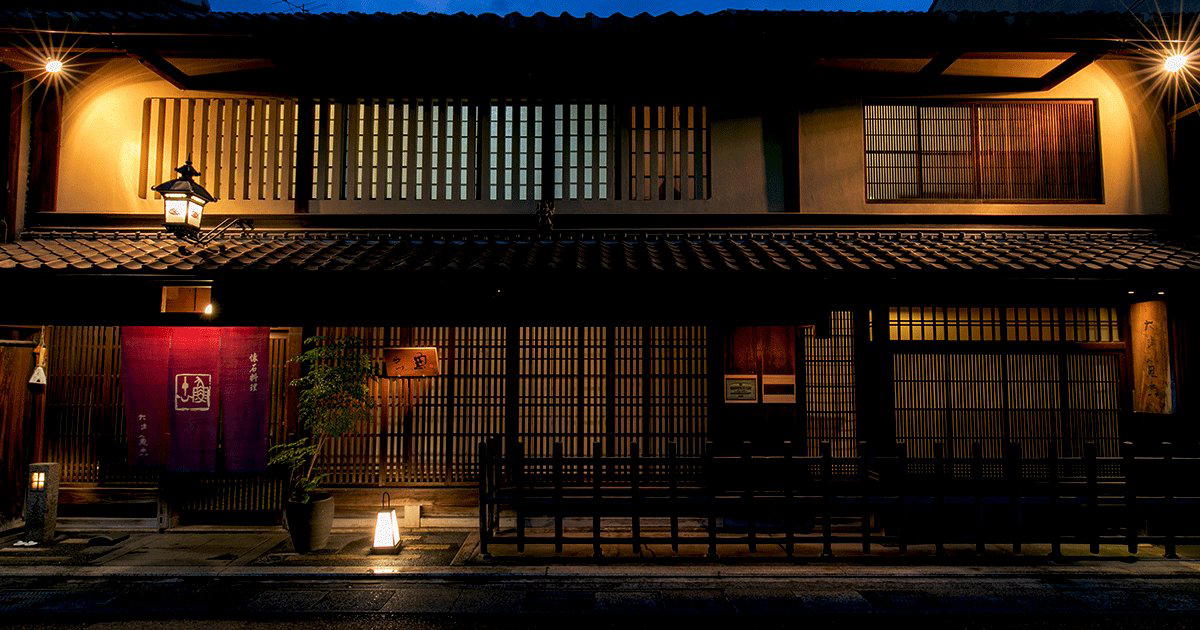
Choose 比良山荘 when the rural Otsu setting is part of the reason for going, not when you need a flexible late-night fallback. It suits a planned, occasion-led meal better than a quick value stop; compare Ramen Yoshichi Katata ten if price and ease matter more.
L'Effervescence
Tokyo, Japan
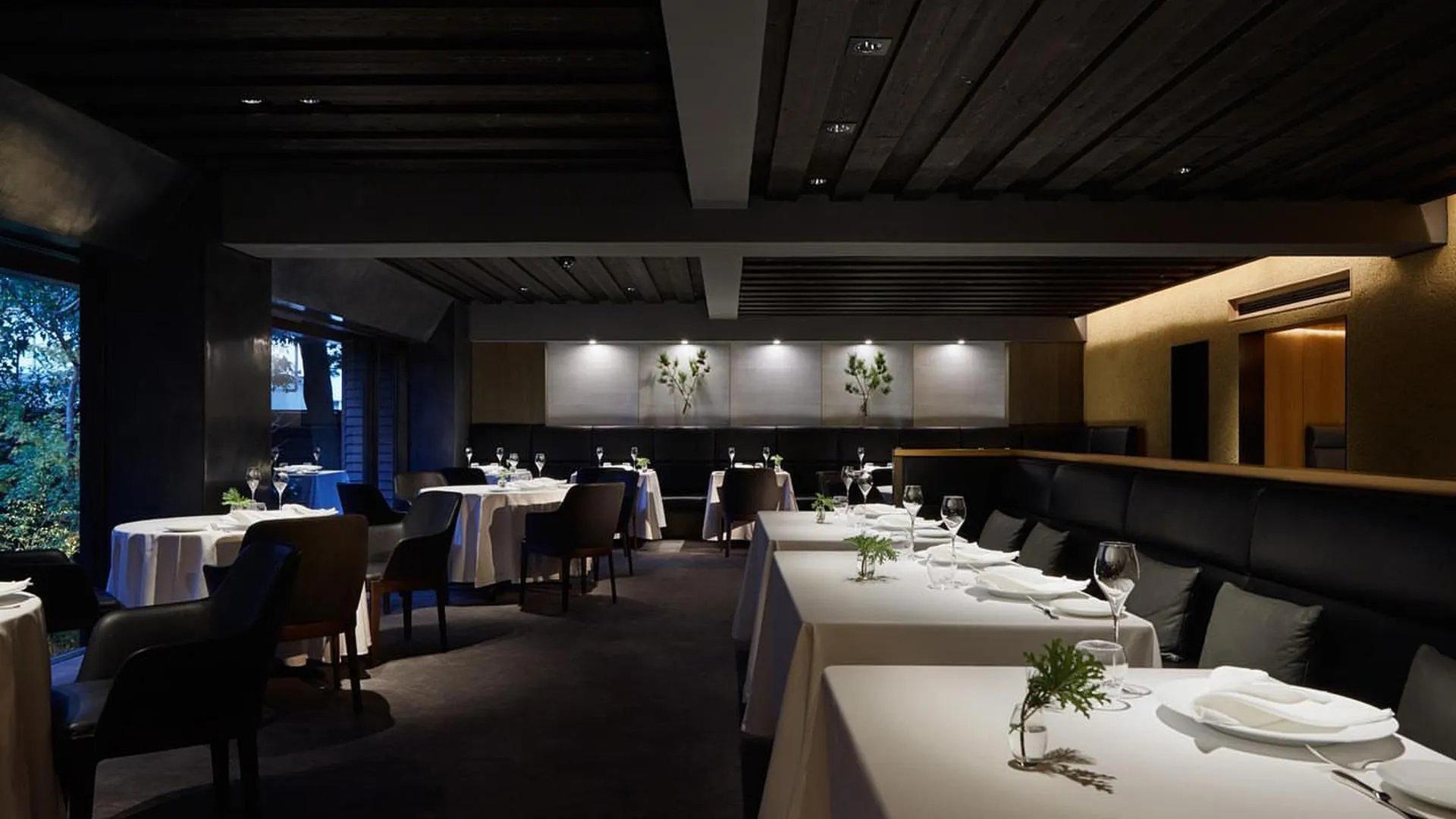
L'Effervescence is a restaurant in Nishi-Azabu, Tokyo.
Ginza Kitagawa 銀座 きた川
Tokyo, Japan
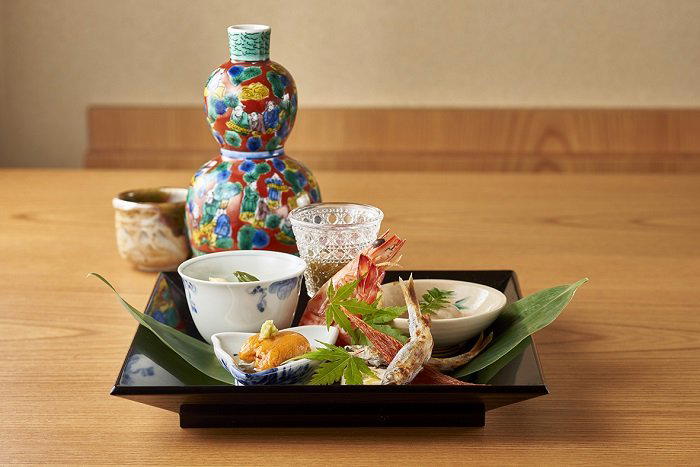
Ginza Kitagawa is a ten-seat counter kappo in Ginza where chef Kazuyuki Kitagawa applies a distinct oil-based technique across an omakase format that goes well beyond standard tempura. Tabelog Silver Award winner in 2024 and 2025, with a 4.38 score, this is a focused, occasion-worthy dinner at JPY 30,000–39,999. Reservation-only, AMEX only, and worth booking two to three weeks ahead.
Makitori Shinkobe
Tokyo, Japan
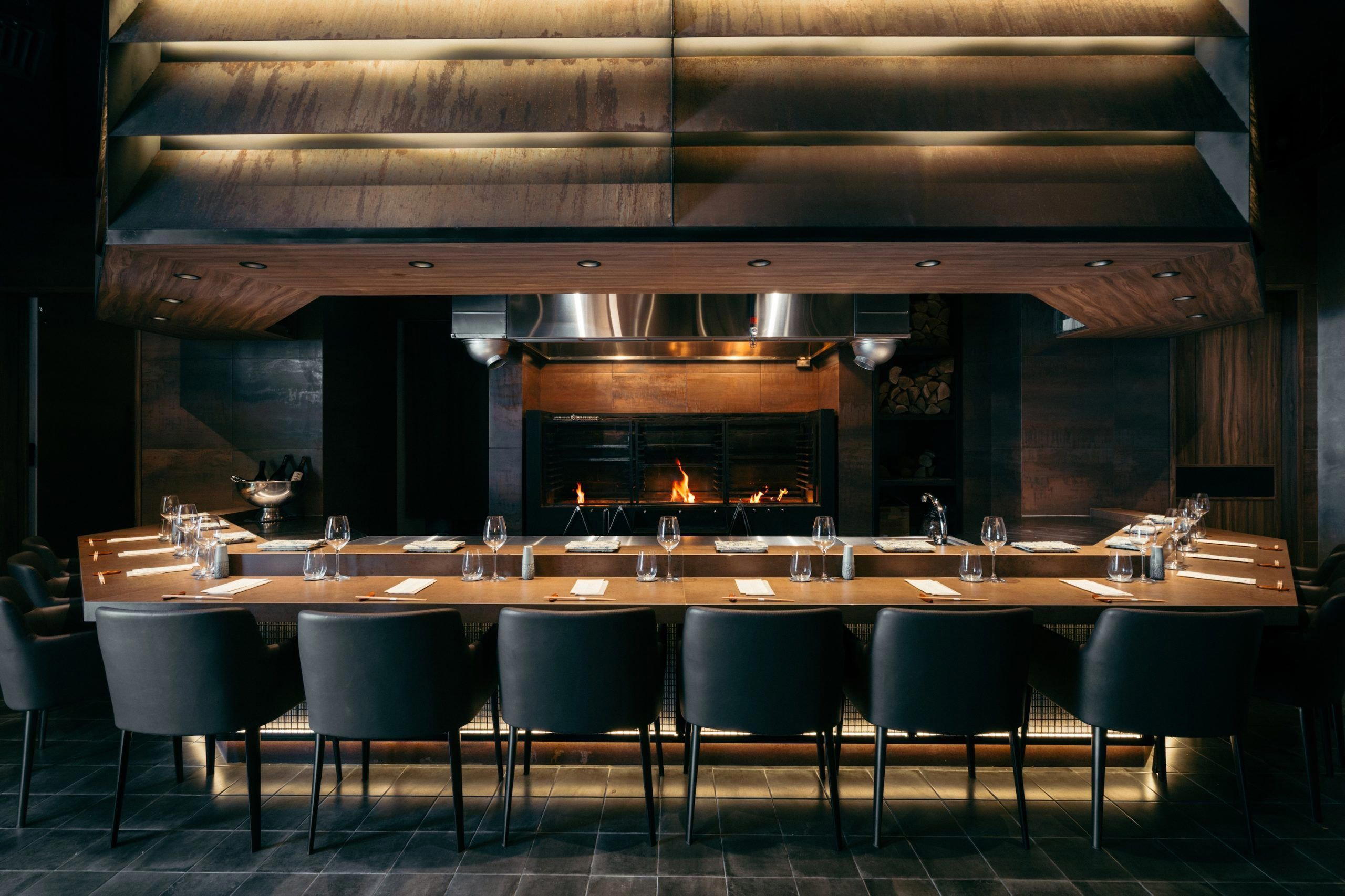
A 12-seat counter yakitori restaurant in Akasaka with Tabelog Silver awards in both 2025 and 2026 and a score of 4.44. Dinner runs JPY 20,000–29,999 per person; reservation-only via the OMAKASE website. One of the most consistently recognised yakitori counters in Tokyo for a counter dinner or special occasion.
NK
Tokyo, Japan
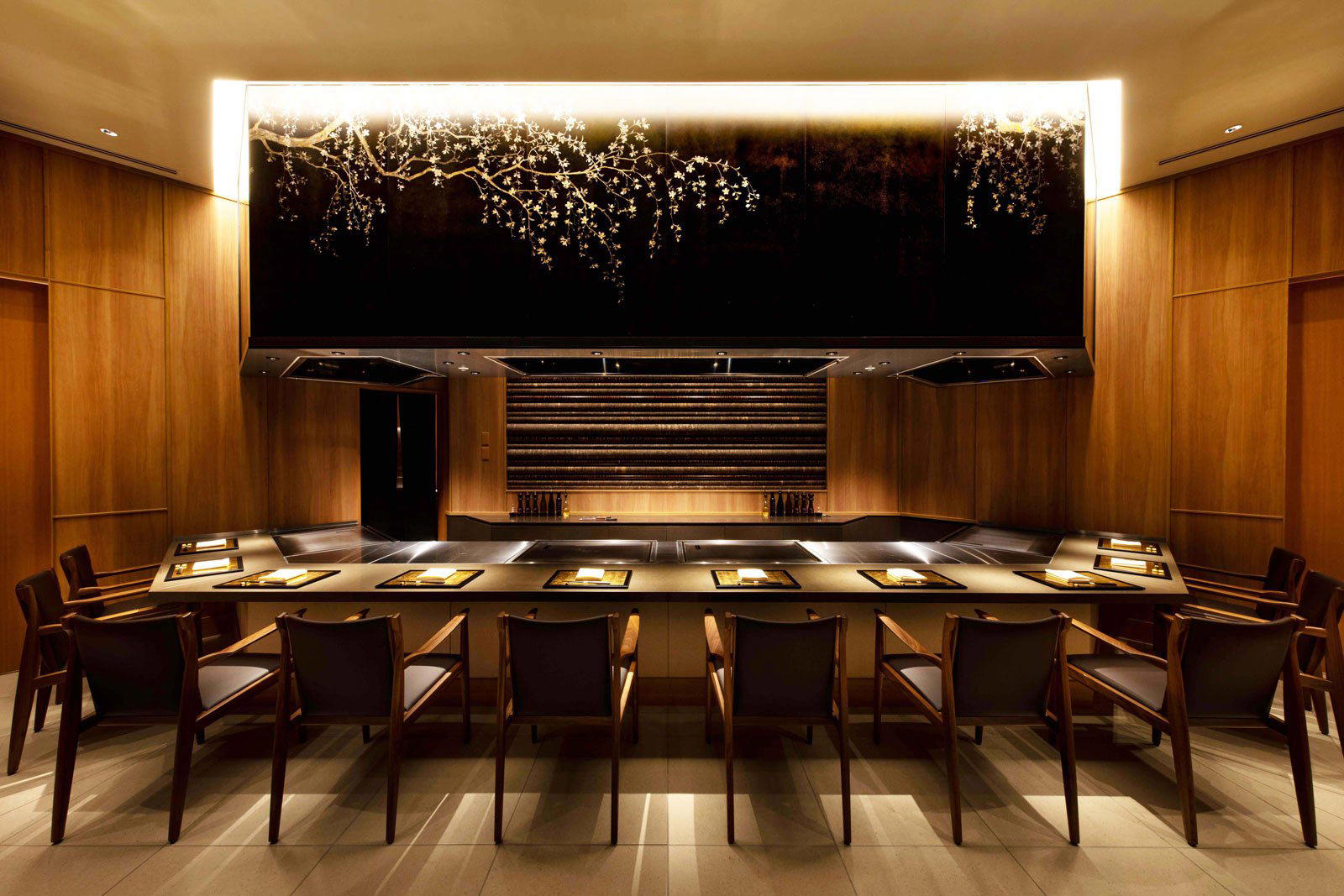
Kento Kakutani's 14-seat Kagurazaka counter applies genre-crossing technique to seasonal Japanese ingredients, earning four consecutive Tabelog Silver awards (2023–2026). At JPY 40,000–49,999, the tasting-menu-only format delivers precision without kaiseki orthodoxy; book three weeks ahead for dinner or Saturday lunch.
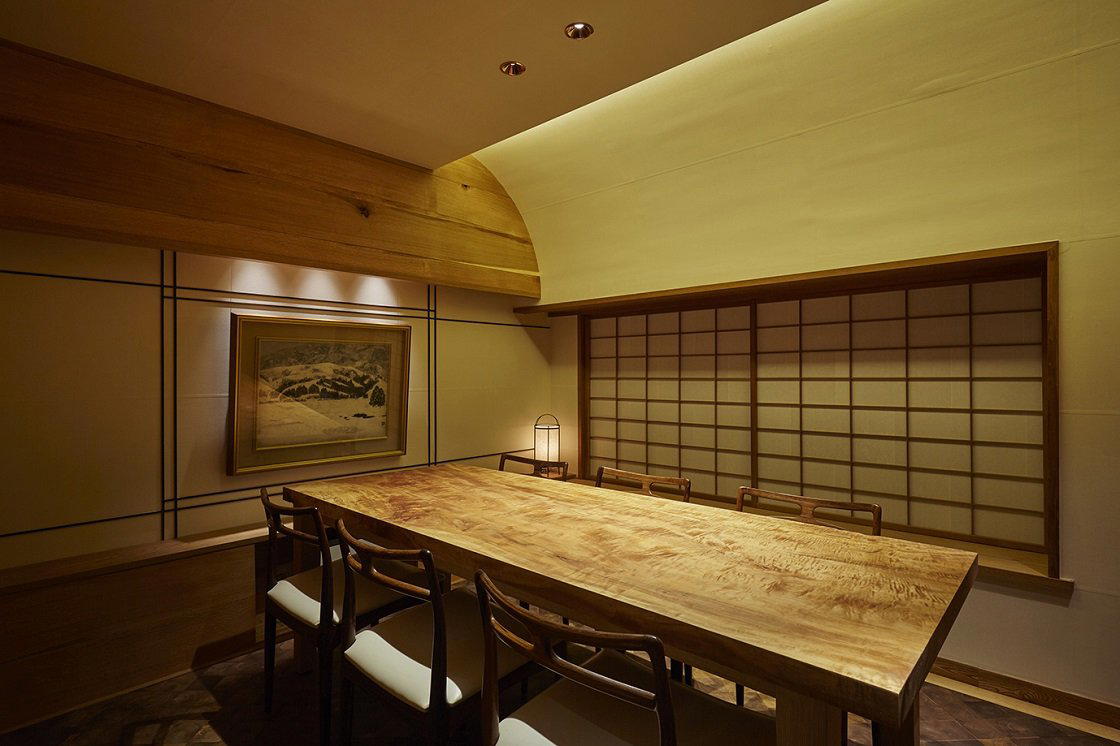
Fujiya 1935
Osaka, Japan
Fujiya 1935 holds two Michelin stars and eight consecutive years of Tabelog recognition in Osaka, making it a serious option for any considered Japan food itinerary. Chef Tetsuya Fujiwara runs an innovative, Spanish-influenced tasting menu across just ten seats. Lunch at ¥15,000–¥19,999 is the sharper value play; dinner averages closer to ¥50,000 with wine. Booking is extremely difficult; plan well ahead.
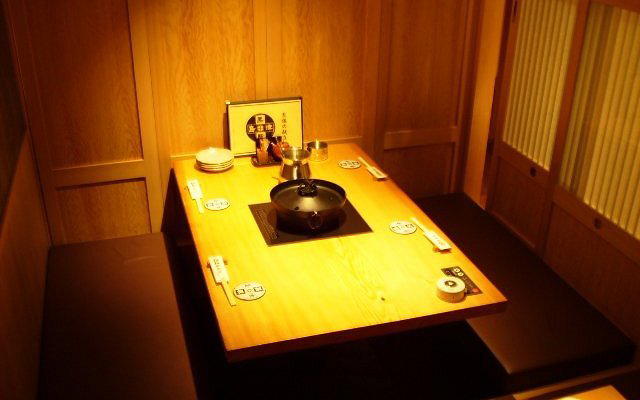
Shimazu
Tokyo, Japan
Chef Yukichika Shimazu runs an 8-seat Edomae sushi counter in residential Shirokane, earning Tabelog Gold 2026 and three Tabelog 100 selections since opening in 2020. Dinner costs JPY 40,000–49,999 plus 10% service; the reservation-only format, two nightly seatings, and sommelier-guided beverage program suit solo diners and pairs willing to commit to the chef's omakase pace. Book early; supply is tight, and the hideaway location (two minutes from Shirokane-Takanawa Station) attracts Tokyo locals over tourists.
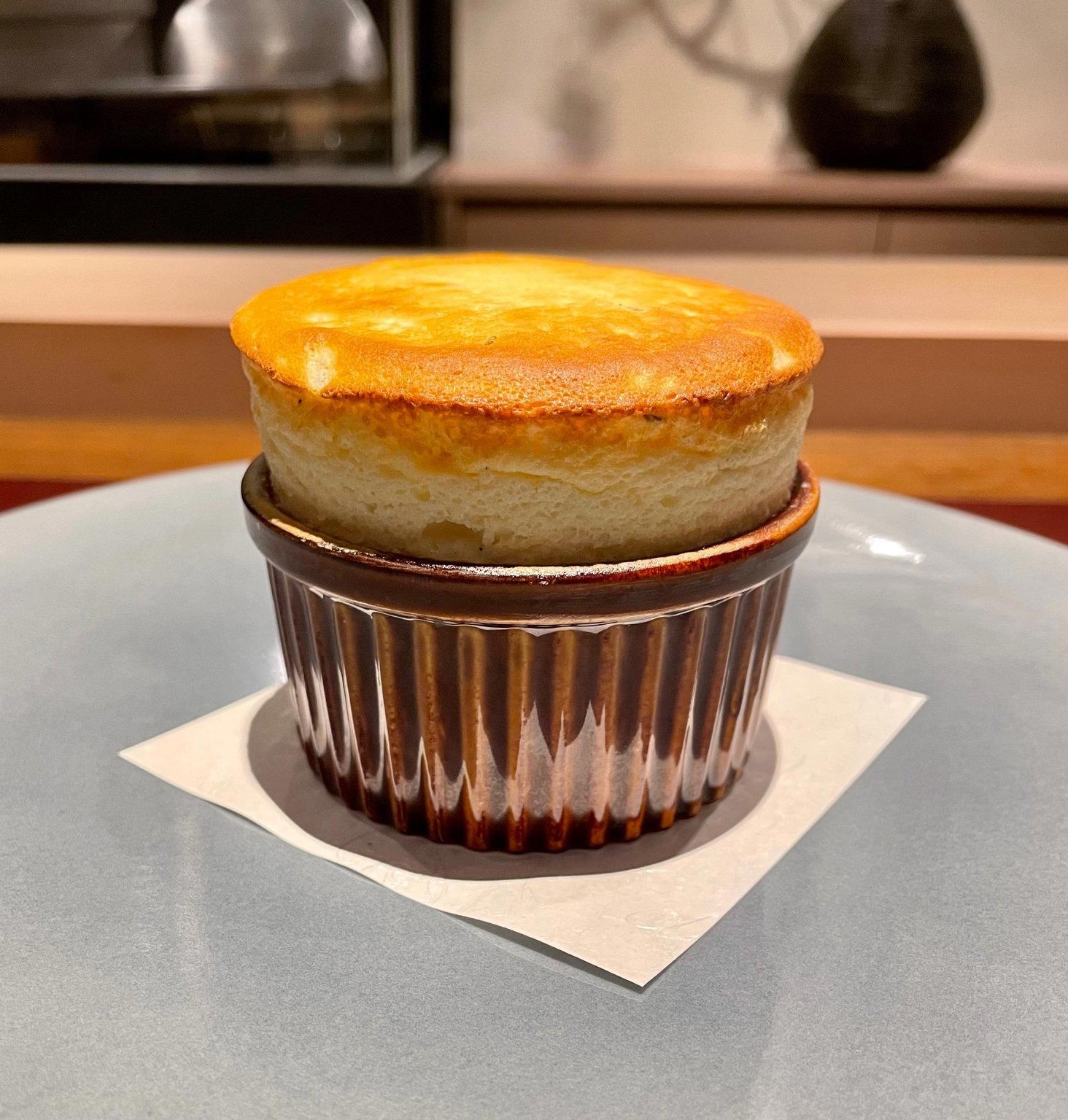
il AOYAMA
Nagoya, Japan
Nine-seat counter in Tokugawa serving precision Italian at JPY 30,000–39,999 per head. Chef Hiroaki Aoyama relocated in January 2024; the venue earned Tabelog Silver (2025/2026) and ranks #305 on Opinionated About Dining's Japan list. Reservation-only, two nightly seatings, wine-focused drinks. No lunch service. Dinner-only format suits couples and small parties; groups larger than four require a full counter buyout.
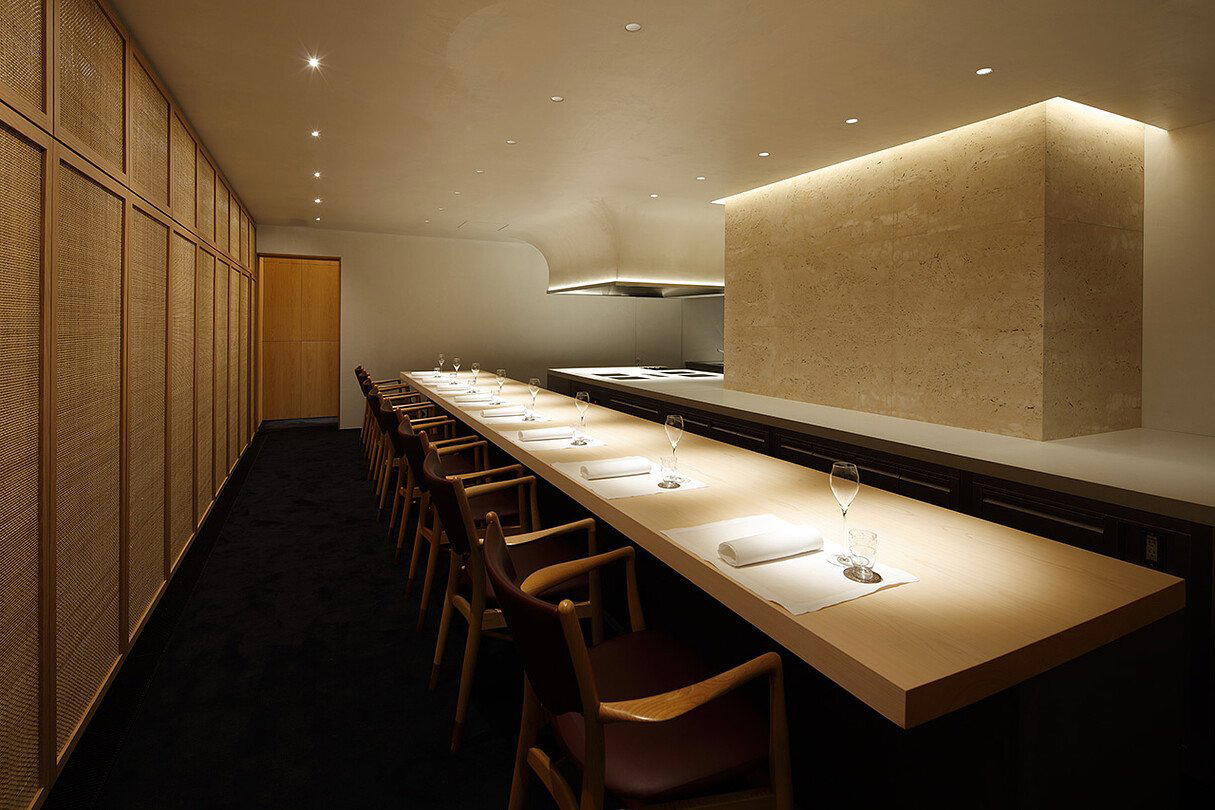
Chiune
Tokyo, Japan
Chef Satoshi Furuta's Franco-Japanese menu at his new Kioicho address earned Tabelog Silver for 2025 and 2026, with dinner running JPY 80,000–99,999. The cooking prioritizes ingredient clarity and umami depth over architectural drama, making it a strong choice for special occasions when you want technical refinement without the theatrics of Tokyo's higher-wattage rooms.
bb9
Hyogo, Japan
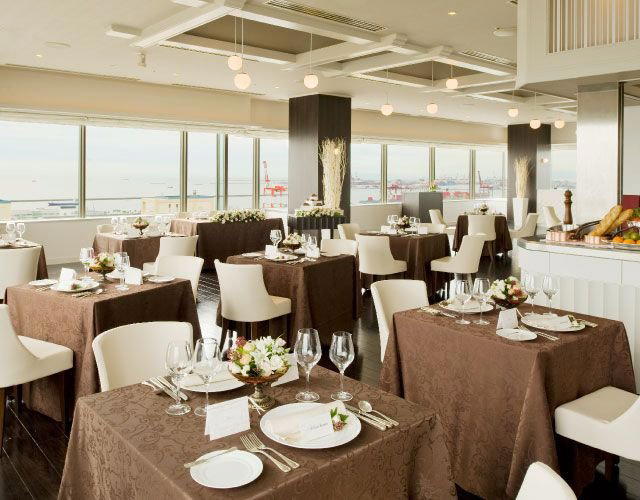
bb9 is Kobe's most consistent Basque wood-fire restaurant; Tabelog Silver or Bronze every year since 2017, a 4.33 score, and a national ranking inside Japan's top 135. With just eight seats, reservation-only access, and actual spend around JPY 30,000 to JPY 39,999 per person, it is the right call for a focused special-occasion dinner in Hyogo.
Abon
Ashiya, Japan
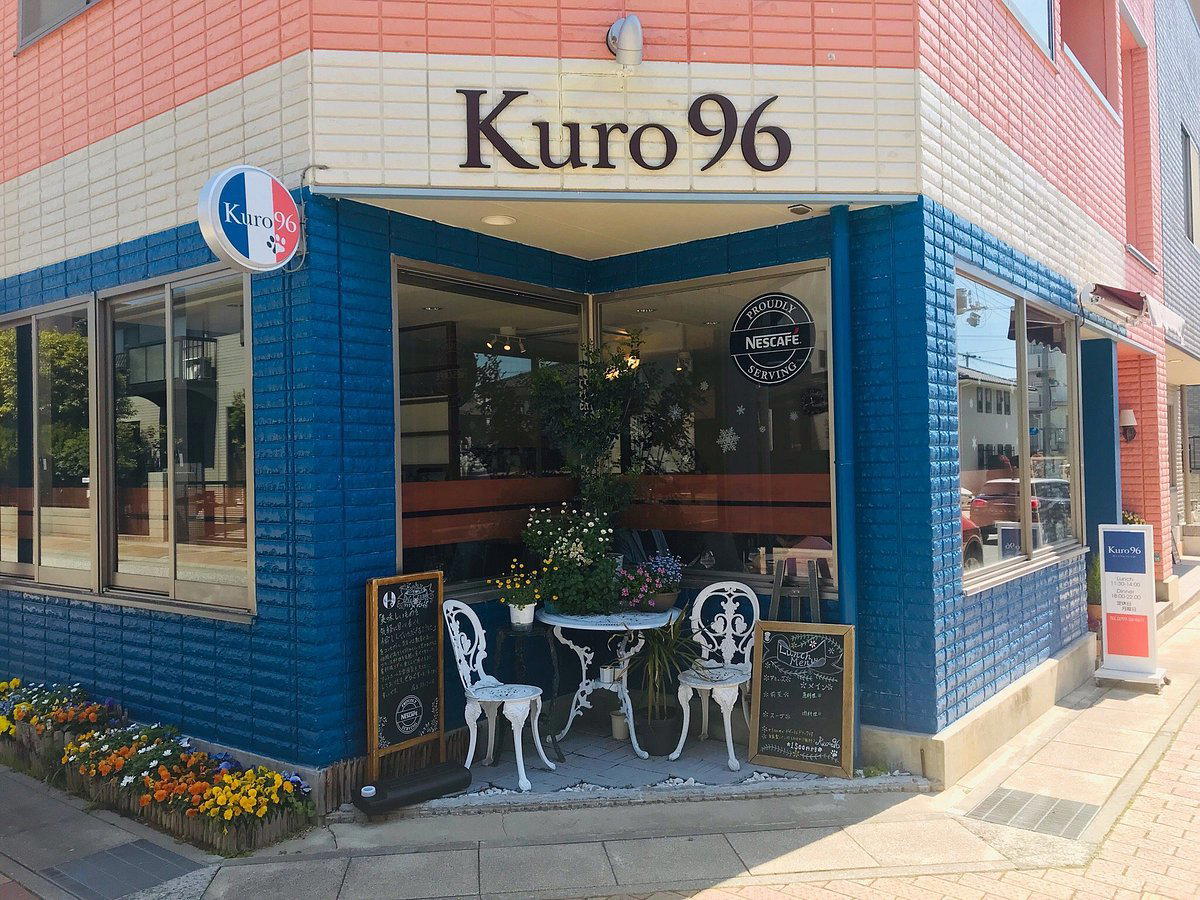
Kushi Katsu A-bon holds a Tabelog Silver Award (4.40, 2026) and runs two evening seatings for 19 guests in a counter-dominant room in residential Ashiya. At JPY 15,000–19,999 per head, it delivers a sequential kushiage experience worth the planning effort; but reservations require Japanese-language communication and open monthly.
Yonemasu
Osaka, Japan
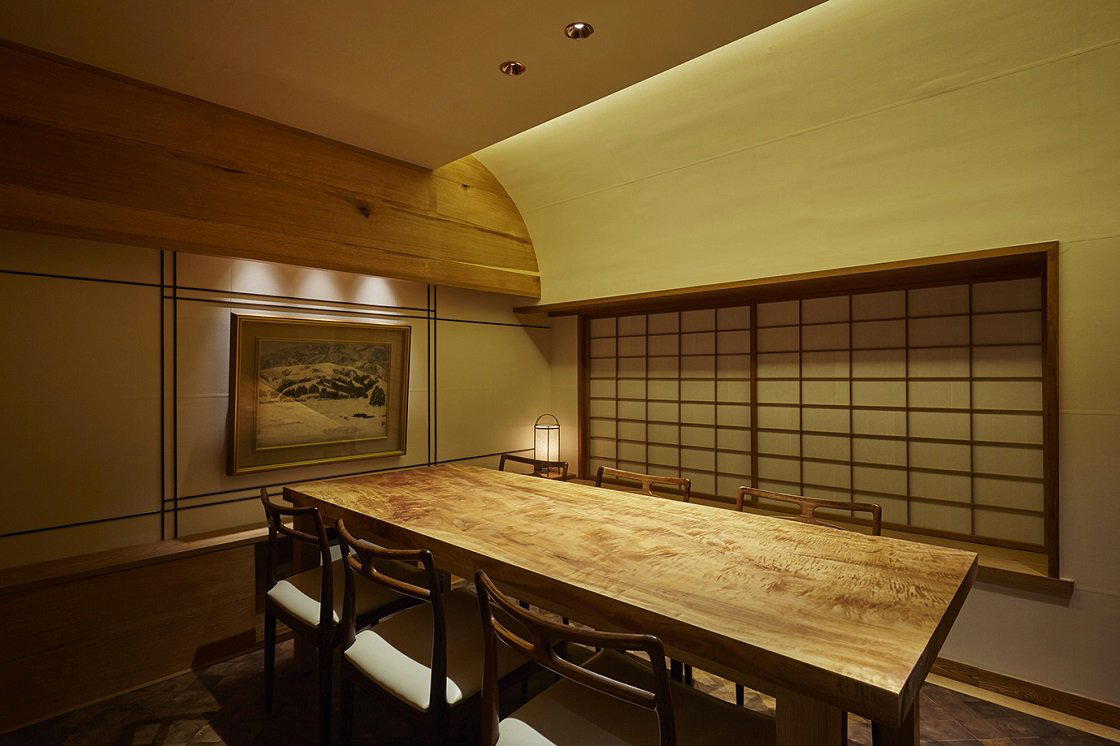
A Michelin-starred, 8-seat counter in Kita Ward with Tabelog Silver recognition across seven consecutive years. Yonemasu serves fixed-course kaiseki built around the traditional Japanese calendar, with a stated focus on fish and strict attention to seasonal provenance. Cash only, no website, and genuinely hard to book; plan at least several weeks ahead for any specific date.
Kohaku
Tokyo, Japan
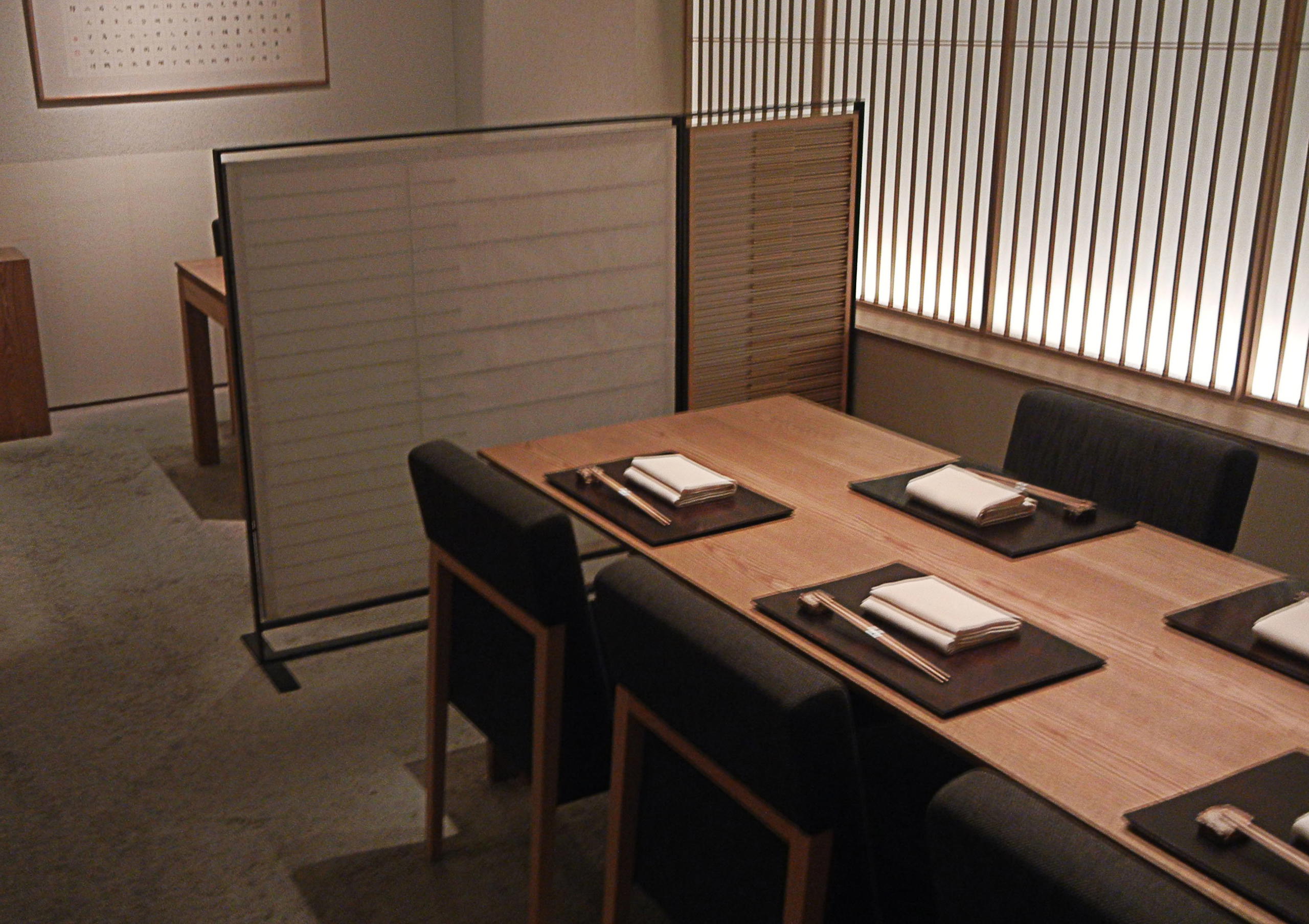
Kohaku is a restaurant in Kagurazaka, Tokyo.
Nihon Ryori Takamura
Akita, Japan
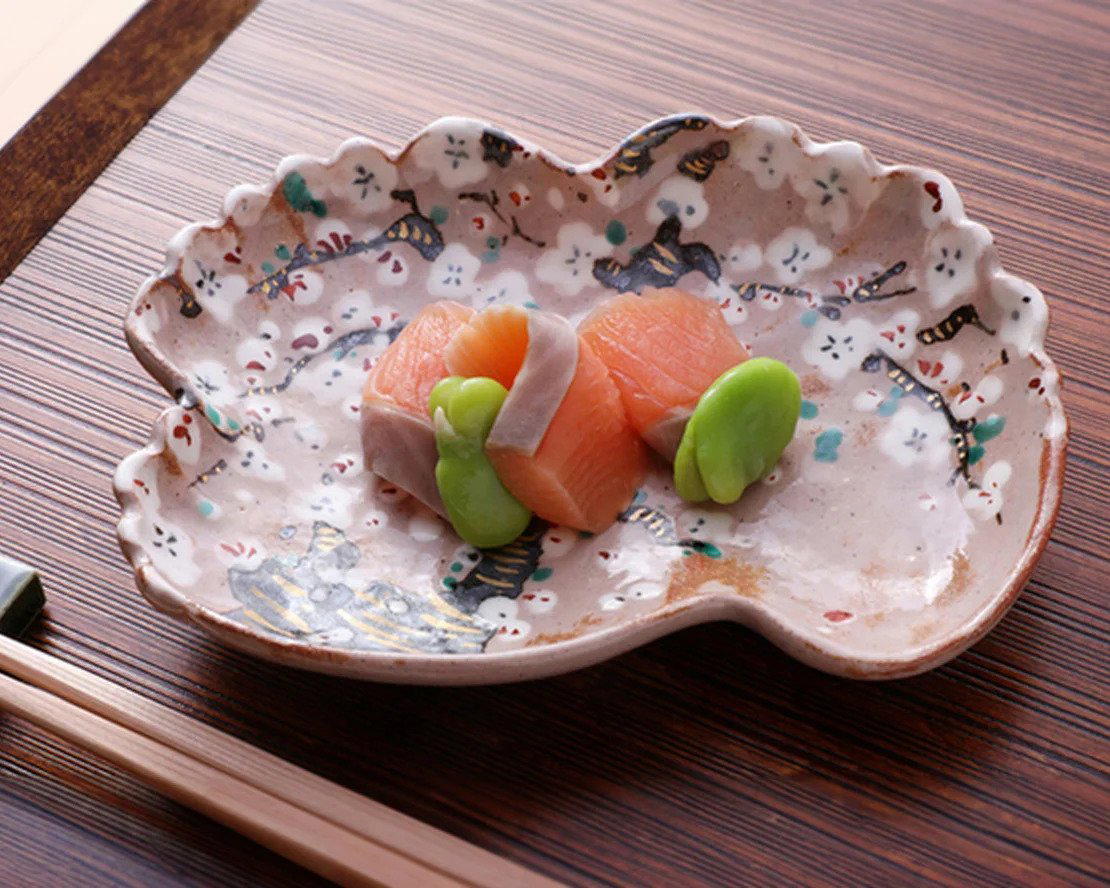
Nihon Ryori Takamura is Akita's most decorated kaiseki counter; Tabelog Silver since 2021 and ranked #61 in Japan by Opinionated About Dining in 2025. At JPY 20,000–29,999 per person, it delivers nationally competitive credentials at regional prices. The catch: membership is required. If you can get in, it is the strongest case for making a deliberate trip to Akita.
Tacubo
Tokyo, Japan
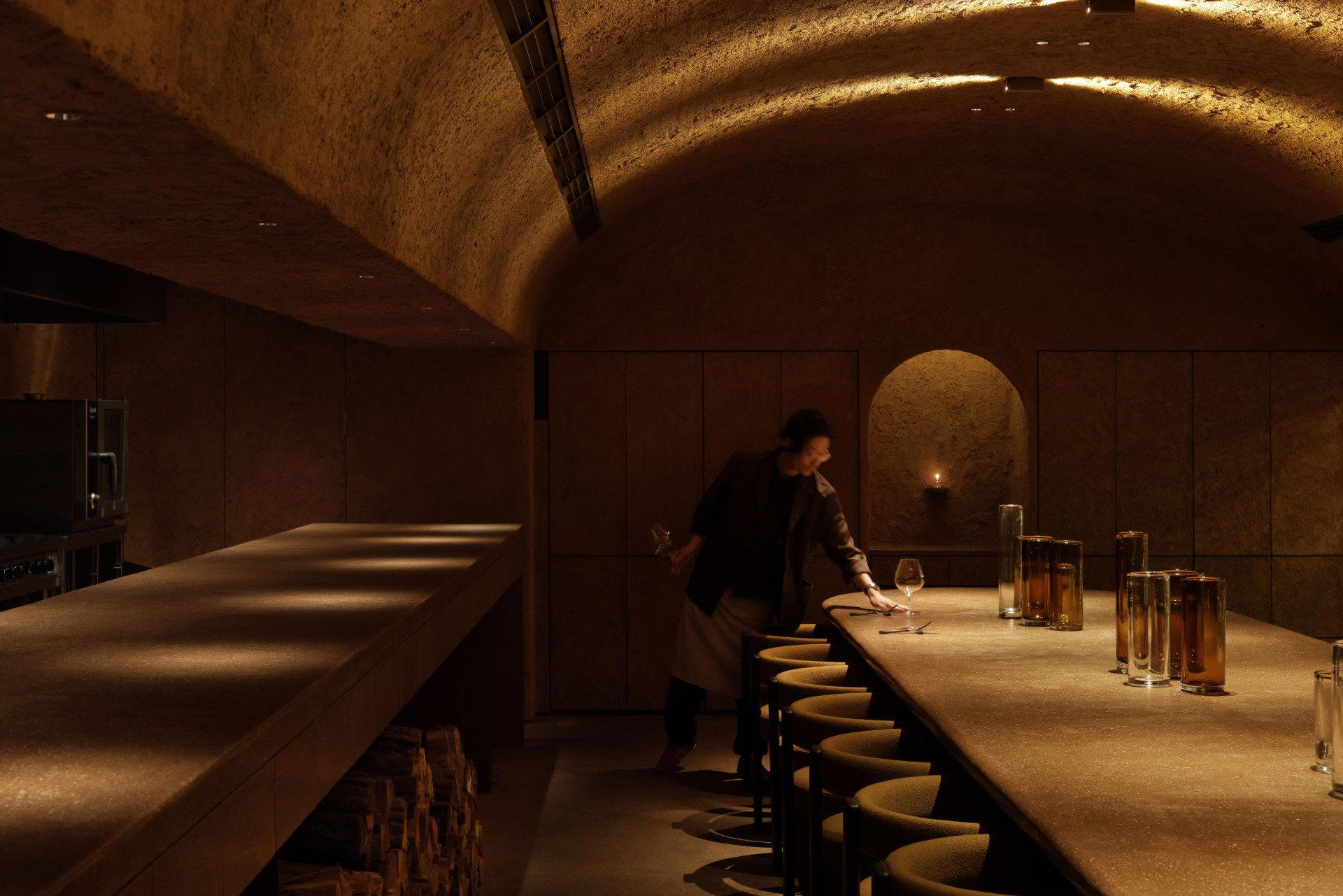
A Daikanyama Italian that rewards return visits; chef Daisuke Takubo's wood-grilled courses and seasonal pasta anchored by eight consecutive Tabelog Silver Awards. At ¥40,000–49,999 before wine, it occupies Tokyo's mid-to-upper Italian bracket, with two private rooms (up to six guests each) offering a quieter alternative to the eight-seat counter.
Ushimaru
Chiba, Japan
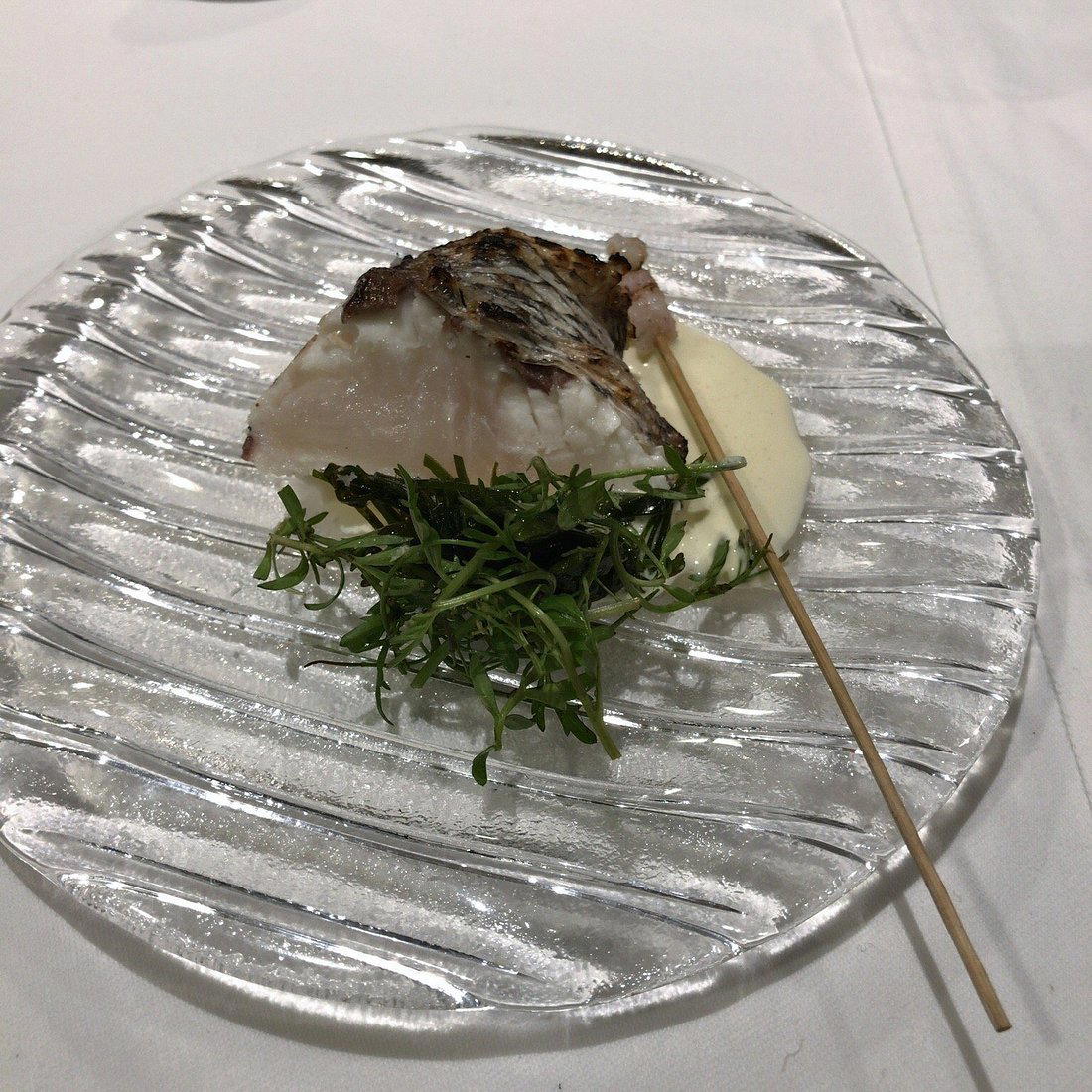
Tabelog Silver Award Italian in rural Chiba, 20 seats, JPY 19,800–22,000 tasting menu plus pairings and 10% service. Farm-to-table format with a fish-forward kitchen, sommelier-led wine program, and BYO permitted. Private rooms for four to seven, terrace seating, on-site parking. Reservations advised but not scarce; lunch and dinner pricing identical. A 30-minute drive from Narita (NRT). Worth the trip if hyper-local Chiba ingredients and space matter more than Tokyo convenience.
Tempura Asanuma
Tokyo, Japan
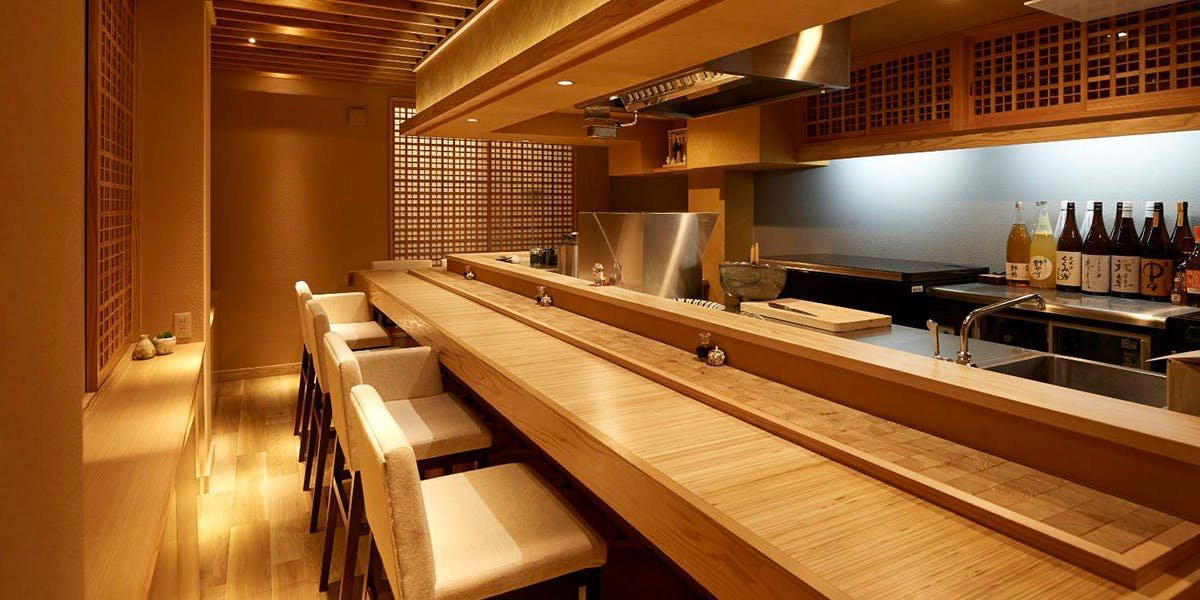
Tempura Asanuma is a Tabelog Silver Award-winning counter in Nihonbashi with eight seats, identical lunch and dinner pricing at JPY 15,000–19,999 (actual spend trends higher), and a BYO allowance rare at this level. It competes with Tokyo's top tempura specialists and earns that comparison through consecutive Tabelog 100 selections and a Michelin Plate. Book via Instagram or voicemail; the non-standard reservation process is the only friction.
Chataro
Tokyo, Japan
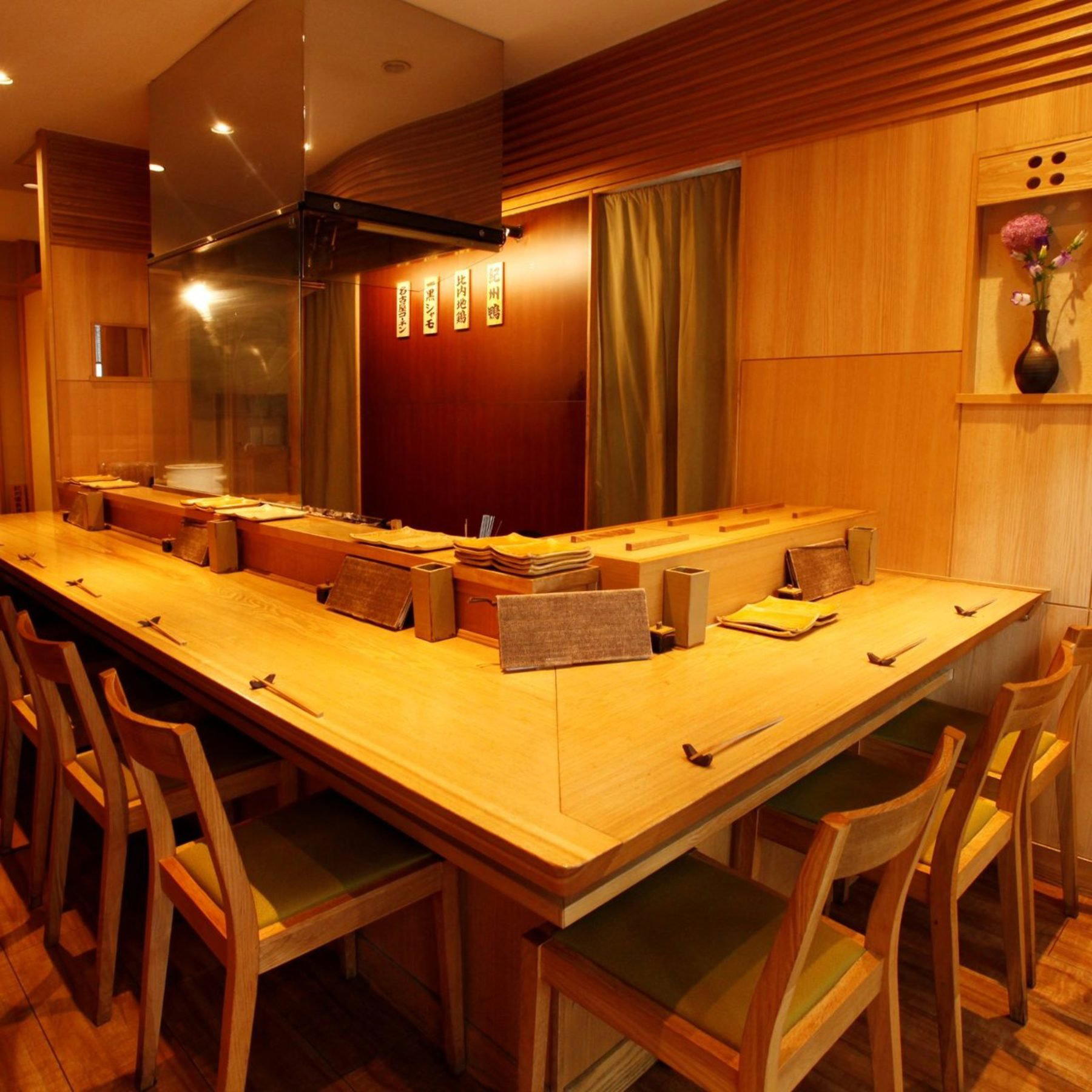
Chataro is Tokyo's case for yakitori as fine dining: an 11-seat counter in Shibuya where Chef Takuya Kaneko grills long-raised chicken across six preparations, backed by five consecutive Tabelog 100 selections and two Tabelog Award Silver wins. Dinner runs JPY 20,000–29,999 per head. Book online two to four weeks ahead; online reservations only, no phone bookings accepted.
Sushi Takamitsu
Tokyo, Japan
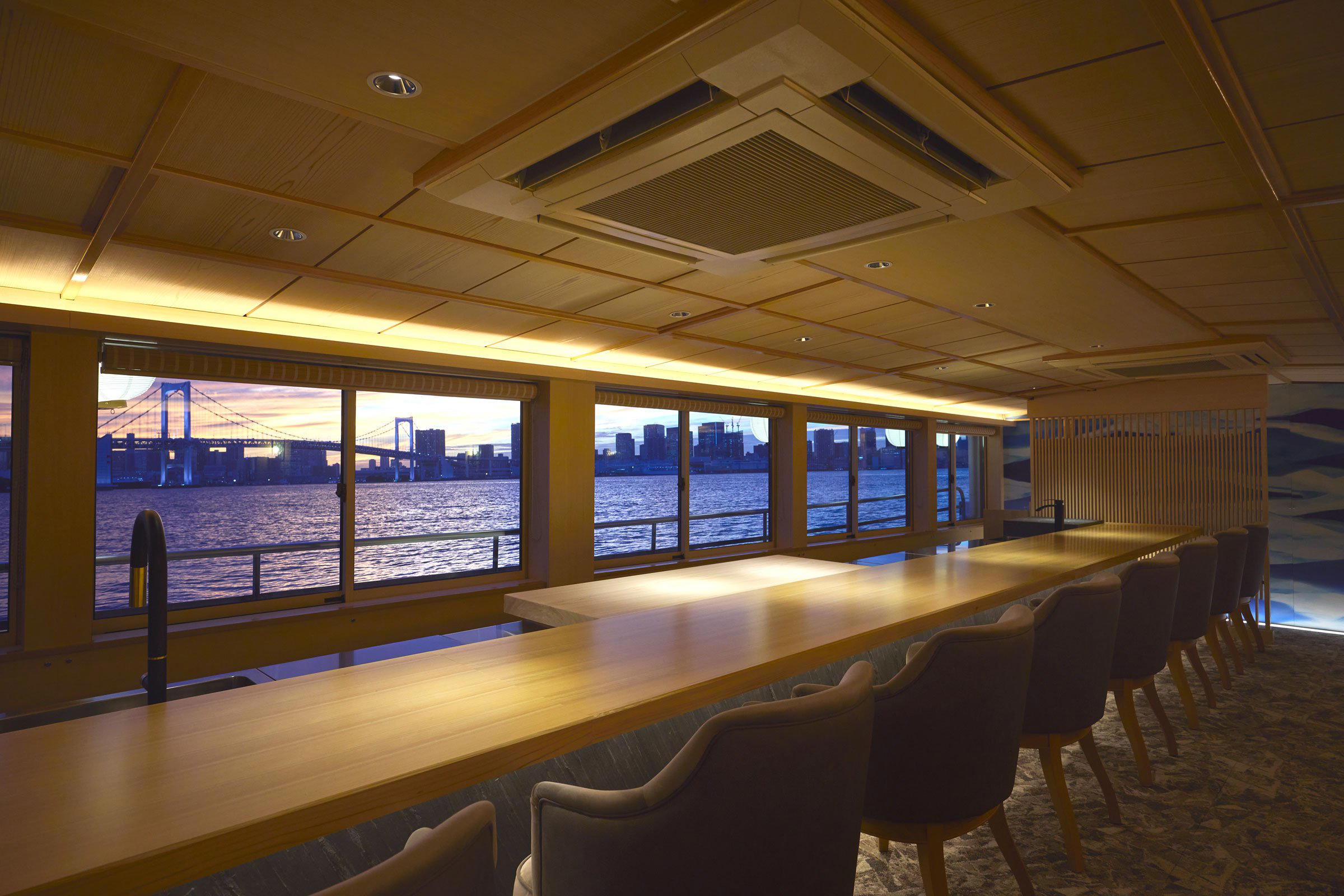
Nakameguro omakase counter with JPY 50,000–59,999 dinner service, BYO bottle policy, and easier reservations than many Tokyo sushi addresses. Chef Takamitsu Yasuda earns a Tabelog Silver Award through consistent seasonal sourcing and ingredient-focused preparation. Late midnight close and 10-seat room suit travelers seeking credentialed sushi without three-week booking windows.
Restaurant UOZEN
Niigata, Japan
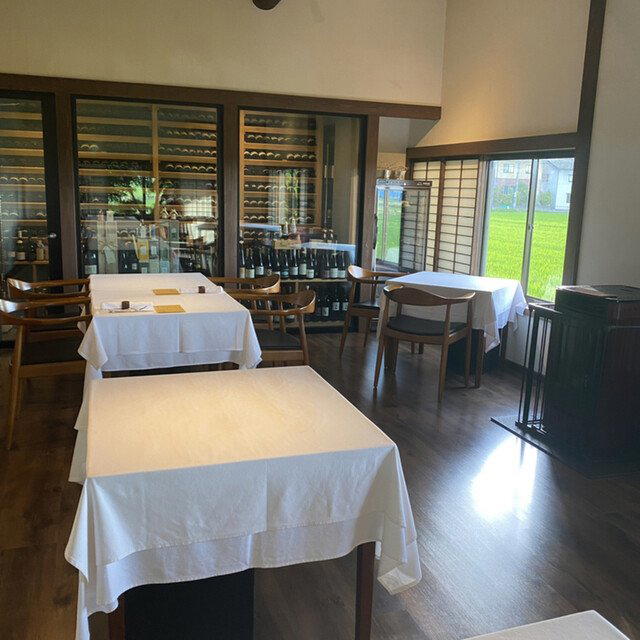
Chef Kazuhiro Inoue's produce-driven French in Sanjo earns Tabelog Silver 2026 and OAD Top Japan #148 recognition at JPY 15,000–19,999 dinner. Reservation-only house-restaurant format with private rooms, simultaneous-start service, and a curated wine program. Book via Pocket Concierge; closed Mondays and Tuesdays.
Fogliolina della Porta Fortuna
Nagano, Japan
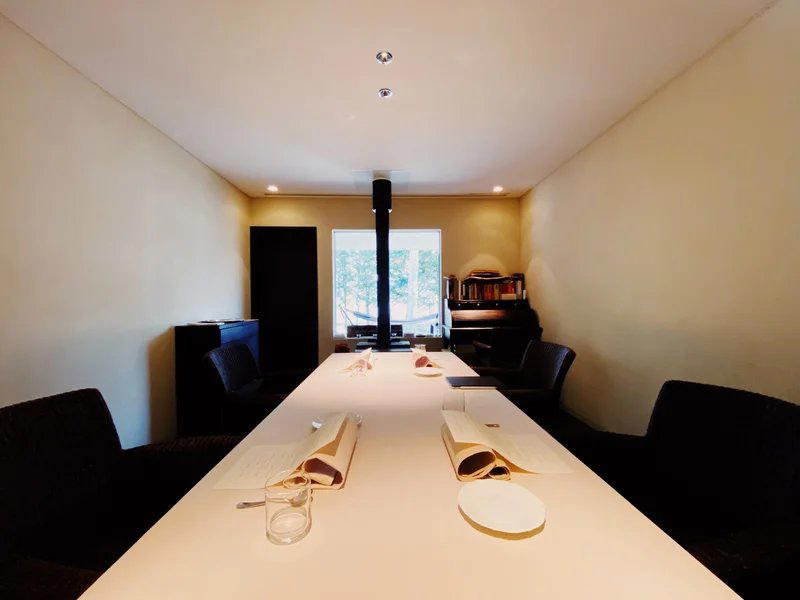
A single-group-per-day Italian house restaurant in the Karuizawa highlands, Fogliolina della Porta Fortuna has held the Tabelog Silver Award every year from 2018 through 2026 and carries a 4.44 score. Chef Kobayashi Koji works in a six-seat setting where the pace is set by the seasons, the forest light, and a wine list built for food pairing rather than display.
Chiso Sottakuito
Hiroshima, Japan
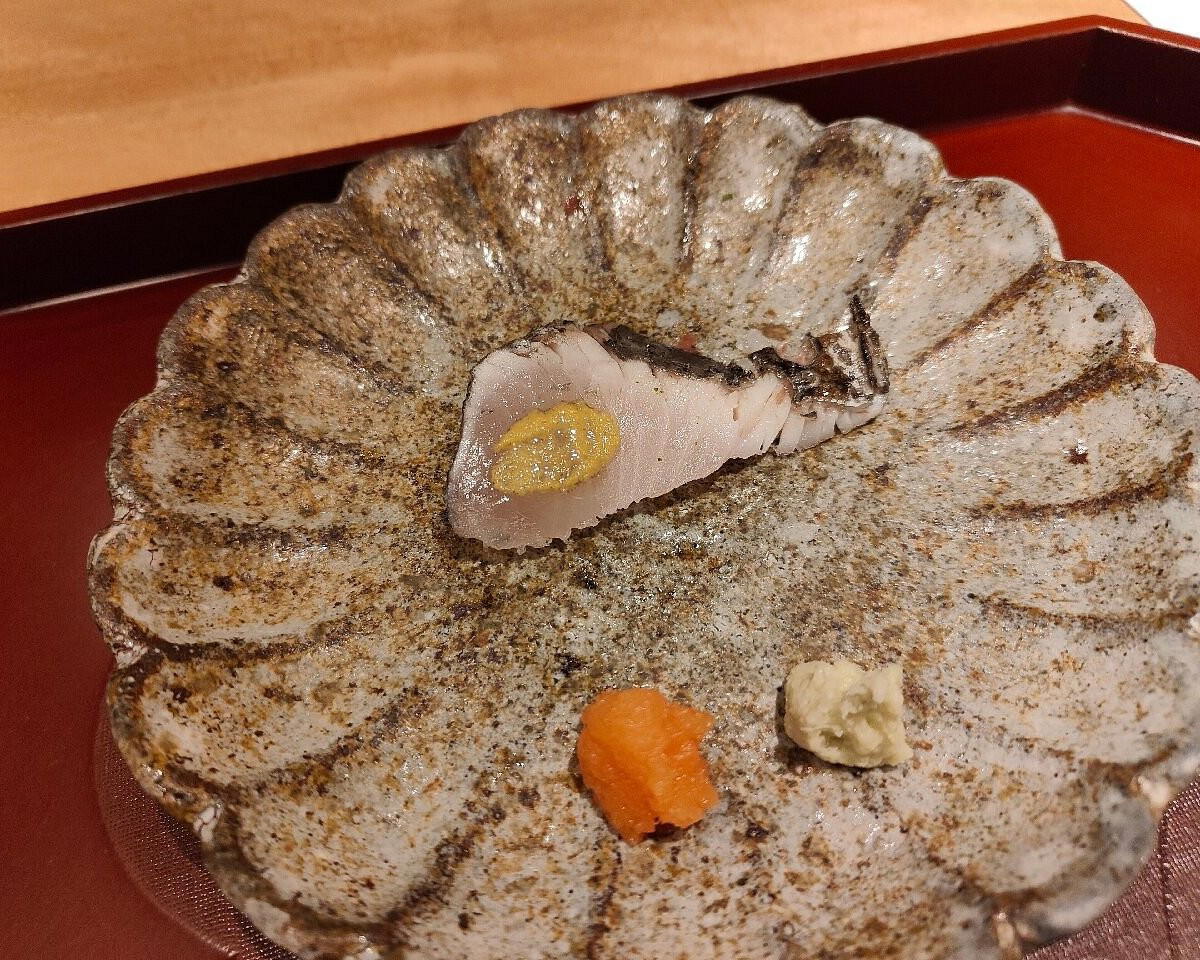
A nine-seat kaiseki counter in Naka Ward holding a 4.52 Tabelog score and six consecutive Tabelog Awards (Bronze 2020–2021, Silver 2022–2026). The late 23:00 closing hour separates it from Hiroshima's earlier-evening fine-dining addresses; the cash-only, reservation-only format and strict cancellation policy mean flexibility is traded for technical precision. Book two to three weeks ahead for weekend evenings.
Sushisho Saito
Tokyo, Japan
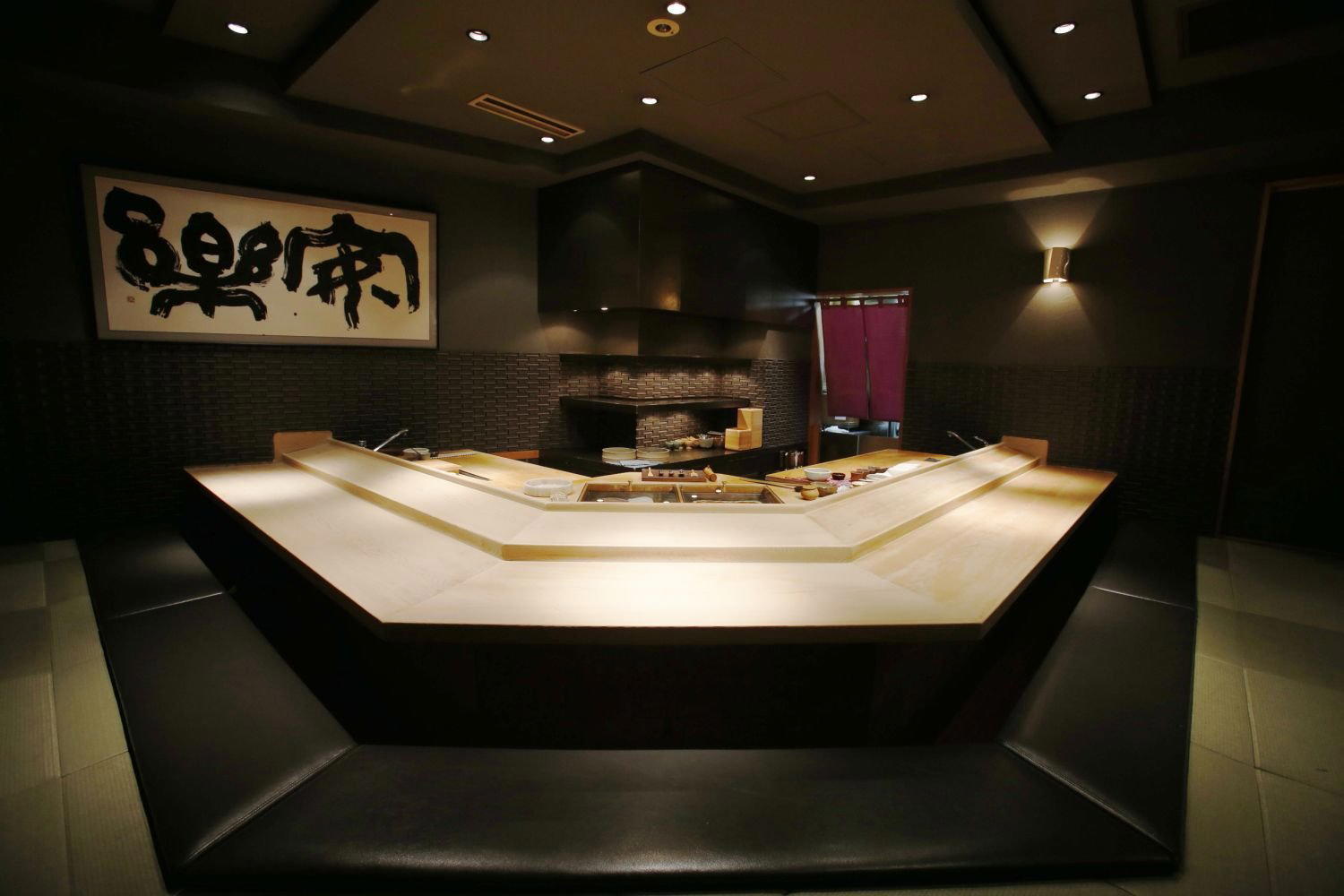
Chef Toshio Saito's 11-seat Akasaka counter runs JPY 60,000–79,999 for Edomae sushi built on aged fish and a snack-nigiri rhythm. Eight consecutive Tabelog Bronze awards and easier booking than star-chasing peers make it a practical choice for diners who want technical skill without the wait.
Korian
Takashima, Japan
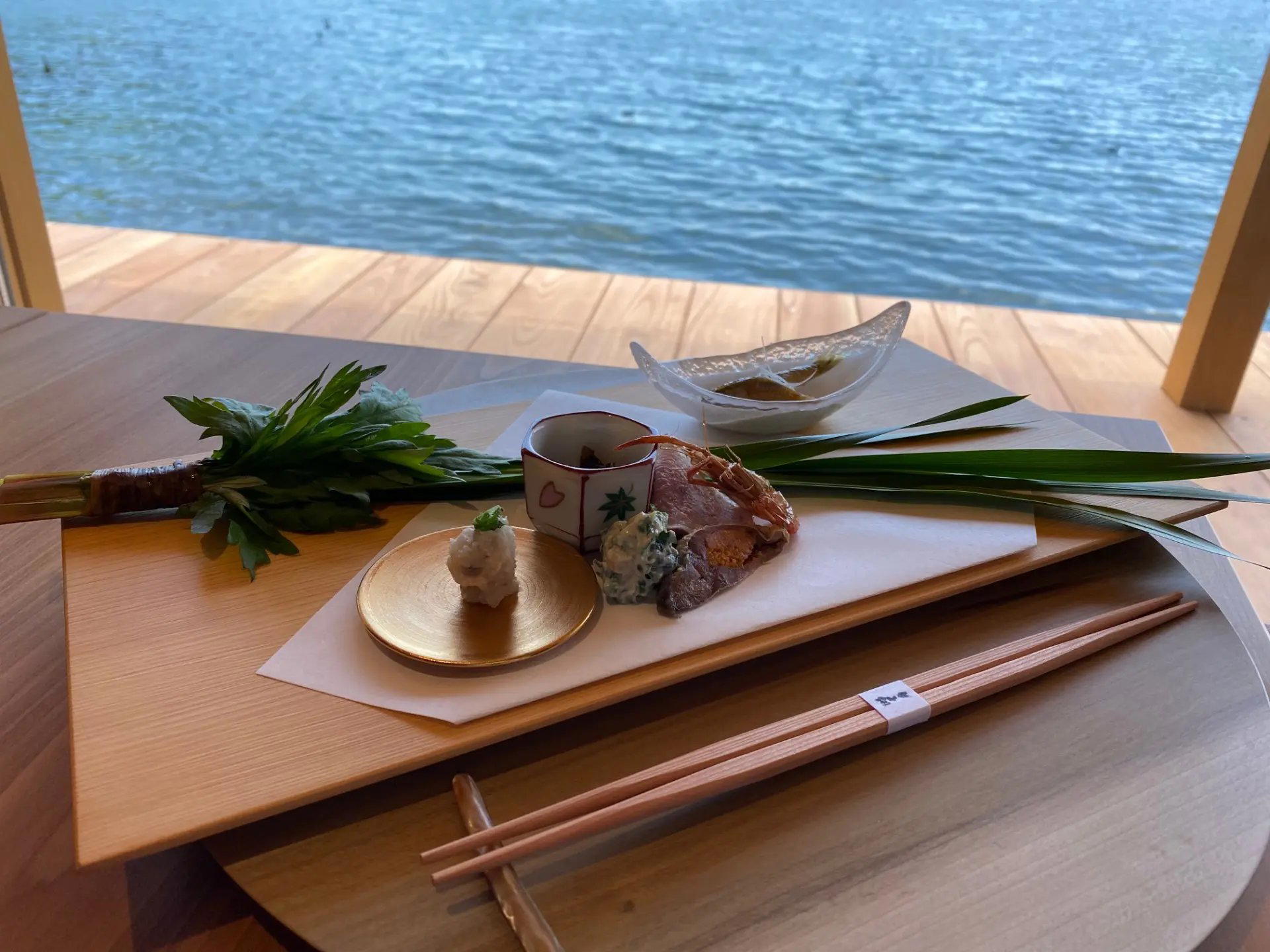
Korian is a reservation-only funazushi kaiseki restaurant on the shore of Lake Biwa in Takashima, Shiga, holding Tabelog Silver for 2024 and 2025 with a 4.36 score. At JPY 15,000–29,999 per head across just 8 seats, it is the most decorated dining option in the area and worth the advance planning for anyone making a Shiga detour.
Sushikoma
Akita, Japan
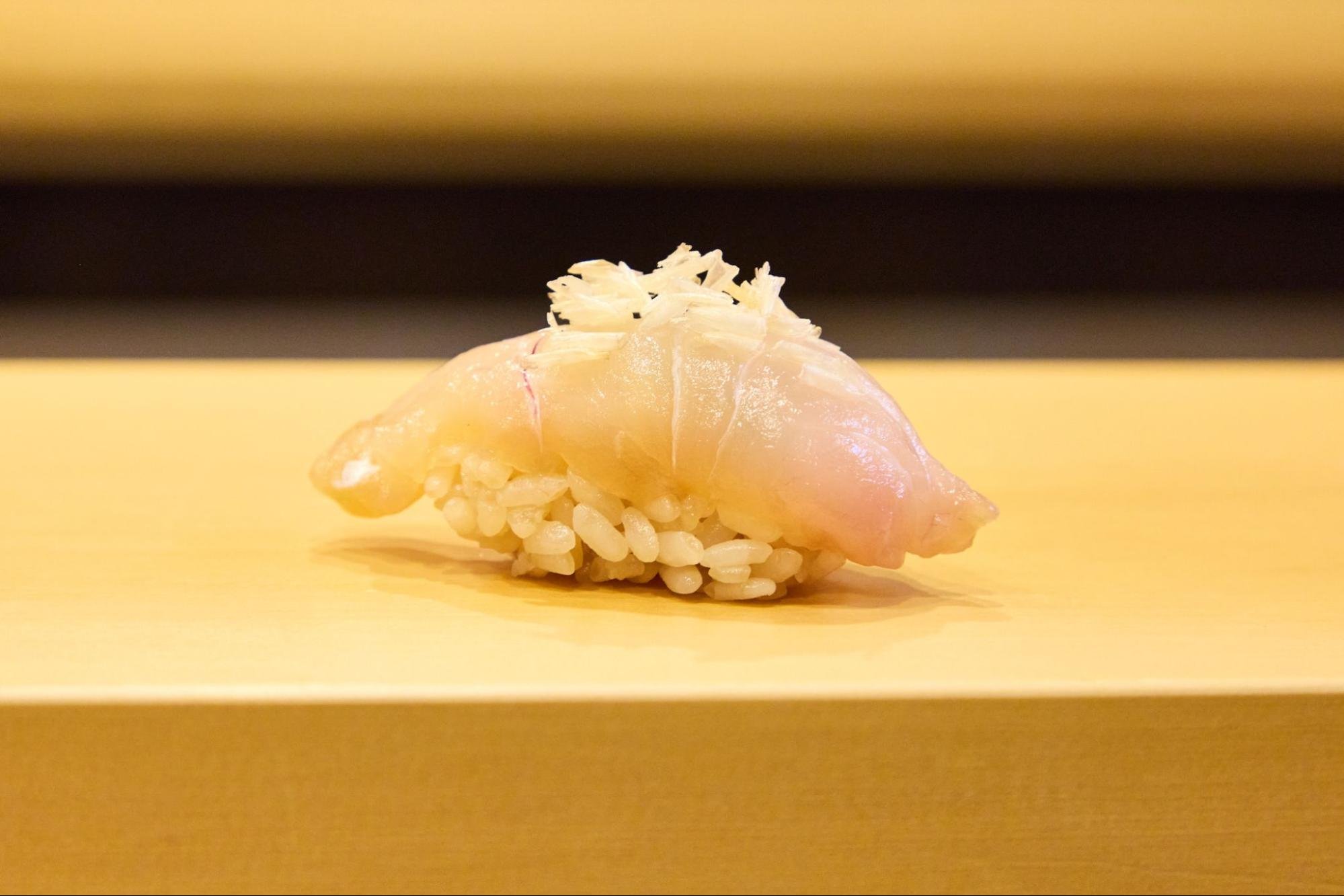
Tabelog Silver omakase counter in Yurihonjo serving Akita and Miyagi-sourced fish at JPY 14,000 dinner, JPY 8,800 lunch. Four straight Tabelog 100 Sushi EAST appearances since 2021. Eight seats, reservation-only, limited weekly schedule. Stronger value than Tokyo counters, worth the drive from Akita city for credentialed regional sushi.
NH
Osaka, Japan
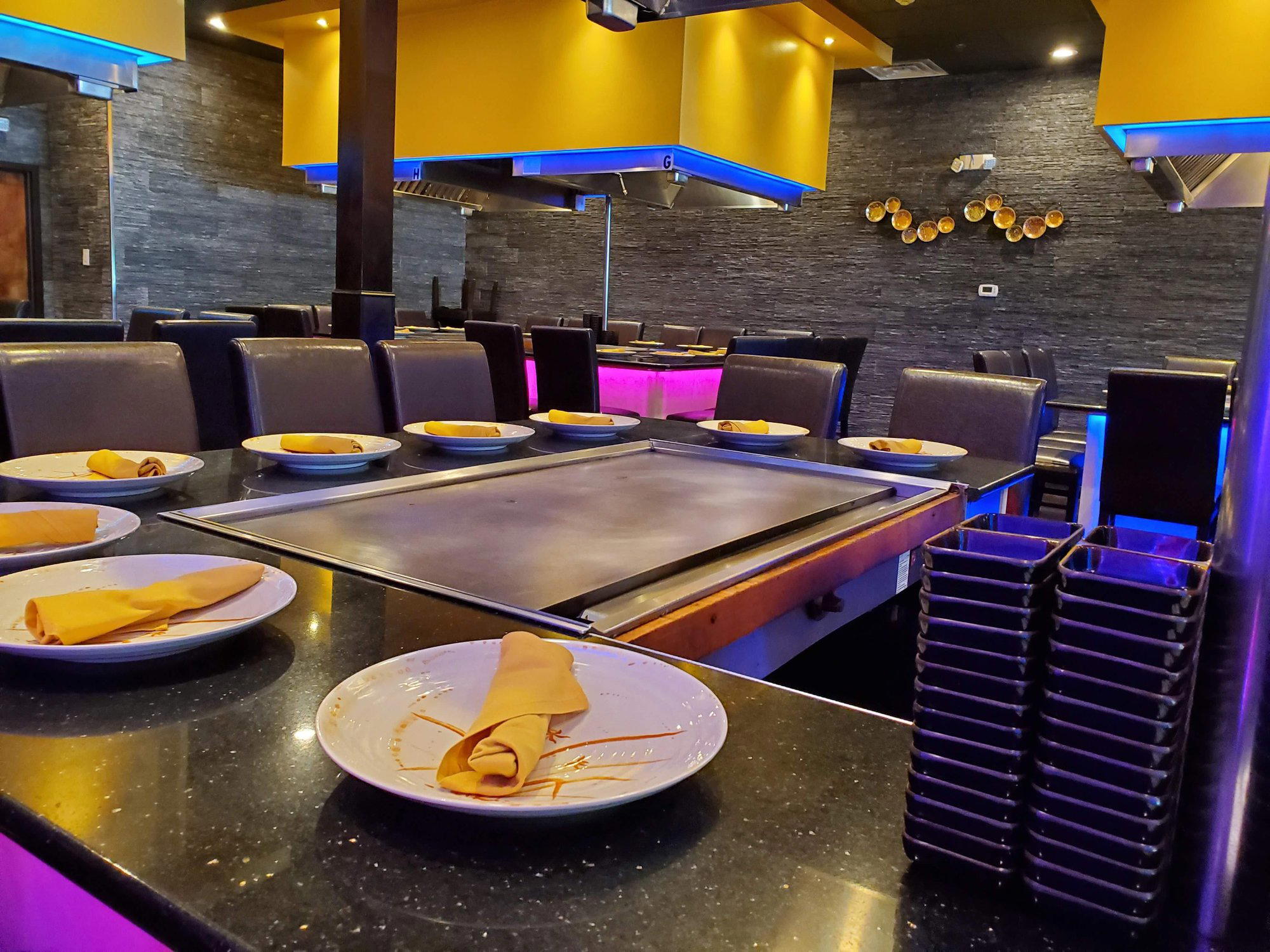
NH is a 10-seat innovative French counter in Osaka's Kitashinchi district, awarded Tabelog Silver 2025 and Bronze 2026 with a score of 4.33. Budget JPY 40,000–49,999 per person including wine and the 10% service charge. Reservation-only, reservation-easy for now; book two to three weeks out. Not suitable for vegetarians or those with broad dietary restrictions.
Hayashi
Tokyo, Japan
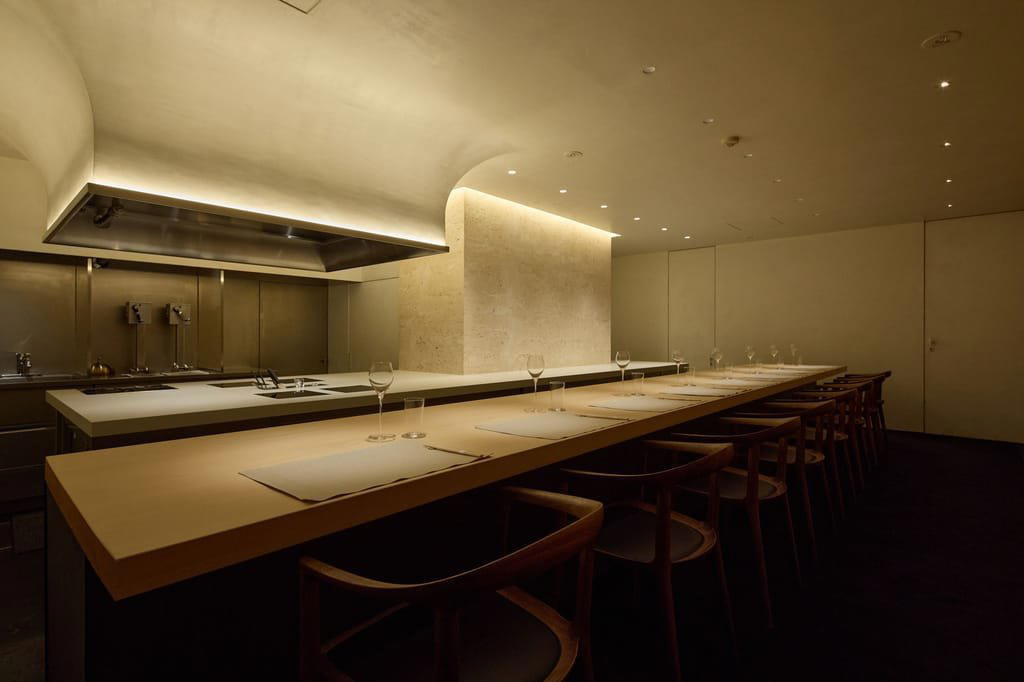
Oryori Hayashi in Kyoto's Kamigyo Ward has held Tabelog Silver recognition for most of the past decade and ranks in the top 15 casual Japanese dining venues in Japan on Opinionated About Dining. Lunch runs JPY 8,000–9,999 per person; dinner averages JPY 30,000–39,999 with drinks and charges. Book the counter for solo or pair visits; private tatami rooms fit groups up to 8.
Sanwa
Tokyo, Japan
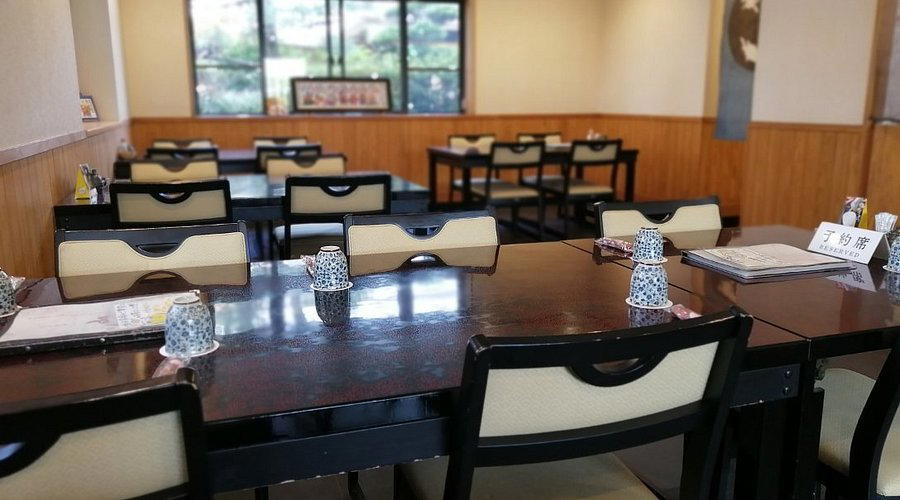
Sanwa is a Tabelog Silver Award winner in Shirokanedai, Tokyo, operating a charcoal-grill Italian prix fixe for eleven diners in a quiet basement room. At JPY 20,000–30,000 per head, it delivers award-level quality below the price point of most comparable Tokyo Italian restaurants. Book by phone for a date or small celebration; counter seats offer the best experience.
Kurumasushi
Matsuyama, Japan
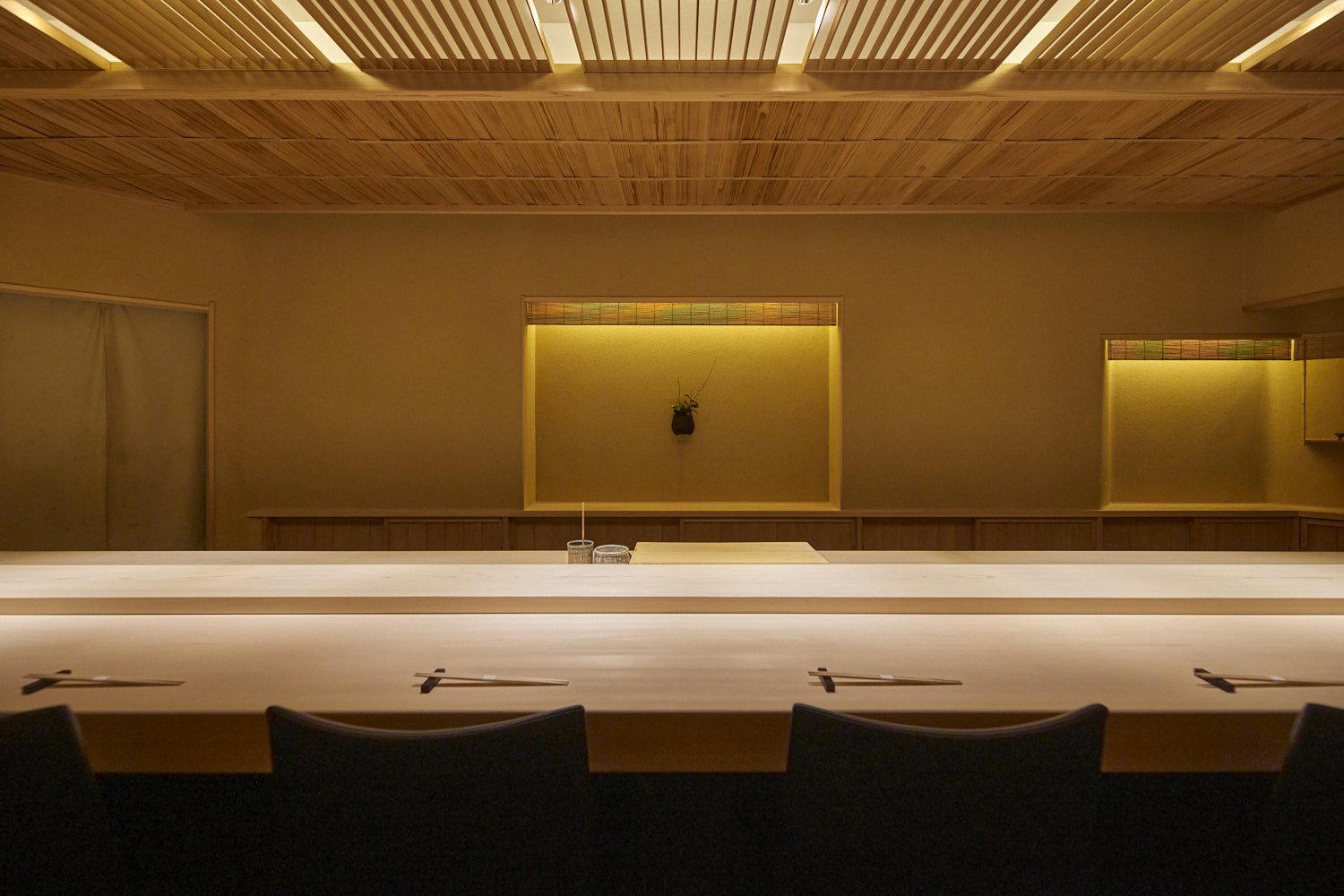
A Tabelog Silver Award 2026 8-seat omakase counter in Matsuyama's Ichibancho district, running two dinner seatings nightly (17:00 and 19:30) at JPY 30,000–39,999. Reservations via OMAKASE platform only, with strict cancellation policy and no-perfume rule. Worth the premium if technical sushi is the priority and the format aligns.
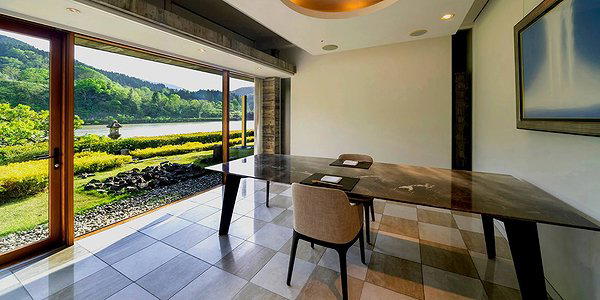
Oryori Fujii
Toyama, Japan
Chef Masataka Fujioka's kaiseki restaurant in Toyama's Higashi-Iwase waterfront district delivers Tabelog Silver Award-level cooking in a relaxed house setting. The counter and private tatami room serve omakase courses centered on Toyama Bay seafood, priced JPY 30,000–39,999 and accessible with moderate advance booking. A strong choice for travelers seeking special-occasion quality without top-tier formality.
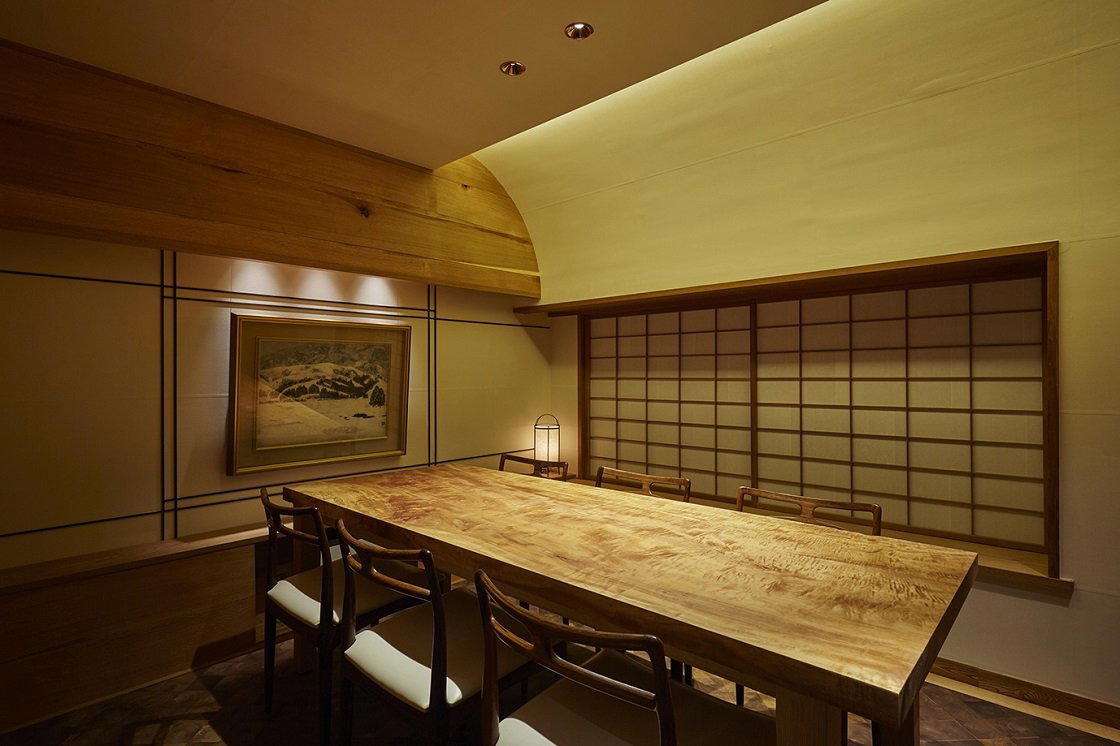
Numata
Osaka, Japan
An eight-seat counter in Kitashinchi that has earned two Michelin stars and consecutive Tabelog Silver Awards (2025, 2026), Numata sits at the sharper end of Osaka's premium tempura tier. Dinner runs JPY 40,000 to 49,999 and reservations are notoriously difficult to secure, placing it firmly among the city's most sought-after counter experiences.
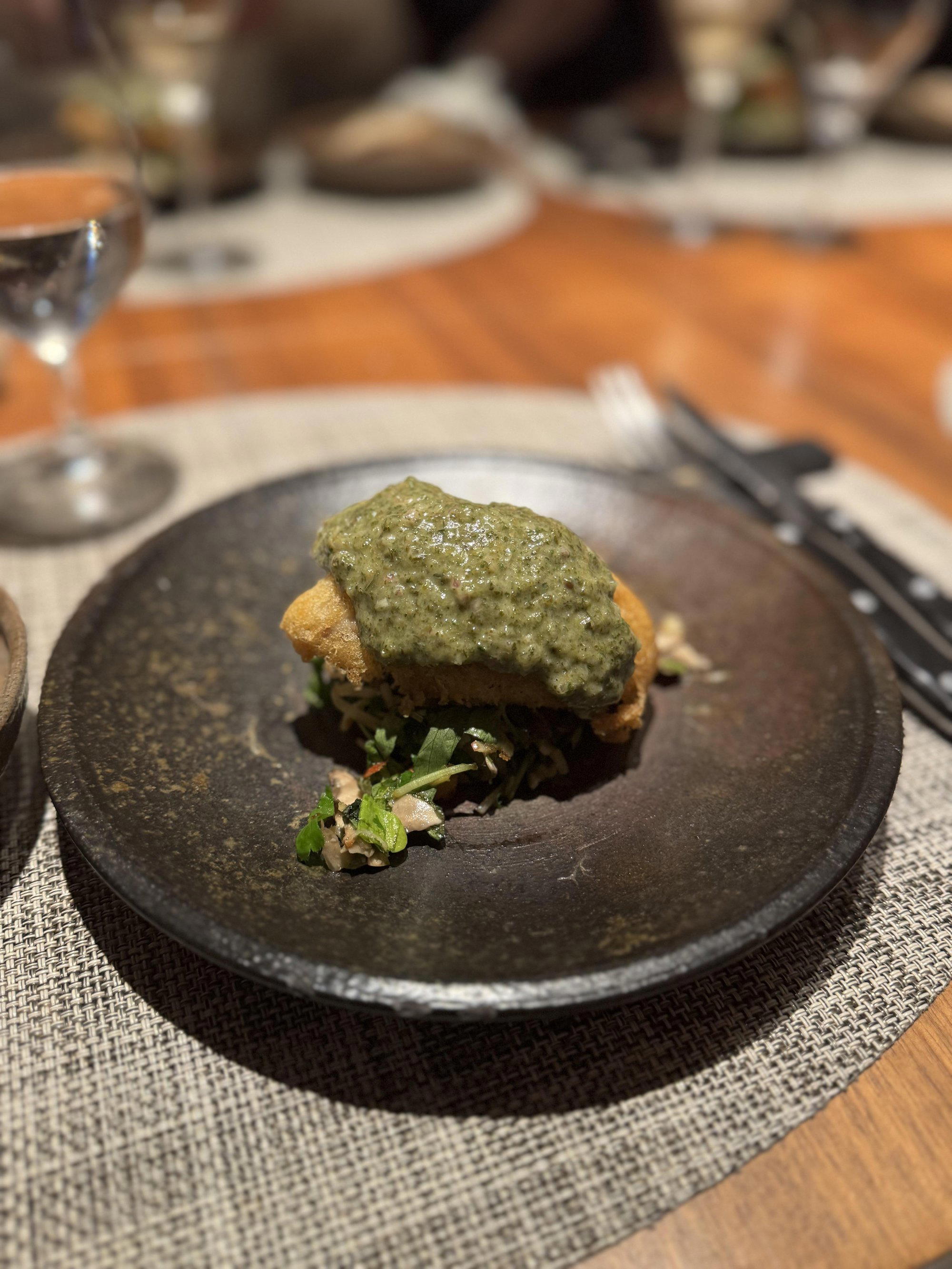
GOURMANDISE
Tokyo, Japan
Hokuto Hasegawa's Nishiazabu bistro runs French technique until 3 AM, pairing seasonal cooking with a wine-centric cellar in a 10-seat room. At JPY 40,000-49,999, it earns Tabelog Silver and OAD recognition but demands late hours or strong wine interest to justify the spend over lower-priced peers.
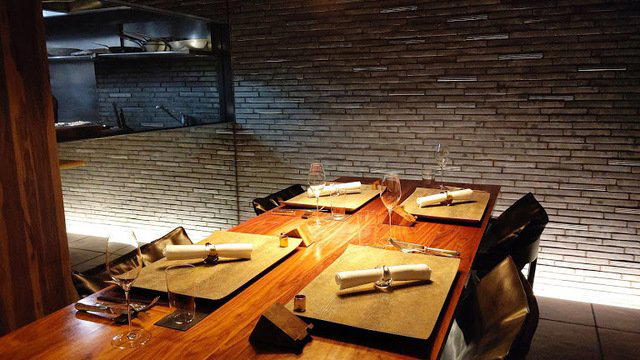
Hasegawa Minoru
Tokyo, Japan
A four-seat omakase counter in Hiroo where chef Minoru Hasegawa delivers precision-driven tasting menus at JPY 50,000–59,999 per head. Tabelog Silver since 2019 and ranked #103 on OAD's 2023 Japan list, it rewards diners who value intimate scale and synchronized service over flexibility. Lunch offers the same menu as dinner at identical pricing, making the daytime slot the better value for those who can move through the app-only reservation system.
Ajihiro
Tokyo, Japan
A reservation-only seven-seat kaiseki counter in Tokyo's Chuo ward, Ajihiro holds a Tabelog Score of 4.24, a 2026 Bronze Award, and back-to-back Top 100 selection. Budget JPY 80,000–99,999 per person with drinks. Book by phone well in advance; there is no website and no walk-in option. Chef Tomohiro Gunji's counter suits solo diners and special occasions equally; private hire of the full room is available for groups up to seven.
Overview
The 2025 Tabelog Silver edition recognizes 154 restaurants across Japan, spanning 43 cities. This tier represents exceptional dining experiences as rated by Tabelog's user community. Tokyo leads the top 10 with six entries, followed by Kyoto with two and Osaka and Sapporo with one each. Sushi and kaiseki dominate the highest-ranked spots.
Tabelog Silver represents a significant achievement within Japan's restaurant ranking ecosystem, sitting just below the Gold tier. The 2025 edition's 154 recipients demonstrate Japan's depth of high-quality dining beyond its major metropolitan centers, with representation across 43 cities nationwide. The geographic concentration in the top 10; Tokyo claiming six spots, Kyoto two, and single appearances from Osaka and Sapporo; reflects both population density and culinary infrastructure in these cities. The cuisine breakdown at the top heavily favors traditional Japanese formats, particularly sushi and kaiseki, with restaurants like Sushi Akira, Gion Sasaki, and Jumbo Hanare leading the rankings. This distribution pattern is typical for Tabelog's upper tiers, where classical technique and ingredient sourcing often score highest with the platform's user base.
The 2025 Tabelog Silver list includes 154 restaurants across 43 Japanese cities, representing the platform's second-highest recognition tier. Tokyo dominates the top 10 with six restaurants, including Sushi Akira, Jumbo Hanare, and Akasaka Ogino. Kyoto follows with Gion Sasaki and Higashiyama Yoshihisa, while Osaka's Sawada and Sapporo's Sushi Miyakawa round out the geographic spread. Sushi and kaiseki restaurants claim most of the highest positions, reflecting Tabelog users' traditional preferences. The list's breadth across 43 cities shows strong regional restaurant performance beyond the typical Tokyo-Kyoto-Osaka axis.
Quick Facts
- Total Restaurants
- 154
- Cities Represented
- 43
- Countries
- Japan only
- Tokyo in Top 10
- 6 restaurants
- Kyoto in Top 10
- 2 restaurants
- Top Cuisine Type
- Sushi & kaiseki
- Regional Reach
- Includes Sapporo
About This Edition
Tabelog Silver recognition in 2025 went to 154 restaurants operating across Japan's culinary landscape, from major metropolitan dining scenes to regional cities. The top 10 rankings show Tokyo's continued strength with six entries: Sushi Akira, Jumbo Hanare, Akasaka Ogino, Suetomi, Tempura Kitagawa, and Furuta. Kyoto secured two positions through Gion Sasaki and Higashiyama Yoshihisa, both kaiseki specialists operating in the traditional dining districts. Osaka and Sapporo each placed one restaurant in the top tier; Sawada and Sushi Miyakawa, respectively. The cuisine distribution reflects Tabelog's user base preferences, with sushi and kaiseki formats heavily represented at the top. Traditional tempura also appears through Tempura Kitagawa. The 43-city spread indicates that Silver-level recognition extends well beyond Japan's three largest cities, though the top 10 concentration suggests the highest scores still cluster in major markets. For diners planning restaurant-focused trips to Japan, this list provides validated options across multiple regions, though booking difficulty and advance requirements will vary significantly by restaurant and city.
Frequently Asked Questions
How many restaurants received Tabelog Silver in 2025?
Which cities have the most restaurants in the top 10?
What types of restaurants rank highest in Tabelog Silver 2025?
Are Tabelog Silver restaurants only in major cities?
How many of these have you visited?
Find out on Pearl and keep score across every place in 2025 Tabelog Silver.