
Kuko
Naramachi, Nara
Restaurant in Nara, Japan
 Book with Pearl
The Read
Tatami-Floor Sichuan
Dress
Smart Casual
Why go
A Tabelog 2025 Silver Award (2026 Bronze) Sichuan-forward house restaurant in Nara, seating ten across a counter and tatami table. Dinner courses run JPY 15,000–19,999 with assertive heat and fermented-bean depth; lunch offers a lower-cost entry at JPY 5,000–5,999. No children under eight, no à la carte, and PayPay-only payment. Book via the website for weekday slots or plan three weeks ahead for weekend evenings.
About Kuko
A 4.41 Tabelog score and a 2025 Silver Award position Kuko among fewer than thirty Chinese restaurants in Western Japan to receive that recognition. For a ten-seat house restaurant that opened in 2021 and serves Sichuan-inflected courses at JPY 15,000–19,999 for dinner, those numbers signal technical ambition and execution well above the average neighborhood Chinese spot. The score dropped slightly to 4.41 in 2026, now a Bronze placement, but the venue remains a credible choice for diners who want layered heat and precision in a residential setting rather than the bustle of Osaka's Chinatown.
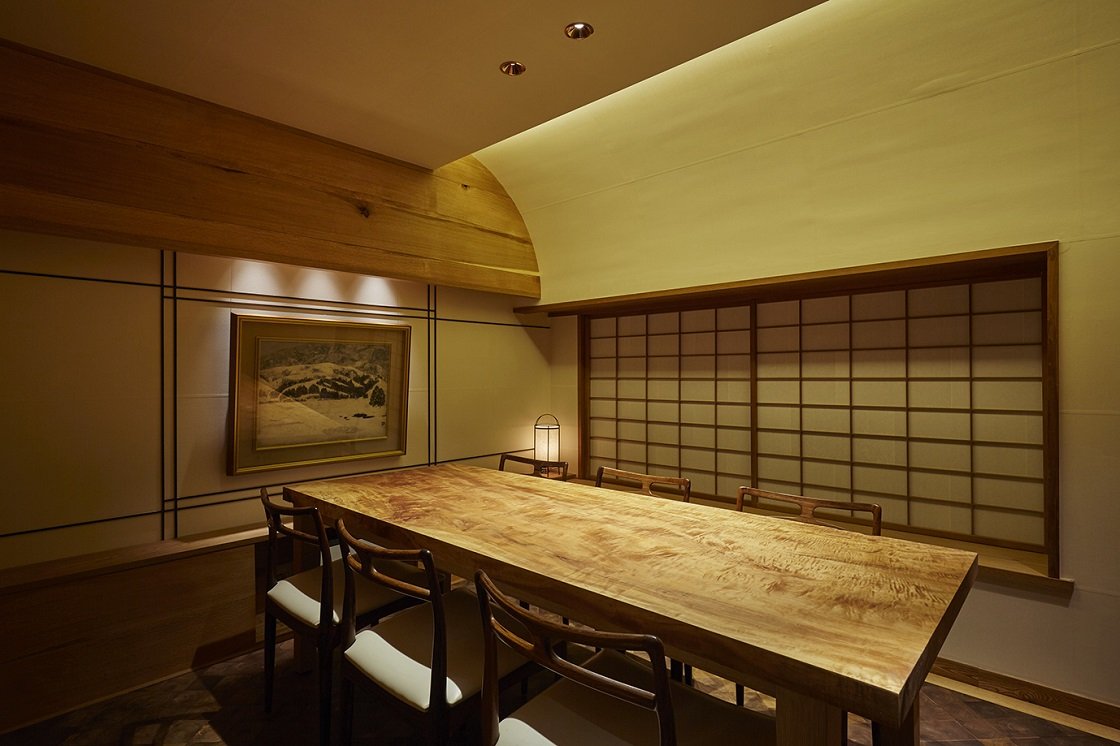
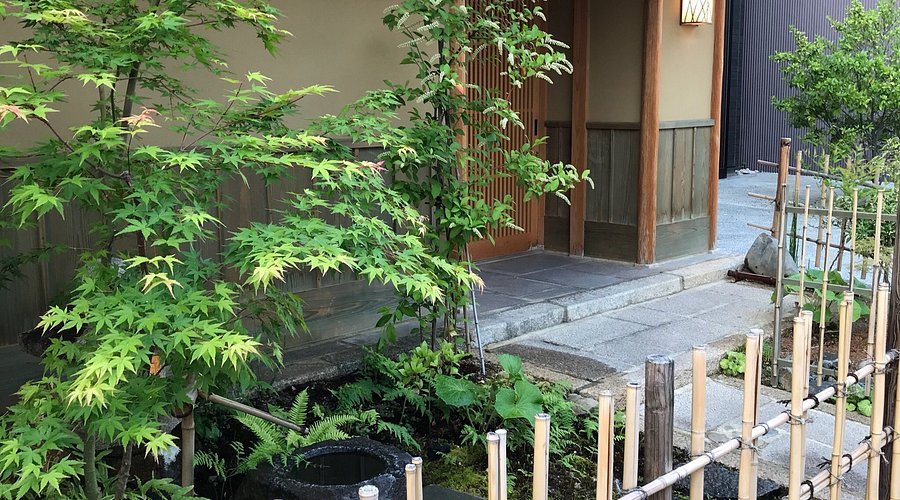
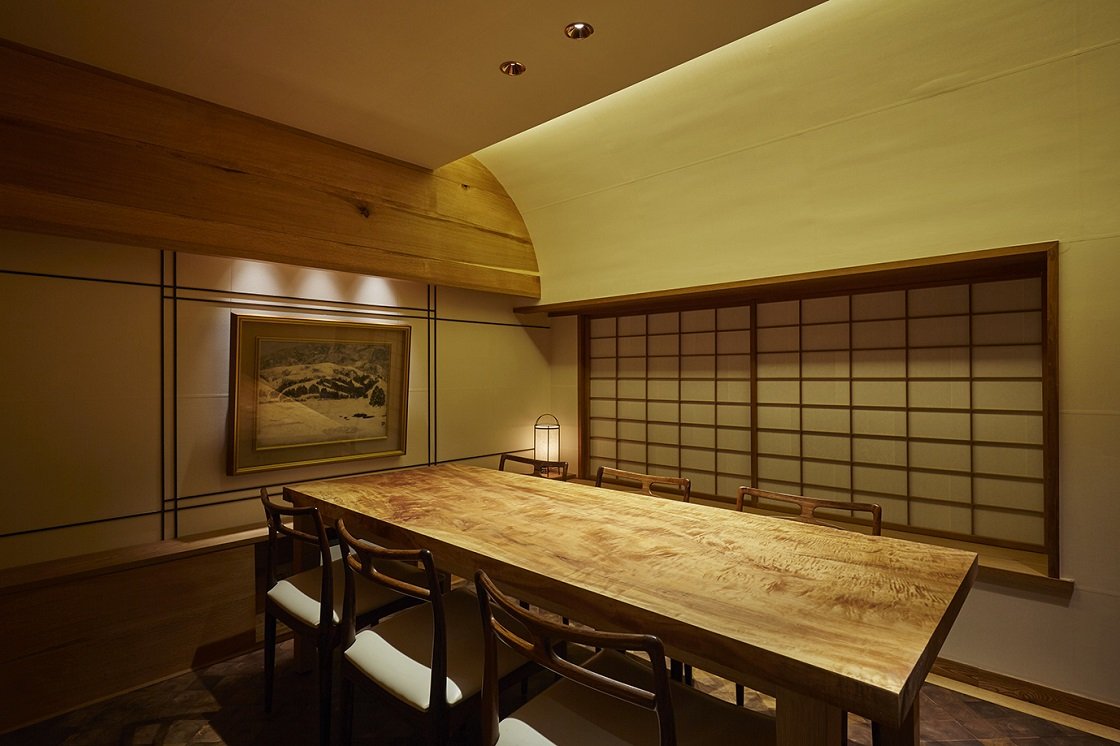
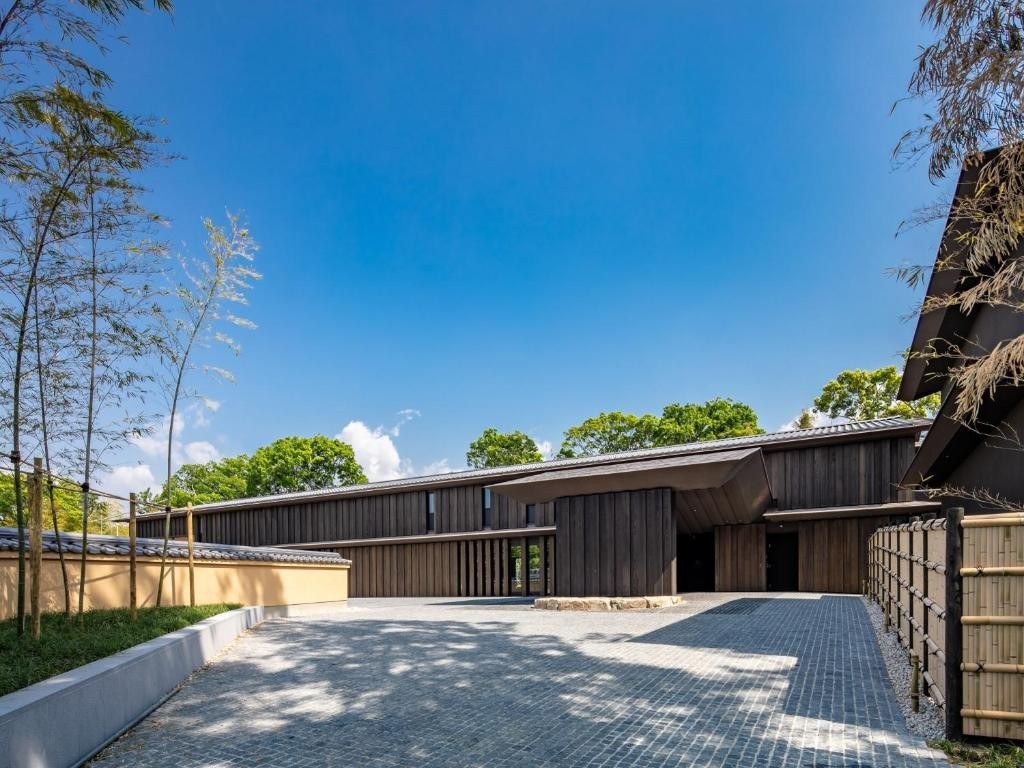
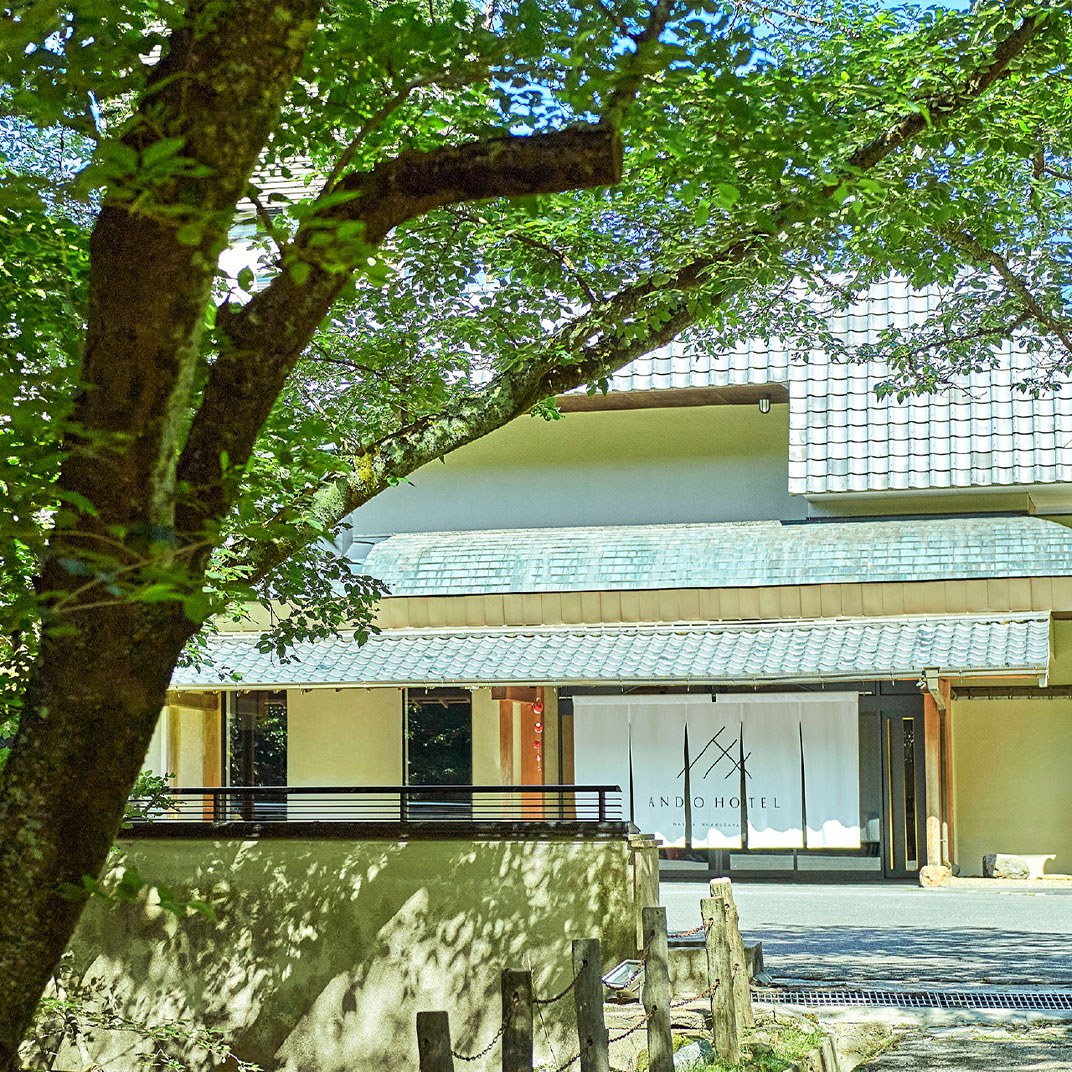
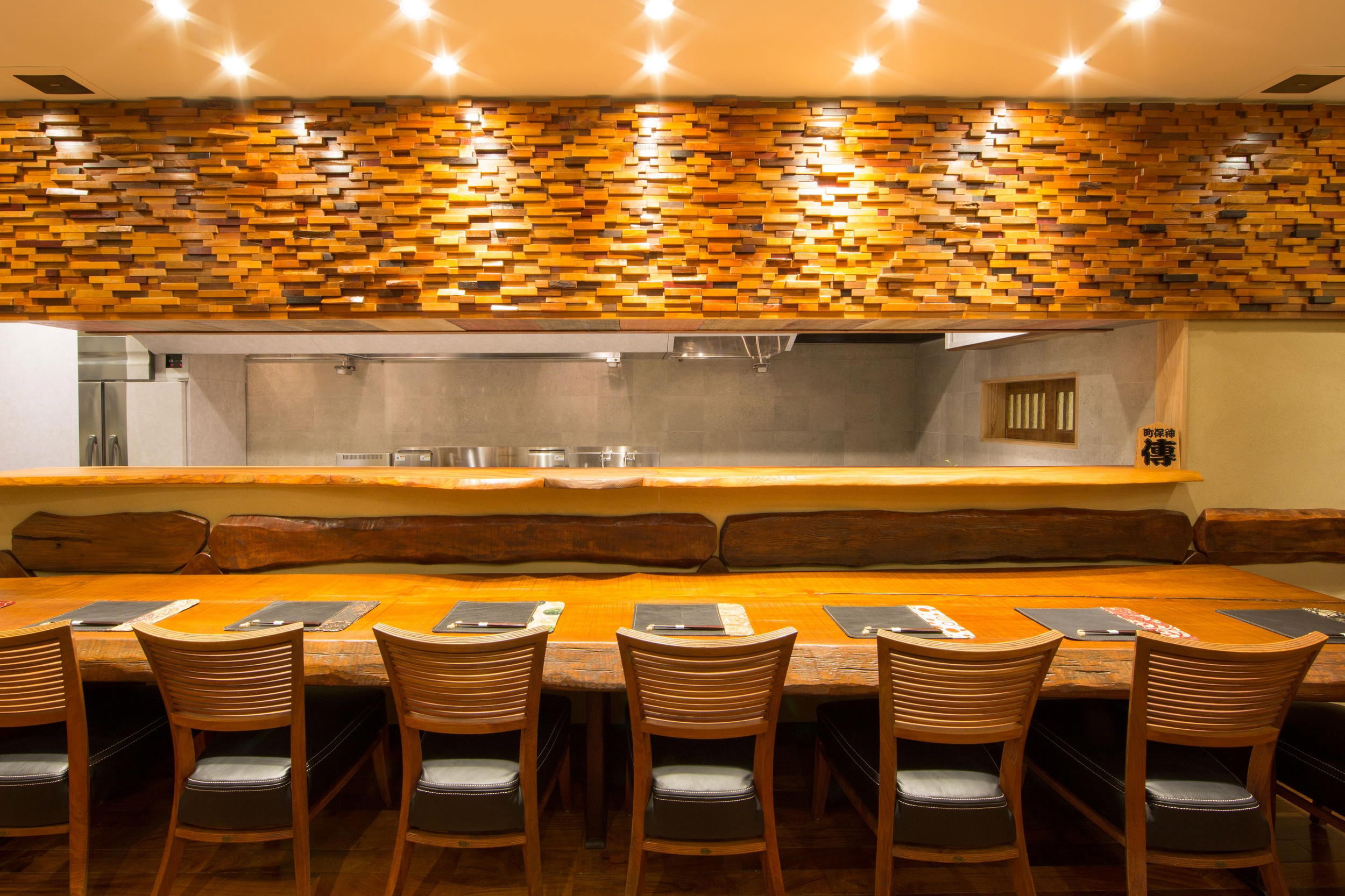
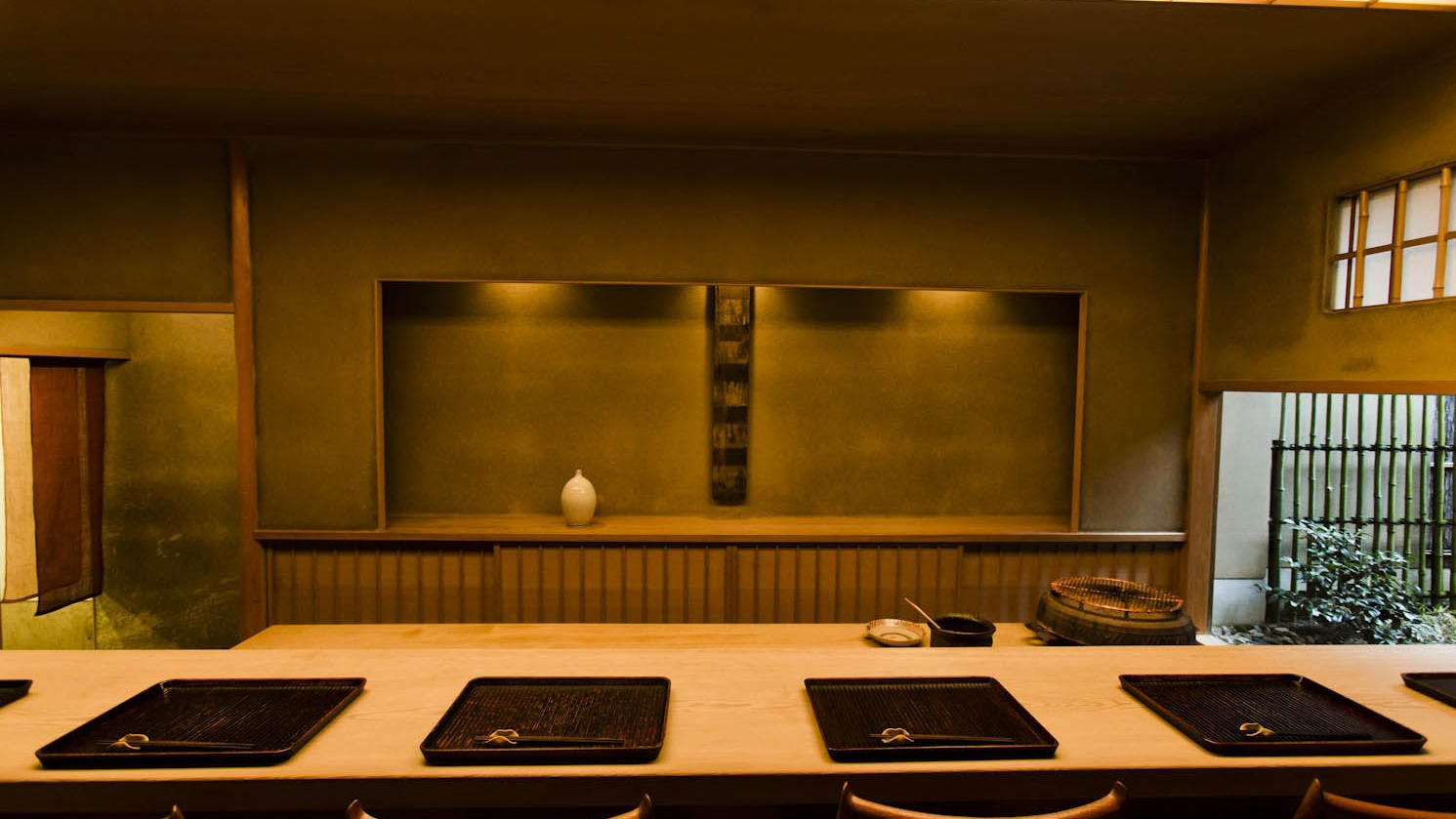
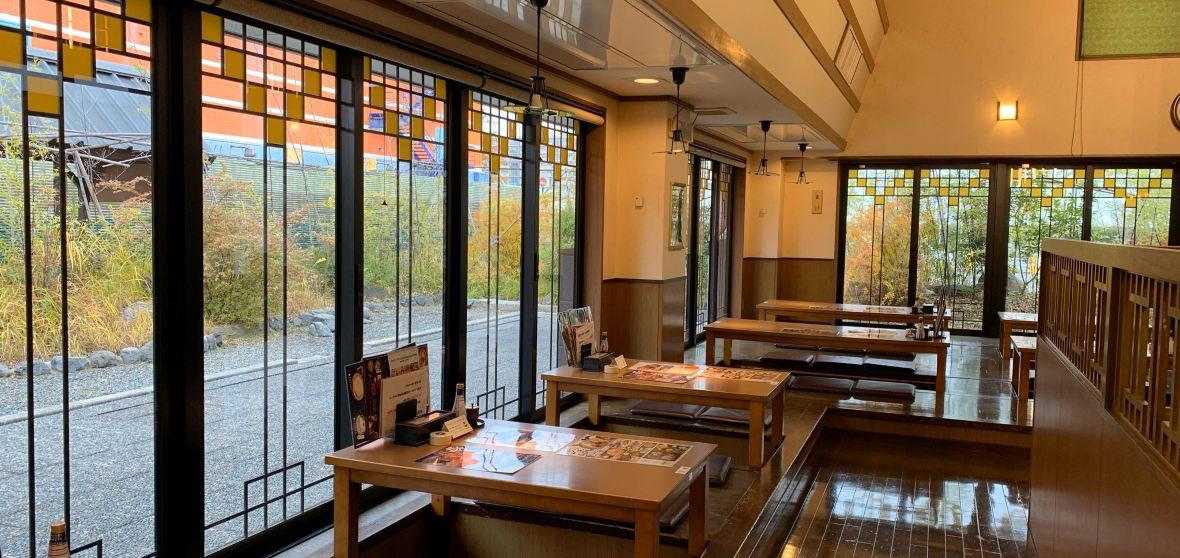
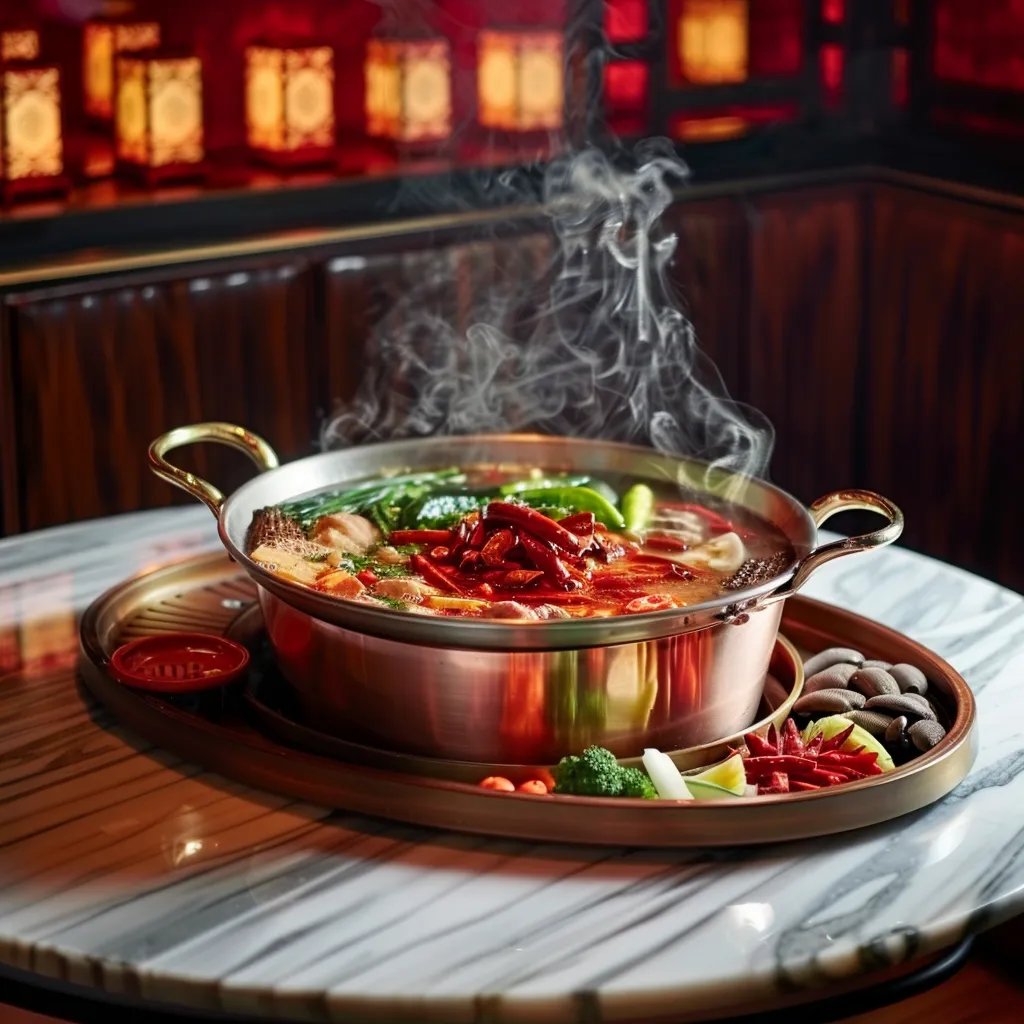
Chef-owner Mai Saito relocated Kuko in mid-2023 from its original Nabari address in Mie Prefecture to a traditional machiya townhouse in Nara's Kideracho district, about a twelve-minute walk south of Kyobate Station. The move brought the restaurant closer to Nara's tourism corridor while preserving the intimate, shoes-off format. The new space seats four at a counter and six at a low table on tatami, and the policy remains firm: no children under eight, no à la carte, and diners aged eight and above must order the full adult course. The kitchen uses Sichuan peppercorn, chili oil, and fermented-bean pastes liberally, so guests sensitive to heat should ask about spice levels when booking.
What the Tabelog Scores Signal
Tabelog's for Chinese restaurants in Western Japan includes several legacy establishments in Osaka and Kyoto with deeper wine cellars and longer chef résumés. Kuko's 2025 Silver Award placed it ahead of many competitors in Nara and Mie, but the 2026 recalibration to Bronze reflects the platform's tendency to reward consistency over several years rather than a strong debut. The average review-based spend of JPY 20,000–29,999 for dinner is higher than the listed JPY 15,000–19,999 range, suggesting that sake pairing or wine selection pushes final bills upward. Lunch at JPY 5,000–5,999 (review average JPY 10,000–14,999 with drinks) offers a lower threshold for first-time guests who want to test the kitchen's approach before committing to a full evening.
The Private-Dining Reality in a Ten-Seat Room
With only ten seats total, Kuko does not offer a separate private room, but the six-seat table section can be reserved for exclusive use by groups willing to book the entire table at once. This is less common than full-restaurant buyouts, which the venue does not advertise, but parties of four to six who coordinate arrival times and course pacing with the kitchen in advance can achieve a semi-private experience. Solo diners and couples sit at the counter, where sight lines to the kitchen are direct and the chef's plating decisions are visible. The tatami table section is quieter and better suited to conversation, though the lack of partitions means sound carries across the room. Groups larger than six cannot be accommodated, and the no-children-under-eight policy makes this unsuitable for multi-generational family gatherings unless all children are at least eight years old and willing to eat spicy, adult-portion Chinese courses.
Reservations open via the restaurant's website and fill quickly for weekend dinner slots, though weekday lunch and Tuesday or Wednesday evenings offer better availability. The venue accepts PayPay for payment but not credit cards, which is uncommon at this price tier and requires advance planning for international guests who may not have activated Japanese mobile payment accounts. A 10% service charge applies if no drinks are ordered, an incentive to pair sake or wine with the meal. The drinks list emphasizes Japanese sake and a short selection of natural wines, both of which complement the high-acid, high-salt, high-heat profile of Sichuan cooking better than tannic reds or sweet whites. Parking is unavailable, so guests arriving from Kyoto or Osaka should plan for the bus route (Kidera-cho stop, five minutes from Kintetsu Nara Station, nine minutes from JR Nara) or a taxi from either station.
Nara's Chinese dining options are thin compared to Osaka's, and Kuko's Tabelog recognition makes it the most decorated option within the prefecture. Other Nara restaurants trend toward kaiseki, Italian, or casual izakaya formats, so diners seeking high-technique Chinese cooking will find few local alternatives. For visitors basing themselves in Nara to see Todai-ji or Kasuga Taisha, Kuko offers a dinner reservation that does not require a trip back to Osaka, though the walk from central Naramachi (Kintetsu Nara area) takes about twenty minutes. Guests prioritizing easier access should consider Nakamuraya, an Italian spot closer to the station, or accept the transit time as part of the evening.
Planning details
- Hours
- Tue, Wed, Thu, Fri, Sat 11:30 - 14:00 18:00 - 21:00
- Location
- 1489 Kamihatcho, Nabari, Mie 518-0710, Japan
- Website
- tabelog.com/en/nara/A2901/A290101/29012623
- Phone
- +81 595-63-0463
The take
The Take
The Vibe
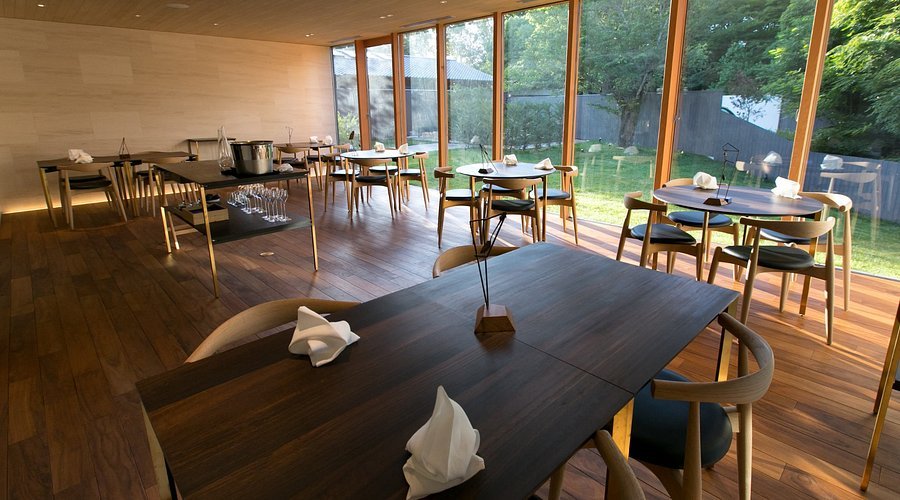
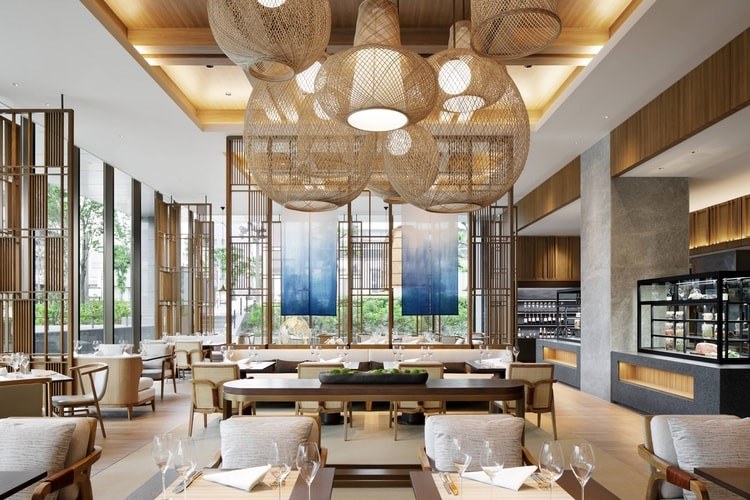
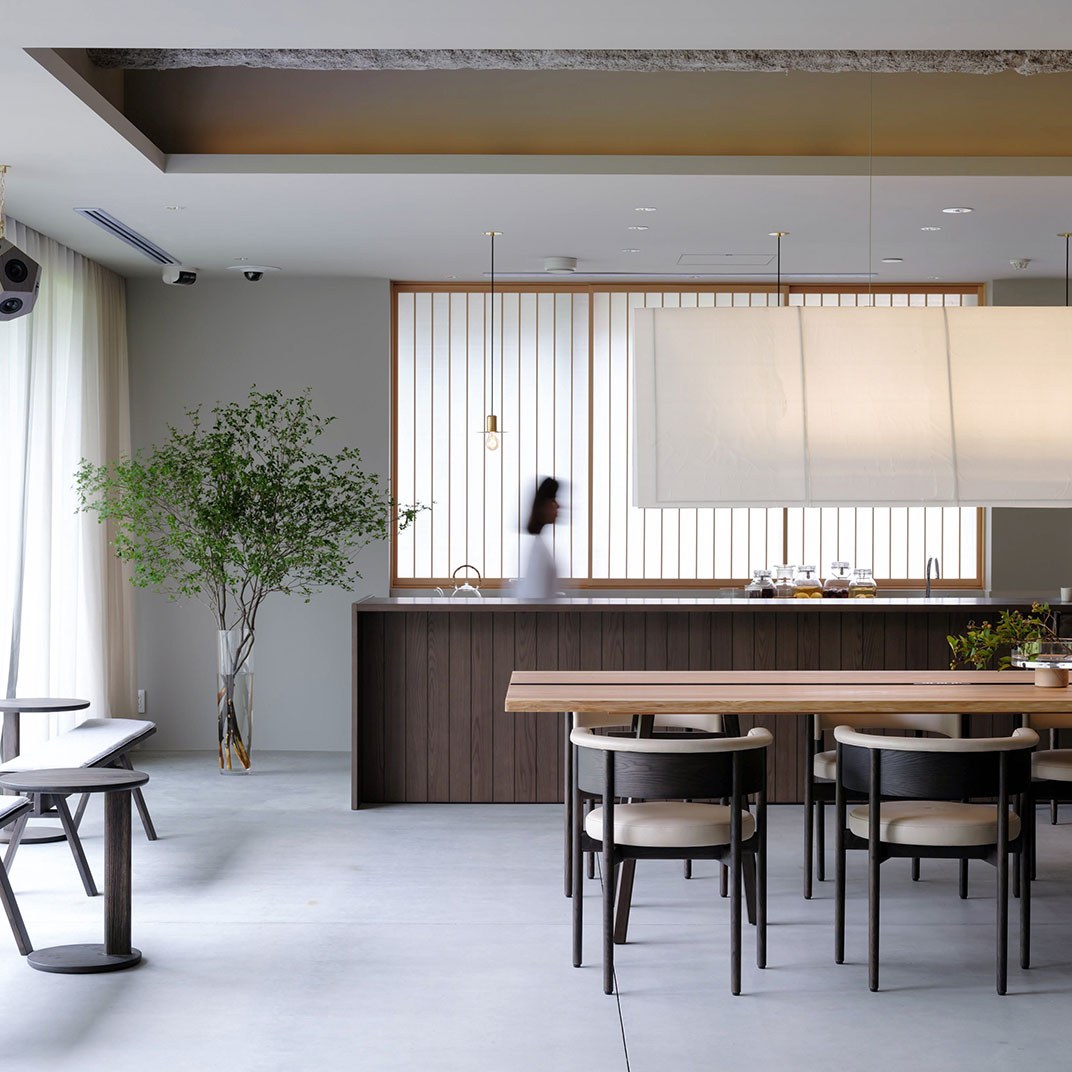
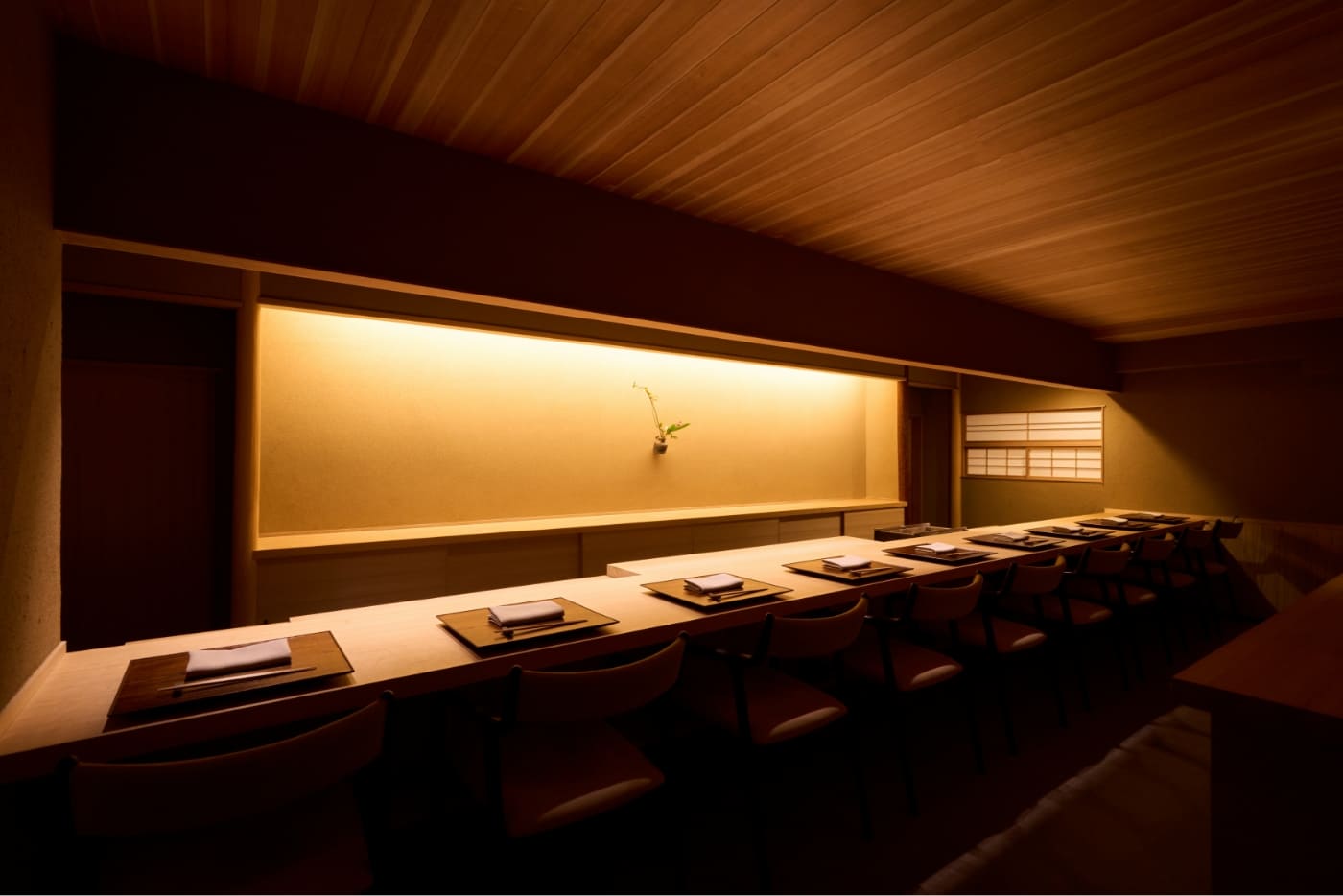
Kuko presents Sichuan cooking in a quietly deliberate setting: a ten-seat tatami room inside a residential building where diners remove their shoes. The dining room deliberately strips away conventional restaurant trappings in favour of an intimate, focused encounter with the food. The mood is restrained and sophisticated rather than theatrical; the fixed, course-only format and compact seating give the meal a measured rhythm. For diners who prefer a minimalist, low-key fine-dining experience—one that privileges technique and heat over spectacle—Kuko reads as a quietly charming, highly concentrated take on Sichuan in Nara.
Best For
This is a place for small-party, intentional dining—think date nights and special occasions rather than casual drop-ins or family outings. With only ten seats and a single course-driven flow, the room favors adults who want a focused tasting experience in a quietly curated space. The house rules (no children under eight, no private rooms) reinforce that Kuko is not set up for large groups or noisy celebrations; instead, it is best appreciated by diners who value intimacy, rhythm and the intensity of Sichuan flavours delivered in a refined, residential setting.
Ordering Tips
Expect a single, fixed multi-course meal: Kuko operates on a course-only rhythm and does not offer à la carte options. The house is explicitly small and intimate—ten seats in a tatami room—so capacity is limited and the kitchen runs to a set sequence. Note practical rules that affect the dining experience: diners remove their shoes at the door and the venue does not accommodate children under eight. Those coming for the food should be prepared for a tightly curated, uninterrupted tasting format rather than menu flexibility.
Venue details
Ambiance
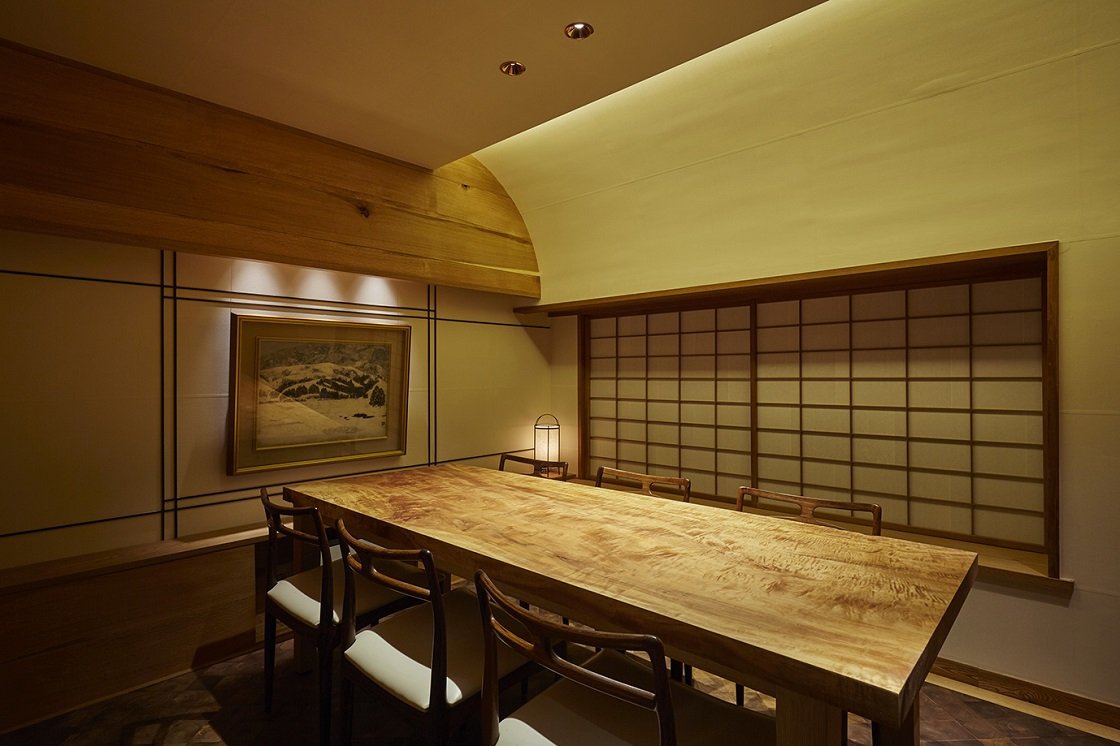
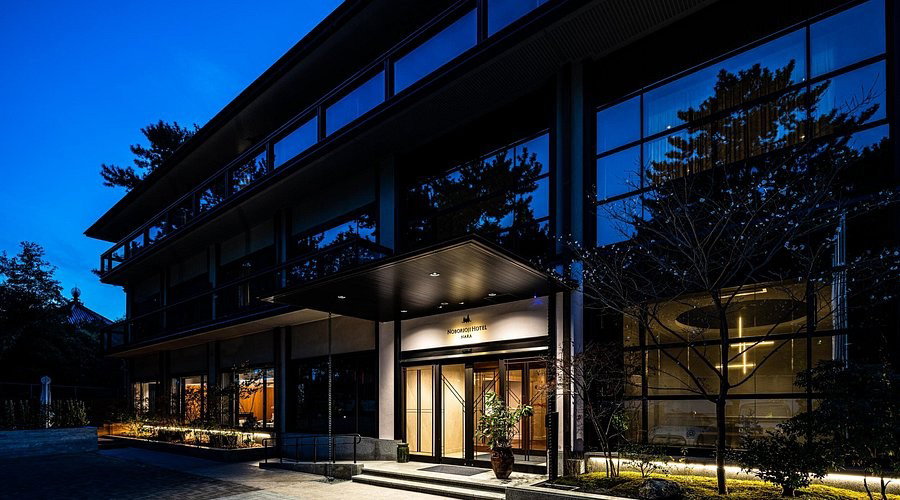
Tranquil machiya townhouse with exposed wooden beams, minimalist decor, gentle lighting, and counter seating overlooking the open kitchen, creating a serene and focused calm.
Tags
Vibe
Best For
Experience
Sourcing
At the Table
- Dress Code
- Smart Casual
- Noise Level
- Quiet
- Service Style
- Upscale Casual
- Meal Pacing
- Leisurely
- Capacity
- Intimate
Signature Dishes
- Mapo Tofu
- Xiaolongbao with Yamato Pork
- Yamato Jidori Chicken Mouthwatering Chicken
Know before you go
Know Before You Go
- Getting there
- 1489 Kamihatcho, Nabari, Mie 518-0710, Japan
Planning details
Hours
Tue, Wed, Thu, Fri, Sat 11:30 - 14:00 18:00 - 21:00
Location
1489 Kamihatcho, Nabari, Mie 518-0710, Japan · Directions
Recognition and awards
Also consider
Also Consider
- nakamuraya, Italian, ¥¥
- 一如庵, Notable alternative
- å ç¥ ä¼è³è éè°·, Notable alternative
- L’etude, JPY 10,000 - JPY 14,999 JPY 6,000 - JPY 7,999, JPY 10,000 - JPY 14,999 JPY 6,000 - JPY 7,999
- Asahitei, Notable alternative
Restaurant context
Kuko sits alone at the top of Nara's Chinese restaurant category by Tabelog score and award tier, no other venue in the prefecture holds a current Silver or Bronze designation for Chinese cooking. The closest peer by format is L'etude, a French restaurant with a similar tasting-menu-only structure and JPY 10,000–14,999 dinner range, but the cuisine and spice profiles diverge entirely. For diners who want multi-course precision in Nara without committing to Sichuan heat, L'etude offers a quieter, less polarizing alternative at a slightly lower price. Nakamuraya operates in the Italian category with more flexible à la carte options and a location closer to Kintetsu Nara Station, making it easier to book last-minute and navigate without a car. Nakamuraya's price tier is lower (¥¥ vs. Kuko's ¥¥¥), but the trade-off is a less rigorous tasting-menu experience and no Tabelog award recognition.
Guests willing to travel outside Nara will find deeper competition in Osaka's Sichuan category, where several Bronze and Silver venues offer comparable technique with larger seating capacity and more flexible payment methods. Kuko's advantage is proximity for Nara-based itineraries and the machiya setting, which delivers a residential intimacy that larger Osaka restaurants cannot replicate. If the ten-seat limit and PayPay-only policy feel restrictive, or if the no-children rule conflicts with your group composition, an Osaka peer may offer more operational flexibility even with the added transit time. For solo travelers and couples who value direct chef interaction and are comfortable with assertive spice, Kuko's counter seats deliver better sightlines and pacing than the table section, and the 2026 Bronze designation remains stronger than most Japanese regional Chinese spots outside the major metros.
Explore Nara
Around this place
Discover more on Pearl
Unlock the full Kuko guide in Pearl, including awards, comparisons, FAQs, planning details, and nearby places.
FAQ
Frequently Asked Questions
What should a first-timer know about Kuko?
Kuko is a ten-seat Sichuan house in a quiet Nara neighborhood, not the tourist quarter. Tabelog Silver 2025 (4.44) and three consecutive years in the Tabelog 100 Chinese WEST list confirm it punches above its size. Dinner runs ¥15,000–¥19,999, lunch ¥5,000–¥5,999, and the menu leans heavily on chili and spice, children under eight are not admitted, and the restaurant explicitly warns dishes may be too spicy for younger palates.
What should I order at Kuko?
Kuko offers course menus only, no à la carte or children's options, so your choice is lunch or dinner tasting. Dinner courses justify the higher price if you want the full breadth of Sichuan technique; lunch is the better deal for a shorter format. Sake and wine are available, and a 10% service charge applies only if you skip drinks entirely.
Is Kuko good for a special occasion?
Yes, if your party appreciates Sichuan spice and intimacy. The ten-seat layout (four counter, six table) feels personal rather than formal, and the Tabelog pedigree carries weight with Japanese diners. For groups of six who want exclusivity, the table section can be reserved for private use. If you need grandeur or Western-style plating, look elsewhere.
Can Kuko accommodate groups?
Maximum six guests at the table section, which can be reserved for exclusive use. The counter seats four, so parties larger than six cannot be accommodated. Children aged eight and above may dine if they order an adult course, but spice levels and portion sizes assume adult palates.
Is lunch or dinner better at Kuko?
Lunch offers the better value, ¥5,000–¥5,999 versus ¥15,000–¥19,999 at dinner, and the Tabelog score reflects both services equally. Dinner courses are longer and more elaborate, but lunch is the smarter entry point if you're testing the format or traveling from Kyoto or Osaka for the day. Lunch service starts at 11:30, dinner at 18:00; both require advance booking.
What are alternatives to Kuko in Nara?
Nara's restaurant scene skews traditional Japanese, so direct Sichuan comparisons are scarce locally. For Chinese cuisine at a similar Tabelog tier, consider Nakamuraya or the kaiseki precision of 一如庵 if you're willing to shift categories. If you're based in Kyoto or Osaka, weigh travel time against convenience, Kuko's Tabelog Silver ranking puts it ahead of many urban Chinese spots, but the commute adds overhead.
Does Kuko handle dietary restrictions?
The restaurant does not list specific dietary accommodations, and the course-only format (no à la carte) limits flexibility. Given the Sichuan focus, heavy on chili oil, fermented bean paste, and pork, vegetarian or allergy requests may be difficult to honor. Contact via the website or Tabelog page before booking if you have restrictions; walk-in modifications are not feasible in a ten-seat room.