
Oryori Hanagaki
Japanese · Nara
Restaurant in Nara, Japan
 Book with Pearl
The Read
Korean-Japanese Kaiseki Precision
Price
¥¥¥
Dress
Smart Casual
Why go
Oryori Hanagaki holds two Michelin stars in consecutive years (2024 and 2025) and makes a strong case for Nara as a serious fine dining destination. At ¥¥¥, it offers two-star Japanese cuisine at a price point below equivalent recognition in Tokyo or Kyoto. Booking is near impossible — plan months ahead and treat the reservation as the anchor of your trip.
About Oryori Hanagaki
Verdict
If you are choosing between Oryori Hanagaki and a comparable two-Michelin-star kaiseki experience in Kyoto, book Hanagaki — and accept that securing a table will be the hardest part of your trip. Located in Nara's Gakuenminami district, this Japanese restaurant holds two Michelin stars for the second consecutive year (2024 and 2025), making it the clearest argument for treating Nara as a dining destination in its own right rather than a day trip from Kyoto or Osaka. For a special occasion meal where the quality of the experience needs to carry the evening, Oryori Hanagaki is the right call at the ¥¥¥ price tier.
The Restaurant
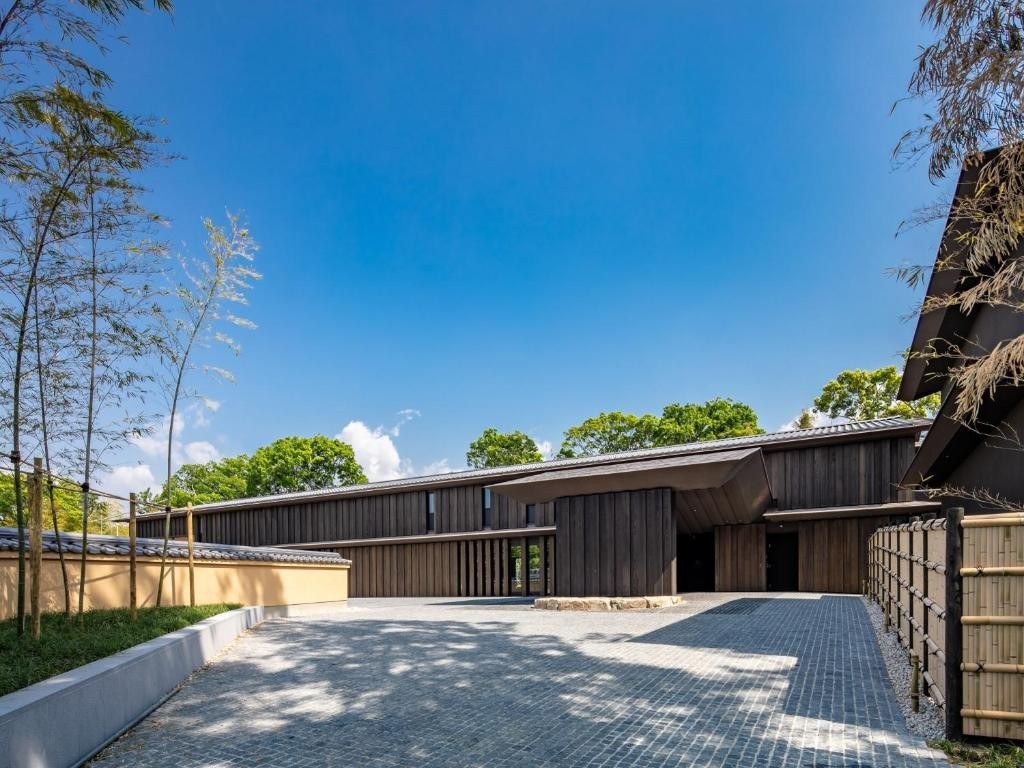
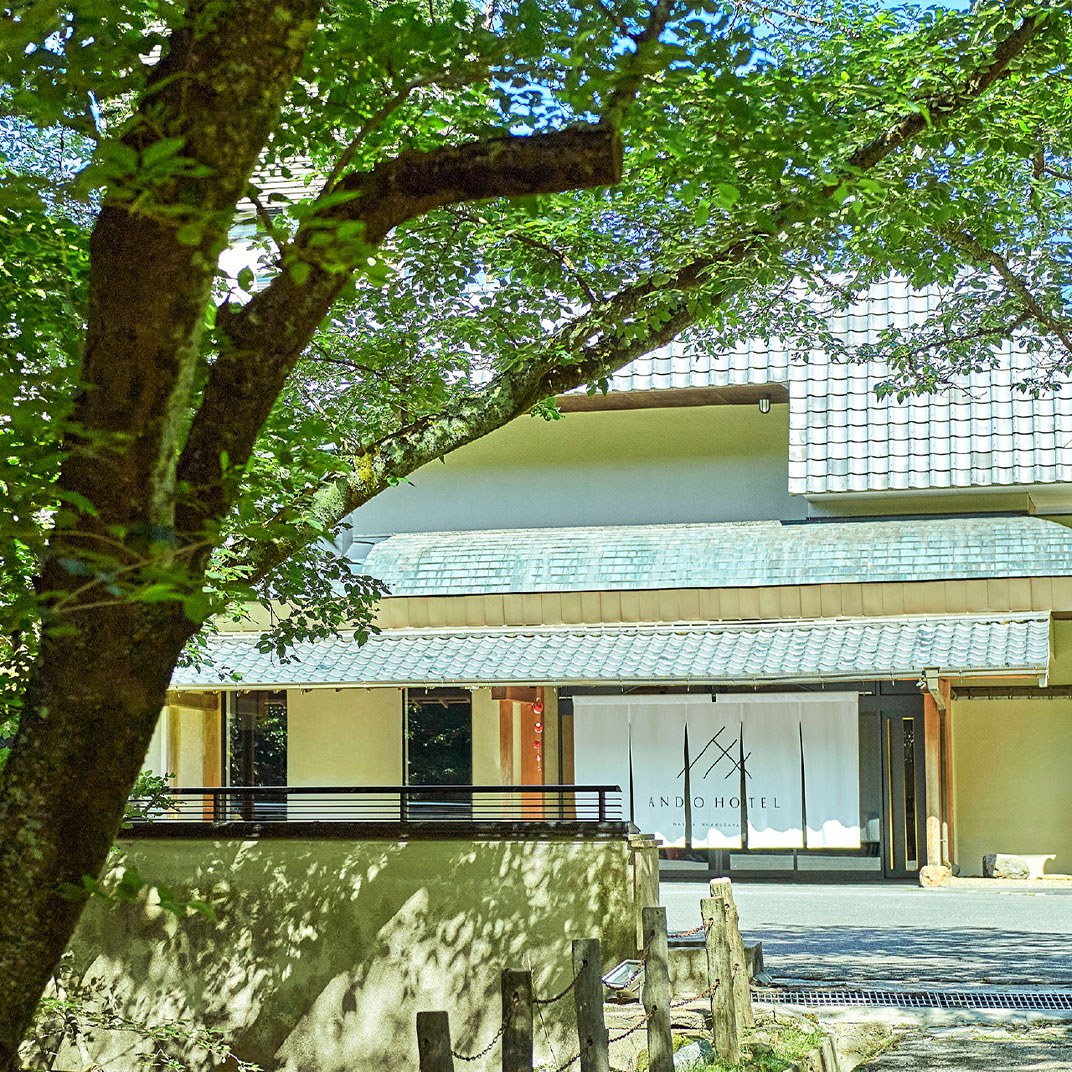
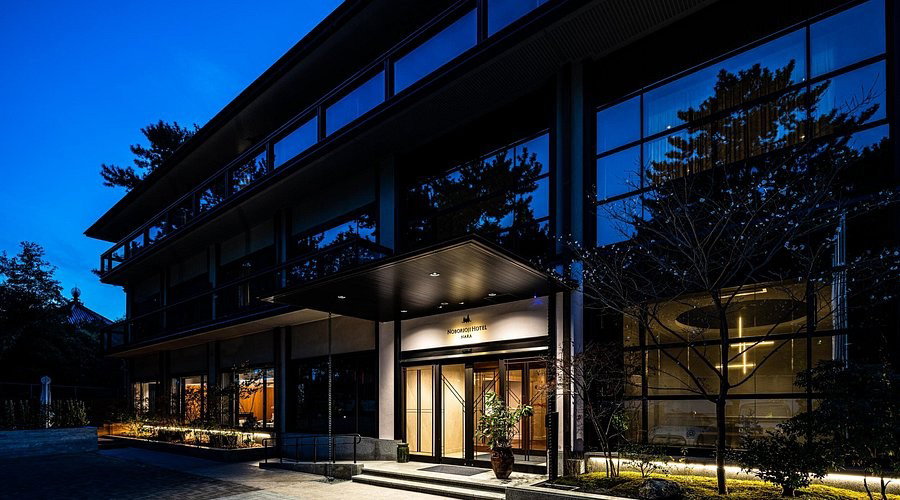
Oryori Hanagaki sits in a residential corner of Nara that most visitors never reach. The address — 2 Chome-13-2 Gakuenminami, places it well outside the deer park and temple circuit, which means arriving here is a deliberate act. You are not stumbling in after a day of sightseeing. That remove shapes the atmosphere before you even sit down: this is a room built for guests who planned to be there, and the mood reflects that intention. Expect a composed, quiet environment rather than the ambient hum of a city-centre dining room. For a date, an anniversary, or a business dinner where the conversation matters as much as the food, that stillness is an asset.
The kitchen is led by Cho Eun-hee and Park Sung-bae, a pairing that has earned and retained two Michelin stars across back-to-back guides. Consecutive two-star recognition is not a courtesy, Michelin inspectors return, and Hanagaki has passed that test twice. What that credential tells you practically: the technical execution here is consistent, not a one-time performance for a review. For a special occasion where the risk of a disappointing meal would be costly, that track record reduces the downside considerably.
The ¥¥¥ pricing puts Hanagaki in the upper band of Nara dining, and for two Michelin stars in Japan, that price tier is actually positioned below what equivalent recognition would cost in Tokyo or Kyoto. Two-star kaiseki and Japanese fine dining in major Japanese cities routinely runs into the ¥¥¥¥ range; at ¥¥¥, Hanagaki offers meaningful value relative to its competitive set. Compare it to Gion Sasaki in Kyoto or Azabu Kadowaki in Tokyo, both operating at higher price points in more expensive cities, and the case for making the journey to Nara strengthens. If you are already visiting Nara, the question is not whether Hanagaki is worth it. It is whether you can get a table.
On that point: booking difficulty here is near impossible. Its guests tend to be informed and deliberate, and its reservation availability reflects that. Plan well ahead, ideally months out rather than weeks. Booking methods are not widely published, suggesting reservations are handled directly and selectively. If you are building a trip around this meal, treat the reservation as the anchor and plan everything else around it.
The service philosophy at a two-star Japanese restaurant in a quiet residential setting typically follows a formal but unhurried register, attentive without being intrusive, structured without being rigid. That style suits the occasion-driven guest profile well. You are not here for a lively room; you are here for an experience where the pacing of the meal and the quality of the attention are part of what you are paying for. The sustained two-star recognition implies the full picture, food, service, and setting, consistently meets Michelin's standards, not just the kitchen output in isolation. Michelin's criteria include service as a component of the overall assessment.
For travellers combining Nara with the broader Kansai region, Hanagaki is worth treating as a peer to restaurants like HAJIME in Osaka or Goh in Fukuoka, not as a provincial consolation prize but as a primary dining destination that happens to be in a city better known for deer and temples. That framing matters for how you plan. Do not fit Hanagaki into a Nara day trip; give it an evening and give yourself enough time to get there from wherever you are staying. If you want a broader picture of what Nara's dining scene offers alongside Hanagaki, our full Nara restaurants guide covers the range.
For those exploring the wider city before or after dinner, Nara's accommodation and hospitality circuit is worth planning properly. See our full Nara hotels guide for where to stay, and our Nara experiences guide for how to structure the day around the evening. If you want a drink before or after, our Nara bars guide has the options.
Who Should Book
- Special occasions and anniversaries: The quiet setting, two-star pedigree, and deliberate guest profile make this the leading case for a celebration meal in Nara.
- Kansai itinerary planners: If you are moving through Osaka, Kyoto, and Nara, Hanagaki is the dining anchor worth building an evening around in Nara specifically.
- Value-conscious fine dining guests: Two Michelin stars at ¥¥¥ in Japan is a genuine price-tier opportunity relative to equivalent recognition in Tokyo or Kyoto.
Who Should Consider Alternatives
- Spontaneous diners: If you cannot plan months ahead, do not attempt this one. Look at NARA NIKON or Tsukumo for more accessible Nara options.
- Guests who want a lively room: The atmosphere here is composed and quiet. For more energy, try GOKAN UOGIN or explore Ajinokaze Nishimura and Ajinotabibito Roman for a different register.
Booking
Booking difficulty is rated near impossible. No online booking method is available. Approach this as a direct-contact reservation requiring significant lead time. If you are visiting from outside Japan, consider working through your hotel concierge in Nara or Kyoto, a well-connected concierge will have more traction than a cold inquiry.
Planning details
- Location
- 2 Chome-13-2 Gakuenminami, Nara, 631-0034, Japan
- Website
- hanagaki2611.com
- Phone
- +81 742-45-1288
The take
The Take
The Vibe
Oryori Hanagaki projects a quietly authoritative aura: two Michelin stars anchor a dining room that feels intentional rather than incidental. Located in residential Gakuenminami rather than the tourist corridor, the restaurant fills with guests who have sought it out, and that self-selection calibrates the room’s tempo. Service and cooking operate with restraint and focus, encouraging measured tasting rather than hurried plates. The atmosphere reads as elegant and intimate, with an emphasis on technical precision and the serious appreciation of seasonal Japanese ingredients. It is the kind of place where the city’s culinary ambitions are most clearly on display.
Best For
This is a destination for deliberate dining—ideal for special nights when the meal itself is the point of the visit. The restaurant’s consecutive two-star recognition positions it for celebrations, refined date nights and formal dinners where quality and precision matter. Guests come from outside the immediate tourist circuit, which means parties who value expertly prepared Japanese cuisine and carefully paced service are especially well served. Signature elements such as pristine sashimi and wagyu signal the kitchen’s strengths; expect a course-by-course focus that rewards diners who come with time and attention.
Ordering Tips
Plan your visit knowing Hanagaki sits off the usual tourist route and draws guests who make the trip specifically for the food. With sashimi and wagyu highlighted as signature offerings, prioritize those preparations to sample the kitchen’s technical strengths. The write-up stresses a pace set by serious eating—allow ample time for the meal and arrive prepared to take the experience on its own terms. Because the restaurant is framed as a detour-worthy, regionally significant address, go expecting a composed, focused dinner rather than a casual stop-in.
Venue details
Ambiance
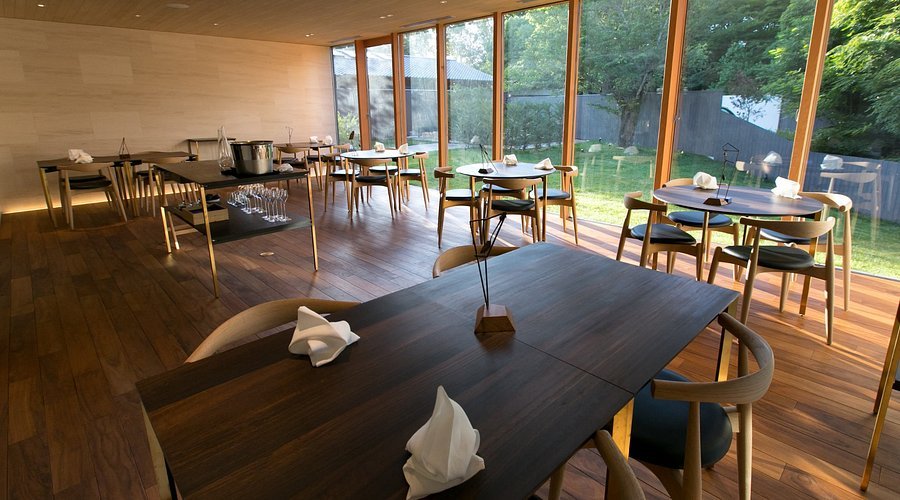
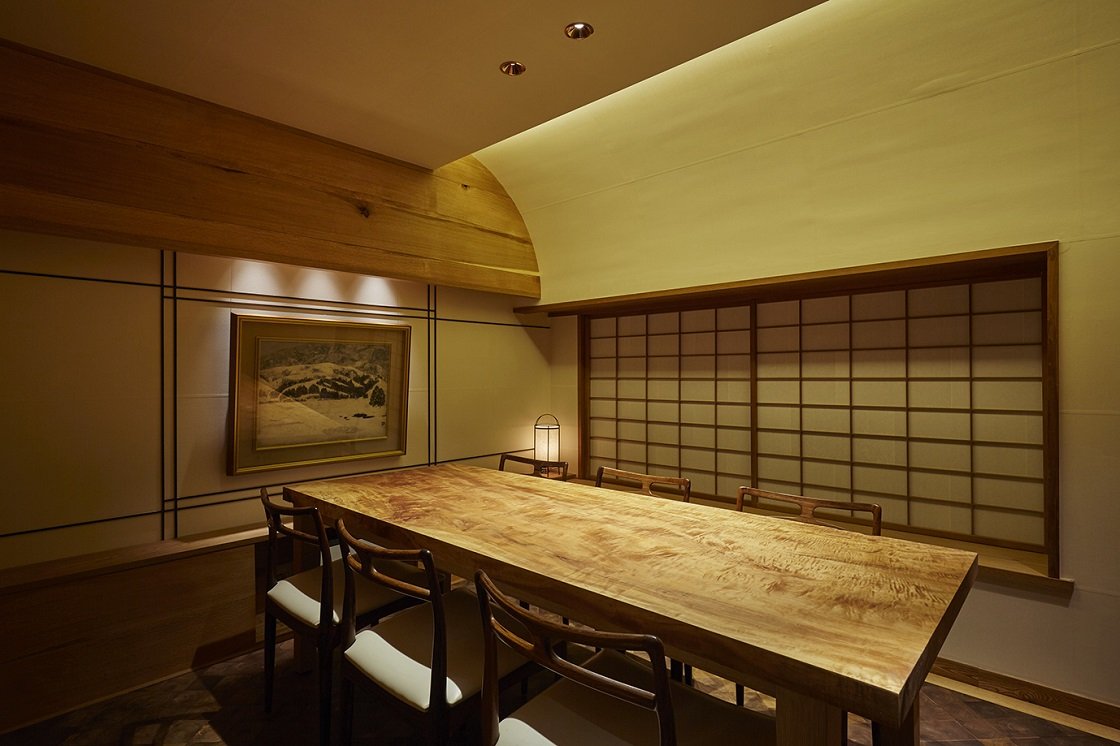
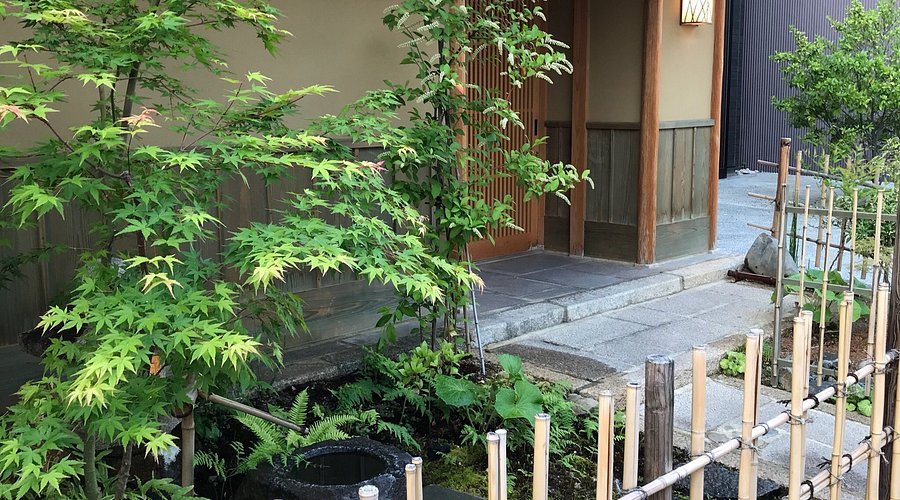
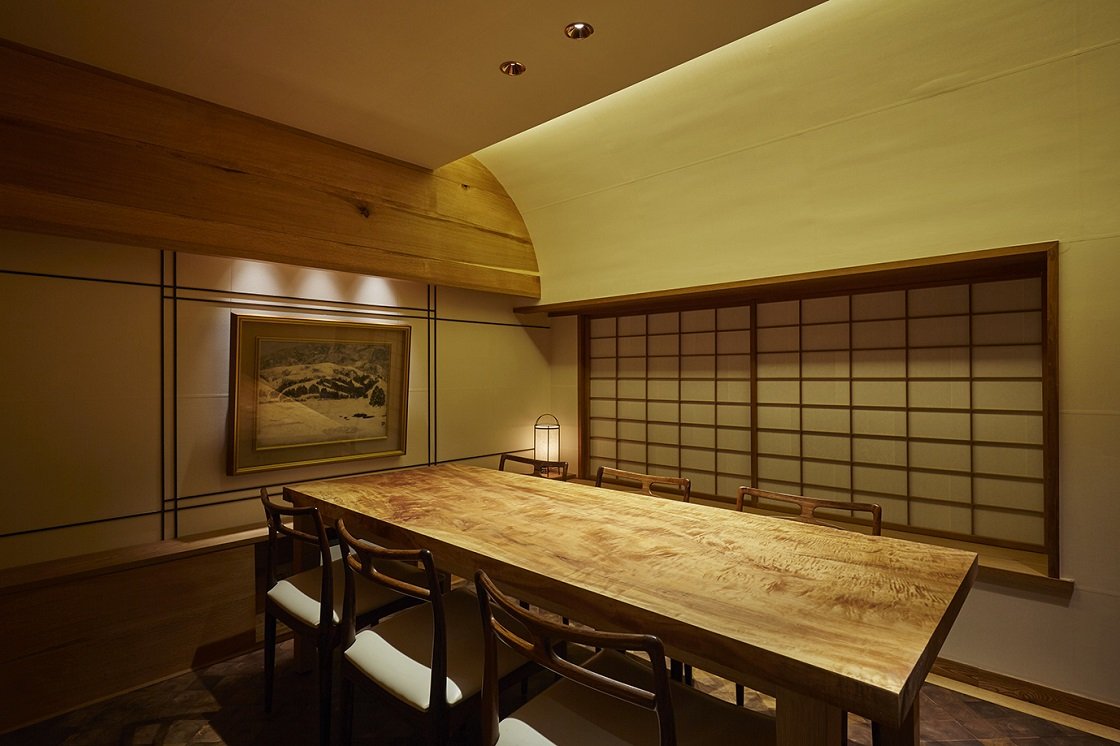
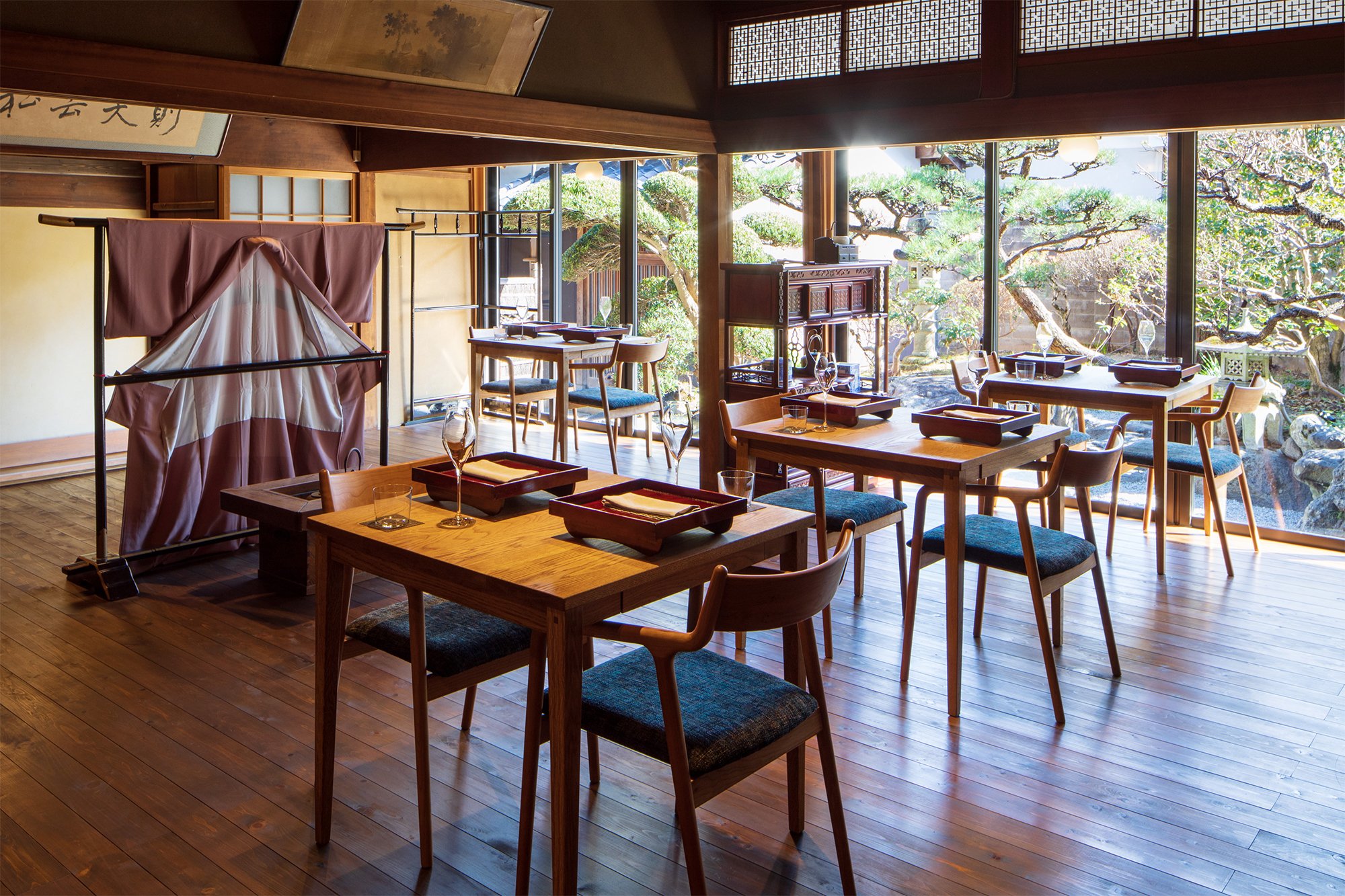
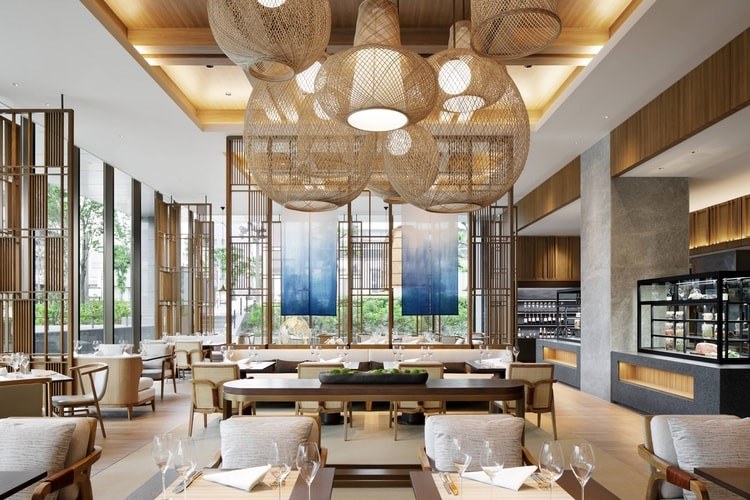
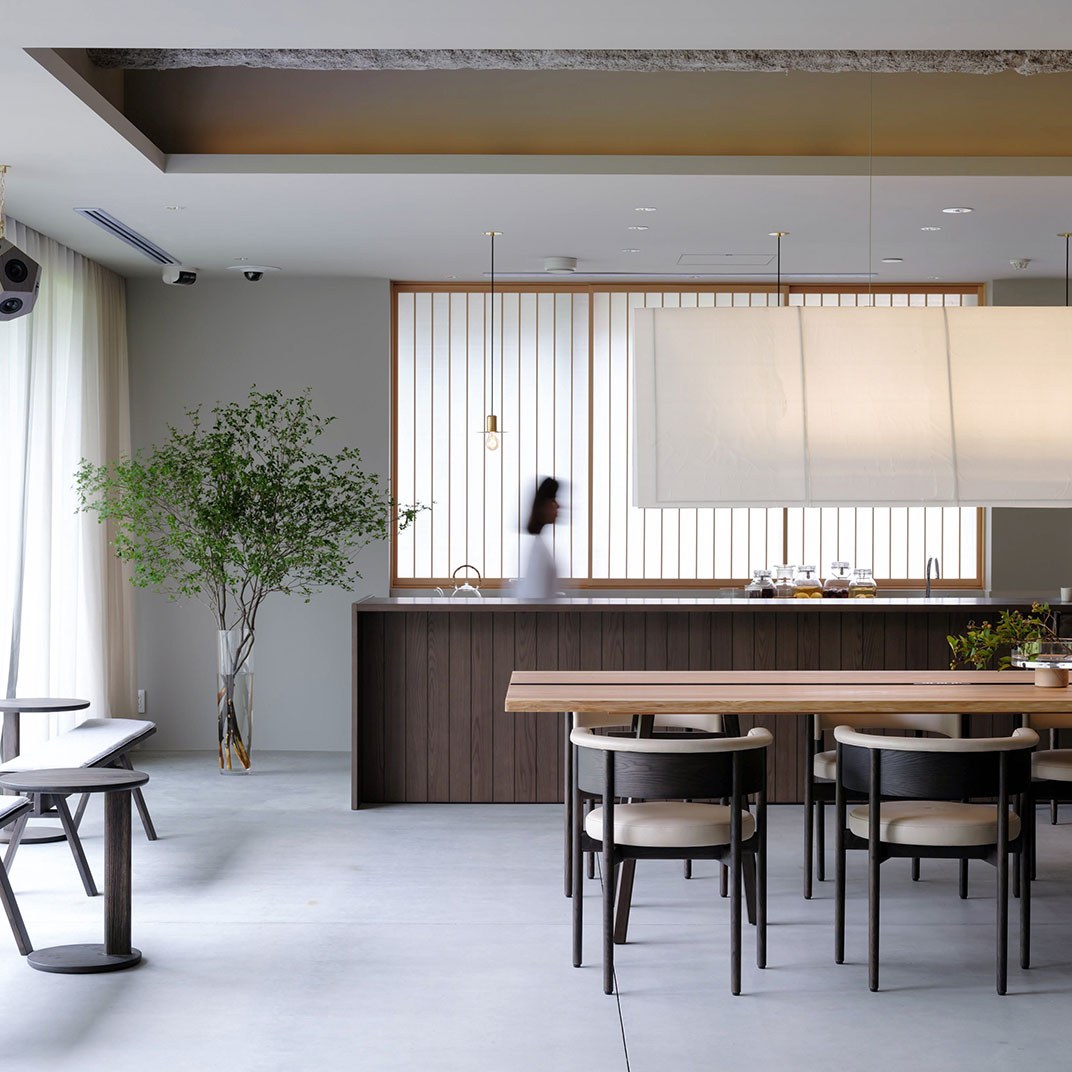
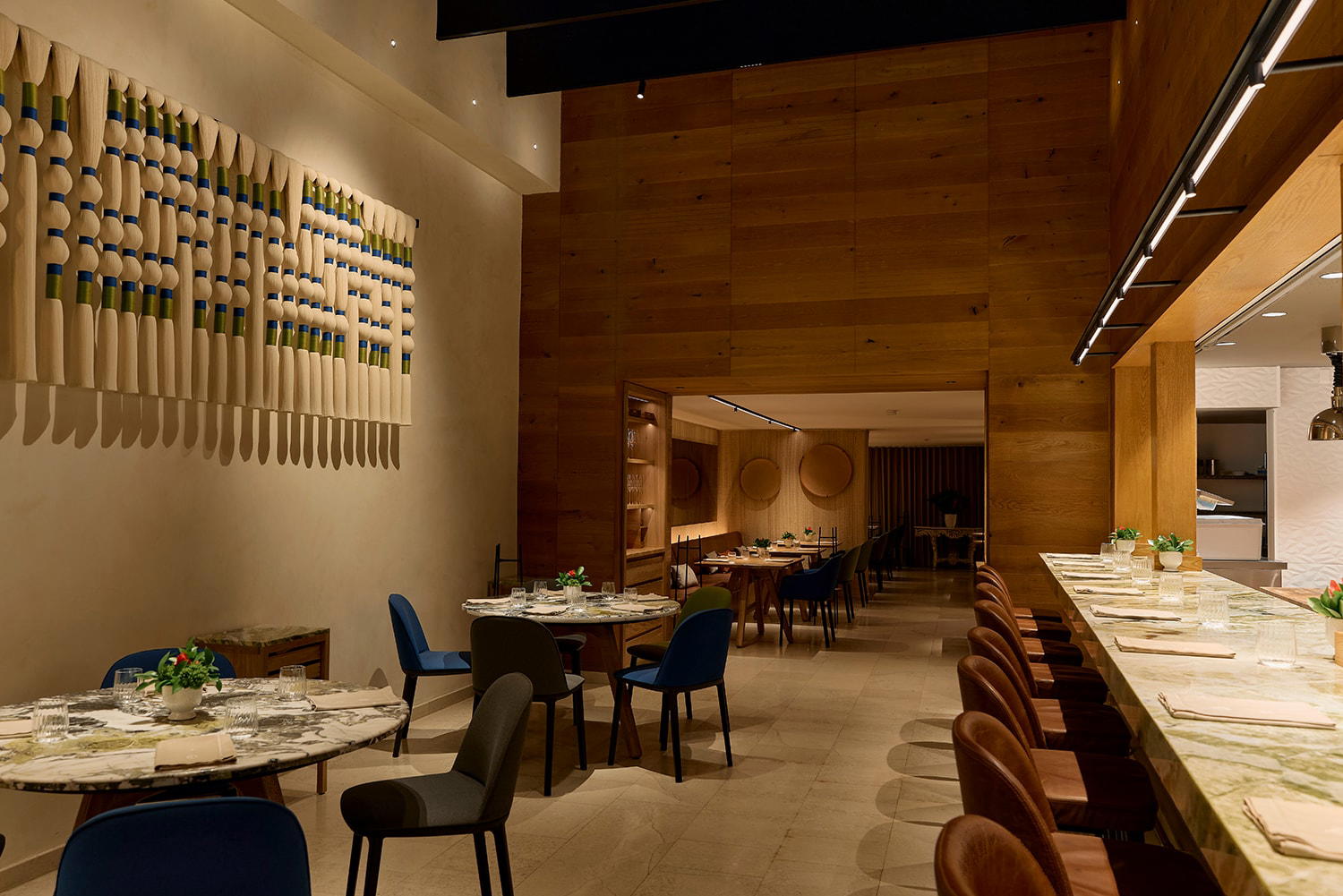
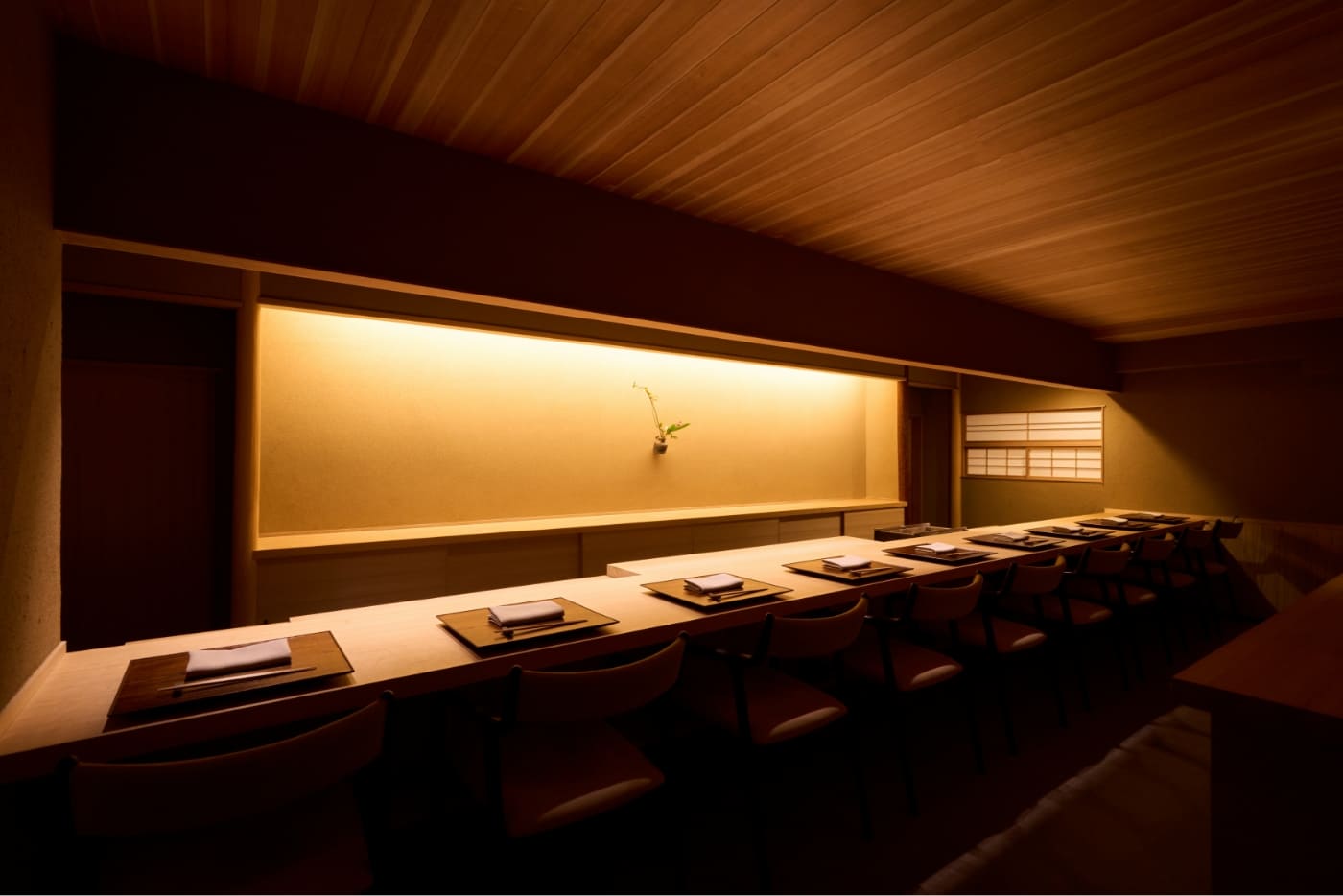
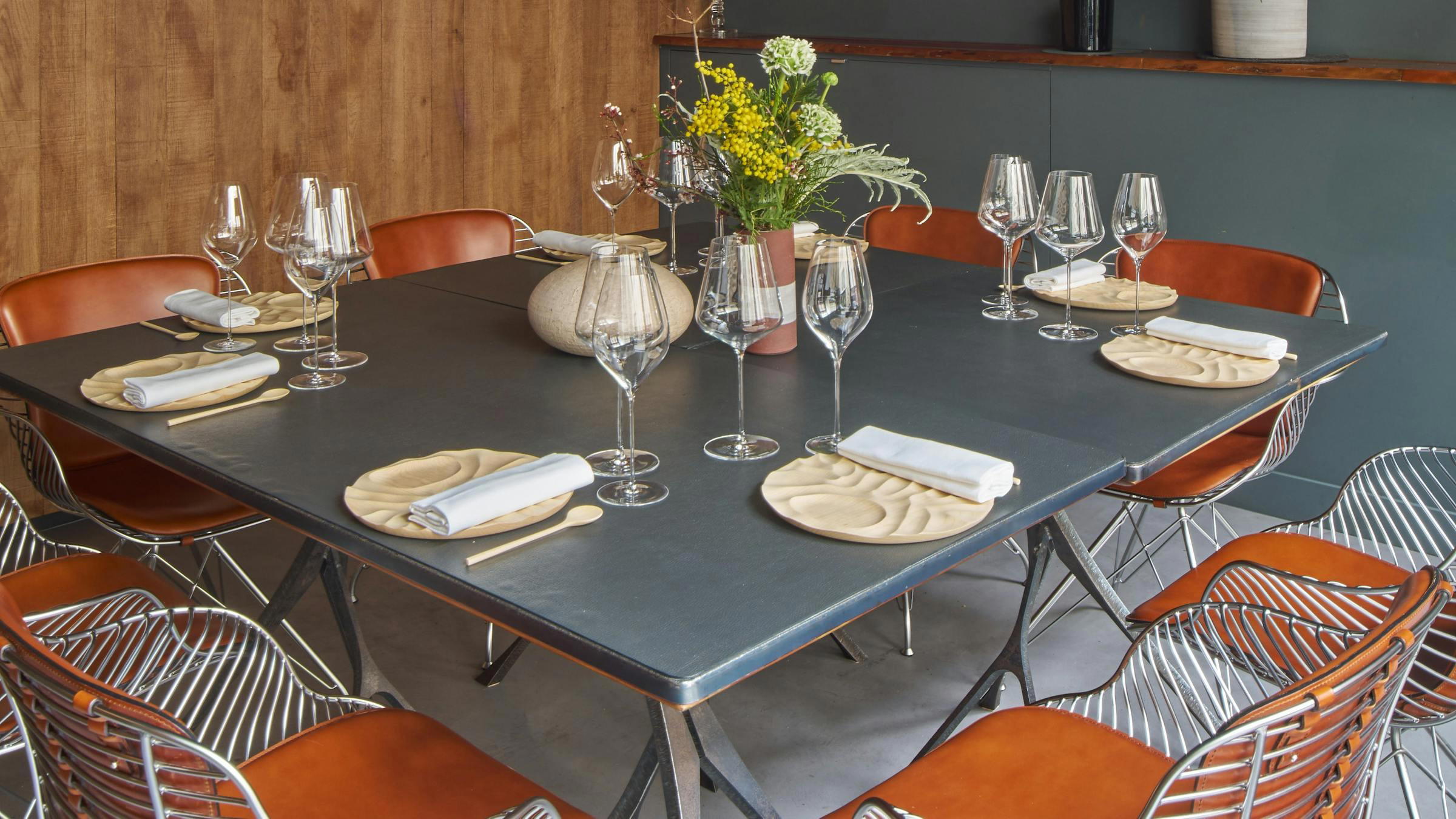
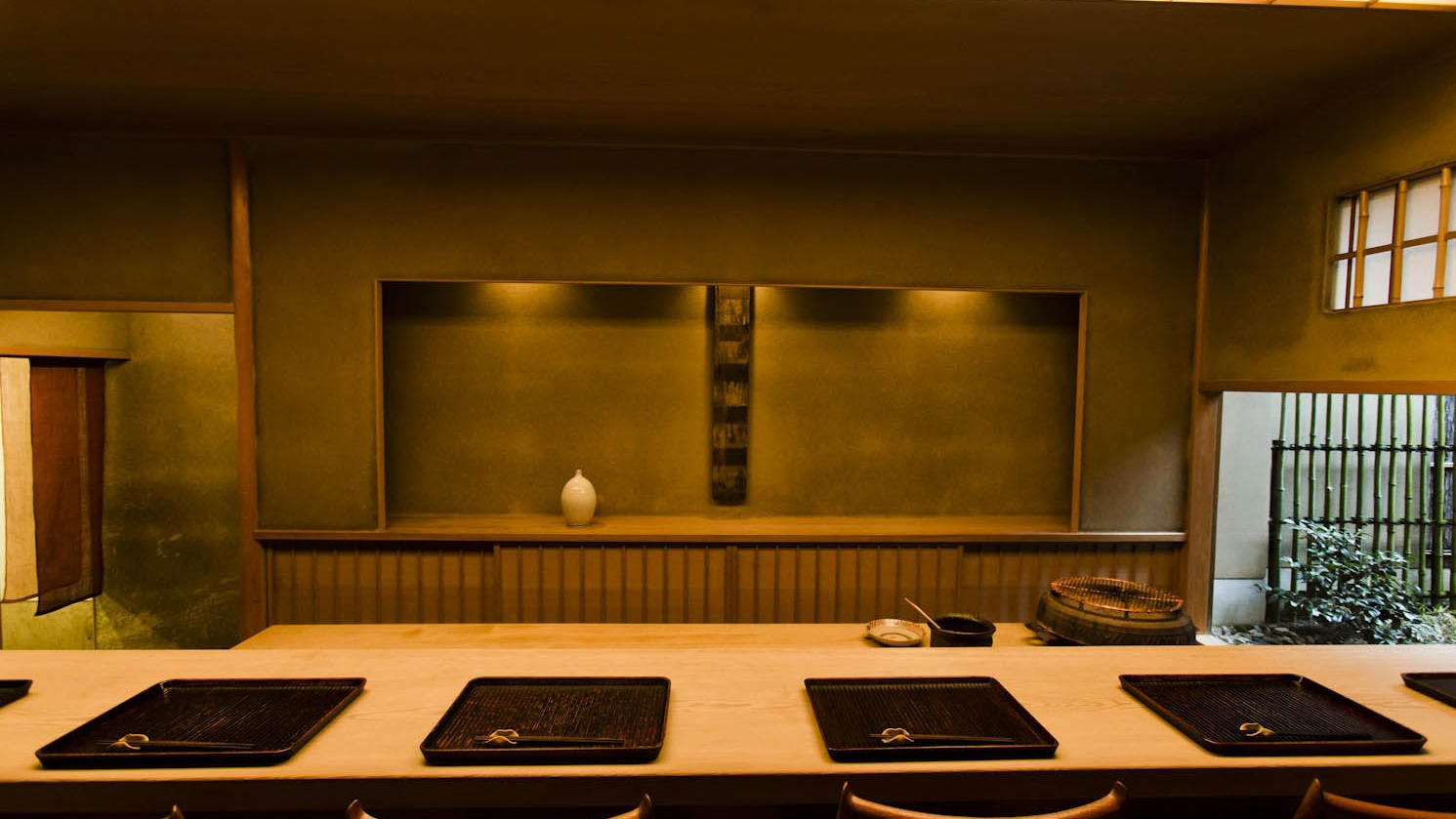
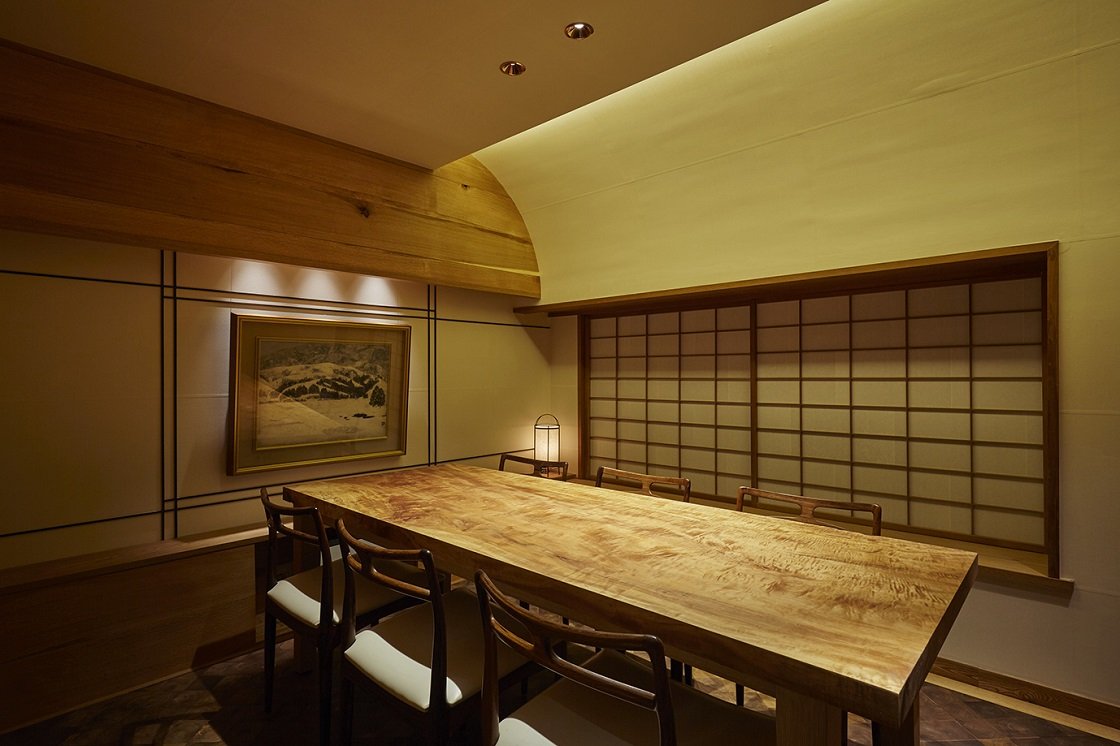
Zen-inspired interior with natural wood, warm lighting, elegant rooms, and a tasteful garden creating serene contemplation.
Tags
Vibe
Best For
Experience
Sourcing
View
At the Table
- Dress Code
- Smart Casual
- Noise Level
- Quiet
- Service Style
- Formal
- Meal Pacing
- Leisurely
- Capacity
- Intimate
Signature Dishes
- sashimi
- wagyu
Know before you go
Know Before You Go
- Getting there
- 2 Chome-13-2 Gakuenminami, Nara, 631-0034, Japan
Planning details
Location
Recognition and awards
Also consider
Also Consider
- akordu, Spanish, Innovative, ¥¥¥
- Wa Yamamura, Kaiseki, Japanese, ¥¥¥
- Araki, Sushi, Japanese, ¥¥¥
- Tama, Okinawan, French, ¥¥¥
- NARA NIKON, Japanese, ¥¥¥
Restaurant context
Among Nara's ¥¥¥ dining options, Oryori Hanagaki is the clearest choice for a high-stakes special occasion meal, with two consecutive Michelin stars separating it from the rest of the field. Wa Yamamura offers kaiseki in a more accessible format and is the better call if you want Japanese fine dining without the near-impossible booking difficulty. Araki is the right alternative if sushi is your preferred format over a broader Japanese menu.
Akordu occupies a different lane entirely, Spanish and innovative, it suits guests who want something outside the Japanese fine dining format and is considerably easier to book. Tama, with its Okinawan-French crossover, is the pick for guests who want an unusual combination and a lighter atmosphere. NARA NIKON sits at the same price tier and offers Japanese cuisine with better booking availability, a practical fallback if Hanagaki is fully committed when you plan your trip.
The decision comes down to what you are optimising for. If Michelin recognition and occasion-level seriousness are the priority, Hanagaki is the answer in Nara, but accept the booking challenge as part of the deal. If you want a strong meal with less friction, Wa Yamamura or NARA NIKON give you a legitimate ¥¥¥ Japanese experience without the same reservation difficulty.
Explore Nara
Around this place
Discover more on Pearl
Unlock the full Oryori Hanagaki guide in Pearl, including awards, comparisons, FAQs, planning details, and nearby places.
Compare Oryori Hanagaki
| Venue | Location | Cuisine | Awards | Price |
|---|---|---|---|---|
| Oryori Hanagaki | Nara | Japanese | Michelin Guide Nara 2026Michelin Guide Kyoto Osaka 20262025 Michelin 2 Stars2024 Michelin 2 Stars | ¥¥¥ |
| akordu | Nara | Spanish, Innovative | 2026 Tabelog Bronze · #142026 OAD Top Restaurants in Japan RecommendedMichelin Guide Nara 20262026 La Liste Top RestaurantsTabelog 100 - Innovative / Creative cuisine - 2025 · #762025 OAD Top Restaurants in Japan Ranked · #5192025 Tabelog Silver2025 Michelin 2 Stars2025 La Liste Top Restaurants | ¥¥¥ |
| Wa Yamamura | Nara | Kaiseki, Japanese | 2026 OAD Top Restaurants in Japan RecommendedMichelin Guide Nara 20262025 OAD Top Restaurants in Japan Ranked · #2052025 Michelin 1 Star2024 OAD Top Restaurants in Japan Ranked · #1952024 Michelin 1 Star2023 OAD Top Restaurants in Japan Highly Recommended | ¥¥¥ |
| Araki | Nara | Sushi, Japanese | 2026 Tabelog Bronze · #23Michelin Guide Nara 2026Tabelog 100 - Tempura - 2025 · #202025 Michelin Plate2025 Tabelog Bronze2024 Michelin Plate2023 OAD Top Restaurants in Asia Ranked · #24 | ¥¥¥ |
| Tama | Nara | Okinawan, French | Michelin Guide Nara 20262025 OAD Casual in Japan Ranked · #902025 Michelin Plate2024 OAD Casual in Japan Ranked · #802024 Michelin Plate2023 OAD Casual in Japan Ranked · #63 | ¥¥¥ |
| NARA NIKON | Nara | Japanese | 2026 Tabelog Bronze · #315Michelin Guide Nara 2026Tabelog 100 - Japanese cuisine - WEST - 2025 · #692025 La Liste Top Restaurants2025 Tabelog Bronze2025 Michelin 2 Stars2024 Michelin 2 Stars | ¥¥¥ |





.png?width=1200&quality=80)
How Oryori Hanagaki Nara compares with similar nearby venues.
FAQ
Frequently Asked Questions
Is Oryori Hanagaki good for solo dining?
Solo dining at a two-Michelin-star kaiseki counter is typically well-suited to a single guest — counter seats exist for exactly this format. Hanagaki's residential Nara setting, away from tourist crowds, reinforces an experience oriented toward serious diners rather than groups. At the ¥¥¥ price point, solo is a reasonable and often preferred way to engage with this format. Confirm seating arrangements directly when you make contact to reserve.
What are alternatives to Oryori Hanagaki in Nara?
Within Nara, Tama and NARA NIKON are the most direct comparisons for considered Japanese dining. If booking Hanagaki proves too difficult, Wa Yamamura offers a comparable kaiseki register with slightly different access logistics. For those willing to cross into Osaka or Kyoto, Araki and akordu represent different but credible reference points in the same ¥¥¥ tier. Hanagaki's two consecutive Michelin stars (2024 and 2025) place it above most local alternatives on formal recognition.
Is Oryori Hanagaki worth the price?
Two Michelin stars held across consecutive years (2024 and 2025) is a meaningful credential — Michelin re-evaluates annually, so retention signals consistent kitchen performance. At ¥¥¥, Hanagaki sits in the same tier as many single-star Kyoto kaiseki rooms but with the added friction of a residential Nara location and no online booking channel. If you are prepared to work for the reservation, the recognition justifies the price. If convenience matters, a Kyoto two-star with straightforward booking may be a better fit.
What should a first-timer know about Oryori Hanagaki?
Start with logistics: Hanagaki is located at 2 Chome-13-2 Gakuenminami, a residential area of Nara that requires deliberate travel rather than a short walk from the city centre. No website or phone number is publicly available, so expect to reach out through a hotel concierge or local reservation service. The two-Michelin-star rating in both 2024 and 2025 signals a formal, structured meal — arrive without dietary surprises unannounced, and treat this as a slow, multi-course commitment rather than a flexible dinner.
Can Oryori Hanagaki accommodate groups?
Information on group capacity is not available. Given the residential location and the format typical of two-Michelin-star Japanese kitchens, this is not a venue to assume large-group availability. Parties of more than four should flag size when making initial contact. For groups where flexibility and confirmed capacity matter more than prestige, NARA NIKON or Tama are worth considering as alternatives within the city.