









L'Effervescence
French · Minato, Tokyo
Restaurant in Tokyo, Japan
 Book with Pearl
The Read
Sustainable French Seasonality
Price
$200–300per person
Chef
Shinobu Namae
Dress
Smart Casual
Why go
L'Effervescence is a restaurant in Nishi-Azabu, Tokyo.
About L'Effervescence
L'Effervescence is a French restaurant in Tokyo led by chef-owner Shinobu Namae. It is listed at the ¥¥¥¥ price tier with a smart casual dress code, and the Black Pearl Restaurant Guide 2026 recognizes it among its two-diamond restaurants. For diners considering a high-end French meal in Tokyo, this is a premium French address, but specific claims about its menu format, booking difficulty, awards beyond Pearl, exact prices, service hours, or room configuration should be confirmed directly with the restaurant before planning around them.
L'Effervescence offers French cuisine in Tokyo, led by Shinobu Namae, and falls into a premium price category. If you are comparing it with abysse or other high-end dining in Tokyo, L'Effervescence is an option anchored by a named chef-owner and a French culinary focus. Diners should confirm details about a specific tasting menu, dish progression, beverage pairing, or seat count directly with the restaurant.
Beverage Program and Sommelier Depth
Details about the beverage program, pairings, cellar composition, cocktails, sake, shochu, or wine pricing should be confirmed directly with the restaurant. Guests who care about wine, spirits, non-alcoholic pairings, or beverage budgeting should contact L'Effervescence directly before booking. The restaurant is a premium French venue in Tokyo, and guests should inquire about specific beverage formats.
Format, Pacing, and Room Mood
The dress code is smart casual. Specific claims about seating capacity, private rooms, lunch service, dinner hours, course count, meal length, cancellation timing, or reservation channels should be confirmed directly with the restaurant. Plan on checking the restaurant's current policy directly, especially if you are arranging a special occasion, traveling with a group, or working around a tight schedule.
How It Compares in Tokyo's High-End French Field
L'Effervescence is a ¥¥¥¥ French restaurant in Tokyo led by Shinobu Namae and recognized as a Black Pearl Restaurant Guide 2026 two-diamond restaurant. Diners also looking at abysse or Takumi should compare current menus, prices, availability, and service details directly. NéMo, LE BOURGUIGNON, and Benoit may also be useful reference points for comparison, and their prices, accolades, or booking conditions should be directly with those venues.
For deeper Tokyo dining context, see our full Tokyo restaurants guide. If you're planning a broader trip, check our full Tokyo hotels guide, our full Tokyo bars guide, and our full Tokyo experiences guide.
Quick reference: L'Effervescence is a French restaurant in Tokyo. Chef-owner: Shinobu Namae. Price tier: ¥¥¥¥. Dress code: smart casual. Recognition: Black Pearl Restaurant Guide 2026 two-diamond restaurant. Confirm current hours, reservations, menu format, exact pricing, location details within Tokyo, and any special requests directly with the venue.
Planning details
- Hours
- Location
- Location
- 2 Chome-26-4 Nishiazabu, Minato City, Tokyo 106-0031, Japan
- Reservations
- Book on Omakase
- Website
- leffervescence.jp
- Phone
- +81 3-5766-9500
The take
The Take
The Vibe
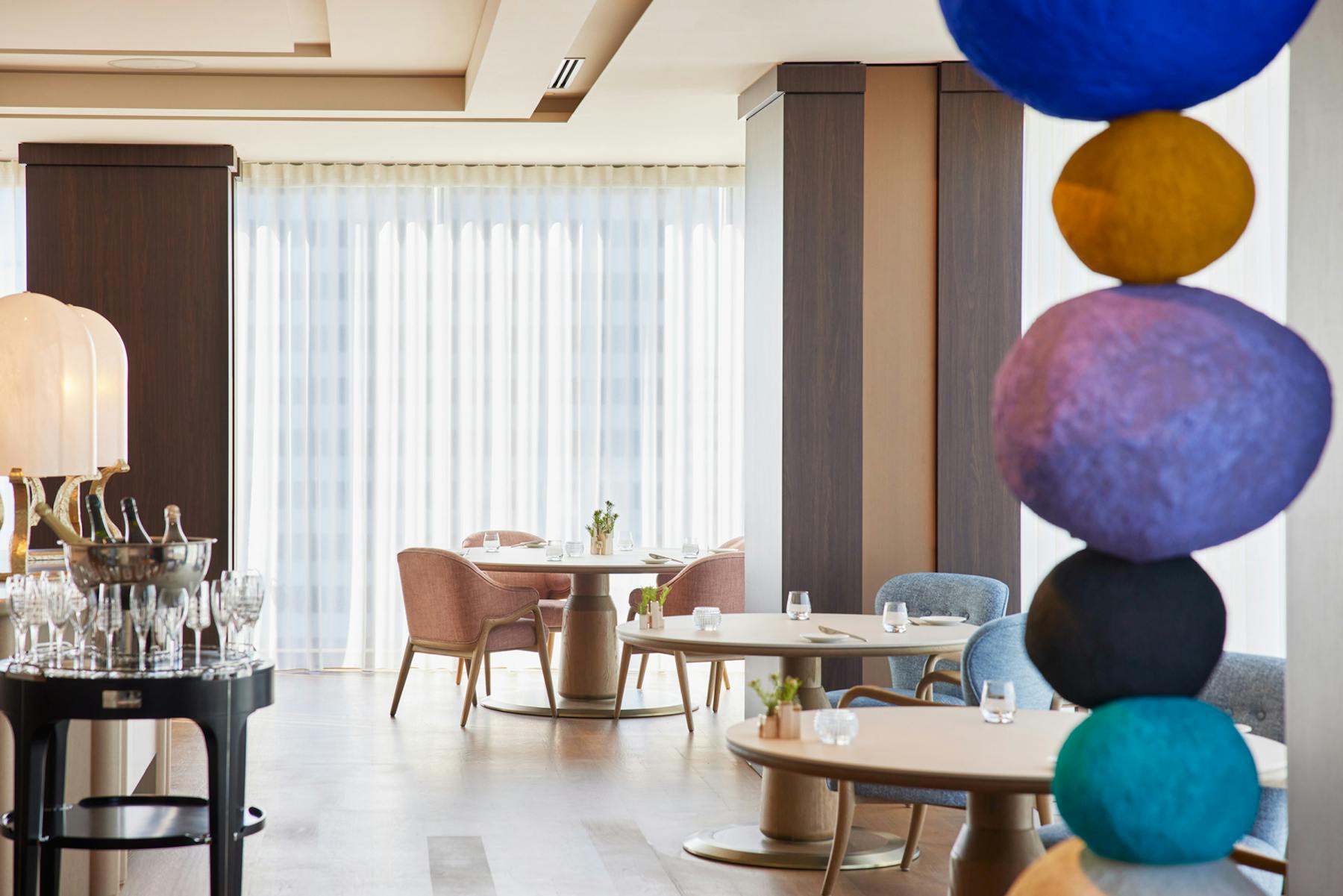
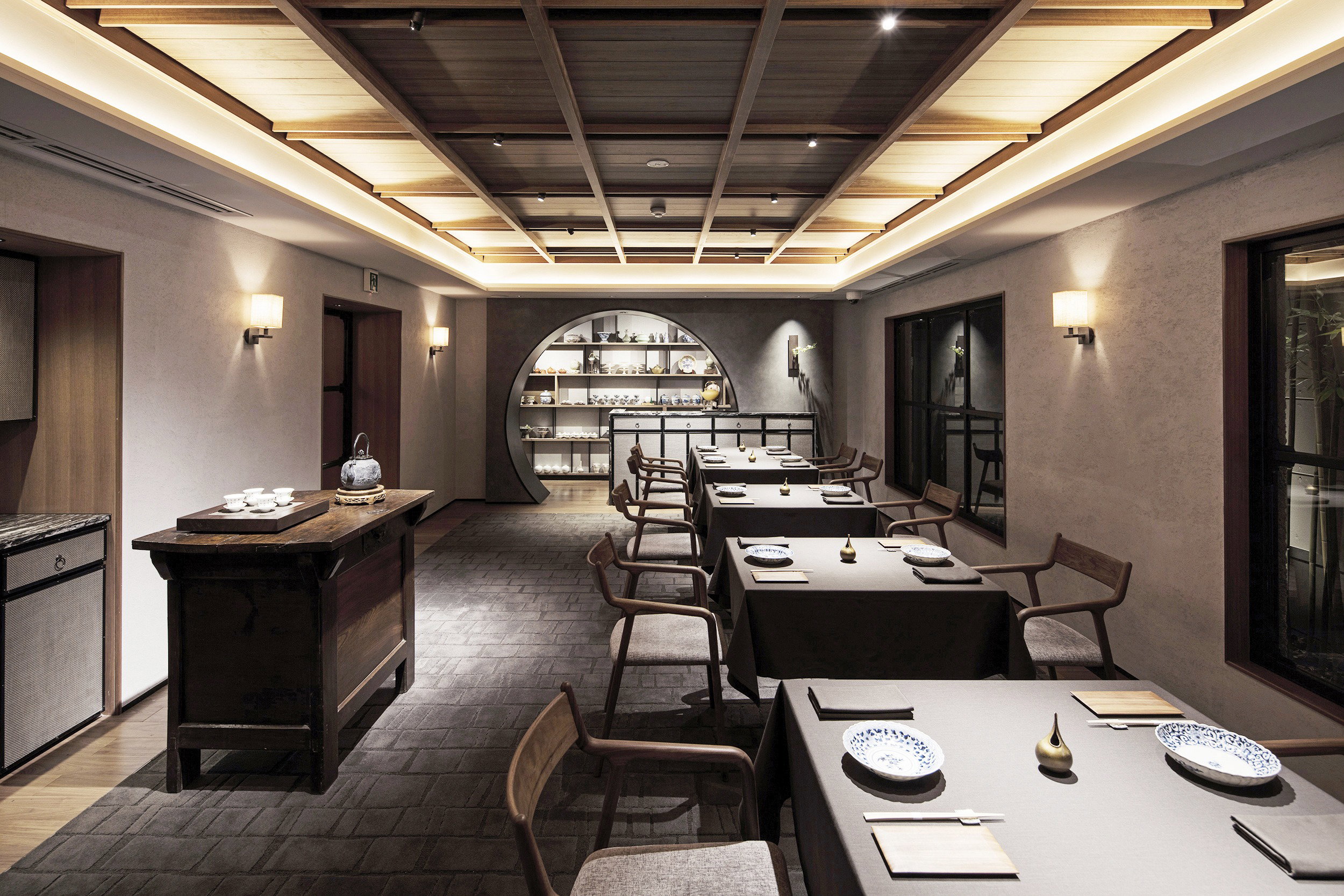
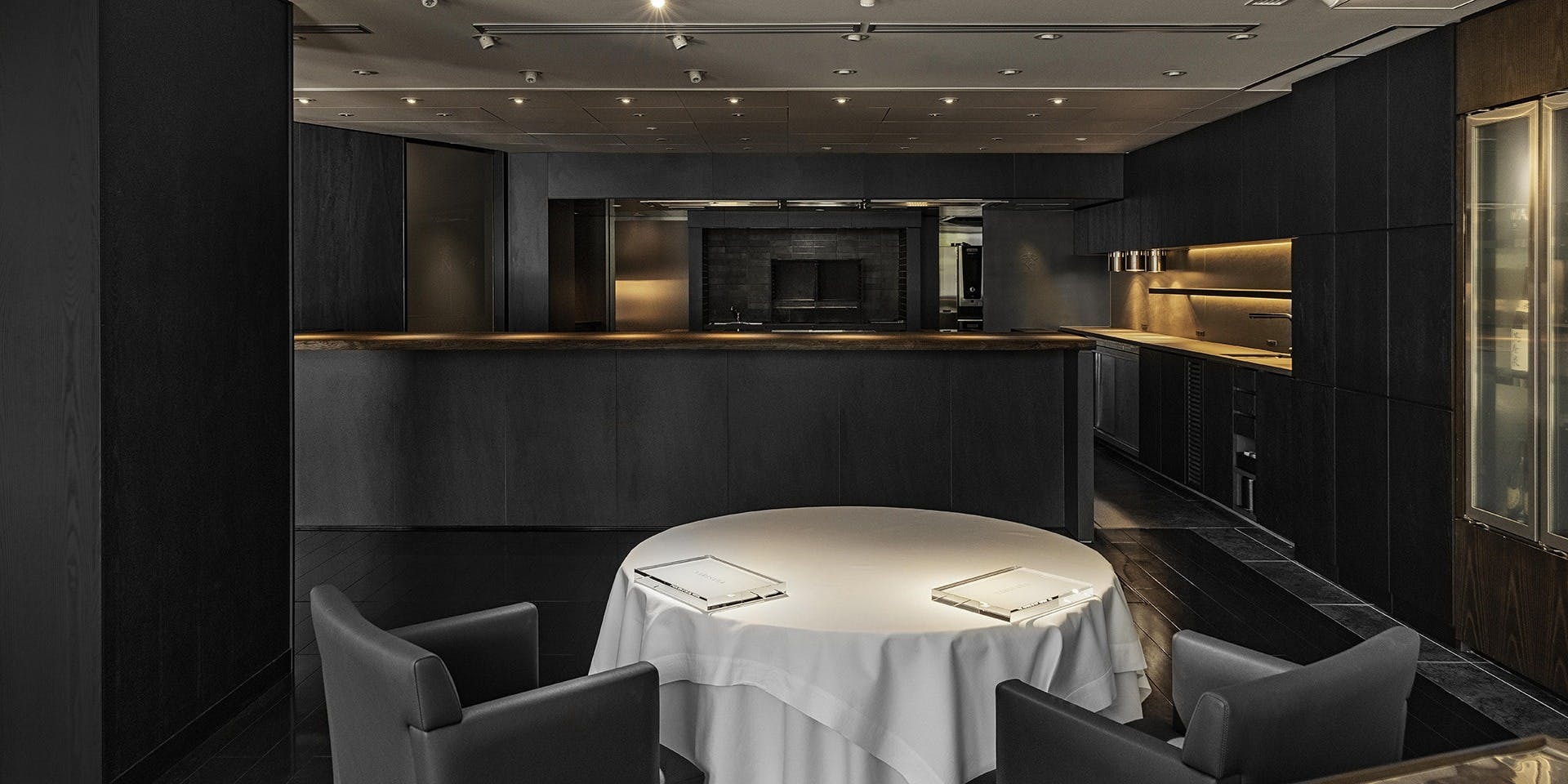
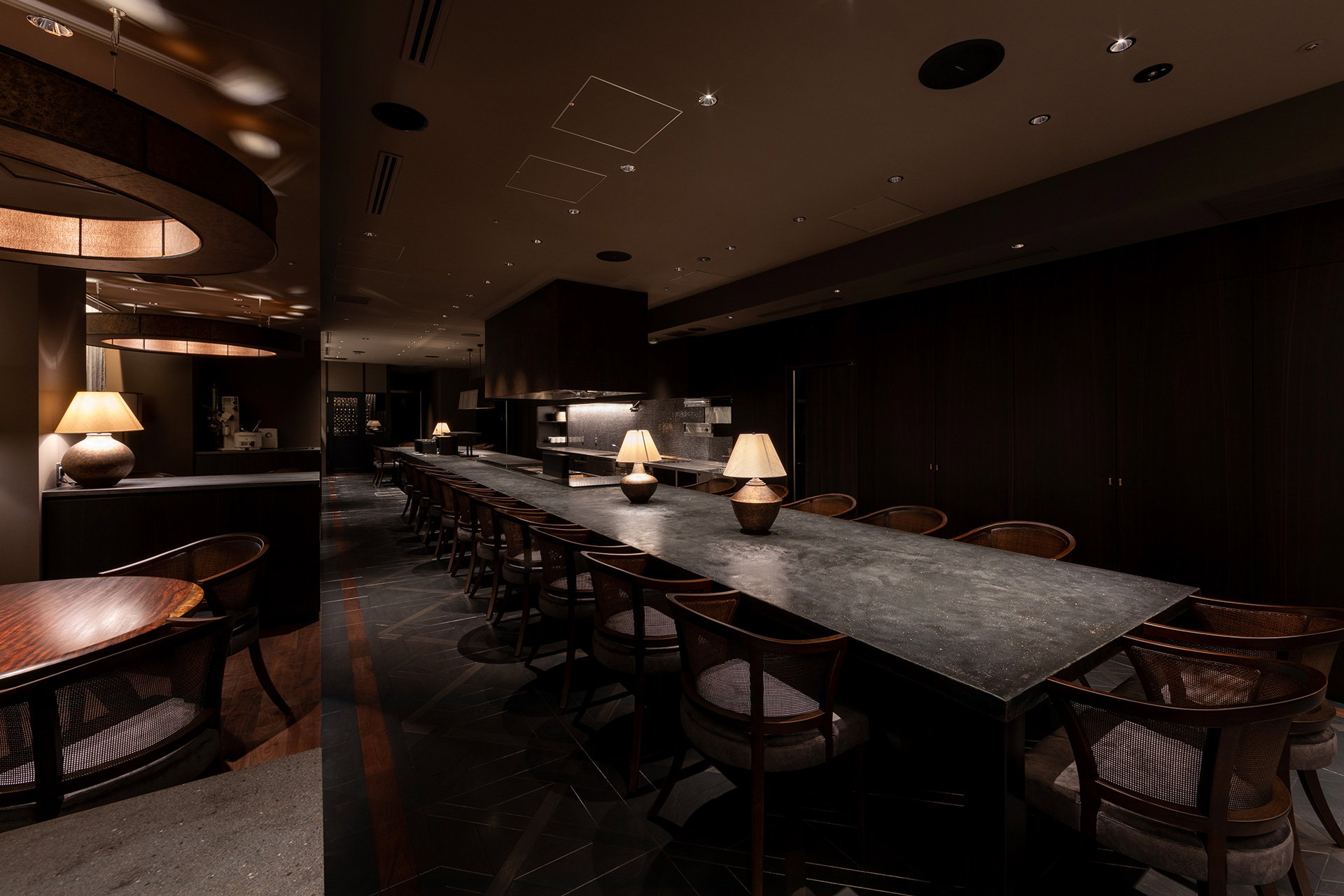
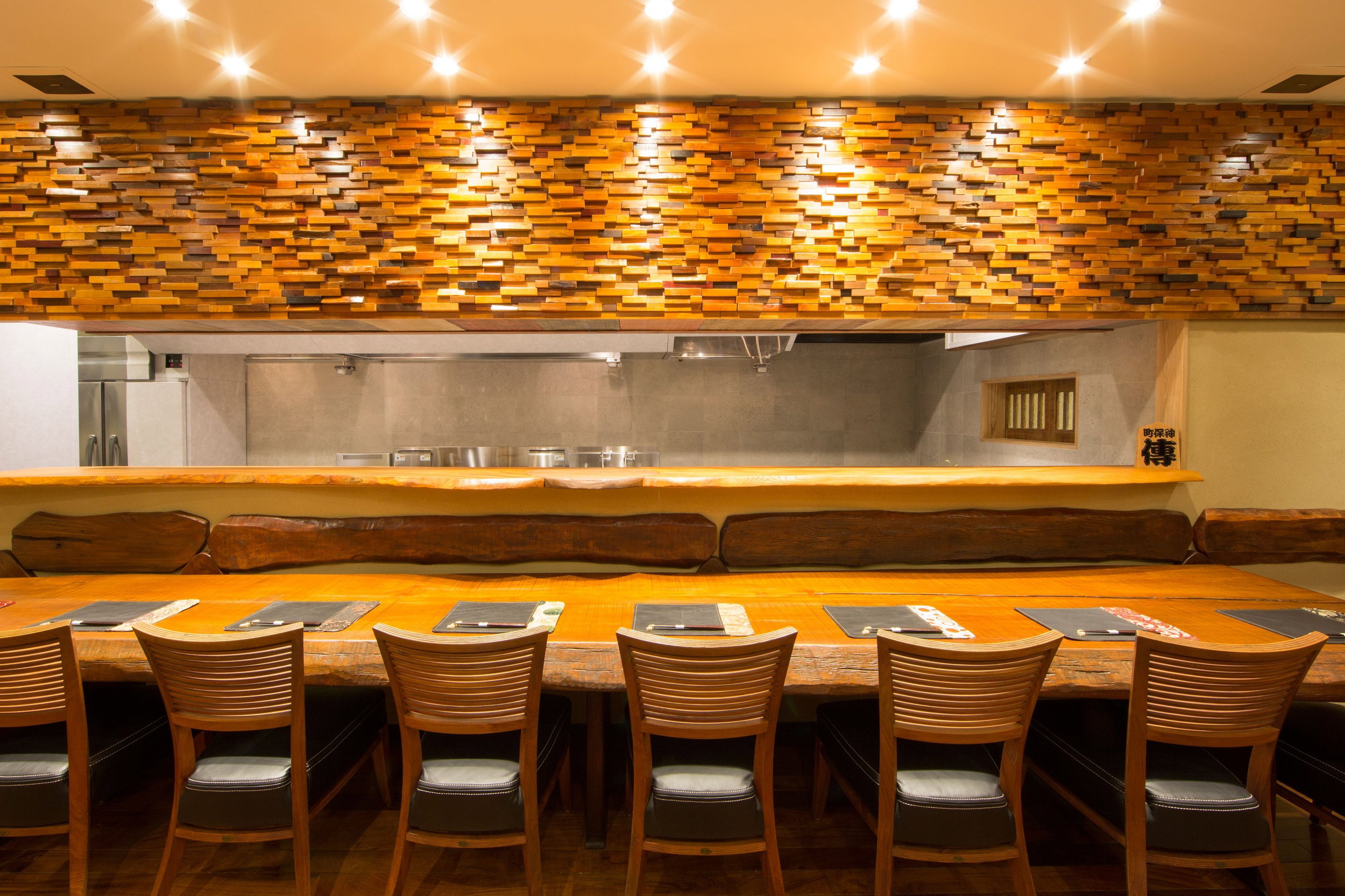
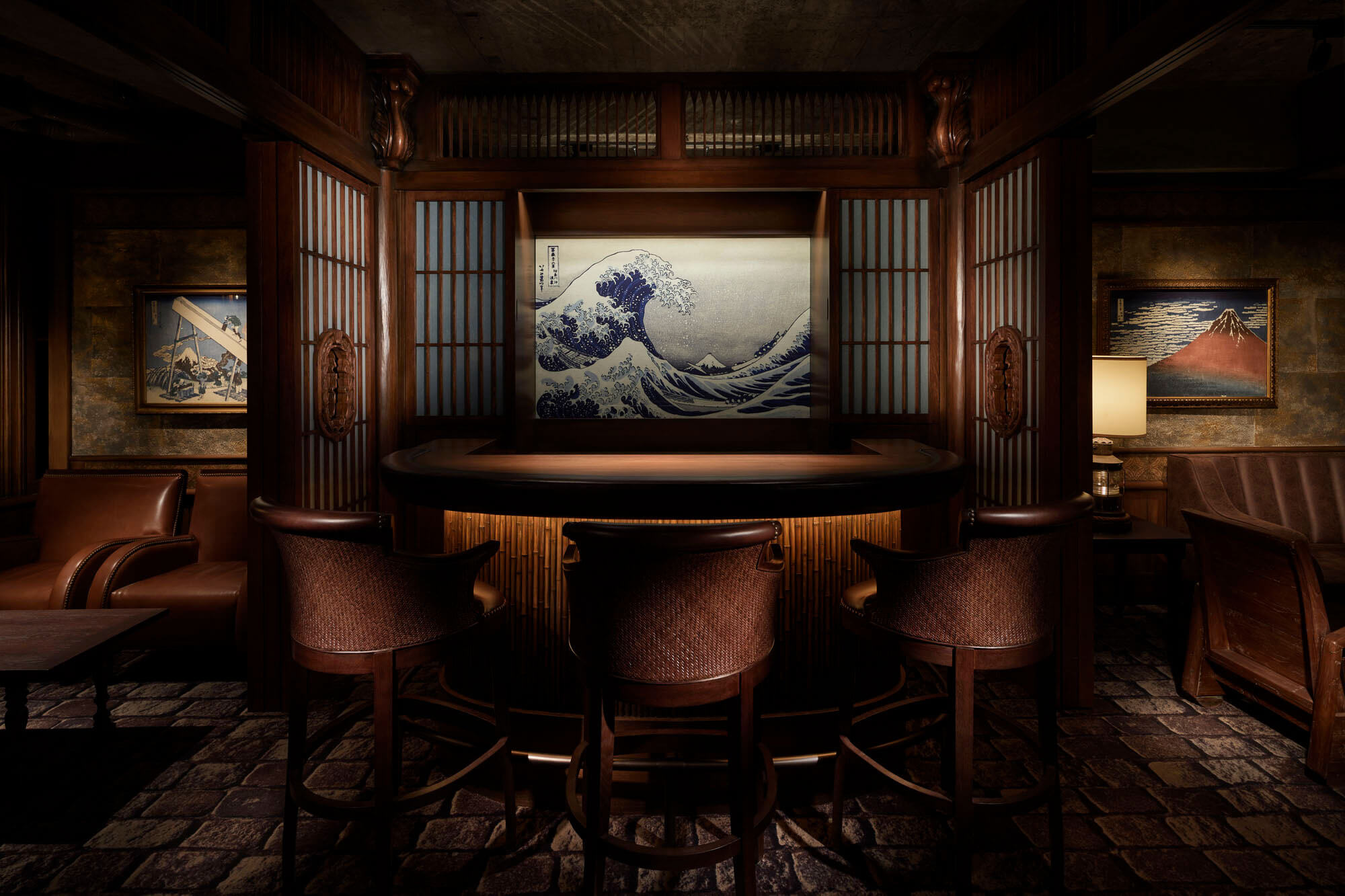
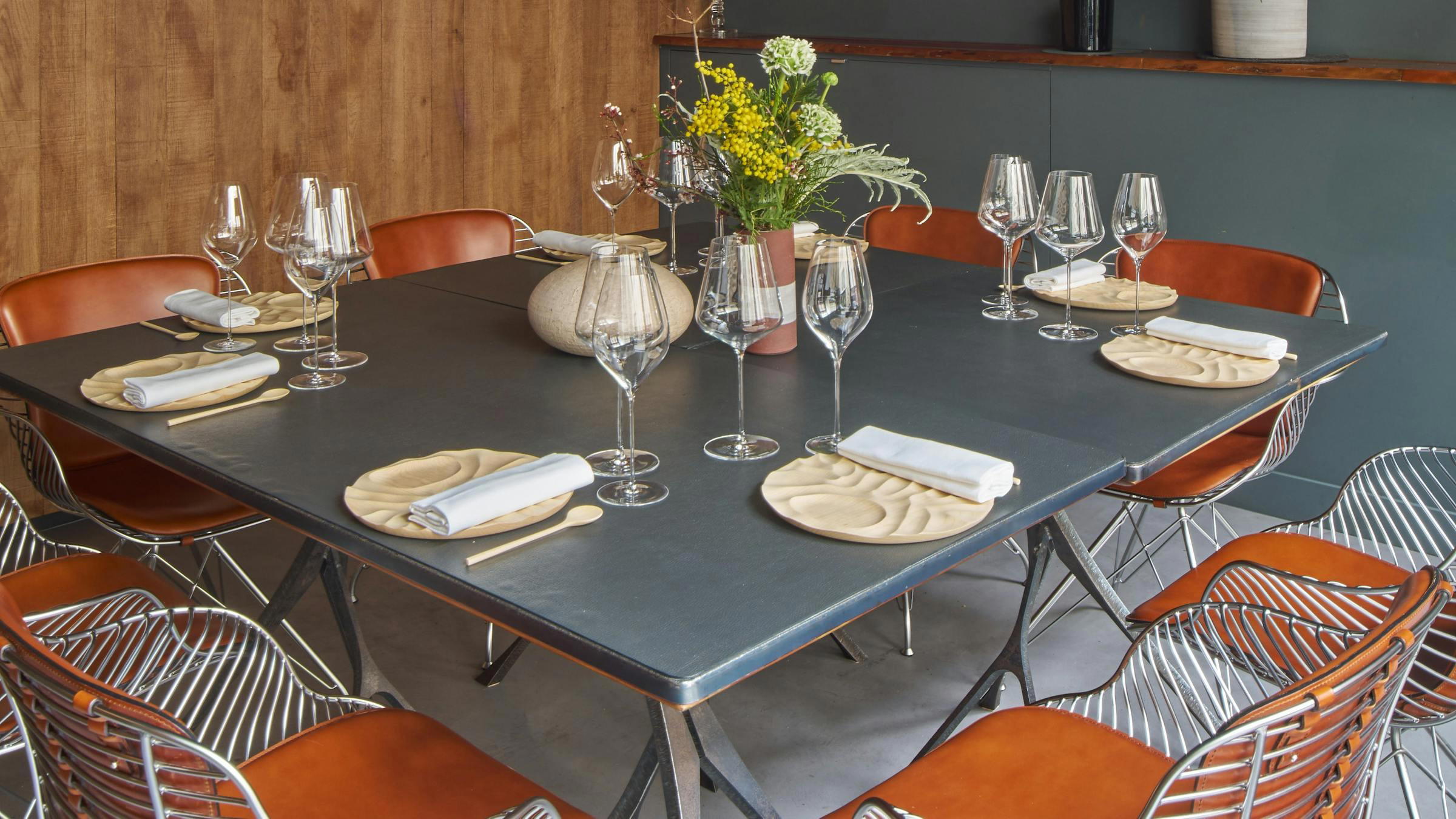
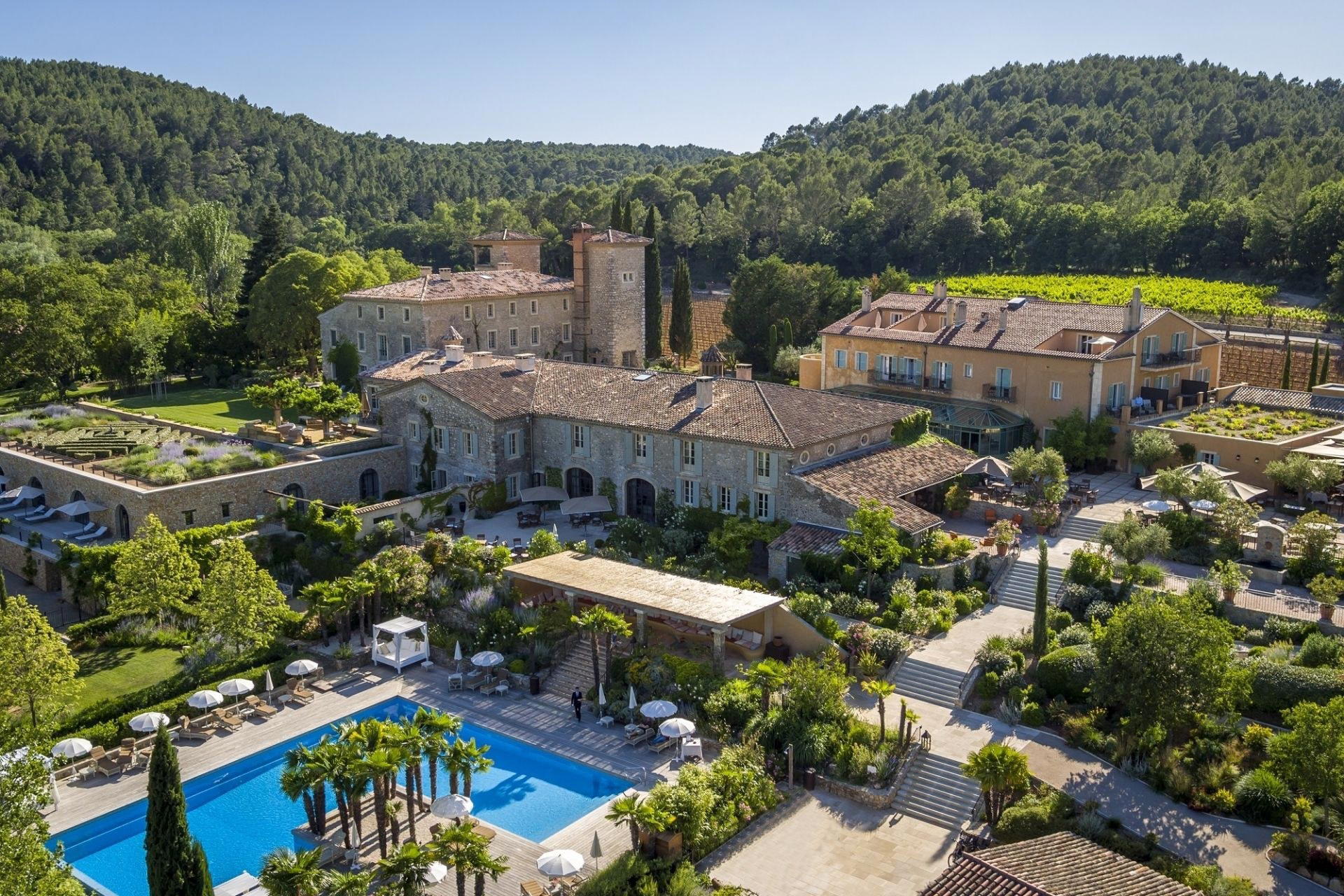
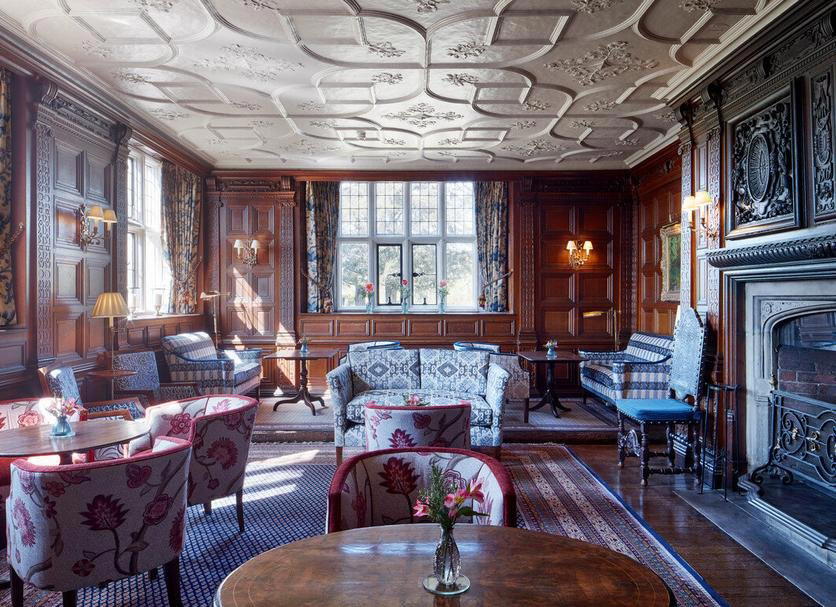
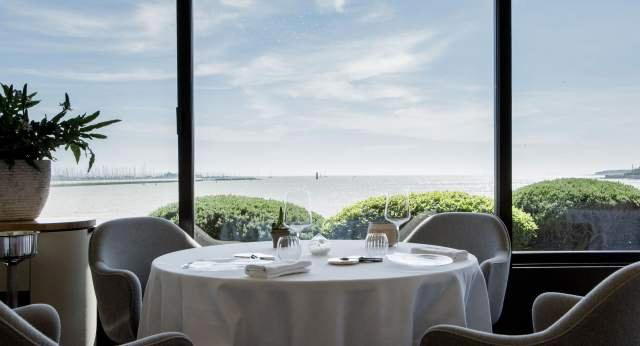
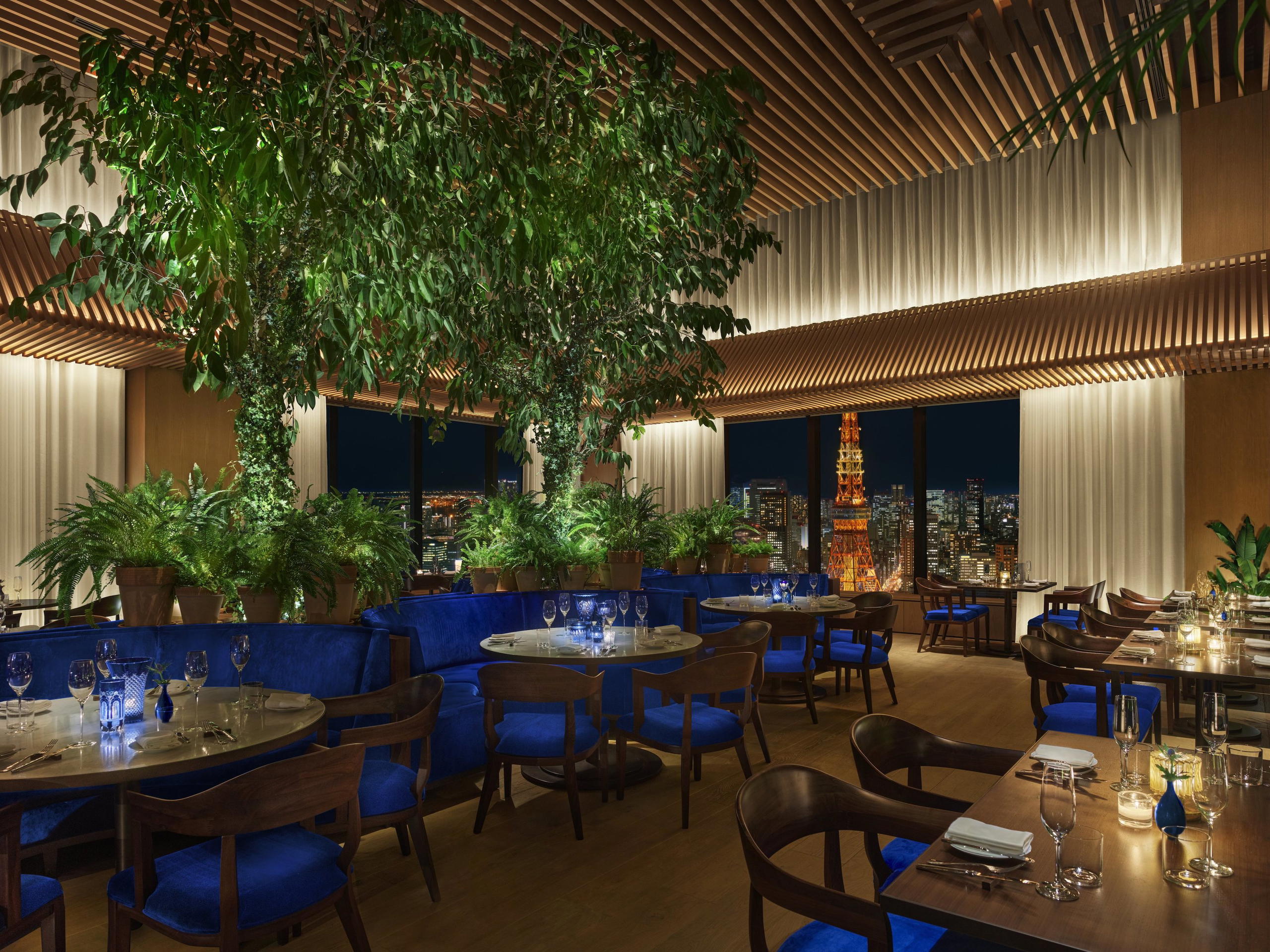
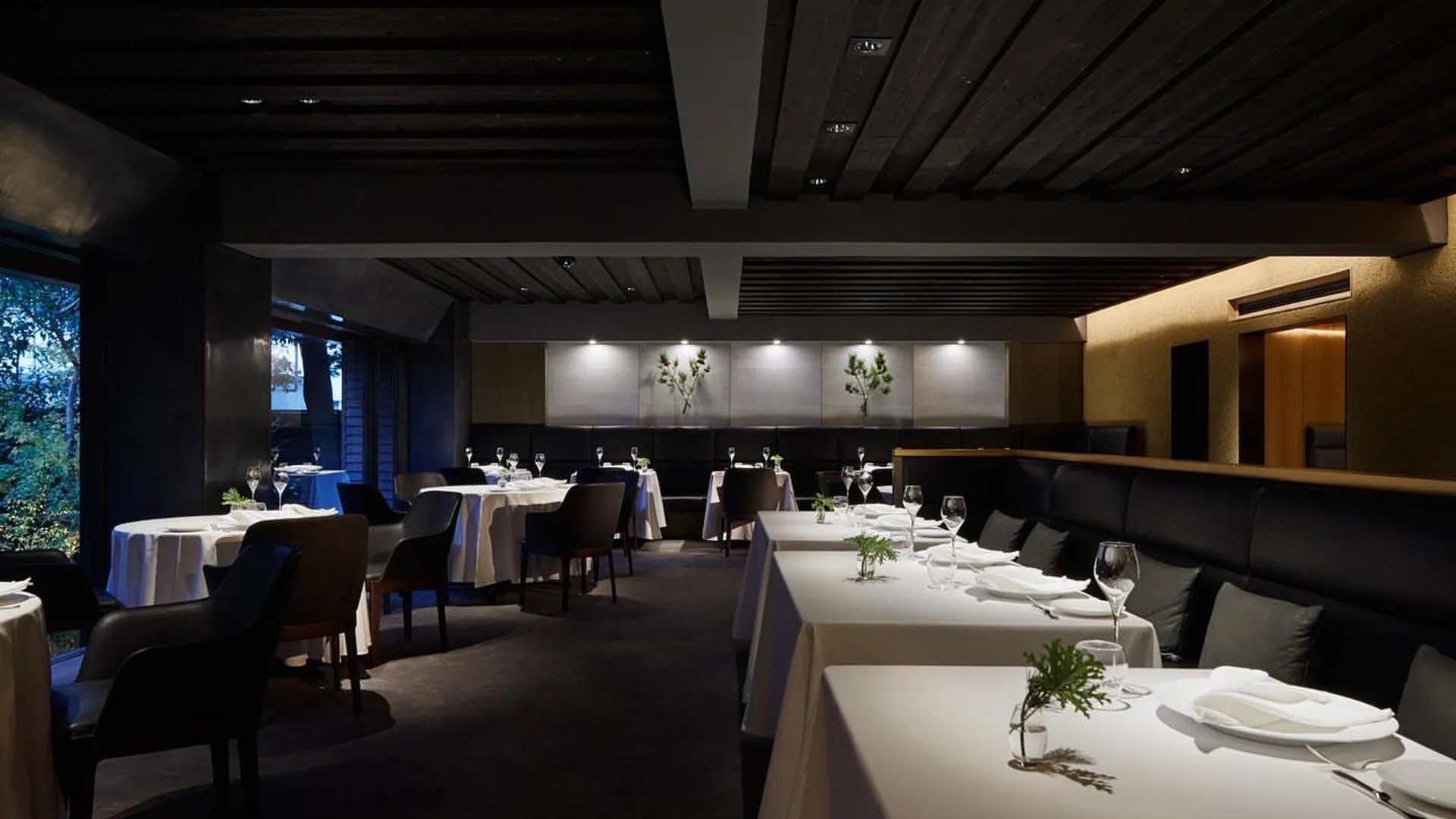
L'Effervescence presents a restrained, quietly luxurious experience that balances French structure with Japanese seasonal logic. The dining room is described across reviews as spacious and relaxed, and the restaurant's compact scale—28 covers in the main room plus a small private chamber—keeps the service intimate rather than theatrical. The neighbourhood context reinforces the mood: Nishiazabu's low-rise streets and quiet evenings make the restaurant feel removed from the bustle of Roppongi, so the overall impression is elegant, minimalist and serenely sophisticated.
Best For
This is a destination for serious dining — three Michelin stars, a Michelin Green Star for sustainability, strong Tabelog scores and international list placements underline its credentials. The kitchen's argument is focused and seasonally driven, attracting Tokyo's discerning crowd rather than casual passersby. That pedigree, combined with the restrained room and private dining option, makes L'Effervescence well suited to date nights, special occasions and business dinners where food, service and a composed atmosphere are the priority.
Ordering Tips
The restaurant operates on a compact 36-seat footprint: 28 seats in the main dining room and a private room that holds four to eight guests. Its cuisine is structured around seasonal thinking — the description highlights signature items such as Tokyo turnip and the 40-vegetable salad — so expect a menu that changes with produce cycles. Note the location: Nishiazabu sits roughly 800 metres from Omotesando station, and the quiet residential streets set a calm tone on arrival. The private room provides a clear option for small groups seeking extra privacy.
Venue details
Ambiance
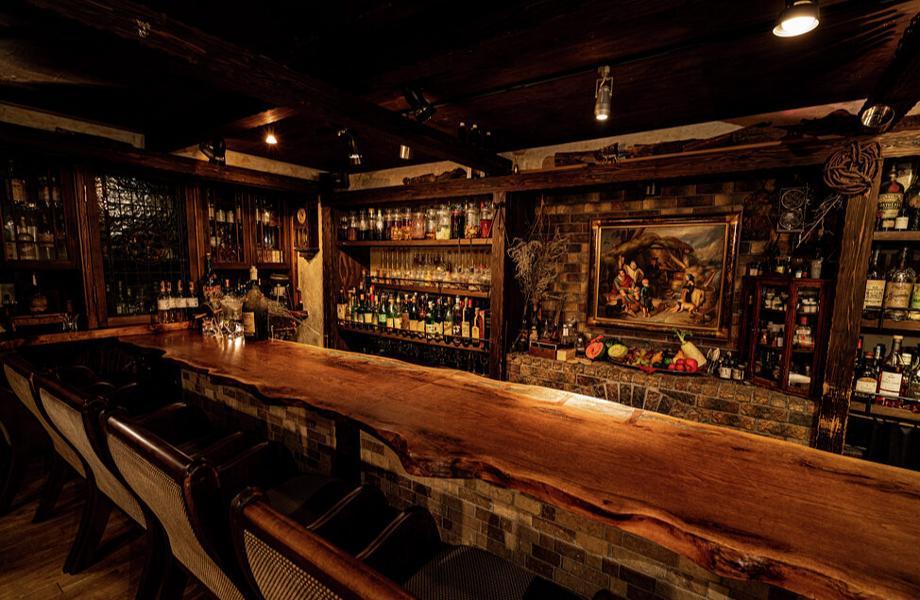
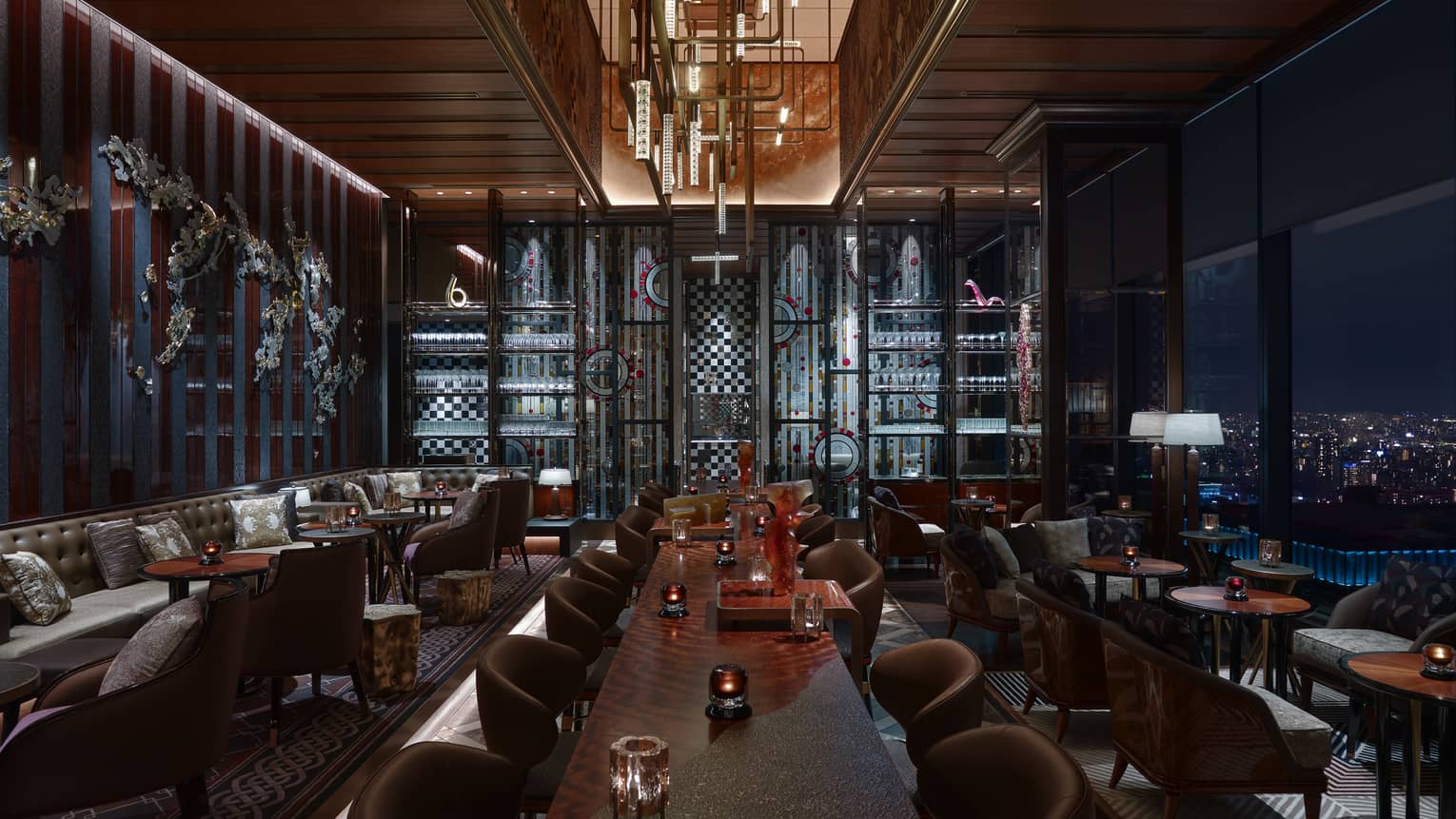
Serene and elegant with minimalist design, dark woods, earthy tones, and garden views creating a calm escape from Tokyo's bustle.
Tags
Vibe
Best For
Experience
Sourcing
View
At the Table
- Dress Code
- Smart Casual
- Noise Level
- Quiet
- Service Style
- Formal
- Meal Pacing
- Leisurely
- Capacity
- Small
- Kitchen
- Modern
- Menu Format
- Tasting menu
- Wine Program
- Exceptional
- Dietary
- Pescatarian friendly
Signature Dishes
- Tokyo turnip
- 40 vegetable salad
Know before you go
Know Before You Go
- Getting there
- 2 Chome-26-4 Nishiazabu, Minato City, Tokyo 106-0031, Japan
Planning details
Hours
Location
Location
2 Chome-26-4 Nishiazabu, Minato City, Tokyo 106-0031, Japan · Directions
Recognition and awards






Also consider
Also Consider
- Takumi, French, ¥¥¥
- abysse, French, ¥¥¥¥
- NéMo, French, ¥¥¥
- LE BOURGUIGNON, French, ¥¥¥
- Benoit, French, ¥¥¥
Restaurant context
At ¥60,000–¥80,000 before drinks, this sits in the same tier as abysse (¥¥¥¥, three Michelin stars) but delivers a quieter, more vegetable-focused experience. abysse skews toward opulent seafood and a grander room; if you want luxury signaling and pristine technique with fish, book there. Here, the meal is more cerebral and less showy, Namae's plant obsession makes for a tighter, less theatrical evening. Takumi (¥¥¥, one Michelin star) offers a similar French-Japanese hybrid at roughly half the price, but the ingredient sourcing and star count don't match. NéMo (¥¥¥) and LE BOURGUIGNON (¥¥¥) sit a tier below in both price and recognition; both are easier to book and deliver capable French cooking without the Green Star sustainability narrative.
Benoit (¥¥¥) skews more casual and bistro-driven, with walk-in availability most days, choose it if you want French flavor without the formality or the three-month booking window. For splurge-worthy vegetable-forward work with the deepest sourcing story, this is the pick. For easier booking at a lower price, Takumi or LE BOURGUIGNON will serve you well. For showier luxury and seafood focus, abysse is the better bet.
Explore Tokyo
Around this place
Discover more on Pearl
Unlock the full L'Effervescence guide in Pearl, including awards, comparisons, FAQs, planning details, and nearby places.
Compare L'Effervescence
| Venue | Cuisine | Price | Booking Difficulty | Awards |
|---|---|---|---|---|
| L'Effervescence | French | ¥¥¥¥ | Near Impossible | 2026 Tabelog Silver · #682026 OAD Top Restaurants in Japan Ranked · #103Star Wine Lists 20262026 Black Pearl 2 Diamond2026 Relais Chateaux Restaurants2026 La Liste Top Restaurants2026 Michelin 3 Stars2025 Asia's 50 Best Restaurants · #692025 OAD Top Restaurants in Japan Ranked · #92 |
| Takumi | French | ¥¥¥ | Unknown | 2026 Tabelog Bronze · #4502026 Michelin PlateTabelog 100 - French - TOKYO - 2025 · #4Tabelog 100 - Steak / Teppanyaki - EAST - 2025 · #41Tabelog 100 - Sushi - TOKYO - 2025 · #472025 Tabelog Bronze2025 Michelin Plate2024 Michelin Plate |
| abysse | French | ¥¥¥¥ | Unknown | 2026 OAD Top Restaurants in Japan Ranked · #1332026 Michelin 1 StarTabelog 100 - French - TOKYO - 2025 · #342025 OAD Top Restaurants in Japan Ranked · #902024 OAD Top Restaurants in Japan Ranked · #732024 Michelin 1 Star2023 OAD Top Restaurants in Japan Ranked · #84 |
| NéMo | French | ¥¥¥ | Unknown | 2026 Michelin 1 StarTabelog 100 - French - TOKYO - 2025 · #22024 Michelin 1 Star |
| LE BOURGUIGNON | French | ¥¥¥ | Unknown | 2026 OAD Top Restaurants in Japan Recommended2026 Michelin PlateTabelog 100 - French - TOKYO - 2025 · #602025 OAD Top Restaurants in Japan Ranked · #4992025 Michelin Plate2024 OAD Top Restaurants in Japan Ranked · #4602024 Michelin Plate2023 OAD Top Restaurants in Japan Recommended |
| Benoit | French | ¥¥¥ | Unknown | 2026 OAD Top Restaurants in Japan RecommendedMichelin Guide France & Monaco 20262026 OAD Casual in Europe Recommended2026 Wine Spectator Best of Award of Excellence2026 Falstaff Restaurant GuideWorld's Best Wine Lists 20252025 Michelin Plate2024 Michelin 1 Star |
.png?width=1200&quality=80)



Comparable nearby venues by cuisine and price for this tier.
FAQ
Frequently Asked Questions
What should I order at L'Effervescence?
L'Effervescence is a French restaurant in Tokyo led by Shinobu Namae. Guests should check with the restaurant directly for the current menu, including specific menu format, signature dishes, course progression, or ordering structure, before visiting.
Is L'Effervescence good for a special occasion?
It can be considered for a premium French meal in Tokyo: the price tier is ¥¥¥¥, the dress code is smart casual, and the Black Pearl Restaurant Guide 2026 recognizes it as a two-diamond restaurant. For celebrations, private arrangements, or group needs, confirm details directly with the venue.
What are alternatives to L'Effervescence in Tokyo?
For another high-end option, you may compare current availability and menus at abysse or Takumi. LE BOURGUIGNON, Benoit, NéMo, and other Tokyo dining rooms may also be relevant depending on the style and budget you want, but verify current details directly.
What should a first-timer know about L'Effervescence?
First-timers should know the basics: L'Effervescence is a French restaurant in Tokyo, led by chef-owner Shinobu Namae, with a ¥¥¥¥ price tier and smart casual dress code. Specific hours, menu structure, reservation rules, and special-request policies should be checked directly with the restaurant.
Is lunch or dinner better at L'Effervescence?
The restaurant's service hours for lunch or dinner should be confirmed directly. Choose based on the restaurant's current availability and confirm the latest schedule directly with L'Effervescence before making plans.