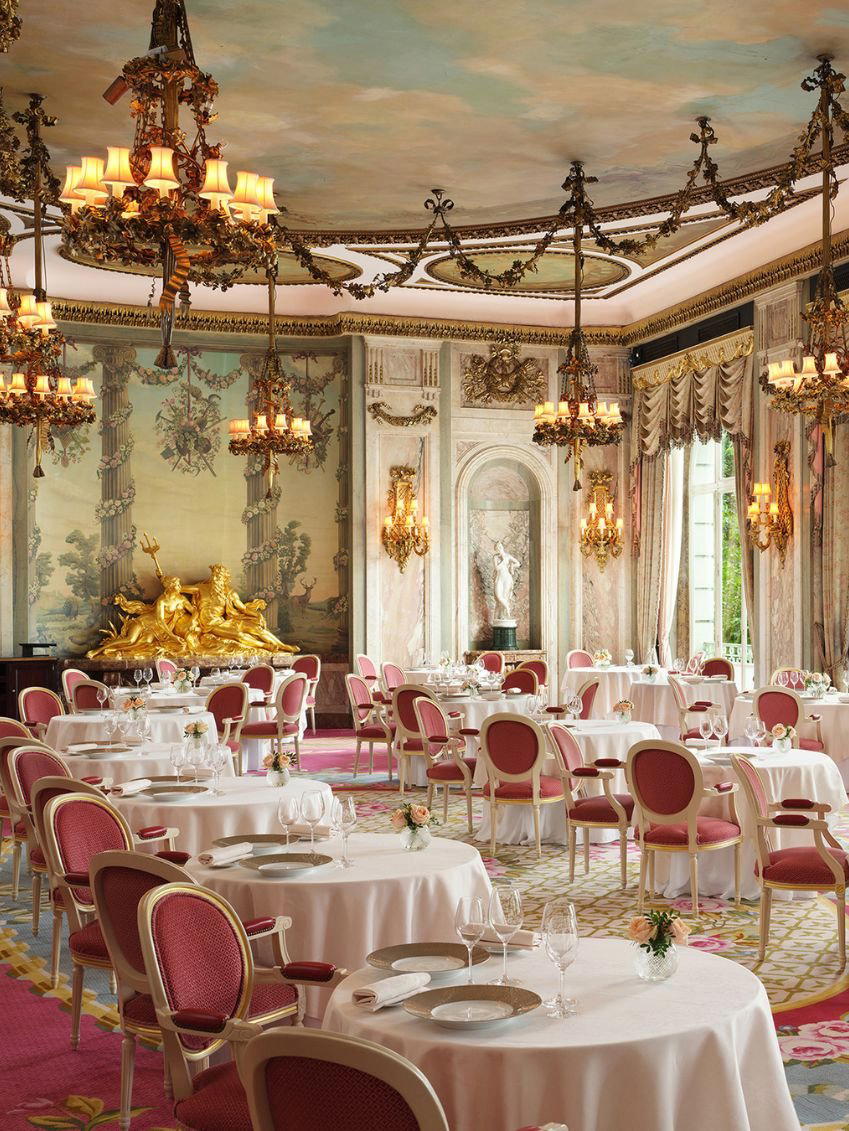

Restaurant
2026
Overview
La Liste is a French restaurant ranking system that aggregates scores from hundreds of guidebooks, publications, and online reviews worldwide into a single 100-point scale. Launched in 2015 by French diplomat Philippe Faure, it positions itself as a data-driven alternative to subjective rankings by mathematically compiling existing critical assessments rather than conducting independent evaluations.
La Liste differentiates itself from traditional restaurant guides through its algorithmic approach. Rather than sending anonymous inspectors or critics, it collects ratings from approximately 600 sources across 195 countries; including major guides like Michelin, Gault&Millau, and regional publications; then converts these disparate scoring systems into a normalized 100-point ranking. The system weights sources based on reliability and recency, with an algorithm designed by statisticians. This methodology produces an annual list of roughly 1,000 top restaurants globally, with establishments typically needing scores above 90 to rank. The French government initially supported its creation as a counterpoint to British-dominated rankings like The World's 50 Best Restaurants.
La Liste takes a different approach to restaurant rankings: instead of sending critics to dine anonymously, it aggregates scores from hundreds of existing guides and publications into a single algorithm-driven list. The French system compiles ratings from around 600 sources worldwide; from Michelin and major critics to regional guidebooks; and converts them to a 100-point scale. That means a restaurant's La Liste score reflects its cumulative critical consensus rather than one organization's opinion. For diners, it's useful as a meta-ranking that shows which restaurants earn consistent acclaim across multiple systems, though it also means the list tends toward established fine-dining institutions rather than emerging talent.
Philippe Faure, a French career diplomat, launched La Liste in 2015 with backing from the French Ministry of Foreign Affairs. The project emerged partly as a response to the UK-based World's 50 Best Restaurants list, which French officials felt underrepresented French cuisine. Rather than create another subjective ranking, Faure assembled a team of statisticians to build an aggregation system that would compile existing critical opinion mathematically. The platform collects data from approximately 600 sources spanning 195 countries, including established guides like Michelin, Gault&Millau, Zagat, and major newspaper critics, plus online review platforms and regional publications. Each source's scoring system gets normalized to La Liste's 100-point scale, with weighting based on factors like historical reliability and review recency. The algorithm runs continuously, though the official annual ranking typically releases each December. La Liste now extends beyond restaurants to include a hotel ranking (Top Hotels launched in later years) and special categories. The restaurant list typically features around 1,000 establishments globally, with scores clustering between 90-99.75 points at the top end. Unlike rankings limited to a fixed number of winners, La Liste's approach means any restaurant meeting the algorithmic threshold can appear, making the list longer but less exclusive than systems like 50 Best.
La Liste's methodology centers on aggregation rather than original evaluation. The system identifies and monitors approximately 600 publications, guidebooks, and review platforms that assess restaurants using stars, points, or other rating systems. These include institutional guides (Michelin, Gault&Millau), newspaper critics, online platforms, and regional publications across six continents. Each source's native scoring system converts to La Liste's 100-point scale through normalization formulas. A three-Michelin-star rating translates differently than a 95/100 newspaper review, but the algorithm accounts for these variations. The system weights sources based on perceived reliability, consistency, and how recently they've updated their assessment; recent reviews count more heavily than old ones. Restaurants appear on La Liste only if they've been reviewed by multiple qualifying sources, which means brand-new openings rarely make the list immediately. The scoring favors consensus: establishments that earn high marks across many different critics score better than those with polarizing receptions. Critics of this approach argue it systematically favors established fine-dining institutions over innovative or unconventional restaurants, since traditional critics dominate the source pool.
La Liste's prestige comes primarily from its comprehensiveness rather than exclusivity. Because it aggregates hundreds of critics rather than representing a single editorial voice, a high La Liste score signals broad critical consensus; useful validation that multiple respected sources agree on a restaurant's quality. For restaurants, La Liste recognition carries less cache than Michelin stars or a 50 Best ranking in terms of driving reservations, but it serves as a data point for establishments building international reputations. The system's French government origins and Philippe Faure's diplomatic background give it institutional weight, particularly in Europe. The methodology's strength; breadth of sources; is also its limitation for prestige. Because the list includes 1,000+ restaurants and adds any establishment meeting the algorithmic threshold, making La Liste feels less competitive than earning a spot on curated rankings with fixed slots. The top positions matter more than simply appearing on the list.
Track your progress across the world's best restaurants, hotels, and bars.