

2026 Tabelog Silver: Complete List of 161 Restaurants in Japan
A restaurant where you can encounter a mastery of the culinary arts that must be experienced to be believed.

Venues on this list
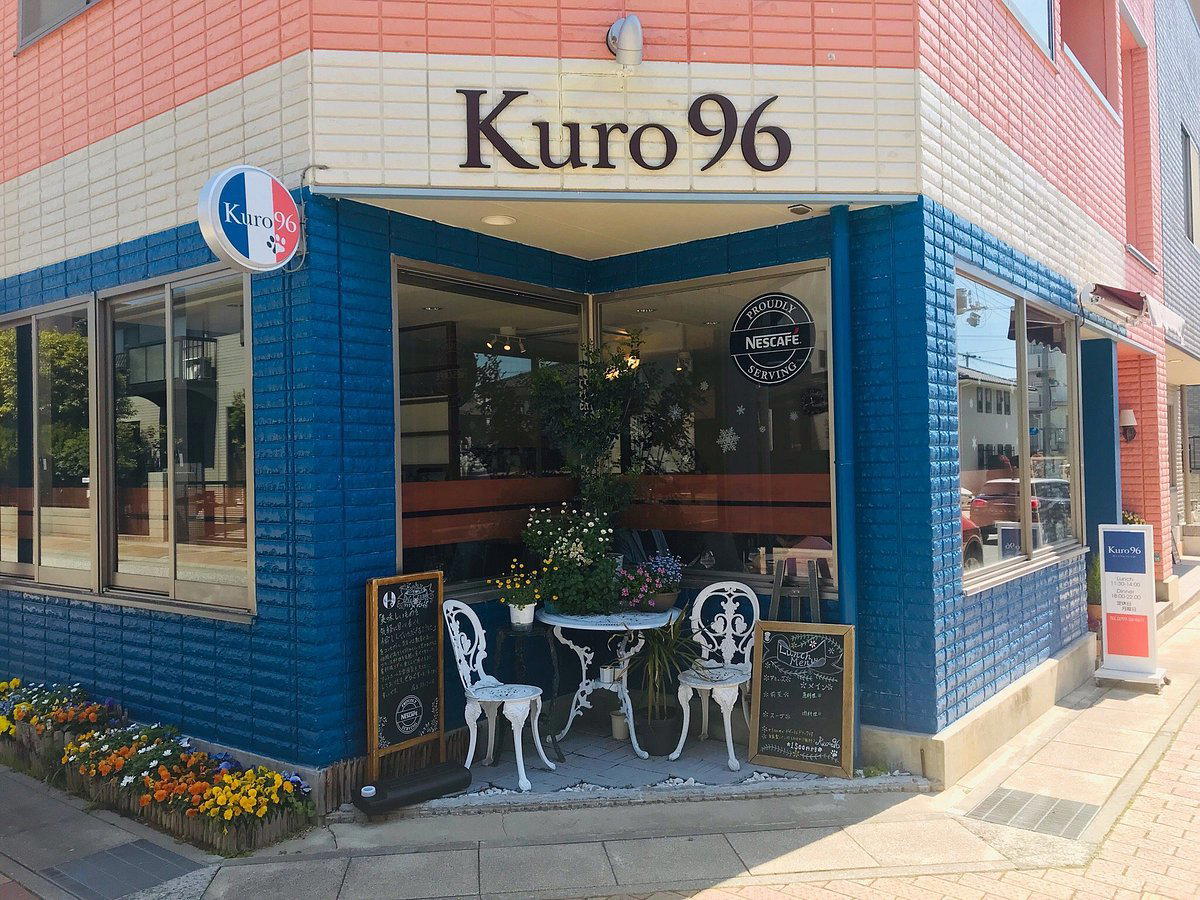
Abon
Ashiya, Japan
Kushi Katsu A-bon holds a Tabelog Silver Award (4.40, 2026) and runs two evening seatings for 19 guests in a counter-dominant room in residential Ashiya. At JPY 15,000–19,999 per head, it delivers a sequential kushiage experience worth the planning effort; but reservations require Japanese-language communication and open monthly.
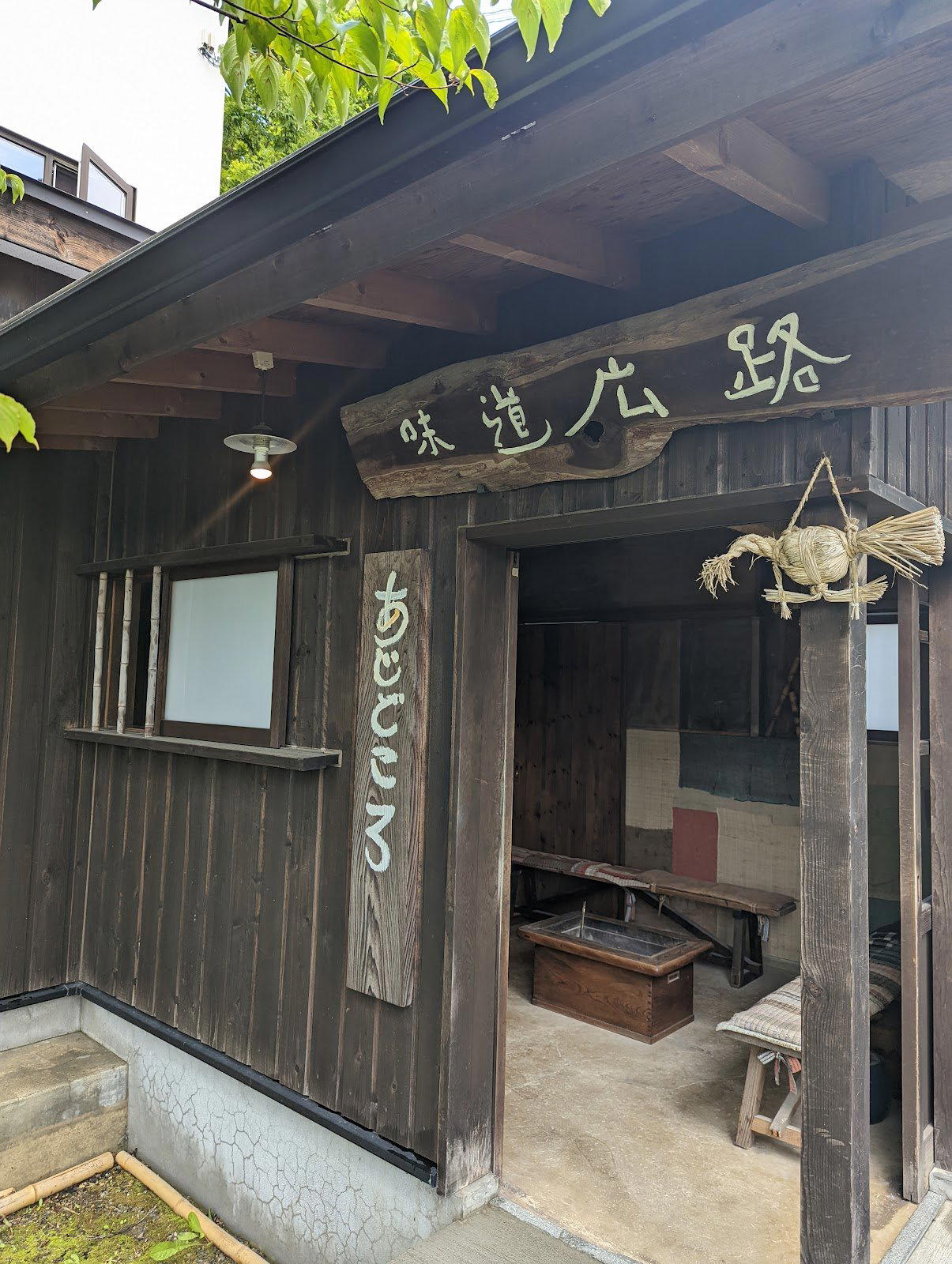
Ajidocoro
Yubari District, Japan
Ajidocoro is a 20-seat house restaurant in rural Kuriyama earning Tabelog Silver Awards and a 4.47 score for refined kaiseki at JPY 10,000–JPY 14,999. Reservations open monthly via phone and fill fast; expect seasonal Hokkaido produce, strong sake selection, and a quieter alternative to Sapporo's crowded scene.
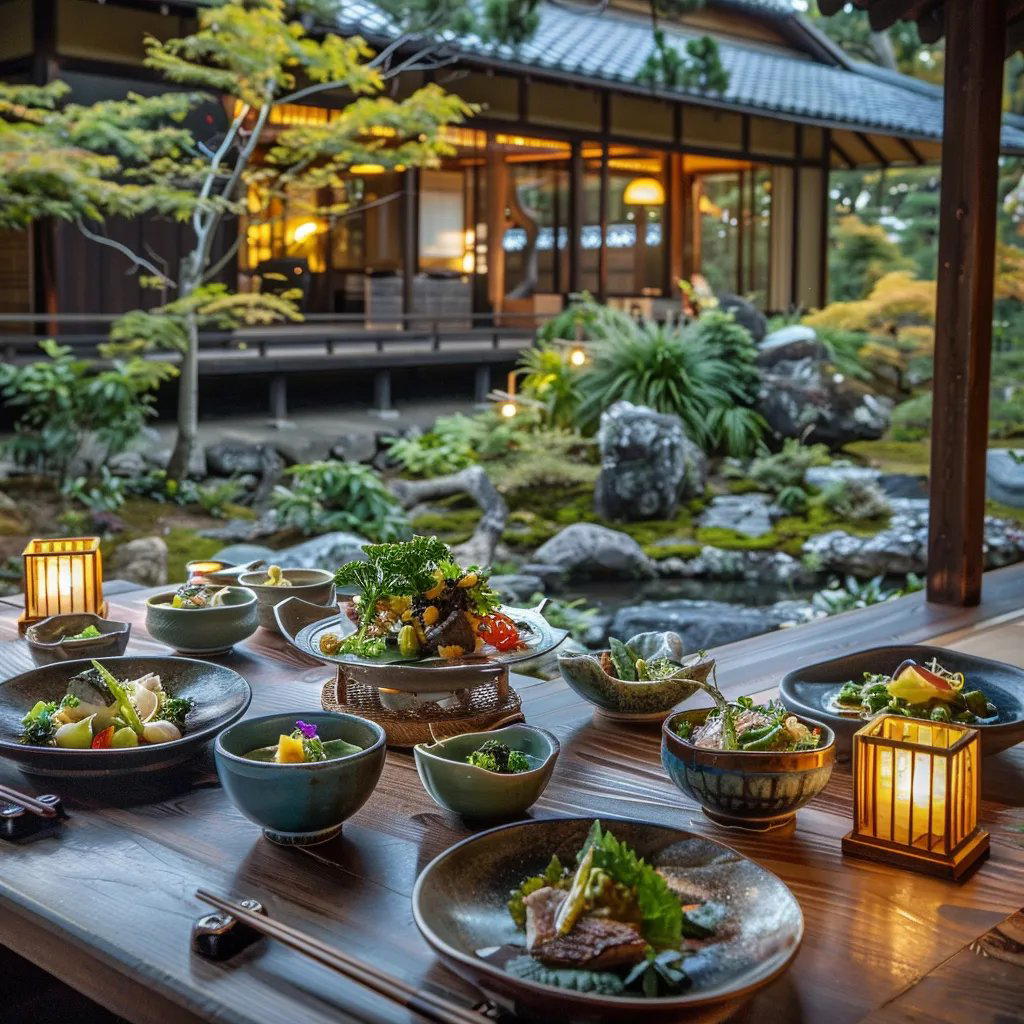
Ajiman
Tokyo, Japan
Ajiman is Tokyo's most credentialed referral-only fugu counter, holding a Tabelog Silver Award (4.27) and eight consecutive years of Tabelog recognition. At JPY 80,000–99,999 per head, cash only, with 12 seats and no public booking route, it rewards thorough advance planning. Get the referral, confirm the season, and arrive with yen.
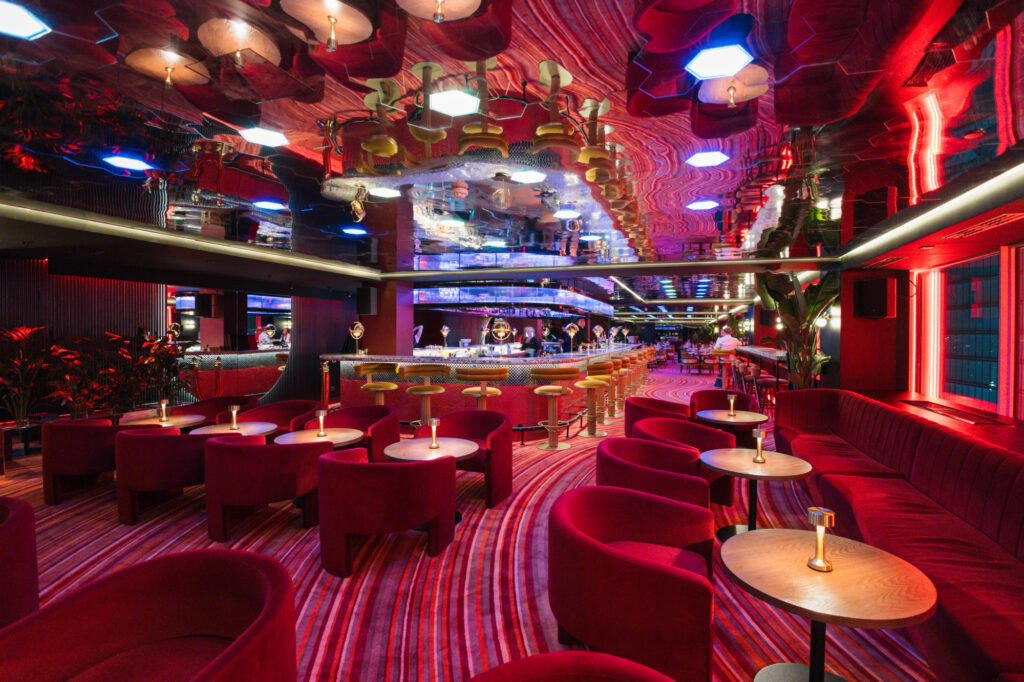
AKAI
Kyoto, Japan
AKAI is an eight-seat counter restaurant in Higashiyama, Kyoto, running creative cuisine built around sourcing-led fish and vegetable menus. Five consecutive Tabelog Silver awards (2022–2026) and a score of 4.42 back the price: expect JPY 20,000–29,999 per head in practice. Book two to three weeks out for weekend slots; private use available for groups of six to eight.
aki nagao
Sapporo, Japan
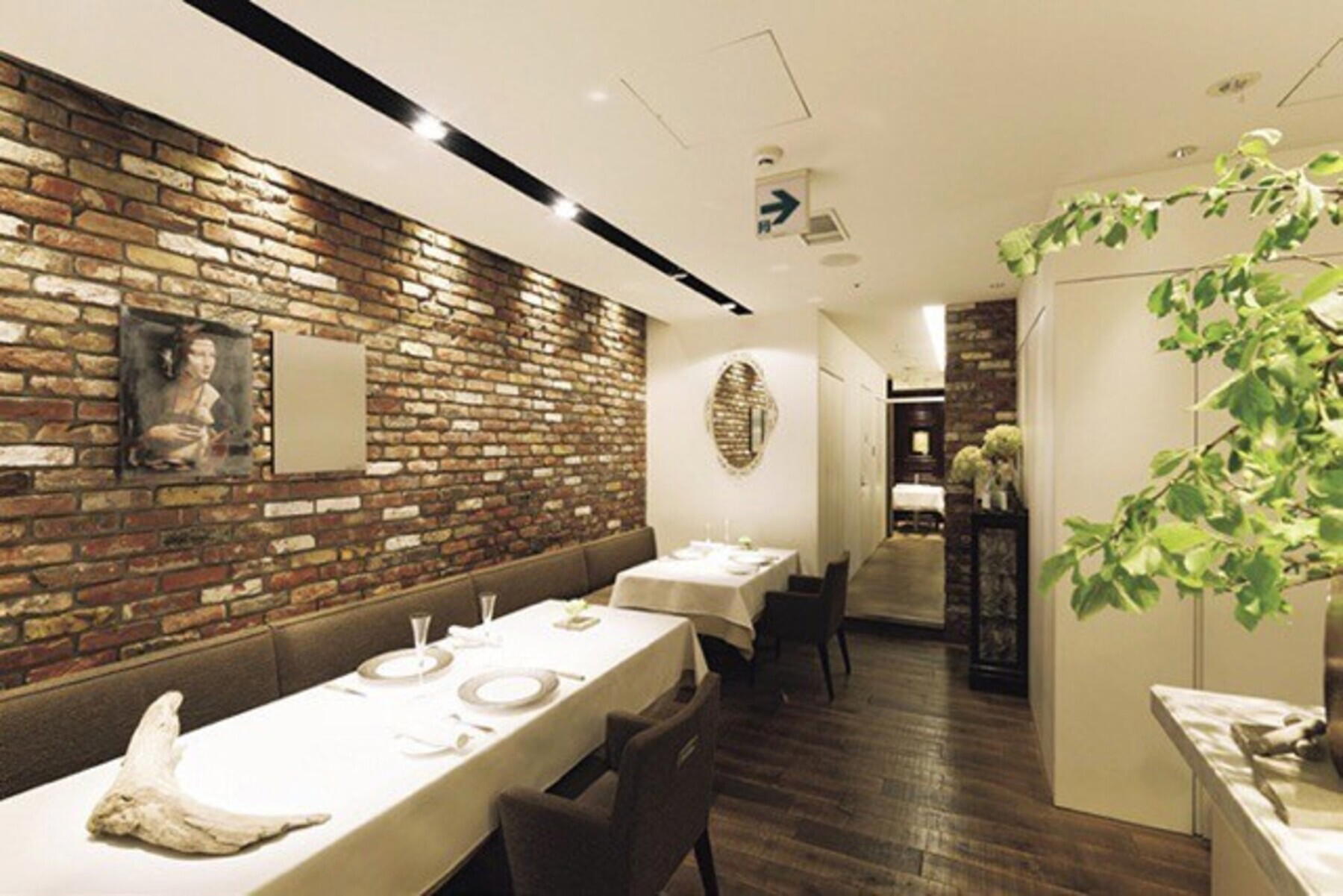
A 14-seat French restaurant in Susukino holding Tabelog Award 2026 Silver and repeated Tabelog 100 selections. At JPY 40,000–49,999 per head, it delivers Hokkaido seafood-focused courses in a reservation-only format with private rooms for two to eight guests. Best for group celebrations or business meals where conversation and local sourcing outweigh technique-forward innovation.
Sushi Akira
Tokyo, Japan
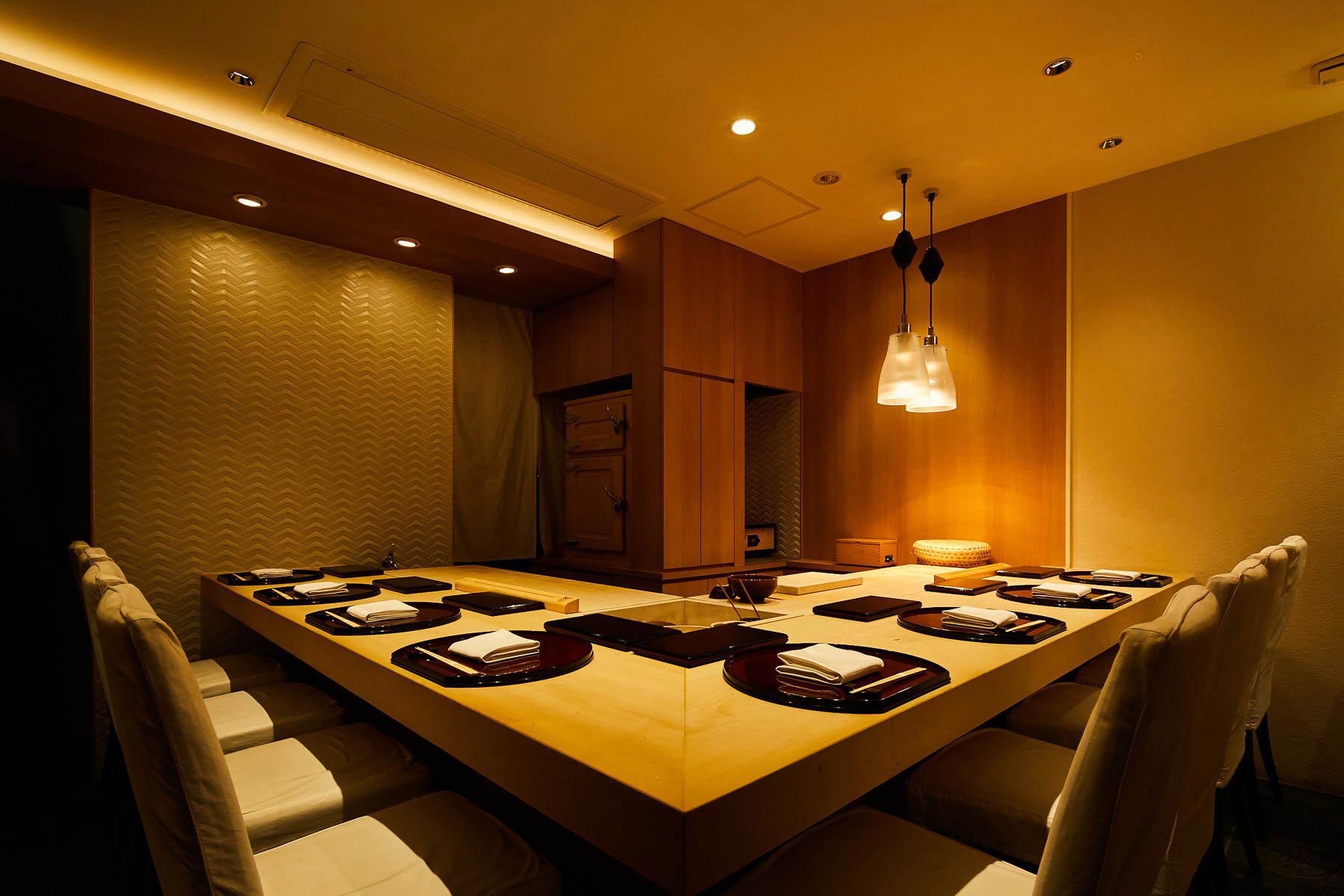
Sushi Akira is an 8-seat Edomae omakase counter in Ebisu with a Tabelog score of 4.52, three consecutive Tabelog Silver Awards, and an OAD Japan ranking of #206 in 2025. At JPY 40,000–59,999 per head, it sits at the top of Tokyo's sushi tier and stays open until 23:00; rare for a counter at this level.
Narayamachi Ao
Fukuoka, Japan
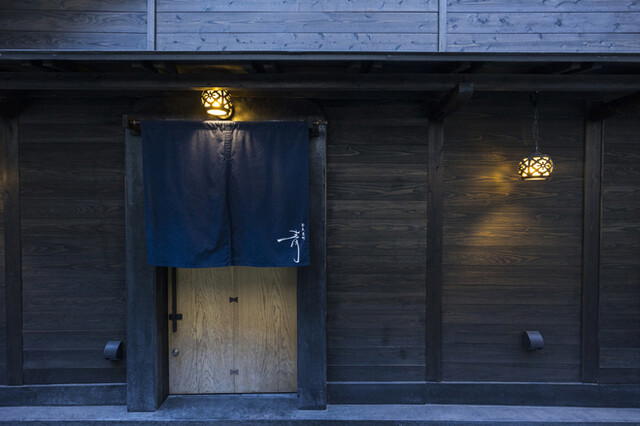
Narayamachi Ao is Fukuoka's top-rated innovative-cuisine counter: nine seats, Tabelog Silver 2025 and 2026, and a course-only format at JPY 30,000–39,999 per head. Fully booked through end of 2026, this is the right reservation if you are planning a special-occasion dinner in Hakata well in advance. No walk-ins, no à la carte.
Tempura Asanuma
Tokyo, Japan
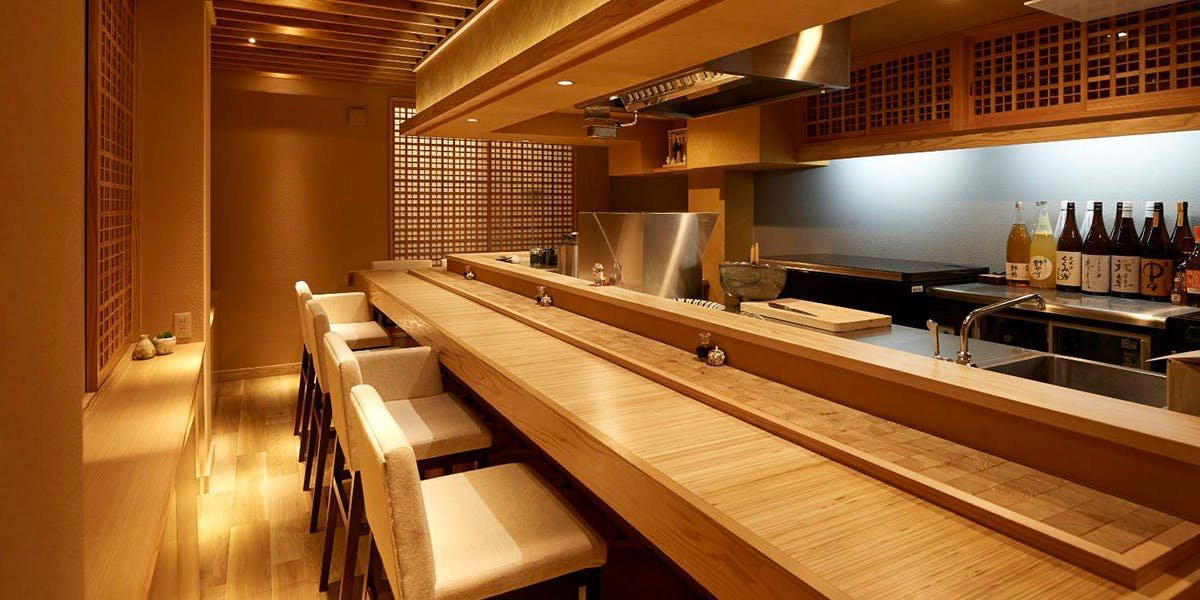
Tempura Asanuma is a Tabelog Silver Award-winning counter in Nihonbashi with eight seats, identical lunch and dinner pricing at JPY 15,000–19,999 (actual spend trends higher), and a BYO allowance rare at this level. It competes with Tokyo's top tempura specialists and earns that comparison through consecutive Tabelog 100 selections and a Michelin Plate. Book via Instagram or voicemail; the non-standard reservation process is the only friction.
Sangubashi Asaya
Tokyo, Japan
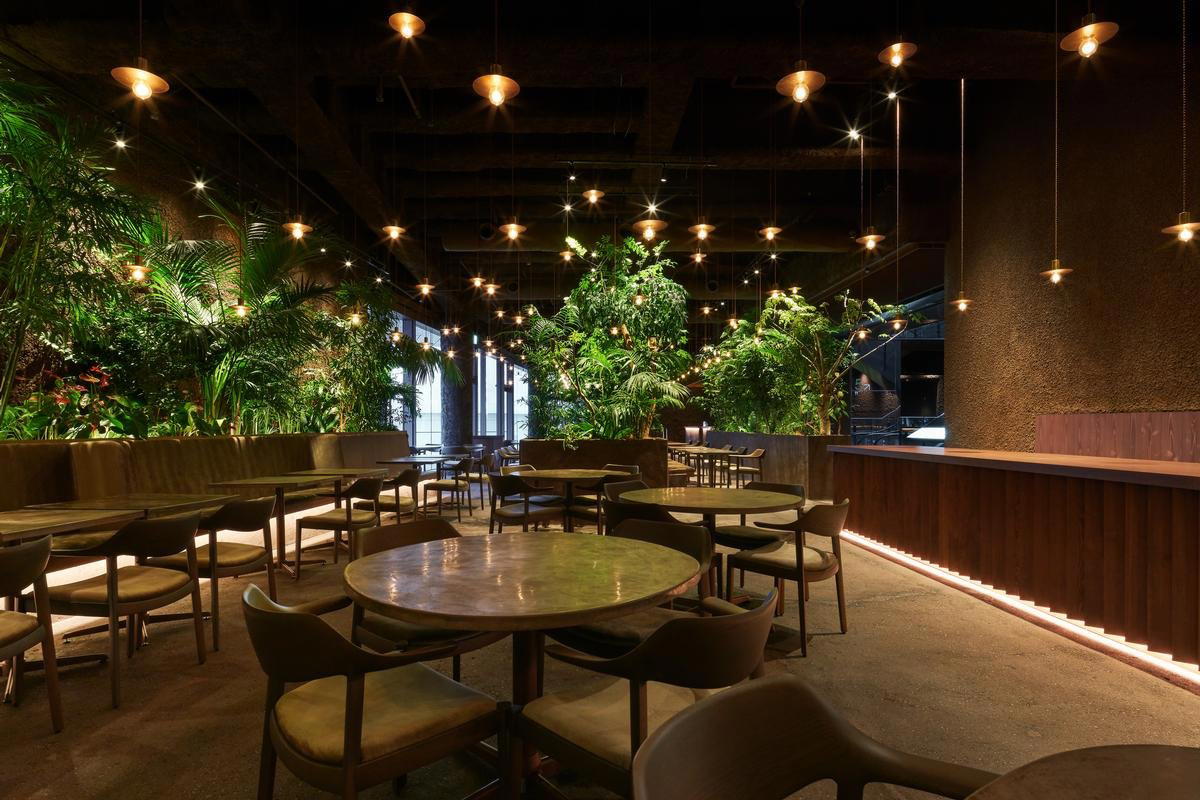
Eight-seat counter in Yoyogi serving a full-course eel progression at JPY 30,000–49,999 per head. Tabelog Award 2026 Silver and OAD #55 (2026) credentials place it among Tokyo's top unagi specialists, though the fixed-menu format and price suit diners who want a chef-led tasting over à la carte control. Book via Instagram; private events for up to 20 available.
Bia
Tokyo, Japan
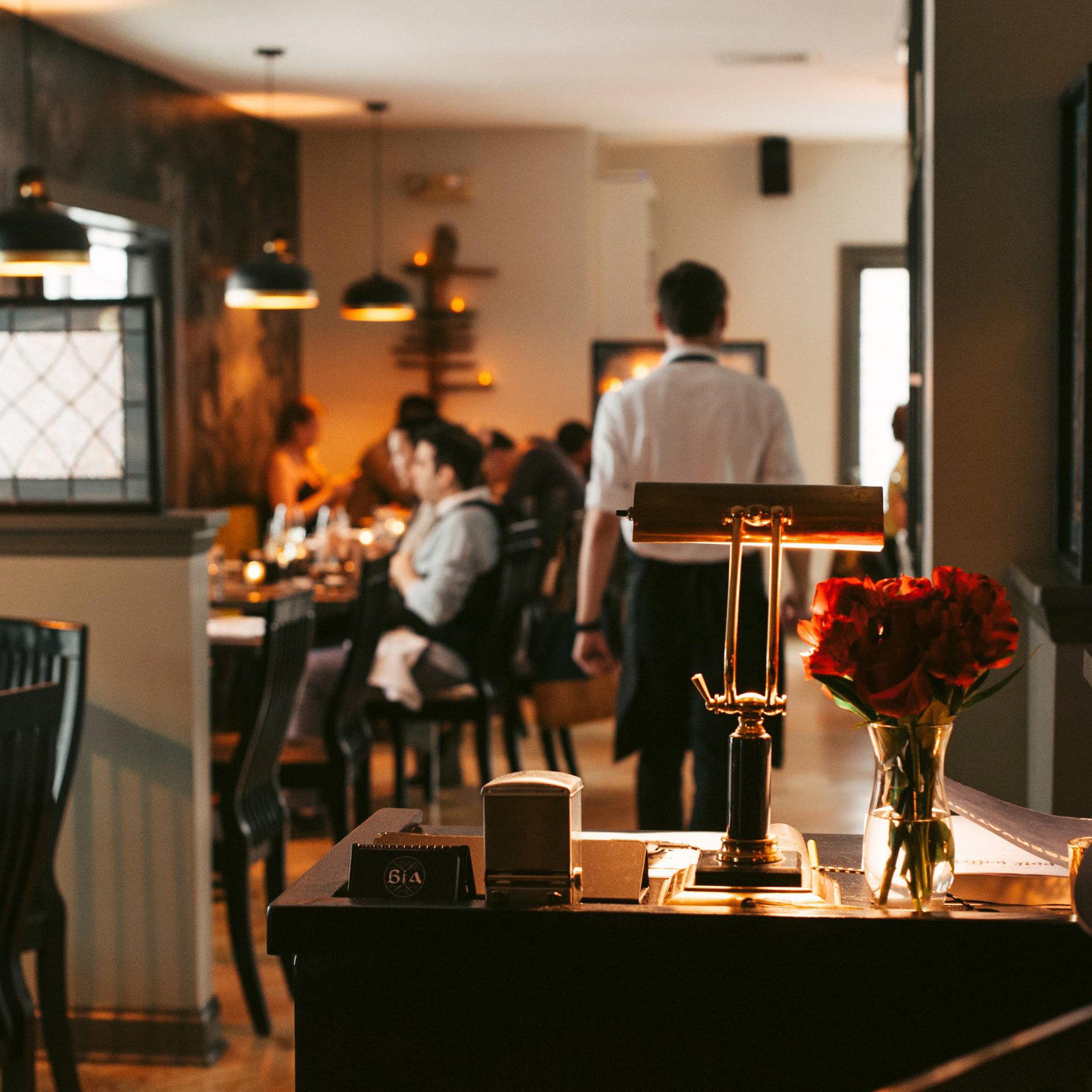
Bia is a Thai-Japanese fusion course restaurant in Roppongi with three consecutive Tabelog Silver Awards (2024–2026) and a Tabelog score of 4.42. At JPY 40,000–50,000 per person with drinks, it earns its price for special occasions: private rooms are available for groups up to 8, a sommelier is on-site, and BYO is permitted. Book two to three weeks out; shellfish allergy is a firm disqualifier.
Bon.nu
Tokyo, Japan
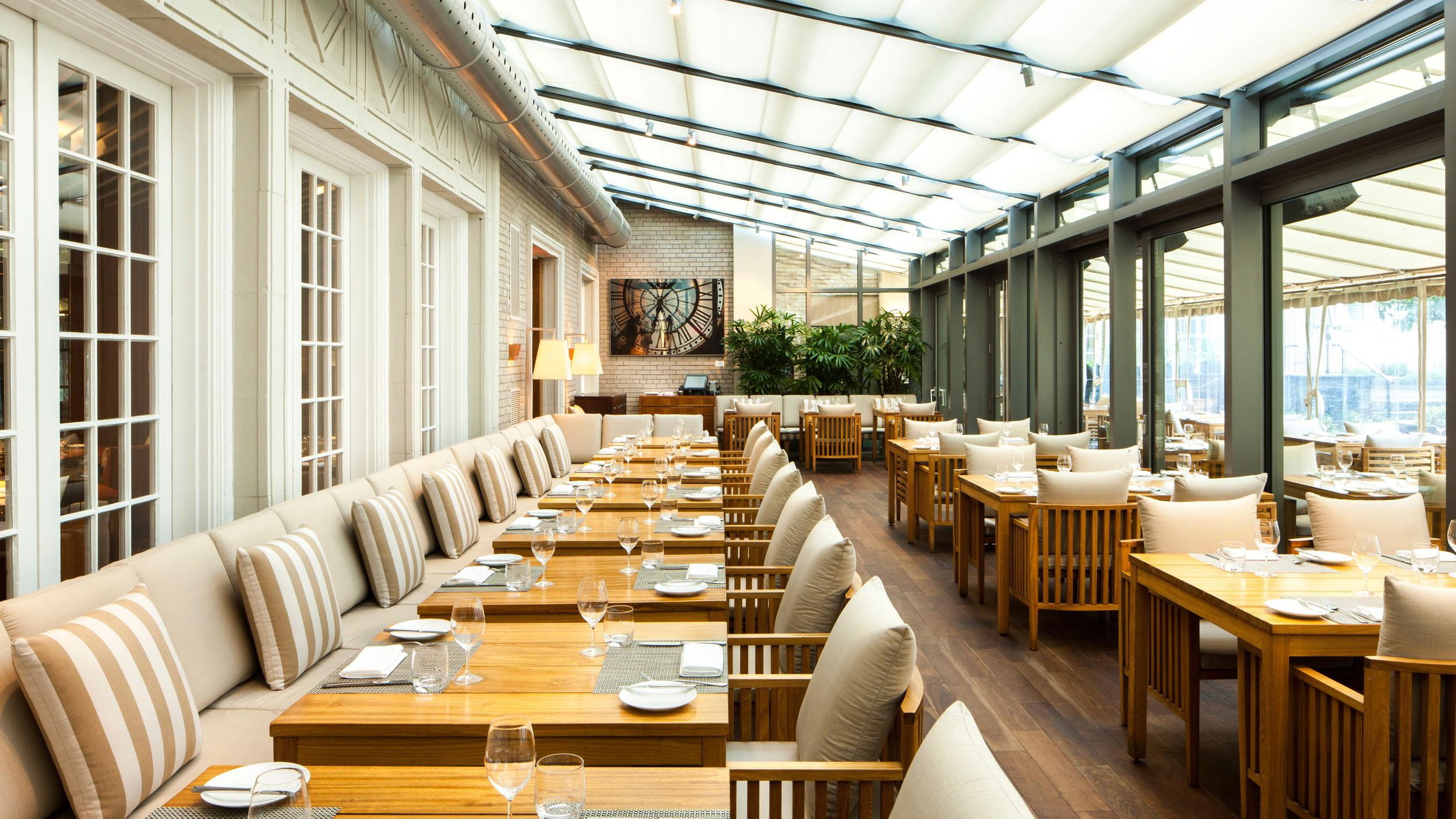
Bon.nu is a 12-seat French restaurant in Yoyogi, Tokyo, with a Tabelog score of 4.25 and nine consecutive Silver Awards through 2026. Budget ¥50,000–¥59,999 per head; reservation-only with a strict 100% cancellation fee from one week out. Best for special occasion dinners; lunch is groups of six or more only.
CERCA TROVA
Nobeoka, Japan
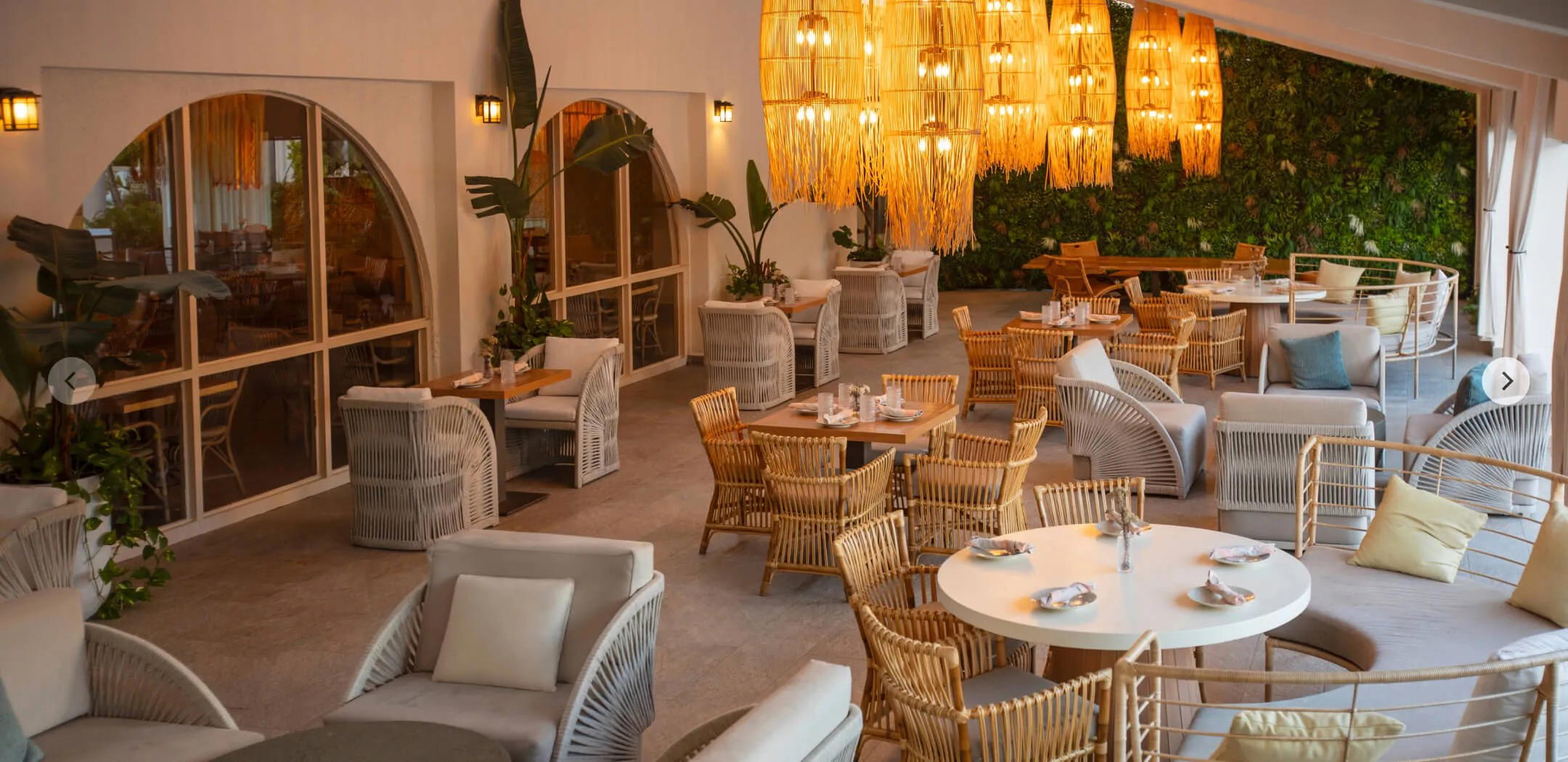
Tabelog Award 2026 Silver winner and Tabelog 100 Italian West selection serving reservation-only dinners from a 14-seat house restaurant in Nobeoka. JPY 15,000–19,999 multi-course format with local ingredient focus, wine-forward beverage program, and six years of consistent award recognition. Book by phone for evening seatings; closed Sundays.
Chataro
Tokyo, Japan
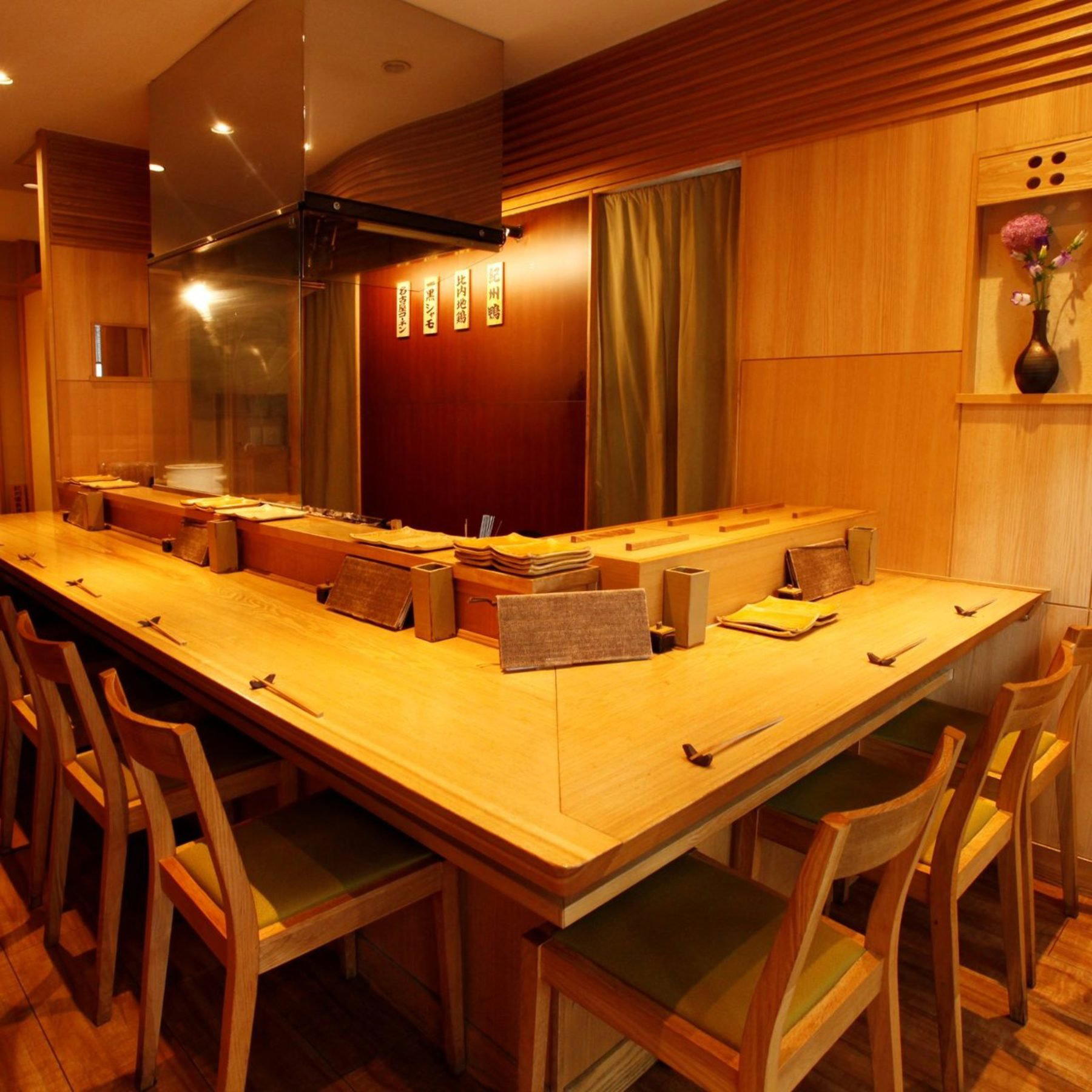
Chataro is Tokyo's case for yakitori as fine dining: an 11-seat counter in Shibuya where Chef Takuya Kaneko grills long-raised chicken across six preparations, backed by five consecutive Tabelog 100 selections and two Tabelog Award Silver wins. Dinner runs JPY 20,000–29,999 per head. Book online two to four weeks ahead; online reservations only, no phone bookings accepted.
Chez Inno
Tokyo, Japan
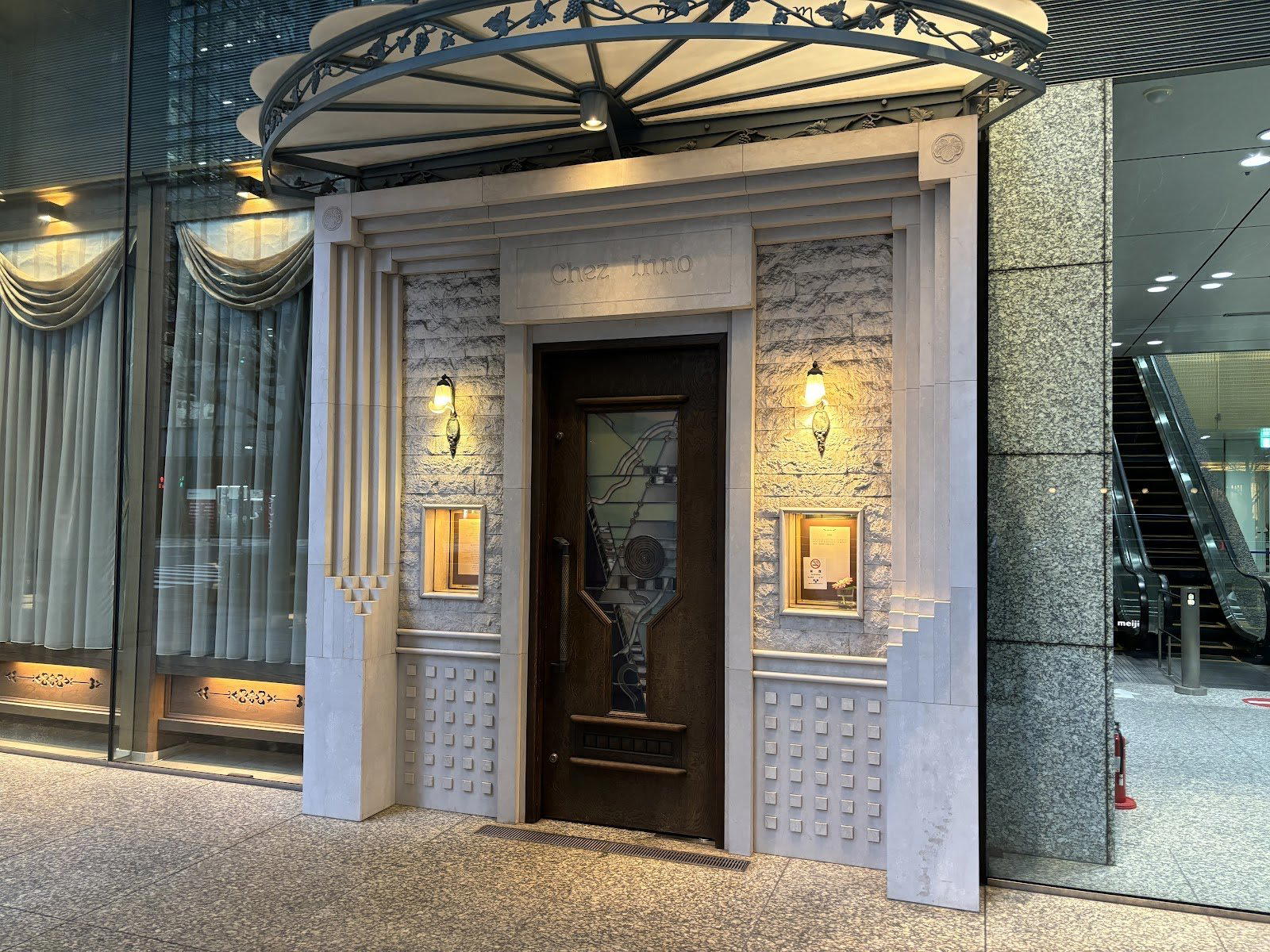
Chez Inno is a restaurant in Kyobashi, Tokyo.
Chiso Sottakuito
Hiroshima, Japan
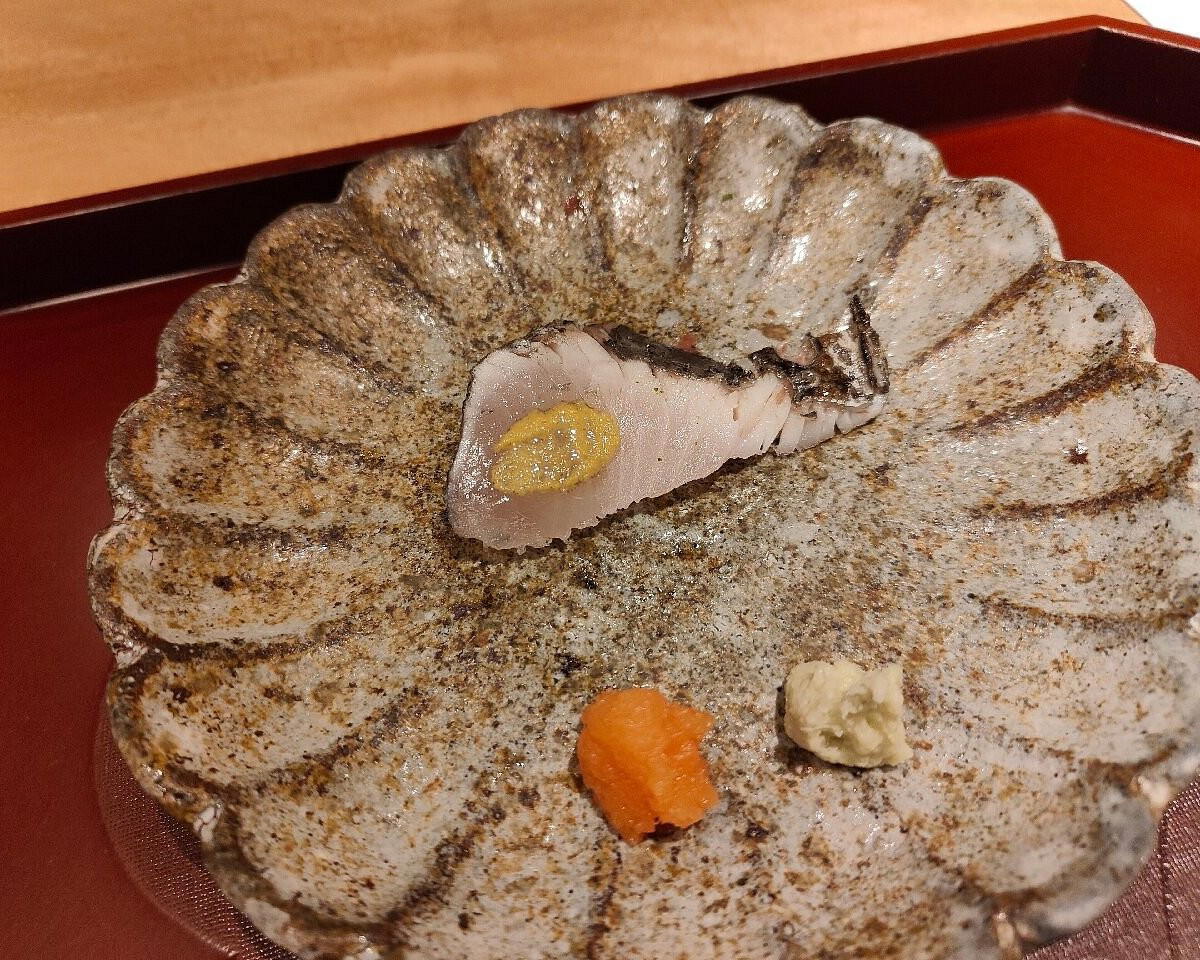
A nine-seat kaiseki counter in Naka Ward holding a 4.52 Tabelog score and six consecutive Tabelog Awards (Bronze 2020–2021, Silver 2022–2026). The late 23:00 closing hour separates it from Hiroshima's earlier-evening fine-dining addresses; the cash-only, reservation-only format and strict cancellation policy mean flexibility is traded for technical precision. Book two to three weeks ahead for weekend evenings.
Chiune
Tokyo, Japan
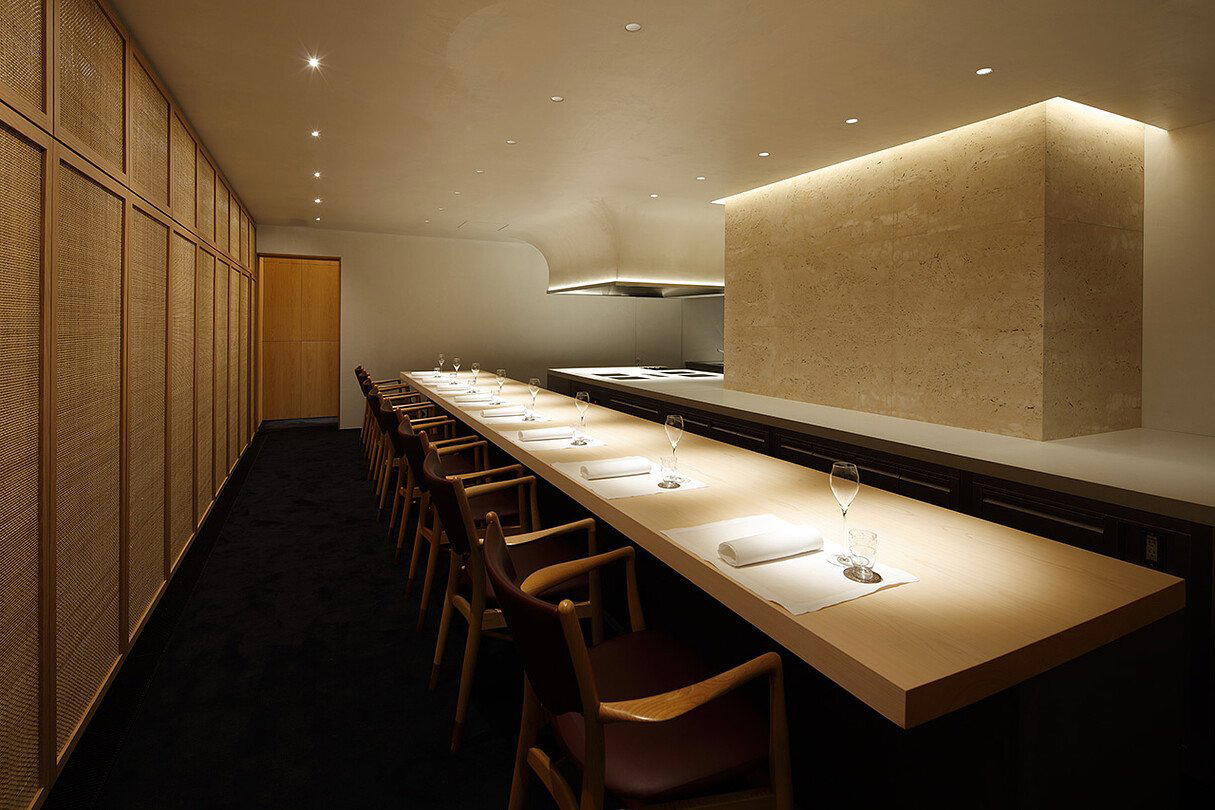
Chef Satoshi Furuta's Franco-Japanese menu at his new Kioicho address earned Tabelog Silver for 2025 and 2026, with dinner running JPY 80,000–99,999. The cooking prioritizes ingredient clarity and umami depth over architectural drama, making it a strong choice for special occasions when you want technical refinement without the theatrics of Tokyo's higher-wattage rooms.
Den
Tokyo, Japan
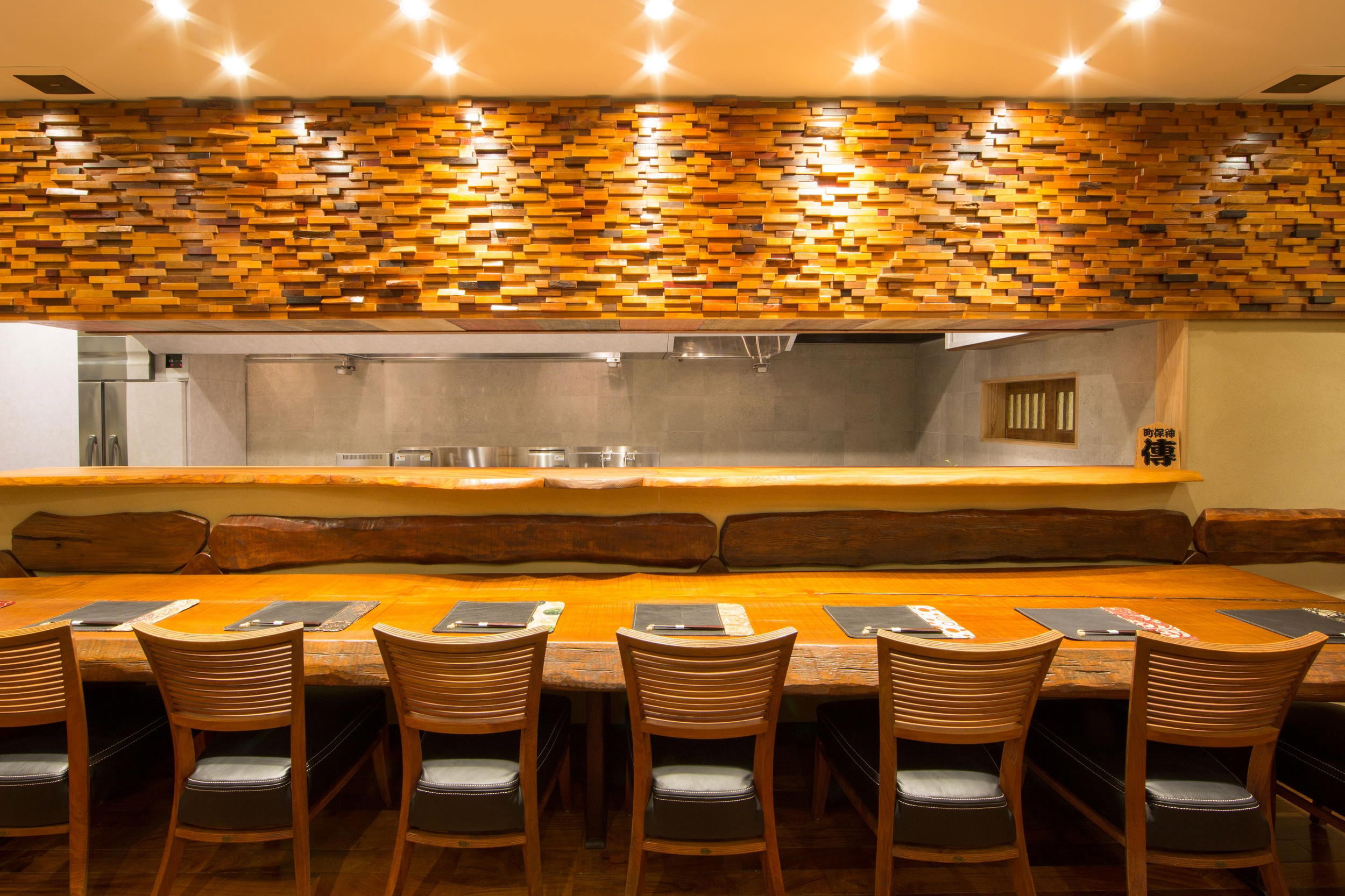
Den is a Japanese restaurant in Jingumae, Tokyo, led by chef Zaiyu Hasegawa.
Dewaya
Nishikawa, Japan
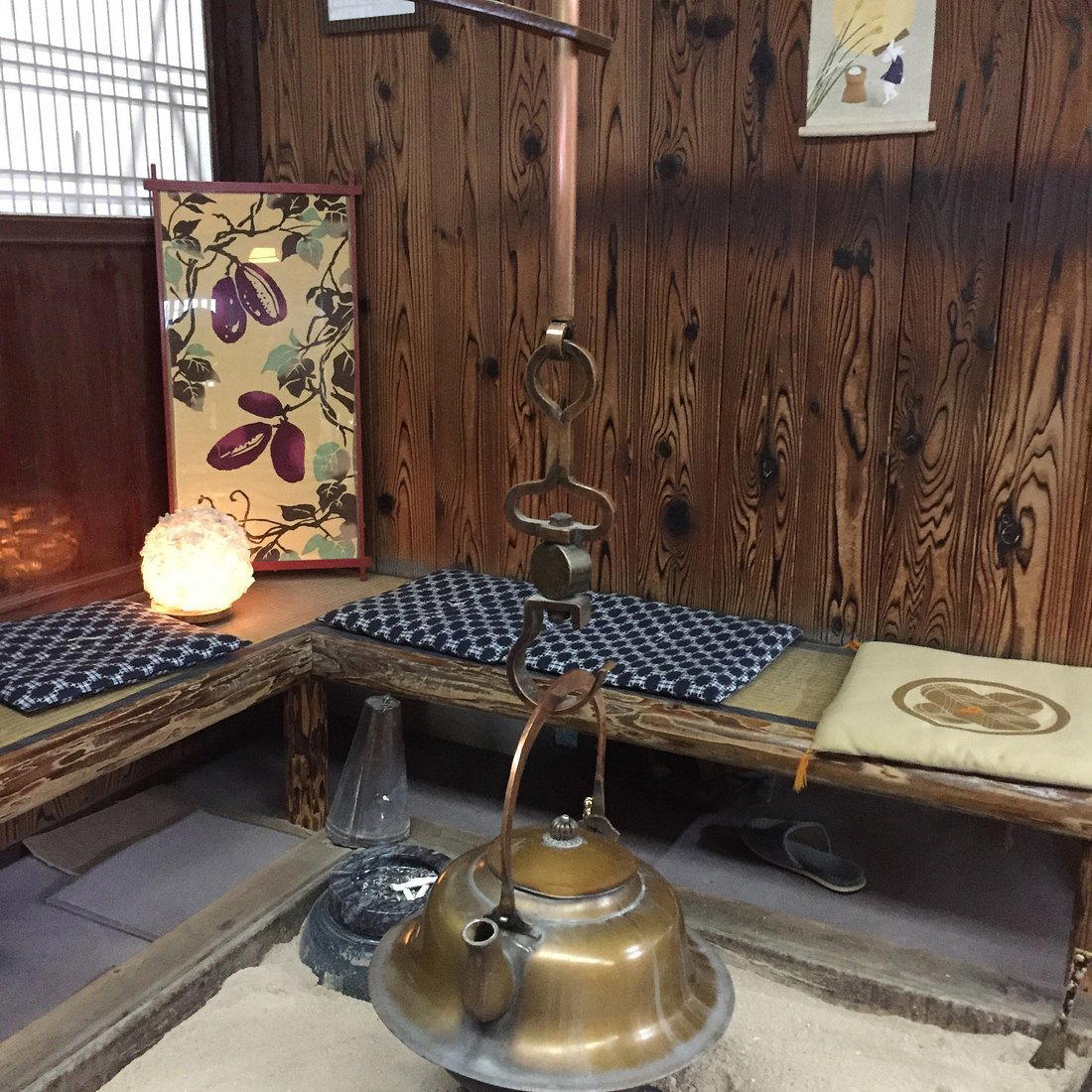
Dewaya is a 90-year-old inn-restaurant in Nishikawa, Yamagata, holding Tabelog Silver in 2025 and 2026 (score: 4.49) for its sansai ryori: seasonal wild mountain vegetable cuisine sourced from Mount Gassan. Dinner runs JPY 15,000–19,999 listed (closer to JPY 30,000–39,999 in practice). The Chef's Table; one group per day; is the format worth planning around.
Yoroniku
Tokyo, Japan
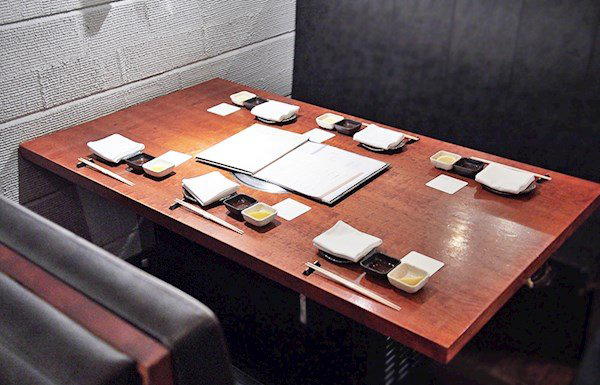
Yoroniku in Minami-Aoyama is the right booking for a structured, course-driven yakiniku experience in Tokyo. Holding a Tabelog 4.22 score and consistent placement in the Opinionated About Dining Japan Top 50, it runs JPY 15,000–19,999 effective per head at dinner, with private rooms for groups from 2 to 30-plus and an English menu available. Open seven days, dinner only.
ete
Tokyo, Japan
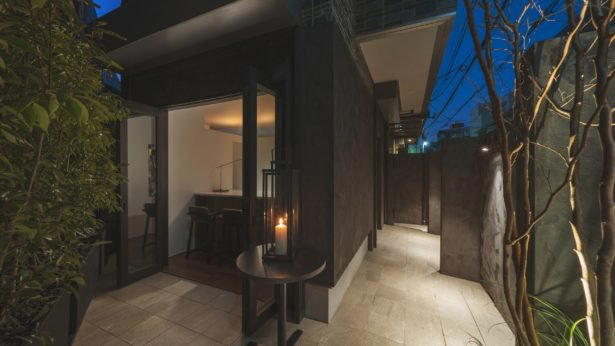
ete is chef Natsuko Shoji's reservation-only French-innovative restaurant in Yoyogi Uehara, holding Tabelog Silver Awards from 2022 to 2026 and a 4.32 score. At JPY 100,000+ per head for dinner, it delivers a personalised couture course with private room availability; best suited to special occasions where the format, not just the food, is part of the spend.
Fogliolina della Porta Fortuna
Nagano, Japan
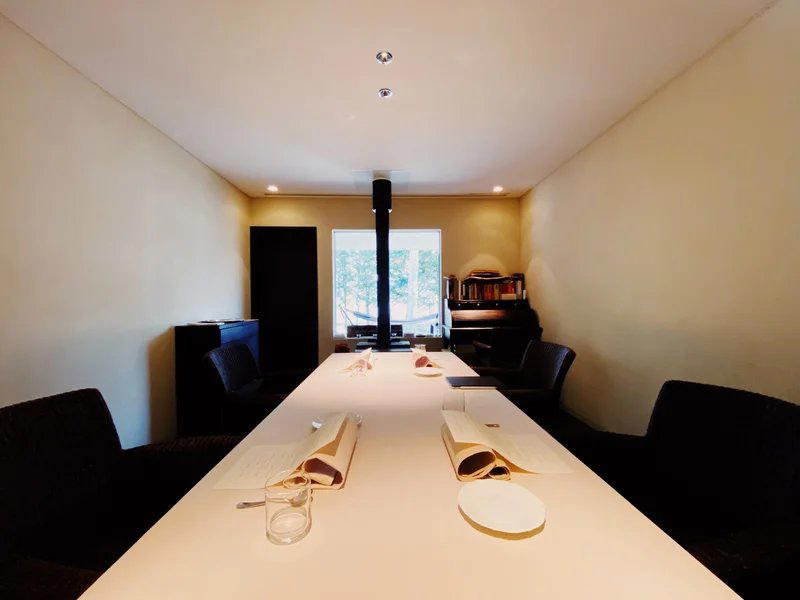
A single-group-per-day Italian house restaurant in the Karuizawa highlands, Fogliolina della Porta Fortuna has held the Tabelog Silver Award every year from 2018 through 2026 and carries a 4.44 score. Chef Kobayashi Koji works in a six-seat setting where the pace is set by the seasons, the forest light, and a wine list built for food pairing rather than display.
FUJI
Shizuoka, Japan
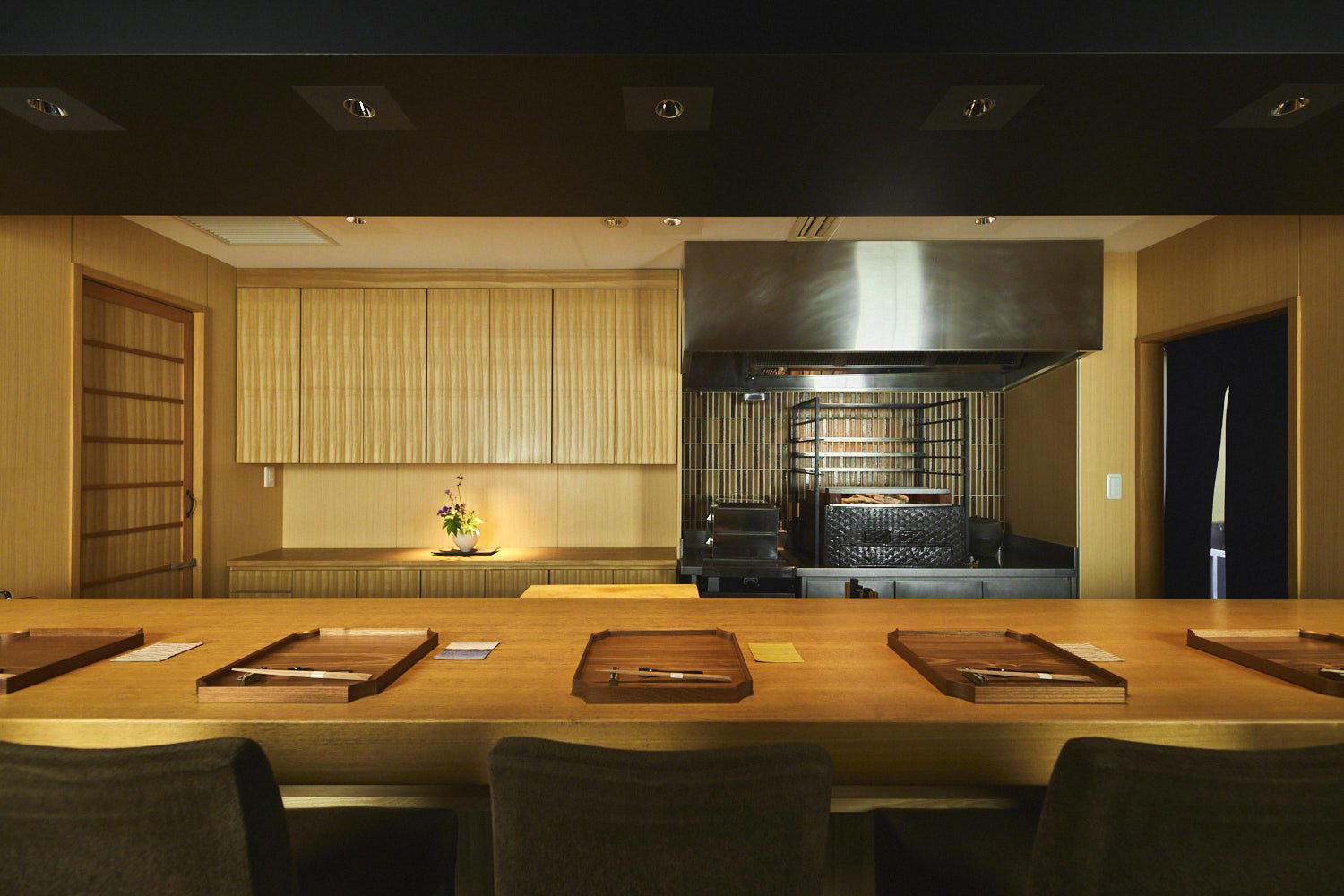
A seven-seat counter in Shizuoka's Aoi Ward with a 4.54 Tabelog score and Silver Award recognition in 2024, 2025, and 2026. FUJI focuses on Shizuoka fish with sake-led pairings, runs JPY 30,000–39,999 in practice, and is reservation-only. One of the most accessible top-tier Japanese cuisine counters in eastern Japan; book it before you arrive, not the day before.
Oryori Fujii
Toyama, Japan
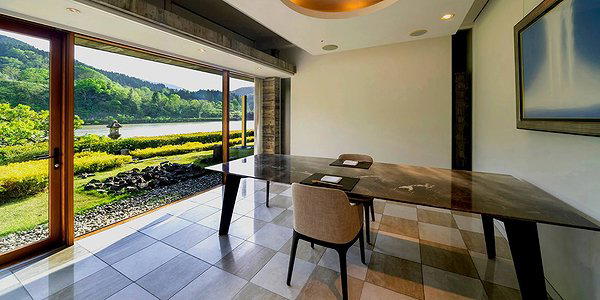
Chef Masataka Fujioka's kaiseki restaurant in Toyama's Higashi-Iwase waterfront district delivers Tabelog Silver Award-level cooking in a relaxed house setting. The counter and private tatami room serve omakase courses centered on Toyama Bay seafood, priced JPY 30,000–39,999 and accessible with moderate advance booking. A strong choice for travelers seeking special-occasion quality without top-tier formality.
Chugoku Hanten Fureika
Tokyo, Japan
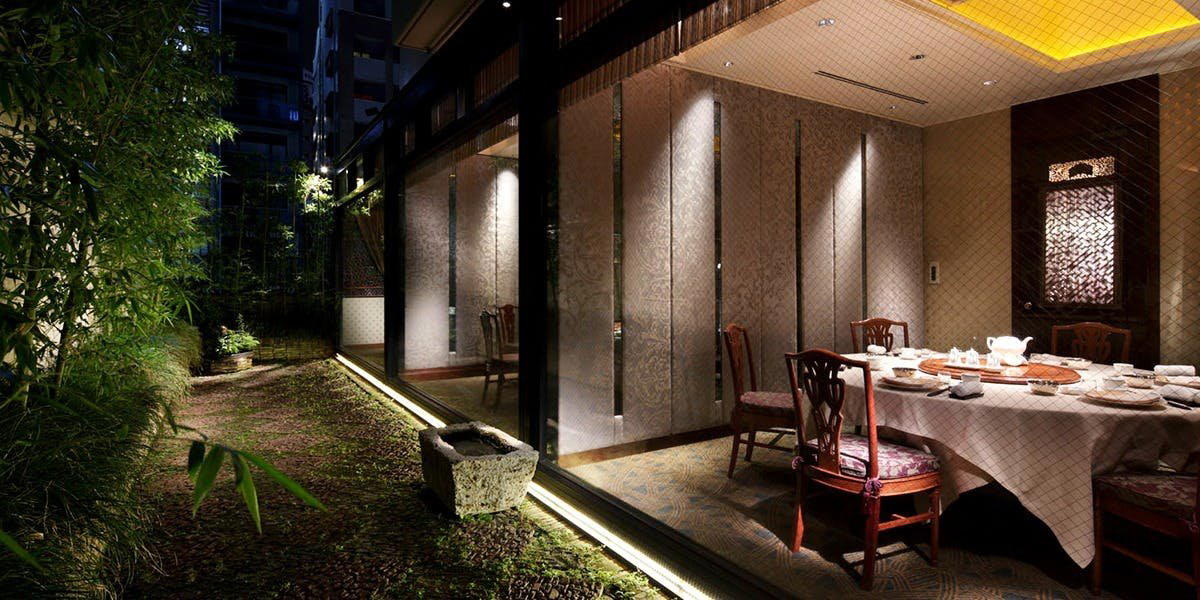
Fureika is the most consistently awarded Chinese restaurant in central Tokyo, formerly awarded a Michelin star and consecutive Tabelog Silver recognition since 2018. The à la carte format spans over 100 Shanghai and Cantonese dishes, with dinner averaging JPY 20,000–29,999 per person. Private rooms, group capacity, and a relaxed dress code make it a reliable choice for both business and social occasions.
Furuta
Tokyo, Japan
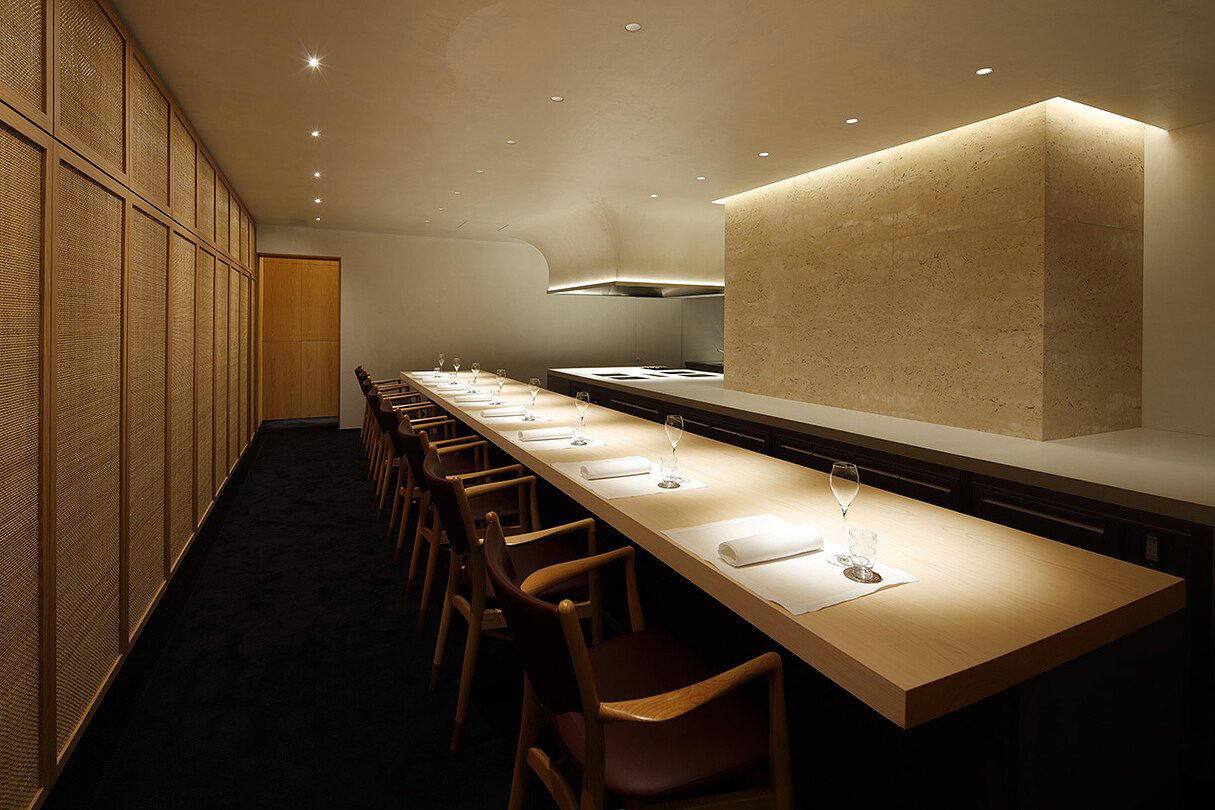
Furuta is an eight-seat counter in Ginza serving creative Chinese cuisine at JPY 100,000 and above per head, dinner only, Tuesday through Saturday. A Tabelog Silver Award winner every year from 2017 to 2026 and a consistent Opinionated About Dining Top 100 Japan entry, it is the right booking if you want chef-led Chinese precision in a spare, focused setting; and the wrong one if you need lunch, large groups, or flexibility.
Gessen
Osaka, Japan
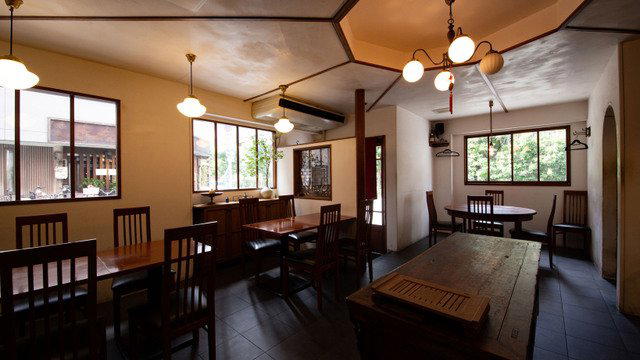
Gessen is Osaka's most decorated avant-garde Chinese restaurant, holding a Tabelog Silver Award in 2025 and 2026 with a 4.40 score. Chef Mitsushiro Okada runs a daily-changing menu across 18 seats in Nishitenma, dinner-only, cash only. At JPY 15,000–29,999 per head, it is the right booking if technically ambitious Chinese cuisine is what you are after.
GOURMANDISE
Tokyo, Japan
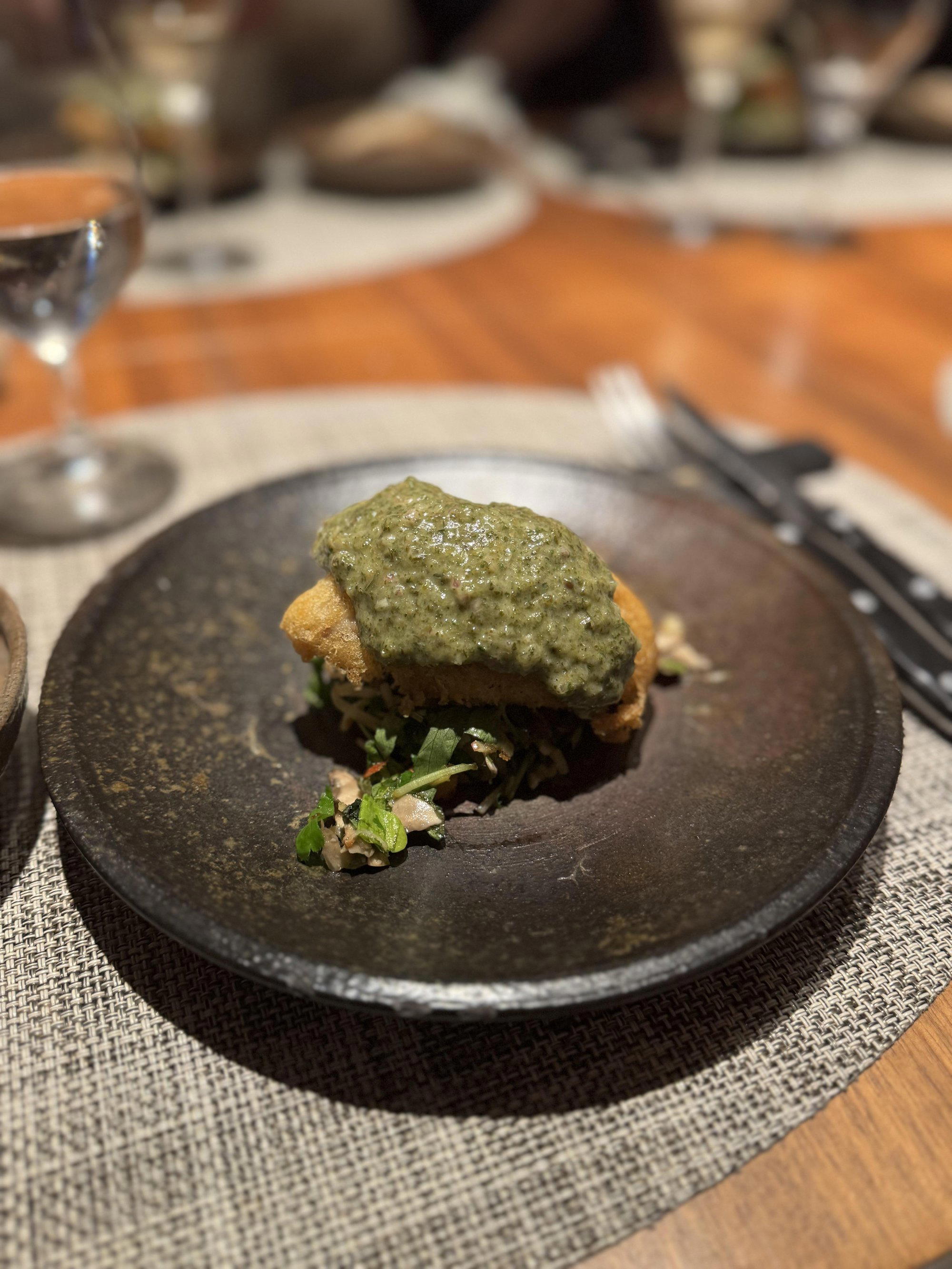
Hokuto Hasegawa's Nishiazabu bistro runs French technique until 3 AM, pairing seasonal cooking with a wine-centric cellar in a 10-seat room. At JPY 40,000-49,999, it earns Tabelog Silver and OAD recognition but demands late hours or strong wine interest to justify the spend over lower-priced peers.
gucite
Osaka, Japan
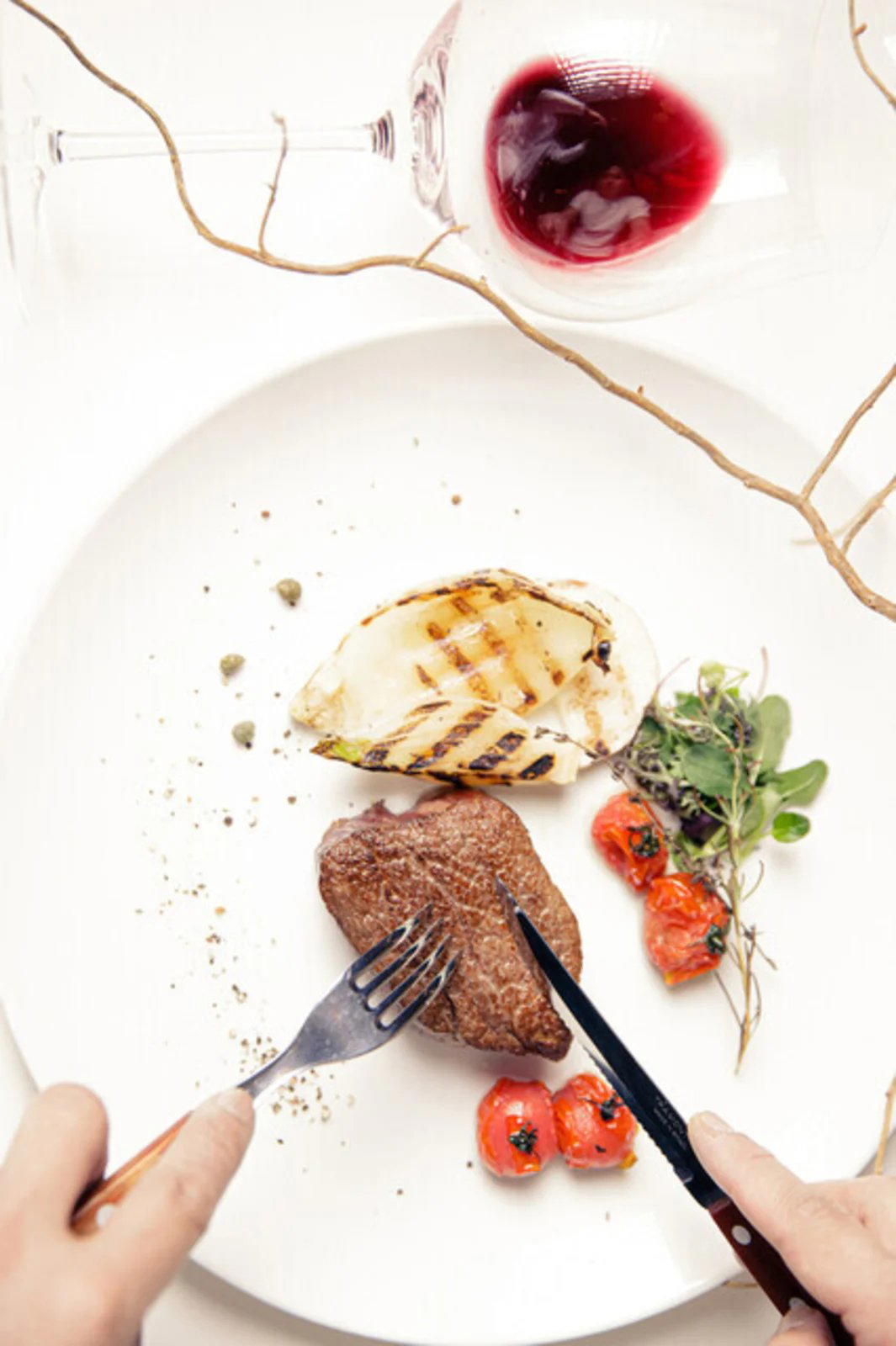
Counter-seat Italian in Tenma with a wine-first mandate and The Tabelog Award 2026 Silver recognition. Reservations-only, 8–10 counter seats, and JPY 20,000–29,999 tasting menus that prioritize sourcing discipline over international name recognition. Currently accepting no new bookings.
Guu
Kyoto, Japan
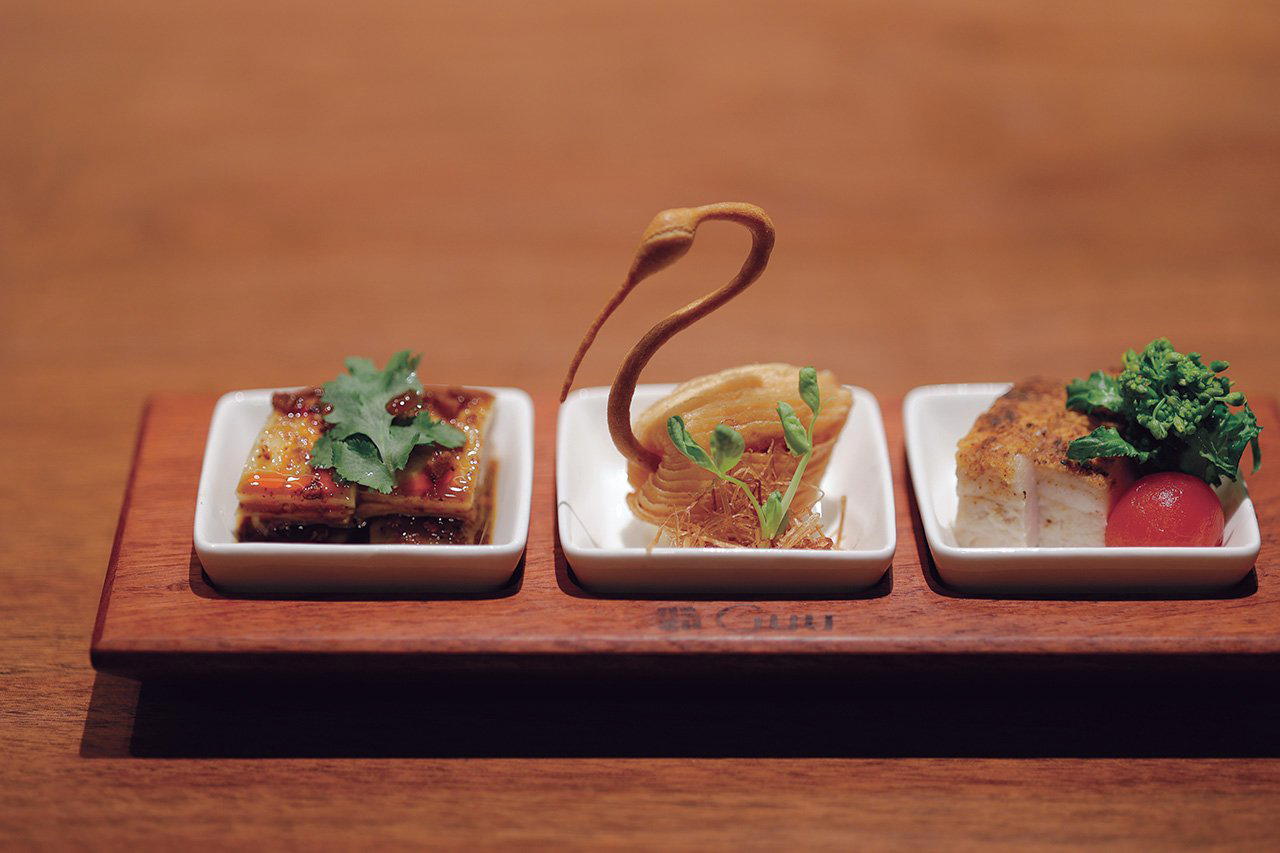
A six-seat Chinese counter in central Kyoto with a Tabelog score of 4.38 and a 2026 Silver Award; one of the most credentialled Chinese fine dining addresses in the Kansai region. Opened in 2022, it books via Instagram DM on the 1st of each month. Budget JPY 20,000–29,999 per head. Best for special occasions and solo counter dining.
HAGI
Iwaki, Japan
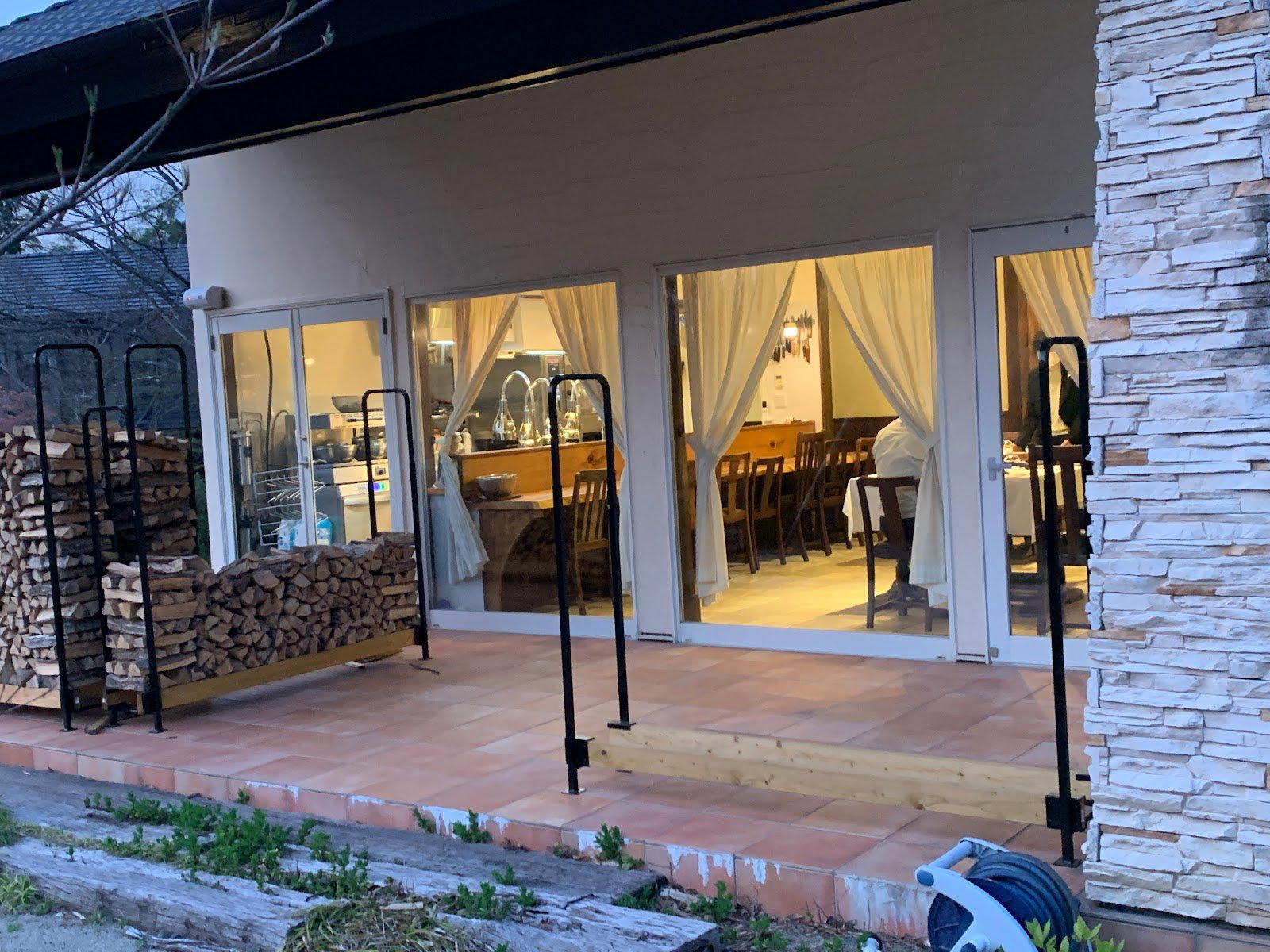
HAGI is a ten-seat, reservation-only French omakase in Iwaki, Fukushima, with Tabelog Silver recognition every year from 2023 to 2026 and a score of 4.45. Two omakase tiers (JPY 15,000 or JPY 18,000 plus tax) make it a sharper value than comparable Tokyo French restaurants. Book three to four weeks out by phone or Pocket Concierge; groups of two to ten only.
Harutaka
Tokyo, Japan
Harutaka is a restaurant in Ginza, Tokyo.
Hasegawa Minoru
Tokyo, Japan
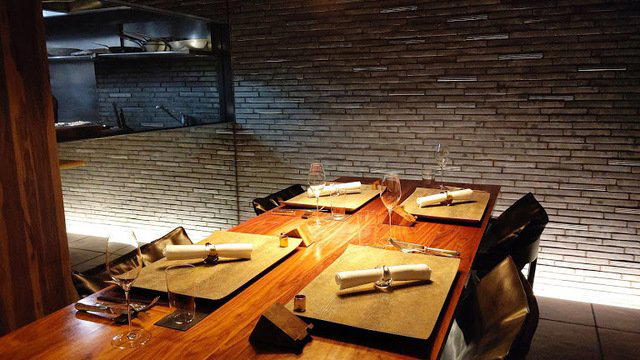
A four-seat omakase counter in Hiroo where chef Minoru Hasegawa delivers precision-driven tasting menus at JPY 50,000–59,999 per head. Tabelog Silver since 2019 and ranked #103 on OAD's 2023 Japan list, it rewards diners who value intimate scale and synchronized service over flexibility. Lunch offers the same menu as dinner at identical pricing, making the daytime slot the better value for those who can move through the app-only reservation system.
Hashimoto
Tokyo, Japan
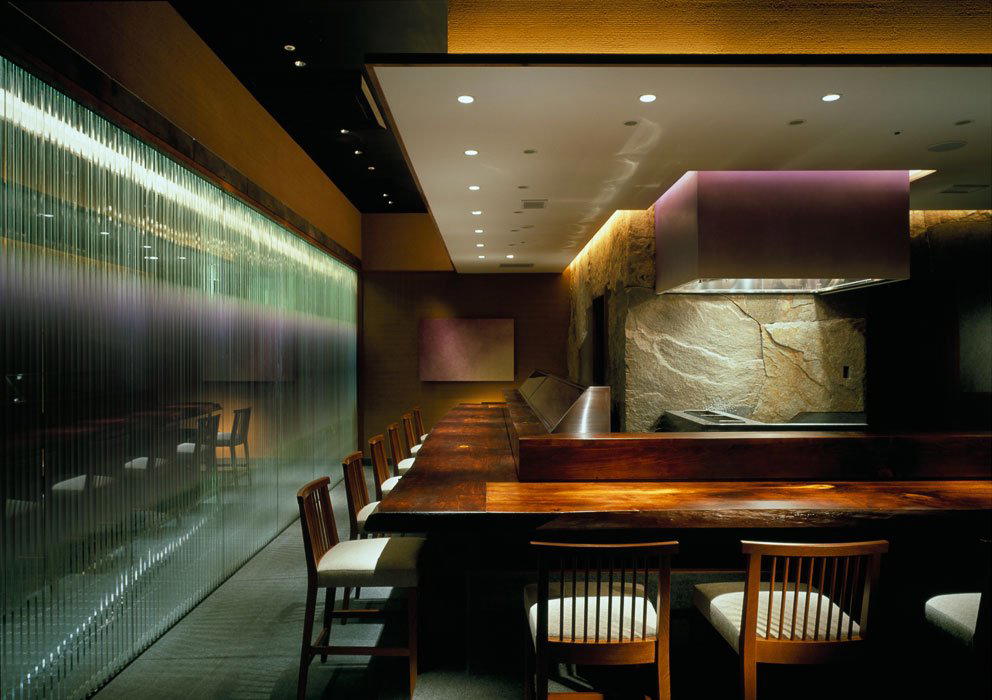
Eight-seat omakase sushi counter in Shintomicho with chef Hiroyuki Hashimoto at the helm. Tabelog Silver Award winner since 2021, focused on seasonal Edo-mae nigiri sourced from Toyosu Market. Runs ¥30,000–¥39,999 per person before drinks and service; reservation-only through OMAKASE platform. The format is traditional, the space intimate, and the pacing deliberate; book if you trust the chef's sourcing instinct and prefer a mid-tier omakase without the booking difficulty of Tokyo's three-star counters.
Hato
Tokyo, Japan
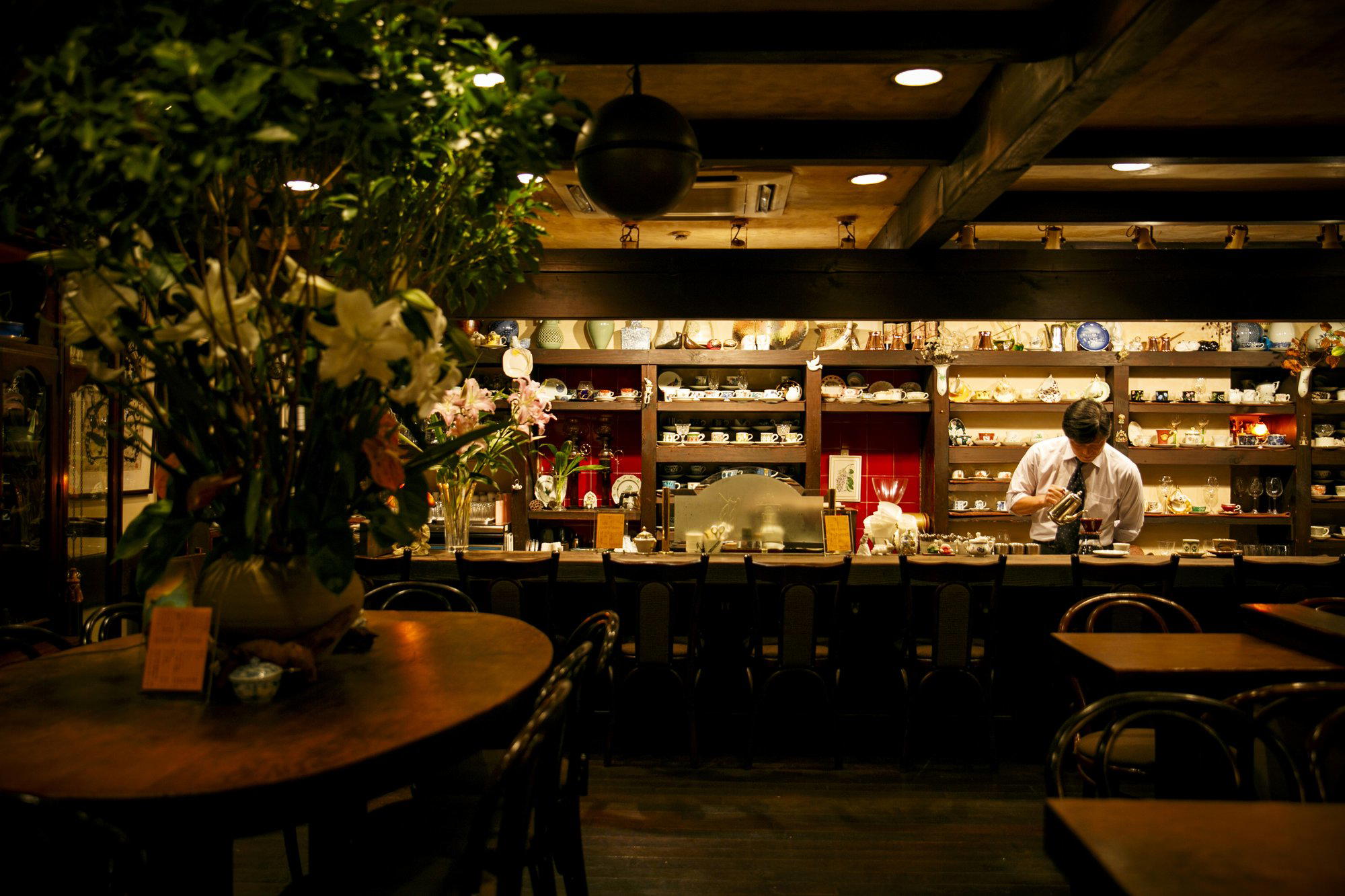
This eight-seat Kagurazaka counter earned Tabelog Award 2026 Silver after four consecutive Bronze years, delivering consistent Edomae omakase at JPY 50,000–59,999 per person. The format is reservation-only, omakase-only, and suited to solo diners or pairs who value precision over spectacle. Book three weeks ahead for weekday slots, four to five weeks for weekends.
比良山荘
Otsu, Japan
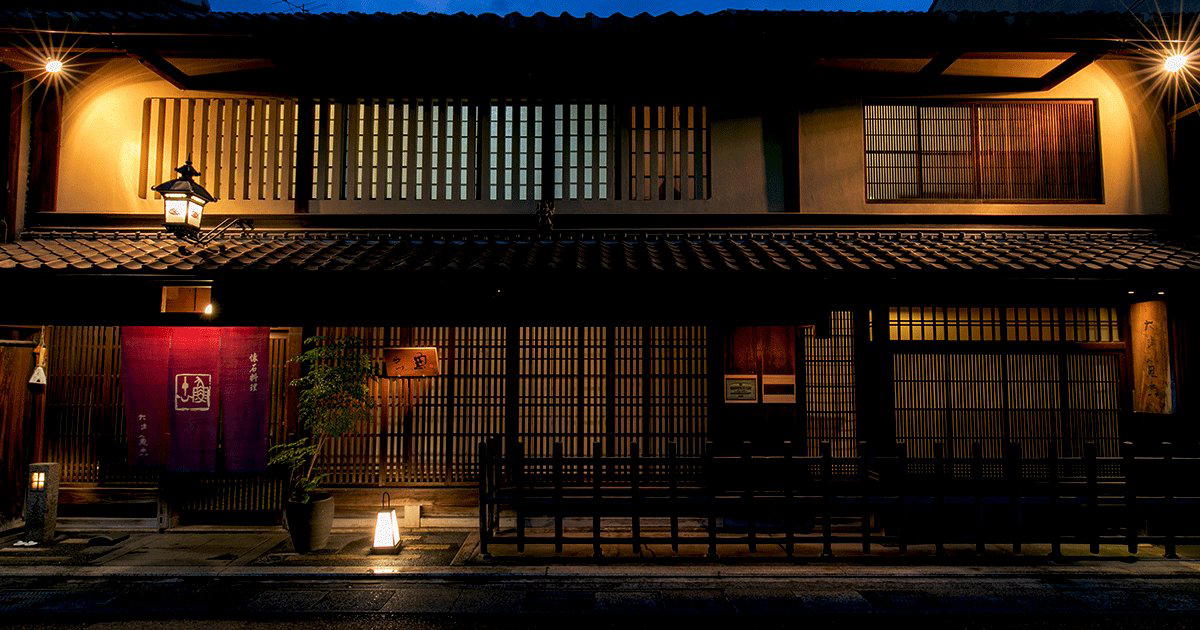
Choose 比良山荘 when the rural Otsu setting is part of the reason for going, not when you need a flexible late-night fallback. It suits a planned, occasion-led meal better than a quick value stop; compare Ramen Yoshichi Katata ten if price and ease matter more.
Beppu Hirokado
Oita, Japan
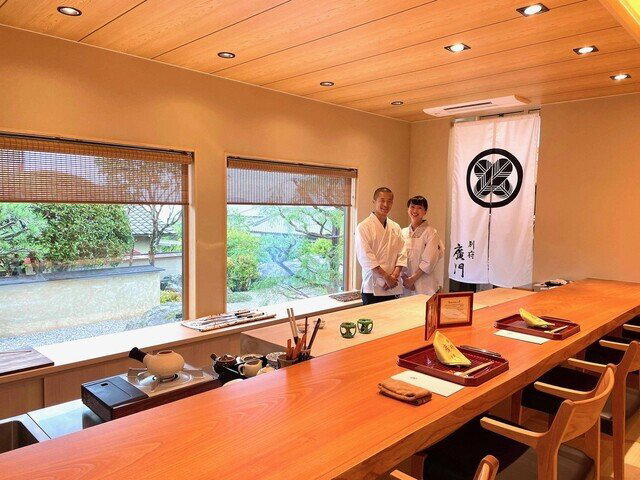
Beppu Hirokado is Oita's strongest case for serious Japanese cuisine outside of Kyoto or Tokyo. An eight-seat counter with consecutive Tabelog Silver Awards (2025, 2026) and a score of 4.43, it runs JPY 30,000 to JPY 39,999 per person and books online only up to three months ahead. The takeout Wagyu rice bowl is a practical alternative when reservations are unavailable.
Hirosawa
Kyoto, Japan
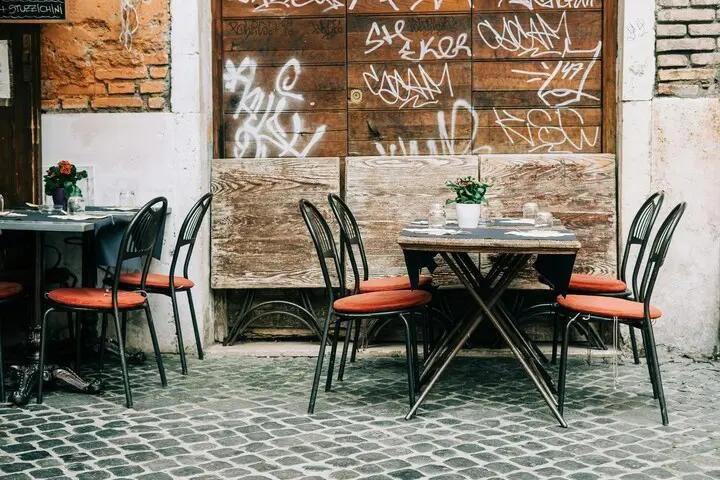
Hirosawa brings kaiseki-level Chinese technique to a ten-seat Kyoto townhouse counter, earning two Tabelog Silver Awards since opening in 2023. At ¥30,000–¥39,999, the reservation-only format delivers fish-focused modern Chinese with serious wine pairings, competing with Kyoto's kaiseki dominance. Book if you want intimate counter service and are willing to pay fine-dining prices for the category.
Hisada
Akaiwa, Japan
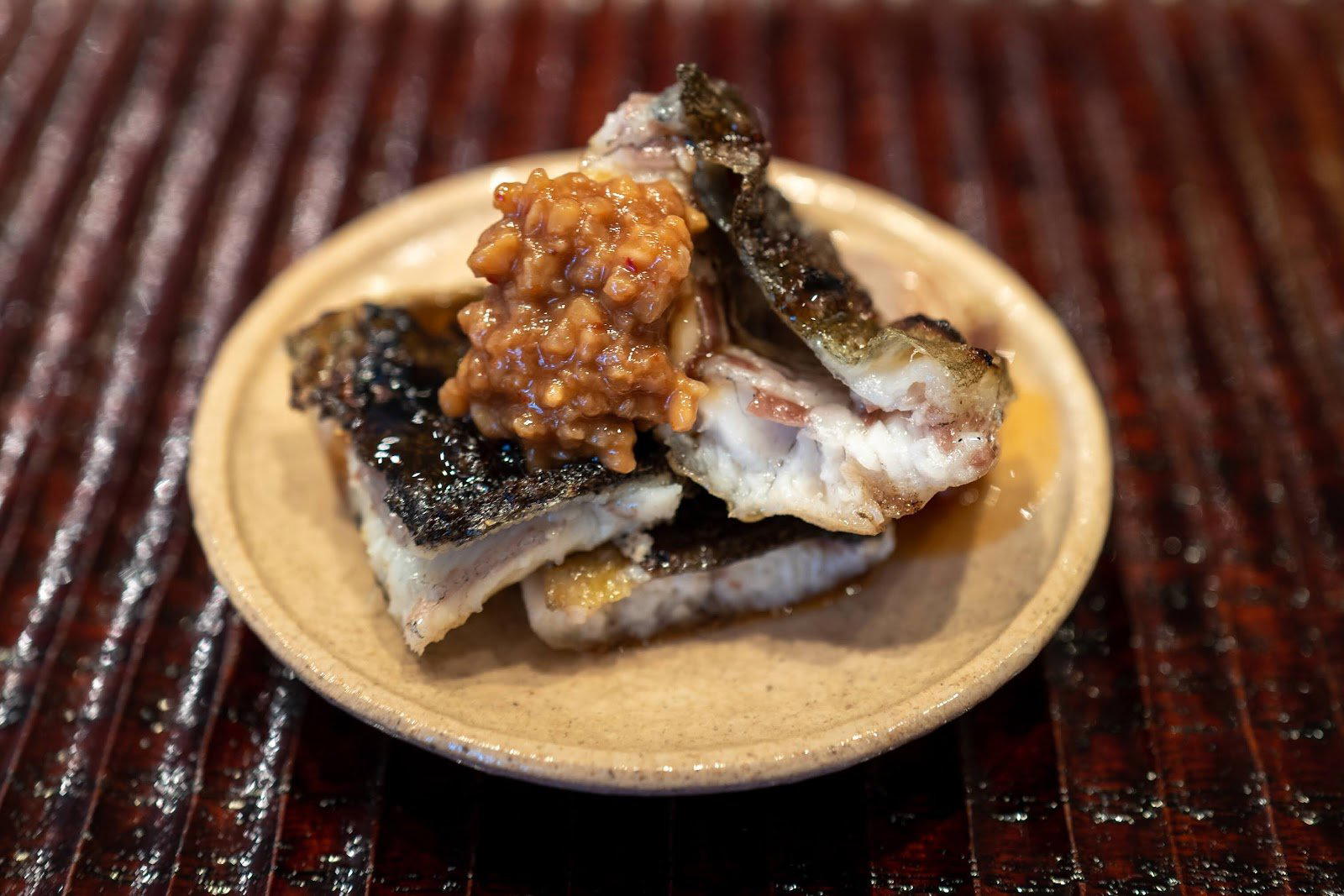
A Tabelog Silver Award sushi counter in residential Okayama specializing in Setouchi fish, operating by reservation only at JPY 40,000–49,999 per head. The 10-seat house-restaurant format suits regulars who know regional fish and want to see how a local itamae handles seasonal catch, but the premium pricing and suburban location make it a considered choice rather than a convenient one.
Hiyama
Tokyo, Japan
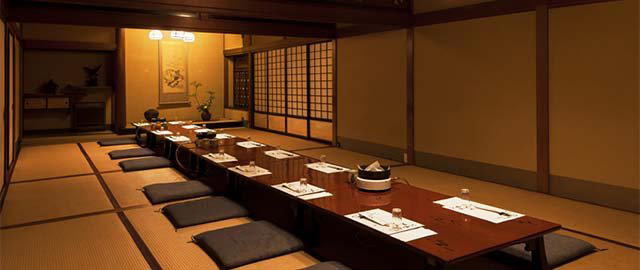
Hiyama is a Tabelog Silver Award winner (2025, 2026) with a 4.48 score, ranked 174th in Japan by Opinionated About Dining in 2025. Set in Higashi-Kawaguchi, Saitama; not central Tokyo; it is the most consistently decorated sukiyaki option in its Tabelog tier. Budget JPY 100,000 per head with drinks. Private tatami rooms for two to six make it a strong choice for celebratory dinners.
Ichirin Hanare
Kamakura, Japan
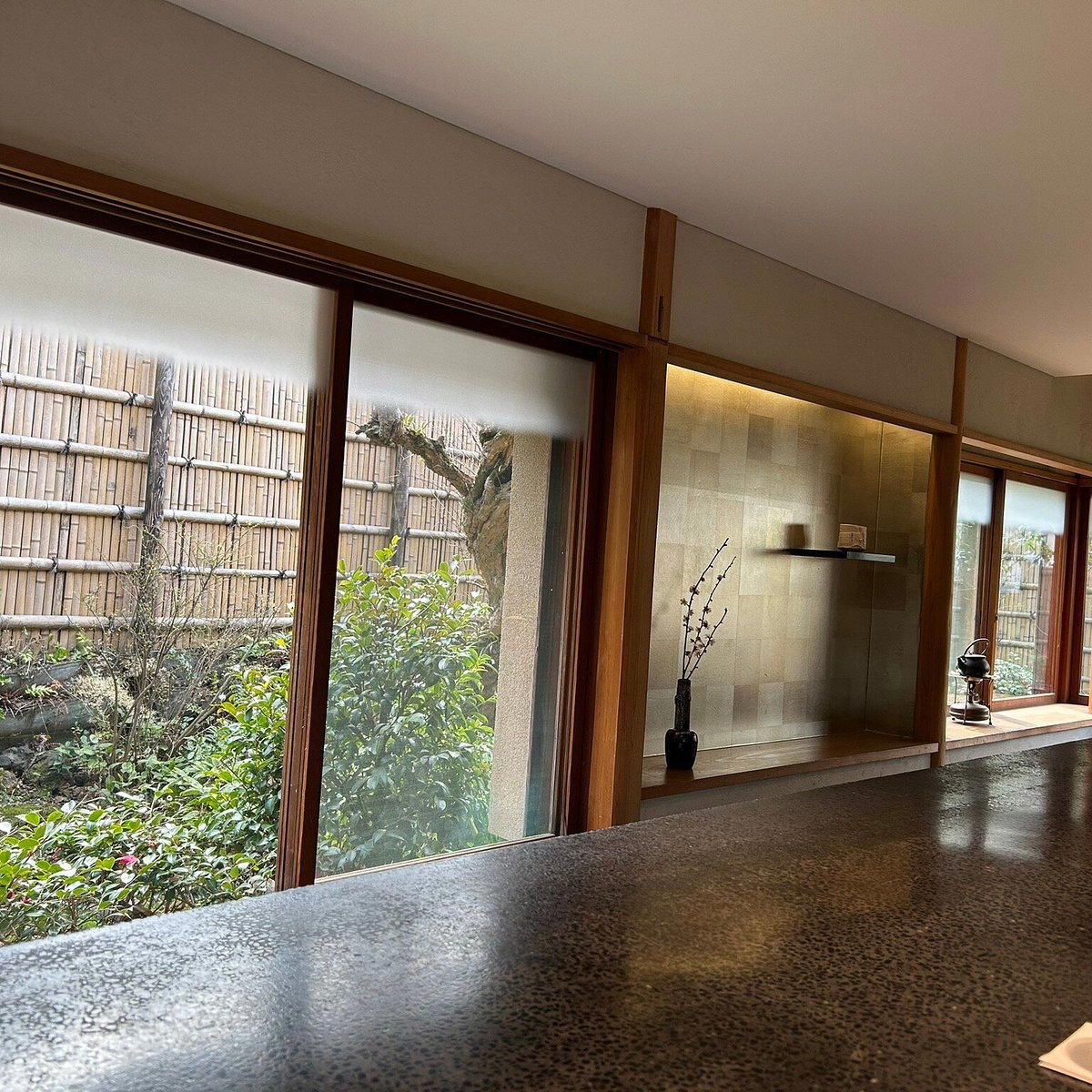
Ichirin Hanare is Kamakura's most decorated Chinese restaurant, holding a Tabelog Silver Award every year since 2018 and a 4.40 score. Set in a house restaurant a 15-minute walk from Kamakura Station, it serves Sichuan-influenced Chinese cooking with a fish focus at JPY 10,000–14,999 for lunch and JPY 20,000–29,999 for dinner. Book ahead; cancellation penalties are strict.
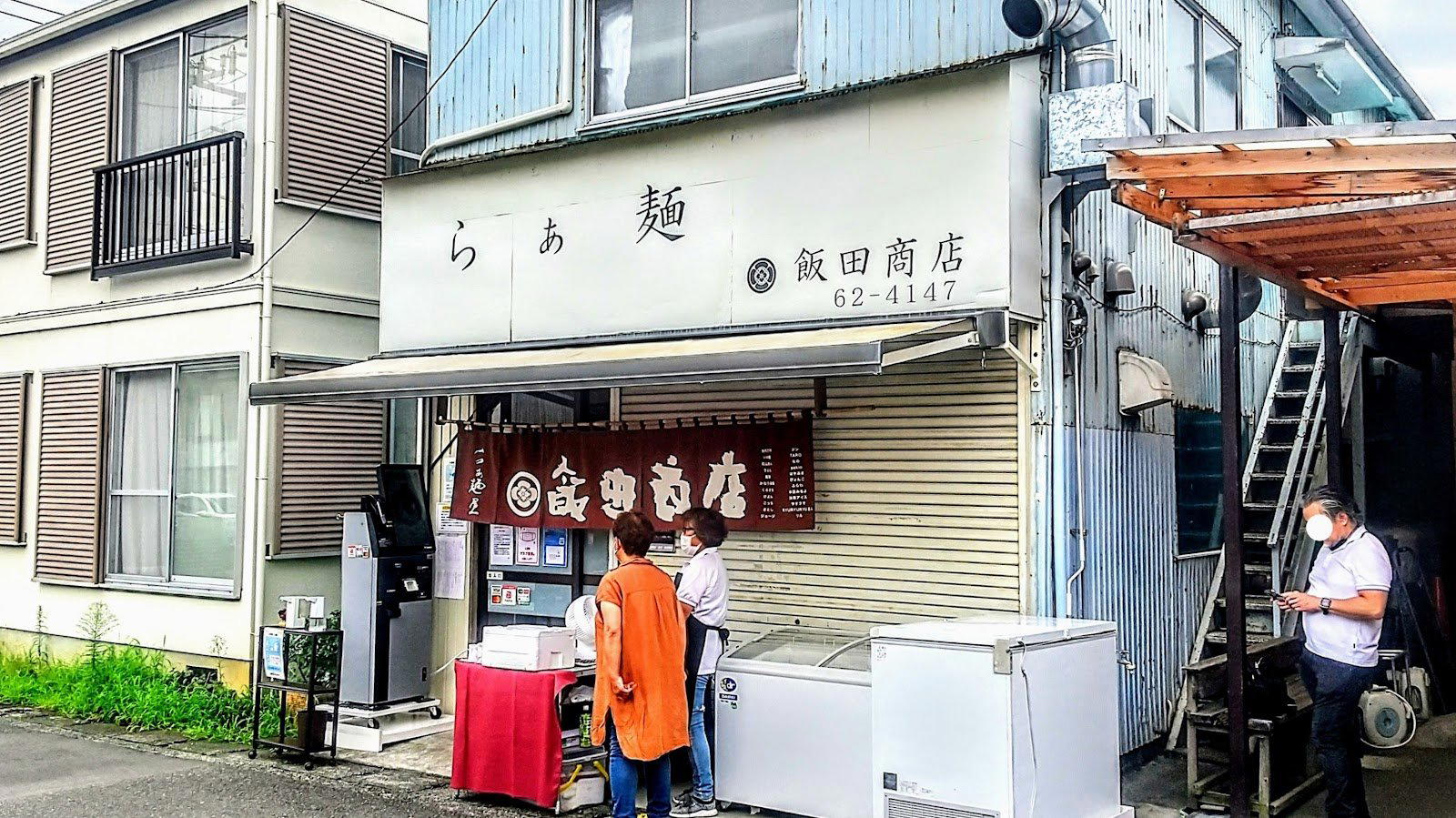
IIDASHOUTEN
Ashigarashimo, Japan
IIDASHOUTEN is a Tabelog Silver-awarded ramen shop in Yugawara (2010–present), offering shoyu and tsukemen at JPY 2,000–JPY 2,999 in a 17-seat house-restaurant format. Reservation-only via OMAKASE (Wednesday–Saturday, 11 AM–3 PM), it suits onsen-town visitors who can plan ahead, though limited hours and a JPY 390 booking fee may deter spontaneous diners.
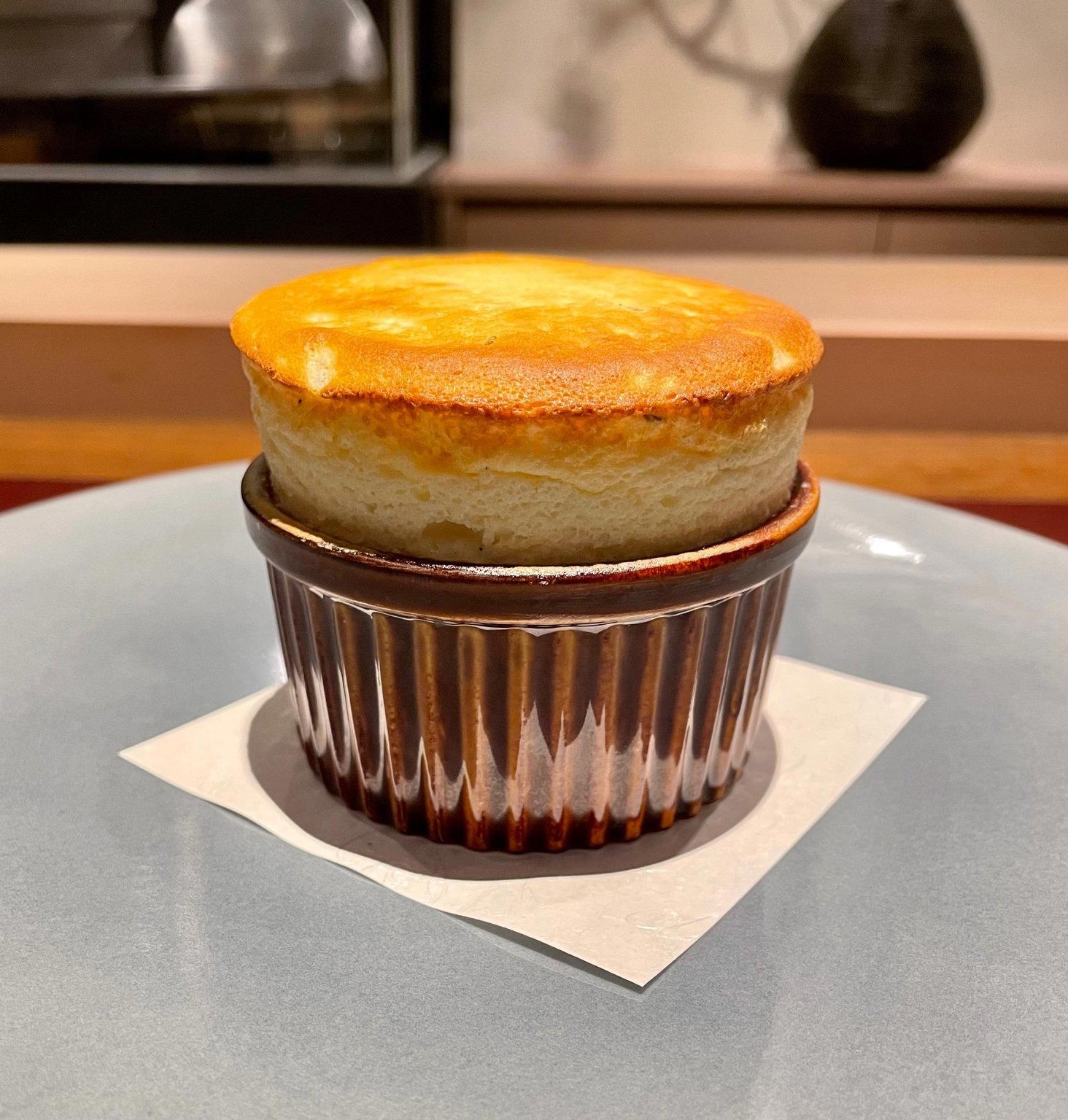
il AOYAMA
Nagoya, Japan
Nine-seat counter in Tokugawa serving precision Italian at JPY 30,000–39,999 per head. Chef Hiroaki Aoyama relocated in January 2024; the venue earned Tabelog Silver (2025/2026) and ranks #305 on Opinionated About Dining's Japan list. Reservation-only, two nightly seatings, wine-focused drinks. No lunch service. Dinner-only format suits couples and small parties; groups larger than four require a full counter buyout.
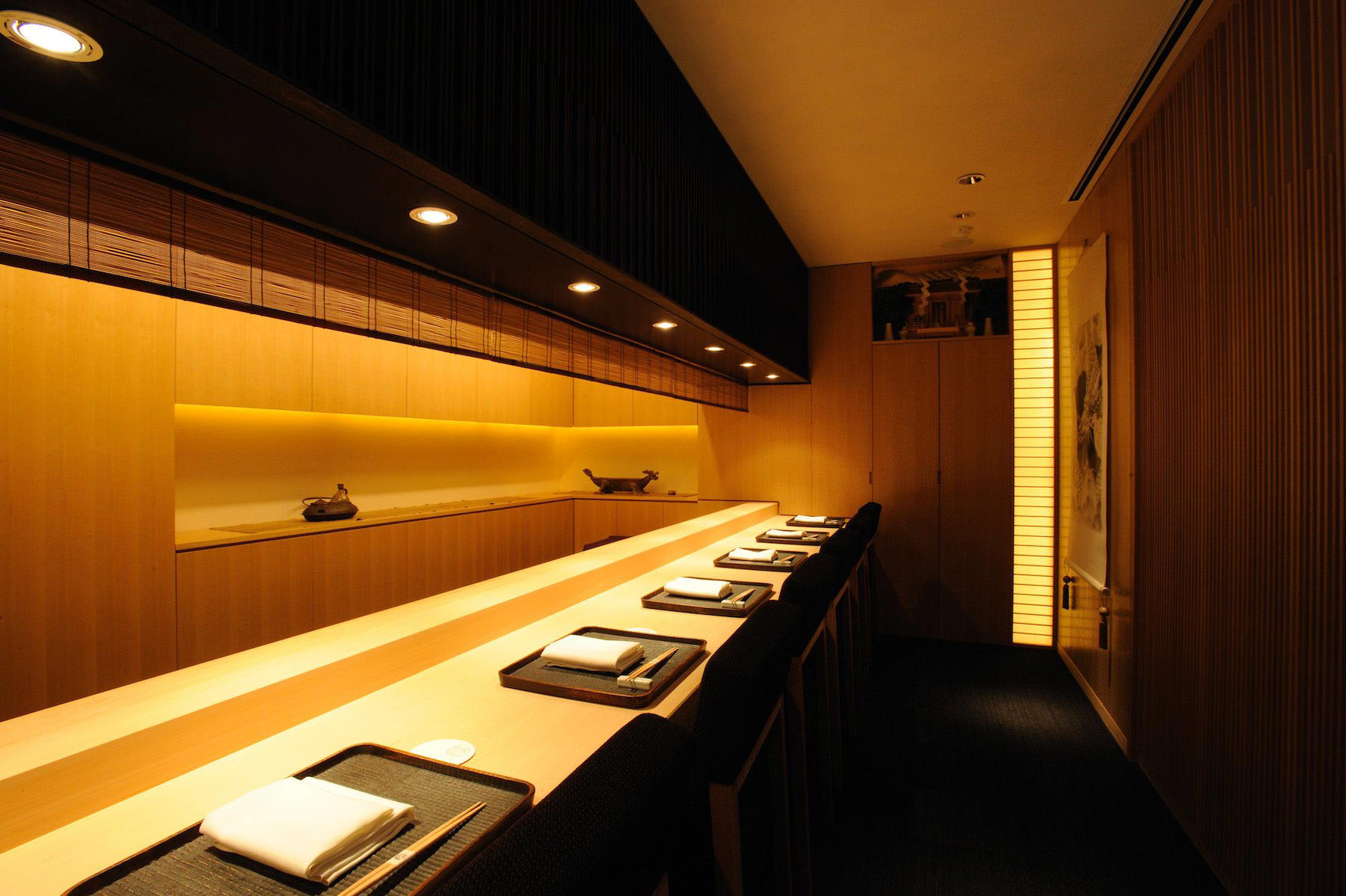
Kagurazaka Ishikawa
Tokyo, Japan
Kagurazaka Ishikawa is a Japanese restaurant in Tokyo's Kagurazaka neighborhood.
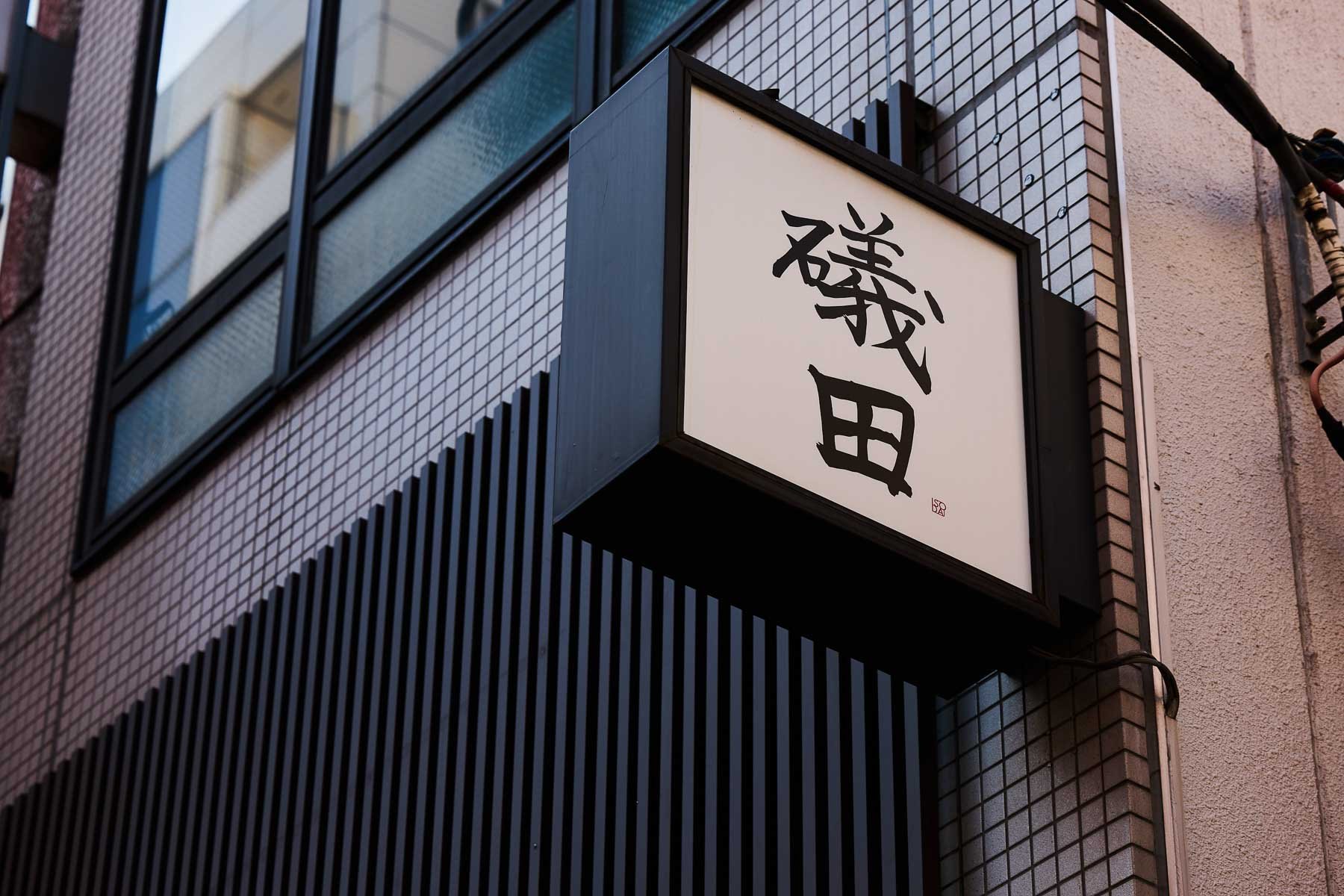
Isoda
Tokyo, Japan
A Ningyocho kaiseki counter that opened in late 2024 and earned Tabelog Award 2026 Silver recognition within its first year. Dinner runs JPY 40,000 to 49,999, reservations require the OMAKASE platform, and the venue operates six nights a week with a later 11 PM closing. The room is small, the format is chef-led omakase, and the neighborhood is quieter than Ginza or Roppongi.
Iyuki
Tokyo, Japan
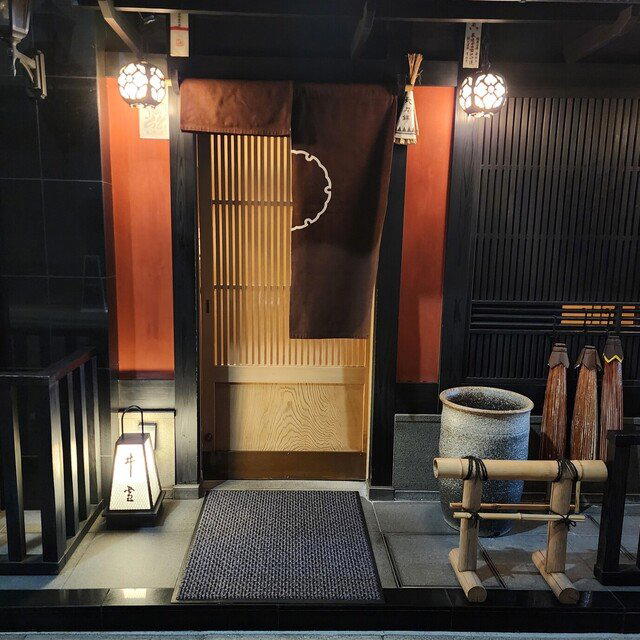
A seven-seat referral-only kaiseki counter in Ginza where chef Masahiro Ueda delivers seasonal precision at JPY 80,000–99,999 per head. The format is rigid; no à la carte, no private rooms; and the experience rewards attention over novelty. Worth booking if you prioritize technical discipline and a quiet room, but comparable peers like Ginza Fujiyama and Mibu offer similar quality with slightly different emphases.
Ji-Cube
Tokyo, Japan
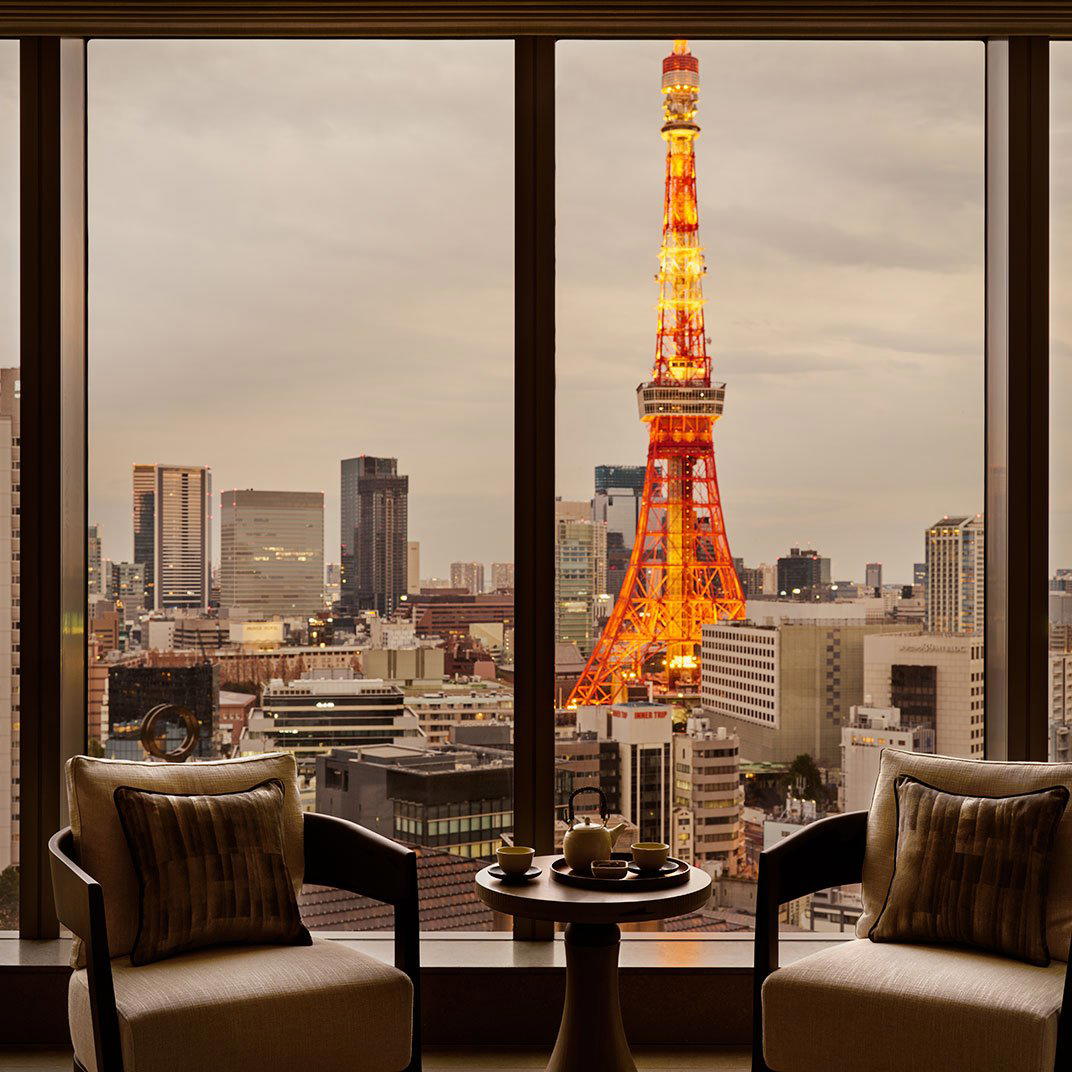
Ji-Cube is a Tabelog Silver Award-winning Sichuan omakase in Nishiazabu, Tokyo, with a 4.34 score and consecutive Tabelog Top 100 recognition. Dinner runs JPY 15,000–19,999 on average with no service charge and BYO permitted. The monthly-changing menu built on Japanese-sourced ingredients makes it one of the clearest value decisions in Tokyo's high-end Chinese dining tier.
LA TABLE de Joël Robuchon
Tokyo, Japan
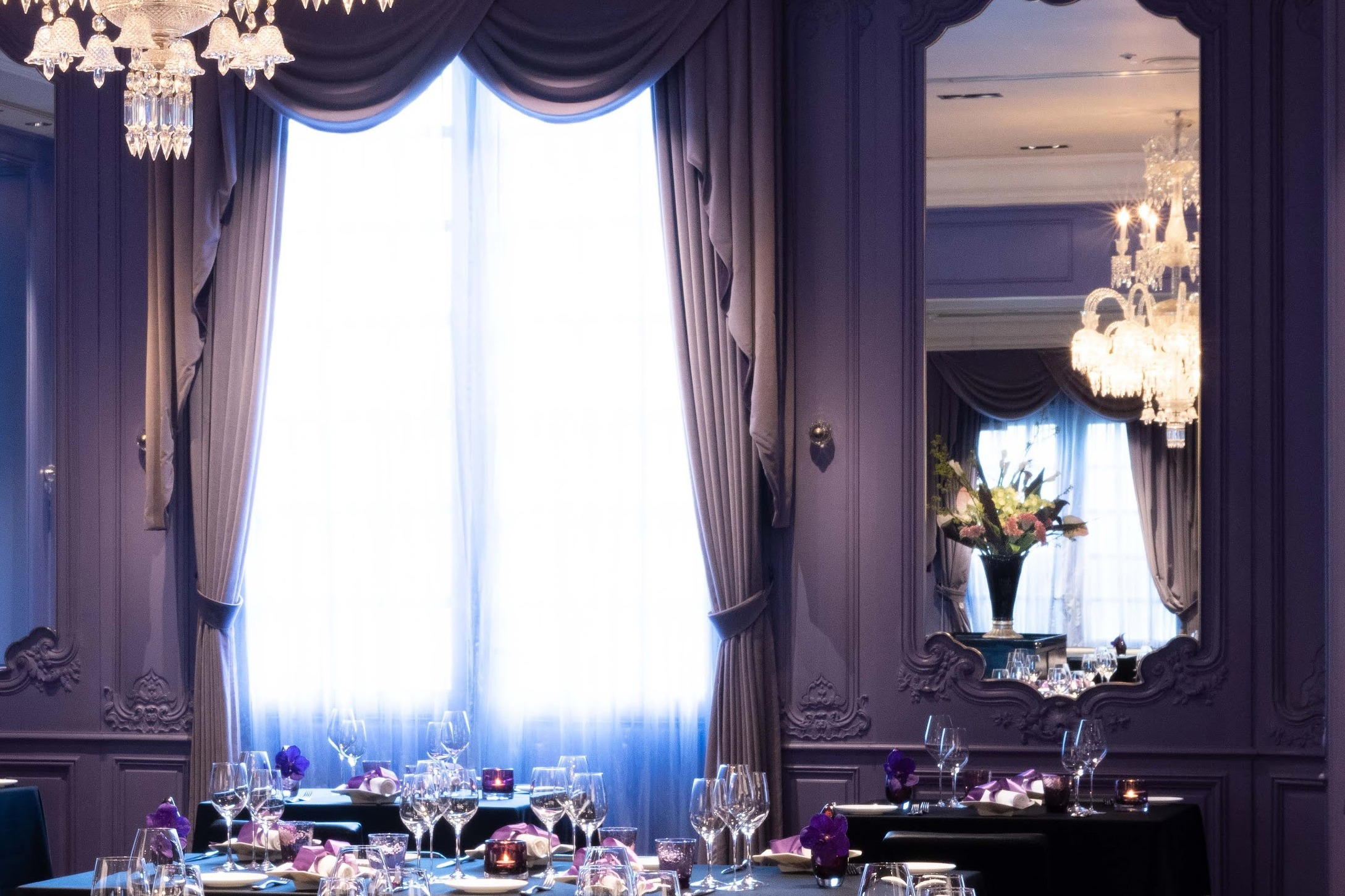
LA TABLE de Joël Robuchon is a modern French restaurant at Yebisu Garden Place in Tokyo.
Jubei
Tokyo, Japan
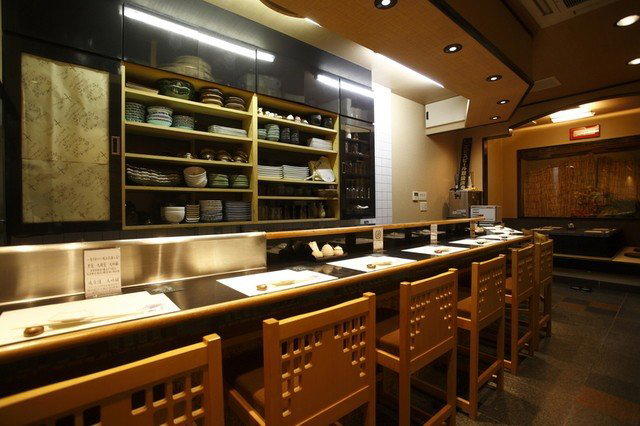
Jubei (Sushi Jube) is an eight-seat reservation-only counter in Fukui City, not Tokyo, with a Tabelog score of 3.08 and a Tabelog Silver Award every year since 2018. Dinner runs JPY 20,000–29,999 per head. For travellers routing through Hokuriku, it is the most decorated sushi option in the region and considerably easier to book than Tokyo counterparts at a similar quality tier.
Kabuto Unagi
Tokyo, Japan
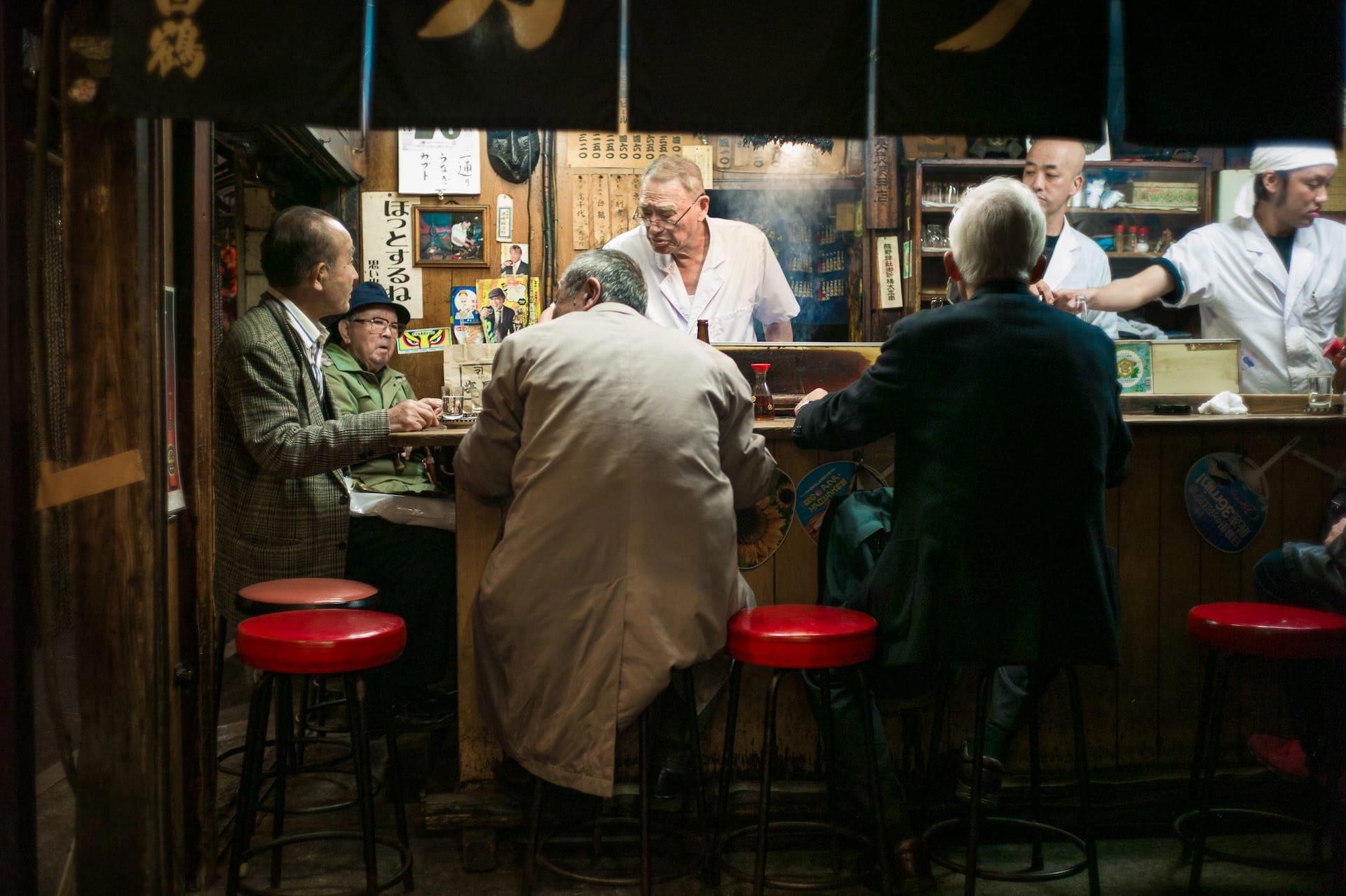
Kabuto Unagi in Ikebukuro holds a Tabelog Silver Award for ten consecutive years and a score of 4.44, placing it among Tokyo's most recognised unagi specialists. Dinner runs JPY 20,000–29,999 per head across two structured sittings, in a 15-seat room that rewards careful planning: book online in advance, bring cash, and request the counter for the best experience.
Kate cuore
Imari, Japan
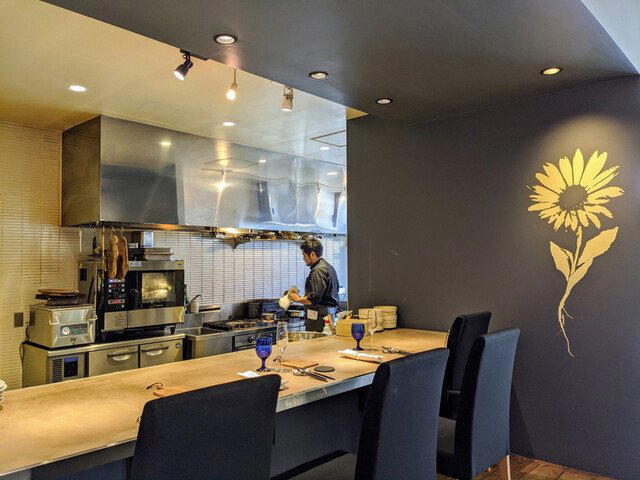
Kate cuore holds a Tabelog Silver Award every year from 2022 to 2026 (score: 4.51) and ranks among Japan's top 100 Italian restaurants in the west. Chef Junya Minato's five-seat counter in Imari delivers a four-hour Italian course built around self-raised beef, priced at JPY 30,000–59,000 per head including wine. Plan transport carefully; Imari's timetable is limited and the cancellation policy is strict.
Kawaguchi
Kyoto, Japan
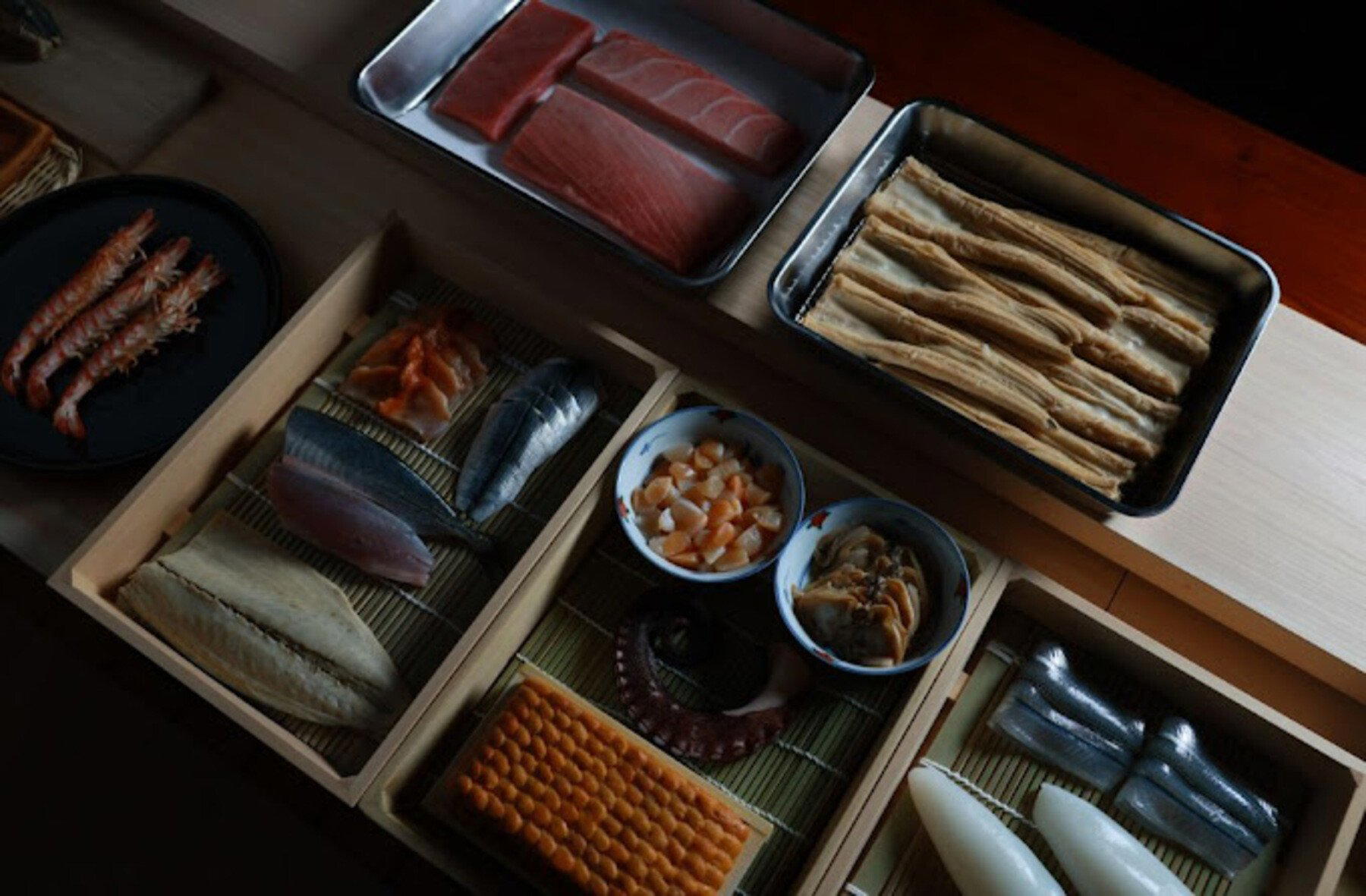
Chef Koji Kawaguchi's six-seat Gion counter operates by invitation only, filtering diners into a single nightly omakase service built around seasonal fish and mountain vegetables. The JPY 30,000–39,999 dinner price reflects day-of sourcing and a Tabelog Silver pedigree (4.35 score, 2026), but the referral-only access policy makes it a better fit for return visitors than first-timers navigating Kyoto's dining scene.
Kawamura
Tokyo, Japan
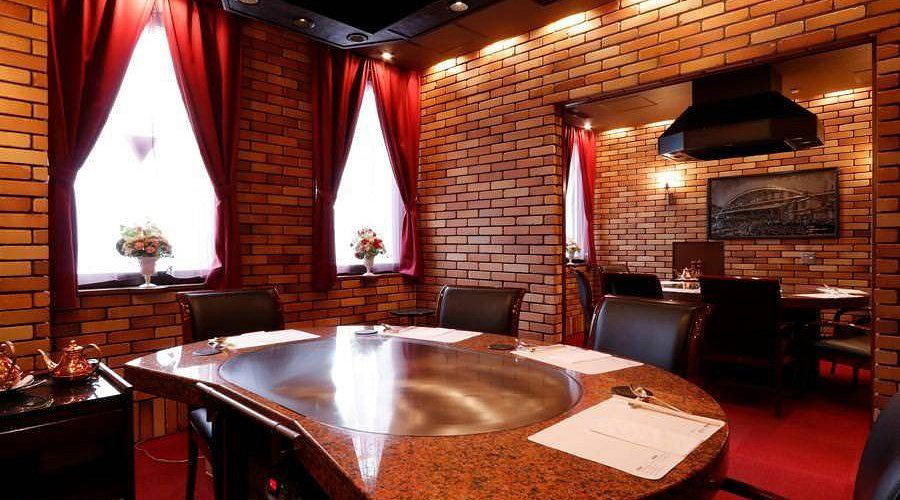
Kawamura is a seven-seat referral-only teppanyaki counter on the 10th floor of a Ginza tower, with a Tabelog score of 4.38 and a 2026 Silver award earned after nearly a decade of consecutive recognition. Dinner starts at JPY 100,000 per person. Book it for an intimate, service-led beef counter experience; skip it if you need easy access, lunch, or a larger group table.
Kikuzushi
Nagano, Japan
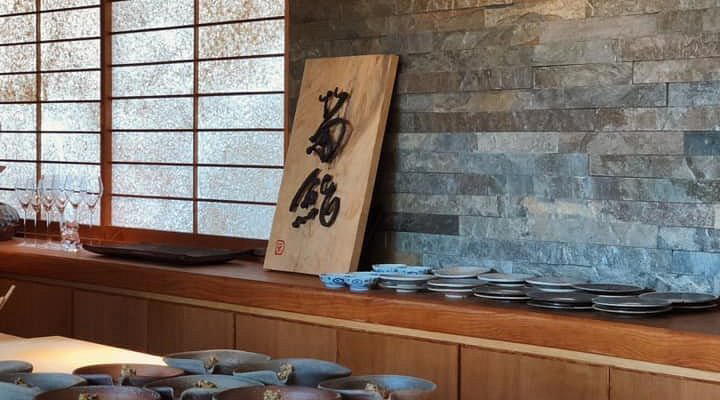
Kikuzushi is Nagano's most consistently decorated sushi counter, holding a Tabelog Silver Award every year since 2018 and ranking among Japan's top 131 restaurants (OAD 2025). At JPY 30,000 to JPY 39,999 per head in practice, it outperforms what its out-of-city location might suggest. Book when your plans are firm; cancellation terms are strict; and time your visit by season for the most rewarding return.
Kimoto
Tokyo, Japan
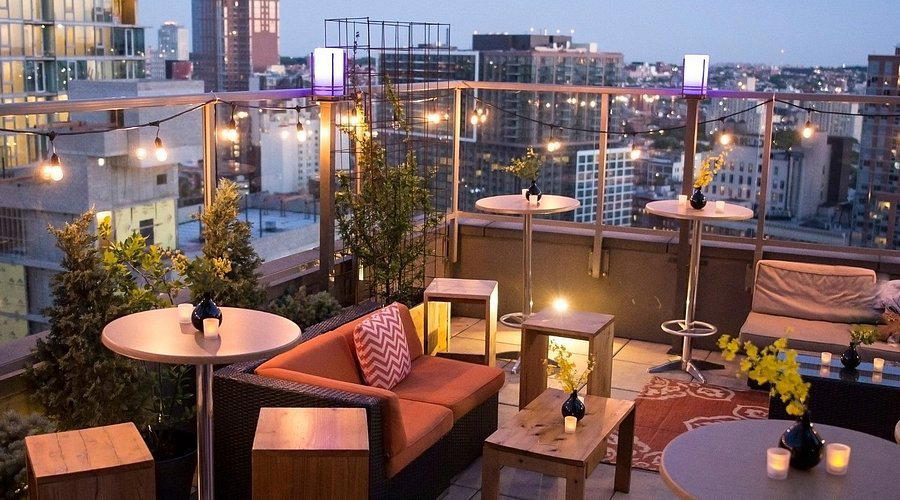
Kimoto is an eight-seat kaiseki counter in Kagurazaka holding Tabelog Silver every year from 2020 to 2026, a 4.38 score, and three Tabelog Top 100 Tokyo selections. Dinner runs JPY 80,000–99,999 per person. Weekend lunch service runs Saturday and Sunday from 1 pm; the format to target on a return visit. Reservation-only; book two to four weeks ahead.
Sushi Kimura
Tokyo, Japan
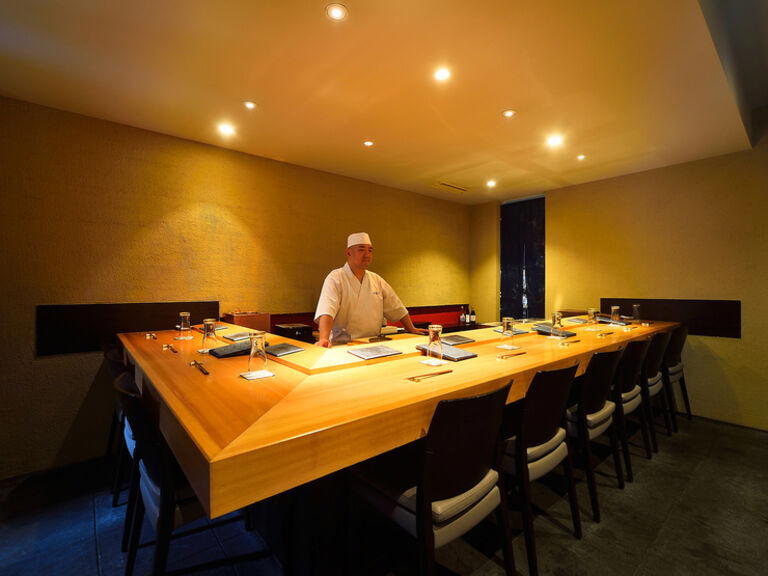
A nine-seat counter in Setagaya with eight Tabelog Award cycles, a Michelin star, and an OAD Japan top-50 ranking. Sushi Kimura is one of Tokyo's most consistently credentialed omakase counters, and the residential location keeps the room quiet and the focus entirely on the fish. Budget JPY 50,000-59,999 all-in; book via TABLEALL from overseas well in advance.
Kisanuki
Kanazawa, Japan
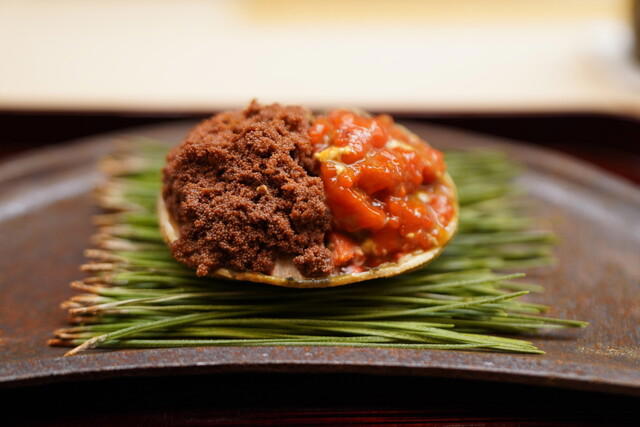
Kisanuki opened in Kanazawa in April 2025 and already holds a Tabelog Silver award with a score of 4.57; one of the fastest credentialled debuts in the city's high-end dining scene. Dinner runs JPY 50,000 to JPY 59,999 per person on a reservation-only basis. Book if you are a food-focused traveller looking for validated, high-format Japanese cuisine in Kanazawa.
Kitajima-tei
Tokyo, Japan
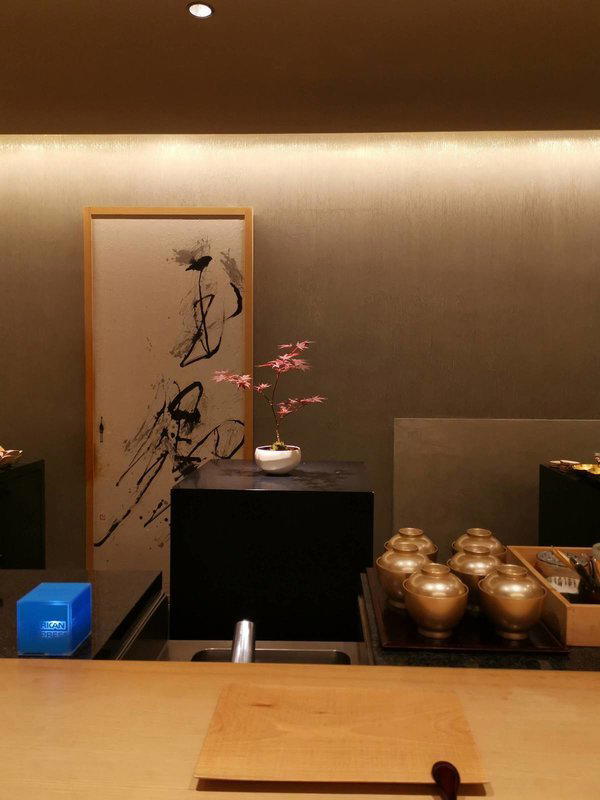
Kitajima-tei has won the Tabelog Bronze Award every year since 2017 and holds a 4.25 score, making it one of Tokyo's most consistently recognised French counters at JPY 20,000–29,999. Twelve seats, a serious wine focus, and a direct, ingredient-led kitchen make this a strong booking for pairs and solo diners. Booking is easier than its track record suggests; two to three weeks out is usually sufficient.
Kiu
Kyoto, Japan
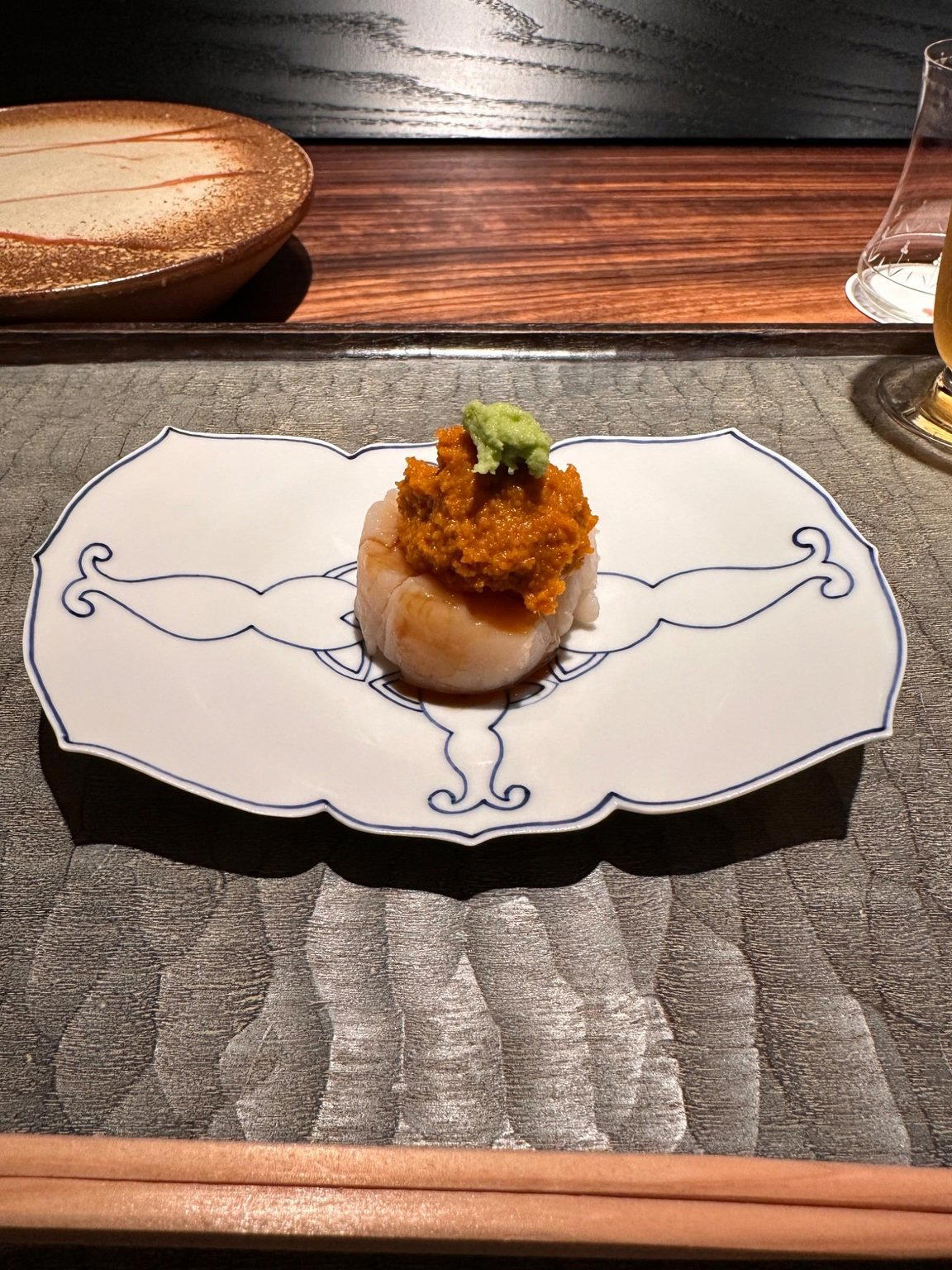
Kiu is a five-seat creative sushi counter in Kyoto's Shimogyo Ward, operating almost entirely by referral and holding a Tabelog Silver Award in four of the past five years. Dinner runs JPY 40,000–59,999 per head across two evening sessions. It is the right booking if you want serious, fish-focused omakase in Kyoto; but you will need a group of five to six to get through the door.
Kiyama
Kyoto, Japan
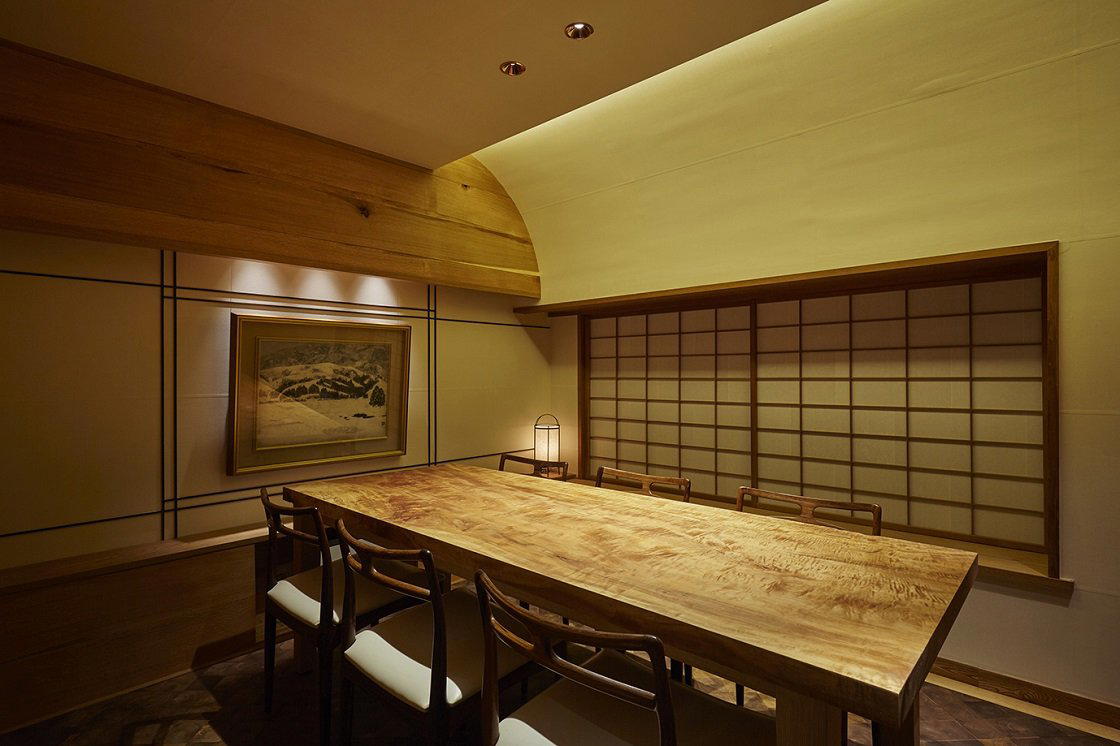
Yoshiro Kiyama's 30-seat Nakagyo kaiseki earned Tabelog Gold in 2021 and Michelin Plate recognition since 2024, with counter seating and private rooms serving ¥30,000–39,999 tasting menus built around water from an on-site well. Reservation-only, phone bookings required, and a tight service window (last entry 13:00 lunch / 19:30 dinner); worth it for diners who want precision kaiseki without Gion's tourist density, but <a href="https://joinpearl.co/restaurants/godan-miyazawa">Godan Miyazawa</a> and <a href="https://joinpearl.co/restaurants/gion-maruyama-kyoto-restaurant">Gion Maruyama</a> offer comparable depth with easier logistics.
Kizan
Tokyo, Japan
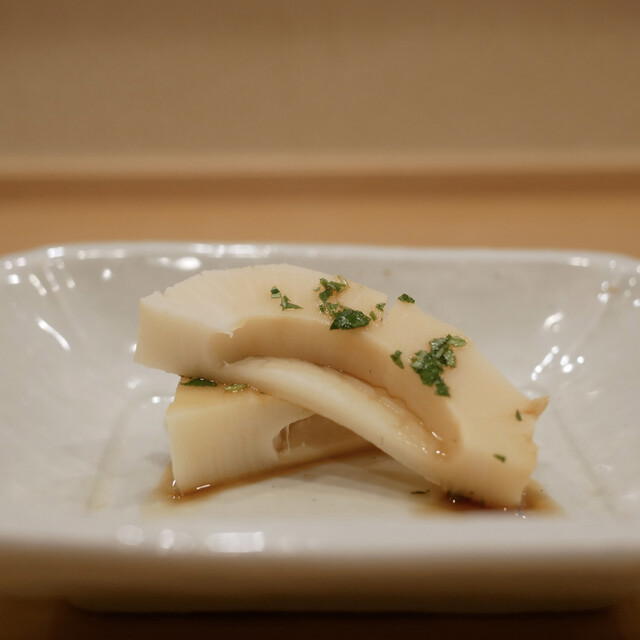
Kizan holds a 2026 Tabelog Award Silver with a 4.38 score, placing it among Tokyo's credentialed Japanese cuisine options in Nihonbashimuromachi, a two-minute walk from Mitsukoshimae Station. Dinner runs JPY 40,000 to JPY 49,999 per person, reservations are available seven nights a week, and the counter-oriented format suits pairs and solo diners seeking proximity to the kitchen.
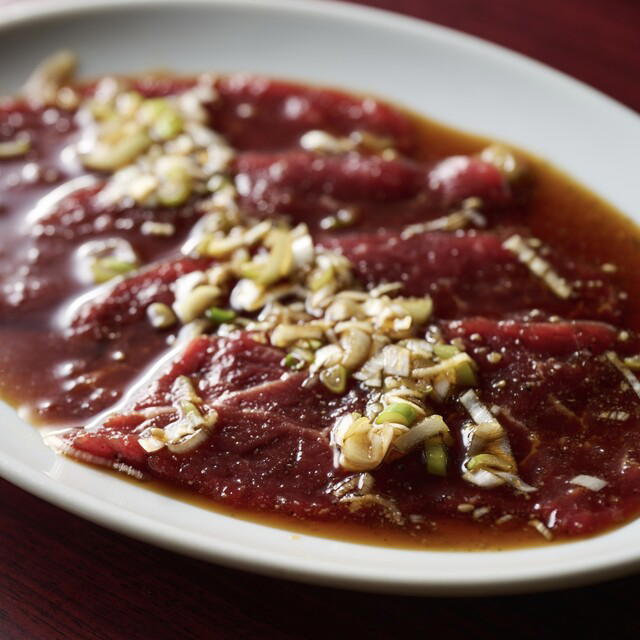
Yakiniku Kosen
Tokyo, Japan
A Tabelog Award 2026 Silver winner with a score of 4.36, Yakiniku Kosen is one of Tokyo's most consistently recognised yakiniku restaurants, appearing on the Tokyo Top 100 list for three straight years. Located in Tateishi with a 10-seat counter and private rooms upstairs, it delivers award-level grilled meat at JPY 10,000–14,999 realistic spend. Cash only; plan ahead.
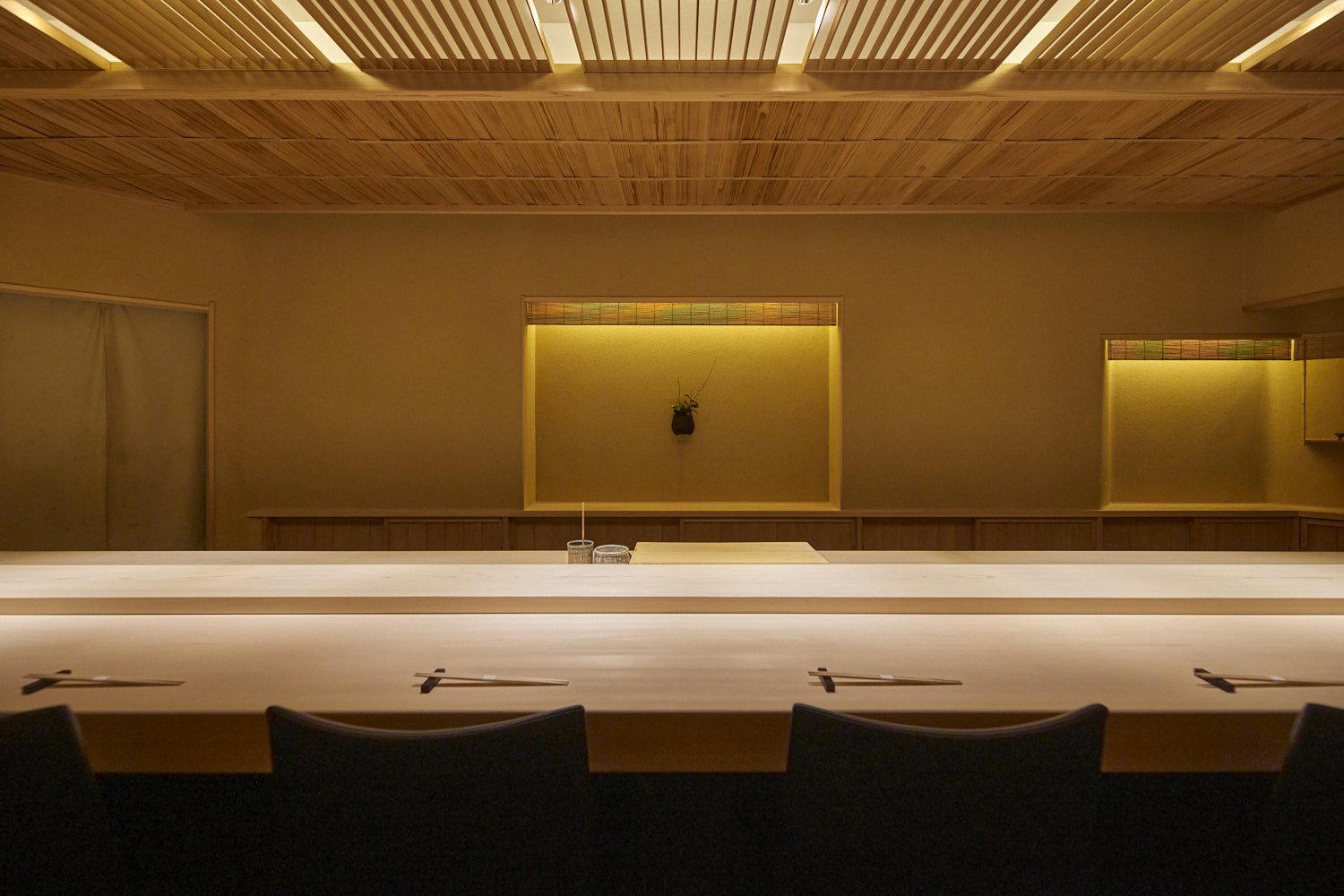
Kurumasushi
Matsuyama, Japan
A Tabelog Silver Award 2026 8-seat omakase counter in Matsuyama's Ichibancho district, running two dinner seatings nightly (17:00 and 19:30) at JPY 30,000–39,999. Reservations via OMAKASE platform only, with strict cancellation policy and no-perfume rule. Worth the premium if technical sushi is the priority and the format aligns.
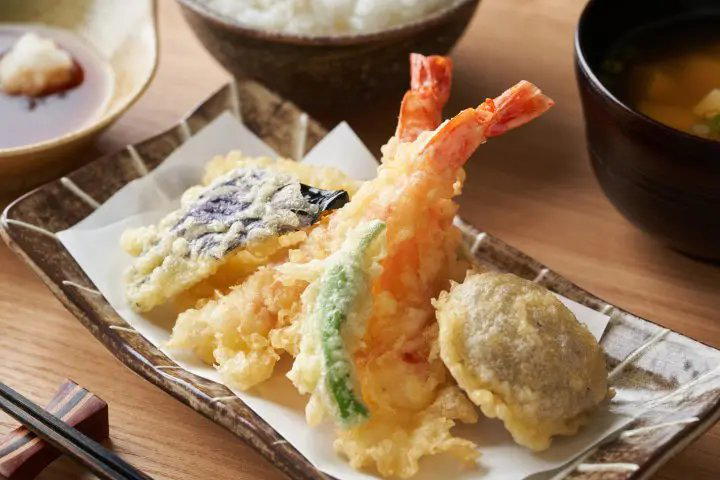
Kusunoki Nagoya
Nagoya, Japan
Chef Tadashi Kusunoki's six-seat counter delivers Tabelog Silver Award tempura at JPY 100,000 for dinner, JPY 40,000–49,999 for lunch. Reservation-only membership model in Yotsuya (Shinjuku Ward) prioritizes technical precision over accessibility. Lunch offers sufficient quality for first-timers; dinner justifies cost only for seasoned tempura enthusiasts seeking marginal ingredient upgrades.
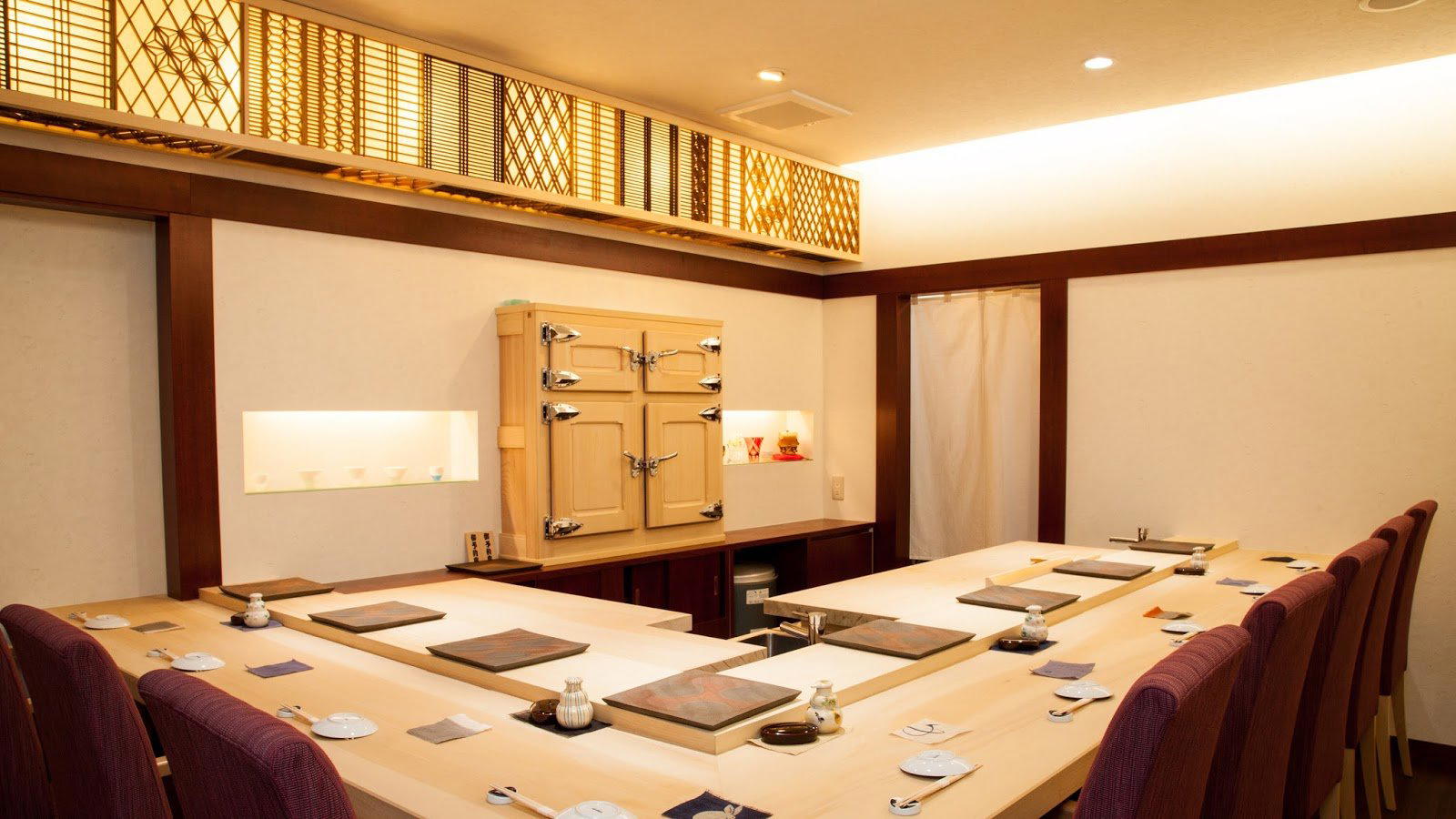
Kyodaizushi
Niigata, Japan
Chef Ryuji Honma's 8-seat counter in Chuo Ward delivers Tabelog Silver-level sushi at JPY 20,000–29,999; a tier below <a href="https://joinpearl.co/restaurants/tokiwa-sushi-nigata-ten-niigata-restaurant">Tokiwa Sushi Niigata Ten</a> in price but not in fish quality. The 2023 relocation brought a quieter, more intimate room; two nightly seatings (17:30 and 20:30) anchor seasonal Niigata neta around red-vinegar shari. Sake depth and BYO flexibility add value. Book through Instagram for easiest access.
Noguchi
Kyoto, Japan
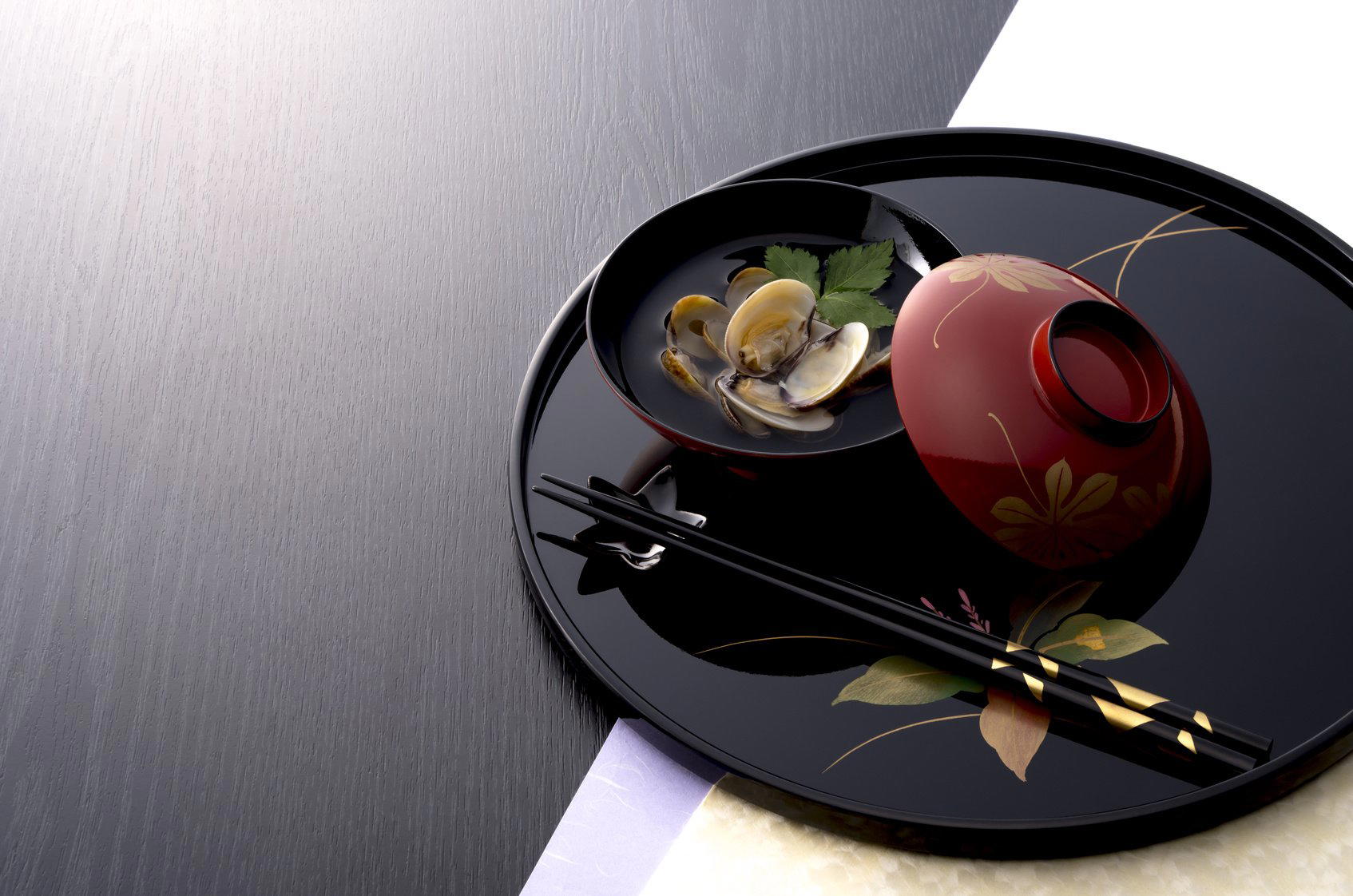
Chef Daisuke Noguchi's eight-seat counter delivers tightly executed kaiseki in a quiet Kamigyo Ward setting. Tabelog Gold winner in 2020 and a consistent Silver honoree, the restaurant operates reservation-only with a referral preference. Expect ¥20,000–¥59,999 at dinner, intimate chef interaction, and a format that rewards pairs over groups.
L'Effervescence
Tokyo, Japan
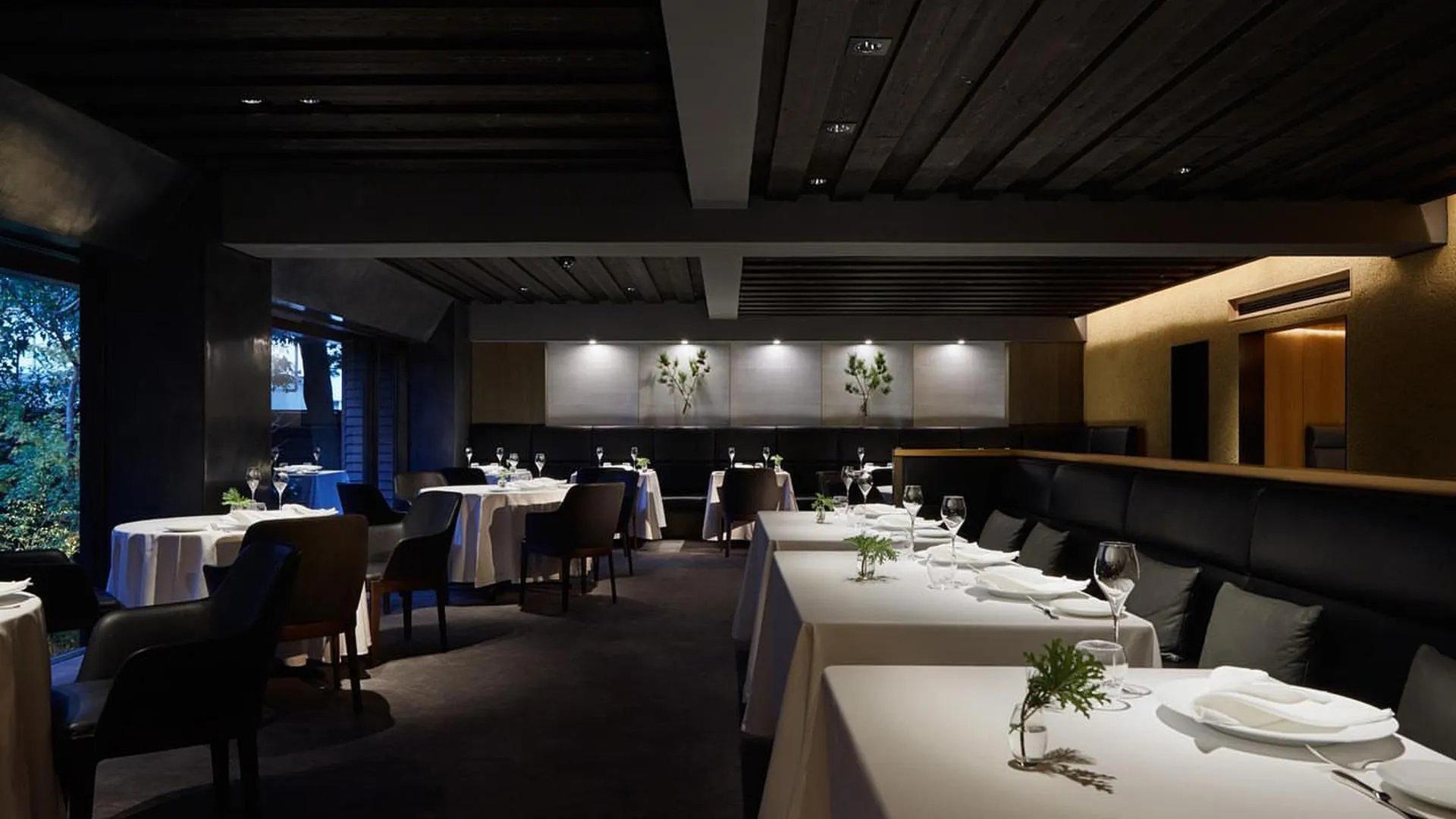
L'Effervescence is a restaurant in Nishi-Azabu, Tokyo.
L'évo
Nanto, Japan
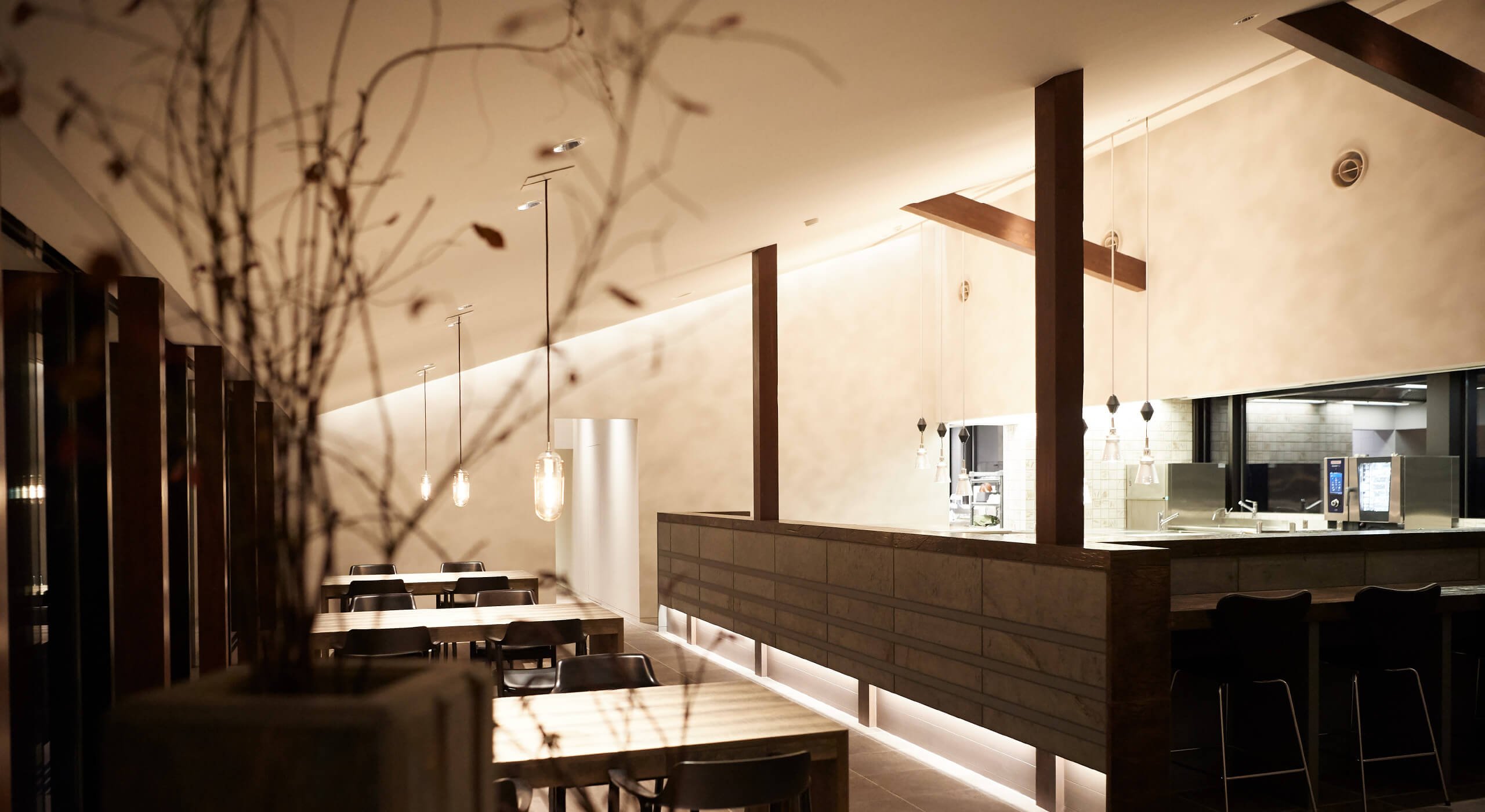
L'évo is an auberge with a restaurant and lodging in Togamura, Nanto, Toyama.
L'OSIER
Tokyo, Japan
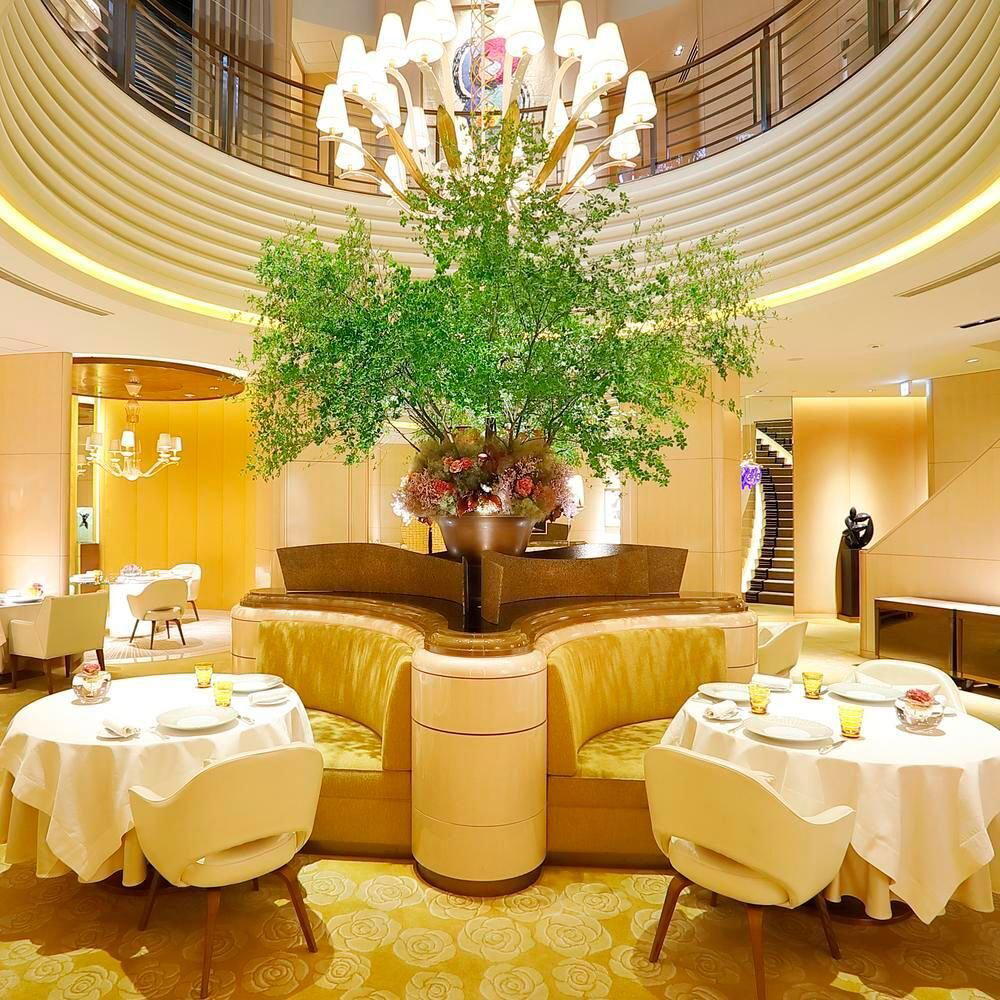
L'OSIER is a French restaurant in Ginza, Tokyo.
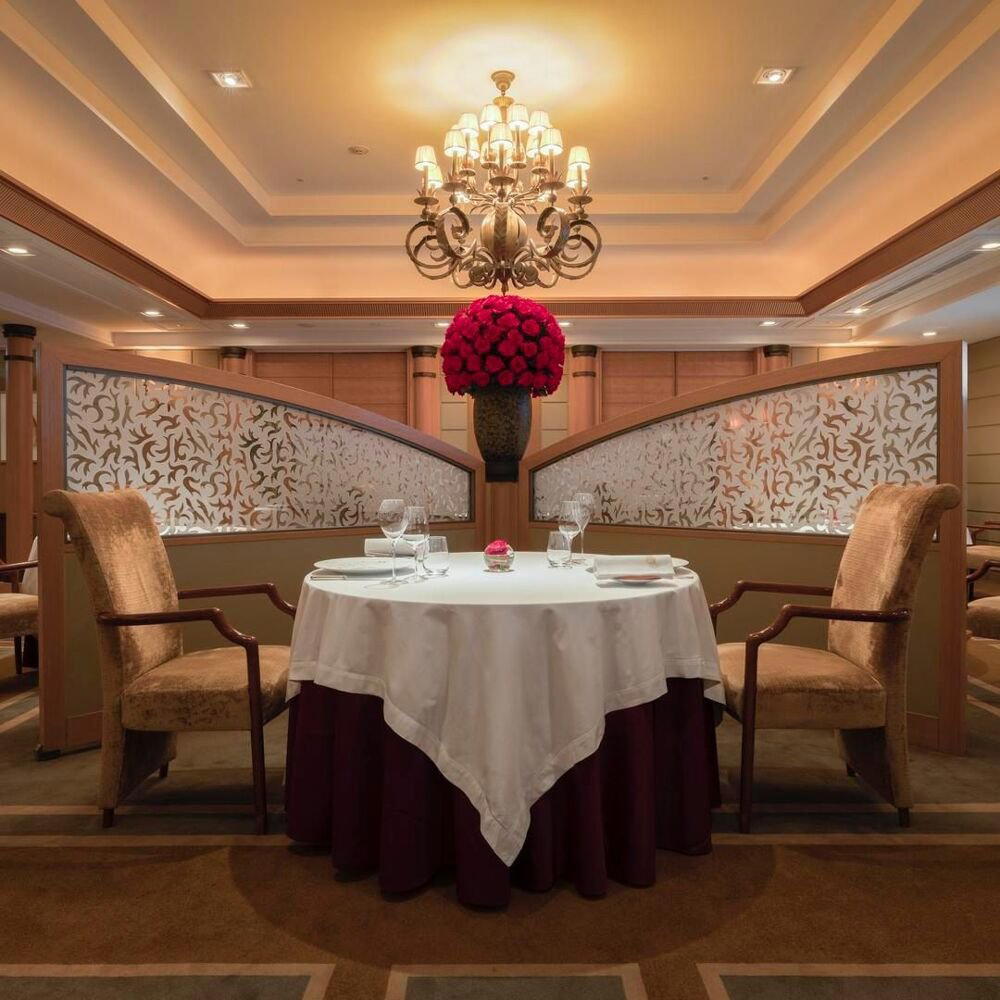
レ セゾン - Les Saisons - Hotel Imperial
Tokyo, Japan
Hotel French in Tokyo often divides between grand-room ceremony and smaller chef-led counters. レ セゾン - Les Saisons - Hotel Imperial belongs to the former camp, with Thierry Voison’s classical-modern Franco-Japanese cooking backed by Tabelog Award 2026 Silver recognition, La Liste’s 2026 score of 81 points, and an OAD Japan Recommended listing.
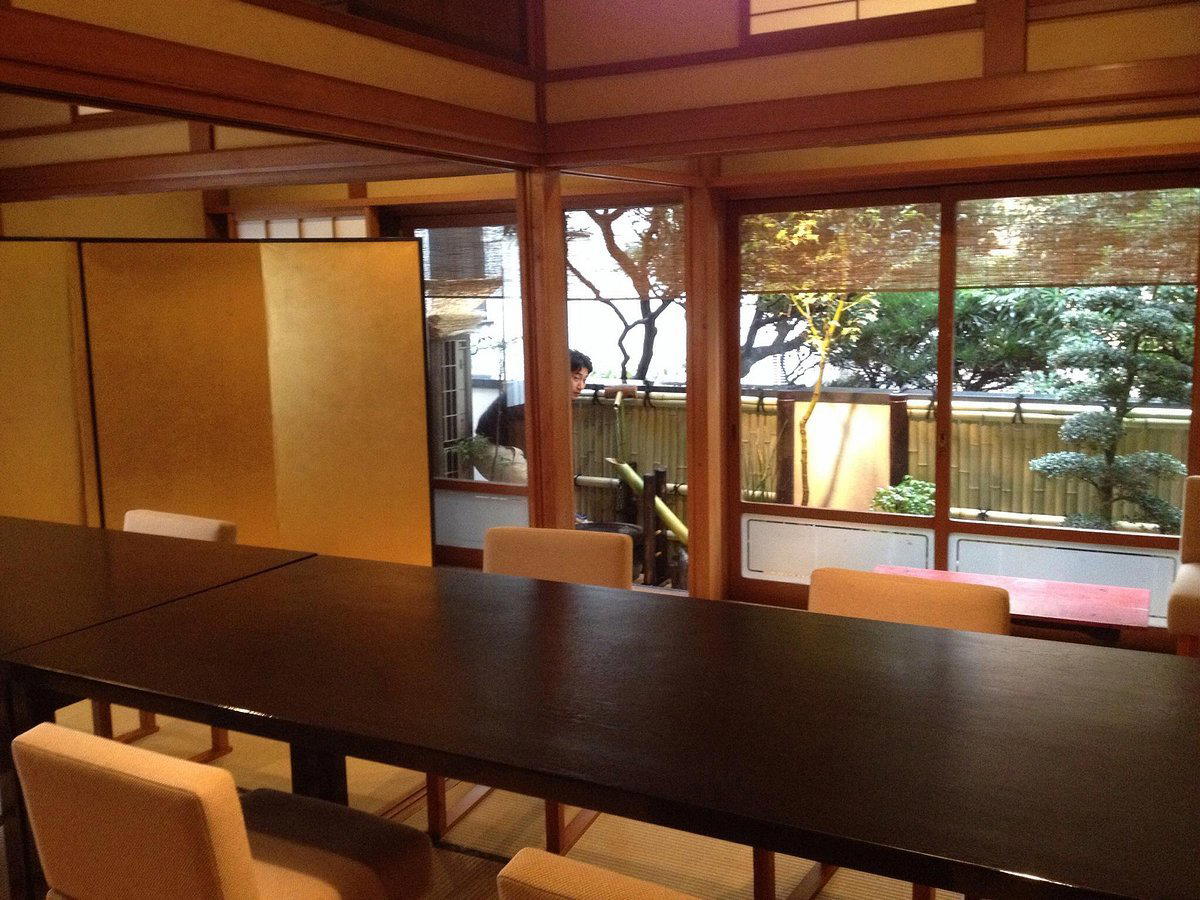
Makimura
Tokyo, Japan
Chef Makimura Akio's 14-seat kaiseki restaurant in Minamioi delivers La Liste 97-point technique and Tabelog awards at JPY 30,000-39,999 per head, with easier booking and quieter rooms than central Tokyo peers. The fish-focused menu, private tables for groups, and counter seating for solo diners make it a practical alternative to Ginza's harder-to-reserve kaiseki specialists.
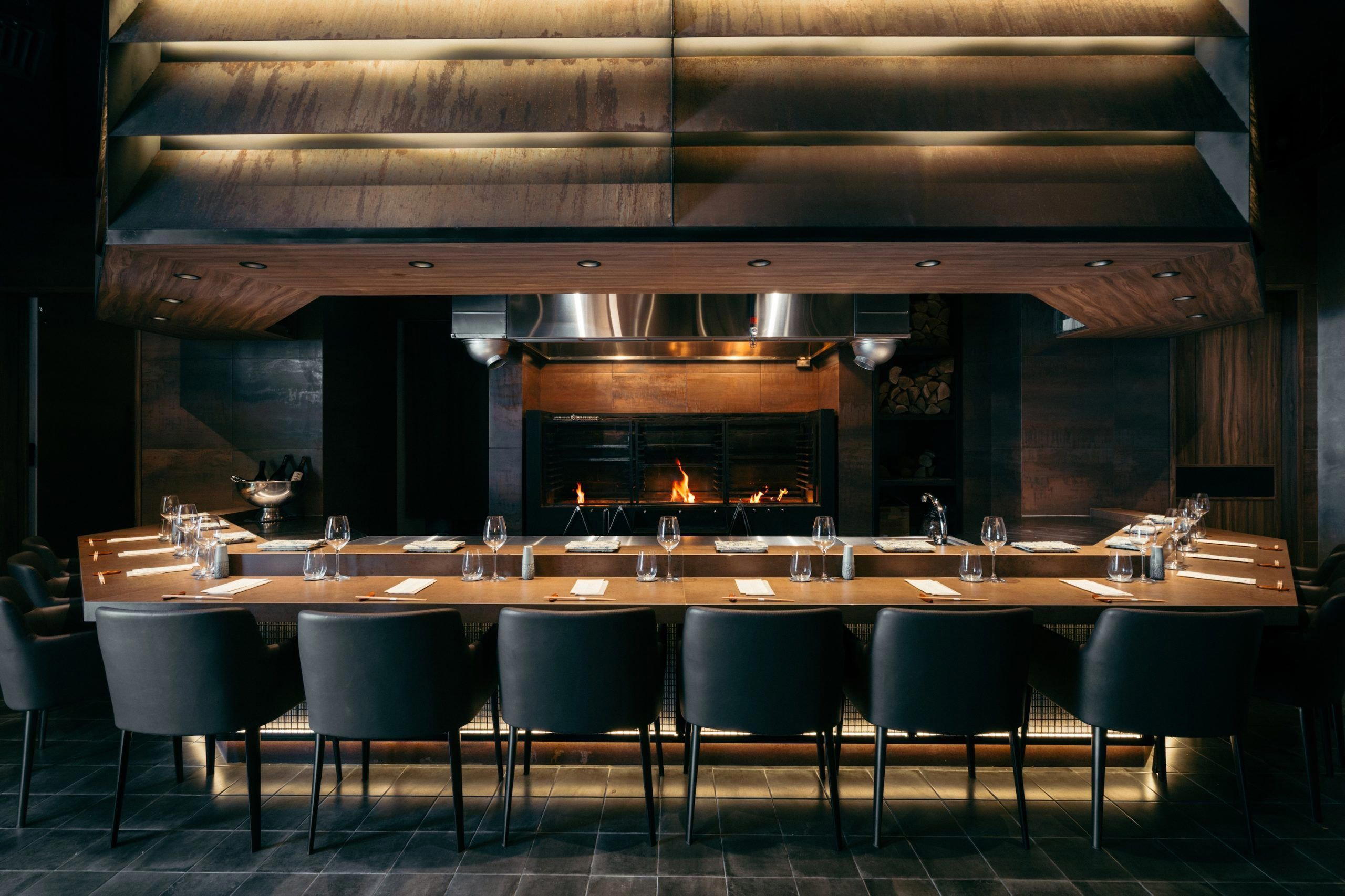
Makitori Shinkobe
Tokyo, Japan
A 12-seat counter yakitori restaurant in Akasaka with Tabelog Silver awards in both 2025 and 2026 and a score of 4.44. Dinner runs JPY 20,000–29,999 per person; reservation-only via the OMAKASE website. One of the most consistently recognised yakitori counters in Tokyo for a counter dinner or special occasion.
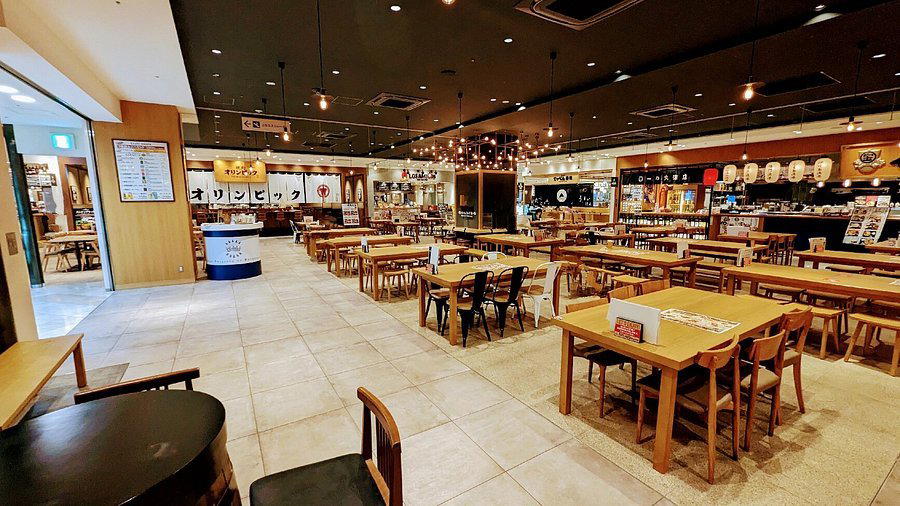
Matsuyama
Fukuoka, Japan
Six-seat omakase counter in residential Kitakyushu, earning Tabelog Silver 2026 and scoring 4.47 for seasonal fish-focused Japanese cuisine. Chef Kenichi Matsuyama's ichigo ichie approach delivers technically accomplished courses at JPY 30,000–39,999, with OMAKASE-only reservations and a house-restaurant setting five minutes from JR Kurosaki Station.
Megriva
Tokyo, Japan
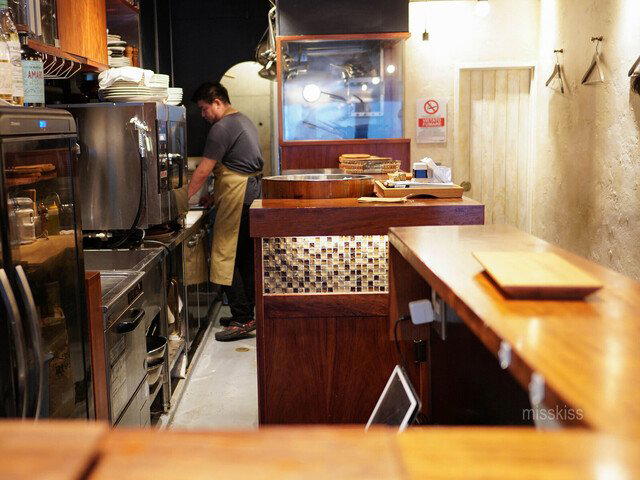
Megriva is a 10-seat Italian counter in Naka Meguro run by chef Katsuaki Yoshida, operating on a referral-only system with no new reservations currently accepted. It holds a Tabelog Score of 4.31, a 2026 Silver Tabelog Award, and ranks #222 on Opinionated About Dining's Top Restaurants in Japan. Budget JPY 20,000–29,999 per head with wine; the listed base price significantly understates the real spend.
Sushi Meino
Tokyo, Japan
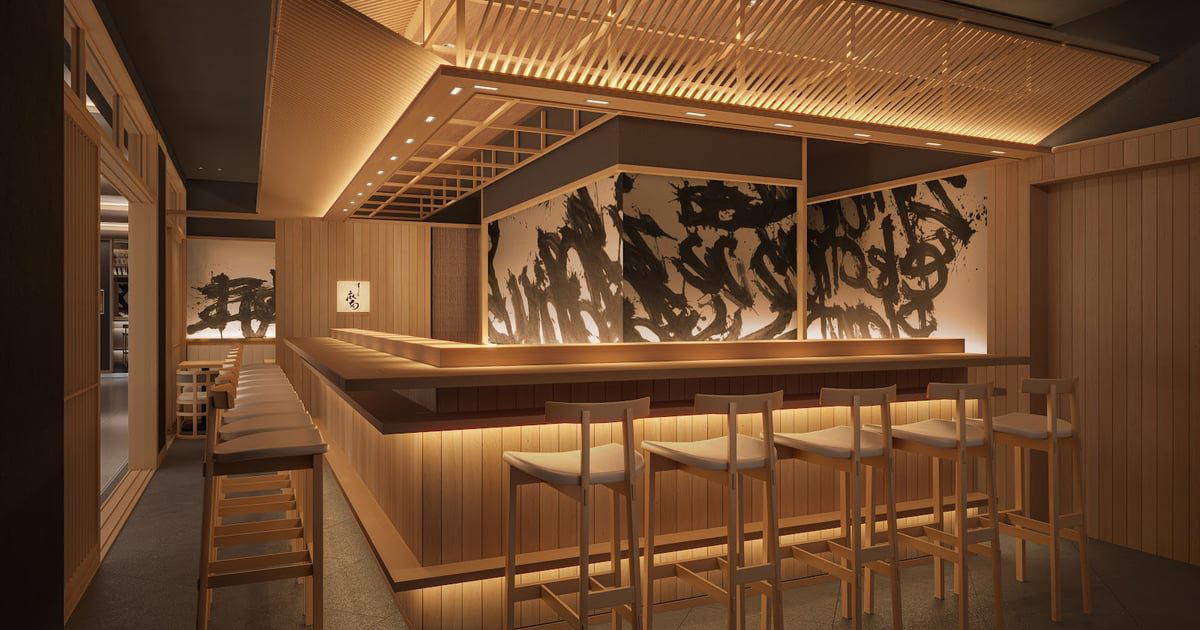
Chef Mei Kogo's eight-seat counter in Azabu-Juban earned back-to-back Tabelog Silver Awards for Edomae-style omakase paired with curated wine selections. At JPY 50,000–59,999 per person, the experience is quieter and more focused than most Tokyo sushi counters, with a booking window that's manageable for organized diners. Worth it if wine pairing appeals more than sake, but peer venues like Tachigui Sushi Tonari offer stronger value at lower price points.
Mekumi - すし処 めくみ
Nonoichi, Japan
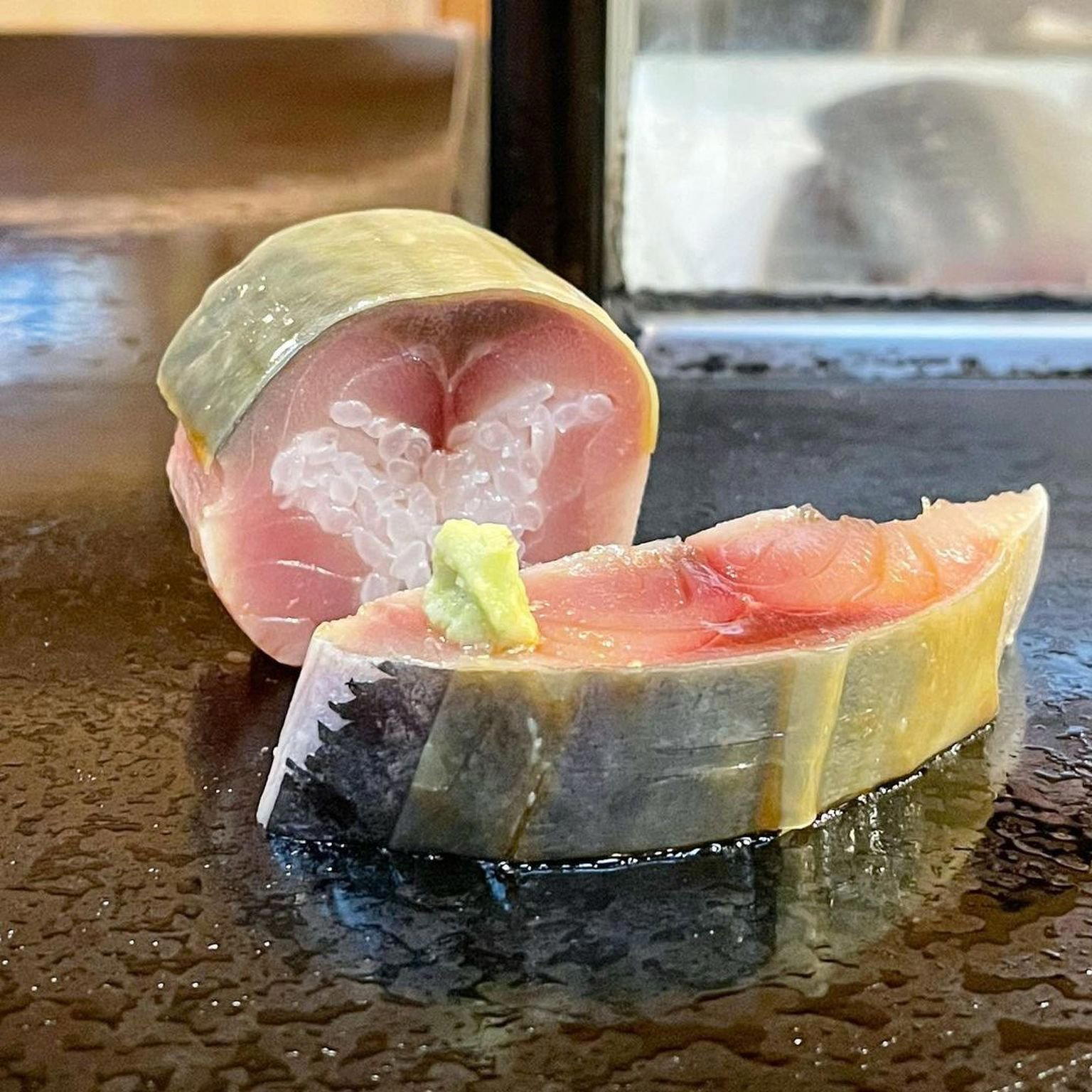
Mekumi is the strongest argument for a sushi detour to Nonoichi: an eight-seat counter from chef Takayoshi Yamaguchi with a Tabelog score of 4.51, consecutive Gold awards from 2018–2022, and an Opinionated About Dining #6 ranking in Japan for 2024–2025. Budget JPY 40,000–49,999 per head minimum, book online three months in advance, and time your visit for autumn or winter if cold-water Noto-mae nigiri is the draw.
Mita
Kyoto, Japan
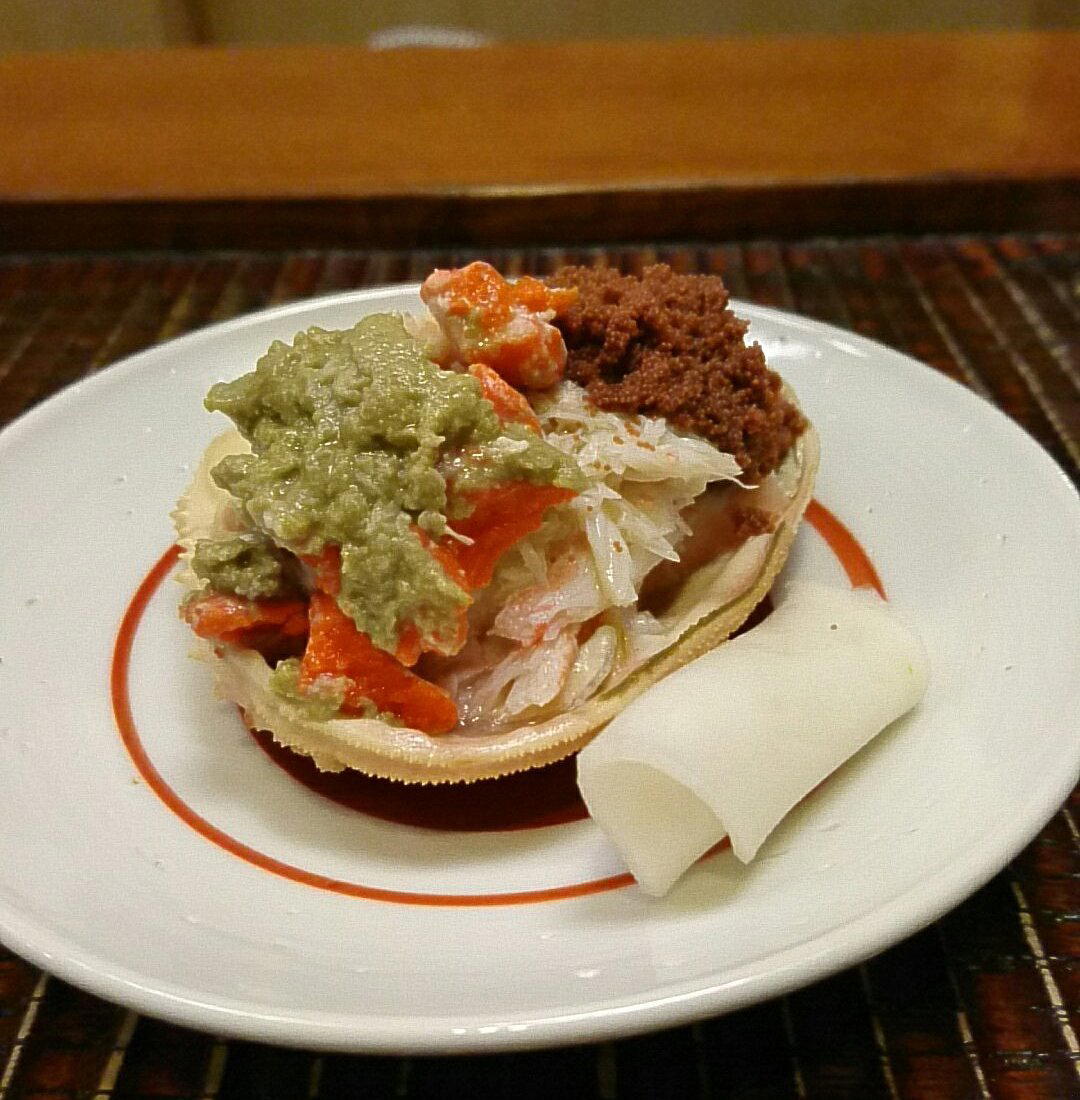
Six-seat counter serving omakase-only Japanese cuisine at JPY 60,000–79,999 per person. Nine consecutive Tabelog Silver Awards (2017–2026) signal consistent technical execution. Reservation-only via phone, with BYO drinks permitted. The counter format prioritizes chef proximity and ingredient focus over social dining space.
Mitaka
Tokyo, Japan
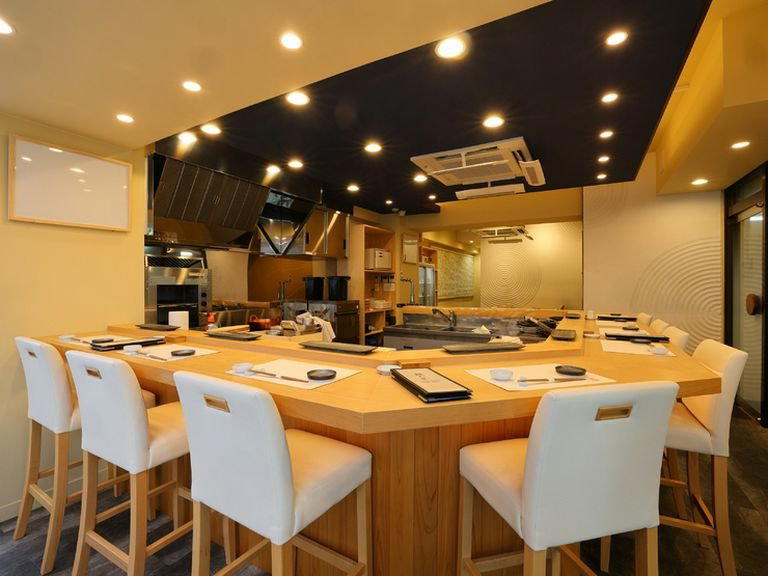
Chef Takatoshi Inoue's kaiseki counter in Nishishinbashi delivers seasonal precision at JPY 40,000–50,000 per person. Tabelog Award 2026 Silver winner and 2025 Tabelog 100 selection confirm the kitchen's consistency. Dinner-only, reservation-required, and closed Sundays; a reliable choice for first-timers learning the format or repeat visitors tracking seasonal shifts.
Sushi Miyakawa
Sapporo, Japan
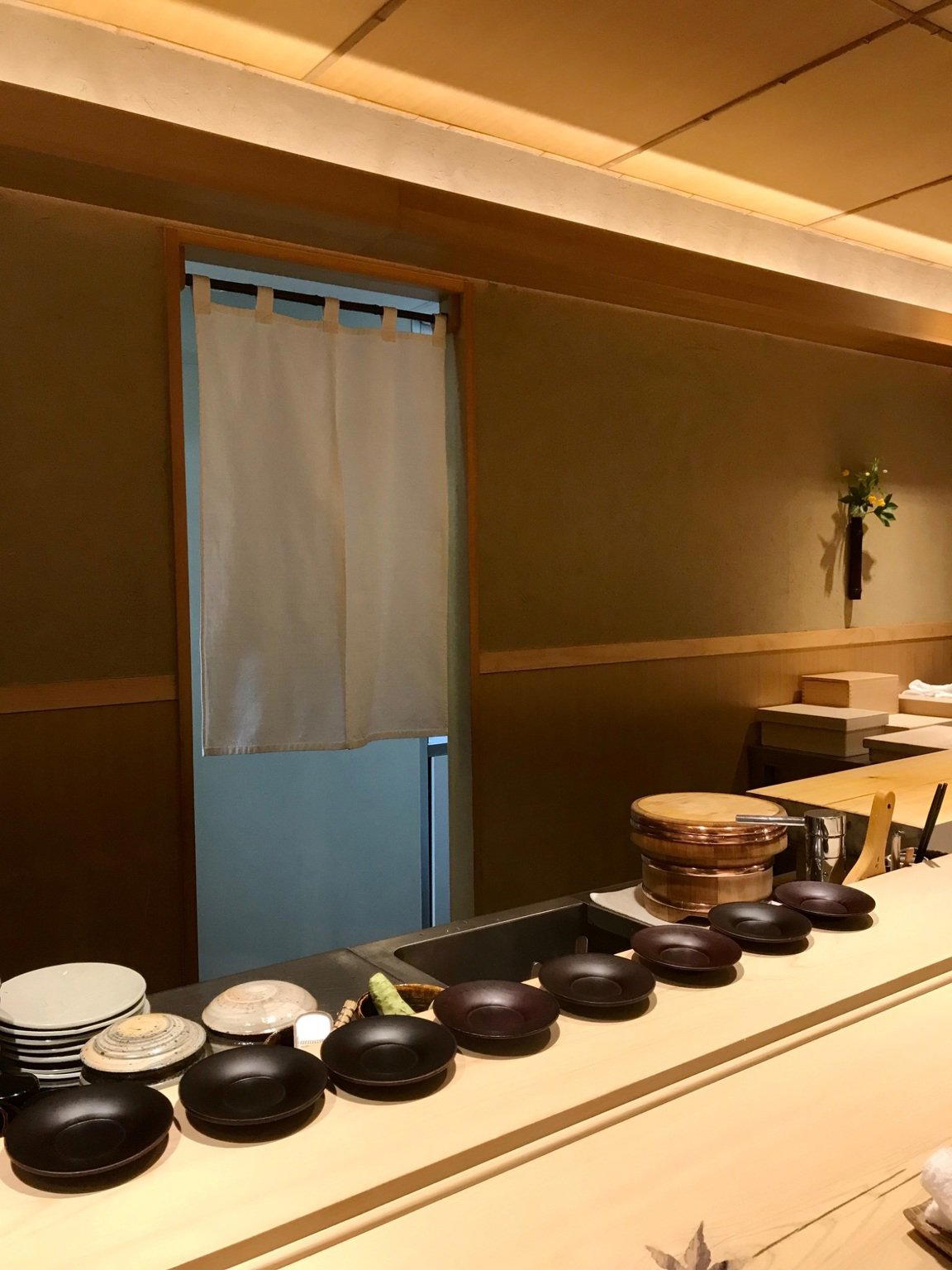
Sushi Miyakawa is Sapporo's most credentialled omakase counter; seven seats, reservation-only, and a Tabelog Silver Award in 2024, 2025, and 2026. At JPY 32,000 all-inclusive, it delivers serious Hokkaido seafood at a price point well below comparable Tokyo counters. Book by phone on the first business day of the month for the following month's slots.
Miyasaka
Tokyo, Japan
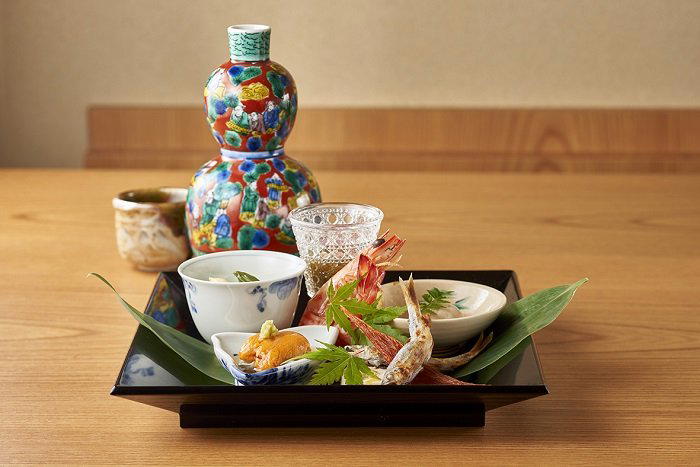
Miyasaka is a 14-seat chakaiseki room in Minamiaoyama with a Michelin star, a Tabelog Silver Award, and a philosophy rooted in Kyoto tea ceremony tradition. Dinner runs JPY 40,000–79,999 per person and requires booking well in advance via OMAKASE. For a first visit, the select-date omakase lunch at JPY 25,000 is the most practical way to assess whether the room earns your dinner budget.
Miyoshi
Kyoto, Japan
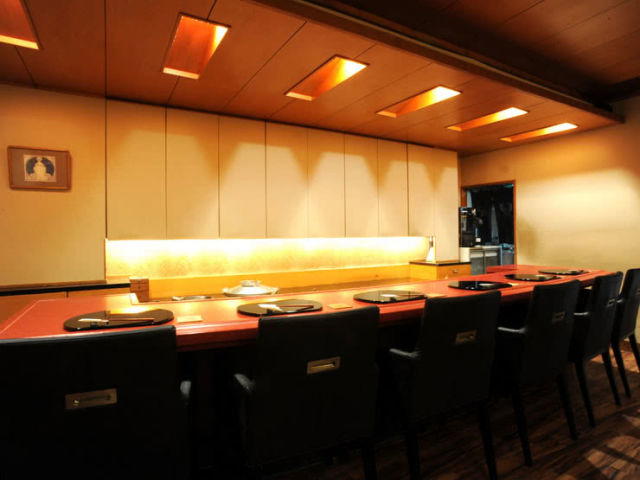
An eight-seat Hinoki counter in Gion serving Chef Tsutomu Ito's wagyu-focused kaiseki, built around minimalist technique and seasonal cuts. The wine and sake program is curated to match the beef's marbling, and the reservation-only format ensures a quiet, deliberate pace. Book for special occasions when you want beef kaiseki with sommelier pairings rather than yakiniku-style grilling.
Mokkosu
Takasaki, Japan
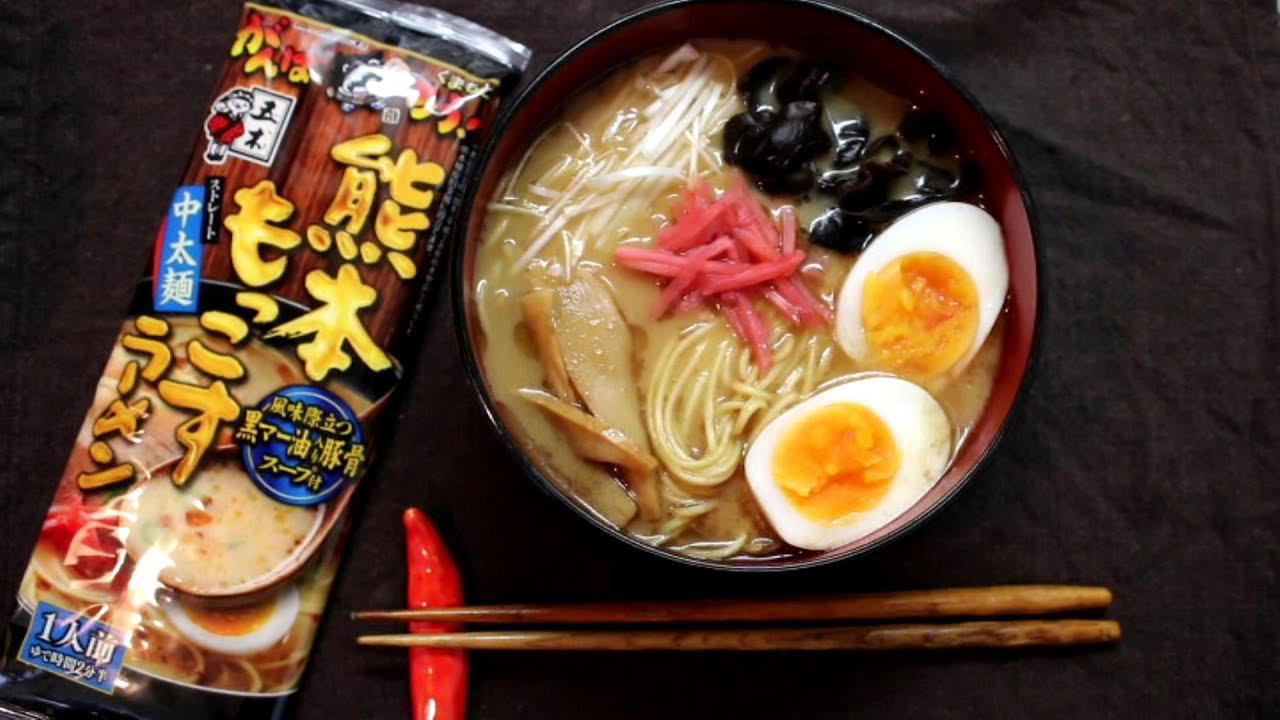
Tabelog Award 2026 Silver tempura specialist in a residential Takasaki setting, serving multi-course dinners at a seven-seat counter or private room. The 100% Taihaku sesame oil technique and reservation-only format justify JPY 40,000+ per person for diners seeking award-level tempura without Tokyo prices. Book three weeks out for weekend slots.
Myojaku
Tokyo, Japan
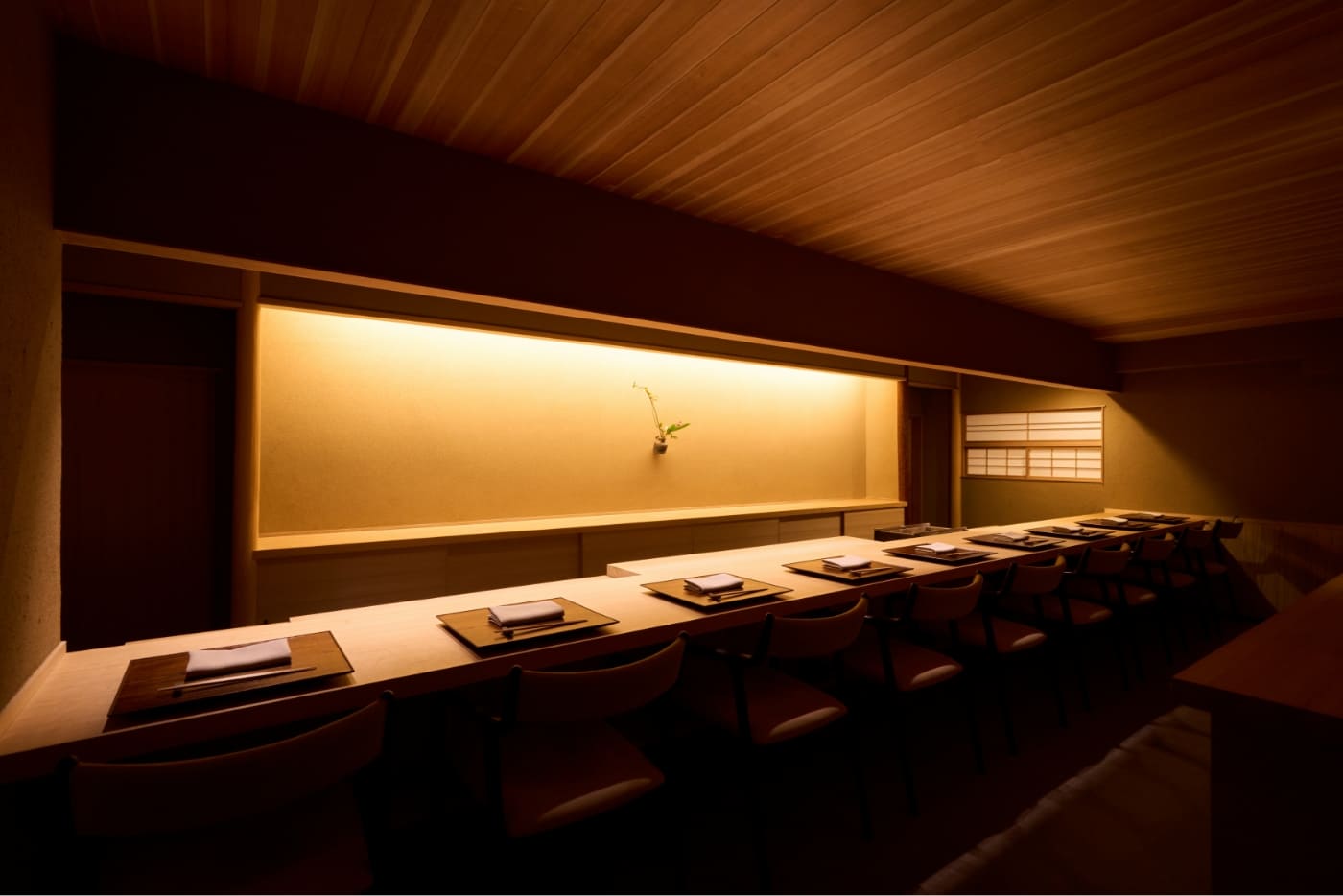
Myojaku is a restaurant in Nishiazabu, Tokyo, working with ingredients from across Japan.
Nakamura
Kyoto, Japan
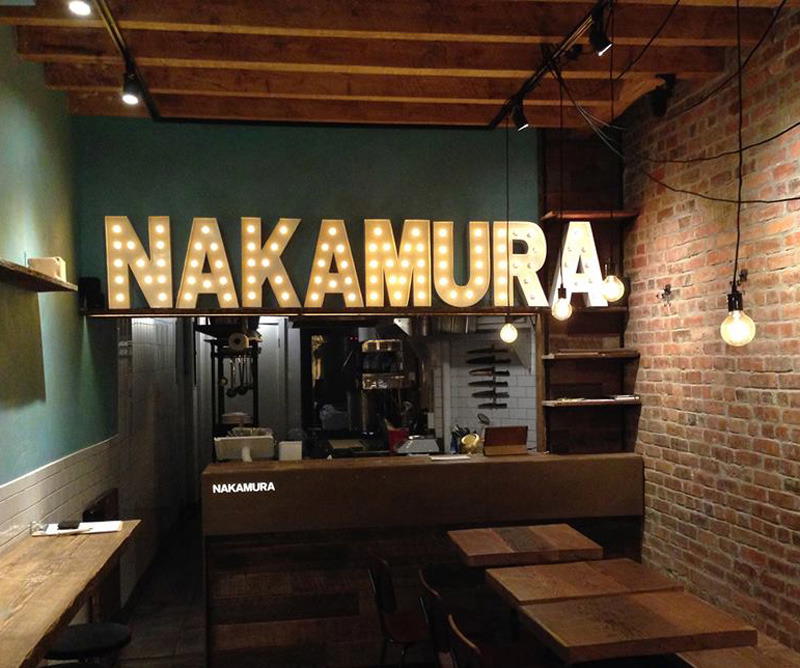
Nakamura in Kyoto's Higashiyama Ward earns a Tabelog 3.60 and 91 La Liste points for its kaiseki-teppanyaki counter format, priced at JPY 20,000–29,999 per head at both lunch and dinner. Seven counter seats, reservation-only booking via monthly social media announcements, and a focused atmosphere make it well-suited to solo diners and couples rather than groups. Easier to book than most Gion competition at this tier.
Sushi Namba
Tokyo, Japan
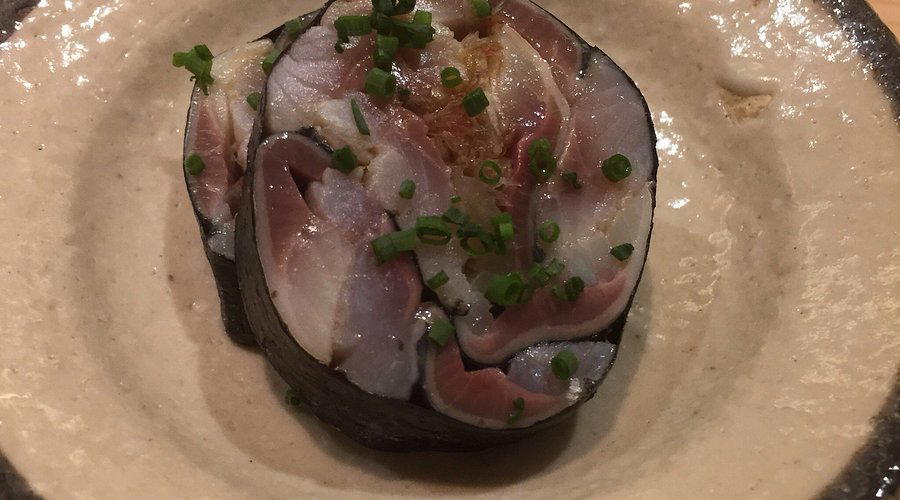
Chef Hidefumi Namba's omakase counter in Tokyo Midtown Hibiya holds multi-year Tabelog recognition for single-degree rice-and-neta temperature control. JPY 40,000–49,999 lunch or dinner, 12 seats total, reservation-only. Easier to book than some peers, quieter than most, and the private room handles four for celebrations.
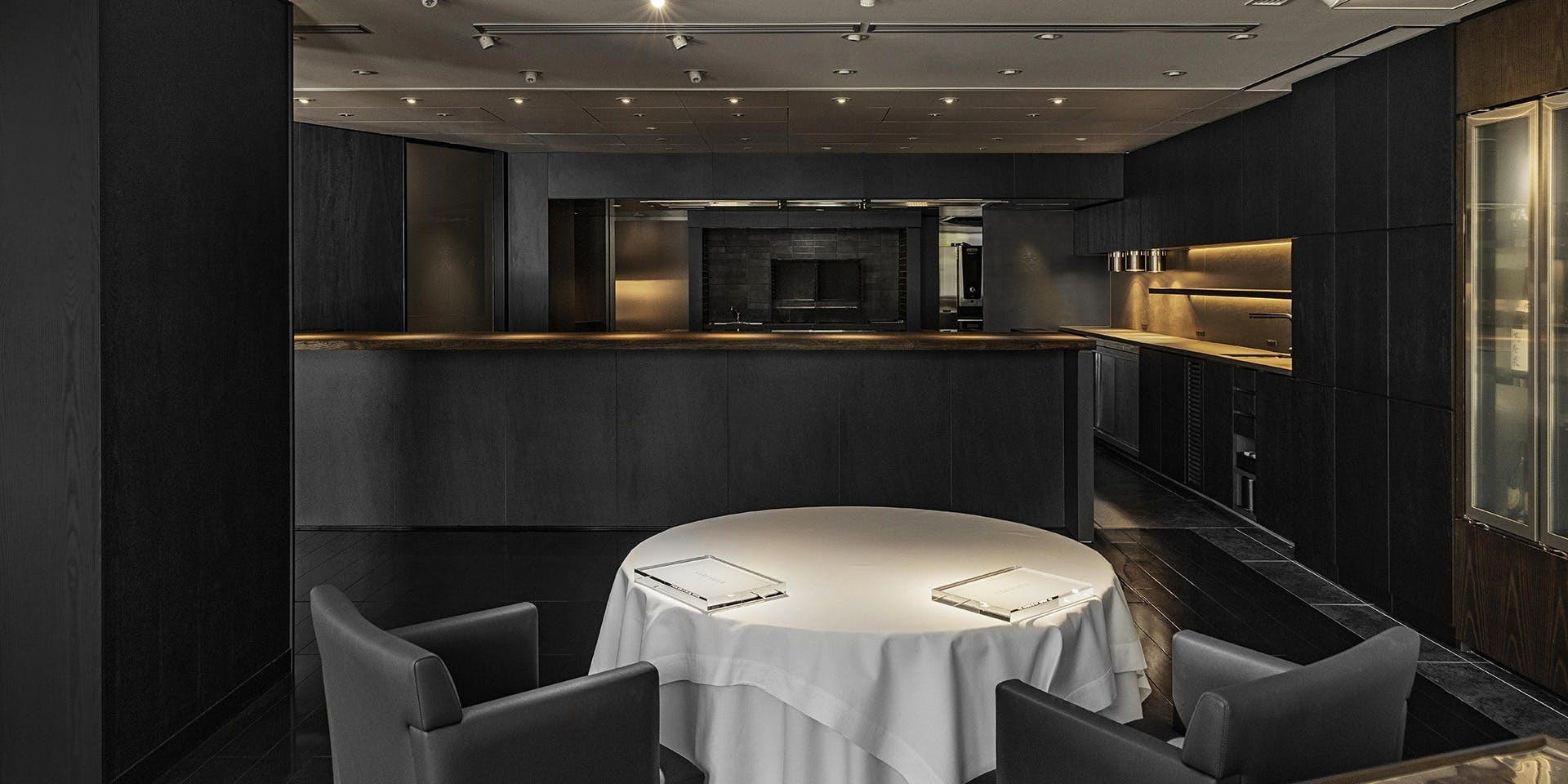
Narisawa
Tokyo, Japan
Narisawa is a restaurant in Minamiaoyama, Tokyo.
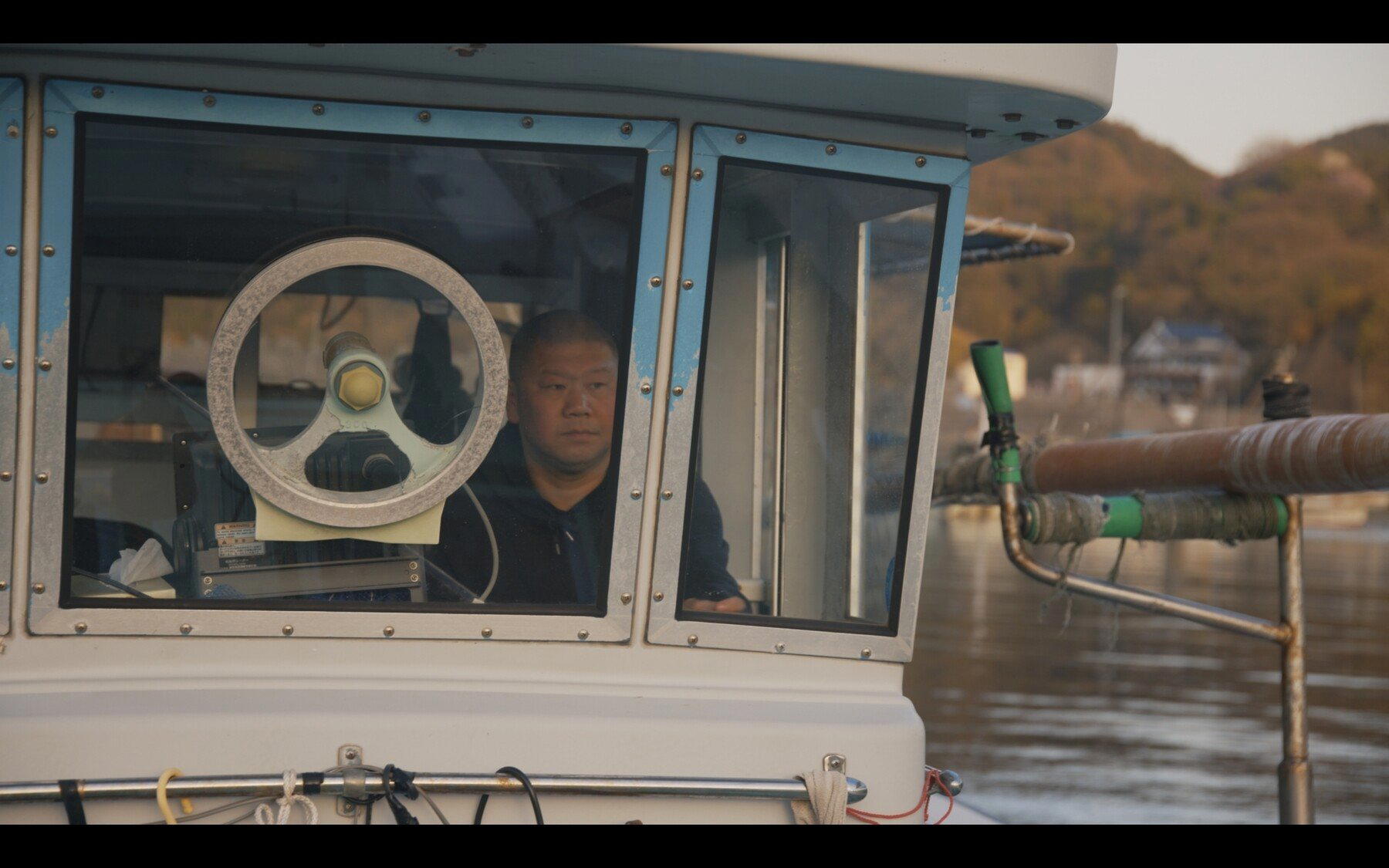
Nijikichi
Imabari, Japan
Tabelog Silver Award counter (2026, score 4.42) on Hakata Island serving seafood-focused tasting menus at JPY 30,000–39,999, with fisherman-sourced Setouchi fish and a six-seat format. Irregular hours posted on Instagram; booking windows close fast. Two-person maximum, remote access requires taxi or car; worth the logistics if seasonal sourcing and minimal-intervention technique matter more than ambiance.
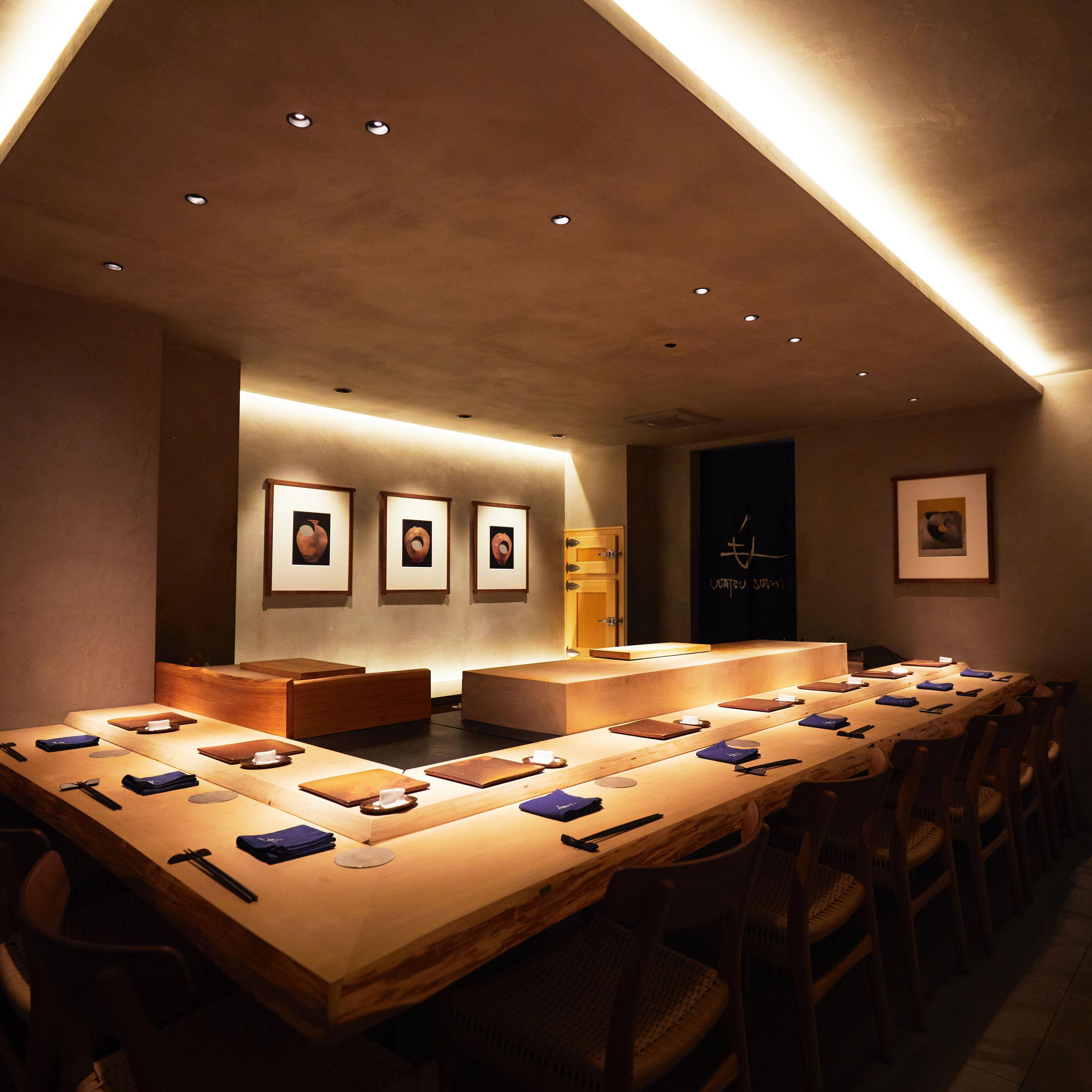
Nikuya Tanaka
Tokyo, Japan
Nikuya Tanaka is Tokyo's most decorated beef kaiseki counter, holding six consecutive Tabelog Silver Awards (2021–2026) with a score of 4.44 and an Opinionated About Dining ranking of #52 in Japan. At JPY 60,000–80,000 per head, the nine-seat Ginza counter delivers a focused wagyu kaiseki progression. Book if singular beef expertise matters more than menu variety.
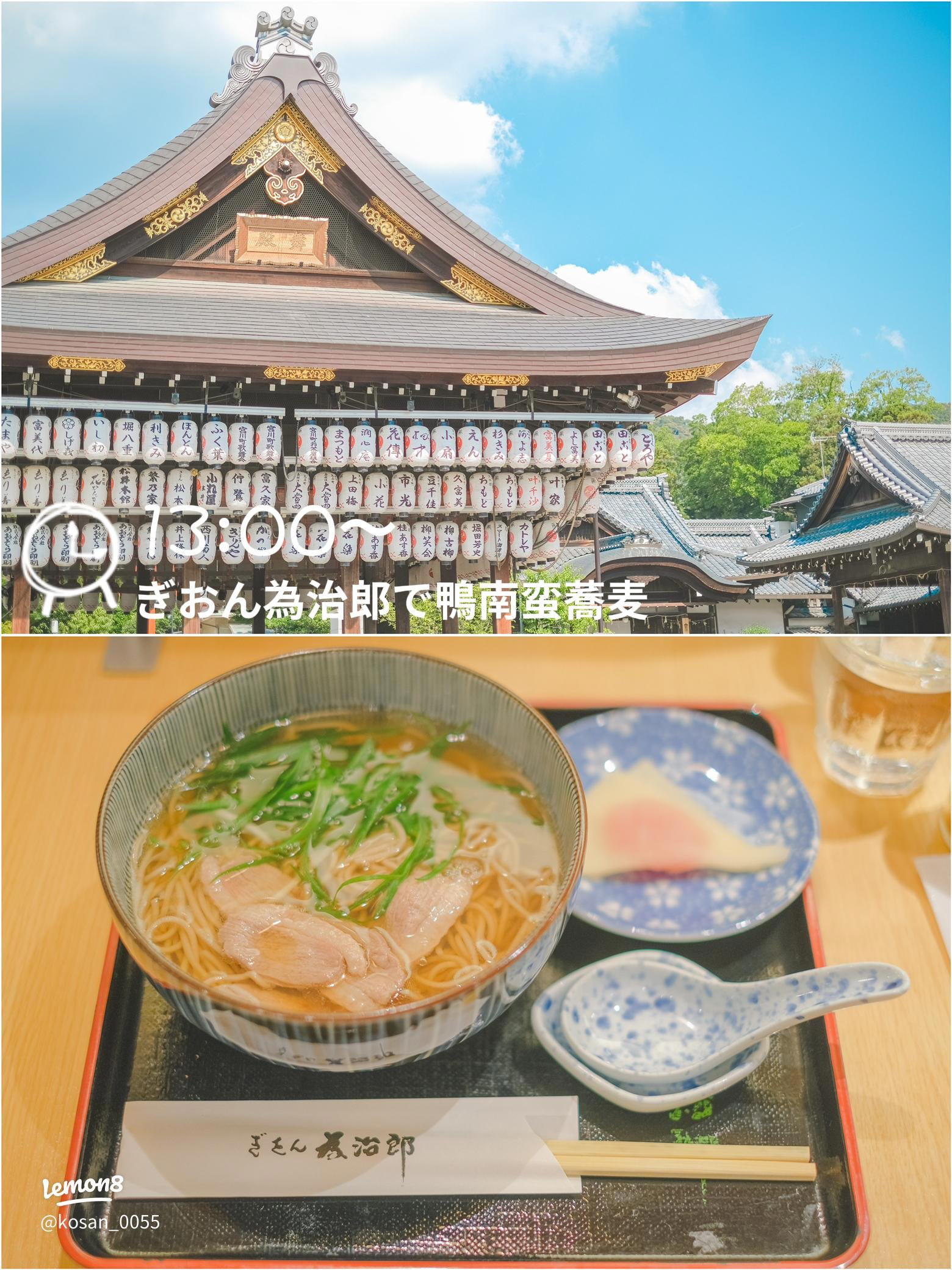
Nishibuchi Hanten
Kyoto, Japan
Chef Kentaro Nishibuchi's ten-seat Chinese counter in Higashiyama pairs Cantonese and Sichuan techniques with Kyoto-sourced ingredients, delivering tasting menus that justify 30,000–39,999 JPY and multi-week booking windows. Nine consecutive Tabelog Silver Awards and inclusion in OAD's Japan rankings confirm consistent execution. Counter-only seating and dinner-only service mean this suits couples and solo diners more than large groups.
Nishizaki
Tokyo, Japan
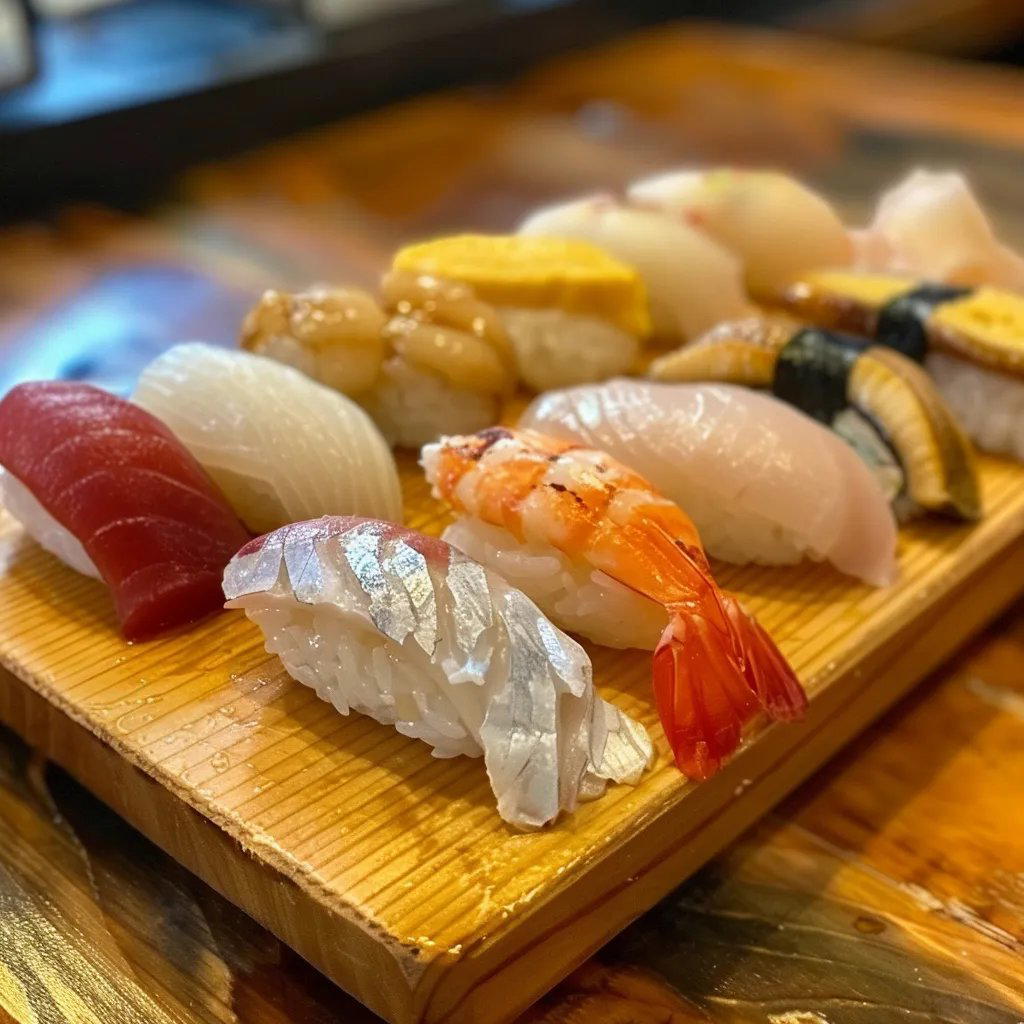
Reservation-only sushi counter in Setagaya's Higashi Kitazawa with Tabelog Award 2026 Silver recognition and a focus on rice-and-fish textural balance. Lunch (JPY 15,000–19,999) offers better value than dinner (JPY 20,000–29,999) for the same omakase format. 12 seats across main and private counters; book 2–3 weeks ahead for Sunday midday service.
NK
Tokyo, Japan
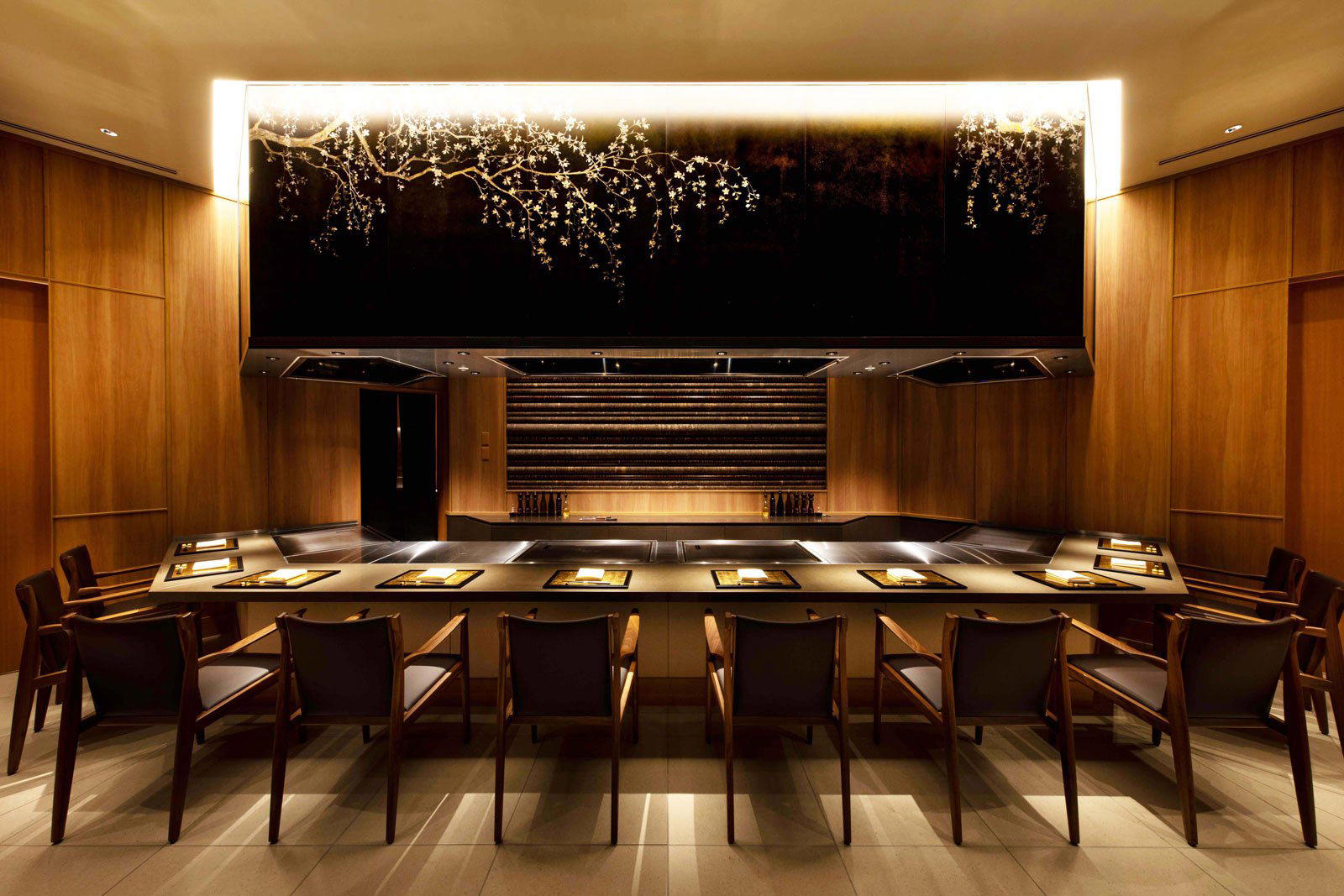
Kento Kakutani's 14-seat Kagurazaka counter applies genre-crossing technique to seasonal Japanese ingredients, earning four consecutive Tabelog Silver awards (2023–2026). At JPY 40,000–49,999, the tasting-menu-only format delivers precision without kaiseki orthodoxy; book three weeks ahead for dinner or Saturday lunch.
NOMI RESTAURANT
Kyoto, Japan
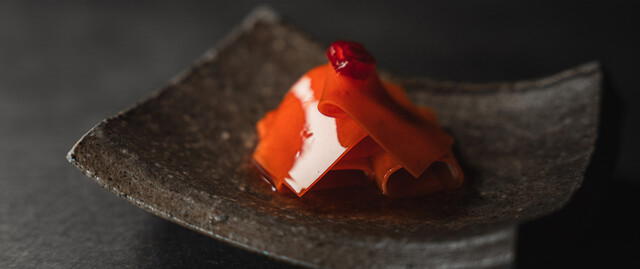
NOMI RESTAURANT is a Tabelog Award 2026 Silver winner operating from a house restaurant in rural Fukuchiyama, northern Kyoto Prefecture. At JPY 30,000–39,999 per head, eight seats, and an innovative Japanese cuisine format, it suits diners who have covered central Kyoto's kaiseki circuit and want something more removed. Lunch is worth prioritising over dinner for the setting and potentially lower spend.
Numata
Osaka, Japan
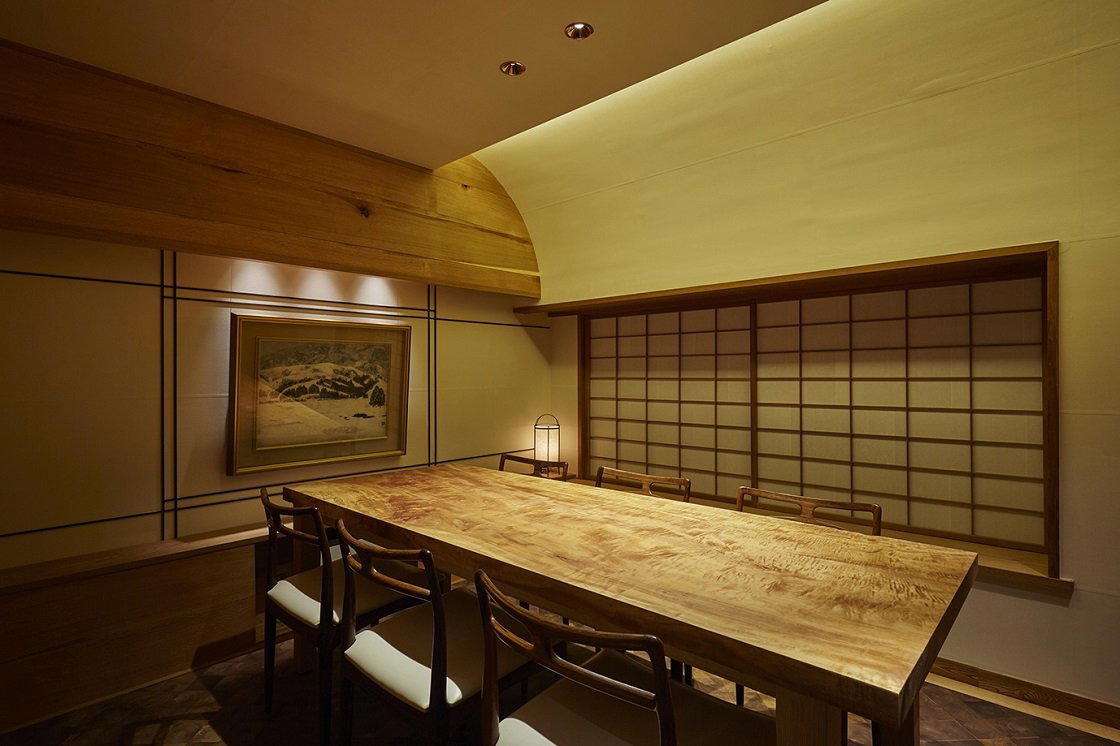
An eight-seat counter in Kitashinchi that has earned two Michelin stars and consecutive Tabelog Silver Awards (2025, 2026), Numata sits at the sharper end of Osaka's premium tempura tier. Dinner runs JPY 40,000 to 49,999 and reservations are notoriously difficult to secure, placing it firmly among the city's most sought-after counter experiences.
Obana
Tokyo, Japan
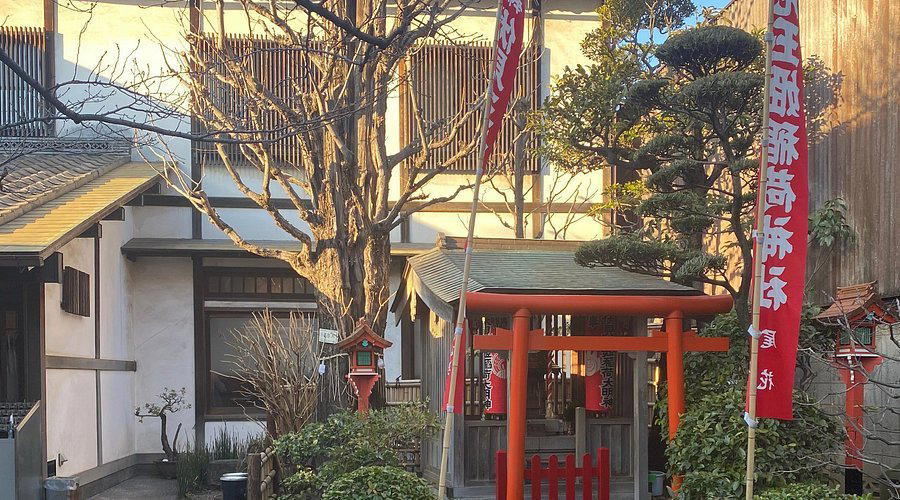
A Tabelog Silver Award sushi counter in Tatebayashi, Gunma; roughly 50 minutes from central Tokyo; Obana prices its full course at JPY 35,000–43,000, well below comparable Ginza counters. With just 8 seats, a serious sake list, and BYO permitted at JPY 3,300 corkage, it rewards food-focused travellers willing to make the journey.
Shokudou Ogawa
Kyoto, Japan
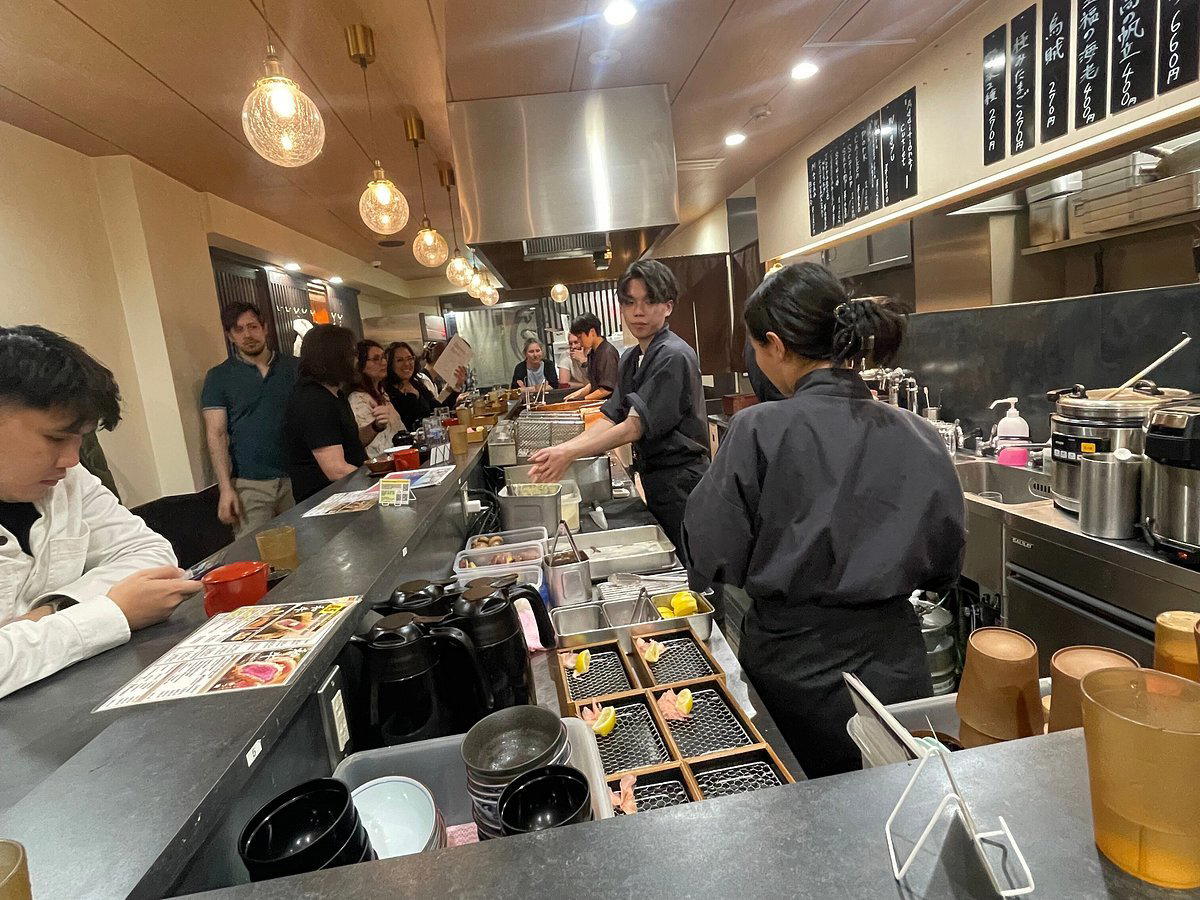
Shokudou Ogawa delivers counter-seat kaiseki at JPY 10,000–14,999 per head; roughly a third of what Kyoto's top-tier kaiseki houses charge; with a Tabelog Silver award and Top 100 recognition backing the quality claim. The 12-seat counter is almost always fully booked, and reservations currently require an in-person visit. Cash only, no phone bookings, closed Mondays.
Akasaka Ogino
Tokyo, Japan
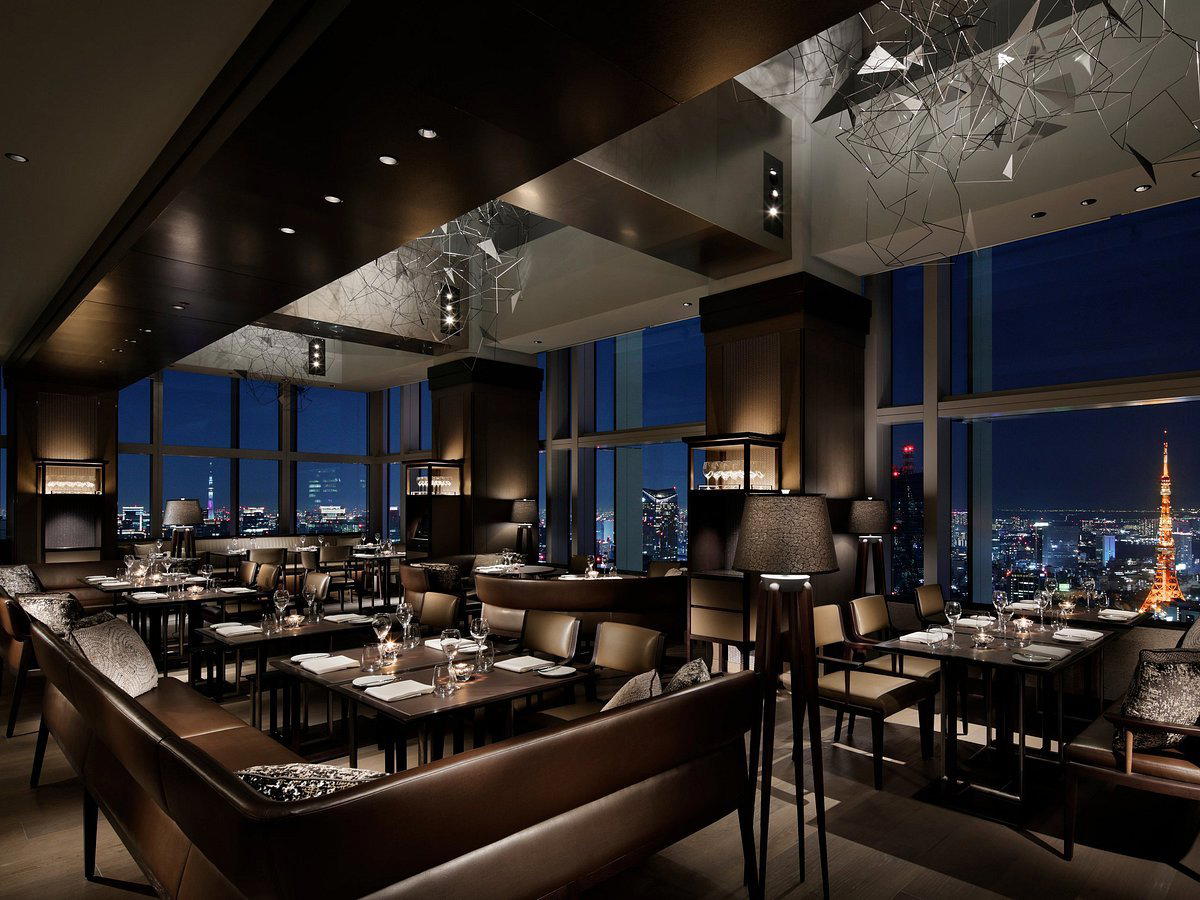
Akasaka Ogino is a seven-seat kaiseki counter in Minato that has earned Tabelog Silver three consecutive years (2024–2026) and holds a 4.53 score. At JPY 40,000–49,999 per head, dinner only, it rewards diners who know the format and want it executed with personal precision. Book ahead: two seatings nightly, no walk-ins, closed Sundays.
OHKUSA
Tokyo, Japan
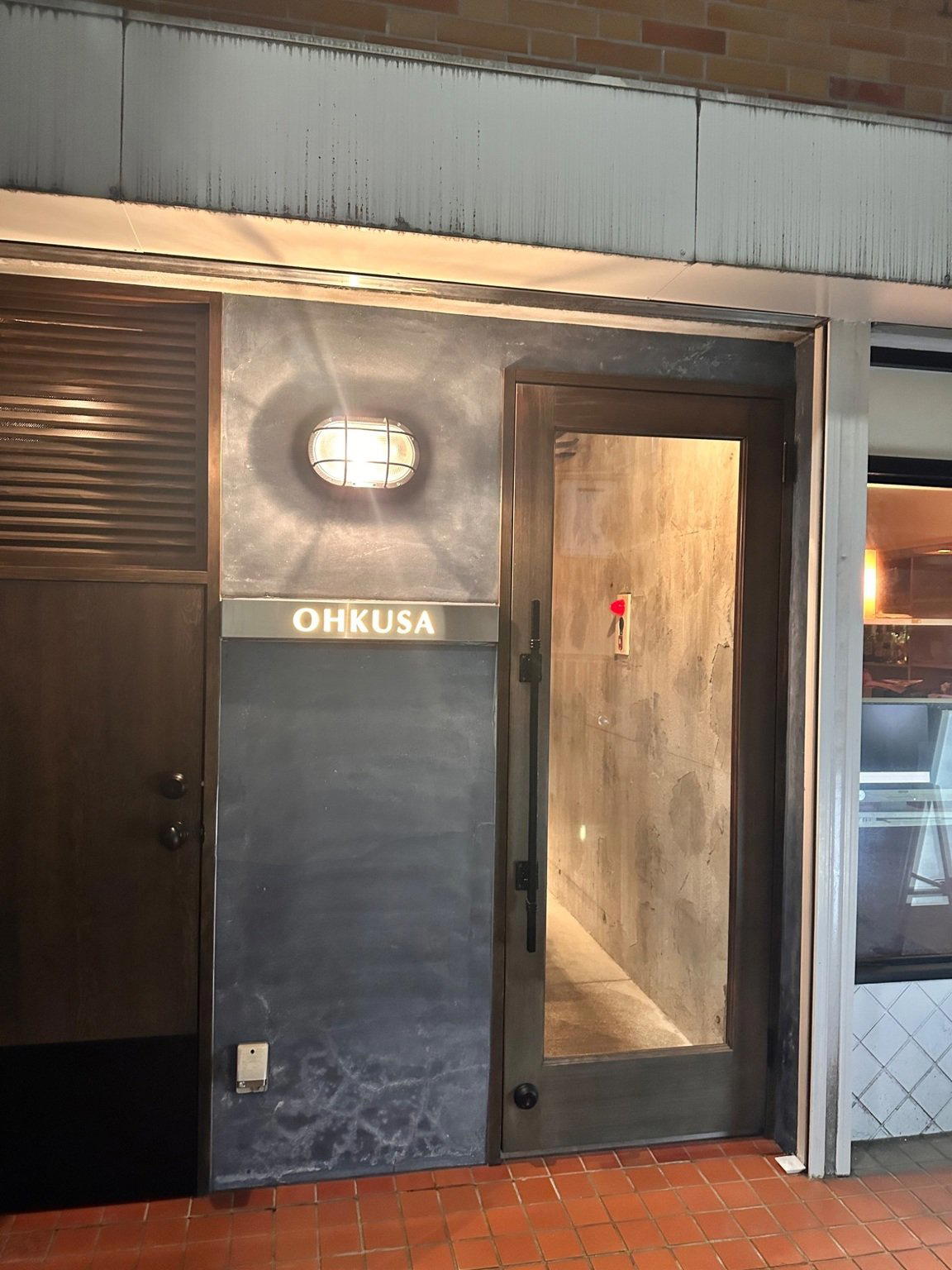
An eight-seat yakitori counter in Shinjuku's Arakicho district, OHKUSA has held Tabelog Silver recognition in four of the past six years and earned consecutive Yakitori 100 listings since 2021. Dinner runs JPY 15,000 to 19,999, reservations open exactly one week ahead by phone, and the counter accepts a maximum of two guests per booking. Cash only; no photography permitted inside.
Oishi
Tokyo, Japan
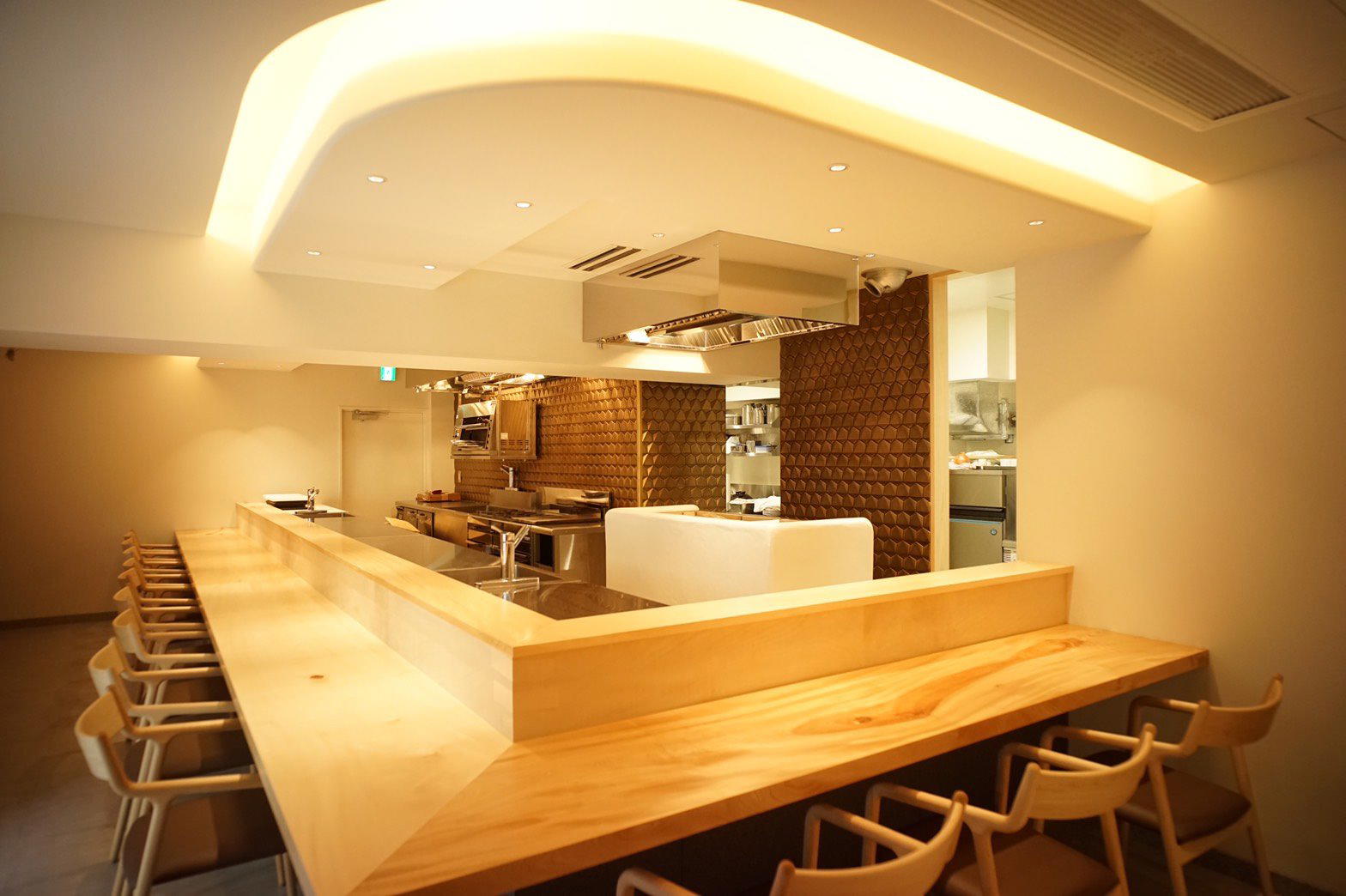
Yoshikazu Oishi's 12-seat French counter in Ginza delivers fish-forward technique at JPY 40,000–49,999 per person, earning six consecutive Tabelog Silver awards since 2020. The reservation-only format runs two evening seatings plus Saturday lunch, with wine pairings built to frame seafood without overpowering it. Book two weeks ahead and choose the first seating for a quieter room.
Overview
The 2026 Tabelog Silver edition recognizes 161 restaurants across 43 cities in Japan. This year's list shows a dramatic refresh, with 127 new entrants replacing 420 venues from the previous edition. Abon in Ashiya leads the rankings, followed by Ajidocoro in Yubari District and Tokyo's Ajiman. Only 34 restaurants retained their positions from the prior year.
This edition marks a significant reshuffling of Tabelog's Silver tier. The previous top venue, OSTERIA ENOTECA DA SASINO, dropped out entirely, along with well-known names like Gion Nishikawa and Kikunoi - Tokyo. The current top 10 leans heavily toward Tokyo with five entries (Ajiman, Sushi Akira, Tempura Asanuma, Sangubashi Asaya, and Bia), while Kyoto, Fukuoka, Sapporo, Ashiya, and Yubari District each claim one spot. The 79% turnover rate; 127 new entries against 34 holdovers; suggests either stricter evaluation criteria or a deliberate effort to spotlight emerging talent across Japan's regional dining scenes. The geographic spread across 43 cities indicates recognition extending well beyond Tokyo-Osaka-Kyoto concentrations.
The 2026 Tabelog Silver list underwent a massive overhaul, with 127 new restaurants joining and 420 dropping out from the previous edition. Abon in Ashiya claims the top position, displacing last year's leader OSTERIA ENOTECA DA SASINO, which didn't make this year's cut. Only 34 restaurants managed to retain their Silver status. Tokyo dominates the top 10 with five entries, including Ajiman, Sushi Akira, and Tempura Asanuma. The 161 recognized venues span 43 cities across Japan, representing a broader geographic distribution than typical Tokyo-centric rankings.
Quick Facts
- Total Venues
- 161
- Countries
- 1 (Japan)
- Cities Represented
- 43
- Top Venue
- Abon (Ashiya)
- New Entrants
- 127
- Retained from Previous
- 34
- Dropped Out
- 420
- Tokyo Venues in Top 10
- 5
About This Edition
This year's Silver tier tells a story of significant volatility in Tabelog's mid-level rankings. The 79% turnover rate (127 new entrants versus 34 retained venues) far exceeds typical year-over-year changes in most restaurant award systems. The complete disappearance of the previous top venue, OSTERIA ENOTECA DA SASINO, alongside established names like Gion Nishikawa and Kikunoi - Tokyo, suggests either methodological changes to Tabelog's evaluation process or a genuine shift in Japan's restaurant landscape. Geographically, the list reaches 43 cities, with Tokyo claiming the largest share of top 10 positions but not monopolizing recognition entirely. Ashiya, a coastal city in Hyōgo Prefecture, holds the number one spot with Abon; noteworthy for a city often overshadowed by nearby Kobe and Osaka. Yubari District's Ajidocoro at number two brings attention to Hokkaido's regional dining scene outside Sapporo proper. The retention rate of just 21% (34 of the previous edition's venues) indicates that Silver status offers no guarantee of continued recognition. For diners using Tabelog as a planning tool, this edition represents both an opportunity to discover newly recognized restaurants and a reminder that rankings at this tier remain fluid year to year.
Frequently Asked Questions
Which restaurant tops the 2026 Tabelog Silver list?
How many restaurants are new to the 2026 Tabelog Silver list?
How many cities are represented on the 2026 Tabelog Silver list?
Which cities appear most frequently in the top 10?
Did any notable restaurants drop from the previous Tabelog Silver list?
How many of these have you visited?
Find out on Pearl and keep score across every place in 2026 Tabelog Silver.