

Mitaka
Kaiseki · Minato, Tokyo
Restaurant in Tokyo, Japan
 Book with Pearl
Why go
Business-Belt Kaiseki
Chef Takatoshi Inoue's kaiseki counter in Nishishinbashi delivers seasonal precision at JPY 40,000–50,000 per person. Tabelog Award 2026 Silver winner and 2025 Tabelog 100 selection confirm the kitchen's consistency. Dinner-only, reservation-required, and closed Sundays: a reliable choice for first-timers learning the format or repeat visitors tracking seasonal shifts.
About Mitaka
Mitaka is a kaiseki restaurant in Tokyo led by chef-owner Takatoshi Inoue. The restaurant serves kaiseki, keeps evening hours from Monday through Saturday, closes on Sunday, and lists a casual dress code.
Mitaka’s core identity is a Tokyo kaiseki venue associated with Inoue.
What to Try Across Multiple Visits
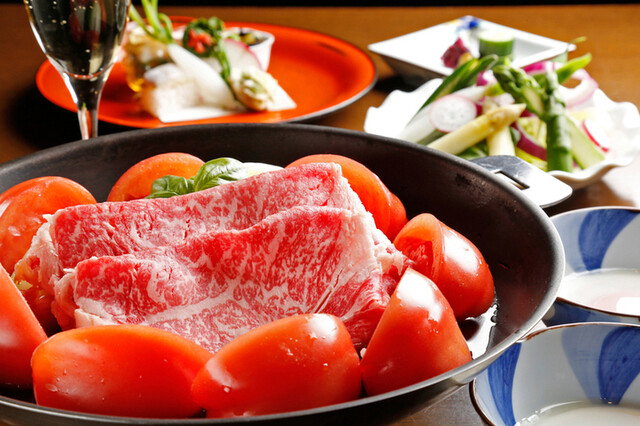
For a first or repeat visit, approach Mitaka as a kaiseki meal rather than as a place to chase a single signature dish.
If you are comparing Mitaka with other references, consider it alongside Kurogi, Tomura, Hirosaku, Mibu, and Iyuki. Beyond that, Tokyo has many other dining rooms to consider, but Mitaka’s positioning is simply kaiseki in Tokyo under Takatoshi Inoue.
Booking, Service Format, and Logistics
Mitaka’s hours are 6–10 pm Monday through Saturday, with Sunday closed. The dress code is casual.
For planning purposes, treat Mitaka as an evening kaiseki restaurant in Tokyo.
The take
The Vibe
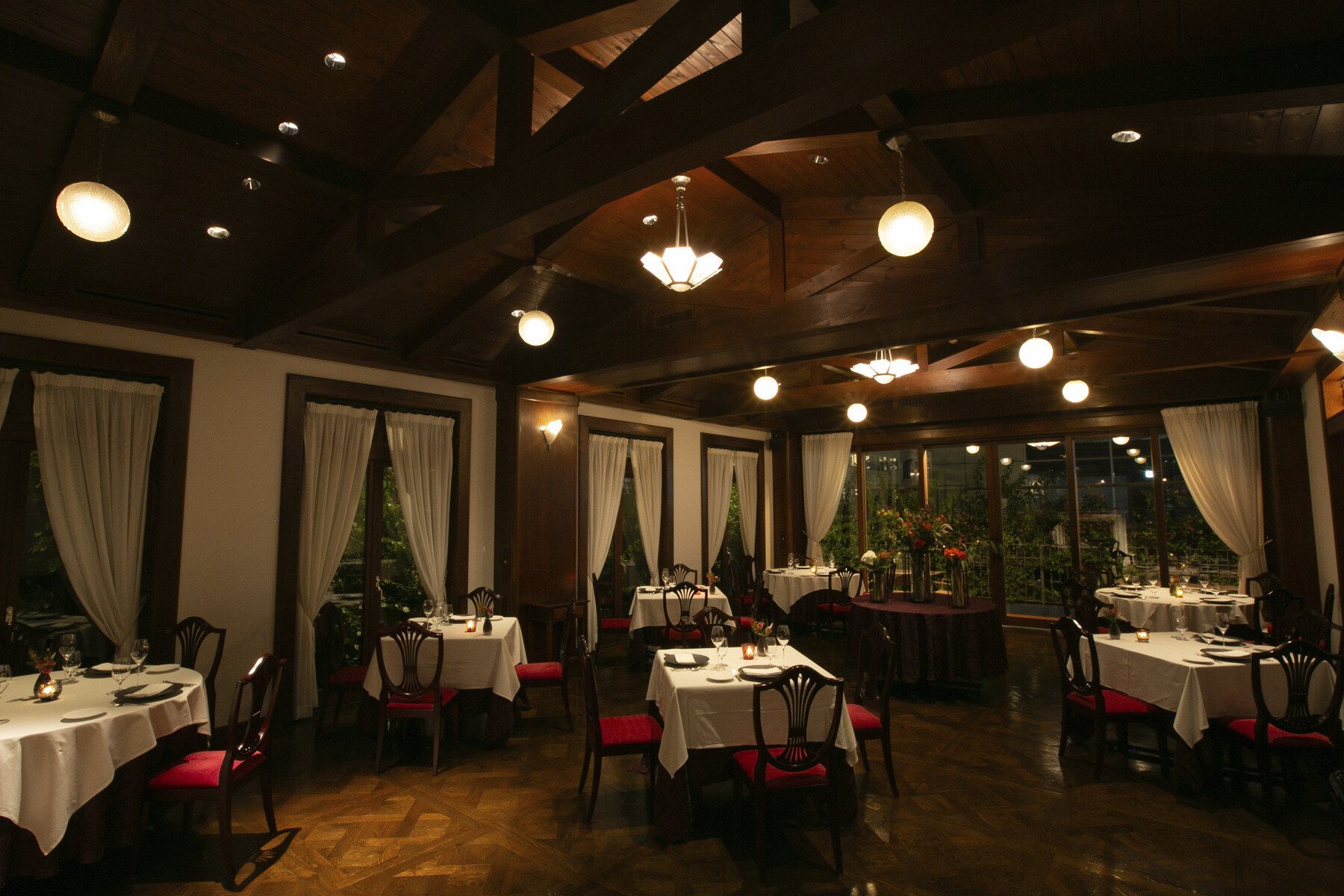
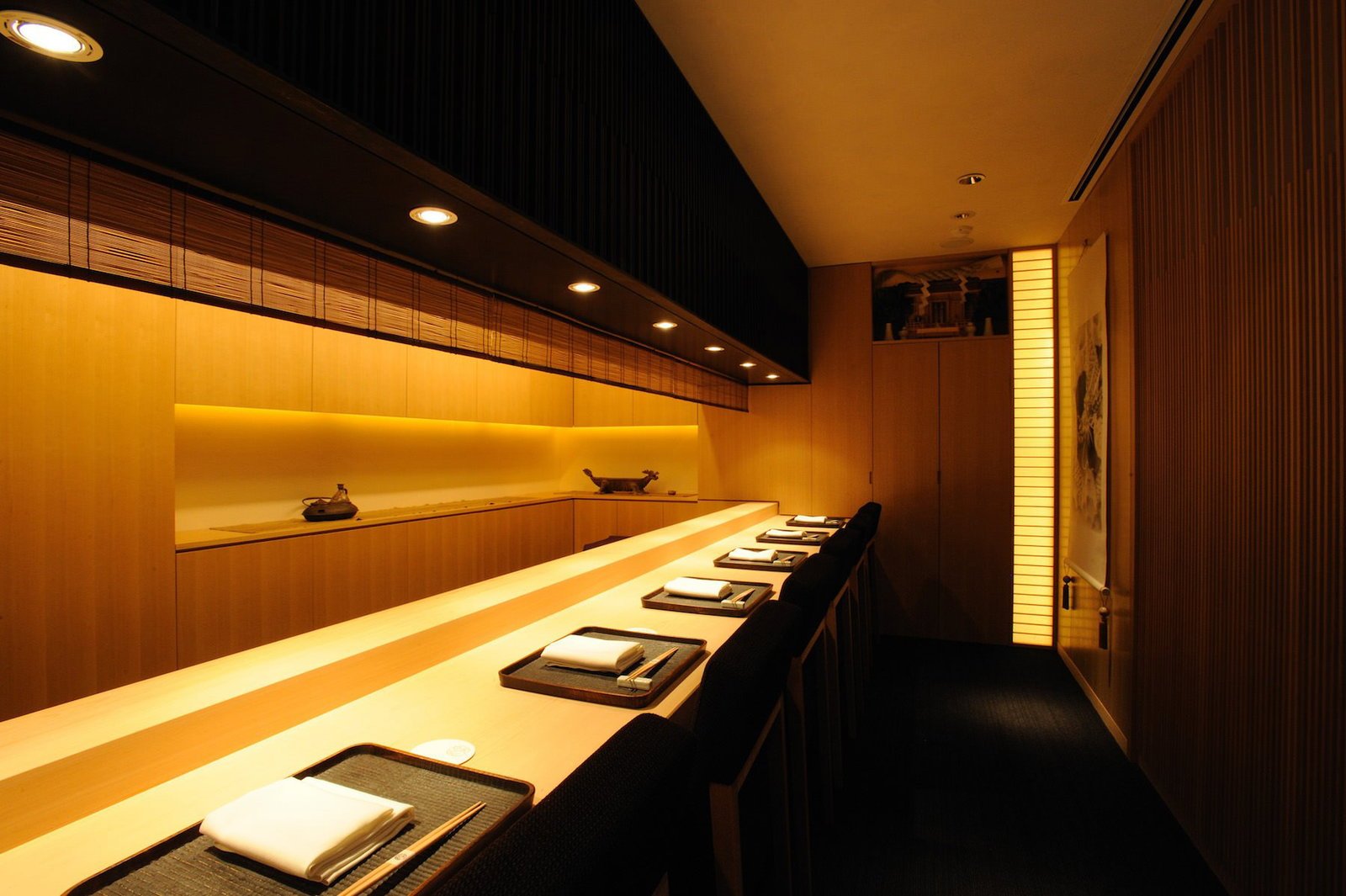
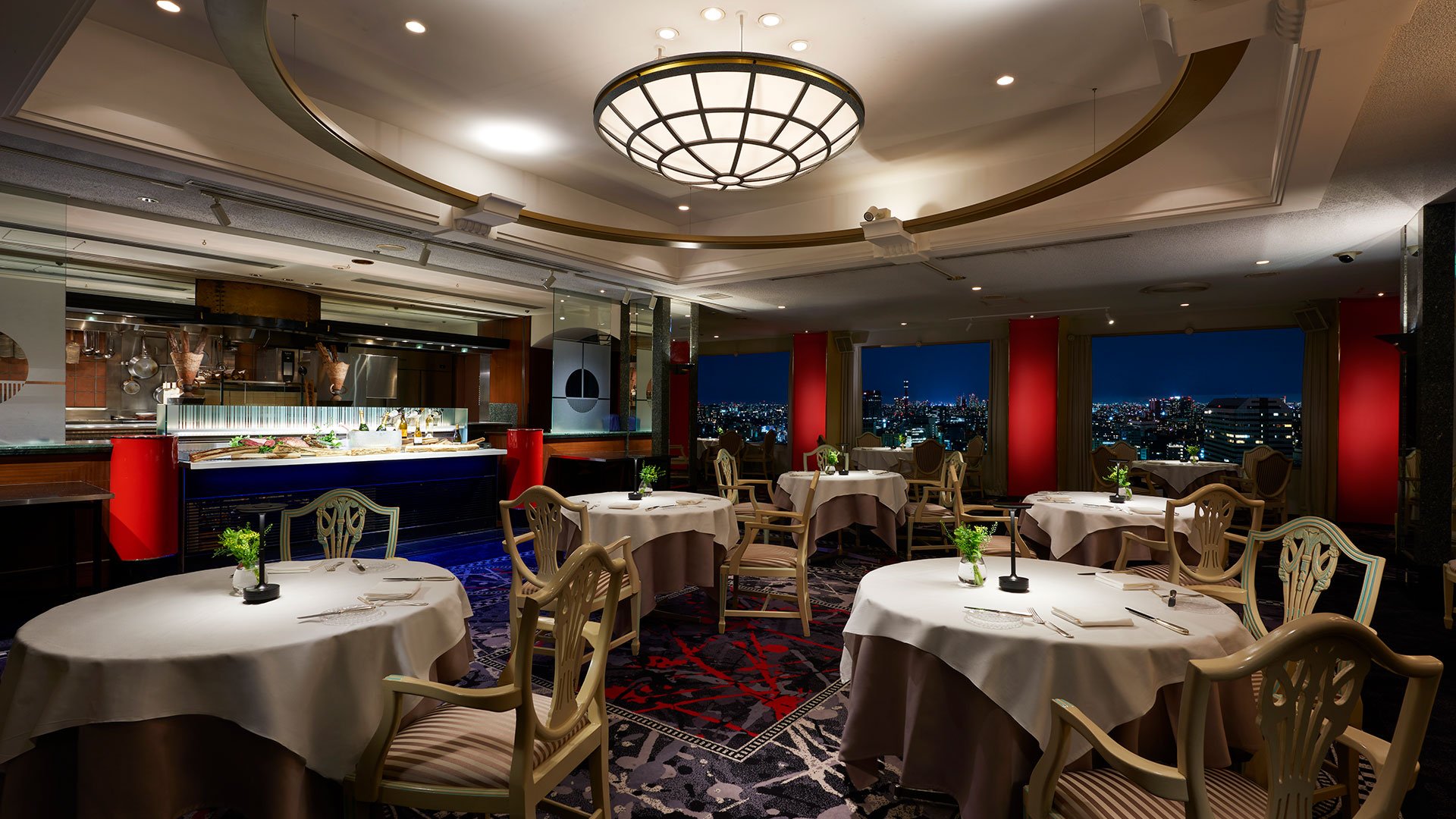
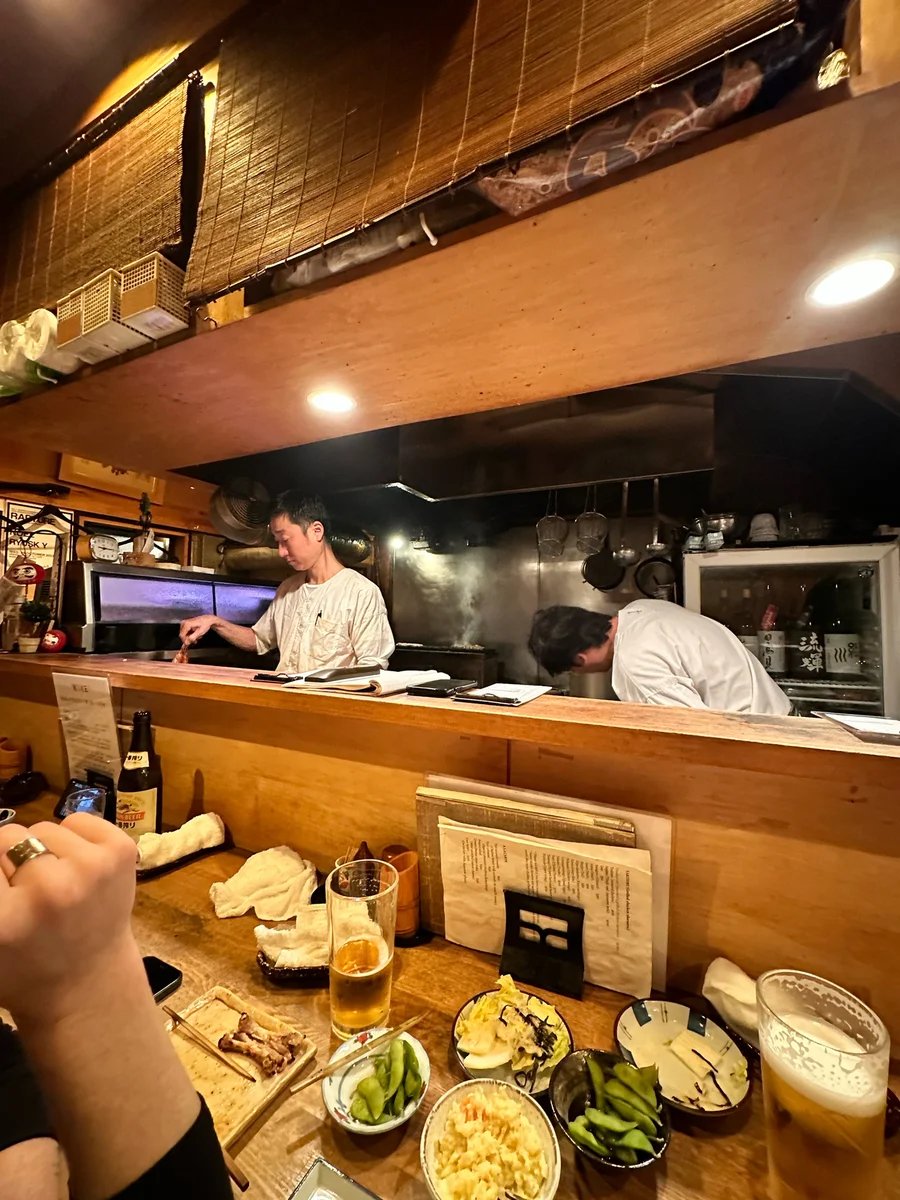
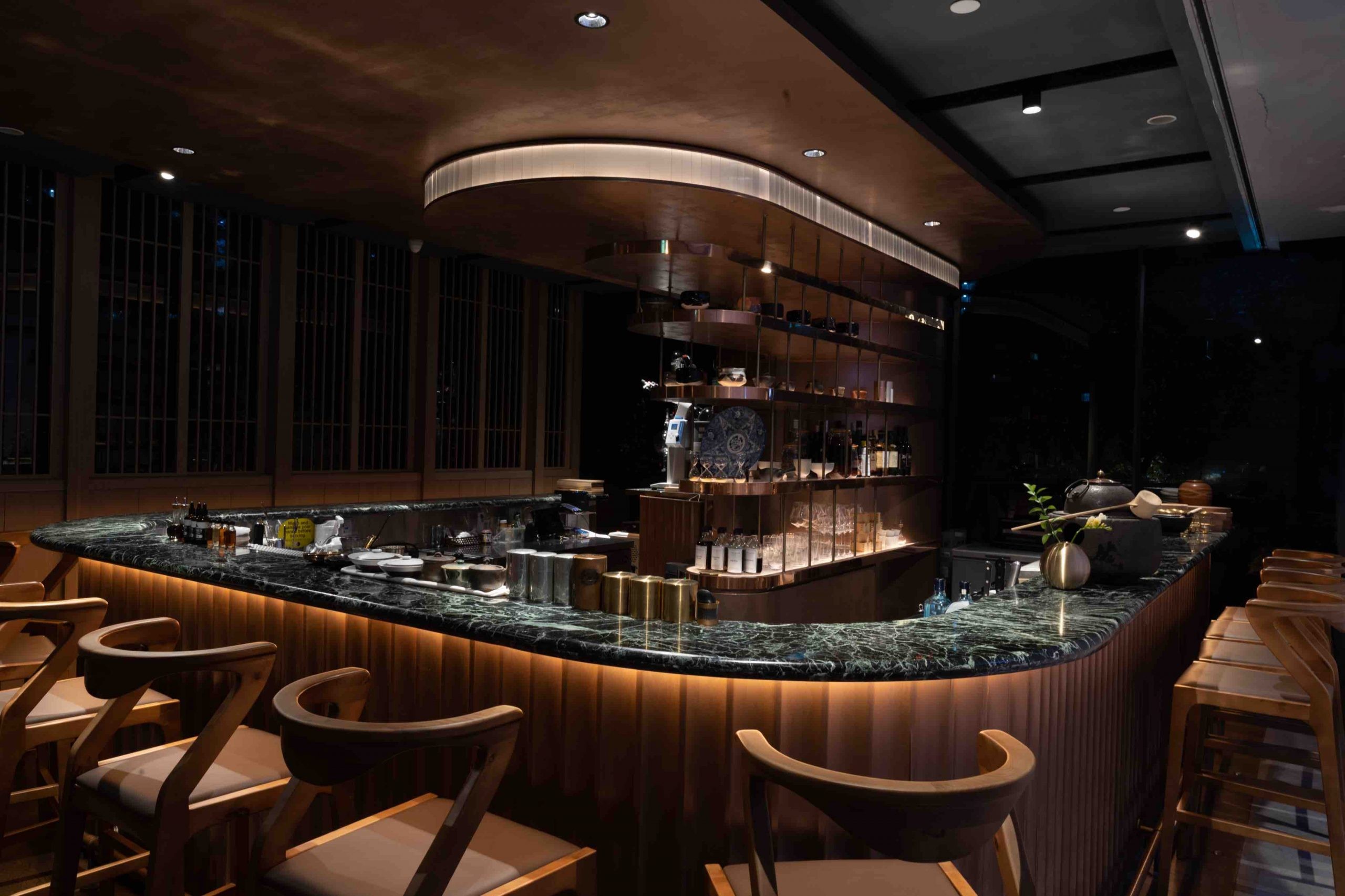
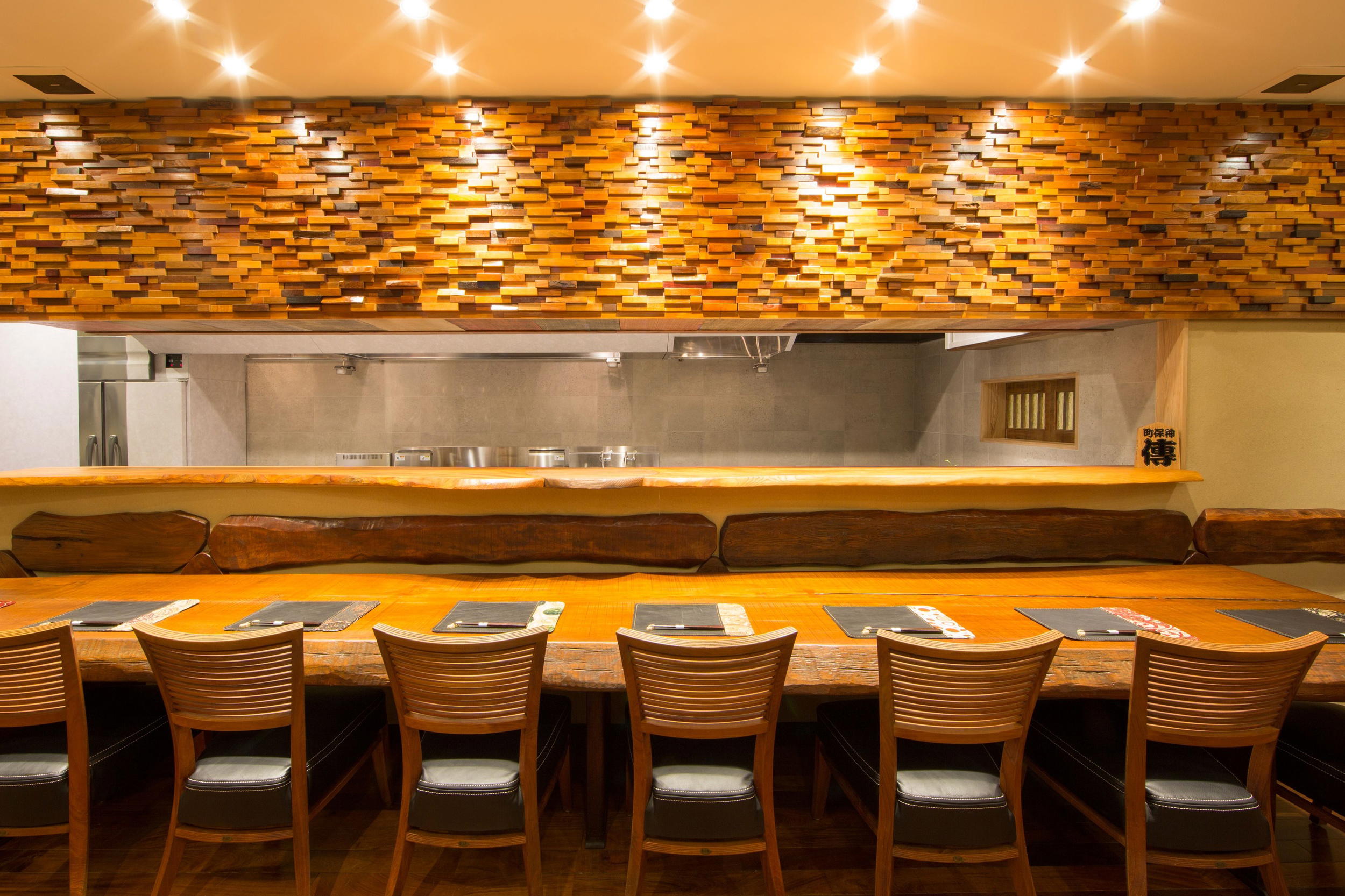
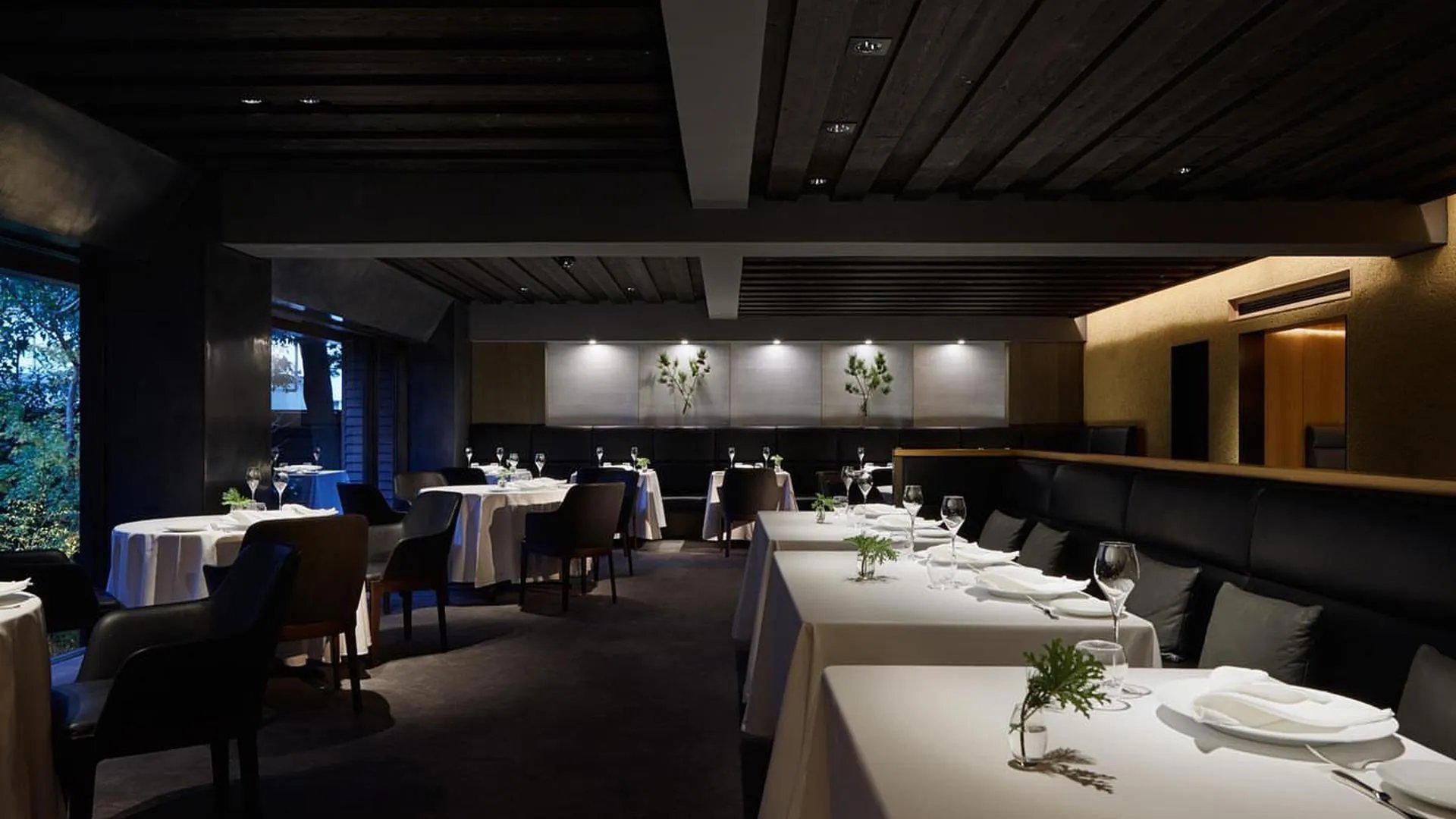
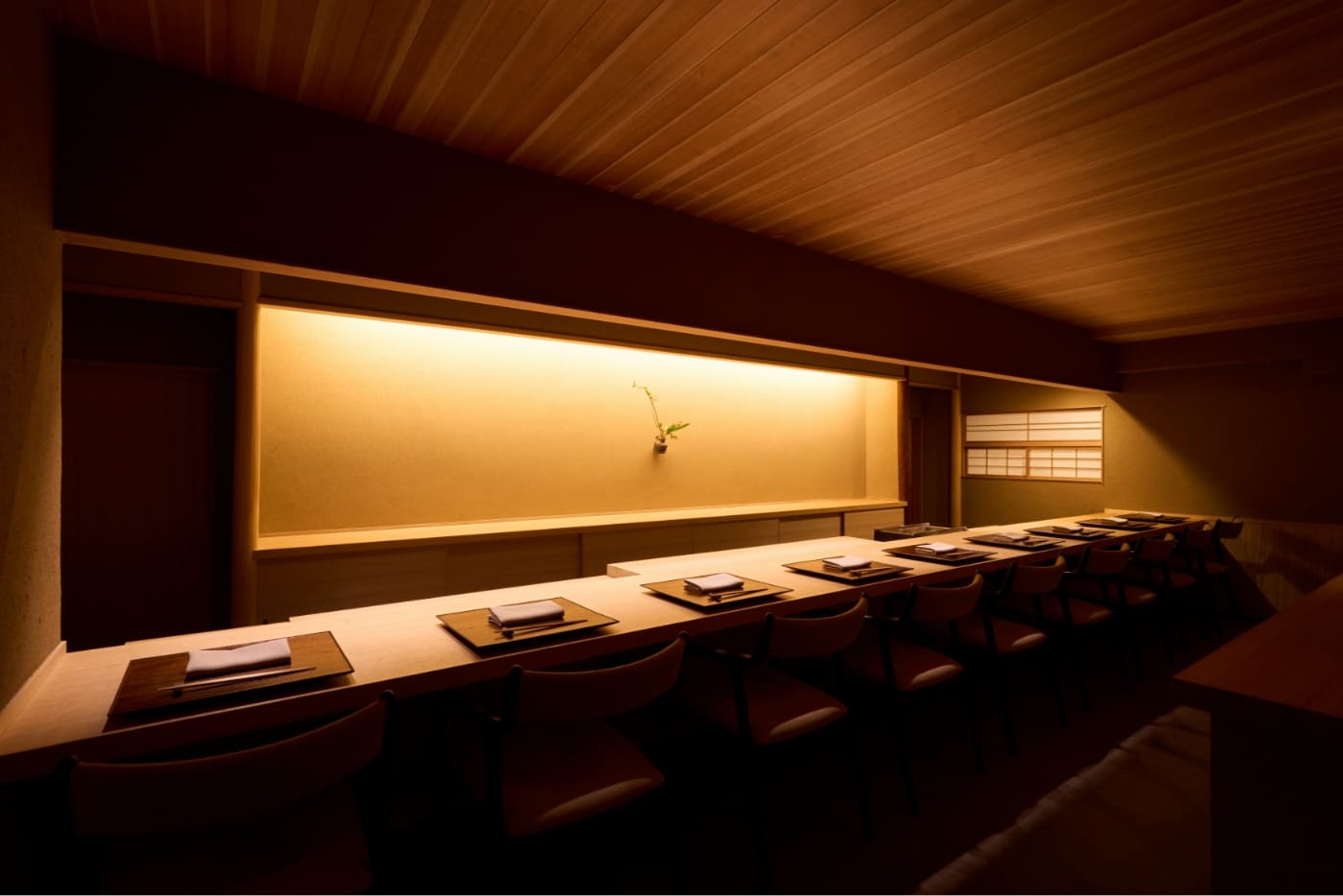
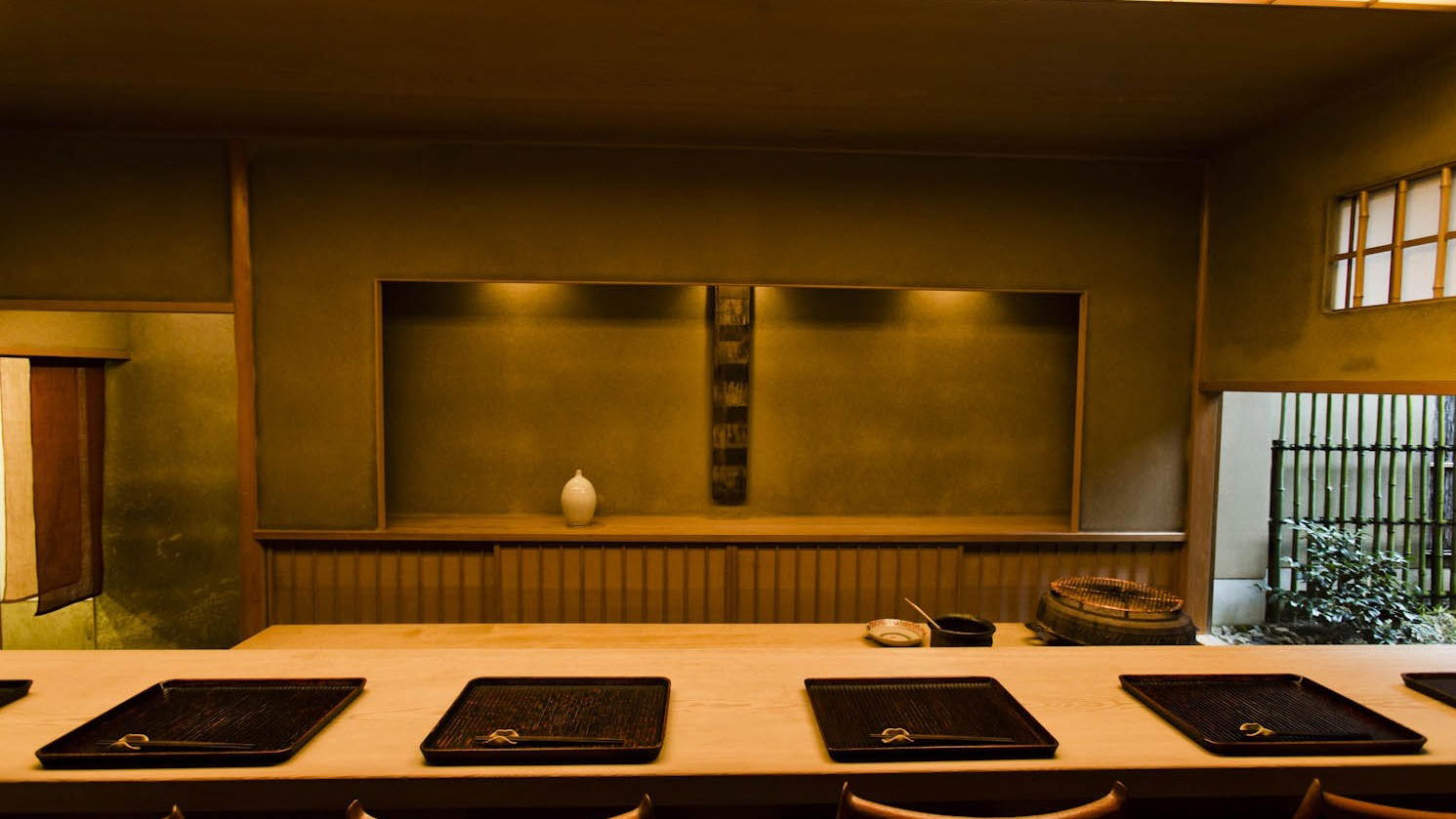
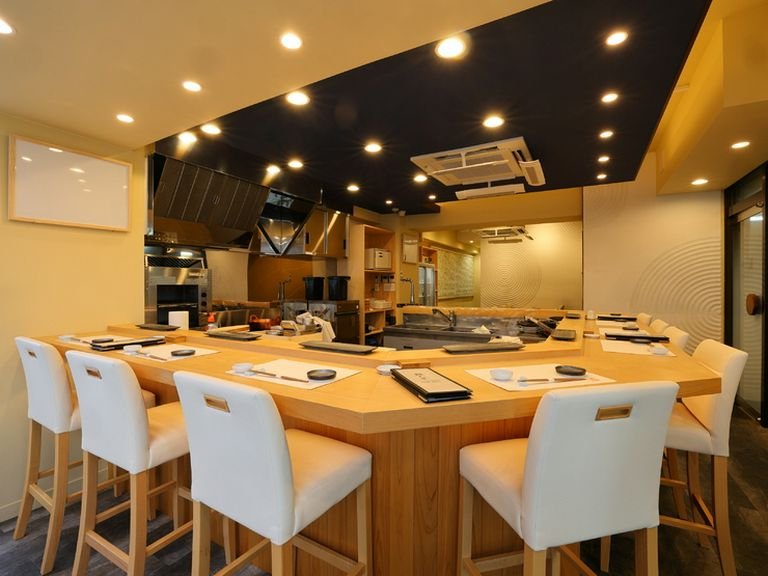
Mitaka reads as a restrained, high‑end kaiseki counter tucked into Minato’s Nishishinbashi business belt. Reservation‑only counters, a lack of tourist infrastructure, and repeated industry recognition make the experience feel sophisticated and intimate rather than flashy. The kaiseki form, a measured sequence that foregrounds ingredient quality, shapes the room’s classic tone, and the absence of an official website reinforces a discreet, word‑of‑mouth reputation. Overall, the setting prioritizes culinary rigor and seasonal precision over spectacle, attracting diners who seek focused, traditional kaiseki counter service.
Best For
Mitaka operates without lunch service, with dinner in the JPY 40,000–49,999 range. Its setting on the corporate fringe of Minato and sustained accolades on Tabelog and other industry lists make it particularly well suited for business dinners and special occasions that reward formality and careful sourcing. The reservation‑only counter format favors planned visits by small parties who value an undistracted, seasonal kaiseki progression in a discreet Tokyo neighborhood rather than casual or walk‑in dining.
Ordering Tips
Reserve in advance and treat Mitaka as a reservation‑driven, dinner‑only experience. The profile situates the restaurant in a tier of reservation‑only counters charging JPY 40,000–50,000 and explicitly notes the absence of lunch service and an official website, with only modest Google review counts. Because the kitchen uses the kaiseki sequence to showcase seasonal ingredients, expect a multi‑course, set progression rather than à la carte choices. Use established reservation channels or referral networks: do not rely on walk‑in availability or general search visibility.
Venue details
Ambiance
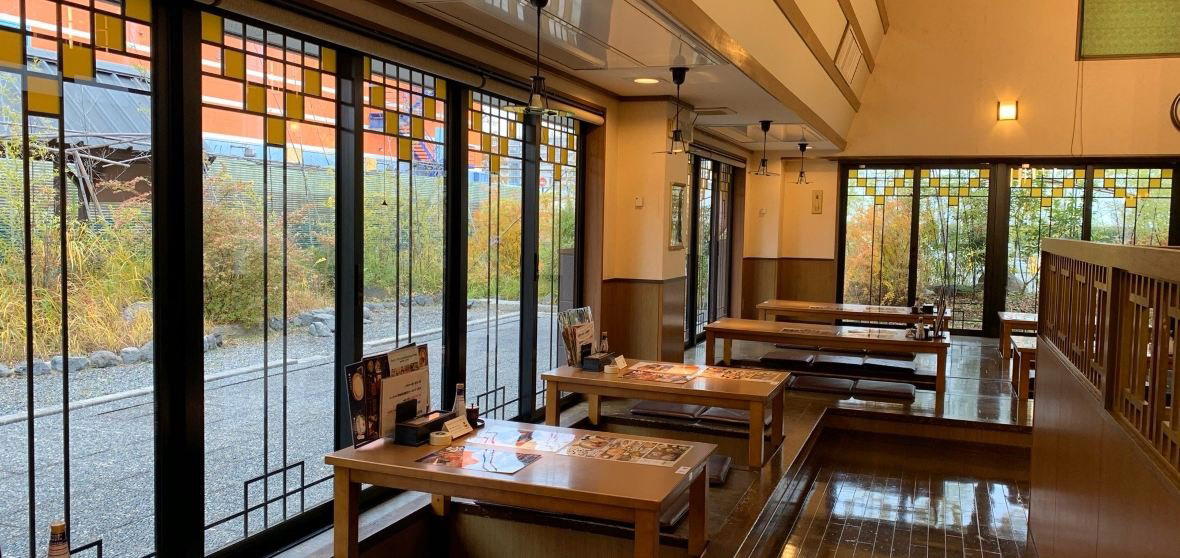
Casual pub atmosphere with private rooms available.
Tags
Best For
Experience
Sourcing
At the Table
- Dress Code
- Casual
- Noise Level
- Lively
- Service Style
- Casual
- Meal Pacing
- Standard
- Capacity
- Medium
- Kitchen
- Traditional
- Menu Format
- A la carte
- Drinks Focus
- Sake program
- Private Dining
- Available
Recognition and awards

Alternatives to Mitaka
In Tokyo's kaiseki tier between JPY 40,000 and JPY 50,000, Mitaka competes with Hirosaku, Tomura, Kurogi, Mibu, and Iyuki. Hirosaku and Tomura lean more traditional, with slower pacing and minimal Western influence; Mitaka sits between them and Kurogi, which moves faster and incorporates subtle modern touches. If you're booking for the first time and want reliable technique without feeling like you're at a kaiseki exam, Mitaka is the safer call. Kurogi is better for diners who've already eaten through the classics and want to see the format evolve.
Mibu and Iyuki tilt formal, longer meals, more ceremony, higher pressure to understand the choreography. Mitaka's Nishishinbashi location and reservation-only format keep the room serious but not stiff. For value, Hirosaku often undercuts this price band while maintaining similar quality; for splurge-worthy polish, Iyuki justifies the step up. If getting a reservation is the deciding factor, Mitaka's Silver Award status means it's competitive but not impossible; expect two to three weeks' lead time for weekends, less for weekdays.
The recommendation depends on what you're optimizing for. First kaiseki meal in Tokyo? Mitaka or Hirosaku. Repeat visitor tracking seasonal shifts? Mitaka's consistency makes it a reliable checkpoint. Looking for the most refined room in this price tier? Iyuki edges ahead. Want to see kaiseki's modern edge without leaving the format behind? Kurogi is the move. Mitaka doesn't dominate any single category, but it holds the middle, solid technique, fair pricing, and a dining room that doesn't demand you've memorized the rulebook.
Questions
What are alternatives to Mitaka?
For comparison, you may also look at Kurogi, Tomura, Hirosaku, Mibu, and Iyuki.
Is Mitaka good for a special occasion?
Mitaka is a kaiseki restaurant in Tokyo led by Takatoshi Inoue, which may make it appealing for a planned meal.
Is lunch or dinner better at Mitaka?
Dinner is the service window: Monday–Saturday, 6–10 pm. Sunday is closed.