


Bar High Five
Chūō, Tokyo
Bar in Tokyo, Japan
 Book with Pearl
The Read
Classical Counter Precision
Why go
Book Bar High Five if the priority is a serious Ginza cocktail stop with global recognition, not a food-led night or casual group drinks. It works best as a focused pre- or post-dinner plan, with food handled elsewhere and a backup bar kept in mind.
About Bar High Five
For a Tokyo bar night, Bar High Five is a strong candidate for travelers who want a respected venue with international recognition. Bar High Five is a Recommended Bar in Tokyo, with smart casual dress and a history that includes major bar-list recognition. That makes it worth considering, but it also means decisions should be based on what is known rather than on assumptions about the wider experience.
The case for considering Bar High Five is strongest if the bar itself is the main event. Tokyo has many options for a night out, and the better choice is usually the one that matches the night's purpose, not simply the one with the longest reputation or the most familiar name. If the plan is centered on drinks, recognition, and a dedicated bar stop, Bar High Five fits naturally into the conversation. If the evening also needs a full meal, make separate restaurant plans and use our full Tokyo restaurants guide for that part of the itinerary.
Choose it for a recognized Tokyo bar, not a specific format
Bar High Five is located in Tokyo, has a smart casual dress code, and has earned significant bar recognition. Pearl recommends treating details about layout, seating, menu format, service style, and atmosphere as unknown unless confirmed directly before visiting. That does not weaken the case for the venue; it simply keeps expectations in the right place. The strongest reason to go is the bar's pedigree, not a specific room description, ordering ritual, or promise about how the night will unfold.
Recognition gives this booking real weight, including World's 50 Best Bars #3 in 2013, World's 50 Best Asia's Best Bars #3 in 2016, Top 500 Bars Best Bars #226 in 2025, and Recommended Bar status in 2025. Taken together, those references point to a bar with a meaningful place in the conversation for serious Tokyo drinking. The practical read: if timing matters, plan carefully and keep a backup option in mind rather than building the whole night around assumptions. It is best treated as a priority stop with some flexibility around it, especially for travelers working with limited time in the city.
Food should not be the reason to choose it
The smarter planning strategy is to think of this as a bar-led stop. With no food, menu, pricing, or meal-service details to anchor a recommendation, Pearl would not treat food as a reason to choose Bar High Five. That distinction matters in Tokyo, where a night can be built around many different formats. Here, the cleaner approach is to separate the drinking plan from the dining plan, so the bar is not expected to serve as a primary dining spot. If a meal is part of the plan, place dinner before or after and use this venue for the bar portion of the evening.
For travelers building a wider Tokyo itinerary, this pairs better with other bar research than with a restaurant-only plan. Start with our full Tokyo bars guide, then compare the mood and practical fit with options such as Bar Orchard Ginza, Serpent, or Tender Bar. The goal is not just to choose the most recognized name, but to decide which bar best matches the evening's pace and purpose. For adjacent trip planning, use our full Tokyo hotels guide alongside other Tokyo planning resources.
Planning details
- Location
- 〒104-0061 Tokyo, Chuo City, Ginza, 5-chōme−4−15 Efflore Ginza5 Bldg, B1F
- Website
- barhighfive.com
- Phone
- +81 3-3571-5815
The take
The Take
The Vibe
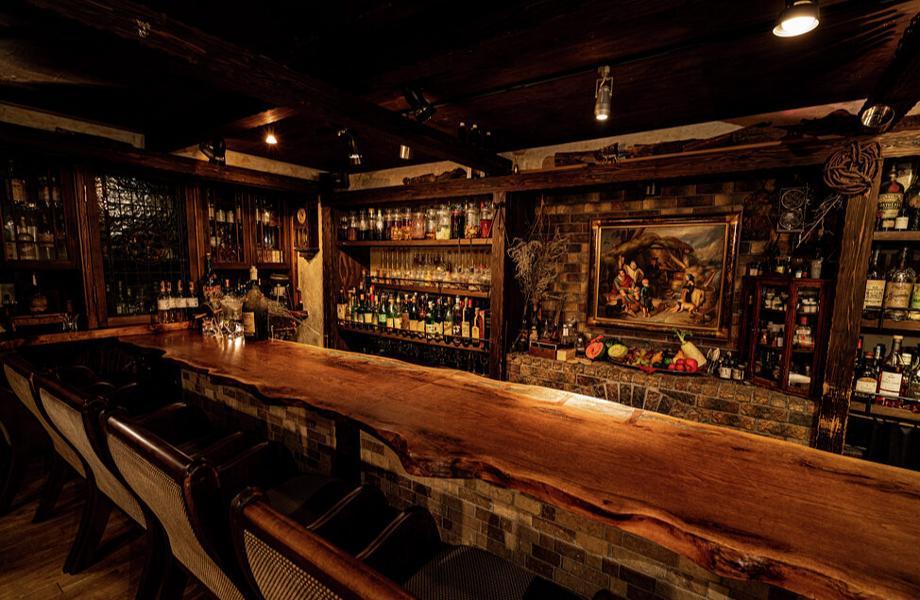
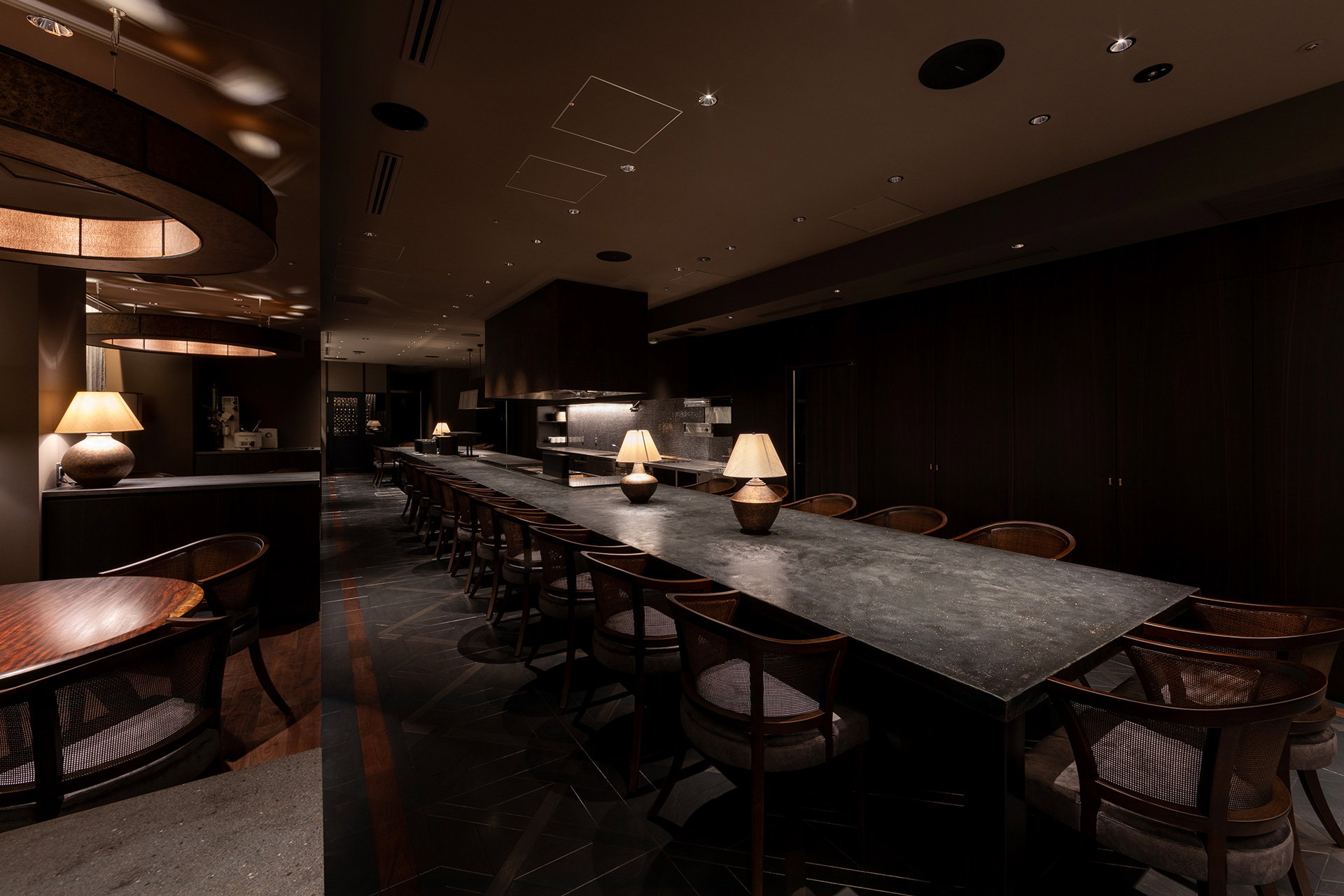
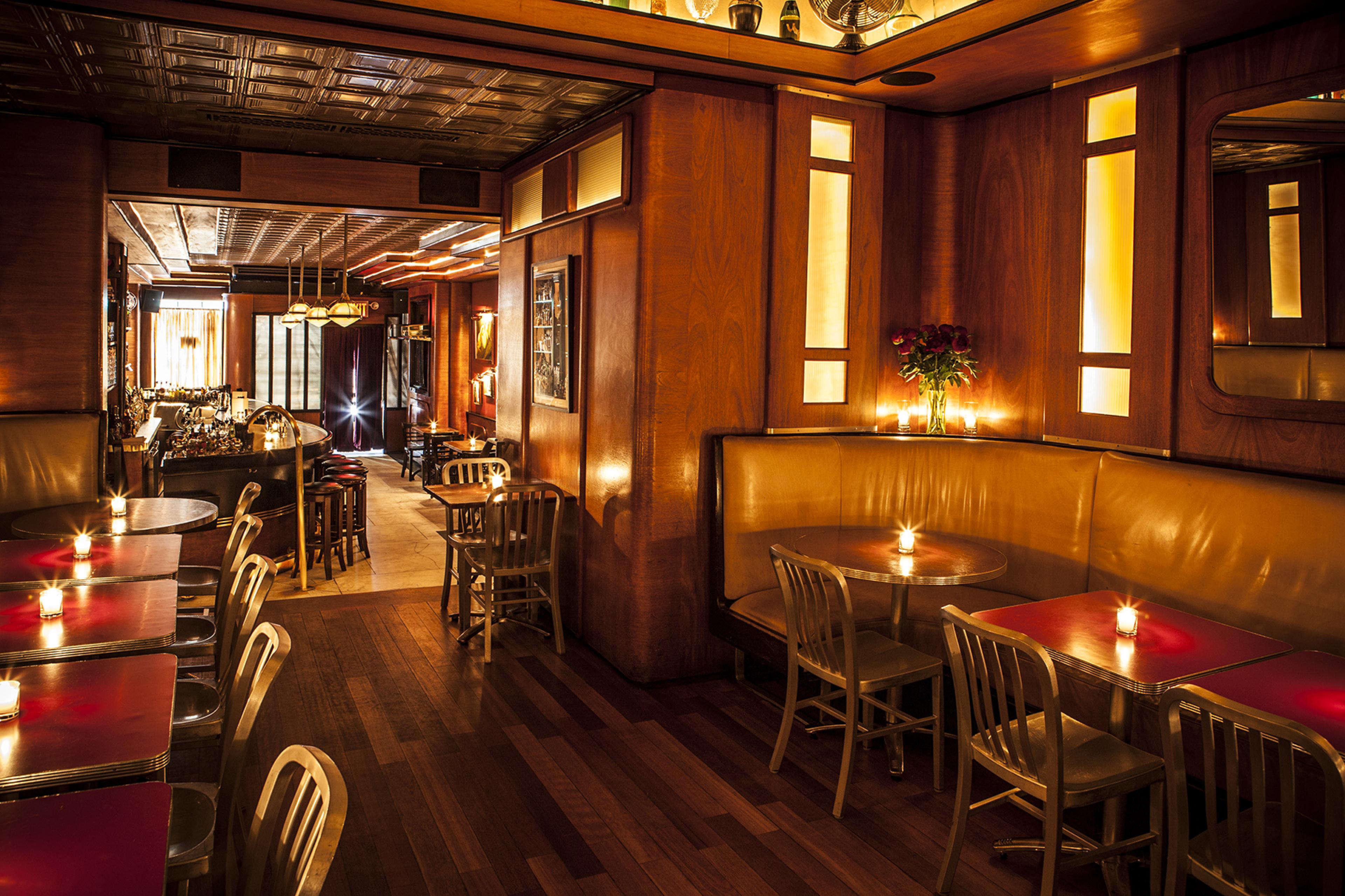
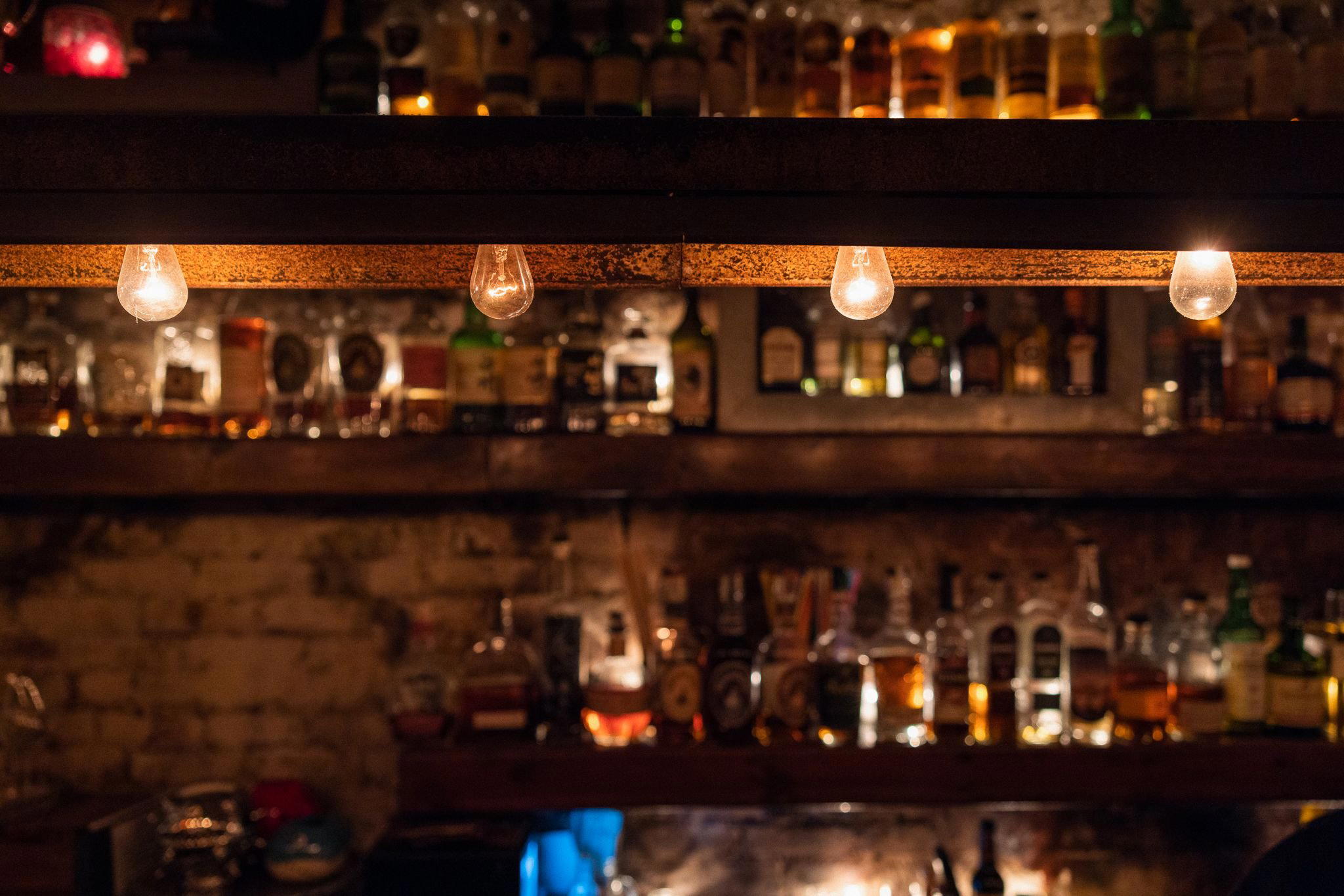
Bar High Five sits discreetly below street level in Ginza, and its restraint is the point. The space reads as intentionally understated: no signage, no buzzy storefront theatre, just a calibrated interior where the bartender–guest exchange drives the experience. It represents a classical Tokyo bar ethos that privileges craft, discretion and a quiet intensity over trend-driven flash. Decades of consistent placement on international lists underline a singular focus on service and quietly exacting technique. The mood is contemplative and close-knit, rewarding visitors who value attentive, one-on-one hospitality rather than spectacle.
Best For
This is a bar for focused drinking experiences — ideal for solo visits, intimate date nights and discreet special occasions. The layout and ritualized service encourage one-on-one conversation with the bartender, so it’s not suited to loud groups or high-volume, social nights. Guests who come looking for carefully calibrated classics or a bespoke drink tailored to their tastes get the most out of a visit. The venue’s reputation and longevity also make it a destination stop for serious cocktail enthusiasts and travelers seeking a canonical Tokyo bar encounter.
Ordering Tips
Don’t expect an elaborate set menu; at High Five drinks are built around what you want. Approach the bartender with a sense of what flavors or spirits you enjoy and let them guide the construction of a bespoke cocktail. The service model rewards trust and concise communication — describe preferences rather than picking off a long list — and be prepared for a measured, attentive pace. Because the bar values the guest–bartender relationship over theatrical presentation, surrendering control to the craftsperson usually yields the most memorable drinks.
Venue details
Ambiance
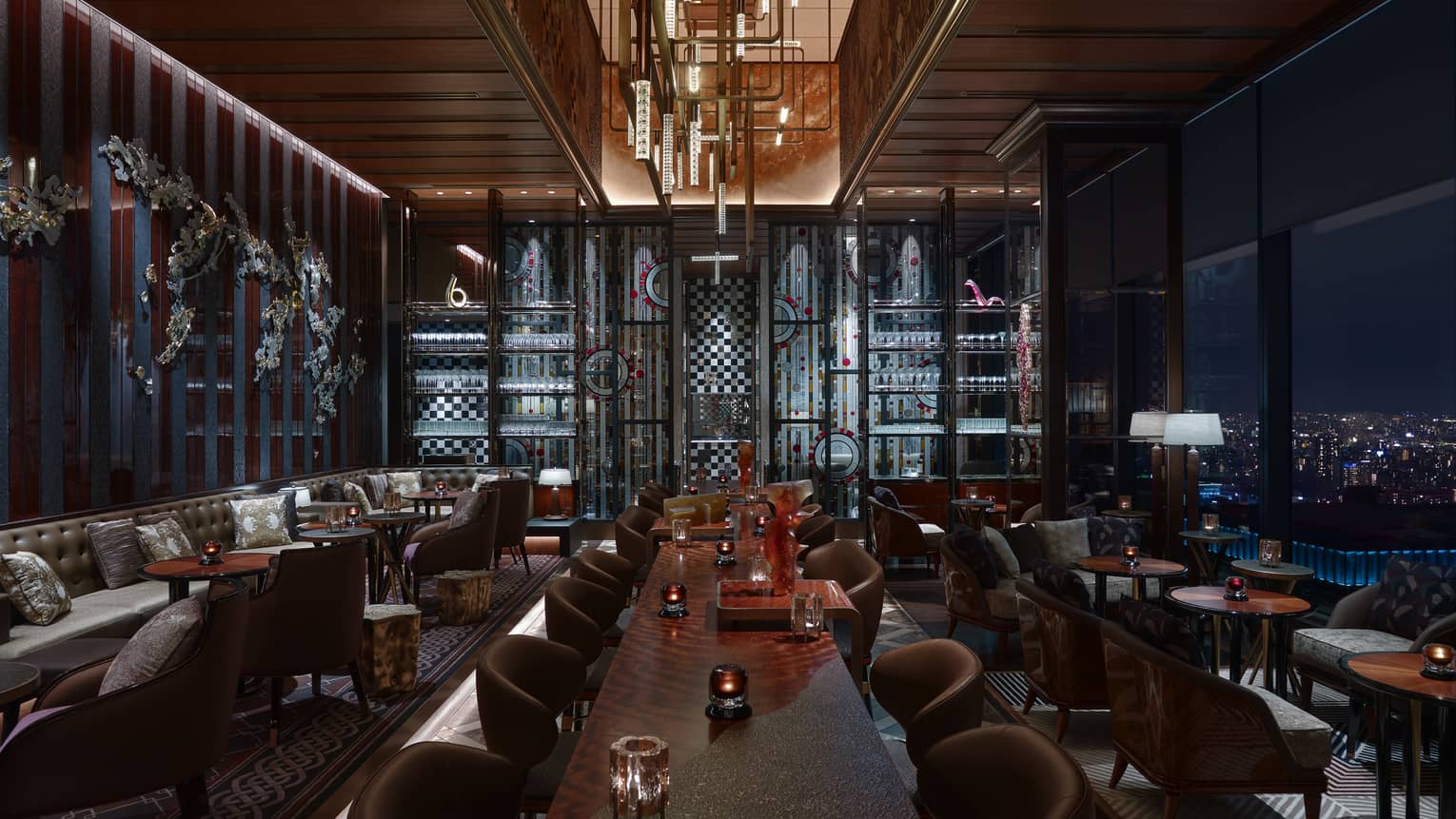
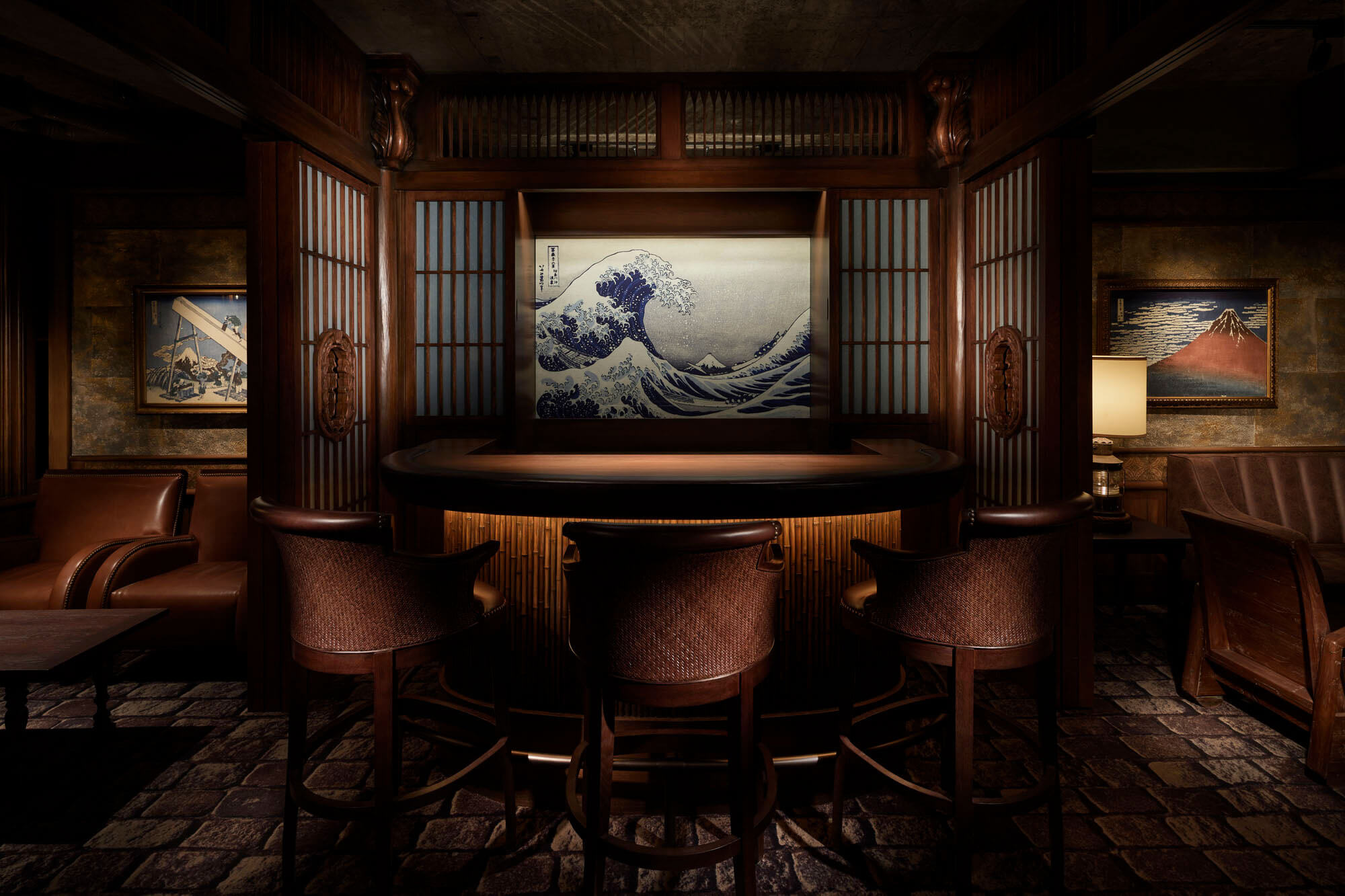
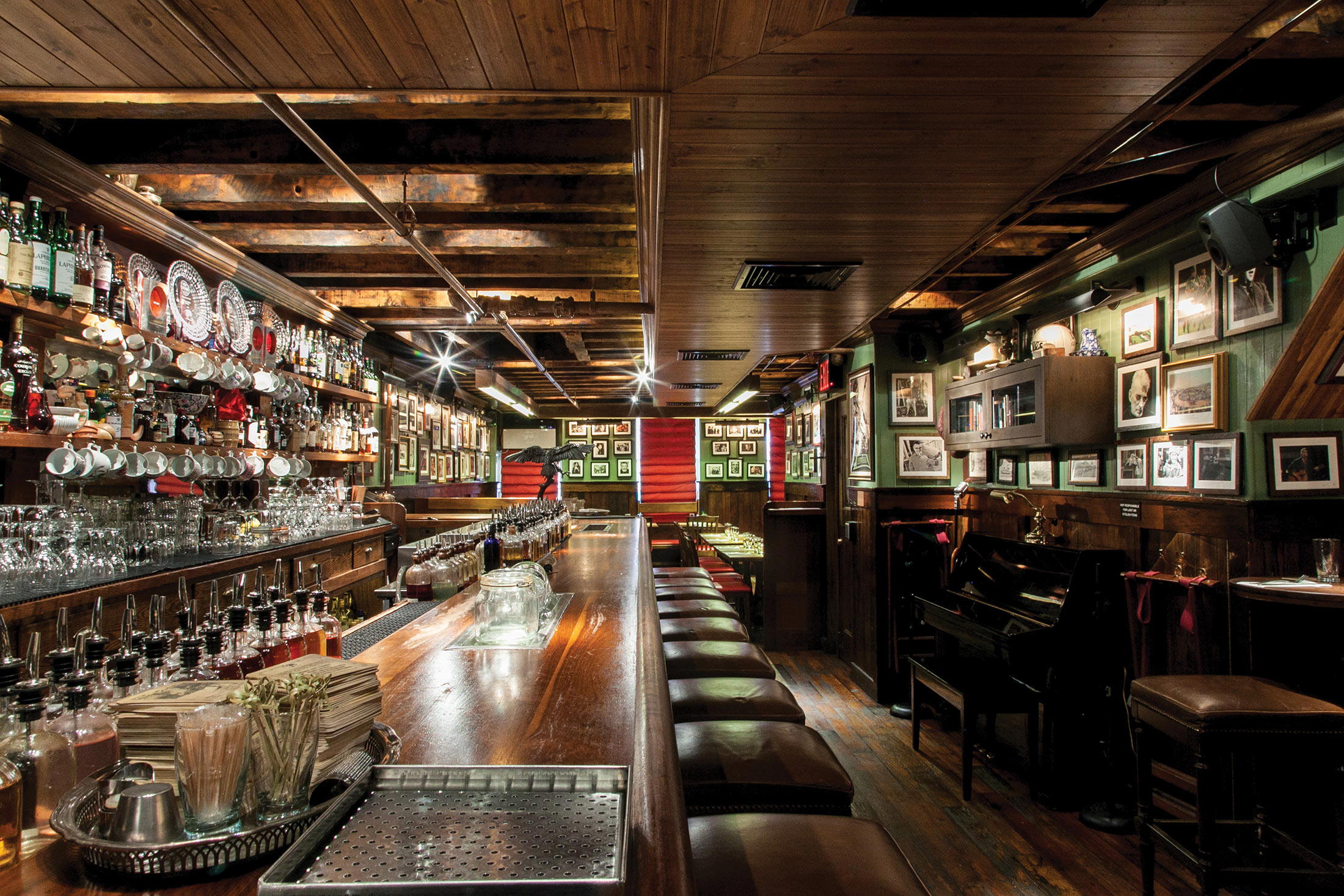
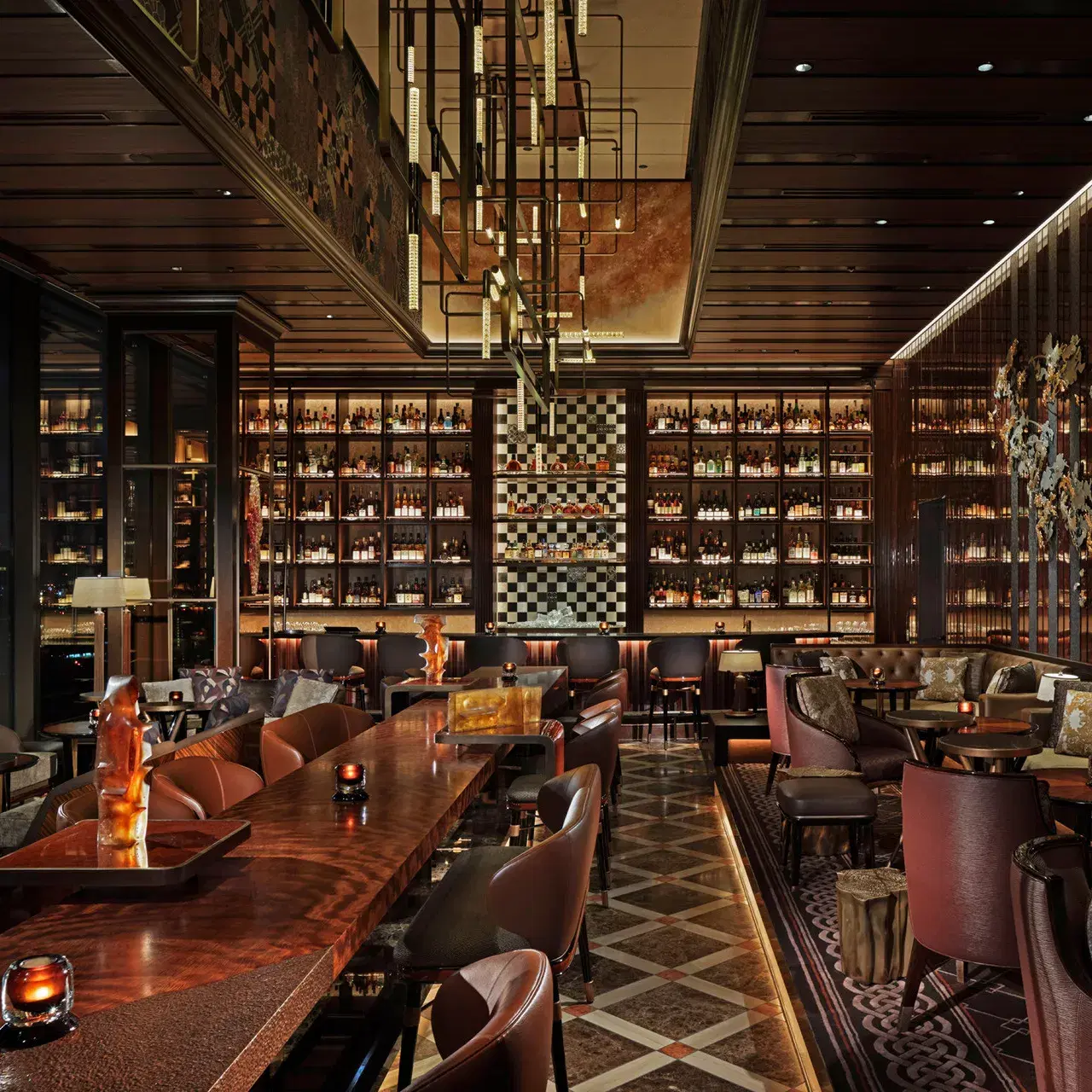
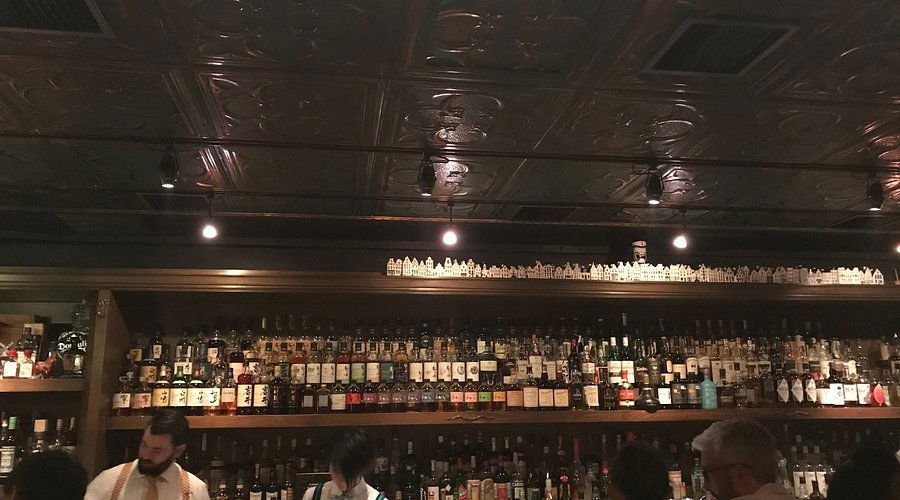
Cozy and classic with dark lighting, wood paneling, and an old-school gentleman's club atmosphere.
Tags
Vibe
Best For
Experience
Format
At the Bar
- Bar Category
- Cocktail Bar
- Late Night
- Closes by Midnight
Know before you go
Know Before You Go
- Getting there
- 〒104-0061 Tokyo, Chuo City, Ginza, 5-chōme−4−15 Efflore Ginza5 Bldg, B1F
Planning details
Location
〒104-0061 Tokyo, Chuo City, Ginza, 5-chōme−4−15 Efflore Ginza5 Bldg, B1F · Directions
Recognition and awards

Also consider
Also Consider
- Bar Orchard Ginza, Notable alternative
- Tender Bar, Notable alternative
- Serpent, Notable alternative
- Ginza Tsuboyaki-imo, Notable alternative
- La Nuit Blanche, Notable alternative
Bar context
How it compares in Ginza and nearby Tokyo
Choose Bar High Five when the goal is the recognized Ginza cocktail room and the booking effort is part of the plan. Bar Orchard Ginza is the more useful cross-shop if staying in the same neighborhood matters and the night needs a clearer fallback. Tender Bar is the cleaner alternative for drinkers who want a classic Tokyo bar choice without making this single booking carry the evening.
Serpent is the better move if the group wants a different energy profile rather than another Ginza heritage-style stop. Ginza Tsuboyaki-imo makes more sense when the night needs a snack-led detour instead of a cocktail-led plan. La Nuit Blanche is the easier conceptual switch for readers who want wine-bar pacing over a serious cocktail counter.
Value here depends on how much the reader cares about recognition and atmosphere. If the aim is a polished, drinks-first Tokyo night, keep Bar High Five high on the list. If flexibility, food, or easier logistics matter more, cross-shop Bar Orchard Ginza or Tender Bar first.
Explore Tokyo
Around this place
Discover more on Pearl
Unlock the full Bar High Five guide in Pearl, including awards, comparisons, FAQs, planning details, and nearby places.
Compare Bar High Five
| Venue | Location | Awards |
|---|---|---|
| Bar High Five | Tokyo | Top 500 Bars 2025 · #2262024 Asia's 50 Best Bars · #872023 World's 50 Asia's Best Bars · #452023 World's 50 Best Bars · #792021 World's 50 Asia's Best Bars · #272020 World's 50 Asia's Best Bars · #202020 World's 50 Best Bars · #482019 World's 50 Asia's Best Bars · #62019 World's 50 Best Bars · #18 |
| Bar Orchard Ginza | Tokyo | 2026 Food & Wine Top 10 Global Bars · #22020 World's 50 Asia's Best Bars · #412019 World's 50 Asia's Best Bars · #282018 World's 50 Asia's Best Bars · #372017 World's 50 Asia's Best Bars · #252016 World's 50 Asia's Best Bars · #37Pearl Recommended Bars |
| Tender Bar | Tokyo | Pearl Recommended Bars |
| Serpent | Tokyo | No published awards |
| Ginza Tsuboyaki-imo | Tokyo | No published awards |
| La Nuit Blanche | Tokyo | No published awards |

How Bar High Five Tokyo compares with similar nearby venues.
FAQ
Frequently Asked Questions
Does Bar High Five have outdoor seating?
What's the crowd like at Bar High Five?
The crowd profile is not described. Bar High Five is a recognized Tokyo bar with World's 50 Best Bars #3 in 2013, World's 50 Best Asia's Best Bars #3 in 2016, Top 500 Bars Best Bars #226 in 2025, and Recommended Bar status in 2025.
What is Bar High Five known for?
Bar High Five is known for its bar recognition, including World's 50 Best Bars #3 in 2013 and World's 50 Best Asia's Best Bars #3 in 2016. It is also a Recommended Bar for 2025.