





JANU Tokyo
Minato, Tokyo
Hotel in Tokyo, Japan
 Book with Pearl
The Read
Aman-Adjacent Urban Engagement
Why go
JANU Tokyo is the right call for travellers who want a modern Minato luxury base and are willing to work around tight availability. It makes more sense for repeat Tokyo visitors, business-heavy stays, and service-sensitive trips than for travellers chasing heritage-hotel ceremony or apartment-style space.
About JANU Tokyo
The decision is clearest for travellers comparing recognised Tokyo luxury hotels. JANU Tokyo belongs in the conversation with Andaz Tokyo Toranomon Hills, The Tokyo Edition Toranomon, The Okura Tokyo, and The Okura Heritage Wing Tokyo, depending on which property best fits the trip after checking current rates, room details, and services directly.
The appeal is its confirmed luxury-hotel recognition. JANU Tokyo's accolades give it a strong case for travellers who want a Tokyo hotel with recent recognition from major luxury-travel sources, rather than a stay chosen on the basis of claims about facilities, dining, room count, or service style.
For expectations, set the bar high but choose the property for grounded reasons. The strongest confirmed case is not a specific location detail, restaurant format, or amenity list; it is the combination of a smart-casual dress code and third-party hotel recognition. Guests comparing options should keep The Okura Tokyo and The Okura Heritage Wing Tokyo in the mix as well.
The human element matters more than the room flex
JANU Tokyo makes the most sense for travellers who value a luxury-hotel setting with recent third-party recognition over a purely functional place to sleep.
Business travellers can consider it when the goal is a recognised Tokyo hotel rather than a basic efficiency hotel. The confirmed Michelin 2 Keys recognition and World's 50 Best Hotels placement support its luxury positioning, but details such as meeting facilities, office proximity, room categories, and rates should be checked directly before booking.
Families and leisure travellers should make the same kind of practical check. The information supports JANU Tokyo as a recognised luxury hotel in Tokyo, but it does not confirm specific family amenities, dining formats, room sizes, or childcare services. Dining-focused guests should choose it for the hotel stay first, then use Tokyo restaurants guide to plan meals around it.
Quick reference: choose JANU Tokyo for a Tokyo luxury stay with confirmed Michelin 2 Keys recognition and major hotel-list visibility; compare it with The Okura Tokyo, The Okura Heritage Wing Tokyo, Andaz Tokyo Toranomon Hills, and The Tokyo Edition Toranomon before booking.
Planning details
- Location
- 1-chōme-2-2 Azabudai, Minato City, Tokyo 106-0041
- Website
- janu.com
- Phone
- +81 3-6731-2333
The take
The Take
The Vibe
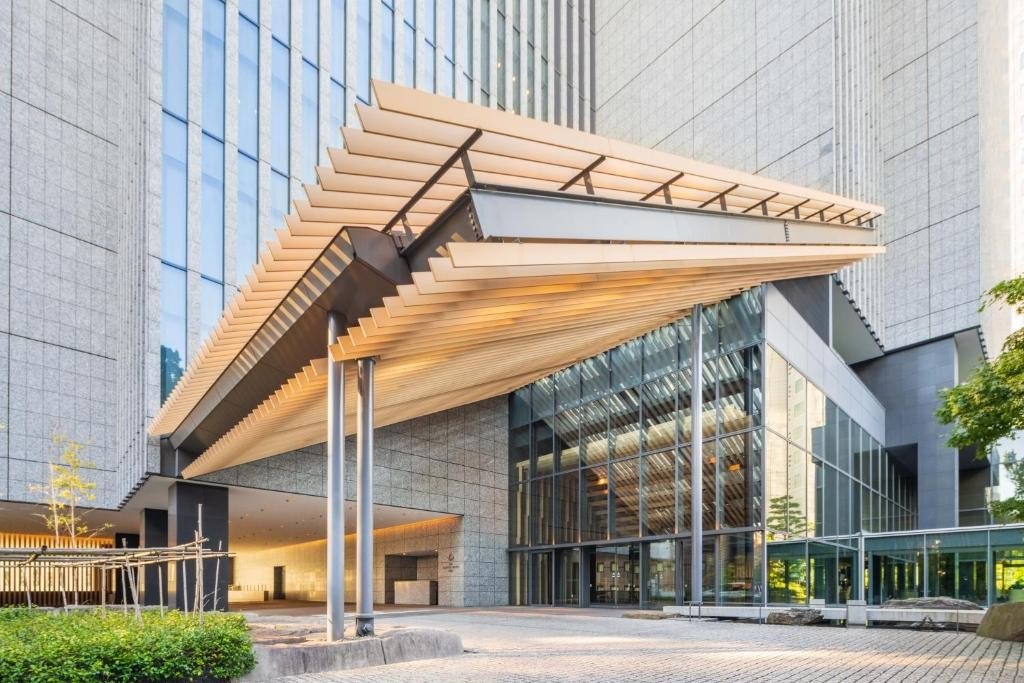
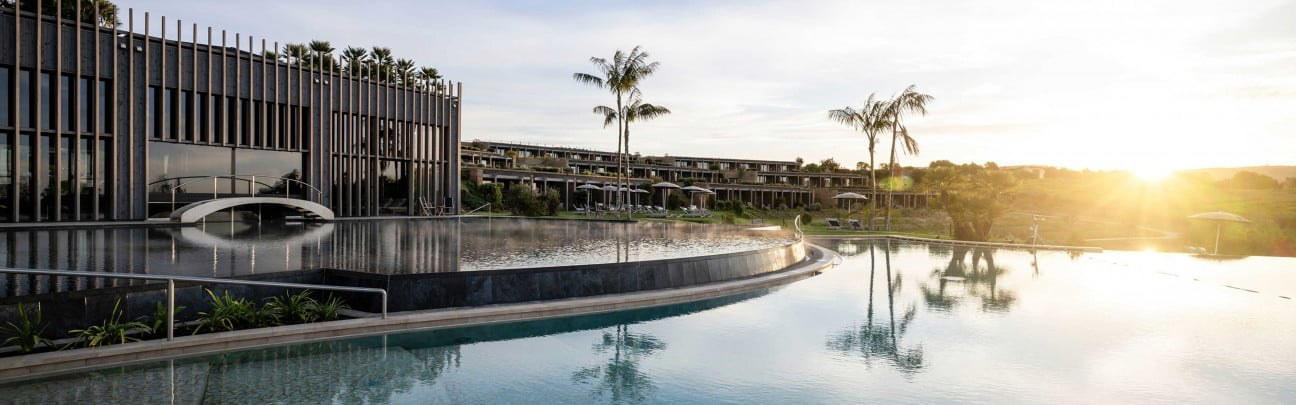
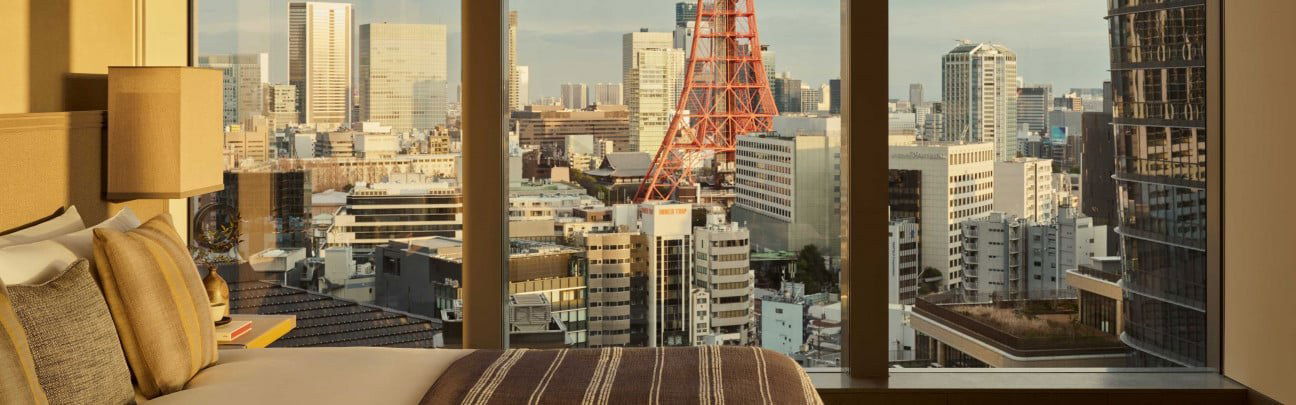
Janu Tokyo presents a contemporary take on luxury that foregrounds the surrounding city rather than retreating from it. The property is integrated into Azabudai Hills’ mixed‑use urban village, so public spaces feel activated by a diverse local crowd rather than the hush of a monolithic hotel enclave. South‑facing rooms frame Tokyo Tower as a steady visual anchor, and the hotel’s architecture nods to polished, spare precedents while inviting movement through the neighborhood. The result is a polished, socially textured destination that reads as both residentially embedded and distinctly metropolitan.
Best For
This hotel suits travelers who want to be part of Tokyo’s urban life: business visitors working in nearby finance and creative districts, design‑minded guests curious about contemporary architecture, and anyone intent on exploring Azabudai Hills and the adjacent Roppongi corridor. Its emphasis on neighborhood circulation makes it a good pick for solo explorers and couples who prefer a city‑forward itinerary over an isolated resort experience. Because it opened in March 2024, it also appeals to guests seeking a fresh, contemporary address in Minato City.
Stay Tips
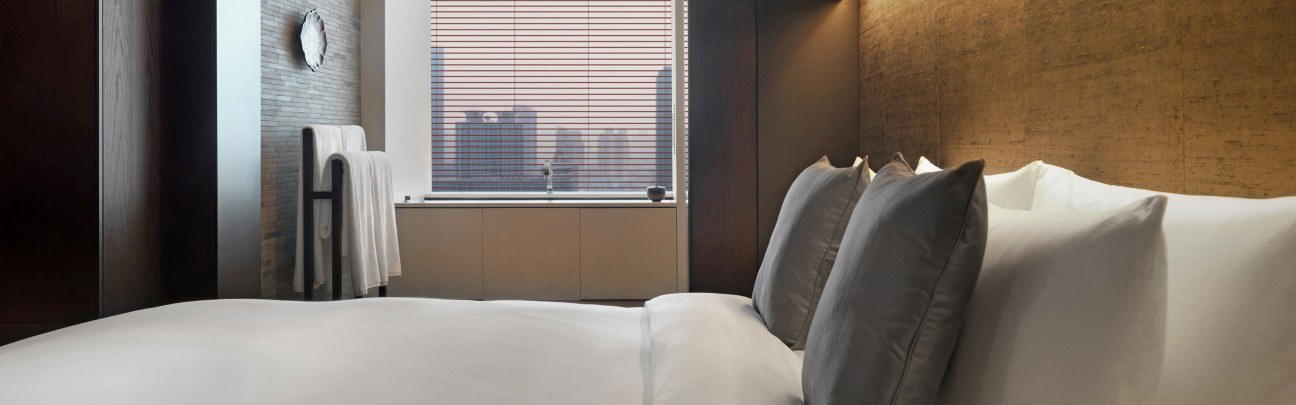
When booking, request a south‑facing room if a Tokyo Tower sightline matters to you—those views are specifically noted as visible from most south rooms. Factor in the hotel’s location inside Azabudai Hills: it’s positioned between Roppongi Hills and Kamiyacho station, so plan arrivals and short excursions via Kamiyacho or the nearby connections. Since the property leans into neighborhood circulation, leave time to explore the development’s galleries and public spaces rather than treating the hotel solely as a base.
Venue details
Ambiance
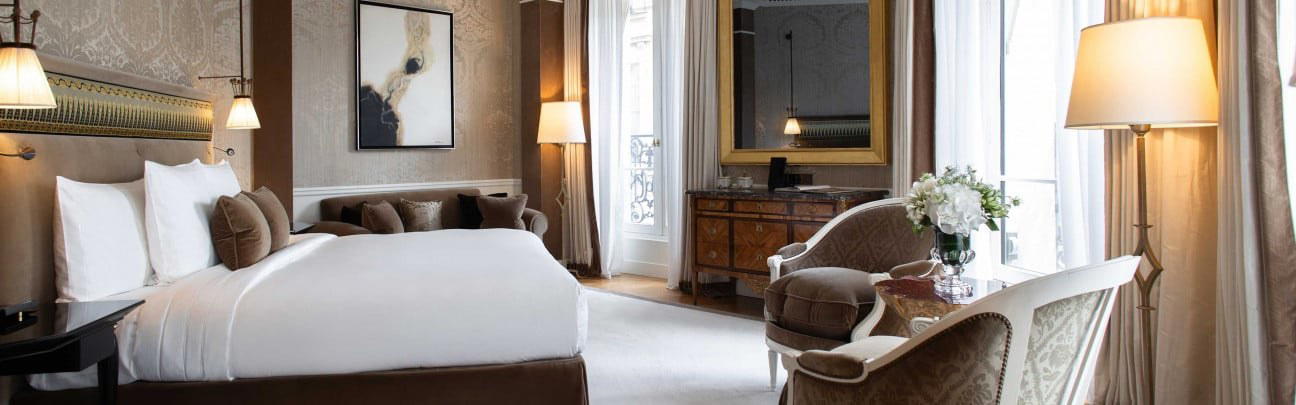
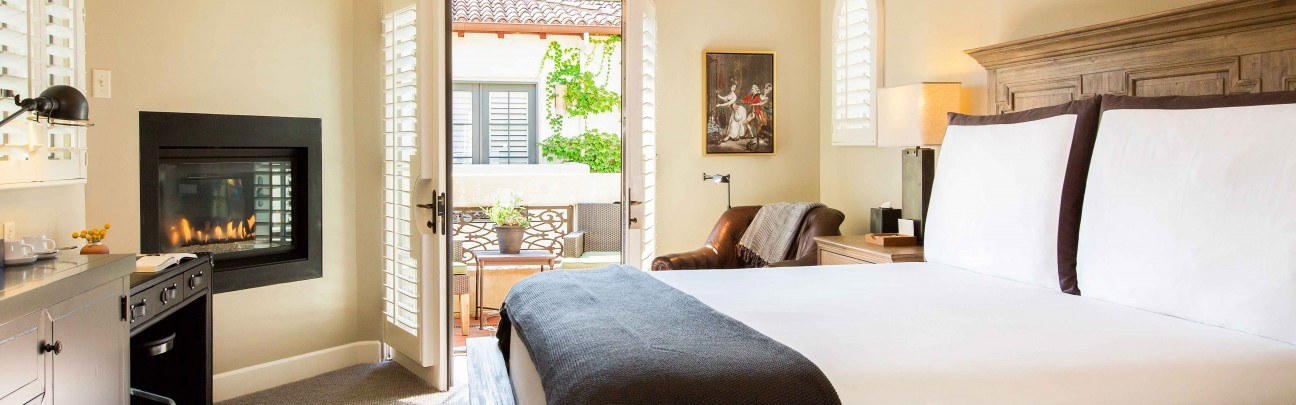
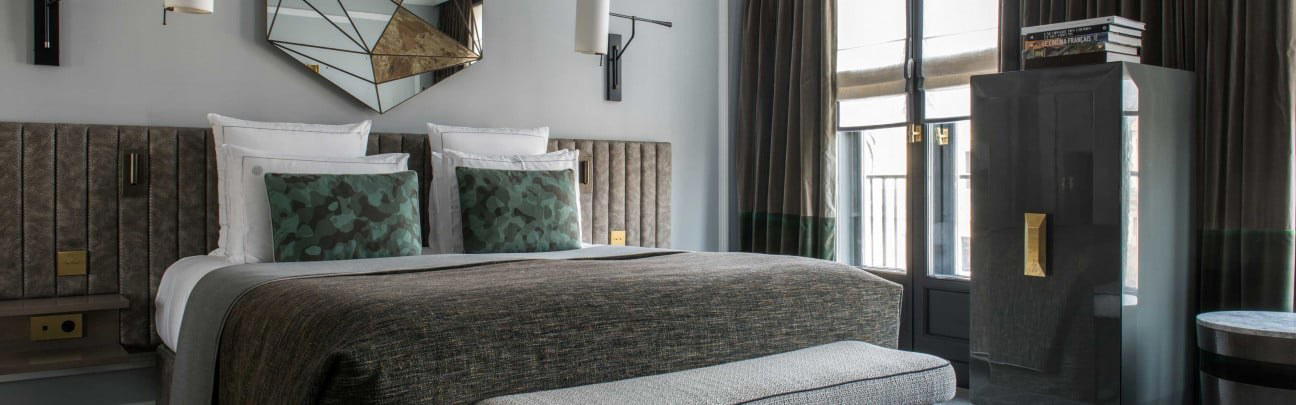
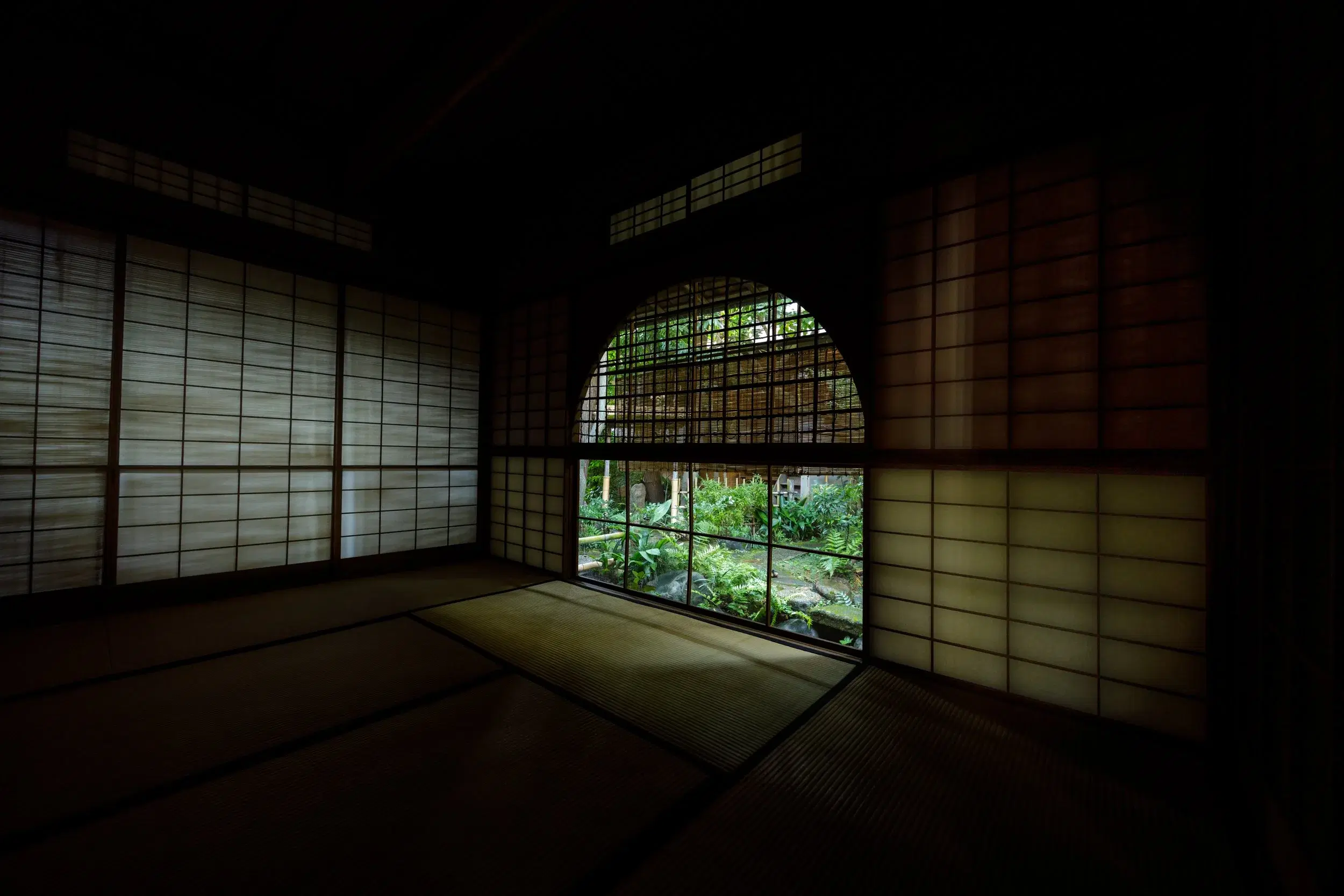
Vibrant yet zen atmosphere blending open, welcoming public spaces with statement lighting and contemporary art, alongside calm, light-filled rooms featuring natural materials and Japanese aesthetics.
Tags
Vibe
Best For
Experience
Amenities
View
Accessibility
About the Stay
- Rooms
- 122
- Property Style
- Contemporary Urban Luxury Emphasizing Social Connection and Active Experiences
- Design Style
- Minimalist Japanese Aesthetics with Playful Bold Touches, Natural Materials, and Expansive Light Filled Spaces
Know before you go
Know Before You Go
- Getting there
- 1-chōme-2-2 Azabudai, Minato City, Tokyo 106-0041
Planning details
Location
Recognition and awards



Also consider
Also Consider
- Azabudai Hills, Notable alternative
- Andaz Tokyo Toranomon Hills, Notable alternative
- The Tokyo Edition Toranomon, Notable alternative
- The Okura Tokyo, Notable alternative
- The Okura Heritage Wing Tokyo, Notable alternative
Hotel context
How JANU Tokyo compares in Tokyo
JANU Tokyo is the fresher luxury play in this set: harder to secure, more contemporary in feel, and better for travellers who want Minato access without defaulting to Tokyo's older hotel language. The Okura Tokyo is the safer choice for guests who value heritage atmosphere and formal polish, while The Okura Heritage Wing Tokyo is the more focused pick if the stay should feel quieter and more traditional.
Against Andaz Tokyo Toranomon Hills and The Tokyo Edition Toranomon, JANU Tokyo is the one to prioritise when service recognition and new-hotel energy matter more than chasing a familiar lifestyle-hotel formula. Andaz is the stronger cross-shop for travellers who want a Toranomon tower base; Edition is the better fit for a sharper nightlife-adjacent mood.
Azabudai Hills is the relevant location comparison rather than a like-for-like hotel substitute: book JANU Tokyo if the point is sleeping inside the area's luxury ecosystem, and use Azabudai Hills as the neighbourhood anchor for dining, shopping, and meetings around the stay.
Explore Tokyo
Around this place
Discover more on Pearl
Unlock the full JANU Tokyo guide in Pearl, including awards, comparisons, FAQs, planning details, and nearby places.
Compare JANU Tokyo
| Venue | Location | Awards |
|---|---|---|
| JANU Tokyo | Tokyo | 2026 World’s 50 Best Hotels 51-100 · #522026 Virtuoso Luxury Hotel Collection2026 Robb Report Best Luxury Hotels in Tokyo2026 Mr & Mrs Smith Luxury Hotels2025 World’s 50 Best Hotels · #372025 AFAR Best New HotelsTatler Best Hotels Asia-Pacific 2025Michelin 2 Keys 20252025 Michelin 2 Keys |
| Azabudai Hills | Tokyo | No published awards |
| Andaz Tokyo Toranomon Hills | Tokyo | No published awards |
| The Tokyo Edition Toranomon | Tokyo | 2026 Virtuoso Luxury Hotel Collection2026 Forbes Recommended2025 World’s 50 Best Hotels · #452025 Michelin Selected Hotels |
| The Okura Tokyo | Tokyo | 2026 World’s 50 Best Hotels 51-100 · #692026 Forbes 5-Star2026 Forbes 4-Star2026 Virtuoso Luxury Hotel CollectionStar Wine Lists 20262026 La Liste Top HotelsLeading Hotels of the World 20262025 Michelin 1 Key2025 Forbes 5-Star |
| The Okura Heritage Wing Tokyo | Tokyo | No published awards |







How JANU Tokyo Review: Michelin 2 Keys Hotel in Tokyo compares with similar nearby venues.
FAQ
Frequently Asked Questions
How does JANU Tokyo compare to other Tokyo hotels?
JANU Tokyo is a recognised luxury hotel in Tokyo with Michelin 2 Keys in 2024 and a #37 placement on The World's 50 Best Hotels list in 2025. Travellers can compare it with The Okura Tokyo, The Okura Heritage Wing Tokyo, Andaz Tokyo Toranomon Hills, and The Tokyo Edition Toranomon, then confirm current room details, rates, and services directly.
Is JANU Tokyo good for business travel?
It can make sense for a higher-end business stay in Tokyo, especially if a recognised luxury hotel is the priority. The 2024 Michelin 2 Keys recognition and the 2025 World's 50 Best Hotels #37 listing support its luxury positioning, but specific business facilities and logistics should be confirmed directly before booking.
What is check-in like at JANU Tokyo?
JANU Tokyo is positioned as a recognised luxury hotel, with Michelin 2 Keys in 2024 and a #37 listing in The World's 50 Best Hotels in 2025. Specific arrival procedures, early check-in options, and service details should be confirmed directly with the hotel.
How is the dining at JANU Tokyo?
The awards listed here are hotel-wide rather than food-specific. If dining is the deciding factor, compare the overall hotel experience with Andaz Tokyo Toranomon Hills or The Tokyo Edition Toranomon, and plan specific restaurant bookings separately.