






The Okura Tokyo
Minato, Tokyo
Hotel in Tokyo, Japan
 Book with Pearl
The Read
Modernist Heritage Hospitality
Why go
The Okura Tokyo is a hotel in Toranomon, Tokyo.
About The Okura Tokyo
The Okura Tokyo is a premium Tokyo hotel for travelers who want a decision guide grounded in clear facts. The hotel has smart casual dress guidance and several recognized luxury-hotel credentials.
Use this review as a clean planning guide for your trip. If room layouts, facilities, dining formats, or service details matter, confirm them directly before booking.
Choose based on confirmed booking details
Without current room-category details or a rate card, the safest booking rule is simple: choose the option that matches the space, inclusions, and flexibility you need for the trip. Do not assume that a higher label is automatically the better value unless the inclusions are clear at the time of booking.
If you are comparing The Okura Tokyo with other Tokyo luxury hotels, The Tokyo Edition Toranomon, Andaz Tokyo Toranomon Hills, Andaz Tokyo, 1 Hotel Tokyo, and The Okura Heritage Wing Tokyo are natural alternatives to review. The right choice depends on availability, rate, room type, and the kind of stay you want.
A conservative luxury choice in Tokyo
The Okura Tokyo's strongest argument is its recognition profile. Credentials include Michelin 1 Key in 2024, Leading Hotels of the World membership in 2025, Forbes 5-Star recognition in 2026, La Liste Top Hotels in 2026 with 93.5 points, and Virtuoso Luxury Hotel Partner status in 2026.
Those signals place The Okura Tokyo firmly in the serious luxury-hotel conversation for Tokyo. They do not, by themselves, establish specific amenities, room sizes, restaurant offerings, wellness facilities, or transfer services, so those should be checked directly if they are important to the stay.
Know Before You Go
- Best fit: travelers seeking a luxury hotel in Tokyo with confirmed high-end recognition.
- Booking read: compare rates and inclusions carefully, because recognition does not replace a current offer or room description.
- Room strategy: choose based on space, inclusions, and trip needs rather than assuming the highest tier is automatically best.
- Dress guidance: smart casual.
- Who should cross-shop: consider 1 Hotel Tokyo, Andaz Tokyo, Andaz Tokyo Toranomon Hills, The Okura Heritage Wing Tokyo, or The Tokyo Edition Toranomon when comparing Tokyo luxury hotel options.
Inside The Okura Tokyo
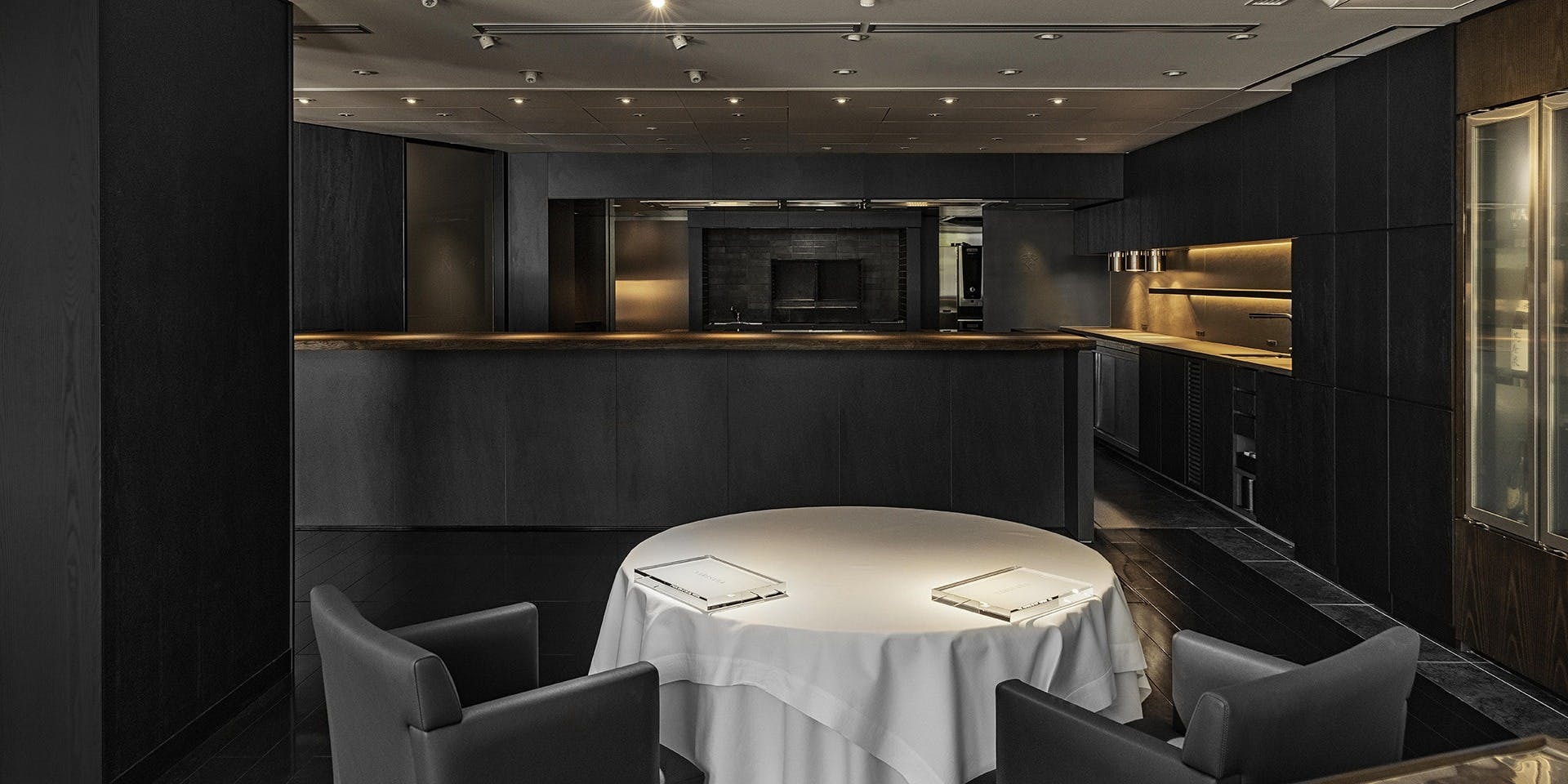
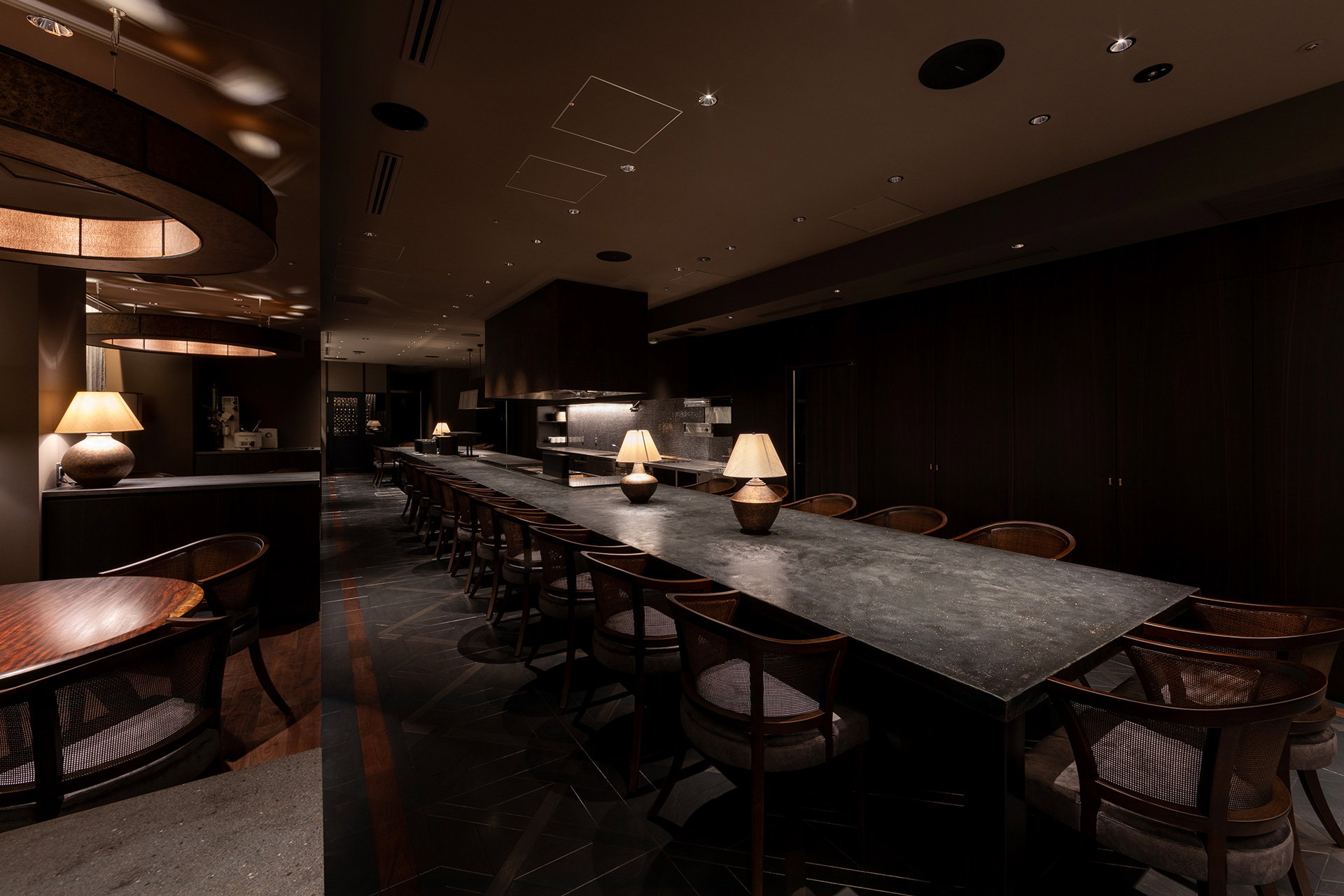
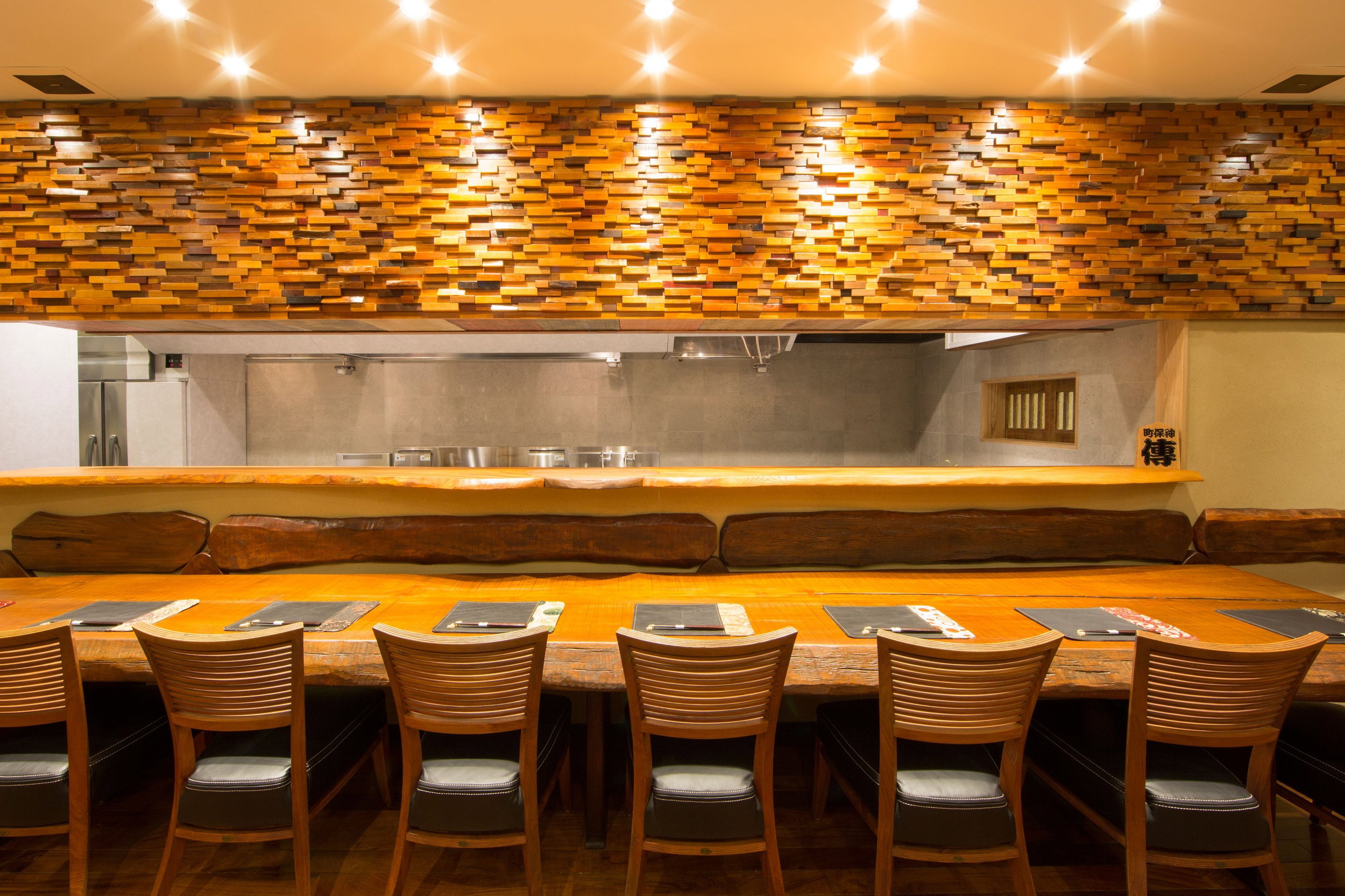
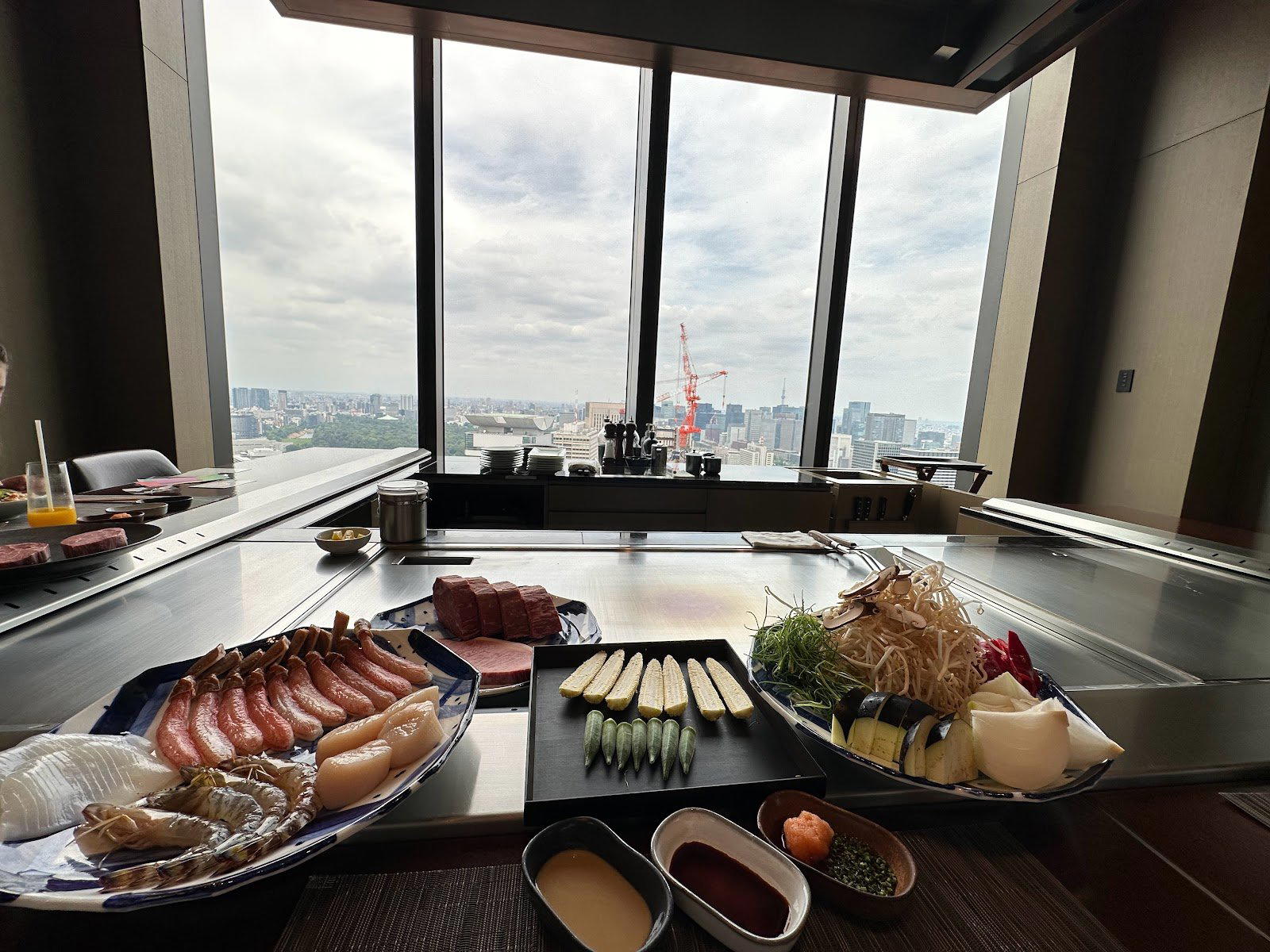 restaurantSazankaSazanka is The Okura Tokyo's teppanyaki restaurant, where a team of skilled chefs prepare meat and seasonal produce on iron hotplates directly in front of guests. The performance is built into the format: the counter positions diners close enough to feel the heat, watch the technique, and understand the sequence. For Tokyo visitors in search of high-quality teppanyaki within a hotel setting, Sazanka occupies a reliable upper tier.
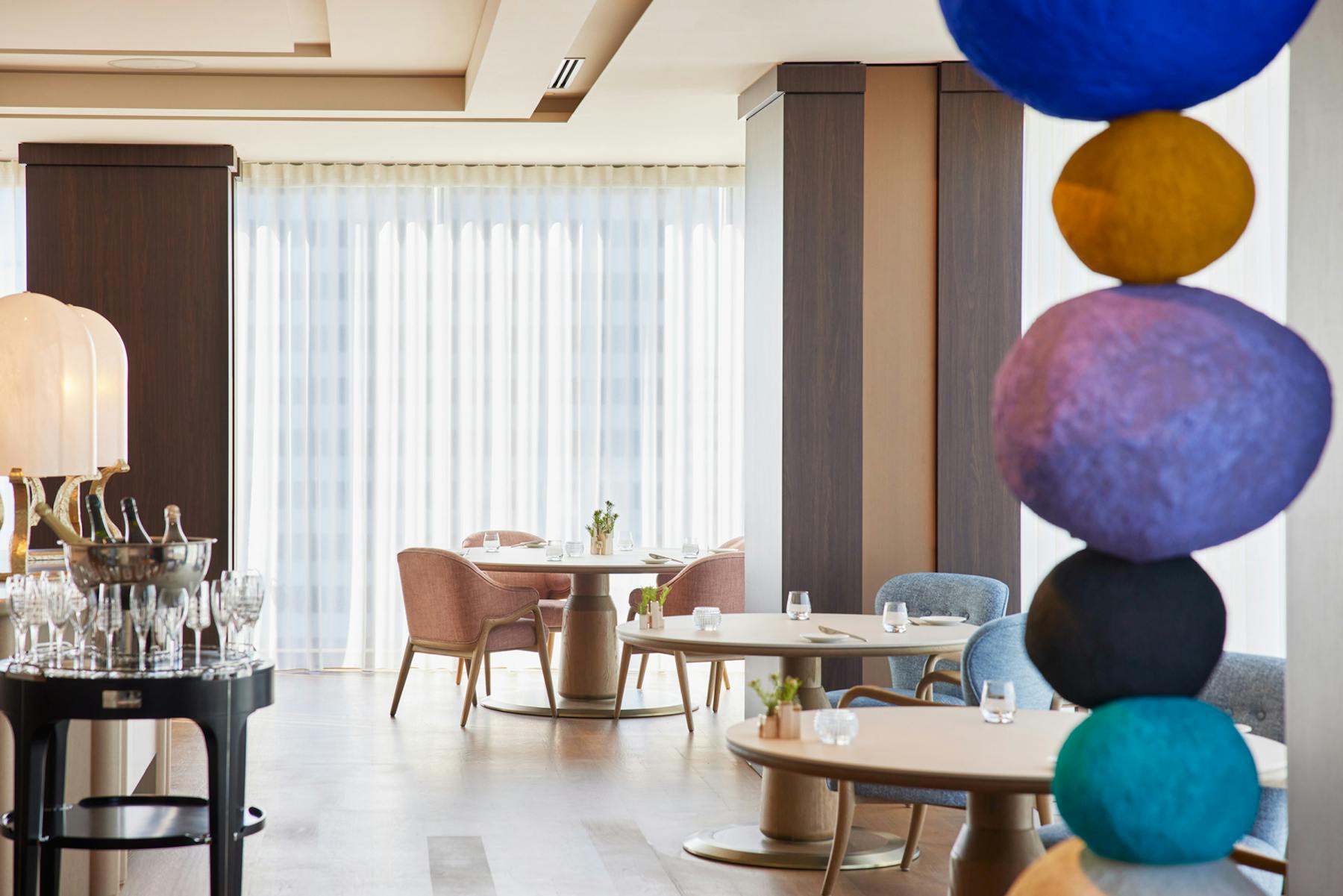
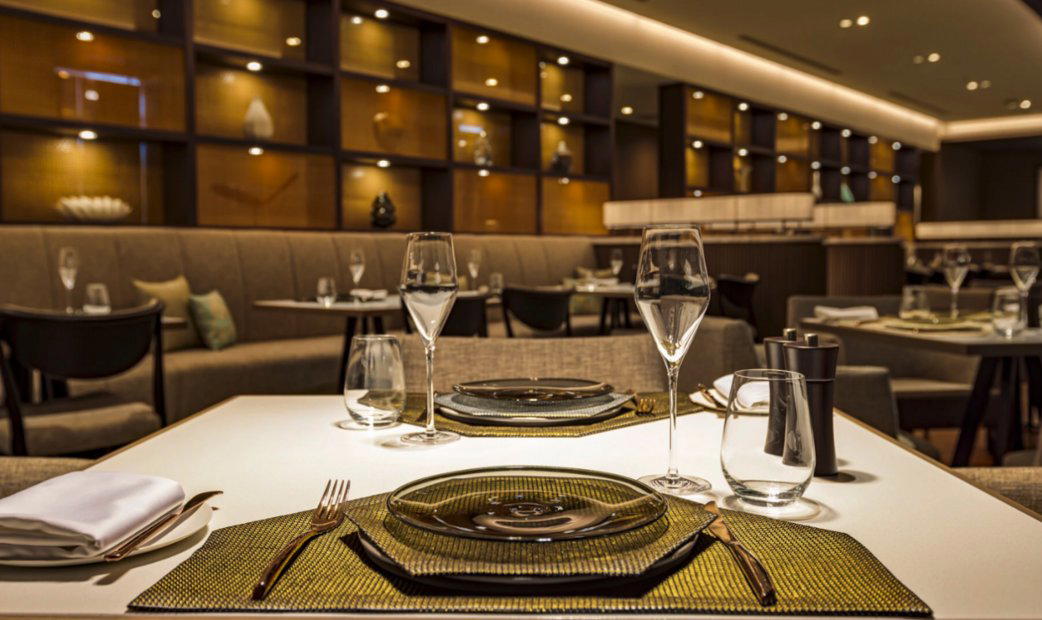 restaurantNouvelle EpoqueInside The Okura Tokyo's Forbes Travel Guide Five-Star property in Toranomon, Nouvelle Epoque operates at the intersection of French classical technique and Japanese seasonal sourcing. The menu moves from truffle-flavored eggs Benedict at breakfast through kaiseki-informed dinner courses, all served under a dress code, jackets required for gentlemen, that signals the restaurant's formal register. An extensive wine cellar, displayed behind glass, anchors a beverage program weighted toward French bottles and champagnes.
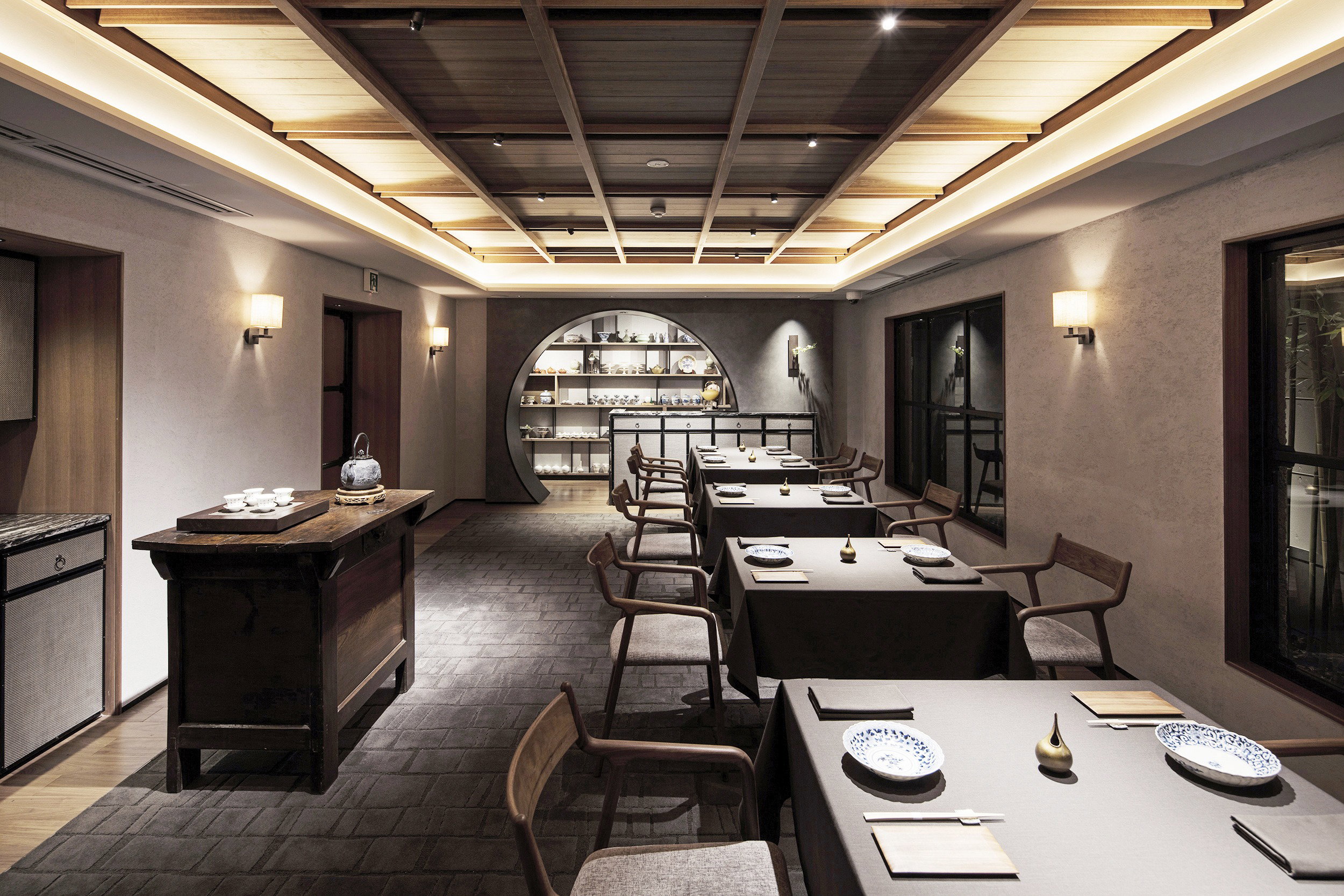
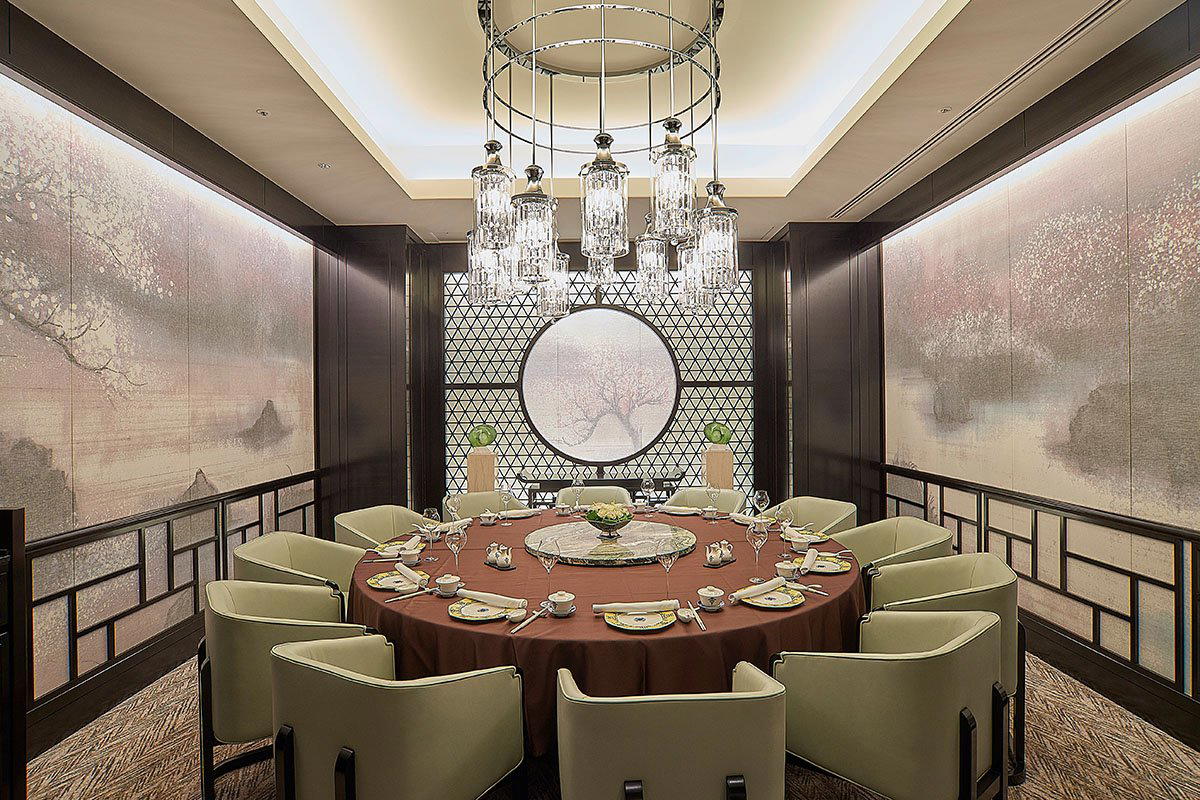 restaurantToh-Ka-LinInside The Okura Tokyo in Toranomon, Toh-Ka-Lin has served Cantonese fine dining for 50 years, a rare sustained presence for Chinese cuisine at this register in a city dominated by Japanese and French forms. The wood-panelled dining room, dressed in peach-blossom motifs, offers one of Tokyo's more considered physical environments for a long, formal Chinese meal.
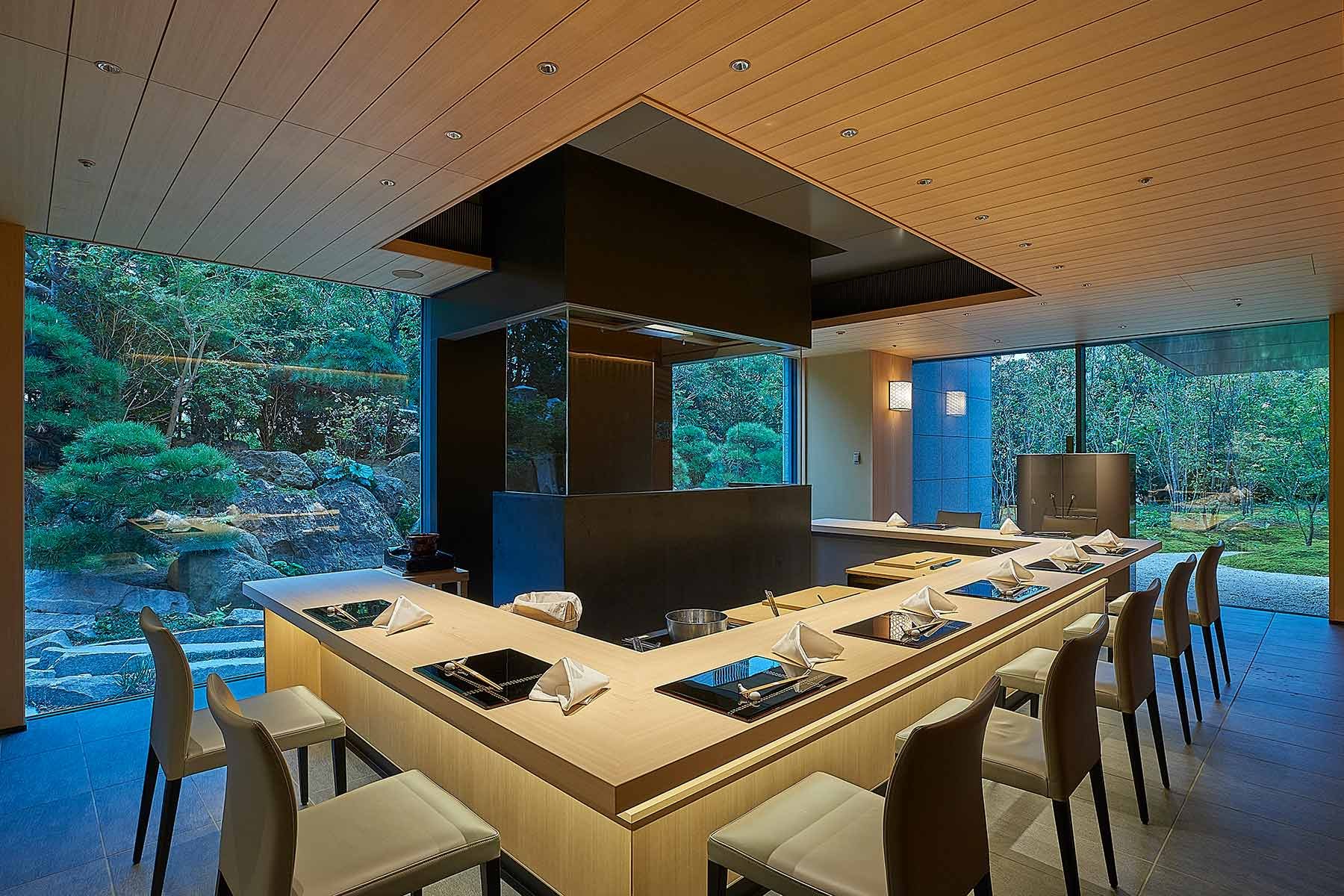 restaurantYamazato TokyoYamazato, inside the Forbes Travel Guide Five-Star Okura Tokyo in Minato-ku, is one of the city's most authoritative addresses for classical Japanese cuisine. The kitchen works across sushi, tempura, and kappo, three disciplines that together represent the formal register of Japanese cooking. For visitors with limited time in Tokyo's fine-dining scene, this is where the tradition holds its ground most clearly.
Planning details
- Location
- 2-chōme-10-4 Toranomon, Minato City, Tokyo 105-0001
- Website
- theokuratokyo.jp/ja
- Phone
- +81 3-3582-0111
The take
The Take
The Vibe
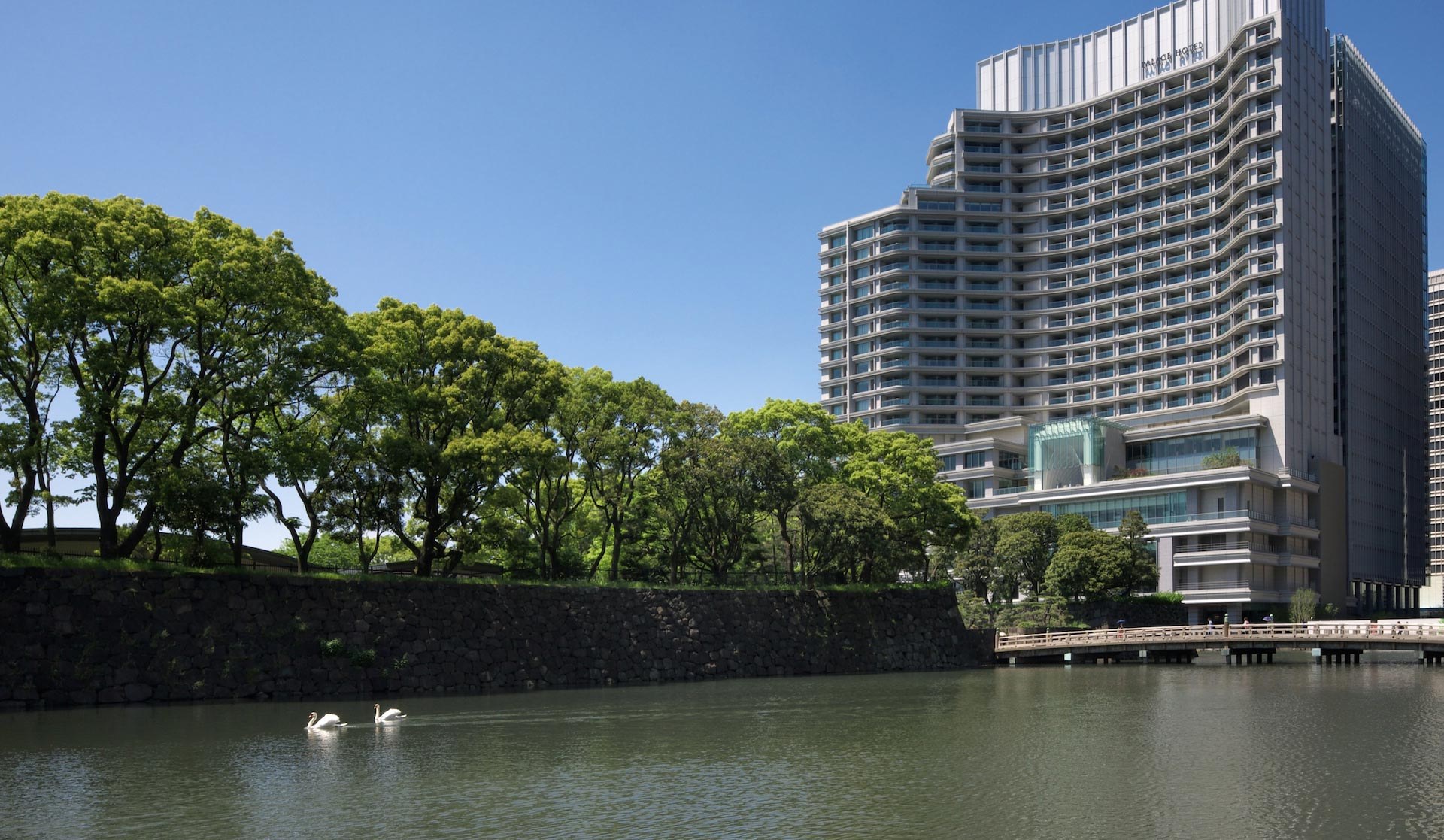
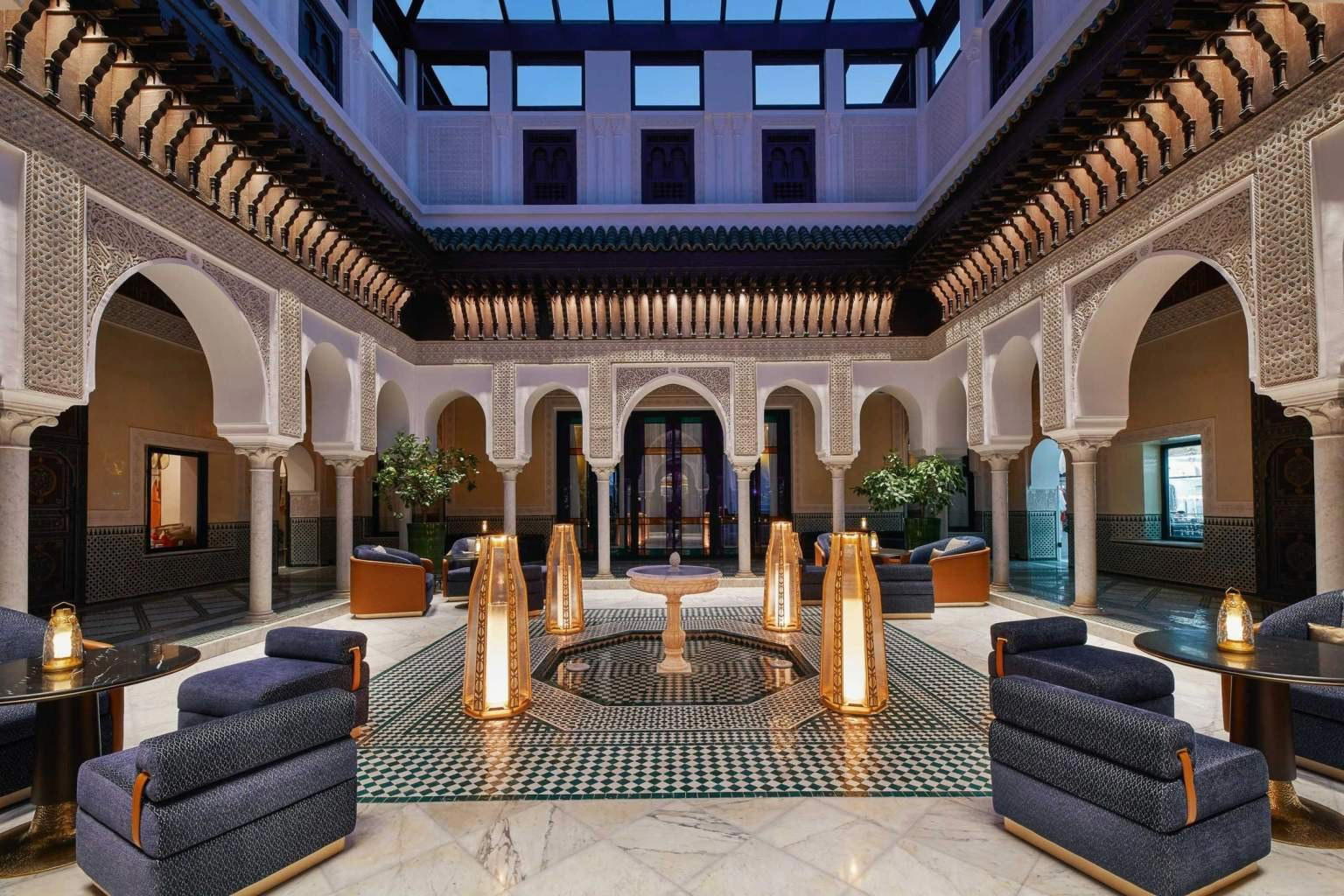
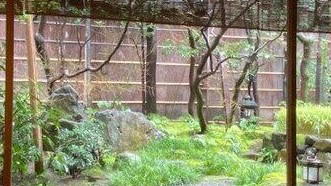
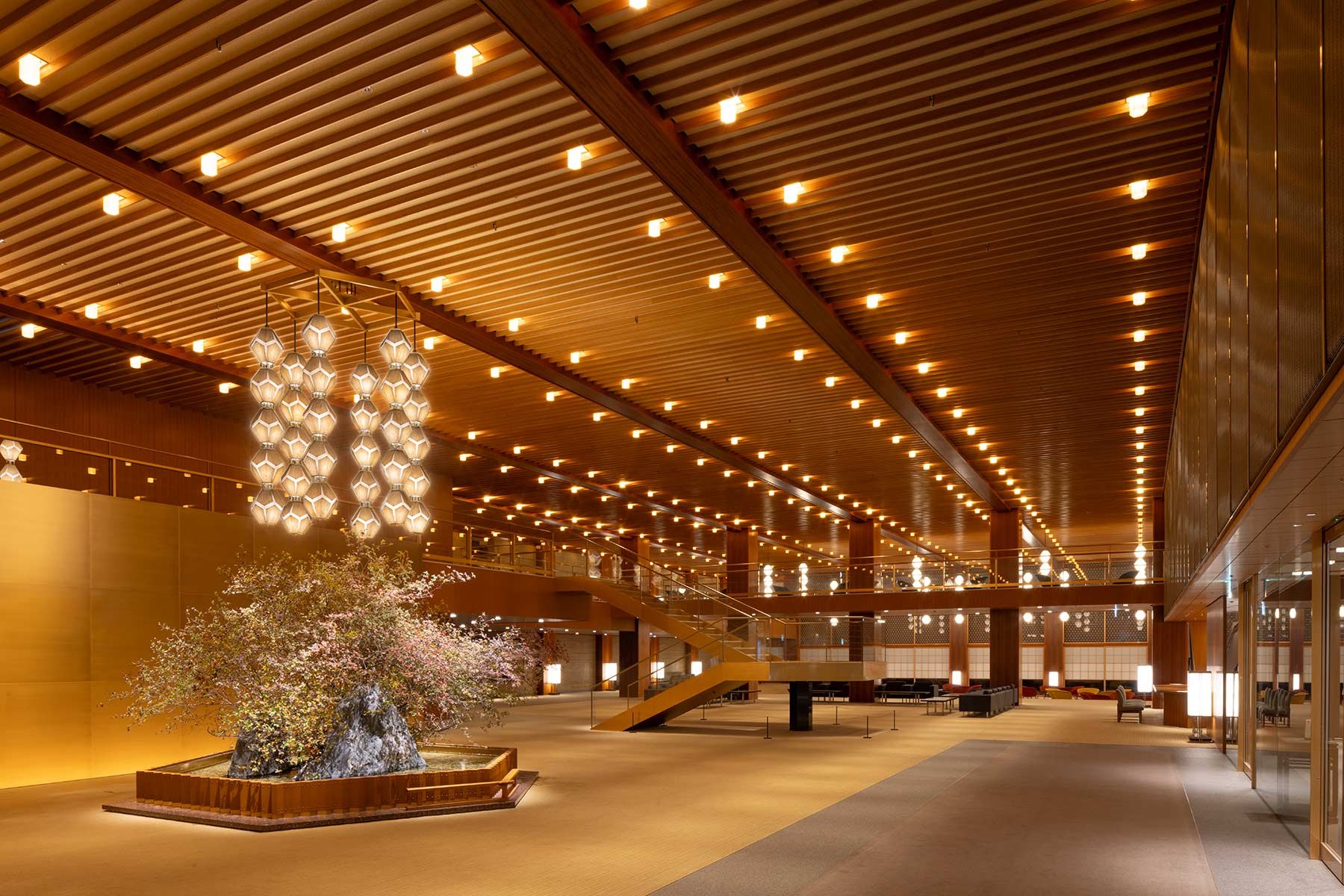
The Okura Tokyo reads as architecture first and hotel second: a deliberate reunion of mid-century modernist language and contemporary functionality. The century-old Okura Museum of Art anchors the approach, while a low, proportioned Heritage Wing and a 41-storey Prestige Tower articulate a composed skyline presence. Public spaces consciously recall the original hotel's celebrated lobby, giving the property an institutional, museum-like gravity rather than a pursuit of fleeting trends. Guests experience a measured, refined atmosphere where design lineage, craftsmanship and cultural weight shape the mood more than novelty or flash.
Best For
This is a hotel for travelers who prize tradition, quiet authority and proximity to Tokyo’s diplomatic and business corridors. Its architectural pedigree and stately public rooms make it well suited to business trips and formal visits, while the restored lobby and refined wings create an intimate backdrop for romantic getaways and anniversaries. Rooms in the Heritage Wing offer a sense of proportion and composure, and the Prestige Tower stakes a skyline position for guests who want a more elevated perspective—overall a choice for those seeking cultural continuity paired with contemporary service.
Venue details
Ambiance
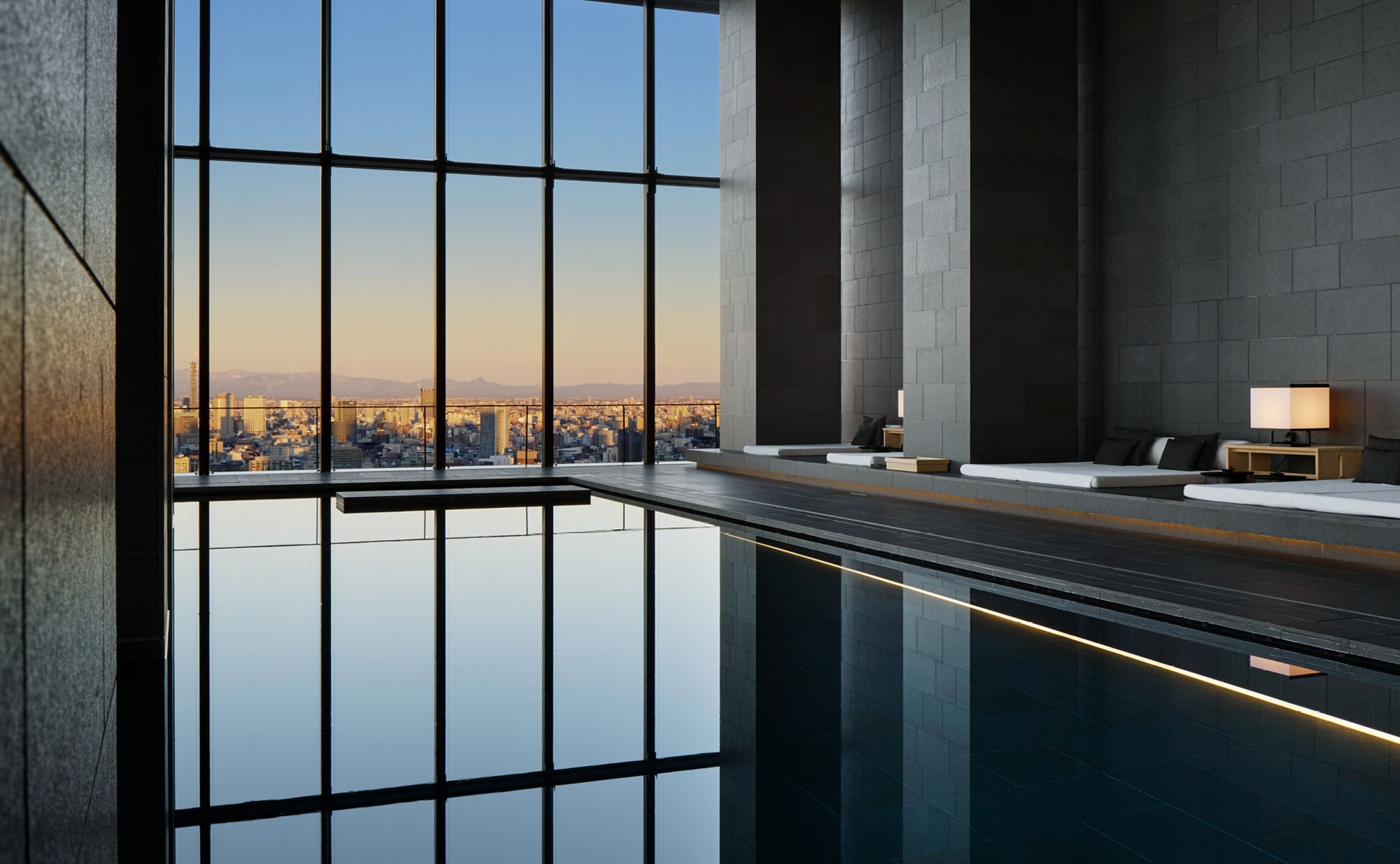
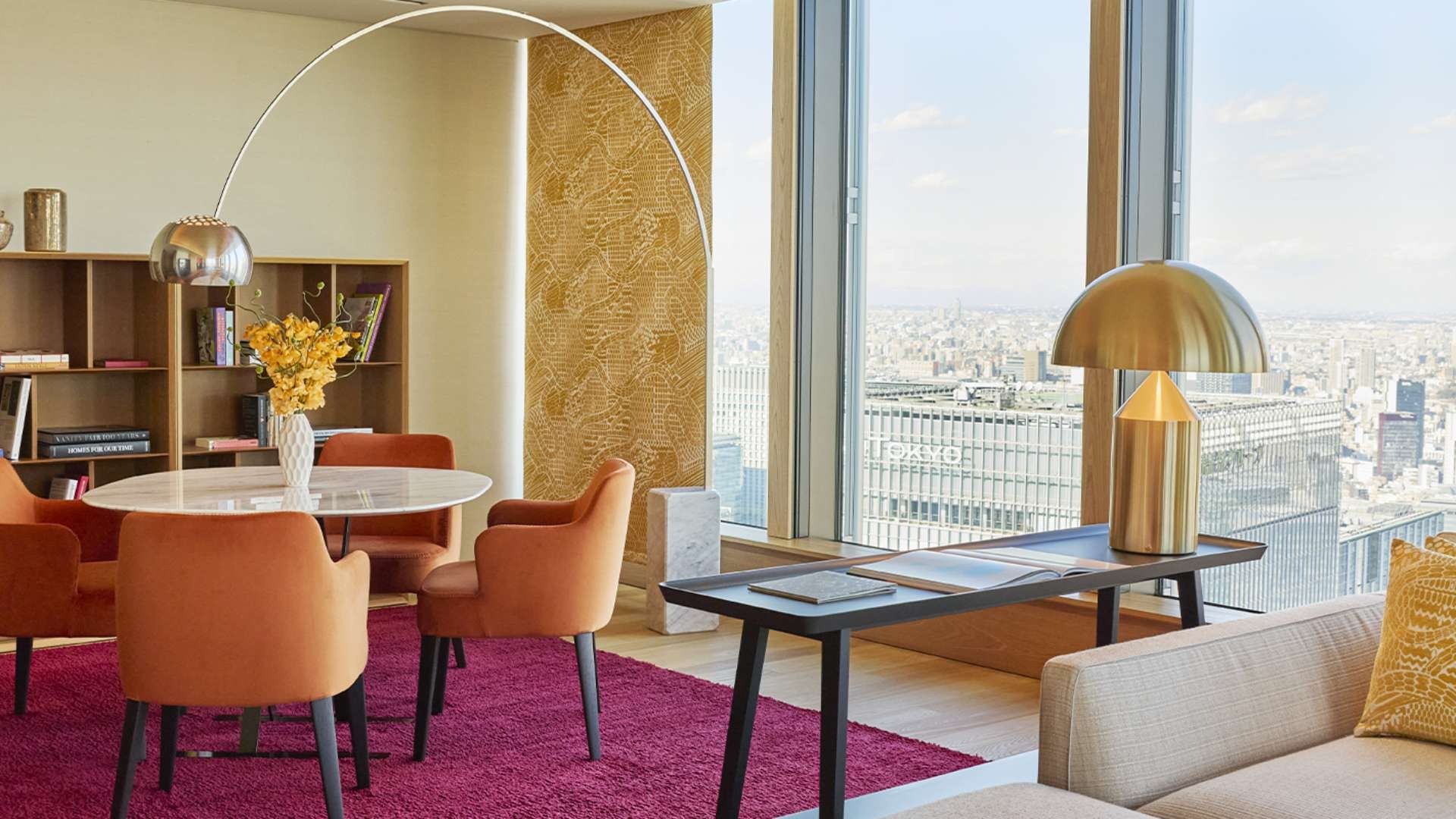
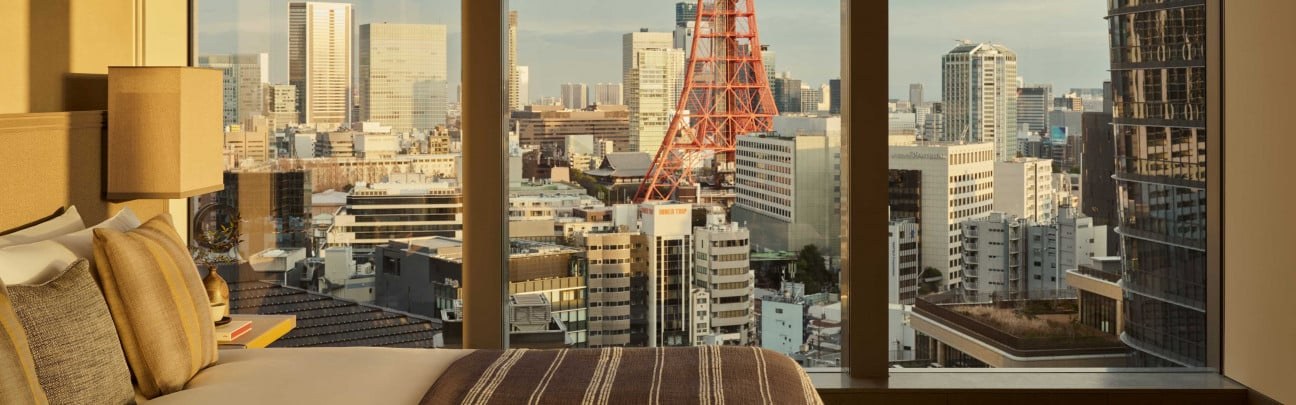
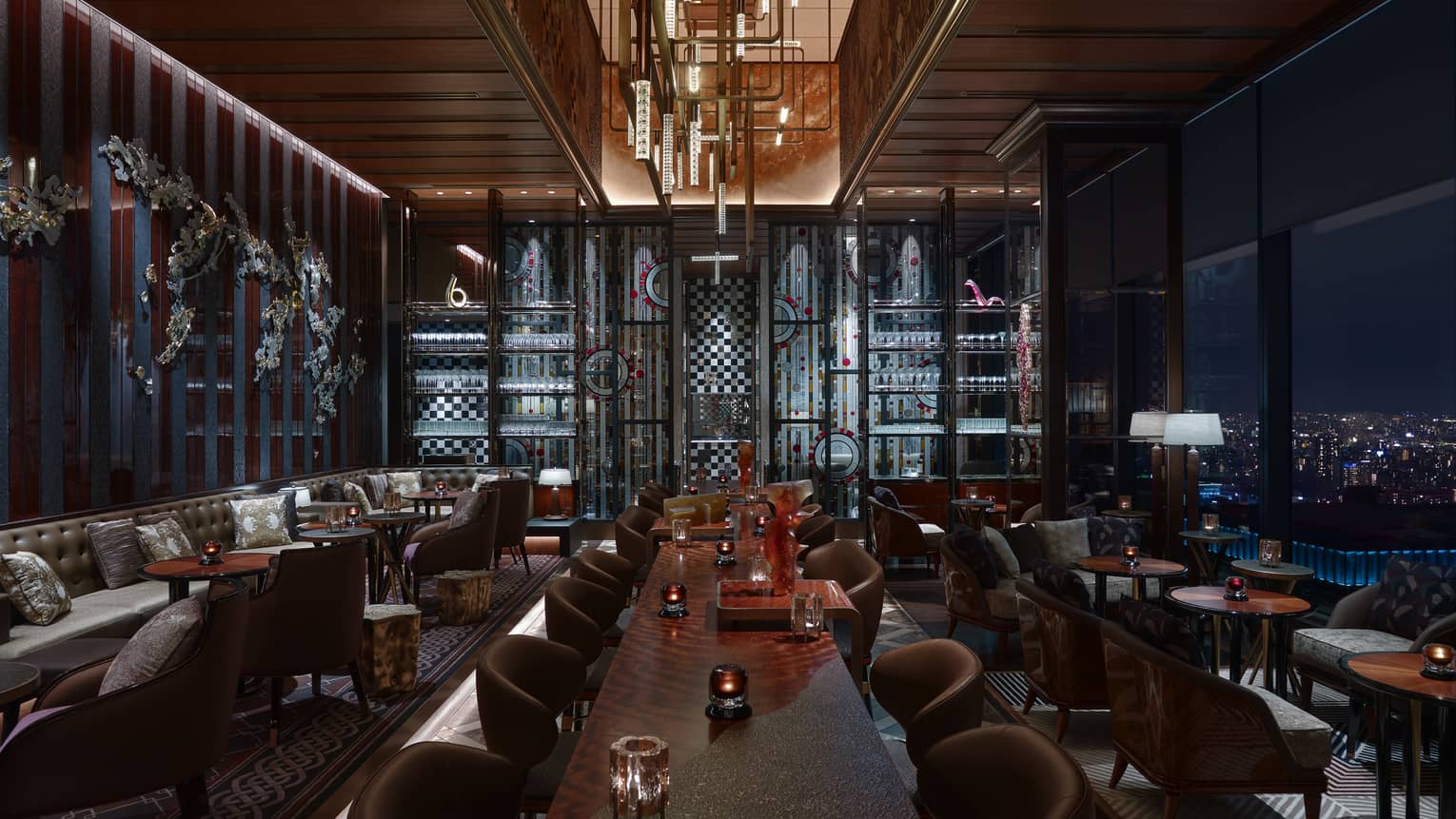
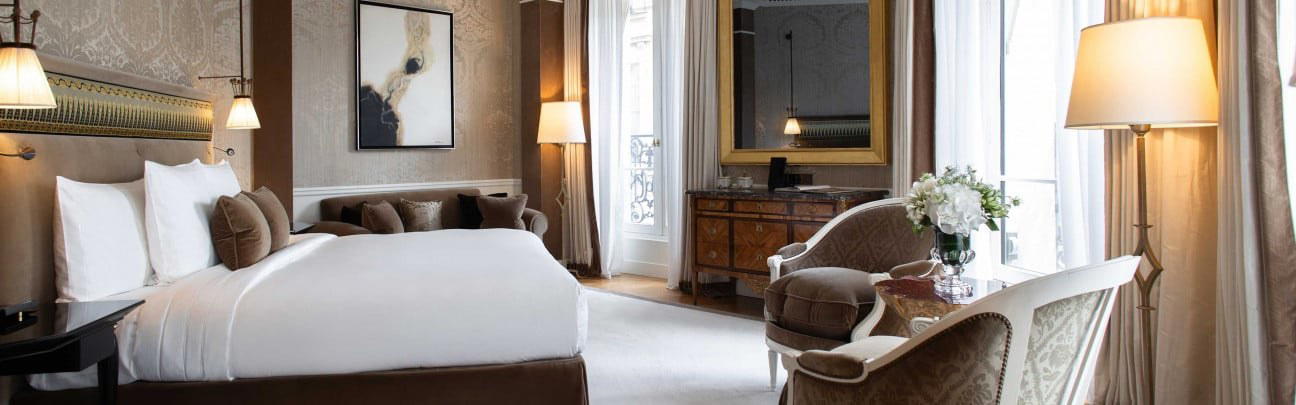
Soundproofed rooms with tranquil, elegant atmosphere, featuring soft lighting, Japanese hospitality touches, and serene views of Tokyo skyline.
Tags
Vibe
Best For
Experience
Amenities
View
Accessibility
About the Stay
- Rooms
- 500
- Check-in
- 15:00
- Check-out
- 11:00
- Property Style
- Dual Wing Luxury Property Combining Contemporary Prestige Tower and Preserved Heritage Wing.
- Design Style
- Modern Japanese Minimalism Fused with Mid Century Heritage Elements.
Know before you go
Know Before You Go
- Getting there
- 2-chōme-10-4 Toranomon, Minato City, Tokyo 105-0001
Planning details
Location
Recognition and awards





Also consider
Where to Look If This Is Full
If the dates do not work, try The Tokyo Edition Toranomon for a nearby stay with more social energy, or Andaz Tokyo Toranomon Hills for a polished lifestyle alternative in the same broader area.
If you want to stay within the Okura orbit, The Okura Heritage Wing Tokyo is the closest substitute, especially for travelers who want a quieter and more rarefied version of the same luxury language.
Hotel context
How It Compares
The Okura Tokyo is the conservative luxury choice in this Toranomon set: calmer than The Tokyo Edition Toranomon, less lifestyle-driven than Andaz Tokyo Toranomon Hills, and better suited to travelers who want a polished base for business-heavy days. If ambiance matters more than formality, Edition is the more social pick; if view-led energy matters, Andaz is easier to justify.
The Okura Heritage Wing Tokyo is the closer cross-shop for travelers who already like the Okura tone but want the stay to feel more rarefied. The main Okura booking makes more sense if value for money is the priority and the goal is access to the same general address and service culture without pushing into the more specialized wing.
1 Hotel Tokyo is the alternative for guests who want a newer sustainability-led identity. The Okura is easier to recommend for traditional luxury expectations, business travel, and guests who prefer quiet confidence over a concept-led hotel.
Explore Tokyo
Around this place
Discover more on Pearl
Unlock the full The Okura Tokyo guide in Pearl, including awards, comparisons, FAQs, planning details, and nearby places.
Compare The Okura Tokyo
| Venue | Location | Awards |
|---|---|---|
| The Okura Tokyo | Tokyo | 2026 World’s 50 Best Hotels 51-100 · #692026 Forbes 5-Star2026 Forbes 4-Star2026 Virtuoso Luxury Hotel CollectionStar Wine Lists 20262026 La Liste Top HotelsLeading Hotels of the World 2026Michelin 1 Key 20252025 Michelin 1 Key |
| The Okura Heritage Wing Tokyo | Tokyo | No published awards |
| The Tokyo Edition Toranomon | Tokyo | 2026 Virtuoso Luxury Hotel Collection2026 Forbes Recommended2025 World’s 50 Best Hotels · #452025 Michelin Selected Hotels |
| 1 Hotel Tokyo | Tokyo | No published awards |
| Andaz Tokyo | Tokyo | 2025 Michelin 1 Key2024 Michelin 1 Key |
| Andaz Tokyo Toranomon Hills | Tokyo | No published awards |


How The Okura Tokyo compares with similar nearby venues.
FAQ
Frequently Asked Questions
Is The Okura Tokyo good for business travel?
Specific business facilities should be confirmed directly with the hotel before booking. The confirmed credentials include Michelin 1 Key (2024), Forbes 5-Star (2026), Leading Hotels of the World membership (2025), La Liste Top Hotels recognition (2026), and Virtuoso Luxury Hotel Partner status (2026). The Tokyo Edition Toranomon is another Tokyo option to compare.
What is check-in like at The Okura Tokyo?
Specific check-in procedures should be confirmed directly with the hotel before travel. The hotel is a recognized luxury hotel in Tokyo, including Forbes 5-Star recognition and Leading Hotels of the World membership.
How is the pool and spa at The Okura Tokyo?
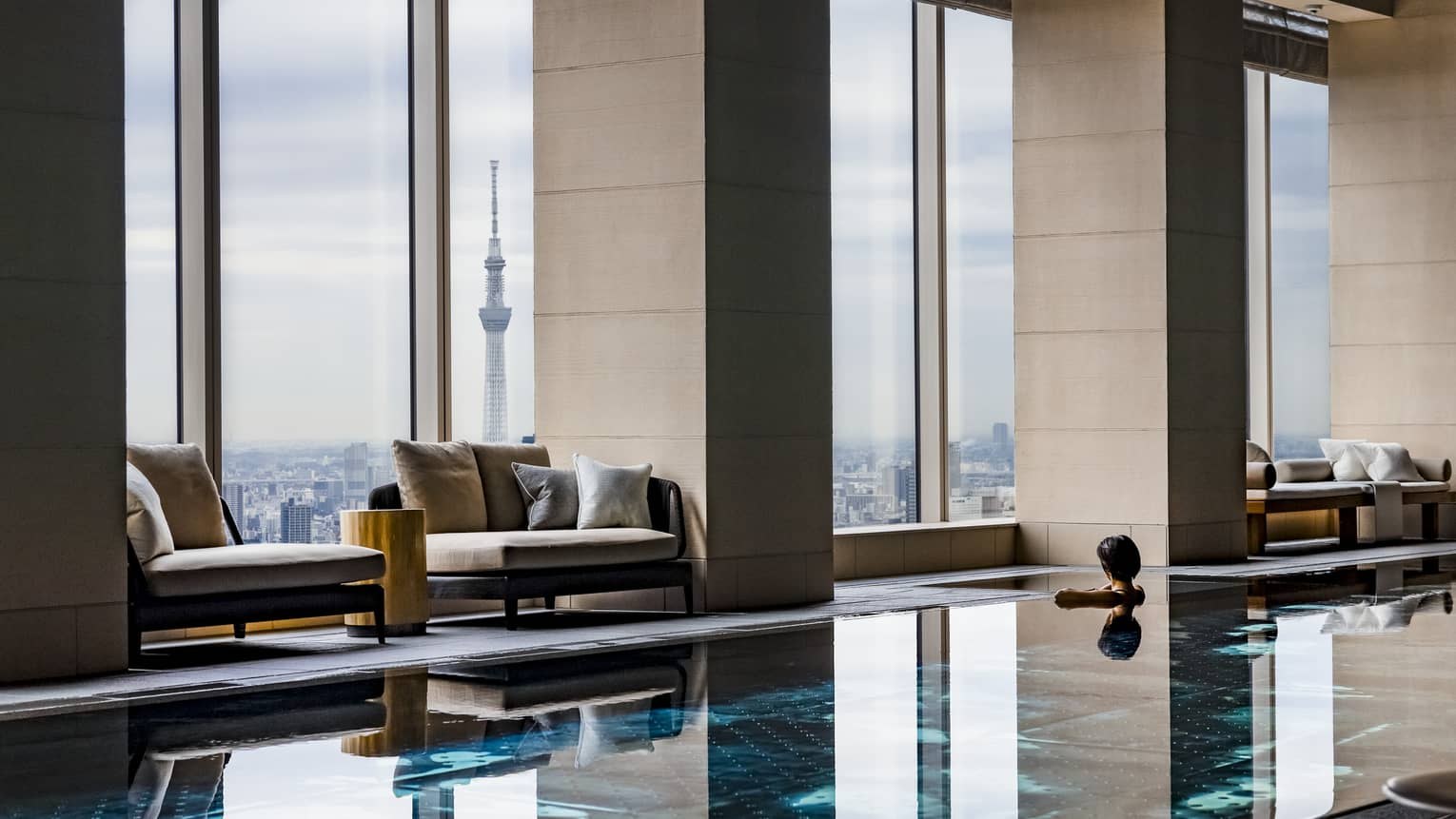
Pool and spa details should be confirmed directly with the hotel. If wellness facilities are important to your stay, confirm the current facilities, access rules, hours, and any booking requirements directly with The Okura Tokyo before reserving. 1 Hotel Tokyo is another Tokyo hotel to review when comparing options.
Which room category is best at The Okura Tokyo?
The best room category depends on the space, inclusions, and rate available for your dates. Compare the hotel's current room descriptions directly before booking. The Okura Heritage Wing Tokyo is a relevant comparison if you are deciding between related Tokyo options.
Do loyalty programs work at The Okura Tokyo?
The hotel includes Leading Hotels of the World membership for 2025 and Virtuoso Luxury Hotel Partner status for 2026. Specific benefits, upgrades, or loyalty treatment should be confirmed for your booking. Andaz Tokyo Toranomon Hills is another Tokyo hotel to compare.
How does The Okura Tokyo compare to other Tokyo hotels?
The Okura Tokyo stands out on recognition: Michelin 1 Key, Forbes 5-Star, La Liste Top Hotels scoring, Leading Hotels of the World membership, and Virtuoso Luxury Hotel Partner status. When comparing Tokyo options such as The Tokyo Edition Toranomon, Andaz Tokyo, Andaz Tokyo Toranomon Hills, 1 Hotel Tokyo, and The Okura Heritage Wing Tokyo, focus on current rates, inclusions, and the room type that best fits your trip.