Kyoto's cocktail scene offers a variety of bars that blend local ingredients like Japanese whisky, sake, matcha, and yuzu into their drinks.
Whether you prefer sleek lounges or hidden speakeasies, here’s a quick guide to help you plan your visit:
Bar K6: Elegant riverside bar with Japanese craft spirits. Reservations required.
L'Escamoteur: Theatrical cocktails in Shimogyo Ward. Walk-in only.
BEE'S KNEES: Speakeasy with prohibition-era classics. No reservations.
Bar Rocking Chair: Warm, relaxed atmosphere with balanced pricing.
APOTHECA: Premium cocktails in a central location. Reservations available.
SCOTCH & BRANCH: Affordable, cozy bar with online booking options.
The Roots Of All Evil: Budget-friendly gin bar, open from 11:00 AM.
BAR Liquor Museum: Chain offering mid-priced cocktails across multiple locations.
Each venue delivers a distinct vibe, from sophisticated settings to casual hangouts. Whether you’re making reservations or exploring spontaneously, Kyoto’s bars cater to a range of preferences and budgets.
1. Bar K6
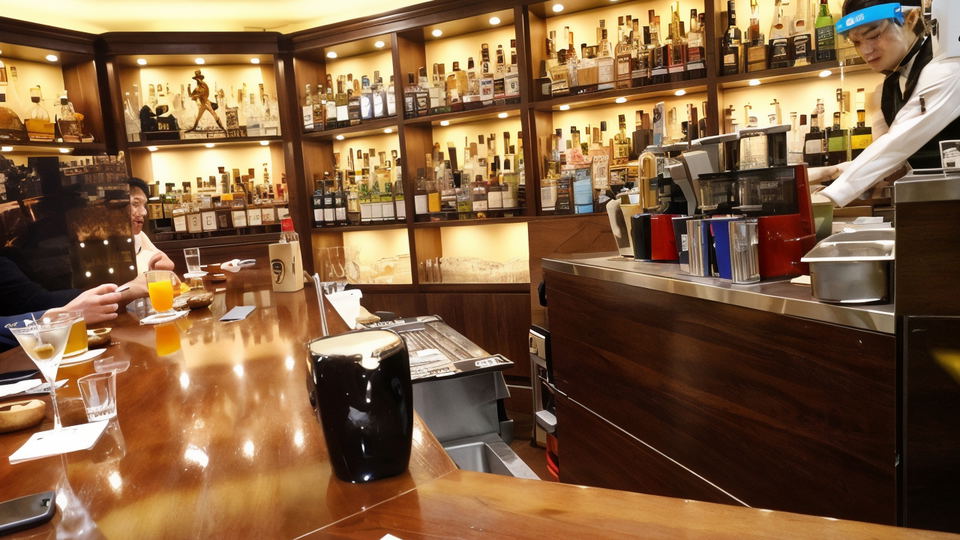
Nestled on the second floor of the Vals Building in Nakagyo-ku, Bar K6 is an elegant cocktail bar that operates from 6:00 PM to 2:00 AM. To secure a spot, reservations are mandatory and can be made through ksix.jp. For questions, you can call +81 75-255-5009.
Atmosphere and Ambiance
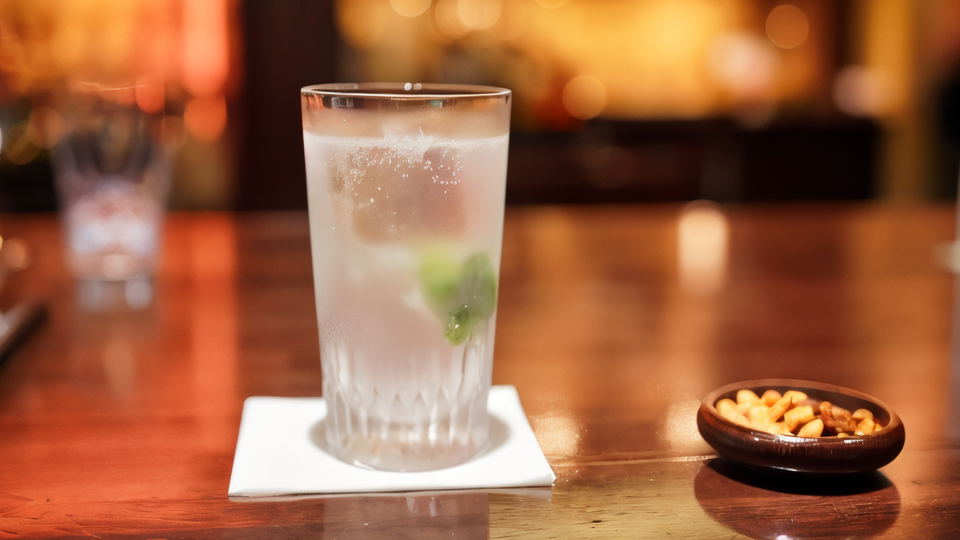
Bar K6 stands out not only for its prime riverside location but also for its sophisticated vibe. The bar boasts an impressive selection of spirits, all served in a sleek and refined setting. The intimate yet polished atmosphere makes it a go-to spot for special celebrations or professional gatherings.
Specialties and Menu Highlights
The bar’s menu shines with its focus on Japanese craft spirits, with Roku Gin taking center stage in their cocktail creations. Bar K6 also hosts events like the "Noryo Roku Gin Stamp Rally", showcasing their expertise in crafting premium gin-based cocktails.
Their extensive whisky collection is bolstered by a partnership with Whisk-E, a leading Japanese importer celebrating 25 years in the business. This collaboration ensures access to a remarkable lineup of whiskies, including some of the finest Japanese varieties.
English Menu and Service
For international guests, it’s important to note that service at Bar K6 is primarily in Japanese. Their website is exclusively in Japanese, and there’s no indication of English menus or English-speaking staff. Visitors who don’t speak Japanese may find it challenging to communicate their preferences or navigate the menu.
2. L'Escamoteur
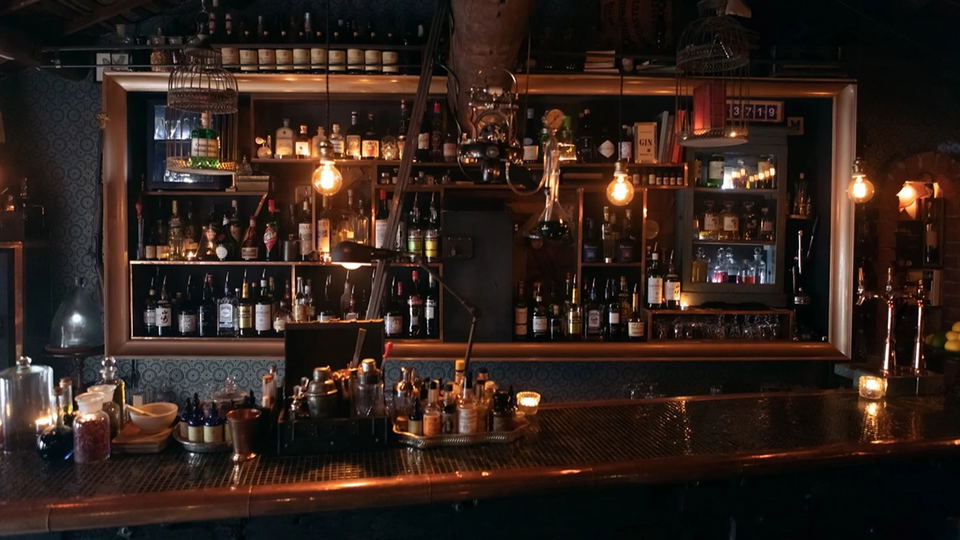
L'Escamoteur, found at 138-9 Saitocho in Kyoto's Shimogyo Ward, offers a one-of-a-kind cocktail experience. Open from about 8:00 PM to 2:00 AM, it’s worth noting they’re closed on certain weekdays, so it’s a good idea to check ahead. For any questions, you can reach them at +81 75-708-8511.
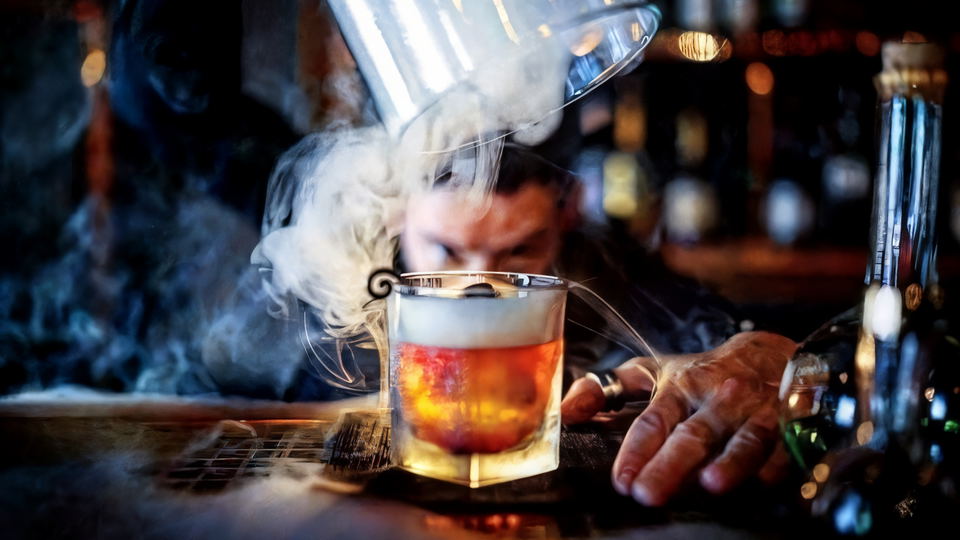
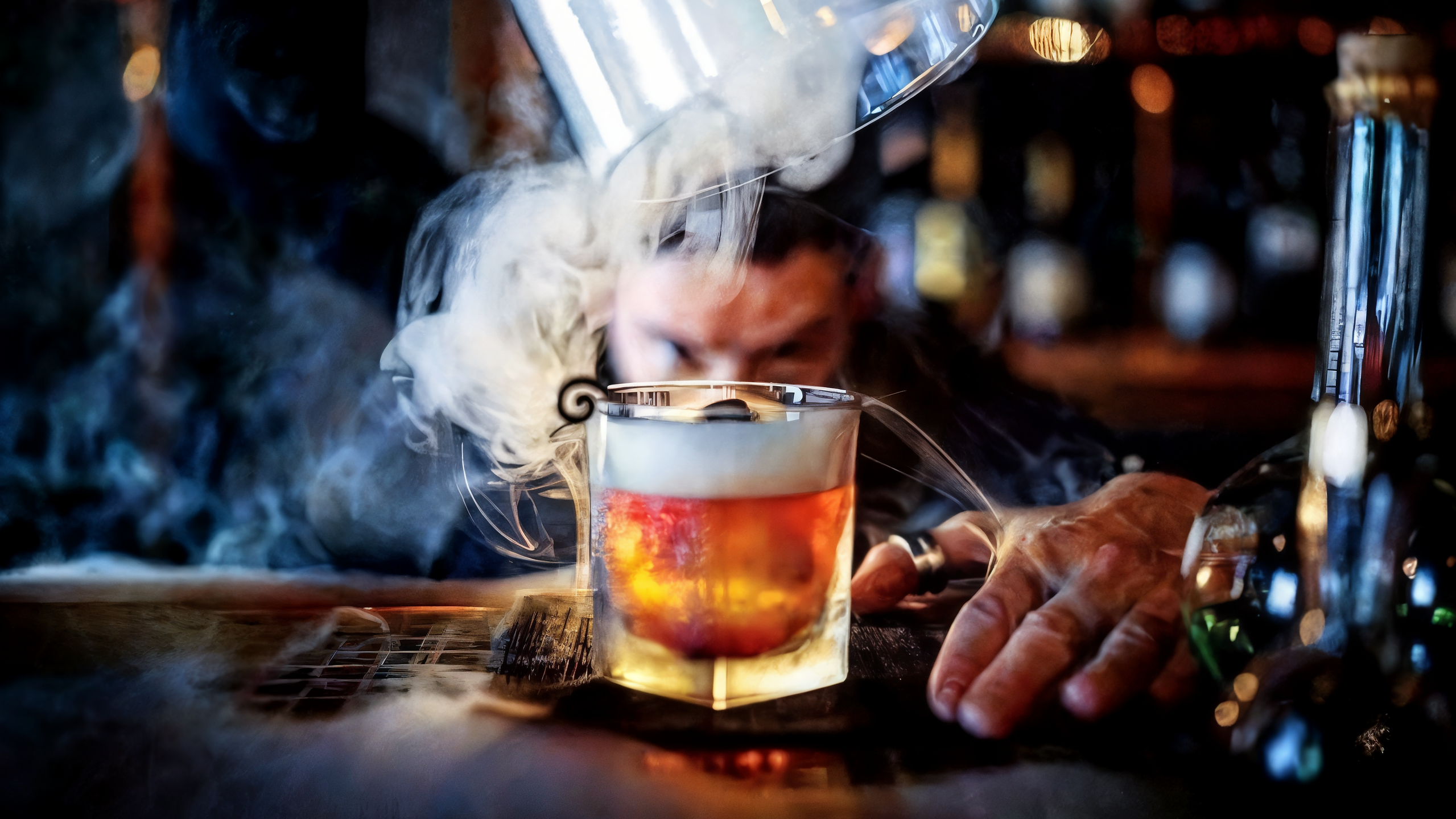
Cocktails here fall in the mid to high price range, typically costing between $10 and $20. The bar operates on a walk-in-only basis, so reservations aren’t an option. For the latest updates on hours, it’s best to check their Instagram. Known for its theatrical atmosphere and top-notch ingredients, L'Escamoteur is a standout destination in Kyoto's cocktail scene.
3. BEE'S KNEES
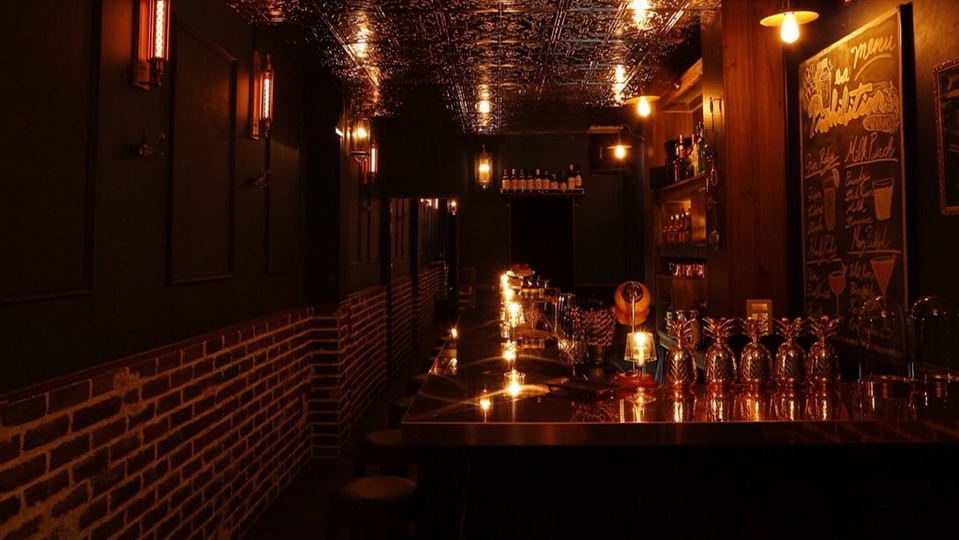
Nestled at 364 Kamiyacho in Nakagyo-ku, Kyoto, BEE'S KNEES is your go-to spot for an authentic speakeasy experience. Open from 6:00 PM to 1:00 AM, this hidden gem can be reached at +81 75-585-5595. With mid-range to premium pricing, the bar operates on a strictly walk-in basis, so plan accordingly.
Atmosphere and Ambiance
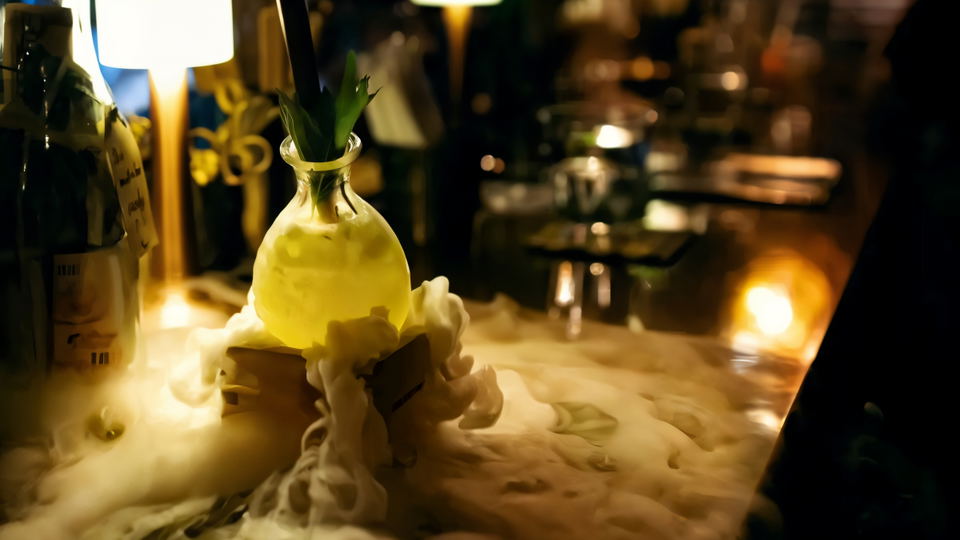
Stepping into BEE'S KNEES feels like uncovering a well-kept secret. The hidden entrance sets the tone for the evening, while the cozy, dimly lit interior evokes a true speakeasy charm. Despite the mysterious vibe, the space feels warm and inviting - a perfect blend of exclusivity and comfort.
Specialties and Menu Highlights
The cocktail menu is a delightful mix of prohibition-era classics and modern concoctions with a Japanese twist. Many of their signature drinks feature Japanese whisky paired with seasonal ingredients, offering a unique flavor profile you won’t find elsewhere. If you’re eager to try these standout creations, arriving early is your best bet.
Reservation Policy and Accessibility
Since BEE'S KNEES doesn’t take reservations, early arrival is key to snagging a seat. While the staff might have limited English skills, they go out of their way to ensure international guests feel welcome and taken care of.
4. Bar Rocking Chair
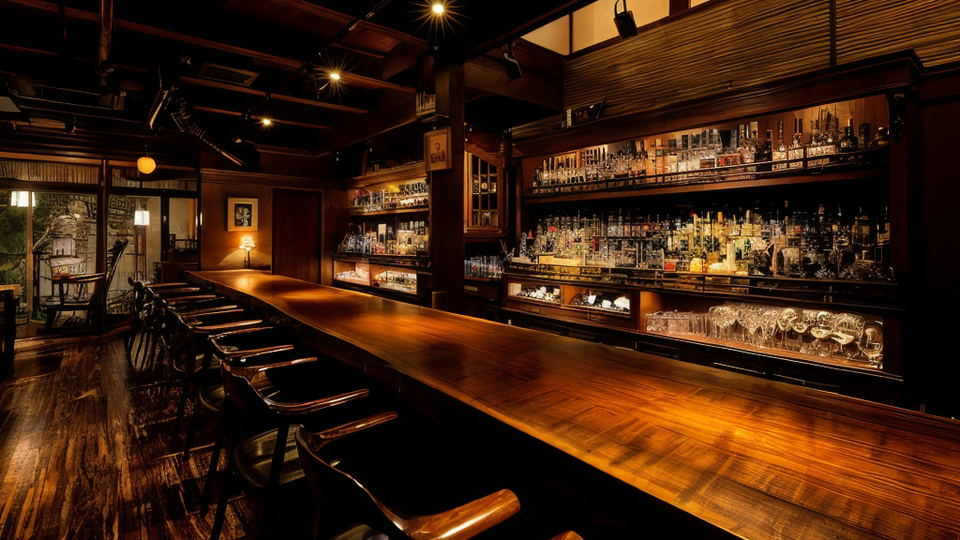
Bar Rocking Chair is a must-visit spot for cocktail enthusiasts exploring Kyoto. Nestled at 434‑2 Tachibanacho in the Shimogyo Ward, this bar exudes a warm and inviting atmosphere, perfect for unwinding after a day of sightseeing.
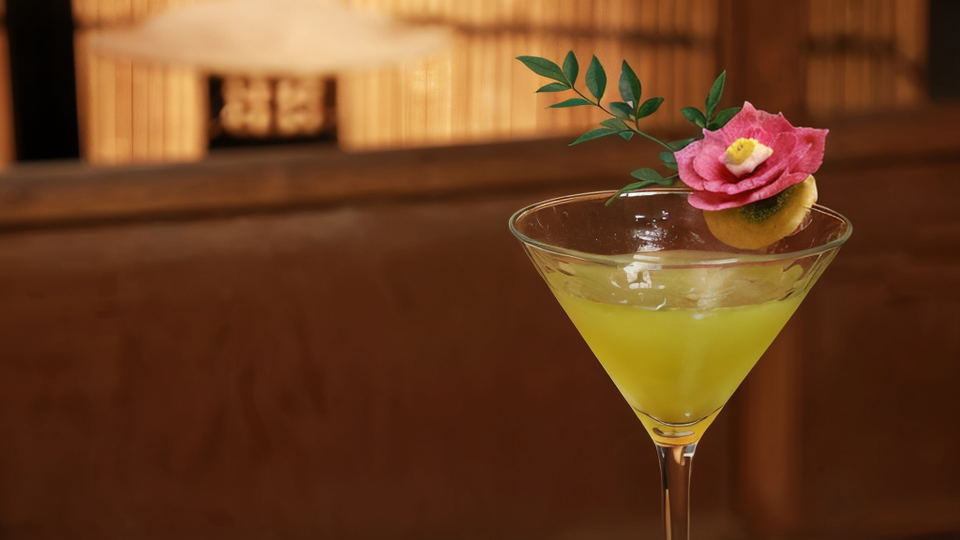
Open from 5:00 PM to 1:00 AM, it serves a range of cocktails that strike a balance between quality and price. To secure your spot, it's a good idea to make a reservation by calling +81 75‑496‑8679.
5. APOTHECA
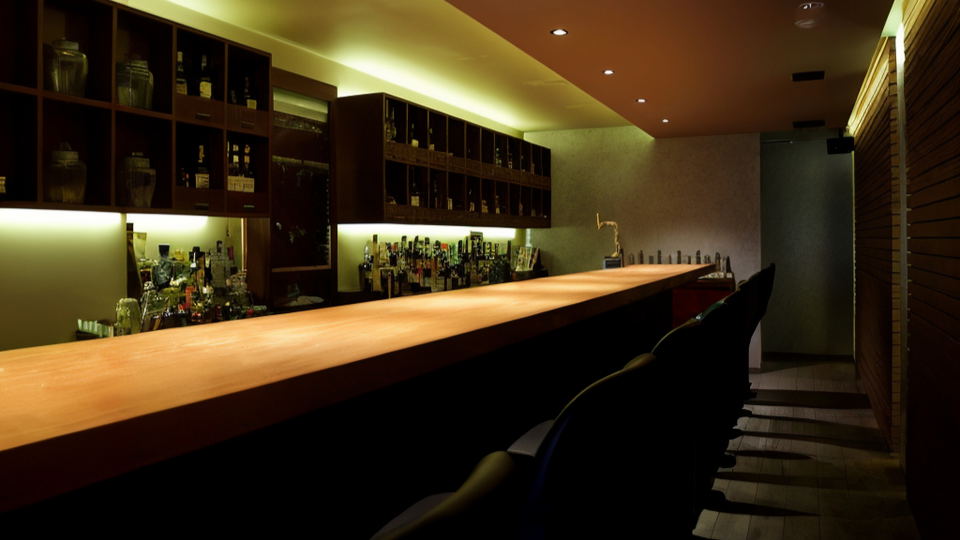
Nestled on the 4th floor of Youtoukan at 145 Aburayacho, Nakagyo-ku, Kyoto 604-8063, APOTHECA adds a unique touch to Kyoto's vibrant cocktail scene. Open daily from 3:00 PM until late, this spot caters to those seeking a premium experience, with prices falling in the mid-to-high range.
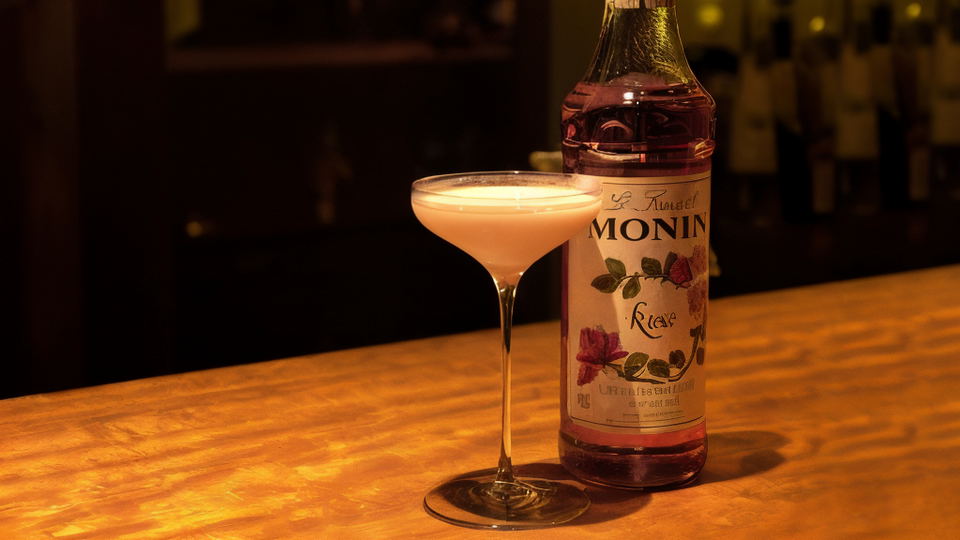
Reservations can be made easily through AutoReserve, and for any questions, you can reach them at +81 75-253-0770. Its central location makes it a convenient stop for travelers exploring Kyoto's rich attractions.
6. SCOTCH & BRANCH
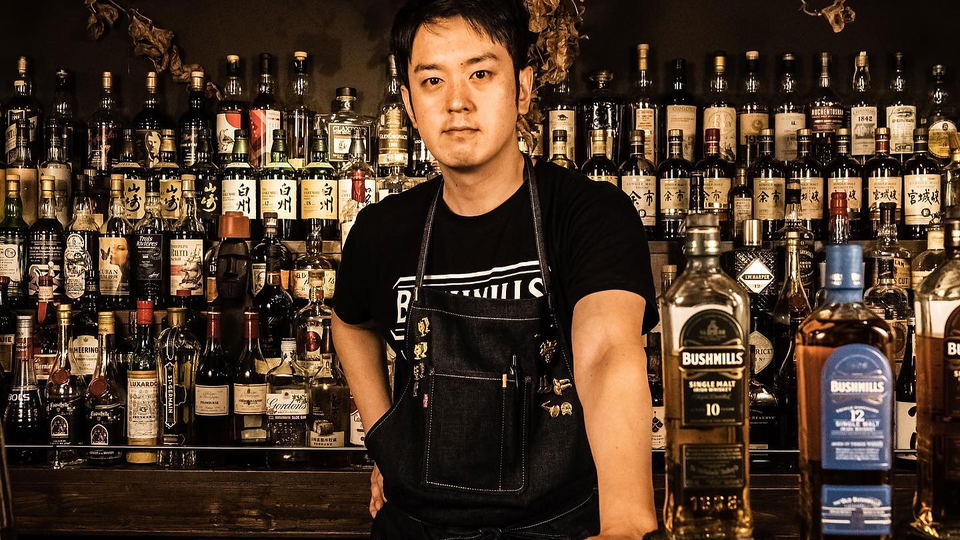
Tucked away on the first floor of the Kyara Building (354‑1 Iseyacho, Nakagyo Ward, Kyoto 604‑8066), SCOTCH & BRANCH is a cozy cocktail bar that strikes a balance between quality and affordability. It welcomes patrons daily from around 6:00 PM, with slightly earlier opening hours on weekends, and stays open well into the night.
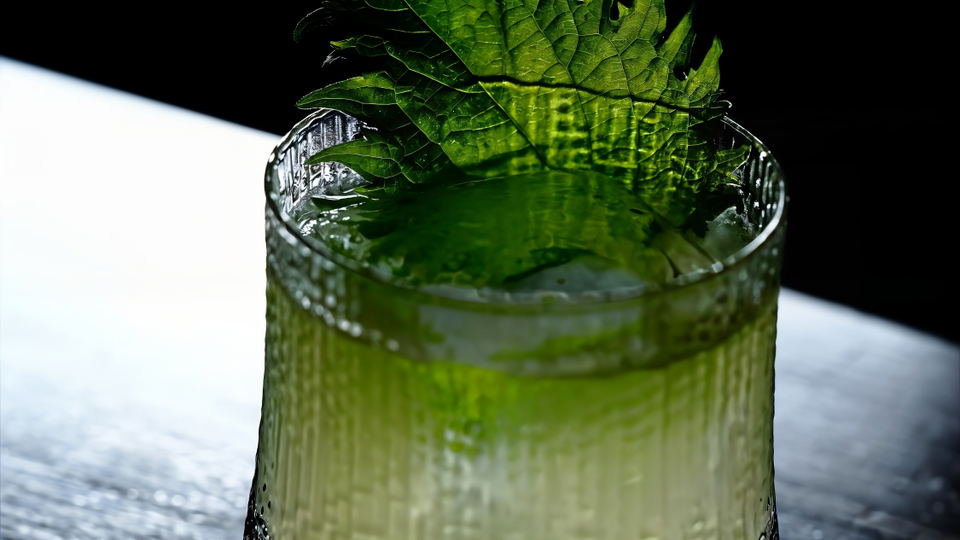
Reservation Policy
To secure your spot, you can either call directly or send a message via Instagram. It’s a good idea to book in advance, especially during busy weekend evenings or peak hours.
7. The Roots Of All Evil
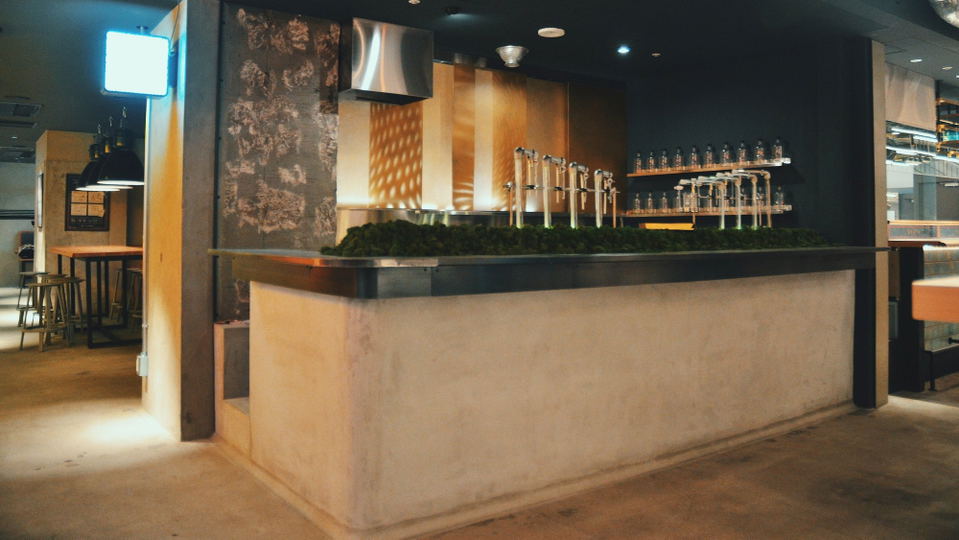
Tucked away on the B1F of Kyoto Tower, The Roots Of All Evil is a laid-back gin bar where you can sip on cocktails without breaking the bank. With prices ranging from ¥1,000 to ¥2,000 (about $7,$15), this spot is perfect for those who love a good drink but are keeping an eye on their budget.
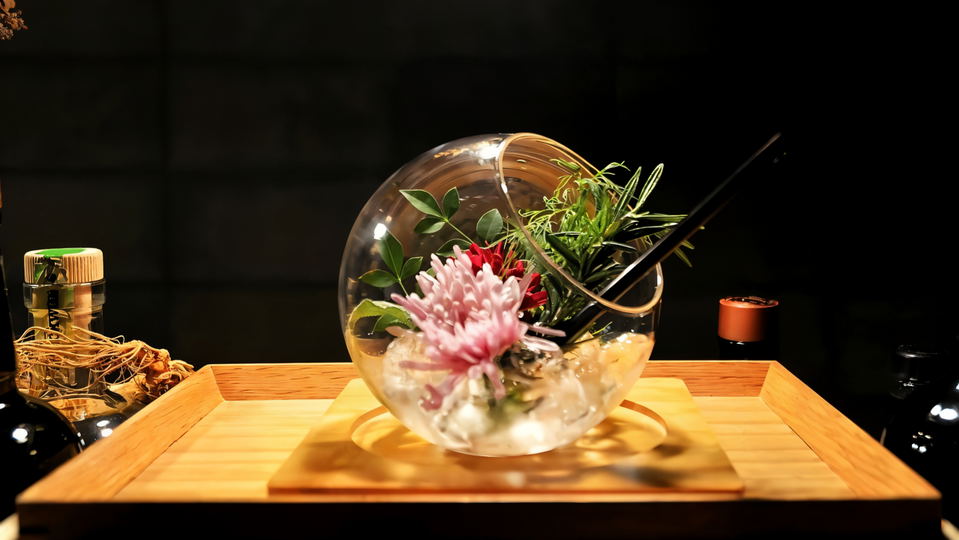
Opening its doors at 11:00 AM, it’s a relaxed and wallet-friendly option in Kyoto’s otherwise upscale cocktail scene. For inquiries, you can reach them at +81 75‑741‑6564.
8. BAR Liquor Museum
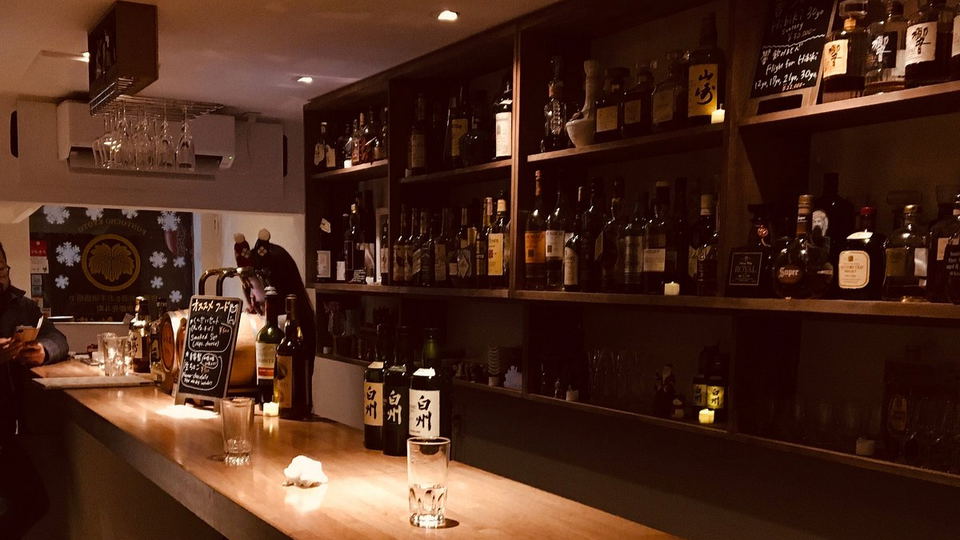
The BAR Liquor Museum is a well-known chain in Kyoto, catering to cocktail lovers with its mid-priced drink options. One of its branches is conveniently located at 180‑1 Zaimokucho in Nakagyo, making it a great stop for those looking to explore the city’s vibrant cocktail scene.
Atmosphere and Ambiance
The vibe at BAR Liquor Museum can vary depending on the branch you visit. Each location offers its own unique setting, so it’s a good idea to check with the specific branch beforehand to get a sense of what to expect. Like many cocktail bars in Kyoto, attention to detail is key, and each spot has its own charm.
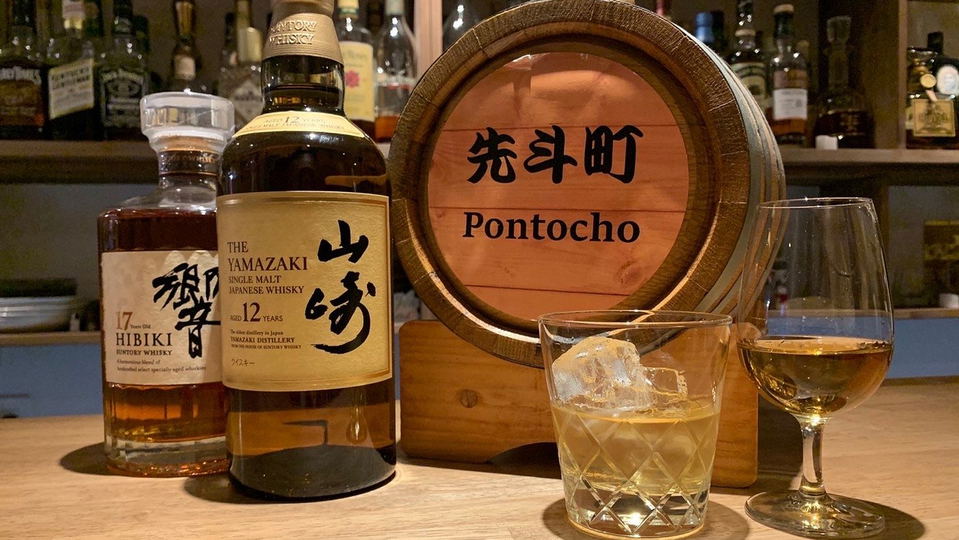
Reservation Policy and Hours
Since the BAR Liquor Museum operates multiple locations, hours and reservation policies can differ. Be sure to confirm these details with the branch you plan to visit. With its reasonable pricing and accessible locations, this chain is a solid pick for those wanting to dive into Kyoto's cocktail culture.
Bar Comparison Chart
Here’s a quick reference guide to some of Kyoto’s standout cocktail bars. Use this chart to find the perfect spot for your evening plans.
Location: Nakagyo-ku
Hours: Around 6:00 PM , 2:00 AM
Reservations: Visit ksix.jp
Location: Shimogyo Ward
Location: Nakagyo-ku
Location: Shimogyo Ward
Location: Nakagyo-ku (4th Floor)
Location: Nakagyo Ward
Location: Kyoto Tower B1F
Location: Multiple locations
Note: For the latest information on hours, reservations, and offerings, it’s best to check directly with each venue. This guide is a handy starting point for exploring Kyoto’s vibrant bar scene.
Conclusion
Kyoto's cocktail scene stands out with its refined take on mixology, seamlessly combining global influences with Japanese ingredients and traditions. The bars highlighted here showcase the city's dedication to exceptional craftsmanship and artistry.
From theatrical drink presentations to intimate, cozy settings, Kyoto offers something for every palate and budget. Whether you're indulging in a premium creation or enjoying a more affordable option priced between $7 and $14, the city's neighborhoods are brimming with unique experiences for cocktail enthusiasts.
What sets Kyoto apart is how its bars blend international inspiration with the city's rich heritage. This fusion not only enhances the local cocktail culture but also solidifies Kyoto as a standout destination for anyone who appreciates the art of mixology.
For those planning a visit, these cocktail bars offer more than just beverages - they provide a glimpse into Kyoto's modern hospitality while paying homage to traditional craftsmanship. Whether you prefer to reserve a spot in advance or stumble upon a hidden gem, the city's vibrant cocktail scene caters to both the meticulous planner and the adventurous wanderer.
Kyoto's talented mixologists are crafting drinks that reflect the city's distinctive identity, making these bars a must-visit for anyone eager to experience contemporary Japanese hospitality at its finest.