









Aman Tokyo
Chiyoda, Tokyo
Hotel in Tokyo, Japan
 Book with Pearl
The Read
Ryokan-Altitude Seclusion
Why go
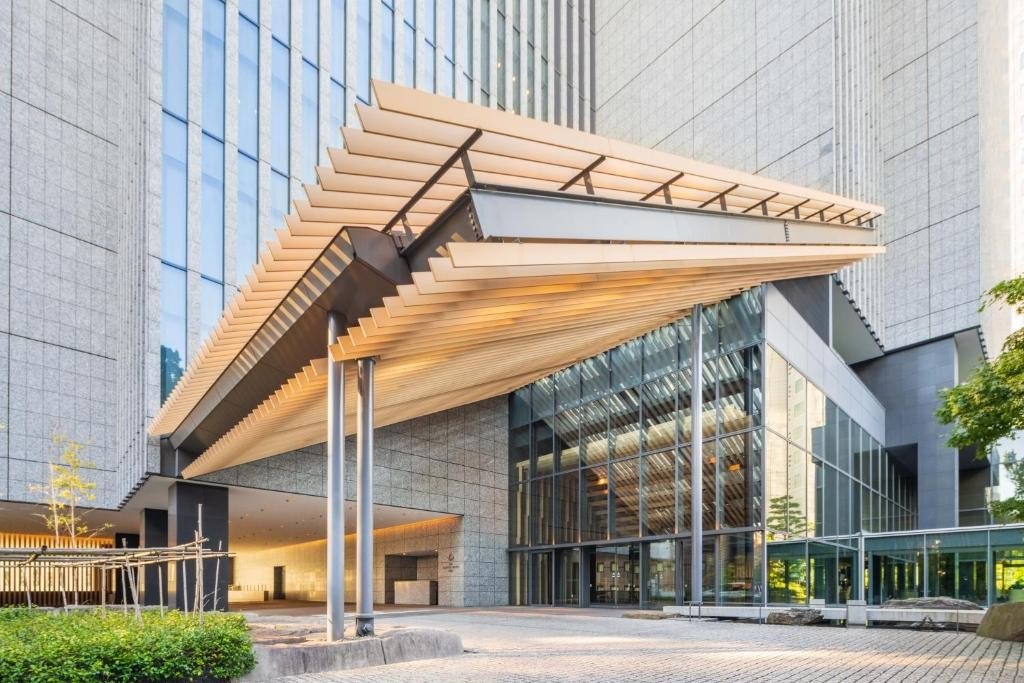
Aman Tokyo is a hotel in Otemachi Tower whose design draws on Japanese traditions.
About Aman Tokyo
Verdict
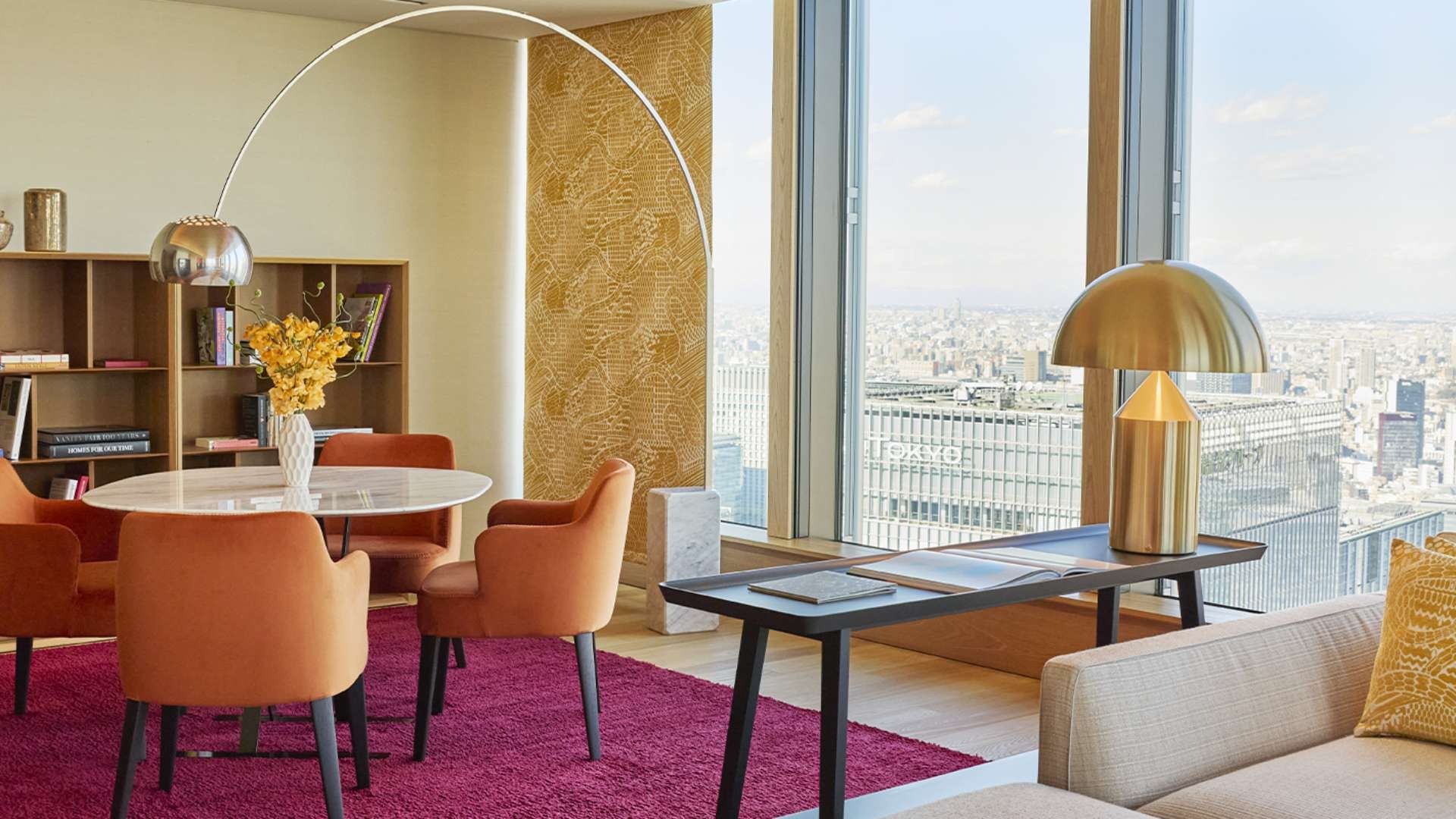
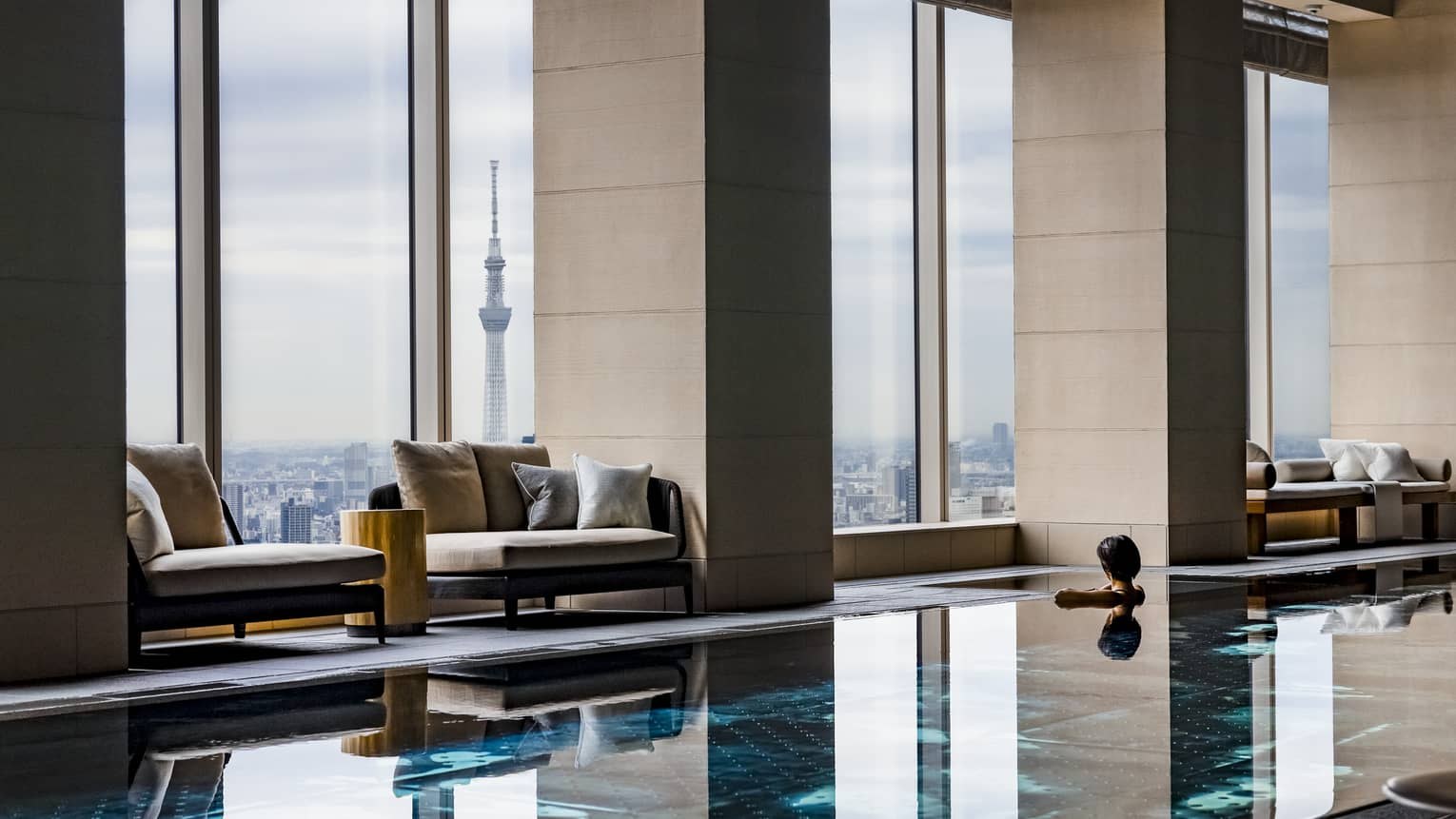
On a second Tokyo stay, Aman Tokyo makes more sense if the room is the point, not just a place to sleep. In the city’s high-price hotel set, this is the calm, high-floor choice: 84 rooms in the leading six floors of the Otemachi Tower, a Kerry Hill-designed lobby arranged with cues from a traditional Japanese home, a spa spread across the 33rd and 34th floors. At a listed price of $2,953, it is not the value play. It is the choice for travelers who will use the space, the spa, the Otemachi location enough to justify paying above many luxury peers.
Portrait
The stronger timing is spring or autumn, when Tokyo rewards long days out and the hotel’s position near the Imperial Palace gardens works harder. Return visitors should also think about weekday business patterns: Otemachi is practical for meetings, Tokyo Station access, fast movement across the city, but it is quieter in feeling than nightlife-heavy neighborhoods. If the trip is built around restaurants, bars, late evenings, compare it with Bvlgari Hotel Tokyo, JANU Tokyo, or Andaz Tokyo before committing.
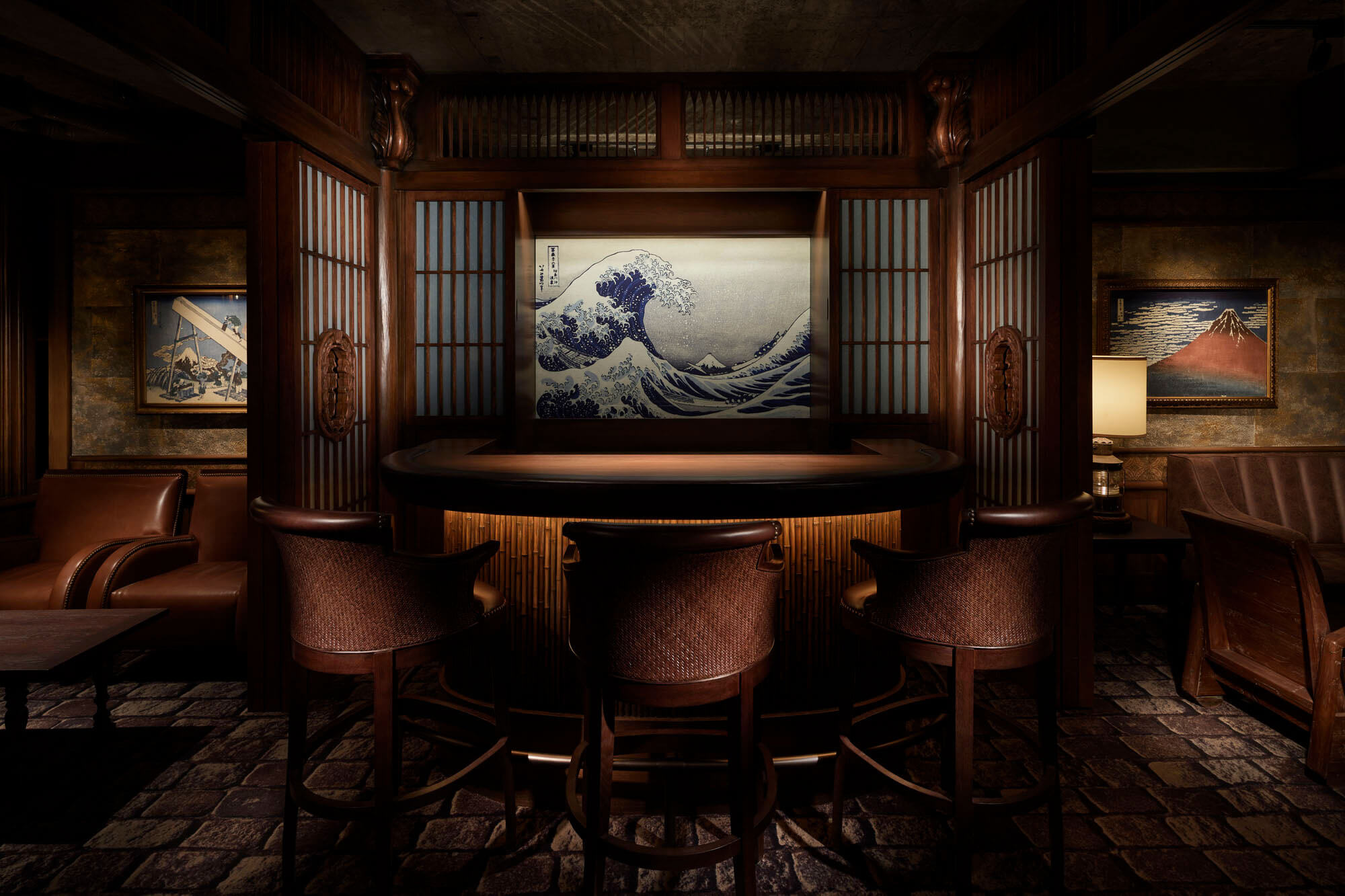
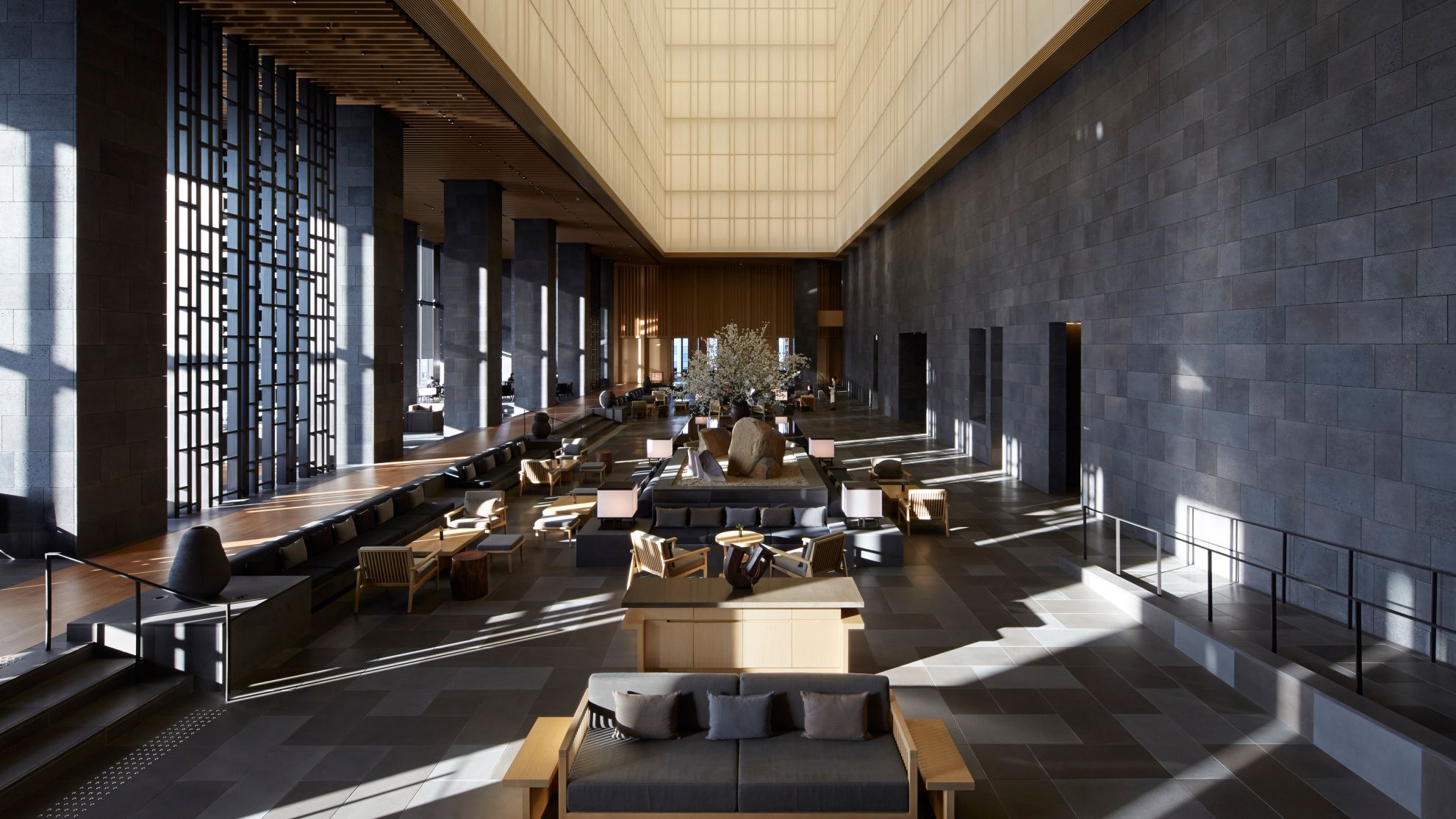
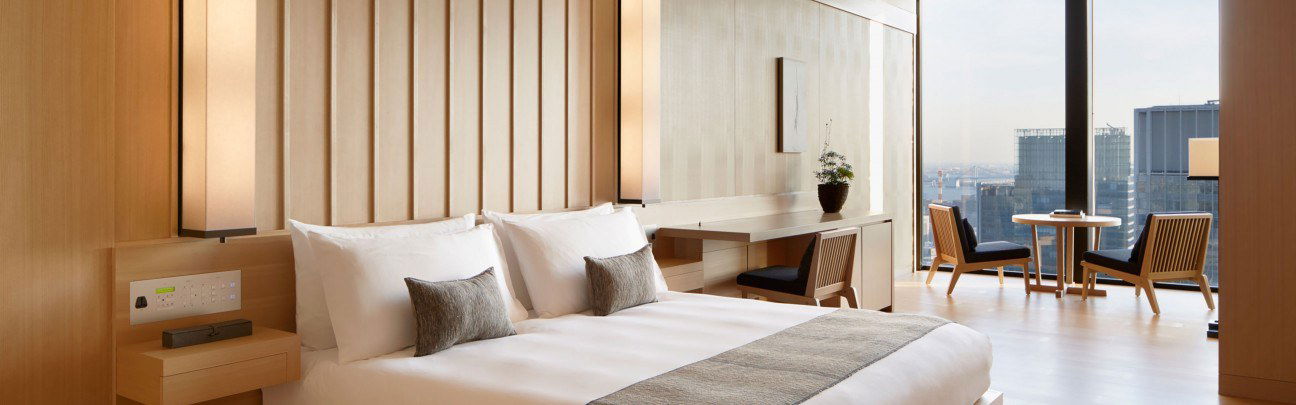
The spatial argument is the main one. The hotel starts high above the street, with vast windows, backlit shoji paper, a meditation garden, natural materials including basalt stone, cypress wood, washi paper, chestnut flooring, granite baths. That matters because Tokyo luxury hotels can blur together on service and polish; here, the room and public-space scale are the differentiator. For a similar Otemachi address with a more conventional luxury-hotel rhythm, Four Seasons Hotel Tokyo at Otemachi is the obvious cross-shop. For a classic address beside the palace, Palace Hotel Tokyo will suit travelers who want established local formality over Aman’s resort-in-the-city mood.
Direct-booking strategy matters here. Aman is a hotel group where the value case is less about points arbitrage and more about room category, confirmed inclusions, upgrade handling through the official channel or a qualified luxury-travel advisor. With a price this high and booking difficulty marked near impossible, loyalty-program shoppers should be realistic: this is not the easiest Tokyo hotel for extracting chain points value. If rewards flexibility is the priority, compare The Capitol Hotel Tokyu, Four Seasons Hotel Tokyo at Marunouchi, or Bellustar Tokyo, A Pan Pacific Hotel before treating this as the automatic splurge.
Ratings and Recognition
Those credentials support the premium, but they do not make the decision universal. Book for design, spa time, a quieter high-rise base. Choose another Tokyo luxury hotel if the main need is points efficiency, nightlife access, or a lower-risk rate.
Booking
Availability should be treated as difficult, especially around peak leisure periods and major Tokyo travel weeks. The practical move is to plan well ahead, then use direct booking or a luxury advisor to clarify inclusions, room category, any upgrade priority before paying a rate near $2,953. Do not assume the lowest visible room type is the right play; at this level, the gap between paying for entry and paying for the stay experience can be meaningful.
Practical
The address is The Otemachi Tower, 1-chōme-5-6 Ōtemachi, Chiyoda City, Tokyo 100-0004. The building connects to Otemachi subway station and is close to Tokyo Station, useful for bullet-train plans and business itineraries. Haneda Airport is listed as a 40-minute drive and Narita as a 60-minute drive. Dining data points include Arva on the 33rd floor, described in the source record as a local interpretation of European fare, plus afternoon tea in the lounge and a cigar lounge called Fumoir. For planning beyond the hotel, use our full Tokyo restaurants guide, our full Tokyo bars guide, our full Tokyo hotels guide, our full Tokyo wineries guide, and our full Tokyo experiences guide.
Quick reference: 84 rooms, Otemachi address, listed price $2,953, near-impossible booking difficulty, strongest for design-led repeat visitors who will use the spa and station access.
FAQ
Which room category is leading at Aman Tokyo?
Choose above entry level if the trip is built around the hotel rather than only the city. With a listed price of $2,953 and awards from World’s 50 Best Hotels, Michelin Keys, La Liste, Tatler, Pearl, the value is in space, view, calm rather than a basic luxury bed for the night.
Is Aman Tokyo good for business travel?
Yes, especially for meetings around Otemachi, Marunouchi, Tokyo Station. The address in Chiyoda City is more practical than nightlife-led areas, though the price means it suits senior business travel more than cost-controlled corporate stays.
Do loyalty programs work at Aman Tokyo?
Not in the usual chain-hotel way. Aman is better approached through direct booking or a qualified luxury advisor, where the discussion should focus on inclusions, room placement, upgrade handling rather than points redemption.
Is Aman Tokyo family-friendly?
It can work for families who want space, quiet, access to Tokyo Station, but it is not the obvious family-value choice at this price. Families prioritizing easier logistics and a more conventional hotel rhythm should compare Palace Hotel Tokyo or Four Seasons Hotel Tokyo at Otemachi.
How is the location of Aman Tokyo?
The Otemachi location is excellent for transport, business, palace-area walks. It is less convenient if the trip revolves around late-night dining or bar-hopping, where areas served by Andaz Tokyo or JANU Tokyo may fit better.
How is the dining at Aman Tokyo?
The dining case is credible but should not be the only reason to book. The record highlights Arva on the 33rd floor, afternoon tea in the lounge, a cigar lounge; Tokyo has deep restaurant options, so use the hotel dining for convenience and atmosphere, then plan destination meals separately.
What is check-in like at Aman Tokyo?
Specific check-in hours are not available in the provided record. The main practical point is arrival routing: the hotel sits in the Otemachi Tower, so confirm arrival details in advance, especially if coming by car from Haneda, Narita, or Tokyo Station.
How does Aman Tokyo compare to nearby hotels?
It is the design-and-spa splurge near Otemachi. Four Seasons Hotel Tokyo at Otemachi is the closer conventional luxury comparison, Palace Hotel Tokyo is stronger for classic palace-side formality, Bvlgari Hotel Tokyo is a sharper fit for travelers who want a glossier urban mood.
Pearl Picks Nearby and Beyond
- HOTEL THE MITSUI KYOTO in Kyoto for a Kyoto luxury stay with a different city rhythm.
- Gora Kadan in Hakone or Amanemu in Mie for a resort-style Japan extension after Tokyo.
- Kamenoi Besso in Yufu, Zaborin in Kutchan, The Ritz-Carlton, Nikko in Nikko, Sekitei in Hatsukaichi-shi, Benesse House in Naoshima, and Halekulani Okinawa in Okinawa for longer Japan planning.
- The Fifth Avenue Hotel in New York City, Cheval Blanc Paris in Paris, and Hotel Sacher Wien in Vienna for comparable city-hotel splurges outside Japan.
Part of
Aman46 locations on PearlInside Aman Tokyo
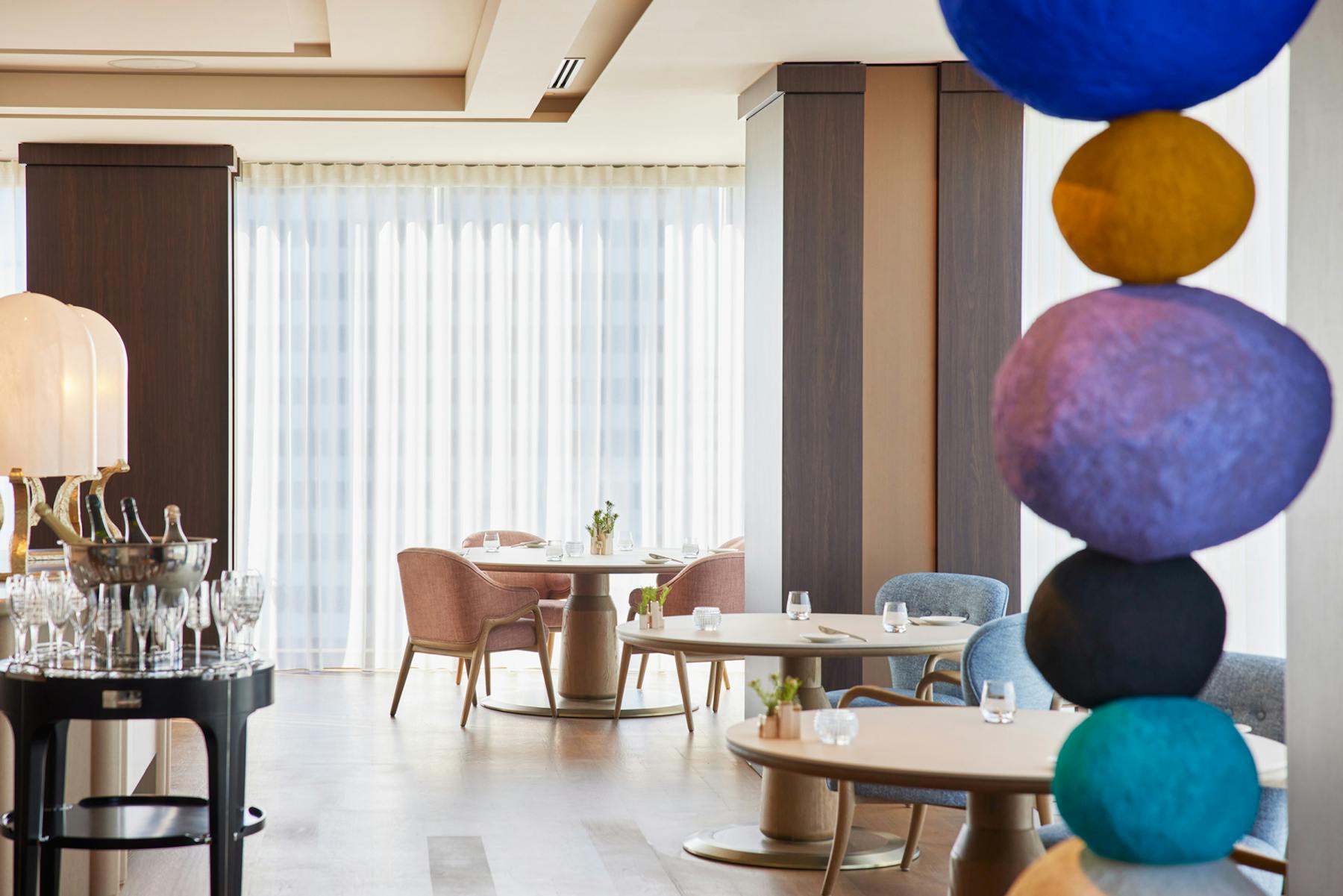
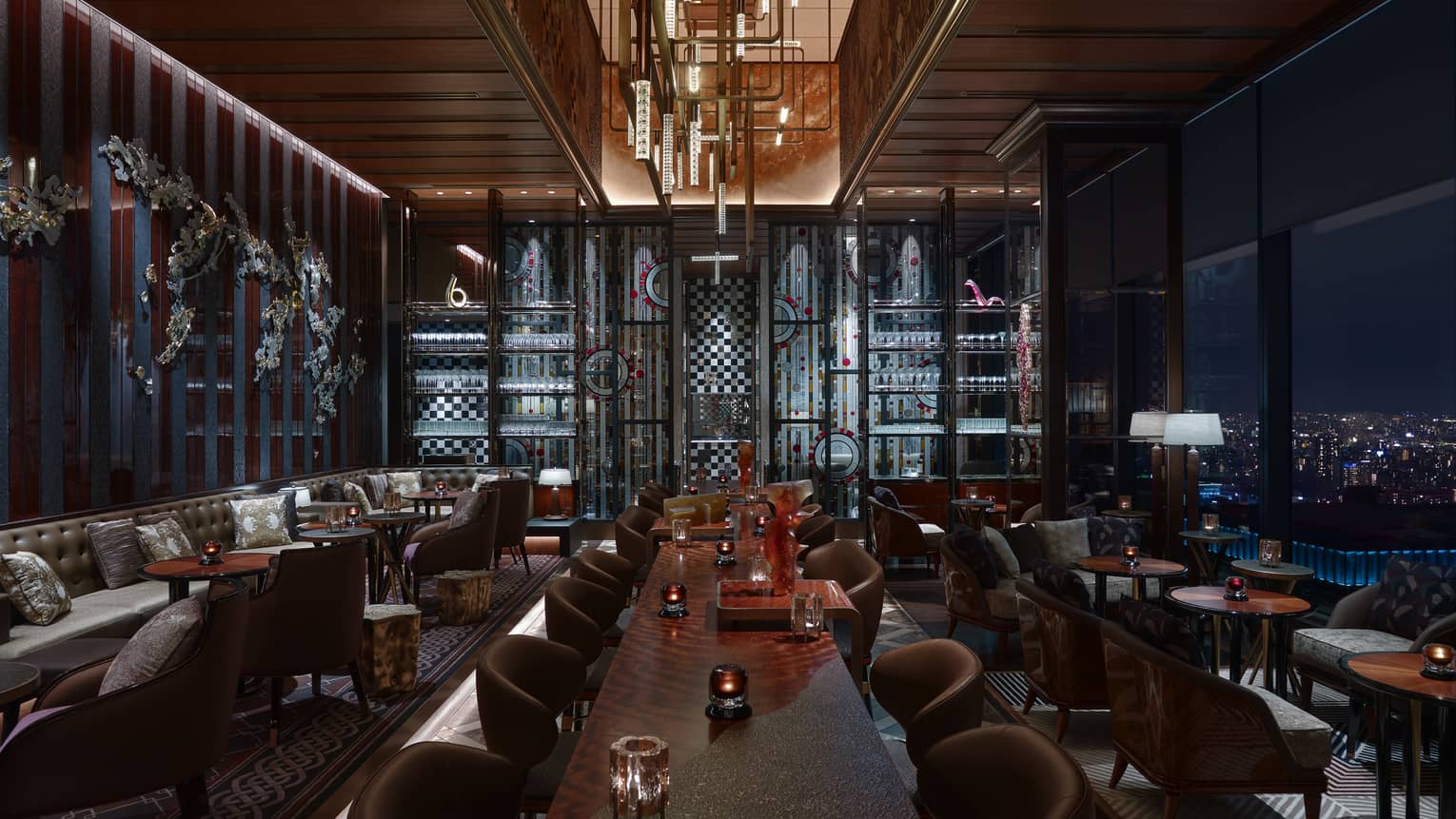
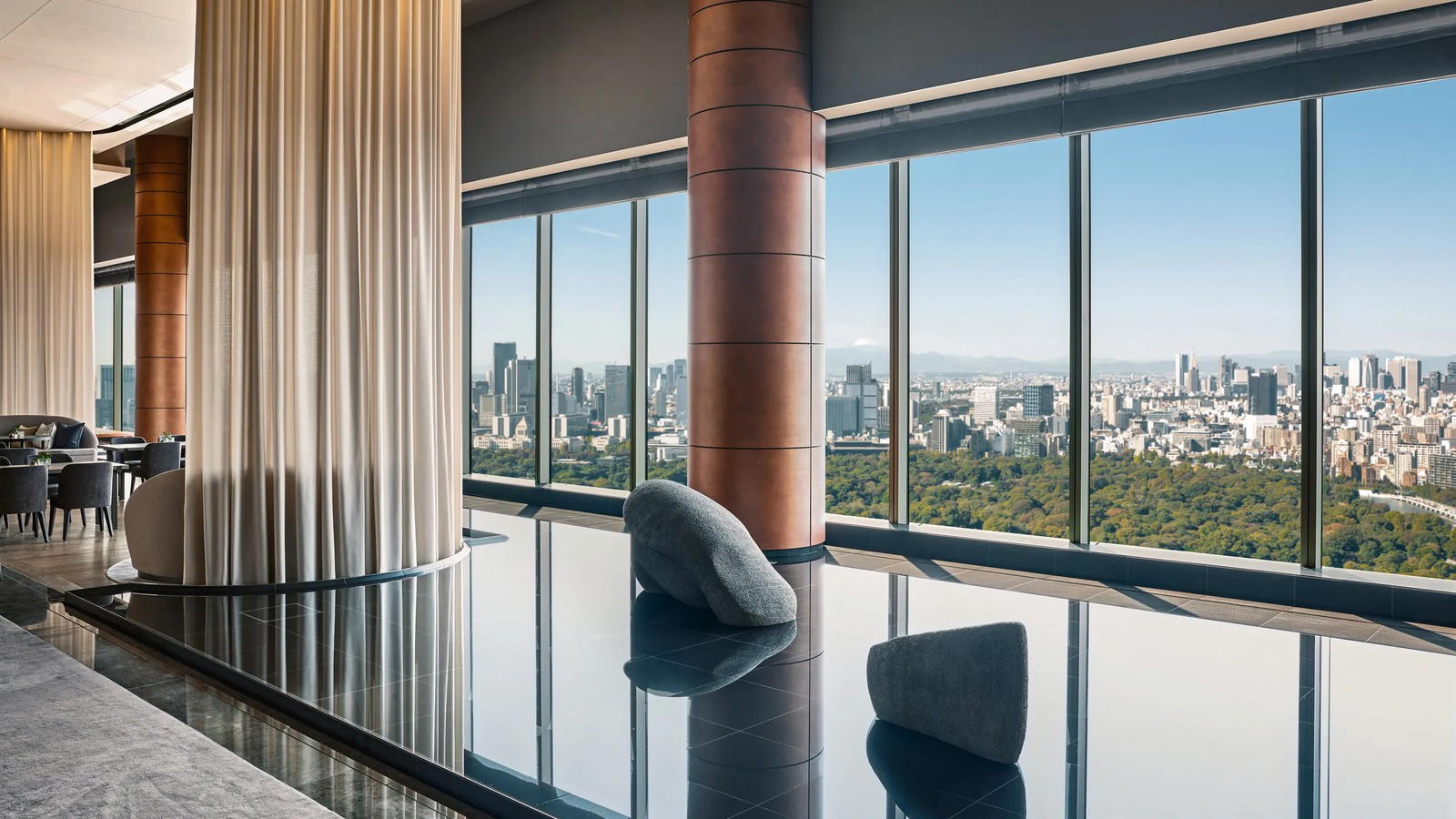
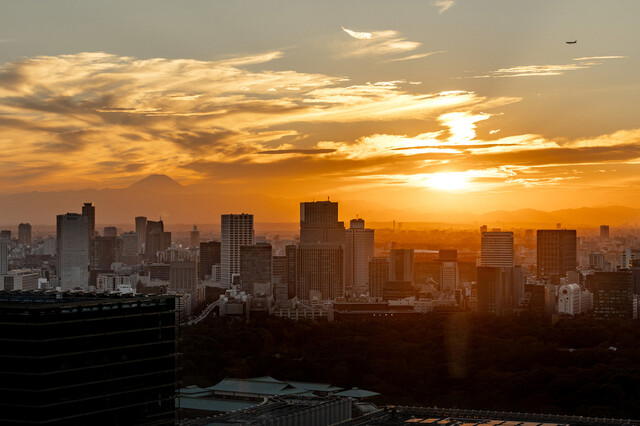 lobby_barthe lounge by amanAman Tokyo’s 33rd-floor lounge belongs to the city’s polished hotel-cafe tier, where afternoon tea, cocktails and skyline ritual overlap rather than separate. Its Tabelog Cafe EAST 100 selection in 2025, 151-seat scale and cafe-bar format place it closer to a grand urban salon than a small specialty counter.
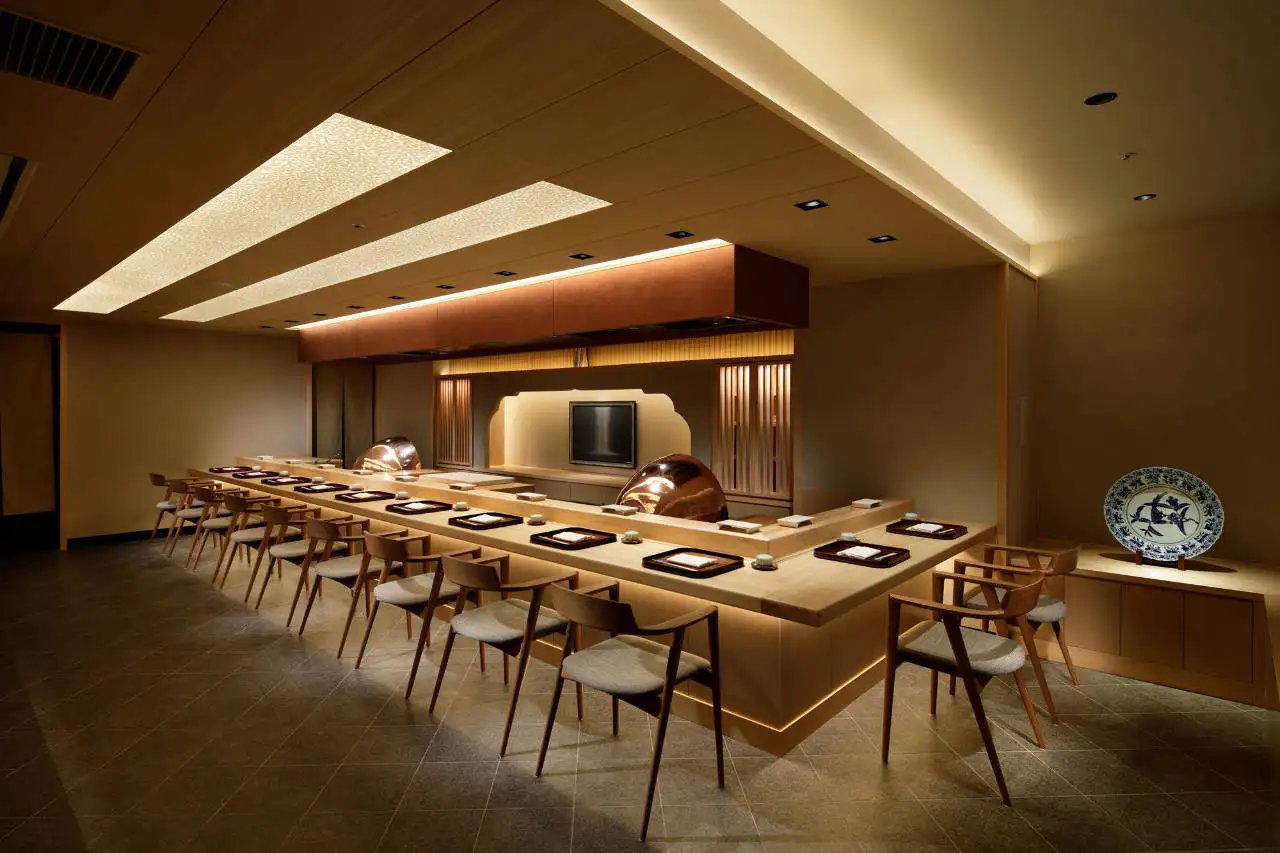 restaurantArvaArva sits on the 38th floor of The Otemachi Tower, where Chef Masakazu Hiraki applies Veneto-trained technique to Japanese seasonal produce. The result is a Michelin Plate-recognised Italian menu built around agricultural cross-pollination rather than straight importation. At ¥¥¥ pricing, it occupies the mid-upper tier of Tokyo's Italian dining scene, with a view across the city that frames the philosophy well.
Planning details
- Location
- The Otemachi Tower, 1-chōme-5-6 Ōtemachi, Chiyoda City, Tokyo 100-0004
- Website
- aman.com/hotels/aman-tokyo?y_source=1_MTU3MDc3MDUtNzE1LWxvY2F0aW9uLndlYnNpdGU%3D
- Phone
- +81 3-5224-3333
The take
The Take
The Vibe
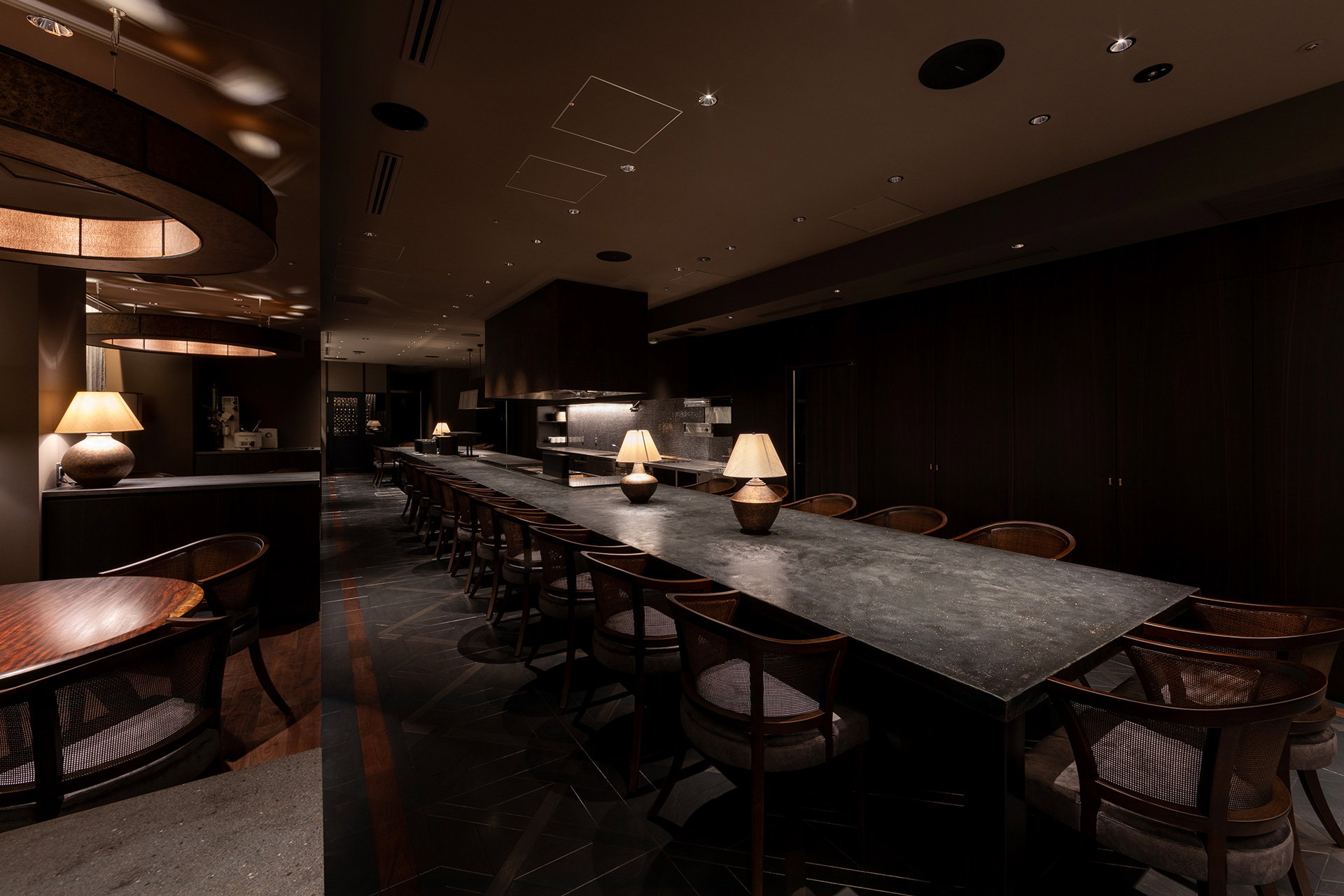
Aman Tokyo positions itself as a meditative urban sanctuary. The arrival on the 33rd floor trades street-level bustle for a deliberately hushed interior where basalt, cypress and washi paper absorb sound the way a ryokan would. Design choices prioritize material logic and quiet over display, translating Aman’s resort sensibility into a vertical Tokyo building. Rooms are few relative to scale, which deepens the sense of privacy and restraint. The overall effect is refined and serene—an austere luxury that favors contemplation and calm rather than theatrical opulence.
Best For
This property suits travelers seeking restorative luxury and discretion. Couples on honeymoons, travelers marking anniversaries and guests pursuing a quiet wellness reset find the hotel’s meditative atmosphere and considered materials especially appealing. It also works for business travelers who want a calm base in the Otemachi district while retaining easy access to central Tokyo. The hotel’s restrained scale and emphasis on silence make it a strong choice for anyone prioritizing privacy, design-led comfort and a slow, contemplative stay.
Stay Tips
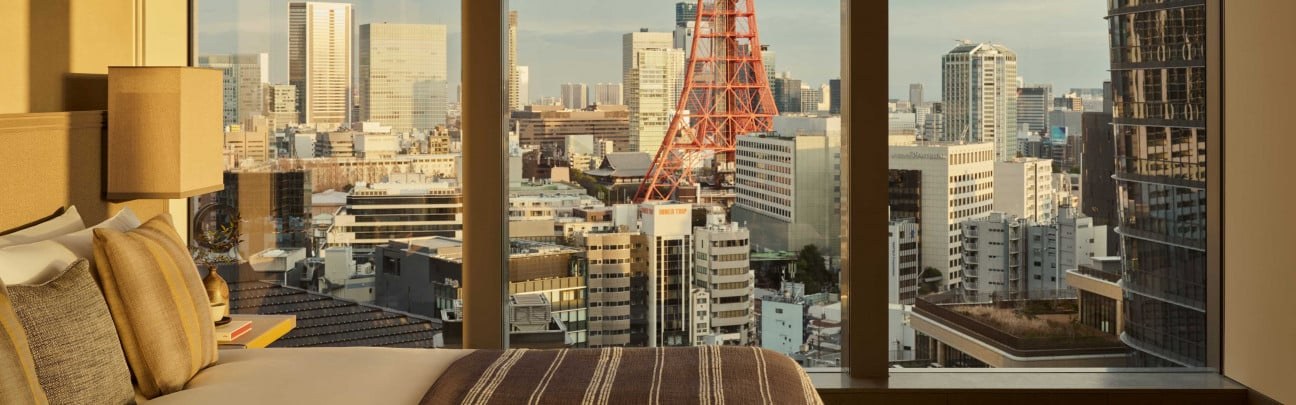
Book well in advance: Aman Tokyo’s relatively small inventory (84 rooms across the primary floors) means availability can be limited. Request a high-floor room for the clearest city views, and mention any preference for quieter accommodations—silence is a defining feature and staff can usually accommodate room-placement needs. If you want the full contrast between street-level Tokyo and the hotel’s pause-like atmosphere, aim for an arrival that allows time to experience the reception lounge and the building’s material details; those spaces define much of the property’s appeal.
Venue details
Ambiance
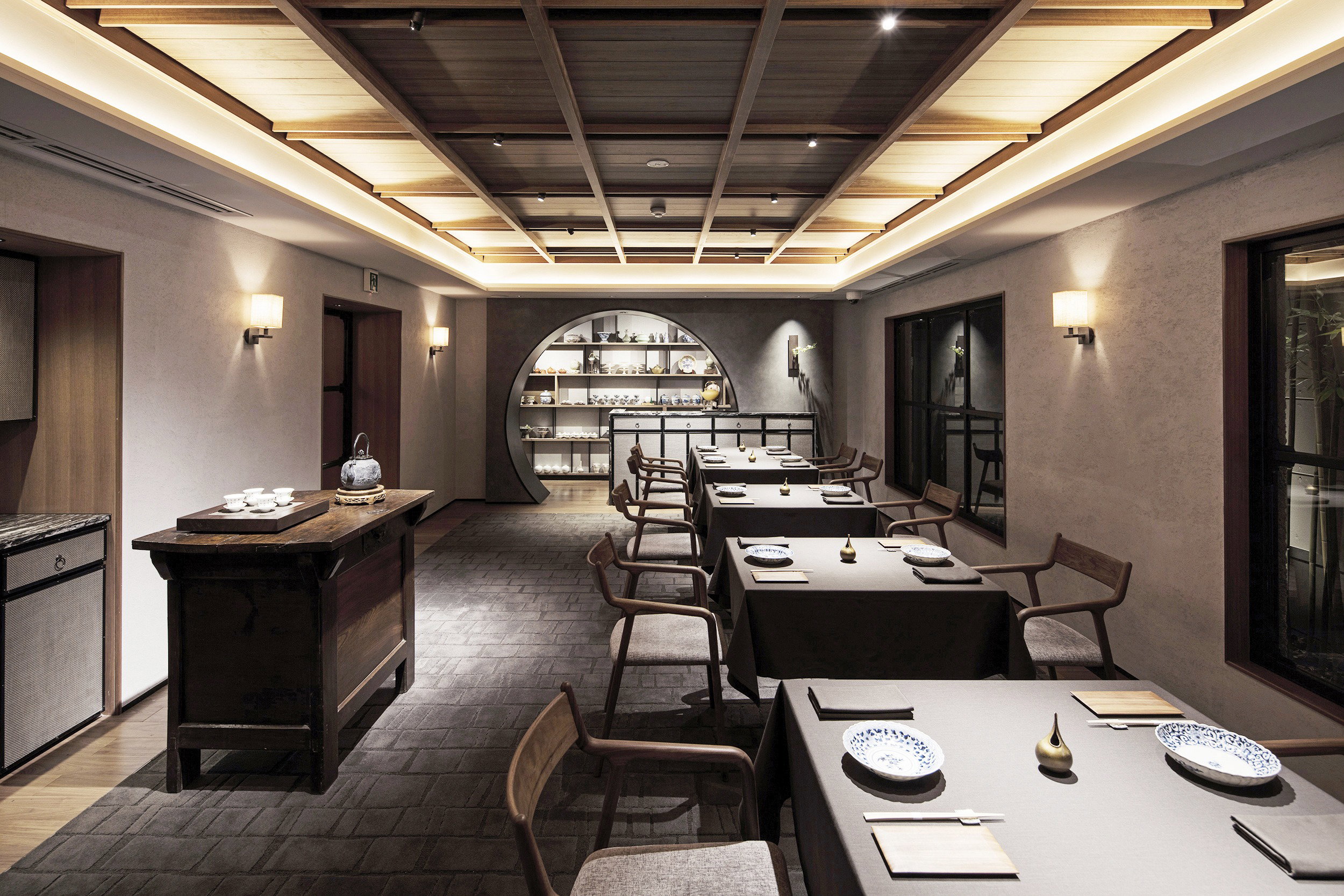
Serene and minimalist modern Japanese design with muted slate tones, light-filled spacious areas, and a peaceful zen atmosphere tempered by urban serenity.
Tags
Vibe
Best For
Experience
Amenities
View
Accessibility
About the Stay
- Rooms
- 84
- Property Style
- Aman’s First Urban Sanctuary Blending Japanese Serenity with Tokyo's Dynamism
- Design Style
- Minimalist Modern Japanese with Shoji Screens, Slate Tones, and Engawa Wooden Features
Planning details
Location
The Otemachi Tower, 1-chōme-5-6 Ōtemachi, Chiyoda City, Tokyo 100-0004 · Directions
aman.com/hotels/aman-tokyo?y_source=1_MTU3MDc3MDUtNzE1LWxvY2F0aW9uLndlYnNpdGU%3D
Recognition and awards







Hotel context
How It Compares
Against Four Seasons Hotel Tokyo at Otemachi, Aman Tokyo is the more inward, design-led splurge. Four Seasons is the safer pick for travelers who want a familiar luxury-hotel cadence in the same business district; Aman is stronger if the room, spa, sense of remove are the reason for paying up.
Palace Hotel Tokyo is the better comparison for classic Tokyo formality and a palace-side address, while Aman is more minimalist and resort-minded. For travelers deciding by value, Palace may feel easier to justify; for travelers deciding by atmosphere and privacy, Aman has the clearer edge.
Bvlgari Hotel Tokyo, JANU Tokyo, and Andaz Tokyo make more sense if the stay is built around a glossier social mood or easier access to dining and nightlife districts. Aman is harder to book and harder to justify on price alone, but it is the right call when the priority is quiet, scale, a high-floor retreat in central Tokyo.
Explore Tokyo
Around this place
Discover more on Pearl
Unlock the full Aman Tokyo guide in Pearl, including awards, comparisons, FAQs, planning details, and nearby places.
FAQ
Frequently Asked Questions
Which room category is best at Aman Tokyo?
Choose a higher-tier room if the stay is meant to revolve around the hotel, not just Tokyo itself. The property has 84 rooms and suites, the value rises with the city views, which are part of the main draw at this address in The Otemachi Tower.
Is Aman Tokyo good for business travel?
Yes, especially for work around Otemachi, Marunouchi, Tokyo Station. The Chiyoda City location and the phone-accessible hotel setup make it a practical base, though the listed $2,953 price point puts it in the expense-account or special-trip category rather than a routine business stay.
Do loyalty programs work at Aman Tokyo?
Not in the usual chain-hotel way, so treat it like a stay where room type, view, timing matter more than points. With a premium rate and a standalone Aman address on joinpearl.co, direct booking or luxury-travel advisor support is the cleaner route.
Is Aman Tokyo family-friendly?
Yes for families who want quiet, space, a central Tokyo base, but not as a value play. The 84-room format and spa-led atmosphere suit families that will use the hotel rather than treat it as a launchpad for late nights and constant movement.
How is the location of Aman Tokyo?
The location is strong for transport and business, since it sits in The Otemachi Tower at 1-chōme-5-6 Ōtemachi, Chiyoda City. It works well for Tokyo Station access and Imperial Palace-area walks, but it is less convenient if the trip centers on nightlife-heavy districts.
How is the dining at Aman Tokyo?
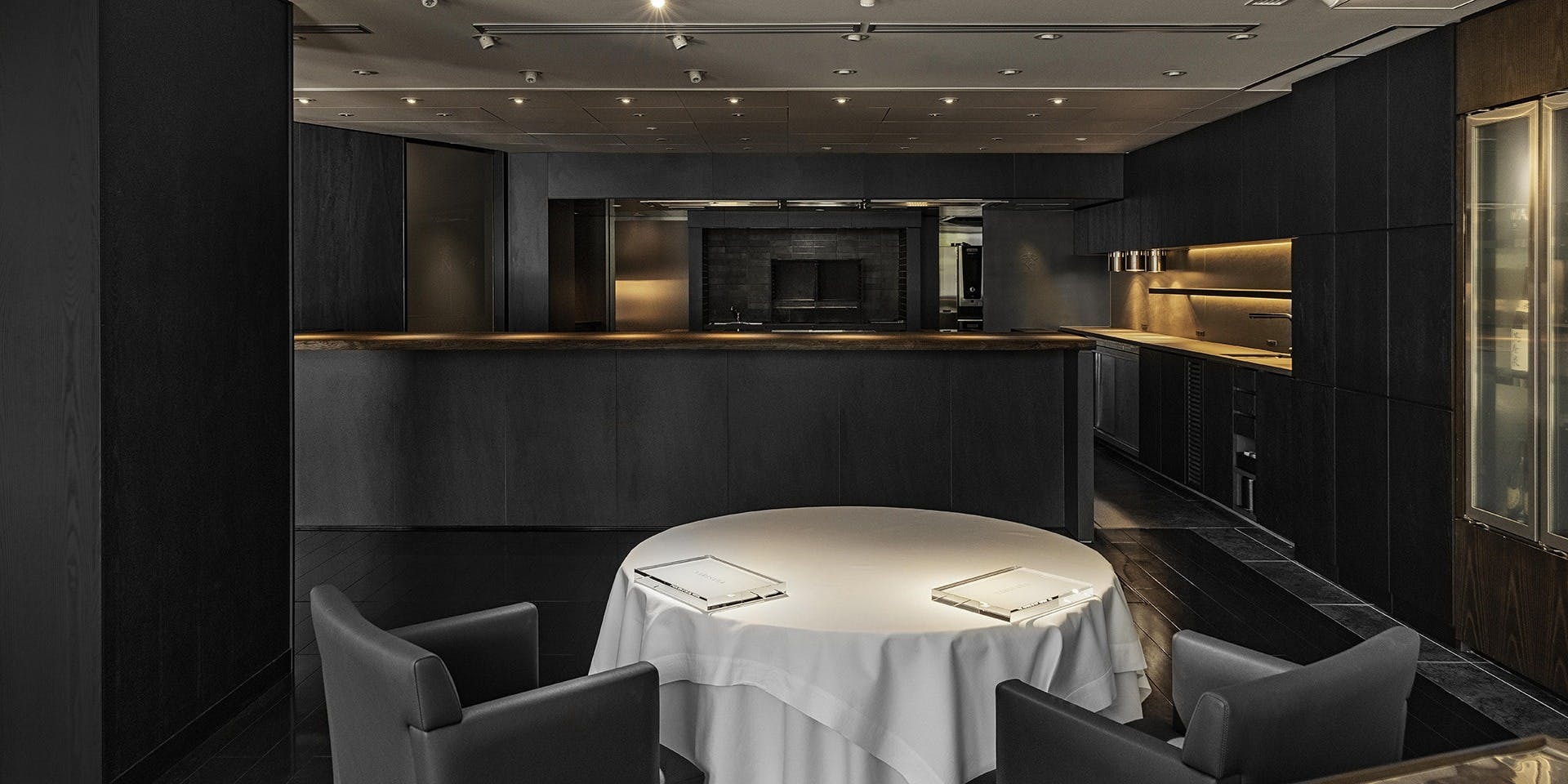
The dining is credible, but it should not be the main reason to book. The record points to Japanese cuisine, sushi, tempura, kaiseki, a bar with sake and whisky, which makes it a good fit for guests who want a polished hotel option rather than a destination-dining trip.
What is check-in like at Aman Tokyo?
Arrival should be simple if you are coming via Otemachi or Tokyo Station, since the hotel sits inside The Otemachi Tower. Specific check-in hours are not provided in the venue record, so the useful planning move is to arrive with time to spare and use the hotel as a base rather than a quick stop.