


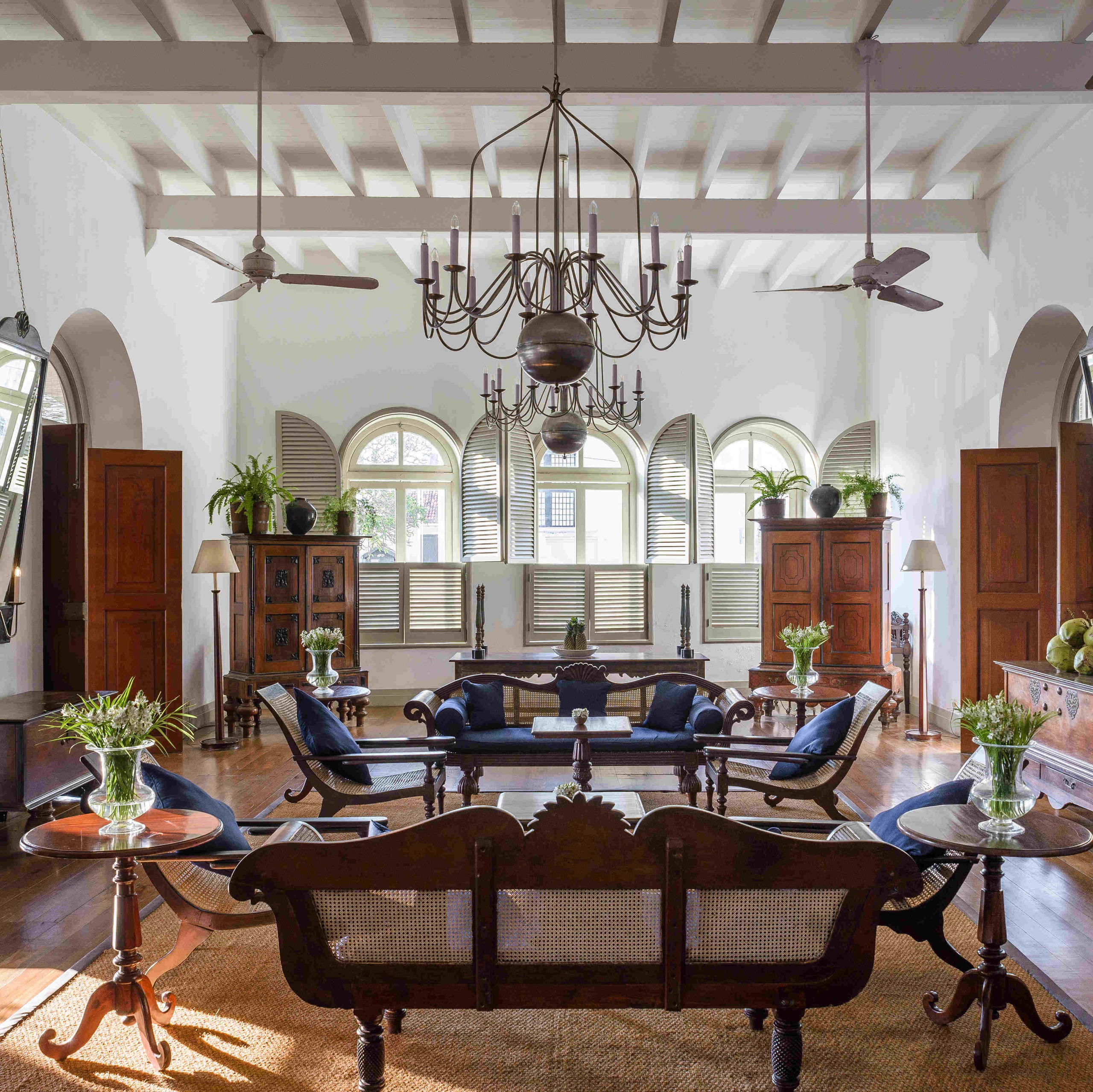
Hotel
Overview
Aman Hotels is a distinguished ultra-luxury hospitality group established in 1988 by Adrian Zecha. Renowned for its exclusive resorts, hotels, and private residences, Aman offers a unique philosophy of serene luxury, emphasizing peace, privacy, and exceptional design integrated with local culture and natural beauty. With properties spanning 20 countries, Aman caters to a discerning clientele seeking unparalleled tranquility and personalized service in some of the world's most exquisite destinations.
The Aman story began with the opening of Amanpuri in Phuket, Thailand, in 1988, pioneering a concept of intimate, design-led resorts that felt more like private homes than hotels. This vision, championed by founder Adrian Zecha, quickly garnered a cult following among luxury travelers. Aman's portfolio has since grown to 36 properties across 20 countries, many situated in or near UNESCO-protected sites, reflecting a deep respect for heritage and environment. The brand's global reach extends from remote mountain retreats to vibrant city sanctuaries, all united by a commitment to a peerless guest experience, a profound sense of place, and a serene ambiance that defines the 'Spirit of Aman.' This expanded context highlights why Aman is not just a hotel chain, but a lifestyle brand synonymous with ultimate luxury and mindful travel.
For the discerning traveler seeking unparalleled tranquility and exquisite service, Aman Hotels represents the pinnacle of ultra-luxury hospitality. Since its inception in 1988, Aman has cultivated a legendary reputation for creating intimate, architecturally stunning sanctuaries in some of the world's most breathtaking locations. Each Aman property is a testament to a philosophy that prioritizes peace, privacy, and a profound connection to its environment, offering guests an escape that transcends the ordinary and redefines the art of sophisticated travel.
Aman Group Sarl, the entity behind Aman Hotels, was founded in 1988 by Adrian Zecha with the opening of Amanpuri in Phuket, Thailand. The brand's mission is to create havens of peace and privacy, seamlessly integrated into their natural and cultural surroundings. Under the visionary leadership of Chairman and CEO Vlad Doronin, Aman has expanded its offerings beyond traditional resorts to include lifestyle products like skincare, fragrances, and apparel, as well as new ventures like Janu hotels and Aman at Sea, solidifying its position as a holistic luxury lifestyle brand.
Aman's distinctive approach to hospitality, often described as its 'methodology,' centers on creating bespoke, immersive experiences rather than adhering to a rigid award selection process. Their properties are meticulously designed to blend with local culture and nature, offering a sense of place and profound serenity. The brand's commitment to exceptional, discreet service ensures that each guest's stay is personalized and anticipatory, fostering a loyal following. This 'methodology' extends to their expansion, with new developments carefully chosen and crafted to uphold the brand's core values of peace, privacy, and unparalleled luxury.
Aman Hotels holds a **World-Class** prestige tier within the luxury hospitality sector, commanding a cult-like following among affluent travelers. Its reputation is built on an unwavering commitment to understated elegance, architectural brilliance, and an almost clairvoyant level of personalized service. Being an 'Amanjunkie' signifies a deep appreciation for experiences that prioritize seclusion, cultural immersion, and holistic well-being. The brand's influence is profound, setting benchmarks for quiet luxury and inspiring countless imitators, yet its inimitable 'Spirit of Aman' remains unmatched, making recognition by or association with Aman a hallmark of ultimate luxury.
Track your progress across the world's best restaurants, hotels, and bars.
