



The Capitol Hotel Tokyu
Chiyoda, Tokyo
Hotel in Tokyo, Japan
 Book with Pearl
The Read
Kengo Kuma Minimalism
Why go
The Capitol Hotel Tokyu is worth shortlisting for a polished, calm Tokyo stay in Nagatachō, especially for business travel, anniversaries, or a first night where service reliability matters. Its recent Michelin, Forbes, Preferred Hotels, and La Liste recognition makes it easier to justify over simpler Akasaka options, but compare dates carefully around peak Tokyo seasons.
About The Capitol Hotel Tokyu
For a Tokyo stay, The Capitol Hotel Tokyu is a strong candidate if the priority is a hotel with confirmed luxury recognition rather than a stay defined by assumed neighborhood details or on-property features. The decision can be framed around the hotel's confirmed recognition, smart-casual dress code, and whether that level of assurance matters for your trip.
The recognition run matters for the decision. Michelin 2 Keys in 2024, Preferred Hotels membership in 2025, Forbes 5-Star status in 2026, and a 94.5-point La Liste Top Hotels score in 2026 put The Capitol Hotel Tokyu in a serious luxury set. That makes it more compelling for a Tokyo stay where confirmed hotel recognition carries real value.
Choose it for a Tokyo stay, not a neighborhood-specific brief
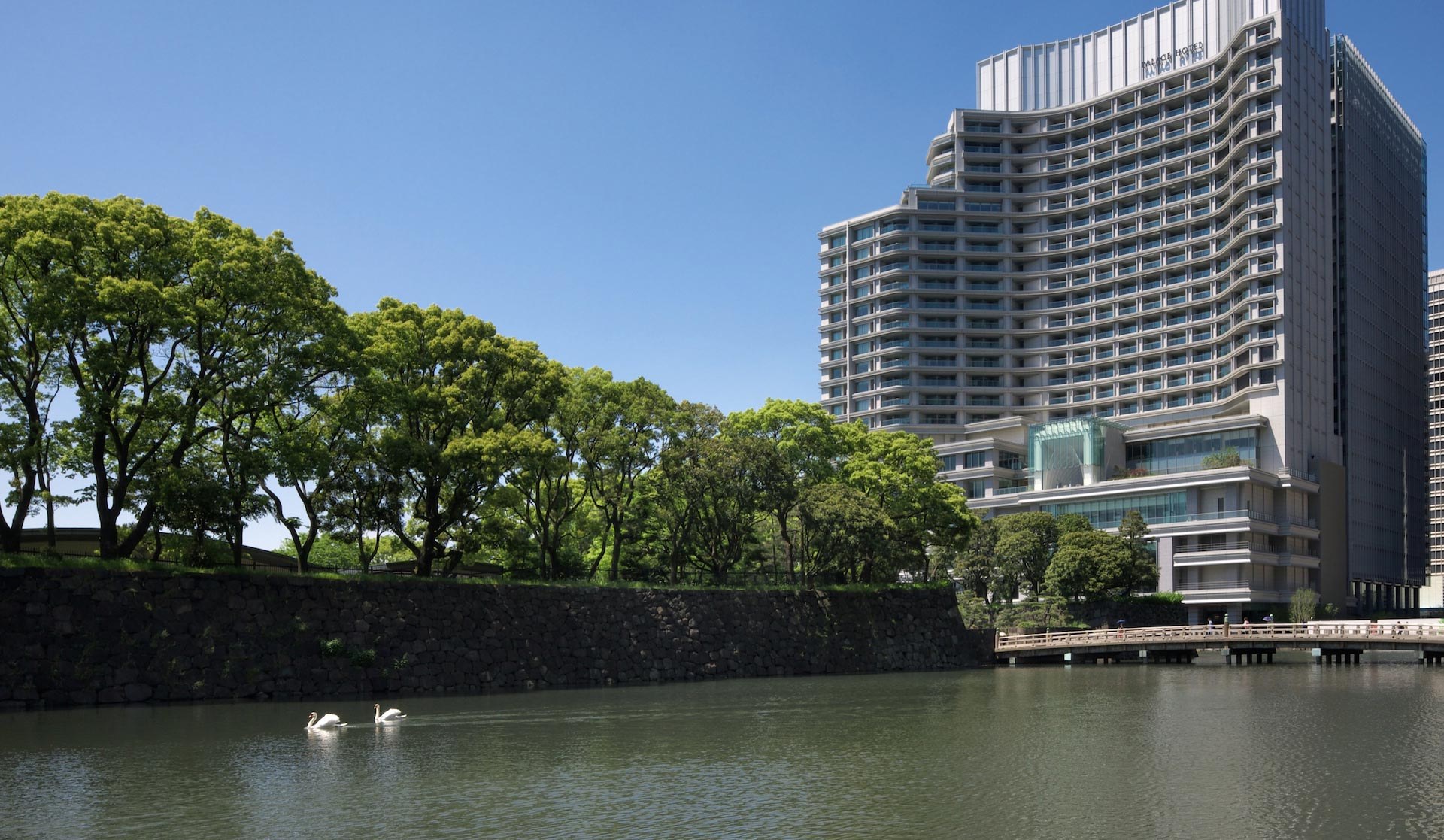
The Capitol Hotel Tokyu is in Tokyo. If your trip depends on being in a specific district, beside a landmark, or near a particular dining or nightlife area, confirm those logistics directly before booking rather than assuming the hotel will match that itinerary.
Planning should stay practical. Treat the hotel as a Tokyo option with confirmed recognition, then verify any transport or timing needs directly before you commit.
How to think about value before choosing a room
Judge value against the recognition level and the trip purpose. If the stay is mainly a place to sleep between packed days in Tokyo, a simpler hotel may make more sense. If the hotel itself is part of the occasion, the confirmed recognition helps justify choosing this over a purely functional address.
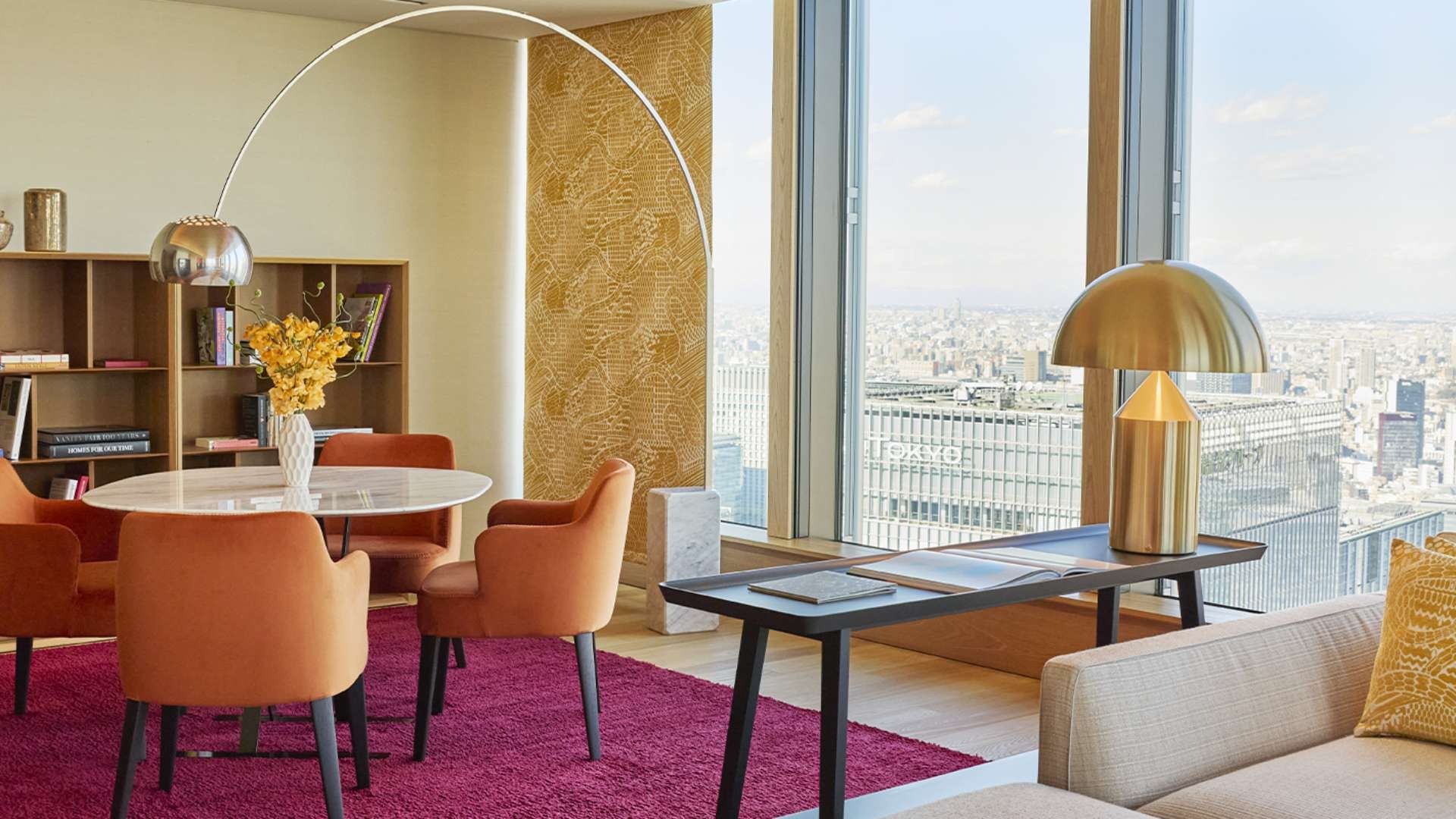
Room-category choice should follow the same logic: avoid assuming room sizes, views, layouts, or named categories. Guests should confirm the room details that matter to them directly with the hotel and weigh those specifics against the confirmed luxury credentials.
Where it sits against other hotel options
Compared with The Prince Gallery Tokyo Kioicho, a Luxury Collection Hotel, The Capitol Hotel Tokyu may appeal to travelers who are prioritizing its confirmed recognition and a Tokyo stay. Compared with The Okura Heritage Wing Tokyo, the decision is also a luxury-hotel comparison: choose based on which property's style, location, and available rates best match the trip.
Granbell Hotel Akasaka and The Kitano Hotel Tokyo are sensible cross-shops if you are comparing different Tokyo hotel options rather than focusing only on confirmed luxury recognition. 1 Hotel Tokyo is another option to compare if overall hotel personality matters alongside traditional luxury signals.
Inside The Capitol Hotel Tokyu
Planning details
- Location
- 2-chōme-10-3 Nagatachō, Chiyoda City, Tokyo 100-0014
- Website
- tokyuhotels.co.jp/capitol-h/index.html
- Phone
- +81 3-3503-0109
The take
The Take
The Vibe
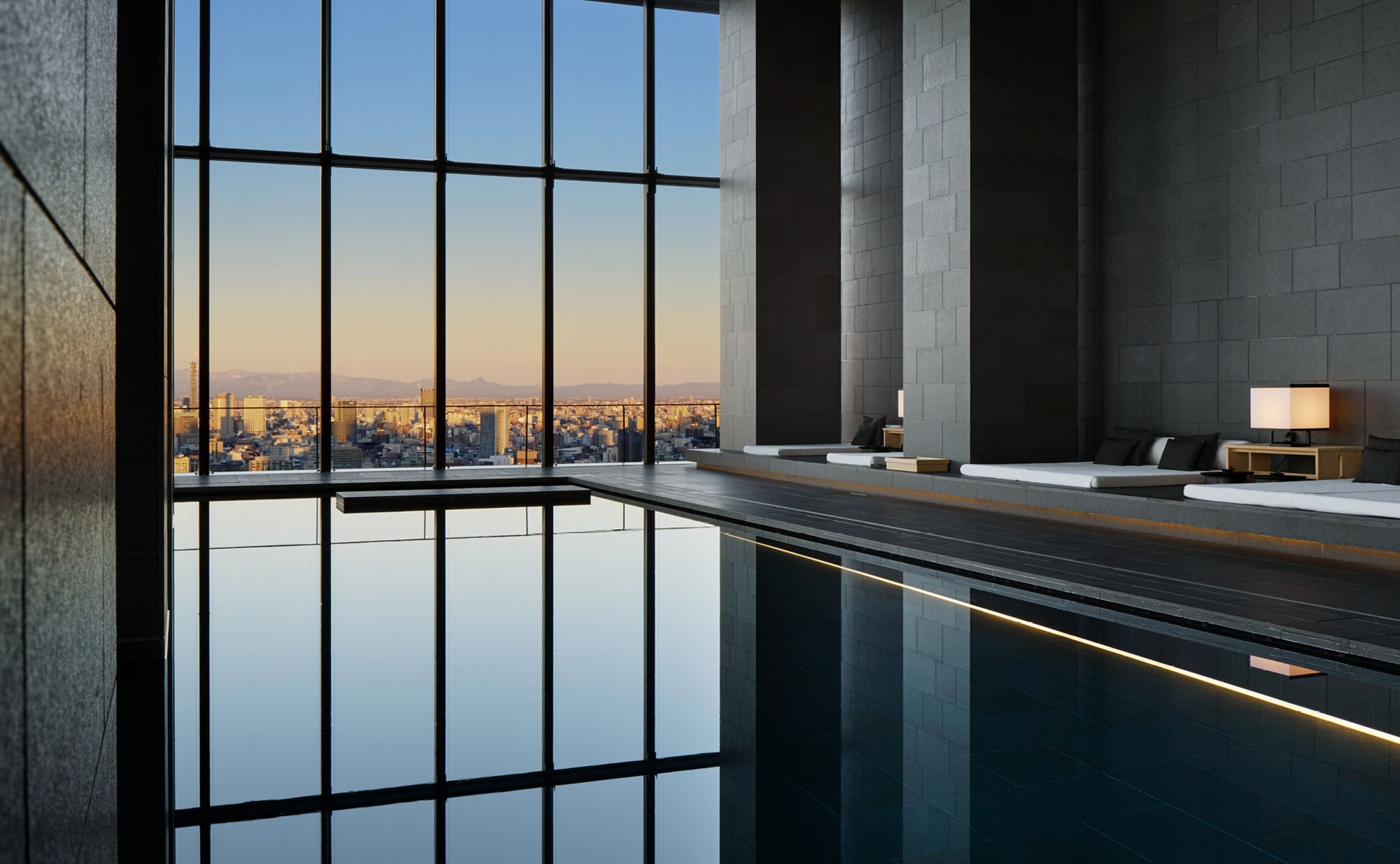
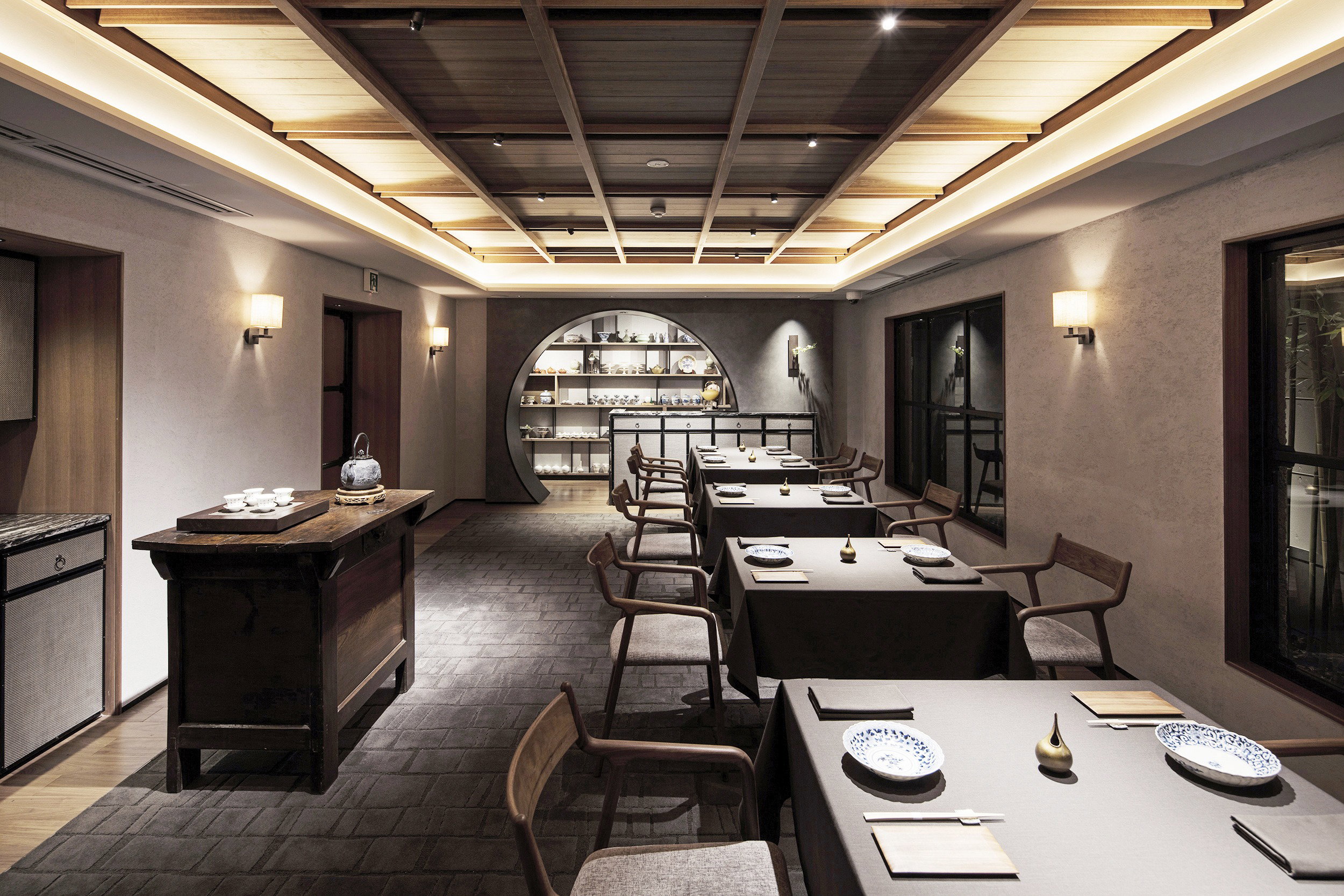
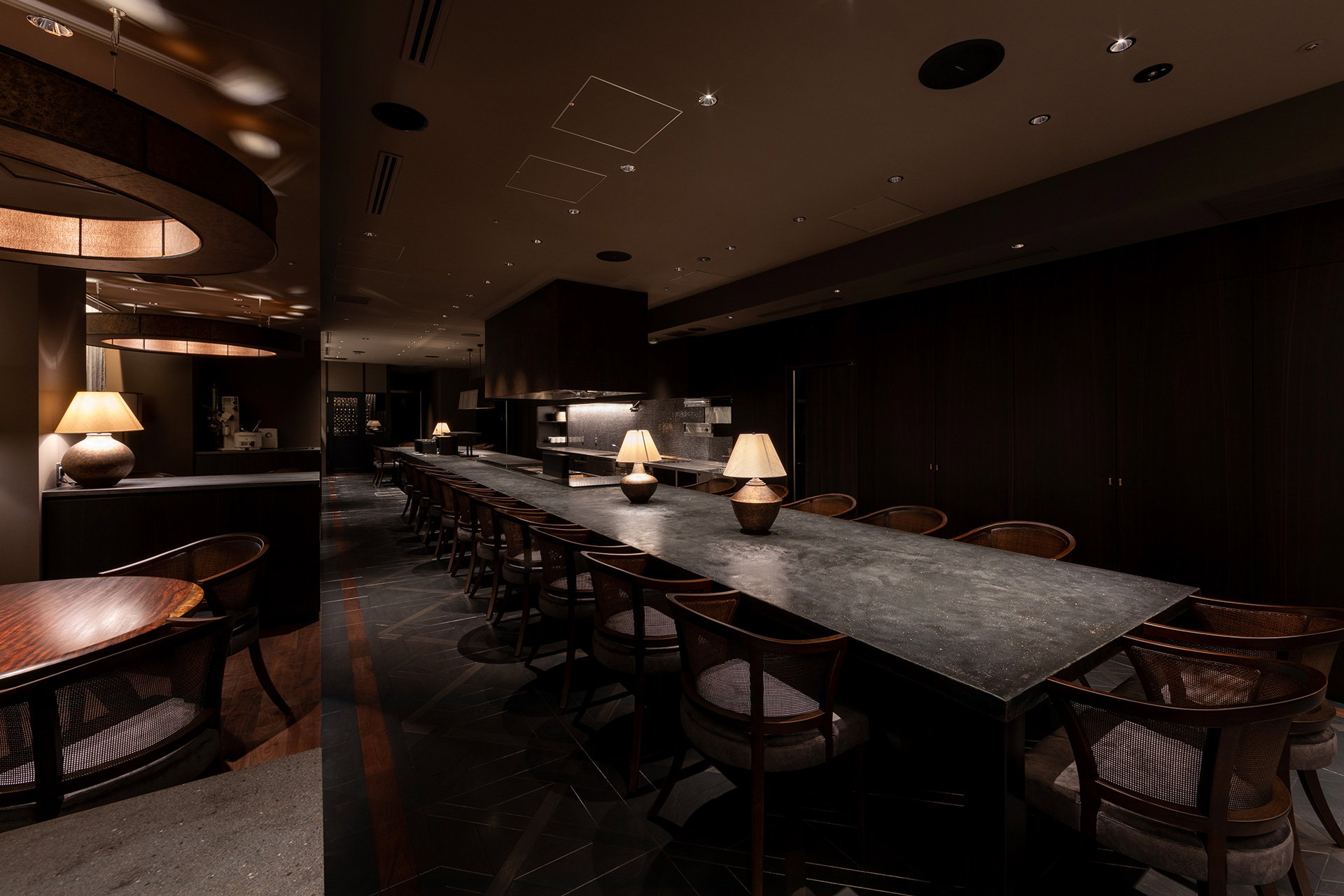
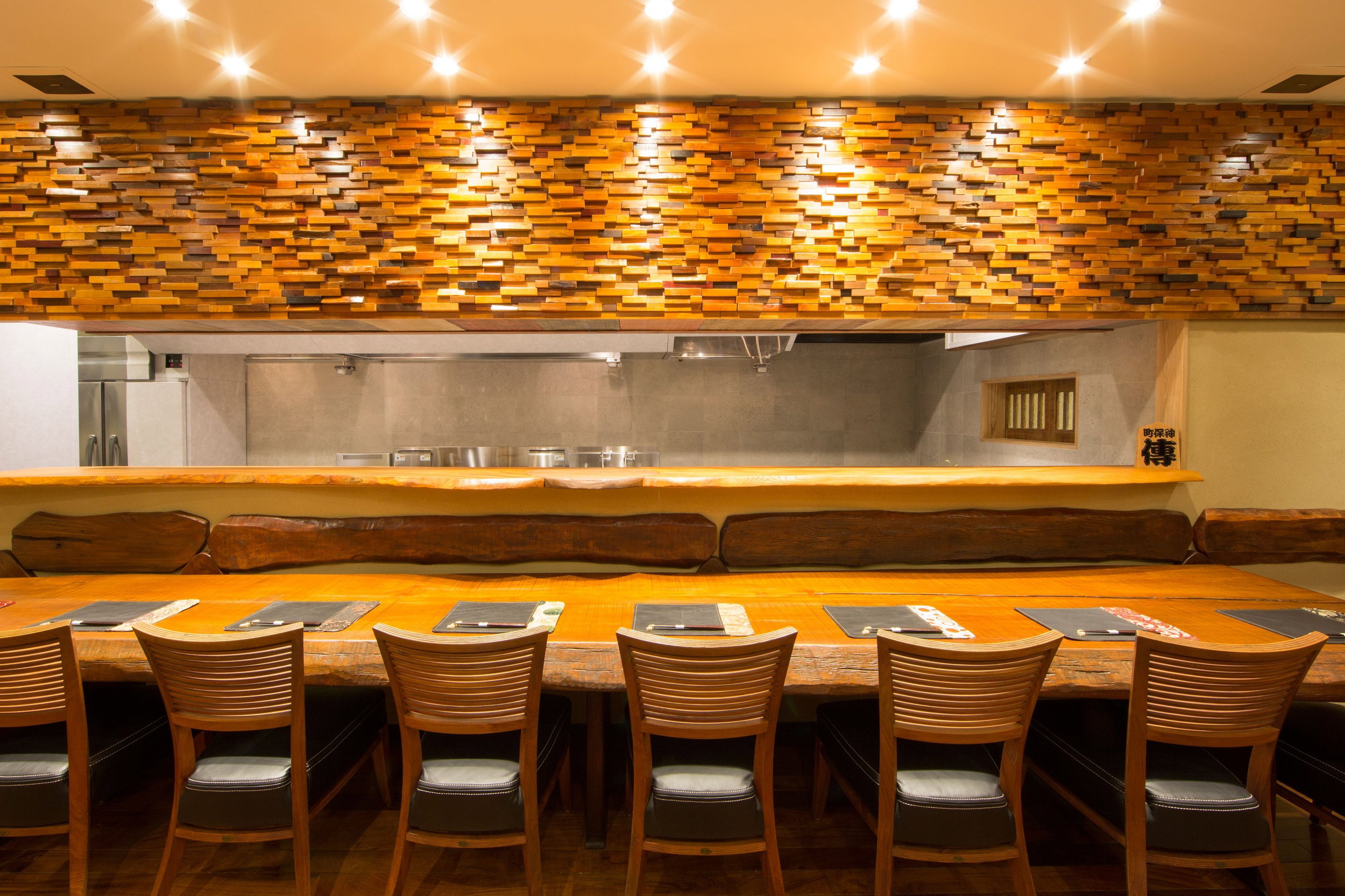
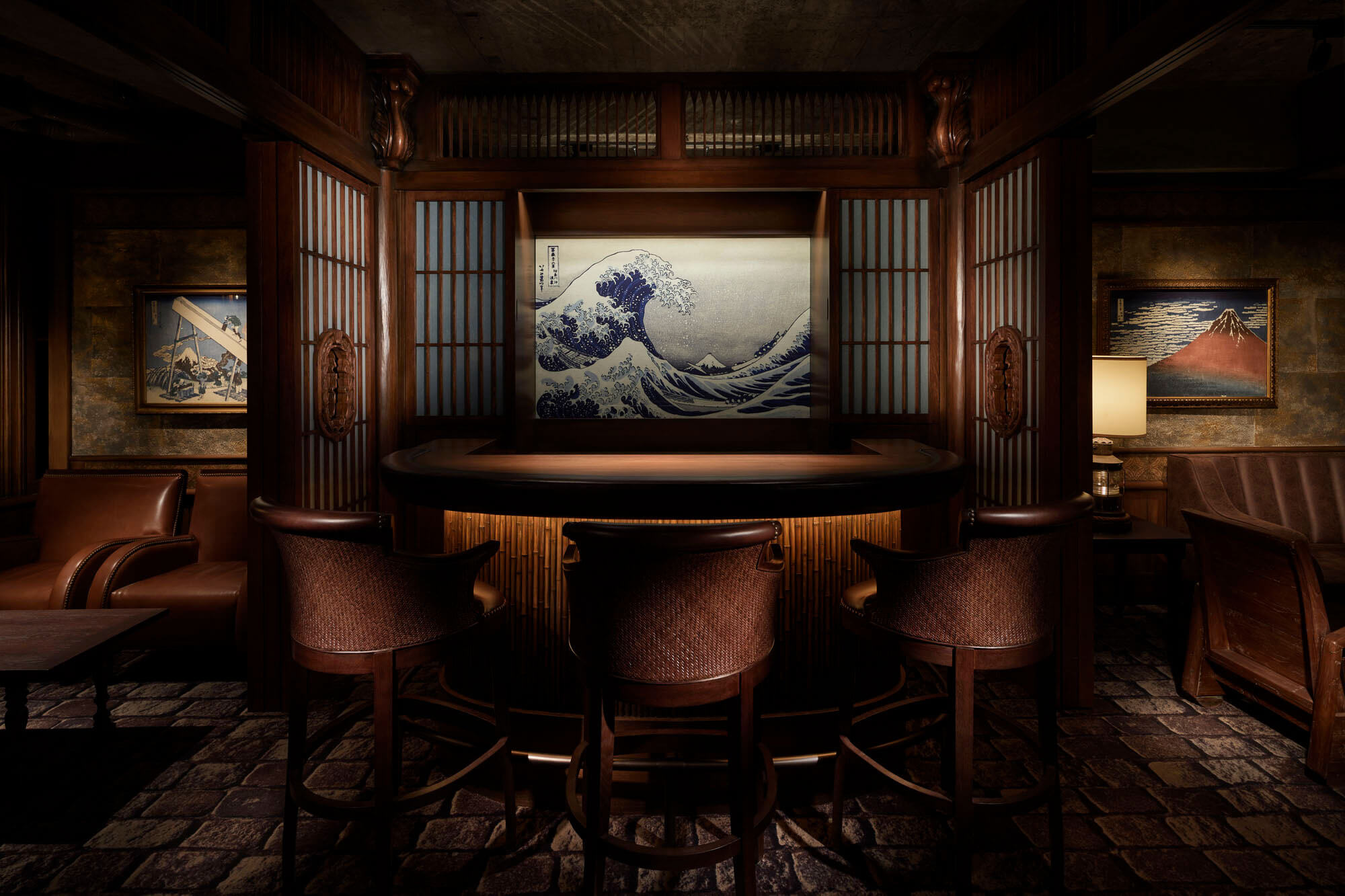
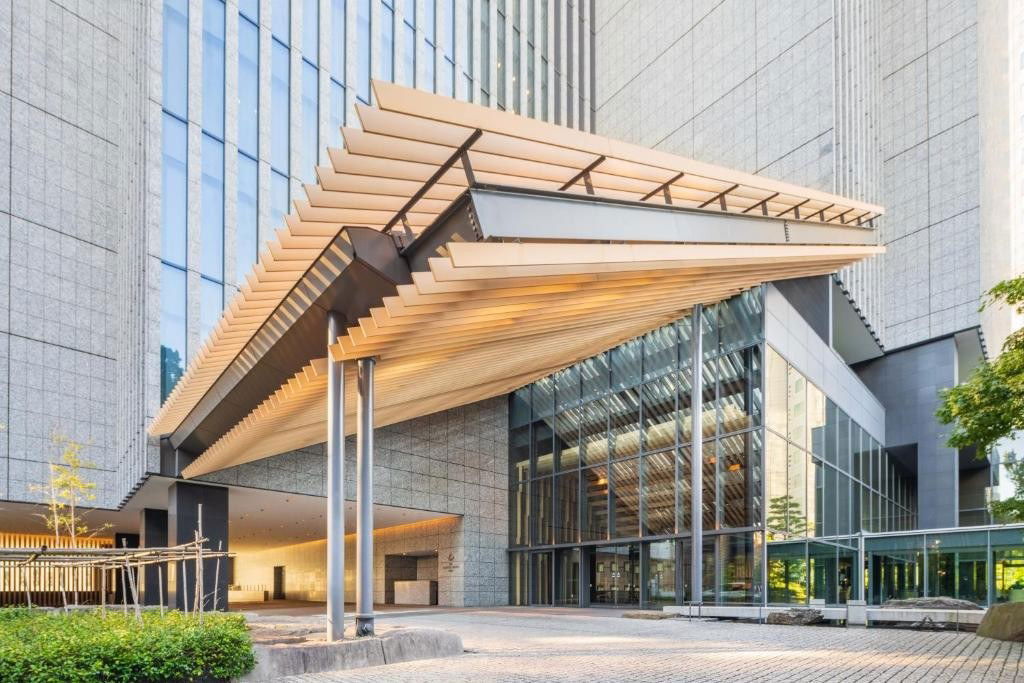
Kengo Kuma’s Capitol Hotel Tokyu reads as an argument in built form: restraint, material clarity, and careful proportion shape every space. The architecture stitches exterior and interior into a single design gesture, so the lobby, bar and circulation feel deliberately continuous rather than an assemblage. That discipline gives public rooms a measured weight—quiet but authoritative—where considered material choices and controlled scale replace theatrical luxury. For visitors who prize architecture as much as service, the hotel feels like a living portfolio of contemporary Japanese design, quietly asserting itself among Tokyo’s high-end hotels without resorting to ostentation.
Best For
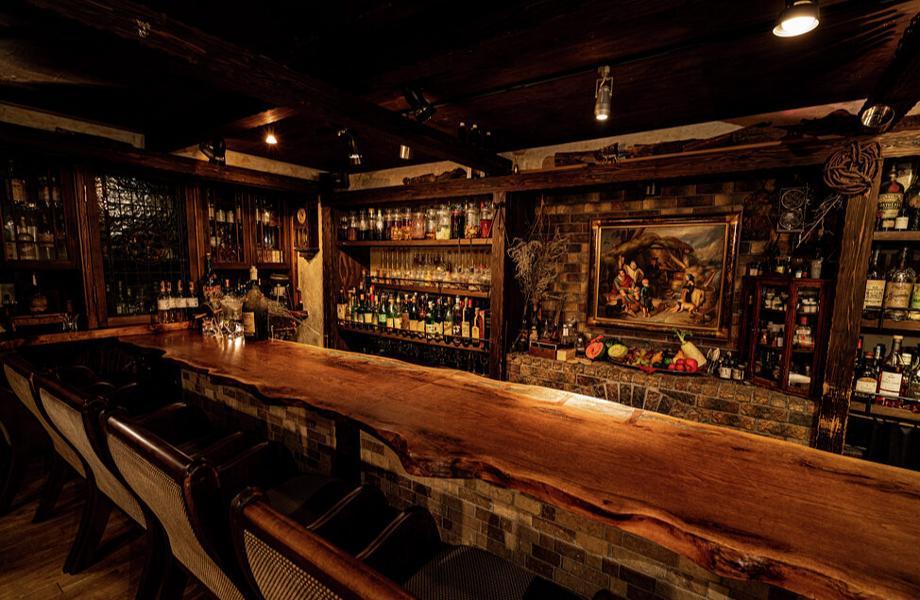
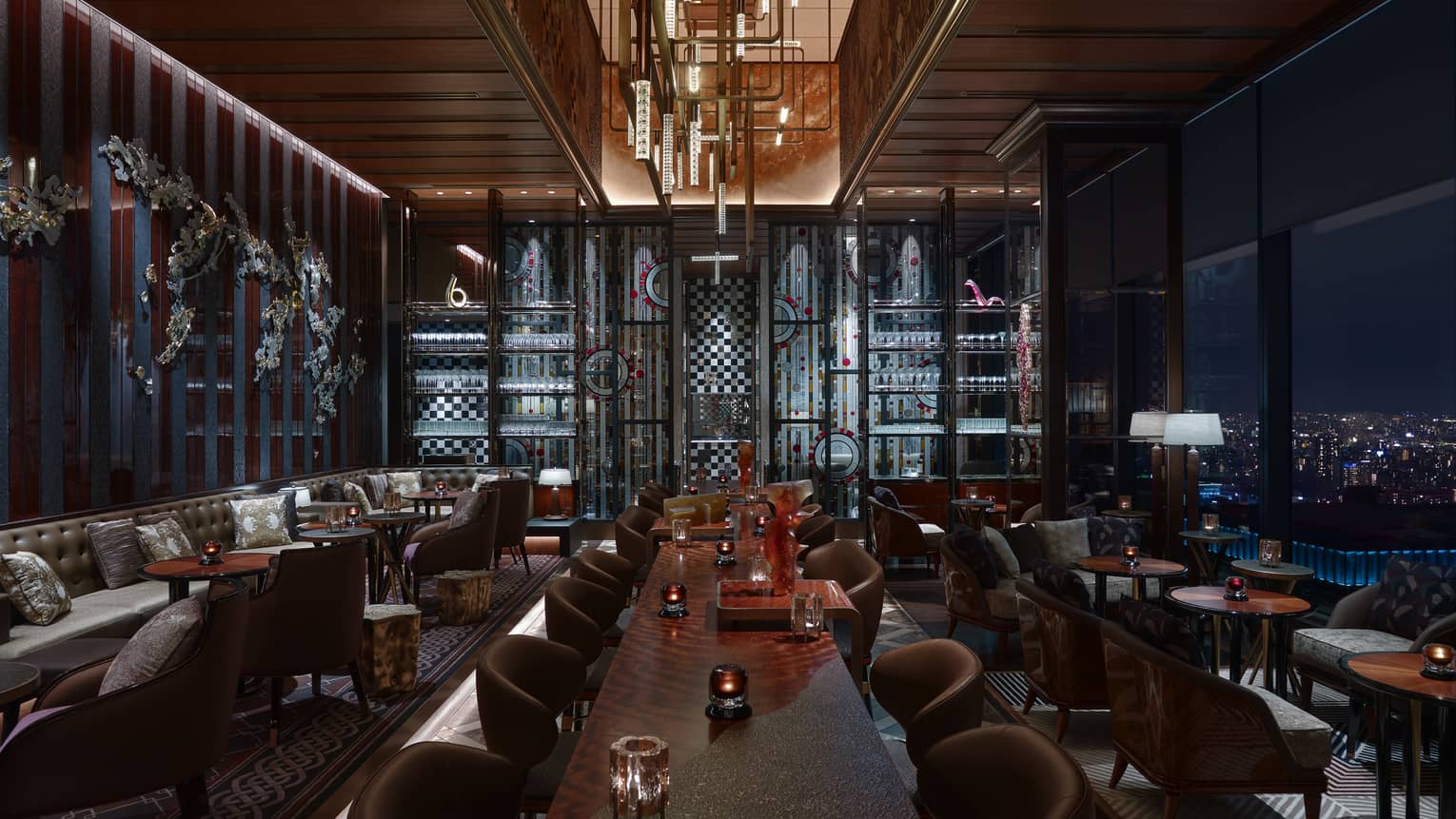
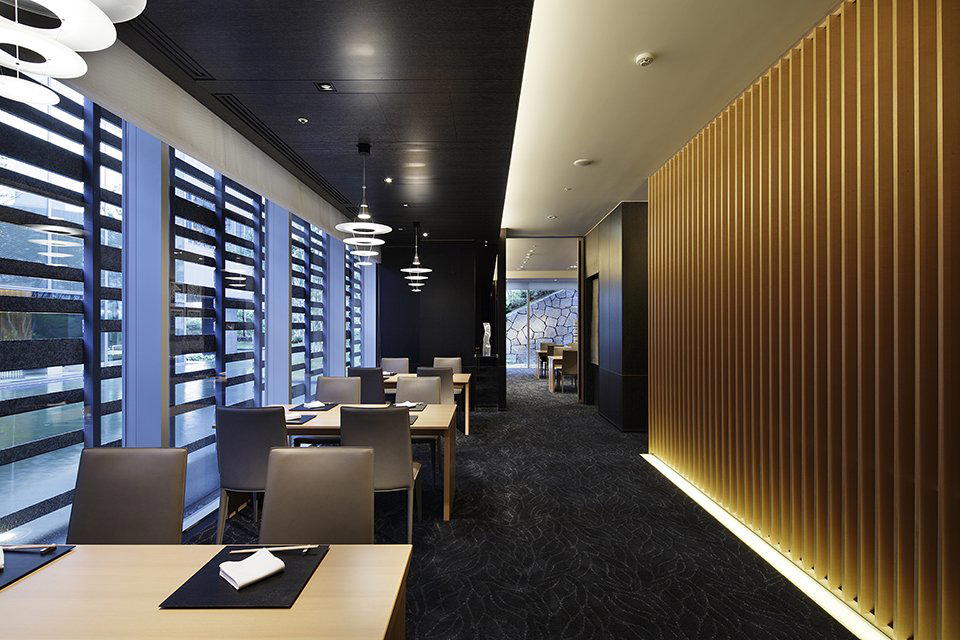
The Capitol Hotel Tokyu suits travelers who prioritize design-minded luxury and a calm, considered atmosphere in the heart of Tokyo’s political district. It is well matched to business travelers who need proximity to Nagatachō and to guests seeking a refined, architecturally driven stay rather than a flashy urban spectacle. The hotel’s public spaces—most notably the Capitol Bar—also make it appropriate for intimate evening meetings or low-key celebrations where restraint and craftsmanship matter. It is less about spectacle and more about thoughtful composition and quiet presence.
Stay Tips
Head to the Capitol Bar to experience how the hotel’s architectural thinking translates to hospitality: choose a seat that lets you take in the room’s proportions and material detailing. Keep plans flexible—this is the kind of place to linger over a single drink and the space itself rather than rush through a list of options. For arrivals and itineraries, prioritize time in the public sequence (lobby, bar) to appreciate Kuma’s continuity of design; specific menu or service rituals are not described in the source text, so bookings or special requests should be confirmed directly with the hotel.
Venue details
Ambiance
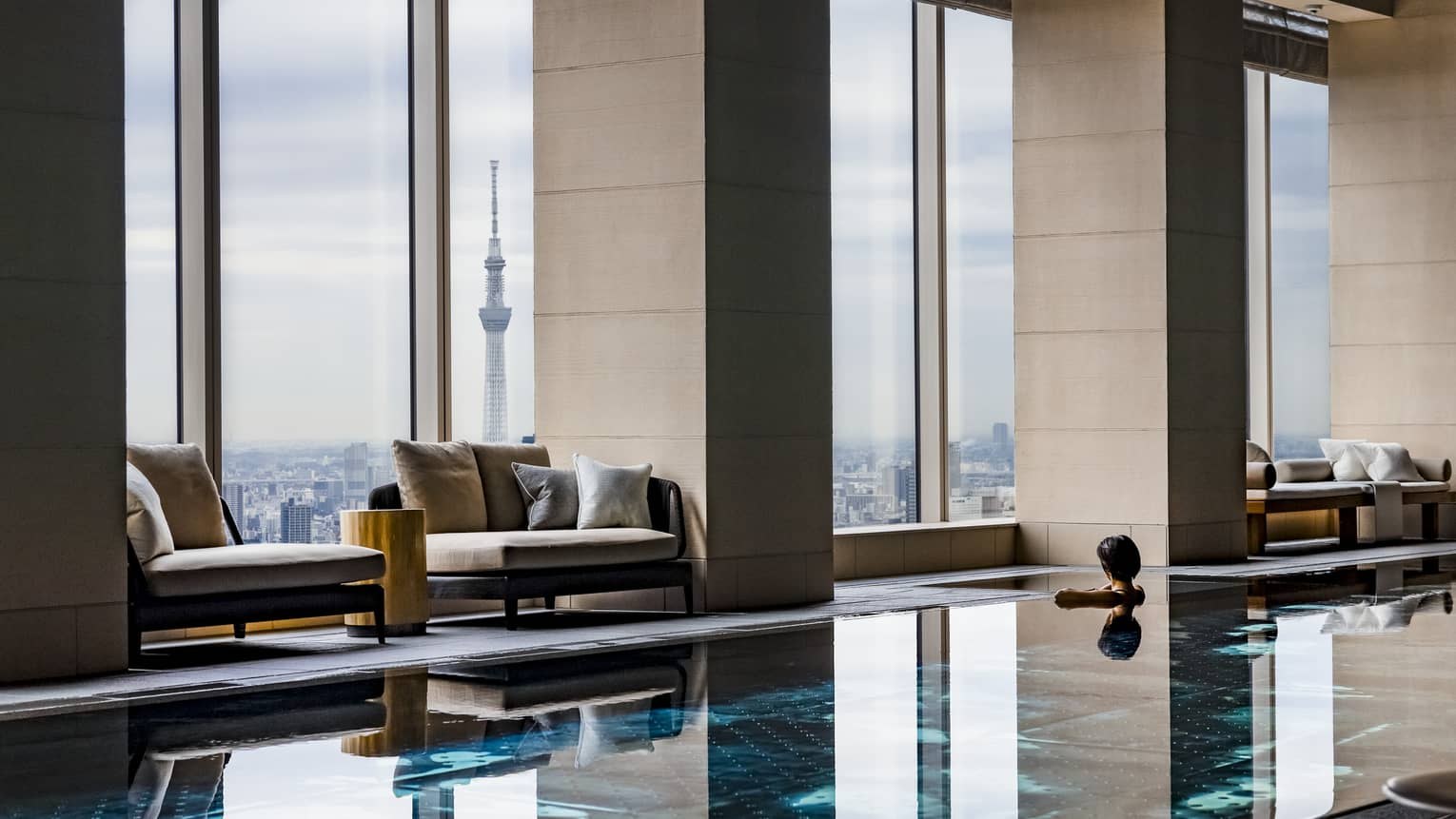
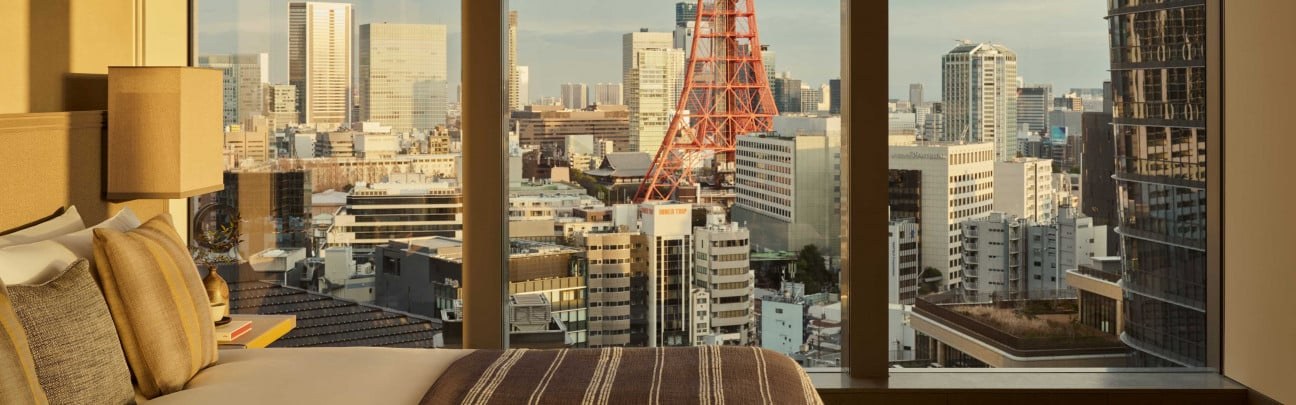
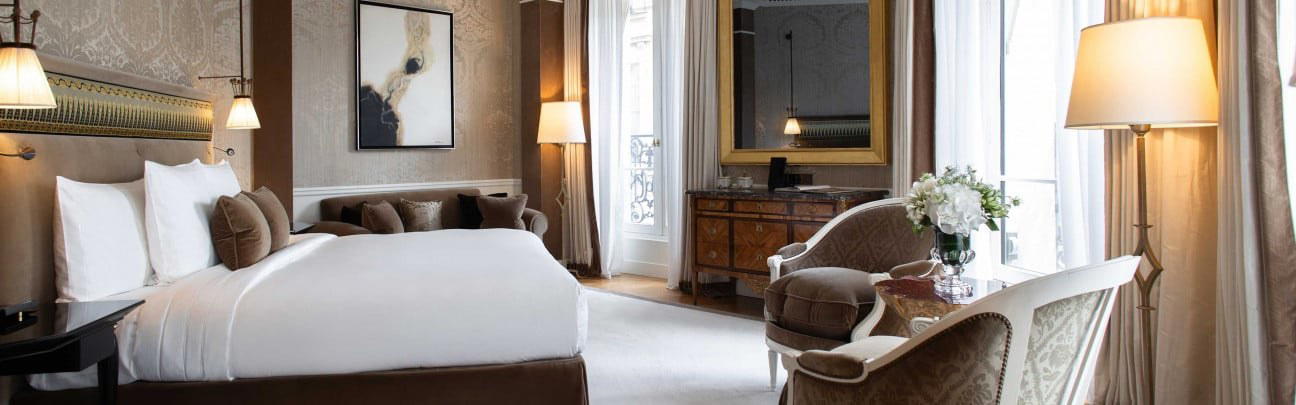
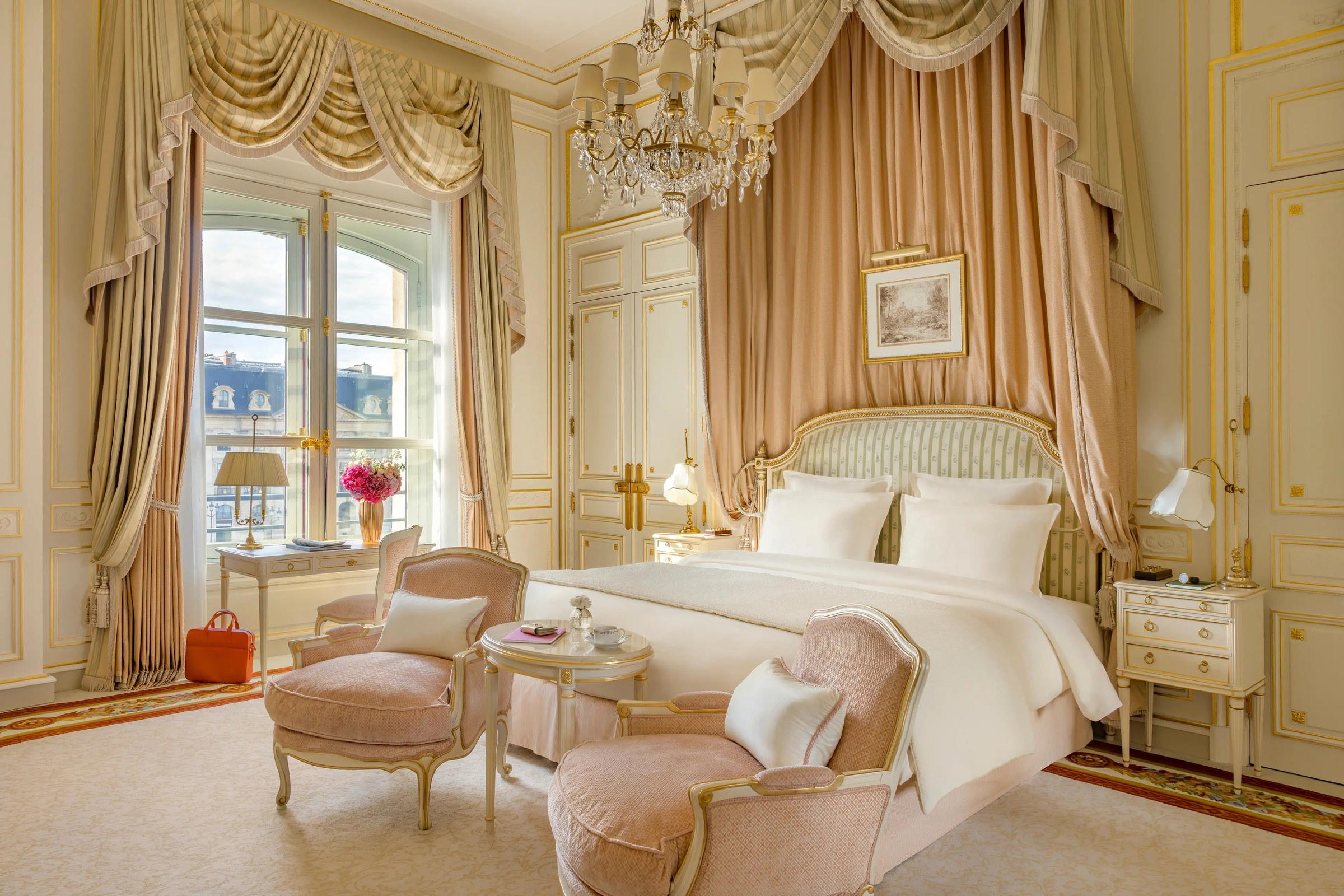
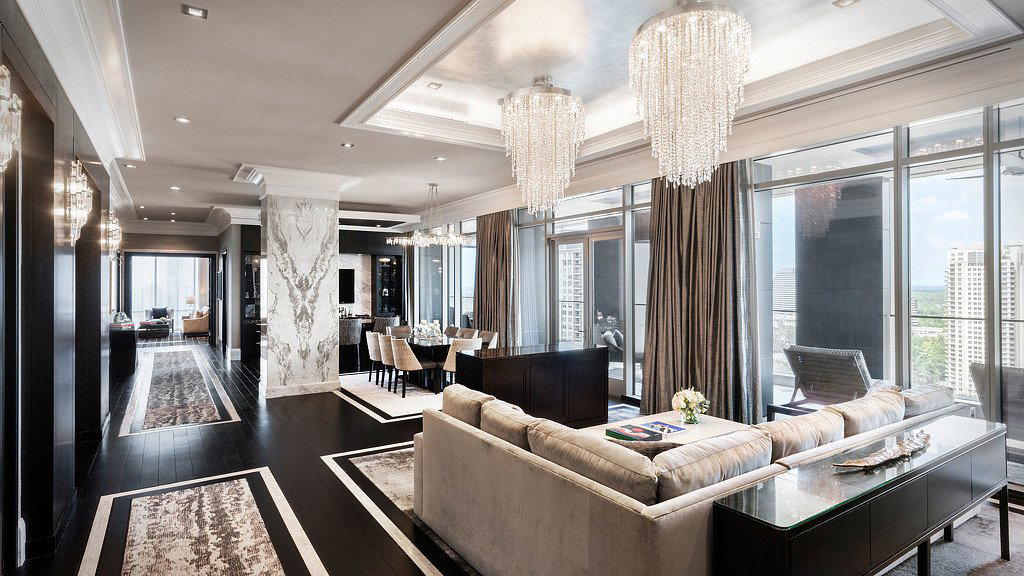
Serene and tranquil with refined Japanese modern atmosphere, elegant décor, immaculate cleanliness, and spacious rooms offering panoramic city views and a sense of relaxation.
Tags
Vibe
Best For
Experience
Amenities
View
Accessibility
About the Stay
- Rooms
- 251
- Check-in
- 15:00
- Check-out
- 11:00
- Property Style
- Luxury Boutique Hotel Blending Traditional Japanese Architectural Elements with Contemporary Minimalist Design and High End Furnishings.
- Design Style
- Japanese Modern with Shoji Paper Screen Partitions, Wood Accents, Sleek Minimalist Furnishings, and Refined Aesthetic Incorporating Traditional Design Principles.
Know before you go
Know Before You Go
- Getting there
- 2-chōme-10-3 Nagatachō, Chiyoda City, Tokyo 100-0014
Planning details
Location
2-chōme-10-3 Nagatachō, Chiyoda City, Tokyo 100-0014 · Directions
Recognition and awards

Also consider
Where to Look If This Is Full
Try The Okura Heritage Wing Tokyo first if the trip needs the same level of formal polish. For a more energetic luxury stay, The Prince Gallery Tokyo Kioicho, a Luxury Collection Hotel is the sharper alternative.
If budget control matters more than a luxury signal, Granbell Hotel Akasaka and The Kitano Hotel Tokyo are better fallback searches.
Hotel context
How It Compares
Against Granbell Hotel Akasaka and The Kitano Hotel Tokyo, The Capitol Hotel Tokyu is the more occasion-ready choice. Pick Granbell or Kitano when value and a simple Tokyo base matter more than luxury recognition; pick Capitol when the stay needs to feel composed, polished, and appropriate for a senior business trip or celebration.
The Prince Gallery Tokyo Kioicho, a Luxury Collection Hotel is the better cross-shop for guests who want a more dramatic hotel mood. The Capitol Hotel Tokyu is quieter and less showy, which is an advantage for travelers who want the hotel to lower the temperature after a packed day in Tokyo.
The Okura Heritage Wing Tokyo is the closest luxury comparison for formal polish, while 1 Hotel Tokyo is the better alternative for a design-led stay. If booking The Capitol Hotel Tokyu proves difficult, start with Okura Heritage Wing for a similarly serious luxury signal, then check Prince Gallery if views and atmosphere matter more.
Explore Tokyo
Around this place
Discover more on Pearl
Unlock the full The Capitol Hotel Tokyu guide in Pearl, including awards, comparisons, FAQs, planning details, and nearby places.
Compare The Capitol Hotel Tokyu
| Venue | Location | Awards |
|---|---|---|
| The Capitol Hotel Tokyu | Tokyo | 2026 Forbes 5-Star2026 La Liste Top Hotels2025 Michelin 2 KeysMichelin 2 Keys 20252025 Forbes 5-StarPreferred Hotels Member 20252024 Michelin 2 Keys |
| Granbell Hotel Akasaka | Tokyo | No published awards |
| 1 Hotel Tokyo | Tokyo | No published awards |
| The Kitano Hotel Tokyo | Tokyo | 2026 Relais Chateaux Hotels2025 Relais Chateaux Award |
| The Prince Gallery Tokyo Kioicho, a Luxury Collection Hotel | Tokyo | 2026 Forbes 5-Star2026 La Liste Top Hotels2025 Michelin 1 Key2025 Forbes 5-Star |
| The Okura Heritage Wing Tokyo | Tokyo | No published awards |


How The Capitol Hotel Tokyu Tokyo compares with similar nearby venues.
FAQ
Frequently Asked Questions
How is the dining at The Capitol Hotel Tokyu?
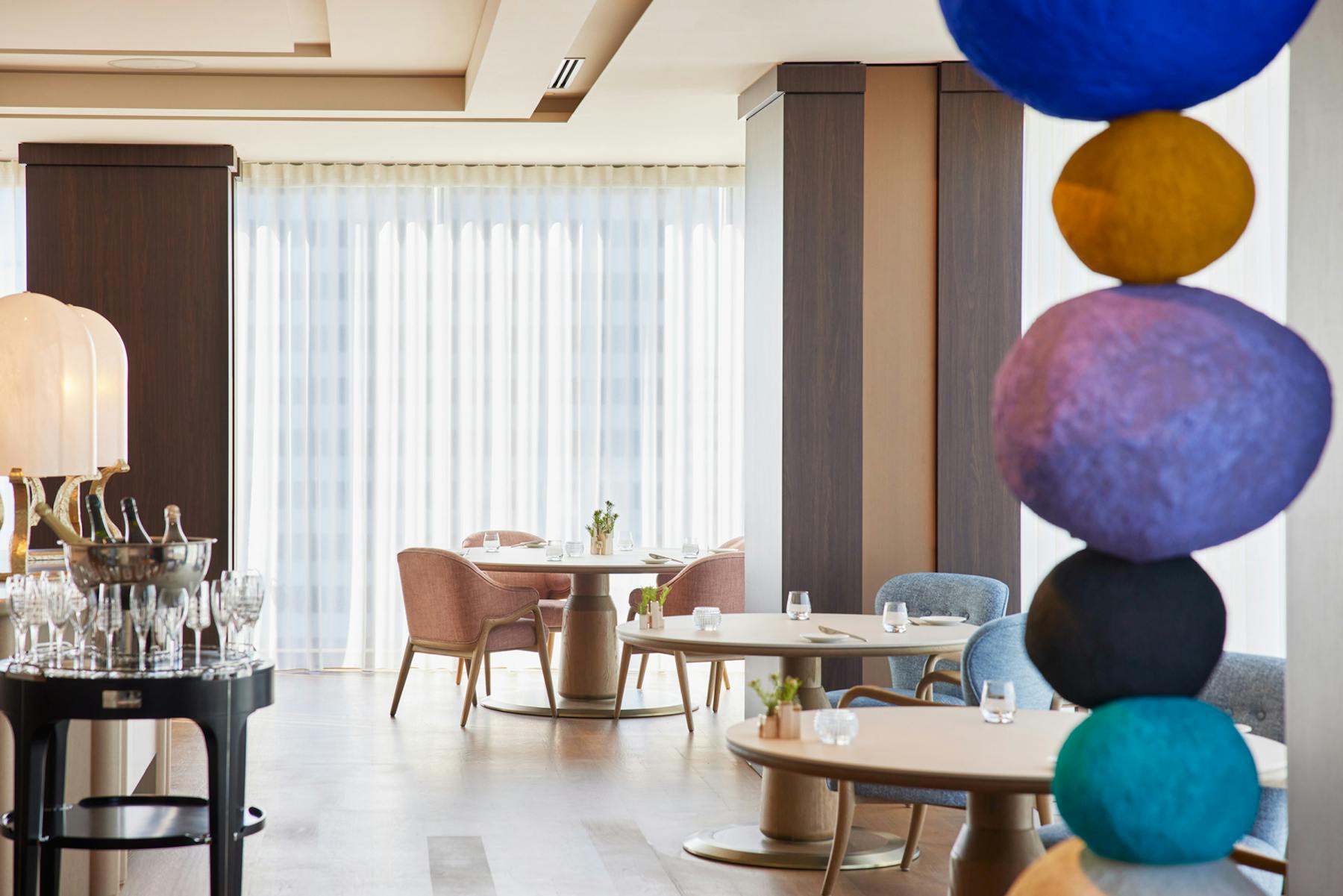
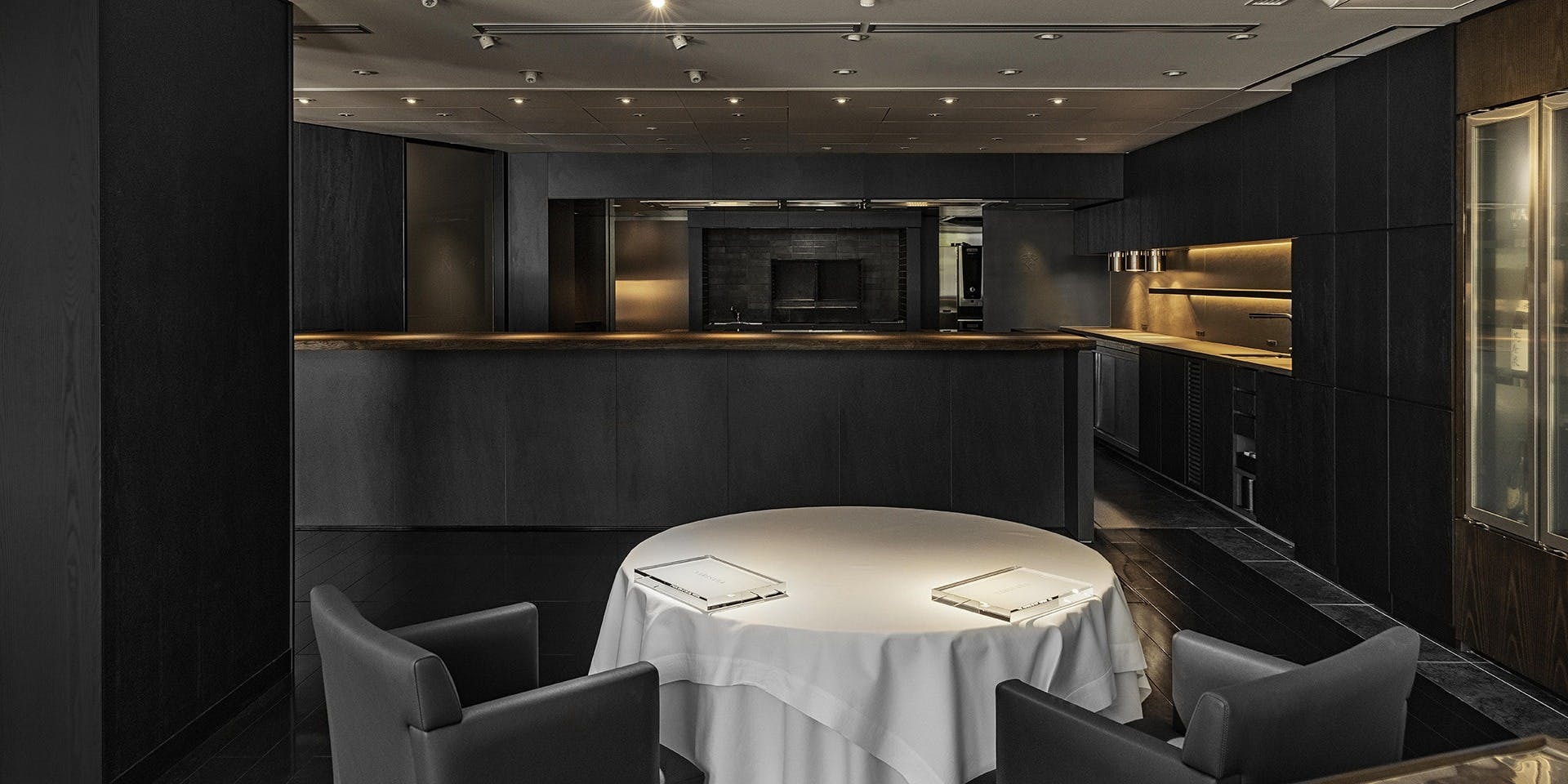
Do not choose The Capitol Hotel Tokyu based on an assumed restaurant, bar, cuisine, or menu format. The stronger confirmed pull is the hotel's recognition, including Michelin 2 Keys (2024), Forbes 5-Star (2026), Preferred Hotels membership (2025), and a La Liste Top Hotels score of 94.5 points (2026).
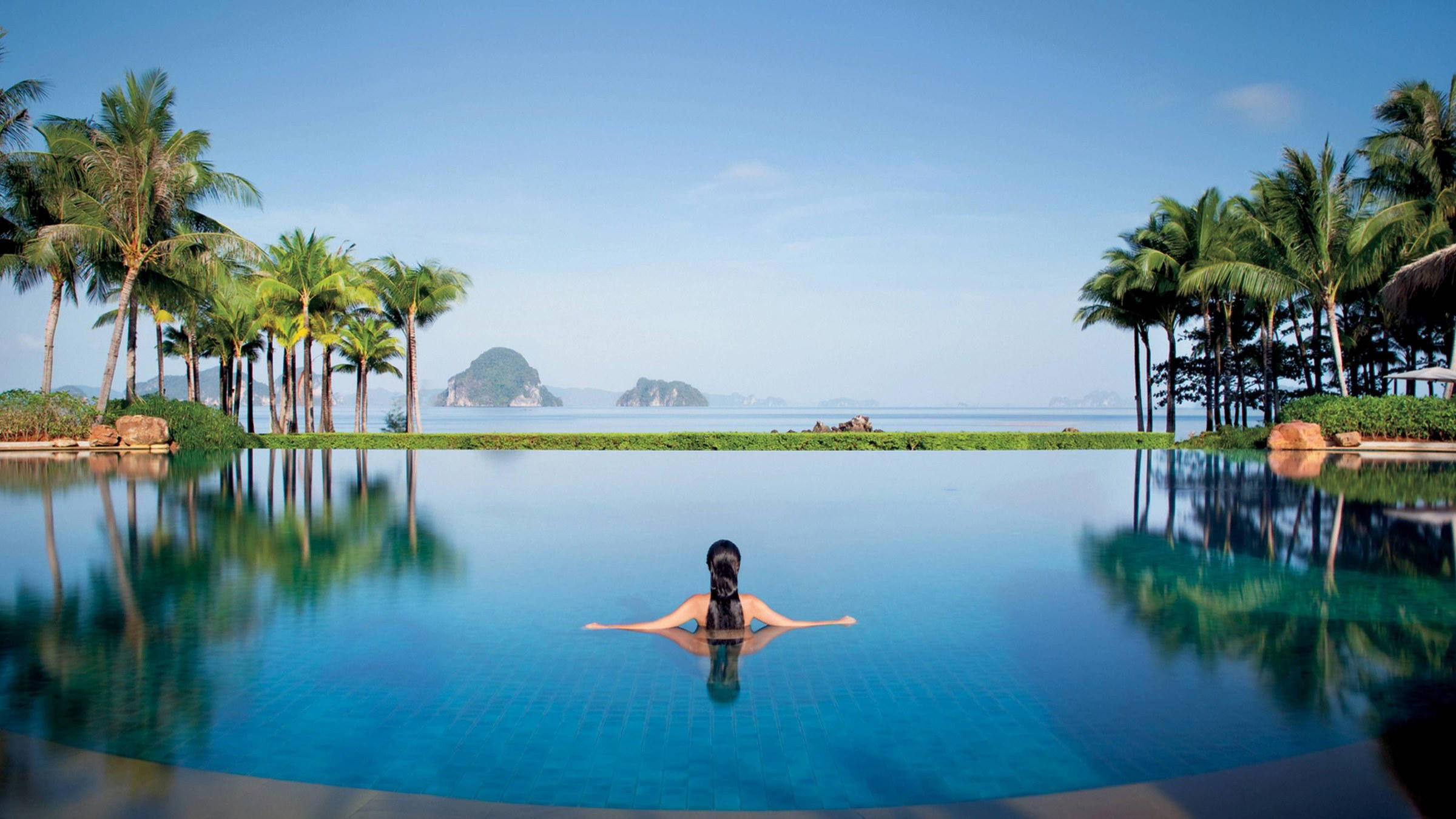
How is the pool and spa at The Capitol Hotel Tokyu?
When is the best time to book The Capitol Hotel Tokyu?
If your dates are fixed, compare current availability and terms directly; the hotel's Michelin 2 Keys (2024), Forbes 5-Star (2026), Preferred Hotels membership (2025), and La Liste Top Hotels score of 94.5 points (2026) give it a strong confirmed profile.
How is the location of The Capitol Hotel Tokyu?
Do loyalty programs work at The Capitol Hotel Tokyu?
The Capitol Hotel Tokyu is a Preferred Hotels Member (2025). If you already collect points or status with that ecosystem, factor that into the booking decision and confirm the current booking terms directly.
Which room category is best at The Capitol Hotel Tokyu?
Prioritize the best available category within your budget and confirm layout details directly with the hotel. The confirmed value signal comes from the overall recognition level rather than a single named room type.