

Tabelog 100: Best Japanese Cuisine Restaurants in Tokyo 2025
Tabelog 100 (Hyakumeiten) Japanese cuisine - TOKYO selection for 2025. Tabelog publishes these as source-ordered lists of 100 restaurants.

Venues on this list
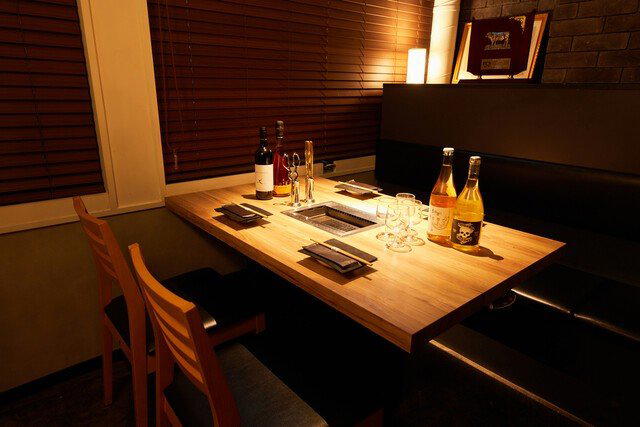
Kanda
Tokyo, Japan
Kanda is a restaurant at Toranomon Hills Residential Tower in Tokyo.
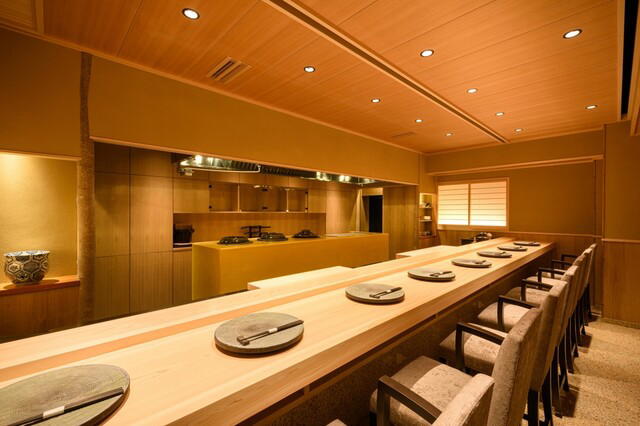
Ginza Inaba
Tokyo, Japan
A 16-seat kaiseki counter in Ginza offering private-room omakase from JPY 30,000 at dinner, JPY 8,000 at lunch. Recognised by Tabelog's Japanese cuisine TOKYO 100 in 2023 and 2025, the venue suits groups of 2–8 seeking controlled, seasonal dining before 10 PM. Breakfast service available Saturday mornings from 9:00 AM.
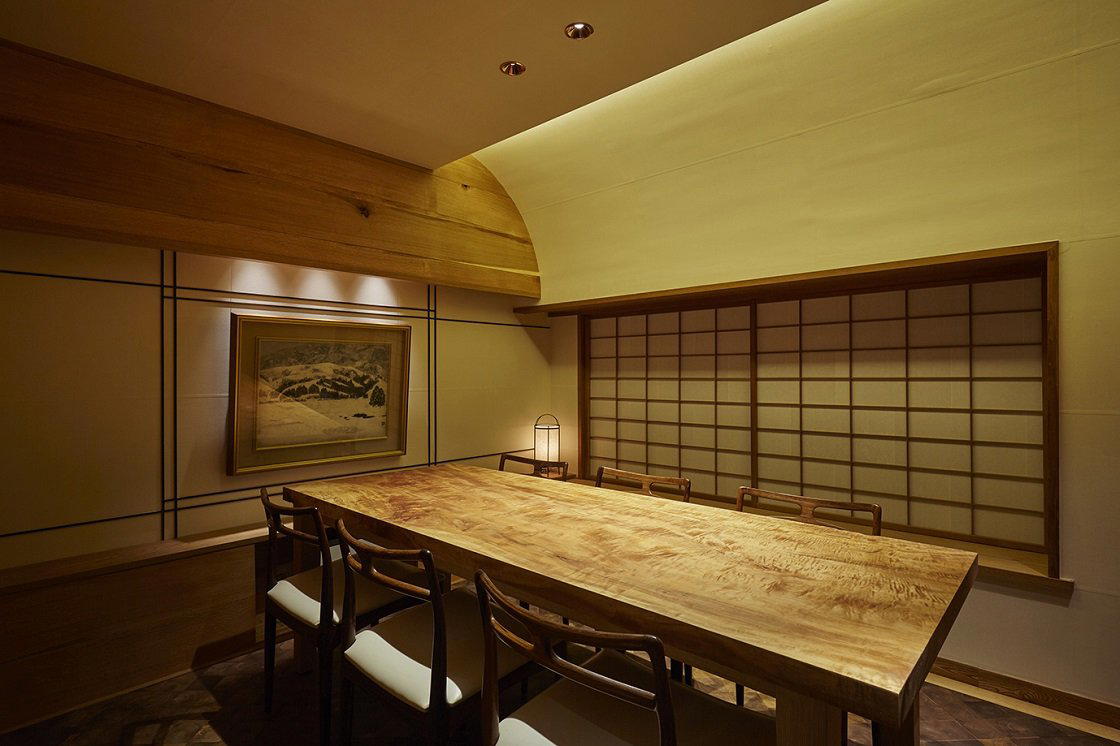
Miyawaki
Tokyo, Japan
Miyawaki is a counter-style Japanese restaurant in Mita, Tokyo, rooted in Kyoto culinary tradition and holding a Michelin Plate for 2024 and 2025. First-time visitors receive omakase set meals only, with seasonal ingredients including unagi, mollusc, and lily bulbs served on Kyoyaki ceramics. At ¥¥¥ and easy to book, it offers technically serious Japanese cooking without the pricing or booking difficulty of Tokyo's starred rooms.
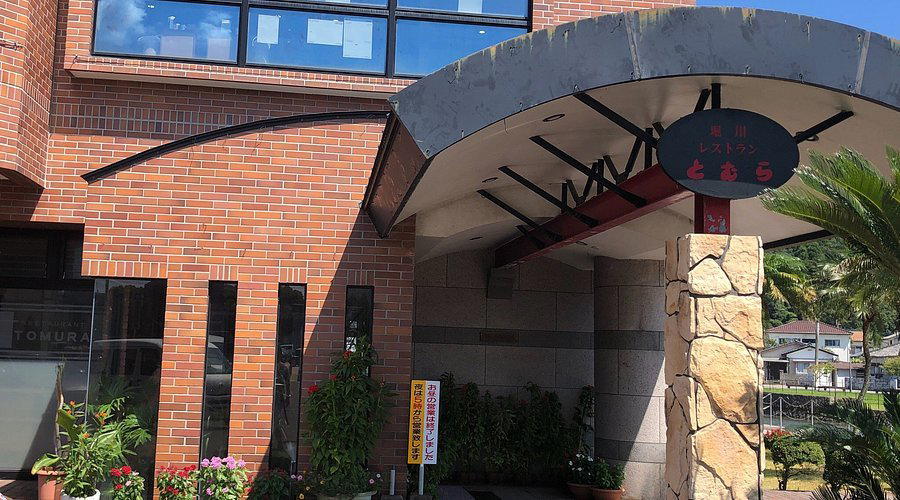
Tomura
Tokyo, Japan
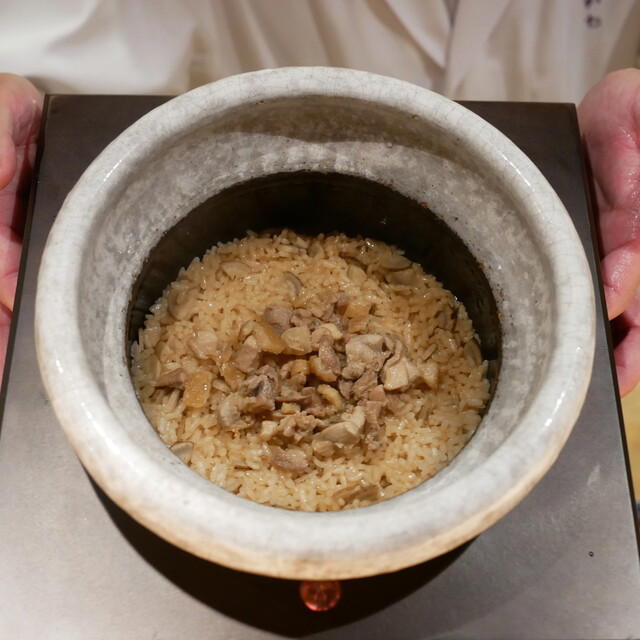
A Kyoto-rooted kaiseki counter in Toranomon with a decade of Tabelog recognition, including Gold in 2017 and continuous Top 100 selection since 2021. Eighteen seats, a fish-focused menu, and a restrained service philosophy justify the JPY 50,000–100,000 per head spend for food-focused diners who want precision over spectacle. Book via Pocket Concierge; counter seats fill first.
Bungo Mon Eto
Tokyo, Japan
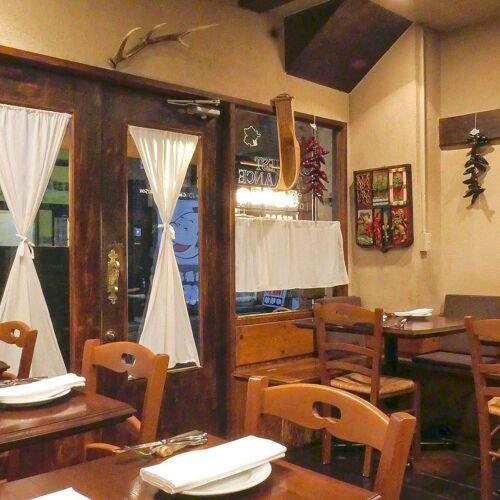
A Kagurazaka kaiseki destination recognized twice on the Tabelog 100 list, delivering seasonal multi-course meals at JPY 60,000–79,999 per person. The 25-seat space offers counter seating and private rooms, with a formal but approachable atmosphere. Book for polished seasonal technique rather than novelty; best suited to diners comfortable with the price and format.
Akasaka Watanabe
Tokyo, Japan
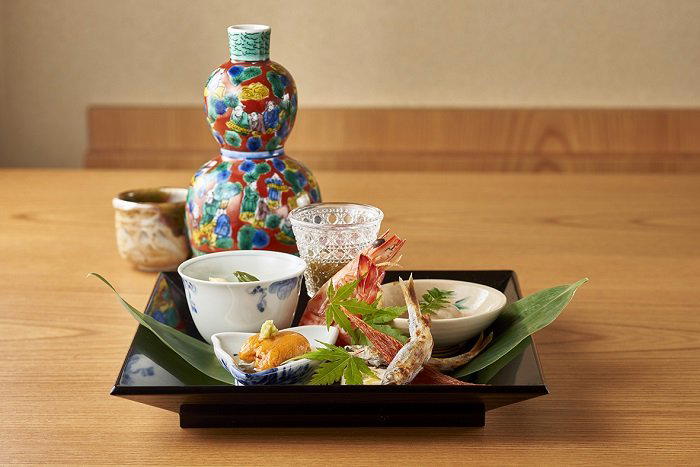
Akasaka Watanabe is a Michelin Plate counter restaurant in Akasaka, Tokyo, where the host and the kitchen work in equal measure. At ¥¥¥ pricing and Easy booking status, it sits well below the accessibility barriers of Tokyo's starred venues. Counter-side preparations; sesame grinding, karasumi shaving, family-sourced Niigata rice; make this a strong choice for first-timers to serious Japanese counter dining.
Shigeyuki
Tokyo, Japan
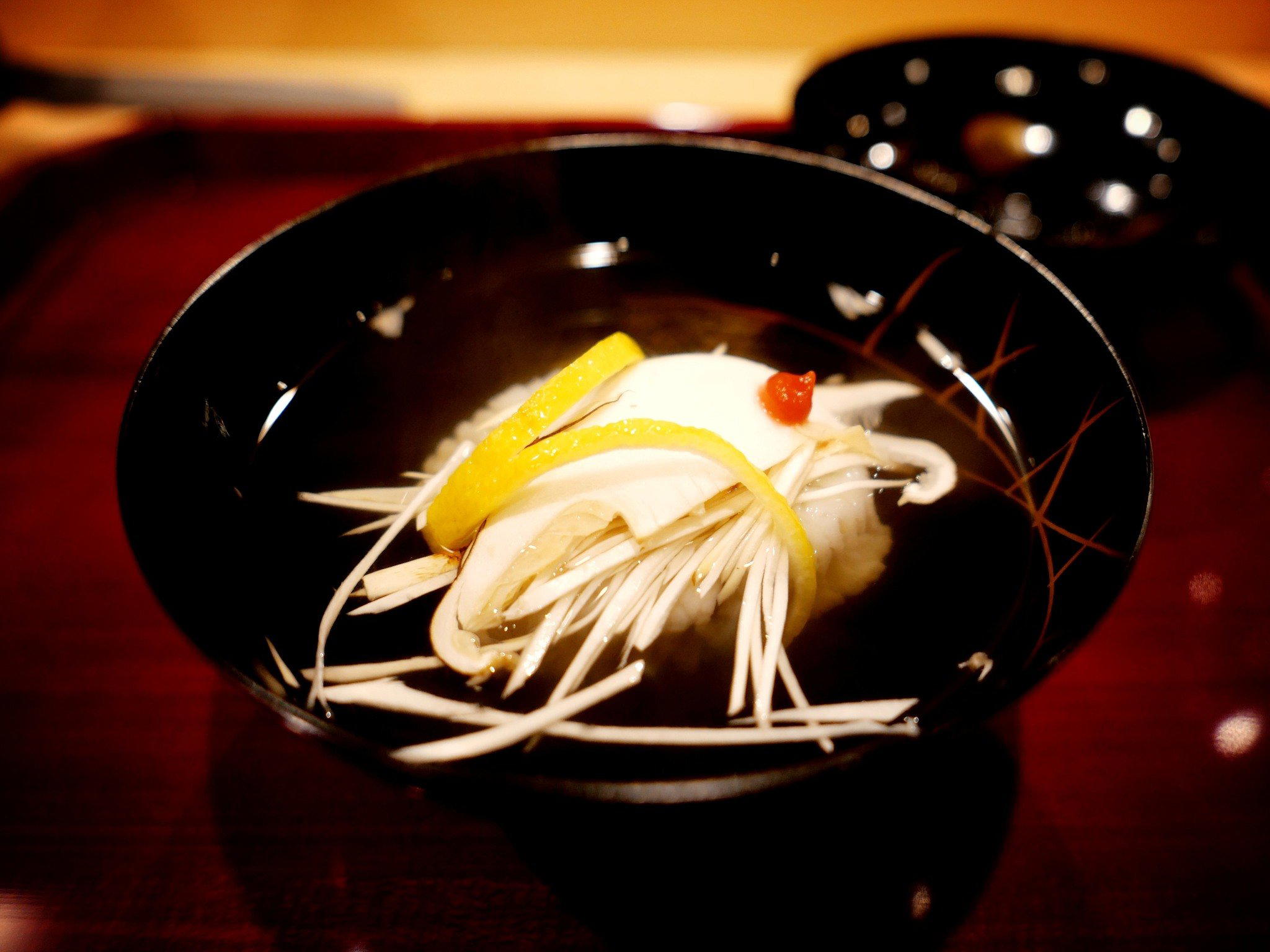
Shigeyuki holds a Michelin star in Shibuya's Nishihara at the ¥¥¥ price tier, making it one of Tokyo's more accessible creative Japanese counters. The chef's signature heated sashimi and tailored dashi approach set it apart from conventional omakase formats. Book well in advance; the small counter and loyal regular clientele make this a hard reservation. Best for food-focused diners who want personality alongside precision.
Suzutashiki
Tokyo, Japan
Chef Hideto Tashiro's eight-seat counter in Nishiazabu delivers fermentation-focused kaiseki with wood-fired techniques. At JPY 60,000–79,999, it competes directly with established Tokyo kaiseki; Tabelog Bronze 2025/2026 and OAD recognition validate the price. Book for seasonal rotation and sake-pairing depth; skip if you want lighter, cleaner format or lower spend.
Nogizaka Shin
Tokyo, Japan
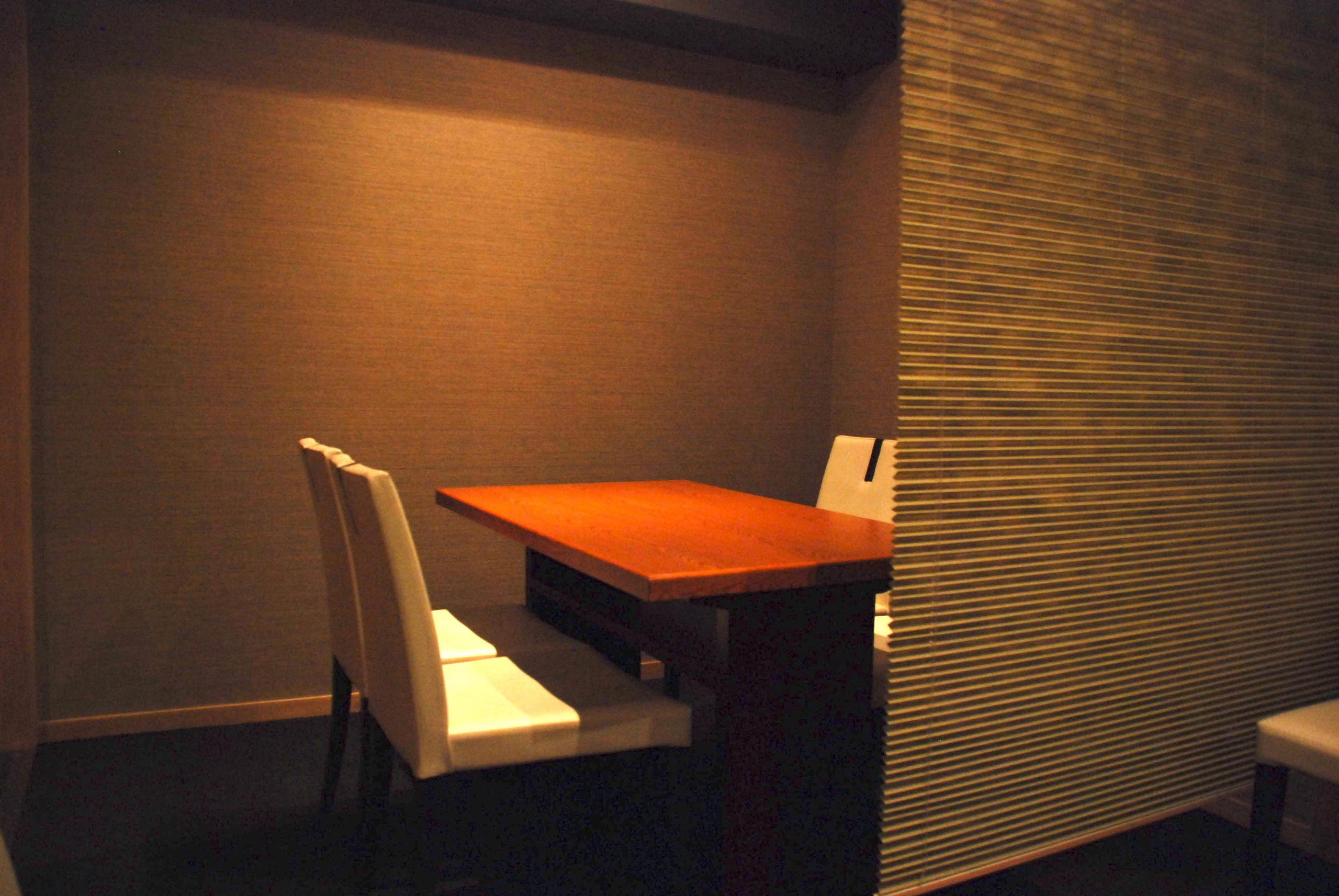
Nogizaka Shin holds a Michelin 1 Star and is home to Japan's Star Wine List number-one sommelier, Yasuhide Tobita. The dinner-only kaiseki menu blends Japanese and Italian influences in an intimate, glass-kitchen setting in Akasaka. Book four to six weeks ahead minimum; the small scale and dual Michelin and OAD recognition make this one of Tokyo's harder tables to secure.
Makimura
Tokyo, Japan
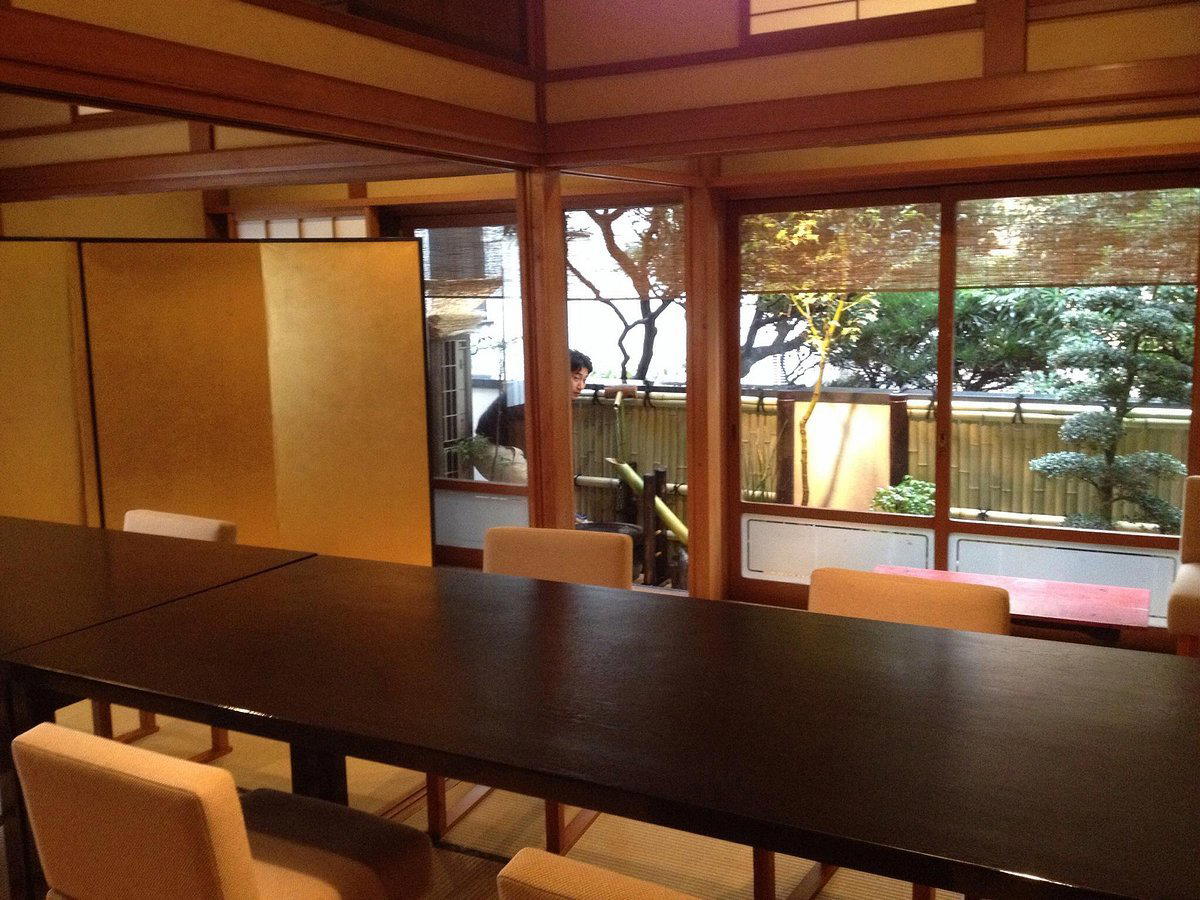
Chef Makimura Akio's 14-seat kaiseki restaurant in Minamioi delivers La Liste 97-point technique and Tabelog awards at JPY 30,000-39,999 per head, with easier booking and quieter rooms than central Tokyo peers. The fish-focused menu, private tables for groups, and counter seating for solo diners make it a practical alternative to Ginza's harder-to-reserve kaiseki specialists.
Jingumae Higuchi
Tokyo, Japan
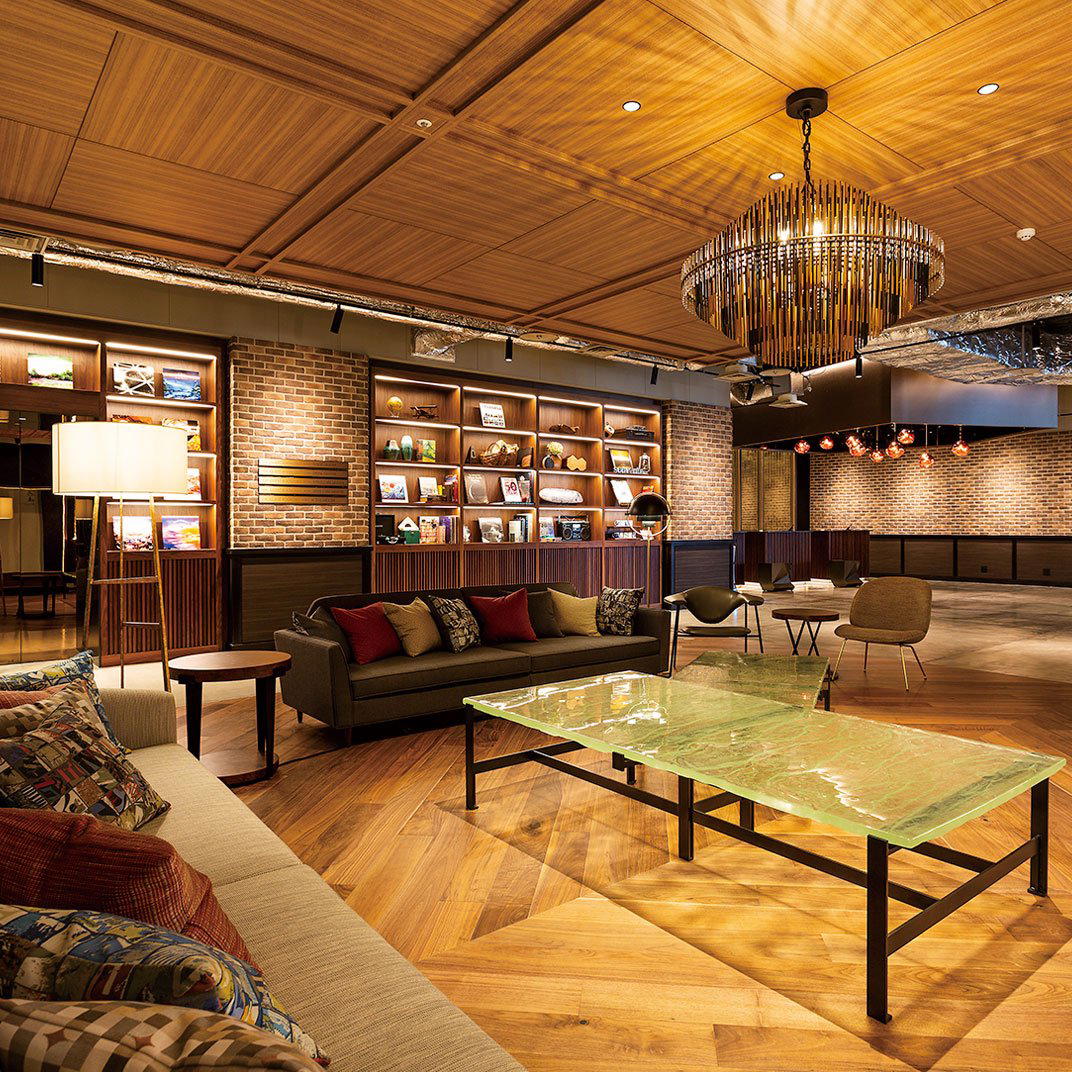
Jingumae Higuchi holds two Michelin stars and has won the Tabelog Bronze Award every year since 2017, placing it among Tokyo's most consistently recognised Japanese cuisine restaurants. At JPY 40,000–49,999 per head for dinner, it delivers kaiseki-level fish-focused cooking in a 14-seat room that feels intimate rather than ceremonial; a meaningful distinction at this price point.
Ichiu
Tokyo, Japan
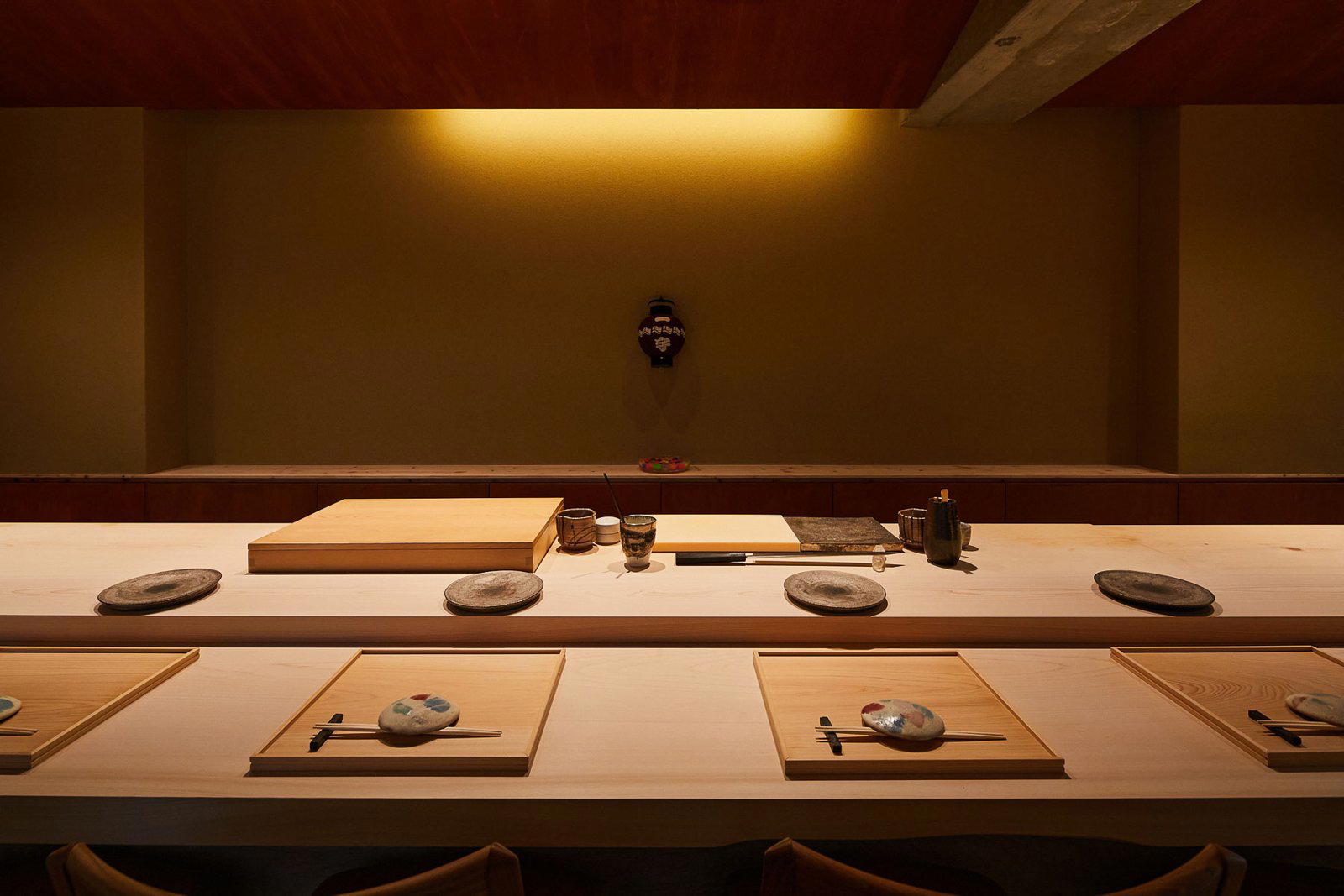
A Michelin Plate-recognised Japanese counter in Kagurazaka, Ichiu takes first-timers through a structured evening: sake on arrival, soup and steamed courses, sushi as the centrepiece, and takikomi gohan to close. At ¥¥¥, it delivers a coherent traditional Japanese tasting sequence at a more accessible price than Tokyo's starred alternatives. Book one to two weeks ahead for weekends.
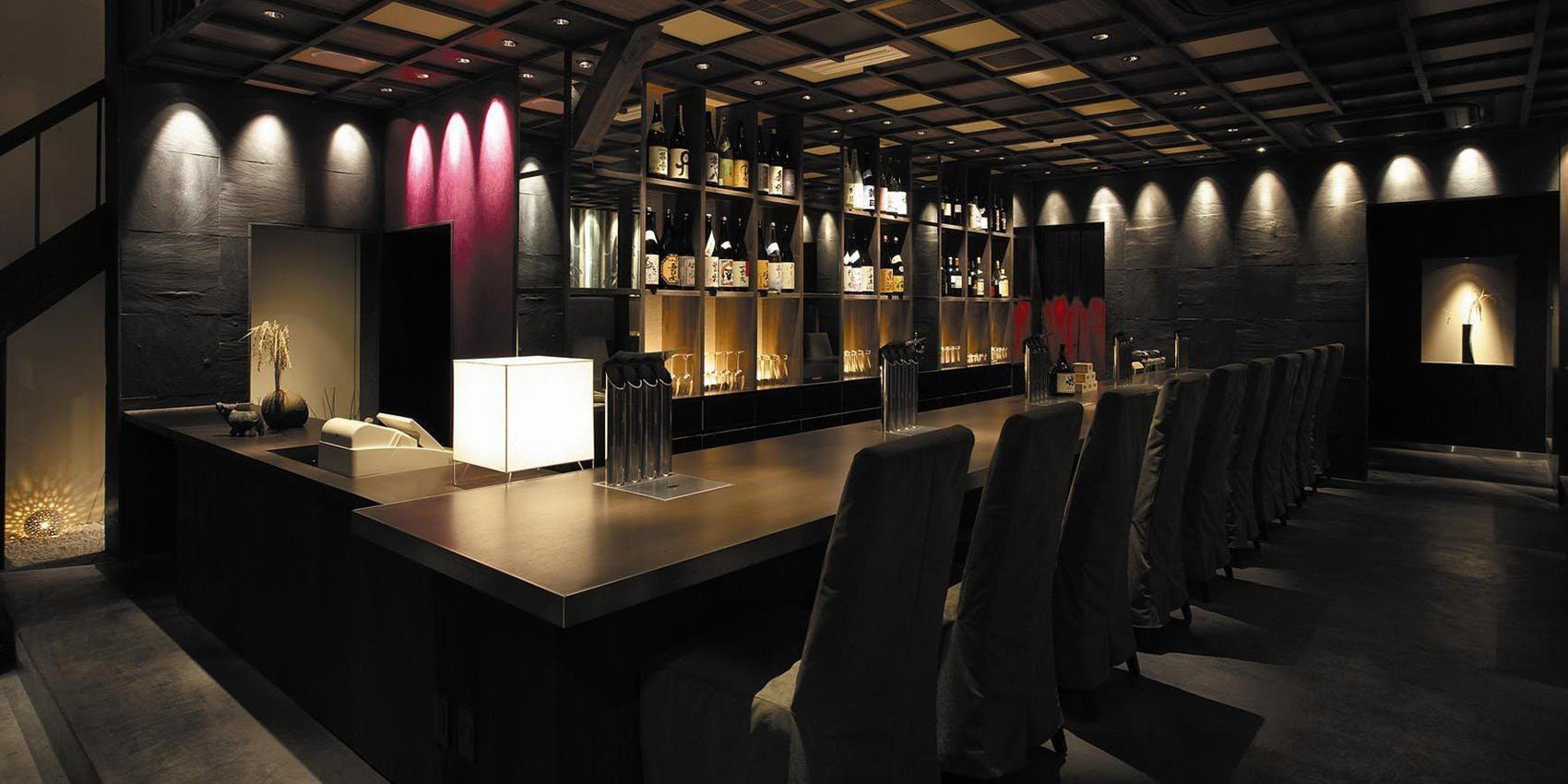
Rokkan
Tokyo, Japan
Rokkan is a lunch-only Japanese restaurant in Tsukiji, Tokyo, recognised by Opinionated About Dining (#461 in Japan, 2025) and holding a Tabelog Bronze Award. Chef Ren Ishino runs a single daily seating from noon to 1:30 pm. Booking is straightforward relative to Tokyo's harder-to-access tables, making it a practical choice for food-focused travellers who can plan around a midday commitment.
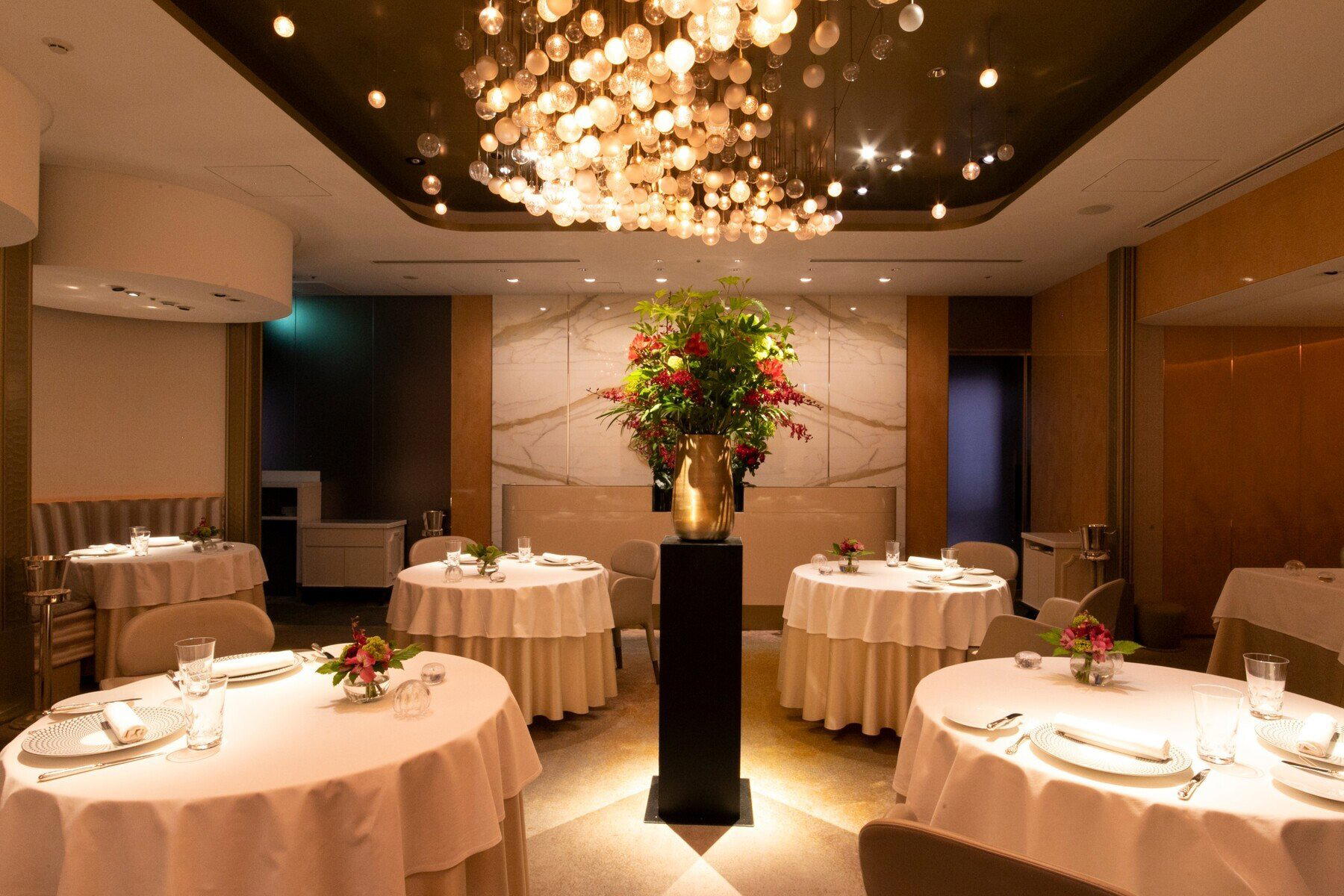
Oryori Tsuji
Tokyo, Japan
Oryori Tsuji is a Michelin one-star kaiseki counter in Higashiazabu where the kitchen makes its case through restraint; clear soups, kombu-wrapped sashimi, and a cypress counter in an austere room that strips away distraction. At ¥¥¥¥, it is expensive and hard to book, but consistently rated (4.4, 83 reviews). Book if you value seasonal precision over spectacle.
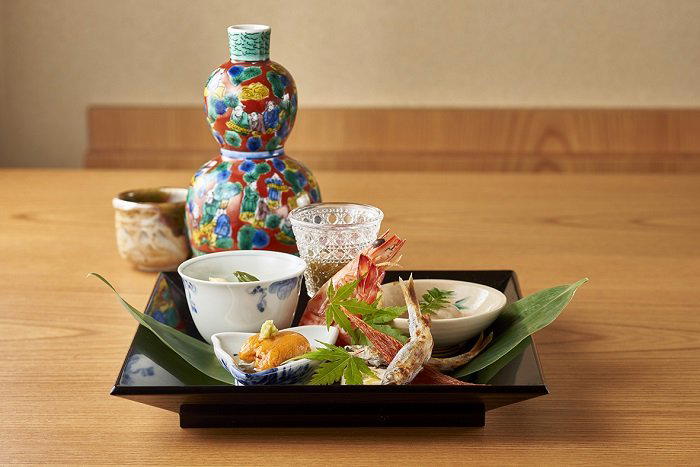
Ginza Kitagawa 銀座 きた川
Tokyo, Japan
Ginza Kitagawa is a ten-seat counter kappo in Ginza where chef Kazuyuki Kitagawa applies a distinct oil-based technique across an omakase format that goes well beyond standard tempura. Tabelog Silver Award winner in 2024 and 2025, with a 4.38 score, this is a focused, occasion-worthy dinner at JPY 30,000–39,999. Reservation-only, AMEX only, and worth booking two to three weeks ahead.
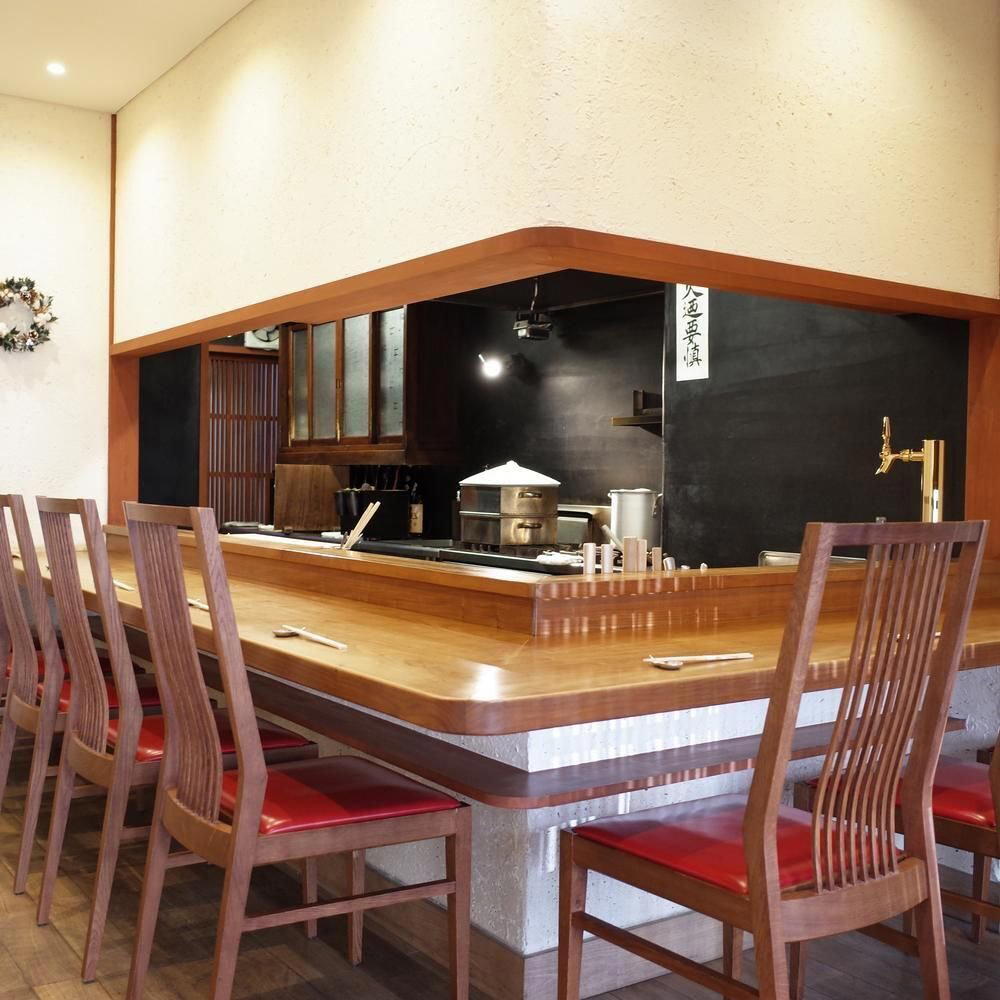
Okamoto
Tokyo, Japan
Okamoto holds a 2024 Michelin star in Toranomon, one of Tokyo's most underrated dining neighbourhoods. At ¥¥¥¥, it delivers serious Japanese cuisine with; for now; better booking availability than comparable Ginza addresses. Book six weeks out minimum; this window will close as the restaurant builds its international profile.
Kimoto
Tokyo, Japan
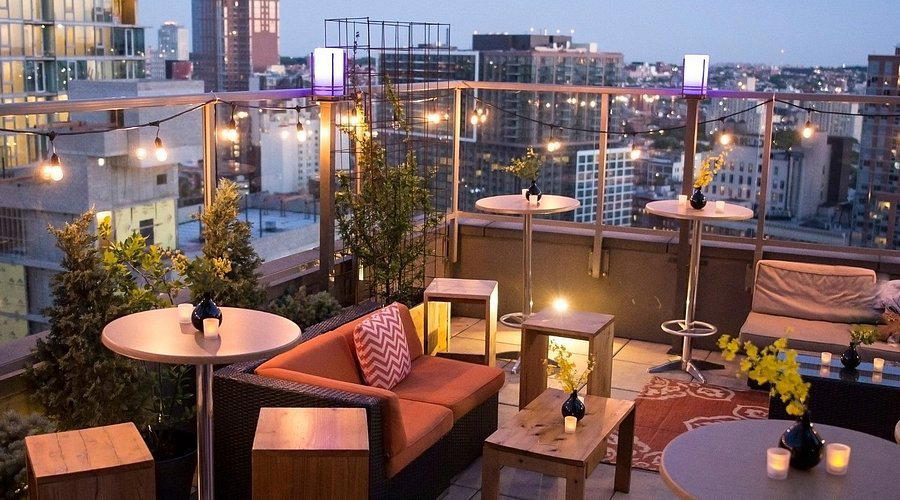
Kimoto is an eight-seat kaiseki counter in Kagurazaka holding Tabelog Silver every year from 2020 to 2026, a 4.38 score, and three Tabelog Top 100 Tokyo selections. Dinner runs JPY 80,000–99,999 per person. Weekend lunch service runs Saturday and Sunday from 1 pm; the format to target on a return visit. Reservation-only; book two to four weeks ahead.

Morifuji
Tokyo, Japan
Morifuji is a referral-only, 11-seat Japanese cuisine restaurant in Shinjuku with a Tabelog score of 4.12, back-to-back Tabelog Award Bronze wins in 2025 and 2026, and inclusion in the Tokyo Japanese Cuisine Top 100. Budget JPY 40,000 to JPY 49,999 per person at dinner. If you have a referral, book without hesitation.
Ginza Kojyu
Tokyo, Japan
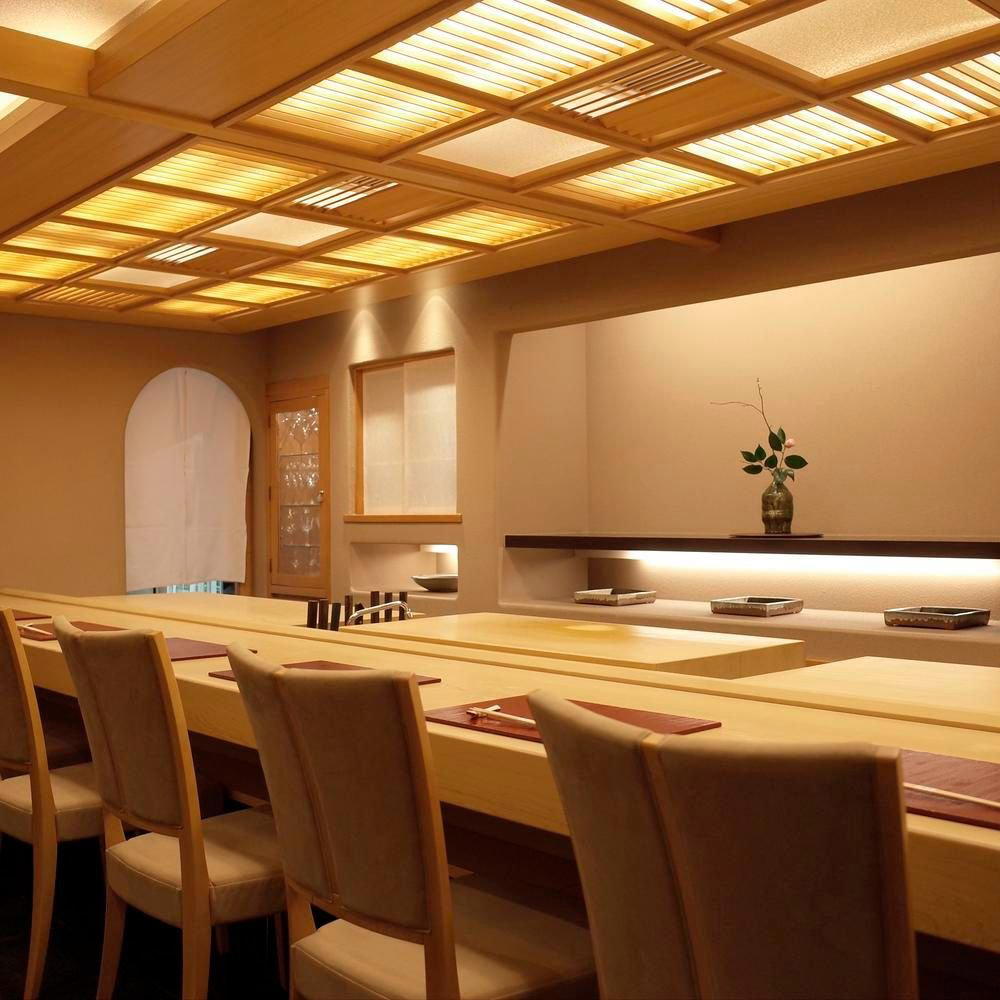
Ginza Kojyu is a restaurant in Ginza, Tokyo.
Kobayashi
Tokyo, Japan
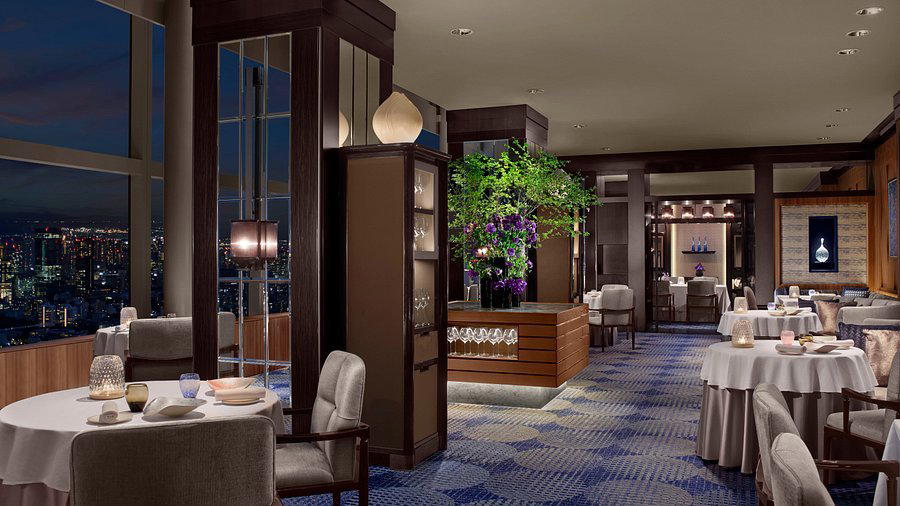
Kobayashi is a focused eight-seat Japanese tasting-menu counter in Roppongi that earned a Tabelog Bronze Award within its first year of operation. The 'Ultra K' format is the only option, which makes it easy to book and worth doing for food enthusiasts who want serious Japanese cuisine without a multi-month wait. Dinner only; closed Wednesdays.
RyuGin
Tokyo, Japan
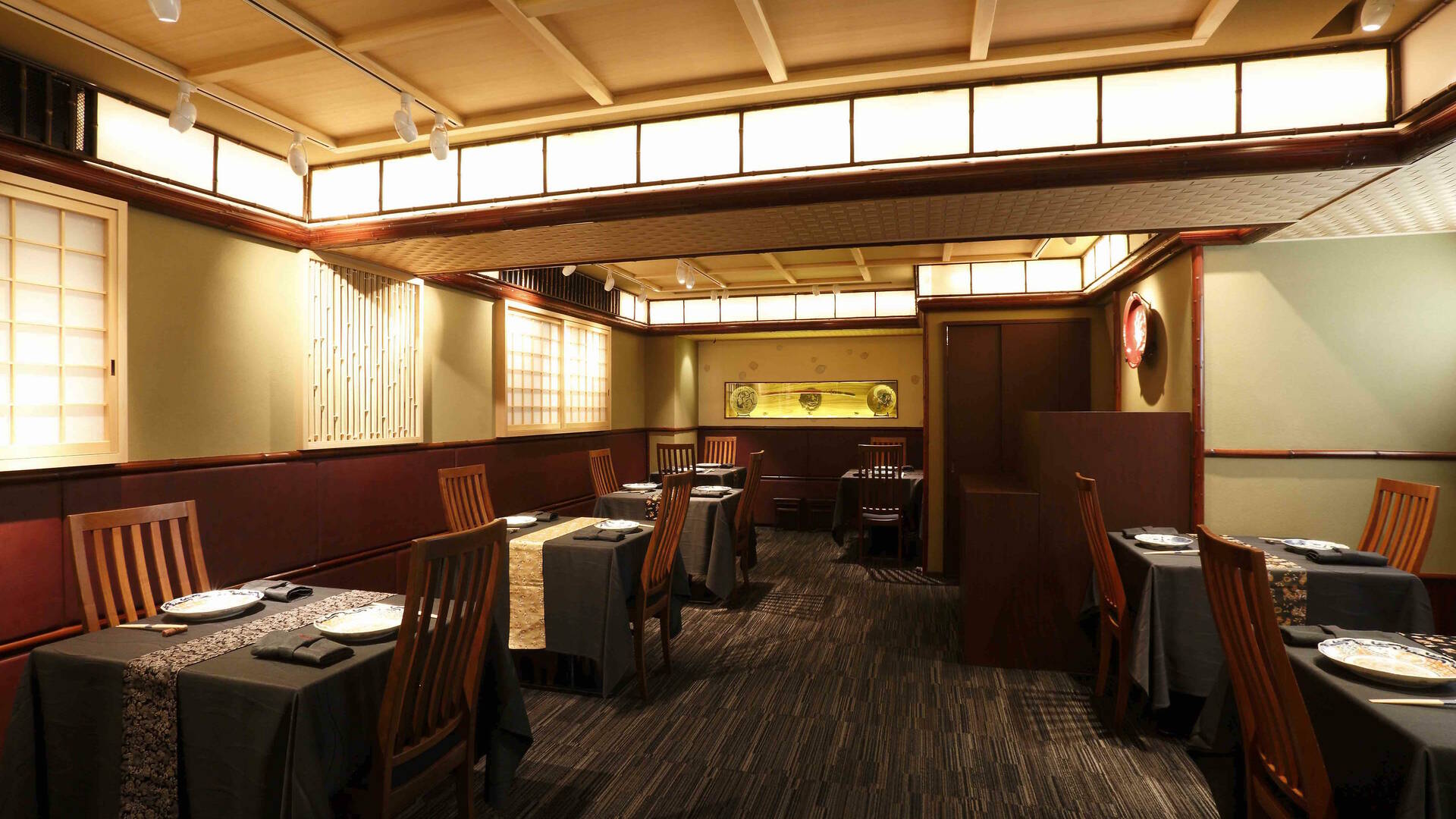
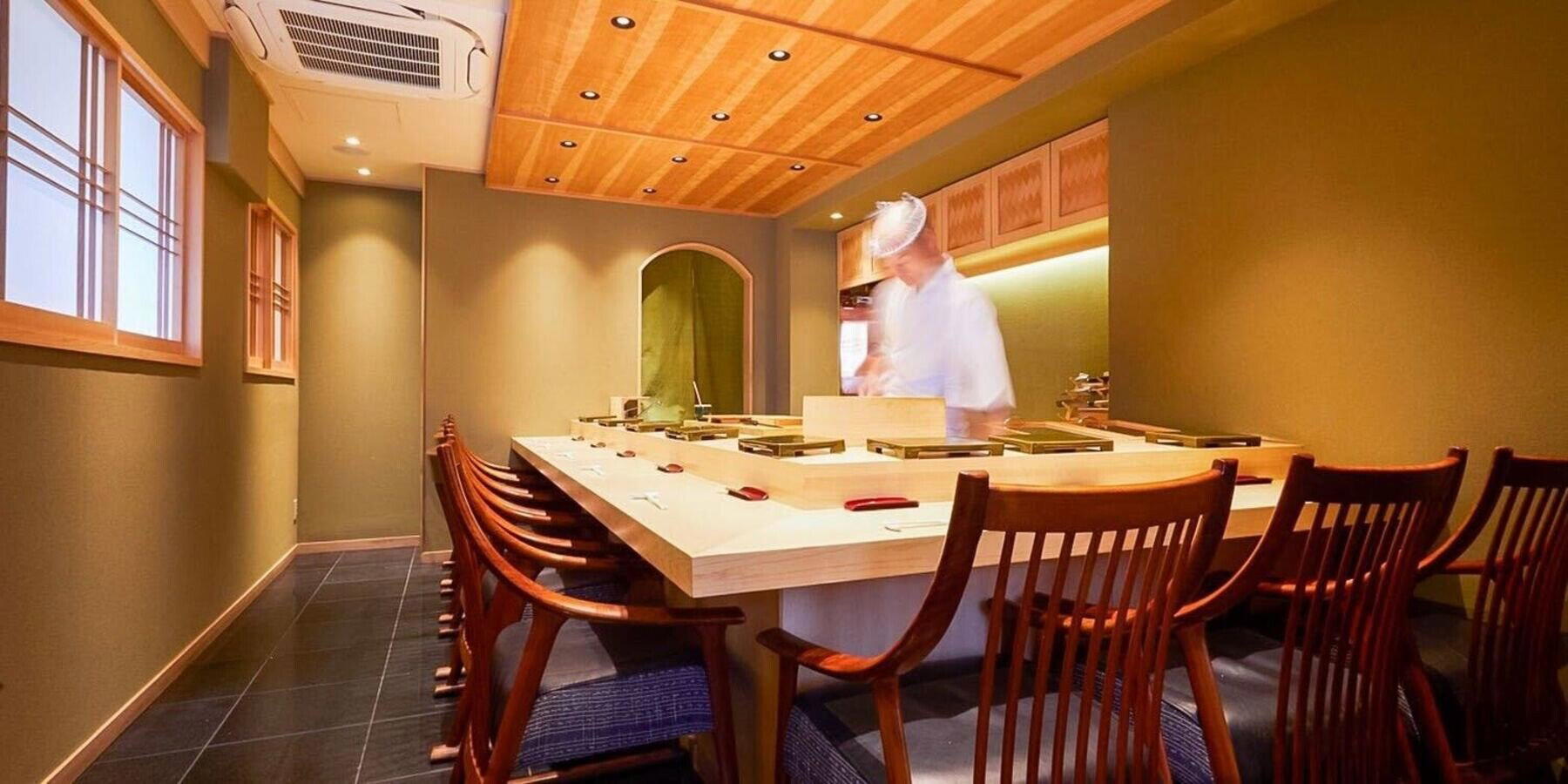
Nihonryori RyuGin is Seiji Yamamoto's Japanese restaurant in Tokyo Midtown Hibiya.
Onarimon Haru
Tokyo, Japan
A multi-year Tabelog Award Bronze winner in Tokyo's Minato district, Onarimon Haru runs a 17-seat Japanese cuisine counter with private rooms including a traditional kotatsu setting. Dinner averages JPY 40,000–49,999 per head. Chef Haruyuki Ogawa's kitchen has earned consecutive Tabelog Top 100 recognition in 2021, 2023, and 2025. Reservations are required and access is easier than Tokyo's hardest fine dining tables.
Eigetsu
Tokyo, Japan
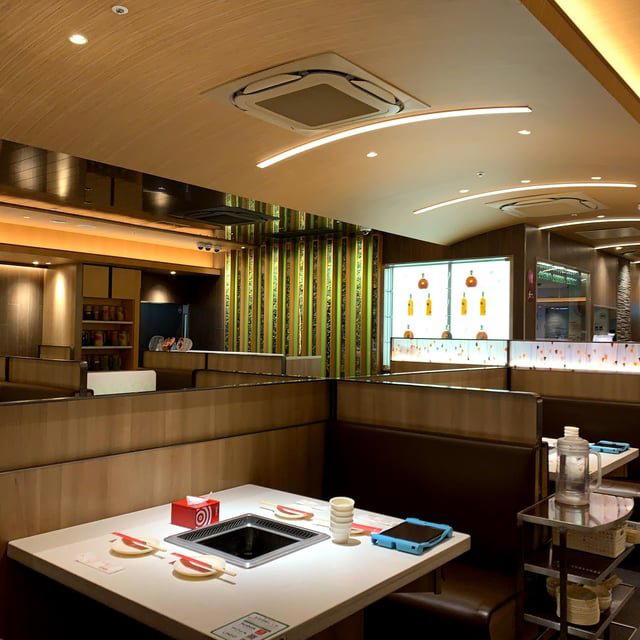
Eigetsu is a 10-seat kaiseki room in Akasaka with a Tabelog Bronze Award every year from 2017 to 2026 and a focused sake programme. Dinner runs JPY 20,000–29,999, cash only. It is one of Tokyo's more consistently recognised Japanese cuisine rooms at this price point, and easier to book than its award record might suggest.
Hoshino
Tokyo, Japan
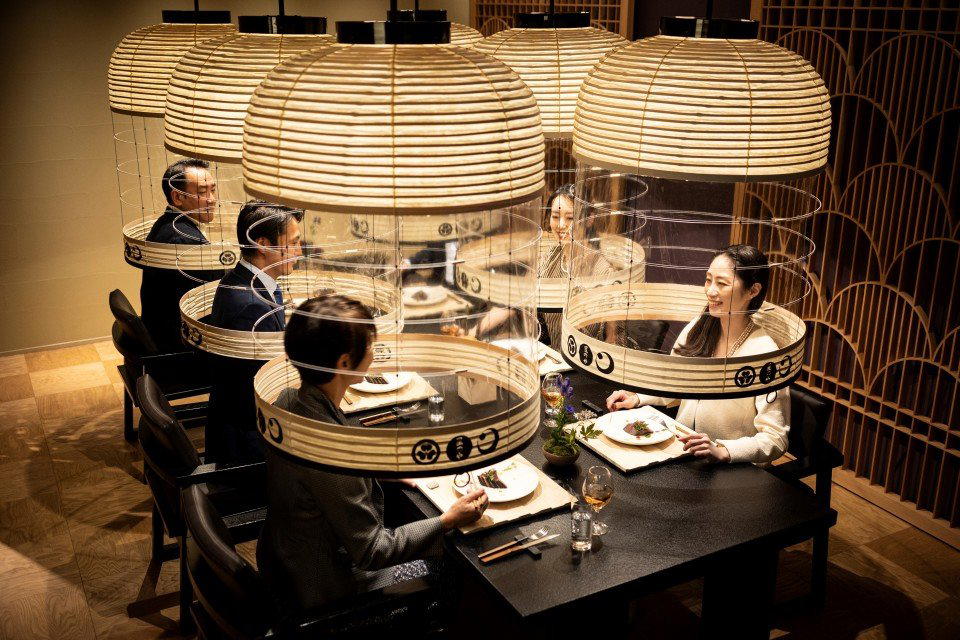
Shimbashi Hoshino is one of Tokyo's most consistently decorated kaiseki restaurants, holding Tabelog Gold every year since 2017 and ranked #7 in Japan by Opinionated About Dining (2025). Dinner runs JPY 60,000–79,999 per person. Reservations are by referral only, so secure access before you plan your trip.
柳燕
Tokyo, Japan
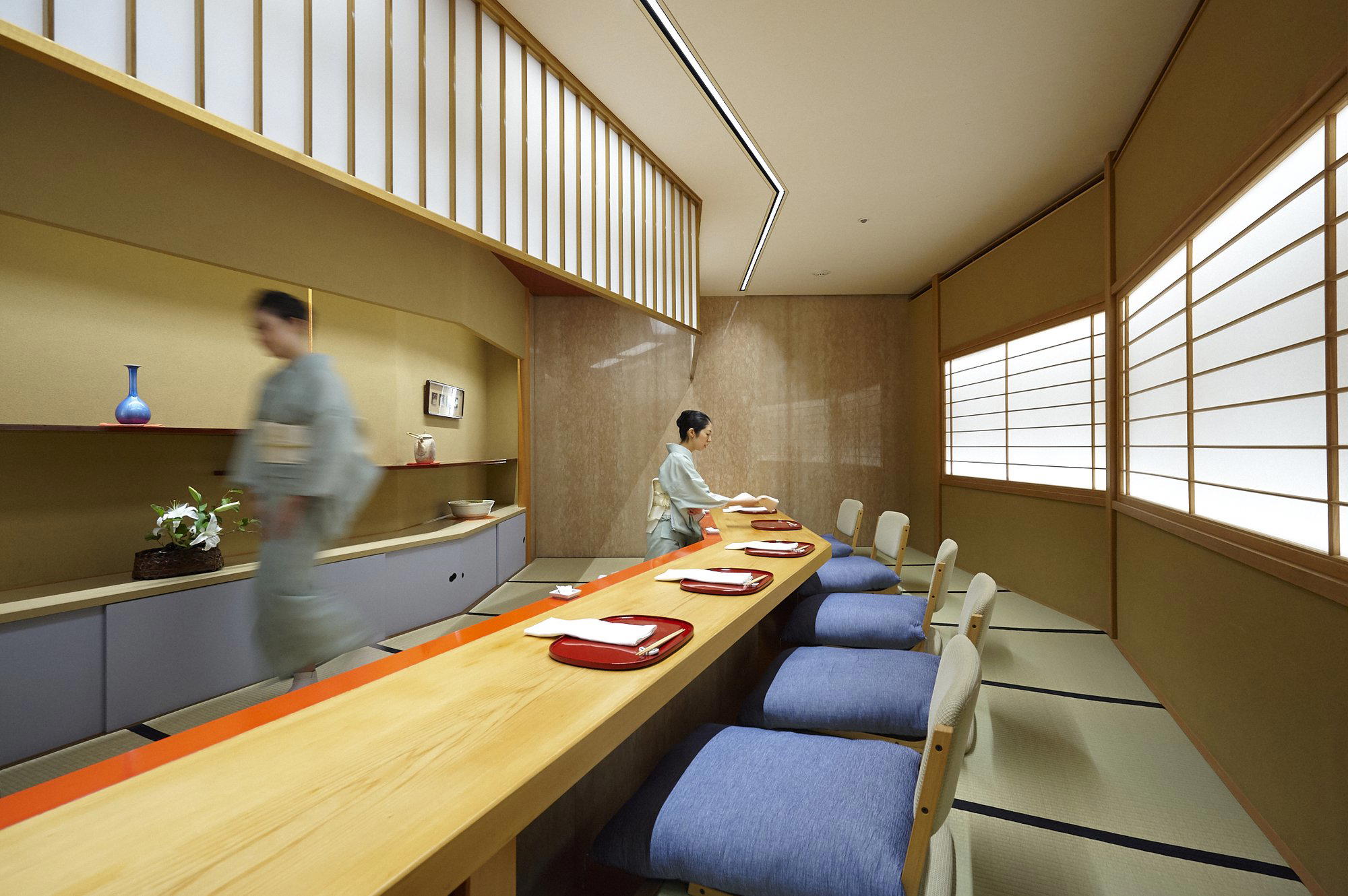
柳燕 is a stronger choice for flexible diners already planning around Ningyocho than for anyone who needs full menu, price, and format certainty before choosing. Its Tabelog 100 #25 placement in 2025 gives it a real recognition signal, but nearby peers such as Tempura Yaguchi, Yakiniku Toka, and BROZERS' Take Out Ningyouchou ten are easier to assess by category and budget.
Ren Mishina
Tokyo, Japan
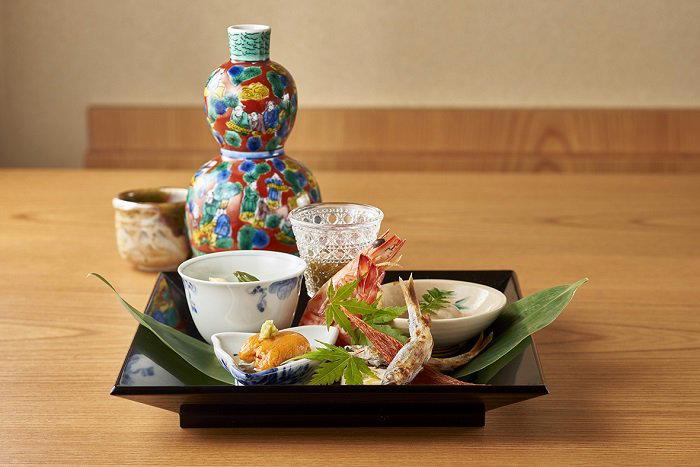
Ren Mishina is a strong case for kaiseki in Ginza at JPY 50,000–59,999 per head. Five consecutive Tabelog Bronze Awards (2022–2026) and three Tokyo Top 100 selections back up a kitchen built on charcoal technique, seasonal fish, and minimal pretension. The 16-seat basement room; six counter seats, two private rooms; is easy to book and well-positioned five minutes from Ginza Station.
Ajiyuki
Tokyo, Japan
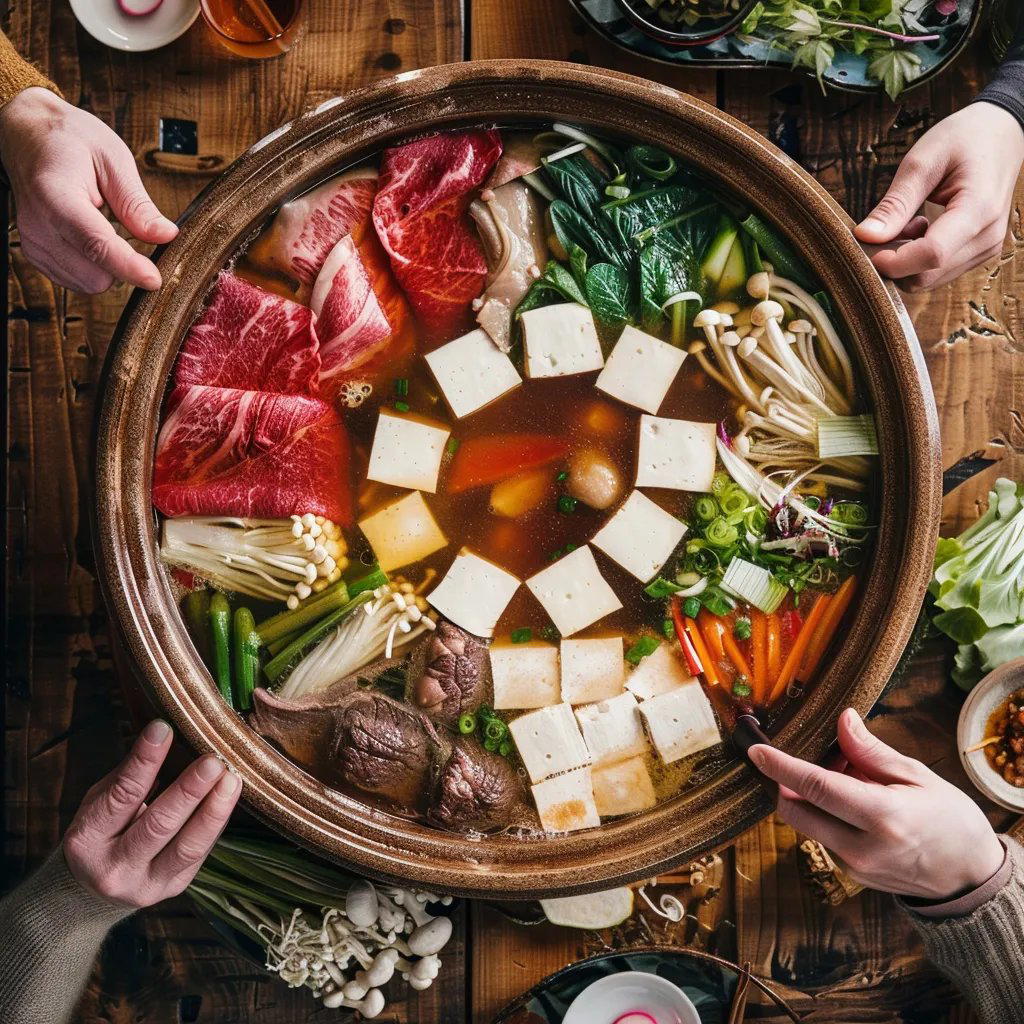
Ajiyuki is a referral-only, 7-seat counter in Tokyo's Chuo Ward, earning Tabelog Bronze Awards in both 2025 and 2026 with a 4.36 score. Dinner runs JPY 30,000–49,999 with a fish-focused seasonal Japanese menu. The access barrier is real; you need an introduction to book; but clear it and you get one of the most intimate high-end Japanese dining experiences in the city.
Ginza Fujiyama
Tokyo, Japan
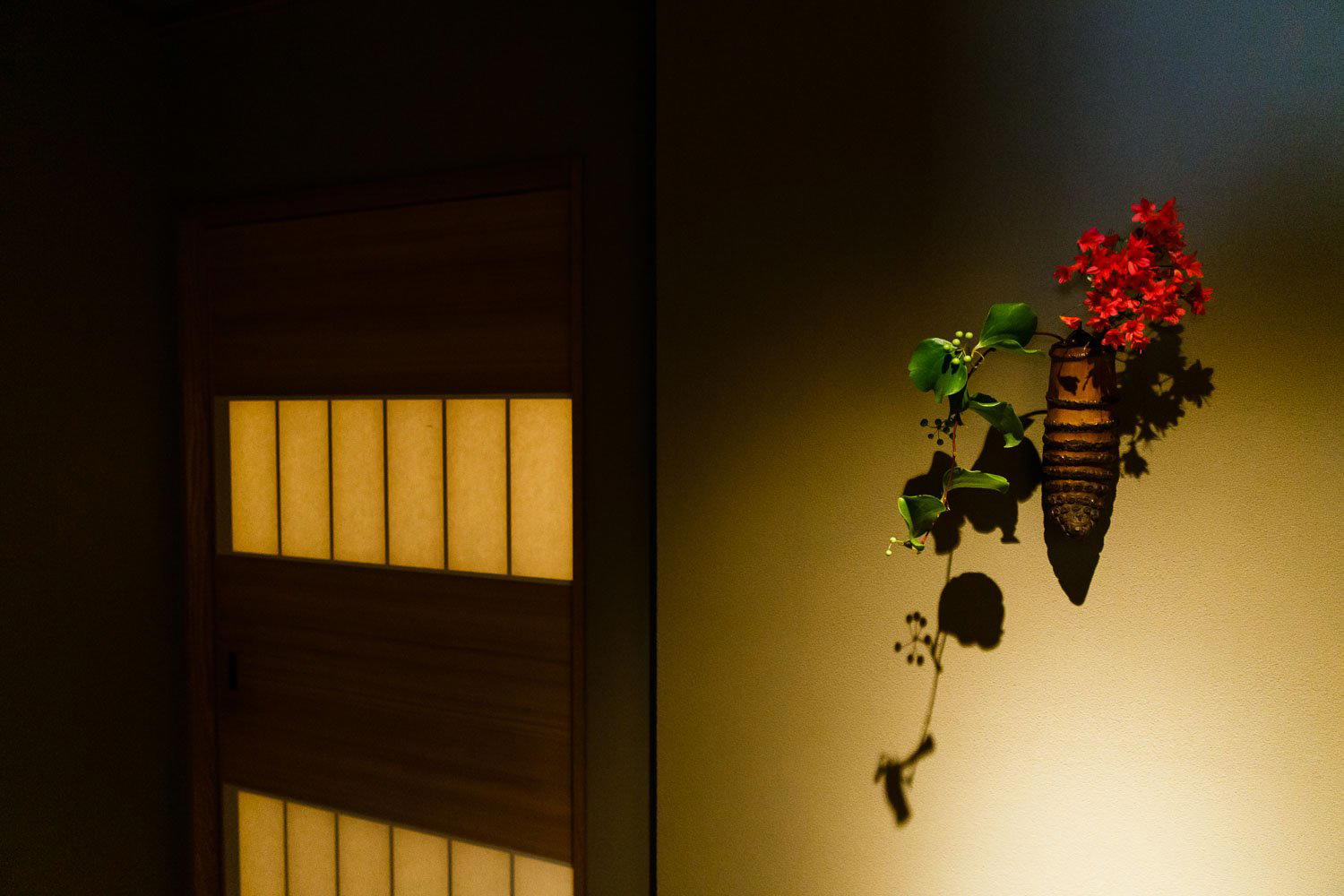
Ginza Fujiyama is a 16-seat kaiseki counter in central Ginza with seven consecutive Tabelog Bronze Awards (2020–2026) and a current Tabelog score of 3.84. Dinner runs JPY 50,000–59,999 per person, dinner-only service runs nightly, and booking is easier than most restaurants at this level. A reliable choice for a special occasion or business dinner in Tokyo.
Kawada
Tokyo, Japan
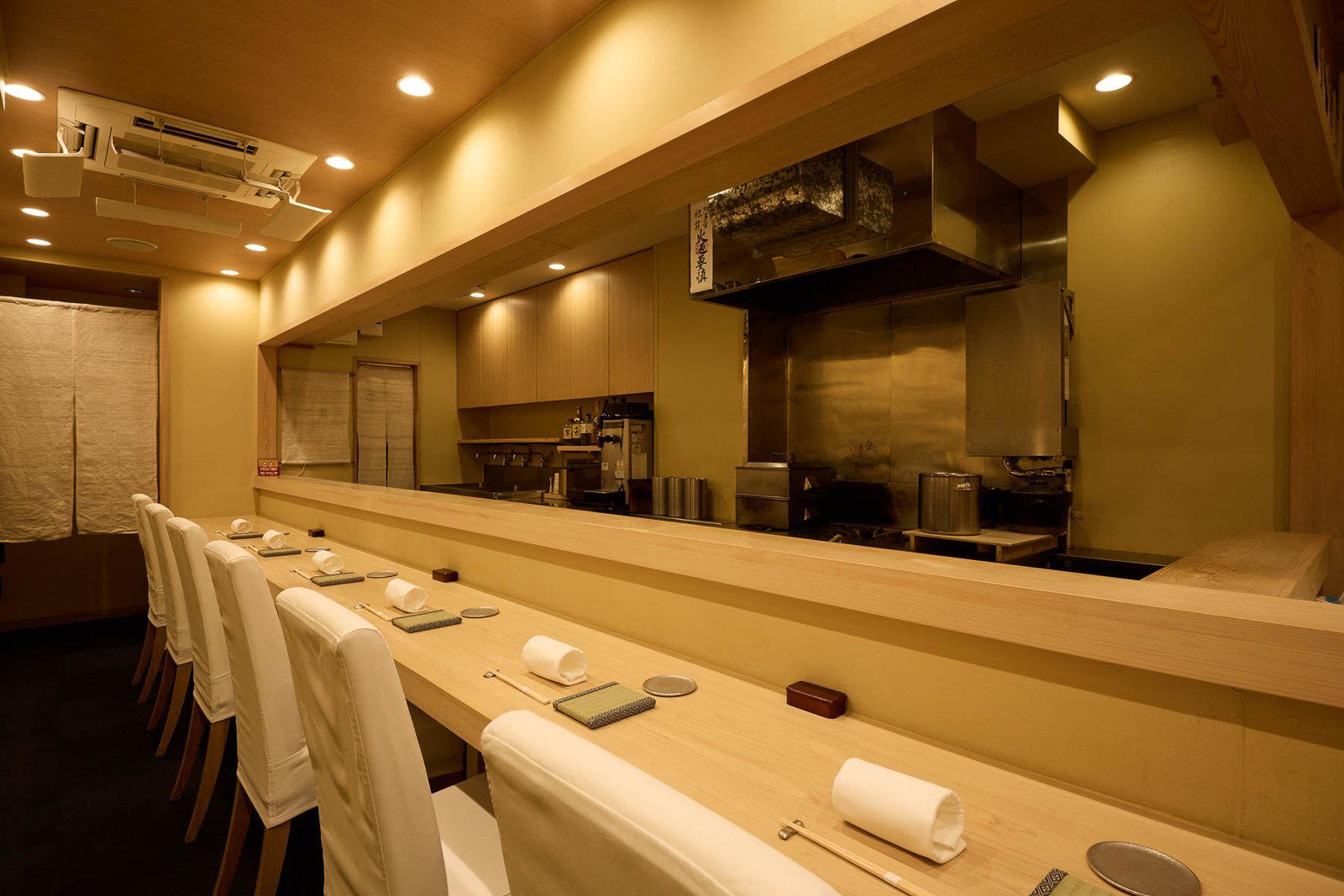
A seven-seat counter in Nihonbashi Ningyocho, Kawada holds four consecutive Tabelog Bronze Awards and a 3.96 score, placing it among Tokyo's most consistent Japanese cuisine destinations at JPY 40,000–49,999 per head. Best for solo diners or pairs who want an intimate, ingredient-focused meal without the scale of a full kaiseki room. Saturday lunch is the practical choice for visitors with busy evenings.
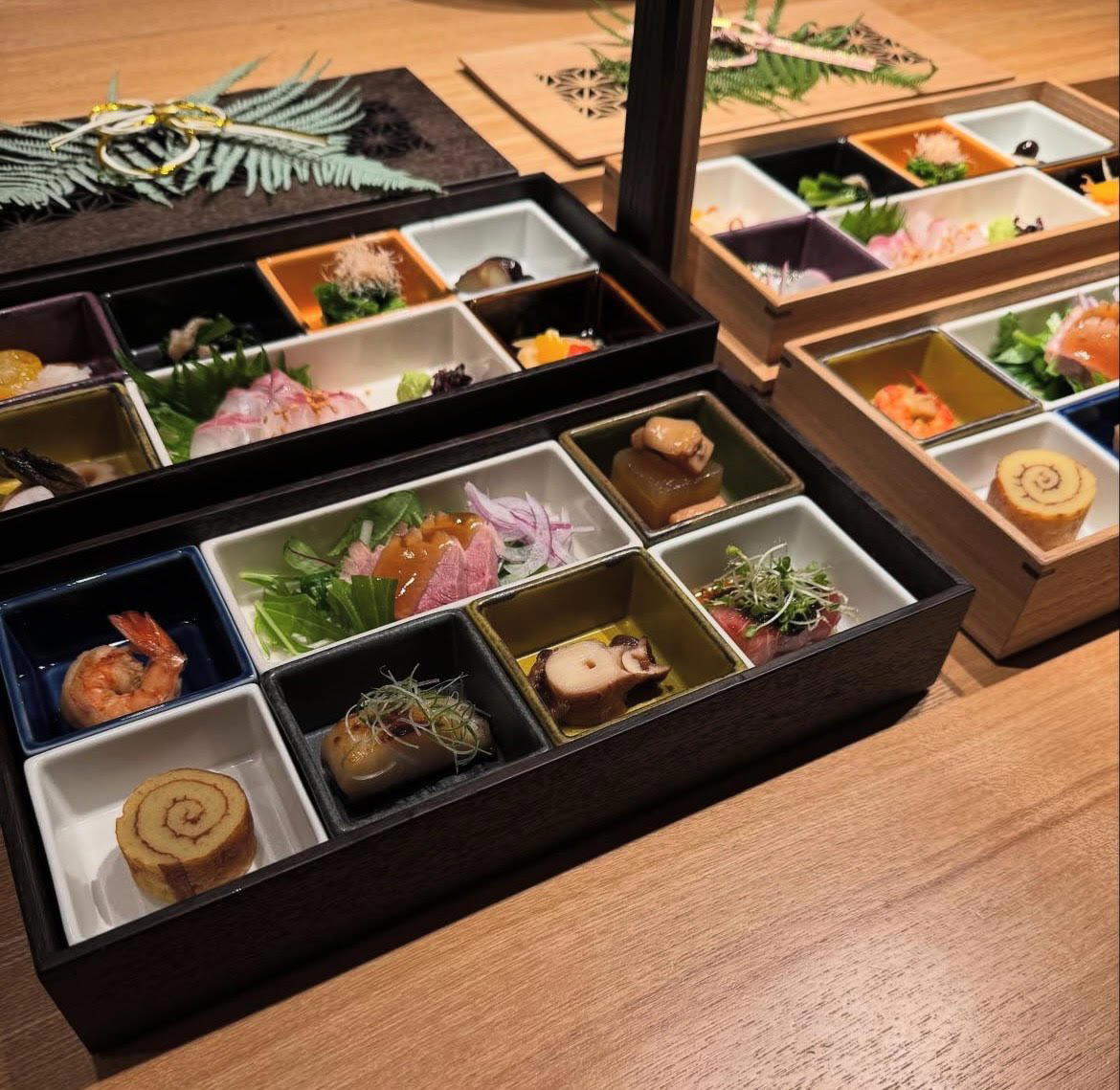
銀座 うち山
Tokyo, Japan
A calm Ginza choice for a polished special-occasion meal, especially if you want recognition without a punishing reservation process. It is stronger for dates, business meals, and solo dining than for groups chasing a drinks-led night or a flexible casual format.
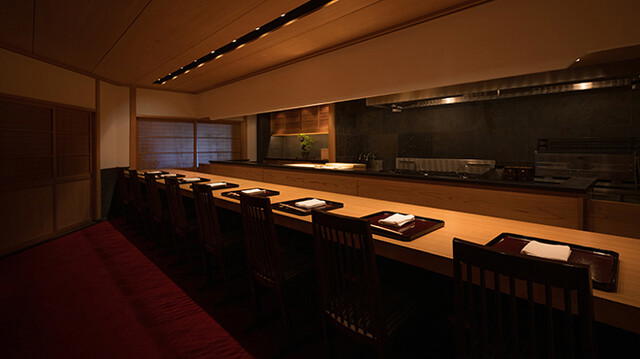
Watanabe
Tokyo, Japan
An eight-seat Japanese counter in Shirokane Takanawa with synchronized service and a no-fragrance dress code. Named to Tabelog's Top 100 in 2023 and 2025, it runs JPY 30,000–39,999 with strict reservation-only policies. Best for solo diners and couples comfortable with fixed-start formats and limited flexibility on dietary changes.
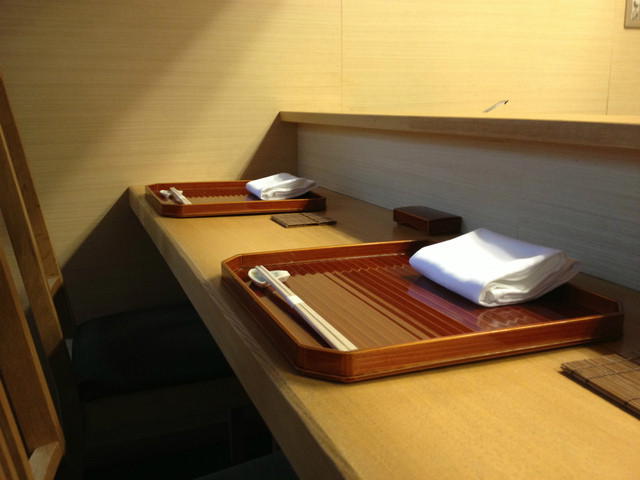
Sakou
Tokyo, Japan
Tabelog 100-listed counter in Akasaka focusing on seasonal fish with a curated sake and wine program. Dinner runs JPY 10,000–14,999, cash only. The intimate counter suits solo diners and pairs who want quality seafood without kaiseki formality. Booking is manageable, though the phone number is unlisted; reserve via Tabelog first.
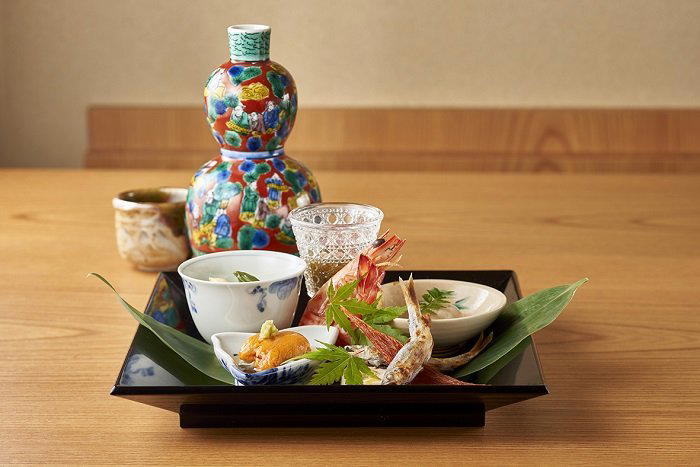
Kutan
Tokyo, Japan
Kutan is a restaurant in Shintomi, Tokyo.
Nishiazabu Noguchi
Tokyo, Japan
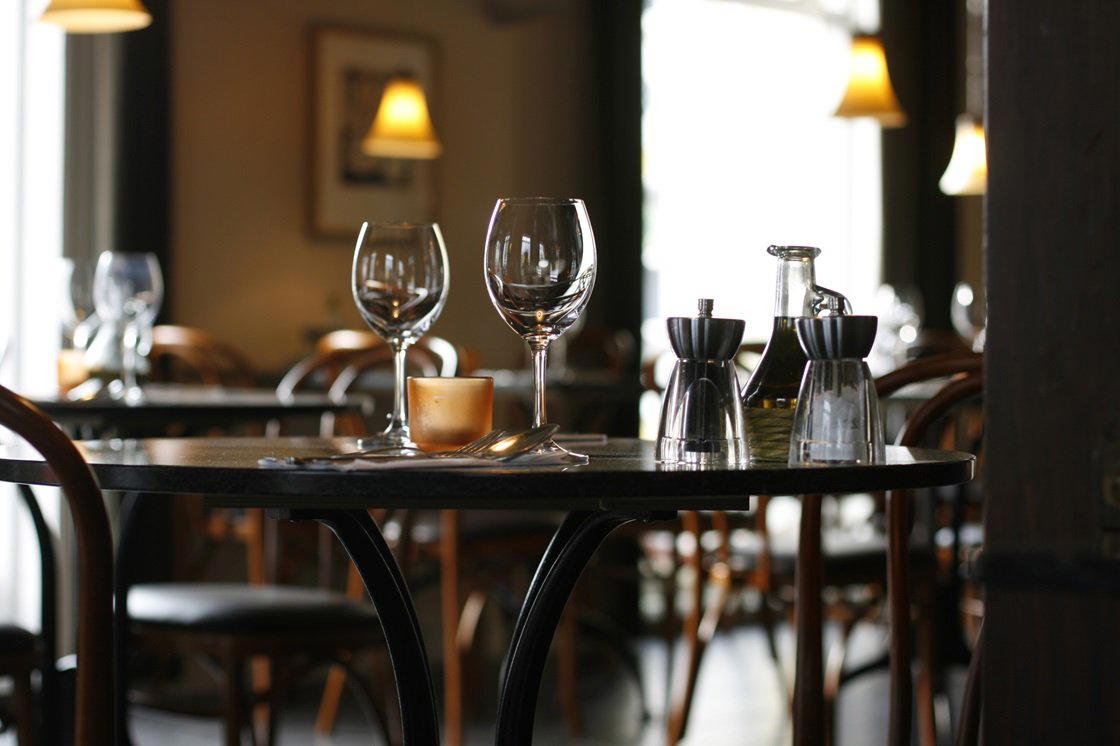
Nishiazabu Noguchi holds a 2024 Michelin star and for a style of Japanese cooking that is precise without being stiff. Kombu broths, sudachi-dressed tsukuri, and generous rice courses signal a kitchen focused on flavour and satisfaction rather than performance. At ¥¥¥¥ in a quiet Minato City address, this is the right call for a special occasion dinner that wants quality without ceremony.
Tanimoto
Tokyo, Japan
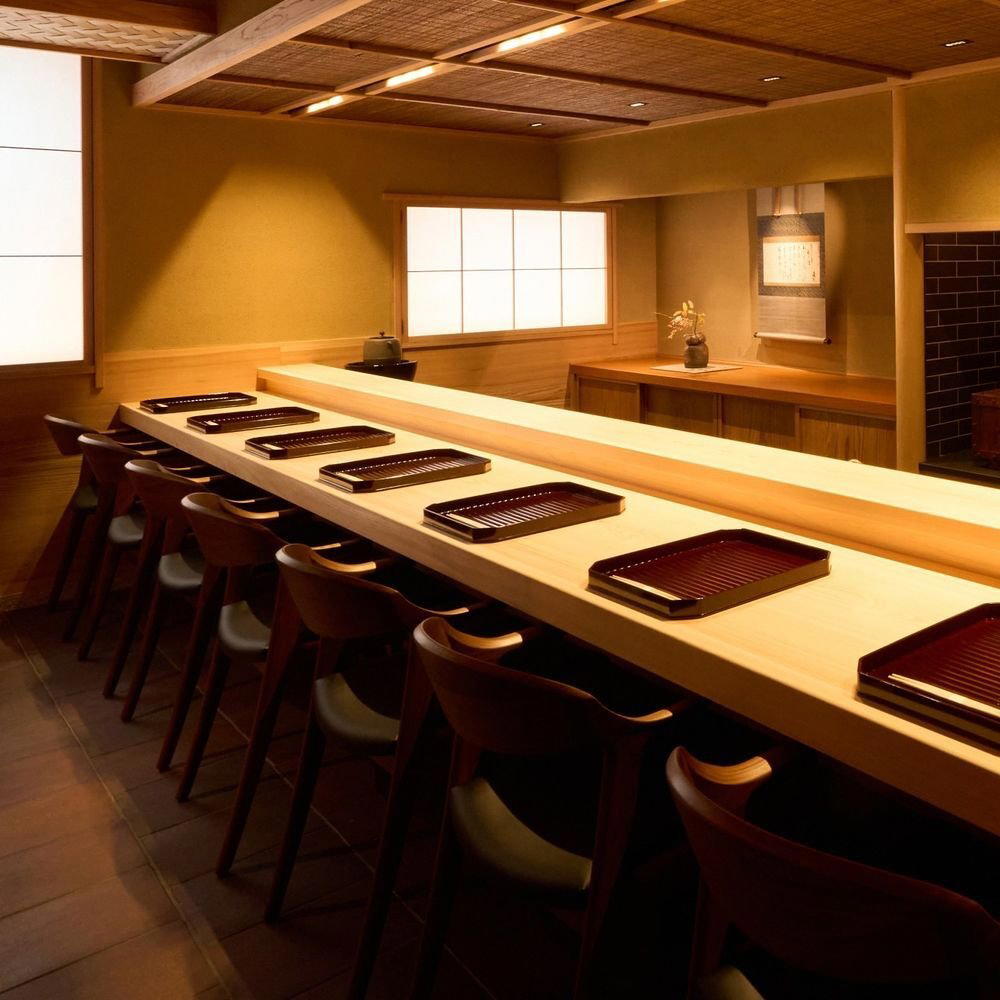
Tanimoto holds a 2024 Michelin star in Kagurazaka for a reason: its charcoal-grill technique and ryotei-influenced service deliver a meal with a clear identity at ¥¥¥¥. Book if you want technically precise Japanese cooking in an intimate, unhurried setting. Booking is hard; go through a hotel concierge.
Akasaka Totoya Uoshin
Tokyo, Japan
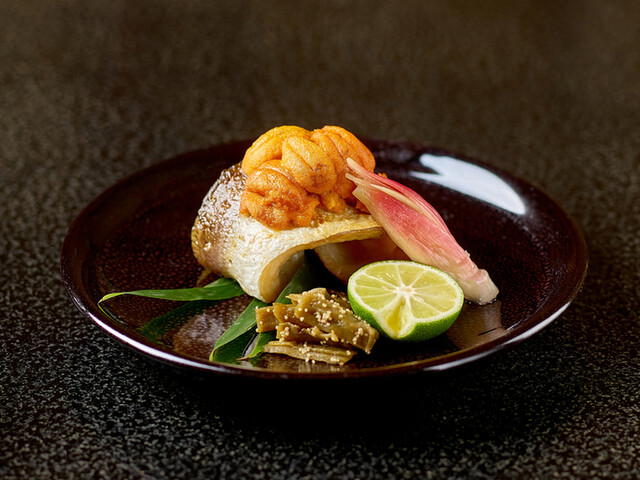
Akasaka Totoya Uoshin is a 22-seat Japanese restaurant recognized on Tabelog's Hyakumeiten lists for its seafood-focused menu and sake selection. Dinner runs JPY 15,000–19,999, lunch JPY 6,000–7,999, with private tatami rooms available for groups. Reservations required; closed Mondays and Sundays.
Towa
Tokyo, Japan
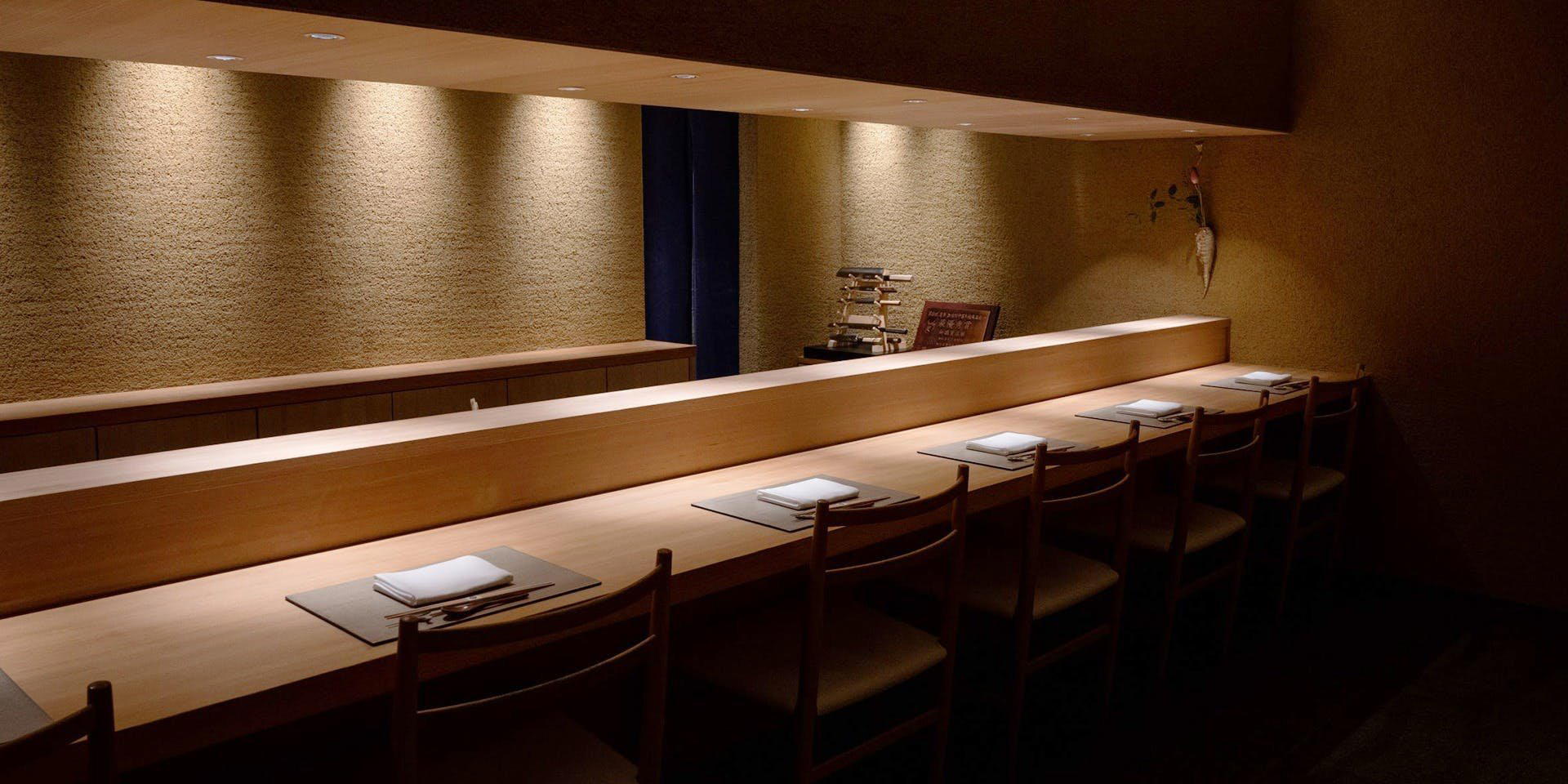
A Michelin-starred (2024) beef kaiseki restaurant in Nishiazabu, Towa sequences wagyu through multiple preparations; tail, tongue, cutlet; within a traditional kaiseki framework. At ¥¥¥¥, it earns its price if wagyu is your focus. Booking is hard; plan four to six weeks ahead minimum.
Myojaku
Tokyo, Japan
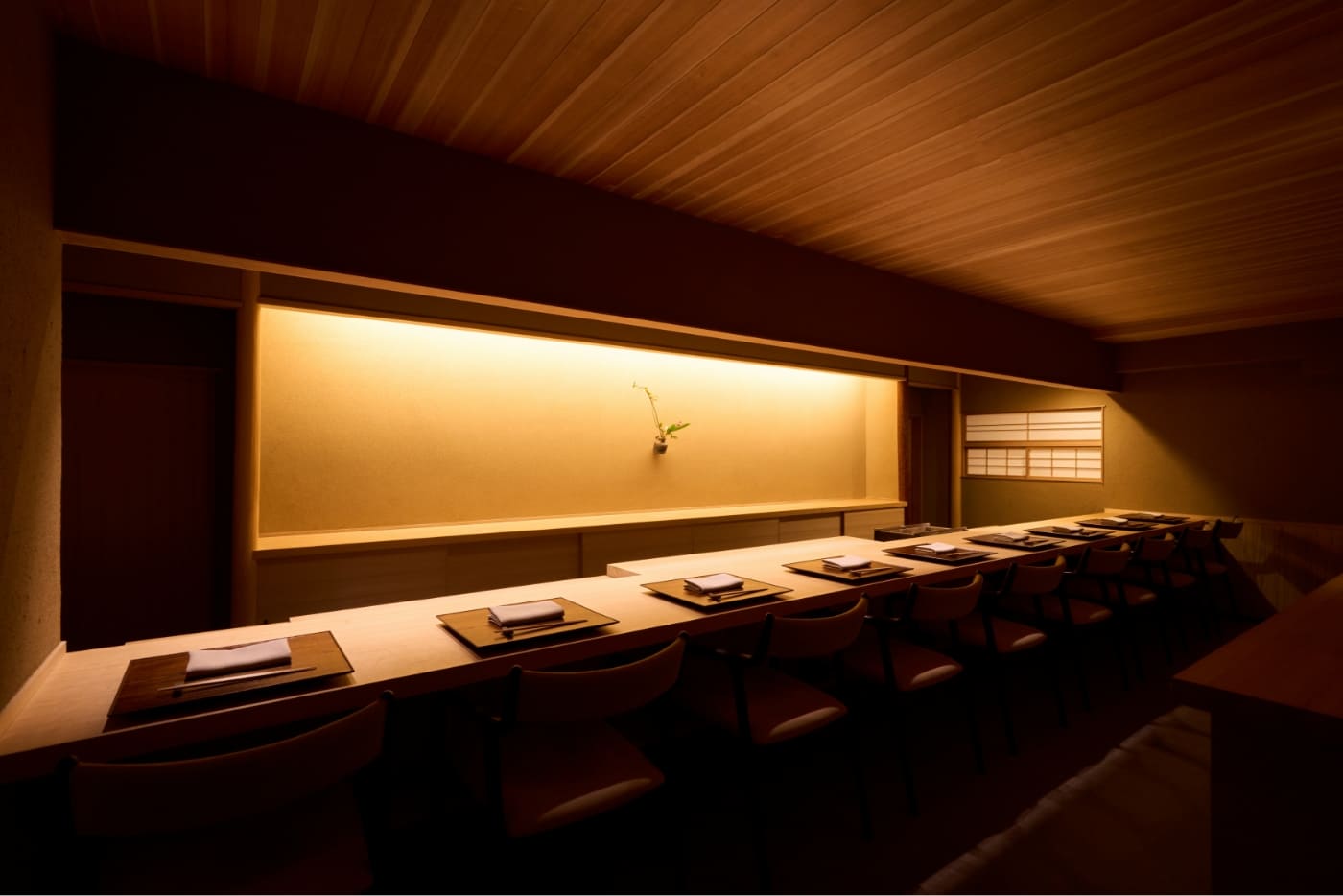
Myojaku is a restaurant in Nishiazabu, Tokyo, working with ingredients from across Japan.
Japanese Cuisine Yamazaki
Tokyo, Japan
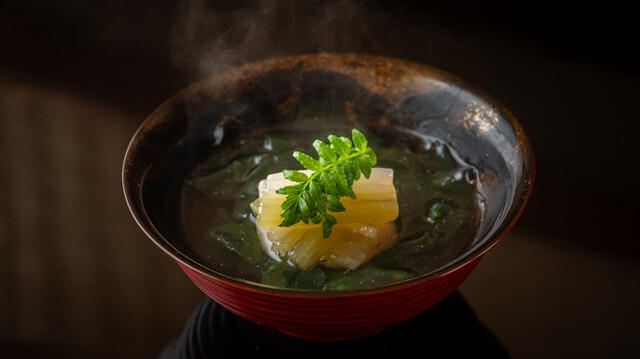
This 14-seat Kyobashi counter specializes in kaiseki centered on eel and seasonal fish, offering dinner at JPY 30,000–39,999 (reservation-only, two sittings) and walk-in lunch at JPY 4,000–4,999. Tabelog 100 recognition and OAD Japan #81 within two years signal technical craft, though private rooms are reserved for repeat guests only. BYO-friendly for collectors; weekday-only service limits weekend travelers.
Teppanyaki Iwakura
Tokyo, Japan
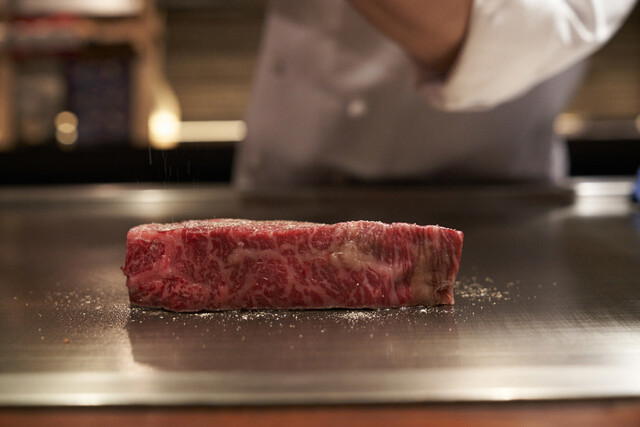
A 22-seat teppanyaki counter in Kagurazaka emphasizing seafood over showmanship, with Tabelog 100 recognition and JPY 15,000–19,999 pricing. Semi-private rooms accommodate groups up to eight, and the format suits travelers seeking grilled fish and beef in a special-occasion setting quieter than omakase sushi. Easy reservations and family-friendly policies distinguish it from Tokyo's stricter fine-dining counters.
Mitaka
Tokyo, Japan
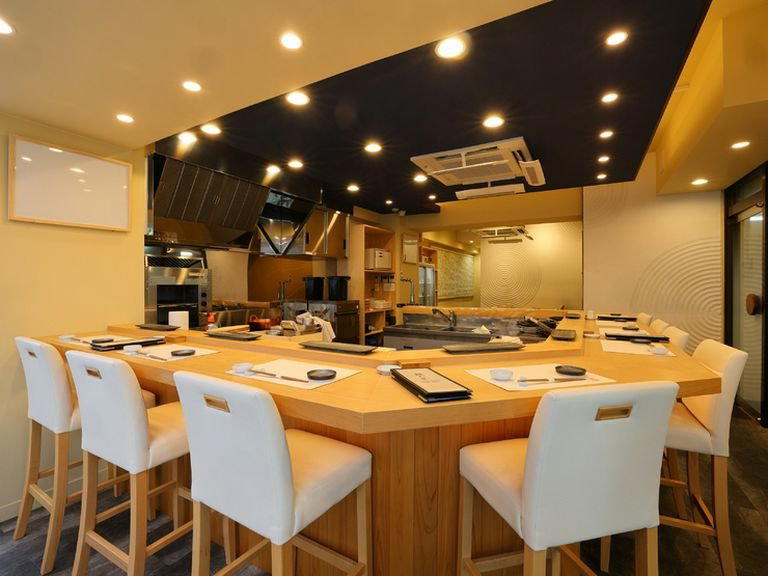
Chef Takatoshi Inoue's kaiseki counter in Nishishinbashi delivers seasonal precision at JPY 40,000–50,000 per person. Tabelog Award 2026 Silver winner and 2025 Tabelog 100 selection confirm the kitchen's consistency. Dinner-only, reservation-required, and closed Sundays; a reliable choice for first-timers learning the format or repeat visitors tracking seasonal shifts.
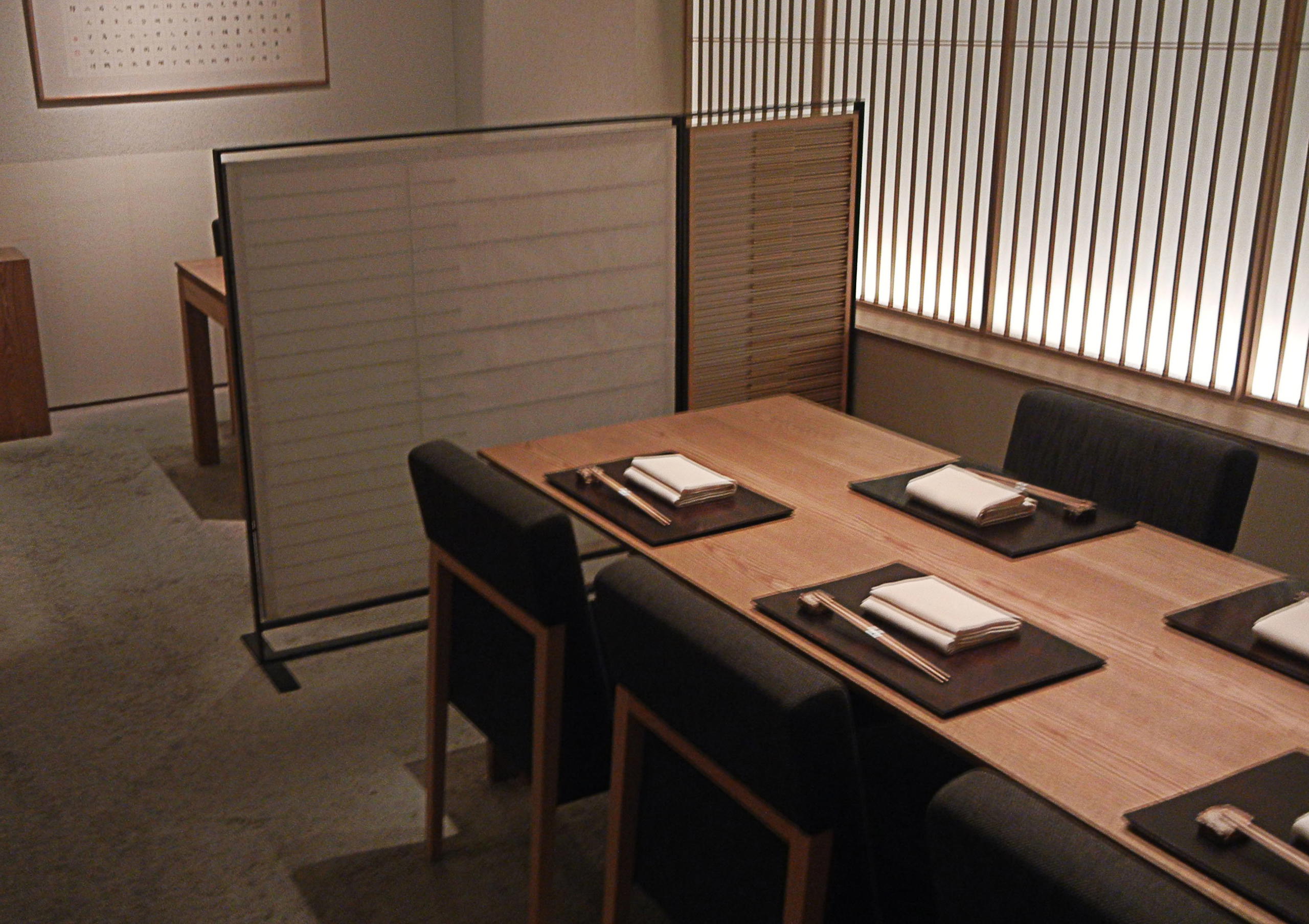
Kohaku
Tokyo, Japan
Kohaku is a restaurant in Kagurazaka, Tokyo.
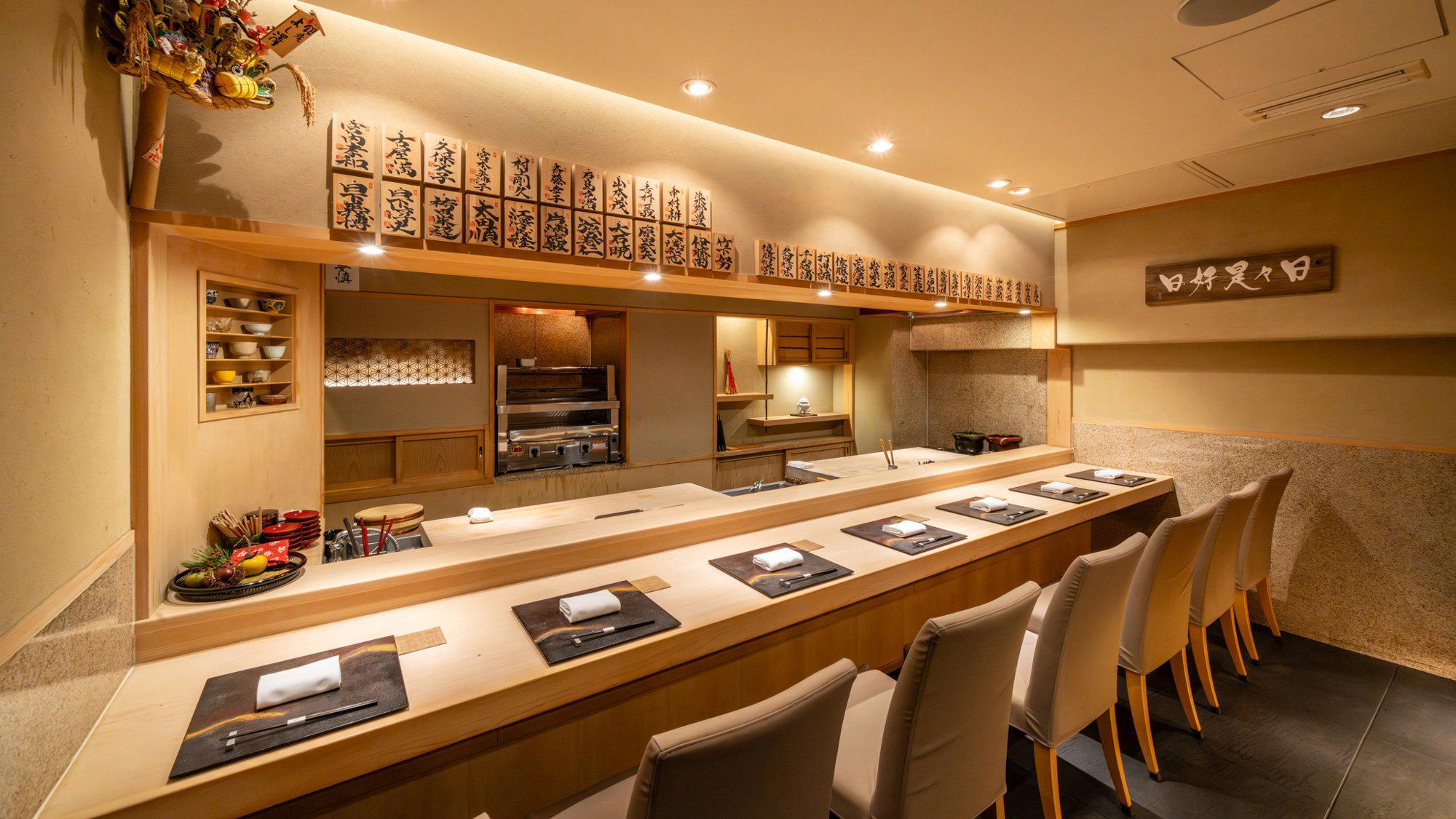
銀座 よし澤
Tokyo, Japan
A calm Ginza choice for diners who want a serious, locally recognized meal rather than a scene. The Tabelog 100 listing is the clearest trust signal; book it for a focused small-party dinner, and cross-shop more casual or format-specific Ginza options if price transparency or group flexibility matters more.
Kasumicho Yamagami
Tokyo, Japan
Book four to six weeks ahead minimum. This is a dine-in-only commitment, and it's worth making.
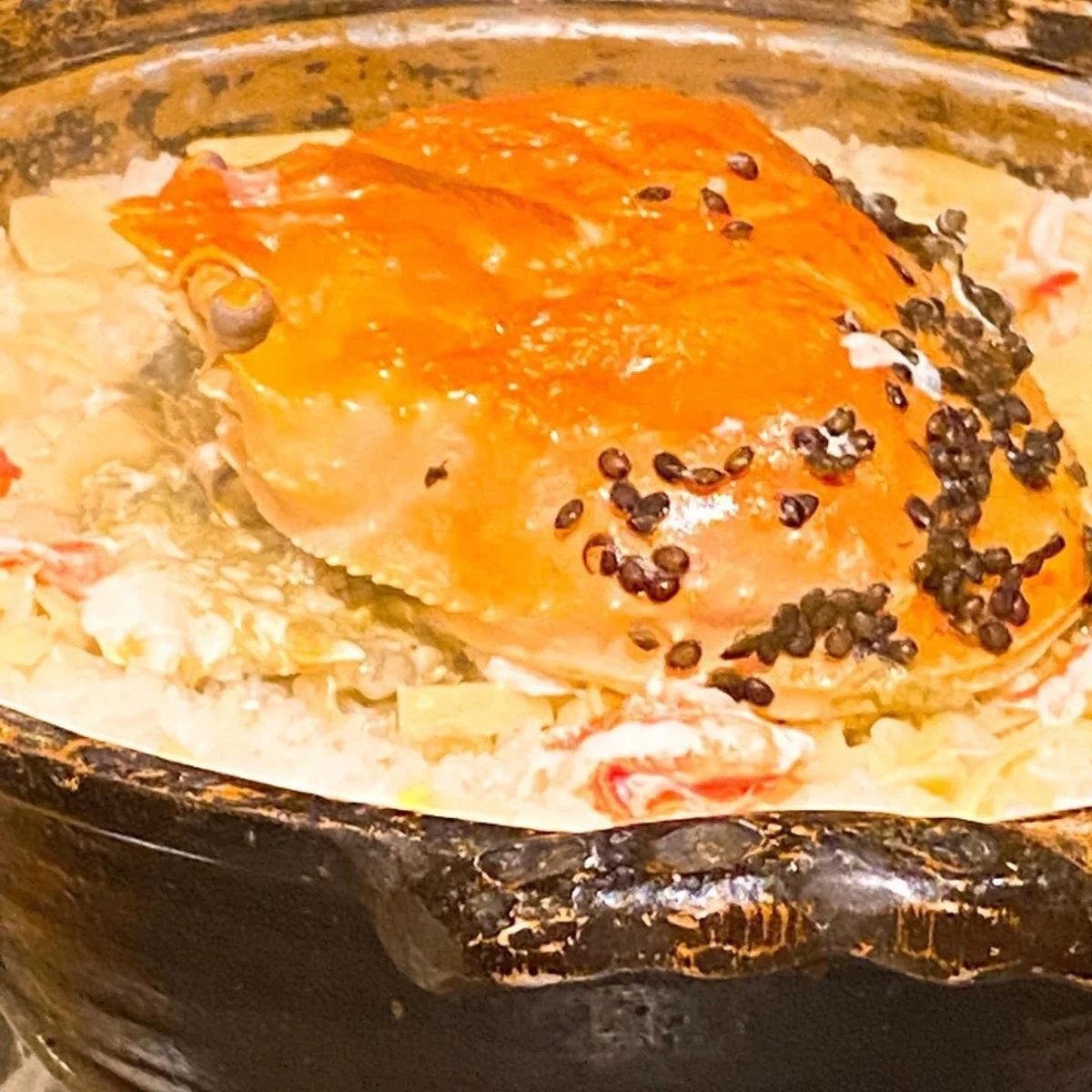
Shouin Tsurumizu
Tokyo, Japan
Fish-focused omakase in a referral-only, eight-seat Setagaya hideaway at JPY 40,000+. Worth booking if you trust the kitchen's fish sourcing and want intimacy over scene, but the referral policy and single-format menu make this a second- or third-visit Tokyo choice rather than a first-timer's anchor. Tabelog 100; Japanese cuisine; TOKYO; 2025.
Hirosaku
Tokyo, Japan
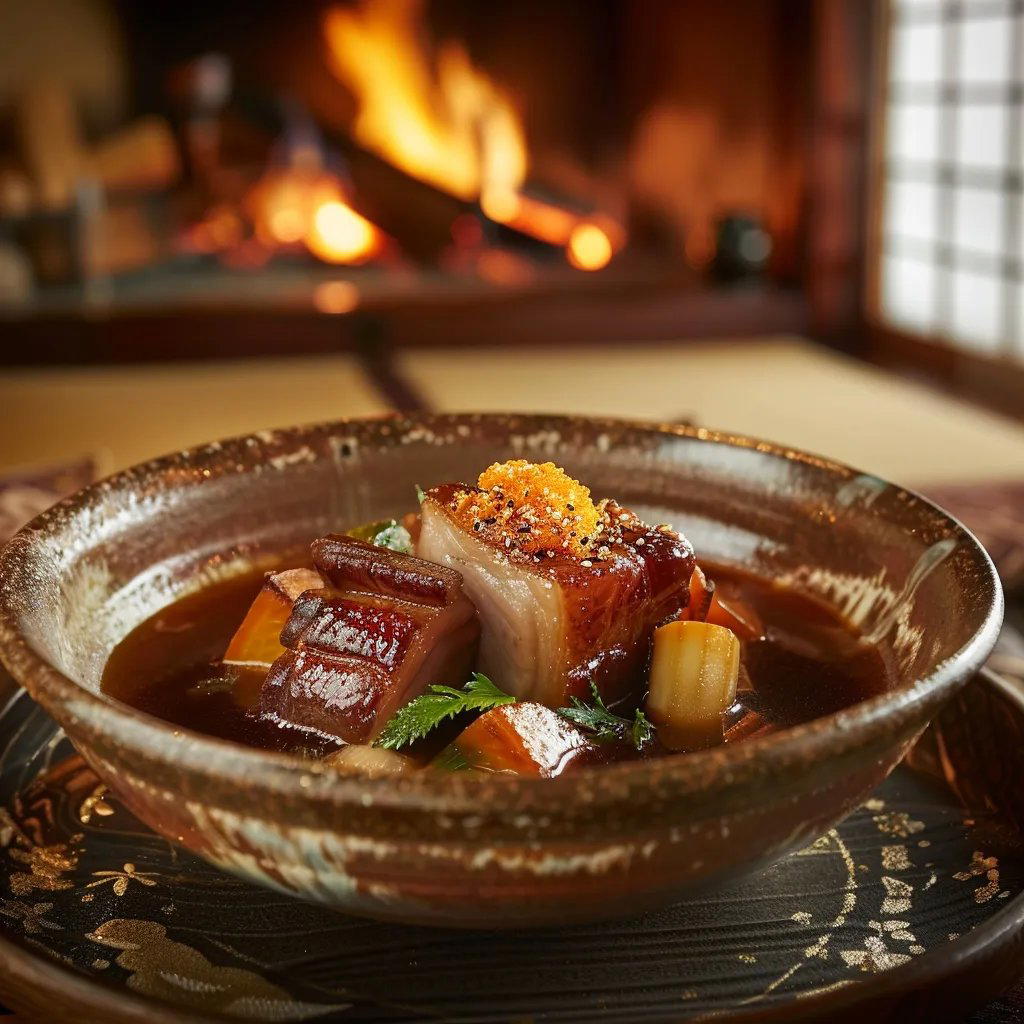
Hirosaku is one of Tokyo's most consistently decorated kaiseki rooms; Tabelog Bronze every year since 2017, Michelin-starred in 2019, and ranked in Opinionated About Dining's Japan Top 200. At JPY 50,000–59,999 for dinner (cash only, weekdays only, 18 seats), it asks a lot in logistics. Deliver on those terms and the intimate, personally run service at this price point is hard to match in the city.
Mudai
Tokyo, Japan
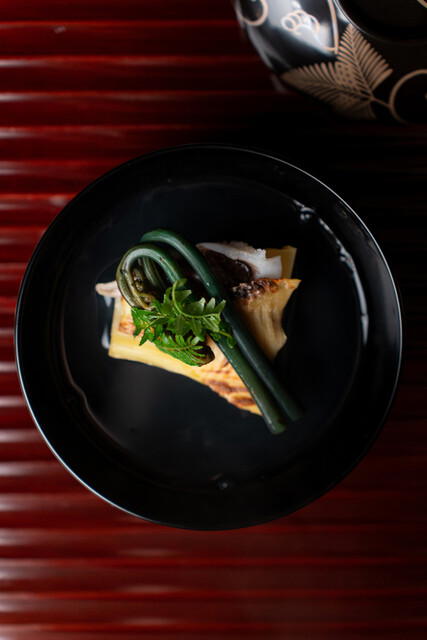
Eight-seat kaiseki counter in Azabudai Hills' BMW showroom with chef Tomoyuki Suzuki's seasonal menu. Tabelog Hyakumeiten 2025 recognition within a year of opening. JPY 50,000–59,999 per head, simultaneous seatings, no menu preview. Book three weeks ahead for a charged, open-kitchen atmosphere; not a quiet counter experience.
Kanjo
Tokyo, Japan
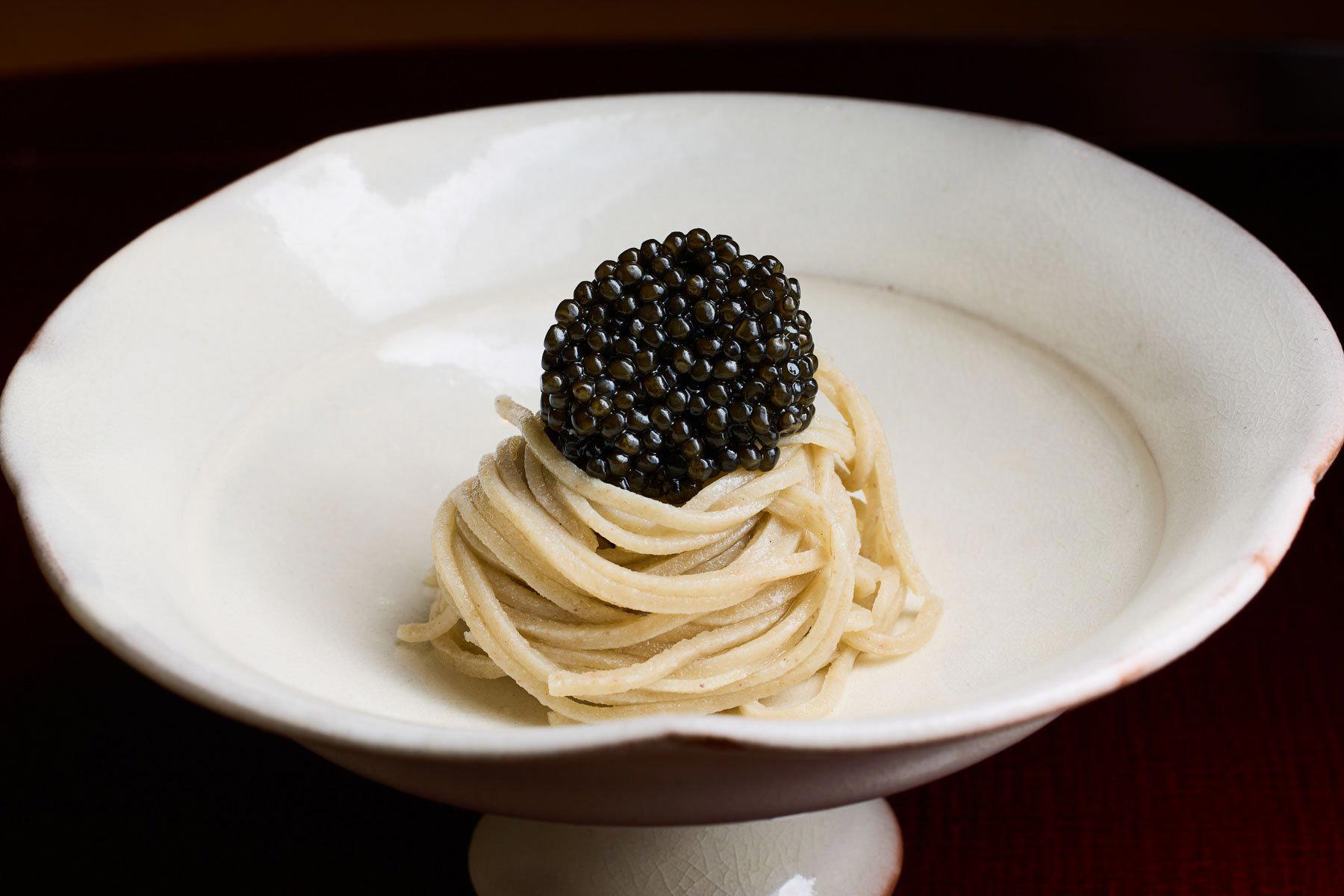
A seven-seat Roppongi counter built around duck and soba courses, holding Tabelog Bronze Awards (2025, 2026) and a 4.26 score. At JPY 30,000–39,999 per person, the format demands commitment to two ingredients; ideal for diners prioritizing focused technique over ingredient variety. Book three to four weeks ahead via phone or OMAKASE platform; strict no-fragrance policy enforced.
Kurogi
Tokyo, Japan
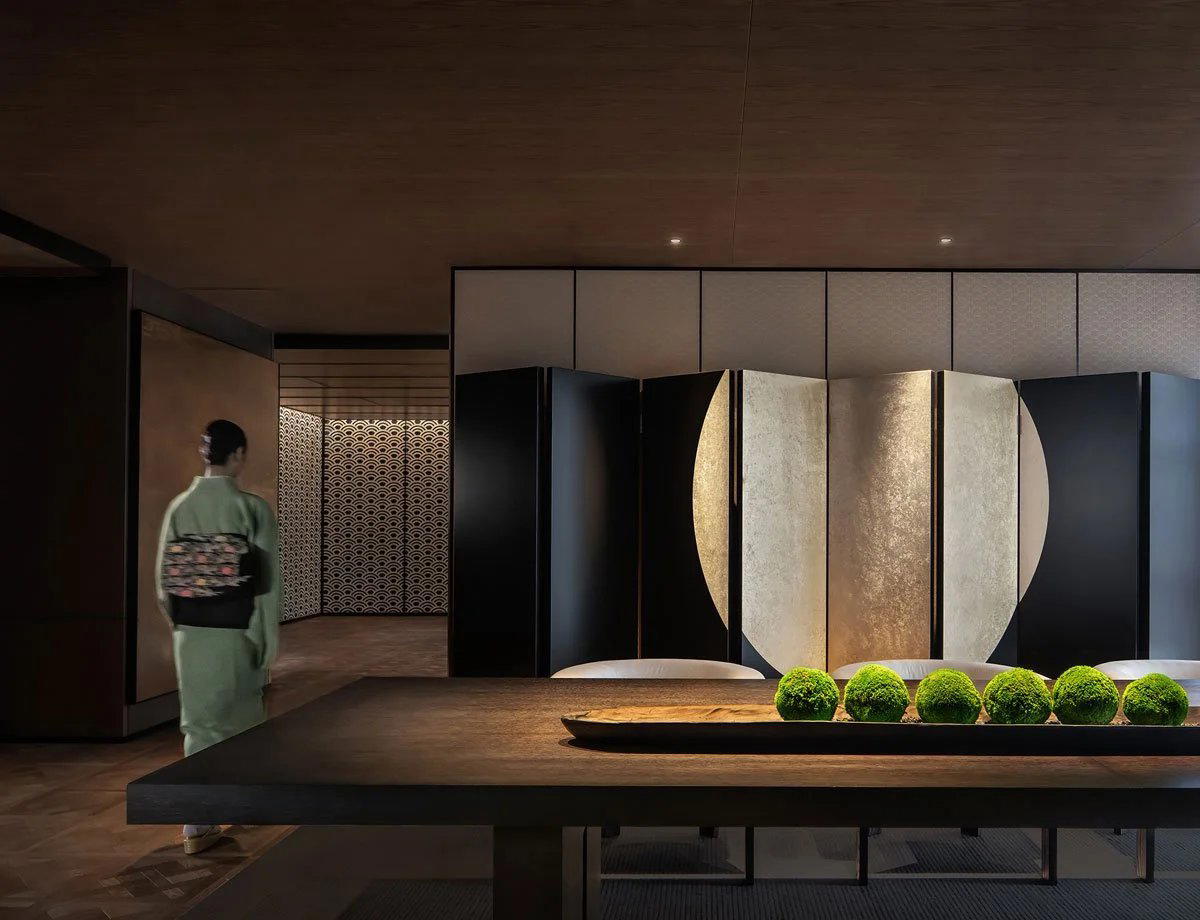
Kurogi is a ten-seat Tokyo kappo counter in Shibakoen that consistently outperforms its low-profile address: eight straight Tabelog Bronze awards, a 4.30 score, and La Liste recognition at 90 points. The course runs ¥50,000 per person at both lunch and dinner. Book here for intensely focused Japanese fine dining; consider RyuGin if you want a larger room or stronger wine program.
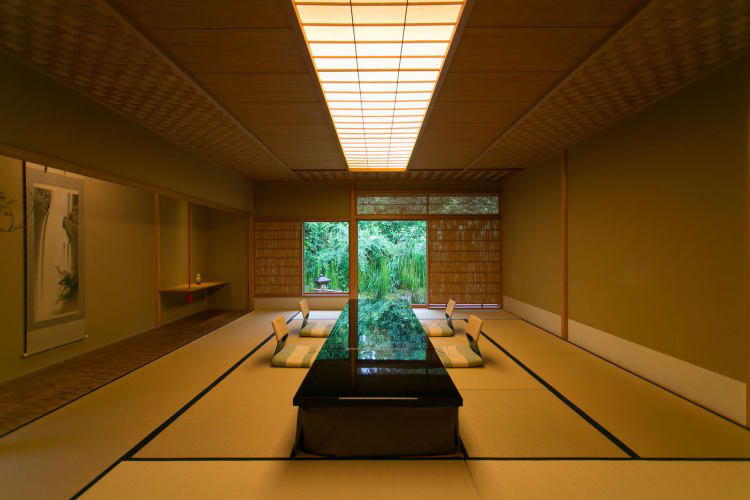
Kikunoi - Tokyo
Tokyo, Japan
Kikunoi - Tokyo is a restaurant in Akasaka, Tokyo.
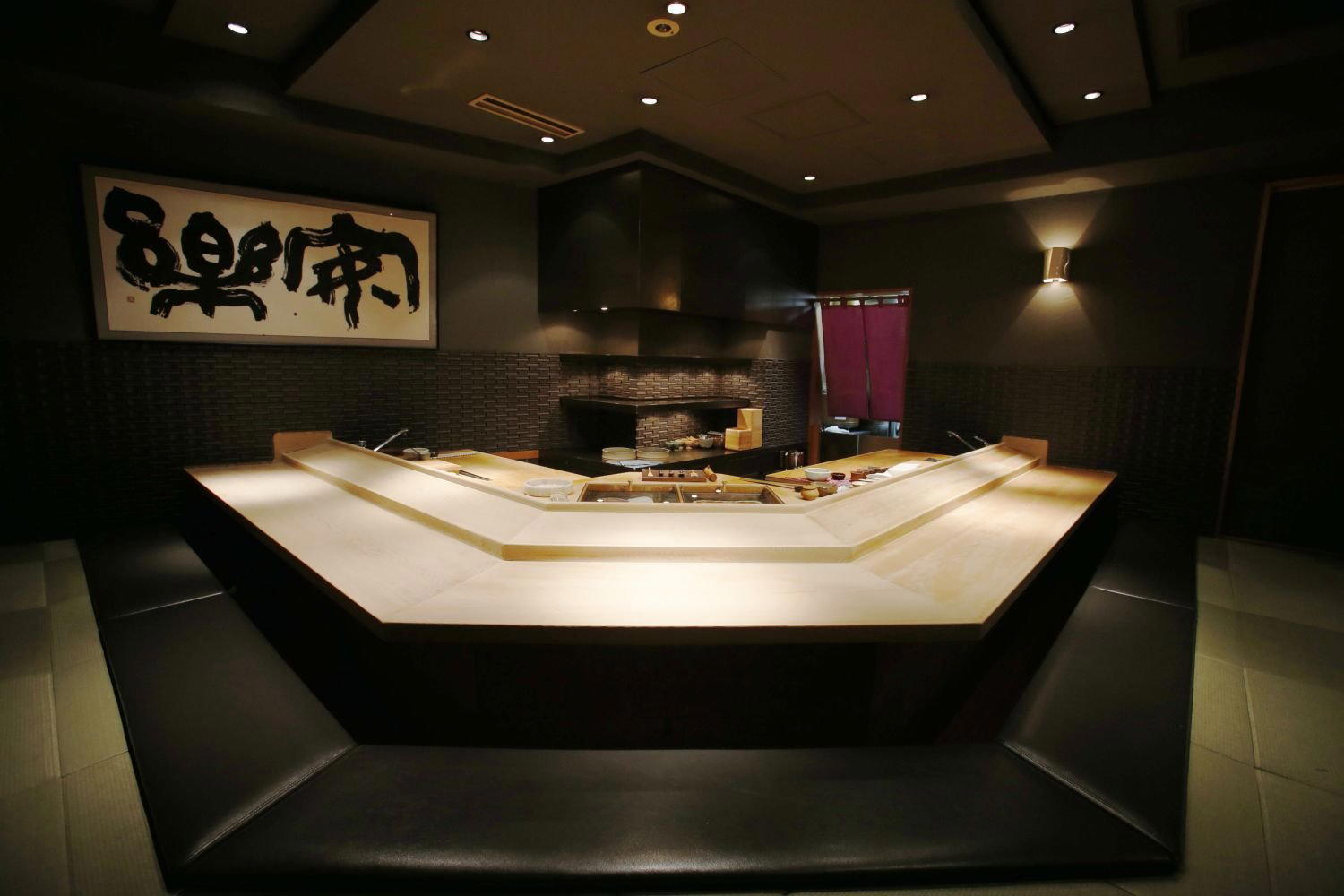
Goryukubu
Tokyo, Japan
A kaiseki room in Nishiazabu with three consecutive years of Opinionated About Dining recognition; #164 in Japan in 2024; Goryukubu delivers serious seasonal cooking in a low-ceremony setting. Chef Takeshi Kubo runs a single dinner service six nights a week. Booking is easier than most at this OAD tier, and the quiet third-floor room suits both solo diners and couples looking for focused, unhurried kaiseki.
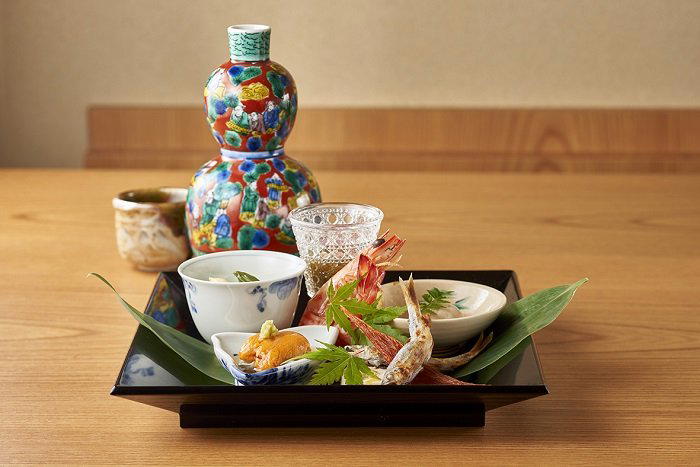
Miyasaka
Tokyo, Japan
Miyasaka is a 14-seat chakaiseki room in Minamiaoyama with a Michelin star, a Tabelog Silver Award, and a philosophy rooted in Kyoto tea ceremony tradition. Dinner runs JPY 40,000–79,999 per person and requires booking well in advance via OMAKASE. For a first visit, the select-date omakase lunch at JPY 25,000 is the most practical way to assess whether the room earns your dinner budget.
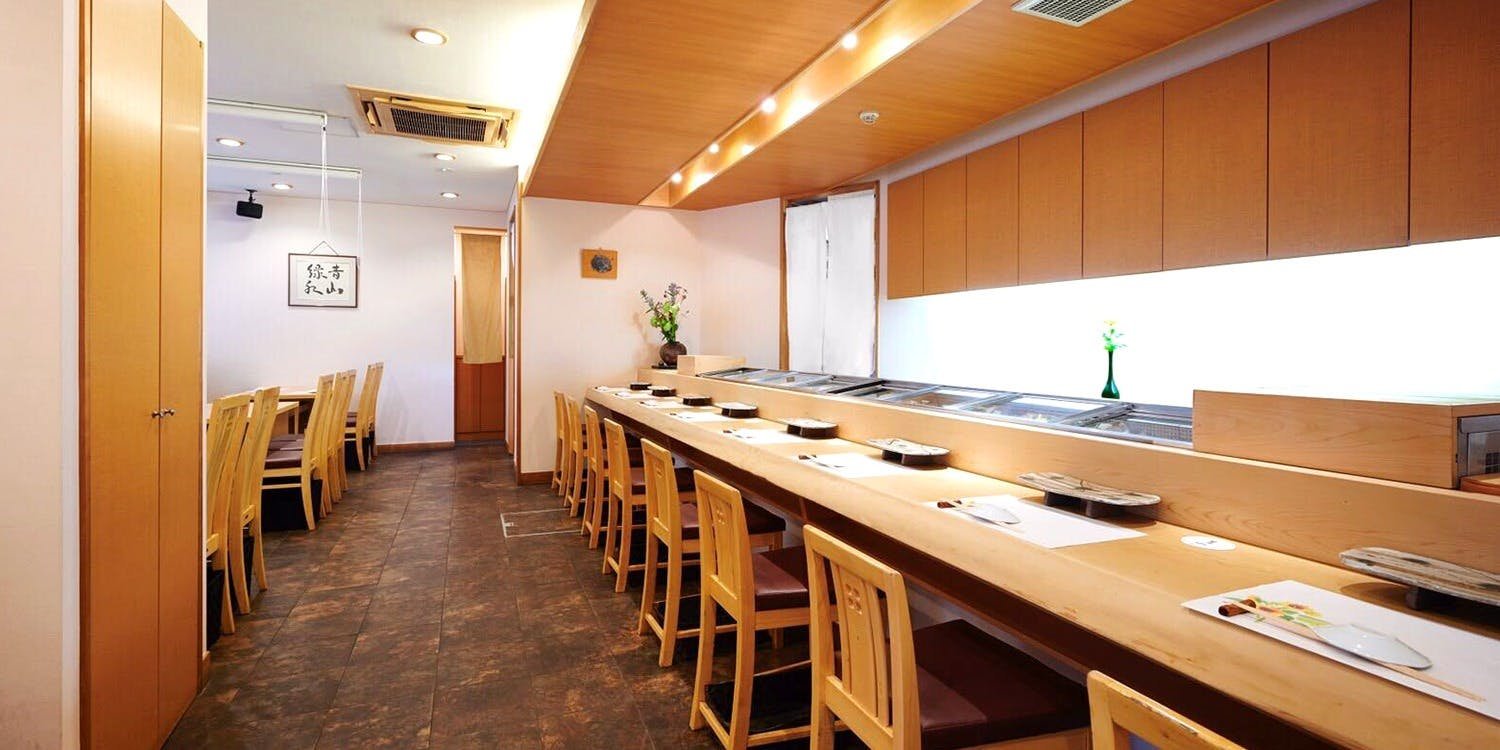
Seizan
Tokyo, Japan
Seizan is a restaurant in Ginza, Tokyo.
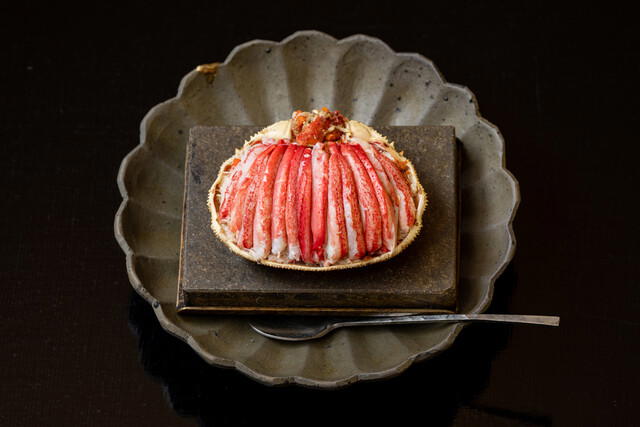
Yoshizawa
Tokyo, Japan
Tabelog 100-listed kaiseki in Roppongi Hills serving fish-forward tasting menus at JPY 10,000-29,999. Book two to three weeks out for private rooms seating up to twelve. Easier to reserve than single-seating peers, with more flexible time slots and lower dinner pricing than nearby French fine-dining options.
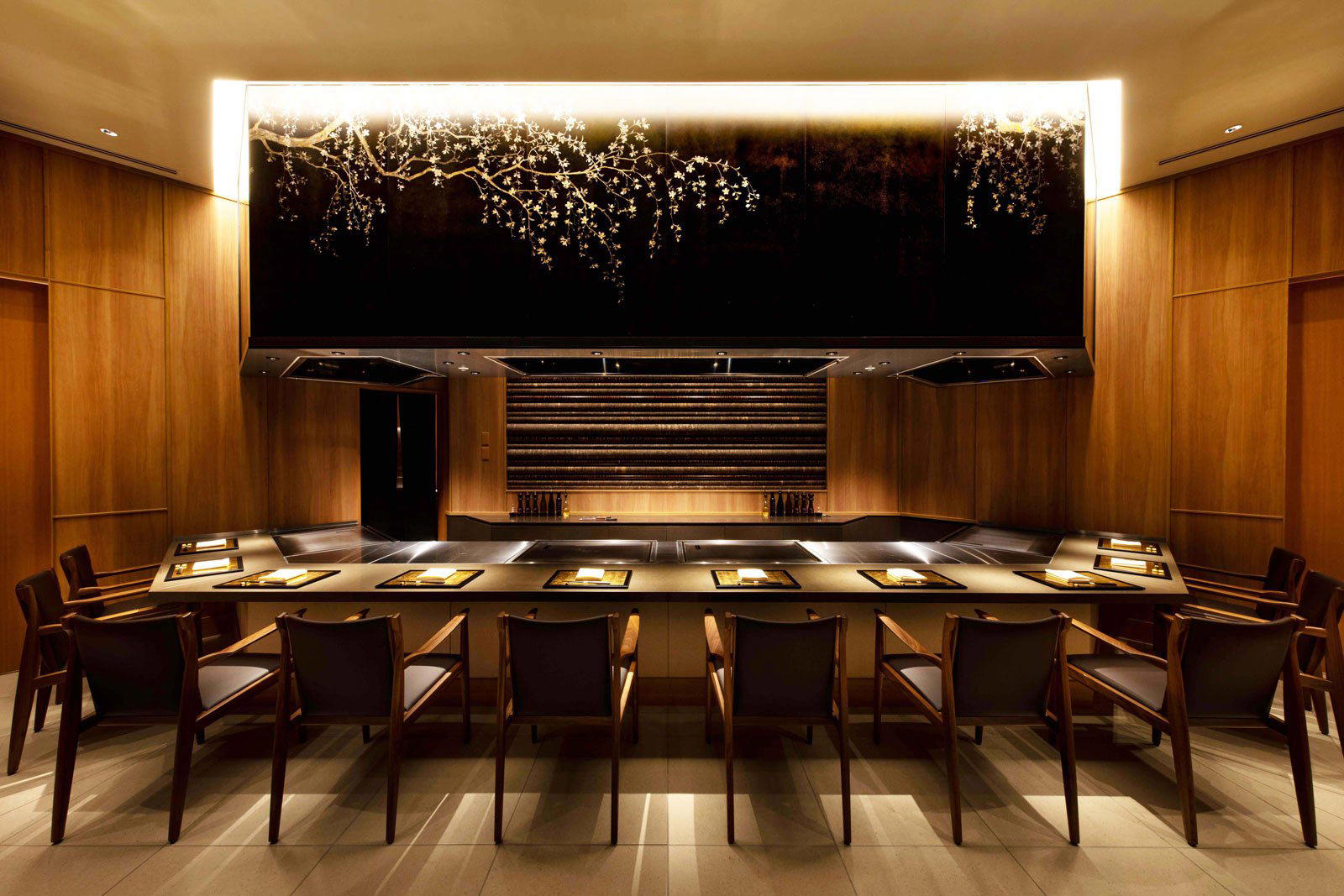
NK
Tokyo, Japan
Kento Kakutani's 14-seat Kagurazaka counter applies genre-crossing technique to seasonal Japanese ingredients, earning four consecutive Tabelog Silver awards (2023–2026). At JPY 40,000–49,999, the tasting-menu-only format delivers precision without kaiseki orthodoxy; book three weeks ahead for dinner or Saturday lunch.
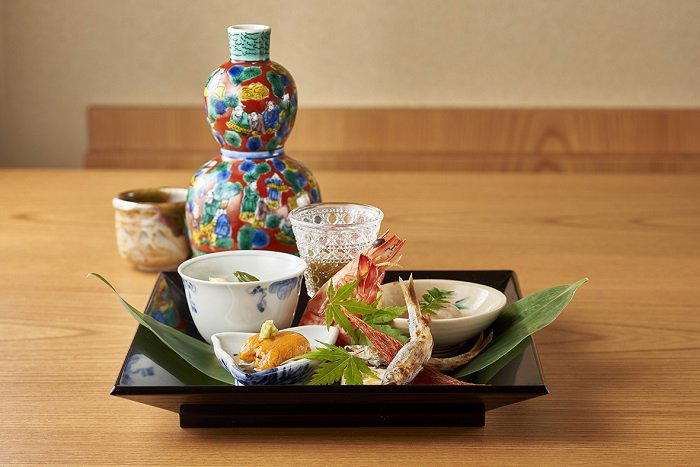
Hakuun
Tokyo, Japan
Hakuun is an eight-seat Japanese cuisine counter in Minami-Aoyama with a Michelin star, back-to-back Tabelog Bronze Awards, and a 4.22 score on Tabelog. Chef Shingo Sakamoto's omakase blends classical nihon ryori with grilled beef and game, drawing dashi fresh in front of guests. At JPY 50,000–79,000 per head, this is a special occasion booking that rewards the commitment.
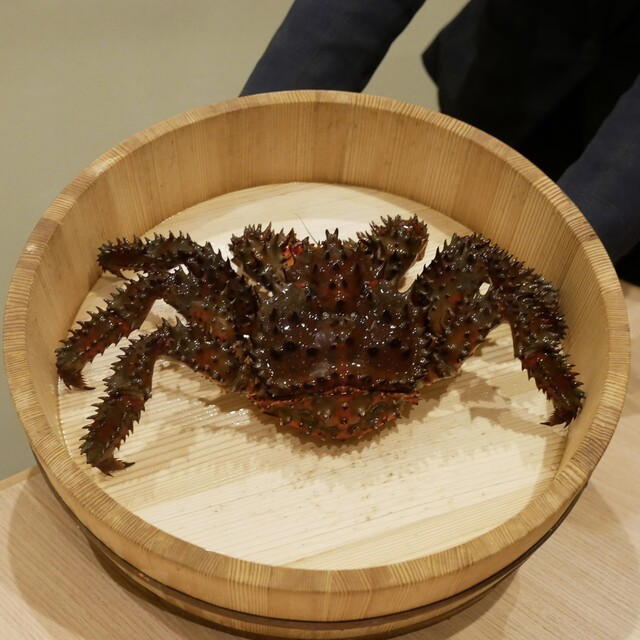
Kawasaki
Tokyo, Japan
Kawasaki offers private-room kaiseki dining in Nishiazabu at JPY 60,000–79,999 per head, recognized in Tabelog's 2025 Top 100 for Japanese cuisine. The 10-seat venue operates exclusively through enclosed rooms for parties of two to 20, emphasizing sake and wine pairings with manageable booking windows four to six weeks out.
Ebisu Kuroiwa
Tokyo, Japan
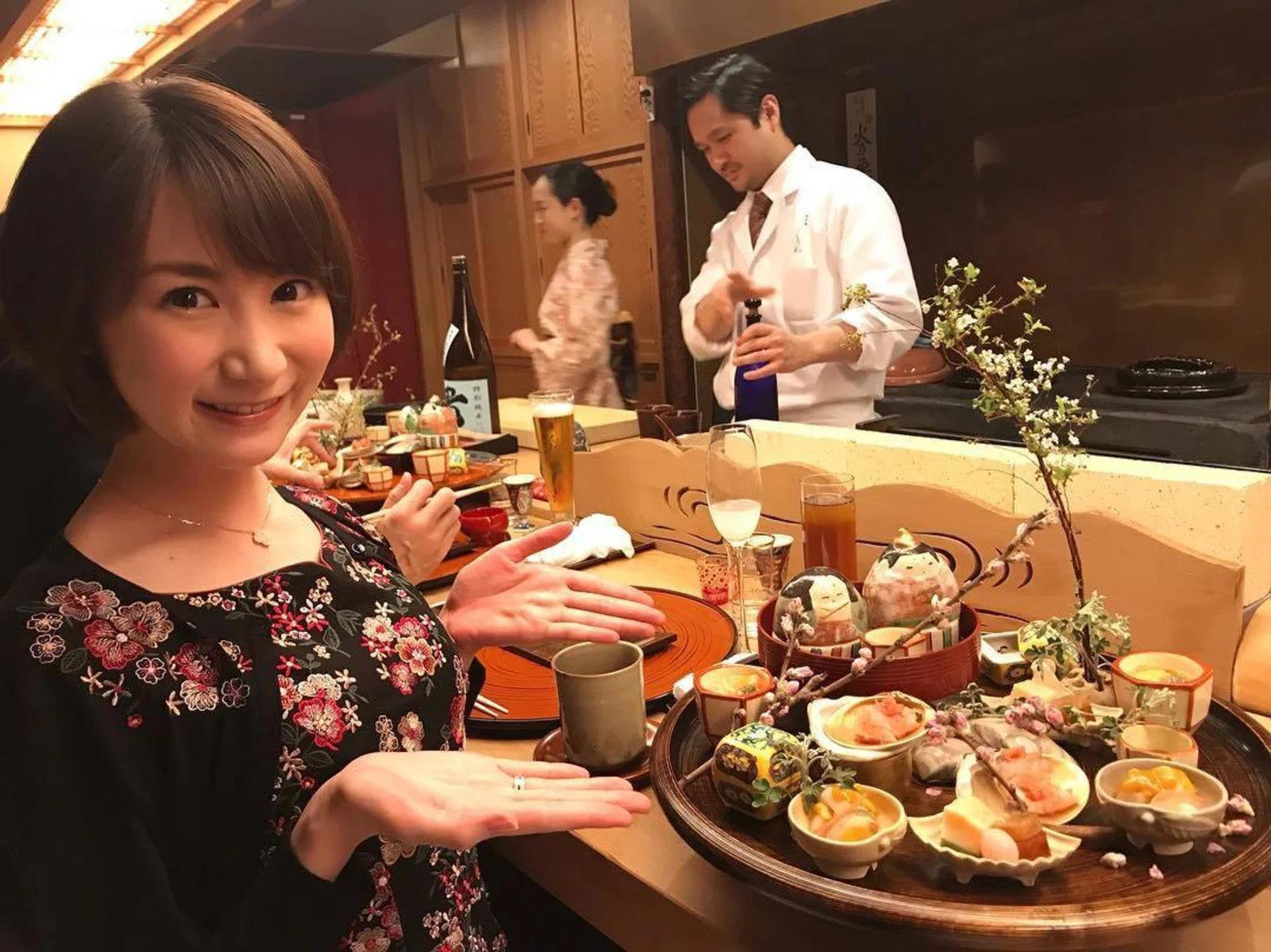
Ebisu Kuroiwa is a Tabelog 100 kappo restaurant in a residential Ebisu pocket, serving vegetable- and fish-forward Japanese cuisine at JPY 20,000–29,999 for dinner. The eight-seat counter and four private rooms (up to twenty guests for buyouts) suit solo diners and groups alike, with BYO drinks allowed and photography permitted only in private rooms. Book for evening service; it opens at 5 PM Monday through Saturday and closes Sunday.
Guchokuni
Tokyo, Japan
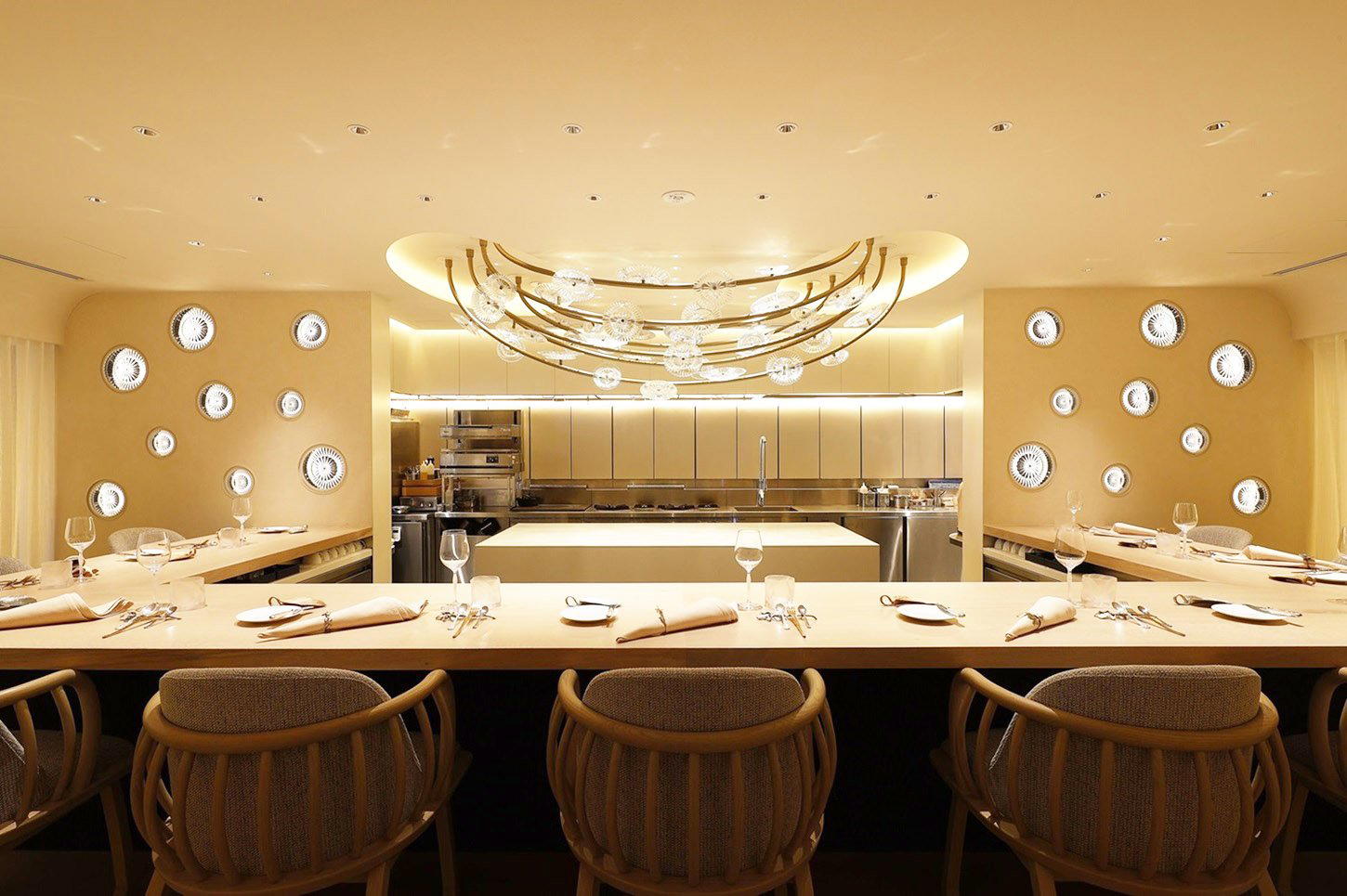
Guchokuni is a 12-seat Japanese cuisine counter in Kagurazaka holding Tabelog Bronze Awards for both 2025 and 2026, and selected for the Tabelog TOKYO Top 100 in 2023 and 2025. Budget JPY 40,000–50,000 per person with drinks. Saturday lunch is the optimal booking. Easier to reserve than most rooms at this level, but still book several weeks ahead.
Azabu Kadowaki
Tokyo, Japan
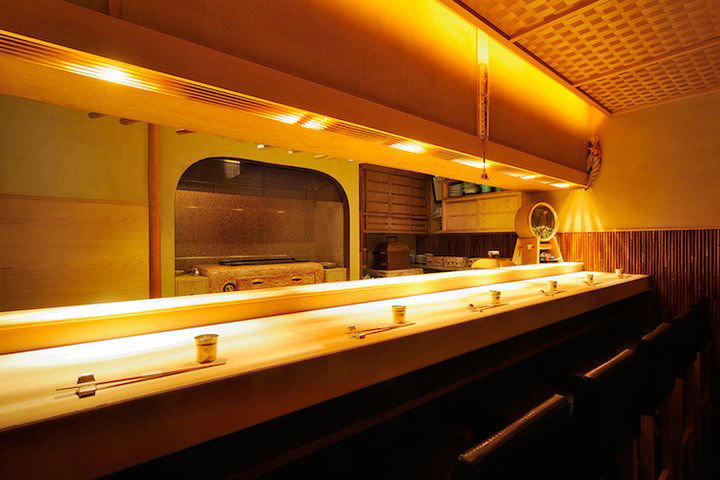
Azabu Kadowaki is a restaurant in Azabujuban, Tokyo.
Isoda
Tokyo, Japan
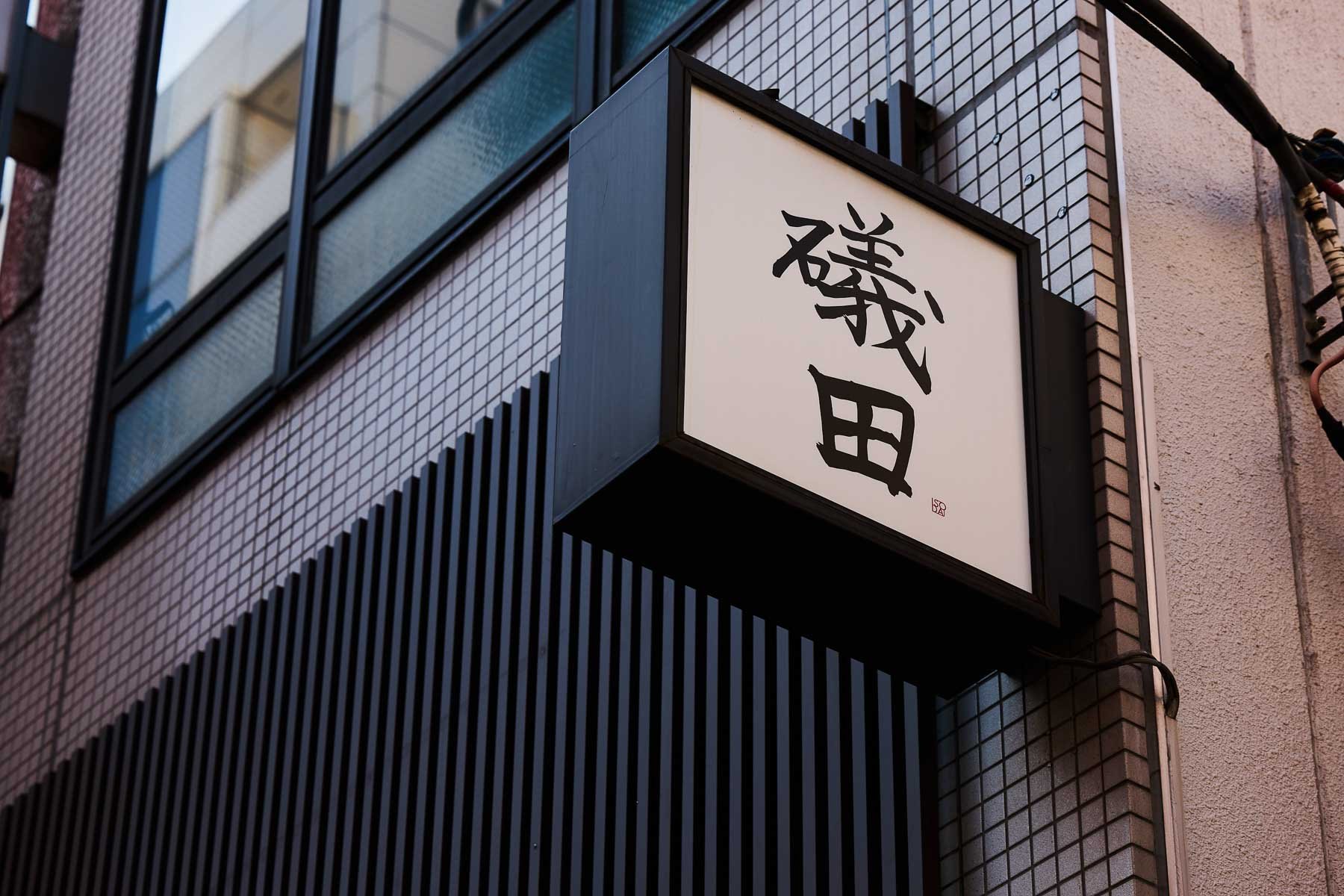
A Ningyocho kaiseki counter that opened in late 2024 and earned Tabelog Award 2026 Silver recognition within its first year. Dinner runs JPY 40,000 to 49,999, reservations require the OMAKASE platform, and the venue operates six nights a week with a later 11 PM closing. The room is small, the format is chef-led omakase, and the neighborhood is quieter than Ginza or Roppongi.
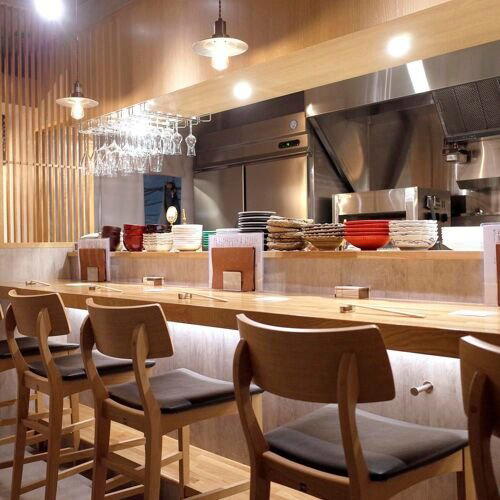
Tokihami
Tokyo, Japan
A Michelin Plate kappo izakaya in Ginza, Tokihami earns its recognition by applying luxury ingredients; foie gras monaka, caviar-topped rice, truffle omelette; with genuine wit rather than showmanship. At the ¥¥ price point in one of Tokyo's most expensive dining neighbourhoods, it is a strong value case for creative Japanese-Western cooking. Book it, and plan to return.
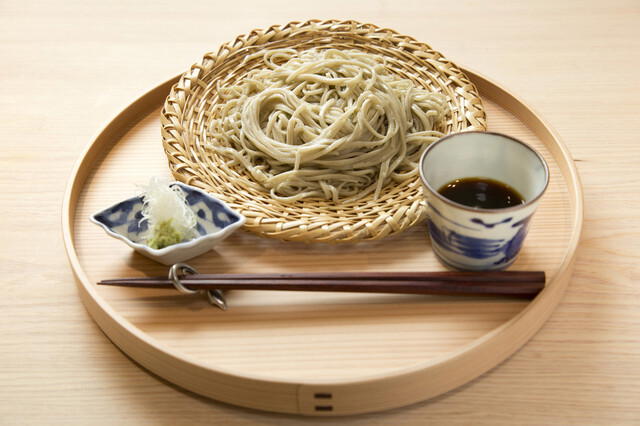
Oryori Shibuu
Tokyo, Japan
A serious Ginza dinner choice for diners who want a composed, high-spend meal rather than a drinks-led night. Oryori Shibuu makes more sense than nearby cocktail bars when dinner is the anchor; choose BAR Opa Ginza or STAR BAR GINZA instead if the plan is mainly cocktails.
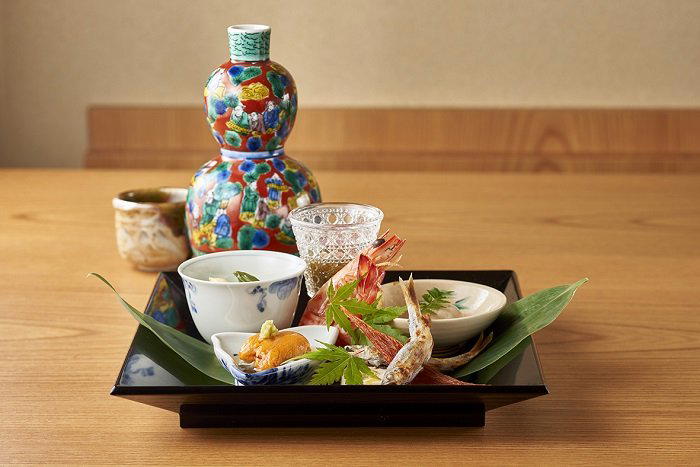
Ensui
Tokyo, Japan
Nakameguro kaiseki focused on dashi drawn from Kagoshima water, with aged kombu and high-grade bonito. Chef Ryousuke Ito leads an eight-seat counter plus private room, earned Tabelog's 2026 Bronze and Michelin star by 2024. Book four to six weeks ahead for the counter; private room slightly easier. Dinner-only, closed Sunday.
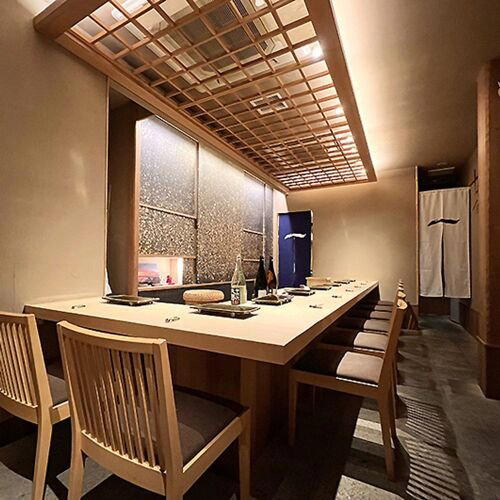
Tsunokamizaka Koshiba
Tokyo, Japan
Tsunokamizaka Koshiba is a 12-seat Japanese counter in Shinjuku's Arakicho neighbourhood, holding Tabelog Bronze every year from 2022 to 2026 and a Michelin Plate in 2025. At JPY 30,000–39,999, it delivers Kansai-school cuisine with a serious sake focus at a price below most comparable Tokyo rooms. Pearl rates it Easy to book, making it one of the more accessible high-quality Japanese dining options in the city.
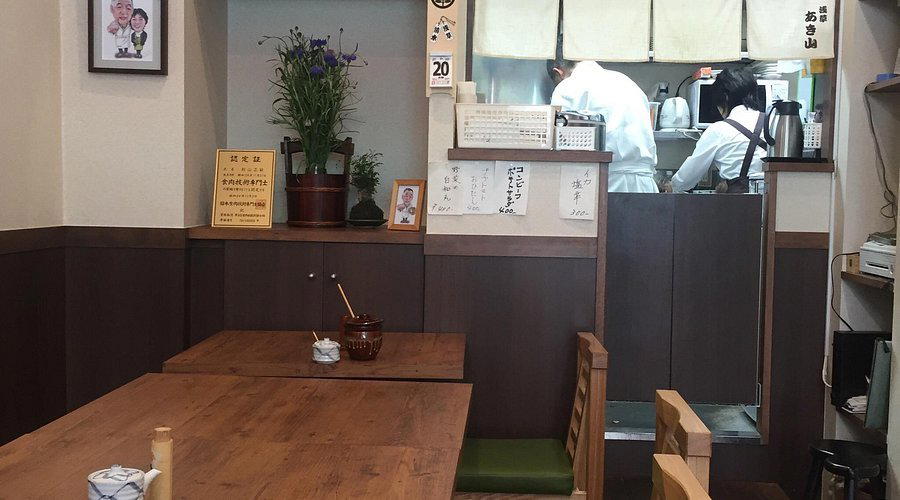
Akiyama
Tokyo, Japan
Akiyama is a 2024 Michelin one-star Japanese restaurant in Shirokane, Minato City, Tokyo, operating at the ¥¥¥¥ tier with from a tight, loyal review base. Booking is hard; use a hotel concierge and allow at least three to four weeks. The right choice for a food-focused visitor who wants a neighbourhood alternative to Tokyo's more crowded fine dining circuits.
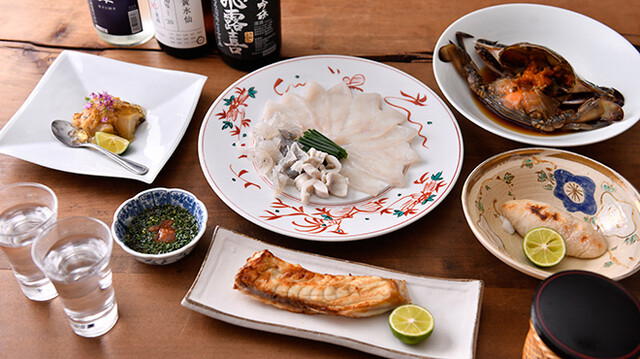
Tokuyama
Tokyo, Japan
Sixteen-seat basement omakase in Nishiazabu focused on seasonal fish and fugu, with eight Tabelog awards since 2017. JPY 20,000–29,999 tasting menu, sake-forward pairings, and counter seating that favors intimate special occasions over large groups. Quieter than street-level competitors, dinner-only, closed Mondays.
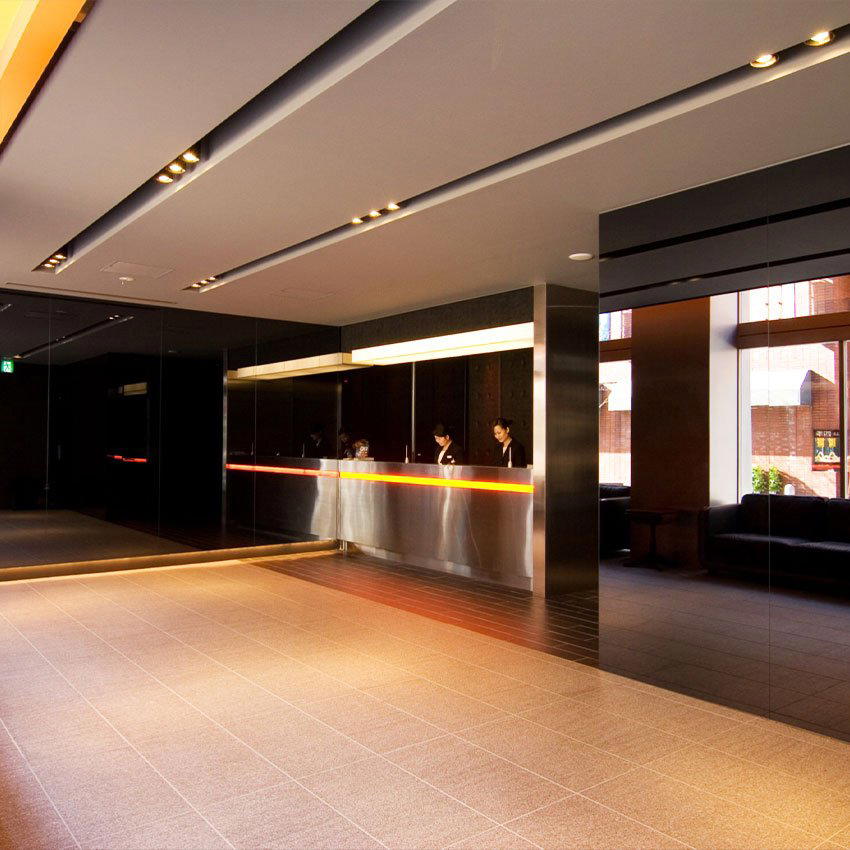
Sharikimon Onozawa 車力門おの澤
Tokyo, Japan
Makoto Onozawa's 10-seat counter serves inventive kaiseki that closes with soba and curry; a break from tradition that polarizes as much as it impresses. Tabelog Bronze Award winner and Tabelog 100 alumnus, the restaurant demands three to four weeks' advance booking for dinner-only service. At ¥30,000–39,999 per head, the price and creative license suit diners who want counter intimacy and aren't bound by orthodox kaiseki sequencing.
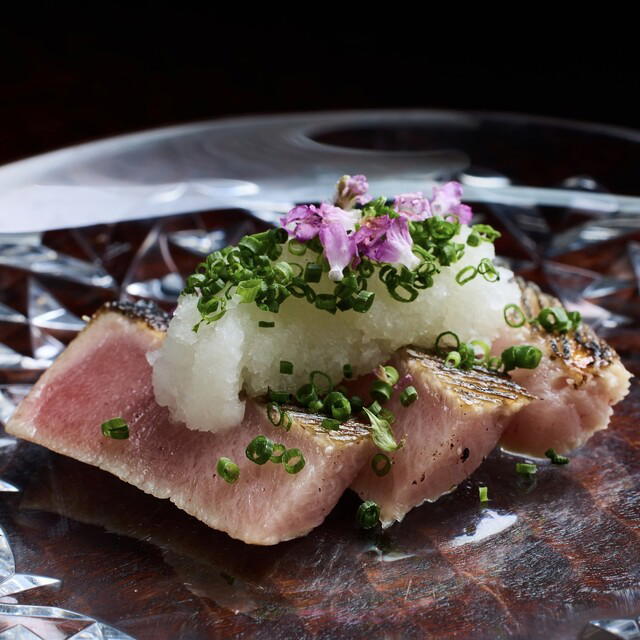
Jigen Do
Tokyo, Japan
Jigen Do is a high-spend Akasaka choice for Japanese cuisine when the meal needs recent credibility and a polished occasion feel. Its 2026 Tabelog Bronze and 2025 Tabelog 100 recognition make it easier to justify for a date, client dinner, or celebration, though wine-focused diners should confirm drink options before making that the reason to go.
Ginza Komon
Tokyo, Japan
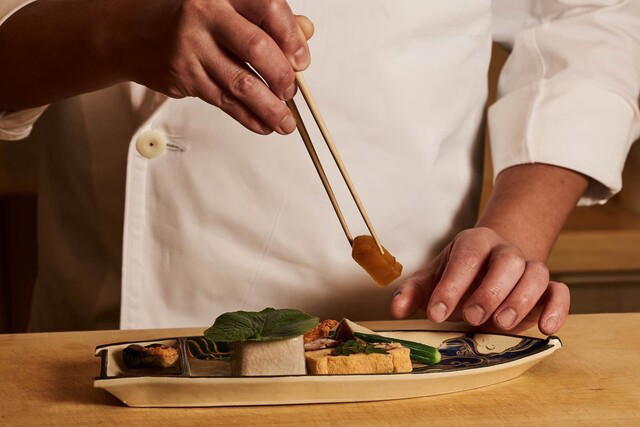
Ginza Komon delivers crab-focused omakase at JPY 40,000–49,999 in a 14-seat 9th-floor room with Tabelog 100 (2025) recognition. Two nightly seatings, strict reservation-only policy, and a kitchen confident enough to decline extensive allergies make this a commitment-friendly option for shellfish devotees who appreciate disciplined sequencing. Worth it if you eat everything and want Ginza credentials without Michelin-level booking wars.
Ginza Kudo
Tokyo, Japan
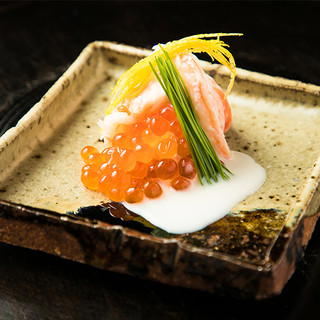
Fish-centric kaiseki in three private rooms, now tighter and more seasonal since its 2023 renovation. Lunch runs ¥8,000–¥9,999, dinner ¥30,000–¥39,999, with a strict cancellation policy and omakase-only format. Book for autumn or winter when ingredient quality peaks, and expect minimal counter energy; this is a quiet, controlled meal for groups of four to six.
Haramasa
Tokyo, Japan
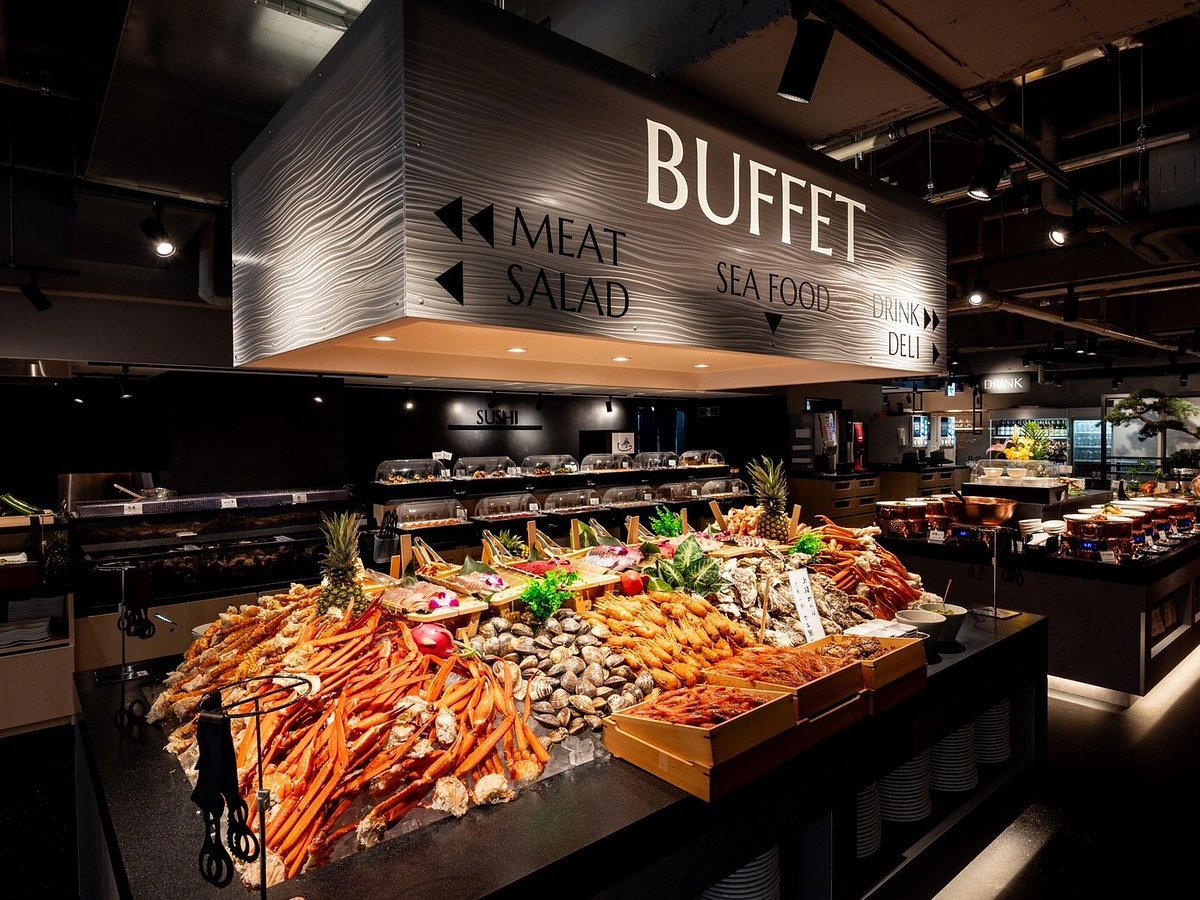
Haramasa delivers seasonal kaiseki tasting menus in a basement Yotsuya counter setting, priced at JPY 20,000–29,999 for dinner and JPY 10,000–14,999 for lunch. Chef Shotaro Hara's decade of consistent Tabelog Bronze Awards (plus a 2018 Silver) and multiple Tabelog 100 selections justify the reputation without the premium attached to headline kaiseki rooms.
Azabujuban Fukuda
Tokyo, Japan
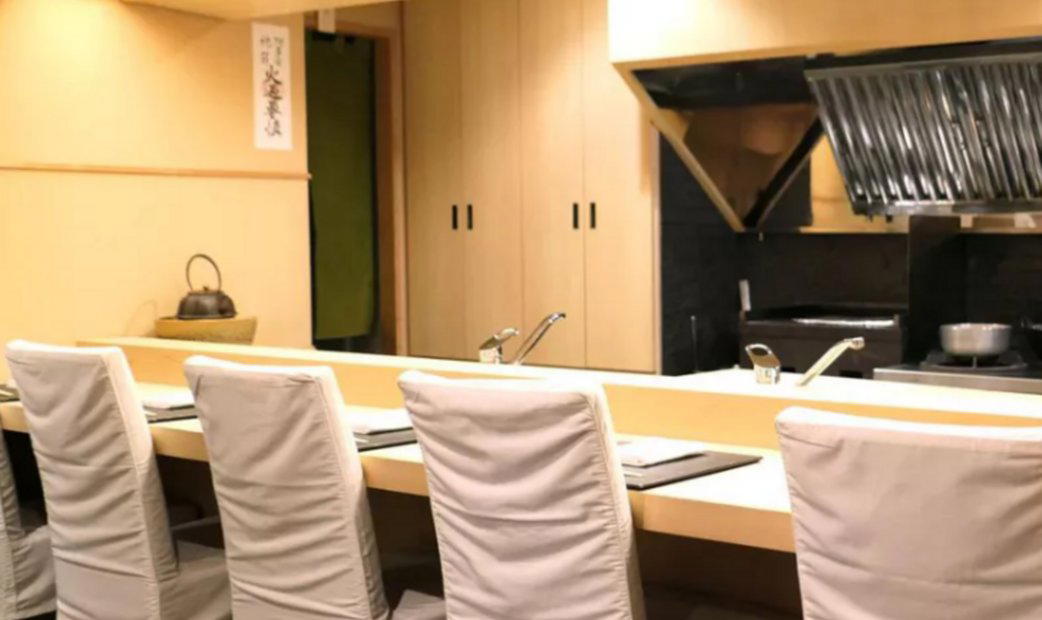
Azabujuban Fukuda is a Michelin-starred, counter-focused dinner destination in Tokyo's Azabu-Juban district where chef Kazuhito Fukuda prepares a tightly seasonal Japanese menu in front of guests. It's a strong booking for special occasions and couples who want proximity to the kitchen, but demand is high and reservations require significant lead time. At ¥¥¥¥, the price is justified by the craft and credentials.
Morikawa
Tokyo, Japan
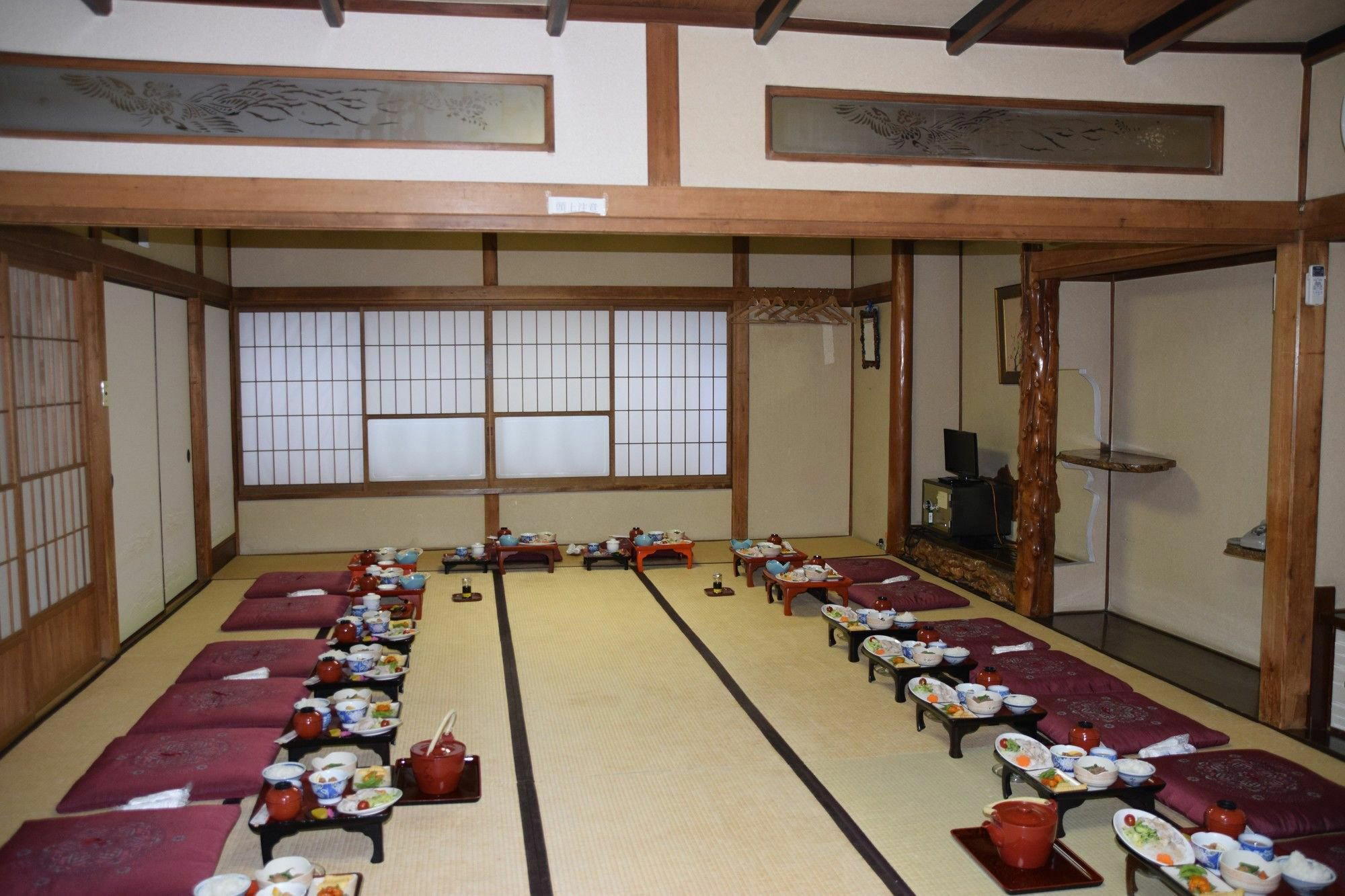
Morikawa is a kaiseki restaurant in Tokyo's Bunkyo district worth booking for serious diners who want technique-driven multi-course dining without the booking difficulty of the city's most high-profile tables. Ranked #64 in Japan by Opinionated About Dining (2025), it has a strong track record and a neighbourhood feel that sets it apart from the prestige-address venues in Ginza or Azabu. Weekday lunch is the recommended entry point.
Ginza Shinohara
Tokyo, Japan
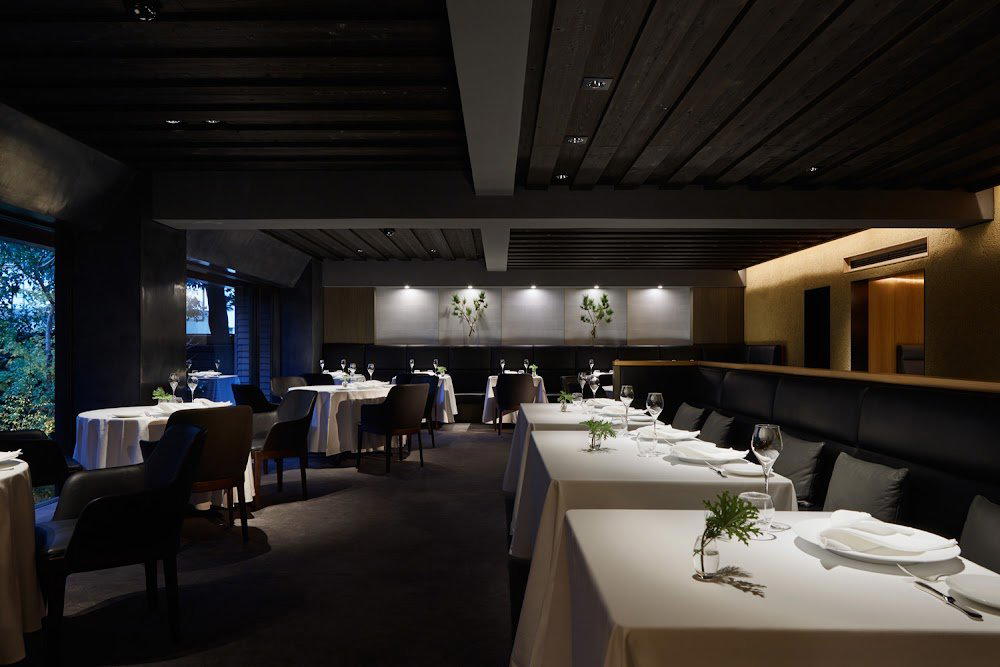
Ginza Shinohara is a restaurant in Ginza, Tokyo.
Toku Uchiyama
Tokyo, Japan
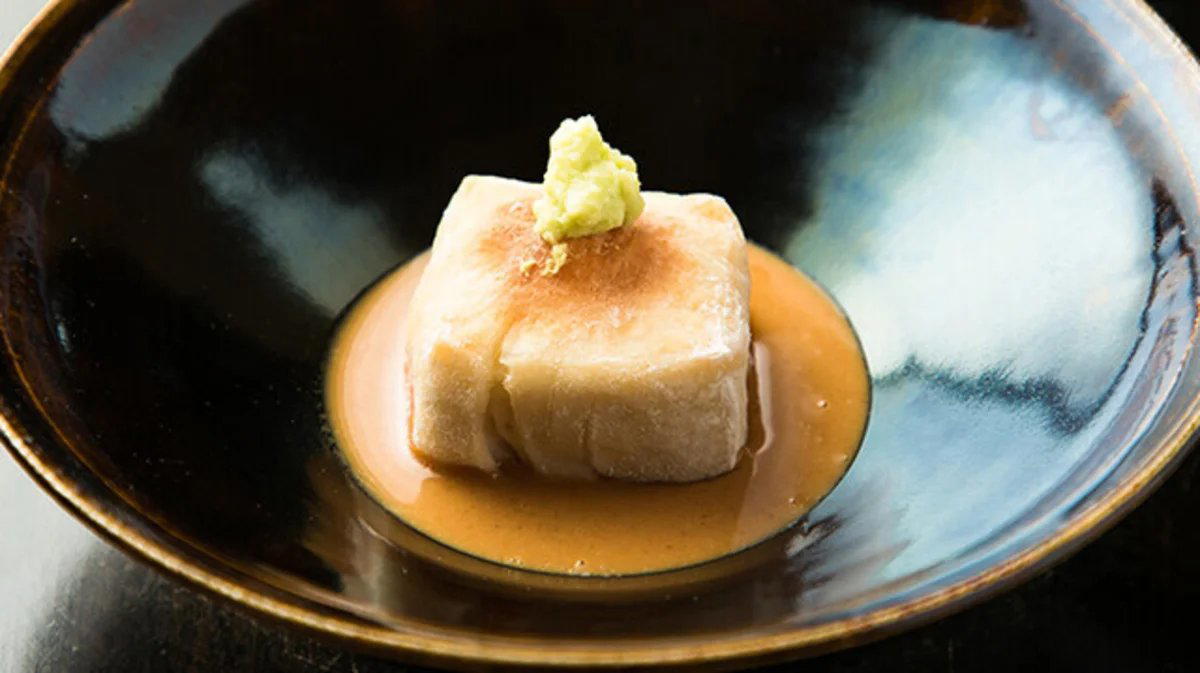
Toku Uchiyama is a Ginza pick for diners who want a composed, progression-led meal rather than a casual Tokyo stop. Its Tabelog 100 #77 placement in 2025 gives it a clear trust signal; choose it for a focused dinner, and compare against lower-commitment nearby options if budget or flexibility matters more.
Oryori Mukyu
Tokyo, Japan
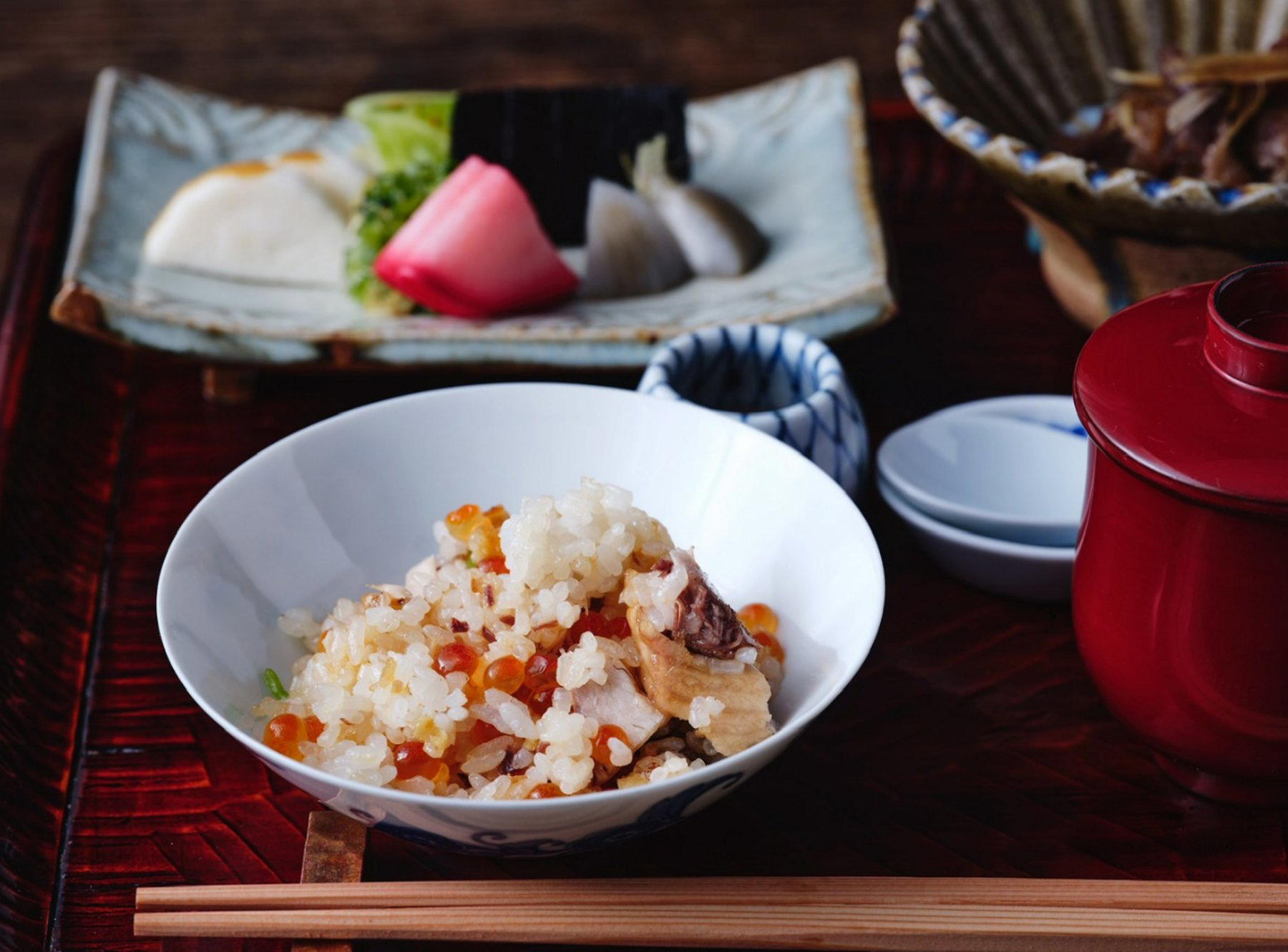
Oryori Mukyu is a dinner-only Roppongi choice for diners who want a focused Japanese meal without a punishing reservation chase. Its Tabelog 100 #78 recognition in 2025 gives it a credible quality signal, but daytime diners and casual groups should compare nearby lower-spend options first.
Koran
Tokyo, Japan
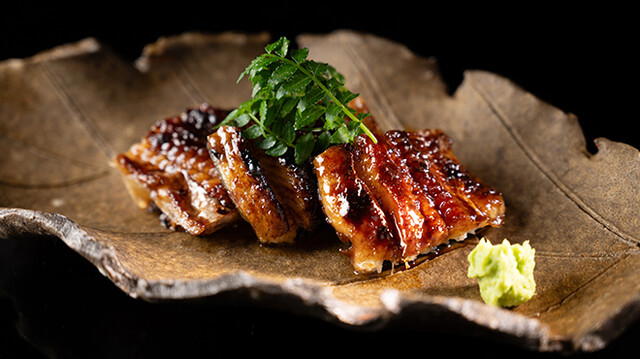
Koran is a six-seat counter in Ginza serving fish-forward seasonal Japanese cuisine, earning recognition on Tabelog's 2025 Japanese Cuisine 100 list since opening in 2021. Dinner runs ¥40,000–49,999 and lunch ¥20,000–29,999, with smart-casual dress and a sommelier available for sake, shochu, and wine pairings. Book two to three weeks ahead for dinner; the intimate counter format suits solo diners and pairs who prefer direct chef interaction over formal kaiseki theatrics.
Hiroyuki
Tokyo, Japan
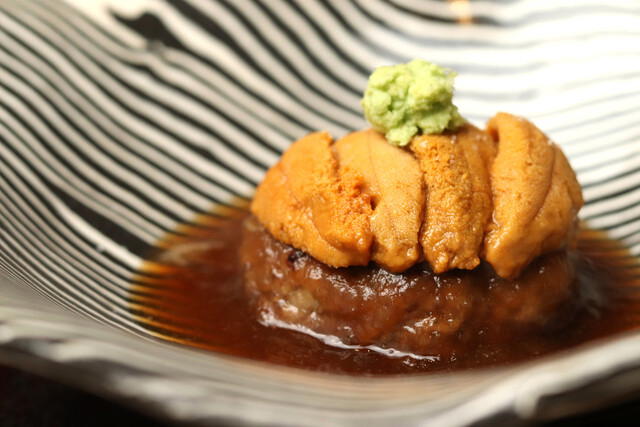
This Ginza hideaway seats eight and delivers creative Japanese cooking with a seafood focus, earning Tabelog 100 recognition three times since 2021. Dinner runs JPY 20,000 to JPY 29,999 for a tasting menu at the counter or table seats; lunch costs JPY 8,000 to JPY 9,999. Book three weeks out for prime counter spots, and skip the perfume; the no-fragrance policy is enforced.
Matsukawa - 松川
Tokyo, Japan
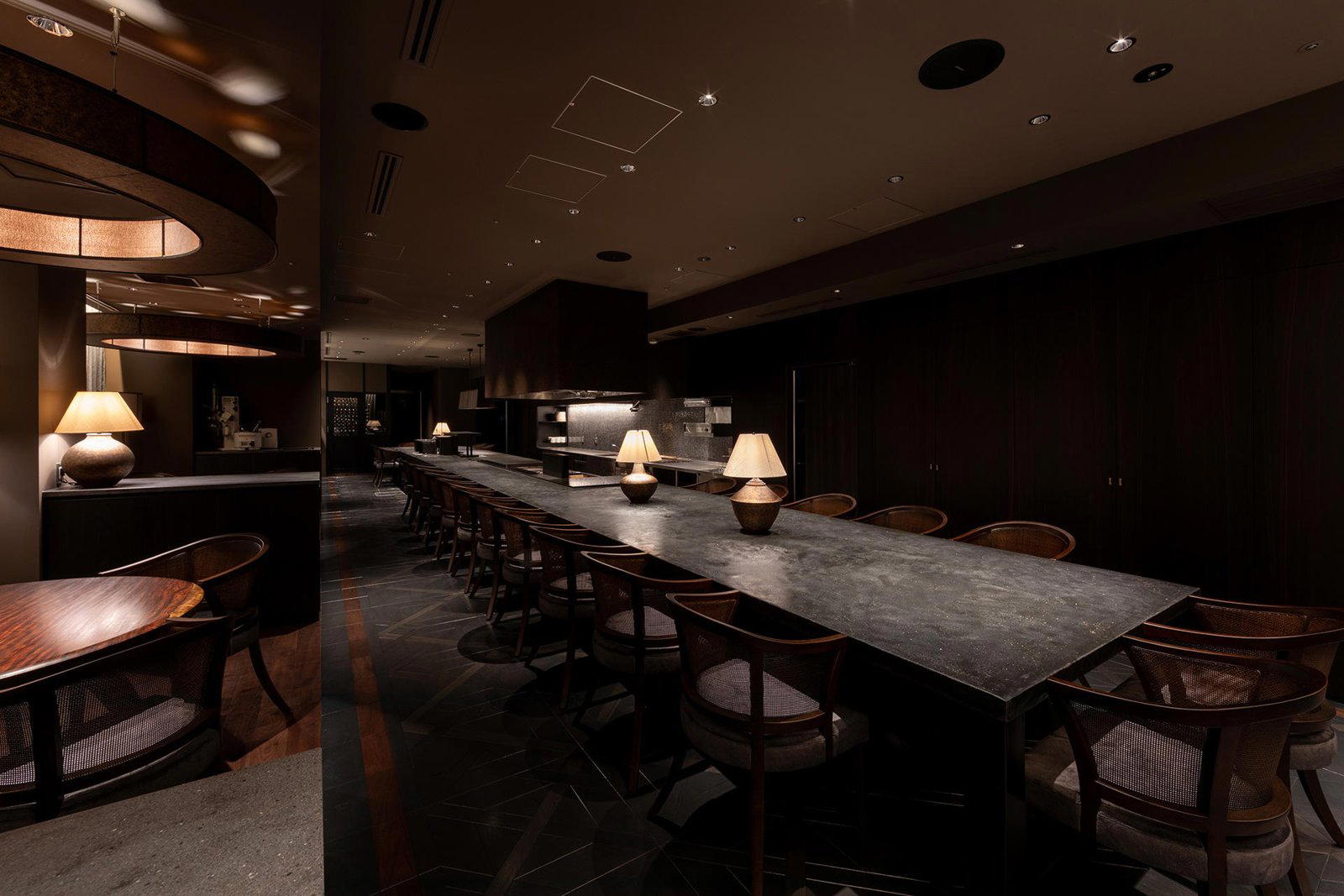
Matsukawa is one of Tokyo's most consistently decorated kaiseki restaurants; Tabelog Gold every year since 2017, a 4.63 score, and 99.5 points on La Liste 2025. Dinner runs JPY 80,000–99,999 per person, cash only, and access requires a referral. If you can arrange an introduction, book it; the critical case for doing so is unusually well-documented.
Akasaka Ogino
Tokyo, Japan
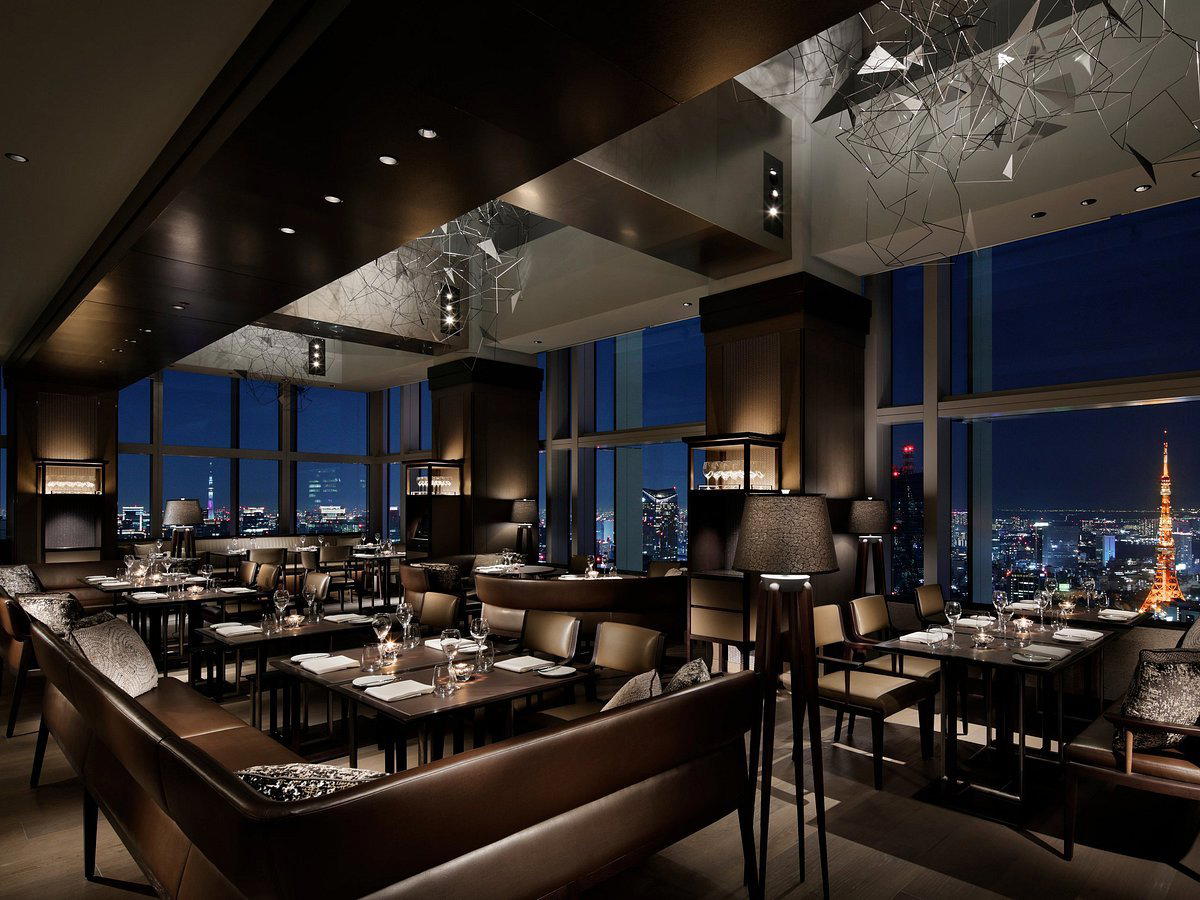
Akasaka Ogino is a seven-seat kaiseki counter in Minato that has earned Tabelog Silver three consecutive years (2024–2026) and holds a 4.53 score. At JPY 40,000–49,999 per head, dinner only, it rewards diners who know the format and want it executed with personal precision. Book ahead: two seatings nightly, no walk-ins, closed Sundays.
Tagetsu
Tokyo, Japan
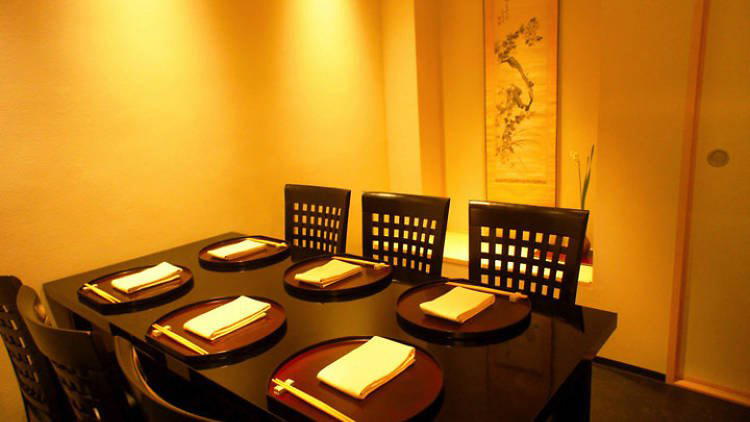
Tagetsu is a cha-kaiseki counter in Kita-Aoyama with a Tabelog score of 4.12, Bronze Awards every year from 2019 to 2026, and a Tabelog Top 100 selection in 2021, 2023, and 2025. Dinner runs JPY 40,000–49,999; lunch at JPY 10,000–14,999 is sharper value. Book in advance; no walk-ins accepted.
Kagurazaka Ishikawa
Tokyo, Japan
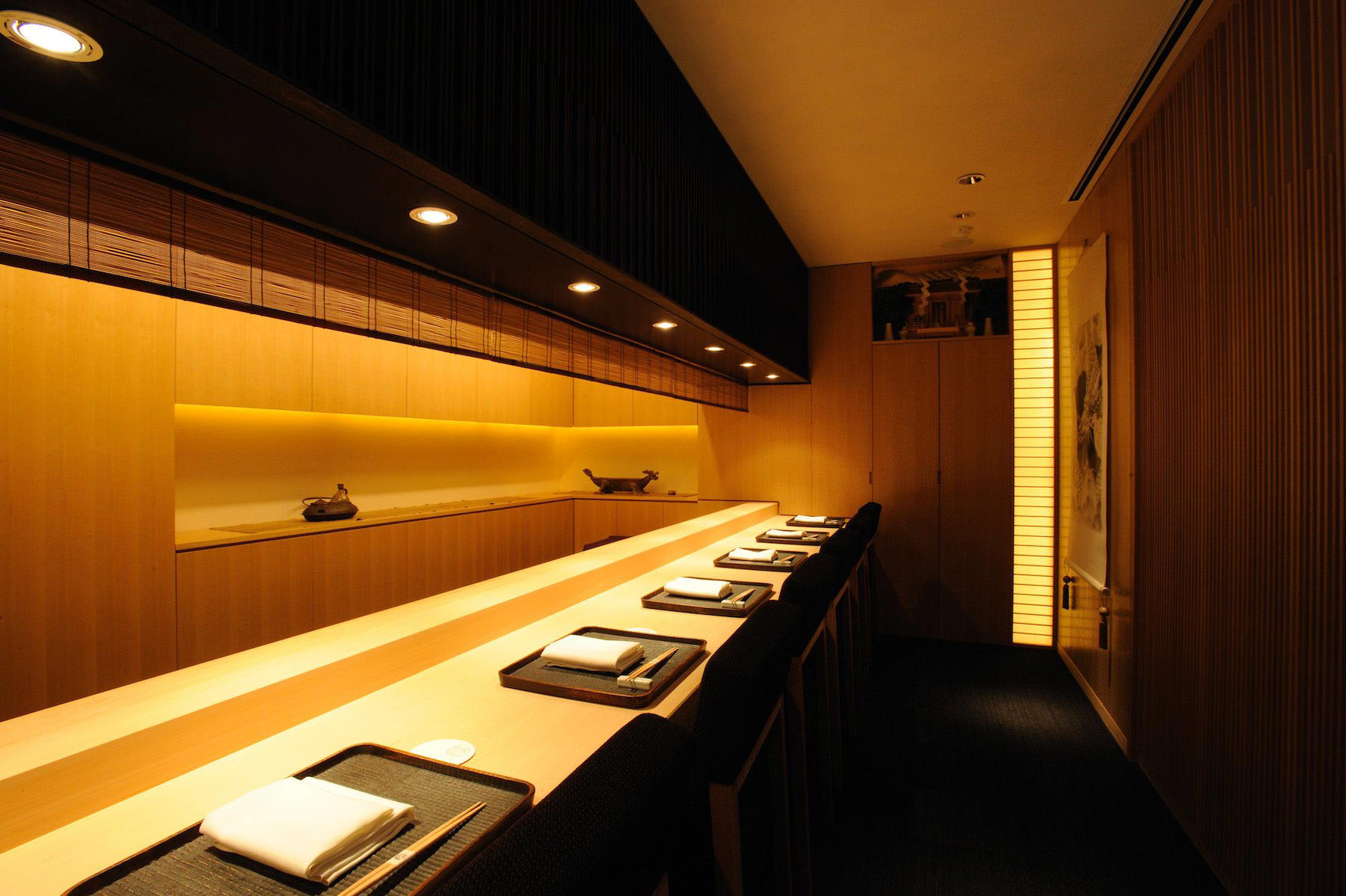
Kagurazaka Ishikawa is a Japanese restaurant in Tokyo's Kagurazaka neighborhood.
Sakuragi
Tokyo, Japan
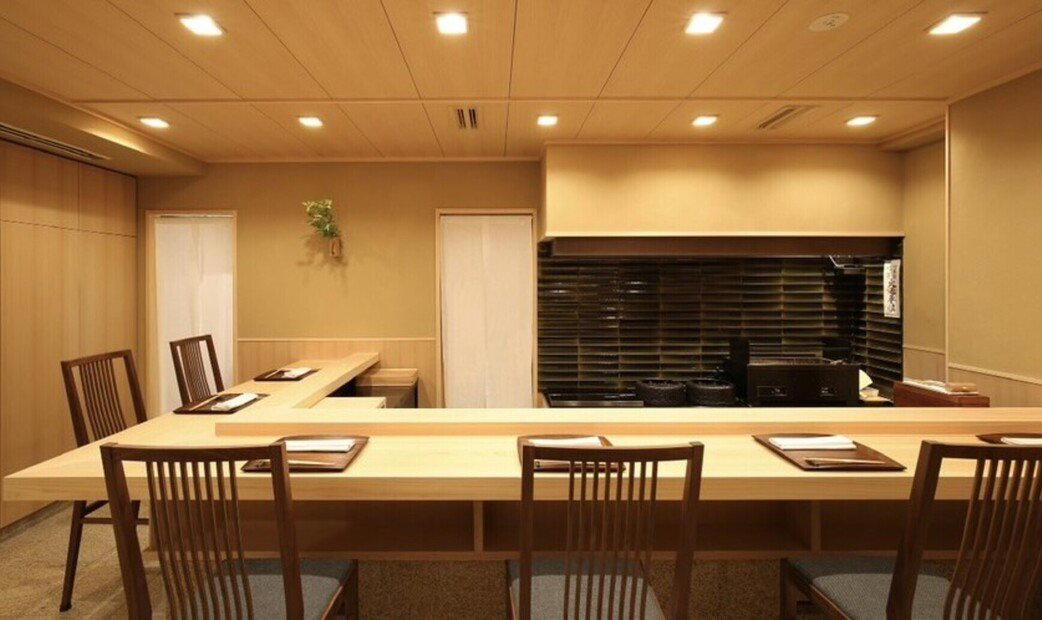
A Tabelog Award 2026 Bronze winner and Michelin Plate recipient, Sakuragi is an eight-seat counter kappo restaurant in Tsukiji running monthly seasonal courses at JPY 20,000–29,999 per head. Reservation-only, fish-focused, and particular about sake, it delivers a level of kitchen proximity and individual attention that larger Japanese restaurants in this price bracket rarely match.
赤坂 島袋
Tokyo, Japan
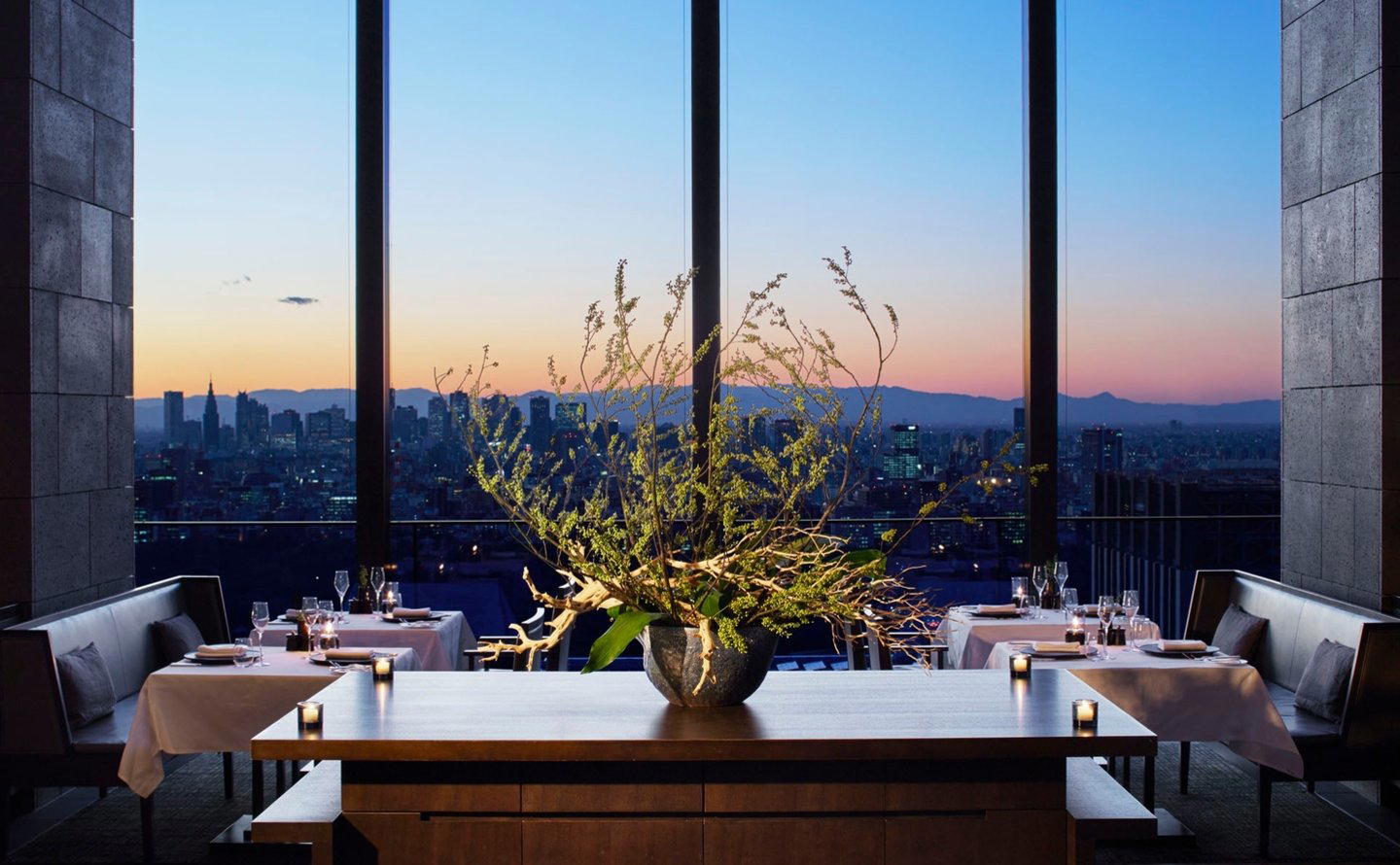
A compact Akasaka pick for diners who value strong local recognition over heavy advance detail. Book it if a Tabelog 100 signal and central Tokyo location matter more than seeing the full format, chef, or price range upfront; cross-shop Jigen Do for a clearer high-end Japanese cuisine frame or Atami for a more predictable lower-priced meal.
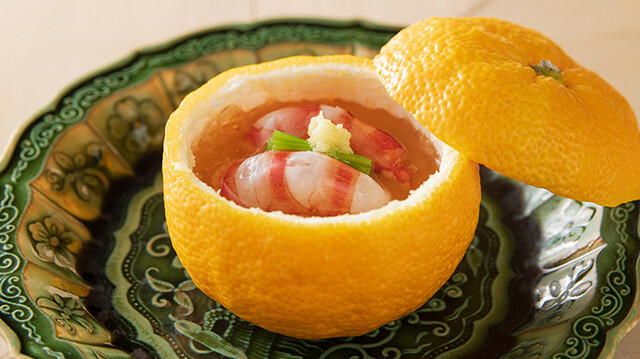
Kien
Tokyo, Japan
A 20-seat Japanese house restaurant in Akasaka with a six-seat counter and private rooms. Named to the Tabelog 100; Japanese Cuisine TOKYO 2025 list, Kien delivers seasonal kaiseki-style courses focused on fish, sake, and wine. Lunch runs JPY 8,000–9,999; dinner JPY 20,000–29,999. Book by phone or website; walk-ins aren't accepted.
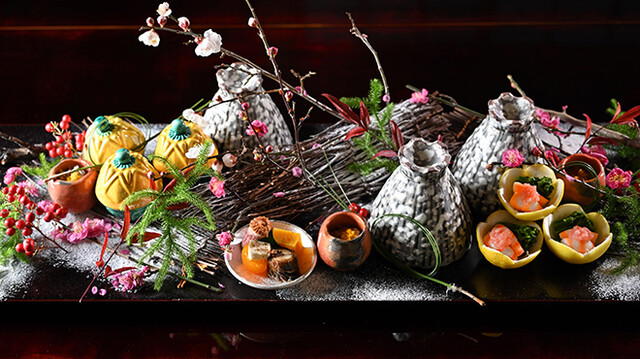
Kashiwade no Tsukasa Suikouan
Tokyo, Japan
Book Kashiwade no Tsukasa Suikouan for a serious Tokyo Japanese-cuisine dinner when the occasion calls for a premium, composed room rather than a casual night out. The price sits in special-occasion territory, but Tabelog recognition gives it a credible value case for diners who care about Japanese dining depth and later dinner timing.
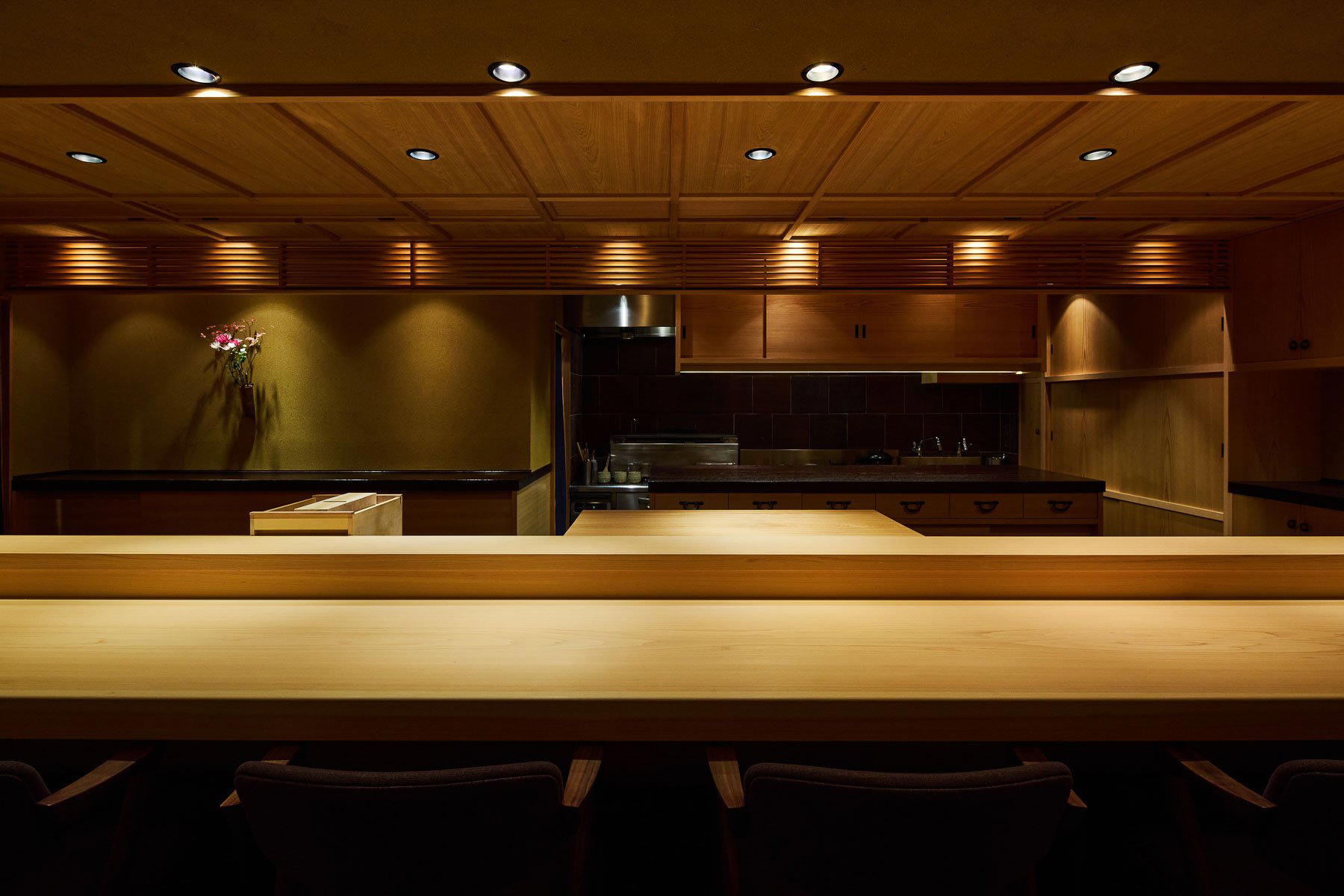
Kappo Muroi
Tokyo, Japan
Book Kappo Muroi if you want a serious Nishiazabu dinner backed by Tabelog 100 and Opinionated About Dining recognition, and you are comfortable committing without every price or format detail published in advance. It is a better fit for a date or small celebration than for a budget-sensitive group meal.
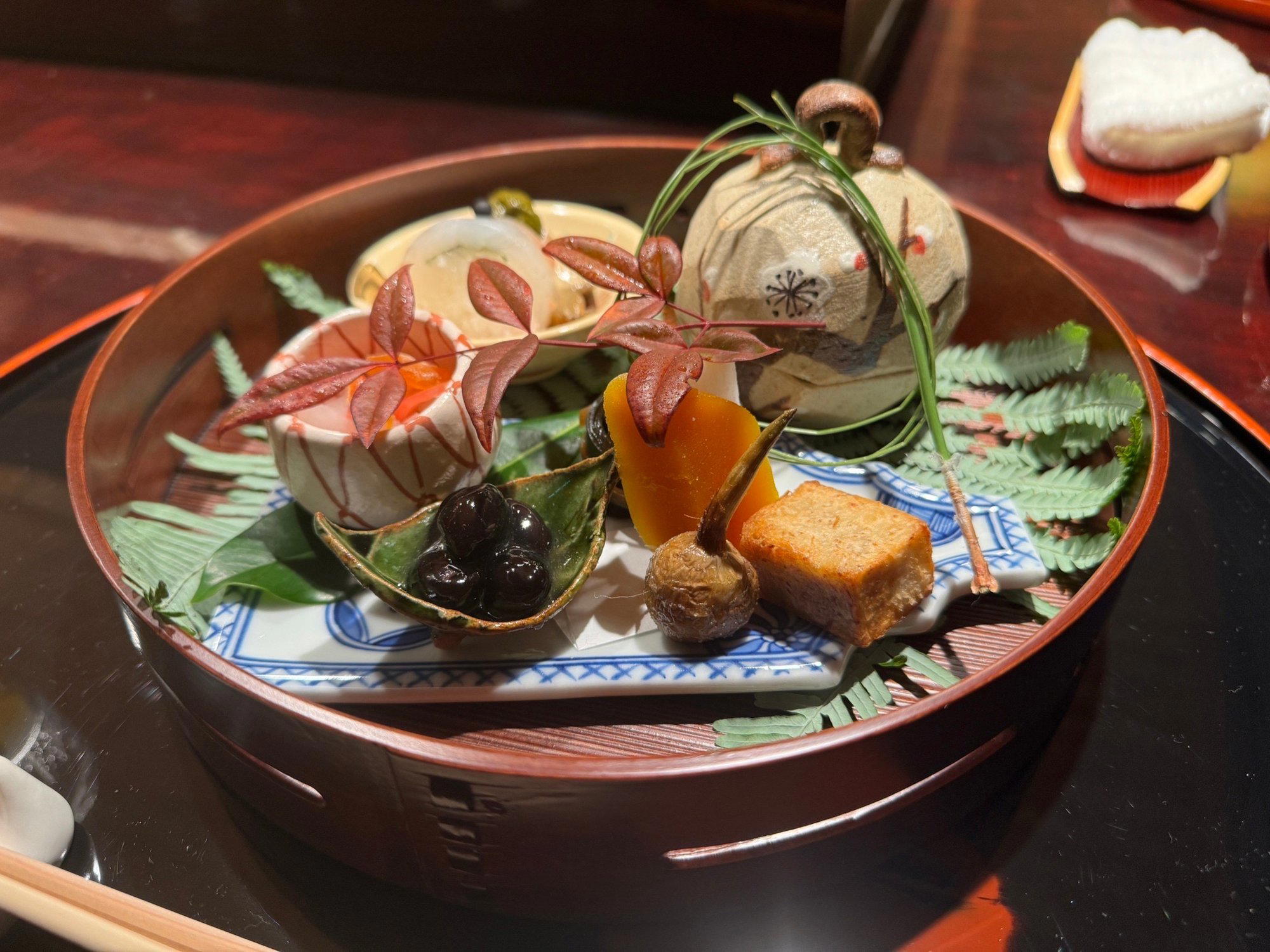
喰善あべ
Tokyo, Japan
喰善あべ is a cautious Ginza pick for a small evening meal when location and discretion matter more than public menu detail. It is better for flexible diners than for anyone who needs confirmed cuisine, price, seating format, or dietary accommodation before choosing.
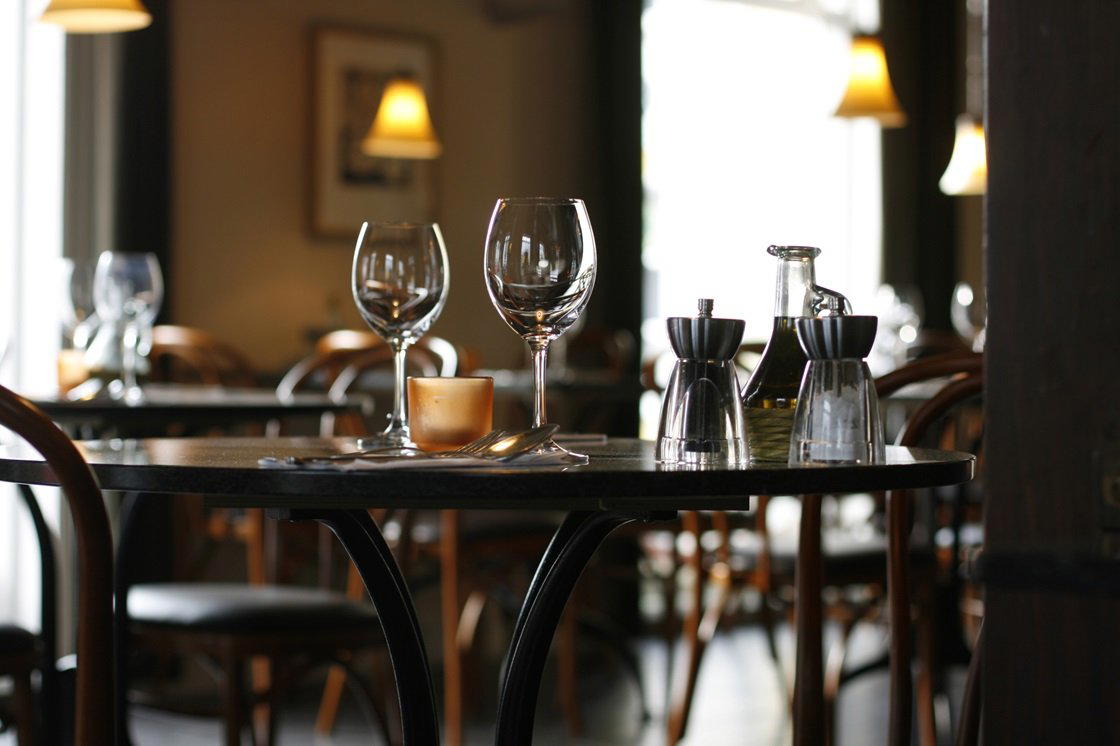
Akanezaka Onuma
Tokyo, Japan
Akanezaka Onuma is a 12-seat Michelin one-star kaiseki counter in Akasaka, Tokyo, built around Yamagata seasonal produce and a serious sake program. Dinner runs ¥30,000–¥39,999 before the 10% service charge, placing it a clear tier below most starred kaiseki peers. Tabelog 3.97 and Top 100 selections in 2023 and 2025 confirm consistent performance. Book well ahead; reservations are required and capacity is tight.
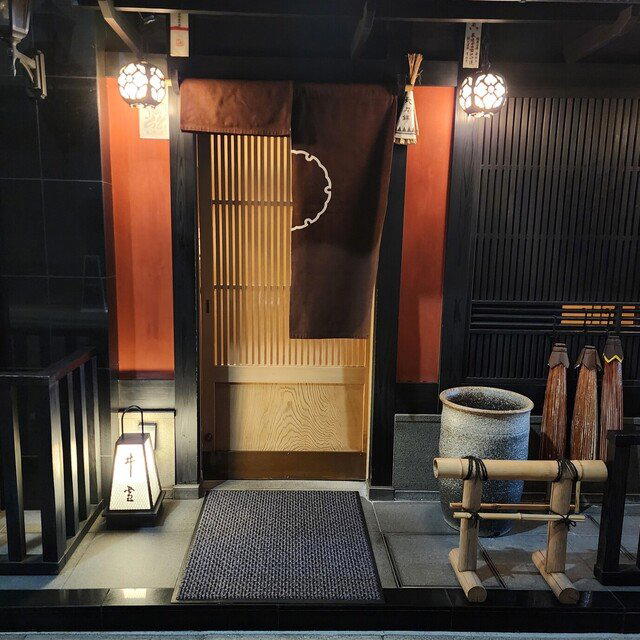
Iyuki
Tokyo, Japan
A seven-seat referral-only kaiseki counter in Ginza where chef Masahiro Ueda delivers seasonal precision at JPY 80,000–99,999 per head. The format is rigid; no à la carte, no private rooms; and the experience rewards attention over novelty. Worth booking if you prioritize technical discipline and a quiet room, but comparable peers like Ginza Fujiyama and Mibu offer similar quality with slightly different emphases.
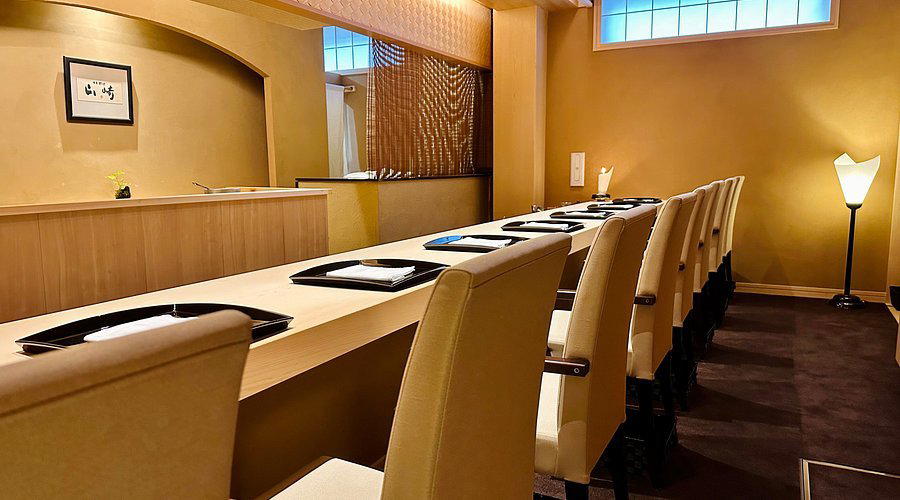
Yamazaki
Tokyo, Japan
Yamazaki is a 10-seat kaiseki counter in Nishiazabu with a Tabelog score of 4.46 and Tabelog Silver Awards every year from 2020 to 2026. Dinner runs JPY 60,000–79,999 per head across two seatings Tuesday through Saturday. Book via Instagram and read the cancellation policy carefully; this is a serious commitment at every level.
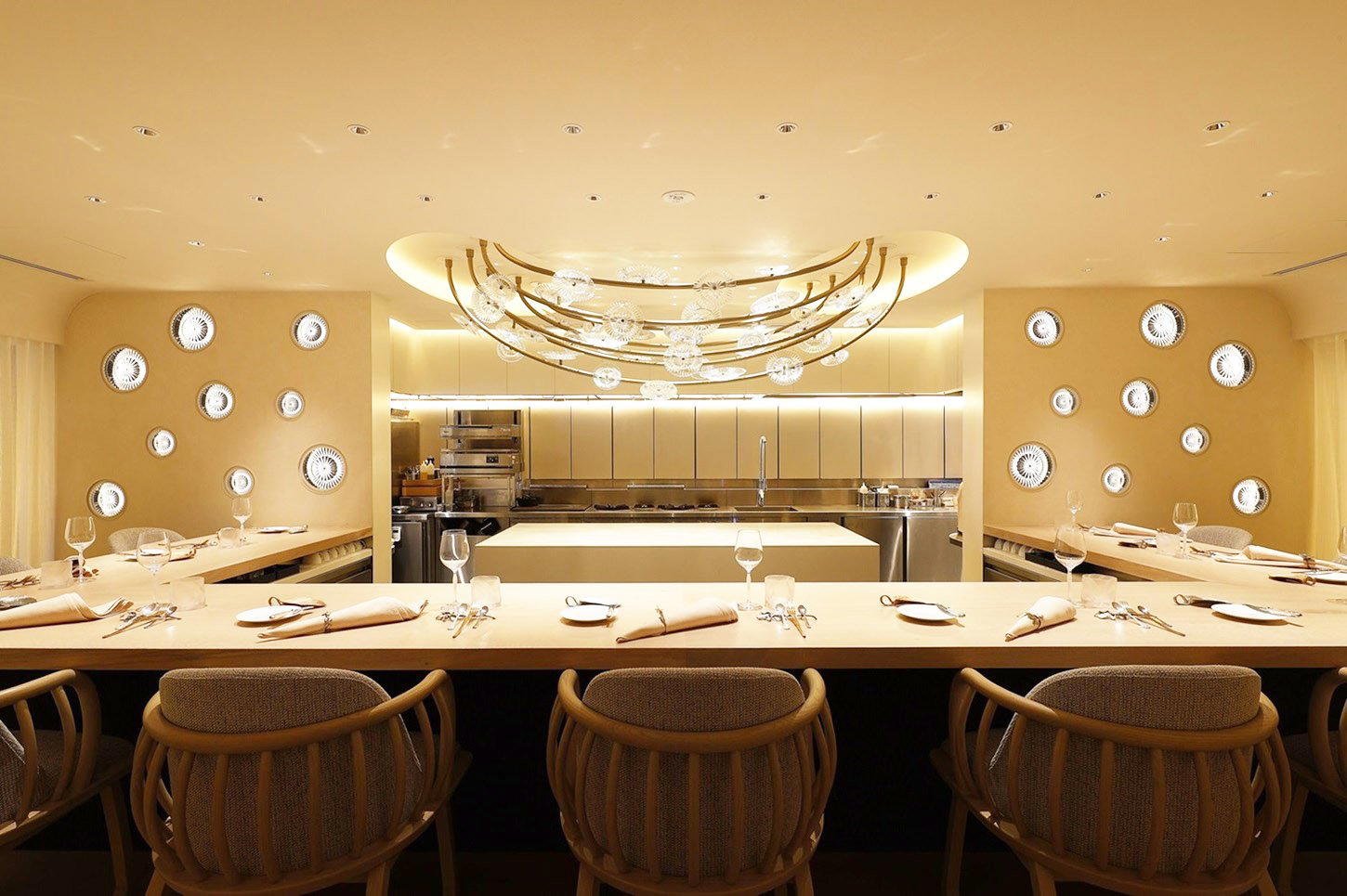
新ばし 笹田
Tokyo, Japan
新ばし 笹田 works for a focused Japanese dinner in Tokyo's Shinbashi/Toranomon area, especially if the night is already built around Minato. It is not the strongest choice for lunch, large groups, or diners who need published pricing and menu detail before committing.
Muroi
Tokyo, Japan
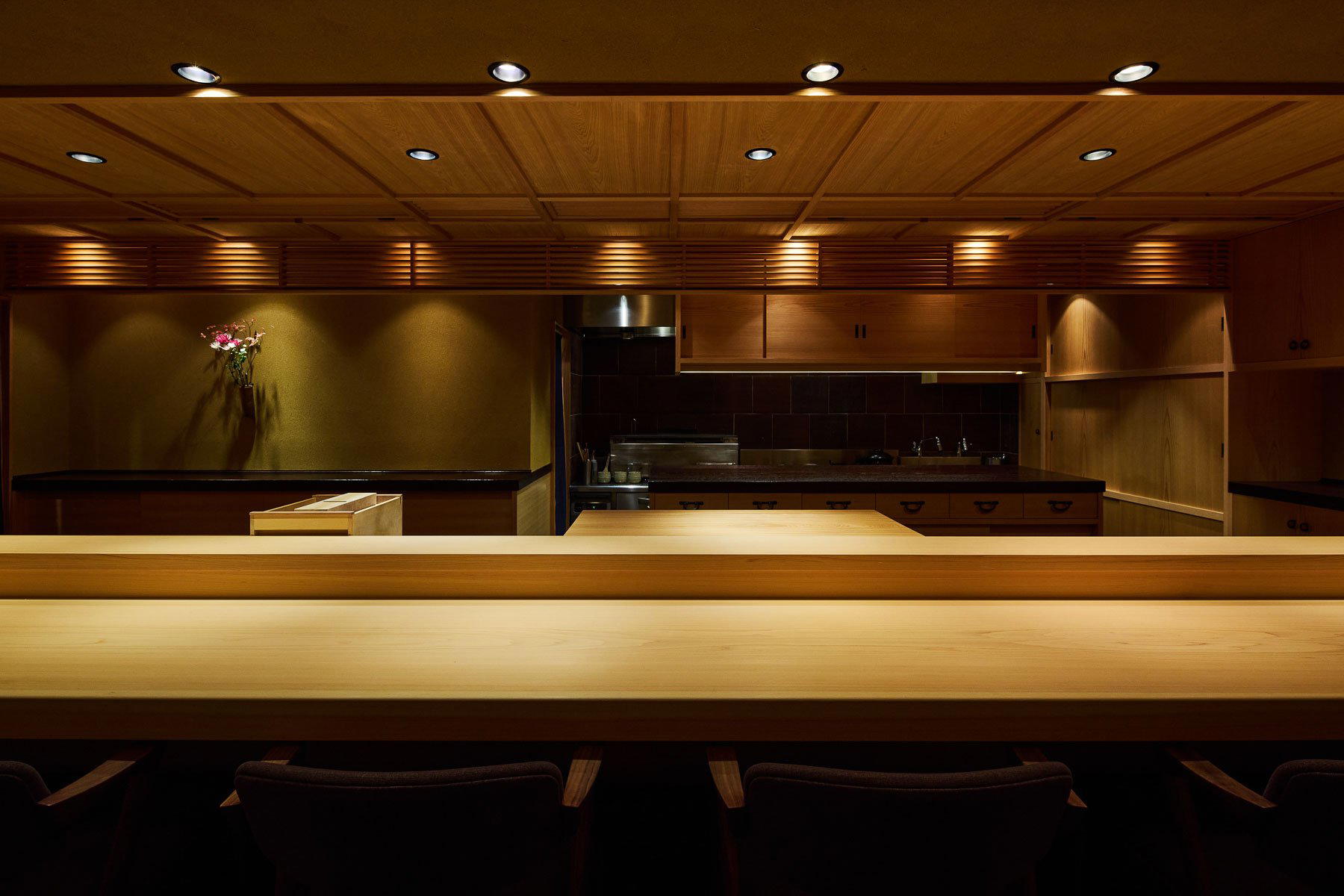
Kappo Muroi is a Michelin-starred, eight-seat counter in Nishiazabu with back-to-back Tabelog Bronze Awards (4.22) and a focused no-sashimi kappo course at JPY 50,000–59,999 before service. Booking is reservation-only through Tabelog and fills well in advance. Wear no perfume; the rule is enforced. One of Tokyo's stronger arguments for serious Japanese cooking at a price point below the city's top omakase tier.
Ajihiro
Tokyo, Japan
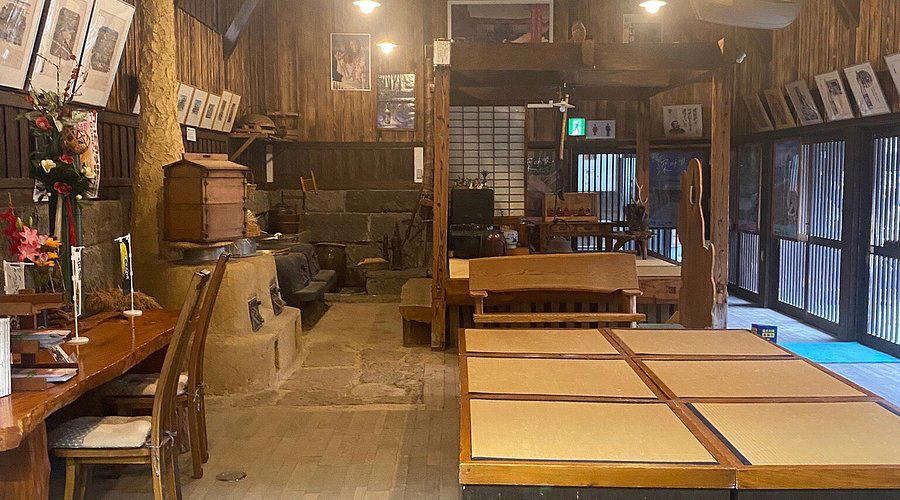
A reservation-only seven-seat kaiseki counter in Tokyo's Chuo ward, Ajihiro holds a Tabelog Score of 4.24, a 2026 Bronze Award, and back-to-back Top 100 selection. Budget JPY 80,000–99,999 per person with drinks. Book by phone well in advance; there is no website and no walk-in option. Chef Tomohiro Gunji's counter suits solo diners and special occasions equally; private hire of the full room is available for groups up to seven.
Edomae Shibahama
Tokyo, Japan
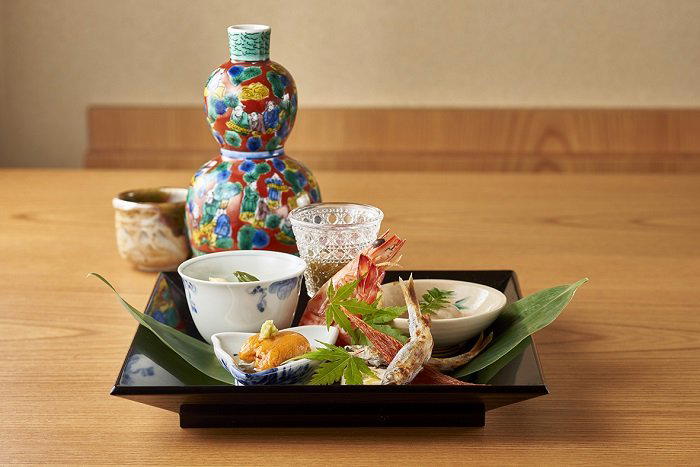
Edomae Shibahama is the Tokyo restaurant to book when historical depth matters as much as cooking skill. Chef Hiroshi Kaibara reconstructed Edo-period dishes from primary literature; including the bonito-only dashi and Shiba shrimp fishcake that defined late Edo cooking. At ¥¥¥ with a Michelin Plate and easy booking, it delivers serious value for food-focused diners who want something beyond the standard kaiseki circuit.
麻布 幸村
Tokyo, Japan
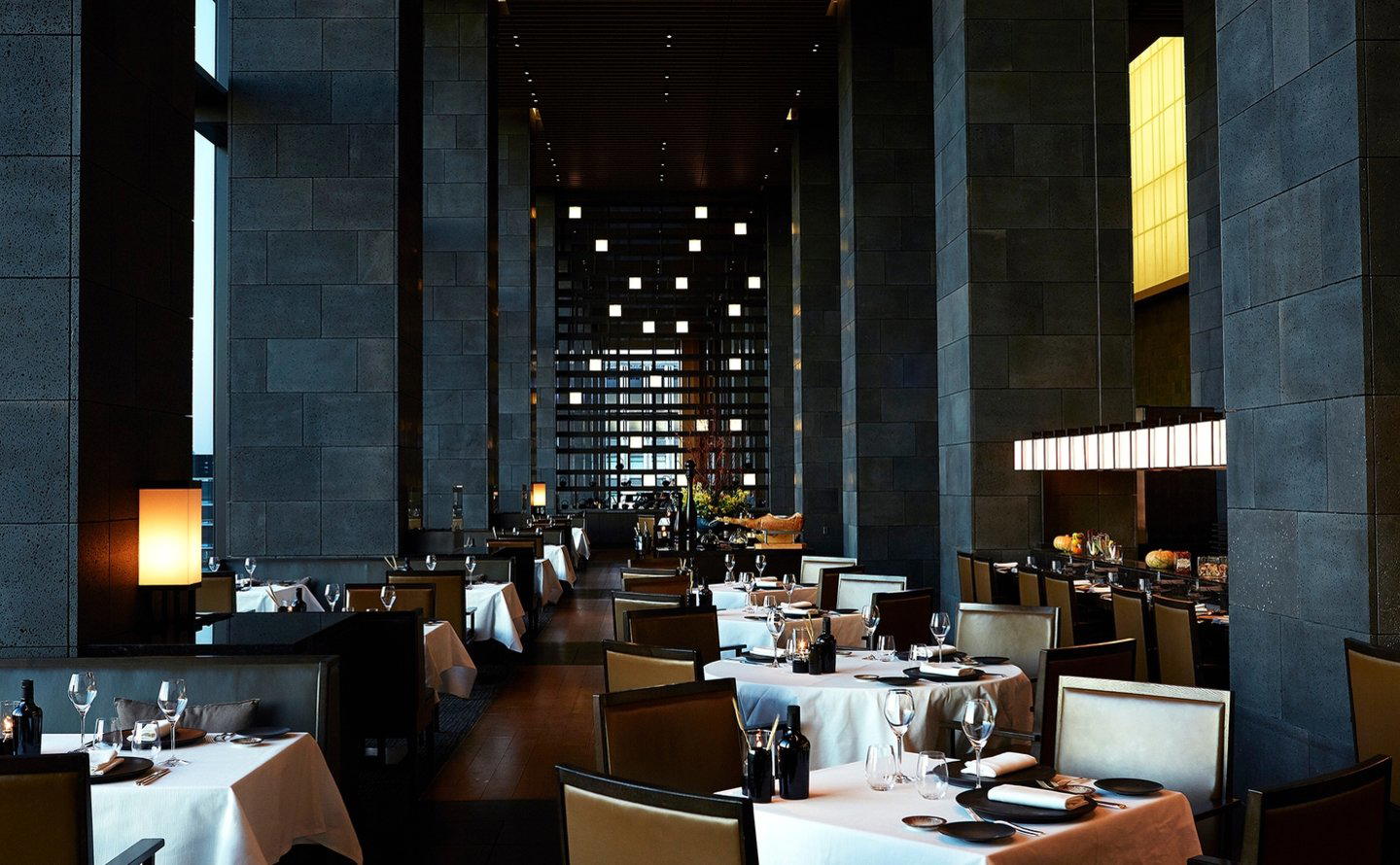
A cautious Azabujuban pick for diners who want a quiet, Japan-focused dinner and are comfortable confirming details before committing. The appeal is location and special-occasion potential, but missing public detail on price, hours, menu, and seating makes it weaker for groups or late-night plans that need certainty.
Ubuka
Tokyo, Japan
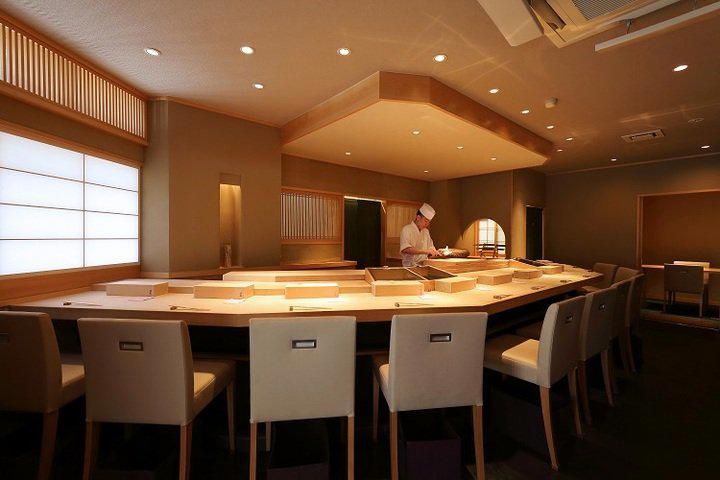
Ubuka is a Michelin one-star shellfish specialist in Shinjuku, built around crab and prawn with French and kaiseki technique. At ¥¥¥, it delivers better value than most starred Tokyo dinners. Book the counter, plan three to four weeks ahead, and only come if shellfish is genuinely your priority; the menu doesn't waver from it.
Ginza Ibuki
Tokyo, Japan
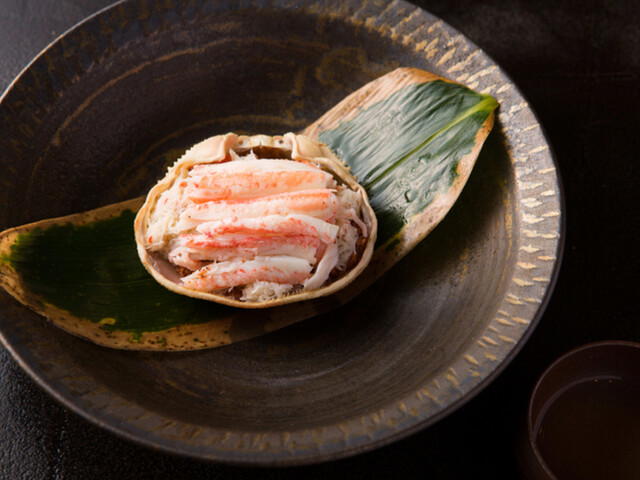
A 17-seat Ginza kaiseki counter and private-room operation with Tabelog 100 recognition and Opinionated About Dining placement. Chef Sadahisa Yoshizawa's fish-focused courses run JPY 15,000–19,999 at dinner, JPY 10,000–14,999 at lunch (Fridays, Saturdays, select Thursdays). Easier three-week booking window than higher-tier Ginza kaiseki; best for repeat visits across seasons.
Overview
Tabelog 100 - Japanese cuisine - TOKYO - 2025 is an authoritative ranking of Tokyo’s top 100 Japanese restaurants for 2025, curated from Tabelog’s extensive user reviews and expert evaluations. It highlights culinary excellence across Tokyo’s diverse Japanese dining scene, from traditional kaiseki to innovative modern fare.
Since its inception, Tabelog has become Japan’s premier restaurant review platform, akin to Yelp but with a uniquely Japanese emphasis on detail and culinary expertise. The Tabelog 100 Japanese cuisine list for Tokyo 2025 reflects a rigorous selection process based on tens of thousands of diner reviews and expert assessments. It covers a broad spectrum of Japanese culinary traditions, spotlighting chefs and establishments that define Tokyo’s dynamic food culture. As the capital of Japan and a global gastronomic hub, Tokyo’s Tabelog 100 list is a vital resource for discerning diners and travelers seeking the pinnacle of Japanese dining.
For food lovers and travelers drawn to the heart of Japan’s culinary artistry, Tokyo’s 2025 Tabelog 100 for Japanese cuisine offers an indispensable guide. This carefully curated list reflects the city’s rich gastronomic tapestry, from centuries-old traditions to cutting-edge innovations. Whether seeking refined kaiseki, sushi masters at work, or regional specialties elevated to art, Pearl’s coverage presents these restaurants with insight and nuance, empowering readers to navigate Tokyo’s vibrant dining scene with confidence.
Quick Facts
- Publisher
- Tabelog (Kakaku.com, Inc.)
- Year
- 2025
- Coverage
- Tokyo Metropolitan Area
- Items
- 100 Japanese Cuisine Restaurants
- Frequency
- Annual
About This Edition
The 2025 edition of the Tabelog 100 Japanese cuisine list in Tokyo introduces fresh faces alongside esteemed stalwarts, reflecting evolving trends such as a surge in sustainable sourcing and innovative takes on traditional dishes. Notably, there is increased representation of regional Japanese cuisines beyond Tokyo’s core, highlighting the city’s growing embrace of culinary diversity. This edition also underscores the resilience and creativity of Tokyo’s dining scene as it continues to recover and innovate post-pandemic.
Frequently Asked Questions
What is Tabelog 100 - Japanese cuisine - TOKYO - 2025?
How are honorees selected?
How often is this list updated?
How can I find these on Pearl?
How many of these have you visited?
Find out on Pearl and keep score across every place in Tabelog 100 - Japanese cuisine - TOKYO - 2025.