

Nishiazabu Noguchi
Japanese · Minato, Tokyo
Restaurant in Tokyo, Japan
 Book with Pearl
The Read
Kombu-Rooted Comfort Kaiseki
Price
$200–300per person
Dress
Smart Casual
Why go
Nishiazabu Noguchi holds a 2024 Michelin star and for a style of Japanese cooking that is precise without being stiff. Kombu broths, sudachi-dressed tsukuri, and generous rice courses signal a kitchen focused on flavour and satisfaction rather than performance. At ¥¥¥¥ in a quiet Minato City address, this is the right call for a special occasion dinner that wants quality without ceremony.
About Nishiazabu Noguchi
Who Should Book Nishiazabu Noguchi
If you want a MICHELIN Plate Japanese dinner in Tokyo without the theatrical formality that can make high-end kaiseki feel like a performance, Nishiazabu Noguchi is the right call. This is the venue for a date night or a small-group celebration where you want the food to be serious but the atmosphere to let you breathe. It suits diners who care about ingredient quality and technique but don't need a procession of servers explaining every grain of rice. For that kind of occasion, in the ¥¥¥¥ tier, Noguchi delivers well above its weight.
The Food: What the Michelin Star Is Actually For
Nishiazabu Noguchi earned its 2024 Michelin star on a platform the Michelin inspectors describe as honest Japanese cuisine overlaid with the chef's own inspiration. That framing matters for your booking decision: this is not a venue locked into rigid tradition, nor is it a fusion experiment. The menu is structured around Japanese fundamentals executed with care and some personal editorial from the kitchen.
The approach to flavour is deliberate and restrained in the right ways. Soup broths draw their depth from kombu, which keeps the base clean and oceanic rather than heavy. Tsukuri, the raw fish preparations, are dressed in salt water sharpened with sudachi, a Japanese citrus that lifts the natural fragrance of the seafood without masking it. These are not flashy techniques; they are precise ones, and the difference shows in the eating.
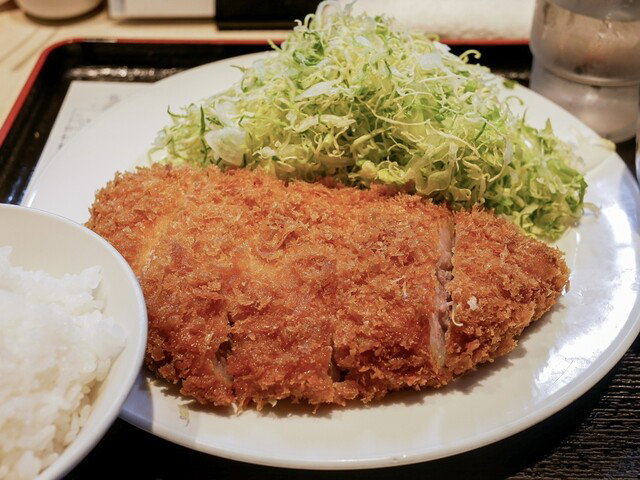
The meal's closing act leans into satisfaction in a way that many comparable venues do not bother with: white rice, takikomi-gohan (rice cooked with a variety of ingredients), and unadon (rice topped with lacquered eel) are all on offer, and free rice refills are part of the service. At a ¥¥¥¥ price point, that kind of generosity signals something about the restaurant's priorities. It is not trying to cut the meal short or upsell you into more courses. It wants you to leave full and pleased, which is rarer in this tier than it should be.
The Michelin Plate is not a promise of spectacle; it is a confirmation of sustained precision.
The Experience: Relaxed in the Leading Sense
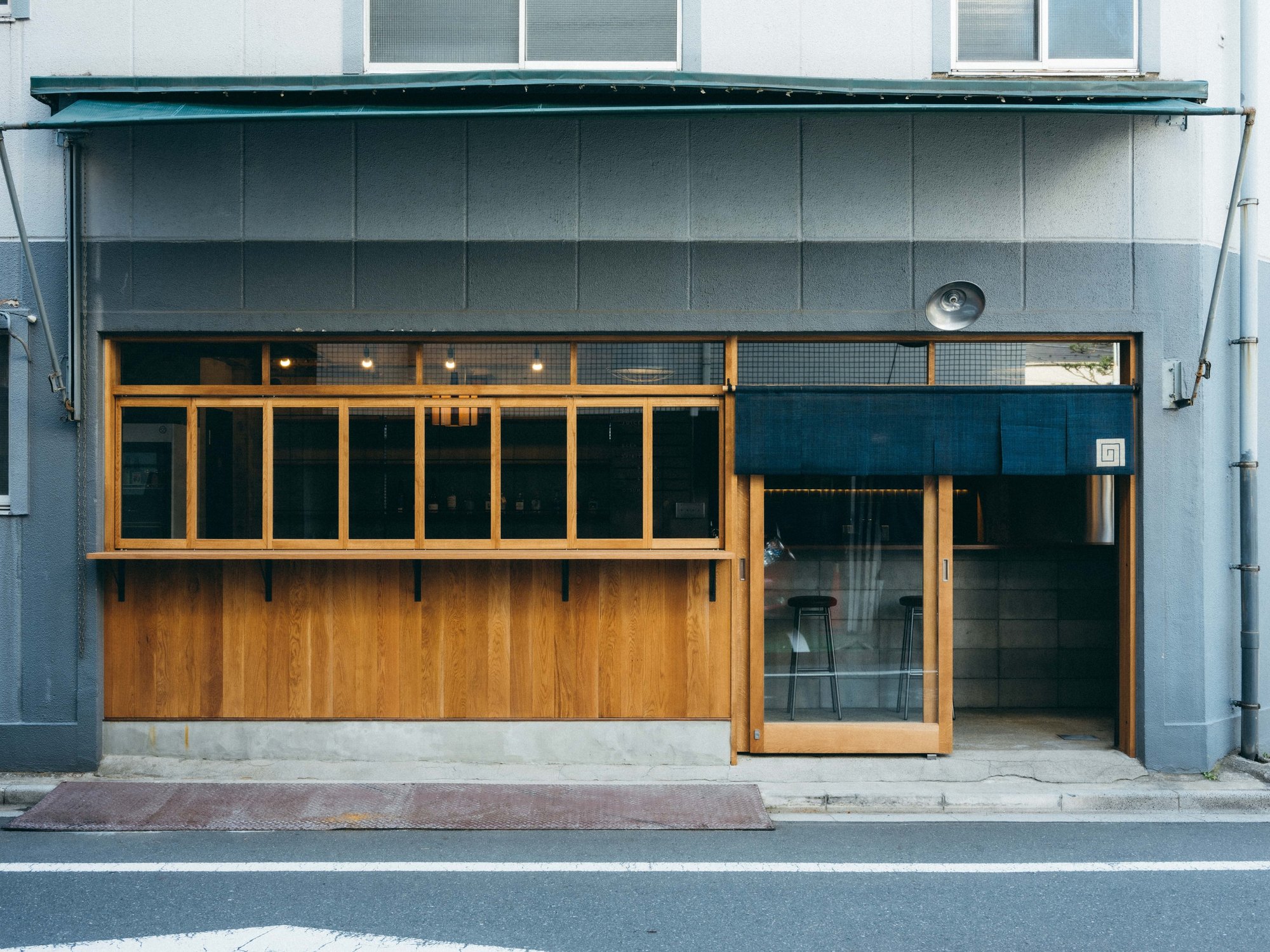
Nishiazabu as a neighbourhood sets the tone. This part of Minato City is quieter than Ginza, less self-consciously fashionable than Omotesando, and not on the tourist circuit in the way that Shibuya or Shinjuku are. A first-floor address on a side street in Nishiazabu 1-chome means you are eating in a space that does not announce itself, which is deliberate. The guests here are mostly people who did the research, which tends to make for a better room.
The restaurant's own description emphasises devotion to the spirit of service. In practice, that reads as attentive without being intrusive: staff who are present when needed and absent when not. For a special occasion, that balance matters. You want the evening to feel like a dinner, not a hospitality exercise.
The extensive menu structure means you are not locked into a single tasting format. For diners who find a fixed omakase progression constraining, or who want to move through the meal at their own pace, Noguchi's approach offers more agency than most starred venues in Tokyo. That is a real differentiator at this price tier.
Booking: Plan Well Ahead
Booking difficulty is rated Hard. A MICHELIN Guide listing in Tokyo's Minato City, with a small footprint in a residential-scale building, means availability is genuinely limited. This is not a venue you can expect to walk into or book on short notice. For a special occasion, plan at least four to six weeks ahead, and consider the possibility that popular dates fill faster.
Know Before You Go
- Cuisine: Japanese (honest, chef-inspired, Michelin 1 Star 2024)
- Price tier: ¥¥¥¥
- Location: 1 Chome-10-16 Royal Building 1F, Nishiazabu, Minato City, Tokyo
- Booking difficulty: Hard: reserve 4–6 weeks out minimum
- Leading for: Date nights, small celebrations, diners who want starred quality without heavy formality
- Menu note: Extensive menu with free rice refills; not a fixed omakase-only format
- Dress code: Not formally specified; smart casual is the safe call for a ¥¥¥¥ Michelin-starred venue in Tokyo
How It Compares
More Tokyo Dining Worth Your Time
If you are building a longer Tokyo itinerary, the following venues are worth considering alongside Nishiazabu Noguchi. For Japanese cuisine in neighbouring areas, Myojaku and Azabu Kadowaki are both within striking distance and operate at comparable levels of seriousness. Kagurazaka Ishikawa and Ginza Fukuju are strong alternatives if you want to shift neighbourhood or format. Jingumae Higuchi is worth knowing if a slightly different price position suits your trip better.
For the broader Tokyo picture, see our full Tokyo restaurants guide, our full Tokyo hotels guide, our full Tokyo bars guide, our full Tokyo wineries guide, and our full Tokyo experiences guide.
If you are travelling beyond Tokyo, serious Japanese dining across the country includes HAJIME in Osaka, Gion Sasaki in Kyoto, Isshisoden Nakamura in Kyoto, Kashiwaya Osaka Senriyama in Osaka, akordu in Nara, Goh in Fukuoka, 1000 in Yokohama, and 6 in Okinawa.
Planning details
- Hours
- Monday: 6–10 PM · Tuesday: 6–10 PM
- Location
- Japan, 〒106-0031 Tokyo, Minato City, Nishiazabu, 1 Chome−10−16 ロイヤルビル 1F 102
- Reservations
- Book on Omakase
- Website
- r.pr.omakase.in/tr/cl/FqpbN0PZUJe69PtP-M_xyPbwh3oR0agzyBuADgbnKnaeWjq6HyxpNeXhjPXLuN3_3wKTPBuSgSdrWnmPo6-ML0jvJjiMzSW93wefmXjrmUPijx_VYvQbukZkP914wnHR_S7Gd-gA6MsyMb_ovz9VDnIto6oASsqL4ZH46iFnsWra07xSTRHhpQW9DJdyMkgf3m1pnpUh4OjEPX58da3yggHaolfS7yfkyjPMdfrI7u7wL87IrVw9wA5fOMnI3SEOI6cdllI
- Phone
- +81 3-5414-5570
The take
The Take
The Vibe
Nishiazabu Noguchi reads as an understated, dining room that rewards deliberate discovery. The MICHELIN Plate address is tucked into a residential stretch of Nishiazabu and occupies a low-profile first-floor unit, so it doesn’t draw passersby or casual foot traffic. The tone is selective and restrained: seating feels appointment-driven and the guest list skews toward repeat local patrons rather than high-tourist throughput. That combination (the MICHELIN Plate recognition, the quiet residential setting and the small scale) creates an intimate, low-key atmosphere where the focus is squarely on the food and the ritual of a considered Japanese dining experience.
Best For
This is a venue for focused dinners and occasions that benefit from quiet attention and advance planning. The profile and size make it especially well suited to date nights, business meals and special-occasion dinners where privacy and a measured pace matter. It is not a casual drop-in spot; guests who expect a lively, walk-in scene will likely be disappointed. Instead, diners who appreciate restrained, Michelin-caliber Japanese cuisine in a small-room setting will find the restaurant aligns with those priorities: an intimate backdrop for conversations and an uninterrupted tasting experience.
Ordering Tips
Booking here requires strategy: the restaurant is small, appointment-driven and located off the main dining arteries, so open availability on general platforms is unlikely. Practical approaches that the description recommends are contacting the venue directly and, if language or access is a barrier, enlisting a hotel concierge or a Tokyo-based reservation service to secure a table. Confirm the exact address and entry instructions before you arrive: the first-floor unit in a low-profile building can be easy to miss. Treat the reservation as you would any tightly booked Tokyo kaiseki address: plan ahead and allow for limited seating and availability.
Venue details
Ambiance
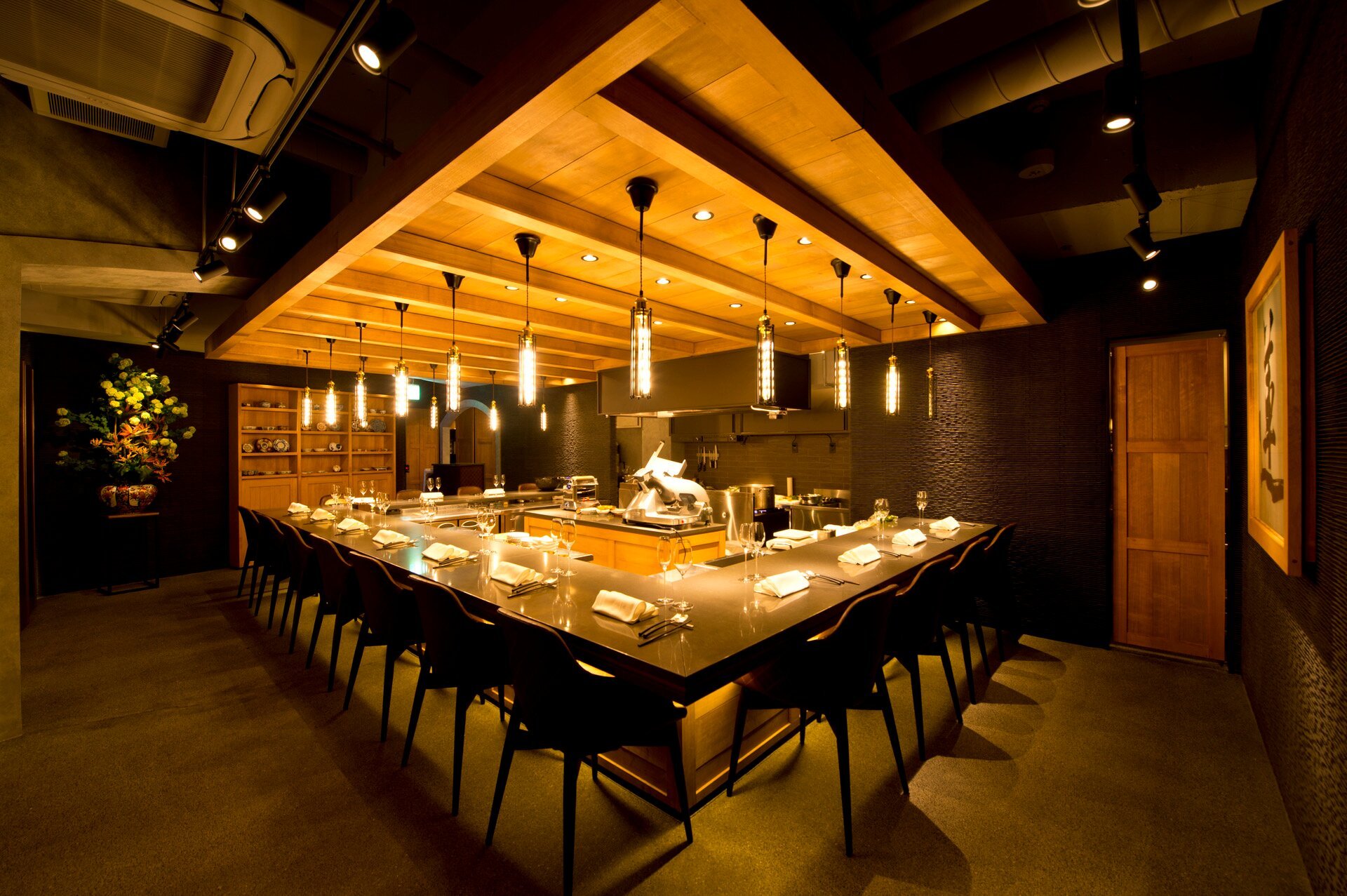
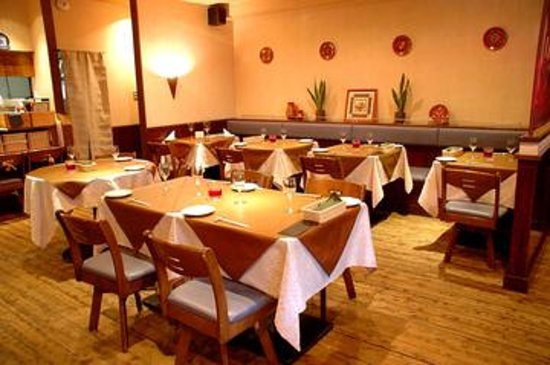
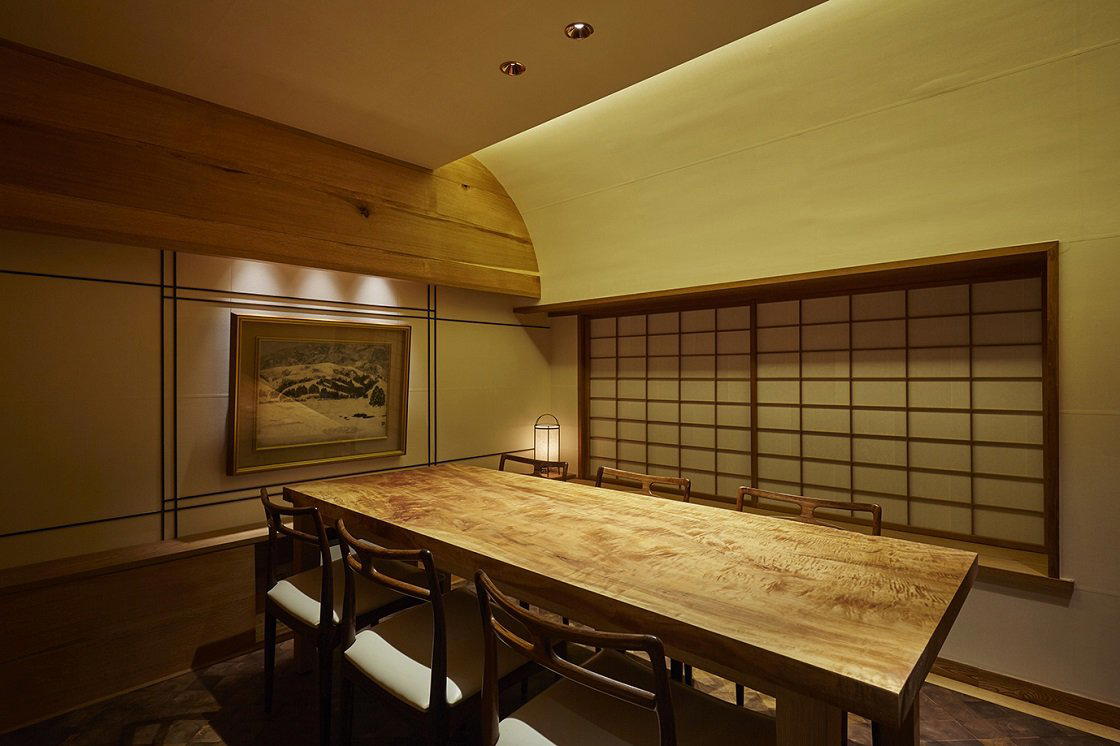
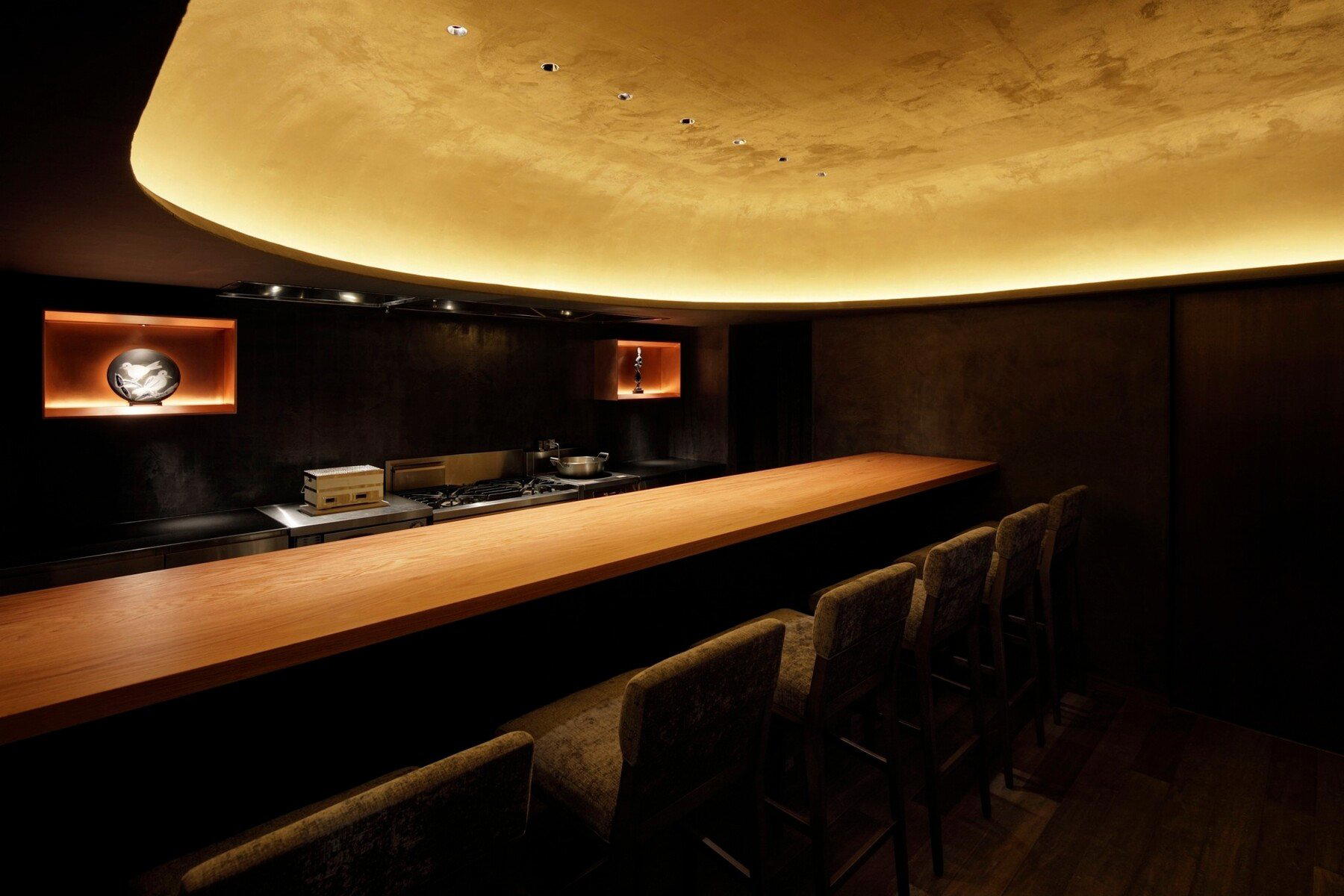
Elegant traditional Japanese interior with white wood counter seating, quiet and sophisticated atmosphere.
Tags
Vibe
Best For
Experience
At the Table
- Dress Code
- Smart Casual
- Noise Level
- Quiet
- Service Style
- Formal
- Meal Pacing
- Leisurely
- Capacity
- Intimate
- Kitchen
- Traditional
- Menu Format
- Omakase, Counter dining
- Drinks Focus
- Sake
Know before you go
Know Before You Go
- Getting there
- Japan, 〒106-0031 Tokyo, Minato City, Nishiazabu, 1 Chome−10−16 ロイヤルビル 1F 102
Planning details
Hours
- Monday
- 6–10 PM
- Tuesday
- 6–10 PM
- Wednesday
- 6–10 PM
- Thursday
- 6–10 PM
- Friday
- 6–10 PM
- Saturday
- 6–10 PM
- Sunday
- 6–10 PM
Location
Japan, 〒106-0031 Tokyo, Minato City, Nishiazabu, 1 Chome−10−16 ロイヤルビル 1F 102 · Directions
Recognition and awards
Also consider
Also Consider
- Harutaka: Sushi, ¥¥¥¥
- L'Effervescence: French, ¥¥¥¥
- RyuGin: Kaiseki, Japanese, ¥¥¥¥
- HOMMAGE: Innovtive French, French, ¥¥¥¥
- Crony: Innovative, French, ¥¥¥¥
Restaurant context
At ¥¥¥¥ across the board, Tokyo's starred dining tier is competitive, and your choice should come down to format preference as much as cuisine. Nishiazabu Noguchi's advantage over most comparably priced venues is the combination of a relaxed, non-fixed menu structure and genuine Michelin-recognised technique. If you want a more structured Japanese experience, RyuGin offers kaiseki with a higher level of ceremony and a longer tasting progression, but you are committing to a more formal evening and a harder booking window. For diners who want the craft without the ritual, Noguchi is the more comfortable choice.
On the French side of the ¥¥¥¥ tier, L'Effervescence and HOMMAGE are strong options if the cuisine type is flexible, with L'Effervescence particularly well regarded for seasonal ingredient work. Crony sits at the more innovative end of the French format and is worth considering if you want a less traditional structure. None of these, however, offer the specific combination of Japanese flavour precision and relaxed pacing that Noguchi provides.
For sushi at the same price tier, Harutaka is among the most respected options in Tokyo, but it operates as a counter-only omakase and books out well in advance. If your priority is the best possible sushi experience and you can plan months ahead, Harutaka is the stronger call. If you want a broader Japanese meal with more agency over the evening's pacing, Noguchi wins that comparison comfortably.
Explore Tokyo
Around this place
Discover more on Pearl
Unlock the full Nishiazabu Noguchi guide in Pearl, including awards, comparisons, FAQs, planning details, and nearby places.
Compare Nishiazabu Noguchi
| Venue | Awards | Price |
|---|---|---|
| Nishiazabu Noguchi | 2026 Michelin PlateTabelog 100 - Japanese cuisine - TOKYO - 2025 · #342024 Michelin 1 Star | ¥¥¥¥ |
| Harutaka | 2026 Tabelog Silver · #312026 OAD Top Restaurants in Japan Ranked · #1282026 Michelin 3 Stars2026 La Liste Top RestaurantsTabelog 100 - Sushi - TOKYO - 2025 · #372025 Asia's 50 Best Restaurants · #762025 OAD Top Restaurants in Japan Ranked · #1172025 La Liste Top Restaurants2025 Tabelog Bronze | ¥¥¥¥ |
| L'Effervescence | 2026 Tabelog Silver · #682026 OAD Top Restaurants in Japan Ranked · #103Star Wine Lists 20262026 Black Pearl 2 Diamond2026 Relais Chateaux Restaurants2026 La Liste Top Restaurants2026 Michelin 3 Stars2025 Asia's 50 Best Restaurants · #692025 OAD Top Restaurants in Japan Ranked · #92 | ¥¥¥¥ |
| RyuGin | 2026 OAD Top Restaurants in Japan Ranked · #802026 Tabelog Bronze · #3772026 Michelin 3 Stars2026 La Liste Top RestaurantsTabelog 100 - Japanese cuisine - TOKYO - 2025 · #212025 OAD Top Restaurants in Japan Ranked · #542025 Michelin 3 Stars2025 La Liste Top Restaurants2025 The Best Chef Three Knives | ¥¥¥¥ |
| HOMMAGE | 2026 Tabelog Bronze · #1232026 OAD Top Restaurants in Japan Highly Recommended2026 Michelin 2 StarsTabelog 100 - French - TOKYO - 2025 · #762025 Asia's 50 Best Restaurants · #782025 OAD Top Restaurants in Japan Ranked · #1752025 Michelin 2 Stars2025 The Best Chef One Knife2025 La Liste Top Restaurants | ¥¥¥¥ |
| Crony | 2026 Asia's 50 Best Restaurants · #34Star Wine Lists 20262026 OAD Top Restaurants in Japan Recommended2026 Michelin 2 Stars2025 Asia's 50 Best Restaurants · #30Tabelog 100 - French - TOKYO - 2025 · #782025 OAD Top Restaurants in Japan Ranked · #227We're Smart World Top Restaurants 20252025 Michelin 2 Stars | ¥¥¥¥ |
.png?width=1200&quality=80)













Side-by-side comparison to help you decide where to book.
FAQ
Frequently Asked Questions
Is Nishiazabu Noguchi good for a special occasion?
Yes, with the right expectations. A 2024 Michelin star and a ¥¥¥¥ price point make this a credible special-occasion choice, but the format here is relaxed rather than ceremonial: the ethos is about satisfaction and generosity, including free rice refills, rather than theatrical presentation. If you want formal kaiseki pomp, look at RyuGin instead. If you want a high-quality dinner that feels personal rather than performative, Nishiazabu Noguchi fits well.
What should I order at Nishiazabu Noguchi?
The menu is designed around progression: kombu-based broths in the soup courses, tsukuri (sashimi) dressed with salt water and sudachi to lift the fragrance of the seafood, and a rice finale that includes white rice, takikomi-gohan, and unadon (eel on rice). The rice courses are a deliberate focal point, not an afterthought: and free refills are on offer. Follow the menu as structured rather than picking around it.
What should I wear to Nishiazabu Noguchi?
Given the neighbourhood, Nishiazabu is quieter and less self-consciously formal than Ginza, and the restaurant's stated philosophy of honest cooking over ceremony, neat and considered dress is a reasonable baseline. Avoid overly casual clothing at a ¥¥¥¥ price point, but formal attire is unlikely to be required.
Is Nishiazabu Noguchi worth the price?
At ¥¥¥¥ with a 2024 Michelin star, the value case depends on what you are paying for. This is not a venue built around luxury theatre: it is built around precise, ingredient-led Japanese cooking, generous portions, and a relaxed atmosphere. If that format appeals, the price holds up. If you are spending ¥¥¥¥ expecting elaborate multi-course kaiseki ritual, consider RyuGin or Harutaka instead.