



Rules
British, Traditional British · Covent Garden, London
Restaurant in London, United Kingdom
 Book with Pearl
The Read
Heritage Game Cookery
Price
$100–150per person
Chef
David Stafford
Dress
Smart Casual
Why go
London's oldest restaurant, open since 1798, Rules delivers traditional British cooking from its own game estate in a Covent Garden dining room thick with atmosphere. At £££ it sits below the city's trophy rooms and holds a Michelin Plate. Book for game season (September to January) and the steak and kidney pudding, not for modern fine dining.
About Rules
London's Oldest Restaurant: Should You Book Rules?
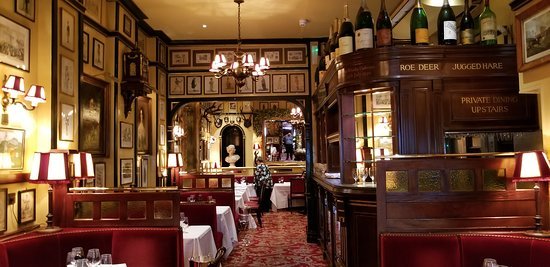
Picture a dining room where gaslit corridors give way to burnished wood panelling, antique cartoons crowd the walls, and a silver tankard of Black Velvet arrives before you've even studied the menu. That atmosphere is exactly what Rules has been selling since 1798, making it London's longest continuously operating restaurant. The question is whether the experience justifies a booking in 2025, or whether it coasts on heritage alone. The honest answer: book it, but book it for the right reasons and at the right time of year.
The Verdict
Rules holds a Michelin Plate (2025) and an Opinionated About Dining Casual in Europe Recommended listing, both of which signal consistent, honest cooking rather than technical fireworks. At £££ pricing, it sits below the city's ££££ trophy restaurants, which makes it one of the more sensible ways to eat serious traditional British food in a room with genuine character. Chef David Stafford runs a menu that is unapologetically old-fashioned: game from the restaurant's own estate, steak and kidney suet pudding with a separate silver boat of gravy, treacle tart, orchard fruit crumbles. If that sounds like exactly what you want, Rules will deliver it reliably. If you are hoping for the kind of Modern British cooking that CORE by Clare Smyth or The Ledbury offer, look elsewhere.
When to Go
Timing matters more at Rules than at most London restaurants. The game season, broadly September through January, is when the kitchen is at its most purposeful. The restaurant's own estate supplies game directly, which means partridge, grouse (when the season cooperates), and other birds are not afterthoughts on the menu but central to what the kitchen does leading. A visit in September, when red-legged partridge appears on the bill of fare, gives you the experience at its most characterful. Come in summer and the menu shifts toward other house classics, still competently executed, but the full effect is muted. Friday and Saturday evenings run until 11 pm, giving you more flexibility than the 10 pm close on other evenings. Monday the restaurant is closed entirely, so plan accordingly.
The Food and Drink
The flavour profile here is deep, rich, and unapologetically old-school British. Starters like stuffed mussels with garlic and herb butter topped with breadcrumbs set the tone, though the kitchen also offers salads of smoked ham with pomegranate and blood orange, or beetroot with apple, walnut and blue cheese, which provide contrast before the heavier main courses. The steak and kidney suet pudding, freighted with tender beef and well-judged offal plus an oyster, is the dish most likely to define your memory of the meal. Sides of dauphinoise and creamed spinach are the correct accompaniments. On the fish side, a salmon escalope with Champagne chive butter is a reliable lighter option. For dessert, treacle tart and crumbles are the expected choices, though a flourless blood orange and chocolate cake shows the kitchen is not entirely locked in amber. The wine list opens with a Rhône red and a dry white Bordeaux by the glass. Begin, if at all possible, with a Black Velvet in the cocktail bar upstairs before descending to the dining rooms below.
Private Dining and Group Bookings
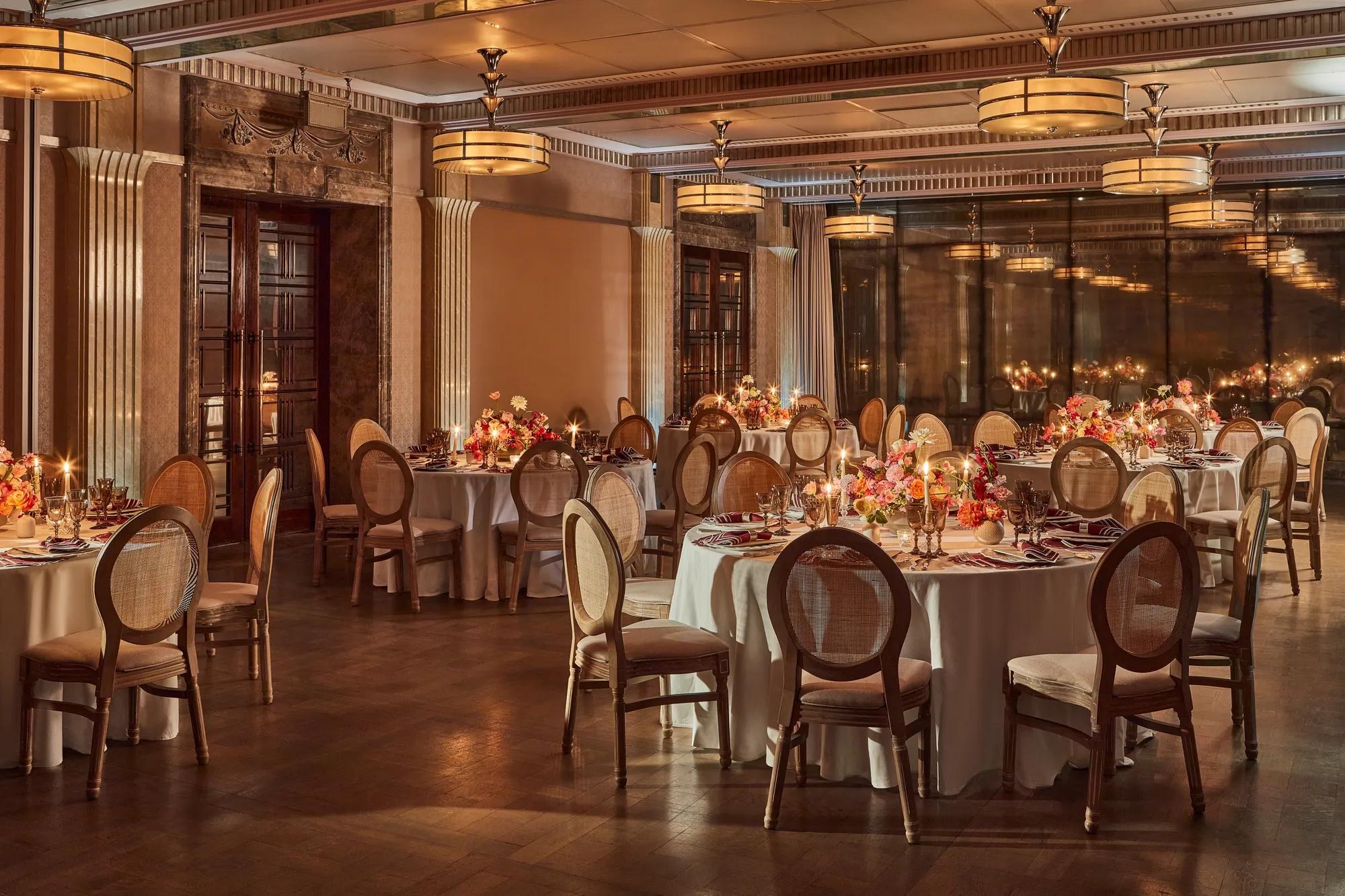
Rules is well suited to group dining in a way that many of its London peers are not. The restaurant occupies several interconnected rooms across the ground floor, each decorated distinctly with its own collection of prints, paintings, and figurines. For a group wanting a memorable setting without the formality or price point of a private dining room at Sketch, The Lecture Room and Library or Restaurant Gordon Ramsay, Rules offers a genuinely atmospheric alternative. The multi-room layout means that a larger party can feel sequestered without needing a formally booked private space, giving the experience a convivial, semi-private quality that works well for work dinners, family celebrations, or any occasion where the room itself needs to do some of the heavy lifting. The service, described across multiple sources as attentive from initial arrival to farewell, adds to the sense that the restaurant takes group hospitality seriously. For a special occasion dinner where you want British heritage as part of the occasion's meaning, Rules competes on a different axis than the ££££ rooms, and wins on atmosphere per pound spent.
Booking and Getting There
Rules sits at 35 Maiden Lane, WC2E 7LB, in Covent Garden, which puts it within easy walking distance of the Strand, the Royal Opera House, and several West End theatres, making it a natural pre- or post-theatre option on a Friday or Saturday when the kitchen stays open until 11 pm. Booking difficulty is moderate: not the weeks-in-advance grind of London's Michelin-starred rooms, but you should not expect to walk in on a Saturday evening during game season without a reservation. Book at least a week to ten days out for weekday visits, two to three weeks for weekend evenings in October through December. The restaurant is closed on Mondays.
How Rules Compares to Alternatives
If traditional British food is the brief, the most direct comparison is St John in Smithfield. St John is leaner, plainer, and arguably more committed to the nose-to-tail philosophy, but it lacks the atmospheric rooms and heritage context that Rules provides. For a client dinner or a special occasion, Rules wins on room and occasion; for pure ingredient-focused eating, St John is the stronger choice. Further afield in the British Isles, L'Enclume in Cartmel, Moor Hall in Aughton, and Gidleigh Park in Chagford represent a different register of British cooking entirely. Closer to London, Hand and Flowers in Marlow and hide and fox in Saltwood are worth knowing. For the full picture of what London's restaurant scene offers, see our full London restaurants guide, alongside our London hotels guide, our London bars guide, our London wineries guide, and our London experiences guide.
Planning details
- Hours
- Monday: Closed · Tuesday: 12–10 pm
- Location
- 35 Maiden Ln, London WC2E 7LB, United Kingdom
- Reservations
- Book on SevenRooms
- Website
- rules.co.uk
- Phone
- +44 20 7836 5314
The take
The Take
The Vibe
Rules reads like a living piece of London history: opened in 1798, the dining rooms and address remain much as they have for centuries. The kitchen deliberately defends traditional British cookery, presenting classic dishes with a seriousness that feels authentic rather than nostalgic. The overall effect is quietly charming and resolutely historic — a place where old‑world fittings and ceremonious dining meet careful, contemporary standards. Accolades such as recent Michelin Plate recognition underscore that the room’s continuity is matched by consistently high cooking and service.
Best For
Rules is best encountered in the evening, when its ritual of a full, formal meal and pre‑dinner drinks plays out most naturally. The restaurant’s Covent Garden location and an upstairs cocktail bar that functions as a proper pre‑dinner destination make it ideal for a pre‑theatre stop or a considered dinner reservation. Its emphasis on preserved British classics and a pedigree stretching back to the 18th century also suits special occasions and business dinners where heritage, ceremony and reliably serious cooking matter.
Ordering Tips
Begin your visit upstairs at the cocktail bar if you can — the house frames the meal as starting before you reach the dining room. In the dining room, stick to the classics that define the house: Steak and Kidney Suet Pudding, Welsh Rarebit, Fish Pie, Rib of Beef and Venison are all signature preparations and showcase the kitchen’s commitment to traditional British flavours. The menu rewards choosing core, time‑honoured dishes rather than hunting for contemporary reinterpretations.
Venue details
Ambiance
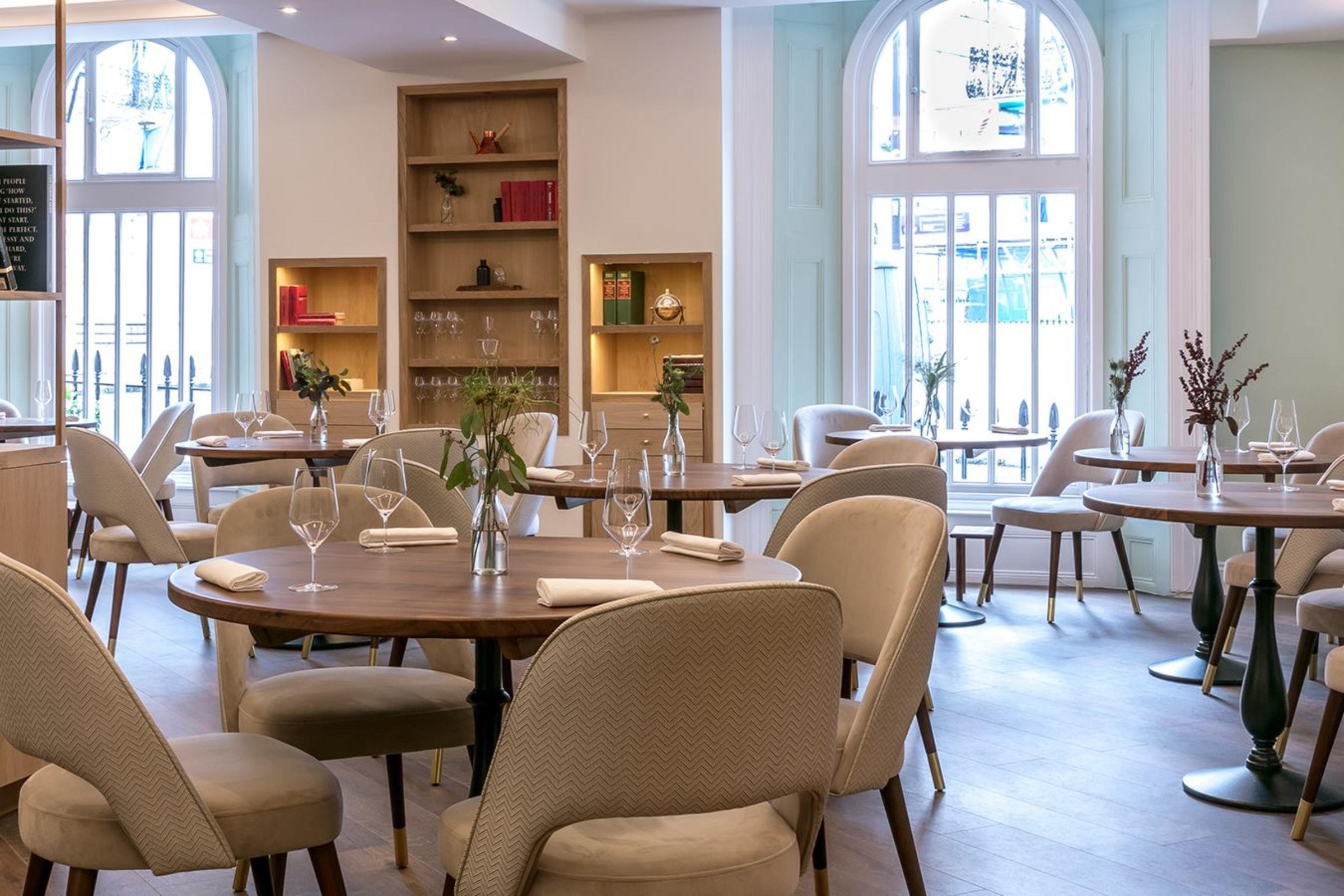
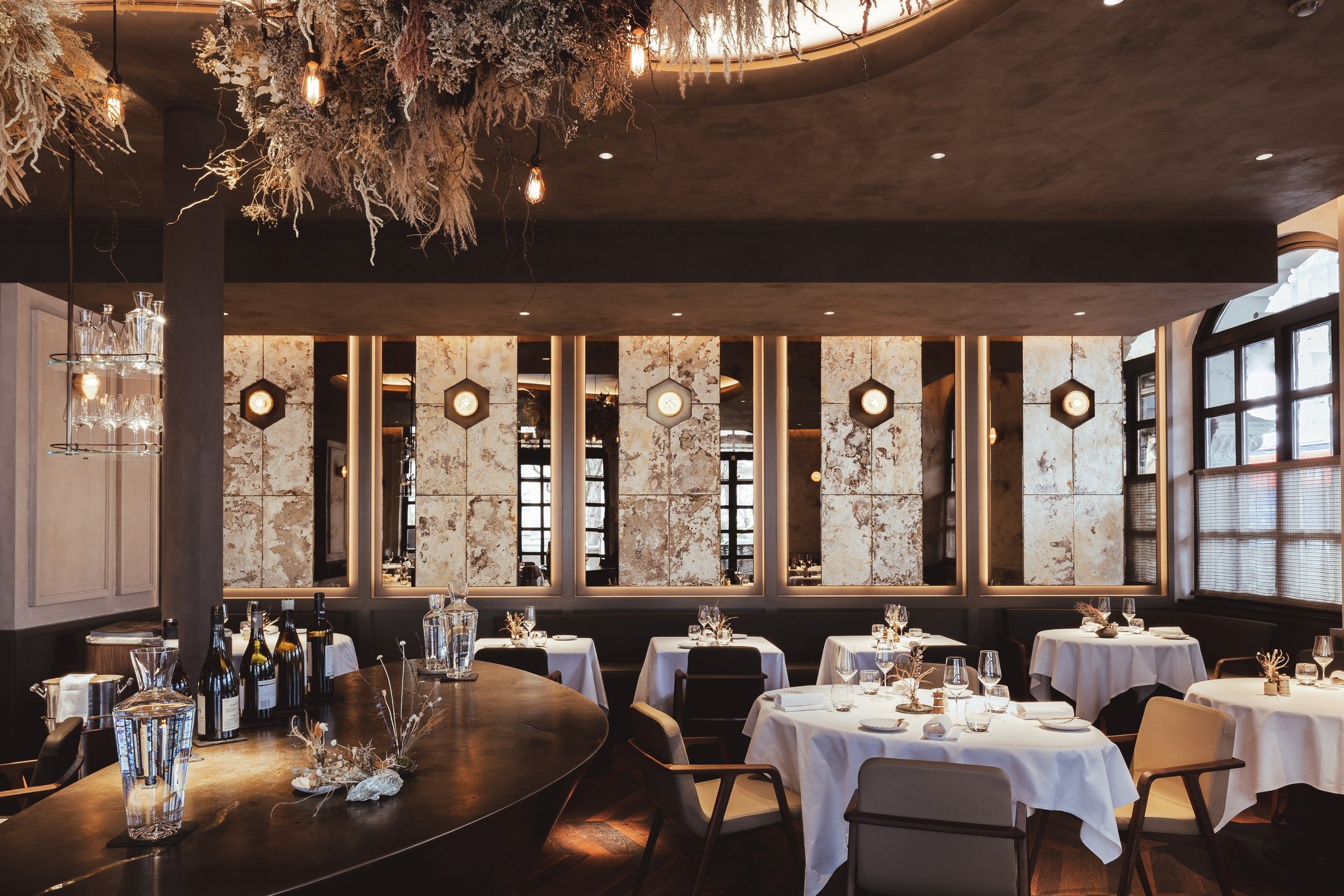
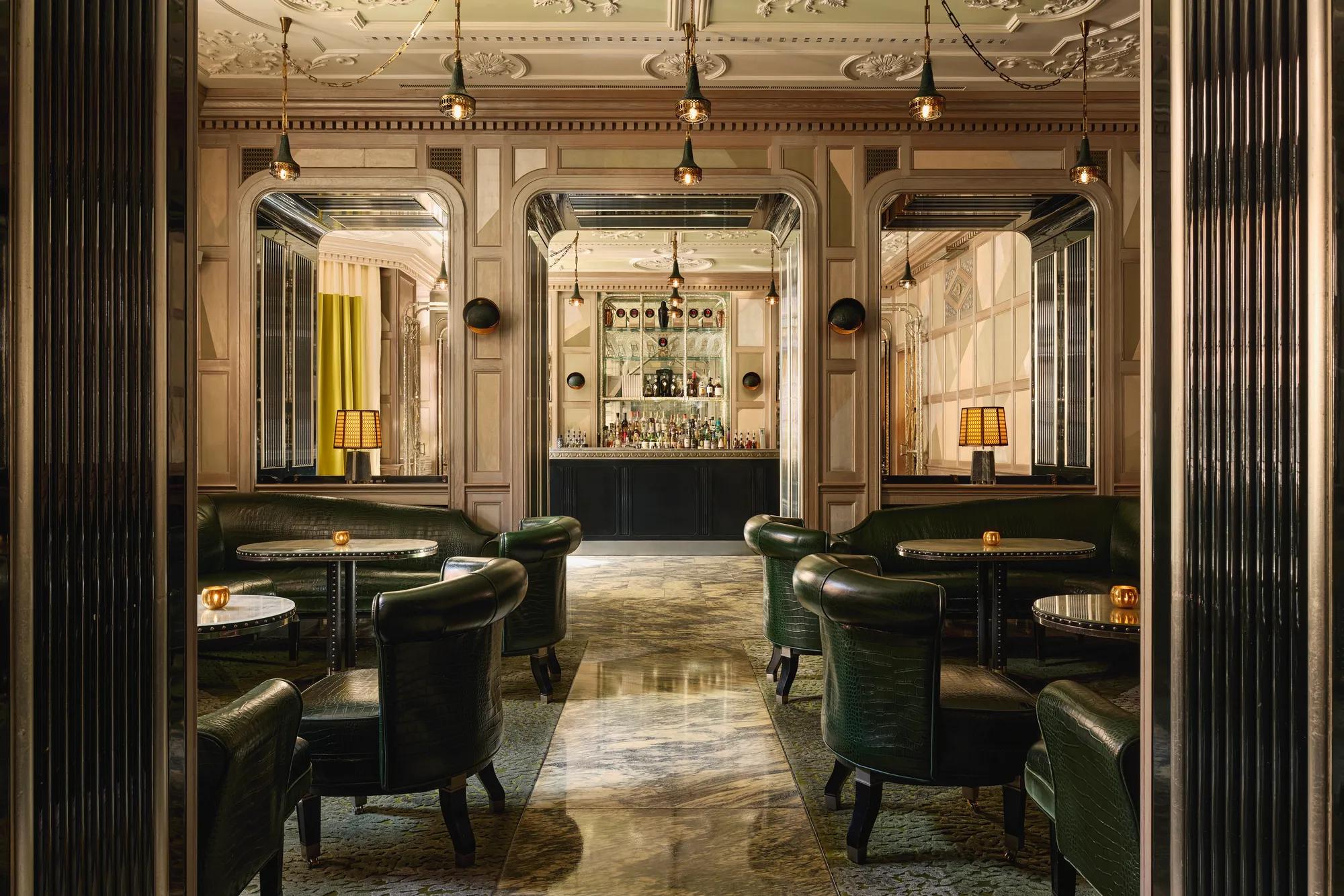
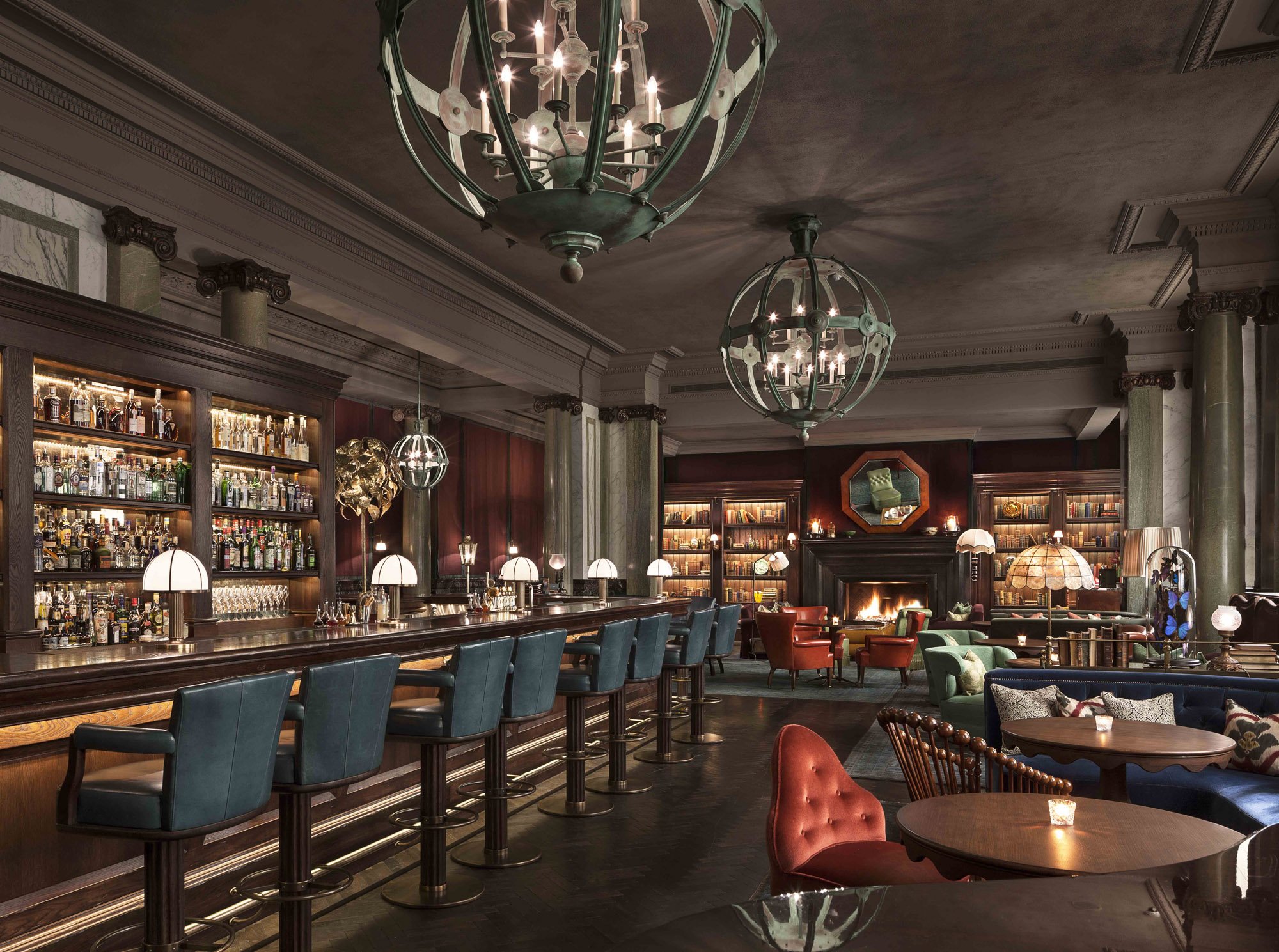
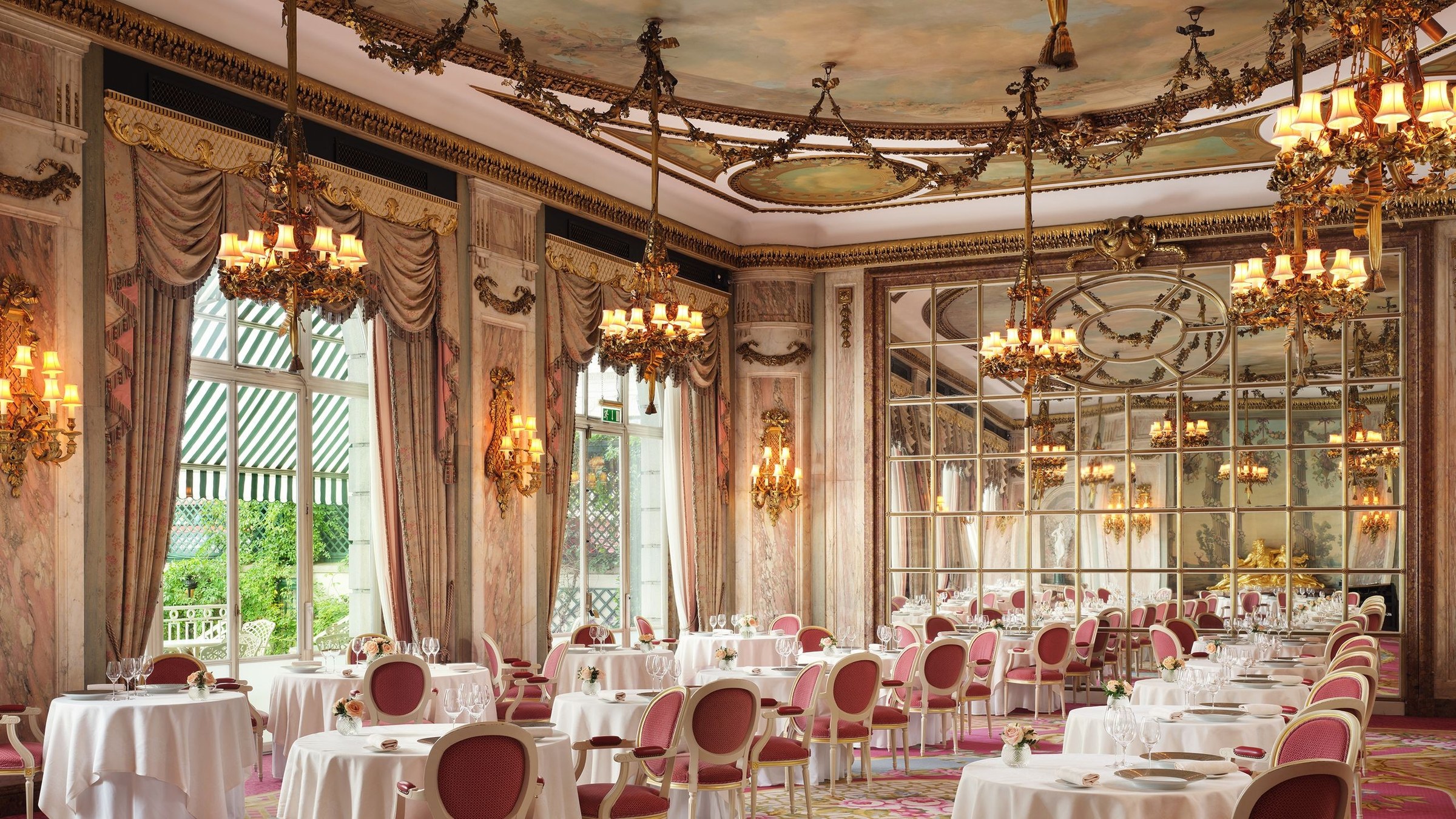
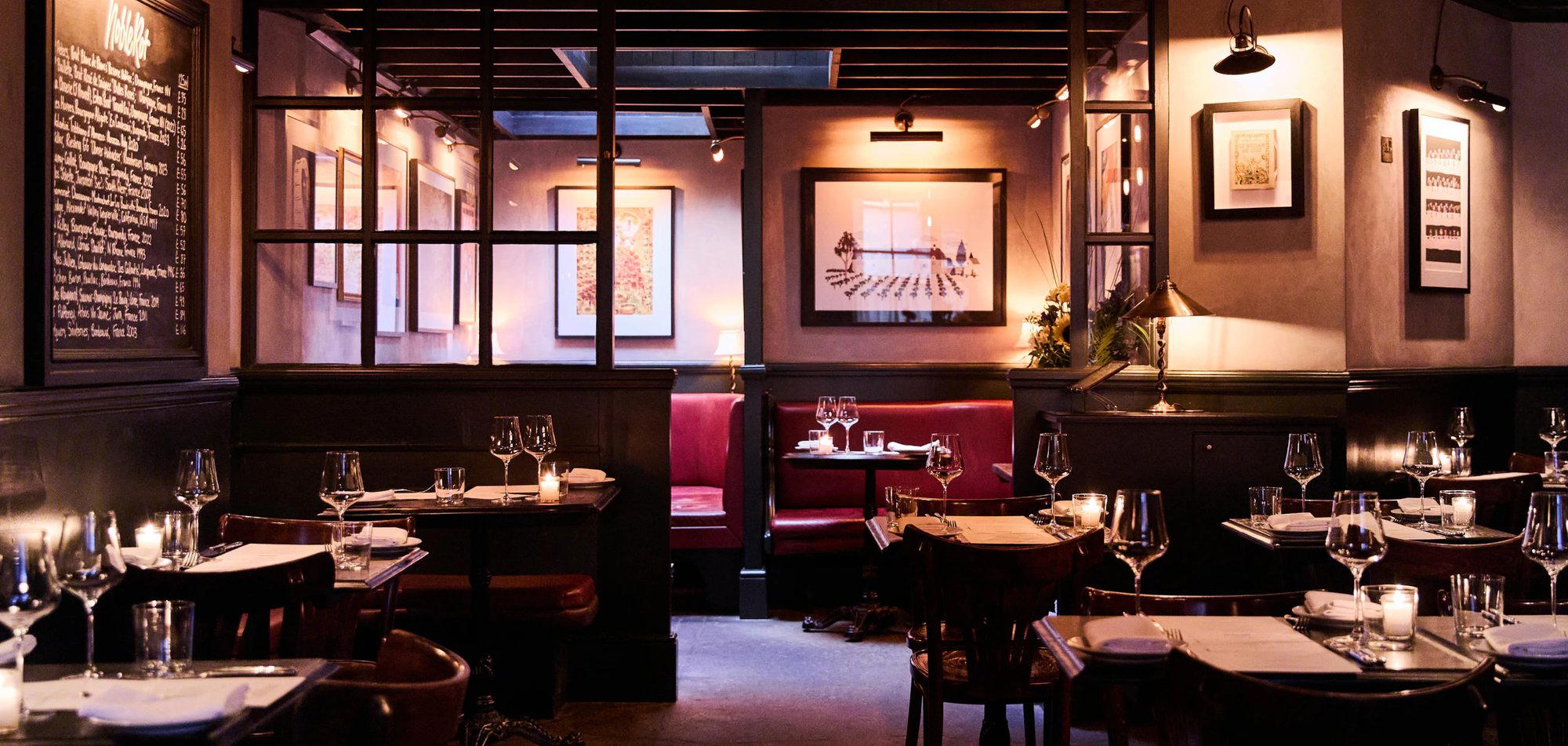
Elegant and steeped in history with dark wood paneling, red velvet banquette seating, crimson and gold carpets, glistening wood, period prints, and a quiet air of calm professionalism; waiters in tuxedos evoke timeless British formality.
Tags
Vibe
Best For
Experience
Sourcing
At the Table
- Dress Code
- Smart Casual
- Noise Level
- Conversational
- Service Style
- Formal
- Meal Pacing
- Leisurely
- Capacity
- Large
- Kitchen
- Traditional
- Menu Format
- A la carte, Set menu
- Drinks Focus
- Cocktails, Wine
- Private Dining
- Available
Signature Dishes
- Steak and Kidney Suet Pudding
- Welsh Rarebit
- Venison
- Rib of Beef
- Fish Pie
Know before you go
Know Before You Go
- Getting there
- 35 Maiden Ln, London WC2E 7LB, United Kingdom
Planning details
Hours
- Monday
- Closed
- Tuesday
- 12–10 pm
- Wednesday
- 12–10 pm
- Thursday
- 12–10 pm
- Friday
- 12–11 pm
- Saturday
- 12–11 pm
- Sunday
- 12–10 pm
Location
35 Maiden Ln, London WC2E 7LB, United Kingdom · Directions


Also consider
Also Consider
- CORE by Clare Smyth, Modern British, ££££
- Restaurant Gordon Ramsay, Contemporary European, French, ££££
- Sketch, The Lecture Room and Library, Modern French, ££££
- The Ledbury, Modern European, Modern Cuisine, ££££
- Dinner by Heston Blumenthal, Modern British, Traditional British, ££££
Restaurant context
Rules occupies a different tier and category from most of its London peers listed here. CORE by Clare Smyth, Restaurant Gordon Ramsay, Sketch, The Lecture Room and Library, and The Ledbury all sit at ££££ and deliver technically ambitious modern cooking with the kind of service infrastructure that justifies those prices. Rules at £££ is not competing on that axis. If your priority is technical precision or progressive cooking, those rooms will serve you better. If your priority is atmosphere, heritage, and honest traditional British food at a price point a tier below the trophy rooms, Rules wins that comparison clearly.
Dinner by Heston Blumenthal is the most instructive comparison. Both restaurants use British culinary history as their reference point, but Dinner operates at ££££, in a hotel setting at the Mandarin Oriental, and approaches historical recipes through a modern technical lens. Rules does the opposite: it cooks the dishes as they were, in a room that looks as it did, and charges less for the privilege. For a diner who wants the heritage experience without the modern-fine-dining overlay, Rules is the more consistent choice. For a diner who wants historical British cooking as a concept executed at a high technical level, Dinner by Heston Blumenthal is worth the premium.
On booking difficulty, Rules is the easiest of this group to secure. The ££££ rooms, particularly CORE and The Ledbury, require significant advance planning. Rules at moderate difficulty means you can often book within one to two weeks for most evenings, making it the most practical option for a spontaneous or shorter-notice occasion in London. On value grounds, it offers the clearest case: a room with genuine character, consistent Michelin recognition, and a menu built around a working estate, at a price point that leaves room in the budget for a second visit.
Around this place
Discover more on Pearl
Unlock the full Rules guide in Pearl, including awards, comparisons, FAQs, planning details, and nearby places.
Compare Rules
| Venue | Price | Booking Difficulty | Awards |
|---|---|---|---|
| Rules | £££ | Moderate | Michelin Guide Great Britain & Ireland 20262026 Michelin PlateThe Good Food Guide 20252025 Michelin Plate2024 Michelin Plate2023 OAD Casual in Europe Recommended2011 World's 50 Best Bars · #47 |
| CORE by Clare Smyth | ££££ | Unknown | Star Wine Lists 2026 · #12026 Harden's Top 100 UK Restaurants · #252026 OAD Top Restaurants in Europe Ranked · #532026 National Restaurant Awards Top 100 · #872026 AA 5-Rosette RestaurantsMichelin Guide Great Britain & Ireland 20262026 La Liste Top Restaurants2025 National Restaurant Awards Top 100 · #382025 OAD Top Restaurants in Europe Ranked · #46 |
| Restaurant Gordon Ramsay | ££££ | Unknown | 2026 OAD Classical in Europe Ranked · #682026 AA 4-Rosette RestaurantsMichelin Guide Great Britain & Ireland 20262026 La Liste Top Restaurants2026 Falstaff Restaurant Guide2025 National Restaurant Awards Top 100 · #142025 OAD Classical in Europe Ranked · #96The Good Food Guide 20252025 Michelin 3 Stars |
| Sketch, The Lecture Room and Library | ££££ | Unknown | 2026 Harden's Top 100 UK Restaurants · #532026 OAD Classical in Europe Ranked · #1202026 AA 5-Rosette RestaurantsMichelin Guide Great Britain & Ireland 20262026 La Liste Top Restaurants2025 OAD Classical in Europe Ranked · #105We're Smart World Top Restaurants 20252025 Michelin 3 Stars2024 OAD Classical in Europe Ranked · #117 |
| The Ledbury | ££££ | Unknown | Star Wine Lists 2026 · #12026 Harden's Top 100 UK Restaurants · #42026 National Restaurant Awards Top 100 · #42026 OAD Top Restaurants in Europe Ranked · #142026 AA 4-Rosette RestaurantsMichelin Guide Great Britain & Ireland 20262026 La Liste Top Restaurants2026 Falstaff Restaurant Guide2025 National Restaurant Awards Top 100 · #3 |
| Dinner by Heston Blumenthal | ££££ | Unknown | Star Wine Lists 2026 · #12026 OAD Top Restaurants in Europe Ranked · #1442026 AA 4-Rosette Restaurants2026 OAD Top Restaurants in Asia Recommended2026 La Liste Top RestaurantsMichelin Guide Great Britain & Ireland 20262026 Falstaff Restaurant Guide2025 Michelin 2 Stars2025 La Liste Top Restaurants |
.png?width=1200&quality=80)









What to weigh when choosing between Rules and alternatives.
FAQ
Frequently Asked Questions
What are alternatives to Rules in London?
St John in Smithfield is the most direct comparison for traditional British cooking, leaner, plainer, and more nose-to-tail in approach, with a lower price point. For game specifically, Rules has an advantage because it sources from its own estate. If you want something similarly atmospheric but more modern in execution, consider Boisdale of Belgravia, though Rules carries more historical weight and a Michelin Plate (2025) to back it up.
Can I eat at the bar at Rules?
Rules has a cocktail bar on the upper floor where you can drink before dinner, but it is a destination in its own right rather than a bar-dining setup. Eating at the bar in the casual drop-in sense is not a format the restaurant operates, you are here for a seated meal across one of the ground-floor rooms.
Is lunch or dinner better at Rules?
Lunch is the more relaxed option and the easier booking, particularly midweek. Dinner on Friday and Saturday runs until 11pm and draws a livelier crowd. If the goal is the full atmosphere of the place, the rooms, the antique prints, the silver vessels, dinner on a weekday hits that note without the weekend noise. Either way, the kitchen runs the same menu, so the food argument is neutral.
What should a first-timer know about Rules?
Rules is open Tuesday through Sunday (closed Monday), priced at £££, and sits at 35 Maiden Lane in Covent Garden. The cocktail bar is upstairs, arrive early and start there before moving to the dining rooms below. The menu is unapologetically traditional British, so if you want contemporary or fusion cooking, this is the wrong address. Game from the restaurant's own estate is the reason to visit during the September-to-January season.
Is Rules good for a special occasion?
Yes, but be specific about the occasion. Rules works well for milestone dinners where the setting and history are part of the point, the interconnected rooms, the Victorian décor, and the heritage cooking create a formal but warm atmosphere. It holds a Michelin Plate (2025) and an Opinionated About Dining Casual in Europe Recommended listing, which supports it for occasions where you want credibility without a tasting-menu format. For a modern, chef-driven special occasion, it is the wrong fit.
How far ahead should I book Rules?
Book at least one to two weeks ahead for weekday lunch, and two to three weeks ahead for weekend dinner or any visit during game season (September through January), when demand is highest. Rules occupies several rooms and has more capacity than a small tasting-menu restaurant, so last-minute tables do occasionally open, but game season is the worst time to test that.