

Shigeyuki
Japanese · Shibuya, Tokyo
Restaurant in Tokyo, Japan
 Book with Pearl
The Read
Inventive Sashimi Technique
Price
¥¥¥
Dress
Smart Casual
Why go
Shigeyuki holds a Michelin star in Shibuya's Nishihara at the ¥¥¥ price tier, making it one of Tokyo's more accessible creative Japanese counters. The chef's signature heated sashimi and tailored dashi approach set it apart from conventional omakase formats. Book well in advance — the small counter and loyal regular clientele make this a hard reservation. Best for food-focused diners who want personality alongside precision.
About Shigeyuki
Pearl Verdict
Shigeyuki earns its Michelin star on personality as much as precision. This is a one-star counter in Shibuya's Nishihara neighbourhood where the chef's freewheeling approach produces Japanese cooking that reads as genuinely personal rather than formally rehearsed. The price tier sits at ¥¥¥, making it meaningfully cheaper than the ¥¥¥¥ kaiseki establishments that dominate Tokyo's fine-dining conversation. If you want a creative Japanese counter with warmth, craft, and a room that feels nothing like a hotel restaurant, book Shigeyuki. If you need the full kaiseki ceremony or a globally recognised name to anchor a special trip, look elsewhere.
The Room and First Impression
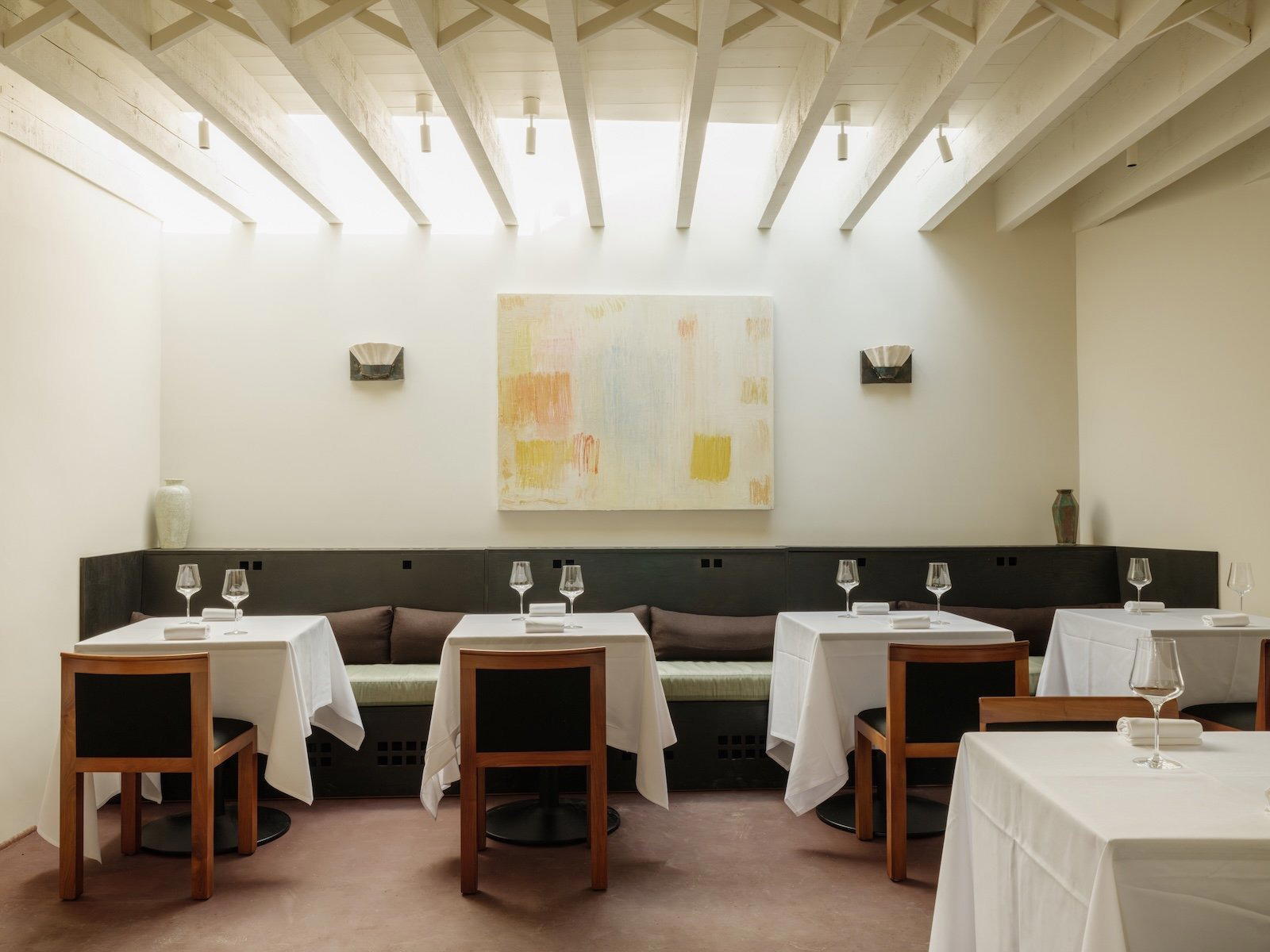
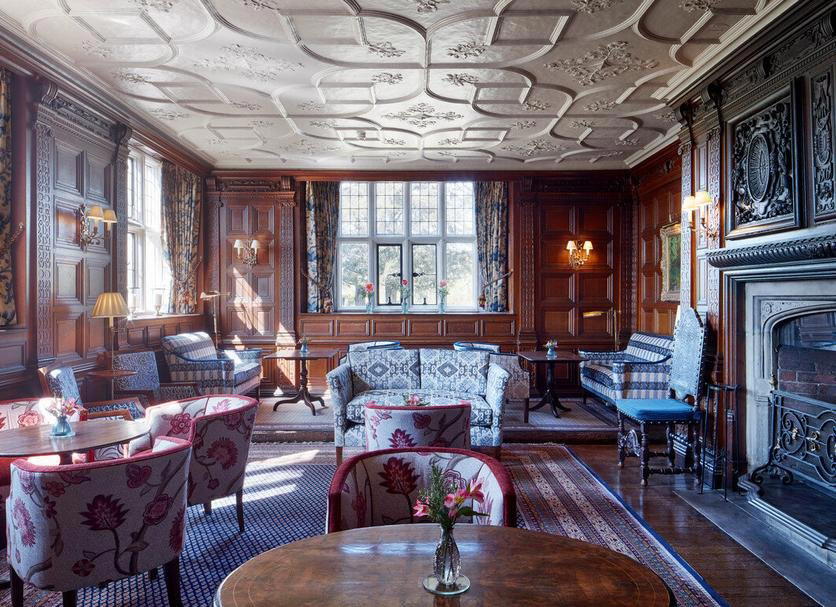
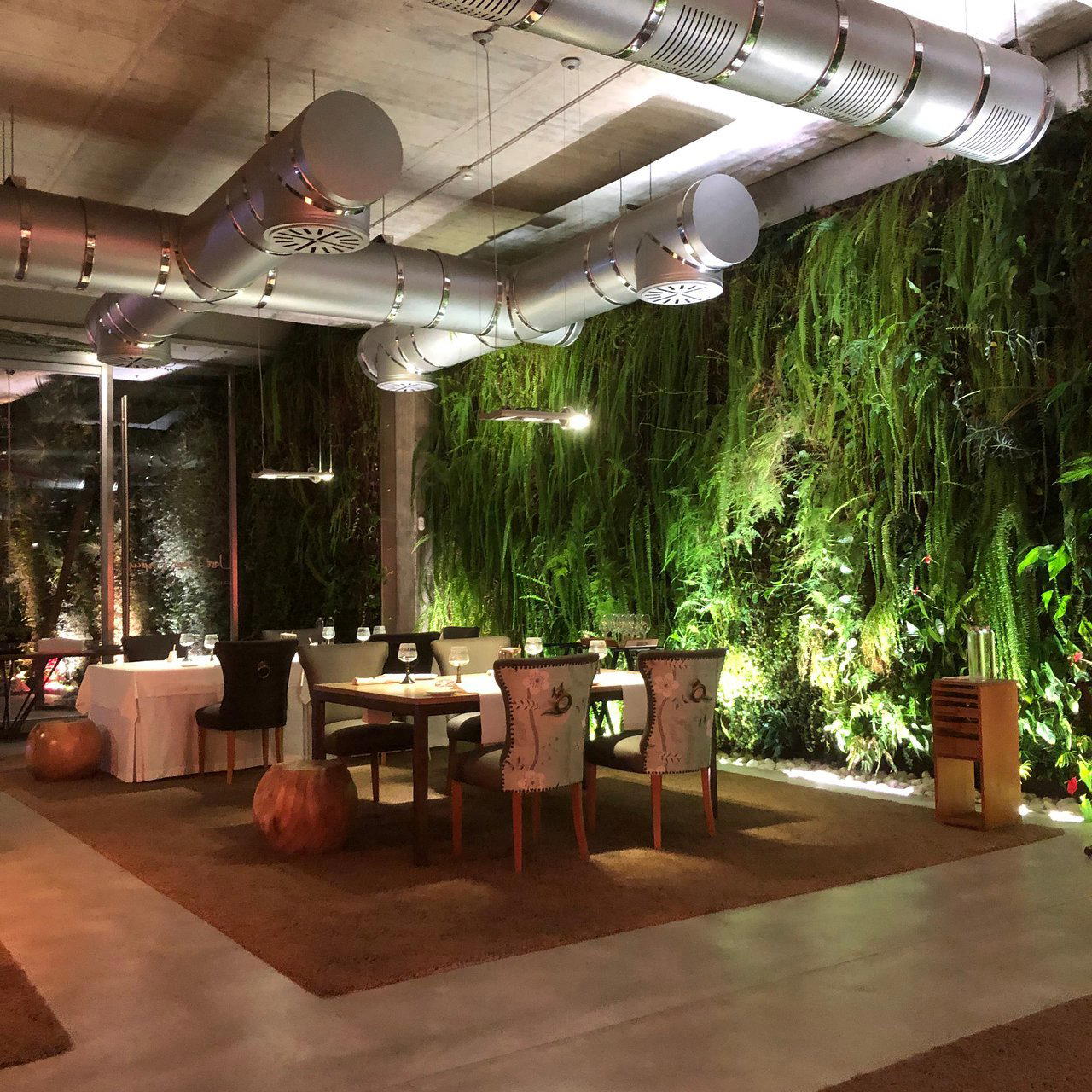
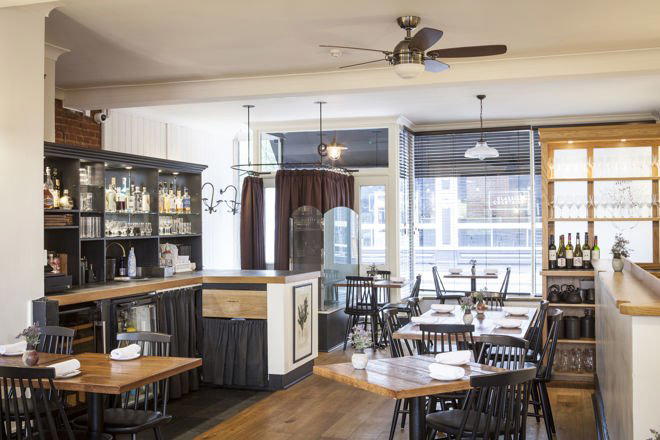
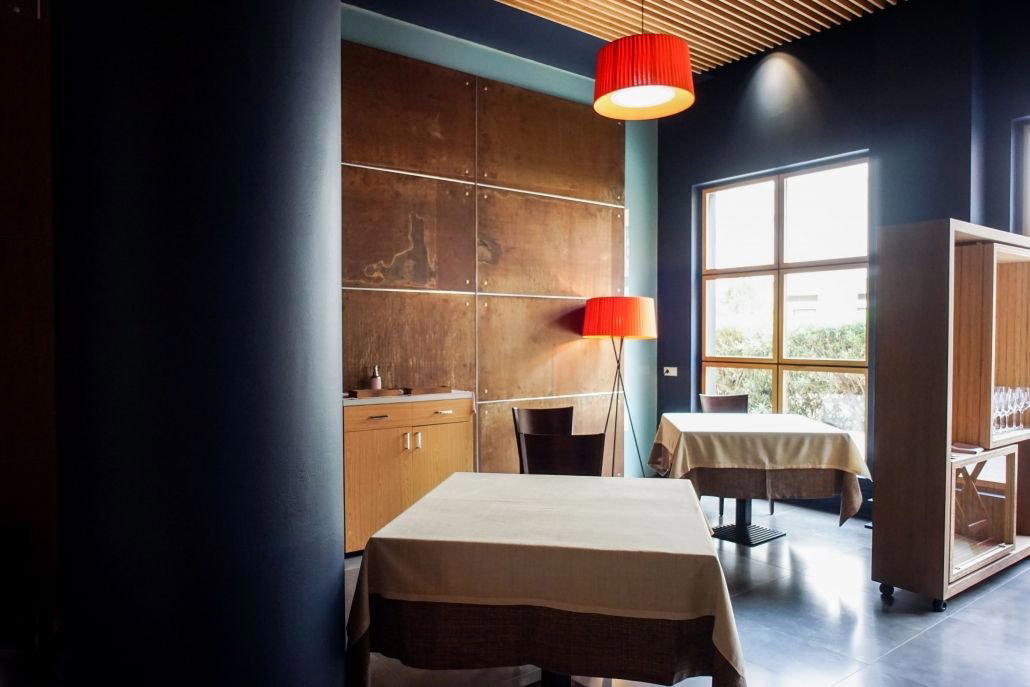
The interior signals the register immediately: folk-art décor, a chest of drawers inherited from the chef's grandparents, and an atmosphere that trades on accumulated memory rather than designed coolness. Visually, it reads closer to a curated family home than a starred restaurant. That is a deliberate choice, and it shapes the entire experience. Diners who arrive expecting minimalist Japanese refinement may need a moment to recalibrate. Diners who read that shift correctly will find it disarming in the leading way. The room is small, which means booking is competitive and the evening is built around conversation with the counter rather than around you.
What the Chef Is Actually Doing
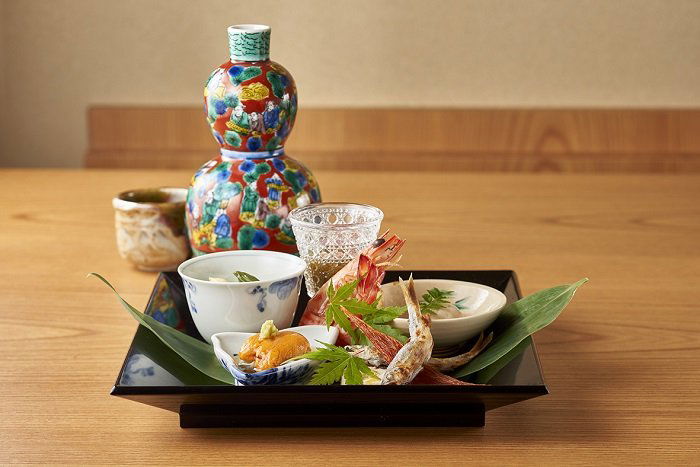
The cooking has a recognisable signature: decoratively arranged sashimi are briefly heated to draw out moisture, a technique that sits outside conventional sashimi service and signals that the menu is not running on tradition alone. The chef tailors dashi stock to individual dishes rather than serving soup courses, which reflects a level of compositional thinking that goes beyond a standard omakase structure. Michelin's own note on the venue lands on the phrase "the look surprises, the taste reassures" — which is a useful frame for what to expect. Visually creative plating that resolves into familiar, grounded flavour rather than conceptual abstraction.
Multi-Visit Strategy
Shigeyuki rewards repeat visits more than most counters at this price tier, precisely because the chef's freewheeling personality means the menu is not fixed. A first visit should be treated as orientation: read the room, let the chef lead, and pay attention to which techniques appear. The heated sashimi and the dashi approach are likely constants, but the specific expressions of those ideas will shift. A second visit is where you can begin to signal preferences and engage more directly with the chef's process. By a third visit, regulars reportedly settle into a genuine back-and-forth that changes what arrives at the counter. That progression is the point. This is not a venue where you arrive, execute the tasting menu, and leave with a complete picture. The full experience is cumulative.
Timing and Booking
Book as far ahead as you can manage. The combination of a small room, a Michelin star, and a chef with a following in Tokyo's food community means availability is genuinely limited. Weekday evenings are your leading opening — weekend seatings fill faster and the counter dynamic shifts when every seat is occupied by someone on a special occasion. If you are visiting Tokyo from outside Japan, build the booking before you finalise travel dates rather than after. That matters for availability: regulars with standing reservations compress the open calendar considerably.
How to Position This Against Tokyo's Wider Scene
Tokyo's starred Japanese dining at ¥¥¥¥ tends toward either the precision ceremony of sushi counters like Harutaka or the structured ritual of kaiseki. Shigeyuki sits in a different register at ¥¥¥, less formal, more personal, and built around a chef who actively enjoys the room rather than one who performs controlled distance. For explorers working through Tokyo's creative Japanese scene, it belongs on the same itinerary as Jingumae Higuchi and Myojaku, both of which bring their own distinct approaches to Japanese counter dining. Further afield, Gion Sasaki in Kyoto and HAJIME in Osaka represent the formal end of the spectrum for comparison. Shigeyuki is the looser, warmer counterpoint to all of them.
For broader context on Tokyo dining options at various price points and styles, see our full Tokyo restaurants guide. If you are planning a longer stay and want to pair dinner reservations with accommodation research, our full Tokyo hotels guide covers that ground. Bars and evening options are covered in our full Tokyo bars guide.
Other notable Japanese counter experiences worth knowing before you commit your Tokyo dining budget: Azabu Kadowaki, Kagurazaka Ishikawa, and Ginza Fukuju each represent distinct takes on the starred Japanese dining category. If your Japan trip extends beyond Tokyo, akordu in Nara, Goh in Fukuoka, 1000 in Yokohama, 6 in Okinawa, Isshisoden Nakamura in Kyoto, and Kashiwaya Osaka Senriyama are each worth including in a wider itinerary. What the kitchen is known for are its briefly heated sashimi arrangements, a technique designed to draw out moisture and concentrate flavour, and dishes where dashi stock is tailored specifically rather than served as a soup course. Come with no fixed expectations about a particular dish and the experience will deliver more than if you arrive chasing a specific plate.
What are alternatives to Shigeyuki in Tokyo?
At a comparable price tier and creative Japanese register, Jingumae Higuchi and Myojaku are the closest peers. If you want to trade up in formality and spend, Kagurazaka Ishikawa and Azabu Kadowaki both operate at ¥¥¥¥ with more structured kaiseki formats. For sushi specifically at the top of the market, Harutaka is the relevant comparison. Shigeyuki's advantage over all of them is the combination of Michelin recognition at a ¥¥¥ price point with a genuinely warm, personalised atmosphere.
How far ahead should I book Shigeyuki?
Treat this as a hard booking rather than a walk-in possibility. The combination of a small counter, a Michelin star, and a regular clientele that returns repeatedly means the open calendar is compressed. Book as far in advance as possible, for international visitors, that means reserving before finalising travel dates. Weekday evenings give you the leading chance of an available seat. Arriving without a reservation is not a viable strategy.
Is Shigeyuki good for a special occasion?
Yes, but with a specific caveat: the atmosphere here is warm and personal rather than formally celebratory. If your special occasion calls for white-tablecloth ceremony, the ¥¥¥¥ kaiseki counters will serve that need better. If what you want is a memorable, chef-driven evening with genuine personality and Michelin-recognised cooking at a price that does not require a full special-occasion budget, Shigeyuki is a strong choice. It is particularly suited to two-person dinners where conversation and engagement with the chef are part of the point.
Is Shigeyuki worth the price?
At ¥¥¥, Shigeyuki represents one of the more accessible entry points into Tokyo's Michelin-starred Japanese dining. The cooking is technically considered, the heated sashimi technique and the tailored dashi approach are not affectations, and the experience carries a warmth that many more expensive counters do not. Against peers at ¥¥¥¥ like Harutaka or RyuGin, you are spending less and getting a different kind of experience rather than an inferior one. For a food-focused traveller who values creativity and personality over ceremony, the price-to-experience ratio here is favourable.
Planning details
- Location
- 2 Chome-17-3 Nishihara, Shibuya, Tokyo 151-0066, Japan
- Website
- shigeyuki0319.com
- Phone
- +81 70-1372-0319
The take
The Take
The Vibe
Shigeyuki feels like a quietly adventurous discovery tucked into a residential backstreet in Nishihara. The restaurant pairs an intimate, low-key setting with a fiercely inventive approach to Japanese technique: the chef deliberately reworks classical moves rather than reproducing them. It earned a Michelin star in 2024, but the place reads less like a trophy room and more like a local atelier where technical rigor serves experimental argument. Expect thoughtful, restrained plating and a service rhythm that privileges the kitchen’s structural decisions—this is fine dining that prefers subtle provocation to obvious luxury.
Best For
Shigeyuki is best for diners who prize technical proficiency and conceptual cooking over flashy presentation. It suits date nights and special occasions where conversation and close attention to the meal are part of the evening: the setting is residential and quietly attentive rather than theatrical. The clientele skews local, and the kitchen’s departures from kaiseki convention—documented by the restaurant’s Michelin recognition—reward guests who are curious about how classical Japanese technique can be repurposed as a creative argument.
Ordering Tips
Approach the meal with an openness to the chef’s structural choices. The kitchen removes the traditional soup course and instead folds dashi into individual dishes as seasoning and depth—this is a deliberate rethink, not an omission. Sashimi preparation here also departs from expectation, so ask staff about how temperature and texture are being treated that evening. Rather than hunting for stand-alone signature plates, let the sequence and the kitchen’s logic guide you and expect subtler, technique-driven moments to reveal themselves across the meal.
Venue details
Ambiance
Lantern-soft lighting bathes pale hinoki wood, creating a quiet sense of ceremony and warmth.
Tags
Vibe
Best For
Experience
At the Table
- Dress Code
- Smart Casual
- Noise Level
- Quiet
- Service Style
- Formal
- Meal Pacing
- Leisurely
- Capacity
- Intimate
Know before you go
Know Before You Go
- Getting there
- 2 Chome-17-3 Nishihara, Shibuya, Tokyo 151-0066, Japan
Planning details
Location
2 Chome-17-3 Nishihara, Shibuya, Tokyo 151-0066, Japan · Directions
Recognition and awards
Also consider
Also Consider
- Harutaka, Sushi, ¥¥¥¥
- RyuGin, Kaiseki, Japanese, ¥¥¥¥
- L'Effervescence, French, ¥¥¥¥
- HOMMAGE, Innovtive French, French, ¥¥¥¥
- Florilège, French, ¥¥¥
Restaurant context
How It Compares
Shigeyuki's clearest competitive advantage is its price-tier positioning. At ¥¥¥ with a Michelin star, it sits below the ¥¥¥¥ bracket that includes Harutaka and RyuGin. Harutaka delivers exceptional sushi precision at the top of the market; RyuGin offers a full kaiseki structure with theatrical presentation and a globally recognised profile. Both suit diners who want those formats. Shigeyuki's offer is different in kind rather than merely cheaper in degree: the cooking is personal and creative, the atmosphere is warm rather than ceremonial, and the experience is shaped significantly by the chef's personality. For a diner who wants Michelin-recognised Japanese cooking without the ¥¥¥¥ commitment, Shigeyuki is the more practical decision.
Against Tokyo's French-leaning options at ¥¥¥¥, the comparison is one of format preference. L'Effervescence, HOMMAGE, and Florilège, the last of which also sits at ¥¥¥, are strong choices if French-influenced cooking with Tokyo sourcing is your priority. Florilège is the most direct comparison on price and is worth considering if you want that French-Japanese creative register. Shigeyuki is the call if you specifically want Japanese cuisine with a chef-driven counter format.
On booking difficulty, all five comparison venues are competitive, but Shigeyuki's smaller scale and tighter calendar make it arguably the hardest to land on short notice. Plan accordingly: if you are weighing Shigeyuki against Florilège for a similar evening, Shigeyuki requires the earlier reservation. If you are undecided on format and have limited advance planning time, Florilège may be the more achievable booking while Shigeyuki remains on the list for a return trip.
Explore Tokyo
Around this place
Discover more on Pearl
Unlock the full Shigeyuki guide in Pearl, including awards, comparisons, FAQs, planning details, and nearby places.
Compare Shigeyuki
| Venue | Cuisine | Price | Booking Difficulty | Awards |
|---|---|---|---|---|
| Shigeyuki | Japanese | ¥¥¥ | Hard | 2026 Michelin 1 StarTabelog 100 - Japanese cuisine - TOKYO - 2025 · #72024 Michelin 1 Star |
| Harutaka | Sushi | ¥¥¥¥ | Unknown | 2026 Tabelog Silver · #312026 OAD Top Restaurants in Japan Ranked · #1282026 Michelin 3 Stars2026 La Liste Top RestaurantsTabelog 100 - Sushi - TOKYO - 2025 · #372025 Asia's 50 Best Restaurants · #762025 OAD Top Restaurants in Japan Ranked · #1172025 La Liste Top Restaurants2025 Tabelog Bronze |
| RyuGin | Kaiseki, Japanese | ¥¥¥¥ | Unknown | 2026 OAD Top Restaurants in Japan Ranked · #802026 Tabelog Bronze · #3772026 Michelin 3 Stars2026 La Liste Top RestaurantsTabelog 100 - Japanese cuisine - TOKYO - 2025 · #212025 OAD Top Restaurants in Japan Ranked · #542025 Michelin 3 Stars2025 La Liste Top Restaurants2025 The Best Chef Three Knives |
| L'Effervescence | French | ¥¥¥¥ | Unknown | 2026 Tabelog Silver · #682026 OAD Top Restaurants in Japan Ranked · #103Star Wine Lists 20262026 Black Pearl 2 Diamond2026 Relais Chateaux Restaurants2026 La Liste Top Restaurants2026 Michelin 3 Stars2025 Asia's 50 Best Restaurants · #692025 OAD Top Restaurants in Japan Ranked · #92 |
| HOMMAGE | Innovtive French, French | ¥¥¥¥ | Unknown | 2026 Tabelog Bronze · #1232026 OAD Top Restaurants in Japan Highly Recommended2026 Michelin 2 StarsTabelog 100 - French - TOKYO - 2025 · #762025 Asia's 50 Best Restaurants · #782025 OAD Top Restaurants in Japan Ranked · #1752025 Michelin 2 Stars2025 The Best Chef One Knife2025 La Liste Top Restaurants |
| Florilège | French | ¥¥¥ | Unknown | 2026 Asia's 50 Best Restaurants · #312026 Tabelog Bronze · #712026 OAD Top Restaurants in Japan Ranked · #1242026 Black Pearl 1 Diamond2026 Michelin 2 Stars2026 La Liste Top Restaurants2025 Asia's 50 Best Restaurants · #172025 World's 50 Best Restaurants · #36Tabelog 100 - French - TOKYO - 2025 · #68 |












Side-by-side comparison to help you decide where to book.
FAQ
Frequently Asked Questions
What should I order at Shigeyuki?
The menu is set by the chef on the night, so you are not choosing dishes in the conventional sense. The signature move to watch for is the briefly heated decoratively arranged sashimi, a technique the chef uses to draw out moisture rather than serve fish cold in the standard way. The chef also tailors dashi stock to individual dishes rather than relying on soup courses, so the seasoning logic runs through the whole meal. Come without a fixed agenda and let the format work.
What are alternatives to Shigeyuki in Tokyo?
For more structured ceremony at a higher price point, Harutaka is the sushi counter benchmark and RyuGin covers the kaiseki end of the spectrum with serious technical ambition. If you want French-influenced creativity at a comparable ¥¥¥ tier, Florilège and L'Effervescence both deliver strong cooking with a defined point of view, while HOMMAGE sits in a similar register for intimate counter dining. Shigeyuki is the right call if personality and a looser, more improvisational evening matter to you as much as the food itself.
How far ahead should I book Shigeyuki?
Book as far ahead as possible. A Michelin star earned in 2024, a small room in Nishihara, and a chef with a following in Tokyo's food community means availability moves quickly. Treat this like any one-star counter in Tokyo: assume you need weeks, not days, and that last-minute availability will be rare.
Is Shigeyuki good for a special occasion?
Yes, but the fit depends on what kind of occasion. The folk-art interior, family furniture, and the chef's freewheeling personality make this warm and lively rather than hushed and ceremonial. If the occasion calls for a formal, white-tablecloth register, look at RyuGin or a kaiseki house instead. If you want a Michelin-starred dinner that feels personal and genuinely fun, Shigeyuki works well.
Is Shigeyuki worth the price?
At ¥¥¥ with a 2024 Michelin star, Shigeyuki sits at a price point where the competition in Tokyo is fierce. The value case is strongest if you engage with the format: a creative chef who does not repeat himself, a cooking style with a clear signature in the heated sashimi technique, and an atmosphere that is harder to find at this tier than technical precision alone. If you are paying ¥¥¥ for a more conventional or ceremonial experience, spend the money at Harutaka instead.