Seven hundred oysters a week. That is the output of Punawai pond at Four Seasons Hualalai, a water hazard on the fifth hole of the resort's golf course that was originally stocked with baby oysters as a filtration measure and accidentally became one of the most compelling provenance stories in luxury hospitality. The kumamoto and Pacific varieties thrived, tasted exceptional, and ended up on every restaurant menu on the property. Guests can now book a pond-side tasting with a staff aquaculture expert, Champagne included, minutes after harvest. No other luxury hotel on the Big Island offers anything close to this.
How Four Seasons Hualalai Turned a Golf Hazard into an Oyster Fishery
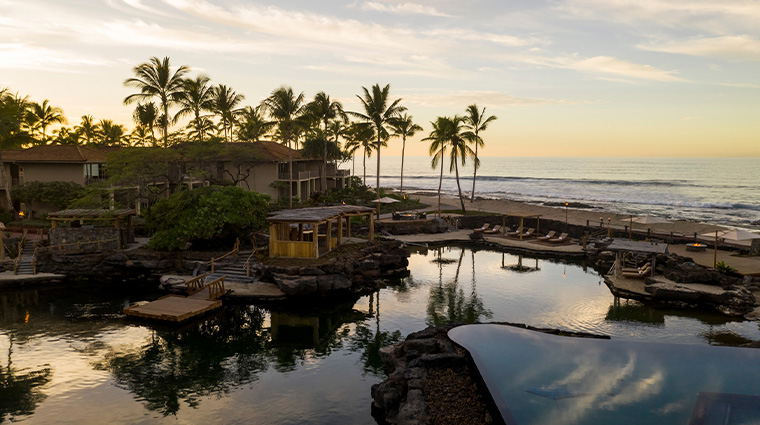
Punawai pond sits alongside the fifth hole of the resort's golf course on the Kohala Coast of the Big Island, near Kailua-Kona. Its origins as a water hazard are still visible, it reads as a landscaping feature until you notice the cages suspended in the water and the small islands scattered across the surface. Those islands are nesting habitat for endangered Hawaiian stilts, the spindly-legged waterbirds that have quietly colonized the pond alongside the oyster operation. Nenue fish and milk fish move through the water below. The whole ecosystem arrived uninvited and stayed.
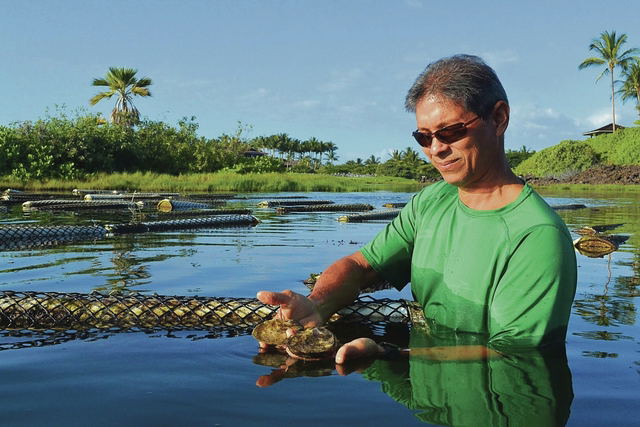
The oyster program itself began when baby oysters, each roughly half an inch long, about the size of a pinky nail, according to the resort, were introduced to the pond's cages as a filtration measure. The conditions turned out to be better than anyone anticipated. To maintain consistent flavor across harvests, the resort now actively manages the pond's salinity, keeping it slightly below ocean levels. That adjustment produces a distinct flavor profile in the finished oyster: the kumamotos run juicy, the Pacific varieties lean sweet. Both end up on menus across the property within days of harvest.
For context on how unusual this is: Hawaii's aquaculture regulations are among the more complex in the United States, and operating a functioning shellfish fishery on resort grounds, rather than sourcing from an off-site farm, is not a common arrangement. Most luxury hotels that market local provenance are describing a supply relationship with a nearby farm, not an on-site operation they manage themselves. The Four Seasons Hualalai oysters are grown and harvested on the property, which puts this program in a different category from the standard locally sourced claim.
The Four Seasons Hualalai Oyster Experience: What Pond-to-Table Actually Looks Like
The most direct way to engage with the Four Seasons Hualalai oyster program is through a bookable experience the resort offers to guests: a pond-side tasting led by a staff aquaculture expert. The format is straightforward. The expert pulls oysters directly from the pond, shucks them on the bank, and serves them with a bottle of Champagne. Sauce options are aguachile, cocktail, and mignonette. The whole thing happens outdoors, on the edge of the working fishery, with the golf course and the Pacific in the background.
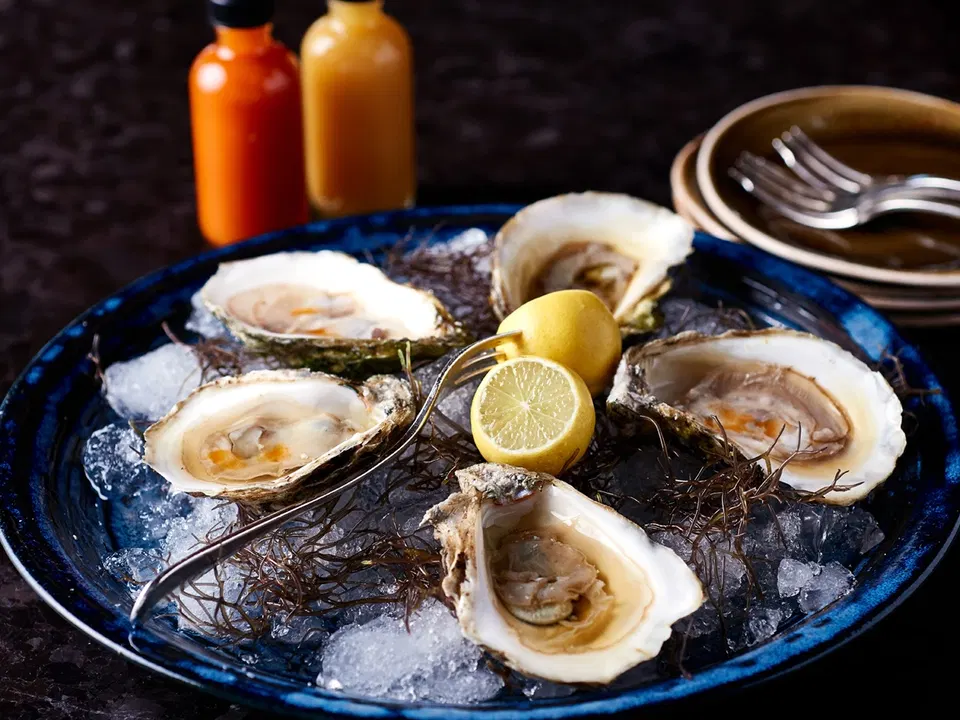
What makes this format work is the gap it closes between production and consumption. Restaurant oysters, even excellent ones, travel from harvest to plate over hours or days. Here, the interval is measured in minutes. The shells are still wet from the pond when they arrive in front of you. That immediacy changes the eating experience in a way that is difficult to replicate in a dining room, regardless of how good the kitchen is.
The experience is available to resort guests and requires advance arrangement rather than a walk-up booking. It is not heavily publicized, which means guests who arrive without researching the property's amenities in depth are likely to miss it entirely. If the oyster program is the reason you are interested in Hualalai, contact the resort directly before arrival to confirm availability and scheduling. This is the kind of amenity that rewards preparation.
The pond-side tasting also functions as a useful lens on the broader food and beverage philosophy at Hualalai. According to the resort, more than three-quarters of the ingredients used across its food and beverage operation are sourced from local fisheries and farmers.
The oyster program is the most visible expression of that commitment, but it sits within a larger infrastructure: an on-site water bottling plant that uses reusable aluminum containers, eliminating single-use plastic bottles from guest rooms entirely, and a food waste program that routes restaurant scraps to local farmers for use as animal feed.
The oysters are the headline, but the supply chain behind them is built out.
Endangered Wildlife, Champagne, and the Ecosystem Behind the Shell
One detail that tends to surprise guests who visit Punawai pond: the small islands distributed across the water are active nesting sites for Hawaiian stilts, a native waterbird listed as endangered. The stilts arrived on their own and built their nests among the oyster infrastructure. Nenue fish and milk fish also inhabit the pond. The result is that the resort's oyster fishery operates inside a functioning conservation habitat rather than a controlled aquaculture tank, which creates an unusual dynamic where the culinary program and the wildlife program are, effectively, the same program.
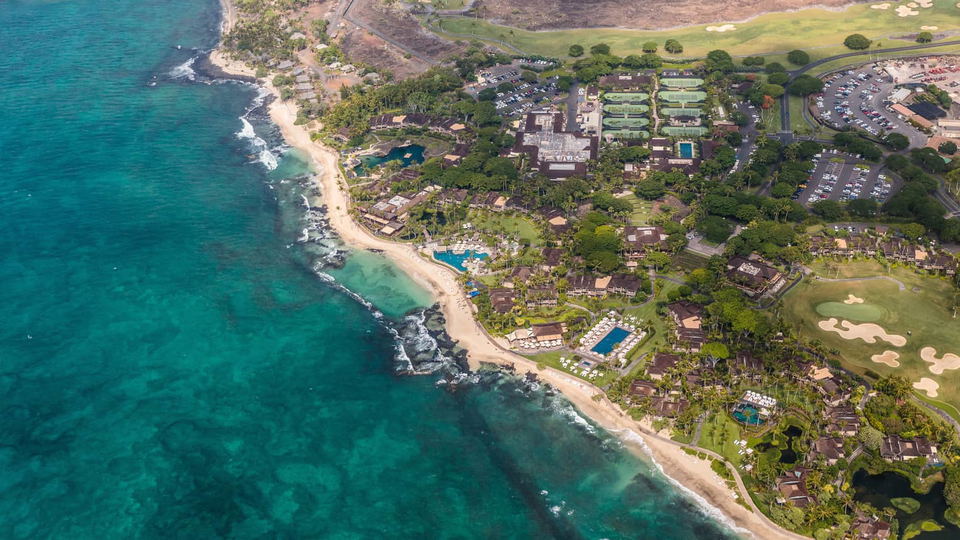
This matters for the guest experience in a concrete way. When you book the pond-side tasting, you are standing in a working ecosystem, not a themed attraction. The stilts are nesting a few meters away. The fish are visible in the water. The aquaculture expert managing the harvest is also, by necessity, managing around the wildlife. It gives the experience a texture that is harder to stage than a tableside preparation or a kitchen tour.
For guests who care about conservation alongside provenance, this is a meaningful distinction. The pond was not designed as a wildlife sanctuary, it became one because the conditions were right and the resort chose not to disrupt what arrived. That restraint is visible in the day-to-day operation of the fishery, and it gives the sustainability claims attached to the property more grounding than a policy document alone would provide.
Dining Beyond the Pond: Noio and Miller and Lux
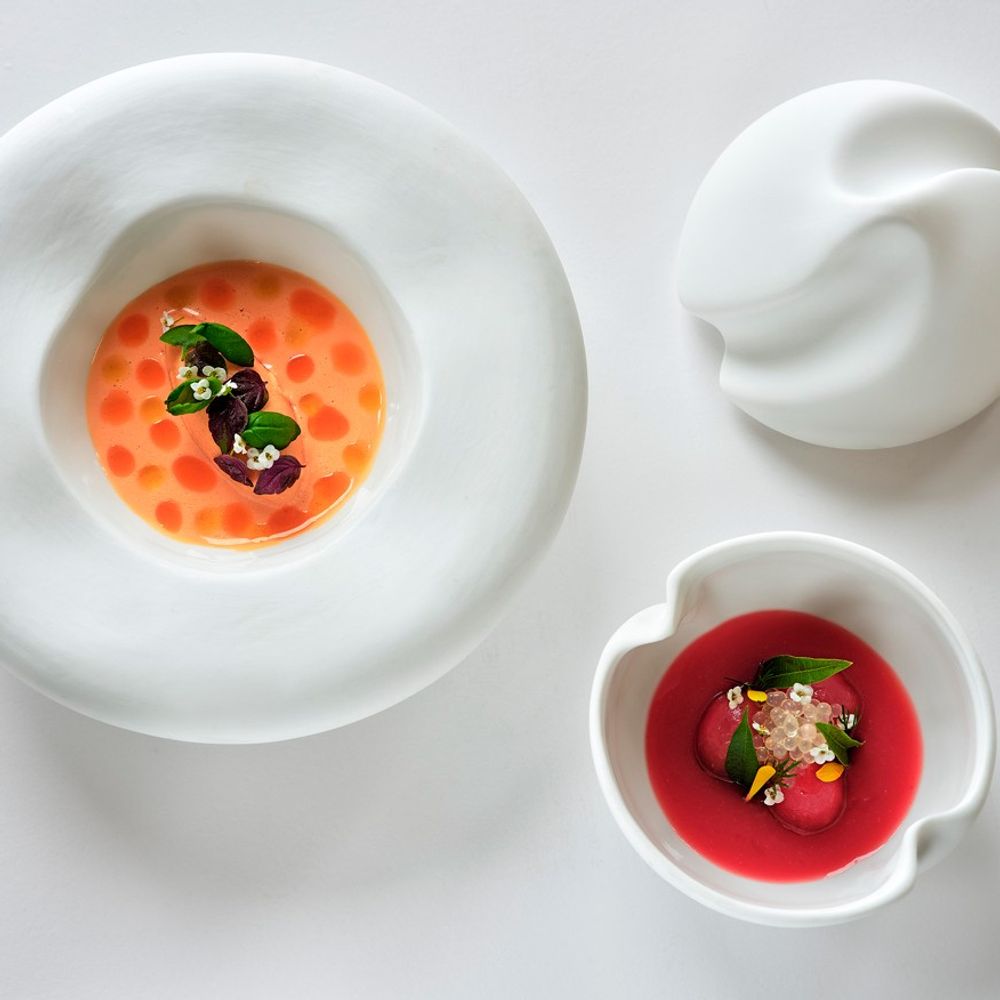
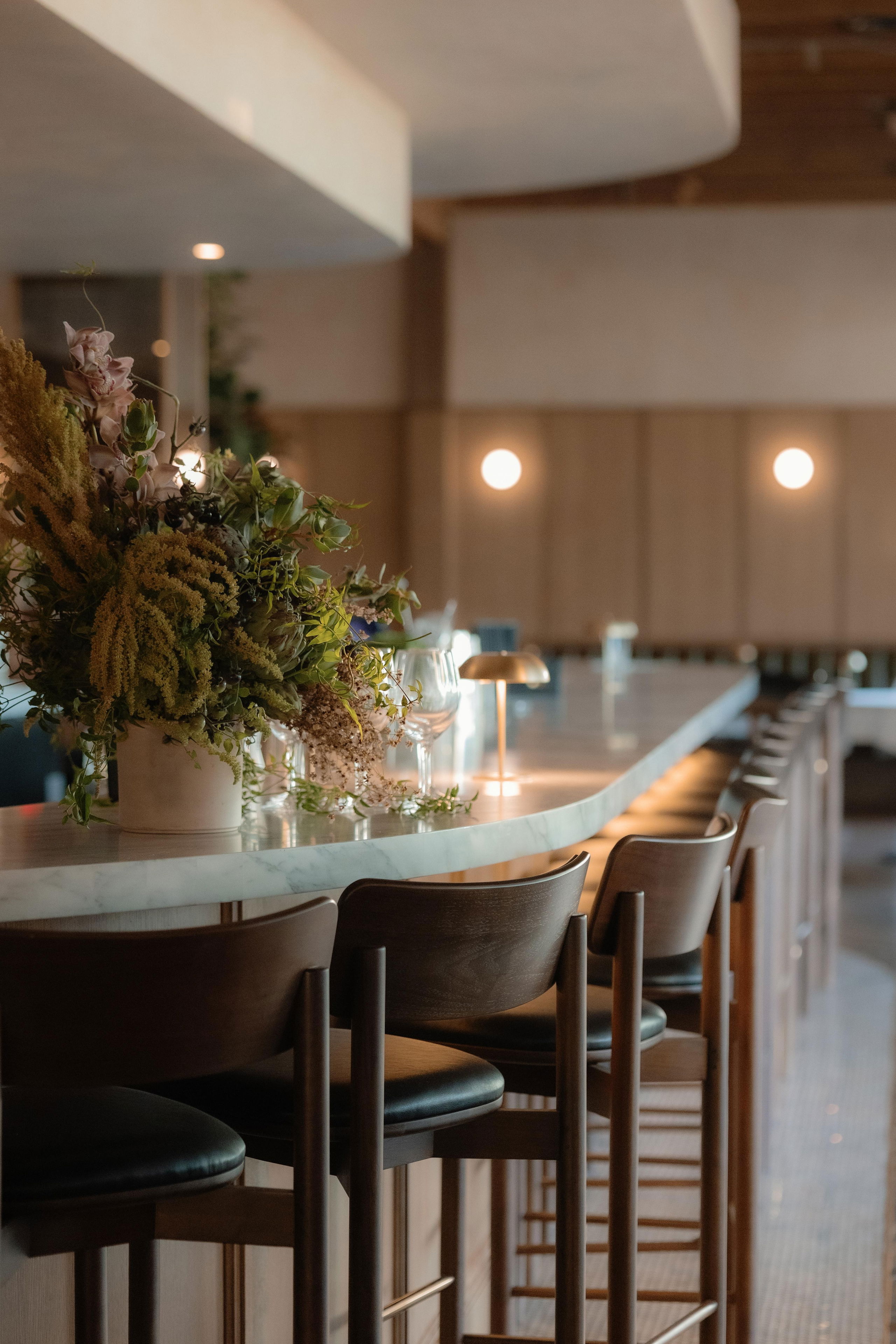
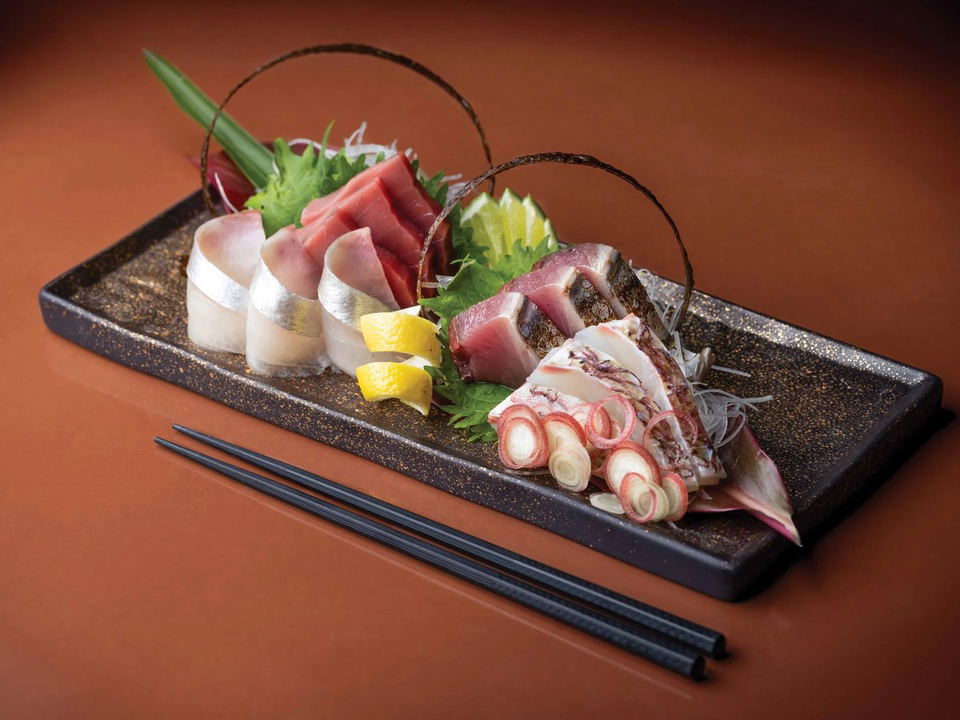
The oyster program feeds into the broader dining picture at Hualalai, which is stronger than most resort properties of comparable size. Noio is a 12-seat omakase counter offering six chef-curated courses, a format that requires genuine commitment to execute at resort scale, where covers and consistency are typically in tension. At 12 seats, the kitchen can control the experience in a way that a 60-seat restaurant cannot. If omakase is your preferred format and you are staying on the Big Island, Noio is worth building an evening around.
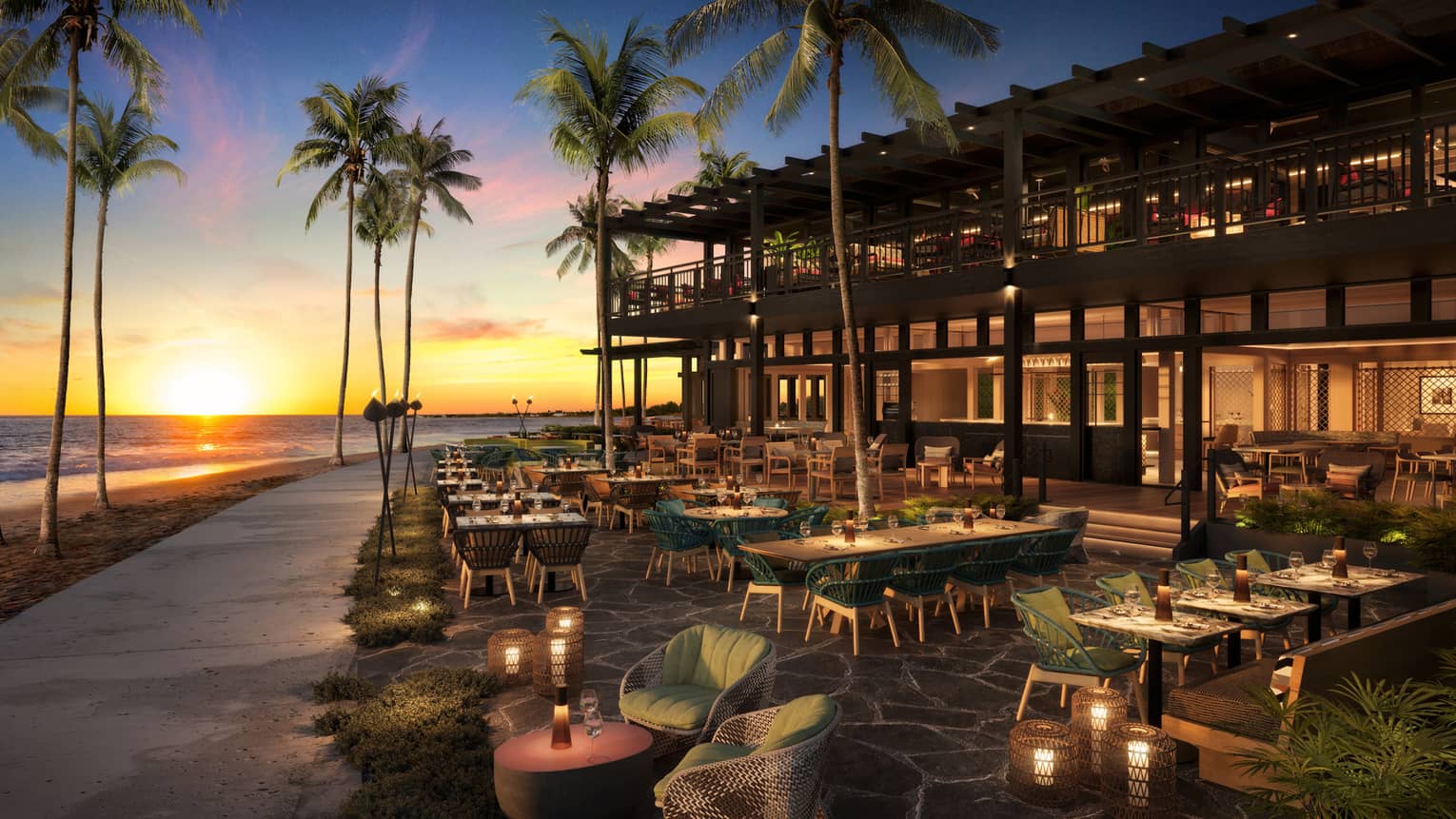
Miller and Lux is the property's steakhouse, an outpost of Tyler Florence's San Francisco original. The format leans into occasion dining: tableside Caesar salads, large-format steaks, and a flaming bananas foster to close. It is a different register from Noio, louder, more celebratory, designed for groups and special occasions rather than quiet tasting-menu focus. Both restaurants draw on the same local sourcing infrastructure, which means the provenance story that starts at Punawai pond runs through the entire food and beverage program.
For guests deciding between the two for a single evening, the choice comes down to format preference. Noio rewards guests who want precision and restraint. Miller and Lux rewards guests who want spectacle and scale. Neither is a compromise, they are different experiences operating under the same roof.
Who Should Book It and How to Get Access
Four Seasons Hualalai is a destination resort on the Kohala Coast, which means the decision to stay here is usually made before the dining program enters the picture. But the oyster experience specifically is the kind of detail that should factor into the booking decision for guests who care about provenance-driven food. There is no equivalent experience at the other major luxury properties on the Big Island. The combination of a working on-site fishery, a structured tasting format with Champagne, and a conservation ecosystem in the same footprint is not something that can be replicated by sourcing well from a nearby farm.
Practically: the pond-side tasting is a resort-guest-only experience that requires advance booking through the property. It is not listed prominently in standard amenity guides, so proactive outreach before arrival is the right approach. The omakase counter at Noio seats 12, which means availability is limited, so that reservation should also be made well in advance, ideally at the time of booking the room.
The broader sustainability infrastructure at the property, the local sourcing percentage, the water bottling plant, the food waste program, is worth factoring in if environmental credentials matter to your hotel selection. These are operational commitments, not marketing language, and they are visible in the day-to-day experience of staying at the resort.
What started as a water filtration fix on a golf course has become the clearest expression of what provenance-driven luxury hospitality can look like when the supply chain is on-site. As more luxury travelers push for hyper-local dining experiences that go beyond a menu note about a nearby farm, the Four Seasons Hualalai oyster program sets a practical benchmark for what that actually requires to build and maintain.
Frequently Asked Questions
What types of oysters does Four Seasons Hualalai serve?
Four Seasons Hualalai grows two varieties in Punawai pond: kumamoto and Pacific oysters. The kumamotos are known for their juicy character, while the Pacific variety leans sweet, a flavor profile shaped by the pond's carefully managed salinity, which is kept slightly below ocean levels.
How do I book the Four Seasons Hualalai oyster tasting experience?
The pond-side oyster tasting requires advance arrangement and is not available as a walk-up booking. Guests should contact the resort directly before arrival to confirm availability and scheduling, as the experience is not heavily publicized on-property.
How many oysters does Four Seasons Hualalai produce each week?
Punawai pond produces approximately 700 oysters per week. The oysters are harvested on-site and appear on restaurant menus across the property within days of harvest.
What is included in the Four Seasons Hualalai oyster experience?
The pond-side tasting is led by a staff aquaculture expert who pulls oysters directly from the pond, shucks them on the bank, and serves them with Champagne. Sauce options include aguachile, cocktail, and mignonette, and the entire experience takes place outdoors beside the working fishery.
What makes the Four Seasons Hualalai oyster program different from other hotel seafood programs?
Unlike most luxury hotels that source oysters from off-site farms, Four Seasons Hualalai grows and harvests its oysters directly on the property in Punawai pond, a former golf course water hazard. This on-site operation is unusual given Hawaii's complex aquaculture regulations and puts the program in a different category from standard locally sourced claims.