.png?width=1200&quality=80)

Tokihami
Izakaya · Chūō, Tokyo
Restaurant in Tokyo, Japan
 Book with Pearl
The Read
Kappo-Izakaya Fusion
Price
¥¥
Dress
Smart Casual
Why go
A Michelin Plate kappo izakaya in Ginza, Tokihami earns its recognition by applying luxury ingredients — foie gras monaka, caviar-topped rice, truffle omelette — with genuine wit rather than showmanship. At the ¥¥ price point in one of Tokyo's most expensive dining neighbourhoods, it is a strong value case for creative Japanese-Western cooking. Book it, and plan to return.
About Tokihami
Tokihami, Ginza: Verdict
Picture a small plate arriving at your table: a monaka wafer, the kind you'd expect to find filled with sweet bean paste, but instead it holds foie gras. That image tells you almost everything you need to know about Tokihami. This kappo izakaya on the second floor of a building in Ginza's 3-chome district earns its two consecutive Michelin Plates (2024 and 2025) not by playing it safe, but by making Japanese-Western fusion feel genuinely considered rather than gimmicky. At the ¥¥ price point, it is one of the more compelling reasons to spend an evening in this part of Tokyo.
The verdict: book it, especially if you have already done the standard Ginza kaiseki or sushi circuit and want something with more creative range at a fraction of the price. First-timers will leave curious to return. Regulars will keep finding new reasons to.
The Portrait
Tokihami sits in Ginza, the neighbourhood that sets Tokyo's benchmark for expensive dining. That context matters for your decision: at the ¥¥ price range, this is a rare opportunity to eat creatively in one of the city's most prestigious dining postcodes without committing to a multi-course blowout. The format is izakaya — ordering freely from an extensive menu rather than following a fixed sequence — but the kitchen operates with kappo-level craft and precision.
The menu's range is the main draw. Japanese and Western techniques collide throughout: sansho pepper simmered in oil becomes an ajillo-style dish with seafood and unripe pepper; a truffle omelette sits alongside more traditional izakaya staples. Then there is Tsufuhan, which the restaurant calls 'Gout Rice', salmon roe, bottarga, sea urchin, and caviar piled together in what amounts to a deliberate act of indulgence rendered in rice-bowl form.
The izakaya format rewards a multi-visit approach more than almost any other dining style. On a first visit, the natural instinct is to cover the obvious highlights: the foie gras monaka, the 'Gout Rice,' the ajillo-style sansho dish. These are the anchor plates, and they are worth ordering in full. But Tokihami's menu is described as extensive, and a single visit only scratches the surface.
By a second visit, you have a better sense of the kitchen's logic: the interplay between Japanese umami depth and Western richness, the way luxury ingredients are applied with a degree of wit rather than mere accumulation. Use the second visit to move into less obvious territory, the menu's breadth means there is likely a whole register of dishes you did not reach the first time around. For Ginza regulars and Tokyo-based diners, this is the kind of place that earns a slot in a monthly rotation rather than a once-a-year occasion. For visitors, two visits within a longer stay is entirely justified given the price point.
A third visit, if you can manage it, is the point at which Tokihami starts to feel like a standing arrangement rather than a reservation. The izakaya format means you are never locked into the same meal twice. Pair it strategically: if you have spent an evening at somewhere like Ginza Nominokoji Yamagishi or Ginza Shimada earlier in a trip, Tokihami offers a contrasting register, looser, more playful, lower stakes financially but not lower in quality. For similar creative izakaya energy in other parts of Japan, Benikurage in Osaka and Berangkat in Kyoto offer useful points of comparison if you are building a wider Japan itinerary.
The Ginza location is central and well-served by transit, making it direct to combine with an evening that starts or ends elsewhere. The second-floor address in a building on Ginza 3-chome is the sort of spot that is easy to walk past, worth confirming the floor before you arrive. Booking ahead is sensible.
For context on where Tokihami sits within Tokyo's broader dining options, see our full Tokyo restaurants guide. If you are building a full trip around food, Daikanyama Issai Kassai and Hakata Hotaru are worth adding to your Tokyo shortlist. Further afield, Gion Sasaki in Kyoto, HAJIME in Osaka, and Goh in Fukuoka represent the broader tier of creative Japanese dining Tokihami belongs to in spirit, if not in format or price. Our guides to Tokyo hotels, Tokyo bars, and Tokyo experiences can help fill out the rest of a stay.
Ratings & Recognition
- Michelin Plate 2025
- Michelin Plate 2024
Booking & Practical Details
Tokihami is located on the second floor at 3-11-6 Suzuki Building, Ginza, Chuo City, Tokyo (〒104-0061). Booking difficulty is rated easy, but with two Michelin Plates and a growing reputation, reservations on weekend evenings are worth making in advance. The ¥¥ price range puts this squarely in accessible Ginza territory. No phone or website is listed in Pearl's current data, searching in Japanese (「鴇波」) may help surface current reservation options. For broader neighbourhood context, the Hakata Issou listing and our Tokyo wineries guide offer additional evening planning resources. Other creative destinations across Japan worth bookmarking: akordu in Nara, 1000 in Yokohama, and 6 in Okinawa.
Planning details
- Location
- Japan, 〒104-0061 Tokyo, Chuo City, Ginza, 3 Chome−11−6 鈴木ビル 2F
- Website
- tabelog.com/tokyo/A1301/A130101/13233337
- Phone
- +81 3-6264-2809
The take
The Take
The Vibe
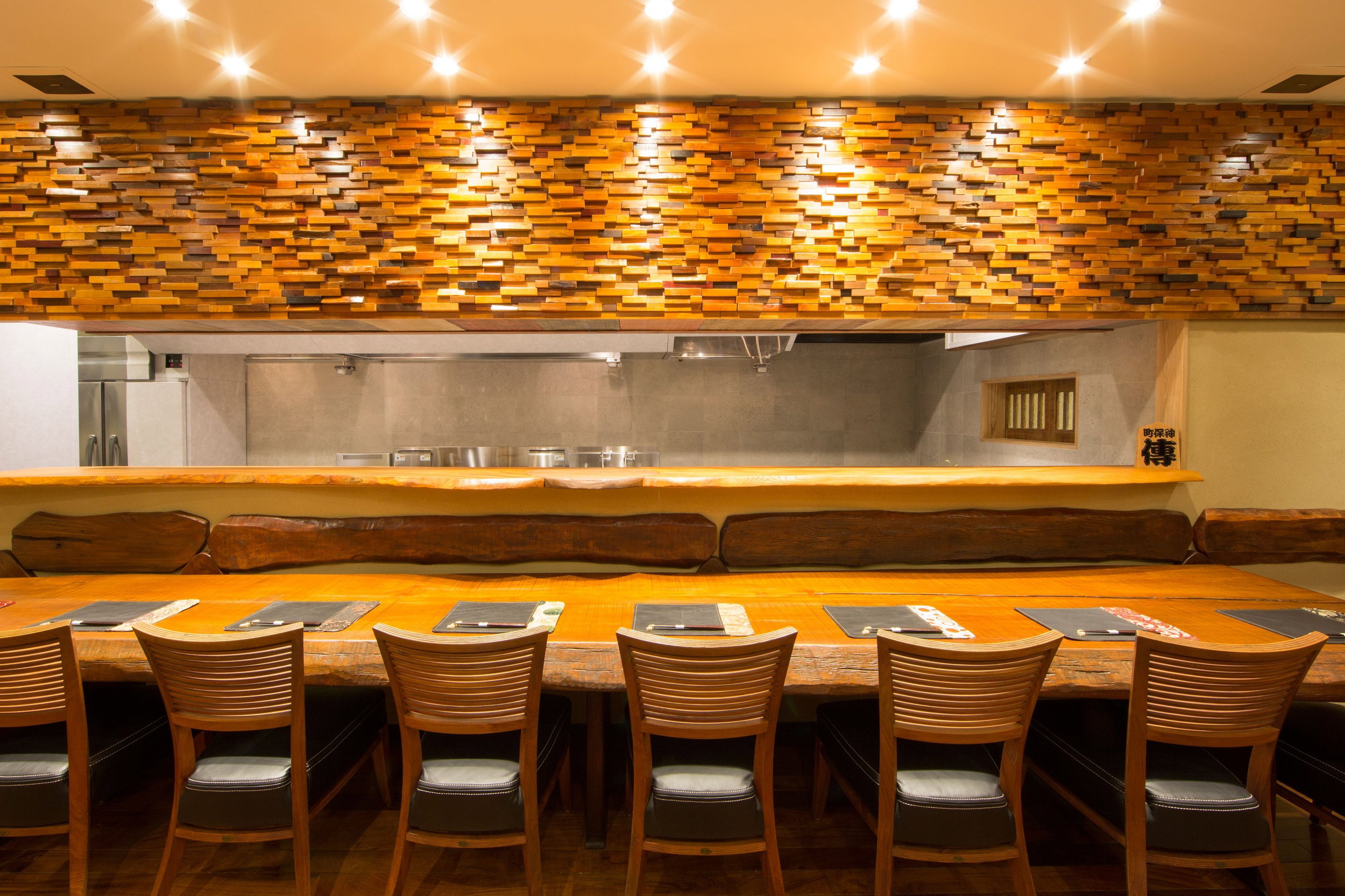
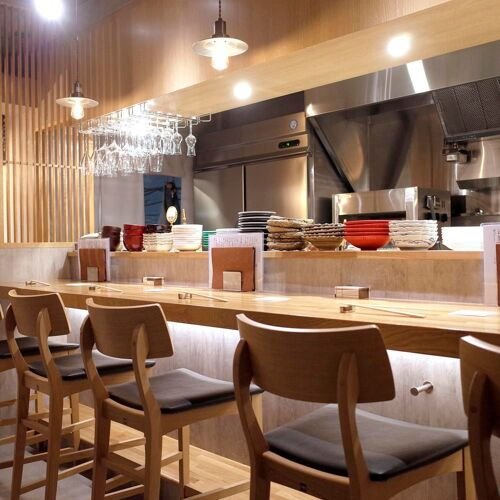
Tokihami presents a compact, intentionally informal counter experience that threads high culinary ambition through an approachable izakaya frame. The kappo format keeps service direct and interactive: dishes are built to order and arrive when ready, which produces a lively, personal rhythm at the bar. The kitchen's willingness to apply Japanese technique beyond strict tradition — think sansho pepper in a garlic-oil preparation — gives the place a contemporary, slightly adventurous edge. Though polished enough to earn Michelin Plate recognition, Tokihami keeps its atmosphere relaxed and human, favoring conversation and chef-to-guest exchanges over ceremony.
Best For
Tokihami is best enjoyed as an evening destination when the kappo counter comes to life: it suits date nights, low-key celebrations and after-work gatherings that want something more thoughtful than a standard izakaya. The format rewards small groups or pairs who appreciate direct interaction with the cooks; dishes arrive as they’re ready rather than in a fixed progression, so pacing is informal. Its ¥¥ pricing and Michelin Plate nod make it a smart choice for diners seeking elevated flavors without the full kaiseki formality common elsewhere in Ginza.
Ordering Tips
Treat Tokihami like a kappo counter rather than a set-course omakase: ask the chefs what they’re cooking and be prepared for items to arrive when they peak. Signal interest in the kitchen’s cross-cultural approach by ordering the sansho pepper ajillo, which typifies the menu’s spirit. The restaurant’s signature items — Tsufuhan (Gout Rice), Foie Gras Monaka, Truffle Omelette, and sashimi options — are good anchors to build a meal around. Because interaction is part of the proposition, request recommendations from the staff and embrace the spontaneous sequence of dishes.
Venue details
Ambiance
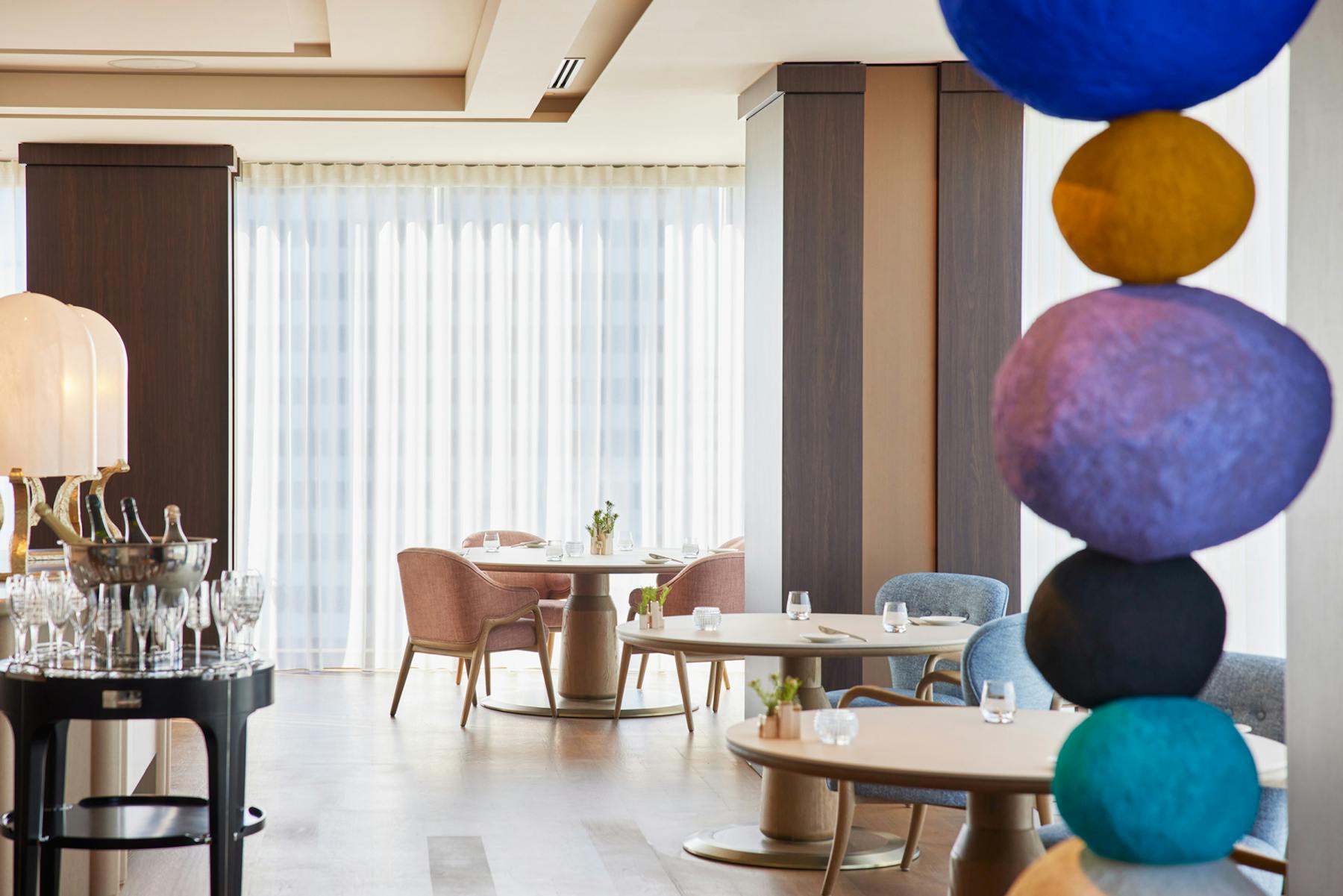
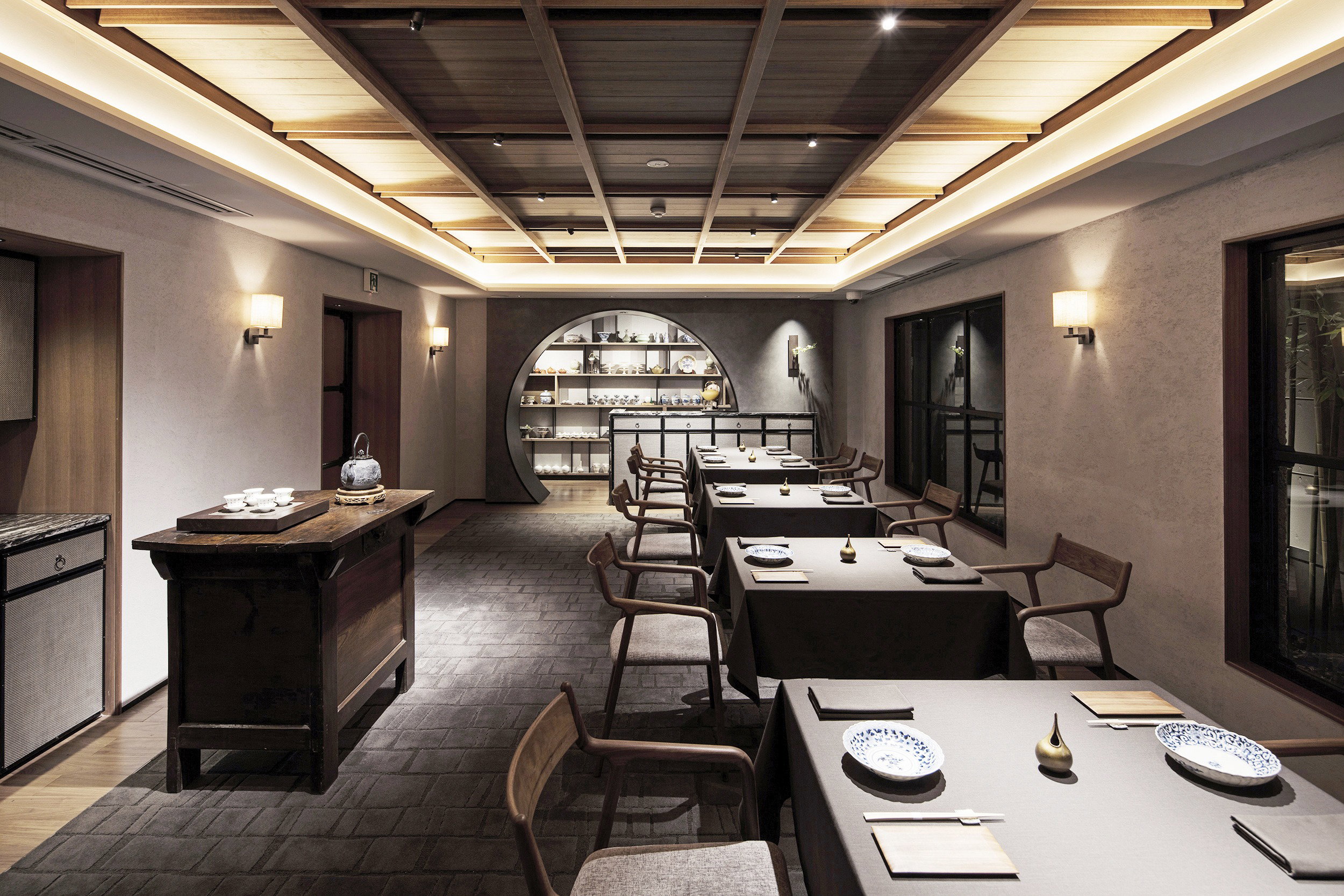
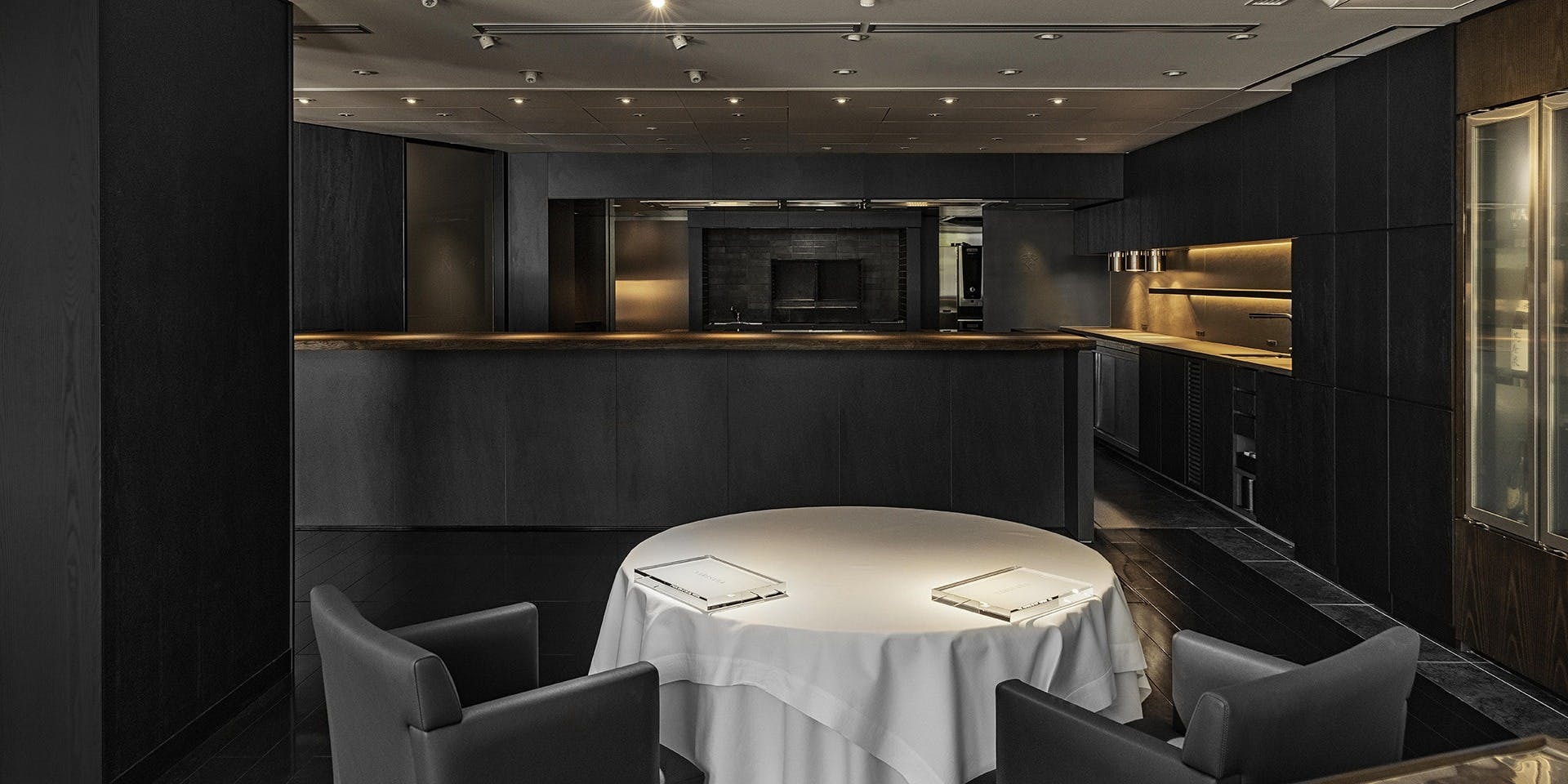
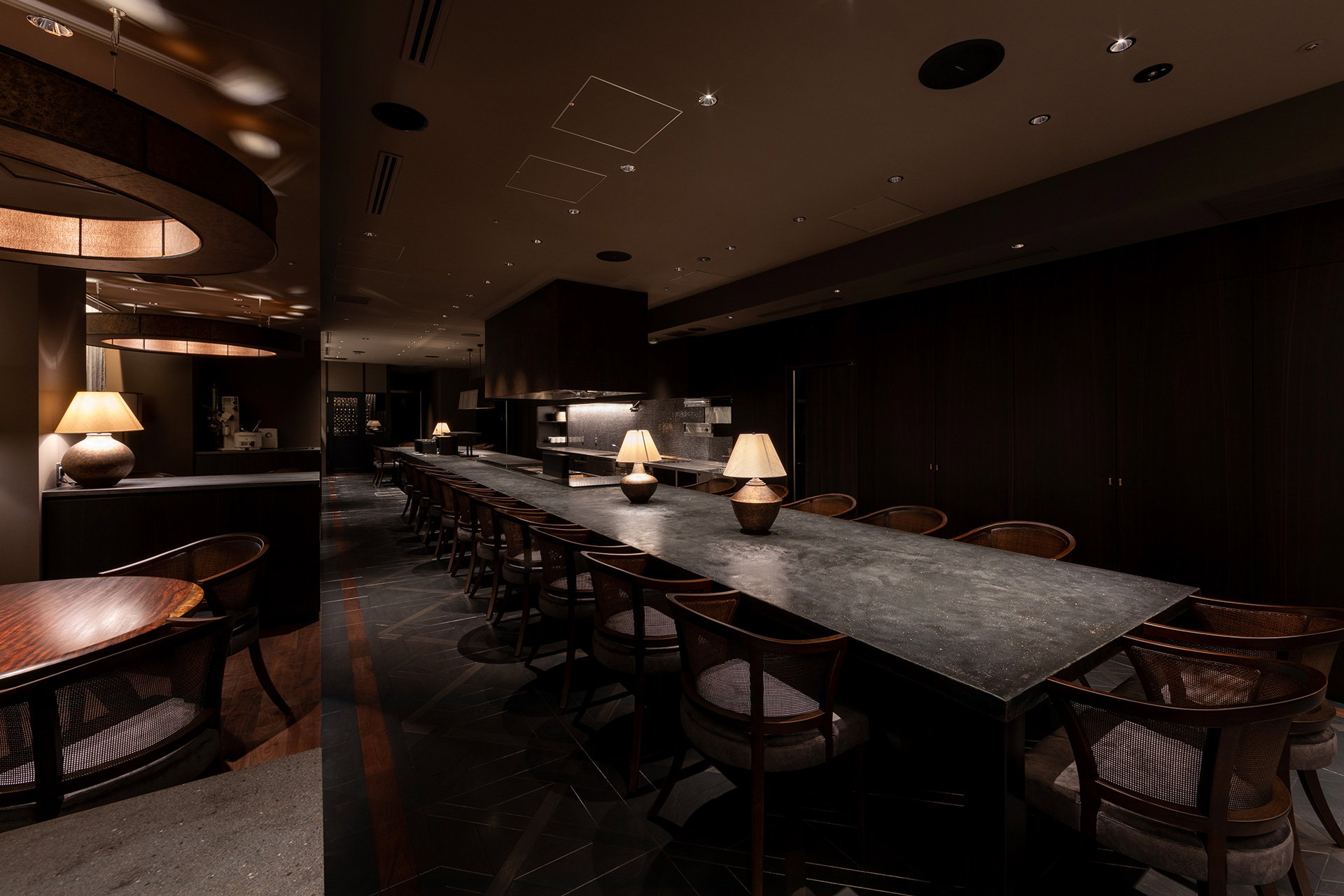
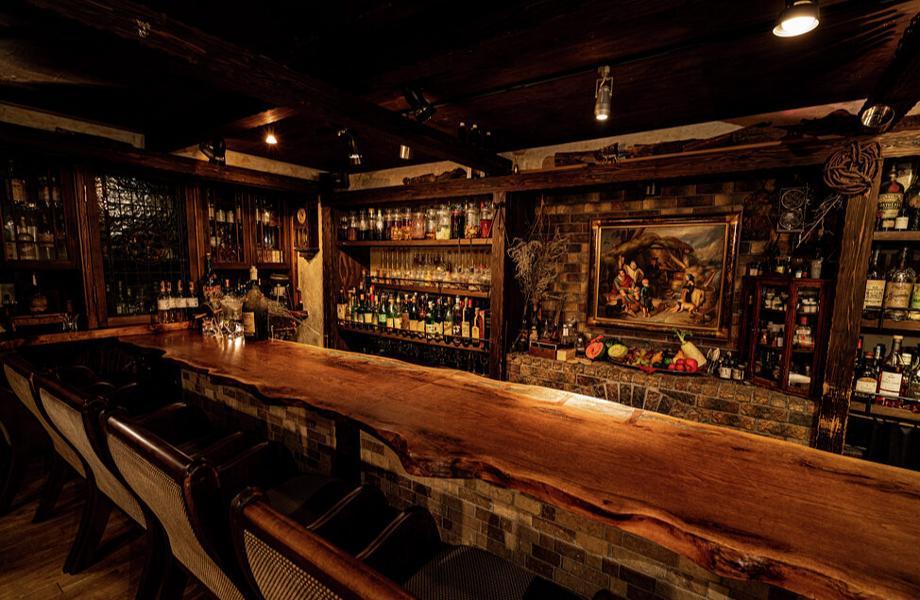
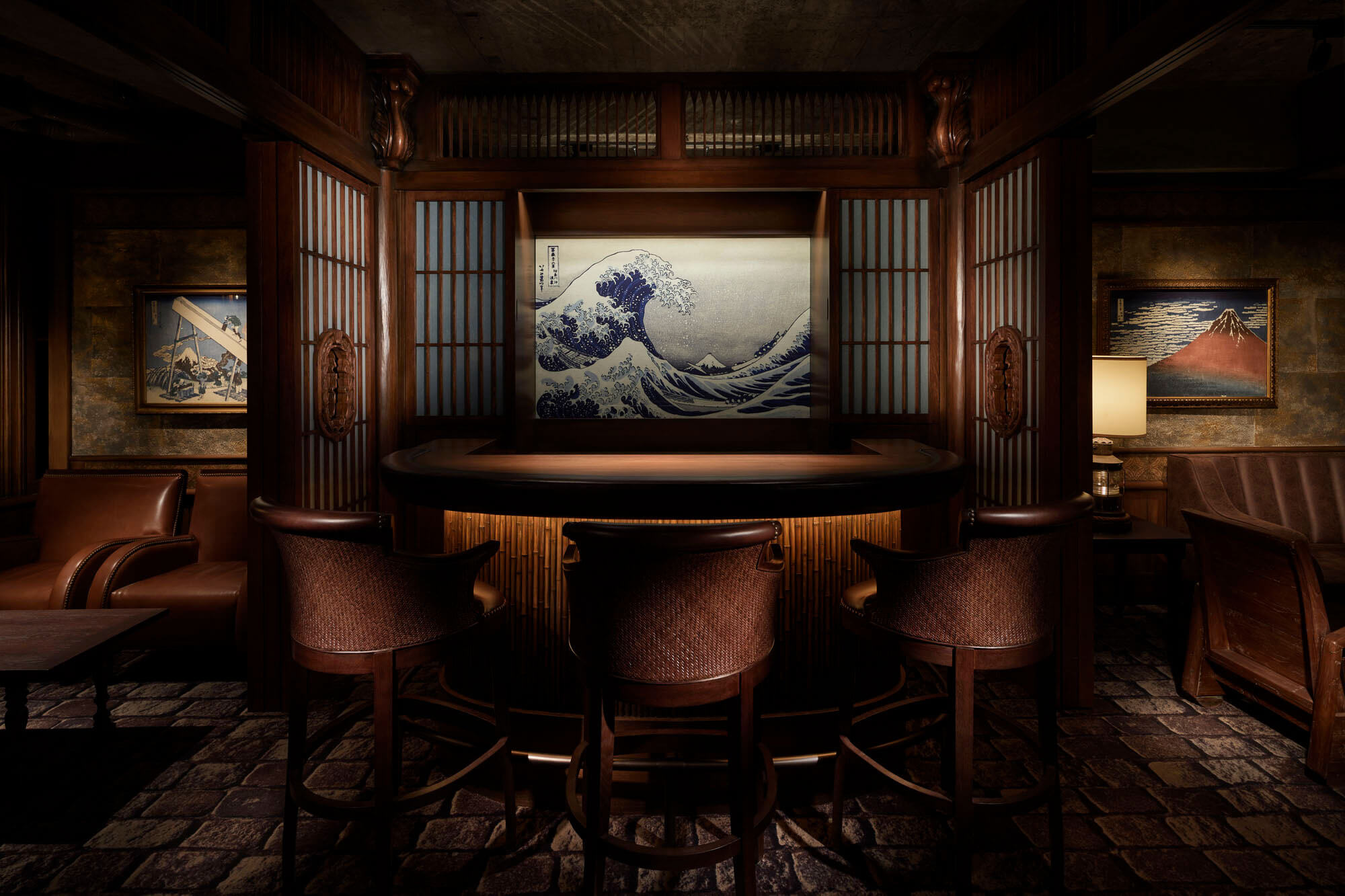
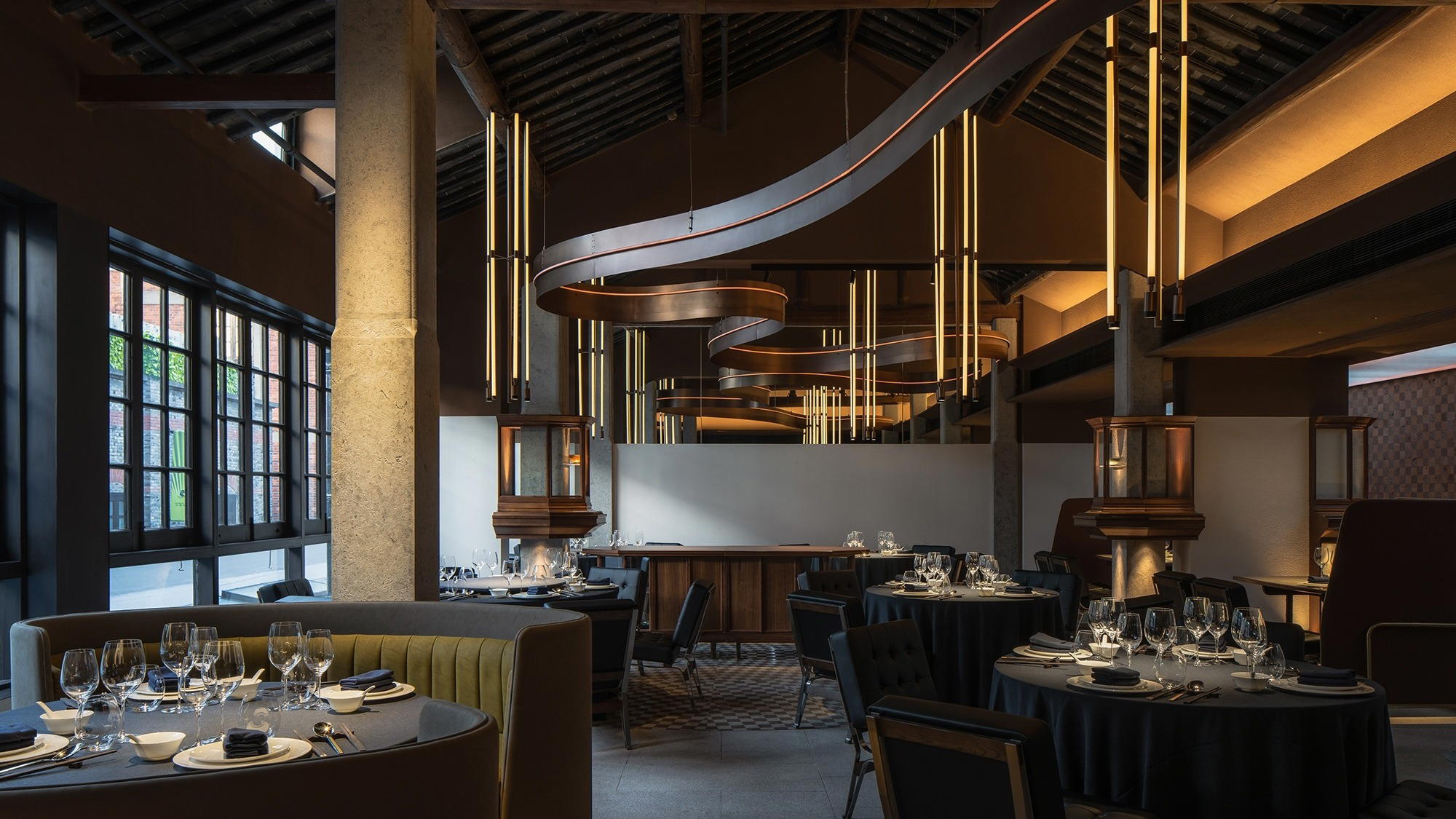
Polished wood, warm intimate lighting, and a low murmur of conviviality create a luxurious, unhurried atmosphere centered around a counter stage where knives whisper and aromas bloom.
Tags
Vibe
Best For
Experience
Sourcing
At the Table
- Dress Code
- Smart Casual
- Noise Level
- Quiet
- Service Style
- Upscale Casual
- Meal Pacing
- Leisurely
- Capacity
- Intimate
Signature Dishes
- Tsufuhan (Gout Rice)
- Foie Gras Monaka
- Truffle Omelette
- Sansho Pepper Ajillo
- Mackerel Sashimi
- Horse Meat Sashimi
Know before you go
Know Before You Go
- Getting there
- Japan, 〒104-0061 Tokyo, Chuo City, Ginza, 3 Chome−11−6 鈴木ビル 2F
Planning details
Location
Japan, 〒104-0061 Tokyo, Chuo City, Ginza, 3 Chome−11−6 鈴木ビル 2F · Directions
Recognition and awards
Also consider
Also Consider
- Harutaka, Sushi, ¥¥¥¥
- RyuGin, Kaiseki, Japanese, ¥¥¥¥
- L'Effervescence, French, ¥¥¥¥
- HOMMAGE, Innovtive French, French, ¥¥¥¥
- Florilège, French, ¥¥¥
Restaurant context
Tokihami sits at ¥¥ in a Ginza neighbourhood where most comparable-quality destinations charge ¥¥¥¥. That gap shapes every comparison. If you are choosing between Tokihami and Harutaka or RyuGin, you are not choosing between better and worse, you are choosing between different formats and budgets. Harutaka is among the most precise sushi counters in Tokyo at the top price tier; RyuGin delivers a kaiseki experience with serious technical depth. Both require planning, commitment, and a much larger spend. Tokihami asks for none of that and delivers creative Michelin-recognised cooking in return.
Florilège is the closest peer in terms of creative ambition at a more accessible price point than the ¥¥¥¥ tier, but it is a full French tasting menu rather than the à la carte izakaya freedom Tokihami offers. If you want to eat on your own terms and explore a wide menu over multiple visits, Tokihami wins that comparison. L'Effervescence and HOMMAGE both operate at ¥¥¥¥ with French-leaning tasting menus that reward a single well-planned visit rather than repeat drop-ins. For a special occasion with a fixed budget, either is a stronger choice. For a regular Ginza evening out, Tokihami is the more practical answer.
The clearest recommendation: if you are visiting Tokyo once and want a single unmissable dinner, book Harutaka or RyuGin and plan well ahead. If you are spending a week or more in Tokyo, or if you have already covered the top-tier sushi and kaiseki circuit, Tokihami belongs on the shortlist precisely because it offers something different, playful, ingredient-forward, easy to book, and priced to return to.
Explore Tokyo
Around this place
Discover more on Pearl
Unlock the full Tokihami guide in Pearl, including awards, comparisons, FAQs, planning details, and nearby places.
Compare Tokihami
| Venue | Awards | Price |
|---|---|---|
| Tokihami | 2026 Michelin PlateTabelog 100 - Japanese cuisine - TOKYO - 2025 · #622025 Michelin Plate2024 Michelin Plate | ¥¥ |
| Harutaka | 2026 Tabelog Silver · #312026 OAD Top Restaurants in Japan Ranked · #1282026 Michelin 3 Stars2026 La Liste Top RestaurantsTabelog 100 - Sushi - TOKYO - 2025 · #372025 Asia's 50 Best Restaurants · #762025 OAD Top Restaurants in Japan Ranked · #1172025 La Liste Top Restaurants2025 Tabelog Bronze | ¥¥¥¥ |
| RyuGin | 2026 OAD Top Restaurants in Japan Ranked · #802026 Tabelog Bronze · #3772026 Michelin 3 Stars2026 La Liste Top RestaurantsTabelog 100 - Japanese cuisine - TOKYO - 2025 · #212025 OAD Top Restaurants in Japan Ranked · #542025 Michelin 3 Stars2025 La Liste Top Restaurants2025 The Best Chef Three Knives | ¥¥¥¥ |
| L'Effervescence | 2026 Tabelog Silver · #682026 OAD Top Restaurants in Japan Ranked · #103Star Wine Lists 20262026 Black Pearl 2 Diamond2026 Relais Chateaux Restaurants2026 La Liste Top Restaurants2026 Michelin 3 Stars2025 Asia's 50 Best Restaurants · #692025 OAD Top Restaurants in Japan Ranked · #92 | ¥¥¥¥ |
| HOMMAGE | 2026 Tabelog Bronze · #1232026 OAD Top Restaurants in Japan Highly Recommended2026 Michelin 2 StarsTabelog 100 - French - TOKYO - 2025 · #762025 Asia's 50 Best Restaurants · #782025 OAD Top Restaurants in Japan Ranked · #1752025 Michelin 2 Stars2025 The Best Chef One Knife2025 La Liste Top Restaurants | ¥¥¥¥ |
| Florilège | 2026 Asia's 50 Best Restaurants · #312026 Tabelog Bronze · #712026 OAD Top Restaurants in Japan Ranked · #1242026 Black Pearl 1 Diamond2026 Michelin 2 Stars2026 La Liste Top Restaurants2025 Asia's 50 Best Restaurants · #172025 World's 50 Best Restaurants · #36Tabelog 100 - French - TOKYO - 2025 · #68 | ¥¥¥ |












What to weigh when choosing between Tokihami and alternatives.
FAQ
Frequently Asked Questions
What should I wear to Tokihami?
Tokihami is a Ginza address, so dress as you would for the neighbourhood: neat and presentable, but not formal. A kappo izakaya format sits between casual bar and serious dining room, so smart casual is the natural read. Avoid overly casual clothes given the Michelin Plate recognition and the calibre of ingredients on the menu.
Is the tasting menu worth it at Tokihami?
Tokihami's format is a kappo izakaya, meaning the experience is built around ordering from an extensive menu rather than a fixed tasting sequence. If you want a curated chef-led progression, RyuGin or Harutaka are better options in Tokyo. At ¥¥ pricing, the flexibility of ordering multiple small plates here is arguably a stronger value proposition than a single locked tasting menu.
Can Tokihami accommodate groups?
Tokihami is a second-floor venue in a small Ginza building, which generally means limited seating capacity. The izakaya format suits groups well in terms of how food is ordered and shared, but confirm space and reservation policy directly, as no group booking details are published.
Is Tokihami worth the price?
Yes, for what it is. A ¥¥ price point in Ginza with Michelin Plate recognition two consecutive years (2024 and 2025) and dishes built around sea urchin, caviar, foie gras, and truffle is a clear value case. You are getting ingredient-led cooking at a fraction of what nearby fine dining rooms charge. For a straight luxury-ingredient blowout on a moderate budget in Tokyo, this is a strong call.
What should I order at Tokihami?
The standout items documented for the venue are the foie gras-stuffed monaka wafer, the truffle omelette, the sansho pepper seafood ajillo, and Tsufuhan ('Gout Rice'), which combines salmon roe, dried grey mullet roe, sea urchin, and caviar. These are the dishes that define the kitchen's approach, so prioritise them on a first visit.
How far ahead should I book Tokihami?
Booking difficulty is rated as easy, which suggests Tokihami is more accessible than most Ginza Michelin-recognised venues. That said, Ginza restaurants with two consecutive Michelin Plate years do attract repeat visitors, so booking a week or two ahead is sensible rather than assuming walk-in availability.