Michelin's spring 2026 California Guide update, announced on March 25, added six Los Angeles restaurants and one Montecito newcomer.
The list is worth your attention not for any single marquee name but for its collective range: a seafood tasting menu, a Chinese American anchor in Chinatown, a Korean-Italian pasta bar, a tlayudas counter inside a market hall, an Uzbek kitchen on Fairfax, and a pop-up-turned-full-service fish restaurant in Melrose Hill.
If you eat in LA with any regularity, at least two of these belong on your near-term list. And if you track Michelin's California cycle, every one of them is now in the conversation for the anticipated June star ceremony.
New LA Michelin Guide 2026 Restaurants: The Full List
Here are the seven additions to the 2026 Michelin Guide California, as reported by Eater's Nicole Fellah:
- Corridor 109, Seafood-focused tasting menu, Los Angeles. Chef Brian Baik.
- Firstborn, Chinese American, Mandarin Plaza, Chinatown. Chef Anthony Wang.
- Lapaba, Pasta bar, Koreatown. Matthew Kim and McKenna Lelah.
- Little Fish Melrose Hill, Full-service restaurant, Melrose Hill. Chefs Anna Sonenshein and Niki Vahle.
- Lugya'h by Poncho's Tlayudas, Tlayudas counter within Maydan Market. Chef Alfonso "Poncho" Martinez and Odilia Romero.
- Zira Uzbek Kitchen, Uzbek and Central Asian, Fairfax. Owner Azim Rahmatov.
- Little Mountain, Montecito. Chef Diego Moya.
Six of the seven are in Los Angeles proper, spread across neighborhoods from Chinatown to Koreatown to Fairfax. Little Mountain, from chef Diego Moya, represents Montecito and the continued growth of California's Central Coast dining scene. Michelin also added Bay Area restaurants in the same update, including Menlo Park's Korean-influenced Yeobo, Darling, among four others, but the LA cohort is the one that tells the more interesting story about where the guide's inspectors are paying attention.
Peer Set Snapshot
| Restaurant | Cuisine | Neighborhood | Chef / Owner | Format |
|---|---|---|---|---|
| Corridor 109 | Seafood | Los Angeles | Brian Baik | Tasting menu |
| Firstborn | Chinese American | Chinatown (Mandarin Plaza) | Anthony Wang | Full-service |
| Lapaba | Korean-Italian | Koreatown | Matthew Kim & McKenna Lelah | Pasta bar |
| Little Fish Melrose Hill | Seafood / Fish | Melrose Hill | Anna Sonenshein & Niki Vahle | Full-service |
| Lugya'h by Poncho's Tlayudas | Oaxacan (Tlayudas) | Maydan Market | Alfonso "Poncho" Martinez & Odilia Romero | Counter |
| Zira Uzbek Kitchen | Uzbek / Central Asian | Fairfax | Azim Rahmatov | Full-service |
| Little Mountain | California | Montecito | Diego Moya | Full-service |
What Each New Entrant Brings to the Table
Corridor 109: Chef Brian Baik, described as a longtime Angeleno, runs a seafood-focused tasting menu format. Tasting menus in LA are not rare, but seafood-centric ones at this level are a thinner field. For context, LA's existing Michelin-recognized tasting menu restaurants tend to lean omakase (Sushi Ginza Onodera, Morihiro) or multi-course French and Californian (Providence, Mélisse). Corridor 109 occupies a different lane: seafood as the organizing principle, but not sushi. If you're the kind of diner who gravitates toward Providence's seafood precision but wants something newer, Corridor 109 is the first place to try.
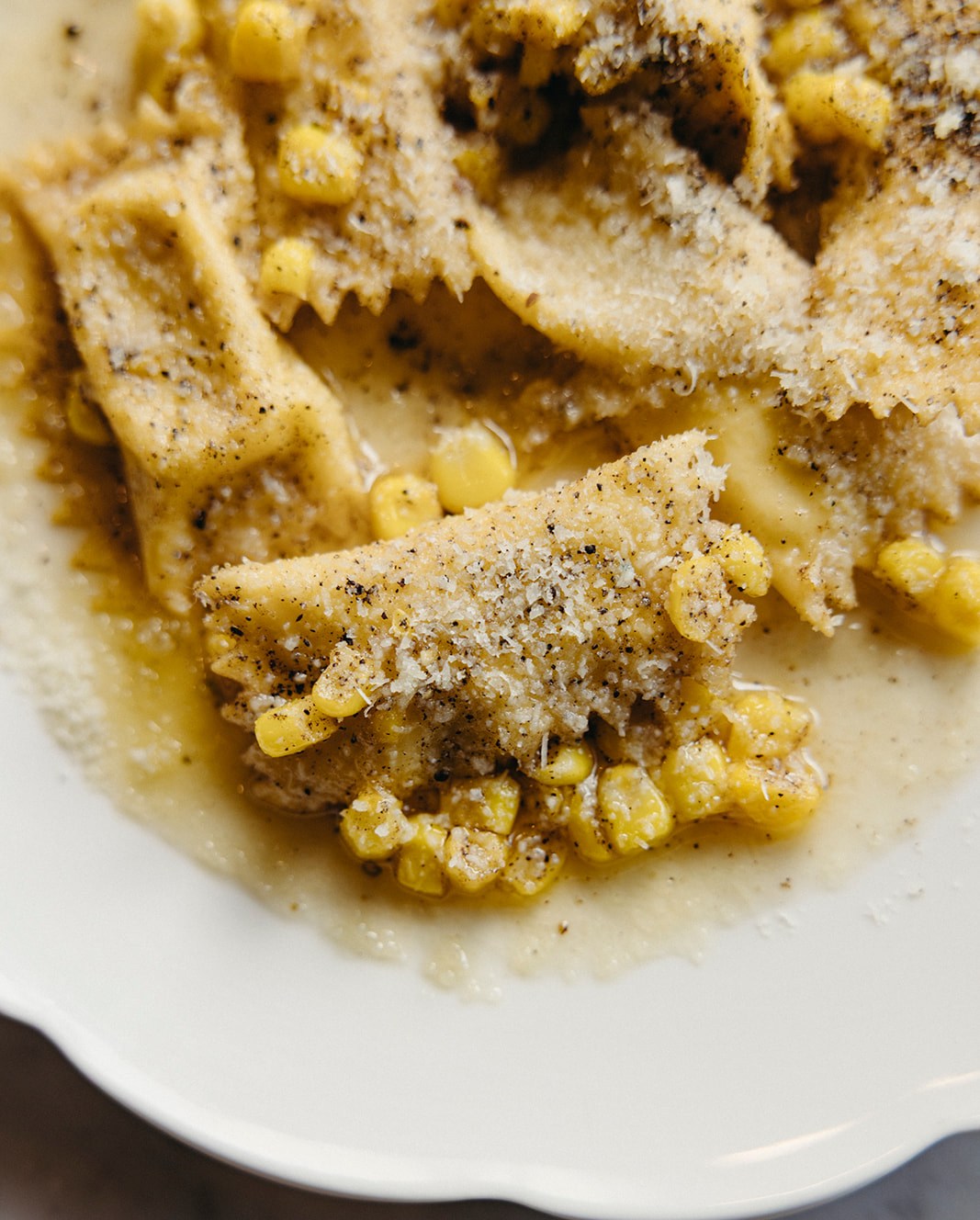
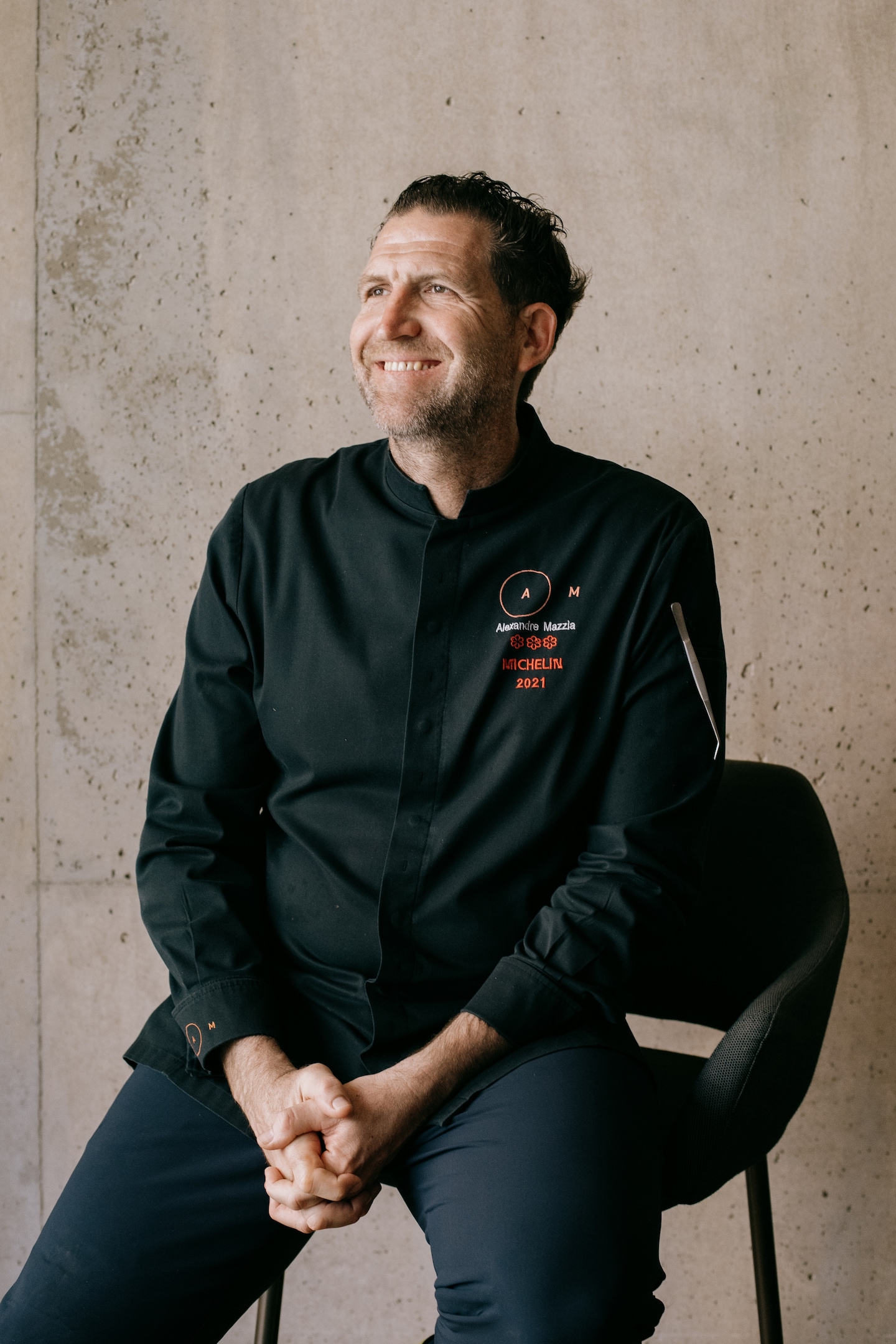
Firstborn: Chef Anthony Wang's Chinese American restaurant anchors Mandarin Plaza in Chinatown. Chinatown has seen a wave of new openings over the past several years, but Michelin recognition for a Chinese American concept there has been slow to arrive. Firstborn's inclusion signals that inspectors are engaging more seriously with a neighborhood and cuisine category that LA diners have long valued. If you eat in Chinatown already, you likely know Firstborn. If you don't, this is the prompt to go.
Lapaba: Husband-and-wife team Matthew Kim and McKenna Lelah run this Koreatown pasta bar, which interprets Italian classics through a Korean lens. The cross-cultural format is specific: this is not fusion in the vague sense but a pasta bar where Korean ingredients and techniques reshape Italian dishes. Koreatown already has deep Korean dining (Park's BBQ, Hangari Kalguksu), and adding a Korean-Italian pasta bar to the Michelin roster there reflects how the neighborhood's culinary identity keeps expanding. For pasta obsessives who have done the rounds at Felix, Bestia, and Rossoblu, Lapaba offers a distinctly different proposition.
Little Fish Melrose Hill: Chefs Anna Sonenshein and Niki Vahle started Little Fish as a pop-up and popular market restaurant in Echo Park before graduating to a full-service format in Melrose Hill. The pop-up-to-Michelin pipeline is a trajectory that LA produces more reliably than almost any other American city. Sonenshein and Vahle's path mirrors the arc of restaurants like Bavel and Destroyer, which built followings in informal settings before scaling into permanent spaces. If you followed Little Fish in its Echo Park days, the Michelin nod confirms what you already suspected. If you missed it, the Melrose Hill location is the version to visit now.
Lugya'h by Poncho's Tlayudas: Chef Alfonso "Poncho" Martinez and his wife and business partner Odilia Romero operate this tlayudas counter within Maydan Market. Tlayudas, the large, crispy tortillas from Oaxaca, are one of those formats that LA's Mexican dining scene has long celebrated at the street and market level but that Michelin has rarely acknowledged. Lugya'h's inclusion inside a market hall, rather than a standalone restaurant, is itself notable. Michelin's willingness to recognize a counter within a shared market space suggests the inspectors are adapting their framework to how LA actually eats. For anyone who has dismissed Michelin's California coverage as too focused on white-tablecloth formats, this is the counterargument.
Zira Uzbek Kitchen: Owner Azim Rahmatov's Fairfax debut serves Uzbek and Central Asian dishes, including beef and chicken shashlik, kavurma lagman (hand-pulled noodle stir-fry), and pumpkin or steak manti (dumplings), as reported by Eater. Central Asian cuisine has a growing presence in LA, particularly along the Fairfax corridor and in parts of the San Fernando Valley, but Michelin recognition for an Uzbek restaurant is a first for the California guide. If you've eaten at the Uzbek and Georgian restaurants scattered across West Hollywood and the Valley, you know the cooking. Zira's Michelin listing puts a name and address on a cuisine that many LA diners haven't explored yet. The shashlik and manti are the entry points.
Little Mountain: Chef Diego Moya's Montecito restaurant rounds out the seven additions. Montecito, about 90 miles northwest of central LA, has become a more serious dining destination in recent years, and Little Mountain's inclusion reinforces that the Central Coast is no longer just a wine-country stopover. If you're planning a Santa Barbara or wine-country trip, Little Mountain is worth building into the itinerary.
Why the Spring Update Matters Before the June Star Ceremony
Michelin's California cycle follows a two-step rhythm. The spring update adds new restaurants to the guide, giving them official recognition without awarding stars. The larger star-awarding ceremony typically follows in June, according to Eater, though Michelin has not yet announced dates for its 2026 ceremony. Being added to the guide in spring means inspectors have already visited, evaluated, and approved the restaurant. It does not guarantee a star, but it puts the restaurant in the pool of candidates.
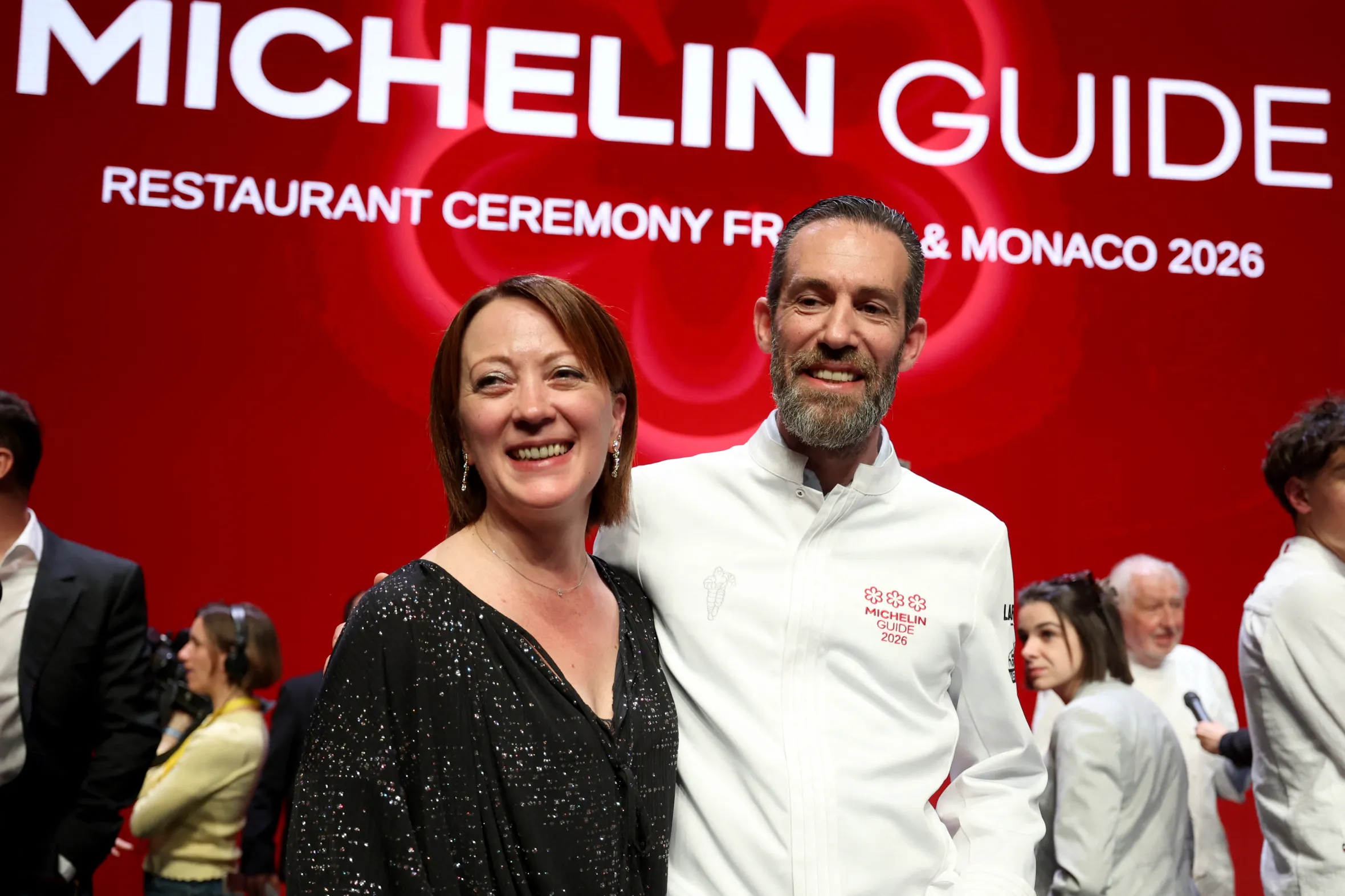
For diners, the practical implication is timing. Restaurants that enter the guide in March often see a reservation surge well before any star announcement. If you want to eat at Corridor 109 or Lapaba before the June ceremony drives demand higher, the window is now. The same applies to Lugya'h by Poncho's Tlayudas and Zira Uzbek Kitchen, both of which operate in more casual, counter-service formats where the impact of Michelin attention can be even more immediate: lines get longer, wait times stretch, and the experience changes.
For industry watchers, the spring list is a signal of where Michelin's inspectors have been spending time. The 2026 LA cohort leans heavily toward neighborhood restaurants, immigrant cuisines, and non-traditional formats (a market counter, a pasta bar, a pop-up graduate). That pattern matters because it suggests the June ceremony could produce stars in categories that Michelin's California guide has historically underrepresented.
Compare this to Michelin's recent California history. The guide has been criticized for over-indexing on Japanese fine dining and French-influenced tasting menus in LA while underweighting the city's Mexican, Chinese, Korean, and Central Asian kitchens. The 2026 spring additions don't fully correct that imbalance, but they move in a clear direction. A tlayudas counter and an Uzbek kitchen are not the kind of additions Michelin was making in California five years ago.
What This Wave Says About LA's Culinary Direction
Los Angeles has more culinary breadth than any city in the United States. That claim is not new, but Michelin's 2026 spring update is one of the clearest acknowledgments of it from the guide's inspectors. In a single announcement: Oaxacan tlayudas, Uzbek manti, Chinese American cooking, Korean-Italian pasta, seafood tasting menus, and a fish restaurant born from a pop-up. No other American city could produce that list.
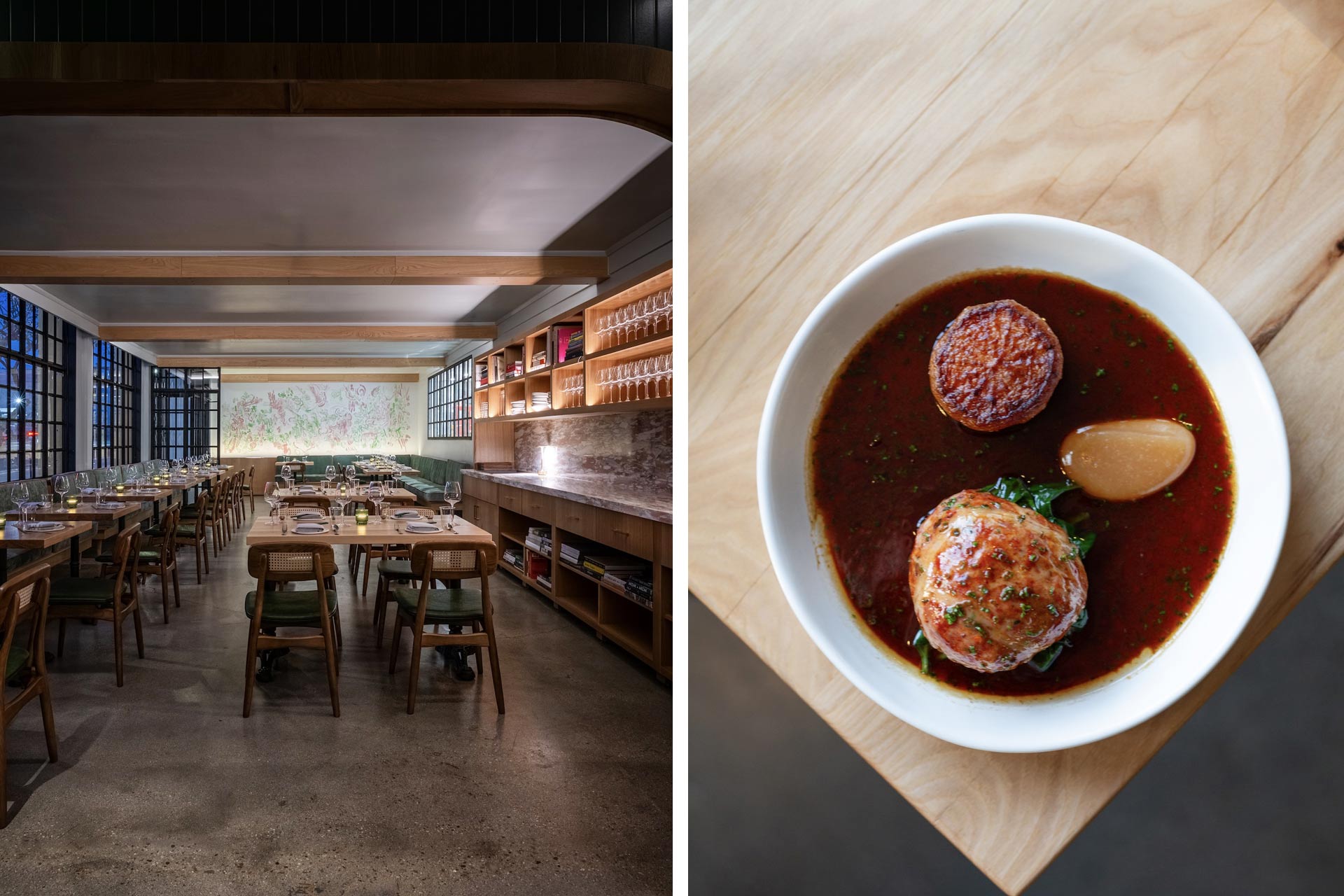
The geographic spread matters too. Chinatown, Koreatown, Fairfax, Melrose Hill, and a market hall. These are not the Westside fine-dining corridors that dominated earlier editions of the California guide. They are the neighborhoods where LA's immigrant communities and independent operators have been cooking for years, often without national press attention. Michelin's inspectors going to Maydan Market to evaluate a tlayudas counter is a different posture than Michelin sending inspectors to Beverly Hills to evaluate a French tasting menu.
For diners who already eat across these neighborhoods, the LA Michelin Guide 2026 spring update validates what they know. For visitors planning a trip to LA, it provides a curated entry point into cuisines and neighborhoods that guidebooks have historically ignored. Either way, the list functions as a practical tool: seven restaurants, seven distinct cuisines, seven reasons to eat somewhere new.
How to Approach These Restaurants Now
The format range across these seven restaurants is wide, and that affects how you plan.
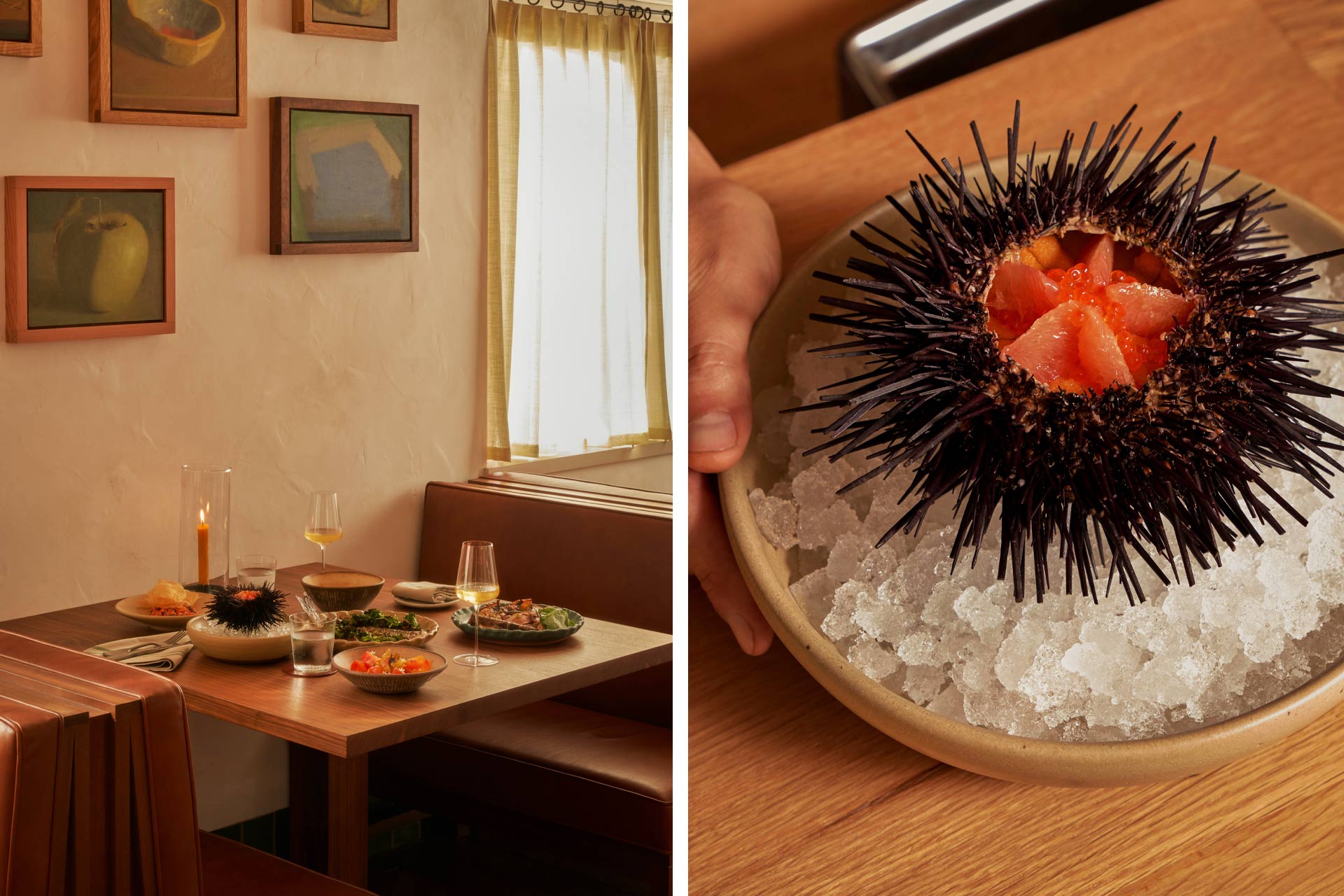
Corridor 109 operates as a tasting menu, which typically means reservations are required and capacity is limited. If seafood tasting menus are your format, book soon. The Michelin listing will compress availability.
Lapaba in Koreatown is a pasta bar. Pasta bars tend to be smaller, higher-turnover spaces. Expect waits rather than reservations, and plan for a weeknight visit if you want to avoid the post-Michelin crowd.
Lugya'h by Poncho's Tlayudas operates as a counter within Maydan Market. Market-hall dining means no reservations, first-come seating, and a more casual format. Go at off-peak hours. The tlayudas are the draw.
Zira Uzbek Kitchen on Fairfax serves Uzbek and Central Asian dishes in what reads as a casual, counter-oriented format. The menu, as reported by Eater, includes beef and chicken shashlik, kavurma lagman, and pumpkin or steak manti. If you've never had Uzbek food, the manti (dumplings) and lagman (hand-pulled noodle stir-fry) are the most accessible starting points.
Firstborn in Chinatown and Little Fish Melrose Hill both operate as full-service restaurants. Reservations are likely the better path at both, particularly as Michelin attention drives traffic.
Little Mountain in Montecito requires a trip outside LA proper. If you're combining it with a Santa Barbara wine-country visit, it slots naturally into a day that might also include dinner at Bell's (already Michelin-starred) or lunch at one of the Funk Zone spots in Santa Barbara.
What to Watch Next
The June star ceremony, whenever Michelin announces it, will determine whether any of these seven restaurants earn a star on their first year in the guide. Historically, spring additions sometimes wait a cycle before receiving stars, but not always. The diversity of this cohort, and the public conversation around Michelin's need to better represent LA's range, could accelerate the timeline for at least one or two of these restaurants.
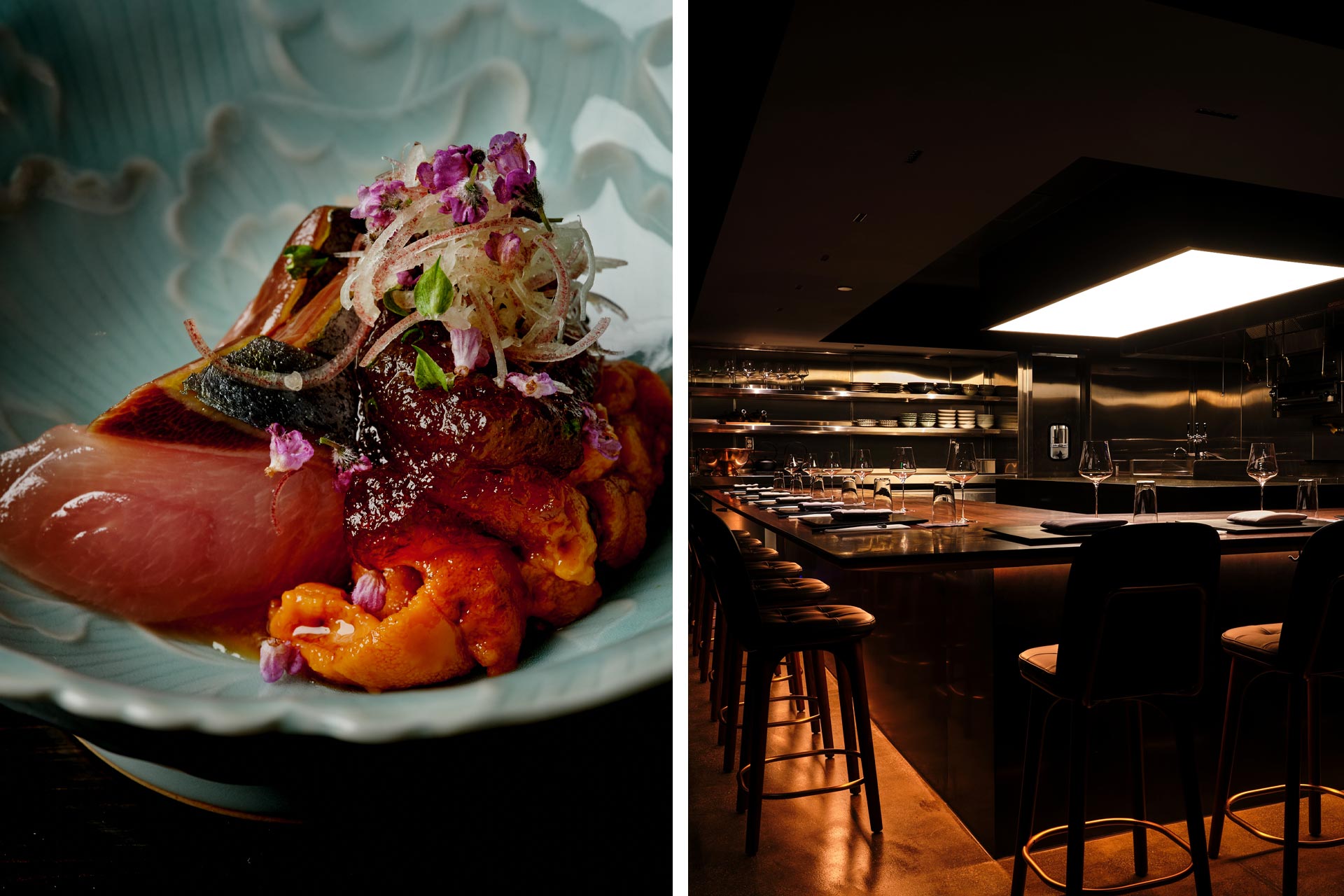
Corridor 109's tasting menu format and Lapaba's Korean-Italian specificity are the two most likely candidates for a star based on format alone: Michelin tends to reward restaurants where the inspector can evaluate a structured, multi-course experience. But the inclusion of Lugya'h by Poncho's Tlayudas and Zira Uzbek Kitchen in the guide at all suggests the inspectors are open to recognizing formats and cuisines that don't fit the traditional star template.
For now, the actionable move is to eat at these restaurants before the June ceremony reshapes demand. The spring window between guide inclusion and star announcements is the best time to visit: the restaurants are operating at full confidence, the teams know Michelin is watching, and the reservation pressure hasn't yet peaked. If you eat in LA with any seriousness, this is your list for the next three months.
Frequently Asked Questions
When were the LA Michelin Guide 2026 restaurants announced?
Michelin announced its spring 2026 California Guide update on March 25, adding seven new restaurants, six in Los Angeles and one in Montecito. These additions are part of Michelin's ongoing California cycle ahead of the anticipated June star ceremony.
Which neighborhoods are represented in the LA Michelin Guide 2026 additions?
The six Los Angeles restaurants span Chinatown (Firstborn), Koreatown (Lapaba), Fairfax (Zira Uzbek Kitchen), Melrose Hill (Little Fish Melrose Hill), and other LA neighborhoods including the location of Corridor 109 and Lugya'h by Poncho's Tlayudas inside Maydan Market. Little Mountain represents Montecito on the Central Coast.
What is the June star ceremony and how does it relate to the LA Michelin Guide 2026?
The June star ceremony is the anticipated event where Michelin awards its coveted stars to California restaurants. All seven newly added restaurants are now in the conversation for potential star recognition at that ceremony, having first earned a place in the guide through the spring update.
How did Little Fish Melrose Hill start before earning Michelin recognition?
Little Fish began as a pop-up and popular market restaurant in Echo Park, run by chefs Anna Sonenshein and Niki Vahle. It later graduated to a full-service restaurant format in Melrose Hill, where it caught the attention of Michelin inspectors for the 2026 guide.
What makes Lapaba different from other Italian restaurants in LA?
Lapaba is a Koreatown pasta bar where Korean ingredients and techniques reshape Italian dishes, run by husband-and-wife team Matthew Kim and McKenna Lelah. Rather than vague fusion, it offers a specific cross-cultural format that distinguishes it from LA's established Italian spots like Felix, Bestia, and Rossoblu.