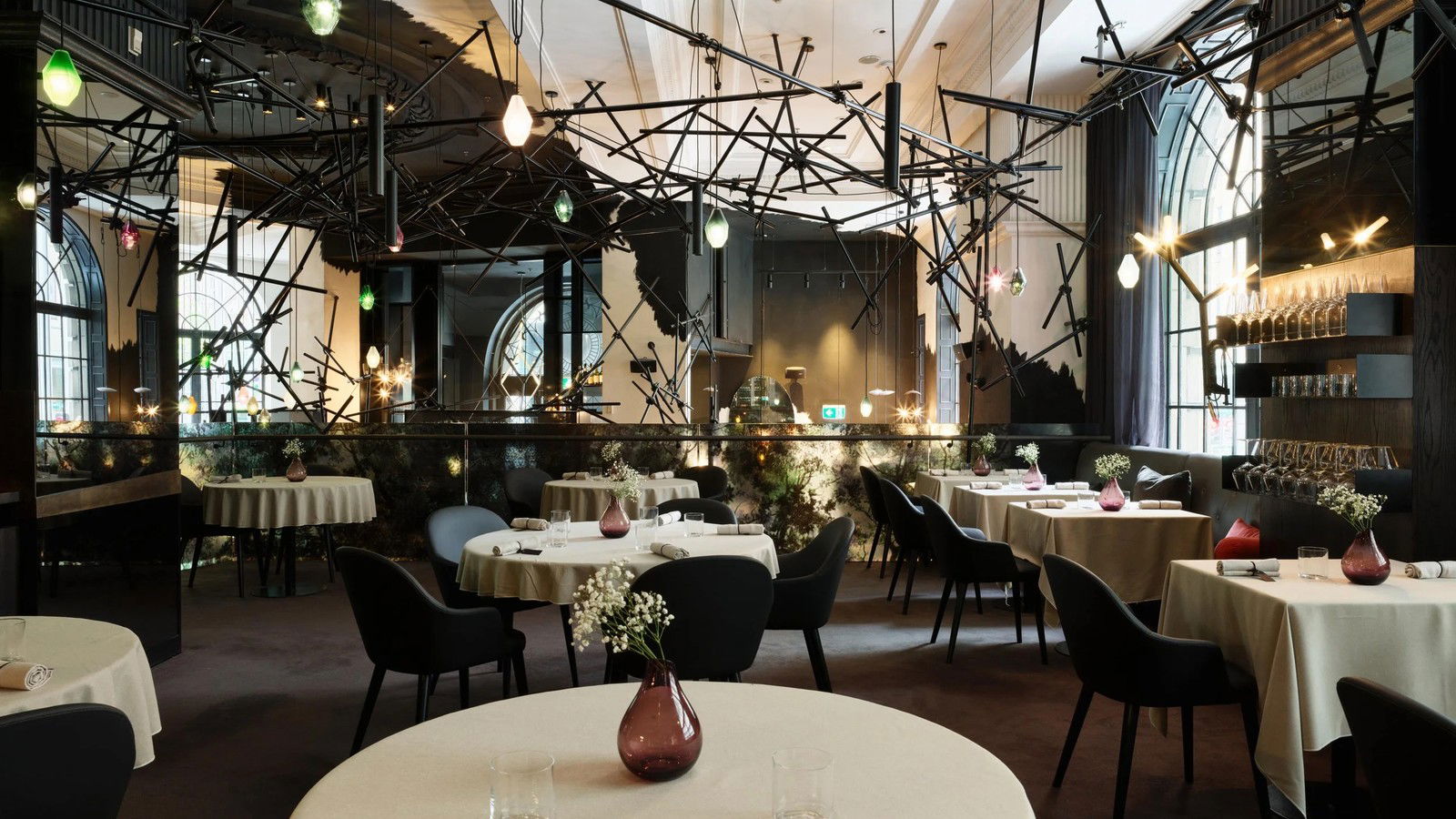
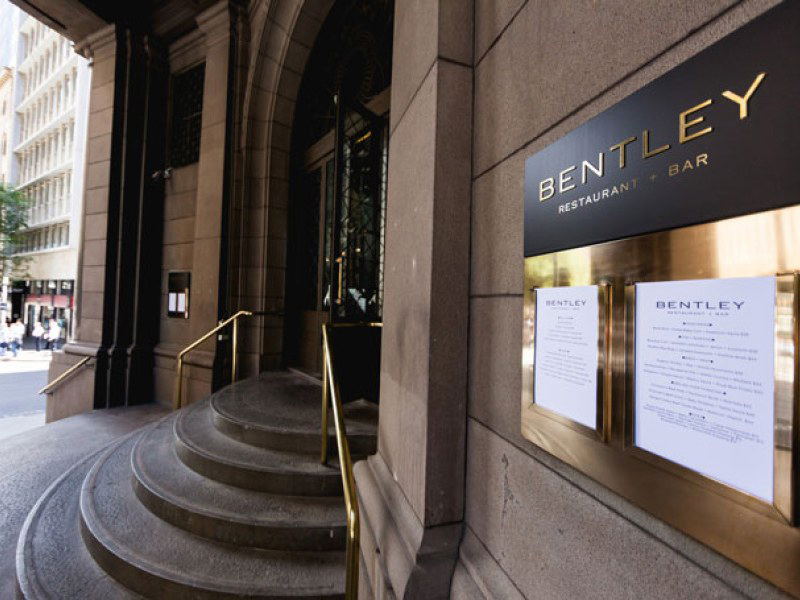
Bentley Restaurant and Bar will close its O'Connell Street doors in August after 20 years holding two Good Food Guide hats, and if you want a seat at one of Sydney's most consequential fine-dining tables before it goes dark, you have until then to book. This is not a collapse. Chef Brent Savage and sommelier Nick Hildebrandt are calling it a deliberate pause, with a smaller, sharper version of Bentley already in planning for late 2027 or 2028. The question for Sydney diners right now is whether to go for the farewell or wait for the rebirth.
Why Bentley Restaurant and Bar Is Closing After 20 Years
The closure is lease-driven, not distress-driven. Hildebrandt and Savage faced the end of their O'Connell Street lease and chose not to renew on terms that didn't fit where they want to take the brand next. As Savage put it: "We're not being forced out of fine dining, we're not being forced to move, we're going out on our terms."
The timing is not accidental. Sydney's fine-dining sector has absorbed a string of high-profile closures over the past two years, Ursula's in Paddington, Oncore by Clare Smyth at Crown, and Quay, which closed after 23 consecutive years holding three Good Food Guide hats.
Savage acknowledged the broader pressure directly, citing ever-increasing costs and a fuel crisis as compounding factors across the industry.
But Bentley Group's position is different from most of those closures: the group still operates King Clarence, Watermans, and Eleven Barrack, and has been consolidating deliberately, preferring a smaller number of larger venues over a sprawling portfolio of intimate rooms.
Cirrus in Barangaroo and Monopole in the CBD have already been closed; Yellow in Potts Point was sold to head chef Sander Nooij and business partner Mark Hanover.
Savage's read on the current diner is also shaping the decision. He has observed that guests are still willing to spend, but they are less drawn to long, didactic tasting menus. Comfort and familiarity are pulling harder than culinary theatre. The pause gives Savage and Hildebrandt time to build a version of Bentley that fits that shift rather than resist it.
What Two Hats and Two Decades Built on O'Connell Street
Bentley Restaurant and Bar opened in 2006 in a Surry Hills pub. The year before, Savage and Hildebrandt had won Chef of the Year and Sommelier of the Year respectively at the Sydney Morning Herald Good Food Guide, and decided to open together on the back of those awards. Hildebrandt has described it as "loud, bold and modern" and said it "changed the face of fine dining" in Sydney. Both men had met while working at Marque in Surry Hills, and the sensibility they developed there, technically serious but without the starch of traditional fine dining, defined Bentley from the start.
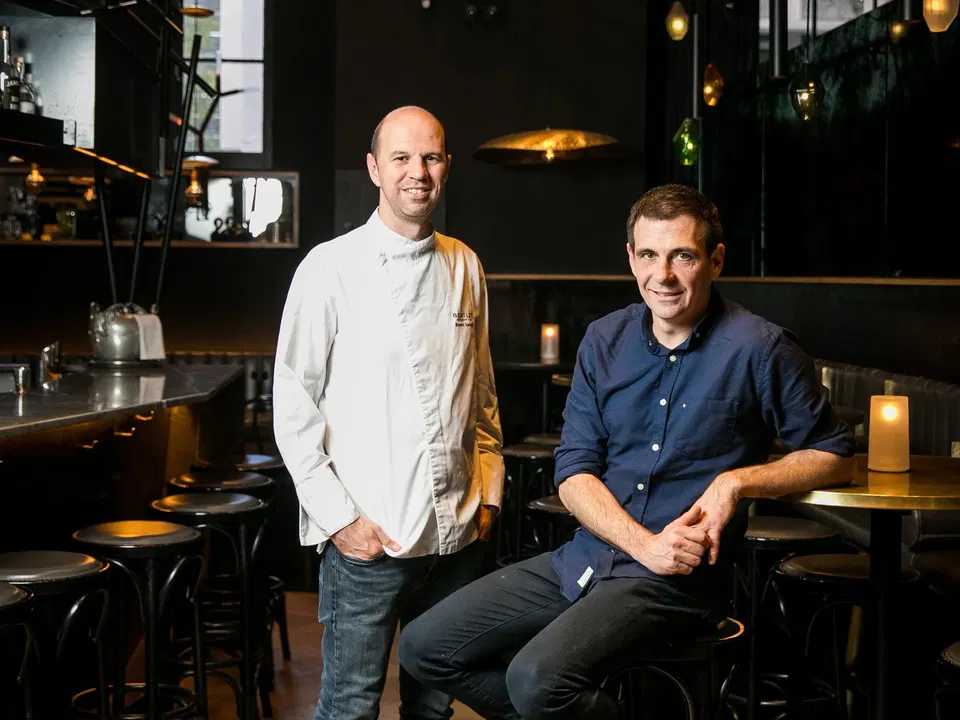
The move to O'Connell Street in 2013 brought more space and a more refined setting. The interior was designed by Pascale Gomes-McNabb, a long-term collaborator, and refreshed again in 2018. The two-hat standing in the Good Food Guide held across the full run at that address, which in Sydney's competitive CBD dining environment is a meaningful benchmark. For context, the Good Food Guide hat system is the primary local credentialing framework, two hats places Bentley in the tier of restaurants where technique, sourcing, and service are all operating at a high level consistently, not just on good nights.
The Bentley Group's broader arc over those two decades shows a team that has been willing to open, close, and reshape its portfolio rather than preserve venues past their natural point. Cirrus and Monopole are gone. Yellow has new owners. King Clarence, Watermans, and Eleven Barrack represent the current shape of the group, larger-format venues that generate the operational scale to fund what comes next. Bentley, in its current form, is the last of the original intimate fine-dining rooms in the portfolio, and its closure completes a restructuring that has been underway for two years.
The Farewell Menus: What to Book Before August
From June, Bentley is running dedicated farewell tasting menus that bring back defining dishes from across the restaurant's history. There are two formats: five courses at $175 per person, or seven courses at $240 per person. The seven-course menu includes the return of kingfish with squid ink, and a dessert of perfumed fruit and violet ice-cream with cocoa honeycomb, dishes that regulars will recognise as anchors of the Bentley kitchen at its most considered.
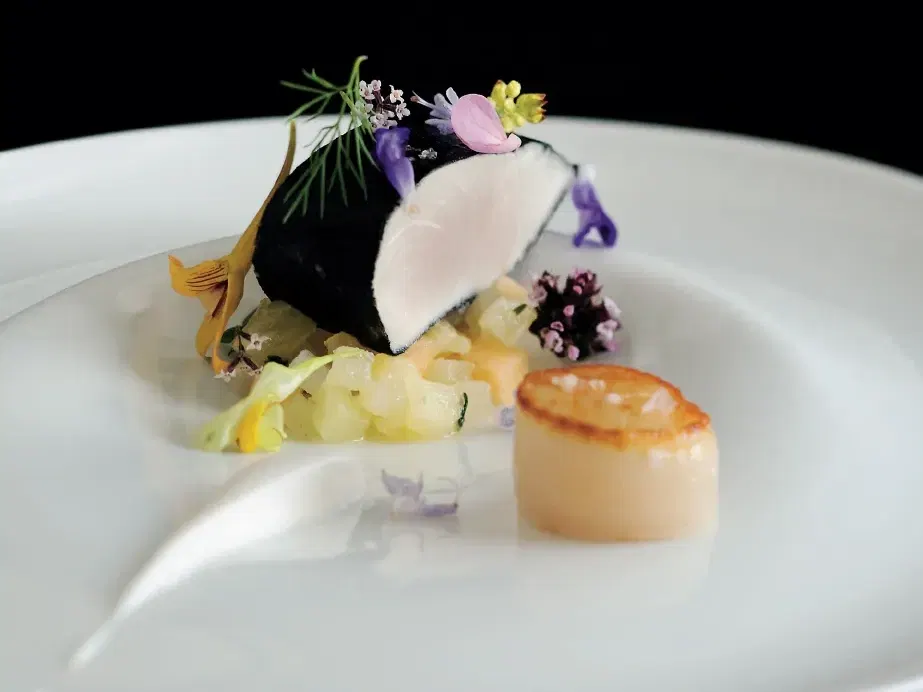
The bar menu runs separately and includes smoked eel parfait with celery and kombu, and popcorn chicken with garlic aioli. If you want the full tasting experience, the seven-course format at $240 is the one to book: it gives the broadest sweep of what Savage's kitchen has produced over 20 years and represents reasonable value against comparable two-hat tasting menus in Sydney. The five-course option at $175 is the right call for a group where not everyone wants to commit to a long dinner.
Practically: reservations are open now for the June-through-August farewell period. With a fixed closing date in August and a restaurant that has held two hats for two decades, availability will tighten as the date approaches. Book sooner rather than later if this is on your list.
The 2027 to 2028 Relaunch: Leaner, More Intimate, Still Fine Dining
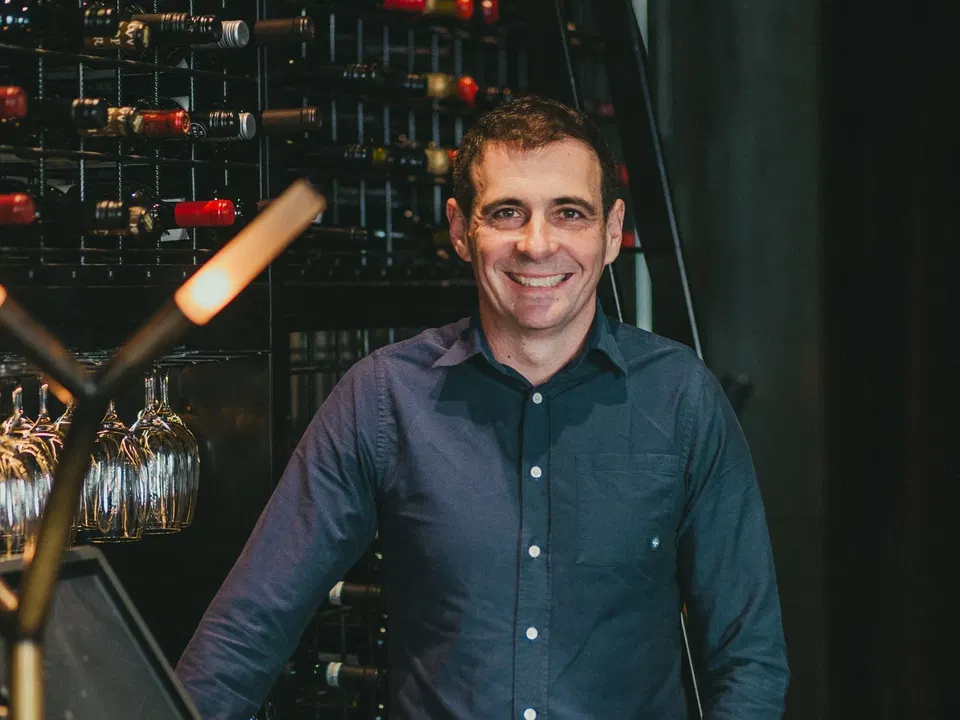
The reborn Bentley, as Hildebrandt and Savage have described it, will seat a maximum of 50 people, smaller than the current O'Connell Street operation, and will move away from the tasting menu format in favour of à la carte. Hildebrandt has been specific about the physical requirements: a cellar capable of holding their wine collection, a private dining room for events, and a space with either heritage character or a meaningful view. They have already begun looking at sites, mostly within the CBD.
The shift to à la carte is the most significant signal here. Tasting menus have been the dominant format for two-hat and above restaurants in Sydney for most of Bentley's run, but Savage's observation about diner behaviour points toward a format that gives guests more control over the evening. À la carte at this level also demands a different kind of kitchen discipline, the menu has to work dish by dish rather than as a constructed sequence, and it opens the room to a wider range of occasions, from a two-course dinner before a show to a full table spending three hours over the wine list.
Hildebrandt's emphasis on the cellar is also telling. Bentley's wine program has always been a central part of the proposition, and a purpose-built cellar in the new space suggests it will remain so in the relaunch rather than become a supporting element. For wine-focused diners, that makes the 2027 to 2028 opening worth tracking.
The 18-to-24-month gap between the August closure and the planned relaunch is deliberate. Savage has said the pause will give them time to reimagine what fine dining should look like rather than simply transplant the current format into a new address.
Given that the group has already demonstrated a willingness to close venues that no longer fit their direction, there is no reason to doubt that the reborn Bentley will look meaningfully different from the one closing in August.
Whether the à la carte format and 50-seat room will carry the same critical weight as the two-hat O'Connell Street operation is the open question, and the one that will make the 2027 to 2028 opening one of the more closely watched in Sydney's dining calendar.