The Michelin Guide South Australia 2027 will be revealed this October, making South Australia the first Australian state to appear in any edition of the guide's 126-year history. If you're planning a wine-country dining trip to the Barossa, McLaren Vale or Clare Valley, book now: the restaurants that earn stars in October will face immediate reservation surges, and the best tables in these regions are already finite.
Michelin Guide South Australia: What the Inaugural 2027 Edition Actually Covers
The guide is expected to span Adelaide and three of South Australia's most established wine regions: Barossa, McLaren Vale and Clare Valley. Anonymous Michelin inspectors are confirmed to already be in the field across the state, assessing restaurants ahead of the October results reveal. The full selection will be published as the Michelin Guide South Australia 2027.

The guide awards one, two or three stars to restaurants considered worth stopping, detouring or travelling for respectively. It also awards Bib Gourmand status to venues offering high-quality food at more accessible prices. For readers who track Michelin closely, the Bib Gourmand category is worth watching in a region like South Australia, where produce-driven cooking at cellar-door restaurants often sits outside the white-tablecloth format that dominates starred lists in Tokyo or Paris.
The launch is backed by the South Australian government, though financial terms have not been disclosed. For context, New Zealand's guide, which launched last year, reportedly cost Tourism New Zealand more than NZ$6 million for its first year, according to Business Traveller's reporting. While Michelin states that its inspectors operate independently, international editions are commonly launched through commercial partnerships with tourism bodies and governments.
Why Adelaide and Its Wine Regions Are the Right First Stop for Michelin in Australia
Australia's fine dining conversation has traditionally centred on Sydney and Melbourne. Both cities have deeper restaurant markets by volume, higher international visitor numbers, and the kind of chef-name recognition that travels. So Michelin's decision to plant its Australian flag in Adelaide first is a deliberate signal about what the guide is actually measuring.
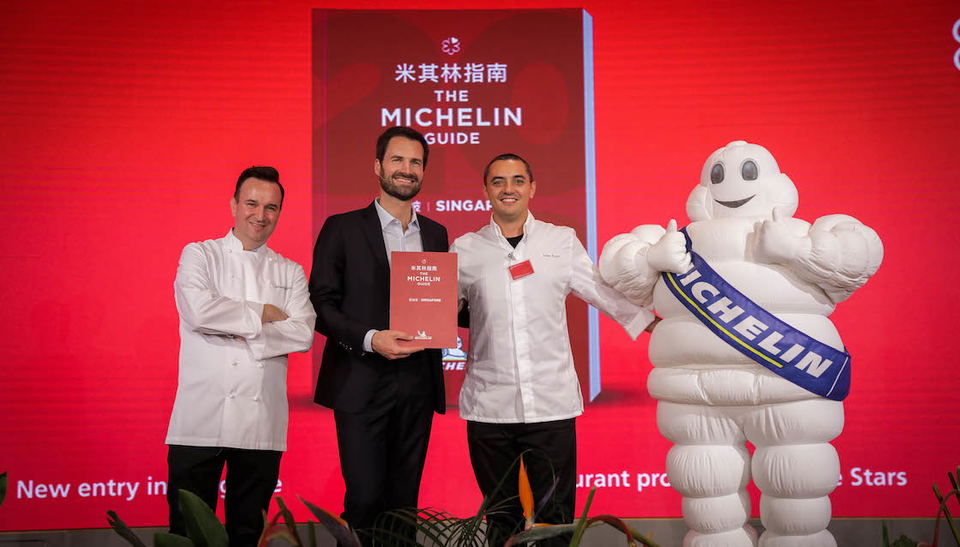
Michelin's international director Gwendal Poullennec said the choice points to culinary distinction rather than commercial calculation. That framing matters. It positions South Australia not as a market opportunity but as a region whose produce-driven dining culture has earned independent recognition from the world's most closely watched dining authority.
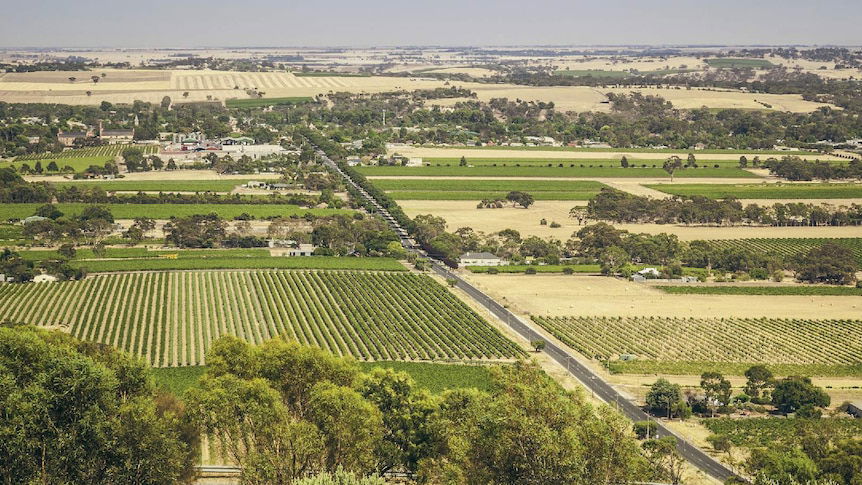
South Australia's wine regions already carry serious international weight. The Barossa is home to some of Australia's most collected red wines. McLaren Vale's proximity to Adelaide has made it a natural extension of the city's dining circuit, with a cluster of restaurants that draw on local seafood, olive oil and Mediterranean-influenced growing conditions.
Clare Valley, further north, is best known internationally for its Rieslings, and its restaurant scene has grown alongside its wine reputation. These are not emerging regions being discovered by Michelin, they are established names that have simply been outside the guide's geographic reach until now.
The comparison that matters for readers deciding where to direct their attention: South Australia's wine-country dining is closer in format to the Napa Valley or Burgundy model than to a city fine-dining circuit. The best meals here are tied to place, to the vineyard, the producer, the season, in a way that translates directly into the kind of experience Michelin's star categories were designed to reward.
Barossa, McLaren Vale and Clare Valley Restaurants Now in the Frame
With anonymous inspectors already active across the state, every serious restaurant in Adelaide and the three named wine regions is effectively in play right now. The Michelin Guide South Australia's expected geographic scope means that cellar-door dining rooms, regional tasting-menu formats and Adelaide's CBD restaurant strip are all under consideration simultaneously.
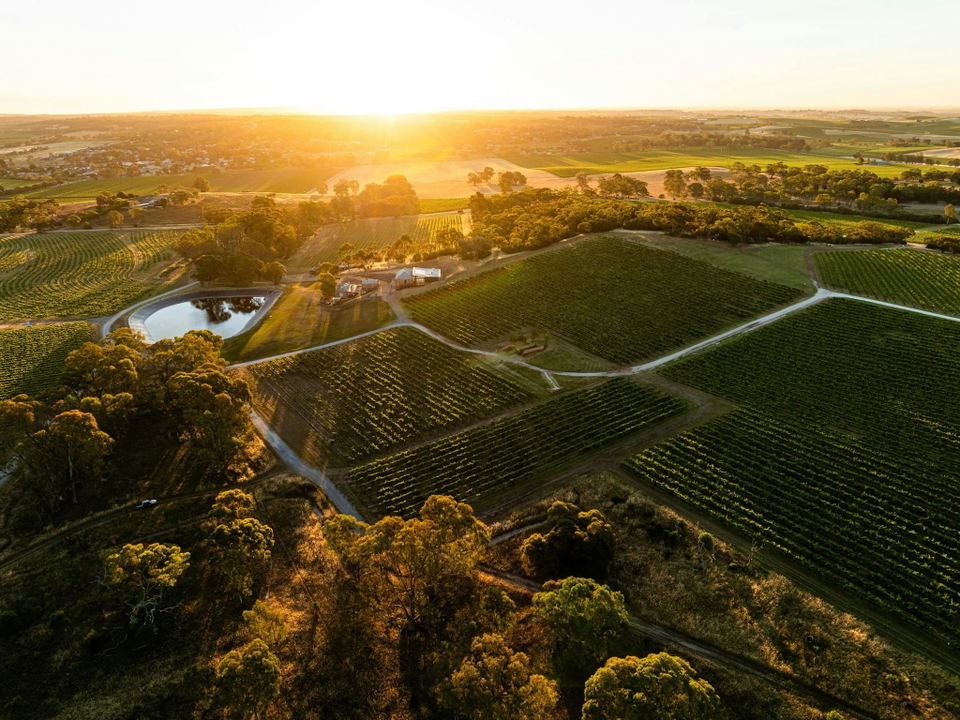
For readers planning visits, that creates a practical window. The restaurants that will earn stars in October are being assessed today. Booking a table at the strongest addresses in the Barossa or McLaren Vale before the October announcement means securing access at current difficulty levels.
After the reveal, any restaurant that receives even a single star will face the kind of booking surge that makes a reservation six months out the norm rather than the exception.
Some studies estimate restaurant revenue can increase by 20% after receiving a star, according to Business Traveller's reporting, while three-star restaurants can sometimes double their business.
Adelaide itself deserves attention as the guide's anchor city. The capital has built a dining identity distinct from Sydney and Melbourne, with a shorter supply chain from producer to plate and a restaurant culture that has historically rewarded the Good Food Guide's hat system, Australia's existing awards framework, rather than chasing international recognition. That changes in October. Restaurants that have earned hats for years will now be measured against Michelin's global standard, and the results will be read by an international audience that doesn't know the hat system at all.
What an October Star Reveal Could Mean for Bookings and Wine Tourism
The practical impact of a Michelin listing on a regional dining destination is well documented in other markets. In Asia-Pacific, Michelin already operates in Japan, Singapore, Hong Kong, Thailand and South Korea. In each of those markets, the guide's arrival shifted international travel planning: restaurants that received stars became itinerary anchors, and the regions around them saw increased visitor interest. South Australia is positioned to follow the same pattern.
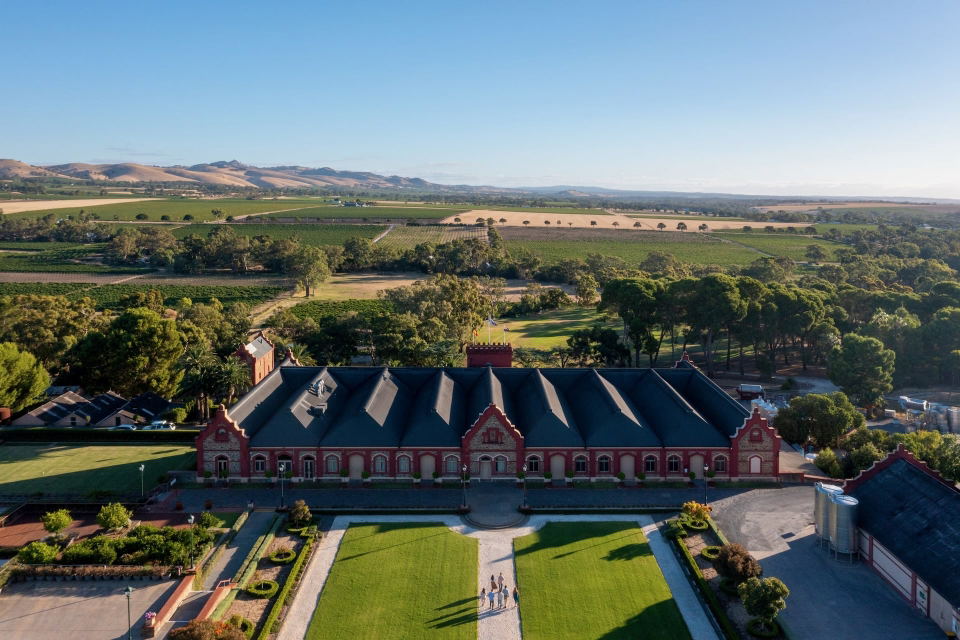
For wine-focused travellers, the October reveal creates a specific planning decision. The Barossa, McLaren Vale and Clare Valley are already on the itinerary of serious wine tourists, but a Michelin listing gives those visits a dining structure that the hat system, however respected domestically, has never been able to provide for an international audience. A three-hat restaurant in the Barossa means something to Australian food media. A Michelin star in the Barossa means something to a reader in London, New York or Tokyo who is deciding where to route a trip.
South Australia's guide also follows New Zealand's recent entry into the Michelin fold, forming part of the guide's broader Asia-Pacific expansion. New Zealand's debut gave international travellers a Michelin-validated reason to build a dining itinerary around Auckland and beyond. South Australia's October reveal will do the same for Adelaide and its wine regions, and the restaurants that emerge with stars will become the benchmark bookings for anyone visiting the state.
How to Plan Around the October Announcement
The October reveal is the moment to watch, but the planning decision is now. Readers who want access to the restaurants most likely to receive recognition should be booking tables in Adelaide, the Barossa, McLaren Vale and Clare Valley before the announcement, not after. Reservations at the strongest addresses in these regions are manageable today. They will not be after October.
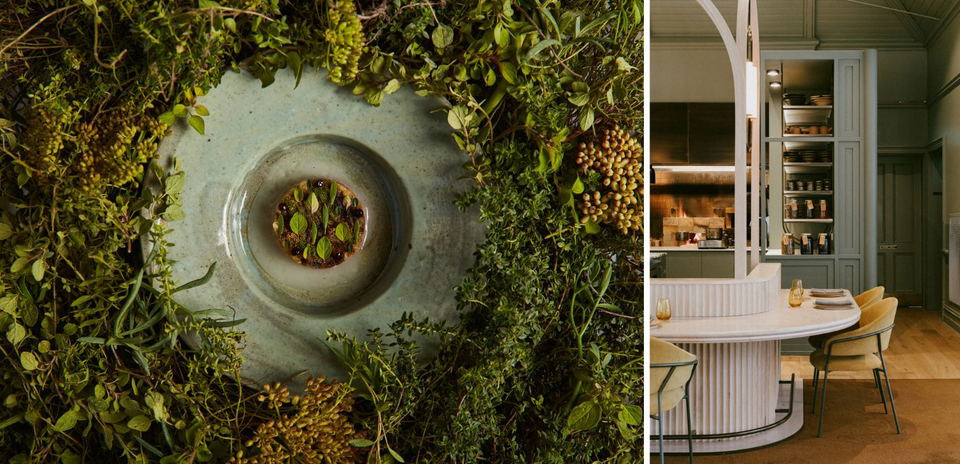
For international visitors, South Australia's wine regions are a logical extension of any Asia-Pacific itinerary that already includes Japan, Singapore or Hong Kong, all Michelin markets where the guide has been running long enough to shape travel decisions. Adding Adelaide and the Barossa to that circuit now, before the guide beds in and the best tables become hard to secure, is the practical move.
Australia's existing dining awards ecosystem, led by the Good Food Guide's hat system, has long served as the country's primary fine-dining benchmark. Whether the Michelin Guide South Australia supplements that framework or gradually displaces it as the reference point for international visitors will be one of the more consequential dynamics to track as the guide establishes itself. The October reveal is only the beginning, subsequent annual editions will determine which restaurants hold their stars and which new addresses enter the selection, making South Australia's Michelin trajectory worth following well beyond 2027.