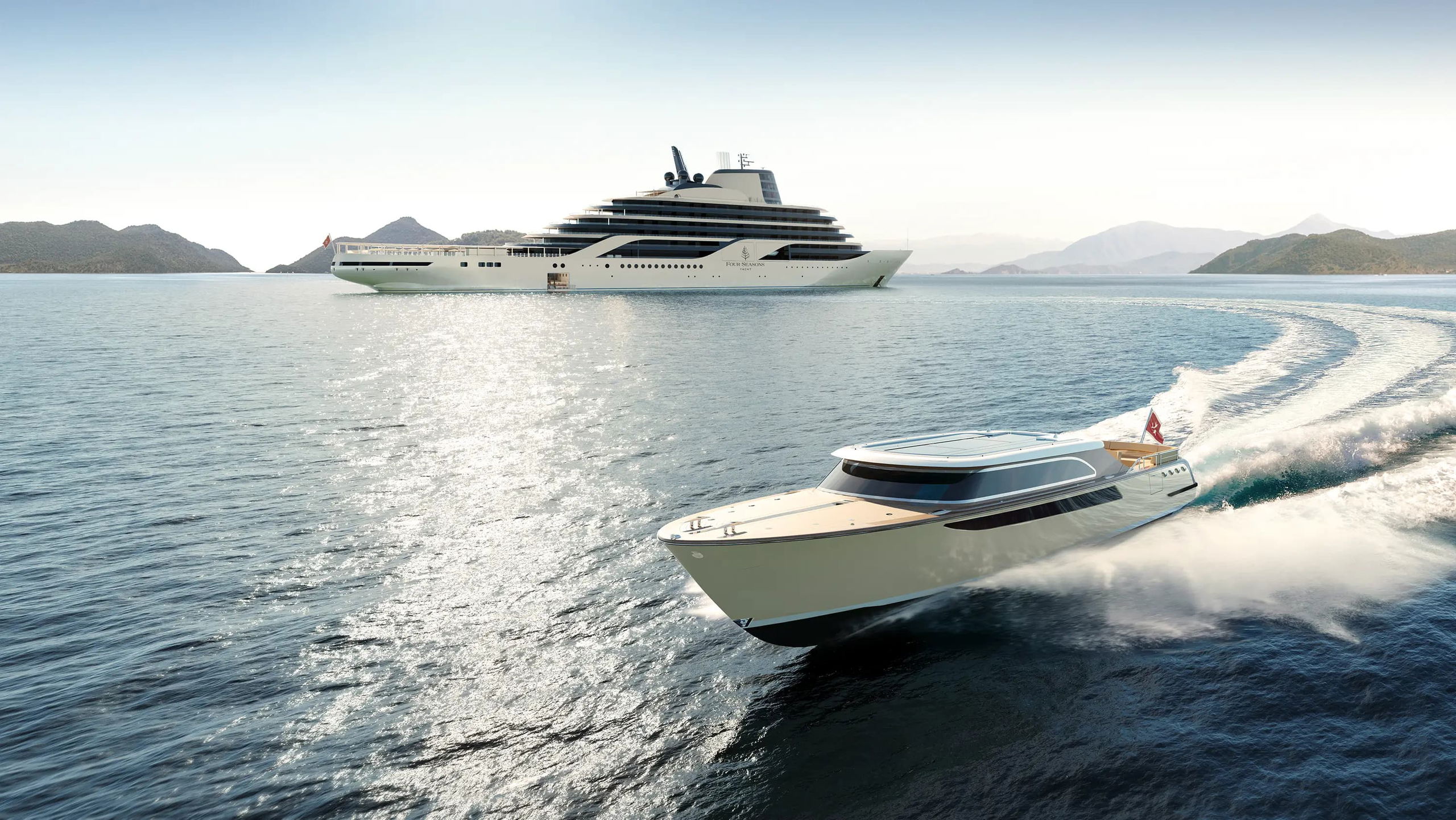
Four Seasons I, the brand's first yacht, carries just 95 suites across 207 meters of hull, with a one-to-one guest-to-staff ratio and 11 restaurants onboard. Worth adding to your 2026 shortlist if you want Four Seasons service density at sea and Michelin-starred dining without the 3,000-passenger crowd of a conventional cruise ship.
The maiden voyage departs March 20, 2026, a date Four Seasons chose deliberately: it falls on the 65th anniversary of the company's first hotel opening, which took place on the first day of spring in 1961. Founder and Chairman Isadore Sharp and his wife Rosalie Sharp have been named Godparents of the vessel, a maritime tradition marking a ship's inaugural journey. Fincantieri, the Italian shipbuilder, constructed the yacht. Tillberg Design of Sweden handled vessel architecture, Martin Brudnizki Design Studio shaped the social spaces, and Prosper Assouline provided creative direction.
The Four Seasons Yachts Debut: What the Numbers Tell You
The two flagship accommodations anchor opposite ends of the yacht. The Funnel Suite, positioned at the forward-facing prow, spans nearly 10,000 square feet (929 square meters) with panoramic views. The Loft Suite, at the aft end, covers nearly 8,000 square feet (743 square meters) and includes an expansive aft-facing terrace. Those are residential-scale footprints: 10,000 square feet is larger than most Manhattan penthouses and roughly four times the size of the top suites on Evrima.
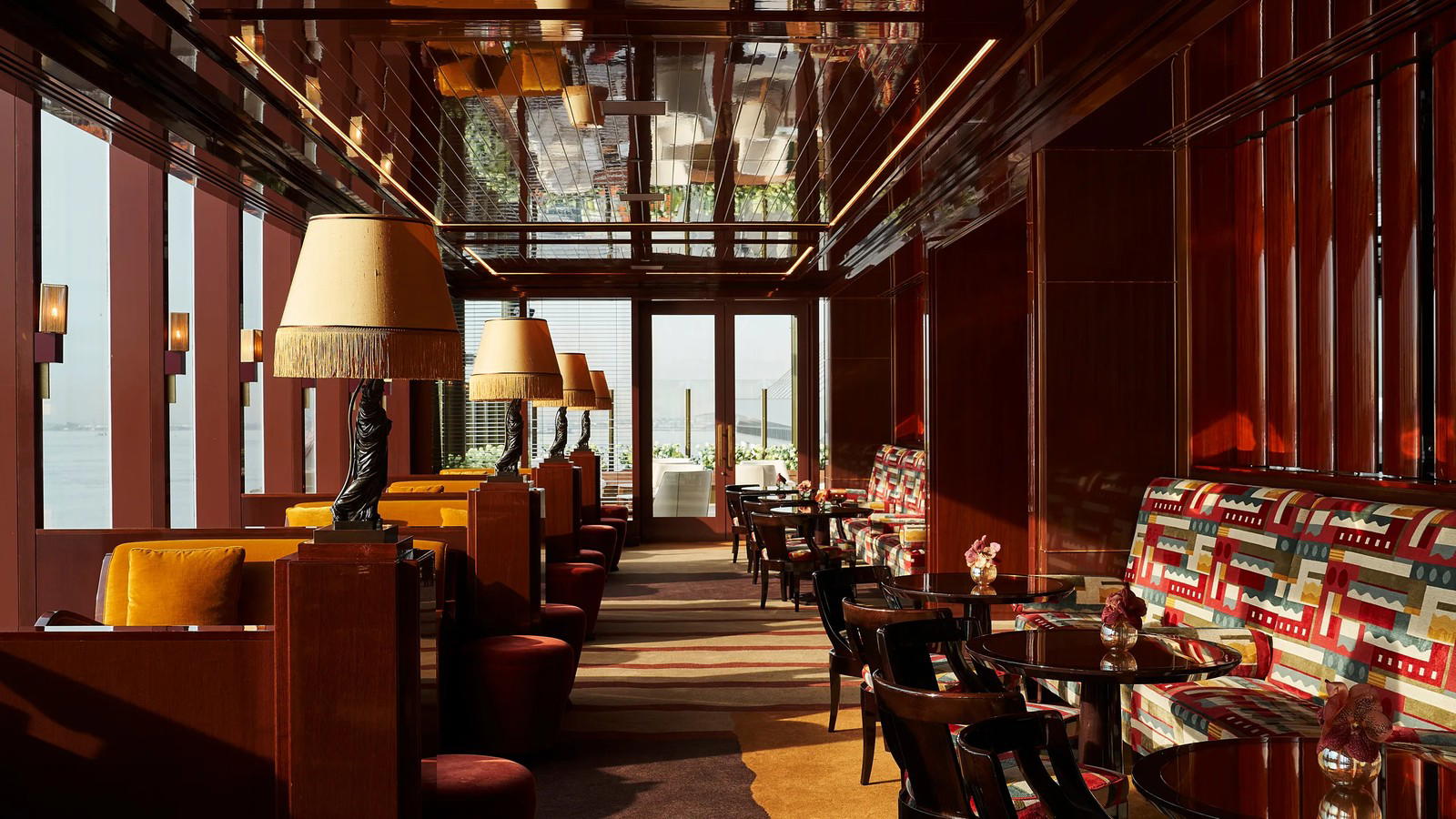
The design draws from the golden age of yachting, with the source material citing the legendary superyacht Christina O as a reference point, reinterpreted through a contemporary lens. Floor-to-ceiling windows, generous terraces, and open layouts prioritize natural light and sightlines to the water. Martin Brudnizki, whose studio has designed interiors for Annabel's in London and The Beekman in New York, handled the social spaces. Prosper Assouline, the publisher and creative director known for luxury brand storytelling, oversaw the vessel's creative direction.
Inside Four Seasons I: 11 Restaurants and a Michelin-Starred Chef Rotation
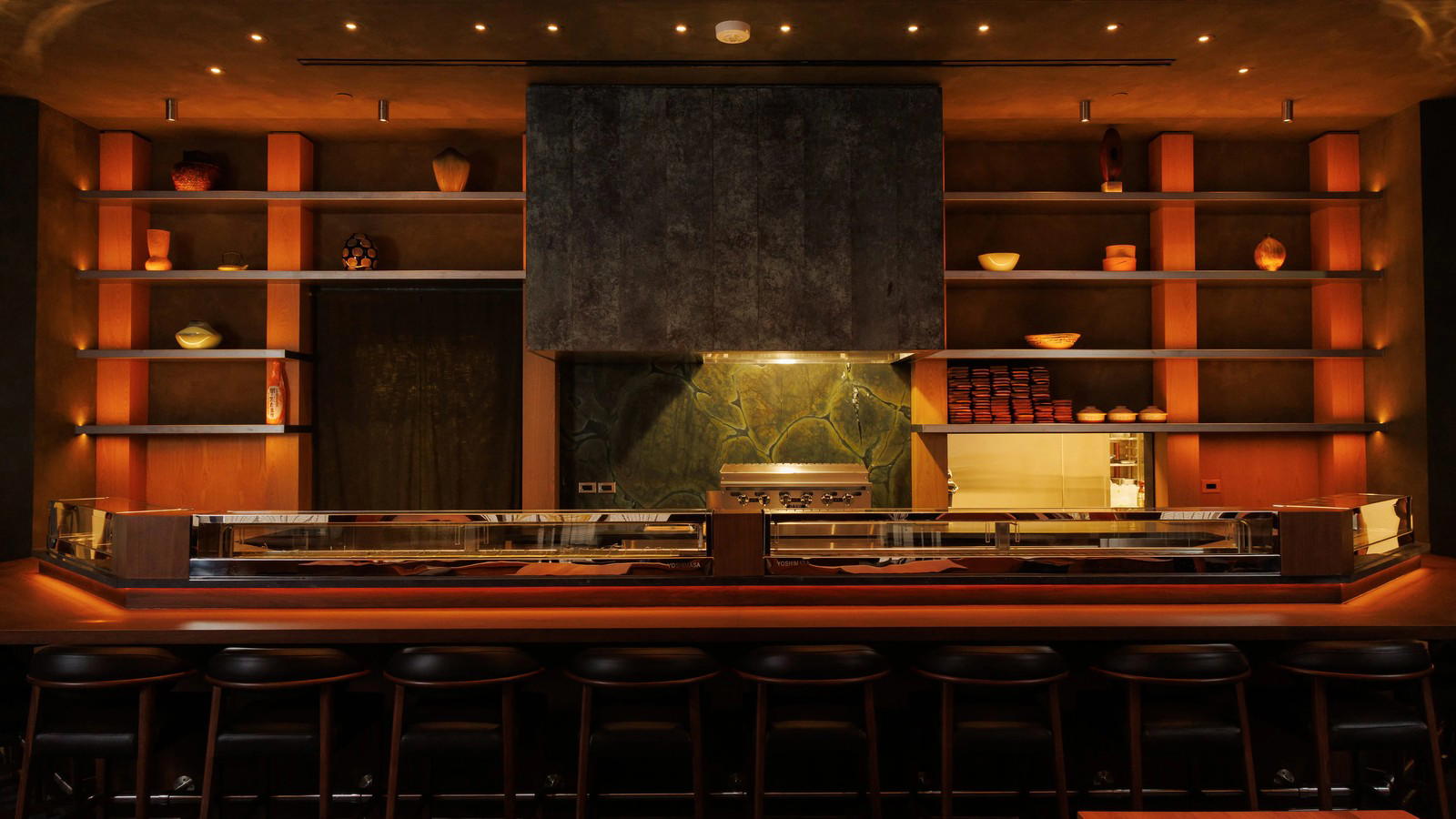
Eleven restaurants and lounges on a 95-suite yacht works out to roughly one dining venue for every nine suites. The range, according to Four Seasons, spans refined Mediterranean seafood to an intimate omakase experience, with each venue emphasizing local and seasonal sourcing.

The anchor restaurant is Sedna, which will run a Chef-in-Residence series rotating talent from Michelin-starred Four Seasons restaurants worldwide. The confirmed roster includes Christian Le Squer of Le Cinq at Four Seasons Hotel George V in Paris, Luca Piscazzi of Pelagos in Athens, Guillaume Galliot of Caprice in Hong Kong, Yoric Tièche of Le Cap in Cap-Ferrat, and Paolo Lavezzini of Il Palagio in Florence. That lineup covers five countries and five distinct culinary traditions, and the rotating format means the dining program changes with each voyage or residency period.
For food-focused travelers, the Chef-in-Residence model is the clearest differentiator in the Four Seasons Yachts debut. Ritz-Carlton Yacht Collection partners with S.Pellegrino and features guest chefs, but the Four Seasons approach draws exclusively from its own Michelin-starred hotel kitchens. That means the chefs already operate within Four Seasons' service standards and sourcing networks. Whether the execution at sea matches what Le Squer delivers at Le Cinq remains to be seen, but the structural advantage of an in-house talent pipeline is real.
Ben Trodd, CEO of Marc-Henry Cruise Holdings Ltd. and Joint Owner/Operator of Four Seasons Yachts, framed the approach this way: "Today's luxury traveler values time, trust, and authenticity above all. With the confidence our guests place in Four Seasons comes an equally high expectation for excellence."
Mediterranean and Caribbean Itineraries: Where Four Seasons I Will Sail
Four Seasons I will sail curated itineraries across the Mediterranean and Caribbean. Specific port calls and voyage durations have not been detailed in the source material, but the two-region focus aligns with where the yacht's target audience already travels. The Mediterranean, particularly the western corridor from Barcelona through the French Riviera to the Amalfi Coast, is the dominant theater for high-end yachting. Caribbean routing likely targets the winter season, giving Four Seasons I year-round deployment across two high-demand regions.

For comparison, Ritz-Carlton's Evrima sails Mediterranean, Caribbean, and transatlantic routes. Aman at Sea, expected to launch in 2027, has signaled Mediterranean and Asian itineraries. Four Seasons I's initial focus on two proven regions suggests a conservative launch strategy: establish the product in familiar waters before expanding to more complex routing.
The itinerary design matters because it determines how much time you spend at sea versus in port. Four Seasons describes the voyages as port-intensive, designed for immersive destination access. That phrasing suggests shorter sea days and more overnights or extended calls in port, which suits travelers who want the yacht as a floating base rather than an at-sea resort. If you prefer long sea days with onboard programming, that's a different product, and Silversea or Regent Seven Seas may be a better fit for that preference.
How Four Seasons I Compares to Existing Luxury Yacht Lines
Against Aman at Sea, Four Seasons I is larger and carries more suites (95 versus 50). Aman's pitch will likely lean harder on minimalism and wellness, consistent with its land-based brand identity. Four Seasons is positioning on dining breadth and service density. If your priority is a chef-driven food program at sea, Four Seasons I has the stronger announced lineup. If you want a floating Aman experience with fewer people, Aman at Sea (when it materializes) may be the better fit.

Alejandro Reynal, President and CEO of Four Seasons, positioned the launch in the context of the brand's history: "Four Seasons Yachts debuts on the same day that the very first Four Seasons hotel opened, 65 years ago, making this milestone even more meaningful as we celebrate the history of our company, while looking forward to the bright future ahead."
What Food and Wine Travelers Should Know Before Booking
The Chef-in-Residence series at Sedna is the single most compelling reason for food-focused travelers to track the Four Seasons Yachts debut. Five confirmed Michelin-starred chefs from five countries, rotating through a single onboard restaurant, creates a dining calendar that changes with each voyage. If you time your booking to coincide with a specific chef's residency (Le Squer from Le Cinq, for instance), you're getting a tasting-menu experience that would otherwise require a trip to Paris, Hong Kong, or Cap-Ferrat.

The 11-venue count also suggests variety that most yacht-scale vessels can't match. An omakase counter on a 95-suite yacht means a very small number of covers per seating. Mediterranean seafood, omakase, and whatever the remaining nine venues offer should mean you're not eating at the same restaurant twice in a week-long voyage unless you want to.
Booking mechanics and reservation windows have not been specified in the source material. If Four Seasons follows its hotel playbook, expect preferred access for loyalty program participants, with broader availability following. With only 95 suites per sailing, capacity is inherently limited. Early voyages, particularly the March 20, 2026 maiden voyage, will likely sell out quickly based on brand loyalty alone.
For travelers who already plan trips around restaurant reservations and chef appearances, Four Seasons I introduces a new variable: the ability to book a voyage around a specific Michelin-starred chef's residency at Sedna. That's a format no other yacht line has announced at this specificity. Whether the execution matches the ambition will become clear after the first Mediterranean season. The maiden voyage departs March 20, 2026, and the first reviews from that sailing will tell us whether Four Seasons has built a floating resort that lives up to 65 years of brand equity on land.