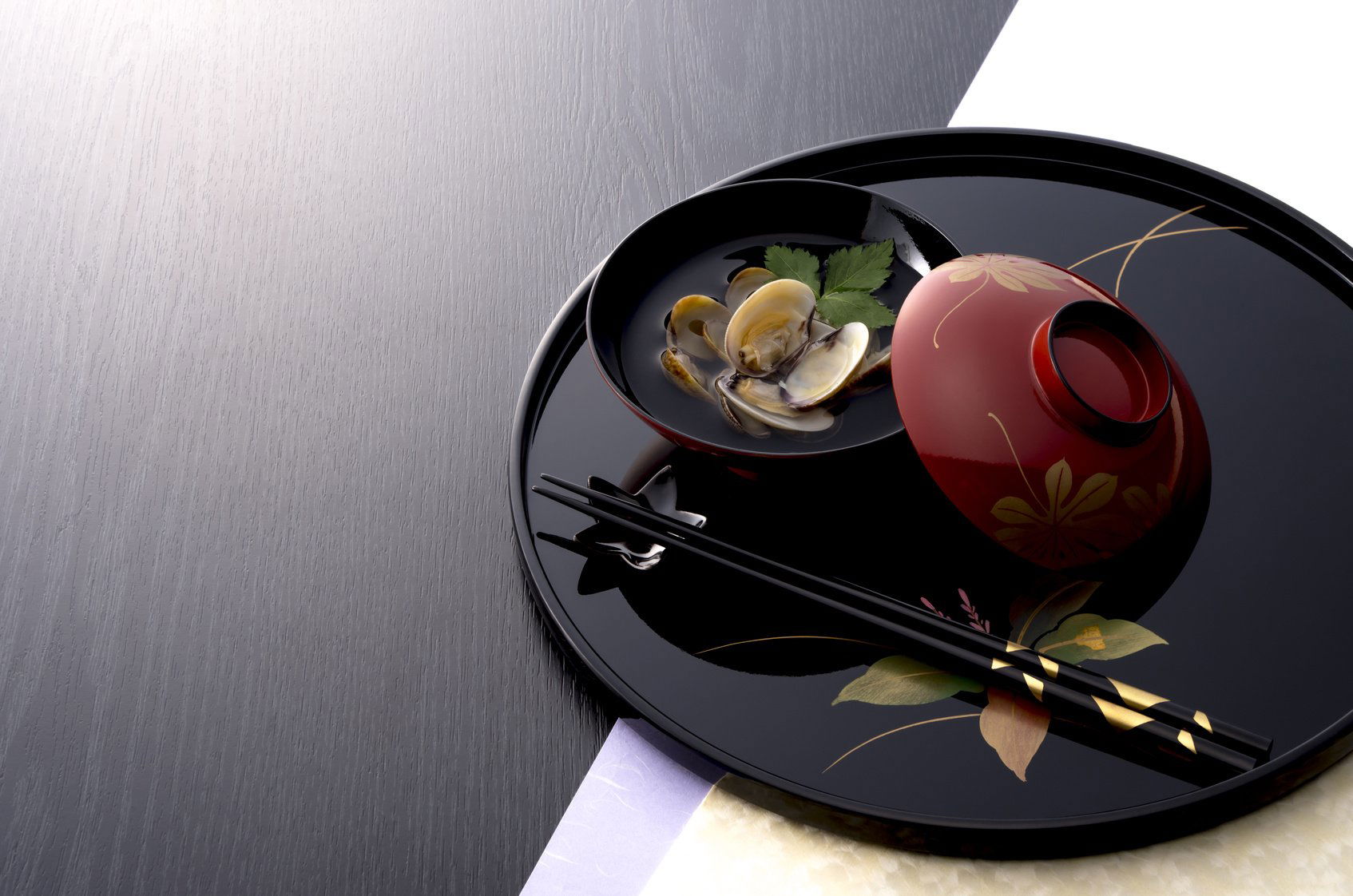


Shokuzen Abe
Japanese · Chūō, Tokyo
Restaurant in Tokyo, Japan
 Book with Pearl
The Read
Kyoto Tradition, Tokyo Counter
Price
¥¥¥
Dress
Smart Casual
Why go
A 2024 Michelin one-star kaiseki counter in Ginza bringing the discipline of Kyoto temple cooking to Tokyo, with a clay-pot rice course served from first steam to scorched crust as its centrepiece. Book lunch as a lower-cost entry point; reserve dinner for a special occasion. Hard to book; reserve well in advance.
About Shokuzen Abe
Verdict: Book Shokuzen Abe If Kyoto-Soul Kaiseki in Ginza Is What You Are After
If you have already eaten at one Michelin-starred kaiseki counter in Tokyo, Shokuzen Abe; sixth floor of the Miyako Building in Ginza; is exactly the kind of place worth returning for. The menu reads differently on a second visit, not because the dishes rotate dramatically, but because the cooking reveals more once you know what the kitchen is doing: translating the philosophy of Kyoto temple cuisine into a Ginza dining room, one clay pot of rice and one bowl of white miso at a time. First-timers, know this going in: the experience is quieter and more disciplined than many competitors at this price tier, that is the point.
What Shokuzen Abe Is Doing
The kitchen draws from shojin ryori, the vegetarian Buddhist cooking tradition that underpins classical Kyoto cuisine, without being a vegetarian restaurant. White miso soup built on a kombu and vegetable dashi base is a structural element of the menu rather than an opening gesture. Kyoto vegetables appear in takiawase (simmered dishes). The rice, cooked in clay pots over a wood-fuelled stove, is served at different moments of doneness: from niebana (the first plume of steam) through to scorched crust. That single arc of a rice course demonstrates more technical ambition than many kitchens deploy across an entire menu. A charcoal brazier supplements the wood stove in the kitchen, which tells you the chef is not cutting corners on heat sources.
The 2024 Michelin one-star is the formal credential. The chef's formative reference point was a Kyoto kitchen he admired from a distance; the cooking here is the result of years of working toward that standard. You can read about similar devotion to Kyoto-rooted craft at Gion Sasaki in Kyoto itself, or at Kagurazaka Ishikawa in Tokyo, where a comparable approach to classical Japanese cuisine has earned deeper star recognition.
Lunch vs. Dinner: Which Sitting to Book
This is the practical question that matters most at a venue like Shokuzen Abe. No pricing data is published for either service, but at Michelin-starred kaiseki counters in Ginza, lunch menus typically run at 40–60% of dinner prices while covering a compressed version of the same core cooking. If your priority is the rice course and the miso work, both of which are central to this kitchen's identity, a lunch sitting is likely to include them. Dinner will offer more courses and a fuller expression of the Kyoto vegetable sourcing, which makes it the stronger choice for a special occasion. For a first visit on a tighter budget, lunch is the lower-risk entry point. Return visits justify dinner, when you already understand what the kitchen is building toward.
For seasonal context: winter and early spring are when Kyoto vegetables are at their most varied in Tokyo kaiseki kitchens. If you are visiting between December and March, the takiawase component of the menu benefits from the fuller range of cold-weather produce. That makes this a particularly well-timed restaurant to prioritise if your trip falls in those months.
What to Expect as a First-Timer
The address is sixth floor of the Miyako Building, 5-6-10 Ginza, Chuo City. Walk-in dining is not realistic at a Michelin-starred counter of this type; reservation is the only practical route. The building entry is direct but the upper floors of Ginza dining buildings can be disorienting on a first visit, allow extra time if you are unfamiliar with the area. Ginza puts you in easy reach of Higashi-Ginza or Ginza stations. Ginza is a formal dining neighbourhood; dress to match the setting. The room's mood is composed and quiet, this is not a counter where the kitchen energy spills into the dining room. For comparable atmosphere in the neighbourhood, Ginza Fukuju offers a useful reference point.
Dietary restrictions require direct confirmation with the restaurant before booking, particularly given the shojin ryori roots of the menu. The kitchen works with vegetables and dashi bases that may include fish derivatives even in ostensibly vegetarian courses, kombu-only dashi is a detail worth clarifying in advance. No phone number or website is listed in Pearl's current data; reservation access appears to run through third-party booking platforms.
How It Compares
Pearl Picks: More to Explore
If Shokuzen Abe is fully booked or you want to plan a broader Tokyo dining itinerary, the venues below are worth your attention. For kaiseki in Ginza and nearby: Myojaku and Azabu Kadowaki. For a first-timer building a Tokyo restaurant list: Jingumae Higuchi offers a different register of Japanese cooking worth comparing. Outside Tokyo, Isshisoden Nakamura in Kyoto and Kashiwaya Osaka Senriyama represent the Kansai tradition that Shokuzen Abe is drawing from directly, useful context if this style of cooking resonates. Further afield: HAJIME in Osaka, akordu in Nara, Goh in Fukuoka, 1000 in Yokohama, and 6 in Okinawa round out a Japan-wide picture of where serious cooking is happening. Use our full Tokyo restaurants guide, our full Tokyo hotels guide, our full Tokyo bars guide, our full Tokyo wineries guide, and our full Tokyo experiences guide to build around your booking.
Know Before You Go
Price range¥¥¥ (Michelin one-star counter; lunch likely runs 40–60% of dinner pricing based on category norms)CuisineKaiseki with Kyoto shojin ryori influence; clay-pot rice, white miso, Kyoto vegetablesLocationMiyako Building 6F, 5-6-10 Ginza, Chuo City, TokyoAwardsMichelin 1 Star (2024)Booking difficultyHard, reservation required; no walk-in realisticLeading forSpecial occasions, second visits, winter and spring seasonal menusDress codeSmart; Ginza is a formal dining neighbourhood, dress accordinglyDietary restrictionsConfirm in advance; dashi bases may include fish derivativesPlanning details
- Location
- Japan, 〒104-0061 Tokyo, Chuo City, Ginza, 5 Chome−6−10 ミヤコビル 6F 10MIYAKO BLD4F
- Website
- syokuzen-japan.com
- Phone
- +81 3-3572-4855
The take
The Take
The Vibe
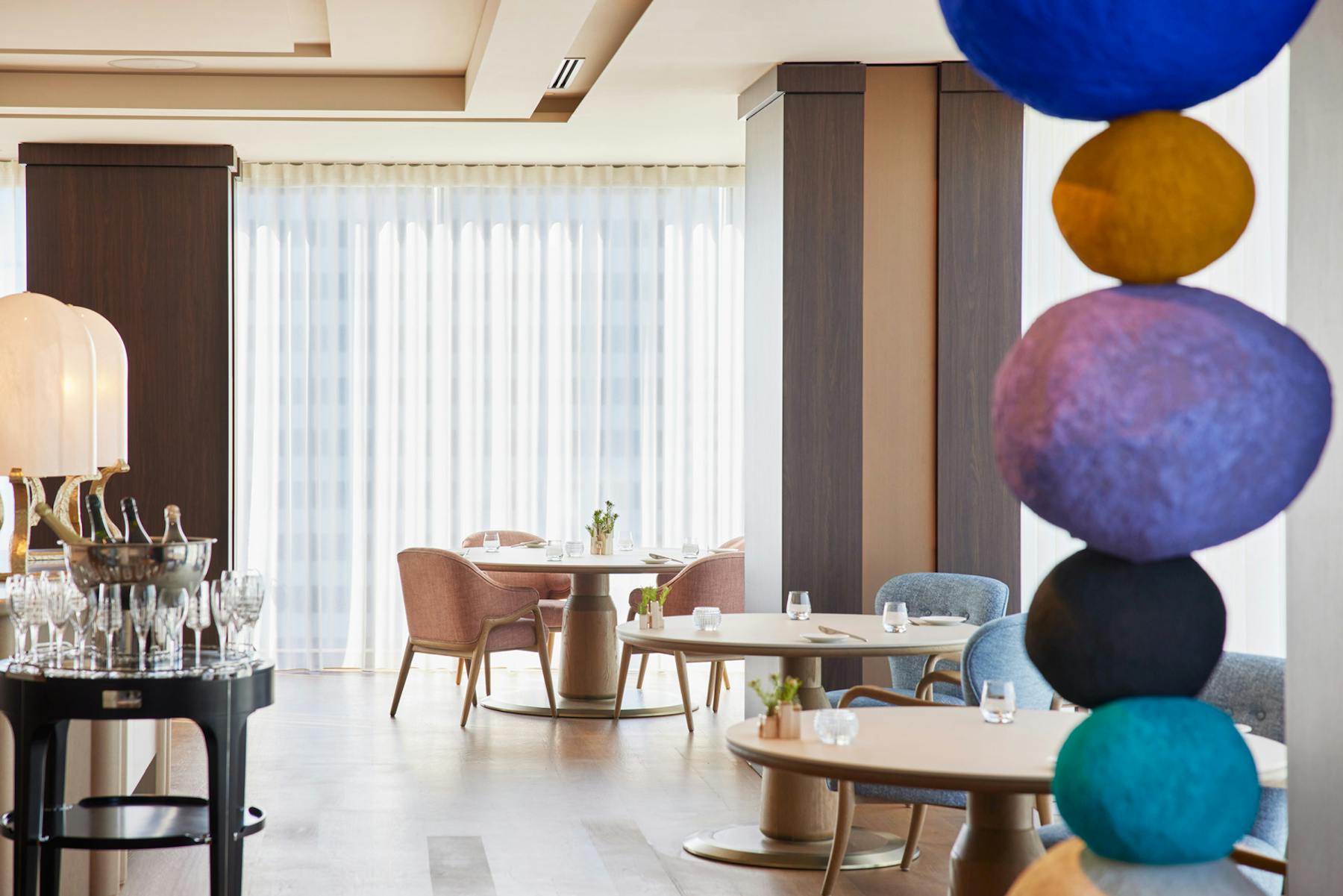
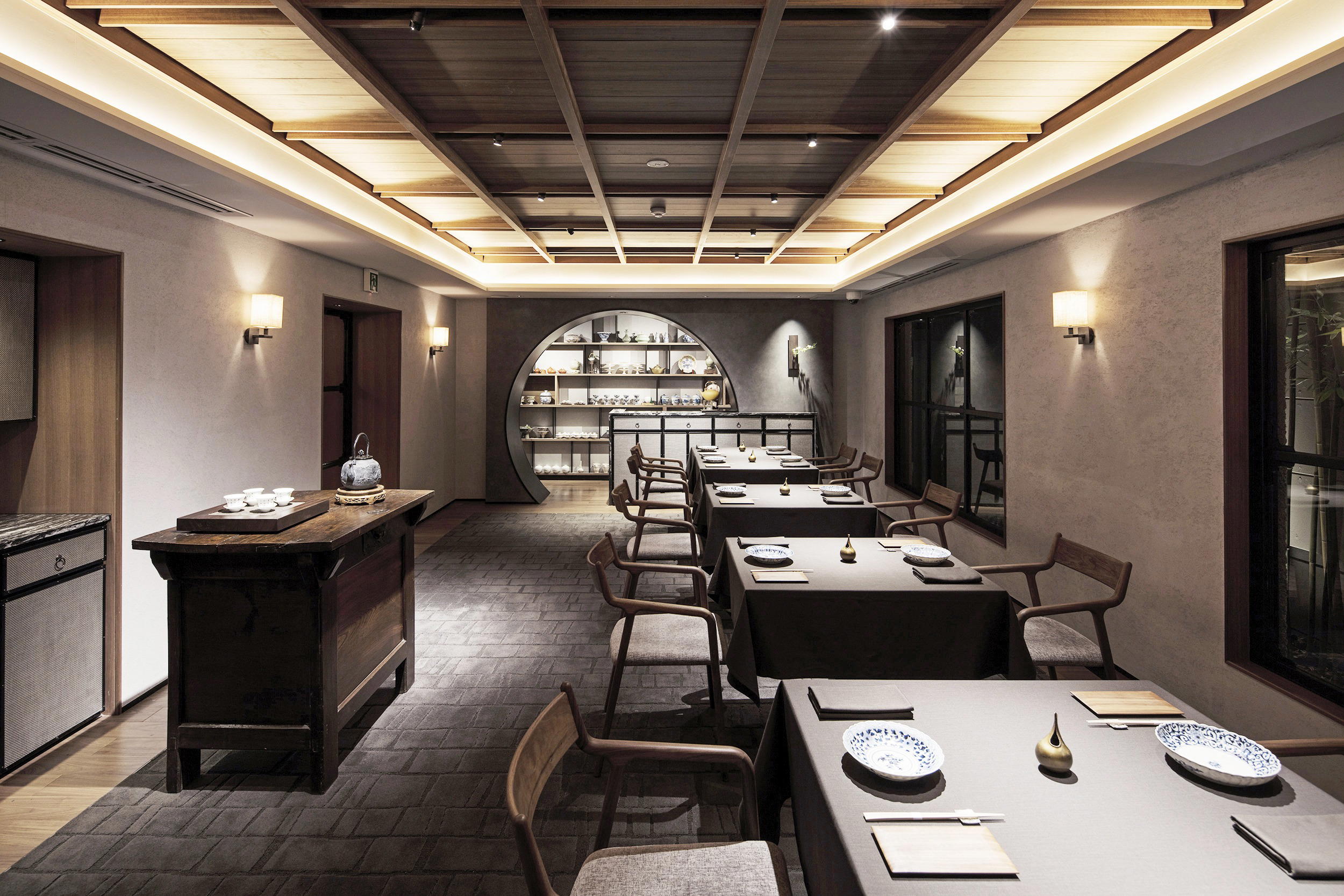
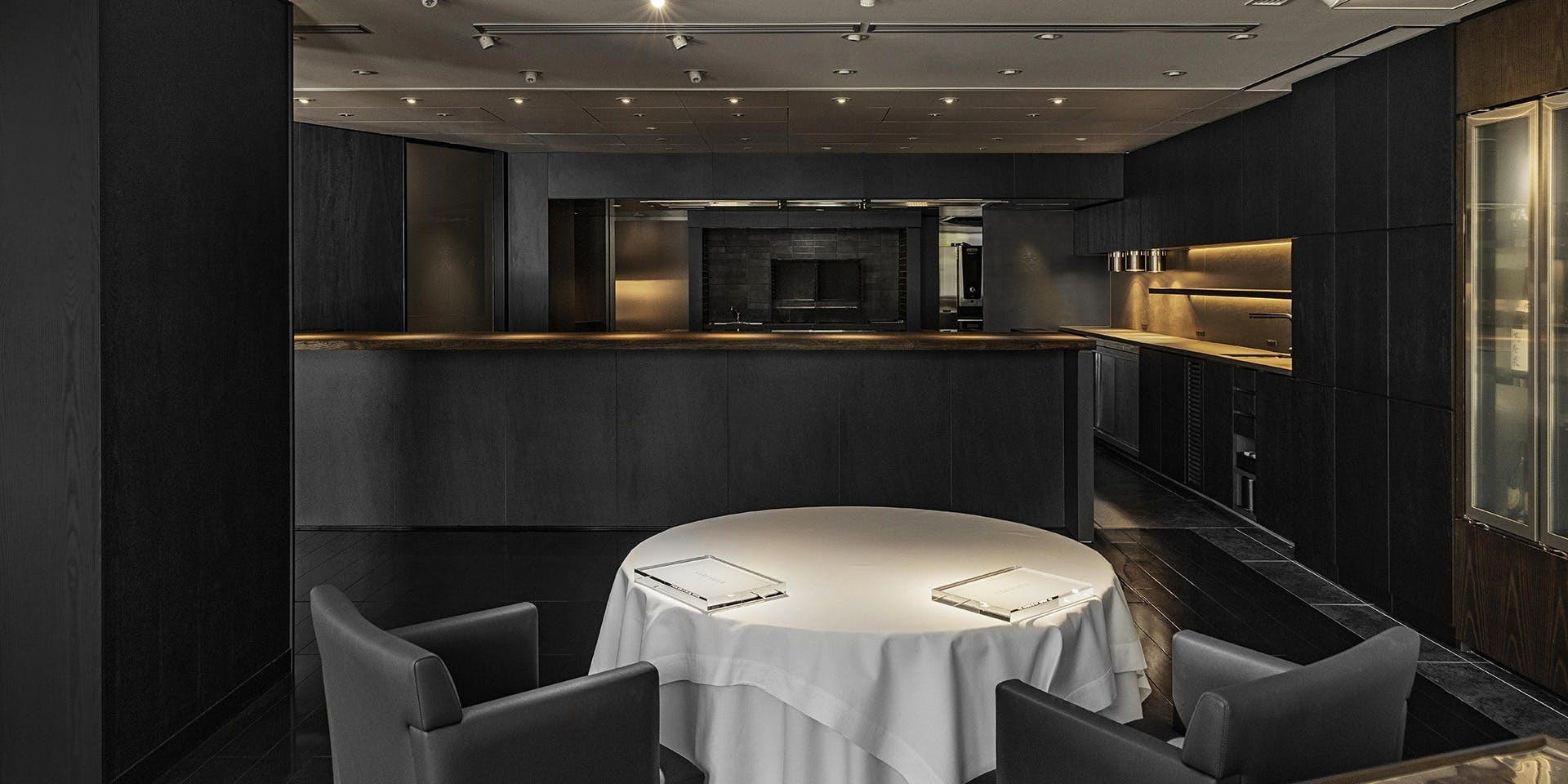
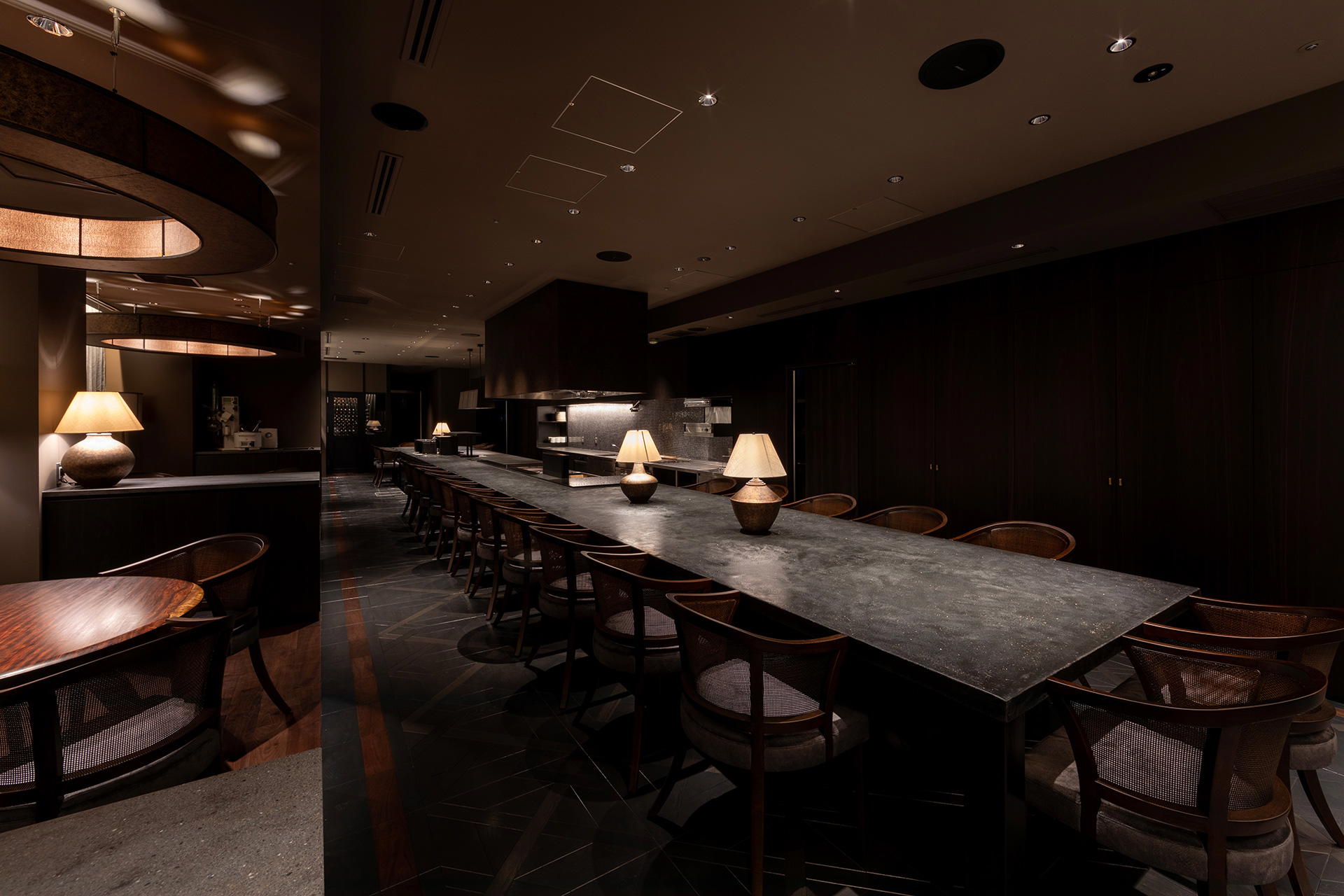
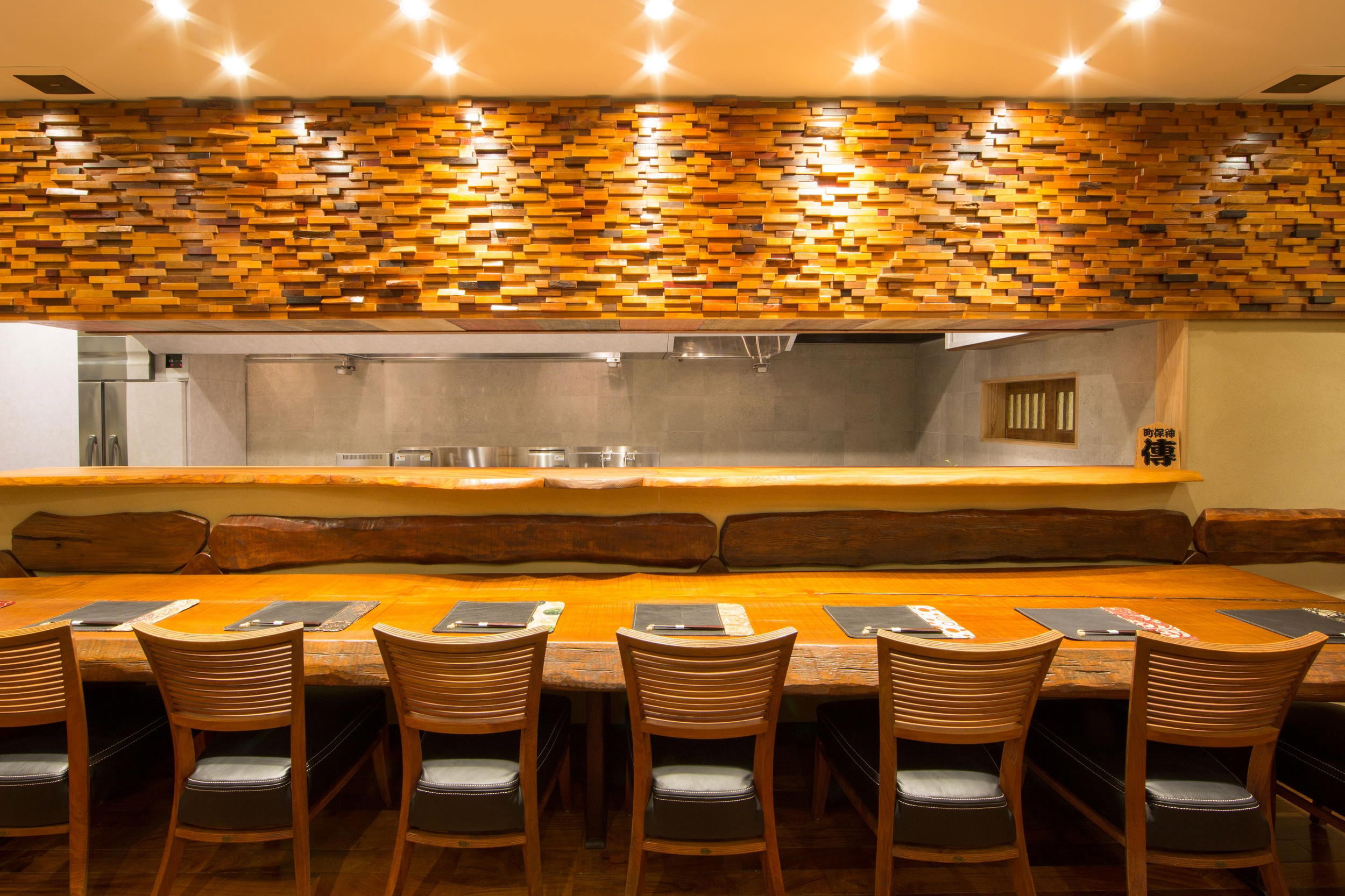
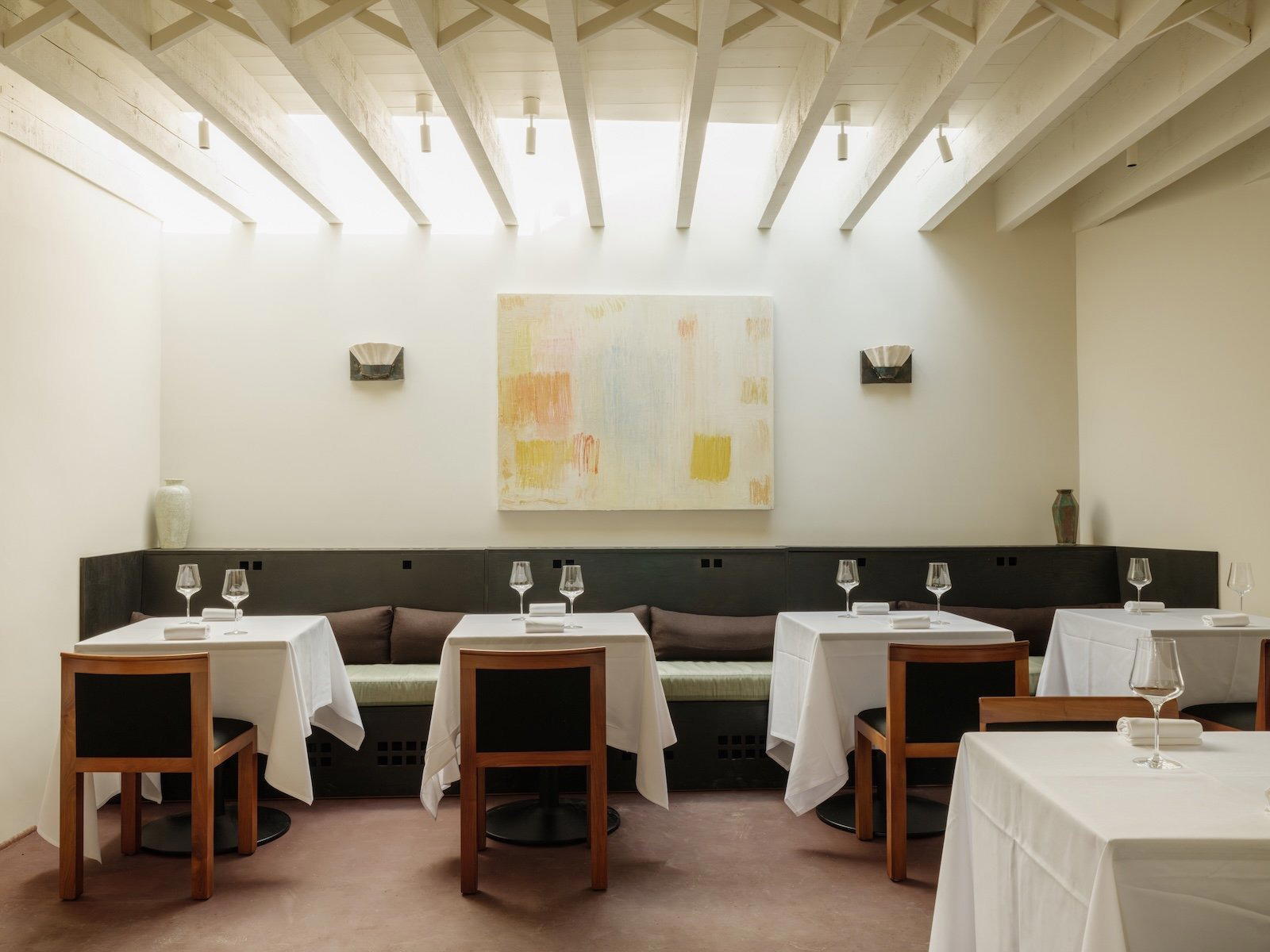
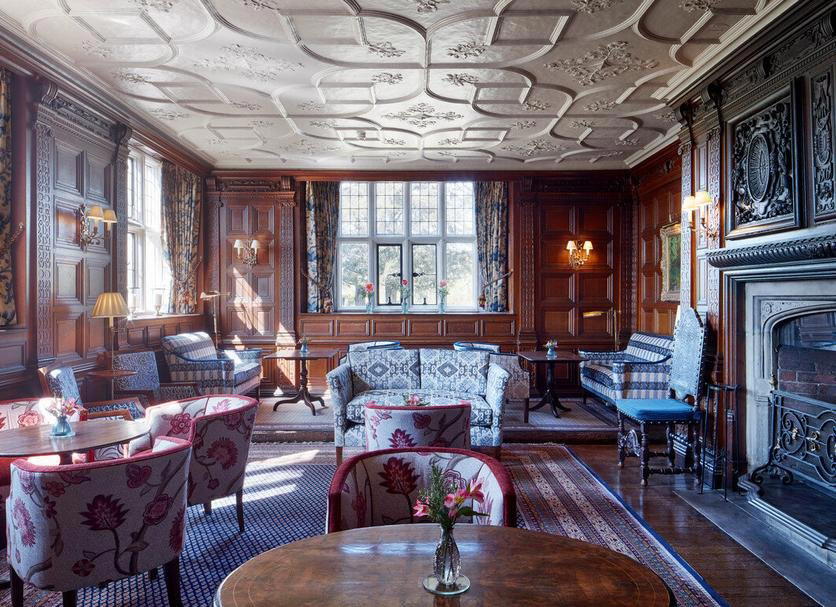
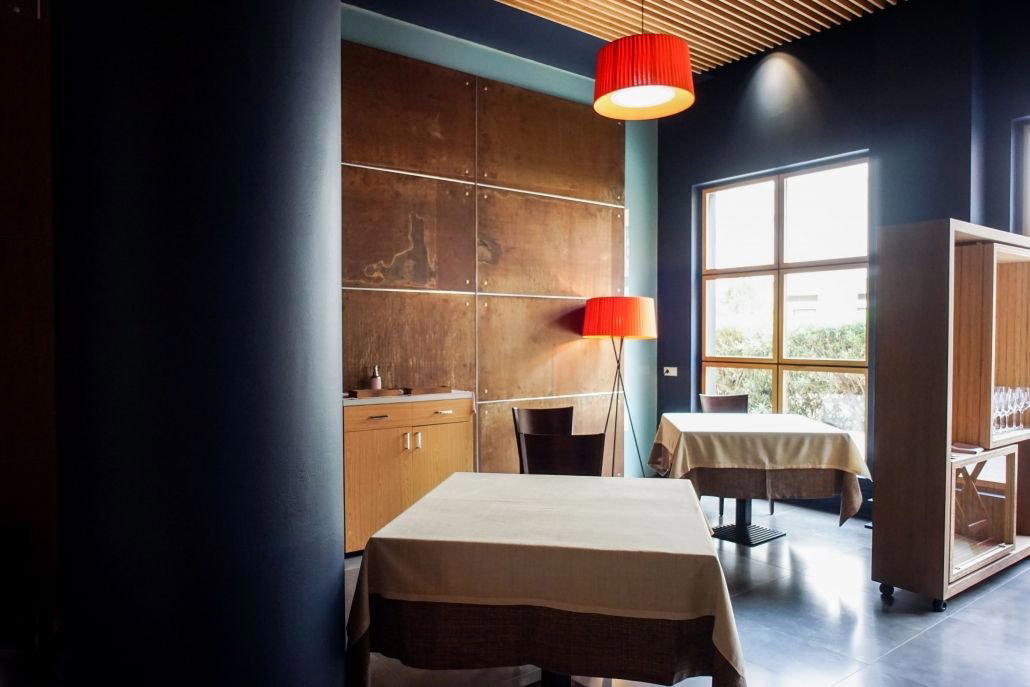
Shokuzen Abe reads like a Kyoto practice transplanted into Ginza: disciplined, understated and exacting. The kitchen treats Kyoto cuisine as an operational grammar rather than an aesthetic reference, and that restraint defines the room’s personality. Techniques such as rice cooked in clay pots over a wood-fuelled stove and a kombu-based white miso soup rooted in shojin ryori give the meal a quiet, contemplative edge. The result is a refined, low-key kaiseki experience—precise and unshowy—where each course is presented with an attentiveness that rewards focused appreciation more than spectacle.
Best For
This is a place for diners who want a formal kaiseki sequence rather than casual plates: think evening tasting-menu service, careful technique and a measured pace. Positioned in Ginza’s higher price tiers and carrying a Michelin one-star, it suits date nights, special occasions and business dinners where discretion and culinary rigor matter. The meal’s architecture—particularly the central role of rice and courses drawn from Kyoto temple-cooking traditions—rewards guests who arrive with time and curiosity for a multi-course exploration rather than quick, buzzy dining.
Ordering Tips
Approach the meal as a sequence to be experienced rather than a la carte choices to be mixed. The kitchen foregrounds rice—served in several doneness states from the first steam to a scorched crust—so allow the sequence to unfold and take special note of those rice courses. Pay attention to the kombu-based white miso soup and vegetable-led takiawase, which signal the kitchen’s Kyoto and shojin influences. Given the room’s formal, kaiseki orientation, follow the staff’s pacing and suggestions to fully appreciate the technical distinctions the menu is built to demonstrate.
Planning details
Location
Japan, 〒104-0061 Tokyo, Chuo City, Ginza, 5 Chome−6−10 ミヤコビル 6F 10MIYAKO BLD4F · Directions
Recognition and awards
Also consider
Also Consider
- Harutaka; Sushi, ¥¥¥¥
- RyuGin; Kaiseki, Japanese, ¥¥¥¥
- L'Effervescence; French, ¥¥¥¥
- HOMMAGE; Innovtive French, French, ¥¥¥¥
- Florilège; French, ¥¥¥
Restaurant context
How Shokuzen Abe Compares
At ¥¥¥, Shokuzen Abe sits one pricing tier below most of its serious kaiseki peers in Tokyo. RyuGin operates at ¥¥¥¥ and delivers a more theatrical interpretation of Japanese cuisine with a modernist edge; it is the stronger choice if you want a longer, more technically elaborate progression of courses. Shokuzen Abe is the better call if you want restraint and classical Kyoto-rooted cooking without the full ¥¥¥¥ outlay. Kagurazaka Ishikawa occupies a similar Kyoto-influenced register but with deeper Michelin recognition and correspondingly higher booking difficulty.
If you are weighing Japanese kaiseki against Tokyo's French-influenced tasting menu scene, L'Effervescence, HOMMAGE, and Florilège all operate at ¥¥¥–¥¥¥¥ in Tokyo. Florilège at ¥¥¥ is the most direct price-tier equivalent to Shokuzen Abe, but the cooking philosophy and room feel are entirely different. For a group that is undecided between Japanese and European fine dining, those two are the clearest split: Shokuzen Abe for ceremonial quiet and ingredient-led Japanese craft; Florilège for a more open, idea-driven tasting format. Harutaka at ¥¥¥¥ is a different category entirely; sushi counter rather than kaiseki; and should be evaluated separately.
On booking difficulty, Shokuzen Abe is rated hard. RyuGin and Kagurazaka Ishikawa are at least as difficult, often more so. If you are building a Tokyo itinerary and need a confirmed high-end Japanese dinner, the practical move is to lock in whichever of these opens reservations first. Shokuzen Abe's slightly lower price tier means competition for seats, while real, may be marginally less fierce than at the ¥¥¥¥ counters. For more options across the city, see our full Tokyo restaurants guide.
Explore Tokyo
Around this place
Discover more on Pearl
Unlock the full Shokuzen Abe guide in Pearl, including awards, comparisons, FAQs, planning details, and nearby places.
Compare Shokuzen Abe
| Venue | Price | Booking Difficulty | Awards |
|---|---|---|---|
| Shokuzen Abe | ¥¥¥ | Hard | 2026 Michelin 1 StarTabelog 100 - Japanese cuisine - TOKYO - 2025 · #902024 Michelin 1 Star |
| Harutaka | ¥¥¥¥ | Unknown | 2026 Tabelog Silver · #312026 OAD Top Restaurants in Japan Ranked · #1282026 Michelin 3 Stars2026 La Liste Top RestaurantsTabelog 100 - Sushi - TOKYO - 2025 · #372025 Asia's 50 Best Restaurants · #762025 OAD Top Restaurants in Japan Ranked · #1172025 La Liste Top Restaurants2025 Tabelog Bronze |
| RyuGin | ¥¥¥¥ | Unknown | 2026 OAD Top Restaurants in Japan Ranked · #802026 Tabelog Bronze · #3772026 Michelin 3 Stars2026 La Liste Top RestaurantsTabelog 100 - Japanese cuisine - TOKYO - 2025 · #212025 OAD Top Restaurants in Japan Ranked · #542025 Michelin 3 Stars2025 La Liste Top Restaurants2025 The Best Chef Three Knives |
| L'Effervescence | ¥¥¥¥ | Unknown | 2026 Tabelog Silver · #682026 OAD Top Restaurants in Japan Ranked · #103Star Wine Lists 20262026 Black Pearl 2 Diamond2026 Relais Chateaux Restaurants2026 La Liste Top Restaurants2026 Michelin 3 Stars2025 Asia's 50 Best Restaurants · #692025 OAD Top Restaurants in Japan Ranked · #92 |
| HOMMAGE | ¥¥¥¥ | Unknown | 2026 Tabelog Bronze · #1232026 OAD Top Restaurants in Japan Highly Recommended2026 Michelin 2 StarsTabelog 100 - French - TOKYO - 2025 · #762025 Asia's 50 Best Restaurants · #782025 OAD Top Restaurants in Japan Ranked · #1752025 Michelin 2 Stars2025 The Best Chef One Knife2025 La Liste Top Restaurants |
| Florilège | ¥¥¥ | Unknown | 2026 Asia's 50 Best Restaurants · #312026 Tabelog Bronze · #712026 OAD Top Restaurants in Japan Ranked · #1242026 Black Pearl 1 Diamond2026 Michelin 2 Stars2026 La Liste Top Restaurants2025 Asia's 50 Best Restaurants · #172025 World's 50 Best Restaurants · #36Tabelog 100 - French - TOKYO - 2025 · #68 |












A quick look at how Shokuzen Abe measures up.
FAQ
Frequently Asked Questions
Is Shokuzen Abe good for a special occasion?
Yes; it is one of the stronger special-occasion choices in Ginza at the ¥¥¥ price range. The format is a composed kaiseki menu with deliberate pacing, clay-pot rice served at the precise moment the chef judges it ready, a kitchen philosophy rooted in Kyoto tradition. That level of intentionality reads clearly across a meal, which is exactly what a significant dinner needs. Book well in advance; Michelin-starred counters in Tokyo at this tier fill quickly.
Is the tasting menu worth it at Shokuzen Abe?
For anyone who values technique over spectacle, yes. The menu's anchor is rice cooked in clay pots and served across a spectrum from barely-cooked niebana to scorched, which is a genuinely rare focus at this price point. White miso soup built on vegetable and kombu dashi, Kyoto vegetables in takiawase, give the meal structural coherence rather than variety for its own sake. If you want the broadest possible ingredient range in a single sitting, RyuGin offers a more ambitious spread; but Shokuzen Abe is the call if Kyoto-rooted discipline is the draw.
What are alternatives to Shokuzen Abe in Tokyo?
For kaiseki in Ginza, Harutaka is the most direct comparison at a similar tier. RyuGin in Roppongi goes further in ingredient ambition and price. If you want French technique alongside Japanese produce, L'Effervescence and Florilège are both strong contenders. HOMMAGE works if you want a quieter, less-booked counter with serious cooking.
What should a first-timer know about Shokuzen Abe?
The venue is on the sixth floor of the Miyako Building at 5-6-10 Ginza, Chuo City; not street-level, so allow time to locate the building. Walk-in dining is not realistic at a Michelin-starred counter of this format; reserve in advance. The kitchen uses a charcoal brazier and wood-fuelled stove, so the meal has a different sensory register from modern open-kitchen counters. Come with time to eat properly; kaiseki pacing is not suited to a rushed evening.
What should I wear to Shokuzen Abe?
No dress code is published, but a Michelin 1-star kaiseki counter in Ginza carries implicit expectations. Neat, considered dress is appropriate; jacket optional for men but sensible given the neighbourhood and format. Avoid overly casual clothing; Ginza as a district sets a standard that most diners already match.
Is Shokuzen Abe worth the price?
At ¥¥¥ with a Michelin star, it sits in the mid-to-upper tier of Tokyo kaiseki pricing without reaching the top end occupied by venues like RyuGin. The value case rests on the specificity of the cooking: a defined Kyoto philosophy, rice as a centrepiece course rather than an afterthought, shojin-rooted technique throughout. If that focus aligns with what you want from a kaiseki meal, the price is justified. If you want maximum ingredient prestige per course, spend the extra and book RyuGin.