

Kasumicho Yamagami
Japanese · Minato, Tokyo
Restaurant in Tokyo, Japan
 Book with Pearl
The Read
Residential Counter Precision
Price
¥¥¥¥
Why go
Book four to six weeks ahead minimum. This is a dine-in-only commitment, and it's worth making.
About Kasumicho Yamagami
Verdict
If you've dined at Kasumicho Yamagami once and are weighing whether to return, the answer is yes — provided you can secure a table. The category here rewards repeat visits more than first-timers, because knowing the format in advance lets you make better choices at the table. If you're still deciding between this and comparable venues in the city, read the comparison section below before committing.
Portrait
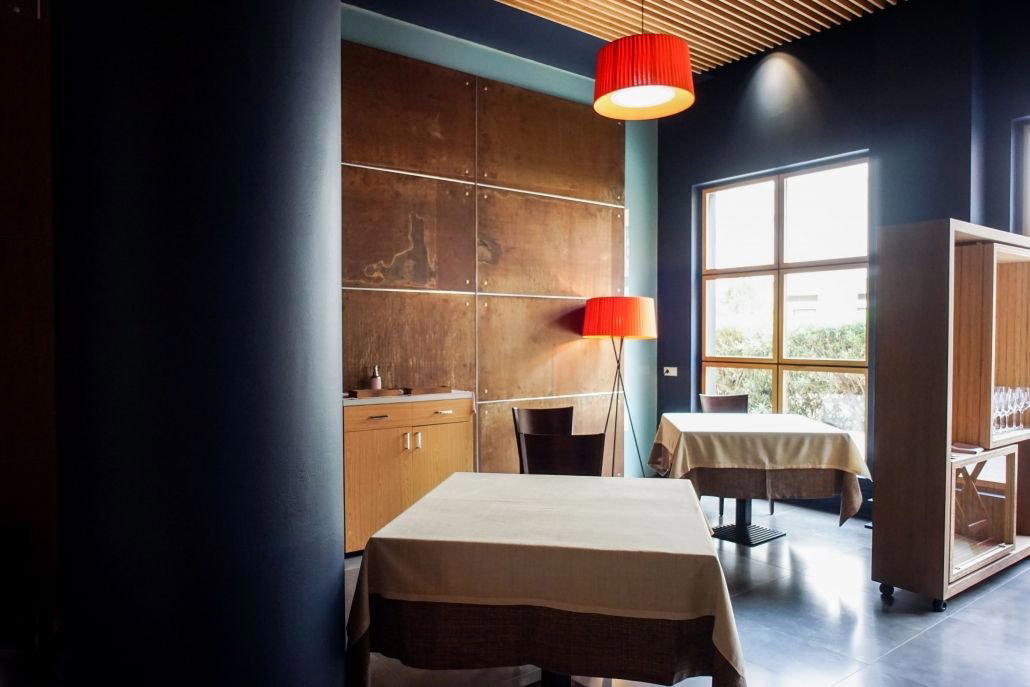
Picture a third-floor room in Nishiazabu's Hachiman Building, the kind of address that requires a little intention to find. That specificity — a building name, a floor number, a residential-grade quiet, signals what Kasumicho Yamagami is: a destination that does not perform for foot traffic. The experience begins before the food arrives, in the way the space is held, the way the pace is set. In Japanese fine dining at this tier, the kitchen's discipline tends to express itself in ways you register before you consciously identify them: the temperature of a dish, the precision of a pour, the absence of anything rushed.
The 2024 Michelin recognition places Yamagami in a competitive bracket within Tokyo's Japanese restaurant scene. For context, a single Michelin star in Tokyo is not a participation award, the city has more Michelin-starred restaurants than any other in the world, which means the committee's threshold is well-calibrated by local competition. Earning that star in the current cycle is a meaningful signal, particularly for a venue that appears to operate without a heavy PR infrastructure.
For a returning diner, the practical question is sequencing. At the ¥¥¥¥ level, Kasumicho Yamagami is likely running a set-course format, this is the standard structure at this price point and star tier in Tokyo Japanese dining. If your first visit oriented you to the rhythm of the meal, a return gives you room to engage more deliberately: tracking what's changed seasonally, paying closer attention to technique rather than orienting yourself to format. Autumn and winter are typically when Japanese cuisine at this tier makes the sharpest impression, with ingredients like matsutake mushroom, buri, and crab cycling through menus. If you're planning a visit in the current season, that's the context worth holding.
On the question of takeout and delivery: at the ¥¥¥¥ tier with Michelin recognition, off-premise dining is not a realistic option at Kasumicho Yamagami, nor should it be. The food at this level is designed around immediate service, sequential pacing, and room temperature control that a delivery container cannot replicate. If you're looking for Japanese food in Nishiazabu that travels well, you're looking at a different category entirely. What Yamagami offers is the opposite of convenience, it offers deliberateness, and that proposition only holds in the room. This is worth stating clearly because it shapes how you should plan: this is a block-the-evening commitment, not a flexible option.
Nishiazabu is one of Tokyo's more composed dining neighbourhoods, with enough density of serious restaurants to justify a full evening in the area. If you're building a Tokyo itinerary around meals, pairing Yamagami with venues like Azabu Kadowaki or Myojaku on separate nights gives you a useful range across Japanese cuisine styles. For those exploring beyond Tokyo, the same level of precision dining is available at Gion Sasaki in Kyoto and HAJIME in Osaka, both of which offer instructive points of comparison if you're calibrating how Tokyo Japanese dining sits within Japan's broader fine dining geography.
The address in Minato City, specifically the Nishiazabu sub-district, is worth noting for logistics. This is not a venue directly above a subway exit. Plan your routing in advance, particularly for an evening reservation when unfamiliarity with the block can cost you time. Arriving composed matters at this level of dining; Yamagami is not the kind of place where being five minutes late sets a comfortable tone.
For broader Tokyo planning, see our full Tokyo restaurants guide, our full Tokyo hotels guide, and our full Tokyo bars guide. If you're extending into other cities, akordu in Nara, Goh in Fukuoka, and Isshisoden Nakamura in Kyoto are worth considering within the same calibre of intentional dining.
Know Before You Go
- Price tier: ¥¥¥¥, budget for a full fine dining spend, including drinks
- Awards: Michelin 1 Star (2024)
- Address: 4 Chome-2-13 Nishiazabu, Minato City, Tokyo, Hachiman Building, 3F
- Booking difficulty: Hard, plan well in advance, especially for weekend dates
- Format: Fine dining, set-course format expected at this tier
- Off-premise dining: Not applicable, this is a dine-in-only experience by design
- Neighbourhood: Nishiazabu, Minato City, not directly adjacent to major subway exits; plan your route
- Leading for: Returning diners who know the format; solo diners comfortable with a counter or intimate setting; serious food-focused evenings
- Related Tokyo dining: Kagurazaka Ishikawa, Ginza Fukuju, Jingumae Higuchi
Planning details
- Location
- Japan, 〒106-0031 Tokyo, Minato City, Nishiazabu, 4 Chome−2−13 八幡ビル 3階
- Website
- tableall.com/restaurant/136
- Phone
- +81 3-5466-1270
The take
The Take
The Vibe
Kasumicho Yamagami sits discreetly on the third floor of a mid-block Nishiazabu building, with no signage visible from the street. The restaurant embraces discretion as part of its identity, joining the quieter fine-dining corridor of Minato-ku. That inward-facing stance produces an intimate, focused atmosphere where technical precision and a coherent culinary voice take precedence over theatrical presentation. Its 2024 Michelin star underscores a restrained sophistication: polished, attentive, and subtle rather than ostentatious. The overall impression is of a neighborhood jewel for diners who appreciate refined Japanese cooking away from Ginza’s brighter lights.
Best For
This is a destination for diners who plan their meals intentionally: international visitors compiling serious culinary itineraries and locals seeking a refined, starred experience. Kasumicho Yamagami suits special-occasion dinners and thoughtful date nights where discretion and calm matter as much as the food. Its small, neighborhood-anchored profile makes it less appropriate for loud group celebrations or casual drop-ins; instead it rewards guests looking for concentrated technique, a coherent menu identity, and the kind of focused service associated with Michelin recognition.
Ordering Tips
Because the restaurant is tucked into a residential block on a third floor with no visible street signage, pay close attention to the address and building entry when you arrive. The Michelin star and the description of it as a smaller neighborhood restaurant suggest limited seating and demand, so book ahead where possible and confirm reservation details. Treat this as a planned stop on an itinerary rather than a walk-in option: arrive on time, use the exact address to find the mid-block entrance, and expect a discreet, small-scale dining environment.
Venue details
Ambiance
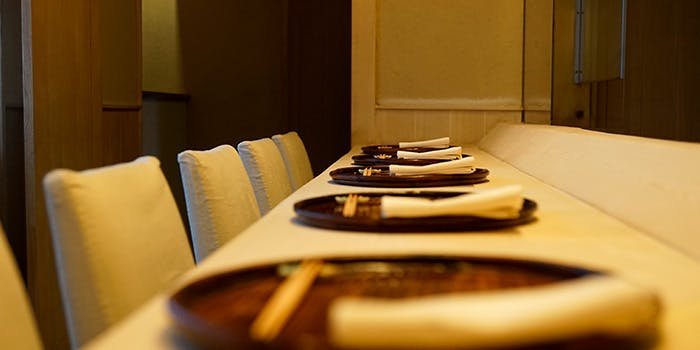
Austere, refined, and intimate, with a polished cypress counter as the focal point and a quiet hidden-away feel on the third floor of a small alley building.
Tags
Vibe
Best For
Experience
At the Table
- Noise Level
- Quiet
- Service Style
- Formal
- Meal Pacing
- Extended Experience
- Capacity
- Intimate
Know before you go
Know Before You Go
- Getting there
- Japan, 〒106-0031 Tokyo, Minato City, Nishiazabu, 4 Chome−2−13 八幡ビル 3階
Planning details
Location
Japan, 〒106-0031 Tokyo, Minato City, Nishiazabu, 4 Chome−2−13 八幡ビル 3階 · Directions
Recognition and awards
Also consider
Also Consider
- Harutaka, Sushi, ¥¥¥¥
- RyuGin, Kaiseki, Japanese, ¥¥¥¥
- L'Effervescence, French, ¥¥¥¥
- HOMMAGE, Innovtive French, French, ¥¥¥¥
- Florilège, French, ¥¥¥
Restaurant context
How It Compares
Within Tokyo's ¥¥¥¥ Japanese dining tier, Kasumicho Yamagami sits alongside RyuGin as a venue where technical discipline is the primary draw. RyuGin carries three Michelin stars and significantly higher international name recognition, which means harder bookings and a more theatrical presentation of Japanese kaiseki. Yamagami's single star positions it as the more focused, less performance-oriented option, better suited to diners who want craft without ceremony, and who are willing to do a little more work to find it. If international profile matters to your booking decision, RyuGin wins on that metric. If quiet precision is the priority, Yamagami is the stronger argument.
Against Harutaka, the comparison shifts format: Harutaka is sushi-focused at the same ¥¥¥¥ level, and its counter format is one of the more acclaimed in the city. If you're choosing between Japanese cuisine styles, that's the deciding factor, Yamagami for a broader Japanese dining format, Harutaka if sushi is specifically what you're after. Booking difficulty is comparable at both. For the French-leaning ¥¥¥¥ diner, L'Effervescence and HOMMAGE offer strong alternatives, with L'Effervescence carrying a more established international reputation and HOMMAGE presenting a more innovative kitchen approach. Neither replaces what Yamagami does in the Japanese cuisine category, but if your preference is French technique at the same spend, both are credible options.
Florilège sits at ¥¥¥ rather than ¥¥¥¥, making it the practical choice if you want Michelin-level French cooking in Tokyo at a lower price point, it's one of the more accessible fine dining options in the city's competitive set. For diners choosing between Yamagami and Florilège, the decision is essentially cuisine type and budget: Florilège saves money and delivers strong French cooking; Yamagami costs more and delivers Japanese precision. Both are worth booking; they're just answering different questions.
Explore Tokyo
Around this place
Discover more on Pearl
Unlock the full Kasumicho Yamagami guide in Pearl, including awards, comparisons, FAQs, planning details, and nearby places.
Compare Kasumicho Yamagami
| Venue | Cuisine | Price | Awards | Booking Difficulty |
|---|---|---|---|---|
| Kasumicho Yamagami | Japanese | ¥¥¥¥ | Tabelog 100 - Japanese cuisine - TOKYO - 2025 · #442024 Michelin 1 Star | Hard |
| Harutaka | Sushi | ¥¥¥¥ | 2026 Tabelog Silver · #312026 OAD Top Restaurants in Japan Ranked · #1282026 Michelin 3 Stars2026 La Liste Top RestaurantsTabelog 100 - Sushi - TOKYO - 2025 · #372025 Asia's 50 Best Restaurants · #762025 OAD Top Restaurants in Japan Ranked · #1172025 La Liste Top Restaurants2025 Tabelog Bronze | Unknown |
| RyuGin | Kaiseki, Japanese | ¥¥¥¥ | 2026 OAD Top Restaurants in Japan Ranked · #802026 Tabelog Bronze · #3772026 Michelin 3 Stars2026 La Liste Top RestaurantsTabelog 100 - Japanese cuisine - TOKYO - 2025 · #212025 OAD Top Restaurants in Japan Ranked · #542025 Michelin 3 Stars2025 La Liste Top Restaurants2025 The Best Chef Three Knives | Unknown |
| L'Effervescence | French | ¥¥¥¥ | 2026 Tabelog Silver · #682026 OAD Top Restaurants in Japan Ranked · #103Star Wine Lists 20262026 Black Pearl 2 Diamond2026 Relais Chateaux Restaurants2026 La Liste Top Restaurants2026 Michelin 3 Stars2025 Asia's 50 Best Restaurants · #692025 OAD Top Restaurants in Japan Ranked · #92 | Unknown |
| HOMMAGE | Innovtive French, French | ¥¥¥¥ | 2026 Tabelog Bronze · #1232026 OAD Top Restaurants in Japan Highly Recommended2026 Michelin 2 StarsTabelog 100 - French - TOKYO - 2025 · #762025 Asia's 50 Best Restaurants · #782025 OAD Top Restaurants in Japan Ranked · #1752025 Michelin 2 Stars2025 The Best Chef One Knife2025 La Liste Top Restaurants | Unknown |
| Florilège | French | ¥¥¥ | 2026 Asia's 50 Best Restaurants · #312026 Tabelog Bronze · #712026 OAD Top Restaurants in Japan Ranked · #1242026 Black Pearl 1 Diamond2026 Michelin 2 Stars2026 La Liste Top Restaurants2025 Asia's 50 Best Restaurants · #172025 World's 50 Best Restaurants · #36Tabelog 100 - French - TOKYO - 2025 · #68 | Unknown |












How Kasumicho Yamagami stacks up against the competition.
FAQ
Frequently Asked Questions
Can I eat at the bar at Kasumicho Yamagami?
Counter seating is the format here — Kasumicho Yamagami operates as a Japanese counter restaurant on the third floor of the Hachiman Building in Nishiazabu. This isn't a bar drop-in; every seat is a full commitment to the meal. Walk-ins are not a realistic option at a Michelin-starred venue of this scale, so plan accordingly.
Does Kasumicho Yamagami handle dietary restrictions?
Tasting-menu restaurants at this price point (¥¥¥¥) in Tokyo typically require dietary restrictions to be communicated well in advance of your reservation, not on arrival. Communicate any restrictions at the time of booking. Severe allergies or complex requirements may limit the kitchen's ability to accommodate fully, so be direct and specific when you reserve.
Is Kasumicho Yamagami good for solo dining?
Yes — counter dining formats suit solo diners well, and Kasumicho Yamagami's Nishiazabu setting is exactly the kind of intimate room where a single seat at the counter is a feature, not a compromise. At ¥¥¥¥, it's a considered solo splurge, but the Michelin star (2024) gives you confidence the spend is justified.
Is the tasting menu worth it at Kasumicho Yamagami?
At ¥¥¥¥ and with a 2024 Michelin star, the tasting menu format here is the only format — there's no à la carte option to fall back on. If you're committed to the counter experience and Japanese cuisine at this tier, it's worth it. If you're unsure about a full omakase commitment, consider a more flexible Tokyo option before booking.
Is Kasumicho Yamagami worth the price?
The 2024 Michelin star is the clearest external validation that Kasumicho Yamagami delivers at its ¥¥¥¥ price point. For Tokyo, that tier is competitive but not unusual among serious Japanese counter restaurants. Compared to Michelin-starred peers across Minato City, the Nishiazabu address and intimate room scale suggest this is a tighter, more personal experience than larger destination restaurants — which for many diners makes the price easier to justify.
How far ahead should I book Kasumicho Yamagami?
Book at least four to six weeks out. Michelin recognition in Tokyo's competitive 2024 guide tightens availability quickly, and a third-floor room in Nishiazabu with limited covers will fill before you expect it to. If you're visiting on a fixed travel window, lock in the date before booking flights.
What should I order at Kasumicho Yamagami?
Kasumicho Yamagami runs a set menu format — you don't order individually. The kitchen leads and you follow, which is standard for this style of Japanese counter dining. Come with no agenda beyond the meal in front of you; at ¥¥¥¥ with a Michelin star, the progression is the point.