





Kagurazaka Ishikawa
Japanese · Shinjuku, Tokyo
Restaurant in Tokyo, Japan
 Book with Pearl
The Read
Mui-Shizen Kaiseki Precision
Price
$200–300per person
Chef
Hideki Ishikawa
Dress
Formal
Why go
Kagurazaka Ishikawa is a Japanese restaurant in Tokyo's Kagurazaka neighborhood.
About Kagurazaka Ishikawa
Verdict: Book This If You Have One Kaiseki Meal to Spend in Tokyo
Kagurazaka Ishikawa carries three Michelin stars, a 4.42 Tabelog score, 92 points from La Liste 2026, and a Tabelog Silver Award every year from 2017 through 2026. It ranks 39th in Japan on Opinionated About Dining's 2025 list. That credential stack puts it in the top tier of kaiseki dining in Tokyo, and at JPY 50,000–59,999 per head (plus a 10% service charge), the price confirms it. If classic Japanese cuisine prepared with total commitment to seasonal ingredients is what you are after, book this. If you want something more experimental or shorter in format, look elsewhere.
What Kagurazaka Ishikawa Actually Is
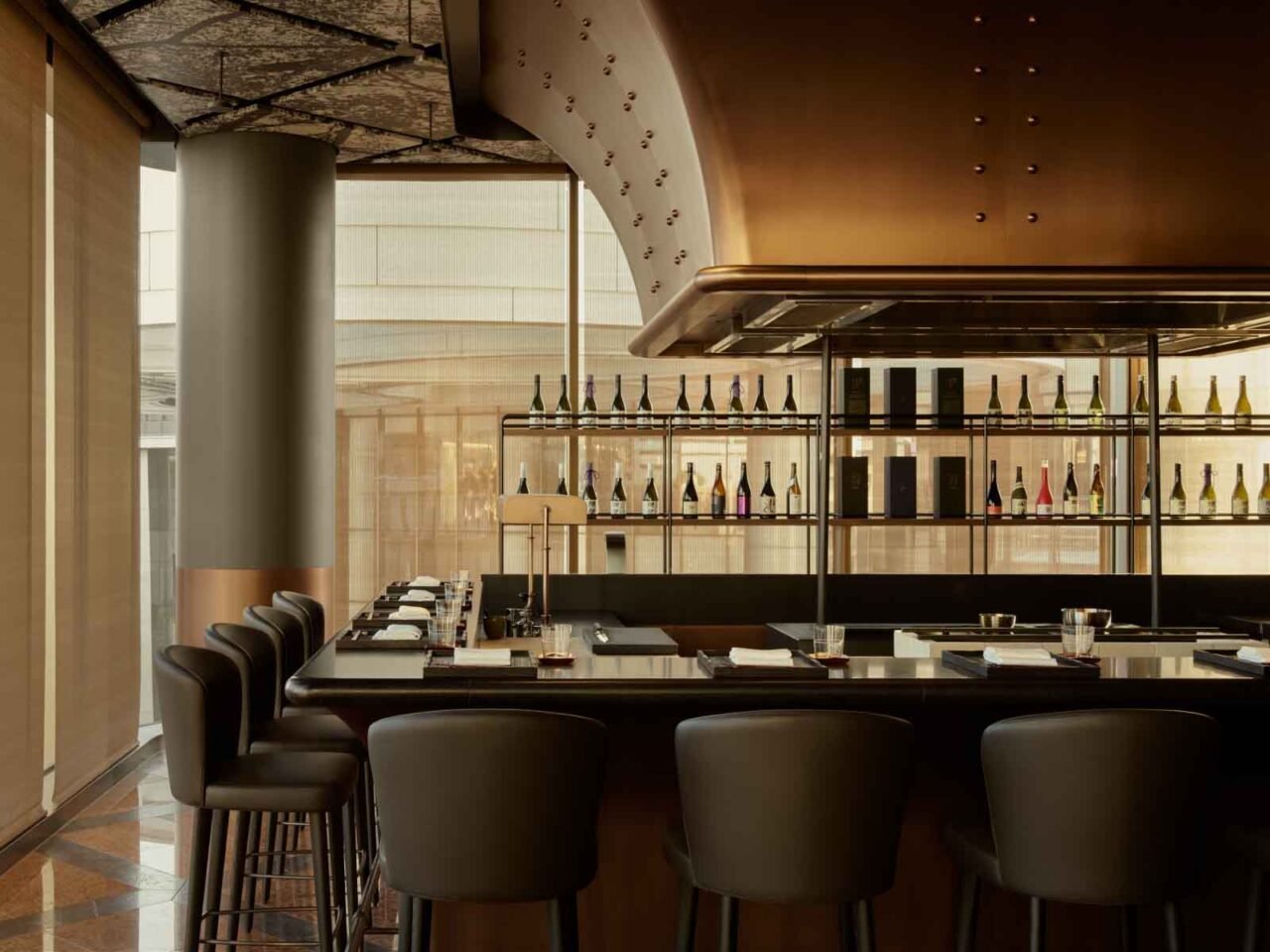
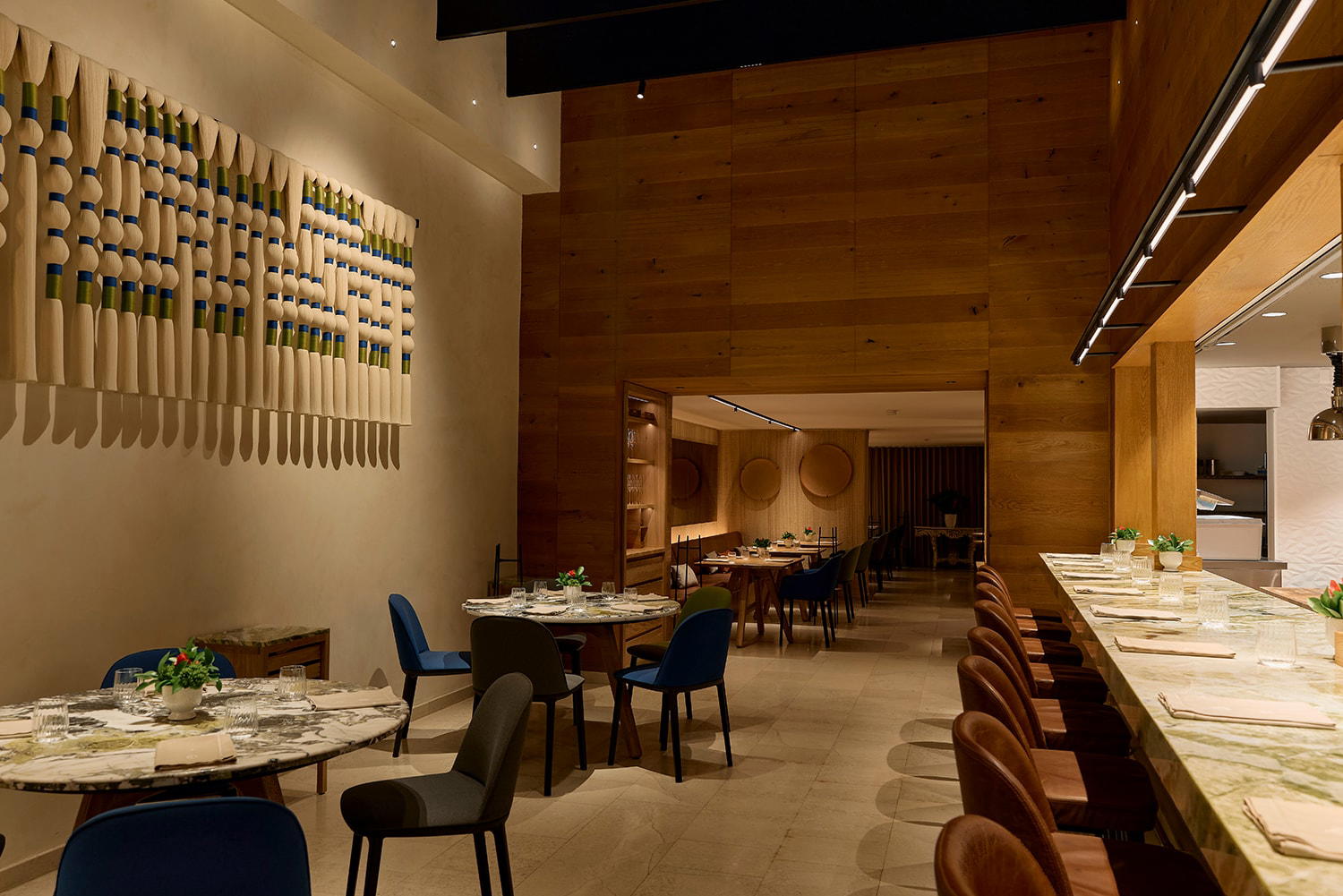
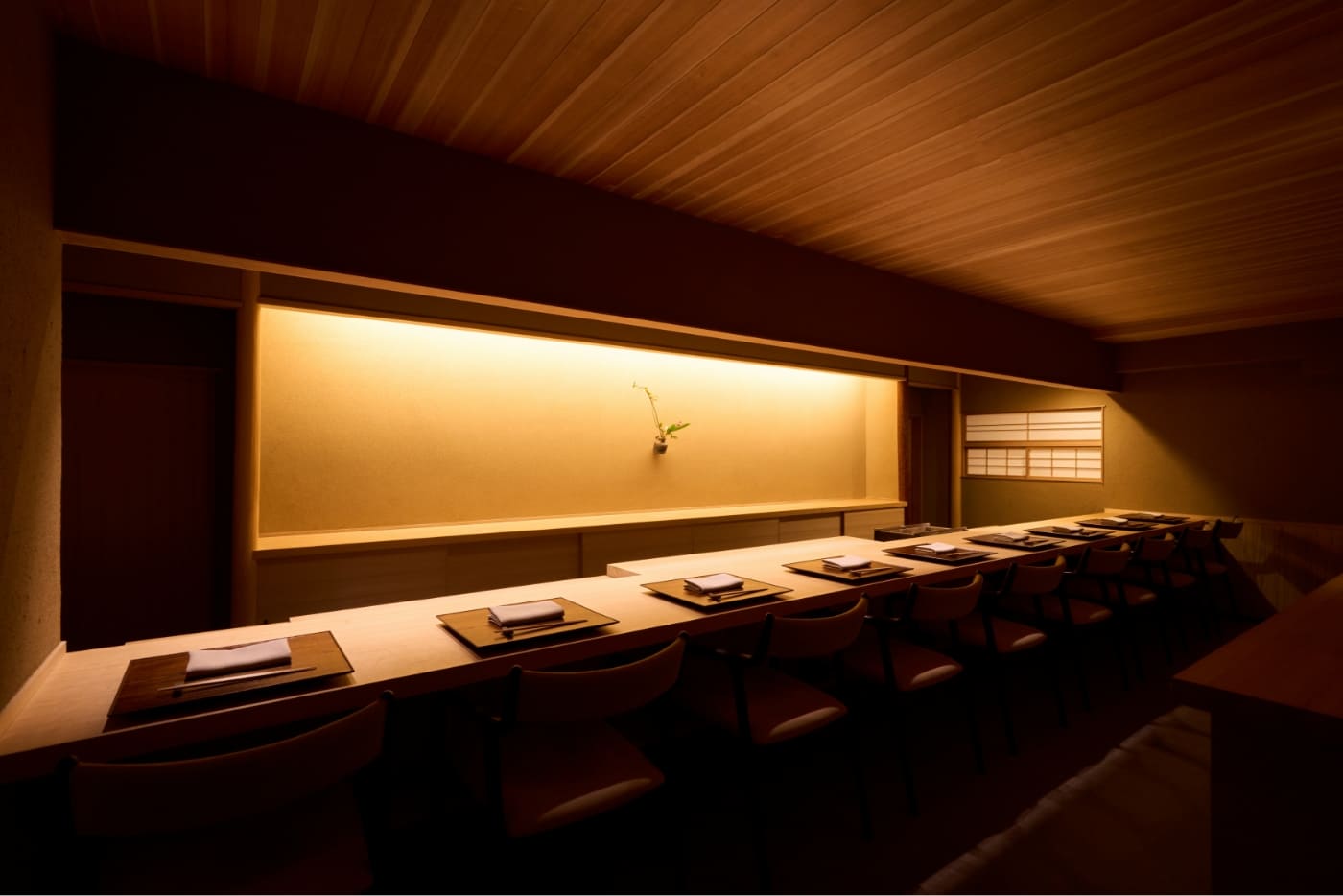
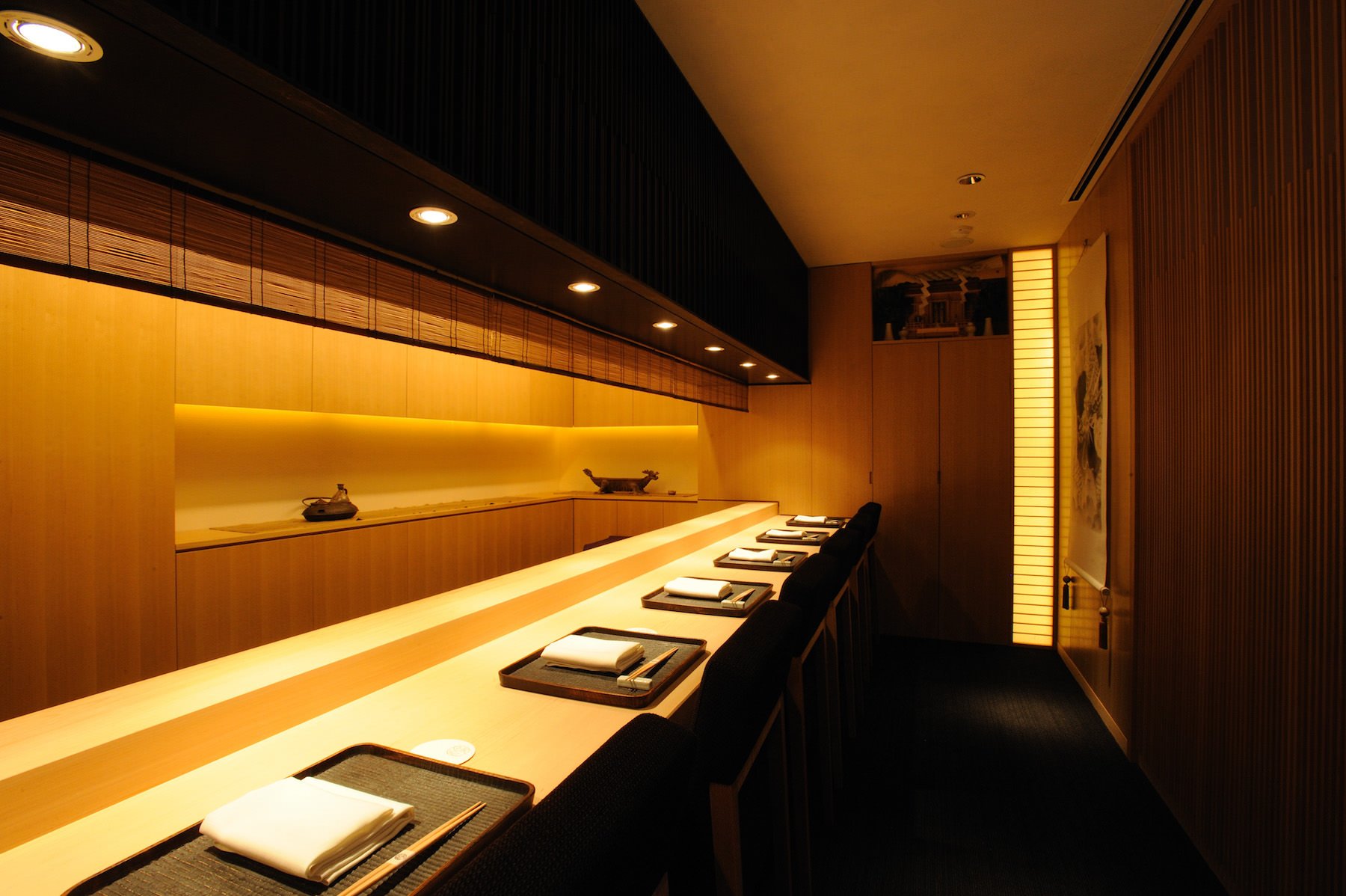
Hideki Ishikawa runs a 25-seat restaurant on the ground floor of a low-rise building on Kagurazaka's quieter back streets in Shinjuku. The room breaks into a 7-seat counter and four private rooms, the largest seating six. The format is kaiseki, the Japanese multi-course structure built around the progression of seasonal ingredients through a meal. Ishikawa's guiding principle is described as mui-shizen: serve what is true to nature, free from artifice. That translates practically to light flavours, clean presentations, and deliberate restraint. His Niigata rice is cooked fresh and served in earthen bowls: a detail that speaks to the sourcing discipline underlying the whole menu.
The seasonal angle here is not decorative. Kaiseki is one of the most calendar-dependent formats in Japanese cooking, and Ishikawa operates within that tradition seriously. Spring menus at this level typically centre on bamboo shoots and mountain vegetables; summer shifts to ayu sweetfish and lighter dashi constructions; autumn brings matsutake and the fatty fish that peak in cooler water; winter is the season for crab, fugu, and the richest broths. The menu you experience in March will be structurally and flavourally different from the one served in October. If you have flexibility in your travel dates and a specific seasonal ingredient in mind, check the time of year before booking. Autumn and winter are generally considered the most rewarding windows for kaiseki of this style, though each season makes a clear case for itself.
For explorers who have been working through Japan's kaiseki canon, Ishikawa's position is worth noting: it sits alongside Azabu Kadowaki and Myojaku in Tokyo's highest tier of Japanese cuisine, and shares a comparable philosophy with Gion Sasaki in Kyoto and Kashiwaya Osaka Senriyama in Osaka: both worth adding to a Japan itinerary built around this format.
Booking: Near Impossible Without Planning
This is a near-impossible reservation. Booking difficulty at Ishikawa sits at the top of the scale for Tokyo. The restaurant accepts reservations via its own website and by phone (050-3138-5225; for post-booking enquiries, 03-5225-0173), and operates Tuesday through Saturday from 17:00, with closures on Sundays, Mondays, and public holidays. There are also seasonal breaks: late March, mid-August, and the year-end and New Year period. Factor those windows into your planning, arriving in Tokyo in late March expecting to eat here is a viable way to find the restaurant closed. Book as far in advance as your schedule allows. Seats for counter dining open to a small number of international travellers through concierge channels and third-party platforms, but availability is genuinely constrained by the 25-seat format. Do not leave this to the week of arrival.
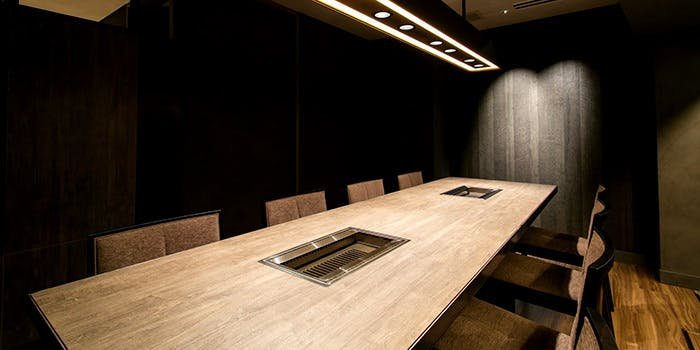
Private rooms are available for 2, 4, and 6 guests, four rooms seat four, one seats six. For a special occasion where privacy matters, request a room at the time of booking. The counter suits solo travellers and couples willing to eat at the bar; it offers the closest view of the kitchen's rhythm. Children are accepted from age 12, provided they eat the full adult menu. The restaurant is wheelchair accessible. The nearest transit options are Ushigome-Kagurazaka Station on the Toei Oedo Line (approximately 4 minutes on foot) and Iidabashi Station on the Tokyo Metro Yurakucho and Namboku lines (approximately 4 minutes on foot).
Drink Programme and Payment
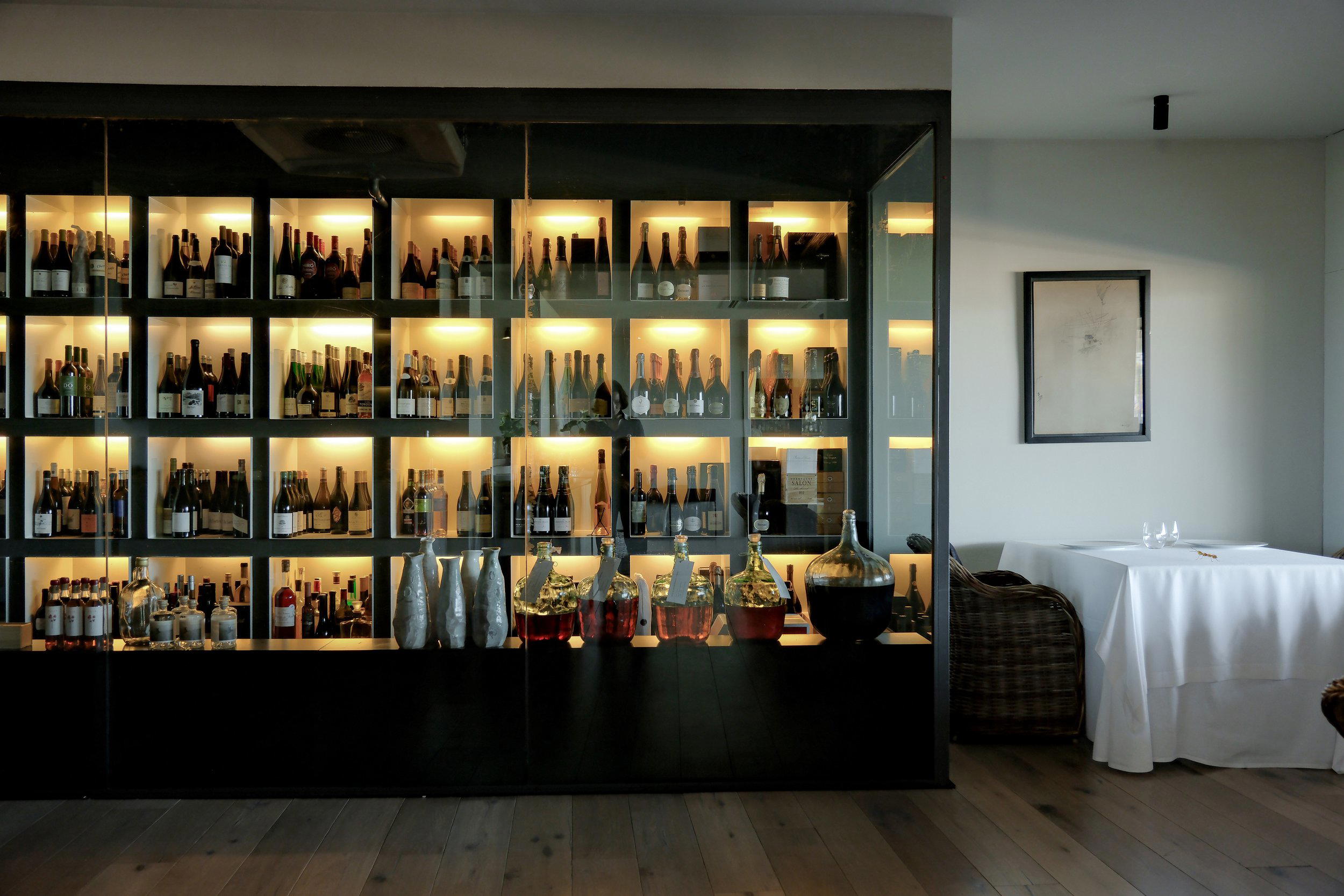
Ishikawa takes its sake and wine programmes seriously, Tabelog notes the restaurant as particularly selective on both. Credit cards are accepted (Visa, Mastercard, JCB, Amex, Diners). Electronic money and QR code payments are not. The 10% service charge is added to the bill. BYO is permitted, which is useful for guests travelling with a specific bottle in mind for a significant occasion.
Who Should Book This
Kagurazaka Ishikawa works well for: food-focused travellers who want a three-Michelin-star kaiseki experience in a neighbourhood setting rather than a hotel dining room; diners who value restraint and ingredient clarity over theatrical presentation; small groups of two to six who want a private room for a milestone dinner; and solo or counter diners who find the format engaging rather than solitary. It is not ideal for large parties (the room caps at six per private booking), guests who want a shorter or more casual format, or anyone unwilling to commit to the price. At JPY 50,000–59,999 per head before service charge, this is a considered spend. But given the credential consistency, ten consecutive Tabelog Silver Awards, three Michelin stars, and a La Liste score that has held at 92–92.5 across two years, the delivery justifies the commitment.
For broader planning across Tokyo, see our full Tokyo restaurants guide, our full Tokyo hotels guide, and our full Tokyo bars guide. If you are building a wider Japan trip around kaiseki, HAJIME in Osaka, akordu in Nara, and Goh in Fukuoka are worth cross-referencing. For Japanese cuisine at the highest level in Kyoto, Isshisoden Nakamura is the direct peer. Further afield, 1000 in Yokohama and 6 in Okinawa offer regional counterpoints to the Tokyo kaiseki format.
Planning details
- Hours
- Monday: Closed · Tuesday: 5 PM–12 AM
- Location
- Japan, 〒162-0825 Tokyo, Shinjuku City, Kagurazaka, 5 Chome−37 高村ビル 1f
- Reservations
- Book on Omakase
- Website
- kagurazaka-ishikawa.co.jp
- Phone
- +81 3-5225-0173
The take
The Take
The Vibe
Kagurazaka Ishikawa presents a restrained, quietly authoritative take on Tokyo kaiseki. The restaurant lives in an older residential quarter of narrow lanes and former geisha streets, and its scale, seven counter seats alongside a handful of private rooms, reinforces a small‑room intensity. Accolades and Michelin recognition underline a rigorous approach, but the experience reads as restrained rather than performative: service and kitchen choreography take center stage in the compact dining room. The overall effect is historic and serene, a place where detail and deliberation matter more than flash.
Best For
This is a venue built for focused, special‑occasion dining: three‑Michelin‑star kaiseki that rewards attention and time. The counter is ideal for diners who want to follow the kitchen’s rhythm and see service choreography up close, while the four private rooms accommodate discreet group occasions or celebrations of up to six. The quieter Kagurazaka setting and formal service style make it well suited to business dinners, anniversaries and other reserved, high‑attention evenings where the meal itself is the primary event.
Ordering Tips
Seating is intentionally limited, the room totals 25 seats split between seven counter positions and four private rooms, so plan well ahead. If you value the immediacy of craft, request a counter seat to watch the team’s collaboration; if you’re celebrating with a small group, book one of the private rooms for privacy. Expect the structured pace of kaiseki service and prioritize the kitchen’s signatures; steamed rice variations, sea urchin sashimi and the blackthroat seaperch rice are highlights to look for on the evening’s sequence.
Venue details
Ambiance
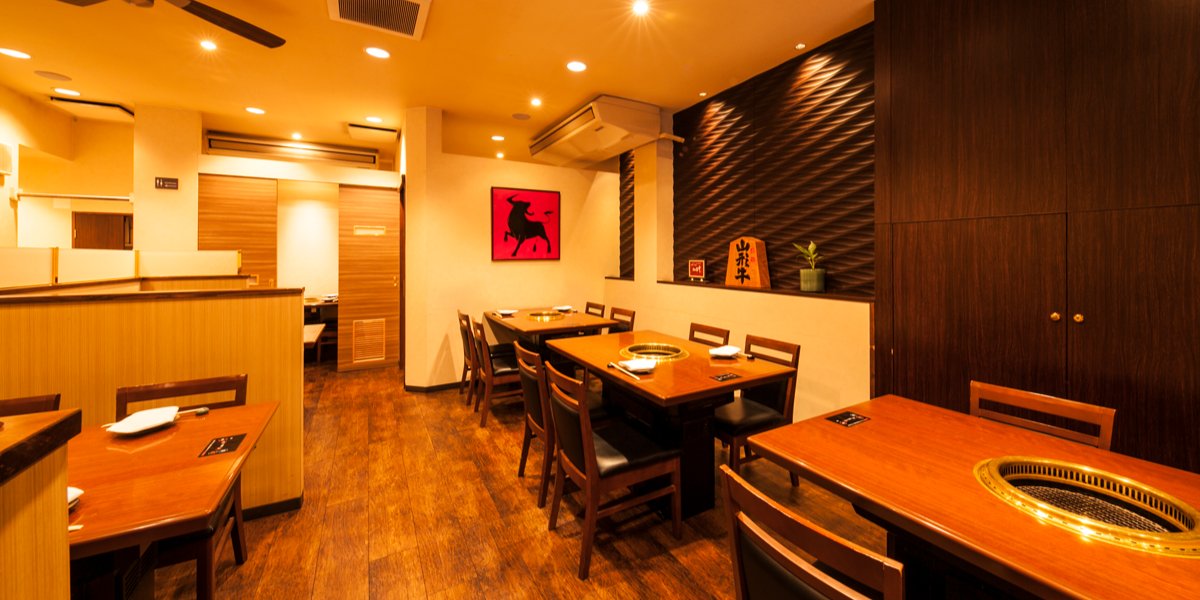
Serene and warm wooden interior with simple sophistication, providing a relaxing and intimate atmosphere.
Tags
Vibe
Best For
Experience
Accessibility
At the Table
- Dress Code
- Formal
- Noise Level
- Quiet
- Service Style
- Formal
- Meal Pacing
- Leisurely
- Capacity
- Intimate
- Kitchen
- Traditional
- Menu Format
- Tasting menu
- Drinks Focus
- Sake program
- Private Dining
- Available
Signature Dishes
- steamed rice variations
- sea urchin sashimi
- blackthroat seaperch rice
Know before you go
Know Before You Go
- Getting there
- Japan, 〒162-0825 Tokyo, Shinjuku City, Kagurazaka, 5 Chome−37 高村ビル 1f
Planning details
Hours
- Monday
- Closed
- Tuesday
- 5 PM–12 AM
- Wednesday
- 5 PM–12 AM
- Thursday
- 5 PM–12 AM
- Friday
- 5 PM–12 AM
- Saturday
- 12 PM–12 AM
- Sunday
- Closed
Location
Japan, 〒162-0825 Tokyo, Shinjuku City, Kagurazaka, 5 Chome−37 高村ビル 1f · Directions
Recognition and awards



Also consider
Also Consider
- Harutaka: Sushi, ¥¥¥¥
- L'Effervescence: French, ¥¥¥¥
- RyuGin: Kaiseki, Japanese, ¥¥¥¥
- HOMMAGE: Innovtive French, French, ¥¥¥¥
- Crony: Innovative, French, ¥¥¥¥
Restaurant context
How It Compares
Within Tokyo's four-symbol-priced Japanese cuisine tier, Kagurazaka Ishikawa is the clearest choice if classical kaiseki in a neighbourhood setting is your objective. RyuGin is its most direct peer and offers more visual drama and a slightly more contemporary interpretation of the kaiseki format: both carry three Michelin stars, but RyuGin's profile is better known internationally and can be marginally easier to book through hotel concierge channels. If you want pure kaiseki craft without theatrical intervention, Ishikawa wins. If you want kaiseki that signals modernity, RyuGin is the stronger pick.
For non-kaiseki alternatives at the same price tier, the calculation shifts. Harutaka delivers sushi at the highest technical level in Tokyo and is the right call if you prefer a counter-focused, ingredient-pure experience in a shorter format. L'Effervescence and Crony both offer French-influenced cooking at the same price point: L'Effervescence in particular draws comparisons with Ishikawa in terms of ingredient reverence and seasonal discipline, though the format and flavour register are entirely different. HOMMAGE is the most accessible of the group in terms of booking and sits slightly lower in overall credential density.
If you are building a two or three-dinner Tokyo itinerary at this level, the most coherent pairing with Ishikawa is Harutaka for contrast of format, or RyuGin for contrast of style within the same tradition. Book Ishikawa for the traditional kaiseki seat, and use one of the French rooms for a different register entirely. At JPY 50,000–59,999 per head across two sittings, you are committing significant budget: but the credential case for Ishikawa specifically is as well-documented as any restaurant in Tokyo.
Explore Tokyo
Around this place
Discover more on Pearl
Unlock the full Kagurazaka Ishikawa guide in Pearl, including awards, comparisons, FAQs, planning details, and nearby places.
Compare Kagurazaka Ishikawa
| Venue | Price | Awards |
|---|---|---|
| Kagurazaka Ishikawa | ¥¥¥¥ | 2026 OAD Top Restaurants in Japan Ranked · #422026 Tabelog Silver · #442026 Black Pearl 2 Diamond2026 Michelin 3 Stars2026 La Liste Top Restaurants2025 OAD Top Restaurants in Japan Ranked · #39Tabelog 100 - Japanese cuisine - TOKYO - 2025 · #842025 La Liste Top Restaurants2025 The Best Chef Three Knives |
| Harutaka | ¥¥¥¥ | 2026 Tabelog Silver · #312026 OAD Top Restaurants in Japan Ranked · #1282026 Michelin 3 Stars2026 La Liste Top RestaurantsTabelog 100 - Sushi - TOKYO - 2025 · #372025 Asia's 50 Best Restaurants · #762025 OAD Top Restaurants in Japan Ranked · #1172025 La Liste Top Restaurants2025 Tabelog Bronze |
| L'Effervescence | ¥¥¥¥ | 2026 Tabelog Silver · #682026 OAD Top Restaurants in Japan Ranked · #103Star Wine Lists 20262026 Black Pearl 2 Diamond2026 Relais Chateaux Restaurants2026 La Liste Top Restaurants2026 Michelin 3 Stars2025 Asia's 50 Best Restaurants · #692025 OAD Top Restaurants in Japan Ranked · #92 |
| RyuGin | ¥¥¥¥ | 2026 OAD Top Restaurants in Japan Ranked · #802026 Tabelog Bronze · #3772026 Michelin 3 Stars2026 La Liste Top RestaurantsTabelog 100 - Japanese cuisine - TOKYO - 2025 · #212025 OAD Top Restaurants in Japan Ranked · #542025 Michelin 3 Stars2025 La Liste Top Restaurants2025 The Best Chef Three Knives |
| HOMMAGE | ¥¥¥¥ | 2026 Tabelog Bronze · #1232026 OAD Top Restaurants in Japan Highly Recommended2026 Michelin 2 StarsTabelog 100 - French - TOKYO - 2025 · #762025 Asia's 50 Best Restaurants · #782025 OAD Top Restaurants in Japan Ranked · #1752025 Michelin 2 Stars2025 The Best Chef One Knife2025 La Liste Top Restaurants |
| Crony | ¥¥¥¥ | 2026 Asia's 50 Best Restaurants · #34Star Wine Lists 20262026 OAD Top Restaurants in Japan Recommended2026 Michelin 2 Stars2025 Asia's 50 Best Restaurants · #30Tabelog 100 - French - TOKYO - 2025 · #782025 OAD Top Restaurants in Japan Ranked · #227We're Smart World Top Restaurants 20252025 Michelin 2 Stars |








A quick look at how Kagurazaka Ishikawa measures up.
FAQ
Frequently Asked Questions
Is Kagurazaka Ishikawa good for solo dining?
Yes, solo diners are well served here. The counter has 7 seats, making it the right format for a single guest: you get a direct sightline into the kitchen and the full kaiseki sequence without the social pressure of a private room. At ¥50,000–¥59,999 per head plus a 10% service charge, it is not a casual solo splurge, but for a food-focused solo traveller with one serious meal to spend in Tokyo, the counter at Ishikawa is a strong call.
What should a first-timer know about Kagurazaka Ishikawa?
Chef Hideki Ishikawa's guiding philosophy is 'mui-shizen': cuisine true to nature, without artifice. Presentations are restrained and flavours are light, so if you are expecting bold or visually theatrical plates, recalibrate. The restaurant seats 25 across a 7-seat counter and four private rooms, opens from 17:00, and closes Sundays, Mondays, and public holidays. Budget ¥50,000–¥59,999 per person before drinks and the 10% service charge.
Is Kagurazaka Ishikawa worth the price?
At ¥50,000–¥59,999 per head, Ishikawa sits at the upper end of Tokyo kaiseki pricing: but the credential set justifies it: three Michelin stars, a Tabelog score of 4.42, eight consecutive Tabelog Silver Awards from 2017 through 2026, and 92 points from La Liste 2026. The value case is strongest for guests who specifically want a seasoned, restrained kaiseki chef at the top of their form; if you want a more contemporary or visually driven kaiseki, RyuGin may suit better at a comparable price point.
What are alternatives to Kagurazaka Ishikawa in Tokyo?
RyuGin (Roppongi) offers three Michelin stars with a more modern, technique-forward approach to Japanese cuisine: a useful alternative if Ishikawa's naturalistic restraint is not your format. L'Effervescence is the comparison if you want French fine dining at a comparable commitment level in Tokyo. For a less formal but still serious Japanese meal, HOMMAGE in Tokyo offers a different entry point into high-end Japanese cooking.
Is Kagurazaka Ishikawa good for a special occasion?
It is one of the stronger options in Tokyo for a significant occasion: private rooms accommodate groups of 2, 4, or 6, and the restaurant explicitly supports celebrations and surprises. Three Michelin stars and a neighbourhood setting in Kagurazaka give it weight without the corporate-hotel dining room feel. Book a private room for parties of 4 or more; the counter is better for pairs who want the kitchen interaction.