

2023 OAD Top Restaurants in Japan: The Complete Rankings
A prestigious ranked list by OAD highlighting Japan's best restaurants acclaimed for their culinary artistry and innovation.

Venues on this list
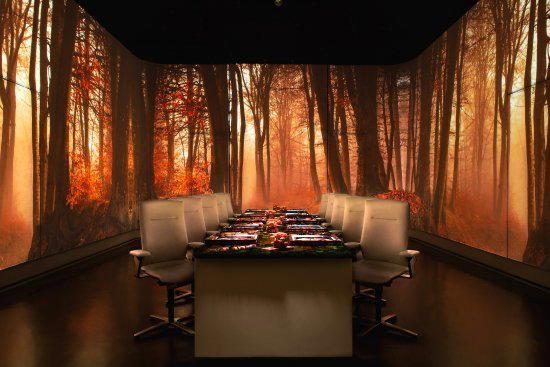
Tenzushi Kyomachi
Fukuoka, Japan
Tenzushi Kyomachi is a six-seat counter in Kitakyushu ranked #3 in all of Japan by Opinionated About Dining (2025) and a Tabelog Gold winner for eight consecutive years. Expect to spend JPY 50,000–59,999 per head for chef Isao Amano's Kyushu-mae sushi with kaiseki-influenced construction. Book well in advance; capacity is tiny and the national reputation fills seats fast.
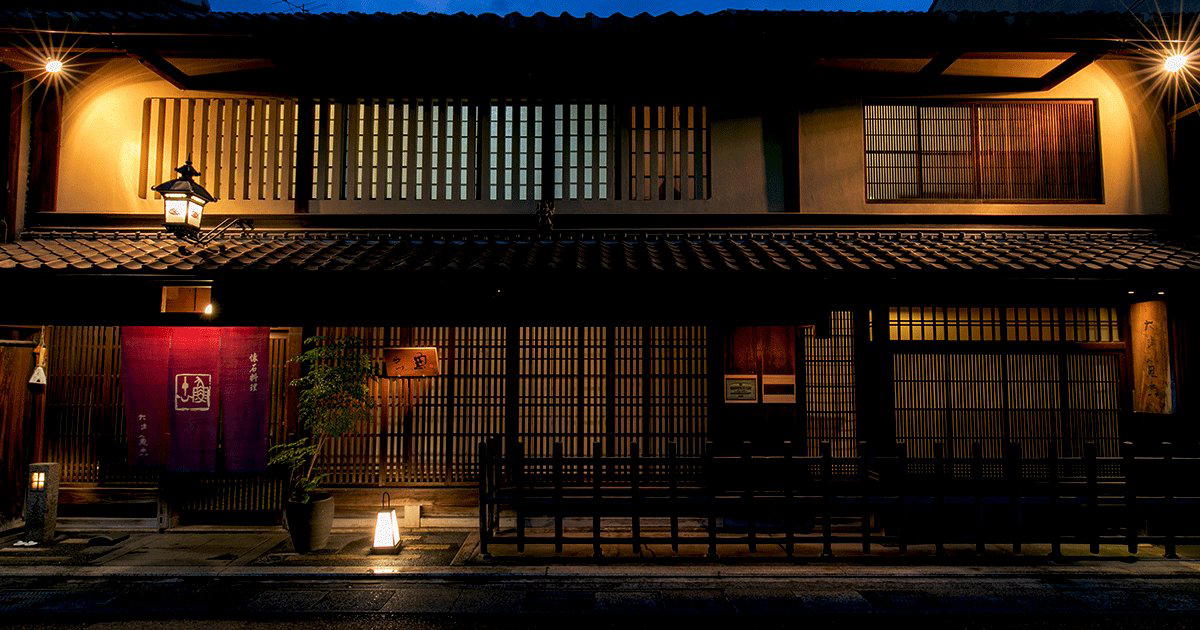
比良山荘
Otsu, Japan
Choose 比良山荘 when the rural Otsu setting is part of the reason for going, not when you need a flexible late-night fallback. It suits a planned, occasion-led meal better than a quick value stop; compare Ramen Yoshichi Katata ten if price and ease matter more.
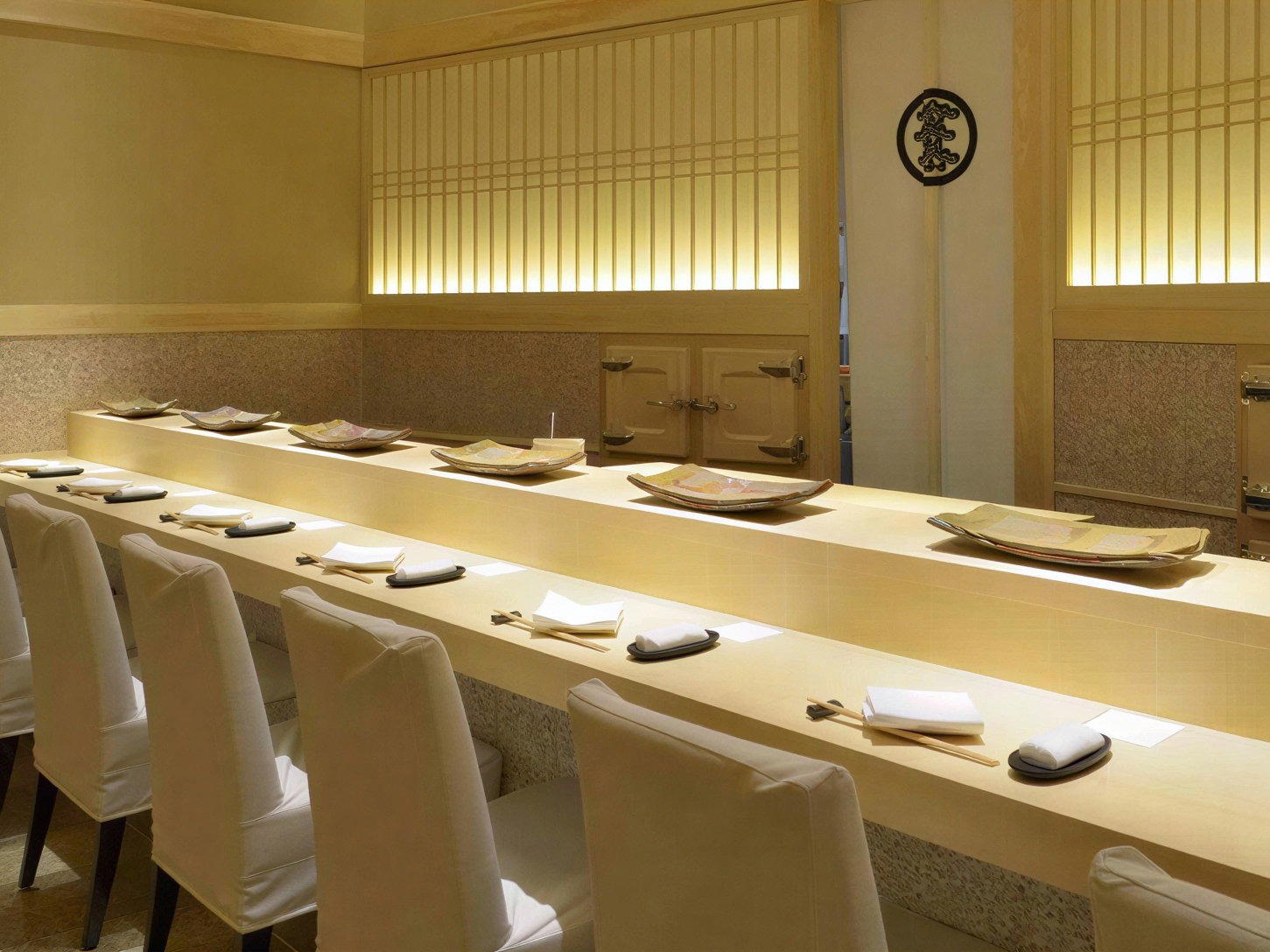
Saito
Tokyo, Japan
Saito is a restaurant in Roppongi, Tokyo.
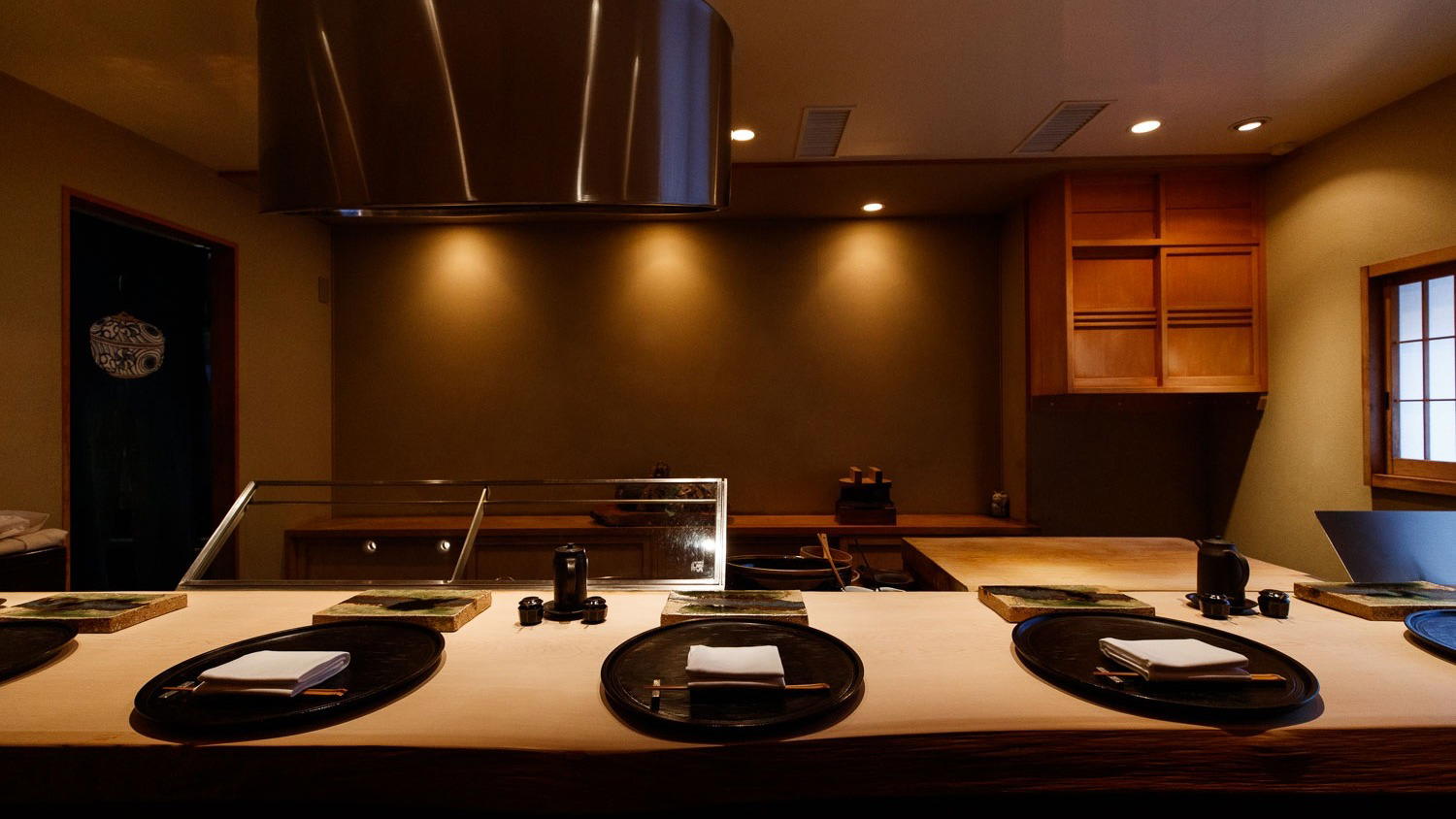
Tempura Naruse
Shizuoka, Japan
Tempura Naruse is a tempura restaurant in Aoi Ward, Shizuoka.
Tempura Nitome
Tokyo, Japan
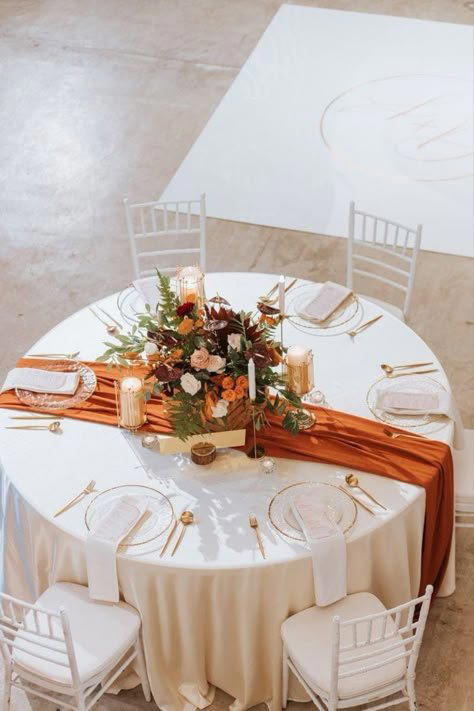
Tempura Nitome has held a top-ten position in Opinionated About Dining's Japan rankings for three consecutive years, making it one of Tokyo's most consistently validated tempura counters. Chef Shuji Niitome runs a small-seat operation in Toranomon where precision and pacing are the priorities. Booking is easier than the ranking suggests; plan a week or two ahead.
Mekumi - すし処 めくみ
Nonoichi, Japan
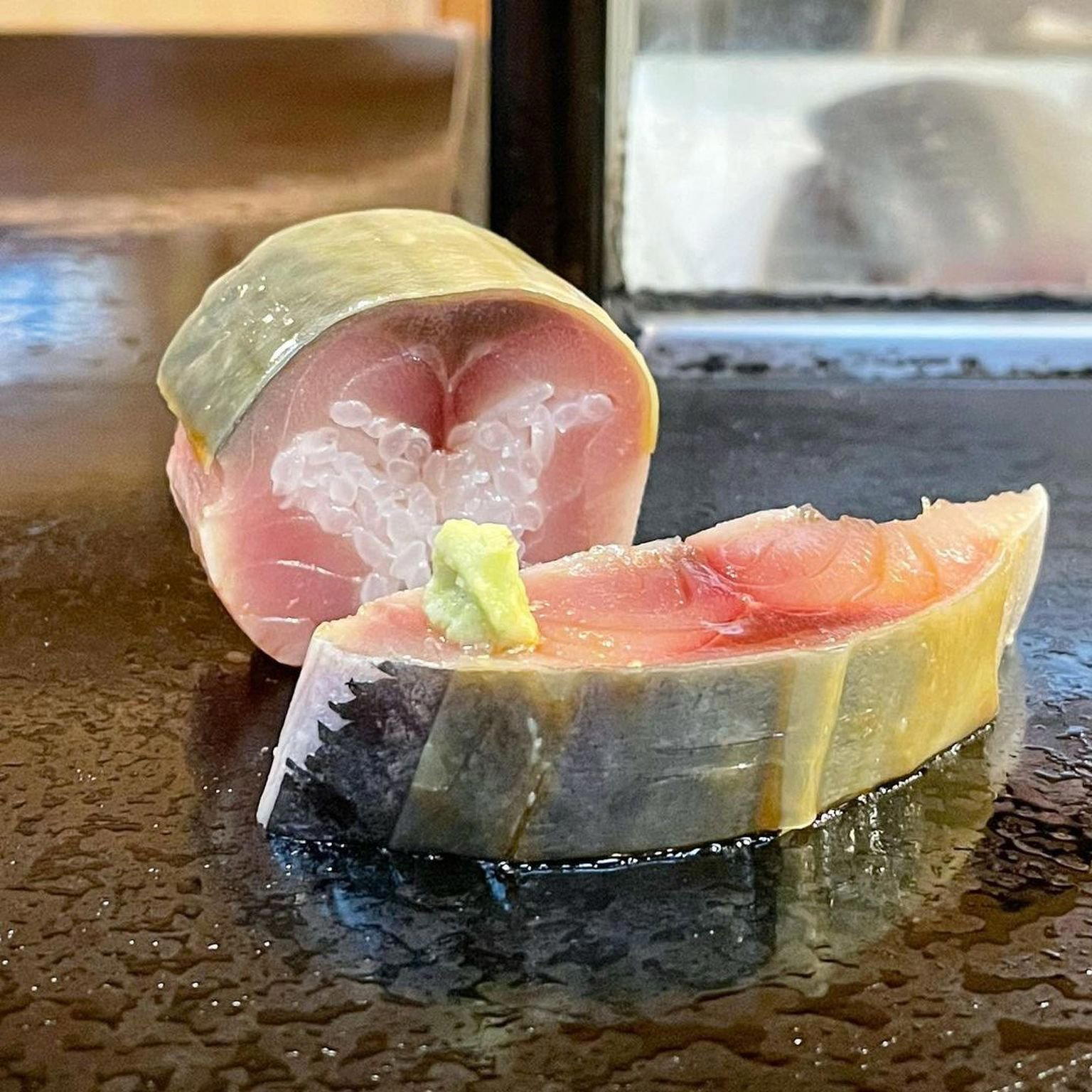
Mekumi is the strongest argument for a sushi detour to Nonoichi: an eight-seat counter from chef Takayoshi Yamaguchi with a Tabelog score of 4.51, consecutive Gold awards from 2018–2022, and an Opinionated About Dining #6 ranking in Japan for 2024–2025. Budget JPY 40,000–49,999 per head minimum, book online three months in advance, and time your visit for autumn or winter if cold-water Noto-mae nigiri is the draw.
Takiya
Tokyo, Japan
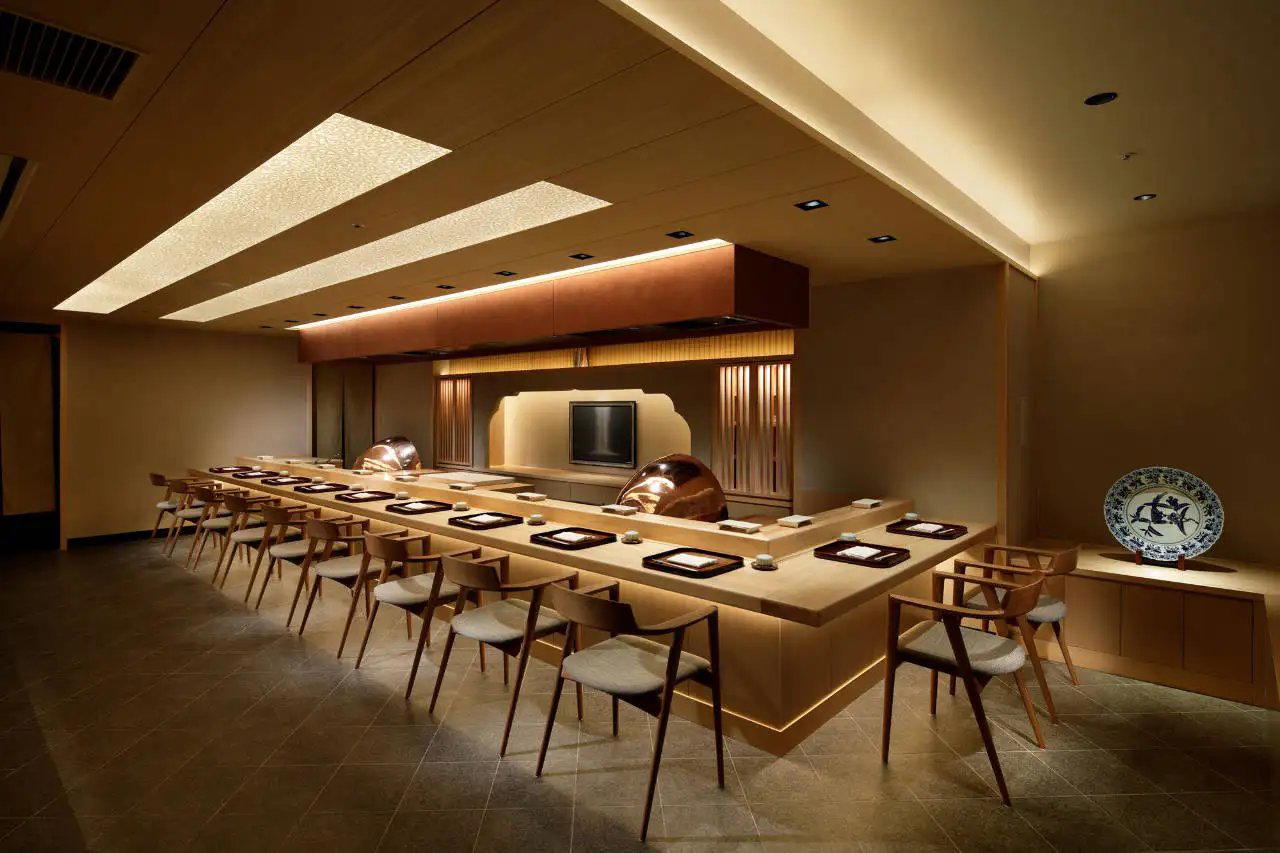
Tatsuaki Kasamoto's 10-seat Azabujuban counter earned Tabelog Gold (2026) and OAD Japan #18 for classical Edomae tempura at JPY 40,000–49,999. Two nightly seatings (5:30 PM and 8:30 PM) offer marginally easier booking than higher-profile peers, with technical precision rivaling temples that demand three-month lead times. Reservation-only omakase format suits special occasions and solo diners alike.
Matsukawa
Dublin, Ireland
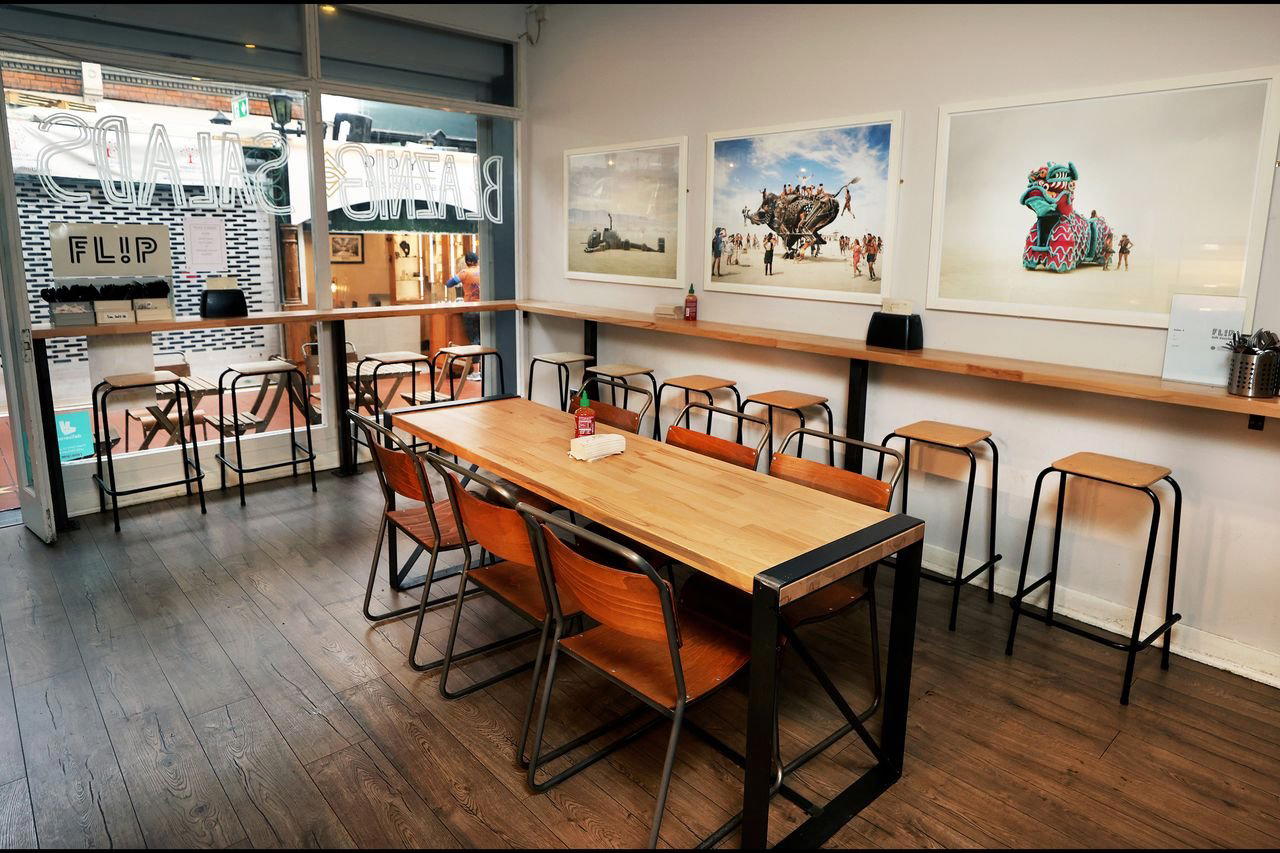
An eight-seat counter in Smithfield running omakase built on Irish seafood and Japanese technique. Michelin Plate (2025), La Liste 99.5 points make this one of Dublin's most credentialled small restaurants. Limited sittings mean you book as soon as a slot appears; this is worth the persistence.
Sugita
Tokyo, Japan
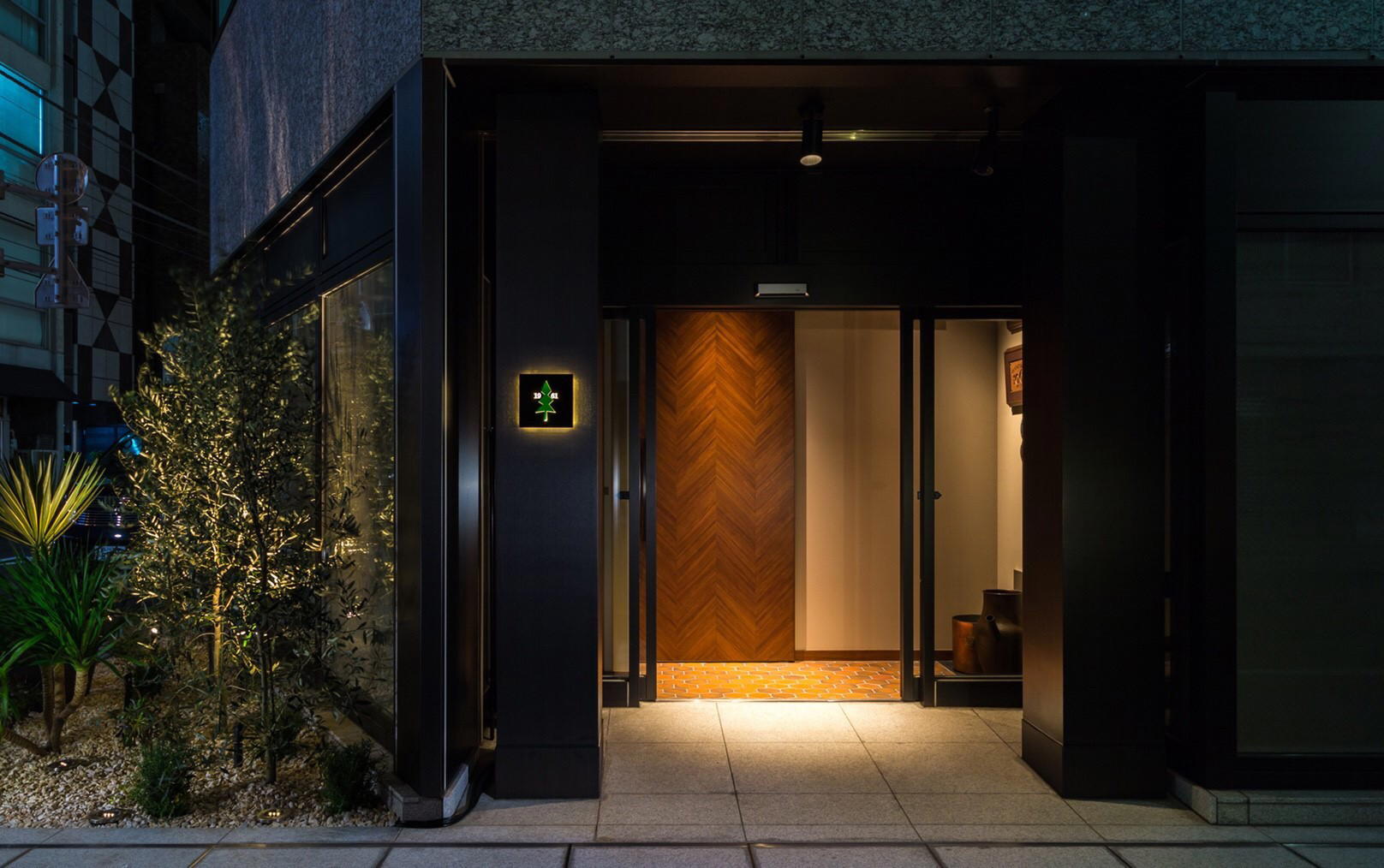
Sugita is a restaurant listing in Tokyo.
Hoshino
Tokyo, Japan
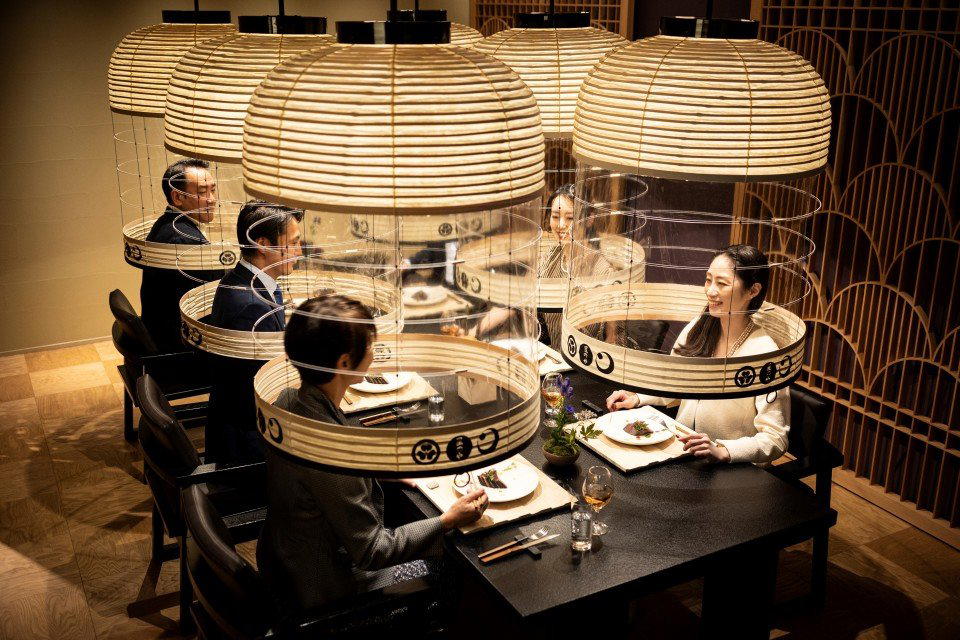
Shimbashi Hoshino is one of Tokyo's most consistently decorated kaiseki restaurants, holding Tabelog Gold every year since 2017 and ranked #7 in Japan by Opinionated About Dining (2025). Dinner runs JPY 60,000–79,999 per person. Reservations are by referral only, so secure access before you plan your trip.
Ogata
Kyoto, Japan
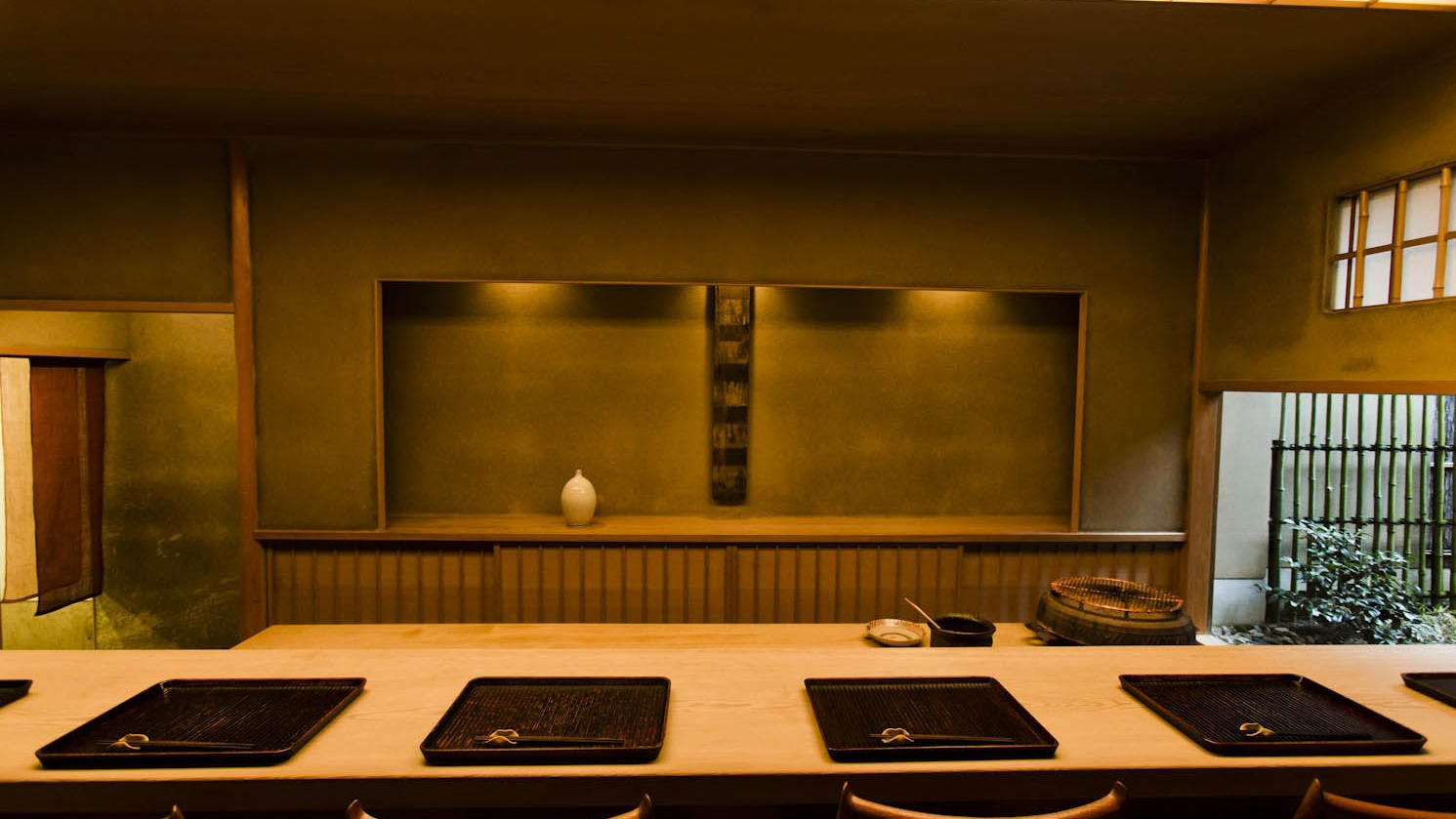
Ogata is a restaurant in Kyoto's Shimogyo Ward.
Higashiazabu Amamoto
Tokyo, Japan
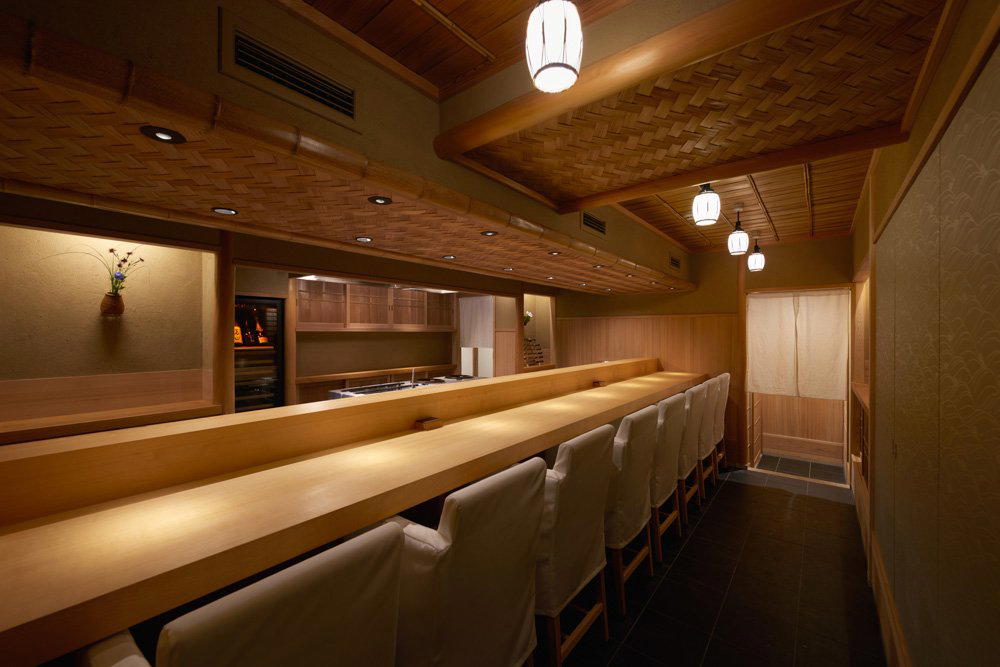
Against Tokyo sushi peers, Higashiazabu Amamoto is the pick for a serious chef-led counter meal with a strong sake angle, not for a flexible group dinner. Book it for a date, client meal, or small celebration where sushi is the point of the night; compare Fujisushi if a visible ¥¥¥ price tier matters more upfront.
Kataori
Kanazawa, Japan
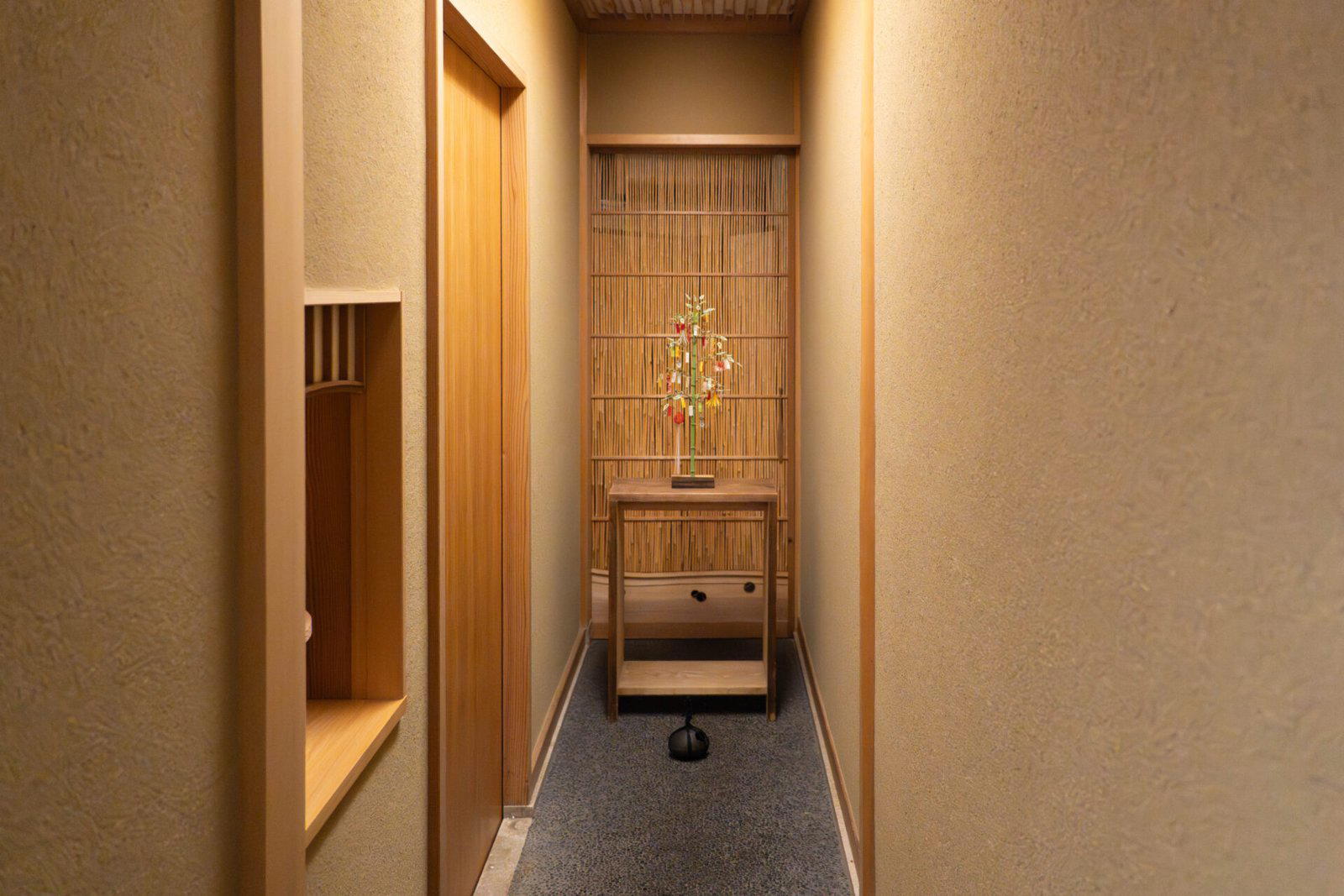
Kataori is a restaurant on Namikimachi in Kanazawa.
Kusunoki Nagoya
Nagoya, Japan
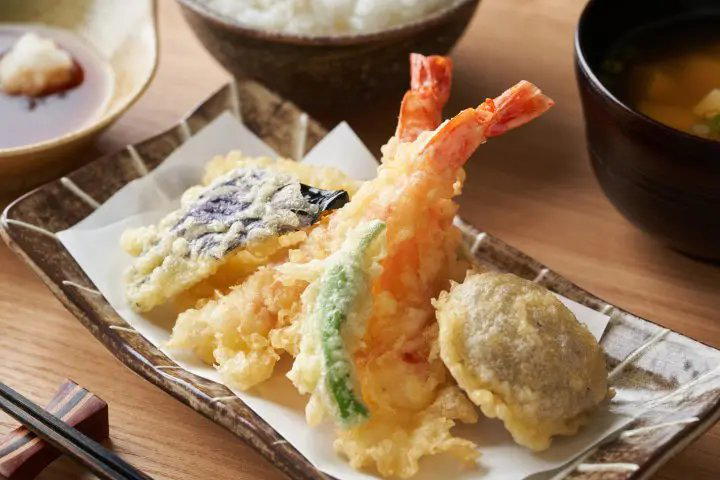
Chef Tadashi Kusunoki's six-seat counter delivers Tabelog Silver Award tempura at JPY 100,000 for dinner, JPY 40,000–49,999 for lunch. Reservation-only membership model in Yotsuya (Shinjuku Ward) prioritizes technical precision over accessibility. Lunch offers sufficient quality for first-timers; dinner justifies cost only for seasoned tempura enthusiasts seeking marginal ingredient upgrades.
Sushi Sakai
Fukuoka, Japan
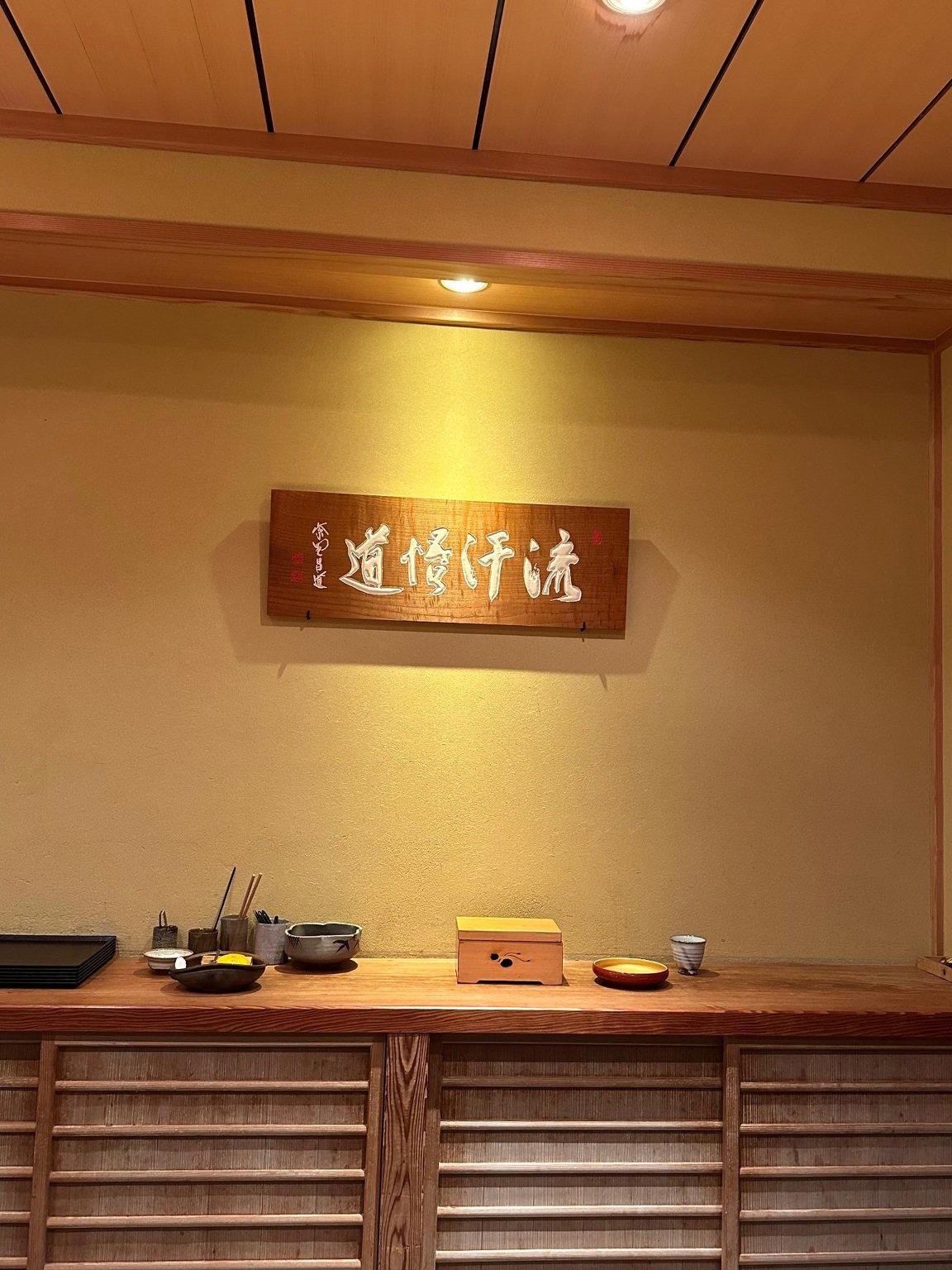
Sushi Sakai is Fukuoka's strongest argument for a dedicated sushi booking: Tabelog Gold across six of the past eight years, a La Liste score of 97 in 2026, and a 12-seat counter with multilingual reservations that makes high-level Japanese omakase accessible to international visitors. Budget JPY 50,000–79,999 per head at dinner and book well in advance.
Sazenka
Tokyo, Japan
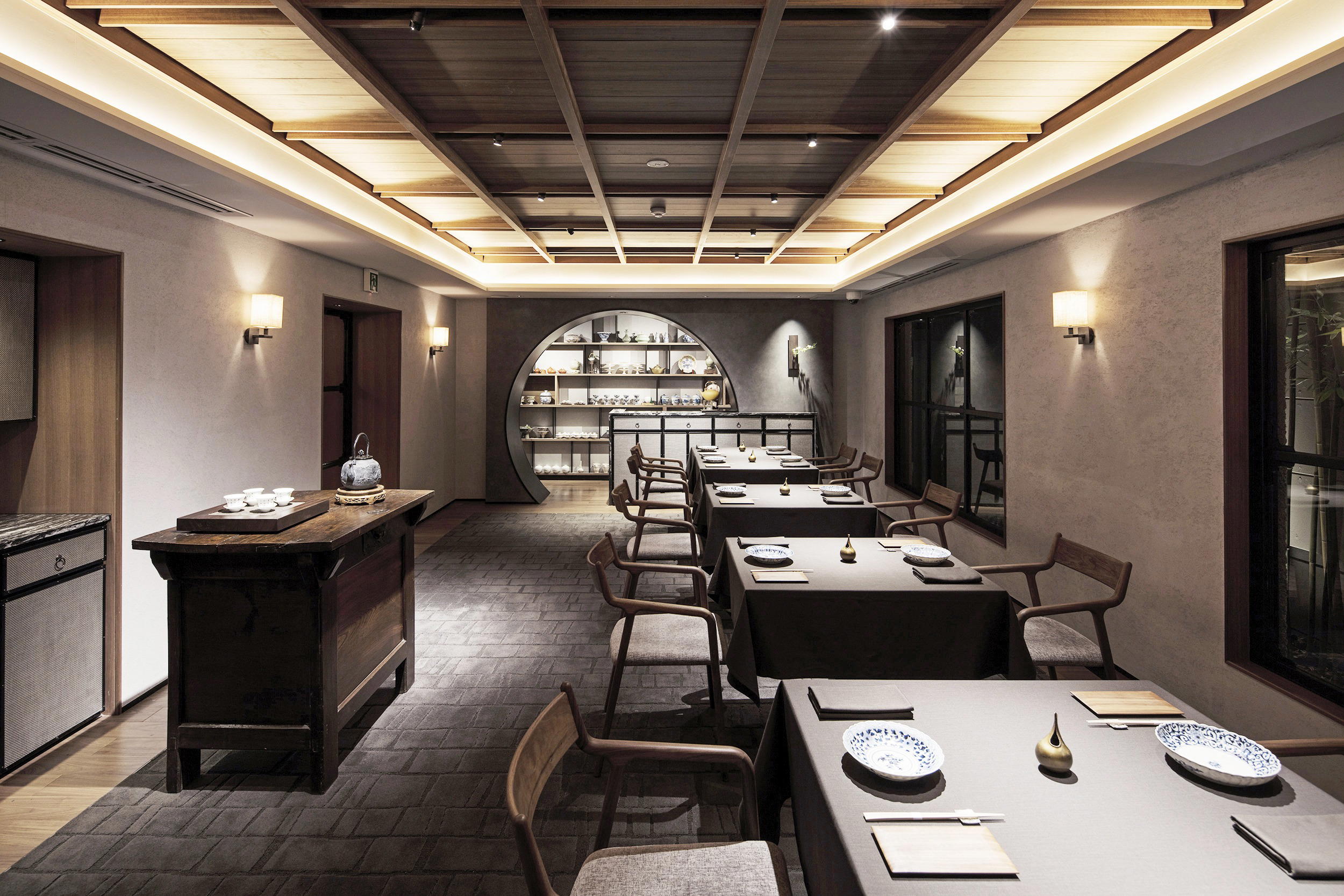
Sazenka is a Chinese restaurant in Minamiazabu, Tokyo.
Chikamatsu
Fukuoka, Japan
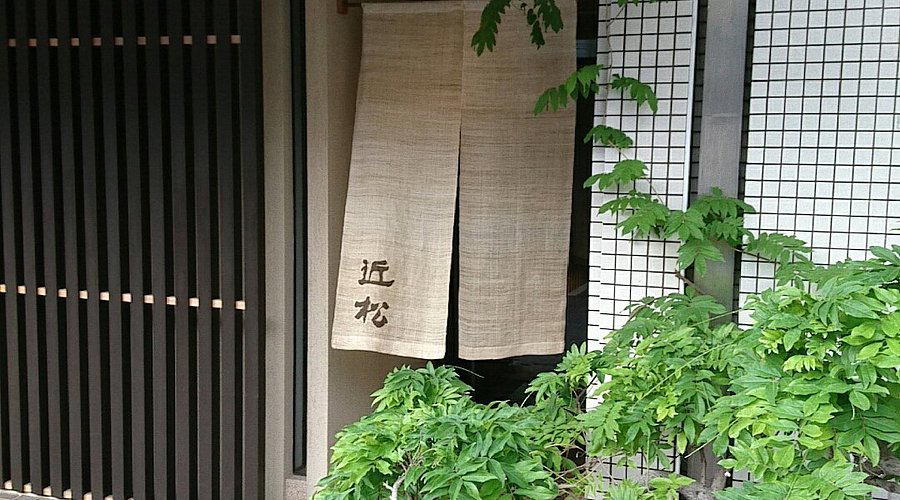
Nine-seat counter sushi in Fukuoka's Yakuin district, accessible by introduction only. Chef Nobuhiro Sakanishi earned Tabelog Gold 2026 and OAD Japan #12 for omakase at JPY 30,000–39,999, delivering Tokyo-level precision without the capital's price premium. Serious format, no children, referral required.
さわ田
Tokyo, Japan
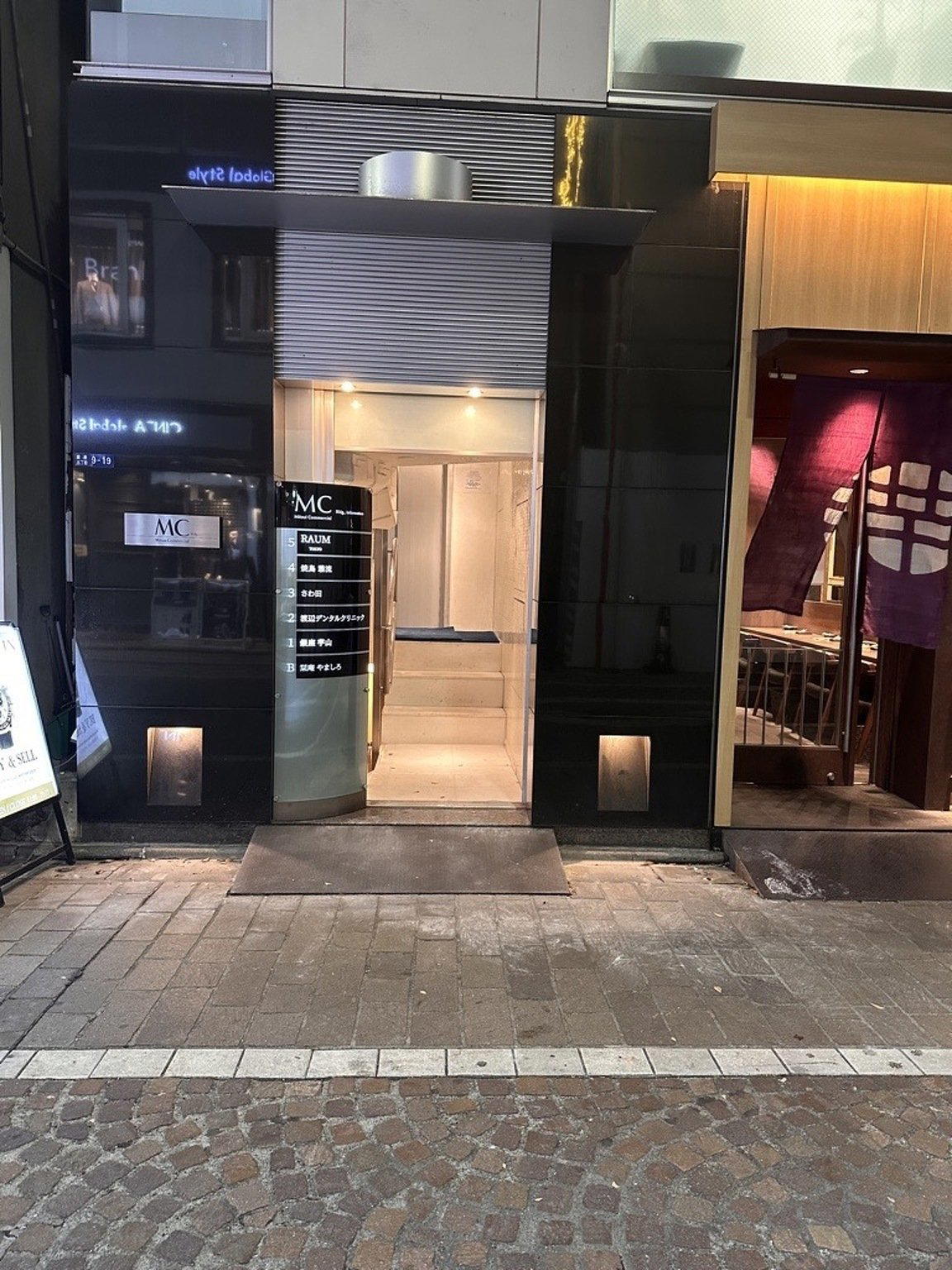
さわ田 is the right Ginza choice when you want a composed, meal-first reservation rather than a drinks-led night out. Black Pearl 1 Diamond recognition in 2026 gives it a stronger signal than nearby casual cafés, while easy booking difficulty makes it a lower-stress Tokyo option for solo diners or pairs.
Yanagiya
Gifu, Japan
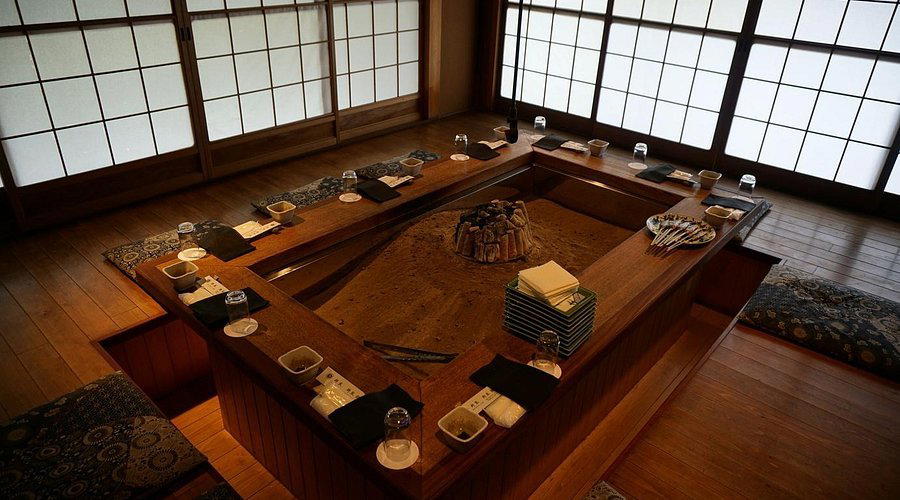
Yanagiya in Mizunami, Gifu is a Tabelog Silver-awarded irori grill house (4.35 score, La Liste 97pts 2026) that delivers serious seasonal cooking; fish-focused now, game meat in autumn; in a relaxed tatami setting. At JPY 15,000 to JPY 20,000 per head, it is the strongest case for a destination meal in Gifu, but requires a minimum party of four and advance booking by phone.
Den
Tokyo, Japan
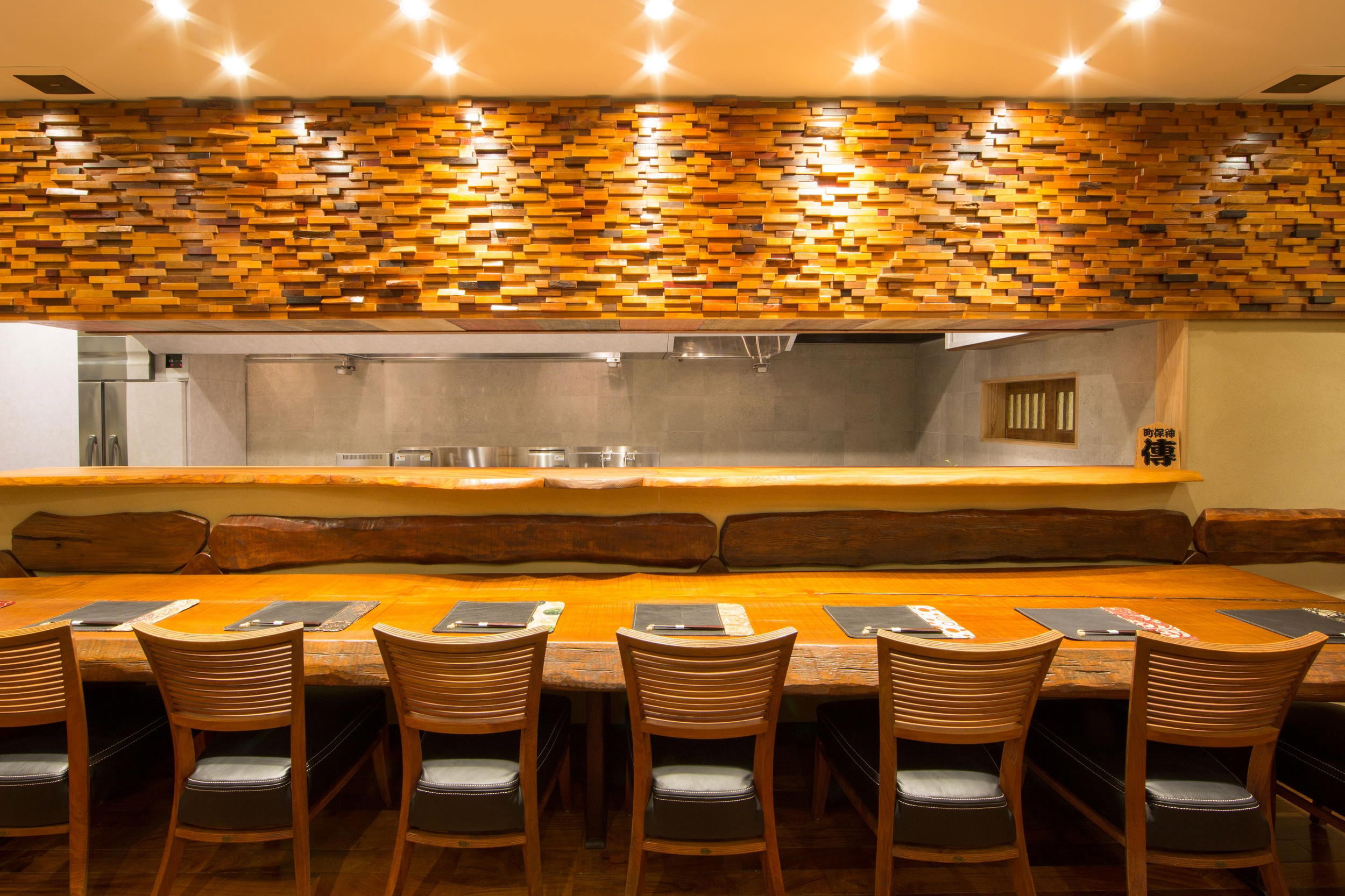
Den is a Japanese restaurant in Jingumae, Tokyo, led by chef Zaiyu Hasegawa.
Yoroniku
Tokyo, Japan
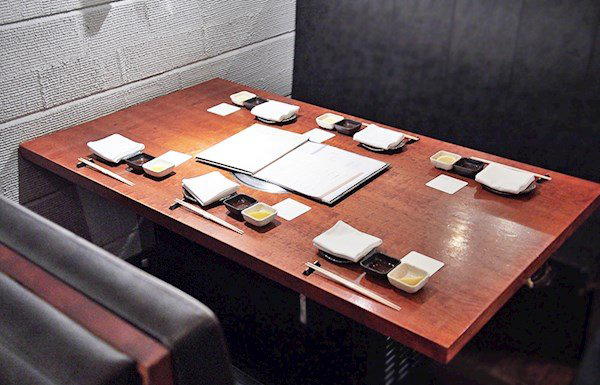
Yoroniku in Minami-Aoyama is the right booking for a structured, course-driven yakiniku experience in Tokyo. Holding a Tabelog 4.22 score and consistent placement in the Opinionated About Dining Japan Top 50, it runs JPY 15,000–19,999 effective per head at dinner, with private rooms for groups from 2 to 30-plus and an English menu available. Open seven days, dinner only.
Tori-Shiki
Tokyo, Japan
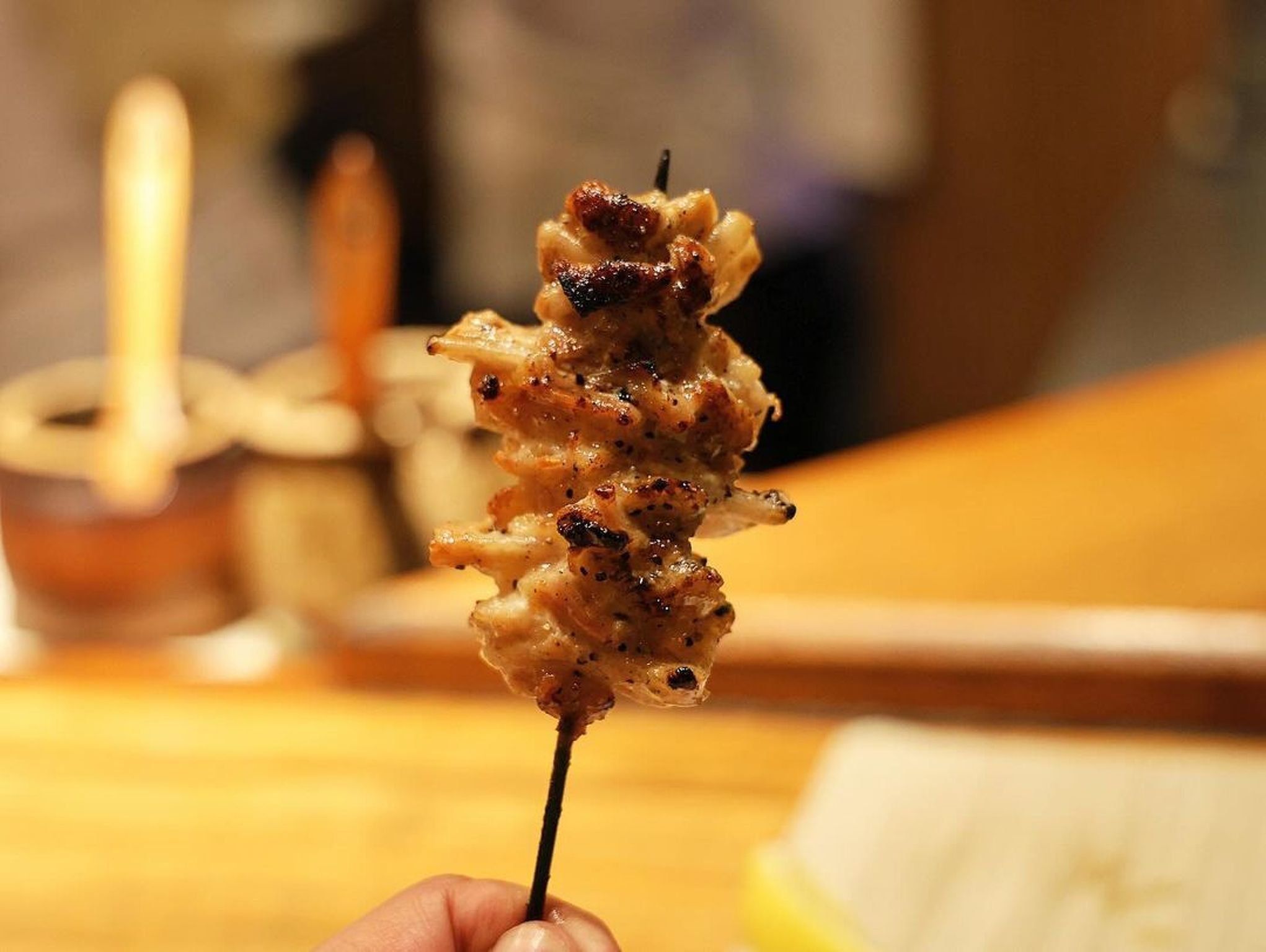
Chef Yoshiteru Ikegawa's twelve-seat yakitori counter in Meguro delivers binchōtan-grilled chicken skewers at La Liste and Tabelog 100 level for under JPY 10,000 per head; omakase precision without the omakase price. Reservations open monthly by phone only and fill immediately, but the value and technical rigor justify the effort.
Morikawa
Tokyo, Japan
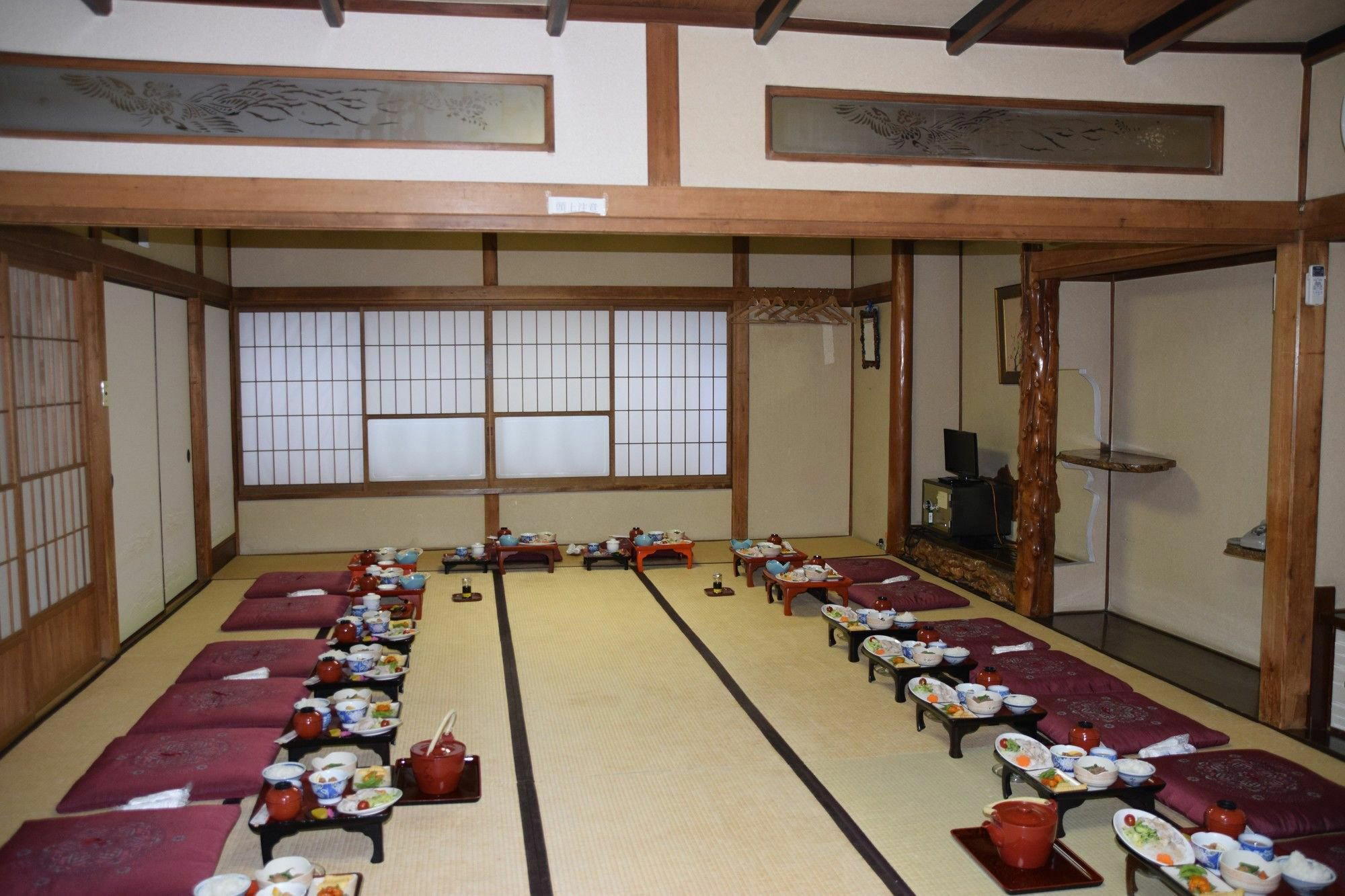
Morikawa is a teishoku restaurant in Tokyo's Bunkyo district worth booking for serious diners who want technique-driven multi-course dining without the booking difficulty of the city's most high-profile tables. Ranked #64 in Japan by Opinionated About Dining (2025), it has a strong track record and a neighbourhood feel that sets it apart from the prestige-address venues in Ginza or Azabu. Weekday lunch is the recommended entry point.
Mitani
Tokyo, Japan
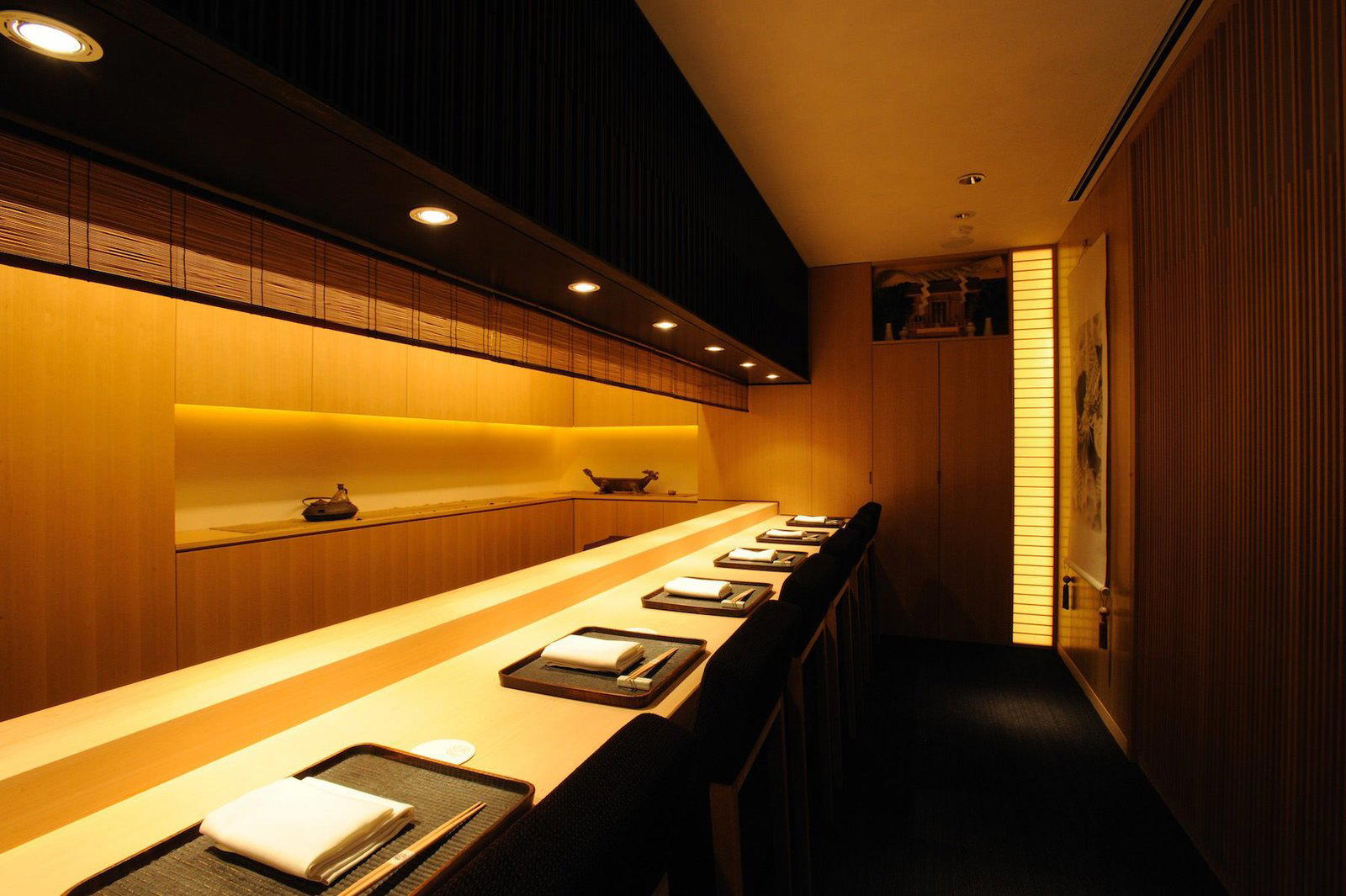
A six-seat sushi counter in Yotsuya delivering nine consecutive years of Tabelog Gold awards at JPY 50,000–59,000 per omakase. Chef Yasuhiko Mitani runs a disciplined programme with no à la carte options and a closed reservation system favouring regulars. Worth the effort if you can secure access through a concierge, but solo diners and small groups will find easier entry elsewhere in Tokyo's competitive sushi tier.
Kiyama
Kyoto, Japan
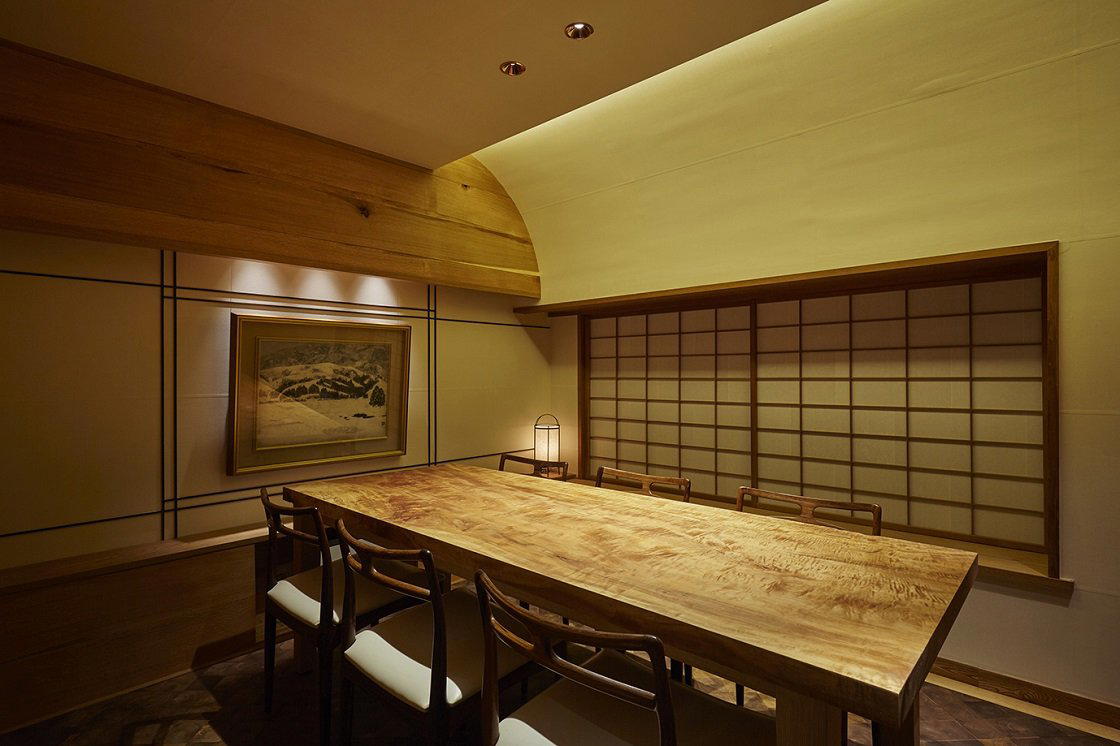
Yoshiro Kiyama's 30-seat Nakagyo kaiseki earned Tabelog Gold in 2021 and Michelin Plate recognition since 2024, with counter seating and private rooms serving ¥30,000–39,999 tasting menus built around water from an on-site well. Reservation-only, phone bookings required, and a tight service window (last entry 13:00 lunch / 19:30 dinner); worth it for diners who want precision kaiseki without Gion's tourist density, but <a href="https://joinpearl.co/restaurants/godan-miyazawa">Godan Miyazawa</a> and <a href="https://joinpearl.co/restaurants/gion-maruyama-kyoto-restaurant">Gion Maruyama</a> offer comparable depth with easier logistics.
Jumbo Hanare
Tokyo, Japan
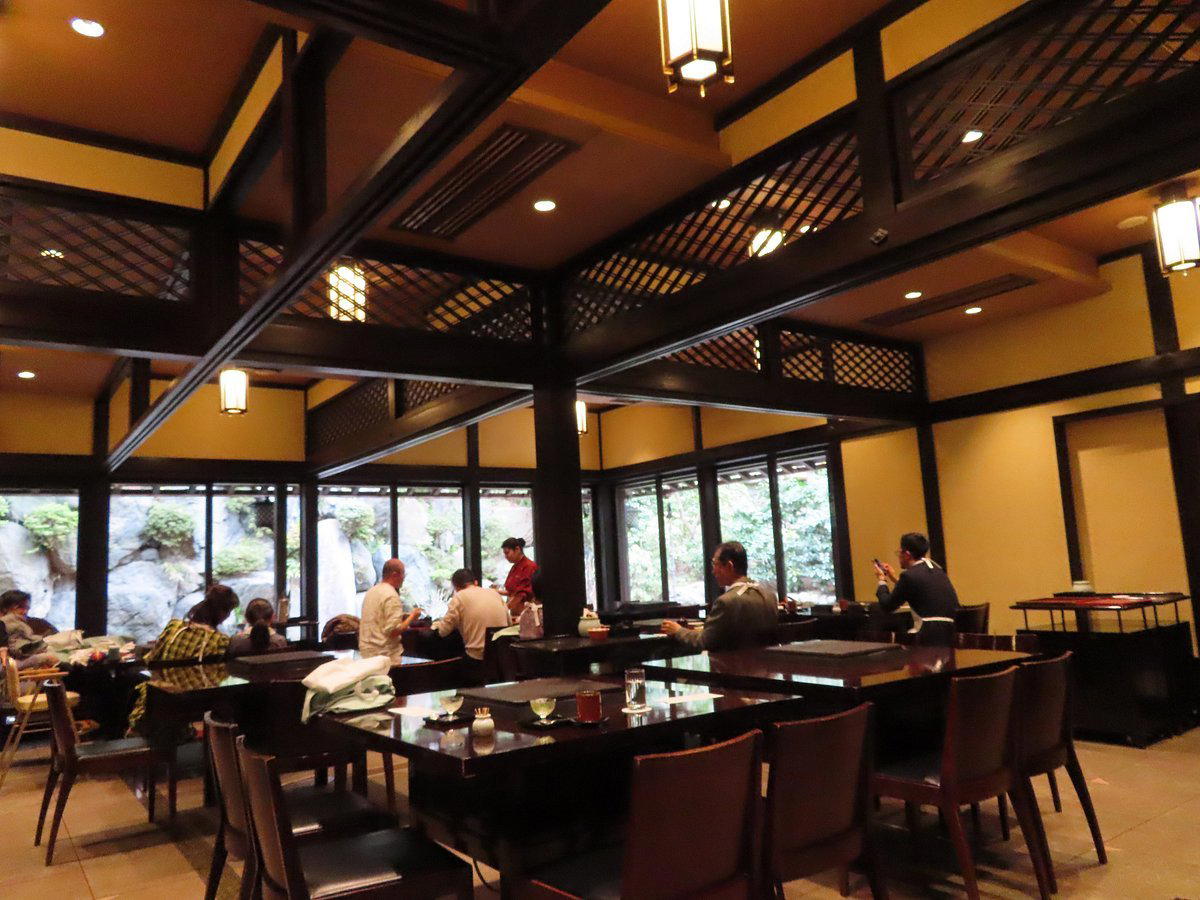
Chef Norimitsu Nanbara's 25-seat Bunkyo yakiniku house delivers dry-aged domestic beef at JPY 15,000–19,999, backed by ten consecutive Tabelog awards (Gold 2017, Silver 2018–2025, Bronze 2026). Six counter seats and three private rooms suit solo diners and small groups; book via the website or call for same-day counter openings. More polished than neighbourhood grills, less expensive than Azabu prestige rooms; solid technique without the ultra-premium price.
Sushi Namba
Tokyo, Japan
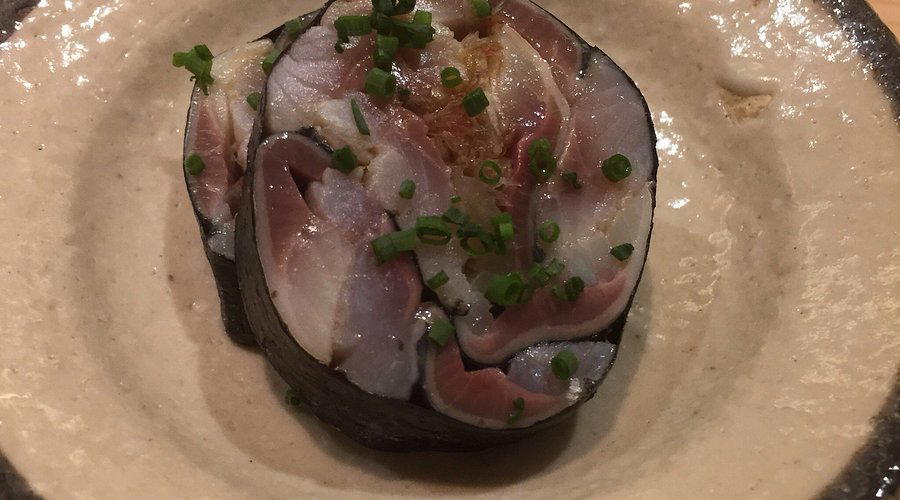
Chef Hidefumi Namba's omakase counter in Tokyo Midtown Hibiya holds multi-year Tabelog recognition for single-degree rice-and-neta temperature control. JPY 40,000–49,999 lunch or dinner, 12 seats total, reservation-only. Easier to book than some peers, quieter than most, and the private room handles four for celebrations.
Sumibiyakiniku Nakahara
Tokyo, Japan
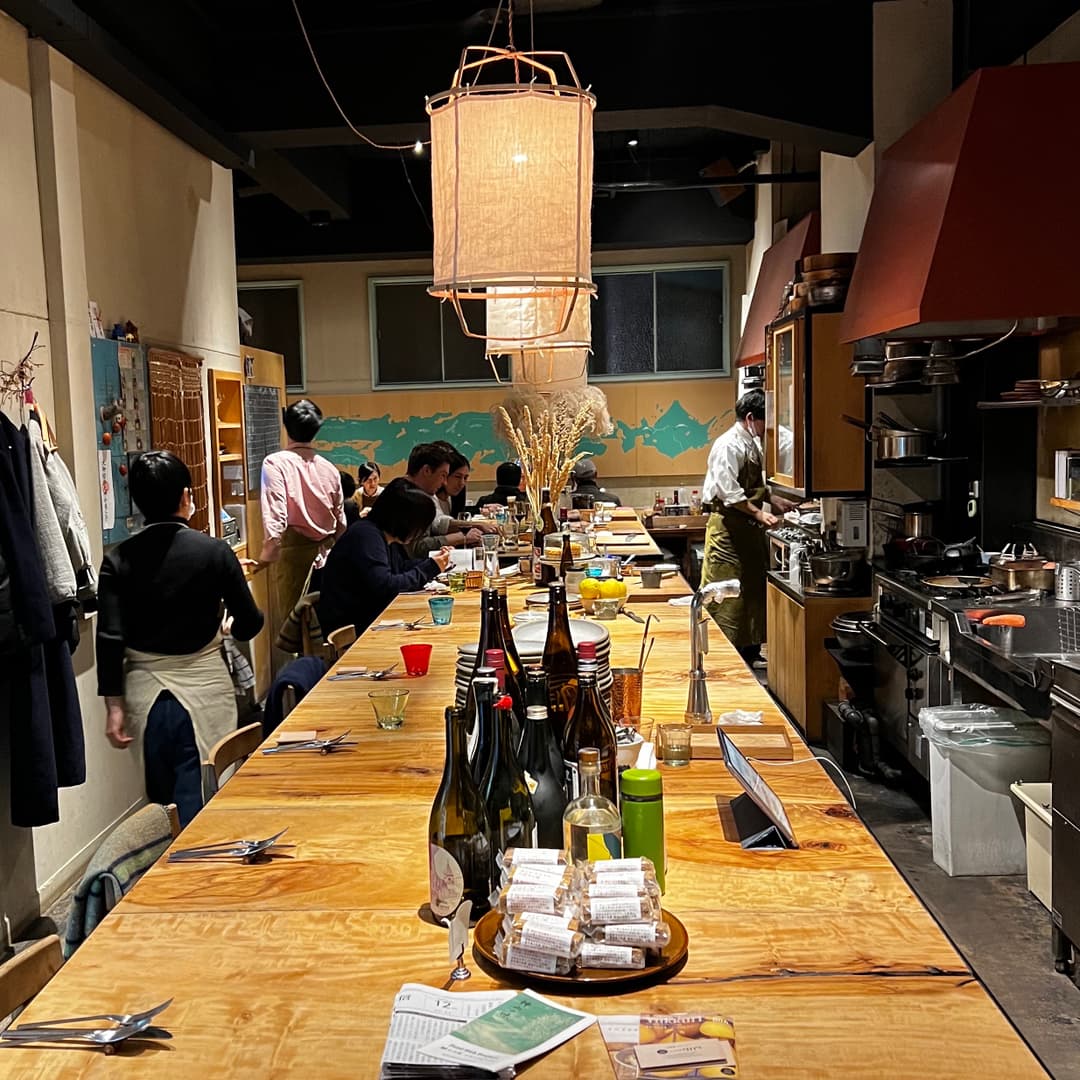
A Tabelog Bronze Award yakiniku specialist in Chiyoda offering charcoal-grilled Wagyu at JPY 30,000–39,999 per person. Easier to book than Tokyo's marquee names but with consistent execution since 2014. Best for diners who want recognized quality without two-month advance planning.
Kitcho Arashiyama - 京都 吉兆 嵐山本店
Kyoto, Japan
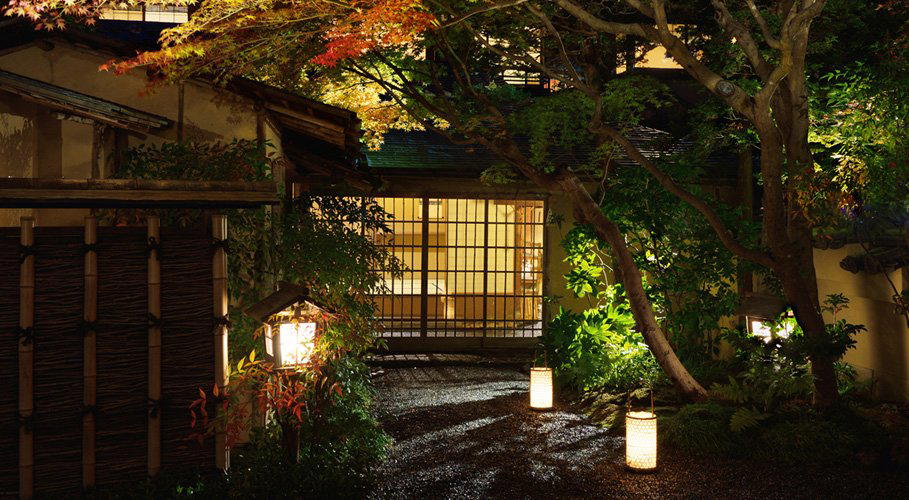
Kitcho Arashiyama is Kyoto's benchmark for formal kaiseki, with seven fully private tatami rooms, a Tabelog Bronze Award held every year since 2020, and a La Liste score of 98 points (2026). Budget JPY 60,000–79,999 per person plus a 20% service charge. Reservations are required; no bar, no walk-ins, and a dinner last-order of 18:30 means this is a plan-ahead booking, not a spontaneous one.
Kagurazaka Ishikawa
Tokyo, Japan
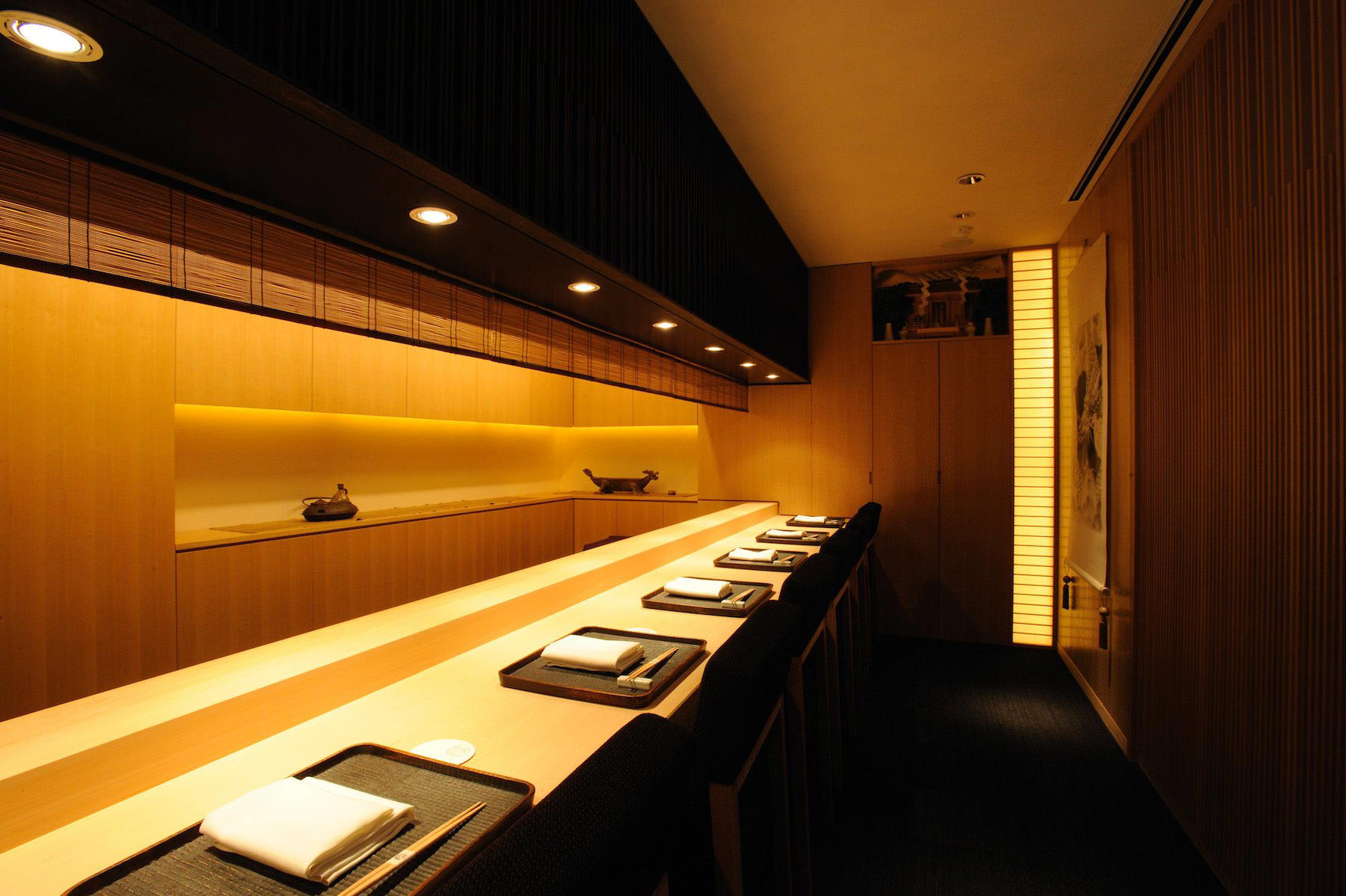
Kagurazaka Ishikawa is a Japanese restaurant in Tokyo's Kagurazaka neighborhood.
Miyoshi
Kyoto, Japan
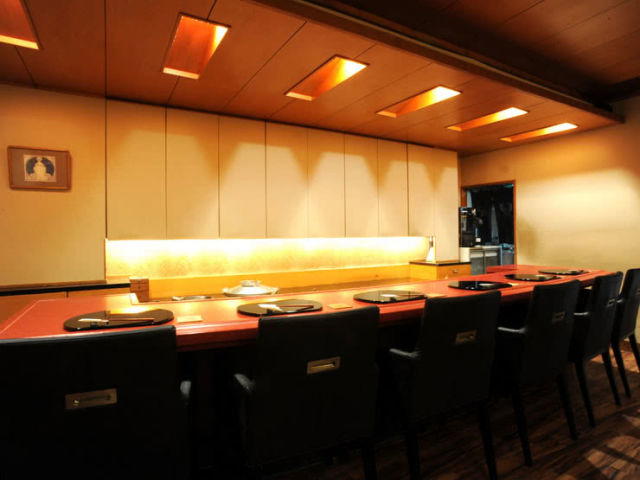
An eight-seat Hinoki counter in Gion serving Chef Tsutomu Ito's wagyu-focused kaiseki, built around minimalist technique and seasonal cuts. The wine and sake program is curated to match the beef's marbling, and the reservation-only format ensures a quiet, deliberate pace. Book for special occasions when you want beef kaiseki with sommelier pairings rather than yakiniku-style grilling.
Arai
Tokyo, Japan
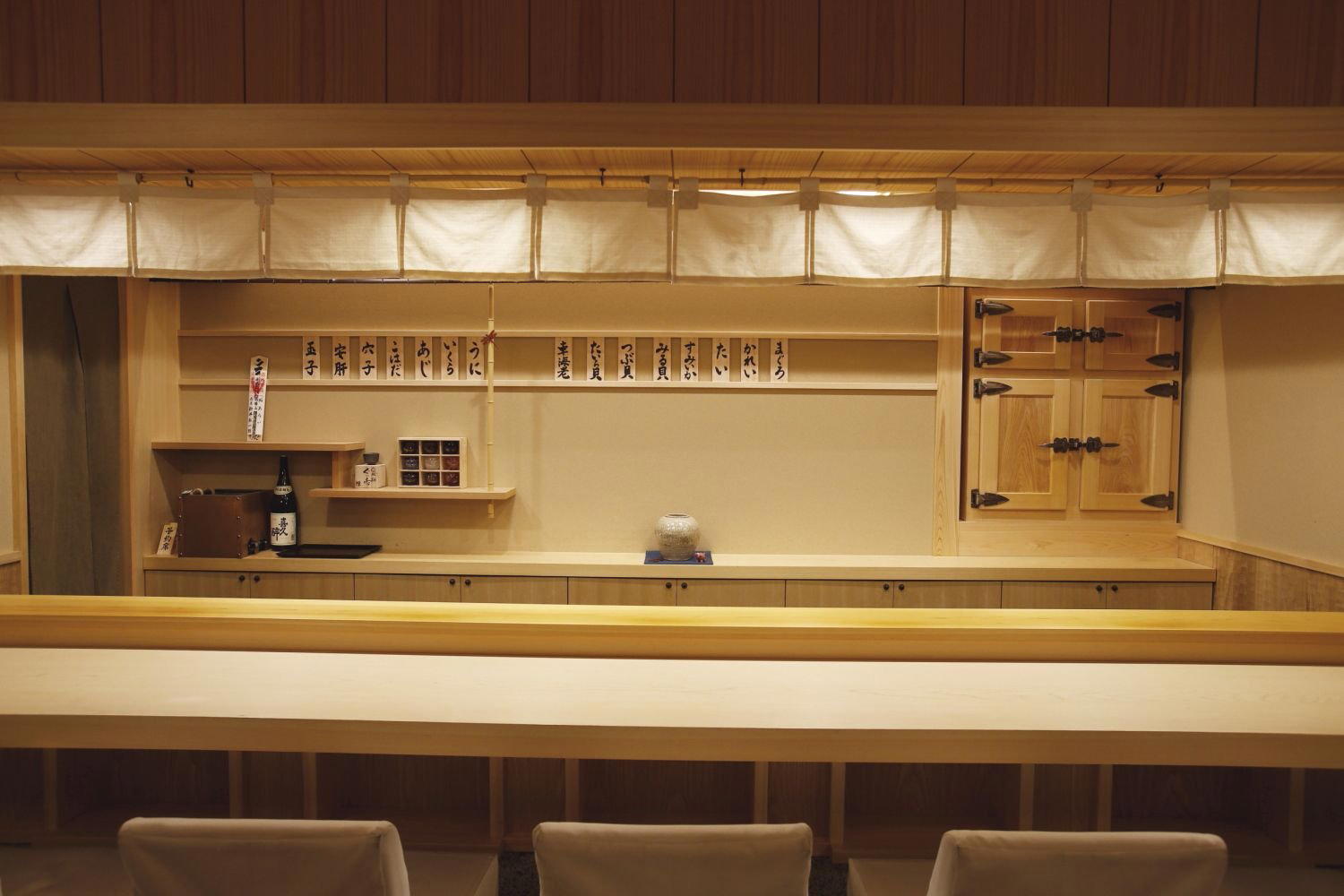
Arai is a restaurant in Ginza, Tokyo.
Kimoto
Tokyo, Japan
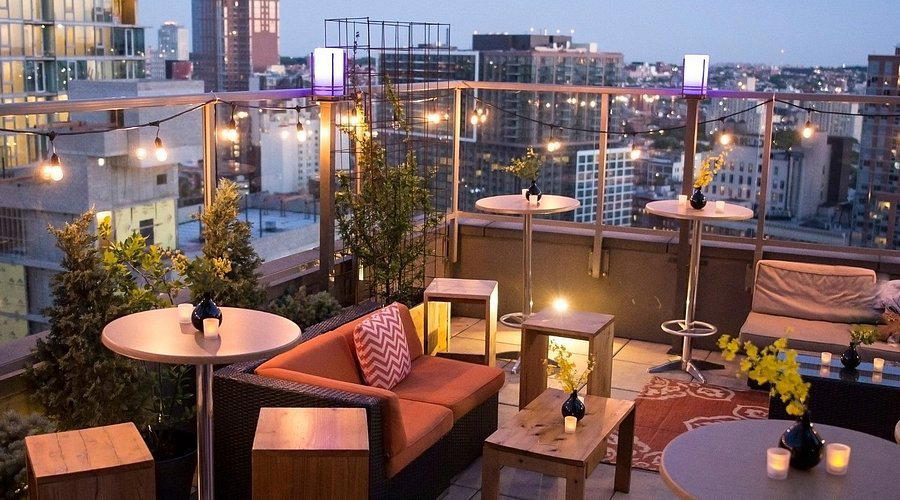
Kimoto is an eight-seat kaiseki counter in Kagurazaka holding Tabelog Silver every year from 2020 to 2026, a 4.38 score, and three Tabelog Top 100 Tokyo selections. Dinner runs JPY 80,000–99,999 per person. Weekend lunch service runs Saturday and Sunday from 1 pm; the format to target on a return visit. Reservation-only; book two to four weeks ahead.
L'évo
Nanto, Japan
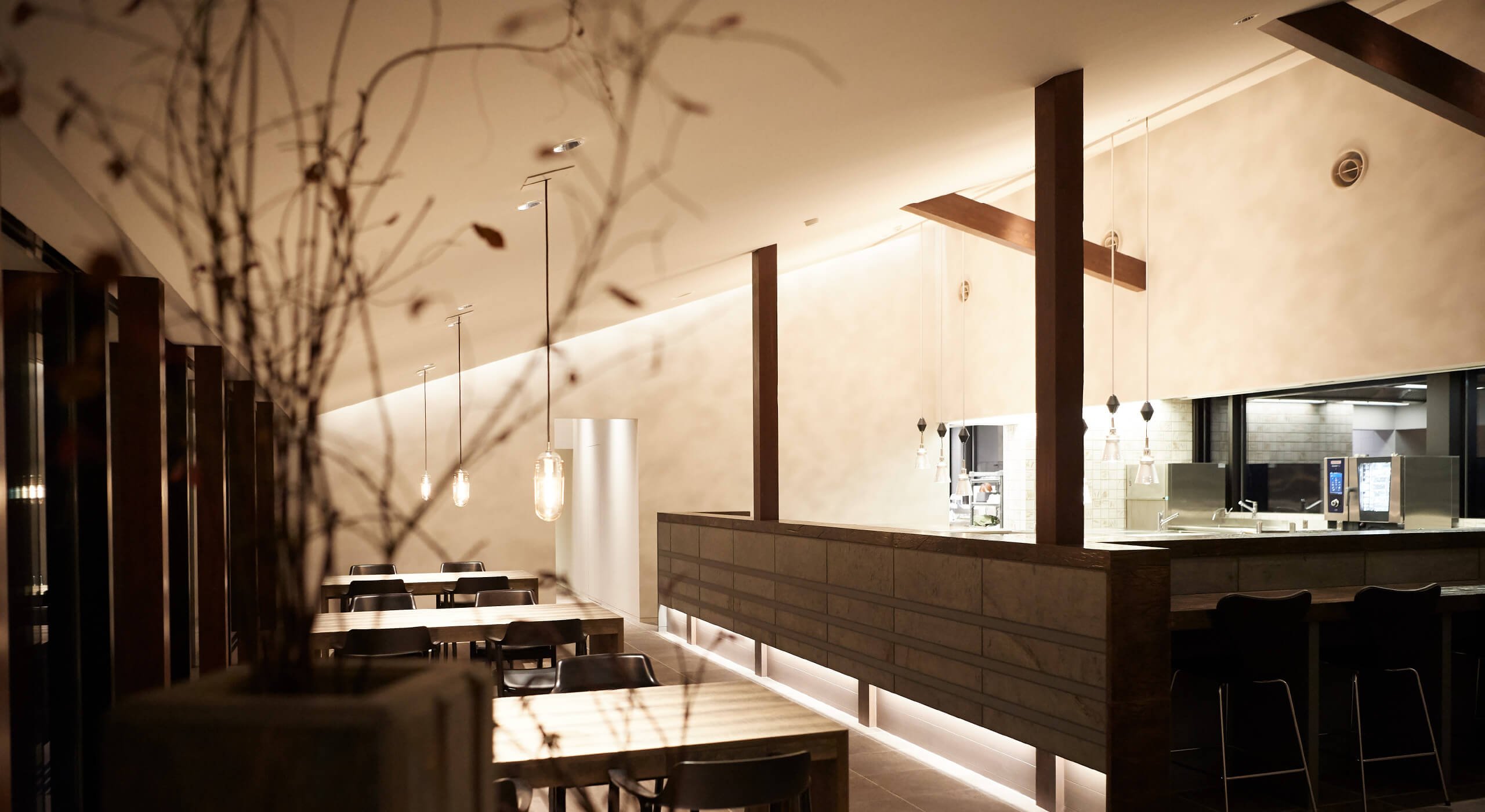
L'évo is an auberge with a restaurant and lodging in Togamura, Nanto, Toyama.
Pellegrino
Tokyo, Japan
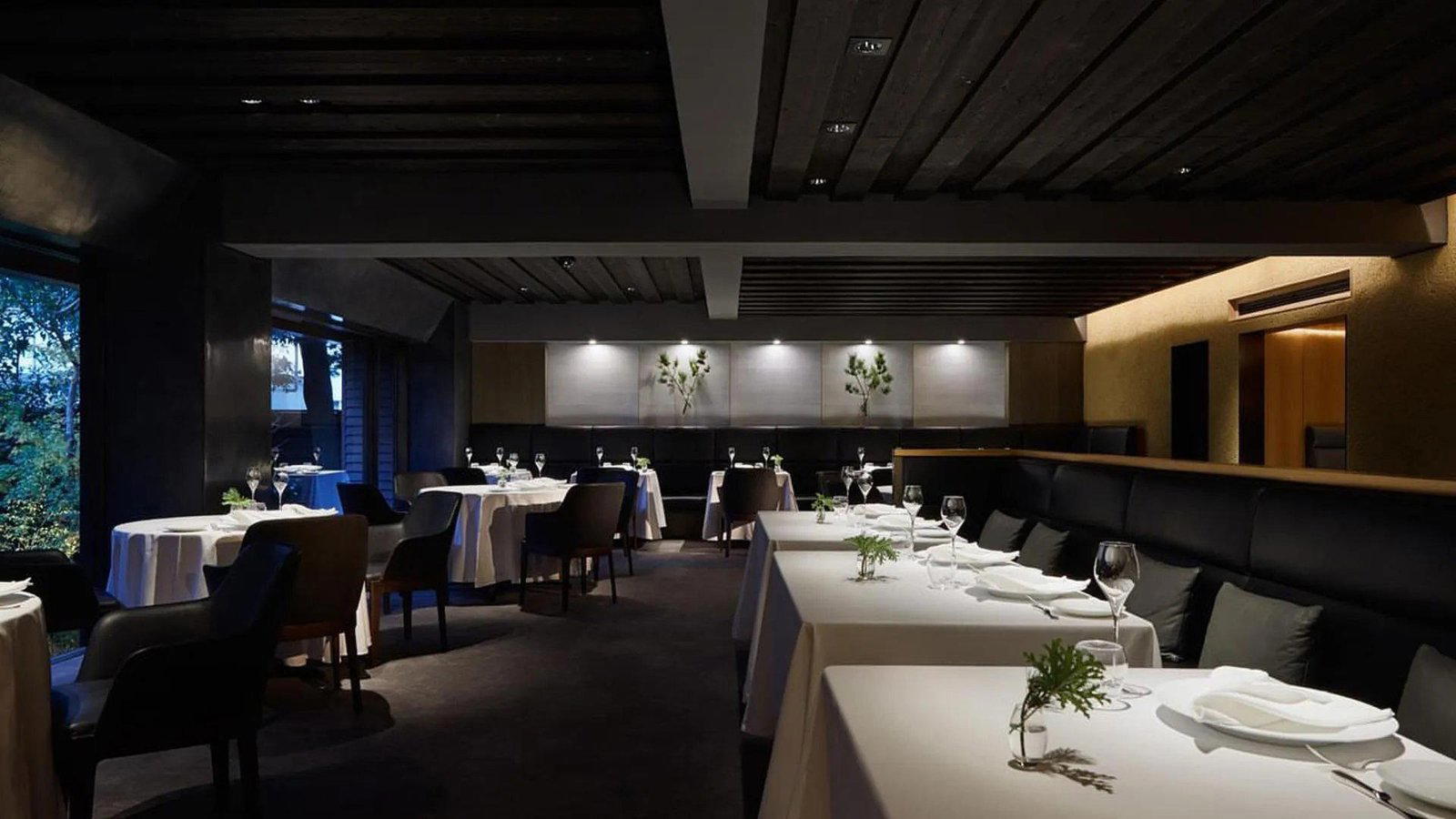
Pellegrino is a six-seat Italian omakase in Ebisu with a fish-focused kitchen, Tabelog Gold awards in 2017–2019 and 2021–2025, and a price of JPY 100,000 per head. It is the right booking for a serious celebration dinner where intimacy and sourcing quality matter more than flexibility. Reserve through Omakase well in advance; availability is tight.
Sushi Kimura
Tokyo, Japan
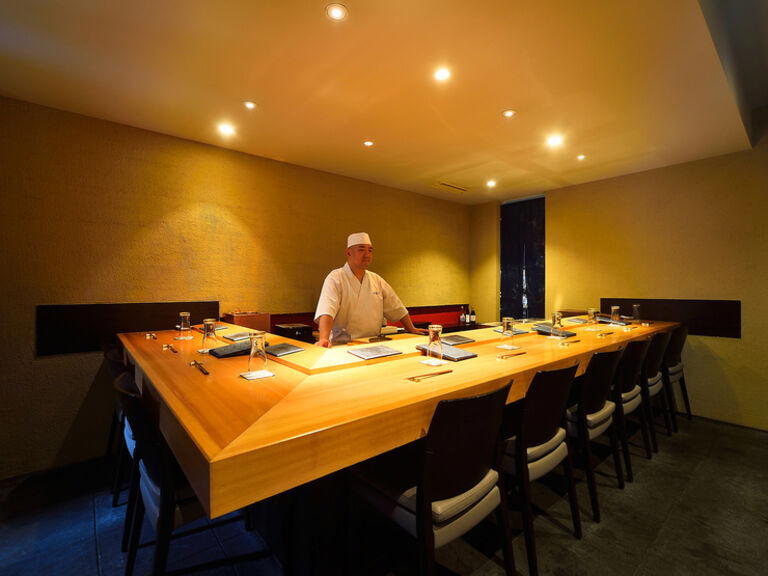
A nine-seat counter in Setagaya with eight Tabelog Award cycles, a Michelin star, and an OAD Japan top-50 ranking. Sushi Kimura is one of Tokyo's most consistently credentialed omakase counters, and the residential location keeps the room quiet and the focus entirely on the fish. Budget JPY 50,000-59,999 all-in; book via TABLEALL from overseas well in advance.
Aragawa
Kobe, Japan
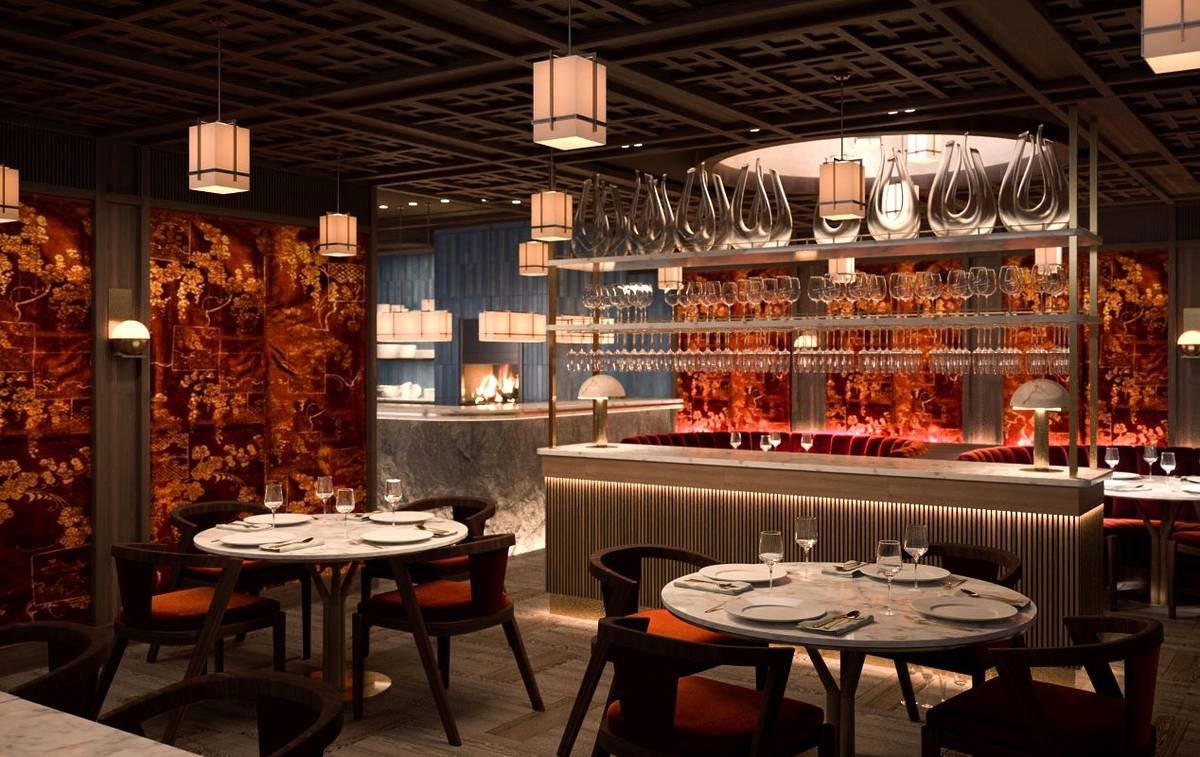
Aragawa ranked #41 in Japan on Opinionated About Dining in 2024, but dropped sharply to #587 in 2025, making this a venue to approach with updated expectations. Based in Kobe rather than Tokyo, it suits special occasion dining in a formal, quiet room. Booking is currently easy relative to Japan's harder-to-access top-tier venues.
Aragawa
London, United Kingdom
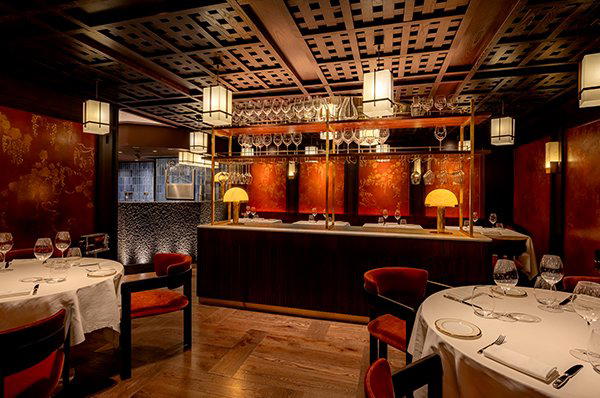
Aragawa is a Tajima Wagyu restaurant in Mayfair, cooking over binchotan charcoal with salt and minimal intervention. It holds a Michelin Plate (2025) and entered the World's 101 Best Steak Restaurants in 2024. Book three to four weeks ahead minimum; the format rewards those who want focused ingredient quality over variety or spectacle.
Kiyota
Tokyo, Japan
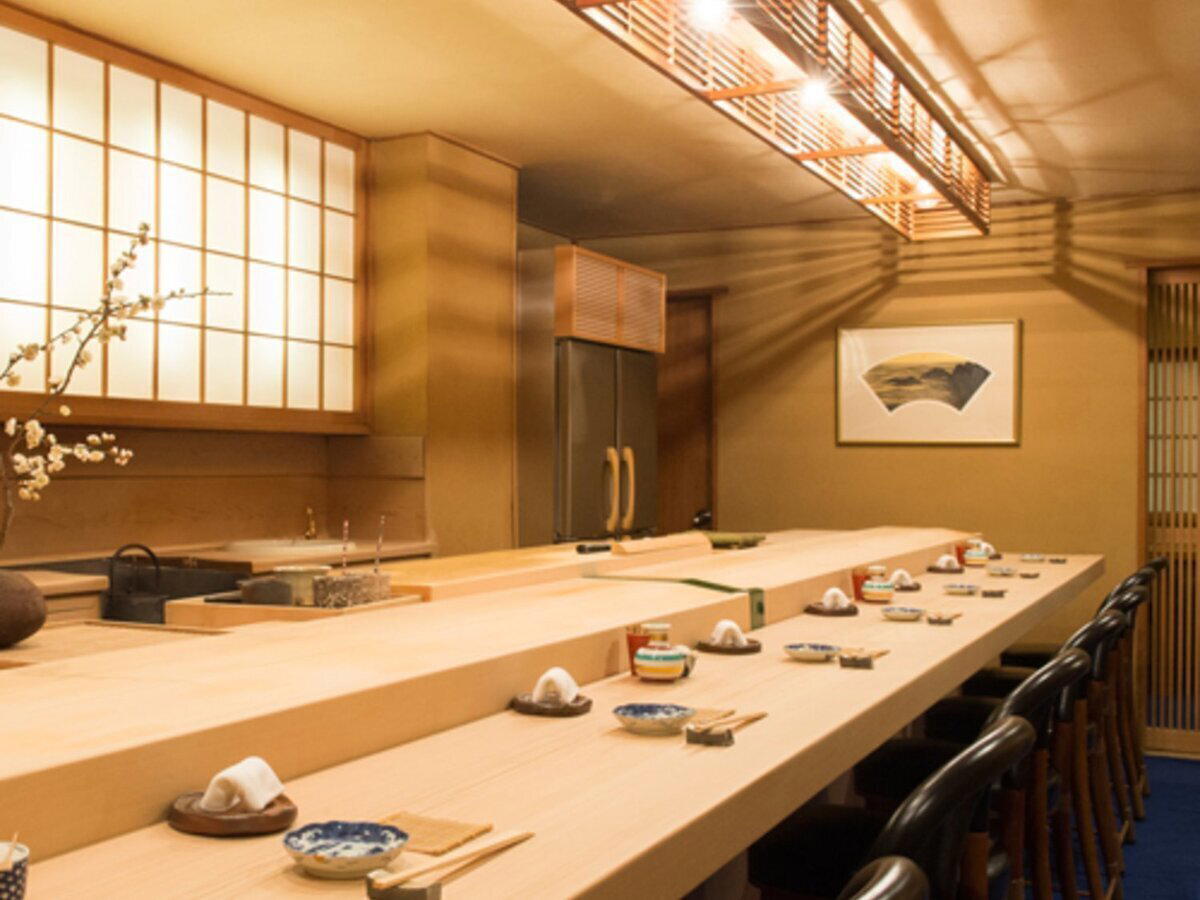
Kiyota is a nine-seat Ginza sushi counter with a Tabelog Award from 2017 to 2024 and in 2026 and a consistent presence in the OAD Japan top 100. Dinner runs JPY 50,000–80,000; lunch is available at roughly half that. Booking is relatively accessible by Ginza standards, and the fish-focused sourcing approach gives regulars a reason to return.
RyuGin
Tokyo, Japan
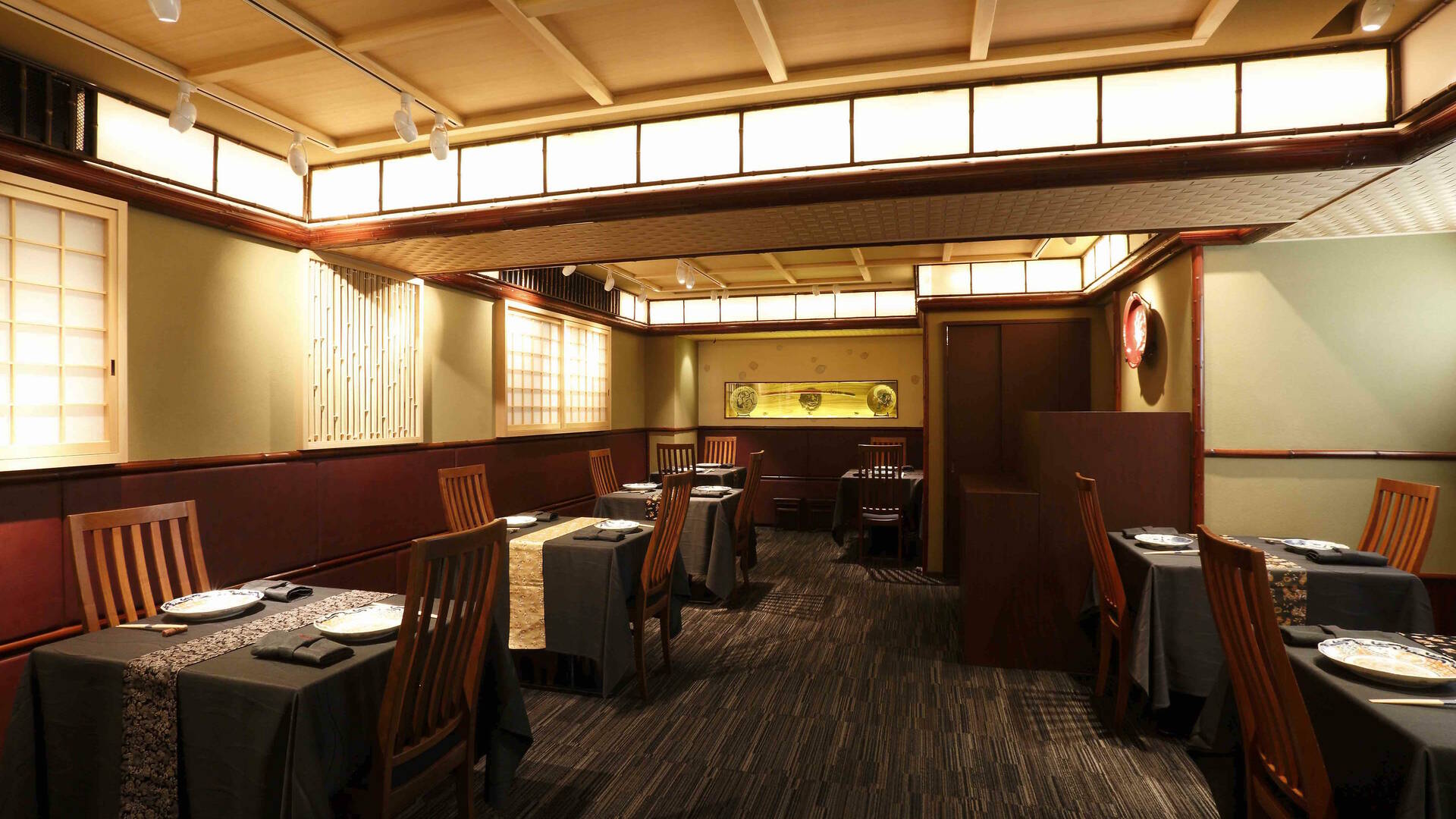
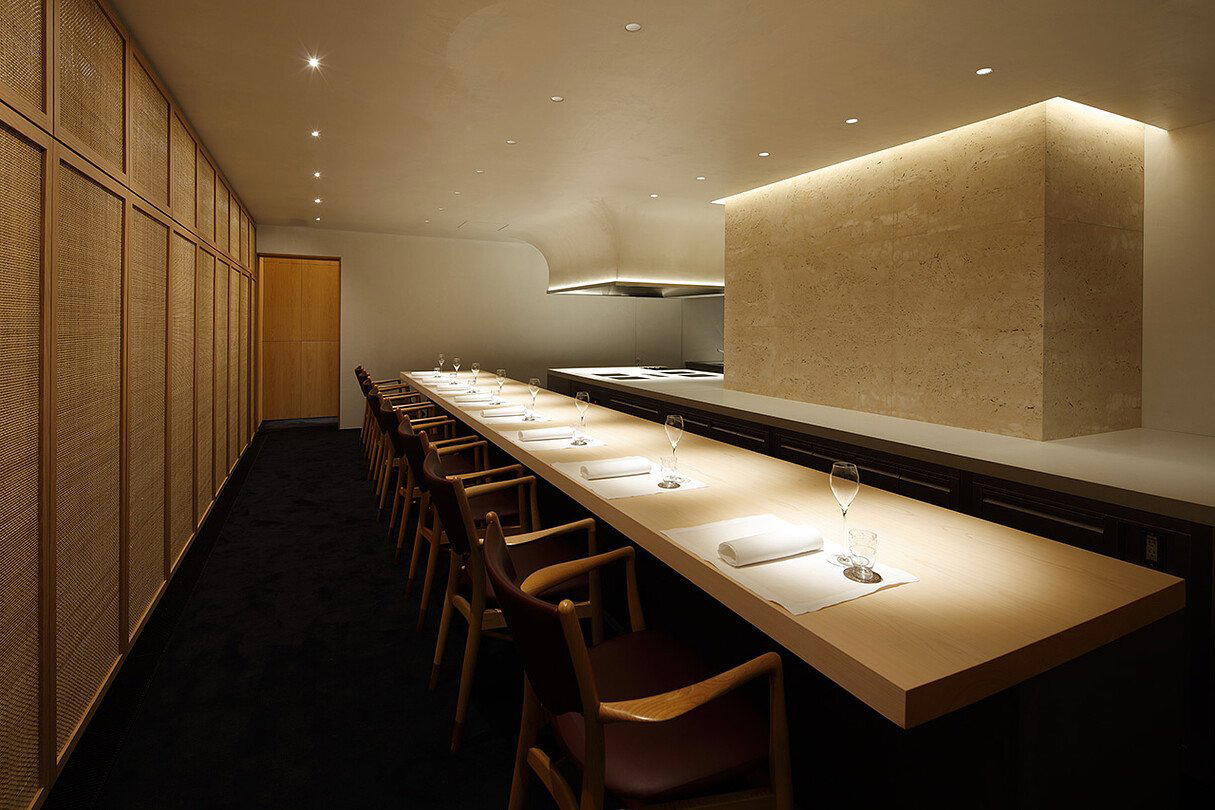
Nihonryori RyuGin is Seiji Yamamoto's Japanese restaurant in Tokyo Midtown Hibiya.
Chiune
Tokyo, Japan
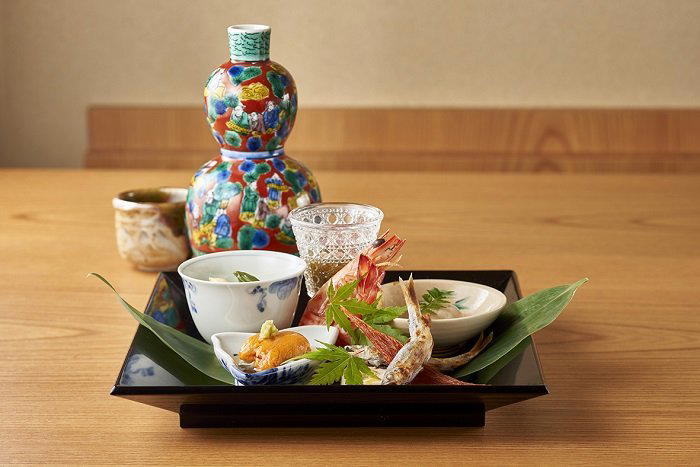
Chef Satoshi Furuta's Franco-Japanese menu at his new Kioicho address earned Tabelog Silver for 2025 and 2026, with dinner running JPY 80,000–99,999. The cooking prioritizes ingredient clarity and umami depth over architectural drama, making it a strong choice for special occasions when you want technical refinement without the theatrics of Tokyo's higher-wattage rooms.
Kutan
Tokyo, Japan
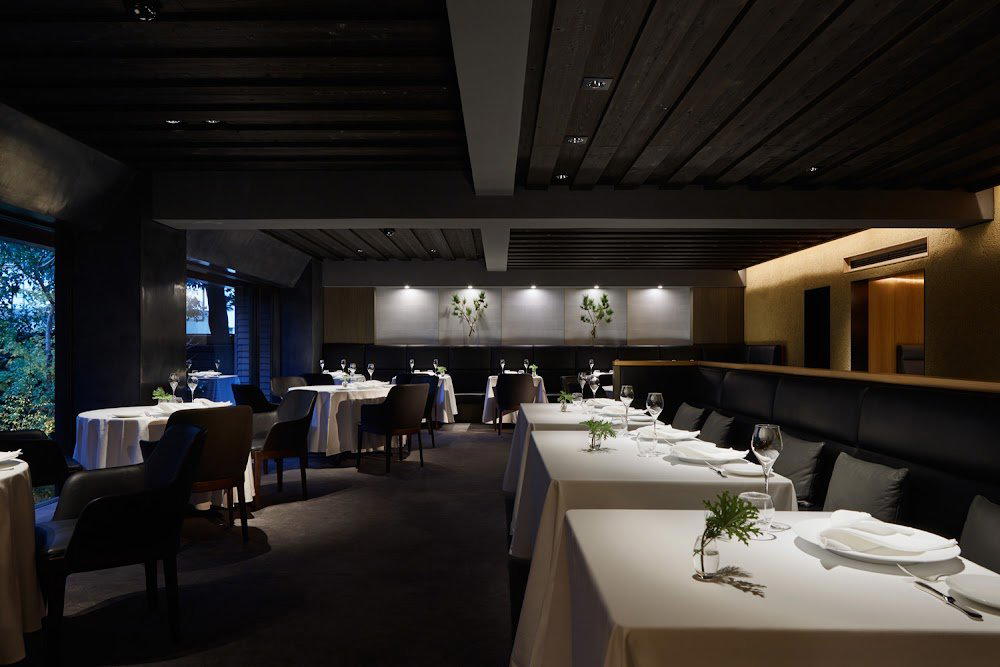
Kutan is a restaurant in Shintomi, Tokyo.
Ginza Shinohara
Tokyo, Japan
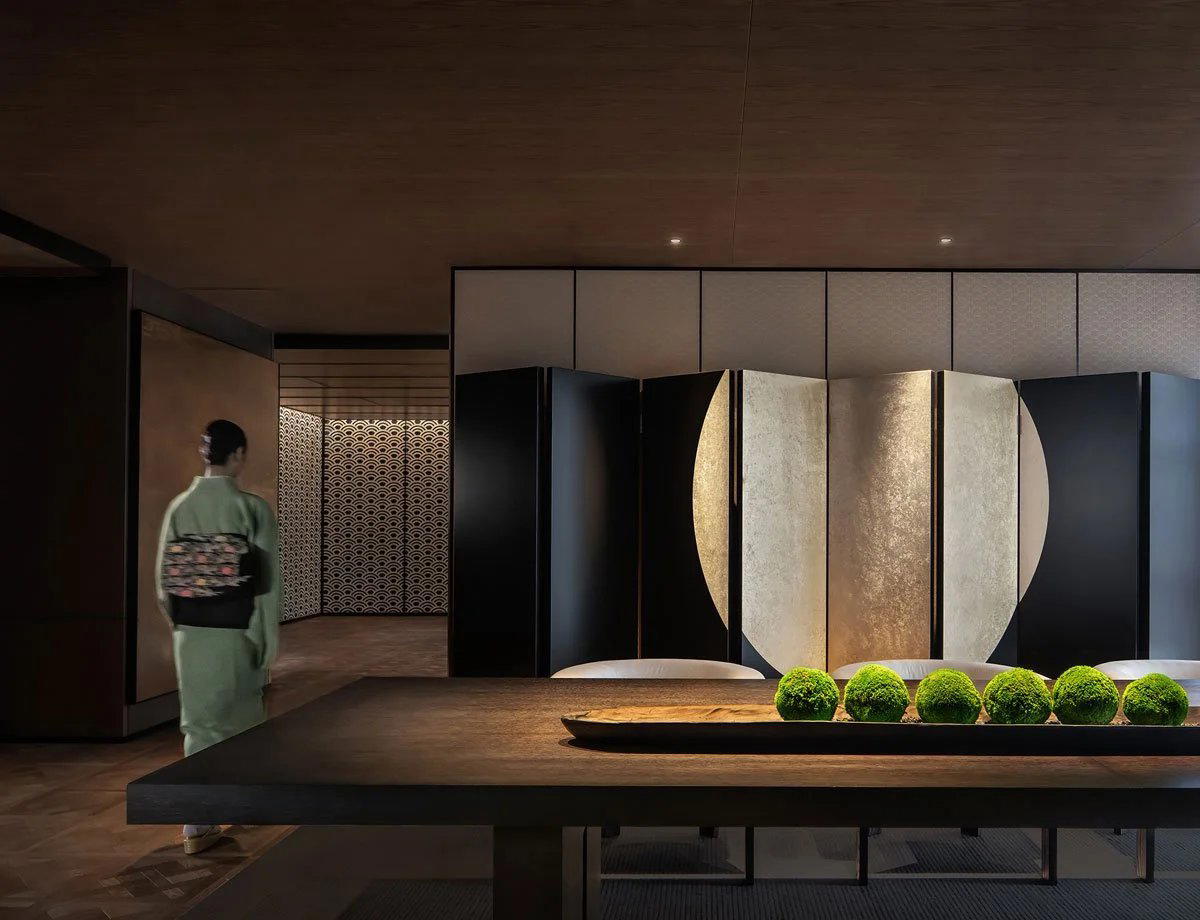
Ginza Shinohara is a restaurant in Ginza, Tokyo.
Kurogi
Tokyo, Japan
Kurogi is a ten-seat Tokyo kappo counter in Shibakoen that consistently outperforms its low-profile address: eight straight Tabelog Bronze awards, a 4.30 score, and La Liste recognition at 90 points. The course runs ¥50,000 per person at both lunch and dinner. Book here for intensely focused Japanese fine dining; consider RyuGin if you want a larger room or stronger wine program.
Mizai
Kyoto, Japan
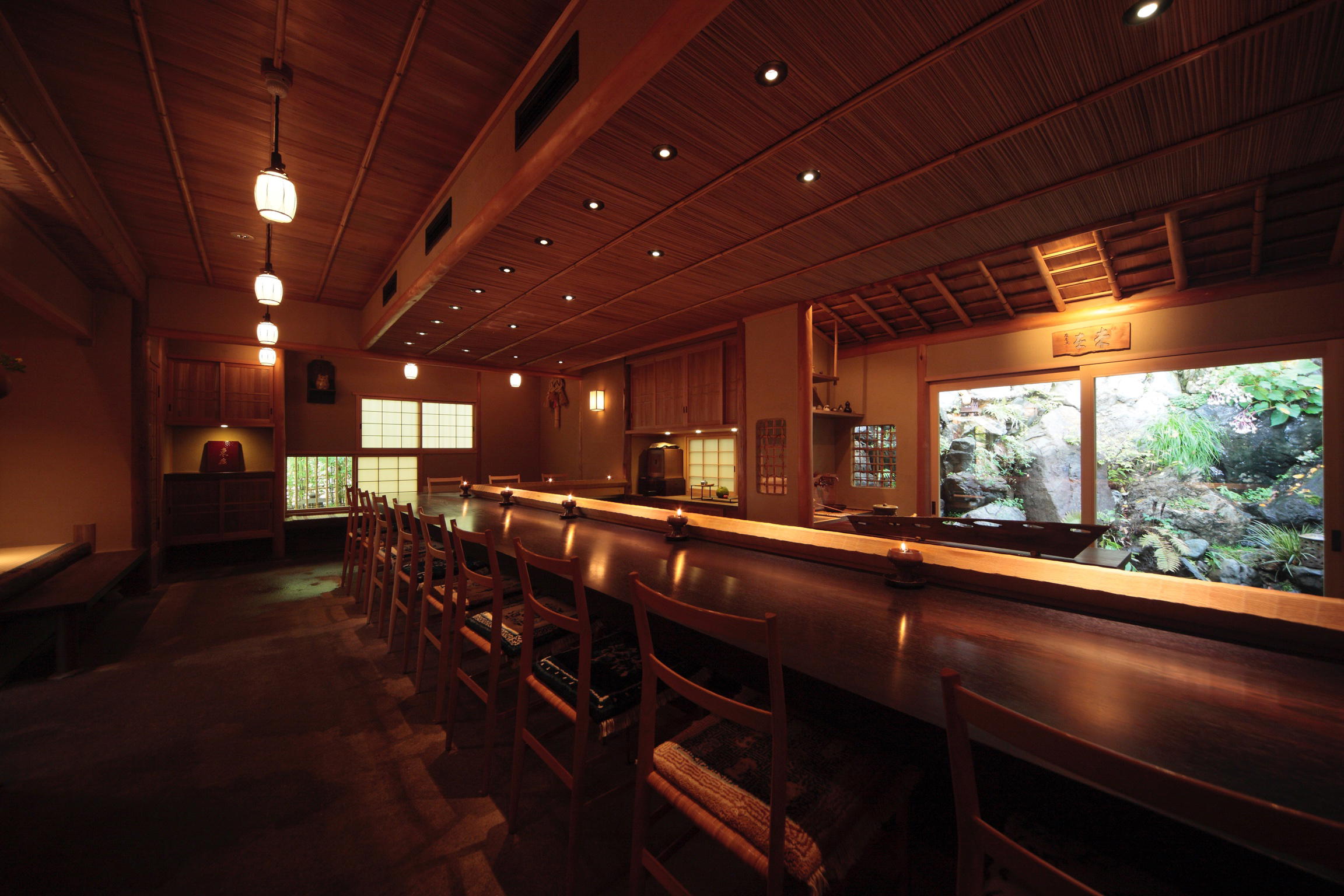
Mizai is a Japanese restaurant in Kyoto's Maruyama Park.
Sushi Yoshitake
Tokyo, Japan
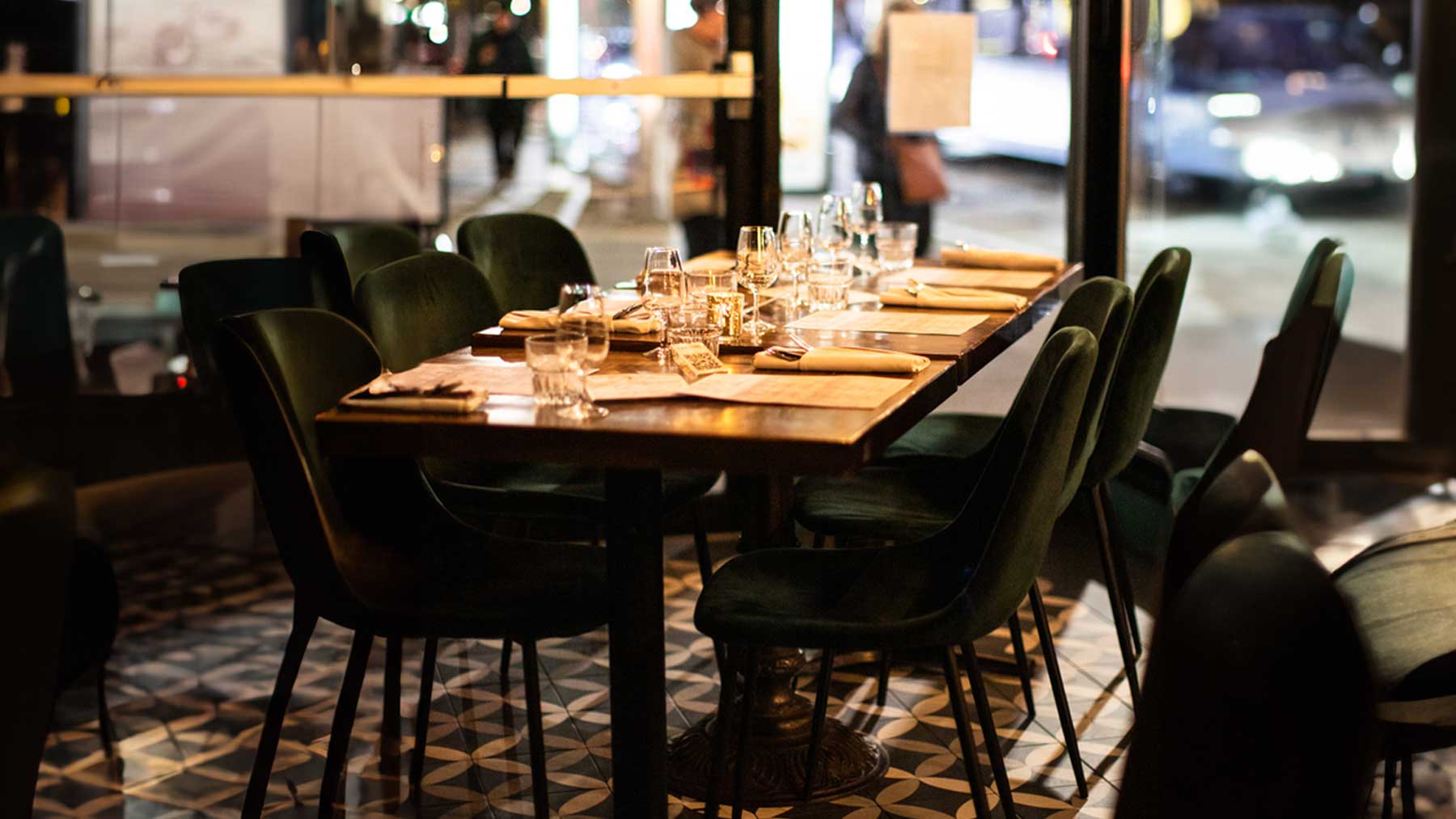
Eight-seat counter sushiya in Ginza's Brown Place, open since 2010 with consistent Tabelog Bronze recognition (2018–2026) and La Liste scores near 90 points. Masahiro Yoshitake's omakase format prioritizes tight execution over theatrics, and the small seat count delivers focused chef-to-diner interaction. Dinner runs JPY 50,000–79,999; Saturday lunch (12–2 PM) offers a shorter, daylight-lit alternative. Worth booking for special occasions that value precision over spectacle.
Kabuto Unagi
Tokyo, Japan
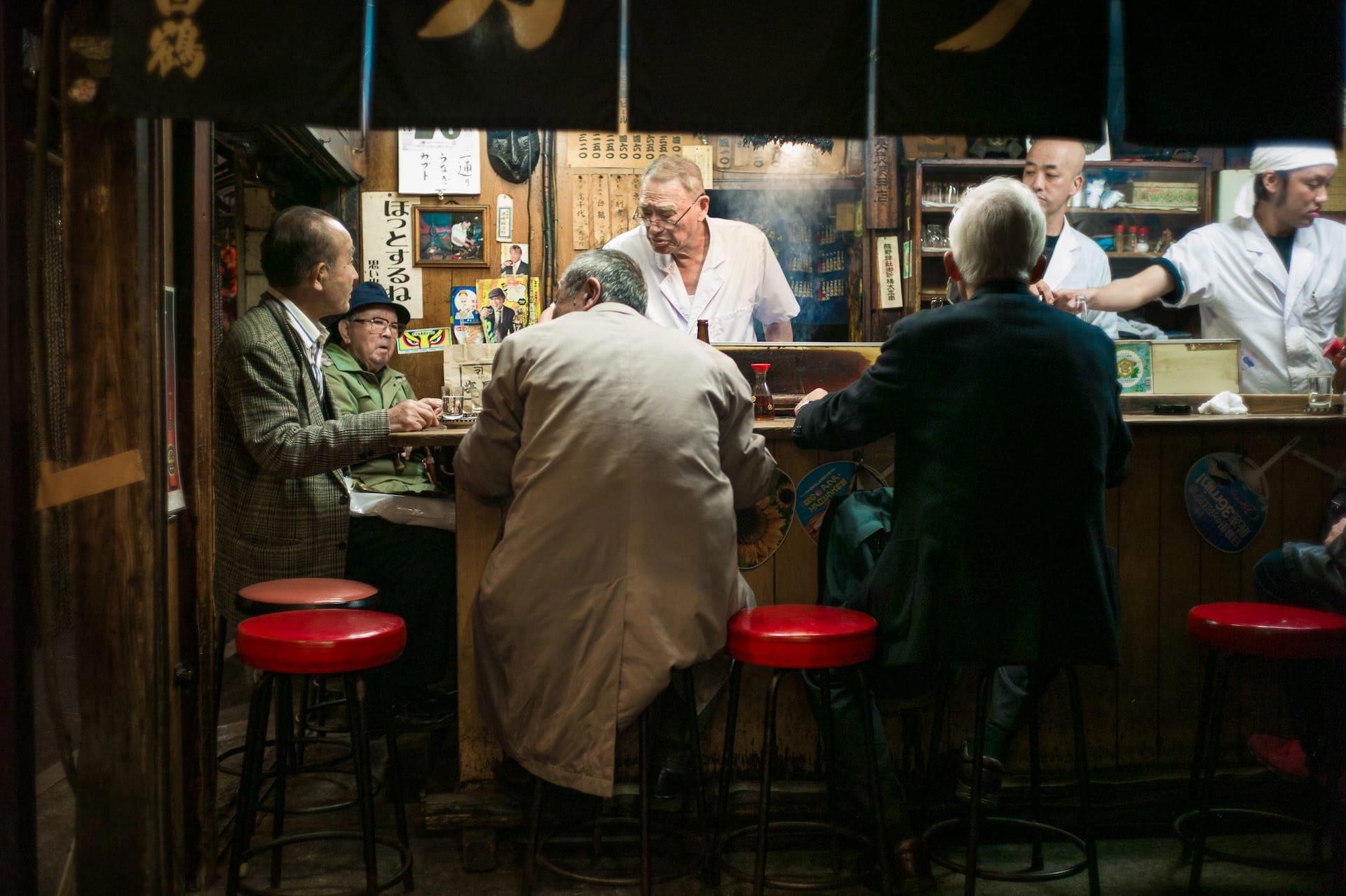
Kabuto Unagi in Ikebukuro holds a Tabelog Silver Award for ten consecutive years and a score of 4.44, placing it among Tokyo's most recognised unagi specialists. Dinner runs JPY 20,000–29,999 per head across two structured sittings, in a 15-seat room that rewards careful planning: book online in advance, bring cash, and request the counter for the best experience.
Nihon Ryori Takamura
Akita, Japan
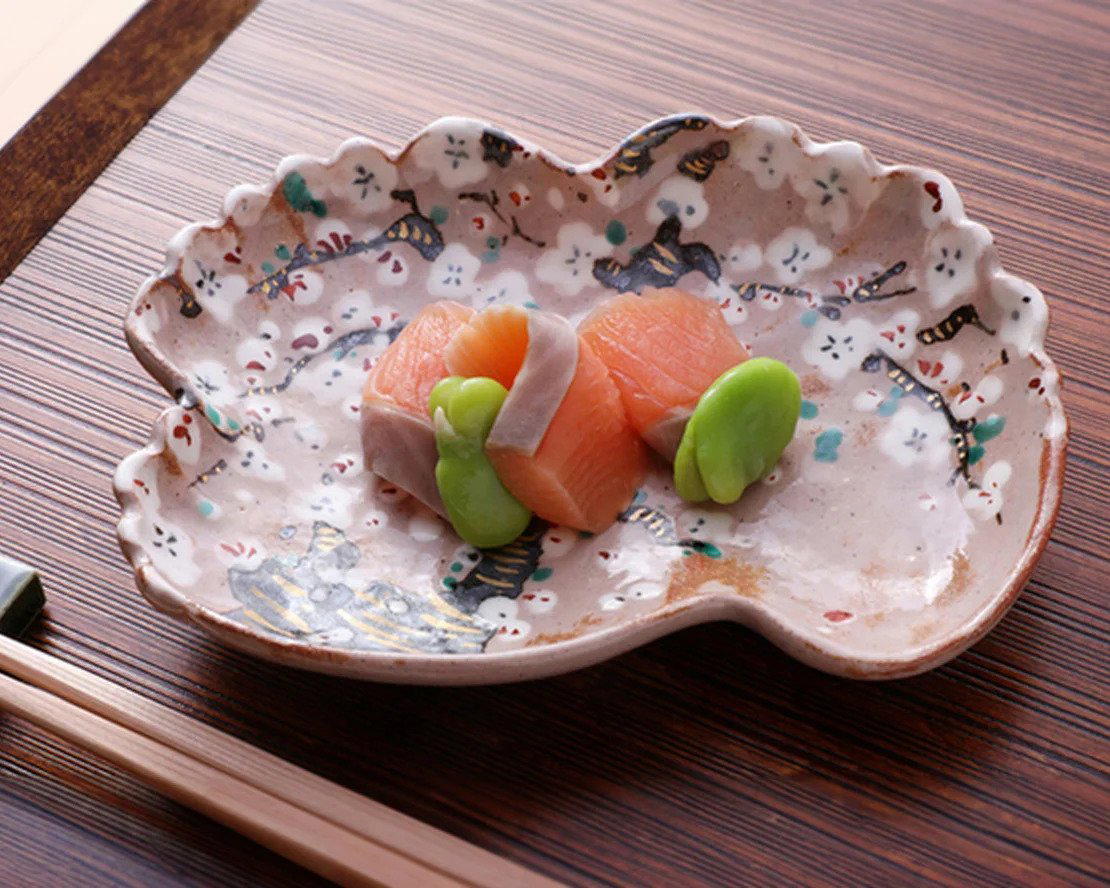
Nihon Ryori Takamura is Akita's most decorated kaiseki counter; Tabelog Silver since 2021 and ranked #61 in Japan by Opinionated About Dining in 2025. At JPY 20,000–29,999 per person, it delivers nationally competitive credentials at regional prices. The catch: membership is required. If you can get in, it is the strongest case for making a deliberate trip to Akita.
Ichikawa
Milan, Italy
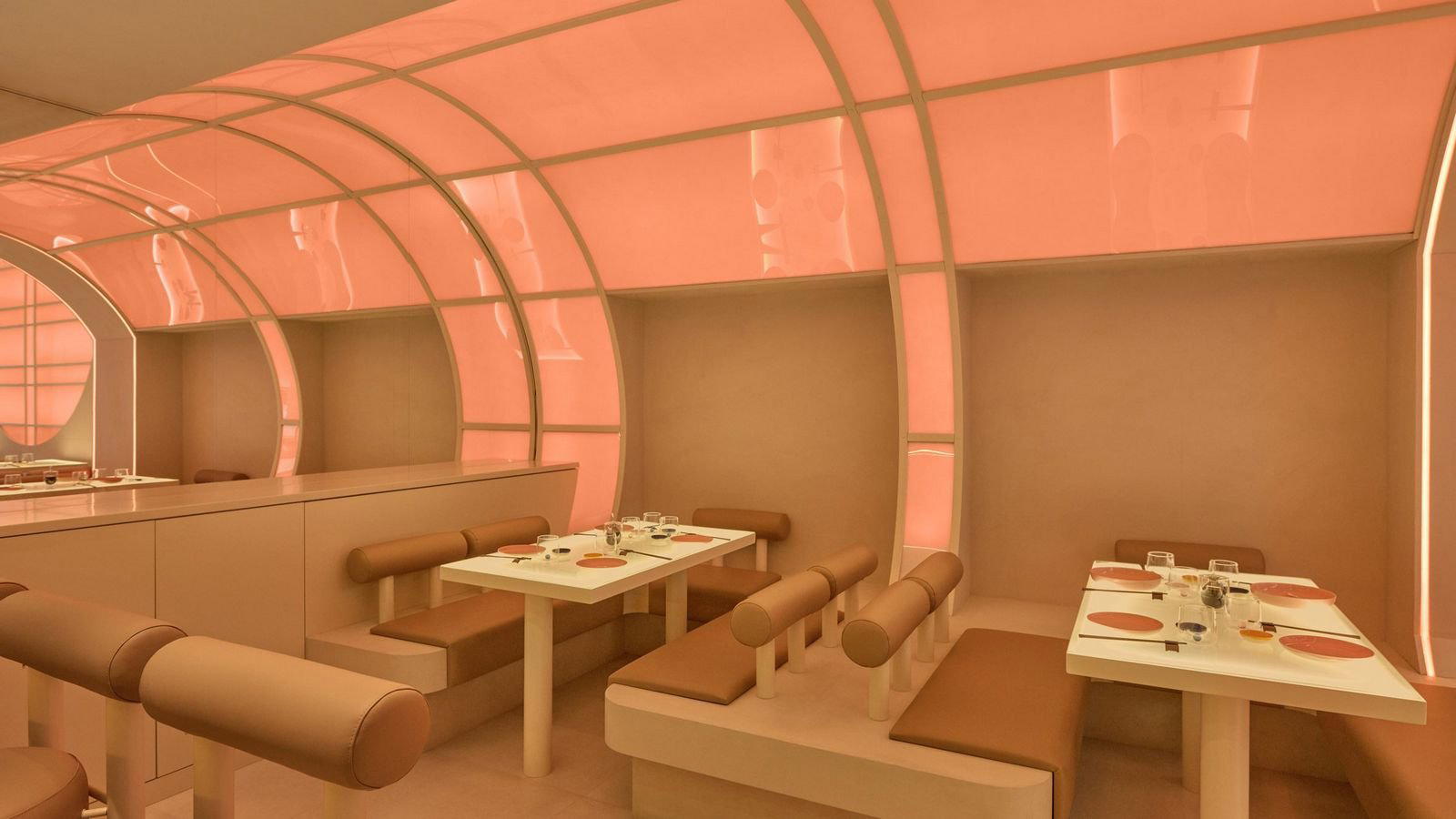
Chef Katsumi Ichikawa helped introduce Japanese cuisine to Italy, and his own restaurant on Via Lazzaro Papi is where that expertise lands most directly. A Michelin Plate holder with consistent Opinionated About Dining rankings, it delivers serious Japanese cooking; from sushi to lesser-known family dishes; at €€€, a full tier below most of Milan's credentialed kitchens. Easy to book and better value than almost anything comparable in the city.
Doujin
Kyoto, Japan
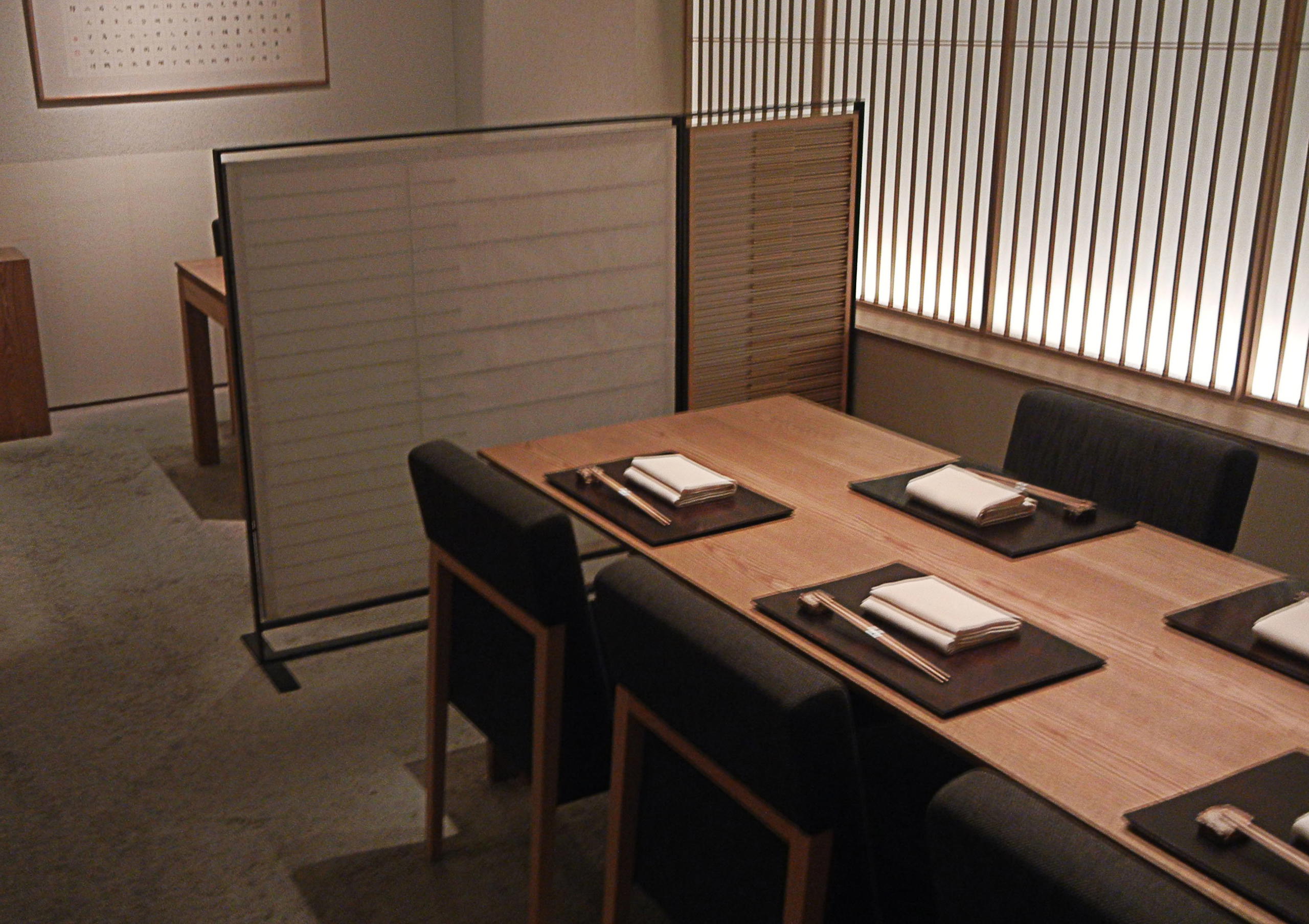
Doujin is a five-seat counter kaiseki restaurant in Kyoto's Sakyo Ward, holding Tabelog Gold continuously since 2020 and ranked 19th in Japan by Opinionated About Dining in 2025. Dinner only, priced at JPY 50,000–59,999 per person before drinks, with an actual spend closer to JPY 100,000. Book by phone well in advance; the counter size makes availability tight without being impossible.
Kohaku
Tokyo, Japan
Kohaku is a restaurant in Kagurazaka, Tokyo.
Château Restaurant Joël Robuchon
Tokyo, Japan
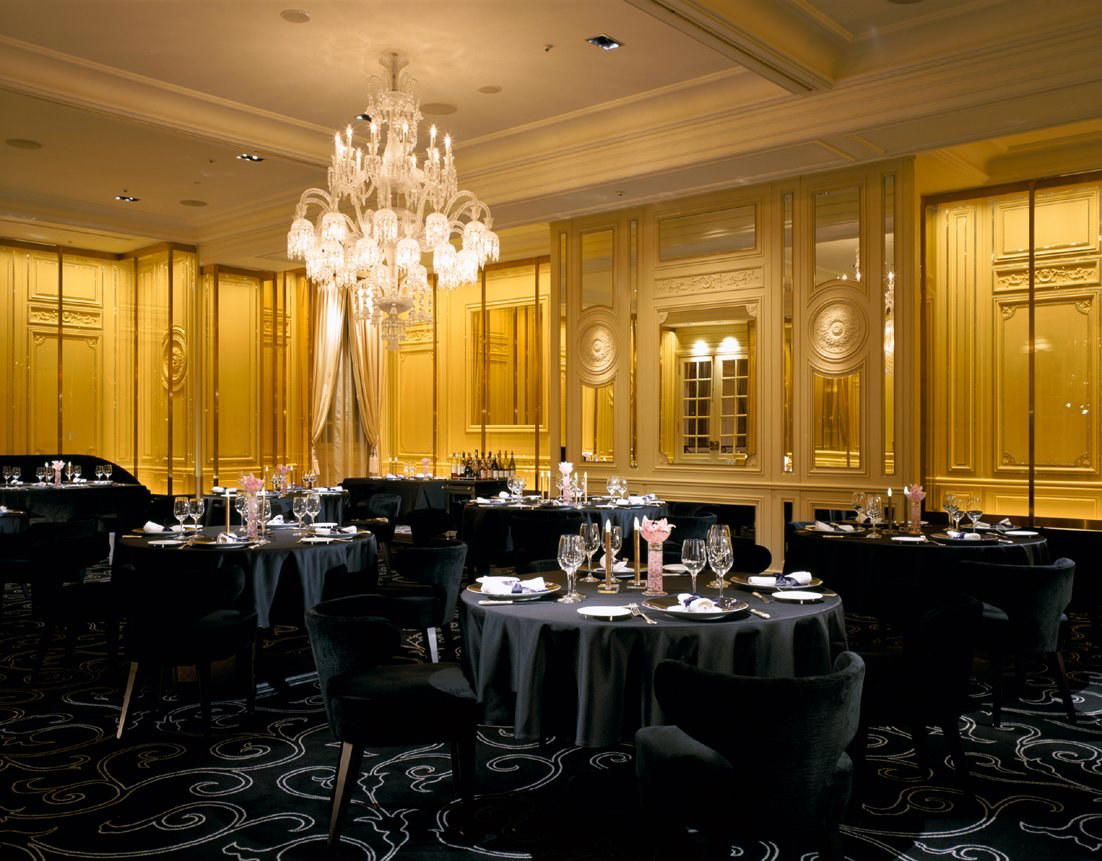
Château Restaurant Joël Robuchon is Tokyo's most formally ceremonial French address: three Michelin stars, an MOF-level kitchen led by Kenichiro Sekiya, and tableside trolley service that few restaurants anywhere match. Book 4–6 weeks out at minimum; preferably longer. The dinner window is 5:30–7:30 pm nightly; formal dress required. Reserve this for a serious occasion.
Iyuki
Tokyo, Japan
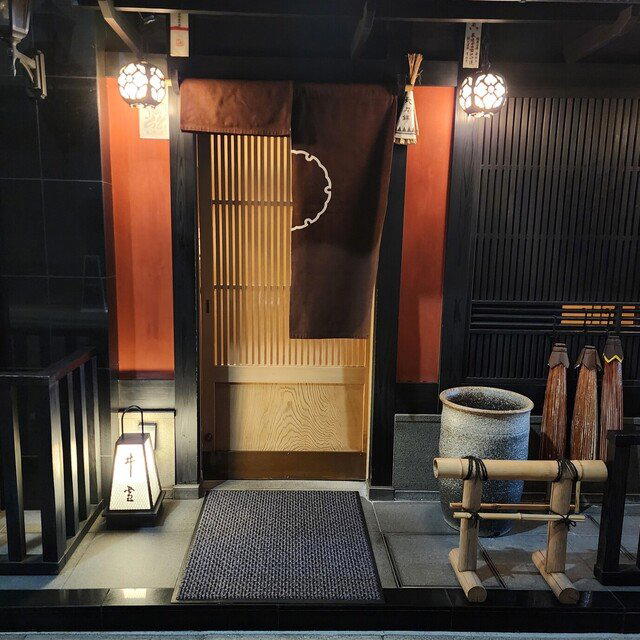
A seven-seat referral-only kaiseki counter in Ginza where chef Masahiro Ueda delivers seasonal precision at JPY 80,000–99,999 per head. The format is rigid; no à la carte, no private rooms; and the experience rewards attention over novelty. Worth booking if you prioritize technical discipline and a quiet room, but comparable peers like Ginza Fujiyama and Mibu offer similar quality with slightly different emphases.
Florilège
Tokyo, Japan
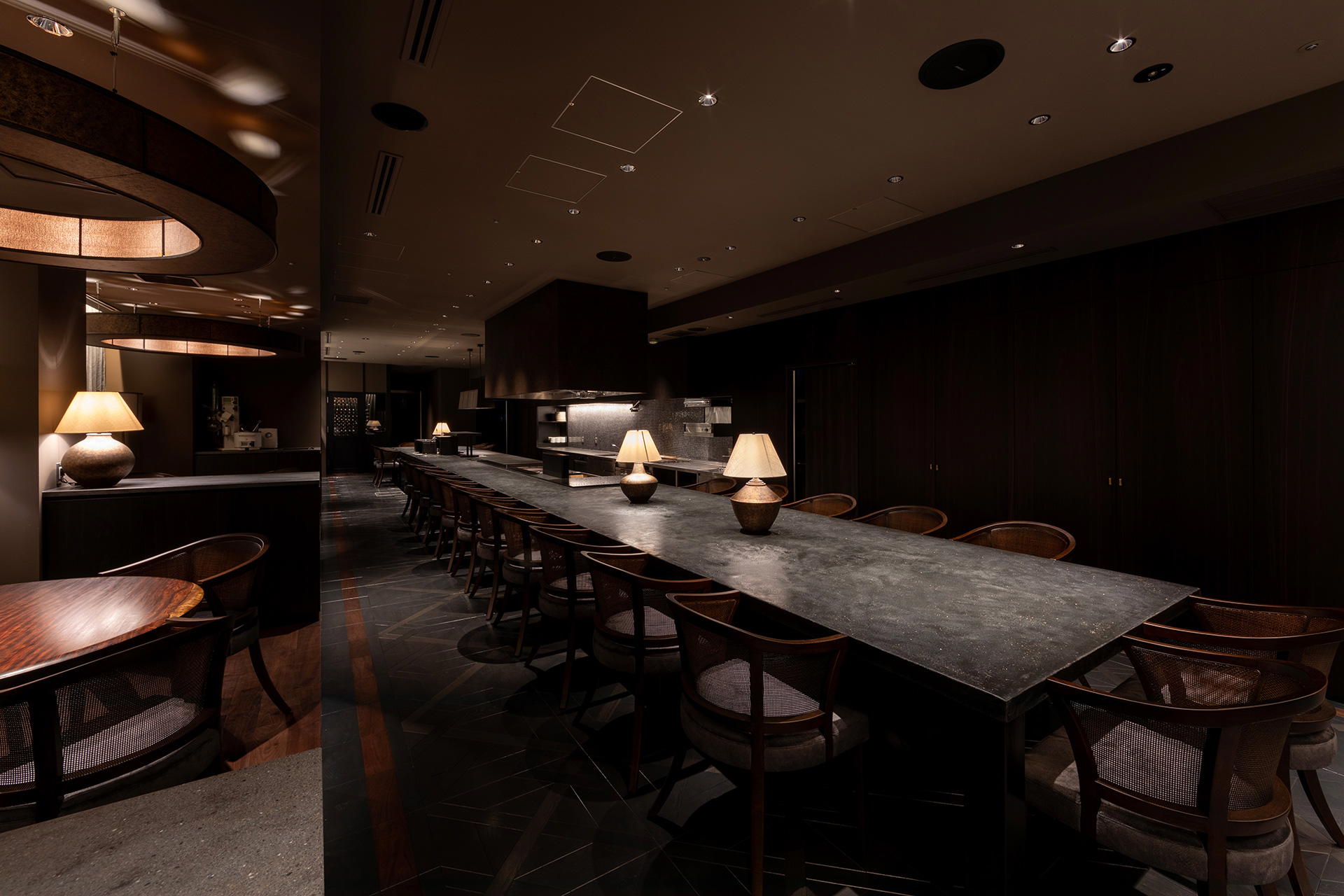
Florilège is a restaurant in Azabudai Hills, Tokyo.
Sézanne
Tokyo, Japan
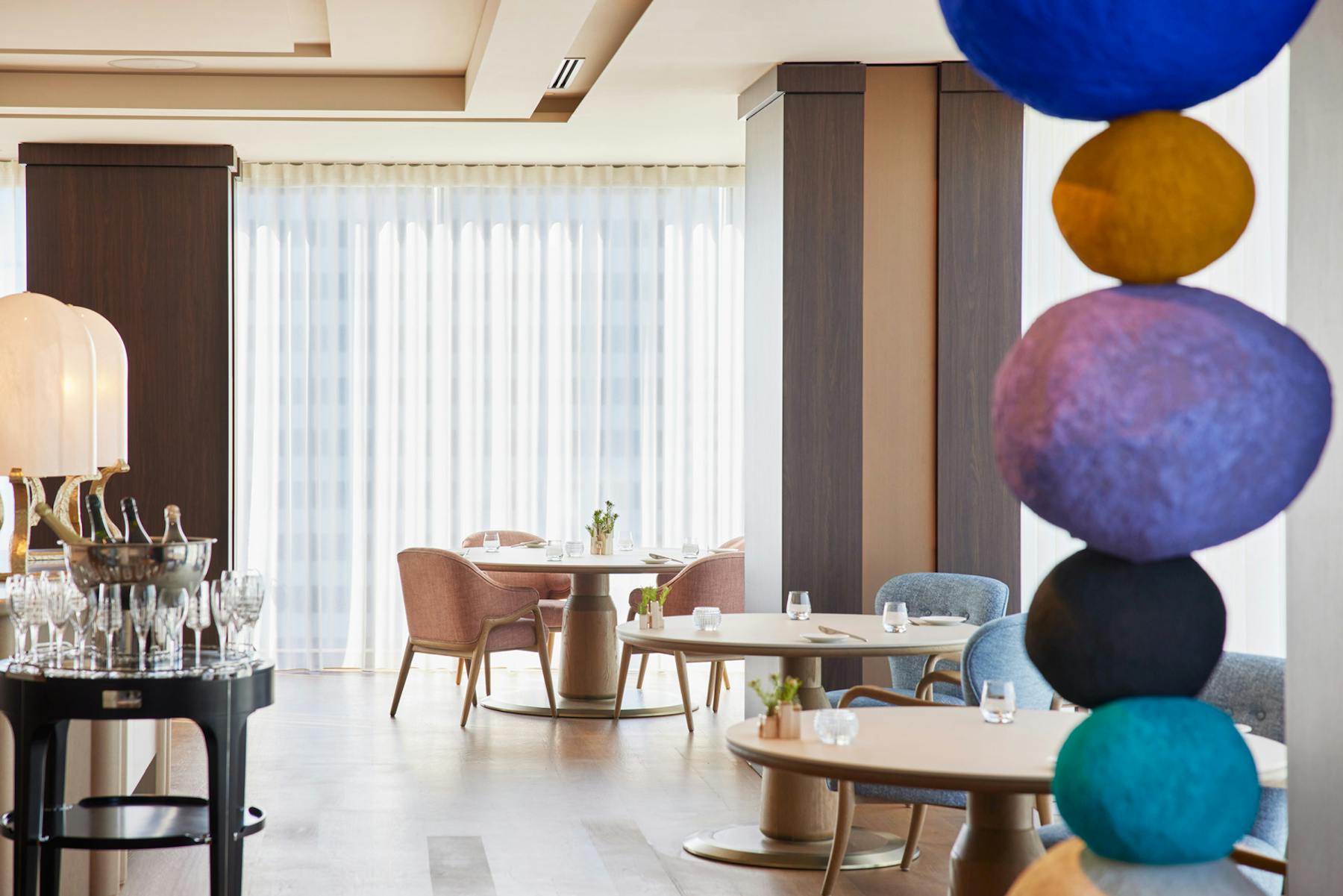
Sézanne serves French cuisine at Four Seasons Hotel Tokyo at Marunouchi.
Sushi Takumi Shingo
Tokyo, Japan
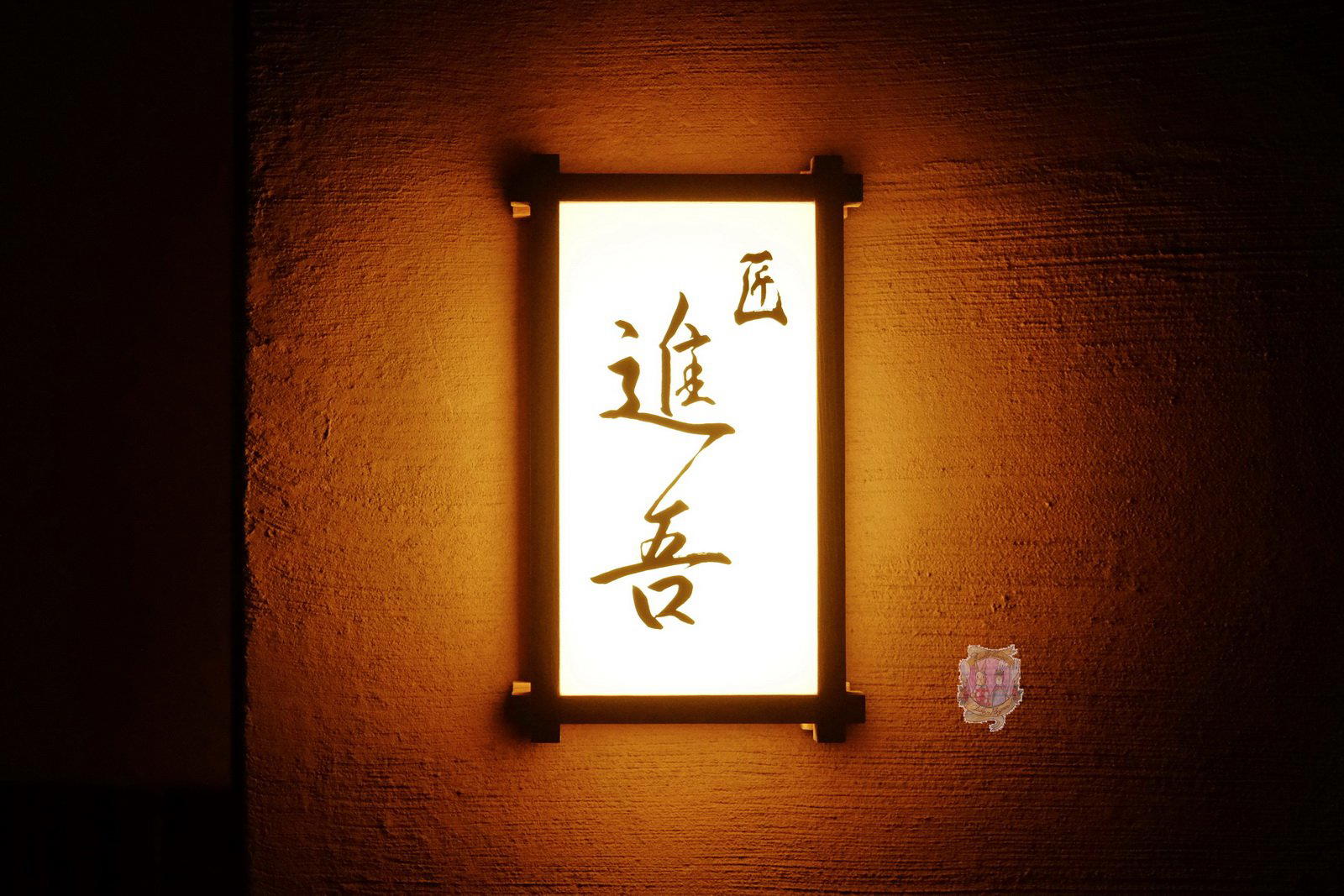
Sushi Takumi Shingo is a serious Edomae counter in Minami-Aoyama with three consecutive Opinionated About Dining rankings in Japan's top 110 restaurants. Booking is accessible relative to Tokyo's hardest sushi counters, and the dinner-only format suits solo diners and pairs who want focused, chef-led omakase without distraction.
Miyasaka
Tokyo, Japan
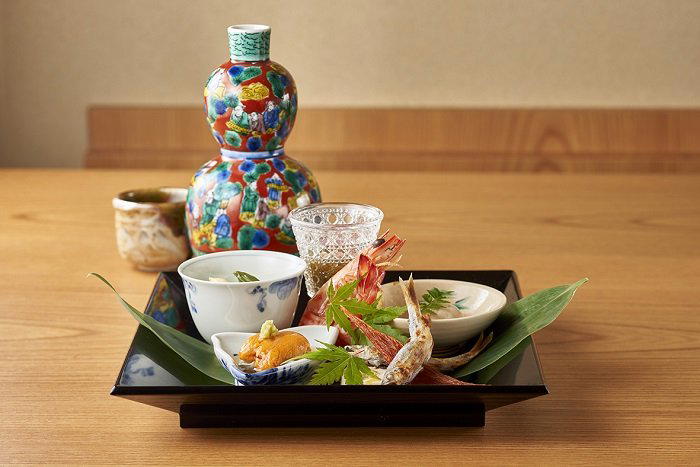
Miyasaka is a 14-seat chakaiseki room in Minamiaoyama with a Michelin star, a Tabelog Silver Award, and a philosophy rooted in Kyoto tea ceremony tradition. Dinner runs JPY 40,000–79,999 per person and requires booking well in advance via OMAKASE. For a first visit, the select-date omakase lunch at JPY 25,000 is the most practical way to assess whether the room earns your dinner budget.
Iida
Kyoto, Japan
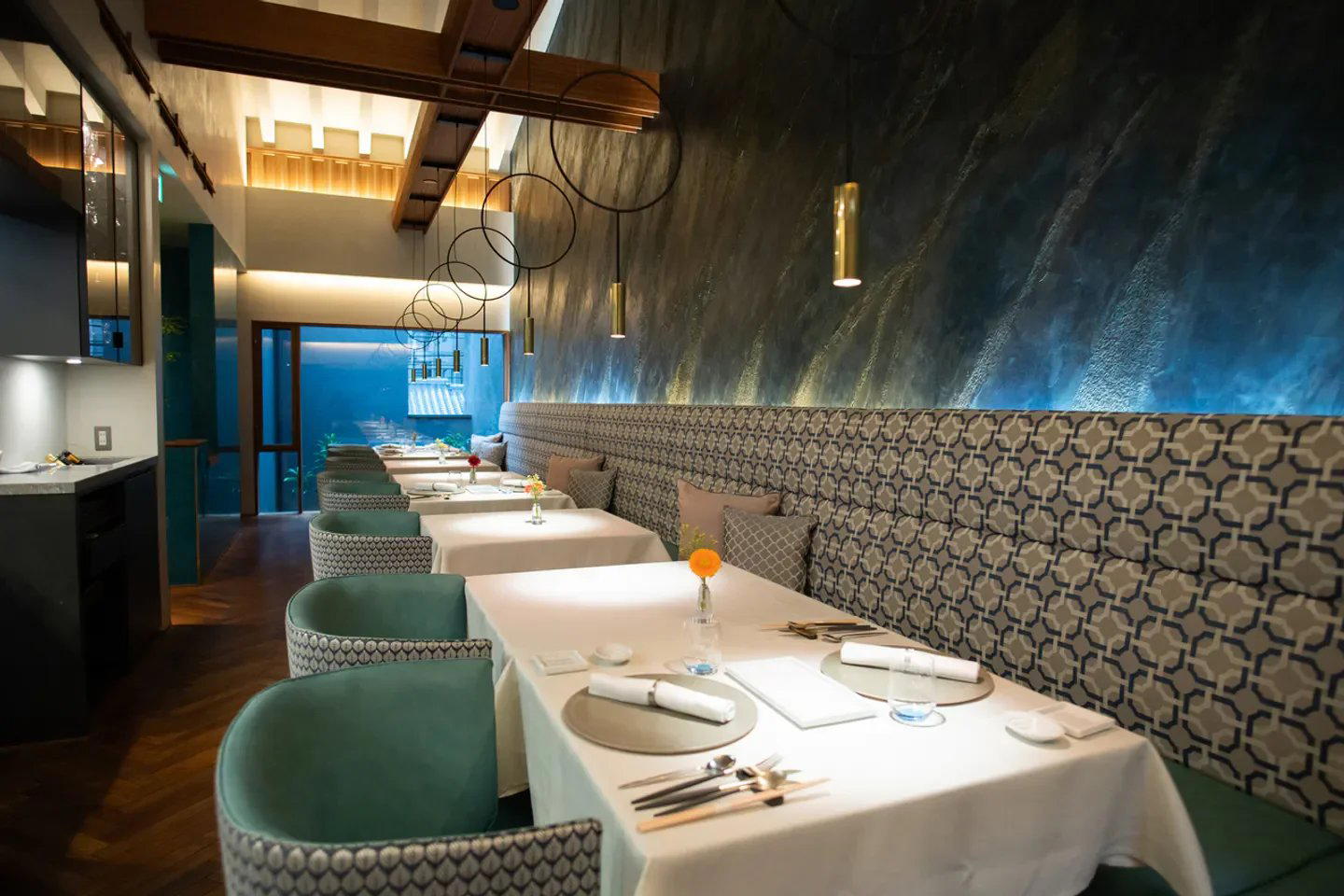
A ten-seat kaiseki counter in Nakagyo Ward with Tabelog Gold recognition every year from 2018 to 2026 and a 4.60 score. Dinner only, 6–8 pm, seven days a week. At JPY 50,000–59,999 per head, cash only, reservation required. One of Kyoto's most consistently awarded kaiseki rooms for the price tier.
L'OSIER
Tokyo, Japan
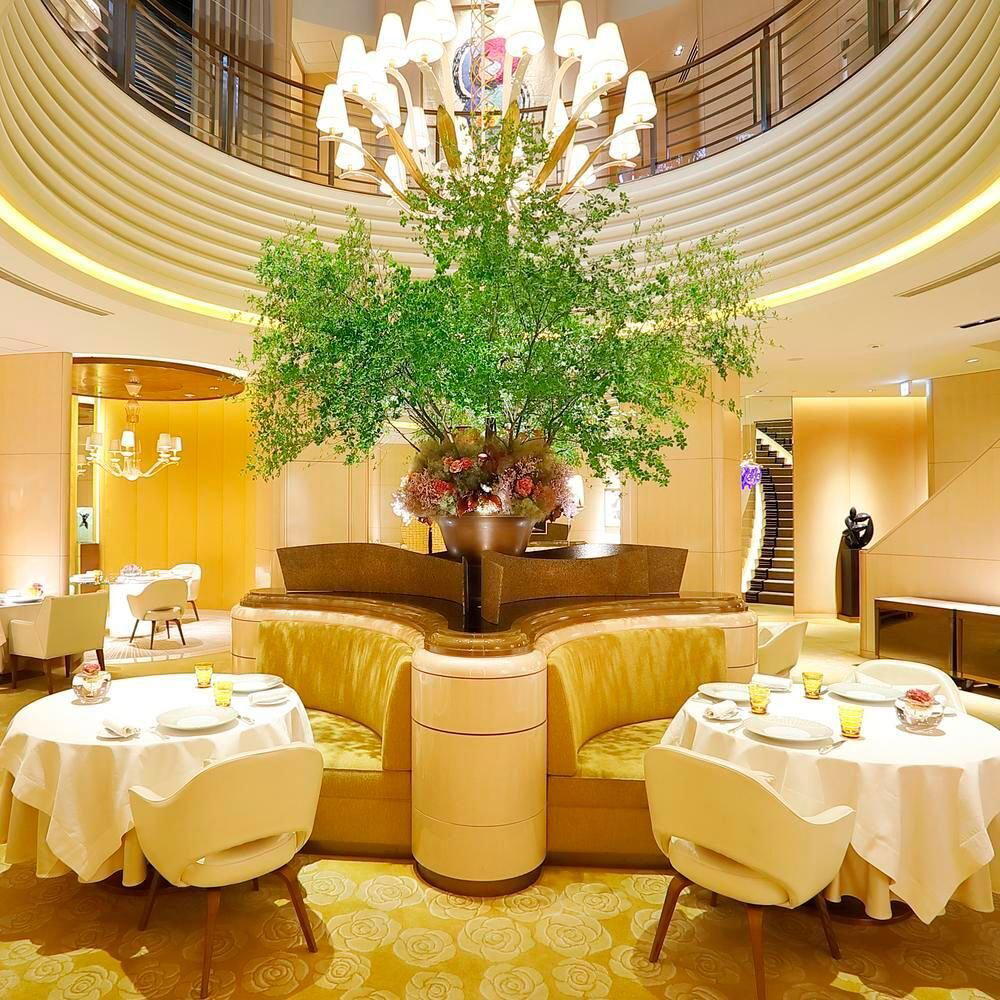
L'OSIER is a French restaurant in Ginza, Tokyo.
Vesta
Tokyo, Japan
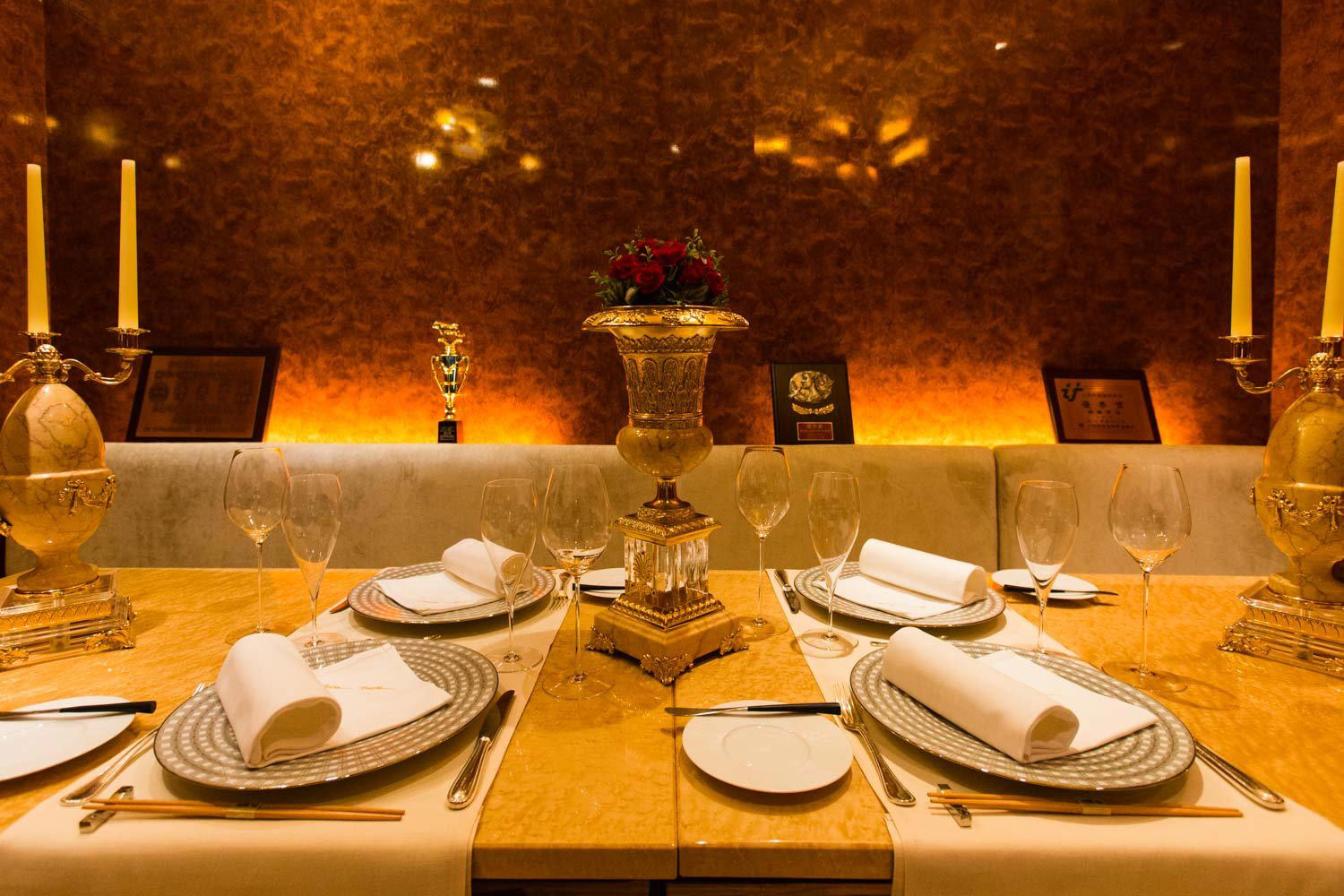
A 16-seat Nihonbashi steakhouse where chef Kazuki Ishikawa grills Mita beef over Kishu binchotan in a kaiseki-style progression. The Tabelog Bronze Award holder (2017–2026, Silver in 2018) delivers technical precision at JPY 50,000–79,999, with lunch offering better value and a calmer room. Private rooms available; booking essential for weekends.
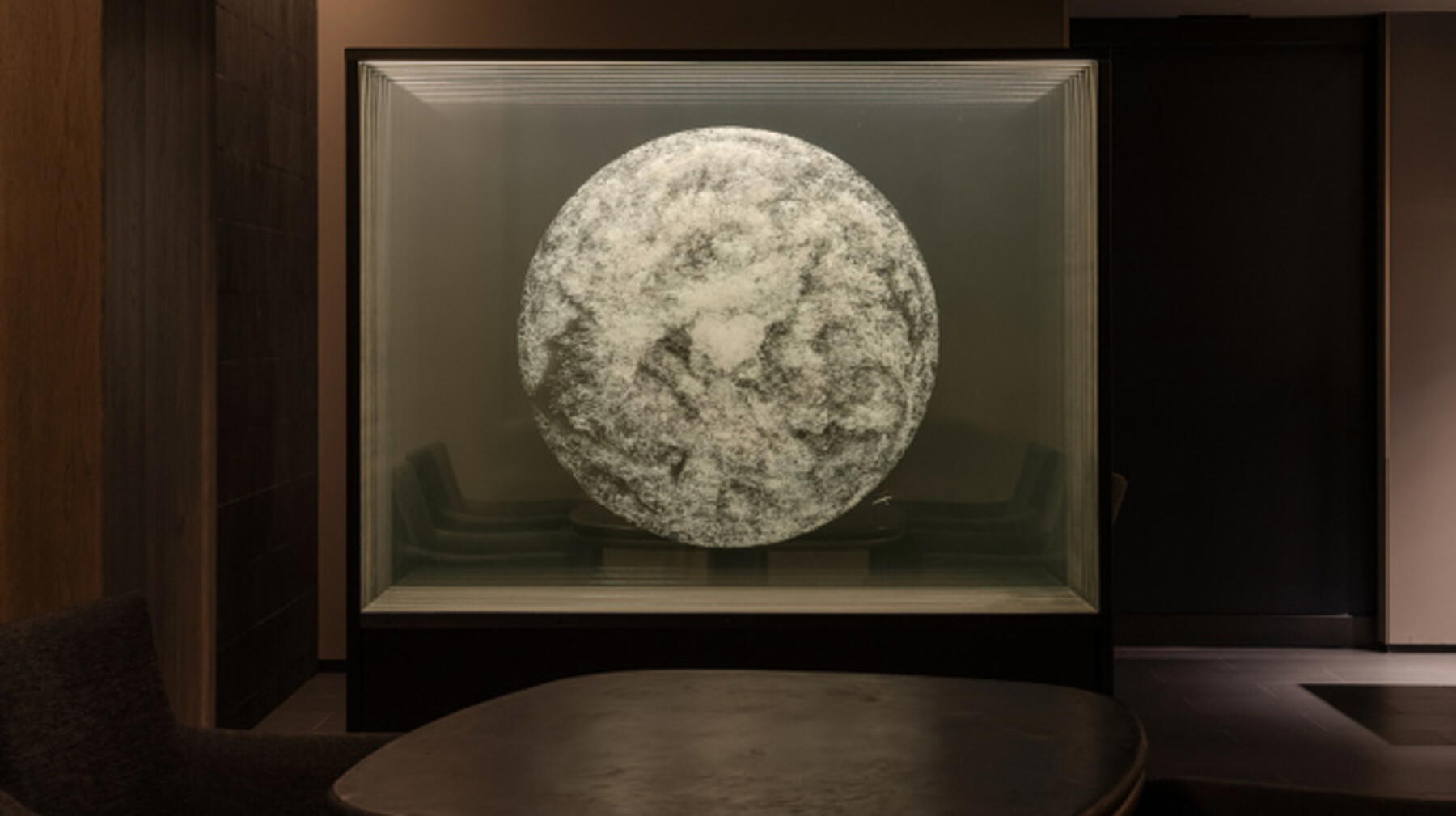
HAJIME
Osaka, Japan
HAJIME is a restaurant in Osaka founded in 2008.
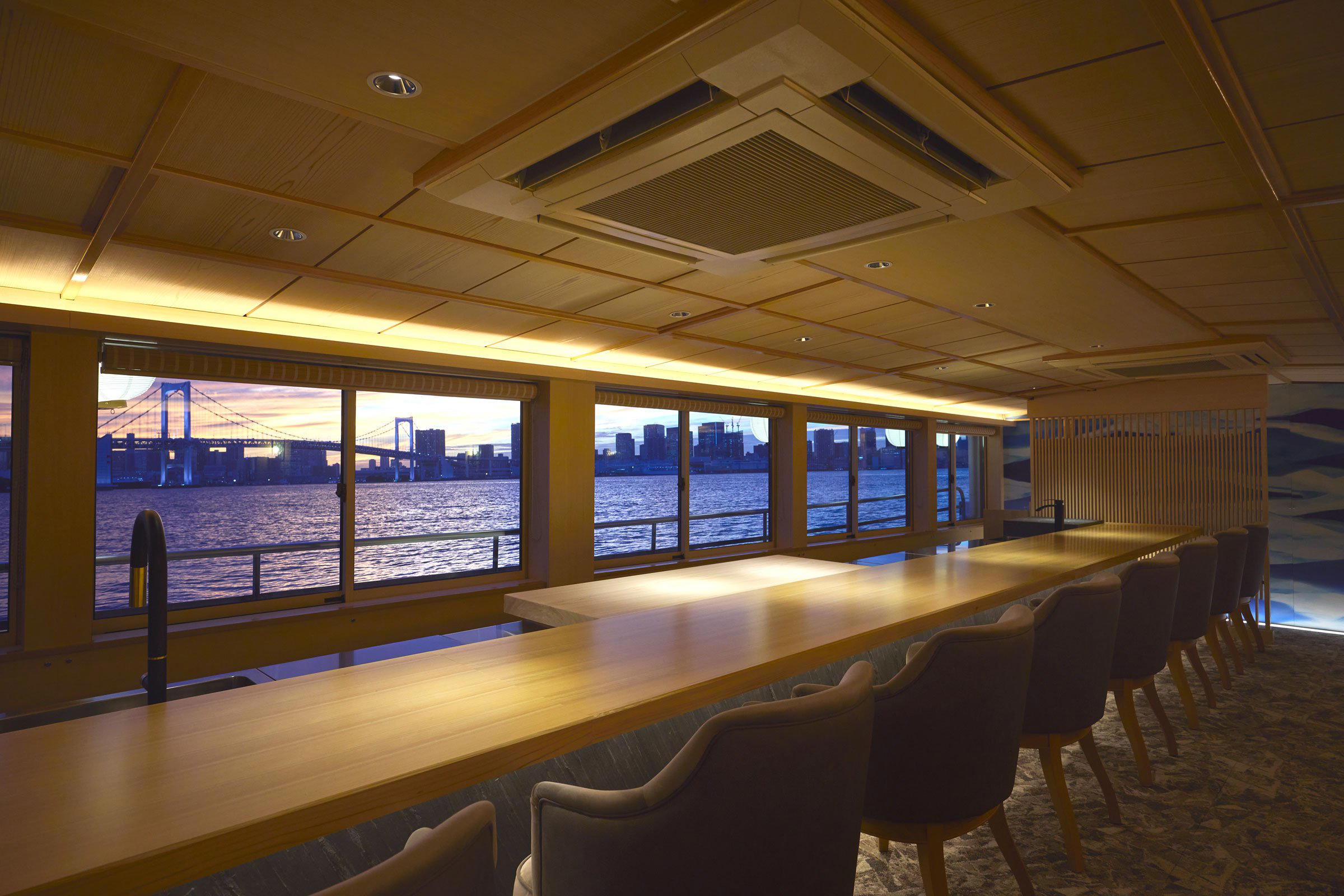
Sushi Takamitsu
Tokyo, Japan
Nakameguro omakase counter with JPY 50,000–59,999 dinner service, BYO bottle policy, and easier reservations than many Tokyo sushi addresses. Chef Takamitsu Yasuda earns a Tabelog Silver Award through consistent seasonal sourcing and ingredient-focused preparation. Late midnight close and 10-seat room suit travelers seeking credentialed sushi without three-week booking windows.
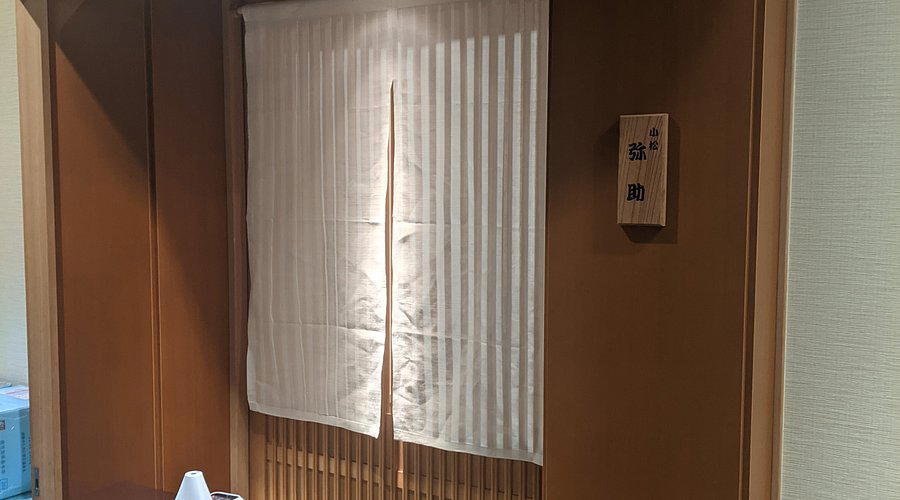
Komatsu Yasuke
Ishikawa, Japan
Komatsu Yasuke is one of Kanazawa's most decorated sushi counters, holding a Tabelog score of 4.29 and eight consecutive years of national award recognition. Lunch-only with three sittings daily (closed Wednesday and Thursday), it operates 18 seats near Kanazawa Station at JPY 10,000–14,999 listed, though reviewers report spending closer to JPY 30,000–39,999 with sake. Book by phone; counter seats are the priority request.
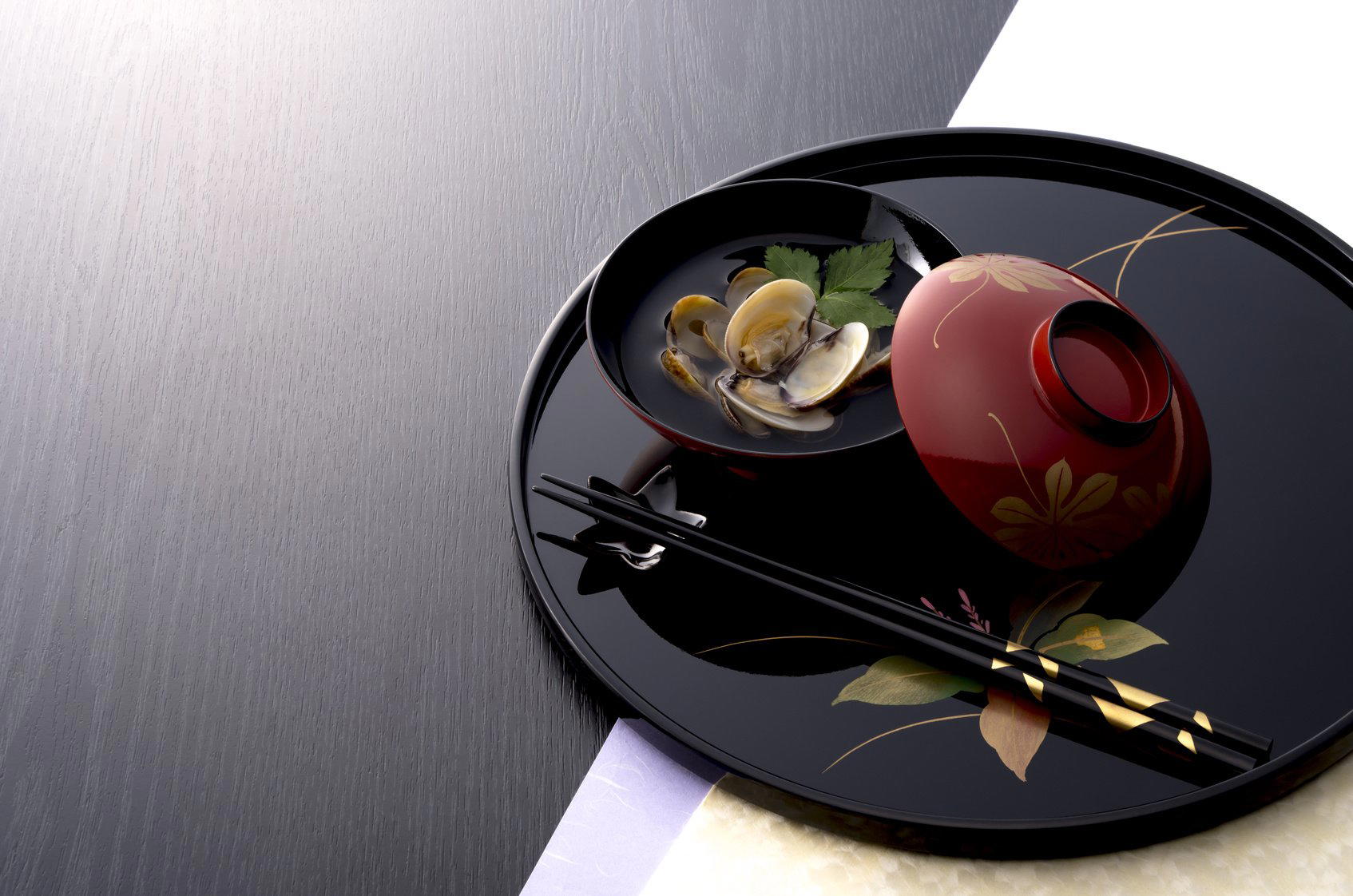
Noguchi
Kyoto, Japan
Chef Daisuke Noguchi's eight-seat counter delivers tightly executed kaiseki in a quiet Kamigyo Ward setting. Tabelog Gold winner in 2020 and a consistent Silver honoree, the restaurant operates reservation-only with a referral preference. Expect ¥20,000–¥59,999 at dinner, intimate chef interaction, and a format that rewards pairs over groups.
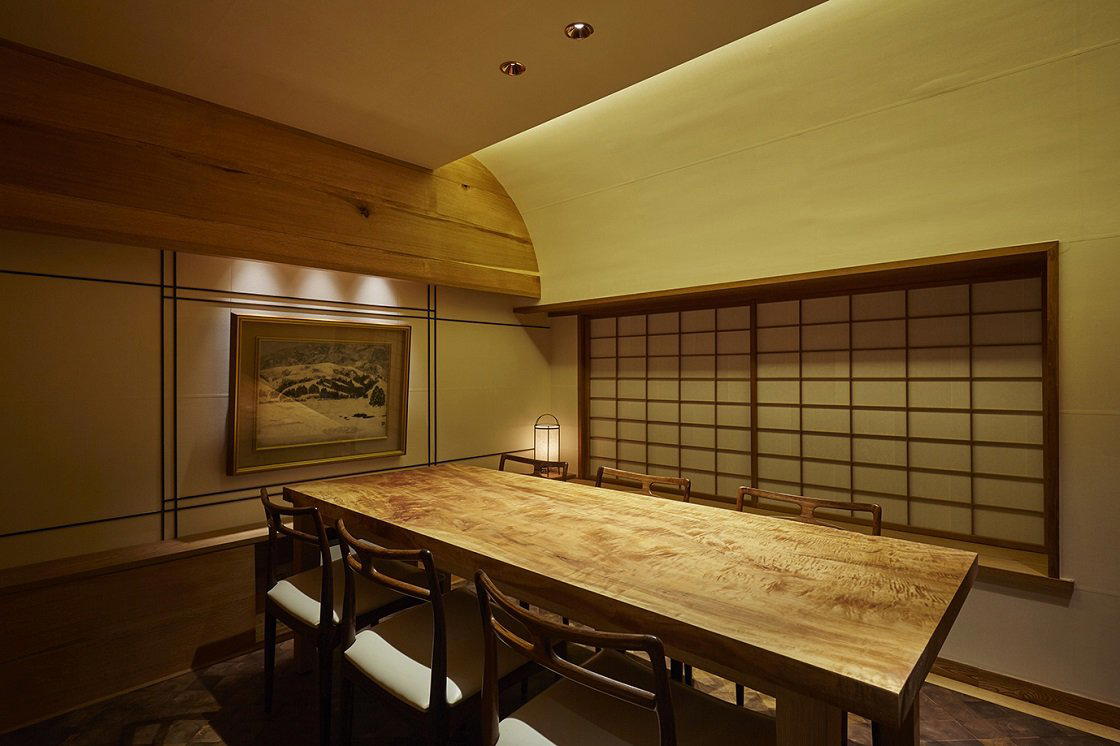
Sushi Matsumoto
Tokyo, Japan
Sushi Matsumoto is a sake-forward sushi counter in Shinjuku ranked in Opinionated About Dining's top Japan restaurants. At ¥¥¥ with easy booking, it's the right call for a relaxed special-occasion dinner where sake and sushi share equal billing; less formal than the Ginza prestige counters, but technically grounded and deliberately sequenced.
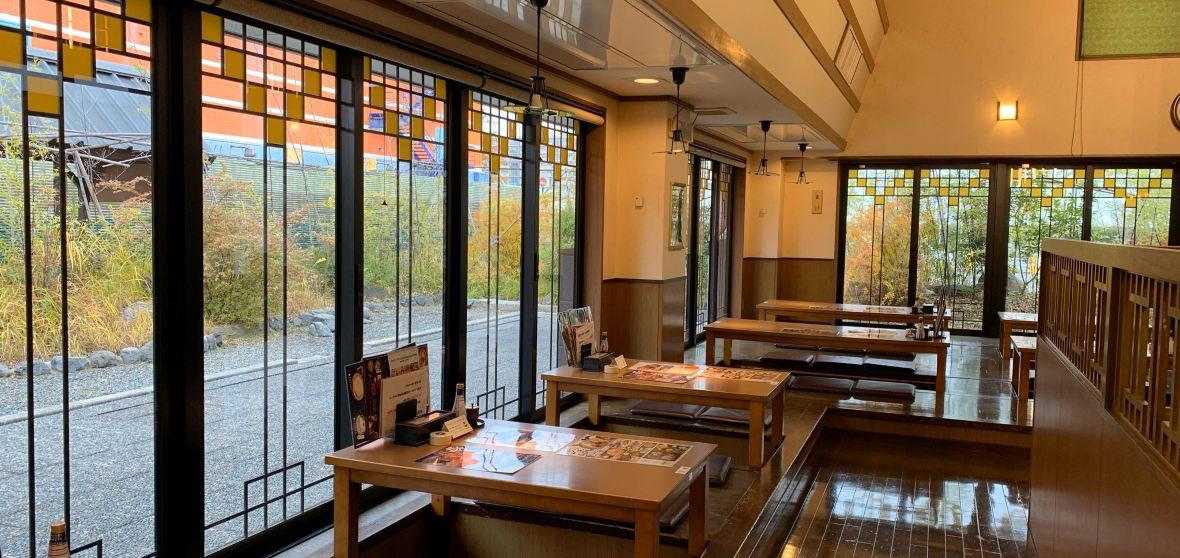
Honkogetsu
Osaka, Japan
Honkogetsu is a restaurant in Osaka.
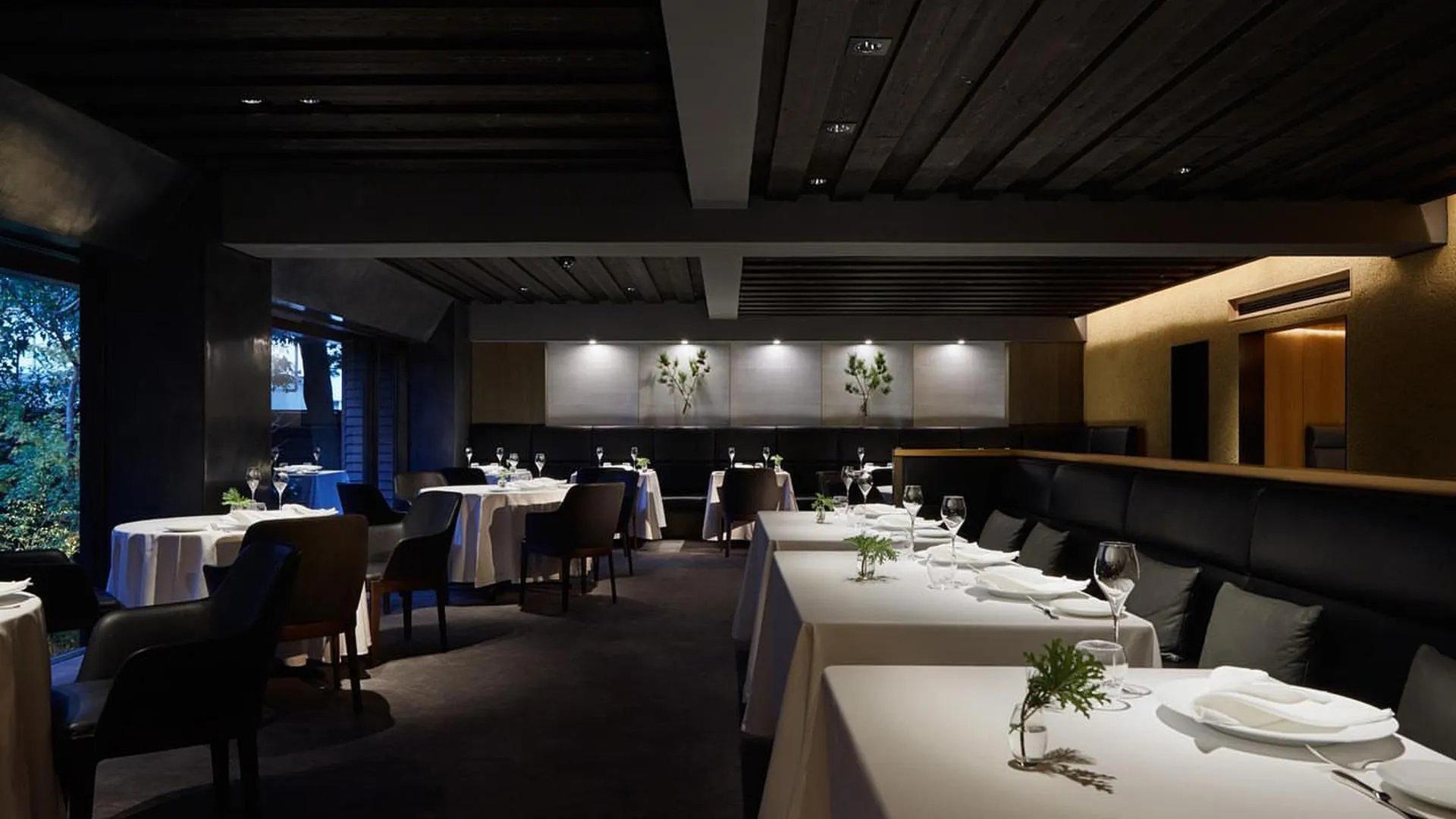
L'Effervescence
Tokyo, Japan
L'Effervescence is a restaurant in Nishi-Azabu, Tokyo.
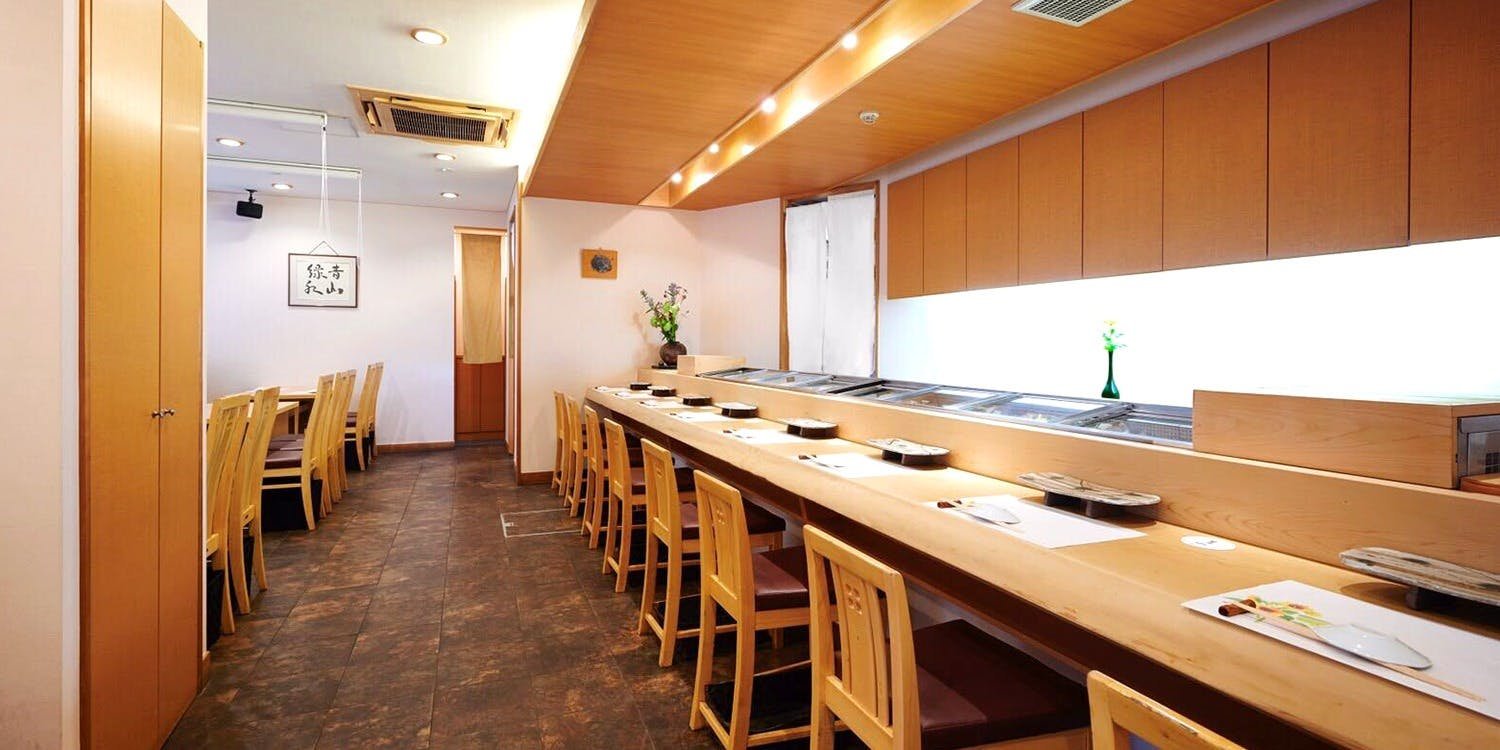
Seizan
Tokyo, Japan
Seizan is a restaurant in Ginza, Tokyo.
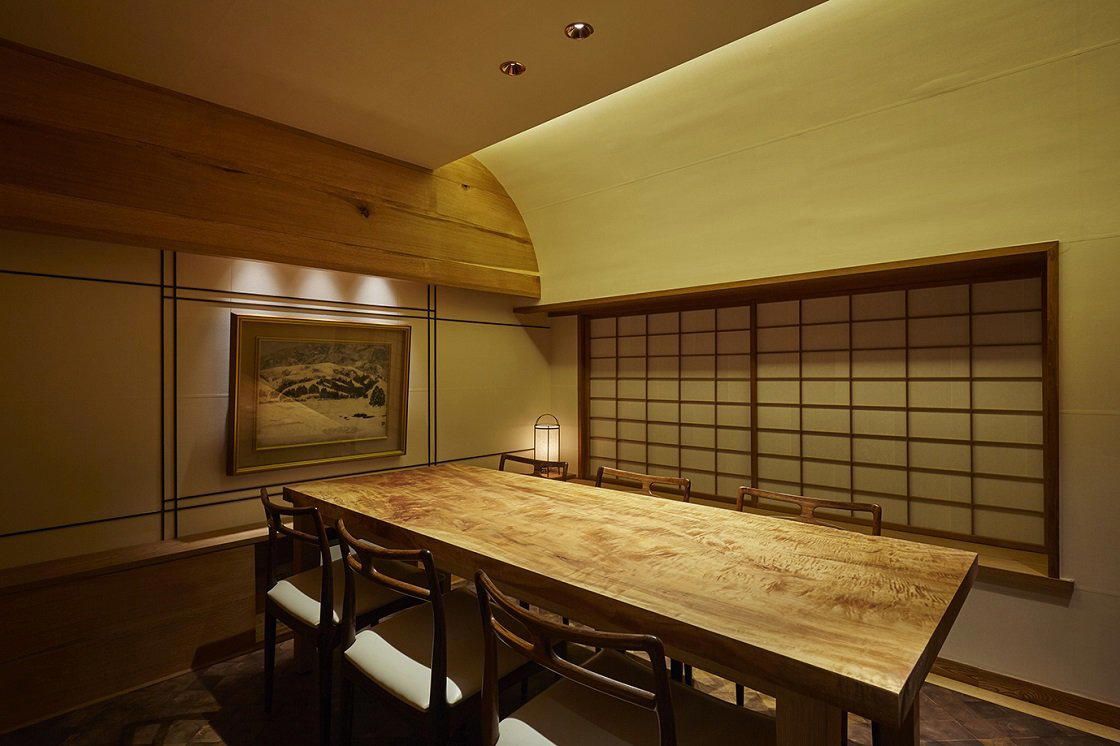
KAHALA
Osaka, Japan
KAHALA is a Michelin two-star, eight-seat counter in Osaka's Kitashinchi district, led by chef Yoshifumi Mori who has held this post since 1971. Dinner runs JPY 50,000–59,999 per person; reservations open three months out and fill fast. Book it for a serious creative-cuisine counter experience with no equals for longevity in Osaka.
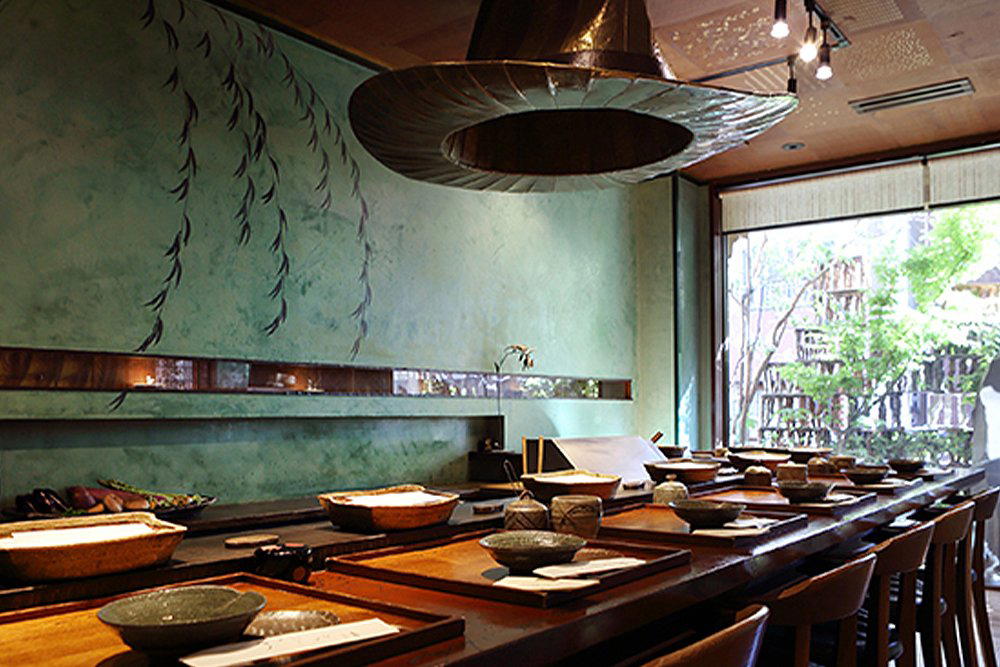
Mikawa Zezankyo
Tokyo, Japan
Mikawa Zezankyo is a Tabelog Bronze award-winner every year from 2017 to 2026 and one of the few Tokyo tempura counters ranked in the Tabelog 100. Chef Tetsuya Saotome's Edomae-focused kitchen operates by reservation only in Koto City, with a nine-seat counter and private tatami rooms for groups. Budget JPY 20,000–JPY 39,999 per head; closed Wednesdays.
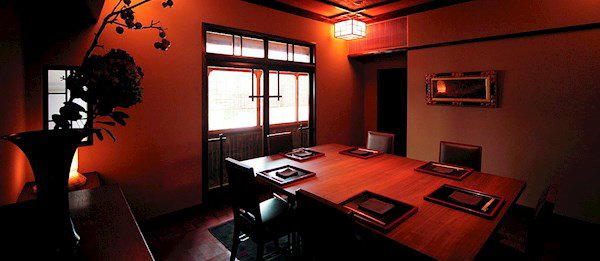
Ifuki
Kyoto, Japan
Ifuki is a restaurant in Gion, Kyoto.
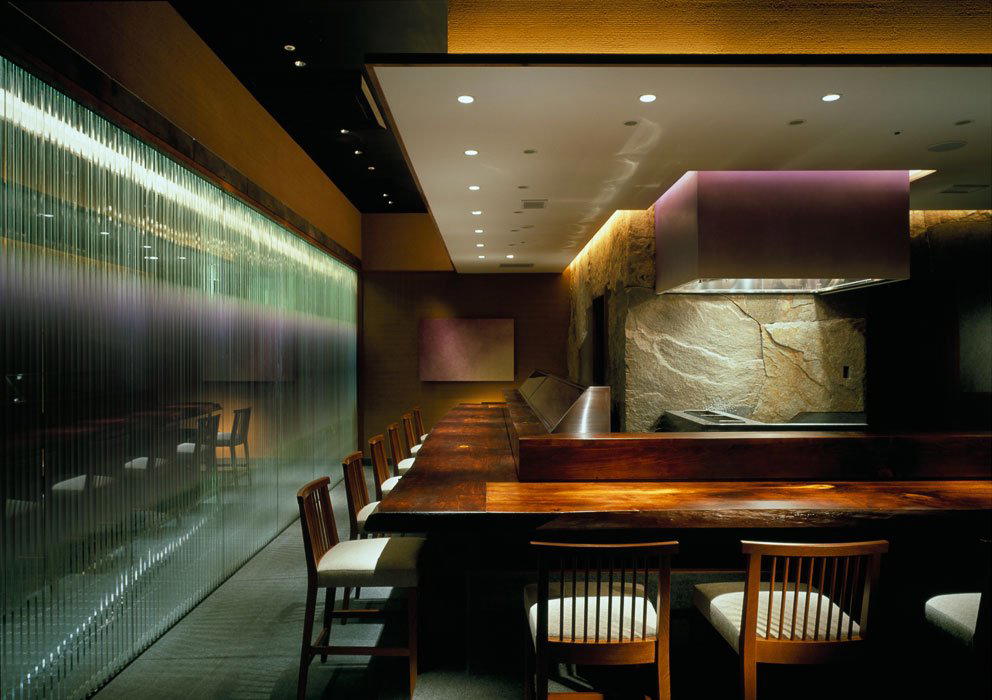
Hashimoto
Tokyo, Japan
Eight-seat omakase sushi counter in Shintomicho with chef Hiroyuki Hashimoto at the helm. Tabelog Silver Award winner since 2021, focused on seasonal Edo-mae nigiri sourced from Toyosu Market. Runs ¥30,000–¥39,999 per person before drinks and service; reservation-only through OMAKASE platform. The format is traditional, the space intimate, and the pacing deliberate; book if you trust the chef's sourcing instinct and prefer a mid-tier omakase without the booking difficulty of Tokyo's three-star counters.
abysse
Tokyo, Japan
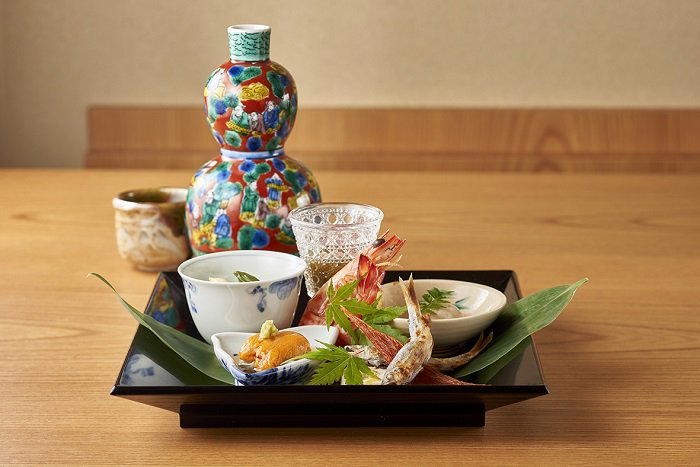
A Michelin-starred French tasting menu in Ebisu built around a 'sea and mountain' concept that gives the meal a genuine through-line. Chef Kotaro Meguro earns OAD Top 90 Japan status (2025) by combining Japanese seafood and produce within a rigorous French structure. Hard to book, ¥¥¥¥ pricing, and worth planning ahead for a focused, high-conviction dinner.
Tempura Matsu
Kyoto, Japan
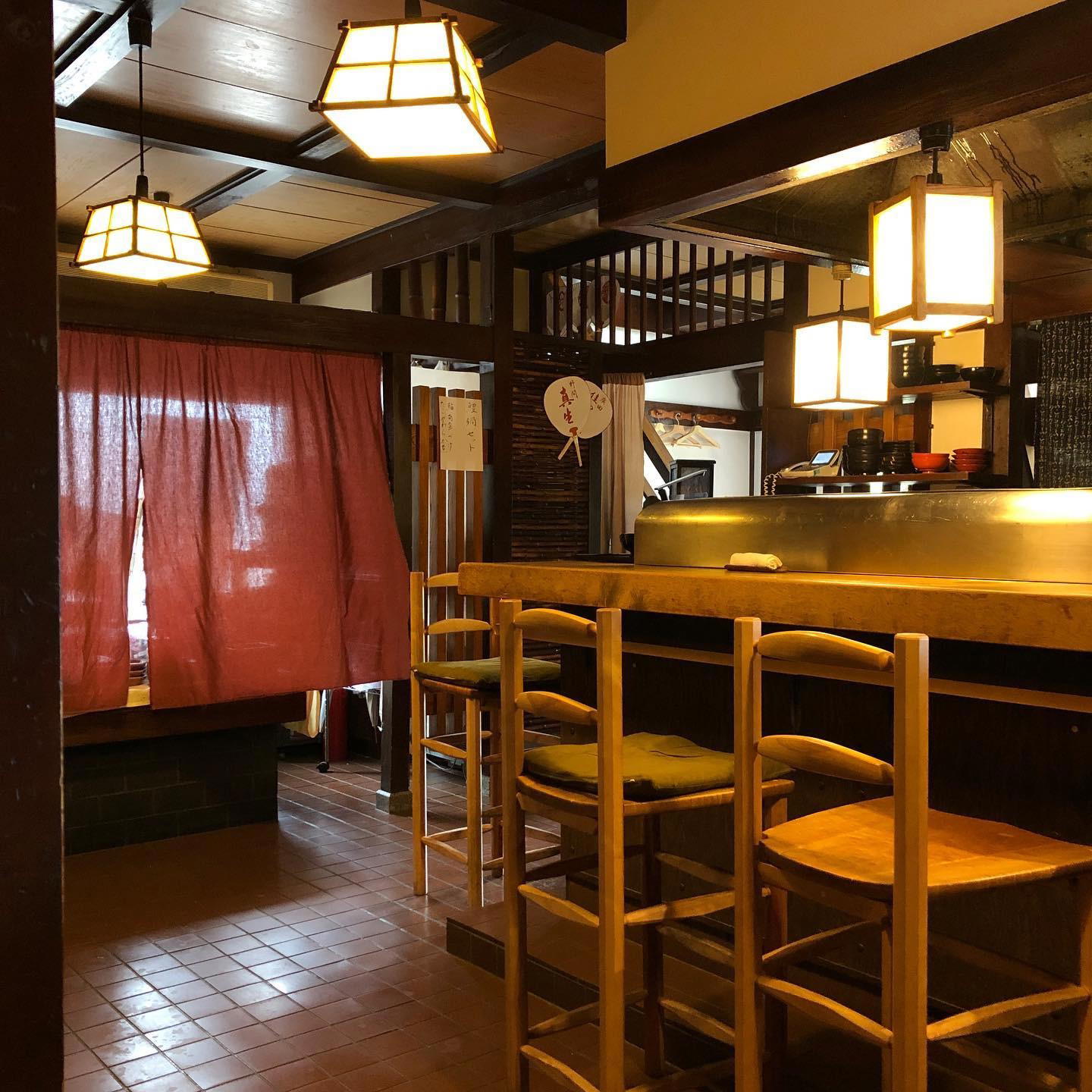
Tempura Matsu is a consistently awarded specialist counter in western Kyoto, holding La Liste 92 points in both 2025 and 2026 and ranking in Opinionated About Dining's top 104 restaurants in Japan. At the ¥¥¥ price tier with easy booking and a Michelin Plate, it delivers serious tempura credentials without the reservation anxiety of Kyoto's starred tables. Book for lunch if you are pairing with an Arashiyama visit.
Tacubo
Tokyo, Japan
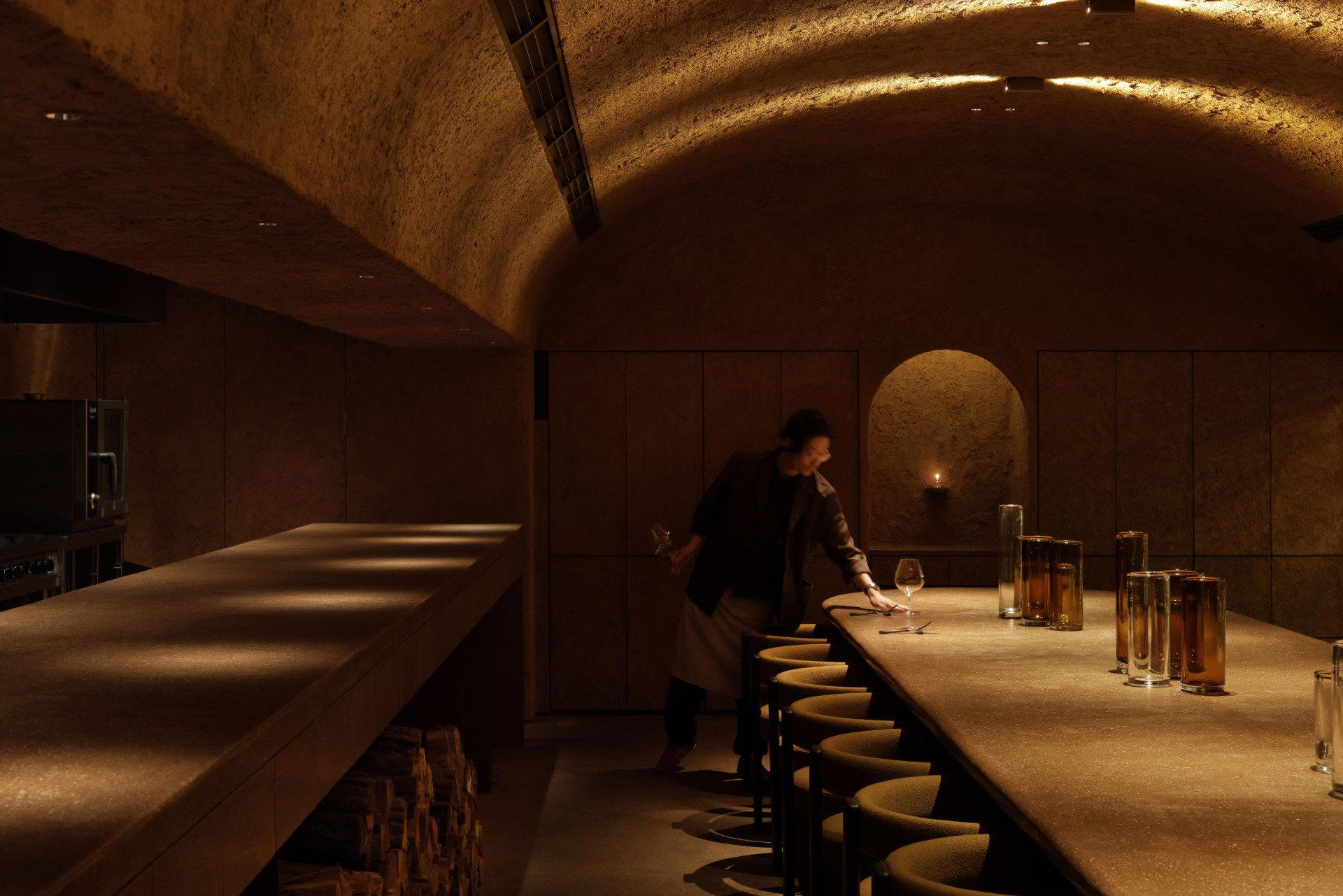
A Daikanyama Italian that rewards return visits; chef Daisuke Takubo's wood-grilled courses and seasonal pasta anchored by eight consecutive Tabelog Silver Awards. At ¥40,000–49,999 before wine, it occupies Tokyo's mid-to-upper Italian bracket, with two private rooms (up to six guests each) offering a quieter alternative to the eight-seat counter.
Hakkoku
Tokyo, Japan
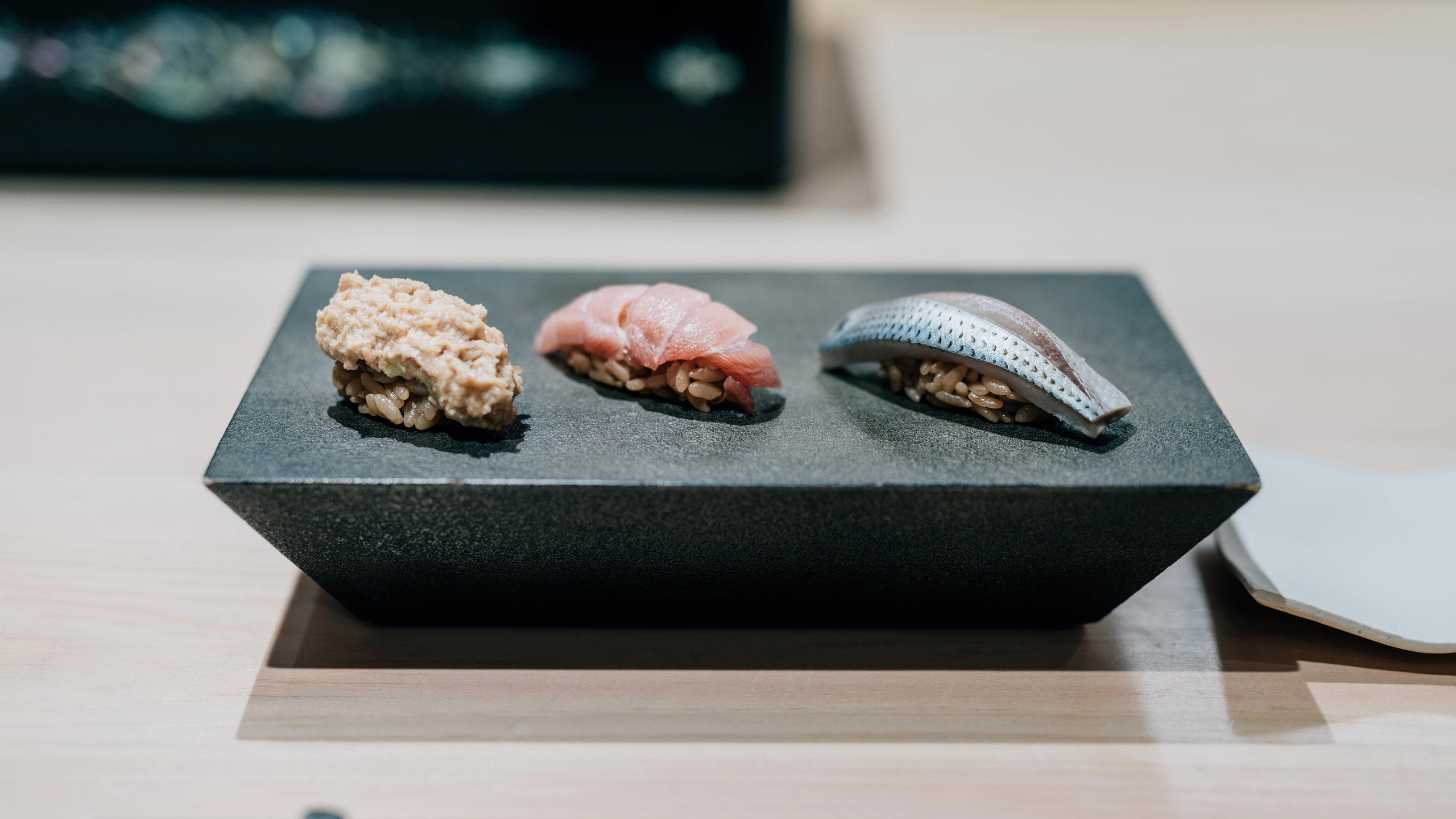
Hakkoku is a Pearl Recommended omakase counter in Ginza, led by chef Hiroyuki Sato and recognised by Opinionated About Dining and Tabelog's Bronze Award (3.92). Dinner-only since March 2020, the structured Edomae sushi progression makes it a strong choice for food-focused travellers. Book three to four weeks ahead by phone; confirm pricing when you reserve.
Sukiyabashi Jiro
Tokyo, Japan
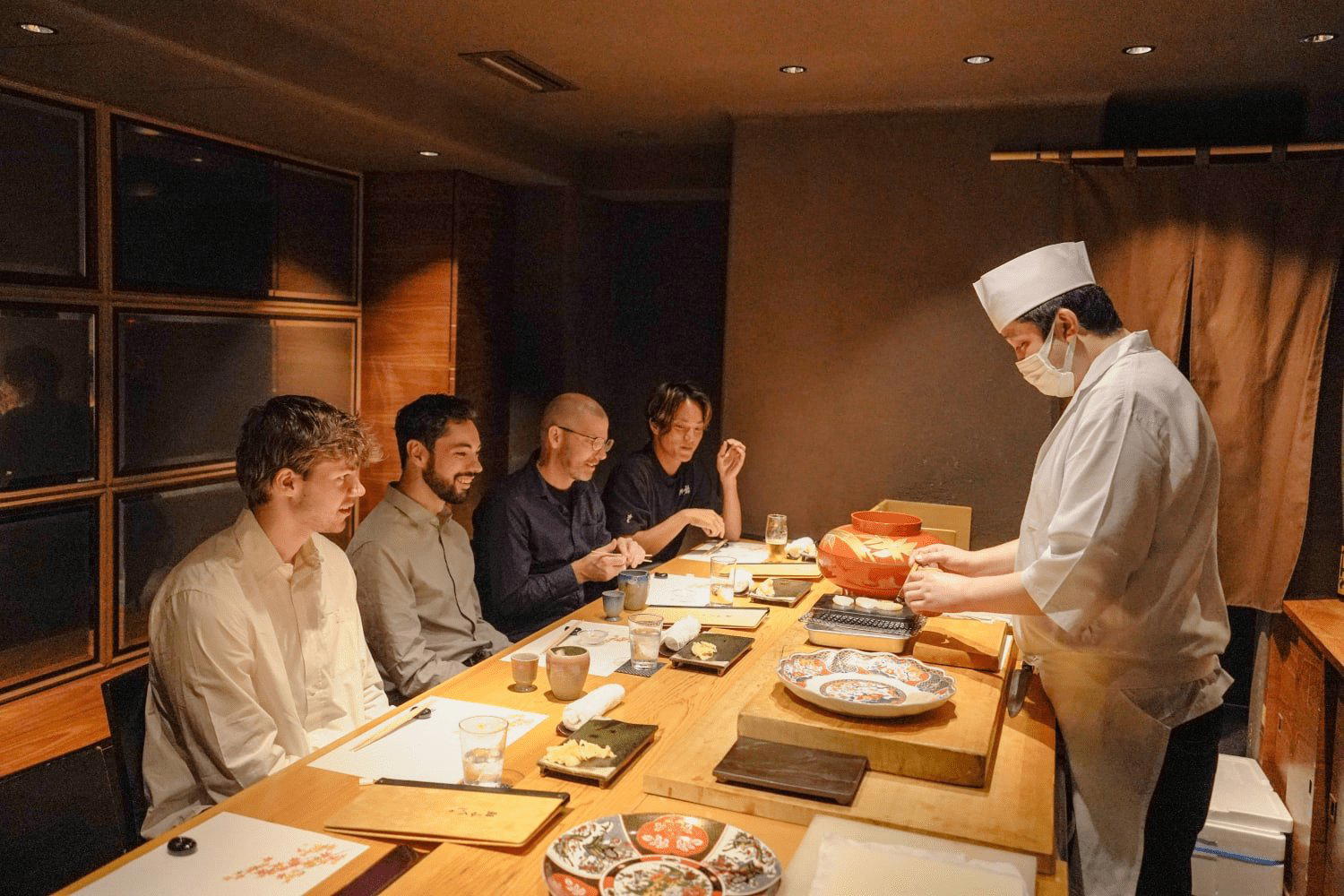
Sukiyabashi Jiro's Ginza honten is the original Edomae counter that put this address on the international map, and Pearl rates it as Easy to book; a genuine shift from its Michelin-era inaccessibility. La Liste scored it 89.5 points in 2025. If you've already visited the Roppongi branch, the Ginza basement is the natural next step; if you're choosing between Tokyo sushi counters for the first time, Harutaka is gaining ground as a closer value proposition.
Tempura Motoyoshi
Tokyo, Japan
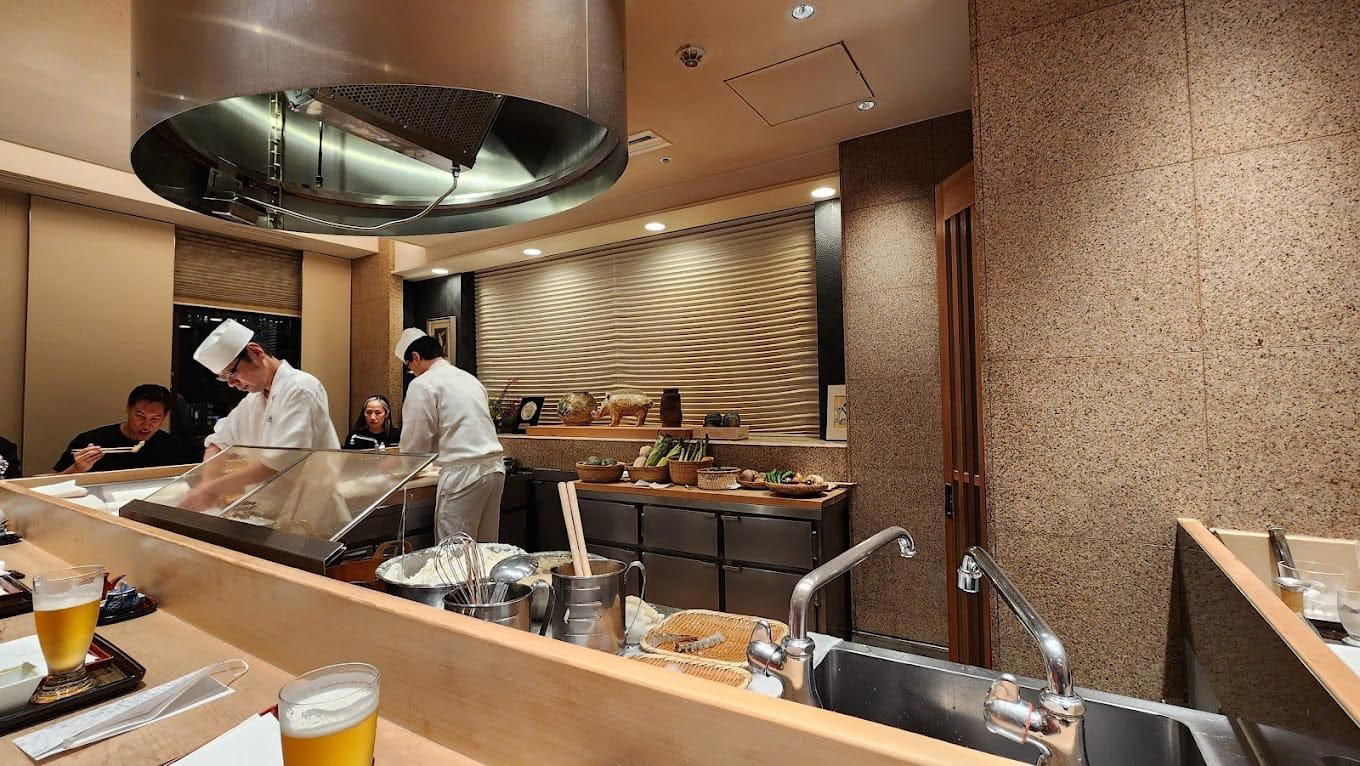
Tempura Motoyoshi is a two-Michelin-star counter in Ebisu where Chef Kazuhito Motoyoshi applies liquid nitrogen batter technique and creative pacing to push tempura well beyond convention. Ranked 77th across all Japan restaurants by OAD in 2025, it is one of Tokyo's most technically ambitious dinner reservations. Book three to four months out minimum; this is near-impossible to secure last minute.
l' Equateur
Tokyo, Japan
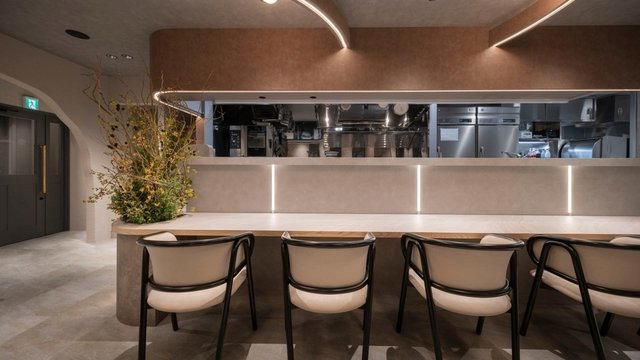
エクアトゥール is a cautious yes for a quiet Motoazabu dinner when discretion matters more than a clearly published format. Because cuisine, price, wine detail, and seating are not publicly clear here, confirm the meal structure before committing, especially for special occasions or wine-led plans.
Narisawa
Tokyo, Japan
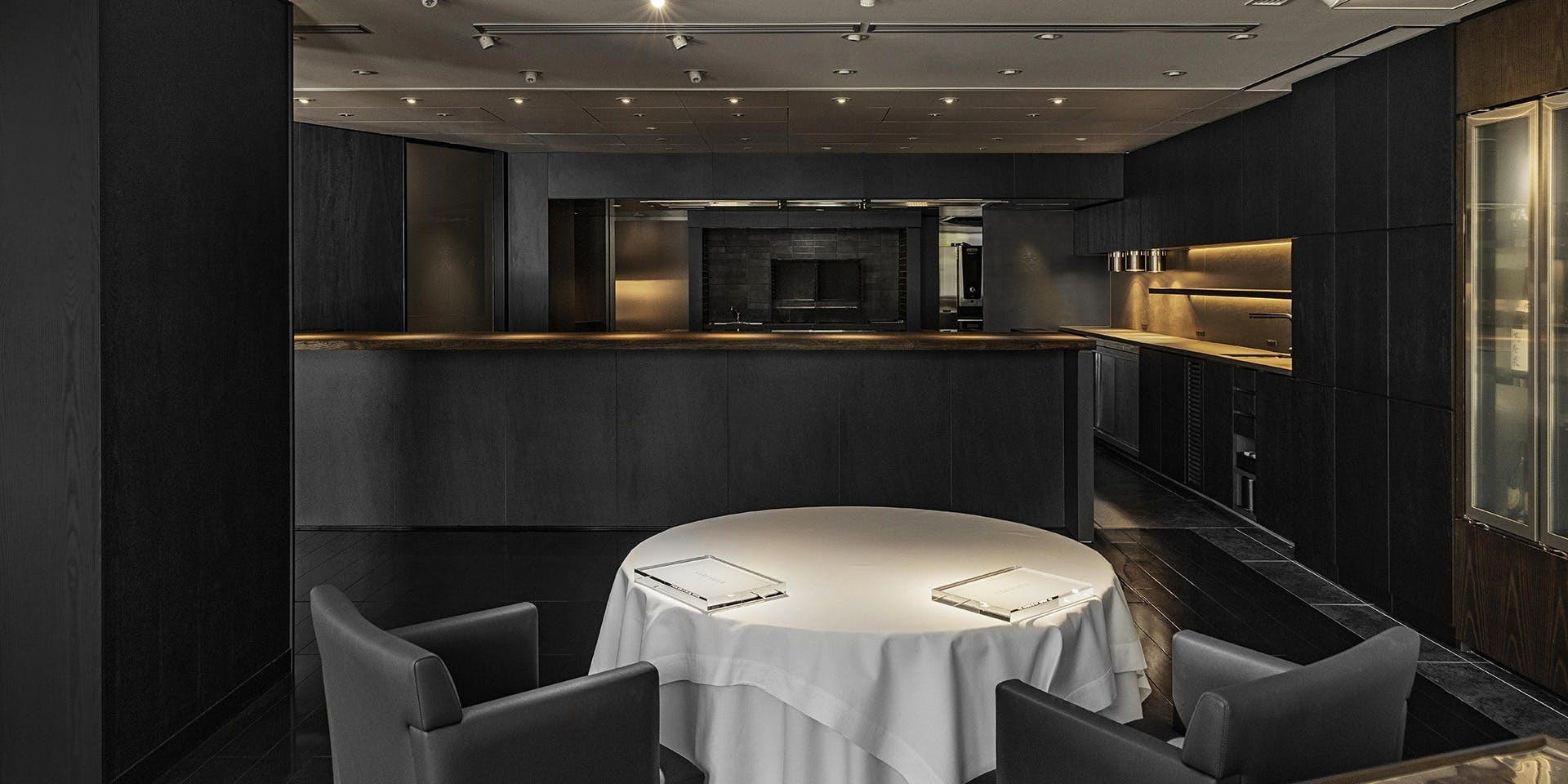
Narisawa is a restaurant in Minamiaoyama, Tokyo.
Sutamina-en
Tokyo, Japan
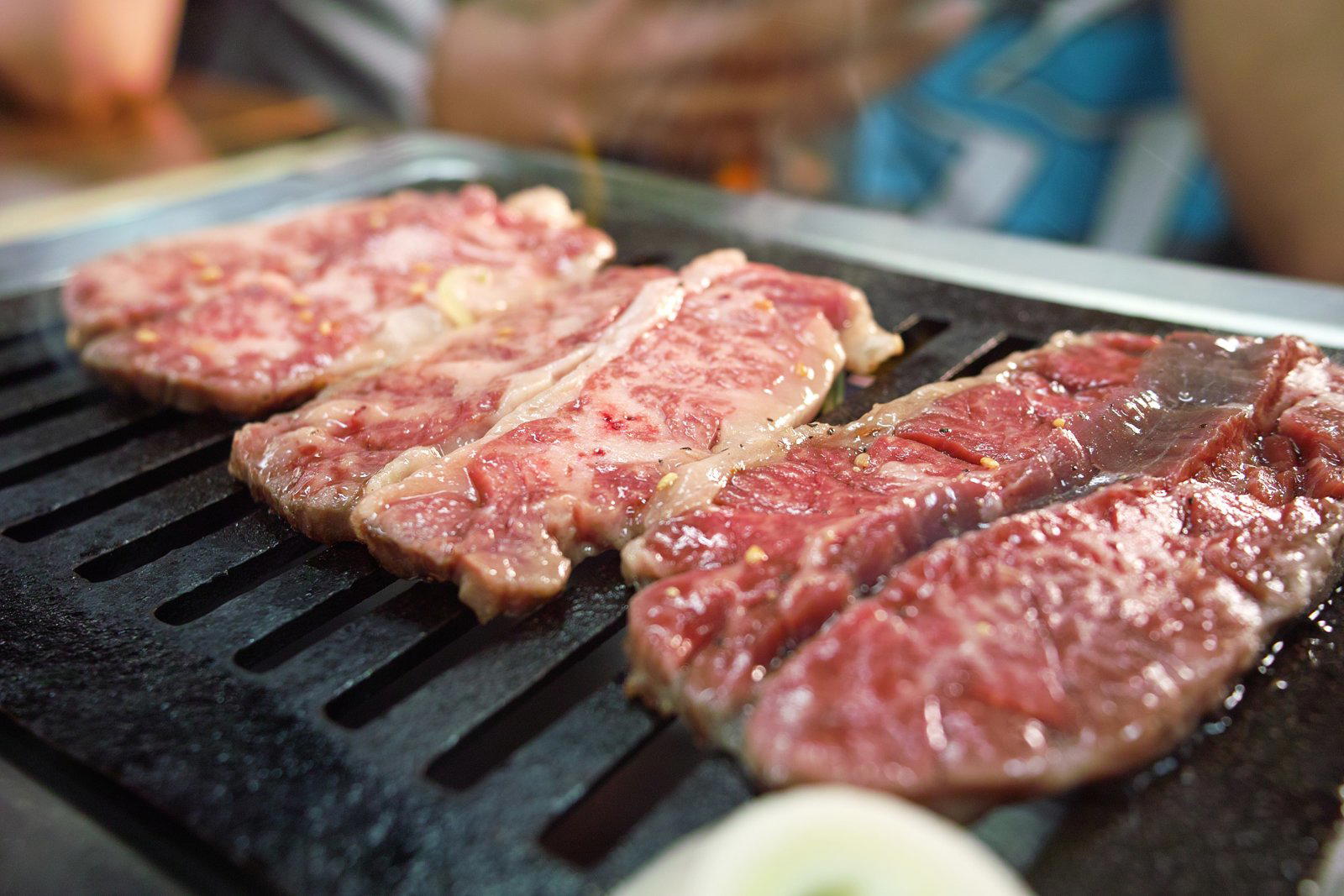
Sutamina-en in Tokyo's Adachi district offers Tabelog Silver-level yakiniku at JPY 6,000–7,999 per person, with premium cuts and tripe-focused menus served in a no-reservations, cash-only format. The tatami-room setting and walk-in-only policy keep it grounded as a neighborhood spot, but the nine-year Tabelog Award streak and #50 OAD Japan ranking confirm that Masanobu Toyoshima's execution competes with central-Tokyo peers at half the price.
Makimura
Tokyo, Japan
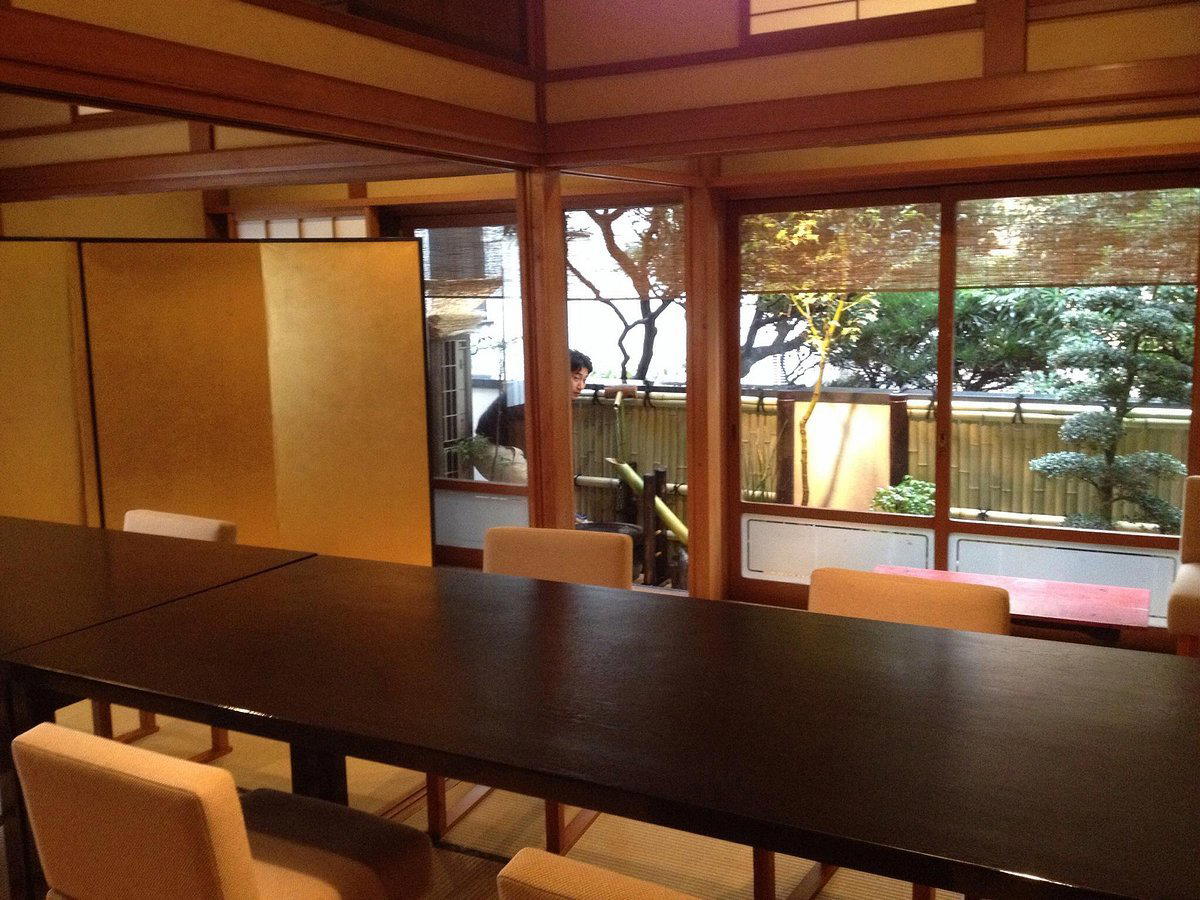
Chef Makimura Akio's 14-seat kaiseki restaurant in Minamioi delivers La Liste 97-point technique and Tabelog awards at JPY 30,000-39,999 per head, with easier booking and quieter rooms than central Tokyo peers. The fish-focused menu, private tables for groups, and counter seating for solo diners make it a practical alternative to Ginza's harder-to-reserve kaiseki specialists.
Furuta
Tokyo, Japan
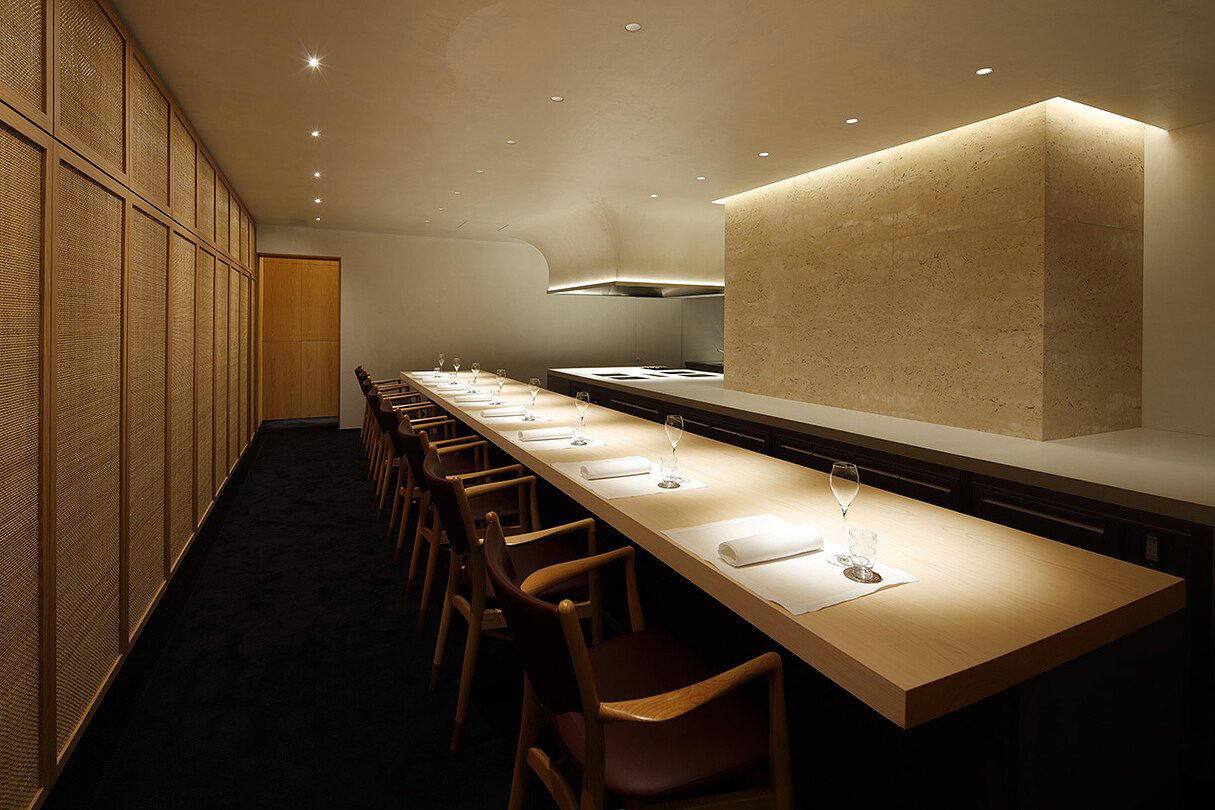
Furuta is an eight-seat counter in Ginza serving creative Chinese cuisine at JPY 100,000 and above per head, dinner only, Tuesday through Saturday. A Tabelog Silver Award winner every year from 2017 to 2026 and a consistent Opinionated About Dining Top 100 Japan entry, it is the right booking if you want chef-led Chinese precision in a spare, focused setting; and the wrong one if you need lunch, large groups, or flexibility.

Sushi Sho
New York City, United States
Sushi Sho is a restaurant on East 41st Street in New York City.
Villa Aida
Iwade, Japan
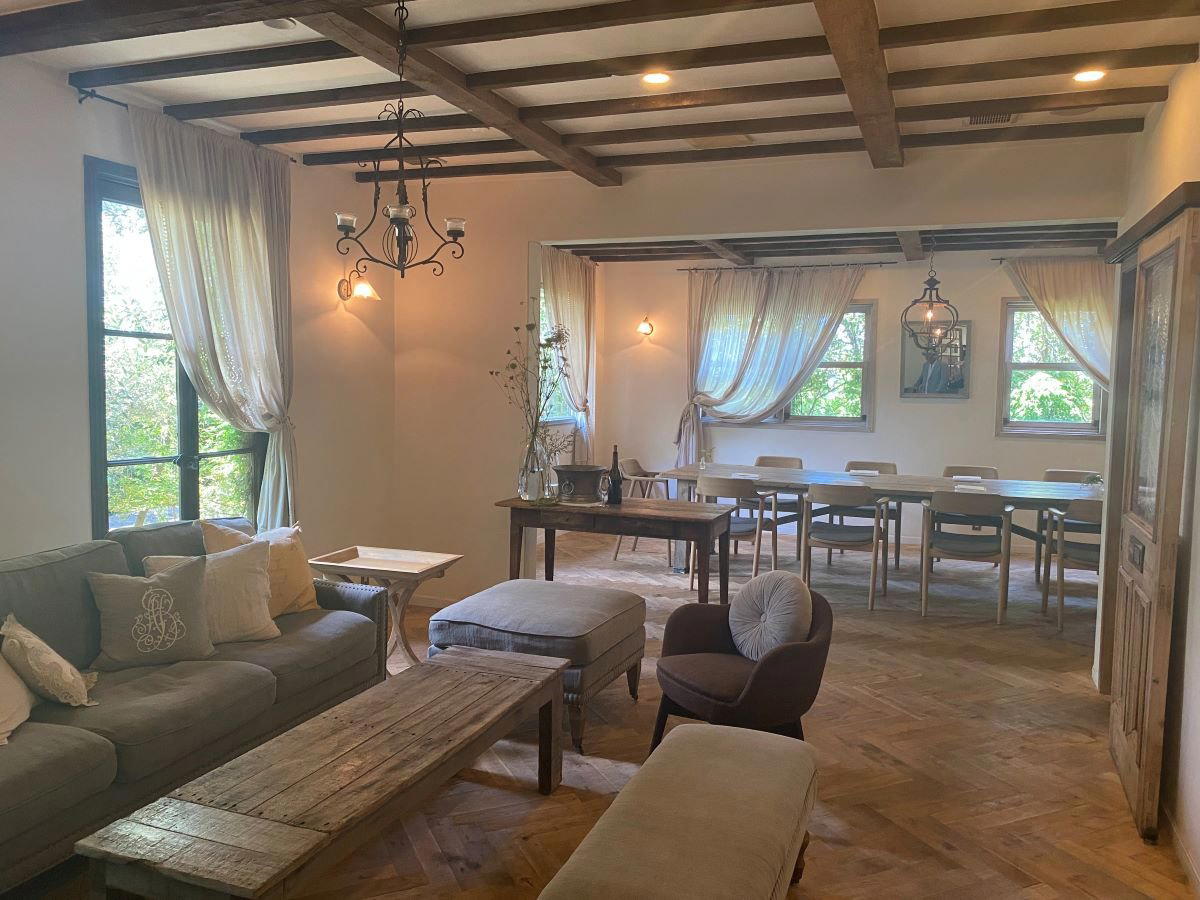
Villa Aida is a two-Michelin-starred Italian restaurant in Wakayama's Iwade, ranked #36 in Japan by Opinionated About Dining (2025). Chef Kanji Kobayashi's seasonal course menu draws on over 300 vegetable varieties grown on-site. At JPY 20,000–49,000 per head for 16 seats, it is a serious special-occasion booking for diners willing to make the trip south of Osaka.
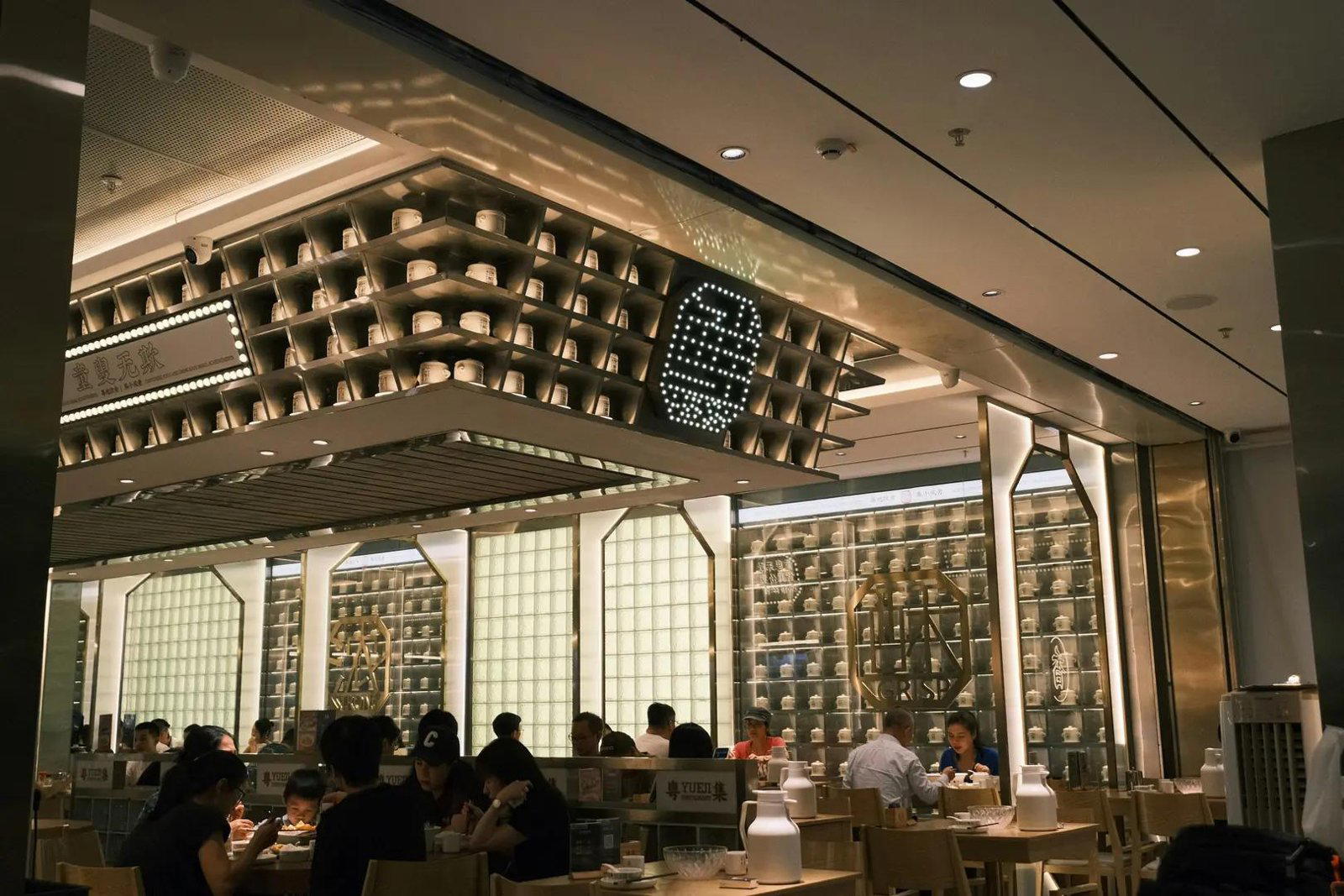
Suzue
Kyoto, Japan
Ranked in Opinionated About Dining's Top Restaurants in Japan, Suzue is a chef-driven kaiseki counter in Kyoto's quieter Okazaki district. Open every evening, it offers more scheduling flexibility than most comparable counters. Best suited to returning kaiseki visitors or special occasions where a structured, high-quality progression matters more than theatrics.
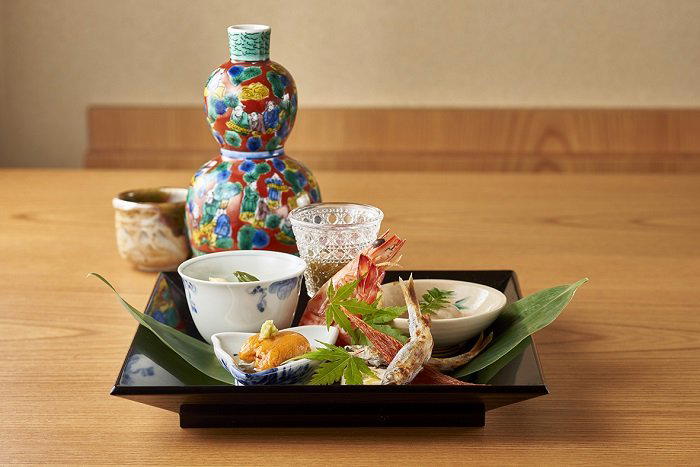
LATURE
Tokyo, Japan
Chef Takuto Murota hunts his own game and grows vegetables at LATURE FARM in Chiba, bringing a direct sourcing philosophy to this twenty-seat French basement near Omotesando. At ¥10,000–¥14,999 for dinner, the value hinges on your appetite for nose-to-tail cooking; venison blood macarons and offal feature prominently. Book three weeks ahead, or request the seasonal course without game if you prefer to skip the wild protein.
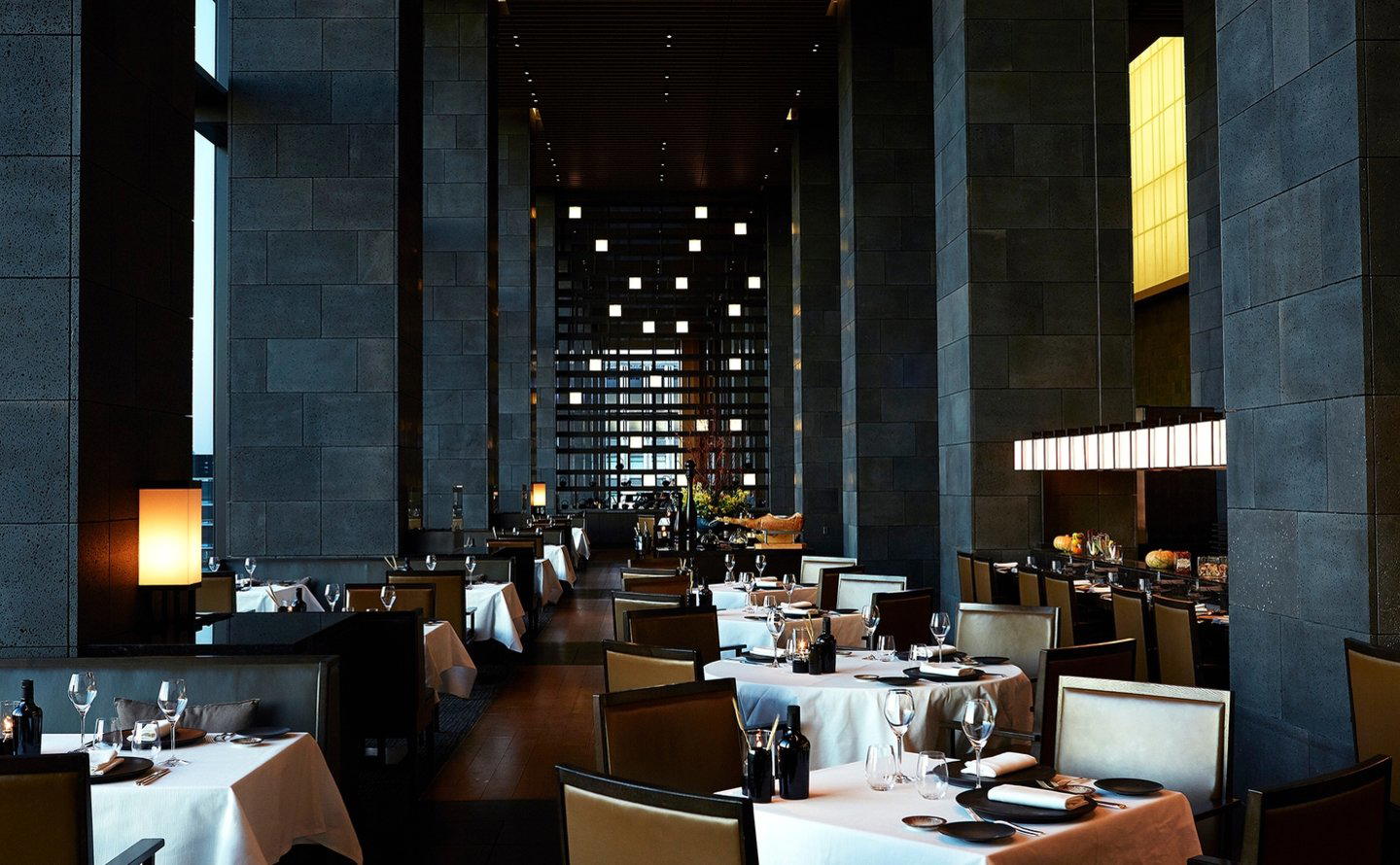
麻布 幸村
Tokyo, Japan
A cautious Azabujuban pick for diners who want a quiet, Japan-focused dinner and are comfortable confirming details before committing. The appeal is location and special-occasion potential, but missing public detail on price, hours, menu, and seating makes it weaker for groups or late-night plans that need certainty.
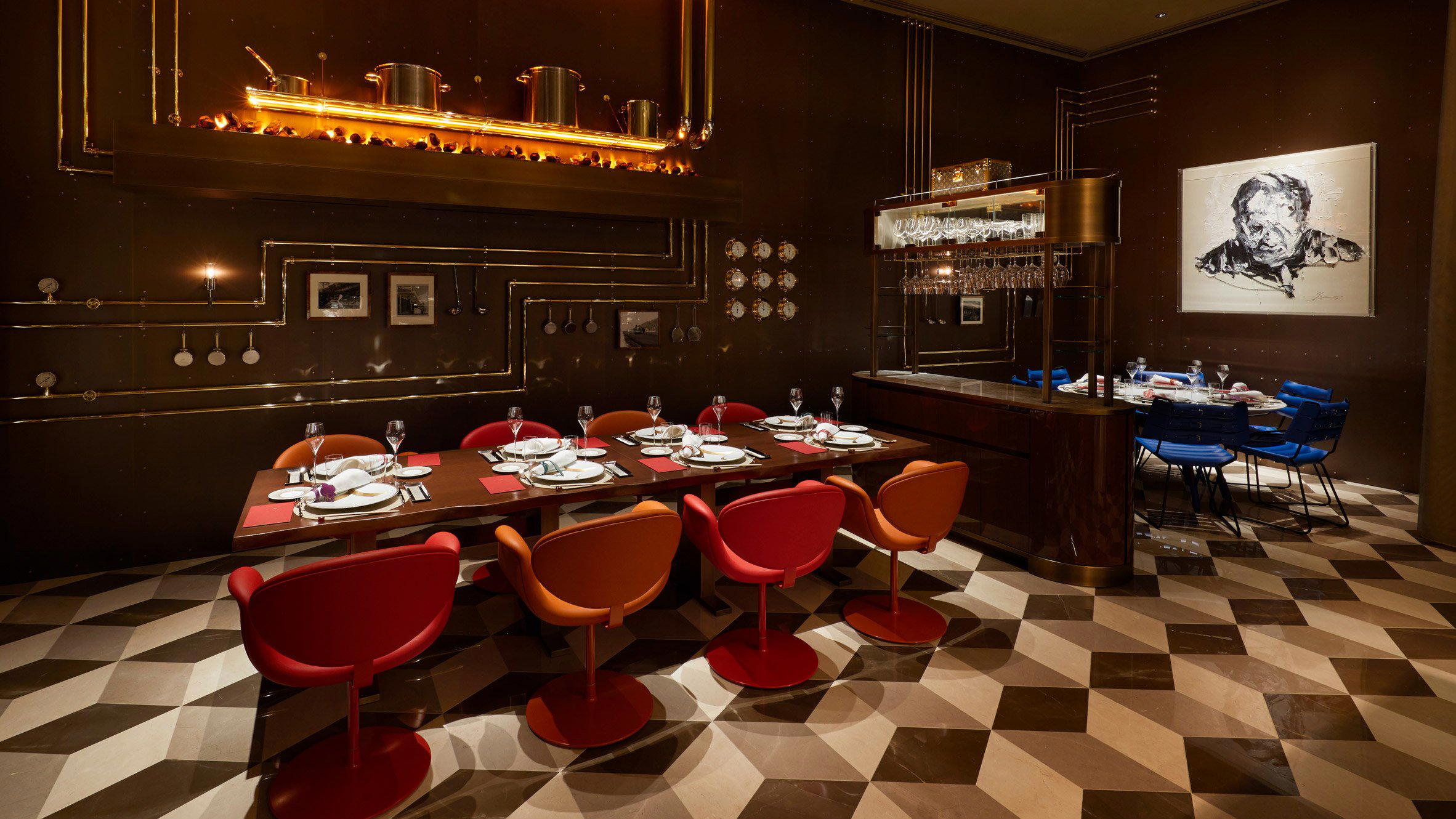
Sugalabo
Tokyo, Japan
Chef Yosuke Suga's 20-seat French venue in Azabudai rotates its tasting menu every few weeks to track seasonal ingredients. Dinner runs around ¥100,000 per person at the counter or in the private room, with wine and sake pairings that shift with the menu. Book three to four weeks out for weekdays, longer for weekends.
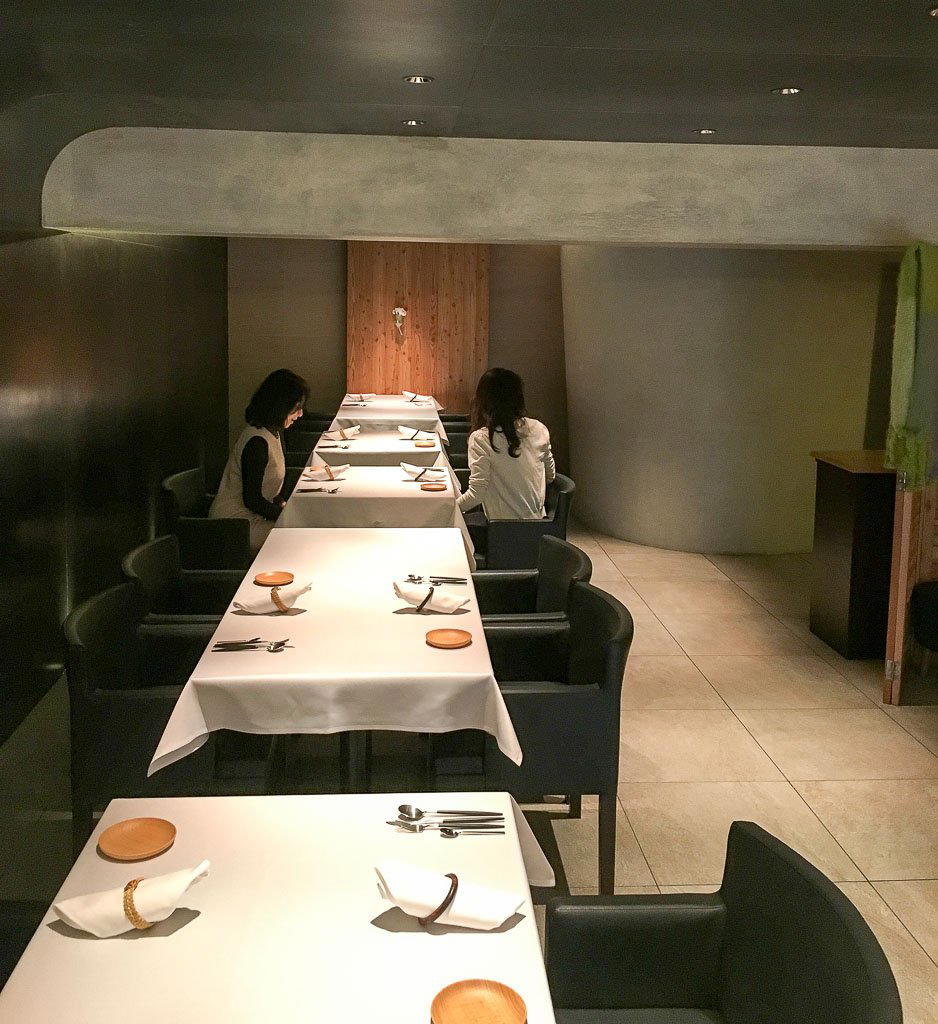
Ca Sento
Kobe, Japan
Chef Shinya Fukumoto's 12-seat Spanish tasting counter earned Tabelog Gold 2019 and remains Japan's most technically precise Spanish kitchen, blending kaiseki structure with Iberian technique. At JPY 30,000–39,999 dinner, it costs double the Kansai Spanish average but delivers fish-forward courses with omakase-level clarity. Book 2-3 weeks out; dress code and no-modification policy enforced.
Overview
The 2023 OAD Japan list ranks 142 restaurants across 26 cities in 6 countries. Tenzushi Kyomachi in Fukuoka leads, followed by Hirasansou in Otsu and Tokyo's Saito. The list underwent complete turnover from 2022, with all 142 entries being new additions while 160 previous venues dropped out. Tokyo dominates representation, though regional restaurants claim the top positions.
This edition represents a complete reset of the OAD Japan rankings; zero restaurants carried over from the previous year. The 142-venue list spans 6 countries and 26 cities, though the overwhelming majority are in Japan. Regional specialists lead the rankings: Fukuoka's Tenzushi Kyomachi at #1, Otsu's Hirasansou at #2, and Shizuoka's Tempura Naruse at #4. Tokyo claims 5 of the top 10 spots (Saito, Tempura Nitome, Takiya, Sugita, Hoshino). One notable outlier: Matsukawa in Dublin, Ireland appears at #8, the only Western restaurant in the top 10. The complete roster turnover; 142 new entrants replacing 160 dropped venues; suggests either a methodology shift or significant evolution in OAD's reviewer base.
The 2023 OAD Japan rankings went through complete turnover. Not a single restaurant from the previous year's list remains; all 142 spots went to new entrants while 160 venues dropped out. Fukuoka's Tenzushi Kyomachi replaced the previous leader Sushi Akira at #1. The list covers 26 cities across 6 countries, though Japan accounts for the vast majority. Regional restaurants dominate the top tier, with only Tokyo's Saito cracking the top 3. The complete reset makes year-over-year comparisons essentially impossible.
Quick Facts
- Total Restaurants
- 142
- Cities Represented
- 26
- Countries Included
- 6
- Top Restaurant
- Tenzushi Kyomachi (Fukuoka)
- Returning from 2022
- 0
- New Entrants
- 142
- Tokyo Top 10 Spots
- 5
- Dropouts from 2022
- 160
About This Edition
The 2023 edition marks a radical departure from previous OAD Japan rankings. The complete absence of returning venues; 100% new entrants; is unprecedented for a major restaurant list. Tenzushi Kyomachi's ascent from unlisted to #1 exemplifies this shift, as does the disappearance of former leader Sushi Akira. Geographically, the list spreads across 26 cities, though Tokyo still commands the largest share with 5 restaurants in the top 10 alone. Regional Japan makes a stronger showing than typical fine dining lists: Fukuoka, Otsu, Shizuoka, and Nonoichi all place in the top 6. The presence of Dublin's Matsukawa at #8; the only non-Asian restaurant in the top 10; raises questions about the list's geographic scope and criteria. The sushi and tempura genres appear heavily in the upper ranks (Tenzushi Kyomachi, Saito, Tempura Naruse, Tempura Nitome, Mekumi, Sugita), though kaiseki also features with Hirasansou at #2. The 160 dropouts versus 142 new additions suggests either tightening criteria or a smaller reviewer pool. Without additional context about OAD's methodology changes between editions, the complete reset limits the list's value for tracking restaurant quality trends over time.
Frequently Asked Questions
What restaurant ranked #1 on the 2023 OAD Japan list?
How many restaurants from the 2022 list returned in 2023?
How many cities are represented on the 2023 OAD Japan list?
Which Tokyo restaurants made the 2023 top 10?
How many of these have you visited?
Find out on Pearl and keep score across every place in 2023 OAD Top Restaurants in Japan Ranked.