

Mikawa Zezankyo
Tempura · Kōtō, Tokyo
Restaurant in Tokyo, Japan
 Book with Pearl
The Read
Edomae Counter Precision
Chef
Tetsuya Saotome
Dress
Smart Casual
Why go
Mikawa Zezankyo is a Tabelog Bronze award-winner every year from 2017 to 2026 and one of the few Tokyo tempura counters ranked in the Tabelog 100. Chef Tetsuya Saotome's Edomae-focused kitchen operates by reservation only in Koto City, with a nine-seat counter and private tatami rooms for groups. Budget JPY 20,000–JPY 39,999 per head; closed Wednesdays.
About Mikawa Zezankyo
Who Should Book Mikawa Zezankyo
If you are planning a serious tempura meal in Tokyo and want a counter experience with documented consistency over nearly a decade of Tabelog Bronze awards, Mikawa Zezankyo is the right call. It is particularly well-suited for a group of friends willing to spend two-and-a-half-plus hours at the table, for guests who appreciate Edomae technique executed at a high level, and for anyone returning to Tokyo who has already covered the sushi and kaiseki circuit and wants a definitive tempura reference point. Solo diners and couples both work here, given the nine-seat first-floor counter.
The Tempura Case
Mikawa Zezankyo has held Tabelog Bronze consecutively from 2017 through 2026, which is ten straight years of recognition on Japan's most granular dining platform. It has also been selected for the Tabelog Tempura "Tabelog 100" in 2022, 2023, and 2025, placing it among the country's leading tempura destinations by peer review. Chef Tetsuya Saotome's kitchen is described on Tabelog as practicing Edomae artistry, the older Tokyo tradition of tempura that prioritises restraint and precision over volume or theatrical presentation. The kitchen is noted for being particular about fish, which in the Edomae tempura context means sourcing and timing matter as much as the frying itself.
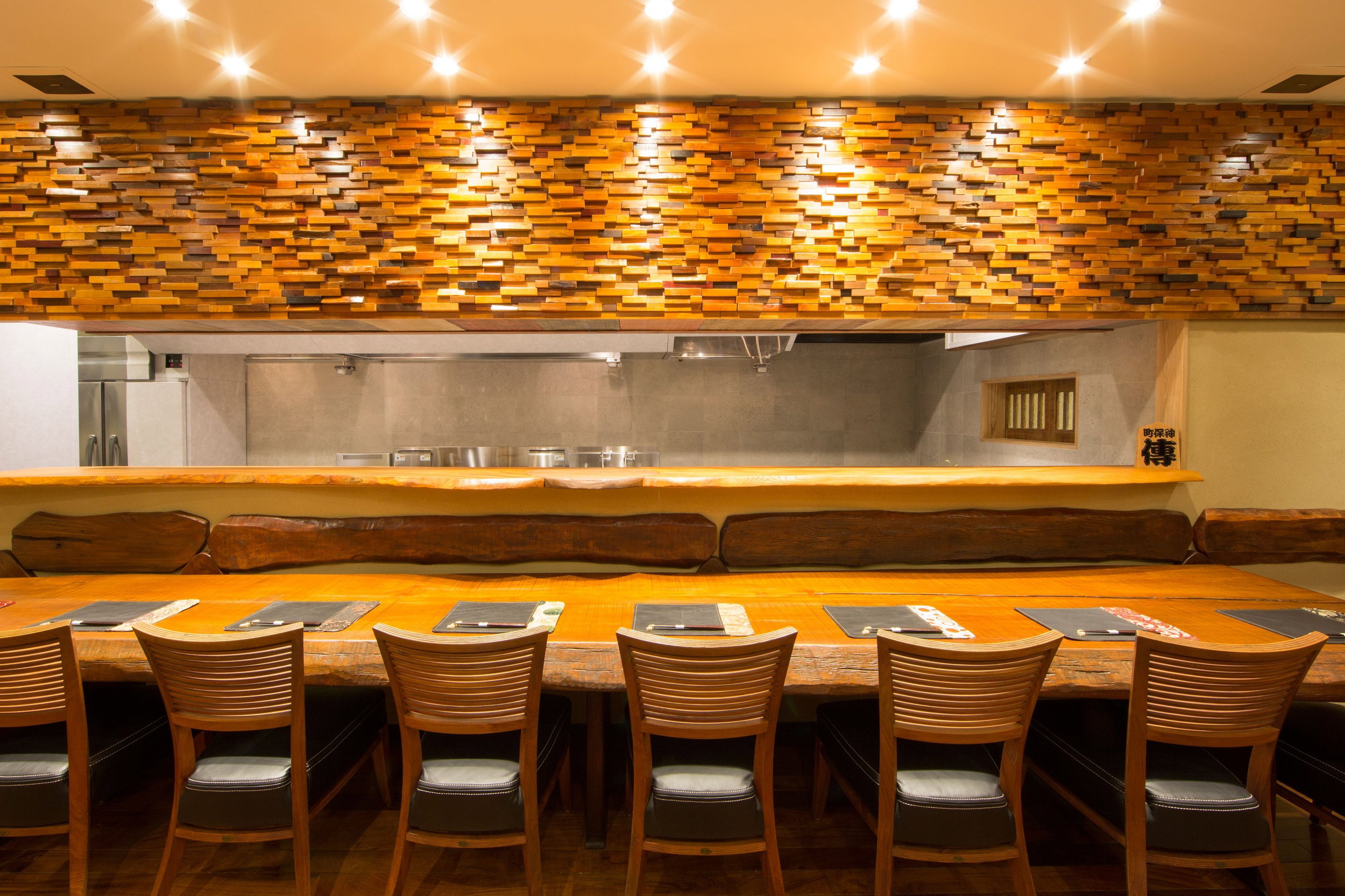
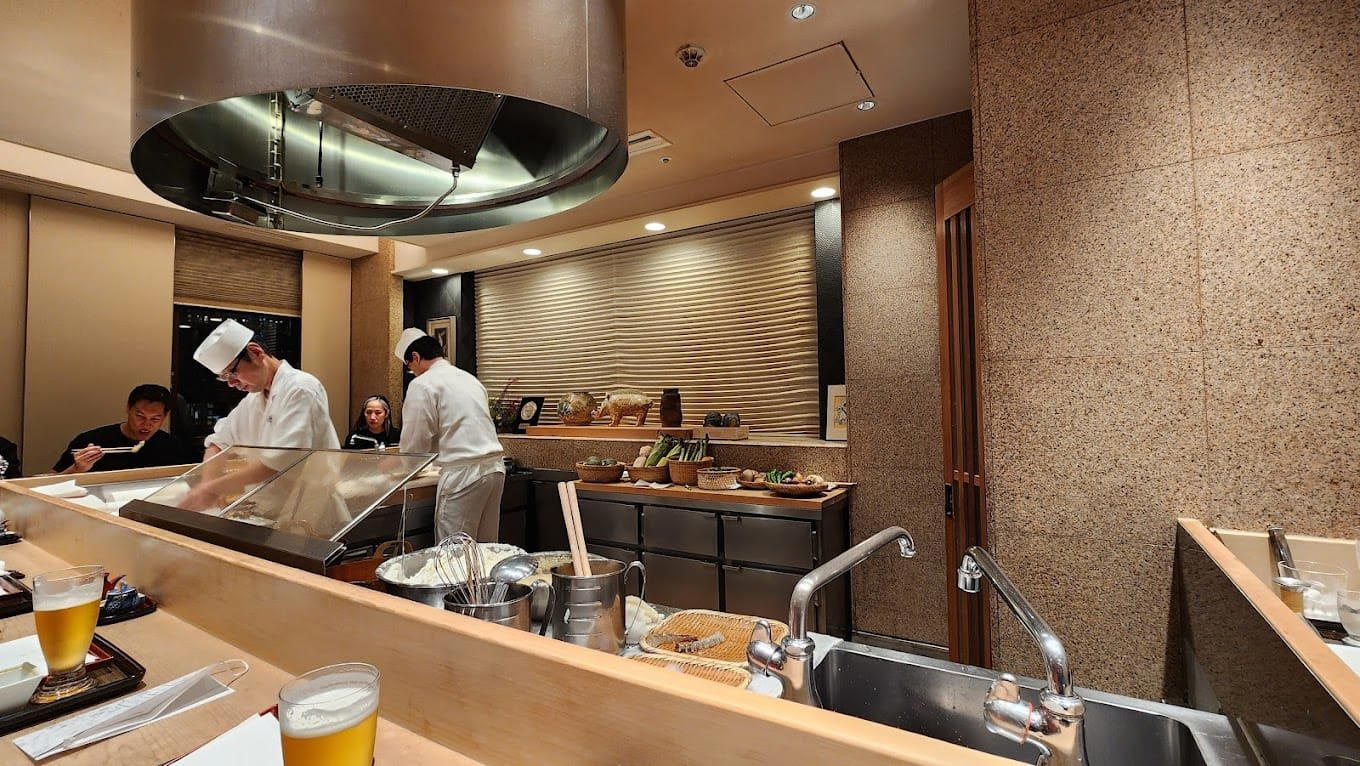
For a returning diner, the practical question is which seating to prioritise. The nine-seat ground-floor counter is where you are closest to the action. Upstairs, the private rooms, including a 14-tatami sunken kotatsu room and a six-tatami tatami room, accommodate groups from two to twenty, which makes the venue genuinely flexible for a work dinner or a celebration that needs privacy. The full restaurant seats 30, so it never feels like a mass-production operation. BYO drinks are permitted, which is worth knowing if you want to bring a specific sake or wine; the house list covers sake and wine if you do not.
Pricing runs JPY 20,000 to JPY 29,999 per head at the listed rate, with actual reviewer spending often reaching JPY 30,000 to JPY 39,999 at dinner. That puts it in the same tier as other Tabelog-recognised tempura counters in Tokyo, though cheaper than Michelin three-star options. No service charge applies, which is direct. Credit cards are accepted across major networks: VISA, Mastercard, JCB, AMEX, and Diners. There is no parking on site.
For context across the Tokyo tempura category, Tempura Kondo in Ginza is the Michelin-starred comparison if you want a more central location and higher international name recognition. Tempura Ginya and Tempura Motoyoshi are alternatives worth considering depending on your booking window and preferred neighbourhood. Fukamachi and Edomae Shinsaku round out the Edomae-focused options if you want to compare styles. For the same price tier outside tempura, see RyuGin for kaiseki or Harutaka for sushi.
Booking and Practical Details
Reservations: Reservation only — walk-ins are not accepted. Call +81-3-3643-8383 or check the venue website directly. Hours: Lunch 12:00–17:00, dinner from 19:00 onwards; closed Wednesdays (verify current hours before visiting as these may change). Budget: JPY 20,000–JPY 39,999 per head depending on ordering; no service charge. Getting there: Eight minutes on foot from Monzen-Nakacho Station on the Tozai and Oedo lines. Seating: 9-seat counter on the ground floor; private rooms for 2–20 guests on the second floor. Payment: Major credit cards accepted; no electronic money or QR payments. BYO: Permitted. Smoking: Non-smoking throughout.
If You Are Travelling Beyond Tokyo
If this trip extends to other cities, the tempura comparison continues in Osaka at Numata and in Taipei at Mudan Tempura. For broader dining in Japan, HAJIME in Osaka, Gion Sasaki in Kyoto, akordu in Nara, Goh in Fukuoka, 1000 in Yokohama, and 6 in Okinawa are worth adding to the shortlist. Back in Tokyo, use our full guides: Tokyo restaurants, Tokyo hotels, Tokyo bars, Tokyo wineries, and Tokyo experiences.
Planning details
- Hours
- Monday: 12–7 pm · Tuesday: 12–7 pm
- Location
- 1 Chome-3-1 Fukuzumi, Koto City, Tokyo 135-0032, Japan
- Website
- mikawa-zezankyo.jimdo.com
- Phone
- +81 3-3643-8383
The take
The Take
The Vibe
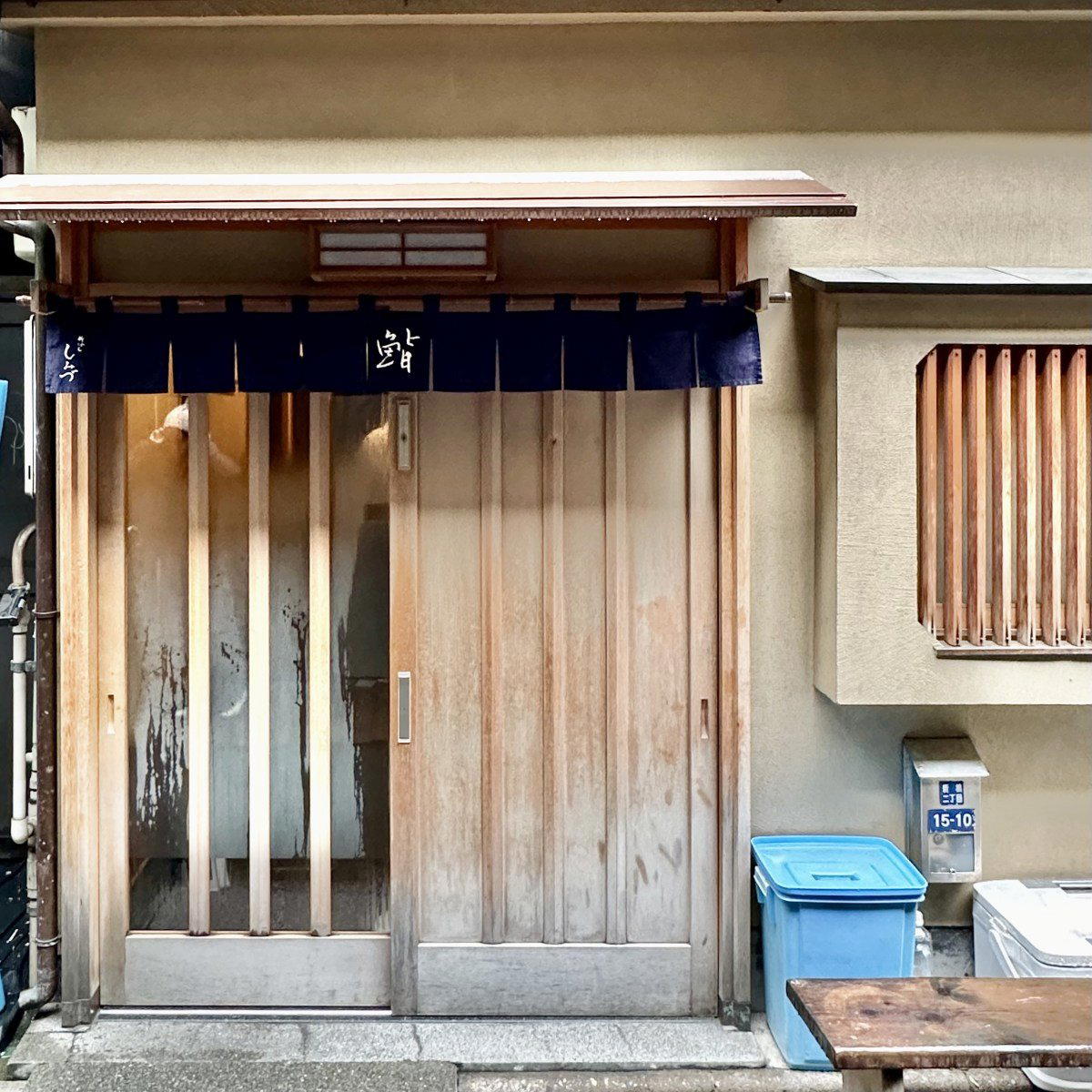
Mikawa Zezankyo presents a quiet, highly focused dining experience rooted in the Edomae tempura tradition. Housed in a small house restaurant in Fukuzumi, Koto City, it reads like a dedicated specialist room rather than a flashy modern concept. Chef Tetsuya Saotome anchors the kitchen with a steady hand; the room’s reservation-only rhythm and decade-plus run of Tabelog recognition emphasize consistency and restraint. The service and pacing favor careful technique and ingredient provenance over showy presentation, making the overall atmosphere refined, understated and purposefully attentive to classic Tokyo tempura craft.
Best For
This is a destination for dinner and occasions that merit an elevated, ingredient-led meal. The restaurant’s placement in the upper register of Tokyo tempura, reservation-only format and cited per-person spending at dinner make it well suited to special-occasion dining, date nights and discreet business dinners. Guests come for a composed Edomae tempura sequence delivered by an experienced chef and for the assurance of consistent quality reflected in years of peer-reviewed awards. Advance booking and an expectation of a multi-course, seated evening are appropriate.
Ordering Tips
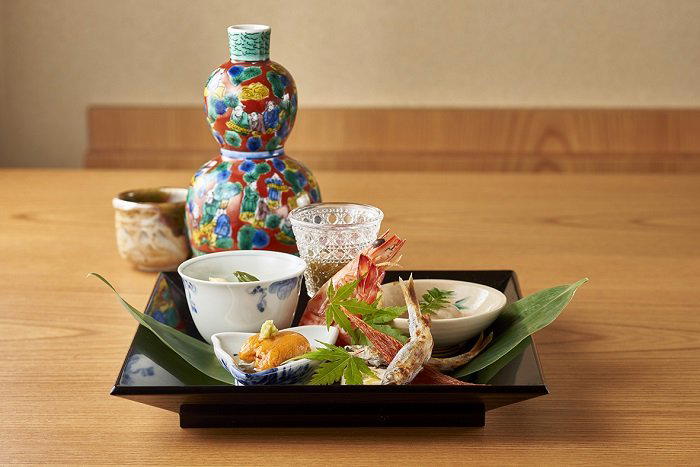
Reserve in advance and budget for drinks: published menu pricing (JPY 20,000–29,999) and review-based spend (JPY 30,000–39,999 at dinner) indicate that additional sake or wine commonly adds to the final bill. Trust the kitchen’s sequence — the restaurant is described as ingredient-focused Edomae tempura — and plan to sample signature items when available, such as uni wrapped in shiso leaf, sweet shrimp heads, kisu and sumi ika. The venue’s long-running Tabelog recognition suggests consistency, so rely on the set progression rather than ad hoc substitutions.
Venue details
Ambiance
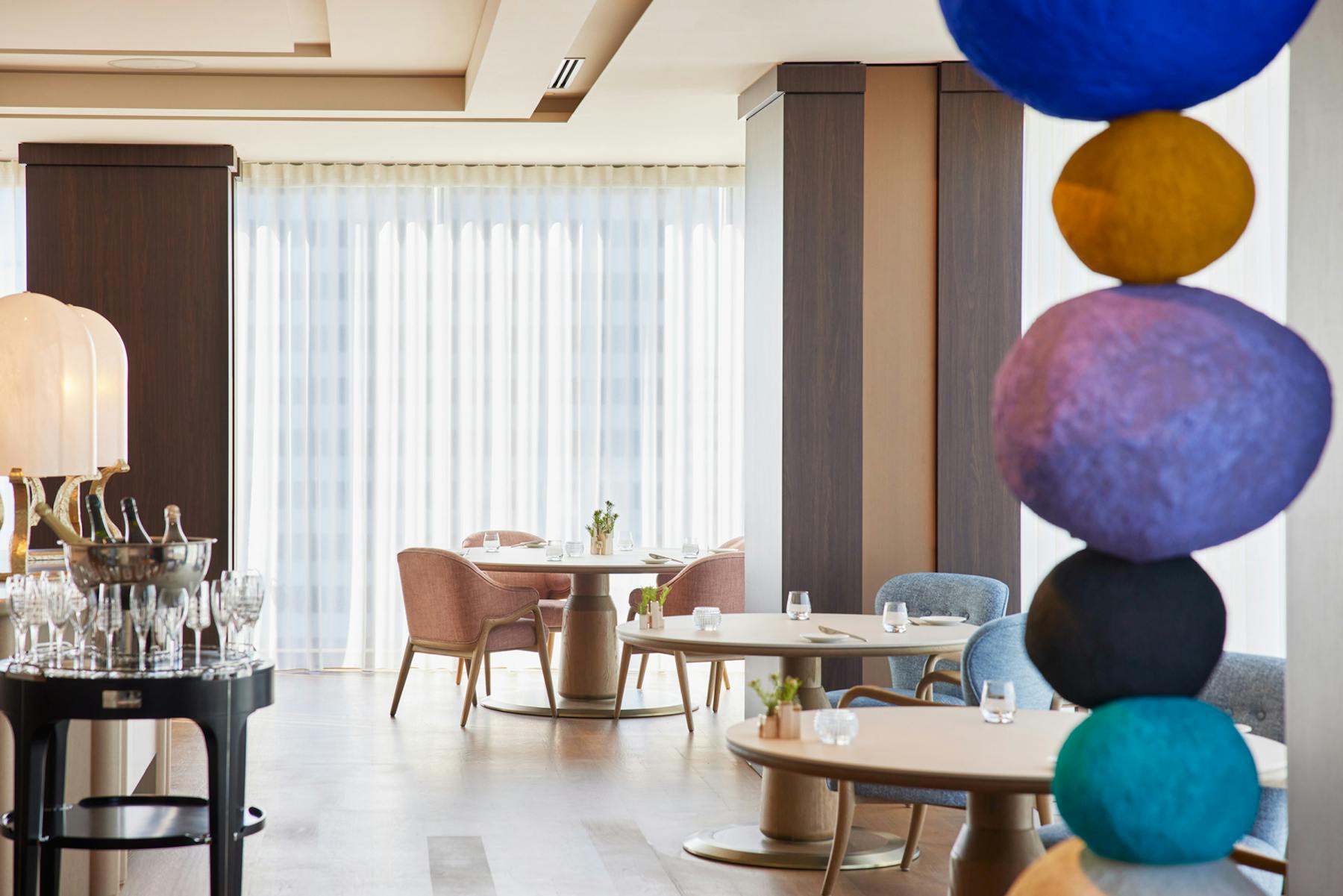
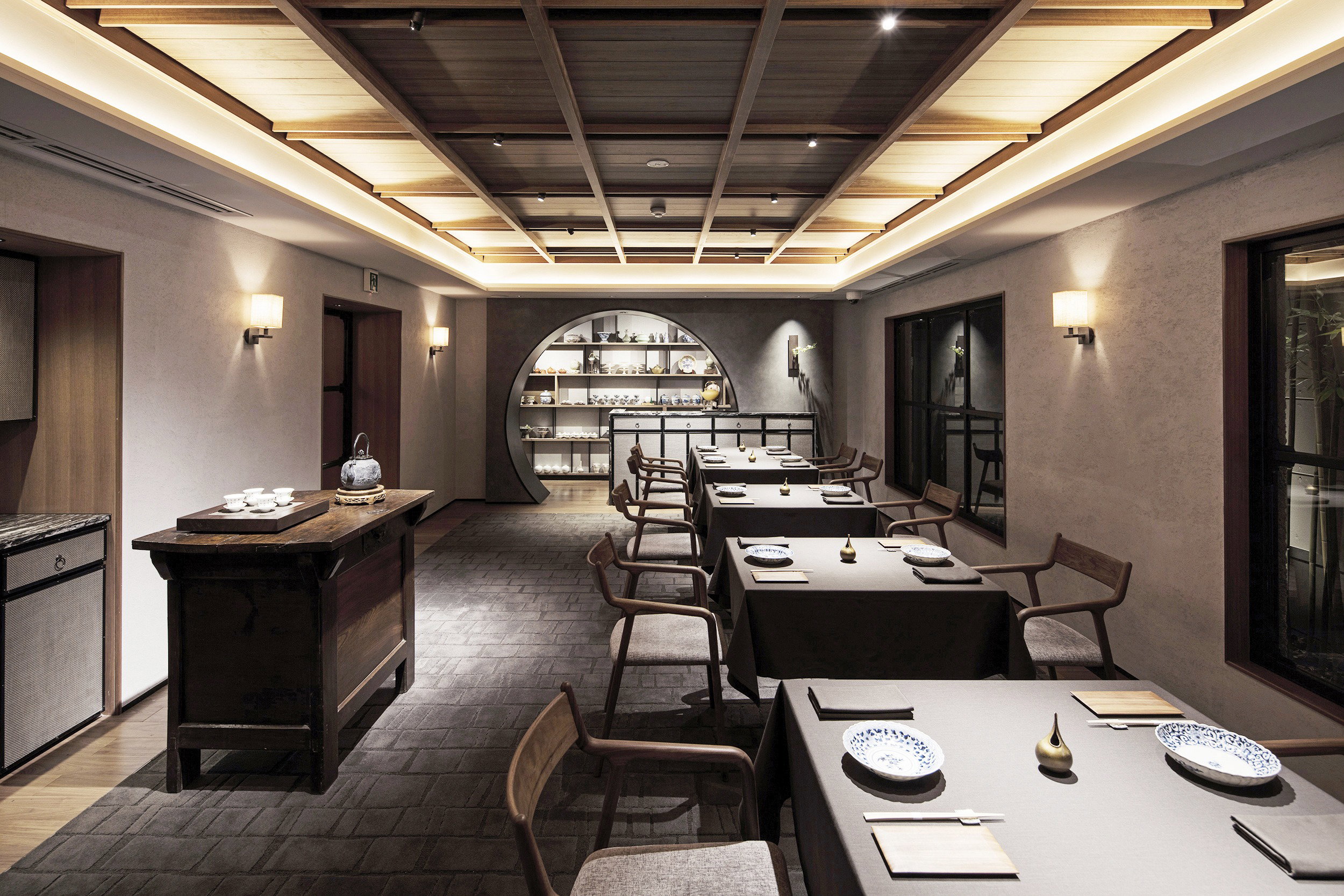
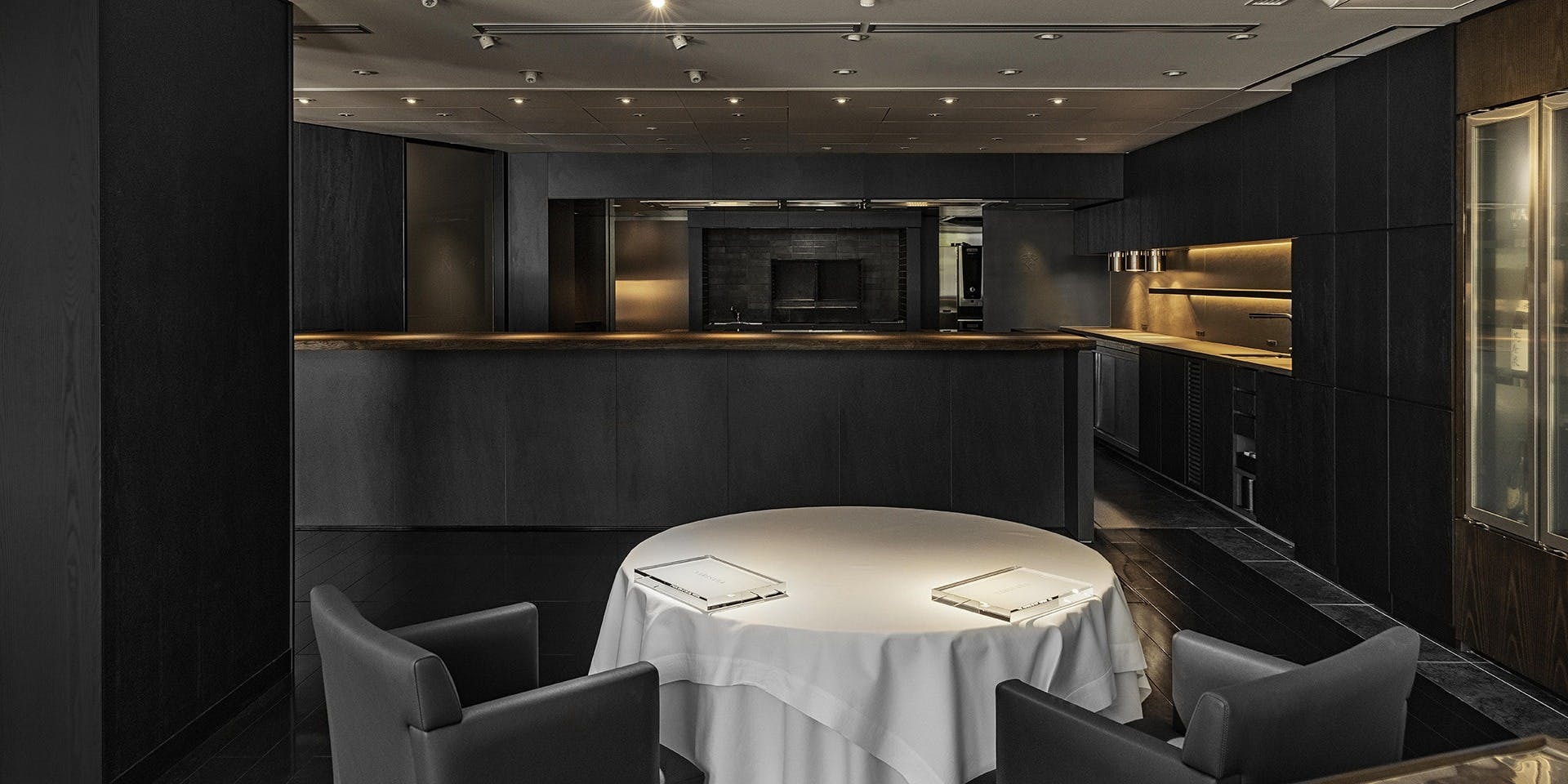
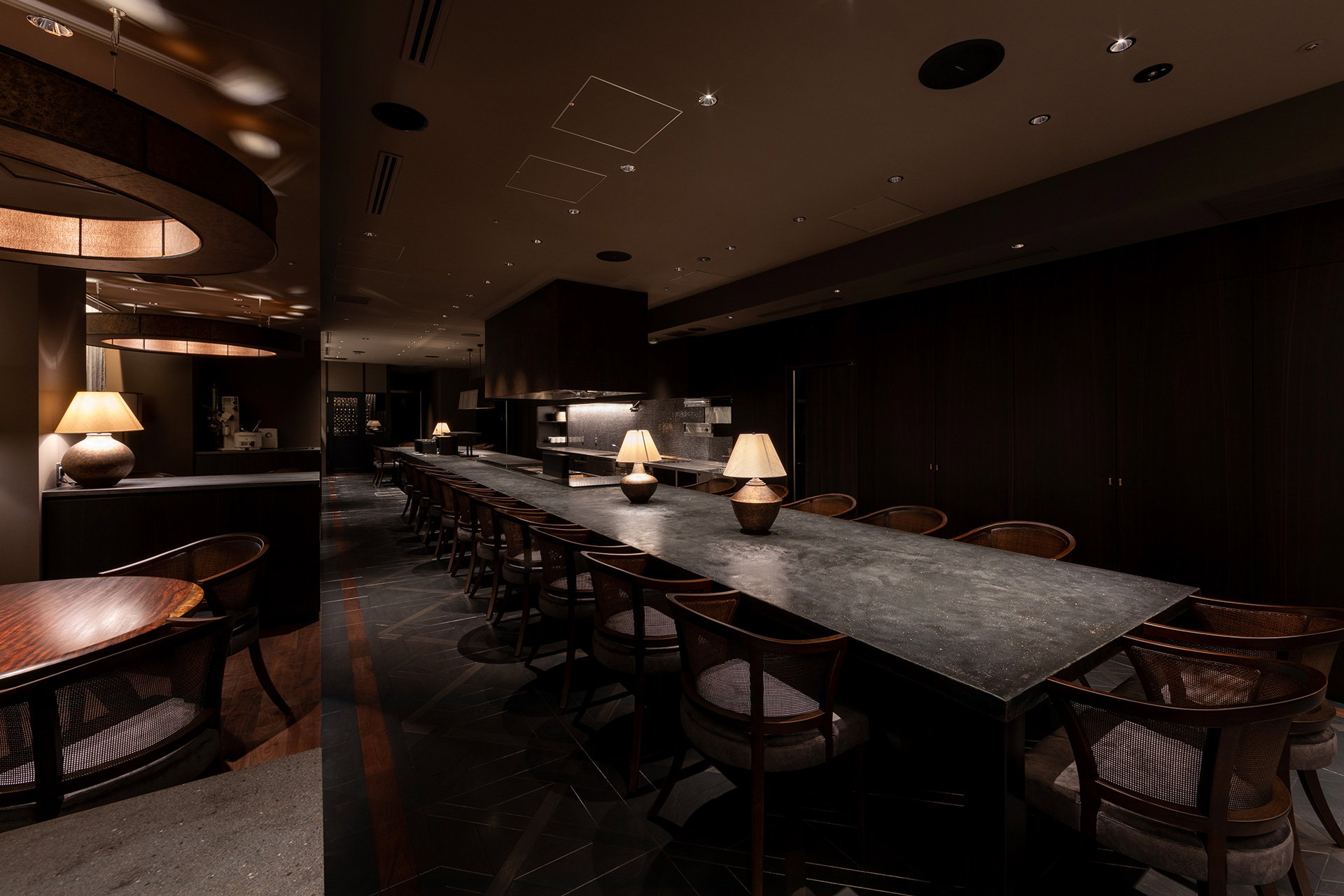
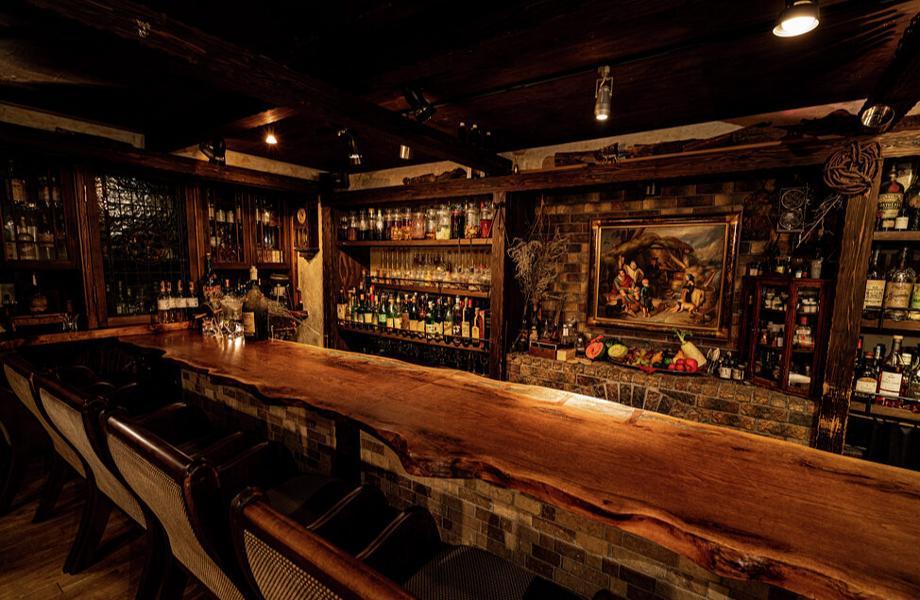
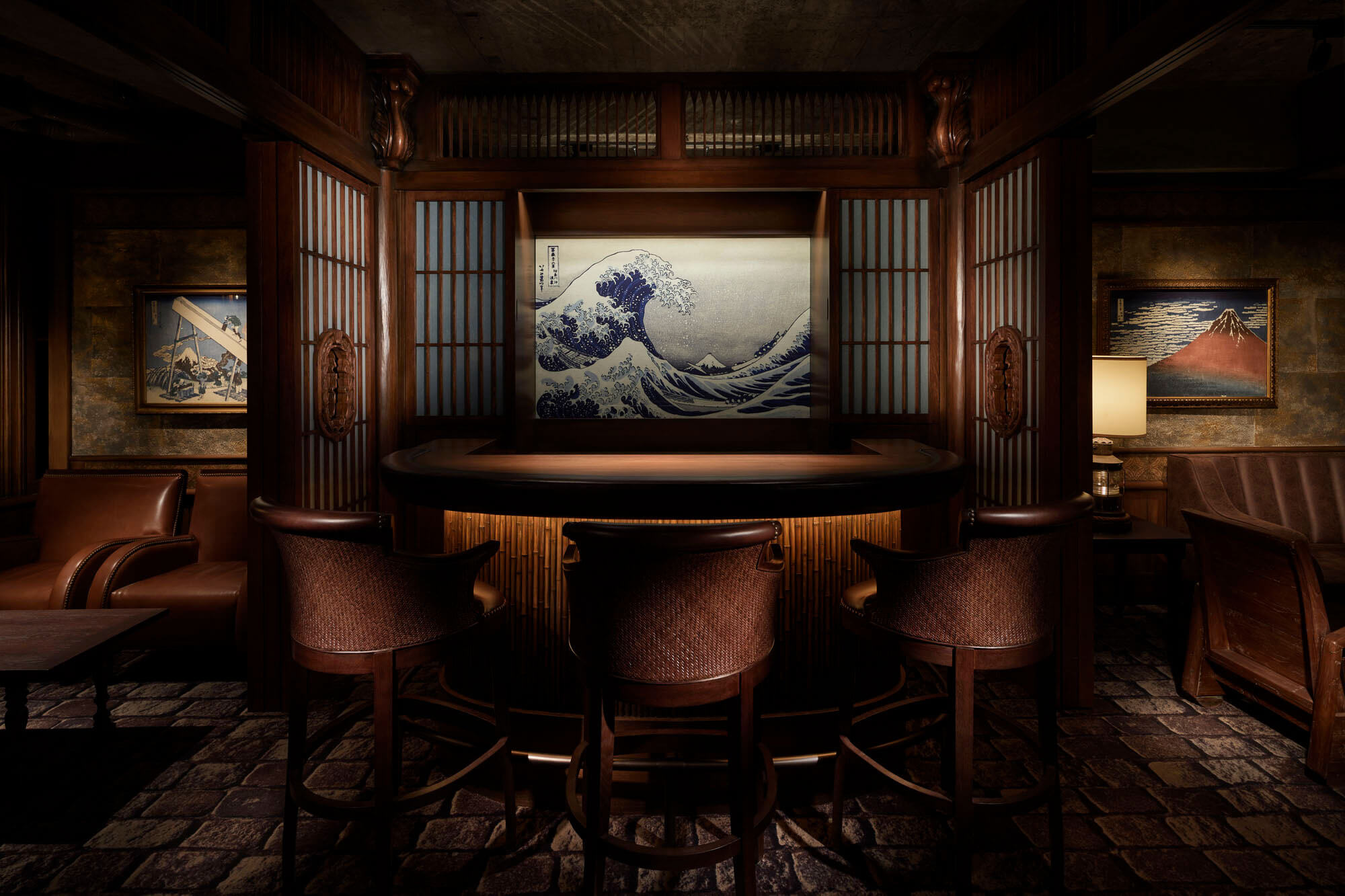
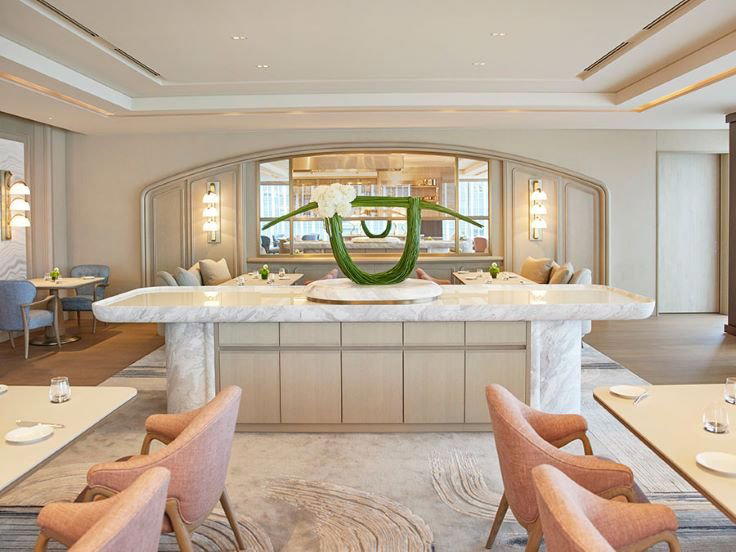
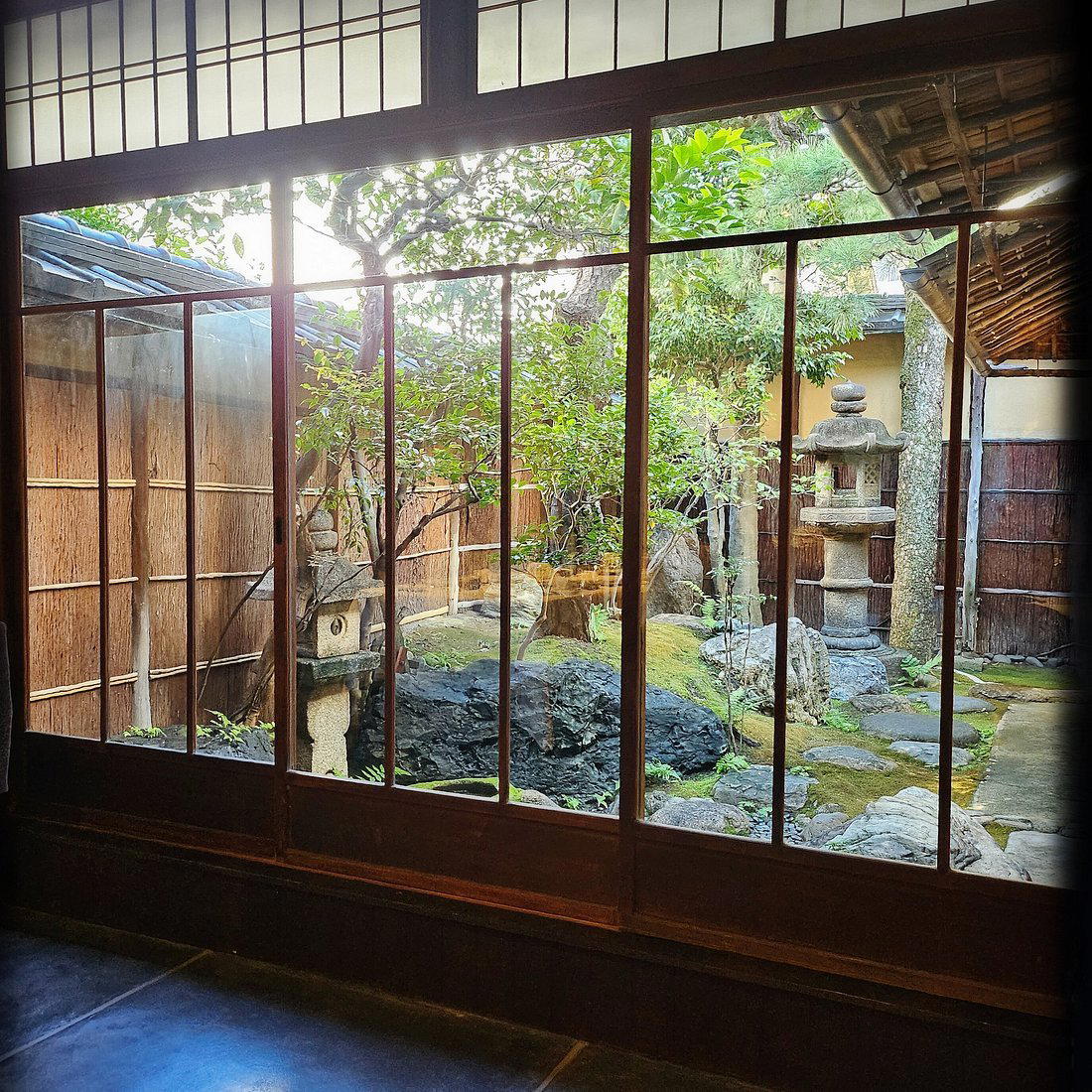
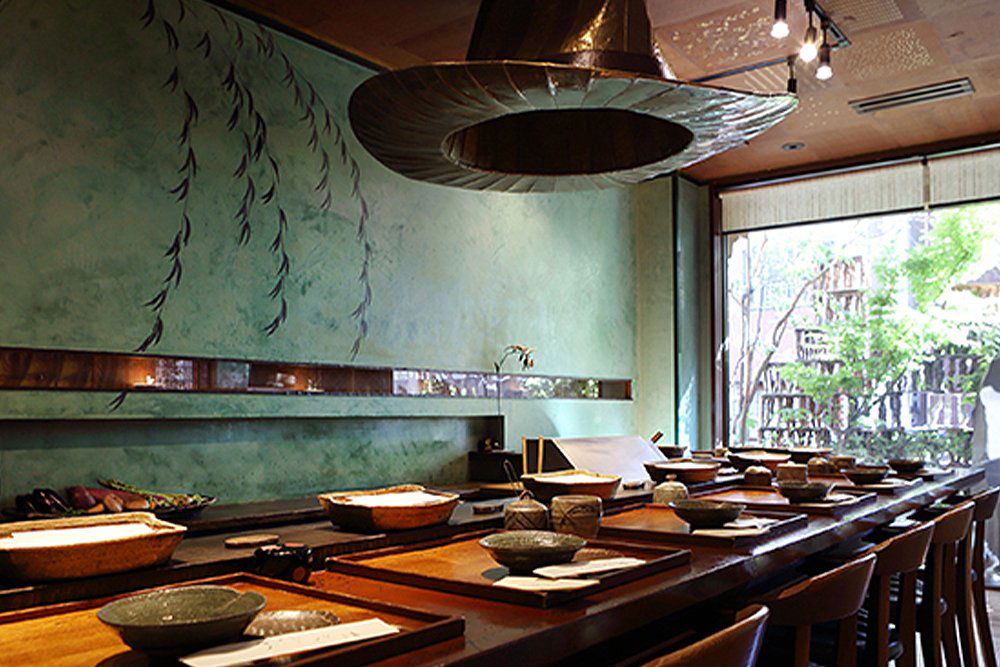
Calm, artful space with a cozy nine-seat wooden counter overlooking the chef, featuring stylish decor, tatami private rooms upstairs, and a gallery-like atmosphere.
Tags
Vibe
Best For
Experience
At the Table
- Dress Code
- Smart Casual
- Noise Level
- Quiet
- Service Style
- Formal
- Meal Pacing
- Leisurely
- Capacity
- Intimate
Signature Dishes
- uni wrapped in shiso leaf
- sweet shrimp heads
- kisu
- sumi ika
Know before you go
Know Before You Go
- Getting there
- 1 Chome-3-1 Fukuzumi, Koto City, Tokyo 135-0032, Japan
Planning details
Hours
- Monday
- 12–7 pm
- Tuesday
- 12–7 pm
- Wednesday
- 12–7 pm
- Thursday
- 12–7 pm
- Friday
- 12–7 pm
- Saturday
- 12–7 pm
- Sunday
- 12–7 pm
Location
1 Chome-3-1 Fukuzumi, Koto City, Tokyo 135-0032, Japan · Directions
Recognition and awards

Also consider
Also Consider
- Harutaka, Sushi, ¥¥¥¥
- L'Effervescence, French, ¥¥¥¥
- RyuGin, Kaiseki, Japanese, ¥¥¥¥
- HOMMAGE, Innovtive French, French, ¥¥¥¥
- Crony, Innovative, French, ¥¥¥¥
Restaurant context
How It Compares
Within Tokyo's high-end dining tier, Mikawa Zezankyo occupies a specific and defensible position: it is the most consistently awarded dedicated tempura counter in this comparison set, with ten consecutive Tabelog Bronze wins and three Tabelog 100 selections. Harutaka is the better choice if sushi is your format at the same price tier, and RyuGin covers the kaiseki argument with Michelin weight behind it. But if tempura is the specific objective, neither of those venues competes directly with Mikawa on credential depth in that category.
L'Effervescence, HOMMAGE, and Crony are the French-leaning alternatives at a comparable spend. They are better choices for diners who want a more international wine program or a Western tasting-menu structure. Mikawa is the right pick when the specific goal is watching Edomae technique executed at counter level, in a room that stays focused on one cooking tradition rather than mixing influences. The private room availability also gives Mikawa an edge for group bookings of up to twenty guests, which none of the smaller counter formats can match.
On value, Mikawa's no-service-charge policy and BYO option make the final bill more controllable than some peers where service and beverage markups are substantial. If you are comparing booking difficulty, Mikawa requires advance phone reservations but is not reported as having the months-long waitlists of the most sought-after Tokyo counters. For a Tokyo itinerary that includes one serious tempura meal, Mikawa Zezankyo is the most credential-backed option currently available in this category.
Explore Tokyo
Around this place
Discover more on Pearl
Unlock the full Mikawa Zezankyo guide in Pearl, including awards, comparisons, FAQs, planning details, and nearby places.
FAQ
Frequently Asked Questions
Is Mikawa Zezankyo good for solo dining?
Yes — the 9-seat first-floor counter is the format solo diners should request. Watching the tempura prepared directly in front of you is the core of the experience at this price point (JPY 20,000–30,000). Book by calling +81-3-3643-8383 and specify the counter; the second-floor private rooms are sized for groups and add little for a solo visit.
What should a first-timer know about Mikawa Zezankyo?
Reservations are mandatory — walk-ins are not accepted. The restaurant runs two sittings: lunch from 12:00–17:00 and dinner from 19:00 onwards, and it is closed Wednesdays. Budget JPY 20,000–30,000 per head (some reviews report spending closer to JPY 30,000–40,000), and note that BYO drinks are permitted, which helps manage costs if you bring your own sake or wine.
What should I order at Mikawa Zezankyo?
The menu is not publicly documented in available data, so ordering decisions happen at the restaurant. The Tabelog record flags a particular focus on fish, which aligns with Edomae tempura tradition — expect seasonal seafood to drive the menu rather than vegetable-heavy courses. Ask the chef or staff what is in season; the counter format makes that conversation natural.
Is Mikawa Zezankyo good for a special occasion?
Yes, and the private room setup makes it more flexible than most Tokyo tempura counters. The second floor has both a 14-tatami sunken kotatsu room and a 6-tatami tatami room, with private configurations for groups of 2 to 20. There is no service charge, which keeps the final bill cleaner than comparable occasions at restaurants that add 10–15%. Ten consecutive Tabelog Bronze wins (2017–2026) give you a documented track record to justify the booking.
Is lunch or dinner better at Mikawa Zezankyo?
The pricing data shows the same JPY 20,000–30,000 band for both lunch and dinner, so there is no obvious cost advantage to either sitting. Lunch (12:00–17:00) runs longer and may suit a slower-paced meal; dinner starts at 19:00 with a later, more intimate feel. For first visits, lunch gives you more time without a hard end-of-service pressure — dinner is the call if atmosphere matters more to you than pace.