


Hashimoto
Japanese, Unagi, Unagi / Freshwater Eel · Taitō, Tokyo
Restaurant in Tokyo, Japan
 Book with Pearl
The Read
Eight-Seat Counter Precision
Price
¥
Dress
Casual
Why go
Eight-seat omakase sushi counter in Shintomicho with chef Masaki Hashimoto at the helm. Tabelog Silver Award winner since 2021, focused on seasonal Edo-mae nigiri sourced from Toyosu Market. Runs ¥30,000–¥39,999 per person before drinks and service; reservation-only through OMAKASE platform. The format is traditional, the space intimate, and the pacing deliberate — book if you trust the chef's sourcing instinct and prefer a mid-tier omakase without the booking difficulty of Tokyo's three-star counters.
About Hashimoto
Hashimoto in Tokyo is a Japanese restaurant focused on unagi, or freshwater eel, led by chef-owner Masaki Hashimoto. It is a casual Tokyo unagi restaurant in the lower price band, with evening service on most days and closures on Tuesday and Wednesday.
What Hashimoto Serves
Hashimoto is listed for Japanese cuisine with a focus on unagi, also described as freshwater eel. Specific menu details are not included here, so confirm the course structure, signature dishes, lunch offering, beverage program, allergy accommodations, and take-out or delivery information directly with the restaurant before booking or visiting.
The chef-owner is Masaki Hashimoto. The venue’s price indicator is ¥, and the dress code is casual. Seat count, private-room information, reservation method, payment policy, and service style are not specified.
Booking, Hours, and Accessibility
Hashimoto is in Tokyo. Opening hours are Monday 5–11 pm, Tuesday closed, Wednesday closed, Thursday 5–11 pm, Friday 5–11 pm, Saturday 5–11 pm, and Sunday 5–11 pm. No lunch hours are listed.
Because only evening hours are listed, plan around dinner service and check the venue’s current channels before going. Dress is casual. Specific access details, station guidance, parking information, smoking policy, and accessibility information are not listed.
Why Book (or Skip)
Book Hashimoto if you are looking for a casual Tokyo restaurant centered on Japanese unagi and are comfortable confirming practical details yourself. The appeal is straightforward: a chef-owner-led venue, freshwater eel as the focus, and regular evening hours outside Tuesday and Wednesday closures.
Skip, or verify first, if you need certainty on seating format, private rooms, reservation rules, dietary accommodations, payment methods, or a detailed menu before committing. Other Tokyo dining options may offer more published detail, but Hashimoto should be judged here only on the basic facts: Tokyo, Japanese unagi, chef-owner Masaki Hashimoto, casual dress, ¥ pricing, and evening operating hours.
Planning details
- Hours
- Monday: 5–11 pm · Tuesday: Closed
- Location
- 1 Chome-33-3 Asakusabashi, Taito City, Tokyo 111-0053, Japan
- Website
- tabelog.com/en/tokyo/A1313/A131301/13238306
- Phone
- +81 3-3865-9608
The take
The Take
The Vibe
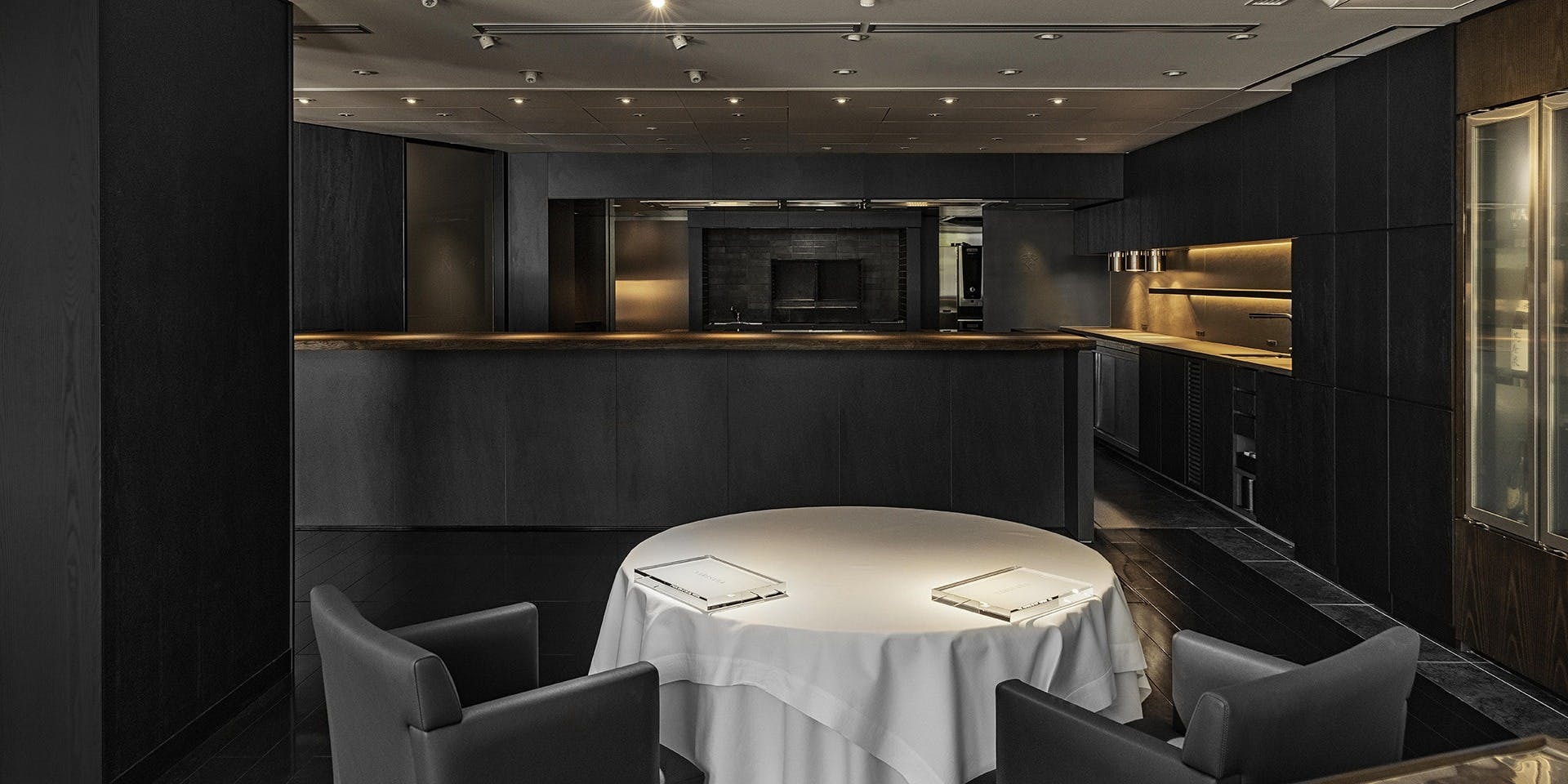
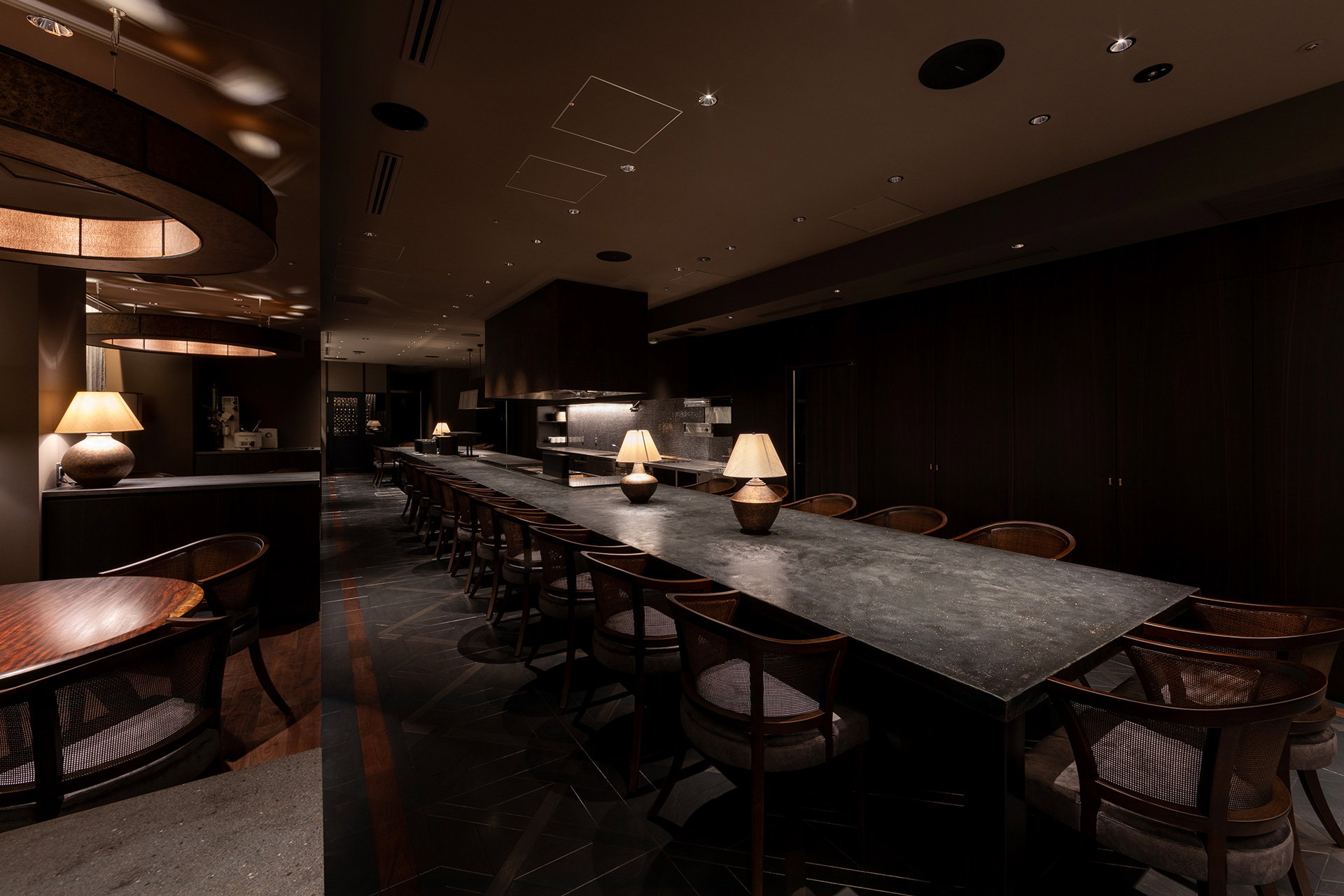
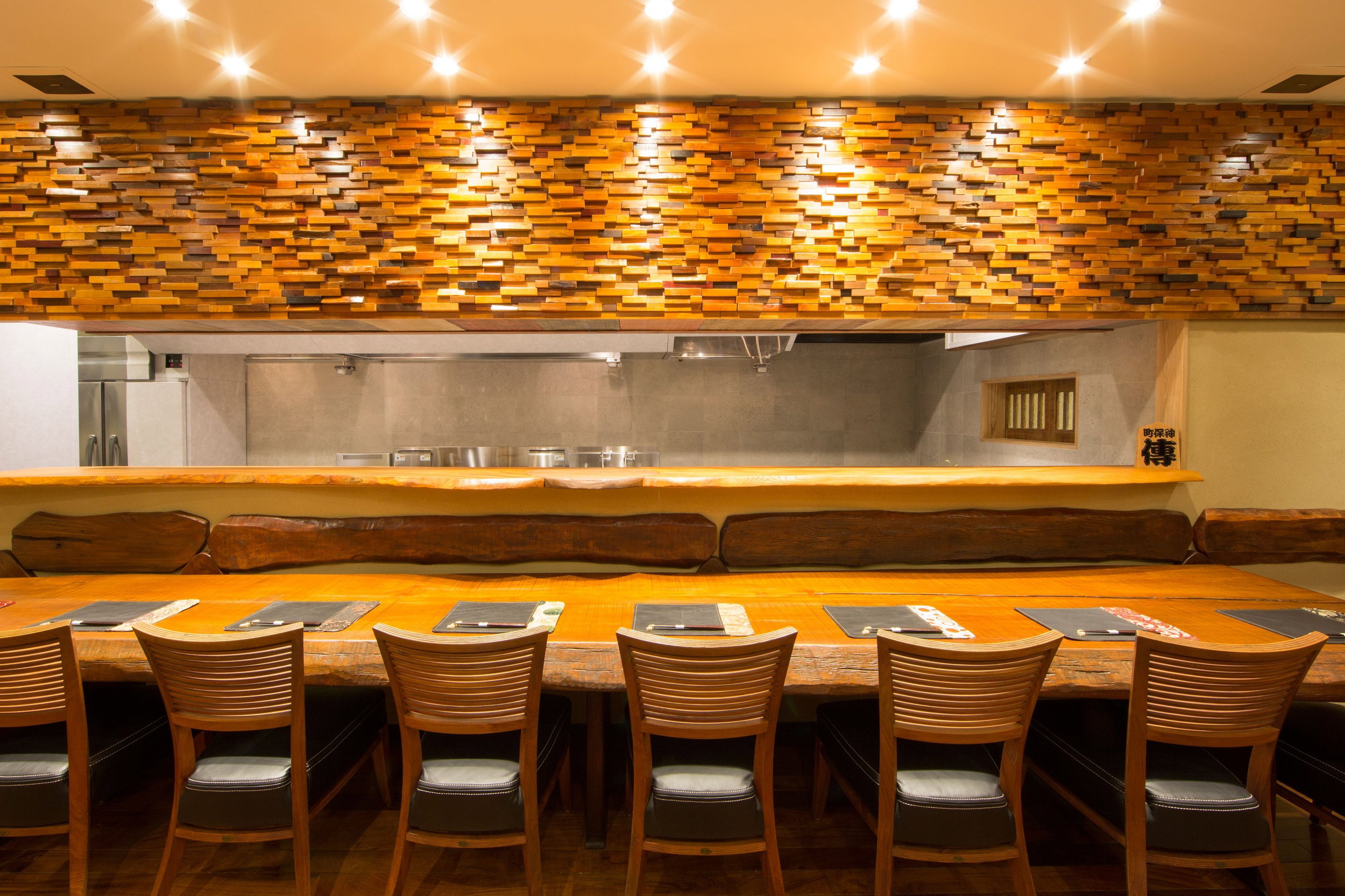
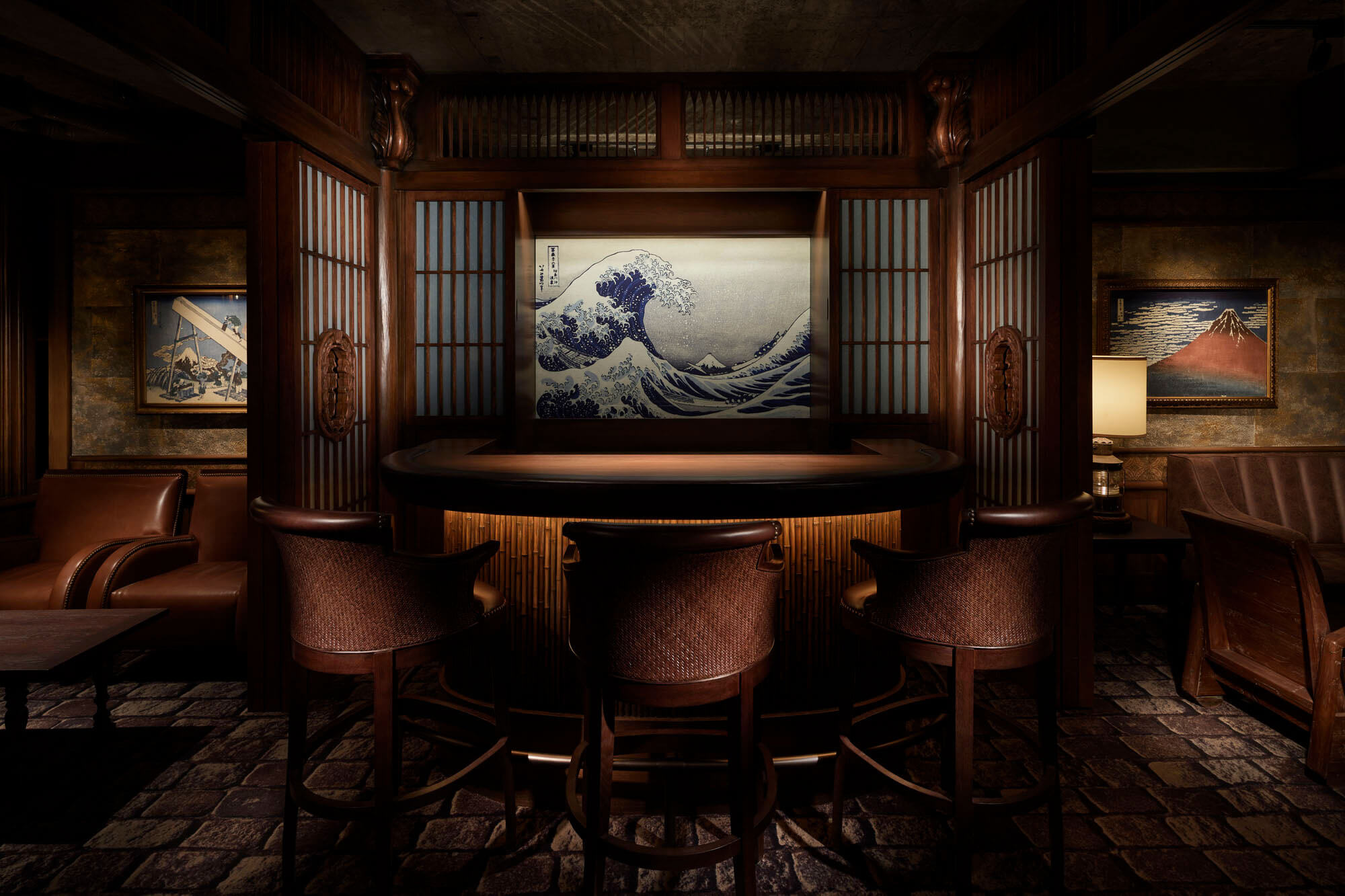
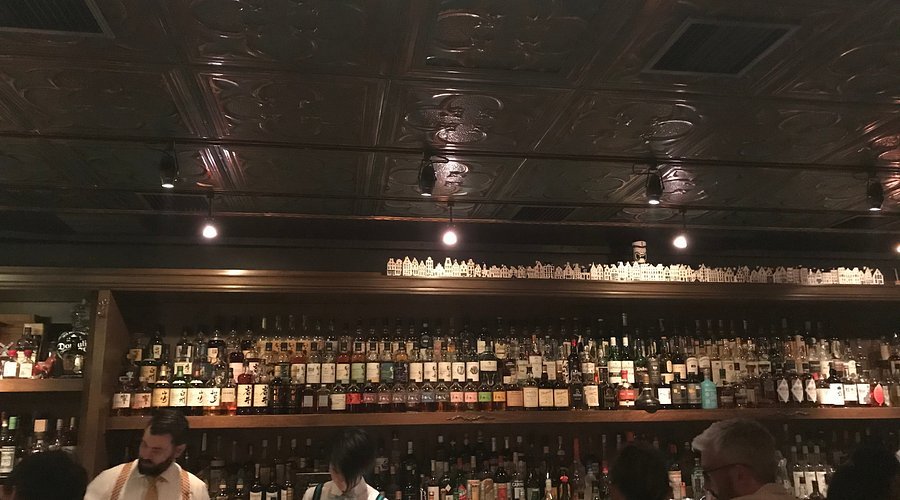
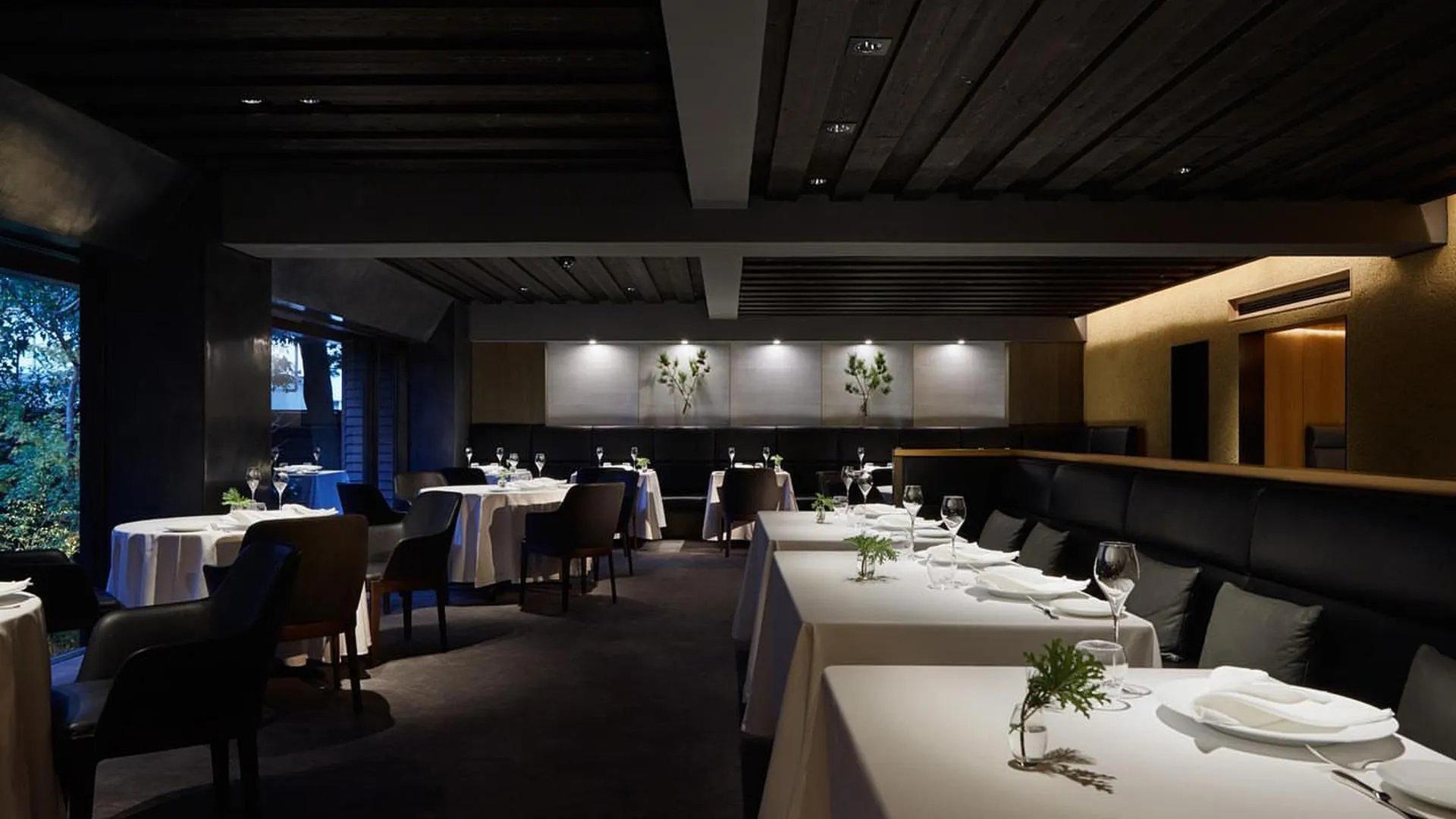
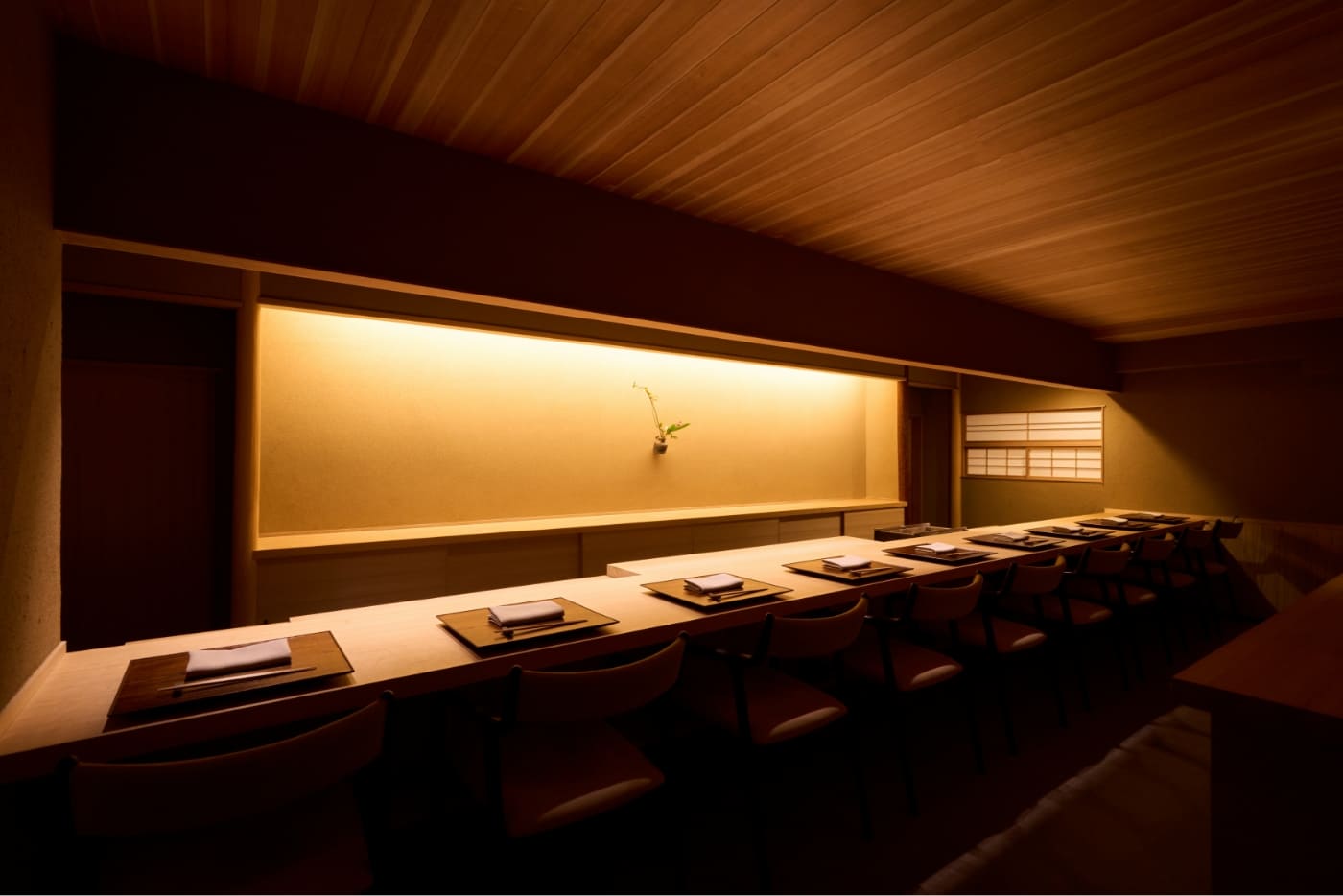
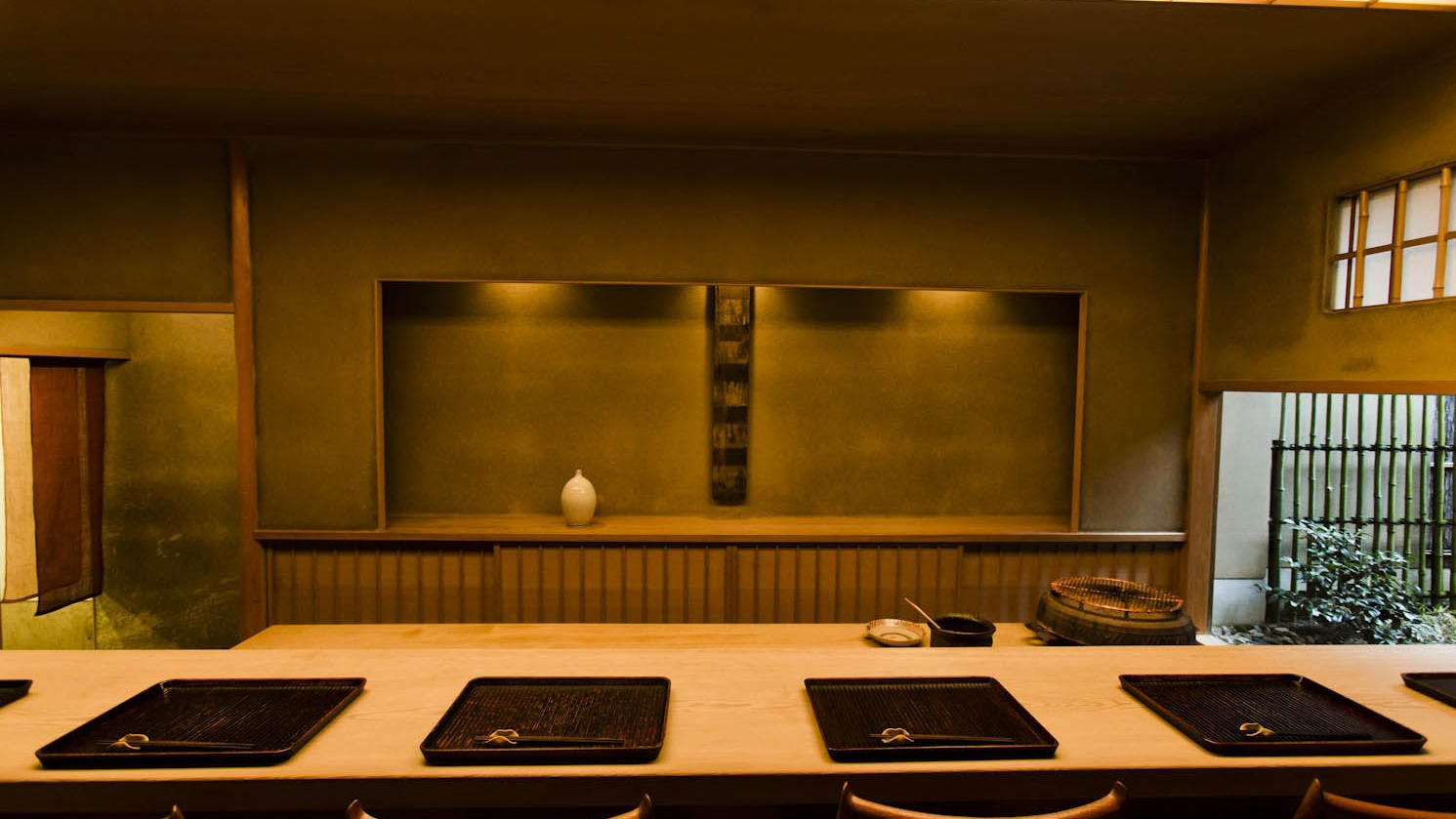
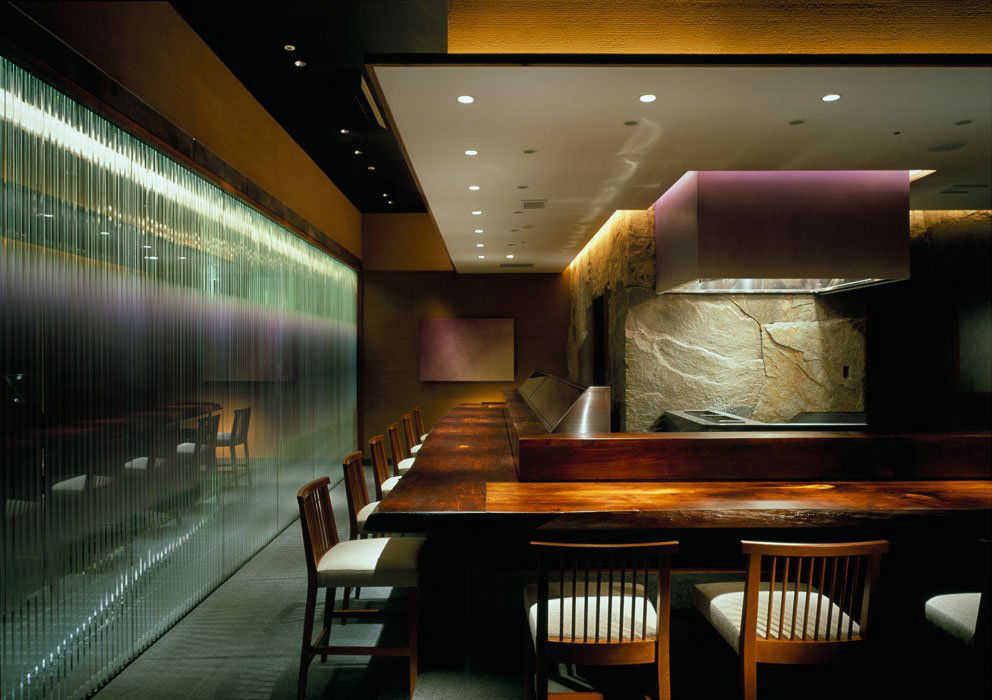
Hashimoto presents a refined, deliberately pared-back counter experience. The compact, eight-seat room centers the chef’s work and keeps attention on the sequence of plates rather than décor. The setting reads as composed and economical of gesture—no ornament designed to impress from the street—so the meal itself becomes the stage. Accolades and a high price point reinforce the restaurant’s exacting standards, while the counter format yields a disciplined, intimate interaction between chef and guest that feels quietly sophisticated and purposeful.
Best For
This is a venue built for close, focused dining experiences: think solo tasting sessions, date nights, or special-occasion meals where the act of eating is the event. The eight-seat counter aligns every guest to the same sightlines and pace, so it suits diners who want to engage with a chef-led sequence rather than a la carte flexibility. Given the establishment’s awards and price band, it also fits travelers and locals seeking a polished omakase in a restrained, formal context.
Ordering Tips
Expect a fixed, chef-curated sequence with no substitutions: the menu is presented as a single coherent line and “does not offer substitutions or customisation by design.” Budget accordingly—the listed average runs JPY 30,000–39,999, with reviewer-reported spend more consistently in the JPY 40,000–49,999 band before the 10% service charge. All seating is at the counter (no tables or private rooms), so plan for the communal, seat-at-counter pacing that defines the service.
Venue details
Ambiance
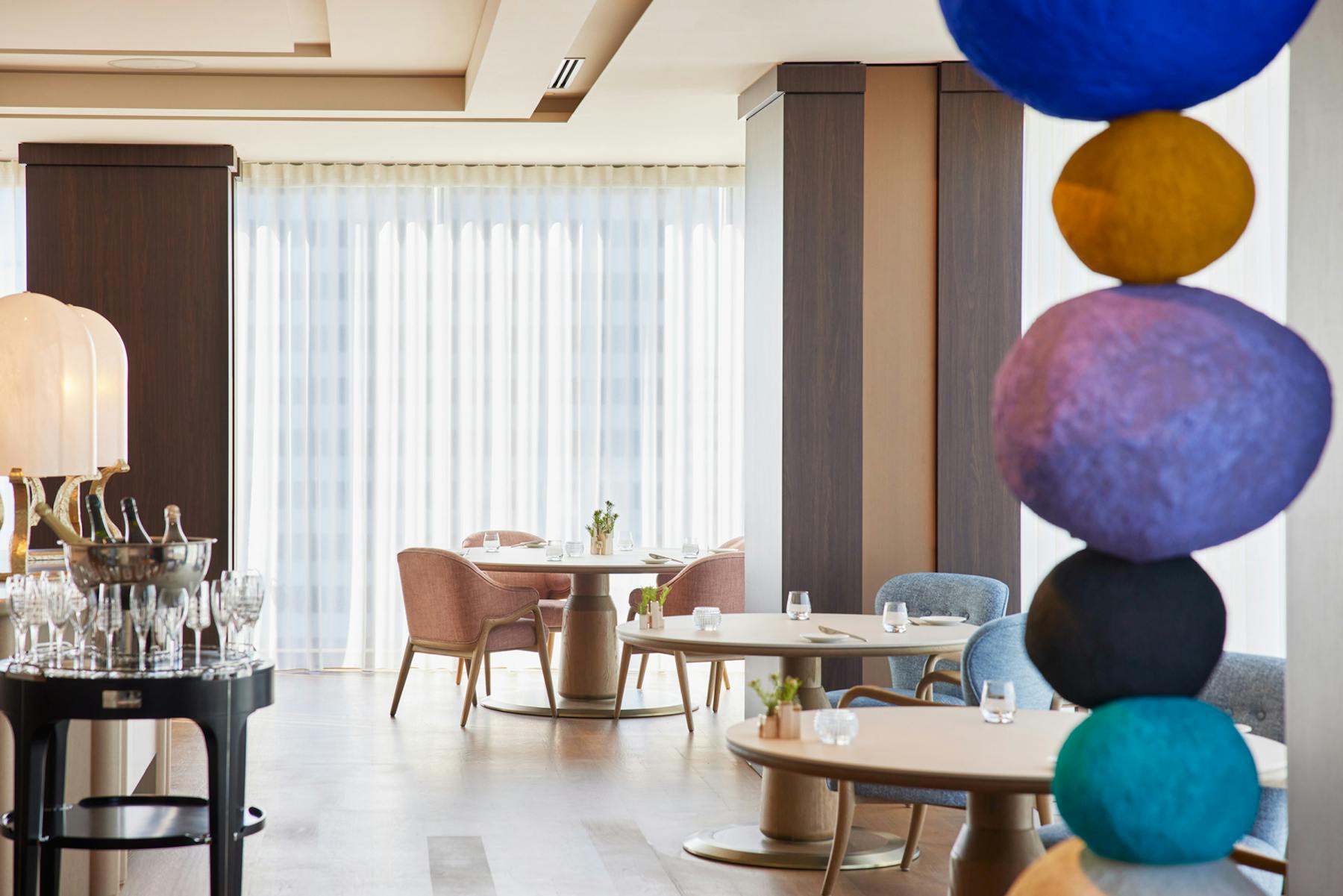
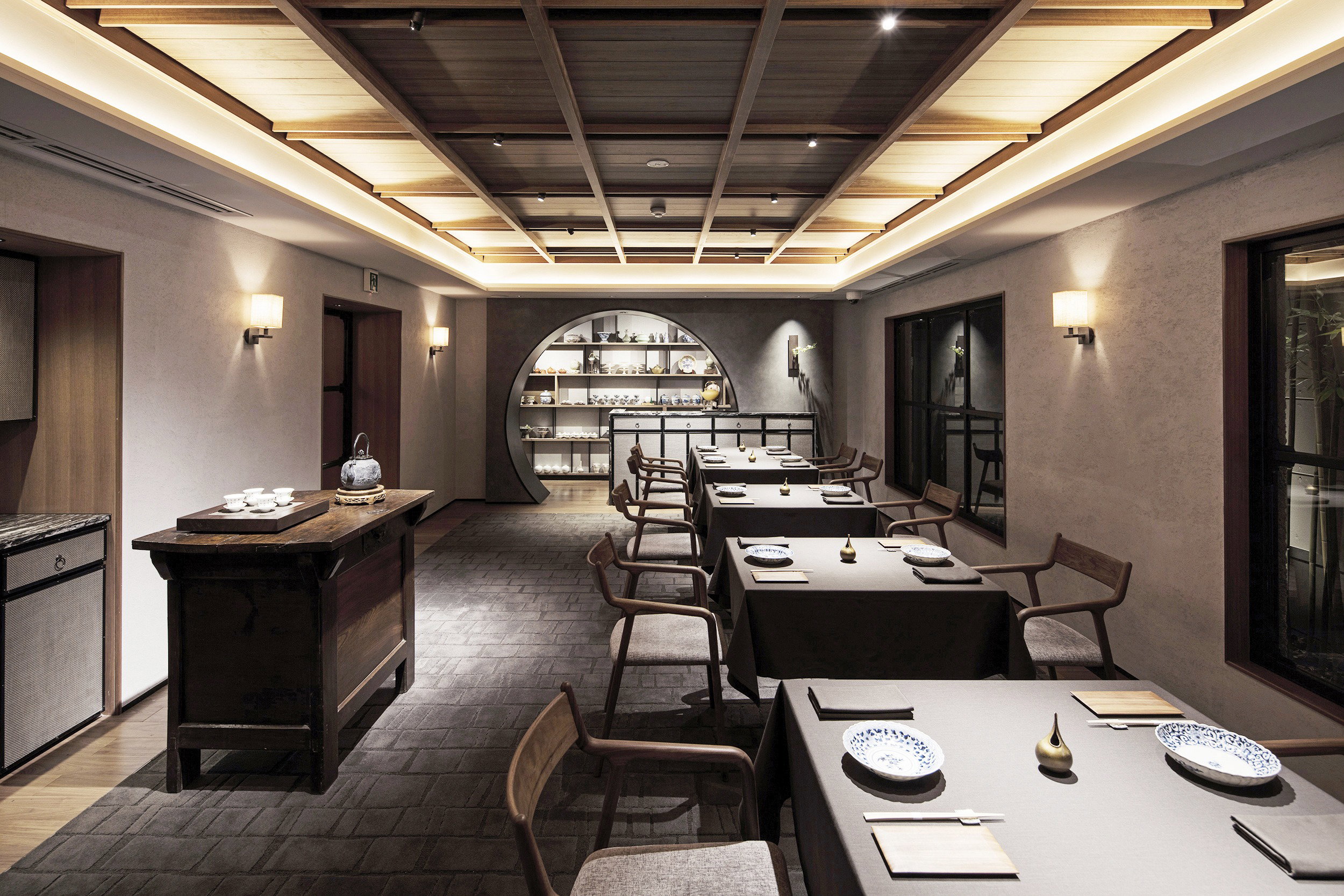
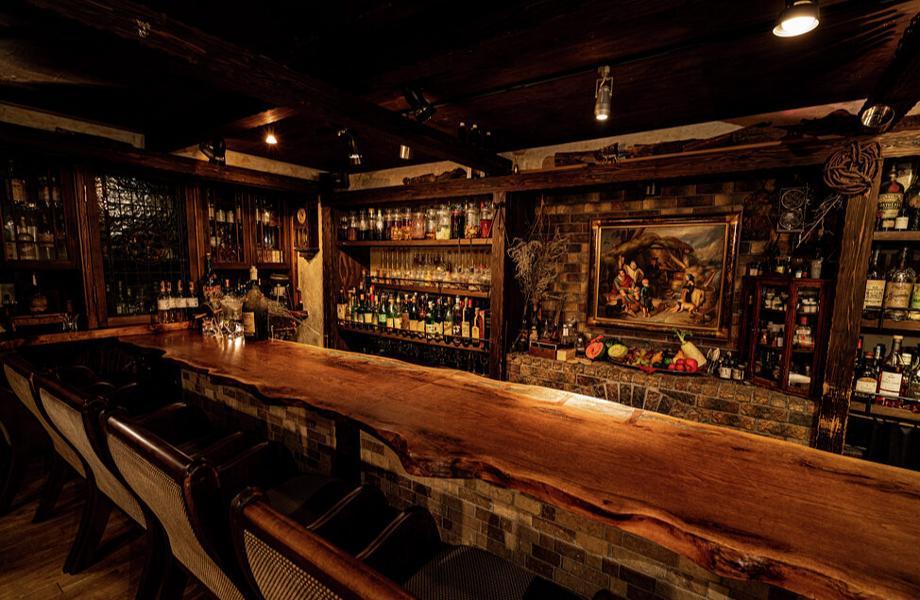
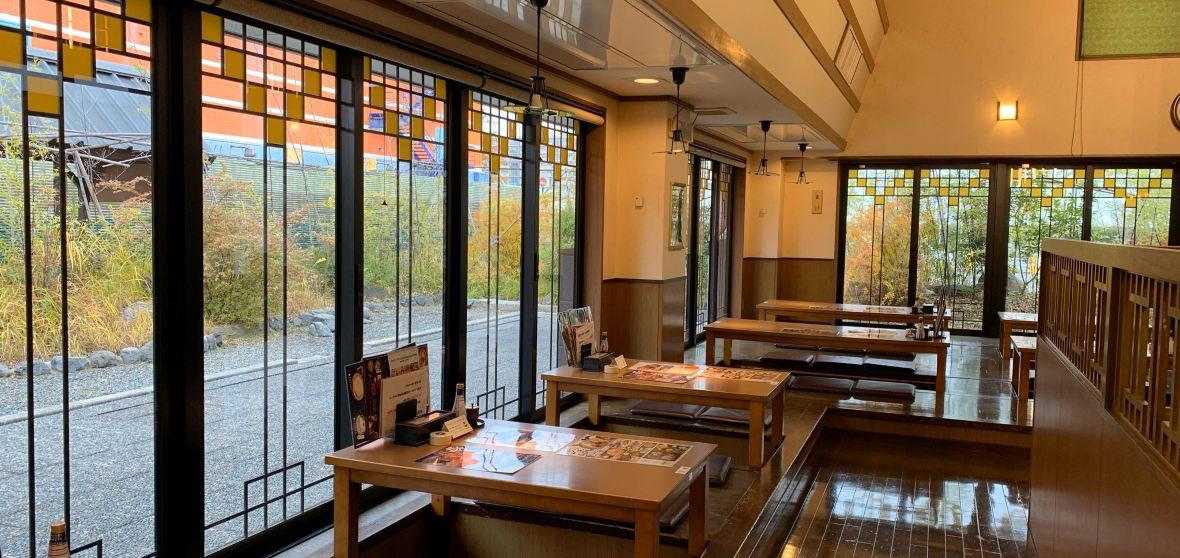
Intimate, quiet, and meditative atmosphere in a modest two-story residential building with simple, authentic décor that prioritizes cuisine over ostentation; warm and comforting interior with traditional seating options.
Tags
Vibe
Best For
Experience
Sourcing
At the Table
- Dress Code
- Casual
- Noise Level
- Quiet
- Service Style
- Upscale Casual
- Meal Pacing
- Leisurely
- Capacity
- Intimate
Signature Dishes
- Unagi Kabayaki
- Unajou (Eel Rice Bowl)
- Mabushi Don
Know before you go
Know Before You Go
- Getting there
- 1 Chome-33-3 Asakusabashi, Taito City, Tokyo 111-0053, Japan
Planning details
Hours
- Monday
- 5–11 pm
- Tuesday
- Closed
- Wednesday
- Closed
- Thursday
- 5–11 pm
- Friday
- 5–11 pm
- Saturday
- 5–11 pm
- Sunday
- 5–11 pm
Location
1 Chome-33-3 Asakusabashi, Taito City, Tokyo 111-0053, Japan · Directions
Recognition and awards

Also consider
Also Consider
- Harutaka, Sushi, ¥¥¥¥
- L'Effervescence, French, ¥¥¥¥
- RyuGin, Kaiseki, Japanese, ¥¥¥¥
- HOMMAGE, Innovtive French, French, ¥¥¥¥
- Crony, Innovative, French, ¥¥¥¥
Restaurant context
How It Compares
Within the Tokyo sushi category, Harutaka is Hashimoto's most direct peer: both are serious counter-format omakase venues with strong Tabelog recognition and comparable price positioning at the upper-mid tier. Harutaka is generally considered harder to book, which gives Hashimoto a practical advantage for visitors who cannot plan months ahead. If your priority is getting into a top-10-calibre sushi counter on a realistic booking window, Hashimoto is the more accessible choice without a meaningful quality concession.
If you are deciding between sushi and a different high-end format for your one serious dinner in Tokyo, the comparison shifts. RyuGin is the kaiseki option at a similar or higher spend, carrying three Michelin stars and a very different structural experience: multi-course seasonal cooking versus the rhythmic progression of an omakase counter. L'Effervescence and Crony are both ¥¥¥¥ French kitchens worth considering if the format matters as much as the cuisine; HOMMAGE occupies a similar innovative-French space. None of these are substitutes for sushi, but if the question is where to spend your one serious dining budget in Tokyo, the format decision matters before the venue decision.
For pure value within the sushi tier, Hashimoto's Michelin Bib Gourmand designation alongside its OAD and Tabelog recognition creates a rare combination: multiple credentialling systems agreeing on the same venue. That convergence is more reliable than any single award. If budget is a constraint and you want to stay inside the top tier of Tokyo sushi, Hashimoto sits at a more defensible price point than the Michelin-starred counters above it. Book Hashimoto when counter intimacy, sourcing seriousness, and booking accessibility all need to align at once.
Explore Tokyo
Around this place
Discover more on Pearl
Unlock the full Hashimoto guide in Pearl, including awards, comparisons, FAQs, planning details, and nearby places.
FAQ
Frequently Asked Questions
Is Hashimoto good for solo dining?
Hashimoto is a casual Tokyo restaurant focused on Japanese unagi, but seating format, counter availability, and whether solo diners are specifically accommodated are not specified. Check directly with the venue before going.
Is Hashimoto worth the price?
Hashimoto’s price indicator is ¥. It is listed for Japanese cuisine with a focus on unagi, or freshwater eel, and is led by chef-owner Masaki Hashimoto. Specific course prices, service charges, and menu formats are not specified, so confirm current pricing with the restaurant.
How far ahead should I book Hashimoto?
The confirmed hours are Monday 5–11 pm, Tuesday closed, Wednesday closed, Thursday 5–11 pm, Friday 5–11 pm, Saturday 5–11 pm, and Sunday 5–11 pm. No specific reservation platform, booking window, or phone policy is listed.
What should I wear to Hashimoto?
Is Hashimoto good for a special occasion?
It may suit diners who want a casual Tokyo meal focused on unagi, but special-occasion details such as private rooms, seat count, service style, or full buyout availability are not specified. Confirm directly if those features are important.
What are alternatives to Hashimoto in Tokyo?
For alternatives, look at other Tokyo dining rooms serving Japanese cuisine or unagi. Compare current menus, hours, and booking rules directly before choosing.