

Tabelog 100: Best Sushi Restaurants in Tokyo 2025
Tabelog 100 (Hyakumeiten) Sushi - TOKYO selection for 2025. Tabelog publishes these as source-ordered lists of 100 restaurants.

Venues on this list
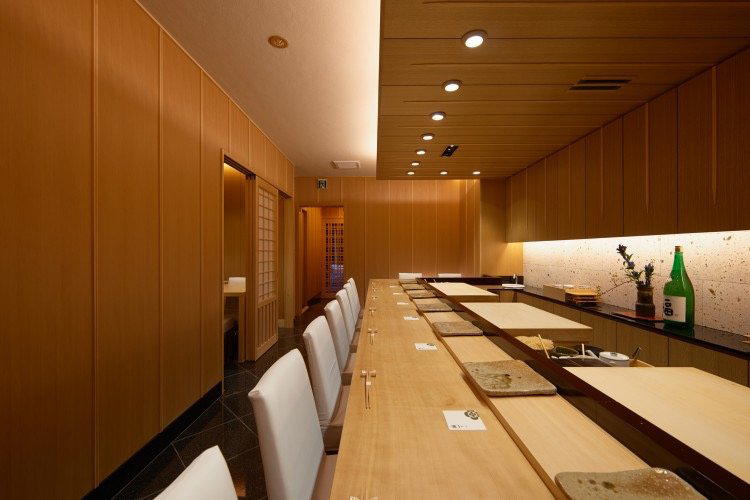
Sushiya Ichiyanagi
Tokyo, Japan
Sushiya Ichiyanagi is a Ginza sushi counter with three consecutive years on the Opinionated About Dining Top Restaurants in Japan list, reaching Ranked #473 in 2025. It operates seven days a week from 11:30am, making it more accessible than most comparable Ginza addresses. Book for lunch if you want the strongest experience without committing to a full evening.
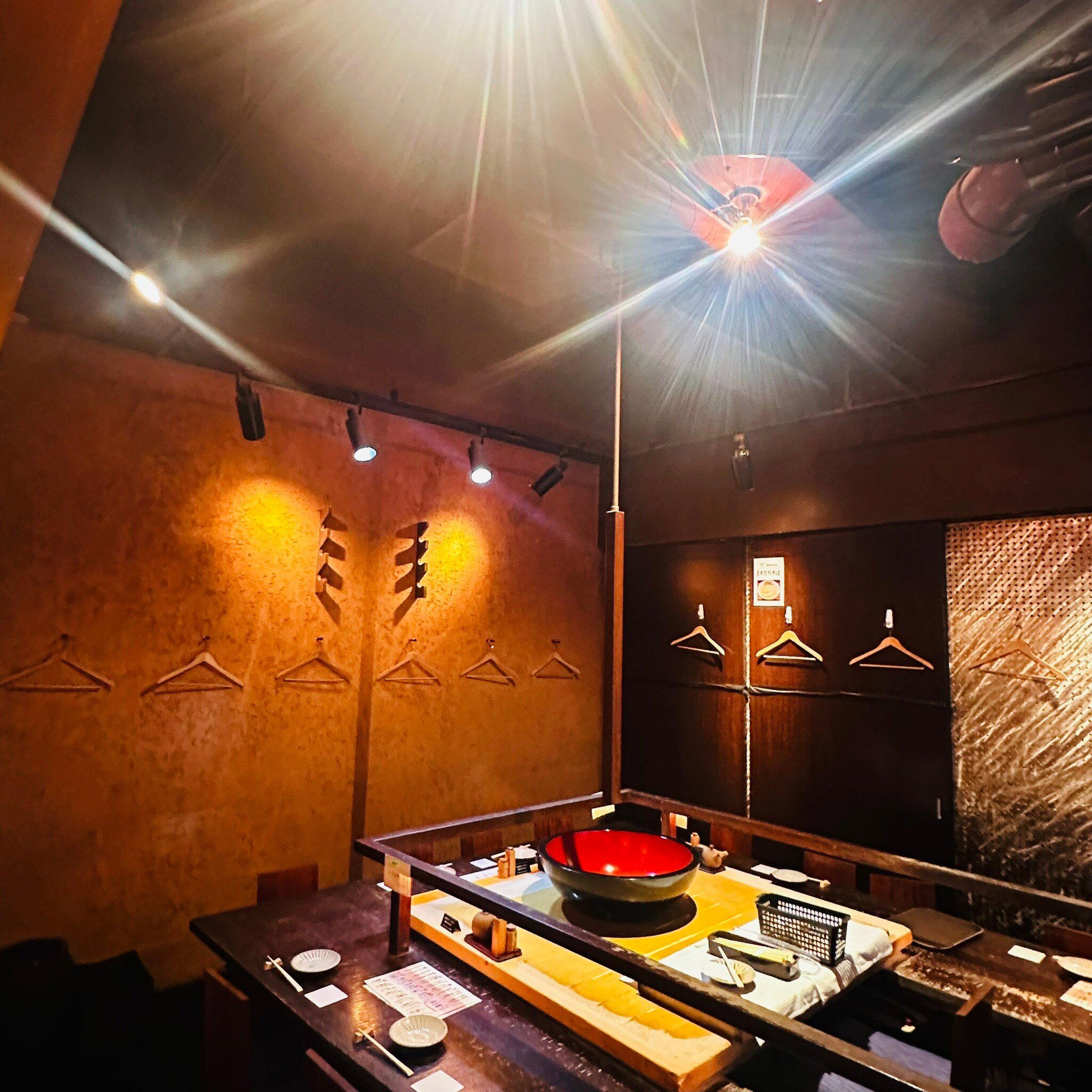
Sushi Fujinaga
Tokyo, Japan
Sushi Fujinaga is a 12-seat Azabu Juban counter earning a Tabelog Bronze award in 2026 and running JPY 60,000–79,999 per head. Chef Masato Hirai runs two nightly seatings with strict punctuality and photography rules. The format suits special occasions and serious omakase diners who want Tabelog credibility without the three-month booking horizon of three-star counters.
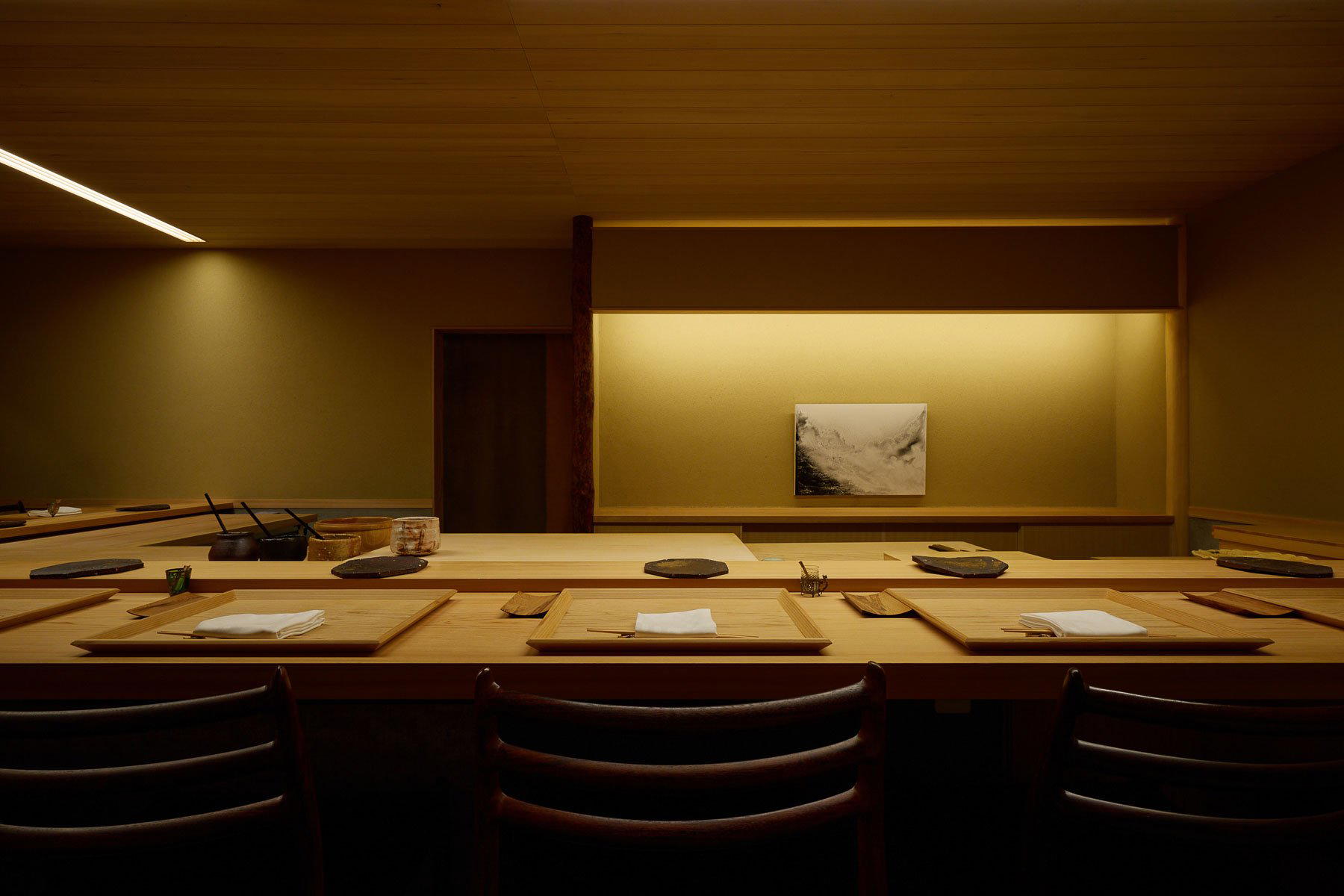
Shunji
Tokyo, Japan
Sushi Shunji is a ten-seat Edomae counter in Motoazabu that earned Tabelog Silver 2026 (score 4.42) and a Tatler Asia-Pacific 2025 listing; credentials that justify the JPY 50,000–79,000 per-head price. Book via phone (12:00–15:00 on business days) or the OMAKASE lottery. The format is omakase-only at the counter, making it the right call for couples and small groups who want precision sushi without distraction.
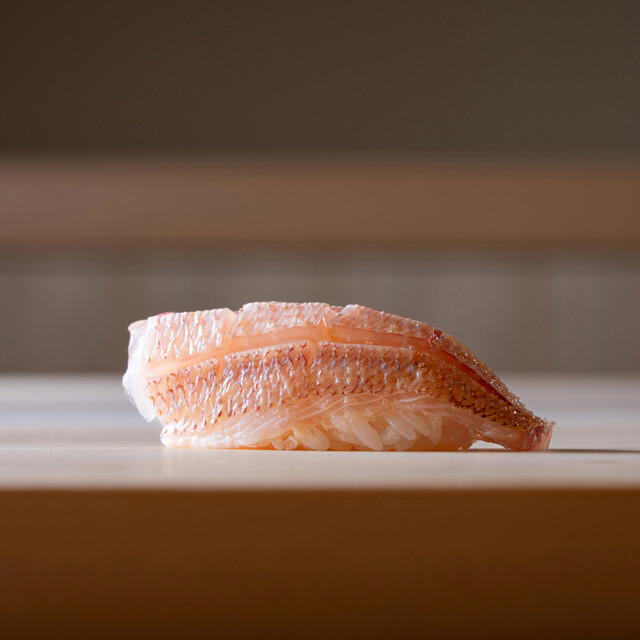
Sushi Ikkou
Tokyo, Japan
An eight-seat Ginza omakase counter opened August 2024 that captured Tabelog Gold 2026 and OAD #16 Japan within eighteen months. Chef Junya Kudo runs two nightly seatings at JPY 60,000–79,999, reservation-only through TableAll, with the awards signaling strong execution but a short track record. Book three weeks out if you value early access to a rapidly recognized counter; skip if you prefer longer-tenured peers at similar price.
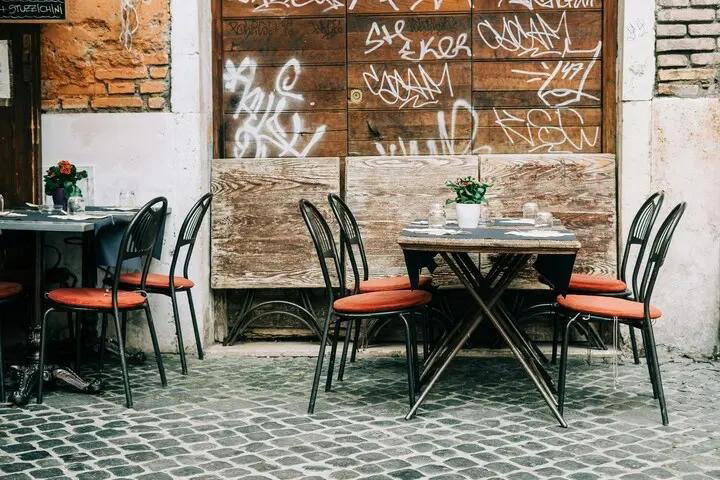
Sushi Kanesaka
Tokyo, Japan
2-star Ginza sushi counter with an 8-seat format and strict concierge-only booking for foreign guests. Lunch (JPY 30,000-39,999) offers better value than dinner (JPY 60,000-79,999) for Shinji Kanesaka's technically precise edomae execution. Multiple Tabelog Bronze awards and tight availability make this a high-commitment reservation worth securing weeks ahead if you have hotel concierge access.
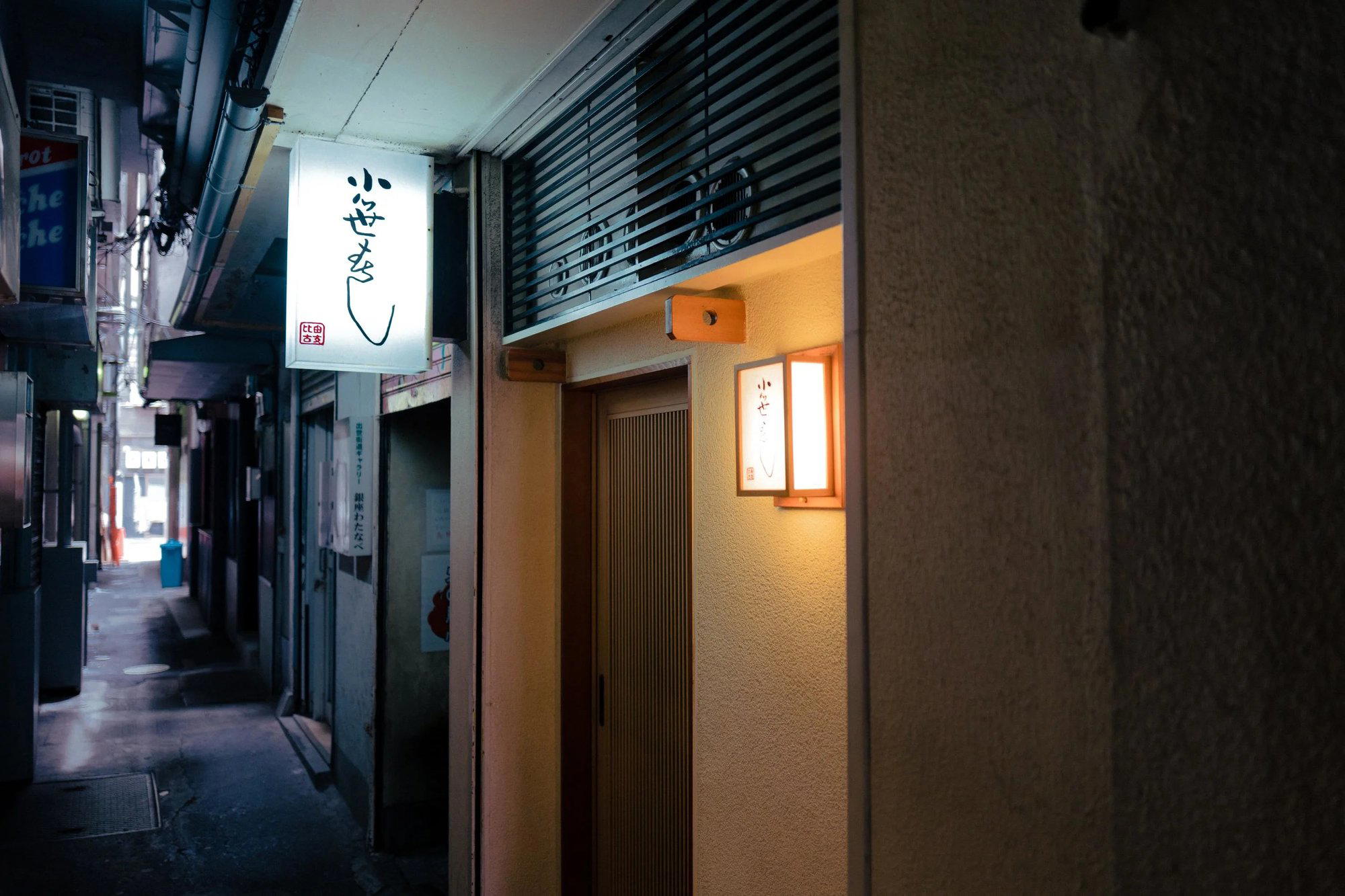
Kosasa Sushi
Tokyo, Japan
Kosasa Sushi is a strong small-party choice in Ginza if the goal is a serious sushi-led celebration rather than a flexible group meal. Its 2025 Tabelog 100 #6 placement gives it a clear credibility signal, but larger parties should compare it with Ren Mishina or Sushi Kojima before committing.
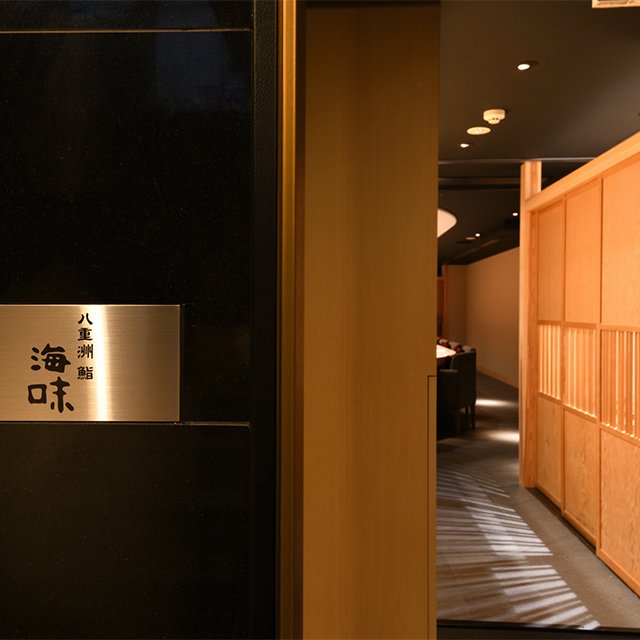
Umi
Tokyo, Japan
Umi in Minami-Aoyama is a credentialed Tokyo sushi counter with OAD Top Restaurants recognition in 2023, 2024, and 2025, plus a Tabelog Bronze Award (score 3.89). It offers lunch and dinner daily, books more easily than Ginza's trophy counters, and suits serious sushi eaters who want quality without a six-month wait. Book by phone or Tabelog; smart casual dress expected.
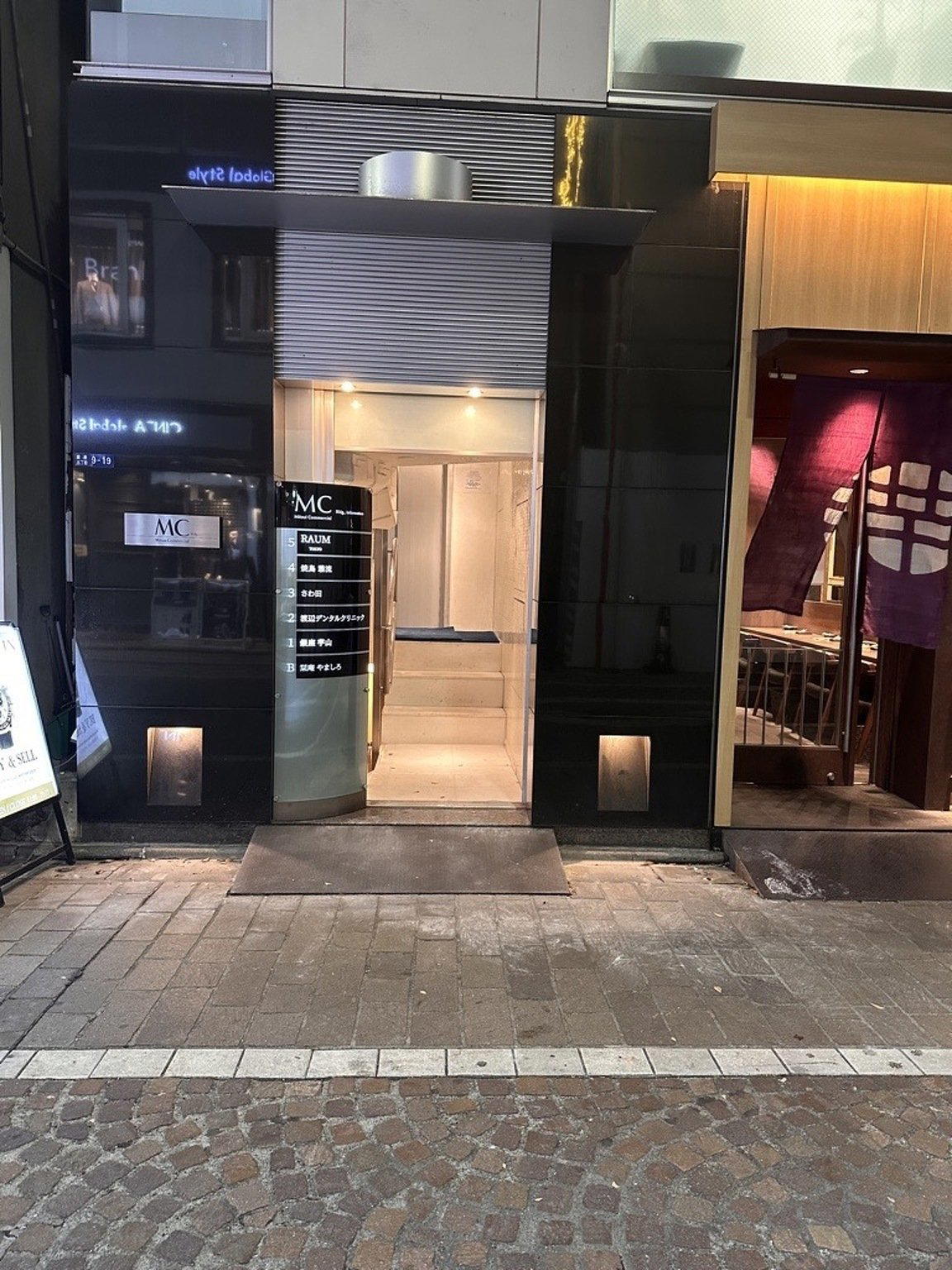
さわ田
Tokyo, Japan
さわ田 is the right Ginza choice when you want a composed, meal-first reservation rather than a drinks-led night out. Black Pearl 1 Diamond recognition in 2026 gives it a stronger signal than nearby casual cafés, while easy booking difficulty makes it a lower-stress Tokyo option for solo diners or pairs.
Sushi Yuu
Tokyo, Japan
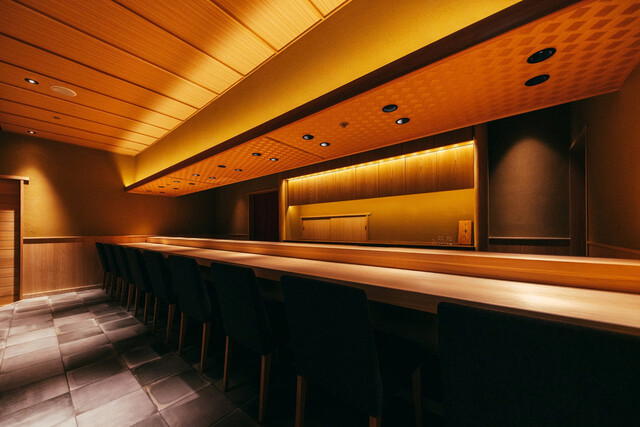
A 15-seat omakase counter in Ginza earning Tabelog 100 honors within two years of opening. Timed two-hour seatings, fish-focused sourcing, and JPY 30,000-39,999 pricing place it in Tokyo's mid-tier bracket; less expensive than three-star destinations, more polished than neighborhood counters. Worth booking if fish quality matters more than room prestige.
Sushi Hatano Yoshiki
Tokyo, Japan
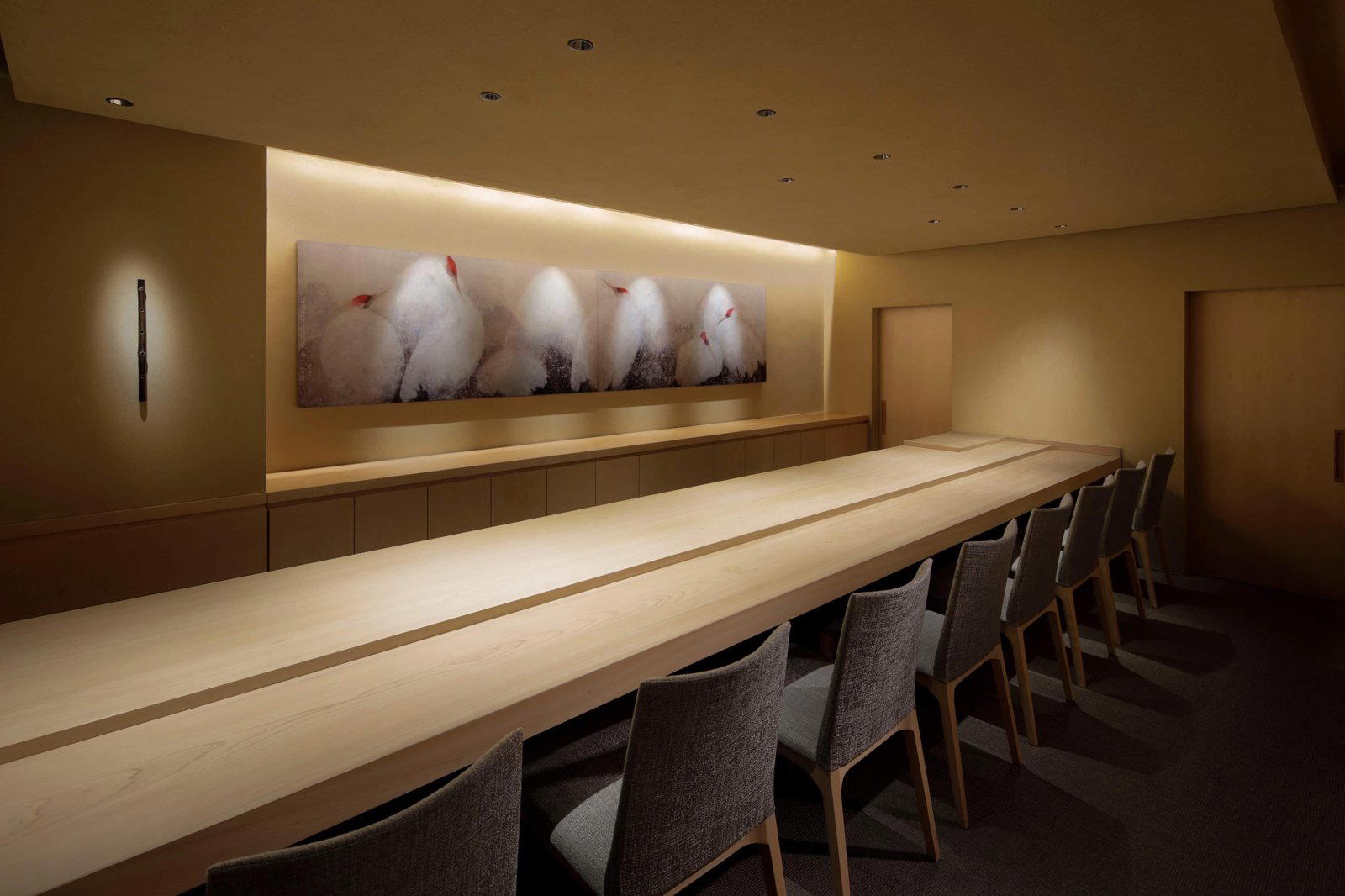
Hatano Yoshiki is a Tabelog Award Bronze winner and consecutive Tabelog Sushi Tokyo Top 100 selection in Azabu-Juban, operating at a level well above its neighbourhood setting. The omakase runs 39,600 yen per person, organised around a fat-and-acid theme, and is one of the more considered special-occasion counters in Minato-ku. Book two months out via OMAKASE or phone.
Kiyota Hanare
Tokyo, Japan
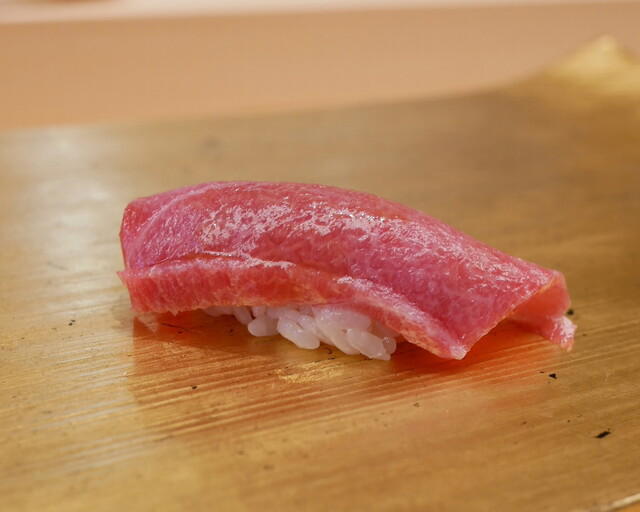
Kiyota Hanare delivers technical omakase sushi at JPY 100,000 per head in a seven-seat Ginza counter, ranked 11th in Tabelog 100 2025 Tokyo sushi. Weekdays-only, reservation-required, tasting-menu-only; worth it if you want precision nigiri and chef interaction, less flexible than à la carte alternatives.
Shimbashi Tsuruhachi
Tokyo, Japan
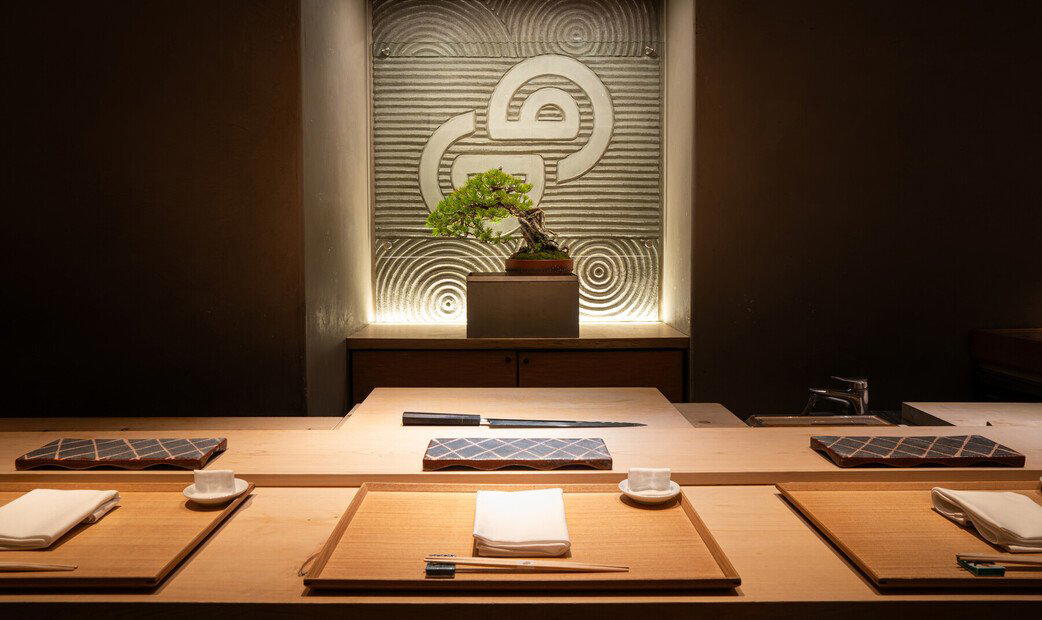
Shimbashi Tsuruhachi is a dinner-only sushi counter in Minato City with three consecutive years of Opinionated About Dining recognition and. Under chef Hirokazu Igarashi, it offers a credible sushi experience at a practical booking difficulty. Book for evenings Monday through Saturday; no lunch service is available.
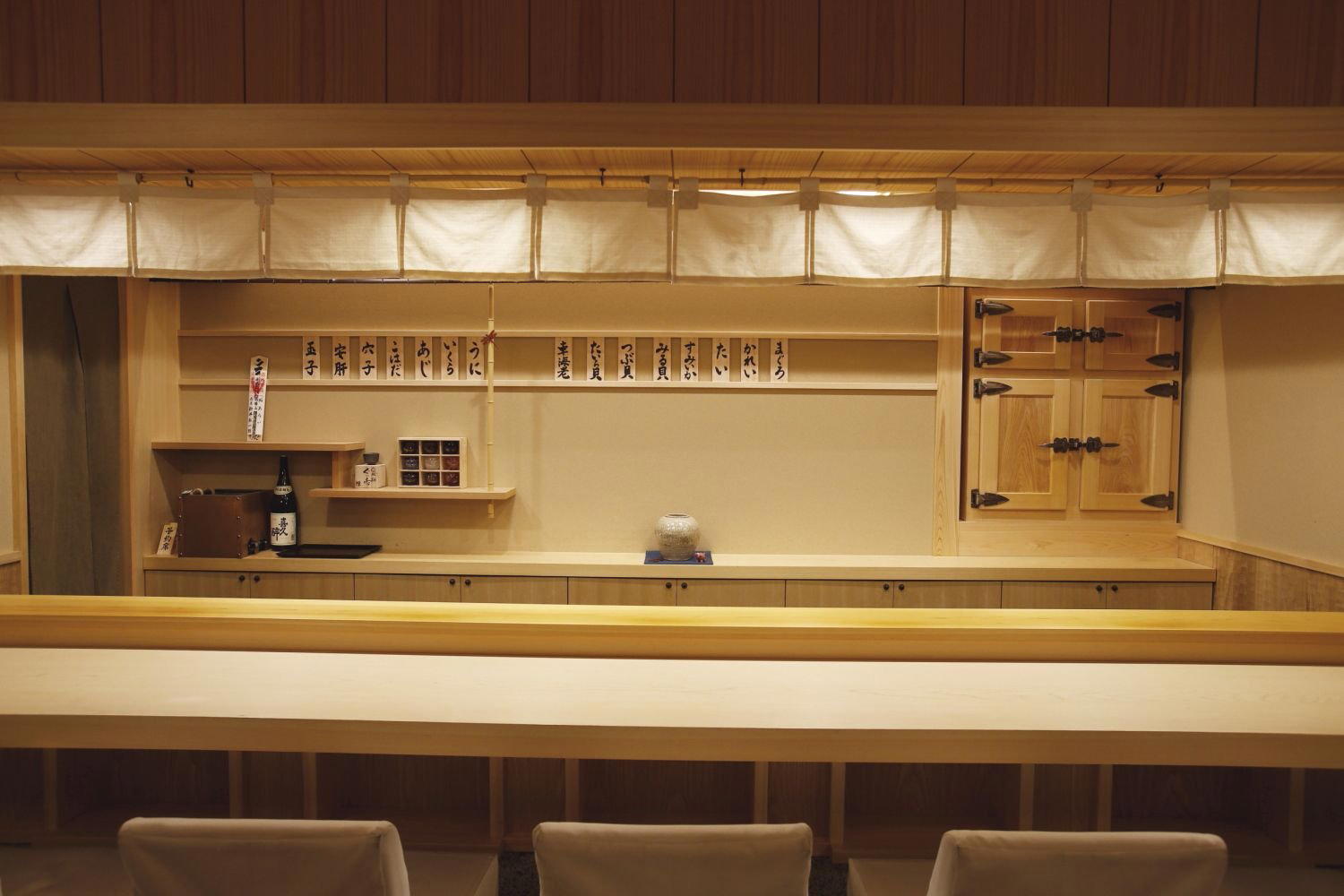
Arai
Tokyo, Japan
Arai is a restaurant in Ginza, Tokyo.
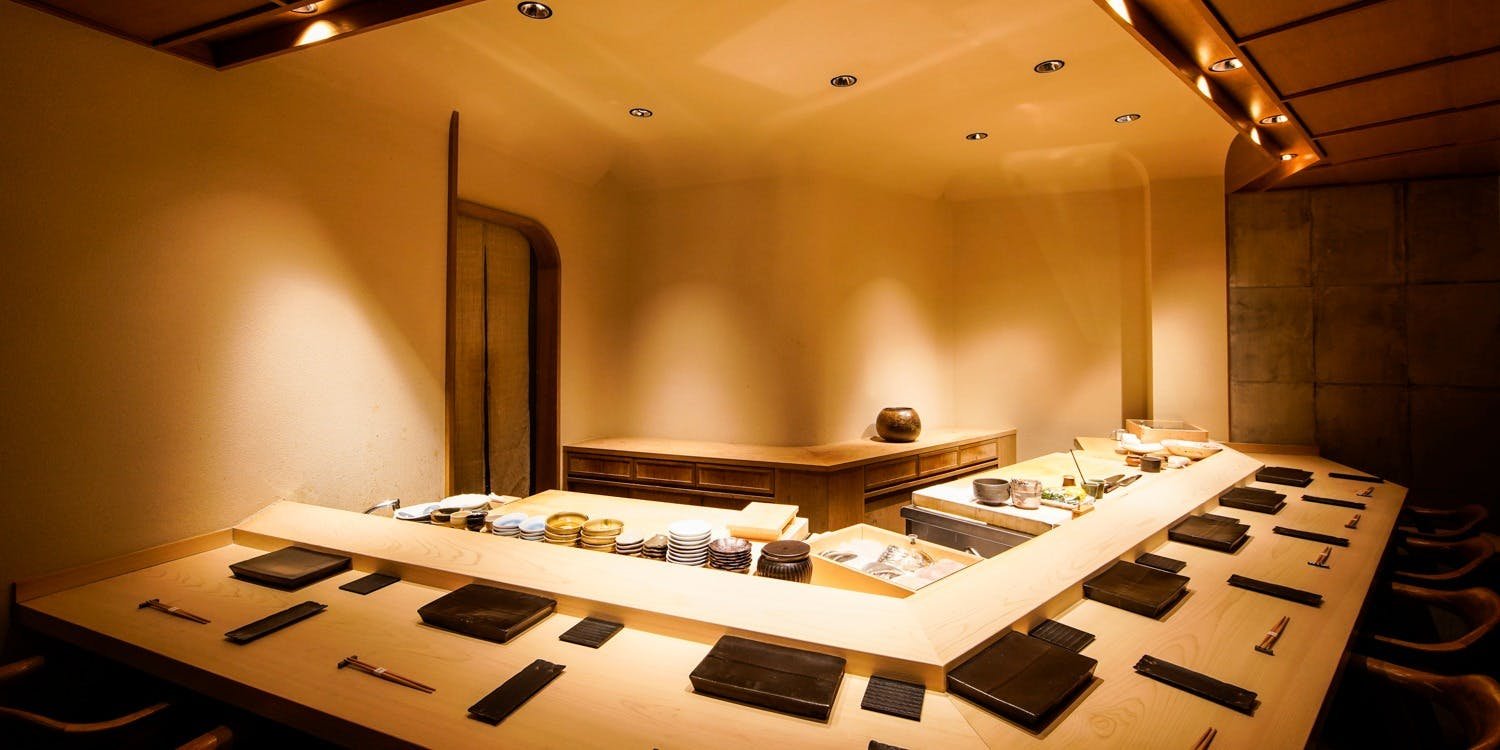
Iwasawa
Tokyo, Japan
Iwasawa is a reputation-led Gotanda dinner pick for diners who are comfortable booking on recognition rather than visible menu and budget detail. It makes more sense for a two-person celebration or serious meal than for a larger group that needs private-room clarity, fixed spend, or an easy comparison against lower-priced neighborhood options.
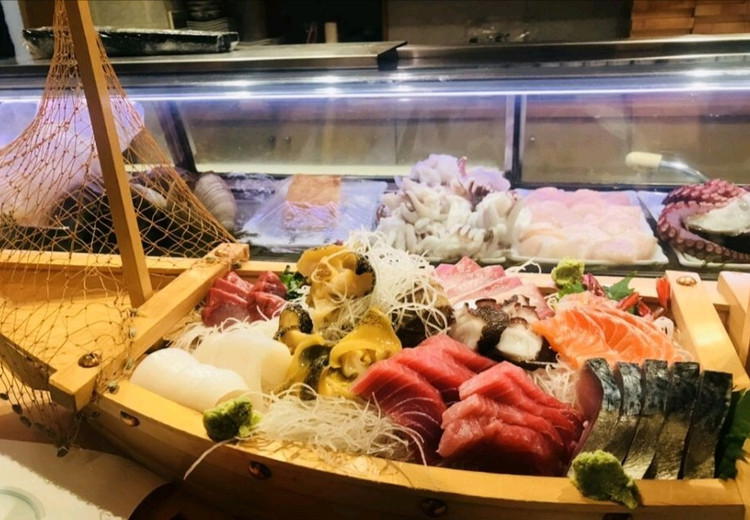
Hatsunezushi
Tokyo, Japan
A Tabelog Silver-to-Bronze-awarded eight-seat omakase counter in Nishikamata, Hatsunezushi delivers serious edomae sushi at JPY 8,000–14,999 per head; well below Ginza counterparts at comparable quality. Tabelog Top 100 selected in 2021, 2022, and 2025. Book two to four weeks out online; no cash, no walk-ins.
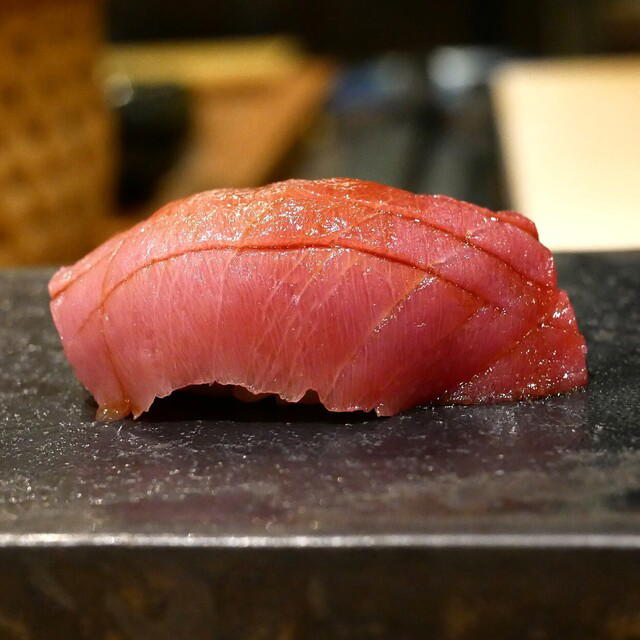
Sushi Shinpaku
Tokyo, Japan
Tabelog 100-recognized sushi counter in Ebisu delivering omakase at ¥40,000–¥49,999, positioned below Ginza's apex pricing but above neighborhood tier. Book two to three weeks ahead for seasonal Edomae technique and counter seating that rewards special occasions without the brutal advance windows of top-tier competitors.
Kioicho Mitani
Tokyo, Japan
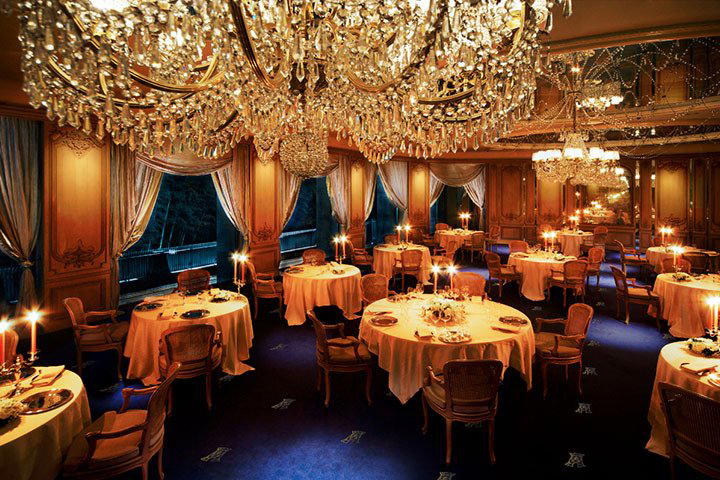
Kioicho Mitani is one of Tokyo's most consistently recognised sushi counters, holding a Tabelog Bronze Award every year since 2018 and ranking #243 in Japan in 2025. At JPY 40,000–60,000 per head, it delivers omakase quality in a relaxed smart-casual setting, with private rooms for up to six and easier booking than most of its direct peers.
Sushi Murase
Tokyo, Japan
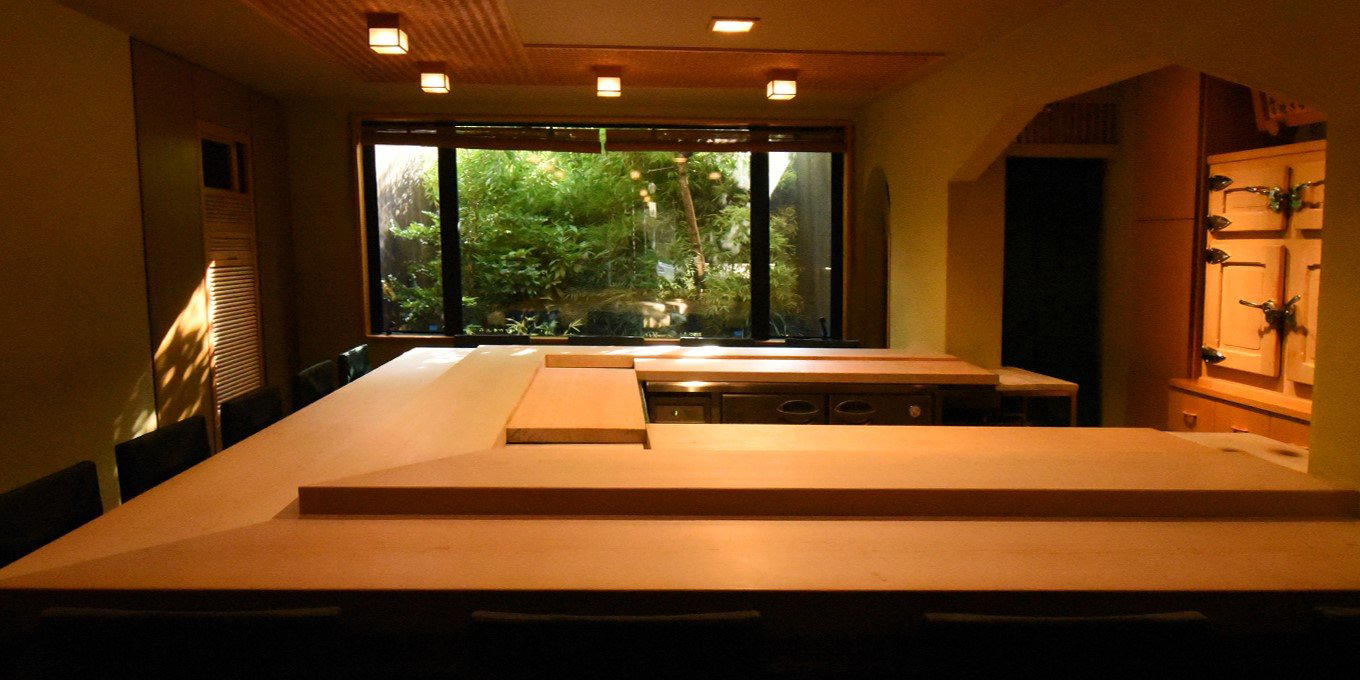
Sushi Murase is a strong Tokyo pick for a focused dine-in sushi dinner, especially if the appeal is a controlled counter-style meal in Nishiazabu rather than takeout or a loose group night. Its Tabelog 100 #18 placement in 2025 and OAD Japan recommendation in 2026 give it credible weight in a crowded category.
Takeru
Tokyo, Japan
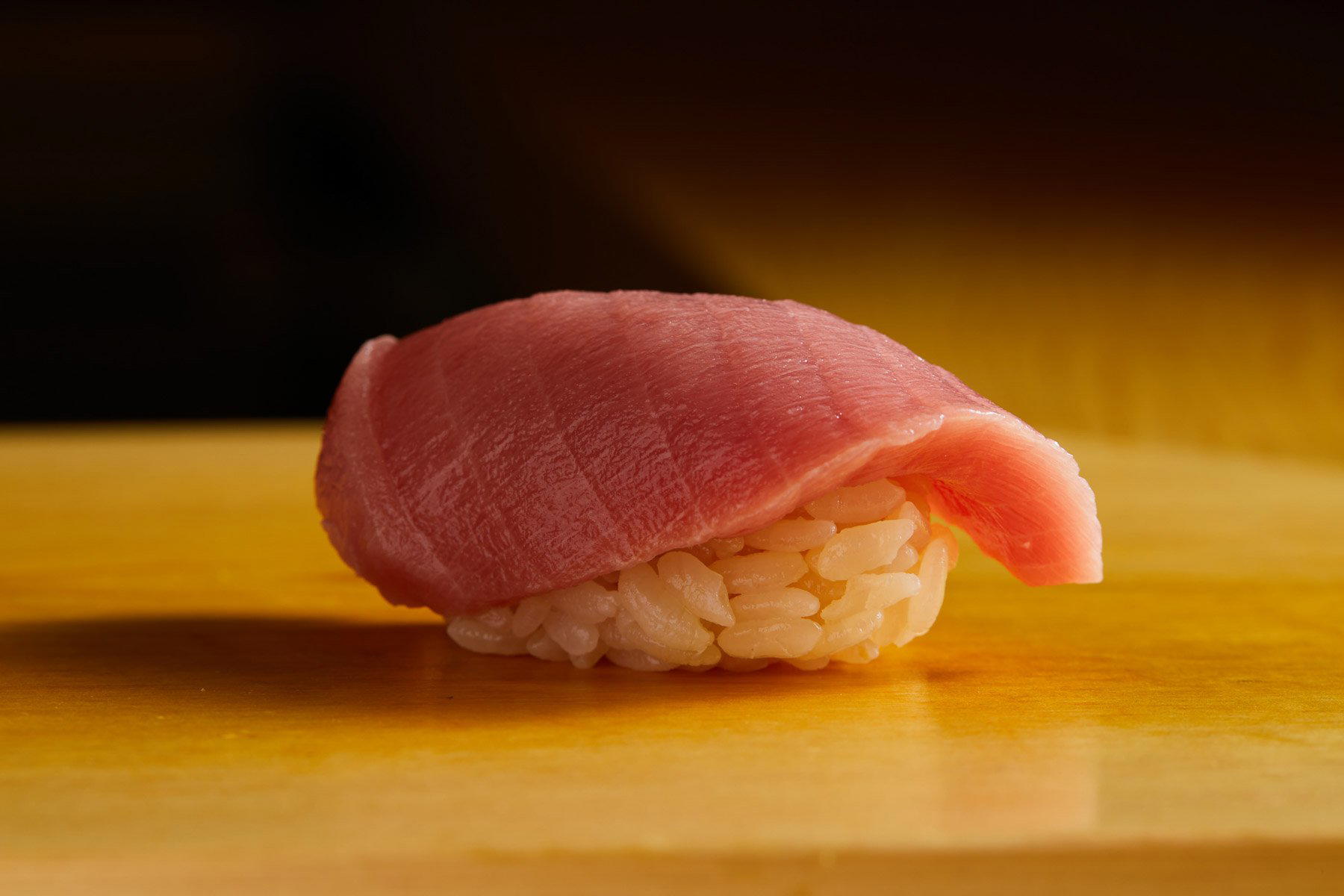
Takeru is a Tabelog Bronze Award sushi counter (score 3.95, 2025) on the second floor of a Ginza building, open daily from noon to 23:00; rare flexibility for this tier. It's the right call for a date night or small celebration when you want credentialed Ginza sushi without a months-long wait. Easy to book; call 03-3575-7880 to reserve.
Sukiyabashi Jiro Roppongiten
Tokyo, Japan
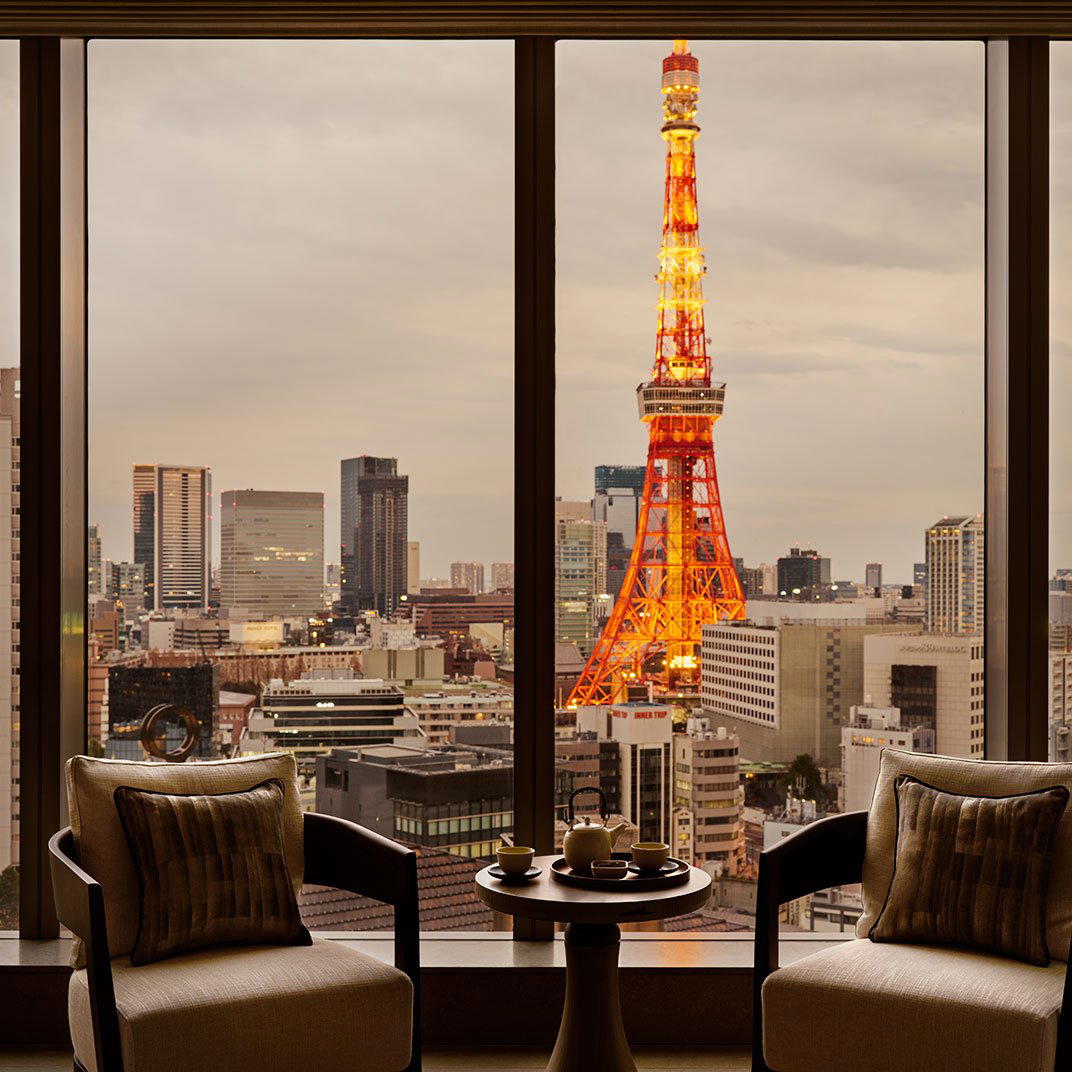
Takashi Ono's Roppongi Hills counter delivers classic Edomae omakase at two Michelin stars, with lunch offering a lower-priced entry to the same technically precise nigiri that keeps this eight-seater on Tabelog 100 year after year. Book weeks ahead; dinner runs ¥30,000+, lunch drops to ¥20,000–¥29,999, and availability is tight either way.
Sushi Yasumitsu
Tokyo, Japan
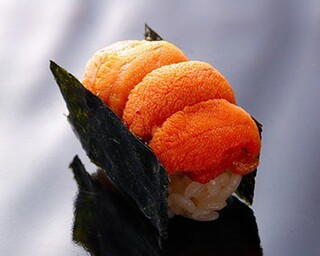
A 14-seat Yotsuya counter delivering Tabelog 100 recognition and 2026 Bronze honors at JPY 20,000–29,999; roughly 30% below the city's top omakase tier. The kitchen holds a patent on its marinated tuna method, and booking pressure runs lighter than Ginza's celebrity counters. Counter seats offer direct sightlines; a six-person private room suits business meals. Closed Sundays except the last of each month.
Sugita
Tokyo, Japan
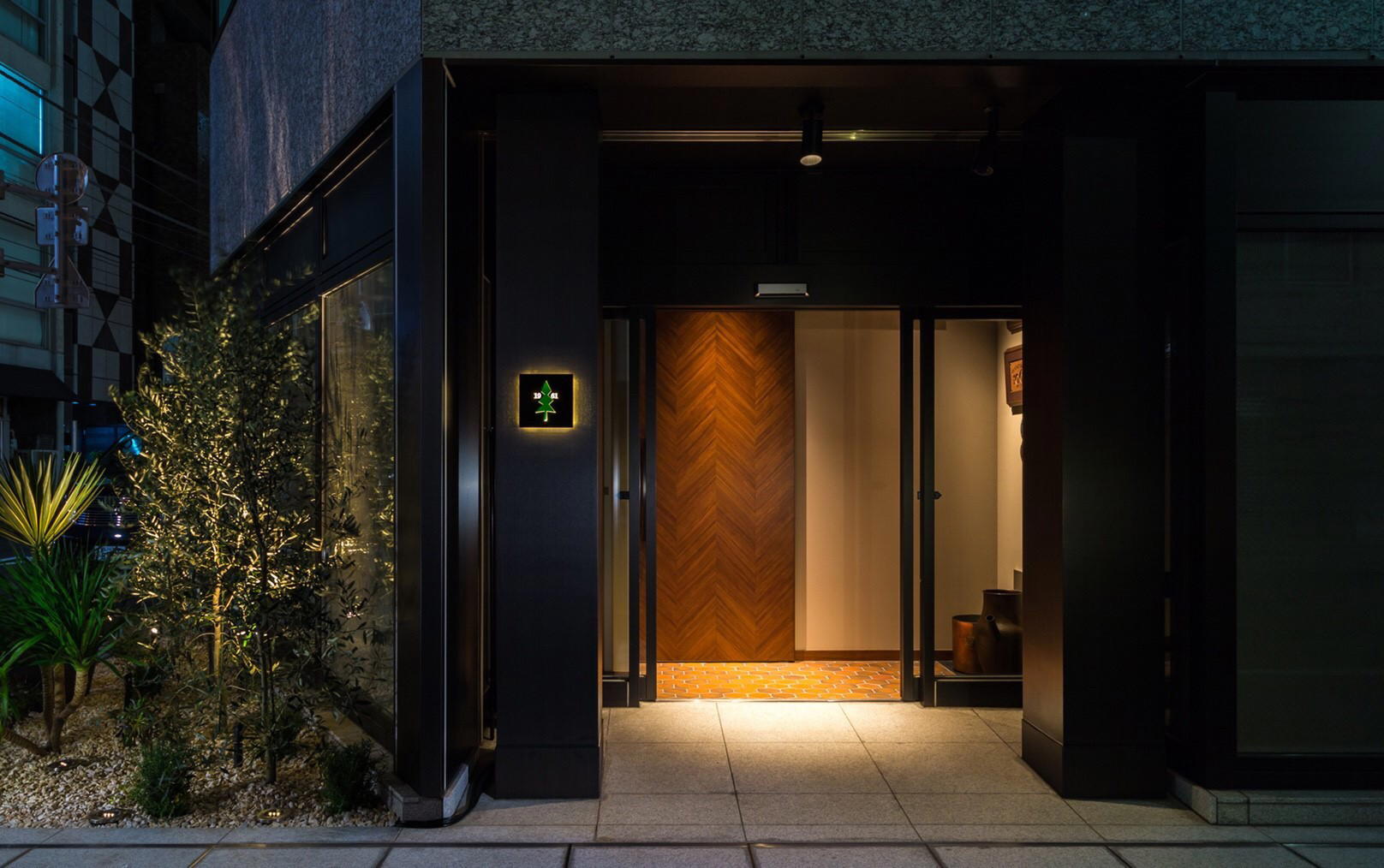
Sugita is a restaurant listing in Tokyo.
Sushi Yuki
Tokyo, Japan
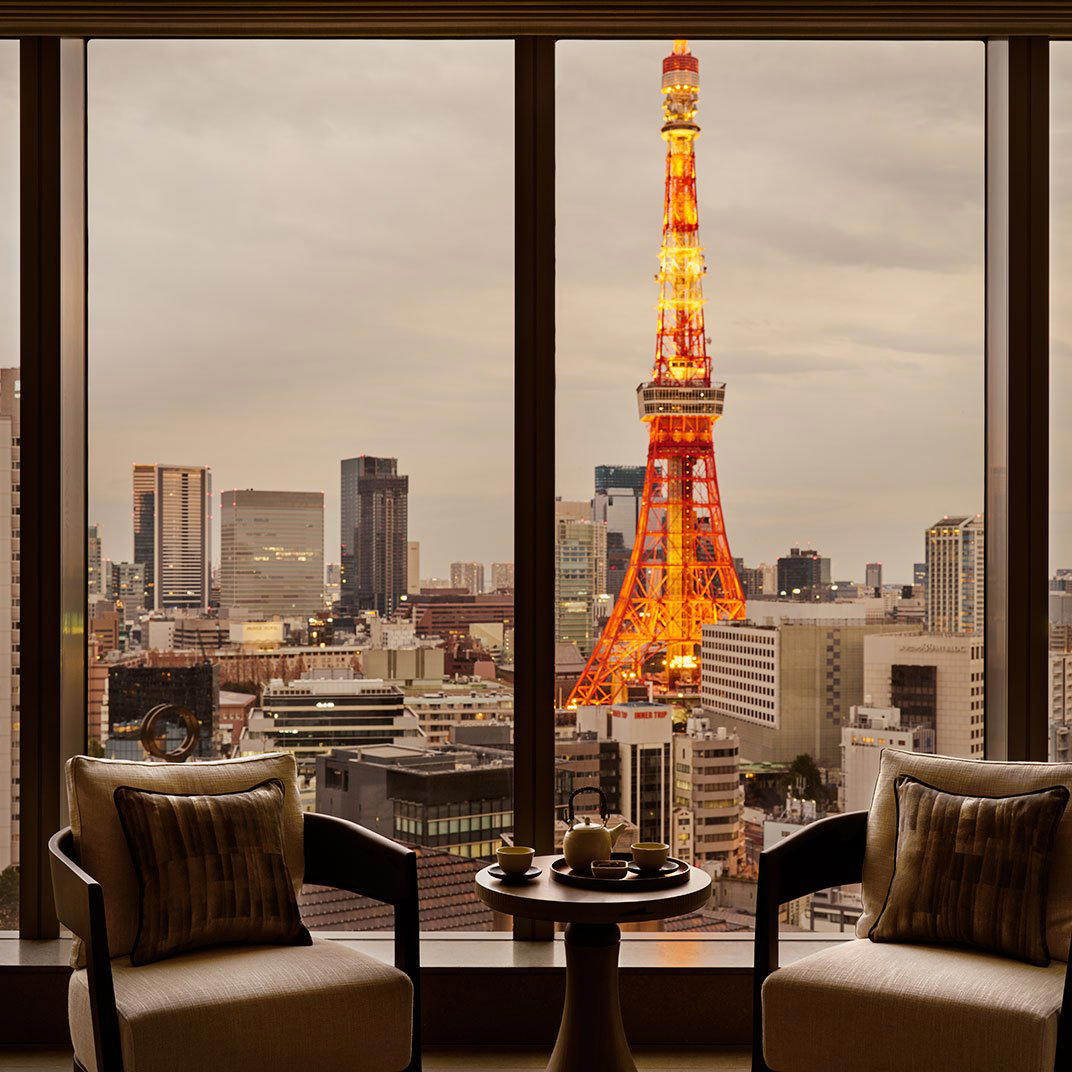
Sushi Yuki earned a Tabelog Bronze Award and Michelin Plate recognition within its first year of opening in Hiroo. The nine-seat hinoki counter, run by chef Yuki Hayashinouchi, is available for private hire; making it a strong choice for small-group occasions. Dinner runs JPY 30,000–49,999 per person; lunch offers better value at JPY 15,000–29,999. Book via OMAKASE while reservations remain relatively easy to secure.
Shimbashi Shimizu
Tokyo, Japan
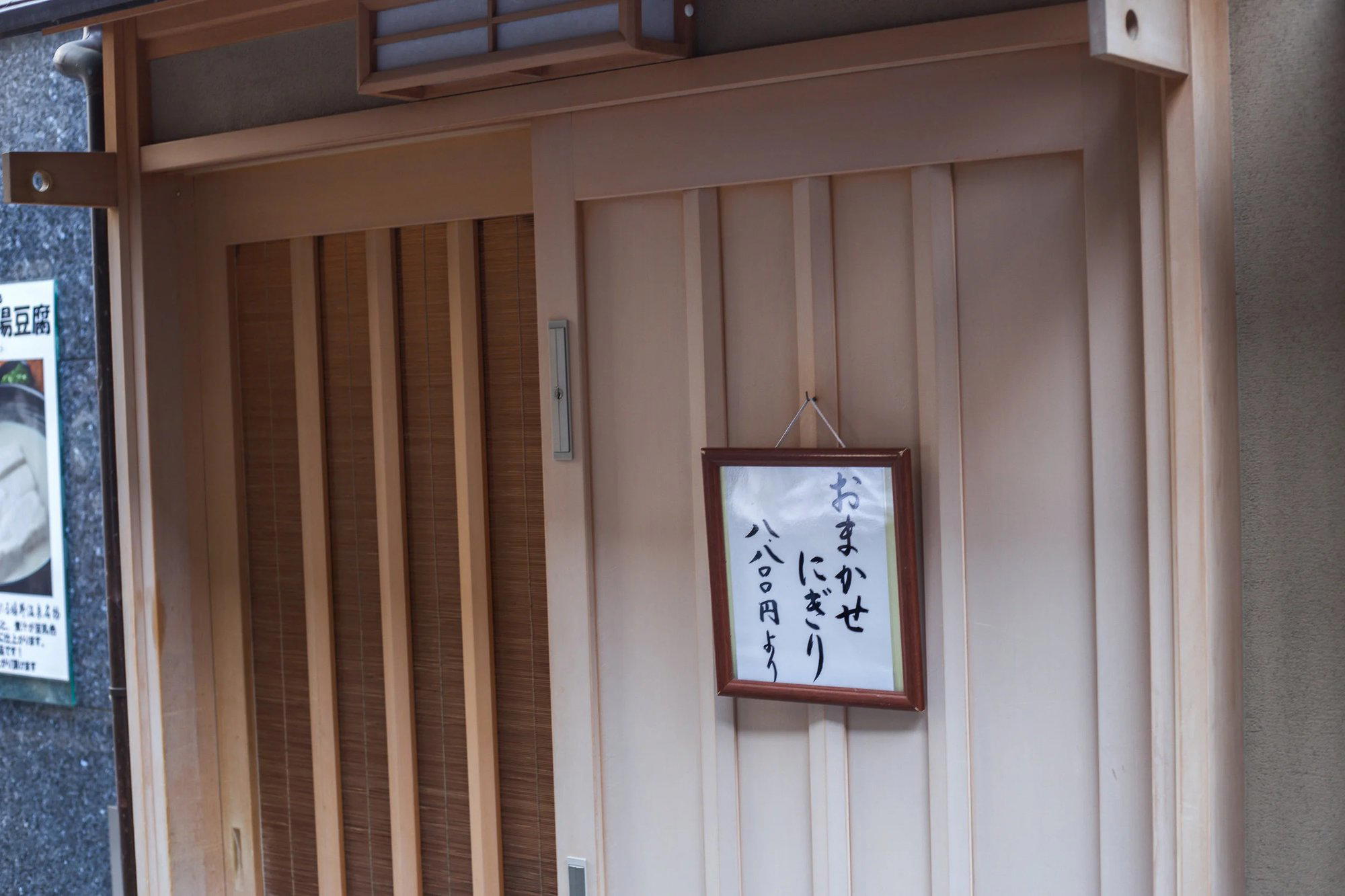
Chef Kunihiro Shimizu runs a seven-seat Edomae sushi counter in Shimbashi with lunch and dinner omakase priced JPY 20,000–29,999. A 2026 Tabelog Award Bronze winner (Silver in 2025 and 2020) and Tabelog Sushi TOKYO 100 fixture since 2021, the no-substitution format and fish-forward technique suit solo diners and pairs seeking classical precision without Ginza markup.
Mitani
Tokyo, Japan
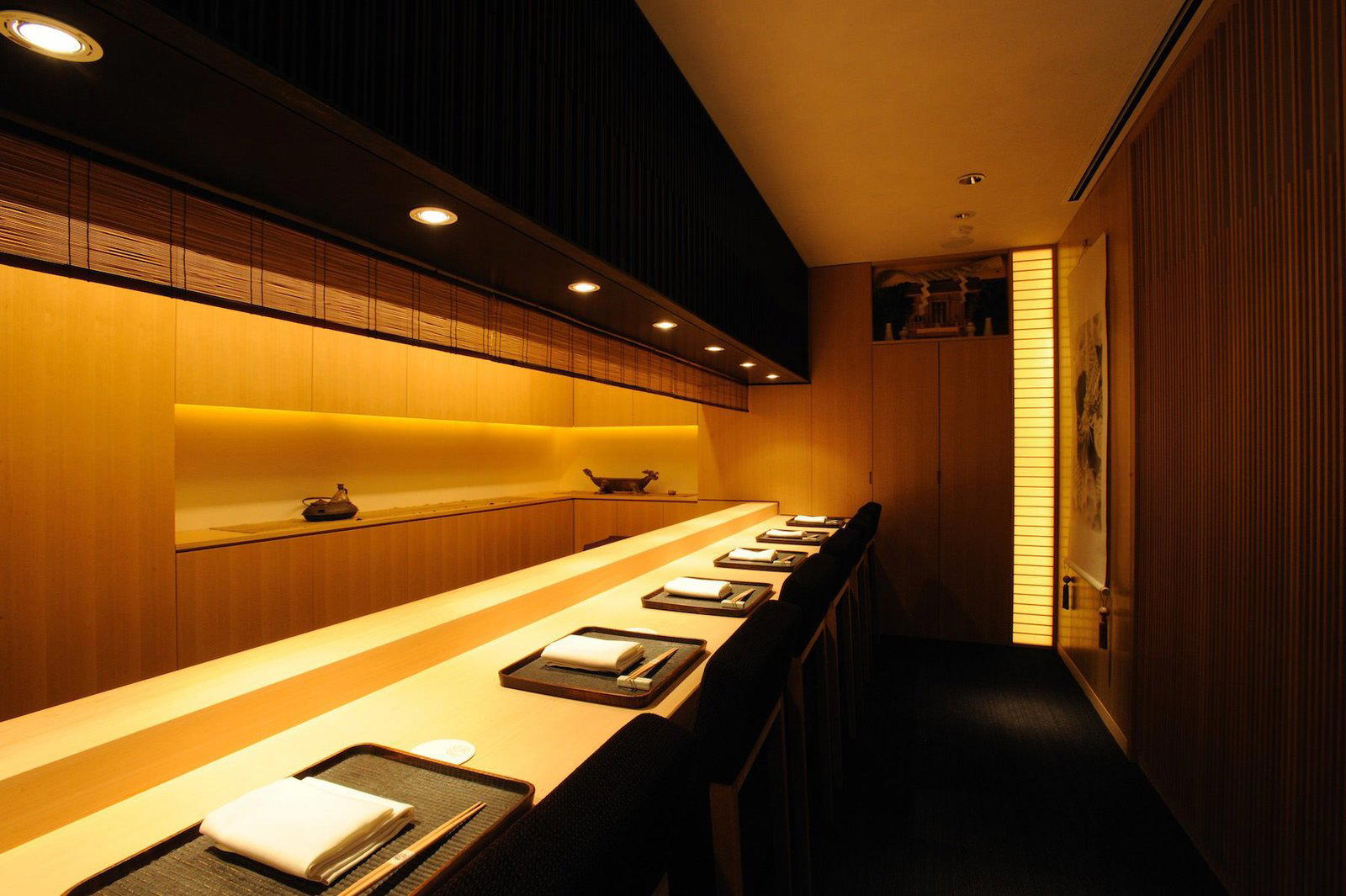
A six-seat sushi counter in Yotsuya delivering nine consecutive years of Tabelog Gold awards at JPY 50,000–59,000 per omakase. Chef Yasuhiko Mitani runs a disciplined programme with no à la carte options and a closed reservation system favouring regulars. Worth the effort if you can secure access through a concierge, but solo diners and small groups will find easier entry elsewhere in Tokyo's competitive sushi tier.
Nishizaki
Tokyo, Japan
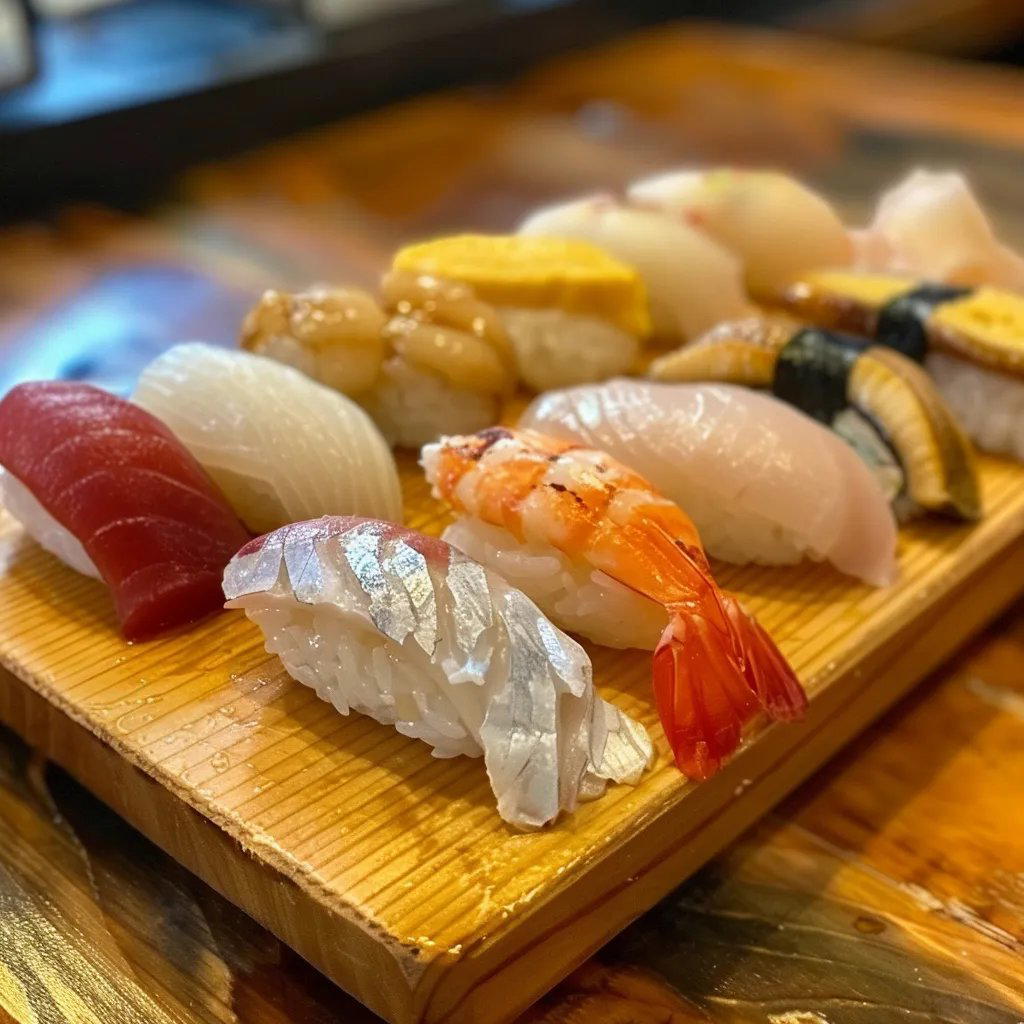
Reservation-only sushi counter in Setagaya's Higashi Kitazawa with Tabelog Award 2026 Silver recognition and a focus on rice-and-fish textural balance. Lunch (JPY 15,000–19,999) offers better value than dinner (JPY 20,000–29,999) for the same omakase format. 12 seats across main and private counters; book 2–3 weeks ahead for Sunday midday service.
Saeki
Kyoto, Japan
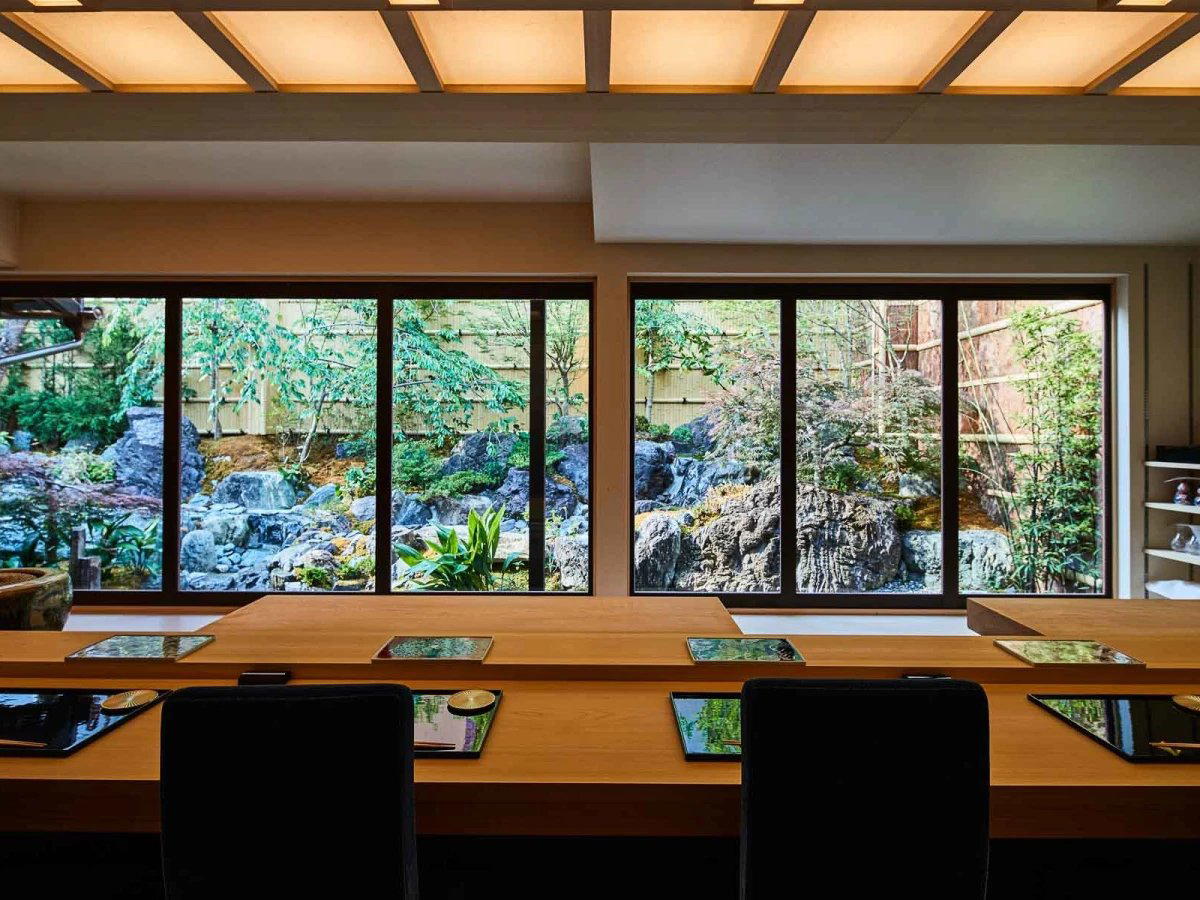
Sushi Saeki is a Ginza omakase counter with four consecutive Tabelog Bronze Awards (2021–2026), a Tabelog Sushi Tokyo Top 100 ranking, and a 2024 OAD Top 279 Japan placement. Dinner runs JPY 50,000–59,999 per person, with no lunch service. Book 3–4 weeks out minimum; counter seats fill quickly given the sustained award record.
Sushi Keita
Tokyo, Japan
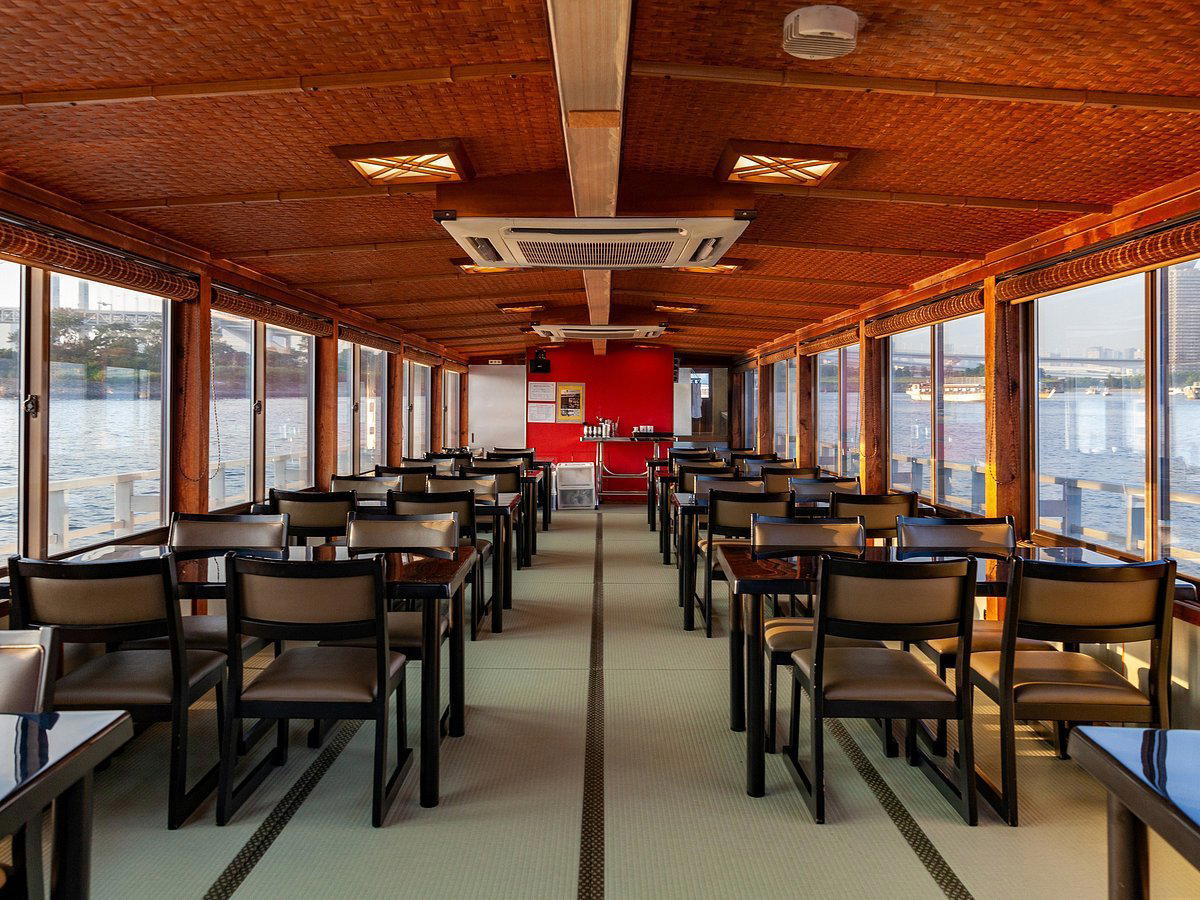
A Michelin-starred sushi counter in Tsukiji where chef Keita Aoyama's sourcing philosophy shows up directly in the nigiri; large-formed, generously proportioned, and built around the fish rather than the performance. Ranked on Opinionated About Dining's Top Restaurants in Japan for three consecutive years and priced a tier below Tokyo's most famous counters, this is a serious booking for serious sushi visitors.
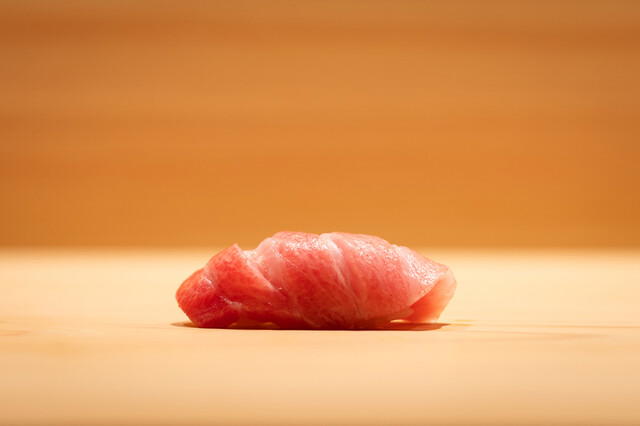
Ajuuta
Tokyo, Japan
Ajuuta occupies Shibuya's mid-tier omakase space with an eight-seat counter and Tabelog 100 recognition. At JPY 30,000–39,999 for dinner, it's less expensive than Ginza's top counters but demands reservation discipline and a tolerance for strict cancellation policies. The fish is seasonal, the rice is precise, and the counter format rewards diners who value technique over conversation.
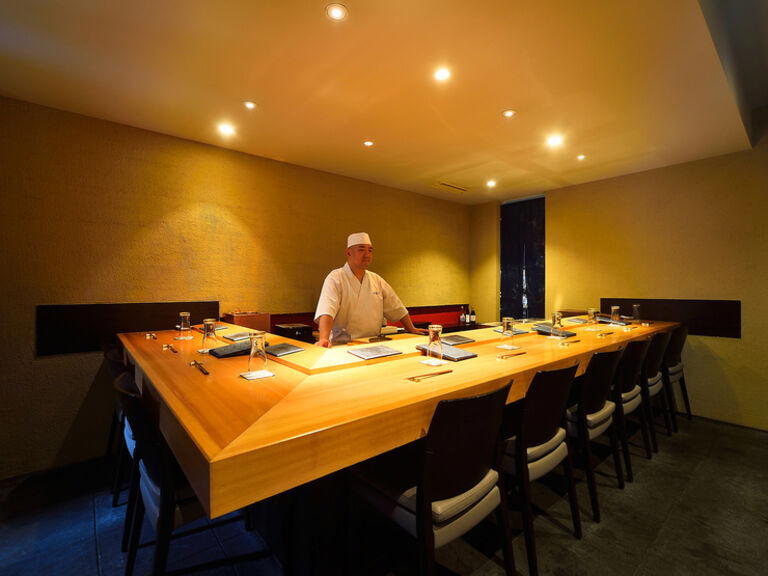
Sushi Kimura
Tokyo, Japan
A nine-seat counter in Setagaya with nine consecutive Tabelog award cycles, a Michelin star, and an OAD Japan top-50 ranking. Sushi Kimura is one of Tokyo's most consistently credentialed omakase counters, and the residential location keeps the room quiet and the focus entirely on the fish. Budget JPY 50,000-59,999 all-in; book via TABLEALL from overseas well in advance.
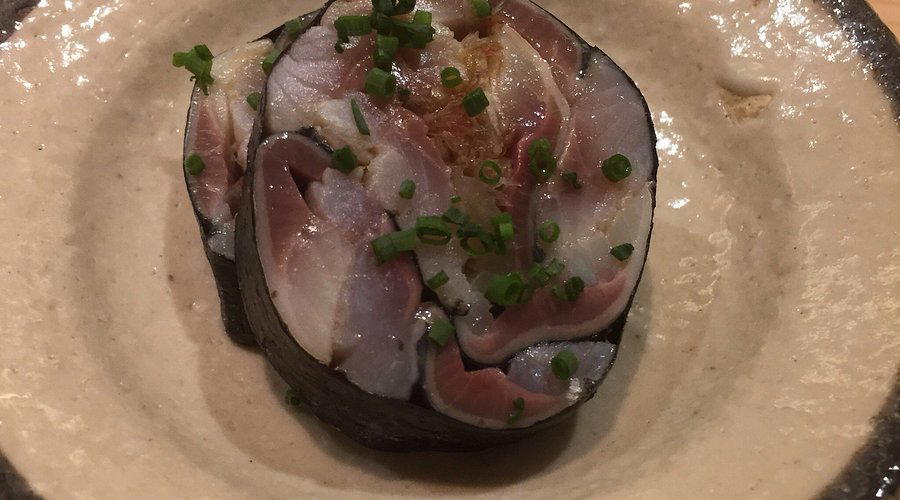
Sushi Namba
Tokyo, Japan
Chef Hidefumi Namba's omakase counter in Tokyo Midtown Hibiya holds multi-year Tabelog recognition for single-degree rice-and-neta temperature control. JPY 40,000–49,999 lunch or dinner, 12 seats total, reservation-only. Easier to book than some peers, quieter than most, and the private room handles four for celebrations.
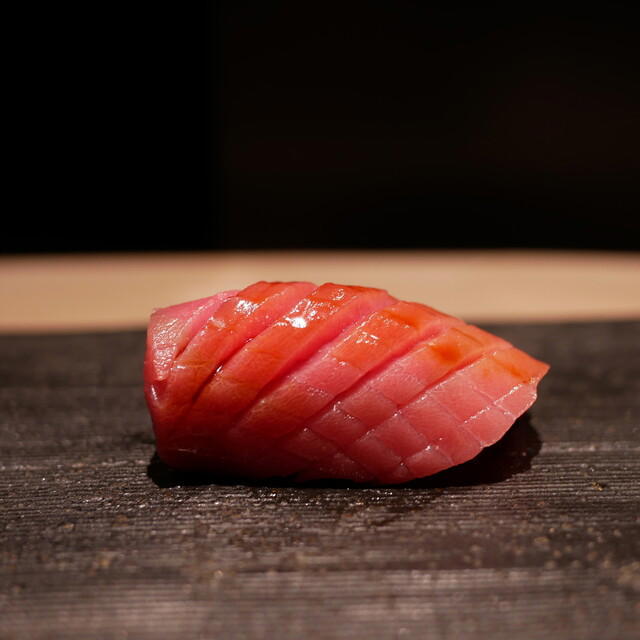
Sushi Kozue
Tokyo, Japan
A seven-seat Takanawa omakase that earned a 2025 Tabelog 100 nod three years after opening. Fish-focused, sake-serious, and reservation-only, with private buyouts available for up to 20. Solo diners and pairs fit the counter format; groups require advance coordination.
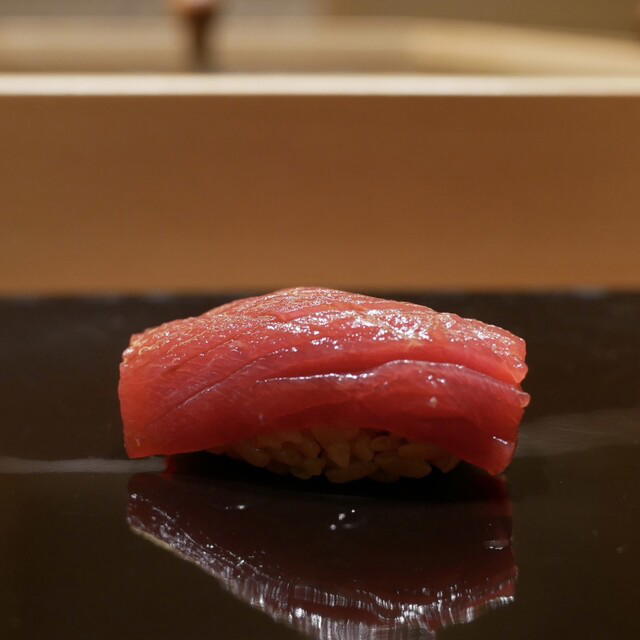
Terakoya Sushi Sho
Tokyo, Japan
An 8-seat omakase counter in Azabudai Hills focusing on ingredient-driven Edo-mae sushi at JPY 40,000–49,999 per head. Tabelog 100 recognition since 2025 validates the fish-centric sourcing, but the austere format and reservation-only policy (call ahead, no walk-ins) make it better suited for traditionalists than first-time omakase diners. Book early seatings for less rushed pacing.
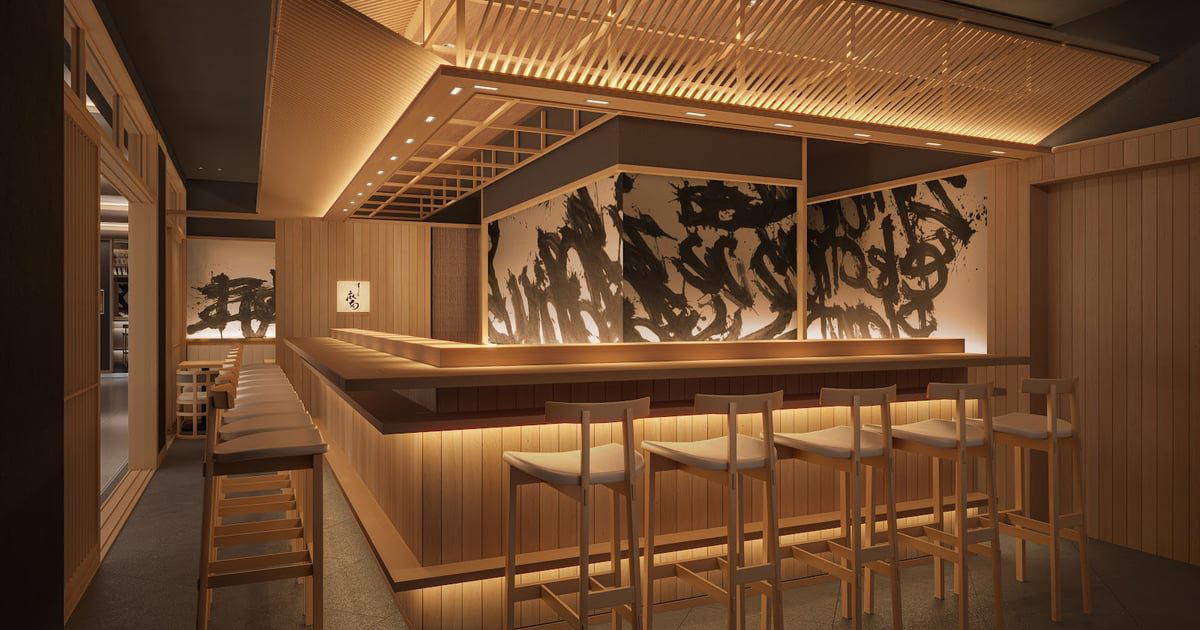
Sushi Meino
Tokyo, Japan
Chef Mei Kogo's eight-seat counter in Azabu-Juban earned back-to-back Tabelog Silver Awards for Edomae-style omakase paired with curated wine selections. At JPY 50,000–59,999 per person, the experience is quieter and more focused than most Tokyo sushi counters, with a booking window that's manageable for organized diners. Worth it if wine pairing appeals more than sake, but peer venues like Tachigui Sushi Tonari offer stronger value at lower price points.
Sushi Hiroya
Hamamatsu, Japan
An eight-seat omakase counter in Hamamatsucho earning dual Tabelog 100 selections since opening in 2020. The fish-focused Edomae format runs JPY 15,000–19,999, easier to book than ultra-exclusive Tokyo peers while delivering comparable technical precision. Two evening seatings and occasional lunch service accommodate most schedules.
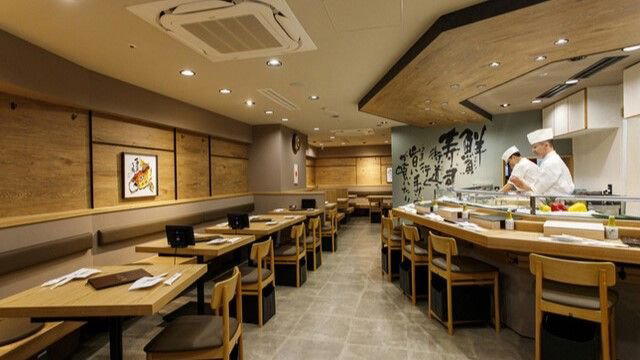
Sushi Take
Tokyo, Japan
Sushi Take is a credentialed Ginza counter ranked in Opinionated About Dining's top Japan restaurants for three consecutive years (2023–2025) under chef Fumi Takeuchi. It's one of the more accessible serious sushi bookings in central Tokyo, with both lunch and dinner slots available Tuesday through Sunday. A practical choice for food-focused travellers who want OAD-recognised quality without a months-long wait.
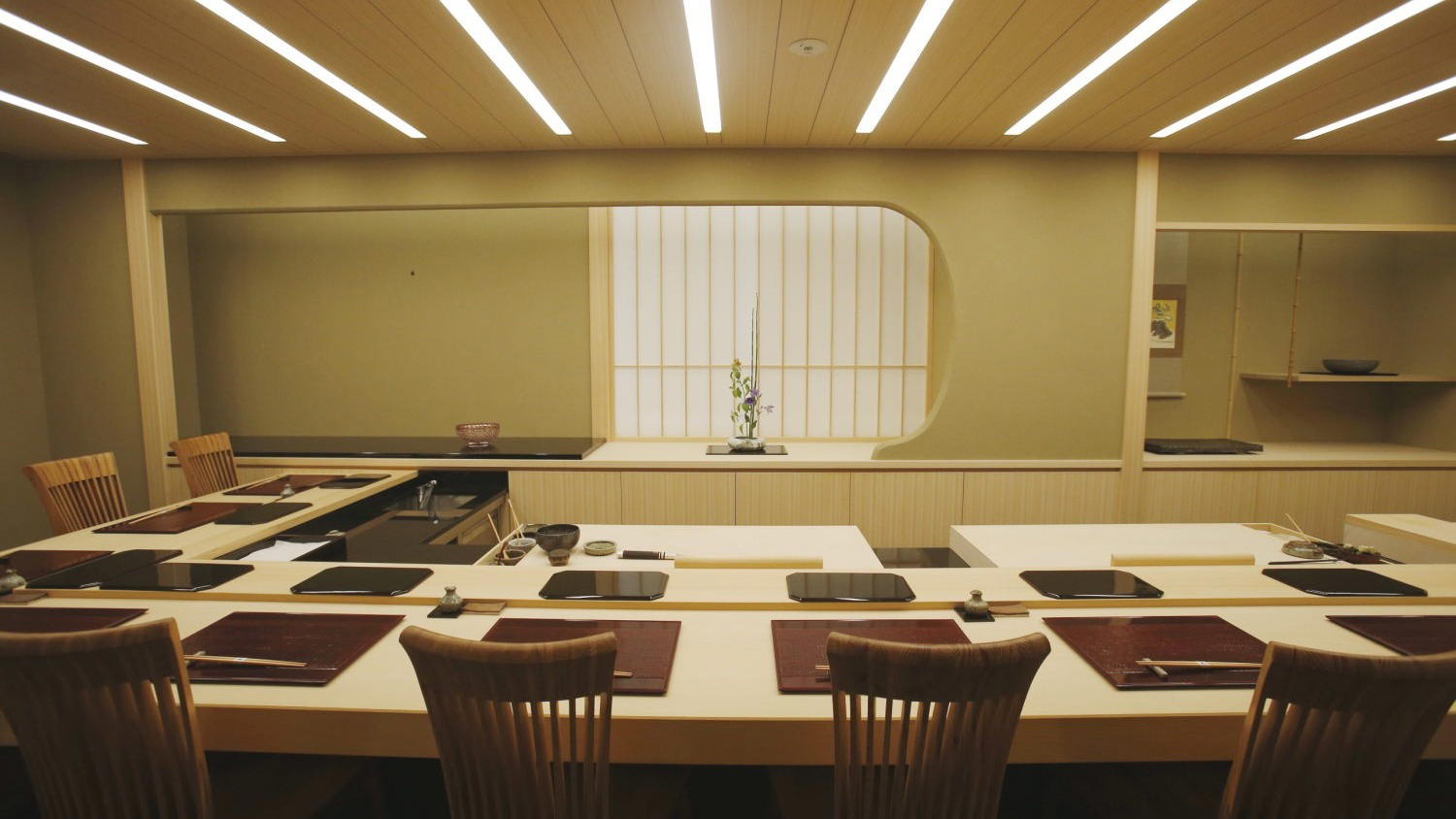
Harutaka
Tokyo, Japan
Harutaka is a restaurant in Ginza, Tokyo.
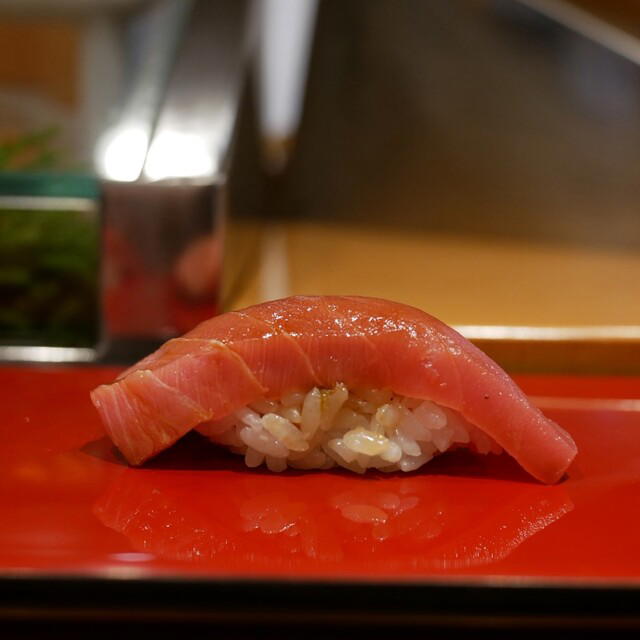
Kozasa Sushi
Tokyo, Japan
Walk-in-only sushi counter in residential Setagaya serving omakase in the JPY 15,000–19,999 range. Tabelog 100 – Sushi – TOKYO 2025 selection, 13 seats, cash-only, no reservations. Early arrival recommended for weekend slots. Quieter, neighborhood-focused alternative to Ginza's tourist-heavy sushi scene.
Tomidokoro
Tokyo, Japan
Tomidokoro is an eight-seat counter in Shinbashi with Tabelog Bronze awards in both 2025 and 2026, a Michelin Plate, and three Tabelog Sushi TOKYO 100 selections. Dinner runs JPY 30,000–39,999; lunch is sharper value at JPY 20,000–29,999. Reservation-only, easier to book than comparable Tokyo counters, and specifically recommended for solo dining.
Sushi Imamura
Tokyo, Japan
Sushi Imamura in Tokyo's Shirokane neighbourhood is an OAD-recognised counter run by Chef Kentarou Imamura, ranked among Japan's top restaurants in both 2024 and 2025. Booking is relatively accessible by Tokyo standards; plan one to two weeks ahead. The Sunday lunch sitting is the smartest entry point for a first visit, with evening sessions Thursday through Saturday for a return.
Sushi Taira
Tokyo, Japan
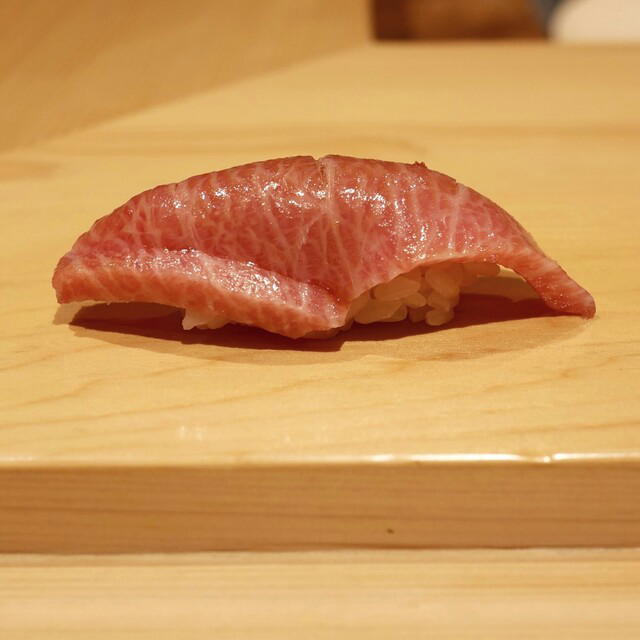
Appointment-only omakase counter ranked in the Tabelog 100 Sushi TOKYO 2025, priced at JPY 40,000–49,999. Reservations through concierge platforms only, with private-use options for small groups. No walk-ins, no public phone or website, and a strict no-fragrance dress code. Best for diners comfortable with Edomae tradition and minimal menu transparency.
Sushi Akira
Tokyo, Japan
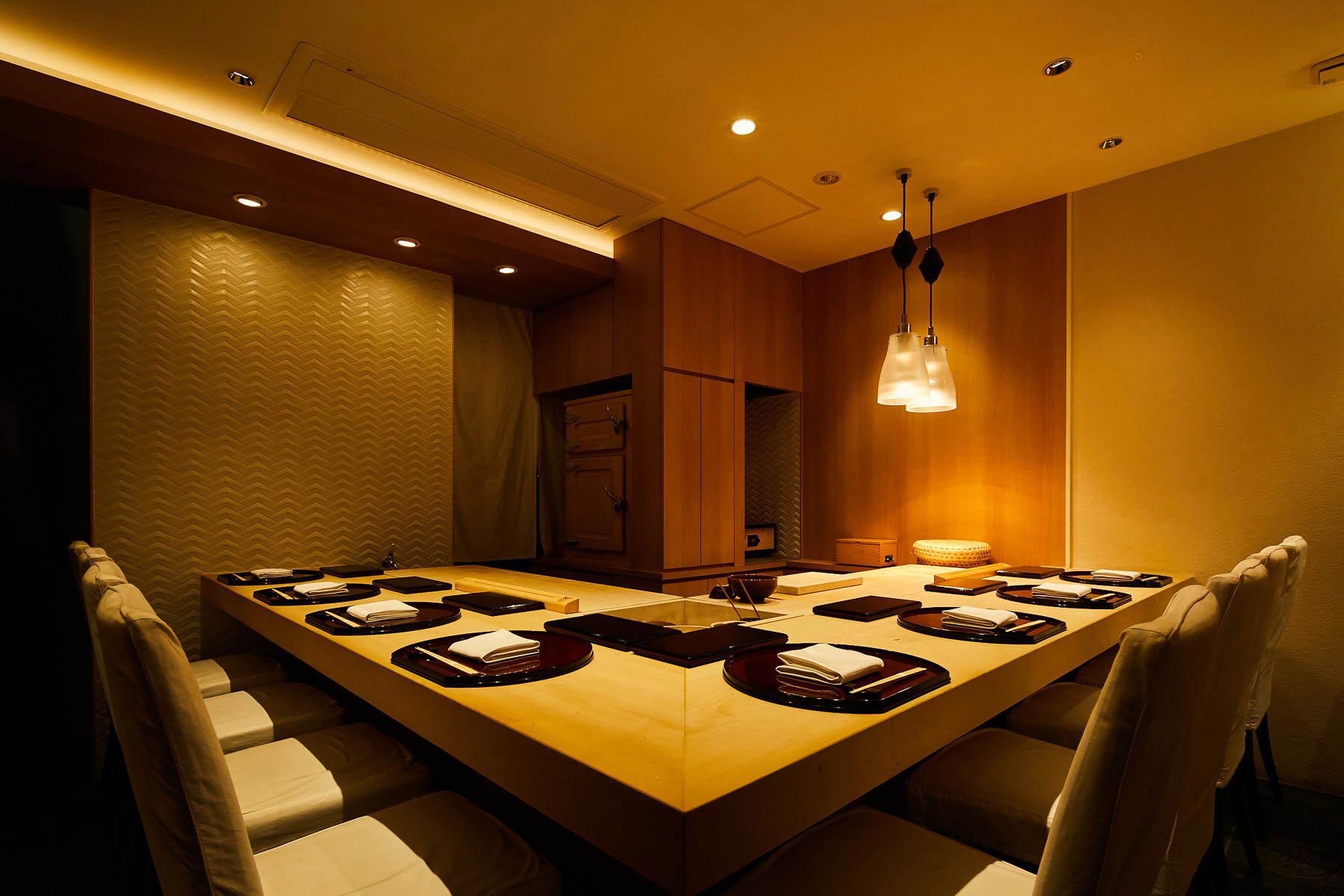
Sushi Akira is an 8-seat Edomae omakase counter in Ebisu with a Tabelog score of 4.52, three consecutive Tabelog Silver Awards, and an OAD Japan ranking of #206 in 2025. At JPY 40,000–59,999 per head, it sits at the top of Tokyo's sushi tier and stays open until 23:00; rare for a counter at this level.
Sushi Suzuki
Tokyo, Japan
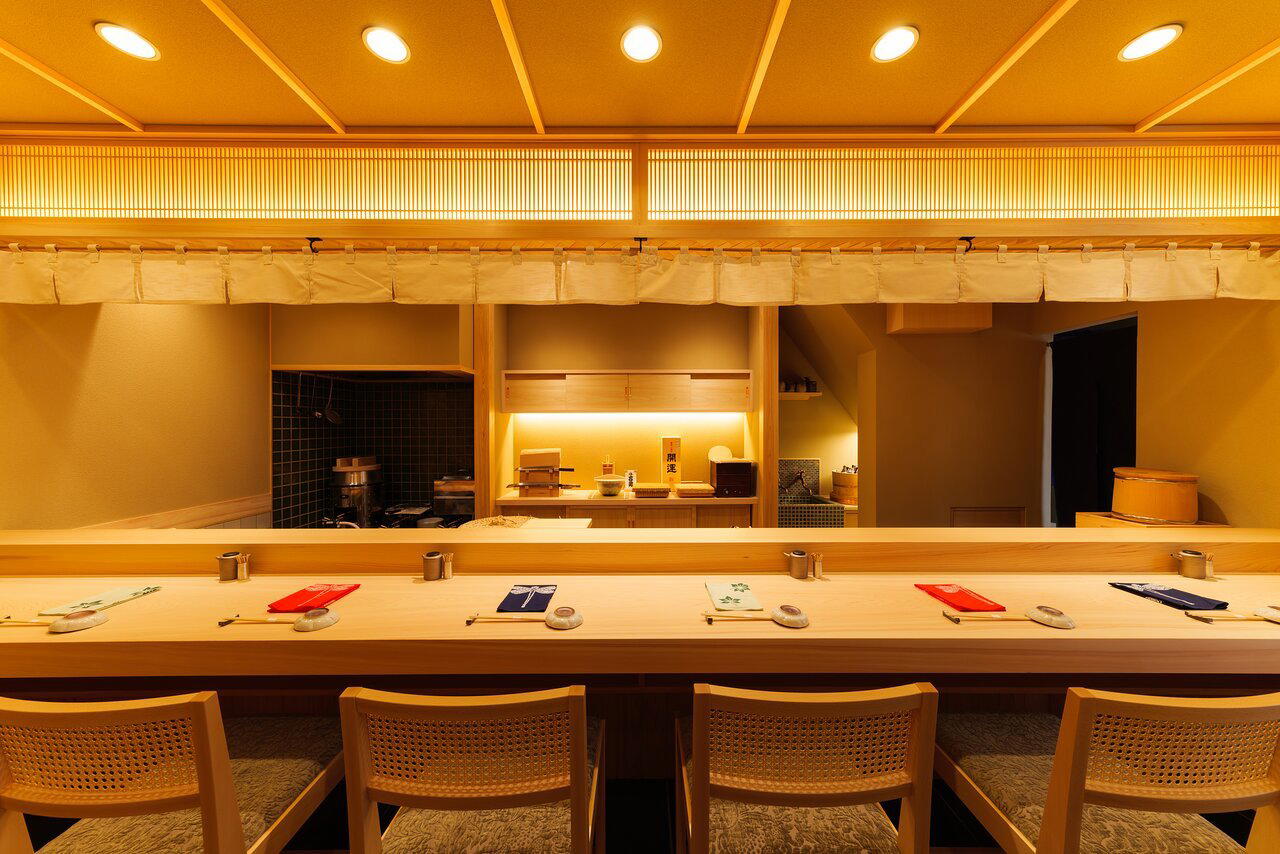
A Ginza omakase counter that earned Tabelog Bronze and a place on the Tokyo Sushi 100 list within its first year of operation. Ten seats, lunch from JPY 20,000 and dinner from JPY 50,000, with booking rated Easy relative to the neighbourhood's more established names. The strongest case for Sushi Suzuki is the lunch sitting: Ginza-calibre sushi at a third of the dinner price.
Shimazu
Tokyo, Japan
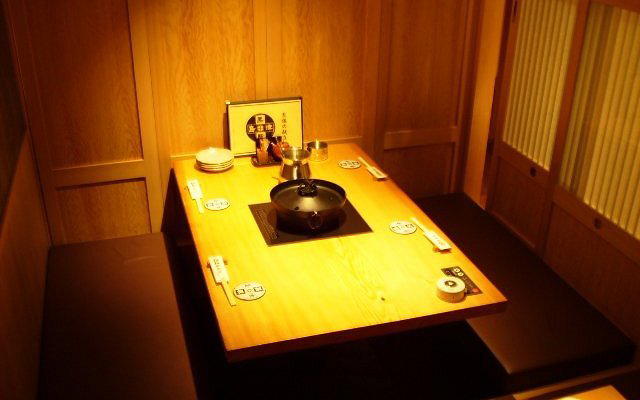
Chef Yukichika Shimazu runs an 8-seat Edomae sushi counter in residential Shirokane, earning Tabelog Gold 2026 and three Tabelog 100 selections since opening in 2020. Dinner costs JPY 40,000–49,999 plus 10% service; the reservation-only format, two nightly seatings, and sommelier-guided beverage program suit solo diners and pairs willing to commit to the chef's omakase pace. Book early; supply is tight, and the hideaway location (two minutes from Shirokane-Takanawa Station) attracts Tokyo locals over tourists.
Sushi Rizaki Shibuya
Tokyo, Japan
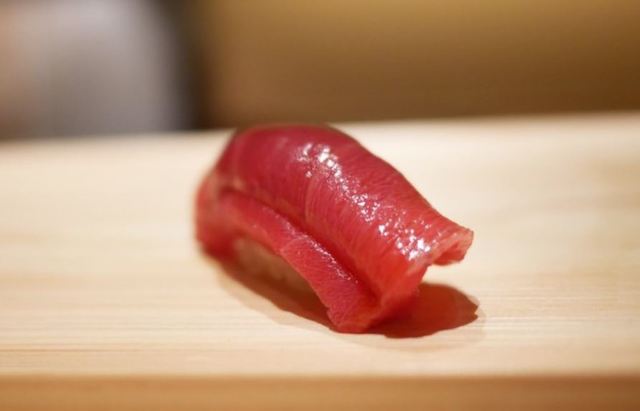
Tabelog Tokyo Sushi 100 counter (2021, 2022, 2025) in Kamiyamacho serving fish-focused omakase at JPY 30,000–39,999 across two nightly seatings. Intimate 10-seat format with a curated sake and wine program; BYO permitted. Book ahead for consistent mid-tier quality without Ginza pricing.
Shunsuke
Tokyo, Japan
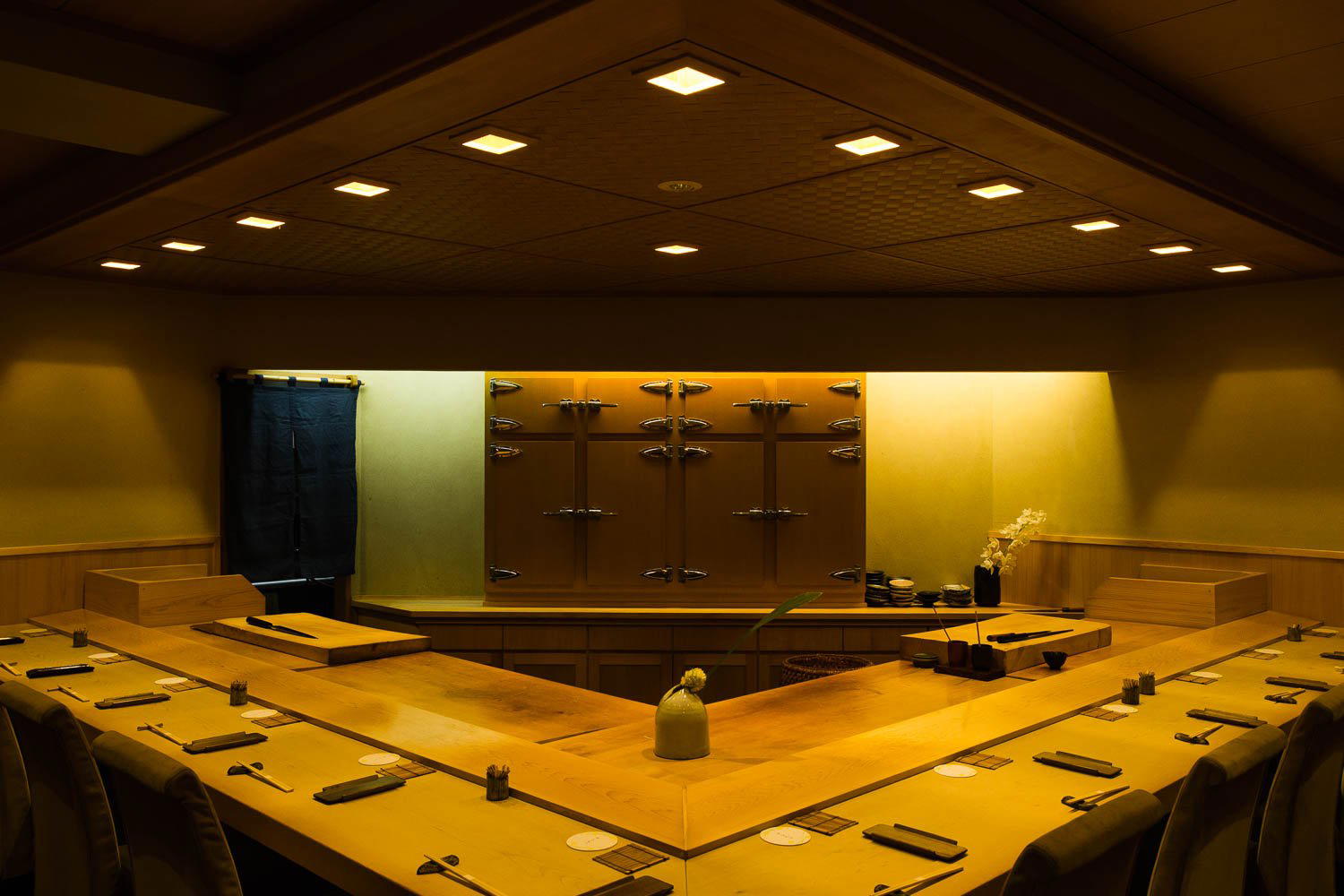
Shunsuke is a Tabelog Silver sushi counter in Asagaya that has held its award for eight consecutive years through 2026, with a Tabelog score of 4.33. At JPY 20,000–29,999 for dinner, it delivers counter-format sushi with a strong fish-sourcing focus and is meaningfully easier to book than comparable Silver-level counters in central Tokyo. Twelve seats, no lunch, and a strict cancellation policy; plan accordingly.
Takumi
Tokyo, Japan
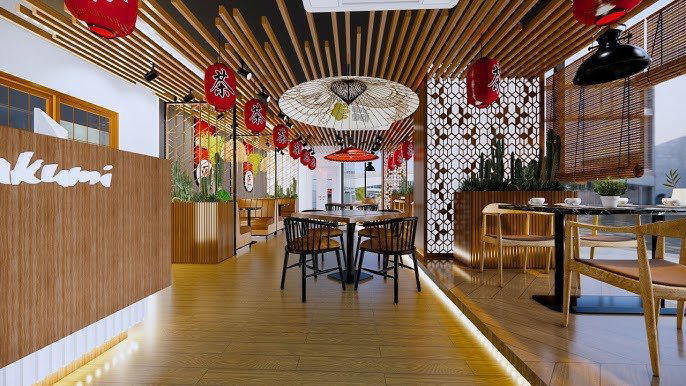
A Tabelog Bronze Award winner and Michelin Plate holder in Nishiazabu, Takumi delivers technically grounded French cooking in a 12-seat room at dinner prices roughly half those of Tokyo's top-tier French addresses. Lunch from JPY 10,000–14,999 makes it one of the most practical entry points into recognised French dining in Minato-ku. Book via the official website; closed Sundays and Mondays.
Hato
Tokyo, Japan
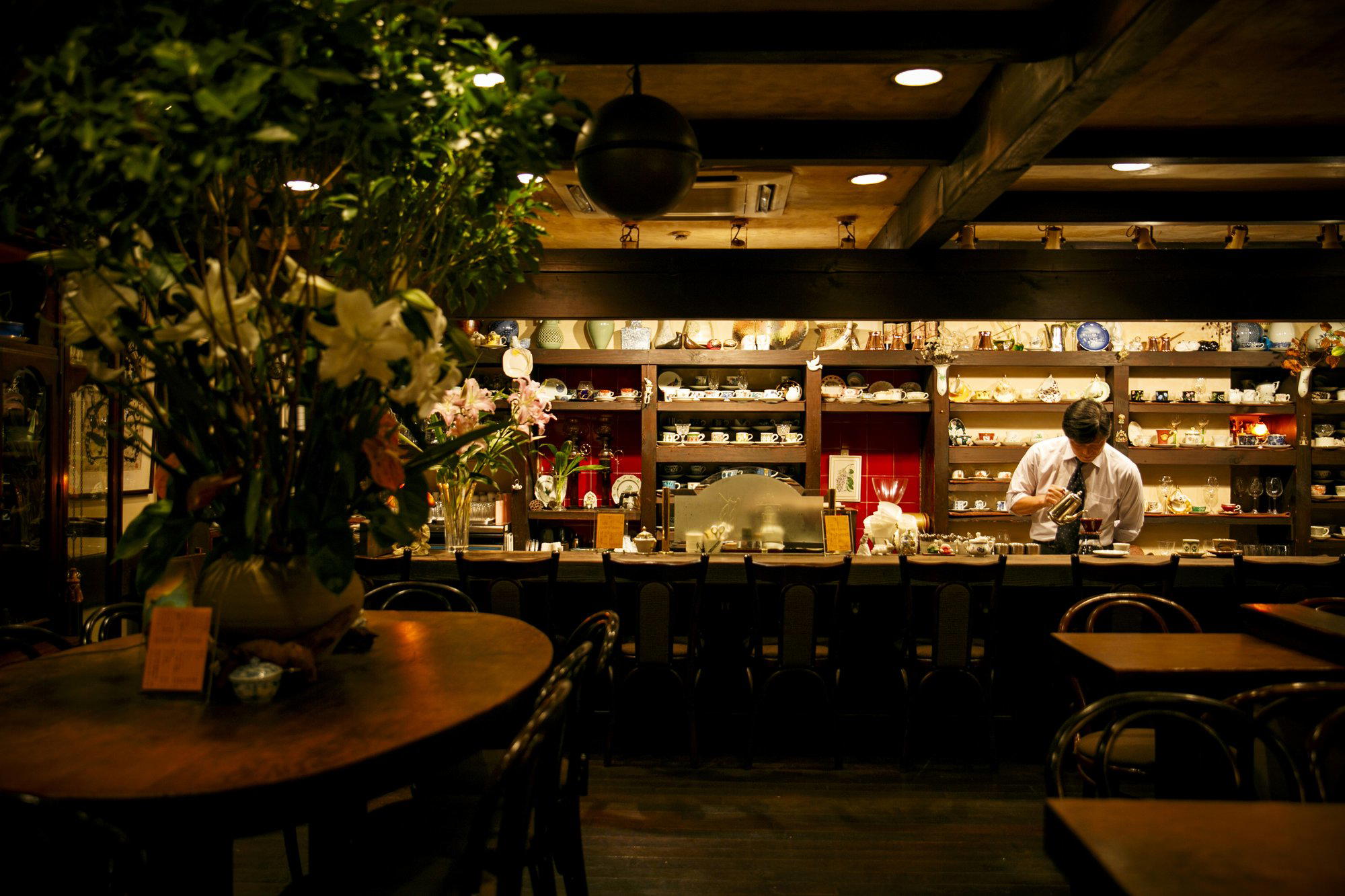
This eight-seat Kagurazaka counter earned Tabelog Award 2026 Silver after four consecutive Bronze years, delivering consistent Edomae omakase at JPY 50,000–59,999 per person. The format is reservation-only, omakase-only, and suited to solo diners or pairs who value precision over spectacle. Book three weeks ahead for weekday slots, four to five weeks for weekends.
Sushi Sho Yotsuya
Tokyo, Japan
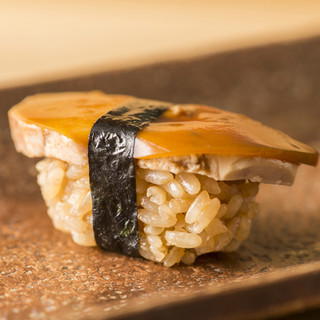
Silver-tier Tabelog sushi counter in Yotsuya, emphasizing aged fish and a quieter booking scene than Ginza. Lunch runs JPY 40,000–49,999 (cash only), dinner JPY 50,000–59,999 (cards accepted). Reservations open the first of each month for the following month; 11 counter seats plus a three-seat tatami room.
Mizukami
Tokyo, Japan
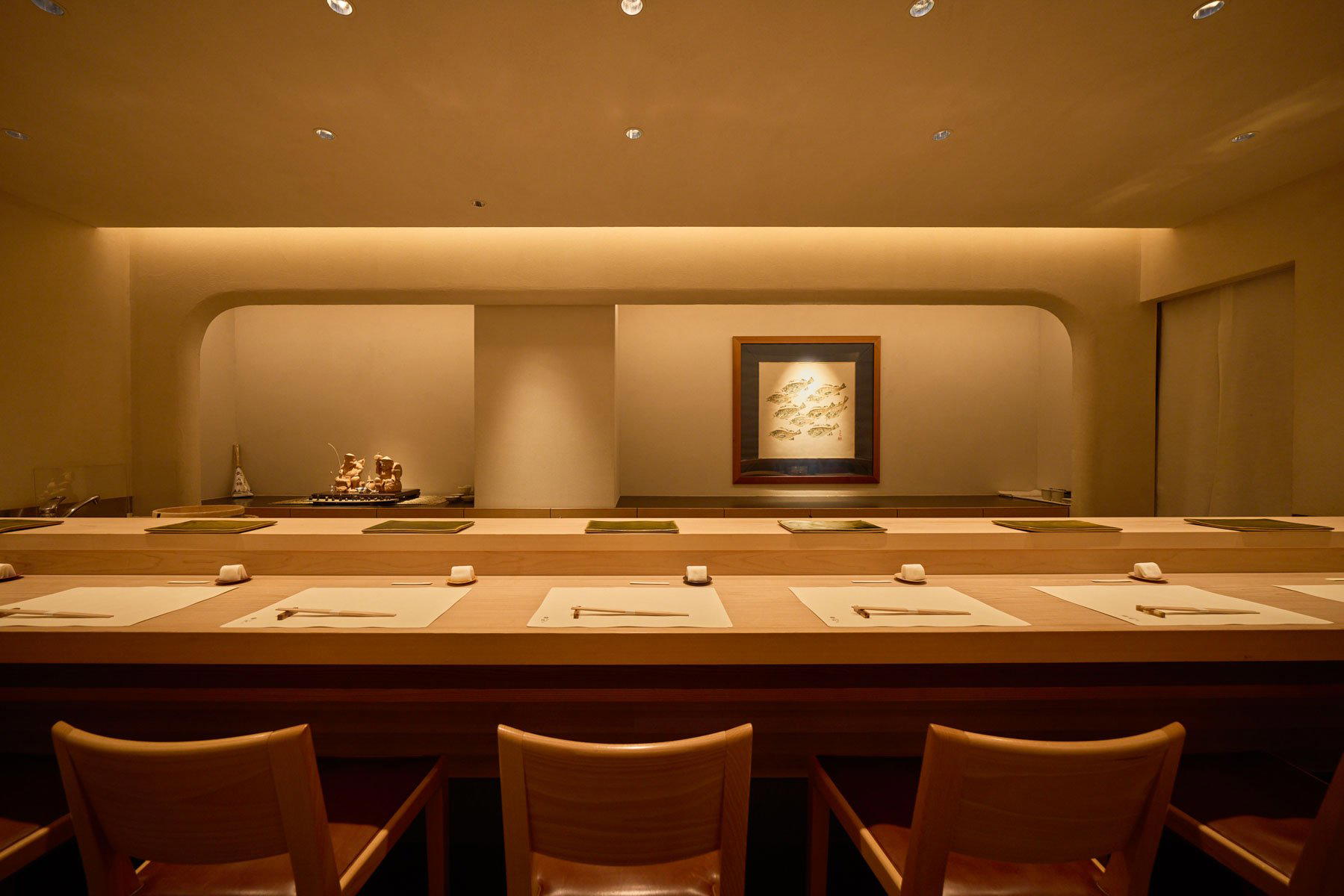
Mizukami is one of Tokyo's most consistently awarded sushi counters and one of the more bookable at the JPY 40,000–49,999 tier. With four consecutive Tabelog Bronze Awards (2023–2026) and three Top 100 Sushi Tokyo selections, the eight-seat Chiyoda counter delivers serious omakase credentials without the booking ordeal of Tokyo's hardest-to-access rooms. The right choice for a special occasion dinner.
Kobikicho Tomoki
Tokyo, Japan
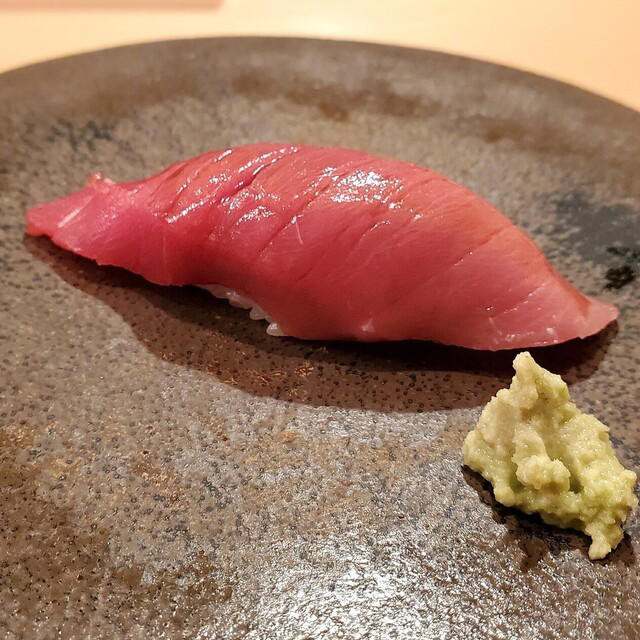
Seven-seat Ginza sushi counter with Tabelog 100 recognition and Edomae technique at JPY 60,000–79,999. Chef Tomoki Kobayashi works solo, delivering 15–18 pieces of seasonal nigiri in a two-hour omakase that balances tradition with approachable service. Easier to book than trophy counters, harder to fault on fish quality or rice temperature.
Takagaki's Sushi
Tokyo, Japan
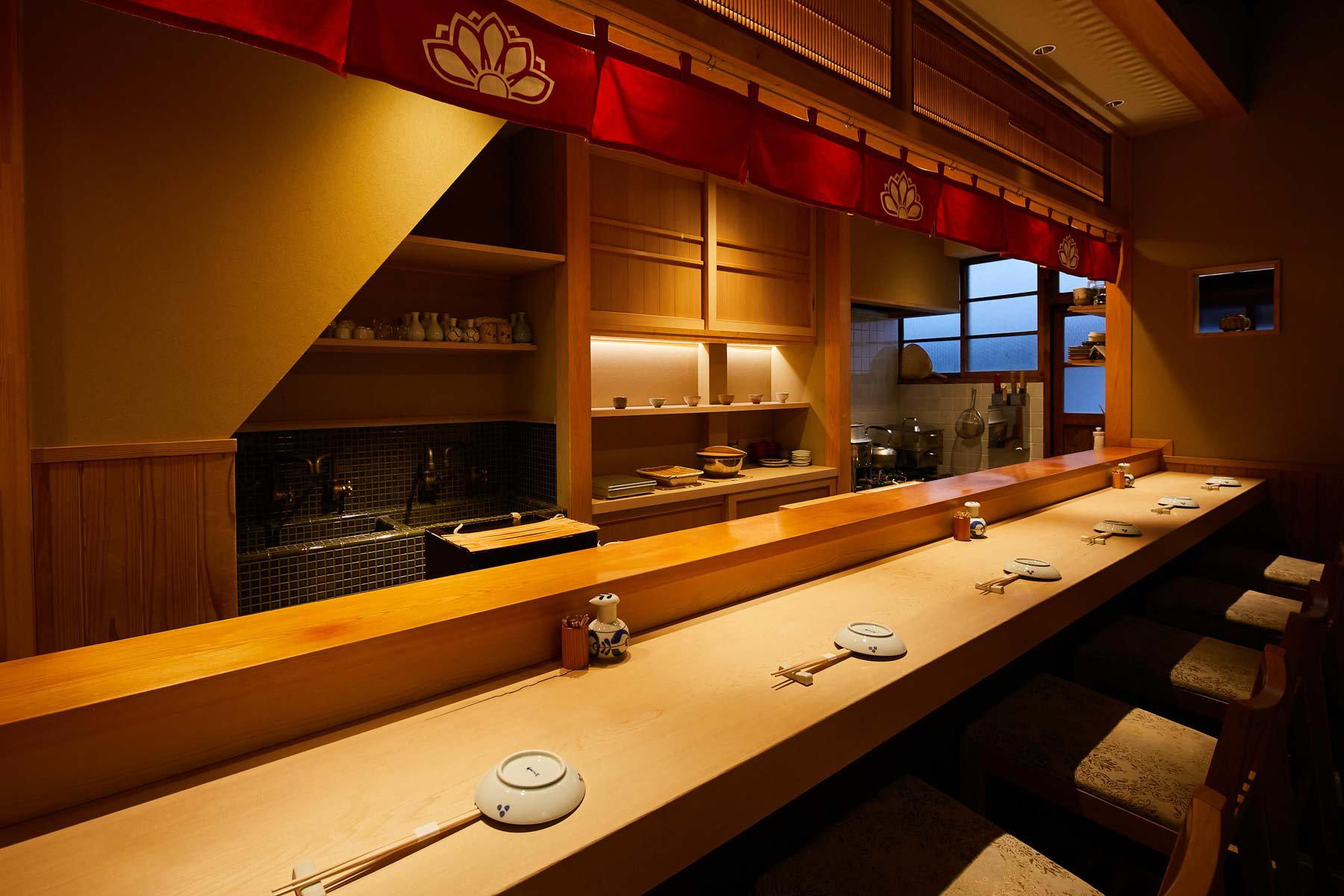
Takagaki's Sushi is worth booking if the goal is a focused Tokyo sushi counter meal rather than a flexible group dinner. The Nihonbashi location suits a planned first-timer meal, with Tabelog 100 recognition adding a clear trust signal. Cross-shop Kappou Sanyu for a lower listed spend, or BAR Tsurukame if the night is more about drinks.
AO
Tokyo, Japan
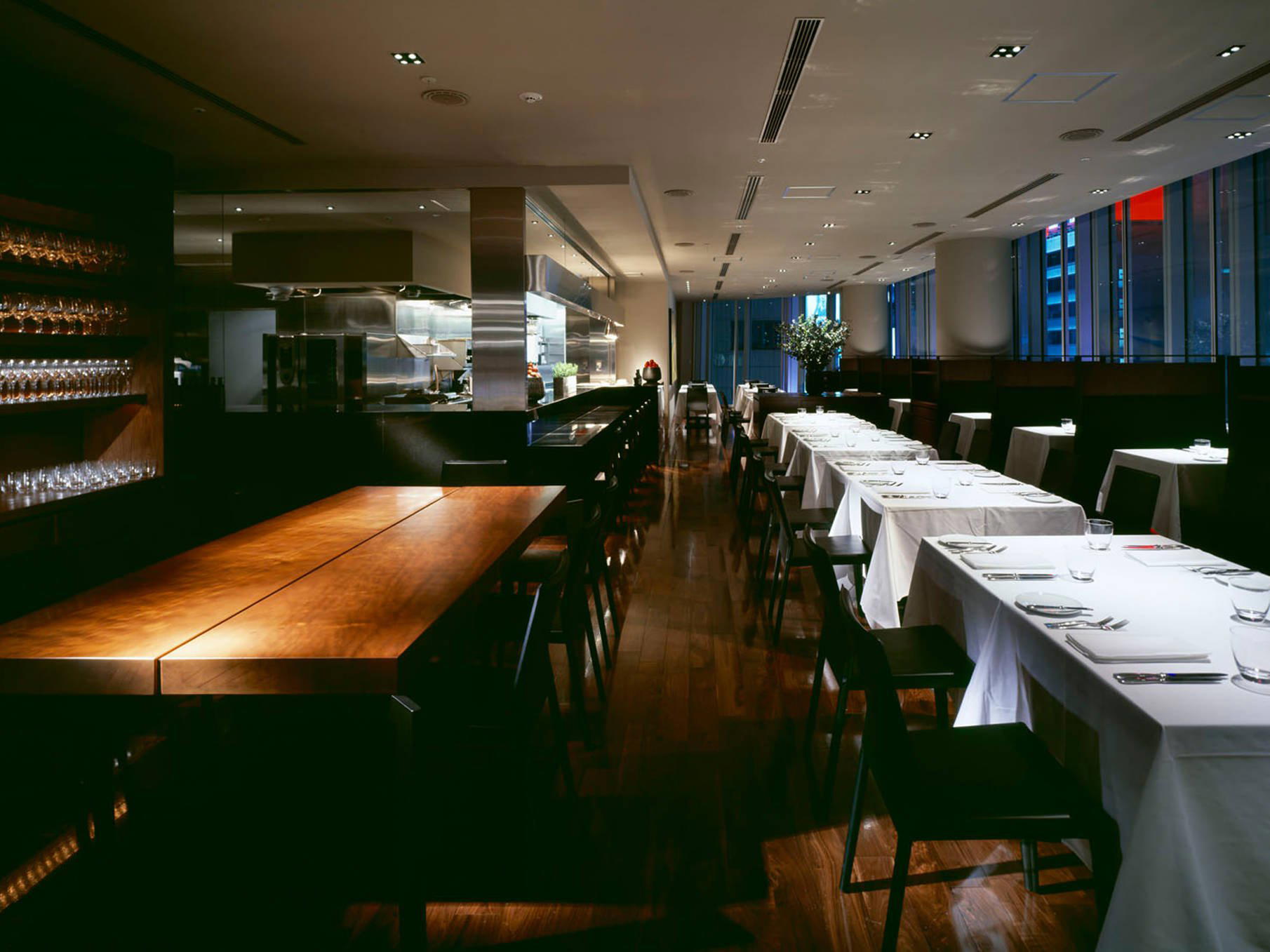
AO is a restaurant in Kita-Aoyama, Tokyo.
Ginza Ichibun
Tokyo, Japan
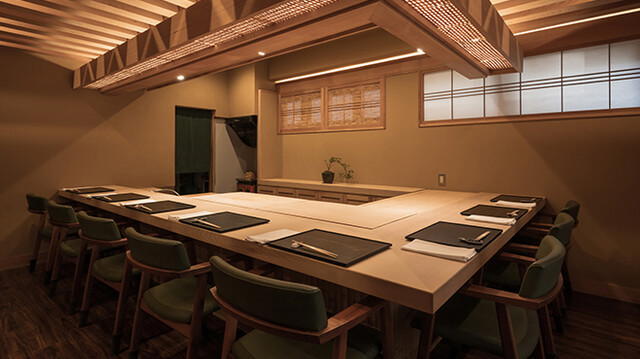
A nine-seat Ginza counter serving seasonal omakase at JPY 20,000–JPY 29,999, selected for Tabelog 100 (Sushi - TOKYO) 2025. Fish-forward Edomae execution in a quiet room with two nightly seatings. Book online 3–4 weeks ahead; no lunch, no dietary modifications, and no outside bottles.
Sushi Ishiyama
Tokyo, Japan
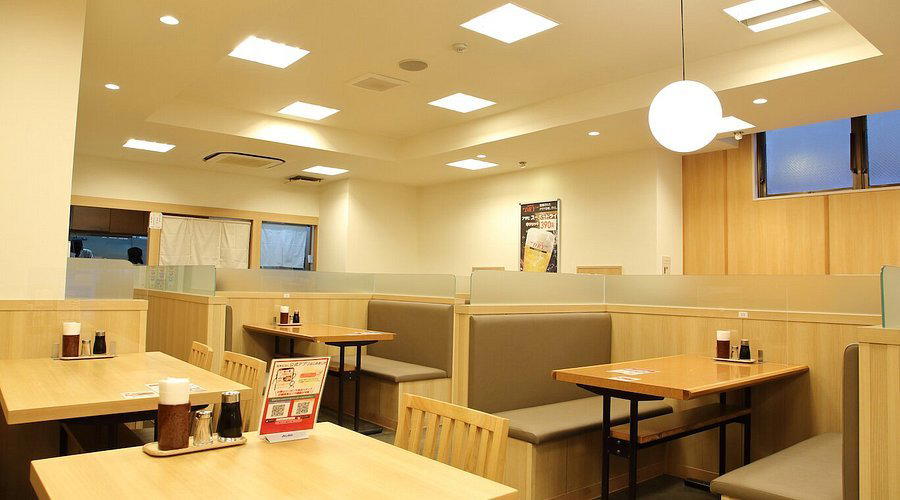
It books more easily than most counters at this recognition level and suits explorers who want to return across lunch and dinner to track how the seasonal progression develops under Chef Takao Ishiyama.
Kizaki
Tokyo, Japan
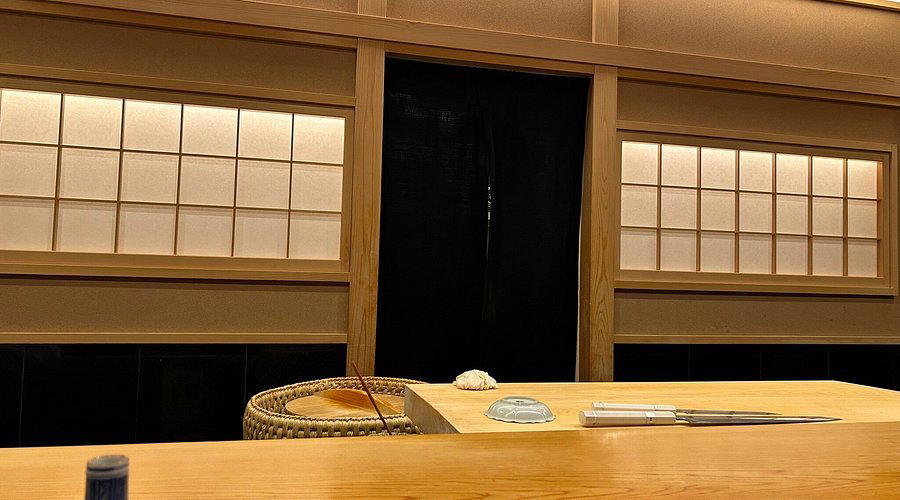
Kizaki is an 8-seat counter sushi restaurant in Akasaka, Tokyo, recognised by the Tabelog Award Bronze in both 2025 and 2026 and ranked among Opinionated About Dining's top 250 restaurants in Japan. Dinner runs JPY 30,000–39,999; lunch is available from JPY 15,000. Book via Tabelog; reservation-only, no walk-ins, and strict lateness and no-fragrance policies apply.
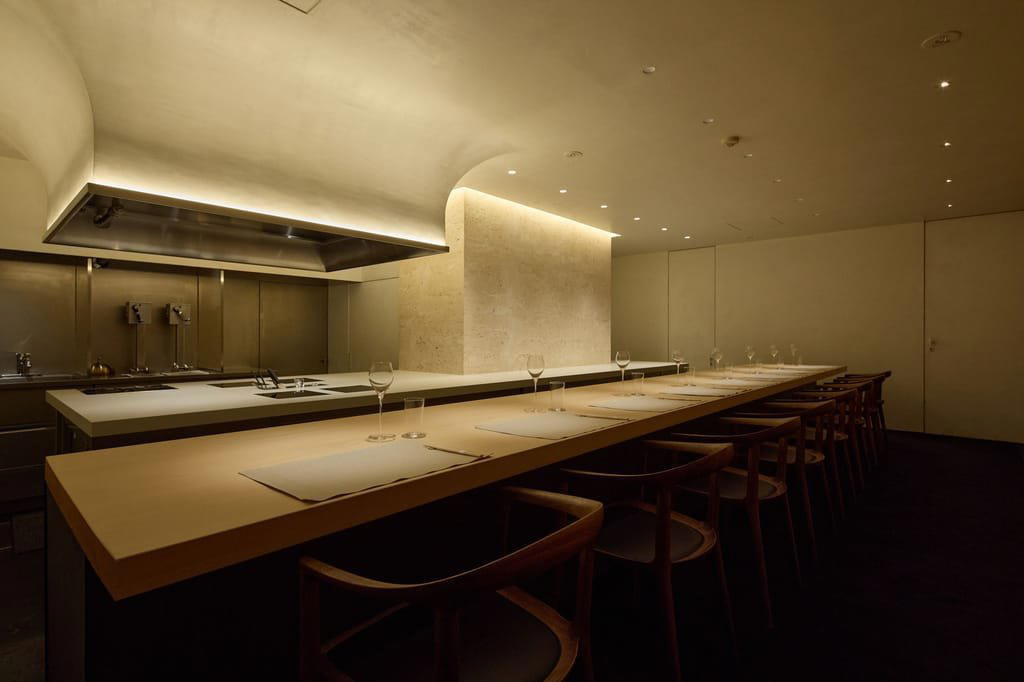
Hayashi
Tokyo, Japan
Oryori Hayashi in Kyoto's Kamigyo Ward has held Tabelog Silver recognition for most of the past decade and ranks in the top 15 casual Japanese dining venues in Japan on Opinionated About Dining. Lunch runs JPY 8,000–9,999 per person; dinner averages JPY 30,000–39,999 with drinks and charges. Book the counter for solo or pair visits; private tatami rooms fit groups up to 8.
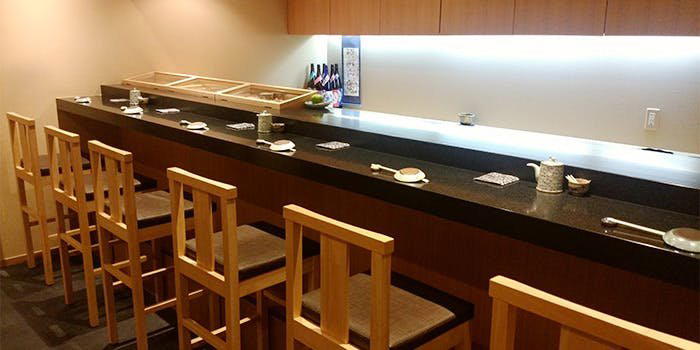
Sushi Taichi
Tokyo, Japan
Sushi Taichi is a Michelin Plate–recognised Edomae counter in Ginza that resists the fixed omakase format most neighbours have adopted, giving you counter access to chef Taichi Ishikawa at a ¥¥¥ price point. With OAD Top Restaurants in Japan recognition and, it is the most accessible serious sushi option in the neighbourhood and the right call for a date or business dinner where flexibility matters.
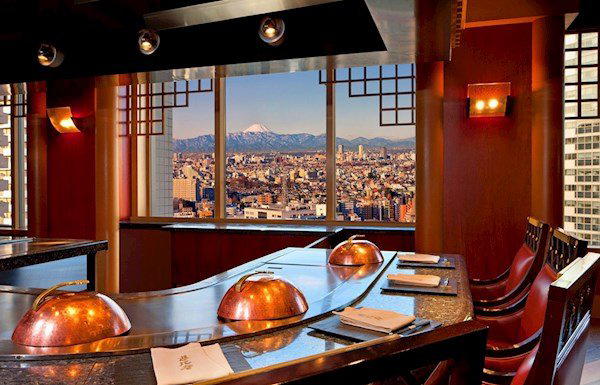
Sushi Tsubomi
Tokyo, Japan
Sushi Tsubomi in Meguro has appeared on Opinionated About Dining's Top Restaurants in Japan list three consecutive years and holds a Tabelog Bronze Award with a 3.93 score. Booking is straightforward by Tokyo omakase standards, and the evening-only format makes it a credible choice for a special occasion dinner. A strong pick when you want a recognized counter without the access difficulty of Ginza's top tier.
Sushi Ochi
Tokyo, Japan
Chef Tadashi Ouchi's edomae counter in Minamiazabu has climbed Opinionated About Dining's Japan rankings three years running, signaling steady refinement. Pricing and booking details are unpublished, so secure reservations through a concierge and confirm value expectations in advance. The Sunday lunch slot offers quieter seating and better availability than evening services, though without a public phone or website, access remains concierge-dependent.
Sushi Takahashi
Tokyo, Japan
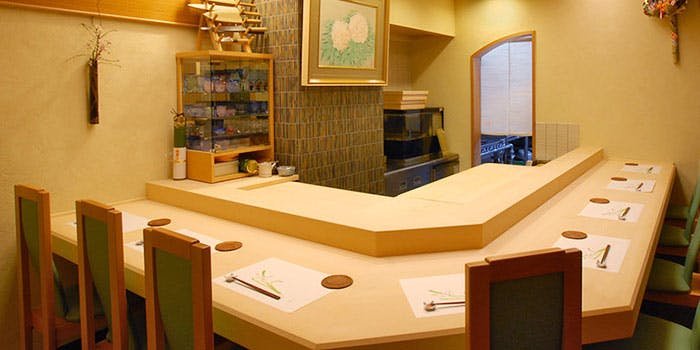
Sushi Takahashi is a Ginza omakase counter with three consecutive years on Opinionated About Dining's Japan rankings, moving from Highly Recommended (2023) to a ranked position in 2024 and 2025. For a serious sushi dinner in Ginza, it offers credible recognition with comparatively accessible booking; a practical choice for food-focused visitors who want quality without the extreme lead times of the top Ginza counters.
Sanosushi
Tokyo, Japan
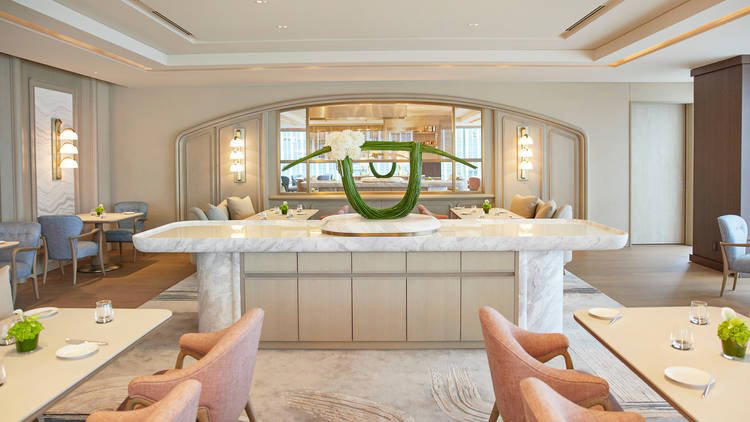
A Michelin one-starred sushi counter in Shiba, Minato City, Sanosushi makes a deliberate case for old-school Edomae craft: generous rice, thick toppings, and tuna nigiri served in sets of three. At ¥¥¥, it delivers serious quality without the top-tier price tag of Tokyo's most prominent counters. Book well ahead; demand is strong and reservations are not easy to secure.
Sushi Sugaya
Tokyo, Japan
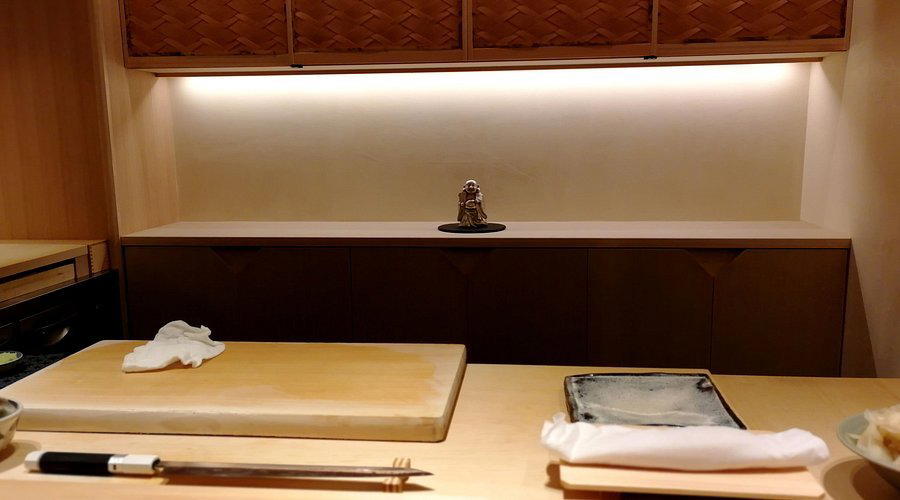
Sushi Sugaya is a Tabelog Bronze-winning, eight-seat omakase counter in Higashi-Azabu, Tokyo, with consistent Opinionated About Dining Japan Top 250 recognition since 2023. At JPY 53,800 and up (plus 10% service charge), it is a credible choice for a serious special-occasion dinner. International guests must book through a hotel or card concierge; direct reservations are not available.
Sushi Yoshitake
Tokyo, Japan
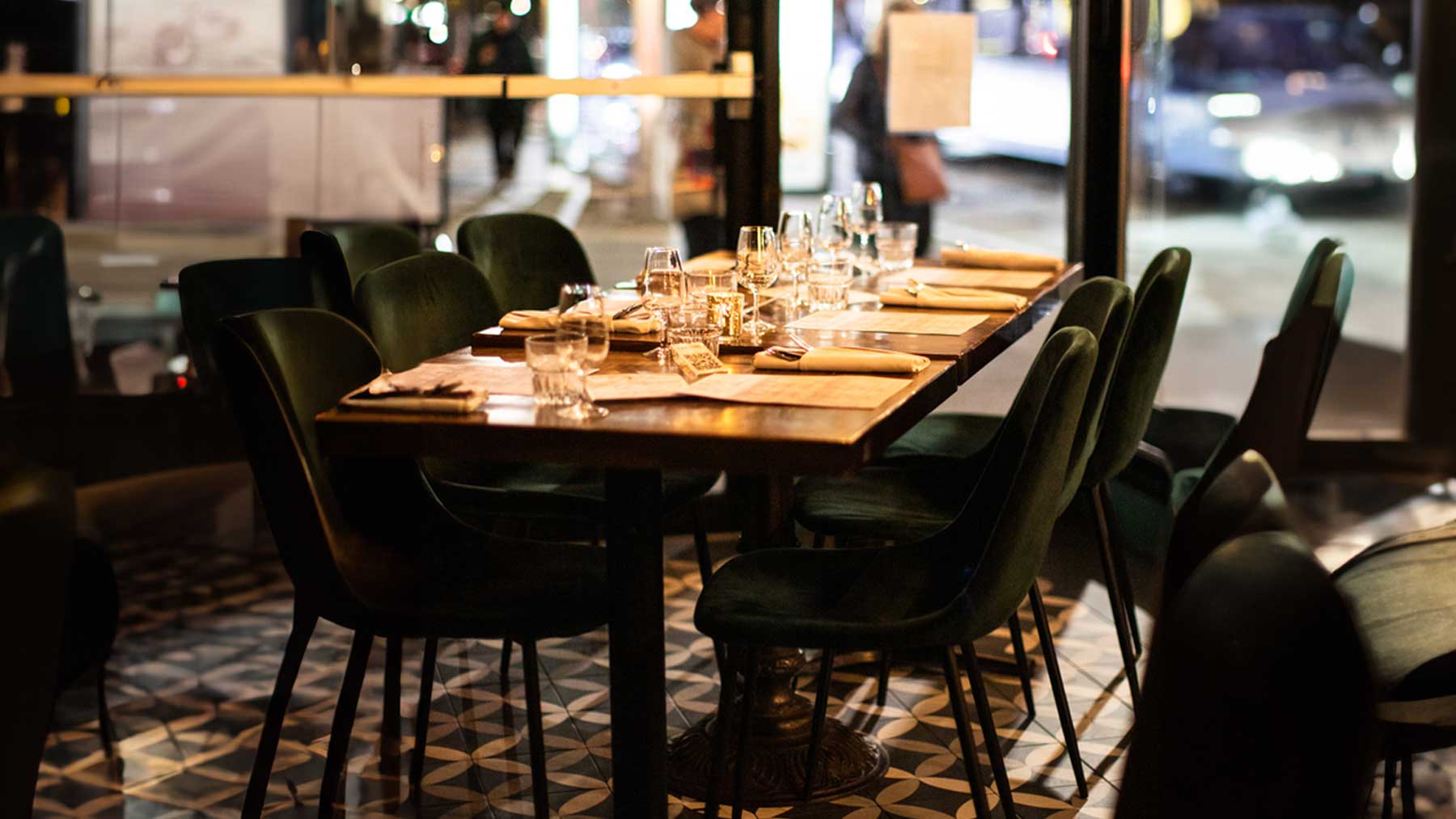
Eight-seat counter sushiya in Ginza's Brown Place, open since 2010 with consistent Tabelog Bronze recognition (2018–2026) and La Liste scores near 90 points. Masahiro Yoshitake's omakase format prioritizes tight execution over theatrics, and the small seat count delivers focused chef-to-diner interaction. Dinner runs JPY 50,000–79,999; Saturday lunch (12–2 PM) offers a shorter, daylight-lit alternative. Worth booking for special occasions that value precision over spectacle.
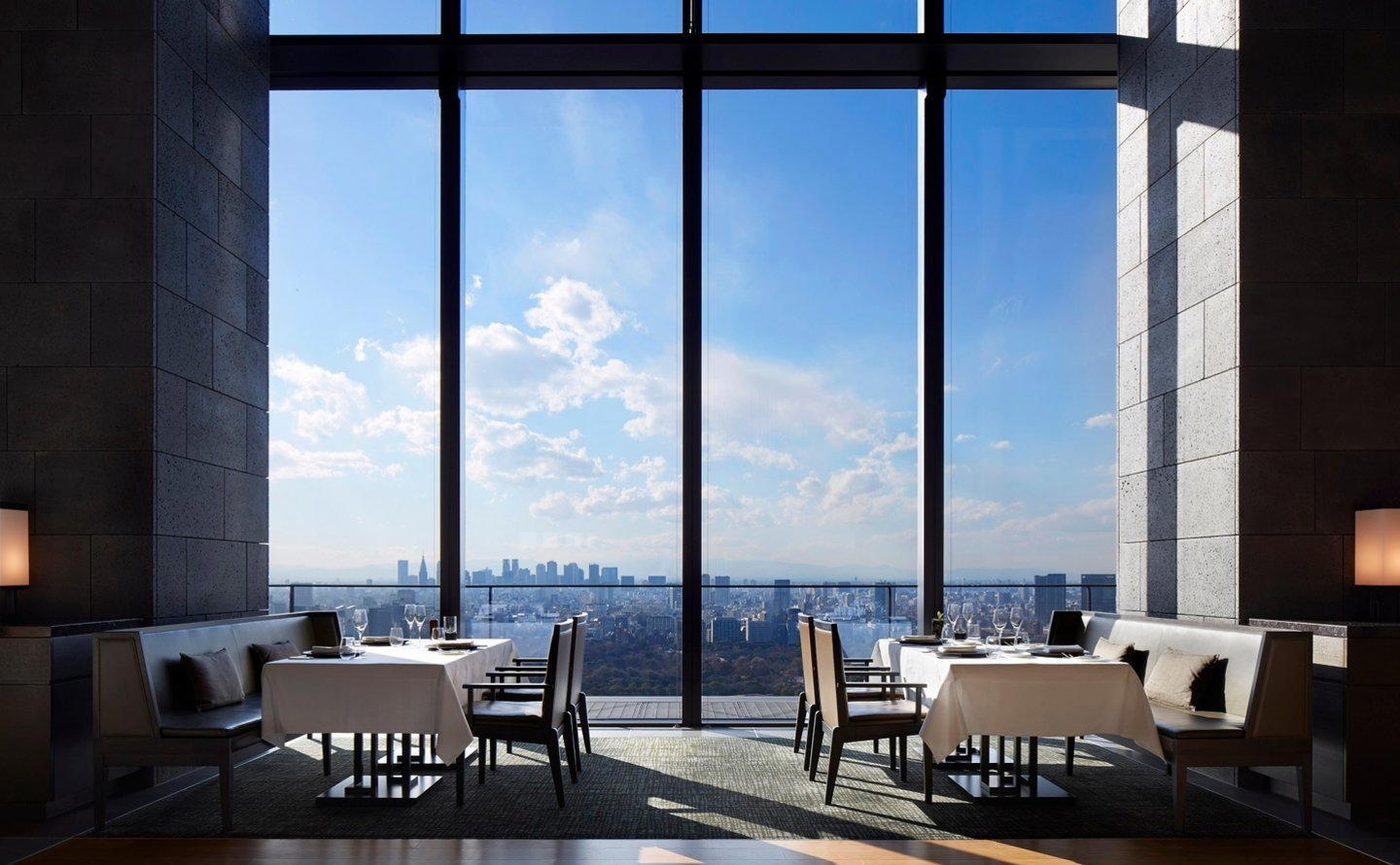
紀尾井町 三谷
Tokyo, Japan
紀尾井町 三谷 is a 12-seat sushi counter in Tokyo's Kioicho district, recognized in the Tabelog 100 for 2025 and 2022. At JPY 40,000–59,999 per person, it offers fish-focused omakase with sommelier-curated sake and wine pairings. The reservation-only format and two six-seat rooms suit small groups and solo diners seeking a polished, modern counter experience near Akasaka Mitsuke Station.
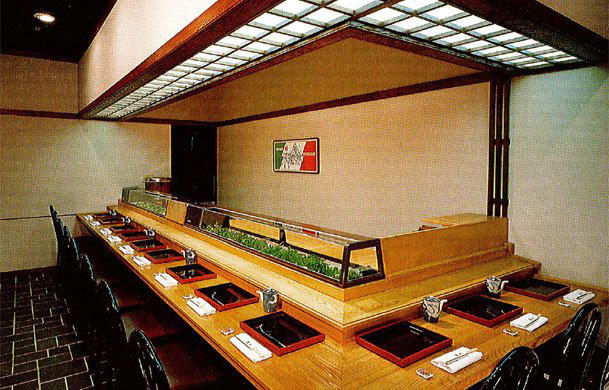
Hashiguchi
Tokyo, Japan
Hashiguchi is one of Akasaka's most consistently decorated sushi counters: eight seats, dinner only, and a Tabelog Award track record running from 2017 to 2026. At JPY 50,000–59,999 per head, it delivers focused edomae sushi in a phone-free, chef-facing format that suits serious diners over casual groups. Book by phone well in advance.
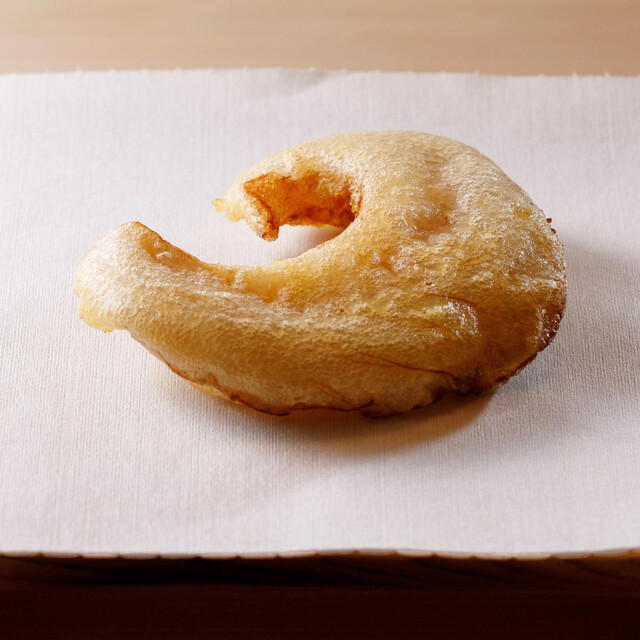
sushi riku
Tokyo, Japan
sushi riku is a serious Hiroo sushi booking for diners who want a focused Tokyo counter experience rather than a flexible group dinner. The price sits in high-end territory, with Tabelog Bronze and Tabelog 100 recognition supporting the spend. Book it for pairs or small sushi-focused parties; cross-shop if private-room needs or dietary flexibility matter more.
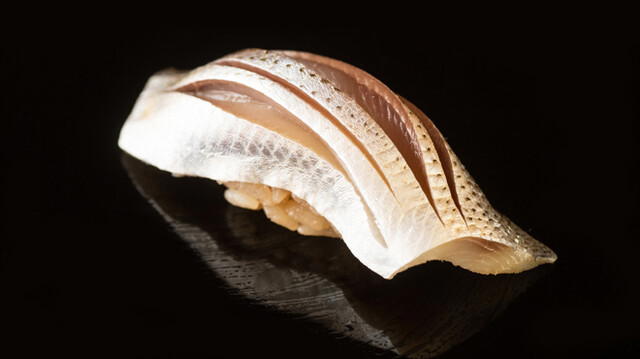
Togoshi Ginza Sushi Bando
Tokyo, Japan
Tabelog 100 Best Sushi 2025 selection in residential Nishigotanda, offering fish-focused omakase at JPY 20,000–29,999 dinner. Eight-seat counter and private tatami room, with sake and shochu depth. Easier booking than Ginza peers, family-friendly but formal enough for special occasions.
Oku
Tokyo, Japan
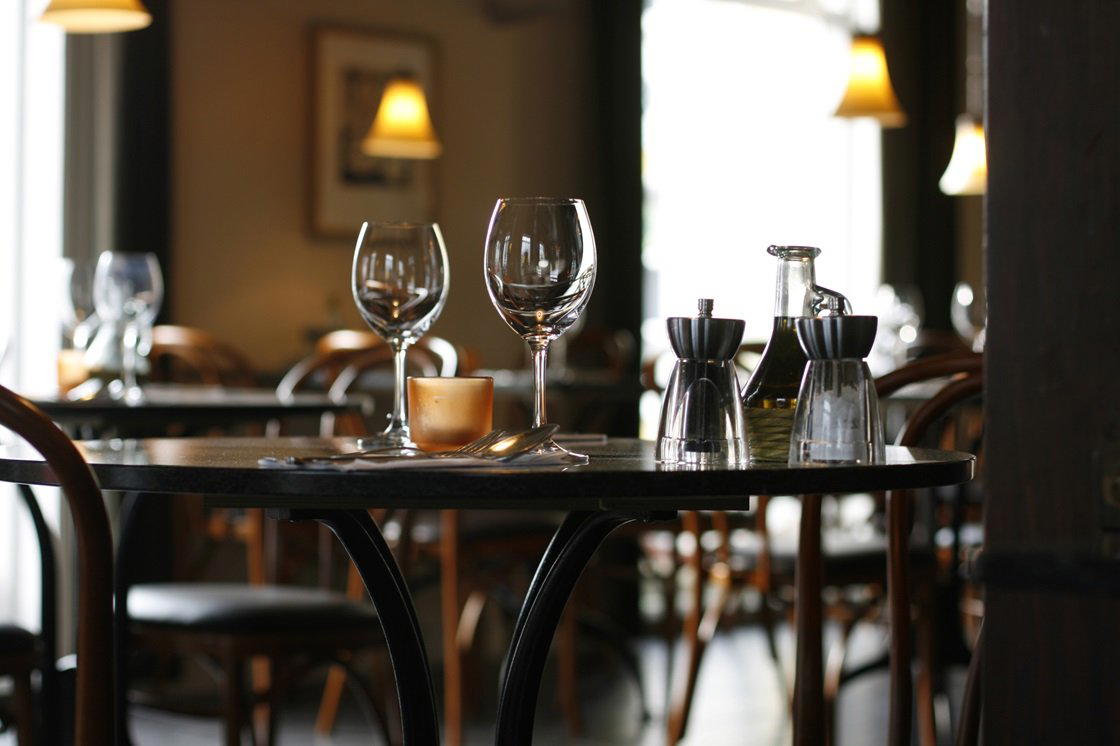
Oku holds a 2024 Michelin star and sits at the ¥¥¥ tier; making it one of the stronger-value starred sushi counters in Tokyo. The chef has spent his career in Asakusa, inherited tools and serving ware from his mentor, and brings quiet, considered departures to a traditional omakase format. Book well in advance; this is hard to secure.
Sushi Kinoshita
Tokyo, Japan
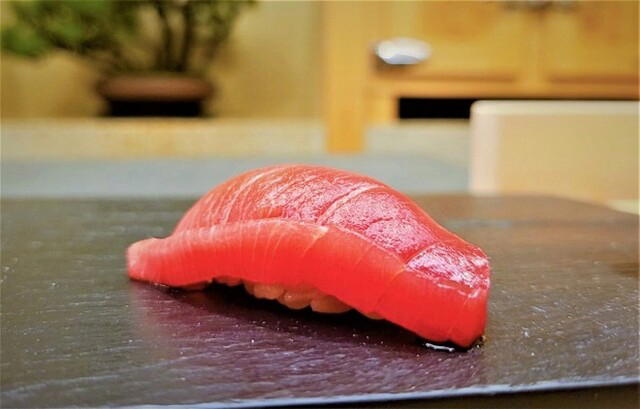
An eight-seat Nishiazabu counter delivering Edomae sushi and cooked fish courses at JPY 40,000–49,999, recognized in Tabelog 100 Sushi TOKYO 2025. The service prioritizes fish sourcing and timing over hospitality choreography, with a reservation system that enforces advance dietary requests and strict punctuality. Book for the fish-driven precision and the quiet white-wood room, not for flexible pacing or concierge polish.
Ara Ki
Tokyo, Japan
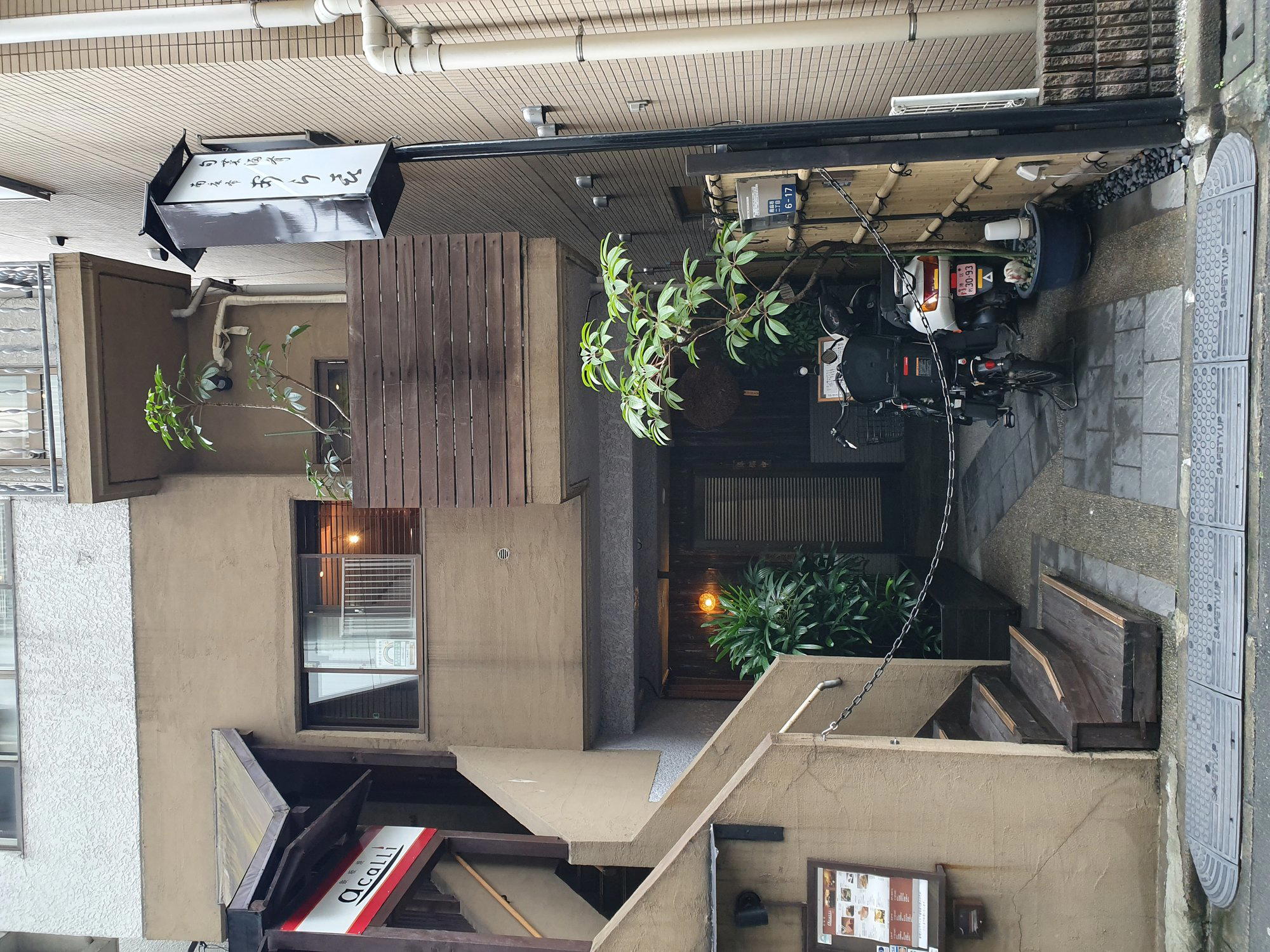
Ara Ki is a dinner-only Edomae sushi counter in Akasaka with nine seats, a fixed 18:00 start, and a Tabelog score of 4.24; placing it among a small group of Tokyo sushi restaurants with verified external standing. At JPY 60,000–79,999 per head, it is best suited to milestone dinners or serious return visitors to Tokyo's top-tier sushi circuit. Reservation through Tabelog or a concierge is required; no official website or public phone number is listed.
Kibun Zushi
Tokyo, Japan
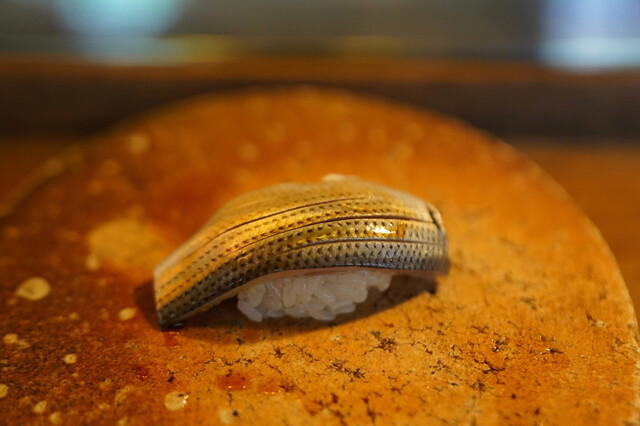
Tabelog 100-recognized sushi counter in Asakusa serving traditional Edomae at JPY 3,000–JPY 3,999 lunch, JPY 8,000–JPY 9,999 dinner. Counter, table, and tatami seating accommodate 36; book ahead for chef-facing seats. Two minutes from Asakusa Station, family-friendly, credit cards accepted.
Sushi Tsu
Tokyo, Japan
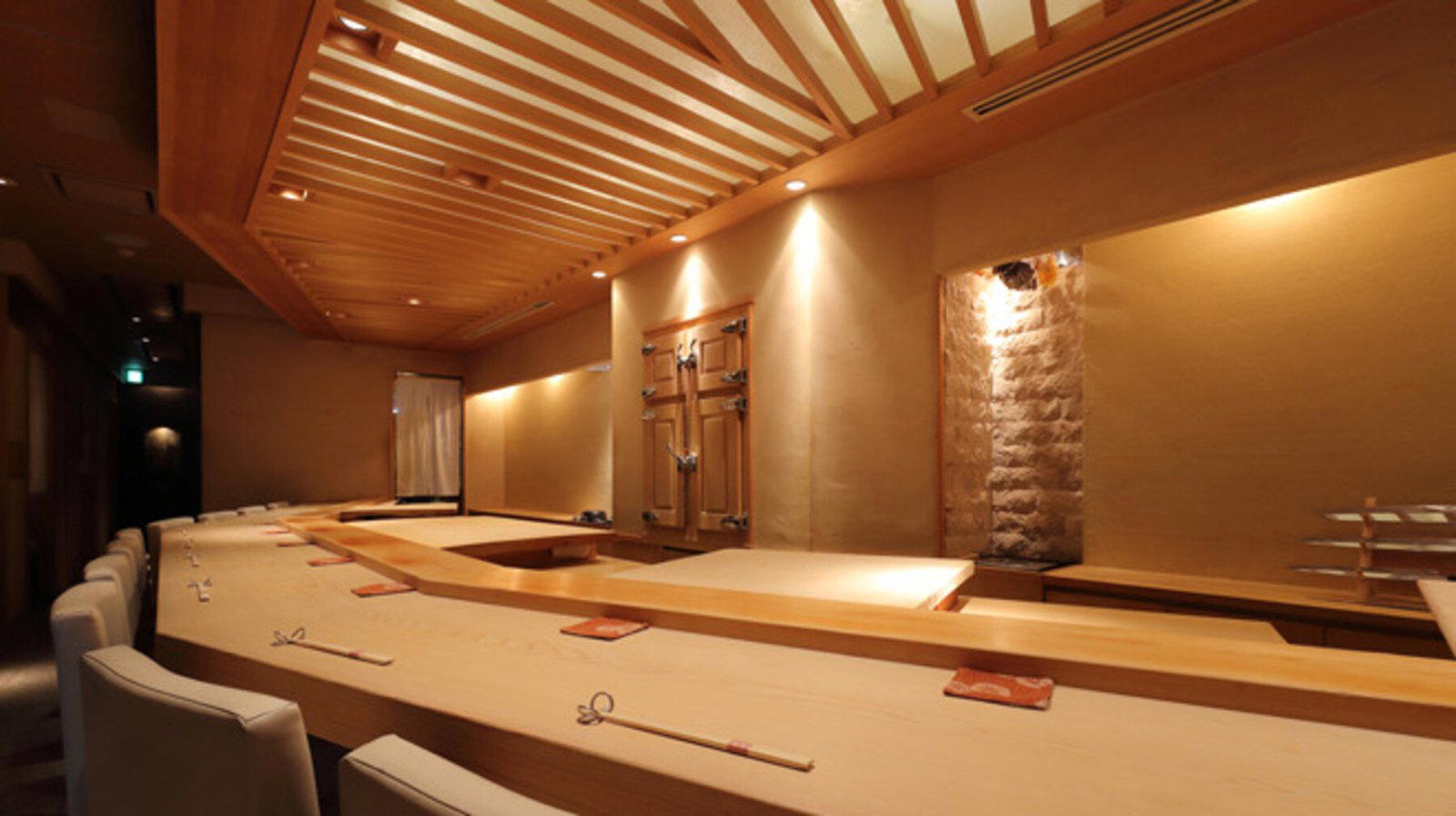
An OAD-listed counter sushi restaurant in Nishiazabu run by chef Nobutoshi Takahashi, Sushi Tsu is one of Tokyo's more accessible serious sushi bookings; ranked #487 in Japan by Opinionated About Dining in 2025. Lunch is available on weekdays. Book one to two weeks out. Booking difficulty is rated Easy compared to Ginza peers.
Saito
Tokyo, Japan
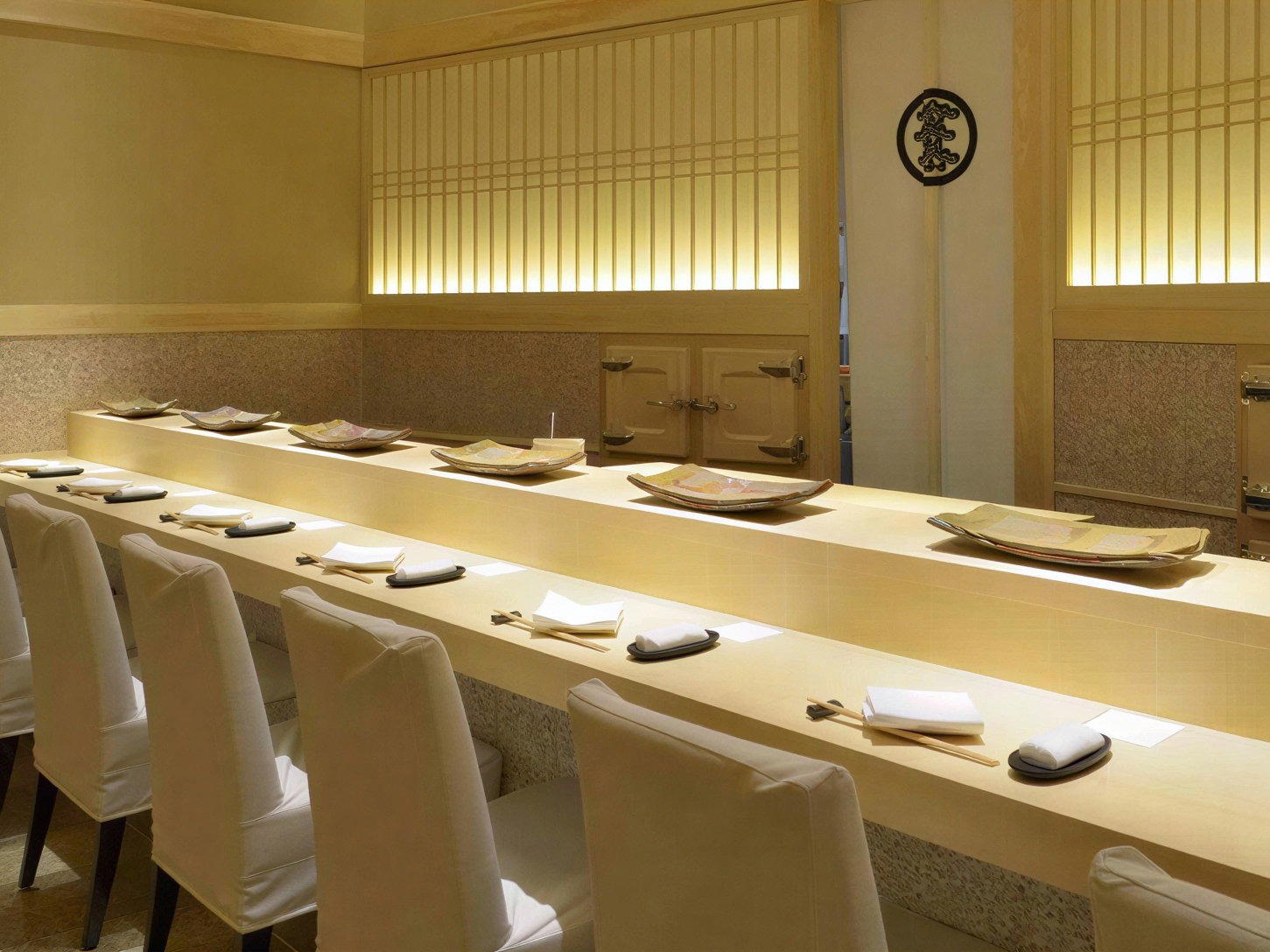
Saito is a restaurant in Roppongi, Tokyo.
くろ﨑
Tokyo, Japan
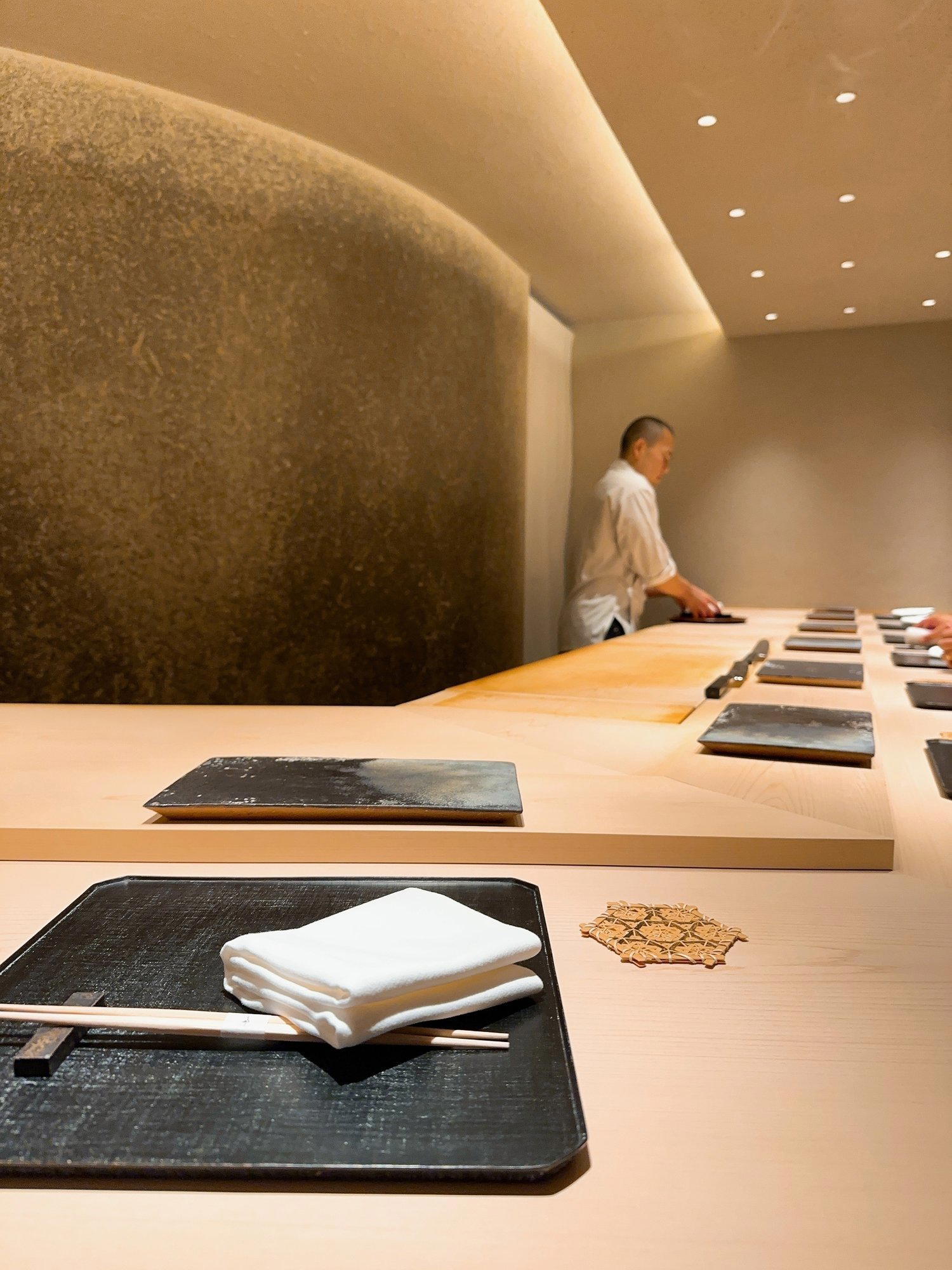
くろ﨑 is a cautious yes for return visitors planning around Minamiaoyama rather than first-timers chasing a clearly defined Tokyo category. The appeal is location and a more deliberate evening setup; if price visibility, cuisine clarity, or easy comparison matters, cross-shop Sushi Nakano, Ichita いち太, or Tonkatsu Koko Made Yaru Ka. first.
Ichikawa
Tokyo, Japan
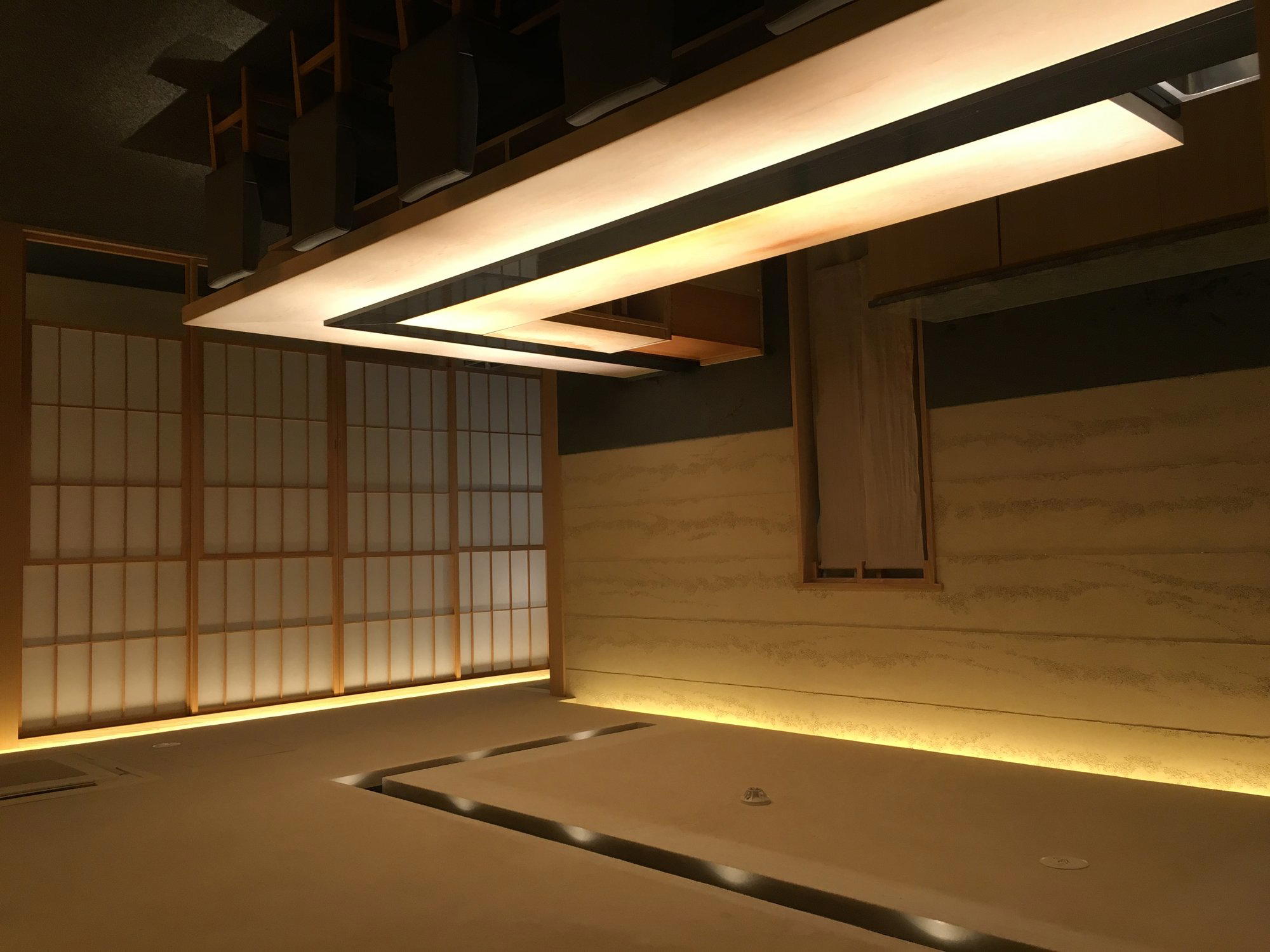
An 11-seat sushi counter in Minamiazabu with eight consecutive Tabelog Bronze Awards and a no-phone booking protocol that keeps the room insulated from casual traffic. Omakase runs JPY 40,000–49,999 with focused saké and wine pairings; best for solo diners and couples willing to navigate introduction-based reservations. Closed Wednesdays, dinner-only format with last order at 8:30 PM.
Sushi Miyuki
Tokyo, Japan
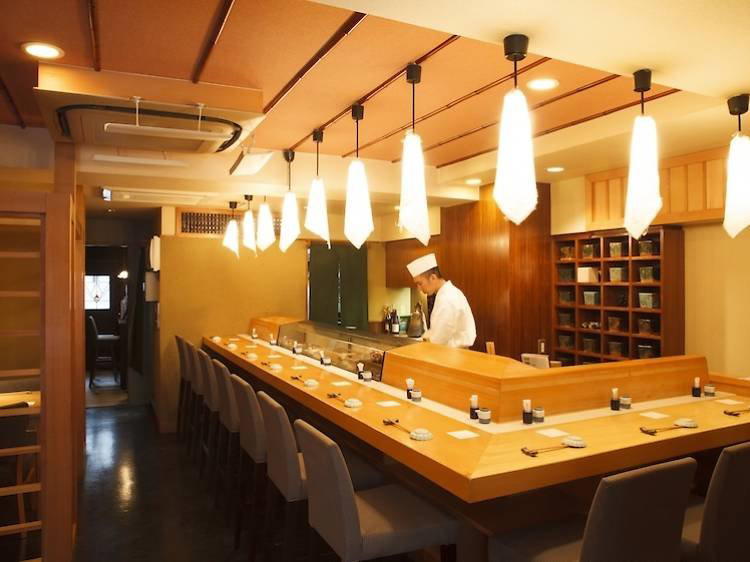
Sushi Miyuki is a Michelin Plate-recognised counter in Chuo City, Tokyo, opened by Sushi Hashimoto's Hiroyuki Hashimoto as a training ground for his best young chefs. At ¥¥¥, it sits below the city's top-tier omakase rooms in price but not in seriousness. Easy to book by Tokyo standards, it is the counter to choose when you want genuine craft sushi without the months-in-advance commitment.
Higashiazabu Amamoto
Tokyo, Japan
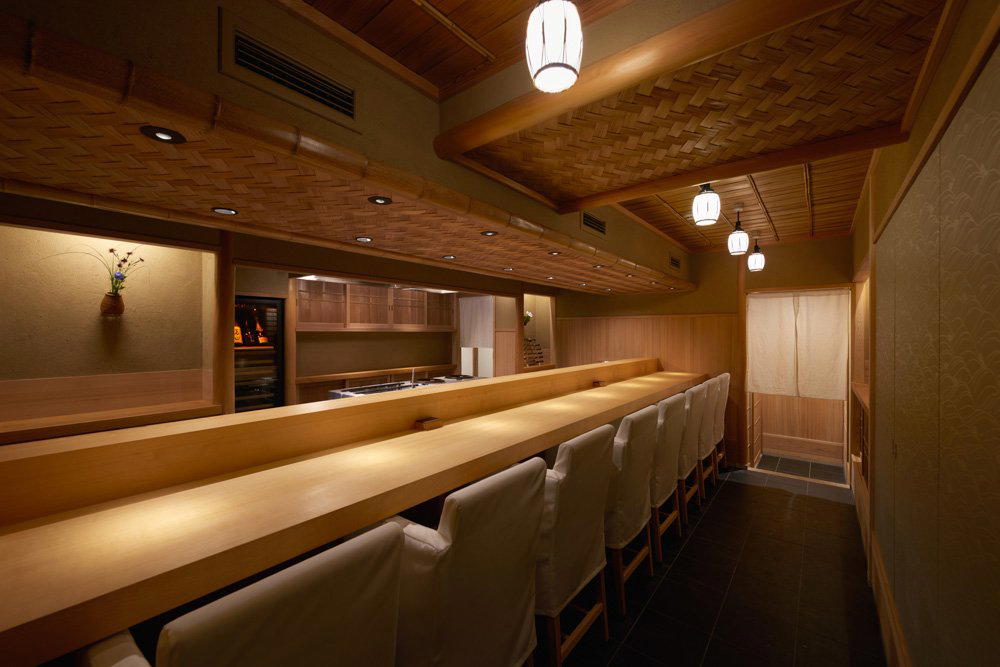
Against Tokyo sushi peers, Higashiazabu Amamoto is the pick for a serious chef-led counter meal with a strong sake angle, not for a flexible group dinner. Book it for a date, client meal, or small celebration where sushi is the point of the night; compare Fujisushi if a visible ¥¥¥ price tier matters more upfront.
Sakita
Tokyo, Japan
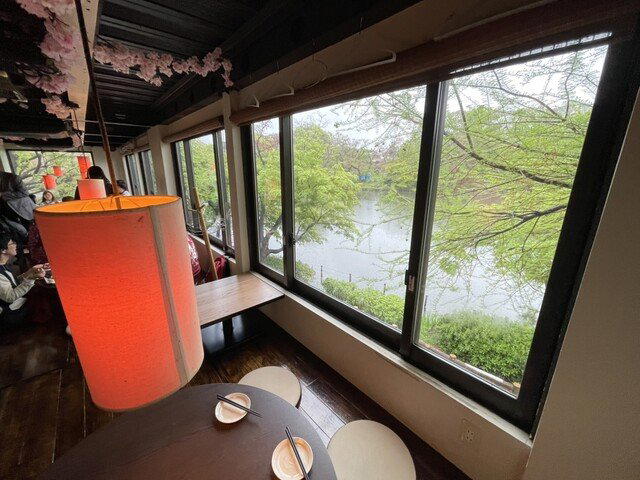
Sakita is a reservation-only, eight-seat omakase counter in Mitaka delivering fish-forward sushi at JPY 18,000 per course. Twice selected for Tabelog 100 Sushi TOKYO (2022, 2025), it offers mid-tier pricing with serious sourcing and knife work, minus the Ginza crowds. Best for solo diners, couples, and purists who prioritize technique over scene.
Sukiyabashi Jiro
Tokyo, Japan
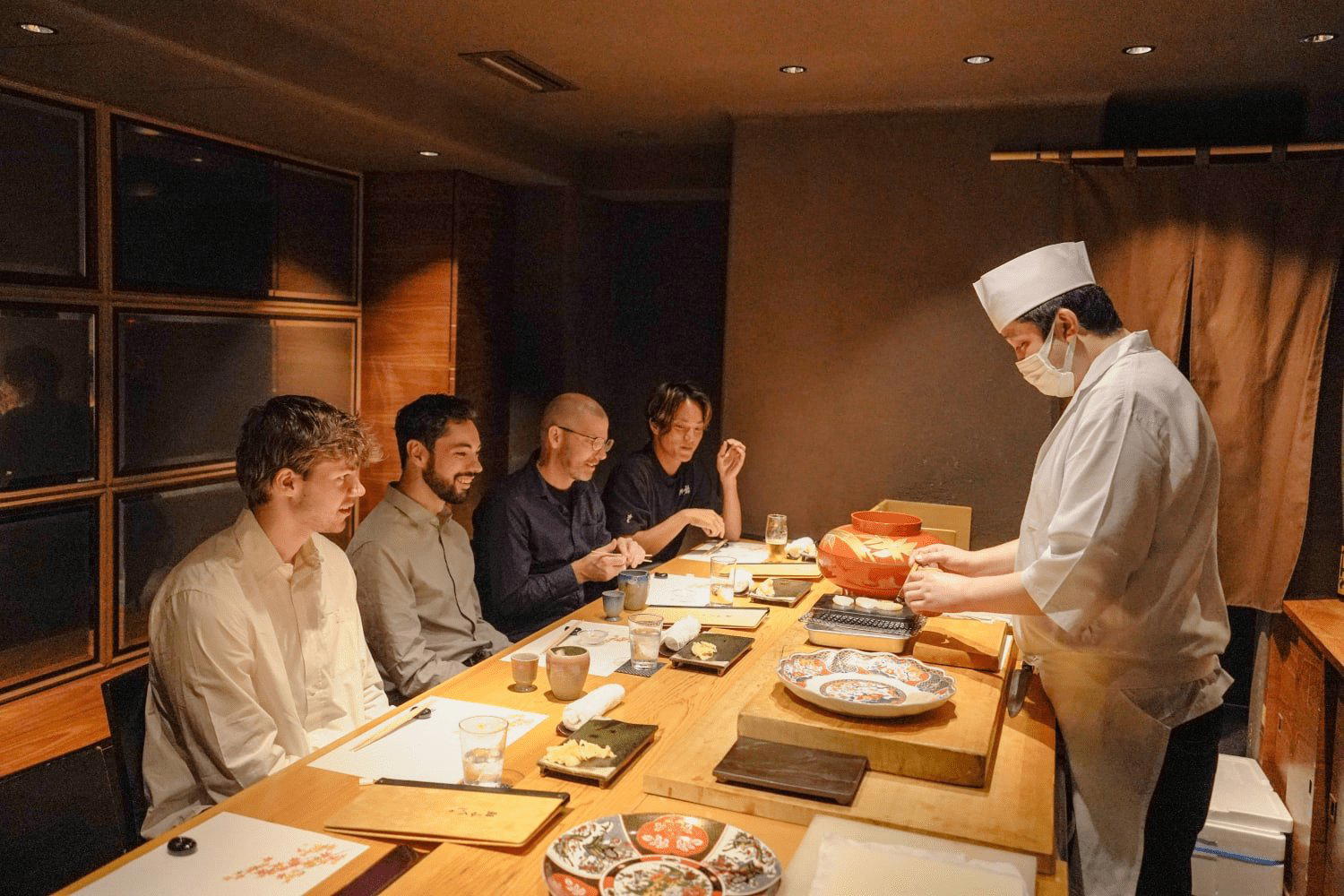
Sukiyabashi Jiro's Ginza honten is the original Edomae counter that put this address on the international map, and Pearl rates it as Easy to book; a genuine shift from its Michelin-era inaccessibility. La Liste scored it 89.5 points in 2025. If you've already visited the Roppongi branch, the Ginza basement is the natural next step; if you're choosing between Tokyo sushi counters for the first time, Harutaka is gaining ground as a closer value proposition.
Sushi Sagawa
Tokyo, Japan
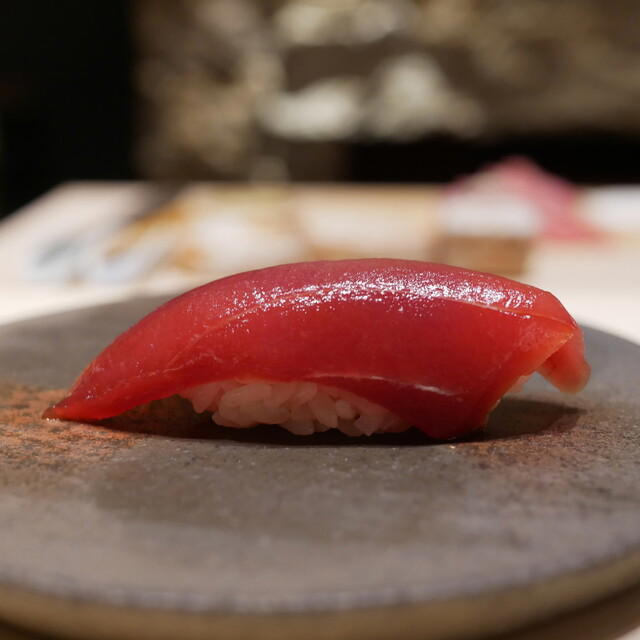
Members-only Roppongi sushi counter (Tabelog 100, 2022 & 2025) serving omakase at JPY 30,000-39,999 in a 14-seat basement space. The hideout location and membership gate place this below Ginza's top tier but above neighborhood walk-ins; book two to three weeks ahead if you can secure introduction, and expect a quieter, fish-focused counter rhythm three minutes from Roppongi Station.
Zai
Tokyo, Japan
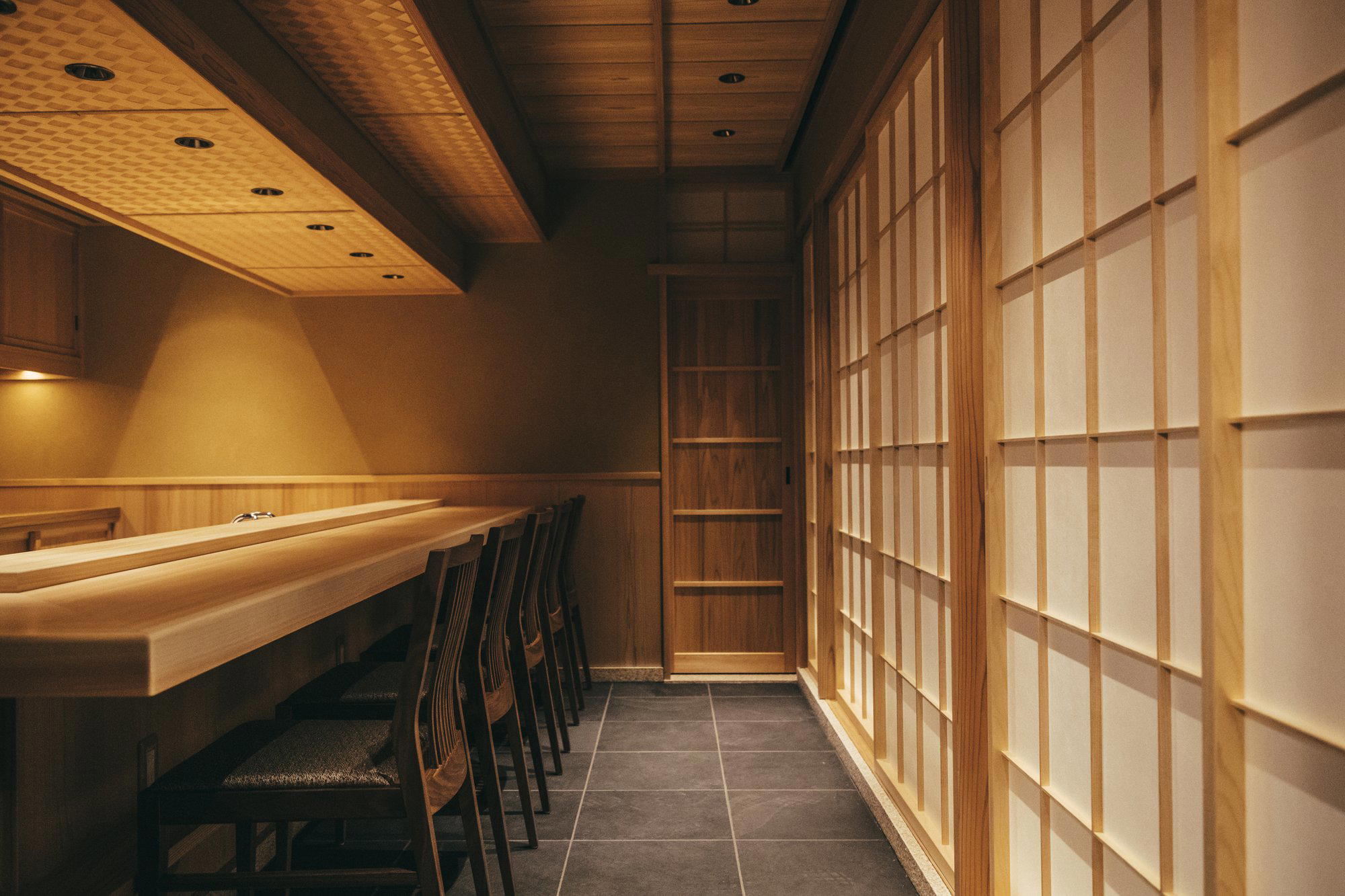
Zai is a Tabelog Bronze 2025 sushi counter in Hiroo, Shibuya, offering a complete omakase experience with OAD #412 ranking in Japan. Easier to book than comparable Tokyo omakase venues and open Monday to Friday evenings only, it suits food-focused diners who want serious sushi without the extreme advance planning Ginza counters require.
Sushi Matsumoto
Tokyo, Japan
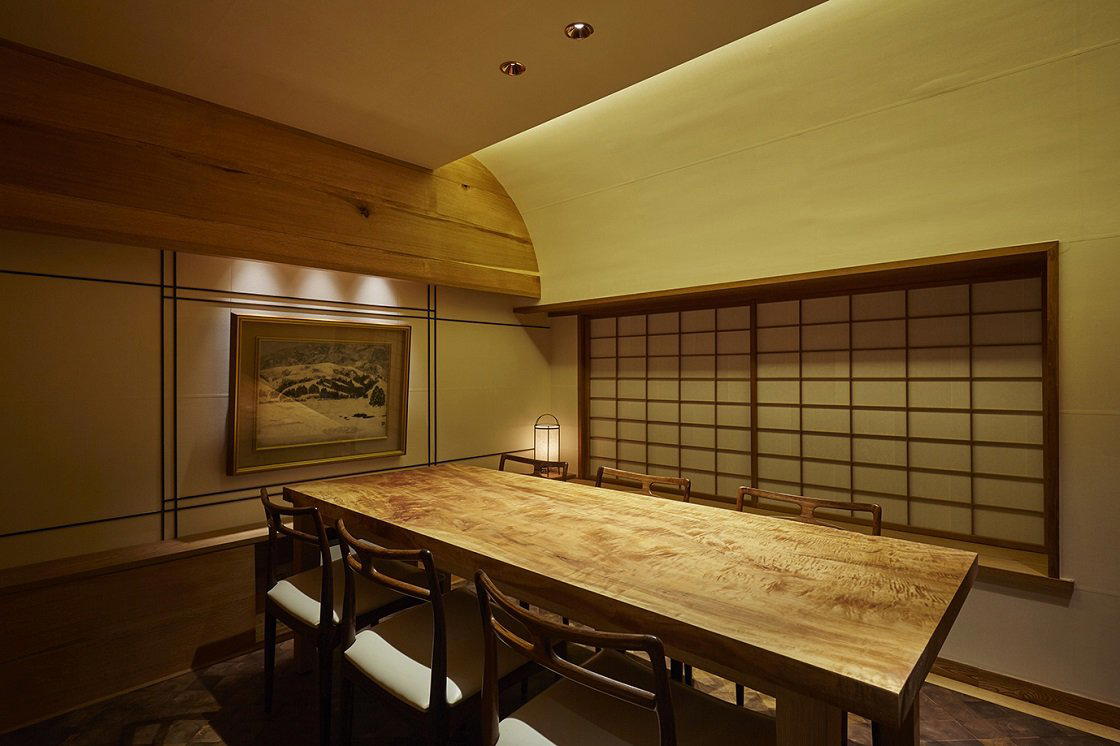
Sushi Matsumoto is a sake-forward sushi counter in Shinjuku holding a Michelin Plate (2025) and ranked in Opinionated About Dining's top Japan restaurants. At ¥¥¥ with easy booking, it's the right call for a relaxed special-occasion dinner where sake and sushi share equal billing; less formal than the Ginza prestige counters, but technically grounded and deliberately sequenced.
Hashimoto
Tokyo, Japan
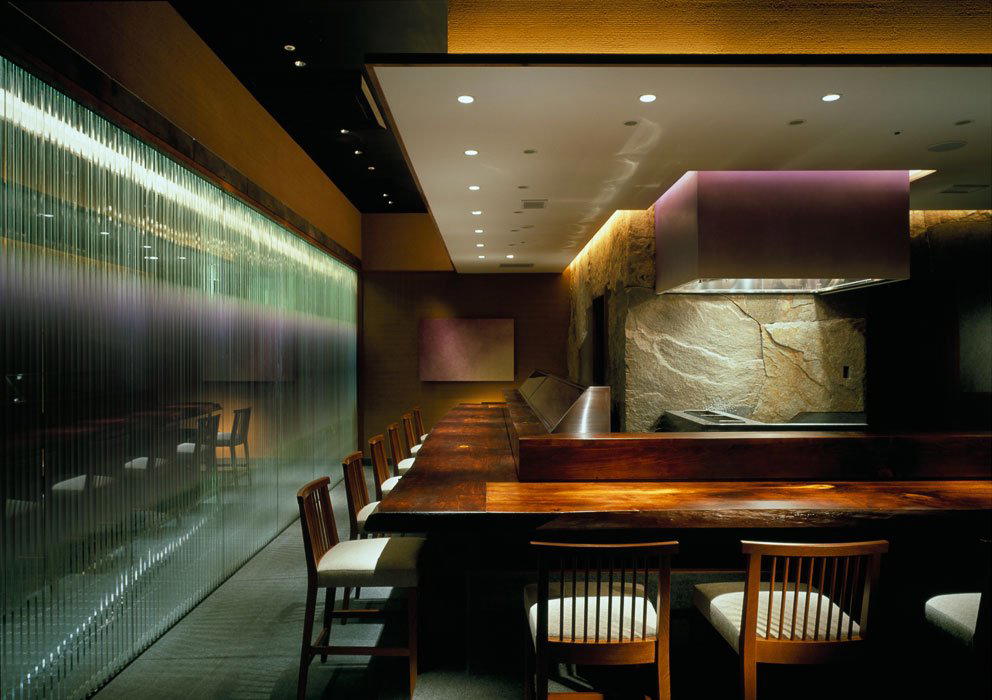
Eight-seat omakase sushi counter in Shintomicho with chef Masaki Hashimoto at the helm. Tabelog Silver Award winner since 2021, focused on seasonal Edo-mae nigiri sourced from Toyosu Market. Runs ¥30,000–¥39,999 per person before drinks and service; reservation-only through OMAKASE platform. The format is traditional, the space intimate, and the pacing deliberate; book if you trust the chef's sourcing instinct and prefer a mid-tier omakase without the booking difficulty of Tokyo's three-star counters.
Hakkoku
Tokyo, Japan
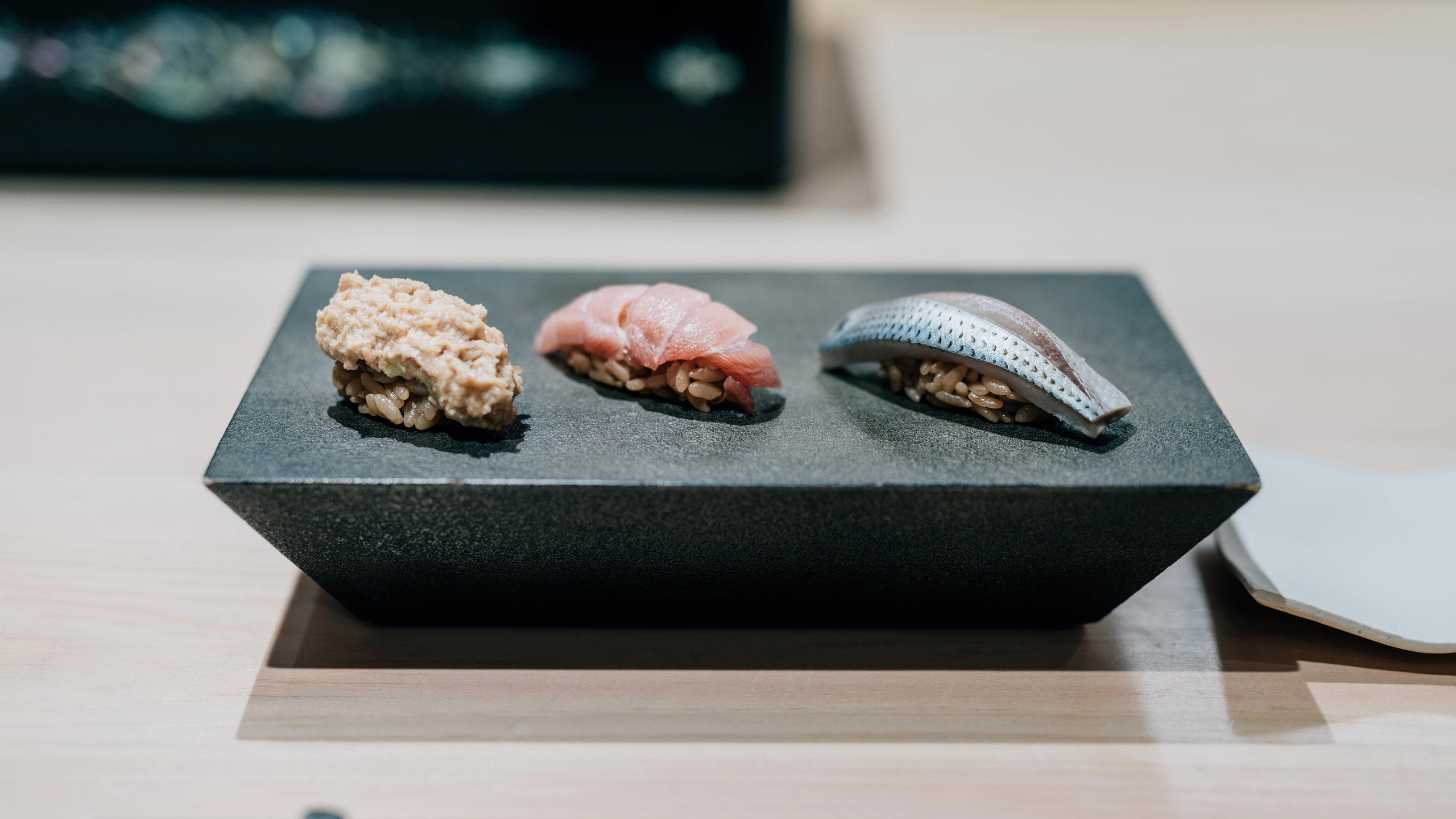
Hakkoku is a Pearl Recommended omakase counter in Ginza, led by chef Hiroyuki Sato and recognised by Opinionated About Dining and Tabelog's Bronze Award (3.92). Dinner-only since March 2020, the structured Edomae sushi progression makes it a strong choice for food-focused travellers. Book three to four weeks ahead by phone; confirm pricing when you reserve.
Sushi Ryusuke
Tokyo, Japan
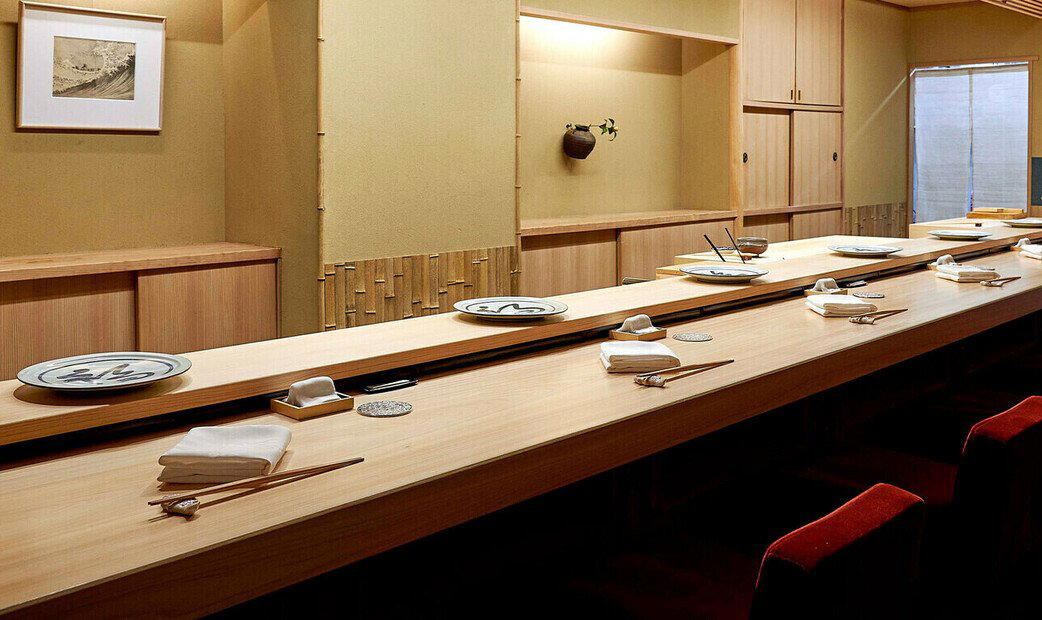
Sushi Ryusuke is a basement omakase counter in Ginza with three consecutive years of OAD recognition in Japan's top restaurants, rated Easy to book by Pearl. For serious sushi without the booking difficulty of top-tier Ginza counters, it's a strong call. Lunch is the most accessible session; Sunday is closed. Pricing is not publicly listed; confirm when reserving.
Kiyota
Tokyo, Japan
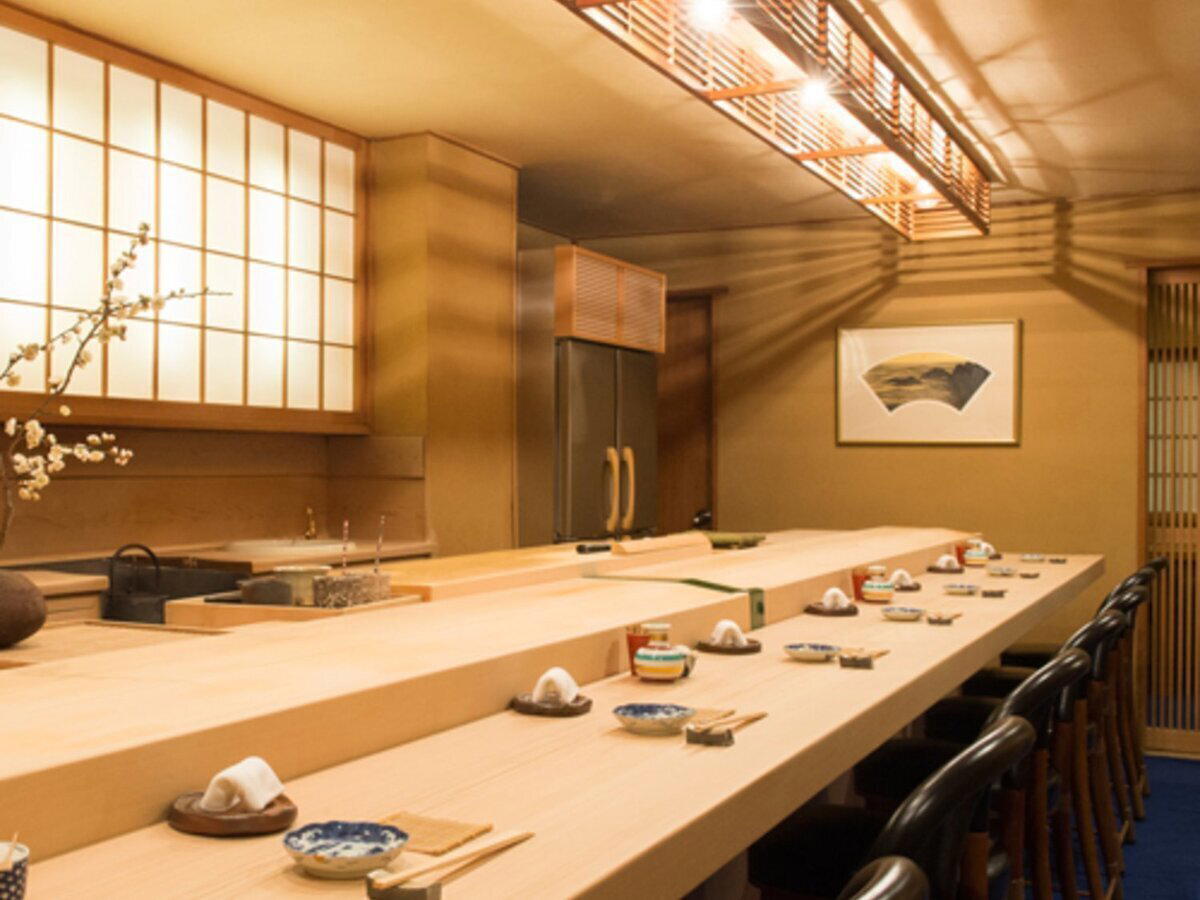
Kiyota is a nine-seat Ginza sushi counter with a Tabelog Award in every year from 2017 to 2026 and a consistent presence in the OAD Japan top 100. Dinner runs JPY 50,000–80,000; lunch is available at roughly half that. Booking is relatively accessible by Ginza standards, and the fish-focused sourcing approach gives regulars a reason to return.
Sushi Ryujiro
Tokyo, Japan
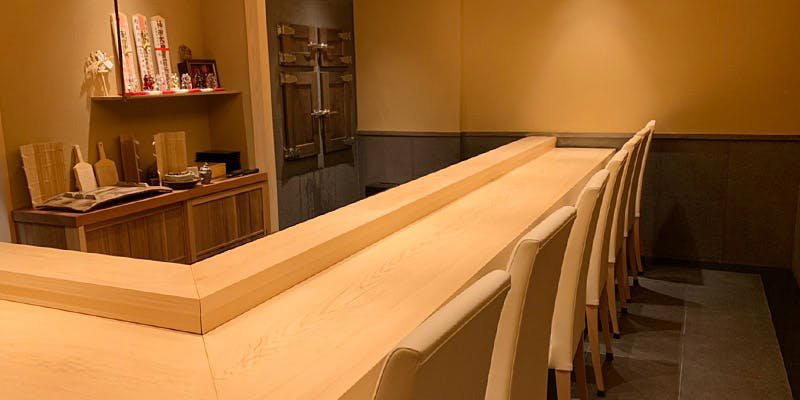
Ryujiro Nakamura's 15-seat sushi-ya opens each omakase with a single piece of medium-fatty tuna; a litmus test for the fish sourcing and wholesaler relationships that define the rest of the meal. Tabelog Silver Award holder (2021–2026) with a 4.41 score, it's a mid-to-upper-tier Tokyo counter experience: ingredient-driven Edomae execution without theatrical service, priced at ¥20,000–¥39,999 per head. Book 3–4 weeks out via OMAKASE; weekday lunches are marginally easier to secure.
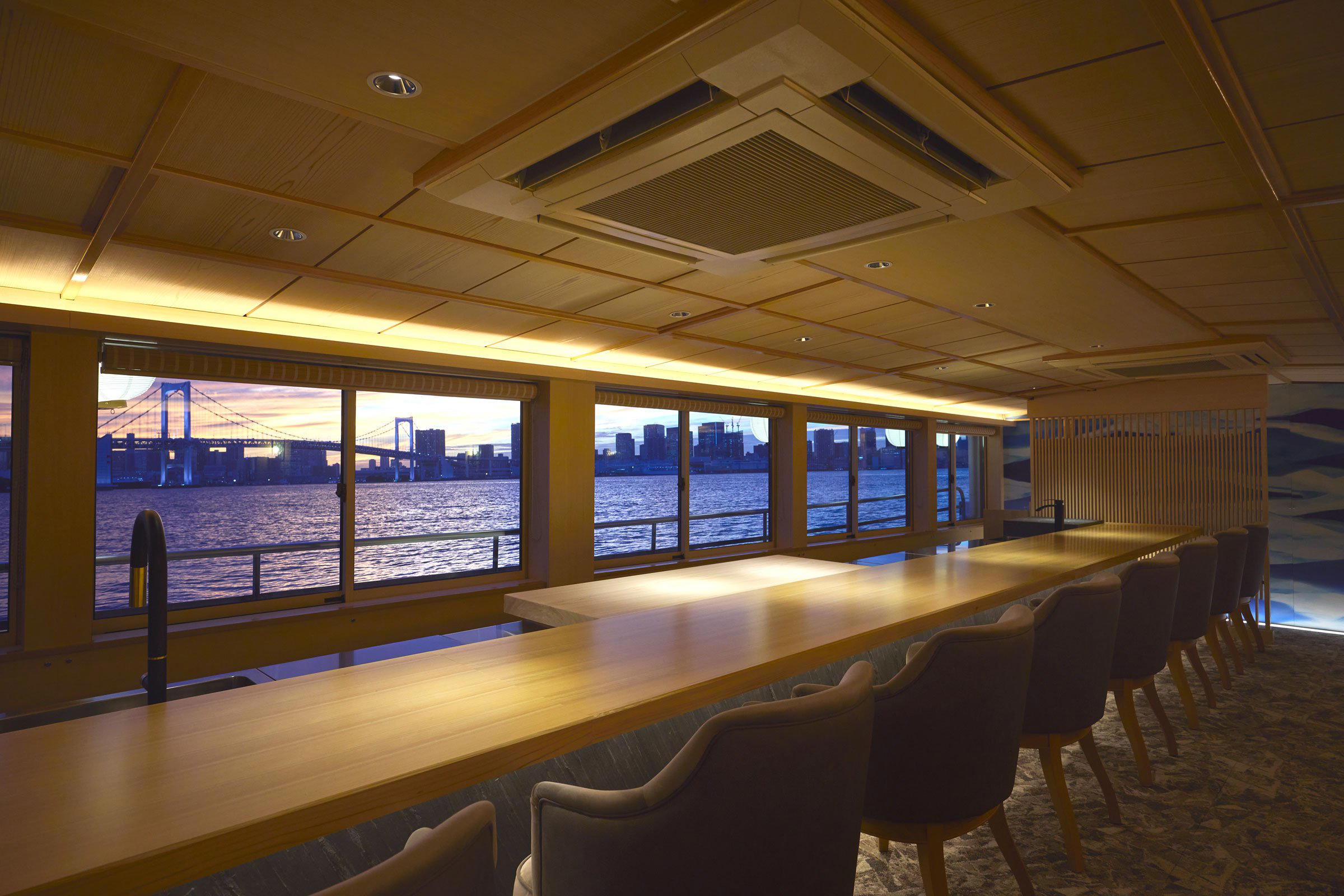
Sushi Takamitsu
Tokyo, Japan
Nakameguro omakase counter with JPY 50,000–59,999 dinner service, BYO bottle policy, and easier reservations than many Tokyo sushi addresses. Chef Takamitsu Yasuda earns a Tabelog Silver Award through consistent seasonal sourcing and ingredient-focused preparation. Late midnight close and 10-seat room suit travelers seeking credentialed sushi without three-week booking windows.
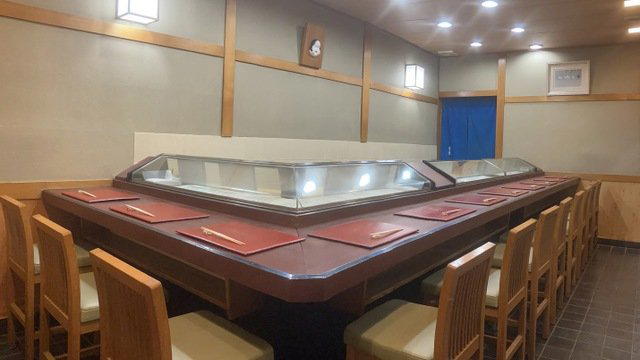
Sushi Miyaba
Tokyo, Japan
A strong Tokyo sushi pick for diners who want chef-led precision without a punishing booking process. Sushi Miyaba suits dates, anniversaries, and business meals better than casual groups, with recognition from Tabelog 100 #90 in 2025 and Opinionated About Dining Top Restaurants in Japan Recommended in 2026.
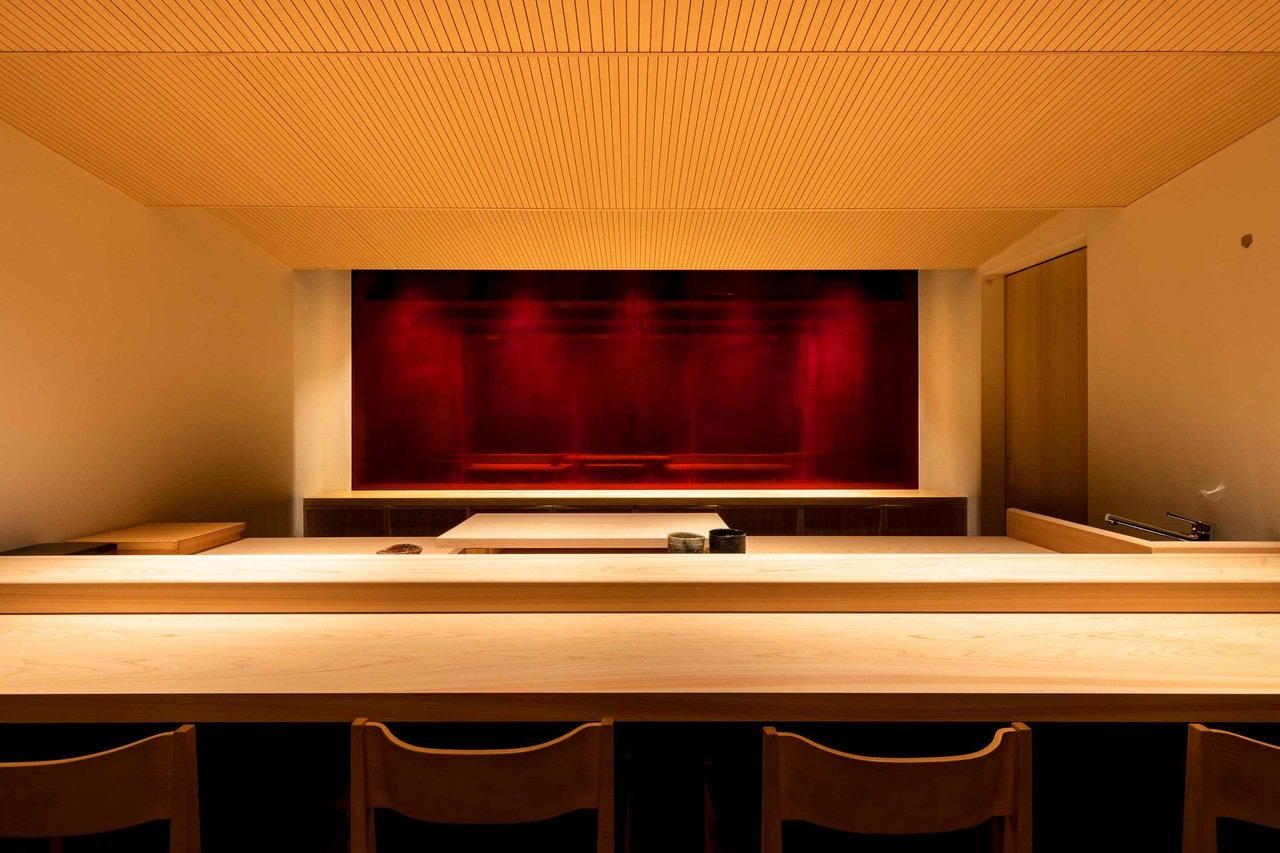
Chiba Takaoka
Tokyo, Japan
Chiba Takaoka is a six-seat sushi counter inside Tokyo Midtown Yaesu, two minutes from Tokyo Station, with three consecutive Tabelog Bronze awards and a 4.31 score. Dinner only, at JPY 30,000–39,999 per head. Confirm current operational status before booking, as the Tabelog listing flags the venue as temporarily on hold.
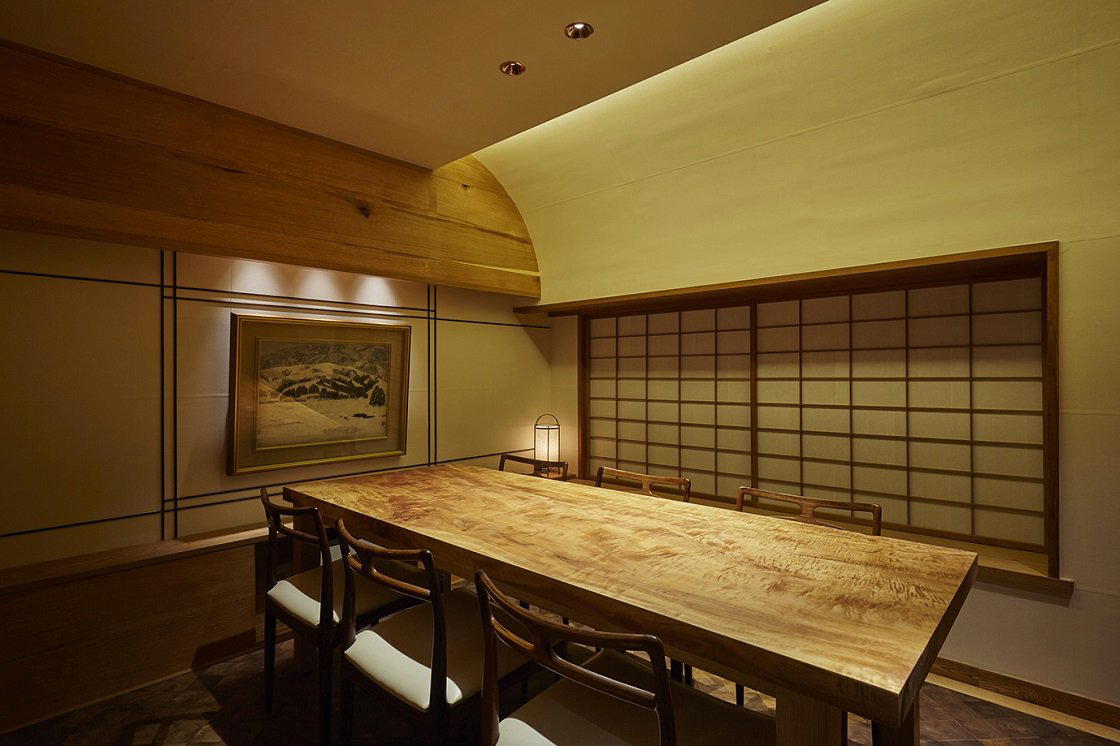
Masuda
Osaka, Japan
Masuda is a reservation-only, eight-seat kaiseki counter in Osaka's Shinsaibashisuji district, run by ryotei-trained chef Yoshichika Masuda. Budget ¥40,000–¥50,000+ per person for a set course; booking is relatively easy for the tier. Tabelog Bronze 2025 and 2026, Tabelog score 4.04, and an OAD top-200 Japan ranking make this a well-credentialled choice for serious kaiseki in Osaka.
Sushi Satake
Tokyo, Japan
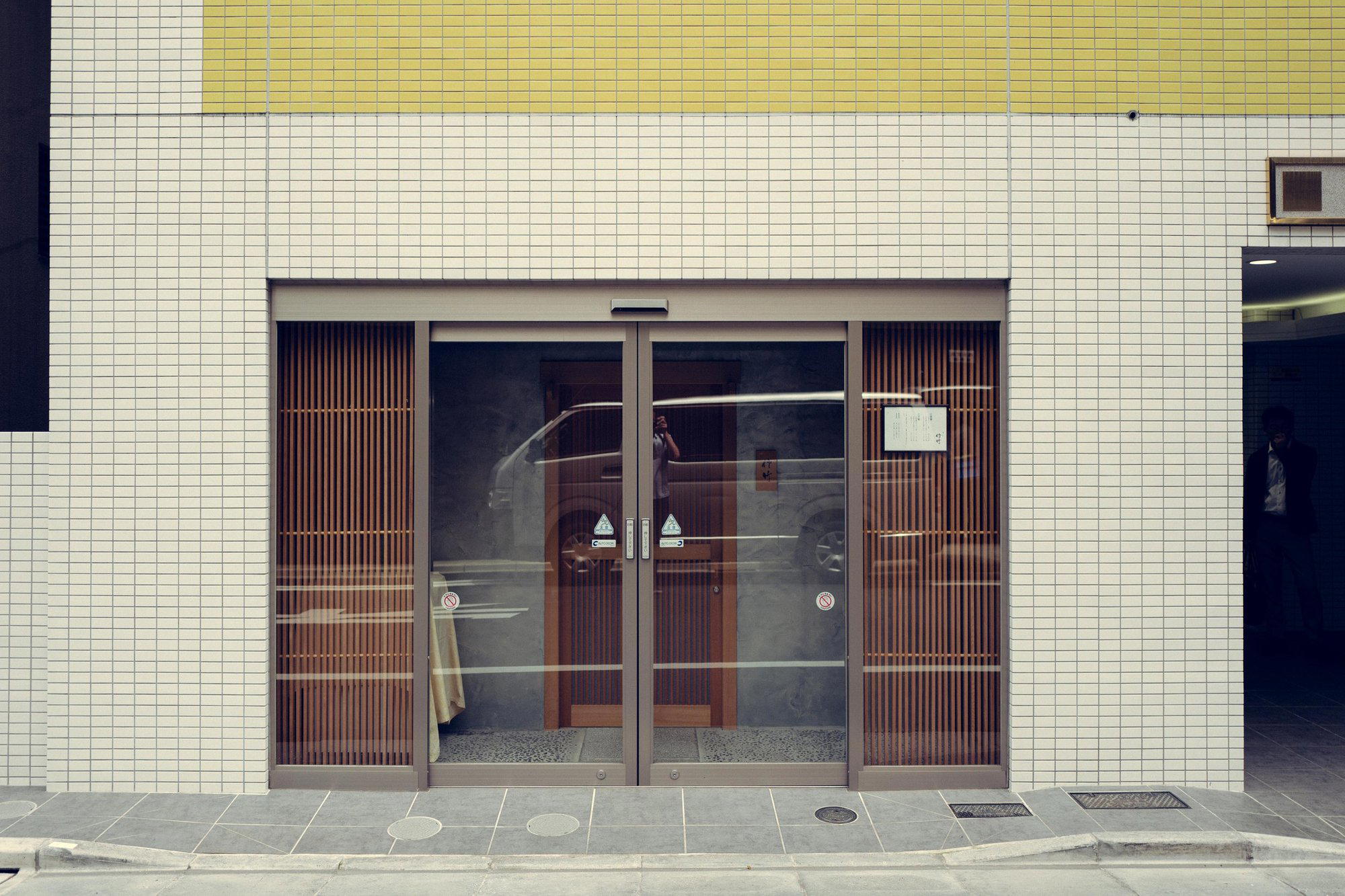
Book Sushi Satake if the brief is a polished Ginza sushi meal for a date, solo dinner, or business occasion. Its strongest case is recognition from Tabelog 100 and Opinionated About Dining; if price visibility or a looser group format matters more, compare Ginza Inaba, Yakitori Hirano, or Chuka Ginza Tei first.
Sushisho Saito
Tokyo, Japan
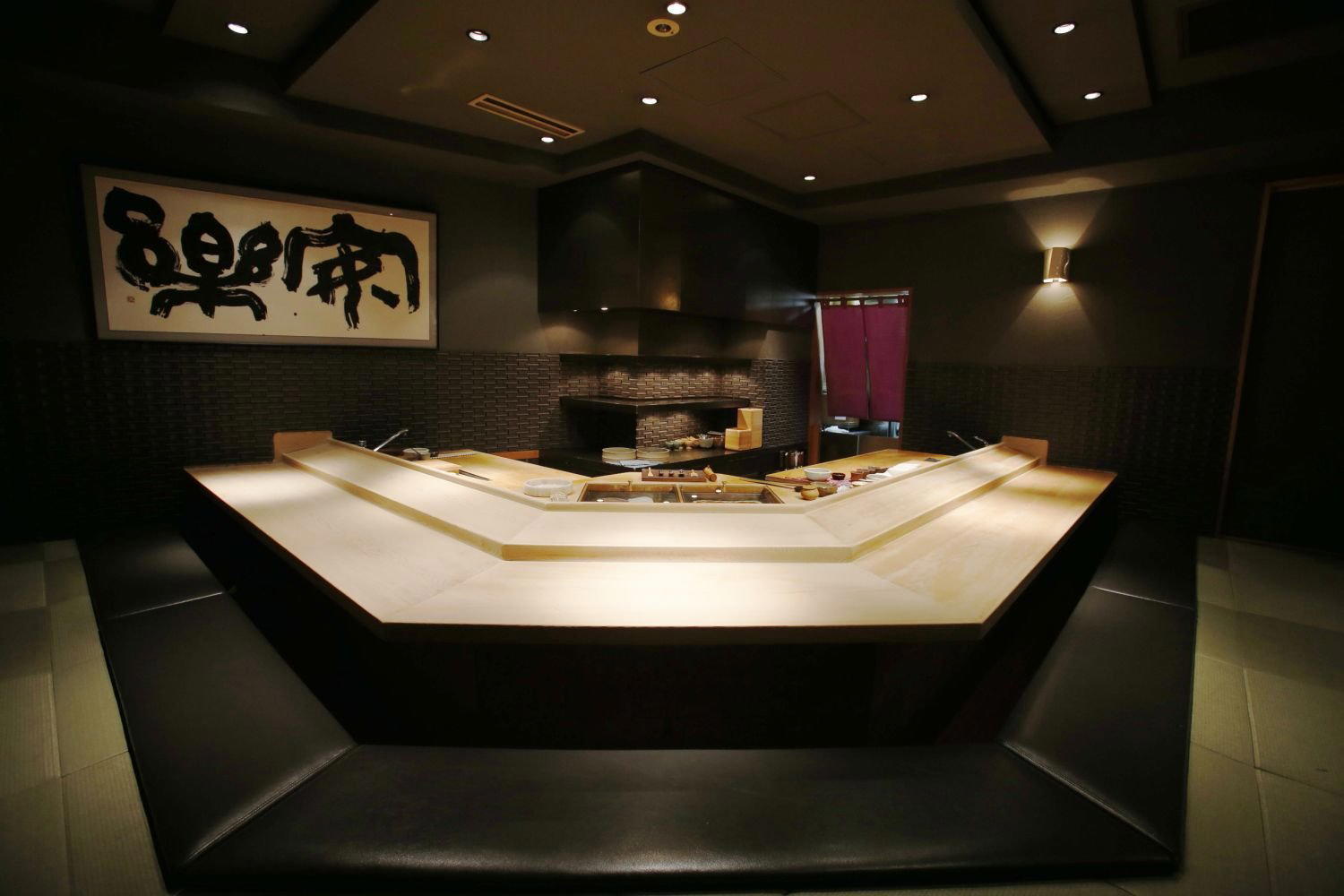
Chef Toshio Saito's 11-seat Akasaka counter runs JPY 60,000–79,999 for Edomae sushi built on aged fish and a snack-nigiri rhythm. Eight consecutive Tabelog Bronze awards and easier booking than star-chasing peers make it a practical choice for diners who want technical skill without the wait.
Sushi Matsuura
Tokyo, Japan
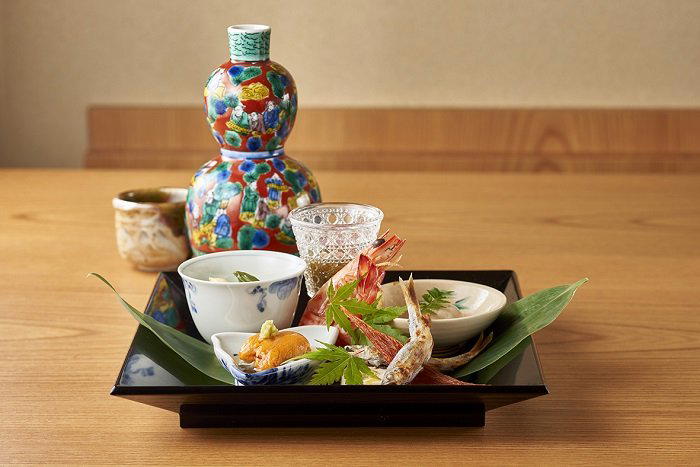
A Michelin-starred, eight-seat counter in Shirokane with Tabelog Bronze Awards in 2025 and 2026 and a 4.35 score. The omakase runs JPY 30,000–39,999 per head; below comparable Ginza counters of similar standing. Reservation only, hard to book, and worth the effort for a special occasion dinner or Saturday lunch where the counter experience is the point.
Sushi Saitou Azabudai
Tokyo, Japan
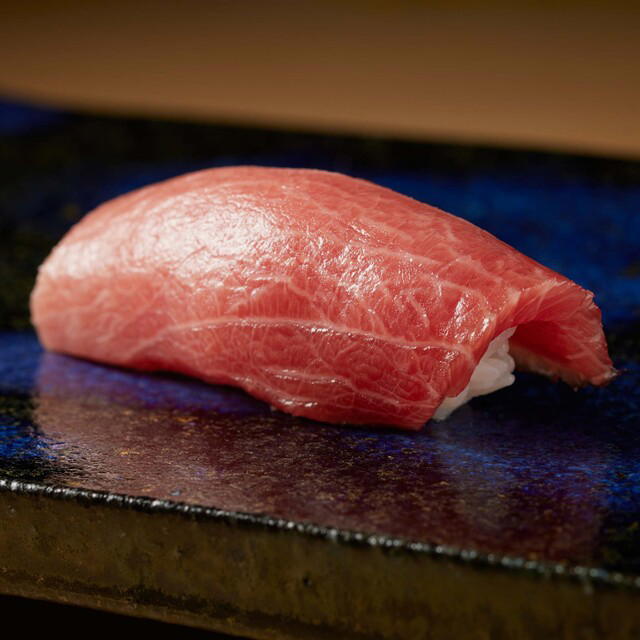
A 12-seat omakase counter in Azabudai Hills Market, opened March 2024, with Tabelog Sushi TOKYO 100 recognition. Dinner runs JPY 40,000-49,999, lunch JPY 15,000-19,999. Reservation-only, no website, no private rooms. The basement location trades foot traffic for focus, and the new construction offers a cleaner, quieter alternative to older houses at a similar price point.
Ranmaru
Tokyo, Japan
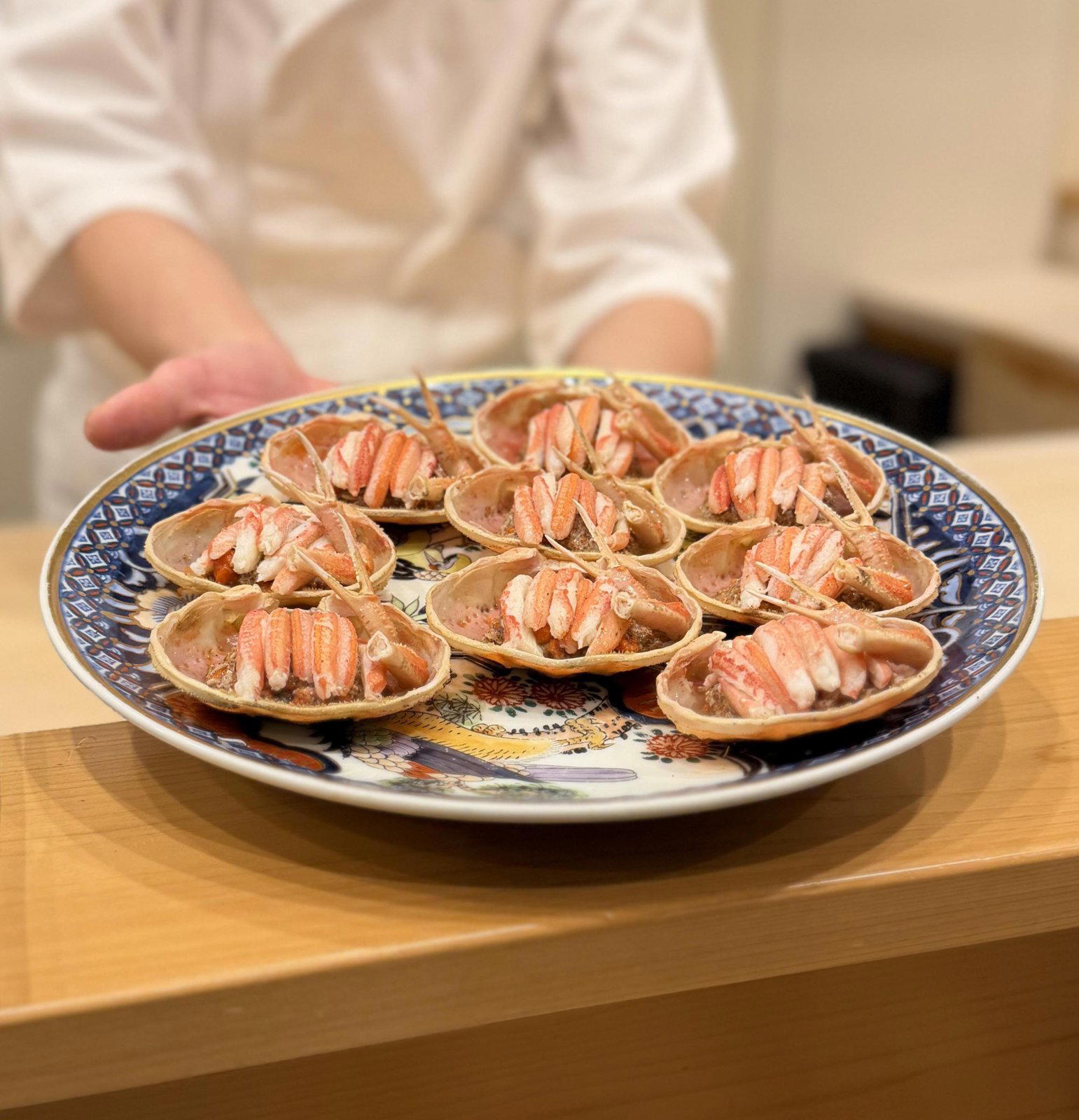
Chef Kouki Tanabe's nine-seat Shimomeguro counter holds five consecutive Tabelog Bronze Awards and six "Tabelog 100" selections, delivering omakase at JPY 30,000–39,999 with easier booking than Ginza's headline rooms. Two evening seatings, no lunch, counter-only format; best for solo diners or pairs seeking Tabelog-vetted sushi without the reservation battle.
YAMATO
Tokyo, Japan
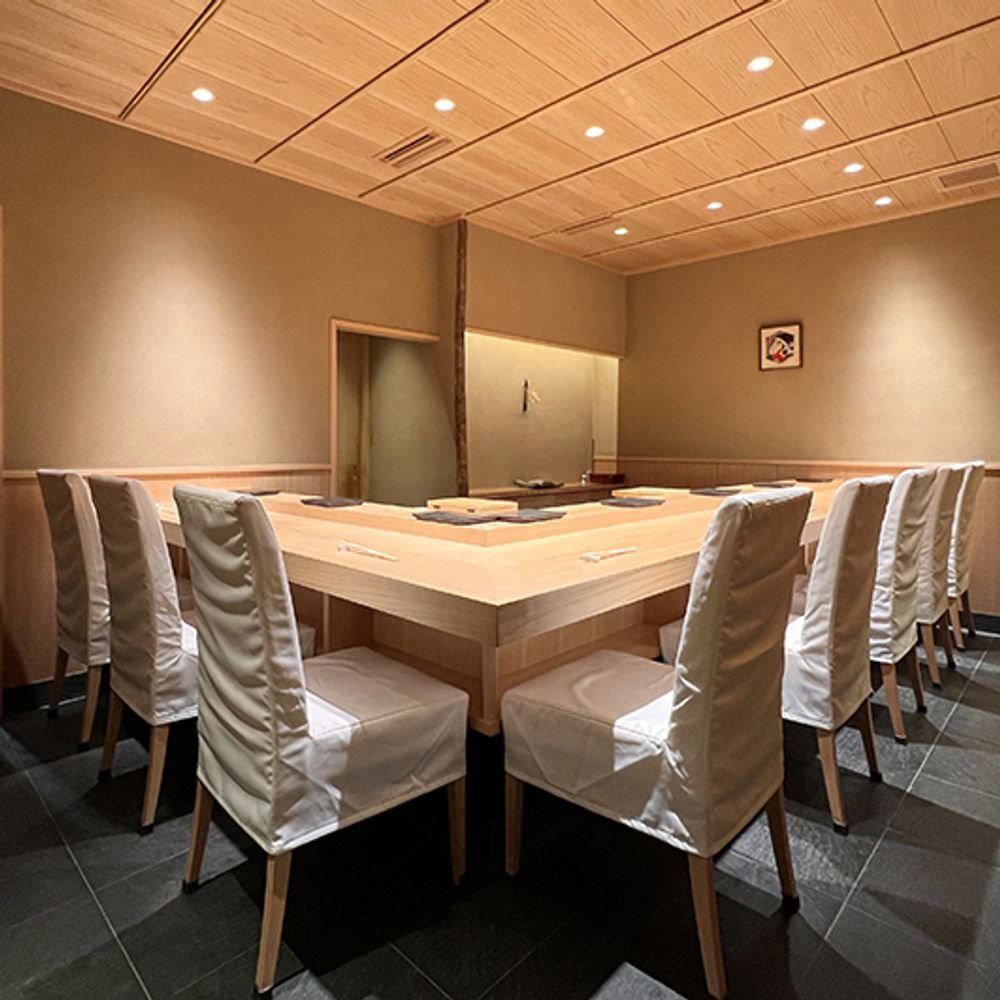
Yamato is a 9-seat charcoal-grill counter in Tsukiji holding Tabelog Bronze consecutively from 2024–2026 and a Michelin Bib Gourmand, with a focus on seasonal seafood and vegetables grilled over a live hearth. At JPY 30,000–39,999 per head, it delivers strong value against Tokyo's high-end counter dining tier. Book by phone on the first business day of each month for the following month; maximum party size is 3.
Uwo Toku
Tokyo, Japan
A 60-year-old family-run sushi counter in Sumida that earned Tabelog's Sushi Tokyo 100 recognition in 2025. Edomae omakase at JPY 15,000–19,999, byob-friendly (JPY 3,000 corkage), and kotatsu seating for 10 guests. Award-level fish quality without Ginza pricing, though the Higashi Mukojima location requires a short trip from central Tokyo.
Ebisu Endo
Tokyo, Japan
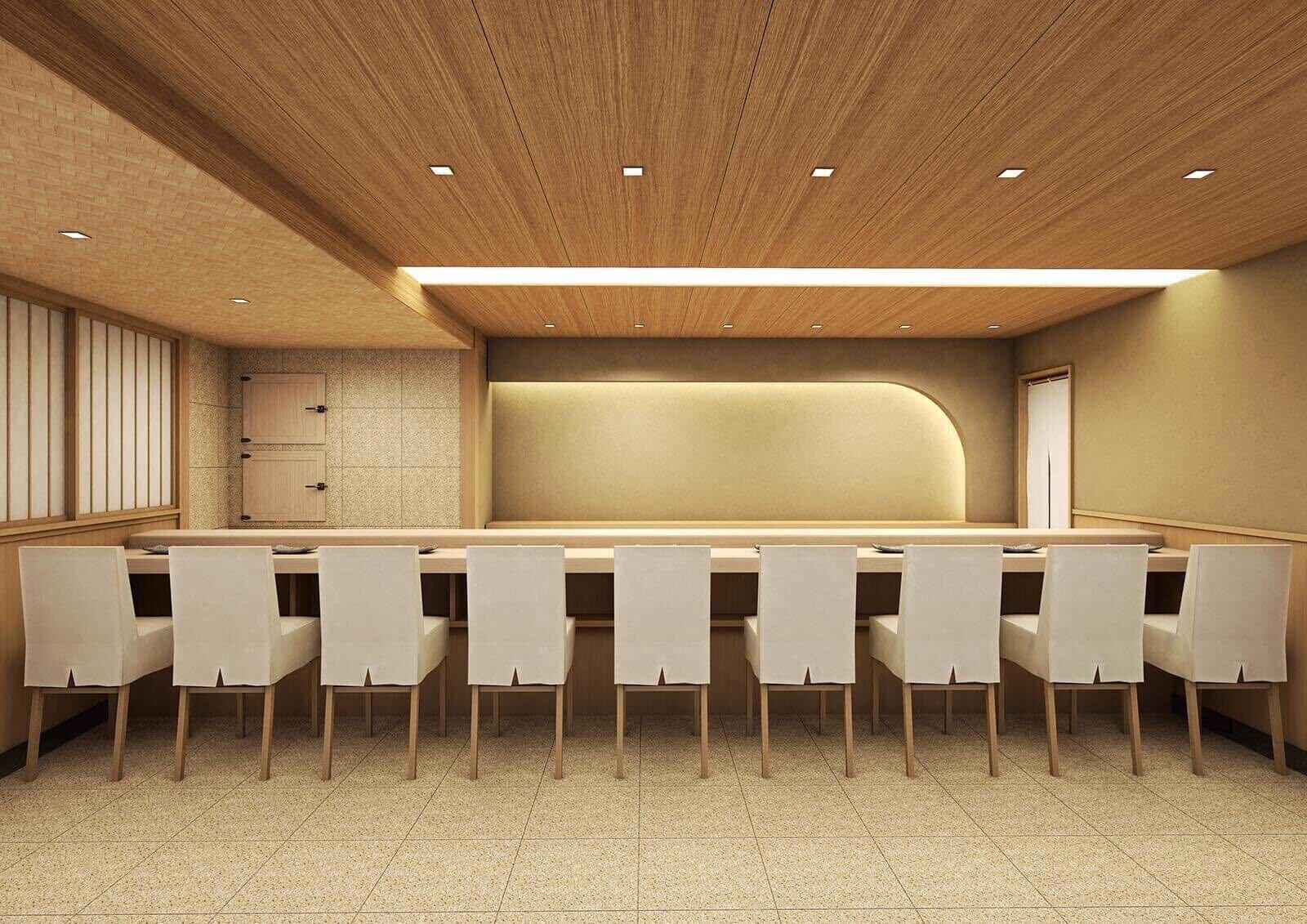
It is easier to book than the Ginza circuit; two to three weeks out is realistic; and runs three sittings daily. A strong choice for a special occasion dinner without a months-long waitlist.
Overview
Tabelog 100 - Sushi - TOKYO - 2025 is an annual ranking of the top 100 sushi restaurants across Tokyo, compiled from millions of user reviews on Japan’s largest restaurant platform, Tabelog. It highlights the city’s finest sushi venues, reflecting both traditional craftsmanship and innovative culinary trends.
Originating from Tabelog, Japan’s most influential restaurant review platform, the Tabelog 100 lists are a yearly benchmark of culinary excellence. For sushi in Tokyo, this 2025 edition showcases the pinnacle of Edo-style sushi artistry and modern interpretations amidst the city’s vibrant dining scene. By aggregating and analyzing millions of user-generated ratings and detailed reviews, the list captures both popular acclaim and critical consensus. It has become an indispensable resource for locals and international gourmets seeking authentic and exceptional sushi experiences in the world’s sushi capital.
Tokyo’s sushi scene is a complex tapestry of tradition and innovation, from century-old Edomae masters to avant-garde chefs reimagining nigiri. The Tabelog 100 - Sushi - TOKYO - 2025 list distills this vibrant landscape into an authoritative guide, curated by millions of diners who share their firsthand experiences. For Pearl’s discerning audience, this list offers a definitive roadmap to Tokyo’s most celebrated sushi temples; each delivering impeccable craftsmanship, seasonal precision, and unforgettable dining moments.
Quick Facts
- Publisher
- Tabelog (Kakaku.com, Inc.)
- Year
- 2025
- Coverage
- Sushi restaurants in Tokyo metropolitan area
- Items
- 100 top-ranked sushi establishments
- Frequency
- Annual
About This Edition
The 2025 edition spotlights a fascinating shift toward sustainable sourcing and innovative flavor profiles within Tokyo’s sushi scene, reflecting broader global trends. Notable newcomers blend traditional Edomae techniques with creative presentations, while established masters continue to refine their craft. This year’s list also underscores the rising prominence of neighborhood sushi bars beyond central Tokyo, expanding the culinary map for adventurous diners.
Frequently Asked Questions
What is Tabelog 100 - Sushi - TOKYO - 2025?
How are honorees selected?
How often is this list updated?
How can I find these on Pearl?
How many of these have you visited?
Find out on Pearl and keep score across every place in Tabelog 100 - Sushi - TOKYO - 2025.