

Oku
Sushi · Taitō, Tokyo
Restaurant in Tokyo, Japan
 Book with Pearl
The Read
Inherited-Tools Edomae
Price
¥¥¥
Dress
Smart Casual
Why go
Oku holds a 2024 Michelin star and sits at the ¥¥¥ tier — making it one of the stronger-value starred sushi counters in Tokyo. The chef has spent his career in Asakusa, inherited tools and serving ware from his mentor, and brings quiet, considered departures to a traditional omakase format. Book well in advance; this is hard to secure.
About Oku
Verdict
Oku holds a Michelin star and sits in Asakusa — one of Tokyo's most historically textured neighbourhoods — making it a serious contender for your one sushi booking in the city. At ¥¥¥ pricing, it sits a tier below the ¥¥¥¥ heavyweights like Harutaka or Sukiyabashi Jiro Roppongiten, which means you get Michelin-credentialed sushi at a more accessible price point. Book it for a special occasion or as your introduction to omakase-style counter dining in Tokyo, but expect competition for seats. This is hard to book.
About Oku
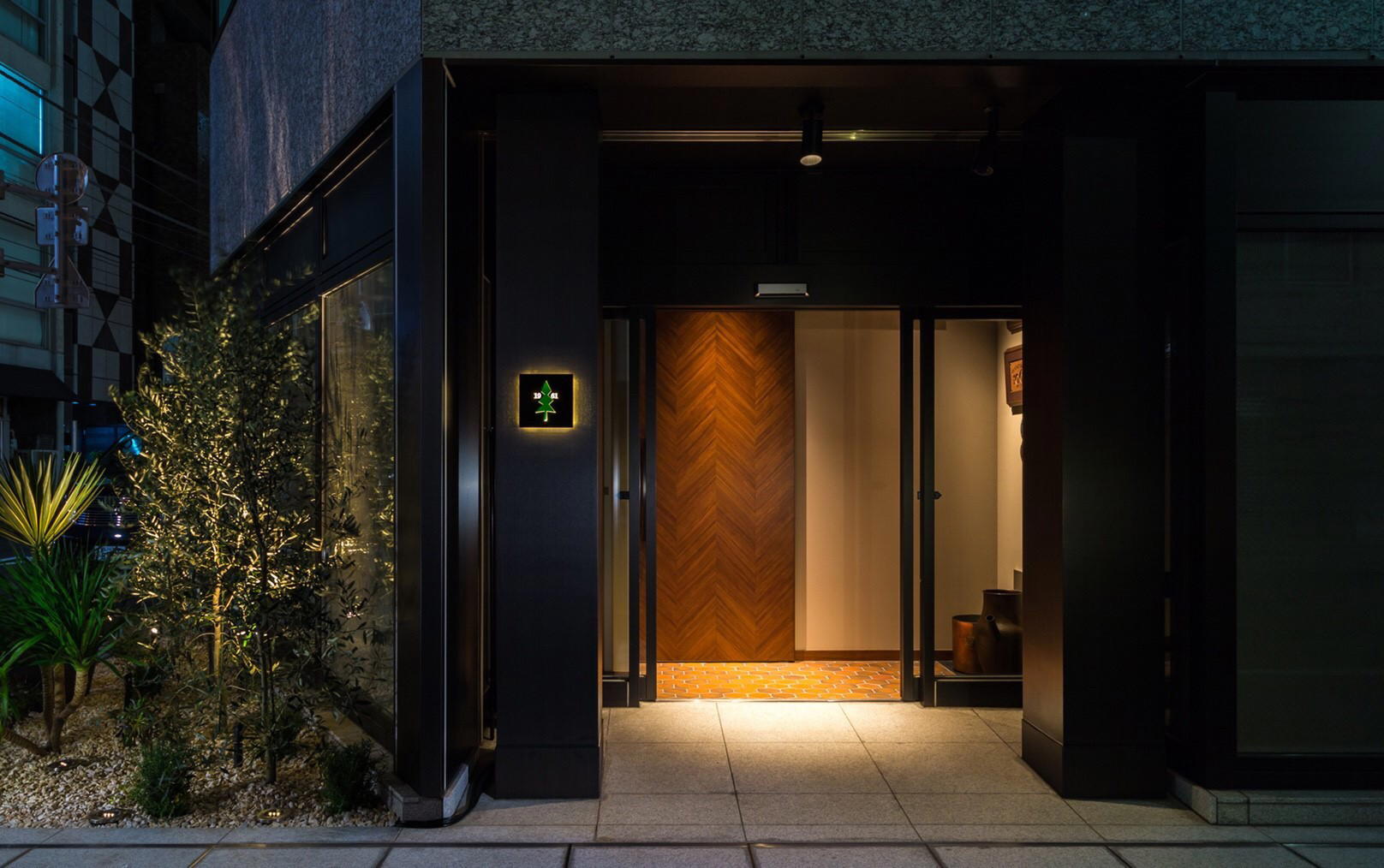
Oku occupies a specific and deliberate position in Tokyo's sushi scene: a chef-driven counter in Asakusa where the surroundings carry as much intention as the food. The chef has lived in Asakusa since his apprenticeship, and the relationship with the neighbourhood is part of the premise. He inherited tools and serving ware from his mentor, physical objects that connect the current menu to an older tradition. For a first-timer, that context matters: you are not walking into a modern minimalist sushi bar in Ginza. The aesthetic and the ethos here are rooted in the shitamachi spirit of east Tokyo.
What separates Oku from a direct traditionalist counter is the small but deliberate departures the chef makes from convention. Sweet potato shochu finds its way into the rich soy syrup. Soy milk goes into the rolled omelette. These are not gimmicks, they are considered adjustments that reflect the chef's relationship to both his training and his own palate. For a first-timer, this means the experience will feel grounded and coherent rather than experimental. The surprises are quiet ones.
The Counter Experience
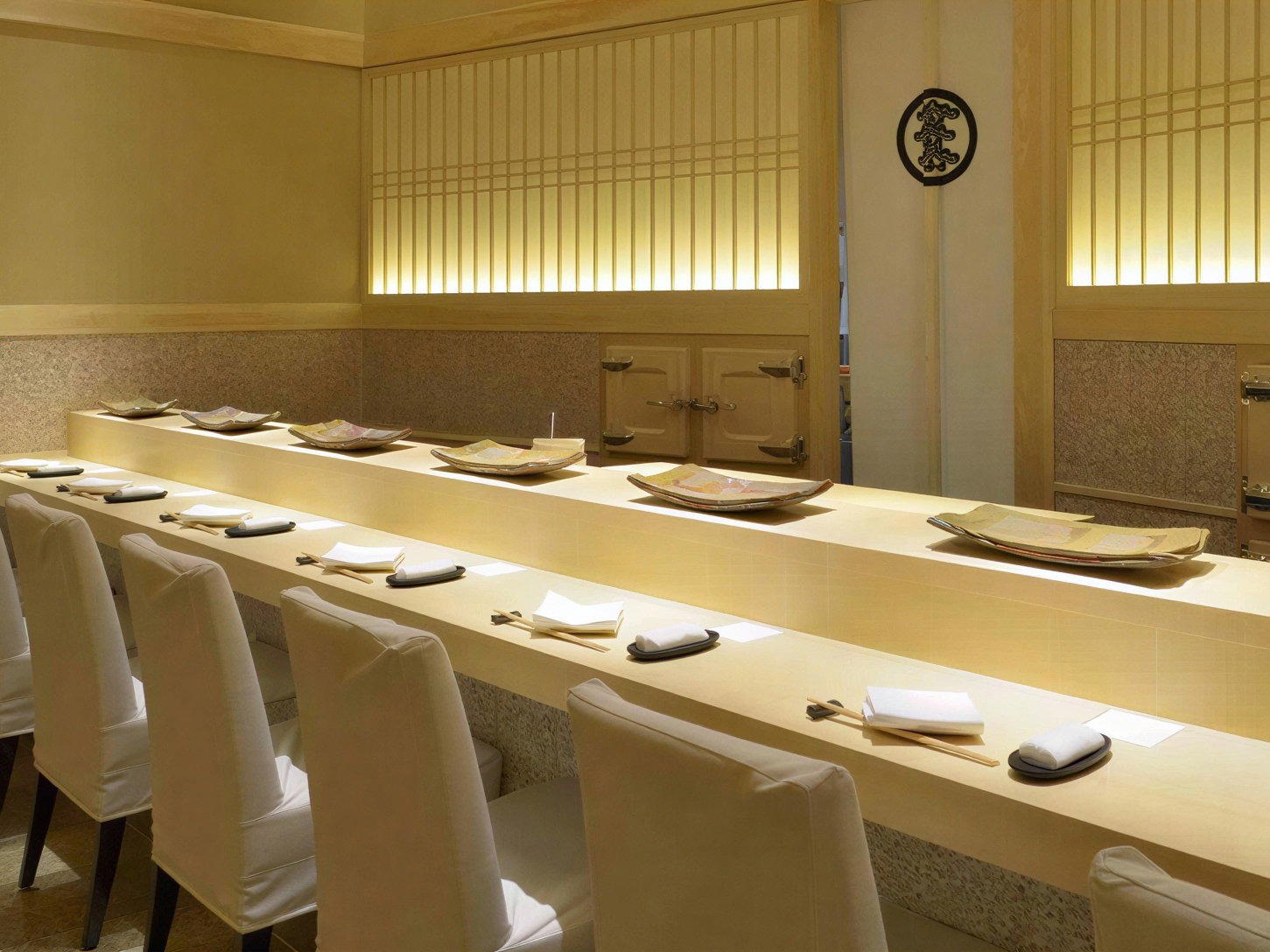
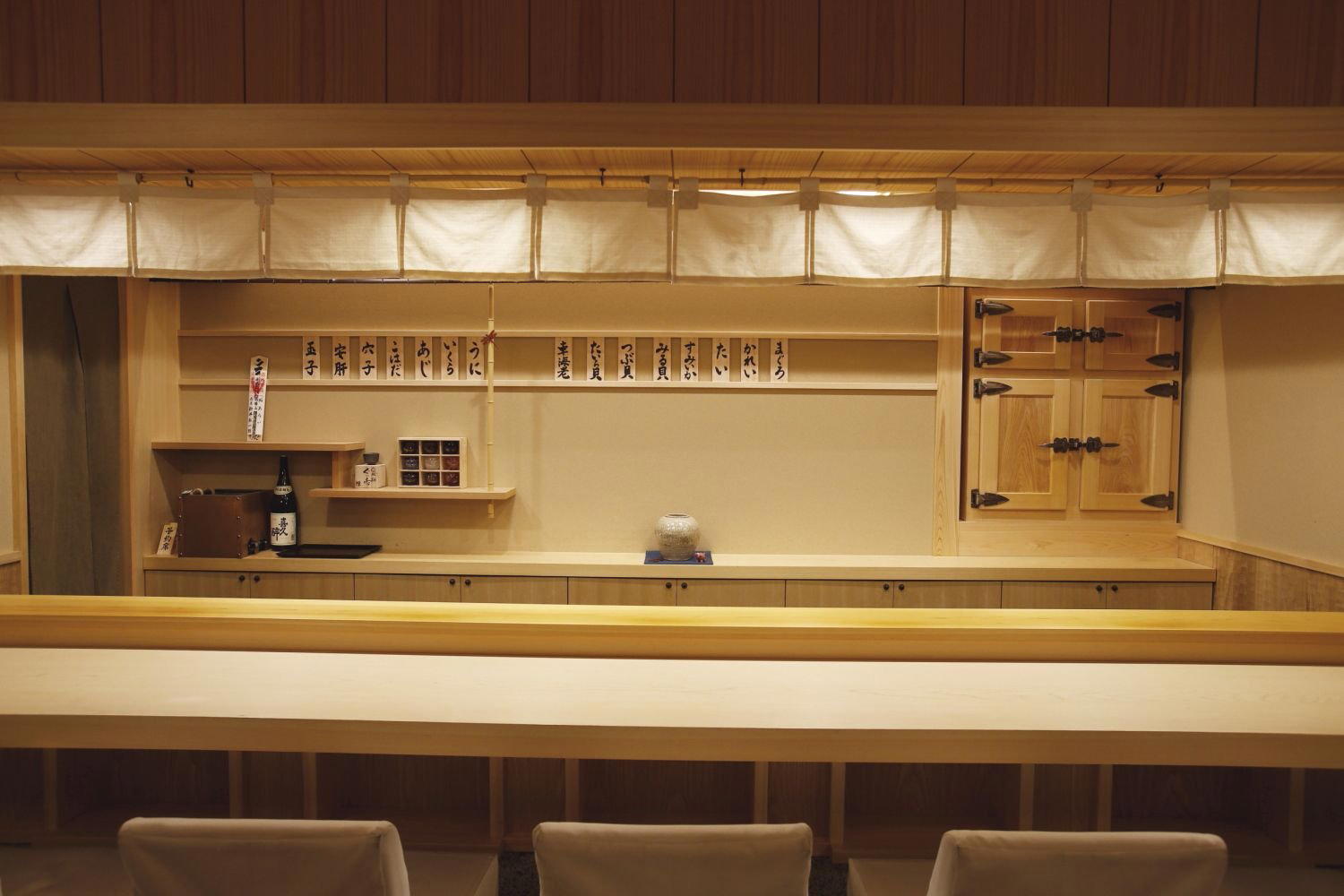
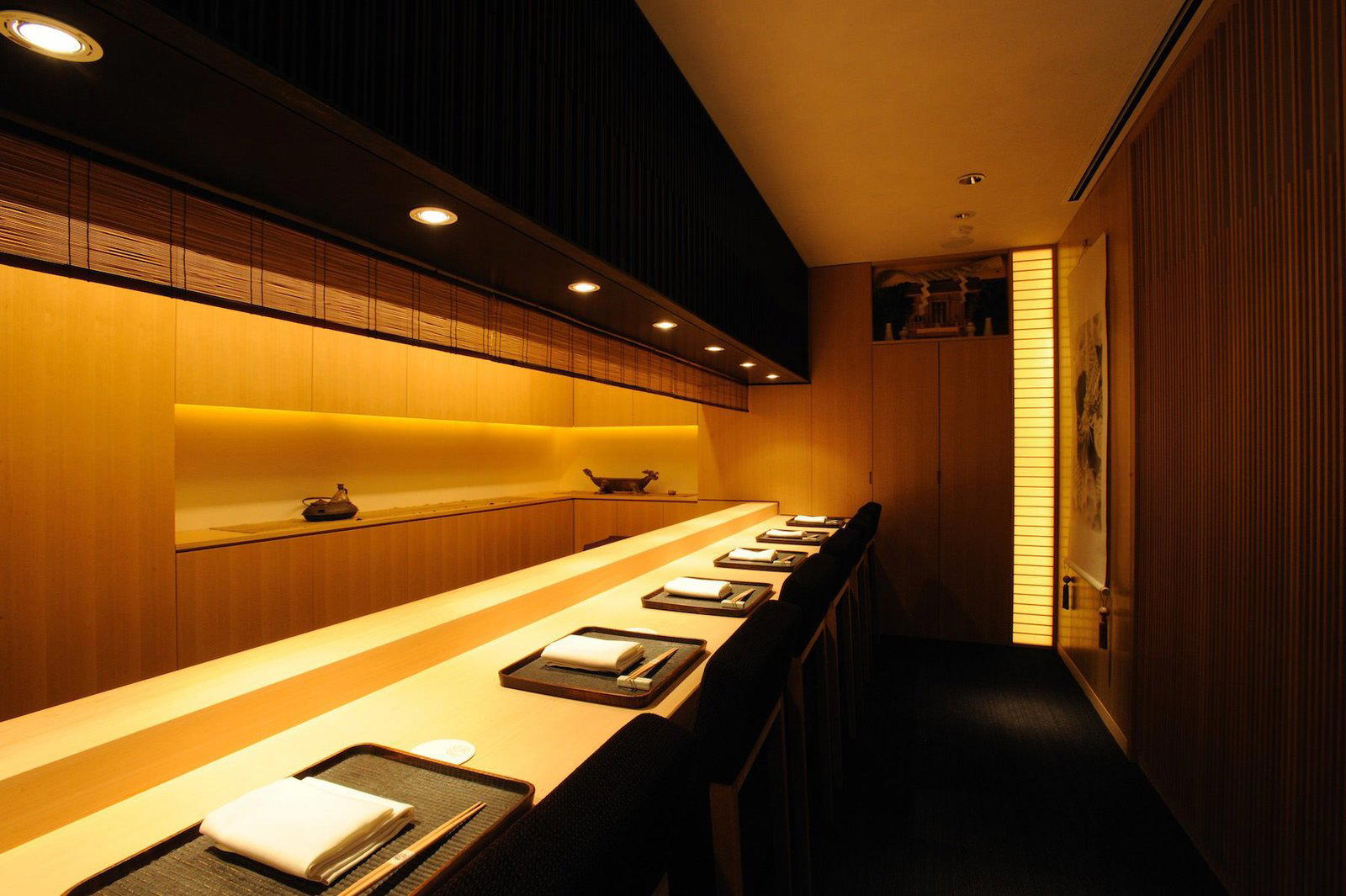
Counter seating at a sushi restaurant of this calibre is the format, not an option. Sitting directly in front of the chef is how the meal is designed to work: you watch the preparation, the pacing is set for you, and the progression of the meal becomes something you observe as much as consume. For first-timers who have not done omakase before, that structure is actually an advantage, there are no decisions to make beyond showing up. The chef leads; you follow.
The Asakusa address adds a dimension that matters for the counter experience specifically. This is not a business-district venue where tables turn quickly and the energy is transactional. Asakusa is a neighbourhood where the pace is different, and a counter dinner here tends to feel less hurried than equivalent venues in Ginza or Marunouchi. That is worth factoring in if you are choosing between Oku and a more central option like Sushi Kanesaka.
The inherited serving ware the chef uses at the counter is not a marketing story, it is a visual element of the meal. Older, individual pieces with history behind them frame the food differently than a uniform modern set would. First-timers should pay attention to what is placed in front of them, not just what is on it.
First-Timer Guidance
If this is your first omakase experience in Tokyo, Oku is a reasonable choice over some of the more austere or intimidating counters in the city. The chef's connection to Asakusa and his mentor gives the meal a narrative coherence that makes it easier to orient yourself. You are not trying to decode a concept, you are watching someone cook in a place they have called home for years.
Asakusa itself is worth arriving early for. The neighbourhood has more to offer a visitor than most areas around comparable Tokyo restaurants. Edomae Sushi Hanabusa is another Asakusa-area reference point if you want to compare the neighbourhood's sushi options directly. For broader Tokyo dining context beyond sushi, see our full Tokyo restaurants guide, and for where to stay nearby, our full Tokyo hotels guide.
If you are building a longer Japan itinerary around serious dining, Oku fits naturally alongside venues like Gion Sasaki in Kyoto or HAJIME in Osaka. For sushi specifically in other Asian cities, Sushi Shikon in Hong Kong and Shoukouwa in Singapore are the relevant comparisons.
Practical Details
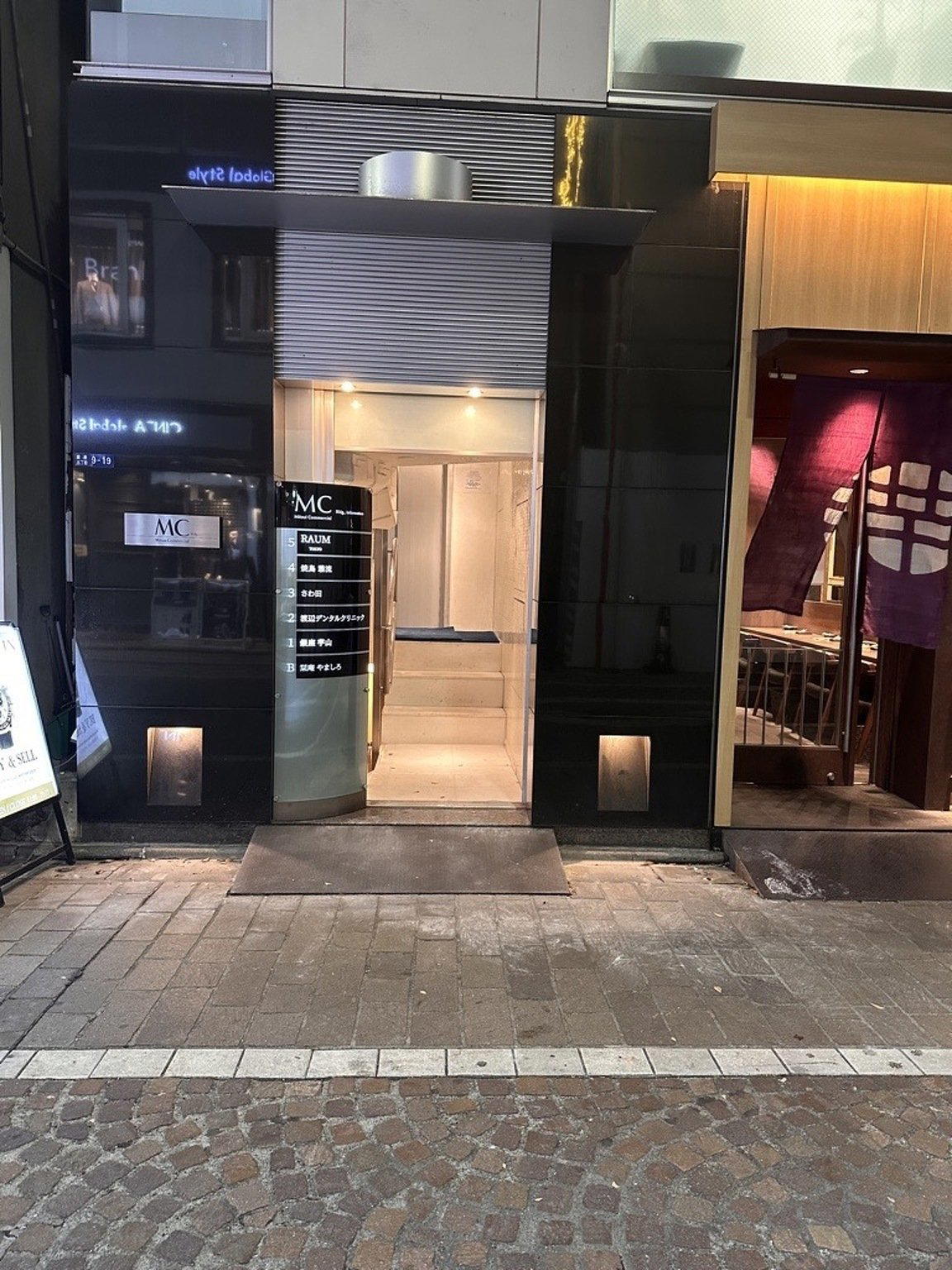
Reservations: Hard to secure, plan well in advance and expect competition for seats, particularly at prime evening times. Budget: ¥¥¥ tier, making it more accessible than most starred sushi counters in Tokyo but still a meaningful spend per head. Location: Asakusa, Taito City, 3 Chome-42-12, Asakusa Daikan Plaza Tenjin Building. Dress: No confirmed dress code in available data, but smart casual is appropriate for a Michelin-starred counter. Groups: Counter seating limits the natural group size, confirm capacity directly when booking, as large groups may not be accommodated. Booking method: Contact the venue directly; specific booking platform information is not confirmed.
Further Tokyo Exploration
If you are staying in or visiting the broader Taito area, Oku makes sense as an anchor booking around which to build an evening. For other Tokyo dining directions, our full Tokyo bars guide and our full Tokyo experiences guide cover the adjacent options. Other starred sushi references in Tokyo worth comparing include Hiroo Ishizaka. Beyond Tokyo, 1000 in Yokohama, akordu in Nara, Goh in Fukuoka, and 6 in Okinawa round out the regional picture for serious dining across Japan.
Planning details
- Location
- Japan, 〒111-0032 Tokyo, Taito City, Asakusa, 3 Chome−42−12 浅草ダイカンプラザ天仁ビル
- Website
- cuisineoku.com
- Phone
- +81 3-6802-4474
The take
The Take
The Vibe
Oku reads like a classic edomae counter rooted in Asakusa's old‑Tokyo streets. The writing emphasizes the chef's long apprenticeship in the neighbourhood and the counter’s embeddedness in local rhythms, so the room feels less like a destination of prestige and more like a seriously practiced craft place grown from its surroundings. Michelin recognition arrives as validation of technique rather than theatricality; the mood is concentrated and quietly assured, with tradition and hometown intimacy shaping the service and the sequence of nigiri.
Best For
This is a place for focused omakase dinners where the moment is the meal: think quiet, meticulous service and a progression of edomae-style nigiri rather than casual à‑la‑carte dining. It suits couples seeking a refined date‑night tasting and diners after a single-seat, chef-led experience that privileges technique and seasonal seafood. Because the restaurant is explicitly framed against Ginza’s prestige tier, it’s also appealing to guests who want Michelin‑level sushi anchored in a genuine neighbourhood context rather than hotel gloss.
Ordering Tips
Opt for the chef’s omakase and lean into the sequence the counter presents—Oku is described as part of Tokyo’s omakase counter scene, and the menu logic is built on technical mastery. Pay attention to the stallion of signature pieces (murasaki uni, hokkigai, hirame, toro) highlighted in the listing: those items are likely to showcase the kitchen’s strengths. Expect restrained, edomae-style preparation rather than embellished presentations, and let the chef guide the pacing and progression at the counter.
Venue details
Ambiance
Relaxed and stylish counter seating with a focus on the sushi preparation, creating an intimate and reverent atmosphere.
Tags
Vibe
Best For
Experience
At the Table
- Dress Code
- Smart Casual
- Noise Level
- Quiet
- Service Style
- Formal
- Meal Pacing
- Leisurely
- Capacity
- Intimate
Signature Dishes
- murasaki uni
- hokkigai
- hirame
- toro
Know before you go
Know Before You Go
- Getting there
- Japan, 〒111-0032 Tokyo, Taito City, Asakusa, 3 Chome−42−12 浅草ダイカンプラザ天仁ビル
Planning details
Location
Japan, 〒111-0032 Tokyo, Taito City, Asakusa, 3 Chome−42−12 浅草ダイカンプラザ天仁ビル · Directions
Recognition and awards
Also consider
Also Consider
- Harutaka, Sushi, ¥¥¥¥
- RyuGin, Kaiseki, Japanese, ¥¥¥¥
- L'Effervescence, French, ¥¥¥¥
- HOMMAGE, Innovtive French, French, ¥¥¥¥
- Florilège, French, ¥¥¥
Restaurant context
Against the obvious Tokyo sushi benchmark, Harutaka operates at ¥¥¥¥ and is widely regarded as one of the most technically precise counters in the city. If budget is not the deciding factor, Harutaka delivers a more elaborate and formally staged experience. Oku at ¥¥¥ is the better choice if you want Michelin-credentialed omakase without the top-tier spend, and if the Asakusa neighbourhood context matters to you. The two venues do not compete directly on price, they serve different budget commitments.
If you are considering whether to spend your one serious Tokyo dinner on sushi or on a different format entirely, RyuGin at ¥¥¥¥ is the strongest kaiseki alternative, technically demanding and more theatrically staged than any sushi counter. For French cooking at comparable ambition, Florilège at ¥¥¥ is the closest price-tier peer to Oku, and a reasonable comparison if your priority is modern cooking over tradition. L'Effervescence and HOMMAGE both operate at ¥¥¥¥ and are better considered if you want French technique at maximum investment.
The clearest decision framework: book Oku if you want a starred sushi counter in Tokyo at a price point below the ¥¥¥¥ tier, with a chef whose relationship to Asakusa and to his mentor gives the meal a specific and grounded character. Book Harutaka if price is secondary and you want the most technically polished sushi experience available. Book Florilège if you want ¥¥¥-tier ambition in a modern cooking format rather than a traditional one.
Explore Tokyo
Around this place
Discover more on Pearl
Unlock the full Oku guide in Pearl, including awards, comparisons, FAQs, planning details, and nearby places.
Compare Oku
| Venue | Awards | Price |
|---|---|---|
| Oku | 2026 Michelin 1 StarTabelog 100 - Sushi - TOKYO - 2025 · #692024 Michelin 1 Star | ¥¥¥ |
| Harutaka | 2026 Tabelog Silver · #312026 OAD Top Restaurants in Japan Ranked · #1282026 Michelin 3 Stars2026 La Liste Top RestaurantsTabelog 100 - Sushi - TOKYO - 2025 · #372025 Asia's 50 Best Restaurants · #762025 OAD Top Restaurants in Japan Ranked · #1172025 La Liste Top Restaurants2025 Tabelog Bronze | ¥¥¥¥ |
| RyuGin | 2026 OAD Top Restaurants in Japan Ranked · #802026 Tabelog Bronze · #3772026 Michelin 3 Stars2026 La Liste Top RestaurantsTabelog 100 - Japanese cuisine - TOKYO - 2025 · #212025 OAD Top Restaurants in Japan Ranked · #542025 Michelin 3 Stars2025 La Liste Top Restaurants2025 The Best Chef Three Knives | ¥¥¥¥ |
| L'Effervescence | 2026 Tabelog Silver · #682026 OAD Top Restaurants in Japan Ranked · #103Star Wine Lists 20262026 Black Pearl 2 Diamond2026 Relais Chateaux Restaurants2026 La Liste Top Restaurants2026 Michelin 3 Stars2025 Asia's 50 Best Restaurants · #692025 OAD Top Restaurants in Japan Ranked · #92 | ¥¥¥¥ |
| HOMMAGE | 2026 Tabelog Bronze · #1232026 OAD Top Restaurants in Japan Highly Recommended2026 Michelin 2 StarsTabelog 100 - French - TOKYO - 2025 · #762025 Asia's 50 Best Restaurants · #782025 OAD Top Restaurants in Japan Ranked · #1752025 Michelin 2 Stars2025 The Best Chef One Knife2025 La Liste Top Restaurants | ¥¥¥¥ |
| Florilège | 2026 Asia's 50 Best Restaurants · #312026 Tabelog Bronze · #712026 OAD Top Restaurants in Japan Ranked · #1242026 Black Pearl 1 Diamond2026 Michelin 2 Stars2026 La Liste Top Restaurants2025 Asia's 50 Best Restaurants · #172025 World's 50 Best Restaurants · #36Tabelog 100 - French - TOKYO - 2025 · #68 | ¥¥¥ |












Side-by-side comparison to help you decide where to book.
FAQ
Frequently Asked Questions
Is Oku good for a special occasion?
Yes, with the right expectations. A Michelin-starred counter in Asakusa signals occasion without the clinical remove of some of Tokyo's more formal omakase rooms. The chef's personal connection to the neighbourhood — he has lived here since his apprenticeship — gives the meal a sense of place that suits a meaningful dinner more than a transactional one. Book well ahead; seats are limited and competition at prime evening times is real.
What should a first-timer know about Oku?
Oku runs as a counter experience, which means you are eating directly in front of the chef — that is the format, not a seating option. The chef trained in Asakusa and inherited tools and serving ware from his mentor, so there is a visible lineage to the meal. First-timers should know this is omakase: you eat what is served, in sequence. Budget for the ¥¥¥ tier and expect to reserve far in advance.
Is Oku worth the price?
At ¥¥¥ tier with a Michelin star, Oku sits at a price point where Tokyo has genuine competition — Harutaka and others operate in the same bracket. What Oku offers that some peers do not is a chef with deep personal ties to Asakusa and a willingness to add small personal touches, such as sweet potato shochu in the soy syrup, within a traditional framework. If that specificity matters to you, the price is justified. If you just want technical precision, there are comparable options elsewhere in the city.
Can I eat at the bar at Oku?
The counter is the bar at Oku — this is a sushi counter restaurant, so all seating is at the counter directly in front of the chef. There is no separate bar or casual seating area distinct from the main experience. Reservations are required; walk-in counter seats at this level of venue in Tokyo are not a reliable option.
Is the tasting menu worth it at Oku?
Omakase is the only format here, so the tasting menu is not a choice — it is the meal. At ¥¥¥ tier with a 2024 Michelin star, the question is whether Oku's specific approach justifies the spend over other starred options in Tokyo. The chef's personal touches within a traditional framework, combined with his Asakusa roots and inherited tools from his mentor, give the meal a coherent point of view rather than generic technical performance. For most visitors with one omakase booking to make in Tokyo, that distinction is worth paying for.