

Kizaki
Sushi · Minato, Tokyo
Restaurant in Tokyo, Japan
 Book with Pearl
The Read
Eight-Seat Akasaka Precision
Price
$200–300per person
Chef
Hitoshi Kizaki
Dress
Smart Casual
Why go
Kizaki is an 8-seat counter sushi restaurant in Akasaka, Tokyo, recognised by the Tabelog Award Bronze in both 2025 and 2026 and ranked among Opinionated About Dining's top 250 restaurants in Japan. Dinner runs JPY 30,000–39,999; lunch is available from JPY 15,000. Book via Tabelog — reservation-only, no walk-ins, and strict lateness and no-fragrance policies apply.
About Kizaki
Should You Book Kizaki?
Getting a table at Kizaki is easier than at most counter sushi restaurants in Tokyo at this recognition level, which makes it one of the more accessible entries into serious Edomae sushi in Akasaka. That said, reservations are strictly required, the room holds only 8 seats, and the no-show and lateness policies are enforced without exception. If you can secure a booking, the case for going is strong: Tabelog Bronze winner in both 2025 and 2026, a score of 4.07, ranked as high as #250 on the Opinionated About Dining Japan list in 2024, and consistently selected for the Tabelog Sushi Tokyo Top 100 across 2021, 2022, and 2025. For a food-focused visitor to Tokyo who wants a counter sushi experience without fighting for a reservation three months out, Kizaki is worth prioritising.
The Counter Experience
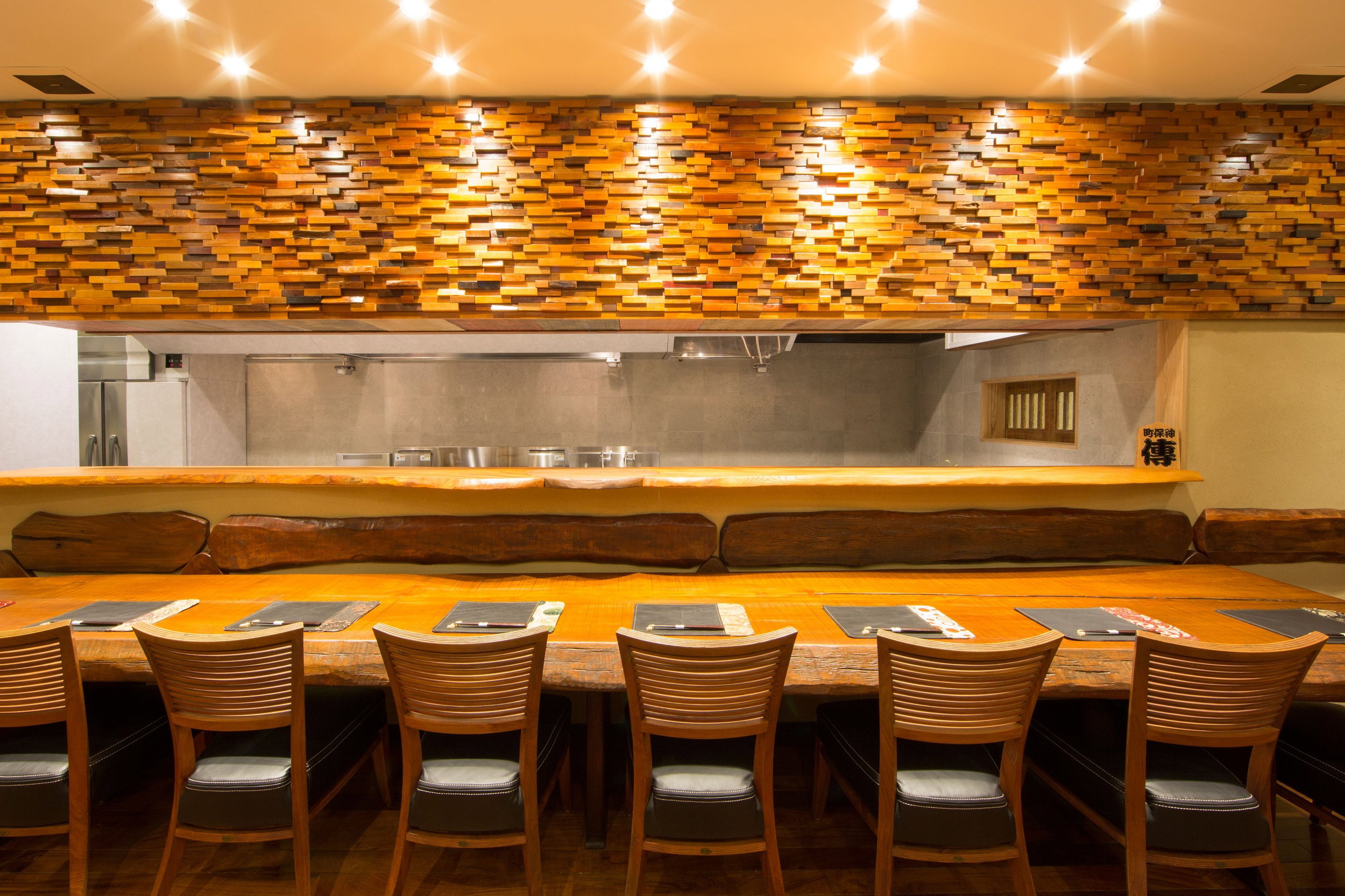
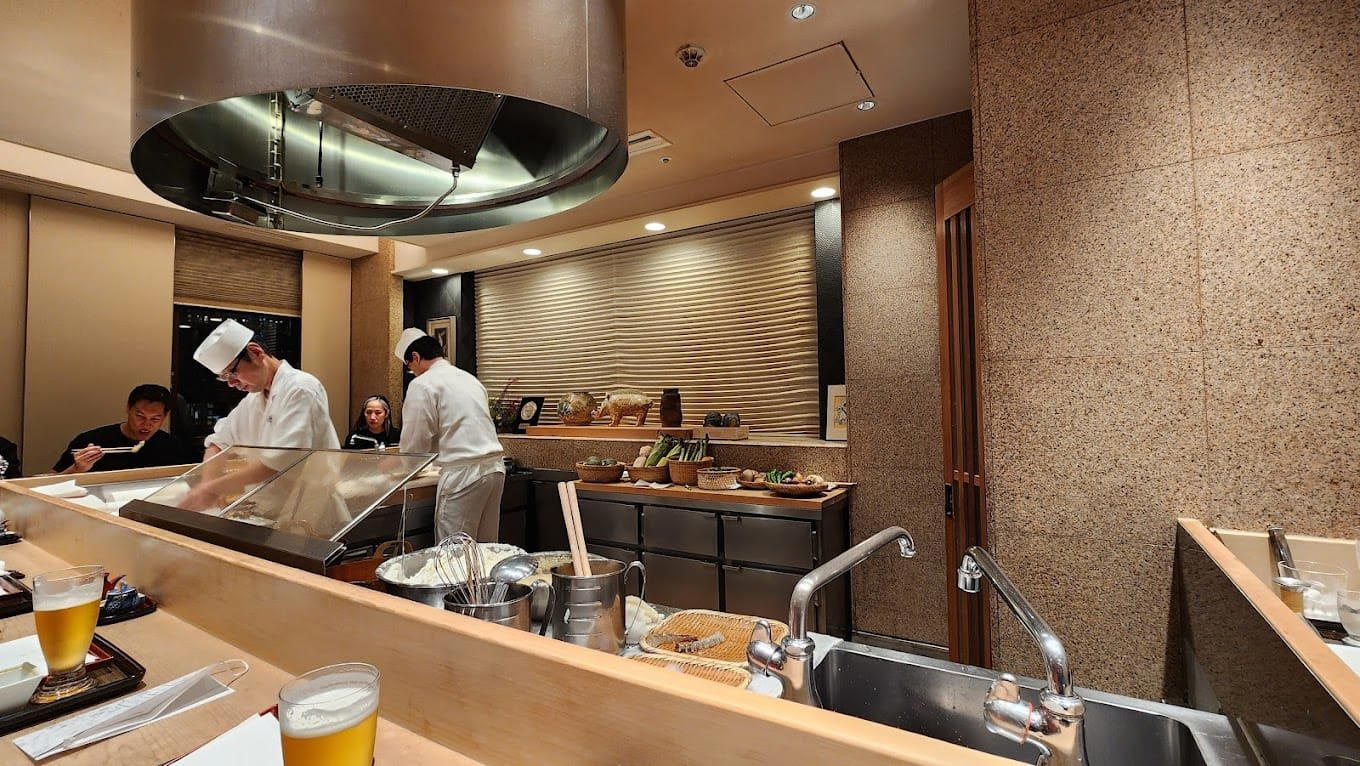
The entire point of Kizaki is the counter. With 8 seats and no private room option, every guest sits directly in front of chef Hitoshi Kizaki. That format is the meal: you are not watching from a distance or eating in a side room while the real action happens elsewhere. In a category where counter proximity to the chef is the standard, Kizaki's small footprint ensures that proximity is consistent across every seat. For a diner who has done counter omakase before, this is the format done correctly. For a first-timer, it is worth knowing that the intimacy of the room creates a specific atmosphere: quiet, focused, and deliberately unhurried. The venue is non-smoking, no perfume is permitted (a cancellation fee applies if you arrive wearing strong fragrance), and the room operates on a pace set by the chef, not the diner. Come on time. Kizaki's policy is clear: arrive more than 30 minutes late and your reservation is cancelled and treated as a no-show.
The atmosphere at Kizaki runs closer to concentrated than convivial. This is not a venue for a loud group dinner or a casual celebration that spills over into noise. The 8-seat counter enforces a particular social contract: everyone present is there for the same reason, and the room reflects that. For the solo diner or a pair who want to eat with full attention on the food, this is an asset. For a group looking for energy and back-and-forth conversation, it is a constraint worth knowing in advance.
Pricing and Timing
Budget: Dinner runs JPY 30,000–39,999 per person; lunch runs JPY 15,000–19,999. Lunch at roughly half the dinner price is genuinely good value for a restaurant at this recognition level, and children are welcome during lunch hours and the 6 PM Saturday seating, making it more flexible than most comparable venues. Hours: Tuesday through Saturday, lunch 12:00–14:00 and dinner 18:00–23:00; Sunday lunch only, 12:00–14:00; closed Monday. Sunday hours are listed as not fixed, so confirm before booking. Reservations: Reservation-only, no walk-ins. Book through Tabelog's online reservation system. The venue opened in May 2018, has built a consistent awards track record since 2021, and sits a 3-minute walk from Akasaka-Mitsuke station. Payment: Major credit cards accepted (Visa, Mastercard, JCB, Amex, Diners); no electronic money or QR code payments. Parking: Not available.
Who Should Book
Kizaki is the right call for a solo traveller or a pair who want a credentialled counter sushi experience in central Tokyo without the extreme booking competition of venues like Harutaka or Sukiyabashi Jiro Roppongiten. Lunch is the practical entry point: lower cost, child-friendly, and the same counter format. Dinner is the fuller commitment and worth it if the budget works. Groups larger than two should think carefully: the 8-seat counter means a party of four occupies half the room, and the intimate format does not suit guests who are not fully invested in the experience. If your group wants more variety in how the evening can move, Sushi Kanesaka or Edomae Sushi Hanabusa offer alternative counter sushi options in Tokyo worth comparing. For broader Tokyo dining context, see our full Tokyo restaurants guide, or explore Tokyo hotels, Tokyo bars, and Tokyo experiences for the full trip.
For serious sushi outside Tokyo, Sushi Shikon in Hong Kong and Shoukouwa in Singapore represent the format at a high level in other Asian cities. Elsewhere in Japan, the dining context shifts considerably: HAJIME in Osaka, Gion Sasaki in Kyoto, akordu in Nara, Goh in Fukuoka, 1000 in Yokohama, and 6 in Okinawa each represent their respective cities' leading. For Tokyo sushi specifically, Hiroo Ishizaka is another venue worth considering in the same category.
Ratings at a Glance
- Tabelog Score: 4.07
- Tabelog Award: Bronze 2025, Bronze 2026
- Tabelog Sushi Tokyo Top 100: 2021, 2022, 2025
- Opinionated About Dining: Ranked #250 Japan (2024), #271 Japan (2025), Highly Recommended (2023)
- 3.6 from 219 reviews
What should I wear to Kizaki?
No formal dress code is listed, but the counter format, price point (dinner JPY 30,000–39,999), and no-fragrance policy together signal that smart casual is the floor. Avoid strong perfume or cologne — arriving wearing them is grounds for cancellation with a cancellation fee. For a dinner at this price tier in Tokyo's Akasaka neighbourhood, treat it as you would any serious counter restaurant: dressed with care, not overdressed. The rule to remember is scent, not hemlines.
What are alternatives to Kizaki in Tokyo?
For counter sushi at a comparable or higher level in Tokyo, Harutaka is the reference point for technically demanding Edomae sushi but is significantly harder to book. Sushi Kanesaka and Edomae Sushi Hanabusa are alternatives worth comparing on both booking difficulty and price. If you want to step outside sushi entirely at the same spend level, RyuGin offers kaiseki at a comparable price tier. Kizaki's advantage over much of this field is its relative booking accessibility for a venue with a multi-year Tabelog Top 100 track record.
Is lunch or dinner better at Kizaki?
Lunch is the better practical choice for most visitors. It runs JPY 15,000–19,999 versus JPY 30,000–39,999 at dinner — roughly half the price for the same counter and the same chef. The format does not change materially between services. If budget is a consideration, lunch delivers the core experience at significantly lower cost. Dinner makes sense if you want the full evening format or if you are booking on a Saturday and want to bring children (the 6 PM Saturday seating is the only child-friendly dinner option). Sunday lunch only runs 12:00–14:00, but hours are not fixed on Sundays, so confirm before travelling.
Is Kizaki good for solo dining?
Yes, and it is one of the stronger solo dining propositions in the Tokyo counter sushi category. An 8-seat counter with no private room means every guest is at the same counter regardless of party size. Solo diners are not seated away from the action or given a secondary position. The focused, quiet atmosphere at Kizaki suits a single diner who wants to give the meal full attention. For solo travellers on a tighter budget, lunch at JPY 15,000–19,999 is the most accessible entry point to the experience.
What should I order at Kizaki?
Kizaki runs an omakase format, so ordering is not the question: the chef determines the course. The practical decision is lunch versus dinner, and whether to book a weekday or the Saturday 6 PM seating (the only dinner service where children are permitted). If you have dietary restrictions or preferences, contact the restaurant directly when booking. Specific dishes and seasonal menus are not published in advance, which is standard for counter omakase at this level.
Planning details
- Hours
- Monday: Closed · Tuesday: 12–2 pm, 6–11 pm
- Location
- Japan, 〒107-0052 Tokyo, Minato City, Akasaka, 3 Chome−21−10 赤坂靑明会館 ビル5C
- Website
- tabelog.com/en/tokyo/A1308/A130801/13221218
- Phone
- +81 3-6807-4110
The take
The Take
The Vibe
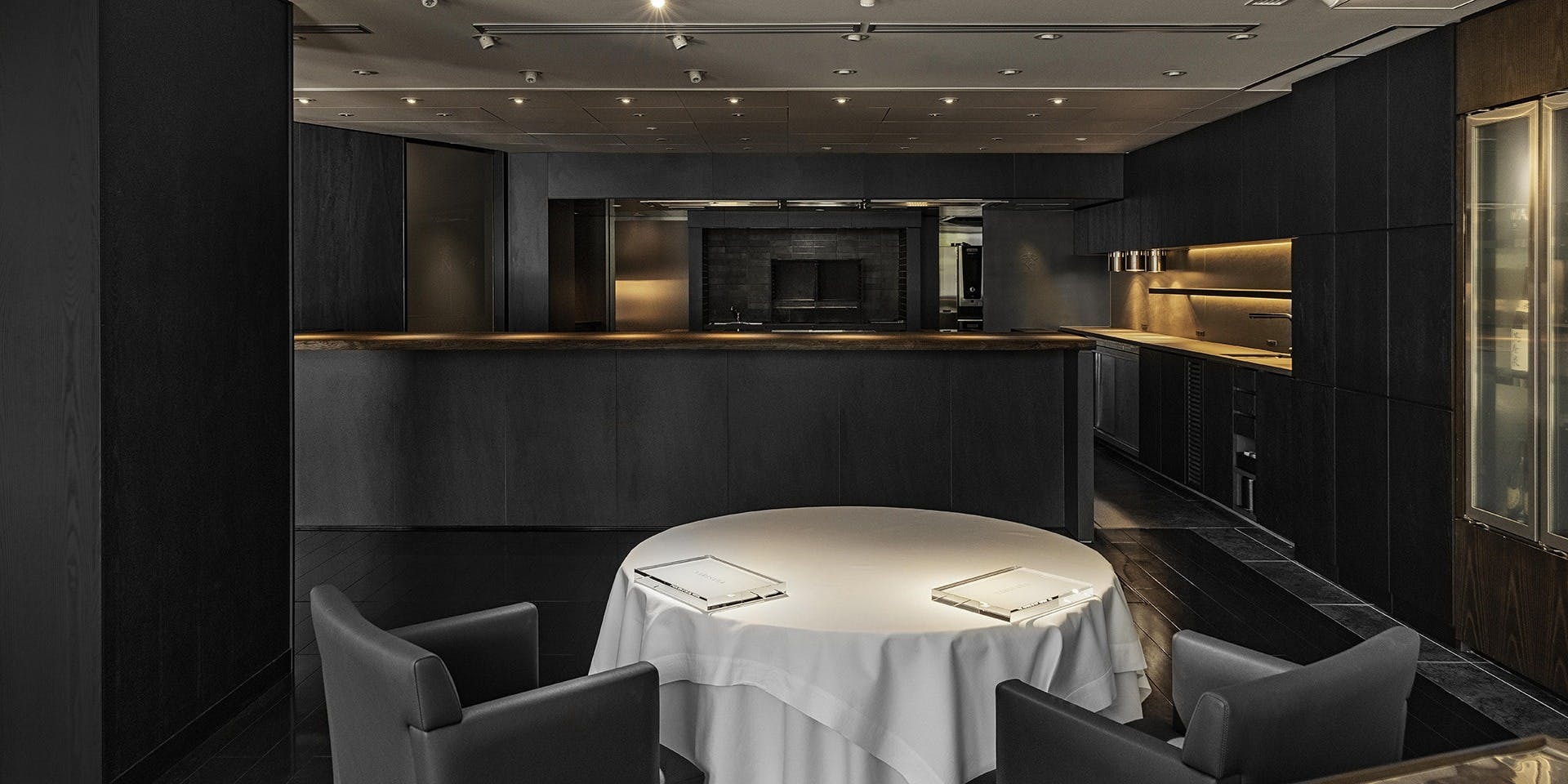
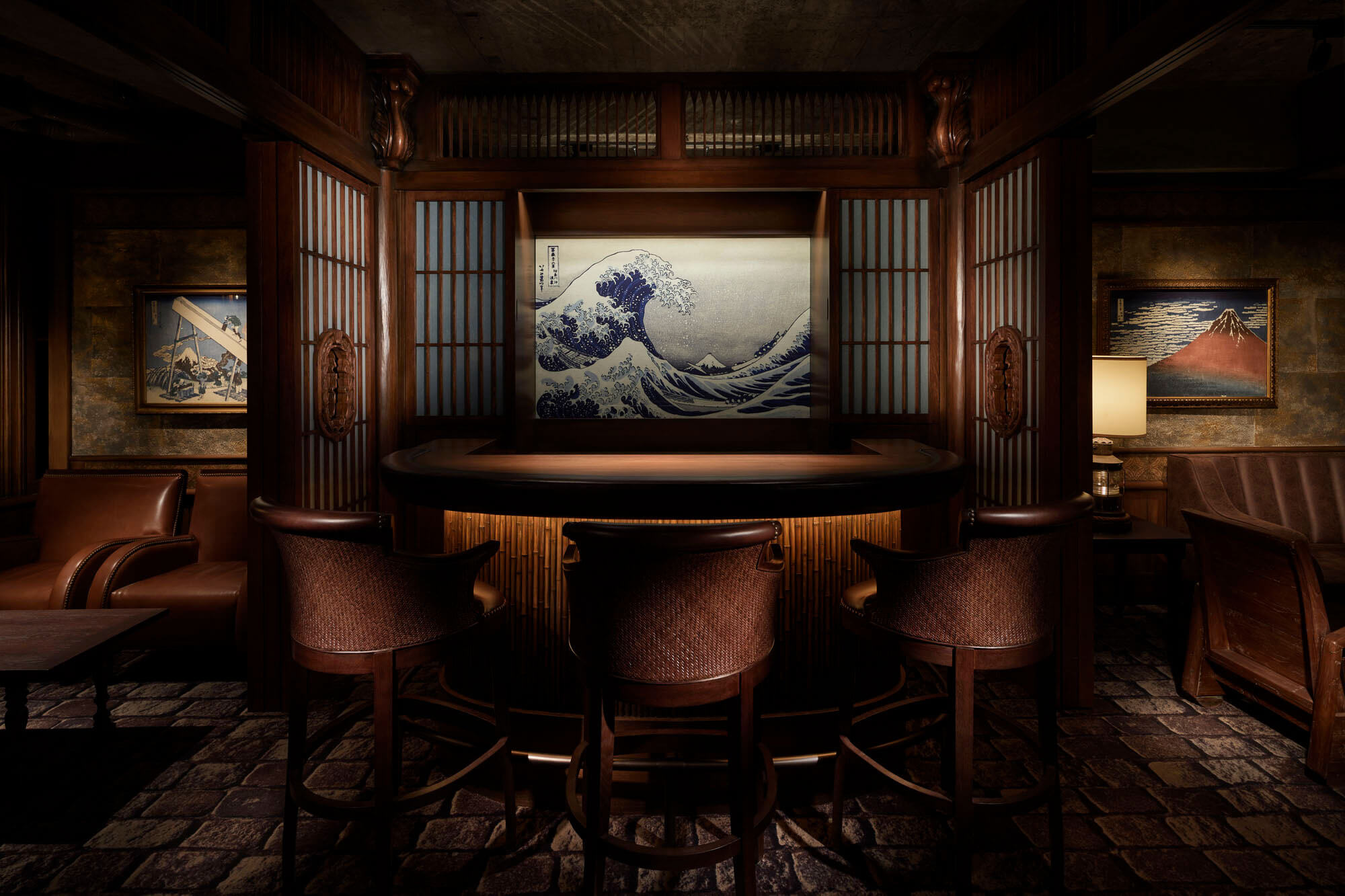
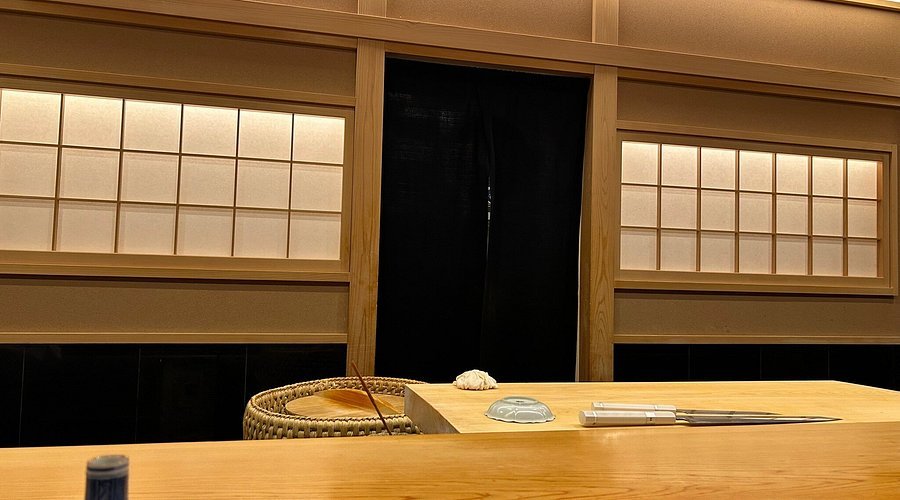
Kizaki presents a deliberately low-key, inward-facing dining experience centered on an eight-seat sushi counter. The restaurant sits on a quiet fifth floor in Akasaka, favoring anonymity and the intense focus of a small room over street-level presence. The tight physical frame — low ceilings and the chef working within arm’s reach — makes the setting integral to the meal: the space is spare and careful, and every movement is part of the performance. Guests encounter a refined, concentrated omakase encounter rather than a theatrical or tourist-facing sushi destination.
Best For
This counter is best for intimate evening dining where the format itself is the draw: solo diners who want a focused sushi bar experience, couples seeking a quiet date-night omakase, and diners marking a small special occasion. Located three minutes from Akasaka-mitsuke Station and positioned in the mid-to-upper tier of Tokyo’s omakase market, Kizaki rewards guests who value craftsmanship and restraint. The eight-seat counter means the experience is personal and compact, not suited to large groups but ideal for one-on-one or solo visits.
Ordering Tips
The venue is an omakase-style sushi counter with just eight seats, so approach the visit expecting a chef-led progression rather than à la carte choices. The restaurant’s anonymity and small scale mean punctuality and a readiness to engage with the chef’s sequence enhance the experience. Because the counter is the whole frame, plan for a concise, attentive service where the chef’s rhythm and the room’s focused atmosphere set the pace. Practical details such as reservations or pricing are not specified in the description, so check availability before you go.
Venue details
Ambiance
Calm and pleasant atmosphere with cypress wood counter, warm lighting, and Zen-like refinement based on guest reviews.
Tags
Vibe
Best For
Experience
Accessibility
At the Table
- Dress Code
- Smart Casual
- Noise Level
- Quiet
- Service Style
- Formal
- Meal Pacing
- Leisurely
- Capacity
- Intimate
- Kitchen
- Traditional
- Menu Format
- Omakase, Counter dining
- Wine Program
- Curated
- Drinks Focus
- Sake
Signature Dishes
- tossaki tuna hand roll
- anago
Know before you go
Know Before You Go
- Getting there
- Japan, 〒107-0052 Tokyo, Minato City, Akasaka, 3 Chome−21−10 赤坂靑明会館 ビル5C
Planning details
Hours
- Monday
- Closed
- Tuesday
- 12–2 pm, 6–11 pm
- Wednesday
- 12–2 pm, 6–11 pm
- Thursday
- 12–2 pm, 6–11 pm
- Friday
- 12–2 pm, 6–11 pm
- Saturday
- 12–2 pm, 6–11 pm
- Sunday
- 12–2 pm
Location
Japan, 〒107-0052 Tokyo, Minato City, Akasaka, 3 Chome−21−10 赤坂靑明会館 ビル5C · Directions
Recognition and awards

Also consider
Also Consider
- Harutaka, Sushi, ¥¥¥¥
- L'Effervescence, French, ¥¥¥¥
- RyuGin, Kaiseki, Japanese, ¥¥¥¥
- HOMMAGE, Innovtive French, French, ¥¥¥¥
- Crony, Innovative, French, ¥¥¥¥
Restaurant context
Within Tokyo's counter sushi tier, Kizaki sits below the very top names on booking difficulty but holds its own on credentials. Harutaka is the harder reservation and the more talked-about counter, but for a diner visiting Tokyo without months of lead time, Kizaki's relative accessibility at a Tabelog 4.07 score is a practical advantage. If your priority is getting into a credentialled 8-seat counter with multi-year Tabelog Top 100 recognition, Kizaki is more bookable than much of its peer group.
If you are weighing sushi against other formats at the same spend, RyuGin offers kaiseki at a comparable price tier with a different kind of progression and theatricality, better for a group that wants varied courses rather than a single-focus counter experience. L'Effervescence and Crony are both ¥¥¥¥ French-leaning options in Tokyo that suit diners who want a more social or conversational dinner format, neither has Kizaki's counter intimacy, but both are better choices if the room's quiet focus would feel restrictive. HOMMAGE sits in the innovative French category and is worth considering if you want strong technique in a format with more flexibility around group dynamics.
The clearest case for Kizaki over its peers: if sushi is the format you want, the counter is the specific experience you are after, and you are booking within a few weeks rather than months out, Kizaki delivers a recognised, consistent result. For the explorer who wants depth without a six-month reservation queue, it is the sensible choice in its category.
Explore Tokyo
Around this place
Discover more on Pearl
Unlock the full Kizaki guide in Pearl, including awards, comparisons, FAQs, planning details, and nearby places.
FAQ
Frequently Asked Questions
What should I wear to Kizaki?
No dress code is listed in the venue data, but one rule is explicit: arrive without strong fragrances such as perfume or your reservation will be cancelled and a cancellation fee will apply. For an 8-seat counter sushi at this price point (dinner JPY 30,000–39,999), smart casual is a safe call — clean, understated, and scent-free.
What are alternatives to Kizaki in Tokyo?
Harutaka in Ginza is the natural peer comparison — similar counter-sushi format, higher booking difficulty, and a longer track record. If you want a broader omakase scene beyond sushi, RyuGin offers contemporary Japanese cuisine at a comparable price tier in Roppongi. Kizaki's advantage over both is accessibility: its Tabelog 4.07 score and Akasaka location make it one of the more reachable counters at this recognition level.
Is lunch or dinner better at Kizaki?
Lunch is the sharper value: JPY 15,000–19,999 versus JPY 30,000–39,999 at dinner, at the same 8-seat counter with the same chef. If you're visiting Kizaki for the first time or working to a tighter budget, lunch is the call. Dinner makes sense if you want the full evening pacing and a longer course — but you're paying roughly double for the format, not a different experience.
Is Kizaki good for solo dining?
Yes — an 8-seat counter is one of the formats that works best for solo diners. You sit directly in front of chef Hitoshi Kizaki with no awkward table dynamics, and the reservation-only policy means the counter is managed tightly. Kizaki has been listed in Tabelog's Sushi Tokyo Top 100 three consecutive cycles (2021, 2022, 2025), which gives solo visitors a credentialled experience without the extreme lead times of harder-to-book counters.
What should I order at Kizaki?
Kizaki operates as a reservation-only counter, and the format is almost certainly omakase — meaning the chef decides the course, not the guest. No à la carte menu is listed in the venue data. Arrive on time: showing up more than 30 minutes late means you forfeit your seat entirely, and arriving mid-course means some dishes will not be served.