.png?width=1200&quality=80)

Sushi Miyuki
Sushi · Chūō, Tokyo
Restaurant in Tokyo, Japan
 Book with Pearl
The Read
Hashimoto-Lineage Nigiri
Price
¥¥¥
Dress
Smart Casual
Why go
Sushi Miyuki is a Michelin Plate-recognised counter in Chuo City, Tokyo, opened by Sushi Hashimoto's Hiroyuki Hashimoto as a training ground for his best young chefs. At ¥¥¥, it sits below the city's top-tier omakase rooms in price but not in seriousness. Easy to book by Tokyo standards, it is the counter to choose when you want genuine craft sushi without the months-in-advance commitment.
About Sushi Miyuki
A ¥¥¥ sushi counter in Chuo that punches above its price point — and is easier to book than its lineage suggests
Sushi Miyuki sits at a price point that makes it one of the more accessible serious sushi counters in central Tokyo. At ¥¥¥, you are spending meaningfully but not at the ¥¥¥¥ level demanded by counters like Harutaka or Sukiyabashi Jiro Roppongiten. That gap matters. For food explorers who want genuine counter-sushi craft without committing to the top tier of Tokyo's famously steep omakase market, Miyuki offers a real entry point. Two consecutive Michelin Plates (2024 and 2025) confirm this is not a training exercise — the kitchen is performing at a recognised standard.
The venue's origin story is directly relevant to what you will eat here. Hiroyuki Hashimoto, owner-chef of Sushi Hashimoto, opened Miyuki specifically as a proving ground for young chefs trained under his supervision. The name itself is drawn from one Chinese character each from Hashimoto's parents' names, which tells you something about how seriously he takes the project. He remains involved, keeping close watch over the chefs to ensure they develop as craftspeople. What this means practically: you are eating food made by people who have something to prove, under a mentor who has not walked away. That dynamic tends to produce focused, disciplined cooking rather than complacent execution.
What the counter adds to this meal
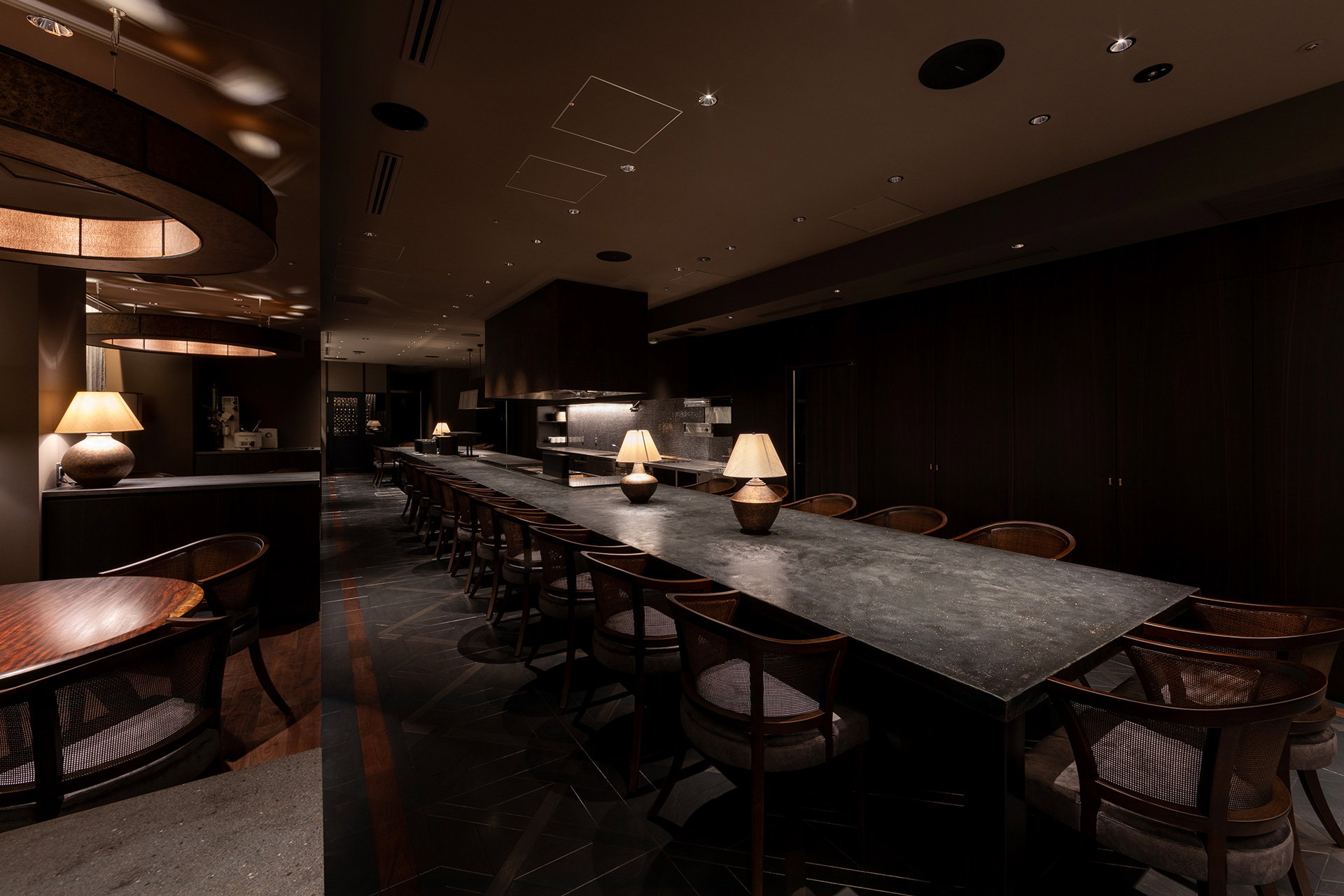
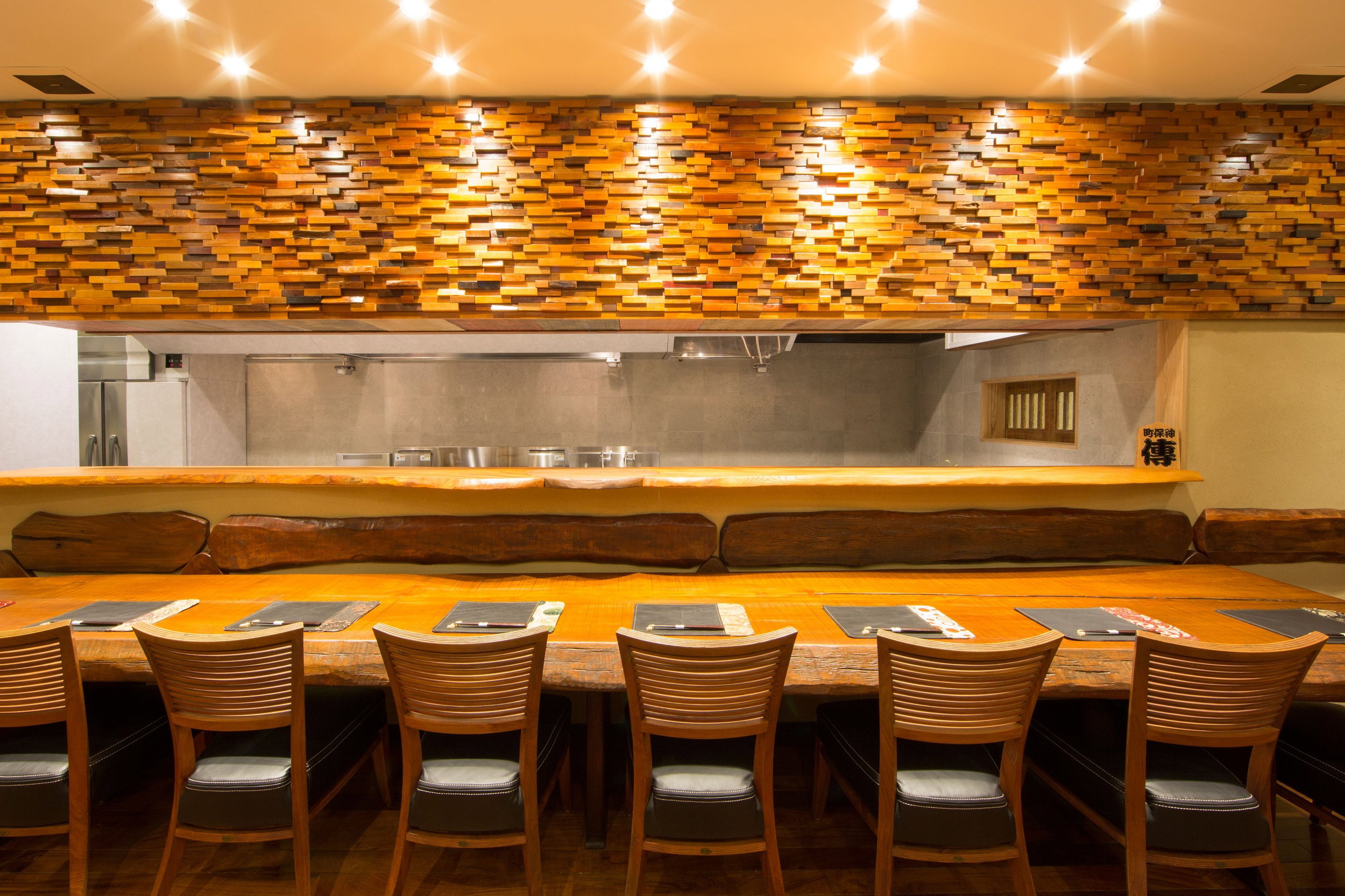
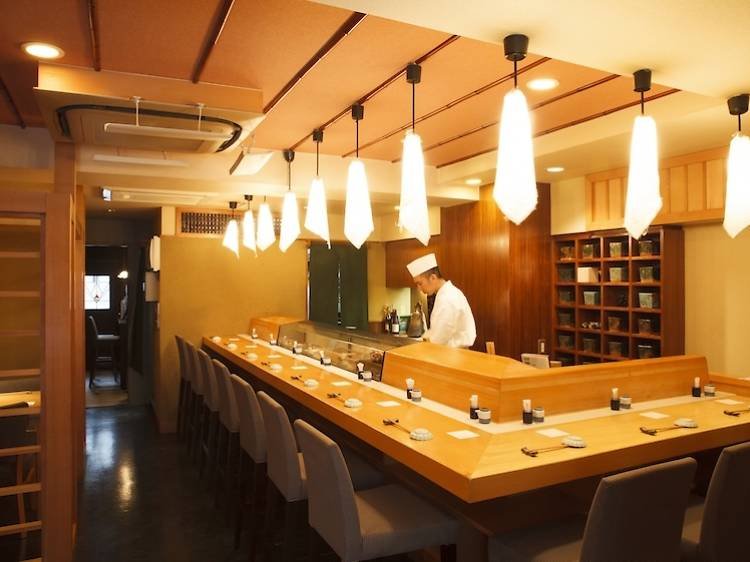
The counter format here is not incidental, it is the whole point. Sushi at Miyuki is cut thick and portioned generously, which is a deliberate stylistic choice, not an accident. At a sushi counter, you see that portioning happen in real time. You watch a young chef work with the confidence their training has given them, and you understand why the cuts are the size they are. This is the kind of context that disappears the moment sushi moves to a plated format in a full dining room. The counter also makes the service dynamic legible: Miyuki's service is described as graceful, artisans devoted to their craft, and that quality reads differently when it is directed at you personally rather than delivered across a crowded room.
Timing your visit shapes the experience significantly. At lunch, the menu is nigiri only, which keeps the format clean and fast. Evening service adds side dishes alongside the nigiri, giving you a more complete and leisurely meal. If you are in Tokyo for a short trip and want to understand what this kitchen does, an evening visit is the better choice. If you are a local or returning visitor who wants a focused, efficient meal, lunch works well and may seat more easily. For food and travel enthusiasts who want the full picture of what Miyuki is doing, go in the evening, go early, and take your time at the counter.
Atmosphere and room feel
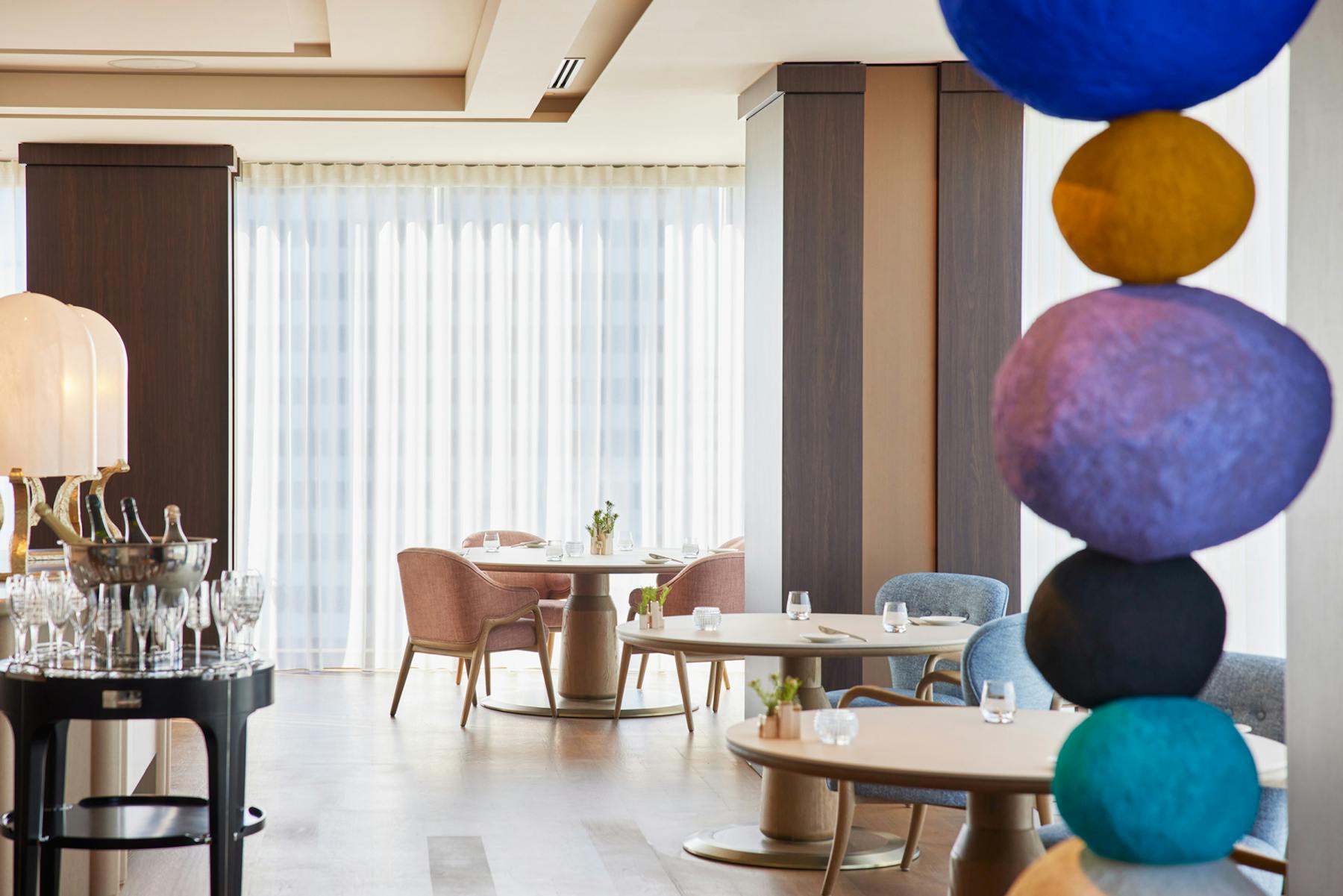
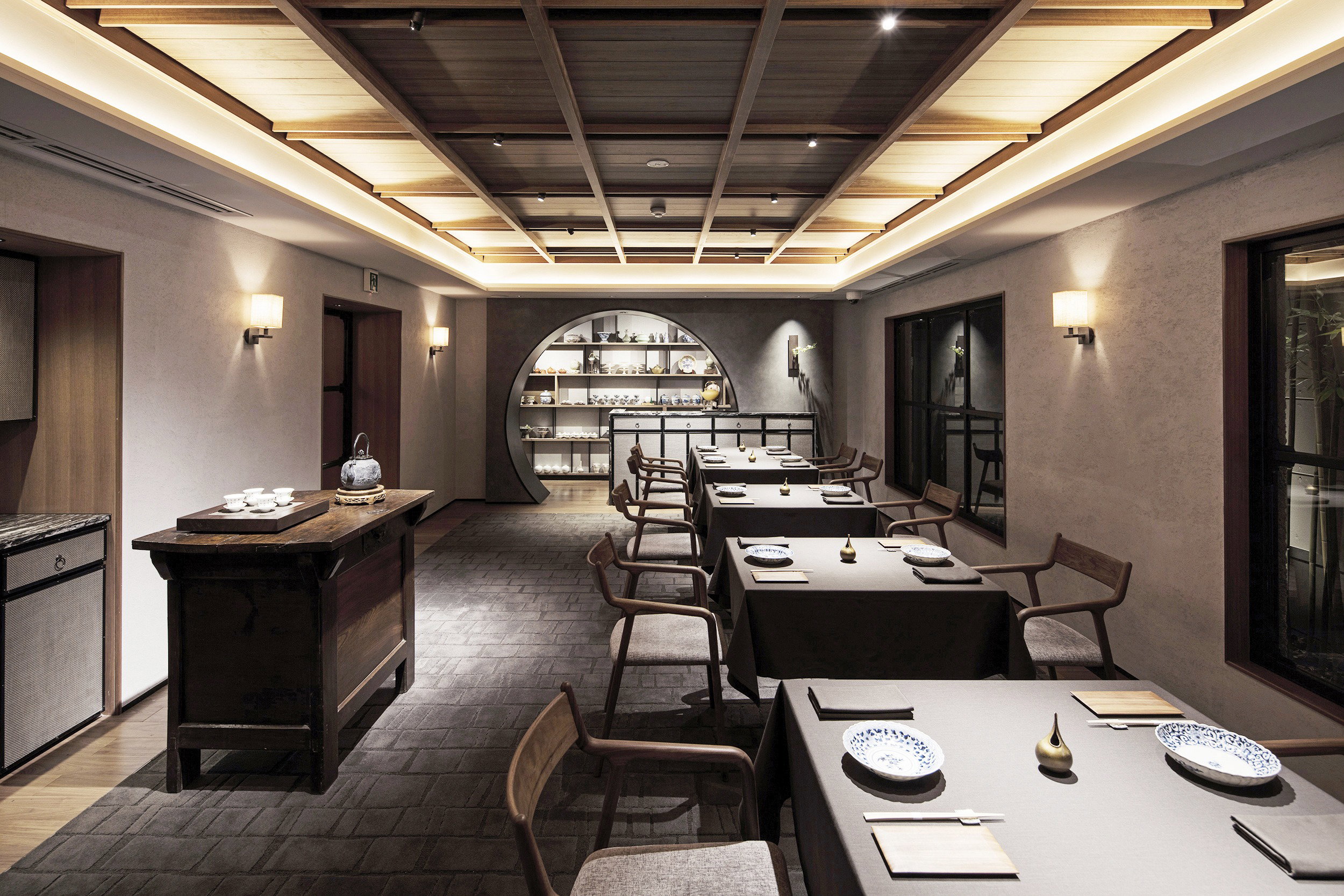
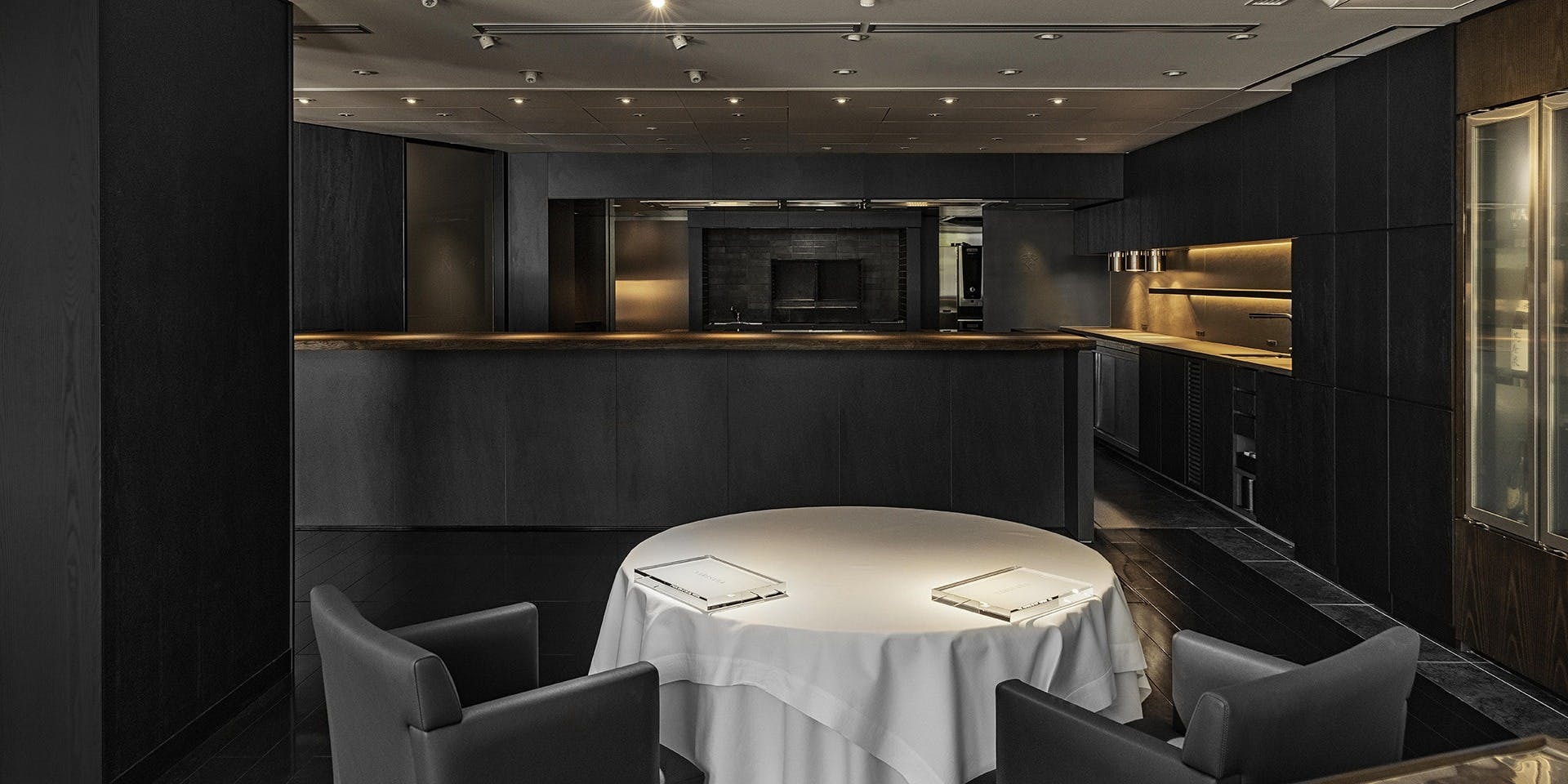
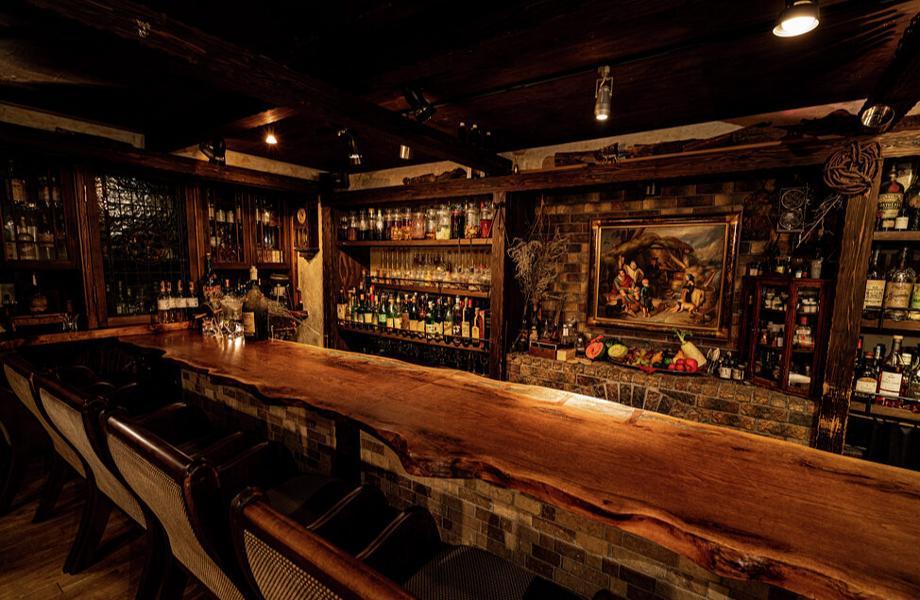
Sushi Miyuki is in Shintomi, Chuo City, a quieter pocket of central Tokyo, away from the noise of Ginza's main thoroughfares but close enough to feel connected to that world. The address at 1 Chome-15-11 Shintomi places you in an area that does not advertise itself to tourists, which keeps the energy in the room settled and focused. Do not expect the hum of a busy brasserie or the reverb of a crowded izakaya. Counter sushi rooms at this level are deliberately still. Conversation happens at a register that does not compete with the food. The mood is attentive rather than celebratory, which suits the format. If you are bringing someone who needs ambient noise to feel comfortable at dinner, manage expectations in advance.
How it compares against Tokyo's sushi options
Against Sushi Kanesaka and Edomae Sushi Hanabusa, Miyuki operates at a lower price tier with the backing of a named mentor lineage. That is a meaningful combination. You are not paying top-line prices, but you are eating food shaped by a clear and documented culinary tradition. For visitors who want to compare across Tokyo's wider dining scene, Hiroo Ishizaka represents a different style of Japanese counter dining worth considering. Pearl's full Tokyo restaurants guide covers the broader field if you are planning a multi-meal itinerary.
Booking and practical details
This is a genuine advantage. The combination of Michelin recognition, serious lineage, and accessible booking makes it one of the more practical choices for visitors who decide on their itinerary closer to departure. No specific booking method is listed in available data, so check current reservation availability through standard Tokyo restaurant booking channels. Phone and website details are not confirmed in current records.
If you are building a broader Japan itinerary, Pearl also covers HAJIME in Osaka, Gion Sasaki in Kyoto, and akordu in Nara for context on the wider Japanese fine dining circuit. For sushi outside Japan, Sushi Shikon in Hong Kong and Shoukouwa in Singapore are the regional benchmarks worth knowing. You can also explore Tokyo hotels, Tokyo bars, and Tokyo experiences through Pearl's city guides.
Quick reference:
Planning details
- Location
- 1 Chome-15-11 Shintomi, Chuo City, Tokyo 104-0041, Japan
- Website
- omakase.in/r/uk736901
The take
The Take
The Vibe
Sushi Miyuki reads as a focused, lineage-driven counter that privileges craft over theatrics. Opened by Hiroyuki Hashimoto as a deliberate training platform, the room reflects a restrained aesthetic and a clear pedagogical purpose: to refine edomae technique while keeping the format pared back. The meal leans on discipline rather than excess — lunch is strictly nigiri, and evenings extend only modestly to side dishes — so the experience emphasizes the essentials of rice, fish and cut. The restaurant feels like a thoughtful bridge between venerable tradition and a younger, exacting generation of chefs.
Best For
This is a place for diners who want serious edomae sushi without the top-tier ¥¥¥¥ price tag. The pricing and structure position Miyuki for guests seeking high-level technique in a more accessible setting: younger food lovers, professionals sourcing a reliable business dinner, and anyone marking a special occasion with quietly excellent sushi. Lunch is ideal for those who want a concentrated nigiri program, while evening service lets groups expand into side dishes without losing the meal’s core focus on craftsmanship.
Ordering Tips
Keep ordering simple and let the counter dictate the flow. Lunch is nigiri-only, so come ready to taste the chef’s sequence that foregrounds rice, fish and knife work; evenings add side dishes if you want a broader range. Lean on the kitchen’s strengths — signature pieces like kohada and medium fatty tuna are highlighted for a reason — and avoid asking for elaborate substitutions that would dilute the deliberate, training-ground approach that defines the place.
Venue details
Ambiance
Intimate counter seating with graceful, attentive service in a relaxing, non-smoking space focused on the sushi craft.
Tags
Vibe
Best For
Experience
Sourcing
At the Table
- Dress Code
- Smart Casual
- Noise Level
- Quiet
- Service Style
- Omakase Bar
- Meal Pacing
- Leisurely
- Capacity
- Intimate
Signature Dishes
- kohada
- medium fatty tuna
Know before you go
Know Before You Go
- Getting there
- 1 Chome-15-11 Shintomi, Chuo City, Tokyo 104-0041, Japan
Planning details
Location
1 Chome-15-11 Shintomi, Chuo City, Tokyo 104-0041, Japan · Directions
Recognition and awards
Also consider
Also Consider
- Harutaka, Sushi, ¥¥¥¥
- RyuGin, Kaiseki, Japanese, ¥¥¥¥
- L'Effervescence, French, ¥¥¥¥
- HOMMAGE, Innovtive French, French, ¥¥¥¥
- Florilège, French, ¥¥¥
Restaurant context
Sushi Miyuki's closest direct comparison is Harutaka, which operates at ¥¥¥¥ and carries stronger Michelin credentials. If budget is not a constraint and you want the highest technical ceiling in Tokyo sushi, Harutaka is the choice. But if you are spending carefully or want to eat well at a counter without the top-tier spend, Miyuki's ¥¥¥ price and Easy booking status make it the more practical option for most visitors. The Hashimoto lineage gives it enough credibility to hold that comparison without embarrassment.
Against non-sushi alternatives in Tokyo's ¥¥¥¥ tier, RyuGin offers kaiseki at a completely different register, longer, more theatrical, with a broader range of techniques on display. L'Effervescence and HOMMAGE are both ¥¥¥¥ French rooms worth knowing if your group has mixed preferences between Japanese and Western fine dining. None of these compete directly with Miyuki, they occupy a higher price bracket and a different cuisine category, but they are relevant if you are choosing between sushi and something else for a special occasion meal.
Florilège is the most useful lateral comparison at ¥¥¥: French cooking with a counter format and strong critical recognition, sitting at the same price tier as Miyuki. The decision between them comes down to whether you want sushi or French cuisine. Both are well-regarded at their price point. Miyuki is the pick for anyone specifically committed to counter sushi with a documented training lineage behind it.
Explore Tokyo
Around this place
Discover more on Pearl
Unlock the full Sushi Miyuki guide in Pearl, including awards, comparisons, FAQs, planning details, and nearby places.
Compare Sushi Miyuki
| Venue | Price | Awards |
|---|---|---|
| Sushi Miyuki | ¥¥¥ | 2026 Michelin PlateTabelog 100 - Sushi - TOKYO - 2025 · #772025 Michelin Plate2024 Michelin Plate |
| Harutaka | ¥¥¥¥ | 2026 Tabelog Silver · #312026 OAD Top Restaurants in Japan Ranked · #1282026 Michelin 3 Stars2026 La Liste Top RestaurantsTabelog 100 - Sushi - TOKYO - 2025 · #372025 Asia's 50 Best Restaurants · #762025 OAD Top Restaurants in Japan Ranked · #1172025 La Liste Top Restaurants2025 Tabelog Bronze |
| RyuGin | ¥¥¥¥ | 2026 OAD Top Restaurants in Japan Ranked · #802026 Tabelog Bronze · #3772026 Michelin 3 Stars2026 La Liste Top RestaurantsTabelog 100 - Japanese cuisine - TOKYO - 2025 · #212025 OAD Top Restaurants in Japan Ranked · #542025 Michelin 3 Stars2025 La Liste Top Restaurants2025 The Best Chef Three Knives |
| L'Effervescence | ¥¥¥¥ | 2026 Tabelog Silver · #682026 OAD Top Restaurants in Japan Ranked · #103Star Wine Lists 20262026 Black Pearl 2 Diamond2026 Relais Chateaux Restaurants2026 La Liste Top Restaurants2026 Michelin 3 Stars2025 Asia's 50 Best Restaurants · #692025 OAD Top Restaurants in Japan Ranked · #92 |
| HOMMAGE | ¥¥¥¥ | 2026 Tabelog Bronze · #1232026 OAD Top Restaurants in Japan Highly Recommended2026 Michelin 2 StarsTabelog 100 - French - TOKYO - 2025 · #762025 Asia's 50 Best Restaurants · #782025 OAD Top Restaurants in Japan Ranked · #1752025 Michelin 2 Stars2025 The Best Chef One Knife2025 La Liste Top Restaurants |
| Florilège | ¥¥¥ | 2026 Asia's 50 Best Restaurants · #312026 Tabelog Bronze · #712026 OAD Top Restaurants in Japan Ranked · #1242026 Black Pearl 1 Diamond2026 Michelin 2 Stars2026 La Liste Top Restaurants2025 Asia's 50 Best Restaurants · #172025 World's 50 Best Restaurants · #36Tabelog 100 - French - TOKYO - 2025 · #68 |












Side-by-side comparison to help you decide where to book.
FAQ
Frequently Asked Questions
What should I order at Sushi Miyuki?
At lunch, the menu is nigiri only — so the choice is already made for you. In the evening, both nigiri and side dishes are available, which gives you more of the full counter experience. The kitchen is known for cutting sushi thick and portioning generously, so this is not a venue where you leave hungry.
How far ahead should I book Sushi Miyuki?
Miyuki is rated Easy to book by Pearl, which puts it in a different category from Tokyo's heavily competed counters. A week or two of lead time is typically sufficient, though evening seatings on weekends may fill faster. This is one of the practical advantages of the Hashimoto lineage without the Hashimoto wait list.
Is Sushi Miyuki good for a special occasion?
Yes, with some caveats. The counter format, Michelin Plate recognition, and mentorship from the Sushi Hashimoto team give it the credentials for a meaningful dinner. For a milestone occasion where you want more ceremony or starred accolades, venues like Harutaka sit higher — but Miyuki's ¥¥¥ price point makes it a realistic option if the counter format suits your group.
Is Sushi Miyuki worth the price?
At ¥¥¥, Miyuki sits below Tokyo's top-tier omakase counters in price while drawing directly on the Sushi Hashimoto training lineage. Thick-cut, generous nigiri and a Michelin Plate in both 2024 and 2025 confirm this is not a compromise pick. If you want serious sushi without the pricing or booking difficulty of the city's starred rooms, Miyuki makes a clear case for itself.
What are alternatives to Sushi Miyuki in Tokyo?
Sushi Kanesaka and Edomae Sushi Hanabusa are the closest direct comparisons in central Tokyo, both operating at a higher price tier with starred recognition. For a similar accessible-but-serious counter at ¥¥¥, Miyuki is the stronger value case given its mentorship credentials. If budget is not a constraint and you want Michelin stars over Michelin Plates, look at Harutaka.
Is the tasting menu worth it at Sushi Miyuki?
Miyuki does not operate a conventional tasting menu structure. Lunch is nigiri only; evening service adds side dishes to the nigiri. The evening format is the fuller experience and the better use of a dinner booking at ¥¥¥. If a multi-course tasting structure is what you are after, Miyuki is not the right format — consider RyuGin or L'Effervescence instead.