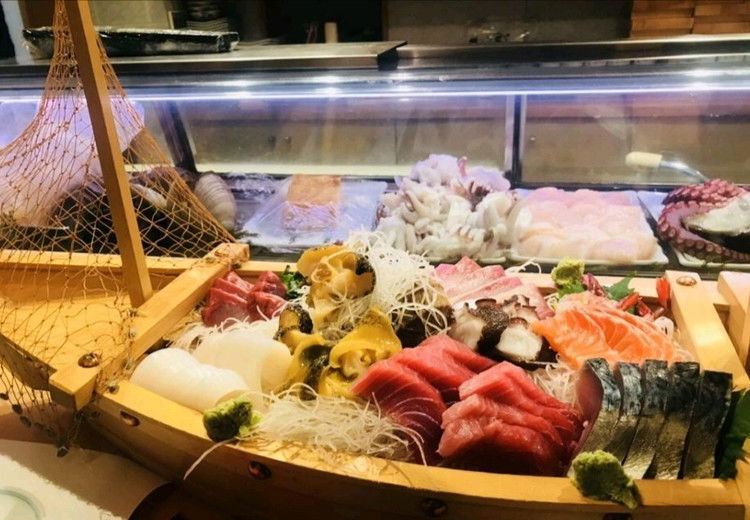



Hatsunezushi
Sushi · Ōta, Tokyo
Restaurant in Tokyo, Japan
 Book with Pearl
The Read
Fifth-Generation Counter Omakase
Price
$50–100per person
Chef
Katsu Nakaji
Dress
Smart Casual
Why go
A Tabelog Silver-to-Bronze-awarded eight-seat omakase counter in Nishikamata, Hatsunezushi delivers serious edomae sushi at JPY 8,000–14,999 per head, well below Ginza counterparts at comparable quality. Tabelog Top 100 selected in 2021, 2022, and 2025. Book two to four weeks out online; no cash, no walk-ins.
About Hatsunezushi
Should You Book Hatsunezushi?
If you're comparing Hatsunezushi against Tokyo's Ginza omakase circuit, the Harutaka-tier rooms where dinner runs ¥30,000–¥50,000 per head, Hatsunezushi is the stronger argument for Ota Ward. At JPY 8,000–9,999 per person (with review-based actuals landing closer to JPY 10,000–14,999 for dinner), this is an eight-seat counter in Nishikamata that has held Tabelog Silver from 2017 through 2020, then Bronze continuously through 2026, and has been selected for the Tabelog Sushi Tokyo Top 100 in 2021, 2022, and 2025. That award track record at this price point is the core argument for booking.
What Hatsunezushi Is
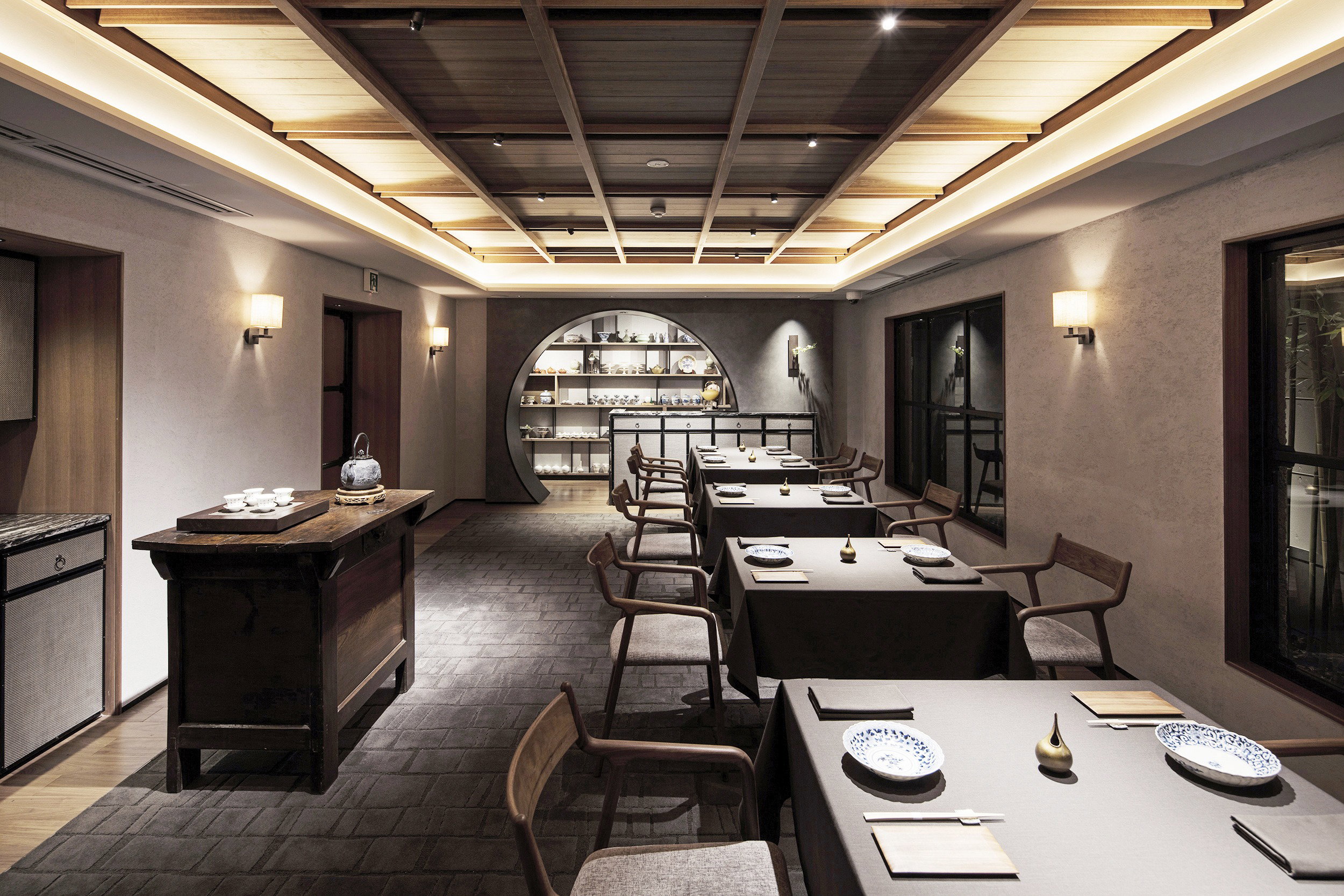
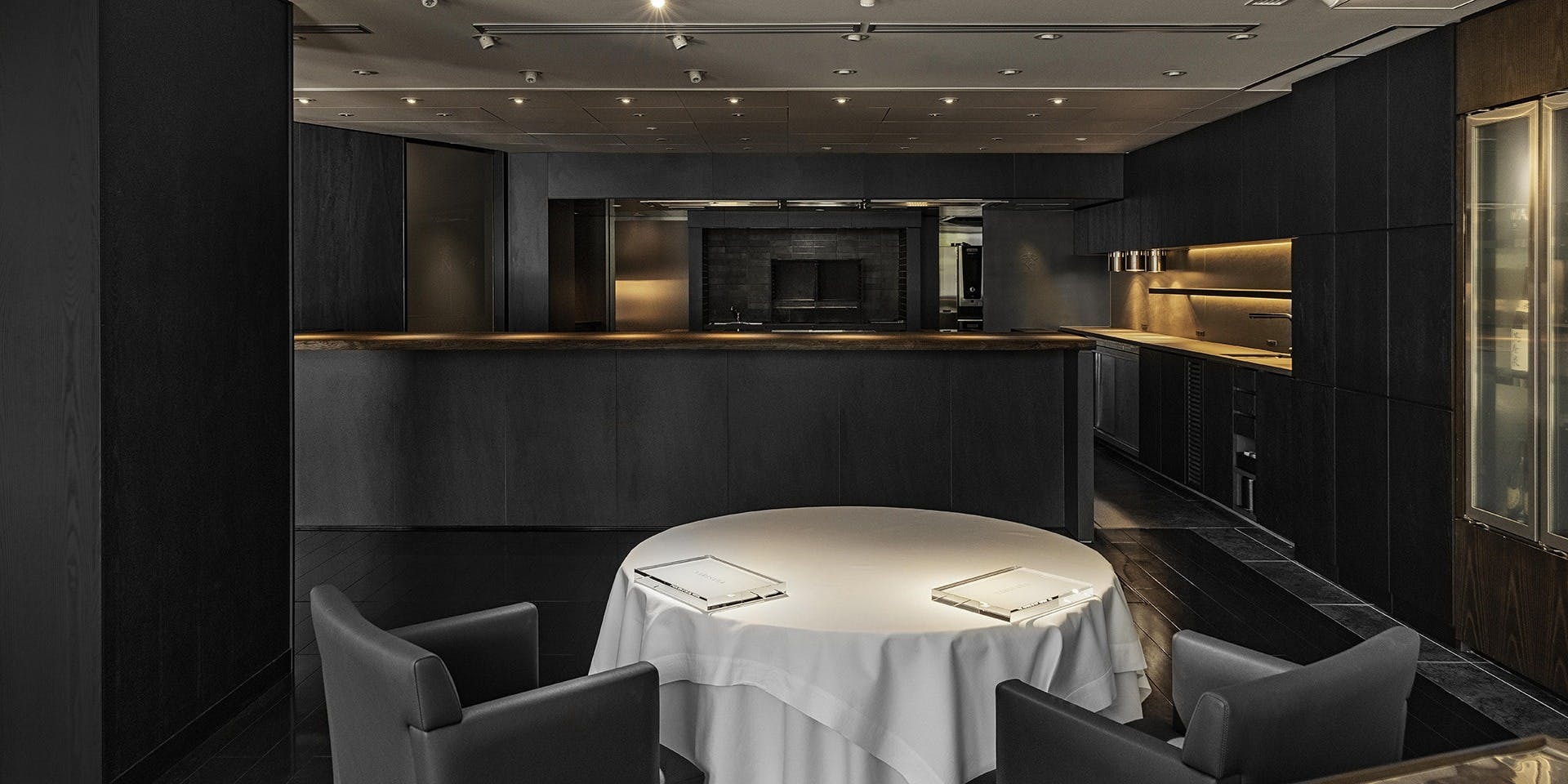
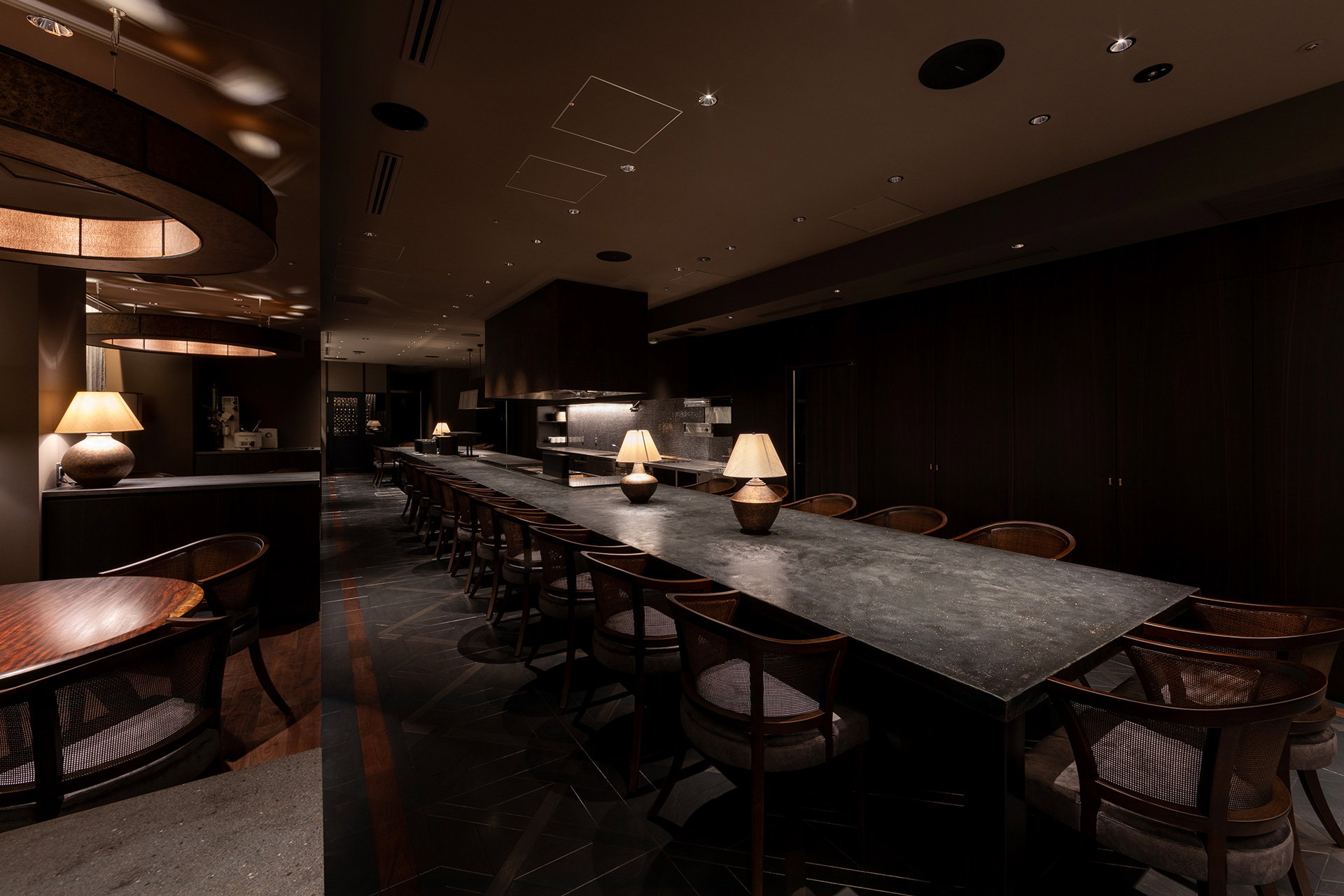
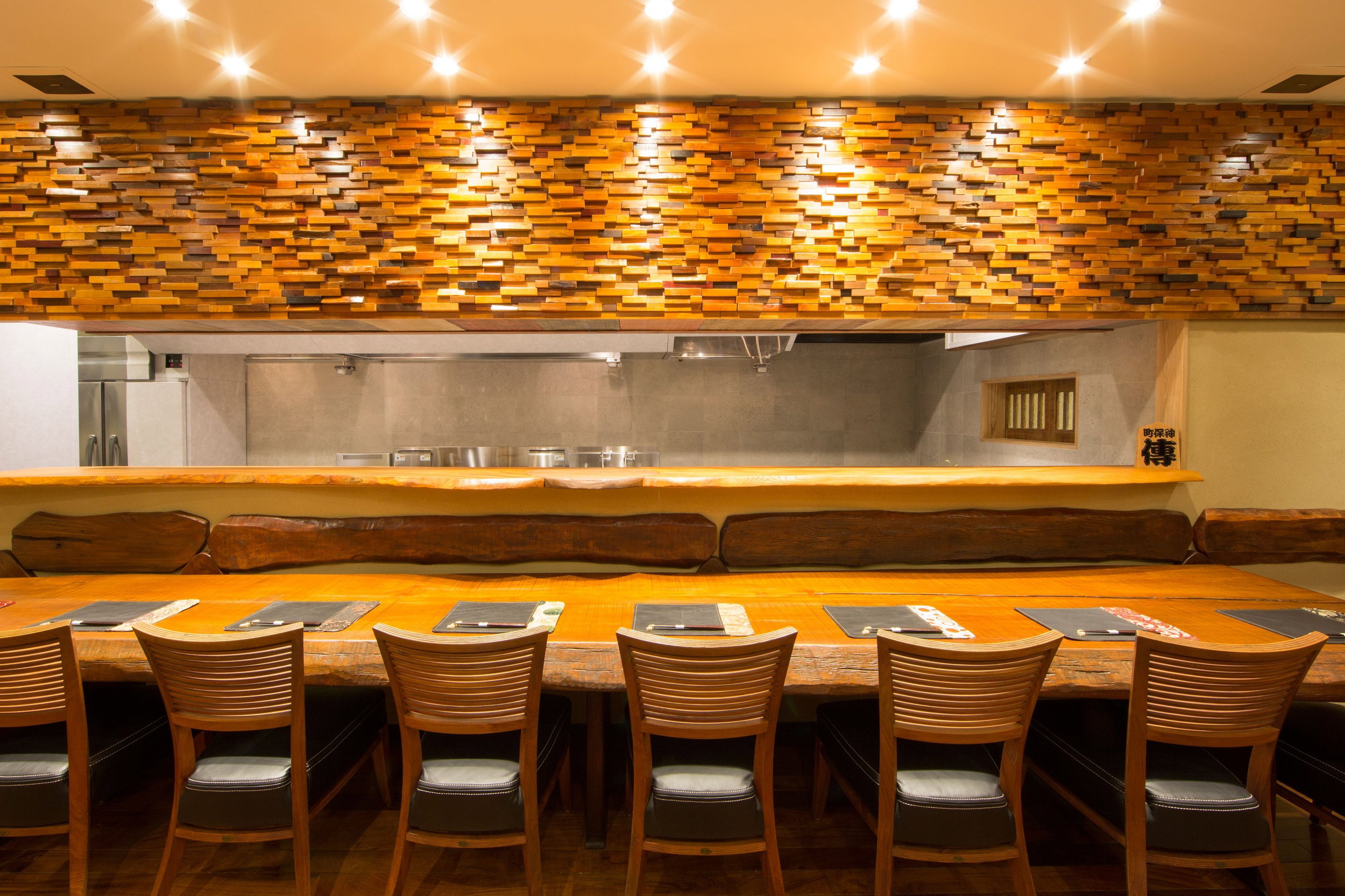
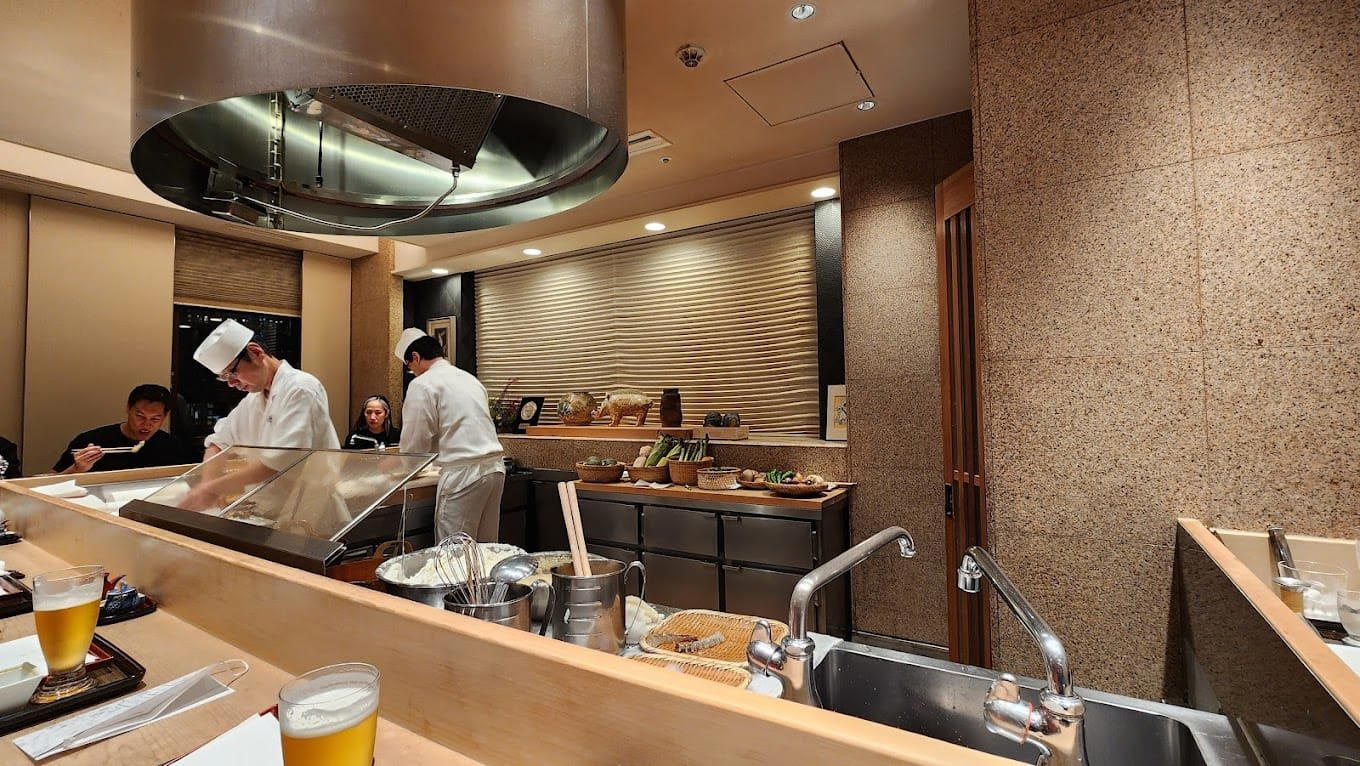
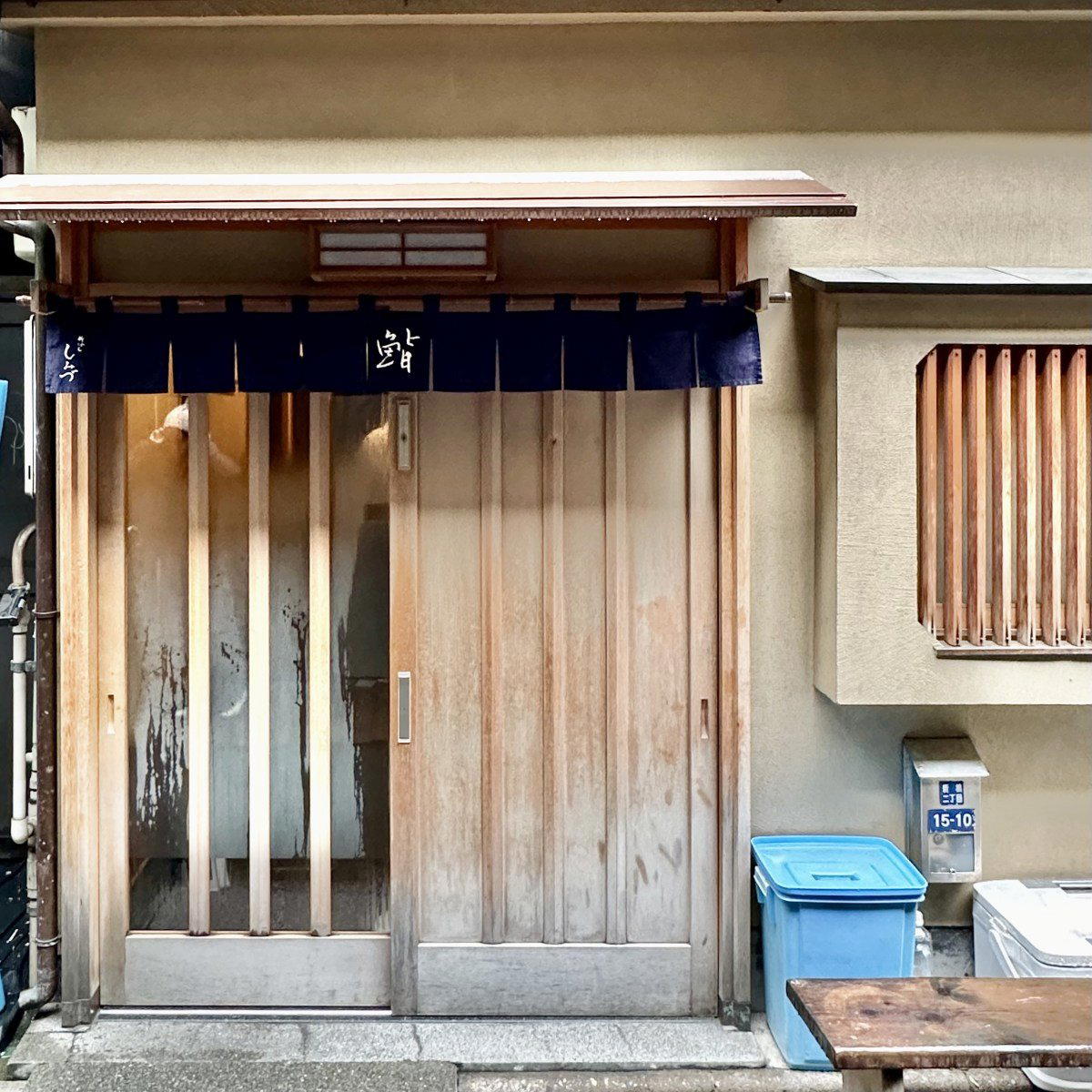
Hatsunezushi runs as a house restaurant format, classified by Tabelog as a "hideout", which means the room is intimate, unhurried, and not designed for visibility. The counter seats eight people. There are no private rooms. The omakase is the only format: the "Fifth Generation" omakase course runs at both lunch and dinner, with a separate Nakaji Katsu Course listed as not fixed. The atmosphere is quiet by default, an eight-seat counter in a residential part of Ota Ward has none of the ambient noise or buzzy energy of a Ginza address. If you're booking for a celebration or a serious occasion and you want the conversation to stay at the table rather than compete with the room, this format works in your favour.
Chef Katsu Nakaji is at the helm. The "Fifth Generation" course name signals a lineage-conscious approach to edomae sushi, though the specific curriculum of the course is only available through the venue's reservation site. Cash is not accepted, online reservation and card or electronic payment are the only options. Drink options are sake and shochu.
The venue is a five-minute walk from JR Kamata Station West Exit. Kamata is a functional, low-key neighbourhood in the south of Tokyo, not a dining destination in the conventional sense, which is part of why Hatsunezushi reads as disproportionately decorated for its setting. The Tabelog Top 100 selection alongside Sukiyabashi Jiro Roppongiten and Sushi Kanesaka is a meaningful credential for a venue at this price in this postcode.
Booking and Practical Details
Hatsunezushi is reservation-only, online only, and does not accept walk-ins. With eight seats, a five-day-a-week schedule (Monday, Tuesday, Thursday, Friday, Saturday, closed Wednesday and Sunday), and a Tabelog score of 4.26, availability moves quickly. Book at least two to three weeks out for a weekday slot; weekend seats, particularly Saturday, should be targeted four or more weeks ahead. Groups of six or more can reserve the full counter for private use, the only way to get a private experience here given that dedicated private rooms are unavailable. Note the venue is completely unrelated to Hatsune Sushi in Okachimachi or its Taipei outpost.
Reservations: Online only, via hatsunezushi.com, no phone or walk-in bookings accepted. Budget: JPY 8,000–9,999 (listed); review actuals suggest JPY 10,000–14,999 for dinner. Dress: No shorts or sandals. Payment: No cash, credit cards (Visa, Mastercard, JCB, Amex, Diners, UnionPay), IC cards (Suica), QUICPay, PayPay, and other QR payment accepted. Seats: 8 (counter only). Private use: Available for groups of 6 or more. Hours: Monday, Tuesday, Thursday, Friday, Saturday, 5–11 pm. Getting there: 5-minute walk from JR Kamata Station West Exit.
Who Should Book
Hatsunezushi works well for two: a focused omakase counter is a natural format for a date or a low-key celebration where intimacy matters more than spectacle. It's also a strong choice for visitors who want to tick a Tabelog-credentialed sushi experience without paying Ginza prices or competing for reservations at Edomae Sushi Hanabusa-tier venues where booking windows stretch months out. Families should note the venue explicitly states it is suited to those who can eat one full portion, not appropriate for young children. Groups up to eight can book the full counter for private use, which makes it a workable option for a business dinner that doesn't need the formality of a private room.
For more sushi, Japanese dining, and broader Tokyo planning, see Hiroo Ishizaka, our full Tokyo restaurants guide, our Tokyo hotels guide, and our Tokyo bars guide. If you're travelling wider in Japan, Pearl covers HAJIME in Osaka, Gion Sasaki in Kyoto, akordu in Nara, Goh in Fukuoka, 1000 in Yokohama, and 6 in Okinawa. For sushi at a comparable standard elsewhere in Asia, consider Sushi Shikon in Hong Kong and Shoukouwa in Singapore. Pearl also covers Tokyo wineries and Tokyo experiences.
Planning details
- Hours
- Monday: 5–11 pm · Tuesday: 5–11 pm
- Location
- 5 Chome-20-2 Nishikamata, Ota City, Tokyo 144-0051, Japan
- Reservations
- Book on TableCheck
- Website
- hatsunezushi.com
- Phone
- +81 3-3731-2403
The take
The Take
The Vibe
Hatsunezushi presents a focused, small-scale omakase experience anchored at an eight-seat counter in Nishikamata. It feels like a neighbourhood discovery: unflashy in location but rigorous in craft, the kind of counter that attracts regulars and earns quiet acclaim. The writing highlights a theatrical, counter-driven service and a consistency recognised by repeated Tabelog awards, which lends the place a quietly confident prestige. Dining here is concentrated and immediate — the sushi chef’s work is the room’s central performance, and the venue reads as a thoughtfully maintained local counter rather than a tourist-oriented destination.
Best For
This is a place for diners who prize an intimate, chef-led sushi experience rather than a bustling tourist stop. The eight-seat counter and reservation-only policy make it well suited to attentive date nights or other special-occasion meals where the meal itself is the focus. Because the counter caters to neighbourhood regulars and keeps a modest footprint, it rewards guests who book ahead and value consistency and technique over spectacle. Travelers willing to make the short trip from central Tokyo are rewarded with a high-performing, quietly lauded omakase.
Ordering Tips
Book early and treat reservations as essential: the counter holds only eight seats and is reservation-only. Note the cash policy — the venue operates 'no cash' — so confirm acceptable payment methods when booking. Expect a strict counter-style omakase rather than à la carte service; arrive on time and be prepared for a sequential chef-led tasting. The counter’s repeated Tabelog recognition suggests limited availability, so secure a spot well in advance and mention any dietary restrictions when you reserve.
Venue details
Ambiance
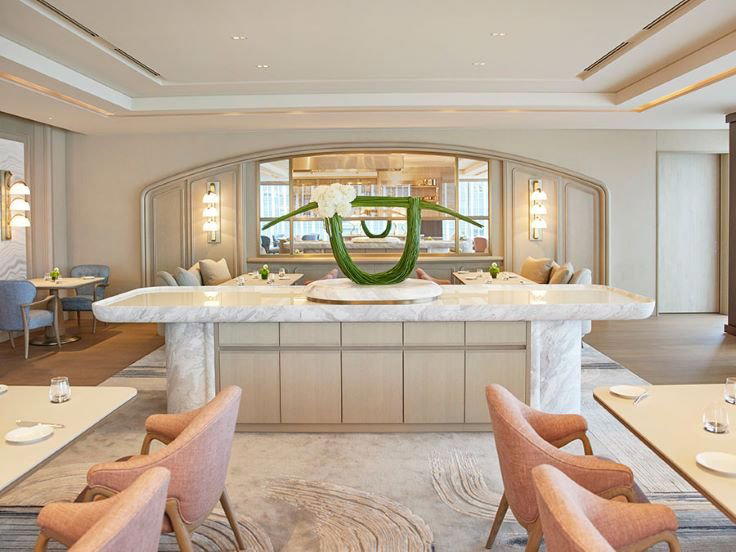
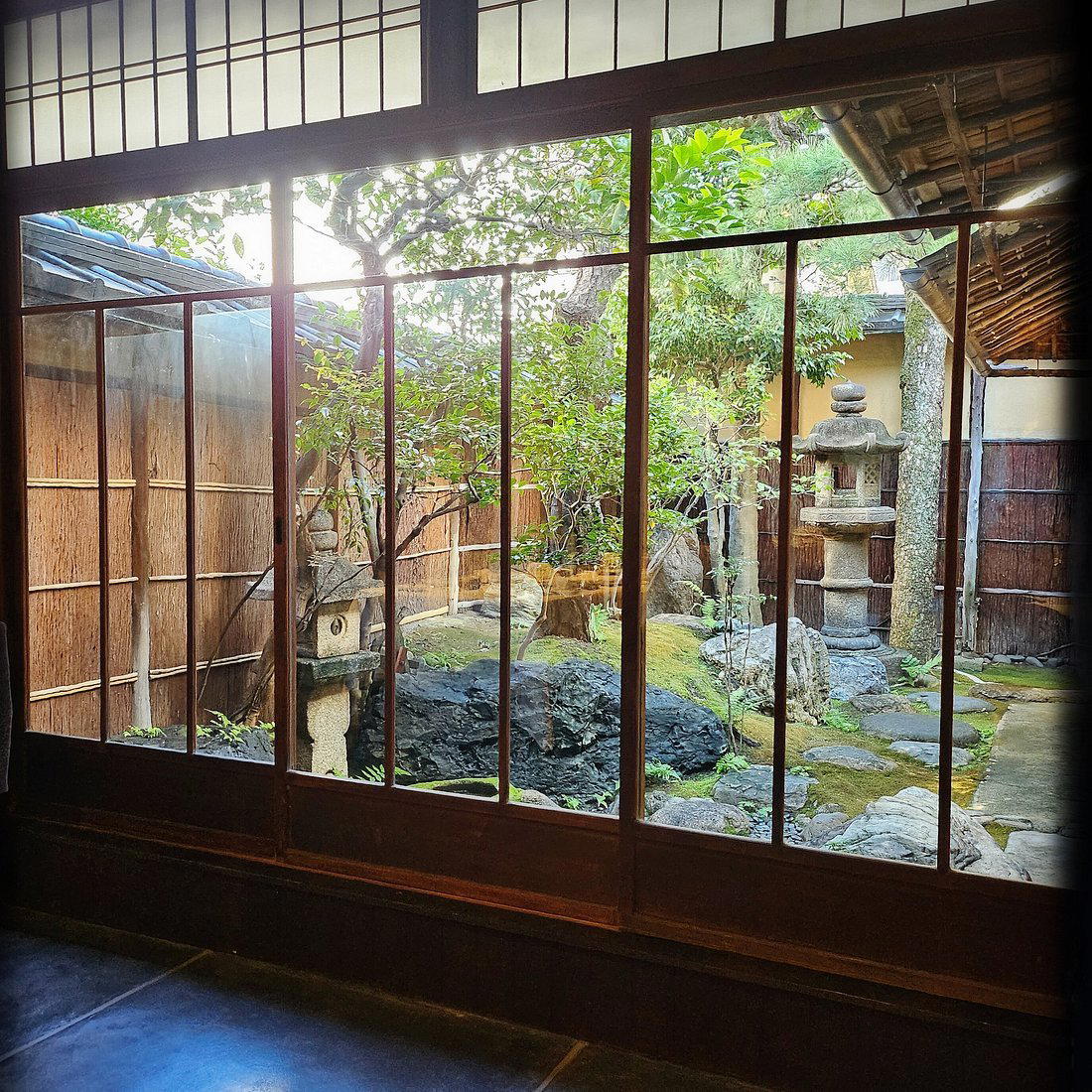
Cozy, intimate counter seating with warm hospitality and energetic interaction from the chef.
Tags
Vibe
Best For
Experience
At the Table
- Dress Code
- Smart Casual
- Noise Level
- Conversational
- Service Style
- Omakase Bar
- Meal Pacing
- Leisurely
- Capacity
- Intimate
- Kitchen
- Traditional
- Menu Format
- Omakase, Counter dining
- Drinks Focus
- Sake
Signature Dishes
- Soy Akami
- Chutoro
- Kohada
- Aburi Chutoro
Know before you go
Know Before You Go
- Getting there
- 5 Chome-20-2 Nishikamata, Ota City, Tokyo 144-0051, Japan
Planning details
Hours
- Monday
- 5–11 pm
- Tuesday
- 5–11 pm
- Wednesday
- Closed
- Thursday
- 5–11 pm
- Friday
- 5–11 pm
- Saturday
- 5–11 pm
- Sunday
- Closed
Location
5 Chome-20-2 Nishikamata, Ota City, Tokyo 144-0051, Japan · Directions
Recognition and awards

Also consider
Also Consider
- Harutaka, Sushi, ¥¥¥¥
- L'Effervescence, French, ¥¥¥¥
- RyuGin, Kaiseki, Japanese, ¥¥¥¥
- HOMMAGE, Innovtive French, French, ¥¥¥¥
- Crony, Innovative, French, ¥¥¥¥
Restaurant context
Hatsunezushi is the clearest value argument in Tokyo's Tabelog-credentialed sushi tier. At JPY 8,000–14,999 per head (based on reviewer actuals), it sits well below Harutaka (¥¥¥¥), where dinner runs multiples of that figure for a broadly comparable omakase counter format in a more central location. If your priority is Tabelog score per yen spent, Hatsunezushi is the stronger booking. If you need a Ginza address or the kind of international recognition that impresses a client who doesn't know Tabelog, Harutaka or Sushi Kanesaka are more appropriate, but expect to pay significantly more and book further in advance.
Against non-sushi alternatives in the ¥¥¥¥ bracket, the comparison is more about format than competition. L'Effervescence and RyuGin operate at higher price points with more elaborate service environments and longer tasting menus, better suited to a formal business dinner or an occasion where the room itself is part of the statement. HOMMAGE and Crony offer innovative French formats that suit diners who want a more contemporary, less traditional dining structure. Hatsunezushi is none of those things, it is a deliberate, quiet, fish-focused counter in a non-tourist neighbourhood, and that is precisely its appeal.
The booking comparison also favours Hatsunezushi. Two to three weeks out is a realistic window for a weekday seat, shorter than what you'd need for Tokyo's most sought-after omakase counters. For a special occasion where quality matters and you'd rather not plan months ahead, Hatsunezushi is easier to access than its award record suggests it should be.
Explore Tokyo
Around this place
Discover more on Pearl
Unlock the full Hatsunezushi guide in Pearl, including awards, comparisons, FAQs, planning details, and nearby places.
FAQ
Frequently Asked Questions
What should I order at Hatsunezushi?
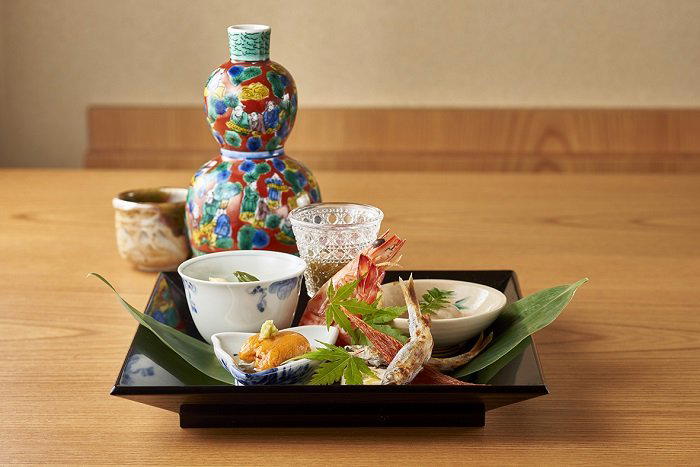
There is no à la carte option, the format is omakase only, so the kitchen decides. The course is described on the reservation site as the 'Fifth Generation' omakase or the Nakaji Katsu Course. Come expecting a full counter sequence and no meaningful choices to make beyond your drink.
Does Hatsunezushi handle dietary restrictions?
Omakase-only counters with eight seats and a fish-focused philosophy are rarely flexible on dietary needs. The venue notes it is 'particular about fish,' which suggests the course is built around seafood from the ground up. If you have significant restrictions, contact the restaurant via the reservation platform before booking, substitutions at this format and scale are not guaranteed.
What should a first-timer know about Hatsunezushi?
This is a reservation-only, cash-free, counter-only room with eight seats, there is no lobby, no walk-in option, and no private room to retreat to. Dress code rules out shorts and sandals. The venue asks guests not to leave to smoke mid-session, which signals that pacing is the chef's to control. Arrive on time, come ready to eat a full portion, and book online in advance.
What are alternatives to Hatsunezushi in Tokyo?
For a comparable intimate counter format at a higher price point, Harutaka in Ginza is the reference benchmark, expect ¥30,000–¥50,000 per head and a much harder reservation. If you want a more central location without straying from the ¥10–15k range, the Tabelog 100 list for Tokyo sushi offers several options in denser neighbourhoods. Hatsunezushi's edge over more central rivals is value: Tabelog award recognition from 2017 through 2026 at a fraction of Ginza counter pricing.
Is Hatsunezushi good for a special occasion?
Yes, the eight-seat counter and no-private-room setup makes it a better fit for two than for a group. Tabelog categorises it under 'friends' as the recommended occasion. For a birthday or anniversary dinner with more than four people, note that private use of the full venue is available, which would require booking the whole room.
Is lunch or dinner better at Hatsunezushi?
Both services run the same omakase format at the same listed price (JPY 8,000–9,999 per the venue; reviewer averages run higher, around ¥10,000–¥14,999 for dinner and ¥6,000–¥7,999 for lunch). If budget is a factor, the lunch sitting delivers better value per yen based on review-reported spending. Dinner suits a more relaxed schedule given the 5–11 pm window.
How far ahead should I book Hatsunezushi?
Book as early as you can, eight seats across five evenings per week is a hard ceiling. Hatsunezushi accepts reservations online only and takes no walk-ins. Given consistent Tabelog award recognition every year since 2017 and OAD Top 165 in Japan (2025), demand holds year-round. For a weekend slot, aim for at least three to four weeks out; for a weekday, two weeks may be sufficient, but check the reservation site directly.