

Sushiya Ichiyanagi
Sushi · Chūō, Tokyo
Restaurant in Tokyo, Japan
 Book with Pearl
The Read
Edomae Counter Authority
Price
$150–200per person
Chef
Kazuya Ichiyanagi
Dress
Smart Casual
Why go
Sushiya Ichiyanagi is a Ginza sushi counter with three consecutive years on the Opinionated About Dining Top Restaurants in Japan list, reaching Ranked #473 in 2025. It operates seven days a week from 11:30am, making it more accessible than most comparable Ginza addresses. Book for lunch if you want the strongest experience without committing to a full evening.
About Sushiya Ichiyanagi
Verdict: A Ginza Sushi Counter Worth Knowing, Not Just Ticking Off
The common assumption about Ginza sushi is that you need to spend a small fortune to eat well. Sushiya Ichiyanagi, under chef Kazuya Ichiyanagi, challenges that framing. This is not the neighbourhood's most decorated address, but it has earned consecutive recognition on the Opinionated About Dining Leading Restaurants in Japan list, moving from Recommended in 2023 to Ranked #450 in 2024 to Ranked #473 in 2025, which places it in a competitive tier of serious Ginza sushi that doesn't demand Michelin-star pricing as an entry fee. If you've visited once and found the experience solid, the case for returning is stronger than you might think.
The Room and the Format
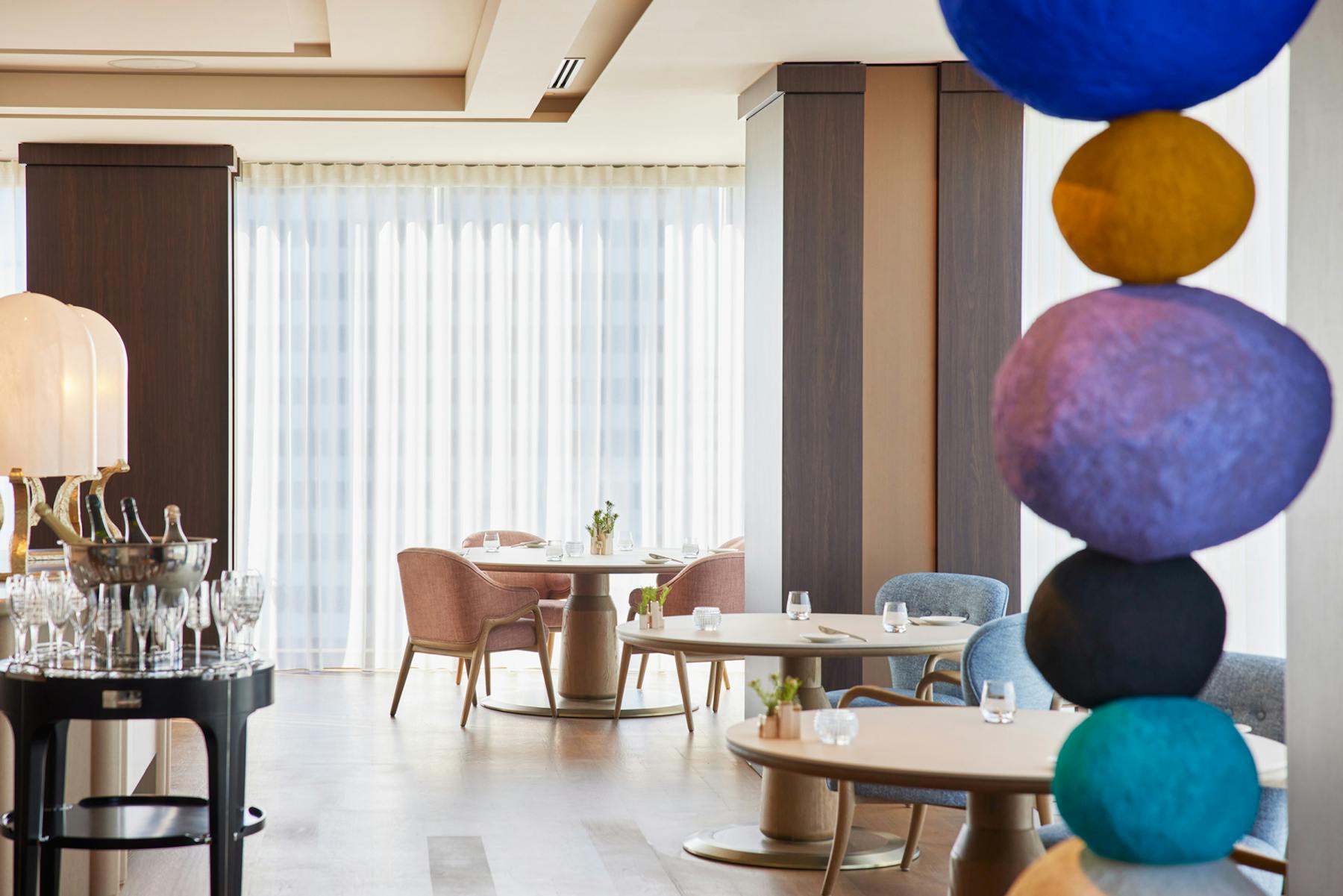
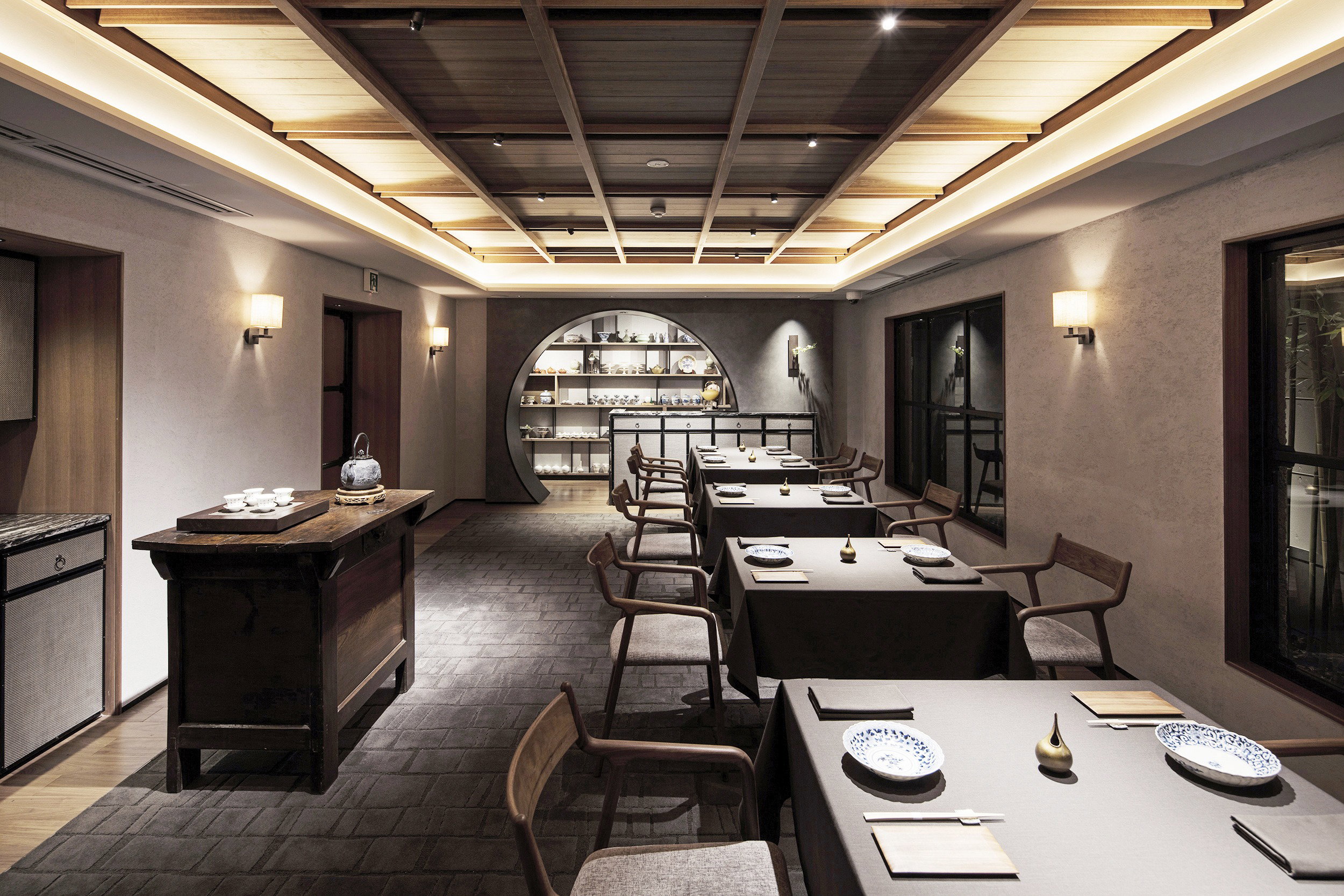
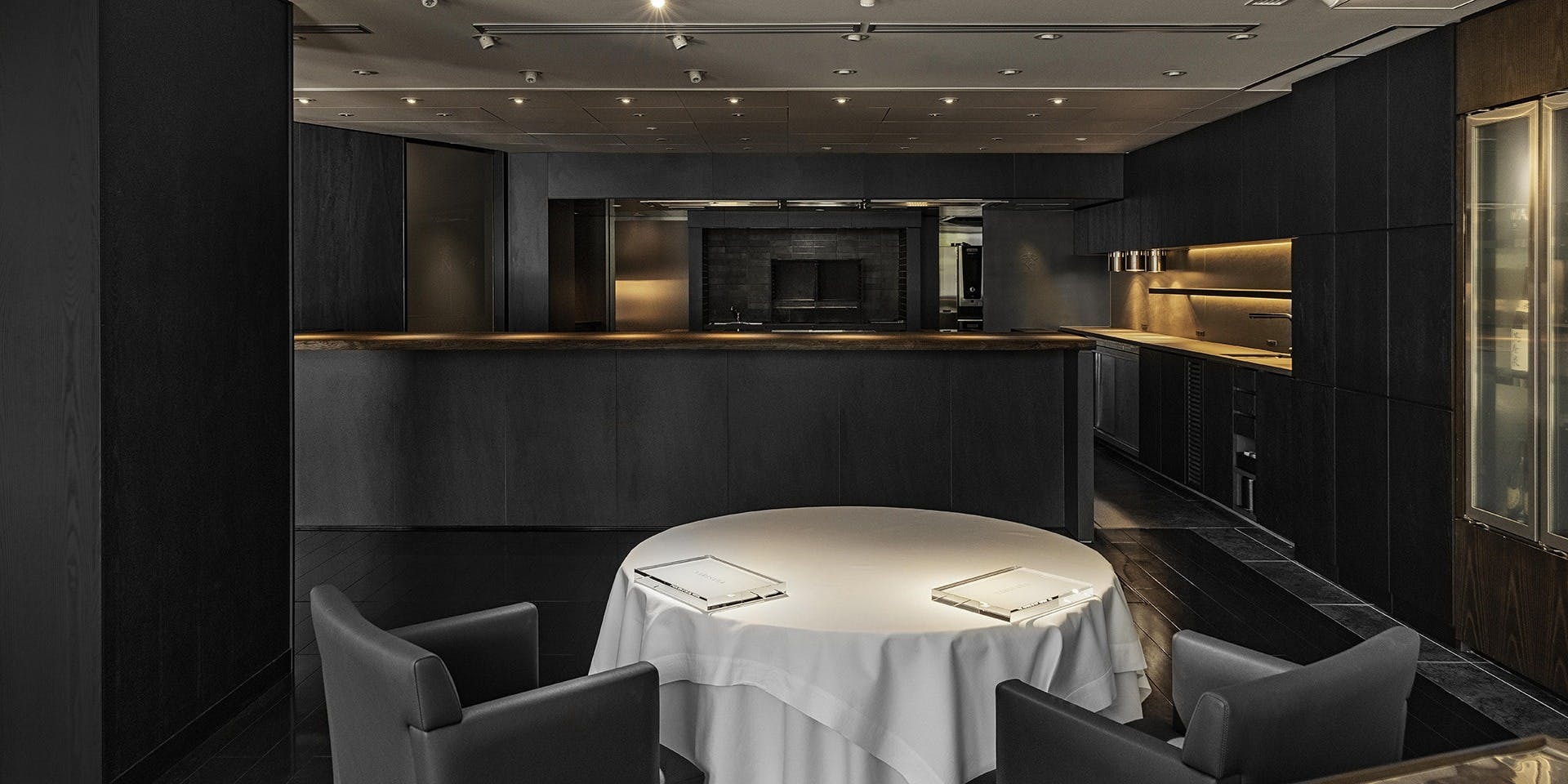
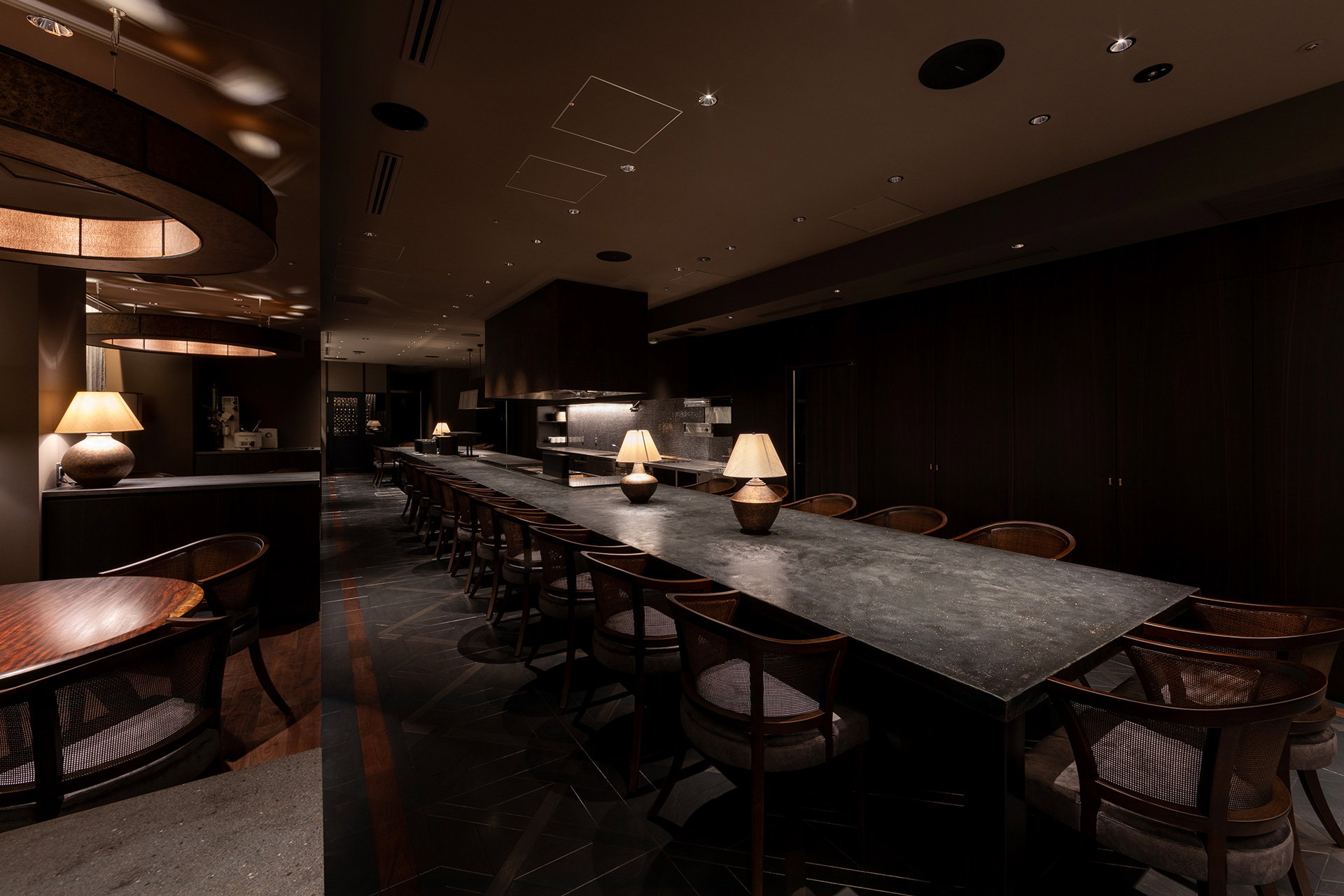
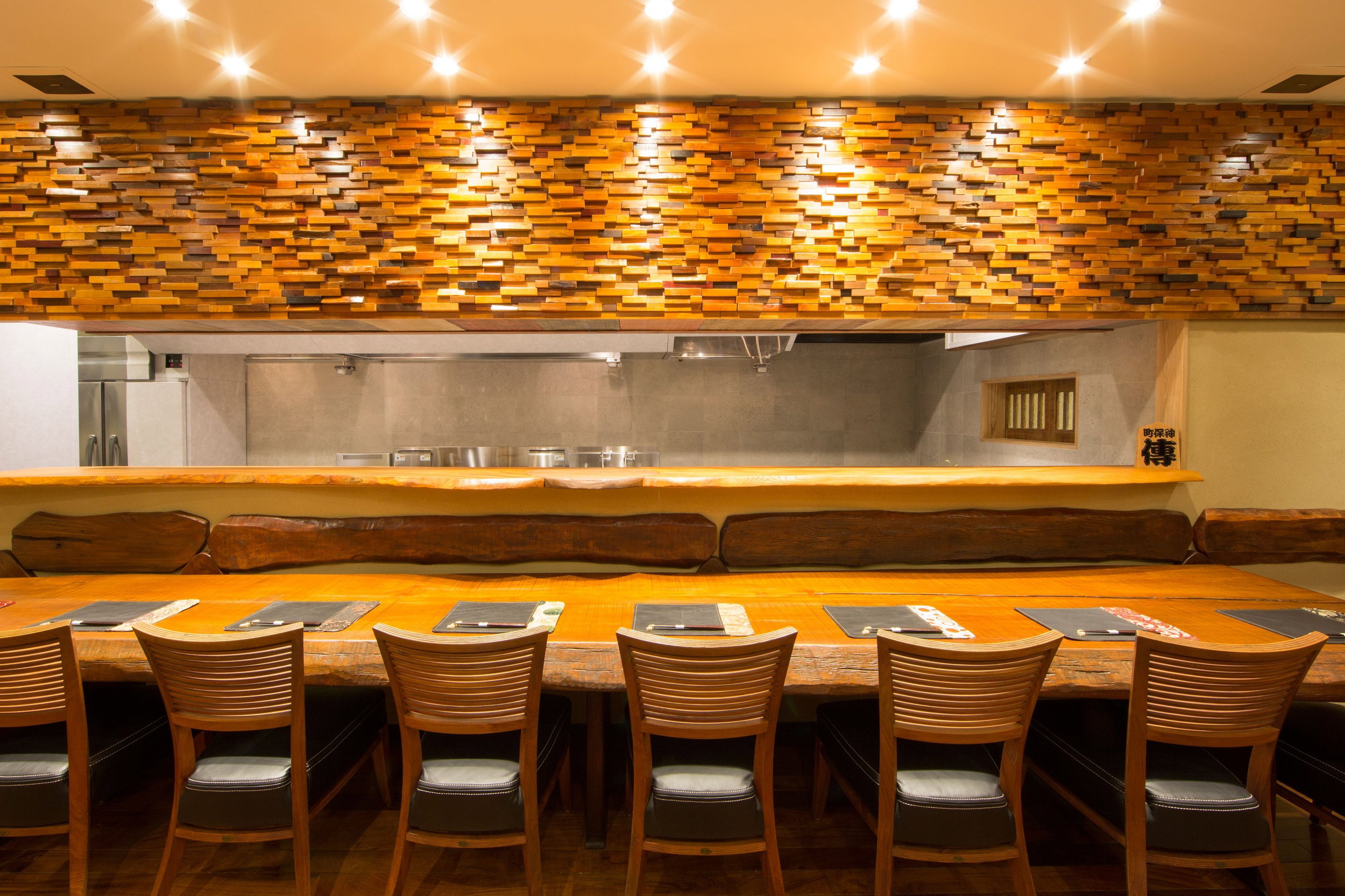
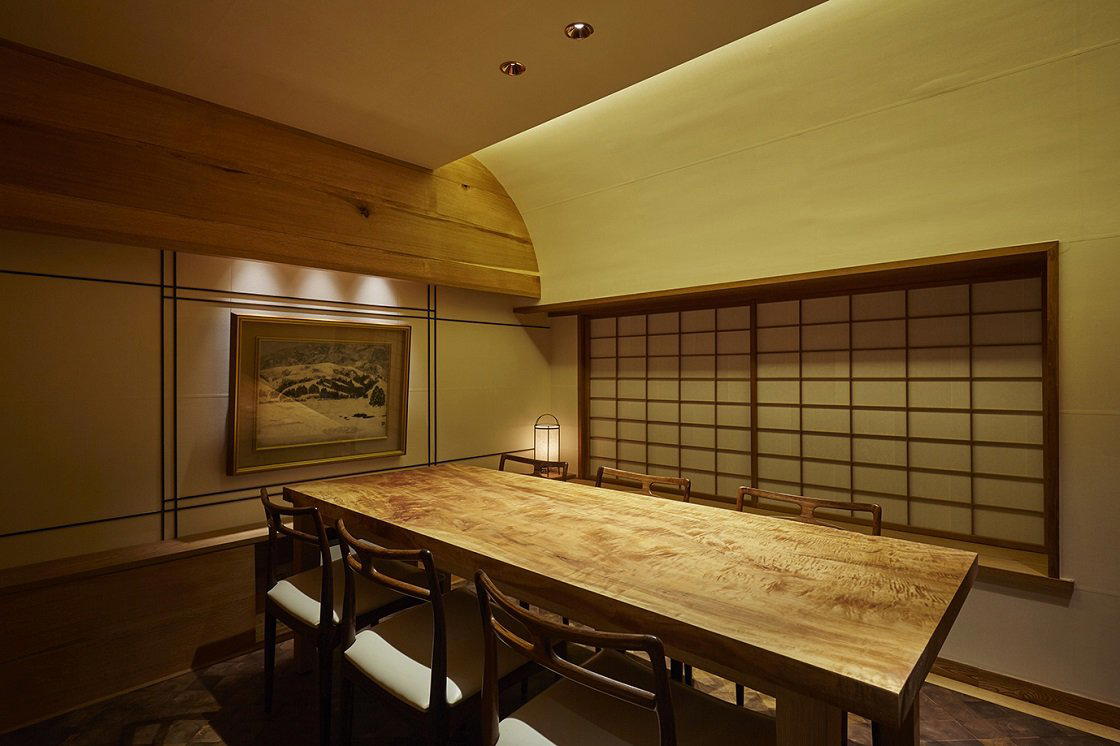
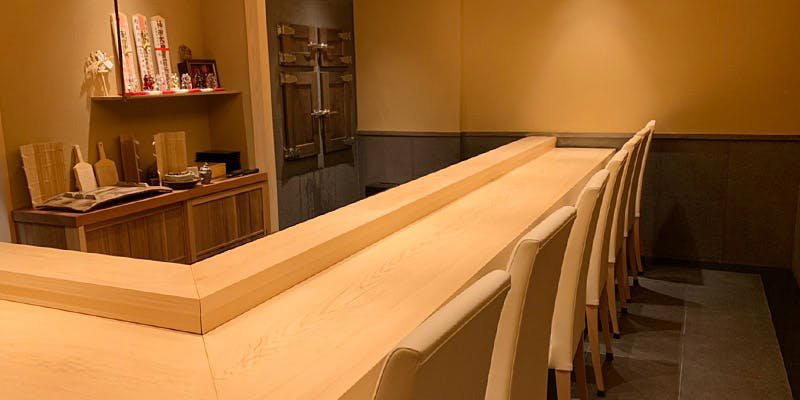
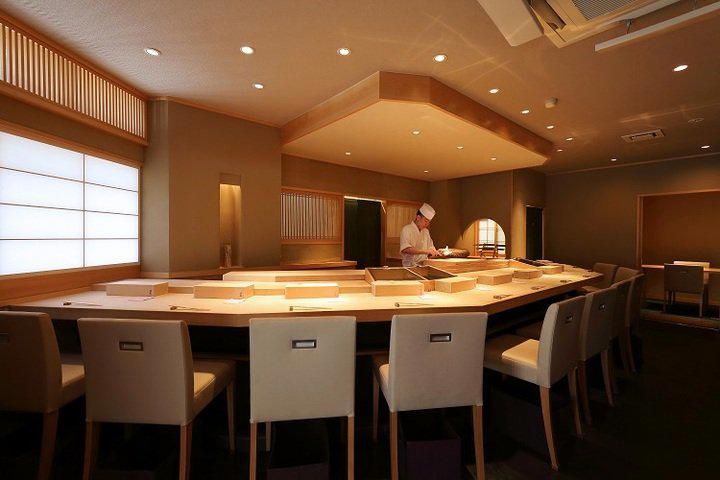
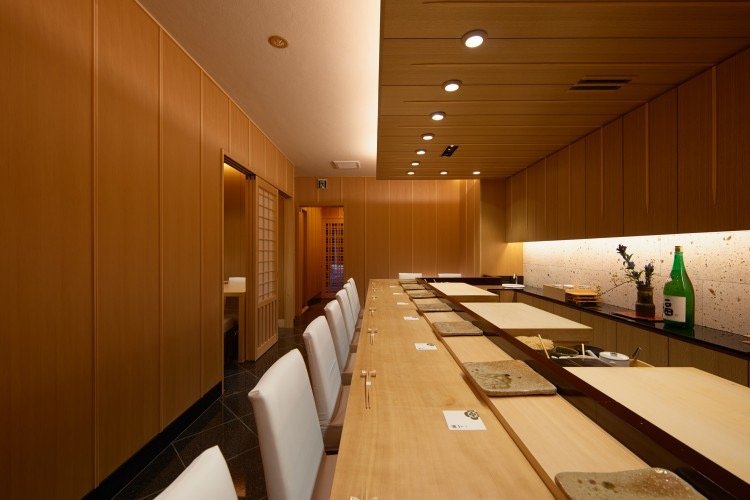
Sushiya Ichiyanagi operates out of the ground floor of the Ginza Cosmion Building at 1 Chome-5-14 in Ginza's central district. The Chuo City location puts it within walking distance of Tokyo's densest concentration of serious sushi counters, which is both a competitive pressure and a useful point of reference when calibrating expectations. For anyone who has eaten at the area's more famous names, the room here reads as intimate rather than ceremonial. There is no grand entrance sequence, no hushed reverence enforced by front-of-house ritual. The physical scale is counter-focused and direct, which suits the format: you are here for the fish, not the theatre around it.
That spatial approach is relevant to how you should book. If you are returning after a first visit and want more engagement with the counter experience, arrive early in the lunch or dinner service rather than dropping in mid-session. The 11:30am opening seven days a week is consistent and generous by Ginza standards, where some comparable counters observe irregular hours or seasonal closures.
Sourcing as the Core Argument
The OAD recognition over three consecutive years is the most useful trust signal available here. OAD rankings are driven by peer input from serious diners and industry insiders, not by a single inspector's visit, which means sustained presence on that list reflects consistent execution rather than a single standout performance. For a sushi counter in this price tier, that consistency is the sourcing argument in practical form: the kitchen is not cutting corners on produce, because the results would show up in the scoring over time. Ginza's leading sushi addresses, including Harutaka, Sushi Kanesaka, and Sukiyabashi Jiro Roppongiten, operate at higher price points in part because they have built sourcing relationships over decades. Ichiyanagi's position in the mid-tier of the OAD list suggests the kitchen is working with quality product without the markup those trophy names carry.
For a returning visitor, this is the practical implication: expect the fish quality to hold, and use that baseline confidence to focus on what you order rather than whether the counter deserves a second visit. It does.
Timing Your Visit
Lunch at Sushiya Ichiyanagi is the stronger call for most visitors. The 11:30am start is early enough to secure a seat without advance planning pressure on quieter weekdays, and lunch service at Japanese sushi counters in this tier typically runs a condensed format that suits time-constrained schedules. Dinner is available through to 10pm every day of the week, which makes it more accessible for a post-work booking than many comparable Ginza addresses. Saturday and Sunday availability at the same hours removes the weekday-only constraint that applies to some of the neighbourhood's more exclusive counters. If you are planning a visit around Tokyo's spring or autumn peak travel periods, book ahead: Ginza foot traffic from international visitors increases substantially in those windows, and counters at this recognition level fill faster than their ranking might suggest.
Practical Details
Reservations: Booking difficulty is rated Easy, and the consistent seven-day schedule gives flexibility, but aim for at least a week's notice during peak travel periods. Hours: Monday to Sunday, 11:30am to 10pm. Location: 1 Chome-5-14 Ginza, Chuo City, Tokyo — ground floor, Ginza Cosmion Building. Phone and website: Not listed; check Google or a concierge for current booking contacts. Awards: OAD Leading Restaurants in Japan Ranked #473 (2025), #450 (2024), Recommended (2023).
Where Ichiyanagi Fits in Tokyo Sushi
If you are building a sushi itinerary across Tokyo or Japan more broadly, Ichiyanagi is a strong complement to higher-commitment counters rather than a replacement for them. For Edomae technique at a more approachable counter, also consider Edomae Sushi Hanabusa and Hiroo Ishizaka as alternatives in the same decision bracket. Beyond Tokyo, the OAD-recognised tier of Japanese restaurant cooking extends to Gion Sasaki in Kyoto, HAJIME in Osaka, and Goh in Fukuoka, each worth factoring in if your itinerary extends beyond the capital. For sushi outside Japan at a comparable commitment level, Sushi Shikon in Hong Kong and Shoukouwa in Singapore represent the regional benchmarks. See our full Tokyo restaurants guide, Tokyo hotels guide, and Tokyo bars guide for broader planning context, along with guides to Tokyo wineries and Tokyo experiences. If your Japan trip extends beyond Tokyo, akordu in Nara, 1000 in Yokohama, and 6 in Okinawa are worth adding to your shortlist.
Planning details
- Hours
- Monday: 11:30 am–10 pm · Tuesday: 11:30 am–10 pm
- Location
- Japan, 〒104-0061 Tokyo, Chuo City, Ginza, 1 Chome−5−14 銀座コスミオンビル 1F
- Website
- ichiyanagi.myconciergejapan.net
- Phone
- +81 3-3562-7890
The take
The Take
The Vibe
Sushiya Ichiyanagi reads as a classic, historically grounded sushi counter that participates in Tokyo’s Edomae lineage. The writing emphasizes technique and tradition — vinegar-marinated rice, salted and pressed fish, short aging — and frames the counter as a codified participant in Ginza’s tightly judged sushi scene. It feels like a specialist's discovery rather than a headline-making destination: respected in guide circles and recommended by serious diners. The room’s identity is anchored to craftsmanship and a long culinary conversation, so the experience skews toward quiet focus and appreciation of technique more than theatrical flash.
Best For
This counter suits diners who prize precision and culinary lineage: couples seeking a focused date-night counter, guests marking special occasions with disciplined craftsmanship, and business diners who favor a formal, technique-driven meal. The restaurant’s placement in Ginza and its recognition by specialist rankings positions it for guests who want a measured, tradition-forward sushi experience rather than a mass-market spectacle. It appeals to those who value the grammar of Edomae sushi and the intimacy of a counter where the chef’s technique is the main event.
Ordering Tips
Expect a counter-led, Edomae-focused sequence that highlights traditional techniques: vinegar-seasoned rice, salted or pressed fish, and briefly aged cuts. The description frames Ichiyanagi as a classic sushi counter, so plan to sit at the counter to follow the chef’s progression and to appreciate the specific preparations. Because the write-up stresses its specialist recognition and participation in Ginza’s sushi conversation, approach the meal with an openness to the chef’s curated order and the focused, technique-forward pacing typical of counter sushi.
Venue details
Ambiance
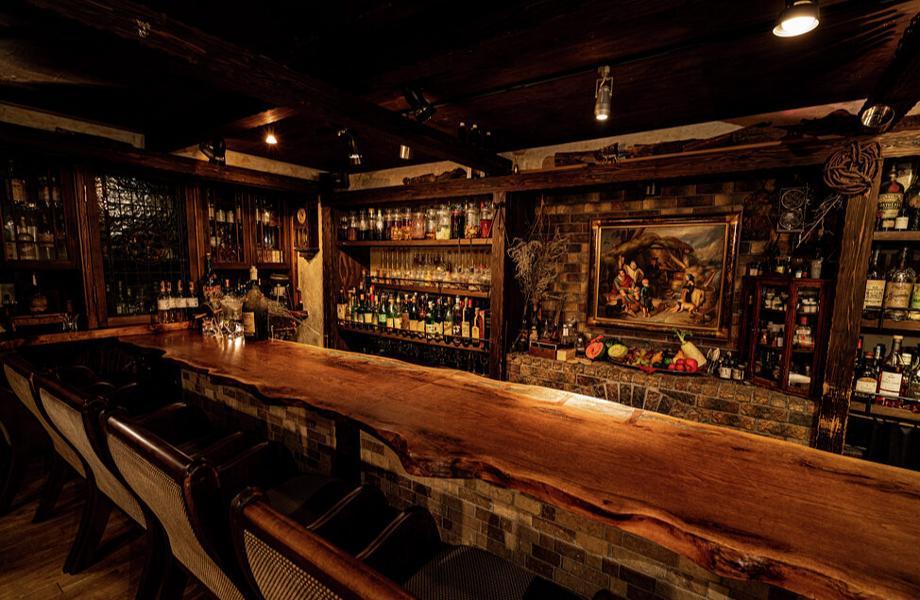
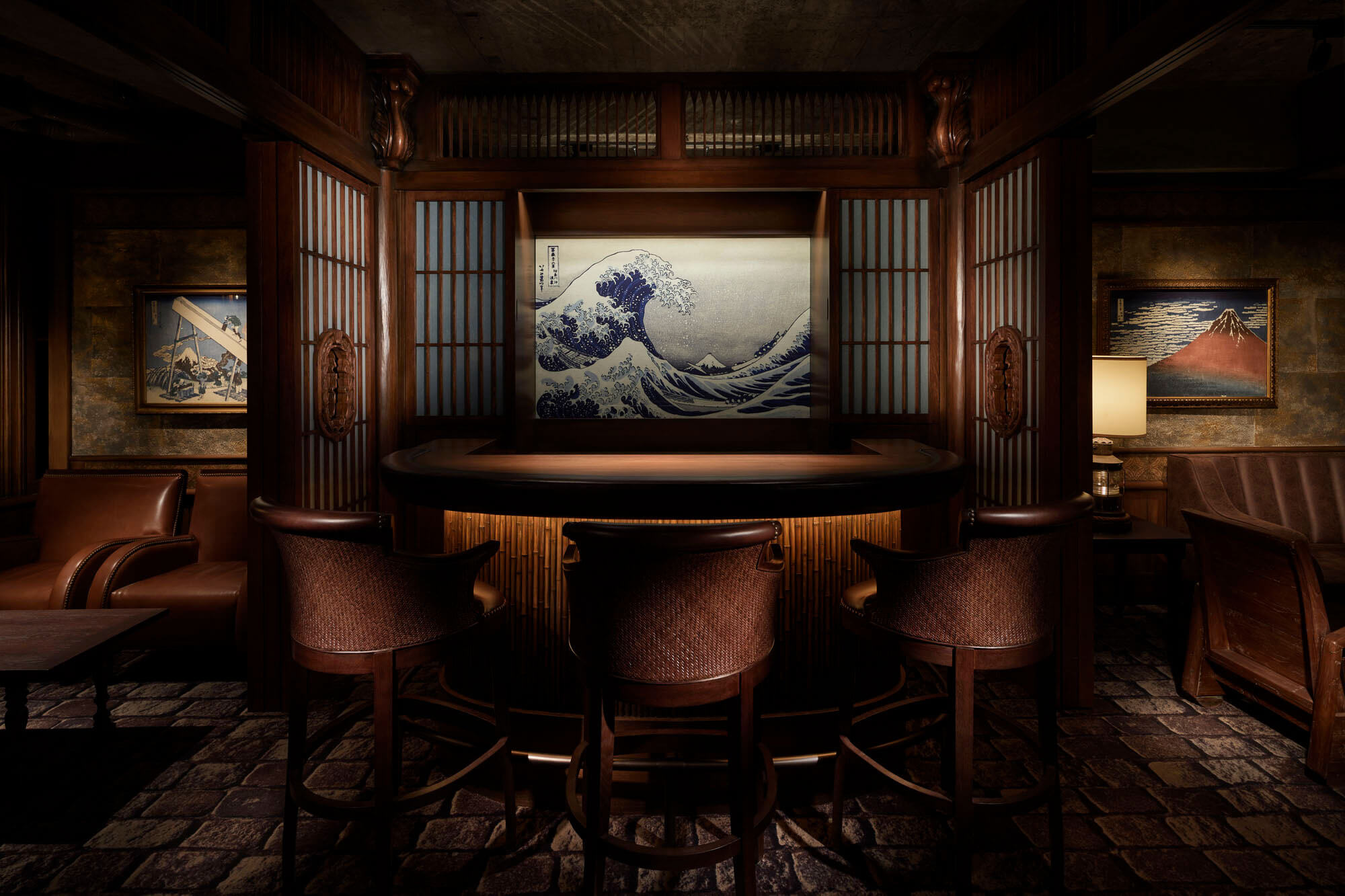
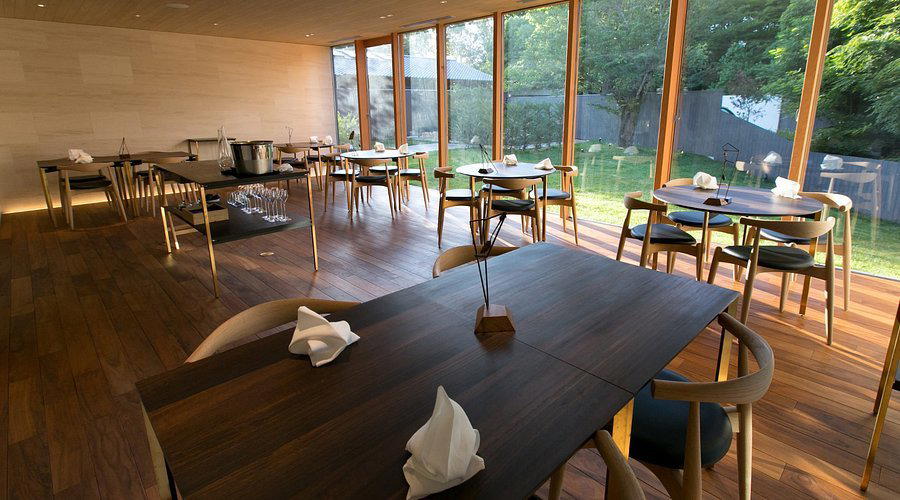
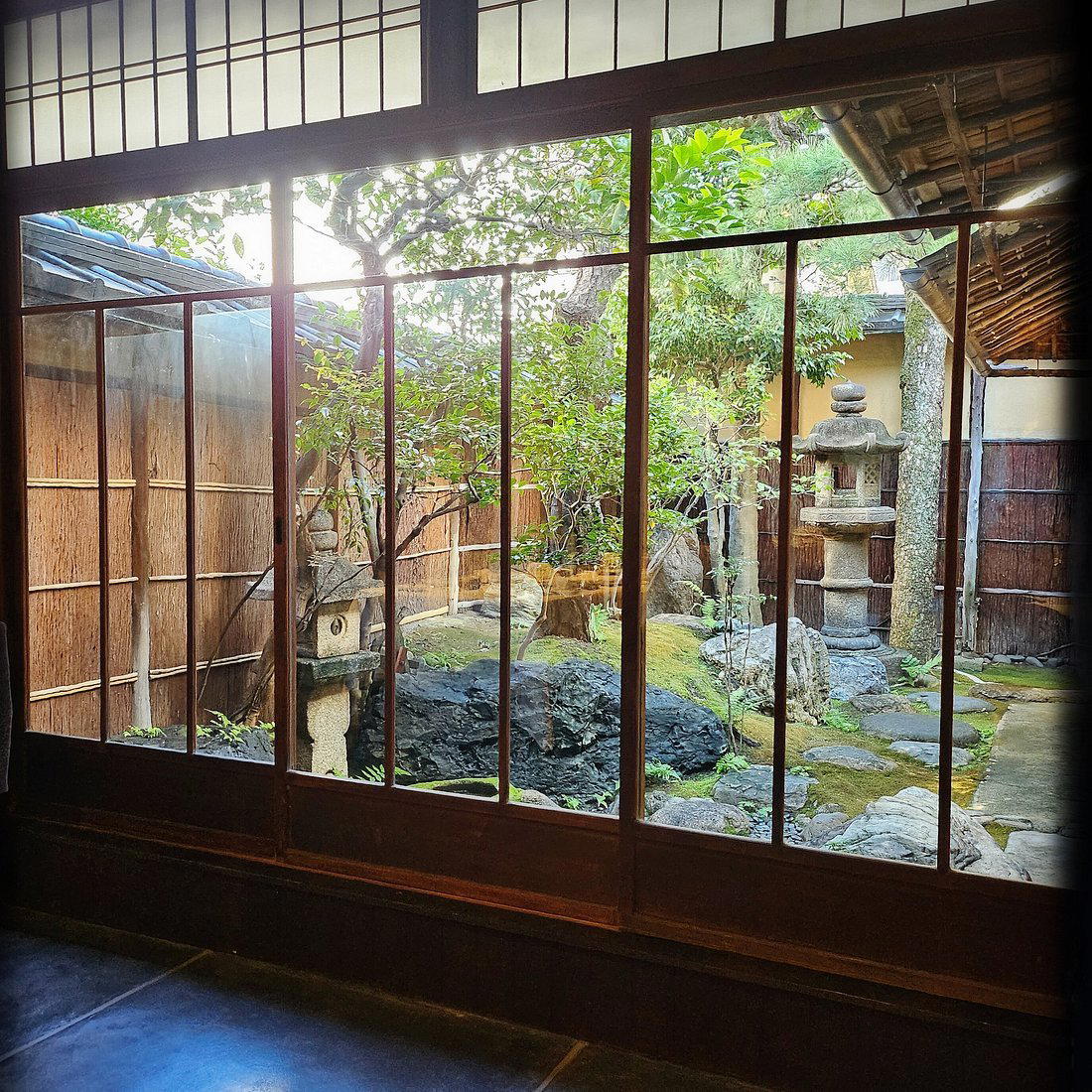
Warm and intimate atmosphere with simple wood furnishings, stylish and relaxing counter seating, and a calm, serene environment.
Tags
Vibe
Best For
Experience
Sourcing
At the Table
- Dress Code
- Smart Casual
- Noise Level
- Quiet
- Service Style
- Formal
- Meal Pacing
- Leisurely
- Capacity
- Intimate
- Kitchen
- Traditional
- Menu Format
- Omakase, Counter dining
- Wine Program
- Curated
- Drinks Focus
- Sake program
- Private Dining
- Available
Know before you go
Know Before You Go
- Getting there
- Japan, 〒104-0061 Tokyo, Chuo City, Ginza, 1 Chome−5−14 銀座コスミオンビル 1F
Planning details
Hours
- Monday
- 11:30 am–10 pm
- Tuesday
- 11:30 am–10 pm
- Wednesday
- 11:30 am–10 pm
- Thursday
- 11:30 am–10 pm
- Friday
- 11:30 am–10 pm
- Saturday
- 11:30 am–10 pm
- Sunday
- 11:30 am–10 pm
Location
Japan, 〒104-0061 Tokyo, Chuo City, Ginza, 1 Chome−5−14 銀座コスミオンビル 1F · Directions

Also consider
Also Consider
- Harutaka, Sushi, ¥¥¥¥
- RyuGin, Kaiseki, Japanese, ¥¥¥¥
- L'Effervescence, French, ¥¥¥¥
- HOMMAGE, Innovtive French, French, ¥¥¥¥
- Florilège, French, ¥¥¥
Restaurant context
Within Tokyo's serious sushi tier, the decision between Sushiya Ichiyanagi and Harutaka comes down to commitment level and price tolerance. Harutaka sits at ¥¥¥¥ and carries higher-end sourcing prestige and a more ceremonial counter experience. If you are making one high-commitment sushi booking in Tokyo and price is secondary, Harutaka is the stronger choice. Ichiyanagi is the better call if you want OAD-recognised quality at a format that doesn't require treating the meal as a full evening event.
For diners comparing Ichiyanagi against non-sushi options in Tokyo, RyuGin at ¥¥¥¥ offers the kaiseki alternative for Japanese fine dining with a longer tasting format and a very different room register. L'Effervescence, HOMMAGE, and Florilège are the French options in the same conversation, with Florilège at ¥¥¥ offering the most accessible price point among them. None of these is a direct substitute for a sushi counter, but they are worth knowing if your group has mixed preferences or if you are deciding between Japanese and Western fine dining for a single special-occasion booking.
Among Tokyo sushi specifically, Ichiyanagi's clearest value proposition is the combination of OAD recognition, seven-day availability, and what appears to be a lower price ceiling than the neighbourhood's most famous addresses. If the question is which counter to book for a second or third Tokyo sushi visit once you have already experienced a top-tier name, Ichiyanagi answers that question well.
Explore Tokyo
Around this place
Discover more on Pearl
Unlock the full Sushiya Ichiyanagi guide in Pearl, including awards, comparisons, FAQs, planning details, and nearby places.
Compare Sushiya Ichiyanagi
| Venue | Location | Cuisine | Awards | Price |
|---|---|---|---|---|
| Sushiya Ichiyanagi | Tokyo | Sushi | 2026 OAD Top Restaurants in Japan RecommendedTabelog 100 - Sushi - TOKYO - 2025 · #12025 OAD Top Restaurants in Japan Ranked · #4732024 OAD Top Restaurants in Japan Ranked · #4502023 OAD Top Restaurants in Japan Recommended | , |
| Harutaka | Tokyo | Sushi | 2026 Tabelog Silver · #312026 OAD Top Restaurants in Japan Ranked · #1282026 Michelin 3 Stars2026 La Liste Top RestaurantsTabelog 100 - Sushi - TOKYO - 2025 · #372025 Asia's 50 Best Restaurants · #762025 OAD Top Restaurants in Japan Ranked · #1172025 La Liste Top Restaurants2025 Tabelog Bronze | ¥¥¥¥ |
| RyuGin | Tokyo | Kaiseki, Japanese | 2026 OAD Top Restaurants in Japan Ranked · #802026 Tabelog Bronze · #3772026 Michelin 3 Stars2026 La Liste Top RestaurantsTabelog 100 - Japanese cuisine - TOKYO - 2025 · #212025 OAD Top Restaurants in Japan Ranked · #542025 Michelin 3 Stars2025 La Liste Top Restaurants2025 The Best Chef Three Knives | ¥¥¥¥ |
| L'Effervescence | Tokyo | French | 2026 Tabelog Silver · #682026 OAD Top Restaurants in Japan Ranked · #103Star Wine Lists 20262026 Black Pearl 2 Diamond2026 Relais Chateaux Restaurants2026 La Liste Top Restaurants2026 Michelin 3 Stars2025 Asia's 50 Best Restaurants · #692025 OAD Top Restaurants in Japan Ranked · #92 | ¥¥¥¥ |
| HOMMAGE | Tokyo | Innovtive French, French | 2026 Tabelog Bronze · #1232026 OAD Top Restaurants in Japan Highly Recommended2026 Michelin 2 StarsTabelog 100 - French - TOKYO - 2025 · #762025 Asia's 50 Best Restaurants · #782025 OAD Top Restaurants in Japan Ranked · #1752025 Michelin 2 Stars2025 The Best Chef One Knife2025 La Liste Top Restaurants | ¥¥¥¥ |
| Florilège | Tokyo | French | 2026 Asia's 50 Best Restaurants · #312026 Tabelog Bronze · #712026 OAD Top Restaurants in Japan Ranked · #1242026 Black Pearl 1 Diamond2026 Michelin 2 Stars2026 La Liste Top Restaurants2025 Asia's 50 Best Restaurants · #172025 World's 50 Best Restaurants · #36Tabelog 100 - French - TOKYO - 2025 · #68 | ¥¥¥ |











How Sushiya Ichiyanagi Ginza compares with similar nearby venues.
FAQ
Frequently Asked Questions
Is Sushiya Ichiyanagi good for a special occasion?
Yes, with the right expectations. OAD has ranked Ichiyanagi among Japan's top restaurants for three consecutive years (2023–2025), which gives it real credibility for a meaningful dinner. It is a more considered choice than a flashy Ginza showroom — the occasion lands through the food, not through ceremony or a famous room. If you want high-profile name recognition to go with the meal, somewhere like Harutaka carries more marquee weight; Ichiyanagi rewards guests who care about what is on the counter.
Is Sushiya Ichiyanagi good for solo dining?
A sushi counter in Ginza is one of the better solo formats in Tokyo dining, and Ichiyanagi fits that well. You eat at the counter, the pace is set by the chef, and there is no awkwardness about a table for one. The booking difficulty is rated Easy, so solo seats are less of a competition than at the city's harder-to-crack counters. Come for lunch if you want a lower-pressure atmosphere.
Can Sushiya Ichiyanagi accommodate groups?
Counter sushi is structurally a small-group format, and Ichiyanagi is no exception. Pairs and threes work well; larger parties should enquire directly when booking, as counter space at Ginza venues is typically limited. No private dining room is documented in the available venue data, so groups of six or more should confirm capacity before committing.
How far ahead should I book Sushiya Ichiyanagi?
Booking difficulty is rated Easy, which is a meaningful advantage over most OAD-ranked Ginza counters. A week's notice is a reasonable baseline; during peak travel periods (Golden Week, late March cherry blossom season, December) push that to two to three weeks. The seven-day schedule with an 11:30am opening gives more flexibility than most comparable Tokyo sushi venues.
Is lunch or dinner better at Sushiya Ichiyanagi?
Lunch is the stronger call for most visitors. The 11:30am start gives you time to plan the rest of the day, and lunch seats at OAD-ranked counters tend to be easier to secure than dinner. If you prefer a slower evening pace and want to make more of the Ginza neighbourhood, dinner works fine — the kitchen runs until 10pm every day of the week.