
.png?width=1200&quality=80)

Sushi Taichi
Sushi · Chūō, Tokyo
Restaurant in Tokyo, Japan
 Book with Pearl
The Read
Old-School Edo Counter
Price
$50–100per person
Chef
Taichi Ishikawa
Dress
Smart Casual
Why go
Sushi Taichi is a Michelin Plate–recognised Edomae counter in Ginza that resists the fixed omakase format most neighbours have adopted, giving you counter access to chef Taichi Ishikawa at a ¥¥¥ price point. With OAD Top Restaurants in Japan recognition and, it is the most accessible serious sushi option in the neighbourhood and the right call for a date or business dinner where flexibility matters.
About Sushi Taichi
Verdict
Book Sushi Taichi if you want a Ginza counter that feels like old Tokyo rather than a performance venue. This is an old-school Edomae counter run by chef Taichi Ishikawa, who operates on a walk-in-friendly, à la carte basis that most of his Ginza neighbours have abandoned in favour of fixed omakase seatings. If you are after Edomae sushi without the rigid choreography, this is one of the more accessible counters in central Tokyo.
Portrait
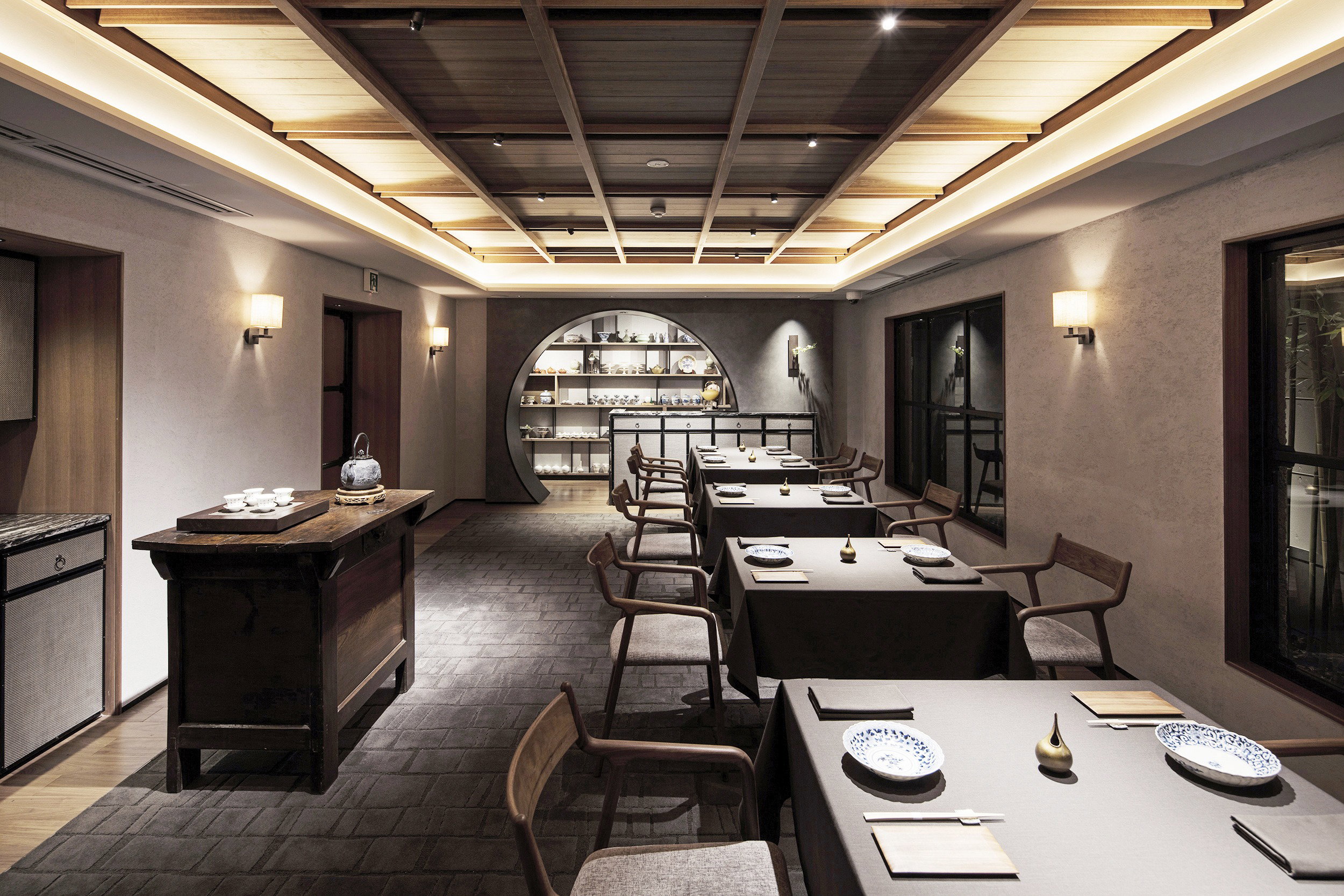
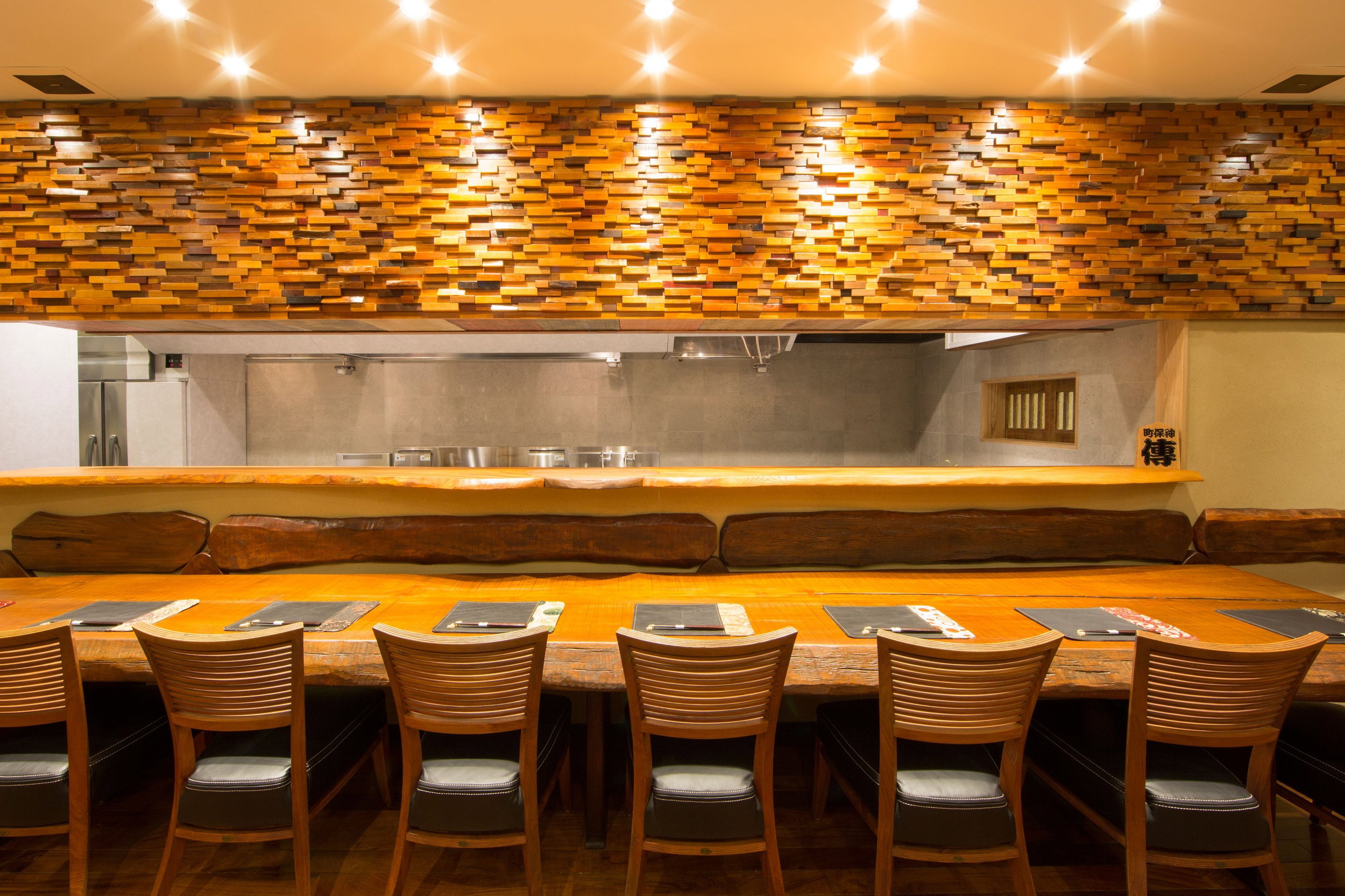
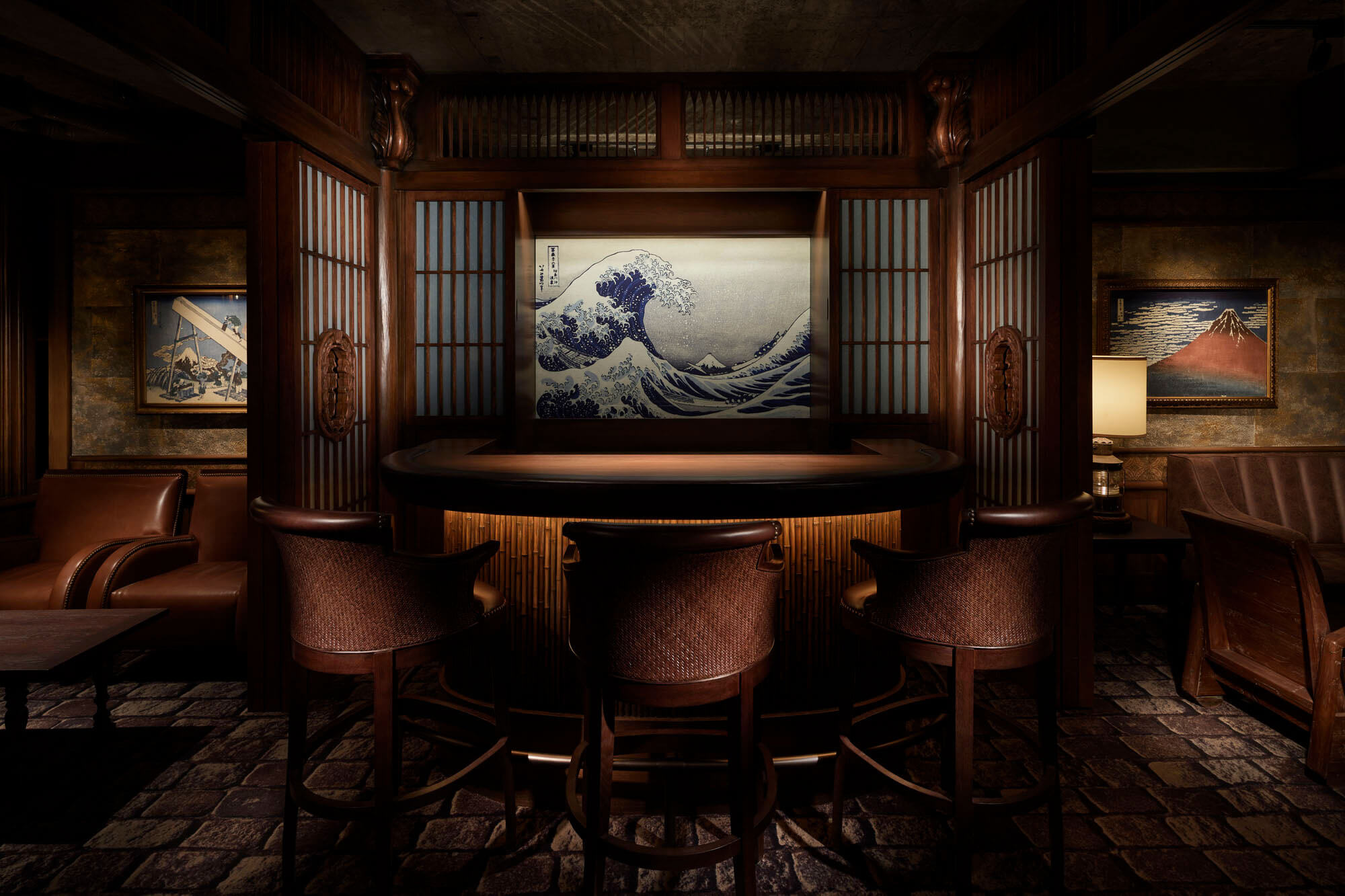
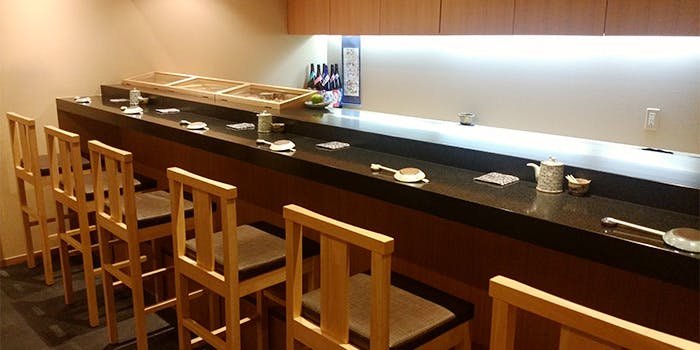
Sushi Taichi sits on the second floor of the Asagi Building in Ginza 6-chome, a few minutes from the intersection of Ginza's two main shopping streets. The setting is deliberately Edo-referencing: a shop curtain hangs above the counter, woodblock prints line the walls, and the atmosphere reads closer to a neighbourhood sushi-ya than to the hushed, ceremony-first rooms that define the trophy end of the Ginza sushi tier. This is a deliberate choice, not a budget compromise, and it shapes the entire visit.
The operating format is the key differentiator. Where venues like Harutaka and Sushi Kanesaka lock guests into timed omakase progressions, Sushi Taichi gives you the counter experience without stripping away your agency. The Michelin description notes this explicitly: Ishikawa resists the now-standard two-seating, set-only model. For guests who find the rigid omakase format uncomfortable for a business meal or a first date, this flexibility matters.
On the seasonal dimension: Edomae sushi is inherently a seasonal format, and what is worth ordering at any counter shifts considerably across the year. Spring brings kohada (gizzard shad) in peak condition, early summer is when ika (squid) and anago (conger eel) are at their leading, and autumn pushes tuna and fatty toro quality to its seasonal peak. The chef's disposition, described as agreeable and engaged with regular customers, suggests you can ask directly what is leading on a given visit rather than relying on a fixed sequence to make those decisions for you. That conversational access to the chef is genuinely useful when the answer to what to order changes every six to eight weeks.
The Opinionated About Dining ranking movement is worth reading carefully. Sushi Taichi went from Recommended status in 2023 to #383 in Japan in 2024, then to #436 in 2025. A drop in absolute ranking at this tier is not unusual in Japan's densely reviewed restaurant scene and does not indicate a quality decline; OAD rankings fluctuate as new venues enter and voter participation shifts. The Michelin Plate in 2024 is the more stable signal here: consistent quality recognised by inspectors, without the star pressure that changes how some chefs operate.
For a special occasion, Sushi Taichi works well for two. The counter format, the Edo-period visual references, and the chef's engagement with regulars create an atmosphere that rewards unhurried dining. It is a better choice for a dinner date or a business meal where you want conversation to flow than it is for a large group celebration; counter sushi is structurally not a group format. For groups of four or more, you would need to confirm seating arrangements directly. For solo dining, the counter is the natural fit and the à la carte flexibility means you can calibrate spend without committing to a fixed menu price.
Booking is relatively easy by Ginza standards. The open-seating model and the absence of a hard omakase-only constraint means Sushi Taichi is less reservation-scarce than the top-tier counters in the same neighbourhood. Tuesday through Saturday, lunch runs 12:00 to 2:30 pm and dinner 6:00 to 10:30 pm. Monday and Sunday are closed. Compared to counters like Sukiyabashi Jiro Roppongiten, where reservations can require weeks of lead time and personal introductions, Sushi Taichi is meaningfully more accessible. A week's notice for dinner should be sufficient in most cases, though same-week bookings for Saturday evenings may be tighter.
For broader context on Tokyo's dining tier, see our full Tokyo restaurants guide. If you are building a multi-city Japan itinerary, comparable quality at the Michelin-recognised level is available at Gion Sasaki in Kyoto and HAJIME in Osaka. For sushi outside Japan at a comparable pedigree, Sushi Shikon in Hong Kong and Shoukouwa in Singapore are the regional references worth considering.
Know Before You Go
- Address: 浅黄ビル 2F, 6-4-13 Ginza, Chuo-ku, Tokyo 104-0061
- Price tier: ¥¥¥
- Cuisine: Edomae sushi, à la carte available
- Lunch: Tuesday to Saturday, 12:00–2:30 pm
- Dinner: Tuesday to Saturday, 6:00–10:30 pm
- Closed: Monday and Sunday
- Booking difficulty: Easy, more accessible than most Ginza omakase counters
- Format: Counter; à la carte and omakase options (not fixed-only)
- Leading for: Dates, business dinners, solo counter dining
- Awards: Michelin Plate (2024); Opinionated About Dining Leading Restaurants in Japan #383 (2024), #436 (2025)
- Nearest area: Ginza 6-chome, Central Tokyo
How It Compares
See the comparison section below for how Sushi Taichi sits against its Ginza and Tokyo peers.
Explore More in Tokyo and Japan
- Edomae Sushi Hanabusa, another Edomae counter worth considering in Tokyo
- Hiroo Ishizaka, for a different register of Japanese fine dining
- 1000 in Yokohama, nearby day-trip dining option
- akordu in Nara and Goh in Fukuoka, if your Japan trip extends beyond Tokyo
- 6 in Okinawa, for a more remote Japan dining experience
- Tokyo hotels guide | Tokyo bars guide | Tokyo wineries | Tokyo experiences
Planning details
- Hours
- Monday: Closed · Tuesday: 12–2:30 pm, 6–10:30 pm
- Location
- Japan, 〒104-0061 Tokyo, Chuo City, Ginza, 6 Chome−4−13 浅黄ビル 2階
- Website
- tabelog.com/en/tokyo/A1301/A130101/13060788
- Phone
- +81 3-3573-7222
The take
The Take
The Vibe
Sushi Taichi presents a deliberately Edo-inflected interior that reads as a statement of craft continuity rather than flashy modernity. Noren curtains and woodblock prints reinforce an Edo-era aesthetic, and the itamae-centric counter seating keeps attention on the chef’s technique. Critics have flagged the shop with a Michelin Plate and tracked its rise in rankings, so the room feels quietly serious and refined rather than theatrical. The overall mood is polished and intimate, with a focus on traditional Edomae sushi rituals and an understated, craft-first hospitality.
Best For
This Ginza counter suits diners who want a focused omakase experience without the high‑tier scarcity model. Priced at the ¥¥¥ tier and described as an older, itamae-centric tradition, the format favors one-on-one chef interaction and a measured pace—ideal for date nights, solo diners, and small special occasions. The space rewards people who value continuity of craft and Edo-style sushi technique over spectacle; it’s a place for guests who want the chef to set the rhythm and present a sequence of Edomae pieces with calm authority.
Ordering Tips
Approach the meal as an omakase counter experience and let the itamae set the pace: the shop is described as a chef‑led, itamae-centric counter rather than a time-limited, two-sitting venue. Note that critics recognize Sushi Taichi with a Michelin Plate and that it sits in the ¥¥¥ pricing tier; prioritize signature pieces mentioned—hamaguri, chutoro and kohada—when the chef offers them. The format rewards attentive tasting and deference to the chef’s sequencing rather than piecemeal à la carte ordering.
Venue details
Ambiance
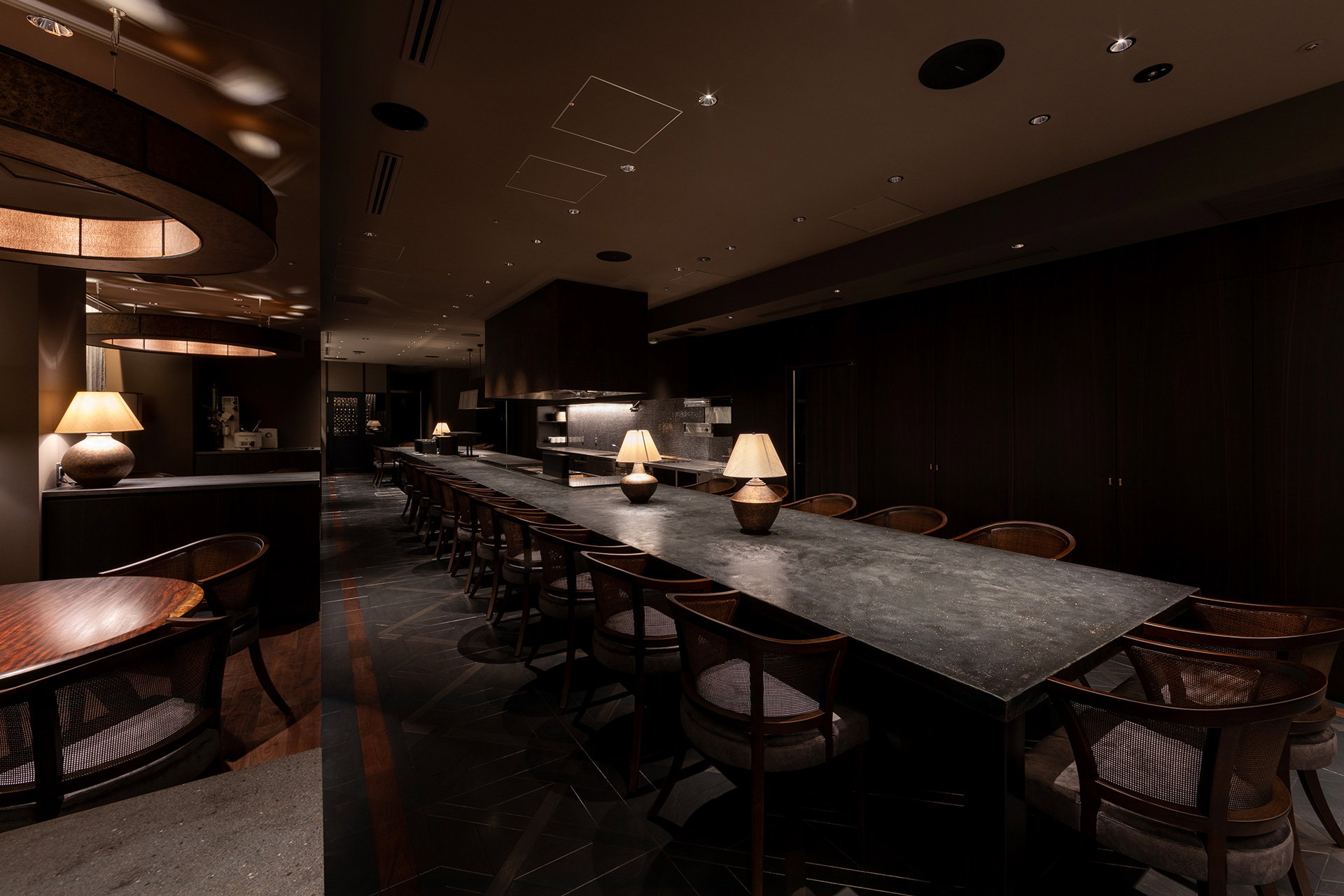
Old-school Edo-style sushi shop with woodblock print walls, shop curtain above the counter, natural light slither, and an intimate L-shaped counter fostering a laid-back local vibe.
Tags
Vibe
Best For
Experience
At the Table
- Dress Code
- Smart Casual
- Noise Level
- Conversational
- Service Style
- Upscale Casual
- Meal Pacing
- Leisurely
- Capacity
- Intimate
- Kitchen
- Traditional
- Menu Format
- Omakase, Counter dining
- Drinks Focus
- Sake
Signature Dishes
- hamaguri
- chutoro
- kohada
Know before you go
Know Before You Go
- Getting there
- Japan, 〒104-0061 Tokyo, Chuo City, Ginza, 6 Chome−4−13 浅黄ビル 2階
Planning details
Hours
- Monday
- Closed
- Tuesday
- 12–2:30 pm, 6–10:30 pm
- Wednesday
- 12–2:30 pm, 6–10:30 pm
- Thursday
- 12–2:30 pm, 6–10:30 pm
- Friday
- 12–2:30 pm, 6–10:30 pm
- Saturday
- 12–2:30 pm, 6–10:30 pm
- Sunday
- Closed
Location
Japan, 〒104-0061 Tokyo, Chuo City, Ginza, 6 Chome−4−13 浅黄ビル 2階 · Directions
Recognition and awards

Also consider
Also Consider
- Harutaka, Sushi, ¥¥¥¥
- L'Effervescence, French, ¥¥¥¥
- RyuGin, Kaiseki, Japanese, ¥¥¥¥
- HOMMAGE, Innovtive French, French, ¥¥¥¥
- Crony, Innovative, French, ¥¥¥¥
Restaurant context
Sushi Taichi's most direct comparison is Harutaka, a ¥¥¥¥ Ginza sushi counter with stronger award credentials and a stricter omakase format. Harutaka is the right choice if you want the full ceremony and are prepared for a harder reservation and higher spend. Sushi Taichi is the right choice if you want recognised Edomae quality at a lower price tier with genuine flexibility in how you order. The gap in booking difficulty alone makes Sushi Taichi a practical option for visitors who cannot plan Ginza sushi weeks in advance.
Against the broader ¥¥¥¥ Tokyo field, RyuGin (kaiseki) and L'Effervescence (French) are both operating at a different format and register entirely. If your special occasion calls for a multi-course kaiseki or French tasting menu rather than sushi, those are the comparisons to make. For a guest who wants to sit at a counter and eat sushi, the comparison stays within the sushi tier. HOMMAGE and Crony, both innovative French at ¥¥¥¥, are stronger alternatives for guests who value modern cooking technique over Edomae tradition.
The practical decision comes down to format and budget. If you are spending ¥¥¥¥ and want sushi, Harutaka or Sushi Kanesaka are the tier benchmarks. If you want a Ginza counter with Michelin recognition, OAD ranking, and lower spend with easier booking, Sushi Taichi is the cleaner choice. It does not try to compete with the top omakase rooms on ceremony; it competes on access, atmosphere, and the direct chef interaction that rigid fixed-menu formats tend to limit.
Explore Tokyo
Around this place
Discover more on Pearl
Unlock the full Sushi Taichi guide in Pearl, including awards, comparisons, FAQs, planning details, and nearby places.
Compare Sushi Taichi
| Venue | Cuisine | Awards | Booking Difficulty |
|---|---|---|---|
| Sushi Taichi | Sushi | 2026 OAD Top Restaurants in Japan Recommended2026 Michelin PlateTabelog 100 - Sushi - TOKYO - 2025 · #582025 OAD Top Restaurants in Japan Ranked · #4362025 Michelin Plate2024 OAD Top Restaurants in Japan Ranked · #3832024 Michelin Plate2023 OAD Top Restaurants in Japan Recommended | Easy |
| Harutaka | Sushi | 2026 Tabelog Silver · #312026 OAD Top Restaurants in Japan Ranked · #1282026 Michelin 3 Stars2026 La Liste Top RestaurantsTabelog 100 - Sushi - TOKYO - 2025 · #372025 Asia's 50 Best Restaurants · #762025 OAD Top Restaurants in Japan Ranked · #1172025 La Liste Top Restaurants2025 Tabelog Bronze | Unknown |
| L'Effervescence | French | 2026 Tabelog Silver · #682026 OAD Top Restaurants in Japan Ranked · #103Star Wine Lists 20262026 Black Pearl 2 Diamond2026 Relais Chateaux Restaurants2026 La Liste Top Restaurants2026 Michelin 3 Stars2025 Asia's 50 Best Restaurants · #692025 OAD Top Restaurants in Japan Ranked · #92 | Unknown |
| RyuGin | Kaiseki, Japanese | 2026 OAD Top Restaurants in Japan Ranked · #802026 Tabelog Bronze · #3772026 Michelin 3 Stars2026 La Liste Top RestaurantsTabelog 100 - Japanese cuisine - TOKYO - 2025 · #212025 OAD Top Restaurants in Japan Ranked · #542025 Michelin 3 Stars2025 La Liste Top Restaurants2025 The Best Chef Three Knives | Unknown |
| HOMMAGE | Innovtive French, French | 2026 Tabelog Bronze · #1232026 OAD Top Restaurants in Japan Highly Recommended2026 Michelin 2 StarsTabelog 100 - French - TOKYO - 2025 · #762025 Asia's 50 Best Restaurants · #782025 OAD Top Restaurants in Japan Ranked · #1752025 Michelin 2 Stars2025 The Best Chef One Knife2025 La Liste Top Restaurants | Unknown |
| Crony | Innovative, French | 2026 Asia's 50 Best Restaurants · #34Star Wine Lists 20262026 OAD Top Restaurants in Japan Recommended2026 Michelin 2 Stars2025 Asia's 50 Best Restaurants · #30Tabelog 100 - French - TOKYO - 2025 · #782025 OAD Top Restaurants in Japan Ranked · #227We're Smart World Top Restaurants 20252025 Michelin 2 Stars | Unknown |












Comparing your options in Tokyo for this tier.
FAQ
Frequently Asked Questions
What are alternatives to Sushi Taichi in Tokyo?
For a comparable old-school Edomae counter in Tokyo, Harutaka in Ginza is the most direct peer, slightly harder to book and priced similarly at ¥¥¥. If you want a more contemporary format with higher production values, Sushi Saito or Sushi Yoshitake operate in a different register entirely. Sushi Taichi's OAD Top Restaurants in Japan ranking (#436 in 2025) puts it in credible but approachable territory, not the most competitive table in Tokyo, but a more relaxed booking than the top-20 counters.
Can Sushi Taichi accommodate groups?
Sushi Taichi is a counter-format Edomae shop, which limits practical group size. Counter seats typically cap at 8–12, and the old-school single-sitting approach here means large parties above 4–6 will likely be split or turned away. For groups of 2–4, the counter works well; for 6 or more, confirm directly via reservation before committing.
What should I order at Sushi Taichi?
Sushi Taichi operates in an Edomae style, and unlike many Ginza counters that lock you into a fixed omakase, the old-school format here allows more interaction with chef Taichi Ishikawa. That flexibility is the point, ask what's good on the day rather than defaulting to a set menu. Specific dish recommendations should be confirmed directly with Sushi Taichi, so treat the chef's lead as your guide.
Is the tasting menu worth it at Sushi Taichi?
At ¥¥¥, Sushi Taichi is priced in line with serious Ginza sushi without reaching the ¥¥¥¥ tier of Tokyo's most competitive omakase rooms. The Michelin Plate recognition and consecutive OAD rankings (Recommended 2023, #383 in 2024, #436 in 2025) signal consistent quality rather than a destination-level flex. If you want a relaxed Edomae meal at a credible Ginza counter without the pressure of a timed two-sitting format, the value case is solid.
Is Sushi Taichi good for solo dining?
Yes, this is one of the stronger solo options in Ginza sushi. Chef Taichi Ishikawa has a reputation for an agreeable, approachable disposition, and the traditional counter format (noren curtain, woodblock prints, no rigid time limits) is built for direct chef-to-diner interaction. Solo diners wanting a conversational, unpretentious counter over a performance-style omakase room should prioritise this.