

Shimazu
Sushi · Minato, Tokyo
Restaurant in Tokyo, Japan
 Book with Pearl
The Read
Shirokane Counter Precision
Price
$200–300per person
Chef
Yukichika Shimazu
Dress
Smart Casual
Why go
Chef Yukichika Shimazu runs an 8-seat Edomae sushi counter in residential Shirokane, earning Tabelog Gold 2026 and three Tabelog 100 selections since opening in 2020. Dinner costs JPY 40,000–49,999 plus 10% service; the reservation-only format, two nightly seatings, and sommelier-guided beverage program suit solo diners and pairs willing to commit to the chef's omakase pace. Book early—supply is tight, and the hideaway location (two minutes from Shirokane-Takanawa Station) attracts Tokyo locals over tourists.
About Shimazu
Dinner at Shimazu should be planned with the basics in mind and the remaining details confirmed directly. Shimazu is a sushi restaurant in Tokyo, led by chef-owner Yukichika Shimazu. hours are Tuesday through Saturday from 6–10:45 pm, with Sunday and Monday closed. Its confirmed recognition includes a 2026 Opinionated About Dining listing. Before you go, verify the current reservation process and any policies directly with the restaurant or booking channel.
The Meal and the Pace
Shimazu is a Tokyo sushi restaurant where the experience should be approached with attention to timing, etiquette, and the restaurant’s current service details. Rather than relying on assumptions about the room, menu, or seating, diners should let the latest booking information guide expectations. The dress code is smart casual, so dress in a way that feels polished, low-key, and respectful.
The meal is best approached as a planned evening reservation. Confirm the reservation time, cancellation terms, and any special requests in advance. If you are coming from another part of Tokyo, leave enough time to arrive calmly; the experience depends on preparation as well as the food itself.
Awards Context and Booking
Shimazu’s confirmed awards context is its 2026 Opinionated About Dining recognition. That matters less as a trophy than as a signal that the restaurant has visibility among diners who track sushi in Tokyo. Reservations should be treated as important, and travelers should verify the current booking route rather than assuming availability. Compared with other dining rooms, Shimazu reads as a name to approach with careful planning and up-to-date confirmation.
If you cannot secure a booking, Sushi Matsuura or Sushi Mikata are reasonable alternatives to research. Other unnamed dining rooms can also fill a similar slot in an itinerary, but availability, pricing, and format should be checked directly. Plan transportation with a margin of time; the point is to arrive ready for a punctual evening meal rather than rushing in at the last minute.
The strongest fit is for diners who want a sushi restaurant in Tokyo and are comfortable confirming details before committing a night to it. Party size, timing, and the exact shape of the meal should be rather than assumed. Think of Shimazu as a precise Tokyo sushi reservation: led by Yukichika Shimazu, visible through its 2026 Opinionated About Dining recognition, and best experienced when the logistics have been settled before the day of dining.
Planning details
- Hours
- Monday: Closed · Tuesday: 6–10:45 pm
- Location
- 1 Chome-29-13 Shirokane, Minato City, Tokyo 108-0072, Japan
- Reservations
- Book on Omakase
- Website
- omakase.in/ja/r/bz866949
- Phone
- +81 3-6721-7727
The take
The Take
The Vibe
Shimazu presents as a calm, counter-focused omakase destination set in residential Shirokane. The write-up emphasizes a quieter neighbourhood context, and the tasting sits within Tokyo's ritual of chef-led counters rather than the bustle of entertainment districts. That slower, seat-at-the-counter rhythm and the rapid but disciplined accrual of awards position the restaurant as refined and understated: an experience that privileges direct interaction with the chef and the sequence of nigiri over spectacle. Guests should expect a composed, serene atmosphere that complements the focused, high-calibre sushi service.
Best For
Shimazu is best for milestone meals and celebrations where the quality and credentials of the counter matter. The profile highlights its accelerated rise through Tabelog rankings and places it alongside long-established omakase peers, recommending it for anniversaries, significant birthdays and first serious omakase experiences in Tokyo. Because it sits outside the Ginza–Roppongi entertainment belt in a quieter residential pocket, the restaurant offers a more intimate, neighborhood feel while delivering the standards and polish expected of top-tier sushi counters.
Ordering Tips
Treat reservations as you would for a high-end omakase counter: plan ahead and book for a specific occasion. The text stresses Shimazu's award trajectory and peer positioning with long-running counters, which implies limited counter seating and high demand. When you go, expect the classic omakase format and prioritize the kitchen’s sequence — signature items to watch for in advance include uni maki, kohada and kuruma ebi, which are listed as highlights. Choosing Shimazu for a milestone meal aligns the occasion with its credentialed reputation and residential setting.
Venue details
Ambiance
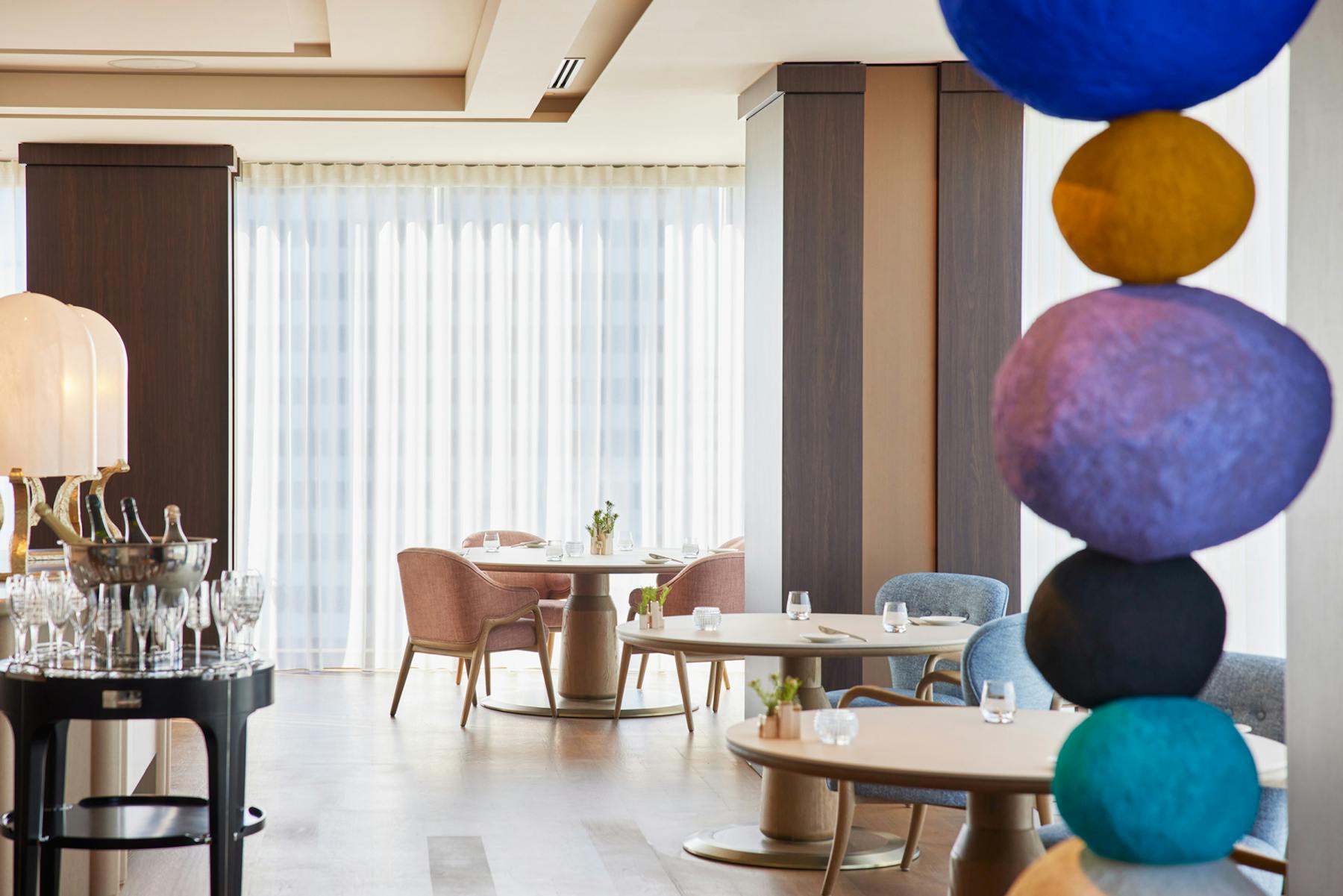
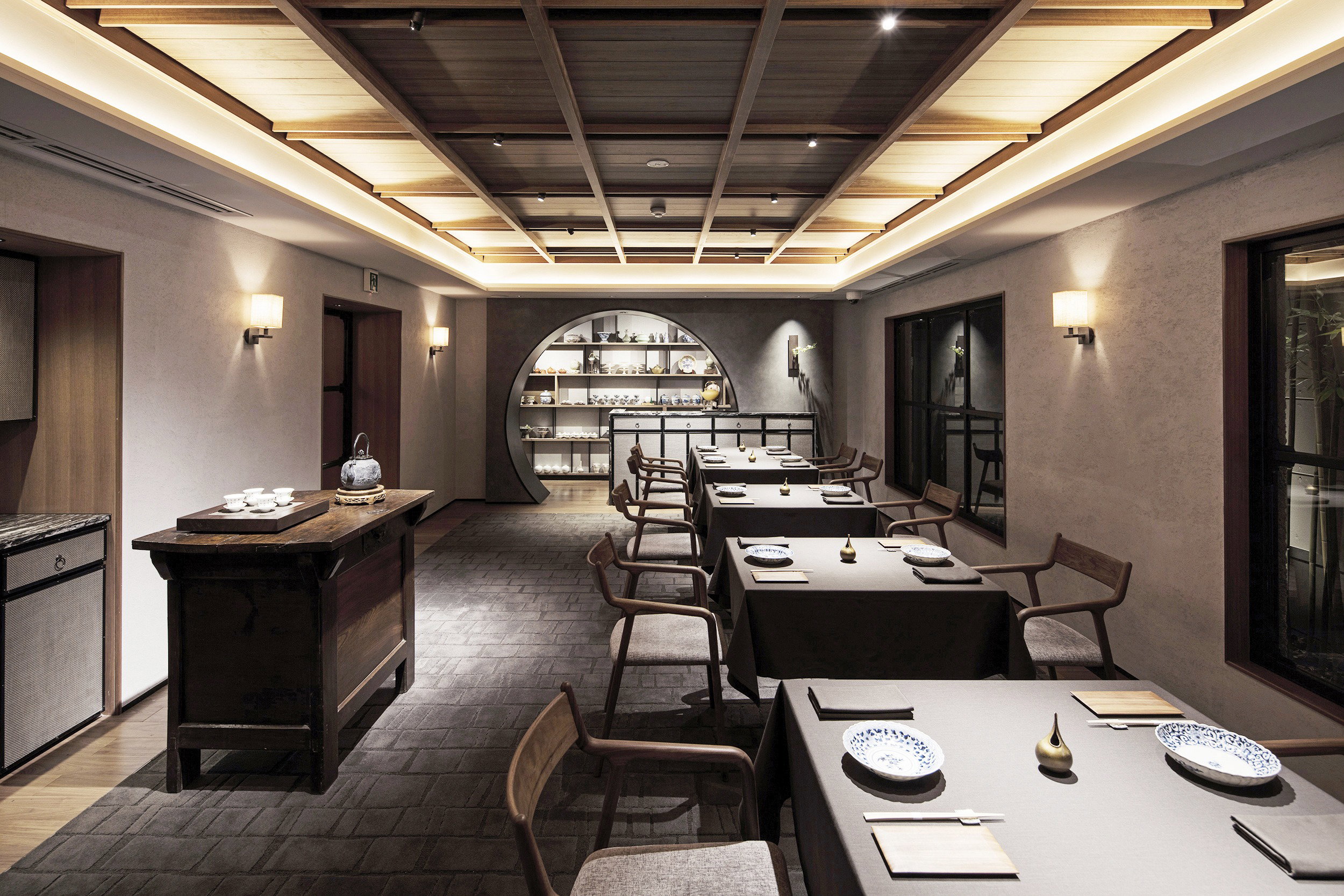
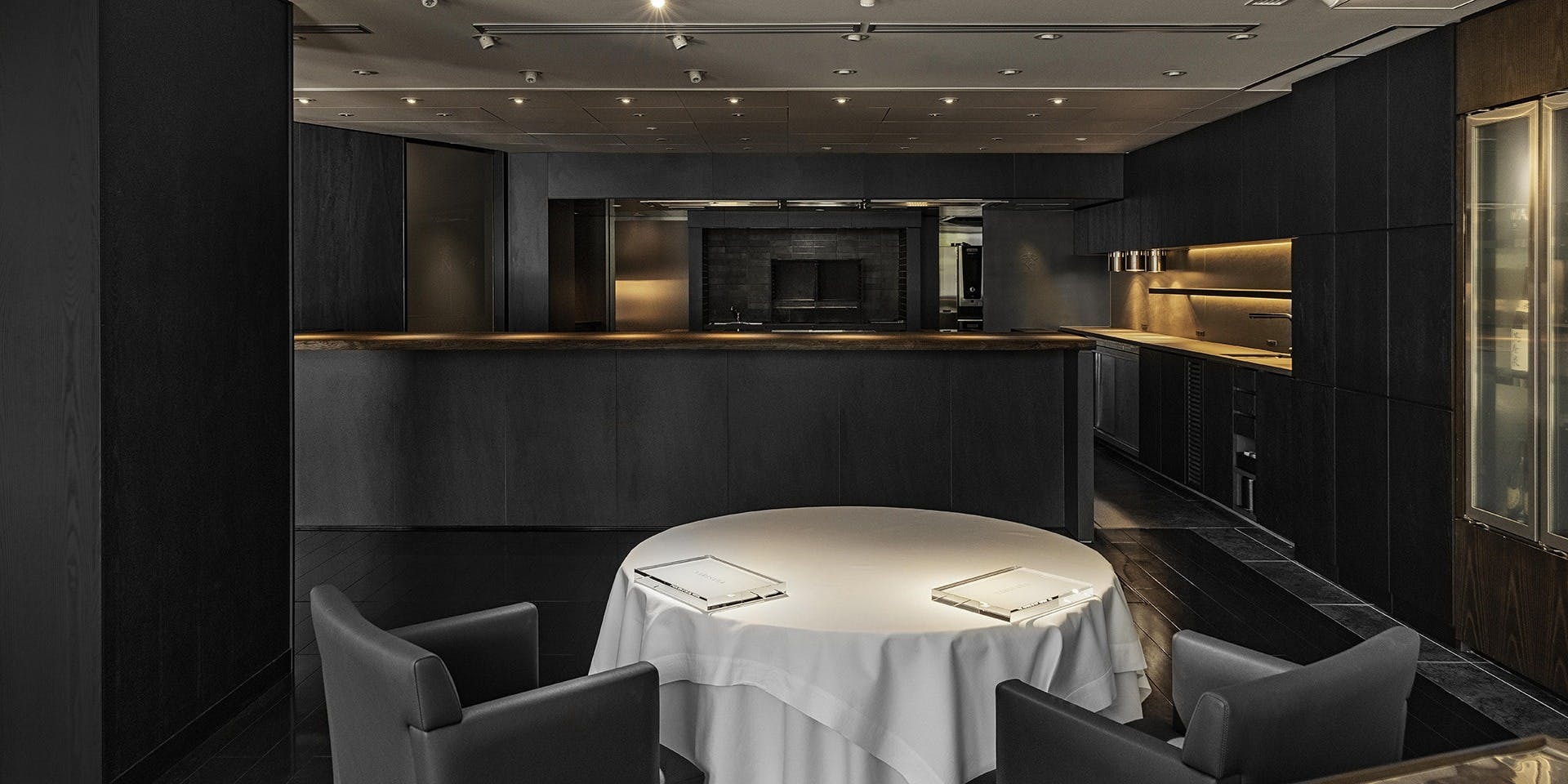
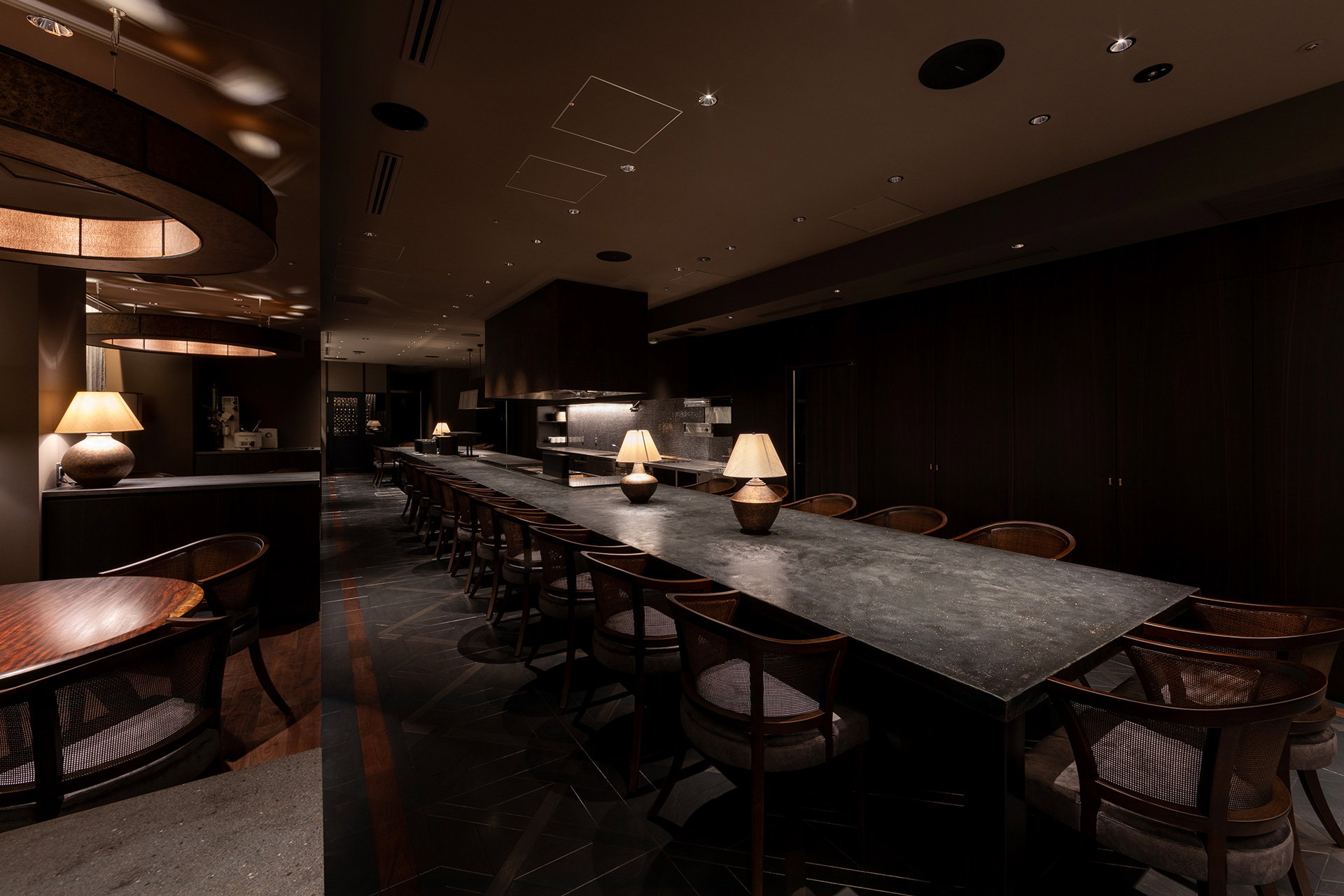
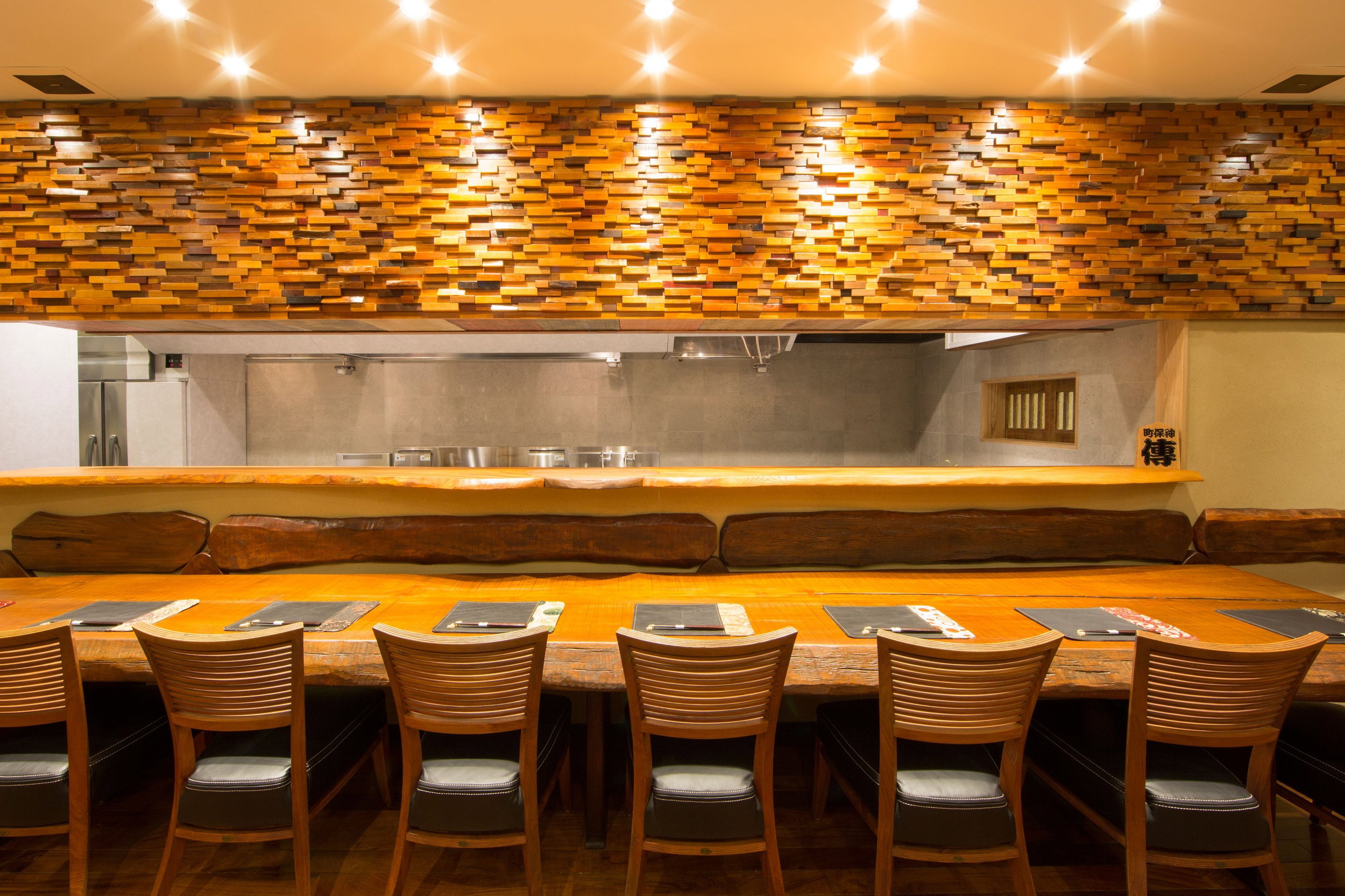
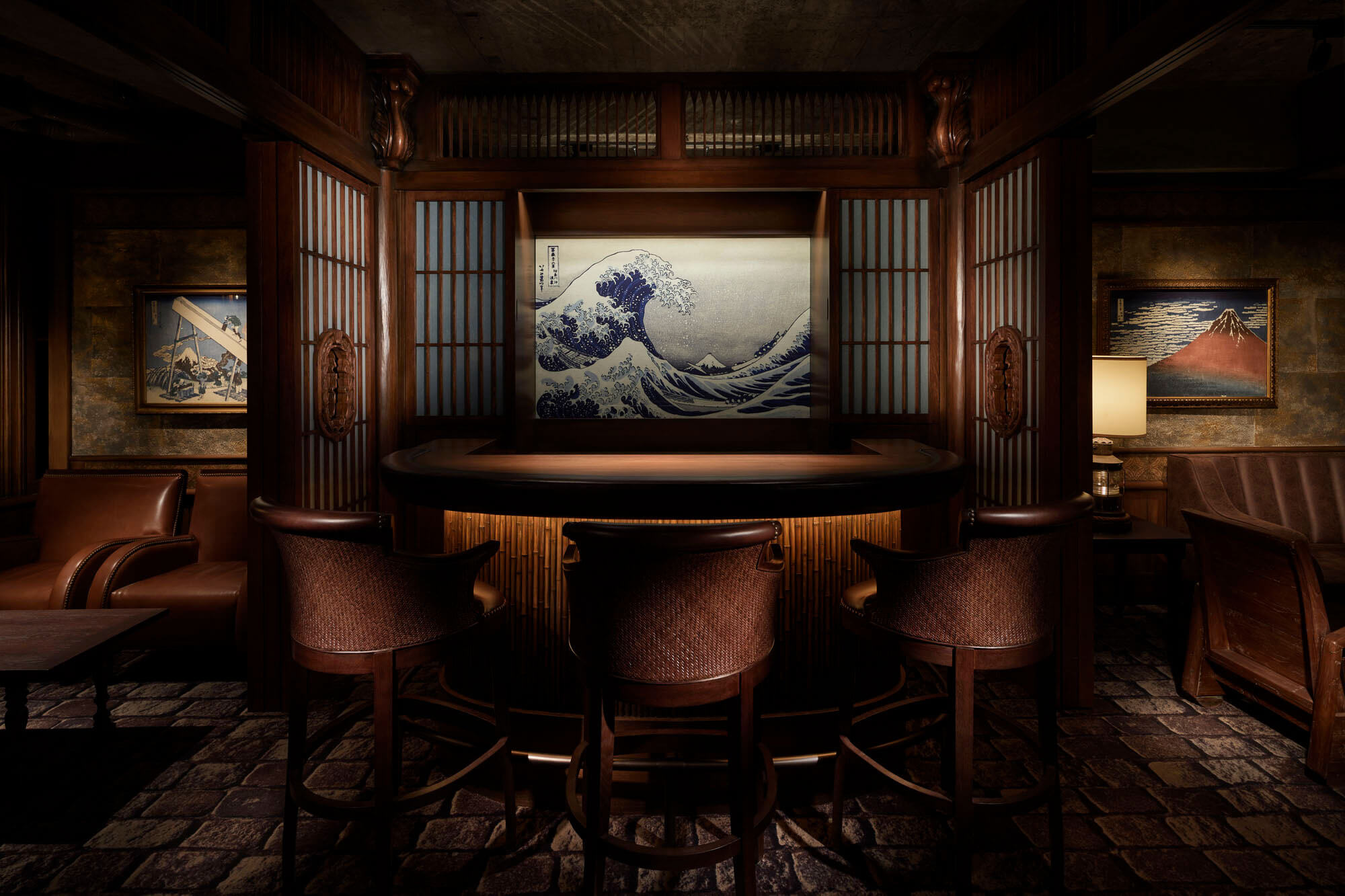
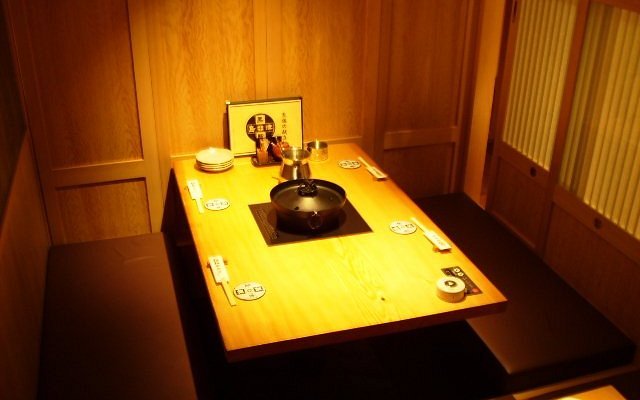
Intimate L-shaped counter seating with direct interaction with the chef in a hideout setting, fostering a lively yet focused sushi experience.
Tags
Vibe
Best For
Experience
At the Table
- Dress Code
- Smart Casual
- Noise Level
- Quiet
- Service Style
- Upscale Casual
- Meal Pacing
- Leisurely
- Capacity
- Intimate
- Kitchen
- Traditional
- Menu Format
- Omakase, Counter dining
- Wine Program
- Curated
Signature Dishes
- uni maki
- kohada
- kuruma ebi
Know before you go
Know Before You Go
- Getting there
- 1 Chome-29-13 Shirokane, Minato City, Tokyo 108-0072, Japan
Planning details
Hours
- Monday
- Closed
- Tuesday
- 6–10:45 pm
- Wednesday
- 6–10:45 pm
- Thursday
- 6–10:45 pm
- Friday
- 6–10:45 pm
- Saturday
- 6–10:45 pm
- Sunday
- Closed
Location
1 Chome-29-13 Shirokane, Minato City, Tokyo 108-0072, Japan · Directions

Also consider
Also Consider
- Sushi Matsuura, Sushi, ¥¥¥
- Sushi Ochi, Sushi, Sushi
- Sushi Imamura, Sushi, Sushi
- Sushi Mikata, Sushi, ¥¥
- Mitsui, Sushi, ¥¥¥¥
Restaurant context
At JPY 40,000–49,999 per head, this counter sits between Sushi Mikata (¥¥, easier to book, less award heat) and Mitsui (¥¥¥¥, higher spend, stricter booking). Sushi Matsuura operates in the same price tier with a similar counter-only format, so choose based on location preference, Shirokane for residential quiet, or Matsuura's neighborhood if you're anchoring your evening elsewhere. Sushi Ochi and Sushi Imamura lack published price signals but share the Tabelog award cohort; if availability opens at either, cross-shop based on seating time and sommelier presence.
Shimazu's rapid award climb (Bronze 2022 → Gold 2026) suggests improving execution or broader critic attention, but the 8-seat counter and reservation-only policy mean booking difficulty mirrors Matsuura's. For solo diners prioritizing counter interaction and wine pairing, Shimazu's sommelier service adds value over Mikata's simpler sake-focused program. Groups of three or more should default to Mitsui or another venue with private-room options, this counter does not accommodate larger parties comfortably. If the JPY 50,000+ actual spend (per Tabelog reviews) exceeds budget, Mikata offers a step down without sacrificing Edomae technique.
The Shirokane location suits travelers staying in southern Tokyo (Meguro, Ebisu) or those willing to taxi from Shibuya. Ginza-based itineraries pair better with Matsuura or Ochi; Roppongi-based travelers should weigh transit time against the residential setting's appeal. The two-seating structure (17:00 and 19:30) means less flexibility than open-seating counters, so plan your afternoon accordingly, early seating works for jet-lagged arrivals, late seating for post-museum dinners.
Explore Tokyo
Around this place
Discover more on Pearl
Unlock the full Shimazu guide in Pearl, including awards, comparisons, FAQs, planning details, and nearby places.
FAQ
Frequently Asked Questions
What should a first-timer know about Shimazu?
Shimazu is a sushi restaurant in Tokyo led by chef-owner Yukichika Shimazu. Its confirmed recognition includes Opinionated About Dining for 2026. Verify the current schedule, booking route, and policies directly before you go.
What is the seating like at Shimazu?
Confirm the current seating format when you book, especially if a particular arrangement matters to your experience. Do not assume a specific room layout without checking directly.
Is Shimazu good for solo dining?
What are alternatives to Shimazu?
If Shimazu is full, consider researching Sushi Matsuura, Sushi Ochi, Sushi Mikata, Mitsui, or Sushi Imamura. Other unnamed dining rooms can also work as substitutes depending on availability and the style of meal you want.
Is lunch or dinner better at Shimazu?
The hours list evening service Tuesday through Saturday from 6–10:45 pm, with Sunday and Monday closed. Confirm the latest schedule directly with the restaurant or booking channel before making plans.
What should I wear to Shimazu?
The dress code is smart casual. Dress neatly and respectfully, with clothing that feels polished without being formal or distracting.
How far ahead should I book Shimazu?
Book as early as your plans allow and verify the current booking route directly. Shimazu has confirmed 2026 Opinionated About Dining recognition, but availability and reservation policies should be checked with the restaurant or booking channel.