

Sushi Namba
Sushi · Chiyoda, Tokyo
Restaurant in Tokyo, Japan
 Book with Pearl
The Read
Rice-Temperature Precision
Price
$300–500per person
Chef
Hidefumi Namba
Dress
Smart Casual
Why go
Chef Hidefumi Namba's omakase counter in Tokyo Midtown Hibiya holds multi-year Tabelog recognition for single-degree rice-and-neta temperature control. JPY 40,000–49,999 lunch or dinner, 12 seats total, reservation-only. Easier to book than some peers, quieter than most, and the private room handles four for celebrations.
About Sushi Namba
Sushi Namba is a sushi restaurant in Tokyo led by chef-owner Hidefumi Namba. Specific details about pricing, seat counts, awards, booking rules, menu structure, or service format are limited. The restaurant serves sushi, observes a smart-casual dress code, and operates in the evening from Tuesday through Saturday.
About Sushi Namba
Sushi Namba is a Tokyo sushi restaurant associated with Hidefumi Namba. Specific claims about the room, number of seats, course structure, or technical signatures should be confirmed directly with the venue.
For planning, the hours are Tuesday through Saturday, 5–11 pm, with Monday and Sunday closed. Dress is smart casual. If your visit depends on a specific seating arrangement, accessibility need, dietary request, or reservation policy, confirm those details with the restaurant before booking.
Lunch vs. Dinner: Hours of Operation
The restaurant offers evening service only: Tuesday, Wednesday, Thursday, Friday, and Saturday from 5–11 pm. There is no lunch service or lunch pricing, so plan around dinner unless the venue directly states otherwise when you inquire.
No menu format, price, or allergy policy is available, so first-time visitors should avoid assuming an à la carte option, a fixed course, or specific substitutions. If you need flexibility, ask the restaurant in advance. For another Tokyo sushi reference point, Sushi Taichi may be worth comparing.
How It Stacks Up in the Top Tier
Sushi Namba can be considered as part of a Tokyo sushi shortlist. Rankings, scores, award status, price brackets, or seat counts are not available. When comparing options, consider details such as hours, dress code, availability, and the kind of sushi experience you want.
comparable venue references for further comparison include Ginza Sushi Ko Honten, Kiyota, Sushi Saeki Ginza, Sushi Suzuki, and Sushi Taichi. Sushi Namba is closed Sundays and Mondays, and open Tuesday through Saturday from 5–11 pm.
Planning details
- Hours
- Monday: Closed · Tuesday: 5–11 pm
- Location
- Japan, 〒100-0006 Tokyo, Chiyoda City, Yurakucho, 1 Chome−1−2 東京ミッドタウン日比谷 3階
- Website
- shokuoku.com/restaurant/?rstid=19
- Phone
- +81 3-6273-3334
The take
The Take
The Vibe
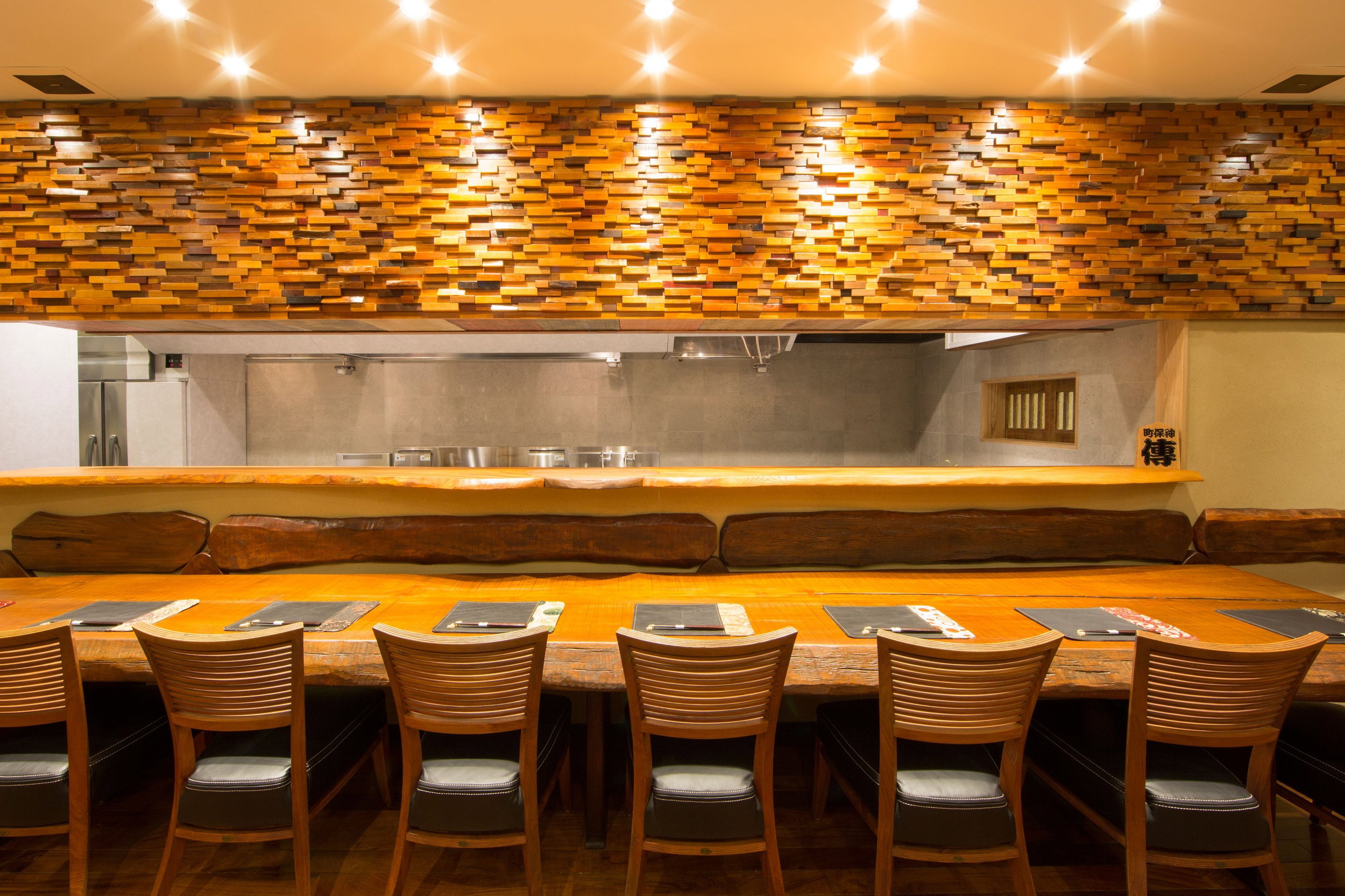
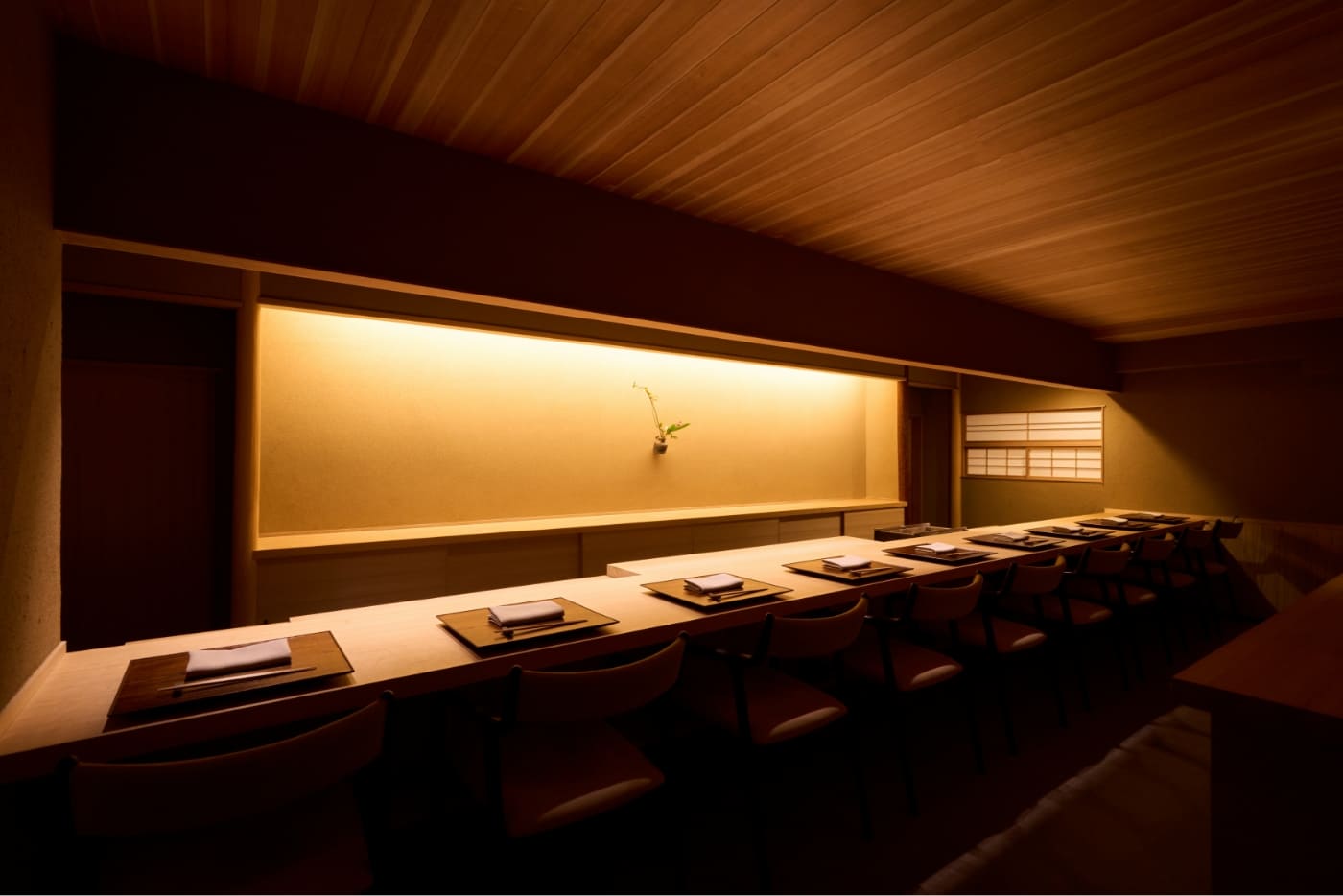
At Sushi Namba the mood is quietly exacting: a minimalist, elegant counter dining experience that privileges technique and seasonality over spectacle. The 12-seat Edomae counter and reservation-only policy keep services intimate, while the kitchen’s focus on rice discipline and precise fish preparation gives the room a sophisticated, classic air. Awards and high reviewer scores underline a restrained, professional temperament—service and food read as studied rather than flamboyant. The result is a calm, focused dining environment where attention lands on morsels of impeccably timed seafood and rice, not on theatrics.
Best For
Book Sushi Namba for high‑commitment dining: it is clearly pitched at special occasions and celebrations. The counter’s 12 seats, reservation‑only policy and a typical dinner spend in the JPY 50,000–59,999 range position it among Tokyo’s upper‑tier Edomae counters, making it a destination when you want precision, seasonal production and a memorable tasting sequence. The restaurant’s awards and consistent critical recognition also make it a defensible choice for marking important moments rather than casual evenings. Parties should plan ahead and treat a booking as a dedicated culinary appointment.
Ordering Tips
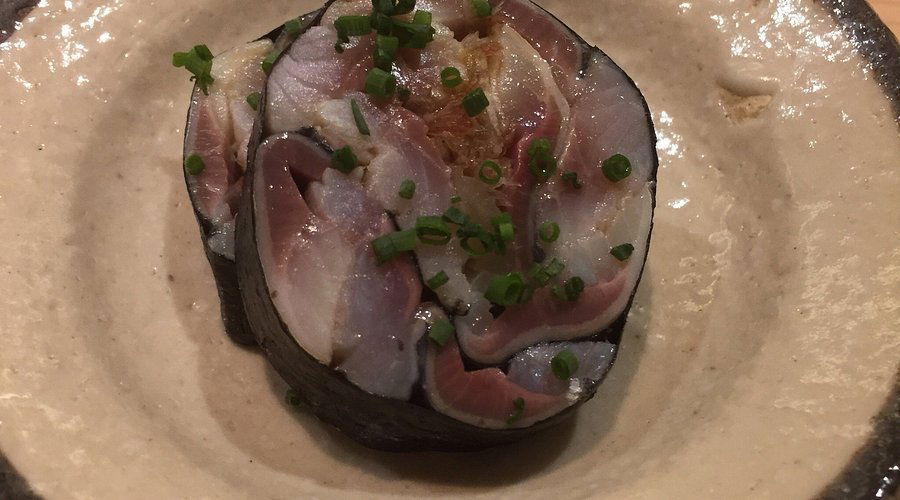
Reservations are essential: Sushi Namba runs a 12‑seat, reservation‑only counter and places itself in the higher price bracket for omakase, so book well in advance and expect a set tasting sequence rather than à la carte flexibility. Be prepared for the typical dinner spend noted by reviewers (roughly JPY 50,000–59,999) and for a menu that follows Edomae seasonality—ingredients and preparations change with peak availability. If you want examples of what to expect, the house is known for Ankimo, Kinki in dashi, a distinctive tamago and a tight maguro maki; treat these as signposts of the kitchen’s rhythms.
Venue details
Ambiance
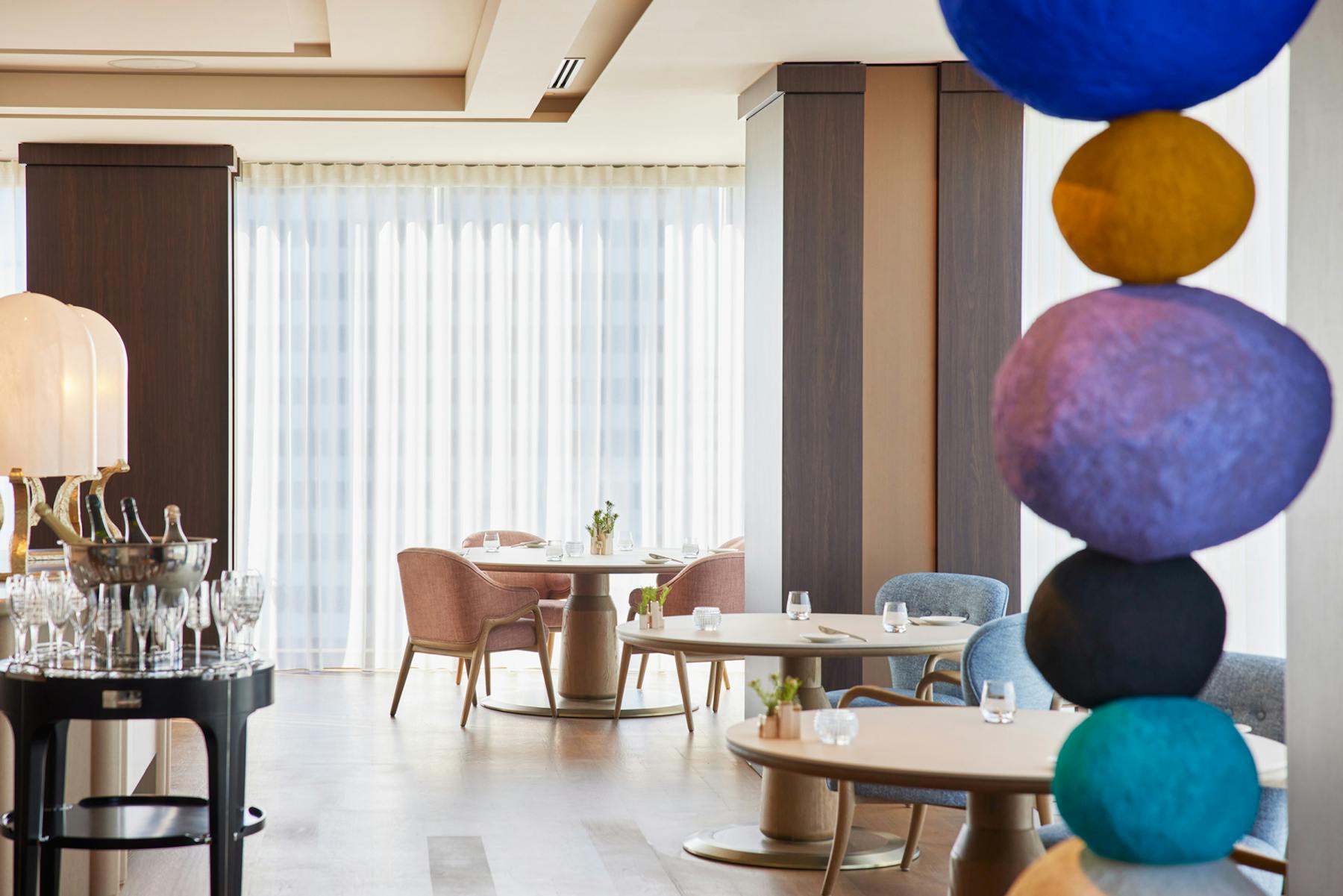
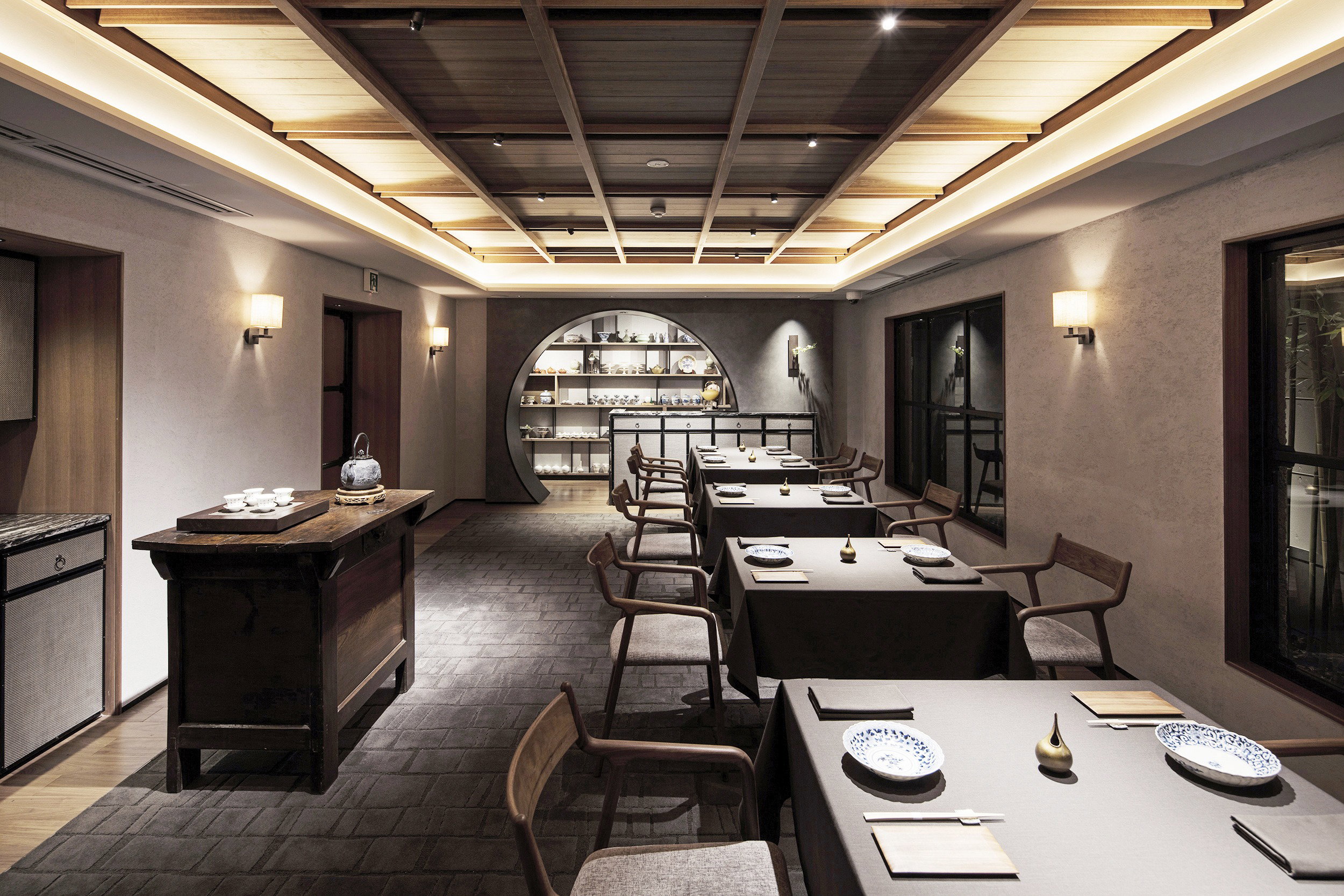
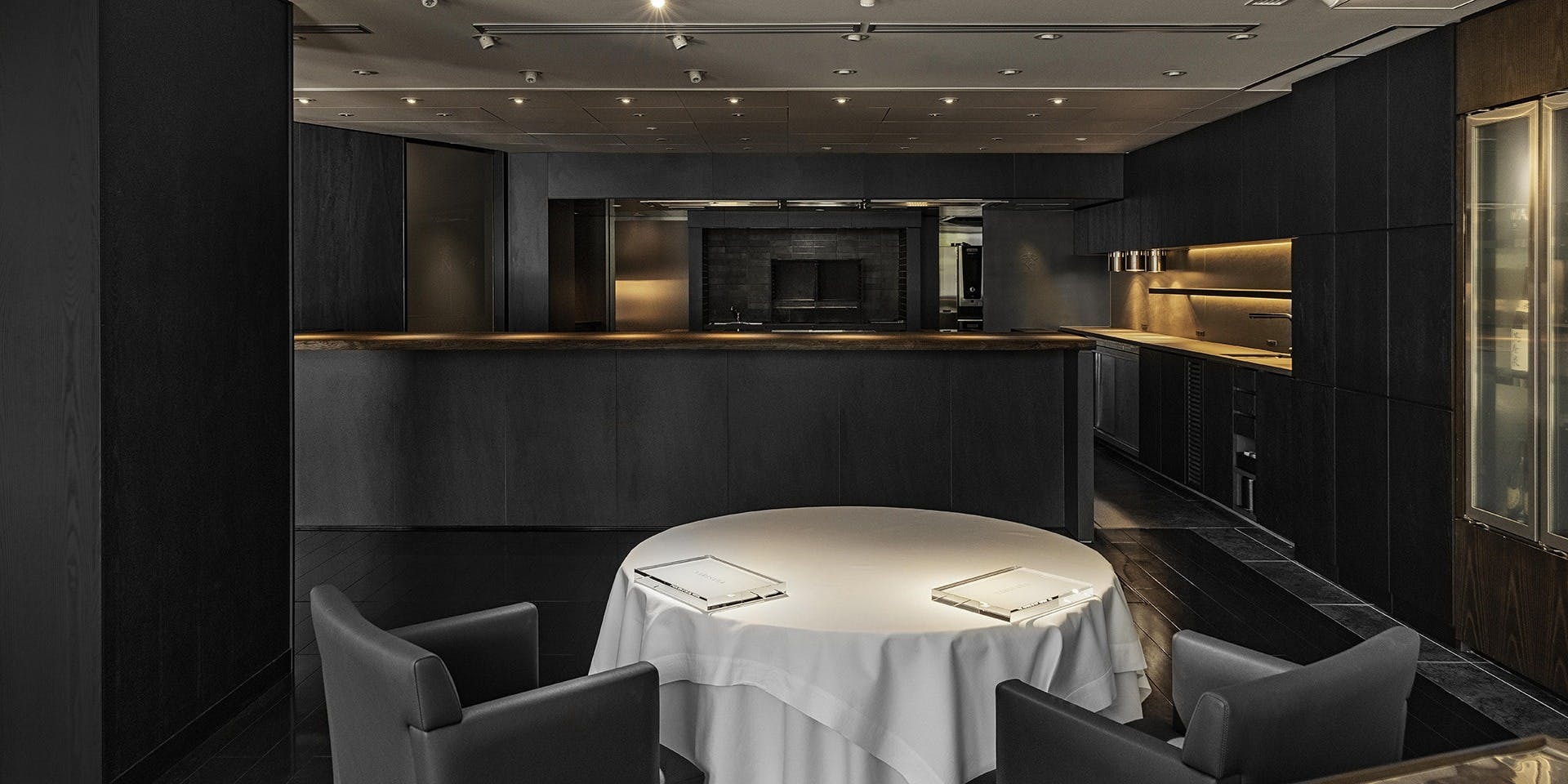
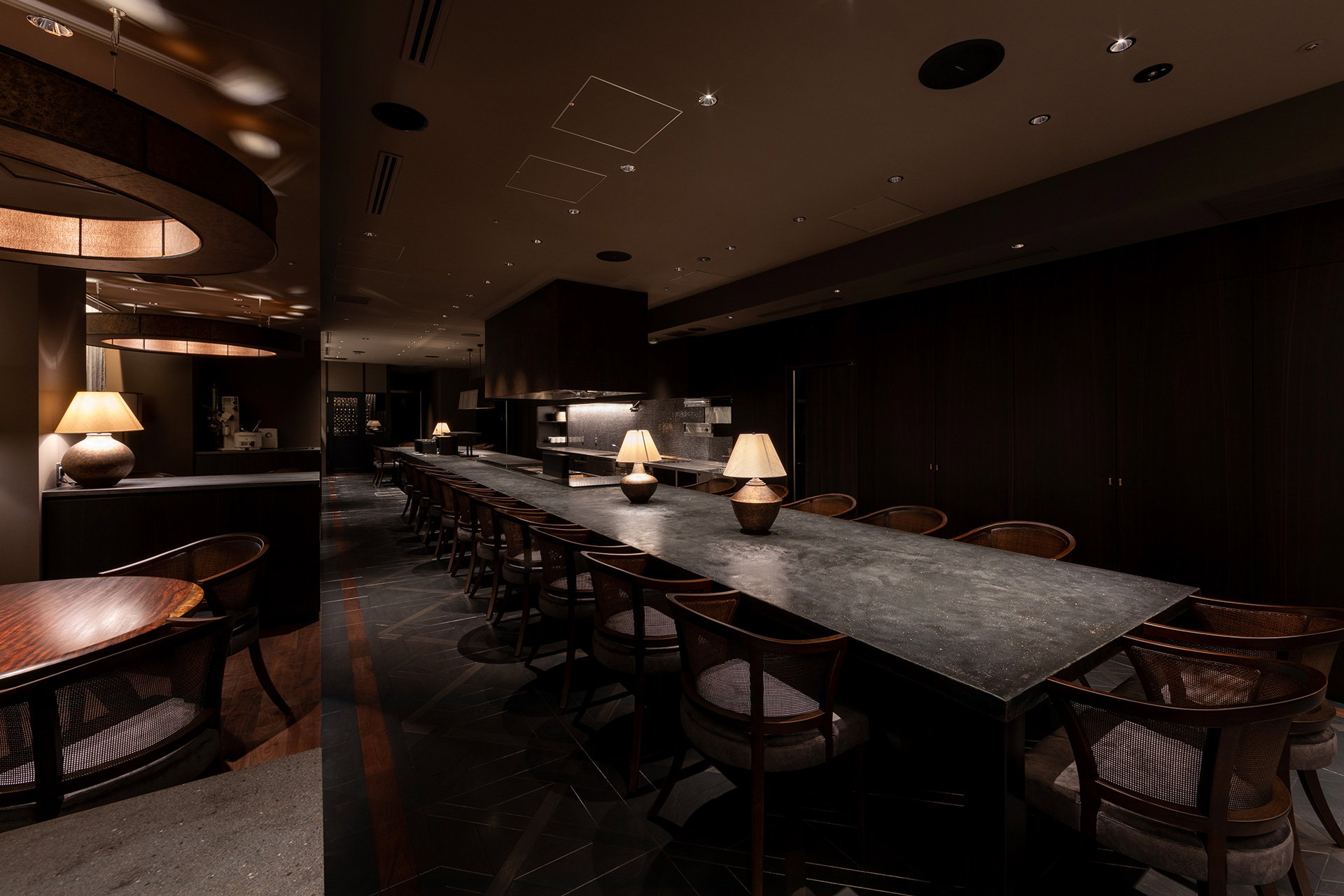
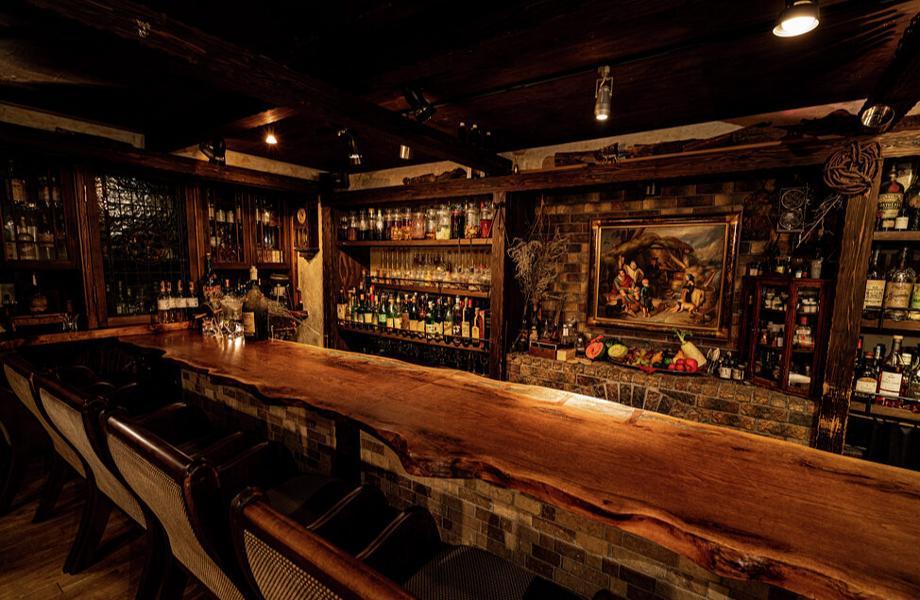
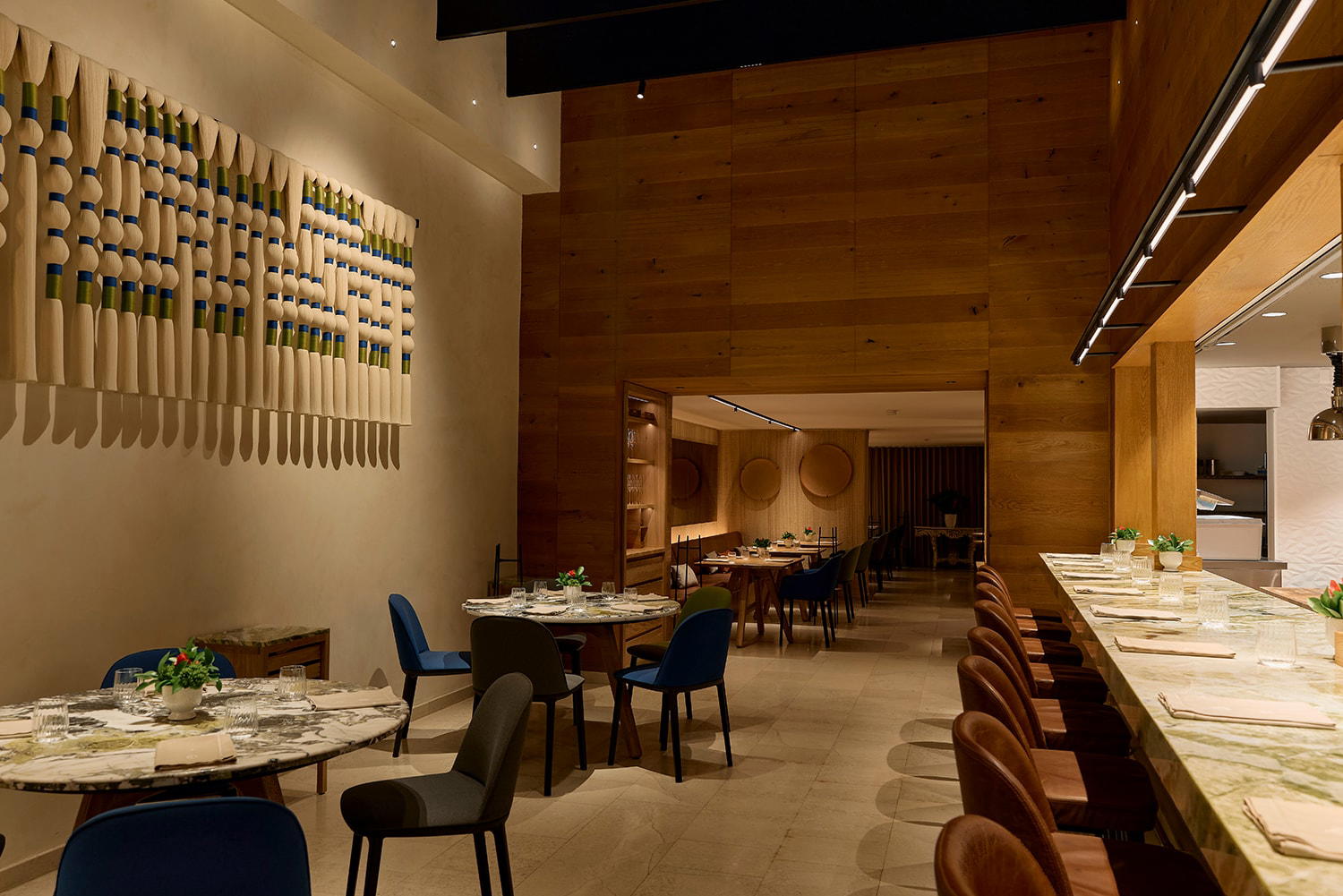
Minimalist, focused setting with a relaxed Japanese aesthetic centered on the chef's craftsmanship; counter seating emphasizes direct interaction with the artisan.
Tags
Vibe
Best For
Experience
Sourcing
Accessibility
At the Table
- Dress Code
- Smart Casual
- Noise Level
- Quiet
- Service Style
- Omakase Bar
- Meal Pacing
- Extended Experience
- Capacity
- Intimate
- Kitchen
- Modern
- Menu Format
- Omakase, Counter dining
- Drinks Focus
- Sake
- Dietary
- Pescatarian friendly, Allergy accommodating
- Private Dining
- Available
Signature Dishes
- Ankimo (Monkfish Liver)
- Kinki (Channel Rockfish) in Dashi
- Tamago (Egg) topped with Shrimp Chips
- Maguro Maki (Tuna Roll)
Know before you go
Know Before You Go
- Getting there
- Japan, 〒100-0006 Tokyo, Chiyoda City, Yurakucho, 1 Chome−1−2 東京ミッドタウン日比谷 3階
Planning details
Hours
- Monday
- Closed
- Tuesday
- 5–11 pm
- Wednesday
- 5–11 pm
- Thursday
- 5–11 pm
- Friday
- 5–11 pm
- Saturday
- 5–11 pm
- Sunday
- Closed
Location
Japan, 〒100-0006 Tokyo, Chiyoda City, Yurakucho, 1 Chome−1−2 東京ミッドタウン日比谷 3階 · Directions
Recognition and awards


Also consider
Also Consider
- Sushi Saeki Ginza, Sushi, Sushi
- Kiyota, Sushi, Sushi
- Ginza Sushi Ko Honten, Sushi, Sushi
- Sushi Taichi, Sushi, ¥¥¥
- Sushi Suzuki, Sushi, Sushi
Restaurant context
At JPY 40,000–49,999, Sushi Namba lands in the same price tier as Ginza Sushi Ko Honten and Kiyota, both current Tabelog Gold holders. The technical execution is equivalent, all three deliver edomae-style precision with minimal variation meal to meal, but Namba's Hibiya location offers subway-direct access and a more contemporary room. If you're booking for a special occasion and want a private-room option, Sushi Namba is the only one of the three with a dedicated four-seat space. Sushi Saeki Ginza provides a quieter, more intimate counter experience with slightly easier reservations, while Sushi Taichi sits at a comparable price but skews more traditional in both format and ambiance.
For solo diners chasing pure technique, any of these five will satisfy, and the decision comes down to availability and location preference. Namba's counter seats eight, which means less elbow room than some smaller operations but more energy than the ultra-quiet spots. Sushi Suzuki leans harder into heritage presentation without the modern polish, so if you prefer a more classically appointed room, start there. If convenience and a reliable booking window matter more than chasing the newest Gold tier, Sushi Namba remains a safe, high-quality choice, just know that the consensus has shifted slightly toward newer counters in the past two years.
Explore Tokyo
Around this place
Discover more on Pearl
Unlock the full Sushi Namba guide in Pearl, including awards, comparisons, FAQs, planning details, and nearby places.
FAQ
Frequently Asked Questions
Is Sushi Namba good for solo dining?
Sushi Namba is a sushi restaurant in Tokyo led by chef-owner Hidefumi Namba. Specific details about seating arrangements or solo-diner policies are not available, so confirm directly with the venue before booking.
Can I eat at the bar at Sushi Namba?
Bar or counter seating details are not available. Sushi Namba serves sushi in Tokyo, is led by Hidefumi Namba, and lists smart casual as the dress code.
Is lunch or dinner better at Sushi Namba?
Dinner service only is offered: Tuesday through Saturday from 5–11 pm. Monday and Sunday are closed. No lunch service is available.
What should I order at Sushi Namba?
The cuisine is sushi, but no specific menu format, dish list, or ordering style is available. Check directly with the venue for the current menu and service details.
What should a first-timer know about Sushi Namba?
Sushi Namba is in Tokyo, serves sushi, and is led by chef-owner Hidefumi Namba. The dress code is smart casual. Hours are Tuesday through Saturday, 5–11 pm; Monday and Sunday are closed.