




Hotel New Otani Tokyo Executive House Zen
Chiyoda, Tokyo
Hotel in Tokyo, Japan
 Book with Pearl
The Read
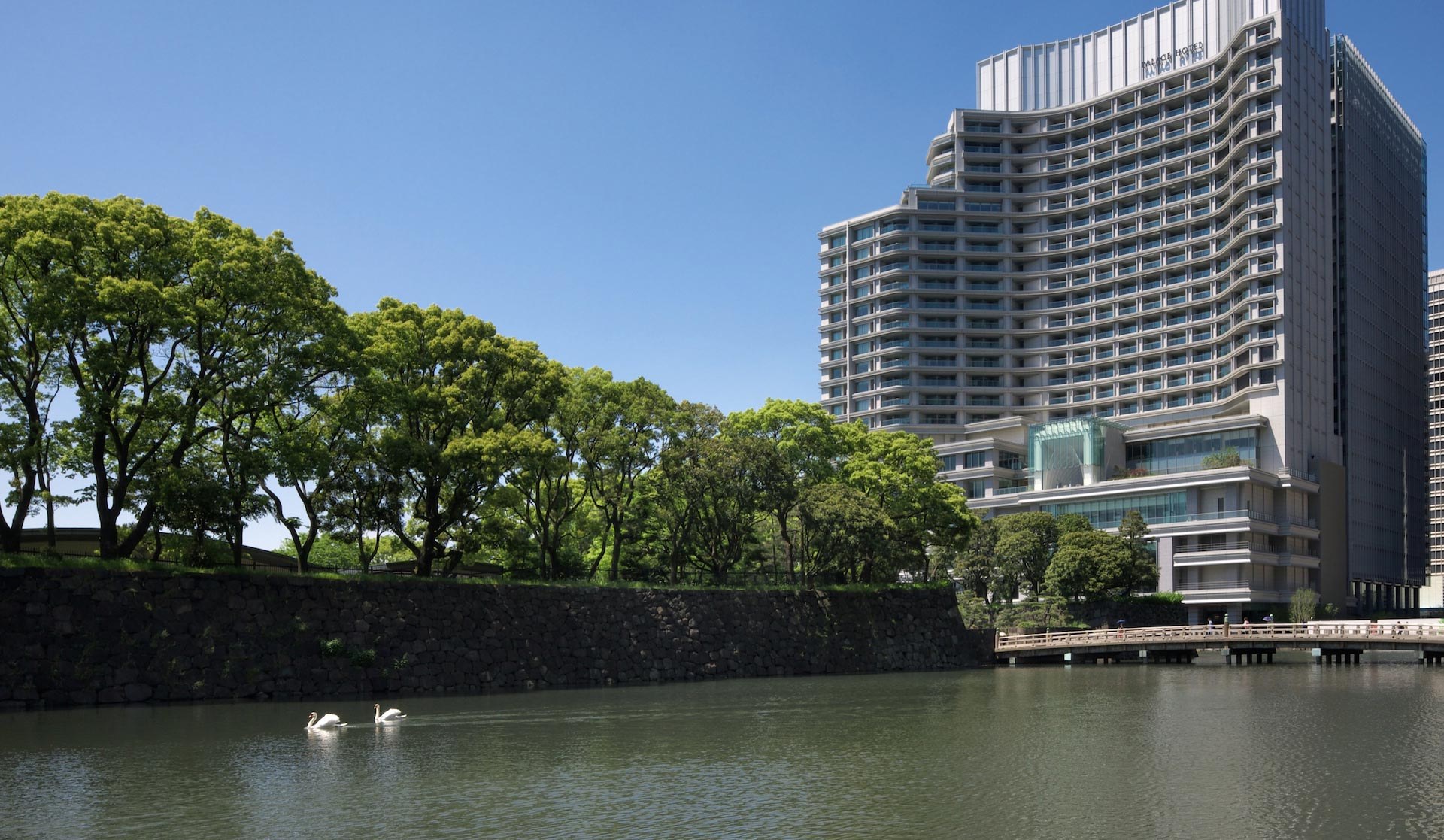
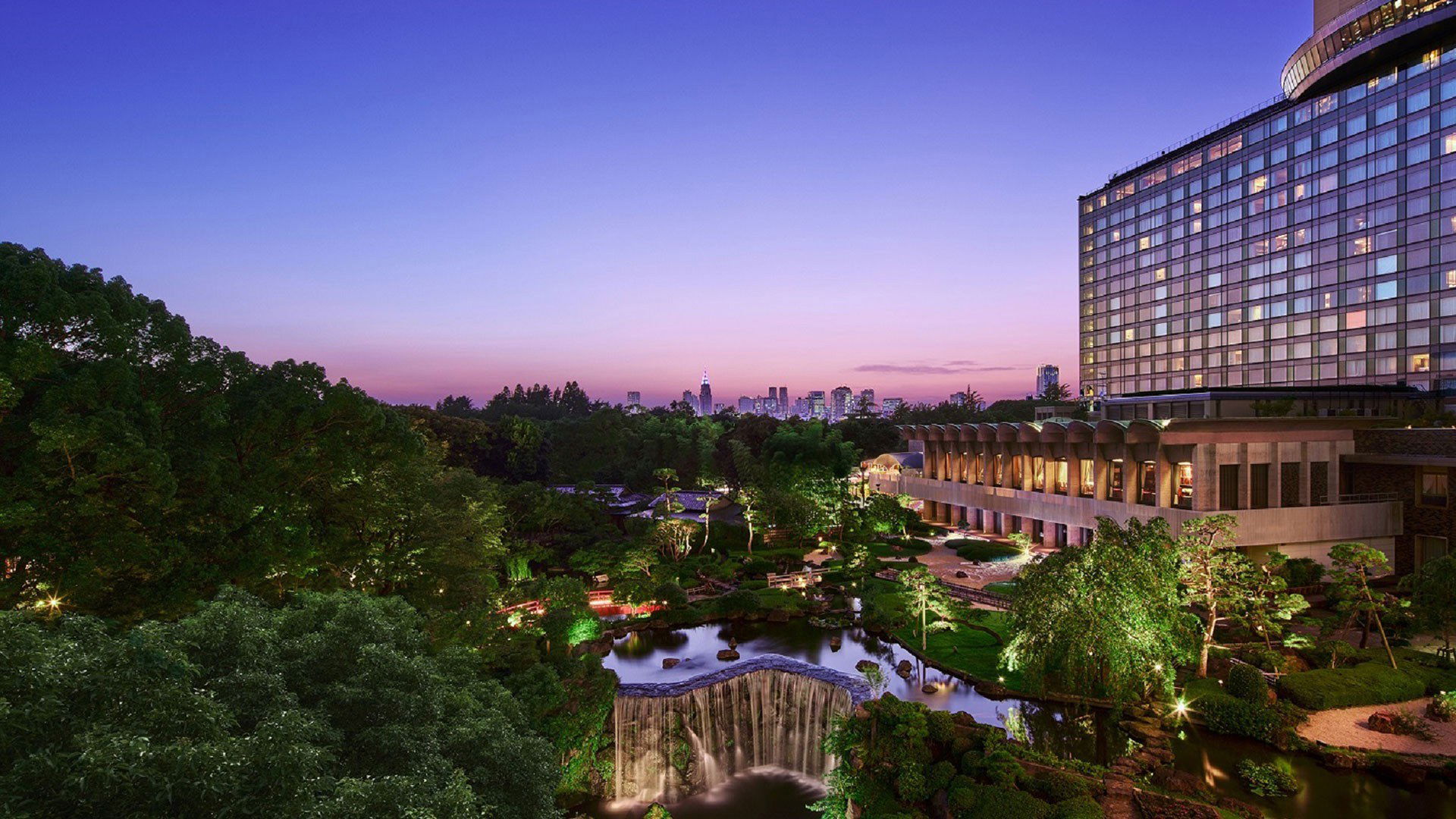
Club-Floor Enclave, 400-Year Garden
Why go
Hotel New Otani Tokyo Executive House Zen is a hotel in Kioicho, Tokyo.
About Hotel New Otani Tokyo Executive House Zen
For Hotel New Otani Tokyo Executive House Zen in Tokyo, the strongest story is its positioning and recognition rather than granular room, dining, or service details. The hotel carries luxury-hotel credentials, including Michelin 1 Key in 2025, Preferred Hotels Member in 2025, La Liste Top Hotels 2026 at 97.5 points, Forbes 5-Star in 2026, and Virtuoso Luxury Hotel Partner in 2026.
The verdict: consider it if you want a Tokyo luxury-hotel stay with notable recognition and a smart-casual dress code. If you need details on room categories, family facilities, dining formats, prices, or specific services before booking, check directly with the hotel rather than making assumptions from its public positioning.
A Tokyo luxury stay with notable recognition
The strongest case for Hotel New Otani Tokyo Executive House Zen is its recognition profile. Michelin 1 Key, Forbes 5-Star, Preferred Hotels, Virtuoso, and La Liste credentials all point to a hotel positioned for travelers who value established luxury standards and third-party acknowledgment.
For a premium stay, evaluate the hotel on its awards, Tokyo setting, and direct booking information rather than on assumptions about floor level, room layout, restaurant concepts, service format, or neighborhood details.
Worth it for recognition, less clear on granular details
The strongest argument here is quality assurance. Hotel New Otani Tokyo Executive House Zen carries luxury-hotel recognition, which may matter for travelers who want a more vetted Tokyo stay. That does not automatically make it the right value for every trip, especially if price, room type, dining, or specific amenities are the deciding factors.
The trade-off is that many practical details should be checked before booking. Guests comparing options such as The Prince Gallery Tokyo Kioicho, a Luxury Collection Hotel, The Kitano Hotel Tokyo, The Capitol Hotel Tokyu, Hotel New Otani Tokyo The Main, or Granbell Hotel Akasaka should compare current rates, room categories, and included benefits directly before deciding.
Who should choose it
Choose this for a Tokyo stay where luxury recognition is a major part of the decision. It is less compelling if you need specifics on dining, family facilities, room configuration, or on-property services before committing. The smart move is to treat Hotel New Otani Tokyo Executive House Zen as a premium hotel choice supported by its accolades, while confirming trip-critical details directly with the property.
Planning details
- Location
- 11F-12F, The Main, Hotel New Otani Tokyo, 4-1 Kioicho, Chiyoda City, Tokyo 102-8578, Japan
- Website
- newotani.co.jp/tokyo/stay/exe
- Phone
- +81 3-3265-1111
The take
The Take
The Vibe
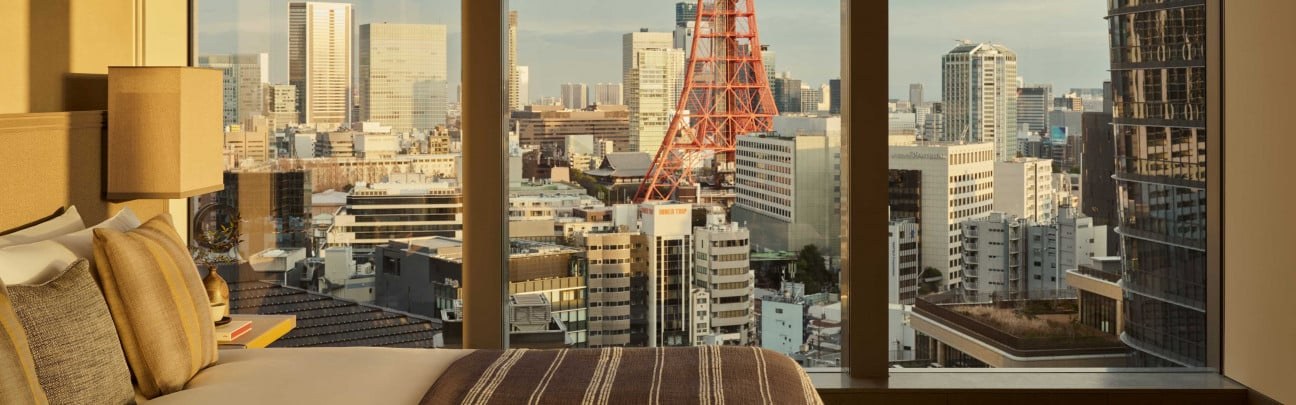
Executive House Zen reads as a classic, historically rooted enclave inside a larger Tokyo institution. The Main tower’s club‑level floors combine the gravitas of a property opened for the 1964 Olympic Games with a post‑2007 renovation that modernizes structure while preserving its institutional character. The description emphasizes embedded gardens and a long history of diplomatic hospitality, which positions the tier as measured, formal and quietly authoritative rather than flashy. Guests encounter a restrained, classic luxury that values service continuity and privacy over trend-led spectacle.
Best For
This tier is best for travelers who prioritize service standards and discretion: business travelers, diplomatic delegations and couples seeking an elevated, quietly refined stay. The hotel‑in‑a‑hotel setup and Forbes Five‑Star credential suggest attentive, club‑style amenities and a level of consistency suited to meetings, formal dinners and uninterrupted overnight stays. Guests who want preserved gardens and old‑guard hospitality in central Chiyoda will find the Executive House Zen particularly well matched to their needs.
Venue details
Ambiance
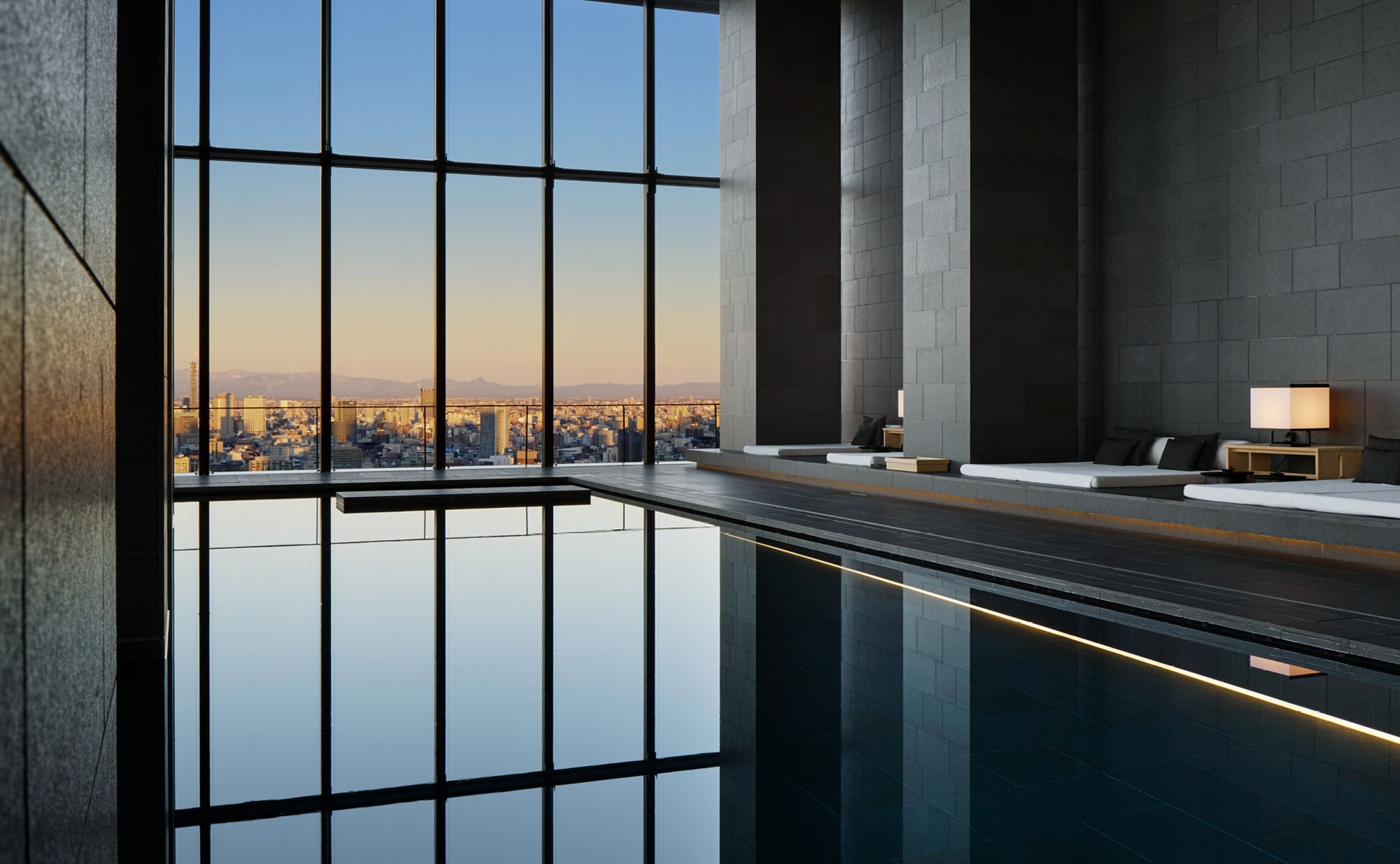
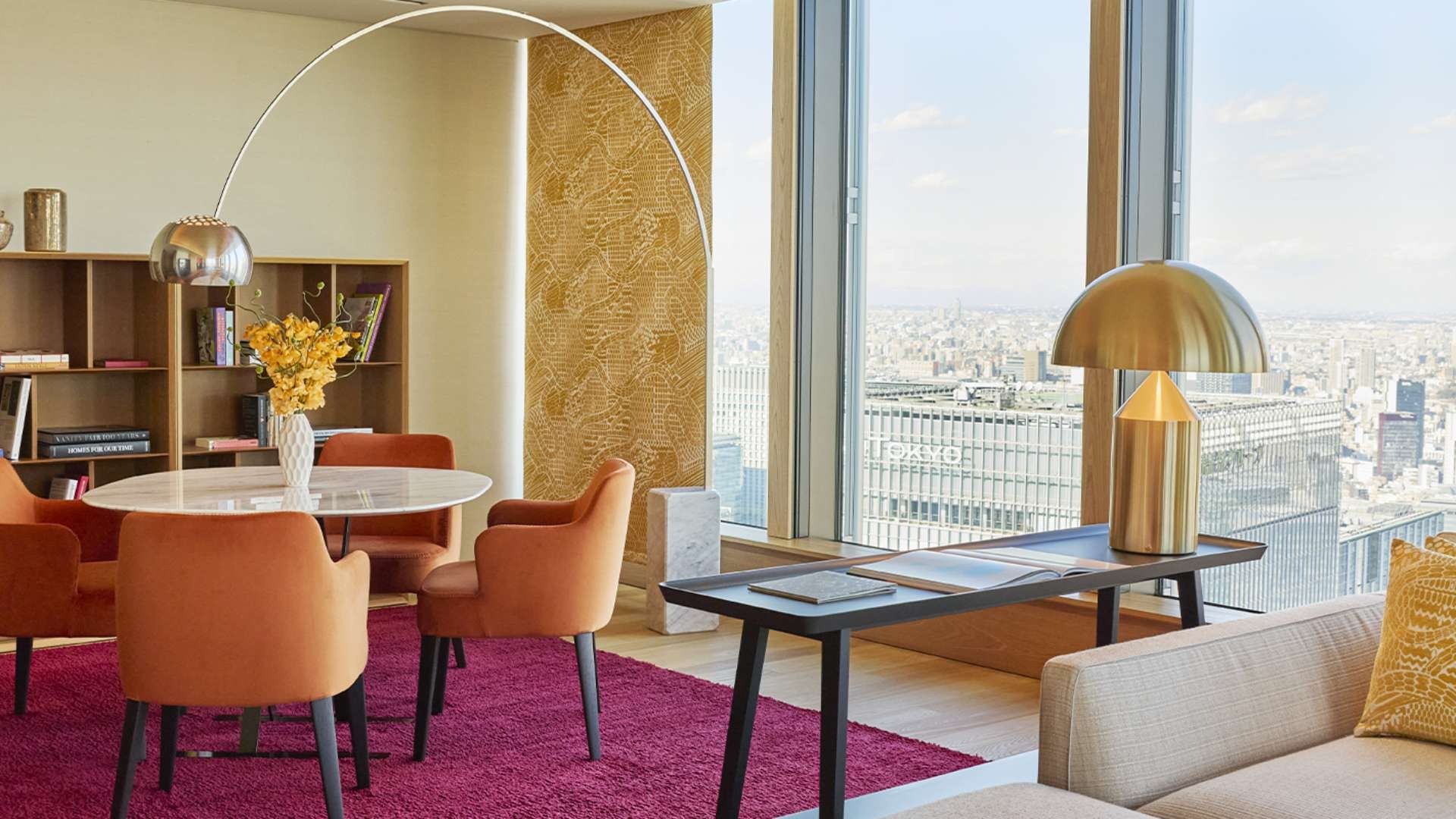
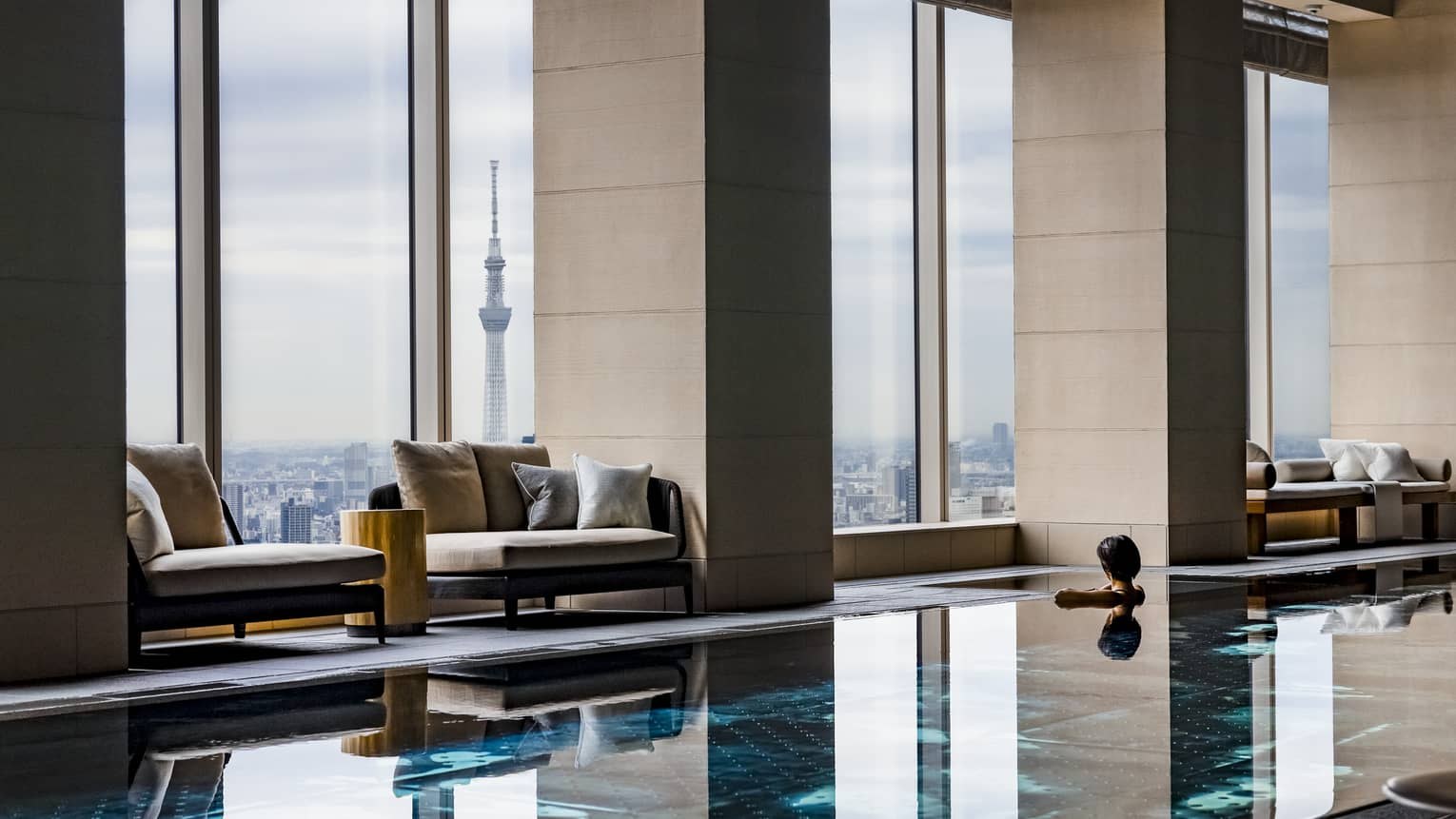
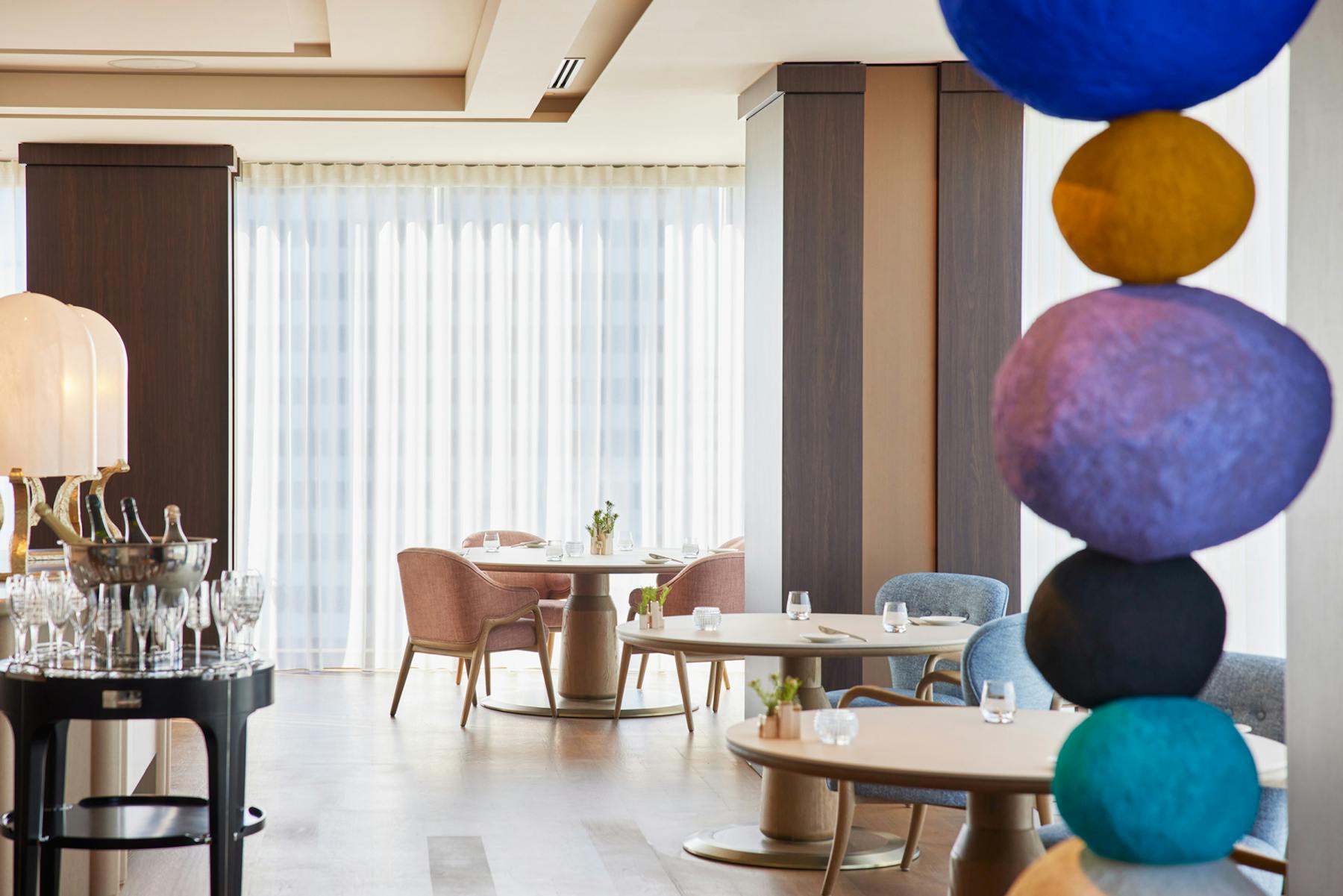
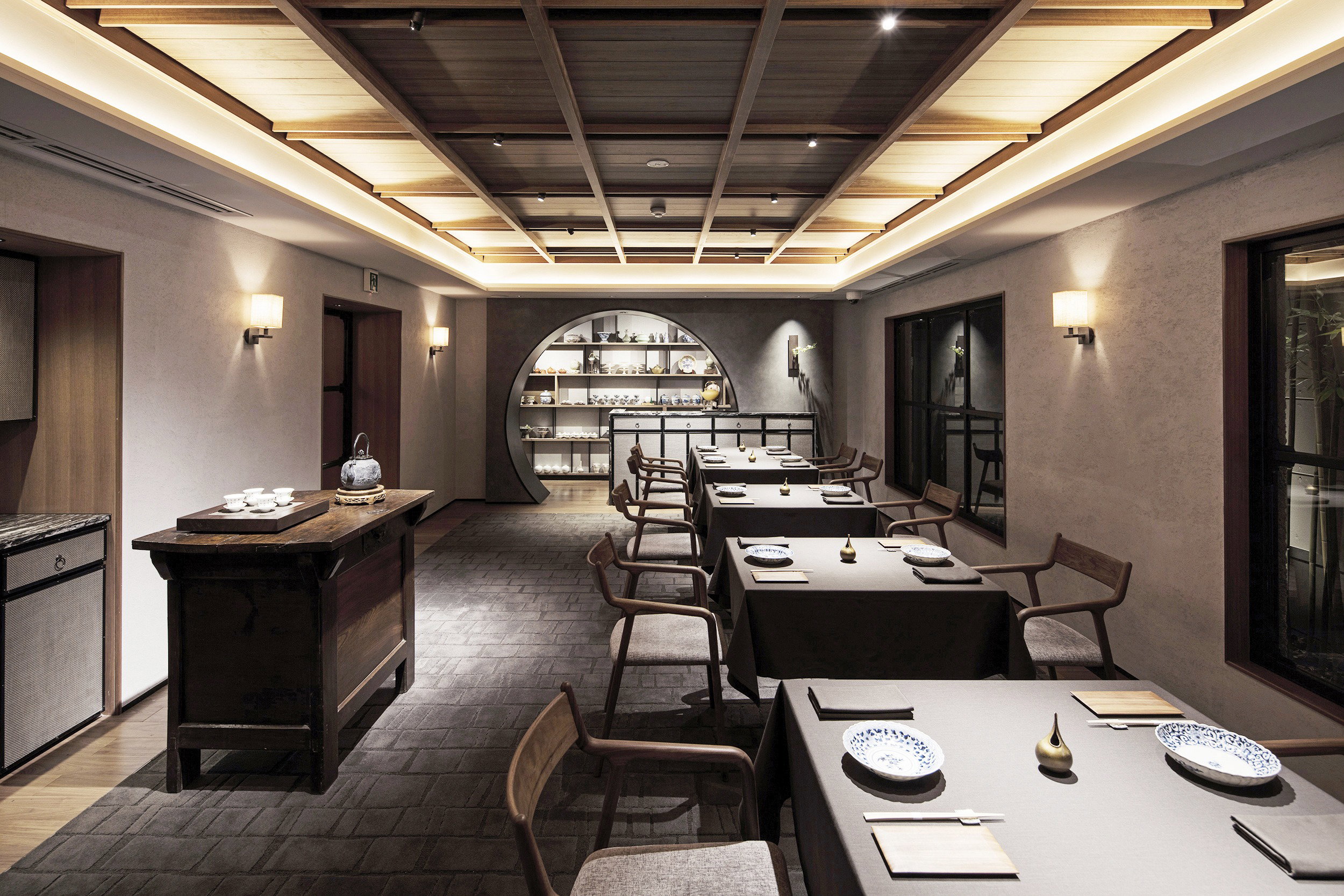
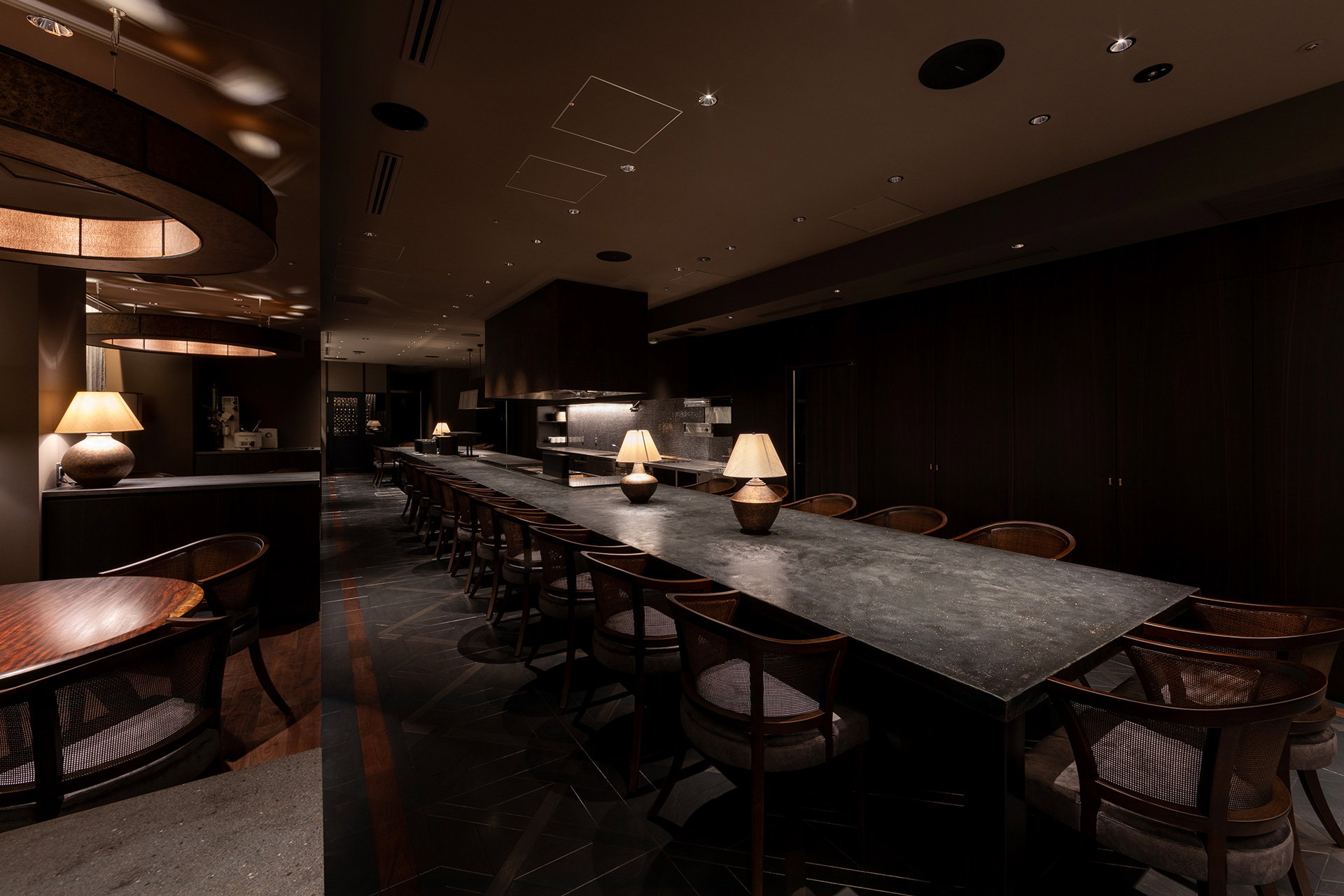
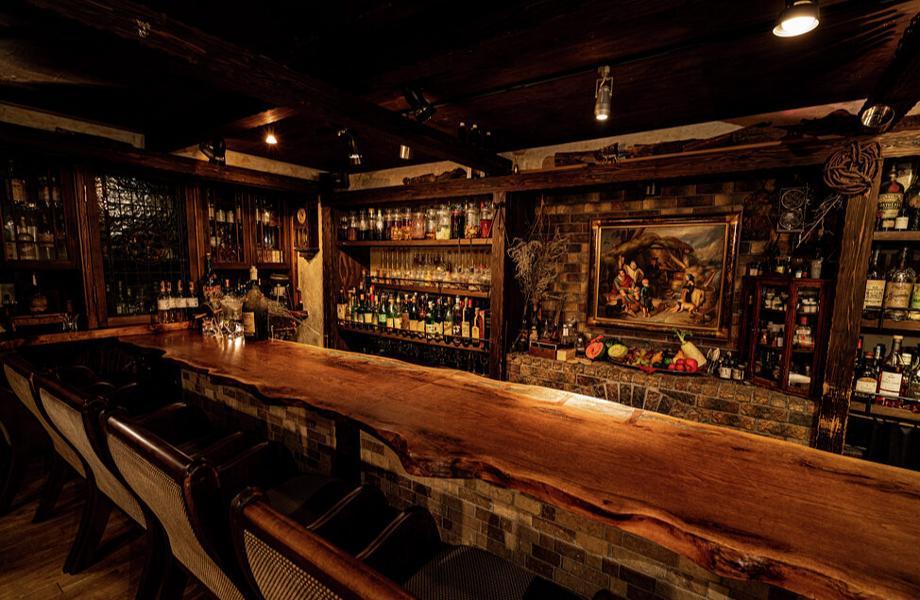
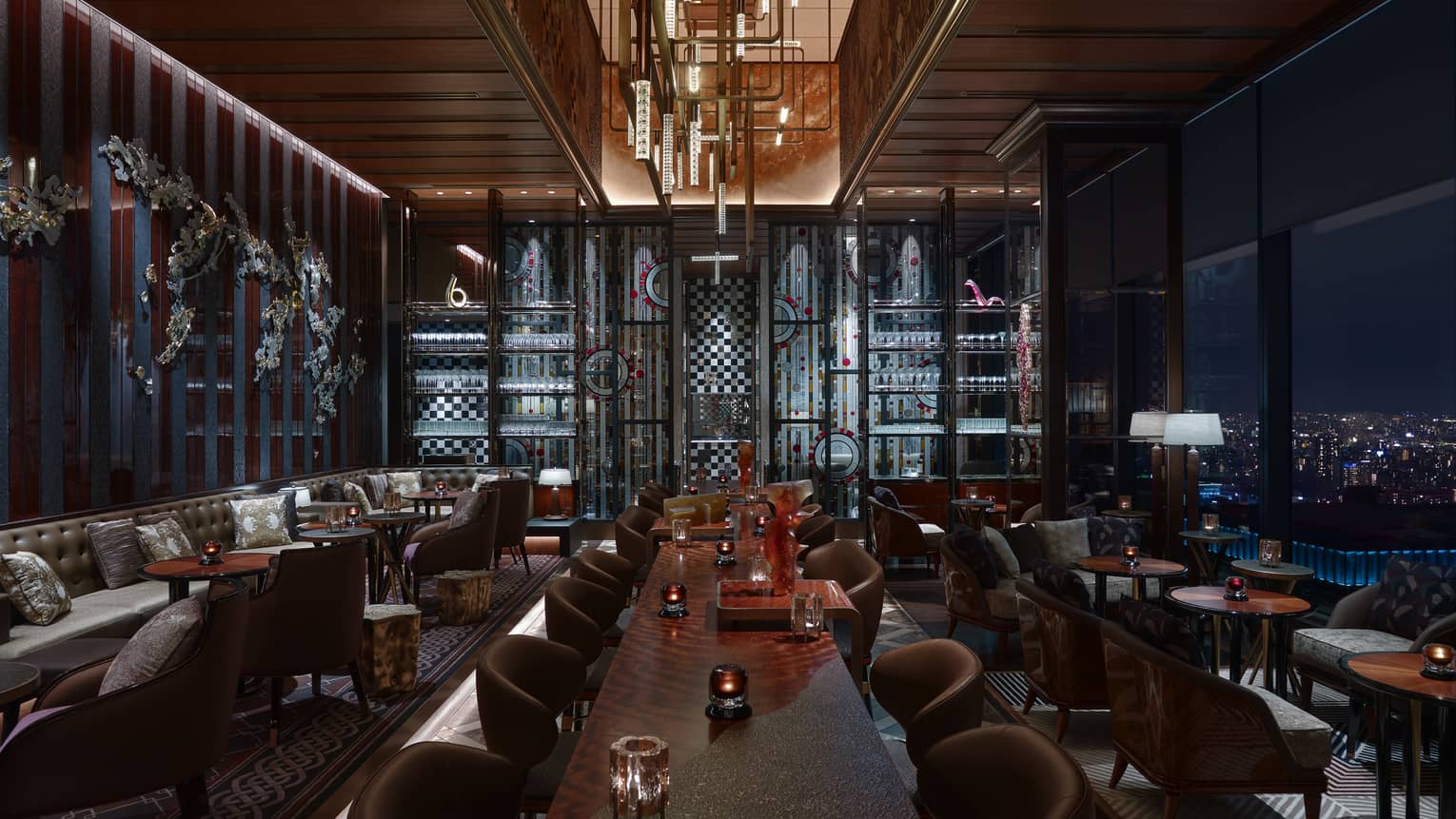
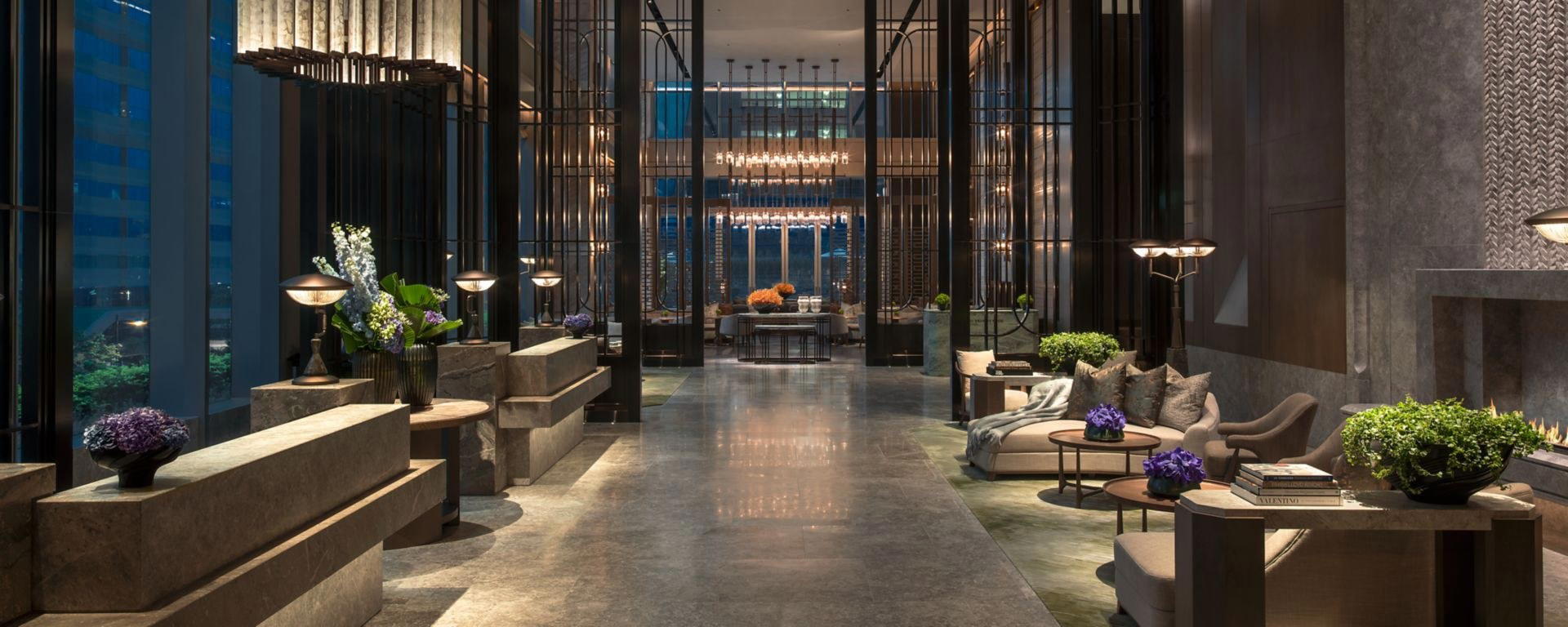
Serene and sophisticated with soft ambient lighting, neutral-toned textiles, walnut wood accents, and soundproofed rooms creating a peaceful retreat amid city bustle.
Tags
Vibe
Best For
Experience
Amenities
View
Accessibility
About the Stay
- Rooms
- 87
- Check-in
- 14:00
- Check-out
- 12:00
- Property Type
- Heritage hotel
- Property Style
- Exclusive Executive Tower Within a Landmark Hotel Featuring Zen Inspired Design and Private Lounge.
- Design Style
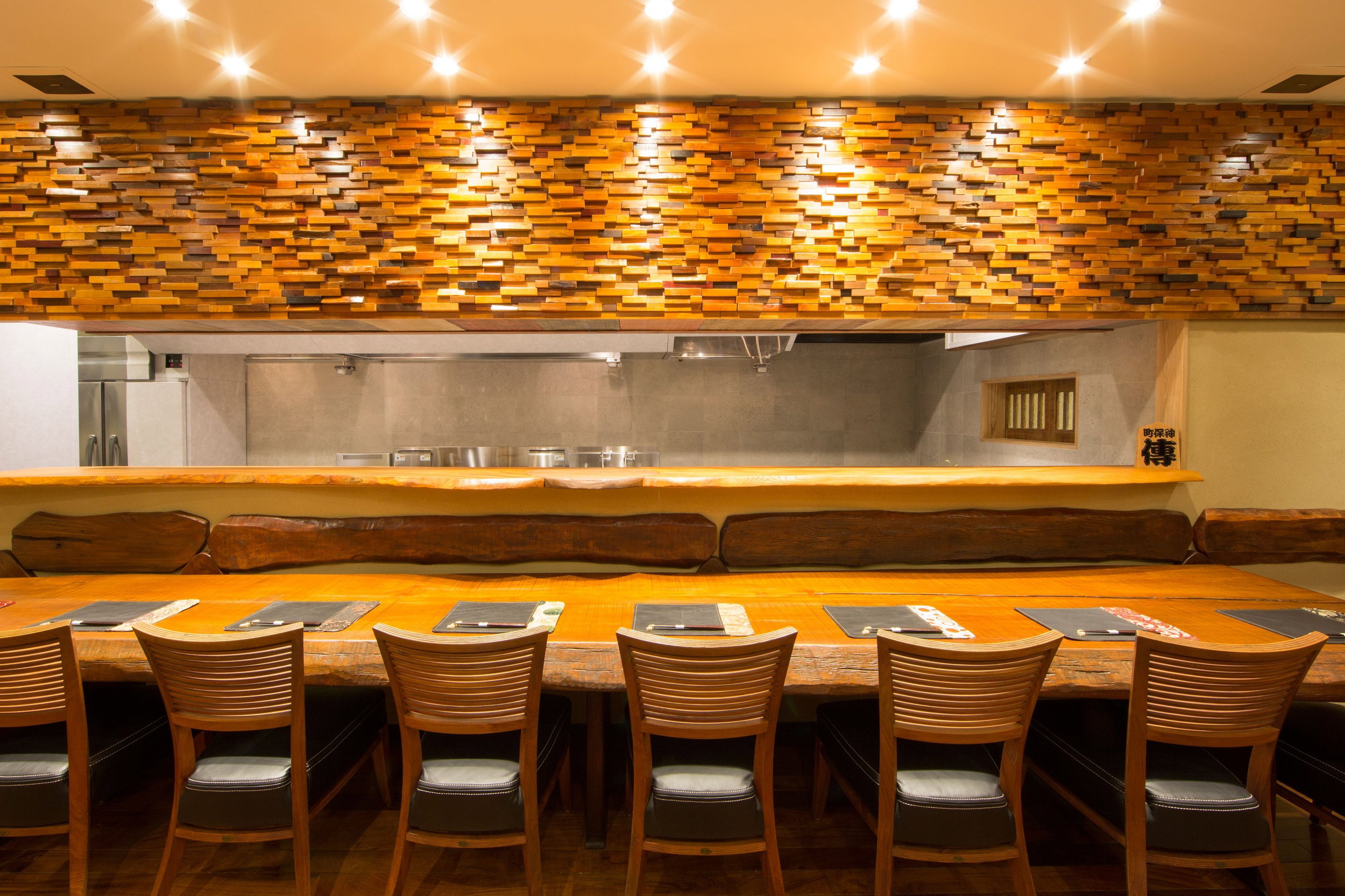
- Zen Minimalist with Walnut Wood, Neutral Tones, and Elegant Frette Linens.
- Breakfast
- Included
- Airport Transfer
- Available
- Pool
- Yes
- Spa
- Yes
Know before you go
Know Before You Go
- Getting there
- 11F-12F, The Main, Hotel New Otani Tokyo, 4-1 Kioicho, Chiyoda City, Tokyo 102-8578, Japan
Planning details
Location
11F-12F, The Main, Hotel New Otani Tokyo, 4-1 Kioicho, Chiyoda City, Tokyo 102-8578, Japan · Directions
Recognition and awards


Also consider
Where to look if this is full
Try The Prince Gallery Tokyo Kioicho, a Luxury Collection Hotel if you want a nearby luxury stay with a more contemporary tower feel. It is the better alternative for travelers who want the hotel itself to feel more visually current.
Choose The Kitano Hotel Tokyo if a smaller, quieter hotel mood matters more than being inside a major hotel complex. For a tighter budget in the area, Granbell Hotel Akasaka is the practical fallback.
Hotel context
How it compares in Tokyo
Hotel New Otani Tokyo The Main is the closest comparison because Executive House Zen sits within the same larger property. Choose Executive House Zen when the point of paying more is a quieter, more private layer of the hotel experience; choose The Main when access to the same broader complex matters more than the more controlled upper-floor feel.
The Prince Gallery Tokyo Kioicho, a Luxury Collection Hotel is the stronger cross-shop for travelers who want a sleeker tower-hotel mood in the same general area. The Capitol Hotel Tokyu is the better fit if the stay needs a more formal luxury-hotel posture. Executive House Zen is the safer pick for guests who value a hotel-within-a-hotel structure and a quieter arrival-to-departure rhythm.
The Kitano Hotel Tokyo is better for travelers who prefer a smaller, less complex hotel feel, while Granbell Hotel Akasaka is the value fallback if location matters more than luxury recognition. Booking difficulty is the main reason to keep alternatives ready: if Executive House Zen is tight for your dates, The Kitano is the calmer backup and Granbell is the budget-conscious one.
Explore Tokyo
Around this place
Discover more on Pearl
Unlock the full Hotel New Otani Tokyo Executive House Zen guide in Pearl, including awards, comparisons, FAQs, planning details, and nearby places.
Compare Hotel New Otani Tokyo Executive House Zen
| Venue | Location | Awards |
|---|---|---|
| Hotel New Otani Tokyo Executive House Zen | Tokyo | 2026 Virtuoso Luxury Hotel Collection2026 Forbes 5-Star2026 La Liste Top Hotels2026 Michelin 1 KeyMichelin 1 Key 20252025 Forbes 5-Star2025 Michelin 1 KeyPreferred Hotels Member 2025 |
| Hotel New Otani Tokyo The Main | Tokyo | 2026 Forbes 4-Star2025 Forbes 4-StarPreferred Hotels L.V.X. Collection 20252024 Michelin 1 Key |
| The Prince Gallery Tokyo Kioicho, a Luxury Collection Hotel | Tokyo | 2026 Forbes 5-Star2026 La Liste Top Hotels2026 Michelin 1 Key2025 Michelin 1 Key2025 Forbes 5-Star |
| The Kitano Hotel Tokyo | Tokyo | 2026 Relais Chateaux Hotels2025 Relais Chateaux Award |
| Granbell Hotel Akasaka | Tokyo | No published awards |
| The Capitol Hotel Tokyu | Tokyo | 2026 Forbes 5-Star2026 La Liste Top Hotels2026 Michelin 2 Keys2025 Michelin 2 Keys2025 Forbes 5-StarPreferred Hotels Member 20252024 Michelin 2 Keys |




How Hotel New Otani Tokyo Executive House Zen compares with similar nearby venues.
FAQ
Frequently Asked Questions
Do loyalty programs work at Hotel New Otani Tokyo Executive House Zen?
Hotel New Otani Tokyo Executive House Zen is listed as a Preferred Hotels Member in 2025 and a Virtuoso Luxury Hotel Partner in 2026. For specific loyalty benefits, status treatment, or booking perks, confirm the applicable terms before booking.
How is the dining at Hotel New Otani Tokyo Executive House Zen?
For specific dining venues, cuisine, menus, prices, and service formats, confirm directly with the hotel rather than treating dining as a fixed reason to book.
Which room category is best at Hotel New Otani Tokyo Executive House Zen?
The best choice depends on current rates, inclusions, and the room information provided directly by Hotel New Otani Tokyo Executive House Zen at the time of booking.
Is Hotel New Otani Tokyo Executive House Zen good for business travel?
It may suit travelers who value a Tokyo luxury hotel with notable recognition, including Michelin 1 Key 2025 and Forbes 5-Star 2026. If specific business facilities, meeting services, or work-focused amenities are essential, confirm those details directly before booking.
Is Hotel New Otani Tokyo Executive House Zen family-friendly?
Families can consider it as a Tokyo luxury-hotel option, but should confirm room setup, policies, and relevant child-focused services directly before booking.
How is the location of Hotel New Otani Tokyo Executive House Zen?
Hotel New Otani Tokyo Executive House Zen is in Tokyo. For specific address, neighborhood, floor, or landmark details, confirm directly with the hotel if needed.
How does Hotel New Otani Tokyo Executive House Zen compare to other hotels?
Hotel New Otani Tokyo Executive House Zen has a strong recognition profile, including Michelin 1 Key 2025, La Liste Top Hotels 2026 at 97.5 points, and Forbes 5-Star 2026. Travelers can also compare it with The Prince Gallery Tokyo Kioicho, a Luxury Collection Hotel, The Capitol Hotel Tokyu, The Kitano Hotel Tokyo, Hotel New Otani Tokyo The Main, and Granbell Hotel Akasaka based on current rates, rooms, and inclusions.