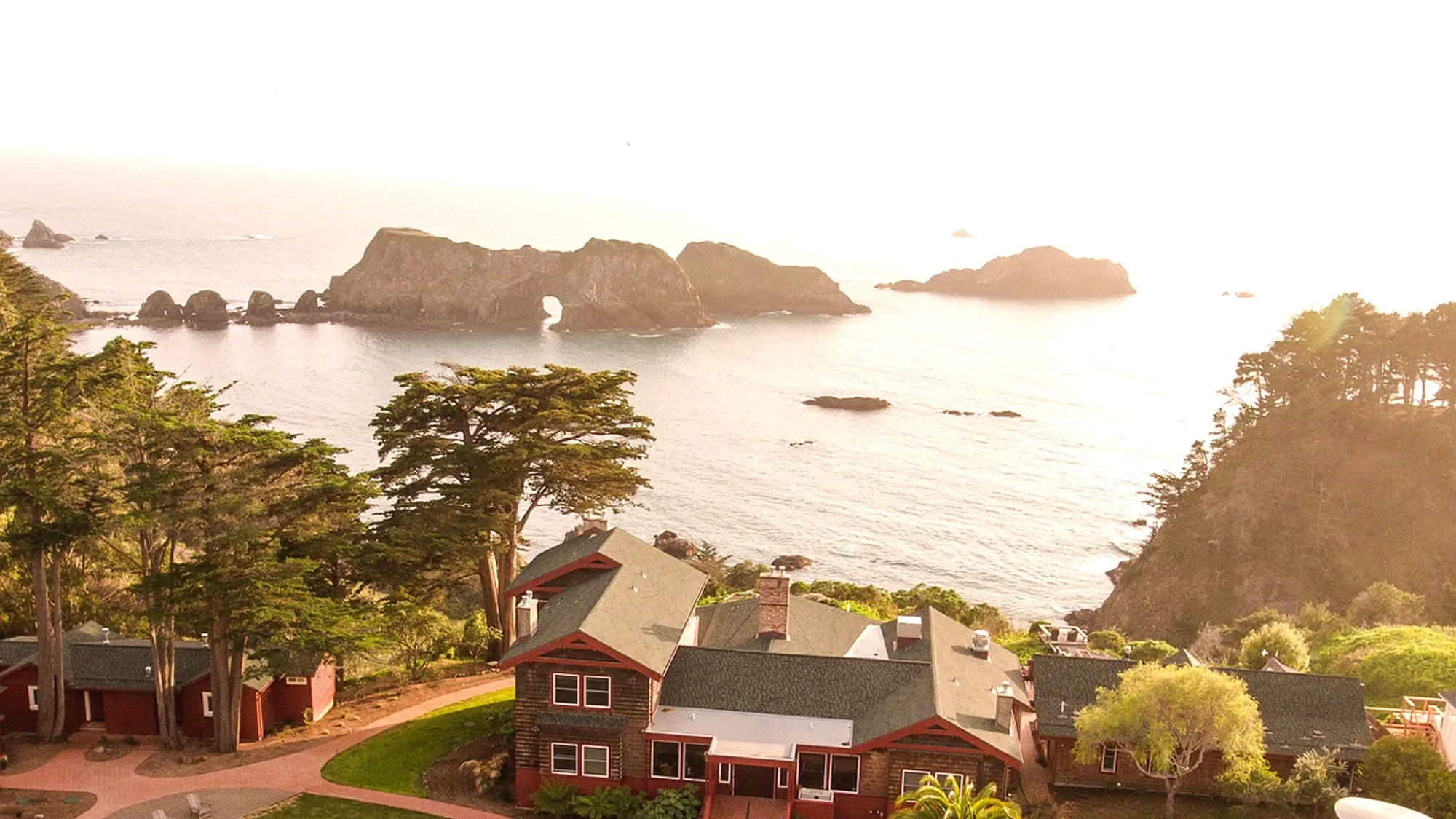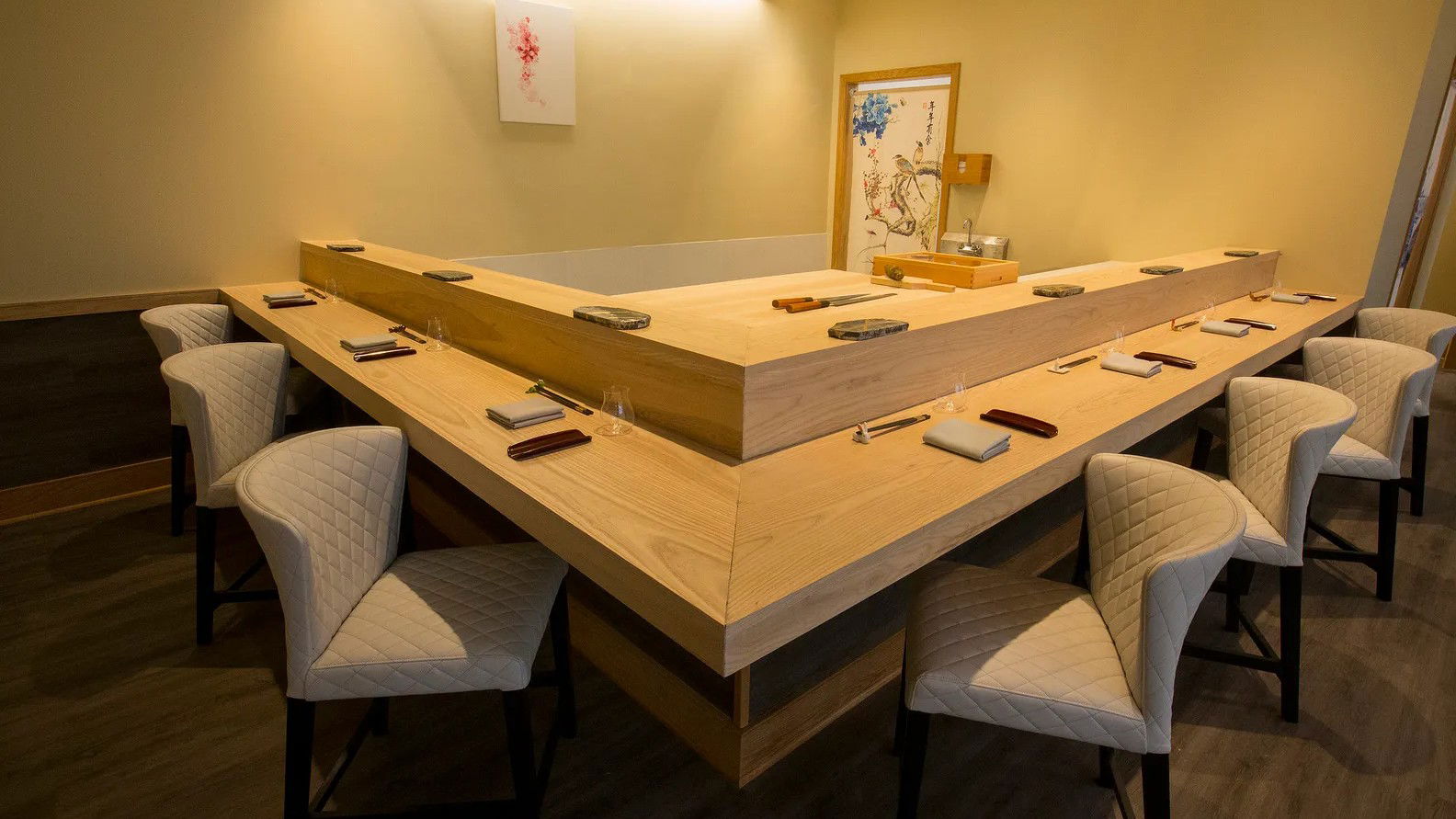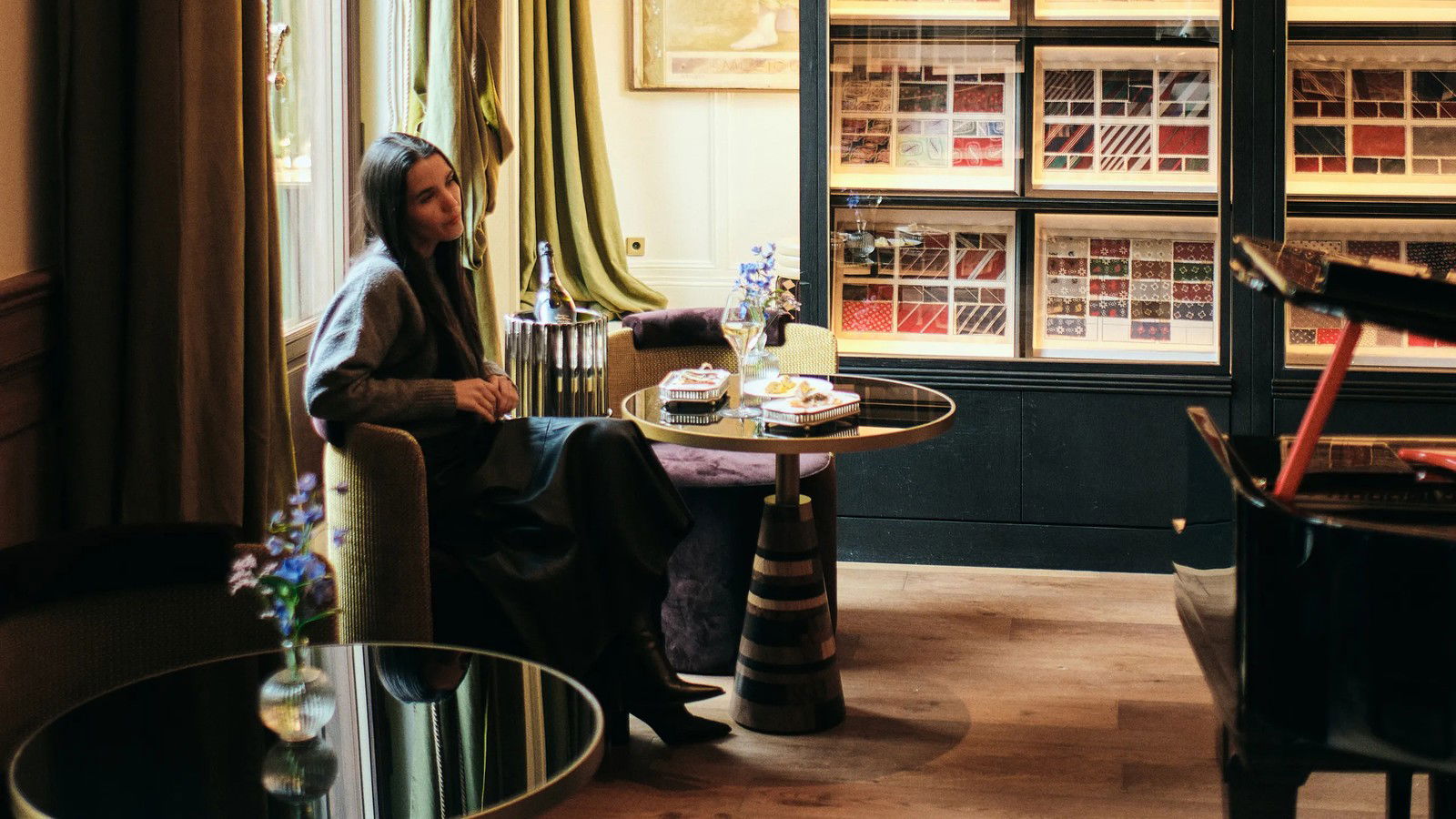
Club Metrópolis has opened in Madrid's Metrópolis Building at the intersection of Gran Vía and Calle de Alcalá. Worth tracking if you're watching Europe's private club market, this is the first time the 1911 landmark has functioned as a hospitality venue after standing largely empty for over a century. Spanish restaurateurs Marta Seco and Sandro Silva of Grupo Paraguas conceived the project as a private members' club and 19-room boutique hotel spanning more than 6,000 square metres across seven floors.
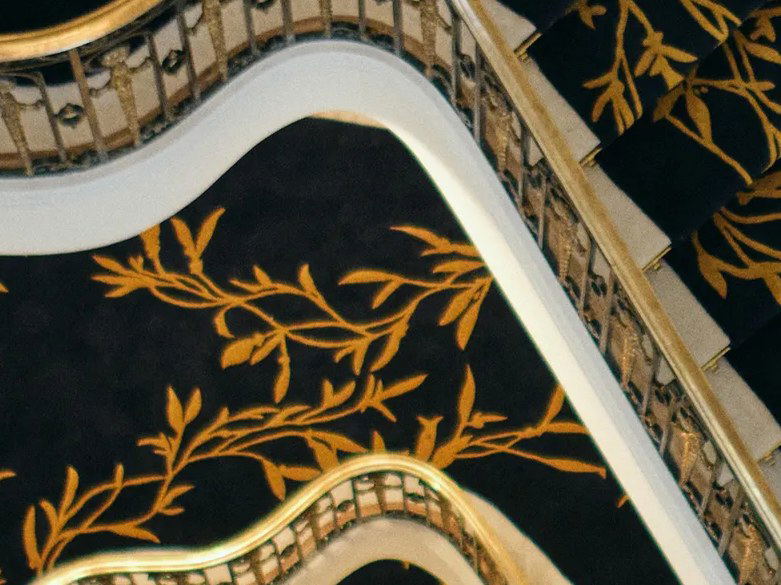
The opening follows a restoration that began in 2019 when the building's owner invited Seco and Silva to open a ground-floor restaurant. They proposed reviving the entire building instead. Rubio Arquitectura led the restoration under strict heritage protection, preserving the Beaux-Arts façade, grand staircase, ornate cornicing, and parquet floors while modernizing the interiors for club and hotel use. Spanish designer Lázaro Rosa-Violán designed the interiors with a residential sensibility, layered carpets, bespoke furnishings, and curated artworks paired with the building's original architectural features.
What Makes Club Metrópolis Different From London's Private Clubs
Club Metrópolis positions itself as a house for contemporary Madrid rather than a finance-focused members' club in the London mold. The venue spans seven dining rooms, wellness facilities, and the 19-room hotel, designed to function from morning coffee through late-evening events. Members can host meetings, attend cultural programming, or retreat into private spaces throughout the day. The club moves between work, leisure, and social life without the rigid zoning typical of traditional members' clubs.
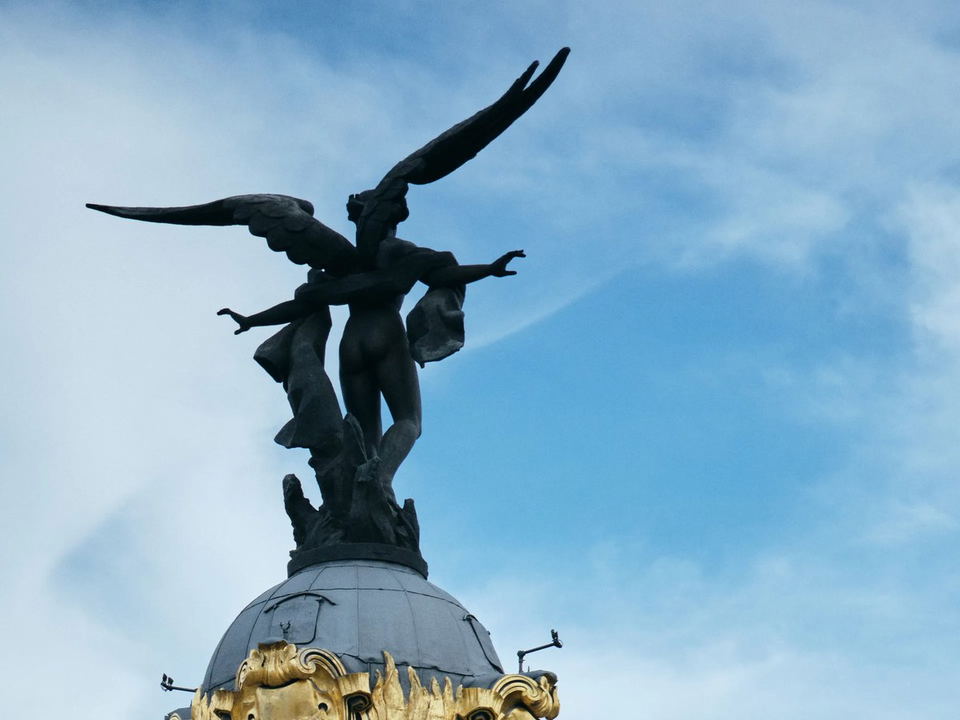
The programming model differs from Soho House or Core Collective by emphasizing cultural experiences over coworking infrastructure. Club Metrópolis runs a year-round calendar of more than 200 experiences including talks, artistic collaborations, musical encounters, wine tastings, private dinners, and seasonal activations. The building's landmark status and central Madrid location, the Winged Victory dome has dominated the Gran Vía and Calle de Alcalá intersection since 1911, give the club a civic presence that newer purpose-built club properties lack.
The founders' hospitality credentials matter here. Seco and Silva built Grupo Paraguas into a recognized name in Spanish dining before taking on the Metrópolis project. Their track record suggests the food and beverage program will carry more weight than the typical club restaurant, positioning Club Metrópolis as a dining destination that happens to require membership rather than a members' club that happens to serve food.
The Metrópolis Building Restoration: What Changed and What Stayed
The Metrópolis Building has stood as one of Spain's most important architectural landmarks since 1911, its Beaux-Arts façade appearing on postcards and tourist photographs for generations. The building was designed in 1905 by French architects Jules and Raymond Février to house the La Unión and Fénix insurance company, with final construction carried out by Spanish architect Luis Esteve. The structure replaced the "casa del ataúd" (tomb house), a narrow-fronted building locals named for its coffin-like shape.
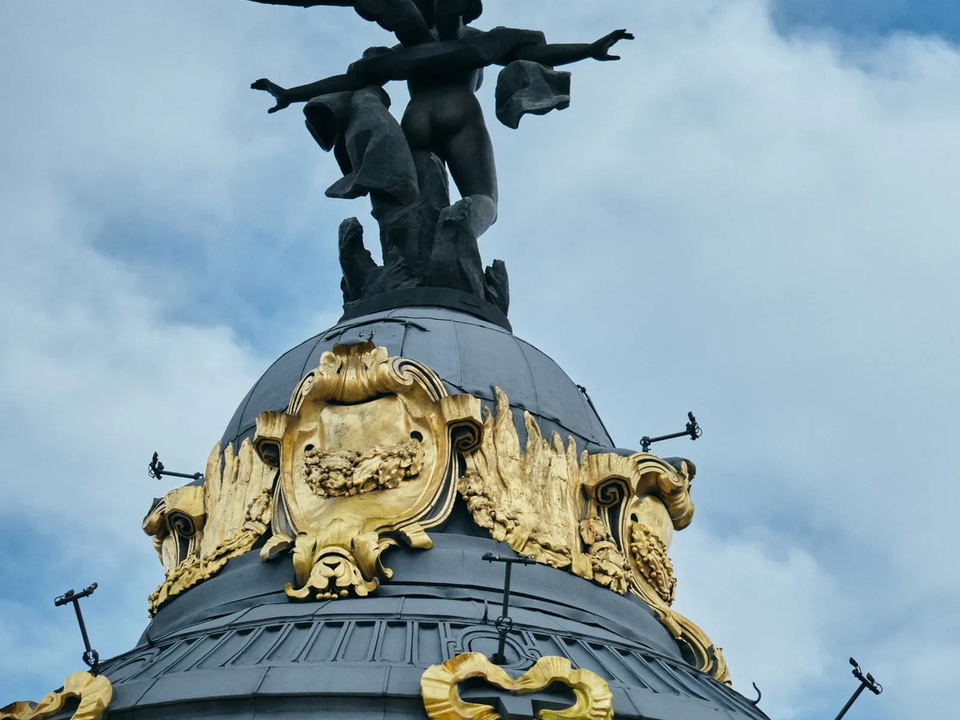
Rubio Arquitectura's restoration preserved the building's protected heritage elements while adapting the interiors for hospitality use. The grand staircase remains intact, along with the ornate cornicing and original parquet floors. The Winged Victory sculpture that crowns the dome, the building's most recognizable feature, was untouched. The restoration focused on returning the building's seven floors to active use after decades of vacancy, a process that required navigating strict heritage protection regulations.
Lázaro Rosa-Violán's interior design introduces residential warmth to the building's monumental scale. He layered carpets and textiles throughout to add tactility, paired original architectural features with contemporary interventions, and installed bespoke furnishings and curated artworks. The approach treats the building as a grand Madrid house rather than a commercial hospitality space, creating rooms that feel lived-in despite the 6,000-square-metre footprint.
The restoration represents one of Spain's most ambitious hospitality projects in recent years, both in scale and in the challenge of adapting a protected landmark for modern club and hotel use. The building's location at one of Madrid's most photographed intersections meant the project carried civic expectations beyond typical hotel or club renovations.
Membership Tiers, Pricing, and Access Details
Club Metrópolis operates as a private members’ club and boutique hotel within Madrid’s restored Metrópolis building. The sources confirm the venue operates as a private members' club but do not specify annual fees, initiation costs, founding member rates, or reciprocal access agreements with other clubs. Without pricing transparency, prospective members will need to contact the club directly to evaluate whether the membership model fits their budget and travel patterns.

The lack of published pricing follows the traditional European club model, where fees are disclosed only to applicants who have been vetted or referred. This contrasts with newer club brands like Soho House or Core Collective, which publish membership tiers and pricing on their websites. The approach signals that Club Metrópolis is positioning itself as a traditional members' club rather than a lifestyle brand with open enrollment.
The 19-room hotel component suggests non-members may be able to book rooms, but the sources do not confirm whether hotel guests receive temporary club access or whether rooms are reserved exclusively for members. The seven dining rooms and wellness facilities are likely members-only, but without explicit confirmation, visitors should assume membership is required for access to all club spaces beyond the hotel.
The Food and Beverage Program: Seven Dining Rooms
Club Metrópolis features seven dining rooms, a scale that suggests multiple concepts rather than a single restaurant with private dining annexes. The sources do not name specific chefs, cuisine styles, or menu formats for any of the seven rooms. Seco and Silva's involvement as Grupo Paraguas founders indicates the dining program will carry culinary credibility, but without named chefs or disclosed concepts, it's impossible to assess whether the food will justify membership for dining-focused travelers.
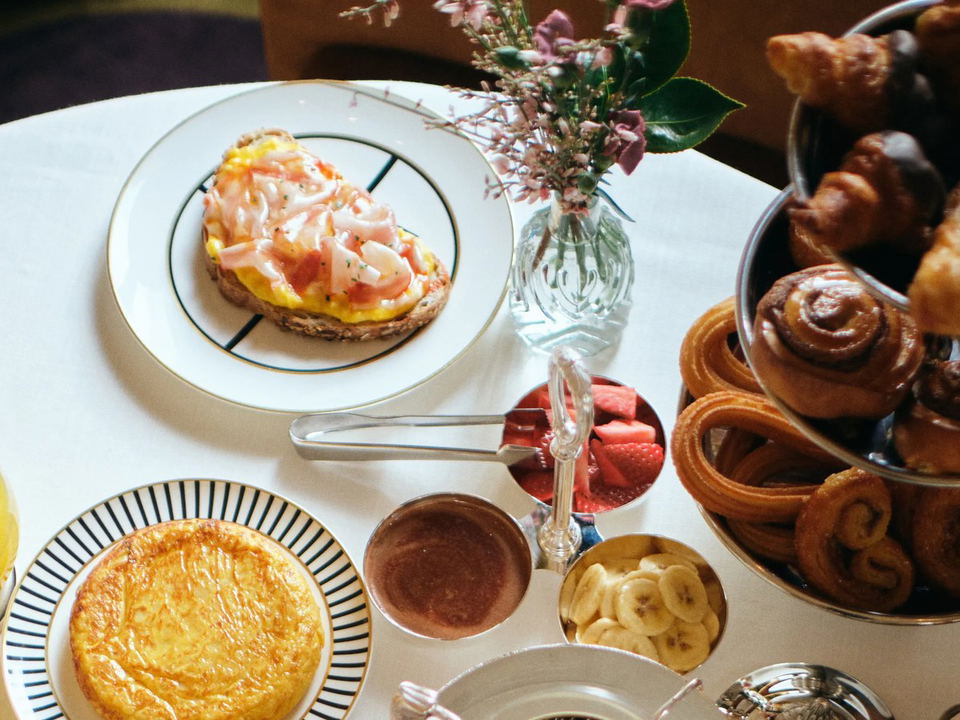
The year-round programming includes wine tastings and private dinners, suggesting at least some of the seven dining rooms operate as event spaces rather than traditional restaurants. The club's design for all-day use, from morning coffee through late-evening events, implies a range of dining formats: casual breakfast and lunch spaces, formal dinner rooms, and private dining areas for member events.
The absence of disclosed chef names or Michelin ambitions is notable given Seco and Silva's restaurant group background. If the dining program were anchored by a Michelin-starred chef or a high-profile culinary hire, the club would likely have announced it. The silence suggests the food will be competent but not destination-level, positioning the dining rooms as member amenities rather than standalone restaurants that happen to be located in a club.
Why This Opening Matters for Madrid's Luxury Hospitality Scene
Club Metrópolis marks Madrid's entry into the European private club market at a scale and location that London and Paris have dominated for decades. The city has luxury hotels and Michelin-starred restaurants, but it has lacked a members' club with the architectural pedigree, central location, and programming ambition to compete with Annabel 's, 5 Hertford Street, or Le Cercle de l'Union Interalliée. The Metrópolis Building's landmark status and the club's 6,000-square-metre footprint give Madrid a venue that can host the cultural programming, private dinners, and member events that define Europe's established club scene.
The timing matters. Madrid has seen a wave of luxury hospitality openings in recent years as international travelers and investors recognize the city's appeal beyond Barcelona. The Four Seasons Madrid opened in 2020, Rosewood Villa Magna relaunched in 2021, and several Michelin-starred chefs have opened Madrid outposts. Club Metrópolis adds a private club layer to the city's luxury infrastructure, creating a membership-only venue for the travelers, creatives, and business professionals who are already visiting Madrid for its dining and cultural scene.
The project also signals that Spain's hospitality entrepreneurs are willing to take on multi-year, heritage-protected restoration projects rather than opening in new-build properties. The decision to revive the entire Metrópolis Building instead of opening a single ground-floor restaurant required years of architectural work, regulatory approvals, and capital investment. The scale of the commitment suggests Seco and Silva see long-term demand for a Madrid-based private club that can anchor the city's luxury hospitality market.
For travelers tracking Europe's private club landscape, Club Metrópolis is worth monitoring as it builds its membership base and programming calendar.
The building's location at Gran Vía and Calle de Alcalá places it at the center of Madrid's most photographed intersection, a civic presence that newer clubs in converted townhouses or purpose-built developments cannot replicate.
Whether the club can translate that architectural advantage into a membership model that competes with London and Paris will depend on the dining program, the cultural programming, and the membership experience, details that remain undisclosed but will become clear as the club establishes its rhythm over the next year.