

Sanosushi
Sushi · Minato, Tokyo
Restaurant in Tokyo, Japan
 Book with Pearl
The Read
Old-School Edomae Orthodoxy
Price
$200–300per person
Dress
Smart Casual
Why go
A Michelin one-starred sushi counter in Shiba, Minato City, Sanosushi makes a deliberate case for old-school Edomae craft: generous rice, thick toppings, and tuna nigiri served in sets of three. At ¥¥¥, it delivers serious quality without the top-tier price tag of Tokyo's most prominent counters. Book well ahead — demand is strong and reservations are not easy to secure.
About Sanosushi
Book the Counter — If You Can Get a Seat
Securing a table at Sanosushi takes planning. Book as far in advance as your schedule allows — and if you land a counter seat, take it without hesitation. The counter is where this restaurant makes its case most clearly.
Why This Restaurant Belongs to Shiba
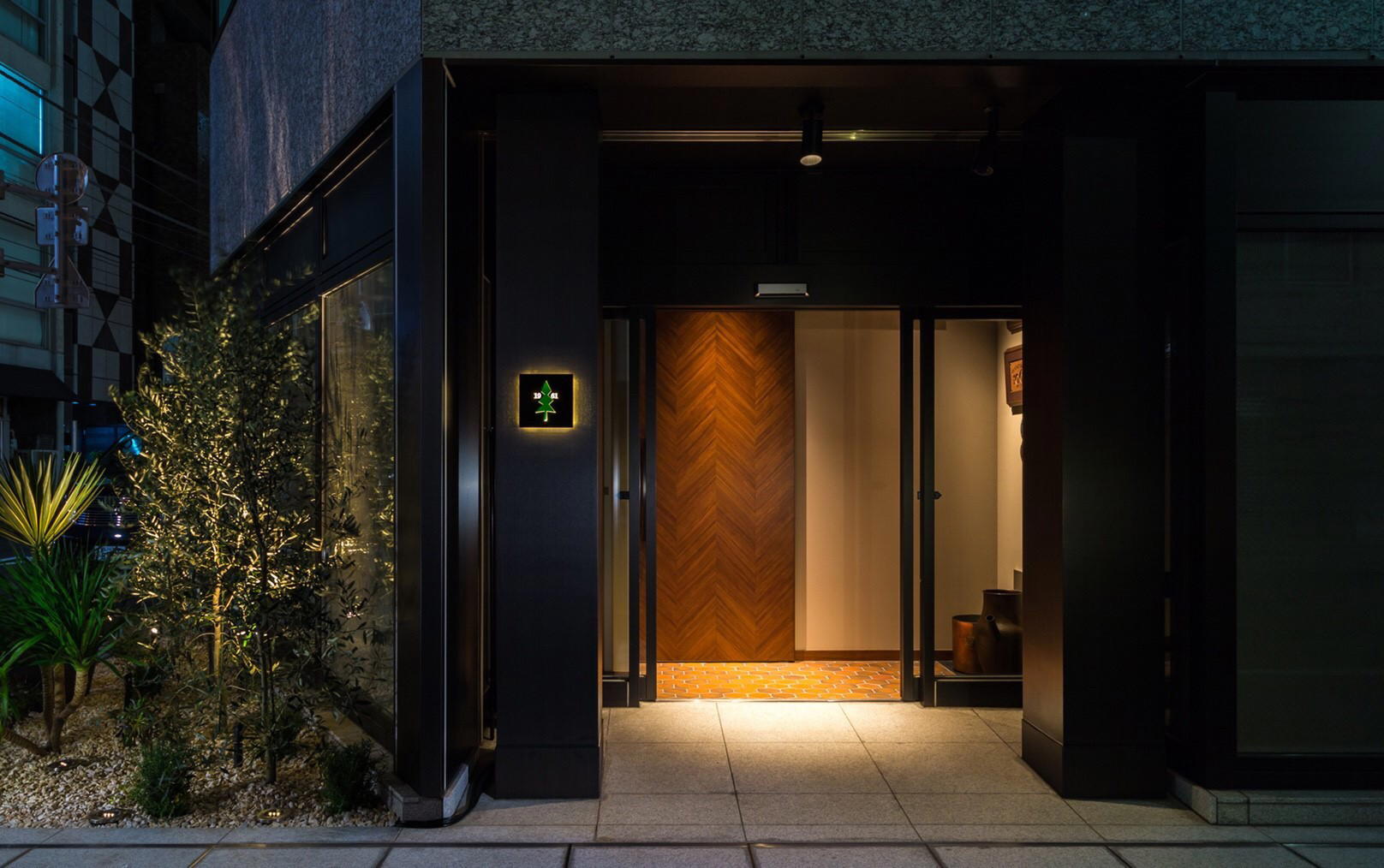
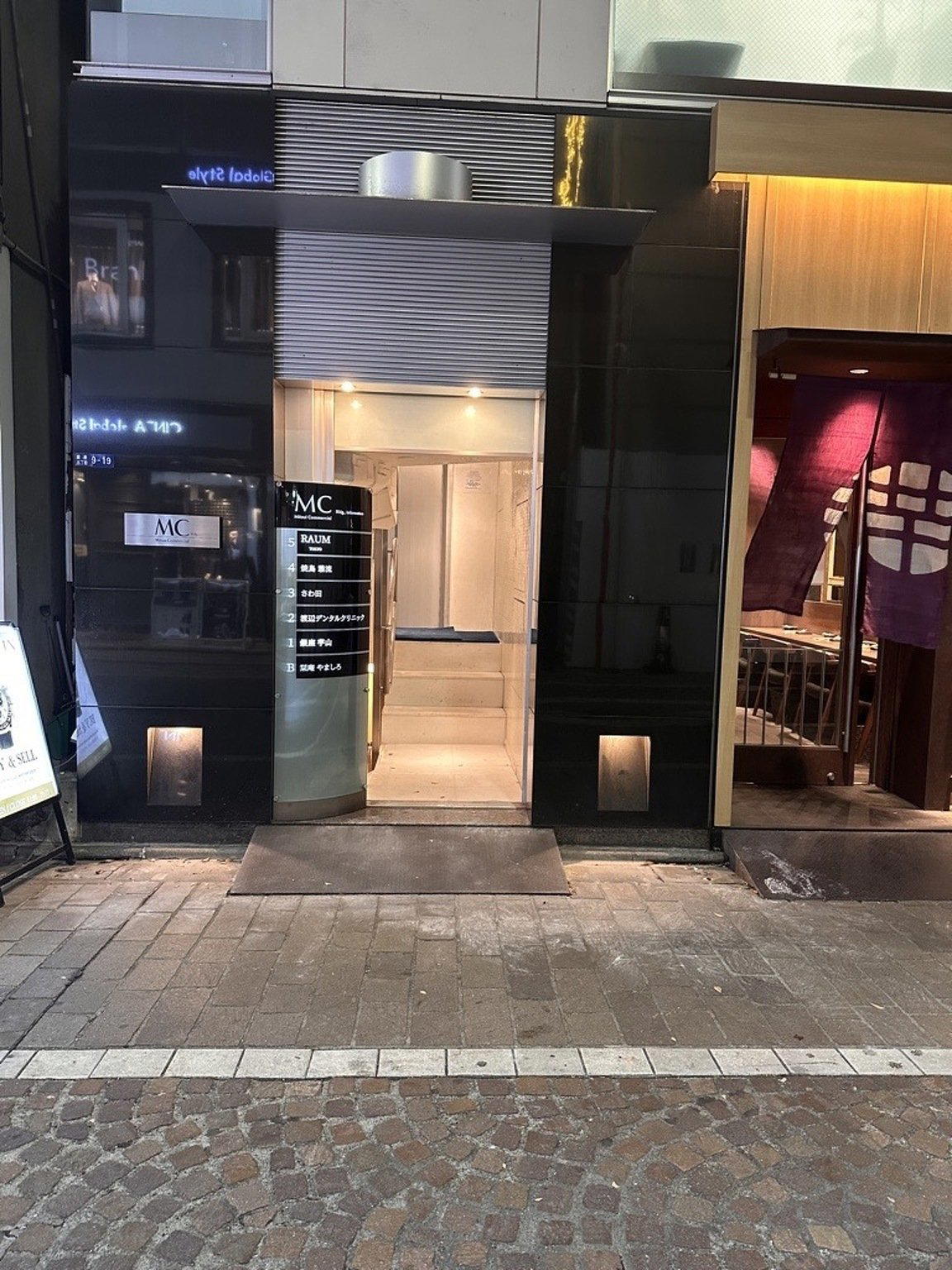
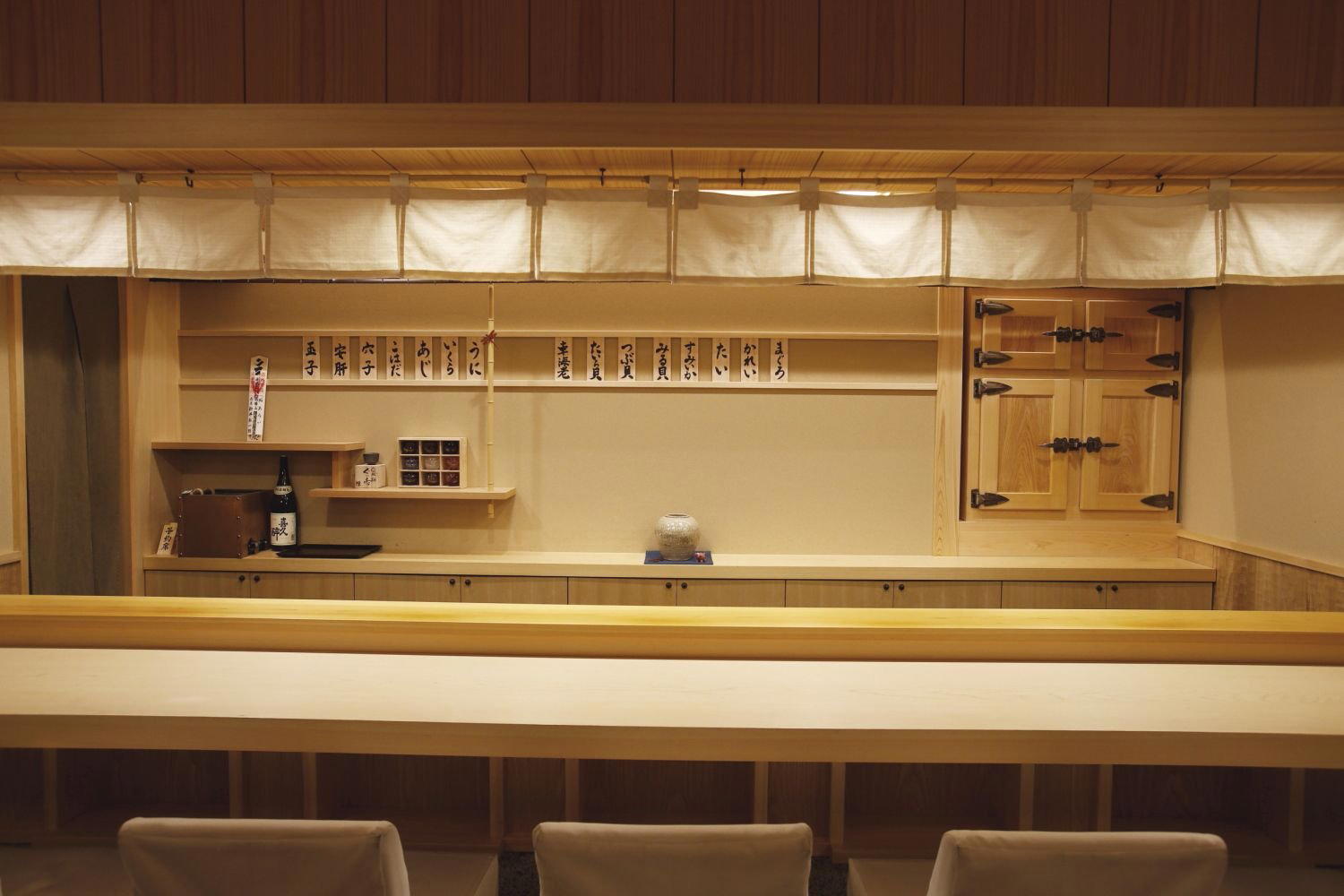
Sanosushi sits on a quiet stretch of Shiba that has nothing to do with Tokyo's high-gloss dining theatre. There are no neon signs or tasting-menu showrooms nearby. The restaurant's identity is rooted in the opposite impulse: a deliberate return to the sushi shops that defined the neighbourhood before the omakase boom turned the format into a premium spectacle. The bold sign, the wooden menu board on the wall, the no-frills name, these are not styling choices, they are a position statement. Sanosushi is operating as a neighbourhood anchor in a part of Minato City where that kind of continuity still means something.
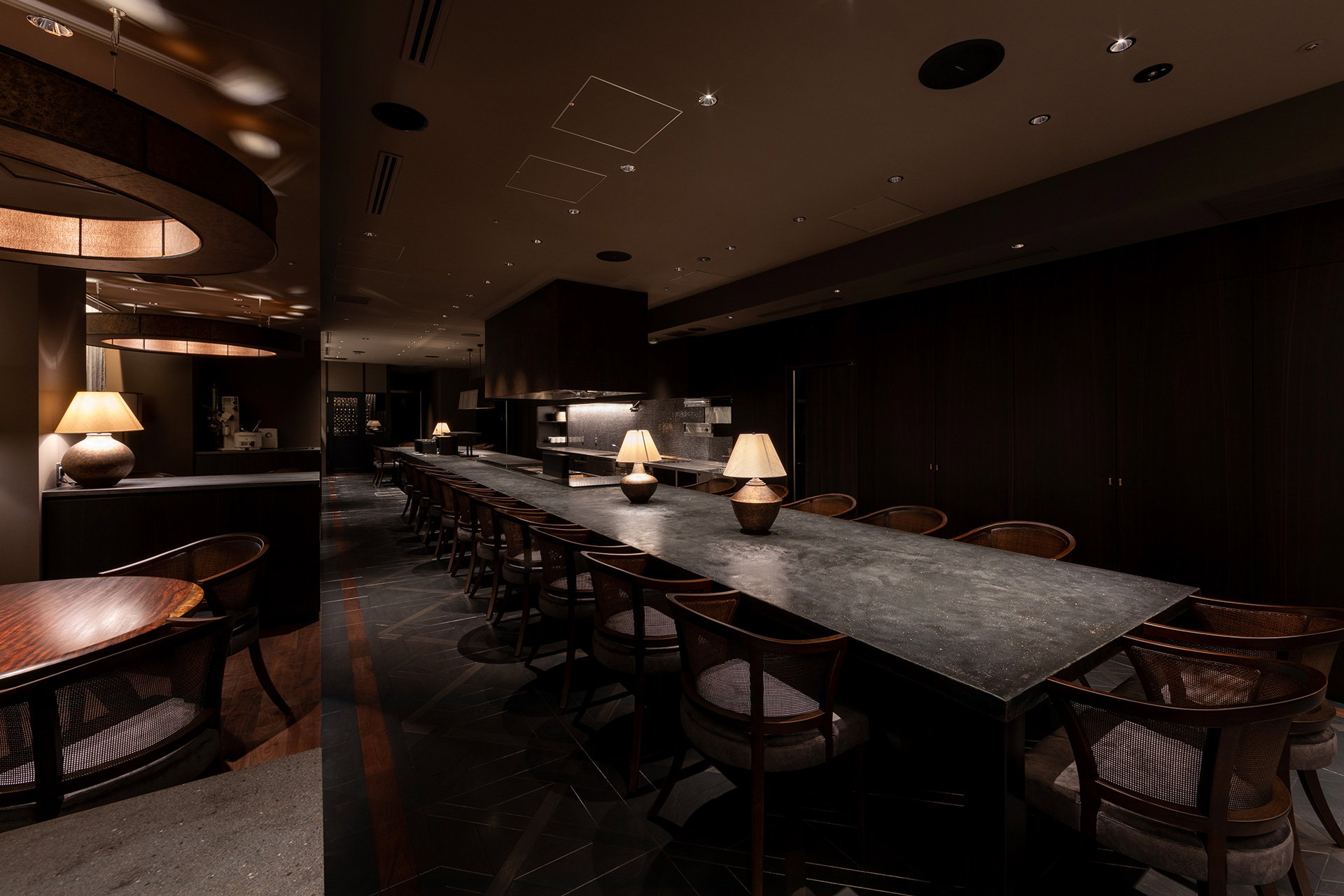
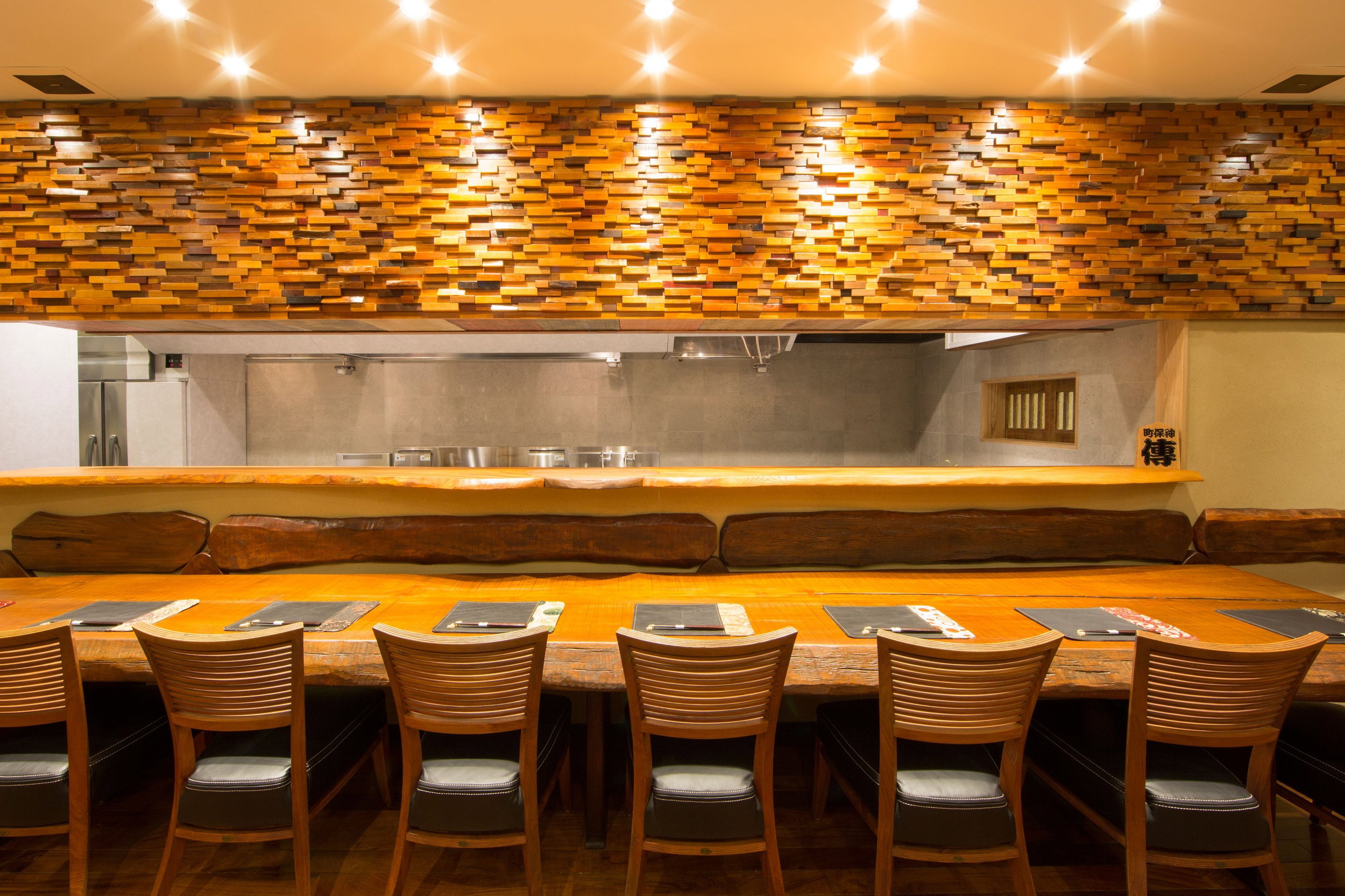
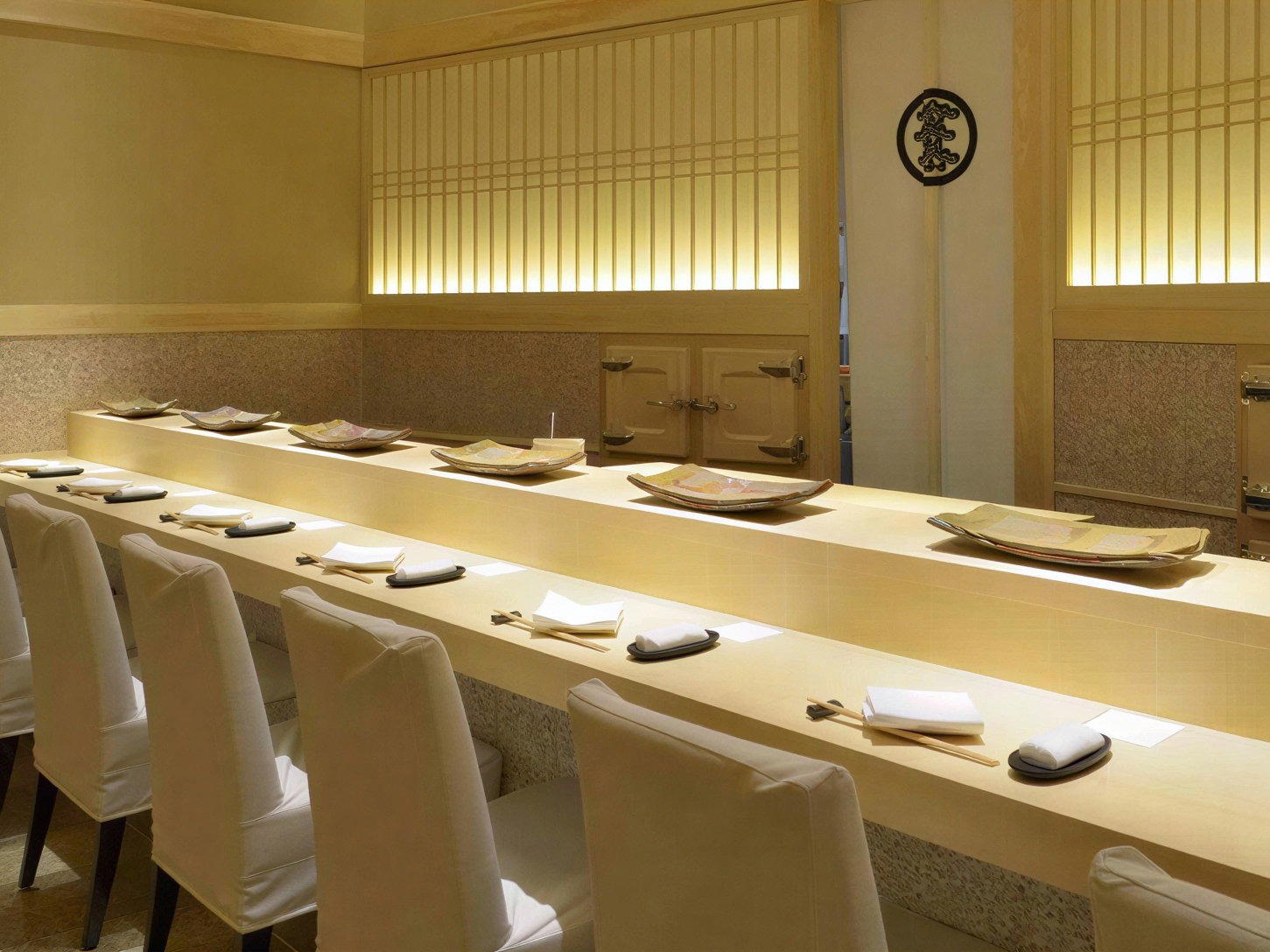
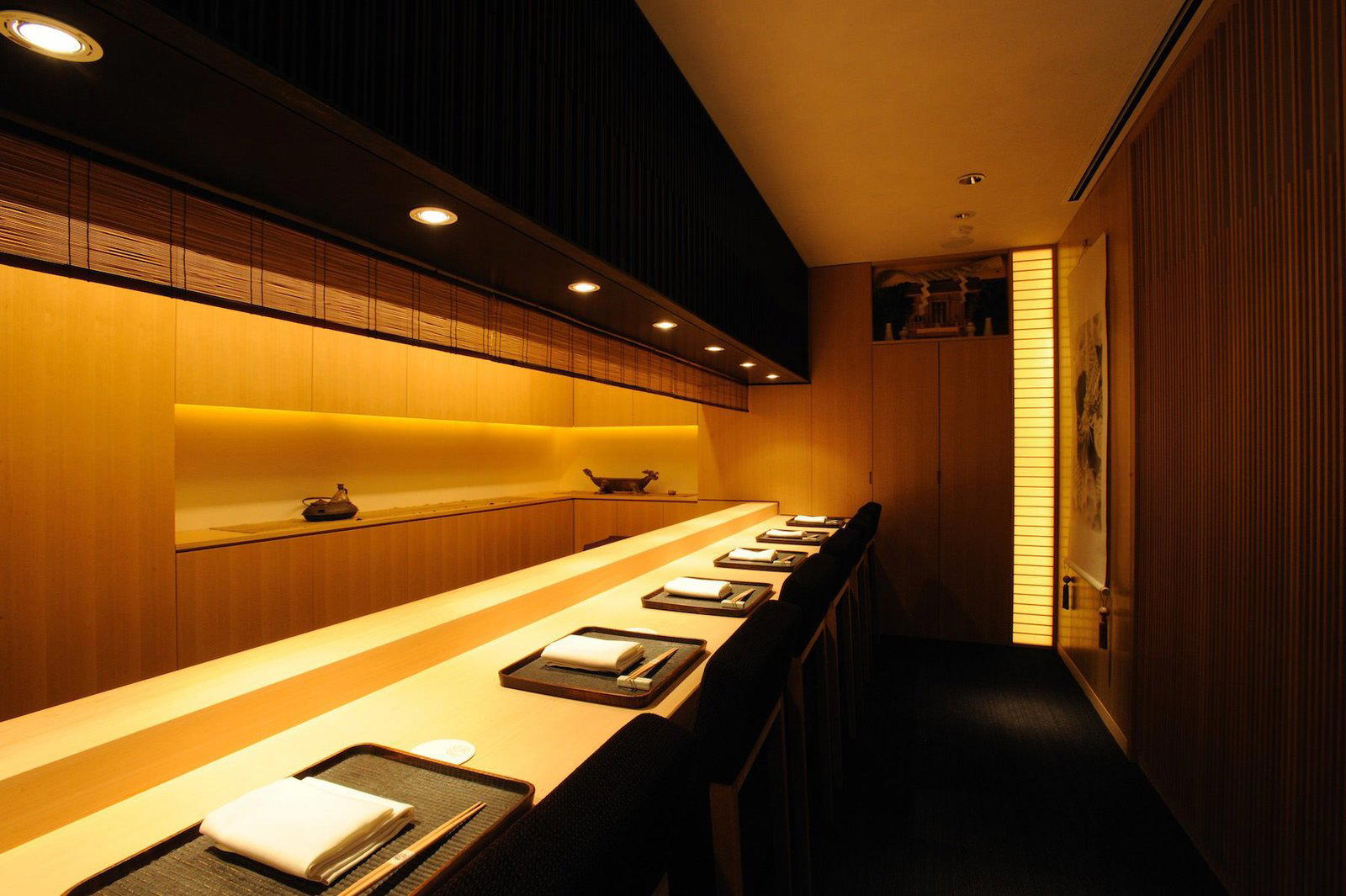
The sloping counter with a groove along one side, designed to catch soy sauce before it can spill, is the kind of detail you find in a room shaped by long experience rather than by an interior designer. That groove came from the chef's mentor, and it is still there. Spatially, the restaurant reads as intimate and purposeful: a counter that puts you close to the preparation, in a room that does not perform warmth so much as simply have it.
For a special occasion in Tokyo, this kind of setting is rarer than it sounds. Many of the city's Michelin-starred sushi counters have migrated toward a quieter, more austere aesthetic, beautiful, certainly, but sometimes cold. Sanosushi's old-school physicality gives a date night or a celebratory dinner a different quality: the feeling of being somewhere that has earned its reputation over time rather than designed for one.
What to Expect at the Counter
The kitchen's approach is consistent with the room's philosophy. Sushi rice is slightly sour and portioned generously, in the style that predates the era when minimalism became a marker of seriousness. Toppings are thick. Tuna is treated as the centrepiece it historically was in Edomae sushi, served with care in sets of three nigiri. These are not accidental choices; they reflect a deliberate reading of what made Tokyo sushi shops worth visiting before the format was refined into something more rarefied.
For a special occasion, that framing matters. You are not booking a technical showcase or a chef's personal narrative in 20 courses. You are booking a counter where the craft is applied to a clear, confident set of standards, and where the experience of eating is allowed to be direct rather than mediated by ceremony. That is a meaningful distinction in a city where ceremony has become the default register for this price tier.
At ¥¥¥, Sanosushi sits below the top tier of Tokyo sushi pricing. That makes it a credible choice for a celebratory dinner where the food should be serious but the bill should not require a conversation. Compare this to Harutaka or Sukiyabashi Jiro Roppongiten, both of which operate at ¥¥¥¥ and carry the full weight of Tokyo's most prestigious sushi circuit. Sanosushi's Michelin star at a lower price point is the argument for booking it over those venues if budget is a factor and old-school Edomae execution is what you want.
How It Compares
For sushi specifically, the clearest local peer is Sushi Kanesaka, which also holds Michelin recognition and operates in the traditional Edomae register. If you want a sushi counter with a more contemporary approach to the format, Edomae Sushi Hanabusa is worth considering. For a broader Tokyo dining context, kaiseki, French, or Japanese tasting menus, see Hiroo Ishizaka and our full Tokyo restaurants guide.
If you are building a Japan itinerary around serious restaurants, Sanosushi pairs well with a visit to Gion Sasaki in Kyoto or HAJIME in Osaka for a contrasting approach to Japanese fine dining. Further afield, Sushi Shikon in Hong Kong and Shoukouwa in Singapore represent how the Edomae format travels, useful reference points if you are comparing across the region.
Know Before You Go
- Address: 2 Chome-18-9 Shiba, Minato City, Tokyo 105-0014, Japan
- Cuisine: Sushi (Edomae, old-school style)
- Price range: ¥¥¥
- Awards: Michelin 1 Star (2024)
- Booking difficulty: Hard, reserve well in advance
- Leading for: Dates, celebrations, and serious sushi dinners without the top-tier price tag
- Seating: Counter (soy sauce groove detail, ask for counter seats specifically)
- Phone / website: Not publicly listed, book through a hotel concierge or a Japan reservation service
- Getting there: Shiba, Minato City, accessible from Mita or Tamachi stations
Explore More in Tokyo and Beyond
For more dining options across the city, see our full Tokyo restaurants guide, our Tokyo hotels guide, and our guides to bars, wineries, and experiences in Tokyo. If you are travelling beyond the capital, consider 1000 in Yokohama, akordu in Nara, or Goh in Fukuoka for strong regional alternatives. For something further off the main circuit, 6 in Okinawa is worth a look.
Planning details
- Location
- 2 Chome-18-9 Shiba, Minato City, Tokyo 105-0014, Japan
- Website
- instagram.com/sanosushi2023?igshid=eTNiNDNpbmJuMnBi
- Phone
- +81 3-6453-9666
The take
The Take
The Vibe
Sanosushi reads like a deliberate corrective to Tokyo's theatrical omakase scene. It leans into Old Tokyo restraint — plain signage, a wooden menu board and a counter-first layout — to make an argument about authenticity. The kitchen favors Edomae orthodoxy: generous rice, thickly cut toppings and traditional ratios that feel rooted rather than performative. That combination produces a quietly confident, historically minded atmosphere that privileges craft over ceremony. The space settles between working-Tokyo practicality and refined technique, offering an intimate, understated counter experience rather than a staged dining spectacle.
Best For
Sanosushi is best for diners who want focused, traditional sushi rather than a theatrical tasting event. It suits solo guests and small parties who appreciate counter-side service and Edomae technique, and it appeals to those who are tired of narrated provenance and extended omakase theatre. The side-street location and straightforward presentation also make it a good pick for someone seeking a low-fuss, high-skill meal that foregrounds classic sushi fundamentals; it rewards attention to texture, rice and cut rather than spectacle or novelty.
Ordering Tips
Expect Edo-style proportions here: rice is portioned generously and toppings come on the thicker side. Let the counter format guide your experience—this is a shop that privileges straightforward nigiri and traditional technique. Signature items to look for include the miso-marinated ikura, conger eel, the tuna trio and the house tamagoyaki, all of which reflect the kitchen's orthodox approach. Because the restaurant deliberately rejects ritualised theatre, ordering a selection of classic pieces showcases the house strengths better than chasing novelty preparations.
Venue details
Ambiance
Warm and inviting with soft plaster walls, natural stone flooring, and deliberately low ceilings mimicking a traditional home; intimate counter seating with direct chef interaction.
Tags
Vibe
Best For
Experience
Sourcing
At the Table
- Dress Code
- Smart Casual
- Noise Level
- Quiet
- Service Style
- Omakase Bar
- Meal Pacing
- Leisurely
- Capacity
- Intimate
- Kitchen
- Traditional
- Menu Format
- Omakase, Counter dining
- Drinks Focus
- Sake
- Dietary
- Pescatarian friendly
Signature Dishes
- miso-marinated ikura
- conger eel
- tuna trio
- tamagoyaki
Know before you go
Know Before You Go
- Getting there
- 2 Chome-18-9 Shiba, Minato City, Tokyo 105-0014, Japan
Planning details
Location
2 Chome-18-9 Shiba, Minato City, Tokyo 105-0014, Japan · Directions
Recognition and awards
Also consider
Also Consider
- Harutaka, Sushi, ¥¥¥¥
- RyuGin, Kaiseki, Japanese, ¥¥¥¥
- L'Effervescence, French, ¥¥¥¥
- HOMMAGE, Innovtive French, French, ¥¥¥¥
- Florilège, French, ¥¥¥
Restaurant context
Sanosushi's most direct competition is within the sushi category itself. Harutaka operates at ¥¥¥¥ and is widely regarded as one of Tokyo's most technically precise counters, if budget is not a constraint and you want the full-weight Tokyo sushi experience, Harutaka is the booking to chase. Sanosushi at ¥¥¥ with a Michelin star makes the stronger value argument, particularly if the old-school Edomae style is what you are after rather than a more refined or contemporary omakase format.
If your group is deciding between sushi and another format entirely, RyuGin at ¥¥¥¥ is the kaiseki alternative, a longer, more theatrical meal with seasonal produce at its centre. For French at the same price tier, L'Effervescence and HOMMAGE both operate at ¥¥¥¥ and offer a very different register of special-occasion dining. Florilège at ¥¥¥ is the closest price-tier match among the French options, but the cuisine style is entirely different from what Sanosushi does.
The clearest decision framework: if you want sushi specifically, and you want a room with character rather than a minimal aesthetic, Sanosushi at ¥¥¥ is the practical choice over its pricier peers. If you are open to kaiseki or French, and want more courses and more ceremony, budget up to ¥¥¥¥ and look at RyuGin or L'Effervescence. Sanosushi is hardest to book relative to its price point, factor that in early.
Explore Tokyo
Around this place
Discover more on Pearl
Unlock the full Sanosushi guide in Pearl, including awards, comparisons, FAQs, planning details, and nearby places.
Compare Sanosushi
| Venue | Awards | Price |
|---|---|---|
| Sanosushi | 2026 Michelin 1 StarTabelog 100 - Sushi - TOKYO - 2025 · #622024 Michelin 1 Star | ¥¥¥ |
| Harutaka | 2026 Tabelog Silver · #312026 OAD Top Restaurants in Japan Ranked · #1282026 Michelin 3 Stars2026 La Liste Top RestaurantsTabelog 100 - Sushi - TOKYO - 2025 · #372025 Asia's 50 Best Restaurants · #762025 OAD Top Restaurants in Japan Ranked · #1172025 La Liste Top Restaurants2025 Tabelog Bronze | ¥¥¥¥ |
| RyuGin | 2026 OAD Top Restaurants in Japan Ranked · #802026 Tabelog Bronze · #3772026 Michelin 3 Stars2026 La Liste Top RestaurantsTabelog 100 - Japanese cuisine - TOKYO - 2025 · #212025 OAD Top Restaurants in Japan Ranked · #542025 Michelin 3 Stars2025 La Liste Top Restaurants2025 The Best Chef Three Knives | ¥¥¥¥ |
| L'Effervescence | 2026 Tabelog Silver · #682026 OAD Top Restaurants in Japan Ranked · #103Star Wine Lists 20262026 Black Pearl 2 Diamond2026 Relais Chateaux Restaurants2026 La Liste Top Restaurants2026 Michelin 3 Stars2025 Asia's 50 Best Restaurants · #692025 OAD Top Restaurants in Japan Ranked · #92 | ¥¥¥¥ |
| HOMMAGE | 2026 Tabelog Bronze · #1232026 OAD Top Restaurants in Japan Highly Recommended2026 Michelin 2 StarsTabelog 100 - French - TOKYO - 2025 · #762025 Asia's 50 Best Restaurants · #782025 OAD Top Restaurants in Japan Ranked · #1752025 Michelin 2 Stars2025 The Best Chef One Knife2025 La Liste Top Restaurants | ¥¥¥¥ |
| Florilège | 2026 Asia's 50 Best Restaurants · #312026 Tabelog Bronze · #712026 OAD Top Restaurants in Japan Ranked · #1242026 Black Pearl 1 Diamond2026 Michelin 2 Stars2026 La Liste Top Restaurants2025 Asia's 50 Best Restaurants · #172025 World's 50 Best Restaurants · #36Tabelog 100 - French - TOKYO - 2025 · #68 | ¥¥¥ |












Comparing your options in Tokyo for this tier.
FAQ
Frequently Asked Questions
Is the tasting menu worth it at Sanosushi?
At ¥¥¥ pricing and with a Michelin star behind it, Sanosushi sits in a bracket where you are paying for craft and consistency, not theatre. The kitchen's focus on generously portioned nigiri with slightly sour rice and thick-cut toppings is a deliberate nod to pre-minimalist sushi tradition, which makes it a strong call for anyone who finds modern omakase overly restrained. If you want architectural presentations and lengthy coursework, look elsewhere.
What should I order at Sanosushi?
The menu is chef-led, so ordering is not the decision you will make here. Tuna is treated as the centrepiece and arrives in sets of three nigiri — it is the kitchen's signature and the clearest read on the chef's priorities. The sushi rice itself is a marker of the old-school approach, so pay attention to the balance of seasoning and portion alongside the topping.
How far ahead should I book Sanosushi?
Book as early as you can. Michelin-starred sushi counters in Tokyo at this price point fill weeks in advance, particularly for prime evening slots. No booking platform or phone is listed in our current data, so start with a search for the restaurant's reservation channel before your trip window closes. Last-minute availability is unlikely.
Is Sanosushi good for a special occasion?
Yes, with the right expectations. The room's old-school aesthetic — wooden menu board, sloping counter — is understated rather than celebratory, which suits two people who want the food to be the occasion. It is not the choice if you need a flashy setting or a venue accustomed to marking birthdays with fanfare. The Michelin recognition gives it weight, and the tuna-forward counter format works well for a dinner that is about precision rather than performance.