


Masuda
Kaiseki, Japanese · Chūō, Osaka
Restaurant in Osaka, Japan
 Book with Pearl
The Read
Ryotei-Rooted Counter Kaiseki
Price
$100–150per person
Chef
Yoshichika Masuda
Dress
Smart Casual
Why go
Masuda is a reservation-only, eight-seat kaiseki counter in Osaka's Shinsaibashisuji district, run by ryotei-trained chef Yoshichika Masuda. Budget ¥40,000–¥50,000+ per person for a set course; booking is relatively easy for the tier. Tabelog Bronze 2025 and 2026, Tabelog score 4.04, and an OAD top-200 Japan ranking make this a well-credentialled choice for serious kaiseki in Osaka.
About Masuda
Should You Book Masuda in Osaka?
Yes, if kaiseki at the ¥¥¥ price tier is what you're after in Osaka, Masuda earns its place on a short list. Chef Yoshichika Masuda, who trained in the ryotei tradition, runs an intimate counter restaurant in Shinsaibashisuji, Chuo Ward, where the kaiseki format is treated as both craft demonstration and hospitality. Ranked #156 among all Japan restaurants by Opinionated About Dining in 2024 and climbing to #193 in 2025, and carrying a Tabelog score of 4.04 with a Bronze Award in both 2025 and 2026, this is a venue with a documented, consistent track record. The decision comes down to whether the format fits your group and whether the price tier works for what you'll experience.
What Masuda Actually Is
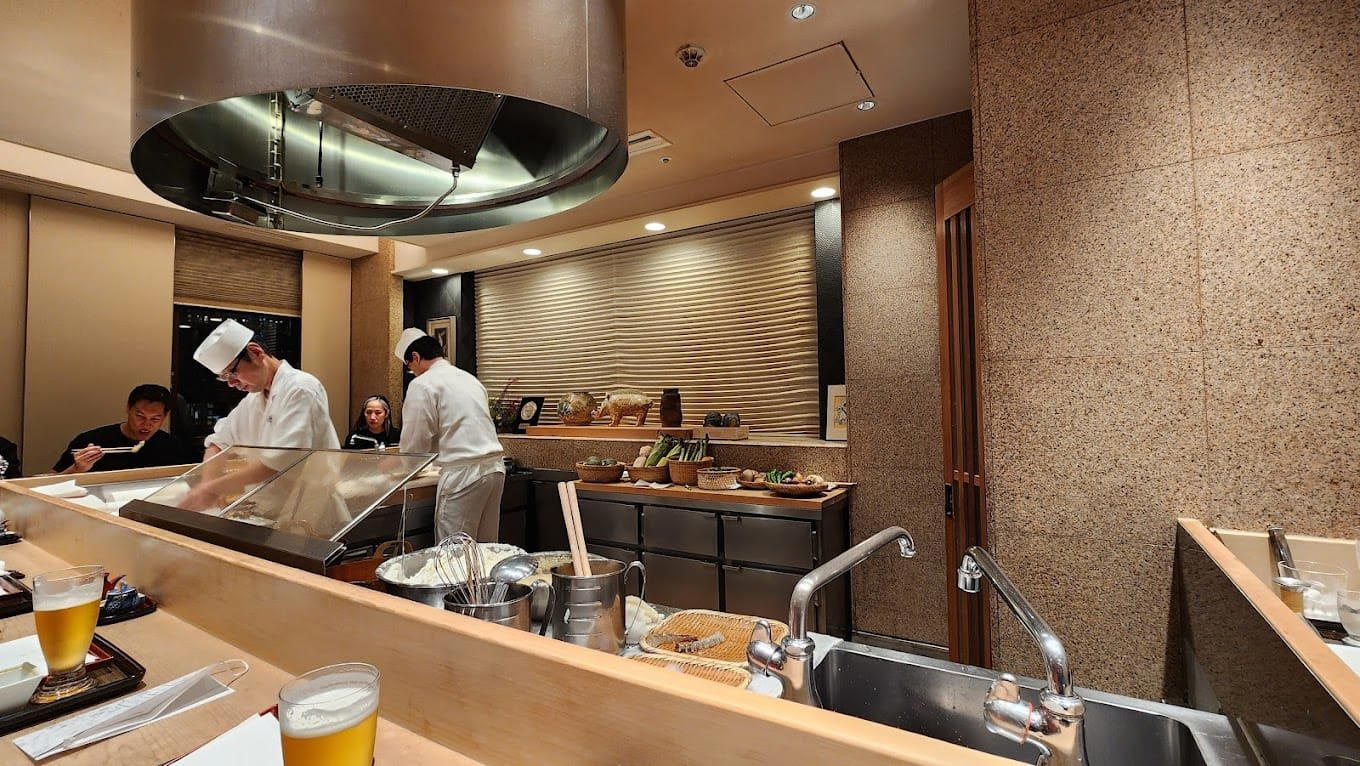
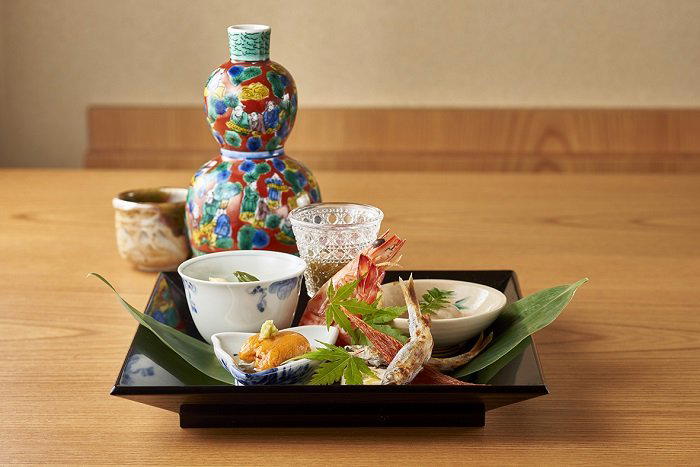
Masuda seats eight at a wooden counter, no private rooms, no overflow tables. Every reservation starts at the same time, which means the pacing is communal and deliberate. Chef Masuda works in front of you, and the cooking is rooted in the ryotei discipline he trained under: seasonal ingredients, precise technique, and the kind of dish construction where the arrangement of ingredients from land and sea is as considered as the flavour. The hassun course, the mid-meal platter that anchors traditional kaiseki, is reportedly the visual centrepiece of the meal, a composed display that reflects the season's balance. Since opening on 29 January 2022, Masuda has built its reputation quickly, Tabelog Bronze recognition arrived within the first three years, which is not the norm for a counter restaurant at this price point.
The cuisine is listed as kaiseki and Japanese, and the kitchen is noted for its particular focus on fish. The drinks program spans sake, shochu, and wine, with the restaurant described as having strong opinions on all three. A sommelier is available, and BYO is permitted, which at this price tier is a meaningful concession, it keeps the overall spend manageable if you bring your own bottle. A 10% service charge applies with no additional cover charge. Credit cards are accepted (Visa, Mastercard, JCB, Amex, Diners), though electronic money and QR payments are not.
Price and Value
Budget ¥40,000 to ¥49,999 per person for both lunch and dinner based on listed pricing; review-based averages push slightly higher, toward ¥50,000 to ¥59,999. At that spend, you are in the same bracket as some of Osaka's most-decorated kaiseki rooms. The counter format and the Tabelog Bronze ranking suggest this is closer to the upper end of ¥¥¥ than the lower. For context, Taian and Kashiwaya Osaka Senriyama sit at the same ¥¥¥ tier and offer kaiseki in different formats, Masuda's counter intimacy is a specific choice, not just a budget one. If you're coming from Tokyo, it's worth noting that the chef has a namesake sushi restaurant in Minami-Aoyama (Harutaka in Tokyo is a useful comparison for that city's high-end counter dining), but the Osaka kaiseki counter is a distinct operation.
Booking and Logistics
Booking difficulty is rated easy relative to Osaka's most competitive tables, which is useful information. Reservations are required, there is no walk-in option, and sessions start simultaneously for all guests, so punctuality matters. The restaurant explicitly notes that late arrivals or early departures may result in missing courses. Hours run 5 pm to 11 pm Monday through Sunday, a seven-day schedule that gives you more flexibility than many comparable counters. The address is 1 Chome-3-12 Shinsaibashisuji, Chuo Ward, Osaka, well-positioned in the commercial and dining heart of the city. No parking is available on site. The restaurant is non-smoking throughout. Groups larger than eight cannot be seated in the regular format, though private hire for up to 20 people is available for exclusive use.
One practical note on dress and scent: the venue's own guidance asks guests to avoid strong perfume or cologne, and specifically requests that you inform companions of this. At a tight eight-seat counter, this is a genuine operational request, not a formality.
A Note on the Takeout Question
Masuda operates strictly as a reservation-only counter experience, and the kaiseki format is fundamentally tied to the in-room sequence: courses arrive in order, the presentation is part of the dish, and the chef's presence is central to what you are paying for. There is no indication in the available data that takeout or delivery is offered, and the nature of kaiseki as a format makes off-premise dining a poor fit. If portability or flexibility in how you eat matters to you, Masuda is the wrong choice regardless of quality. The eight-seat counter, the simultaneous session start, and the ryotei-trained presentation are the product. You are booking a room and a sequence, not a set of dishes that travel.
How Masuda Fits a Repeat Visit
If you have already eaten at Masuda once, the question is whether the seasonal rotation justifies a return at the same price point. Kaiseki cuisine is built on seasonal change, and the hassun course in particular shifts with what the calendar allows, a visit in spring and one in autumn will produce materially different compositions. The drinks program, with its focus on sake and shochu alongside wine, gives returning guests room to explore a different pairing direction. For a more adventurous second visit in the Osaka kaiseki tier, Koryu offers an alternative perspective on Japanese counter dining. For a broader Kansai comparison, Gion Sasaki in Kyoto and Hyotei in Kyoto both sit at higher price tiers but offer kaiseki with longer institutional track records if the credential depth matters to you.
Outside Osaka, if you are building a broader Japan fine dining trip, relevant comparisons include akordu in Nara, Goh in Fukuoka, RyuGin in Tokyo, 1000 in Yokohama, and 6 in Okinawa. For the full picture of what Osaka's dining scene offers across all formats, see our full Osaka restaurants guide, as well as our Osaka hotels guide, our Osaka bars guide, our Osaka wineries guide, and our Osaka experiences guide.
FAQ: Masuda Osaka
- How far ahead should I book Masuda? Booking difficulty at Masuda is rated easy compared to Osaka's most competitive tables, but reservations are mandatory, there is no walk-in option. Given the eight-seat counter and simultaneous session format, availability can still tighten, particularly on weekends. Booking two to three weeks ahead is a reasonable approach for most dates; for Saturday sessions, aim for four weeks out.
- What should I order at Masuda? There is no à la carte option, Masuda serves a set kaiseki course, so ordering decisions are not part of the experience. The hassun, a composed seasonal platter, is the course the kitchen is most noted for. If you have dietary restrictions or strong food preferences, the restaurant asks that you flag these at the time of booking, and notes it may need to decline reservations with extensive requirements.
- Is the tasting menu worth it at Masuda? At ¥40,000 to ¥49,999 per person (with review averages trending slightly above), Masuda sits at the upper end of the ¥¥¥ tier. The Tabelog Bronze Award in both 2025 and 2026, a score of 4.04, and OAD rankings inside Japan's top 200 all point to a kitchen performing at a level that justifies the price for serious kaiseki. If you are comparing value against Taian at the same tier, the counter-versus-traditional-room distinction matters: Masuda is the right choice if proximity to the chef is part of what you want.
- Is Masuda worth the price? Yes, with one condition: the format has to suit you. An eight-seat counter, a fixed start time, a sequential kaiseki course, and spend of ¥50,000 or more per head including drinks and the 10% service charge adds up to a specific kind of evening. If that format fits, the credentials, Tabelog Bronze, OAD top 200, opened January 2022, indicate the kitchen is delivering at a level that earns the price. If you want flexibility in pacing or a more traditional room setting, Kashiwaya Osaka Senriyama is worth considering at the same tier.
- Is lunch or dinner better at Masuda? Dinner is the default experience Monday through Friday, with sessions from 5 pm. Saturday is the only day lunch is offered (from 12 pm), with additional evening sessions. Pricing is the same for both, so lunch on a Saturday is a practical option if your schedule is tight or you want the afternoon free. There is no quality differential to expect between the two, the kitchen runs the same format both sessions.
Planning details
- Hours
- Monday: 5–11 pm · Tuesday: 5–11 pm
- Location
- 1 Chome-3-12 Shinsaibashisuji, Chuo Ward, Osaka, 542-0085, Japan
- Reservations
- Book on Omakase
- Website
- sushi-masuda.com
- Phone
- +81 6-6251-5077
The take
The Take
The Vibe
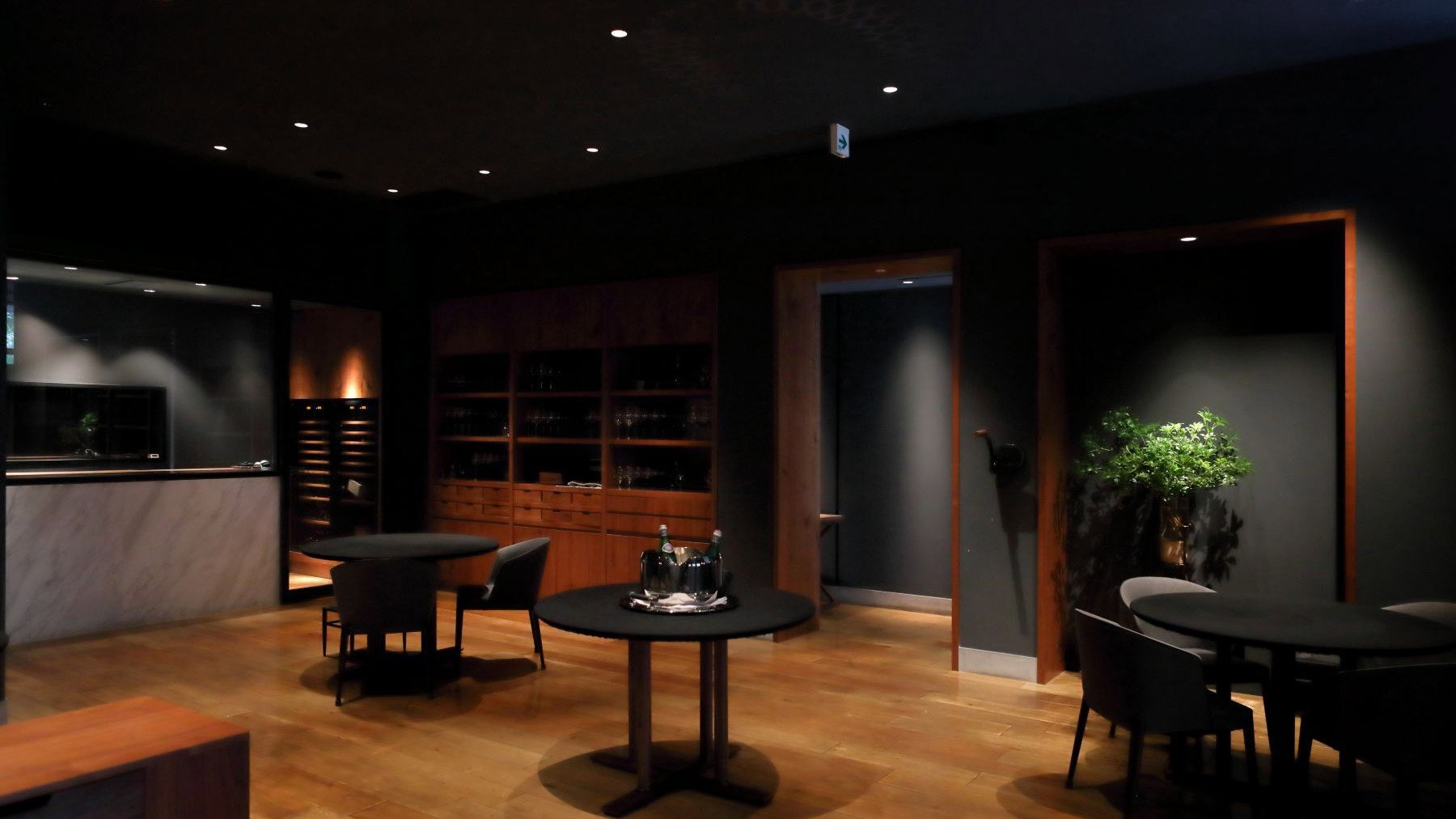
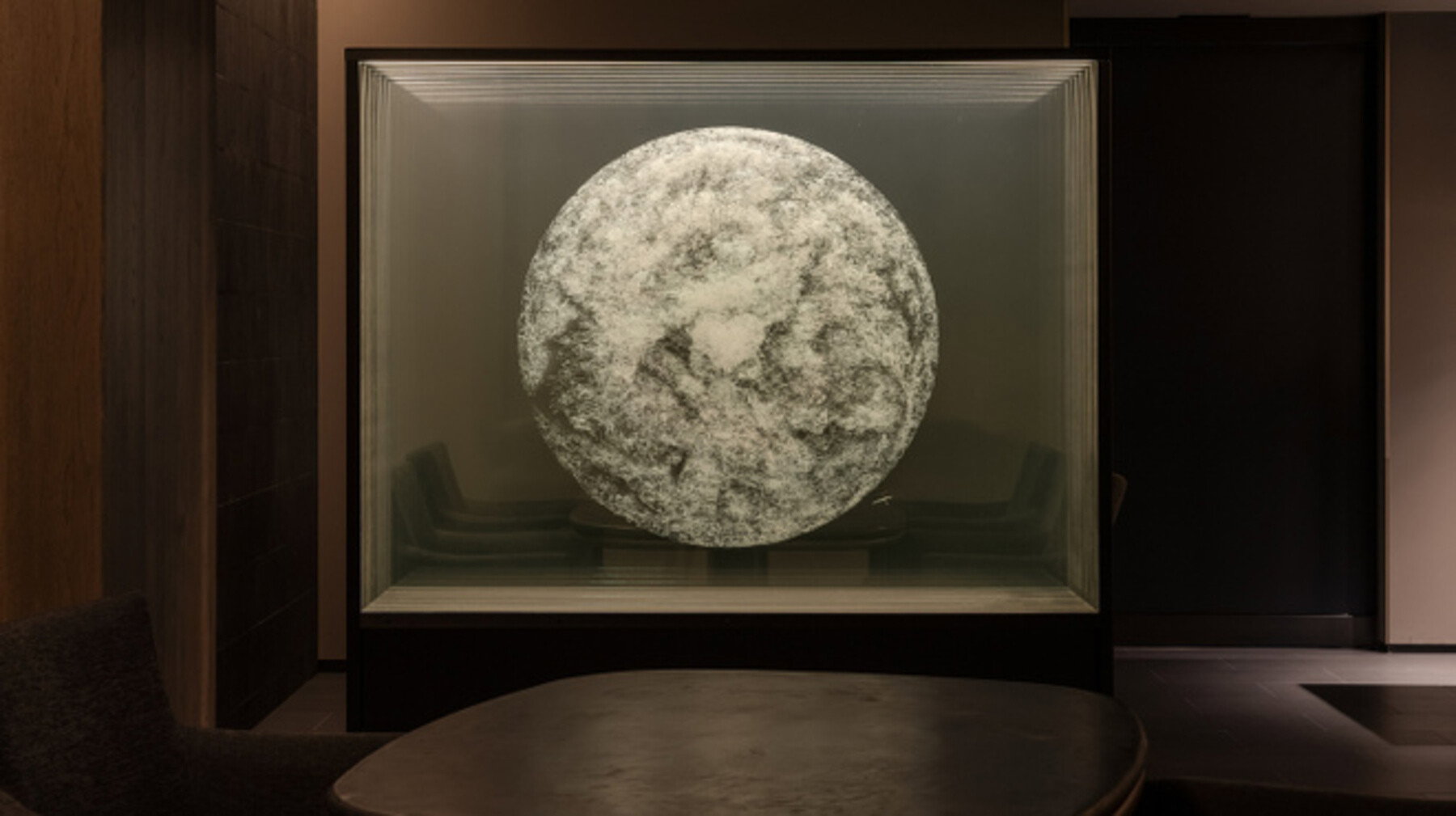
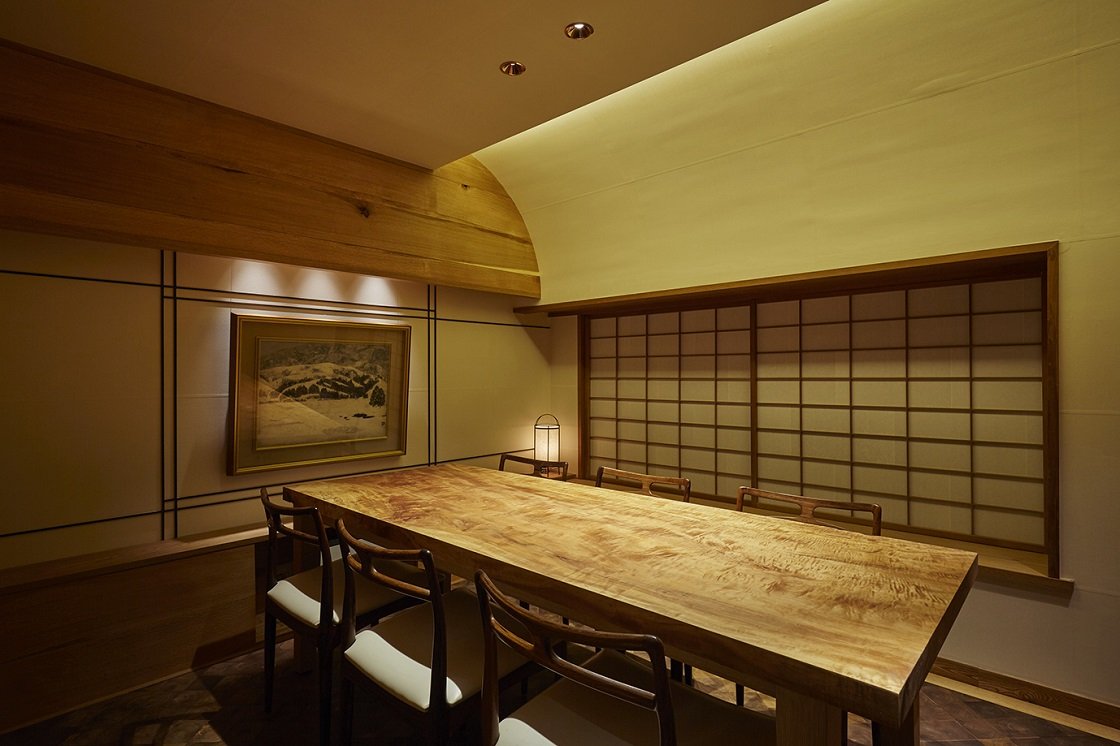
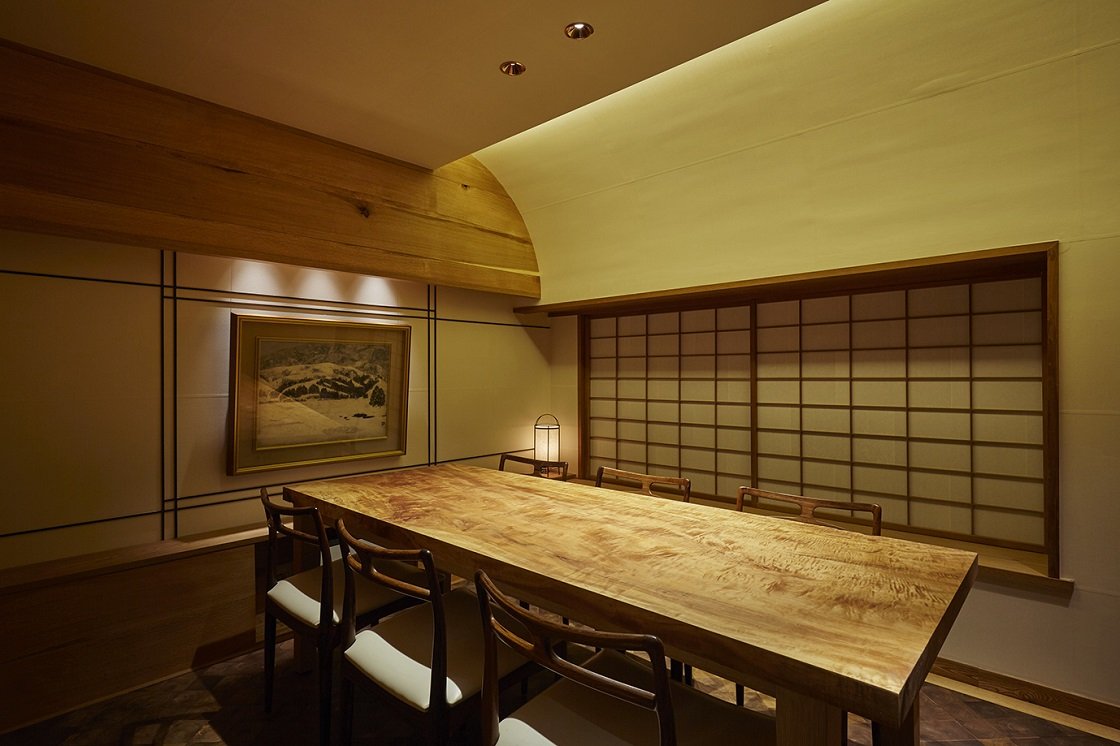
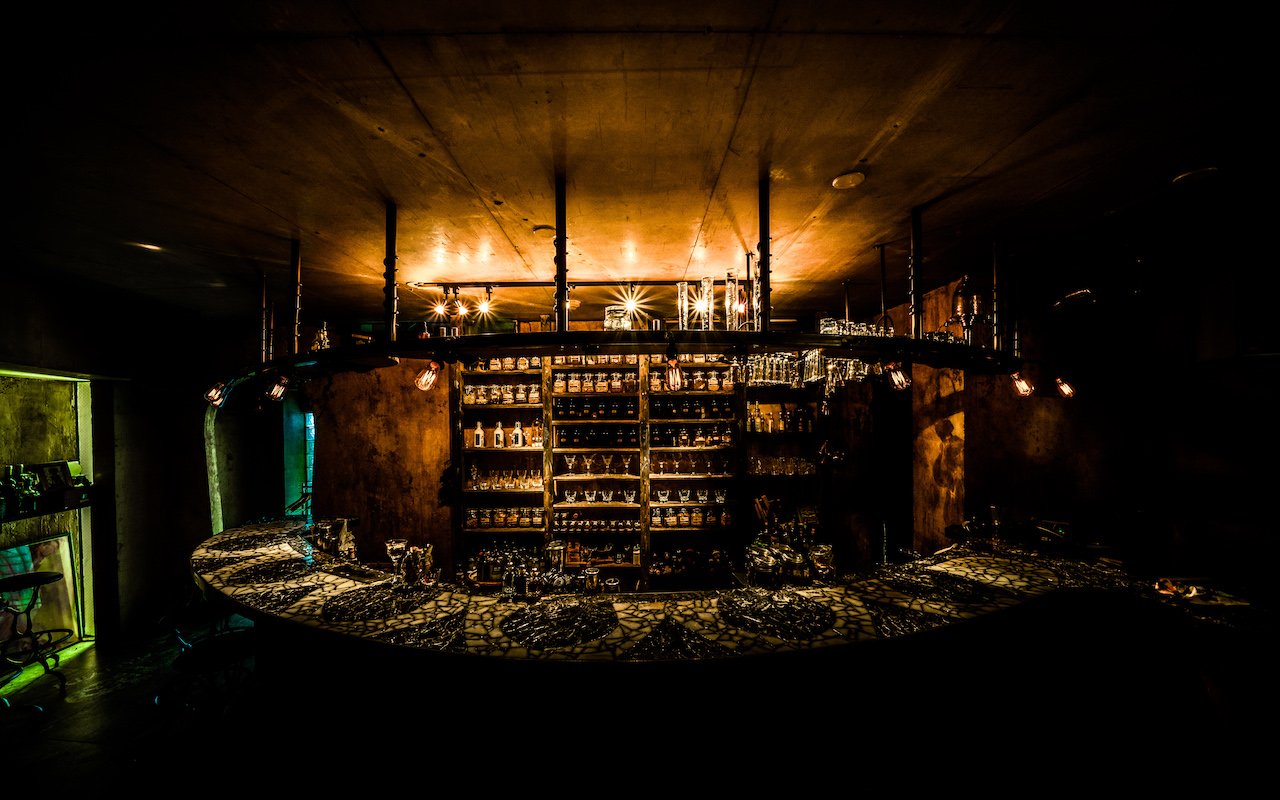
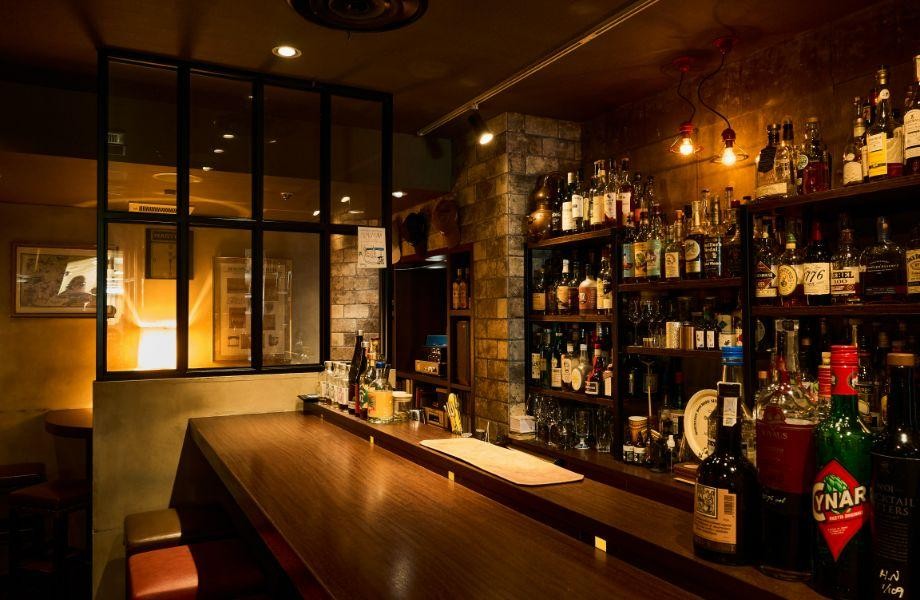
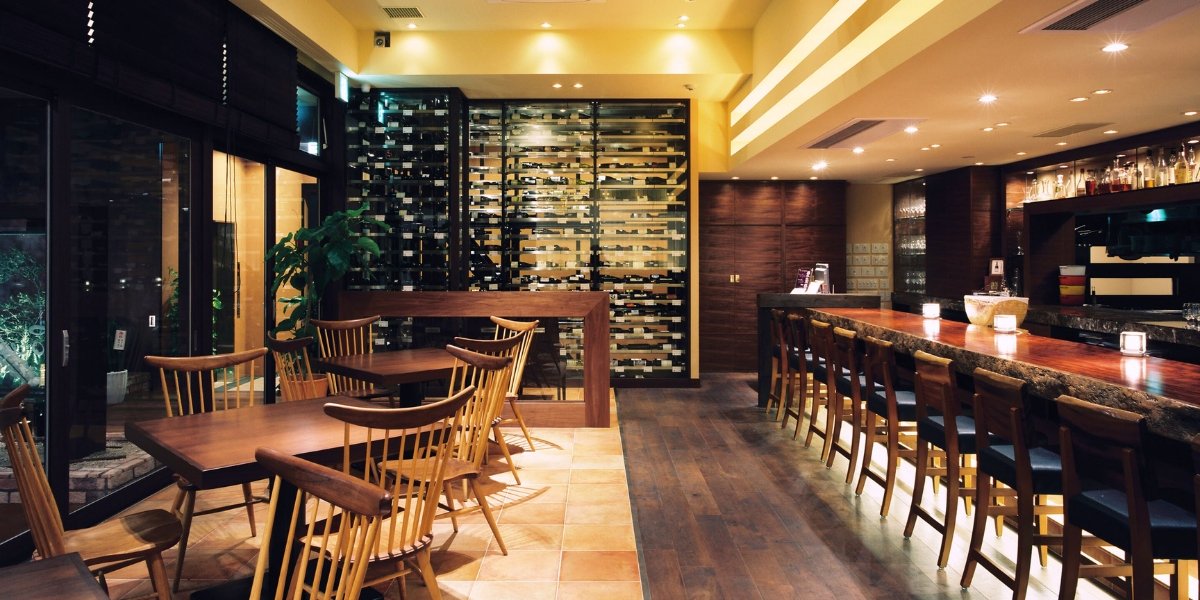
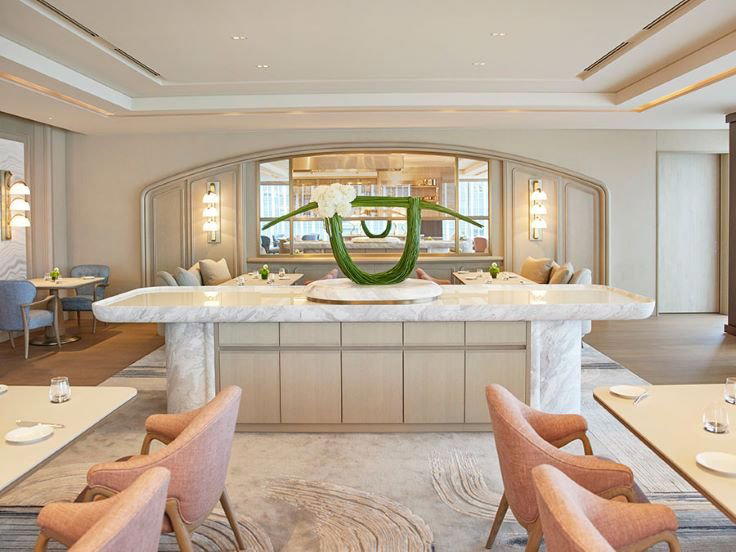
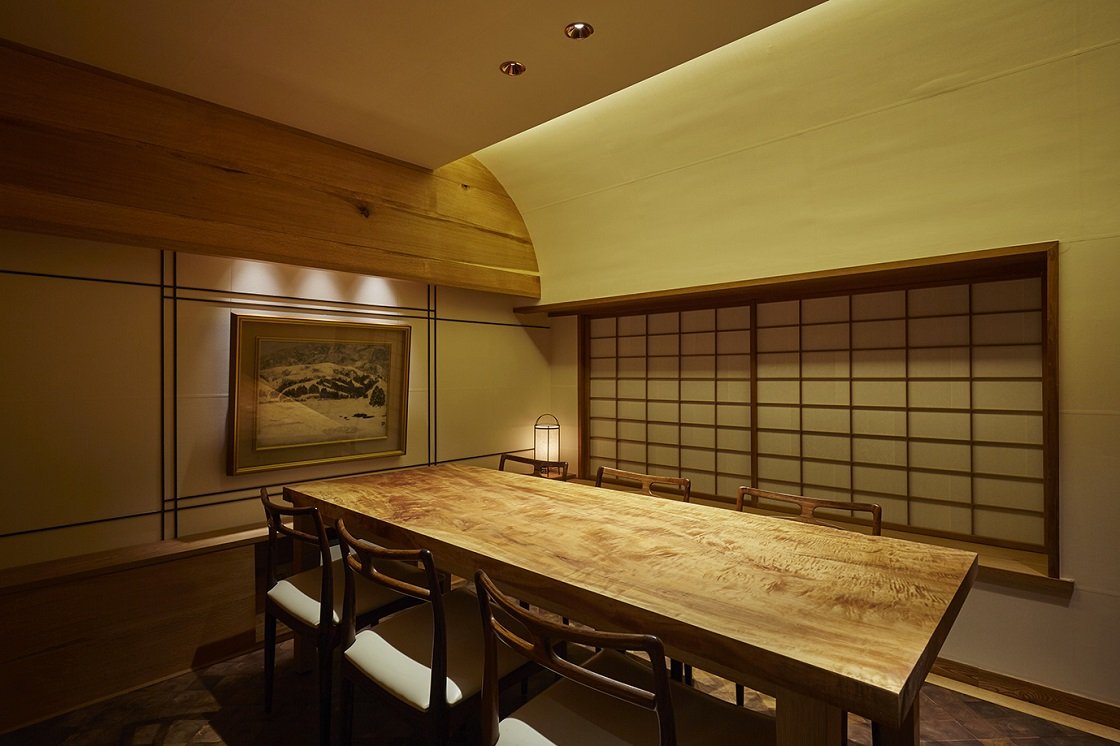
Masuda presents an austere, modern counter-room where the architecture of the plank and the choreography of service take center stage. The eight-seat layout compresses scale and attention, producing a minimalist, quiet environment that deliberately removes distractions. Light, wood, and proportion are amplified at the counter, and the design reads as a statement about how refined Japanese dining should feel: restrained, polished, and focused on technique. The overall tone is stylish and relaxing, with the intimate counter format intensifying the connection between guest and cook while maintaining a formal, contemporary sensibility.
Best For
Masuda is best experienced as an evening destination for diners seeking a concentrated kaiseki encounter. The single eight-seat counter shapes the visit—meals unfold through the formal kaiseki sequence and are presented directly from chef to guest—making it an ideal choice for focused dinners, business meals that value ceremony and craft, or solo diners who want to watch technique up close. Because the kitchen performs in full view and the hassun course is singled out in commentary, the restaurant rewards patrons who arrive intent on tasting a structured, seasonally driven multi-course meal.
Ordering Tips
Reserve a seat at the counter and lean into the kaiseki sequence: Masuda is organized around an eight-seat plank where every course is presented and explained. The description highlights the hassun course as a noted moment in the meal, so expect attentive pacing and seasonal small plates that emphasize texture and presentation. Chef Yoshichika Masuda’s training in the ryotei tradition informs the formal progression, so allow the menu to unfold rather than swapping courses; the venue’s architecture and open kitchen are designed to center the cooking itself as the primary attraction.
Venue details
Ambiance
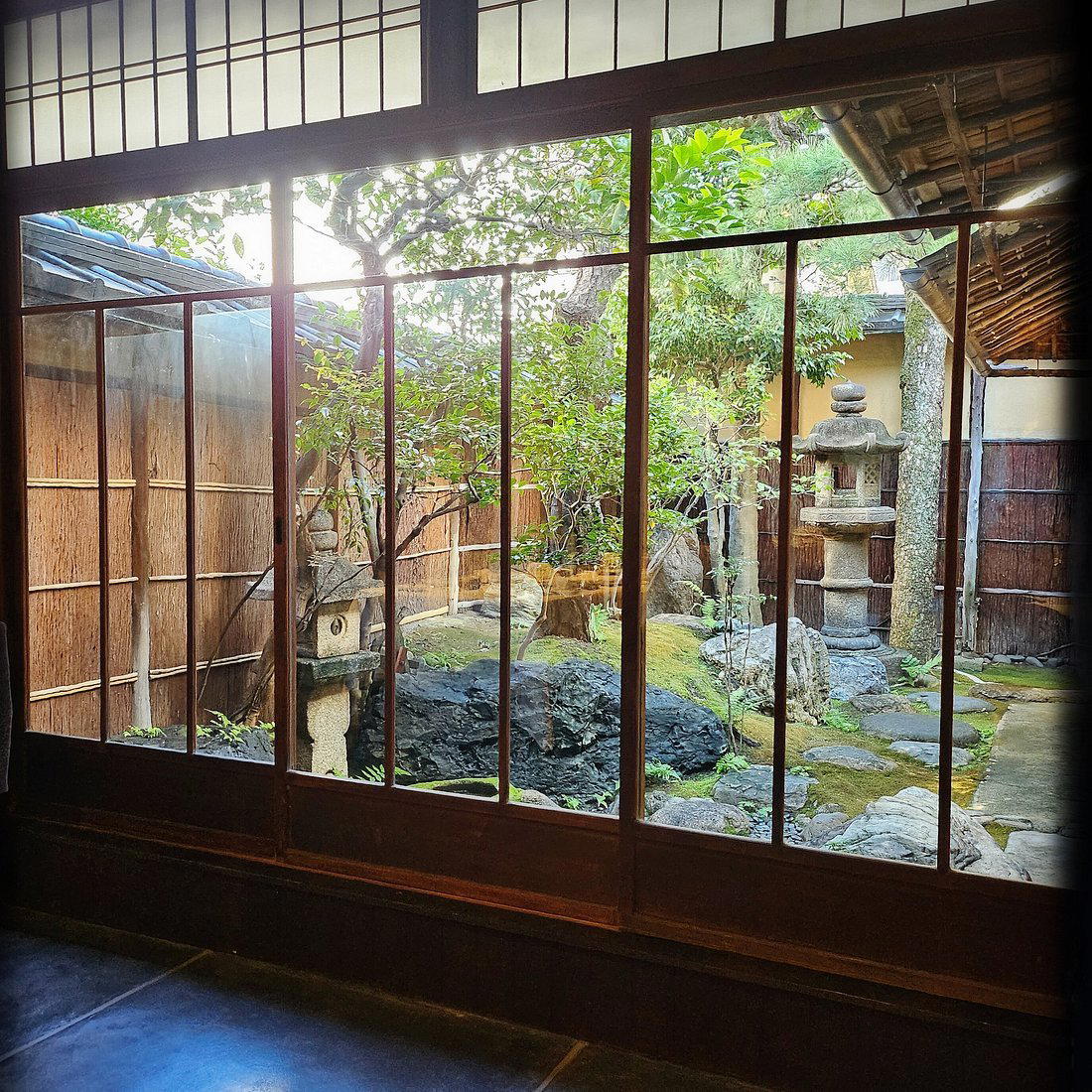
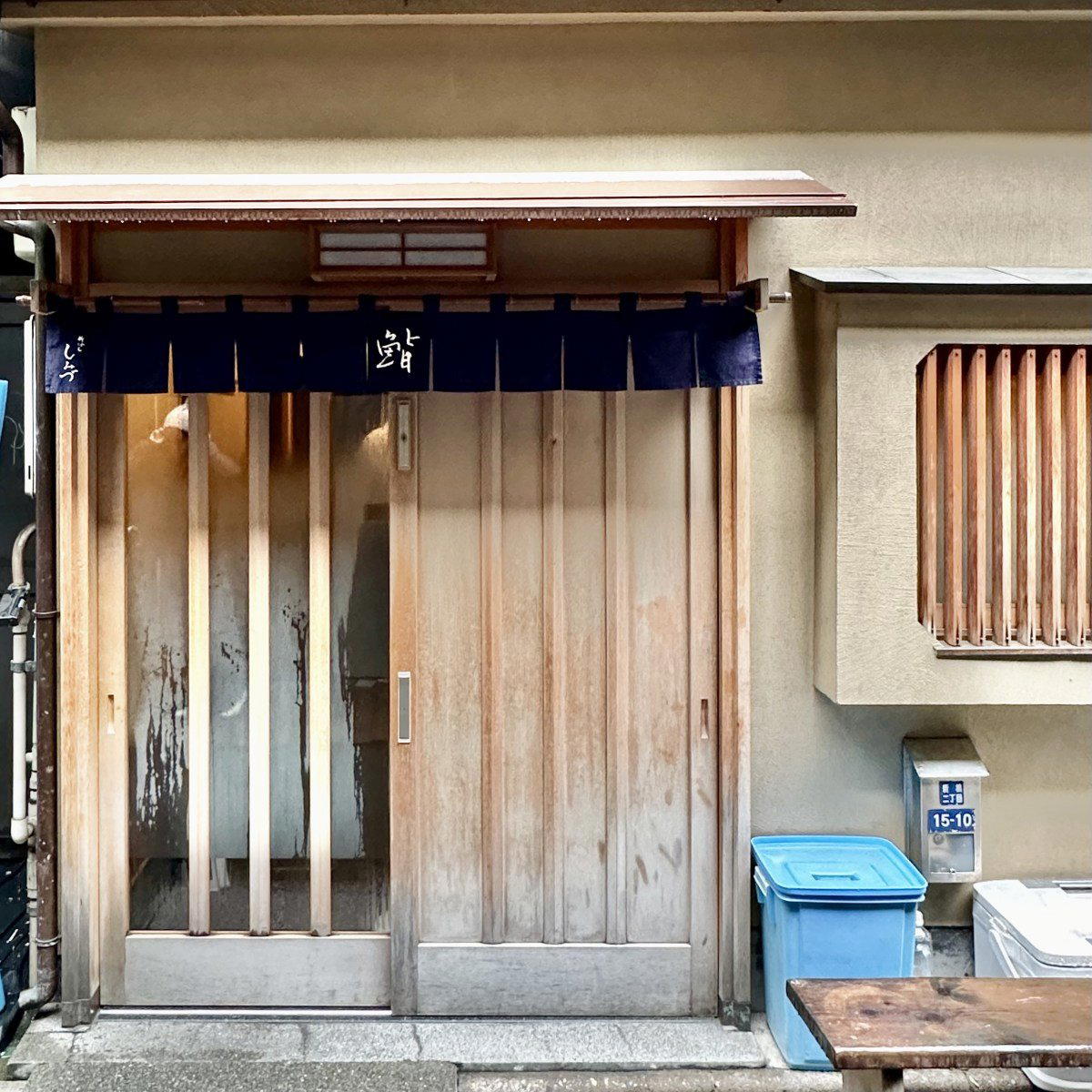
Serene and elegant with intimate counter seating for about 10 guests; located on the second floor of a small building in an inconspicuous alley, creating a hidden gem atmosphere with careful lighting and refined tableware.
Tags
Vibe
Best For
Experience
Sourcing
Accessibility
At the Table
- Dress Code
- Smart Casual
- Noise Level
- Quiet
- Service Style
- Omakase Bar
- Meal Pacing
- Extended Experience
- Capacity
- Intimate
- Kitchen
- Seasonal
- Menu Format
- Omakase, Counter dining, Set menu
- Drinks Focus
- Sake
- Private Dining
- Available
Signature Dishes
- seasonal crab
- grilled fish
- young bamboo sprouts
Know before you go
Know Before You Go
- Getting there
- 1 Chome-3-12 Shinsaibashisuji, Chuo Ward, Osaka, 542-0085, Japan
Planning details
Hours
- Monday
- 5–11 pm
- Tuesday
- 5–11 pm
- Wednesday
- 5–11 pm
- Thursday
- 5–11 pm
- Friday
- 5–11 pm
- Saturday
- 5–11 pm
- Sunday
- 5–11 pm
Location
1 Chome-3-12 Shinsaibashisuji, Chuo Ward, Osaka, 542-0085, Japan · Directions
Recognition and awards

Also consider
Also Consider
- HAJIME, French, Innovative, ¥¥¥¥
- La Cime, French, ¥¥¥¥
- Kashiwaya Osaka Senriyama, Japanese, ¥¥¥
- Taian, Kaiseki, Japanese, ¥¥¥
- Fujiya 1935, Innovative, ¥¥¥¥
Restaurant context
Within Osaka's ¥¥¥ tier, Masuda's closest direct comparison is Taian, which also serves kaiseki in a counter-focused format. If you're deciding between the two, the choice comes down to what you want from the room: Masuda's eight-seat counter keeps you close to the chef throughout, while Taian offers a slightly different spatial dynamic. Both sit at ¥¥¥ and carry Tabelog recognition. Kashiwaya Osaka Senriyama is also at ¥¥¥ and represents the more traditional, established end of the Osaka kaiseki spectrum, a better choice if institutional longevity and a conventional tatami-adjacent setting matter more than counter intimacy.
If your budget extends to ¥¥¥¥, the calculus changes. HAJIME and La Cime both operate at the ¥¥¥¥ tier in the French and innovative categories, they are not direct kaiseki comparisons, but they compete for the same special-occasion spend. Fujiya 1935 at ¥¥¥¥ offers an innovative Japanese format distinct from kaiseki orthodoxy. If you are specifically committed to kaiseki and the ¥¥¥ tier, Masuda and Taian are the two most defensible bookings in Osaka.
On booking difficulty, Masuda's easy rating within its tier is a genuine advantage. HAJIME and La Cime can be harder to secure at short notice, and the ¥¥¥¥ venues generally require more lead time. If you are planning a Japan trip and need certainty, Masuda gives you a high-quality kaiseki option without the same reservation pressure as the city's most sought-after tables. The BYO option at Masuda is also worth factoring in, at a ¥¥¥¥-adjacent spend, being able to bring your own sake or wine keeps the final bill more predictable.
Explore Osaka
Around this place
Discover more on Pearl
Unlock the full Masuda guide in Pearl, including awards, comparisons, FAQs, planning details, and nearby places.
Compare Masuda
| Venue | Cuisine | Price | Booking Difficulty | Awards |
|---|---|---|---|---|
| Masuda | Kaiseki, Japanese | ¥¥¥ | Easy | 2026 Tabelog Bronze · #260Michelin Guide Kyoto Osaka 20262026 Michelin 1 StarTabelog 100 - Sushi - TOKYO - 2025 · #922025 OAD Top Restaurants in Japan Ranked · #1932025 Tabelog Bronze2024 OAD Top Restaurants in Japan Ranked · #1562024 Michelin 1 Star2023 OAD Top Restaurants in Japan Ranked · #132 |
| HAJIME | French, Innovative | ¥¥¥¥ | Unknown | Star Wine Lists 2026 · #12026 Tabelog Bronze · #922026 OAD Top Restaurants in Japan Ranked · #98Michelin Guide Kyoto Osaka 20262026 La Liste Top RestaurantsTabelog 100 - Innovative / Creative cuisine - 2025 · #692025 Asia's 50 Best Restaurants · #832025 OAD Top Restaurants in Japan Ranked · #87We're Smart World Top Restaurants 2025 |
| La Cime | French | ¥¥¥¥ | Unknown | 2026 Asia's 50 Best Restaurants · #132026 OAD Top Restaurants in Japan Ranked · #1492026 Tabelog Bronze · #231Michelin Guide Kyoto Osaka 20262026 La Liste Top Restaurants2025 Asia's 50 Best Restaurants · #82025 World's 50 Best Restaurants · #44Tabelog 100 - French - WEST - 2025 · #932025 OAD Top Restaurants in Japan Ranked · #123 |
| Kashiwaya Osaka Senriyama | Japanese | ¥¥¥ | Unknown | 2026 Tabelog Bronze · #1682026 OAD Top Restaurants in Japan Recommended2026 Relais Chateaux RestaurantsMichelin Guide Kyoto Osaka 20262026 La Liste Top RestaurantsTabelog 100 - Japanese cuisine - WEST - 2025 · #772025 OAD Top Restaurants in Japan Ranked · #1552025 Relais Chateaux Award2025 Michelin 3 Stars |
| Taian | Kaiseki, Japanese | ¥¥¥ | Unknown | 2026 OAD Top Restaurants in Japan RecommendedMichelin Guide Kyoto Osaka 20262026 La Liste Top Restaurants2025 OAD Top Restaurants in Japan Ranked · #2042025 La Liste Top Restaurants2025 Michelin 3 Stars2024 OAD Top Restaurants in Japan Ranked · #1912024 Michelin 3 Stars2023 OAD Top Restaurants in Japan Highly Recommended |
| Fujiya 1935 | Innovative | ¥¥¥¥ | Unknown | 2026 Tabelog Bronze · #752026 OAD Top Restaurants in Japan RecommendedMichelin Guide Kyoto Osaka 20262026 La Liste Top Restaurants2025 Michelin 2 Stars2025 Tabelog Silver2025 La Liste Top Restaurants2024 OAD Top Restaurants in Japan Ranked · #2392024 Michelin 2 Stars |








Key differences to consider before you reserve.
FAQ
Frequently Asked Questions
How far ahead should I book Masuda?
Book at least four to six weeks out. Masuda seats only eight at the counter, every session starts simultaneously, and reservations are mandatory, there is no walk-in option. Tabelog rates the booking difficulty as manageable relative to Osaka's hardest tables, but that window tightens around weekends and public holidays.
What should I order at Masuda?
There is no à la carte menu, Masuda serves a set kaiseki course only, priced at ¥40,000 to ¥49,999 per person. The hassun course (the seasonal composed platter of land and sea ingredients) is noted as a particular focal point of Chef Yoshichika Masuda's style, drawing on his ryotei training.
Is the tasting menu worth it at Masuda?
Yes, if you want counter kaiseki with a clear culinary point of view and a chef who trained at a ryotei. Masuda holds a Tabelog Bronze award and ranked #193 among all Japan restaurants in 2025, which places it firmly in the upper tier of Osaka fine dining without the extreme booking friction of a Michelin three-star. If you want more international influence at a similar price, La Cime is the stronger alternative.
Is Masuda worth the price?
At ¥40,000 to ¥49,999 listed (with review averages pushing toward ¥55,000 including the 10% service charge), Masuda sits at the serious end of Osaka's kaiseki market. The Tabelog Bronze award and a ranking of #193 in Japan for 2025 support the price for dedicated kaiseki diners. If the format feels steep, Taian or Kashiwaya offer comparable prestige with different pricing structures.
Is lunch or dinner better at Masuda?
Dinner is the default format, Masuda opens Saturday for lunch, but Monday through Friday is dinner only. Lunch Saturday gives you two session start times including a midday option, which suits tighter schedules or itineraries combining multiple restaurants in one day. Pricing is the same for both meals, so the choice is logistical rather than value-driven.