





Sawada
Japanese · Nishitenma, Osaka
Restaurant in Osaka, Japan
The Read
Dashi-Restrained Kaiseki
Price
¥¥¥¥
Chef
Ollie Bridgwater
Dress
Smart Casual
Why go
Sawada is a Michelin-starred, six-seat kaiseki counter in Osaka's Fukushima district, recognised with consecutive Tabelog Silver Awards (2025, 2026) and a score of 4.39. The fish-forward omakase runs JPY 20,000–39,999 all-in, BYO is permitted, reservations are made exclusively through the OMAKASE platform. Book well in advance; this is one of western Japan's most credential-backed small counters.
About Sawada
Pearl Verdict
Sawada in Osaka's Fukushima district is one of the most credential-backed kaiseki counters in western Japan, the case for booking is strong. A Michelin star, consecutive Tabelog Silver Awards in 2025 and 2026, selection for the Tabelog Japanese Cuisine WEST Top 100 put it in a tier where the question is not whether the cooking is serious but whether the format fits your evening. It does, if you want a focused, fish-forward omakase in a six-seat counter setting where the meal is the entire event. Budget JPY 20,000–29,999 per head at stated prices, though reviewer-reported spend runs JPY 30,000–39,999 including drinks and service charge.
About Sawada
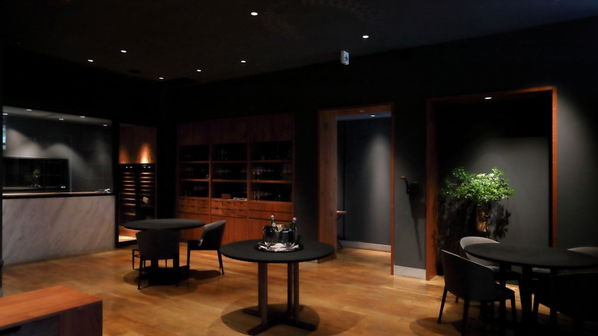
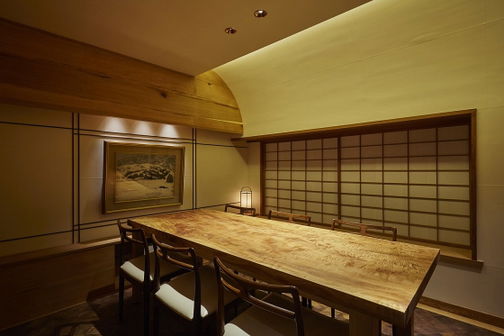
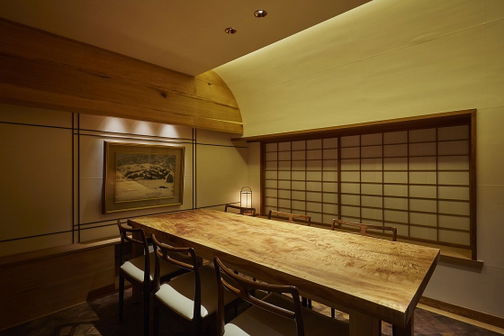
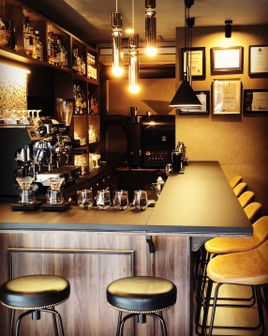
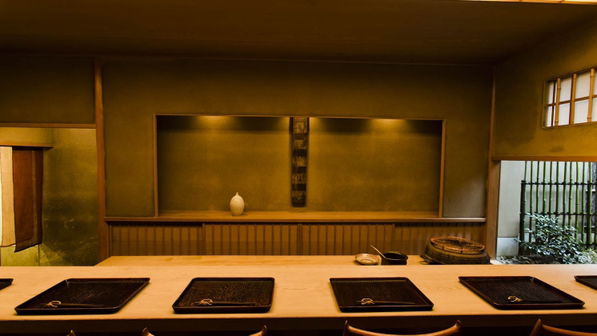
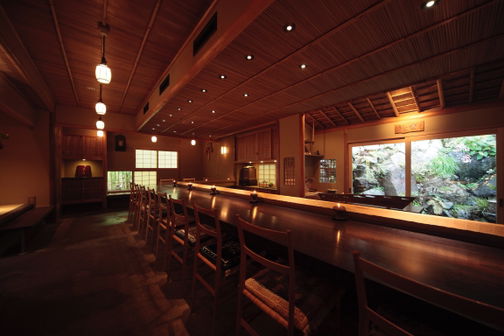
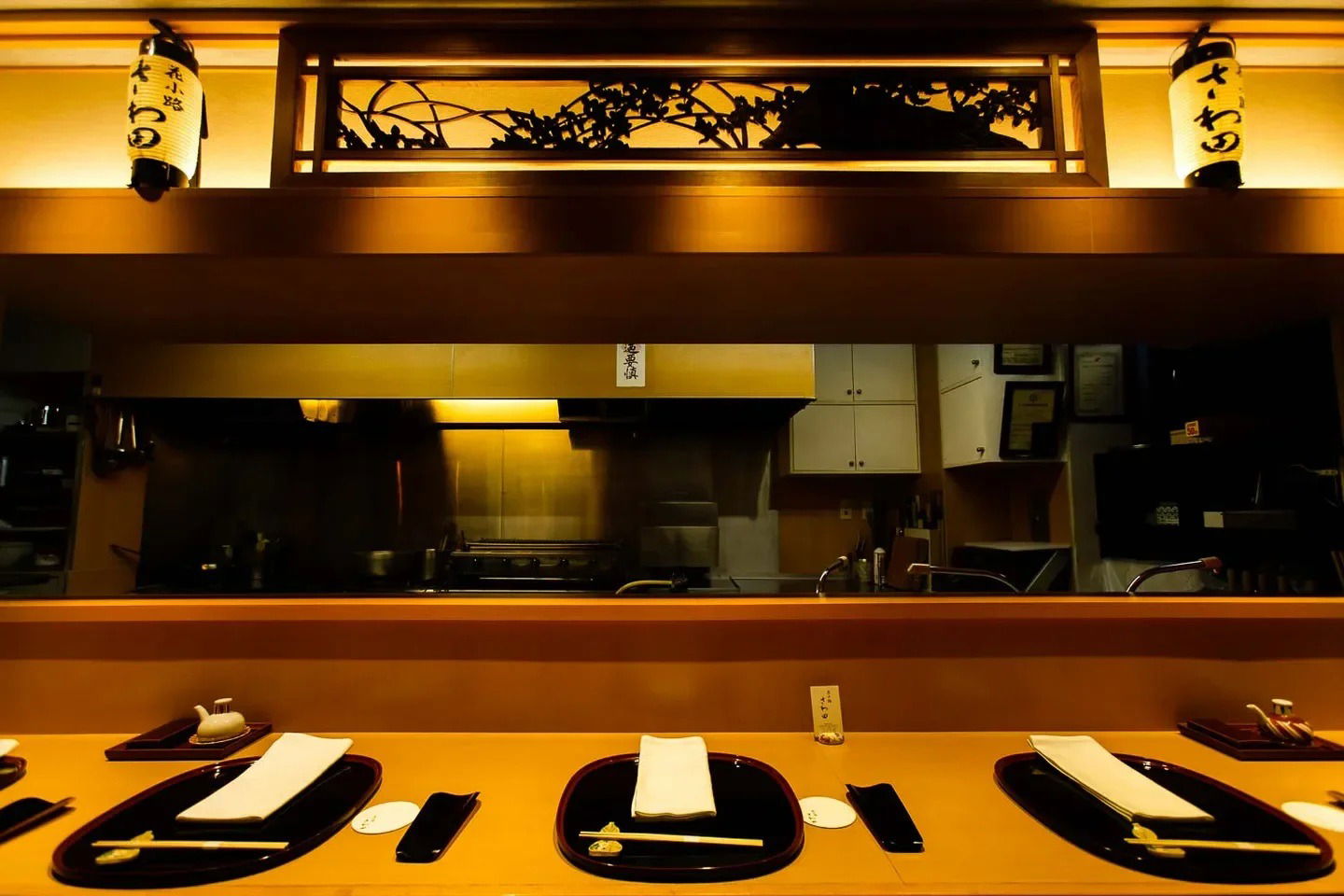
Sawada opened in Fukushima, Osaka in July 2023 and has accumulated awards at a rate that suggests it arrived with intent rather than ambition. The counter seats just six; occasionally stretching to seven or eight depending on the evening; which means every seat is a front-row position. The room is described as stylish and relaxing with spacious counter seating, the venue is wheelchair accessible, a detail worth noting for groups with specific access needs.
The cooking philosophy, as Tabelog describes it, is one of restraint: seasonings are minimised to let the natural flavours of ingredients and dashi carry the meal. This is kaiseki with a Shiga pedigree, the chef's training shows in appetiser platters that reference mountain village scenes, shared hotpots, clay-pot rice dishes finished with noodles. The progression moves from composed small plates toward rice, which is the structural logic of traditional kaiseki. For diners accustomed to the tasting-menu format where each course escalates in richness, Sawada's arc is more meditative: the meal builds laterally across textures and temperatures rather than vertically toward a single climactic dish.
Fish sourcing is a stated priority. In kaiseki terms, this means the seasonal catch dictates the menu more than any fixed repertoire, which is precisely what makes it a poor fit for diners who want to know in advance what they will eat, an excellent fit for those who want the kitchen to make every decision. The drink list focuses on sake and shochu, BYO is permitted, which is a meaningful practical advantage if you have a bottle you have been saving for a special occasion. Credit cards are accepted (Visa, Mastercard, JCB, Amex, Diners); electronic money and QR code payments are not.
The venue sits roughly six minutes' walk from JR Shin-Fukushima Station and eight minutes from JR Fukushima Station. Parking is not available on-site, though coin parking is nearby. The neighbourhood is residential enough that the venue asks smokers to be considerate of surroundings when using the designated alleyway area.
One structural constraint matters for group planning: the maximum party size is eight for a full private-use booking, but the standard counter maximum for walk-in or reservation seating is effectively six. Private room hire is not available. If your group is larger than two or three, confirm seating configuration when booking. Reservations are made through the OMAKASE platform; the venue notes that phone lines are not always answered, so the platform is the more reliable route.
Children are welcome on a dedicated family reception day held once a month, contact the venue directly to confirm dates. For every other service, the counter is adult-oriented by default. Business hours run from 17:30, with a second seating from 20:30. The venue is closed Wednesdays and on irregular additional days; always confirm before you travel.
For context on how Sawada sits within Osaka's wider dining options, see our full Osaka restaurants guide. Comparable kaiseki experiences in the city include Kashiwaya Osaka Senriyama and Taian. If you are building an itinerary across the Kansai region, Gion Sasaki in Kyoto and akordu in Nara are worth considering alongside Sawada. For those travelling further, Harutaka in Tokyo, Goh in Fukuoka, and Myojaku and Azabu Kadowaki in Tokyo represent comparable commitment to Japanese cuisine craft. Also on Pearl: Miyamoto, Oimatsu Hisano, Tenjimbashi Aoki, and Yugen for alternative Osaka options. For hotels, bars, experiences in the city: Osaka hotels guide, Osaka bars guide, Osaka wineries guide, Osaka experiences guide.
Awards & Recognition
- Michelin 1 Star (2024)
- Tabelog Silver Award 2025 and 2026 (Score: 4.39)
- Selected for Tabelog Japanese Cuisine WEST Top 100 (2025)
- Pearl Black 1 Diamond (2025)
- Pearl Recommended Restaurant (2025)
Know Before You Go
AddressFukushima 4-2-50, Fukushima-ku, Osaka 553-0003Getting there6 min walk from JR Shin-Fukushima Station; 8 min walk from JR Fukushima Station; 9 min walk from Keihan Nakanoshima StationPrice (dinner)JPY 20,000–29,999 per head (stated); JPY 30,000–39,999 (reviewer-reported all-in)BookingsReservation only via OMAKASE platform; phone not always answeredHoursFrom 17:30 and 20:30 (second seating); closed Wednesdays and irregular days, confirm before visitingSeats6 counter seats (up to 7–8 in some circumstances); max party 8 for full private usePaymentCredit cards accepted (Visa, Mastercard, JCB, Amex, Diners); no electronic money or QR paymentsDrinksSake, shochu; BYO permittedSmokingNon-smoking inside; outdoor alleyway area onlyDress codeNot stated; smart casual is appropriate at this price pointAccessibilityWheelchair accessibleChildrenWelcome on dedicated monthly family reception day only; contact venue to confirmPhone+81-90-4576-7699Planning details
- Location
- MC Bldg.,, 5 Chome-9-19 Ginza, Chuo City, Tokyo 104-0061, Japan
- Website
- tabelog.com/en/osaka/A2701/A270108/27137065
- Phone
- +81 3-3571-4711
The take
The Take
The Vibe
SAWADA sits deliberately low-key within Osaka’s bustling Fukushima counter-dining scene. The restaurant presents a kaiseki-style sequence from an intimate counter that normally seats six, emphasizing seasonality, sequence and restraint. Its low-profile address and minimal street presence make the experience feel like a neighbourhood secret despite rapid critical recognition — Michelin one star and multiple Tabelog accolades underscore the precision behind the quiet exterior. The kitchen’s philosophy privileges the ingredient and a restrained hand, so the room reads refined and focused rather than showy. Expect an understated, close-up encounter with a chef-led tasting format.
Best For
This is a place for diners who prize a concentrated, formal tasting experience: think special occasions, business dinners and intimate date nights. SAWADA’s counter-only arrangement and reservation-only operation shape a compact, attentive service rhythm that suits small parties and single diners who want to watch the technique unfold. The kaiseki approach and Michelin recognition signal deliberate pacing, seasonal variety and culinary restraint rather than a la carte flexibility. The neighbourhood setting and small size reward guests who arrive prepared for a set sequence and an elevated, quietly ceremonial meal.
Ordering Tips
Reservations are essential: SAWADA operates on a reservation-only, fixed-format counter with very limited seating (typically six seats, sometimes expanding slightly). Book well in advance and confirm the exact number of seats, since the room is small and fills quickly after its awards. Expect a set kaiseki sequence rather than an expansive à la carte menu, and arrive on time — the service is structured around the counter progression. Note the low-profile street presence and use the provided address details to find the entrance.
Planning details
Location
MC Bldg.,, 5 Chome-9-19 Ginza, Chuo City, Tokyo 104-0061, Japan · Directions
Recognition and awards






Also consider
Also Consider
- HAJIME; French, Innovative, ¥¥¥¥
- La Cime; French, ¥¥¥¥
- Kashiwaya Osaka Senriyama; Japanese, ¥¥¥
- Taian; Kaiseki, Japanese, ¥¥¥
- Fujiya 1935; Innovative, ¥¥¥¥
Restaurant context
How Sawada Compares
Within Osaka's top-tier Japanese dining, Sawada sits clearly above the mid-range but competes on format rather than price alone. Kashiwaya Osaka Senriyama and Taian both offer kaiseki at ¥¥¥, making them the better choice if your budget caps below JPY 20,000 per head. The cooking at Sawada is more restrained and fish-focused than either; if you want the full traditional kaiseki arc without the price premium, Taian is the more accessible route in.
At the ¥¥¥¥ level, the French-inflected options tell a different story. HAJIME and Fujiya 1935 both offer innovative tasting menus with more theatrical presentation; La Cime is the strongest alternative if a French menu at a similar spend is what you want. Against these three, Sawada is the more traditional and quieter room; less visual drama, more focus on ingredient quality and technique. If the meal being Japanese-rooted matters to you, Sawada wins that comparison directly.
On booking difficulty, Sawada is harder to secure than Kashiwaya or Taian but comparable to HAJIME. The six-seat counter is a structural constraint no amount of planning fully solves; plan for a booking window of several weeks and use the OMAKASE platform rather than the phone line. If your travel dates are fixed and Sawada is unavailable, Tenjimbashi Aoki and Oimatsu Hisano are worth having as alternatives on the same shortlist.
Explore Osaka
Around this place
Discover more on Pearl
Unlock the full Sawada guide in Pearl, including awards, comparisons, FAQs, planning details, and nearby places.
Compare Sawada
| Venue | Price | Awards |
|---|---|---|
| Sawada | ¥¥¥¥ | 2026 Tabelog Gold · #252026 Tabelog Silver · #1172026 Michelin 1 StarTabelog 100 - Sushi - TOKYO - 2025 · #82025 OAD Top Restaurants in Japan Ranked · #9Tabelog 100 - Japanese cuisine - WEST - 2025 · #172025 Tabelog Silver2025 The Best Chef One Knife2025 Black Diamond 1 Diamond |
| HAJIME | ¥¥¥¥ | Star Wine Lists 2026 · #12026 Tabelog Bronze · #922026 OAD Top Restaurants in Japan Ranked · #98Michelin Guide Kyoto Osaka 20262026 La Liste Top RestaurantsTabelog 100 - Innovative / Creative cuisine - 2025 · #692025 Asia's 50 Best Restaurants · #832025 OAD Top Restaurants in Japan Ranked · #87We're Smart World Top Restaurants 2025 |
| La Cime | ¥¥¥¥ | 2026 Asia's 50 Best Restaurants · #132026 OAD Top Restaurants in Japan Ranked · #1492026 Tabelog Bronze · #231Michelin Guide Kyoto Osaka 20262026 La Liste Top Restaurants2025 Asia's 50 Best Restaurants · #82025 World's 50 Best Restaurants · #44Tabelog 100 - French - WEST - 2025 · #932025 OAD Top Restaurants in Japan Ranked · #123 |
| Kashiwaya Osaka Senriyama | ¥¥¥ | 2026 Tabelog Bronze · #1682026 OAD Top Restaurants in Japan Recommended2026 Relais Chateaux RestaurantsMichelin Guide Kyoto Osaka 20262026 La Liste Top RestaurantsTabelog 100 - Japanese cuisine - WEST - 2025 · #772025 OAD Top Restaurants in Japan Ranked · #1552025 Relais Chateaux Award2025 Michelin 3 Stars |
| Taian | ¥¥¥ | 2026 OAD Top Restaurants in Japan RecommendedMichelin Guide Kyoto Osaka 20262026 La Liste Top Restaurants2025 OAD Top Restaurants in Japan Ranked · #2042025 La Liste Top Restaurants2025 Michelin 3 Stars2024 OAD Top Restaurants in Japan Ranked · #1912024 Michelin 3 Stars2023 OAD Top Restaurants in Japan Highly Recommended |
| Fujiya 1935 | ¥¥¥¥ | 2026 Tabelog Bronze · #752026 OAD Top Restaurants in Japan RecommendedMichelin Guide Kyoto Osaka 20262026 La Liste Top Restaurants2025 Michelin 2 Stars2025 Tabelog Silver2025 La Liste Top Restaurants2024 OAD Top Restaurants in Japan Ranked · #2392024 Michelin 2 Stars |













How Sawada stacks up against the competition.
FAQ
Frequently Asked Questions
What should a first-timer know about Sawada?
Sawada is a six-seat counter kaiseki restaurant in Fukushima, Osaka, open since July 2023. It holds a Michelin star (2024) and consecutive Tabelog Silver awards (2025 and 2026), which makes it oversubscribed relative to its size. The kitchen philosophy centres on minimising seasoning to let the fish and dashi carry the flavour, so expect restraint rather than spectacle. Reservations are only accepted through the OMAKASE booking platform; there is no walk-in option.
How far ahead should I book Sawada?
Book as early as the OMAKASE platform allows, which typically means weeks to months in advance for a six-seat counter with this level of recognition. Sawada has held Tabelog Silver in 2025 and 2026 and a Michelin star, so demand consistently outpaces supply. Check the OMAKASE site directly for current availability windows, note that cancellations are generally not permitted.
Is Sawada good for a special occasion?
Yes, with one practical caveat: the maximum party size is eight, but the counter normally seats six, so groups larger than two or three will need to confirm seating arrangements in advance. Tabelog reviewers specifically flag family occasions as a strong fit, Sawada operates a dedicated child-reception day once a month, which is uncommon at this price point. For a couple's dinner, the six-seat counter format works well.
Can I eat at the bar at Sawada?
The entire restaurant is a counter; all six seats face the kitchen directly. There is no separate dining room or table seating. This format suits solo diners and pairs well; groups of more than four should confirm arrangements at booking, as the counter can stretch to seven or eight seats depending on circumstances.
Is Sawada worth the price?
At JPY 20,000–30,000 per person at dinner (with review-based averages running closer to JPY 30,000–40,000), Sawada sits at the lower end of Michelin-starred kaiseki pricing in Japan's major cities. The Tabelog Silver Award and a 4.39 score back up the quality claim. For a six-seat counter kaiseki with this credential stack, the pricing is competitive; particularly compared with Tokyo counterparts at equivalent award levels.
Is the tasting menu worth it at Sawada?
The kaiseki format here is the only option; there is no à la carte. The kitchen focuses on fish-forward cooking with minimal seasoning, letting dashi and natural ingredient flavours do the work, which is a precise and considered approach rather than a varied tasting progression. If you want high-impact, ingredient-driven kaiseki at a price point below Tokyo's Michelin tier, this is a strong case. If you prefer more elaborate multi-component progression, a restaurant like Hajime in Osaka offers a different register.
What are alternatives to Sawada in Osaka?
For kaiseki in Osaka, Kashiwaya Osaka Senriyama and Taian are the most direct comparisons in terms of format and credential level. La Cime and Fujiya 1935 take a more contemporary approach if the traditional kaiseki framework is not your preference. HAJIME operates at a significantly higher price and abstraction level, making it a different proposition entirely. Sawada's pricing and counter scale make it a more accessible entry point than most of these peers.