

Tabelog 100: Best Japanese Cuisine Restaurants in West Japan 2025
Tabelog 100 (Hyakumeiten) Japanese cuisine - WEST selection for 2025. Tabelog publishes these as source-ordered lists of 100 restaurants.

Venues on this list
Ono
Osaka, Japan
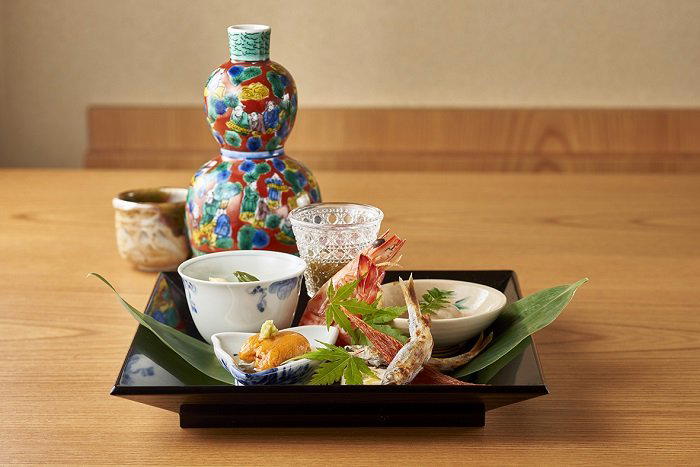
A 10-seat Kitashinchi counter specializing in fish-forward omakase, led by chef Kota Ono. Tabelog Bronze Award holder since 2021, with a quiet hideaway feel and the rare option to book the room for up to 20 guests. Budget ¥40,000–¥50,000 per person including sake and service; reserve 2–4 weeks ahead.
Zeshin
Osaka, Japan
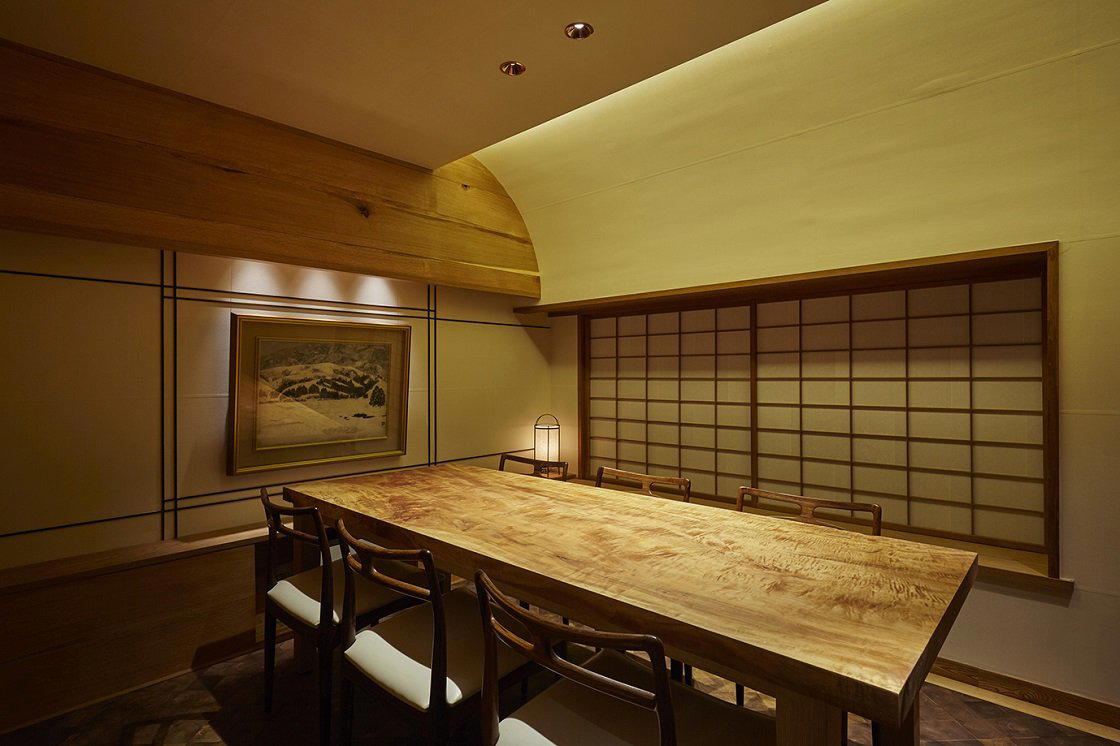
Zeshin holds a Michelin star and has won the Tabelog Bronze Award every year since 2018, making it one of Osaka's most consistently recognised seasonal Japanese restaurants at the ¥¥¥ tier. Dinner runs JPY 20,000–29,999 with a cash-only, reservation-required policy; lunch at JPY 10,000–14,999 is the sharper entry point. Book if you want serious sake alongside a fish-focused seasonal menu in a 25-seat counter room in Nishitenma.
Higashiyama Ogata
Kyoto, Japan
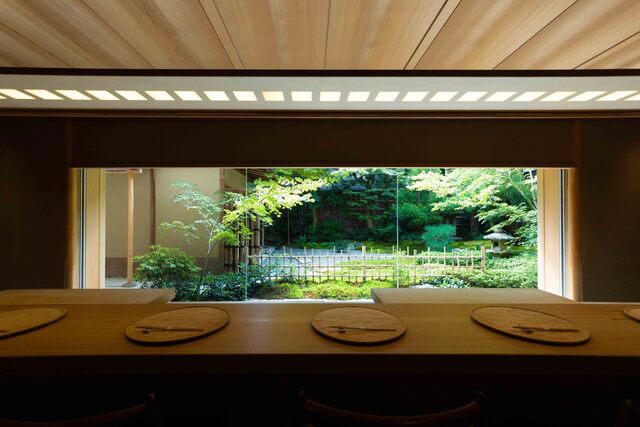
Higashiyama Ogata is a strong Kyoto choice for diners who want serious Japanese cuisine without moving into the highest peer price tier. At JPY 30,000 - JPY 39,999, it is a planned dinner rather than a casual stop, with Tabelog recognition adding confidence for travelers who value technical cooking and restraint.
Oryori Fujii
Toyama, Japan
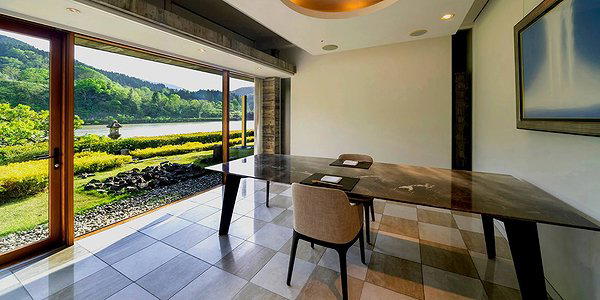
Chef Masataka Fujioka's kaiseki restaurant in Toyama's Higashi-Iwase waterfront district delivers Tabelog Silver Award-level cooking in a relaxed house setting. The counter and private tatami room serve omakase courses centered on Toyama Bay seafood, priced JPY 30,000–39,999 and accessible with moderate advance booking. A strong choice for travelers seeking special-occasion quality without top-tier formality.
Ryoriya Sobiki
Hiroshima, Japan
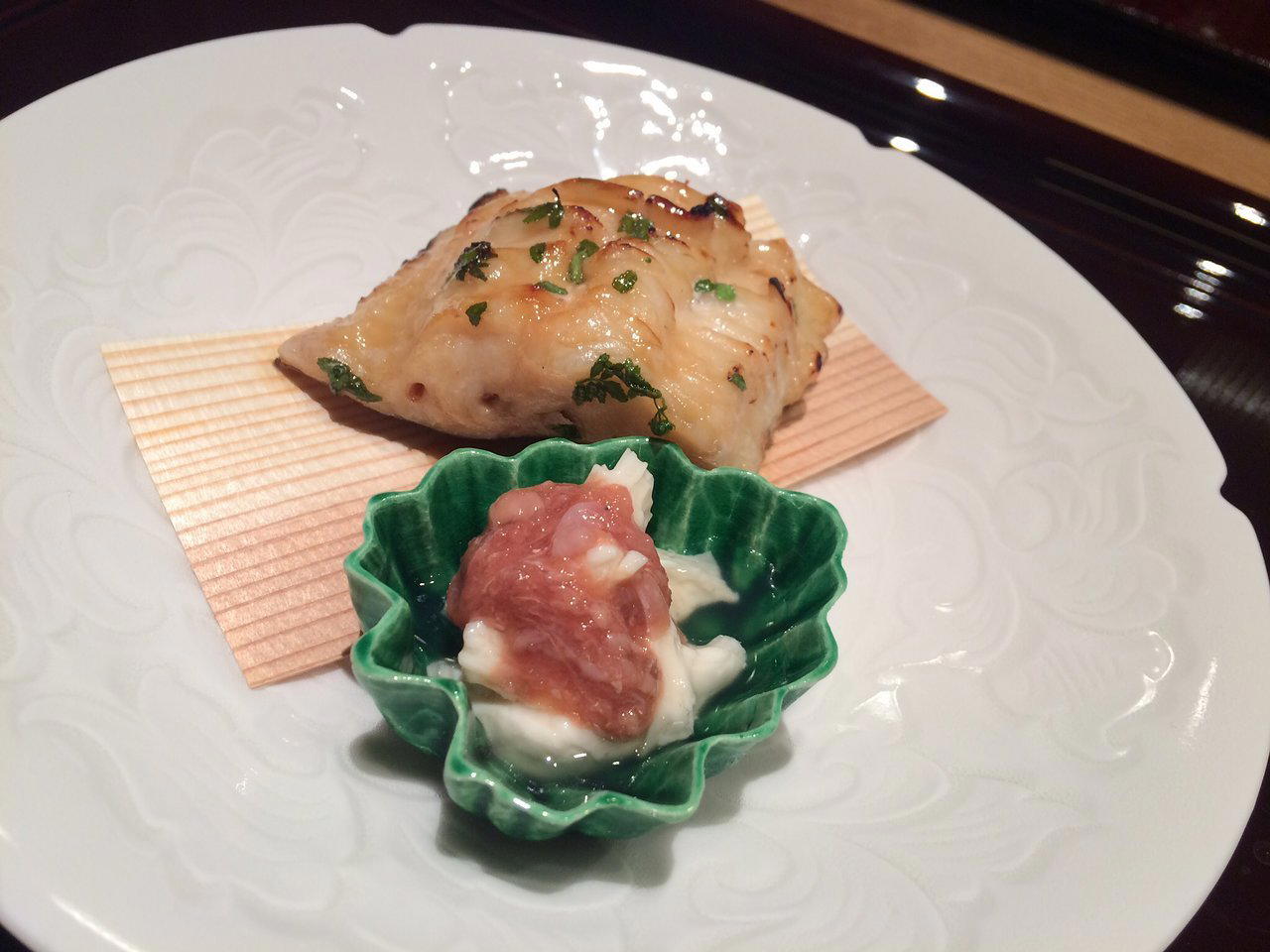
Sobiki in Higashihiroshima holds a Tabelog Bronze Award and serves fish-forward seasonal Japanese courses at a seven-seat counter or in private rooms. Book ahead; reservations close the day before; and expect JPY 20,000–29,999 per person with a 10% service charge. The counter format and strict cancellation policy reflect serious ingredient prep.
Ryoriya Inaya
Osaka, Japan
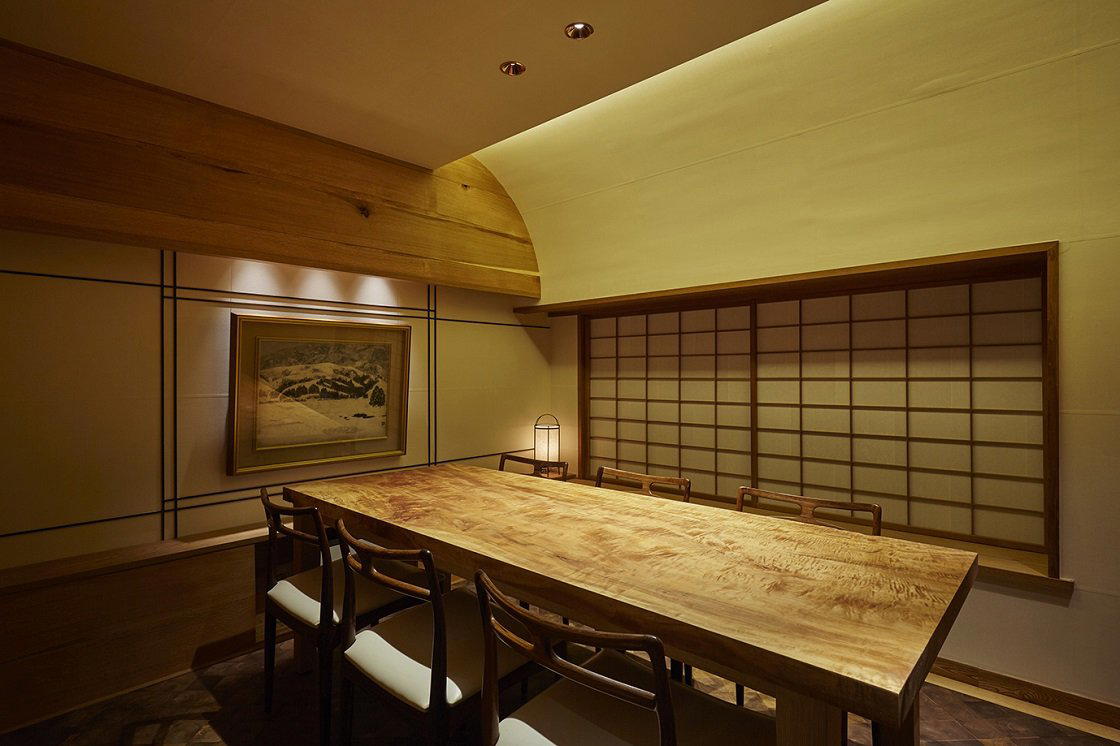
Ryoriya Inaya is one of Osaka's most credentialed Japanese cuisine counters: a Michelin star (2024), Tabelog 3.99, and two consecutive Tabelog Top 100 selections across eight counter seats in Kitashinchi. Dinner runs JPY 30,000–39,999 per head. Book four to six weeks out minimum; this is a hard reservation at any time of year.
Kikunoi Honten
Kyoto, Japan
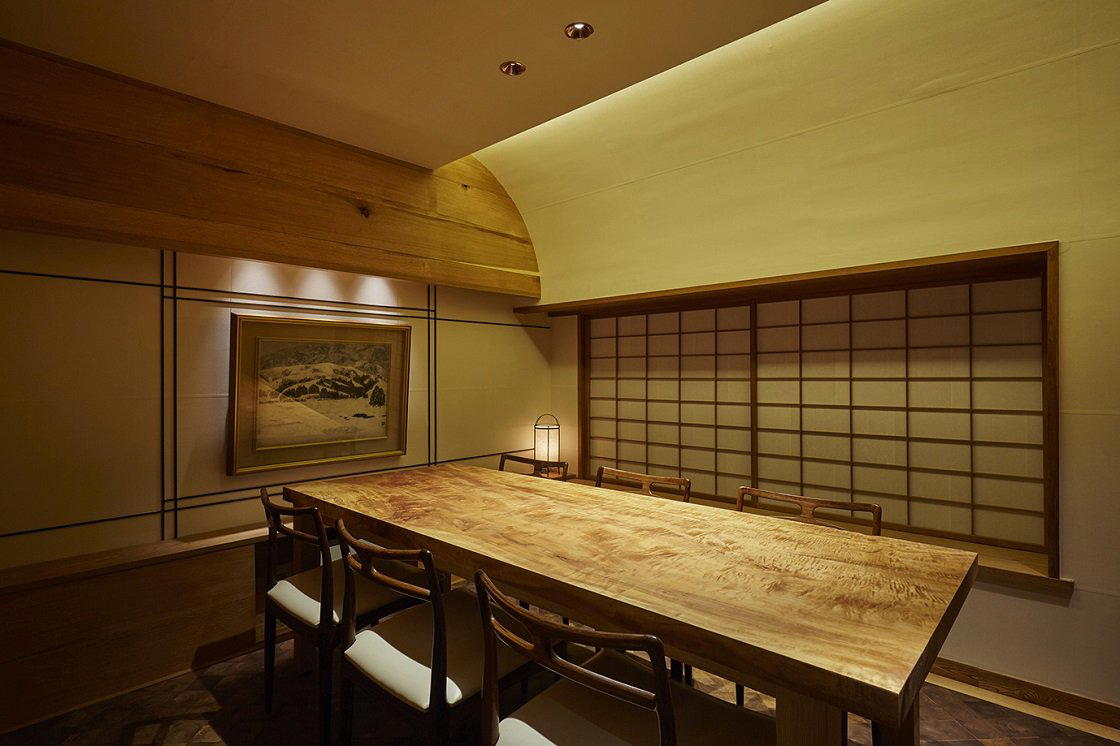
Kikunoi Honten is a restaurant in Kyoto's Higashiyama district.
Kataori
Kanazawa, Japan
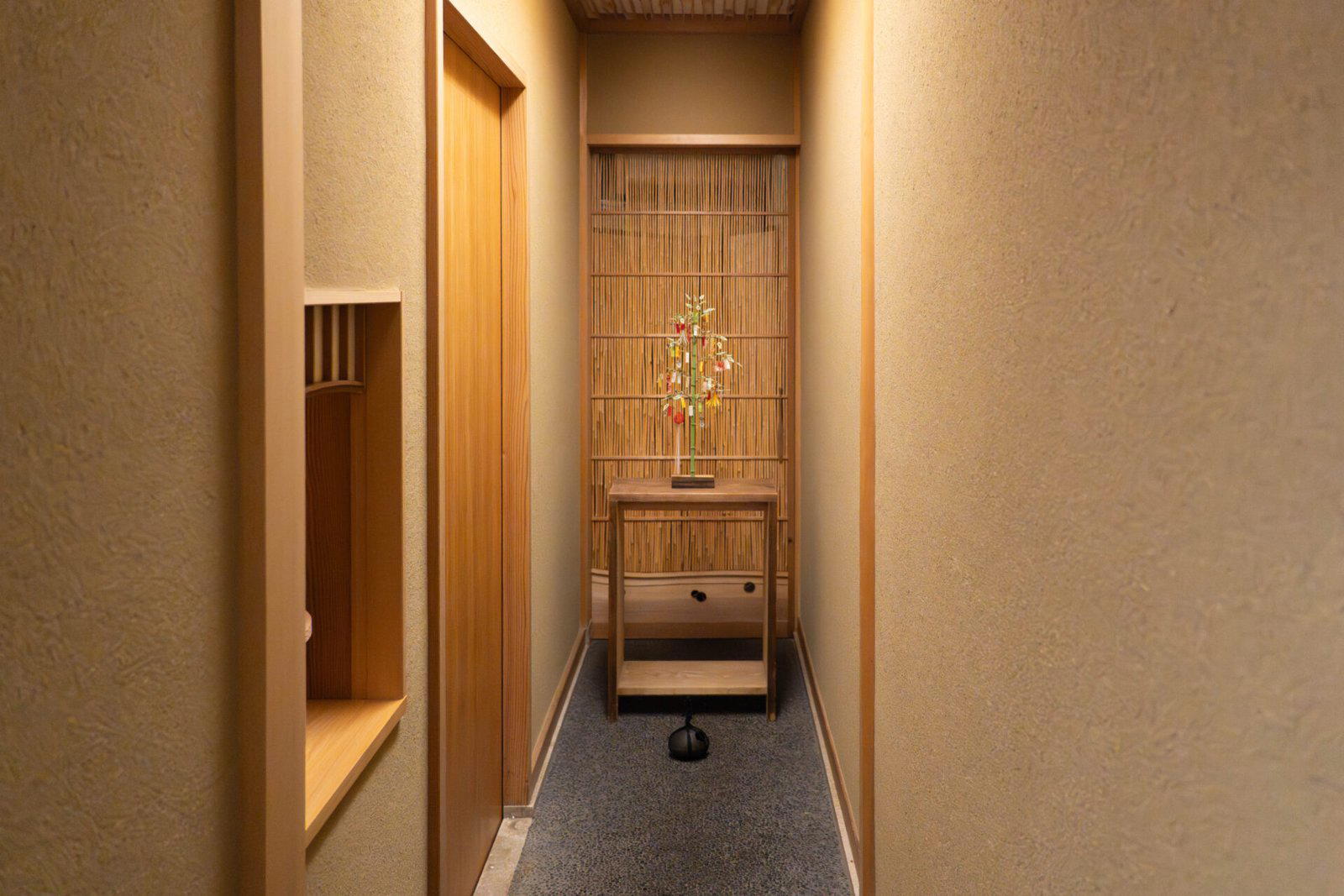
Kataori is a restaurant on Namikimachi in Kanazawa.
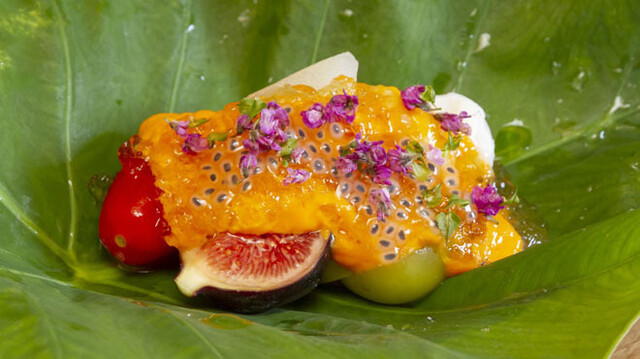
Ogitani
Amagasaki, Japan
Ogitani is the Amagasaki pick for a focused Japanese seafood dinner rather than a casual local meal. It makes the strongest case for two diners who value progression, precision, and a calmer room; price-sensitive groups should cross-shop cheaper nearby options instead.
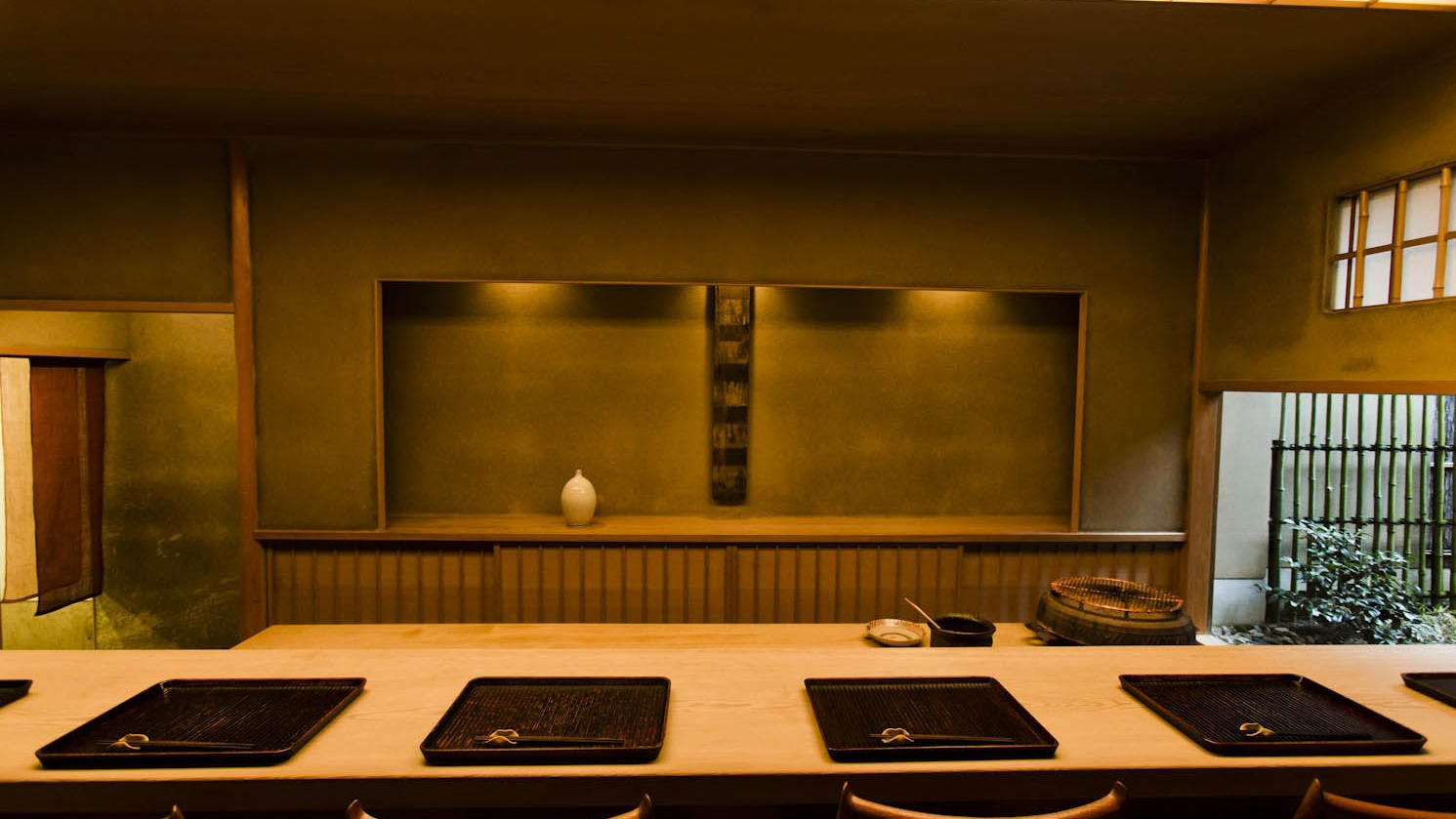
Ogata
Kyoto, Japan
Ogata is a restaurant in Kyoto's Shimogyo Ward.
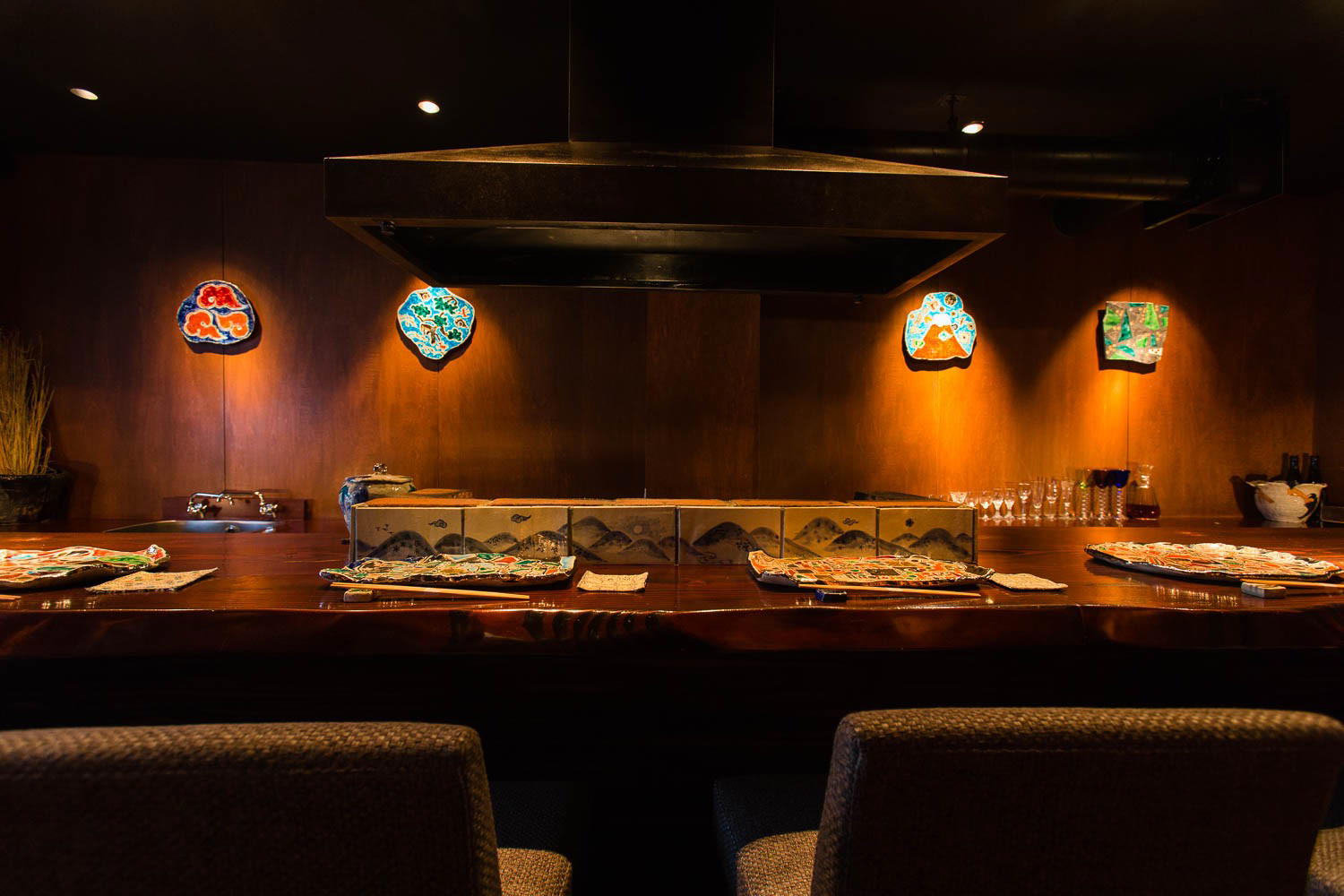
Noguchi Taro
Osaka, Japan
Noguchi Taro is a 10-seat, counter-only Japanese cuisine restaurant in Osaka's Kitashinchi district, with nine consecutive Tabelog Bronze wins (2017–2026) and a fish-focused menu priced at JPY 20,000–39,999 all-in. Dinner only, Monday through Saturday. The right choice for two people who want serious, attentive counter dining; less suited to groups or anyone who prefers a table-and-chairs setup.
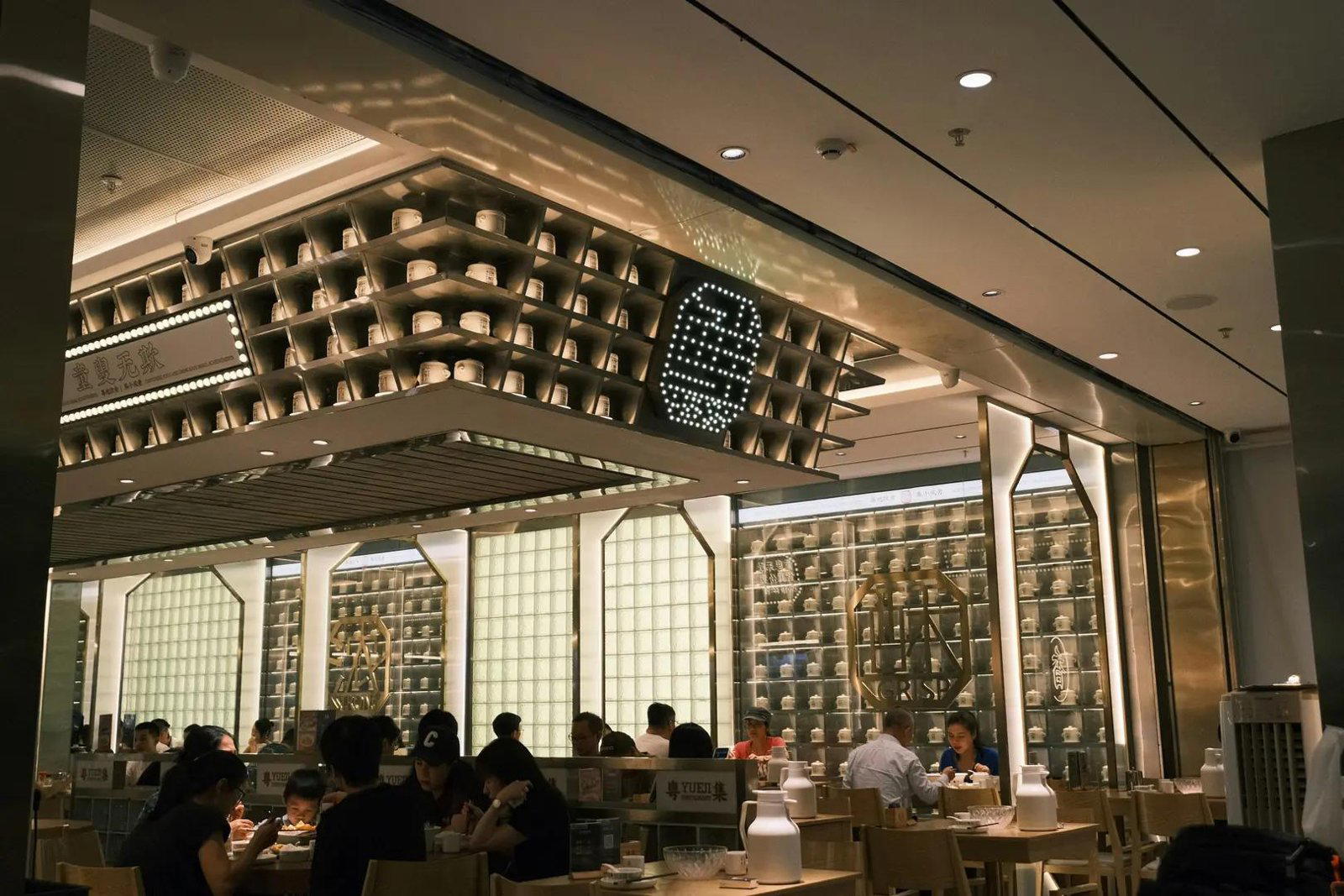
Suzue
Kyoto, Japan
Ranked in Opinionated About Dining's Top 100 restaurants in Japan for three consecutive years, Suzue is a chef-driven kaiseki counter in Kyoto's quieter Okazaki district. Open every evening, it offers more scheduling flexibility than most comparable counters. Best suited to returning kaiseki visitors or special occasions where a structured, high-quality progression matters more than theatrics.
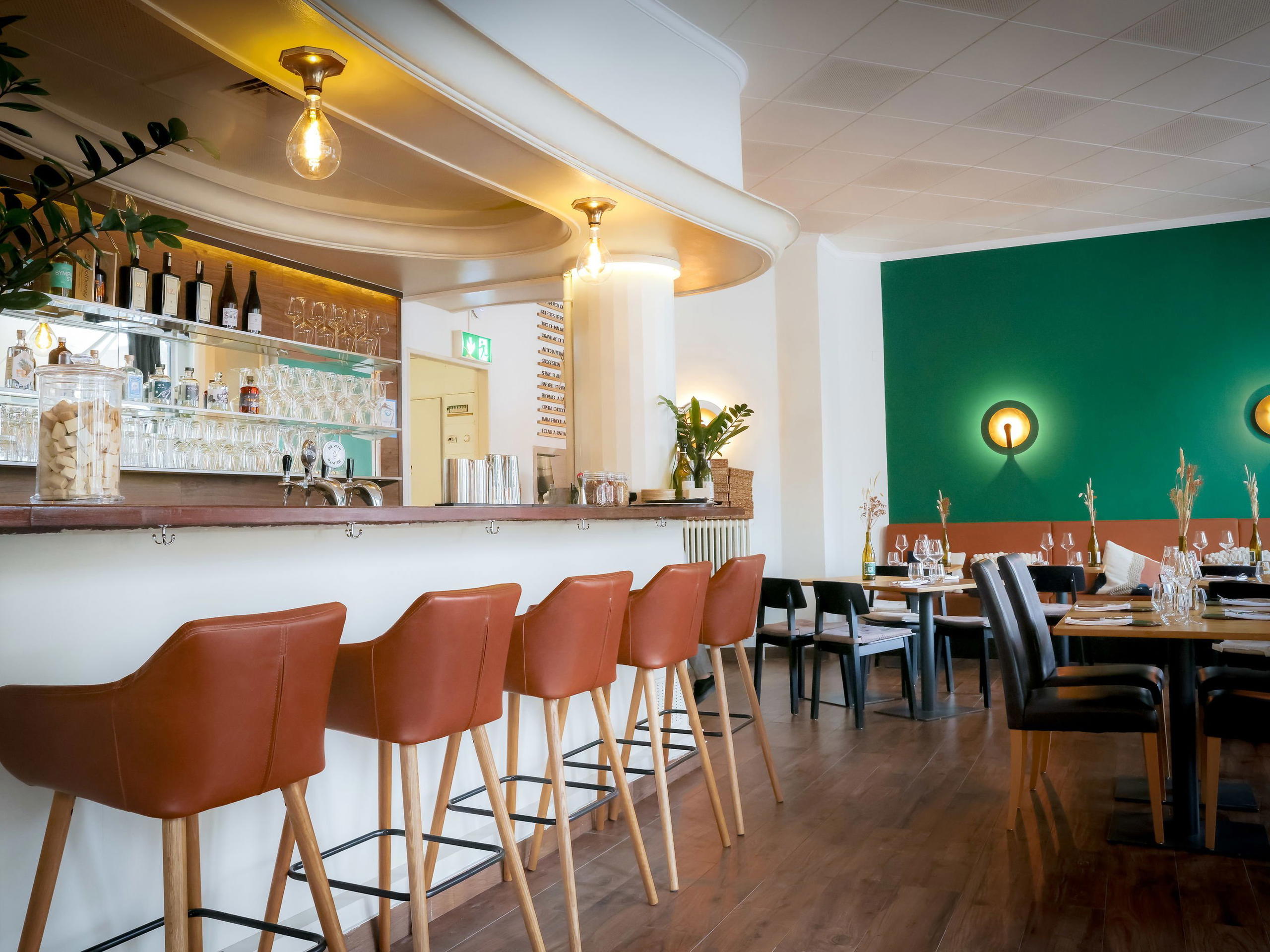
Gion Sasaki
Kyoto, Japan
Gion Sasaki is a restaurant in Kyoto's Higashiyama Ward.
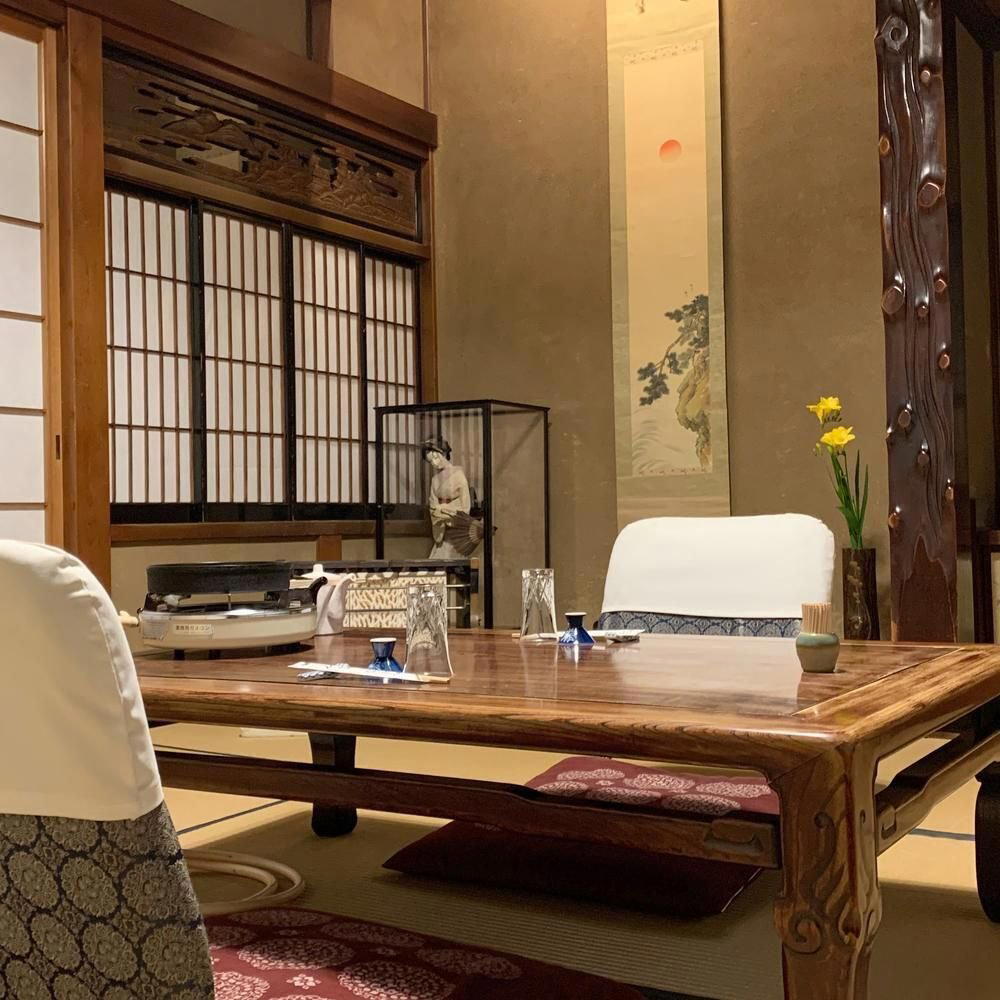
Ishibashi
Tokyo, Japan
A Michelin Plate sushi-and-unagi counter in Sotokanda with Tabelog Bronze recognition and OAD Top 400 ranking. Dinner runs ¥20,000–¥29,999; the signature unaju takes close to an hour to prepare from order. Evenings only, Monday through Friday, reservation-only. Easier to book than the city's top sushi counters, and priced a tier below them with comparable critical standing.
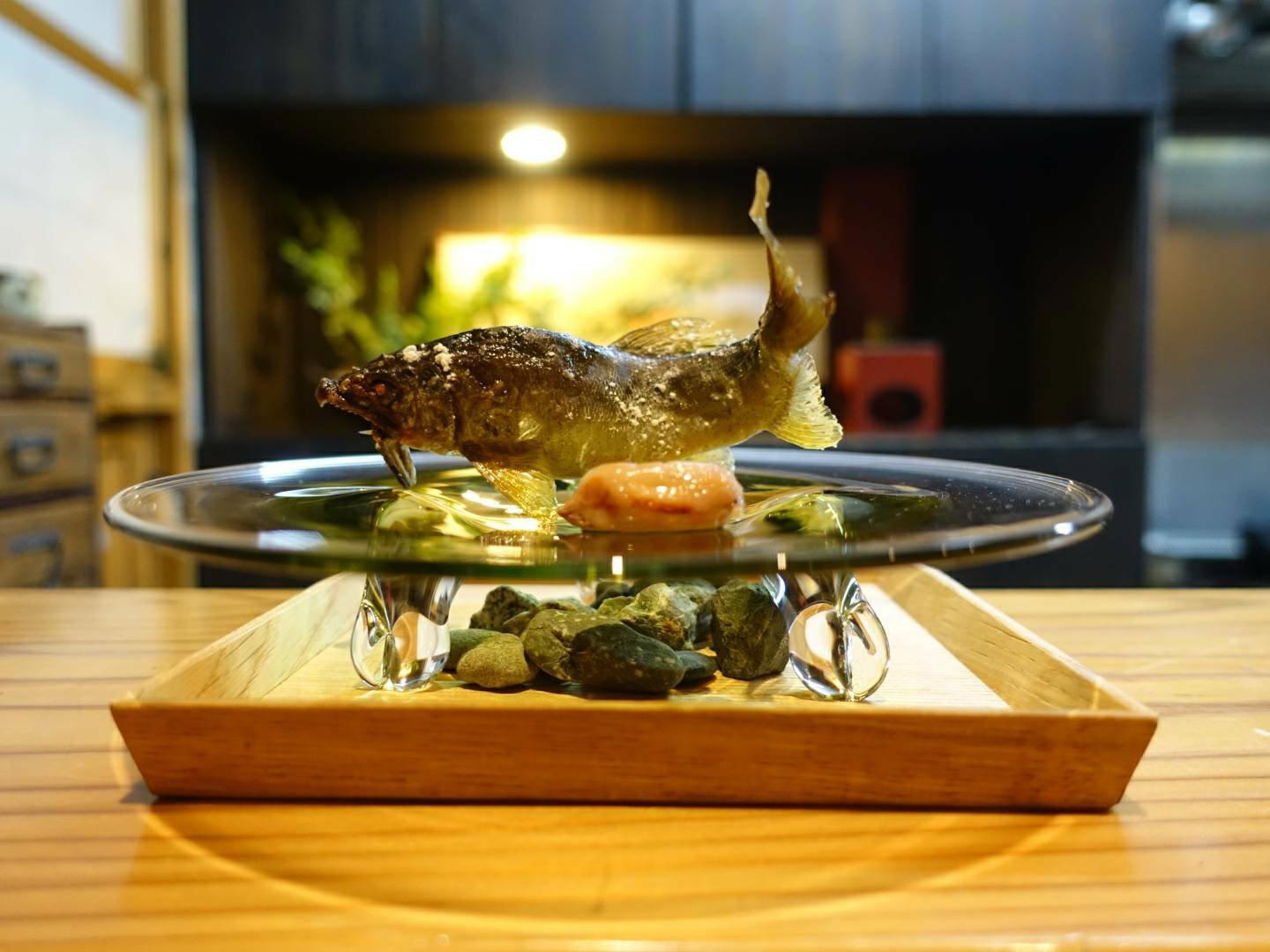
Shinoda
Imabari, Japan
A four-seat reservation-only Japanese counter in Imabari that earned The Tabelog Award Bronze in both 2025 and 2026, with courses priced at JPY 30,000–39,999 for lunch and dinner. The format is strict; cash only, 100% cancellation fee within seven days, and bookings through OMAKASE only; but the 4.17 Tabelog score and Tabelog 100 inclusion reflect consistent craft at Shikoku's quieter end.
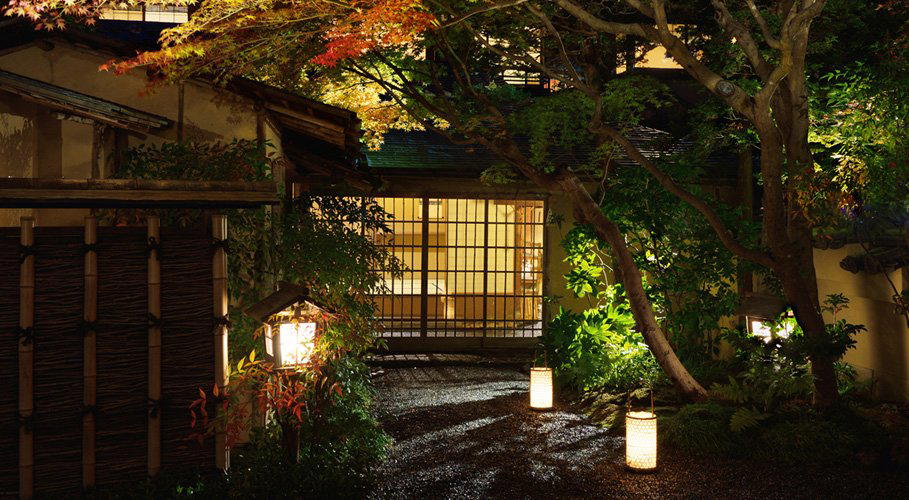
Kitcho Arashiyama - 京都 吉兆 嵐山本店
Kyoto, Japan
Kitcho Arashiyama is Kyoto's benchmark for formal kaiseki, with seven fully private tatami rooms, a Tabelog Bronze Award held every year since 2020, and a La Liste score of 98 points (2026). Budget JPY 60,000–79,999 per person plus a 20% service charge. Reservations are required; no bar, no walk-ins, and a dinner last-order of 19:00 means this is a plan-ahead booking, not a spontaneous one.
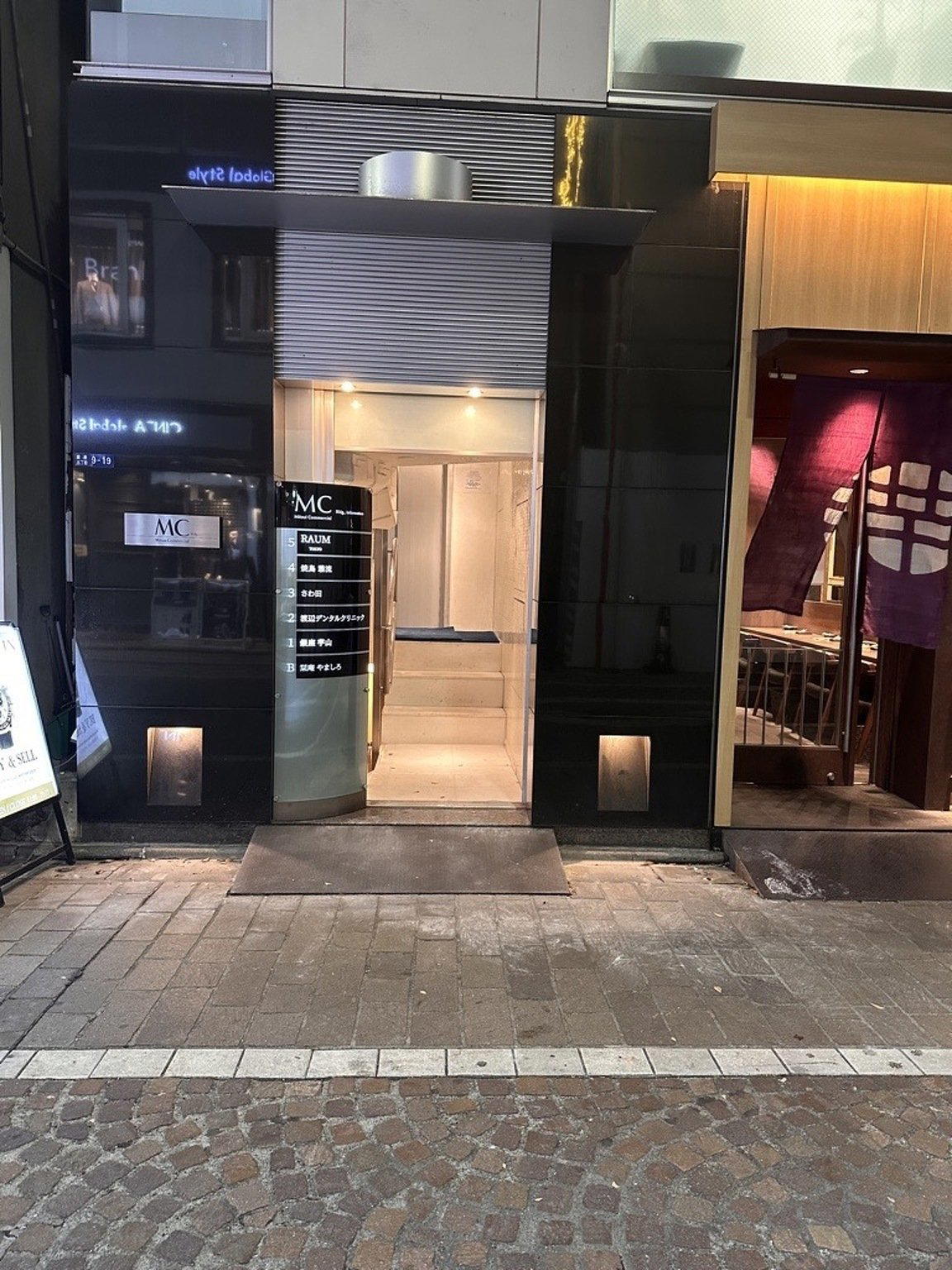
さわ田
Tokyo, Japan
さわ田 is the right Ginza choice when you want a composed, meal-first reservation rather than a drinks-led night out. Black Pearl 1 Diamond recognition in 2026 gives it a stronger signal than nearby casual cafés, while easy booking difficulty makes it a lower-stress Tokyo option for solo diners or pairs.
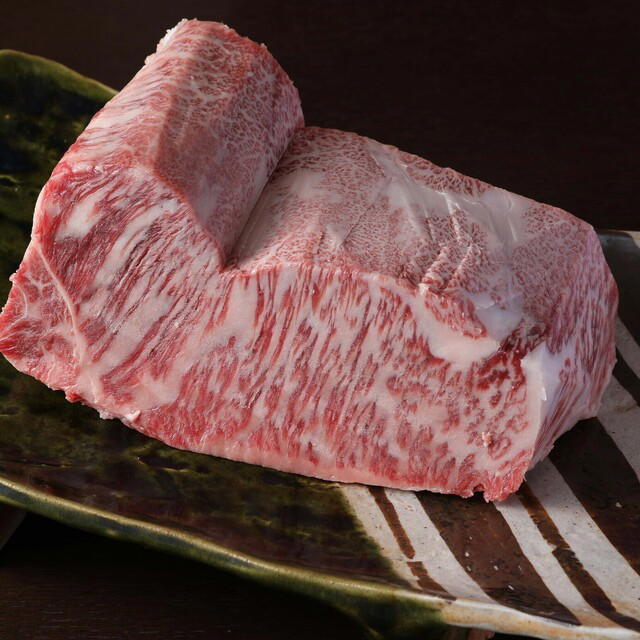
Niku Kappou Yamaguchi
Osaka, Japan
Niku Kappou Yamaguchi is a serious Osaka pick for diners who want ingredient-led Japanese cuisine and are comfortable with a JPY 40,000–49,999 dinner. The value case is strongest for kappou fans, special occasions, and travelers prioritizing sourcing over menu breadth. Recognition from Tabelog adds credibility, but this is a deliberate splurge rather than a casual Osaka meal.
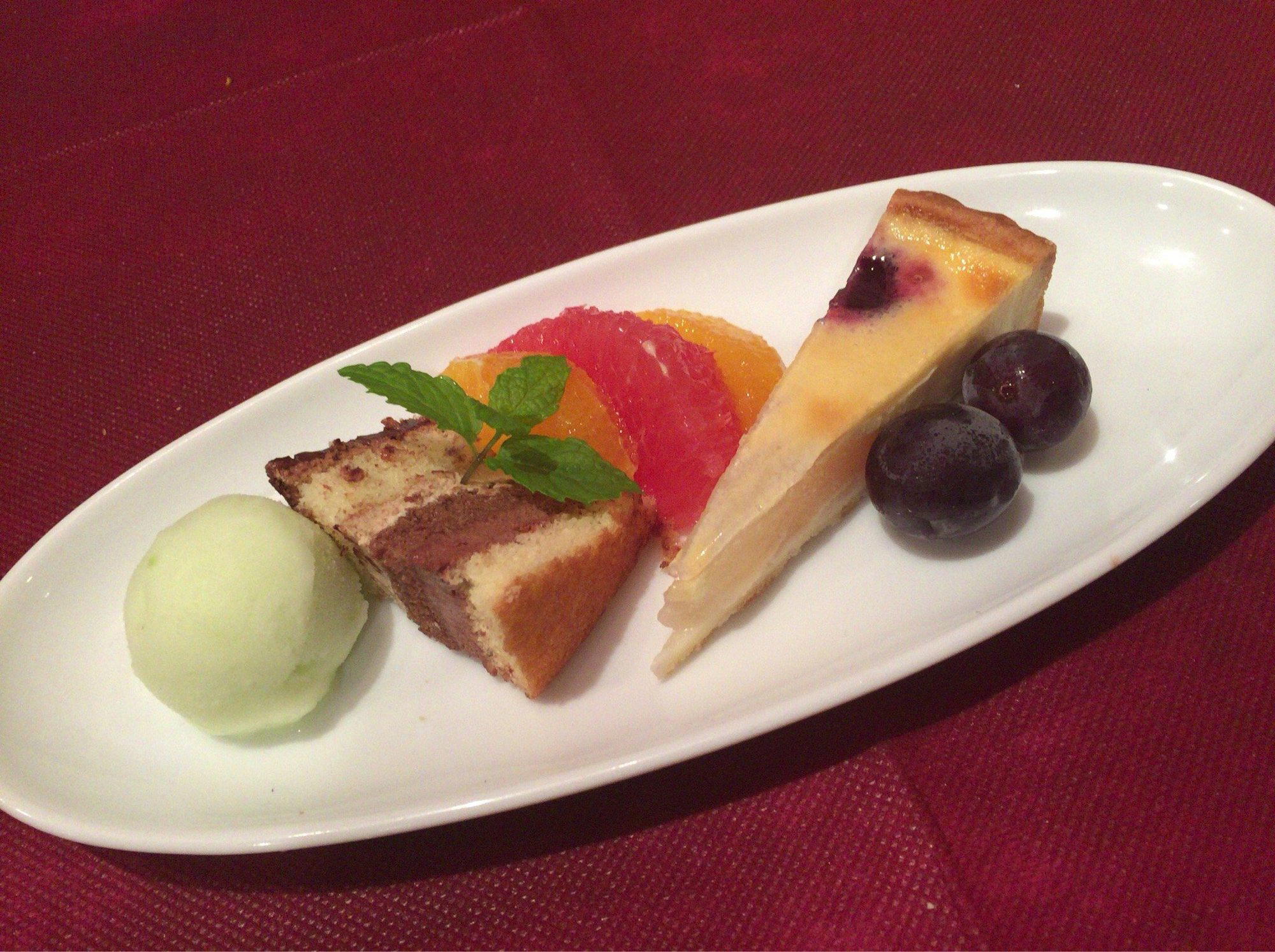
ç¾å ç»å®
Kanoashi District, Japan
A cautious yes for diners already planning around Nichihara or Tsuwano, especially for a quiet small-group meal. The case is weaker if you need a clearly defined cuisine, price band, or award-backed destination; compare it with Tagosaku or Okoja first if budget certainty matters.
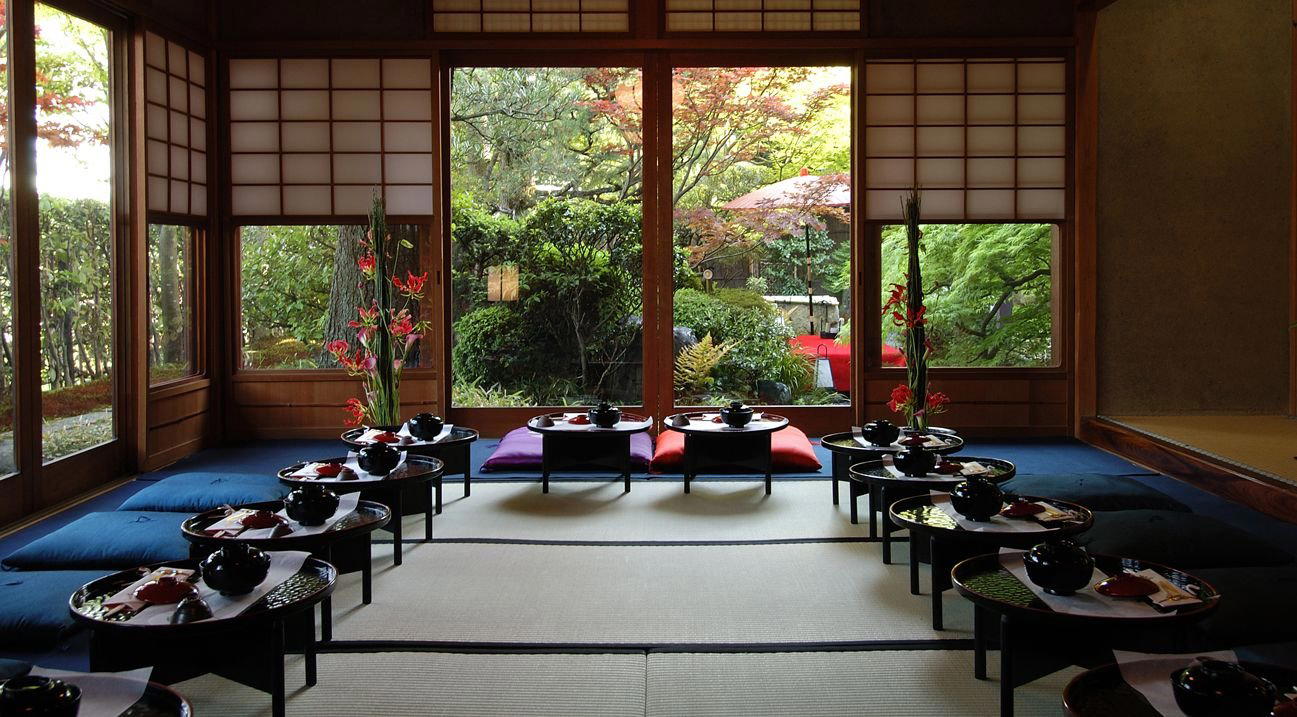
Hassun
Kyoto, Japan
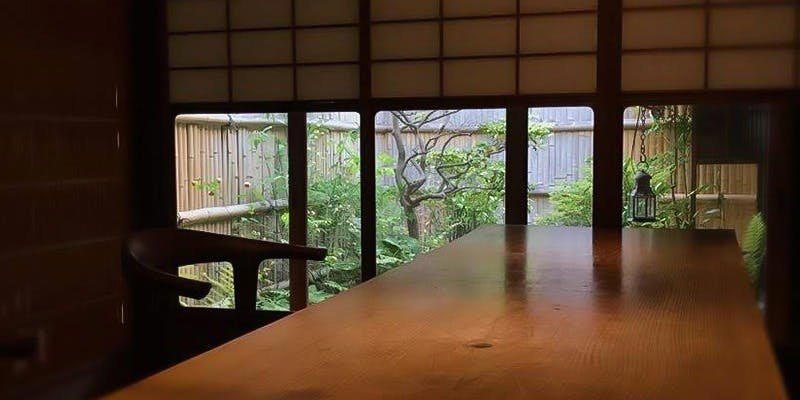
A second-generation kappo in Higashiyama serving traditional Kyoto kaiseki with suppon (soft-shell turtle) at ¥20,000–¥29,999 for dinner. Tabelog Bronze Award holder (2019–2026) with a Showa-era counter atmosphere, inherited recipes, and easier booking than higher-tier kaiseki rooms. Lunch (¥10,000–¥14,999) is the entry point; dinner offers deeper seasonal progression.
Oryori Mitsuyasu
Kyoto, Japan
Mitsuyasu holds a Michelin star and ten consecutive Tabelog Bronze Awards, operating as a one-party-per-night Japanese restaurant in Kyoto's Kamigyo Ward. Dinner runs JPY 30,000–39,999 per person, payment is cash only, and reservations require a call two to three months ahead. Book if you want a Michelin-credentialed, ingredient-led meal where the entire evening belongs to your group.
Honkogetsu
Osaka, Japan
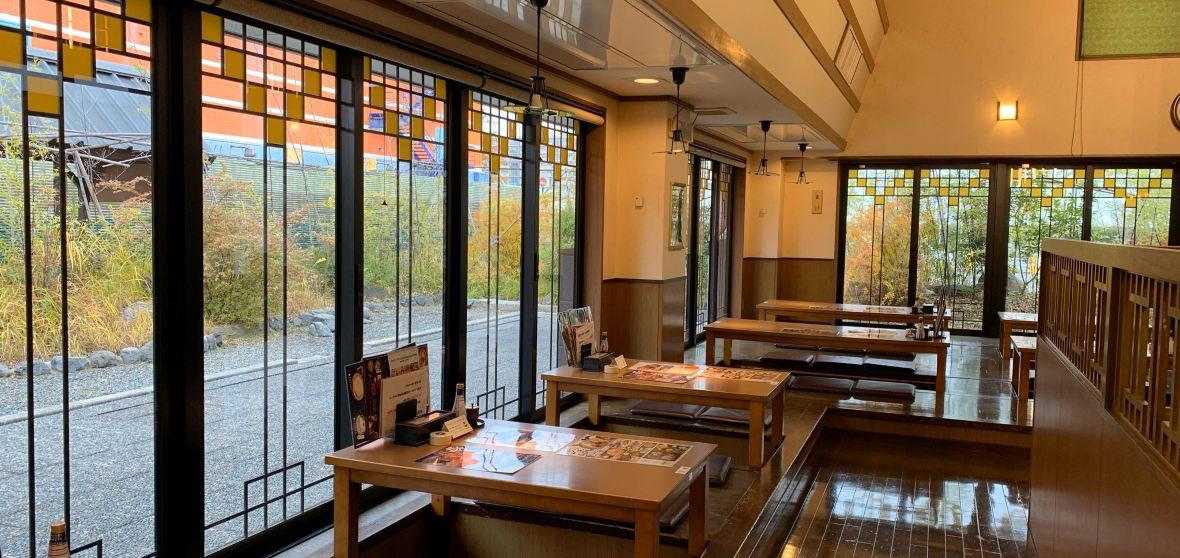
Honkogetsu is a restaurant in Osaka.
Iida
Kyoto, Japan
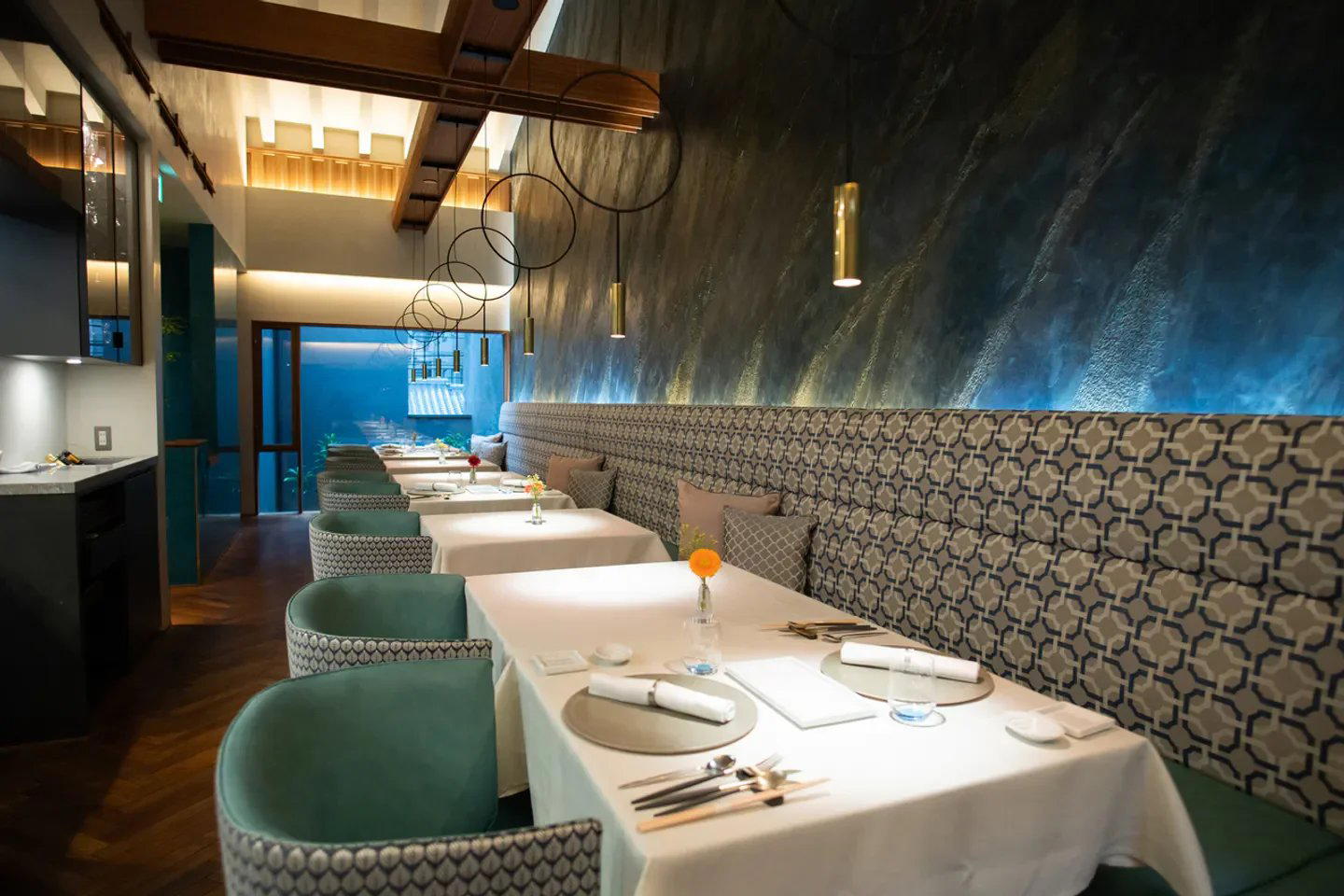
A ten-seat kaiseki counter in Nakagyo Ward with Tabelog Gold recognition every year from 2018 to 2026 and a 4.60 score. Dinner only, 6–8 pm, seven days a week. At JPY 50,000–59,999 per head, cash only, reservation required. One of Kyoto's most consistently awarded kaiseki rooms for the price tier.
Noguchi
Kyoto, Japan
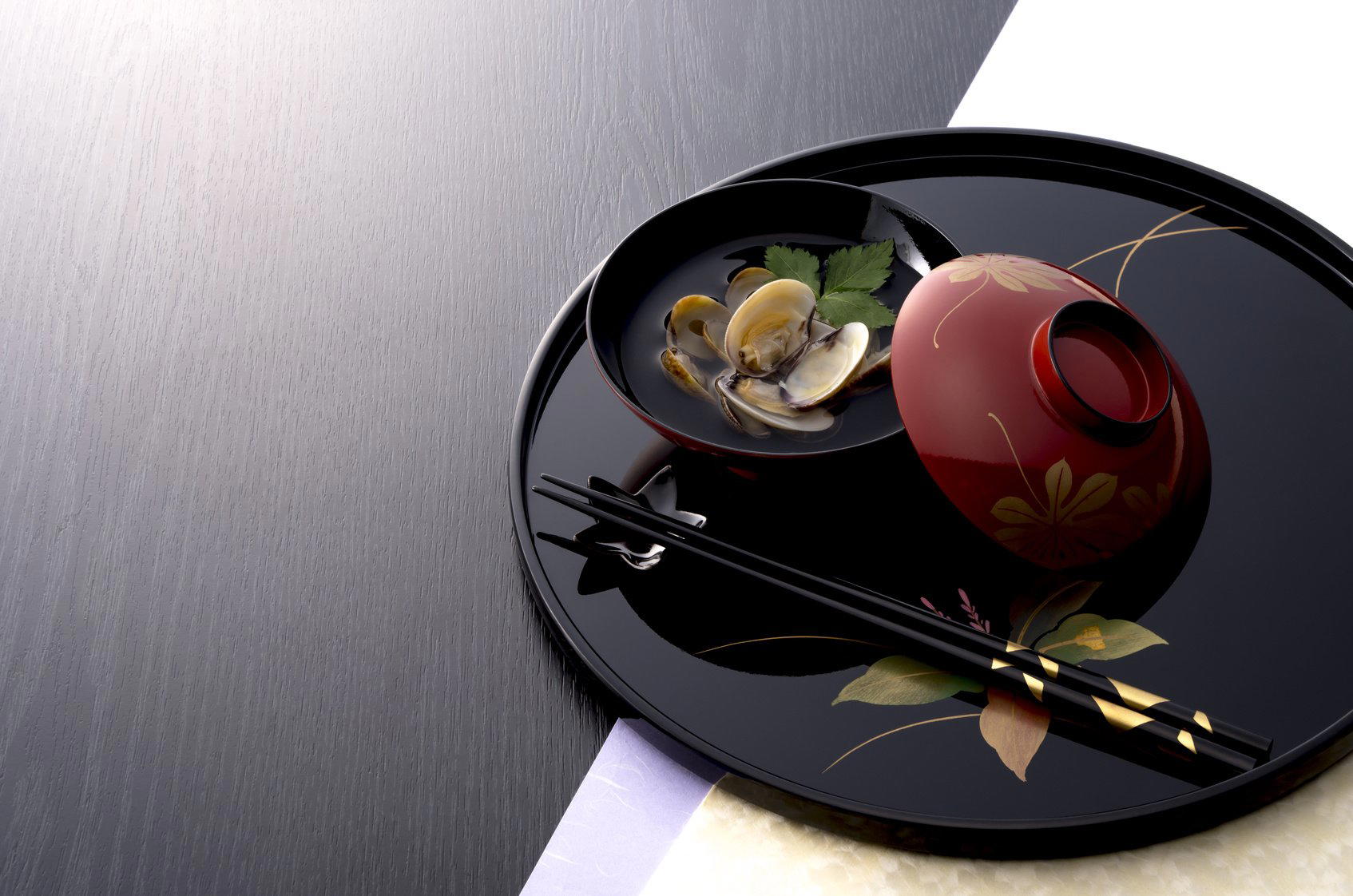
Chef Daisuke Noguchi's eight-seat counter delivers tightly executed kaiseki in a quiet Kamigyo Ward setting. Tabelog Gold winner in 2020 and a consistent Silver honoree, the restaurant operates reservation-only with a referral preference. Expect ¥20,000–¥59,999 at dinner, intimate chef interaction, and a format that rewards pairs over groups.
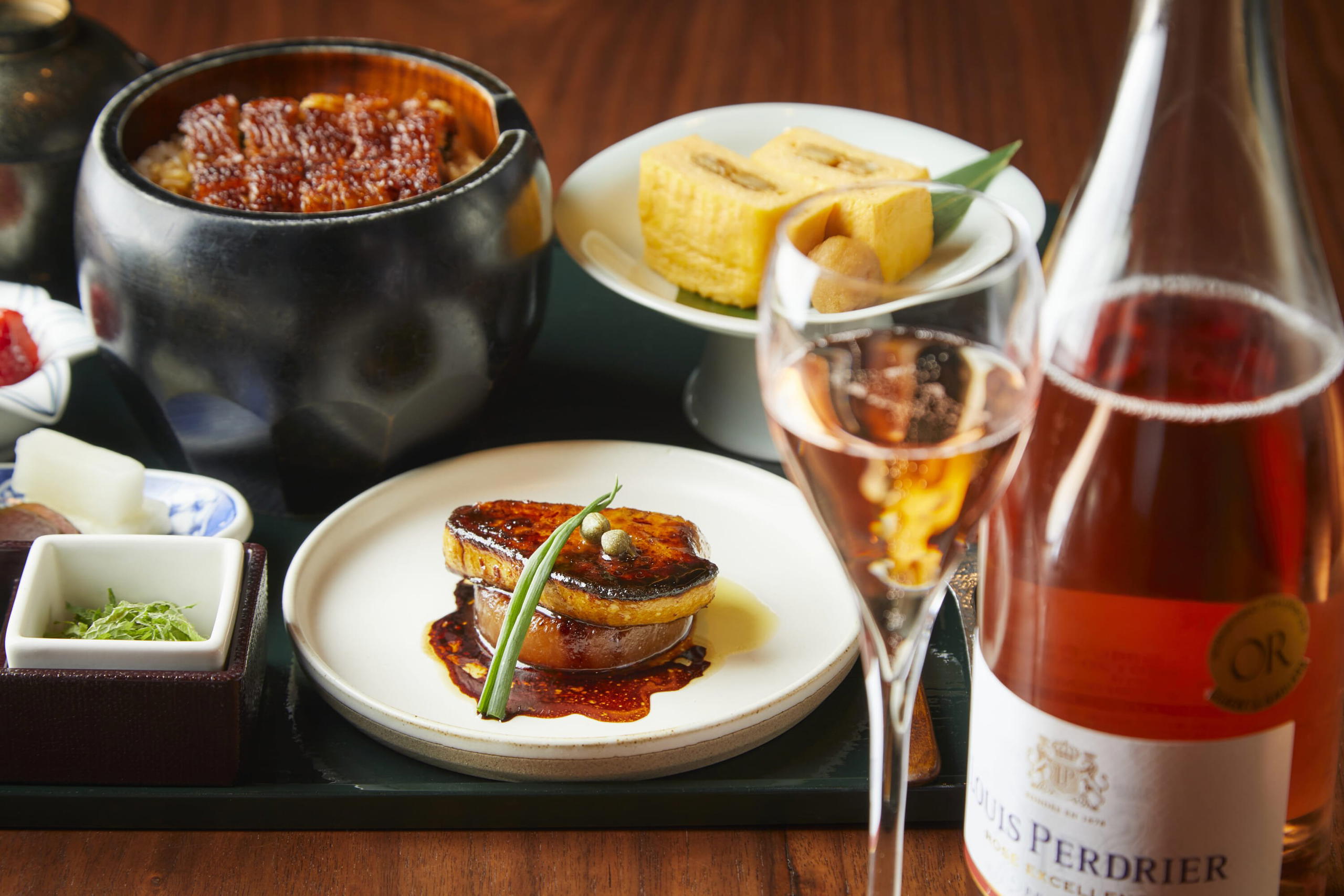
Ankyu
Kyoto, Japan
Ankyu is a reliable choice for a serious kaiseki dinner in Kyoto's Higashiyama Ward. Chef Hiromi Ueda's kitchen ranked #171 on the 2025 OAD Japan list; up two years running; and holds a Tabelog Bronze Award. Evening-only sittings, easy booking by Kyoto standards, and an atmosphere suited to special occasions make it one of the more accessible high-quality kaiseki options in the city.
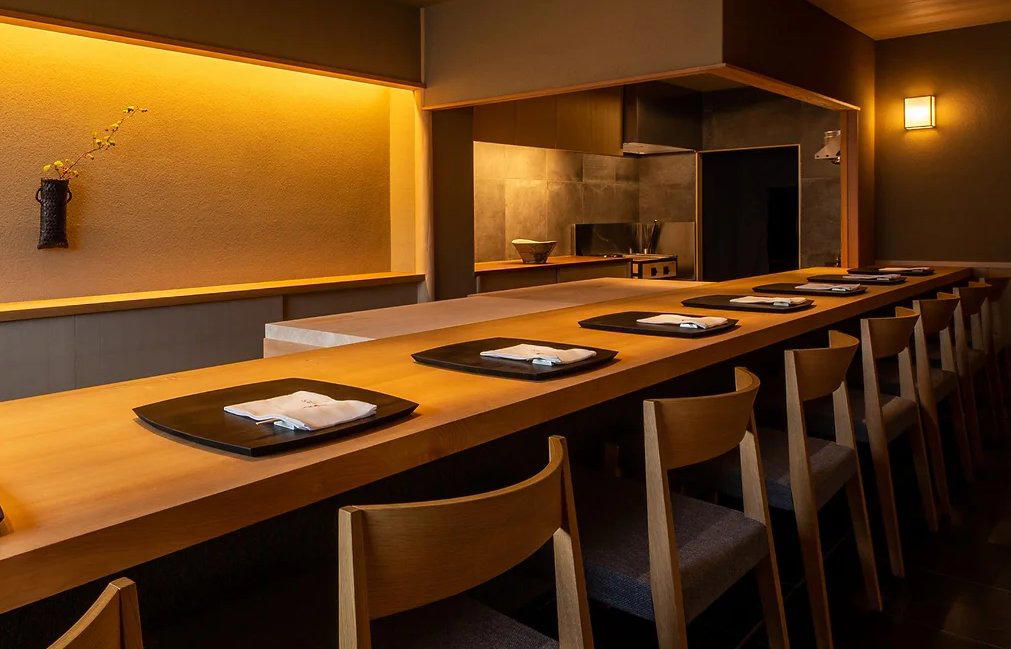
Higashiyama Tsukasa
Kyoto, Japan
Chef Tsukasa Miyashita's nine-seat counter defies kaiseki orthodoxy with Vietnamese-inspired rice paper rolls, XO sauce finishes, and curry rice closers. Three consecutive Tabelog Bronze awards and a 2025 Tabelog 100 ranking reward the rule-breaking. At ¥30,000-39,999, it undercuts Gion's ¥¥¥¥ traditionalists while offering more improvisation than similarly priced kappo peers. Book for curiosity-driven dining, not predictable kaiseki refinement.
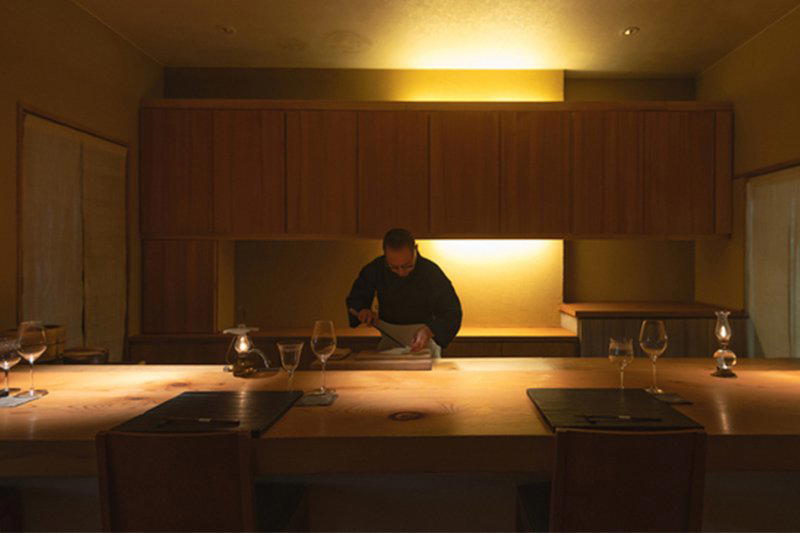
Zenryomaru
Nobeoka, Japan
Zenryomaru holds a three-year Tabelog Bronze streak for fish-focused Japanese cuisine in a converted Nobeoka house. Book for counter or tatami seating at JPY 10,000–JPY 14,999, with sake and wine pairings that underscore Miyazaki's coastal larder. Reservations required; cash payments discounted.
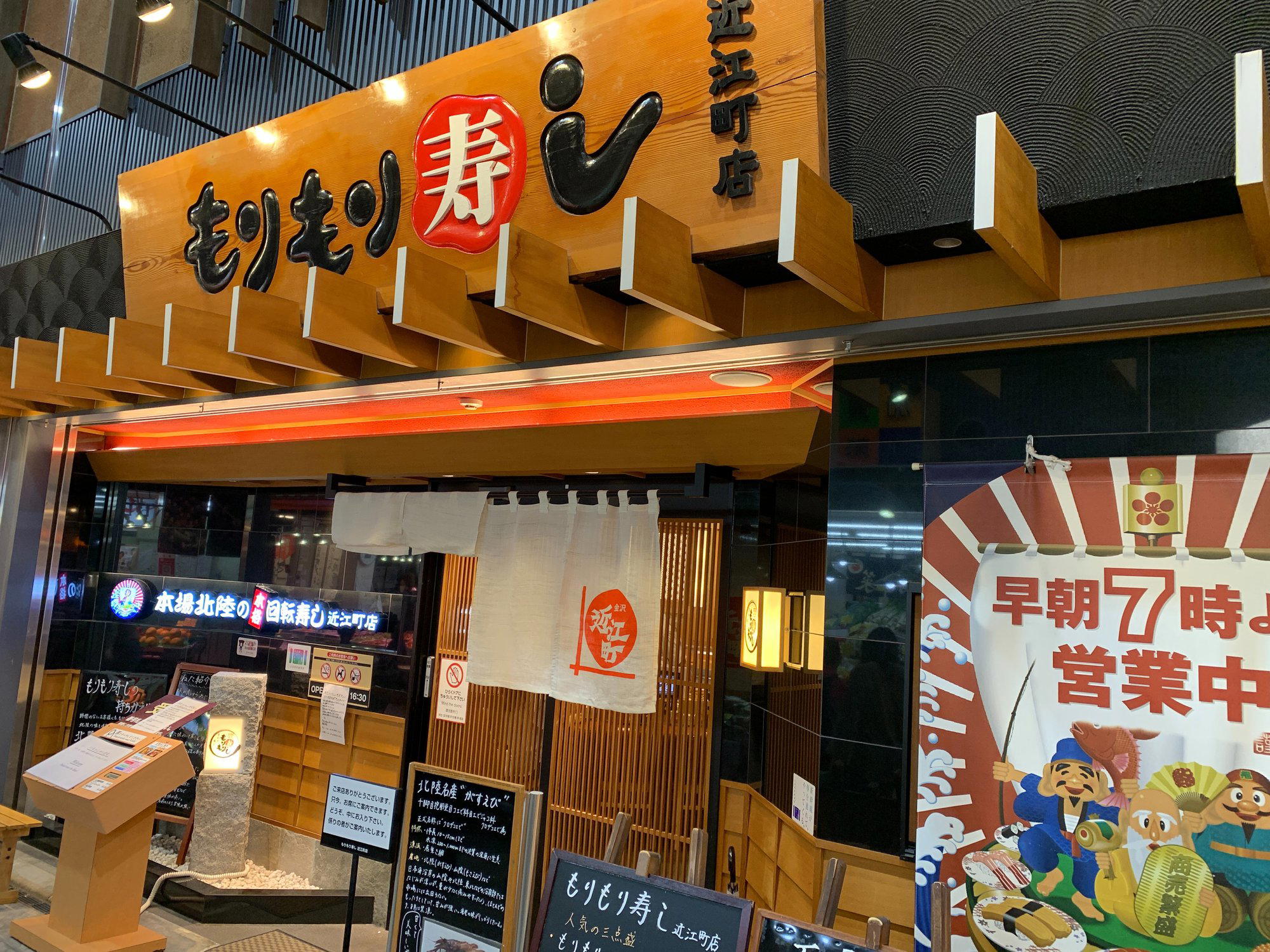
蕎味 櫂
Kanazawa, Japan
A focused Higashiyama pick for diners who value local recognition and do not need every planning detail spelled out in advance. Book it if the day is already centered on this part of Kanazawa; choose Issho or Kureha instead if a listed JPY 1,000 - JPY 1,999 range matters more.
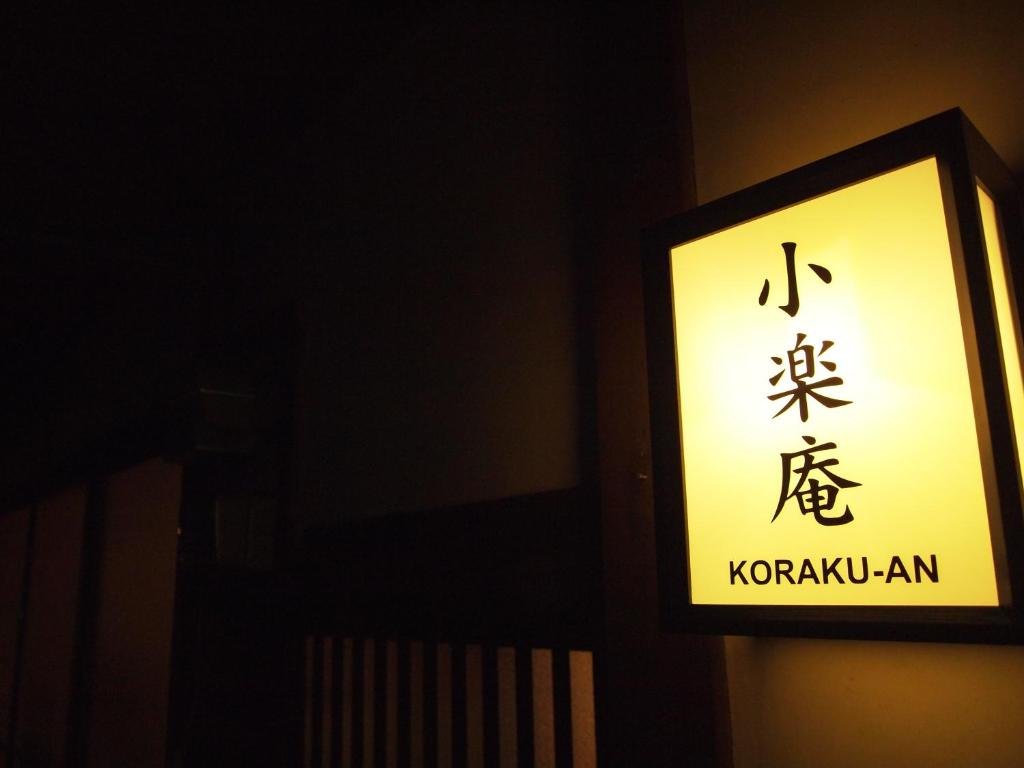
Korakuan
Otsu, Japan
Korakuan in Otsu holds a Tabelog Bronze Award for nine consecutive years (2018–2026) and sits on the Tabelog Japanese Cuisine WEST Top 100 in 2021, 2023, and 2025; serious credentials for a 27-seat restaurant outside central Kyoto. Dinner runs JPY 15,000–29,999 per person (cash only). Book by phone; no solo reservations accepted.
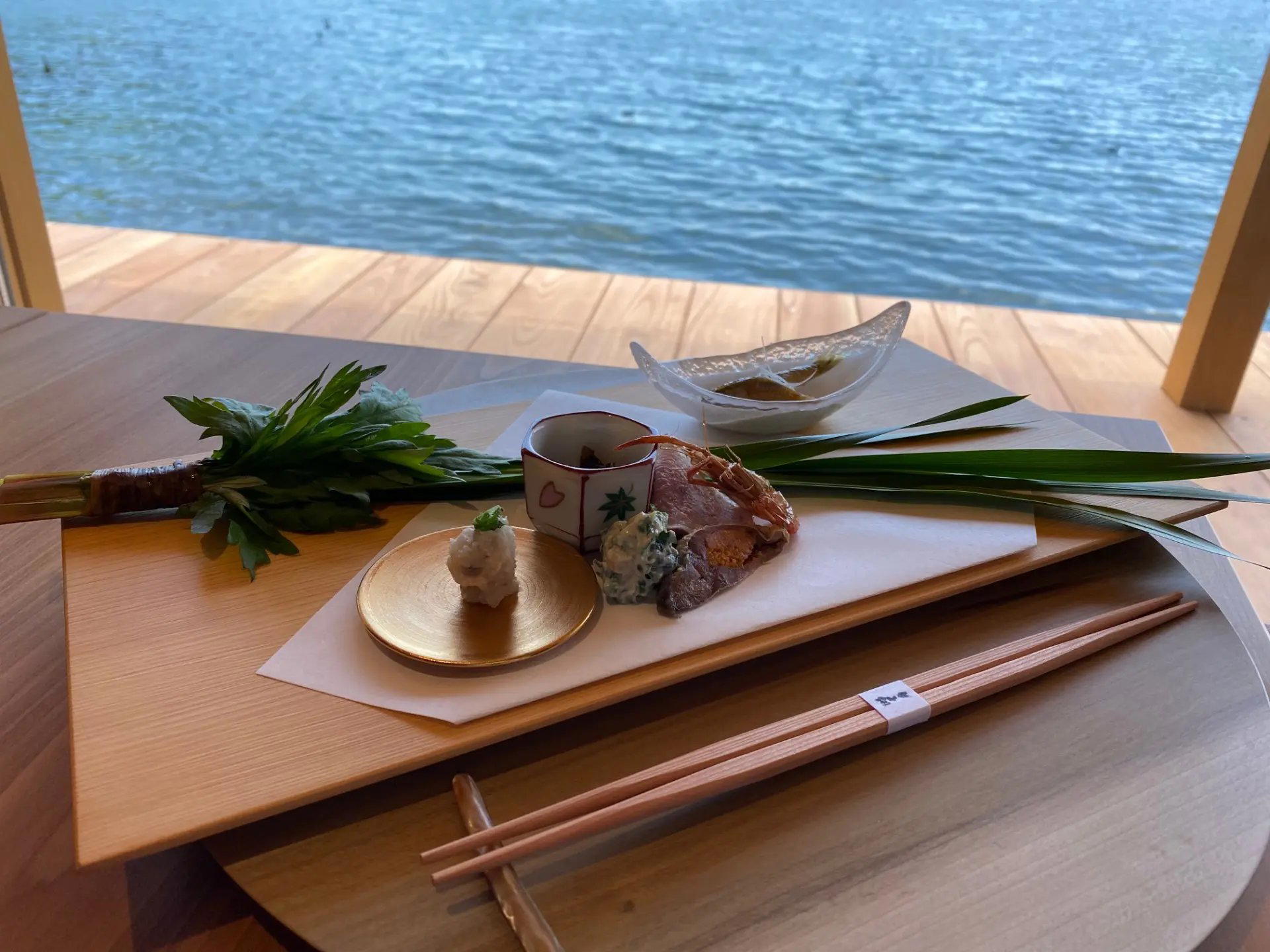
Korian
Takashima, Japan
Korian is a reservation-only funazushi kaiseki restaurant on the shore of Lake Biwa in Takashima, Shiga, holding Tabelog Silver for 2024 and 2025 with a 4.36 score. At JPY 15,000–29,999 per head across just 8 seats, it is the most decorated dining option in the area and worth the advance planning for anyone making a Shiga detour.
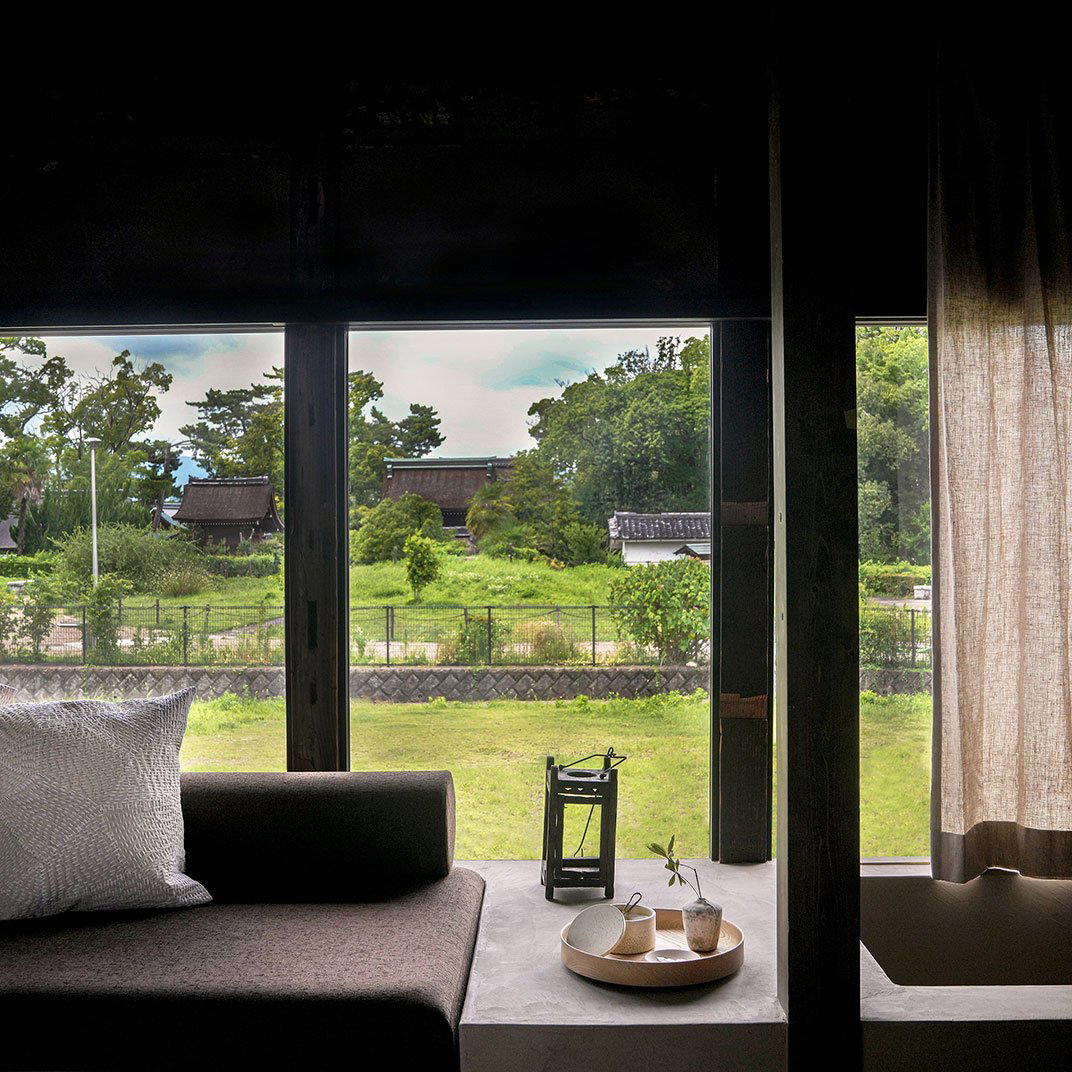
Higashiyama Yoshihisa
Kyoto, Japan
Higashiyama Yoshihisa is a Michelin-starred, 14-seat counter in Kyoto's Higashiyama ward, with a monthly-changing seasonal menu, a Tabelog score of 4.37, and Silver recognition in 2025. Dinner runs JPY 34,000 (JPY 47,000 in December); lunch is JPY 10,000–14,999 and cash-only. Private room for four and full buyouts up to 20 are available. Book by phone weeks in advance.
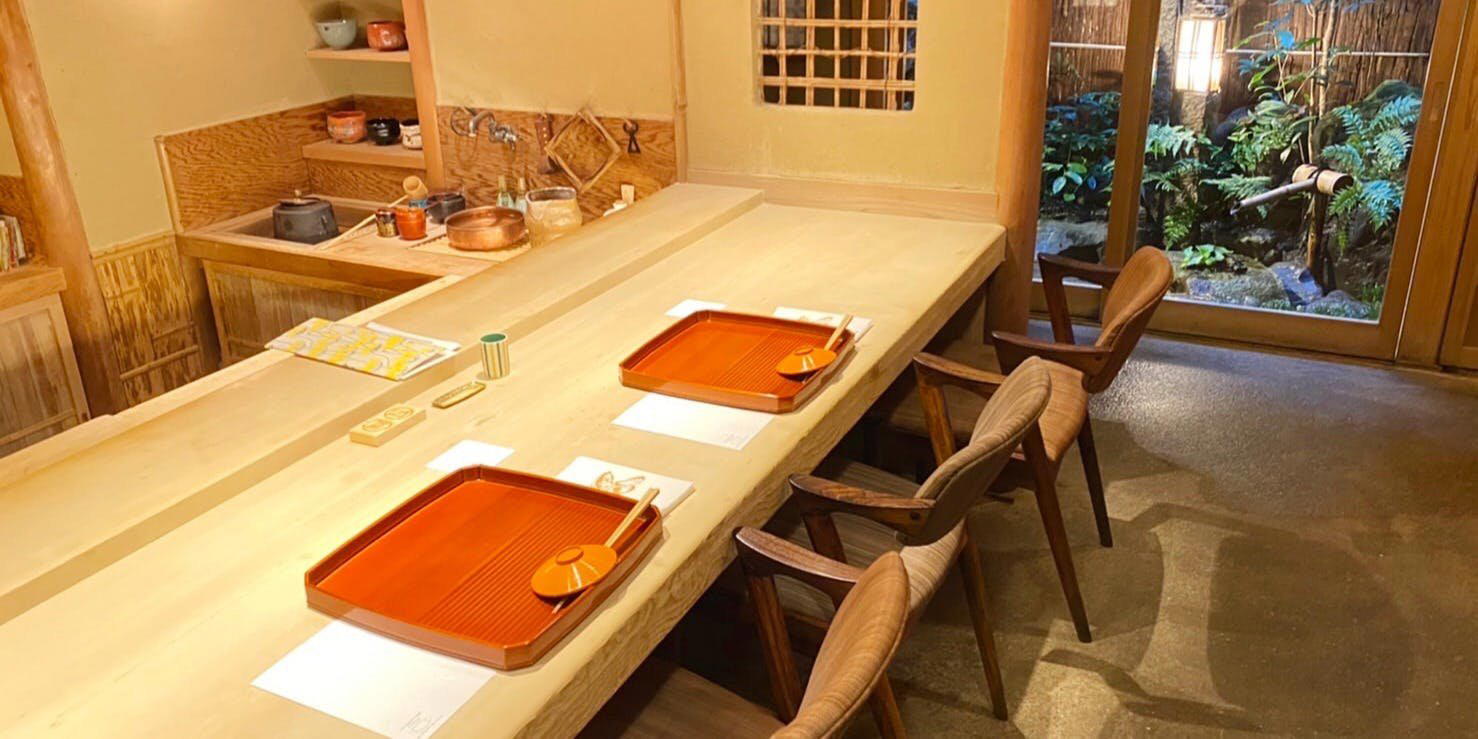
Gion Nishikawa
Kyoto, Japan
Gion Nishikawa is a restaurant in Kyoto's Higashiyama Ward.
Kodaiji Wakuden
Kyoto, Japan
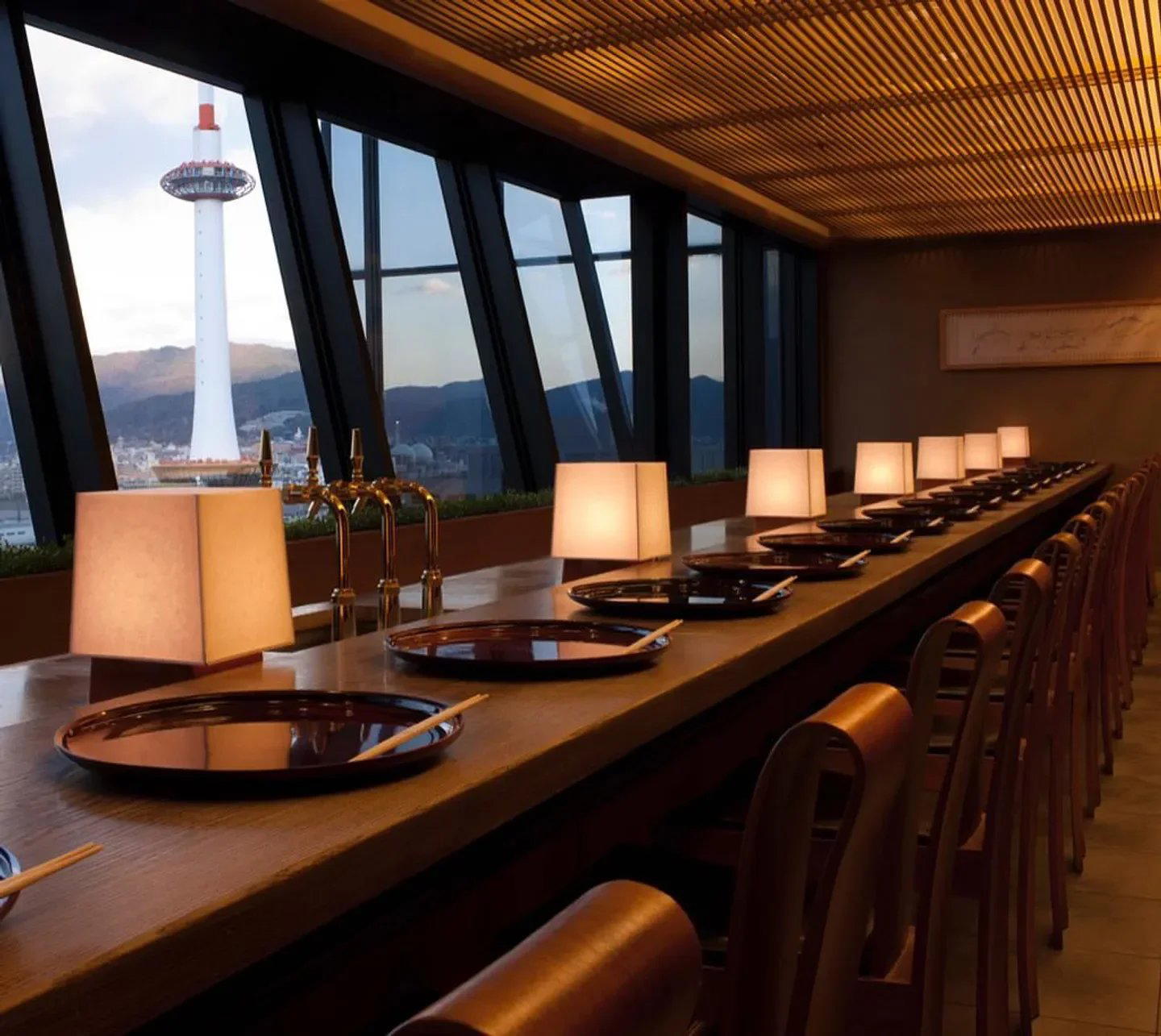
Michelin two-star ryotei in Higashiyama offering formal kaiseki in private tatami rooms. Dinner ¥50,000–¥59,999, lunch ¥30,000–¥39,999, plus 15% service. Reservation-only, phone-only booking with availability. Tabelog Bronze 2026 (score 4.12). Best for special occasions and travelers who can book three weeks ahead; easier alternatives at similar quality include Jiki Miyazawa (¥¥¥) and Gion Nishikawa (¥¥¥¥).
Beppu Hirokado
Oita, Japan
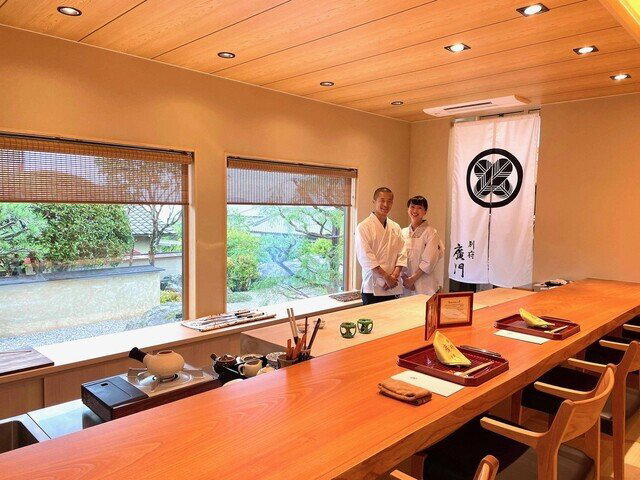
Beppu Hirokado is Oita's strongest case for serious Japanese cuisine outside of Kyoto or Tokyo. An eight-seat counter with consecutive Tabelog Silver Awards (2025, 2026) and a score of 4.43, it runs JPY 30,000 to JPY 39,999 per person and books online only up to three months ahead. The takeout Wagyu rice bowl is a practical alternative when reservations are unavailable.
Hinode
Mie, Japan
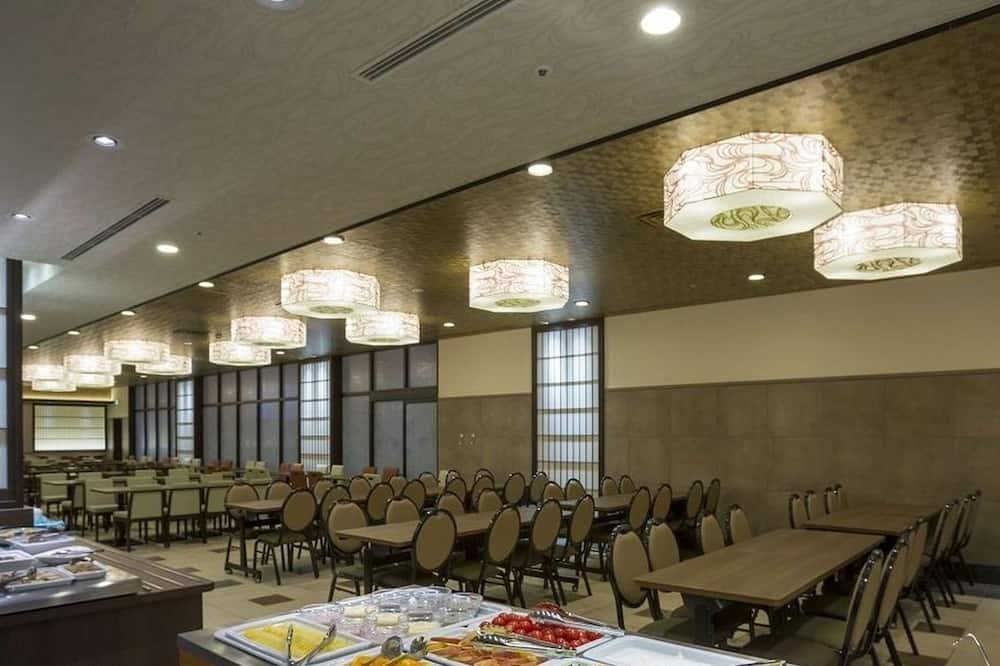
Chef Yoshinori Sano's reservation-only kaiseki in Kuwana focuses on regional seafood, anchored by the city's famous clam dishes. Tabelog Bronze Award winner (2026) with private rooms for two to twenty guests. Dinner JPY 10,000–14,999 plus 20% service charge; lottery system for peak-season bookings April–August. Book weeks ahead outside lottery window.
Ayanokoji Karatsu
Kyoto, Japan
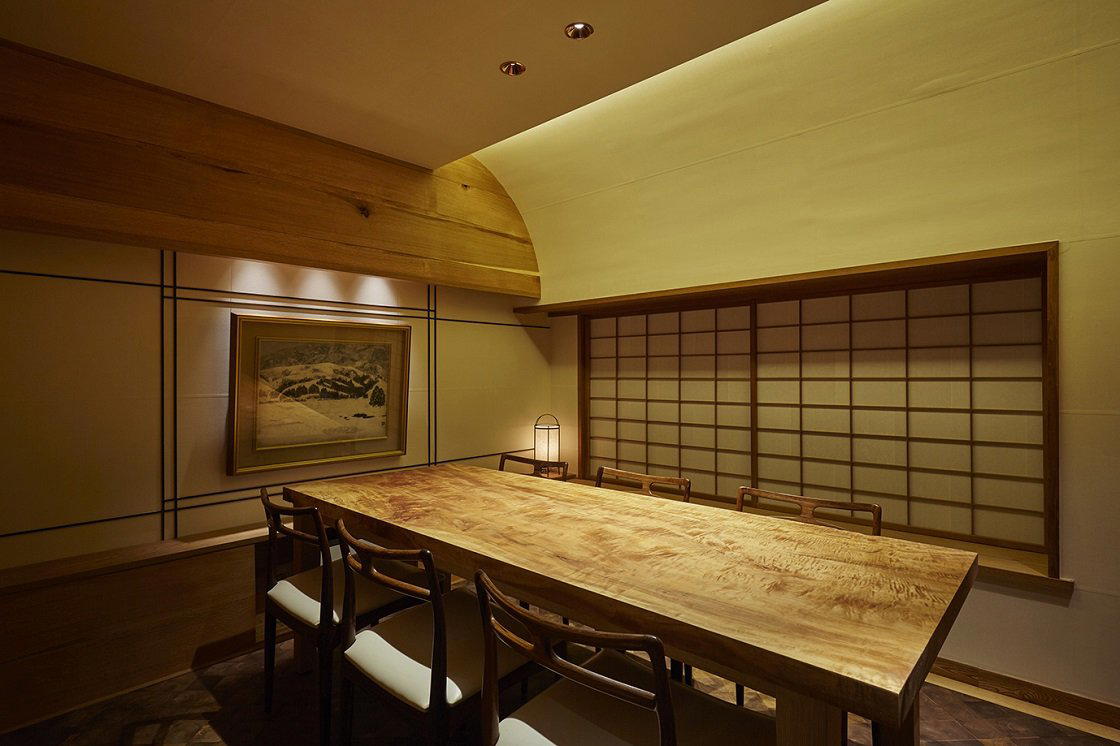
A Michelin-starred, reservation-only kaiseki room in Kyoto's Shimogyo Ward, Ayanokoji Karatsu delivers five consecutive Tabelog Bronze Awards and a 3.82 score at JPY 20,000–29,999 for dinner; below the price floor of most comparable Kyoto rooms. Twelve seats, a serious sake program, and a chef who sources ingredients directly from regional producers. Book four to six weeks out minimum.
Shokudou Ogawa
Kyoto, Japan
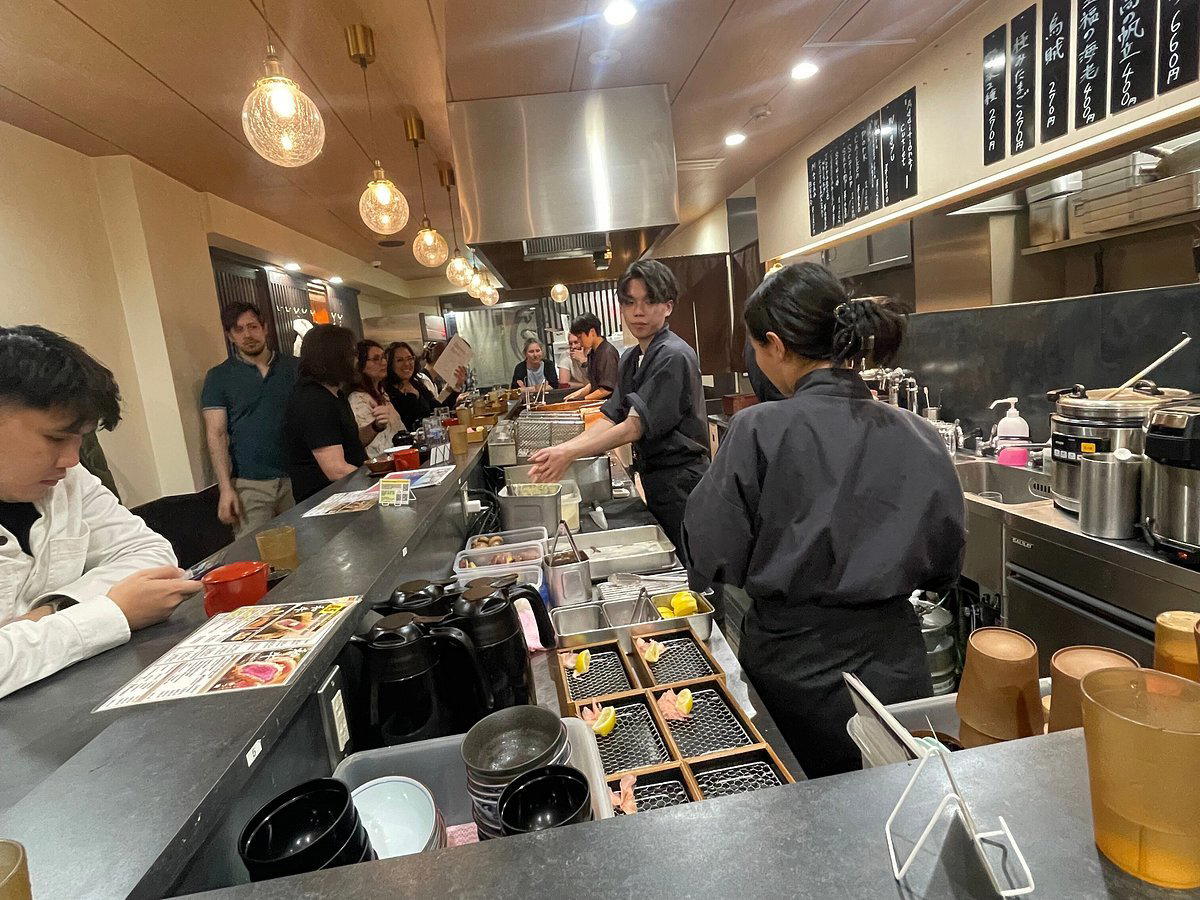
Shokudou Ogawa delivers counter-seat kaiseki at JPY 10,000–14,999 per head; roughly a third of what Kyoto's top-tier kaiseki houses charge; with a Tabelog Silver award and Top 100 recognition backing the quality claim. The 12-seat counter is almost always fully booked, and reservations currently require an in-person visit. Cash only, no phone bookings, closed Mondays.
Komatsu
Kanazawa, Japan
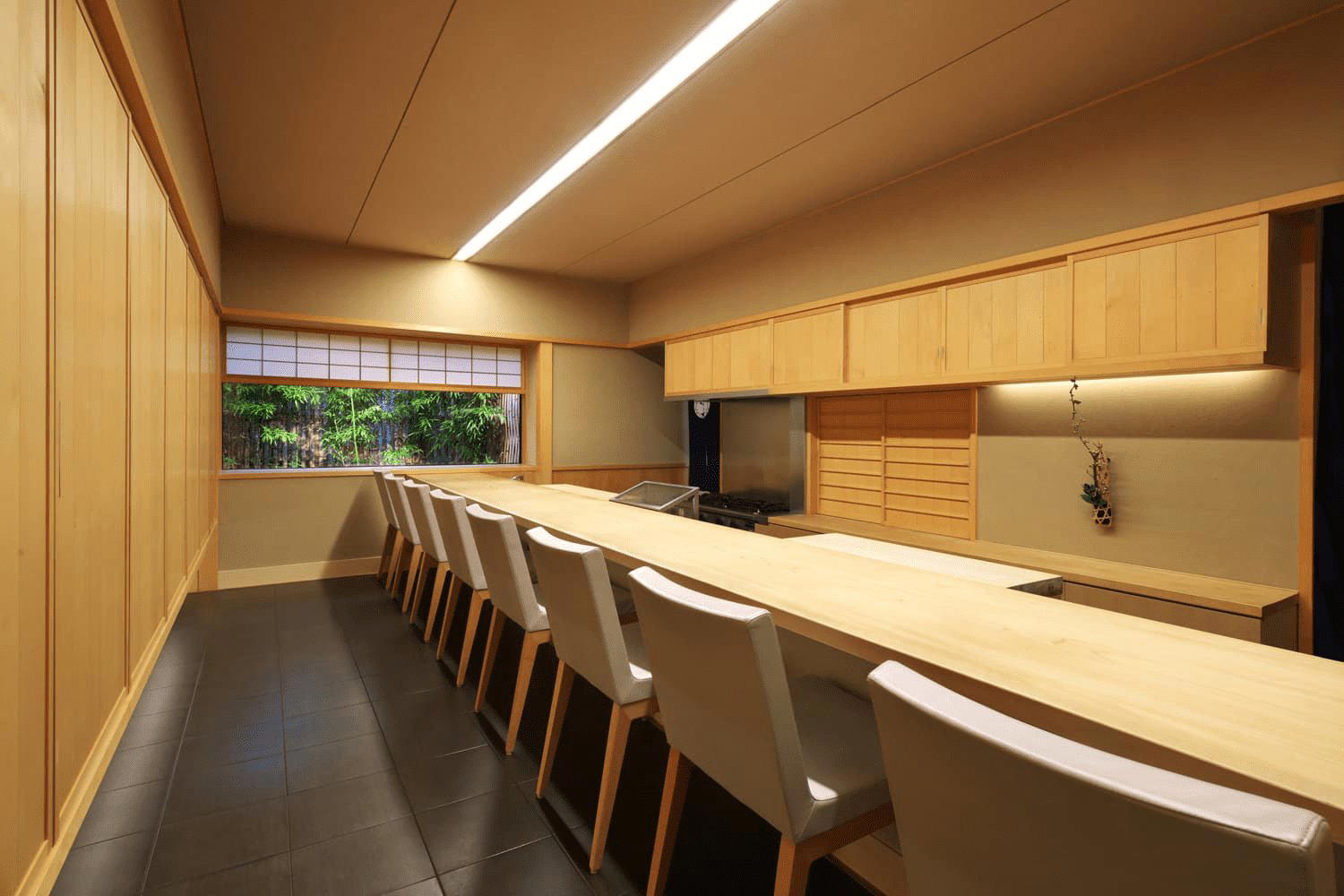
Komatsu is a counter-only Japanese cuisine restaurant in Kanazawa with Tabelog Bronze recognition in 2025 and 2026 and two appearances on the Tabelog Japanese Cuisine WEST 100 Best list. Dinner runs JPY 15,000–39,999 depending on drinks; cash only. Reservation required for two people; phone booking through your hotel concierge is the most practical route for non-Japanese speakers.
Kobe Beef TANRYU
Kobe, Japan
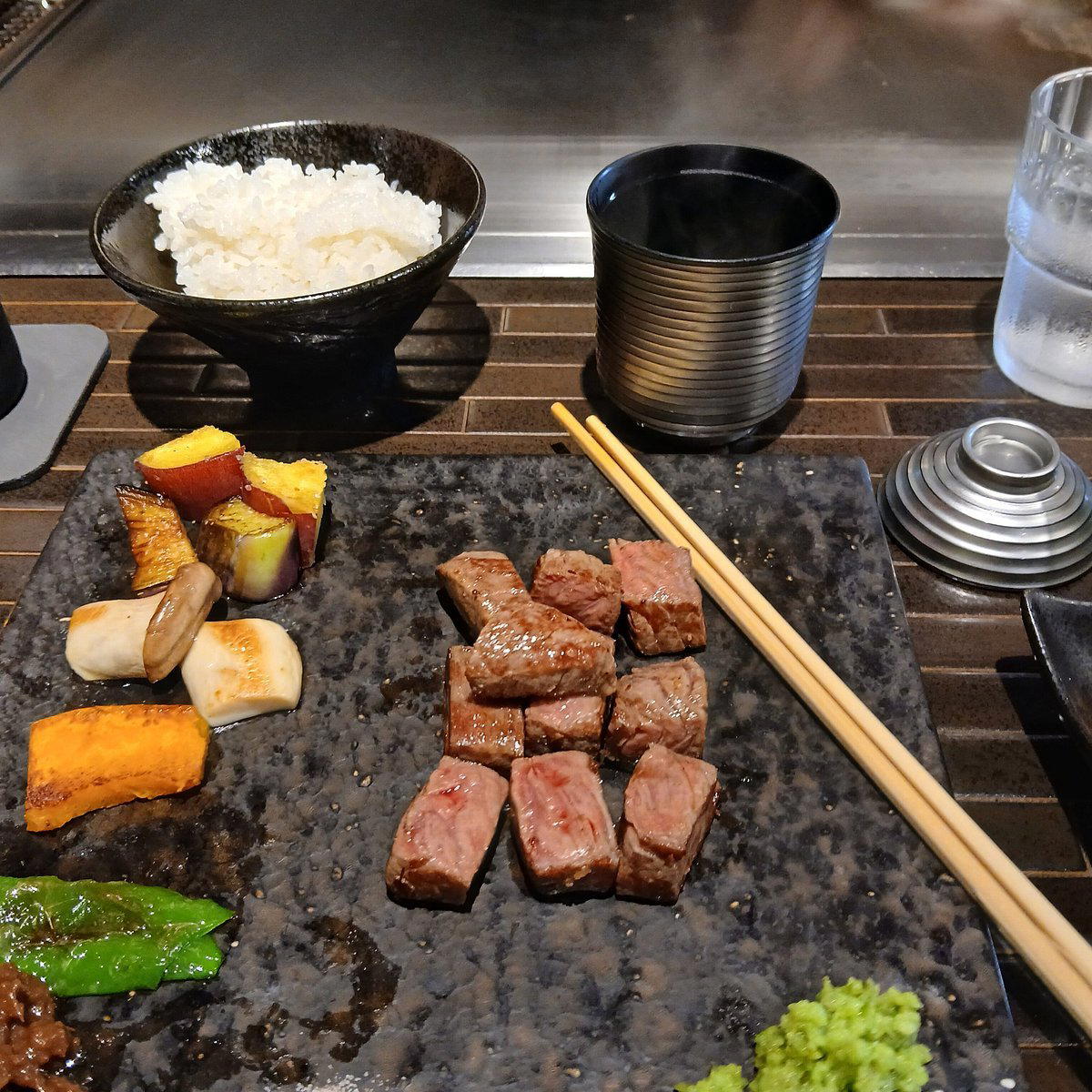
Kobe Beef TANRYU is a sensible choice for a central Kobe beef meal when convenience matters more than a formal tasting-menu setup. It fits lunch, early dinner, couples, solo diners, and low-friction celebrations, but cross-shop Mouriya or Ishida venues if brand polish or a more established steakhouse feel is the priority.
Ninomae
Hyogo, Japan
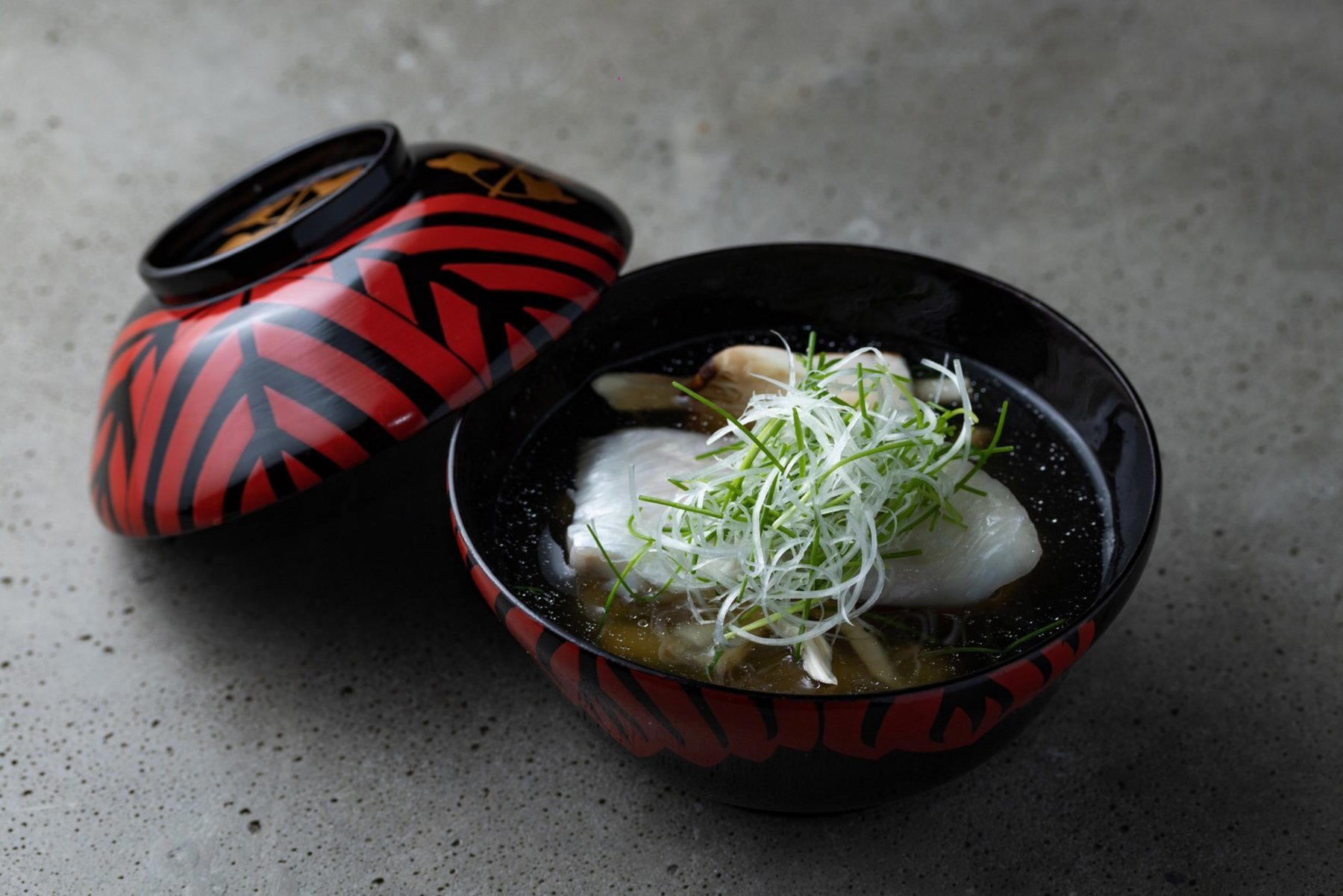
Ninomae is a six-seat omakase counter in Ashiya, Hyogo, with Tabelog Bronze Awards in both 2025 and 2026 and a score of 4.12. Dinner runs JPY 30,000–39,999; weekend lunch at JPY 15,000–19,999 is the sharper value entry point. Bookings are online-only via the omakase website; no phone reservations accepted.
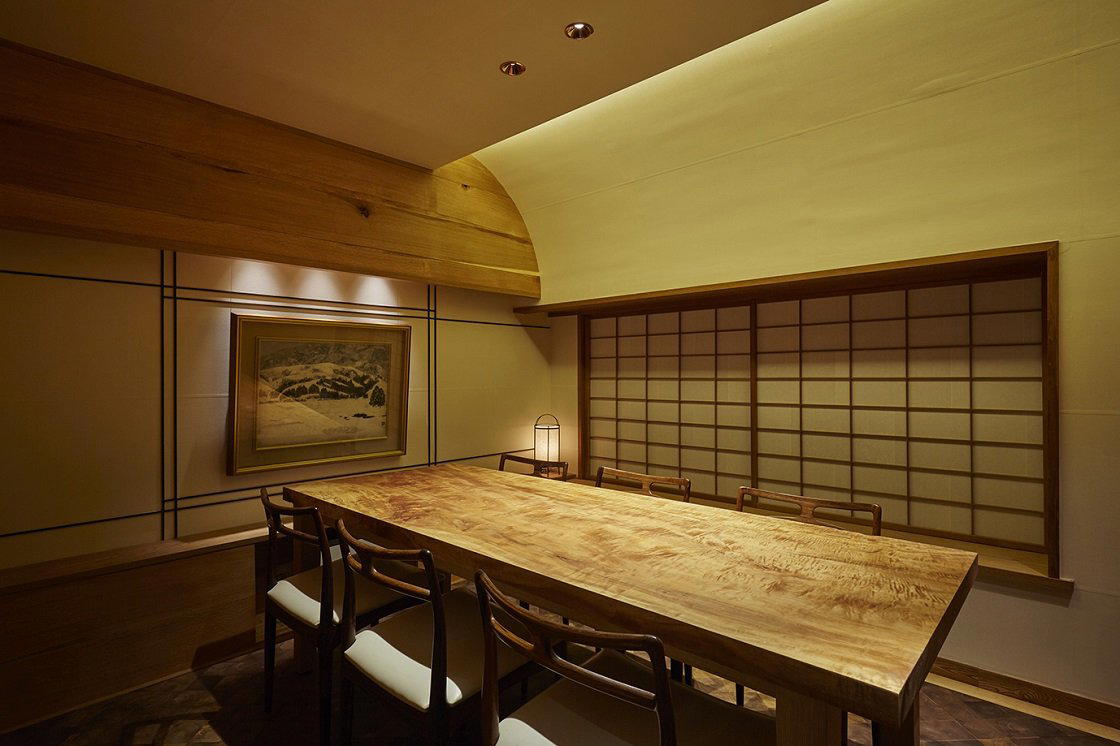
Higashichaya Nakamura
Osaka, Japan
Hokuriku-focused kaiseki in a 15-seat Kita ward hideout, reservation-only, two nightly seatings. Tabelog Bronze 2025, Michelin one star 2024. Counter and private-room service at ¥50,000+ per head; strict no-photography and fragrance policies. Book weeks ahead for ingredient-driven precision and regional sake pairings.
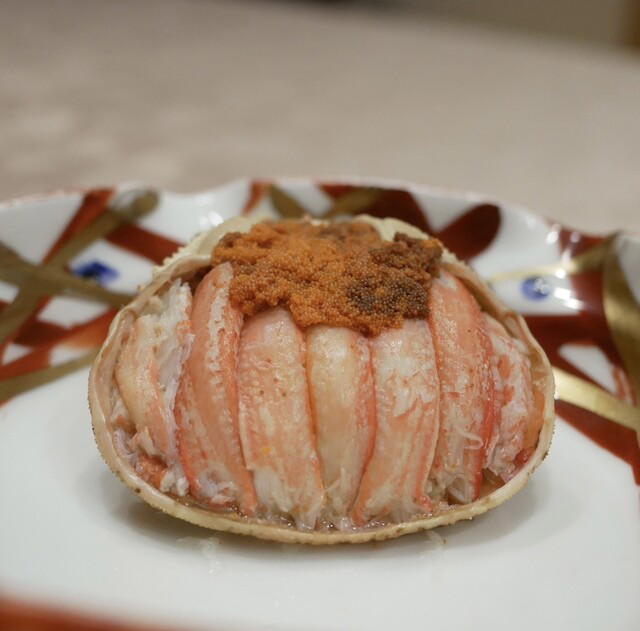
Tsuru Yoshi
Nara, Japan
Tsuru Yoshi is a Tabelog Award 2026 Bronze winner serving fish-focused kaiseki at JPY 20,000–29,999 for dinner and JPY 6,000–7,999 for lunch. The seasonal menu shifts with Kansai's catch and produce, and the house-restaurant format offers counter, tatami, and private-room seating. Easier to book and more affordable than Nara's top-tier kaiseki rooms, it's a practical choice for travelers seeking award-level Japanese cuisine without the formality or price of Kyoto's oversubscribed venues.
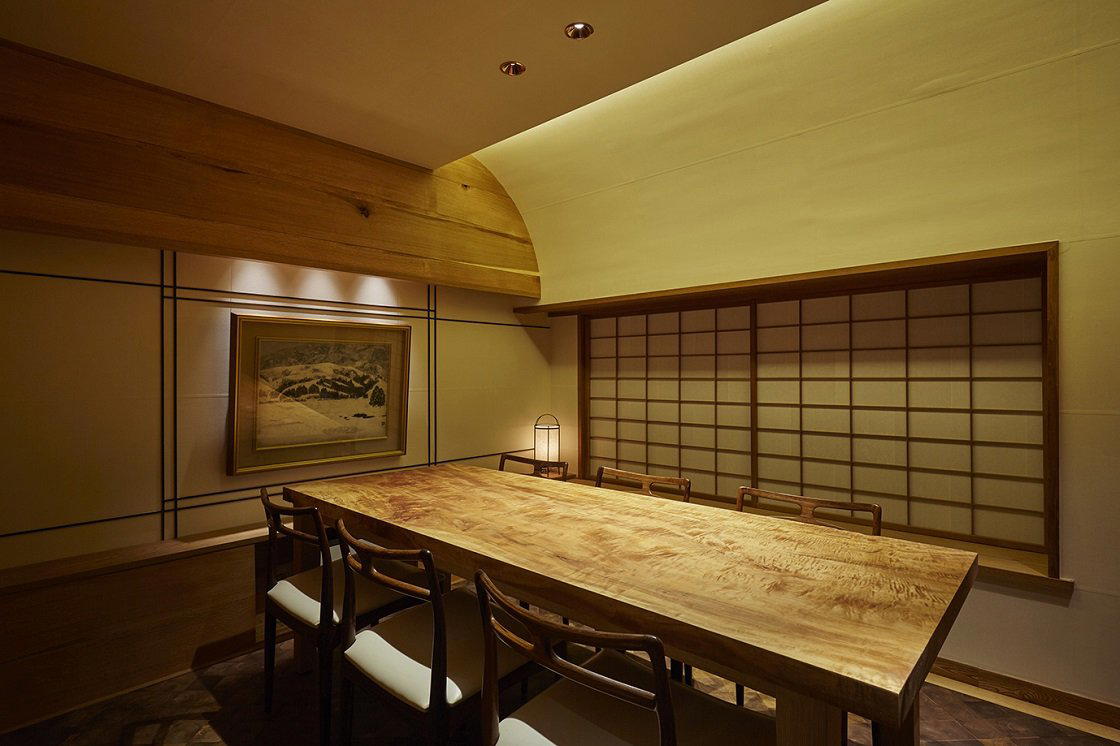
Tominokoji Yamagishi
Kyoto, Japan
Tominokoji Yamagishi is a 10-seat kaiseki counter in Nakagyo Ward with a Tabelog score of 4.52, consecutive Silver awards through 2026, and one of Kyoto's most genuinely curated sake and shochu programmes. Dinner runs JPY 60,000–79,999; reservations are required but more accessible than Kyoto's hardest-to-book rooms. Best for food and sake enthusiasts who want seasonal kaiseki with real drinking depth.
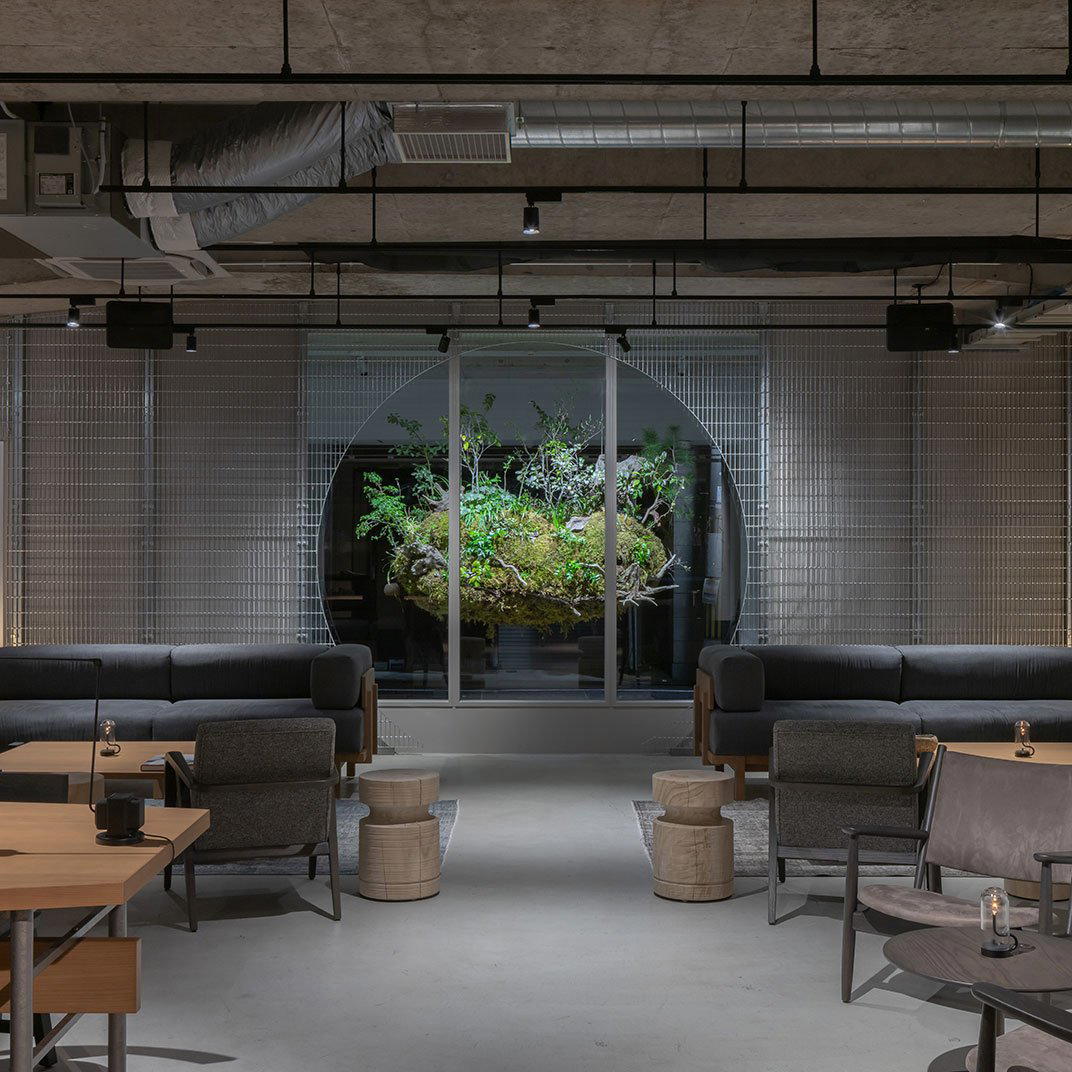
Otagi
Kyoto, Japan
Otagi holds two Michelin stars and five consecutive Tabelog Bronze Awards, placing it firmly among Kyoto's most credentialled Japanese restaurants. Dinner only (JPY 30,000–39,999), reservation strictly required, and booking is near impossible; but the kitchen's commitment to local produce and its distinct point of view make the effort worthwhile for serious diners. Plan well ahead and confirm dietary requirements before arrival.
Mita
Kyoto, Japan
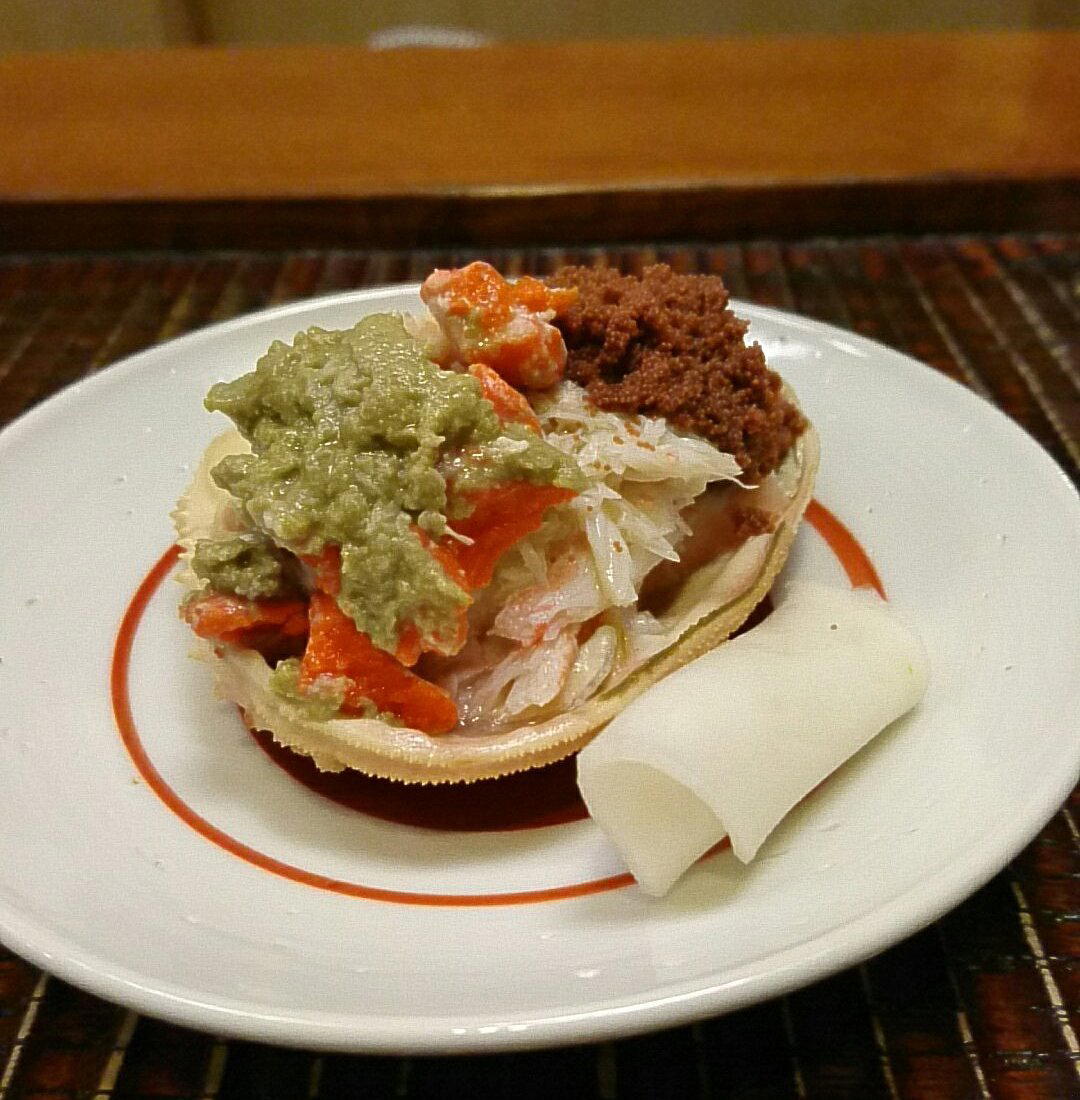
Six-seat counter serving omakase-only Japanese cuisine at JPY 60,000–79,999 per person. Nine consecutive Tabelog Silver Awards (2017–2026) signal consistent technical execution. Reservation-only via phone, with BYO drinks permitted. The counter format prioritizes chef proximity and ingredient focus over social dining space.
Gion Owatari
Kyoto, Japan
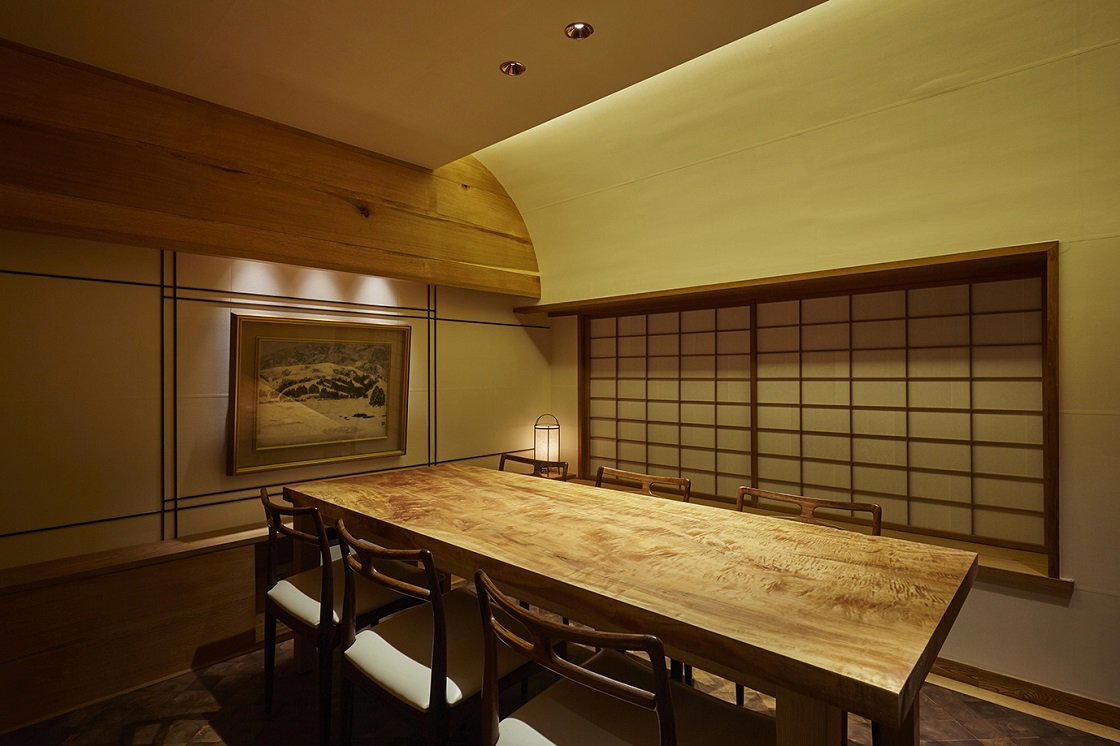
A Michelin-starred, eight-seat counter in the heart of Gion, where chef Mahito Owatari serves kappo-inflected kaiseki at JPY 40,000–49,999 per head. Consistent Tabelog awards since 2017 and Tabelog Japanese Cuisine WEST Top 100 recognition back the price. Book well in advance; walk-ins are not realistic with only eight counter seats available.
Imoto
Fukuoka, Japan
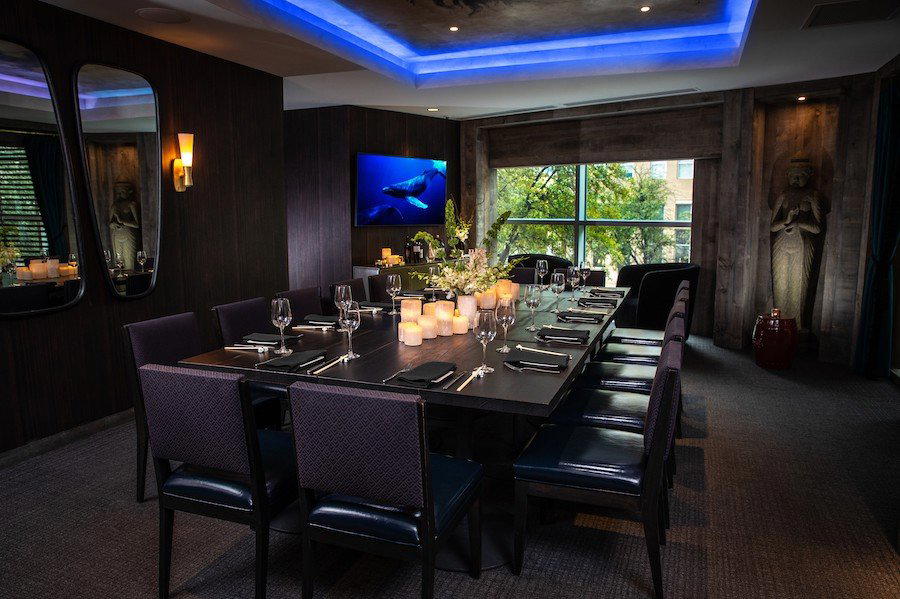
Imoto is Fukuoka's most consistently decorated kaiseki counter, holding the Tabelog Bronze Award every year from 2019 to 2026 and earning three separate Top 100 selections. At JPY 40,000 per person for a fixed course; lunch or dinner; across 10 counter seats in Yakuin, it is the default recommendation for serious kaiseki in the city. Book via Pocket Concierge or OMAKASE; note the 100% same-day cancellation fee.
Aoki
Osaka, Japan
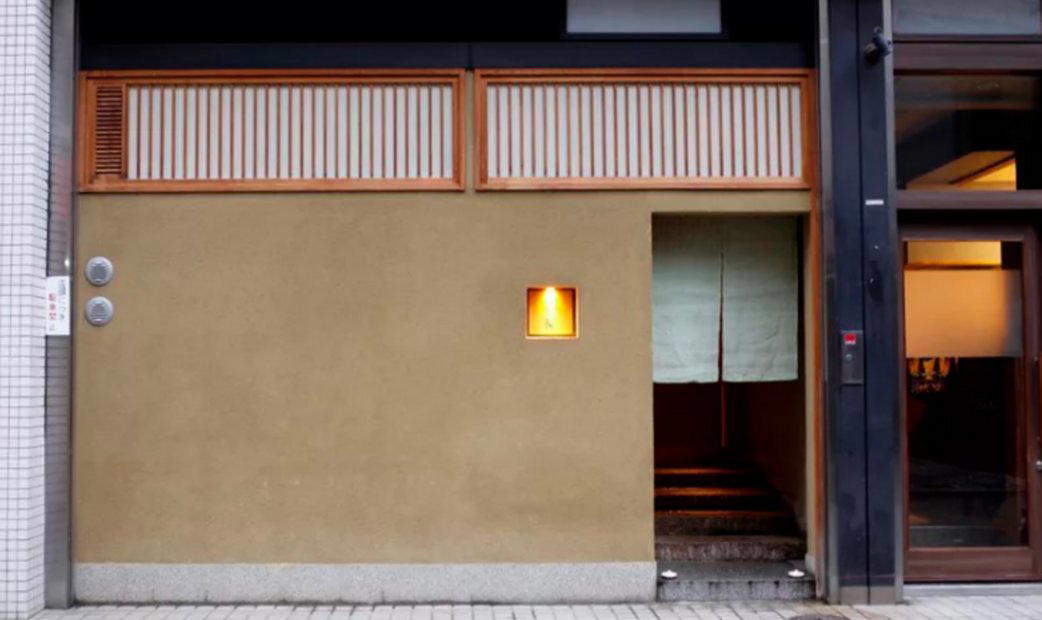
Tenjinbashi Aoki has held a Tabelog Bronze Award every year since 2017; nine consecutive years; and earned a place in the Tabelog Japanese Cuisine WEST Top 100 three times. An 8-seat counter with dinner at JPY 30,000–39,999, it rewards guests who want proximity to the cooking over a formal room. Reservation-only; easier to book than most peers at this tier.
Oryori Sato
Kitakyushu, Japan
Sato is the top kaiseki choice in Kitakyushu, holding a Tabelog score of 3.86 and consecutive Bronze Awards from 2017 through 2026. At JPY 20,000–40,000 per head, the 14-seat counter delivers a fish-focused set-menu experience two minutes from JR Kokura Station. Reservation-only; book 2–3 weeks out for a counter seat, by phone for the private room.
Kawaguchi
Kyoto, Japan
Chef Koji Kawaguchi's six-seat Gion counter operates by invitation only, filtering diners into a single nightly omakase service built around seasonal fish and mountain vegetables. The JPY 30,000–39,999 dinner price reflects day-of sourcing and a Tabelog Silver pedigree (4.35 score, 2026), but the referral-only access policy makes it a better fit for return visitors than first-timers navigating Kyoto's dining scene.
Doujin
Kyoto, Japan
Doujin is a five-seat counter kaiseki restaurant in Kyoto's Sakyo Ward, holding Tabelog Gold continuously since 2020 and ranked 19th in Japan by Opinionated About Dining in 2025. Dinner only, priced at JPY 50,000–59,999 per person before drinks, with an actual spend closer to JPY 100,000. Book by phone well in advance; the counter size makes availability tight without being impossible.
Sottaku Tsukamoto
Kyoto, Japan
A Tabelog Gold kaiseki counter in Gion that accepts only referrals, offering precise seasonal cooking at JPY 30,000–39,999 per head. The eight-seat format rewards diners who value quiet formality over warm hospitality, but the no-new-reservations policy and strict service philosophy make it a poor fit for first-timers.
Hayashi
Tokyo, Japan
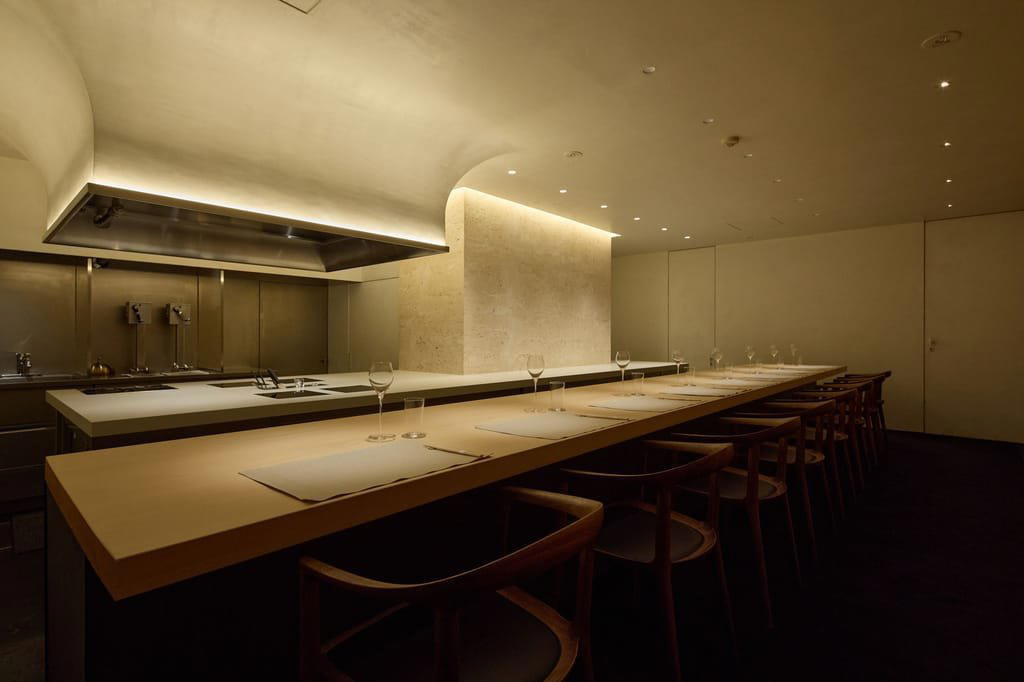
Oryori Hayashi in Kyoto's Kamigyo Ward has held Tabelog Silver recognition for most of the past decade and ranks in the top 15 casual Japanese dining venues in Japan on Opinionated About Dining. Lunch runs JPY 8,000–9,999 per person; dinner averages JPY 30,000–39,999 with drinks and charges. Book the counter for solo or pair visits; private tatami rooms fit groups up to 8.
Gion Matayoshi
Kyoto, Japan
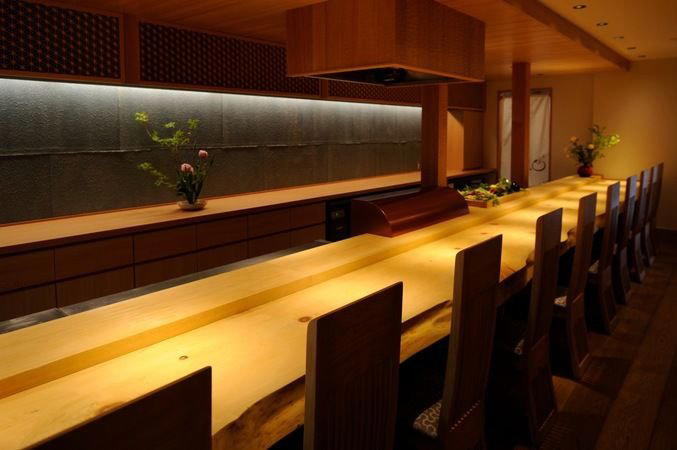
Gion Matayoshi holds two Michelin stars and a Tabelog score of 4.01, with consecutive Bronze Awards every year since 2017. Dinner runs ¥36,000 to ¥38,000 per person (before service charge and drinks), structured around tea kaiseki; a restrained, seasonal format that rewards patience over spectacle. Book six to eight weeks out minimum; three to four months for peak Kyoto travel windows.
Itto
Tokyo, Japan
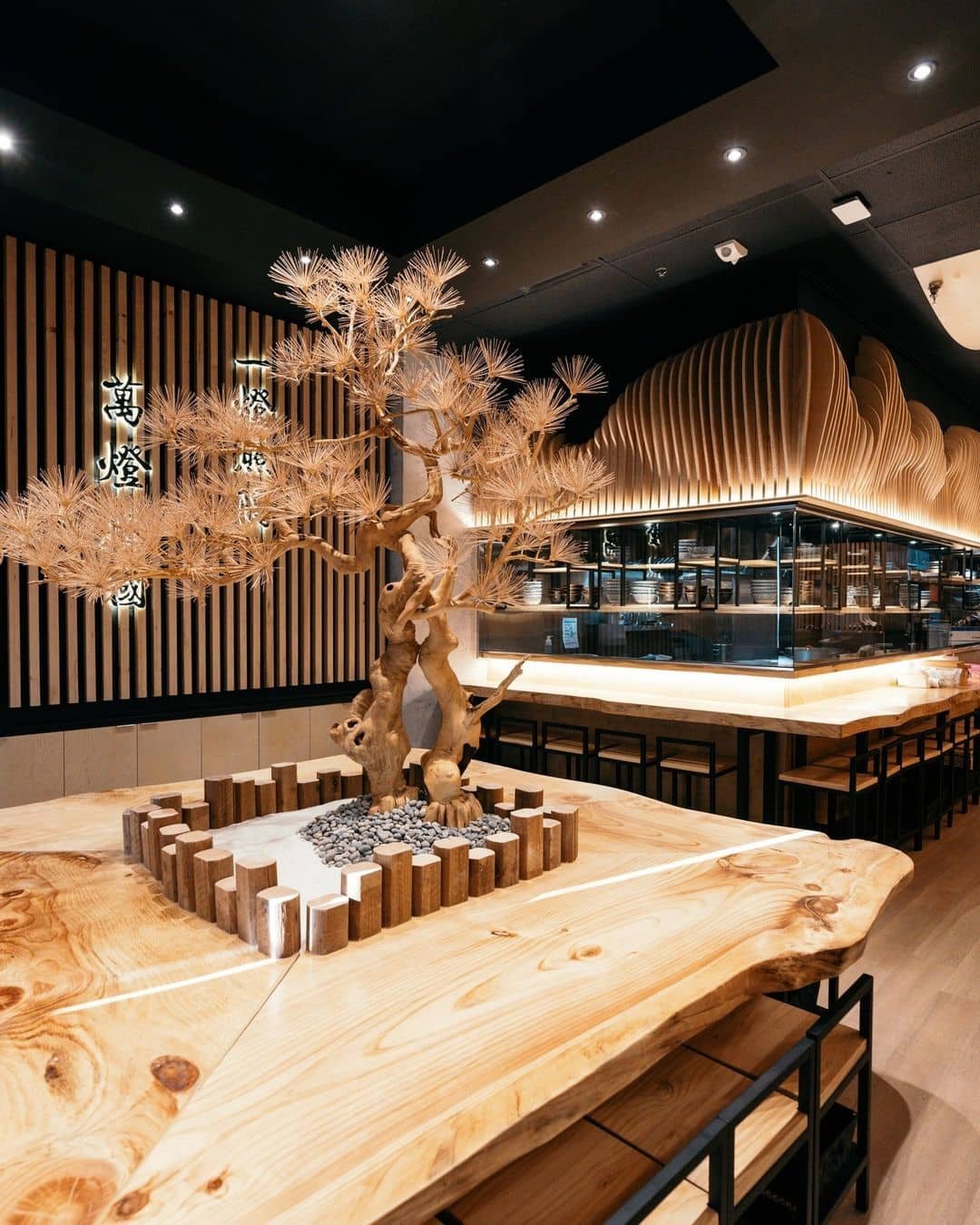
Yuji Sakamoto's Chofu ramen counter ranks #12 on Opinionated About Dining's 2026 Japan Casual list and holds a Tabelog Bronze Award. The shop runs until midnight most nights, offering technically sound bowls in a west-Tokyo neighborhood short on late-night options. Counter seating suits solo diners; groups should arrive early or call ahead.
Sakagawa
Kyoto, Japan
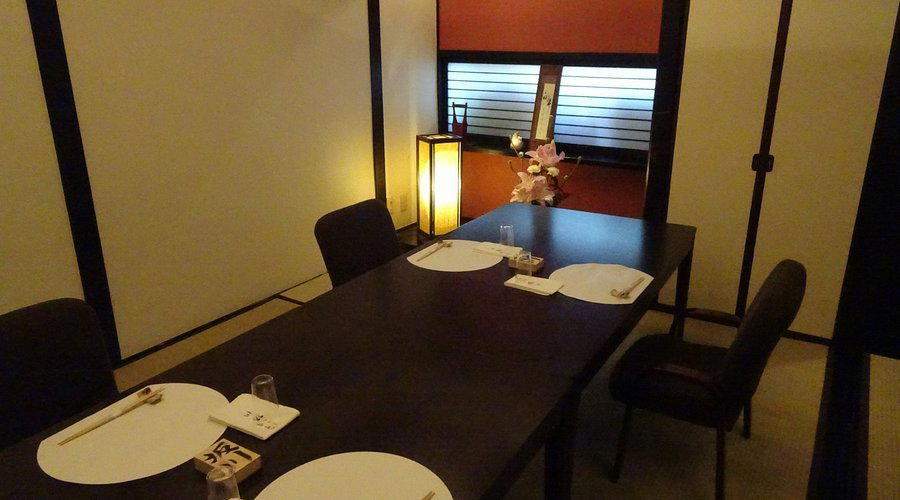
A nine-seat counter kaiseki in Gion serving fish-forward seasonal courses for ¥20,000–29,999. Hirokazu Sakagawa has held Tabelog Bronze since 2019; the format is intimate, the execution precise, and the booking window opens roughly three weeks out. Private rooms available for groups up to eight.
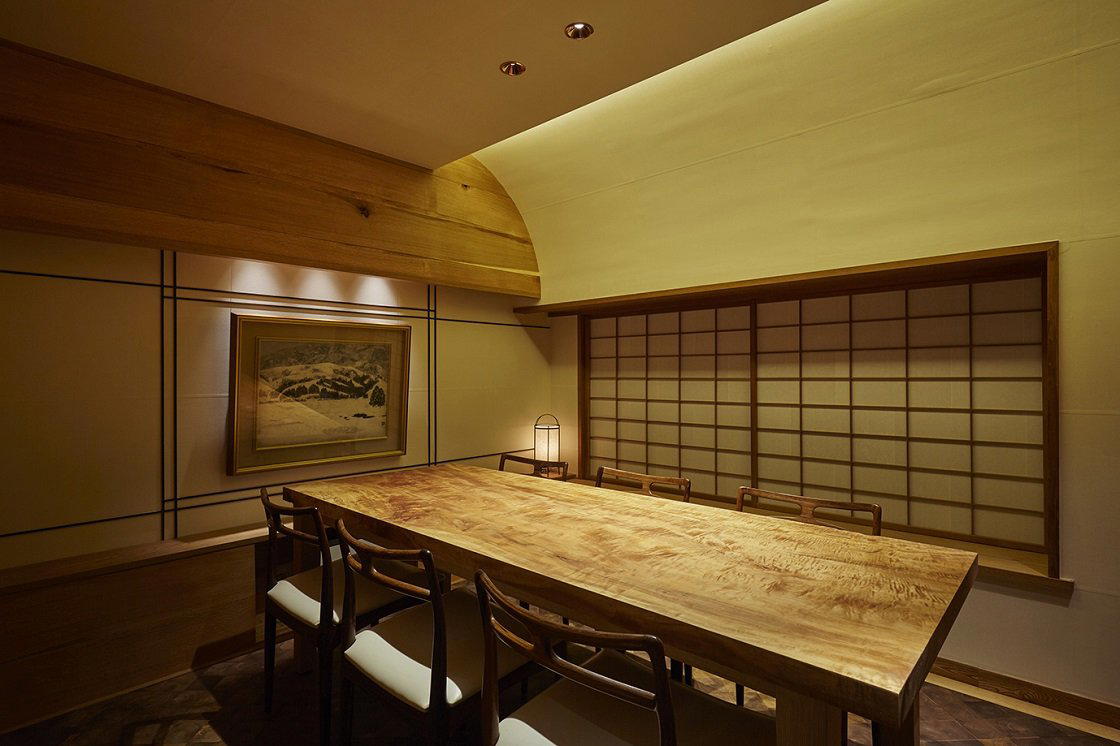
Gokomachi Tagawa
Kyoto, Japan
Gokomachi Tagawa is a ten-seat counter restaurant in Kyoto's Nakagyo Ward holding a Michelin star and eight consecutive Tabelog Bronze Awards. At JPY 30,000–39,999 per head, it delivers a sourcing-led seasonal menu built around bincho charcoal grilling and clay-pot rice. Reservation-only with a 100% same-day cancellation fee; book well ahead.
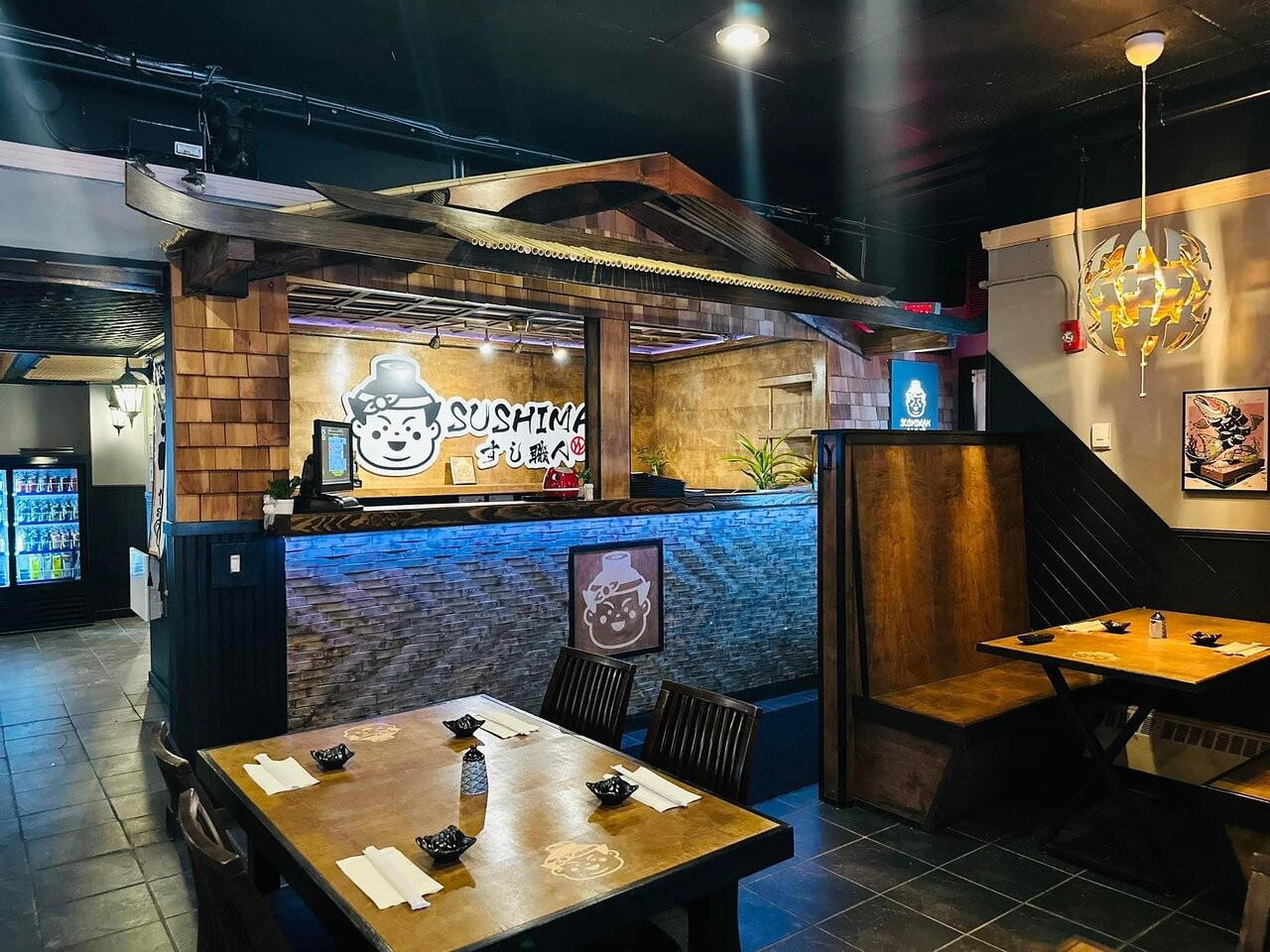
Souan Nabeshima
Saga, Japan
A six-seat sake brewery counter in rural Saga with four consecutive Tabelog Bronze Awards and a direct connection to Fukuchiyo Brewery, the producer of Nabeshima sake. Dinner runs JPY 30,000–39,999 per person plus a 10% service charge. Book four to six weeks out. The right choice if sake pairing depth matters as much as the food.
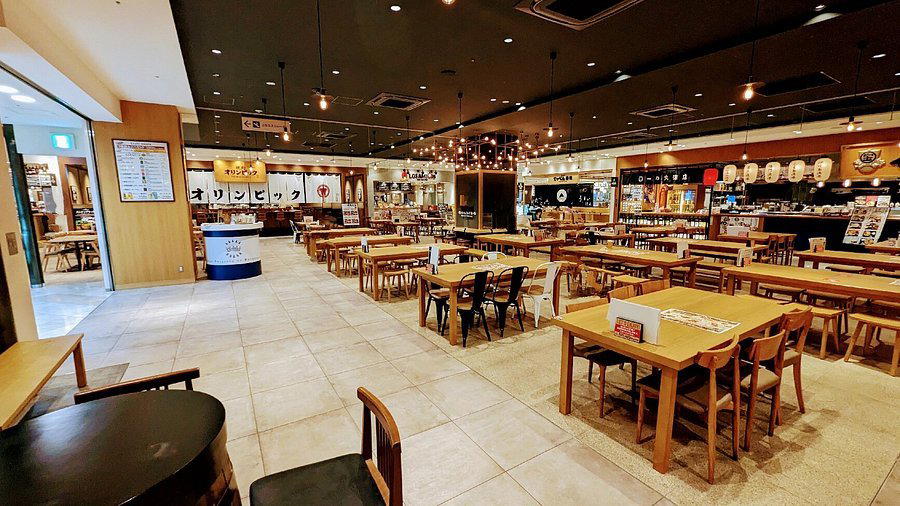
Matsuyama
Fukuoka, Japan
Six-seat omakase counter in residential Kitakyushu, earning Tabelog Silver 2026 and scoring 4.47 for seasonal fish-focused Japanese cuisine. Chef Kenichi Matsuyama's ichigo ichie approach delivers technically accomplished courses at JPY 30,000–39,999, with OMAKASE-only reservations and a house-restaurant setting five minutes from JR Kurosaki Station.
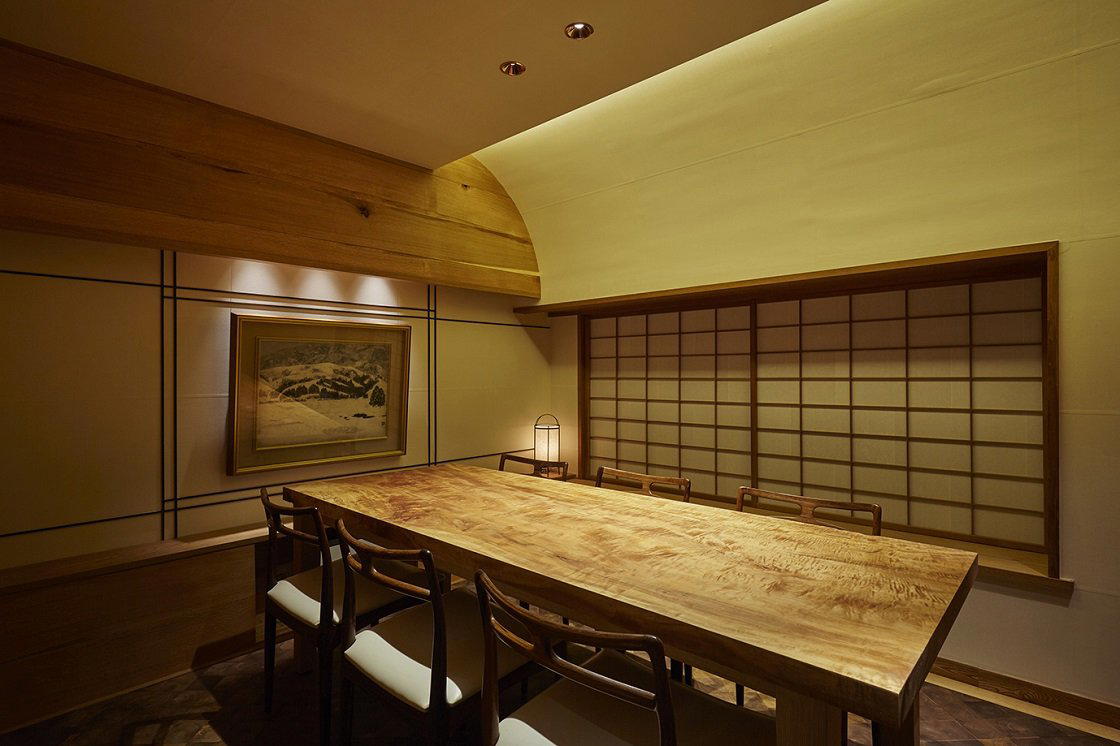
Miyamoto
Osaka, Japan
Miyamoto is one of Osaka's most consistently decorated kappo counters: two Michelin stars, ten-plus Tabelog Awards, and just eight seats. Dinner runs JPY 30,000–39,999 in practice. Reservations are near impossible without months of lead time, but for a second visit focused on the seasonal tableware and house-made udon, the effort is warranted.
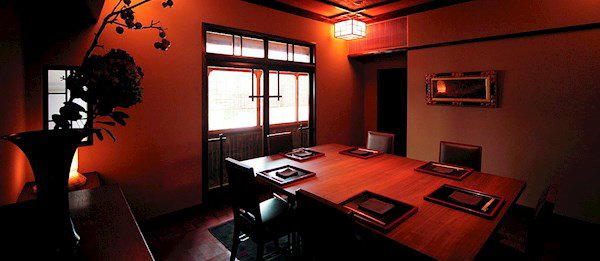
Ifuki
Kyoto, Japan
Ifuki is a restaurant in Gion, Kyoto.
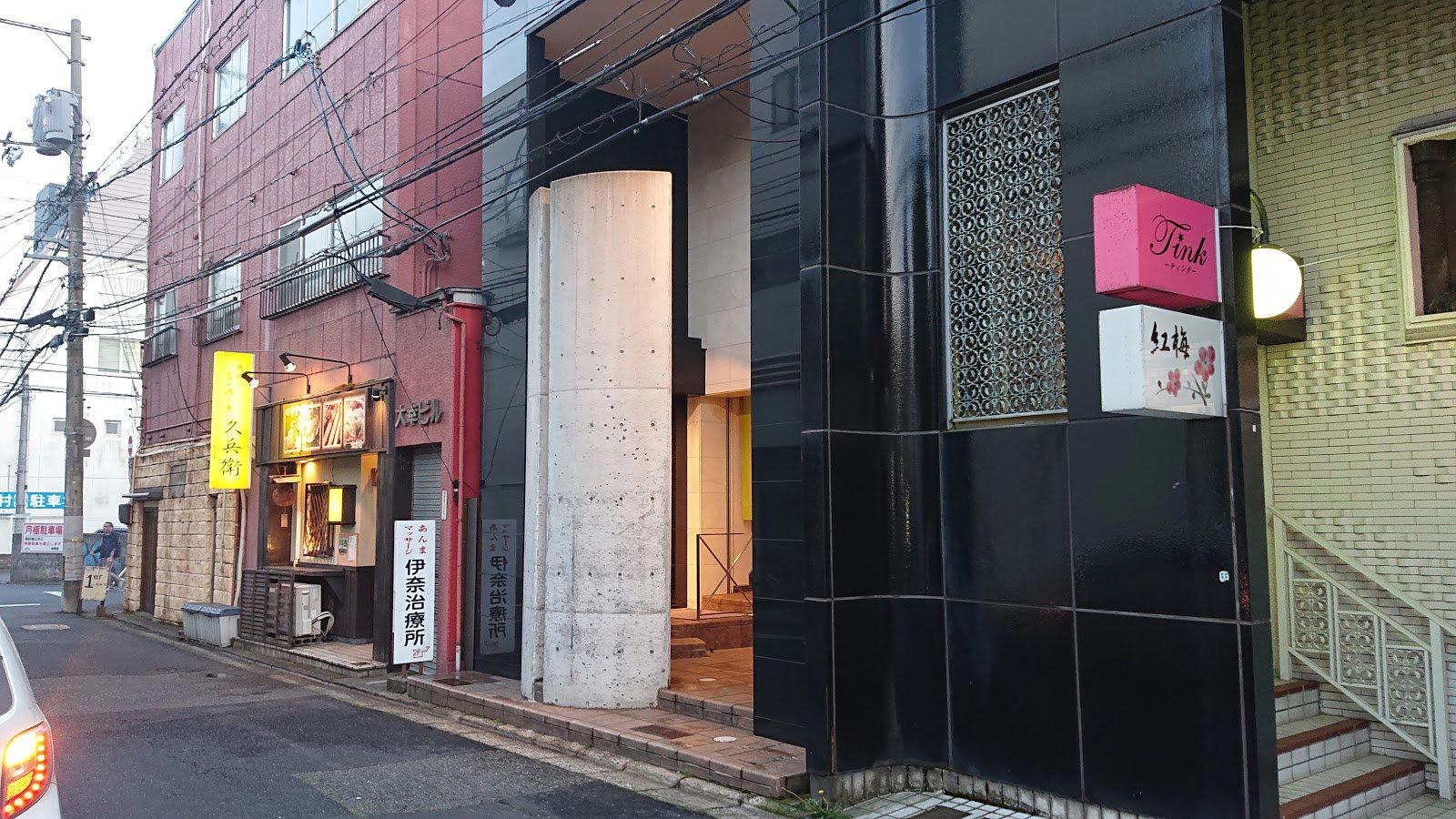
Mitsuki
Tottori, Japan
Reservation-only kaiseki in Tottori with three consecutive Tabelog Bronze awards and private-room seating. Dinner courses run JPY 15,000–19,999, with seasonal Japanese seafood from the Japan Sea. Book through Pocket Concierge; phone reservations rarely connect during service hours. Five-minute walk from Tottori Station.
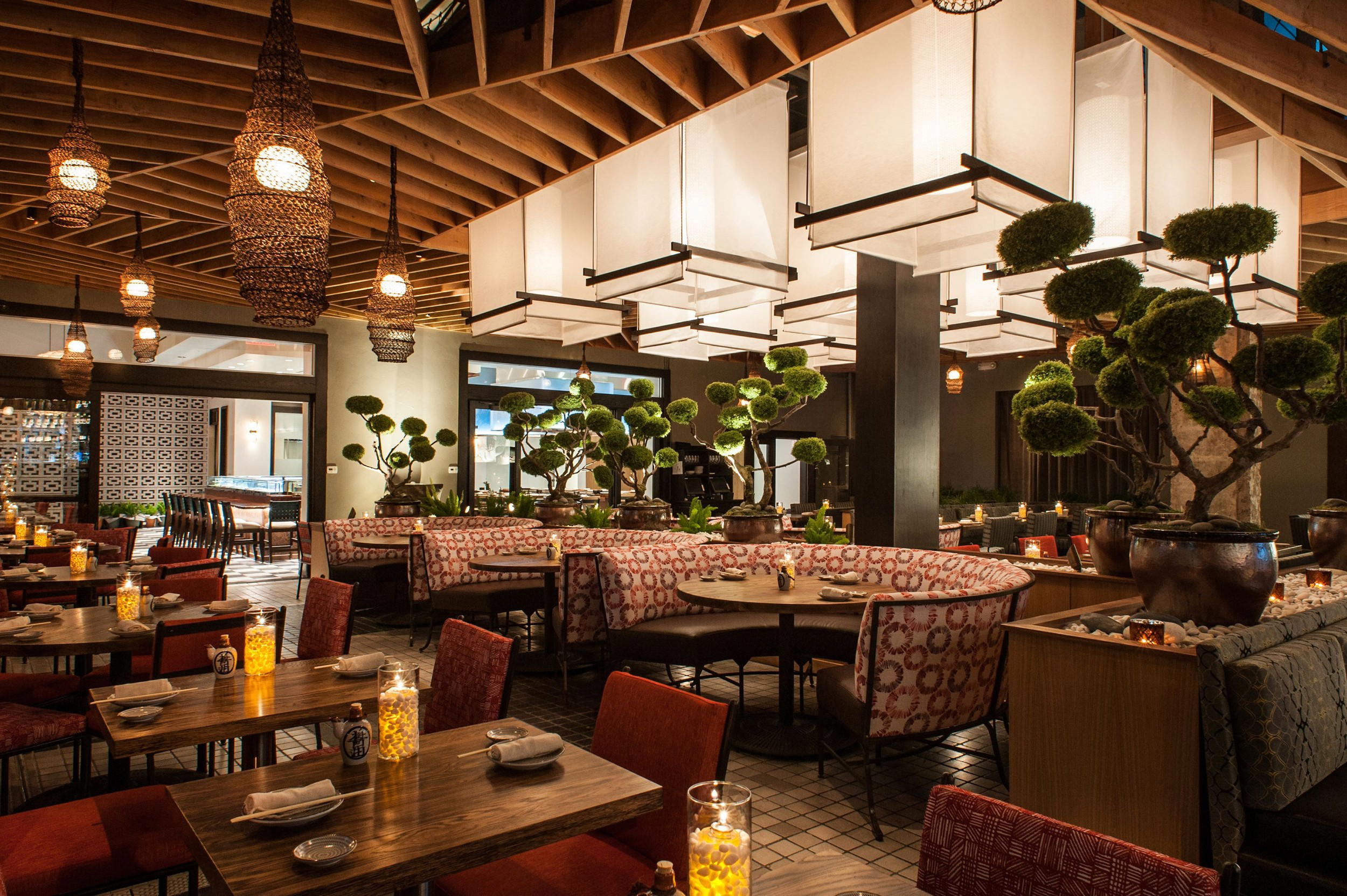
Toraya Kochuan
Tokushima, Japan
Tabelog Bronze 2026 kaiseki in rural Sanagochi, 30 minutes from Tokushima city. Chef Koji Iwamoto runs a fish-focused tasting menu (JPY 10,000–JPY 19,999) in private tatami rooms. The awards history; five years of Silver (2017–2023), now Bronze; signals consistent technique at a price tier where most countryside kaiseki skews competent rather than distinguished. Lunch is the value play; dinner adds courses. Book by phone.
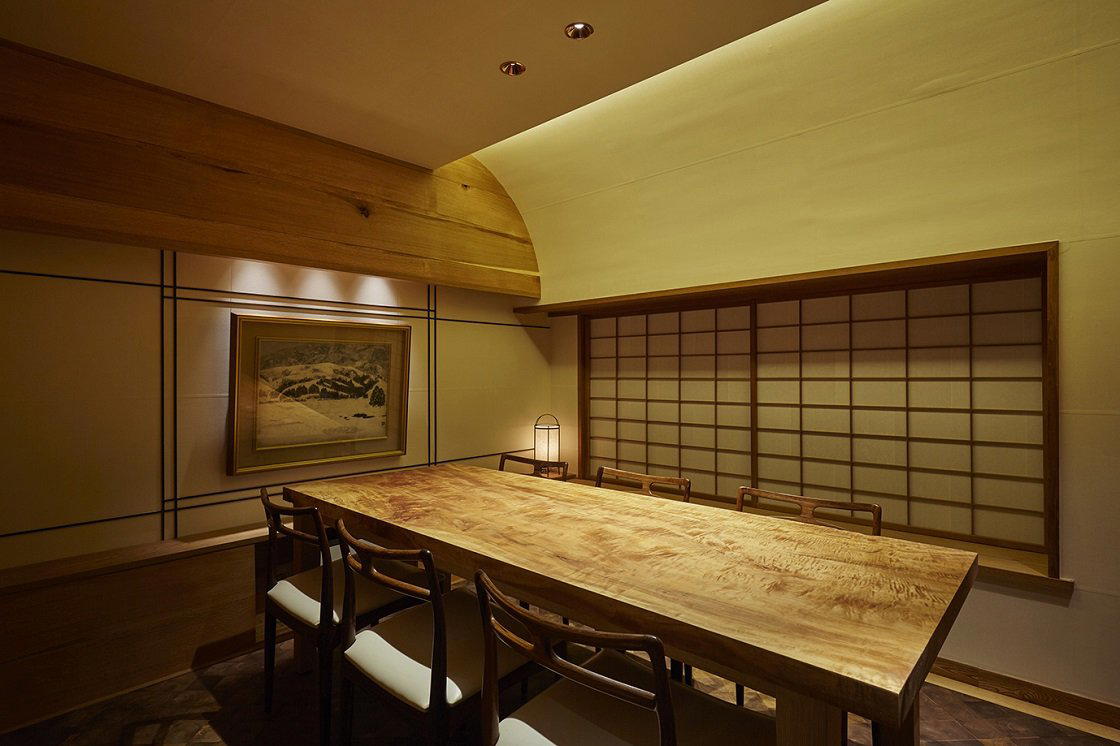
SEN
Kyoto, Japan
SEN is a seven-seat French-Japanese counter in Kyoto's Shimogyo Ward with a Michelin star, six consecutive Tabelog Bronze Awards, and a Tabelog score of 4.02. Dinner runs JPY 20,000–29,999; weekend and Wednesday lunch is JPY 15,000–19,999 for the same course; the better value entry point. Book well ahead: this is reservation-only with strict cancellation fees.
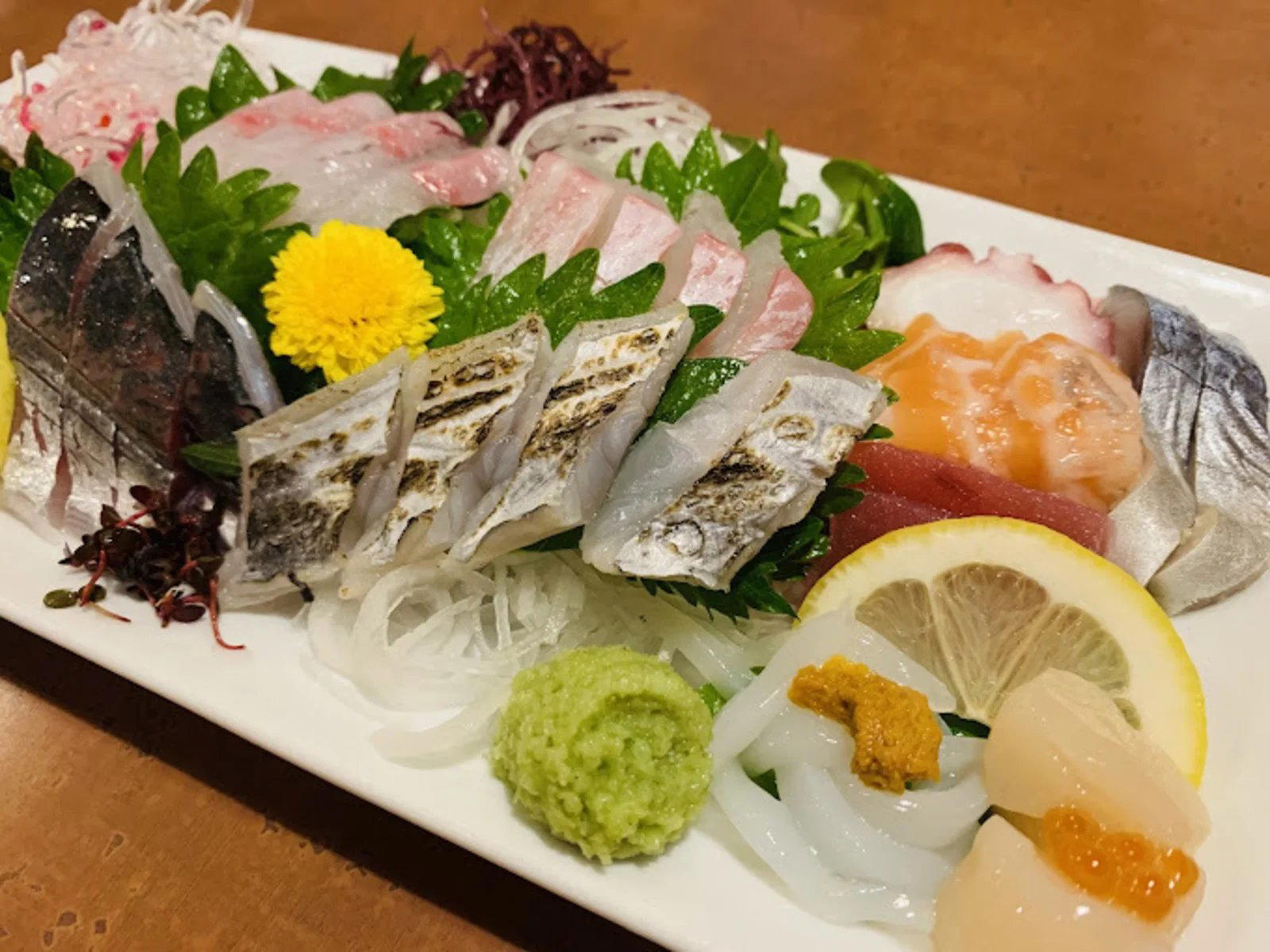
Tomisuke
Hiroshima, Japan
A 15-seat counter in Hiroshima serving small seasonal fish and sake pairings at JPY 10,000–14,999 per head. The Tabelog Bronze Award winner (2025, 2026) operates dinner-only Monday through Saturday, closing at 22:00, with a format built for solo diners and sake enthusiasts. Reservations recommended but walk-ins possible on weeknights; no lunch service.
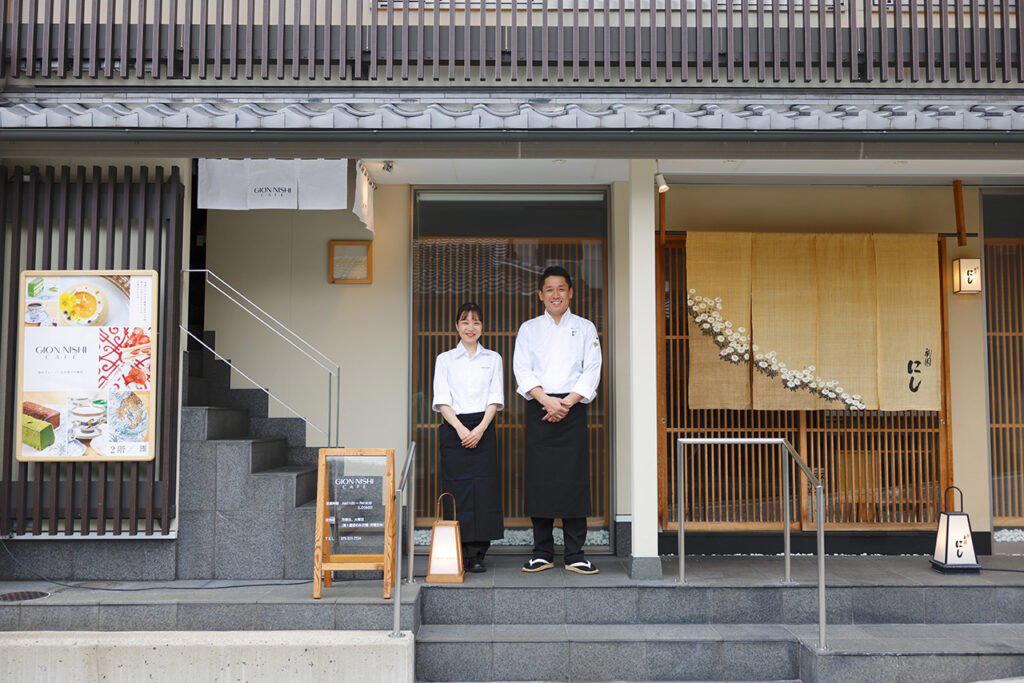
Gion Nishi
Kyoto, Japan
Gion Nishi works if you want a quieter Higashiyama meal shaped by Kyoto's seasonal pace rather than a heavily signposted dining concept. It is a stronger fit for focused diners than for groups needing clear price, cuisine, or award signals before committing.
Tokuha Motonari
Kyoto, Japan
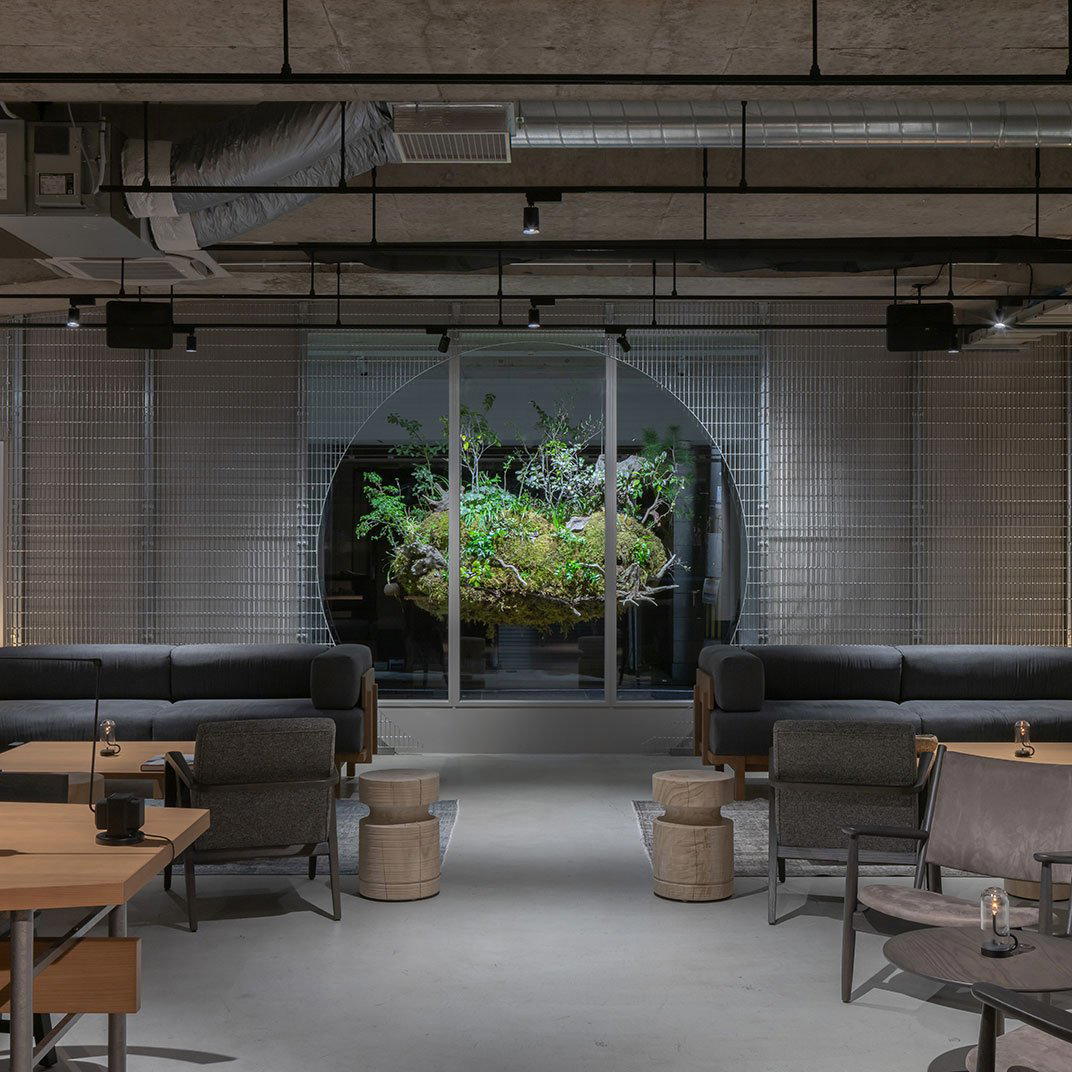
Tokuha Motonari is a restaurant in Kyoto's Kamigyo Ward.
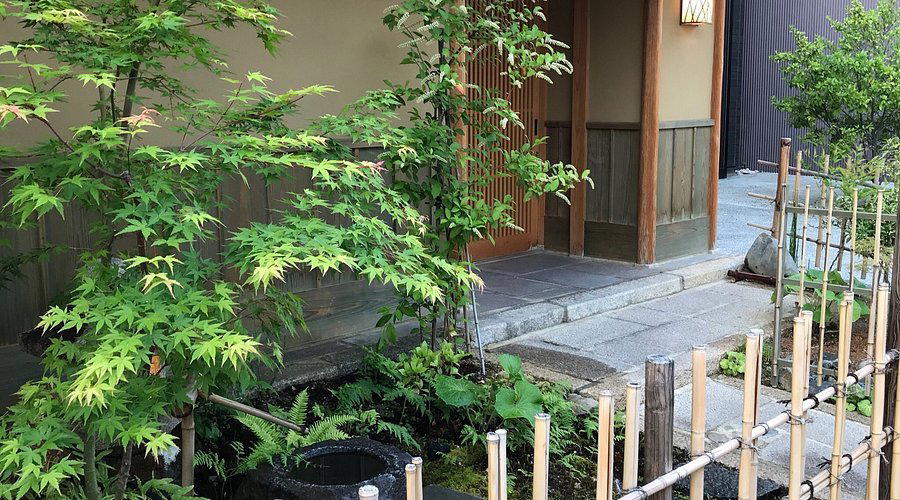
NARA NIKON
Nara, Japan
A two-Michelin-star kaiseki counter in Nara city with seven consecutive Tabelog Bronze Awards and a 4.30 score. Dinner runs JPY 20,000 to JPY 29,999 per head; lunch (Wednesdays and Saturdays only) at JPY 15,000 to JPY 19,999 is the smarter first visit. Reservations by phone only, far in advance. Four minutes from Kintetsu Nara Station.
Aji Arai
Oita, Japan
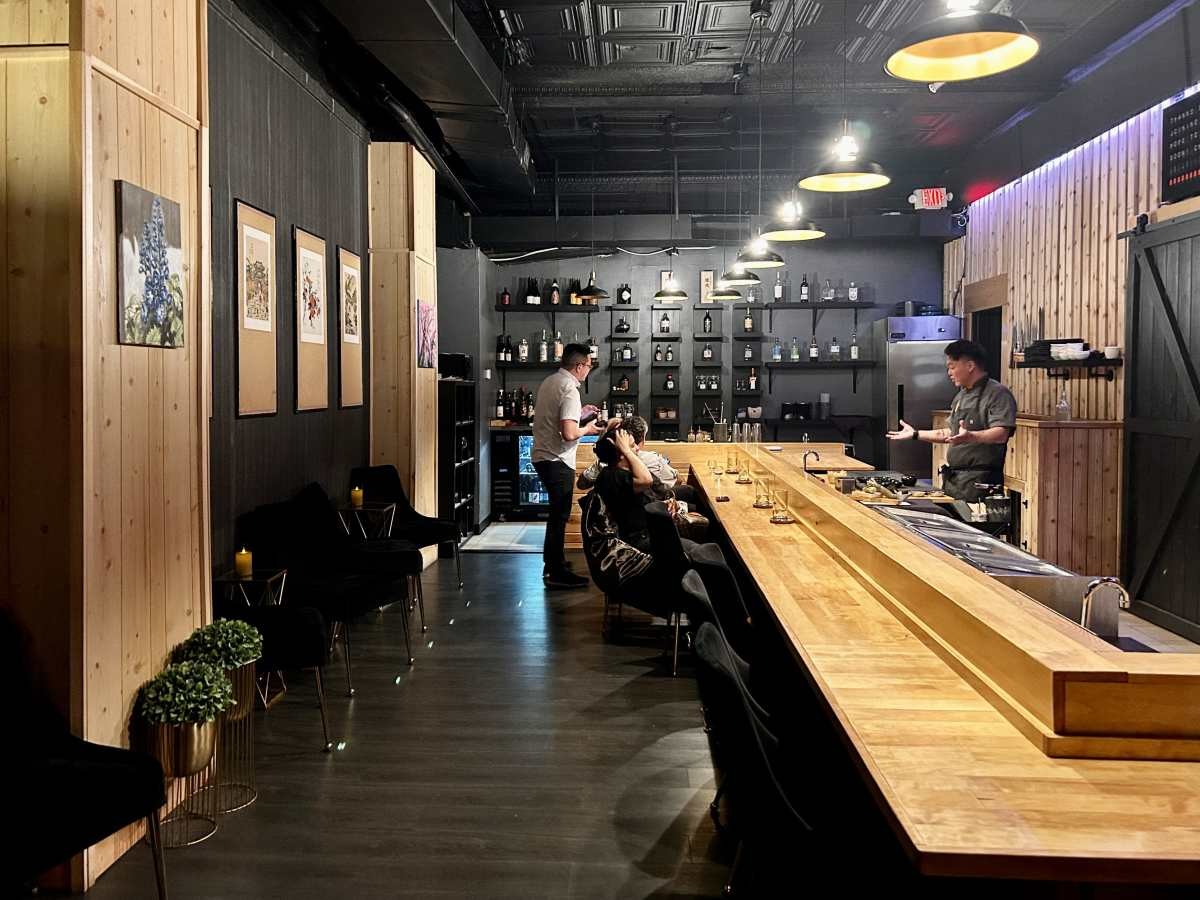
Aji Arai is the strongest recommendation for kappo dining in Oita, with eight consecutive Tabelog Bronze Awards (2019–2026) and three Tabelog 100 selections backing a seafood-focused kitchen in Nakatsu. Dinner runs JPY 20,000–29,999 in practice. Counter seats open from 16:00; private rooms suit groups up to 8. Reservation-only, phone booking, closed Sundays.
Sizen Mukuan
Wakayama, Japan
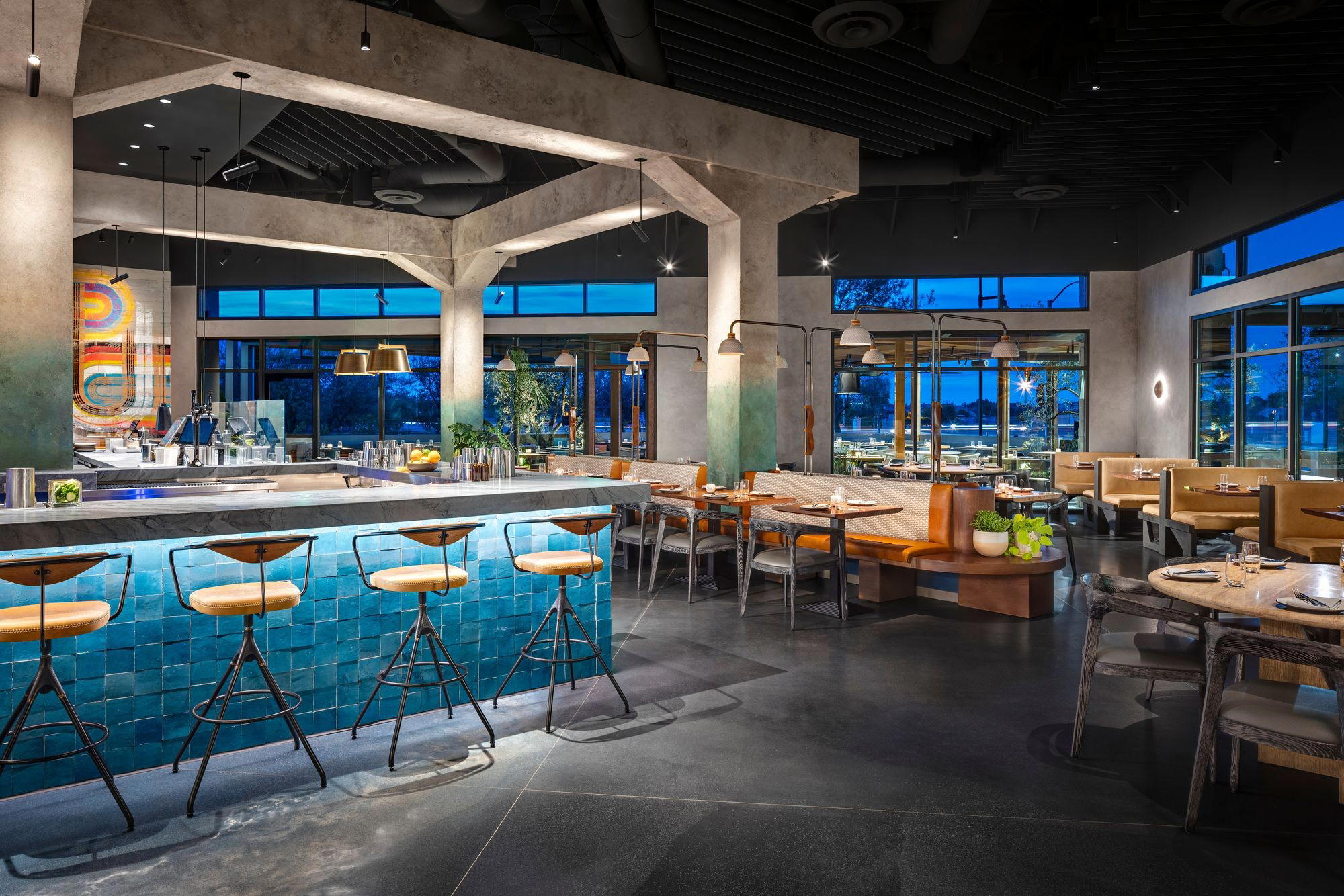
Nine-time Tabelog Bronze winner serving vegetable-focused kaiseki at JPY 20,000–29,999 for lunch and dinner in a 15-seat room. Reservations required weeks ahead, cash-only payment, and strict punctuality policies make this Tanabe's most recognized Japanese option for Kumano Kodo travelers.
Tsugumi
Fukuoka, Japan
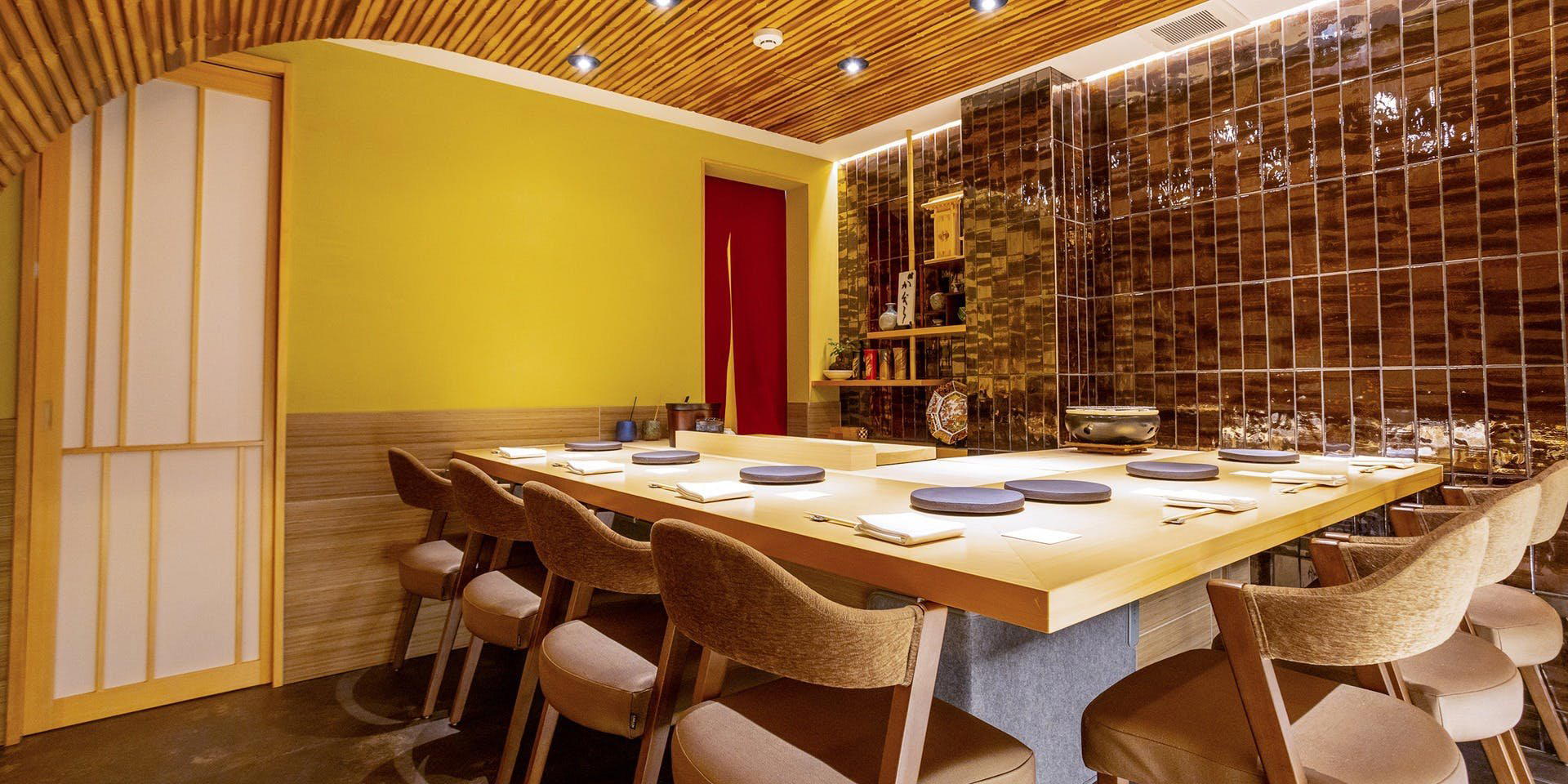
Tsugumi is one of Fukuoka's most consistent regional Japanese counters; Tabelog Bronze every year from 2022 to 2026, eight seats, and a menu that rotates completely every quarter around a single prestige ingredient. At JPY 22,000–25,300 for dinner, it rewards return visits more than almost any comparable counter in the city.
Gion Endo
Kyoto, Japan
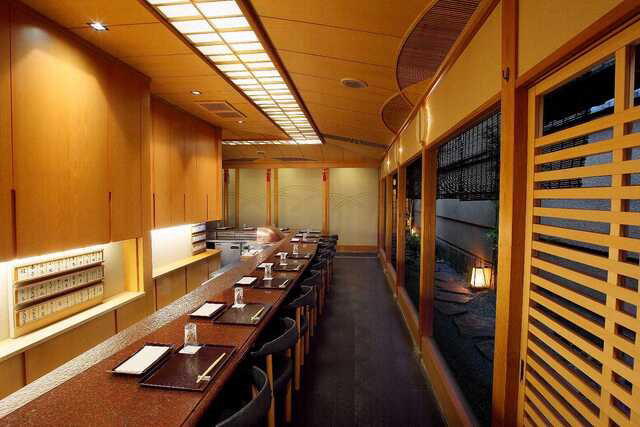
Gion Endo delivers fish-focused Japanese cooking in a casual 16-seat room that trades kaiseki formality for late-night ease. The eight-seat counter reveals seasonal seafood prep at a JPY 30,000–39,999 price tier, backed by multiple Tabelog Bronze Awards and a spot in the 2025 Tabelog 100 WEST list. Open until 2 AM six nights a week, it suits solo diners, pairs, and anyone seeking approachable technique without the multi-week booking scramble.
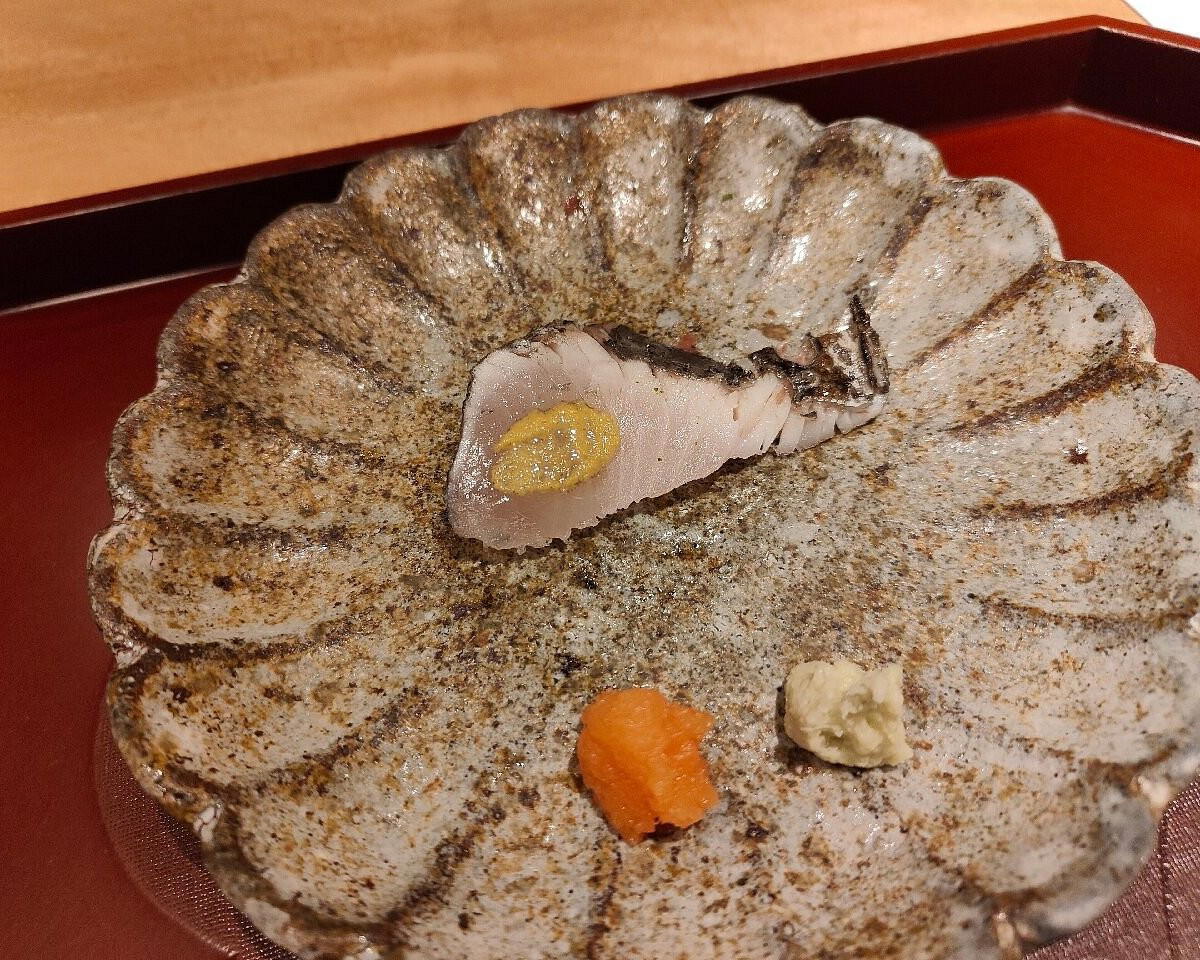
Chiso Sottakuito
Hiroshima, Japan
A nine-seat kaiseki counter in Naka Ward holding a 4.55 Tabelog score and six consecutive Tabelog Awards (Bronze 2020–2021, Silver 2022–2026). The late 23:00 closing hour separates it from Hiroshima's earlier-evening fine-dining addresses; the cash-only, reservation-only format and strict cancellation policy mean flexibility is traded for technical precision. Book two to three weeks ahead for weekend evenings.
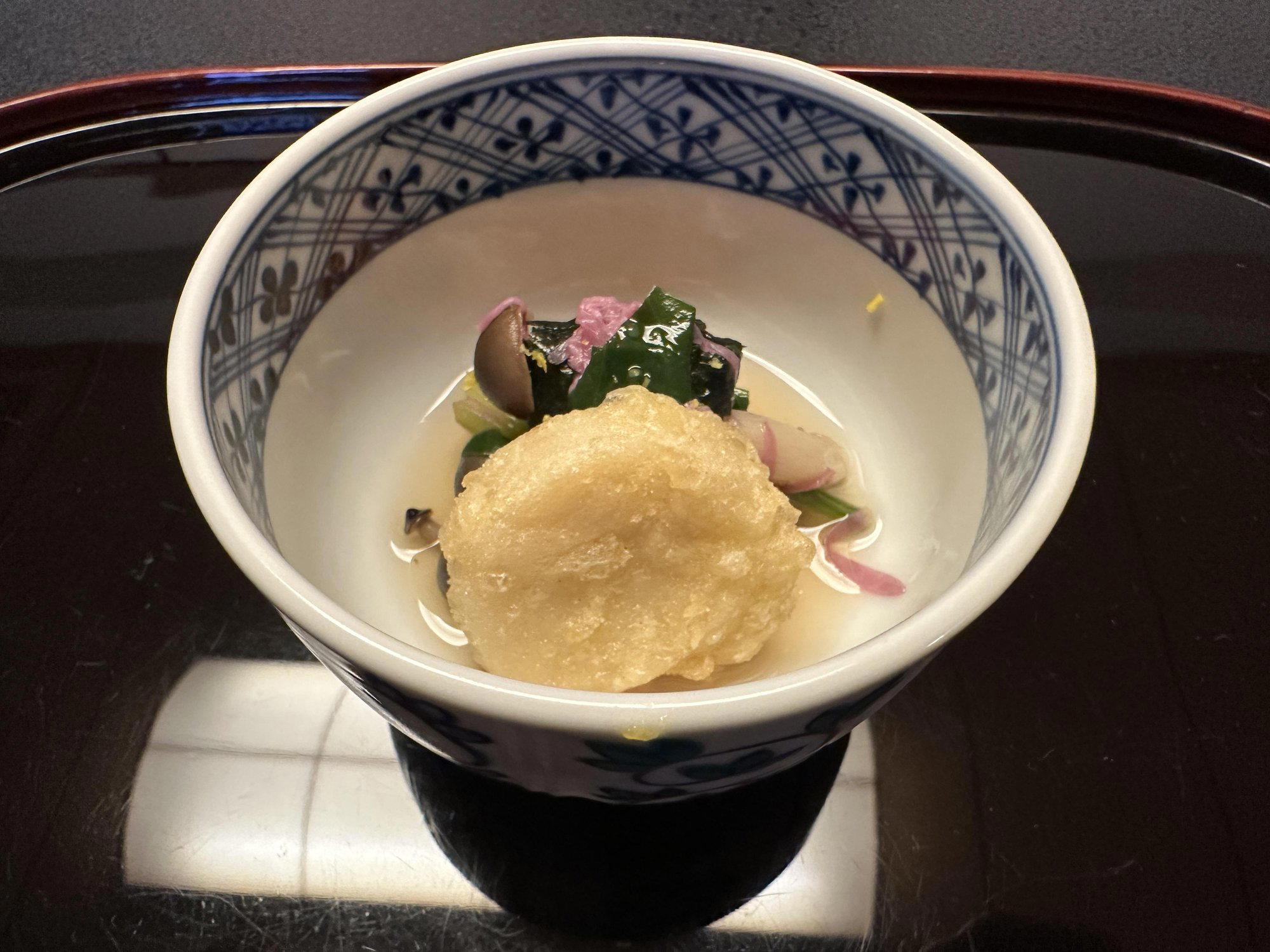
Sangencha
Kyoto, Japan
Sangencha is a Tabelog Bronze Award winner (2017–2026) in Gion with private rooms for 2 to 6, counter seating for solo diners, and a traditional Japanese format grounded in Zen and tea ceremony traditions. At JPY 20,000–29,999 for dinner, it sits below Kyoto's top kaiseki ceiling and books more easily than most credentialed competitors in the same neighbourhood.
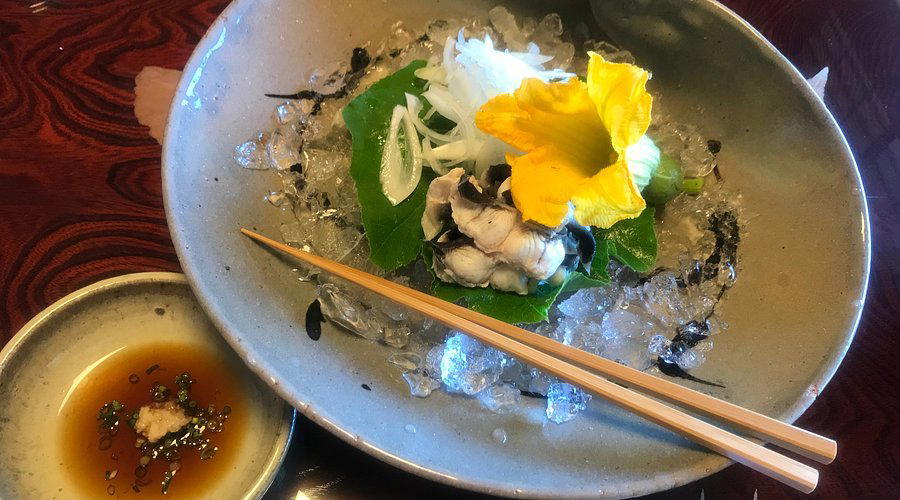
Amegen
Saga, Japan
Amegen in Karatsu, Saga has held the Tabelog Bronze Award every year from 2020 to 2026 and twice made the Tabelog Japanese Cuisine WEST Top 100; a record that makes it the most consistently recognised Japanese cuisine venue in the prefecture. Expect river fish, Tsugani crab, and wild vegetables cooked through Edo-period techniques, served in a quiet tatami room at JPY 10,000–14,999 per head. Worth the detour if you are eating your way through Kyushu seriously.
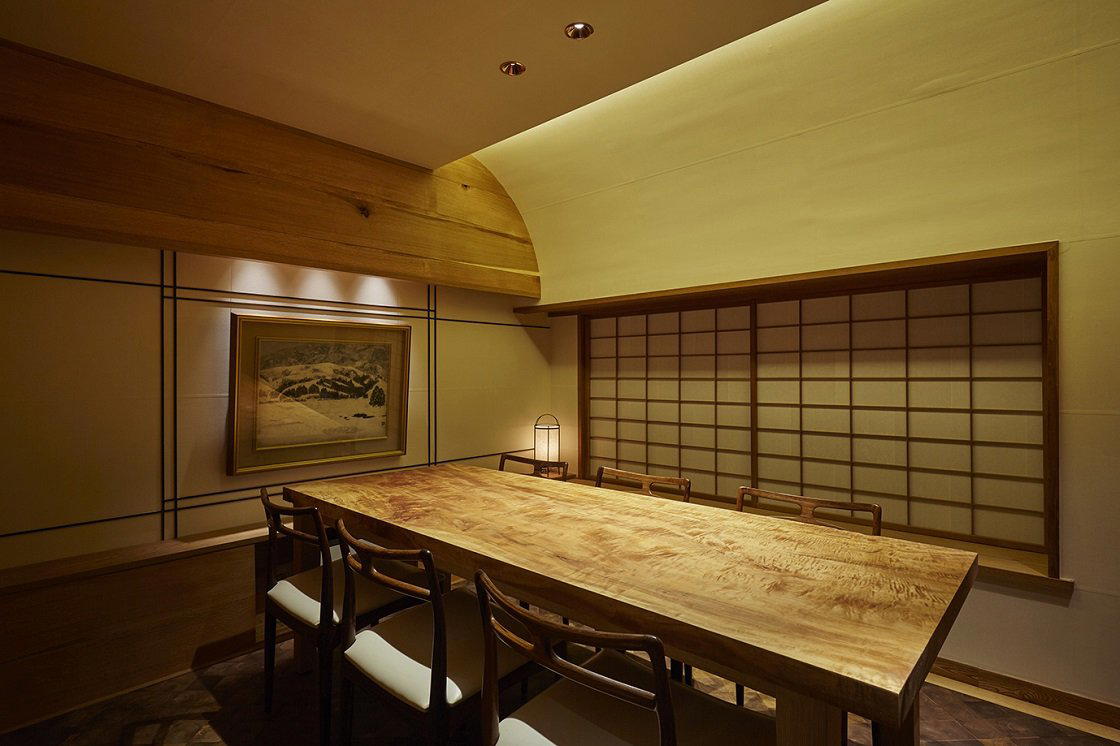
Kashiwaya Osaka Senriyama
Osaka, Japan
Kashiwaya Osaka Senriyama is a restaurant in Suita, Osaka.
Uemura
Kobe, Japan
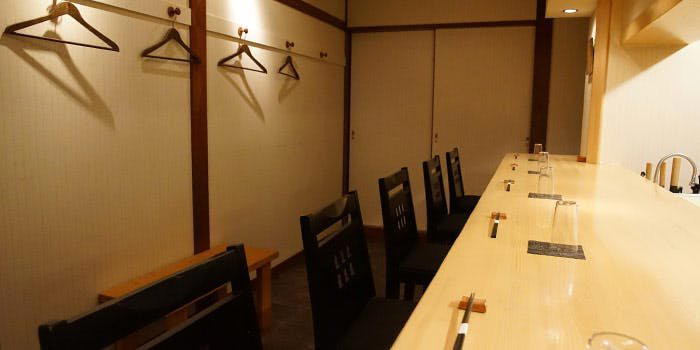
Counter-only kaiseki in Kobe with Tabelog Silver Award recognition and a seafood-forward menu from chef Ryosuke Uemura. At JPY 30,000–39,999 per head, it delivers consistent technical execution without Tokyo's booking pressure, though the sake program outshines the wine list. Best for solo diners and couples; groups of 10+ can book weekday lunch.
Dogo Kaishu
Matsuyama, Japan
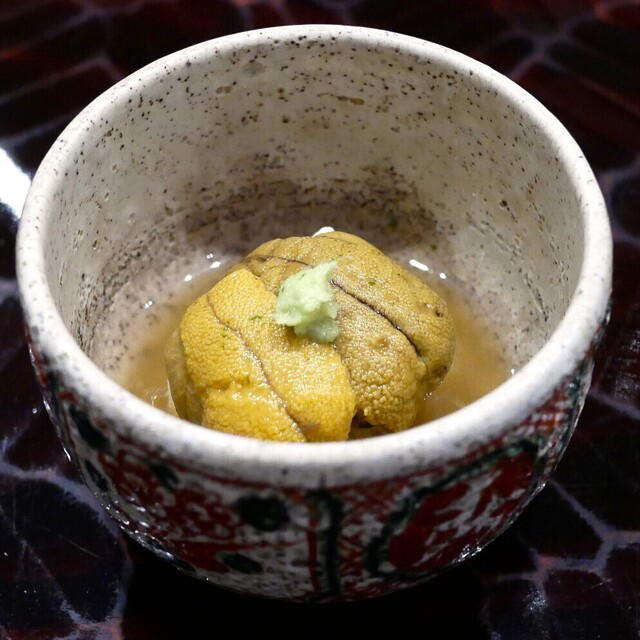
Tabelog Bronze kaiseki in Dogo Onsen's historic quarter, emphasizing seasonal Seto Inland Sea fish at JPY 15,000–19,999. Counter seating offers chef interaction and sake guidance; private rooms suit larger groups. Reservation-only, dinner-only, and worth booking if you're staying near Matsuyama's onsen district and want a refined meal within walking distance.
Momen
Osaka, Japan
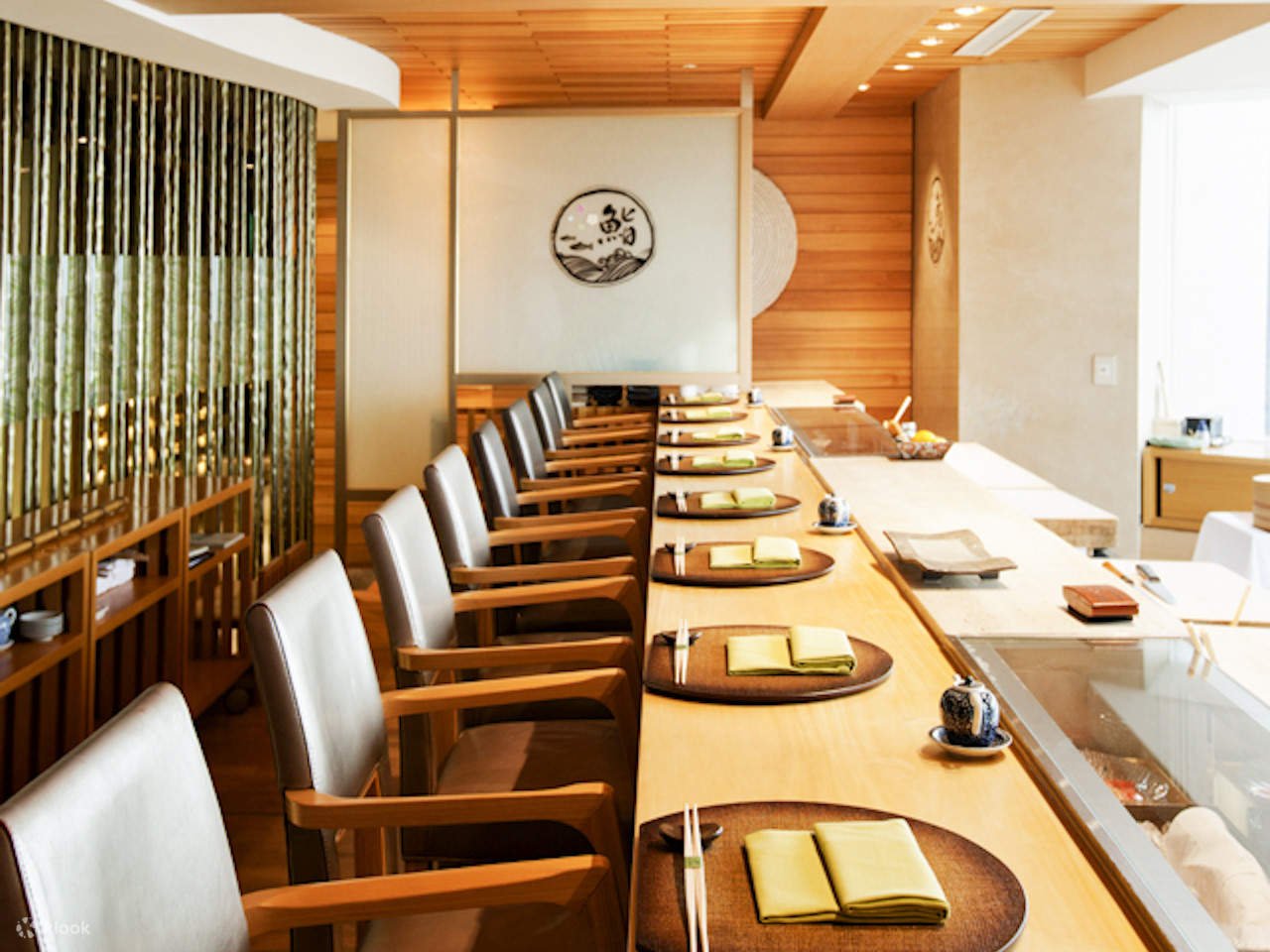
Momen is a nine-seat kaiseki counter in Shinsaibashi, Osaka, with eight consecutive Tabelog Bronze Awards and three Tabelog 100 selections. Dinner runs JPY 20,000–29,999 per head, cash only, with no lunch service. The counter format makes it a strong choice for a serious dinner for two; but confirm availability before planning around it, as reservations are currently limited.
Yonemasu
Osaka, Japan
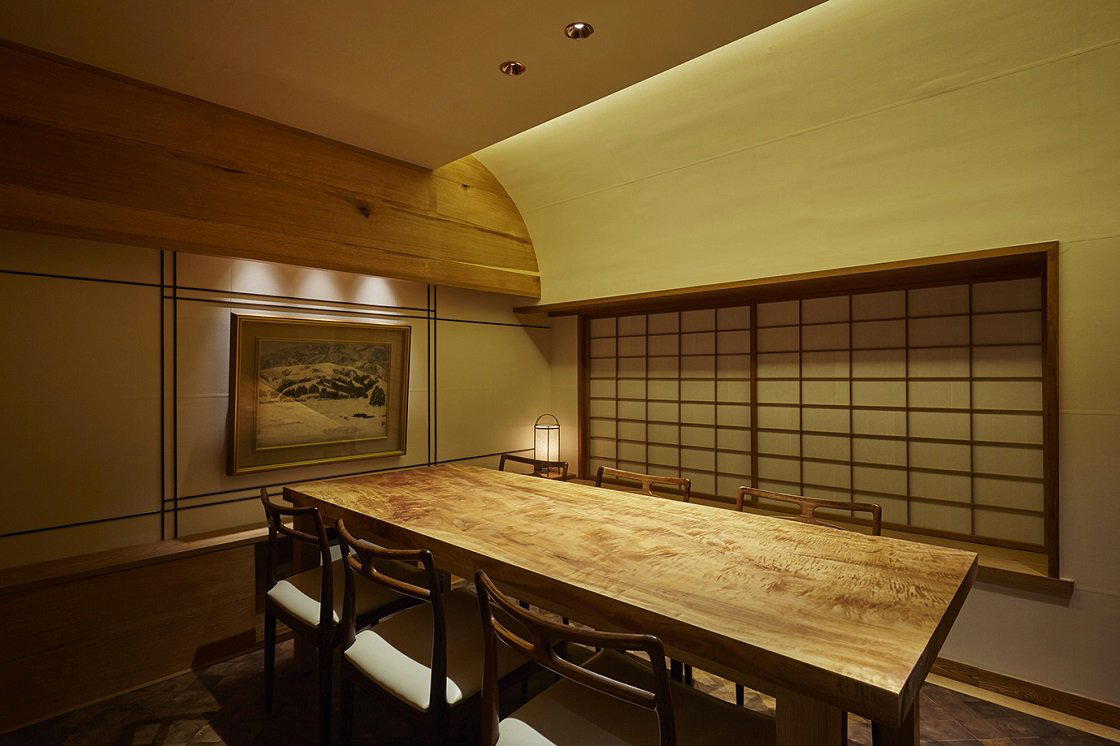
A Michelin-starred, 8-seat counter in Kita Ward with Tabelog Silver recognition across seven consecutive years. Yonemasu serves fixed-course kaiseki built around the traditional Japanese calendar, with a stated focus on fish and strict attention to seasonal provenance. Cash only, no website, and genuinely hard to book; plan at least several weeks ahead for any specific date.
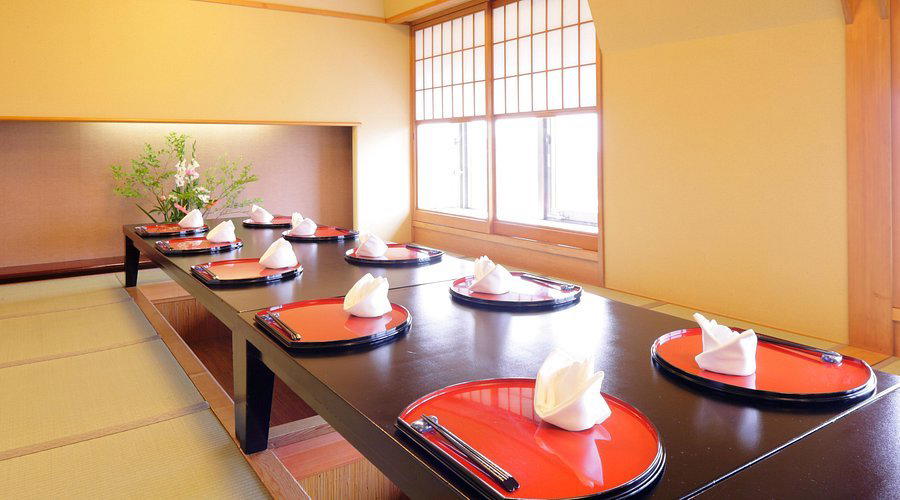
Nakashima
Hiroshima, Japan
Chef Tetsuo Nakashima's 14-seat kaiseki counter specializes in Seto Inland Sea fish and seasonal Hiroshima produce, with a tasting menu that rotates every few weeks. Seven consecutive Tabelog Bronze Awards and three Hyakumeiten appearances back the kitchen's reputation for clean technique and ingredient-focused cooking. Reservations required; dinner only, Monday through Saturday.
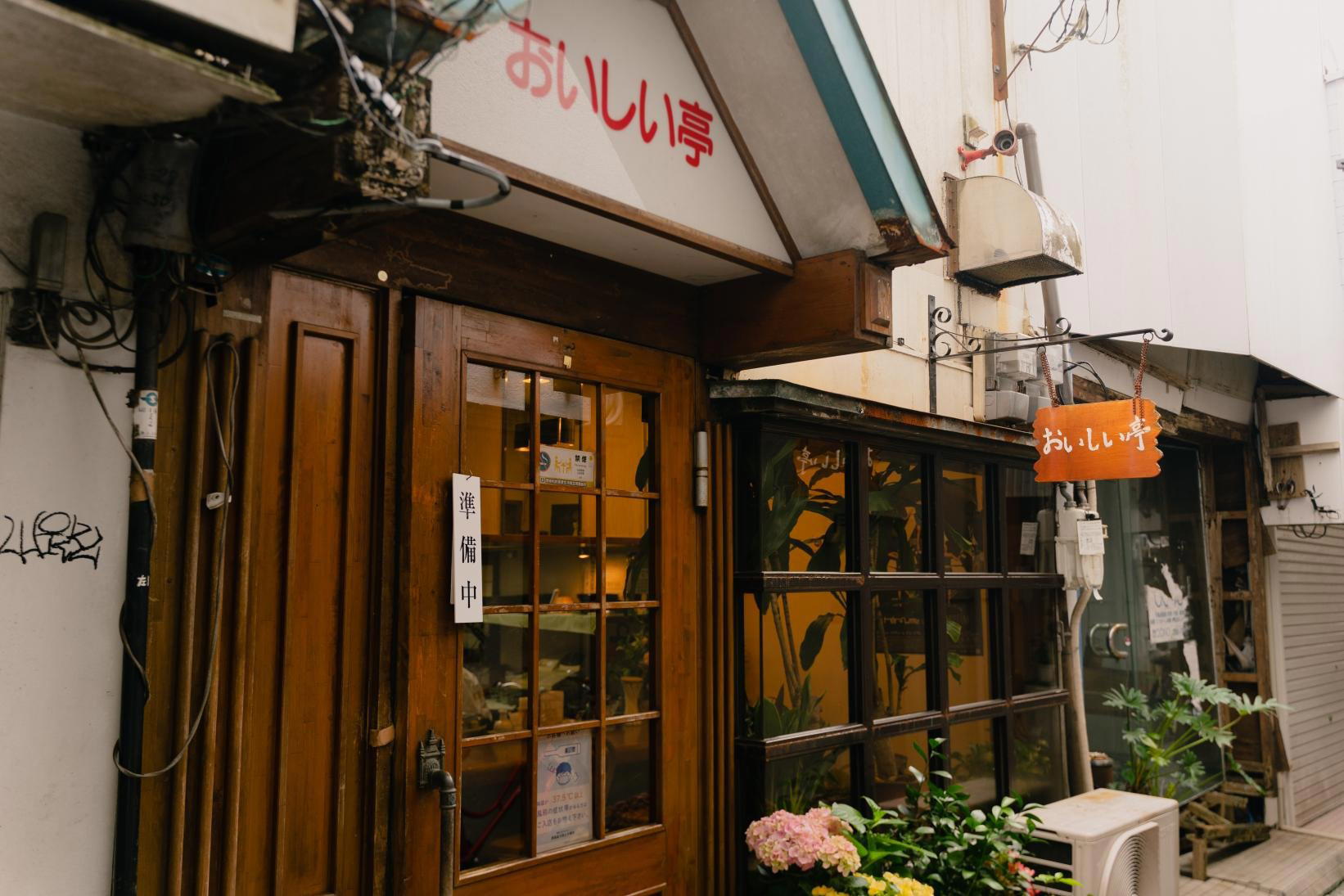
Miyazaki
Fukui, Japan
A seven-seat counter near Fukui Station delivering seasonal kaiseki built around Hokuriku seafood and Echizen crab, with Tabelog Bronze recognition (2025, 2026) and a place in the <em>Tabelog 100 WEST 2025</em> list. At JPY 15,000–19,999, it offers ingredient-forward cooking in an intimate setting, with reservations typically available two to three weeks ahead. Dinner-only service, closed Sundays.
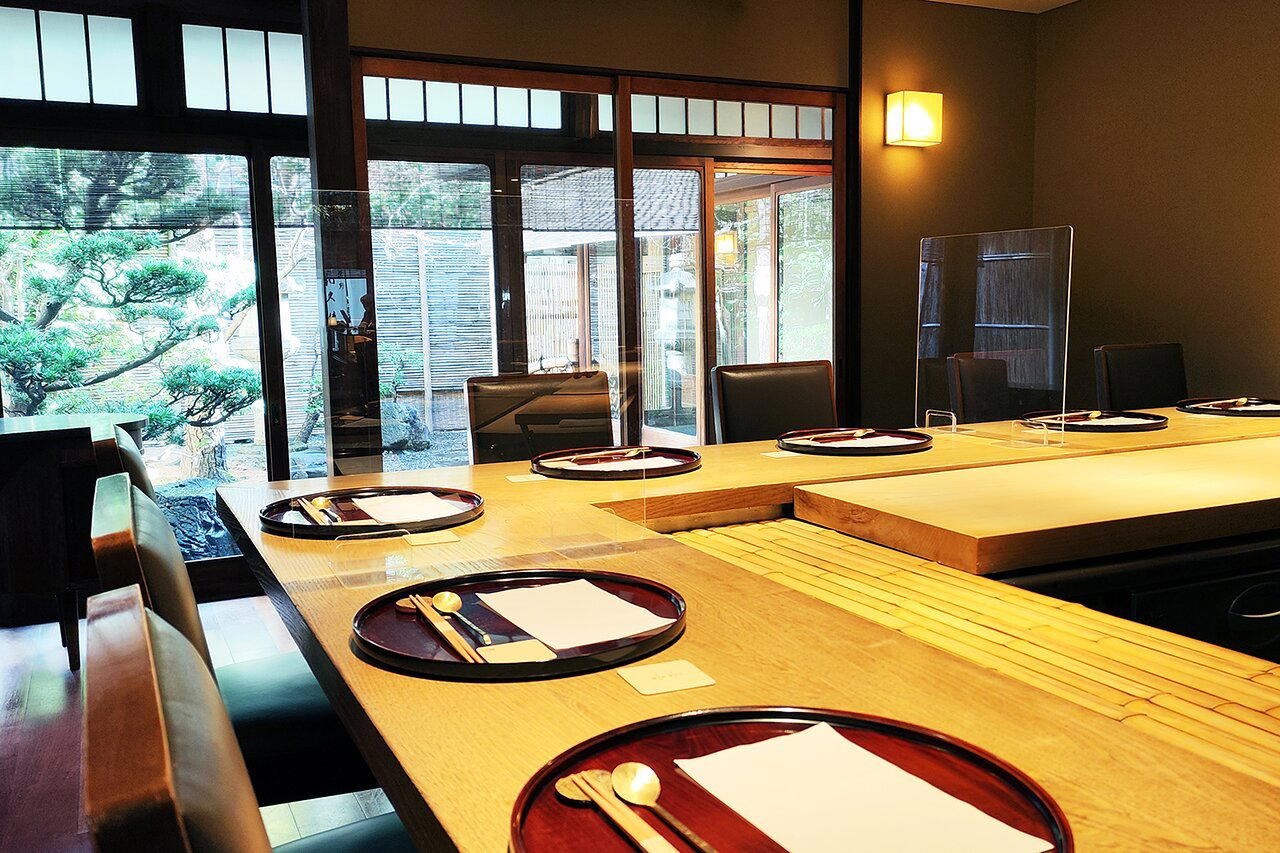
Muromachi Wakuden
Kyoto, Japan
Muromachi Wakuden is a Tabelog Bronze Award winner (nine consecutive years through 2026) and Tabelog Japanese Cuisine WEST Top 100 recipient serving kaiseki in a 150-year-old Kyoto townhouse. Counter seating faces an open charcoal-brazier kitchen. Dinner runs ¥20,000–¥29,999 per head (food), making it one of the most accessible serious kaiseki options at this recognition level in Kyoto. Reservation-only; no walk-ins.
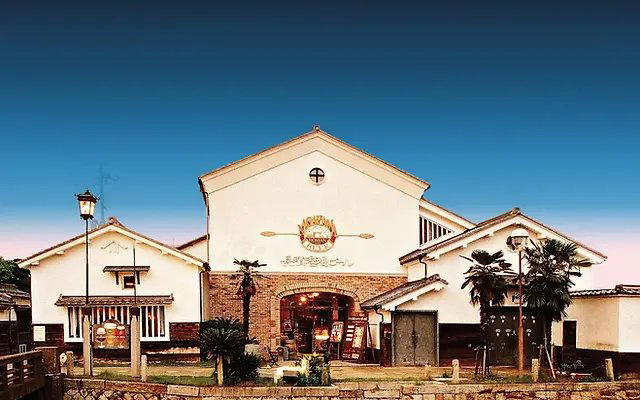
Shofukuro Honten
Higashiomi, Japan
Shofukuro Honten is Higashiomi's most credentialed kaiseki restaurant, ranked #228 on Opinionated About Dining's Top Restaurants in Japan (2025) with a Tabelog Bronze Award. It is a strong choice for a special occasion dinner in Shiga Prefecture, with a structured, chef-led tasting progression and currently easy booking; rare at this award level. Contact directly for pricing before you reserve.
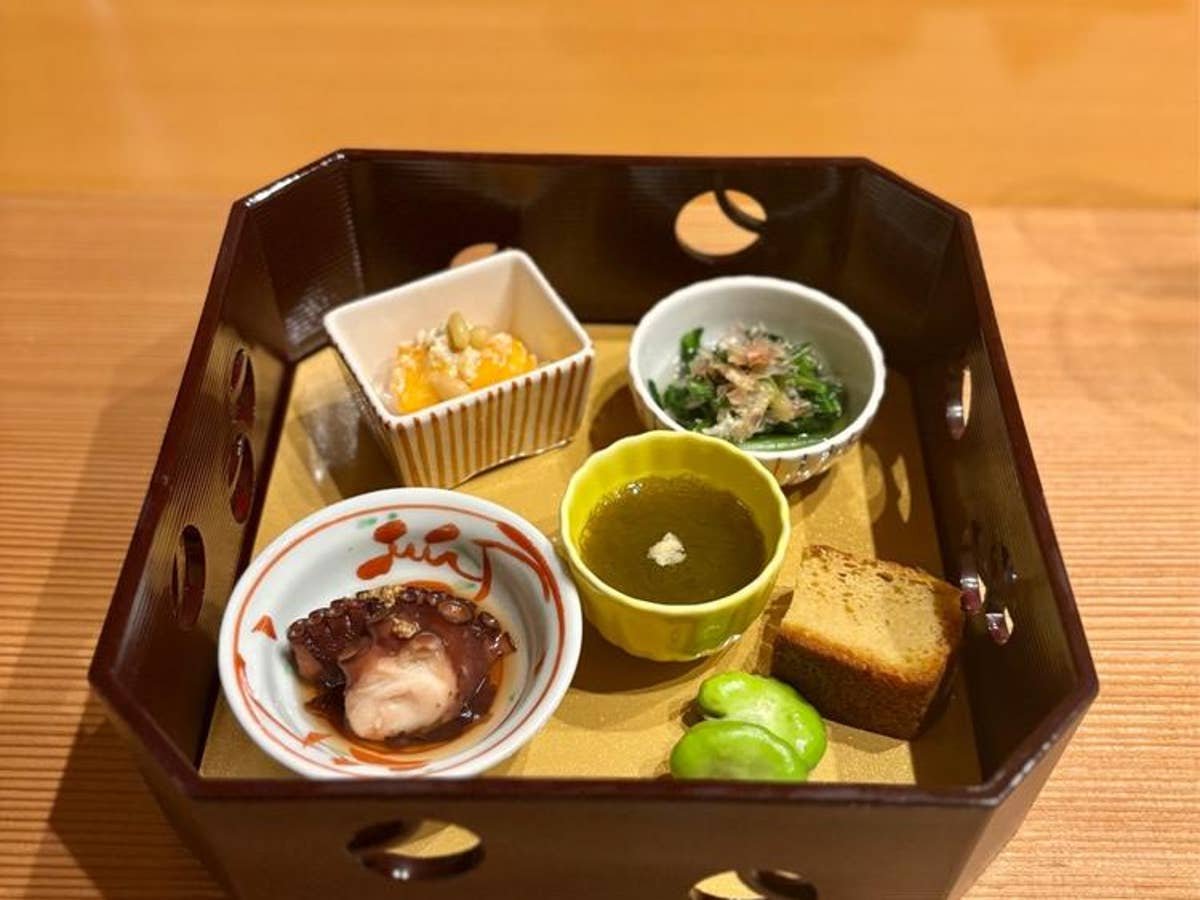
㐂泉
Miyazaki, Japan
Book 㐂泉 for a more serious Miyazaki dinner anchored by recognition rather than published menu detail. It is a better fit for diners comfortable with a less pre-scripted Japanese meal; choose Aji no Ogura Honten or Soba ya Tesshin if price clarity matters more.
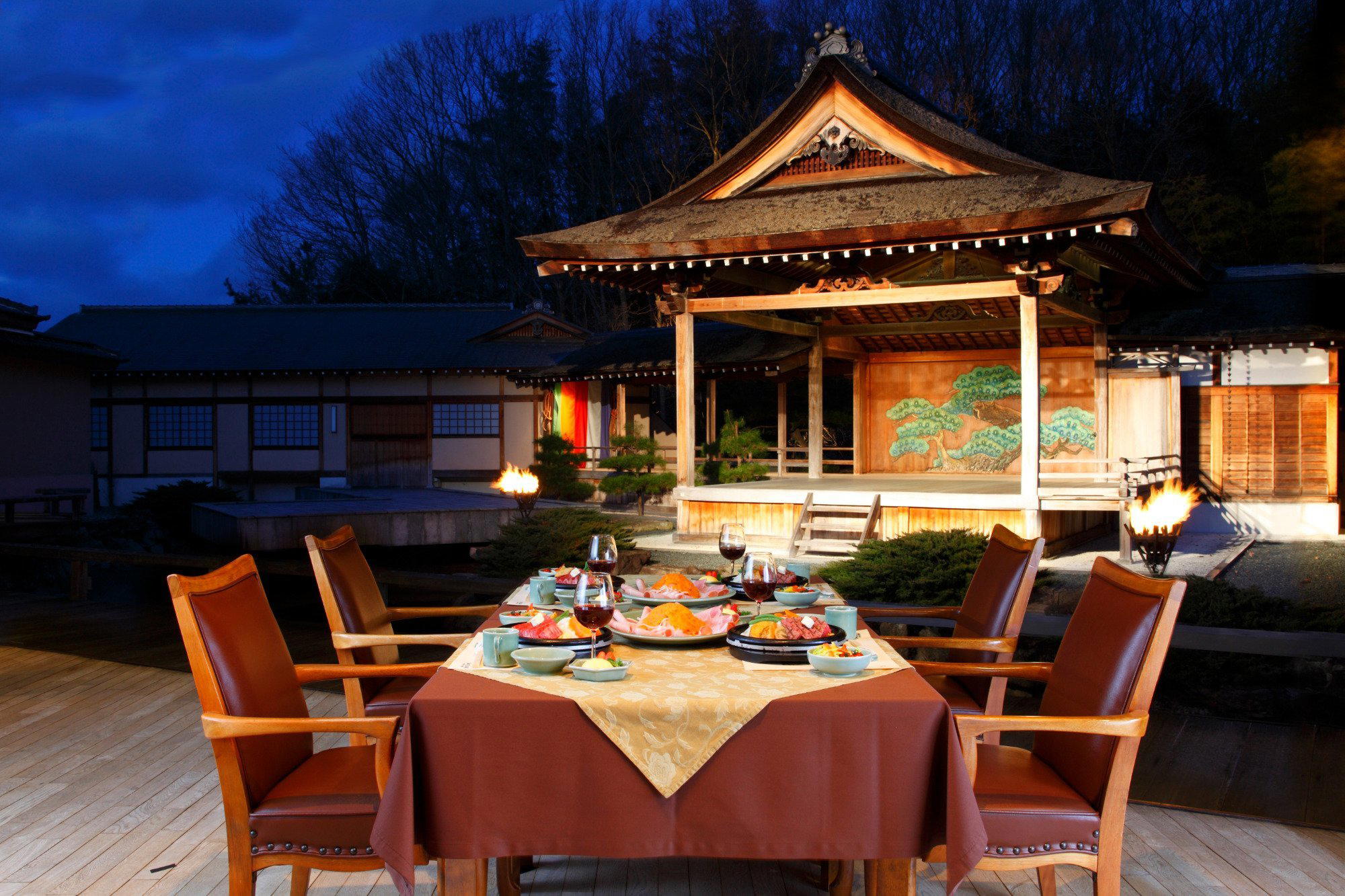
Konishiya
Hyogo, Japan
Eight-time Tabelog Bronze winner in Sanda offering fish-forward kaiseki with sommelier-backed sake and wine pairings. Ten-seat counter or private tatami rooms for up to sixteen; JPY 20,000–29,999 per head. Book the counter for intimacy, the tatami space for group celebrations.
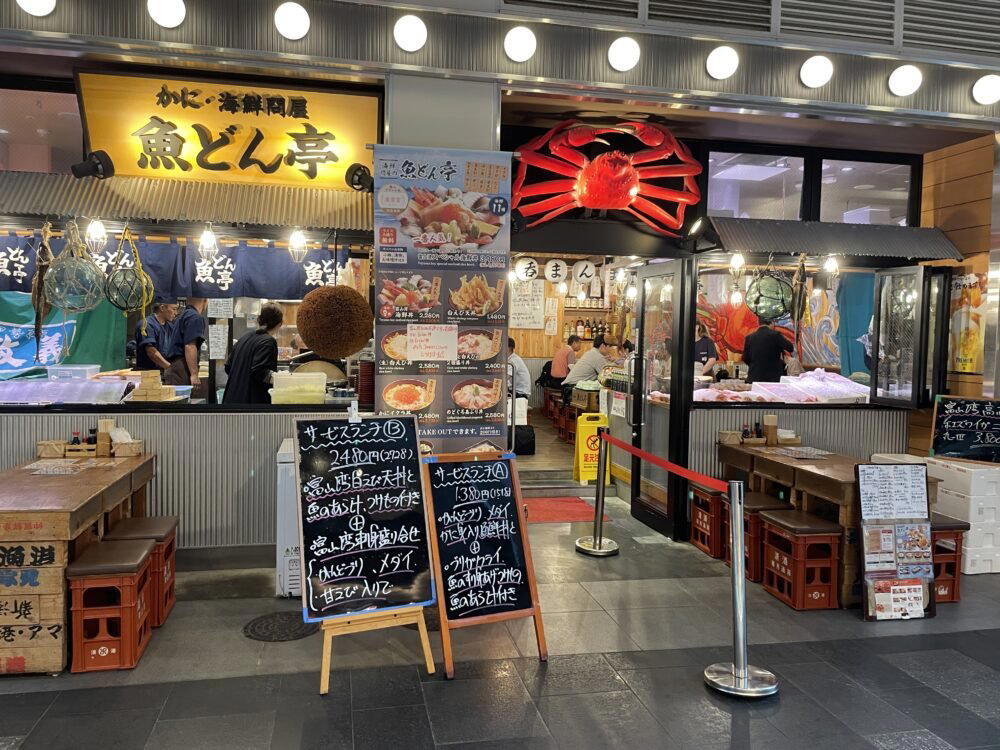
å¨ä¹ å±
Toyama, Japan
A strong pick for Toyama diners who value recognized local credibility over a fully documented format. The 2025 Tabelog 100 #88 placement makes it worth considering, but it is less useful for groups or travelers who need firm pricing, cuisine, and seating details before choosing.
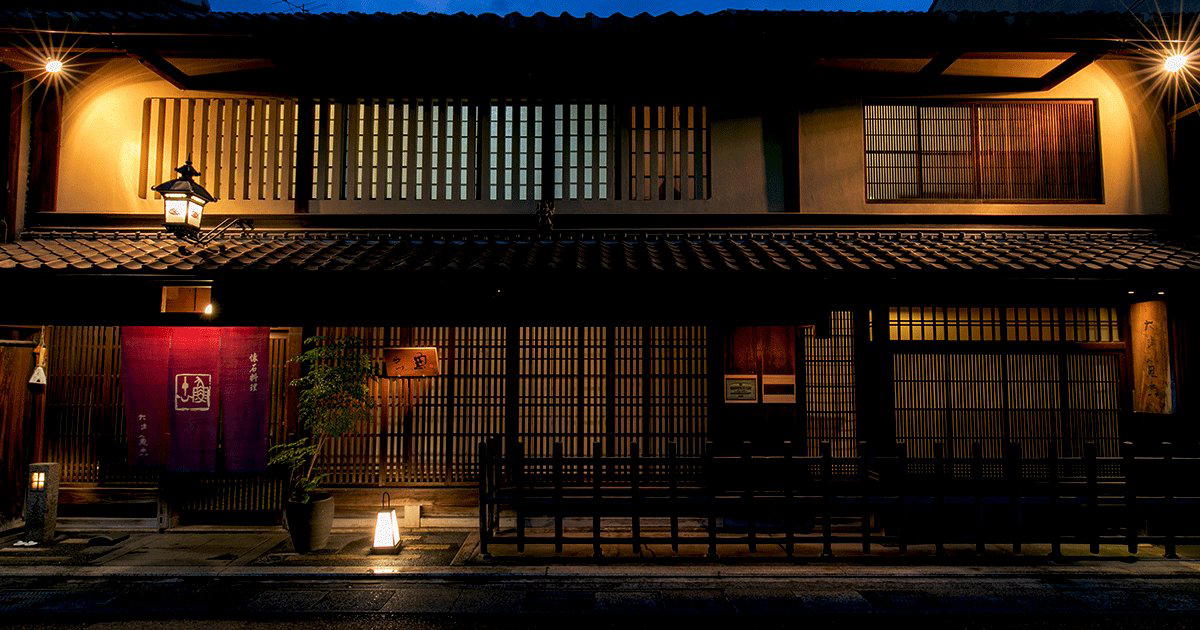
比良山荘
Otsu, Japan
Choose 比良山荘 when the rural Otsu setting is part of the reason for going, not when you need a flexible late-night fallback. It suits a planned, occasion-led meal better than a quick value stop; compare Ramen Yoshichi Katata ten if price and ease matter more.
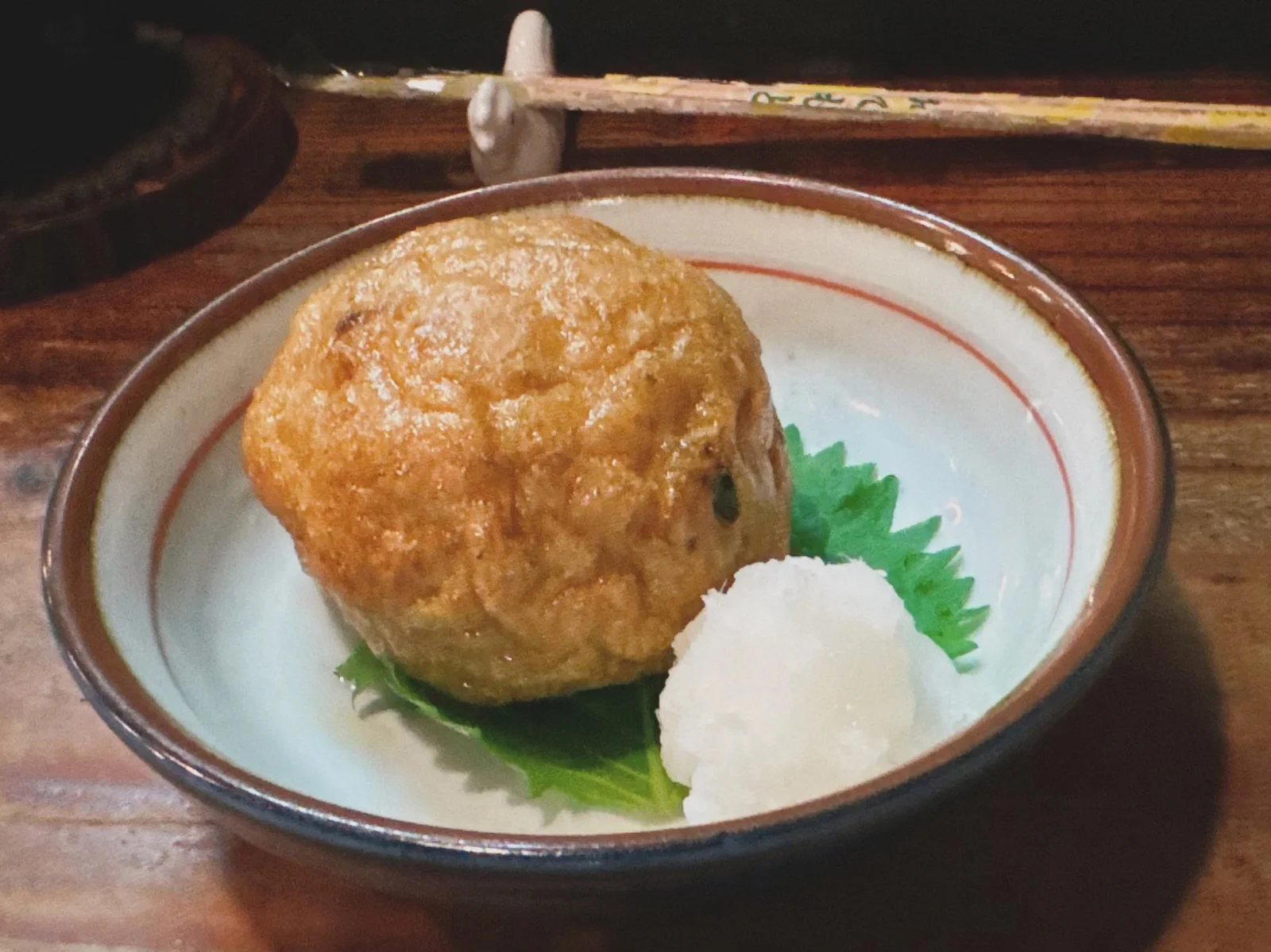
Myoken Ishiharaso Shokusai Ishikura
Kagoshima, Japan
Set within the ryokan grounds of Myoken Ishiharaso in Kirishima, Kagoshima, Shokusai Ishikura has held Tabelog Bronze recognition every year from 2020 through 2026 and earned a place on the Tabelog Japanese Cuisine WEST 100 list in 2021, 2023, and 2025. Dinner runs JPY 60,000 to JPY 79,999 per person, placing it firmly in the premium tier of Kyushu kaiseki. Private rooms are available, and the kitchen is noted for its focus on fish.
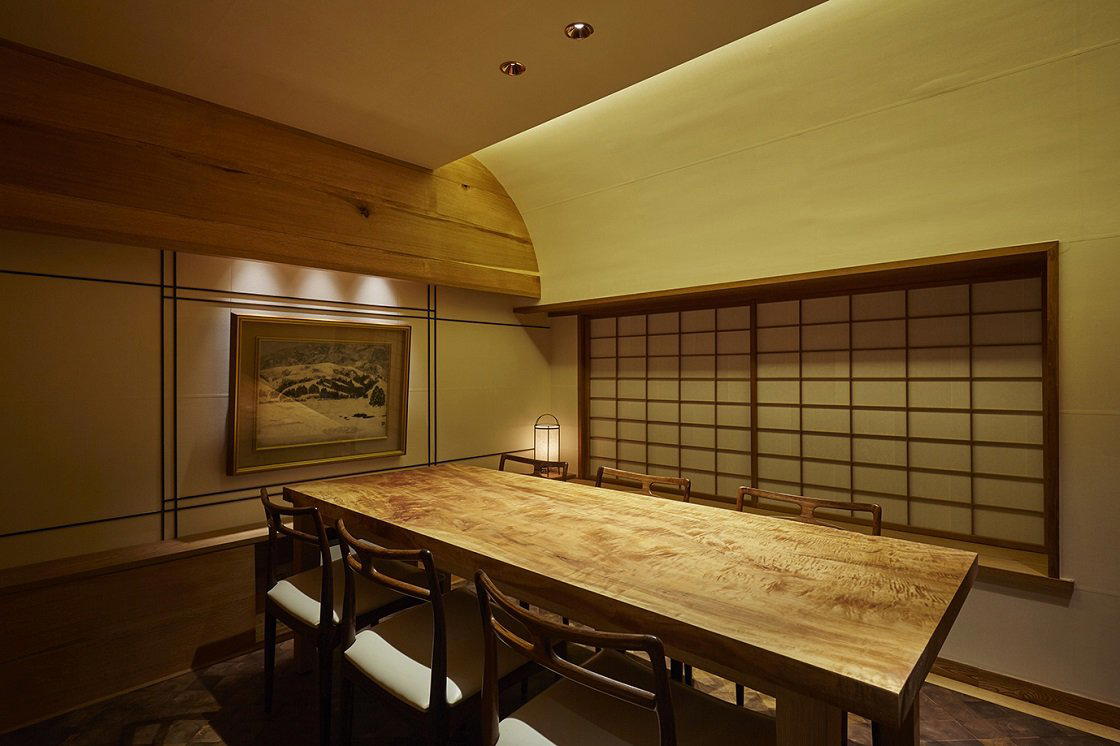
Tsukumo
Nara, Japan
Tsukumo is a restaurant on Kideracho in Nara.
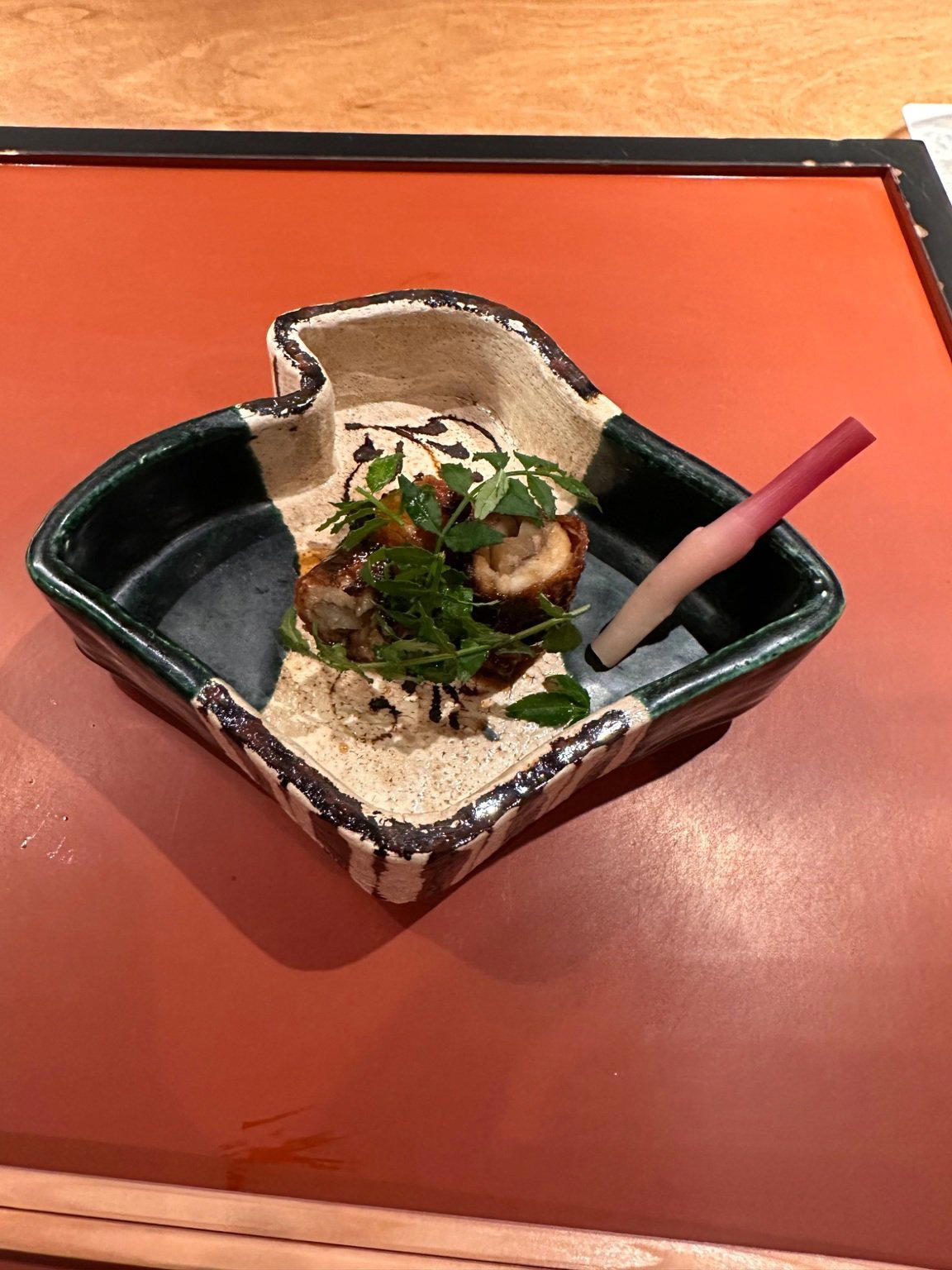
Maeda 前田
Kyoto, Japan
Maeda is a 10-seat kaiseki counter in Gion that has ranked #50 in Japan on OAD 2025 and held Tabelog recognition continuously since 2017. Dinner runs JPY 40,000–49,999 per person, the kitchen focuses on fish and sake, and photography is not allowed. Book 2–4 weeks out minimum; the counter fills and last admission is 19:30.
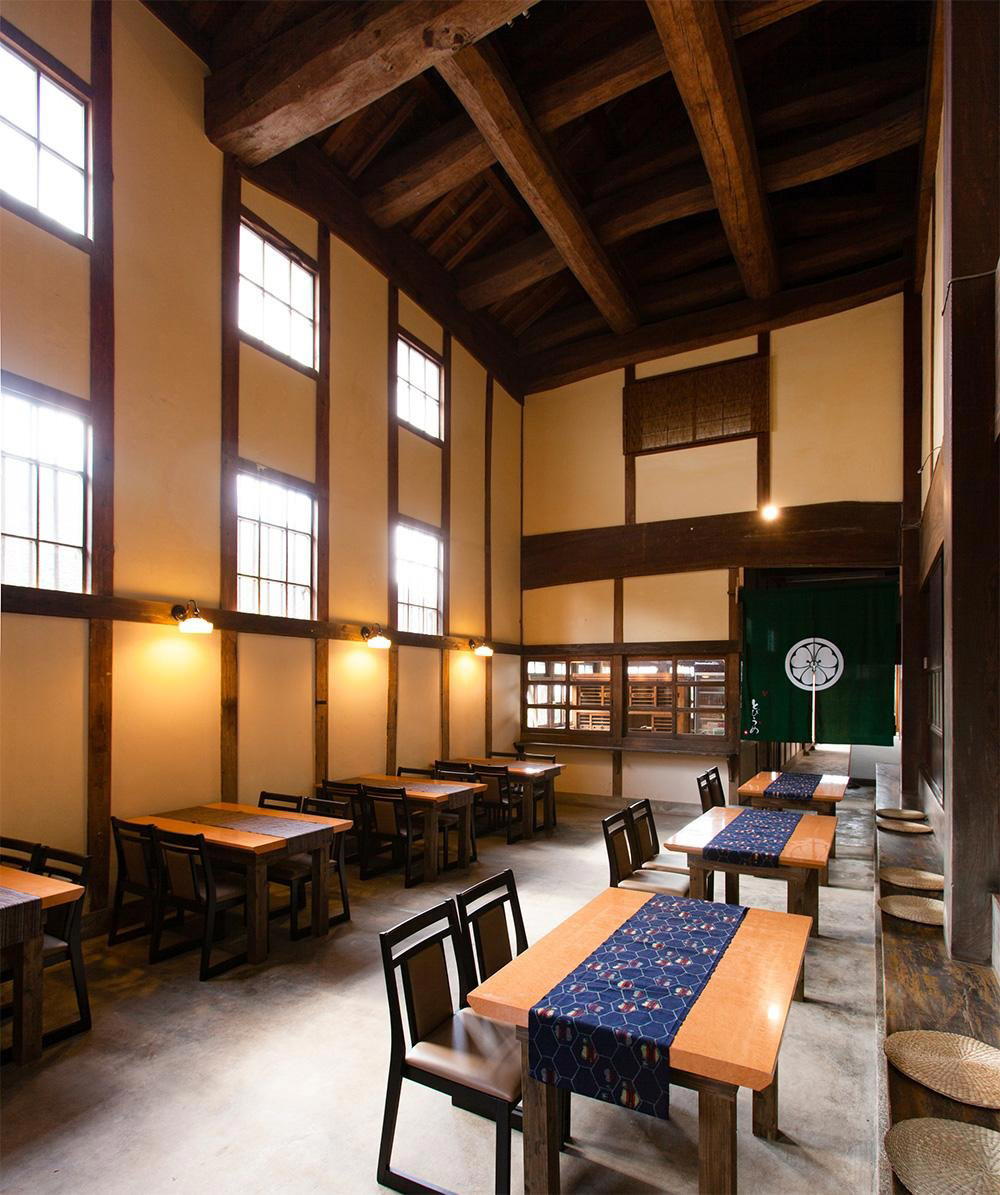
TOBIUME
Kitakyushu, Japan
A four-seat house restaurant in Kitakyushu's Yahatanishi Ward, TOBIUME has earned Tabelog Silver recognition every year from 2024 through 2026 and holds a 4.41 score on the platform. The kitchen places particular emphasis on local fish and sake, operating on a reservation-only basis that currently excludes new customers without an existing relationship to the restaurant.
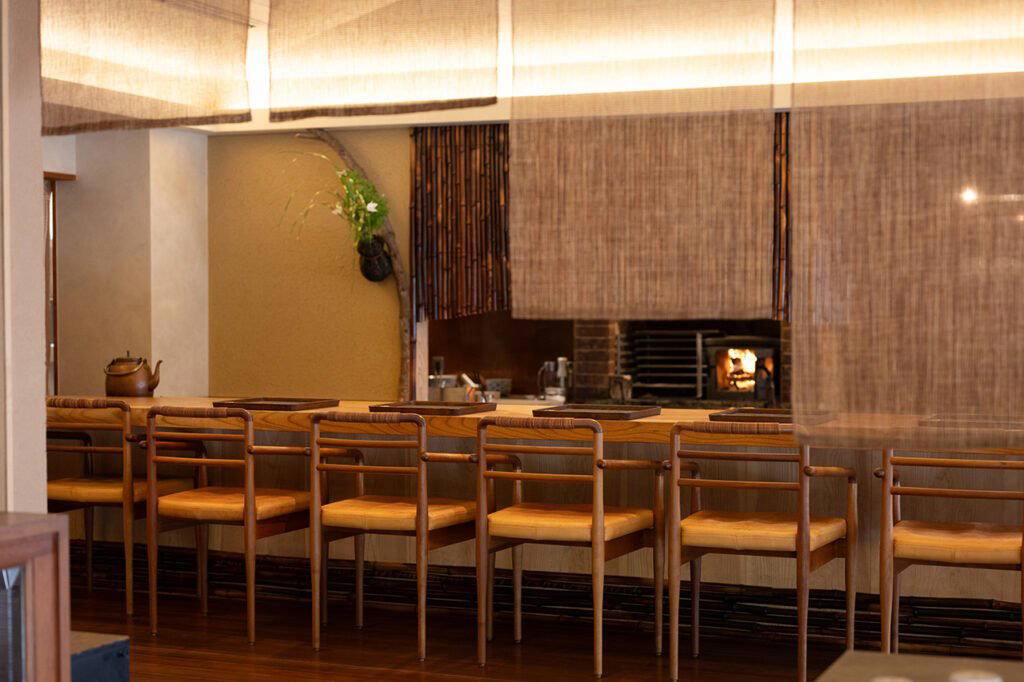
Nawaya
Kyoto, Japan
Nawaya is a fish-forward kaiseki counter in rural Tango, two-plus hours from Kyoto city, with ten consecutive Tabelog Bronze Awards and a score of 4.27. At JPY 15,000–29,999 per head, it delivers serious ingredient-driven cooking at a lower price than most Kyoto kaiseki equivalents. The remote location demands planning, but for a special-occasion meal with real culinary depth, it makes a compelling case.
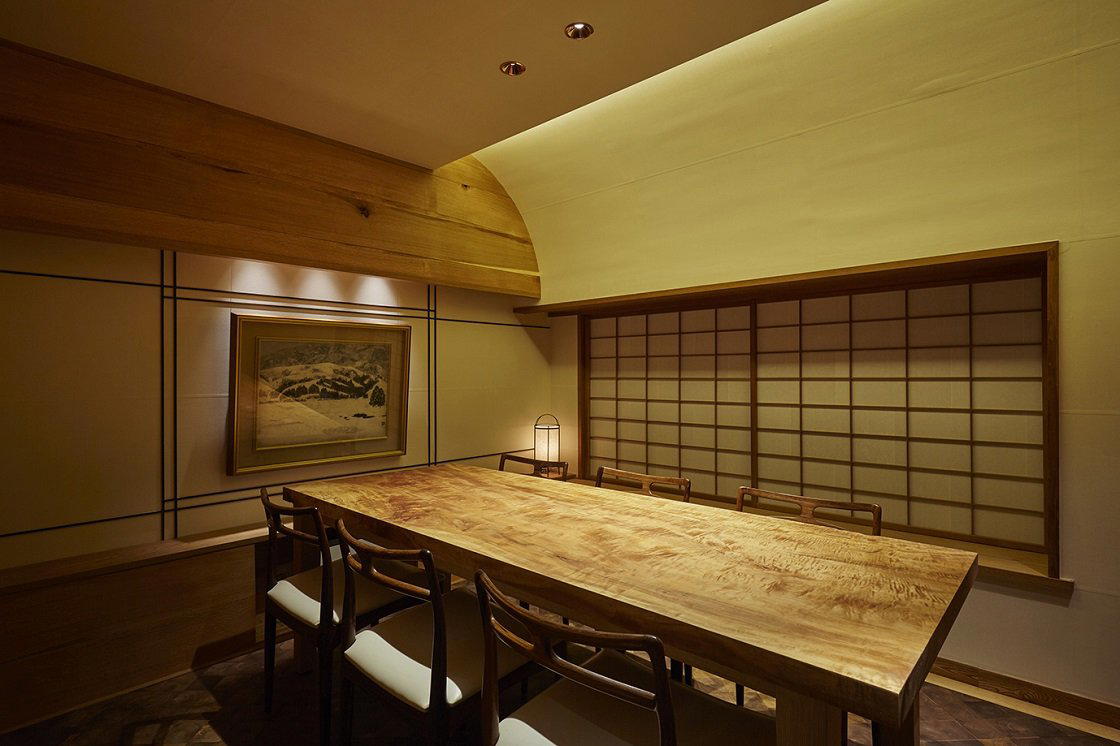
Kiyama
Kyoto, Japan
Yoshiro Kiyama's 30-seat Nakagyo kaiseki earned Tabelog Gold in 2021 and Michelin Plate recognition since 2024, with counter seating and private rooms serving ¥30,000–39,999 tasting menus built around water from an on-site well. Reservation-only, phone bookings required, and a tight service window (last entry 13:00 lunch / 19:30 dinner); worth it for diners who want precision kaiseki without Gion's tourist density, but <a href="https://joinpearl.co/restaurants/godan-miyazawa">Godan Miyazawa</a> and <a href="https://joinpearl.co/restaurants/gion-maruyama-kyoto-restaurant">Gion Maruyama</a> offer comparable depth with easier logistics.
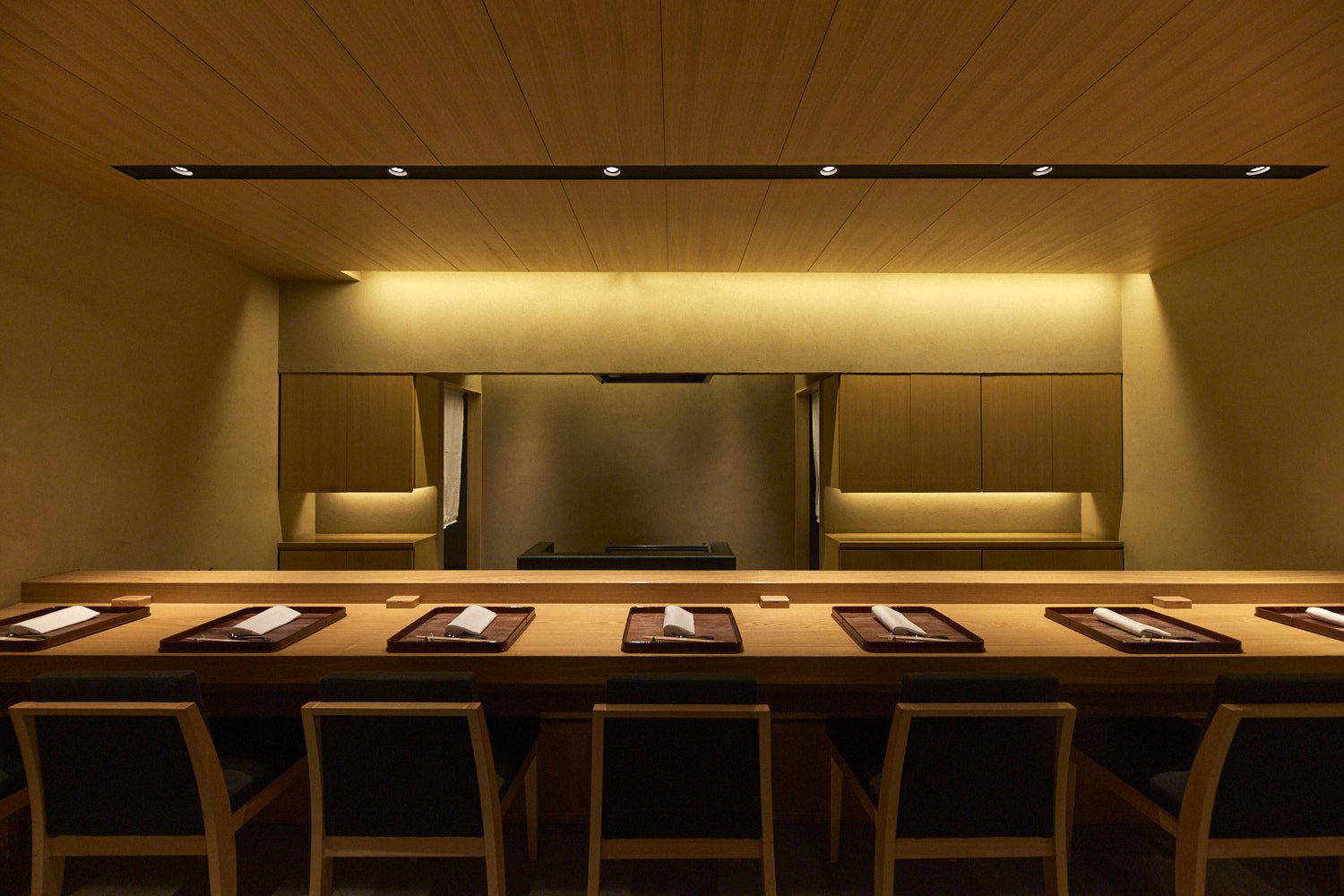
Eizan
Hiroshima, Japan
Reservation-only Japanese restaurant with an eight-seat counter and fish-focused kaiseki menus. Chef Kotaro Masunaga earned a 2026 Tabelog Bronze Award and Tabelog 100 placement within five years of opening. Counter seating delivers chef interaction; private rooms seat up to four. JPY 20,000–29,999 per person, lunch and dinner.
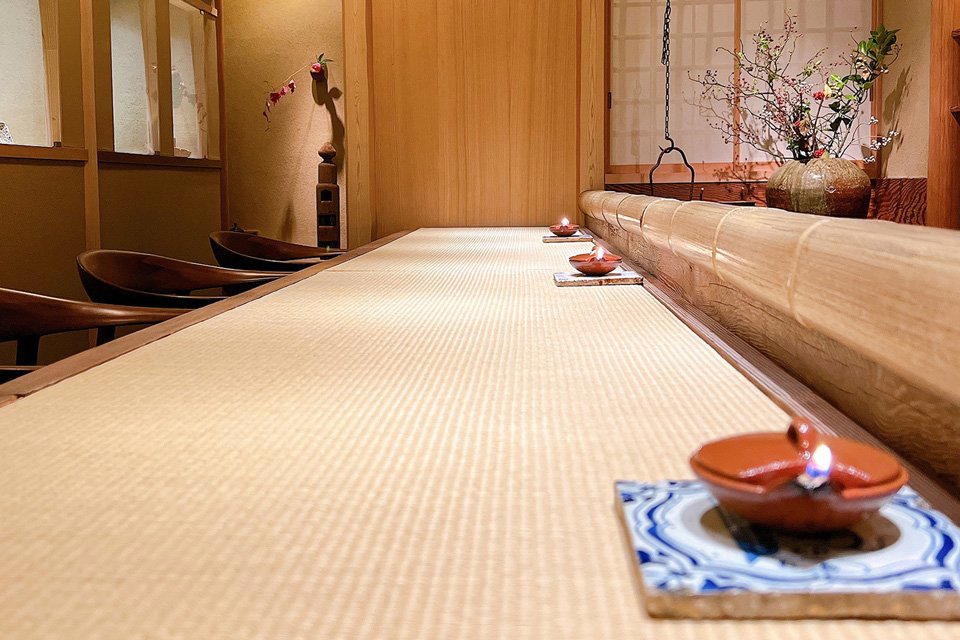
Tsukioka
Kyoto, Japan
Tsukioka is a 20-seat house restaurant in Higashiyama, Kyoto, with Tabelog Bronze recognition in 2025 and 2026, a score of 4.17, and selection for the Tabelog Japanese Cuisine WEST Top 100. Dinner runs JPY 30,000–39,999; lunch is JPY 15,000–19,999. Reservation only, with eight counter seats on the ground floor and a private room upstairs for groups of up to 12.
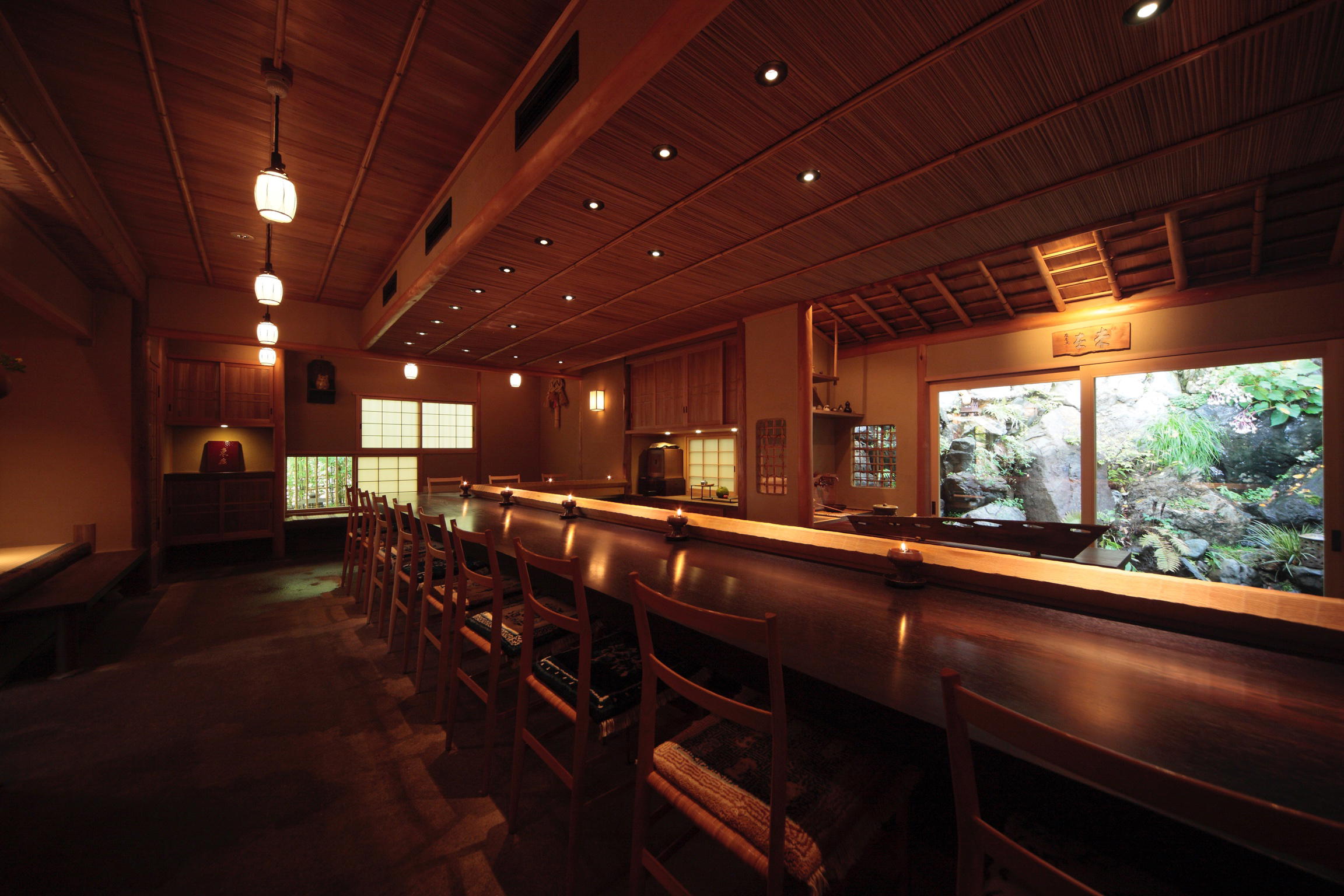
Mizai
Kyoto, Japan
Mizai is a Japanese restaurant in Kyoto's Maruyama Park.
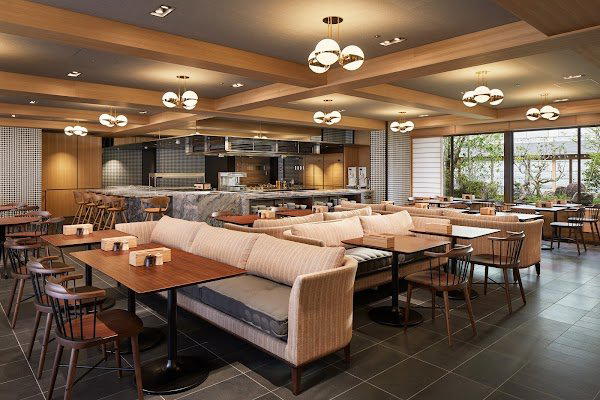
Kenya
Kyoto, Japan
Kenya is a Michelin-starred, 8-seat counter in Kyoto's Sakyo Ward, running at JPY 20,000–29,999 per head with a Tabelog score of 4.33 and back-to-back Top 100 selections. It is one of Kyoto's harder bookings to land, but the price-to-award ratio is strong relative to the city's ¥¥¥¥ kaiseki tier. Book 4–8 weeks out minimum.
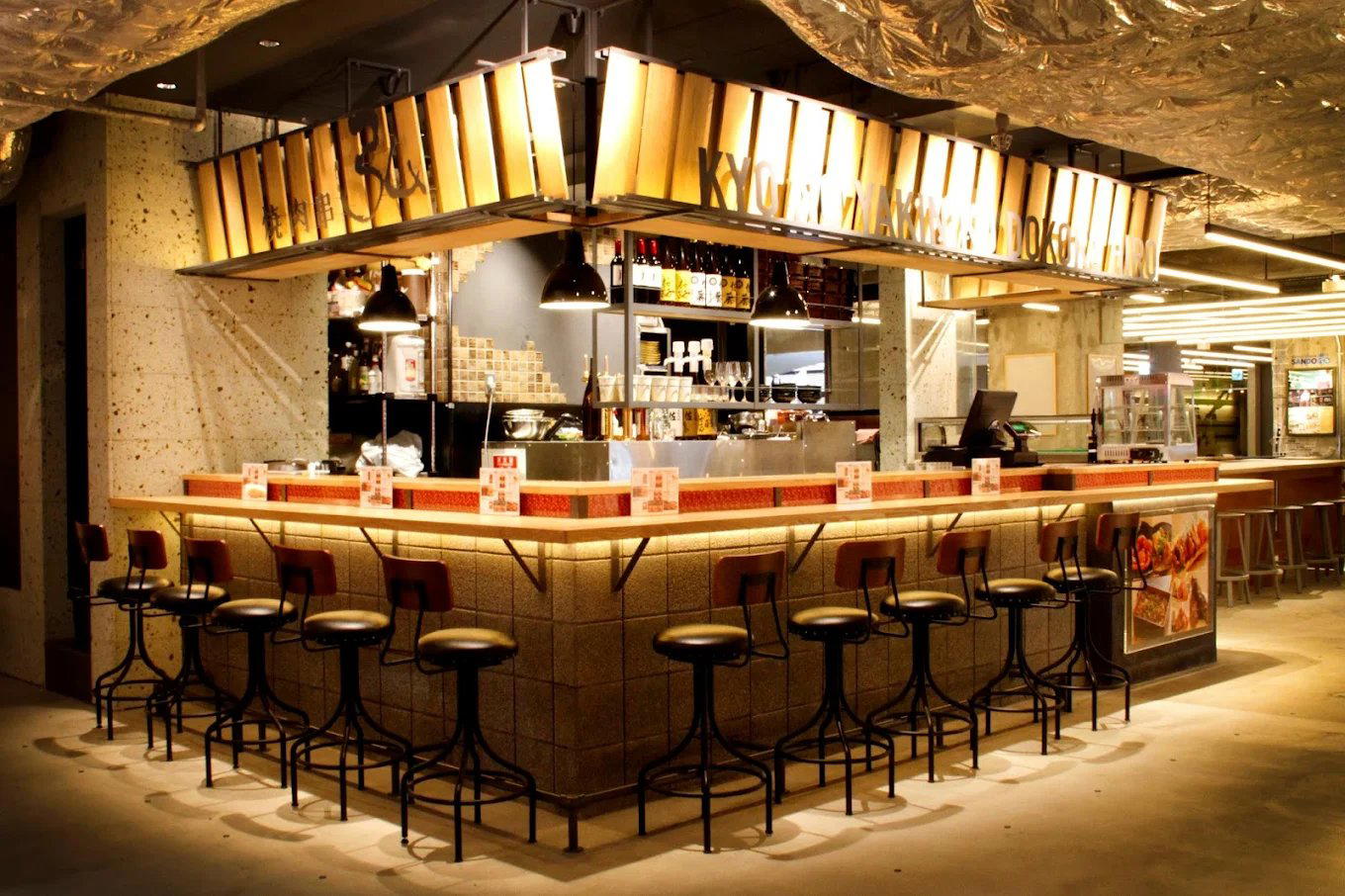
Sojiki Nakahigashi
Kyoto, Japan
Sojiki Nakahigashi is a restaurant in Kyoto's Sakyo Ward.
Overview
Tabelog 100 - Japanese cuisine - WEST - 2025 is an authoritative ranking of the top 100 Japanese restaurants in Western Japan, selected by Tabelog based on user reviews, expert evaluations, and culinary excellence. It highlights the region’s finest dining experiences for 2025.
Since its inception, Tabelog has become Japan’s largest and most influential restaurant review platform, akin to Yelp but with a uniquely rigorous approach. The Tabelog 100 lists spotlight the best eateries by cuisine and region, reflecting both popular acclaim and critical assessment. The 2025 Japanese cuisine list for Western Japan covers a diverse culinary landscape from Osaka and Kyoto to Hiroshima and beyond. This annual selection shapes dining trends, supports local chefs, and draws global gourmands eager to experience authentic Japanese culinary artistry.
For discerning diners and travelers seeking Japan’s culinary gems, the Tabelog 100 - Japanese cuisine - WEST - 2025 list is an essential guide. Covering the gastronomic heartland of Western Japan, this curated selection highlights restaurants excelling in tradition, innovation, and flavor. From centuries-old kaiseki establishments in Kyoto to avant-garde sushi bars in Osaka, these venues represent the pinnacle of Japanese dining. Pearl presents this list with the depth and insight our readers expect, ensuring your next meal in the region is unforgettable.
Quick Facts
- Publisher
- Tabelog
- Year
- 2025
- Coverage
- Western Japan (Osaka, Kyoto, Kobe, Hiroshima, and surrounding areas)
- Items
- 100 Japanese cuisine restaurants
- Frequency
- Annual
About This Edition
The 2025 edition of the Tabelog 100 - Japanese cuisine - WEST list highlights a dynamic shift toward sustainability and regional ingredient sourcing, with several newcomers emphasizing farm-to-table practices. The list also reflects the growing influence of fusion techniques that marry traditional Japanese methods with global flavors. Noteworthy is the rise of lesser-known localities, expanding beyond Osaka and Kyoto to showcase hidden culinary gems, illustrating the region’s evolving gastronomic narrative.
Frequently Asked Questions
What is Tabelog 100 - Japanese cuisine - WEST - 2025?
How are honorees selected?
How often is this list updated?
How can I find these on Pearl?
How many of these have you visited?
Find out on Pearl and keep score across every place in Tabelog 100 - Japanese cuisine - WEST - 2025.