


Muromachi Wakuden
Kaiseki, Japanese · Nakagyō, Kyoto
Restaurant in Kyoto, Japan
 Book with Pearl
The Read
Earthen-Fire Kaiseki
Price
¥¥¥
Chef
Shinya Matsumoto
Dress
Smart Casual
Why go
Muromachi Wakuden is a Tabelog Bronze Award winner (nine consecutive years through 2026) and Tabelog Japanese Cuisine WEST Top 100 recipient serving kaiseki in a 150-year-old Kyoto townhouse. Counter seating faces an open charcoal-brazier kitchen. Dinner runs ¥20,000–¥29,999 per head (food), making it one of the most accessible serious kaiseki options at this recognition level in Kyoto. Reservation-only; no walk-ins.
About Muromachi Wakuden
Verdict
Book Muromachi Wakuden if you want counter-seat kaiseki in a townhouse setting that has earned Tabelog Bronze recognition every year since 2017 and a place on the Tabelog Japanese Cuisine WEST Top 100 in 2021, 2023, 2025. At ¥15,000–¥19,999 for lunch and ¥20,000–¥29,999 for dinner (tax and service included), it sits a full price tier below Gion Sasaki and Hyotei, making it the stronger play for explorers who want serious seasonal kaiseki without committing to ¥¥¥¥ pricing. Bookings are reservation-only but not crushingly hard to secure; plan ahead, you should get a seat.
About Muromachi Wakuden
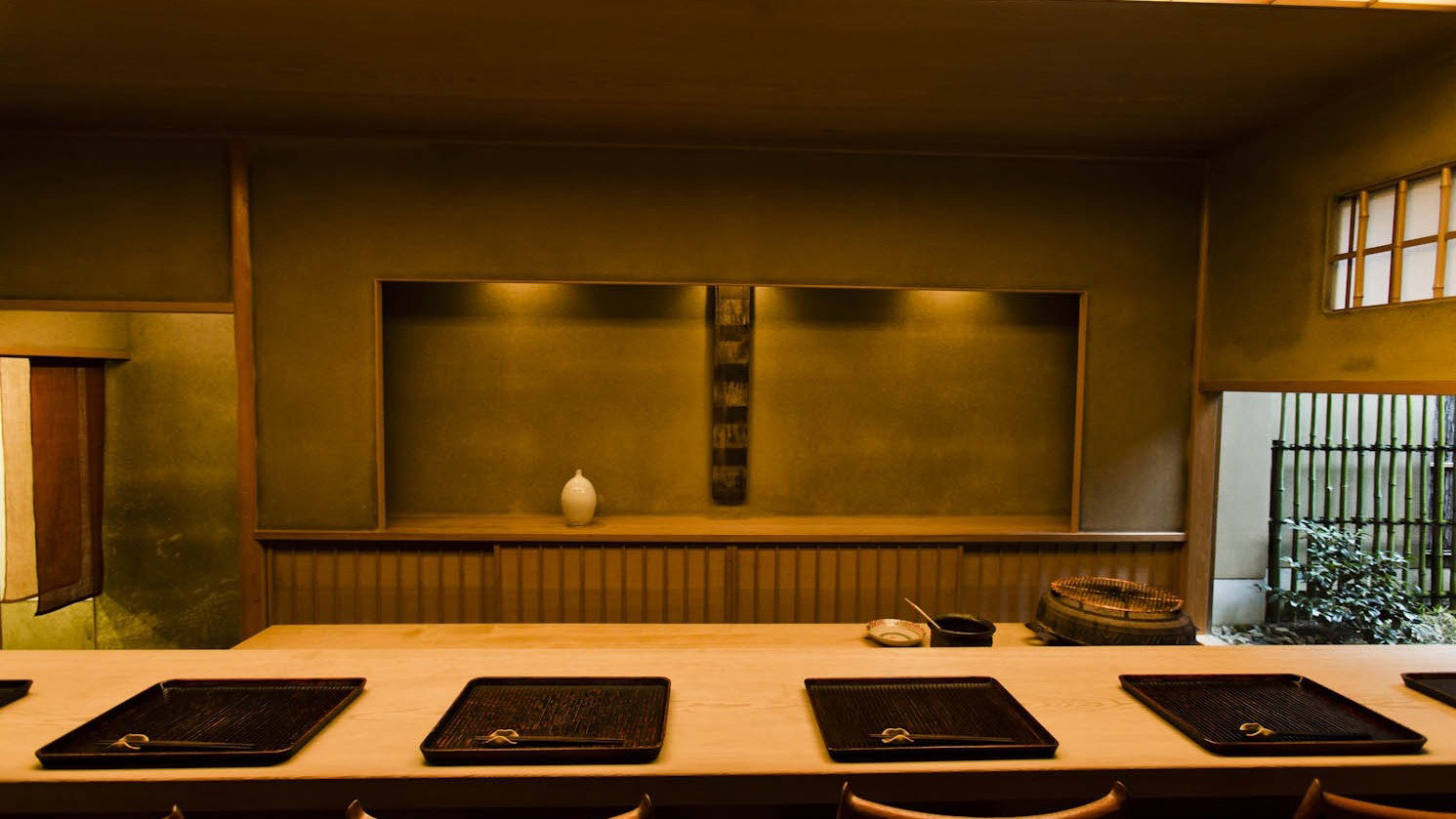
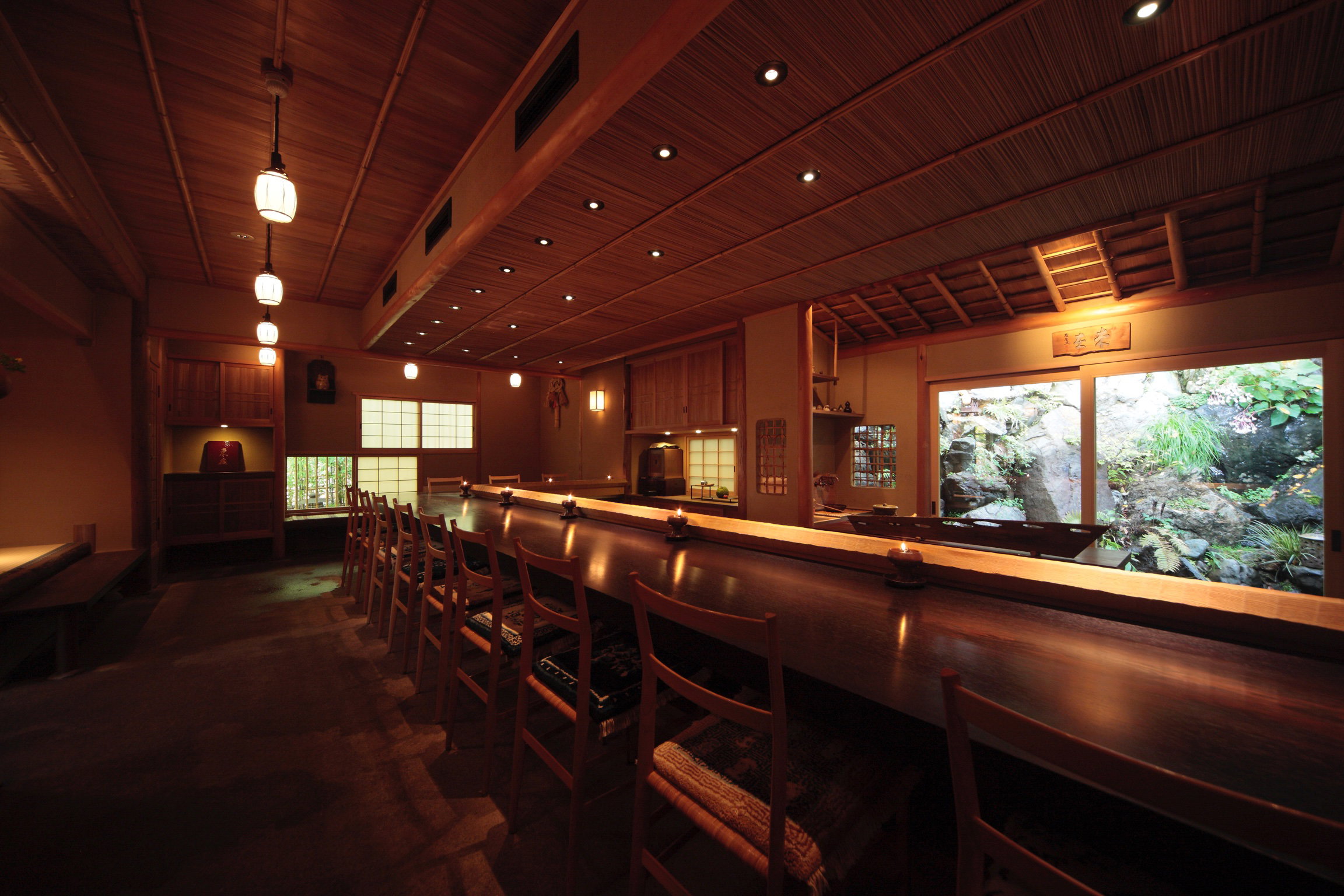
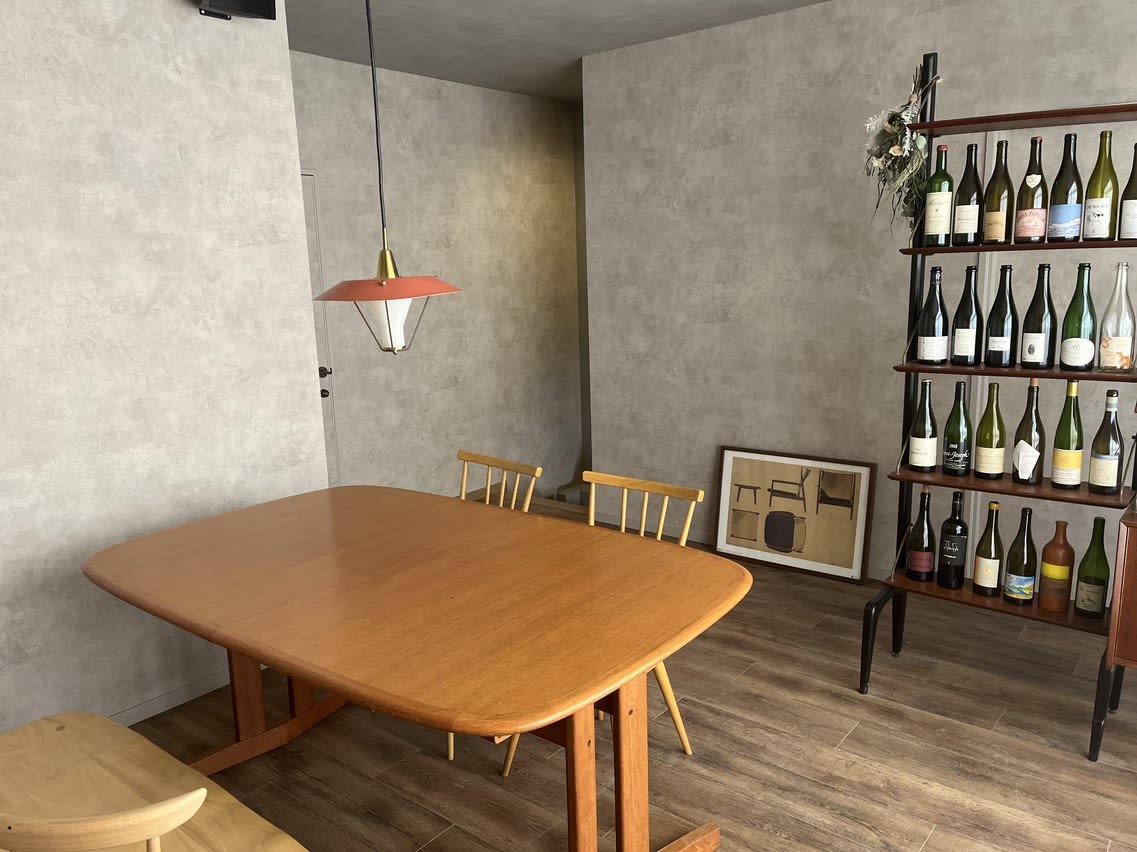
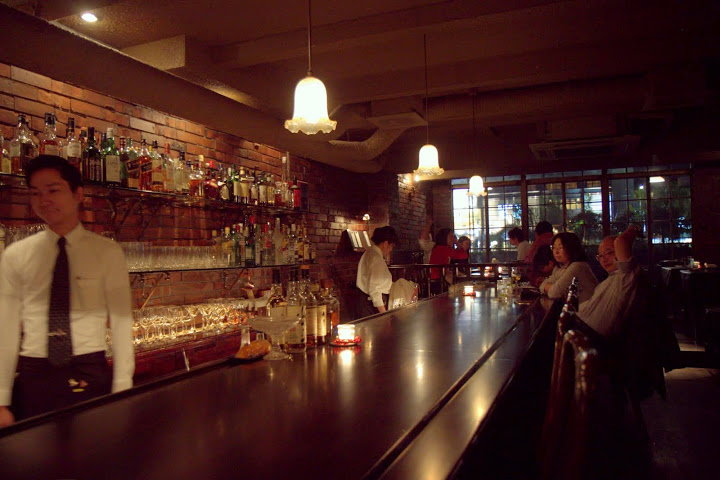
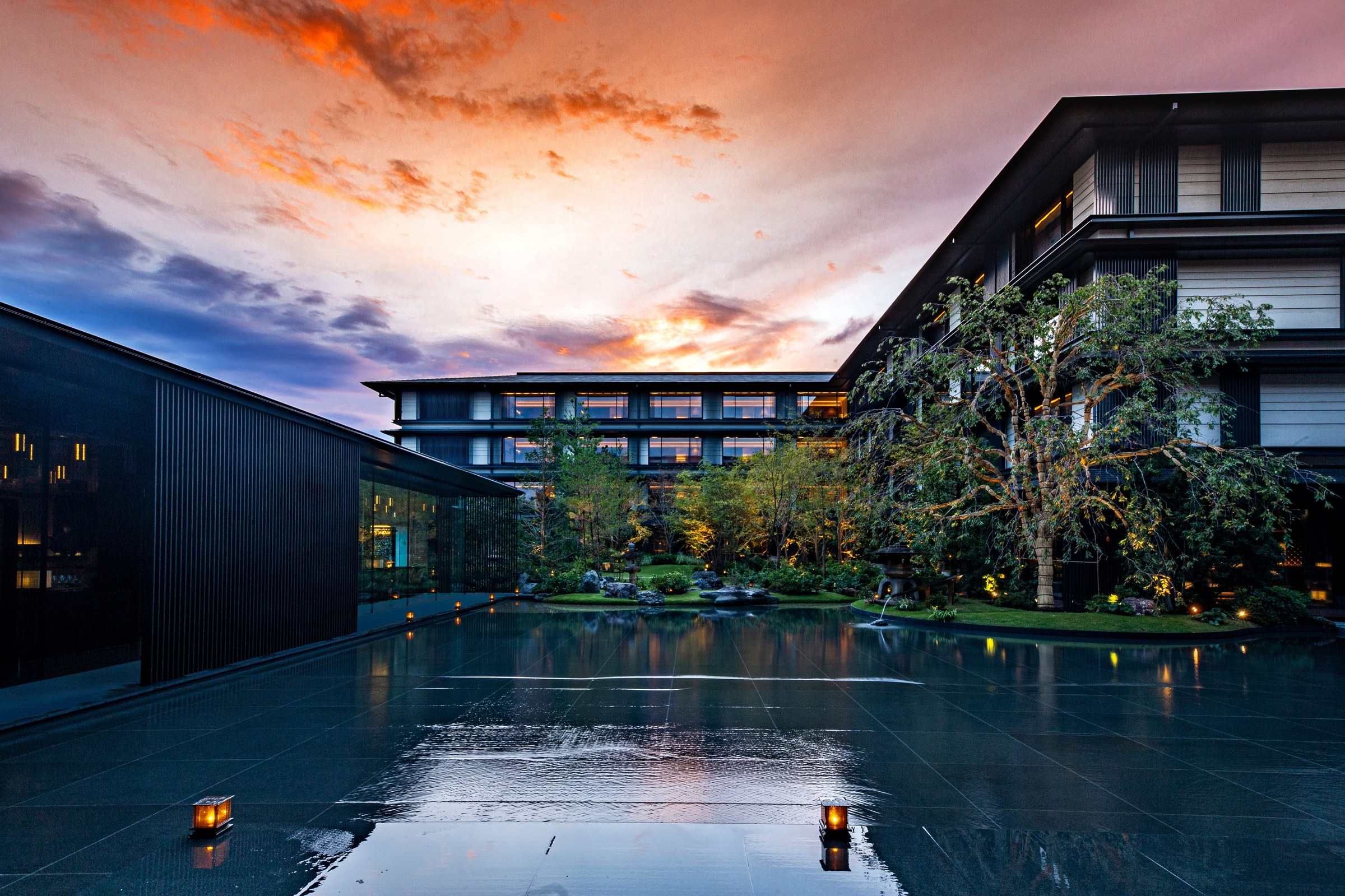
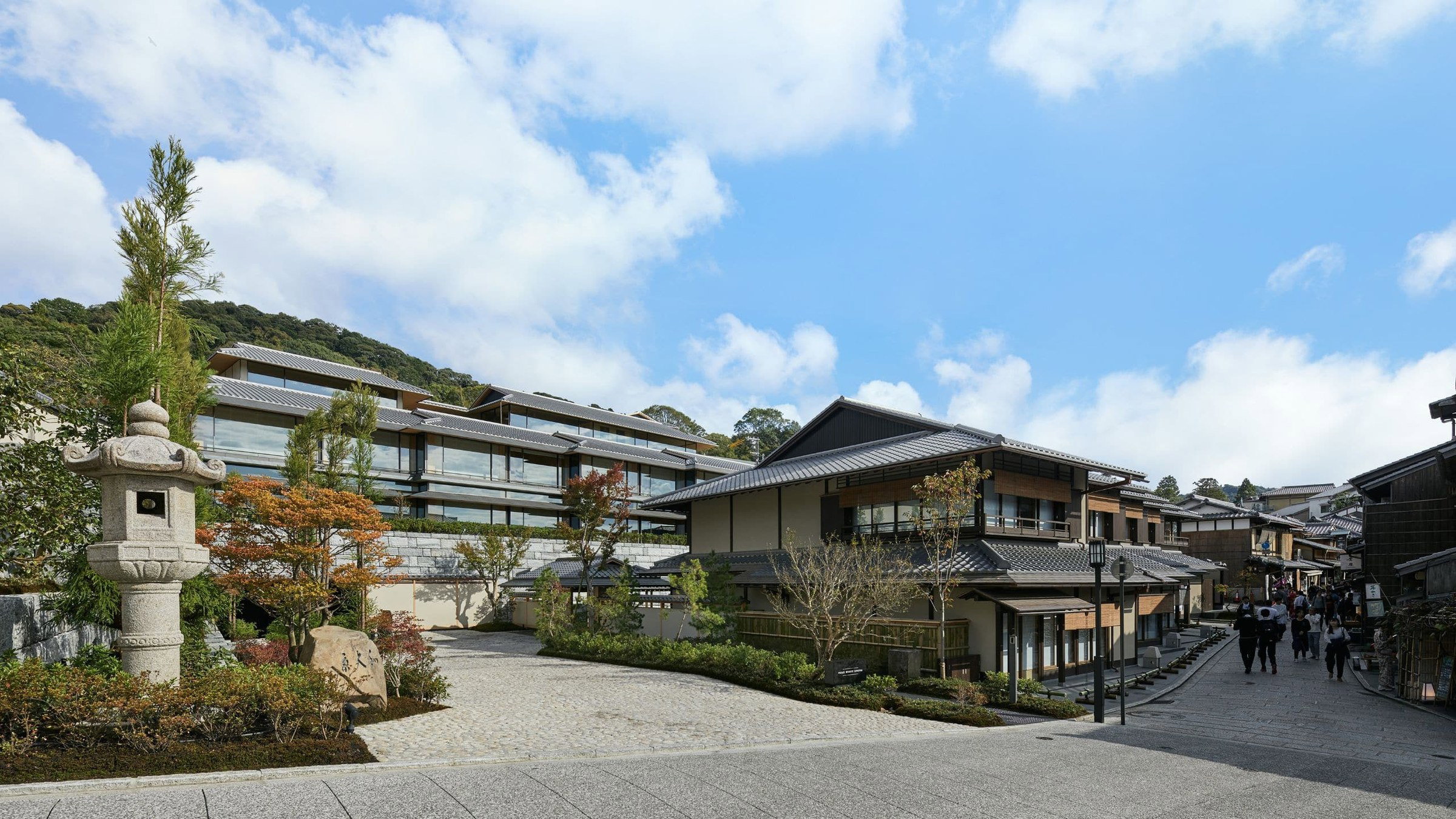
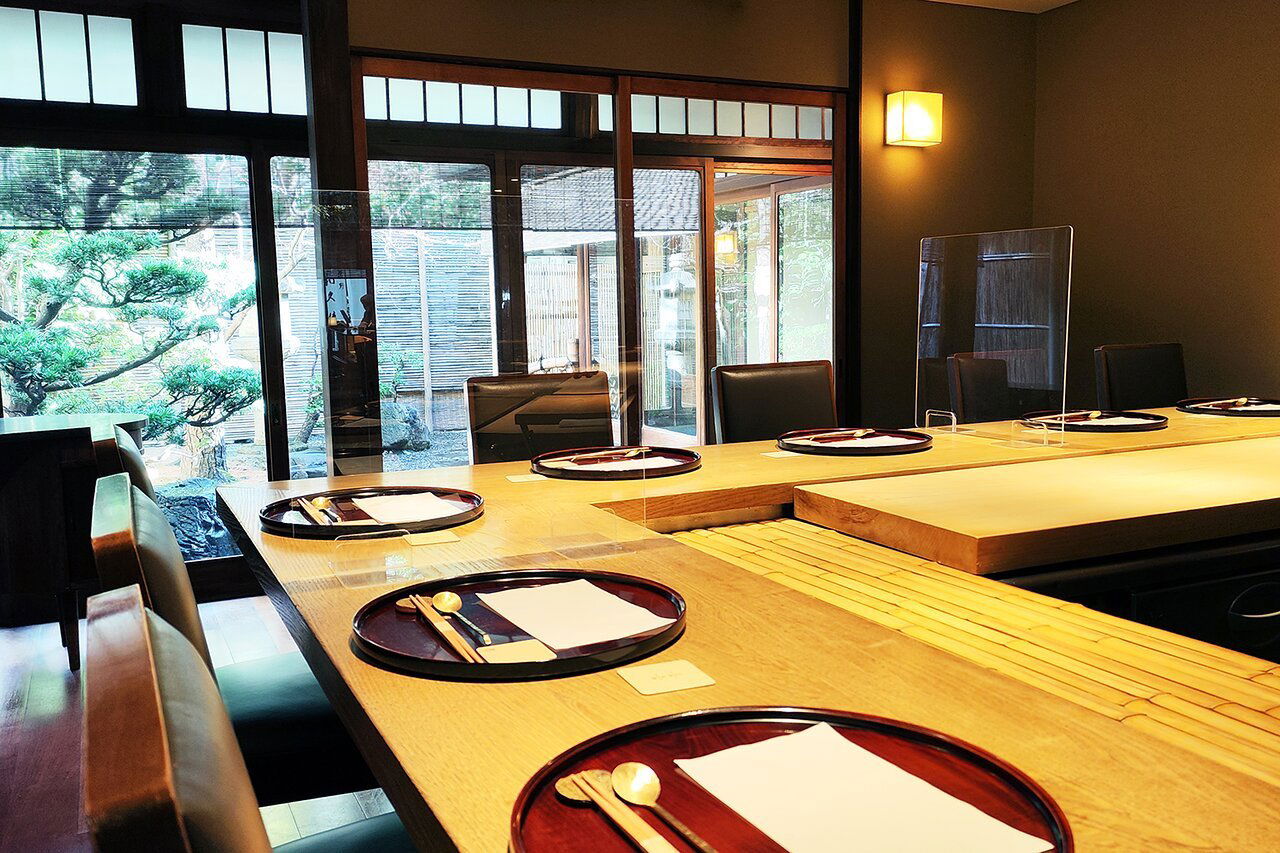
Muromachi Wakuden has operated since 1870, the setting reflects that continuity: a traditional Kyoto machiya townhouse in Nakagyo Ward, roughly a five-minute walk east of Karasuma Oike station. The room holds 50 seats split between 15 counter positions and four fully enclosed private rooms that can accommodate parties of four to twenty. For solo diners and couples, the counter is the right choice; it places guests directly facing the kitchen, where chefs work over earthen charcoal braziers, the immediacy of watching open-flame cookery is central to why this format works. Private rooms suit families and groups who need separation from the main room, though children are only accepted in private rooms, not at the counter.
The physical logic of the counter drives the whole experience. Kaiseki in Kyoto is often served in rooms where the kitchen is invisible, but here the format is closer to what you find at high-end sushi counters: the progression of the meal is something you watch as well as eat. Flame-broiled and stewed preparations are cooked on earthen braziers in front of guests; clay-pot rice, made with Kyotango-grown rice, is finished tableside. That theatricality is not decoration. It means the pacing of each course is perceptible in real time, which gives the meal a different quality from a kaiseki where dishes simply arrive from behind a closed door.
Wakuden's stated philosophy is soboku yuuga, rustic beauty and cultured refinement, the cooking follows that framing literally: ingredients are presented in forms that preserve their natural character, the menu rotates with the seasons. Crab features prominently enough that Tabelog lists it as a category alongside Japanese Cuisine, which signals the kitchen's confidence in showcasing a single premium ingredient across a progression of preparations. For food-focused travellers visiting Kyoto in crab season (broadly November through March), that emphasis is a meaningful differentiator against Kikunoi Honten or Mizai, where the seasonal anchor varies more broadly.
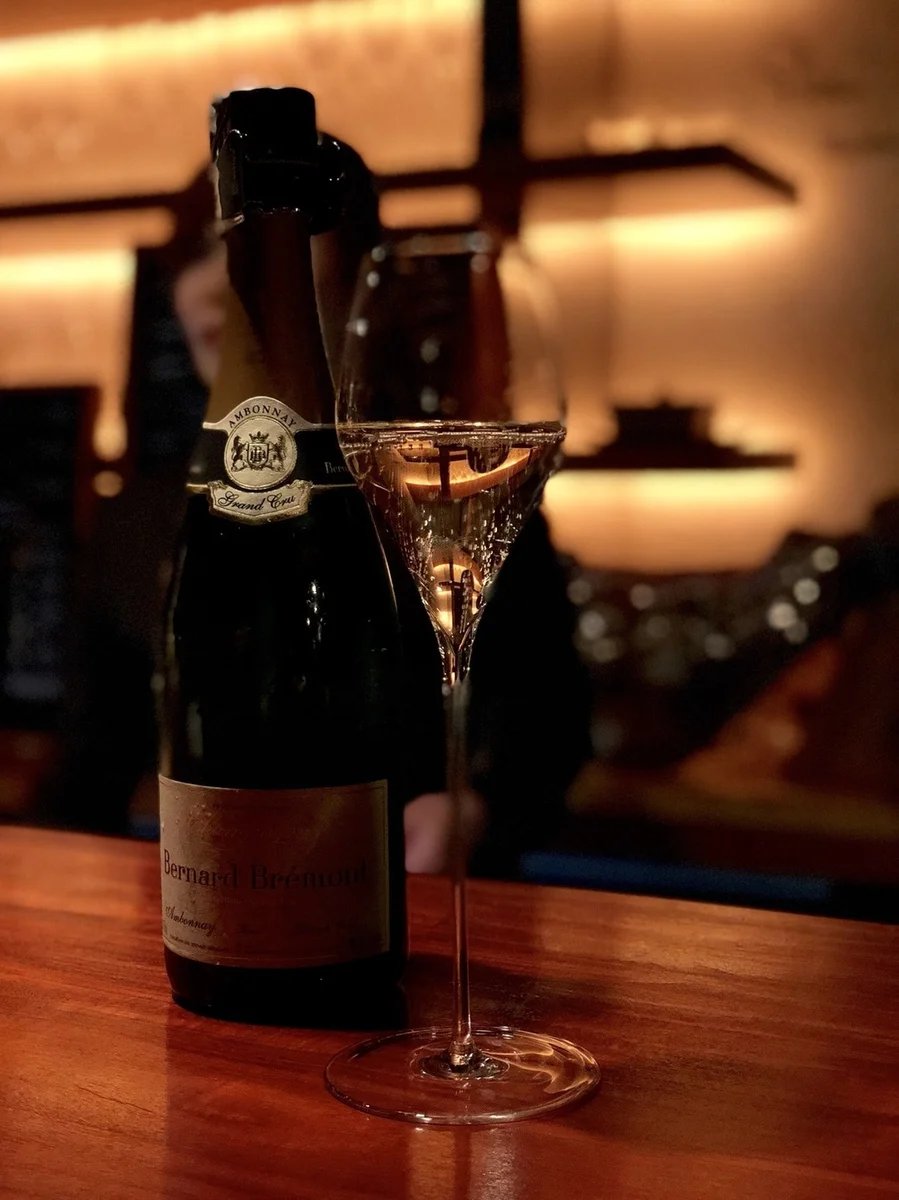
The drink program takes sake and wine seriously, the database notes a particular focus on both, which matters for explorers who want to match a curated pour to each course rather than default to beer. English menus are available, credit cards (Visa, Mastercard, JCB, Amex, Diners) are accepted, making this one of the more accessible entry points into formal Kyoto kaiseki for international visitors. There is no dress code requirement listed, though the counter format and price point imply smart-casual at minimum.
Tabelog review-based spending data suggests actual dinners often run ¥30,000–¥39,999 per person once drinks are added, a figure worth keeping in mind when budgeting. The ¥20,000–¥29,999 listed average likely reflects food-only or modest drink orders. For comparison, a similar evening at Gion Sasaki or Kyokaiseki Kichisen will push further into ¥¥¥¥ territory before drinks. Muromachi Wakuden is still the more affordable call at that tier of Kyoto dining.
The venue is wheelchair accessible and has stroller access, with family-friendly private rooms available. No dedicated parking, but coin parking is available nearby, the Karasuma Oike subway connection (Karasuma Line, exit 3-1, then five minutes east on foot) makes it reachable without a car. Closed Wednesdays and on additional non-fixed days, check ahead for the latter.
For context on how this venue sits within Japan's broader kaiseki picture: the counter-forward format, charcoal-brazier cooking, Tabelog Top 100 status put Muromachi Wakuden in the same conversation as RyuGin and Kanda in Tokyo, though the Kyoto setting and machiya context are distinct. Travellers exploring kaiseki across Japan's regions may also want to note HAJIME in Osaka, akordu in Nara, and Goh in Fukuoka as points of comparison for regional Japanese fine dining. See also our full Kyoto restaurants guide, Kyoto hotels guide, Kyoto bars guide, Kyoto experiences guide, and Kyoto wineries guide for broader trip planning.
Ratings & Recognition
- Tabelog Score: 4.18 (2026)
- Tabelog Bronze Award: 2017, 2018, 2019, 2020, 2021, 2022, 2025, 2026
- Tabelog Japanese Cuisine WEST Top 100: 2021, 2023, 2025
- 4.5 / 5 (276 reviews)
- Opinionated About Dining: Ranked #268 in Japan (2025), #296 (2024)
Booking & Practical Details
Reservation-only. Cancellations on the day or day before incur an 80% fee, treat this as a firm commitment once booked. Last lunch seating is 13:00; last dinner seating is 19:30. Closed Wednesdays and additional non-fixed days. Counter seats are for junior high school age and above; younger children must be in private rooms.
| Detail | Muromachi Wakuden | Gion Sasaki | Mizai |
|---|---|---|---|
| Price tier | ¥¥¥ | ¥¥¥¥ | ¥¥¥¥ |
| Dinner budget | ¥20,000–¥29,999 | Higher | Higher |
| Seating | Counter + private rooms | Counter + rooms | Counter + rooms |
| Children | Private rooms only | Check venue | Check venue |
| English menu | Yes | Check venue | Check venue |
| Booking difficulty | Moderate / Plan ahead | Harder | Harder |
| Closed | Wednesday + non-fixed | Check venue | Check venue |
Planning details
- Hours
- Monday: 11:30 am–3 pm, 5:30–10 pm · Tuesday: 11:30 am–3 pm, 5:30–10 pm
- Location
- 679 Marukizaimokucho, Nakagyo Ward, Kyoto, 604-8106, Japan
- Website
- wakuden.jp/ryotei/muromachi
- Phone
- +81 75-223-3200
The take
The Take
The Vibe
Muromachi Wakuden occupies a restored machiya townhouse and leans on Kyoto’s architectural traditions to set the tone for its kaiseki. The compact dining room—fifteen counter seats facing the kitchen—frames technique as much as taste: chefs work over earthen charcoal braziers in plain view, making the cooking a central part of the experience. The address sits on an understated street a short walk from Karasuma Oike, and the quieter register of the neighborhood reinforces the restaurant’s focused, contemplative mood. The atmosphere balances historic charm with formal, attentive service, prioritizing ritual and craftsmanship over spectacle.
Best For
The layout suits a range of occasions: the counter is ideal for solo diners and couples who want an unobstructed view of technique and the live preparation of each course, while four fully enclosed private rooms accommodate groups of four to twenty for family gatherings or corporate meals. As the ryotei branch of a long-established house (founded 1870) and a formal kaiseki destination, it works best for diners seeking a traditional, ceremonial multi-course experience—special occasions, business dinners, and intimate celebrations are all well served here.
Ordering Tips
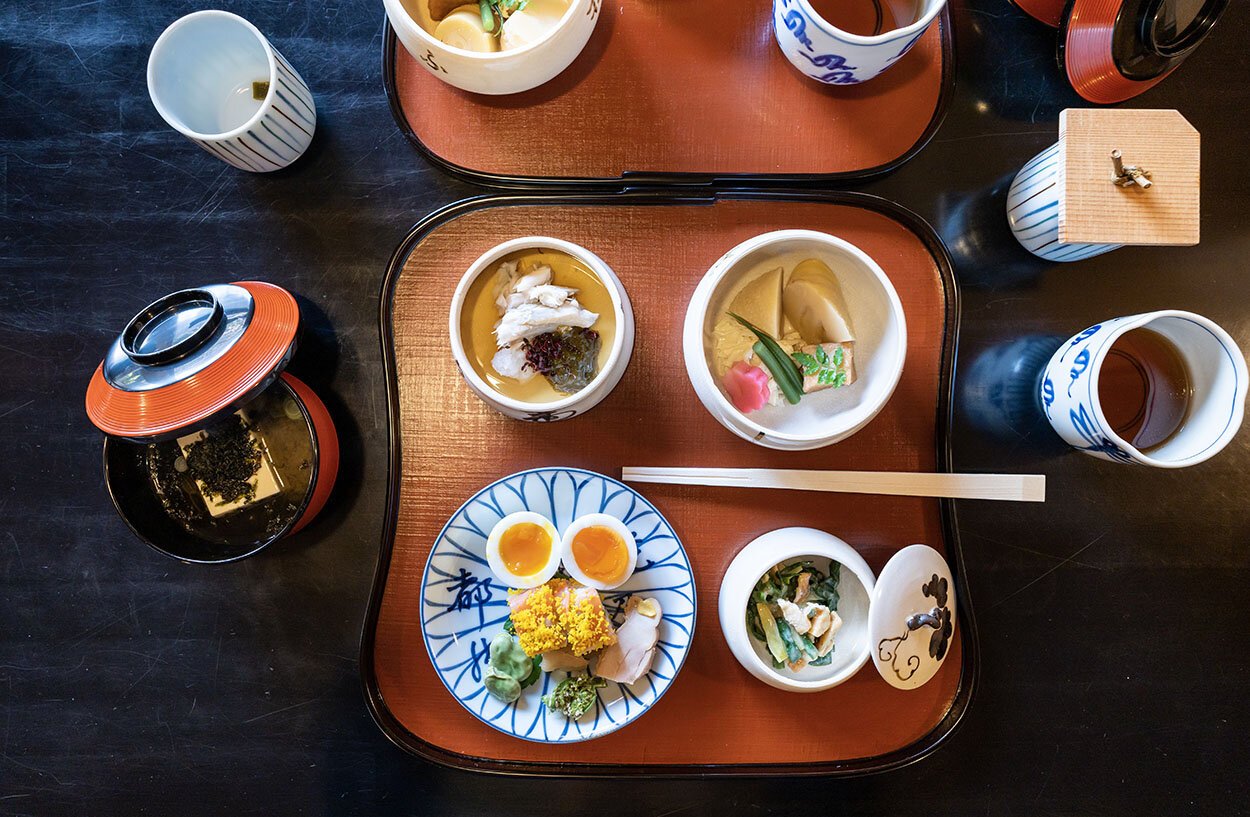
Muromachi Wakuden follows Kyoto kaiseki traditions, so the meal is presented as a sequence rather than à la carte choices; expect a curated, multi-course progression that highlights seasonal ingredients. For the fullest experience, sit at the counter to watch chefs cook over the charcoal braziers and see signature techniques up close. If you’re coming as a group or for a family or corporate gathering, request one of the fully enclosed private rooms (they fit four to twenty). Signature items mentioned for the house include pike conger wrapped in matsutake, charcoal-grilled crab, wagyu sukiyaki, bamboo shoots and clam soup.
Venue details
Ambiance
Serene and intimate counter setting in a traditional Kyoto townhouse with open kitchen views; the kitchen comes alive with spirited chef motion, creating an immersive and refined dining atmosphere.
Tags
Vibe
Best For
Experience
Sourcing
At the Table
- Dress Code
- Smart Casual
- Noise Level
- Quiet
- Service Style
- Omakase Bar
- Meal Pacing
- Extended Experience
- Capacity
- Intimate
Signature Dishes
- pike conger wrapped in matsutake mushrooms
- charcoal-grilled crab
- wagyu beef sukiyaki
- bamboo shoots
- clam soup
Planning details
Hours
- Monday
- 11:30 am–3 pm, 5:30–10 pm
- Tuesday
- 11:30 am–3 pm, 5:30–10 pm
- Wednesday
- Closed
- Thursday
- 11:30 am–3 pm, 5:30–10 pm
- Friday
- 11:30 am–3 pm, 5:30–10 pm
- Saturday
- 11:30 am–3 pm, 5:30–10 pm
- Sunday
- 11:30 am–3 pm, 5:30–10 pm
Location
679 Marukizaimokucho, Nakagyo Ward, Kyoto, 604-8106, Japan · Directions
Recognition and awards

Also consider
Also Consider
- Gion Sasaki; Kaiseki, Japanese, ¥¥¥¥
- cenci; Italian, ¥¥¥
- Ifuki; Kaiseki, ¥¥¥¥
- Kyokaiseki Kichisen; Japanese, ¥¥¥¥
- Kyo Seika; Chinese, ¥¥¥
Restaurant context
At ¥¥¥ pricing, Muromachi Wakuden sits a full tier below most of its direct kaiseki peers in Kyoto. Gion Sasaki and Ifuki both operate at ¥¥¥¥ and are harder to book, with booking windows that typically require more planning and less flexibility. If your priority is the most technically demanding kaiseki Kyoto offers regardless of price, Gion Sasaki is the stronger call. But if you want a Tabelog Top 100-recognised counter kaiseki experience with a clear seasonal narrative, Wakuden delivers that at a meaningfully lower spend and with greater booking availability.
Kyokaiseki Kichisen is the other ¥¥¥¥ benchmark in Kyoto's kaiseki hierarchy: more formal, less counter-forward, aimed at a different type of dining occasion. Wakuden's open-kitchen counter format and charcoal-brazier cooking give it a more immediate, interactive quality that Kichisen's room-service structure does not replicate. For food enthusiasts who want to watch the meal being constructed, Wakuden is the better fit. For pure ceremonial kaiseki with full room separation, Kichisen is the alternative.
cenci and Kyo Seika share the ¥¥¥ price tier with Wakuden but offer Italian and Chinese cooking respectively, so they are not direct substitutes for a kaiseki meal. They are relevant if you are planning a multi-night Kyoto itinerary and want to diversify formats: cenci for modern Italian with Japanese produce, Kyo Seika for Chinese in a Kyoto context. For a second kaiseki booking to compare against Wakuden, look at Kikunoi Honten or Hyotei for contrasting approaches to the same tradition.
Explore Kyoto
Around this place
Discover more on Pearl
Unlock the full Muromachi Wakuden guide in Pearl, including awards, comparisons, FAQs, planning details, and nearby places.
FAQ
Frequently Asked Questions
Is lunch or dinner better at Muromachi Wakuden?
Lunch is the better-value entry point: Tabelog puts it at ¥15,000–¥19,999 versus ¥20,000–¥29,999 at dinner, actual reviewer spend at lunch averages closer to ¥10,000–¥14,999. Last lunch seating is 13:00, so arrive on time. If budget is not a constraint, dinner gives a longer service window and the full evening counter experience.
What should I order at Muromachi Wakuden?
Muromachi Wakuden serves kaiseki, a fixed-course format; you do not select individual dishes. The kitchen is noted for seasonal ingredients, earthen charcoal-brazier preparations, clay-pot rice using Kyotango-grown grain. Crab is listed as a featured category, making autumn and winter visits particularly aligned with the menu's strengths.
Is Muromachi Wakuden good for solo dining?
Yes; the 15-seat counter is well-suited to solo diners and runs reservation-only, so you will have a confirmed seat rather than competing for space. Counter seating is limited to junior high school age and above. At ¥20,000–¥29,999 for dinner, solo kaiseki here sits at the higher end of a Kyoto night out, but the Tabelog Bronze recognition (held continuously since 2017) supports the spend.
Can Muromachi Wakuden accommodate groups?
Yes. Four fully private rooms handle parties of 4 to 20 people, full venue buyout is available for up to 50. Groups with children must use private rooms; counter seats are adults and junior-high-age and above only. Contact the restaurant by phone to arrange private room bookings; the reservation system handles counter seats separately.
What should a first-timer know about Muromachi Wakuden?
This is a reservation-only kaiseki restaurant operating since 1870, ranked in Opinionated About Dining's top 300 restaurants in Japan and holding Tabelog Bronze every year since 2017; it draws a serious dining crowd. Book well in advance, note the 80% cancellation fee for same-day or prior-day cancellations, arrive before the 13:00 lunch or 19:30 dinner last-seating cutoffs. No dress code is specified, an English menu is available.